1. Search Result
Search Result
Results for "

Protein homeostasis

" in MedChemExpress (MCE) Product Catalog:

72

Inhibitors & Agonists

11

Screening Libraries

1

Fluorescent Dyes

2

Biochemical Assay Reagents

10

Peptides

1

Inhibitory Antibodies

12

Natural
Products

1

Recombinant Proteins

5

Isotope-Labeled Compounds

8

Oligonucleotides

Cat. No. Product Name Target Research Areas Chemical Structure
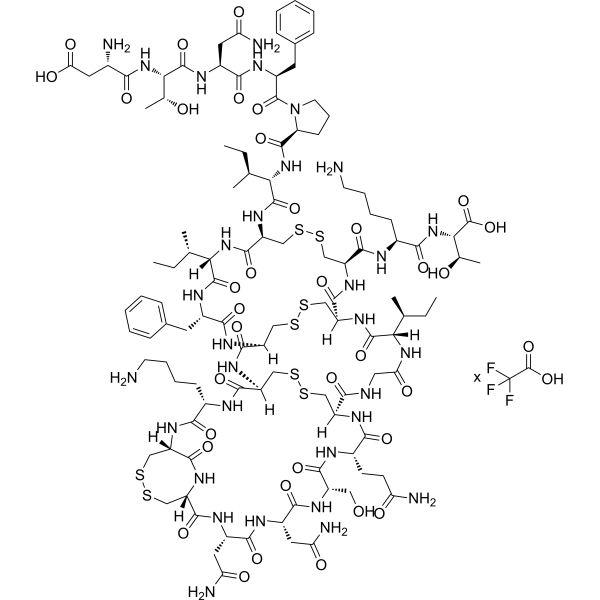
  • HY-P1363
    β-Amyloid (1-42), human TFA
    Maximum Cited Publications
    24 Publications Verification

    Amyloid β-peptide (1-42) (human) TFA

    Amyloid-β Neurological Disease
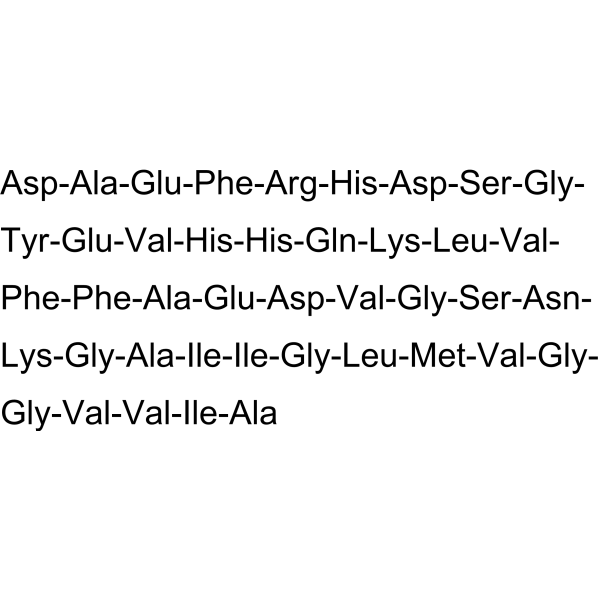
    β-Amyloid (1-42) (Amyloid β-peptide (1-42), human TFA, a 42-amino acid peptide that has not been treated with HFIP, is a brain-penetrant amyloid protein fragment, which can be used in research on Alzheimer's disease and Down’s syndrome. β-Amyloid (1-42), human TFA remaining as a monomer exhibits antioxidant and neuroprotective effects. β-Amyloid (1-42), human TFA, after being monomericized by HFIP and dissolved in DMSO to form the stock solution, on the one hand, can form soluble oligomers (AβOs) when incubated at 4 °C, which have synaptic toxicity and neurotoxicity; on the other hand, it can be incubated at 37 °C to form insoluble fibrils, with lower neurotoxicity, and participating in the oxidative damage process. Aβ42 oligomers bind to various neuronal surface receptors (such as PrPc, mGluR5, NMDA receptors, etc.), triggering oxidative stress, calcium homeostasis imbalance, and synaptic toxicity via activating downstream signaling pathways, leading to neuronal dysfunction and death .
    β-Amyloid (1-42), human TFA
  • HY-P1363A
    β-Amyloid (1-42), human
    Maximum Cited Publications
    24 Publications Verification

    Amyloid β-peptide (1-42) (human)

    Amyloid-β Neurological Disease
    β-Amyloid (1-42) (Amyloid β-peptide (1-42)), human, a 42-amino acid peptide that has not been treated with HFIP, is a brain-penetrant amyloid protein fragment, which can be used in research on Alzheimer's disease and Down’s syndrome. β-Amyloid (1-42), human remaining as a monomer exhibits antioxidant and neuroprotective effects. β-Amyloid (1-42), human, after being monomericized by HFIP and dissolved in DMSO to form the stock solution, on the one hand, can form soluble oligomers (AβOs) when incubated at 4 °C, which have synaptic toxicity and neurotoxicity; on the other hand, it can be incubated at 37 °C to form insoluble fibrils, with lower neurotoxicity, and participating in the oxidative damage process. Aβ42 oligomers bind to various neuronal surface receptors (such as PrPc, mGluR5, NMDA receptors, etc.), triggering oxidative stress, calcium homeostasis imbalance, and synaptic toxicity via activating downstream signaling pathways, leading to neuronal dysfunction and death .
    β-Amyloid (1-42), human
  • HY-P1363B
    β-Amyloid (1-42), human, HFIP-treated
    Maximum Cited Publications
    24 Publications Verification

    Amyloid-β Neurological Disease
    β-Amyloid (1-42), human, HFIP-treated, a 42-amino acid peptide that has been treated with HFIP from β-Amyloid (1-42), human (HY-P1363A), is a brain-penetrant amyloid protein fragment, which can be used in research on Alzheimer's disease and Down’s syndrome. β-Amyloid (1-42), human, HFIP-treated remaining as a monomer exhibits antioxidant and neuroprotective effects. β-Amyloid (1-42), human, HFIP-treated, after being dissolved in DMSO to form the stock solution, on the one hand, can form soluble oligomers (AβOs) when incubated at 4°C, which have synaptic toxicity and neurotoxicity; on the other hand, it can be incubated at 37°C to form insoluble fibrils, with lower neurotoxicity, and participating in the oxidative damage process. Aβ42 oligomers bind to various neuronal surface receptors (such as PrPc, mGluR5, NMDA receptors, etc.), triggering oxidative stress, calcium homeostasis imbalance, and synaptic toxicity via activating downstream signaling pathways, leading to neuronal dysfunction and death .
    β-Amyloid (1-42), human, HFIP-treated
  • HY-126370A

    Endogenous Metabolite YAP Apoptosis Interleukin Related STAT ERK Ras Cancer
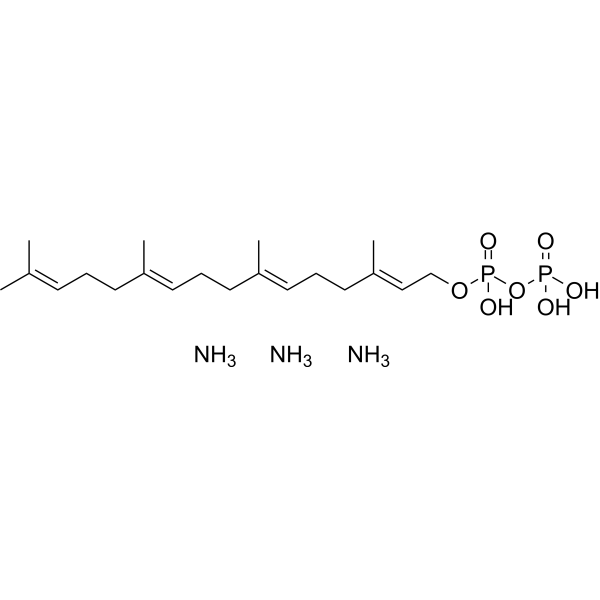
    Geranylgeranyl pyrophosphate triammonium is a type of isoprenoid metabolic intermediate, mainly synthesized through the mevalonate pathway. Geranylgeranyl pyrophosphate triammonium is a key precursor in various biological synthesis processes, especially as a necessary substrate for post-translational modification of proteins - geranylgeranyl phosphorylation. Geranylgeranyl pyrophosphate triammonium regulates various cellular processes and disease progression through protein geranylgeranyl phosphorylation, such as activating the YAP signaling pathway, promoting cell proliferation and inhibiting apoptosis; promoting IL-2 production and STAT5 phosphorylation; and influencing metabolic homeostasis and cancer, etc .
    Geranylgeranyl pyrophosphate triammonium
  • HY-12542
    Dantrolene
    10+ Cited Publications

    F 368

    Calcium Channel Reactive Oxygen Species (ROS) Apoptosis Cardiovascular Disease Neurological Disease Inflammation/Immunology
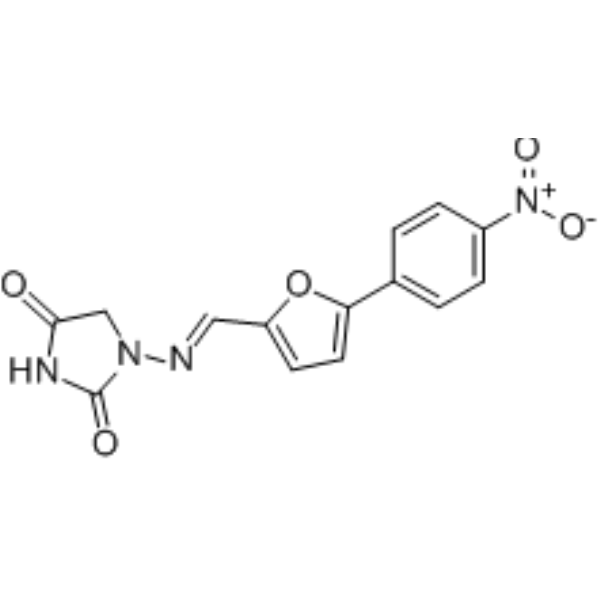
    Dantrolene is an orally active, non-competitive glutathione reductase inhibitor with a Ki of 111.6 μM and an IC50 of 52.3 μM. Dantrolene is also a calcium channel protein inhibitor. Dantrolene inhibits the release of Ca 2+ from RyR1 and RyR3, which can be beneficial in a variety of pathologies caused by disruptions in calcium homeostasis (e.g., stroke, ischemia/reperfusion injury, and neurodegenerative diseases). Dantrolene offers relief of muscle spasms, malignant hyperthermia, and antitoxic, antipyretic, and anti-inflammatory properties .
    Dantrolene
  • HY-N9933
    Tauro-β-muricholic acid
    4 Publications Verification

    TβMCA

    FXR Apoptosis Neurological Disease Metabolic Disease Inflammation/Immunology Cancer
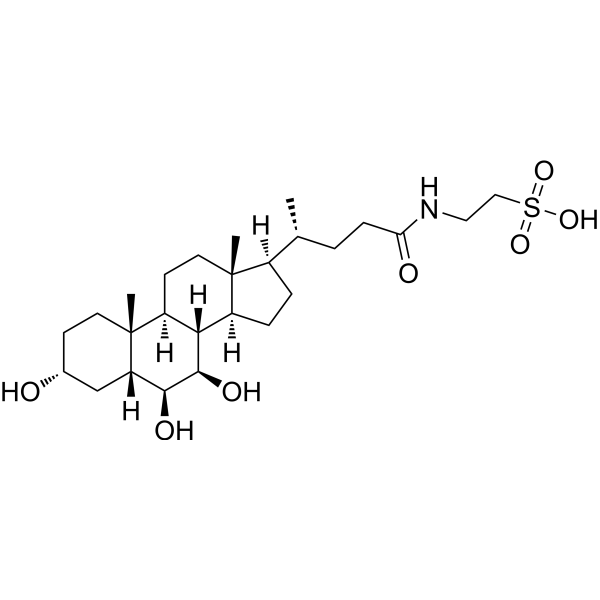
    Tauro-β-muricholic acid (TβMCA) is an orally active trihydroxylated bile acid and a competitive, reversible FXR antagonist (IC50=40 μM). Tauro-β-muricholic acid inhibits bile acid-induced hepatocyte apoptosis by maintaining mitochondrial membrane potential, while simultaneously inhibiting intestinal FXR signaling, affecting bile acid synthesis, hepatic lipid metabolism, and insulin sensitivity. Accumulation of tauro-β-muricholic acid disrupts metabolic homeostasis, promoting cancer stem cell proliferation and tumor progression. The mechanisms of tauro-β-muricholic acid involve two aspects: first, inhibiting the translocation of the pro-apoptotic protein Bax to mitochondria and maintaining mitochondrial membrane potential (MMP); and second, blocking the FXR signaling pathway to regulate bile acid metabolism, reduce serum ceramide production, and downregulate the hepatic SREBP1C/CIDEA pathway. Tauro-β-muricholic acid possesses anti-hepatocyte apoptosis, bile acid homeostasis regulation, and liver fat accumulation reduction properties, and also functions as a biomarker, making it useful in the study of diseases such as bile acid metabolism disorders, non-alcoholic fatty liver disease, colorectal cancer, and liver fibrosis .
    Tauro-β-muricholic acid
  • HY-111355B

    Sirtuin Endogenous Metabolite PKC AMPK DOCK Metabolic Disease Inflammation/Immunology Cancer
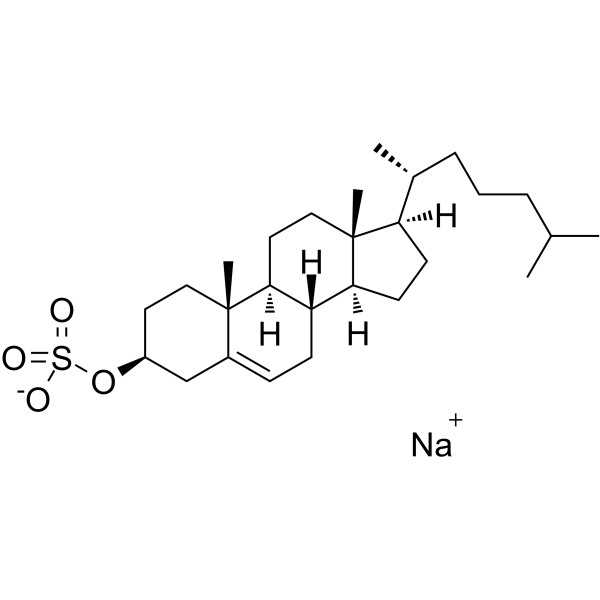
    Cholesterol sulfate sodium is a naturally occurring, orally active cholesterol derivative that is widely distributed in various tissues and body fluids. Cholesterol sulfate sodium acts as a DOCK2 inhibitor, with IC50 values of 2 μM and 2.9 μM against mouse and human targets, respectively. Cholesterol sulfate sodium restricts excessive neutrophil infiltration and alleviates intestinal inflammation and damage. Cholesterol sulfate sodium serves as an activator of protein kinase C (PKC), which promotes squamous cell differentiation and inhibits skin carcinogenesis. Cholesterol sulfate sodium regulates cholesterol homeostasis and cellular metabolism by activating the AMPK-Sirt1 pathway. Cholesterol sulfate sodium can be used in research related to actinic keratitis, ulcerative colitis, skin cancer, and other conditions .
    Cholesteryl sulfate sodium
  • HY-128574

    DS11252927

    GLUT PI3K Akt Metabolic Disease
    D927 (DS11252927) is an orally active glucose transporter type 4 (GLUT4) translocation activator with an EC50 of 0.14 μM. D927 enhances the binding affinity of PI3Kα catalytic subunit p110α to canonical RAS proteins (KRAS4A, KRAS4B) and RRAS, RRAS2, MRAS. D927 activates the PI3Kα-AKT pathway (increasing phosphorylation of AKT, p70S6 kinase) without affecting the RAF-ERK1/2 pathway. D927 improves hyperglycemia in type 1 and type 2 diabetes mice model. D927 can be used for the study of glucose homeostasis disorders and diabetes .
    D927
  • HY-14657
    Dantrolene sodium
    10+ Cited Publications

    F 440

    Calcium Channel Reactive Oxygen Species (ROS) Apoptosis Cardiovascular Disease Neurological Disease Metabolic Disease
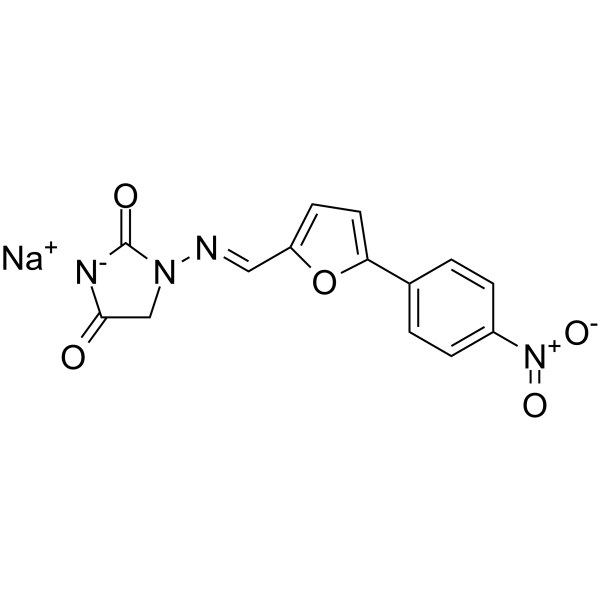
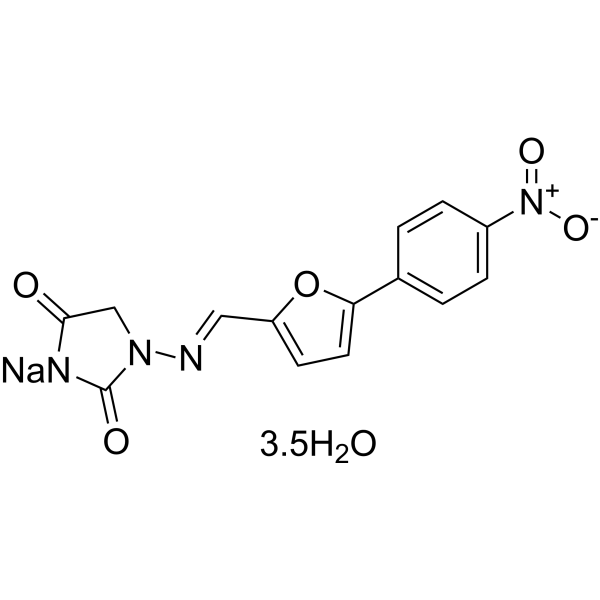
    Dantrolene sodium is an orally active, non-competitive glutathione reductase inhibitor with a Ki of 111.6 μM and an IC50 of 52.3 μM. Dantrolene sodium is also a calcium channel protein inhibitor. Dantrolene sodium inhibits the release of Ca 2+ from RyR1 and RyR3, which can be beneficial in a variety of pathologies caused by disruptions in calcium homeostasis (e.g., stroke, ischemia/reperfusion injury, and neurodegenerative diseases). Dantrolene sodium offers relief of muscle spasms, malignant hyperthermia, and antitoxic, antipyretic, and anti-inflammatory properties .
    Dantrolene sodium
  • HY-116788
    Lipofermata
    5+ Cited Publications

    Bacterial Infection
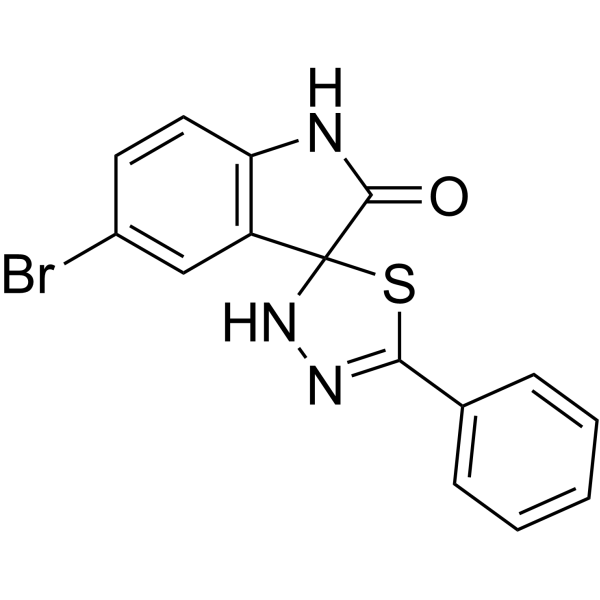
    Lipofermata is a fatty acid transport protein 2 (FATP2) inhibitor. Lipofermata shows fatty acid transport inhibition with an IC50 of 4.84 μM in Caco-2 cells. Lipofermata, an analog of spiro-indoline-thadiazole, shows zinc-specific suppression of antibacterial activity. Lipofermata perturbs zinc homeostasis in E. coli K-12 with a MIC of 16 μM .
    Lipofermata
  • HY-123606
    GSK484
    Maximum Cited Publications
    49 Publications Verification

    Protein Arginine Deiminase MHC Cardiovascular Disease Inflammation/Immunology
    GSK484 is a PAD4 inhibitor that effectively inhibits protein citrullination and the formation of neutrophil extracellular traps (NETs) by blocking the catalytic activity of PAD4. GSK484 suppresses the production of histone H3, MHC-I expression, CD8 + T cell activation, proliferation and inflammatory cytokine release. GSK484 reduces inflammation and bone destruction in collagen-induced rheumatoid arthritis, alleviates pain and mast cell activation in sickle cell disease, and improves myocardial ischemia-reperfusion injury and experimental colitis. In addition, GSK484 restores intestinal microbial homeostasis by reversing ferroptosis-induced dysbiosis. GSK484 can be used to study the disease mechanisms of rheumatoid arthritis, sickle cell disease, thrombosis, myocardial injury, colitis and other conditions .
    GSK484
  • HY-148189
    Aldometanib
    5+ Cited Publications

    LXY-05-029

    Fructose-1,6-bisphosphate aldolase AMPK Metabolic Disease
    Aldometanib (LXY-05-029) is an orally active aldolase inhibitor. Aldometanib can activate lysosomal adenosine monophosphate-activated protein kinase (AMPK) and decreases blood glucose. Aldometanib can be used for the research of metabolic homeostasis .
    Aldometanib
  • HY-N0468
    Rebaudioside D
    1 Publications Verification

    FXR Acetyl-CoA Carboxylase Metabolic Disease
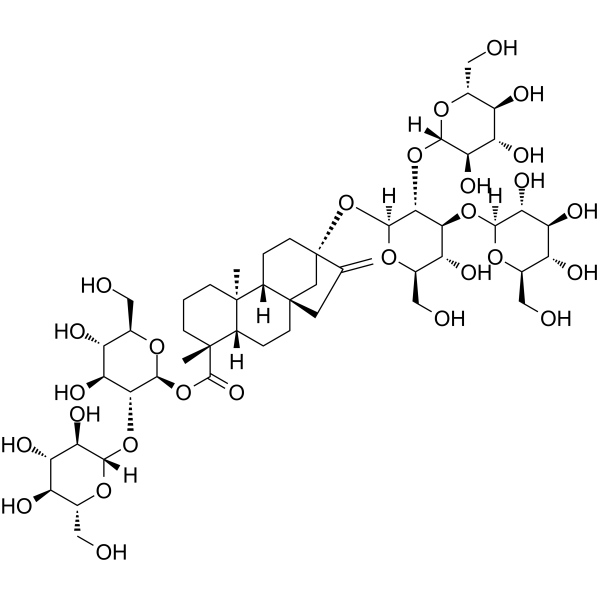
    Rebaudioside D is an orally active sweetener that targets and activates FXR, modulates Acetyl-CoA Carboxylase, and inhibits 3-hydroxy-3-methylglutaryl-CoA reductase. Rebaudioside D regulates bile acid homeostasis and lipid metabolism, reduces the synthesis rates of fatty acids and cholesterol, and exerts multiple effects including anti-adipogenesis, hepatoprotection, anti-steatosis, gut microbiota modulation, enhancement of secondary bile acid metabolism, anti-endotoxin activity, regulation of bile acid transport, and inhibition of bile acid efflux. Rebaudioside D also reduces body weight gain, visceral fat accumulation, hepatic triglyceride and cholesterol accumulation, hepatic lipid peroxidation, and decreases the circulating level of lipopolysaccharide-binding protein. Rebaudioside D additionally enhances the secondary bile acid metabolic pathway of intestinal bacteria, upregulates the gene expression of ileal organic solute transporter α, and downregulates the gene expression of hepatic bile salt export pump. Rebaudioside D does not affect glucose homeostasis, alter total caloric intake or fecal energy excretion, induce weight gain, exacerbate obesity, promote hepatic steatosis, impair brown adipose tissue function, nor change skeletal muscle metabolism-related proteins. Rebaudioside D can be used in diet-induced obesity and obesity-related research .
    Rebaudioside D
  • HY-12542A

    Dantrolene sodium hydrate

    Calcium Channel Reactive Oxygen Species (ROS) Apoptosis Cardiovascular Disease Neurological Disease Metabolic Disease
    Dantrolene sodium hemiheptahydrate is an orally active, non-competitive glutathione reductase inhibitor with a Ki of 111.6 μM and an IC50 of 52.3 μM. Dantrolene sodium hemiheptahydrate is also a calcium channel protein inhibitor. Dantrolene sodium hemiheptahydrate inhibits the release of Ca 2+ from RyR1 and RyR3, which can be beneficial in a variety of pathologies caused by disruptions in calcium homeostasis (e.g., stroke, ischemia/reperfusion injury, and neurodegenerative diseases). Dantrolene sodium hemiheptahydrate offers relief of muscle spasms, malignant hyperthermia, and antitoxic, antipyretic, and anti-inflammatory properties .
    Dantrolene sodium hemiheptahydrate
  • HY-150097

    Biochemical Assay Reagents Metabolic Disease Inflammation/Immunology Cancer
    Recombinant Human Serum Albumin (rHSA) is a non-glycosylated monomeric plasma protein that acts as a core factor for maintaining plasma colloid osmotic pressure. Recombinant Human Serum Albumin (rHSA) possesses multiple physiological functions including carrier, metabolic regulation, detoxification, antioxidation and enzyme mimicking. Recombinant Human Serum Albumin (rHSA) not only scavenges reactive oxygen and nitrogen species via specific residues and binds a variety of endogenous and exogenous compounds to maintain redox homeostasis, but also serves as a biomarker for multiple diseases such as cancer and inflammation. Recombinant Human Serum Albumin (rHSA) broadly supports the development of implantable materials, surgical adhesives and ligand capture, and can be used for research on critical illnesses including hypovolemia, liver failure, severe sepsis and various types of trauma resuscitation .
    Recombinant Human Serum Albumin(rHSA)
  • HY-170794

    Acyltransferase Ceramidase Metabolic Disease
    ALT-007 is an orally active serine palmitoyltransferase (SPT) inhibitor that selectively reduces the levels of toxic very-long-chain deoxysphingolipids to enhance protein homeostasis. ALT-007 restores aging-related loss of muscle mass in a mouse model of sarcopenia. ALT-007 enhances protein homeostasis in both mouse and C. elegans models of aging and disease. ALT-007 can be used for age-related neuromuscular diseases research .
    ALT-007
  • HY-153468

    TEQ103; Sera2

    Sodium Channel TRP Channel Cancer
    ErSO-TFPy (TEQ103) is an ERα+ tumor cell inhibitor with low nanomolar cytotoxic activity against ERα+ breast cancer cells. ErSO-TFPy activates the sodium channel TRPM4, causes an imbalance of intracellular calcium and sodium ions. ErSO-TFPy dysregulates calcium homeostasis in ERα+ tumor cells, triggers the anticipatory unfolded protein response, and induces rapid immune cell-independent necrotic cell death. ErSO-TFPy can be used for the research of estrogen receptor alpha positive breast cancer .
    ErSO-TFPy
  • HY-W010041

    α-synuclein Amyloid-β Neurological Disease
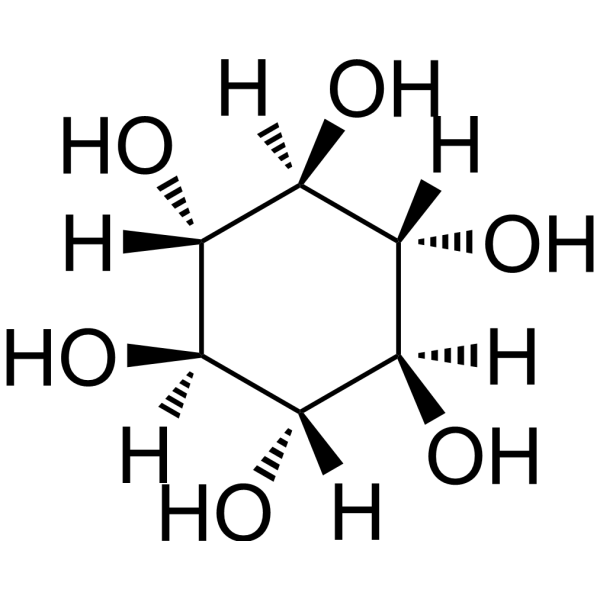
    Scyllo-Inositol is an inhibitor that targets the aggregation of misfolded proteins (such as α-synuclein and Amyloid-β), is orally effective, and can cross the blood-brain barrier. Scyllo-Inositol can selectively bind to and stabilize non-toxic oligomers, preventing them from converting into toxic fibers, exerting protein homeostasis regulation and neuroprotective activity. Scyllo-Inositol binds to the hydrophobic region of pathogenic proteins, inhibits protein aggregation, and promotes lysosome- and proteasome-mediated degradation pathways, thereby reducing neurotoxicity. Scyllo-Inositol can be used in the study of neurodegenerative diseases such as Parkinson's disease, Alzheimer's disease, and Huntington's disease .
    Scyllo-Inositol
  • HY-P4373A
    Hepcidin-1 (mouse) TFA
    1 Publications Verification

    Cathepsin MMP Inflammation/Immunology
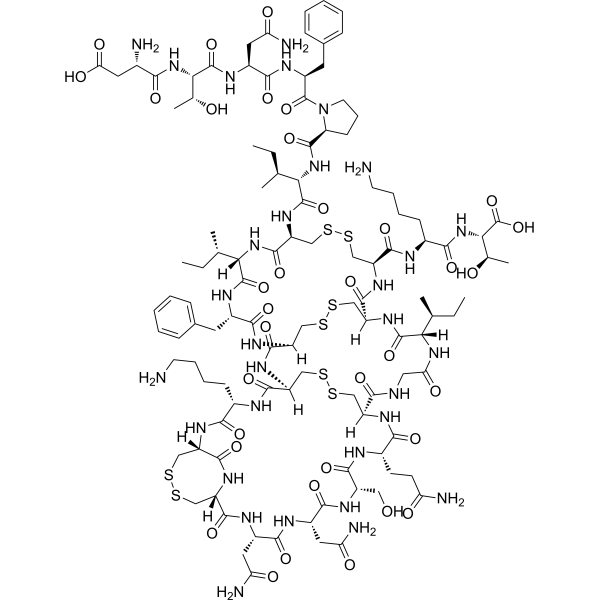
    Hepcidin-1 (mouse) TFA is an endogenous peptide hormone involved in the regulation of iron homeostasis. Hepcidin-1 (mouse) TFA upregulates mRNA levels of TRAP, cathepsin K, and MMP-9 and increases TRAP-5b protein secretion. Hepcidin-1 (mouse) TFA downregulates the level of FPN1 protein and increases intracellular iron. Hepcidin-1 (mouse) TFA facilitates osteoclast differentiation .
    Hepcidin-1 (mouse) TFA
  • HY-W355700

    Drug Metabolite Infection
    1-oleoyl-sn-glycero-3-phosphoethanolamine (LysoPE 18:1) is a lysophosphatidylethanolamine molecule involved in phospholipid metabolism, targeting cell membrane receptors (such as G protein-coupled receptors) to regulate cell signaling pathways. 1-oleoyl-sn-glycero-3-phosphoethanolamine may activate mitogen-activated protein kinase (MAPK) signaling, promote cell migration, regulate inflammatory responses and lipid metabolism, and has both pro-inflammatory and anti-inflammatory activities. 1-oleoyl-sn-glycero-3-phosphoethanolamine is mainly used in the screening of biomarkers for metabolic diseases (such as non-alcoholic fatty liver disease and obesity), as well as the study of the mechanism of lysophospholipids in cell membrane homeostasis and signal transduction .
    1-Oleoyl-2-hydroxy-sn-glycero-3-phosphoethanolamine
  • HY-13568

    LRCL 3794

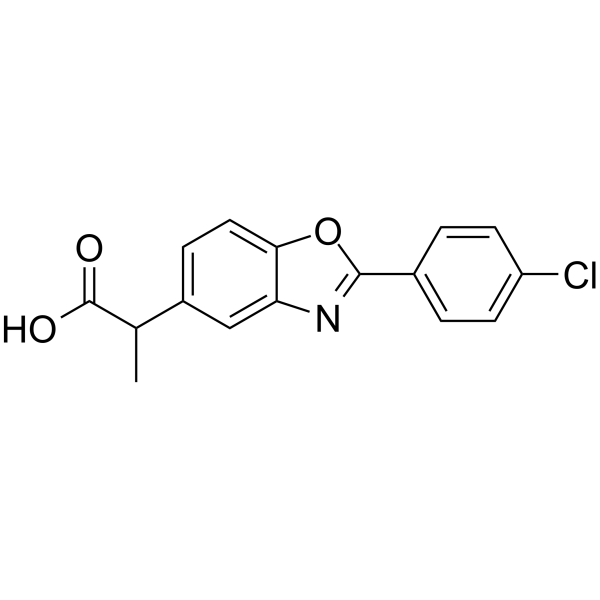
    Cytochrome P450 COX Lipoxygenase PGE synthase Inflammation/Immunology
    Benoxaprofen (LRCL 3794) is a nonsteroidal anti-inflammatory agent that blocks the biosynthesis of inflammatory mediators such as leukotrienes and prostaglandins by inhibiting 5-LOX, PGH2 synthase and cytochrome P-450. Benoxaprofen exhibits significant toxicity: it not only alters cellular redox status, uncouples oxidative phosphorylation and disrupts calcium ion homeostasis, but also causes liver injury through the formation of covalent adducts between its active metabolites and hepatic proteins. Benoxaprofen shows strong phototoxicity under ultraviolet irradiation, and induces erythrocyte lysis, mast cell degranulation and histamine release. Benoxaprofen is widely used in studies of urticaria and related phototoxic mechanisms .
    Benoxaprofen
  • HY-111355

    Endogenous Metabolite DOCK PKC AMPK Sirtuin Metabolic Disease Inflammation/Immunology Cancer
    Cholesterol sulfate is a naturally occurring, orally active cholesterol derivative that is widely distributed in various tissues and body fluids. Cholesterol sulfate acts as a DOCK2 inhibitor, with IC50 values of 2 μM and 2.9 μM against mouse and human targets, respectively. Cholesterol sulfate restricts excessive neutrophil infiltration and alleviates intestinal inflammation and damage. Cholesterol sulfate serves as an activator of protein kinase C (PKC), which promotes squamous cell differentiation and inhibits skin carcinogenesis. Cholesterol sulfate regulates cholesterol homeostasis and cellular metabolism by activating the AMPK-Sirt1 pathway. Cholesterol sulfate can be used in research related to actinic keratitis, ulcerative colitis, skin cancer, and other conditions .
    Cholesterol sulfate
  • HY-D1781

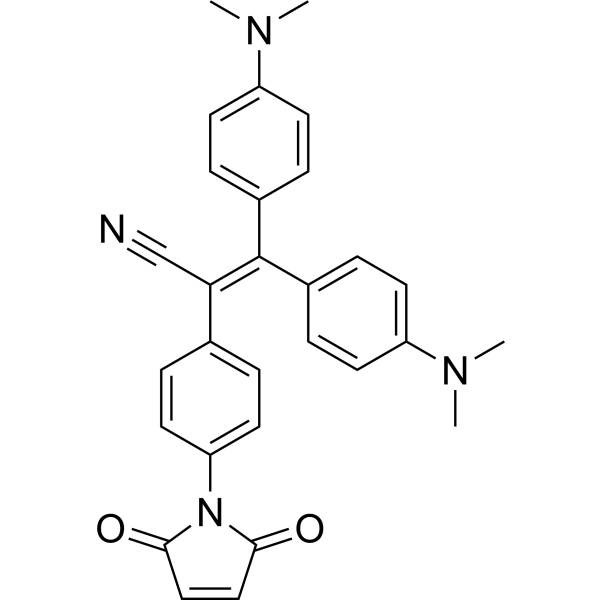
    Fluorescent Dye Others
    NTPAN-MI is a fluorescent probe (excitation wavelength: 405 nm). NTPAN-MI is selectively activated after labeling unfolded proteins with exposed thiols, thereby reporting the degree of protein homeostasis .
    NTPAN-MI
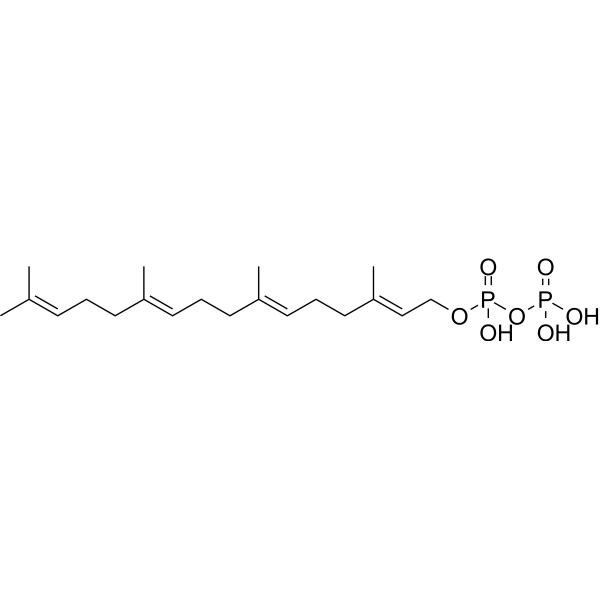
  • HY-126370

    Endogenous Metabolite YAP Apoptosis Interleukin Related STAT ERK Ras Cancer
    Geranylgeranyl pyrophosphate is a type of isoprenoid metabolic intermediate, mainly synthesized through the mevalonate pathway. Geranylgeranyl pyrophosphate is a key precursor in various biological synthesis processes, especially as a necessary substrate for post-translational modification of proteins - geranylgeranyl phosphorylation. Geranylgeranyl pyrophosphate regulates various cellular processes and disease progression through protein geranylgeranyl phosphorylation, such as activating the YAP signaling pathway, promoting cell proliferation and inhibiting apoptosis; promoting IL-2 production and STAT5 phosphorylation; and influencing metabolic homeostasis and cancer, etc .
    Geranylgeranyl pyrophosphate
  • HY-138207

    Mitochondrial Metabolism Drug Metabolite Inflammation/Immunology
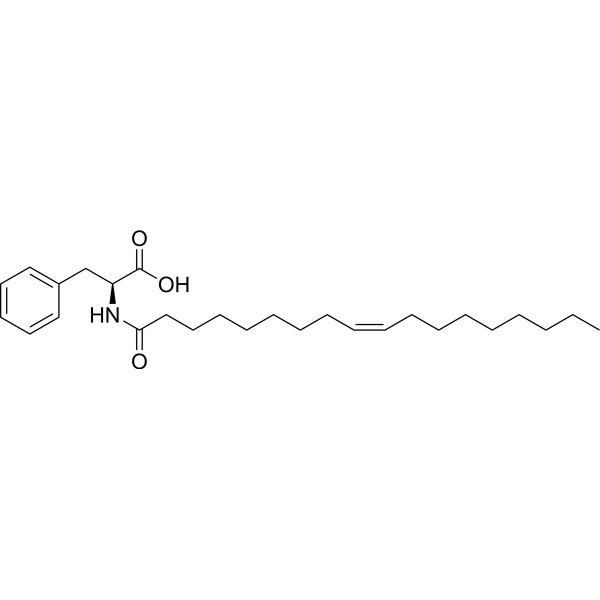
    N-Oleoyl-L-phenylalanine is a long-chain N-acyl-L-phenylalanine and also a mitochondrial uncoupler. N-Oleoyl-L-phenylalanine uncouples UCP1-independent respiration in mitochondria, thereby helping to regulate glucose homeostasis. As an endogenous metabolite, the level of N-Oleoyl-L-phenylalanine increases in patients with ulcerative colitis after a high-fat diet. N-Oleoyl-L-phenylalanine can be used in studies related to ulcerative colitis .
    N-Oleoyl-L-phenylalanine
  • HY-131943

    Methylenetetrahydrofolate Dehydrogenase (MTHFD) Neurological Disease Cancer
    DS44960156 is a selective MTHFD2 inhibitor with moderate to low blood-brain barrier penetration (IC50=1.6 μM, Ki=1.23 μM). DS44960156 specifically binds to the active site of MTHFD2, disrupts redox homeostasis and blocks serine-mediated one-carbon metabolism, thereby increasing the NAD +/NADH ratio and ROS levels. DS44960156 not only effectively inhibits the proliferation of glioma cells, but also enhances the sensitivity of cells to glutamine starvation-induced death. DS44960156 binds to plasma proteins, shows no mutagenicity, carcinogenicity or acute oral toxicity, and serves as a research agent for glioblastoma multiforme and other cancers .
    DS44960156
  • HY-162566

    Calcium Channel Amyloid-β Neurological Disease
    REM127 is a small molecule compound capable of modulating calcium homeostasis in cells and possesses neuroprotective effects. REM127 can restore the calcium homeostasis imbalance in cellular models caused by pathological accumulation of tau protein. REM127 can efficiently cross the blood-brain barrier, and it has the potential to rescue synaptic and cognitive deficits in Alzheimer's disease animal models, as well as to slow down the progression of amyloid-beta and tau protein pathologies. REM127 can be used for research in neurodegenerative diseases .
    REM127
  • HY-119222
    GSK256073
    2 Publications Verification

    GPR109A Metabolic Disease
    GSK256073 is a potent, selective and orally active GPR109A agonist and a long-lasting and non-flushing HCA2 full agonist with a pEC50 of 7.5 (human HCA2). GSK256073 acutely improves glucose homeostasis via inhibition of lipolysis and has the potential for the study of type 2 diabetes mellitus (T2DM)and dyslipidemia . GPR109A: G-protein coupled receptor 109A; HCA2: hydroxy-carboxylic acid receptor 2
    GSK256073
  • HY-173371

    Phospholipase Neurological Disease
    BRI-50460 is an inhibitor of cytosolic calcium-dependent phospholipase A2 (cPLA2) that has the ability to penetrate the blood-brain barrier, with an IC50 of 0.88 nM. BRI-50460 exerts the activities of regulating neuroinflammation and restoring lipid homeostasis by inhibiting cPLA2, regulating the downstream inflammatory lipid signaling pathway, and alleviating the effects of amyloid β42 oligomers on the activation of cPLA2, the hyperphosphorylation of tau protein, and the reduction of synapses and dendrites. BRI-50460 can be applied to the research in the fields of Alzheimer's disease and other neurodegenerative diseases .
    BRI-50460
  • HY-P4373

    Cathepsin MMP Metabolic Disease
    Hepcidin-1 (mouse) is an endogenous peptide hormone involved in the regulation of iron homeostasis. Hepcidin-1 (mouse) upregulates mRNA levels of TRAP, cathepsin K, and MMP-9 and increases TRAP-5b protein secretion. Hepcidin-1 (mouse) downregulates the level of FPN1 protein and increases intracellular iron. Hepcidin-1 (mouse) facilitates osteoclast differentiation .
    Hepcidin-1 (mouse)
  • HY-139606

    p97 Cancer
    VCP/p97 inhibitor-1 is a potent inhibitor of VCP/p97 (also called Cdc48, CDC-. 48, or Ter94) with an IC50 of 54.7 nM. VCP/p97 inhibitor-1 causes the dysregulation of protein homeostasis and disturbs the degradation of misfolded polypeptides by the ubiquitin-proteasome system (UPS) .
    VCP/p97 inhibitor-1
  • HY-N11709

    Apoptosis VEGFR ATM/ATR PTEN Akt mTOR HIF/HIF Prolyl-Hydroxylase NF-κB Notch Cholinesterase (ChE) Amyloid-β γ-secretase Ferroptosis Fungal Infection Neurological Disease Metabolic Disease Cancer
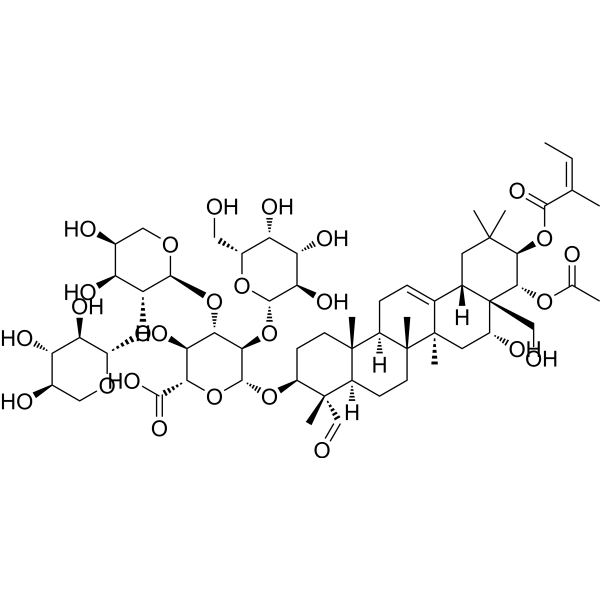
    Theasaponin E1 is an orally effective tea saponin. Theasaponin E1 inhibits the proliferation of cancer cells by activating apoptosis. Theasaponin E1 inhibits angiogenesis in ovarian cancer cells and HUVECs by reducing the expression of VEGF. Theasaponin E1 upregulates the phosphorylation level of ATM protein and the expression level of PTEN protein in cancer cells, decreases the phosphorylation levels of Akt, mTOR, p70S6K and 4E-BP1 proteins, downregulates the expression of HIF-1α and NF-κB, and reduces the protein expression of Notch ligands Dll4 and Jagged1. Theasaponin E1 exerts neuroprotective effects by inhibiting the activity of acetylcholinesterase, activating α-secretase and neprilysin, reducing the concentration of , and inhibiting the activities of β-secretase and γ-secretase. Theasaponin E1 exhibits toxic effects on cancer cells and quinone reductase-inducing activity, and inhibits tumor growth in vivo. Theasaponin E1 induces ferroptosis in Pomacea canaliculata by synergistically disrupting cholesterol homeostasis and sphingolipid metabolism. Theasaponin E1 possesses anti-biofilm activity against Candida albicans. Theasaponin E1 can be used in the research of ovarian cancer, obesity, Alzheimer's disease and fungal infections .
    Theasaponin E1
  • HY-114383

    Deubiquitinase Autophagy Neurological Disease
    ST-539 is the inhibitor for deubiquitinase USP30 with IC50 of 0.37 μM. ST-539 promotes the ubiquitination of mitochondrial proteins, and induces mitochondrial autophagy, thereby regulating mitochondrial homeostasis. ST-539 can be used in research of neurodegenerative diseases .
    ST-539
  • HY-N14780

    (+)-Pochonin D

    HSP Interleukin Related Enterovirus Infection Inflammation/Immunology Cancer
    Pochonin D ((+)-Pochonin D) is an inhibitor of heat shock protein 90 (Hsp90) with antiviral and anti-inflammatory activities. Pochonin D inhibits Hsp90, affects the homeostasis, folding and assembly processes of viral proteins, and reduces the replication capacity of viruses. Pochonin D reduces the infiltration of inflammatory cells, decreases the secretion of inflammatory cytokines such as TNF-α and IL-1β, and alleviates inflammatory responses. Pochonin D is a promising candidate for research on human rhinovirus (HRV) infection and cancer .
    Pochonin D
  • HY-NP162

    Biochemical Assay Reagents Others
    Recombinant Humanized Type XVII Collagen is a transmembrane protein that forms hemidesmosomes. Recombinant Humanized Type XVII Collagen facilitates interactions between stem cells,surrounding cells,and the extracellular matrix,thereby regulating skin homeostasis,aging,and wound healing. Recombinant Humanized Type XVII Collagen also possesses unique cell adhesion sites and signal transduction functions,which can regulate cell migration,proliferation,and differentiation .
    Recombinant Humanized Type XVII Collagen
  • HY-W197205

    Sirtuin Histone Acetyltransferase PEPCK Metabolic Disease
    SL010110 is an anti-hyperglycemic agent. SL010110 potently inhibits gluconeogenesis by inhibiting SIRT2, activating p300, and subsequently promoting PEPCK1 degradation. SL010110 downregulates the protein level of PEPCK1 without affecting the gene expressions of PEPCK, glucose-6-phosphatase, and fructose-1,6-bisphosphatase. SL010110 significantly improves glucose homeostasis in type 2 diabetic (T2D) mice model. SL010110 can be used for T2D research .
    SL010110
  • HY-111355S

    Isotope-Labeled Compounds Sirtuin Endogenous Metabolite PKC AMPK DOCK Metabolic Disease Inflammation/Immunology Cancer
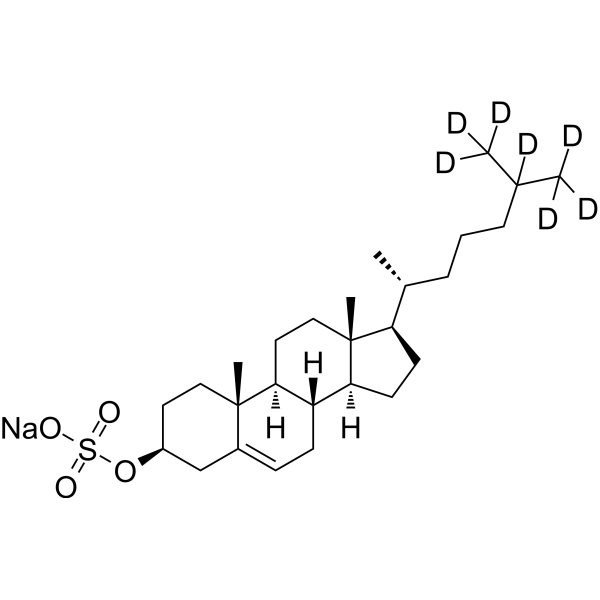
    Cholesterol sulfate sodium-d7 is the deuterium labeled Cholesterol sulfate sodium. Cholesterol sulfate sodium is a naturally occurring, orally active cholesterol derivative that is widely distributed in various tissues and body fluids. Cholesterol sulfate sodium acts as a DOCK2 inhibitor, with IC50 values of 2 μM and 2.9 μM against mouse and human targets, respectively. Cholesterol sulfate sodium restricts excessive neutrophil infiltration and alleviates intestinal inflammation and damage. Cholesterol sulfate sodium serves as an activator of protein kinase C (PKC), which promotes squamous cell differentiation and inhibits skin carcinogenesis. Cholesterol sulfate sodium regulates cholesterol homeostasis and cellular metabolism by activating the AMPK-Sirt1 pathway. Cholesterol sulfate sodium can be used in research related to actinic keratitis, ulcerative colitis, skin cancer, and other conditions.
    Cholesterol sulfate-d7 sodium
  • HY-147039

    NKP-1339 free base; IT-139 free base; KP-1339 free base

    HSP Autophagy Cancer
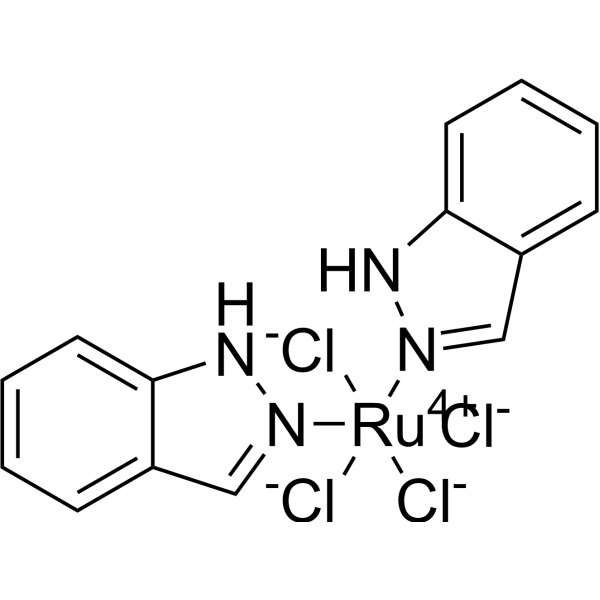
    BOLD-100 (NKP-1339; IT-139) free base is a ruthenium-based anticancer agent. BOLD-100 free base also is an inhibitor of stress-induced GRP78 upregulation, disrupting endoplasmic reticulum (ER) homeostasis and inducing ER stress and unfolded protein response (UPR). BOLD-100 free base interferes with the complex interplay between ER-stress response, lysosome dynamics, and autophagy execution .
    BOLD-100 free base
  • HY-179520

    Topoisomerase DNA/RNA Synthesis MDM-2/p53 Bcl-2 Family Cancer
    XSJ151 is a topoisomerase I inhibitor, stabilizing the DNA-Topo I covalent complex and inducing DNA double-strand breaks. XSJ151-induces DNA damage activates the p53-p21 signaling pathway, specifically regulating the expression of cyclins, leading to G2/M phase cell cycle arrest and disrupting the dynamic homeostasis of Bcl-2 family proteins, thereby triggering apoptosis in gastric cancer cells. XSJ151 can be used for the study of gastric cancer .
    XSJ151
  • HY-178458

    E1/E2/E3 Enzyme Metabolic Disease Cancer
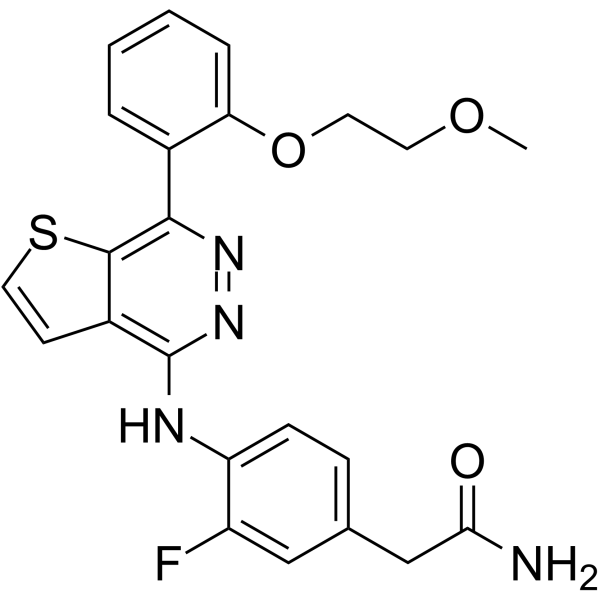
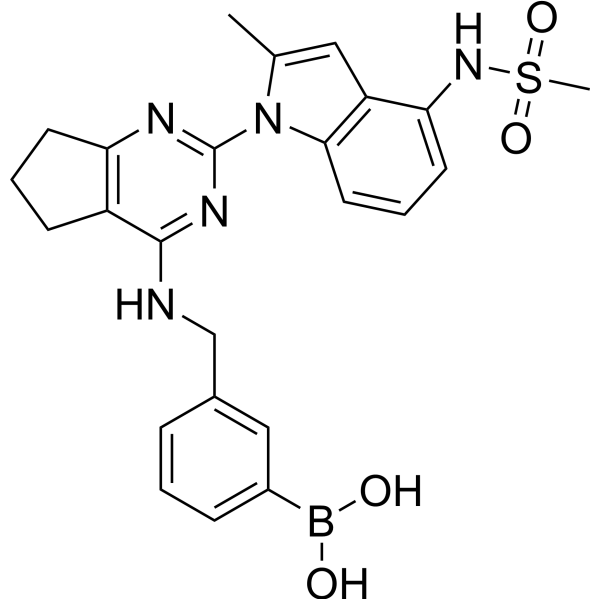
    UBA5-IN-2 (Compound 50) is a potent ubiquitin-like modifier activating enzyme 5 (UBA5) inhibitor (IC50=0.063 μM). UBA5-IN-2 is promising for research of cancers and protein homeostasis-related diseases .
    UBA5-IN-2
  • HY-179058

    Deubiquitinase Ras Cancer
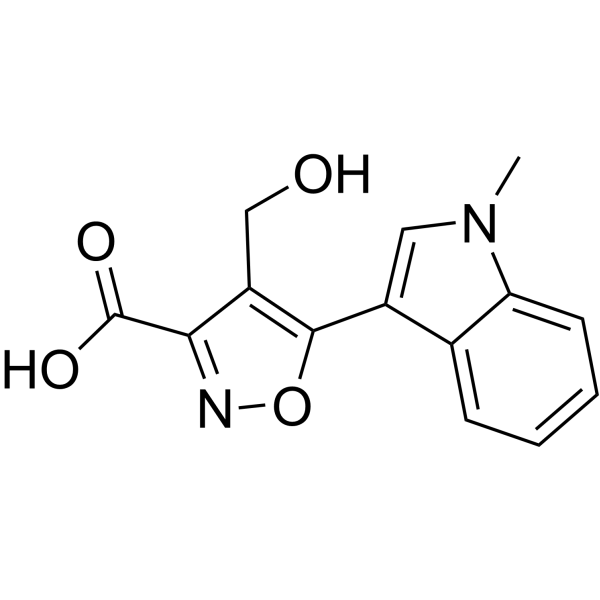
    JOSD2-IN-1 (Compound 31) is a covalent JOSD2 inhibitor with an IC50 value of 1.95 μM. JOSD2-IN-1 inhibits JOSD2, thereby down-regulating KRAS expression. JOSD2-IN-1 exhibits significant anti-proliferative activity against HCT116 cells. JOSD2-IN-1 can be used for research on colorectal cancer .
    JOSD2-IN-1
  • HY-E70867

    TGF-β Receptor Metabolic Disease
    TGF-β is a pleiotropic multifunctional cytokine that regulates many cellular processes, such as cell growth, differentiation, apoptosis and cellular homeostasis. Before exerting the biological effects within cells, TGF-β first requires extracellular activation, namely binds to its type II receptor (TGFβR2) and promotes the phosphorylation. TGFβR1 plays an important role in TGF-β signaling transduction and serves as a tumor suppressor. TGFβR2 Recombinant Human Active Protein Kinase is a recombinant TGFβR2 protein that can be used to study TGFβR2-related functions .
    TGFβR2 Recombinant Human Active Protein Kinase
  • HY-P11226

    Amyloid-β CaMK Apoptosis Neurological Disease
    TI-16 is a peptide that targets β-amyloid (Aβ) protein. TI-16 can cross the blood-brain barrier. TI-16 can increase the concentration of intracellular free CaM, thereby restoring calcium ion homeostasis and reducing Aβ toxicity. TI-16 can reduce the deposition of Aβ in the brain, improve neuronal pathology, inhibit cell apoptosis, and improve cognitive function in mice. TI-16 is commonly used in the study of Alzheimer's disease .
    TI-16
  • HY-N0468R

    Reference Standards Acetyl-CoA Carboxylase FXR Metabolic Disease
    Rebaudioside D (Standard) is the analytical standard of Rebaudioside D. This product is intended for research and analytical applications. Rebaudioside D is an orally active sweetener that targets and activates FXR, modulates Acetyl-CoA Carboxylase, and inhibits 3-hydroxy-3-methylglutaryl-CoA reductase. Rebaudioside D regulates bile acid homeostasis and lipid metabolism, reduces the synthesis rates of fatty acids and cholesterol, and exerts multiple effects including anti-adipogenesis, hepatoprotection, anti-steatosis, gut microbiota modulation, enhancement of secondary bile acid metabolism, anti-endotoxin activity, regulation of bile acid transport, and inhibition of bile acid efflux. Rebaudioside D also reduces body weight gain, visceral fat accumulation, hepatic triglyceride and cholesterol accumulation, hepatic lipid peroxidation, and decreases the circulating level of lipopolysaccharide-binding protein. Rebaudioside D additionally enhances the secondary bile acid metabolic pathway of intestinal bacteria, upregulates the gene expression of ileal organic solute transporter α, and downregulates the gene expression of hepatic bile salt export pump. Rebaudioside D does not affect glucose homeostasis, alter total caloric intake or fecal energy excretion, induce weight gain, exacerbate obesity, promote hepatic steatosis, impair brown adipose tissue function, nor change skeletal muscle metabolism-related proteins. Rebaudioside D can be used in diet-induced obesity and obesity-related research .
    Rebaudioside D (Standard)
  • HY-P1363S1

    Isotope-Labeled Compounds Amyloid-β Neurological Disease
    β-Amyloid (1-42), human, Ala( 13C3, 15N) TFA is the 13C and 15N-labeled β-Amyloid (1-42), human (HY-P1363A). β-Amyloid (1-42) (Amyloid β-peptide (1-42)), human, a 42-amino acid peptide that has not been treated with HFIP, is a brain-penetrant amyloid protein fragment, which can be used in research on Alzheimer's disease and Down’s syndrome. β-Amyloid (1-42), human remaining as a monomer exhibits antioxidant and neuroprotective effects. β-Amyloid (1-42), human, after being monomericized by HFIP and dissolved in DMSO to form the stock solution, on the one hand, can form soluble oligomers (AβOs) when incubated at 4 °C, which have synaptic toxicity and neurotoxicity; on the other hand, it can be incubated at 37 °C to form insoluble fibrils, with lower neurotoxicity, and participating in the oxidative damage process. Aβ42 oligomers bind to various neuronal surface receptors (such as PrPc, mGluR5, NMDA receptors, etc.), triggering oxidative stress, calcium homeostasis imbalance, and synaptic toxicity via activating downstream signaling pathways, leading to neuronal dysfunction and death .
    β-Amyloid (1-42), human, Ala(13C3,15N) TFA
  • HY-E70615

    Endogenous Metabolite Cancer
    Protein Disulfide Isomerase, Human, an oxidoreductase, is a mainly endoplasmic reticulum (ER) resident protein. Protein Disulfide Isomerase, Human plays an important role in maintaining cellular homeostasis through thiol oxidation/reduction cycling, chaperone action, and isomerization of client proteins .
    Protein Disulfide Isomerase, Human
  • HY-155037

    Phosphatase Cancer
    VE-PTP-IN-1 (compound 2) is a weakly acidic and selective inhibitor of vascular endothelial protein tyrosine phosphatase (VE-PTP).VE-PTP-IN-1 is assocaited with vascular homeostasis and angiogenesis.
    VE-PTP-IN-1
  • HY-174698

    mRNA Cancer
    Human FGF23 mRNA encodes the human fibroblast growth factor 23 (FGF23) protein, a member of the fibroblast growth factor (FGF) family. FGF23 regulates phosphate homeostasis and transport in the kidney.
    Human FGF23 mRNA
  • HY-156104

    PROTACs CaMK Neurological Disease
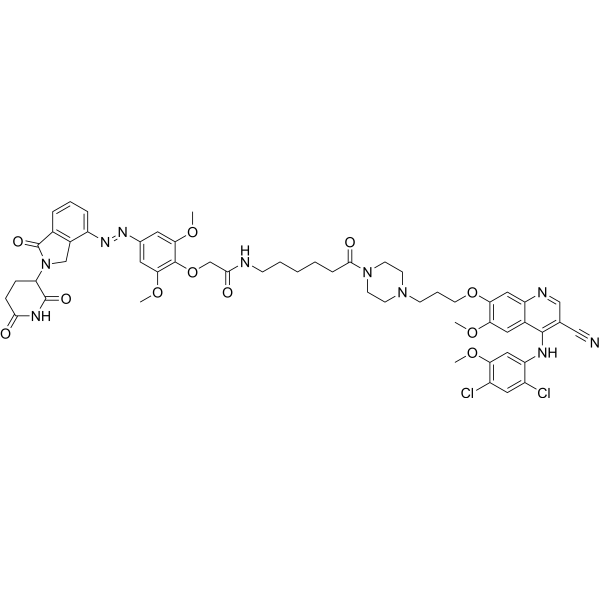
    CaMKIIα-PHOTAC is a photochemically targeted chimera (PHOTAC) targeting Ca2+/calmodulin-dependent protein kinase II α (CaMKIIα). Molecules such as PHOTAC can catalyze the ubiquitination and degradation of target proteins through the endogenous proteasome under specific wavelengths of light. CaMKIIα-PHOTAC reduces synaptic function under light conditions, and it attenuates the intensity of evoked field excitatory postsynaptic potentials in the mouse hippocampus in response to physiological stimuli. CaMKIIα-PHOTAC plays a critical role in maintaining long-term potentiation and memory capacity in subcellular dendritic domains .
    CaMKIIα-PHOTAC
  • HY-174699

    mRNA Cancer
    Human FGF22 mRNA encodes the human fibroblast growth factor 22 (FGF22) protein, a member of the fibroblast growth factor (FGF) family. FGF22 plays a role in the fasting response, glucose homeostasis, lipolysis and lipogenesis. It also can stimulate cell proliferation (in vitro) and may be involved in hair development.
    Human FGF22 mRNA

Inquiry Online

Your information is safe with us. * Required Fields.

Salutation


Country or Region *

Applicant Name *


Organization Name *

Department *


Email Address *


Product Name *

Cat. No.


Requested quantity *

Phone Number *


Remarks

Inquiry Online

Inquiry Information

Product Name:
Cat. No.:
Quantity:
MCE Japan Authorized Agent: