



Lipofermata
Based on 9 publication(s) in Google Scholar
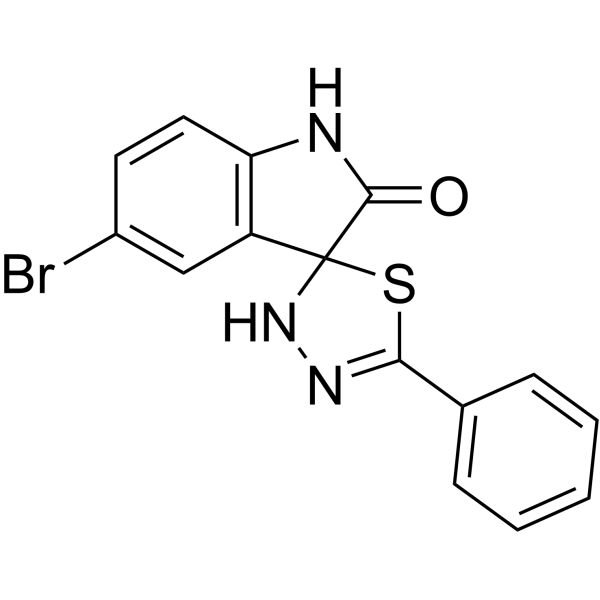
Lipofermata is a fatty acid transport protein 2 (FATP2) inhibitor. Lipofermata shows fatty acid transport inhibition with an IC50 of 4.84 μM in Caco-2 cells. Lipofermata, an analog of spiro-indoline-thadiazole, shows zinc-specific suppression of antibacterial activity. Lipofermata perturbs zinc homeostasis in E. coli K-12 with a MIC of 16 μM.
商品は「研究用試薬」です。人や動物の医療用・臨床診断用・食品用の製品ではありません。
研究用途以外に使用した場合、当社は一切の責任を負いかねます。
- 純度 : 99.53%
- CAS 番号: 297180-15-5
- 分子式: C15H10BrN3OS
- 分子量:360.23
-
保管条件:Powder -20°C, 3 years ; In solvent -80°C, 6 months , -20°C, 1 month

To place orders, for customer services and technical support, please contact: MedChemExpress USA
Tel: 609-228-6898 E-mail: [email protected] [email protected]


-
 生物活性
生物活性
-
化学情報
-
溶剤 & 溶解度
- プロトコル
- 純度とドキュメンテーション
- 参考文献
-
 Help & FAQs


-
HY-50202
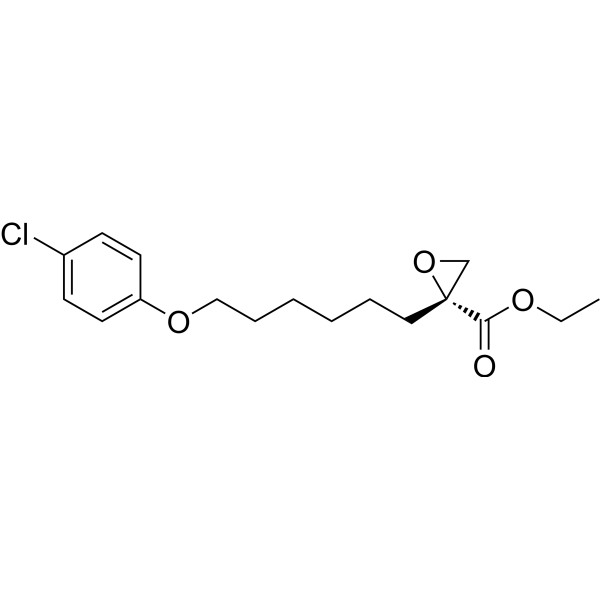
EtomoxirCPT1a Inhibitor -
HY-112847A
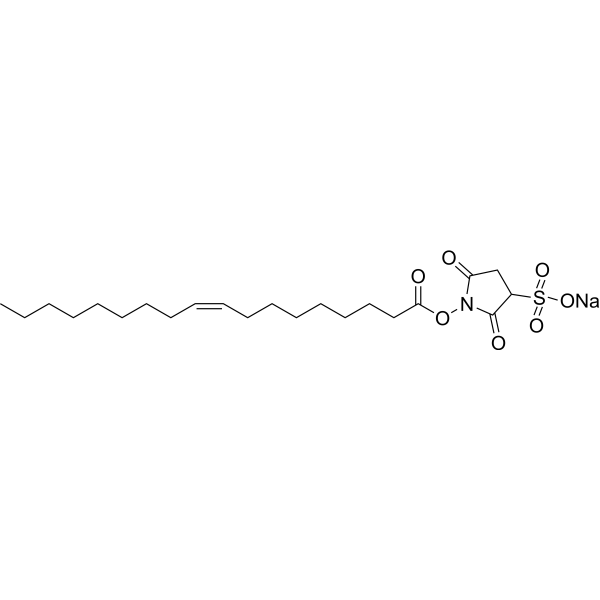
Sulfosuccinimidyl oleate sodiumFatty Acid Transport Inhibitor -
HY-15763
ErastinFerroptosis Inducer -
HY-15859
AtglistatinATGL Inhibitor -
HY-12364
C75Fatty Acid Synthase Inhibitor -
HY-10071
Y-27632ROCK Inhibitor -
HY-K0301
Cell Counting Kit-8 -
HY-13966
2-Deoxy-D-glucoseGlycolysis Inhibitor -
HY-70002
EnzalutamideAndrogen Receptor Antagonist -
HY-13689
Go 6983PKC Inhibitor -
HY-15455
RoflumilastPDE4 Inhibitor -
HY-50696
Nutlin-3p53-MDM2 Inhibitor
MedChemExpress(MCE)の使用を引用している文献 Lipofermata
More- Exp Mol Med. 2026 May;58(5):1642-1656. [Abstract]
- Exp Mol Med. 2025 Apr 7. [Abstract]
- J Clin Invest. 2025 Sep 16:e192011. [Abstract]
- Adv Sci (Weinh). 2025 Jul 29:e05436. [Abstract]
- JHEP Rep. 2023 Aug 22;5(12):100895. [Abstract]
- Am J Physiol Renal Physiol. 2025 Aug 28. [Abstract]
- SSRN. 2025 Oct 22.
- bioRxiv. 2025 Feb 6:2025.01.31.635976. [Abstract]
- Research Square Preprint. 2024 Jan 8.
 Customer Validation & Images

-
RT-PCR
-
Bio/Physico-chemical Assay
-
ELISA
-
Cell Imaging/Staining
-
Flow Cytometry


生物活性
製品説明
Cellular Effect
|
Cell Line

|
Type | Value | Description | References |
|---|---|---|---|---|
| HepG2 | IC50 |
6.7 μM
Compound: Lipofermata; CB16.2
|
Inhibition of FATP2 in human HepG2 cells assessed as decrease in fatty acid transport after 5 mins by trypan blue dye based fluorescence quenching method
Inhibition of FATP2 in human HepG2 cells assessed as decrease in fatty acid transport after 5 mins by trypan blue dye based fluorescence quenching method
|
[PMID: 27446528] |
体外実験
Lipofermata inhibits C1-BODIPY-C12 transport into C2C12, INS-1E, Caco-2 and HepG2 cells at comparable levels yielding sigmoidal dose-response curves with IC50s in the low micromolar range (IC50=2.74-39.34 μM)[2].
MedChemExpress (MCE) has not independently confirmed the accuracy of these methods. They are for reference only. Further protocols information, click here.


化学情報
-
CAS 番号 297180-15-5
-
性状 Solid
-
分子量 360.23
-
分子式 C15H10BrN3OS
-
Color Light yellow to yellow
-
SMILES
O=C1NC2=C(C=C(Br)C=C2)C13SC(C4=CC=CC=C4)=NN3
-
輸送条件
Room temperature in continental US; may vary elsewhere.
-
保管条件
Powder -20°C 3 years In solvent -80°C 6 months -20°C 1 month


Publications (9)
-
Journal Impact Factor
-
Most Recent
-
Exp Mol Med
Cannabidiol triggers fatty acids β-oxidation mediated by Stat2 to facilitate intestinal stem cells regeneration post radiation. [Abstract]2026 May;58(5):1642-1656. PMID: 42120478 -
Exp Mol Med
SLC27A2 marks lipid peroxidation in nasal epithelial cells driven by type 2 inflammation in chronic rhinosinusitis with nasal polyps. [Abstract]2025 Apr 7. PMID: 40195539
Lipofermata purchased from MedChemExpress. Usage Cited in: Exp Mol Med. 2025 Apr 7. [Abstract]
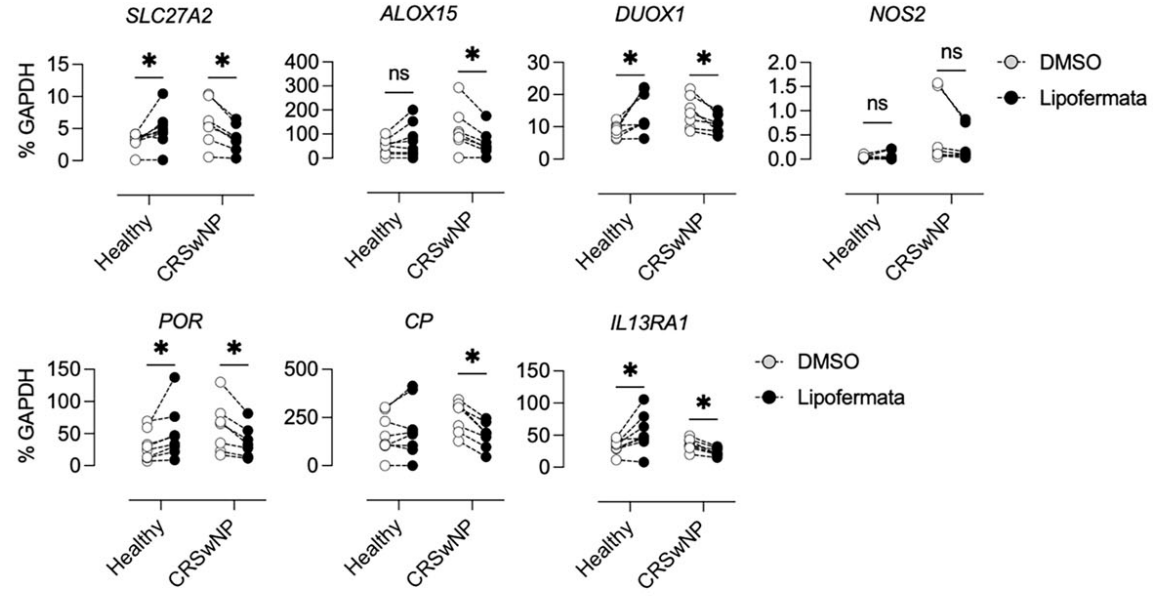
mRNA expression of candidate genes in ALI-cultured hNECs derived from healthy individuals (n = 8) and patients with CRSwNP (n = 7). Cells were treated with or without 2 µM Lipofermata for 24 h, and mRNA levels were assessed via RT–qPCR, normalized to GAPDH mRNA levels. In NP-derived EpCs, Lipofermata treatment led to a significant decrease in the mRNA expression levels of SLC27A2, ALOX15, DUOX1, POR, CP and IL13RA1. However, no change was observed in the expression of NOS2. Interestingly, in EpCs derived from healthy individuals, no significant changes in the expression of these genes were detected upon Lipofermata treatment. These findings indicated that the inhibition of SLC27A2 specifically attenuated the expression of pathogenesis-related markers in hNECs from patients with CRSwNP.
-
J Clin Invest
Fatty acid transport protein-2 inhibition enhances glucose tolerance through α-cell-mediated GLP-1 secretion. [Abstract]2025 Sep 16:e192011. PMID: 40956612
Lipofermata purchased from MedChemExpress. Usage Cited in: J Clin Invest. 2025 Sep 16:e192011. [Abstract]
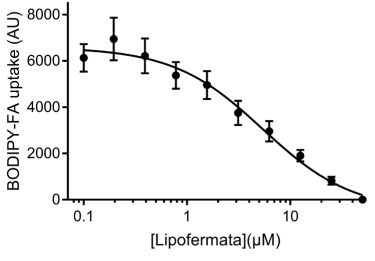
Mouse αTC1-6 cells were preincubated with Lipofermata (1 hour, 37°C, 0-50 μM) in triplicate. BODIPY-labeled fatty acid uptake velocity was then determined. The results showed that fatty acid uptake was blocked by the FATP2 inhibitor Lipofermata.
Lipofermata purchased from MedChemExpress. Usage Cited in: J Clin Invest. 2025 Sep 16:e192011. [Abstract]
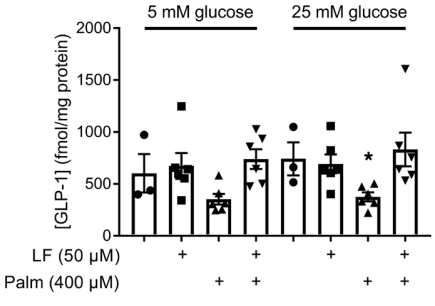
αTC1-6 cells were preincubated with or without Lipofermata (50 μM; 1 h) or palmitate (Palm) as indicated. Glucose-stimulated GLP-1 secretion was then measured. The results demonstrated that under low- and high-glucose conditions, palmitate decreased αTC1-6 cell GLP-1 secretion, which was rescued by Lipofermata preincubation.
-
Adv Sci (Weinh)
2025 Jul 29:e05436. PMID: 40726407
Lipofermata purchased from MedChemExpress. Usage Cited in: Adv Sci (Weinh). 2025 Jul 29:e05436. [Abstract]
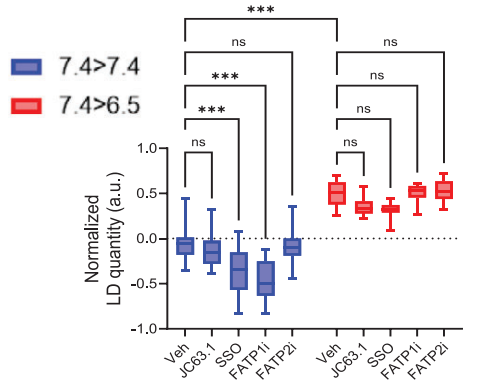
Quantification of BODIPY‐stained LD in SiHa cells maintained in 7.4 (7.4 > 7.4) or shifted in 6.5 (7.4 > 6.5) upon supplementation for 6 h with DHA and coupled with FA transporter inhibitors (2 µg/mL JC63.1, 10 µm SSO, 2 µM FATP1i, 2 µM FATP2i (Lipofermata)) or DMSO as vehicle (N = 3, n = 5).
-
JHEP Rep
Arachidonic acid activates NLRP3 inflammasome in MDSCs via FATP2 to promote post-transplant tumour recurrence in steatotic liver grafts. [Abstract]2023 Aug 22;5(12):100895. PMID: 37916155
Lipofermata purchased from MedChemExpress. Usage Cited in: JHEP Rep. 2023 Aug 22;5(12):100895. [Abstract]
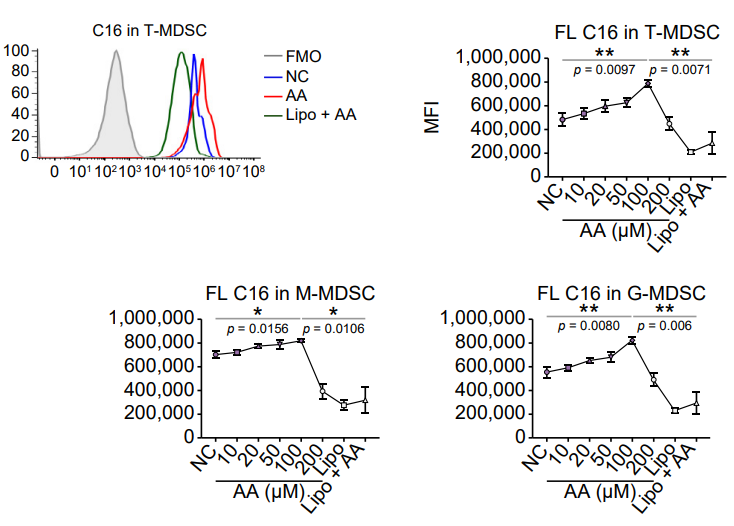
FL C16 was augmented by arachidonic acid (AA) (10-200 μM; 16 h) stimulation but inhibited by Lipofermata (Lipo, an FATP2 inhibitor) (50 μM; 16 h) in primary MDSCs.
Lipofermata purchased from MedChemExpress. Usage Cited in: JHEP Rep. 2023 Aug 22;5(12):100895. [Abstract]
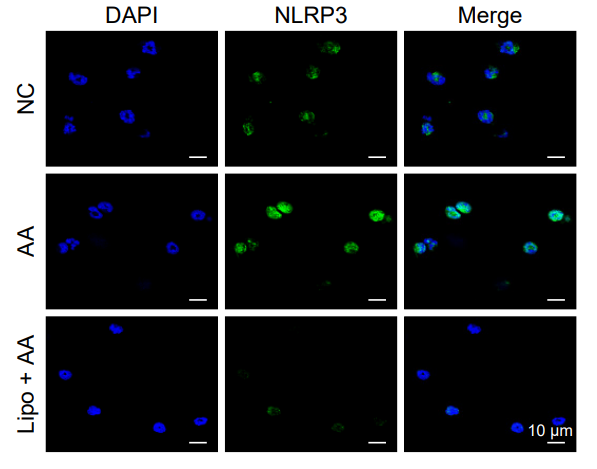
Arachidonic acid (AA) increased NLRP3, which was reduced by Lipofermata (Lipo) (50 μM; 16 h) in primary MDSCs.
Lipofermata purchased from MedChemExpress. Usage Cited in: JHEP Rep. 2023 Aug 22;5(12):100895. [Abstract]
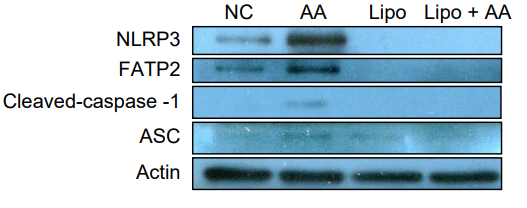
The FATP2 and NLRP3 activation pathway was enhanced by arachidonic acid (AA) and inhibited by FATP2 blockade with Lipofermata (50 μM; 16 h) through Western blot analysis.
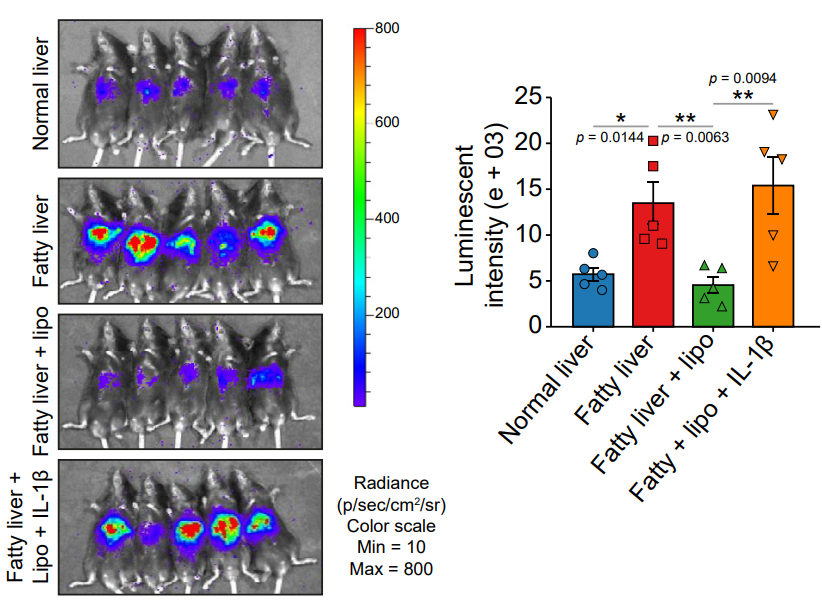
Lipofermata purchased from MedChemExpress. Usage Cited in: JHEP Rep. 2023 Aug 22;5(12):100895. [Abstract]
The tumour size increased in the mice fatty liver, and decreased and was restored by Lipofermata (Lipo, 2 mg/kg; i.p.; injected at 1 day in advance, immediately before the operation, and every 2 days after the reperfusion) and IL-1β recombinant protein injection, respectively.
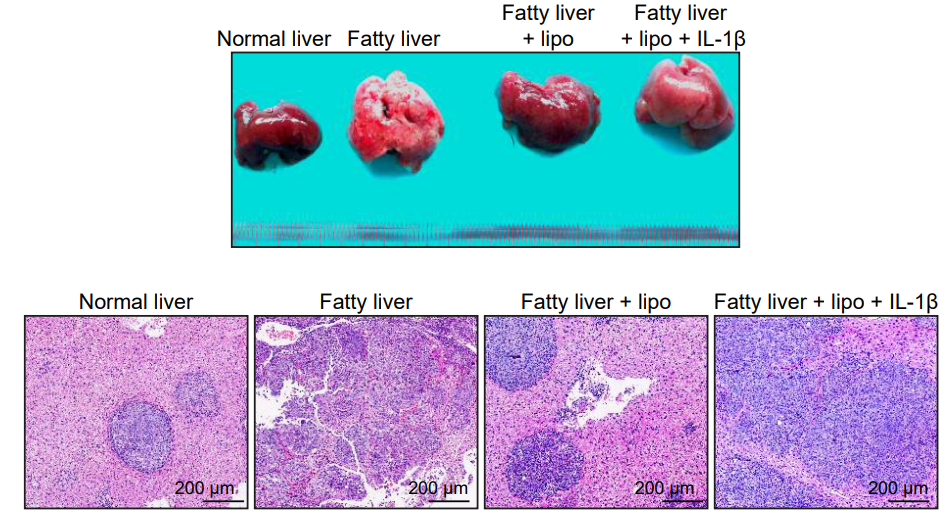
Lipofermata purchased from MedChemExpress. Usage Cited in: JHEP Rep. 2023 Aug 22;5(12):100895. [Abstract]
FATP2 blockade with Lipofermata (Lipo, 2 mg/kg; i.p.; injected at 1 day in advance, immediately before the operation, and every 2 days after the reperfusion) inhibited the increased tumour size in the fatty liver, whereas IL-1β injection offset the inhibitory effects in the mouse tumour recurrence model.
-
Am J Physiol Renal Physiol
2025 Aug 28. PMID: 40875392 -
-
bioRxiv
Fatty Acid Transport Protein-2 (FATP2) Inhibition Enhances Glucose Tolerance through α-Cell-mediated GLP-1 Secretion. [Abstract]2025 Feb 6:2025.01.31.635976. PMID: 39975070 -


溶剤 & 溶解度
体外:
DMSO : 100 mg/mL (277.60 mM; Need ultrasonic; Hygroscopic DMSO has a significant impact on the solubility of product, please use newly opened DMSO)
Please refer to the solubility information to select the appropriate solvent. Once prepared, please aliquot and store the solution to prevent product inactivation from repeated freeze-thaw cycles.
Storage method and period of stock solution: -80°C, 6 months; -20°C, 1 month. When stored at -80°C, please use it within 6 months. When stored at -20°C, please use it within 1 month.
Please refer to the solubility information to select the appropriate solvent. Once prepared, please aliquot and store the solution to prevent product inactivation from repeated freeze-thaw cycles.
Storage method and period of stock solution: -80°C, 6 months; -20°C, 1 month. When stored at -80°C, please use it within 6 months. When stored at -20°C, please use it within 1 month.
濃度 (開始) × 体積 (開始) = 濃度 (終了) × 体積 (終了)
体内:
Select the appropriate dissolution method based on your experimental animal and administration route.
- For the following dissolution methods, please ensure to first prepare a clear stock solution using an In Vitro approach and then sequentially add co-solvents:
- To ensure reliable experimental results, the clarified stock solution can be appropriately stored based on storage conditions. As for the working solution for In Vivo experiments, it is recommended to prepare freshly and use it on the same day.
- The percentages shown for the solvents indicate their volumetric ratio in the final prepared solution. If precipitation or phase separation occurs during preparation, heat and/or sonication can be used to aid dissolution.
Add each solvent one by one: 10% DMSO 40% PEG300 5% Tween-80 45% Saline
Solubility: ≥ 2.08 mg/mL (5.77 mM); Clear solution
This protocol yields a clear solution of ≥ 2.08 mg/mL (saturation unknown).
Taking 1 mL working solution as an example, add 100 μL DMSO stock solution (20.8 mg/mL) to 400 μL PEG300, and mix evenly; then add 50 μL Tween-80 and mix evenly; then add 450 μL Saline to adjust the volume to 1 mL.
Preparation of Saline: Dissolve 0.9 g sodium chloride in ddH₂O and dilute to 100 mL to obtain a clear Saline solution.
Add each solvent one by one: 10% DMSO 90% (20% SBE-β-CD in Saline)
Solubility: ≥ 2.08 mg/mL (5.77 mM); Clear solution
This protocol yields a clear solution of ≥ 2.08 mg/mL (saturation unknown).
Taking 1 mL working solution as an example, add 100 μL DMSO stock solution (20.8 mg/mL) to 900 μL 20% SBE-β-CD in Saline, and mix evenly.
Preparation of 20% SBE-β-CD in Saline (4°C, storage for one week): 2 g SBE-β-CD powder is dissolved in 10 mL Saline, completely dissolve until clear.
In Vivo Dissolution Calculator
Please enter the basic information of animal experiments:
-
-
-
-
Recommended: Prepare an additional quantity of animals to account for potential losses during experiments.
Please enter your animal formula composition:
-
%DMSO +
Recommended: Keep the proportion of DMSO in working solution below 2% if your animal is weak.
-
%+
-
+%Tween-80 + +
-
%Saline +
The co-solvents required include: DMSO, . All of co-solvents are available by MedChemExpress (MCE). , Tween 80. All of co-solvents are available by MedChemExpress (MCE).
Working solution concentration: 0.22 mg/mL
Method for preparing stock solution: mg drug dissolved in μL DMSO. Stock solution concentration: mg/mL.
1. Take μL DMSO stock solution;
2. Add μL .
μL , mix evenly;
3. Then add μL Tween 80, mix evenly;
4. Then add μL
Please ensure that the stock solution in the first step is dissolved to a clear state, and add co-solvents in sequence. You can use ultrasonic heating (ultrasonic cleaner, recommended frequency 20-40 kHz), vortexing, etc. to assist dissolution.

プロトコル
-
Research Protocol for Infectious Diseases
Infectious-disease experiments test how pathogens interact with host barriers, innate immune receptors, inflammatory signaling, pathogen replication, and tissue injury; pattern-recognition receptors such as TLRs, RIG-I-like receptors, NOD-like receptors, and inflammasomes detect microbial molecules and activate NF-κB, interferon, and cytokine responses. The central hypothesis is that infection severity reflects the balance between pathogen burden and host response: protective inflammation restricts pathogen growth, whereas excessive or mislocalized inflammation contributes to tissue damage and disease phenotype. Unresolved questions include which host pathways are protective versus pathogenic, why some infection models fail to translate to human disease, and which combined readouts best predict clinically relevant infection outcomes.
-
Cell Cytotoxicity Assay
Cytotoxicity assays are usually based on the assessment of cell membrane damage, which can also be indirectly detected by measuring cell viability. Detection methods include MTT assay, CKK-8 assay, LDH assay and ATP assay, etc.
-
Bacterial live/dead nucleic-acid viability staining
The LIVE/DEAD bacterial viability staining method is based on differential permeability of nucleic-acid-binding fluorescent dyes, most commonly SYTO 9 and propidium iodide (PI), which enables discrimination of bacterial populations with intact versus compromised cytoplasmic membranes. SYTO 9 penetrates both intact and damaged bacterial membranes and binds nucleic acids to produce green fluorescence, whereas propidium iodide penetrates only cells with compromised membranes and fluoresces red while also reducing SYTO 9 signal through competitive binding and fluorescence interactions. The resulting fluorescence pattern is interpreted as a proxy for membrane integrity, which is widely used as an indicator of bacterial viability in microscopy, flow cytometry, and spectroscopic platforms. However, mechanistic studies show that SYTO 9 and PI interactions involve displacement and fluorescence resonance energy transfer effects, which can influence signal interpretation depending on dye ratios a


純度とドキュメンテーション
-
データシート (278 KB)
-
SDS (396 KB)
- English - EN (396 KB)
- Français - FR (396 KB)
- Deutsch - DE (396 KB)
- Norwegian - NO (396 KB)
- Español - ES (396 KB)
- Swedish - SV (396 KB)
- Italian - IT (396 KB)
- Korean - KR (396 KB)
- Portuguese - PT (396 KB)
-
取扱説明書 (2659 KB)
参考文献
[1]. Sandoval A, et al. Identification and characterization of small compound inhibitors of human FATP2 [published correction appears in Biochem Pharmacol. 2012 Aug 15;84(4):580]. Biochem Pharmacol. 2010;79(7):990-999. [Content Brief]
[2]. Ahowesso C, Black PN, Saini N, et al. Chemical inhibition of fatty acid absorption and cellular uptake limits lipotoxic cell death. Biochem Pharmacol. 2015;98(1):167-181. [Content Brief]
[3]. Falconer SB, et al. Zinc Chelation by a Small-Molecule Adjuvant Potentiates Meropenem Activity in Vivo against NDM-1-Producing Klebsiella pneumoniae. ACS Infect Dis. 2015;1(11):533-543. [Content Brief]


Complete Stock Solution Preparation Table
Please refer to the solubility information to select the appropriate solvent. Once prepared, please aliquot and store the solution to prevent product inactivation from repeated freeze-thaw cycles.
Storage method and period of stock solution: -80°C, 6 months; -20°C, 1 month. When stored at -80°C, please use it within 6 months. When stored at -20°C, please use it within 1 month.
| Optional Solvent | Concentration Solvent Mass | 1 mg | 5 mg | 10 mg | 25 mg |
|---|---|---|---|---|---|
| DMSO | 1 mM | 2.7760 mL | 13.8800 mL | 27.7600 mL | 69.4001 mL |
| 5 mM | 0.5552 mL | 2.7760 mL | 5.5520 mL | 13.8800 mL | |
| 10 mM | 0.2776 mL | 1.3880 mL | 2.7760 mL | 6.9400 mL | |
| 15 mM | 0.1851 mL | 0.9253 mL | 1.8507 mL | 4.6267 mL | |
| 20 mM | 0.1388 mL | 0.6940 mL | 1.3880 mL | 3.4700 mL | |
| 25 mM | 0.1110 mL | 0.5552 mL | 1.1104 mL | 2.7760 mL | |
| 30 mM | 0.0925 mL | 0.4627 mL | 0.9253 mL | 2.3133 mL | |
| 40 mM | 0.0694 mL | 0.3470 mL | 0.6940 mL | 1.7350 mL | |
| 50 mM | 0.0555 mL | 0.2776 mL | 0.5552 mL | 1.3880 mL | |
| 60 mM | 0.0463 mL | 0.2313 mL | 0.4627 mL | 1.1567 mL | |
| 80 mM | 0.0347 mL | 0.1735 mL | 0.3470 mL | 0.8675 mL | |
| 100 mM | 0.0278 mL | 0.1388 mL | 0.2776 mL | 0.6940 mL |


Lipofermata 関連分類
HY-116788 関連分類
 Powered by Bioz