

Search Result
Results for "
RNase L
" in MedChemExpress (MCE) Product Catalog:
9
Biochemical Assay Reagents
4
Isotope-Labeled Compounds
| Cat. No. |
Product Name |
Target |
Research Areas |
Chemical Structure |
-
- HY-10255A
-
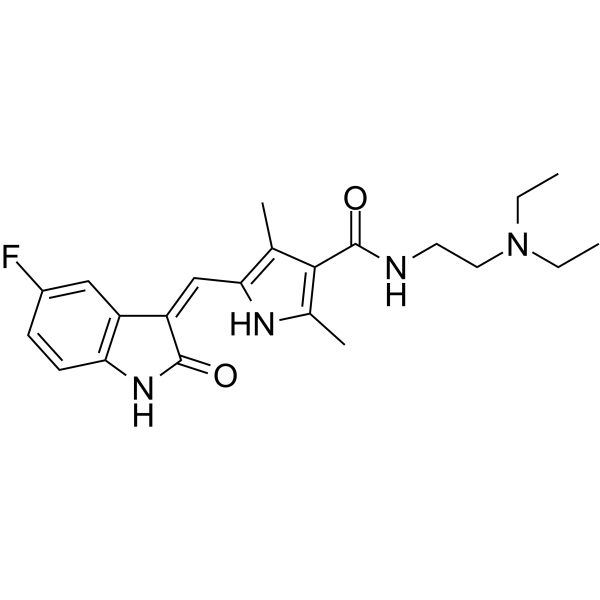
Sunitinib
Maximum Cited Publications
92 Publications Verification
SU 11248
|
VEGFR
PDGFR
IRE1
Mitophagy
Autophagy
Apoptosis
|
Cancer
|
|
Sunitinib (SU 11248) is a multi-targeted receptor tyrosine kinase inhibitor with IC50s of 80 nM and 2 nM for VEGFR2 and PDGFRβ, respectively . Sunitinib, an ATP-competitive inhibitor, effectively inhibits autophosphorylation of Ire1α by inhibiting autophosphorylation and consequent RNase activation .
|
-
-
- HY-129046
-
|
Ribonuclease A; EC 4.6.1.18; RNase A
|
Endonuclease
DNA/RNA Synthesis
|
Others
|
|
RNase A (Bovine pancreatic RNase) is a widely used Endonuclease in DNA purification by specifically hydrolyzing cytosine or uracil residues of RNA. RNase A degrades the RNA in the RNA/DNA duplex. RNase A catalyses the breakdown of 3',5'-phosphodiester linkages of single stranded RNA. RNase A family members in organisms are tightly involved in various physiological and pathological processes including cell growth and development, proliferation, differentiation and migration. Dysregulation of RNase A activity or expression level is closely related to pancreatic, ovarian, bladder and thyroid cancer. RNase A has tumor cell-killing ability .
|
-
-
- HY-10255
-
|
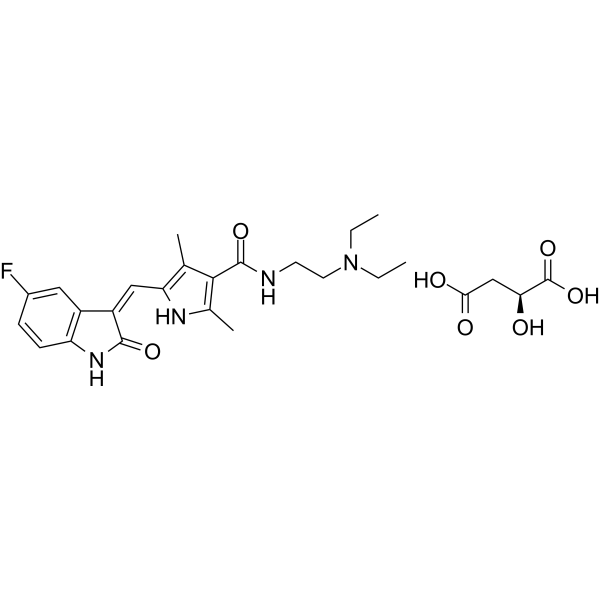
SU 11248 Malate
|
PDGFR
VEGFR
IRE1
Mitophagy
Autophagy
Apoptosis
|
Infection
Inflammation/Immunology
Cancer
|
|
Sunitinib (SU 11248) Malat is a multi-targeted receptor tyrosine kinase inhibitor with IC50s of 80 nM and 2 nM for VEGFR2 and PDGFRβ, respectively . Sunitinib Malat, an ATP-competitive inhibitor, effectively inhibits autophosphorylation of Ire1α by inhibiting autophosphorylation and consequent RNase activation .
|
-
-
- HY-114368
-
|
AMG-18
|
IRE1
|
Inflammation/Immunology
|
|
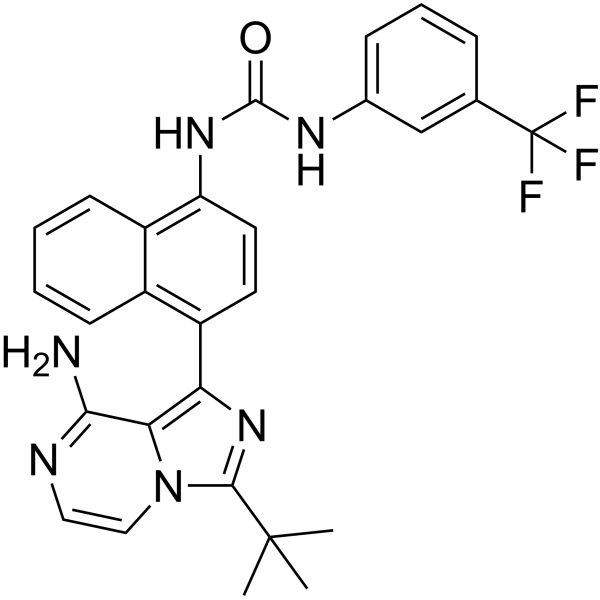
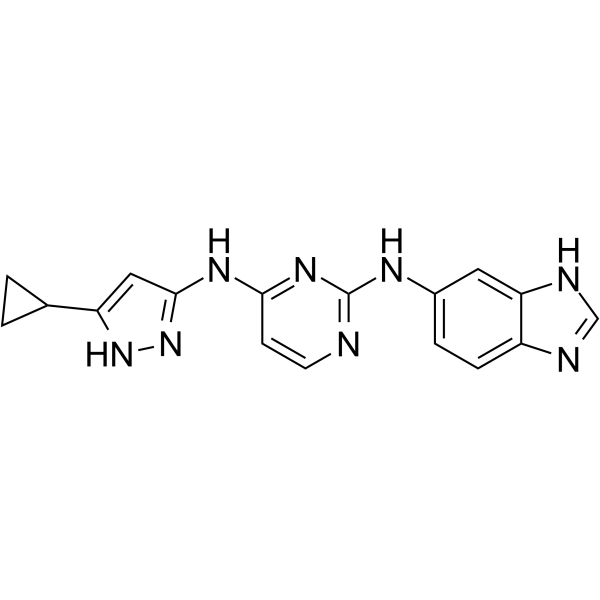
Kira8 (AMG-18) is a mono-selective IRE1α inhibitor that allosterically attenuates IRE1α RNase activity with an IC50 of 5.9 nM .
|
-
-
- HY-104040
-
|
Orin1001
|
IRE1
|
Cancer
|
|
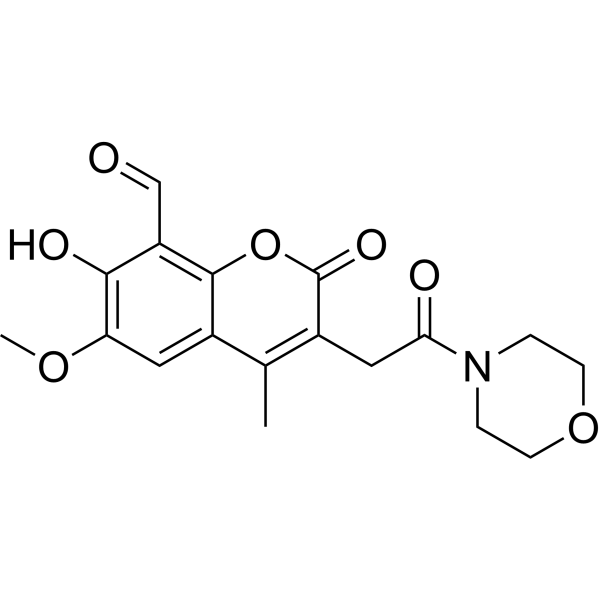
MKC8866, a salicylaldehyde analog, is a potent, selective IRE1 RNase inhibitor with an IC50 of 0.29 μM in human vitro. MKC8866 strongly inhibits Dithiothreitol-induced X-box-binding protein 1-spliced (XBP1s) expression with an EC50 of 0.52 μM and unstresses RPMI 8226 cells with an IC50 of 0.14 μM . MKC8866 inhibits IRE1 RNase in breast cancer cells leading to the decreased production of pro-tumorigenic factors and it can inhibits prostate cancer (PCa) tumor growth .
|
-
-
- HY-108882A
-
|
|
Endonuclease
|
Others
|
|
Recombinant DNase I (RNase-free) is a recombinant deoxyribonuclease that degrades DNA. Recombinant DNase I is essential for limiting inflammatory responses and maintaining homeostasis .
|
-
-
- HY-19708
-
-
-
- HY-129046A
-
|
|
DNA/RNA Synthesis
|
Others
|
|
RNase A (10mg/mL, DNase free) is a ribonuclease used to catalyze RNA degradation without containing DNase. RNase A is often employed in cell cycle assay .
|
-
-
- HY-17624
-
|
Neomycin B; Fradiomycin B
|
Bacterial
Antibiotic
|
Infection
|
|
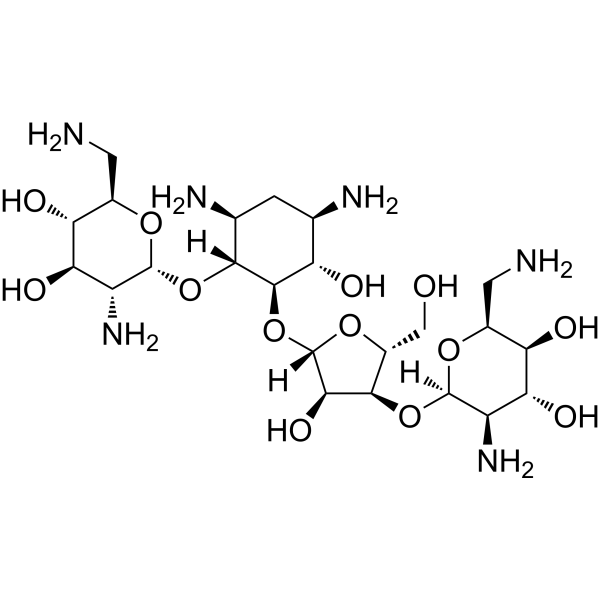
Framycetin (Neomycin B), an aminoglycoside antibiotic, is a potent RNase P cleavage activity inhibitor with a Ki of 35 μM. Framycetin competes for specific divalent metal ion binding sites in RNase P RNA. Framycetin inhibits hammerhead ribozyme with a Ki of 13.5 μM. Framycetin, a 5″-azido neomycin B precursor, binds the Drosha site in miR-525 and is used for hepatic encephalopathy and enteropathogenic E. coli infections .
|
-
-
- HY-D0846
-
|
|
Biochemical Assay Reagents
|
Neurological Disease
|
|
Diethyl pyrocarbonate is a potent, orally active, non-specific chemical inhibitor of RNase. Diethyl pyrocarbonate has been useful in vitro as an agent relatively specific for binding to imidazole of histidine. Diethyl pyrocarbonate inhibits central chemosensitivity in rabbits. Diethyl pyrocarbonate can modify Ser, Thr, His and Tyr residues. Diethyl pyrocarbonate can be used for modeling .
|
-
-
- HY-129046C
-
|
Ribonuclease B, Bovine Pancreas
|
Endonuclease
DNA/RNA Synthesis
|
Endocrinology
Cancer
|
|
RNase A (Bovine pancreatic RNase) is a widely used Endonuclease in DNA purification by specifically hydrolyzing cytosine or uracil residues of RNA. RNase A degrades the RNA in the RNA/DNA duplex. RNase A catalyses the breakdown of 3',5'-phosphodiester linkages of single stranded RNA. RNase A family members in organisms are tightly involved in various physiological and pathological processes including cell growth and development, proliferation, differentiation and migration. Dysregulation of RNase A activity or expression level is closely related to pancreatic, ovarian, bladder and thyroid cancer. RNase A has tumor cell-killing ability. RNase B, Bovine Pancreas (Ribonuclease B, Bovine Pancreas) is the N-glycosylated form of RNase A. RNase B, Bovine Pancreas can promote the folding of polypeptide chains and play a role similar to molecular chaperones .
|
-
-
- HY-17624A
-
|
Neomycin B sulfate; Fradiomycin B sulfate
|
Antibiotic
Bacterial
|
Infection
|
|
Framycetin sulfate (Neomycin B sulfate), an aminoglycoside antibiotic, is a potent RNase P cleavage activity inhibitor with a Ki of 35 μM. Framycetin sulfate competes for specific divalent metal ion binding sites in RNase P RNA. Framycetin sulfate inhibits hammerhead ribozyme with a Ki of 13.5 μM. Framycetin sulfate, a 5″-azido neomycin B precursor, binds the Drosha site in miR-525 and is used for hepatic encephalopathy and enteropathogenic E. coli infections .
|
-
-
- HY-17537
-
|
|
IRE1
|
Cancer
|
|
APY29, an ATP-competitive inhibitor, is an allosteric modulator of IRE1α which inhibits IRE1α autophosphorylation by binding to the ATP-binding pocket with IC50 of 280 nM. APY29 acts as a ligand that allosterically activates IRE1α adjacent RNase domain .
|
-
-
- HY-173189
-
|
2′,5′-ApApA; 2′,5′-trioligoadenylate; 5'-O-Triphosphoryladenylyl-(2'→5')-adenylyl-(2'→5')-adenosine
|
DNA/RNA Synthesis
RSV
|
Infection
Cancer
|
|
2-5A is a RNase L activator, signal mediator and innate immune second messenger. 2-5A induces the expression of interferons and interferon-stimulated genes in recipient cells in a RNase L-dependent manner. 2-5A inhibits tumor growth in mouse models via paracrine RNase L activation derived from cancer cells. 2-5A can be used in studies related to viral infection and cancer .
|
-
-
- HY-129046I
-
|
|
DNA/RNA Synthesis
Endonuclease
|
Endocrinology
Cancer
|
|
RNase A (Bovine pancreatic RNase) is a widely used Endonuclease in DNA purification by specifically hydrolyzing cytosine or uracil residues of RNA. RNase A degrades the RNA in the RNA/DNA duplex. RNase A catalyses the breakdown of 3',5'-phosphodiester linkages of single stranded RNA. RNase A family members in organisms are tightly involved in various physiological and pathological processes including cell growth and development, proliferation, differentiation and migration. Dysregulation of RNase A activity or expression level is closely related to pancreatic, ovarian, bladder and thyroid cancer. RNase A has tumor cell-killing ability. RNase A, Recombinant (animal free) is recombinant RNase A with no animal-derived components .
|
-
-
- HY-Y0308H
-
|
Disodium hydrogen phosphate, for molecular biology
|
Biochemical Assay Reagents
|
Others
|
|
Sodium phosphate dibasic (Disodium hydrogen phosphate), for molecular biology, is a type of phosphate salt that can be used in molecular biology research to prepare stable buffers free of RNase/DNase/protease .
|
-
-
- HY-U00459
-
|
GSK163
|
IRE1
|
Cancer
|
|
GSK2850163 is a novel inhibitor of inositol-requiring enzyme-1 alpha (IRE1α) which can inhibit IRE1α kinase activity and RNase activity with IC50s of 20 and 200 nM, respectively.
|
-
-
- HY-113225H
-
|
Guanosine triphosphate trisodium salt, 100 mM Solution, PCR Grade
|
Biochemical Assay Reagents
|
Cancer
|
|
GTP trisodium salt, 100 mM Solution, PCR Grade (Guanosine triphosphate trisodium salt, 100 mM Solution, PCR Grade) is a solution prepared from GTP at a concentration of 100 mM, free of DNase, RNase and phosphatase contamination, and suitable for molecular biology research .
|
-
-
- HY-108882B
-
|
|
DNA/RNA Synthesis
|
Inflammation/Immunology
|
|
DNase I is an enzyme that degrades DNA. DNase I is mainly produced by digestive system organs, such as the pancreas and parotid gland. Three types of DNase I are known in mammals: pancreatic type, parotid type, and pancreatico-parotid type. DNase I plays a key role in the cleavage of extracellular DNA, and is critical for limiting inflammatory responses and maintaining homeostasis. DNase I is responsible for digesting extracellular nucleoproteins, which may be essential for preventing autoimmune responses. Decreased DNase I activity may be associated with the onset and progression of systemic lupus erythematosus (SLE). DNase I (RNase & Protease free) is a molecular biology-grade DNase I purified by chromatography to remove RNase and protease .
|
-
-
- HY-155583
-
|
|
DNA/RNA Synthesis
|
Infection
|
|
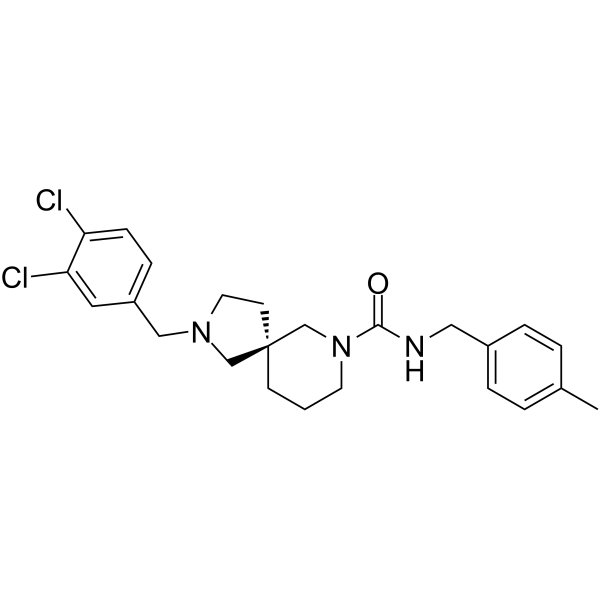
RNase L-IN-1 (compound 17a) is an inhibitor of RNase L, or Ribonuclease L. RNase L degrades RNAs to prevent viral replication, and mediates the innate immune responses and inflammation .
|
-
-
- HY-173189A
-
|
2′,5′-ApApA pentasodium; 2′,5′-trioligoadenylate pentasodium; 5'-O-Triphosphoryladenylyl-(2'→5')-adenylyl-(2'→5')-adenosine pentasodium
|
RSV
DNA/RNA Synthesis
|
Infection
Cancer
|
2-5A (2′,5′-ApApA) pentasodium solution 100 mM is a high-affinity (Ka=0.04 nM) RNase L binder. 2-5A pentasodium solution 100 mM activates the nuclease activity of latent RNase L to cleave single-stranded RNA by inducing conformational changes and dimerization of latent RNase L, thereby mediating critical antiviral responses and enhancing interferon effects. 2-5A pentasodium solution 100 mM not only effectively inhibits Rauscher murine leukemia virus replication, reduces viremia and splenomegaly, but also enhances antileukemic efficacy when combined with amphotericin B and exhibits favorable high-dose tolerance. 2-5A pentasodium solution 100 mM is an important tool molecule for investigating the pathological mechanisms of viral infection, hereditary prostate cancer and leukemia .
|
-
-
- HY-129046D
-
|
Ribonuclease A, Recombinant
|
Endonuclease
DNA/RNA Synthesis
|
Endocrinology
Cancer
|
|
RNase A (Bovine pancreatic RNase) is a widely used Endonuclease in DNA purification by specifically hydrolyzing cytosine or uracil residues of RNA. RNase A degrades the RNA in the RNA/DNA duplex. RNase A catalyses the breakdown of 3',5'-phosphodiester linkages of single stranded RNA. RNase A family members in organisms are tightly involved in various physiological and pathological processes including cell growth and development, proliferation, differentiation and migration. Dysregulation of RNase A activity or expression level is closely related to pancreatic, ovarian, bladder and thyroid cancer. RNase A has tumor cell-killing ability. RNase A, Recombinant (Ribonuclease A, Recombinant) is a recombinant form of RNase A .
|
-
-
- HY-107400
-
B I09
1 Publications Verification
|
IRE1
|
Cancer
|
|
B I09 is an IRE-1 RNase inhibitor, with an IC50 of 1230 nM.
|
-
-
- HY-108717A
-
|
Recombinant Protease K (DNase & RNase free, animal free)
|
Ser/Thr Protease
|
Others
|
|
Recombinant Proteinase K (Protease K) (DNase & RNase free, animal free) is a nonspecific serine protease that is useful for general digestion of proteins. Proteinase K (DNase & RNase free, animal free) is active in the presence of SDS or urea and over a wide range of pH (4-12), salt concentrations, and temperatures. Proteinase K (DNase & RNase free, animal free) can be use for promoting methods of viral nucleic acid extraction, and detection. This product is of molecular biology grade, free of animal-derived ingredients, and is recombinantly purified from yeast .
|
-
-
- HY-162730
-
|
|
Molecular Glues
Phosphodiesterase (PDE)
|
Cancer
|
|
OPB-171775 is an orally active molecular glue. OPB-171775 forms ternary complex with phosphodiesterase 3A (PDE3A) and schlafen family member 12 (SLFN12). OPB-171775 causes SLFN12 RNase-mediated cell death, activates SLFN12 RNase-associated GCN2 signaling pathway. OPB-171775 exhibits significant efficacy against gastrointestinal stromal tumor .
|
-
-
- HY-156262
-
|
|
Biochemical Assay Reagents
|
Others
|
|
DEPC-Treated Water is ultrapure water that has been sterilized by high temperature and high pressure and does not contain nuclease. It can avoid contamination by non-specific endonucleases and exonucleases and does not affect RNase activity .
|
-
-
- HY-145725A
-
|
ISIS 598769; IONIS 598769; BIIB 065; ISIS-DMPK-2.5Rx
|
Ser/Thr Kinase
|
Neurological Disease
|
|
Baliforsen (ISIS 5987690) is an antisense oligonucleotide (ASO) that inhibits DMPK mRNA. Baliforsen binds within exon 9 of the human DMPK transcript to promote RNase H1-mediated degradation Baliforsen can be used for the research of myotonic dystrophy type 1 .
|
-
-
- HY-121834
-
-
-
- HY-124646
-
|
|
IRE1
|
Inflammation/Immunology
|
|
KIRA-7, an imidazopyrazine compound, binds the IRE1α kinase (IC50 of 110 nM) to allosterically inhibit its RNase activity. KIRA-7 has an anti-fibrotic effect .
|
-
-
- HY-136735
-
|
|
IRE1
|
Neurological Disease
Cancer
|
|
IRE1α kinase-IN-1 is a highly selective IRE1α (ERN1) inhibitor, with an IC50 of 77 nM. IRE1α kinase-IN-1 displays 100-fold selectivity for IRE1α over the IRE1β isoform. IRE1α kinase-IN-1 inhibits ER stress-induced IRE1α oligomerization and autophosphorylation, and also inhibits IRE1α RNase activity (IC50=80 nM) .
|
-
-
- HY-141878
-
|
|
DNA/RNA Synthesis
|
Neurological Disease
|
|
di-Ellipticine-RIBOTAC is a RNase recruiting chimera (RIBOTAC) degrader, capable of specifically binding and degrading expanded G4C2 RNA repeat (r(G4C2) exp). di-Ellipticine-RIBOTAC selectively binds the three-dimensional (3D) structure formed by r(G4C2) exp and that recruits an endogenous ribonuclease (RNase) to cleave r(G4C2) exp. di-Ellipticine-RIBOTAC selectively degrades the mutant chromosome 9 open reading frame 72 (C9orf72) allele and reduces quantities of toxic dipeptide repeat proteins (DPRs) translated from r(G4C2) exp. di-Ellipticine-RIBOTAC significantly improves the pathological phenotype of amyotrophic lateral sclerosis/ frontotemporal dementia (c9ALS/FTD) in cells and mouse models. di-Ellipticine-RIBOTAC can be used for the study of amyotrophic lateral sclerosis (ALS) and frontotemporal dementia (FTD) .
|
-
-
- HY-W028350
-
|
|
HIV
DNA/RNA Synthesis
|
Infection
|
|
NSC727447 is an inhibitor of ribonuclease H (Rnase H) of HIV-1 and HIV-2. NSC727447 has little activity against E. coli RNase H, but great selectivity over human Rnase H, with IC50s value of 2.0 μM, 2.5 μM, 100 μM, 10.6 μM, respectively .
|
-
-
- HY-139212
-
|
|
IRE1
|
Others
|
|
IXA6 is a novel IRE1/XBP1s activator, and can induce IRE1 RNase activity .
|
-
-
- HY-N10776
-
|
|
HIV
|
Infection
|
|
Kaempferol-3-O-(6′′-galloyl)-β-glucopyranoside is a glucopyranoside. Kaempferol-3-O-(6′′-galloyl)-β-glucopyranoside inhibts HIV-2 RNase H with an IC50 value of 5.19 μM .
|
-
-
- HY-155583A
-
|
|
DNA/RNA Synthesis
|
Infection
|
|
RNase L-IN-1 (compound 17a) trihydrochloride is an inhibitor of RNase L or ribonuclease L. RNase L degrades RNA to prevent viral replication and mediates innate immune responses and inflammation .
|
-
-
- HY-P0229
-
|
RNase T1
|
DNA/RNA Synthesis
|
Others
|
|
Ribonulease T1, Aspergillus oryzae (Rnase T1), is commonly used in biochemical research. Ribonuclease T1 is an endonuclease that can specifically degrade single stranded RNA. Ribonuclease T1 can form nucleoside 2 ', 3 '-cyclic phosphoric acid intermediates to cut the phosphodiester bond between 3' -guanosine residues and adjacent nucleoside 5 '-OH groups to produce 3' -GMP terminal oligonucleotides .
|
-
-
- HY-107372H
-
|
Uridine 5'-triphosphate trisodium salt, 100 mM Solution, PCR Grade
|
Biochemical Assay Reagents
Endogenous Metabolite
DNA/RNA Synthesis
P2Y Receptor
|
Cardiovascular Disease
|
|
UTP (Uridine 5'-triphosphate) trisodium salt, 100 mM Solution, PCR Grade is a solution prepared from uridine triphosphate at a concentration of 100 mM, free of DNase, RNase and phosphatase contamination, suitable for molecular biology research. Uridine triphosphate (HY-107372) is a pyrimidine nucleoside triphosphate that is used as a substrate to synthesize RNA or as an energy source in metabolic reactions. Uridine triphosphate activates membrane-bound P2Y2 receptors .
|
-
-
- HY-145726
-
|
|
TNF Receptor
|
Cardiovascular Disease
Inflammation/Immunology
|
|
ISIS 104838 is an antisense oligonucleotide targeting TNF-α. ISIS 104838 specifically binds to human TNF-α mRNA via Watson-Crick base pairing to form a DNA:RNA hybrid duplex, thereby recruiting the ubiquitously expressed intracellular enzyme RNase H to degrade the target mRNA and inhibit TNF-α protein synthesis at the transcriptional level. ISIS 104838 induces moderate, self-limiting thrombocytopenia in cynomolgus monkeys. ISIS 104838 can be used for the study of inflammatory diseases .
|
-
-
- HY-129046E
-
|
Ribonuclease A DNase & Protease Free, Recombinant
|
Endonuclease
DNA/RNA Synthesis
|
Endocrinology
Cancer
|
|
RNase A (Bovine pancreatic RNase) is a widely used Endonuclease in DNA purification by specifically hydrolyzing cytosine or uracil residues of RNA. RNase A degrades the RNA in the RNA/DNA duplex. RNase A catalyses the breakdown of 3',5'-phosphodiester linkages of single stranded RNA. RNase A family members in organisms are tightly involved in various physiological and pathological processes including cell growth and development, proliferation, differentiation and migration. Dysregulation of RNase A activity or expression level is closely related to pancreatic, ovarian, bladder and thyroid cancer. RNase A has tumor cell-killing ability. RNase A (DNase & Protease Free), Recombinant is recombinant RNase A, which does not contain DNase and protease .
|
-
-
- HY-129046B
-
|
Ribonuclease A DNase & Protease Free
|
Endonuclease
DNA/RNA Synthesis
|
Others
Endocrinology
Cancer
|
|
RNase A (Bovine pancreatic RNase) is a widely used Endonuclease in DNA purification by specifically hydrolyzing cytosine or uracil residues of RNA. RNase A degrades the RNA in the RNA/DNA duplex. RNase A catalyses the breakdown of 3',5'-phosphodiester linkages of single stranded RNA. RNase A family members in organisms are tightly involved in various physiological and pathological processes including cell growth and development, proliferation, differentiation and migration. Dysregulation of RNase A activity or expression level is closely related to pancreatic, ovarian, bladder and thyroid cancer. RNase A has tumor cell-killing ability. RNase A, Bovine Pancreas (DNase & Protease Free) is RNase A derived from bovine pancreas and does not contain DNase or protease .
|
-
-
- HY-E70098
-
|
|
Others
|
Cancer
|
|
RNase H2 is the predominant source of RNase H activity in mammalian and human cells. RNase H2 protects genome integrity. RNase H2 has been associated with ribonucleotide removal from genomic DNA in yeast and mouse, where it is required for embryonic development .
|
-
-
- HY-108882D
-
|
|
DNA/RNA Synthesis
|
Others
|
|
Recombinant DNase I (Protease & RNase free, animal free) is a recombinant deoxyribonuclease that degrades DNA. Recombinant DNase I (Protease & RNase free, animal free) is essential for limiting inflammatory responses and maintaining homeostasis. This product is recombinant bovine pancreatic DNase I, purified by chromatography, free of animal-derived components, RNase and protease, and contains glycine as a stabilizer .
|
-
-
- HY-W007791
-
|
6-Chloropurine riboside
|
Nucleoside Antimetabolite/Analog
Bacterial
|
Infection
|
|
Chloropurine (6-Chloropurine) riboside is an analog of Adenosine (HY-B0228). Chloropurine riboside acts as a chemical modifier for affinity labeling of RNase A. Chloropurine riboside exhibits antibacterial activity and can be used in studies related to citrus Huanglongbing (HLB) .
|
-
-
- HY-10255R
-
|
SU 11248 Malate (Standard)
|
Reference Standards
PDGFR
VEGFR
IRE1
Mitophagy
Autophagy
Apoptosis
|
Cancer
|
|
Sunitinib (Malate) (Standard) is the analytical standard of Sunitinib (Malate). This product is intended for research and analytical applications. Sunitinib Malate (SU 11248 Malate) is a multi-targeted receptor tyrosine kinase inhibitor with IC50s of 80 nM and 2 nM for VEGFR2 and PDGFRβ, respectively . Sunitinib Malate, an ATP-competitive inhibitor, effectively inhibits autophosphorylation of Ire1α by inhibiting autophosphorylation and consequent RNase activation .
|
-
-
- HY-129046H
-
|
|
DNA/RNA Synthesis
Endonuclease
|
Endocrinology
Cancer
|
|
RNase A (Bovine pancreatic RNase) is a widely used Endonuclease in DNA purification by specifically hydrolyzing cytosine or uracil residues of RNA. RNase A degrades the RNA in the RNA/DNA duplex. RNase A catalyses the breakdown of 3',5'-phosphodiester linkages of single stranded RNA. RNase A family members in organisms are tightly involved in various physiological and pathological processes including cell growth and development, proliferation, differentiation and migration. Dysregulation of RNase A activity or expression level is closely related to pancreatic, ovarian, bladder and thyroid cancer. RNase A has tumor cell-killing ability. RNase A, Recombinant (Protease & DNase free, animal free) is recombinant RNase A that does not contain protease and DNase and does not contain animal components .
|
-
-
- HY-154828
-
|
3′,5′-UDP
|
DNA/RNA Synthesis
|
Others
|
|
Uridine 3′,5′-diphosphate (3′,5′-UDP; Compound pUp) is a competitive RNase inhibitor .
|
-
-
- HY-178946
-
|
|
IRE1
|
Cancer
|
|
IA107 is a potent, selective, and allosteric IRE1α RNase (IC50 = 16 nM (non phosphorylated), IC50 = 9 nM (phosphorylated)) inhibitor. IA107 can inhibit endoplasmic reticulum stress-induced XBP1 mRNA splicing and protein expression, and has no cytotoxicity .
|
-
-
- HY-150759
-
|
|
HIV
|
Infection
|
|
HIV-1 inhibitor-45 is a potent HIV-1 RNase H inhibitor with an IC50 value of 0.067 μM. HIV-1 inhibitor-45 shows an antiviral activity. HIV-1 inhibitor-45 shows poor cell permeability (with an apparent permeability coefficient (Papp) lower than 0.48 × 10 −6 cm/s) .
|
-
-
- HY-179663B
-
|
|
Biochemical Assay Reagents
|
Others
|
|
3M NaAc pH 5.2 Buffer, RNase and DNase-free is a sterile, RNase- and DNase-free sodium acetate buffer with a concentration of 3 M and a pH of 5.2.
|
-
-
- HY-114368A
-
|
AMG-18 Hydrochloride
|
IRE1
|
Inflammation/Immunology
|
|
Kira8 Hydrochloride (AMG-18 Hydrochloride) is a mono-selective IRE1α inhibitor that allosterically attenuates IRE1α RNase activity with an IC50 of 5.9 nM .
|
-
- HY-173189B
-
|
2′,5′-ApApA TEA; 2′,5′-trioligoadenylate TEA; 5'-O-Triphosphoryladenylyl-(2'→5')-adenylyl-(2'→5')-adenosine TEA
|
RSV
DNA/RNA Synthesis
|
Infection
Inflammation/Immunology
Cancer
|
|
2-5A (2′,5′-ApApA; 2′,5′-trioligoadenylate; 5'-O-Triphosphoryladenylyl-(2'→5')-adenylyl-(2'→5')-adenosine) TEA is a 5'-triphosphorylated (2',5') oligoadenylate. 2-5A TEA is an immunotransmitter that fuels RNase L immunity. 2-5A TEA degrades viral mRNA and inhibits protein synthesis by binding to RNase L and activating its endoribonuclease activity. 2-5A TEA can be used in RSV and cancer research .
|
-
- HY-113767
-
|
|
DNA/RNA Synthesis
|
Metabolic Disease
|
|
Momordin II, an oleanane-type triterpene glycoside, is a ribosome inactivating protein. Momordin II inhibits cell-free protein synthesis, releases adenine from rat liver ribosomes and from DNA, and has no RNase activity .
|
-
- HY-10255AS1
-
|
|
Isotope-Labeled Compounds
VEGFR
PDGFR
IRE1
Mitophagy
Autophagy
Apoptosis
|
Cancer
|
|
Sunitinib-d4 is the deuterium labeled Sunitinib. Sunitinib (SU 11248) is a multi-targeted receptor tyrosine kinase inhibitor with IC50s of 80 nM and 2 nM for VEGFR2 and PDGFRβ, respectively . Sunitinib, an ATP-competitive inhibitor, effectively inhibits autophosphorylation of Ire1α by inhibiting autophosphorylation and consequent RNase activation .
|
-
- HY-10255AS
-
|
SU 11248-d10
|
VEGFR
PDGFR
IRE1
Mitophagy
Autophagy
Apoptosis
|
Cancer
|
|
Sunitinib-d10 (SU 11248-d10) is a deuterium labeled Sunitinib. Sunitinib is a multi-targeted receptor tyrosine kinase inhibitor with IC50s of 80 nM and 2 nM for VEGFR2 and PDGFRβ, respectively . Sunitinib, an ATP-competitive inhibitor, effectively inhibits autophosphorylation of Ire1α by inhibiting autophosphorylation and consequent RNase activation .
|
-
- HY-177030
-
-
- HY-168457
-
|
|
SARS-CoV
DNA/RNA Synthesis
|
Infection
|
|
RNase L ligand 2 (compound 6) is the Rnase L ligand part of RNAse L RIBOTAC (HY-168455), an RNA-degrading chimera which binds to a four-way RNA helix called SL5 in the 5’ UTR of the SARS-CoV-2 RNA genome and inhibits the virus replication in lung epithelial carcinoma cells. RNase L ligand 2 can be used in the synthesis of RIBOTAC .
|
-
- HY-18903
-
|
|
IRE1
|
Metabolic Disease
Cancer
|
|
DSA8 is a type II kinase inhibitor with IRE1 RNase modulating activity. DSA8 can be used for the research of cancer, metabolic disease, suah as diabetes .
|
-
- HY-U00459B
-
|
GSK163 hydrochloride
|
IRE1
|
Cancer
|
|
GSK2850163 hydrochloride is a novel inhibitor of inositol-requiring enzyme-1 alpha (IRE1α) which can inhibit IRE1α kinase activity and RNase activity with IC50s of 20 and 200 nM, respectively.
|
-
- HY-P3402
-
|
|
Amino Acid Derivatives
|
Others
|
|
HBpep-K is a peptide that can form co aggregated droplets. HBpep-K can efficiently load and deliver small peptides, proteins, and mRNA. HBpep-K can protect mRNA from RNase degradation. HBpep-K is commonly used for drug delivery .
|
-
- HY-P3402A
-
|
|
Amino Acid Derivatives
|
Others
|
|
HBpep-K acetate is a peptide that can form co aggregated droplets. HBpep-K acetate can efficiently load and deliver small peptides, proteins, and mRNA. HBpep-K acetate can protect mRNA from RNase degradation. HBpep-K acetate is commonly used for drug delivery .
|
-
- HY-10255C
-
|
SU 11248 glucuronate
|
PDGFR
VEGFR
IRE1
Mitophagy
Autophagy
Apoptosis
|
Cancer
|
|
Sunitinib (SU 11248) glucuronate is a multi-targeted receptor tyrosine kinase inhibitor with IC50s of 80 nM and 2 nM for VEGFR2 and PDGFRβ, respectively . Sunitinib glucuronate, an ATP-competitive inhibitor, effectively inhibits autophosphorylation of Ire1α by inhibiting autophosphorylation and consequent RNase activation .
|
-
- HY-W011425B
-
|
|
Biochemical Assay Reagents
|
Others
|
|
NTP 25 mM Solution, PCR Grade is a mixed solution of 25 mM ATP (HY-B2176), 25 mM CTP, 25 mM GTP (HY-113225), and 25 mM UTP (HY-107372). It is free of DNase, RNase, phosphatase, and protease. NTP 25 mM Solution, PCR Grade is suitable for molecular biology research.
|
-
- HY-10255AR
-
|
SU 11248 (Standard)
|
Reference Standards
VEGFR
PDGFR
IRE1
Mitophagy
Autophagy
Apoptosis
|
Cancer
|
|
Sunitinib (Standard) is the analytical standard of Sunitinib. This product is intended for research and analytical applications. Sunitinib (SU 11248) is a multi-targeted receptor tyrosine kinase inhibitor with IC50s of 80 nM and 2 nM for VEGFR2 and PDGFRβ, respectively . Sunitinib, an ATP-competitive inhibitor, effectively inhibits autophosphorylation of Ire1α by inhibiting autophosphorylation and consequent RNase activation .
|
-
- HY-168452
-
|
|
PROTACs
DNA/RNA Synthesis
|
Cancer
|
|
RNase L ligand 1 (Compound F1-COOH) is the ligand for RNase L that can be used for synthesis of F1-RIBOTAC (HY-171148) .
|
-
- HY-168455
-
|
|
DNA/RNA Synthesis
PROTACs
|
Infection
|
|
RNAse L RIBOTAC (compound C64) is an RNA-degrading chimera which binds to a four-way RNA helix called SL5 in the 5’ UTR of the SARS-CoV-2 RNA genome and inhibits the virus replication in lung epithelial carcinoma cells. (Blue: RNA ligand (HY-168456); Black: linker (HY-130591); Pink: Rnase L ligand (HY-168457))
|
-
- HY-171148
-
|
|
DNA/RNA Synthesis
PROTACs
|
Cancer
|
|
F1-RIBOTAC is a ribonuclease-targeting chimeras (RIBOTACs). F1-RIBOTAC decreases QSOX1-a mRNA expression level in an RNase L-dependent manner. F1-RIBOTAC can be used for the research of cancer . (Pink: RNA ligand (HY-168460); Black: linker (HY-W008005); Blue: RNase L ligand (HY-168452))
|
-
- HY-141878A
-
|
|
DNA/RNA Synthesis
|
Neurological Disease
|
|
di-Ellipticine-RIBOTAC TFA is a RNase recruiting chimera (RIBOTAC) degrader, capable of specifically binding and degrading expanded G4C2 RNA repeat (r(G4C2) exp). di-Ellipticine-RIBOTAC TFA selectively binds the three-dimensional (3D) structure formed by r(G4C2) exp and that recruits an endogenous ribonuclease (RNase) to cleave r(G4C2) exp. di-Ellipticine-RIBOTAC TFA selectively degrades the mutant chromosome 9 open reading frame 72 (C9orf72) allele and reduces quantities of toxic dipeptide repeat proteins (DPRs) translated from r(G4C2) exp. di-Ellipticine-RIBOTAC TFA significantly improves the pathological phenotype of amyotrophic lateral sclerosis/ frontotemporal dementia (c9ALS/FTD) in cells and mouse models. di-Ellipticine-RIBOTAC TFA can be used for the study of amyotrophic lateral sclerosis (ALS) and frontotemporal dementia (FTD) .
|
-
- HY-162504
-
|
|
SARS-CoV
|
Infection
|
|
2'-RIBOTAC-U is a ribonuclease (RNase) targeting chimeras (RIBOTACs) and SARS-CoV-2 replication inhibitor. 2'-RIBOTAC-U is composed of a metabolic
handle (Blue), a linker (Black) and a
RNase L recruiter (Pink). RIBOTACs recruits cellular RNases to specific RNA targets, thereby leading to the degradation of these RNAs .
|
-
- HY-RS20590
-
|
|
Small Interfering RNA (siRNA)
|
Others
|
|
Rnase1 Mouse Pre-designed siRNA Set A contains three designed siRNAs for Rnase1 gene (Mouse), as well as a negative control, a positive control, and a FAM-labeled negative control.
|
-
Rnase1 Mouse Pre-designed siRNA Set A
- HY-RS12023
-
|
|
Small Interfering RNA (siRNA)
|
Others
|
|
RNASE7 Human Pre-designed siRNA Set A contains three designed siRNAs for RNASE7 gene (Human), as well as a negative control, a positive control, and a FAM-labeled negative control.
|
-
RNASE7 Human Pre-designed siRNA Set A
- HY-RS26306
-
|
|
Small Interfering RNA (siRNA)
|
Others
|
|
Rnase6 Rat Pre-designed siRNA Set A contains three designed siRNAs for Rnase6 gene (Rat), as well as a negative control, a positive control, and a FAM-labeled negative control.
|
-
Rnase6 Rat Pre-designed siRNA Set A
- HY-RS12022
-
|
|
Small Interfering RNA (siRNA)
|
Others
|
|
RNASE6 Human Pre-designed siRNA Set A contains three designed siRNAs for RNASE6 gene (Human), as well as a negative control, a positive control, and a FAM-labeled negative control.
|
-
RNASE6 Human Pre-designed siRNA Set A
- HY-RS12018
-
|
|
Small Interfering RNA (siRNA)
|
Others
|
|
RNASE1 Human Pre-designed siRNA Set A contains three designed siRNAs for RNASE1 gene (Human), as well as a negative control, a positive control, and a FAM-labeled negative control.
|
-
RNASE1 Human Pre-designed siRNA Set A
- HY-RS12021
-
|
|
Small Interfering RNA (siRNA)
|
Others
|
|
RNASE4 Human Pre-designed siRNA Set A contains three designed siRNAs for RNASE4 gene (Human), as well as a negative control, a positive control, and a FAM-labeled negative control.
|
-
RNASE4 Human Pre-designed siRNA Set A
- HY-RS12020
-
|
|
Small Interfering RNA (siRNA)
|
Others
|
|
RNASE3 Human Pre-designed siRNA Set A contains three designed siRNAs for RNASE3 gene (Human), as well as a negative control, a positive control, and a FAM-labeled negative control.
|
-
RNASE3 Human Pre-designed siRNA Set A
- HY-RS19810
-
|
|
Small Interfering RNA (siRNA)
|
Others
|
|
Rnase6 Mouse Pre-designed siRNA Set A contains three designed siRNAs for Rnase6 gene (Mouse), as well as a negative control, a positive control, and a FAM-labeled negative control.
|
-
Rnase6 Mouse Pre-designed siRNA Set A
- HY-RS27098
-
|
|
Small Interfering RNA (siRNA)
|
Others
|
|
Rnase1 Rat Pre-designed siRNA Set A contains three designed siRNAs for Rnase1 gene (Rat), as well as a negative control, a positive control, and a FAM-labeled negative control.
|
-
Rnase1 Rat Pre-designed siRNA Set A
- HY-RS12019
-
|
|
Small Interfering RNA (siRNA)
|
Others
|
|
RNASE2 Human Pre-designed siRNA Set A contains three designed siRNAs for RNASE2 gene (Human), as well as a negative control, a positive control, and a FAM-labeled negative control.
|
-
RNASE2 Human Pre-designed siRNA Set A
- HY-179672
-
|
|
Biochemical Assay Reagents
|
Others
|
|
7.5M LiCl,RNase-free is a sterile, RNase- and DNase-free lithium chloride solution, commonly used for RNA precipitation. 7.5M LiCl,RNase-free can specifically precipitate RNA, effectively removing sugar, protein, and DNA contamination from RNA samples to obtain high-purity RNA samples. The pH of this solution is 5.5-6.0.
|
-
- HY-179666A
-
|
|
Biochemical Assay Reagents
|
Others
|
|
5 M Ammonium acetate Buffer, Sterile is a sterile molecular biology reagent, free of RNase and DNase, and can be used directly for RNA extraction experiments.
|
-
- HY-17624AR
-
|
Neomycin B sulfate (Standard); Fradiomycin B sulfate (Standard)
|
Reference Standards
Antibiotic
Bacterial
|
Infection
|
|
Framycetin (sulfate) (Standard) is the analytical standard of Framycetin (sulfate). This product is intended for research and analytical applications. Framycetin sulfate (Neomycin B sulfate), an aminoglycoside antibiotic, is a potent RNase P cleavage activity inhibitor with a Ki of 35 μM. Framycetin sulfate competes for specific divalent metal ion binding sites in RNase P RNA. Framycetin sulfate inhibits hammerhead ribozyme with a Ki of 13.5 μM. Framycetin sulfate, a 5″-azido neomycin B precursor, binds the Drosha site in miR-525 and is used for hepatic encephalopathy and enteropathogenic E. coli infections .
|
-
- HY-132572
-
|
|
HIV
|
Infection
|
|
HIV-1 integrase inhibitor 9 (compound 8a) is a potent HIV-1 RNase H inhibitor with an IC50 of 12.3 μM. HIV-1 integrase inhibitor 9 shows an antiviral activity .
|
-
- HY-116454
-
|
|
Reverse Transcriptase
HIV
|
Infection
|
|
GSK5750 is a specific and potent HIV-1 reverse transcriptase ribonuclease H inhibitor with an IC50 value of 0.33 μM. GSK5750 is bound at the RNase H active site through a metalion chelation mechanism .
|
-
- HY-W103287
-
|
|
HIV Integrase
|
Infection
|
|
Hydroxyisoquinoline-1,3(2H,4H)-dione (compound 6a) is a HIV-1 integrase (IN) and HIV-1 reverse transcriptase (RT) ribonuclease H (RNase H) inhibitor with an IC50 value of 6.32, 5.9 µM, respectively .
|
-
- HY-168456
-
|
|
DNA/RNA Synthesis
Ligands for Target Protein for PROTAC
|
Infection
|
|
RNA recruiter 1 is the RNA ligand of RNAse L RIBOTAC (HY-168456), an RNA-degrading chimera which binds to a four-way RNA helix called SL5 in the 5’ UTR of the SARS-CoV-2 RNA genome and inhibits the virus replication in lung epithelial carcinoma cells. RNA recruiter 1 can be utilized in the synthesis of RIBOTAC .
|
-
- HY-168458
-
|
|
DNA/RNA Synthesis
Target Protein Ligand-Linker Conjugates
|
Infection
|
|
RNA recruiter-linker 1 is the RNA ligand-linker part of RNAse L RIBOTAC (HY-168455), an RNA-degrading chimera which binds to a four-way RNA helix called SL5 in the 5’ UTR of the SARS-CoV-2 RNA genome and inhibits the virus replication in lung epithelial carcinoma cells. RNA recruiter-linker 1 can be utilized in the synthesis of RIBOTAC .
|
-
- HY-P0229A
-
|
RNase T1 (animal free)
|
DNA/RNA Synthesis
|
Others
|
|
Ribonuclease T1 (animal free) (Rnase T1 (animal free)) (EC 4.6.1.24) is an endonuclease that specifically degrades single-stranded RNA. Ribonuclease T1 forms a nucleoside 2′, 3′-cyclic phosphate intermediate to cleave the phosphodiester bond between the 3′-guanosine residue and the 5′-OH group of the adjacent nucleoside to produce a 3′-GMP-terminated oligonucleotide. This product does not contain ingredients of animal origin .
|
-
- HY-162507
-
|
|
Biochemical Assay Reagents
|
Infection
|
|
2'-RIBOTAC-U recruiter-linker (Compound 9) consists of RNase L recruiter and linker. 2'-RIBOTAC-U recruiter-linker is reacted separately with 2’-azido-uridine or 5’-azidomethyl-uridine via copper-catalyzed click chemistry, resulting in the formation of 2’-RIBOTAC-U and 5’-RIBOTAC-U, respectively. 2’-RIBOTAC-U has anti-SARS-CoV-2 activity .
|
-
- HY-129046J
-
|
|
Endonuclease
|
Metabolic Disease
|
|
RNase B Glycoprotein Standard is a substrate containing PNGase F and can be used to determine PNGase F activity. RNase B Glycoprotein Standard can be used as a glycoprotein standard.
|
-
- HY-RS25050
-
|
|
Small Interfering RNA (siRNA)
|
Others
|
|
Rnase3 Rat Pre-designed siRNA Set A contains three designed siRNAs for Rnase3 gene (Rat), as well as a negative control, a positive control, and a FAM-labeled negative control.
|
-
Rnase3 Rat Pre-designed siRNA Set A
- HY-RS26697
-
|
|
Small Interfering RNA (siRNA)
|
Others
|
|
Rnase2 Rat Pre-designed siRNA Set A contains three designed siRNAs for Rnase2 gene (Rat), as well as a negative control, a positive control, and a FAM-labeled negative control.
|
-
Rnase2 Rat Pre-designed siRNA Set A
- HY-E70903
-
-
- HY-P2778A
-
|
|
DNA/RNA Synthesis
|
Others
|
|
Thermally stable RNase H degrades the RNA strand of a DNA-RNA hybrid without affecting the DNA or unhybridized RNA strands, significantly improving sensitivity and selectivity. Thermally stable RNase H has optimal activity at 65°C and remains active at 95°C.
|
-
- HY-17624S
-
|
Neomycin B-d2; Fradiomycin B-d2
|
Isotope-Labeled Compounds
|
Others
|
|
Framycetin-d2 (Neomycin B-d2) is the deuterium labeled Framycetin (HY-17624). Framycetin (Neomycin B), an aminoglycoside antibiotic, is a potent RNase P cleavage activity inhibitor with a Ki of 35 μM. Framycetin competes for specific divalent metal ion binding sites in RNase P RNA. Framycetin inhibits hammerhead ribozyme with a Ki of 13.5 μM. Framycetin, a 5″-azido neomycin B precursor, binds the Drosha site in miR-525 and is used for hepatic encephalopathy and enteropathogenic E. coli infections.
|
-
- HY-162730R
-
|
|
Reference Standards
Molecular Glues
Phosphodiesterase (PDE)
|
Cancer
|
|
OPB-171775 (Standard) is the analytical standard of OPB-171775 (HY-162730). This product is intended for research and analytical applications. OPB-171775 is an orally active molecular glue. OPB-171775 forms ternary complex with phosphodiesterase 3A (PDE3A) and schlafen family member 12 (SLFN12). OPB-171775 causes SLFN12 RNase-mediated cell death, activates SLFN12 RNase-associated GCN2 signaling pathway. OPB-171775 exhibits significant efficacy against gastrointestinal stromal tumor.
|
-
- HY-107400R
-
|
|
Reference Standards
IRE1
|
Cancer
|
|
B I09 (Standard) is the analytical standard of B I09 (HY-107400). This product is intended for research and analytical applications. B I09 is an IRE-1 RNase inhibitor, with an IC50 of 1230 nM.
|
-
- HY-131827
-
|
|
DNA/RNA Synthesis
|
Inflammation/Immunology
|
|
5-Chlorouridine, a ribonucleoside, is an inhibitor of RNase A (Ki = 44.5 μM) and eosinophil derived neurotoxin (EDN) (Ki = 1080.1 μM; IC50 = 1462.8 μM). 5-Chlorouridine can be used for the researches of inflammatory disorders and hypereosinophilic syndromes .
|
-
- HY-183157
-
|
|
HIV
|
Infection
|
|
HIV-1-IN-93 is a HIV-1 RNase H inhibitor with an IC50 of 6.09 μM. HIV-1-IN-93 shows low cytotoxicity and can be used in studies related to HIV-1 infection .
|
-
- HY-104040R
-
|
Orin1001 (Standard)
|
Reference Standards
IRE1
|
Cancer
|
|
MKC8866 (Standard) is the analytical standard of MKC8866 (HY-104040). This product is intended for research and analytical applications. MKC8866, a salicylaldehyde analog, is a potent, selective IRE1 RNase inhibitor with an IC50 of 0.29 μM in human vitro. MKC8866 strongly inhibits Dithiothreitol-induced X-box-binding protein 1-spliced (XBP1s) expression with an EC50 of 0.52 μM and unstresses RPMI 8226 cells with an IC50 of 0.14 μM . MKC8866 inhibits IRE1 RNase in breast cancer cells leading to the decreased production of pro-tumorigenic factors and it can inhibits prostate cancer (PCa) tumor growth .
|
-
- HY-182552
-
-
- HY-U00460
-
|
|
IRE1
|
Cancer
|
|
3,6-DMAD hydrochloride, an acridine derivative, is a potent IRE1α-XBP1s pathway inhibitor. 3,6-DMAD hydrochloride promotes IL-6 secretion via the IRE1α-XBP1s pathway. 3,6-DMAD hydrochloride inhibits IRE1α oligomerization and endoribonuclease (RNase) activity. 3,6-DMAD hydrochloride can be used for research of cancer .
|
-
- HY-U00460B
-
|
|
IRE1
|
Cancer
|
|
3,6-DMAD dihydrochloride, an acridine derivative, is a potent IRE1α-XBP1s pathway inhibitor. 3,6-DMAD dihydrochloride promotes IL-6 secretion via the IRE1α-XBP1s pathway. 3,6-DMAD dihydrochloride inhibits IRE1α oligomerization and endoribonuclease (RNase) activity. 3,6-DMAD dihydrochloride can be used for research of cancer .
|
-
- HY-145726A
-
|
|
TNF Receptor
|
Cardiovascular Disease
Inflammation/Immunology
|
|
ISIS 104838 sodium is an antisense oligonucleotide targeting TNF-α. ISIS 104838 sodium specifically binds to human TNF-α mRNA via Watson-Crick base pairing to form a DNA:RNA hybrid duplex, thereby recruiting the ubiquitously expressed intracellular enzyme RNase H to degrade the target mRNA and inhibit TNF-α protein synthesis at the transcriptional level. ISIS 104838 sodium induces moderate, self-limiting thrombocytopenia in cynomolgus monkeys. ISIS 104838 sodium can be used for the study of inflammatory diseases .
|
-
- HY-185449
-
|
|
HIV
Reverse Transcriptase
DNA/RNA Synthesis
|
Infection
|
|
HIV RT-IN-2 is a HIV reverse transcriptase inhibitor with an IC50 value of 1.2 μM for HIV-1 RT RNA-dependent DNA polymerase. HIV RT-IN-2 potently inhibits all three modes of HIV-1 RT-associated RNase H activity (internal, 3'-DNA directed, 5'-RNA directed cleavage) and inhibits HIV-1 replication. HIV RT-IN-2 can be used for the research of HIV-1 infection .
|
-
- HY-176836
-
|
|
Endonuclease
|
Cancer
|
|
PNR-3-82 is a selective Apoptotic endonuclease G (EndoG) inhibitor with an IC50 of 0.61 μM for EndoG over DNase I. PNR-3-82 does not inhibit five cell death-related enzymes including DNase II, RNase A, proteinase, lactate dehydrogenase and superoxide dismutase 1. PNR-3-82 has a cytoprotective activity and blocks Cisplatin (HY-17394) and Docetaxel (HY-B0011)-induced cell death. PNR-3-82 can be used for cell injuries research .
|
-
- HY-112974
-
|
GSK-2998728; ISIS-420915
|
Transthyretin (TTR)
|
Cardiovascular Disease
Neurological Disease
|
|
Inotersen (GSK-2998728; ISIS-420915) is a 2'-O-methoxyethyl-modified antisense oligonucleotide and transthyretin (TTR) inhibitor with low genotoxicity. Inotersen triggers RNase H1-mediated degradation by binding to TTR mRNA, thereby effectively reducing the production of both mutant and wild-type transthyretin in the liver. Inotersen significantly reduces amyloid fiber deposition, yet specific toxicities such as inflammation or tumors are observed at high doses in some animal models. Inotersen is used in studies of hereditary transthyretin amyloidosis and the associated polyneuropathy and cardiomyopathy .
|
-
- HY-176259
-
|
|
PROTACs
Galectin
Apoptosis
|
Cancer
|
|
F3-PEG8-RiboTAC is a RiboTAC that can specifically degrade the mRNA of the oncogene LGALS1. F3-PEG8-RiboTAC can induce tumor cell apoptosis and inhibit invasion. F3-PEG8-RiboTAC has anti-tumor activity and can be used in the research of tumors such as leukemia and triple-negative breast cancer. (RNase L ligand (HY-177030); RNA binder (HY-177031); Linker (HY-W019798)) .
|
-
- HY-153713
-
|
|
PROTACs
c-Myc
Apoptosis
|
Cancer
|
|
MYC-RIBOTAC is a nucleic acid-targeting degrader (ribonuclease-targeting chimera, RIBOTAC) that targets the MYC internal ribosome entry site (IRES). MYC-RIBOTAC contains a MYC mRNA binding component and a small molecule that recruits and locally activates RNAse L1. MYC-RIBOTAC reduces MYC mRNA and protein expression levels, induces cell apoptosis, and can be used for antitumor research . MYC-RIBOTAC consists of pre-miR-155 binder Anticancer agent 167 (HY-156839), RNA binder NCI-B16 (HY-156215), and Linker Amino-PEG4-alcohol (HY-W008005).
|
-
- HY-E70529
-
|
|
DNA/RNA Synthesis
Bacterial
|
Infection
|
|
Ribonucleoside vanadyl complexes are a class of potent RNase and Taq polymerase inhibitors. Ribonucleoside vanadyl complexes protect RNA during RNA isolation by inhibiting ribonucleases, and also reduce the viability of bacteria and eukaryotic cells by interfering with ribosomal subunit assembly. Ribonucleoside vanadyl complexes block PCR and reverse transcription reactions templated by viral nucleic acids and enhance the effects of antibiotics against Staphylococcus aureus, but do not directly inhibit protein synthesis. Ribonucleoside vanadyl complexes can be effectively removed by phenol-chloroform extraction, thus enabling subsequent PCR analysis. Ribonucleoside vanadyl complexes can be applied in research related to chronic hepatitis C (HCV) and Staphylococcus aureus infection .
|
-
- HY-132580
-
|
BIIB067; ISIS-SOD1Rx; ISIS 333611
|
SOD
|
Neurological Disease
|
|
Tofersen (BIIB067) is an antisense oligonucleotide and SOD1 mRNA inhibitor with an IC50 of 320 pM. Tofersen mediates RNase H-dependent degradation of SOD1 mRNA to reduce SOD1 protein levels in cerebrospinal fluid and serum. Tofersen downregulates cerebrospinal fluid neurofilament light chain, neurofilament heavy chain, amyloid-beta 1-40, amyloid-beta 1-42, neuropeptide Y, ubiquitin C-terminal hydrolase L1, neuropentraxins 1, 2, R, corticotropin-releasing hormone, IL-15, and serum neurofilament light chain, neurofilament heavy chain. Tofersen can be used for the research of superoxide dismutase 1-associated amyotrophic lateral sclerosis .
|
-
- HY-132580A
-
|
BIIB067 sodium; ISIS-SOD1Rx sodium; ISIS 333611 sodium
|
SOD
|
Neurological Disease
|
|
Tofersen (BIIB067) sodium is an antisense oligonucleotide and SOD1 mRNA inhibitor with an IC50 of 320 pM. Tofersen sodium mediates RNase H-dependent degradation of SOD1 mRNA to reduce SOD1 protein levels in cerebrospinal fluid and serum. Tofersen sodium downregulates cerebrospinal fluid neurofilament light chain, neurofilament heavy chain, amyloid-beta 1-40, amyloid-beta 1-42, neuropeptide Y, ubiquitin C-terminal hydrolase L1, neuropentraxins 1, 2, R, corticotropin-releasing hormone, IL-15, and serum neurofilament light chain, neurofilament heavy chain. Tofersen sodium can be used for the research of superoxide dismutase 1-associated amyotrophic lateral sclerosis .
|
-
- HY-132580S
-
|
BIIB067-d27; ISIS-SOD1Rx-d27; ISIS 333611-d27
|
Isotope-Labeled Compounds
SOD
|
Neurological Disease
|
|
Tofersen-d27 (BIIB067-d27) is the deuterium labeled Tofersen (HY-132580). Tofersen (BIIB067) is an antisense oligonucleotide and SOD1 mRNA inhibitor with an IC50 of 320 pM. Tofersen mediates RNase H-dependent degradation of SOD1 mRNA to reduce SOD1 protein levels in cerebrospinal fluid and serum. Tofersen downregulates cerebrospinal fluid neurofilament light chain, neurofilament heavy chain, amyloid-beta 1-40, amyloid-beta 1-42, neuropeptide Y, ubiquitin C-terminal hydrolase L1, neuropentraxins 1, 2, R, corticotropin-releasing hormone, IL-15, and serum neurofilament light chain, neurofilament heavy chain. Tofersen can be used for the research of superoxide dismutase 1-associated amyotrophic lateral sclerosis.
|
-
- HY-148503
-
|
|
Phosphoramidites
Nucleoside Antimetabolite/Analog
|
Others
|
|
5'-ODMT cEt N-Bz A Phosphoramidite (Amidite) is a nucleoside phosphoramidite monomer used to synthesize locked nucleic acid (LNA) analog oligonucleotides. It can be used as a building block of antisense oligonucleotides (ASOs) to target complementary RNA sequences. 5'-ODMT cEt N-Bz A Phosphoramidite (Amidite) locks the furanose ring into an N-type conformation through 2',4'-constrained ethyl (cEt) modification, enhancing hybridization affinity and mismatch discrimination with RNA, while significantly improving the resistance of oligonucleotides to exonuclease digestion. 5'-ODMT cEt N-Bz A Phosphoramidite (Amidite) mediates RNase H-dependent mRNA degradation or inhibits translation by forming a stable hybrid with RNA, thereby achieving gene expression regulation. 5'-ODMT cEt N-Bz A Phosphoramidite (Amidite) is mainly used in the development of antisense drugs, gene function research and oligonucleotide synthesis related to disease treatment .
|
-
-
-
HY-E0077
-
|
|
0 compounds
|
|
MCE adhesive aluminium foil plate seals are of strong adhesive that can reduce chance of well-to-well contamination and sample evaporation when applied to microplates. This aluminium foil seal is suitable for long-term storage of samples at -80°C. The high integrity sealing materials give the best protection against evaporation and contamination. The aluminium foil seal features excellent chemical resistance to DMSO and DNase- & RNase- free. MCE adhesive foil seal is pierceable, peelable and easy-to-use.
|
| Cat. No. |
Product Name |
Type |
-
- HY-D0846
-
|
|
Biochemical Assay Reagents
|
|
Diethyl pyrocarbonate is a potent, orally active, non-specific chemical inhibitor of RNase. Diethyl pyrocarbonate has been useful in vitro as an agent relatively specific for binding to imidazole of histidine. Diethyl pyrocarbonate inhibits central chemosensitivity in rabbits. Diethyl pyrocarbonate can modify Ser, Thr, His and Tyr residues. Diethyl pyrocarbonate can be used for modeling .
|
-
- HY-Y0308H
-
|
Disodium hydrogen phosphate, for molecular biology
|
Biochemical Assay Reagents
|
|
Sodium phosphate dibasic (Disodium hydrogen phosphate), for molecular biology, is a type of phosphate salt that can be used in molecular biology research to prepare stable buffers free of RNase/DNase/protease .
|
-
- HY-113225H
-
|
Guanosine triphosphate trisodium salt, 100 mM Solution, PCR Grade
|
Biochemical Assay Reagents
|
|
GTP trisodium salt, 100 mM Solution, PCR Grade (Guanosine triphosphate trisodium salt, 100 mM Solution, PCR Grade) is a solution prepared from GTP at a concentration of 100 mM, free of DNase, RNase and phosphatase contamination, and suitable for molecular biology research .
|
-
- HY-156262
-
|
|
Biochemical Assay Reagents
|
|
DEPC-Treated Water is ultrapure water that has been sterilized by high temperature and high pressure and does not contain nuclease. It can avoid contamination by non-specific endonucleases and exonucleases and does not affect RNase activity .
|
-
- HY-107372H
-
|
Uridine 5'-triphosphate trisodium salt, 100 mM Solution, PCR Grade
|
Biochemical Assay Reagents
|
|
UTP (Uridine 5'-triphosphate) trisodium salt, 100 mM Solution, PCR Grade is a solution prepared from uridine triphosphate at a concentration of 100 mM, free of DNase, RNase and phosphatase contamination, suitable for molecular biology research. Uridine triphosphate (HY-107372) is a pyrimidine nucleoside triphosphate that is used as a substrate to synthesize RNA or as an energy source in metabolic reactions. Uridine triphosphate activates membrane-bound P2Y2 receptors .
|
-
- HY-179663B
-
|
|
Biochemical Assay Reagents
|
|
3M NaAc pH 5.2 Buffer, RNase and DNase-free is a sterile, RNase- and DNase-free sodium acetate buffer with a concentration of 3 M and a pH of 5.2.
|
-
- HY-W011425B
-
|
|
Biochemical Assay Reagents
|
|
NTP 25 mM Solution, PCR Grade is a mixed solution of 25 mM ATP (HY-B2176), 25 mM CTP, 25 mM GTP (HY-113225), and 25 mM UTP (HY-107372). It is free of DNase, RNase, phosphatase, and protease. NTP 25 mM Solution, PCR Grade is suitable for molecular biology research.
|
-
- HY-179672
-
|
|
Biochemical Assay Reagents
|
|
7.5M LiCl,RNase-free is a sterile, RNase- and DNase-free lithium chloride solution, commonly used for RNA precipitation. 7.5M LiCl,RNase-free can specifically precipitate RNA, effectively removing sugar, protein, and DNA contamination from RNA samples to obtain high-purity RNA samples. The pH of this solution is 5.5-6.0.
|
-
- HY-179666A
-
|
|
Biochemical Assay Reagents
|
|
5 M Ammonium acetate Buffer, Sterile is a sterile molecular biology reagent, free of RNase and DNase, and can be used directly for RNA extraction experiments.
|
| Cat. No. |
Product Name |
Target |
Research Area |
-
- HY-P0326
-
|
|
Peptides
|
Others
|
|
S Tag Peptide is a 15 amino acid peptide derived from RNase A.
|
-
- HY-P3402
-
|
|
Amino Acid Derivatives
|
Others
|
|
HBpep-K is a peptide that can form co aggregated droplets. HBpep-K can efficiently load and deliver small peptides, proteins, and mRNA. HBpep-K can protect mRNA from RNase degradation. HBpep-K is commonly used for drug delivery .
|
-
- HY-P3402A
-
|
|
Amino Acid Derivatives
|
Others
|
|
HBpep-K acetate is a peptide that can form co aggregated droplets. HBpep-K acetate can efficiently load and deliver small peptides, proteins, and mRNA. HBpep-K acetate can protect mRNA from RNase degradation. HBpep-K acetate is commonly used for drug delivery .
|
-
- HY-K1033
-
Maximum Cited Publications
18 Publications Verification
|
|
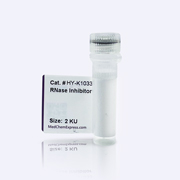
RNase Inhibitor is a 50 kDa recombinant protein expressed in E.coli, and can specifically inhibit RNase A, B and C. The 10 KU volume is defined as the base specification. All larger sizes correspond to incremental volumes of this base.
|
-
- HY-KE7056
-
|
|
|
RNase III is a specific exonuclease expressed in E.coli that can cleave dsRNA into 12-15 bp dsRNA fragments.
|
-
- HY-KE7058
-
1 Publications Verification
|
|
RNase H is an endoribonuclease expressed and purified from Escherichia coli and can specifically hydrolyze RNA in DNA-RNA hybrid strands.
|
-
- HY-KE8004
-
1 Publications Verification
|
|
Reverse Transcriptase is a reverse transcriptase that clones and expresses the deletion mutant RNase H- of M-MuLV through genetic recombination technology.
|
-
- HY-KE7055
-
3 Publications Verification
|
|
RNase R is a magnesium ion-dependent 3'-5' exoribonuclease that can increase the abundance of circular RNA by degrading linear RNA in mixed RNA, thereby enriching circular RNA.
|
-
- HY-E0209
-
|
|
|
MCE 384-well storage plate can be used for the storage of compound, and the V-shaped bottom design can improve the sample recovery rate and reduce the dead volume. This plate is made of polypropylene material with high heat resistance and free of detectable DNase, RNase, human DNA. ANSI/SBS compliant and suitable for automated pipette workstations and high-throughput screening platforms.
|
-
- HY-E0224
-
|
|
|
0.5 mL Storage Tube, Three-Code Tube, External Thread with Screw Cap, Compatible with SBS- 96-Well Racks. This product is made from high-quality PP material, suitable for ultra-low temperature storage, with excellent weather resistance. Free from DNase and RNase, and can be sterilized by irradiation. The bottom of the tube features a unique QR code, while the side wall has a 1D linear barcode and directly readable numeric code, all three codes are identical and unique. The codes are laser-etched, scratch-resistant, not easy to fall off, and have high contrast for easy reading. The accompanying tube rack (HY-E0225) is made of the same material as the tube, effectively preventing uneven expansion issues during freeze-thaw cycles.
|
| Cat. No. |
Product Name |
Category |
Target |
Chemical Structure |
| Cat. No. |
Compare |
Product Name |
Species |
Source |
Image |
Compare Products
|
| Products |
|
| Cat. No. |
|
| Species |
|
| Source |
|
| Tag |
|
| Accession |
|
| Gene ID |
|
| Molecular Weight |
|
| Purity |
|
| Endotoxin Level |
|
| Biological Activity |
|
| Appearance |
|
| Formulation |
|
| Storage & Stability |
|
| Shipping |
|
| Free Sample |
Yes
No
|
| Size |
* This product has been "discontinued".
Optimized version of product available:
|
| Cat. No. |
Product Name |
Chemical Structure |
-
- HY-10255AS1
-
|
|
|
Sunitinib-d4 is the deuterium labeled Sunitinib. Sunitinib (SU 11248) is a multi-targeted receptor tyrosine kinase inhibitor with IC50s of 80 nM and 2 nM for VEGFR2 and PDGFRβ, respectively . Sunitinib, an ATP-competitive inhibitor, effectively inhibits autophosphorylation of Ire1α by inhibiting autophosphorylation and consequent RNase activation .
|
-
-
- HY-10255AS
-
|
|
|
Sunitinib-d10 (SU 11248-d10) is a deuterium labeled Sunitinib. Sunitinib is a multi-targeted receptor tyrosine kinase inhibitor with IC50s of 80 nM and 2 nM for VEGFR2 and PDGFRβ, respectively . Sunitinib, an ATP-competitive inhibitor, effectively inhibits autophosphorylation of Ire1α by inhibiting autophosphorylation and consequent RNase activation .
|
-
-
- HY-132580S
-
|
|
|
Tofersen-d27 (BIIB067-d27) is the deuterium labeled Tofersen (HY-132580). Tofersen (BIIB067) is an antisense oligonucleotide and SOD1 mRNA inhibitor with an IC50 of 320 pM. Tofersen mediates RNase H-dependent degradation of SOD1 mRNA to reduce SOD1 protein levels in cerebrospinal fluid and serum. Tofersen downregulates cerebrospinal fluid neurofilament light chain, neurofilament heavy chain, amyloid-beta 1-40, amyloid-beta 1-42, neuropeptide Y, ubiquitin C-terminal hydrolase L1, neuropentraxins 1, 2, R, corticotropin-releasing hormone, IL-15, and serum neurofilament light chain, neurofilament heavy chain. Tofersen can be used for the research of superoxide dismutase 1-associated amyotrophic lateral sclerosis.
|
-
-
- HY-17624S
-
|
|
|
Framycetin-d2 (Neomycin B-d2) is the deuterium labeled Framycetin (HY-17624). Framycetin (Neomycin B), an aminoglycoside antibiotic, is a potent RNase P cleavage activity inhibitor with a Ki of 35 μM. Framycetin competes for specific divalent metal ion binding sites in RNase P RNA. Framycetin inhibits hammerhead ribozyme with a Ki of 13.5 μM. Framycetin, a 5″-azido neomycin B precursor, binds the Drosha site in miR-525 and is used for hepatic encephalopathy and enteropathogenic E. coli infections.
|
-
| Cat. No. |
Compare |
Product Name |
Application |
Reactivity |
Image |
Compare Products
|
| Products |
|
| Cat. No. |
|
| Host |
|
| Reactivity |
|
| Application |
|
Dilution Ratio |
|
| Molecular Weight |
|
| Conjugation |
|
| Clonality |
|
| Immunogen |
|
| Appearance |
|
| Isotype |
|
| Gene ID |
|
| SwissProt ID |
|
| Purity |
|
| Formulation |
|
| Free Sample |
Yes
No
|
| Size |
* This product has been "discontinued".
Optimized version of product available:
|
| Cat. No. |
Product Name |
|
Classification |
-
- HY-168457
-
|
|
|
Azide
|
|
RNase L ligand 2 (compound 6) is the Rnase L ligand part of RNAse L RIBOTAC (HY-168455), an RNA-degrading chimera which binds to a four-way RNA helix called SL5 in the 5’ UTR of the SARS-CoV-2 RNA genome and inhibits the virus replication in lung epithelial carcinoma cells. RNase L ligand 2 can be used in the synthesis of RIBOTAC .
|
-
- HY-168458
-
|
|
|
Alkynes
|
|
RNA recruiter-linker 1 is the RNA ligand-linker part of RNAse L RIBOTAC (HY-168455), an RNA-degrading chimera which binds to a four-way RNA helix called SL5 in the 5’ UTR of the SARS-CoV-2 RNA genome and inhibits the virus replication in lung epithelial carcinoma cells. RNA recruiter-linker 1 can be utilized in the synthesis of RIBOTAC .
|
-
- HY-162507
-
|
|
|
Alkynes
|
|
2'-RIBOTAC-U recruiter-linker (Compound 9) consists of RNase L recruiter and linker. 2'-RIBOTAC-U recruiter-linker is reacted separately with 2’-azido-uridine or 5’-azidomethyl-uridine via copper-catalyzed click chemistry, resulting in the formation of 2’-RIBOTAC-U and 5’-RIBOTAC-U, respectively. 2’-RIBOTAC-U has anti-SARS-CoV-2 activity .
|
| Cat. No. |
Product Name |
|
Classification |
-
- HY-132580
-
|
BIIB067; ISIS-SOD1Rx; ISIS 333611
|
|
Antisense Oligonucleotides
|
|
Tofersen (BIIB067) is an antisense oligonucleotide and SOD1 mRNA inhibitor with an IC50 of 320 pM. Tofersen mediates RNase H-dependent degradation of SOD1 mRNA to reduce SOD1 protein levels in cerebrospinal fluid and serum. Tofersen downregulates cerebrospinal fluid neurofilament light chain, neurofilament heavy chain, amyloid-beta 1-40, amyloid-beta 1-42, neuropeptide Y, ubiquitin C-terminal hydrolase L1, neuropentraxins 1, 2, R, corticotropin-releasing hormone, IL-15, and serum neurofilament light chain, neurofilament heavy chain. Tofersen can be used for the research of superoxide dismutase 1-associated amyotrophic lateral sclerosis .
|
-
- HY-148503
-
|
|
|
Phosphoramidites
Adenine
|
|
5'-ODMT cEt N-Bz A Phosphoramidite (Amidite) is a nucleoside phosphoramidite monomer used to synthesize locked nucleic acid (LNA) analog oligonucleotides. It can be used as a building block of antisense oligonucleotides (ASOs) to target complementary RNA sequences. 5'-ODMT cEt N-Bz A Phosphoramidite (Amidite) locks the furanose ring into an N-type conformation through 2',4'-constrained ethyl (cEt) modification, enhancing hybridization affinity and mismatch discrimination with RNA, while significantly improving the resistance of oligonucleotides to exonuclease digestion. 5'-ODMT cEt N-Bz A Phosphoramidite (Amidite) mediates RNase H-dependent mRNA degradation or inhibits translation by forming a stable hybrid with RNA, thereby achieving gene expression regulation. 5'-ODMT cEt N-Bz A Phosphoramidite (Amidite) is mainly used in the development of antisense drugs, gene function research and oligonucleotide synthesis related to disease treatment .
|
-
- HY-112974
-
|
GSK-2998728; ISIS-420915
|
|
Antisense Oligonucleotides
|
|
Inotersen (GSK-2998728; ISIS-420915) is a 2'-O-methoxyethyl-modified antisense oligonucleotide and transthyretin (TTR) inhibitor with low genotoxicity. Inotersen triggers RNase H1-mediated degradation by binding to TTR mRNA, thereby effectively reducing the production of both mutant and wild-type transthyretin in the liver. Inotersen significantly reduces amyloid fiber deposition, yet specific toxicities such as inflammation or tumors are observed at high doses in some animal models. Inotersen is used in studies of hereditary transthyretin amyloidosis and the associated polyneuropathy and cardiomyopathy .
|
-
- HY-132580A
-
|
BIIB067 sodium; ISIS-SOD1Rx sodium; ISIS 333611 sodium
|
|
Antisense Oligonucleotides
|
|
Tofersen (BIIB067) sodium is an antisense oligonucleotide and SOD1 mRNA inhibitor with an IC50 of 320 pM. Tofersen sodium mediates RNase H-dependent degradation of SOD1 mRNA to reduce SOD1 protein levels in cerebrospinal fluid and serum. Tofersen sodium downregulates cerebrospinal fluid neurofilament light chain, neurofilament heavy chain, amyloid-beta 1-40, amyloid-beta 1-42, neuropeptide Y, ubiquitin C-terminal hydrolase L1, neuropentraxins 1, 2, R, corticotropin-releasing hormone, IL-15, and serum neurofilament light chain, neurofilament heavy chain. Tofersen sodium can be used for the research of superoxide dismutase 1-associated amyotrophic lateral sclerosis .
|
-
- HY-173189A
-
|
2′,5′-ApApA pentasodium; 2′,5′-trioligoadenylate pentasodium; 5'-O-Triphosphoryladenylyl-(2'→5')-adenylyl-(2'→5')-adenosine pentasodium
|
|
Nucleotide Analogs
Adenine Nucleotide
|
2-5A (2′,5′-ApApA) pentasodium solution 100 mM is a high-affinity (Ka=0.04 nM) RNase L binder. 2-5A pentasodium solution 100 mM activates the nuclease activity of latent RNase L to cleave single-stranded RNA by inducing conformational changes and dimerization of latent RNase L, thereby mediating critical antiviral responses and enhancing interferon effects. 2-5A pentasodium solution 100 mM not only effectively inhibits Rauscher murine leukemia virus replication, reduces viremia and splenomegaly, but also enhances antileukemic efficacy when combined with amphotericin B and exhibits favorable high-dose tolerance. 2-5A pentasodium solution 100 mM is an important tool molecule for investigating the pathological mechanisms of viral infection, hereditary prostate cancer and leukemia .
|
-
- HY-145725A
-
|
ISIS 598769; IONIS 598769; BIIB 065; ISIS-DMPK-2.5Rx
|
|
Antisense Oligonucleotides
|
|
Baliforsen (ISIS 5987690) is an antisense oligonucleotide (ASO) that inhibits DMPK mRNA. Baliforsen binds within exon 9 of the human DMPK transcript to promote RNase H1-mediated degradation Baliforsen can be used for the research of myotonic dystrophy type 1 .
|
-
- HY-145726
-
|
|
|
Antisense Oligonucleotides
|
|
ISIS 104838 is an antisense oligonucleotide targeting TNF-α. ISIS 104838 specifically binds to human TNF-α mRNA via Watson-Crick base pairing to form a DNA:RNA hybrid duplex, thereby recruiting the ubiquitously expressed intracellular enzyme RNase H to degrade the target mRNA and inhibit TNF-α protein synthesis at the transcriptional level. ISIS 104838 induces moderate, self-limiting thrombocytopenia in cynomolgus monkeys. ISIS 104838 can be used for the study of inflammatory diseases .
|
-
- HY-154828
-
-
- HY-145726A
-
|
|
|
Antisense Oligonucleotides
|
|
ISIS 104838 sodium is an antisense oligonucleotide targeting TNF-α. ISIS 104838 sodium specifically binds to human TNF-α mRNA via Watson-Crick base pairing to form a DNA:RNA hybrid duplex, thereby recruiting the ubiquitously expressed intracellular enzyme RNase H to degrade the target mRNA and inhibit TNF-α protein synthesis at the transcriptional level. ISIS 104838 sodium induces moderate, self-limiting thrombocytopenia in cynomolgus monkeys. ISIS 104838 sodium can be used for the study of inflammatory diseases .
|
-
- HY-132580S
-
|
BIIB067-d27; ISIS-SOD1Rx-d27; ISIS 333611-d27
|
|
Antisense Oligonucleotides
|
|
Tofersen-d27 (BIIB067-d27) is the deuterium labeled Tofersen (HY-132580). Tofersen (BIIB067) is an antisense oligonucleotide and SOD1 mRNA inhibitor with an IC50 of 320 pM. Tofersen mediates RNase H-dependent degradation of SOD1 mRNA to reduce SOD1 protein levels in cerebrospinal fluid and serum. Tofersen downregulates cerebrospinal fluid neurofilament light chain, neurofilament heavy chain, amyloid-beta 1-40, amyloid-beta 1-42, neuropeptide Y, ubiquitin C-terminal hydrolase L1, neuropentraxins 1, 2, R, corticotropin-releasing hormone, IL-15, and serum neurofilament light chain, neurofilament heavy chain. Tofersen can be used for the research of superoxide dismutase 1-associated amyotrophic lateral sclerosis.
|
-
- HY-RS20590
-
|
|
|
siRNAs
Mouse Pre-designed siRNA Sets
|
|
Rnase1 Mouse Pre-designed siRNA Set A contains three designed siRNAs for Rnase1 gene (Mouse), as well as a negative control, a positive control, and a FAM-labeled negative control.
|
-
- HY-RS12023
-
|
|
|
siRNAs
Human Pre-designed siRNA Sets
|
|
RNASE7 Human Pre-designed siRNA Set A contains three designed siRNAs for RNASE7 gene (Human), as well as a negative control, a positive control, and a FAM-labeled negative control.
|
-
- HY-RS26306
-
|
|
|
siRNAs
Rat Pre-designed siRNA Sets
|
|
Rnase6 Rat Pre-designed siRNA Set A contains three designed siRNAs for Rnase6 gene (Rat), as well as a negative control, a positive control, and a FAM-labeled negative control.
|
-
- HY-RS12022
-
|
|
|
siRNAs
Human Pre-designed siRNA Sets
|
|
RNASE6 Human Pre-designed siRNA Set A contains three designed siRNAs for RNASE6 gene (Human), as well as a negative control, a positive control, and a FAM-labeled negative control.
|
-
- HY-RS12018
-
|
|
|
siRNAs
Human Pre-designed siRNA Sets
|
|
RNASE1 Human Pre-designed siRNA Set A contains three designed siRNAs for RNASE1 gene (Human), as well as a negative control, a positive control, and a FAM-labeled negative control.
|
-
- HY-RS12021
-
|
|
|
siRNAs
Human Pre-designed siRNA Sets
|
|
RNASE4 Human Pre-designed siRNA Set A contains three designed siRNAs for RNASE4 gene (Human), as well as a negative control, a positive control, and a FAM-labeled negative control.
|
-
- HY-RS12020
-
|
|
|
siRNAs
Human Pre-designed siRNA Sets
|
|
RNASE3 Human Pre-designed siRNA Set A contains three designed siRNAs for RNASE3 gene (Human), as well as a negative control, a positive control, and a FAM-labeled negative control.
|
-
- HY-RS19810
-
|
|
|
siRNAs
Mouse Pre-designed siRNA Sets
|
|
Rnase6 Mouse Pre-designed siRNA Set A contains three designed siRNAs for Rnase6 gene (Mouse), as well as a negative control, a positive control, and a FAM-labeled negative control.
|
-
- HY-RS27098
-
|
|
|
siRNAs
Rat Pre-designed siRNA Sets
|
|
Rnase1 Rat Pre-designed siRNA Set A contains three designed siRNAs for Rnase1 gene (Rat), as well as a negative control, a positive control, and a FAM-labeled negative control.
|
-
- HY-RS12019
-
|
|
|
siRNAs
Human Pre-designed siRNA Sets
|
|
RNASE2 Human Pre-designed siRNA Set A contains three designed siRNAs for RNASE2 gene (Human), as well as a negative control, a positive control, and a FAM-labeled negative control.
|
-
- HY-RS25050
-
|
|
|
siRNAs
Rat Pre-designed siRNA Sets
|
|
Rnase3 Rat Pre-designed siRNA Set A contains three designed siRNAs for Rnase3 gene (Rat), as well as a negative control, a positive control, and a FAM-labeled negative control.
|
-
- HY-RS26697
-
|
|
|
siRNAs
Rat Pre-designed siRNA Sets
|
|
Rnase2 Rat Pre-designed siRNA Set A contains three designed siRNAs for Rnase2 gene (Rat), as well as a negative control, a positive control, and a FAM-labeled negative control.
|
Your information is safe with us. * Required Fields.
Inquiry Information
- Product Name:
- Cat. No.:
- Quantity:
- MCE Japan Authorized Agent:

