1. Search Result
Search Result
Results for "

TRPV1 receptor

" in MedChemExpress (MCE) Product Catalog:

103

Inhibitors & Agonists

1

Biochemical Assay Reagents

6

Peptides

25

Natural
Products

1

Recombinant Proteins

4

Isotope-Labeled Compounds

1

Antibodies

2

Oligonucleotides

Cat. No. Product Name Target Research Areas Chemical Structure
  • HY-10448
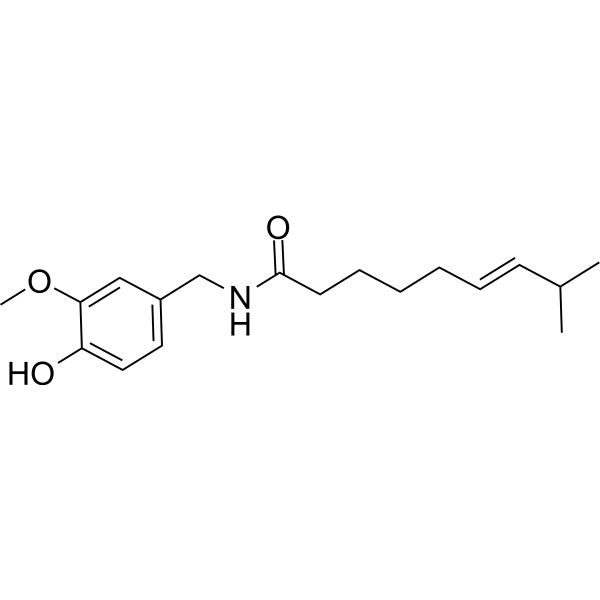
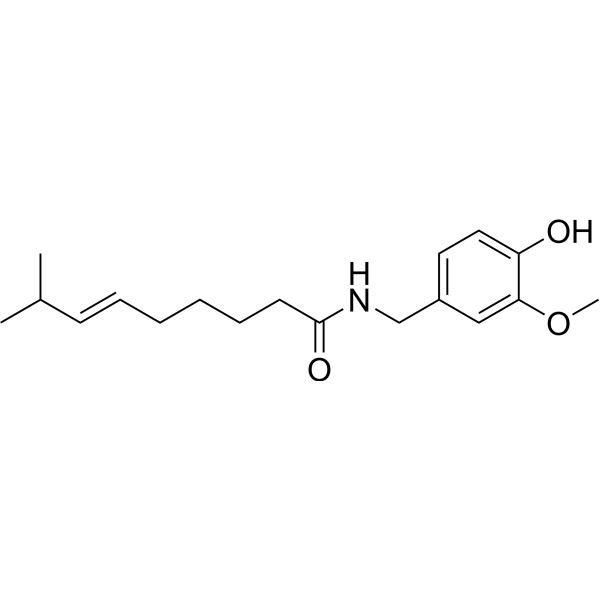
    Capsaicin
    Maximum Cited Publications
    81 Publications Verification

    (E)-Capsaicin

    Environmental Pollutants TRP Channel Autophagy Endogenous Metabolite Apoptosis Infection Neurological Disease Inflammation/Immunology Cancer
    Capsaicin ((E)-Capsaicin), an active component of chili peppers, is a TRPV1 agonist. Capsaicin induces a nociceptive response by binding to its receptors. Capsaicin has analgesic effects on neurological disorders. Capsaicin has antioxidant, anti-inflammatory, anti-cancer effects .
    Capsaicin
  • HY-N2333
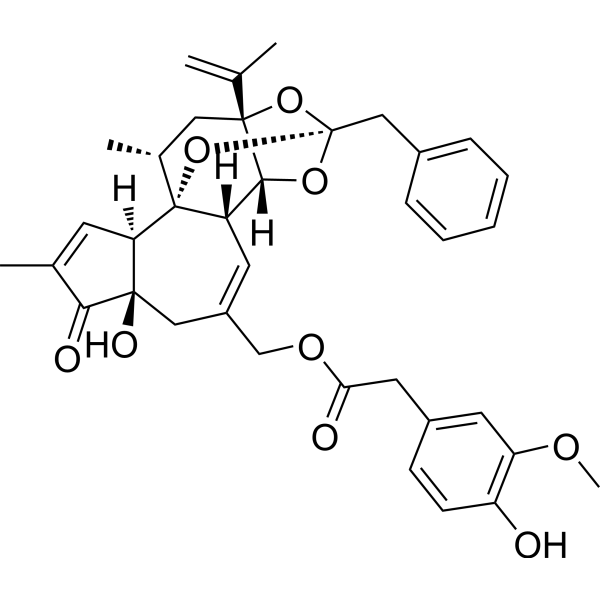
    Resiniferatoxin
    5+ Cited Publications

    (+)-Resiniferatoxin

    TRP Channel Cardiovascular Disease Cancer
    Resiniferatoxin ((+)-Resiniferatoxin), is a selective agonist of transient receptor potential vanilloid 1 (TRPV1) receptor agonist. Resiniferatoxin can be isolated from the Euphorbia resinifera plant. Resiniferatoxin eliminates TRPV1+ primary sensory afferents and blunt cardiac sympathetic afferent reflex for a relatively long period .
    Resiniferatoxin
  • HY-15640
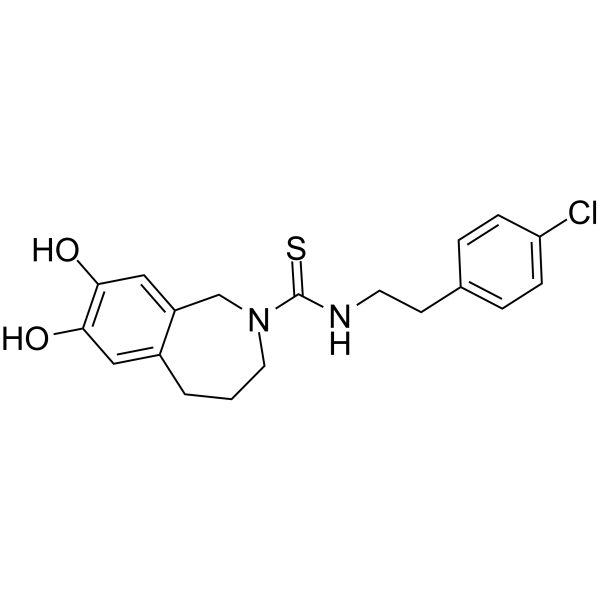
    Capsazepine
    55+ Cited Publications

    TRP Channel Apoptosis Cancer
    Capsazepine is a synthetic analogue of the sensory neurone excitotoxin, and an antagonist of TRPV1 receptor with an IC50 of 562 nM.
    Capsazepine
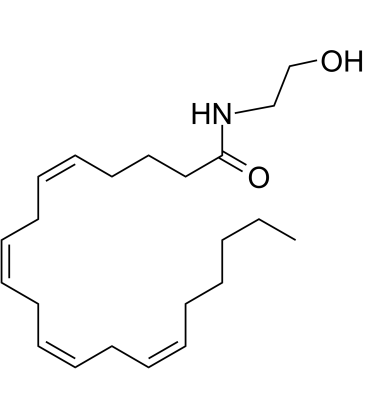
  • HY-10863
    Anandamide
    2 Publications Verification

    AEA; Arachidonoyl ethanolamide

    Cannabinoid Receptor PPAR TRP Channel GPR55 Fungal Tau Protein Endogenous Metabolite Infection Neurological Disease Metabolic Disease Inflammation/Immunology
    Anandamide is an endocannabinoid. Anandamide modulates both neuronal and immune functions through two protein-coupled cannabinoid receptors (CB1 and CB2). Anandamide can activate numerous other receptors like PPARS, TRPV1, and GPR18/GPR55. Anandamide also has potential anti-fungal and anti-inflammatory activities. Anandamide can be used for the research of Alzheimer’s disease (AD) and ulcerative colitis .
    Anandamide
  • HY-N6825
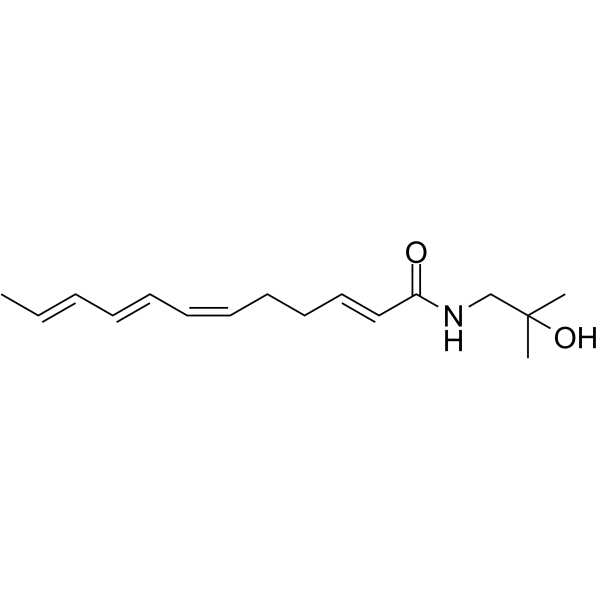
    Hydroxy-α-sanshool
    3 Publications Verification

    TRP Channel Endogenous Metabolite Neurological Disease
    Hydroxy-α-sanshool is a transient receptor potential ankyrin 1 (TRPA1) and TRP vanilloid 1 (TRPV1) agonist with EC50s of 69 and 1.1 μM, respectively. Hydroxy-α-sanshool can be used for pain research .
    Hydroxy-α-sanshool
  • HY-101736
    AMG9810
    10+ Cited Publications

    TRP Channel Neurological Disease
    AMG9810 is a selective and competitive vanilloid receptor 1 (TRPV1) antagonist with IC50 values of 24.5 and 85.6 nM for human and rat TRPV1, repectively.
    AMG9810
  • HY-10634
    AMG 517
    5+ Cited Publications

    TRP Channel Neurological Disease
    AMG 517 is a potent and selective vanilloid receptor-1 (TRPV1) antagonist with an IC50 of 0.5 nM.
    AMG 517
  • HY-10448A
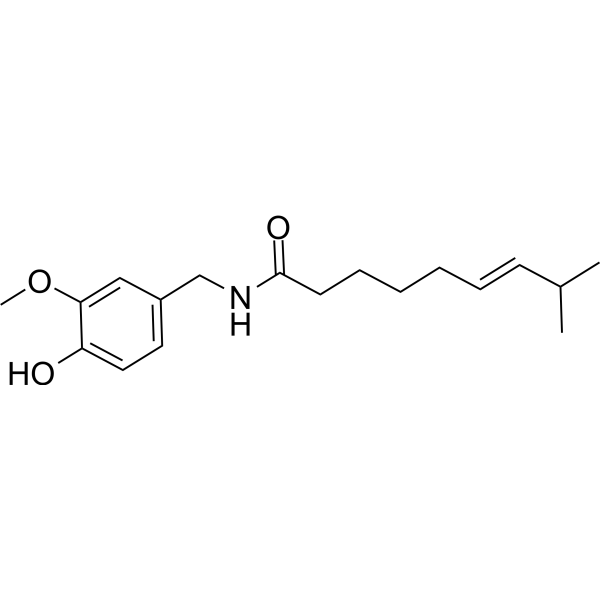
    Capsaicin (Purity 65%)
    20+ Cited Publications

    TRP Channel Autophagy Apoptosis Endogenous Metabolite Neurological Disease Inflammation/Immunology Cancer
    Capsaicin (Purity 65%) is a mixture of Capsaicin and Dihydrocapsaicin (Ratio >2:1). Capsaicin (Purity 65%) is an orally active capsaicin receptor (TRPV1) agonist .
    Capsaicin (Purity 65%)
  • HY-N0637
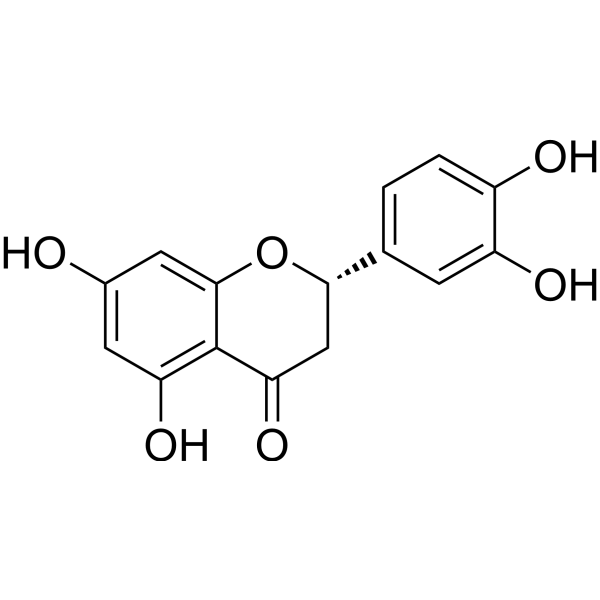
    Eriodictyol
    10+ Cited Publications

    Huazhongilexone

    Melanocortin Receptor TRP Channel Infection Inflammation/Immunology
    Eriodictyol ((±)-Huazhongilexone; Dihydroluteolin) is an orally active TRPV1 receptor antagonist (IC50=44-47 nM, rTRPV1) with antioxidant and anti-inflammatory activities. Eriodictyol effectively inhibits lipid peroxidation and the release of proinflammatory cytokines by specifically antagonizing the TRPV1 receptor and activating the Nrf2 signaling pathway. Eriodictyol reduces the levels of ICAM-1, VEGF, eNOS and TNF-α in the retina and maintains the integrity of the blood-retinal barrier. Eriodictyol alleviates oxidative stress-induced apoptosis and hyperalgesia, enhances the activity and cytotoxicity of immune cells (such as B lymphocytes, NK cells and macrophages), and increases the levels of antioxidant enzymes simultaneously. Eriodictyol can be used in the research of diabetic retinopathy, acute lung injury and various pain-related diseases .
    Eriodictyol
  • HY-12245
    SB-366791
    5+ Cited Publications

    TRP Channel Inflammation/Immunology
    SB-366791 is a potent and selective vanilloid receptor (VR1/TRPV1) antagonist (IC50=5.7 nM). SB-366791 can be used for the research of inflammation .
    SB-366791
  • HY-10633
    SB-705498
    5+ Cited Publications

    TRP Channel Neurological Disease
    SB-705498 is a potent, selective and orally bioavailable transient receptor potential vanilloid 1 (TRPV1) receptor antagonist with a pIC50 of 7.1.
    SB-705498
  • HY-19960
    BCTC
    5 Publications Verification

    TRP Channel Insulin Receptor CGRP Receptor Neurological Disease Metabolic Disease Cancer
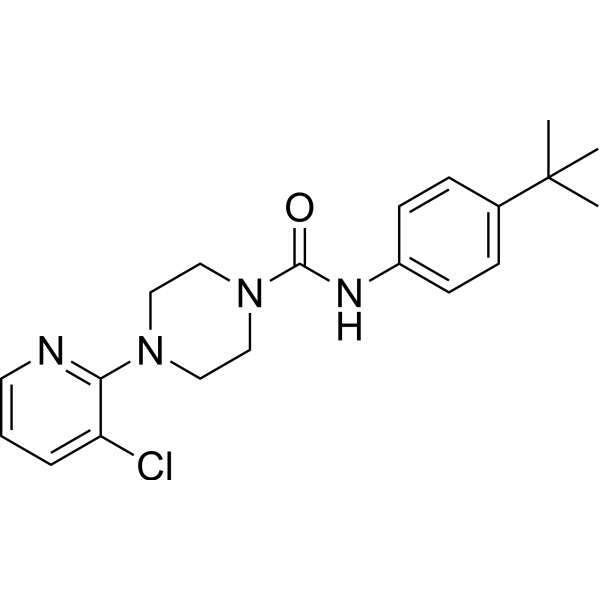
    BCTC is an orally active current inhibitor of vanilloid receptor type 1 (VR1). BCTC is a transient receptor potential cation channel subfamily M member 8 (TRPM8) and transient receptor potential vanilloid 1 (TRPV1) antagonist. BCTC is an insulin sensitizer and secretor. BCTC has anticancer and analgesic effects .
    BCTC
  • HY-10448R
    Capsaicin (Standard)
    Maximum Cited Publications
    81 Publications Verification

    (E)-Capsaicin (Standard)

    Reference Standards TRP Channel Autophagy Apoptosis Endogenous Metabolite Cancer
    Capsaicin (Standard) is the analytical standard of Capsaicin. This product is intended for research and analytical applications. Capsaicin ((E)-Capsaicin), an active component of chili peppers, is a TRPV1 agonist. Capsaicin induces a nociceptive response by binding to its receptors. Capsaicin has analgesic effects on neurological disorders. Capsaicin has antioxidant, anti-inflammatory, anti-cancer effects .
    Capsaicin (Standard)
  • HY-N0361
    Dihydrocapsaicin
    4 Publications Verification

    Environmental Pollutants Caspase Akt Apoptosis Reactive Oxygen Species (ROS) TRP Channel Bcl-2 Family PI3K Cardiovascular Disease Neurological Disease
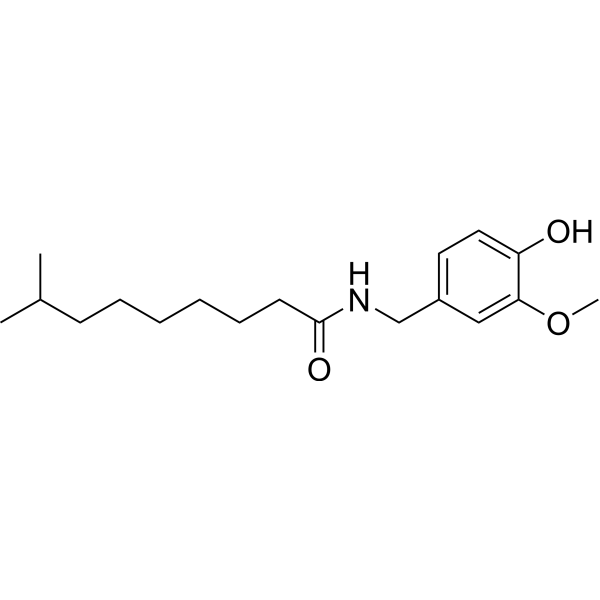
    Dihydrocapsaicin, a capsaicin, is a potent and selective TRPV1 (transient receptor potential vanilloid channel 1) agonist. Dihydrocapsaicin reduces AIF, Bax, and Caspase-3 expressions, and increased Bcl-2, Bcl-xL and p-Akt levels. Dihydrocapsaicin enhances the hypothermia-induced neuroprotection following ischemic stroke via PI3K/Akt regulation in rat .
    Dihydrocapsaicin
  • HY-12777
    Asivatrep
    1 Publications Verification

    PAC-14028

    TRP Channel Inflammation/Immunology
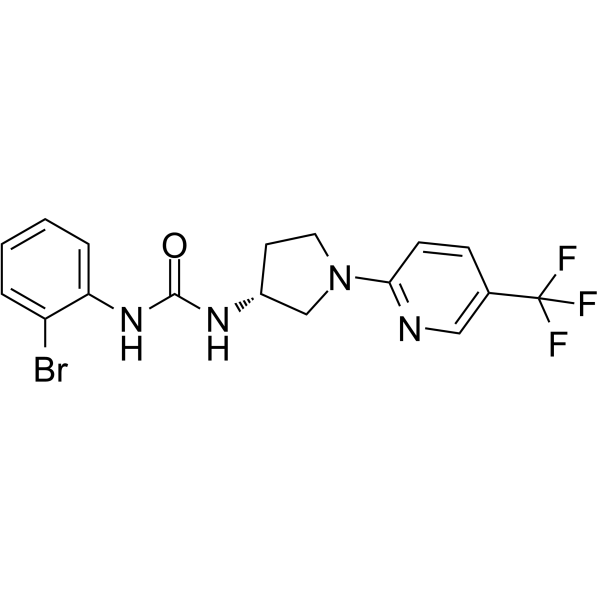
    Asivatrep (PAC-14028) is a potent and selective transient receptor potential vanilloid type I (TRPV1) antagonist.
    Asivatrep
  • HY-N1471
    Liquiritin apioside
    1 Publications Verification

    Others Inflammation/Immunology
    Liquiritin apioside is an orally active inhibitor of TRPV1 receptor. Liquiritin apioside selectively inhibits laryngeal chemoreflex (LCR) and has no significant effect on mechanoreflex (LMR). Liquiritin apioside inhibits LCR by inhibiting reactive oxygen species (ROS) and NADPH oxidase, weakening the interaction between ROS and TRPV1. Liquiritin apioside can be used in the research of respiratory-related diseases .
    Liquiritin apioside
  • HY-N0637A

    (±)-Huazhongilexone; Dihydroluteolin

    Melanocortin Receptor TRP Channel Metabolic Disease
    (±)-Eriodictyol ((±)-Huazhongilexone; Dihydroluteolin) is an orally active TRPV1 receptor antagonist (IC50=44-47 nM, rTRPV1) with antioxidant and anti-inflammatory activities. (±)-Eriodictyol effectively inhibits lipid peroxidation and the release of proinflammatory cytokines by specifically antagonizing the TRPV1 receptor and activating the Nrf2 signaling pathway. (±)-Eriodictyol reduces the levels of ICAM-1, VEGF, eNOS and TNF-α in the retina and maintains the integrity of the blood-retinal barrier. (±)-Eriodictyol alleviates oxidative stress-induced apoptosis and hyperalgesia, enhances the activity and cytotoxicity of immune cells (such as B lymphocytes, NK cells and macrophages), and increases the levels of antioxidant enzymes simultaneously. (±)-Eriodictyol can be used in the research of diabetic retinopathy, acute lung injury and various pain-related diseases .
    (±)-Eriodictyol
  • HY-P3467
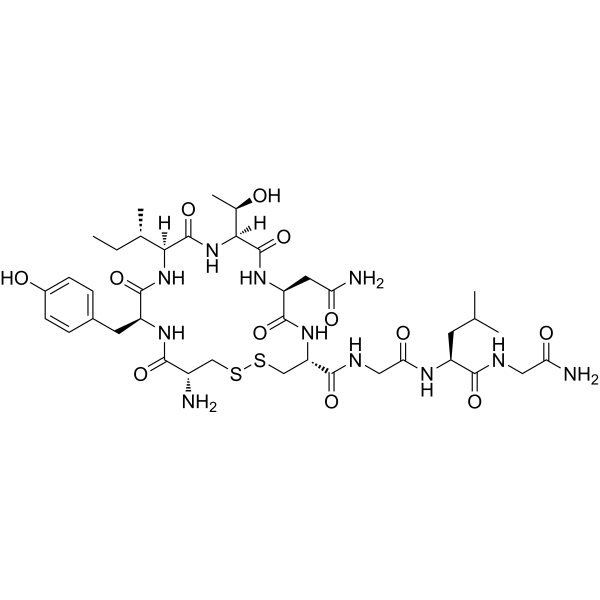
    (Thr4,Gly7)-Oxytocin
    3 Publications Verification

    Oxytocin Receptor Potassium Channel Neurological Disease
    (Thr4,Gly7)-Oxytocin, an Oxytocin analogue, is a specific OT receptor agonist. (Thr4,Gly7)-Oxytocin also excites subicular neurons via activation of TRPV1 channels, and depression of K + channels. .
    (Thr4,Gly7)-Oxytocin
  • HY-N0447
    8-Gingerol
    5 Publications Verification

    TRP Channel Bacterial Apoptosis Autophagy STAT PERK EGFR PI3K Akt mTOR Caspase MMP Infection Cardiovascular Disease Inflammation/Immunology Cancer
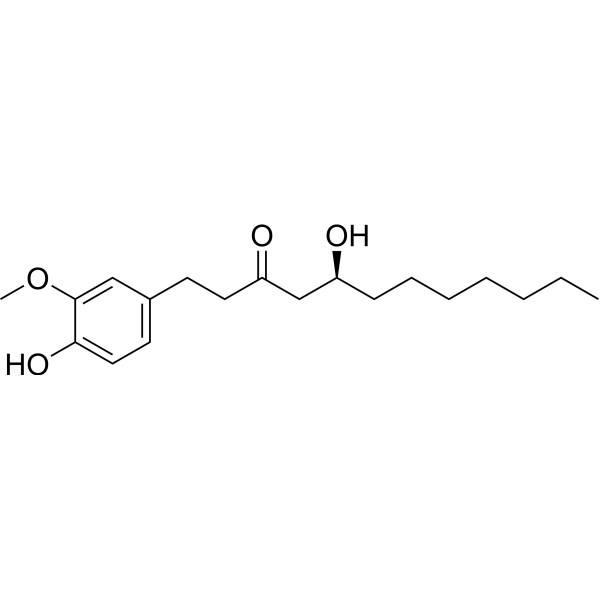
    8-Gingerol can be found in the rhizome of ginger (Z. officinale) and has oral bioactivity. It activates TRPV1, with an EC50 value of 5.0 µM. 8-Gingerol inhibits COX-2 and also suppresses the growth of H. pylori in vitro. Additionally, 8-Gingerol exhibits anticancer, antioxidant, and anti-inflammatory properties by inhibiting the epidermal growth factor receptor (EGFR) and modulating its downstream STAT3/ERK pathway to suppress the proliferation, migration, and invasion of colorectal cancer cells. 8-Gingerol also exerts immunosuppressive effects by inhibiting oxidative stress, inducing cell cycle arrest, promoting apoptosis, and regulating autophagy. Furthermore, 8-Gingerol has cardioprotective effects. 8-Gingerol is promising for research in the fields of cancer, infection, immunosuppression, and cardiovascular diseases.
    8-Gingerol
  • HY-A0191

    (+)-Brompheniramine; (S)-Brompheniramine

    Endogenous Metabolite Histamine Receptor TRP Channel Neurological Disease Metabolic Disease Inflammation/Immunology
    Dexbrompheniramine ((+)-Brompheniramine; (S)-Brompheniramine) is a dual inhibitor of histamine H1 receptor and TRPV1 receptor that can cross the blood-brain barrier. Dexbrompheniramine exerts its effects by functionally blocking H1 receptor activity and dose-dependently inhibiting TRPV1-mediated calcium responses, including Capsaicin (HY-10448)-induced responses. The combination of Dexbrompheniramine with Cimetidine (HY-14289) eliminates histamine-induced and sham-feeding-induced drinking behavior, whereas Dexbrompheniramine alone does not induce thirst or alter sham-feeding behavior in rats. Dexbrompheniramine can be used in the research of chronic cough and related pathological mechanisms .
    Dexbrompheniramine
  • HY-N8264
    Moringin
    1 Publications Verification

    TRP Channel Neurological Disease Inflammation/Immunology Cancer
    Moringin is a potent and selective TRPA1 ion channel natural agonist with an EC50 of 3.14 μM. Moringin does not activate or activates very weakly the vanilloids somatosensory channels TRPV1, TRPV2, TRPV3 and TRPV4, and the melastatin cooling receptor TRPM8. Moringin has hypoglycemic, antimicrobial, anti-inflammatory, anticancer and neuroprotection activities .
    Moringin
  • HY-107436
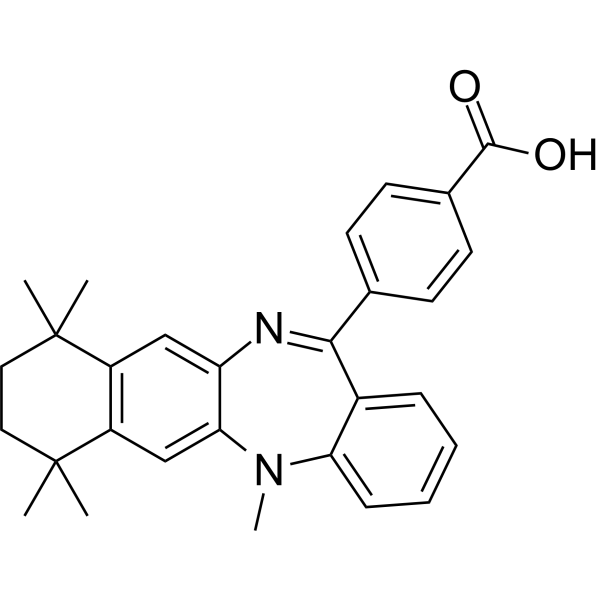
    LE135
    4 Publications Verification

    RAR/RXR TRP Channel Neurological Disease Cancer
    LE135 is a potent RAR antagonist that binds selectively to RARα (Ki of 1.4 μM) and RARβ (Ki of 220 nM), and has a higher affinity to RARβ. LE135 is highly selective over RARγ, RXRα, RXRβ and RXRγ. LE135 is also a potent TRPV1 and TRPA1 receptors activator with EC50s of 2.5 μM and 20 μM, respectively .
    LE135
  • HY-N6962

    TRP Channel COX Bacterial Infection Neurological Disease Metabolic Disease
    α-Spinasterol is an orally taken antagonist of transient receptor potential vanilloid 1 ( TRPV1), and it's also an inhibitor of COX-1 and COX-2, with IC50 values of 16.17 μM and 7.76 μM, respectively. α-Spinasterol exhibits antibacterial, anti-inflammatory, antidepressant, and antioxidant effects, has the ability to cross the blood-brain barrier, and can improve diabetes in mice .
    α-Spinasterol
  • HY-110292

    TRP Channel Calcium Channel Inflammation/Immunology
    A-425619 is an orally active and selective transient receptor potential type V1 (TRPV1) antagonist. A-425619 blocks Capsaicin (HY-10448)- and N-arachidonoyl-dopamine (NADA)-induced Ca 2+ influx in dorsal root ganglia and trigeminal ganglia. A-425619 relieves pathophysiological pain associated with inflammation and tissue injury in rats. A-425619 can be used for the study of pain related to inflammation and tissue injury .
    A-425619
  • HY-N7144A

    Environmental Pollutants PKC TRP Channel PKA Neurological Disease
    Citronellyl acetate, a monoterpene product of the secondary metabolism of plants, is an orally active antinociceptive agent. Citronellyl acetate modulates TRPV1, TRPM8, ASIC, glutamate receptors, PKC, and PKA-mediated nociception. Citronellyl acetate can be used for the research of acute pain .
    Citronellyl acetate
  • HY-108448

    OLDA

    TRP Channel Lipoxygenase Cardiovascular Disease Neurological Disease Metabolic Disease
    N-Oleoyldopamine (OLDA) is an orally active TRPV1 activator and 5-LOX inhibitor with blood-brain barrier permeability. N-Oleoyldopamine excites histaminergic neurons in the tuberomammillary nucleus via a dopamine receptor mechanism, a process independent of TRPV1 and cannabinoid receptors. On one hand, N-Oleoyldopamine promotes the release of insulin and glucose-dependent insulinotropic polypeptide through a GPR119-dependent pathway to improve glucose tolerance; on the other hand, N-Oleoyldopamine improves left ventricular function and reduces myocardial infarction size by triggering the release of substance P and calcitonin gene-related peptide. N-Oleoyldopamine is used in studies related to glycemic abnormalities and myocardial ischemia-reperfusion injury .
    N-Oleoyldopamine
  • HY-103325

    Cannabinoid Receptor TRP Channel Interleukin Related ANGPTL VEGFR Metabolic Disease Inflammation/Immunology
    JTE-907 is a selective and orally active cannabinoid CB2 receptor inverse agonist and exerts anti-inflammatory effects. JTE-907 upregulates IL-6, MCP-1, IL-1β, VEGF, ANGPTL4, and TRPV1 in mature adipocytes. JTE-907 downregulates CB1, MCP-1, and IL-1β in preadipocytes. JTE-907 inhibits ear swelling in mice. JTE-907 reverses the protective effects of CB2 agonists and Anandamide (HY-10863) against cytokine-evoked colonic mucosal damage. JTE-907 can be used for the research of allergic dermatitis, obesity, and colitis .
    JTE-907
  • HY-101323

    NE-19550; N-Vanillyloleamide

    TRP Channel Neurological Disease
    Olvanil (NE-19550) is an analgesic and an agonist of transient receptor potential vanilloid type 1 (TRPV1) channels with an EC50 of 0.7 nM .
    Olvanil
  • HY-136363

    TRP Channel Neurological Disease
    MDR-652 is a highly specific and efficacious transient receptor potential vanilloid 1 (TRPV1) ligand with agonist activity. The Kis are 11.4 and 23.8 nM for hTRPV1 and rTRPV1, respectively. The EC50s are 5.05 and 93 nM for hTRPV1 and rTRPV1, respectively. Potent topical analgesic activity .
    MDR-652
  • HY-B1173
    (+)-Camphor
    1 Publications Verification

    D-(+)-Camphor; (1R)-(+)-Camphor

    Environmental Pollutants Bacterial Neurological Disease Inflammation/Immunology Cancer
    (+)-Camphor (D-(+)-Camphor; (1R)-(+)-Camphor) is an isomer of Camphor. Camphor is an agonist of monoterpenoid transient receptor potential (TRP) channels (such as TRPV1, TRPV3, TRPM8) and an inhibitor of TRPA1 channels. Camphor's derivatives have multiple biological activities, including antibacterial, antiviral, antioxidant, analgesic and anticancer. Camphor can selectively activate cold-sensitive TRP channels and inhibit TRPA1-mediated nociceptive signals. Camphor stimulates the cold-sensing nerve endings in the skin and regulates the activity of ion channels to exert analgesic, anti-inflammatory and anti-itching effects. It also has anti-proliferative and anti-mutagenic activities on tumor cells, which may be related to inhibiting ribosome function or inducing cell apoptosis. Camphor can be absorbed through the skin and (+)-Camphor can be used in the study of muscle and joint pain and inflammation .
    (+)-Camphor
  • HY-12195
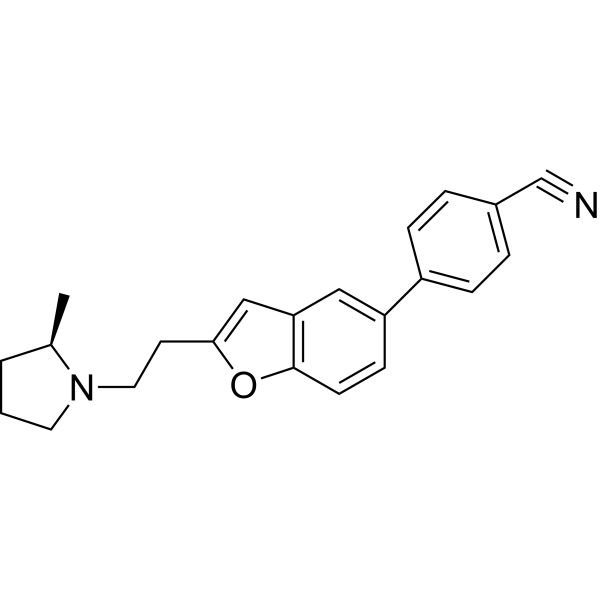
    ABT-239
    2 Publications Verification

    Histamine Receptor TRP Channel Neurological Disease Endocrinology
    ABT-239 is a novel, highly efficacious, non-imidazole class of H3R antagonist and a transient receptor potential vanilloid type 1 (TRPV1) antagonist.
    ABT-239
  • HY-110018

    Cannabinoid Receptor TRP Channel Neurological Disease
    N-Arachidonyldopamine is a potent and selective endogenous CB1 receptor agonist with a Ki of 250 nM . N-Arachidonyldopamine is also a potent and selective TRPV1 agonist an with EC50 of ~ 50 nM .
    N-Arachidonyldopamine
  • HY-103333

    N-Vanillylarachidonamide

    TRP Channel Cannabinoid Receptor CD74 Akt Orexin Receptor (OX Receptor) Neurological Disease Inflammation/Immunology
    Arvanil (N-Vanillylarachidonamide) is a mixed agonist of CB1 and TRPV1 receptors. Arvanil downregulates CD25, HLA-DR, CD134/OX40, blocks G1/S phase transition, and induces phosphorylation of Akt. Arvanil does not induce apoptosis in cells. Arvanil inhibits lymphocyte activation and ameliorates autoimmune encephalomyelitis. Arvanil can be used in research related to Huntington's disease, vomiting, and multiple sclerosis .
    Arvanil
  • HY-16413

    Caytine hydrochloride; JB-251 hydrochloride

    TRP Channel Adrenergic Receptor Others
    Protokylol hydrochloride (Caytine hydrochloride; JB-251 hydrochloride) is the hydrochloride salt form of Protokylol (HY-114630). Protokylol hydrochloride is an agonist for β2-adrenergic receptor and TRPV1. Protokylol hydrochloride exhibits activity as a bronchodilator .
    Protokylol hydrochloride
  • HY-113654

    TRP Channel Others
    AMG 7905 is a hypothermia-inducing transient receptor potential vanilloid type 1 (TRPV1) antagonist. AMG 7905 potentiates TRPV1 channels activation by protons and drives the reflectory inhibition of thermogenesis and tail-skin vasoconstriction, while potently blocking channel activation by capsaicin .
    AMG 7905
  • HY-108460

    TRP Channel Neurological Disease
    A-784168 is a potent and orally active inhibitor of vanilloid receptor type 1 (TRPV1). Vanilloid receptor type 1 (TRPV1) is a ligand-gated nonselective cation channel that is considered to be an important integrator of various pain stimuli such as endogenous lipids, capsaicin, heat, and low pH. A-784168 has good CNS penetration .
    A-784168
  • HY-114017

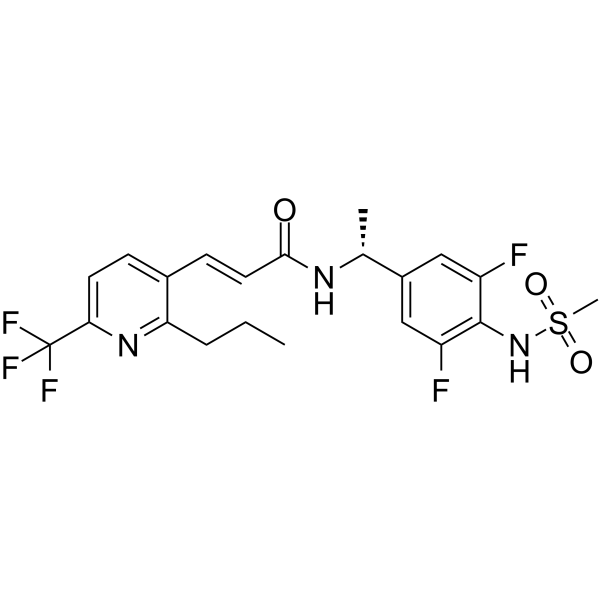
    SAF312; Vanilloid receptor antagonist 1

    TRP Channel Inflammation/Immunology
    Vanilloid receptor antagonist 1 is a potent vanilloid receptor TRPV1 antagonist extracted from patent US8349852B2, compound B8 .
    Libvatrep
  • HY-158110

    TRP Channel Inflammation/Immunology
    Phenylcapsaicin is an analogue of Capsaicin (HY-10448). Phenylcapsaicin is a TRPV1 receptor activator. Phenylcapsaicin enhances fat oxidation during aerobic exercise .
    Phenylcapsaicin
  • HY-132596

    SYL1001

    Small Interfering RNA (siRNA) TRP Channel Neurological Disease
    Tivanisiran (SYL1001) is a siRNA used for the study of dry eye disease. Tivanisiran was designed to silence transient receptor potential vanilloid 1 (TRPV1) mRNA .
    Tivanisiran
  • HY-120962

    TRP Channel Metabolic Disease
    N-Arachidonoyl Taurine is an activator of the transient receptor potential vanilloid TRPV1 and TRPV4, with EC50s value of 28 μM and 21 μM, respectively .
    N-Arachidonoyl Taurine
  • HY-101389

    AM-356

    Cannabinoid Receptor TRP Channel Neurological Disease
    (R)-Methanandamide (AM-356), an analog of the endocannabinoid ligand Anandamide, is a potent CB1 agonist with a Ki of 20 nM. (R)-Methanandamide also activates vanilloid (TRPV1) receptors .
    (R)-Methanandamide
  • HY-160900
    RN-1665
    1 Publications Verification

    TRP Channel Others
    RN-1665 is an orally active TRPV4 antagonist that exhibits excellent selectivity for related TRP receptors such as TRPV1, TRPV3 and TRPM8. RN-1665 is a TRPV4 probe for focus screens, with IC50s of 0.26 μM and 0.39 μM for hTRPV4 and rTRPV4 from human and rat, respectively .
    RN-1665
  • HY-10863S

    AEA-d8

    Isotope-Labeled Compounds Cannabinoid Receptor PPAR Endogenous Metabolite Tau Protein GPR55 Fungal TRP Channel Infection
    Anandamide-d8 is a deuterated labeled Anandamide . Anandamide is an endocannabinoid. Anandamide modulates both neuronal and immune functions through two protein-coupled cannabinoid receptors (CB1 and CB2). Anandamide can activate numerous other receptors like PPARS, TRPV1, and GPR18/GPR55. Anandamide also has potential anti-fungal and anti-inflammatory activities. Anandamide can be used for the research of Alzheimer’s disease (AD) and ulcerative colitis .
    Anandamide-d8
  • HY-120963

    Endogenous Metabolite Metabolic Disease
    Several different arachidonoyl amino acids, including N-arachidonoyl dopamine and N-arachidonoyl serine, have been isolated and characterized from bovine brain.1 During mass spectral lipidomics analysis of rat brain, a series of fatty acyl amides of a third amino acid, taurine, were discovered.2 This novel class of compounds is present in kidney and activates members of the transient receptor potential (TRP) family of calcium channels.3 N-Oleoyl taurine is an amino-acyl endocannabinoid isolated from rat brain that may activate TRPV1 and TRPV4.
    N-Oleoyl Taurine
  • HY-105285
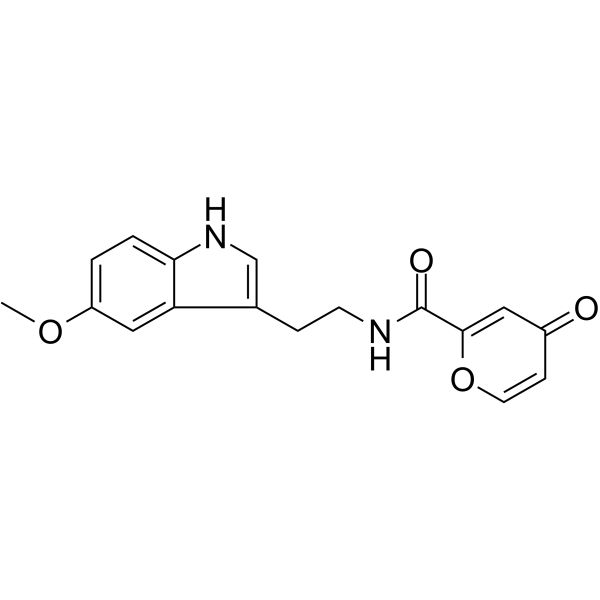
    Piromelatine
    2 Publications Verification

    Neu-P11

    Melatonin Receptor 5-HT Receptor P2X Receptor TRP Channel Sodium Channel Neurological Disease
    Piromelatine (Neu-P11) is a melatonin MT1/MT2 receptor agonist, serotonin 5-HT1A/5-HT1D agonist, and serotonin 5-HT2B antagonist. Piromelatine (Neu-P11) possesses sleep promoting, analgesic, anti-neurodegenerative, anxiolytic and antidepressant potentials. Piromelatine (Neu-P11) also possesses pain-related P2X3, TRPV1, and Nav1.7 channel-inhibition capacities .
    Piromelatine
  • HY-103337

    Arachidonyl serotonin; AA-5-HT

    FAAH TRP Channel Neurological Disease
    N-Arachidonoylserotonin (Arachidonyl serotonin; AA-5-HT) is a potent fatty acid amide hydrolase (FAAH) inhibitor with an IC50 value of 1~12 µM. N-Arachidonoylserotonin acts also as an antagonist of transient receptor potential vanilloid-type 1 (TRPV1) channels (IC50=70~100 nM). N-Arachidonoylserotonin is analgesic in rodents .
    N-Arachidonoylserotonin
  • HY-N6825R

    Reference Standards TRP Channel Endogenous Metabolite Neurological Disease
    Hydroxy-α-sanshool (Standard) is the analytical standard of Hydroxy-α-sanshool. This product is intended for research and analytical applications. Hydroxy-α-sanshool is a transient receptor potential ankyrin 1 (TRPA1) and TRP vanilloid 1 (TRPV1) agonist with EC50s of 69 and 1.1 μM, respectively. Hydroxy-α-sanshool can be used for pain research .
    Hydroxy-α-sanshool (Standard)
  • HY-145491

    ERK NF-κB CCR Inflammation/Immunology
    Resolvin D5 is an anti-inflammatory and analgesic agent produced in M2 macrophages. Resolvin D5 alleviates Paclitaxel (HY-B0015)-induced mechanical allodynia and inflammatory pain by activating the GPR32 receptor, with gender specificity (effective only in male mice) and independence from TRPV1 or TRPA1 channels. Resolvin D5 attenuates LPS-induced ERK phosphorylation and NF-κB nuclear translocation, downregulates proinflammatory mediators such as IL-6 and CCL5, inhibits Th17 cell differentiation and osteoclastogenesis, promotes regulatory T cell differentiation, and shows no cytotoxicity to human monocytes. The level of Resolvin D5 is elevated in arthritic SKG mice, but Resolvin D5 has no effect on dendritic cell differentiation or M1 macrophage polarization, nor does it prevent ZyA-induced arthritis progression. Resolvin D5 is suitable for research related to chemotherapy-induced peripheral neuropathy, inflammatory pain and rheumatoid arthritis .
    Resolvin D5
  • HY-W747573

    18:3 NAE; α-Linolenoyl ethanolamide

    TRP Channel Neurological Disease
    N-Linolenoylethanolamine (18:3 NAE) is an endocannabinoid. N-Linolenoylethanolamine is a vanillin receptor (TRPV1) agonist .
    N-Linolenoylethanolamine
  • HY-P10654

    TRP Channel Neurological Disease
    RhTx is a transient receptor potential vanillin-1 (TRPV1) activator. RhTx can be used to study pain perception .
    RhTx

Inquiry Online

Your information is safe with us. * Required Fields.

Salutation


Country or Region *

Applicant Name *


Organization Name *

Department *


Email Address *


Product Name *

Cat. No.


Requested quantity *

Phone Number *


Remarks

Inquiry Online

Inquiry Information

Product Name:
Cat. No.:
Quantity:
MCE Japan Authorized Agent:

