



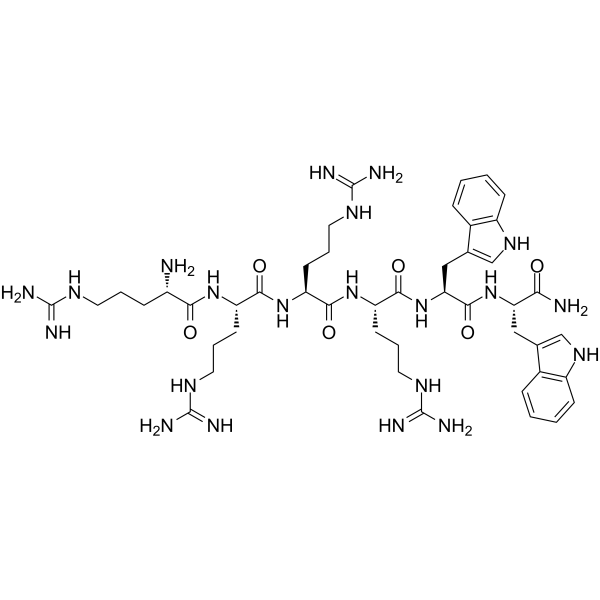
L-R4W2
L-R4W2 is a potent antagonist of vanilloid receptor 1 (VR1, TRPV1), with an IC50 of 0.1 μM. L-R4W2 may act as a potent analgesic.
Nos produits utilisent uniquement pour la recherche. Nous ne vendons pas aux patients.
- CAS No.: 206350-79-0
- Formule: C46H71N21O6
- Masse moléculaire:1014.19
-
Stockage:
Sealed storage, away from moisture.
Powder -80°C, 2 years , -20°C, 1 year* In solvent : -80°C, 6 months; -20°C, 1 month (sealed storage, away from moisture)

To place orders, for customer services and technical support, please contact: MedChemExpress USA
Tel: 609-228-6898 E-mail: [email protected] [email protected]


-
 Activité biologique
-
Chemical Information
-
Solvant et solubilité
- Pureté et documentation
- Références
-
 Help & FAQs


-
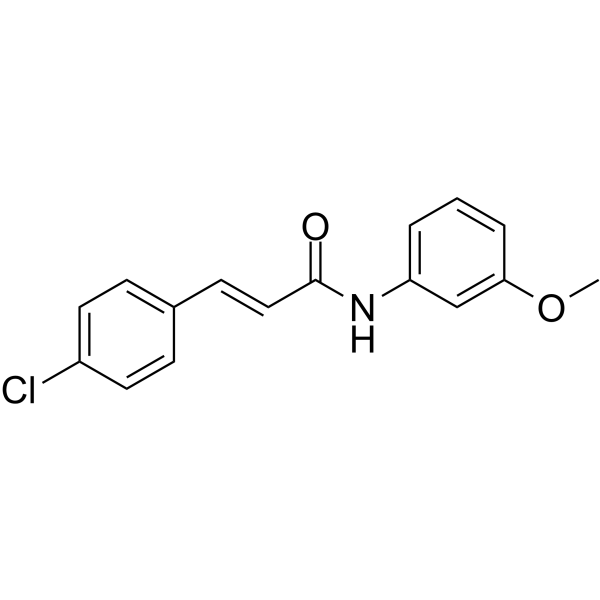
HY-12245
SB-366791VR1/TRPV1 Antagonist -
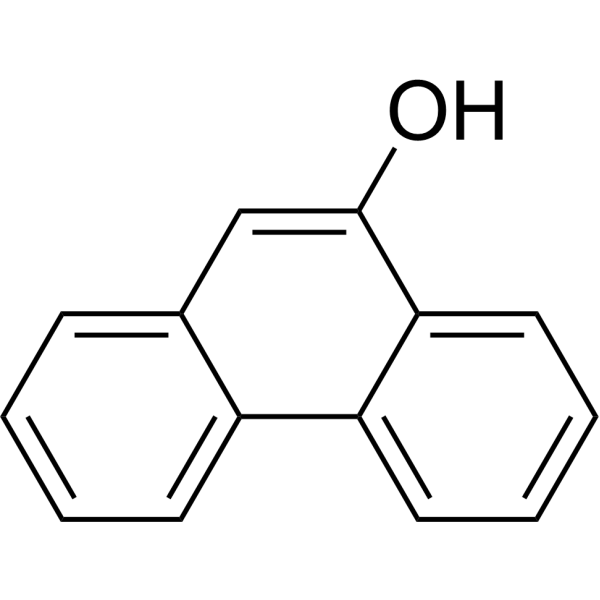
HY-108457
9-PhenanthrolTRPM4 Inhibitor -
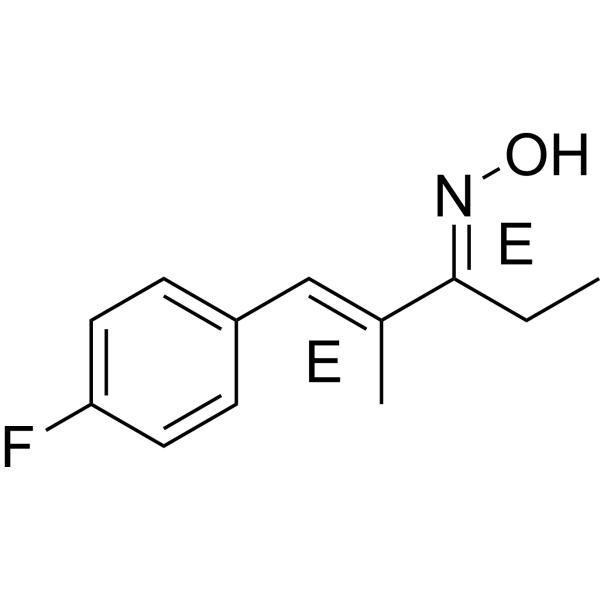
HY-108463
A-967079TRPA1 Receptor Antagonist -
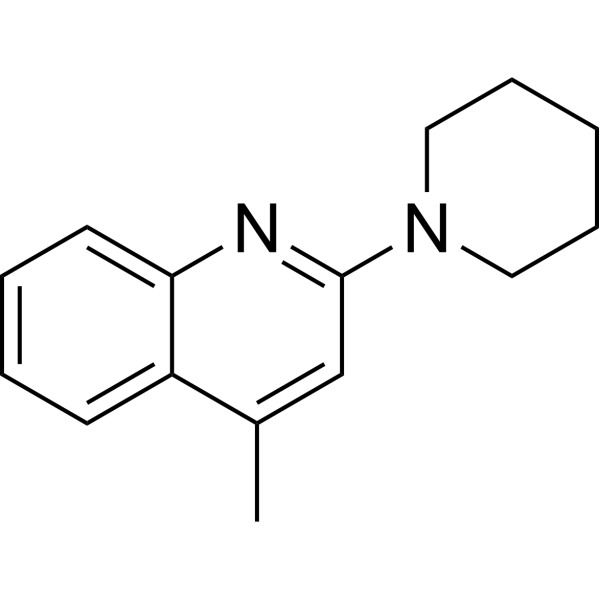
HY-12949
ML204TRPC4/TRPC5 Channel Inhibitor -
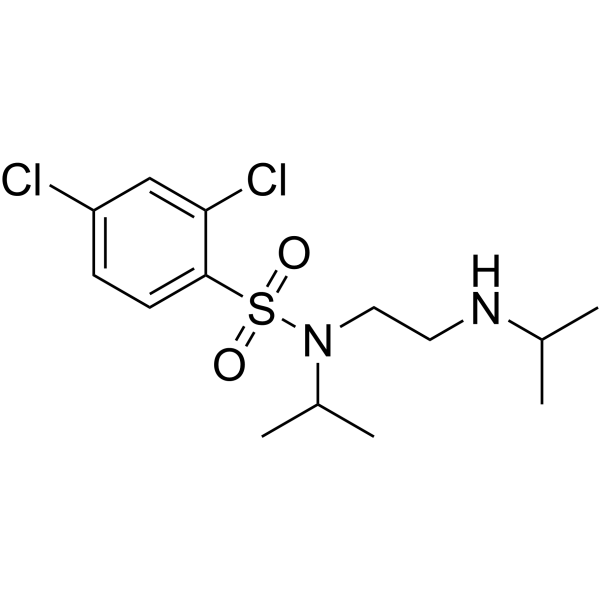
HY-19975
RN-1734TRP Channel Antagonist -
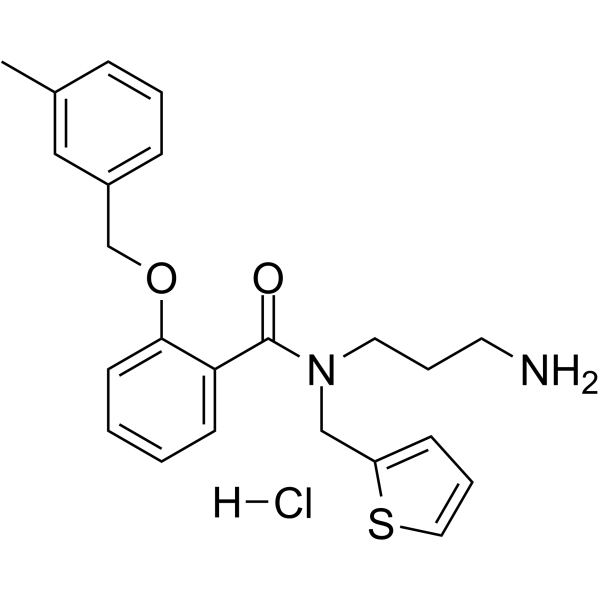
HY-100345
AMTB hydrochlorideTRPM8 Channel Blocker -
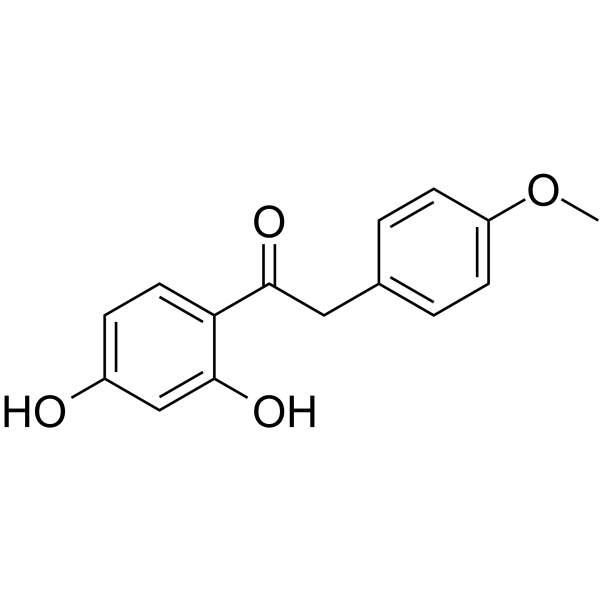
HY-108451
OnonetinTRPM3 Blocker -
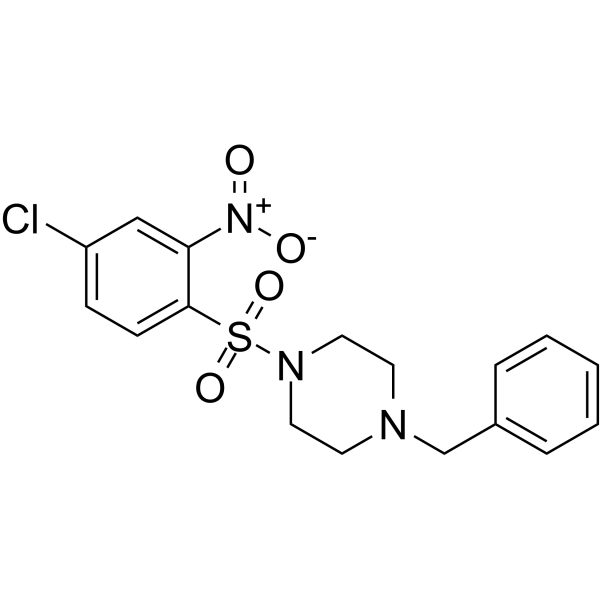
HY-19976
RN-1747Agonist -
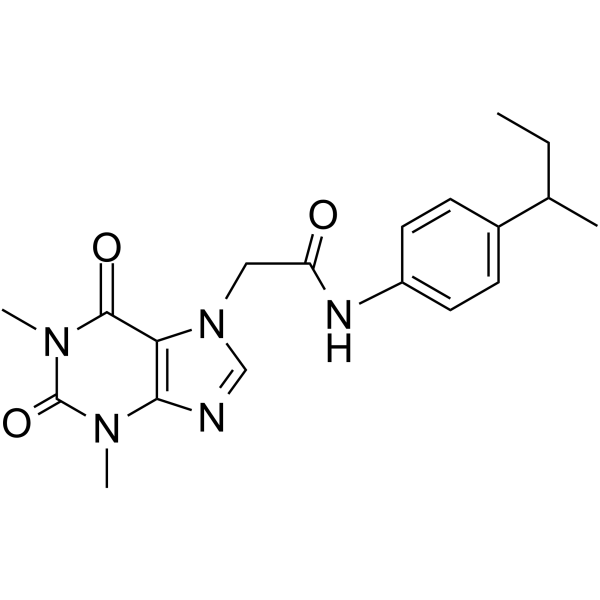
HY-15065
Chembridge-5861528TRPA1 Antagonist -
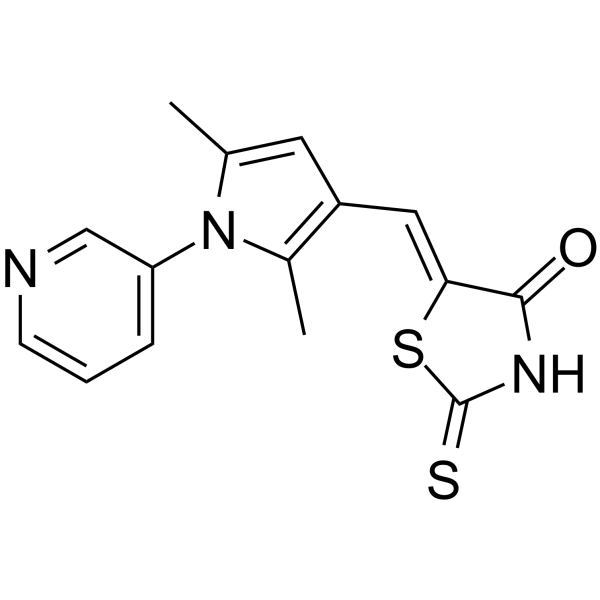
HY-12809
OptovinTRPA1 Ligand -
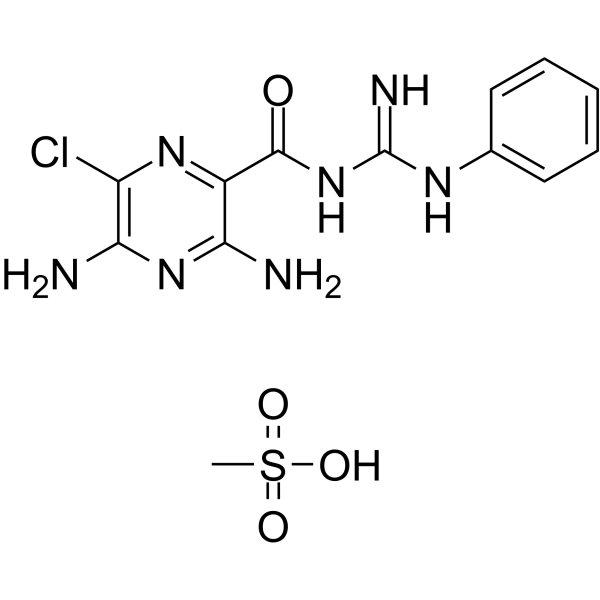
HY-108464A
Phenamil methanesulfonateENaC Inhibitor -
HY-101840
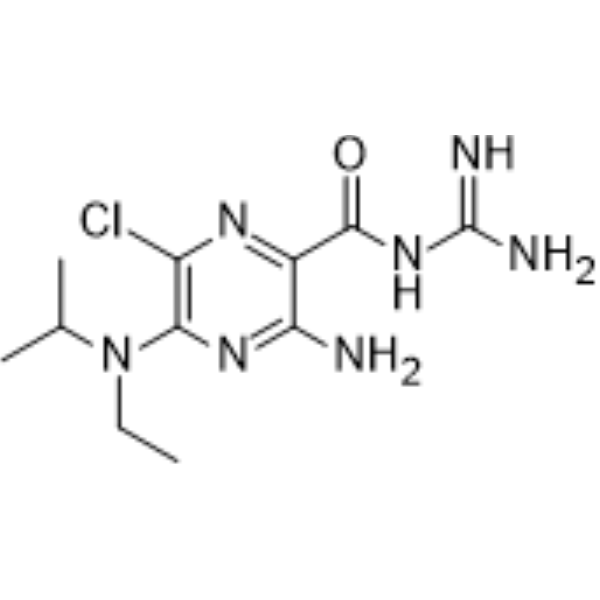
EIPATRPP3 Channel Inhibitor


Activité biologique
Description
IC50 & Target
[1]|
TRPV1 0.1 μM (IC50) |


Chemical Information
-
CAS No. 206350-79-0
-
Appearance Solid
-
Masse moléculaire 1014.19
-
Formule C46H71N21O6
-
Color White to off-white
-
Sequence
Arg-Arg-Arg-Arg-Trp-Trp-NH2
-
Sequence Shortening
RRRRWW-NH2
-
Livraison
Room temperature in continental US; may vary elsewhere.
-
Stockage
Sealed storage, away from moisture
Powder -80°C 2 years -20°C 1 year * In solvent : -80°C, 6 months; -20°C, 1 month (sealed storage, away from moisture)


Solvant et solubilité
In Vitro
H2O
Peptide Solubility and Storage Guidelines:
1. Calculate the length of the peptide.
2. Calculate the overall charge of the entire peptide according to the following table:
| Contents | Assign value | |
|---|---|---|
| Acidic amino acid | Asp (D), Glu (E), and the C-terminal -COOH. | -1 |
| Basic amino acid | Arg (R), Lys (K), His (H), and the N-terminal -NH2 | +1 |
| Neutral amino acid | Gly (G), Ala (A), Leu (L), Ile (I), Val (V), Cys (C), Met (M), Thr (T), Ser (S), Phe (F), Tyr (Y), Trp (W), Pro (P), Asn (N), Gln (Q) | 0 |
3. Recommended solution:
| Overall charge of peptide | Details |
|---|---|
| Negative (<0) |
1. Try to dissolve the peptide in water first. 2. If water fails, add NH4OH (<50 μL). 3. If the peptide still does not dissolve, add DMSO (50-100 μL) to solubilize the peptide. |
| Positive (>0) |
1. Try to dissolve the peptide in water first. 2. If water fails, try dissolving the peptide in a 10%-30% acetic acid solution. 3. If the peptide still does not dissolve, try dissolving the peptide in a small amount of DMSO. |
| Zero (=0) |
1. Try to dissolve the peptide in organic solvent (acetonitrile, methanol, etc.) first. 2. For very hydrophobic peptides, try dissolving the peptide in a small amount of DMSO, and then dilute the solution with water to the desired concentration. |


Pureté et documentation
-
Fiche technique (258 KB)
-
SDS (254 KB)
- English - EN (254 KB)
- Français - FR (254 KB)
- Deutsch - DE (254 KB)
- Norwegian - NO (254 KB)
- Español - ES (254 KB)
- Swedish - SV (254 KB)
- Italian - IT (254 KB)
- Korean - KR (254 KB)
- Portuguese - PT (254 KB)
-
Instruction de manipulation (2659 KB)
Références
[1]. Planells-Cases R, et, al. Arginine-rich peptides are blockers of VR-1 channels with analgesic activity. FEBS Lett. 2000 Sep 15; 481(2): 131-6. [Content Brief]
[2]. Himmel HM, et, al. The arginine-rich hexapeptide R4W2 is a stereoselective antagonist at the vanilloid receptor 1: a Ca2+ imaging study in adult rat dorsal root ganglion neurons. J Pharmacol Exp Ther. 2002 Jun; 301(3): 981-6. [Content Brief]

Calculators
Concentration (start) × Volume (start) = Concentration (final) × Volume (final)


L-R4W2 Related Classifications
HY-P1175 Related Classifications
 Powered by Bioz