1. Search Result
Search Result
Results for "

anti-viral properties

" in MedChemExpress (MCE) Product Catalog:

85

Inhibitors & Agonists

1

Screening Libraries

4

Biochemical Assay Reagents

3

Peptides

46

Natural
Products

2

Isotope-Labeled Compounds

3

Oligonucleotides

Cat. No. Product Name Target Research Areas Chemical Structure
  • HY-N0053
    Psoralen
    5+ Cited Publications

    Ficusin

    Apoptosis HIV Influenza Virus Cancer
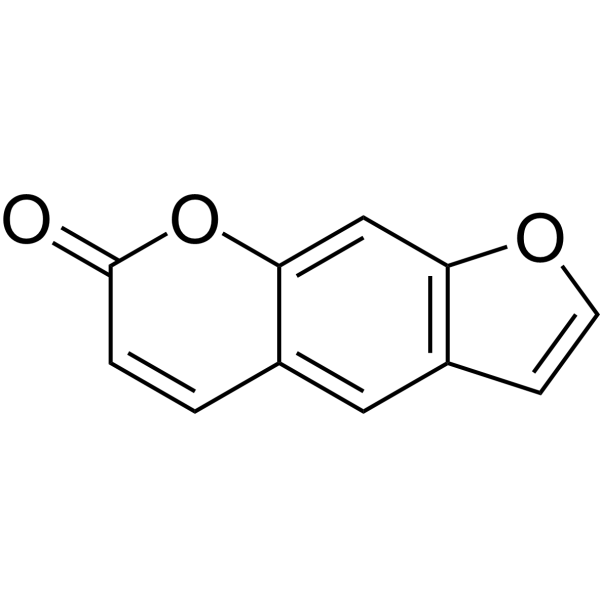
    Psoralen (Ficusin) is a coumarin isolated from the seeds of Fructus Psoraleae. Psoralen exhibits a wide range of biological properties, including anti-cancer, antioxidant, antidepressant, anticancer, antibacterial, and antiviral, et al .
    Psoralen
  • HY-N0188
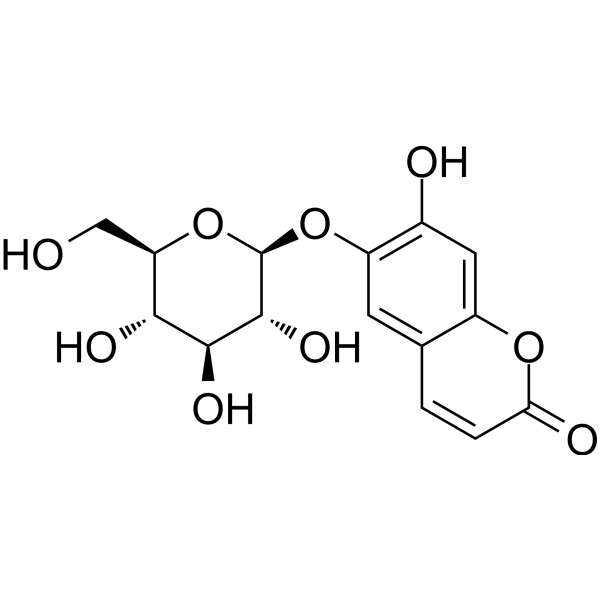
    Esculin
    5 Publications Verification

    p38 MAPK Inflammation/Immunology Cancer
    Esculin is a fluorescent coumarin glucoside, the active ingredient in ash bark. Esculin has antidiabetic effects, improves cognitive impairment in experimental diabetic nephropathy (DN) via the MAPK signaling pathway, and exerts antioxidant stress and anti-inflammatory effects. Esculin also has anticancer, antibacterial, antiviral, neuroprotective, antithrombotic, and therapeutic properties for eye diseases .
    Esculin
  • HY-N0017
    Bergenin
    5+ Cited Publications

    Cuscutin

    NF-κB Autophagy Apoptosis Bacterial Fungal Virus Protease Infection Inflammation/Immunology Cancer
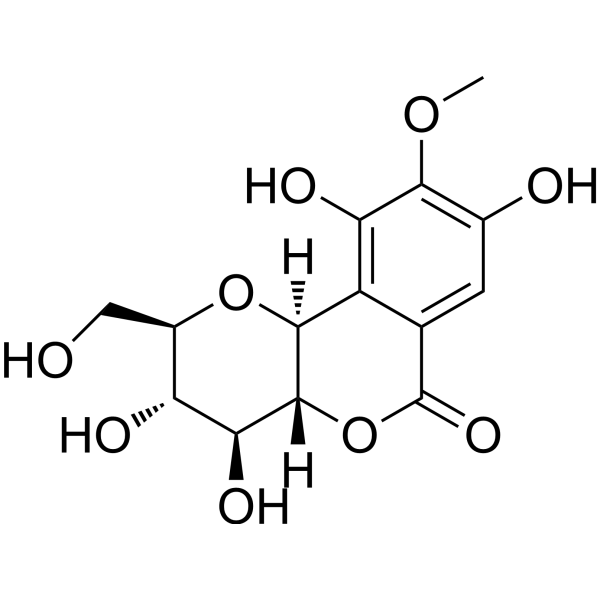
    Bergenin is a cytoprotective and antioxidative polyphenol found in many medicinal plants. Bergenin has a wide spectrum activities such as hepatoprotective, antiinflammatory, immunomodulatory, antitumor, antiviral, and antifungal properties .
    Bergenin
  • HY-N0625A
    Alpinetin
    Maximum Cited Publications
    8 Publications Verification

    PPAR Keap1-Nrf2 Toll-like Receptor (TLR) Infection Cardiovascular Disease Inflammation/Immunology Cancer
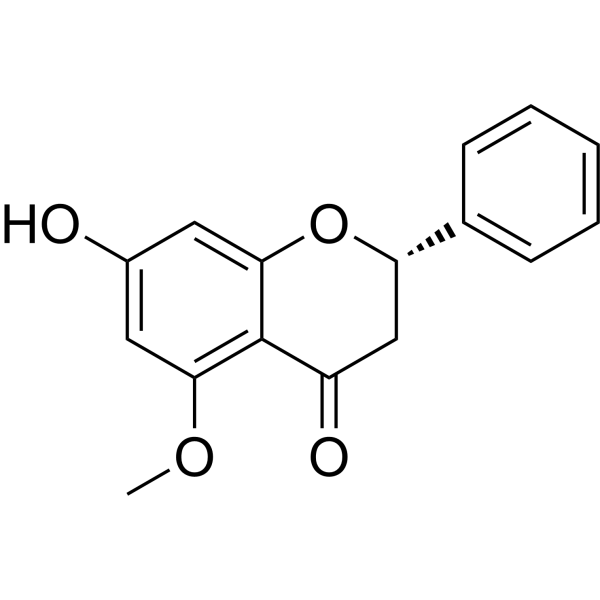
    Alpinetin is a flavonoid isolated from cardamom and possesses antitumor, antiinflammation, hepatoprotective, cardiovascular protective, lung protective, antibacterial, antiviral, neuroprotective properties. Alpinetin inhibits lipopolysaccharide (LPS)-induced inflammation, activates PPAR-γ, activates Nrf2, and inhibits TLR4 expression to protect LPS-induced renal injury .
    Alpinetin
  • HY-N0408
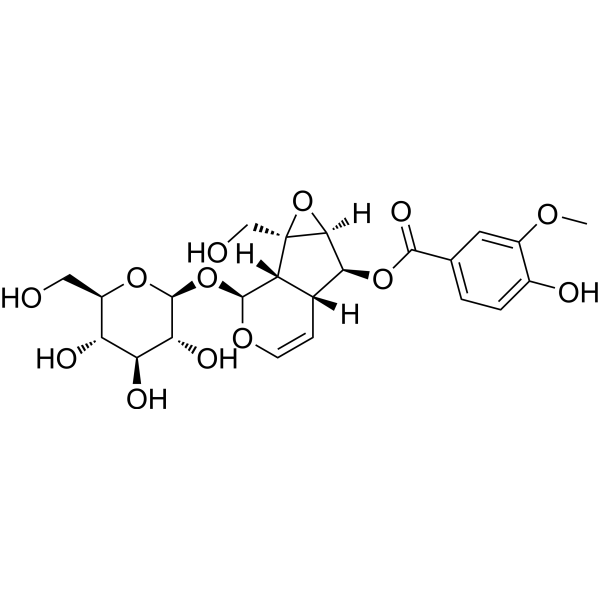
    Picroside II
    4 Publications Verification

    NF-κB Reactive Oxygen Species (ROS) Apoptosis Influenza Virus Infection Cardiovascular Disease Inflammation/Immunology Cancer
    Picroside II is an antioxidant with oral activity that can reduce the production of ROS and protect the blood-brain barrier (BBB) after CI/R injury, offering neuroprotective effects. Picroside II has antioxidant, immune-regulating, antiviral properties, and inhibits apoptosis. Picroside II alleviates the inflammatory response in sepsis by suppressing the activation of the NLRP3 inflammasome and NF-κB pathways .
    Picroside II
  • HY-N0166
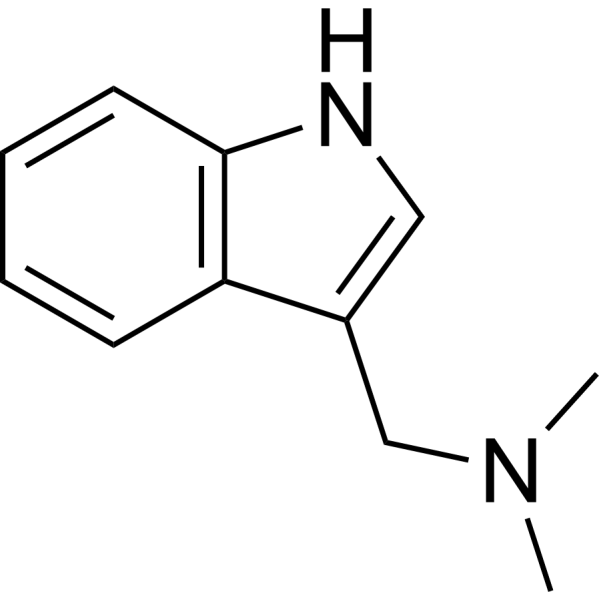
    Gramine
    4 Publications Verification

    Donaxine

    Adiponectin Receptor Reverse Transcriptase Infection Metabolic Disease Endocrinology Cancer
    Gramine (Donaxine) is an alkaloid, acts as an active adiponectin receptor (AdipoR) agonist, with IC50s of 3.2 and 4.2 μM for AdipoR2 and AdipoR1, respectively . Gramine is also a human and mouse β2-Adrenergic receptor (β2-AR) agonist . Gramine (Donaxine) has anti-tumor, anti-viral and anti-inflammatory properties .
    Gramine
  • HY-N0638
    Dendrobine
    5+ Cited Publications

    Influenza Virus JNK p38 MAPK Apoptosis CDK Keap1-Nrf2 SOD Reactive Oxygen Species (ROS) Infection Neurological Disease Inflammation/Immunology Cancer
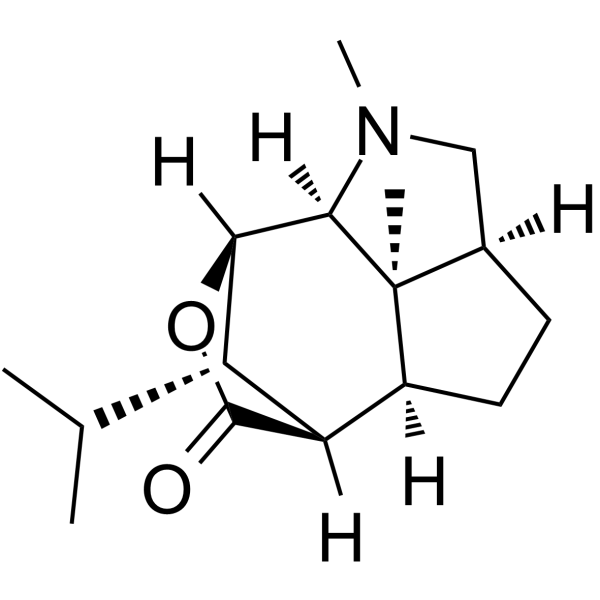
    Dendrobine is an alkaloid isolated from Dendrobium nobile. Dendrobine possesses antiviral activity against influenza A viruses, with IC50s of 3.39 μM, 2.16 μM and 5.32 μM for A/FM-1/1/47 (H1N1), A/Puerto Rico/8/34 H274Y (H1N1) and A/Aichi/2/68 (H3N2), respectively. Dendrobine activates the JNK/p38/Nrf2 signaling pathway. Dendrobine exhibits antiviral, antitumor, anti-inflammatory, and neuroprotective properties .
    Dendrobine
  • HY-N1347
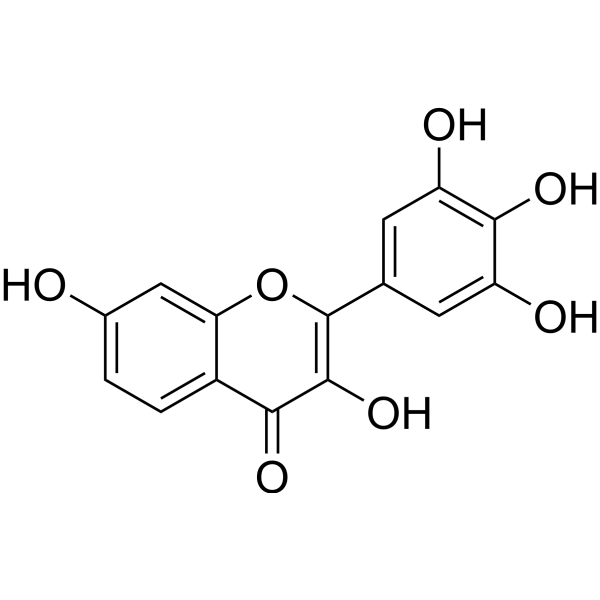
    Robinetin
    1 Publications Verification

    3,3',4',5',7-Pentahydroxyflavone

    Fungal HIV Integrase Bacterial Infection
    Robinetin (3,3',4',5',7-Pentahydroxyflavone), a naturally occurring flavonoid with remarkable ‘two color’ intrinsic fluorescence properties, has antifungal, antiviral, antibacterial, antimutagenesis, and antioxidant activity. Robinetin also can inhibit lipid peroxidation and protein glycosylation .
    Robinetin
  • HY-N2011
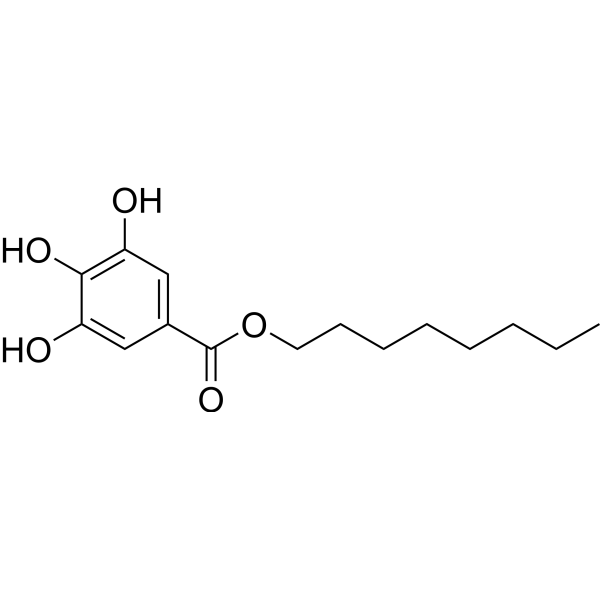
    Octyl gallate
    3 Publications Verification

    n-Octyl gallate; Stabilizer GA 8

    VSV Bacterial HSV Influenza Virus Reactive Oxygen Species (ROS) Infection
    Octyl gallate (Progallin O) is widely used as a food additive, with antimicrobial and antioxidant activity . Octyl gallate (Progallin O) shows selective and sensitive fluorescent property . Octyl gallate shows a marked antiviral effect against HSV-1, vesicular stomatitis virus (VSV) and poliovirus .
    Octyl gallate
  • HY-12752A

    Trimeprazine hemitartrate

    Histamine Receptor Influenza Virus Neurological Disease Inflammation/Immunology Cancer
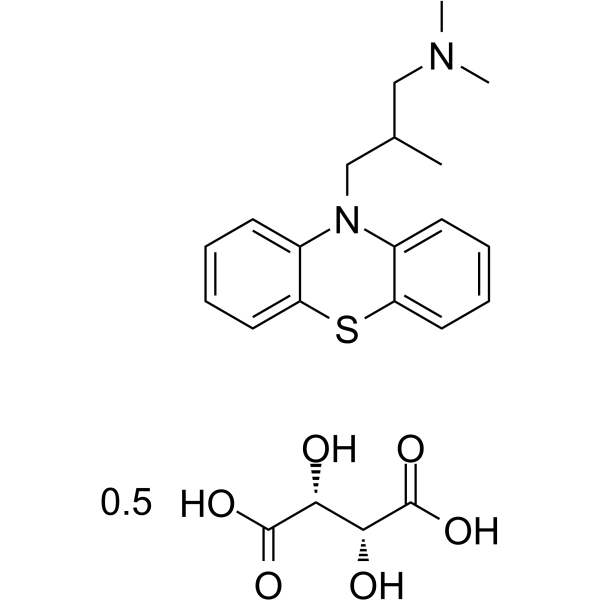
    Alimemazine hemitartrate (Trimeprazine hemitartrate) is an antagonist of the histamine (HA) receptor that can be taken orally and also acts as a partial agonist at other GPCR receptors. Alimemazine hemitartrate has effects that include anti-serotonin, antispasmodic, antihistamine, sedation, hypnotic, antiviral, and anti-nausea properties. Alimemazine hemitartrate promotes the growth of pancreatic β-cells in mice and improves diabetes in mice .
    Alimemazine hemitartrate
  • HY-121620
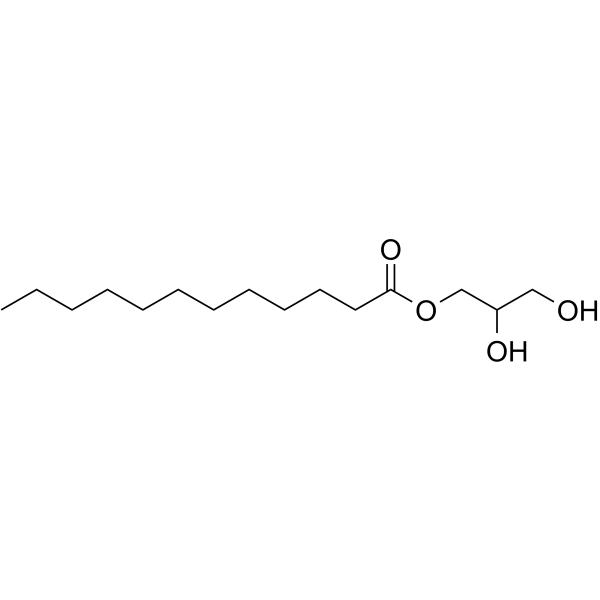
    Monolaurin
    2 Publications Verification

    1-Monolaurin

    Environmental Pollutants Bacterial SARS-CoV Infection Inflammation/Immunology
    Monolaurin (1-Monolaurin) is an orally active antibiotic with antiviral and antibacterial properties .
    Monolaurin
  • HY-N2268

    Antibiotic Infection Metabolic Disease
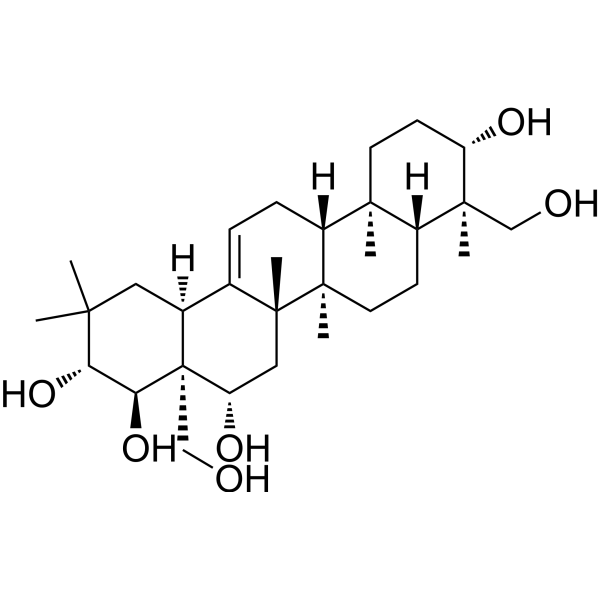
    Gymnemagenin is a triterpenoid isolated from G. sylvestre. Gymnemagenin is an agent for diabetes and obesity and also possesses antiviral properties .
    Gymnemagenin
  • HY-107260

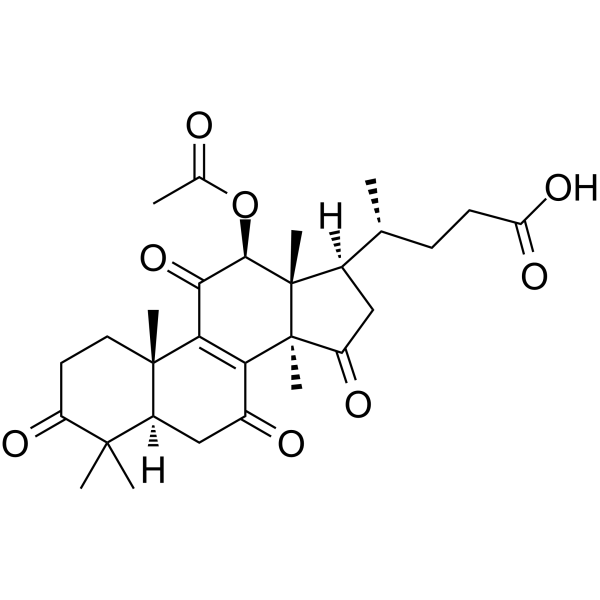
    Lucidenic acid D2

    NO Synthase COX Infection Inflammation/Immunology Cancer
    Lucidenic acid D is a highly oxidized triterpenoid with anti-inflammatory and antiviral activities. Lucidenic acid D attenuates lipopolysaccharide-induced release of proinflammatory cytokines and nitric oxide, reduces the expression of inducible nitric oxide synthase (iNOS) and cyclooxygenase-2 (COX-2), and inhibits skin inflammation. Lucidenic acid D suppresses 12-O-tetradecanoylphorbol-13-acetate (TPA)-induced expression of Epstein-Barr virus (EBV) early antigen and maintains the viability of Raji cells. Lucidenic acid D can be used in studies of cancer chemoprevention .
    Lucidenic acid D
  • HY-116282I

    DSS (MW>500000); DXS (MW>500000)

    HSV SARS-CoV Inflammation/Immunology
    Dextran sulfate sodium salt (MW>500000) (DSS (MW>500000)) is a negatively charged sulfated polysaccharide. Dextran sulfate sodium salt has antiviral, antibacterial, anti-inflammatory, antifibrotic, and wound-healing properties. Dextran sulfate sodium salt can be used as an additive in cell culture media for preventing cell aggregation and in cosmetics as a gel-forming agent .
    Dextran sulfate sodium salt (MW>500000)
  • HY-152851

    IMU-935

    ROR Dihydroorotate Dehydrogenase SARS-CoV CMV Infection
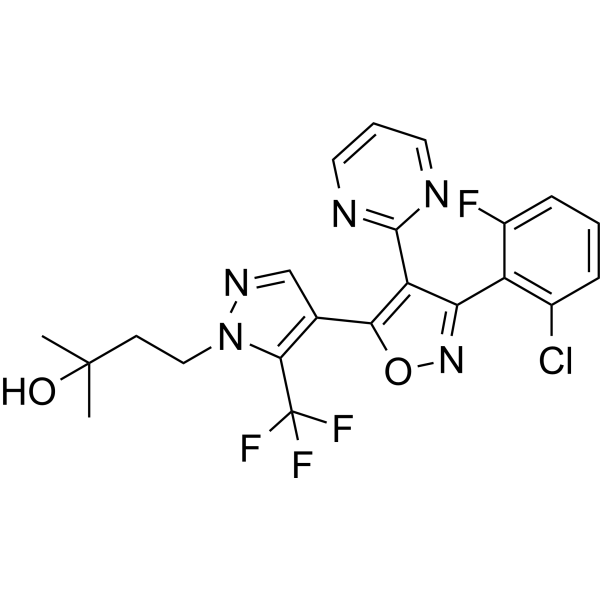
    Izumerogant (IMU-935) is an orally active RORγ/DHODH dual inhibitor with IC50s of 10 and 98 nM against RORγ and DHODH. Izumerogant efficiently blocks the replication of SARS-CoV-2, HCMV and HAdV5 with EC50 values between 3.6 and 17 nM. Izumerogant can be used for researching antiviral properties .
    Izumerogant
  • HY-N2500

    Microtubule/Tubulin Apoptosis Autophagy Infection Cardiovascular Disease Cancer
    Deoxypodophyllotoxin (DPT), a derivative of podophyllotoxin, is a lignan with potent antimitotic, anti-inflammatory and antiviral properties isolated from Anthriscus sylvestris. Deoxypodophyllotoxin, targets the microtubule, has a major impact in oncology not only as anti-mitotics but also as potent inhibitors of angiogenesis . Deoxypodophyllotoxin induces cell autophagy and apoptosis . Deoxypodophyllotoxin evokes increase of intracellular Ca 2+ concentrations in DRG neurons .
    Deoxypodophyllotoxin
  • HY-150217
    CpG ODN 10101
    2 Publications Verification

    ODN 10101

    Toll-like Receptor (TLR) Infection Inflammation/Immunology
    CpG ODN 10101 (ODN 10101; CPG 10101) is a selective agonist targeting TLR9, a synthetic oligodeoxynucleotide modified with phosphate thioester. CpG ODN 10101 activates B cells and plasmacytoid dendritic cells (pDCs), inducing the production of cytokines and chemokines such as interferon-IFN-α, interferon-inducible protein IP-10, and 2'5'-oligoadenylate synthase (2'5'-OAS), regulating innate immunity and promoting Th1 adaptive immune responses. CpG ODN 10101 also possesses antiviral properties and enhances vaccine immunogenicity, making it suitable as an immunomodulator and vaccine adjuvant for vaccine development in chronic hepatitis C and infectious diseases such as melioidosis, pertussis, and respiratory syncytial virus (RSV) .
    CpG ODN 10101
  • HY-N4183
    Licoflavone C
    1 Publications Verification

    Apoptosis Caspase Estrogen Receptor/ERR Cardiovascular Disease Infection
    Licoflavone C is a broad-spectrum antiviral inhibitor with estrogen-like properties. Licoflavone C binds to viral endonuclease (CEN) and inhibits the replication of various bunyaviruses including severe fever with thrombocytopenia syndrome virus (SFTSV) and lymphocytic choriomeningitis virus in a non-substrate competitive manner. The IC50 values of Licoflavone C against SFTSV CEN and SFTSV CEN are 35.5 μM and 135.8 μM, respectively, and its Kd value against SFTSV CEN is 9.53 μM. After viral entry into cells, Licoflavone C reduces viral loads in mouse tissues in a dose-dependent manner, and exhibits extremely low cytotoxicity and genotoxicity. Licoflavone C induces apoptosis by increasing caspase 3/7 activity, blocks the cell cycle, and alleviates chemotherapy-induced chromosomal damage. Licoflavone C is applicable to the research on severe fever with thrombocytopenia syndrome and related viral infection mechanisms .
    Licoflavone C
  • HY-N2004
    Isoborneol
    1 Publications Verification

    (±)-Isoborneol

    Environmental Pollutants HSV Infection Neurological Disease
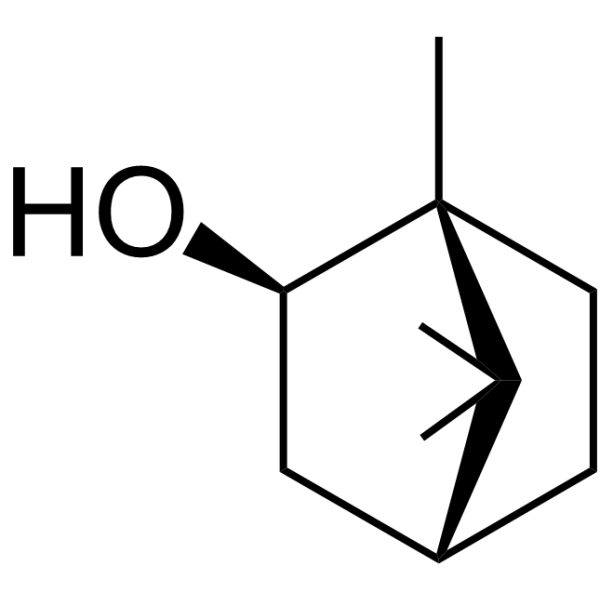
    Isoborneol ((±)-Isoborneol) is a monoterpenoid alcohol present in the essential oils of numerous medicinal plants and has antioxidant and antiviral properties. Isoborneol is a potent inhibitor of herpes simplex virus type 1 (HSV-1) .
    Isoborneol
  • HY-116282M

    Bacterial Inflammation/Immunology
    Dextran sulfate, low sulfate (MW 40000), a biopolymer, is a sulfated polysaccharide. Dextran sulfate, low sulfate (MW 40000) has antiviral, antibacterial, anti-inflammatory, antifibrotic, and wound-healing properties. Dextran sulfate can be used as an additive in cell culture media for preventing cell aggregation and in cosmetics as a gel-forming agent .
    Dextran sulfate, low sulfate (MW 40000)
  • HY-N2533

    Cyanidin-3-O-sambubioside chloride

    Influenza Virus Angiotensin-converting Enzyme (ACE) Akt MMP Infection Cardiovascular Disease Inflammation/Immunology Cancer
    Cyanidin 3-sambubioside chloride (Cyanidin-3-O-sambubioside chloride), a major anthocyanin, a natural colorant, and is a potent NO inhibitor. Cyanidin 3-sambubioside chloride is a H274Y mutation inhibitor, and inhibits influenza neuraminidase activity with an IC50 of 72 μM. Cyanidin 3-sambubioside chloride inhibits angiotensin-converting enzyme (ACE) activity and has antioxidant, anti-angiogenic and antiviral properties .
    Cyanidin 3-sambubioside chloride
  • HY-153225

    HIV Reverse Transcriptase Infection
    PYR01 is a non-nucleoside reverse transcriptase inhibitor and a killing activator targeting HIV infected cells. PYR01 has cytokilling and antiviral properties of HIV-1 infection with the IC50 values of 27.5nM and 39.7nM, respectively. PYR01 leads to selective cytotoxicity by promoting HIV-1 Gag-Pol dimerization and HIV-1 protease intracellular activation. PYR01 can be used in the study of HIV .
    PYR01
  • HY-B1067

    Phenazoline hydrochloride

    Histamine Receptor HBV Neurological Disease Endocrinology
    Antazoline hydrochloride is a histamine H1 receptor antagonist with anticholinergic and antiviral properties. Antazoline hydrochloride can prevent histamine from acting on target cells through a reversible competition effect on histamine receptor sites of these cells. Antazoline hydrochloride can exert an antiallegic effect and prevent the occurrence of physiological reactions from the effect of blocking as well as inhibiting H1 receptor. Antazoline hydrochloride can effectively reduce HBV DNA in the extracellular supernatant in a dose-dependent manner, with EC50 of 2.910 μmol/L in HepAD38 cells. Antazoline hydrochloride also has a significant inhibitory effect on HBV DNA in the extracellular supernatant of Huh7 cells (EC50 = 2.349 μmol/L). Antazoline hydrochloride has anti-arrhythmic effect in acute myocardial infarctions. Antazoline hydrochloride can be studied in research for cardiovascular diseases, and HBV .
    Antazoline hydrochloride
  • HY-N6027

    Fungal Bacterial Infection
    Cyclosporin C is a fungal metabolite that has been found in T. inflatum and has diverse biological activities, including antifungal, antiviral, and immunosuppressant properties. Cyclosporin C shows no activity against bacteria or yeasts .
    Cyclosporin C
  • HY-145560

    A1752

    HIV Infection
    Claficapavir (A1752) is a specific nucleocapsid protein (NC) inhibitor with an IC50 around 1 μM. Claficapavir strongly binds the HIV-1 NC (Kd=20 nM) thereby inhibiting the chaperone properties of NC and leading to good antiviral activity against the HIV-1 .
    Claficapavir
  • HY-133108

    EBV Parasite Phosphatase Influenza Virus Infection Metabolic Disease Inflammation/Immunology Cancer
    Azadirachtin B is an limonoid isolated from seed kernels of Azadirachta indica. Azadirachtin B increases alkaline phosphatase (ALP) activity and stimulates osteoblast differentiation. Azadirachtin B is active against the Epstein-Barr virus early antigen (EBV-EA). Azadirachtin B has insecticidal, nematocidal, anticancer, anti-inflammatory, antiviral and osteogenic properties .
    Azadirachtin B
  • HY-150217A
    CpG ODN 10101 sodium
    2 Publications Verification

    ODN 10101 sodium

    Toll-like Receptor (TLR) Infection
    CpG ODN 10101 sodium, a synthetic oligodeoxynucleotide (ODN), is a toll-like receptor 9 (TLR9) agonist. CpG ODN 10101 sodium is a potent inducer of cytokine/chemokine expression ex vivo when used in combination with HH2(VQLRIRVAVIRA-NH2). CpG ODN 10101 sodium induces IFN- secretion from dendritic cells (DCs) and stimulates B-cells.CpG ODN 10101 sodium has antiviral and immunomodulatory properties that can influence chronic infection with HCV .
    CpG ODN 10101 sodium
  • HY-N7781

    (E)-Guggulsterone

    FXR Keap1-Nrf2 Heme Oxygenase (HO) Dengue Virus Bacterial Reactive Oxygen Species (ROS) Estrogen Receptor/ERR Cytochrome P450 Drug Metabolite Infection Metabolic Disease Endocrinology
    (-)-(E)-Guggulsterone ((E)-Guggulsterone) is an orally active natural stereoisomer of Guggulsterone (HY-107738). (-)-(E)-Guggulsterone is an antagonist for the Farnesoid X Receptor (FXR) with an IC50 of 24.06 μM and possesses potent hypolipidemic properties. (-)-(E)-Guggulsterone suppresses dengue virus (DENV) replication by upregulating antiviral interferon responses by inducing HO-1 expression via Nrf2 activation. (-)-(E)-Guggulsterone exhibits antibacterial activities against Bacillus subtilis, Staphylococcus aureus and Pseudomonas aeruginosa. (-)-(E)-Guggulsterone has cardiac protective and antioxidant activities in rats .
    (-)-(E)-Guggulsterone
  • HY-N0206

    Deglucocyclamin; LTS-4; Saxifragifolin B

    Antibiotic Cancer
    Ardisiacrispin A (Deglucocyclamin) is a common triterpenoid saponin from Ardisia species. Ardisiacrispin A has similar biological properties with some triterpenoid saponins in A. crenata which is one of the species of genus Ardisia and exhibits cytotoxic effect on tumor cells, immunomodulatory and antiviral activities .
    Ardisiacrispin A
  • HY-149906

    GEM91

    HIV mRNA Infection
    Trecovirsen (GEM91) is an antiviral agent targeting HIV gag mRNA, which hybridizes with complementary HIV gag mRNA at the initiation site. Trecovirsen induces a reversible, dose-dependent prolongation of activated partial thromboplastin time via its polyanionic property. Trecovirsen is applicable to research related to HIV infection .
    Trecovirsen
  • HY-N6924
    Zingibroside R1
    1 Publications Verification

    HIV PIN1 Fungal GLUT Reactive Oxygen Species (ROS) Infection Neurological Disease Metabolic Disease Cancer
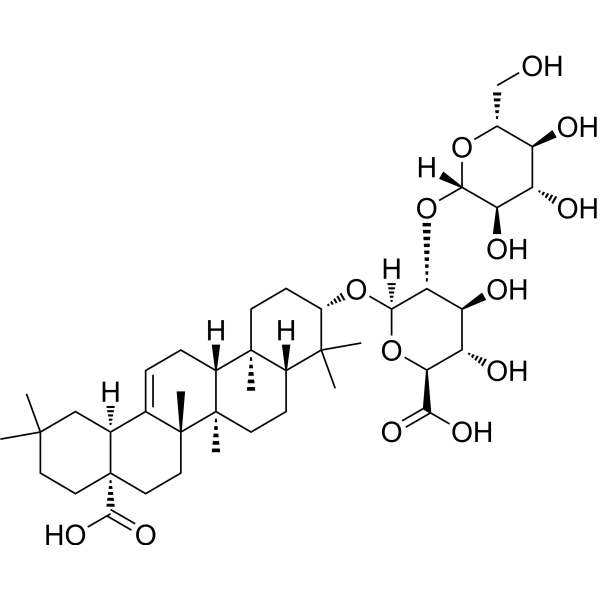
    Zingibroside R1 is an orally active triterpene saponin with multiple biological activities including antioxidant, anti-inflammatory, antiviral, and metabolic regulatory properties. Zingibroside R1 reduces the expression of PIN family members, inhibits the expression of PLT1/PLT2, WOX5, SHR, and SCR, disrupts auxin transport and distribution, triggers plant ROS responses, and inhibits root growth. Zingibroside R1 extends the lifespan of Caenorhabditis elegans, enhances its heat stress resistance, and improves its motor ability. Hydrogel derivatives of Zingibroside R1 inhibit the proliferation of Candida albicans by binding to its β-1,3-glucan and exhibit antifungal activity. Zingibroside R1 inhibits GLUT1-mediated uptake and alleviates liver injury. Zingibroside R1 can be used in research related to neurodegenerative diseases, vulvovaginal candidiasis, acute liver injury, Ehrlich ascites tumor and HIV-1 infection .
    Zingibroside R1
  • HY-N3187

    Flavivirus Dengue Virus Fungal Bacterial Histamine Receptor Infection Neurological Disease Inflammation/Immunology Cancer
    Nimbin is an orally active intermediate limonoid found in Azadirachta. Nimbin prevents tau aggregation and increases cell viability. Nimbin is effective inhibits the envelope protein of dengue virus. Nimbin has anti-inflammatory, antipyretic, antifungal, antihistamine, antiseptic, antioxidant, anti-cancer and anti-viral properties. Nimbin is promising for research of neurodegenerative diseases and viral infections .
    Nimbin
  • HY-N10276

    Antibiotic Infection Inflammation/Immunology
    Morelloflavone has antioxidative, antiviral, and anti-inflammatory properties.
    Morelloflavone
  • HY-N0053R

    Ficusin (Standard)

    Reference Standards Apoptosis HIV Influenza Virus Cancer
    Psoralen (Standard) is the analytical standard of Psoralen. This product is intended for research and analytical applications. Psoralen (Ficusin) is a coumarin isolated from the seeds of Fructus Psoraleae. Psoralen exhibits a wide range of biological properties, including anti-cancer, antioxidant, antidepressant, anticancer, antibacterial, and antiviral, et al .
    Psoralen (Standard)
  • HY-N2011R

    n-Octyl gallate (Standard); Stabilizer GA 8 (Standard)

    VSV Reference Standards Bacterial HSV Influenza Virus Reactive Oxygen Species (ROS) Infection
    Octyl gallate (Standard) is the analytical standard of Octyl gallate. This product is intended for research and analytical applications. Octyl gallate (Progallin O) is widely used as a food additive, with antimicrobial and antioxidant activity . Octyl gallate (Progallin O) shows selective and sensitive fluorescent property . Octyl gallate shows a marked antiviral effect against HSV-1, vesicular stomatitis virus (VSV) and poliovirus .
    Octyl gallate (Standard)
  • HY-N0166R
    Gramine (Standard)
    4 Publications Verification

    Donaxine (Standard)

    Reference Standards Adrenergic Receptor Reverse Transcriptase Infection Metabolic Disease Endocrinology Cancer
    Gramine (Standard) is the analytical standard of Gramine. This product is intended for research and analytical applications. Gramine (Donaxine) is an alkaloid, acts as an active adiponectin receptor (AdipoR) agonist, with IC50s of 3.2 and 4.2 μM for AdipoR2 and AdipoR1, respectively . Gramine is also a human and mouse β2-Adrenergic receptor (β2-AR) agonist . Gramine (Donaxine) has anti-tumor, anti-viral and anti-inflammatory properties .
    Gramine (Standard)
  • HY-116282J

    Bacterial Inflammation/Immunology
    Dextran sulfate, low sulfate (MW 5000), a biopolymer, is a sulfated polysaccharide. Dextran sulfate, low sulfate (MW 5000) has antiviral, antibacterial, anti-inflammatory, antifibrotic, and wound-healing properties. Dextran sulfate can be used as an additive in cell culture media for preventing cell aggregation and in cosmetics as a gel-forming agent .
    Dextran sulfate, low sulfate (MW 5000)
  • HY-116282W

    DSS (MW 6500-10000); DXS (MW 6500-10000)

    HIV Inflammation/Immunology
    Dextran sulfate sodium salt (DSS) (MW 6500-10000) is a polymer of dehydrated glucose with a molecular weight of approximately 5000. Dextran sulfate sodium salt with different molecular weights exhibits different biological activities. Dextran sulfate sodium salt (MW 6500-10000) has antiviral activity against HIV-1 and HIV-2. Dextran sulfate sodium salt (MW 6500-10000) blocks the binding of virions to CD4 T lymphocytes and inhibits syncytia formation. Dextran sulfate sodium salt (MW 6500-10000) also prevents experimental urolithiasis due to its cytoprotective actions. Moreover, because of its biocompatible and highly charged properties, Dextran sulfate sodium salt (MW 6500-10000) is a suitable choice for pharmaceutical systems .
    Dextran sulfate sodium salt (MW 6500-10000)
  • HY-B1067A

    Phenazoline

    Histamine Receptor Neurological Disease Endocrinology
    Antazoline (Phenazoline) is a histamine H1 receptor antagonist with anticholinergic and antiviral properties. Antazoline can prevent histamine from acting on target cells through a reversible competition effect on histamine receptor sites of these cells. Antazoline can exert an antiallegic effect and prevent the occurrence of physiological reactions from the effect of blocking as well as inhibiting H1 receptor. Antazoline can effectively reduce HBV DNA in the extracellular supernatant in a dose-dependent manner, with EC50 of 2.910 μmol/L in HepAD38 cells. Antazoline also has a significant inhibitory effect on HBV DNA in the extracellular supernatant of Huh7 cells (EC50 = 2.349 μmol/L). Antazoline has anti-arrhythmic effect in acute myocardial infarctions. Antazoline can be studied in research for cardiovascular diseases, and HBV .
    Antazoline
  • HY-170524

    SARS-CoV DNA Methyltransferase Cytochrome P450 Infection
    TDI-015051 is a highly selective, orally active antiviral agent that targets the coronavirus NSP14 guanine-N7 methyltransferase. TDI-015051 binds to substrates in a non-competitive manner and forms a stable ternary complex, precisely blocking the capping and methylation processes of viral mRNA. TDI-015051 potently inhibits a variety of coronaviruses (including SARS-CoV-2 and MERS). By impairing viral replication and translation and inducing a moderate type I interferon-mediated immune response, it significantly reduces pulmonary viral load and exhibits a synergistic effect with Nirmatrelvir (HY-138687). In addition, TDI-015051 does not inhibit non-coronavirus methyltransferases, and the drug-resistant mutations it induces impair viral fitness, demonstrating excellent antiviral properties and safety. TDI-015051 can be used for research on COVID-19 and the replication mechanism of coronaviruses .The IC50 values of TDI-015051 against SARS-CoV-2, α-hCoV-NL63, α-hCoV-229E, β-hCoV-MERS are 0.15 nM, 1.7 nM, 2.6 nM and 3.6 nM, respectively, and the Ka value against SARS-CoV-2 is 0.061 nM .
    TDI-015051
  • HY-N3848

    Bacterial COX NO Synthase Influenza Virus Infection Cardiovascular Disease Inflammation/Immunology
    Ermanin is a flavonoid isolated from Tanacetum microphyllum. Ermanin potently inhibits iNOS, COX-2 activities, and inhibits platelet aggregation. Ermanin has anti-inflammatory, anti-tuberculous and anti-viral/bacterial properties .
    Ermanin
  • HY-124224

    Dengue Virus Flavivirus Infection
    D4-Ribavirin (Compound 4) is a deoxygenated ribavirin analogue. D4-Ribavirin has antiviral property in vitro against the RNA-containing bunyaviruses–Rift Valley Fever () with an IC50 of 61 μg/mL .
    D4-Ribavirin
  • HY-N0188R

    Reference Standards p38 MAPK Inflammation/Immunology Cancer
    Esculin (Standard) is the analytical standard of Esculin. This product is intended for research and analytical applications. Esculin is a fluorescent coumarin glucoside, the active ingredient in ash bark. Esculin has antidiabetic effects, improves cognitive impairment in experimental diabetic nephropathy (DN) via the MAPK signaling pathway, and exerts antioxidant stress and anti-inflammatory effects. Esculin also has anticancer, antibacterial, antiviral, neuroprotective, antithrombotic, and therapeutic properties for eye diseases .
    Esculin (Standard)
  • HY-A0181AR

    5'-AMP monohydrate (Standard)

    Reference Standards Endogenous Metabolite Adenosine Receptor HSV Infection Metabolic Disease
    Cyanidin 3-sambubioside (chloride) (Standard) is the analytical standard of Cyanidin 3-sambubioside (chloride). This product is intended for research and analytical applications. Cyanidin 3-sambubioside chloride (Cyanidin-3-O-sambubioside chloride), a major anthocyanin, a natural colorant, and is a potent NO inhibitor. Cyanidin 3-sambubioside chloride is a H274Y mutation inhibitor, and inhibits influenza neuraminidase activity with an IC50 of 72 μM. Cyanidin 3-sambubioside chloride inhibits angiotensin-converting enzyme (ACE) activity and has antioxidant, anti-angiogenic and antiviral properties .
    Adenosine 5'-monophosphate monohydrate (Standard)
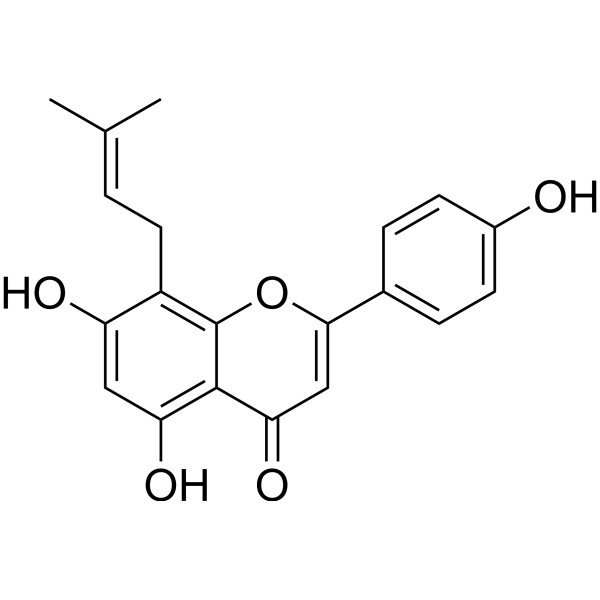
  • HY-N8265

    HSV DNA/RNA Synthesis ATP Synthase Infection
    Abyssinone V is a prenylated flavonoid with predicted anti-viral activity. Abyssinone V can be isolated from the stem bark of Erythrina melanacantha. Abyssinone V possesses good pharmacodynamics properties. Abyssinone V is predicted to be antivirals including anti-herpes (HSV) agent, with mechanisms comprising inhibition of polymerase, ATPase and membrane integrity .
    Abyssinone V
  • HY-N0017R

    Cuscutin (Standard)

    NF-κB Reference Standards Autophagy Apoptosis Bacterial Fungal Virus Protease Infection Inflammation/Immunology Cancer
    Bergenin (Standard) is the analytical standard of Bergenin. This product is intended for research and analytical applications. Bergenin is a cytoprotective and antioxidative polyphenol found in many medicinal plants. Bergenin has a wide spectrum activities such as hepatoprotective, antiinflammatory, immunomodulatory, antitumor, antiviral, and antifungal properties .
    Bergenin (Standard)
  • HY-P1954

    Piscidin-1 (22-42)

    Bacterial Infection Cancer
    Epinecidin-1 (Piscidin-1 (22-42)) is a highly potent, multi-functional Antimicrobial Peptide (AMP) produced by Orange-spotted grouper (Epinephelus coioides). Epinecidin-1 has many functional usages including antibacterial, antifungal, antiviral, antiprotozoal, anticancer, immunomodulatory, and wound healing properties .
    Epinecidin-1
  • HY-W852084

    Drug Derivative Infection Cancer
    S-27609 is an imidazoquinoline with antiviral and antitumour properties. S-27609 can induce peripheral blood mononuclear cells to produce various cytokines such as interferon-α (IFN-α), tumor necrosis factor-α (TNF-α), and interleukin-1β (IL-1β). S-27609 is promising for research of viral infections (e.g., herpes virus) and tumors .
    S-27609
  • HY-N3945R

    O,O-Dimethylisoboldine (Standard); S-(+)-Glaucine (Standard); NSC 34396 (Standard)

    Reference Standards Phosphodiesterase (PDE) Calcium Channel Adrenergic Receptor Dopamine Receptor Influenza Virus Infection Inflammation/Immunology
    Glaucine (Standard) is the analytical standard of Glaucine. This product is intended for research and analytical applications. Glaucine (O,O-Dimethylisoboldine) is an alkaloid isolated from Glaucium flavum with antitussive, bronchodilation and anti-inflammatory properties. Glaucine is a selective and orally active phosphodiesterase 4 (PDE4) inhibitor with Kis of 3.4 μM in human bronchus and polymorphonuclear leukocytes. Glaucine is also a non-selective α-adrenoceptor antagonist, a Ca2+ entry blocker, and a weak dopamine D1 and D2 receptor antagonist. Glaucine has antioxidative and antiviral activities .
    Glaucine (Standard)
  • HY-B1588S

    Amyloid-β HIV 11β-HSD Infection Neurological Disease Inflammation/Immunology
    Carbenoxolone-d4 is deuterium labeled Carbenoxolone. Carbenoxolone, a semi-synthetic derivative of glycyrrhetinic acid, has previously been used for the management of dyspepsia and peptic ulcer because of its anti-inflammatory properties . Carbenoxolone, a general hemichannel and gap junction inhibitor, has the therapeutic potential of carbenoxolone in the research of chronic liver disease . Carbenoxolone is a suitable candidate for the inhibition of Aβ42 aggregation and the therapeutic potential of Cbx against AD . Carbenoxolone is small molecule Pannexin1 (Panx1,is an ATP release channel) inhibitor, attenuate Panx1 channel activity through modulation of the first extracellular loop .Carbenoxolone is an 11β-hydroxysteroid dehydrogenase type 1 (11β-HSD1) inhibitor that converts inactive glucocorticoid into an active form. Carbenoxolone has antiviral activity against DENV infection targeting the virus itself .
    Carbenoxolone-d4

Inquiry Online

Your information is safe with us. * Required Fields.

Salutation


Country or Region *

Applicant Name *


Organization Name *

Department *


Email Address *


Product Name *

Cat. No.


Requested quantity *

Phone Number *


Remarks

Inquiry Online

Inquiry Information

Product Name:
Cat. No.:
Quantity:
MCE Japan Authorized Agent:

