Search Result
Results for "
aromatase inhibitor
" in MedChemExpress (MCE) Product Catalog:
2
Biochemical Assay Reagents
10
Isotope-Labeled Compounds
| Cat. No. |
Product Name |
Target |
Research Areas |
Chemical Structure |
-
- HY-14248
-
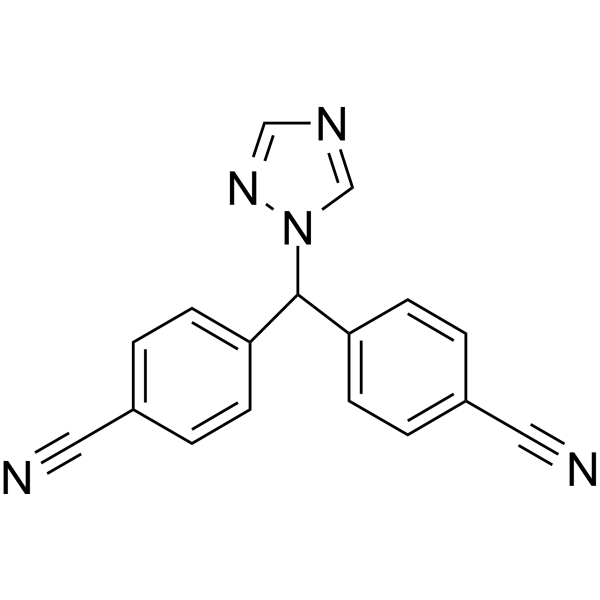
Letrozole
Maximum Cited Publications
20 Publications Verification
CGS 20267
|
Cytochrome P450
Autophagy
|
Cancer
|
|
Letrozole (CGS 20267) is a potent, selective, reversible and orally active non-steroidal inhibitor of aromatase, with an IC50 of 11.5 nM. Letrozole selective inhibits estrogen biosynthesis, and can be used for the research of breast cancer .
|
-
-
- HY-N0292
-
|
|
Cytochrome P450
PPAR
Apoptosis
|
Cardiovascular Disease
Inflammation/Immunology
Cancer
|
|
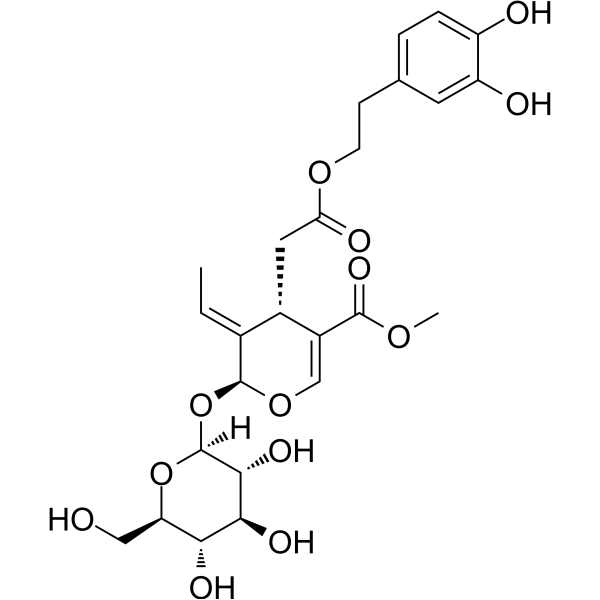
Oleuropein, found in olive leaves and oil, exerts antioxidant, anti-inflammatory and anti-atherogenic effects through direct inhibition of PPARγ transcriptional activity . Oleuropein induces apoptosis in breast cancer cells via the p53-dependent pathway and through the regulation of Bax and Bcl2 genes. Oleuropein also inhibits aromatase .
|
-
-
- HY-13632
-
|
FCE 24304; EXE
|
Cytochrome P450
|
Endocrinology
Cancer
|
|
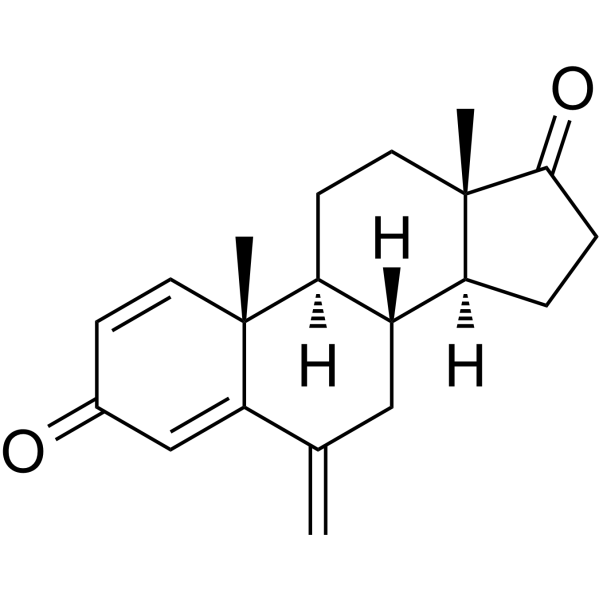
Exemestane (FCE 24304) is a selective, irreversible and orally active steroidal aromatase inhibitor with IC50s of 30 nM and 40 nM for human placental and rat ovarian aromatase, respectively. Exemestane can be used for hormone-dependent breast cancer research .
|
-
-
- HY-14274
-
|
ZD1033
|
Cytochrome P450
|
Cancer
|
|
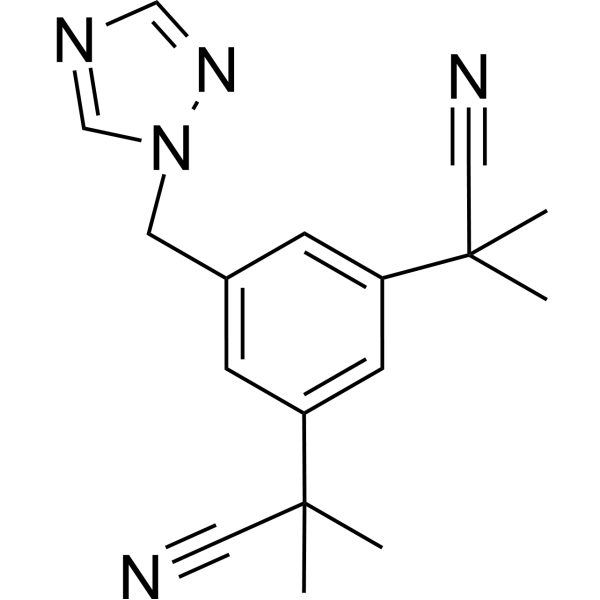
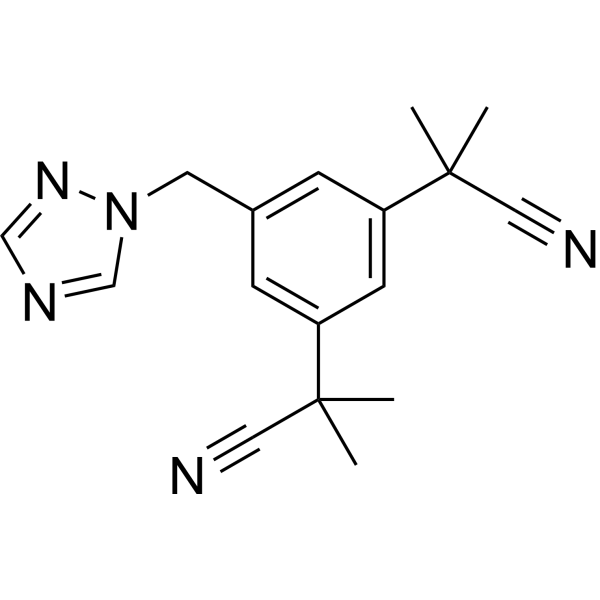
Anastrozole is a potent, highly selective aromatase inhibitor, which inhibits human placental aromatase with an IC50 of 15 nM.
|
-
-
- HY-B0084
-
|
STS 557
|
Progesterone Receptor
|
Endocrinology
|
|
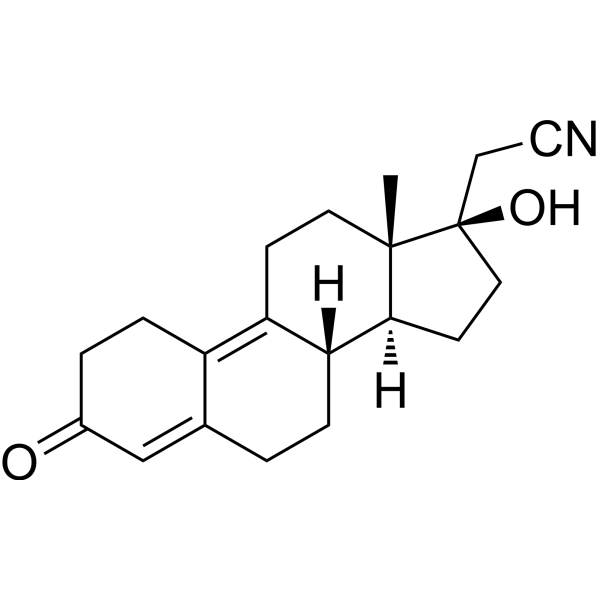
Dienogest (STS-557) is an orally active and selective progesterone receptor agonist that effectively reduces the gene expression of COX-2, mPGES-1 and aromatase. Dienogest also inhibits the mRNA and protein expression of PGE2 synthase and the activation of NF-κB. Dienogest can be used in studies of endometriosis, menopause and menorrhagia .
|
-
-
- HY-18719E
-
-
-
- HY-125833
-
|
|
Cytochrome P450
Aryl Hydrocarbon Receptor
Apoptosis
|
Cancer
|
|
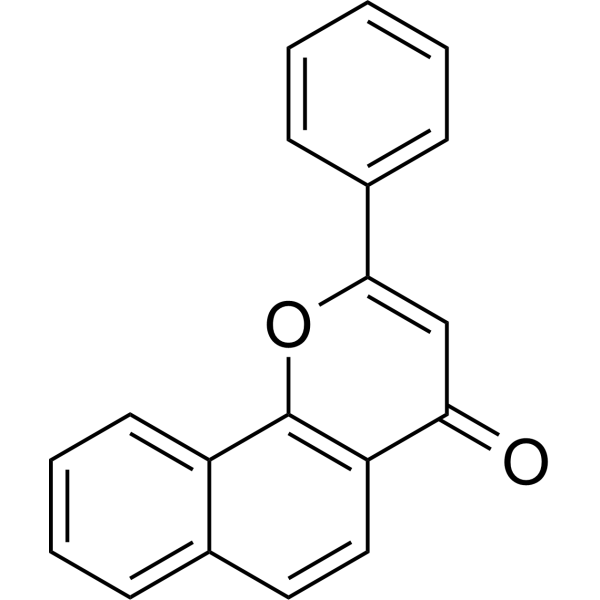
Alpha-Naphthoflavone is an orally active flavonoid that is a potent, competitive inhibitor of aromatase< b>aromatase. < b > IC < sub > 50 < / sub > < / b > and < b > K < sub > I < / sub > < / b > value were 0.5 and 0.2 microns. Alpha-Naphthoflavone can inhibit cell proliferation and induce apoptosis .
|
-
-
- HY-14247
-
|
CGS 16949A; (Rac)-FAD286 hydrochloride
|
Cytochrome P450
|
Endocrinology
Cancer
|
|
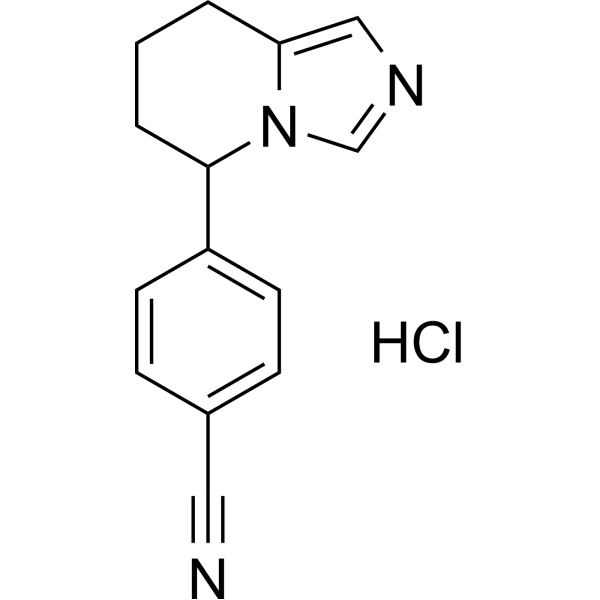
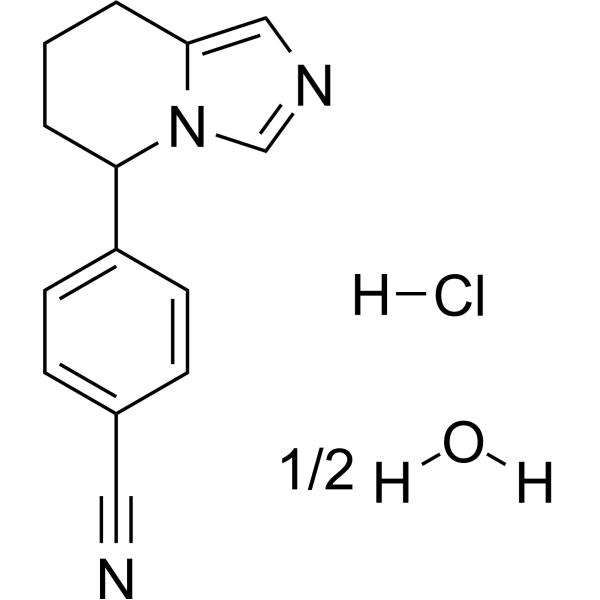
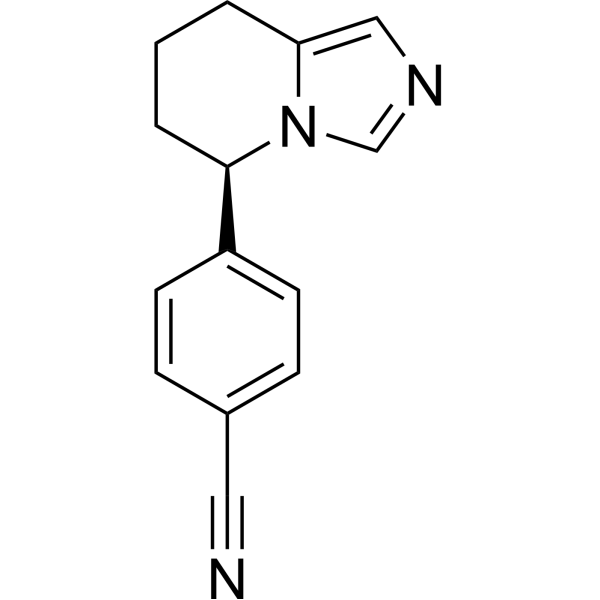
Fadrozole hydrochloride (CGS 16949A) is a potent, selective and nonsteroidal inhibitor of aromatase with an IC50 of 6.4 nM.
|
-
-
- HY-N7128
-
|
|
Cytochrome P450
ERK
p38 MAPK
NF-κB
MMP
PAI-1
|
Cancer
|
|
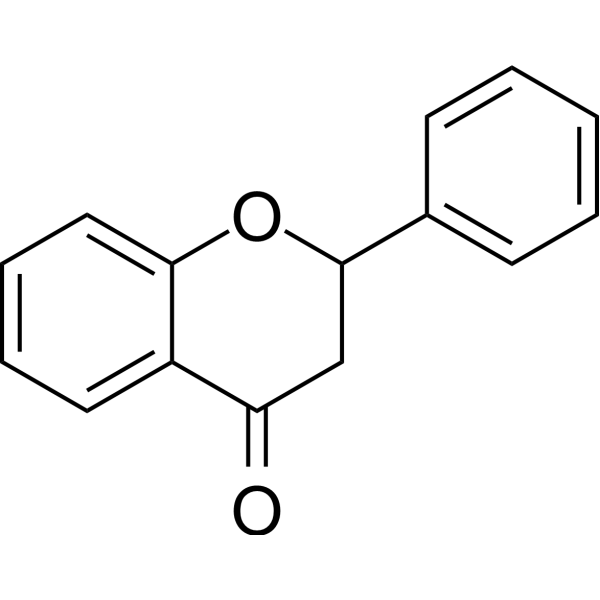
Flavanone is a naturally occurring flavone. Flavanone has inhibitory activity for human estrogen synthetase (aromatase). Flavanone is the inhibitor for ERK/p38/NF-κB signaling pathway. Flavanone exhibits oral activity and antitumor efficacy .
|
-
-
- HY-B0845
-
-
-
- HY-113986
-
|
(R)-Fadrozole; (R)-CGS 16949A free base; FAD286
|
Cytochrome P450
|
Cardiovascular Disease
|
|
Dexfadrostat ((R)-Fadrozole) is an orally active and selective aromatase inhibitor, with human aromatase IC50 values of 6.4 nM. Dexfadrostat suppresses estrogen synthesis, reduces circulating estradiol levels and suppresses aldosterone production. Dexfadrostat can be used for the research of breast cancer, primary aldosteronism, and hypertension .
|
-
-
- HY-N8487
-
|
|
Cytochrome P450
|
Neurological Disease
Inflammation/Immunology
Cancer
|
|
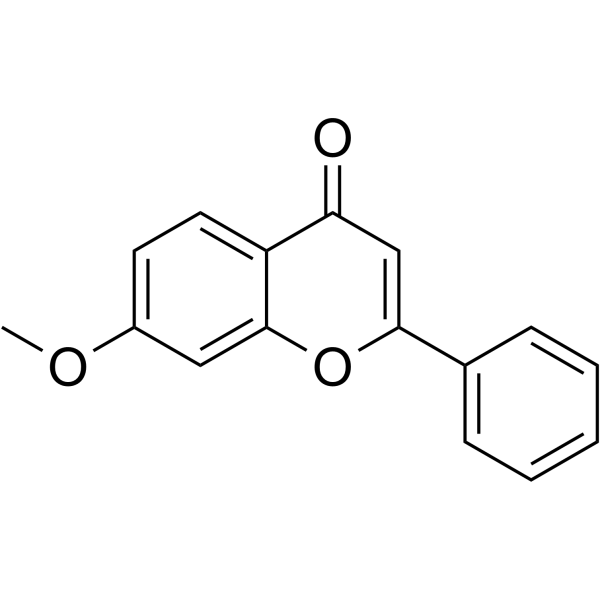
7-Methoxyflavone is a flavonoid compound that can be isolated from Zornia brasiliensis. 7-Methoxyflavone can bind to human serum albumin and is an aromatase inhibitor. 7-Methoxyflavone has peripheral analgesic and certain antitumor activities. 7-Methoxyflavone is effective against chemical pain but has no significant effect on thermal pain .
|
-
-
- HY-N4089
-
|
|
Aldose Reductase
Cytochrome P450
|
Metabolic Disease
Cancer
|
|
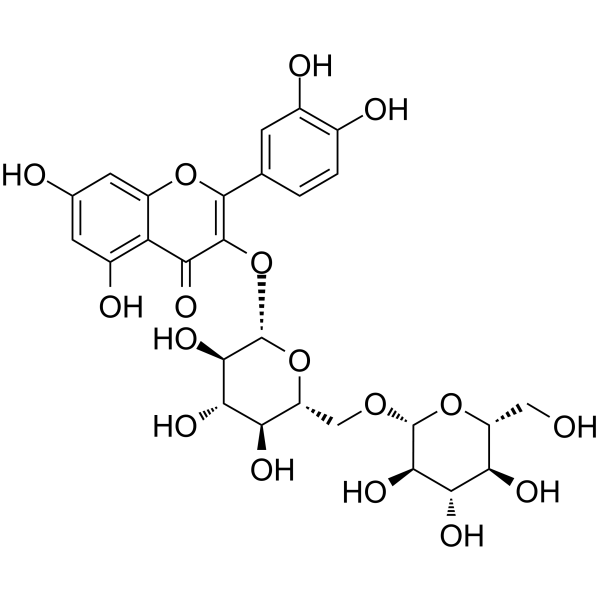
Quercetin 3-gentiobioside is a flavonoid found in Artemisia iwayomogi. Quercetin 3-gentiobioside inhibits aromatase with an Ki of 46.77 nM. Quercetin 3-gentiobioside inhibits aldose reductase (AR) and the formation of advanced glycation end products (AGEs), with IC50 values of 10.60 μM and 109.46 μM, respectively. Quercetin 3-gentiobioside inhibits proliferation of cancer cells and fibroblast-like synoviocytes. Quercetin 3-gentiobioside can be used for the research of cancer, such as lung carcinoma .
|
-
-
- HY-N5012
-
-
-
- HY-14247A
-
|
CGS 16949A free base; (Rac)-FAD286
|
Cytochrome P450
|
Cancer
|
|
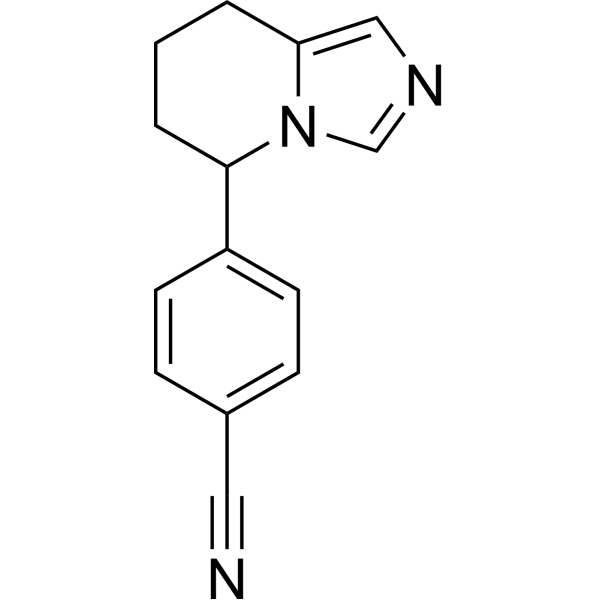
Fadrozole (CGS 16949A free base) is a potent, selective and nonsteroidal inhibitor of aromatase with an IC50 of 6.4 nM.
|
-
-
- HY-18719B
-
-
-
- HY-136063
-
|
|
Environmental Pollutants
Fungal
Cytochrome P450
|
Infection
|
|
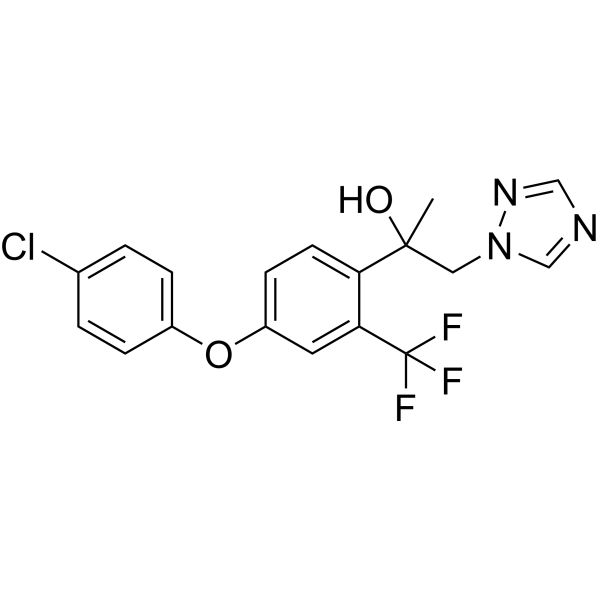
Mefentrifluconazole is a novel azole derivative and used as an agrochemical broad-spectrum antifungal agent. Mefentrifluconazole is a potent, selective and orally active fungal CYP51 (Kd= 0.5 nM) inhibitor, but shows less inhibitory activity on human aromatase (IC50=0.92 μM) .
|
-
-
- HY-14274R
-
|
ZD1033 (Standard)
|
Cytochrome P450
Reference Standards
|
Cancer
|
|
Anastrozole (Standard) is the analytical standard of Anastrozole. This product is intended for research and analytical applications. Anastrozole is a potent, highly selective aromatase inhibitor, which inhibits human placental aromatase with an IC50 of 15 nM.
|
-
-
- HY-113062
-
|
20-OH-P
|
Endogenous Metabolite
Cytochrome P450
|
Endocrinology
Cancer
|
|
20α-Dihydroprogesterone is the metabolite of Progesterone (HY-N0437). 20α-Dihydroprogesterone inhibits cell proliferation and migration in breast tissue. 20α-Dihydroprogesterone inhibits aromatase in cell MCF-7aro with IC50 about 5 μM .
|
-
-
- HY-14248R
-
|
CGS 20267 (Standard)
|
Cytochrome P450
Reference Standards
Autophagy
|
Cancer
|
|
Letrozole (Standard) is the analytical standard of Letrozole. This product is intended for research and analytical applications. Letrozole (CGS 20267) is a potent, selective, reversible and orally active non-steroidal inhibitor of aromatase, with an IC50 of 11.5 nM. Letrozole selective inhibits estrogen biosynthesis, and can be used for the research of breast cancer .
|
-
-
- HY-148430
-
|
|
Cytochrome P450
|
Cancer
|
|
4-Pyridylmethyl adamantanecarboxamide (Compound 11) is an Aromatase inhibitor with an IC50 of 1.5 μM against hAromatase. 4-Pyridylmethyl adamantanecarboxamide inhibits the C17,20-lyase activity of testicular cytochrome P45017α with an IC50 of 1600 nM, and also inhibits the 17α-hydroxylase activity of this enzyme with an IC50 of 7700 nM. 4-Pyridylmethyl adamantanecarboxamide can be used in the research of prostate cancer .
|
-
-
- HY-107939
-
|
|
Glucocorticoid Receptor
Cytochrome P450
|
Neurological Disease
Metabolic Disease
Inflammation/Immunology
|
|
Paramethasone Acetate is an orally active long-acting glucocorticoid. Paramethasone Acetate directly inhibits testicular aromatase, thereby reducing the synthesis of estradiol. Paramethasone Acetate suppresses the basal and midcycle luteinizing hormone surges in female animals and blocks estrogen synthesis. Paramethasone Acetate also decreases circulating levels of dihydrotestosterone, androstenedione and estradiol in male animals. Paramethasone Acetate inhibits cartilage degeneration and alleviates joint pathological damage in osteoarthritis models. Paramethasone Acetate can be used in research related to osteoarthritis and endocrinology .
|
-
-
- HY-W087008
-
|
|
Cytochrome P450
|
Endocrinology
Cancer
|
|
7-Hydroxyflavanone is a potent inhibitor of aromatase (CYP19) activity with the IC50 of 65 μM. 7-Hydroxyflavanone exerts various biological effects, including anticarcinogenic, antioxidant and (anti-)estrogenic effects, and modula
|
-
-
- HY-14248S
-
|
|
Isotope-Labeled Compounds
Cytochrome P450
Autophagy
|
Cancer
|
|
Letrozole-d4 (CGS 20267-d4) is the deuterium labeled Letrozole. Letrozole (CGS 20267) is a potent, selective, reversible and orally active non-steroidal inhibitor of aromatase, with an IC50 of 11.5 nM. Letrozole selective inhibits estrogen biosynthesis, and can be used for the research of breast cancer .
|
-
-
- HY-W020788
-
|
CGA 154281
|
Environmental Pollutants
Glutathione S-transferase
Estrogen Receptor/ERR
Pregnane X Receptor (PXR)
FXR
|
Metabolic Disease
Cancer
|
Benoxacor (CGA 154281) is a herbicide safener and xenobiotic metabolism regulator. Benoxacor protects maize from the toxicity of metolachlor mainly by inducing detoxifying enzymes such as Glutathione S-transferase. Benoxacor also activates FXR, PXR and ERRα, and inhibits aromatase (aromatase). However, Benoxacor exhibits potential subacute oral toxicity and a high risk of hepatotoxicity in animal models. Benoxacor induces reactive oxygen species accumulation, interferes with embryonic heart development, and causes increased liver and kidney weights as well as alterations in gut microbiota in mice. Benoxacor can be used in studies related to hepatic steatosis, infertility, breast cancer and developmental toxicity .
|
-
-
- HY-N0292R
-
|
|
Cytochrome P450
Reference Standards
PPAR
Apoptosis
|
Cardiovascular Disease
Inflammation/Immunology
Cancer
|
|
Oleuropein (Standard) is the analytical standard of Oleuropein. This product is intended for research and analytical applications. Oleuropein, found in olive leaves and oil, exerts antioxidant, anti-inflammatory and anti-atherogenic effects through direct inhibition of PPARγ transcriptional activity . Oleuropein induces apoptosis in breast cancer cells via the p53-dependent pathway and through the regulation of Bax and Bcl2 genes. Oleuropein also inhibits aromatase .
|
-
-
- HY-W007664
-
|
|
Drug Intermediate
Cytochrome P450
|
Cancer
|
|
(R)-4-Benzyl-2-oxazolidinone is an oxazolidinone-type auxiliary that enables highly stereoselective asymmetric alkylation reactions. (R)-4-Benzyl-2-oxazolidinone is applied in the total synthesis of natural products and pharmaceutical preparations. Especially in pharmaceutical research and development, (R)-4-Benzyl-2-oxazolidinone not only serves as a key precursor for the synthesis of aromatase inhibitors, but also can be used in studies related to estrogen-dependent breast cancer .
|
-
-
- HY-105184
-
|
|
Cytochrome P450
|
Endocrinology
|
|
YM511 is a highly specific non-steroidal aromatase inhibitor. YM511 inhibits aromatase activities in microsomes from rat ovary and human placenta competitively (IC50s of 0.4 and 0.12 nM, respectively). YM511 slightly inhibits production of other steroid hormones. YM511 has the potential for suppressing estrogen-dependent action research without affecting serum levels of other steroid hormones .
|
-
-
- HY-18719ES
-
|
|
Cytochrome P450
Estrogen Receptor/ERR
Drug Metabolite
Parasite
|
Cancer
|
|
Endoxifen-d5 is the deuterium labeled Endoxifen. Endoxifen is a key active metabolite of tamoxifen (TAM) with higher affinity and specificity to estrogen receptor that also inhibits aromatase activity. Endoxifen has the potential for breast cancer study .
|
-
-
- HY-W010062
-
|
|
Drug Derivative
Cytochrome P450
Estrogen Receptor/ERR
|
Metabolic Disease
Cancer
|
|
4-Chlorophenylacetic acid is a halogenated phenylacetic acid derivative. 4-Chlorophenylacetic acid is a potent aromatase inhibitor and antagonizes estrogen signaling. 4-Chlorophenylacetic acid can provide carbon and energy for Pseudomonas sp. strain CBS3. 4-Chlorophenylacetic acid is effective against estrogen-induced mammary tumorigenesis .
|
-
-
- HY-150775
-
|
|
Cytochrome P450
|
Cancer
|
|
CYP19A1-IN-2 (Compound 13h) is a nonsteroidal aromatase (CYP19A1) inhibitor (IC50=0.09 nM). CYP19A1-IN-2 has potential for breast cancer research . CYP19A1-IN-2 is a click chemistry reagent, it contains an Alkyne group and can undergo copper-catalyzed azide-alkyne cycloaddition (CuAAc) with molecules containing Azide groups.
|
-
-
- HY-14274S
-
|
ZD1033-d12
|
Isotope-Labeled Compounds
Cytochrome P450
|
Cancer
|
|
Anastrozole-d12 is the deuterium labeled Anastrozole. Anastrozole is a potent, highly selective aromatase inhibitor, which inhibits human placental aromatase with an IC50 of 15 nM .
|
-
-
- HY-W392925
-
|
d-Aminoglutethimide
|
Cytochrome P450
|
Cancer
|
|
(R)-(+)-Aminoglutethimide is a potent and orally active aromatase inhibitor. (R)-(+)-Aminoglutethimide has the potential for the research of breast cancer .
|
-
-
- HY-13632R
-
|
FCE 24304(Standard); EXE (Standard)
|
Cytochrome P450
Reference Standards
|
Endocrinology
Cancer
|
|
Exemestane (Standard) is the analytical standard of Exemestane. This product is intended for research and analytical applications. Exemestane (FCE 24304) is a selective, irreversible and orally active steroidal aromatase inhibitor with IC50s of 30 nM and 40 nM for human placental and rat ovarian aromatase, respectively. Exemestane can be used for hormone-dependent breast cancer research .
|
-
-
- HY-14247B
-
|
CGS 16949A hemihydrate; (Rac)-FAD286 hydrochloride hemihydrate
|
Cytochrome P450
|
Endocrinology
Cancer
|
|
Fadrozole hydrochloride hemihydrate is an orally active, potent, selective and nonsteroidal aromatase inhibitor, with an IC50 of 6.4 nM. Fadrozole hydrochloride hemihydrate inhibits the production of estrogen and progesterone, with IC50 values of 0.03 and 120 μM. Fadrozole hydrochloride hemihydrate shows prevention of spontaneous tumours. Fadrozole hydrochloride hemihydrate can be used for the research of estrogen-dependent disease and cancer .
|
-
-
- HY-N16402
-
|
|
Cytochrome P450
Endogenous Metabolite
|
Cancer
|
|
Aspergillusidone D (Compound 1), a brominated depsidone, is a Aromatase inhibitor with an IC50 of 0.8 μM. Aspergillusidone D can be isolated from fungus Aspergillus unguis cultured in KBr medium. Aspergillusidone D has potent cytotoxicity against cancers cells, such as MOLT-3 cells. Aspergillusidone D can be used for cancers like breast cancer research .
|
-
-
- HY-W329835
-
|
|
Fungal
|
Infection
|
|
Fenbuconazole is a triazole fungicide that has fungicidal activity through inhibiting sterol biosynthesis. Fenbuconazole is an inhibitor of human aromatase activity in human choriocarcinoma JEG-3 cell line. Fenbuconazole can result in a significant increase in DNA damage in Allium cepa root cells. Fenbuconazole significantly increases the abnormal cell frequency in vitro. Fenbuconazole exhibits ED50 of 0.21 μg/mL with M.citri and 1.01 μg/mL with C. acutatum .
|
-
-
- HY-B0084R
-
|
STS 557 (Standard)
|
Reference Standards
Progesterone Receptor
|
Endocrinology
|
|
Dienogest (Standard) is the analytical standard of Dienogest. This product is intended for research and analytical applications. Dienogest (STS-557) is an orally active and selective progesterone receptor agonist that effectively reduces the gene expression of COX-2, mPGES-1 and aromatase. Dienogest also inhibits the mRNA and protein expression of PGE2 synthase and the activation of NF-κB. Dienogest can be used in studies of endometriosis, menopause and menorrhagia .
|
-
-
- HY-179450
-
|
|
Cytochrome P450
|
Cancer
|
|
Aromatase-IN-7 (compound 75) is a potent and selective aromatase inhibitor (IC50 = 5.78 nM), exhibiting potency comparable to Letrozole (HY-14248). Aromatase-IN-7 exhibits potent aromatase inhibition both in vitro and in vivo. Aromatase-IN-7 can be used for hormone-dependent breast cancer (HDBC) research .
|
-
-
- HY-137931
-
|
|
Cytochrome P450
|
Cancer
|
|
Testololactone is an aromatase inhibitor. Testololactone can be used for research of breast carcinoma .
|
-
-
- HY-125833R
-
|
|
Cytochrome P450
Aryl Hydrocarbon Receptor
Apoptosis
Reference Standards
|
Cancer
|
|
Alpha-Naphthoflavone (Standard) is the analytical standard of Alpha-Naphthoflavone. This product is intended for research and analytical applications. Alpha-Naphthoflavone is an orally active flavonoid that is a potent, competitive inhibitor of aromatase< b>aromatase. < b > IC < sub > 50 < / sub > < / b > and < b > K < sub > I < / sub > < / b > value were 0.5 and 0.2 microns. Alpha-Naphthoflavone can inhibit cell proliferation and induce apoptosis .
|
-
-
- HY-W020788R
-
|
CGA 154281 (Standard)
|
Reference Standards
Glutathione S-transferase
Estrogen Receptor/ERR
Pregnane X Receptor (PXR)
FXR
|
Others
|
|
Benoxacor (Standard) is the analytical standard of Benoxacor. This product is intended for research and analytical applications. Benoxacor (CGA 154281) is a herbicide safener and xenobiotic metabolism regulator. Benoxacor protects maize from the toxicity of metolachlor mainly by inducing detoxifying enzymes such as Glutathione S-transferase. Benoxacor also activates FXR, PXR and ERRα, and inhibits aromatase (aromatase). However, Benoxacor exhibits potential subacute oral toxicity and a high risk of hepatotoxicity in animal models. Benoxacor induces reactive oxygen species accumulation, interferes with embryonic heart development, and causes increased liver and kidney weights as well as alterations in gut microbiota in mice. Benoxacor can be used in studies related to hepatic steatosis, infertility, breast cancer and developmental toxicity .
|
-
-
- HY-136092
-
|
|
Cytochrome P450
|
Neurological Disease
Endocrinology
|
|
Androsta-1,4,6-triene-3,17-dione is a lipophilic and specific aromatase inhibitor with a Ki of 0.18 μM. Androsta-1,4,6-triene-3,17-dione inhibits estrogen biosynthesis and shows antifertility effects. Androsta-1,4,6-triene-3,17-dione induces impairment of spatial memory .
|
-
-
- HY-W739700
-
|
d-Aminoglutethimide L-Tartrate
|
Cytochrome P450
|
Inflammation/Immunology
|
|
(R)-(+)-Aminoglutethimide (L-Tartrate) is an inhibitor of aromatase. (R)-(+)-Aminoglutethimide inhibits androstenedione with a Ki value of 0.3 μM .
|
-
-
- HY-162105
-
|
|
Cytochrome P450
|
Endocrinology
Cancer
|
|
Aromatase-IN-3 (compound 7d) is an aromatase inhibitor with an IC50 of 54 nM. Through suppressing the conversion of androstenedione to oestrogen caused by aromatase, Aromatase-IN-3 exerts an appreciable tumor growth inhibitory activities against breast cancer cell lines, suggesting its usage for ER+ cancer research .
|
-
-
- HY-113986B
-
|
(S)-Fadrozole; (S)-CGS 16949A free base; (S)-FAD286
|
Cytochrome P450
|
Inflammation/Immunology
Endocrinology
Cancer
|
|
(S)-Dexfadrostat ((S)-Fadrozole) is an aromatase inhibitor with an IC50 of 4.6 nM in human placental microsomes in vitro. (S)-Dexfadrostat can be used in the study of estrogen-dependent breast cancer, gynecomastia, and systemic lupus erythematosus .
|
-
-
- HY-155493
-
|
|
Cytochrome P450
|
Cancer
|
|
CYP19A1/CYP11B2-IN-1 (Compound X21) is a potent and selective aromatase and
aldosterone synthase dual inhibitor with IC50s of 2.3 nM and 29 nM for aromatase (CYP19A1) and aldosterone synthase (CYP11B2), respectively. CYP19A1/CYP11B2-IN-1 has excellent antiproliferative and pro-apoptotic activity against the cancer cell. CYP19A1/CYP11B2-IN-1 can be used for research of breast cancer .
|
-
-
- HY-172783
-
|
|
Cytochrome P450
Apoptosis
|
Cancer
|
|
Aromatase-IN-5 (Compound 10) is a potent inhibitor of aromatase with an IC50 value of 0.06 μM. Aromatase-IN-5 effectively blocks estrogen production. Aromatase-IN-5 inhibits the proliferation of breast cancer cell lines like MCF-7, arrests the cell cycle at the G1 phase, and induces apoptosis. Aromatase-IN-5 is promising for research of breast cancer .
|
-
-
- HY-144824
-
|
|
Cytochrome P450
Monoamine Oxidase
|
Neurological Disease
Cancer
|
|
Monoamine oxidase/Aromatase-IN-1 (compound 2q) is a highly potent monoamine oxidase (MAO) and aromatase dual inhibitor with IC50s of 39 nM and 31 nM for MAO-B and aromatase, respectively. Monoamine oxidase/Aromatase-IN-1 can be used for researching neurological disorder and breast cancer .
|
-
-
- HY-U00176
-
-
- HY-13632S
-
|
FCE 24304-d2; EXE-d2
|
Isotope-Labeled Compounds
Cytochrome P450
|
Endocrinology
Cancer
|
|
Exemestane-d2 is the deuterium labeled Exemestane. Exemestane (FCE 24304) is a selective, irreversible and orally active steroidal aromatase inhibitor with IC50s of 30 nM and 40 nM for human placental and rat ovarian aromatase, respectively. Exemestane can be used for hormone-dependent breast cancer research .
|
-
- HY-13632S2
-
|
FCE 24304-d3; EXE-d3
|
Isotope-Labeled Compounds
Cytochrome P450
|
Endocrinology
Cancer
|
|
Exemestane-d3 is the deuterium labeled Exemestane. Exemestane (FCE 24304) is a selective, irreversible and orally active steroidal aromatase inhibitor with IC50s of 30 nM and 40 nM for human placental and rat ovarian aromatase, respectively. Exemestane can be used for hormone-dependent breast cancer research .
|
-
- HY-13632S1
-
|
FCE 24304-13C3; EXE-13C3
|
Isotope-Labeled Compounds
Cytochrome P450
|
Endocrinology
Cancer
|
|
Exemestane- 13C3 is the 13C-labeled Exemestane. Exemestane (FCE 24304) is a selective, irreversible and orally active steroidal aromatase inhibitor with IC50s of 30 nM and 40 nM for human placental and rat ovarian aromatase, respectively. Exemestane can be used for hormone-dependent breast cancer research .
|
-
- HY-146688
-
|
|
Cytochrome P450
|
Cancer
|
|
SYN20028567 is an aromatase (CYP19) inhibitor with an IC50 of 9.4 nM. SYN20028567 can be used for breast cancer research .
|
-
- HY-105375
-
|
|
Cytochrome P450
|
Cancer
|
|
FR 901537 is a potent and competitive aromatase inhibitor. FR 901537, a novel naphthol derivative, has the potential for breast cancer research .
|
-
- HY-13632S6
-
|
FCE 24304-d4; EXE-d4
|
Isotope-Labeled Compounds
Cytochrome P450
|
Endocrinology
Cancer
|
|
Exemestane-d4 (FCE 24304-d4) is deuterium labeled Exemestane. Exemestane (FCE 24304) is a selective, irreversible and orally active steroidal aromatase inhibitor with IC50s of 30 nM and 40 nM for human placental and rat ovarian aromatase, respectively. Exemestane can be used for hormone-dependent breast cancer research .
|
-
- HY-159741
-
|
FCE 24928
|
Cytochrome P450
|
Cancer
|
|
Minamestane (FCE 24928) is a selective and competitive aromatase inhibitor with an IC50 value of 45.7 nM. Minamestane is promising for research of postmenopausal breast cancer .
|
-
- HY-Z4488
-
|
|
Drug Intermediate
|
Cancer
|
|
5-Dibromomethyl anastrozole is a synthetic intermediate in the synthesis of the aromatase/CYP19A1 inhibitor Anastrozole (HY-14274).
|
-
- HY-123247
-
|
|
Cytochrome P450
|
Endocrinology
|
|
LY113174 is an orally active aromatase inhibitor (IC50 = 24 nM). LY113174 blocks testosterone induced increase in uterine weight in rat, and inhibits ovarian estrogen biosynthesis .
|
-
- HY-N5012R
-
|
Pasakbumin A (Standard)
|
Reference Standards
Phosphodiesterase (PDE)
|
Endocrinology
|
|
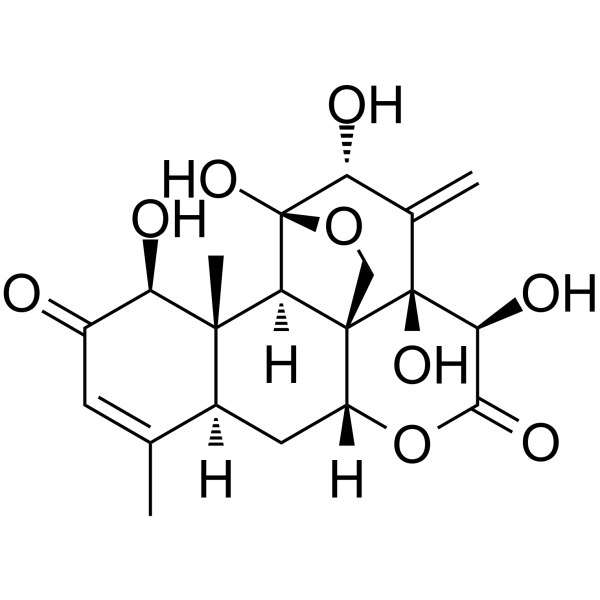
Eurycomanone (Standard) is the analytical standard of Eurycomanone. This product is intended for research and analytical applications. Eurycomanone could increases spermatogenesis by inhibiting the activity of phosphodiesterase and aromatase in steroidogenesis.
|
-
- HY-13632S5
-
|
FCE 24304-13C,d2; EXE-13C,d2
|
Cytochrome P450
Isotope-Labeled Compounds
|
Endocrinology
Cancer
|
|
Exemestane- 13C,d2 is 13C and deuterated labeled Exemestane (HY-13632). Exemestane (FCE 24304) is a selective, irreversible and orally active steroidal aromatase inhibitor with IC50s of 30 nM and 40 nM for human placental and rat ovarian aromatase, respectively. Exemestane can be used for hormone-dependent breast cancer research .
|
-
- HY-19599A
-
|
(Rac)-R83842
|
Cytochrome P450
Drug Isomer
|
Others
|
|
(Rac)-Vorozole ((Rac)-R83842) is a racemate of Vorozole. Vorozole (HY-19599) is a potent and selective, orally active non-steroidal aromatase inhibitor .
|
-
- HY-105163
-
|
MPV-2213ad
|
Cytochrome P450
|
Endocrinology
|
|
Finrozole (MPV-2213ad) is a nonsteroidal, orally active and competitive aromatase enzyme inhibitor. Finrozole can be used for urinary symptoms research .
|
-
- HY-167737
-
|
|
Cytochrome P450
|
Cancer
|
|
(-)-Vorozole is an orally active non-steroidal aromatase inhibitor with potent and selective properties. (-)-Vorozole demonstrates antitumor activity in in vivo experiments. (-)-Vorozole is utilized in the study of breast cancer.
|
-
- HY-14247R
-
|
CGS 16949A (Standard); (Rac)-FAD286 hydrochloride (Standard)
|
Cytochrome P450
Reference Standards
|
Endocrinology
Cancer
|
|
Fadrozole (hydrochloride) (Standard) is the analytical standard of Fadrozole (hydrochloride). This product is intended for research and analytical applications. Fadrozole hydrochloride (CGS 16949A) is a potent, selective and nonsteroidal inhibitor of aromatase with an IC50 of 6.4 nM.
|
-
- HY-14247AR
-
|
CGS 16949A free base (Standard); (Rac)-FAD286 (Standard)
|
Cytochrome P450
Reference Standards
|
Cancer
|
|
Fadrozole (Standard) is the analytical standard of Fadrozole. This product is intended for research and analytical applications. Fadrozole (CGS 16949A free base) is a potent, selective and nonsteroidal inhibitor of aromatase with an IC50 of 6.4 nM.
|
-
- HY-19599
-
|
(+)-Vorozole; R83842
|
Cytochrome P450
|
Cancer
|
|
Vorozole is a potent and selective, orally active non-steroidal aromatase inhibitor . Vorozole shows antitumor activity in vivo. Vorozole has the potential for the research of mammary cancer .
|
-
- HY-N3246
-
|
|
NO Synthase
|
Inflammation/Immunology
|
|
Morachalcone A is a naturally-occurring aromatase inhibitor (IC50=4.6 mM). Morachalcone A is also a plants metabolite with potential anti-inflammatory and anticancer activity. Morachalcone A inhibits Lipopolysaccharide (HY-D1056)-induced nitric oxide production .
|
-
- HY-18719BR
-
|
|
Cytochrome P450
Reference Standards
Estrogen Receptor/ERR
Drug Metabolite
Parasite
|
Cancer
|
|
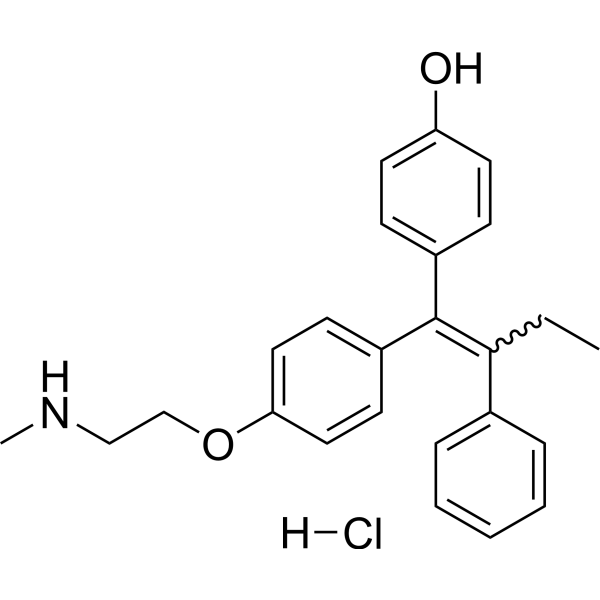
Endoxifen (hydrochloride) (Standard) is the analytical standard of Endoxifen (hydrochloride). This product is intended for research and analytical applications. Endoxifen hydrochloride is a key active metabolite of Tamoxifen (TAM) with higher affinity and specificity to estrogen receptor that also inhibits aromatase activity. Endoxifen hydrochloride has the potential for breast cancer study[1][2].
|
-
- HY-118178
-
|
|
Cytochrome P450
Monoamine Oxidase
|
Cardiovascular Disease
|
|
LY43578 is an orally active aromatase inhibitor. LY43578 inhibits P-450-dependent p-nitroanisole O-demethylation and ethylmorphine N-demethylation in hepatic microsomes isolated from rat, with the IC50 of 0.3 and 5 μΜ, respectively. LY43578 can be used for neurological disorder study .
|
-
- HY-118407
-
|
|
Cytochrome P450
Monoamine Oxidase
|
Neurological Disease
|
|
LY56110 is an orally active aromatase inhibitor. LY56110 inhibits P-450-dependent p-nitroanisole O-demethylation and ethylmorphine N-demethylation in hepatic microsomes isolated from rat, with the IC50 of 2.5 and 11 μΜ, respectively. LY56110 can be used for neurological disorder study .
|
-
- HY-152250
-
|
|
Cytochrome P450
Bacterial
|
Infection
|
|
Antibacterial agent 132 has anticandidal effects against C. parapsilosis (ATCC 22019) and C. krusei (ATCC 6258) with MIC90 values of <0.06 μg/mL and 62.50 μg/mL, respectively. Antibacterial agent 132 inhibits aromatase enzyme with an IC50 of 0.047μM .
|
-
- HY-W699238
-
|
|
Biochemical Assay Reagents
|
|
|
S-(-)-Aminoglutethimide D-tartrate is an aromatase inhibitor with activity that blocks adrenal steroidogenesis. S-(-)-Aminoglutethimide D-tartrate can be used to inhibit steroid-related diseases. S-(-)-Aminoglutethimide D-tartrate is often used clinically to control certain types of cancer. S-(-)-Aminoglutethimide D-tartrate effectively reduces testosterone and estrogen levels through an enzyme inhibition mechanism.
|
-
- HY-N7128R
-
|
|
Cytochrome P450
Reference Standards
ERK
p38 MAPK
NF-κB
MMP
PAI-1
|
Cancer
|
|
Flavanone (Standard) is the analytical standard of Flavanone. This product is intended for research and analytical applications. Flavanone is a naturally occurring flavone. Flavanone has inhibitory activity for human estrogen synthetase (aromatase). lavanone is the inhibitor for ERK/p38/NF-κB signaling pathway. Flavanone exhibits oral activity and antitumor efficacy .
|
-
- HY-136063R
-
|
|
Reference Standards
Fungal
Cytochrome P450
|
Infection
|
|
Mefentrifluconazole (Standard) is the analytical standard of Mefentrifluconazole. This product is intended for research and analytical applications. Mefentrifluconazole is a novel azole derivative and used as an agrochemical broad-spectrum antifungal agent. Mefentrifluconazole is a potent, selective and orally active fungal CYP51 (Kd= 0.5 nM) inhibitor, but shows less inhibitory activity on human aromatase (IC50=0.92 μM)[1].
|
-
- HY-B0845R
-
|
BTS 40542 (Standard)
|
Reference Standards
Fungal
Estrogen Receptor/ERR
Androgen Receptor
Aryl Hydrocarbon Receptor
|
Infection
Endocrinology
|
|
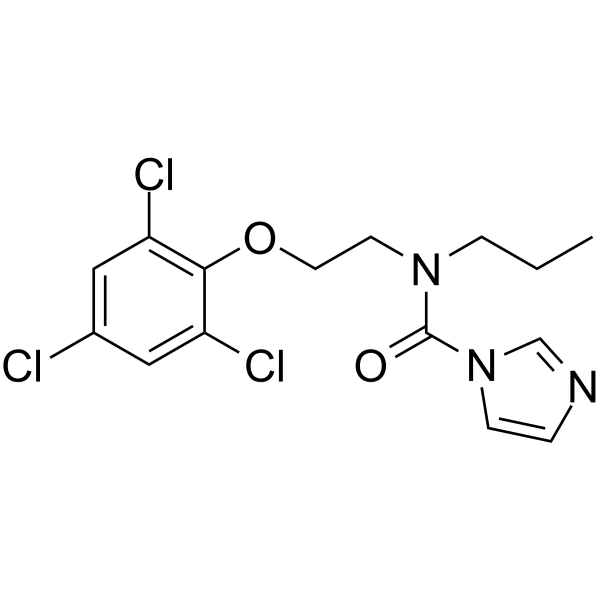
Prochloraz (Standard) is the analytical standard of Prochloraz. This product is intended for research and analytical applications. Prochloraz is an imidazole antifungal. Prochloraz is as an estrogen receptor (ER) and androgen receptor (AR) antagonist and an aromatase inhibitor with IC50 values of 25 μM, 4 μM and 0.3 μM, respectively. Prochloraz is able to activate the aryl hydrocarbon receptor (AhR) having an EC50 of 1 μM .
|
-
- HY-138089
-
|
|
Androgen Receptor
Estrogen Receptor/ERR
LDLR
|
Metabolic Disease
Cancer
|
|
17β-Hydroxy exemestane (17-H-EXE) is the primary active metabolite of Exemestane (HY-13632). 17β-Hydroxy exemestane is an aromatase inhibitor (IC50 = 69 nM) and an androgen receptor (AR) agonist (IC50 = 39.6 nM) that is selective for AR over estrogen receptor α (ERα; IC50 = 21.2 μM). 17β-Hydroxy exemestane stimulates growth of AR- and ERα-positive MCF-7 (EC50= 2.7 μM) and T47D breast cancer cells (EC50s = 0.43 and 1500 nM for AR- and ER-mediated growth, respectively) and inhibits proliferation of testosterone-treated aromatase-overexpressing MCF-7 cells. 17β-Hydroxy exemestane inhibits increases in serum cholesterol and LDL levels and prevents decreases in bone mineral density in the lumbar vertebrae and femur, as well as femoral bending strength and compressive strength of the fifth lumbar vertebrae in ovariectomized rats .
|
-
- HY-A0179
-
|
|
Glucocorticoid Receptor
Cytochrome P450
|
Neurological Disease
Metabolic Disease
Inflammation/Immunology
|
|
Paramethasone is an orally active long-acting glucocorticoid. Paramethasone directly inhibits testicular aromatase, thereby reducing the synthesis of estradiol. Paramethasone suppresses the basal and midcycle luteinizing hormone surges in female animals and blocks estrogen synthesis. Paramethasone also decreases circulating levels of dihydrotestosterone, androstenedione and estradiol in male animals. Paramethasone inhibits cartilage degeneration and alleviates joint pathological damage in osteoarthritis models. Paramethasone can be used in research related to osteoarthritis and endocrinology .
|
-
- HY-W010062R
-
|
|
Reference Standards
Cytochrome P450
Estrogen Receptor/ERR
Drug Derivative
|
Metabolic Disease
Cancer
|
|
4-Chlorophenylacetic acid (Standard) is the analytical standard of 4-Chlorophenylacetic acid. This product is intended for research and analytical applications. 4-Chlorophenylacetic acid is a halogenated phenylacetic acid derivative. 4-Chlorophenylacetic acid is a potent aromatase inhibitor and antagonizes estrogen signaling. 4-Chlorophenylacetic acid can provide carbon and energy for Pseudomonas sp. strain CBS3. 4-Chlorophenylacetic acid is effective against estrogen-induced mammary tumorigenesis .
|
-
- HY-W716464
-
-
- HY-107939R
-
|
|
Glucocorticoid Receptor
Reference Standards
Cytochrome P450
|
Neurological Disease
Metabolic Disease
Inflammation/Immunology
|
|
Paramethasone Acetate (Standard) is the analytical standard of Paramethasone Acetate (HY-107939). This product is intended for research and analytical applications. Paramethasone Acetate is an orally active long-acting glucocorticoid. Paramethasone Acetate directly inhibits testicular aromatase, thereby reducing the synthesis of estradiol. Paramethasone Acetate suppresses the basal and midcycle luteinizing hormone surges in female animals and blocks estrogen synthesis. Paramethasone Acetate also decreases circulating levels of dihydrotestosterone, androstenedione and estradiol in male animals. Paramethasone Acetate inhibits cartilage degeneration and alleviates joint pathological damage in osteoarthritis models. Paramethasone Acetate can be used in research related to osteoarthritis and endocrinology.
|
-
- HY-169408
-
|
|
Cytochrome P450
EGFR
Apoptosis
|
Cancer
|
|
EGFR-IN-137 (Compound 4c) is an inhibitor for aromatase and EGFR with IC50s of 1.67 μg/mL and 0.08 μg/mL. EGFR-IN-137 inhibits the proliferation of cancer cell MCF-7 and MDA-MB-231 with IC50s of 1.62 µM and 4.14 µM. EGFR-IN-137 arrests the cell cycle at G0/G1 phase in MDA-MB-231, and induces apoptosis through caspase-dependent pathway .
|
-
- HY-182498
-
|
|
Cytochrome P450
Estrogen Receptor/ERR
|
Cancer
|
|
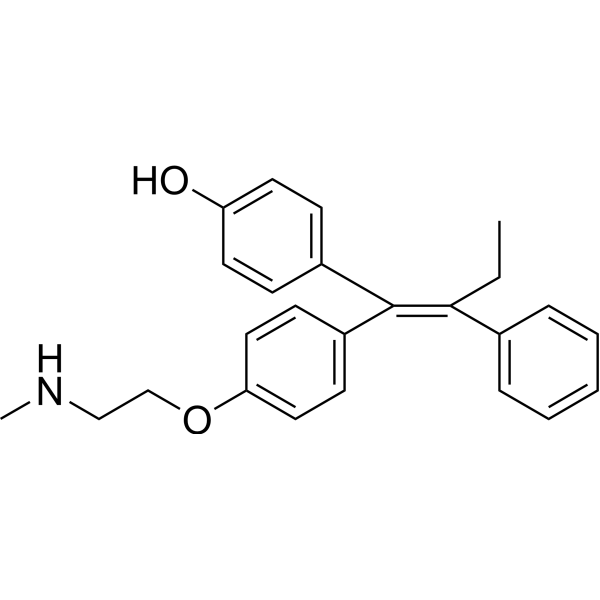
(Z)-Norendoxifen is an aromatase inhibitor and estrogen receptor modulator. The IC50 value of (Z)-Norendoxifen against aromatase is 102 nM. The EC50 values of (Z)-Norendoxifen for ER-α and ER-β are 27.0 nM and 35.2 nM, respectively. (Z)-Norendoxifen can be used in breast cancer research .
|
-
- HY-123500
-
|
|
Cytochrome P450
|
Cancer
|
|
CGP-45688 is an orally active non-steroidal aromatase inhibitor with an ED50 of 30-100 μg/kg. CGP-45688 can reduce the level of estrogen in the body, thereby inhibiting the growth of estrogen-dependent tumors. CGP-45688 inhibits the growth of estrogen-dependent breast tumors in rat models. CGP-45688 disrupts the ovarian cycle and inhibits the weight of the uterus. CGP-45688 can be used for the study of breast cancer .
|
-
- HY-136745
-
|
|
Cytochrome P450
|
Cancer
|
|
Aromatase-IN-1 is a competitive aromatase (P450arom) inhibitor with a human IC50 of 40 nM and a Ki of 1.05 nM. Aromatase-IN-1 binds via coordination of imidazole nitrogen to the heme iron of aromatase. Aromatase-IN-1 can be used for the research of breast cancer .
|
-
- HY-170508
-
|
|
Cytochrome P450
|
Endocrinology
|
|
Aromatase-IN-4 (Compound 6a) is an aromatase (Aromatase) inhibitor. Aromatase-IN-4 exhibits anticancer activity, with GI50 values of 2.95 μM, 3.35 μM, 2.27 μM, 8.46 nM, and 1.56 μM against the MDAMB-231, MCF-7, A-549, NCI-H23, and A-498 cell lines, respectively . Aromatase-IN-4 effectively blocks aromatase-dependent estrogen production .
|
-
- HY-181235
-
|
|
COX
Cytochrome P450
|
Inflammation/Immunology
Cancer
|
|
COX-2/Aromatase-IN-1 is a potent dual inhibitor of COX-2 and aromatase. COX-2/Aromatase-IN-1 can simultaneously inhibit COX-2 and aromatase, significantly suppress inflammation and induce proliferation inhibition of breast cancer cells. COX-2/Aromatase-IN-1 exerts anti-breast cancer and anti-inflammatory effects in the MCF-7 breast cancer cell and carrageenan-induced rat paw edema model. COX-2/Aromatase-IN-1 can be used for the study of inflammation and breast cancer .
|
-
- HY-181236
-
|
|
COX
Cytochrome P450
|
Inflammation/Immunology
Cancer
|
|
COX-2/Aromatase-IN-2 is a potent dual inhibitor of COX-2 and aromatase. COX-2/Aromatase-IN-2 can simultaneously inhibit COX-2 and aromatase, suppress inflammation and induce proliferation inhibition of breast cancer cells. COX-2/Aromatase-IN-2 exerts anti-breast cancer and anti-inflammatory effects in the MCF-7 breast cancer cell and carrageenan-induced rat paw edema model. COX-2/Aromatase-IN-2 can be used for the study of inflammation and breast cancer .
|
-
- HY-180535
-
|
|
Cytochrome P450
|
Cancer
|
|
Aromatase-IN-8 is a selective Aromatase inhibitor against an IC50 of 0.05 µM. Aromatase-IN-8 exhibits selective antiproliferative effects against estrogen receptor-positive breast cancer cell lines, while showing no toxicity toward non-tumoral cells. Aromatase-IN-8 suppresses estrogen active, increases testosterone levels, and downregulates estrogen receptor expression and phosphorylation. Aromatase-IN-8 can be used for triple negative breast cancer research .
|
-
- HY-W393057
-
|
|
Cytochrome P450
|
Cancer
|
|
(S)-Aminoglutethimide is an aromatase inhibitor. (S)-Aminoglutethimide has an IC50 value of 23.15 μM for rat ovarian microsomal aromatase. (S)-Aminoglutethimide can be used in the research of diseases such as breast cancer .
|
-
- HY-106750
-
|
|
Cytochrome P450
|
Cancer
|
|
Rogletimide is an aromatase inhibitor. Rogletimide can be studied in research on cancer .
|
-
- HY-W752436
-
|
|
Cytochrome P450
|
Cancer
|
|
(±) Homoeriodictyol is a Aromatase/CYP19 inhibitor that can be used in breast cancer research .
|
-
- HY-182708
-
|
|
Cytochrome P450
|
Metabolic Disease
|
|
CGS 18320B is a human placental microsomal aromatase inhibitor with a Ki of 0.16 nM. CGS 18320B interacts reversibly with the enzyme's active site to block estrogen biosynthesis from androstenedione. CGS 18320B can be used for the research of aromatase inhibition and estrogen biosynthesis regulation .
|
-
- HY-180420
-
|
|
Cytochrome P450
|
Cancer
|
|
Tan-931 is a non-competitive and selective inhibitor of aromatase , with an IC50 is 17.2 μM and a Ki of 40 μM for human aromatase, and an IC50 of 162 μM for rat aromatase. Tan-931 reduces plasma estradiol-17β level and weight of ovaries and uterus in PMSG (HY-N12634)-treated female rats. Tan-931 can be used for the research of estrogen-dependent metastatic breast cancer .
|
-
- HY-113986C
-
|
(R)-Fadrozole hydrochloride; (R)-CGS 16949A; FAD286 hydrochloride
|
Cytochrome P450
|
Cardiovascular Disease
Cancer
|
|
Dexfadrostat ((R)-Fadrozole) hydrochloride is an orally active and selective aromatase inhibitor, with human aromatase IC50 values of 6.4 nM. Dexfadrostat hydrochloride suppresses estrogen synthesis, reduces circulating estradiol levels and suppresses aldosterone production. Dexfadrostat hydrochloride can be used for the research of breast cancer, primary aldosteronism, and hypertension .
|
-
- HY-W141312
-
-
- HY-105184R
-
|
|
Cytochrome P450
Reference Standards
|
Endocrinology
|
|
YM511 (Standard) is the analytical standard of YM511 (HY-105184). This product is intended for research and analytical applications. YM511 is a highly specific non-steroidal aromatase inhibitor. YM511 inhibits aromatase activities in microsomes from rat ovary and human placenta competitively (IC50s of 0.4 and 0.12 nM, respectively). YM511 slightly inhibits production of other steroid hormones. YM511 has the potential for suppressing estrogen-dependent action research without affecting serum levels of other steroid hormones .
|
-
- HY-109062
-
|
BGS-649
|
Cytochrome P450
|
Others
|
|
CGP 47645 is a long-acting nonsteroidal aromatase inhibitor. CGP 47645 can significantly affect testicular function. CGP 47645 can be used to study the physiological role of estrogen in regulating testicular function .
|
-
- HY-123278
-
|
|
Cytochrome P450
Histamine Receptor
|
Neurological Disease
|
|
FUB 349 (Compound 8) is a selective Aromatase inhibitor with an IC50 of 12 μM. FUB 349 is also a H3 receptor antagonist with Kis of 12 and 2.1 nM for rH3R and hH3R, respectively. FUB 349 can be used for neurological diseases such as cognitive impairment research .
|
-
- HY-W269285
-
|
D-1,2,3,4-Tetrahydronorharman-3-carboxylic acid
|
Drug Derivative
NO Synthase
Cytochrome P450
|
Cancer
|
H-D-Tpi-OH (D-1,2,3,4-Tetrahydronorharman-3-carboxylic acid) is a tetrahydro-β-carboline derivative. H-D-Tpi-OH only slightly upregulates QR1, mildly inhibits the aromatase and NO synthesis pathways, and shows no significant in vitro anti-breast tumor proliferation activity. H-D-Tpi-OH can be used in cancer-related research .
|
-
- HY-N8487R
-
|
|
Reference Standards
Cytochrome P450
|
Neurological Disease
Inflammation/Immunology
Cancer
|
|
7-Methoxyflavone (Standard) is the analytical standard of 7-Methoxyflavone (HY-N8487). This product is intended for research and analytical applications. 7-Methoxyflavone is a flavonoid compound that can be isolated from Zornia brasiliensis. 7-Methoxyflavone can bind to human serum albumin and is an aromatase inhibitor. 7-Methoxyflavone has peripheral analgesic and certain antitumor activities. 7-Methoxyflavone is effective against chemical pain but has no significant effect on thermal pain .
|
-
- HY-N7005
-
-
- HY-B0237
-
|
DL-Aminoglutethimide
|
Cytochrome P450
|
Neurological Disease
Endocrinology
Cancer
|
|
Aminoglutethimide (DL-Aminoglutethimide) is an orally active anticonvulsant with various endocrine-related side effects. Aminoglutethimide blocks multiple steroid hormone synthesis pathways by inhibiting several cytochrome P-450-dependent hydroxylases, such as aromatase, cholesterol side-chain cleavage enzyme, 11-hydroxylase, and 18-hydroxylase, with IC50 values of 0.3, 3.5, 120, and 20 μM, respectively. Aminoglutethimide reduces cortisol levels. Aminoglutethimide can be used in research on Cushing's syndrome, breast cancer, and other conditions .
|
-
- HY-N4089R
-
|
|
Reference Standards
Aldose Reductase
Cytochrome P450
|
Metabolic Disease
Cancer
|
|
Quercetin 3-gentiobioside (Standard) is the analytical standard of Quercetin 3-gentiobioside (HY-N4089). This product is intended for research and analytical applications. Quercetin 3-gentiobioside is a flavonoid found in Artemisia iwayomogi. Quercetin 3-gentiobioside inhibits aromatase with an Ki of 46.77 nM. Quercetin 3-gentiobioside inhibits aldose reductase (AR) and the formation of advanced glycation end products (AGEs), with IC50 values of 10.60 μM and 109.46 μM, respectively. Quercetin 3-gentiobioside inhibits proliferation of cancer cells and fibroblast-like synoviocytes. Quercetin 3-gentiobioside can be used for the research of cancer, such as lung carcinoma .
|
-
- HY-N16403
-
|
|
Cytochrome P450
Endogenous Metabolite
Bacterial
Insecticide
Fungal
|
Infection
Cancer
|
|
Aspergillusidone F is a Depsidone and antibacterial agent. Aspergillusidone F can be isolated from a marine fungus Aspergillus unguis. Aspergillusidone F potently inhibits Aromatase with an IC50 of 0.5 μM. Aspergillusidone F exhibits antibacterial activity against Pseudomonas aeruginosa and Methicillin (HY-121544)-resistant Staphylococcus aureus. Aspergillusidone F exhibits potent larvicidal activity against Artemia salina larvae, with an LC50 value of 12.8 μM. Aspergillusidone F exhibits anticancer activity against intrahepatic cholangiocarcinoma, non-small cell lung cancer, and acute lymphoblastic leukemia .
|
-
- HY-B0084S4
-
|
STS 557-13C,15N,d4
|
Isotope-Labeled Compounds
Progesterone Receptor
|
Endocrinology
|
|
Dienogest-13C,15N,d4 (STS 557-13C,15N,d4) is the 13C, 15N and deuterium labeled isotope of Dienogest (HY-B0084). Dienogest (STS-557) is an orally active and selective progesterone receptor agonist that effectively reduces the gene expression of COX-2, mPGES-1 and aromatase. Dienogest also inhibits the mRNA and protein expression of PGE2 synthase and the activation of NF-κB. Dienogest can be used in studies of endometriosis, menopause and menorrhagia .
|
-
- HY-N1993
-
|
|
Cytochrome P450
NF-κB
|
Metabolic Disease
Cancer
|
|
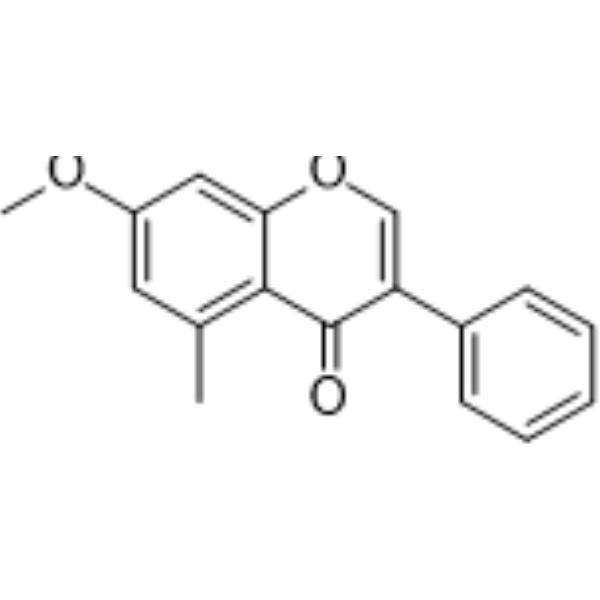
5-Methyl-7-methoxyisoflavone is an orally active anti-oxidant with remyelinating activity. 5-Methyl-7-methoxyisoflavone inhibits the enzyme aromatase, interfering with the normal metabolic pathways of testosterone. 5-Methyl-7-methoxyisoflavone is a non-steroidal anabolic isoflavone, used as a anabolic agent. 5-Methyl-7-methoxyisoflavone shows better potency increasing muscle mass and endurance than Ipriflavone (HY-N0094). 5-Methyl-7-methoxyisoflavone can be used for fat loss besides the maintenance of low cholesterol level and strengthen bones. 5-Methyl-7-methoxyisoflavone is the inhibitor for NF-κB .
|
-
- HY-N9551
-
|
|
Cytochrome P450
Parasite
COX
Lipoxygenase
|
Infection
Neurological Disease
Cancer
|
|
Eriodictyol chalcone is an antioxidant that inhibits multiple key enzymes including 5-LOX (IC50=0.043 μM), aromatase/CYP19A1 (IC50=2.8 μM), PTPase 1B (IC50=1.26 μM), and COX (IC50=34 μM). Eriodictyol chalcone exhibits excellent free radical scavenging activity. Eriodictyol chalcone not only inhibits the growth of plasmodia and enhances the efficacy of Artemisinin (HY-B0094), but also reduces depression-like behaviors in animal models. Eriodictyol chalcone serves as a biosynthetic precursor for Aureusidin (HY-N9834). Eriodictyol chalcone is a potential dietary supplement and herbicide, and it can be applied to research on malaria, depression, breast cancer and other related diseases .
|
-
- HY-B2035
-
|
|
Herbicide
Caspase
Cytochrome P450
MDM-2/p53
Interleukin Related
Reactive Oxygen Species (ROS)
Apoptosis
|
Others
|
|
Pretilachlor is a chloroacetamide herbicide with biological activities including endocrine disruption, oxidative stress induction, apoptosis induction, and immunotoxicity. Pretilachlor exerts its effects by interfering with hormone metabolism, inducing oxidative stress, activating apoptotic pathways, and inhibiting immune functions. Pretilachlor upregulates the transcription of P53, Mdm2, and Bbc3, and increases the activities of Caspase3 and Caspase9; it upregulates the transcription of genes in the HPG/HPT axis and the activity of aromatase; it induces oxidative stress, elevates ROS levels, and upregulates CAT, SOD, and GPX. Pretilachlor downregulates the transcription of CXCL-C1C, IL-1β, and IL-8. Pretilachlor disrupts the normal physiological processes and embryonic development of fish, exhibiting significant toxicity. Pretilachlor can be used in studies related to weeding, environmental pollution, and behavioral toxicity in fish .
|
-
- HY-B2035R
-
|
|
Herbicide
Reference Standards
|
Others
|
|
Pretilachlor (Standard) is the analytical standard of Pretilachlor (HY-B2035). This product is intended for research and analytical applications. Pretilachlor is a chloroacetamide herbicide with biological activities including endocrine disruption, oxidative stress induction, apoptosis induction, and immunotoxicity. Pretilachlor exerts its effects by interfering with hormone metabolism, inducing oxidative stress, activating apoptotic pathways, and inhibiting immune functions. Pretilachlor upregulates the transcription of P53, Mdm2, and Bbc3, and increases the activities of Caspase3 and Caspase9; it upregulates the transcription of genes in the HPG/HPT axis and the activity of aromatase; it induces oxidative stress, elevates ROS levels, and upregulates CAT, SOD, and GPX. Pretilachlor downregulates the transcription of CXCL-C1C, IL-1β, and IL-8. Pretilachlor disrupts the normal physiological processes and embryonic development of fish, exhibiting significant toxicity. Pretilachlor can be used in studies related to weeding, environmental pollution, and behavioral toxicity in fish .
|
-
- HY-181163
-
|
|
Caspase
COX
Cytochrome P450
Steroid Sulfatase
Apoptosis
|
Cancer
|
|
Caspase-3/7 activator 4 is a caspase-3 activator and caspase-7 activator. Caspase-3/7 activator 4 inhibits key enzymes in estrogen biosynthesis, including aromatase (IC50 = 38.3 nM) and steroid sulfatase (IC50 = 12.7 µM), and selectively suppresses COX-2 (IC50 = 5.38 µM). Caspase-3/7 activator 4 shows strong antioxidant activity (DPPH: IC50 = 16.26 µM). Caspase-3/7 activator 4 inhibits estrogen synthesis, suppresses estrogen availability, reduces prostaglandin production, increases caspase-3/7 expression, induces G0/G1 cell cycle arrest, induces apoptotic cell death, reduces circulating TNF-α and VEGFR-II levels, restores hepatorenal function markers and histoarchitecture, restores antioxidant defense enzyme activity, reduces lipid peroxidation, exerts antiproliferative activity against breast cancer cells, exerts antitumor activity in the Ehrlich ascites carcinoma models. Caspase-3/7 activator 4 can be used for the research of breast cancer, ehrlich ascites carcinoma .
|
-
- HY-163679
-
|
|
Estrogen Receptor/ERR
Cytochrome P450
PROTACs
Apoptosis
|
Cancer
|
|
PROTAC ERα Degrader-9 (Compound 18c) is a dual-targeting PROTAC degrader, which degrades estrogen receptor α (ERα) and aromatase (ARO). PROTAC ERα Degrader-9 binds to ERα with a Ki of 0.25 μM, inhibits ARO with an IC50 of 4.6 μM. PROTAC ERα Degrader-9 inhibits the proliferation of MCF-7 wildtype (IC50=0.54 μM) and ERα mutants MCF-7 EGFR (IC50=0.075 μM), MCF-7 D538G (IC50=0.31 μM), MCF-7 Y537S (IC50=2.3 μM), downregulates the expressions of ERS1 and MYC. PROTAC ERα Degrader-9 arrests the cell cycle at G2/M, induces apoptosis in MCF-7. PROTAC ERα Degrader-9 exhibits antitumor efficacy in mouse models. (Pink: ligand for target protein (HY-163680); Black: linker (HY-W007559); Blue: ligand for E3 ligase (HY-112078))
|
-
| Cat. No. |
Product Name |
Type |
-
- HY-W007664
-
|
|
Biochemical Assay Reagents
|
|
(R)-4-Benzyl-2-oxazolidinone is an oxazolidinone-type auxiliary that enables highly stereoselective asymmetric alkylation reactions. (R)-4-Benzyl-2-oxazolidinone is applied in the total synthesis of natural products and pharmaceutical preparations. Especially in pharmaceutical research and development, (R)-4-Benzyl-2-oxazolidinone not only serves as a key precursor for the synthesis of aromatase inhibitors, but also can be used in studies related to estrogen-dependent breast cancer .
|
-
- HY-W699238
-
|
|
Biochemical Assay Reagents
|
|
S-(-)-Aminoglutethimide D-tartrate is an aromatase inhibitor with activity that blocks adrenal steroidogenesis. S-(-)-Aminoglutethimide D-tartrate can be used to inhibit steroid-related diseases. S-(-)-Aminoglutethimide D-tartrate is often used clinically to control certain types of cancer. S-(-)-Aminoglutethimide D-tartrate effectively reduces testosterone and estrogen levels through an enzyme inhibition mechanism.
|
| Cat. No. |
Product Name |
Category |
Target |
Chemical Structure |
| Cat. No. |
Product Name |
Chemical Structure |
-
- HY-14248S
-
|
|
|
Letrozole-d4 (CGS 20267-d4) is the deuterium labeled Letrozole. Letrozole (CGS 20267) is a potent, selective, reversible and orally active non-steroidal inhibitor of aromatase, with an IC50 of 11.5 nM. Letrozole selective inhibits estrogen biosynthesis, and can be used for the research of breast cancer .
|
-
-
- HY-18719ES
-
|
|
|
Endoxifen-d5 is the deuterium labeled Endoxifen. Endoxifen is a key active metabolite of tamoxifen (TAM) with higher affinity and specificity to estrogen receptor that also inhibits aromatase activity. Endoxifen has the potential for breast cancer study .
|
-
-
- HY-14274S
-
|
|
|
Anastrozole-d12 is the deuterium labeled Anastrozole. Anastrozole is a potent, highly selective aromatase inhibitor, which inhibits human placental aromatase with an IC50 of 15 nM .
|
-
-
- HY-13632S
-
|
|
|
Exemestane-d2 is the deuterium labeled Exemestane. Exemestane (FCE 24304) is a selective, irreversible and orally active steroidal aromatase inhibitor with IC50s of 30 nM and 40 nM for human placental and rat ovarian aromatase, respectively. Exemestane can be used for hormone-dependent breast cancer research .
|
-
-
- HY-13632S2
-
|
|
|
Exemestane-d3 is the deuterium labeled Exemestane. Exemestane (FCE 24304) is a selective, irreversible and orally active steroidal aromatase inhibitor with IC50s of 30 nM and 40 nM for human placental and rat ovarian aromatase, respectively. Exemestane can be used for hormone-dependent breast cancer research .
|
-
-
- HY-13632S1
-
|
|
|
Exemestane- 13C3 is the 13C-labeled Exemestane. Exemestane (FCE 24304) is a selective, irreversible and orally active steroidal aromatase inhibitor with IC50s of 30 nM and 40 nM for human placental and rat ovarian aromatase, respectively. Exemestane can be used for hormone-dependent breast cancer research .
|
-
-
- HY-13632S6
-
|
|
|
Exemestane-d4 (FCE 24304-d4) is deuterium labeled Exemestane. Exemestane (FCE 24304) is a selective, irreversible and orally active steroidal aromatase inhibitor with IC50s of 30 nM and 40 nM for human placental and rat ovarian aromatase, respectively. Exemestane can be used for hormone-dependent breast cancer research .
|
-
-
- HY-13632S5
-
|
|
|
Exemestane- 13C,d2 is 13C and deuterated labeled Exemestane (HY-13632). Exemestane (FCE 24304) is a selective, irreversible and orally active steroidal aromatase inhibitor with IC50s of 30 nM and 40 nM for human placental and rat ovarian aromatase, respectively. Exemestane can be used for hormone-dependent breast cancer research .
|
-
-
- HY-W716464
-
|
|
|
Prochloraz-d7 (BTS 40542-d7) is the deuterium labeled Prochloraz (HY-B0845). Prochloraz is an imidazole antifungal. Prochloraz is as an estrogen receptor (ER) and androgen receptor (AR) antagonist and an aromatase inhibitor with IC50 values of 25 μM, 4 μM and 0.3 μM, respectively. Prochloraz is able to activate the aryl hydrocarbon receptor (AhR) having an EC50 of 1 μM .
|
-
-
- HY-B0084S4
-
|
|
|
Dienogest-13C,15N,d4 (STS 557-13C,15N,d4) is the 13C, 15N and deuterium labeled isotope of Dienogest (HY-B0084). Dienogest (STS-557) is an orally active and selective progesterone receptor agonist that effectively reduces the gene expression of COX-2, mPGES-1 and aromatase. Dienogest also inhibits the mRNA and protein expression of PGE2 synthase and the activation of NF-κB. Dienogest can be used in studies of endometriosis, menopause and menorrhagia .
|
-
Your information is safe with us. * Required Fields.
Inquiry Information
- Product Name:
- Cat. No.:
- Quantity:
- MCE Japan Authorized Agent:

