1. Search Result
Search Result
Results for "

brain concentration

" in MedChemExpress (MCE) Product Catalog:

96

Inhibitors & Agonists

3

Fluorescent Dyes

2

Biochemical Assay Reagents

3

Peptides

1

MCE Kits

1

Inhibitory Antibodies

15

Natural
Products

4

Isotope-Labeled Compounds

2

Click Chemistry

Cat. No. Product Name Target Research Areas Chemical Structure
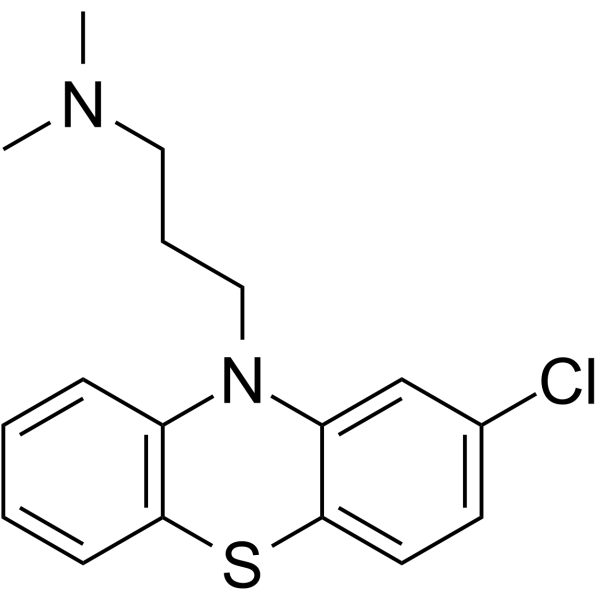
  • HY-12708
    Chlorpromazine
    Maximum Cited Publications
    128 Publications Verification

    Dopamine Receptor Cytochrome P450 Autophagy 5-HT Receptor Cardiovascular Disease Neurological Disease Cancer
    Chlorpromazine is an orally active, blood-brain barrier-transparent antipsychotic agent that effectively antagonises D2 dopamine receptors and 5-HT2A, which is widely used in schizophrenia and other psychiatric disorders. Chlorpromazine exerts anti-cancer activity through a variety of pathways, including anti-proliferation, induction of autophagy and cycle arrest (G2-M phase), inhibition of cytochrome c oxidase (CcO), inhibition of tumour growth and metastasis, and inhibition of tumour immune escape. Chlorpromazine also blocks hNav1.7 channels (IC50=25.9 μM; concentration-dependent) and HERG potassium channels (IC50=21.6 μM), which has potential for analgesic and cardiac arrhythmic studies. Chlorpromazine also can inhibit clathrin-mediated endocytosis .
    Chlorpromazine
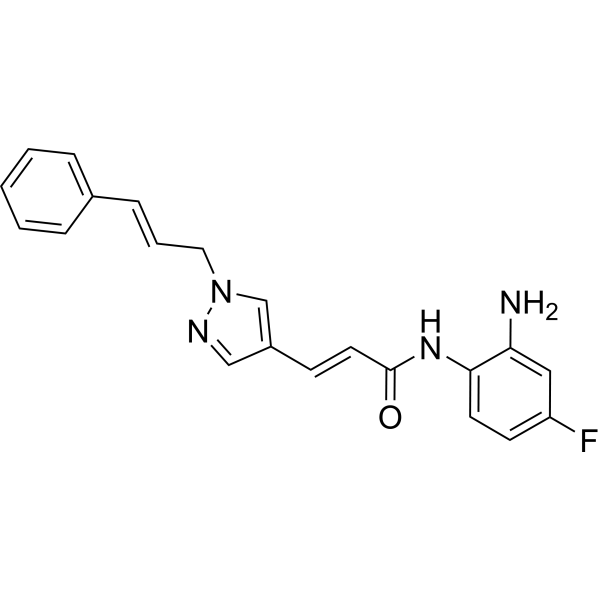
  • HY-13909
    RGFP966
    50+ Cited Publications

    HDAC Cancer
    RGFP966 is a highly selective HDAC3 inhibitor with an IC50 of 80 nM and shows no inhibition to other HDACs at concentrations up to 15 μM. RGFP966 can penetrate the blood brain barrier (BBB).
    RGFP966
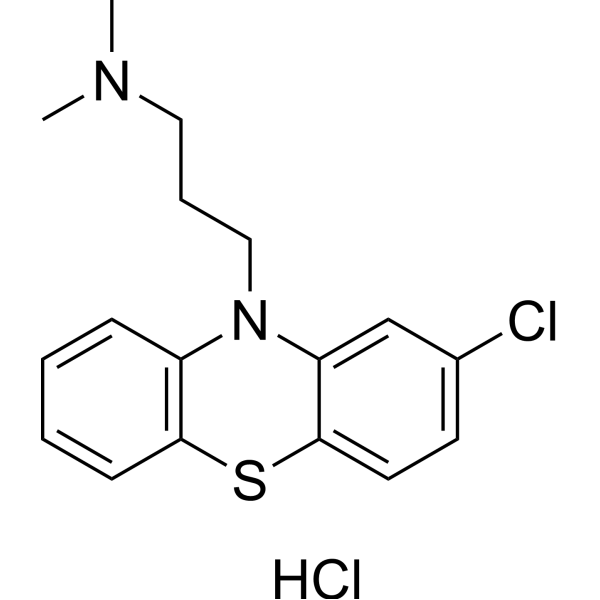
  • HY-B0407A
    Chlorpromazine hydrochloride
    Maximum Cited Publications
    128 Publications Verification

    Dopamine Receptor Autophagy Cytochrome P450 5-HT Receptor Cardiovascular Disease Neurological Disease Cancer
    Chlorpromazine hydrochloride is an orally active, blood-brain barrier-transparent antipsychotic agent that effectively antagonises D2 dopamine receptors and 5-HT2A, which is widely used in schizophrenia and other psychiatric disorders. Chlorpromazine hydrochloride exerts anti-cancer activity through a variety of pathways, including anti-proliferation, induction of autophagy and cycle arrest (G2-M phase), inhibition of cytochrome c oxidase (CcO), inhibition of tumour growth and metastasis, and inhibition of tumour immune escape. Chlorpromazine hydrochloride also blocks hNav1.7 channels (IC50=25.9 μM; concentration-dependent) and HERG potassium channels (IC50=21.6 μM), which has potential for analgesic and cardiac arrhythmic studies. Chlorpromazine hydrochloride also can inhibit clathrin-mediated endocytosis .
    Chlorpromazine hydrochloride
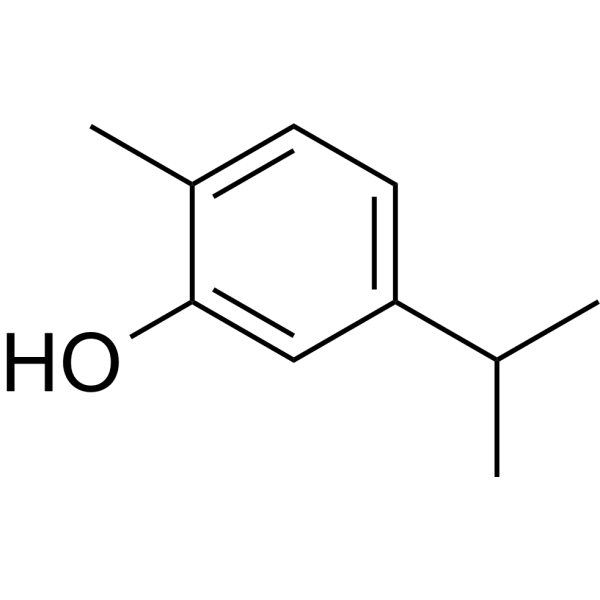
  • HY-N0711
    Carvacrol
    Maximum Cited Publications
    10 Publications Verification

    Cymophenol

    Environmental Pollutants Apoptosis Endogenous Metabolite Notch Fungal Bacterial Infection Neurological Disease Inflammation/Immunology Cancer
    Carvacrol is an orally active and blood-brain barrier-permeable monoterpenic phenol that can be extract from an abundant number of aromatic plants, including thyme and oregano, possessing antioxidant, antibacterial, antifungal, anticancer, anti-inflammatory, hepatoprotective, spasmolytic, and vasorelaxant properties. Carvacrol also causes cell cycle arrest in G0/G1, downregulates Notch-1, and Jagged-1, and induces apoptosis. Carvacrol is used in low concentrations as a food flavoring ingredient and preservative, as well as a fragrance ingredient in cosmetic formulations .
    Carvacrol
  • HY-113416
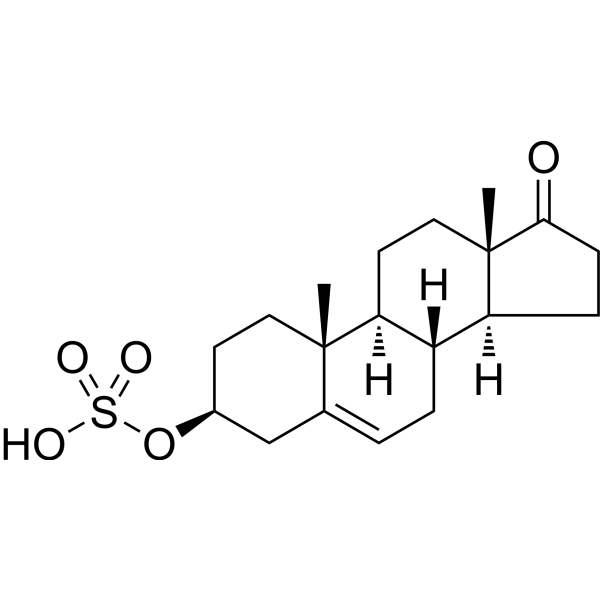
    Dehydroepiandrosterone sulfate
    5 Publications Verification

    DHEA sulfate; Prasterone sulfate

    GABA Receptor Sigma Receptor iGluR PPAR NF-κB Neurological Disease Metabolic Disease Inflammation/Immunology
    Dehydroepiandrosterone sulfate (DHEA sulfate; Prasterone sulfate) is a neurosteroid and the main secretion product of the adrenal gland. Dehydroepiandrosterone sulfate has both non-competitive antagonist activity of GABAA receptor and agonist activity of σ1 receptor. Dehydroepiandrosterone sulfate can partially penetrate the blood-brain barrier, inhibit GABAA receptor-mediated chloride influx, enhance NMDA receptor activity through σ1 receptors, exert anti-inflammatory, anti-glucocorticoid and antidepressant effects, and increase convulsive sensitivity. Dehydroepiandrosterone sulfate participates in neuroprotection, neurite growth regulation and catecholamine secretion regulation, and can be used in the study of depression, post-traumatic stress disorder (PTSD), Alzheimer's disease, etc. Dehydroepiandrosterone sulfate may also be a biomarker for cardiovascular disease mortality, and its concentration is independently and negatively correlated with mortality .
    Dehydroepiandrosterone sulfate
  • HY-17383
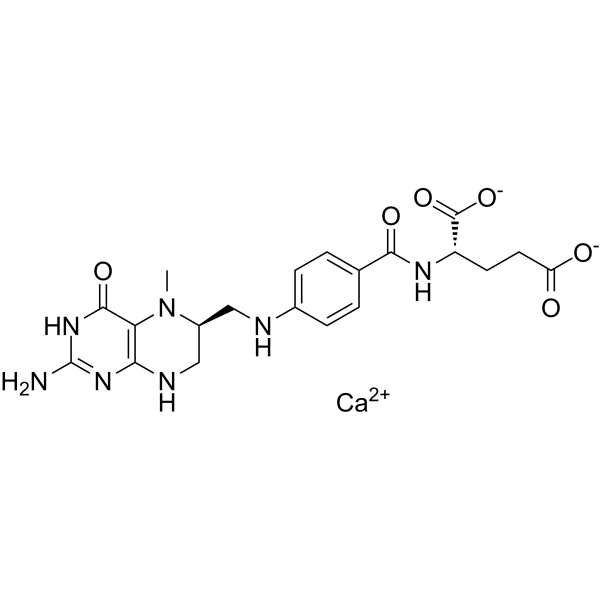
    Levomefolate calcium
    3 Publications Verification

    Antifolate Cardiovascular Disease Neurological Disease
    Levomefolate calcium is a synthetic calcium salt of L-5-methyltetrahydrofolate and an orally active and brain-penetrant folate supplement. Levomefolate calcium incorporates into body folate pools to increase plasma and red blood cell folate levels over time. Levomefolate calcium does not significantly increase folate concentrations in breast milk. Levomefolate calcium can be used for the research of neural tube defects and megaloblastic anemia .
    Levomefolate calcium
  • HY-B0765
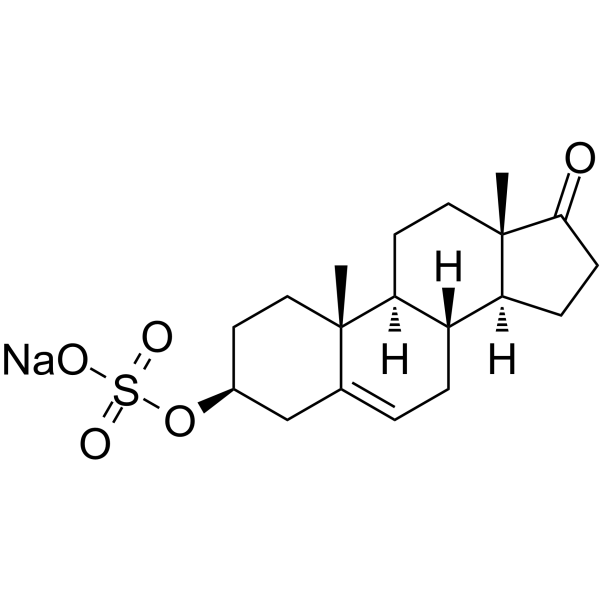
    Dehydroepiandrosterone sulfate sodium
    5 Publications Verification

    DHEA sulfate sodium; Prasterone sulfate sodium

    GABA Receptor Sigma Receptor iGluR PPAR NF-κB Neurological Disease Metabolic Disease Inflammation/Immunology
    Dehydroepiandrosterone sulfate (DHEA sulfate; Prasterone sulfate) sodium salt is a neurosteroid and the main secretion product of the adrenal gland. Dehydroepiandrosterone sulfate sodium salt has both non-competitive antagonist activity of GABAA receptor and agonist activity of σ1 receptor. Dehydroepiandrosterone sulfate sodium salt can partially penetrate the blood-brain barrier, inhibit GABAA receptor-mediated chloride influx, enhance NMDA receptor activity through σ1 receptors, exert anti-inflammatory, anti-glucocorticoid and antidepressant effects, and increase convulsive sensitivity. Dehydroepiandrosterone sulfate sodium salt participates in neuroprotection, neurite growth regulation and catecholamine secretion regulation, and can be used in the study of depression, post-traumatic stress disorder (PTSD), Alzheimer's disease, etc. Dehydroepiandrosterone sulfate sodium salt may also be a biomarker for cardiovascular disease mortality, and its concentration is independently and negatively correlated with mortality .
    Dehydroepiandrosterone sulfate sodium
  • HY-134240

    Magnesium L-threonate

    NF-κB TNF Receptor Neurological Disease Inflammation/Immunology
    L-Threonic acid magnesium (Magnesium L-threonate) is the enantiomer of Threonic acid and the metabolite of vitamin C (HY-B0166). L-Threonic acid magnesium is a magnesium supplementation, that improves the brain magnesium concentration, inhibits the activation of TNF-α/NF-κB signaling pathway. L-Threonic acid magnesium can be used in research of Alzheimer’s disease. L-Threonic acid magnesium is orally active .
    L-Threonic acid magnesium
  • HY-113283

    Amyloid-β Natriuretic Peptide Receptor (NPR) α-synuclein Transthyretin (TTR) Claudin Neurological Disease Metabolic Disease Cancer
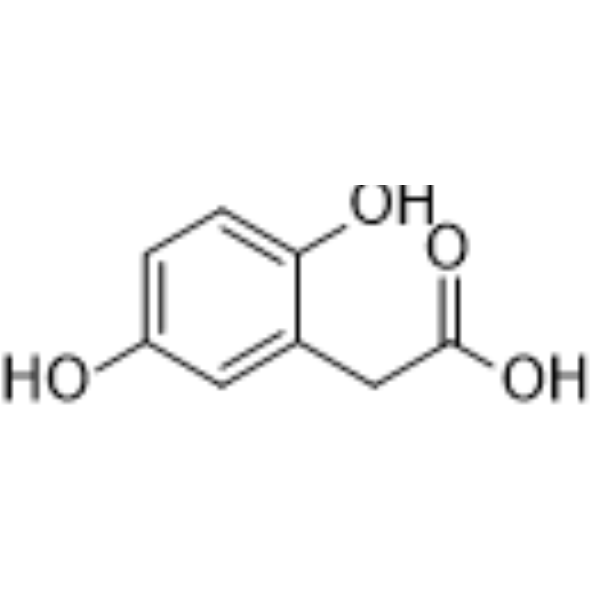
    Homogentisic acid is an orally active, blood-brain barrier-permeable amyloidogenic compound that functions as both an amyloid component and a pigment precursor. Accumulation of homogentisic acid downregulates tight junction proteins (such as claudin-5, occludin, ZO-1) and impairs blood-brain barrier integrity. Homogentisic acid and its oxidation product benzoquinone acetic acid not only induce the aggregation and fibrosis of multiple proteins (such as 1-42, α-synuclein, SAA, Transthyretin (TTR), atrial natriuretic peptide), but also trigger oxidative stress, damage to the Wnt/β-catenin pathway, and neurotoxicity, leading to ochronosis pigment deposition and synaptic dysfunction. At specific concentrations, homogentisic acid exerts no cytotoxicity or genotoxicity on human peripheral blood lymphocytes, and even counteracts the genotoxicity induced by Irinotecan (HY-16562). Homogentisic acid serves as an important tool molecule for investigating the mechanisms of diseases including ochronosis, secondary amyloidosis, Alzheimer's disease, and colorectal cancer .
    Homogentisic acid
  • HY-124634
    PZ-2891
    4 Publications Verification

    PANK Neurological Disease
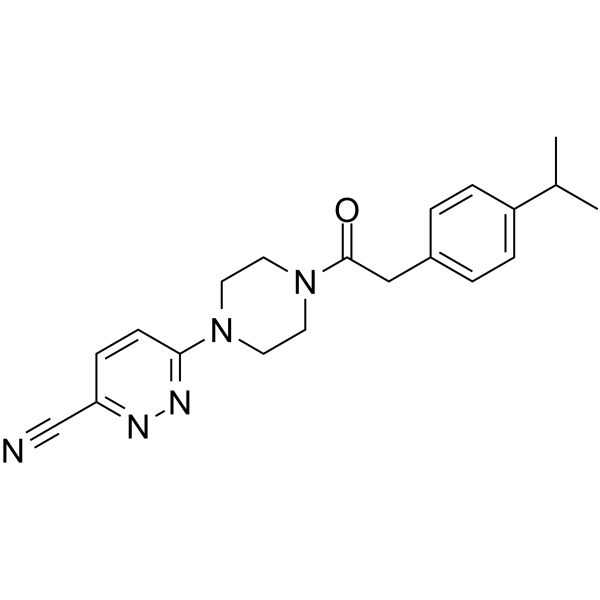
    PZ-2891 is an orally bioavailable, brain penetrant pantothenate kinase (PANK) modulator. PZ-2891 act as an orthosteric inhibitor at high concentrations and an allosteric activator at lower sub-saturating concentrations. PZ-2891 inhibits human pantothenate kinases PANK1β, PANK2, and PANK3 with IC50s of 40.2 nM, 0.7 nM and 1.3 nM, respectively .
    PZ-2891
  • HY-B2167R

    DHA (Standard); Cervonic acid (Standard)

    Reference Standards Endogenous Metabolite Neurological Disease Cancer
    Docosahexaenoic acid (Standard) is the analytical standard of Docosahexaenoic acid. This product is intended for research and analytical applications. Docosahexaenoic Acid (DHA) is an omega-3 fatty acid abundantly present brain and retina. It can be obtained directly from fish oil and maternal milk. In Vitro: Docosahexaenoic acid (DHA) is essential for the growth and functional development of the brain in infants. DHA is also required for maintenance of normal brain function in adults. The inclusion of plentiful DHA in the diet improves learning ability and memory . DHA is an essential requirement in every step of brain development like neural cell proliferation, migration, differentiation, synaptogenesis. The multiple double bonds and unique structure allow DHA to impart special membrane characteristics for effective cell signaling. Many development disorders like dyslexia, autism spectrum disorder, attention deficit hyperactivity disorder, schizophrenia etc. are causally related to decreased level of DHA . DHA is a potent RXR ligand inducing robust RXR activation already at low micro molar concentrations. The EC50 for RXRα activation by DHA is about 5-10 μM fatty acid . In Vivo: Docosahexaenoic acid administration over 10 weeks significantly reduces the number of reference memory errors, without affecting the number of working memory errors, and significantly increases the docosahexaenoic acid content and the docosahexaenoic acid/arachidonic acid ratio in both the hippocampus and the cerebral cortex . DHA treatment exerts neuroprotective actions on an experimental mouse model of PD. There is a decrease tendency in brain lipid oxidation of MPTP mice but it does not significantly .
    Docosahexaenoic acid (Standard)
  • HY-W020012

    22-NBD Cholesterol

    Fluorescent Dye Metabolic Disease
    Fluoresterol (22-NBD Cholesterol) is a cholesterol-specific fluorescent probe with cholesterol-mimicking binding properties. Fluoresterol is ineffective orally and does not cross the blood-brain barrier. Fluoresterol specifically binds to cholesterol transport-related proteins (such as ABCA1 and ABCG1) and is primarily used in cholesterol metabolism research, particularly for the visualization and quantitative analysis of cholesterol absorption, efflux, intracellular transport efficiency, and reverse cholesterol transport (RCT) processes. The commonly used concentration of Fluoresterol in in vitro experiments is 0.1-10 μM, and the commonly used dose in in vivo experiments is 5-20 mg/kg (gavage or intraperitoneal injection), with excitation/emission wavelengths of 472/540 nm. Fluoresterol can be applied to the study of cholesterol metabolism mechanisms related to hyperlipidemia, atherosclerosis, and non-alcoholic fatty liver disease (NAFLD) .
    Fluoresterol
  • HY-100921

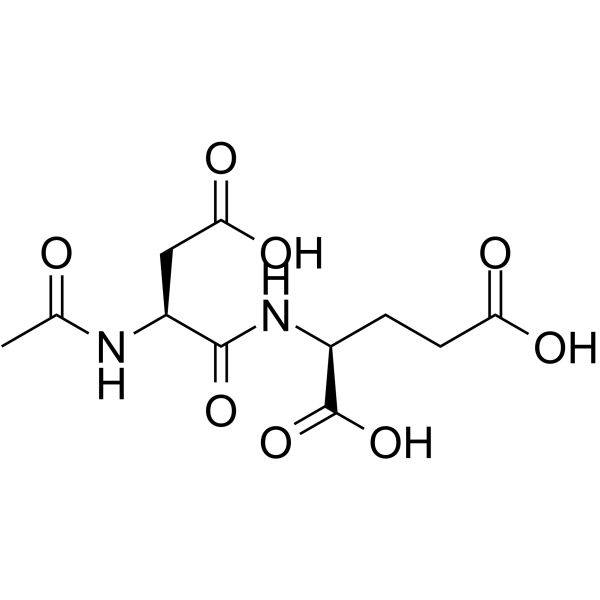
    N-Acetylaspartylglutamic acid

    Endogenous Metabolite Neurological Disease
    Spaglumic acid (N-Acetylaspartylglutamic acid) is a neuropeptide found in millimolar concentrations in brain.
    Spaglumic acid
  • HY-DY1016

    Fluorescent Dye Others
    FITC-Dextran (MW 10000) (solution) is a fluorescent probe for fluorescein isothiocyanate (FITC) dextran (Ex=495 nm; Em=525 nm). FITC-Dextran (MW 10000) can be used as a marker to reveal heat shock-induced cell damage and to study the early and late stages of apoptosis. FITC-Dextran (MW 10000) can also be used for cell permeability studies, such as blood-brain barrier permeability and determination of the extent of blood-brain barrier disruption .
    Solvent and Concentration: Sterile water: 2 mM
    FITC-Dextran (MW 10000) (solution)
  • HY-13289A
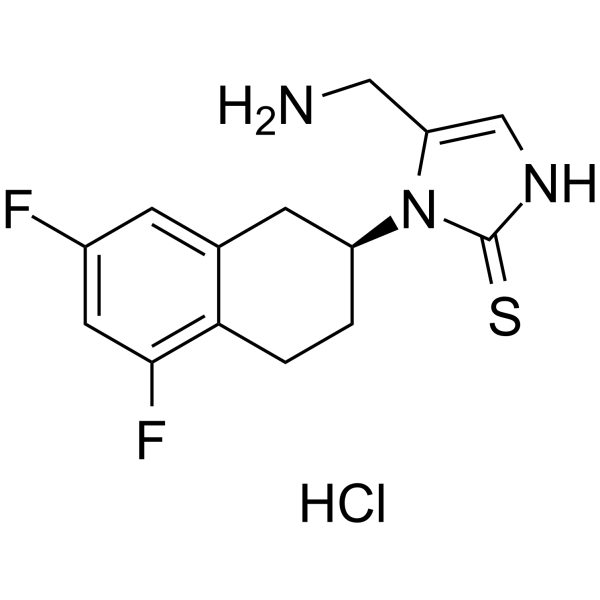
    Nepicastat hydrochloride
    3 Publications Verification

    SYN-117 hydrochloride; RS-25560-197 hydrochloride

    Dopamine β-hydroxylase Cardiovascular Disease
    Nepicastat hydrochloride (SYN-117 hydrochloride) is a selective, potent, and orally active inhibitor of dopamine-beta-hydroxylase. Nepicastat hydrochloride produces concentration-dependent inhibition of bovine (IC50=8.5 nM) and human (IC50=9 nM) dopamine-beta-hydroxylase. Nepicastat hydrochloride can cross the blood-brain barrier (BBB) .
    Nepicastat hydrochloride
  • HY-103504
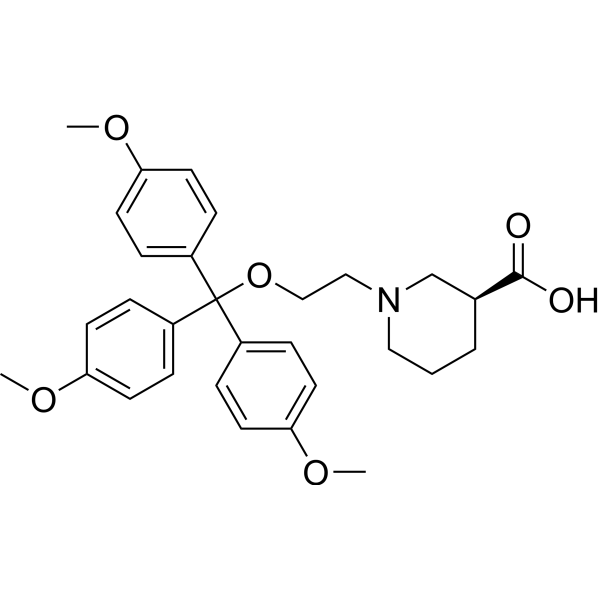
    (S)-SNAP5114
    1 Publications Verification

    GABA Receptor Neurological Disease
    (S)-SNAP5114 is a non-covalent murine GABA transporter inhibitor with blood-brain barrier penetration ability, which exhibits significant subtype-selective inhibitory activity against mGAT4 (pIC50=5.71, pKi=4.56), much higher than its effects on mGAT1, mGAT2 and mGAT3. (S)-SNAP5114 elevates extracellular GABA concentrations by blocking the GABA reuptake mechanism, thereby enhancing thalamus-specific GABAergic signaling and exerting potential neuromodulatory effects. (S)-SNAP5114 is widely used in studies related to epilepsy, neuropathic pain, anxiety and depression, and various neurodegenerative diseases .
    (S)-SNAP5114
  • HY-B0596
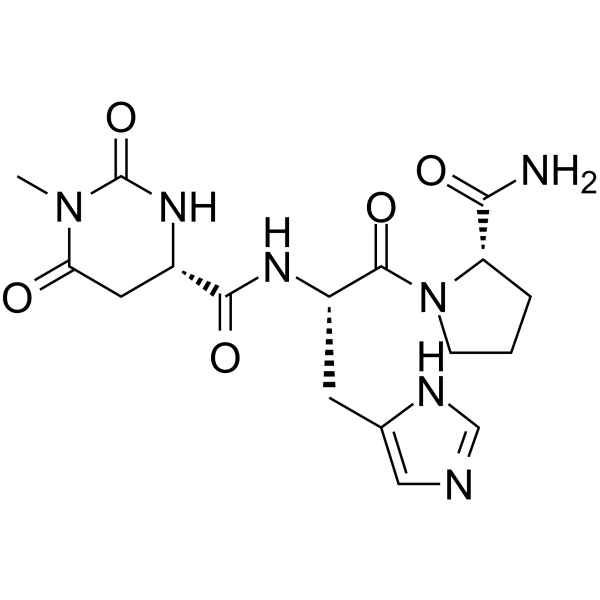
    Taltirelin
    1 Publications Verification

    TA-0910

    Thyroid Hormone Receptor Apoptosis Neurological Disease Endocrinology
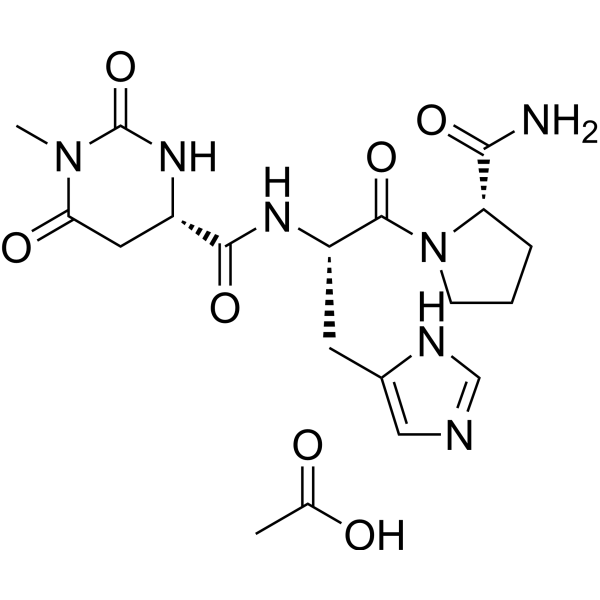
    Taltirelin (TA-0910) is an orally effective analogue of thyrotropin releasing hormone (TRH) and a TRH receptor (TRH-R) superagonist (IC50 at 910 nM). Taltirelin can cross the blood-brain barrier. Taltirelin stimulates an increase in cytosolic Ca 2+ concentration (Ca 2+ release) with an EC50 value of 36 nM. Taltirelin increases cell viability and reduces apoptosis in SH-SY5Y cells and primary rat mesencephalic neurons treated with MPP+ (HY-W008719) or Rotenone (HY-B1756). Taltirelin has neuroprotective effects in both cellular and animal models of Parkinson's disease. Taltirelin alleviates fatigue-like behavior in mouse models of cancer-related fatigue .
    Taltirelin
  • HY-175188

    BPN-0027490

    Myosin Neurological Disease
    MT-110 (BPN-0027490) is a non-muscle myosin NMIIB-selective inhibitor with high brain penetration and favorable safety profile. MT-110 specifically disrupts NMIIB-dependent actin dynamics in dendritic spines, while it exerts no significant adverse effects on cardiac myosin II and cardiac functions (such as cardiac output and heart rate) at tested concentrations. A single administration of MT-110 produces long-lasting (sustained for several weeks) blockade of methamphetamine motivation associated with environmental cues. MT-110 exhibits extremely high specificity, with no interference with cocaine motivation, hippocampus-dependent memory, fear memory, or locomotor and anxiety-like behaviors. MT-110 serves as a valuable tool compound for investigating the mechanisms of methamphetamine use disorder .
    MT-110
  • HY-19752A

    CID-25010775

    mAChR Neurological Disease
    VU0357017 hydrochloride (CID-25010775) is a potent, selective and brain-penetrant allosteric agonist of M1 muscarinic acetylcholine receptor, with an EC50 of 477 nM. VU0357017 hydrochloride is highly selective for M1 and has no activity at M2-M5 up to the highest concentrations tested (30 μM). VU0357017 hydrochloride can be used for the research of Alzheimer’s disease and schizophrenia .
    VU0357017 hydrochloride
  • HY-172550

    HCN Channel Neurological Disease
    MS7710 is a hyperpolarization-activated cyclic nucleotide-gated (HCN) channel inhibitor with blood-brain barrier permeability and an excellent brain/plasma concentration ratio. MS7710 inhibits HCN channel-mediated Ih current, and reduces the firing frequency and burst activity of dopaminergic neurons in the ventral tegmental area. MS7710 ameliorates chronic social defeat stress-induced deficits in social interaction and impairments in reward-related cognitive flexibility in mice. MS7710 exerts only limited effects on ventral tegmental area dopaminergic neuron activity, social interaction, exploratory behavior, locomotor activity or sucrose preference in control mice. MS7710 is applicable to the research of major depressive disorder .
    MS7710
  • HY-13769A
    TPT-260 Dihydrochloride
    2 Publications Verification

    NSC55712; TPU-260 Dihydrochloride

    Drug Derivative Amyloid-β Beta-secretase Cardiovascular Disease Neurological Disease Inflammation/Immunology
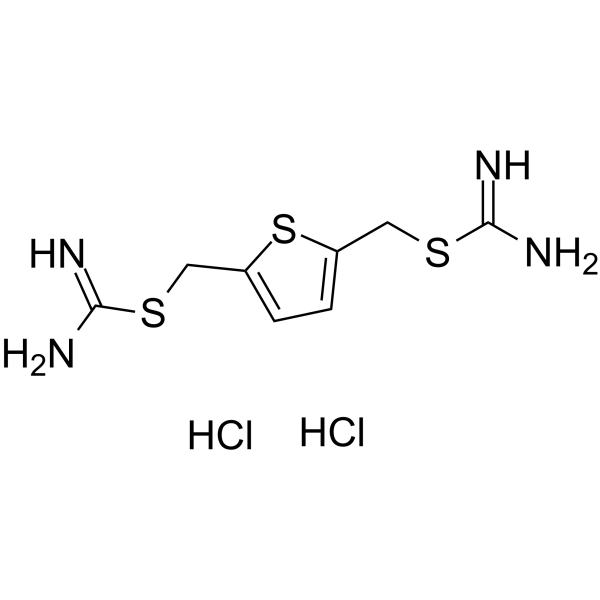
    TPT-260 Dihydrochloride (NSC55712), a thiophene thiourea derivative, is a retromer complex stabilizer against thermal denaturation (Kd = ~5 µM). TPT-260 Dihydrochloride increases the levels of retromer proteins, shifts amyloid-precursor protein (APP) away from the endosome, and decreases the pathogenic processing of APP. TPT-260 Dihydrochloride inhibits TLR4 upregulation, IKKβ phosphorylation, NF-κB p65 nuclear translocation, and NLRP3 inflammasome formation. TPT-260 Dihydrochloride improves retromer-mediated cargo trafficking, reduces brain infarct area, and decreases amyloid plaque deposition. TPT-260 Dihydrochloride exhibits minimal cytotoxicity to primary microglia at tested concentrations. TPT-260 Dihydrochloride can be used for the research of inflammatory bowel disease, ischemic stroke and Alzheimer's disease .
    TPT-260 Dihydrochloride
  • HY-157227

    VPC4

    TRP Channel Inflammation/Immunology
    VPC01091.4 (VPC4) is a TRPM7 inhibitor and blocks TRPM7 current at low micromolar concentrations. VPC01091.4 can penetrate the blood-brain barrier. VPC01091.4 is an efficacious anti-inflammatory agent that arrests systemic inflammation in vivo .
    VPC01091.4
  • HY-106004

    BIA 5-1058

    Dopamine β-hydroxylase P-glycoprotein BCRP Cardiovascular Disease Cancer
    Zamicastat (BIA 5-1058) is a dopamine β-hydroxylase (DBH) inhibitor and can cross the blood-brain barrier (BBB) to cause central as well as peripheral effects. Zamicastat is also a concentration-dependent dual P-gp and BCRP inhibitor with IC50 values of 73.8 μM and 17.0 μM, respectively . Zamicastat reduces high blood pressure .
    Zamicastat
  • HY-123538

    Dopamine Receptor G Protein-coupled Receptor Kinase (GRK) Cardiovascular Disease
    GRK2 Inhibitor 1 (methyl 5-[2-(5-nitro-2-furyl)vinyl]-2-furoate) is a dual GRK2/β-ARK1 inhibitor that induces dopamine (DA) inhibition reversal (DIR). GRK2 Inhibitor 1 can also block serotonin-induced or neurotensin-induced DIR reversal. Note: DIR refers to the phenomenon in which neurons in addiction-related brain pathways become less sensitive to DA inhibition when exposed to moderate concentrations of DA for a long time .
    GRK2 Inhibitor 1
  • HY-N2411
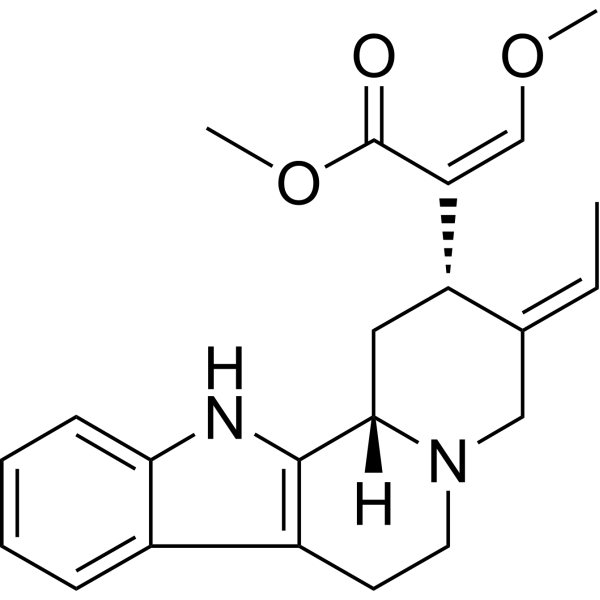
    Geissoschizine methyl ether
    1 Publications Verification

    5-HT Receptor Neurological Disease
    Geissoschizine methyl ether is an orally active, blood-brain barrier permeable alkaloid, and a partial agonist of the 5-HT1A receptor. It can be isolated from Uncaria hook. Geissoschizine methyl ether potently inhibits the binding of [ 3H]8-OH-DPAT to the 5-HT1A receptor in a concentration-dependent manner, with an IC50 of 0.904 μM. It ameliorates isolation-induced increased aggression and reduced sociability in mice. Geissoschizine methyl ether promotes oligodendrocyte differentiation and remyelination in the medial prefrontal cortex of adult mice .
    Geissoschizine methyl ether
  • HY-160167

    DZD8586

    Src Btk Inflammation/Immunology Cancer
    Birelentinib (DZD8586) is an orally effective, selective, non-covalent inhibitor targeting LYN tyrosine kinase and BTK tyrosine kinase, capable of penetrating the blood-brain barrier. Birelentinib exhibits concentration-dependent antiproliferative effects in RI-1 cells and diffuse large B-cell lymphoma (DLBCL) cell lines carrying BTK resistance mutations (such as C481X, V416L, etc.). Birelentinib blocks both BTK-dependent and independent signaling of the B-cell receptor (BCR), thereby inhibiting tumor cell proliferation and inducing cell death. Birelentinib can be used in research to overcome resistance to existing covalent and non-covalent BTK inhibitors in B-cell non-Hodgkin lymphoma (B-NHL) .
    Birelentinib
  • HY-D1056A4

    LPS, from Escherichia coli (O128:B12)

    Toll-like Receptor (TLR) Inflammation/Immunology
    Lipopolysaccharides, from E. coli O128:B12 (LPS, from Escherichia coli (O128:B12)) are endotoxins and TLR4 activators extracted from Escherichia coli (E. coli O128:B12) and are classified as S (smooth) type LPS. Lipopolysaccharides, from E. coli O128:B12 possess the typical three-part structure: O-antigen, R3-type core oligosaccharide, and lipid A. Lipopolysaccharides, from E. coli O128:B12 activate TLR-4 in immune cells, can be used to construct animal models of neonatal brain inflammation, and may influence preterm birth in neonates .
    It is recommended to prepare a solution with concentration ≥2 mg/mL. Vortex thoroughly for more than 10 minutes. Due to the adsorption characteristics of LPS, silanized container or low adsorption centrifuge tubes should be used for aliquoting and storage, and mix thoroughly before use.
    Lipopolysaccharides, from E. coli O128:B12
  • HY-W747597

    Disialoganglioside GD1b; Ganglioside C1; Ganglioside G2

    Endogenous Metabolite Cancer
    Ganglioside GD1b Disodium Salt (Bovine Brain) (Disialoganglioside GD1b; Ganglioside C1) is an acidic glycosphingolipid containing two sialic acid residues linked to an internal galactose unit. Ganglioside GD1b Disodium Salt tightly packs with cholesterol to form lipid microdomains that modulate intracellular and intercellular signaling events. Concentrations of Ganglioside GD1b Disodium Salt (Bovine Brain) in the human brain increase with age and are positively correlated with pilocytic astrocytoma tumor grade. Ganglioside GD1b Disodium Salt has been detected in various other gliomas, including primitive neuroectodermal tumors, glioblastomas, and anaplastic astrocytomas.
    Ganglioside GD1b Disodium Salt (Bovine Brain)
  • HY-122742

    iGluR Neurological Disease
    HBT1 is an effective AMPA receptor AMPA-R potentiator. HBT1 specifically binds to the ligand-binding domain (LBD) of AMPAR and enhances receptor activity only when AMPA is present., HBT1 has almost no agonistic effect (i.e., reaching the optimal concentration, and then the efficacy decreases as the concentration continues to increase) compared with traditional AMPA-R potentiator, avoiding the bell-shaped reaction of brain-derived neurotrophic factor (BDNF) production in primary neurons. HBT1 can be applicable to a wider range of neurological and psychiatric diseases (such as depression, Alzheimer's disease, etc.) .
    HBT1
  • HY-131693A

    GAG hydrochloride

    GABA Receptor Neurological Disease Cancer
    γ-Acetylenic GABA (GAG) hydrochloride is an irreversible inhibitor of GABA-transaminase. γ-Acetylenic GABA hydrochloride can increase the concentration of GABA in rat brain . γ-Acetylenic GABA (hydrochloride) is a click chemistry reagent, it contains an Alkyne group and can undergo copper-catalyzed azide-alkyne cycloaddition (CuAAc) with molecules containing Azide groups.
    γ-Acetylenic GABA hydrochloride
  • HY-B0596A
    Taltirelin acetate
    1 Publications Verification

    TA-0910 acetate

    Thyroid Hormone Receptor Apoptosis Neurological Disease Endocrinology
    Taltirelin acetate (TA-0910) is an acetate form of Taltirelin (TA-0910). Taltirelin (TA-0910) is an orally effective analogue of thyrotropin releasing hormone (TRH) and a TRH receptor (TRH-R) superagonist (IC50 at 910 nM). Taltirelin can cross the blood-brain barrier. Taltirelin stimulates an increase in cytosolic Ca 2+ concentration (Ca 2+ release) with an EC50 value of 36 nM. Taltirelin increases cell viability and reduces apoptosis in SH-SY5Y cells and primary rat mesencephalic neurons treated with MPP+ (HY-W008719) or Rotenone (HY-B1756). Taltirelin has neuroprotective effects in both cellular and animal models of Parkinson's disease. Taltirelin alleviates fatigue-like behavior in mouse models of cancer-related fatigue .
    Taltirelin acetate
  • HY-141921S

    DHEA sulfate sodium-d6; Prasterone sulfate sodium-d6

    Isotope-Labeled Compounds GABA Receptor Sigma Receptor iGluR PPAR NF-κB Neurological Disease Metabolic Disease Inflammation/Immunology
    Dehydroepiandrosterone sulfate sodium salt-d6 (DHEA sulfate sodium salt-d6; Prasterone sulfate sodium salt-d6) is the deuterium labeled Dehydroepiandrosterone sulfate sodium salt (HY-B0765). Dehydroepiandrosterone sulfate (DHEA sulfate; Prasterone sulfate) sodium salt is a neurosteroid and the main secretion product of the adrenal gland. Dehydroepiandrosterone sulfate sodium salt has both non-competitive antagonist activity of GABAA receptor and agonist activity of σ1 receptor. Dehydroepiandrosterone sulfate sodium salt can partially penetrate the blood-brain barrier, inhibit GABAA receptor-mediated chloride influx, enhance NMDA receptor activity through σ1 receptors, exert anti-inflammatory, anti-glucocorticoid and antidepressant effects, and increase convulsive sensitivity. Dehydroepiandrosterone sulfate sodium salt participates in neuroprotection, neurite growth regulation and catecholamine secretion regulation, and can be used in the study of depression, post-traumatic stress disorder (PTSD), Alzheimer's disease, etc. Dehydroepiandrosterone sulfate sodium salt may also be a biomarker for cardiovascular disease mortality, and its concentration is independently and negatively correlated with mortality .
    Dehydroepiandrosterone sulfate sodium-d6
  • HY-108295

    CXB-722

    GABA Receptor Neurological Disease
    Pivagabine (CXB 722) is a hydrophobic 4-aminobutyric acid derivative with neuromodulatory activity. Pivagabine penetrates the blood-brain barrier in rats. Pivagabine antagonizes the effects of foot shock on both GABAA receptor function and corticotropin-releasing factor (CRF) concentrations in rat brain .
    Pivagabine
  • HY-14196
    Toloxatone
    1 Publications Verification

    MD 69276

    Monoamine Oxidase Neurological Disease
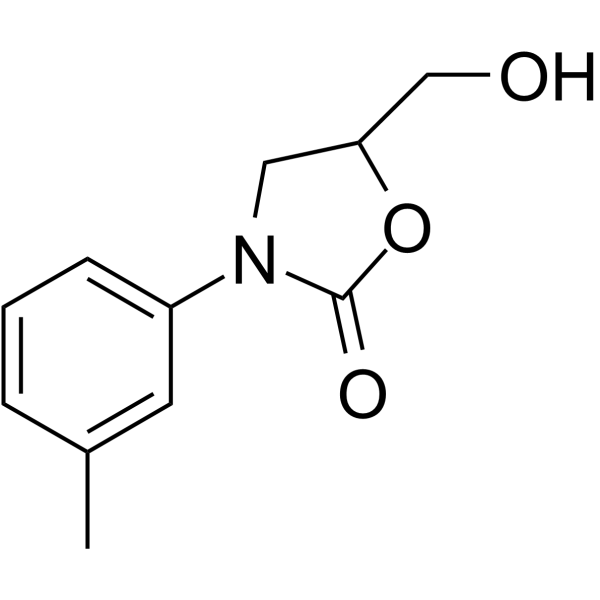
    Toloxatone (MD 69276) is a reversible, selective MAO-A inhibitor that can cross the blood-brain barrier. Toloxatone increases the levels of serotonin (5-HT) and norepinephrine in the brain. Toloxatone reduces the immobility time in the forced swimming test in mice, inhibits killing behavior in rats without causing sedation, and shows a correlation between its free plasma concentration and cerebrospinal fluid concentration. Toloxatone is widely used in research related to depression, depressive disorders and Parkinson's disease .
    Toloxatone
  • HY-W023493

    2-Aminopent-4-enoic acid

    Amino Acid Decarboxylase Neurological Disease
    DL-Allylglycine (2-Aminopent-4-enoic acid) is a glutamate decarboxylase (GAD) inhibitor. DL-Allylglycine significantly increases mouse brain ornithine decarboxylase (ODC) activity and decreases S-adenosyl-L-methionine decarboxylase (SAM-DC) activity. DL-Allylglycine causes a marked decrease in brain GABA concentration. DL-Allylglycine has convulsant activity that can be used in studies to induce epileptic seizures .
    DL-Allylglycine
  • HY-DY1018

    Fluorescent Dye Others
    FITC-Dextran (MW 4000) (solution) is a fluorescent probe for fluorescein isothiocyanate (FITC) dextran (Ex=495 nm; Em=525 nm). FITC-Dextran (MW 4000) can be used as a marker to reveal heat shock-induced cell damage and to study the early and late stages of apoptosis. FITC-Dextran (MW 4000) can also be used for cell permeability studies, such as blood-brain barrier permeability and determination of the extent of blood-brain barrier disruption .
    Solvent and Concentration: Sterile water: 2 mM
    FITC-Dextran (MW 4000) (solution)
  • HY-164495

    FAAH Thyroid Hormone Receptor Inflammation/Immunology Endocrinology
    Sob-AM2 is a potent substrate (Km=1.3 μM) targeting fatty acid amide hydrolase (FAAH) expressed in the brain and has blood-brain barrier permeability. Sob-AM2 delivers high concentrations of Sobetirome (HY-14823) to the central nervous system with minimal peripheral systemic dose, thereby stimulating central thyroid hormone receptor β (TRβ). In addition, Sob-AM2 can prevent myelin and axon degeneration in experimental autoimmune encephalomyelitis (EAE) mice .
    Sob-AM2
  • HY-167876

    PI3K Cancer
    PQR514 is a potent PI3K inhibitor with anticancer activity. PQR514 is able to inhibit cancer cell proliferation. PQR514 showed significant antitumor activity in the OVCAR-3 xenograft model, with the required concentration being approximately one-eighth that of PQR309. PQR514 has good pharmacokinetic properties and minimal brain penetration, making it an optimized candidate compound for inhibiting systemic tumors .
    PQR514
  • HY-N0229R

    L-2-Aminopropionic acid (Standard)

    Reference Standards Endogenous Metabolite Neurological Disease Metabolic Disease
    L-Alanine (Standard) is the analytical standard of L-Alanine. This product is intended for research and analytical applications. L-Alanine is a non-essential amino acid, involved in sugar and acid metabolism, increases immunity, and provides energy for muscle tissue, brain, and central nervous system. In Vitro: The viability of both hiPSCs, 201B7 cells and ehiPSCs decrease with an increase in L-Alanine concentration, and reach 7.5±1.3% and 3.7±0.7% respectively at 1.2 M of L-Alanine. On the other hand, no decrease in the viability of hFBs and hSkMCs are observed. Although the viability of iCMs slightly decreases along with the increase of the L-Alanine concentration, viability of iCMs at 1.2 M concentration of L-Alanine, 49.4±6.9%, is significantly higher than that of undifferentiated iPSCs, 201B7 cells and ehiPSCs (p< 0.01). The viability of hiPSCs, 201B7 cells and ehiPSCs, drastically decrease even after 2 or 4 h treatment. In contrast, the viability of hFBs fails to decrease at 1, 2, and 4 h and shows a small decrease at 24 h treatment. The viability of 201B7 cells in suspension culture decreases to 11.8±6.0% following treatment with 1.2 M L-Alanine for 2 h, whereas that of hFBs is 72.9±14.2% .
    L-Alanine (Standard)
  • HY-116211

    WIN-25978

    Biochemical Assay Reagents Neurological Disease
    Amfonelic acid (WIN-25978) is a highly selective dopamine reuptake inhibitor. Amfonelic acid interferes with the in vitro neuronal uptake of norepinephrine in the iris of rats, but does not alter the concentrations of norepinephrine or dopamine in the whole mouse brain. Amfonelic acid can be used as a pharmacological tool to study the brain reward system, dopamine pathway and dopamine transporter .
    Amfonelic acid
  • HY-W338446

    Tau Protein Neurological Disease
    BF-170 is a selective tau fibril binding agent with an EC50 of 221 nM. It exhibits good blood-brain barrier permeability, and after intravenous injection in mice, the concentration in brain tissue reaches 9.1% ID/g within 2 minutes (with a brain clearance rate of 0.25% ID/g after 30 minutes). BF-170 can be used as a probe for tau protein pathology imaging in Alzheimer's disease (AD). It plays an important role in early-stage AD research and holds potential for imaging studies of tau-related neurodegenerative diseases .
    BF-170
  • HY-DY1045

    Amyloid-β Neurological Disease
    Methoxy-X04 (solution) is a fluorescent dye that crosses the blood-brain barrier and selectively binds to beta-pleated sheets found in dense core amyloid Aβ plaques. Methoxy-X04 retains in vitro binding affinity for amyloid b (Ab) fibrils (Ki= 26.8 nM). Methoxy-X04 is fluorescent and stains plaques, tangles, and cerebrovascular amyloid in postmortem sections of AD brain with good specificity .
    Solvent and concentration: DMSO: 5 mg/mL
    Methoxy-X04 (solution)
  • HY-W127668

    Acyltransferase Neurological Disease
    Triethylcholine iodide is a choline acetyltransferase inhibitor and a regulator of the acetylcholine synthesis pathway. Triethylcholine iodide inhibits acetylcholine synthesis in brain tissues and blocks neuromuscular and autonomic ganglionic transmission. Triethylcholine iodide exerts weak curare-like effects at extremely high concentrations. Triethylcholine iodide elevates the pentylenetetrazol seizure threshold, alters electroencephalogram patterns in Felis catus, but does not affect the maximal electroshock seizure threshold in Oryctolagus cuniculus. Triethylcholine iodide can be used in seizure-related research .
    Triethylcholine iodide
  • HY-17383R

    Reference Standards Antifolate Cardiovascular Disease Neurological Disease
    Levomefolate calcium (Standard) is the analytical standard of Levomefolate calcium. This product is intended for research and analytical applications. Levomefolate calcium is a synthetic calcium salt of L-5-methyltetrahydrofolate and an orally active and brain-penetrant folate supplement. Levomefolate calcium incorporates into body folate pools to increase plasma and red blood cell folate levels over time. Levomefolate calcium does not significantly increase folate concentrations in breast milk. Levomefolate calcium can be used for the research of neural tube defects and megaloblastic anemia .
    Levomefolate calcium (Standard)
  • HY-113416R

    DHEA sulfate (Standard); Prasterone sulfate (Standard)

    Reference Standards GABA Receptor Sigma Receptor iGluR PPAR NF-κB Neurological Disease Metabolic Disease Inflammation/Immunology
    Dehydroepiandrosterone sulfate (DHEA sulfate; Prasterone sulfate) (Standard) is the analytical standard of Dehydroepiandrosterone sulfate (HY-113416). This product is intended for research and analytical applications. Dehydroepiandrosterone sulfate (DHEA sulfate; Prasterone sulfate) is a neurosteroid and the main secretion product of the adrenal gland. Dehydroepiandrosterone sulfate has both non-competitive antagonist activity of GABAA receptor and agonist activity of σ1 receptor. Dehydroepiandrosterone sulfate can partially penetrate the blood-brain barrier, inhibit GABAA receptor-mediated chloride influx, enhance NMDA receptor activity through σ1 receptors, exert anti-inflammatory, anti-glucocorticoid and antidepressant effects, and increase convulsive sensitivity. Dehydroepiandrosterone sulfate participates in neuroprotection, neurite growth regulation and catecholamine secretion regulation, and can be used in the study of depression, post-traumatic stress disorder (PTSD), Alzheimer's disease, etc. Dehydroepiandrosterone sulfate may also be a biomarker for cardiovascular disease mortality, and its concentration is independently and negatively correlated with mortality .
    Dehydroepiandrosterone sulfate (Standard)
  • HY-113416AS

    DHEA sulfate-d6 sodium dihydrate; Prasterone sulfate-d6 sodium dihydrate

    Isotope-Labeled Compounds GABA Receptor Sigma Receptor iGluR PPAR NF-κB Neurological Disease Metabolic Disease Inflammation/Immunology
    Dehydroepiandrosterone sulfate sodium dihydrate-d6 sodium dihydrate is the deuterium labeled Dehydroepiandrosterone sulfate sodium dihydrate. Dehydroepiandrosterone sulfate (DHEA sulfate; Prasterone sulfate) sodium dihydrate is a neurosteroid and the main secretion product of the adrenal gland. Dehydroepiandrosterone sulfate sodium dihydrate has both non-competitive antagonist activity of GABAA receptor and agonist activity of σ1 receptor. Dehydroepiandrosterone sulfate sodium dihydrate can partially penetrate the blood-brain barrier, inhibit GABAA receptor-mediated chloride influx, enhance NMDA receptor activity through σ1 receptors, exert anti-inflammatory, anti-glucocorticoid and antidepressant effects, and increase convulsive sensitivity. Dehydroepiandrosterone sulfate sodium dihydrate participates in neuroprotection, neurite growth regulation and catecholamine secretion regulation, and can be used in the study of depression, post-traumatic stress disorder (PTSD), Alzheimer's disease, etc. Dehydroepiandrosterone sulfate sodium dihydrate may also be a biomarker for cardiovascular disease mortality, and its concentration is independently and negatively correlated with mortality .
    Dehydroepiandrosterone sulfate-d6 sodium dihydrate
  • HY-139182

    Endogenous Metabolite Metabolic Disease
    CAY10762 is an inhibitor of monoacylglycerol lipase (MAGL; IC50=34.1 nM). It reduces hydrogen peroxide-induced lactate dehydrogenase (LDH) release from Neuro2a cells when used at a concentration of 1 μM. CAY10762 (10 mg/kg) increases levels of 2-arachidonoyl glycerol in mouse brain.
    MAGL-IN-3
  • HY-P99694

    JR-171

    Transferrin Receptor Neurological Disease
    Lepunafusp alfa (JR-171) is a BBB-penetrable fusion protein consisting of J-Brain Cargo and IDUA (a lysosomal enzyme, α-L-iduronidase). Lepunafusp alfa can reduce concentration of heparan sulfate (HS) and dermatan sulfate (DS). Lepunafusp alfa can be used for research of mucopolysaccharidosis type I .
    Lepunafusp alfa
  • HY-13289

    SYN117; RS-25560-197

    Dopamine β-hydroxylase Cardiovascular Disease
    Nepicastat (SYN117) is a selective, potent, and orally active inhibitor of dopamine-beta-hydroxylase. Nepicastat (SYN117) produces concentration-dependent inhibition of bovine (IC50=8.5 nM) and human (IC50=9 nM) dopamine-beta-hydroxylase. Nepicastat (SYN117) can cross the blood-brain barrier (BBB) .
    Nepicastat
  • HY-129982

    Apical Sodium-Dependent Bile Acid Transporter Metabolic Disease
    SC-435 is an orally effective apical sodium codependent bile acid transporter (ASBT) inhibitor. SC-435 effectively removes neurotoxic bile acids and ammonia from the blood by inhibiting intestinal ASBT, thereby alleviating liver and brain damage caused by liver failure. SC-435 can alter hepatic cholesterol metabolism and lower plasma low-density lipoprotein-cholesterol concentrations .
    SC-435

Inquiry Online

Your information is safe with us. * Required Fields.

Salutation


Country or Region *

Applicant Name *


Organization Name *

Department *


Email Address *


Product Name *

Cat. No.


Requested quantity *

Phone Number *


Remarks

Inquiry Online

Inquiry Information

Product Name:
Cat. No.:
Quantity:
MCE Japan Authorized Agent:

