Search Result
Results for "
cyclin+B
" in MedChemExpress (MCE) Product Catalog:
| Cat. No. |
Product Name |
Target |
Research Areas |
Chemical Structure |
-
- HY-12529
-
Ro-3306
Maximum Cited Publications
67 Publications Verification
|
CDK
Apoptosis
|
Cancer
|
|
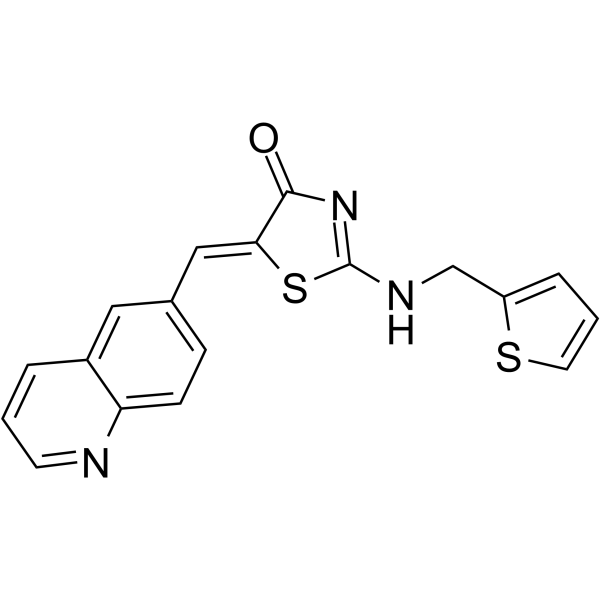
Ro-3306 is a potent and selective inhibitor of CDK1, with Kis of 20 nM, 35 nM and 340 nM for CDK1, CDK1/cyclin B1 and CDK2/cyclin E, respectively.
|
-
-
- HY-10580
-
|
6-Bromoindirubin-3'-oxime; BIO; MLS 2052
|
GSK-3
CDK
Apoptosis
|
Cancer
|
|
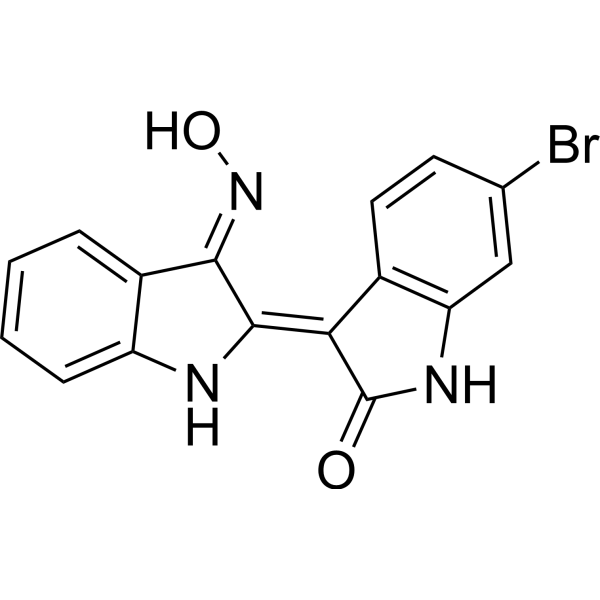
GSK 3 Inhibitor IX (6-Bromoindirubin-3'-oxime; BIO) is a potent, selective, reversible and ATP-competitive inhibitor of GSK-3α/β and CDK1-cyclinB complex with IC50s of 5 nM/320 nM/80 nM for (GSK-3α/β)/CDK1/CDK5, respectively.
|
-
-
- HY-18340
-
|
CR8, (R)-Isomer
|
Molecular Glues
CDK
Apoptosis
|
Neurological Disease
Cancer
|
|
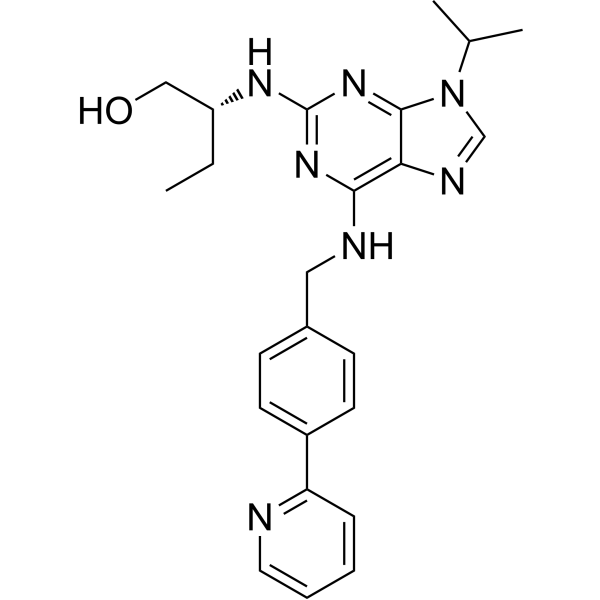
(R)-CR8, a second-generation analog of Roscovitine, is a potent CDK1/2/5/7/9 inhibitor. (R)-CR8 inhibits CDK1/cyclin B (IC50=0.09 μM), CDK2/cyclin A (0.072 μM), CDK2/cyclin E (0.041 μM), CDK5/p25 (0.11 μM), CDK7/cyclin H (1.1 μM), CDK9/cyclin T (0.18 μM) and CK1δ/ε (0.4 μM). (R)-CR8 induces apoptosis and has neuroprotective effect . (R)-CR8 acts as a molecular glue degrader that depletes cyclin K .
|
-
-
- HY-B0294
-
|
|
Parasite
Microtubule/Tubulin
STAT
MDM-2/p53
Apoptosis
Autophagy
|
Infection
Cancer
|
|
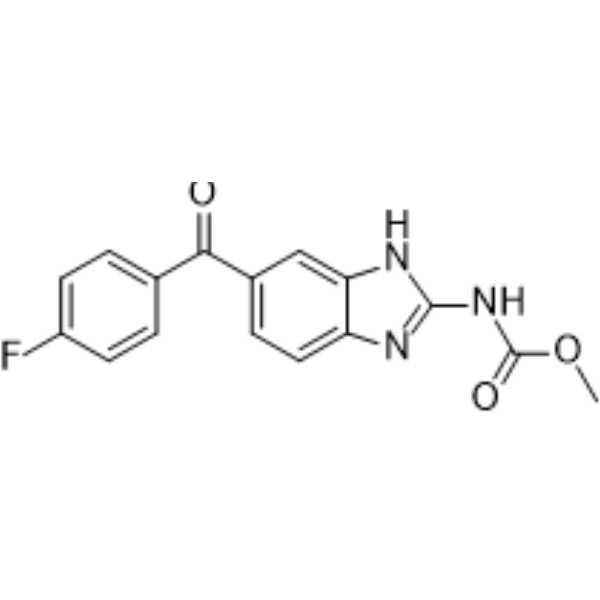
Flubendazole is an anthelmintic drug based on altering microtubule structure, inhibition of tubulin polymerization and disruption of microtubule function. Flubendazole induces apoptosis in human colorectal cancer (CRC) by blocking the STAT3 signaling axis and activation of autophagy. Flubendazole induces P53 expression and reduced Cyclin B1 and p-cdc2 expression. Flubendazole is an antitumor agent. Flubendazole can be used for worm and intestinal parasites .
|
-
-
- HY-12302
-
|
9-Bromopaullone; NSC-664704
|
CDK
GSK-3
|
Cancer
|
|
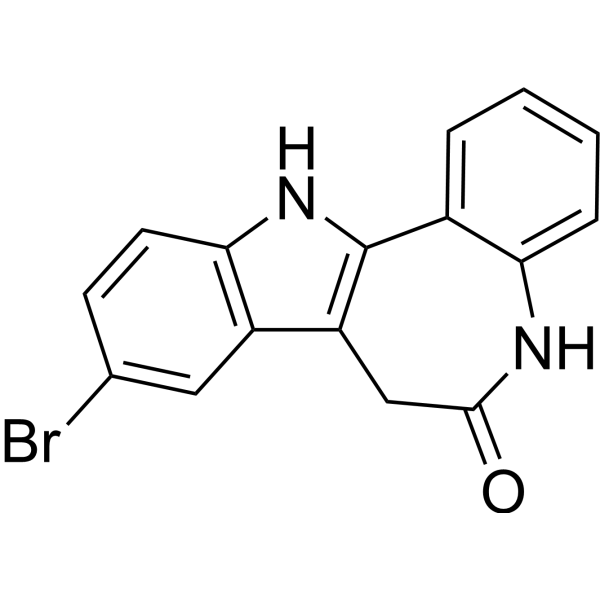
Kenpaullone is a potent inhibitor of CDK1/cyclin B and GSK-3β, with IC50s of 0.4 μM and 23 nM, and also inhibits CDK2/cyclin A, CDK2/cyclin E, and CDK5/p25 with IC50s of 0.68 μM, 7.5 μM, 0.85 μM, respectively. Kenpaullone, a small molecule inhibitor of KLF4, reduces self-renewal of breast cancer stem cells and cell motility in vitro.
|
-
-
- HY-172085
-
|
|
IFNAR
DNA/RNA Synthesis
c-Myc
CDK
|
Cancer
|
|
SH514 is an orally active IRF4 inhibitor (IC50 = 2.63 μM). SH514 binds to the IRF4-DBD domain, thereby inhibiting the interaction of IRF4 protein with DNA (KD = 1.28 μM). SH514 can inhibit the proliferation of IRF4-high-expressing NCI-H929 and MM.1R cells, and displays no cytotoxicity for normal cells. SH514 significantly downregulates the expression of IRF4 downstream target genes concentration-dependently. SH514 inhibits the expression of cell cycle-related proteins CDC2, Cyclin B1, Cyclin D1, Cyclin E1, and CMYC in Multiple Myeloma cells. SH514 can induce DNA damage and increase the expression of γH2AX. SH514 effectively inhibits the proliferation of multiple myeloma tumors .
|
-

-
- HY-11012
-
|
GSK-3β Inhibitor I; NP 01139
|
GSK-3
|
Cancer
|
|
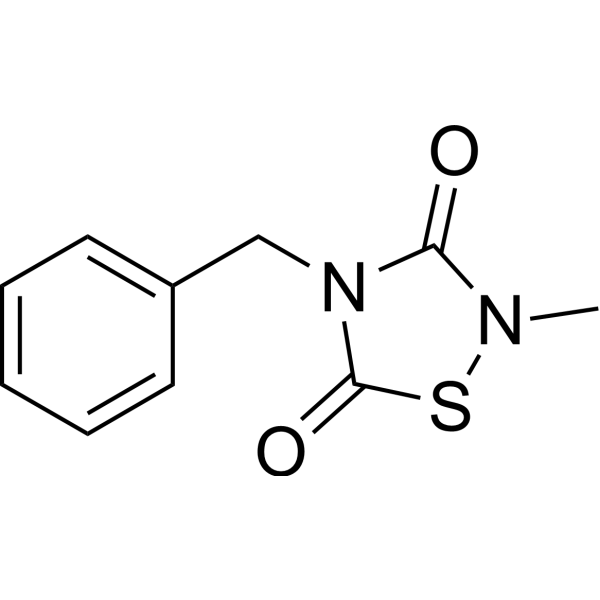
TDZD-8 is an inhibitor of GSK-3β, with an IC50 of 2 μM; TDZD-8 shows less potent activities against Cdk-1/cyclin B, CK-II, PKA, and PKC, with all IC50s of >100 μM.
|
-
-
- HY-15569
-
|
|
CDK
|
Cancer
|
|
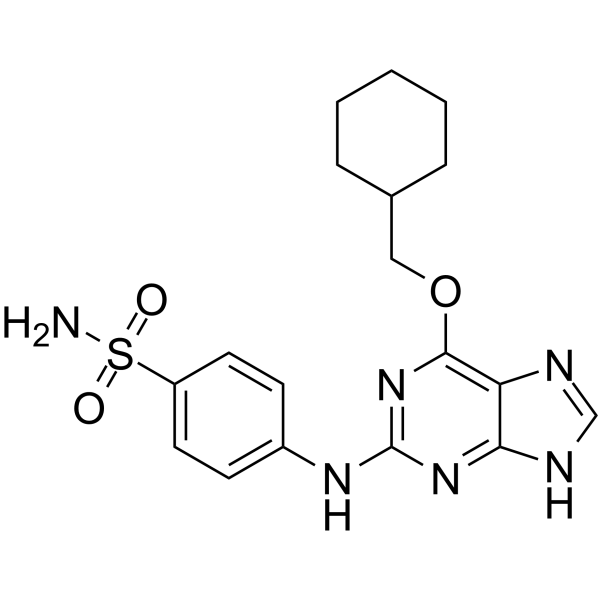
NU6102 is a potent CDK1 and CDK2 inhibitor with IC50s of 9.5 nM and 5.4 nM for CDK1/cyclinB and CDK2/cyclinA3, respectively. NU6102 shows selectivity for CDK1/CDK2 over CDK4 (IC50 of 1.6 μM), DYRK1A (IC50 of 0.9 μM), PDK1 (IC50 of 0.8 μM) and ROCKII (IC50 of 0.6 μM) .
|
-
-
- HY-N2424
-
|
2-Phenyl-4-chromone
|
CDK
Apoptosis
Caspase
|
Cancer
|
|
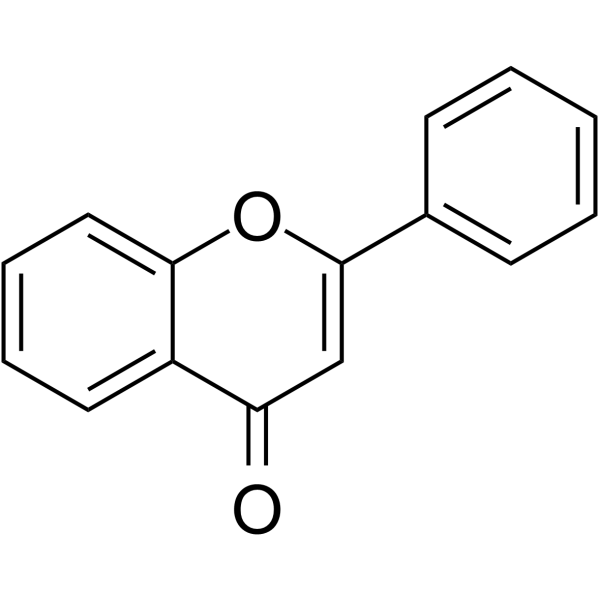
Flavone is an anti-tumor compound that targets cell cycle regulatory proteins (such as cyclin B1) and apoptosis-related factors (such as p21waf1, PIG3). Flavone selectively induces mitochondrial-mediated apoptosis pathways in tumor cells, inhibits cyclin B1 protein expression, upregulates p21waf1, and activates p63/p73 proteins. Flavone has immunomodulatory functions that enhance natural killer cell (NK cell) activity and lymphocyte proliferation. Flavone is used in cancer research, especially for its inhibitory potential in solid tumor models such as esophageal cancer and liver cancer .
|
-
-
- HY-10014
-
R547
2 Publications Verification
|
CDK
GSK-3
Apoptosis
|
Cancer
|
|
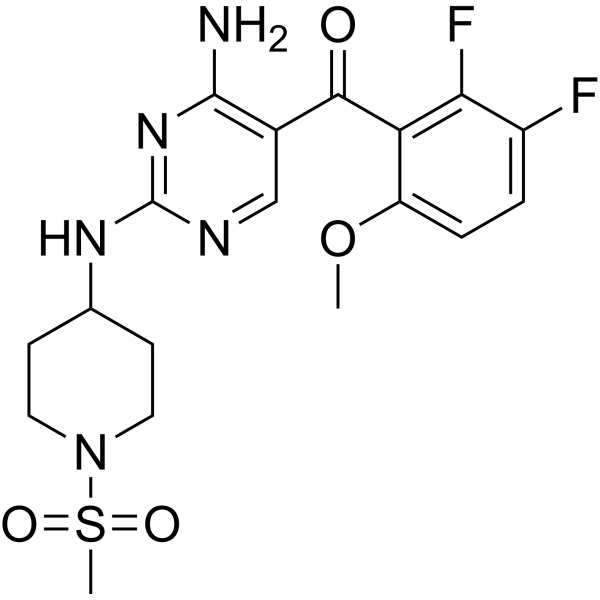
R547 is a potent, selective and orally active ATP-competitive CDK inhibitor, with Kis of 2 nM, 3 nM and 1 nM for CDK1/cyclin B, CDK2/cyclin E and CDK4/cyclin D1, respectively .
|
-
-
- HY-18299A
-
|
NG-60
|
CDK
Autophagy
Apoptosis
|
Cancer
|
|
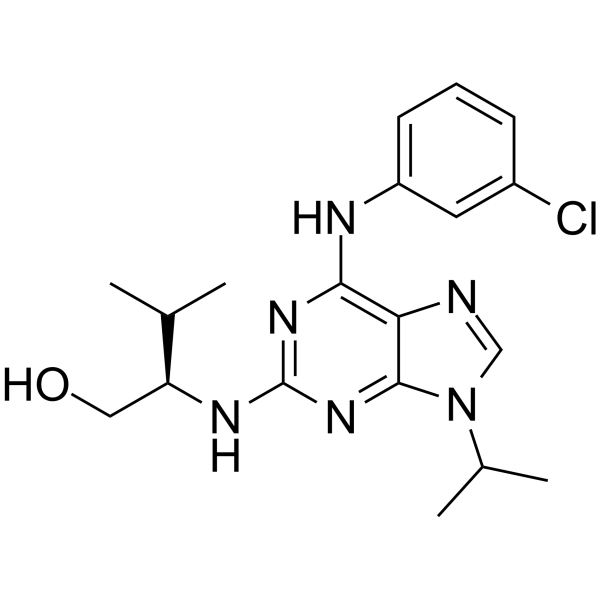
Purvalanol A is a potent CDK inhibitor, which inhibits cdc2-cyclin B, cdk2-cyclin A, cdk2-cyclin E, cdk4-cyclin D1, and cdk5-p35 with IC50s of 4, 70, 35, 850, 75 nM, resepctively.
|
-
-
- HY-N0417
-
|
α-Elaterin; α-Elaterine
|
CDK
Autophagy
PANoptosis
|
Metabolic Disease
Inflammation/Immunology
Cancer
|
|
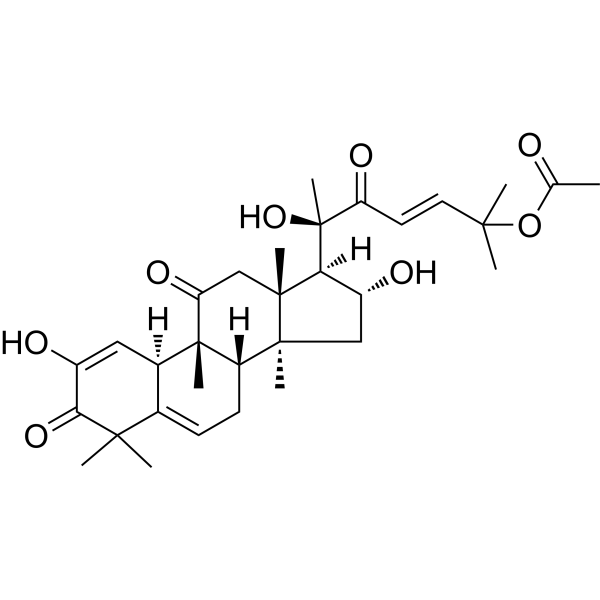
Cucurbitacin E is a CDK1 inhibitor that significantly inhibits the activity of the cyclin B1/CDC2 complex. Cucurbitacin E also induces PANoptosis in adrenocortical carcinoma cells in a ZBP1-dependent manner. Cucurbitacin E exhibits synergistic effects with Mitotane (HY-13690); when used in combination, they effectively eliminate tumors .
|
-
-
- HY-19807
-
|
Indirubin-3'-oxime
|
GSK-3
CDK
Lipoxygenase
|
Cancer
|
|
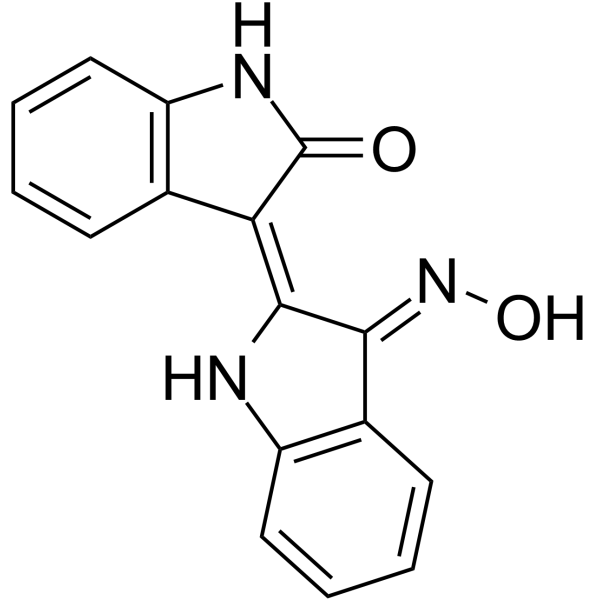
Indirubin-3'-monoxime is a potent GSK-3β inhibitor, and weakly inhibits 5-Lipoxygenase, with IC50s of 22 nM and 7.8-10 µM, respectively; Indirubin-3'-monoxime also shows inhibitory activities against CDK5/p25 and CDK1/cyclin B, with IC50s of 100 and 180 nM.
|
-
-
- HY-15504A
-
|
|
CDK
GSK-3
MEK
JAK
|
Cancer
|
|
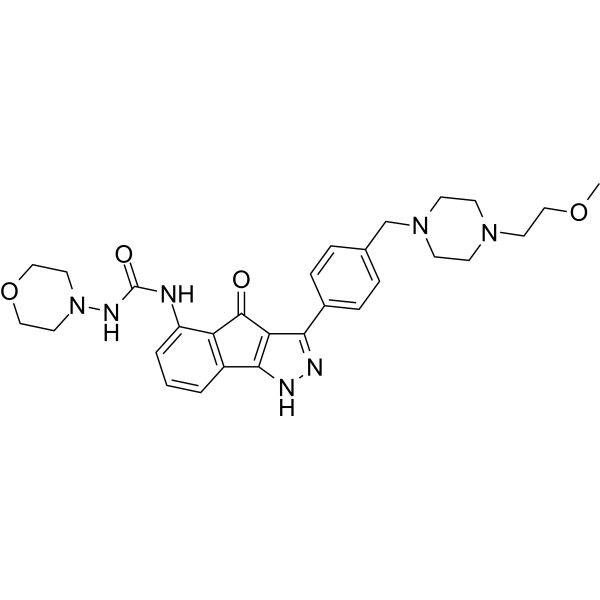
RGB-286638 is a CDK inhibitor that inhibits the kinase activity of cyclin T1-CDK9, cyclin B1-CDK1, cyclin E-CDK2, cyclin D1-CDK4, cyclin E-CDK3, and p35-CDK5 with IC50s of 1, 2, 3, 4, 5 and 5 nM, respectively; also inhibits GSK-3β, TAK1, Jak2 and MEK1, with IC50s of 3, 5, 50, and 54 nM.
|
-
-
- HY-108359
-
|
9-Nitropaullone; NSC 705701
|
CDK
GSK-3
Apoptosis
|
Cancer
|
|
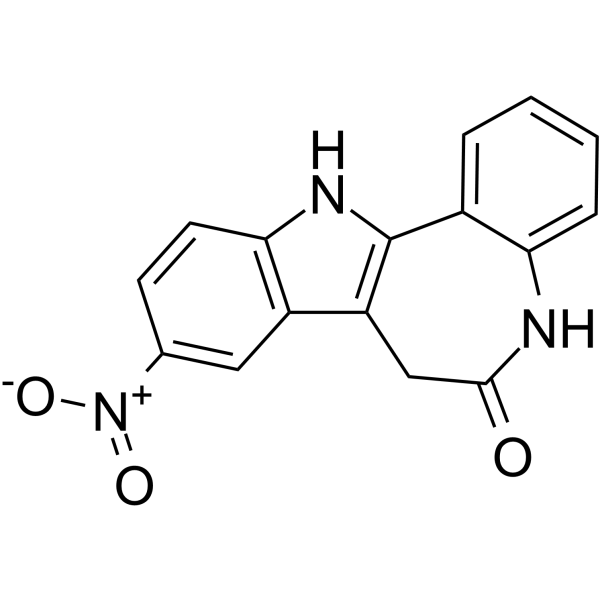
Alsterpaullone (9-Nitropaullone) is a potent CDK inhibitor, with IC50s of 35 nM, 15 nM, 200 nM and 40 nM for CDK1/cyclin B, CDK2/cyclin A, CDK2/cyclin E and CDK5/p35, respectively. Alsterpaullone also competes with ATP for binding to GSK-3alpha/GSK-3beta with IC50s of both 4 nM. Alsterpaullone has antitumor activity, and possesses potential for the study in neurodegenerative and proliferative disorders . Alsterpaullone induces apoptosis in leukemia cell line .
|
-
-
- HY-117535
-
|
|
CDK
|
Cancer
|
|
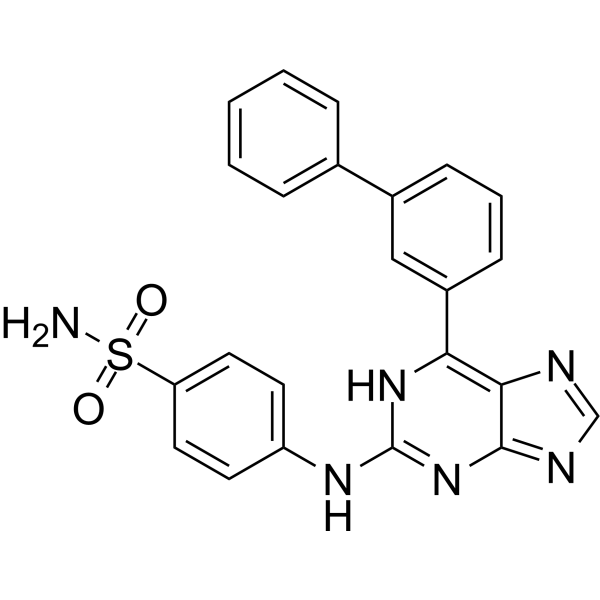
CDK2-IN-4 (compound 73) is a potent and selective CDK2 inhibitor with an IC50 of 44 nM for CDK2/cyclin A, shows 2,000-fold selectivity over CDK1/cyclin B (IC50=86 uM) .
|
-
-
- HY-13468
-
KW-2478
4 Publications Verification
|
HSP
Apoptosis
Bcr-Abl
p38 MAPK
CDK
STAT
|
Cancer
|
|
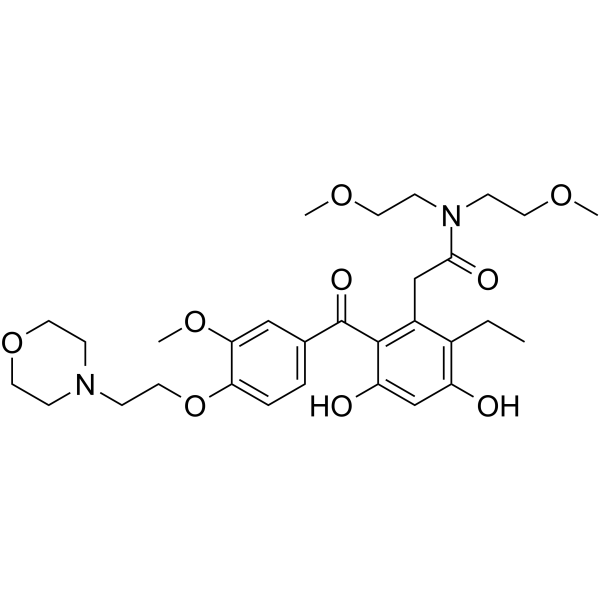
KW-2478 is an HSP90 inhibitor (IC50 = 3.8 nM). KW-2478 inhibits the growth and induces apoptosis in chronic myeloid leukemia (CML) cells and liver cancer cells. KW-2478 weakens the BCR/ABL and MAPK signaling pathways, leading to increased p27 and p21 expression and decreased cyclin B1 expression. KW-2478 downregulates STAT3 expression. KW-2478 may be used in research on cancers such as CML and liver cancer .
|
-
-
- HY-15504
-
|
|
CDK
GSK-3
MEK
JAK
|
Cancer
|
|
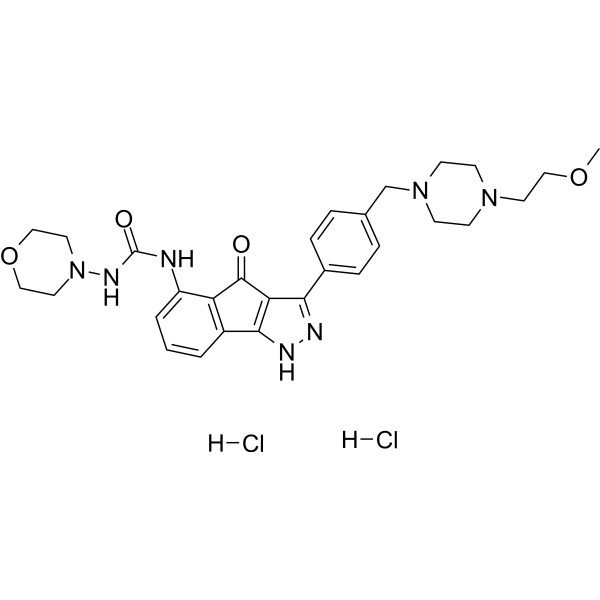
RGB-286638 is a CDK inhibitor that inhibits the kinase activity of cyclin T1-CDK9, cyclin B1-CDK1, cyclin E-CDK2, cyclin D1-CDK4, cyclin E-CDK3, and p35-CDK5 with IC50s of 1, 2, 3, 4, 5 and 5 nM, respectively; also inhibits GSK-3β, TAK1, Jak2 and MEK1, with IC50s of 3, 5, 50, and 54 nM.
|
-
-
- HY-16559
-
|
P276-00
|
CDK
Apoptosis
|
Cancer
|
|
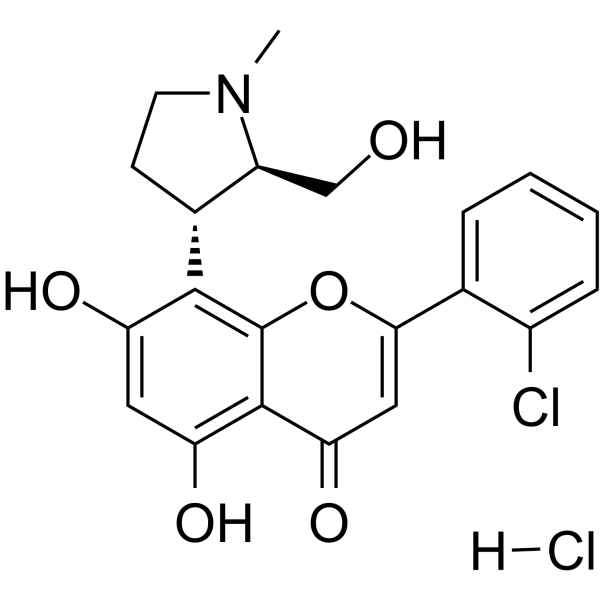
Riviciclib hydrochloride (P276-00) is a potent cyclin-dependent kinase (CDK) inhibitor, which inhibits CDK9-cyclinT1, CDK4-cyclin D1, and CDK1-cyclinB with IC50s of 20 nM, 63 nM, and 79 nM, respectively .
Riviciclib hydrochloride (P276-00) shows antitumor activity on cisplatin-resistant cells .
|
-
-
- HY-103647
-
|
|
CDK
VEGFR
GSK-3
|
Cancer
|
|
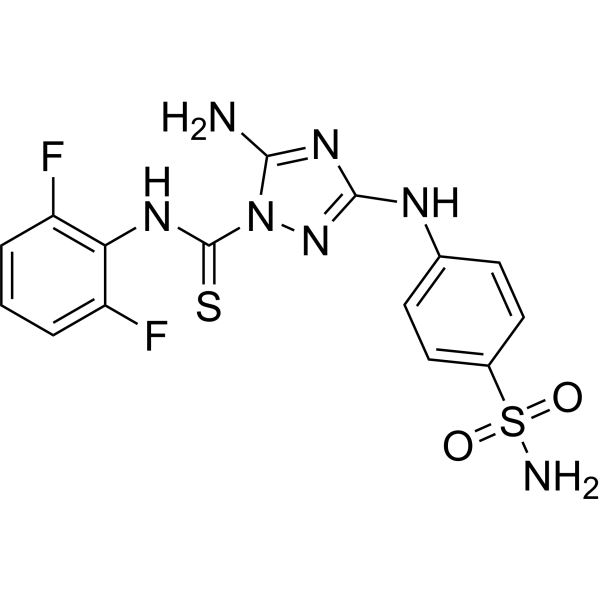
K00546 is a potent CDK1 and CDK2 inhibitor with IC50s of 0.6 nM and 0.5 nM for CDK1/cyclin B and CDK2/cyclin A, respectively. K00546 is also a potent CDC2-like kinase 1 (CLK1) and CLK3 inhibitor with IC50s of 8.9 nM and 29.2 nM, respectively .
|
-
-
- HY-18299
-
|
NG 95
|
CDK
Parasite
|
Infection
Cancer
|
|
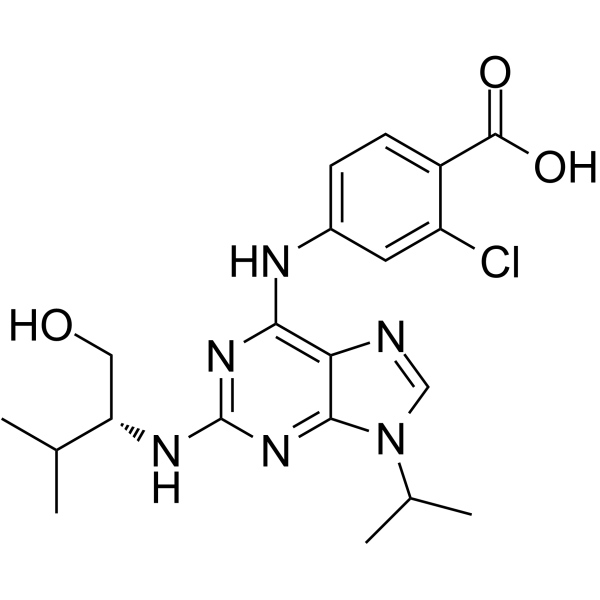
Purvalanol B (NG 95) is a potent, selective, reversible and ATP-competitive inhibitor CDK, with IC50s of 6 nM, 6 nM, 9 nM, 6 nM for cdc2-cyclin B, CDK2-cyclin A, CDK2-cyclin E and CDK5-p35, respectively. Purvalanol B shows selectivity for CDK over a range of other protein kinases (IC50>1000 nM). Purvalanol B inhibits the growth a chloroquine-resistant strain of P. falciparum .
|
-
-
- HY-W011428
-
|
|
CDK
|
Others
Cancer
|
|
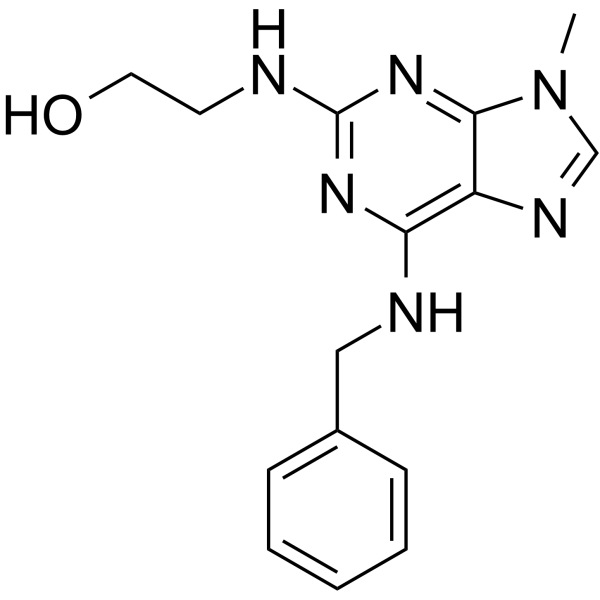
Olomoucine is an ATP competitive inhibitor of CDKs. Olomoucine is a purine (HY-34431) derivative and inhibits CDC2/cyclin B, Cdk2/cyclin A, Cdk2/cyclin E (both IC50=7 μM), CDK/p35 kinase (IC50=3 μM) and ERK1/p44 MAP kinase (IC50=25 μM) . Olomoucine regulates cell cycle and shows anti-melanin tumor activity .
|
-
-
- HY-103221
-
-
-
- HY-111930
-
|
|
GSK-3
CDK
|
Cancer
|
|
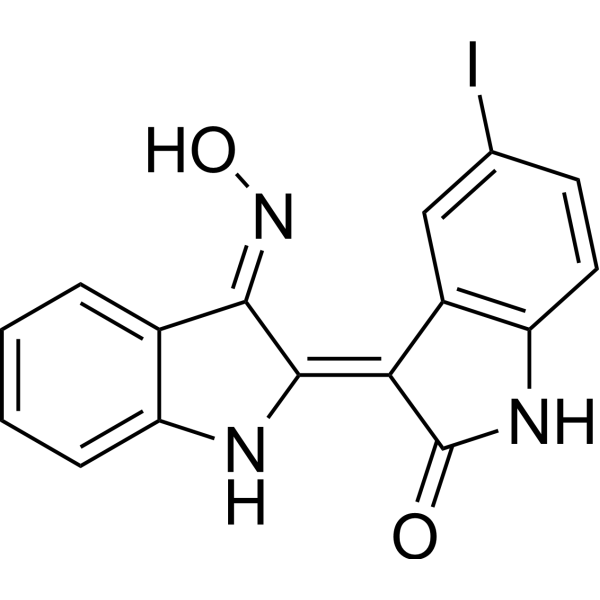
5-Iodo-indirubin-3'-monoxime is a potent GSK-3β, CDK5/P25 and CDK1/cyclin B inhibitor, competing with ATP for binding to the catalytic site of the kinase, with IC50s of 9, 20 and 25 nM, respectively .
|
-
-
- HY-115565
-
|
|
CDK
Apoptosis
|
Cancer
|
|
CGP-74514 (Compound 13) is a highly selective cyclin-dependent kinase 1 (CDK1) inhibitor (IC50=25 nM). CGP-74514 inhibits CDK1/cyclin B complex activity, arrests the cell cycle at G2/M phase and induces tumor cell apoptosis. CGP-74514 is promising for research of bladder cancer .
|
-

-
- HY-130841
-
|
|
APC
Ligands for Target Protein for PROTAC
|
Cancer
|
|
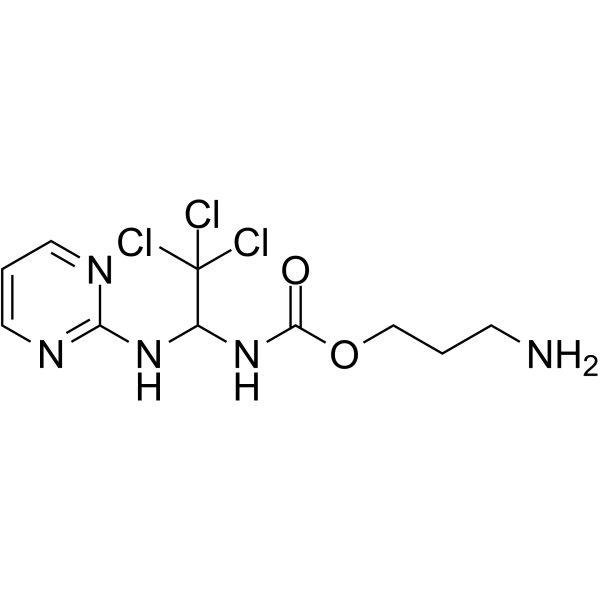
Apcin-A is a small molecule inhibitor that selectively targets the cell division cycle protein Cdc20 and is a derivative of Apcin (HY-110287). Apcin-A competitively binds to the D-box binding pocket of Cdc20 and inhibits substrate ubiquitination mediated by the anaphase promoting complex APC/C-Cdc20. Apcin-A also blocks the binding of Cdc20 to substrates (such as securin and cyclin B1), inhibiting anaphase initiation and cell cycle exit. Apcin-A can promote or prolong mitotic slippage in coordination with p31 comet under conditions of high spindle assembly checkpoint (SAC) activity. Apcin-A can be used to develop anti-mitotic drugs and overcome tumor chemotherapy resistance. Apcin-A can be used to synthesize PROTAC CP5V (HY-130257)[1][2][3].
|
-
-
- HY-18340A
-
|
CR8, (R)-Isomer trihydrochloride
|
Molecular Glues
CDK
Apoptosis
|
Neurological Disease
Cancer
|
|
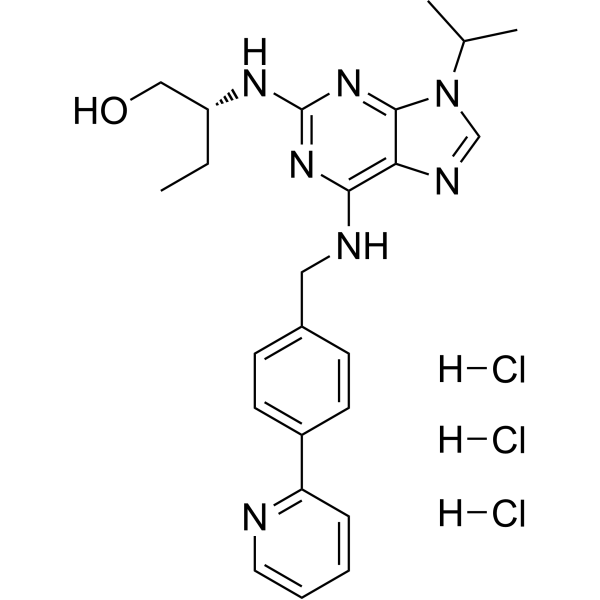
(R)-CR8 (CR8) trihydrochloride, a second-generation analog of Roscovitine, is a potent CDK1/2/5/7/9 inhibitor. (R)-CR8 trihydrochloride inhibits CDK1/cyclin B (IC50=0.09 μM), CDK2/cyclin A (0.072 μM), CDK2/cyclin E (0.041 μM), CDK5/p25 (0.11 μM), CDK7/cyclin H (1.1 μM), CDK9/cyclin T (0.18 μM) and CK1δ/ε (0.4 μM). (R)-CR8 trihydrochloride induces apoptosis and has neuroprotective effect . (R)-CR8 trihydrochloride acts as a molecular glue degrader that depletes cyclin K .
|
-
-
- HY-112462
-
|
|
CDK
|
Cancer
|
|
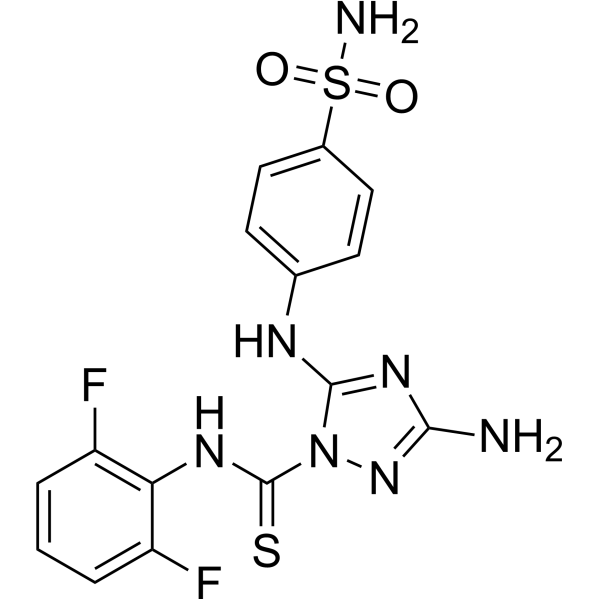
Cdk1/2 Inhibitor III (compound 3n) is a highly potent and selective Cdk1/cyclin B and Cdk2/cyclin A inhibitor of with IC50s of 0.6 nM and 0.5 nM, respectively. Cdk1/2 Inhibitor III shows selectivity over VEGF-R2 (IC50 of 32 nM), GSK-3β (IC50 of 140 nM), and a other kinases. Cdk1/2 Inhibitor III inhibits in cell proliferation with IC50s of 20 nM, 35 nM and 92 nM for HCT-116, HeLa, and A375 cells, respectively .
|
-
-
- HY-N3000
-
|
|
JNK
IRE1
Akt
mTOR
YAP
Reactive Oxygen Species (ROS)
Autophagy
Apoptosis
Ferroptosis
Fungal
|
Infection
Inflammation/Immunology
Cancer
|
|
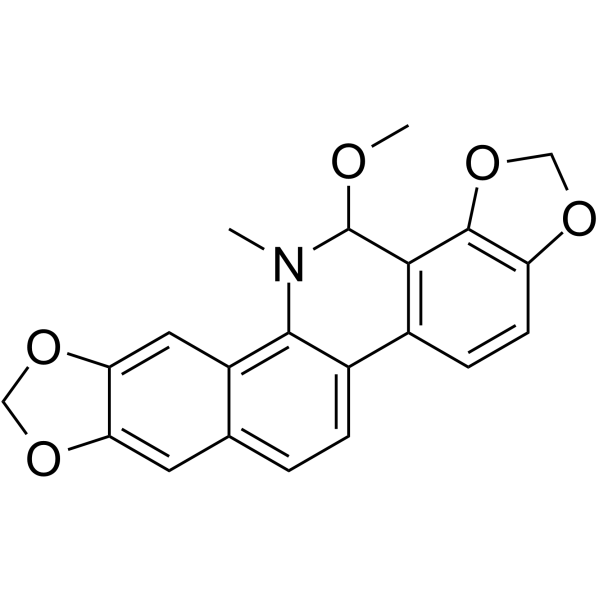
6-Methoxydihydrosanguinarine is an alkaloid with activity across multiple cancer cell types. 6-Methoxydihydrosanguinarine activates IRE1/JNK signaling, blocks Akt/mTOR and PI3K/AKT/mTOR pathways, reduces expression of Cdc25C, CyclinB1, Cdc2, YAP/TAZ, Survivin, GPX4, and EGFR, upregulates IRE1 and DR5, and activates JNK and caspases. 6-Methoxydihydrosanguinarine induces apoptosis, G2/M phase arrest, DNA damage, ROS generation, lipid peroxidation, ferroptosis, autophagy, and suppresses cancer cell growth. 6-Methoxydihydrosanguinarine disruptes the biofilm formation of Candida albicans (C. albicans). 6-Methoxydihydrosanguinarine can be used for the research of non-small cell lung cancer, hepatocellular carcinoma, melanoma, colon carcinoma, ovarian cancer and breast cancer .
|
-
-
- HY-15612
-
|
|
CDK
|
Cancer
|
|
CDK4 inhibitor is a novel and specific CDK4/Cyclin D1 inhibitor with an IC50 of 10 nM; 1500 and 500 fold than CDK1/Cyclin B (IC50>15 uM) and CDK2/Cyclin A (IC50=5.265 uM) respectively.
|
-

-
- HY-114903
-
|
GSK-3 Inhibitor X
|
GSK-3
CDK
|
Neurological Disease
Metabolic Disease
Cancer
|
|
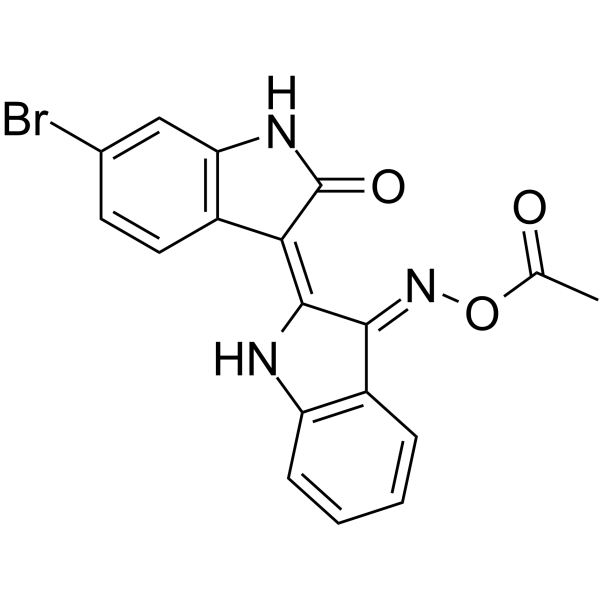
(E/Z)-BIO-acetoxime (GSK-3 Inhibitor X) is a potent and selective GSK-3α/β inhibitor, with an IC50 of 10 nM. (E/Z)-BIO-acetoxime shows more than 200-flod selectivity over CDK5/p25, CDK2/cyclin A and CDK1/cyclin B (IC50=2.4, 4.3, 63 μM) .
|
-
-
- HY-155552
-
|
|
Apoptosis
CDK
Caspase
|
Cancer
|
|
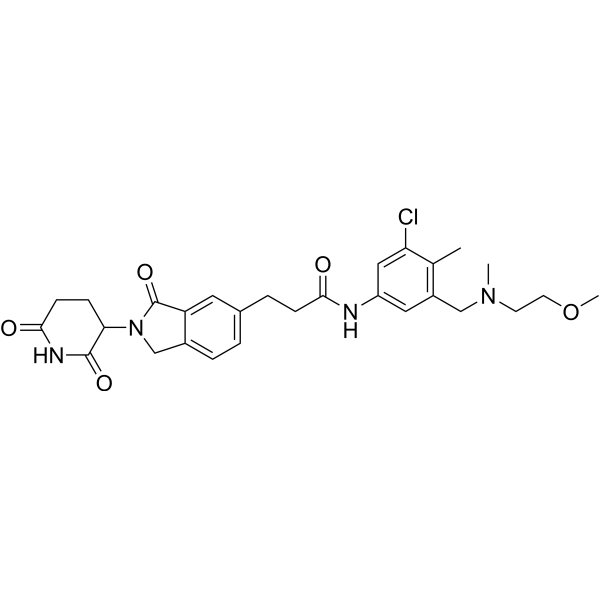
GSPT1 degrader-1 is a highly selective degrader targeting GSPT1. GSPT1 degrader-1 induces degradation via the ubiquitin-proteasome system. GSPT1 degrader-1 induces G0/G1 phase arrest, apoptosis (apoptosis) and inhibits proliferation in leukemia cells. GSPT1 degrader-1 reduces the levels of CDK6 and Cyclin B1, while increases the levels of activated caspase-3 and caspase-9 in leukemia cells. GSPT1 degrader-1 can be used in leukemia research .
|
-
-
- HY-P2480
-
|
|
CDK
|
Others
|
|
Histone H1-derived Peptide is a phosphopeptide and the peptide substrates containes a sequence in accordance with the optimal recognition motif for CDK, can be used to detecting CDK1-cyclinB1 enzyme activity .
|
-

-
- HY-143328
-
|
|
PROTACs
Epigenetic Reader Domain
Apoptosis
|
Cancer
|
|
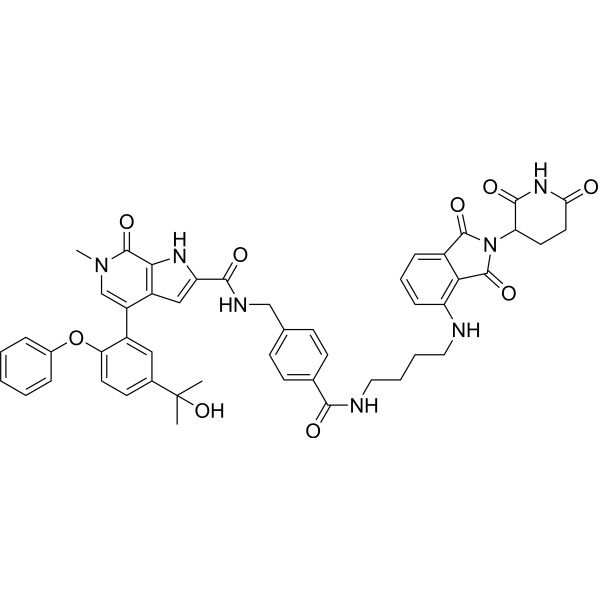
PROTAC BRD4 Degrader-17 (compound 13i) is a potent PROTAC BRD4 Degrader, with IC50 values of 29.54 nM (BRD4 (BD1)) and 3.82 nM (BRD4 (BD2)). PROTAC BRD4 Degrader-17 significantly attenuates G2/M progression associated Cyclin B1 expression. PROTAC BRD4 Degrader-17 significantly induces apoptosis in MV-4-11 cells .
|
-
-
- HY-16559A
-
|
P276-00 free base
|
CDK
|
Cancer
|
|
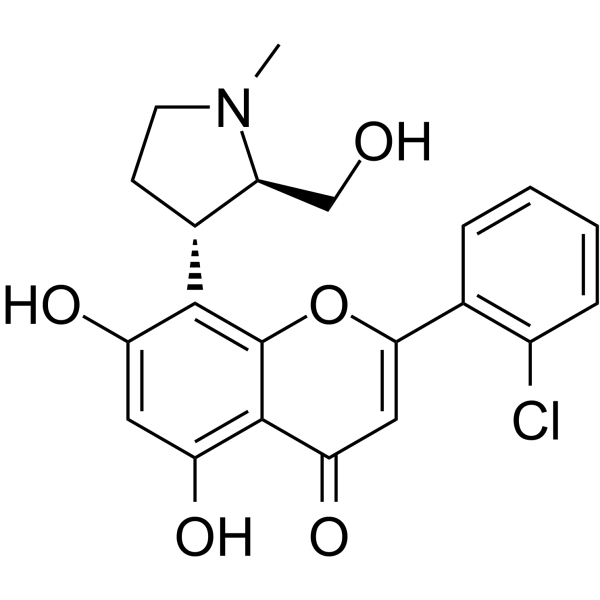
Riviciclib (P276-00 free base) is a potent cyclin-dependent kinase (CDK) inhibitor, which inhibits CDK9-cyclinT1, CDK4-cyclin D1, and CDK1-cyclinB with IC50s of 20 nM, 63 nM, and 79 nM, respectively .
Riviciclib shows antitumor activity on cisplatin-resistant cells .
|
-
-
- HY-164906
-
|
|
CDK
PROTACs
|
Cancer
|
|
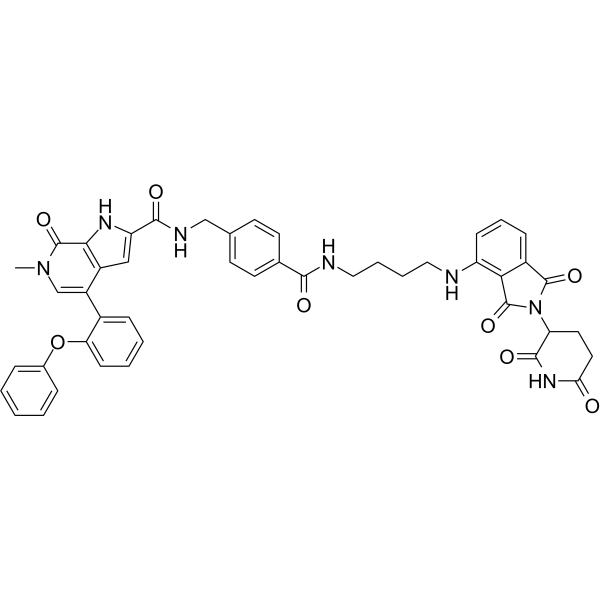
TMX-2138 is a CDKs PROTAC degrader, with IC50s of 8.7 nM, 10.9 nM, 7.0 nM and 25.7 nM for CDK1/cyclinB, CDK2/cyclinA, CDK5/p25 and CDK9/cyclinT1, respectively. TMX-2138 promotes ubiquitination and degradation of CDKs. TMX-2138 can be used for the research of ovarian cancer (Pink: CDKs ligand (HY-151071); Blue: E3 ligase CRBN ligand (HY-14658); Black: linker (HY-W008352)) .
|
-

-
- HY-112336
-
|
|
CDK
GSK-3
|
Neurological Disease
|
|
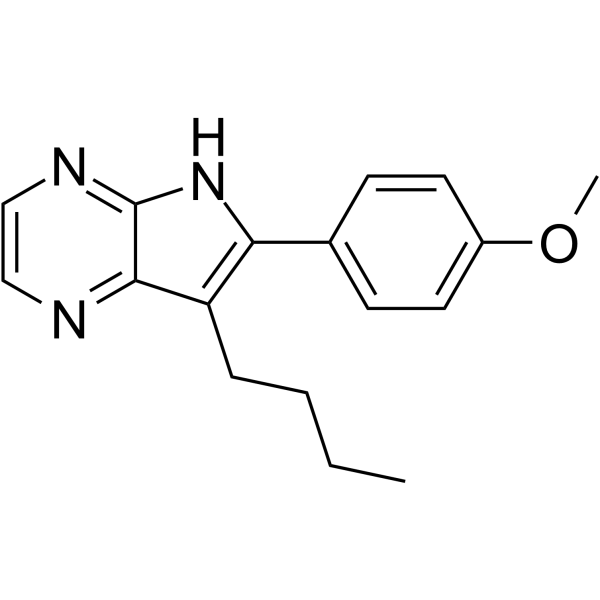
Aloisine RP106 (compound 38) is a potent inhibitor of Cdk1/cyclin B, Cdk5/p25, and GSK3 with IC50s of 0.70µM, 1.5µM, 0.92 µM, respectively .
|
-
-
- HY-118976
-
|
CGP-74514A
|
CDK
Apoptosis
|
Cancer
|
|
CGP-74514 hydrochloride is a highly selective cyclin-dependent kinase 1 (CDK1) inhibitor (IC50: 25 nM). CGP-74514 hydrochloride inhibits CDK1/cyclin B complex activity, arrests the cell cycle at G2/M phase and induces tumor cell apoptosis. CGP-74514 hydrochloride is promising for research of bladder cancer .
|
-

-
- HY-112450
-
|
|
CDK
|
Cancer
|
|
Olomoucine II is a potent CDK inhibitor with IC50 values of 0.06, 0.1, 0.45, 7.6, 19.8 µM for CDK9/cyclin T, CDK2/cyclin E, CDK7/cyclin H, CDK1/cyclin B, CDK4/cyclin D1, respectively. Olomoucine II shows antiproliferative activity .
|
-

-
- HY-146817
-
|
|
Microtubule/Tubulin
Apoptosis
|
Cancer
|
|
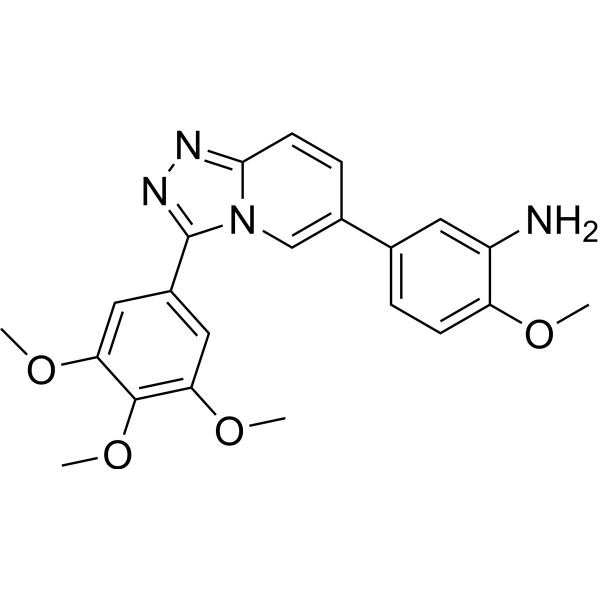
Tubulin polymerization-IN-11 is a potent tubulin polymerization inhibitor with an IC50 value of 3.4 μM. Tubulin polymerization-IN-11 shows antiproliferative activity. Tubulin polymerization-IN-11 induces Apoptosis and cell cycle arrest at G2/M phase. Tubulin polymerization-IN-11 decreases the expression of cyclin B1, p-cdc2, and Bcl-2 protein levels and increases the expression of cleaved PARP .
|
-
-
- HY-E70653
-
|
|
CDK
|
Cancer
|
|
CDK1 is a cyclin-dependent kinase that functions as a serine/threonine protein kinase, and is a key player in cell cycle regulation. CDK1/CycB1 Recombinant Human Active Protein Kinase is an ortholog of CDK1. CDK1/cyclin B1 complexes initiates mitotic entry by phosphorylating a multitude of proteins to condense chromosomes, disrupt the nuclear envelope, and enable microtubules polymerization to attach and to segregate the chromosomes .
|
-

-
- HY-B0294R
-
|
|
Reference Standards
Parasite
Microtubule/Tubulin
STAT
MDM-2/p53
Apoptosis
Autophagy
|
Infection
Cancer
|
|
Flubendazole (Standard) is the analytical standard of Flubendazole. This product is intended for research and analytical applications. Flubendazole is an anthelmintic drug based on altering microtubule structure, inhibition of tubulin polymerization and disruption of microtubule function. Flubendazole induces apoptosis in human colorectal cancer (CRC) by blocking the STAT3 signaling axis and activation of autophagy. Flubendazole induces P53 expression and reduced Cyclin B1 and p-cdc2 expression. Flubendazole is an antitumor agent. Flubendazole can be used for worm and intestinal parasites .
|
-

-
- HY-13468A
-
|
|
HSP
Apoptosis
Bcr-Abl
p38 MAPK
CDK
STAT
|
Cancer
|
|
KW-2478 hydrochloride is an HSP90 inhibitor (IC50 = 3.8 nM). KW-2478 hydrochloride inhibits the growth and induces apoptosis in chronic myeloid leukemia (CML) cells and liver cancer cells. KW-2478 hydrochloride weakens the BCR/ABL and MAPK signaling pathways, leading to increased p27 and p21 expression and decreased cyclin B1 expression. KW-2478 hydrochloride downregulates STAT3 expression. KW-2478 hydrochloride may be used in research on cancers such as CML and liver cancer .
|
-

-
- HY-112371
-
|
|
CDK
|
Cancer
|
|
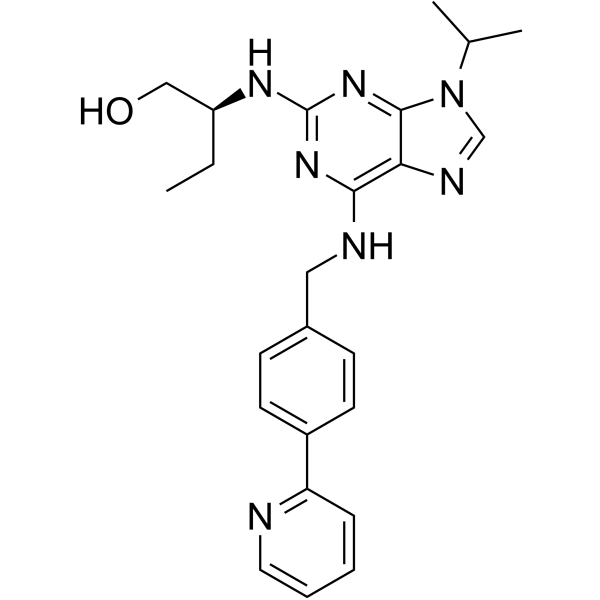
(S)-CR8 is the S-isomer of CR8. (S)-CR8 is a potent and selective CDK inhibitor with IC50s of 0.060, 0.080, 0.11, 0.12, and 0.15 μM for CDK2/cyclin E, CDK2/cyclin A, CDK9/cyclin T, CDK5/p25, and CDK1/cyclin B, respectively. (S)-CR8 reduces SH-SY5Y cells survival (IC50 0.40 μM) .
|
-
-
- HY-112363
-
|
RP107
|
CDK
GSK-3
ERK
JNK
CFTR
|
Inflammation/Immunology
Cancer
|
|
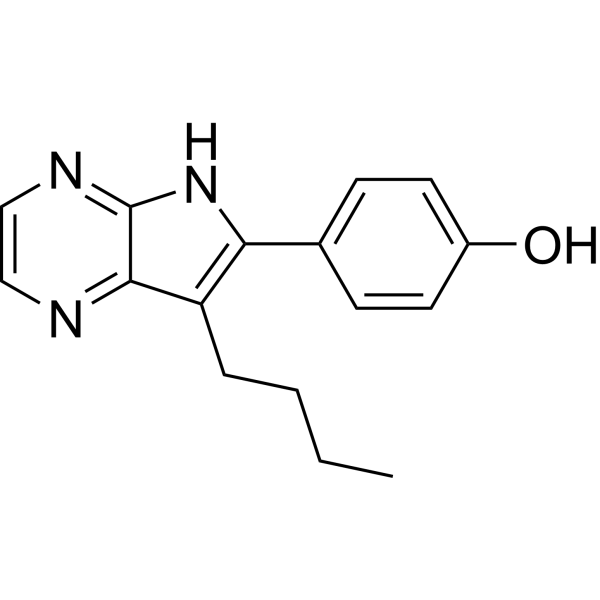
Aloisine A (RP107) is a a potent cyclin-dependent kinase (CDK) inhibitor with IC50s of 0.15 μM, 0.12 μM, 0.4 μM, 0.16 μM for CDK1/cyclin B, CDK2/cyclin A, CDK2/cyclin E, CDK5/p35, respectively. Aloisine A ininhibits GSK-3α (IC50=0.5 μM) and GSK-3β (IC50=1.5 μM). Aloisine A stimulates wild-type CFTR and mutated CFTR, with submicromolar affinity by a cAMP-independent mechanism. Aloisine A has the potential for CFTR-related diseases, including cystic fibrosis research .
|
-
-
- HY-N0417R
-
|
α-Elaterin (Standard); α-Elaterine (Standard)
|
Reference Standards
CDK
Autophagy
PANoptosis
|
Cancer
|
|
Cucurbitacin E (Standard) is the analytical standard of Cucurbitacin E. This product is intended for research and analytical applications. Cucurbitacin E is a natural compound which from Cucurbitaceae plants. Cucurbitacin E significantly suppresses the activity of the cyclin B1/CDC2 complex.
|
-

-
- HY-103383
-
|
|
CDK
Casein Kinase
|
Neurological Disease
Cancer
|
|
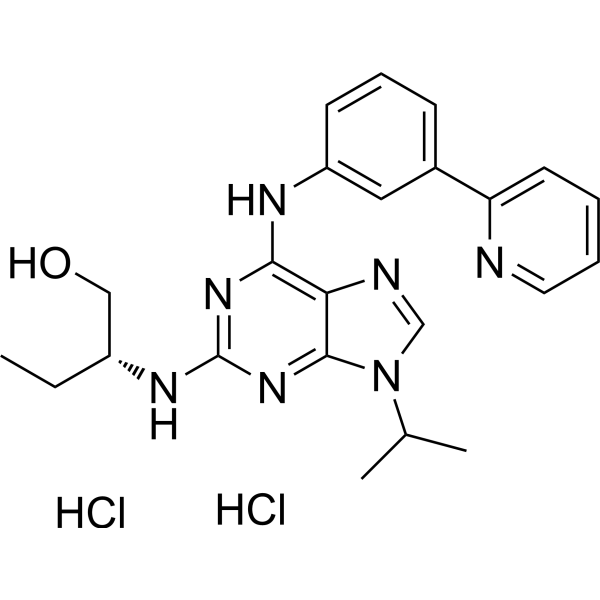
(R)-DRF053 dihydrochloride is a potent casein kinases 1 (CK1), CDK1/cyclin B and CDK5/p25 inhibitor with IC50s of 14 nM, 220 nM and 80 nM, respectively. (R)-DRF053 dihydrochloride prevents the CK1-dependent production of amyloid-beta in a cell model .
|
-
-
- HY-110359
-
|
|
CDK
Apoptosis
|
Cancer
|
|
CGP-74514 dihydrochloride is a highly selective cyclin-dependent kinase 1 (CDK1) inhibitor (IC50=25 nM). CGP-74514 dihydrochloride inhibits CDK1/cyclin B complex activity, arrests the cell cycle at G2/M phase and induces tumor cell apoptosis. CGP-74514 dihydrochloride is promising for research of bladder cancer .
|
-

-
- HY-143327
-
|
|
PROTACs
Epigenetic Reader Domain
Apoptosis
|
Cancer
|
|
PROTAC BRD4 Degrader-16 is a potent PROTAC BRD4 Degrader, with IC50 values of 34.58 nM (BRD4 (BD1)) and 40.23 nM (BRD4 (BD2)). PROTAC BRD4 Degrader-16 ignificantly attenuates G2/M progression associated Cyclin B1 expression. PROTAC BRD4 Degrader-16 significantly induces apoptosis in MV-4-11 cells .
|
-
-
- HY-161521
-
|
|
Polo-like Kinase (PLK)
|
Cancer
|
|
PLK1-IN-10 (Compound 4Bb) is an orally active PLK1 PBD (polo-box domain) inhibitor. PLK1-IN-10 blocks the interaction of PLK1 with the cell division regulator protein 1 (PRC1) and decreases the protein expression of the CDK1-Cyclin B1 complex. PLK1-IN-10 reacts with glutathione (GSH) to increase cellular oxidative stress, ultimately leading to cell death .
|
-

- HY-111932
-
|
|
CDK
GSK-3
|
Cancer
|
|
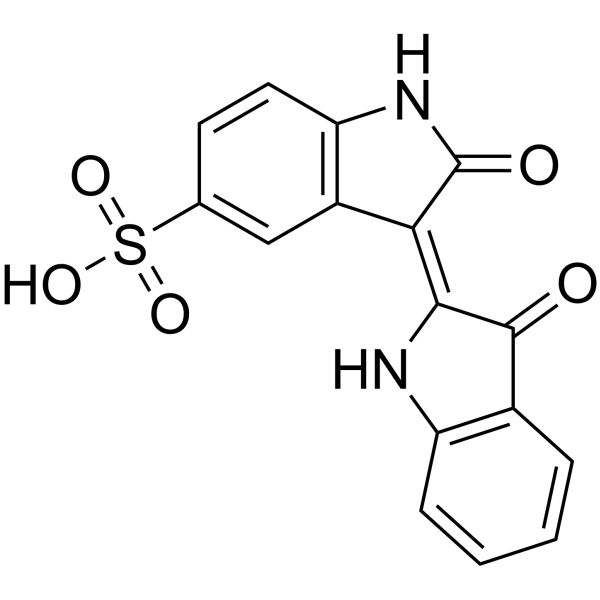
Indirubin-5-sulfonate is a cyclin-dependent kinase (CDK) inhibitor, with IC50 values of 55 nM, 35 nM, 150 nM, 300 nM and 65 nM for CDK1/cyclin B, CDK2/cyclin A, CDK2/cyclin E, CDK4/cyclin D1, and CDK5/p35, respectively . Indirubin-5-sulfonate also shows inhibitory activity against GSK-3β .
|
-
- HY-W011428R
-
|
|
Reference Standards
CDK
|
Others
Cancer
|
|
Olomoucine is an ATP competitive inhibitor of CDKs. Olomoucine is a purine (HY-34431) derivative and inhibits CDC2/cyclin B, Cdk2/cyclin A, Cdk2/cyclin E (both IC50=7 μM), CDK/p35 kinase (IC50=3 μM) and ERK1/p44 MAP kinase (IC50=25 μM) . Olomoucine regulates cell cycle and shows anti-melanin tumor activity .
|
-

- HY-178036
-
|
|
MDM-2/p53
Topoisomerase
Bcl-2 Family
Caspase
Cyclin G-associated Kinase (GAK)
|
Cancer
|
|
ZM484 is a potent dual p53-MDM2/TOP1 inhibitor that exhibits antiproliferative and antitumor activity both in vitro and in vivo. ZM484 effectively upregulates p53 and MDM2 proteins and maintains TOP1 inhibitory activity by the release of camptothecin (CPT) and a potent p53-MDM2 inhibitor. ZM484 induces cell cycle arrest and apoptosis by regulating the expression of key apoptosis- and cycle-related proteins, including caspase-3, Bcl-2, and Cyclin B1. ZM484 can be used for colorectal cancer research .
|
-

- HY-179012
-
|
|
APC
CDK
Raf
Akt
HSP
|
Cancer
|
|
CDC20/HSP90-IN-1 (Compound 2b) is a Cdc20/Hsp90 inhibitor with a Kd of 16.2 μM for Cdc20 and a Kd of 0.241 μM for Hsp90α. CDC20/HSP90-IN-1 exerts potent antitumor activity through reducing p53-mediated Cdc20, upregulating Bim, downregulating Cyclin B1 expression, and disturbing B-Raf and AKT pathways via destroying Hsp90 chaperone function. CDC20/HSP90-IN-1 overcomes Vemurafenib (HY-12057)-induced resistant melanoma .
|
-

- HY-175261
-
|
|
CDK
Wee1
Checkpoint Kinase (Chk)
|
Cancer
|
|
DHI1 is an anti-leukemia agent with high selectivity for Jurkat (IC50 = 21.83 μM) and HL-60 (IC50 = 19.14 μM) leukemia cells and has low toxicity to non-cancerous cells. DHI1 can induce G2/M phase cell arrest in Jurkat and HL-60 leukemia cells, as well as S phase arrest in HL-60 cells, and has significant effects on cell cycle signaling molecules Wee1, cyclin B1, cdc2 on Tyr15, and Chk1. DHI1 inhibits the migration and invasion of Jurkat and HL-60 cells by disrupting cytoskeletal actin filaments. DHI1 can be used to study hematological malignancies .
|
-

- HY-146095
-
|
|
MDM-2/p53
DNA/RNA Synthesis
Apoptosis
|
Cancer
|
|
p53 Activator 2 (compound 10ah) intercalats into DNA and results in significant DNA double-strand break.p53 Activator 2 increases the expression of p53, p-p53, CDK4, p21 to cause cell cycle arrest at G2/M phase.p53 Activator 2 induce apoptosis and significantly down-regulates the anti-apoptosis proteins Bcl-2, Bcl-xL and the levels of cyclin B1.p53 Activator 2 has anti-proliferation activity against MGC-803 cells, with an IC50 of 1.73 µM. p53 Activator 2 displays potent anticancer efficiency against MGC-803 xenograft tumors models .
|
-
- HY-123279
-
|
|
Aurora Kinase
CDK
|
Cancer
|
|
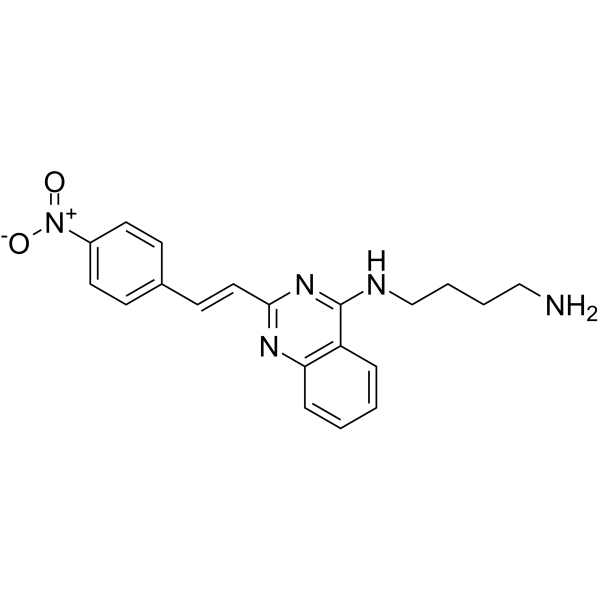
OM137 is an aurora kinase inhibitor, with an IC50 of 21.7 μM (Aurora A kinase) and 2.4 μM (Aurora B kinase). OM137 also inhibits Cdk1/cyclinB and Cdk5/p25 with an approximate IC50 of 20 μM. OM137 reduces spindle checkpoint-signaling proteins (Mad2 and BubR1) at the kinetochores of chromosomes .
|
-

- HY-112394
-
|
|
GSK-3
CDK
|
Cancer
|
|
2-Cyanoethylalsterpaullone (compound 7) is an Alsterpaullone (HY-108359) derivative, which exhibits potent and selective inhibitory activities against CDK1/Cyclin B and GSK-3β (GSK-3β: IC50=0.8 nM; CDK1/Cyclin B: IC50=0.23 nM) .
|
-

- HY-W781148
-
|
|
Topoisomerase
|
Cancer
|
|
Sutopin-2 is a topoisomerase II inhibitor. Suptopin-2 affects cell cycle progression and stability of microtubules. Sutopin-2 induces cell cycle arrest by regulating the nucleocytoplasmic transport of cyclin B1 .
|
-

- HY-160643
-
|
|
CDK
|
Cancer
|
|
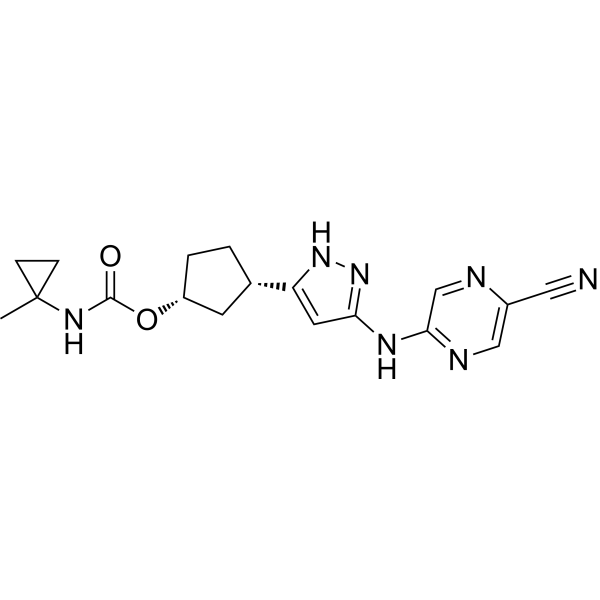
CDK2-IN-27 (compound 1) is a potent CDK2 inhibitor with IC50 values of <10, >10-20 nM for CDK2/cyclin E1, CDK2/cyclin B1, respectively .
|
-
- HY-149261
-
|
|
Autophagy
CDK
|
Cancer
|
|
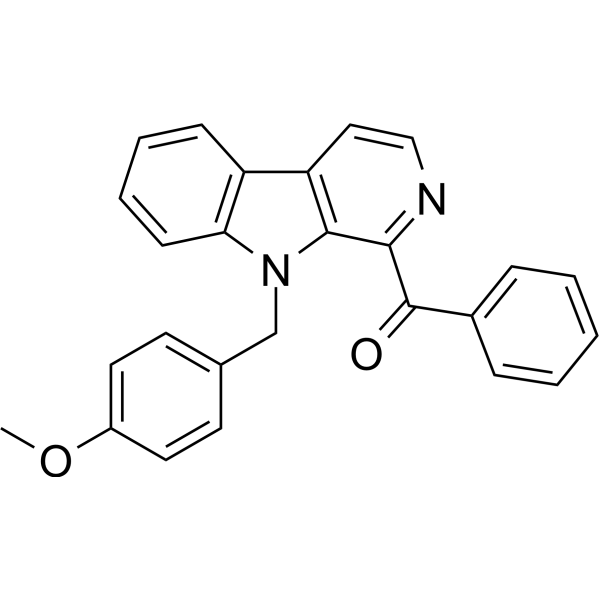
H1k, a Eudistomin Y derivative, is a lysosome-targeted antiproliferation agent. H1k increases the autophagy signal and downregulate the expression of cyclin-dependent kinase (CDK1) and cyclin B1. H1k can be used in research of cancer .
|
-
- HY-111260
-
|
|
CDK
GSK-3
Apoptosis
|
Cancer
|
|
R547 mesylate is a potent, selective and orally active ATP-competitive CDK inhibitor, with Kis of 2 nM, 3 nM and 1 nM for CDK1/cyclin B, CDK2/cyclin E and CDK4/cyclin D1, respectively .
|
-

- HY-150592
-
|
|
Aurora Kinase
|
Cancer
|
|
Aurora kinase-IN-2 (compound 12Aj) is a potent Aurora kinase inhibitor with IC50 values of 90 and 152 nM for Aurora A and Aurora B. Aurora kinase-IN-2 arrests cell cycle at G2/M phase by regulating cyclin B1 and cdc2. Aurora kinase-IN-2 can be used for cancer research .
|
-
- HY-172401
-
|
|
APC
Apoptosis
|
Cancer
|
|
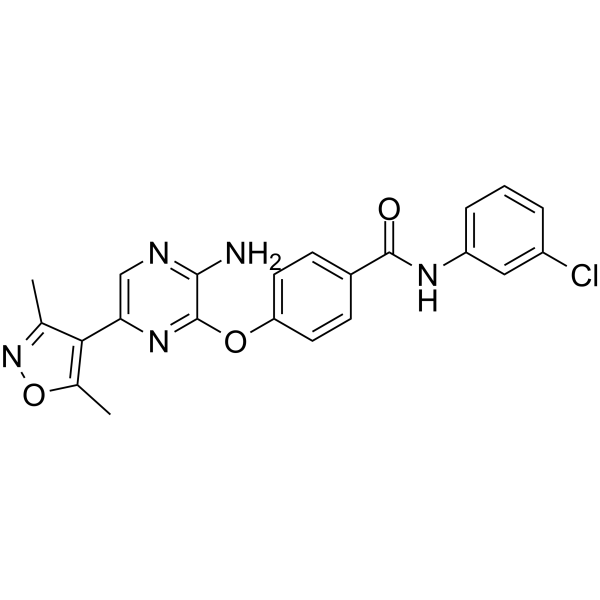
CDC20-IN-2 (14c), a Cdc20 inhibitor (KD: 7.65 μM), causes G2/M phase arrest and promotes DNA damage accumulation. CDC20-IN-2 (14c) stabilizes key substrates such as Cyclin B1 and Bim, leading to enhanced apoptosis and suppression of tumor cell proliferation and migration .
|
-

- HY-11012R
-
|
GSK-3β Inhibitor I (Standard); NP 01139 (Standard)
|
GSK-3
Reference Standards
|
Cancer
|
|
TDZD-8 (Standard) is the analytical standard of TDZD-8. This product is intended for research and analytical applications. TDZD-8 is an inhibitor of GSK-3β, with an IC50 of 2 μM; TDZD-8 shows less potent activities against Cdk-1/cyclin B, CK-II, PKA, and PKC, with all IC50s of >100 μM.
|
-

- HY-129727
-
|
|
DNA/RNA Synthesis
Reactive Oxygen Species (ROS)
Mitosis
|
Others
|
|
(E)-MS0019266 is a potent inhibitor of DNA damage repair. (E)-MS0019266 inhibits ribonucleotide reductase by generating reactive oxygen species. (E)-MS0019266 also reduces expression of genes related to cell cycle arrest and mitosis, including polo-like kinase 1, kinesin family member 20a, cyclin B1 and aurora kinase A. (E)-MS0019266 is promising for research of inhibitors of ribonucleotide reductase and polo-like kinase 1 .
|
-

- HY-18299AR
-
|
NG-60 (Standard)
|
CDK
Autophagy
Apoptosis
Reference Standards
|
Cancer
|
|
Purvalanol A (Standard) is the analytical standard of Purvalanol A. This product is intended for research and analytical applications. Purvalanol A is a potent CDK inhibitor, which inhibits cdc2-cyclin B, cdk2-cyclin A, cdk2-cyclin E, cdk4-cyclin D1, and cdk5-p35 with IC50s of 4, 70, 35, 850, 75 nM, resepctively.
|
-

- HY-161857
-
|
|
Akt
mTOR
Caspase
CDK
|
Cancer
|
|
Akt/mTOR-IN-1 (Compound 8r) is an AKT/mTOR signaling pathway inhibitor exhibiting an IC50 value of 0.8 µM with anticancer activity. Akt/mTOR-IN-1 can decrease the expression of Caspase 3 and increase the expression of the autophagic protein Cyclin B1, thereby inducing cell autophagy and apoptosis. Akt/mTOR-IN-1 can be used in research related to non-small cell lung cancer (NSCLC) .
|
-

- HY-143660
-
|
|
Microtubule/Tubulin
Apoptosis
|
Cancer
|
|
LG308 is a novel synthetic compound with antimicrotubule activity. LG308 induces mitotic phase arrest and inhibits G2/M progression significantly which is associated with the upregulation of cyclin B1 and mitotic marker MPM-2 and the dephosphorylation of cdc2. LG308 also induces apoptosis and cell death. LG308 significantly suppresses tumor growth. LG308 with antimitotic activity has the potential for the research of prostate cancer .
|
-
- HY-136841
-
|
|
CDK
|
Cancer
|
|
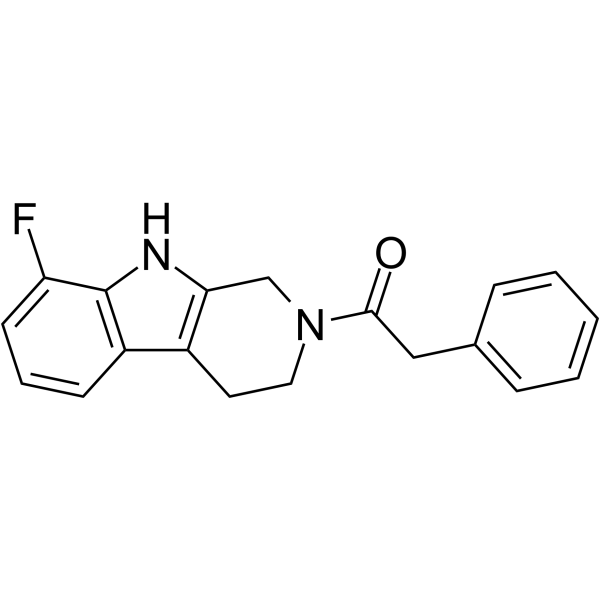
SLM6 is a sangivamycin-like molecule. SLM6 is a CDK9 inhibitor. SLM6 inhibits CDK9/cyclin K and CDK9/cyclin T1 kinase activity with IC50s of 280 nM and 133 nM, respectively. SLM6 also inhibits CDK1/cyclin B and CDK2/
cyclin A with IC50s of less than 300 nM. SLM6 induces apoptosis in multiple myeloma (MM) cells .
|
-

- HY-119948
-
|
|
Cyclin G-associated Kinase (GAK)
MDM-2/p53
|
Cancer
|
AKCI is a type of AURKC-IκBα interaction inhibitor, with an IC50 value of 24.9 μM. In MDA-MB-231 cells, AKCI can induce G2/M cell cycle arrest by regulating the p53/p21/CDC2/cyclin B1 pathway, inhibit cell migration and invasion, and reduce colony formation and tumor growth. AKCI can be used for research on breast cancer .
|
-

- HY-164374
-
|
|
PAK
|
Cancer
|
|
AK963/40708899 is a potent PAK1 inhibitor. AK963/40708899 suppresses the proliferation of human gastric cancer cells by downregulation of PAK1-NF-κB-cyclinB1 pathway. AK963/40708899 induces cell cycle arrest at G2 phase and reduces the migration and invasion. AK963/40708899 inhibits the formation of filopodia and promots cell adhesion which in turn inhibits invasive potential of gastric cells by negatively regulating PAK1-LIMKl-cofilin and PAK1-ERK-FAK pathways .
|
-

- HY-144637
-
|
|
Apoptosis
Autophagy
|
Cancer
|
|
Autophagy inducer 2 (Compound 11i) is a potent autophagy inducer. Autophagy inducer 2 exhibits apparent antiproliferative activity against the MCF-7 cell line with an IC50 value of 1.31 μM and remarkably inhibits the colony formation of the MCF-7 cells. Autophagy inducer 2 arrests the MCF-7 cells in the G2/M phase by regulating the cell-cycle-related proteins Cdk-1 and Cyclin B1. Autophagy inducer 2 has the potential for the research of breast cancer .
|
-
- HY-161826
-
|
|
Wnt
β-catenin
HSP
CDK
c-Myc
|
Cancer
|
|
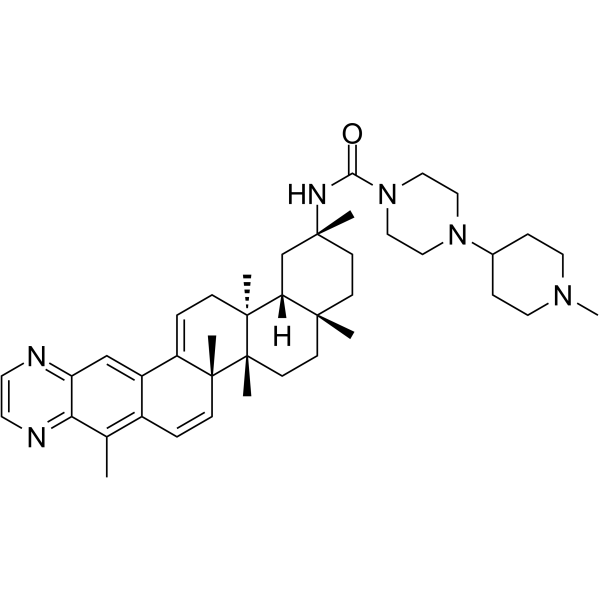
Antitumor agent-174 (Compound 10) directly engages the N-terminal site of Hsp90 and promotes the degradation of β-catenin, thereby suppressing the Wnt/β-catenin signaling. Antitumor agent-174 effectively inhibits proliferation, induce S and G2/M phases arrest and block the clonogenic ability in CRC cells. Antitumor agent-174 down-regulates CDK1, Cyclin D1, c-Myc, Cyclin B1, and Cyclin A2, and upregulaties P21 proteins. Antitumor agent-174 has significant anti-tumor efficacy against colorectal cancer (CRC) with excellent pharmacokinetics and low toxicity .
|
-

- HY-141685
-
|
|
CDK
GSK-3
VEGFR
FGFR
|
Cancer
|
|
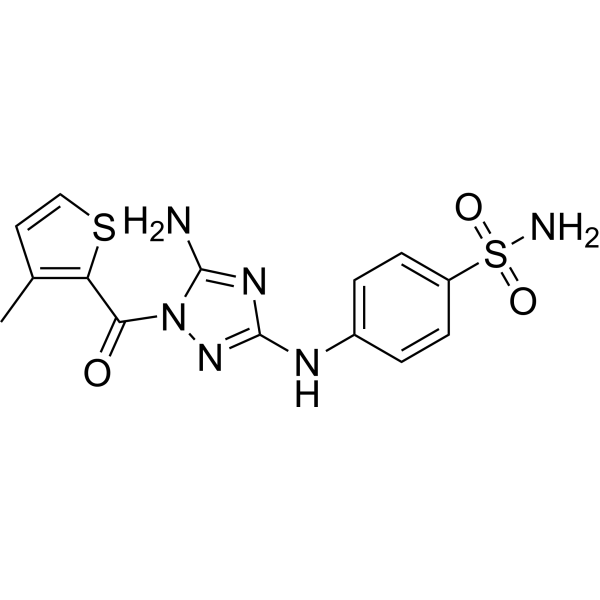
3-Methylthienyl-carbonyl-JNJ-7706621 is a potent and selective inhibitor of cyclin-dependent kinase (CDK), with IC50s of 6.4 nM and 2 nM for CDK1/cyclin B and CDK2/cyclin A, respectively. 3-Methylthienyl-carbonyl-JNJ-7706621 also shows potent inhibition of GSK-3 (IC50=0.041 μM) and modest potency against CDK4, VEGF-R2, and FGF-R2 (IC50=0.11, 0.13, 0.22 μM, respectively). 3-Methylthienyl-carbonyl-JNJ-7706621 can be used for the research of cancer .
|
-
- HY-170965
-
|
|
CDK
DNA/RNA Synthesis
|
Cancer
|
|
Anticancer agent 264 (Compound 5w) is an anticancer agent that exhibits significant antiproliferative activity across tumor cell lines, with an IC50 range of 7.5-33.67 μM.
Anticancer agent 264 significantly induces G2/M phase arrest in MDA-MB-231, MIA PaCa-2, and DU-145 cell lines.
Anticancer agent 264 reduces the expression of key cell cycle proteins, including CDK1, CDK2, and Cyclin B1, in a dose-dependent manner, and shows strong binding affinity with inhibitor of differentiation (ID) proteins and DNA-binding proteins.
Anticancer agent 264 can be used for research in the field of cancer-related diseases .
|
-

- HY-169412
-
|
|
MDM-2/p53
CDK
Caspase
Bcl-2 Family
Reactive Oxygen Species (ROS)
p38 MAPK
ERK
JNK
|
Cancer
|
|
MAPK-IN-3 (Compound 4a) is an anti-proliferative agent that shows particularly strong inhibitory effects on KYSE 30, HCT 116, and HGC 27, with IC50 values of 0.57 μM, 3.27 μM, and 2.28 μM, respectively. MAPK-IN-3 blocks the cell cycle via a p53-dependent mechanism and induces cell apoptosis through a p53-independent mechanism. MAPK-IN-3 downregulates the expression of cell cycle-related proteins like Cyclin D1 and cyclin B1, upregulates pro-apoptotic proteins such as cleaved PARP, cleaved caspase-7, and cleaved caspase-9, and reduces the expression of anti-apoptotic proteins like Bcl-2. Additionally, MAPK-IN-3 increases the intracellular level of ROS in KYSE 30 cells and upregulates the expression of members of the MAPK signaling pathway associated with ROS, such as p-ERK, p-p38 and p-JNK .
|
-

- HY-123238
-
|
|
CDK
|
Cancer
|
|
AG-024104 is a CDK inhibitor with Ki values of 2.3 nM (CDK1/cyclinB), 1.8 nM (CDK2/cyclinA), and 0.67 nM (CDK4/cyclinD). AG-024104 functionally inhibits kinase activity of CDK1/cyclinB, CDK2/cyclinA, and CDK4/cyclinD. AG-024104 serves as a negative control for peripheral leukocyte toxicity studies in preclinical development .
|
-

- HY-10580R
-
|
6-Bromoindirubin-3'-oxime (Standard); BIO (Standard); MLS 2052 (Standard)
|
Reference Standards
GSK-3
CDK
Apoptosis
|
Cancer
|
|
GSK 3 Inhibitor IX (Standard) is the analytical standard of GSK 3 Inhibitor IX (HY-10580). This product is intended for research and analytical applications. GSK 3 Inhibitor IX (6-Bromoindirubin-3'-oxime; BIO) is a potent, selective, reversible and ATP-competitive inhibitor of GSK-3α/β and CDK1-cyclinB complex with IC50s of 5 nM/320 nM/80 nM for (GSK-3α/β)/CDK1/CDK5, respectively.
|
-

- HY-181838
-
|
|
CDK
Apoptosis
|
Cancer
|
|
CIRc-014 is an orally active Cyclin A/B inhibitor with a Cyclin A IC50 of 0.05 μM, Cyclin A Kd of 2.7 nM, Cyclin B IC50 of less than 0.02 μM and Cyclin B Kd of 1.0 nM. CIRc-014 activates the spindle assembly checkpoint and promotes the formation of a complex between Cyclin B and CDK2 by blocking the RxL interaction of Cyclin A/B. CIRc-014 can induce replication stress, DNA damage, mitotic arrest and apoptosis in tumor cells. CIRc-014 showed tumor growth inhibition and regression in NCI-H69 and NCI-H446 small cell lung cancer xenograft models. CIRc-014 can be used for the research of small-cell lung cancer .
|
-

- HY-103221R
-
|
|
Reference Standards
Aryl Hydrocarbon Receptor
GSK-3
CDK
|
Others
|
|
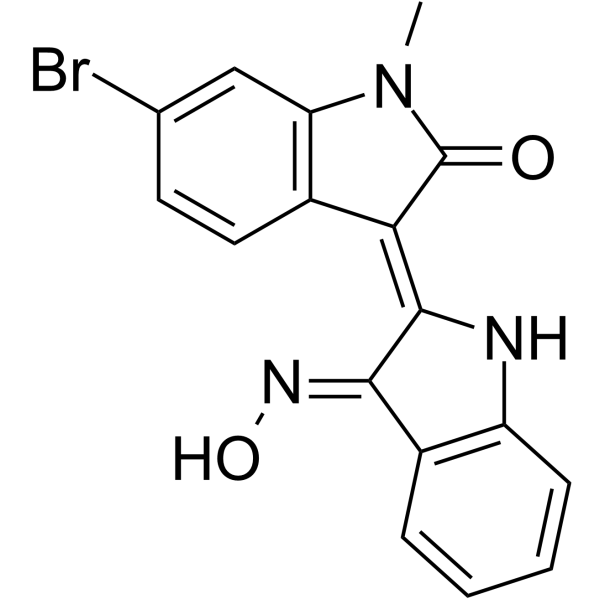
MeBIO (Standard) is the analytical standard of MeBIO (HY-103221). This product is intended for research and analytical applications. MeBIO is a potent AhR (aryl hydrocarbon receptor) agonist, with IC50 of 44 μM (GSK-3) and 55 μM (CDK1/cyclin B), respectively .
|
-

- HY-183854
-
|
|
CDK
|
Cancer
|
|
AG-12286 is a pan-CDK inhibitor with an IC50 value of 2 nM against cdk1/cyclin B, 6 nM against cdk2/cyclin E, and 12 nM against cdk4/cyclin D. AG-12286 is 1000-fold more selective for the CDK family than for PKC. AG-12286 can be used in cancer research .
|
-

- HY-10014R
-
|
|
CDK
Reference Standards
GSK-3
Apoptosis
|
Cancer
|
|
R547 (Standard) is the analytical standard of R547 (HY-10014). This product is intended for research and analytical applications. R547 is a potent, selective and orally active ATP-competitive CDK inhibitor, with Kis of 2 nM, 3 nM and 1 nM for CDK1/cyclin B, CDK2/cyclin E and CDK4/cyclin D1, respectively .
|
-

- HY-181763
-
|
|
Microtubule/Tubulin
Apoptosis
CDK
|
Cancer
|
|
Tubulin-IN-65 (Compound Imp-18) is a Tubulin inhibitor. Tubulin-IN-65 exhibits tubulin-disrupting activity. Tubulin-IN-65 disrupts microtubule integrity. Tubulin-IN-65 induces Apoptosis and increases the expression of CDK1 and Cyclin B1. Tubulin-IN-65 possesses anticancer activity against breast cancer and colorectal cancer. Tubulin-IN-65 can be used in research related to triple-negative breast cancer and colorectal adenocarcinoma .
|
-

- HY-N18301
-
|
|
ATM/ATR
Checkpoint Kinase (Chk)
MDM-2/p53
E1/E2/E3 Enzyme
CDK
Mitosis
Reactive Oxygen Species (ROS)
Apoptosis
|
Cancer
|
|
Americanin A is a Neolignan. Americanin A can be isolated from the seeds of Phytolacca americana. Americanin A activates ATM and ATR, initiating the subsequent signal transduction cascades that include Chk1, Chk2, and tumor suppressor p53. Americanin A targets selectively Skp2 for degradation and thereby stabilizes p27. Americanin A suppresses the activity of Cyclin B1 and its partner cdc2 to prevent entry into Mitosis. Americanin A induces Apoptosis by producing excessive ROS. Americanin A has anti-cancer activity against colorectal cancer .
|
-

- HY-103647R
-
|
|
Reference Standards
CDK
VEGFR
GSK-3
|
Cancer
|
|
K00546 (Standard) is the analytical standard of K00546 (HY-103647). This product is intended for research and analytical applications. K00546 is a potent CDK1 and CDK2 inhibitor with IC50s of 0.6 nM and 0.5 nM for CDK1/cyclin B and CDK2/cyclin A, respectively. K00546 is also a potent CDC2-like kinase 1 (CLK1) and CLK3 inhibitor with IC50s of 8.9 nM and 29.2 nM, respectively .
|
-

- HY-N13201
-
|
|
Apoptosis
CDK
|
Cancer
|
|
12-Deoxyphorbol 13-palmitate is a traditional Chinese medicine monomer with antitumor activity that can be isolated from the root of Euphorbia fischeriana. 12-Deoxyphorbol 13-palmitate induces gastric cancer cell cycle arrest and apoptosis by regulating key cell cycle regulators such as cyclin B、cyclin A and CDC2. In addition, 12-Deoxyphorbol 13-palmitate can significantly weaken APOL2–SERCA2–PERK–HES1 signaling and slow liver fibrosis by targeting APOL2 .
|
-

- HY-183787
-
|
|
PI3K
Akt
mTOR
Apoptosis
CDK
|
Cancer
|
|
PI3Kα-IN-33 is an orally active and selective PI3Kα inhibitor with an IC50 of 9.9 nM. PI3Kα-IN-33 blocks the PI3K/Akt/mTOR signaling pathway. PI3Kα-IN-33 induces apoptosis and triggers G2/M-phase arrest via Cyclin B1 and CDK1 downregulation. PI3Kα-IN-33 can be used for the research of colorectal cancer .
|
-

- HY-180190
-
|
|
Microtubule/Tubulin
Bcl-2 Family
MDM-2/p53
CDK
Apoptosis
|
Cancer
|
|
Tubulin polymerization-IN-85 (Compound C21) is a tubulin polymerization inhibitor (IC50 = 1.59 μM) targeting the colchicine binding site. Tubulin polymerization-IN-85 can cause cancer cells G2/M phase arrest and induce apoptosis. Tubulin polymerization-IN-85 downregulates the expression of Bcl-2, Bcl-xl, Mcl-1, Cyclin B1, cdc25, cdc2 protein and upregulates P53, P21, Bad and Bax levels. Tubulin polymerization-IN-85 can be used for the research of cancer, such as cervical cancer .
|
-

- HY-181978
-
|
|
Ras
Apoptosis
MEK
ERK
CDK
|
Cancer
|
|
GIT1-IN-1 is an inhibitor of ARF GTPase-activating protein 1 (GIT1) with a KD of 6.2 μM. GIT1-IN-1 induces apoptosis (apoptosis) in liver and colon cancer cells, arrests the cell cycle at the G2/M phase, and inhibits cell proliferation, colony formation and migration. GIT1-IN-1 inhibits the activities of MEK and ERK, reduces the expression level of cyclin D1, and stabilizes cyclin B1 protein in liver and colon cancer cells. GIT1-IN-1 can be used in the research of liver cancer and colon cancer .
|
-

- HY-182285
-
|
|
5-HT Receptor
DNA/RNA Synthesis
|
Cancer
|
|
FOXM1-IN-4 is a selective 5-HT7 receptor inhibitor with a Ki of 92 nM. FOXM1-IN-4 blocks 5-HT7 receptor signaling to reduce FOXM1, p-FOXM1, cyclin B1, and cdc25B levels. FOXM1-IN-4 acts as an antiproliferative, clonogenic inhibitor, and cell cycle inhibitor that induces G2/M arrest, reduces G0/G1 population. FOXM1-IN-4 can be used for the research of triple-negative breast cancer .
|
-

- HY-182285A
-
|
|
5-HT Receptor
DNA/RNA Synthesis
|
Cancer
|
|
FOXM1-IN-4 hydrochloride is a selective 5-HT7 receptor inhibitor with a Ki of 92 nM. FOXM1-IN-4 hydrochloride blocks 5-HT7 receptor signaling to reduce FOXM1, p-FOXM1, cyclin B1, and cdc25B levels. FOXM1-IN-4 hydrochloride acts as an antiproliferative, clonogenic inhibitor, and cell cycle inhibitor that induces G2/M arrest, reduces G0/G1 population. FOXM1-IN-4 hydrochloride can be used for the research of triple-negative breast cancer .
|
-

- HY-182752
-
|
|
CDK
Aurora Kinase
Apoptosis
|
Cancer
|
|
CDK1-IN-9 is an orally active and selective CDK1 inhibitor with an IC50 of 5.5 nM. CDK1-IN-9 exhibits broad antiproliferative activity, particularly against HCT116 colon cancer cells. CDK1-IN-9 induces G2/M phase arrest and downregulates CDK1, cyclin B1, and the replication initiation factor CDC45. CDK1-IN-9 induces severe DNA replication stress, subsequently activating the p53 signaling pathway to trigger apoptosis. CDK1-IN-9 can be used for research on colon cancer, liver cancer and gastric cancer .
|
-

- HY-180820
-
|
|
Drug Derivative
MDM-2/p53
CDK
Reactive Oxygen Species (ROS)
Apoptosis
Bcl-2 Family
Caspase
|
Cancer
|
|
Dimethyl bisphenolate (Compound DMB) is a natural neolignan derivative with orally active anti-tumor activity. Dimethyl bisphenolate can inhibit cancer cells proliferation, invasion and migration. Dimethyl bisphenolate can activate the p53 signaling pathway, upregulate the expression of p21 protein, inhibit the activity of the CDK1-cyclin B1 complex, and cause cells to stall at the G2/M phase. Dimethyl bisphenolate can induce ROS production, upregulate pro-apoptotic proteins Noxa and Bim, downregulate anti-apoptotic protein Bcl-2, activate caspase-9 and caspase-3, and ultimately induce cell apoptosis. Dimethyl bisphenolate can be used for research of glioblastoma .
|
-

- HY-N3000A
-
|
|
JNK
IRE1
Akt
mTOR
YAP
Reactive Oxygen Species (ROS)
Autophagy
Apoptosis
Ferroptosis
Fungal
Caspase
DNA/RNA Synthesis
|
Infection
Inflammation/Immunology
Cancer
|
|
6-Methoxydihydrosanguinarine hydrochloride is an alkaloid with activity across multiple cancer cell types. 6-Methoxydihydrosanguinarine hydrochloride activates IRE1/JNK signaling, blocks Akt/mTOR and PI3K/AKT/mTOR pathways, reduces expression of Cdc25C, CyclinB1, Cdc2, YAP/TAZ, Survivin, GPX4, and EGFR, upregulates IRE1 and DR5, and activates JNK and caspases. 6-Methoxydihydrosanguinarine hydrochloride induces apoptosis, G2/M phase arrest, DNA damage, ROS generation, lipid peroxidation, ferroptosis, autophagy, and suppresses cancer cell growth. 6-Methoxydihydrosanguinarine hydrochloride disruptes the biofilm formation of Candida albicans (C. albicans). 6-Methoxydihydrosanguinarine hydrochloride can be used for the research of non-small cell lung cancer, hepatocellular carcinoma, melanoma, colon carcinoma, ovarian cancer and breast cancer .
|
-

- HY-114214
-
|
|
Drug Derivative
NF-κB
MMP
TNF Receptor
Interleukin Related
Cyclin G-associated Kinase (GAK)
CDK
PI3K
Akt
|
Inflammation/Immunology
Cancer
|
|
CKD-712 is an orally active multi-target tetrahydroisoquinoline derivatived and a potent inhibitor of the NF-κB pathway . CKD-712 selectively inhibits MMP-9 with no effect on MMP-2, downregulates the expression of TNF-α, IL-6, cyclin A, cyclin B, CDK-1 and other proteins, and activates the PI3K/Akt signaling pathway . CKD-712 blocks the activation and nuclear translocation of NF-κB, downregulates inflammatory factors and pro-tumor metastatic proteins, and induces G2/M phase arrest in tumor cells and thereby inhibits the invasion of cancer cells . CKD-712 can be used for the research of sepsis, myocardial ischemia-reperfusion injury and non-small cell lung cancer .
|
-

- HY-183118
-
|
|
CDK
Apoptosis
|
Neurological Disease
Cancer
|
|
CID-078 is an orally active macrocyclic cyclin A and cyclin B inhibitor. CID-078 binds cyclin hydrophobic patches, disrupting interactions of cyclin A-Cdk2 with E2F1 and cyclin B-Cdk1 with Myt1, and selectively targets RxL binding motifs to block complex-substrate interactions. CID-078 induces DNA damage, G2/M cell cycle arrest, apoptosis, mitotic catastrophe, spindle assembly checkpoint activation, and neomorphic cyclin B-CDK2 complex formation, driving synthetic lethality in E2F-driven cancer cells. CID-078 can be used for the research of small cell lung cancer, non-small cell lung cancer, triple negative breast cancer, advanced solid tumors, luminal HR +/HER 2- breast cancer, RB1-altered solid tumors, and neuroblastoma .
|
-

| Cat. No. |
Product Name |
Target |
Research Area |
-
- HY-P2480
-
|
|
CDK
|
Others
|
|
Histone H1-derived Peptide is a phosphopeptide and the peptide substrates containes a sequence in accordance with the optimal recognition motif for CDK, can be used to detecting CDK1-cyclinB1 enzyme activity .
|
| Cat. No. |
Product Name |
Category |
Target |
Chemical Structure |
-
- HY-N2424
-
|
2-Phenyl-4-chromone
|
Flavonoids
Classification of Application Fields
Flavones
Metabolic Disease
Endogenous metabolite
Disease Research Fields
Source Classification
|
CDK
Apoptosis
Caspase
|
|
Flavone is an anti-tumor compound that targets cell cycle regulatory proteins (such as cyclin B1) and apoptosis-related factors (such as p21waf1, PIG3). Flavone selectively induces mitochondrial-mediated apoptosis pathways in tumor cells, inhibits cyclin B1 protein expression, upregulates p21waf1, and activates p63/p73 proteins. Flavone has immunomodulatory functions that enhance natural killer cell (NK cell) activity and lymphocyte proliferation. Flavone is used in cancer research, especially for its inhibitory potential in solid tumor models such as esophageal cancer and liver cancer .
|
-
-
- HY-N0417
-
-
-
- HY-N3000
-
|
|
Alkaloids
Structural Classification
Classification of Application Fields
Quinoline Alkaloids
Macleaya cordata (Willd.) R. Br.
Plants
Disease Research Fields
Papaveraceae
Source Classification
Cancer
|
JNK
IRE1
Akt
mTOR
YAP
Reactive Oxygen Species (ROS)
Autophagy
Apoptosis
Ferroptosis
Fungal
|
|
6-Methoxydihydrosanguinarine is an alkaloid with activity across multiple cancer cell types. 6-Methoxydihydrosanguinarine activates IRE1/JNK signaling, blocks Akt/mTOR and PI3K/AKT/mTOR pathways, reduces expression of Cdc25C, CyclinB1, Cdc2, YAP/TAZ, Survivin, GPX4, and EGFR, upregulates IRE1 and DR5, and activates JNK and caspases. 6-Methoxydihydrosanguinarine induces apoptosis, G2/M phase arrest, DNA damage, ROS generation, lipid peroxidation, ferroptosis, autophagy, and suppresses cancer cell growth. 6-Methoxydihydrosanguinarine disruptes the biofilm formation of Candida albicans (C. albicans). 6-Methoxydihydrosanguinarine can be used for the research of non-small cell lung cancer, hepatocellular carcinoma, melanoma, colon carcinoma, ovarian cancer and breast cancer .
|
-
-
- HY-N0417R
-
-
-
- HY-N18301
-
-
-
- HY-N13201
-
-
-
- HY-N3000A
-
|
|
Structural Classification
Alkaloids
Meconopsis simplicifolia (D. Don) Walp.
Quinoline Alkaloids
Plants
Papaveraceae
Source Classification
|
JNK
IRE1
Akt
mTOR
YAP
Reactive Oxygen Species (ROS)
Autophagy
Apoptosis
Ferroptosis
Fungal
Caspase
DNA/RNA Synthesis
|
|
6-Methoxydihydrosanguinarine hydrochloride is an alkaloid with activity across multiple cancer cell types. 6-Methoxydihydrosanguinarine hydrochloride activates IRE1/JNK signaling, blocks Akt/mTOR and PI3K/AKT/mTOR pathways, reduces expression of Cdc25C, CyclinB1, Cdc2, YAP/TAZ, Survivin, GPX4, and EGFR, upregulates IRE1 and DR5, and activates JNK and caspases. 6-Methoxydihydrosanguinarine hydrochloride induces apoptosis, G2/M phase arrest, DNA damage, ROS generation, lipid peroxidation, ferroptosis, autophagy, and suppresses cancer cell growth. 6-Methoxydihydrosanguinarine hydrochloride disruptes the biofilm formation of Candida albicans (C. albicans). 6-Methoxydihydrosanguinarine hydrochloride can be used for the research of non-small cell lung cancer, hepatocellular carcinoma, melanoma, colon carcinoma, ovarian cancer and breast cancer .
|
-
Your information is safe with us. * Required Fields.
Inquiry Information
- Product Name:
- Cat. No.:
- Quantity:
- MCE Japan Authorized Agent:











