Search Result
Results for "
human+platelets
" in MedChemExpress (MCE) Product Catalog:
2
Biochemical Assay Reagents
5
Isotope-Labeled Compounds
| Cat. No. |
Product Name |
Target |
Research Areas |
Chemical Structure |
-
- HY-W010918
-
|
Adenosine diphosphate; ADP
|
Endogenous Metabolite
|
Others
|
|
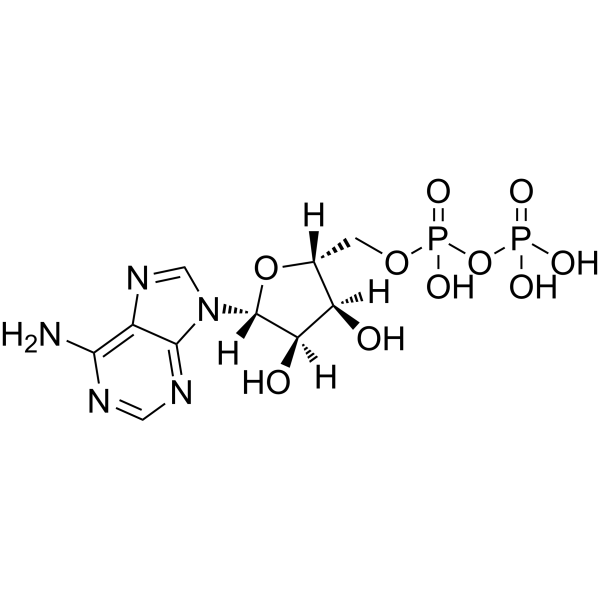
Adenosine 5'-diphosphate (Adenosine diphosphate) is a nucleoside diphosphate. Adenosine 5'-diphosphate is the product of ATP dephosphorylation by ATPases. Adenosine 5'-diphosphate induces human platelet aggregation and inhibits stimulated adenylate cyclase by an action at P2T-purinoceptors.
|
-
-
- HY-100223
-
-
-
- HY-P0078
-
|
PAR-1 agonist peptide; Thrombin Receptor Activator Peptide 6
|
Protease Activated Receptor (PAR)
|
Inflammation/Immunology
|
|
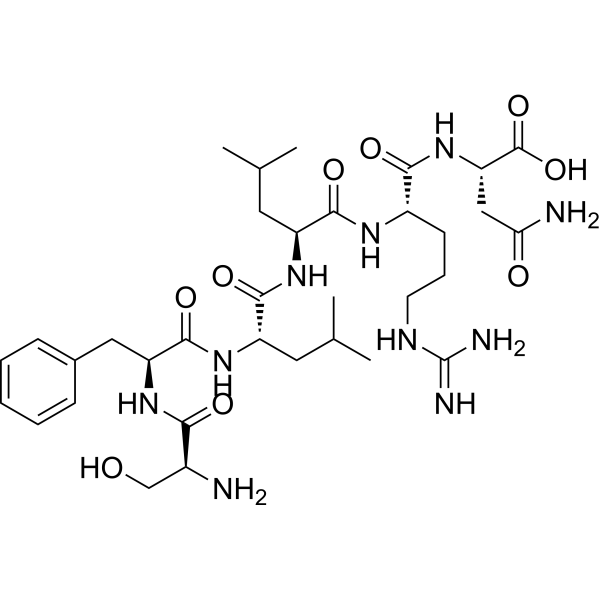
TRAP-6 (PAR-1 agonist peptide), a peptide fragment, is a selective protease activating receptor 1 (PAR1) agonist. TRAP-6 activates human platelets via the thrombin receptor. TRAP-6 shows no activity at PAR4 .
|
-
-
- HY-130592
-
|
C48/80 trihydrochloride
|
Phospholipase
|
Neurological Disease
|
|
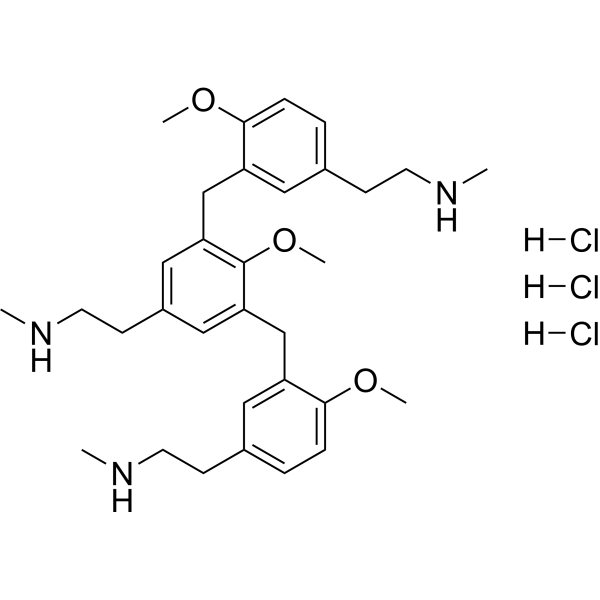
Compound 48/80 trihydrochloride (C48/80 trihydrochloride) is a mixture of condensation products of N-methyl-p-methoxyphenethylamine with formaldehyde. Compound 48/80 trihydrochloride is also a histamine releaser and a mast cell degranulator. Compound 48/80 inhibits phosphatidylinositol-specific phospholipase C activity from human platelets .
|
-
-
- HY-B0808
-
|
Oxaprozinum; Wy21743
|
COX
NF-κB
Akt
IKK
Apoptosis
|
Inflammation/Immunology
Cancer
|
|
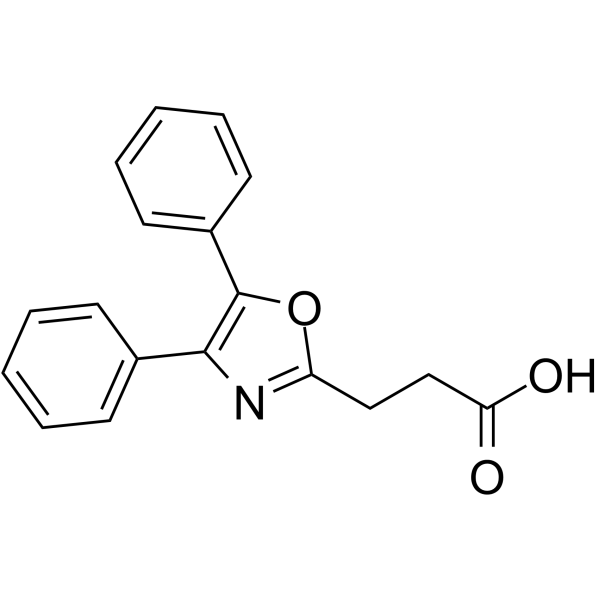
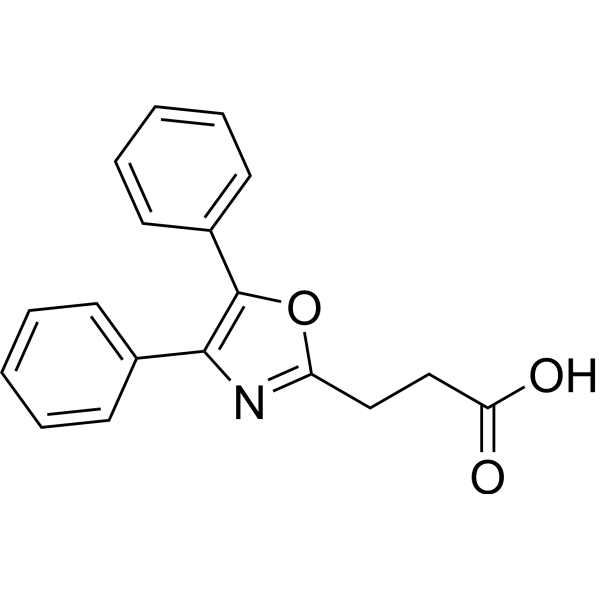
Oxaprozin is an orally active and potent COX inhibitor, with IC50 values of 2.2 μM for human platelet COX-1 and and 36 μM for IL-1-stimulated human synovial cell COX-2, respectively. Oxaprozin also inhibits the activation of NF-κB. Oxaprozin induces cell apoptosis. Oxaprozin shows anti-inflammatory activity. Oxaprozin-mediated inhibition of the Akt/IKK/NF-κB pathway contributes to its anti-inflammatory properties .
|
-
-
- HY-108912
-
-
-
- HY-W010791
-
|
|
Endogenous Metabolite
|
Others
|
|
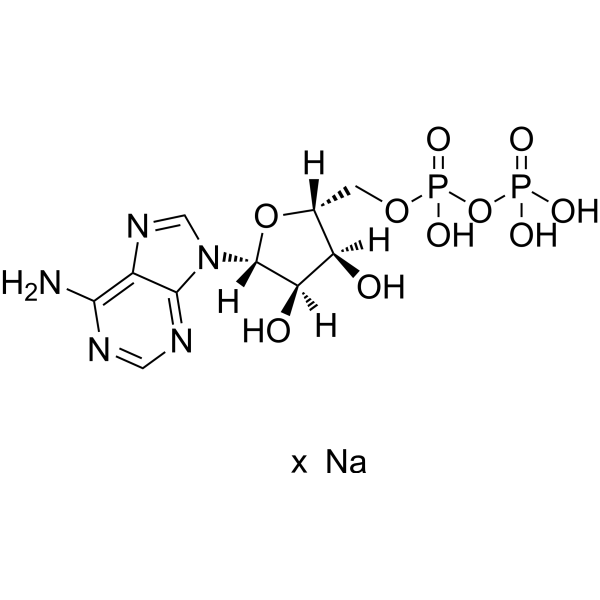
Adenosine 5'-diphosphate sodium salt is a nucleoside diphosphate and the product of ATP dephosphorylation by ATPases. Adenosine 5'-diphosphate sodium salt induces human platelet aggregation and inhibits stimulated adenylate cyclase through its action on P2T-purinergic receptors .
|
-
-
- HY-126356
-
|
|
Liposome
|
Cardiovascular Disease
|
|
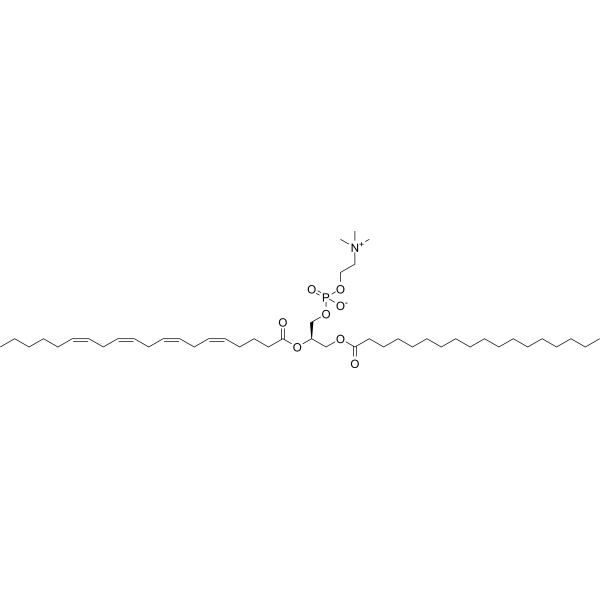
1-Stearoyl-2-arachidonoyl-sn-glycero-3-phosphocholine is a major phospholipid in low-density lipoprotein and belongs to the group of 1-acyl phosphatidylcholines. 1-Stearoyl-2-arachidonoyl-sn-glycero-3-phosphocholine does not induce morphological changes in washed human platelets. 1-Stearoyl-2-arachidonoyl-sn-glycero-3-phosphocholine can be used for the research of atherosclerosis and thrombotic diseases .
|
-
-
- HY-109897
-
-
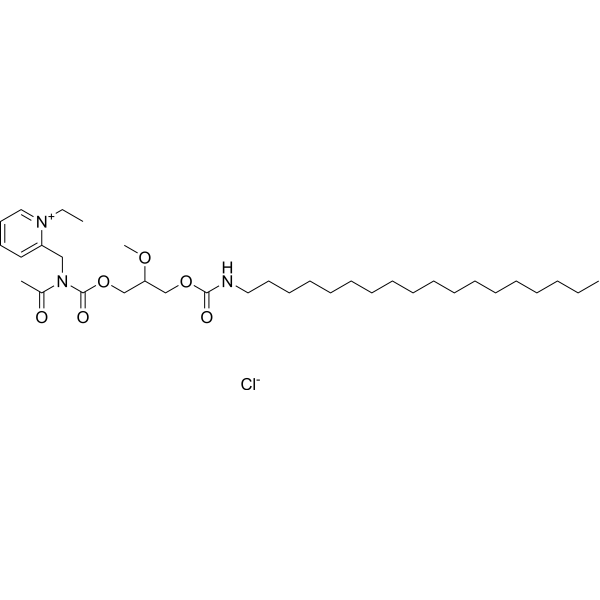
-
- HY-108658
-
|
|
P2Y Receptor
|
Cardiovascular Disease
|
|
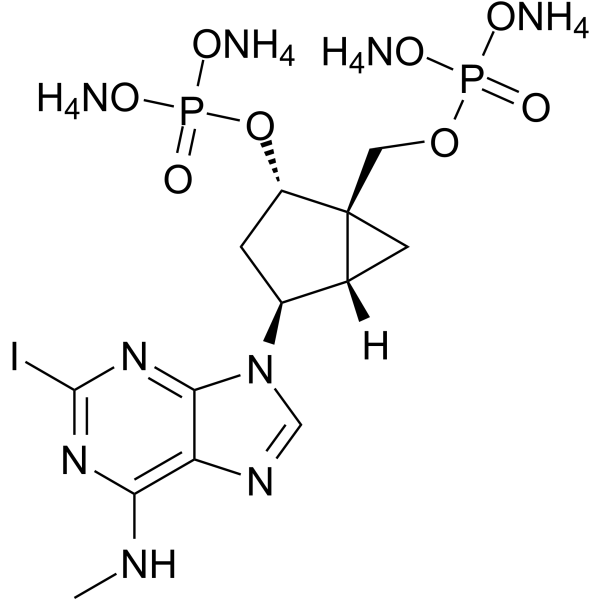
MRS2500 tetraammonium is a potent, selective and stable antagonist of the P2Y1 receptor (Ki=0.78 nM for recombinant human P2Y1 receptor). MRS2500 tetraammonium inhibits the ADP-induced aggregation of human platelets with an IC50 value of 0.95 nM. Antithrombotic activity .
|
-
-
- HY-105064D
-
|
CP-597396 hydrochloride hydrate
|
Na+/H+ Exchanger (NHE)
|
Cardiovascular Disease
|
|
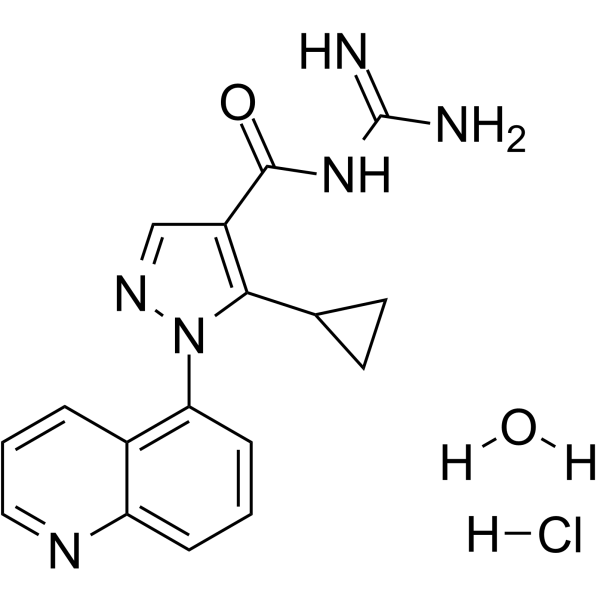
Zoniporide (CP-597396) hydrochloride hydrate is a potent and selective inhibitor of sodium-hydrogen exchanger type 1 (NHE-1). Zoniporide hydrochloride hydrate inhibits human NHE-1 (IC50=14 nM), and has >150-fold selectivity versus other NHE isoforms. Zoniporide hydrochloride hydrate potently inhibits ex vivo NHE-1-dependent swelling of human platelets (IC50=59 nM) .
|
-
-
- HY-107615
-
|
|
LPL Receptor
|
Cancer
|
|
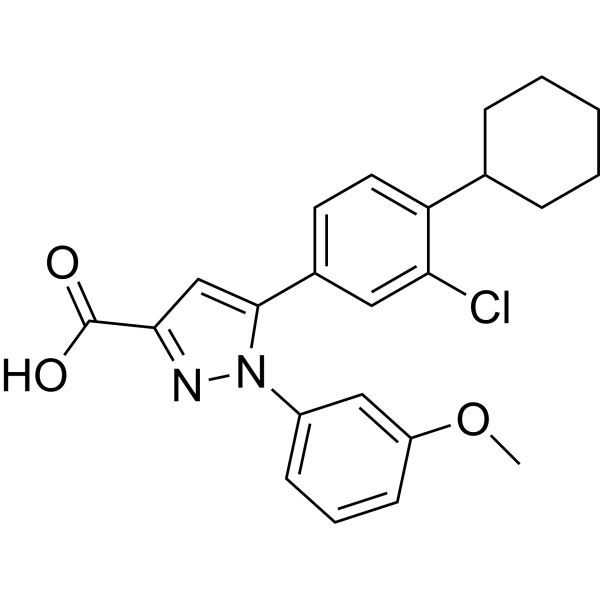
TC LPA5 4 is a LPA5 (GPR92)-specific non-lipid antagonist. TC LPA5 4 inhibits LPA-induced aggregation of isolated human platelet (LPA5-RH7777 cell line) with an IC50 of 800 nM. TC LPA5 4 displays selectivity for LPA5 over 80 other screened agent targets . TC LPA5 4 inhibits cell proliferation and migration of thyroid cancer cells .
|
-
-
- HY-D1056C5
-
|
LPS, from Salmonella enterica (Serotype minnesota Re 595 (Re mutant))
|
Toll-like Receptor (TLR)
Bacterial
|
Inflammation/Immunology
|
Lipopolysaccharides (LPS), from S. enterica (Salmonella enterica) serotype minnesota Re 595 (Re mutant) is prepared from Salmonella enterica strain Re 595 (Re mutant). The structure in the LPS of strain Re 595 was shown to induce secretion and aggregation in human platelets .
It is recommended to prepare a solution with concentration ≥2 mg/mL. Vortex thoroughly for more than 10 minutes. Due to the adsorption characteristics of LPS, silanized container or low adsorption centrifuge tubes should be used for aliquoting and storage, and mix thoroughly before use.
|
-

-
- HY-128694
-
|
SR27417
|
Platelet-activating Factor Receptor (PAFR)
|
Cardiovascular Disease
|
|
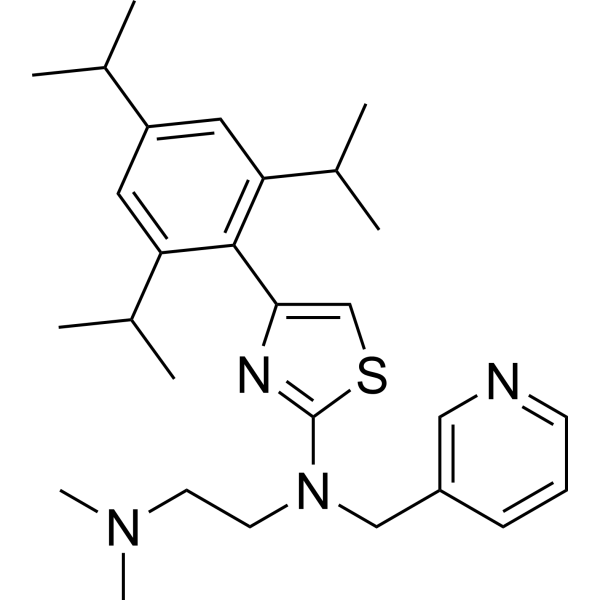
Foropafant (SR27417) highly potent, competitive, selective and orally active antagonist of platelet-activating factor (PAF) receptor, with a Ki value of 57 pM for [ 3H]PAF binding, at least 5-fold lower than that of unlabeled PAF itself. Foropafant potently inhibits PAF-induced aggregation of rabbit and human platelets .
|
-
-
- HY-128039
-
|
|
Prostaglandin Receptor
|
Others
|
|
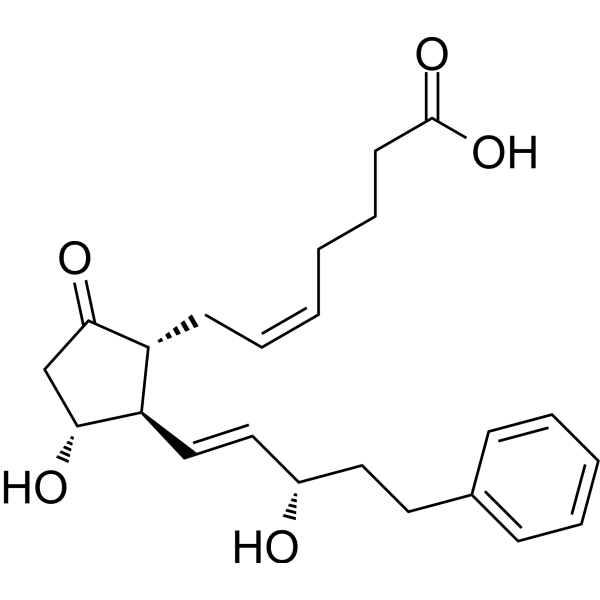
17-Phenyl-ω-trinor-PGE2 is a PGE2 (HY-101952) analog, which is an agonist for EP1 and EP3 receptor. 17-Phenyl-ω-trinor-PGE2 inhibits the PAF-induced aggregation of human platelet-rich plasma (PRP) and Cicaprost (HY-19583) induced Cyclic AMP (HY-B1511) production .
|
-
-
- HY-W010918S2
-
|
Adenosine diphosphate-15N5 dilithium; ADP-15N5 dilithium
|
Isotope-Labeled Compounds
Endogenous Metabolite
|
Cardiovascular Disease
|
|
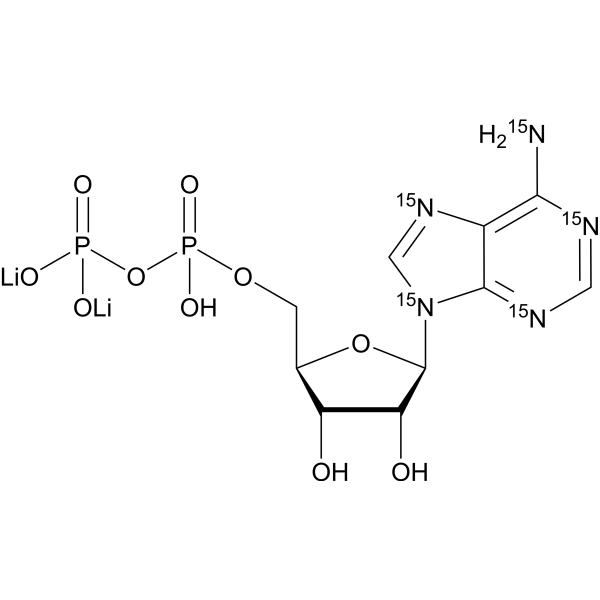
Adenosine 5'-diphosphate- 15N5 (Adenosine diphosphate- 15N5 dilithium) dilithium is 15N labeled Adenosine 5'-diphosphate (HY-W010918). Adenosine 5'-diphosphate (Adenosine diphosphate) is a nucleoside diphosphate. Adenosine 5'-diphosphate is the product of ATP dephosphorylation by ATPases. Adenosine 5'-diphosphate induces human platelet aggregation and inhibits stimulated adenylate cyclase by an action at P2T-purinoceptors.
|
-
-
- HY-125139
-
|
ω-3 Arachidonic acid ethyl ester, in ethanol, 98%; (all-Z)-8,11,14,17-Eicosatetraenoic acid ethyl ester, in ethanol, 98%
|
Biochemical Assay Reagents
|
Cardiovascular Disease
Others
|
|
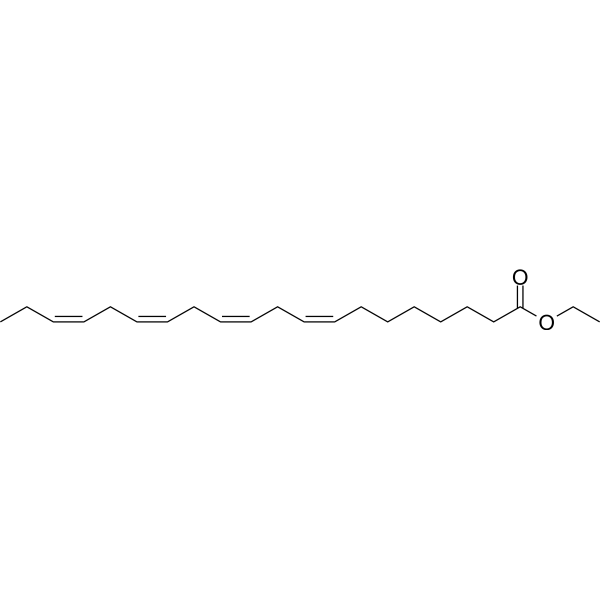
omega-3 Arachidonic acid ethyl ester, in ethanol, 98% is a rare polyunsaturated fatty acid found in very small amounts in dietary sources. Omega-3 fatty acids are known to be essential for the growth and development of infants, and they protect against heart disease, blood clots, high blood pressure, and inflammatory and autoimmune diseases. In human platelet membranes, omega-3 arachidonic acid inhibits arachidonyl-CoA synthetase with a Ki of 14 μM. It also inhibits arachidonoyl-CoA synthetase in calf brain extract with an IC50 of approximately 5 μM. Omega-3 ethyl arachidonate is the more lipophilic form of the free acid.
|
-
-
- HY-108627
-
|
|
PDGFR
|
Others
|
|
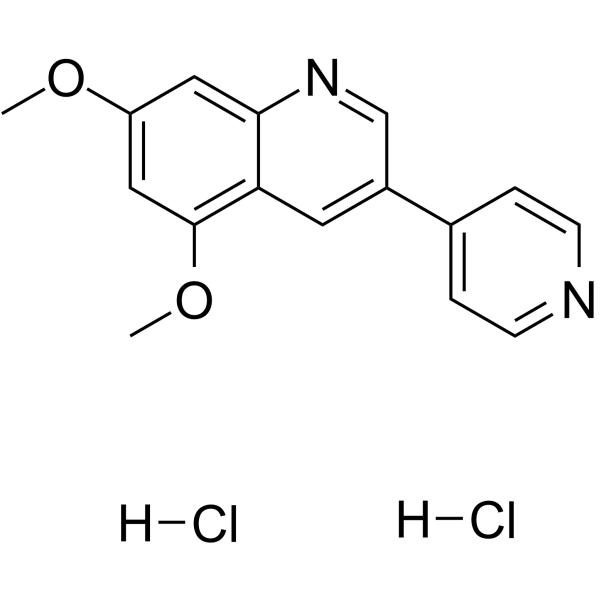
DMPQ dihydrochloride is a potent and selective inhibitor of human platelet-derived growth factor receptor β (PDGFRβ) with an IC50 of 80 nM .
|
-
-
- HY-14256
-
-
-
- HY-100933
-
-
-
- HY-19121A
-
|
|
Platelet-activating Factor Receptor (PAFR)
|
Cancer
|
|
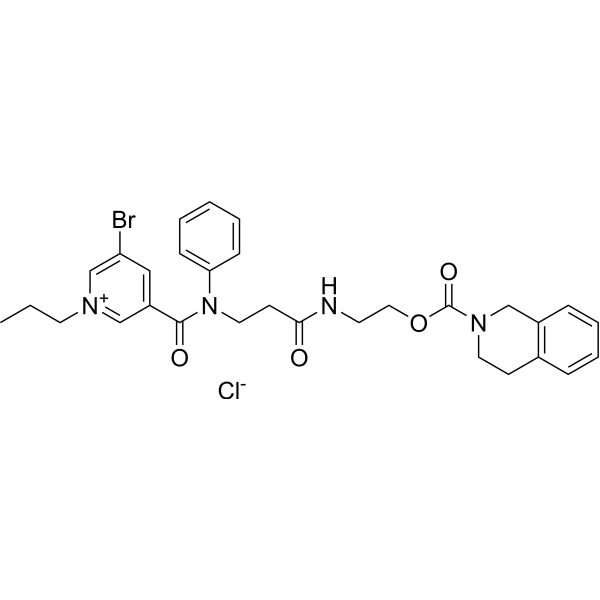
TCV-309 chloride is a potent and specific platelet activating factor (PAF) antagonist. TCV-309 chloride specifically inhibits PAF-induced aggregation of rabbit and human platelets, and [3H]PAF binding to rabbit platelet microsomes with IC50 values of 33 nM, 58 nM and 27 nM, respectively. TCV-309 chloride has beneficial effects in anaphylactic shock .
|
-
-
- HY-130354
-
|
Bt2cGMP sodium
|
Potassium Channel
|
Cardiovascular Disease
|
|
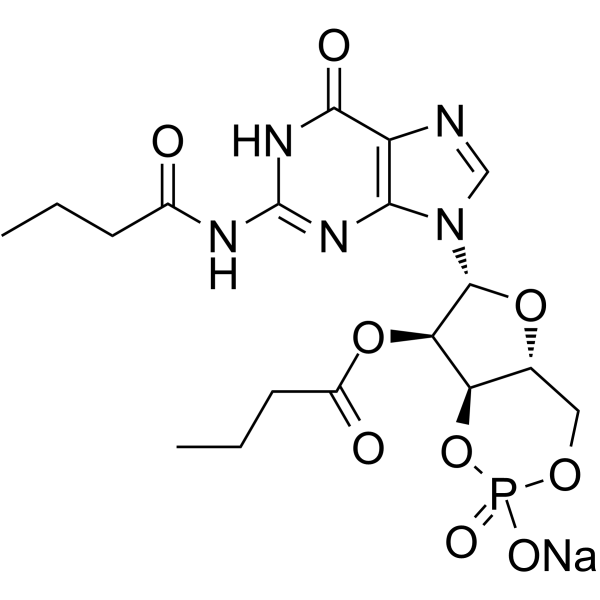
Dibutyryl-cGMP sodium (Bt2cGMP sodium) is a cell-permeable cGMP analogue. Dibutyryl-cGMP sodium preferentially activates cGMP-dependent protein kinase (PKG). Dibutyryl-cGMP sodium inhibits the release of [ 3H]-arachidonic acid from γ thrombin-stimulated human platelets. Dibutyryl-cGMP sodium induces peripheral antinociception via activation of ATP-sensitive K + channels .
|
-
-
- HY-158741
-
|
APG-2 Acetoxymethyl ester
|
Fluorescent Dye
Potassium Channel
|
Others
|
|
IPG-2 AM (APG-2 Acetoxymethyl ester) is a membrane-permeant acetoxymethyl ester derivative and selective fluorescent potassium ion indicator. IPG-2 AM exhibits fluorescence increases proportional to extracellular potassium ion concentrations. IPG-2 AM enables real-time monitoring of cytosolic free potassium ion fluxes in human platelets and macrophages. IPG-2 AM can be used for the research of intracellular potassium concentration dynamics .
|
-

-
- HY-W010918S3
-
|
Adenosine diphosphate-13C5; ADP-13C5
|
Isotope-Labeled Compounds
Endogenous Metabolite
|
Others
|
|
Adenosine 5'-diphosphate- 13C5 (Adenosine diphosphate- 13C5) is the 13C-labeled Adenosine 5'-diphosphate (HY-W010918). Adenosine 5'-diphosphate (Adenosine diphosphate) is a nucleoside diphosphate. Adenosine 5'-diphosphate is the product of ATP dephosphorylation by ATPases. Adenosine 5'-diphosphate induces human platelet aggregation and inhibits stimulated adenylate cyclase by an action at P2T-purinoceptors.
|
-

-
- HY-108556A
-
|
|
Protease Activated Receptor (PAR)
Apoptosis
|
Cardiovascular Disease
|
|
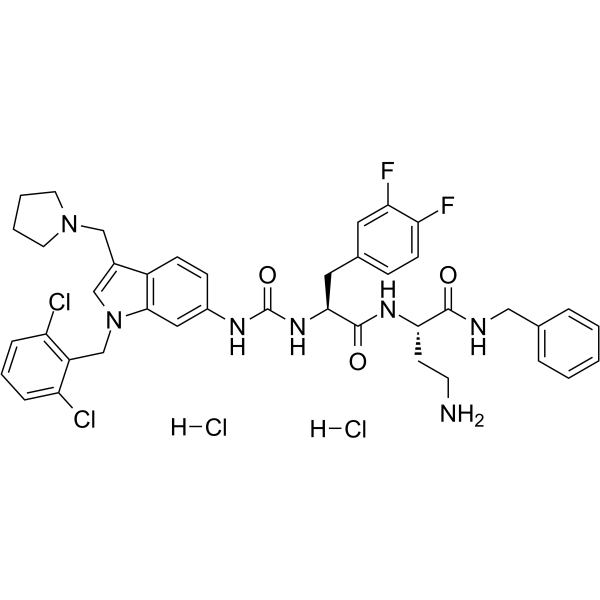
RWJ-56110 dihydrochloride is a potent, selective, peptide-mimetic inhibitor of PAR-1 activation and internalization (binding IC50=0.44 uM) and shows no effect on PAR-2, PAR-3, or PAR-4. RWJ-56110 dihydrochloride inhibits the aggregation of human platelets induced by both SFLLRN-NH2 (IC50=0.16 μM) and thrombin (IC50=0.34 μM), quite selective relative to U46619 (HY-108566). RWJ-56110 dihydrochloride blocks angiogenesis and blocks the formation of new vessels in vivo. RWJ-56110 dihydrochloride induces cell apoptosis .
|
-
-
- HY-164580
-
-

-
- HY-162558
-
|
|
Factor Xa
|
Cardiovascular Disease
|
|
NCGC00351170 is an antiplatelet agent that disrupts the calcium and integrin-binding protein 1 (CIB1)-αIIbβ3 interaction. NCGC00351170 inhibits thrombin-induced human platelet aggregation .
|
-

-
- HY-113445
-
|
|
COX
Endogenous Metabolite
|
Endocrinology
|
|
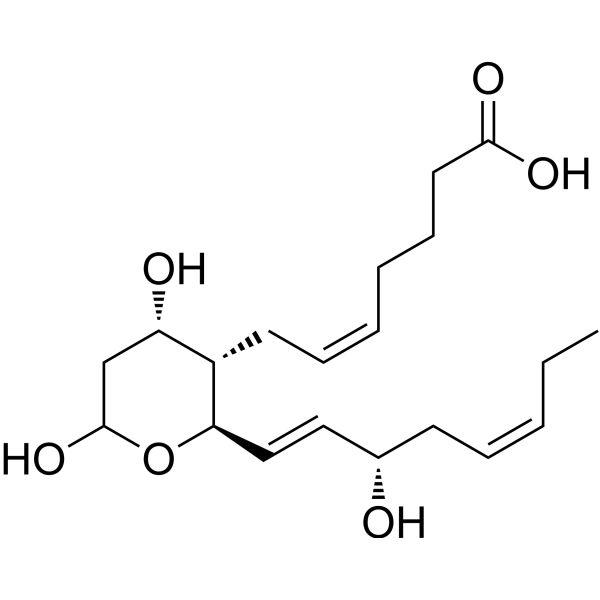
Thromboxane B3 is a prostaglandin analog derived from arachidonic acid (AA) in the cyclooxygenase (COX) metabolic pathway. Thromboxane B3 is generated from arachidonic acid (AA) in platelets and vascular endothelial cells through the catalysis of cyclooxygenase (COX) and thromboxane synthase (TXS). Thromboxane B3 has been reported to be formed by human platelets upon ingestion of eicosapentaenoic acid (C20: 5ω3) .
|
-
-
- HY-116663
-
|
(±)20-HDoHE
|
Endogenous Metabolite
|
Neurological Disease
|
|
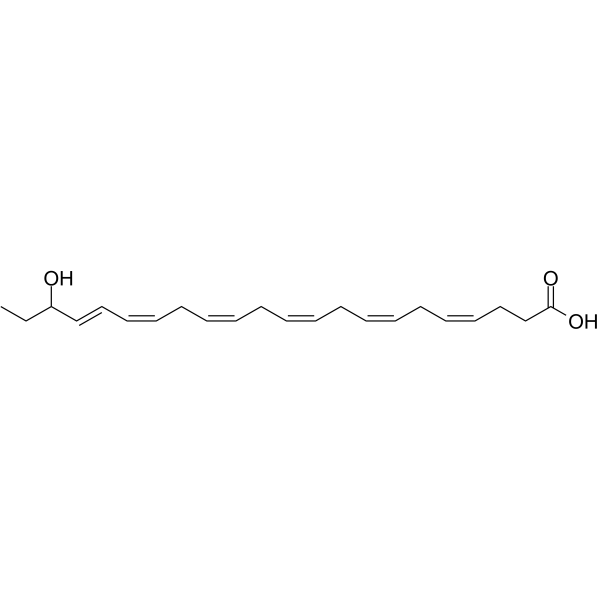
(±)20-HDHA ((±)20-HDoHE) is a racemic mixture and is an autoxidation product of Docosahexaenoic acid (DHA). (±)20-HDHA is also formed by peroxidation process in human platelets and rat brain homogenate .
|
-
-
- HY-122813
-
|
|
Drug Metabolite
Thrombin
|
Cardiovascular Disease
|
|
Dabigatran acyl-β-D-glucuronide is an active metabolite of the thrombin inhibitor Dabigatran (HY-10163). Dabigatran acyl-β-D-glucuronide increases activated partial thromboplastin time (aPTT) in isolated human platelet-poor plasma.
|
-

-
- HY-106739
-
|
NAT 05-239
|
Phosphodiesterase (PDE)
|
Inflammation/Immunology
|
|
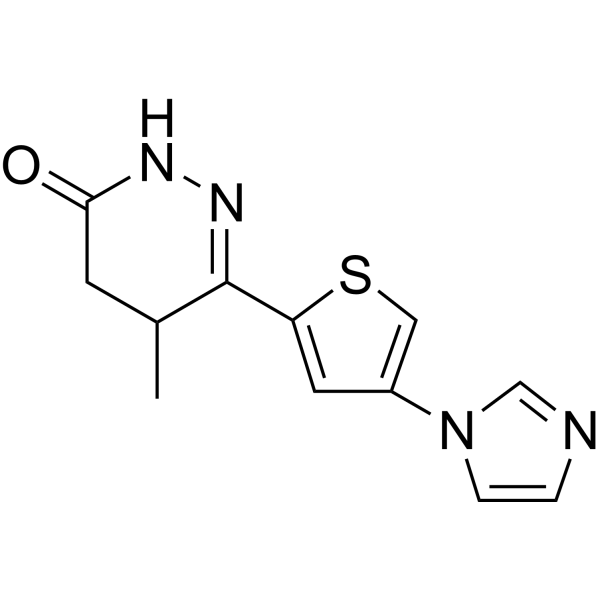
Motapizone (NAT 05-239) is a selective PDE3 inhibitor. Motapizone moderately inhibits cytokine release in lipopolysaccharide (LPS)-induced alveolar macrophages. Motapizone also inhibits human platelet aggregation by increasing intracellular cAMP .
|
-
-
- HY-N7740
-
|
|
P2Y Receptor
Endogenous Metabolite
|
Others
|
|
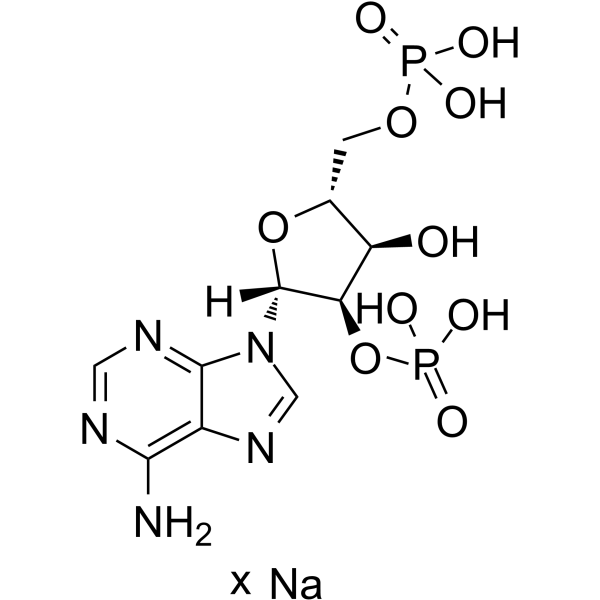
Adenosine 2',5'-diphosphate sodium is a competitive P2Y1 antagonist. Adenosine 2',5'-diphosphate sodium exhibits non-selective antagonism at recombinant and human platelet P2X1 receptors .
|
-
-
- HY-10679
-
|
|
Phosphodiesterase (PDE)
|
Neurological Disease
|
|
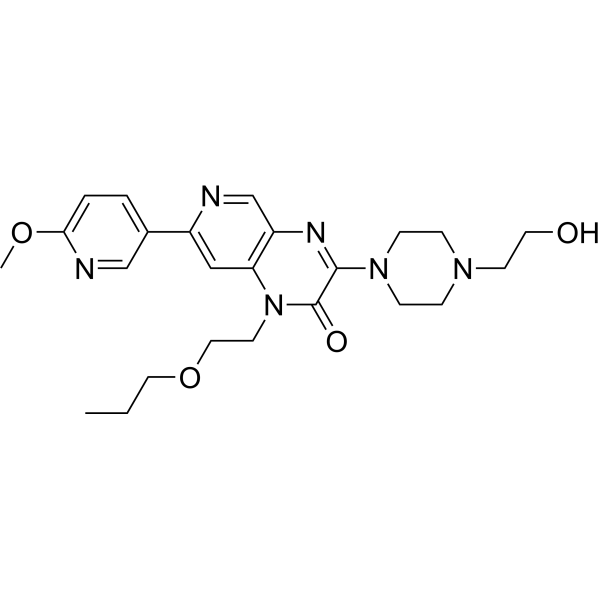
PF-03049423 (Compound PF-5) free base is a potent and highly selective phosphodiesterase-5A inhibitor with an IC50 of about 0.2 nM for rat and human platelet enzyme. PF-03049423 free base can be used for the research of acute ischaemic stroke .
|
-
-
- HY-174829
-
|
|
Protease Activated Receptor (PAR)
NF-κB
Reactive Oxygen Species (ROS)
Calcium Channel
Akt
ERK
p38 MAPK
PKC
|
Cardiovascular Disease
Metabolic Disease
|
|
7,4'-Dimethoxy-3-hydroxyflavone is an orally active PAR4 antagonist. 7,4'-Dimethoxy-3-hydroxyflavone inhibits PAR4-mediated human platelet aggregation with an IC50 of 1.4 μM. 7,4'-Dimethoxy-3-hydroxyflavone inhibits PAR4-mediated human platelet aggregation and PAR4 signaling pathways, including NF-κB, Ca 2+/protein kinase C, Akt, ERK and p38. 7,4'-Dimethoxy-3-hydroxyflavone prevents vascular PAR4 expression, endothelial dysfunction and ameliorates oxidative stress in Streptozotocin (STZ) (HY-13753)-induced diabetic mice.
7,4'-Dimethoxy-3-hydroxyflavone prevents thrombosis in mice without affecting bleeding time [1][2].
|
-

-
- HY-131188
-
|
|
PROTACs
Bcl-2 Family
|
Cancer
|
|
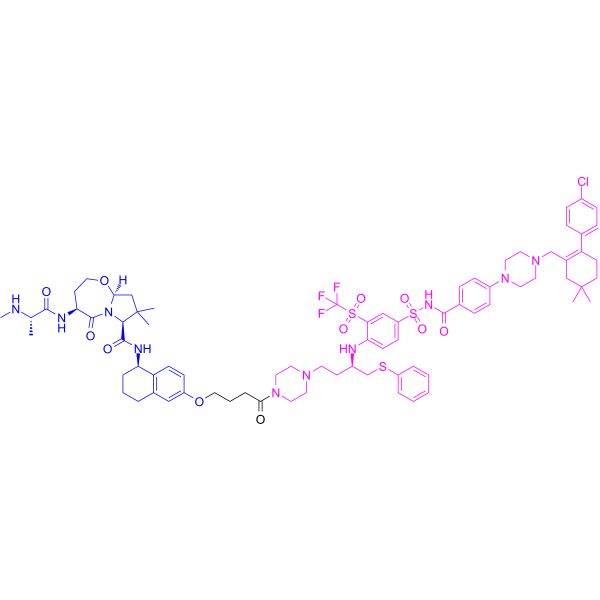
PROTAC Bcl-xL degrader-1 is a PROTAC that comprises a Bcl-xL (Bcl-2 family member) ligand binding group, a linker and an IAP E3 ligases binding group. PROTAC Bcl-xL degrader-1 is a potent Bcl-xL degrader, and shows toxicity for human platelets and MyLa 1929 cells with IC50 values of 62 nM and 8.5 μM, respectively .
|
-
-
- HY-Y1094
-
|
Chloro(1,5-cyclooctadiene)rhodium(I) dimer
|
Biochemical Assay Reagents
|
Cardiovascular Disease
|
|
[Rh(cod)Cl]2 (Chloro(1,5-cyclooctadiene)rhodium(I) dimer) is a rhodium (I) organometallic dimer complex. [Rh(cod)Cl]2 can inhibit platelet-activating factor-mediated platelet aggregation with IC50 values of 5.2 and 43.3 μM in washed rabbit platelets and human platelet-rich plasmas. [Rh(cod)Cl]2 also can inhibit thrombin-, ADP (HY-W010918)- and collagen-induced aggregation with IC50 values of 16.7, 162 and 69.8 μM. [Rh(cod)Cl]2 can be used for the research of cardiovascular disease, such as thrombosis .
|
-
![[Rh(cod)Cl]2](//file.medchemexpress.com/product_pic/hy-y1094.gif)
-
- HY-134353A
-
|
Adenosine 5'-β-thiodiphosphate trisodium
|
PGE synthase
|
Cardiovascular Disease
|
|
ADP-β-S (trisodium) is an ADP analog and partial agonist. ADP-β-S (trisodium) induces human platelet aggregation and inhibits PGE1-stimulated adenylate cyclase .
|
-

-
- HY-100302
-
-
-
- HY-116120
-
-
-
- HY-D0882
-
|
|
Biochemical Assay Reagents
|
Cardiovascular Disease
|
|
Adenosine 5'-diphosphate dicyclohexylammonium is a nucleoside diphosphate. Adenosine 5'-diphosphate is the product of ATP dephosphorylation by ATPases. Adenosine 5'-diphosphate dicyclohexylammonium induces human platelet aggregation and inhibits stimulated adenylate cyclase by an action at P2T-purinoceptors .
|
-

-
- HY-108912R
-
|
CAY10441 (Standard)
|
Prostaglandin Receptor
Reference Standards
|
Inflammation/Immunology
Endocrinology
|
|
RO1138452 (Standard) is the analytical standard of RO1138452. This product is intended for research and analytical applications. RO1138452 is a potent and selective IP (prostacyclin) receptor antagonist. RO1138452 displays high affinity for IP receptors. In human platelets, pKi is 9.3±0.1; in a recombinant IP receptor system, pKi is 8.7±0.06.
|
-

-
- HY-Y0152A
-
|
(8R,9S)-Cinchonine monohydrochloride hydrate; LA40221 monohydrochloride hydrate
|
Parasite
Apoptosis
|
Infection
Cardiovascular Disease
Metabolic Disease
Cancer
|
|
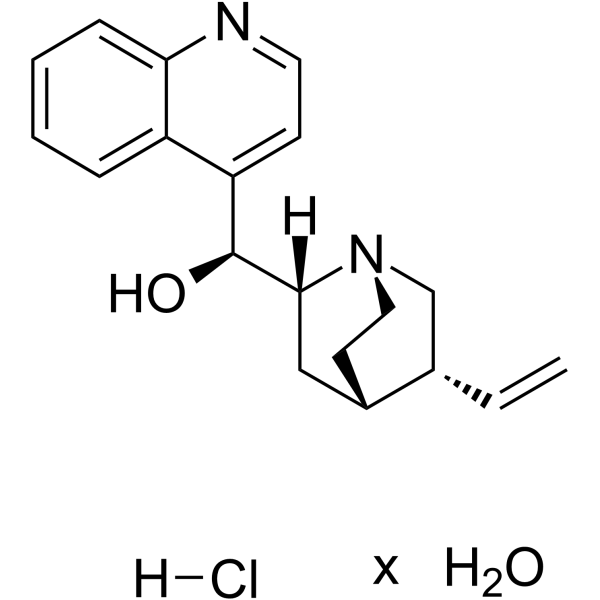
Cinchonine ((8R,9S)-Cinchonine) monohydrochloride hydrate is a natural compound which has been effectively used as antimalarial agent. Cinchonine monohydrochloride hydrate activates endoplasmic reticulum stress-induced apoptosis in human liver cancer cells. Cinchonine monohydrochloride hydrate is also an inhibitor of human platelet aggregation. Cinchonine monohydrochloride hydrate possesses a suppressive effect on adipogenesis .
|
-
-
- HY-106899
-
|
|
Platelet-activating Factor Receptor (PAFR)
|
Cardiovascular Disease
|
|
MK 287 is a potent, selective and orally active antagonist of platelet-activating factor receptor (PAFR). MK 287 can inhibit [3H]C18-PAF binding to human platelet, polymorphonuclear leukocyte (PMN) and lung membranes with K1 values of 6.1, 3.2, and 5.49 nM, respectively. MK 287 can inhibit PAF-induced aggregation of platelets in plasma or gel-filtered platelets and elastase release from PMNs with ED50 values of 56, 1.5 and 4.4 nM. MK 287 can be used for the research of cardiovascular disease, such as thrombosis .
|
-

-
- HY-108556
-
|
|
Protease Activated Receptor (PAR)
Apoptosis
|
Cardiovascular Disease
|
|
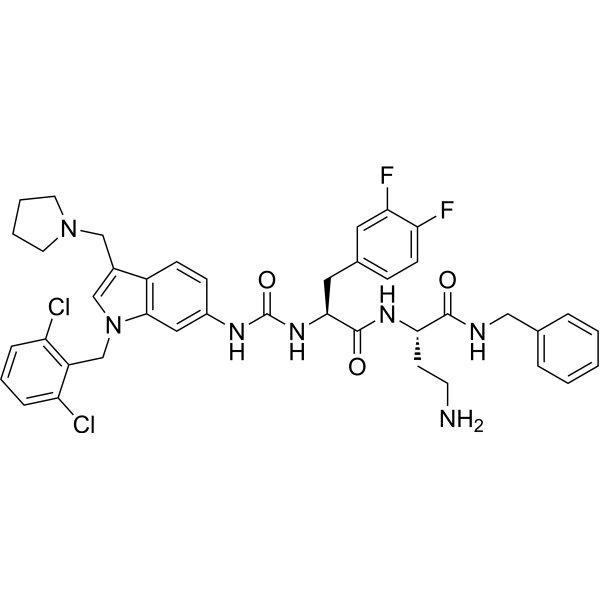
RWJ-56110 is a potent, selective, peptide-mimetic inhibitor of PAR-1 activation and internalization (binding IC50=0.44 uM) and shows no effect on PAR-2, PAR-3, or PAR-4. RWJ-56110 inhibits the aggregation of human platelets induced by both SFLLRN-NH2 (IC50=0.16 μM) and thrombin (IC50=0.34 μM), quite selective relative to U46619 (HY-108566). RWJ-56110 inhibits angiogenesis and blocks the formation of new vessels in vivo. RWJ-56110 induces cell apoptosis .
|
-
-
- HY-130284
-
-
-
- HY-118220
-
|
|
Thrombin
|
Cardiovascular Disease
|
|
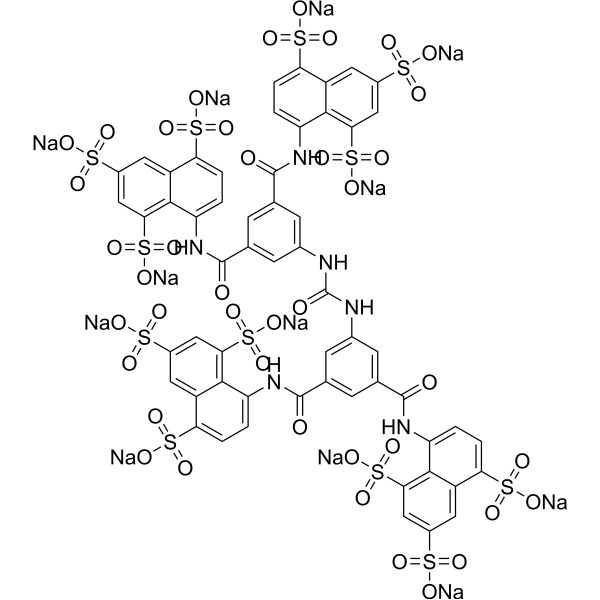
EP 171 is a TP receptor agonist and human platelet activator. EP 171 can induce constriction of guinea pig trachea, and the constriction can be inhibited by the TP receptor antagonist EP 092. EP 171 binds to TP receptors on intact human platelets with an IC50 of 2.9 nM .
|
-

-
- HY-118920
-
-
-
- HY-101720
-
|
BIBU-52
|
Integrin
|
Cardiovascular Disease
|
|
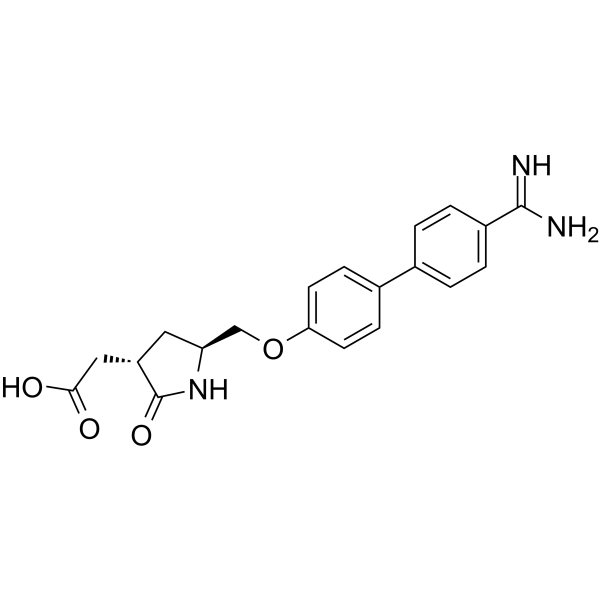
Fradafiban is a nonpeptide platelet glycoprotein IIb/IIIa antagonist, which binds to the human platelet GP IIb/IIIa complex with a Kd value of 148 nM.
|
-
-
- HY-124371
-
|
|
Phosphodiesterase (PDE)
|
Cardiovascular Disease
|
|
Amentoflavone hexaacetate is a 3,5-cyclic nucleotide phosphodiesterase inhibitor with antiplatelet aggregation activity. Amentoflavone hexaacetate can inhibit the aggregation of eluted human platelets induced by ADP or collagen. Amentoflavone hexaacetate can also inhibit the cAMP phosphodiesterase activity in human platelets. Amentoflavone hexaacetate can significantly increase the cAMP level of platelets in the presence of prostaglandin E1. Amentoflavone hexaacetate has anti-angiogenic and anti-metastatic effects .
|
-

-
- HY-101720A
-
|
BIBU-52 hydrochloride
|
Integrin
|
Cardiovascular Disease
|
|
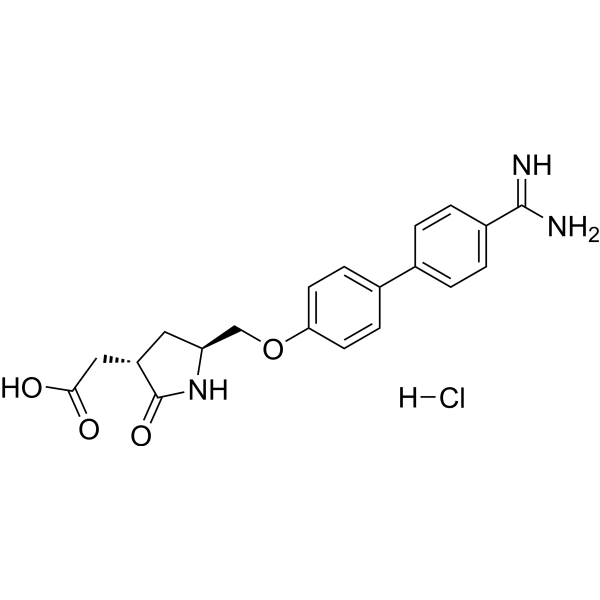
Fradafiban (BIBU-52) hydrochloride is a nonpeptide platelet glycoprotein IIb/IIIa antagonist, which binds to the human platelet GP IIb/IIIa complex with a Kd value of 148 nM.
|
-
- HY-122221
-
-

- HY-117561
-
|
|
Thrombin
|
Cardiovascular Disease
|
|
DuP 714 is an oral active thrombin inhibitor with the IC50 values of 150 nM aganist thrombin-induced aggregation in washed human platelets. DuP 714 can be used for study of arterial thrombosi .
|
-

- HY-P5463
-
|
|
Bacterial
|
Others
|
|
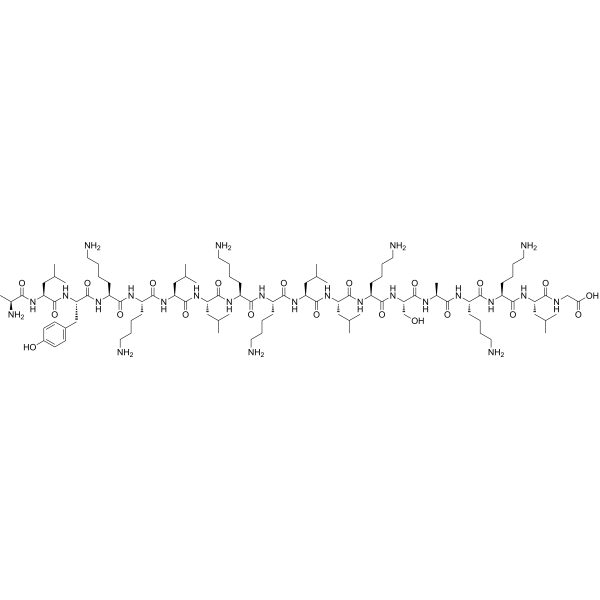
C18G is a biological active peptide. (C18G is a synthetic α-helical peptide derived from human platelet factor IV. This peptide was found to be antibacterial and is active against Salmonella.)
|
-
- HY-N10271
-
|
|
Bacterial
|
Infection
|
|
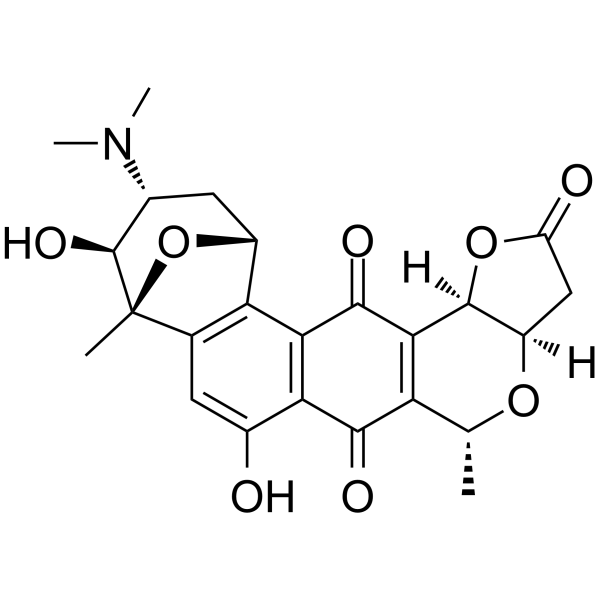
SCH 38519 is a platelet aggregation inhibitor. SCH 38519 inhibits thrombin-induced aggregation of human platelets with an IC50 of 68 μg/mL. SCH 38519 is also active against Gram-positive and Gram-negative bacteria .
|
-
- HY-101370
-
|
|
P2X Receptor
|
Metabolic Disease
|
|
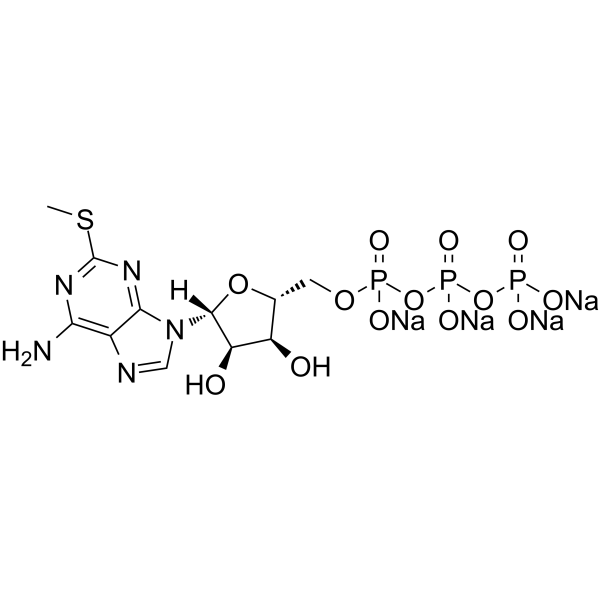
2-Methylthio-ATP tetrasodium is a non-specific P2-receptor agonist. 2-Methylthio-ATP tetrasodium causes noncompetitive inhibition of ADP-induced human platelet aggregation .
|
-
- HY-174546
-
|
|
mRNA
|
Inflammation/Immunology
|
|
Human PECAM1 mRNA encodes the human platelet and endothelial cell adhesion molecule 1 (PECAM1) protein, a member of the immunoglobulin superfamily. PECAM1 is likely involved in leukocyte migration, angiogenesis, and integrin activation.
|
-

- HY-174553
-
|
|
mRNA
|
Cancer
|
|
Human PDGFA mRNA encodes the human platelet derived growth factor A (PDGFA) protein, a member of the platelet-derived growth factor family. PDGFA plays an essential role in the regulation of embryonic development, cell proliferation, cell migration, survival and chemotaxis.
|
-

- HY-116613
-
-

- HY-100223R
-
|
|
Reference Standards
Cathepsin
Proteasome
Apoptosis
|
Inflammation/Immunology
|
|
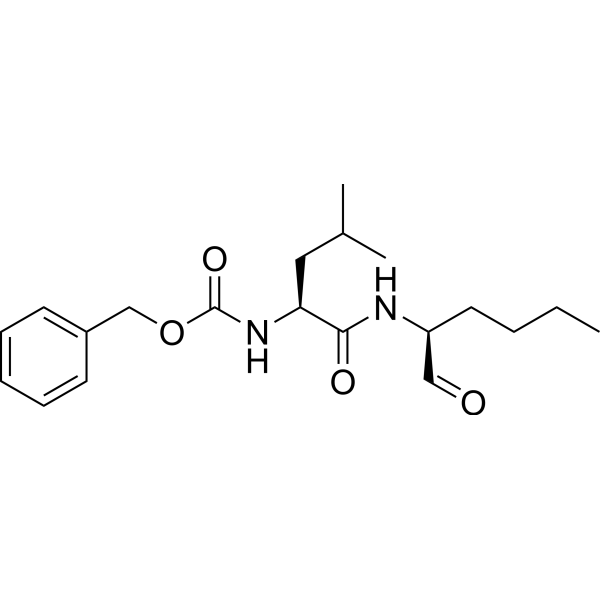
Calpeptin (Standard) is the analytical standard of Calpeptin. This product is intended for research and analytical applications. Calpeptin is a potent, cell penetrating calpain inhibitor, with an ID50 of 40 nM for Calpain I in human platelets . Calpeptin is also an inhibitor of cathepsin K .
|
-

- HY-174552
-
|
|
mRNA
|
Cancer
|
|
Human PDGFB mRNA encodes the human platelet derived growth factor B (PDGFB) protein, a member of the platelet-derived growth factor family. PDGFB plays an essential role in the regulation of embryonic development, cell proliferation, cell migration, survival and chemotaxis.
|
-

- HY-174551
-
|
|
mRNA
|
Cancer
|
|
Human PDGFC mRNA encodes the human platelet derived growth factor C (PDGFC) protein, a member of the platelet-derived growth factor family. PDGFC plays an essential role in the regulation of embryonic development, cell proliferation, cell migration, survival and chemotaxis.
|
-

- HY-120080
-
|
|
Integrin
|
Others
|
|
UR-2922 is a platelet GPIIb/IIIa antagonist with antiplatelet aggregation and cardiovascular disease inhibition activities. UR-2922 has high affinity for human platelet receptors and has good pharmacokinetic properties, and can be used to inhibit cardiovascular diseases.
|
-

- HY-174550
-
|
|
mRNA
|
Cancer
|
|
Human PDGFD mRNA encodes the human platelet derived growth factor D (PDGFD) protein, a member of the platelet-derived growth factor family. PDGFD plays an essential role in the regulation of embryonic development, cell proliferation, cell migration, survival and chemotaxis.
|
-

- HY-106080A
-
|
U-63557A
|
Prostaglandin Receptor
|
Cardiovascular Disease
|
|
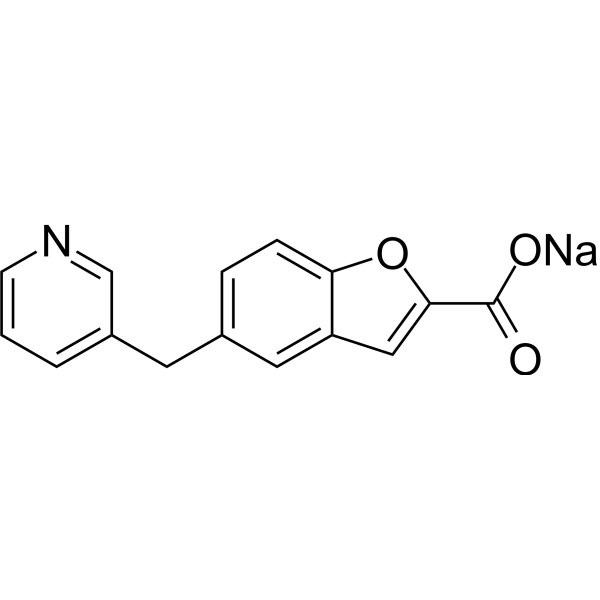
Furegrelate Sodium (U-63557A) is a potent, orally available, and selective thromboxane synthase inhibitor. Furegrelate Sodium inhibits human platelet microsomal thromboxane A2 (TxA2) synthase with an IC50 of 15 nM. Furegrelate Sodium is being developed as an antiplatelet agent .
|
-
- HY-U00235
-
|
|
Integrin
|
Inflammation/Immunology
|
|
SR121566A is a novel non-peptide Glycoprotein IIb/IIIa (GP IIb-IIIa) antagonist, which can inhibit ADP-, arachidonic acid- and collagen-induced human platelet aggregation with IC50s of 46±7.5, 56±6 and 42±3 nM, respectively.
|
-
- HY-113723
-
|
|
P2Y Receptor
|
Cardiovascular Disease
|
|
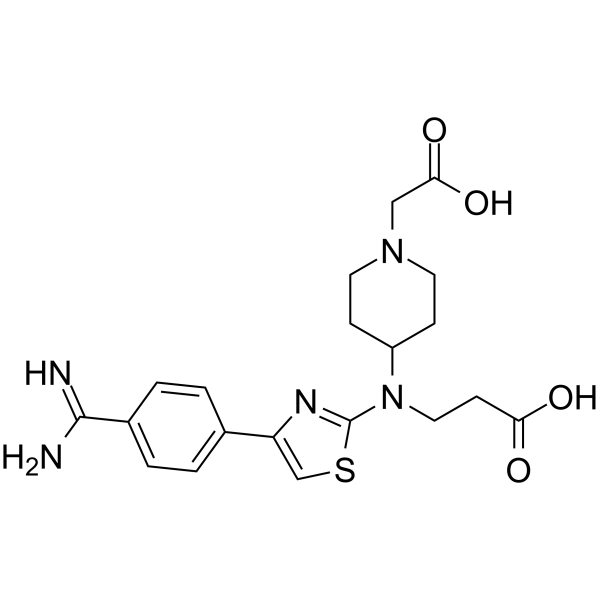
MRS2298? is a potent acyclic P2Y1 receptor antagonist with a Ki of 29.6 nM. MRS2298 inhibits the ADP-induced aggregation of human platelets with an IC50 of 62.8 nM. MRS2298 inhibits Ca 2+ rise in platelets with an IC50 of 810 nM .
|
-
- HY-10679A
-
|
|
Phosphodiesterase (PDE)
|
Neurological Disease
|
|
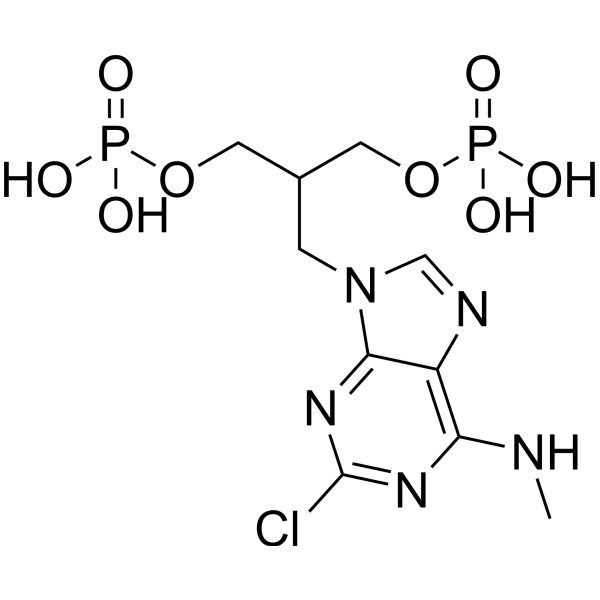
PF-03049423 (Compound PF-5) is a potent and highly selective phosphodiesterase-5A inhibitor with an IC50 of about 0.2 nM for rat and human platelet enzyme. PF-03049423 can be used for the research of acute ischaemic stroke .
|
-
- HY-106080
-
|
U-63557A free acid
|
Prostaglandin Receptor
|
Cardiovascular Disease
|
|
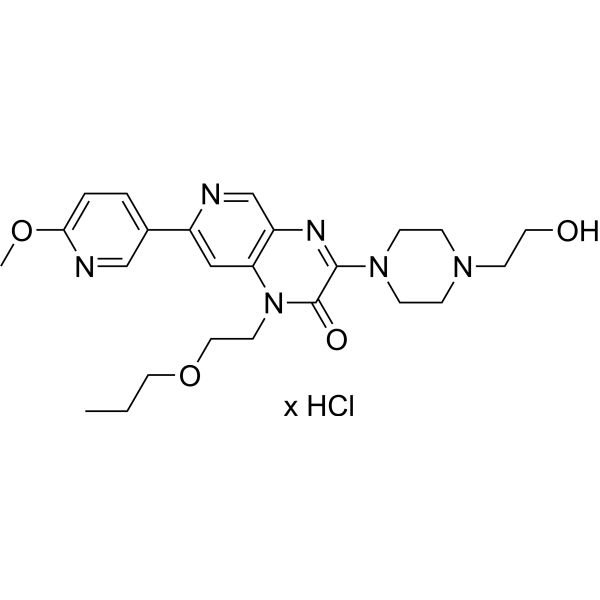
Furegrelate (U-63557A free acid) is a potent, orally available, and selective thromboxane synthase inhibitor. Furegrelate inhibits human platelet microsomal thromboxane A2 (TxA2) synthase with an IC50 of 15 nM. Furegrelate is being developed as an antiplatelet agent .
|
-
- HY-174548
-
|
|
mRNA
|
Cancer
|
|
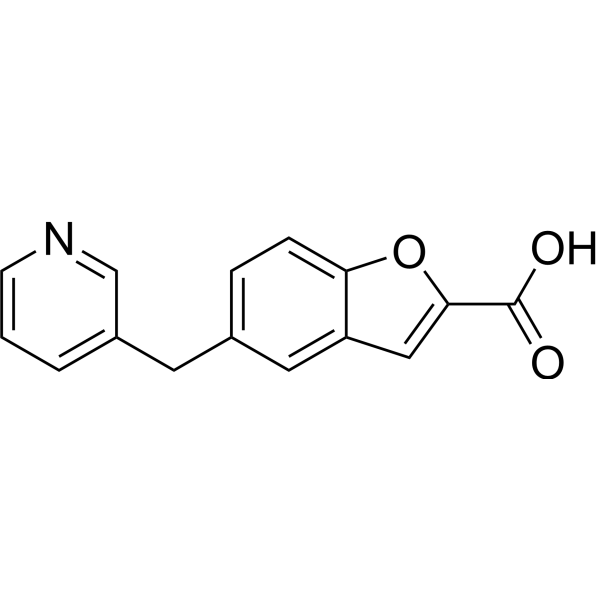
Human PDGFRB mRNA encodes the human platelet derived growth factor receptor beta (PDGFRB) protein, a cell surface tyrosine kinase receptor for members of the platelet-derived growth factor family. PDGFRB is essential for normal development of the cardiovascular system and aids in rearrangement of the actin cytoskeleton.
|
-

- HY-174549
-
|
|
mRNA
|
Cancer
|
|
Human PDGFRA mRNA encodes the human platelet derived growth factor receptor alpha (PDGFRA) protein, a cell surface tyrosine kinase receptor for members of the platelet-derived growth factor family. PDGFRA may play a role in organ development, wound healing, and tumor progression.
|
-

- HY-124887
-
-

- HY-P3006
-
|
|
Drug Metabolite
|
Cardiovascular Disease
|
|
Des-Leu10-angiotensin I is a nonapeptide that inhibits rabbit lung angiotensin-converting enzyme peptidyl-dipeptide hydrolase with a Ki value of 31 μM, which is generated from angiotensin I by the action of carboxypeptidase-like activities residing in the human platelet and mast cell .
|
-

- HY-111219
-
|
NM-702; NT-702
|
Phosphodiesterase (PDE)
|
Others
|
|
Parogrelil (hydrochloride) (NM-702) is a phosphodiesterase inhibitor with activity in inhibiting intermittent claudication. Parogrelil (hydrochloride) selectively inhibits PDE3, inhibits human platelet aggregation in vitro and rat aortic contraction, and improves walking distance and plantar surface temperature in the rat femoral artery ligation model, with better effects than cilostazol.
|
-

- HY-114846
-
|
|
Prostaglandin Receptor
|
Cardiovascular Disease
|
|
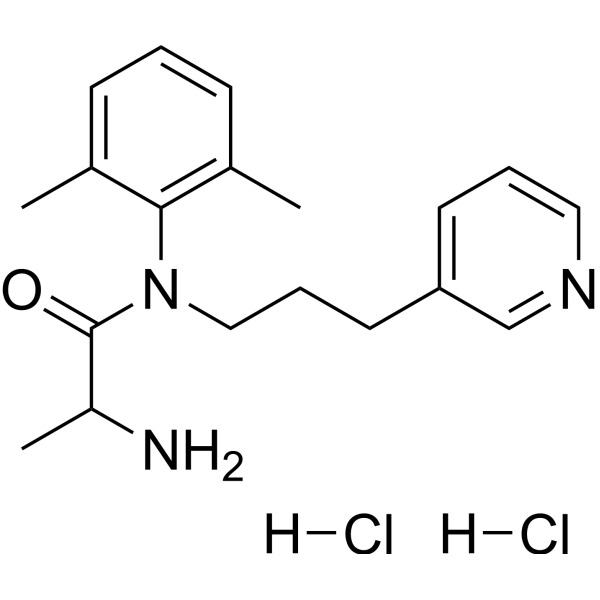
Ro 22-9194 inhibits aggregation and thromboxane Az (TXA2) synthetase activity in rabbit and human platelets. Ro 22-9194 has a potent inhibitory action against various types of model arrhythmias. Ro 22-9194 has non-cholinergic cardiac depressant properties with its vasodilating action .
|
-
- HY-106080AR
-
|
U-63557A (Standard)
|
Prostaglandin Receptor
Reference Standards
|
Cardiovascular Disease
|
|
Furegrelate (sodium) (Standard) is the analytical standard of Furegrelate (sodium). This product is intended for research and analytical applications. Furegrelate Sodium (U-63557A) is a potent, orally available, and selective thromboxane synthase inhibitor. Furegrelate Sodium inhibits human platelet microsomal thromboxane A2 (TxA2) synthase with an IC50 of 15 nM. Furegrelate Sodium is being developed as an antiplatelet agent .
|
-

- HY-131776A
-
|
2-Chloroadenosine 5′-diphosphate sodium
|
Adenylate Cyclase
HSP
|
Cardiovascular Disease
|
|
2-Chloro-ADP (2-Chloroadenosine 5′-diphosphate) sodium is a Adenosine 5'-diphosphate (ADP; HY-W010918) derivative that induces human platelet aggregation and inhibits stimulated adenylate cyclase . 2-Chloro-ADP sodium inhibits mortalin nucleotide-binding domain (NBD) with a Ki of 45.05 μM .
|
-

- HY-108561
-
|
|
Prostaglandin Receptor
|
Others
|
|
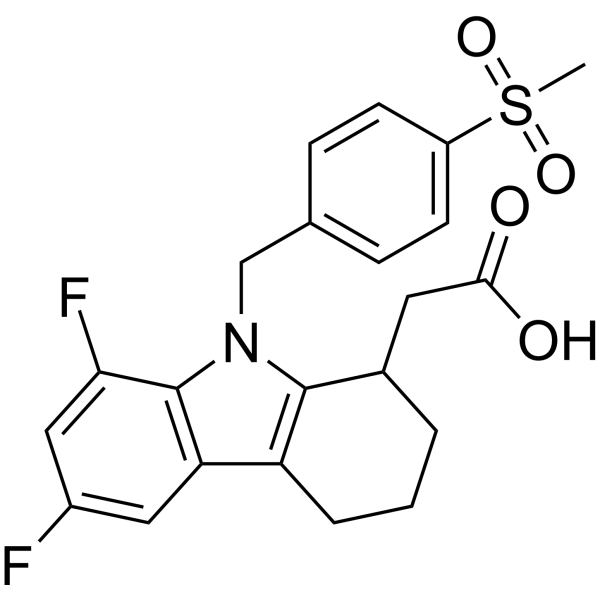
L-670596 is an orally active and selective thrombsxane A2 receptor/prostaglandin receptor antagonist. L-670596 inhibits arachidonic acid (HY-109590) and U-44069 induced bronchoconstriction in the guinea pig. L-670596 also inhibits the aggregation of human platelet rich plasma induced by U-44069 .
|
-
- HY-131776
-
|
2-Chloroadenosine 5′-diphosphate
|
Adenylate Cyclase
HSP
|
Cardiovascular Disease
|
|
2-Chloro-ADP (2-Chloroadenosine 5′-diphosphate) sis a Adenosine 5'-diphosphate (ADP; HY-W010918) derivative that induces human platelet aggregation and inhibits stimulated adenylate cyclase . 2-Chloro-ADP inhibits mortalin nucleotide-binding domain (NBD) with a Ki of 45.05 μM .
|
-

- HY-123328
-
|
|
Prostaglandin Receptor
|
Cardiovascular Disease
|
|
AGN 191976 is a potent and selective thromboxane A2-sensitive (TP) receptor agonist with EC50 values of 0.23 nM and 24 nM in rat aorta and human platelets, respectively. AGN 191976 has potent IOP-lowering effects in dogs and monkeys. AGN 191976 can be used to study vascular biology and the role of thromboxane A2 in vascular function .
|
-

- HY-172541
-
|
|
CXCR
|
Cardiovascular Disease
|
|
LN6023 (hydrochloride) (Compound 27) is a CXCR7 agonist. LN6023 (hydrochloride) induces the recruitment of β-arrestin in HEK293T cells expressing human CXCR7 (EC50 = 3.5 µM). LN6023 (hydrochloride) reduces the surface level of P-selectin in isolated and washed human platelets. LN6023 (hydrochloride) can be used to study platelet-mediated thrombosis .
|
-

- HY-116008
-
|
8-epi PGF3α; 8-iso PGF3α
|
Prostaglandin Receptor
|
Endocrinology
|
|
8-iso PGF3α is an isoprostane produced from the free-radical peroxidation of EPA. Little is known about the biological activity of 8-iso PGF3α. There is one report that it is inactive in a TP receptor mediated assay of human platelet shape change, where 8-iso PGF2α has an ED50 value of 1 μM.
|
-

- HY-118765
-
|
|
Prostaglandin Receptor
|
Cardiovascular Disease
|
|
Ro 23-3423 is a thromboxane synthase inhibitor with an IC50 value of 0.33 μM for human platelet microsomal thromboxane synthase. Ro 23-3423 increases plasma levels of PGF and PGE2 in a dose-dependent manner, accompanied by a decrease in mean systemic arterial pressure and systemic vascular resistance. Ro 23-3423 can be used in the study of general anesthesia .
|
-

- HY-B0808S1
-
|
Oxaprozinum-d5; Wy21743-d5
|
Isotope-Labeled Compounds
COX
NF-κB
|
Inflammation/Immunology
Cancer
|
|
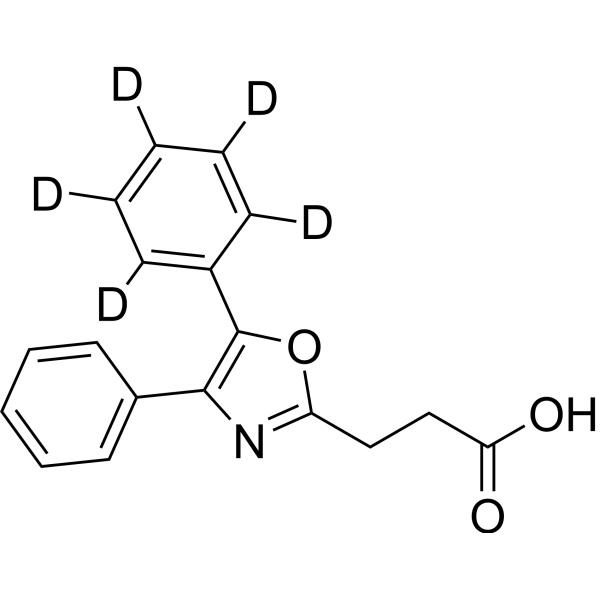
Oxaprozin-d5 is deuterium labeled Oxaprozin. Oxaprozin is an inhibitor of both COX-1 and COX-2 with IC50s of 2.2 μM and 36 μM for human platelet COX-1 and IL-1-stimulated human synovial cell COX-2, respectively. Oxaprozin also inhibits the activation of NF-κB.
|
-
- HY-105064B
-
|
CP-597396 hydrochloride
|
Na+/H+ Exchanger (NHE)
|
Cardiovascular Disease
|
|
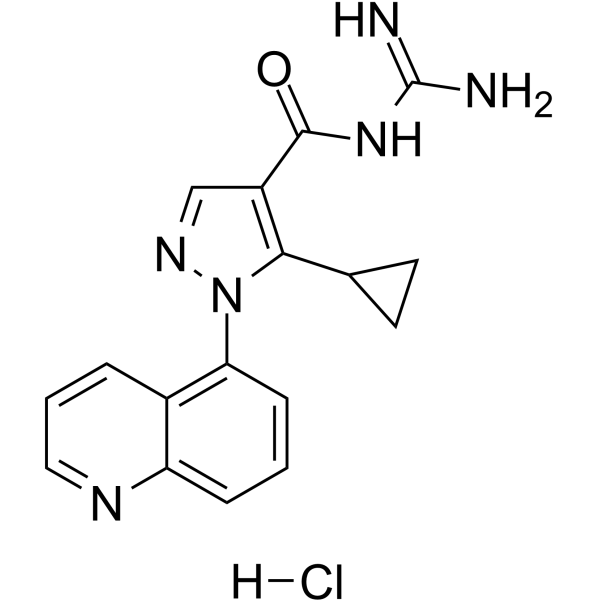
Zoniporide (CP-597396) hydrochloride is a potent and selective inhibitor of sodium-hydrogen exchanger type 1 (NHE-1). Zoniporide hydrochloride inhibits human NHE-1 (IC50=14 nM), and has >150-fold selectivity versus other NHE isoforms. Zoniporide hydrochloride potently inhibits ex vivo NHE-1-dependent swelling of human platelets (IC50=59 nM) .
|
-
- HY-159896
-
|
|
Protease Activated Receptor (PAR)
|
Cardiovascular Disease
|
|
PAR4 antagonist 8 (Compound 20f) is an effective, orally active, and selective PAR4 antagonist with an IC50 value of 15.32 nM. PAR4 antagonist 8 exhibits favorable pharmacokinetic properties. PAR4 antagonist 8 not only effectively inhibits human platelet aggregation induced by PAR4 agonists (IC50 = 6.39 nM) but also inhibits mouse platelet aggregation. PAR4 antagonist 8 can be used in antithrombotic research .
|
-

- HY-105064DR
-
|
CP-597396 hydrochloride hydrate (Standard)
|
Reference Standards
Na+/H+ Exchanger (NHE)
|
Cardiovascular Disease
|
|
Zoniporide (hydrochloride hydrate) (Standard) is the analytical standard of Zoniporide (hydrochloride hydrate). This product is intended for research and analytical applications. Zoniporide (CP-597396) hydrochloride hydrate is a potent and selective inhibitor of sodium-hydrogen exchanger type 1 (NHE-1). Zoniporide hydrochloride hydrate inhibits human NHE-1 (IC50=14 nM), and has >150-fold selectivity versus other NHE isoforms. Zoniporide hydrochloride hydrate potently inhibits ex vivo NHE-1-dependent swelling of human platelets (IC50=59 nM) .
|
-

- HY-B0808A
-
|
Oxaprozinum potassium; Wy21743 potassium
|
COX
NF-κB
Akt
IKK
Apoptosis
|
Inflammation/Immunology
Cancer
|
|
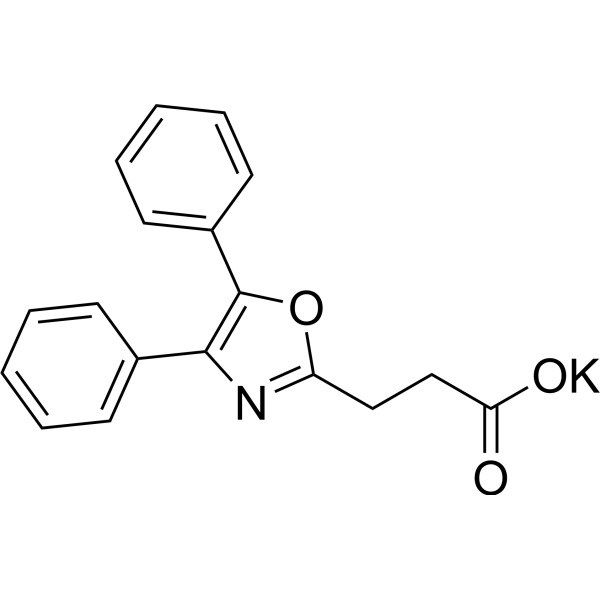
Oxaprozin potassium is an orally active and potent COX inhibitor, with IC50 values of 2.2 μM for human platelet COX-1 and and 36 μM for IL-1-stimulated human synovial cell COX-2, respectively. Oxaprozin potassium also inhibits the activation of NF-κB. Oxaprozin potassium induces cell apoptosis. Oxaprozin potassium shows anti-inflammatory activity. Oxaprozin potassium-mediated inhibition of the Akt/IKK/NF-κB pathway contributes to its anti-inflammatory properties .
|
-
- HY-19674
-
|
SSR182289A free base
|
Thrombin
|
Cardiovascular Disease
|
|
SSR182289 (SSR182289A free base) is a selective and potent orally active thrombin inhibitor. SSR182289 competitively and selectivity inhibits human thrombin (Ki=0.031 μM). SSR182289 demonstrates anticoagulant activity in vitro (thrombin time EC100=96 nM) and inhibits tissue factor-induced thrombin generation (IC50=0.15 μM) in human plasma. SSR182289 inhibits thrombin-induced aggregation of human platelets (IC50=32 nM), but has no effect on aggregation induced by other platelet agonists .
|
-

- HY-B0808R
-
|
Oxaprozinum (Standard); Wy21743 (Standard)
|
Reference Standards
COX
NF-κB
Akt
IKK
Apoptosis
|
Inflammation/Immunology
Cancer
|
|
Oxaprozin (Standard) is the analytical standard of Oxaprozin. This product is intended for research and analytical applications. Oxaprozin is an orally active and potent COX inhibitor, with IC50 values of 2.2 μM for human platelet COX-1 and and 36 μM for IL-1-stimulated human synovial cell COX-2, respectively. Oxaprozin also inhibits the activation of NF-κB. Oxaprozin induces cell apoptosis. Oxaprozin shows anti-inflammatory activity. Oxaprozin-mediated inhibition of the Akt/IKK/NF-κB pathway contributes to its anti-inflammatory properties .
|
-
- HY-W709448
-
|
Oxaprozinum-d10; Wy21743-d10
|
Isotope-Labeled Compounds
Apoptosis
COX
Akt
IKK
NF-κB
|
Inflammation/Immunology
|
|
Oxaprozin-d10 (Oxaprozinum-d10; Wy21743-d10) is the deuterium labeled Oxaprozin (HY-B0808). Oxaprozin is an orally active and potent COX inhibitor, with IC50 values of 2.2 μM for human platelet COX-1 and and 36 μM for IL-1-stimulated human synovial cell COX-2, respectively. Oxaprozin also inhibits the activation of NF-κB. Oxaprozin induces cell apoptosis. Oxaprozin shows anti-inflammatory activity. Oxaprozin-mediated inhibition of the Akt/IKK/NF-κB pathway contributes to its anti-inflammatory properties .
|
-

- HY-N19129
-
|
|
Others
|
Others
|
|
Macrostemonoside E is a steroidal glycoside present in Allium macrostemon Bunge, which inhibits ADP-induced aggregation of human platelets in vitro (IC50=0.417 mM) .
|
-

- HY-N17403
-
|
|
Drug Derivative
|
Cardiovascular Disease
|
|
Decuroside IV is a coumarin-glycoside inhibitor that can be found in the roots of Peucedanum decursivum Maxim. Decuroside IV inhibits secondary wave aggregation of human platelets induced by ADP .
|
-

- HY-105931
-
|
RS-82856
|
Phosphodiesterase (PDE)
|
Cardiovascular Disease
Endocrinology
|
|
Lixazinone (RS-82856) is a selective inhibitor of cGMP-inhibited phosphodiesterase (PDE3) with an IC50 value of 22 nM. Lixazinone exhibits positive inotropic effects, afterload reduction and antithrombotic properties. Lixazinone increases cyclic adenosine monophosphate (cAMP) levels in human platelets, inhibits thrombin-induced aggregation of human platelets, and blocks the photolabeling of PDE3 active sites by [ 32P]cGMP. Lixazinone can be used in the research of polycystic kidney disease and congestive heart failure .
|
-

- HY-113822
-
|
RS-82856 hydrogensulfate
|
Phosphodiesterase (PDE)
|
Cardiovascular Disease
Endocrinology
|
|
Lixazinone (RS-82856) hydrogensulfate is a selective inhibitor of cGMP-inhibited phosphodiesterase (PDE3) with an IC50 value of 22 nM. Lixazinone hydrogensulfate exhibits positive inotropic effects, afterload reduction and antithrombotic properties. Lixazinone hydrogensulfate increases cyclic adenosine monophosphate (cAMP) levels in human platelets, inhibits thrombin-induced aggregation of human platelets, and blocks the photolabeling of PDE3 active sites by [ 32P]cGMP. Lixazinone hydrogensulfate can be used in the research of polycystic kidney disease and congestive heart failure .
|
-

- HY-106105
-
|
|
Prostaglandin Receptor
|
Others
|
ONO 3708 is a TXA2/PGH2 receptor antagonist that can inhibit the binding properties of U46619 in unactivated intact human platelets, with an IC50 value of 38 nM .
|
-

- HY-167848
-
|
XL-118
|
Others
|
Cardiovascular Disease
|
|
DMP-728 free base (XL-118) is a highly potent and selective GPIIb/IIIa antagonist with antiplatelet and antithrombotic activities. DMP-728 free base can inhibit ADP-induced human platelet aggregation in vitro, with an IC50 of 46 nmol/L, and can significantly reduce the interaction between fibrinogen and human platelets or Binding of purified human GPIIb/IIIa receptors. DMP-728 free base exhibits dose-dependent antiplatelet effects in anesthetized mongrel dogs, effectively inhibiting ADP-induced platelet aggregation and prolonging template bleeding time .
|
-

- HY-10312
-
|
|
Integrin
|
Cardiovascular Disease
|
|
UR-12947 is a platelet glycoprotein (GP) IIb-IIIa antagonist. UR-12947 exhibits potent inhibitory activity against platelet aggregation in human platelet-rich plasma, with an IC50 value of 3.5 nM. UR-12947 can be used in the research of arterial thrombotic diseases .
|
-

- HY-100302R
-
|
|
Na+/H+ Exchanger (NHE)
Reference Standards
|
Cardiovascular Disease
Inflammation/Immunology
|
|
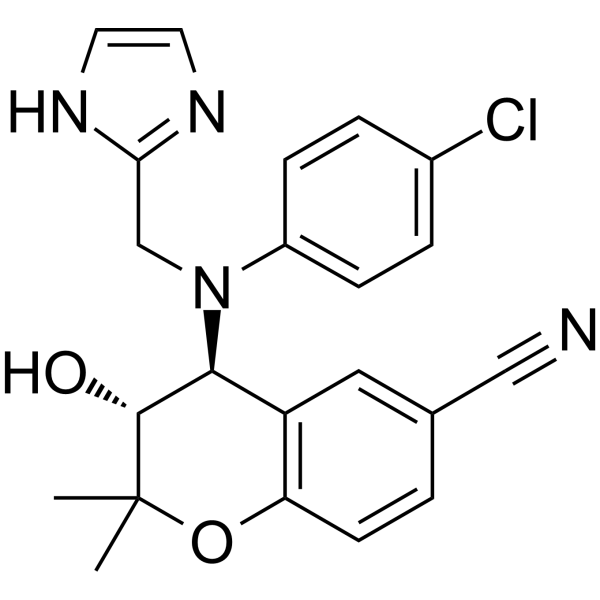
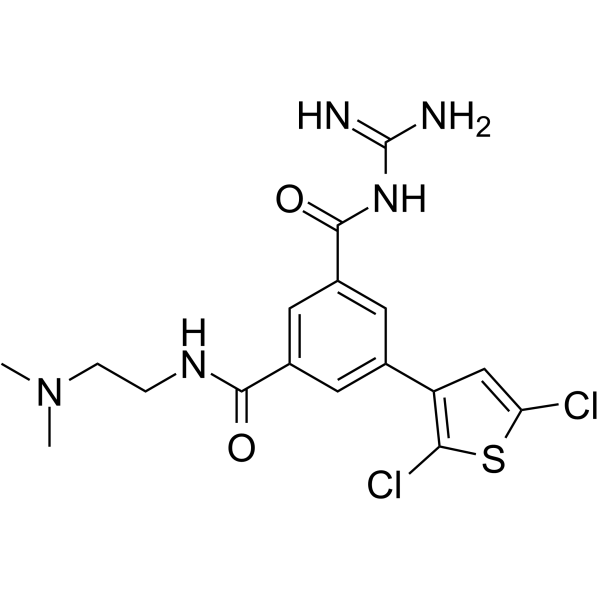
FR183998 free base (Standard) is the analytical standard of FR183998 free base (HY-100302). This product is intended for research and analytical applications. FR183998 free base is a potent Na+/H+-exchange inhibitor, with IC50s of 0.3 nM, 3.1 nM and 6.5 nM by measurement of pHi change in rat lymphocytes, rat and human platelets, respectively.
|
-

- HY-134107
-
|
|
Biochemical Assay Reagents
|
Others
|
|
Azido-erythro-sphingosines is an intermidate for synthesis of lipid molecules with two hydroxyl groups and a terminal azide group. Azide (N3) group can react with alkyne, BCN, DBCO via Click Chemistry. The hydroxyl groups enable further derivatization or replacement with other reactive functional groups. Azido-erythro-sphingosine is a derivative of Sphingosine, which is a selective inhibitor of protein kinase C activity and phorbol dibutyrate binding in vitro in human platelets.
|
-

- HY-107615R
-
|
|
Reference Standards
LPL Receptor
|
Cancer
|
|
TC LPA5 4 (Standard) is the analytical standard of TC LPA5 4 (HY-107615). This product is intended for research and analytical applications. TC LPA5 4 is a LPA5 (GPR92)-specific non-lipid antagonist. TC LPA5 4 inhibits LPA-induced aggregation of isolated human platelet (LPA5-RH7777 cell line) with an IC50 of 800 nM. TC LPA5 4 displays selectivity for LPA5 over 80 other screened agent targets . TC LPA5 4 inhibits cell proliferation and migration of thyroid cancer cells .
|
-

- HY-106899A
-
|
(rel)-L-680573
|
Platelet-activating Factor Receptor (PAFR)
|
Others
|
|
(rel)-MK 287 ((rel)-L-680573) is a relative configuration of MK 287. MK 287 is a potent, selective and orally active antagonist of platelet-activating factor receptor (PAFR). MK 287 can inhibit [3H]C18-PAF binding to human platelet, polymorphonuclear leukocyte (PMN) and lung membranes with K1 values of 6.1, 3.2, and 5.49 nM, respectively. MK 287 can inhibit PAF-induced aggregation of platelets in plasma or gel-filtered platelets and elastase release from PMNs with ED50 values of 56, 1.5 and 4.4 nM. MK 287 can be used for the research of cardiovascular disease, such as thrombosis .
|
-

- HY-118200
-
|
|
Adrenergic Receptor
|
Neurological Disease
|
BRL-41992 is a selective α₂B-adrenergic receptor antagonist. BRL-41992 exhibits 94-fold higher selectivity for the α₂B-receptor than for the α₂A-receptor with Kᵢ values in neonatal rat lung tissue (expressing the α₂B-receptor) and in human platelet membranes (expressing the α₂A-receptor) of 1.1 and 103.3 nM. BRL-41992 can be used to verify the functional differences of α₂ receptor subtypes .
|
-

- HY-117811
-
|
L-680574
|
Platelet-activating Factor Receptor (PAFR)
|
Cardiovascular Disease
|
|
(R,R)-MK 287 (L-680574) is a tetrahydrofuran derivative that potently inhibits the binding of [3H]C18-PAF to human platelets, polymorphonuclear leukocytes (PMNs), and lung membranes with Ki values of 6.1, 3.2, and 5.49 nM, respectively. (R,R)-MK 287 potently and selectively inhibits PAF-induced platelet aggregation (ED50=56 nM) and elastase release from PMNs (ED50=4.4 nM). (R,R)-MK 287 inhibits PAF-induced lethality in mice (ED50=0.8 mg/kg, po) and PAF-induced bronchospasm in guinea pigs (ED50=0.18 mg/kg) .
|
-

- HY-131648
-
|
|
Drug Derivative
PKC
TRP Channel
|
Cardiovascular Disease
Metabolic Disease
Inflammation/Immunology
Cancer
|
|
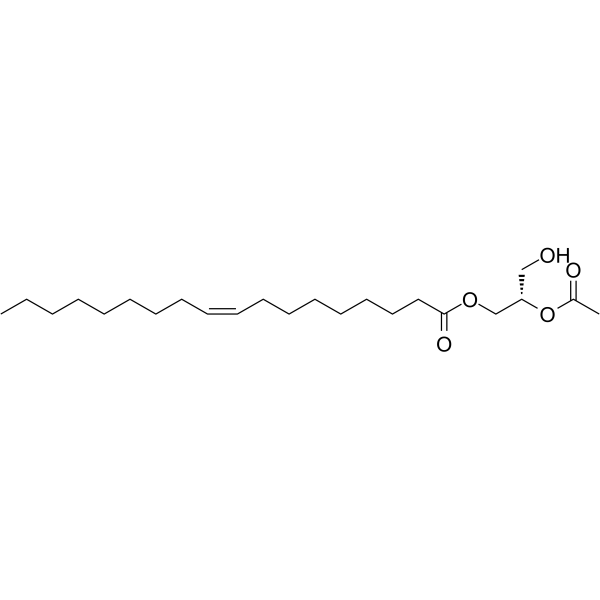
1-Oleoyl-2-acetyl-sn-glycerol is a cell-permeable analog of diacylglycerol (DAG) and can activate Protein kinase C (PKC). 1-Oleoyl-2-acetyl-sn-glycerol can activate the TRPC channels-mediated specific Ca 2+ influx. 1-Oleoyl-2-acetyl-sn-glycerol can stimulate superoxide-generation from human neutrophils. 1-Oleoyl-2-acetyl-sn-glycerol stimulates the formation of phosphatidylinositol 4-phosphate in intact human platelets. 1-Oleoyl-2-acetyl-sn-glycerol can stimulate ascites tumor cell proliferation .
|
-
- HY-18071A
-
|
|
Na+/H+ Exchanger (NHE)
Autophagy
|
Cardiovascular Disease
|
|
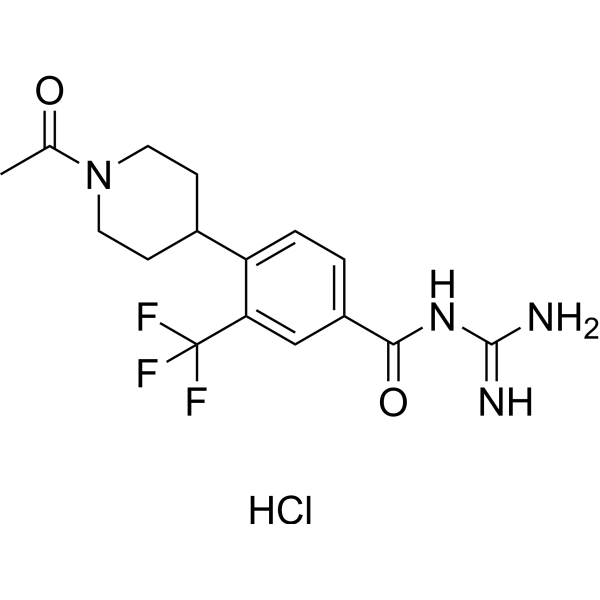
BI-9627 hydrochloride is a potent sodium-hydrogen exchanger isoform 1 (NHE1) inhibitor (IC50 = 6 and 31 nM in intracellular pH recovery (pHi) and human platelet swelling assays). BI-9627 hydrochloride displays >30-fold selectivity against NHE2 and with no measurable inhibitory activity against the NHE3 isoform. BI-9627 hydrochloride decreases autophagy in HTR-8/SVneo cells. BI-9627 hydrochloride can significantly reduce the pHi of human sperm and partially reverse the effect of DMA. BI-9627 hydrochloride prolongs Ca 2+ recovery time in KO hiPSC-CMs. BI-9627 hydrochloride shows low DDI (agent-agent interaction) potential, excellent pharmacokinetics in rat and dog, and remarkably potent activity in the isolated heart model of ischemia-reperfusion injury .
|
-
- HY-126356S
-
|
|
Isotope-Labeled Compounds
Liposome
|
Cardiovascular Disease
|
|
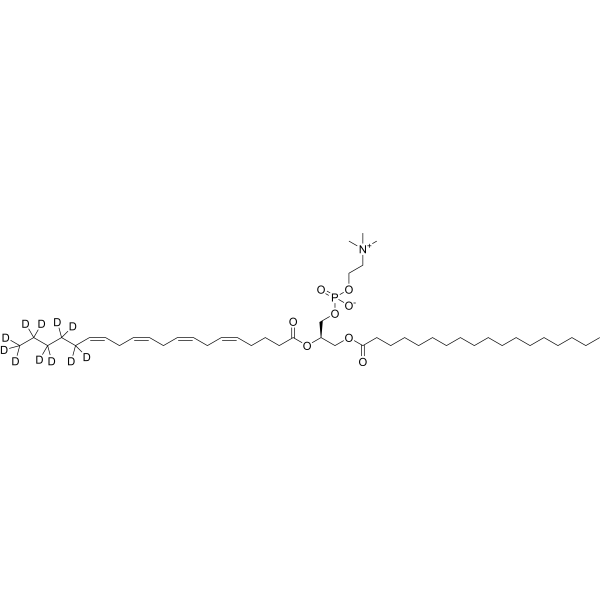
1-Stearoyl-2-arachidonoyl-sn-glycero-3-phosphocholine-d11 is the deuterium labeled 1-Stearoyl-2-arachidonoyl-sn-glycero-3-phosphocholine (HY-126356). 1-Stearoyl-2-arachidonoyl-sn-glycero-3-phosphocholine is a major phospholipid in low-density lipoprotein and belongs to the group of 1-acyl phosphatidylcholines. 1-Stearoyl-2-arachidonoyl-sn-glycero-3-phosphocholine does not induce morphological changes in washed human platelets. 1-Stearoyl-2-arachidonoyl-sn-glycero-3-phosphocholine can be used for the research of atherosclerosis and thrombotic diseases .
|
-
- HY-W010918R
-
|
Adenosine diphosphate (Standard); ADP (Standard)
|
Reference Standards
Endogenous Metabolite
|
Others
|
|
Adenosine 5'-diphosphate (Standard) is the analytical standard of Adenosine 5'-diphosphate. This product is intended for research and analytical applications. Adenosine 5'-diphosphate (Adenosine diphosphate) is a nucleoside diphosphate. Adenosine 5'-diphosphate is the product of ATP dephosphorylation by ATPases. Adenosine 5'-diphosphate induces human platelet aggregation and inhibits stimulated adenylate cyclase by an action at P2T-purinoceptors.
In Vitro: Adenosine 5'-diphosphate consists of the pyrophosphate group, the pentose sugar ribose, and the nucleobase adenine. Adenosine 5'-diphosphate is the product of ATP dephosphorylation by ATPases. ADP is converted back to ATP by ATP synthases. ATP is an important energy transfer molecule in cells. Adenosine 5'-diphosphate is utilized in a wide number of cellular processes, including respiration, biosynthetic reactions, motility, and cell division.
|
-

- HY-108556AR
-
|
|
Reference Standards
Protease Activated Receptor (PAR)
Apoptosis
|
Cardiovascular Disease
|
|
RWJ-56110 dihydrochloride (Standard) is the analytical standard of RWJ-56110 (dihydrochloride) (HY-108556A). This product is intended for research and analytical applications. RWJ-56110 dihydrochloride is a potent, selective, peptide-mimetic inhibitor of PAR-1 activation and internalization (binding IC50=0.44 uM) and shows no effect on PAR-2, PAR-3, or PAR-4. RWJ-56110 dihydrochloride inhibits the aggregation of human platelets induced by both SFLLRN-NH2 (IC50=0.16 μM) and thrombin (IC50=0.34 μM), quite selective relative to U46619 (HY-108566). RWJ-56110 dihydrochloride blocks angiogenesis and blocks the formation of new vessels in vivo. RWJ-56110 dihydrochloride induces cell apoptosis .
|
-

- HY-18071
-
BI-9627
3 Publications Verification
|
Na+/H+ Exchanger (NHE)
Autophagy
|
Cardiovascular Disease
|
|
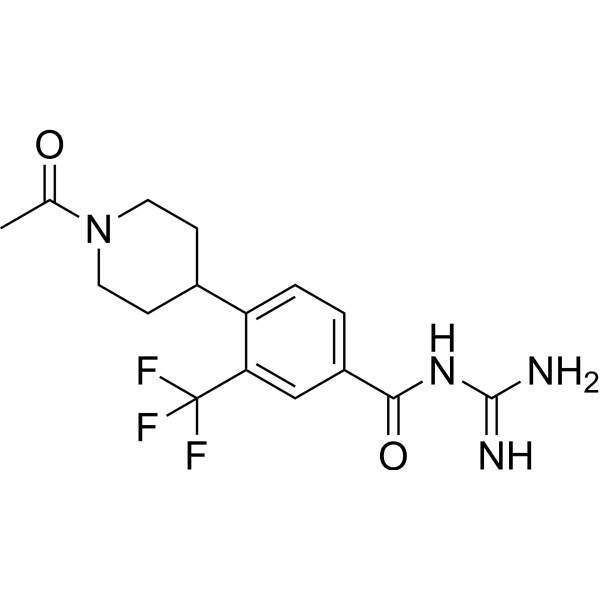
BI-9627, a chemical probe, is a potent sodium-hydrogen exchanger isoform 1 (NHE1) inhibitor (IC50 = 6 and 31 nM in intracellular pH recovery (pHi) and human platelet swelling assays). BI-9627 displays >30-fold selectivity against NHE2 and with no measurable inhibitory activity against the NHE3 isoform. BI-9627 decreases autophagy in HTR-8/SVneo cells. BI-9627 can significantly reduce the pHi of human sperm and partially reverse the effect of DMA. BI-9627 prolongs Ca 2+ recovery time in KO hiPSC-CMs. BI-9627 shows low DDI (agent-agent interaction) potential, excellent pharmacokinetics in rat and dog, and remarkably potent activity in the isolated heart model of ischemia-reperfusion injury .
|
-
- HY-165587
-
|
|
Prostaglandin Receptor
|
Cardiovascular Disease
|
|
BM-573 is an orally active dual thromboxane A₂ (TXA₂) modulator with an IC50 of 1.3 nM. BM-573 possesses both thromboxane synthase (TxAS) inhibition and thromboxane receptor (TP) antagonistic effects. BM-573 can completely inhibit platelet aggregation induced by Arachidonic acid (HY-109590) or U-46619 (TXA₂ analogues). BM-573 completely blocks the generation of TXB₂ (the stable metabolite of TXA₂) in human platelets and does not inhibit cyclooxygenase (COX-1/COX-2), thus avoiding interference with other prostaglandin synthesis. BM-573 has an inhibitory effect on U-46619-induced contractions in rat gastric fundus smooth muscle (ED₅₀ = 4.2 μM), but has no effect on contractions caused by PGE₂, PGF₂α, or PGI₂. BM-573 can be used in the study of atherosclerosis, myocardial infarction, pulmonary hypertension and shock .
|
-

| Cat. No. |
Product Name |
Type |
-
- HY-158741
-
|
APG-2 Acetoxymethyl ester
|
Fluorescent Dye
|
|
IPG-2 AM (APG-2 Acetoxymethyl ester) is a membrane-permeant acetoxymethyl ester derivative and selective fluorescent potassium ion indicator. IPG-2 AM exhibits fluorescence increases proportional to extracellular potassium ion concentrations. IPG-2 AM enables real-time monitoring of cytosolic free potassium ion fluxes in human platelets and macrophages. IPG-2 AM can be used for the research of intracellular potassium concentration dynamics .
|
| Cat. No. |
Product Name |
Type |
-
- HY-D1056C5
-
|
LPS, from Salmonella enterica (Serotype minnesota Re 595 (Re mutant))
|
Biochemical Assay Reagents
|
Lipopolysaccharides (LPS), from S. enterica (Salmonella enterica) serotype minnesota Re 595 (Re mutant) is prepared from Salmonella enterica strain Re 595 (Re mutant). The structure in the LPS of strain Re 595 was shown to induce secretion and aggregation in human platelets .
It is recommended to prepare a solution with concentration ≥2 mg/mL. Vortex thoroughly for more than 10 minutes. Due to the adsorption characteristics of LPS, silanized container or low adsorption centrifuge tubes should be used for aliquoting and storage, and mix thoroughly before use.
|
-
- HY-125139
-
|
ω-3 Arachidonic acid ethyl ester, in ethanol, 98%; (all-Z)-8,11,14,17-Eicosatetraenoic acid ethyl ester, in ethanol, 98%
|
Biochemical Assay Reagents
|
|
omega-3 Arachidonic acid ethyl ester, in ethanol, 98% is a rare polyunsaturated fatty acid found in very small amounts in dietary sources. Omega-3 fatty acids are known to be essential for the growth and development of infants, and they protect against heart disease, blood clots, high blood pressure, and inflammatory and autoimmune diseases. In human platelet membranes, omega-3 arachidonic acid inhibits arachidonyl-CoA synthetase with a Ki of 14 μM. It also inhibits arachidonoyl-CoA synthetase in calf brain extract with an IC50 of approximately 5 μM. Omega-3 ethyl arachidonate is the more lipophilic form of the free acid.
|
| Cat. No. |
Product Name |
Target |
Research Area |
-
- HY-P0078
-
|
PAR-1 agonist peptide; Thrombin Receptor Activator Peptide 6
|
Protease Activated Receptor (PAR)
|
Inflammation/Immunology
|
|
TRAP-6 (PAR-1 agonist peptide), a peptide fragment, is a selective protease activating receptor 1 (PAR1) agonist. TRAP-6 activates human platelets via the thrombin receptor. TRAP-6 shows no activity at PAR4 .
|
-
- HY-P5463
-
|
|
Bacterial
|
Others
|
|
C18G is a biological active peptide. (C18G is a synthetic α-helical peptide derived from human platelet factor IV. This peptide was found to be antibacterial and is active against Salmonella.)
|
-
- HY-P3006
-
|
|
Drug Metabolite
|
Cardiovascular Disease
|
|
Des-Leu10-angiotensin I is a nonapeptide that inhibits rabbit lung angiotensin-converting enzyme peptidyl-dipeptide hydrolase with a Ki value of 31 μM, which is generated from angiotensin I by the action of carboxypeptidase-like activities residing in the human platelet and mast cell .
|
| Cat. No. |
Product Name |
Category |
Target |
Chemical Structure |
| Cat. No. |
Product Name |
Chemical Structure |
-
- HY-W010918S2
-
|
|
|
Adenosine 5'-diphosphate- 15N5 (Adenosine diphosphate- 15N5 dilithium) dilithium is 15N labeled Adenosine 5'-diphosphate (HY-W010918). Adenosine 5'-diphosphate (Adenosine diphosphate) is a nucleoside diphosphate. Adenosine 5'-diphosphate is the product of ATP dephosphorylation by ATPases. Adenosine 5'-diphosphate induces human platelet aggregation and inhibits stimulated adenylate cyclase by an action at P2T-purinoceptors.
|
-
-
- HY-W010918S3
-
|
|
|
Adenosine 5'-diphosphate- 13C5 (Adenosine diphosphate- 13C5) is the 13C-labeled Adenosine 5'-diphosphate (HY-W010918). Adenosine 5'-diphosphate (Adenosine diphosphate) is a nucleoside diphosphate. Adenosine 5'-diphosphate is the product of ATP dephosphorylation by ATPases. Adenosine 5'-diphosphate induces human platelet aggregation and inhibits stimulated adenylate cyclase by an action at P2T-purinoceptors.
|
-
-
- HY-B0808S1
-
|
|
|
Oxaprozin-d5 is deuterium labeled Oxaprozin. Oxaprozin is an inhibitor of both COX-1 and COX-2 with IC50s of 2.2 μM and 36 μM for human platelet COX-1 and IL-1-stimulated human synovial cell COX-2, respectively. Oxaprozin also inhibits the activation of NF-κB.
|
-
-
- HY-W709448
-
|
|
|
Oxaprozin-d10 (Oxaprozinum-d10; Wy21743-d10) is the deuterium labeled Oxaprozin (HY-B0808). Oxaprozin is an orally active and potent COX inhibitor, with IC50 values of 2.2 μM for human platelet COX-1 and and 36 μM for IL-1-stimulated human synovial cell COX-2, respectively. Oxaprozin also inhibits the activation of NF-κB. Oxaprozin induces cell apoptosis. Oxaprozin shows anti-inflammatory activity. Oxaprozin-mediated inhibition of the Akt/IKK/NF-κB pathway contributes to its anti-inflammatory properties .
|
-
-
- HY-126356S
-
|
|
|
1-Stearoyl-2-arachidonoyl-sn-glycero-3-phosphocholine-d11 is the deuterium labeled 1-Stearoyl-2-arachidonoyl-sn-glycero-3-phosphocholine (HY-126356). 1-Stearoyl-2-arachidonoyl-sn-glycero-3-phosphocholine is a major phospholipid in low-density lipoprotein and belongs to the group of 1-acyl phosphatidylcholines. 1-Stearoyl-2-arachidonoyl-sn-glycero-3-phosphocholine does not induce morphological changes in washed human platelets. 1-Stearoyl-2-arachidonoyl-sn-glycero-3-phosphocholine can be used for the research of atherosclerosis and thrombotic diseases .
|
-
| Cat. No. |
Product Name |
|
Classification |
-
- HY-W010918
-
|
Adenosine diphosphate; ADP
|
|
Nucleotide Analogs
Adenine Nucleotide
|
|
Adenosine 5'-diphosphate (Adenosine diphosphate) is a nucleoside diphosphate. Adenosine 5'-diphosphate is the product of ATP dephosphorylation by ATPases. Adenosine 5'-diphosphate induces human platelet aggregation and inhibits stimulated adenylate cyclase by an action at P2T-purinoceptors.
|
-
- HY-W010791
-
|
|
|
Nucleotide Analogs
Adenine Nucleotide
|
|
Adenosine 5'-diphosphate sodium salt is a nucleoside diphosphate and the product of ATP dephosphorylation by ATPases. Adenosine 5'-diphosphate sodium salt induces human platelet aggregation and inhibits stimulated adenylate cyclase through its action on P2T-purinergic receptors .
|
-
- HY-D0882
-
|
|
|
Nucleotide Analogs
Adenine Nucleotide
|
|
Adenosine 5'-diphosphate dicyclohexylammonium is a nucleoside diphosphate. Adenosine 5'-diphosphate is the product of ATP dephosphorylation by ATPases. Adenosine 5'-diphosphate dicyclohexylammonium induces human platelet aggregation and inhibits stimulated adenylate cyclase by an action at P2T-purinoceptors .
|
-
- HY-174546
-
|
|
|
mRNA
|
|
Human PECAM1 mRNA encodes the human platelet and endothelial cell adhesion molecule 1 (PECAM1) protein, a member of the immunoglobulin superfamily. PECAM1 is likely involved in leukocyte migration, angiogenesis, and integrin activation.
|
-
- HY-174553
-
|
|
|
mRNA
|
|
Human PDGFA mRNA encodes the human platelet derived growth factor A (PDGFA) protein, a member of the platelet-derived growth factor family. PDGFA plays an essential role in the regulation of embryonic development, cell proliferation, cell migration, survival and chemotaxis.
|
-
- HY-174552
-
|
|
|
mRNA
|
|
Human PDGFB mRNA encodes the human platelet derived growth factor B (PDGFB) protein, a member of the platelet-derived growth factor family. PDGFB plays an essential role in the regulation of embryonic development, cell proliferation, cell migration, survival and chemotaxis.
|
-
- HY-174551
-
|
|
|
mRNA
|
|
Human PDGFC mRNA encodes the human platelet derived growth factor C (PDGFC) protein, a member of the platelet-derived growth factor family. PDGFC plays an essential role in the regulation of embryonic development, cell proliferation, cell migration, survival and chemotaxis.
|
-
- HY-174550
-
|
|
|
mRNA
|
|
Human PDGFD mRNA encodes the human platelet derived growth factor D (PDGFD) protein, a member of the platelet-derived growth factor family. PDGFD plays an essential role in the regulation of embryonic development, cell proliferation, cell migration, survival and chemotaxis.
|
-
- HY-174548
-
|
|
|
mRNA
|
|
Human PDGFRB mRNA encodes the human platelet derived growth factor receptor beta (PDGFRB) protein, a cell surface tyrosine kinase receptor for members of the platelet-derived growth factor family. PDGFRB is essential for normal development of the cardiovascular system and aids in rearrangement of the actin cytoskeleton.
|
-
- HY-174549
-
|
|
|
mRNA
|
|
Human PDGFRA mRNA encodes the human platelet derived growth factor receptor alpha (PDGFRA) protein, a cell surface tyrosine kinase receptor for members of the platelet-derived growth factor family. PDGFRA may play a role in organ development, wound healing, and tumor progression.
|
Your information is safe with us. * Required Fields.
Inquiry Information
- Product Name:
- Cat. No.:
- Quantity:
- MCE Japan Authorized Agent:





![[Rh(cod)Cl]2](http://file.medchemexpress.com/product_pic/hy-y1094.gif)





