Search Result
Results for "
memory+impairment
" in MedChemExpress (MCE) Product Catalog:
1
Isotope-Labeled Compounds
| Cat. No. |
Product Name |
Target |
Research Areas |
Chemical Structure |
-
- HY-B0764
-
|
Dibutyryl cAMP sodium; DBcAMP sodium
|
PKA
Reactive Oxygen Species (ROS)
Apoptosis
|
Neurological Disease
Inflammation/Immunology
Cancer
|
|
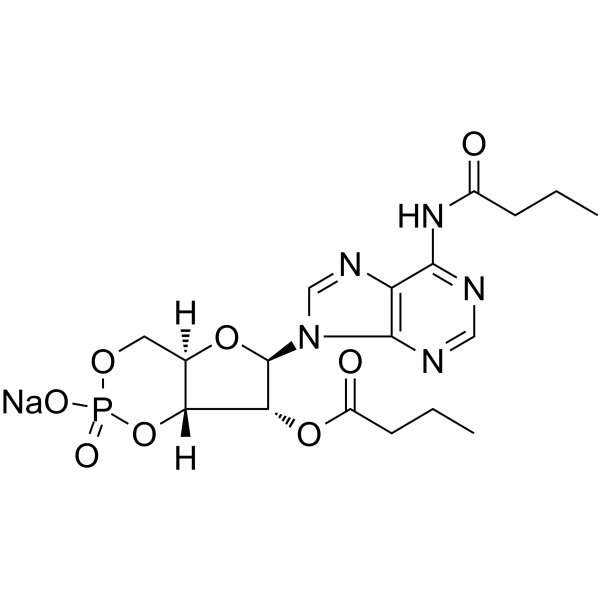
Bucladesine (Dibutyryl cAMP; DBcAMP) sodium is a membrane-permeable 3′, 5′-cyclic adenosine monophosphate (cAMP) analog. Bucladesine selectively activates cAMP dependent protein kinase (PKA) by increasing the intracellular level of cAMP. Bucladesine significantly attenuates MDMA-induced increases in hippocampal mitochondrial ROS formation, mitochondrial outer membrane damage, cytochrome c release, and hippocampal ADP/ATP ratio, thereby improving spatial learning and memory impairments. Bucladesine exhibit anti-nociceptive and anti-inflammation effect. Bucladesine can inhibit cancer cells proliferation, induce apoptosis. Bucladesine can be used for the researches of neurological disease, cancer, inflammation .
|
-
-
- HY-16900
-
|
(R,S)-Rolipram; (±)-Rolipram; ZK 62711
|
Bacterial
HIV
Phosphodiesterase (PDE)
Epigenetic Reader Domain
Amyloid-β
|
Infection
Neurological Disease
Cancer
|
|
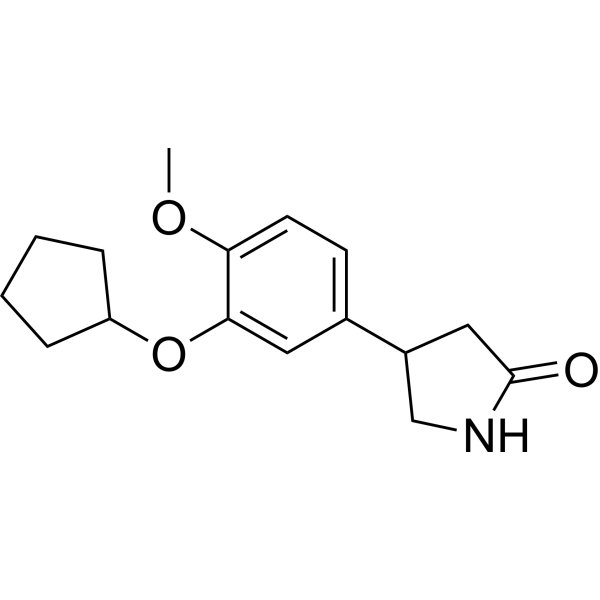
Rolipram is a PDE4 inhibitor, with blood-brain barrier permeability, that reverses β-amyloid-induced learning and memory impairment in rats. Rolipram elevates intracellular cAMP and clevels and regulates the cAMP/CREB signaling pathway, thereby alleviating neuroinflammation and apoptotic responses. Rolipram promotes neuronal differentiation of human bone marrow mesenchymal stem cells and inhibits Methamphetamine- and morphine-induced hyperlocomotion in mice. Rolipram also reduces the viability of glioblastoma stem-like cells and enhances Bevacizumab (HY-P9906)-induced cell death. Rolipram inhibits the expression of proinflammatory cytokines and enhances central noradrenergic transmission. Rolipram is mainly used in studies related to various central nervous system diseases including Alzheimer's disease, major depressive disorder, glioblastoma multiforme, and multiple sclerosis .
|
-
-
- HY-N9410
-
|
1-Linoleoyl-2-Hydroxy-sn-glycero-3-PC; LPC(18:2/0:0); LysoPC(18:2)
|
Endogenous Metabolite
|
Metabolic Disease
|
|
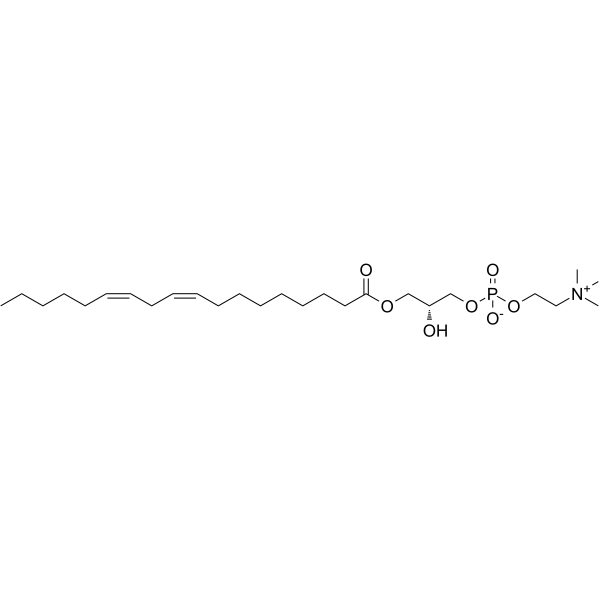
Lysophosphatidylcholine 18:2 (1-Linoleoyl-2-Hydroxy-sn-glycero-3-PC), a lysophospholipid, is a potential biomarker identified from insulin resistance (IR) polycystic ovary syndrome (PCOS). Low plasma Lysophosphatidylcholine 18:2 also has been shown to predict impaired glucose tolerance, insulin resistance, type 2 diabetes, coronary artery disease, and memory impairment .
|
-
-
- HY-N0691
-
|
Schizandrin; Schizandrol; Schizandrol-A
|
Autophagy
|
Inflammation/Immunology
Cancer
|
|
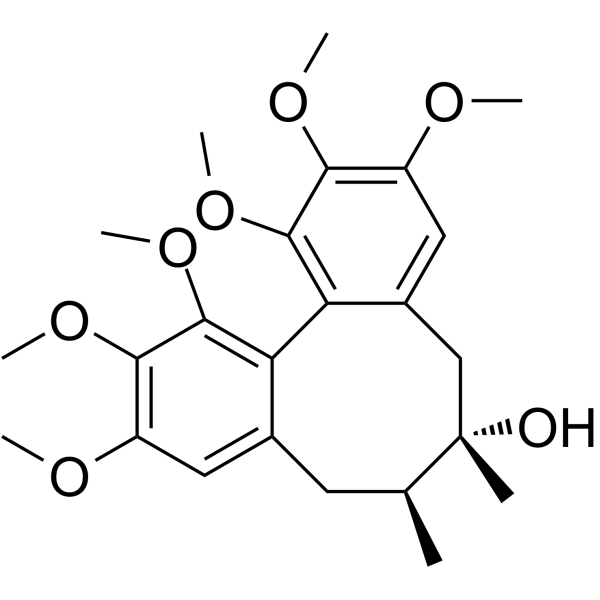
Schisandrin (Schizandrin), a dibenzocyclooctadiene lignan, is isolated from the fruit of Schisandra chinensis Baill. Schisandrin exhibits antioxidant, hepatoprotective, anti-cancer and anti-inflammatory activities. Schisandrin also can reverses memory impairment in rats .
|
-
-
- HY-N2183
-
|
Quercetin 3-O-sophoroside
|
SARS-CoV
|
Infection
Neurological Disease
|
|
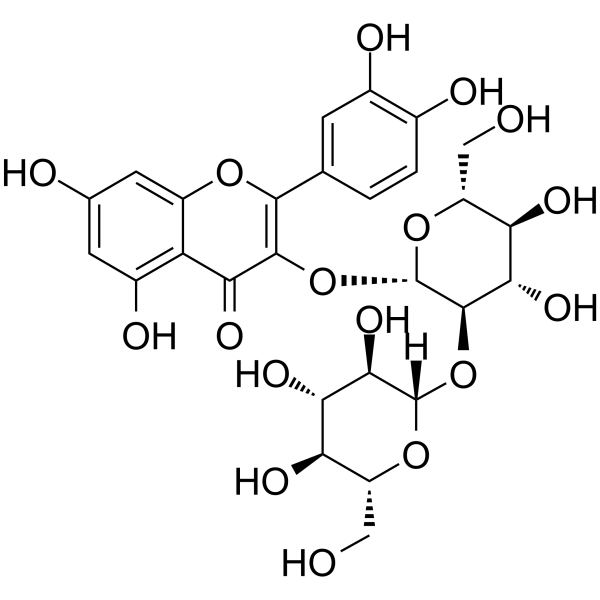
Baimaside (Quercetin 3-O-sophoroside) is a flavonoid cholinergic function modulator that binds to SARS-CoV-2-related targets. Baimaside regulates the expression of cholinergic system-related proteins and acetylcholine levels, improves scopolamine-induced learning and memory impairment, protects hippocampal neurons, inhibits pollen protein fluorescence, and protects pollen DNA. Its biosynthesis is regulated by multiple enzymes. Baimaside is completely absorbed in rats, undergoes phase Ⅱ metabolism and gut microbiota decomposition, and inhibits the invasion and proliferation of SARS-CoV-2 and its variants, making it suitable for research related to Alzheimer's disease and COVID-19 .
|
-
-
- HY-B0764A
-
|
Dibutyryl cAMP hemicalcium; DBcAMP hemicalcium
|
PKA
Apoptosis
Reactive Oxygen Species (ROS)
|
Neurological Disease
Cancer
|
|
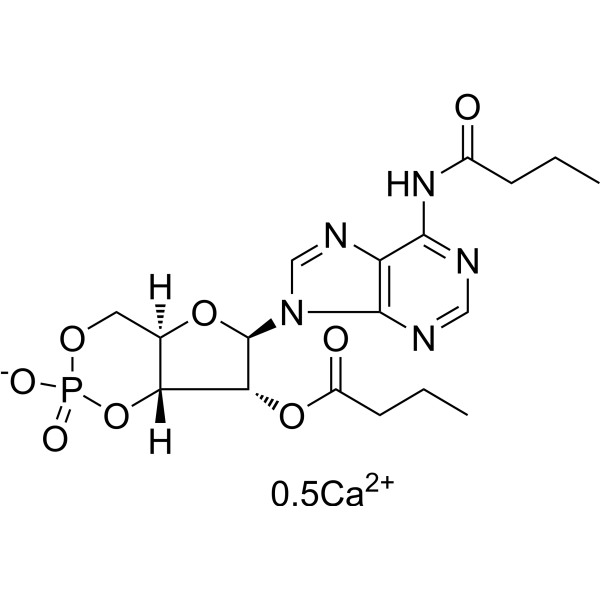
Bucladesine (Dibutyryl cAMP; DBcAMP) hemicalcium is a membrane-permeable 3′, 5′-cyclic adenosine monophosphate (cAMP) analog. Bucladesine selectively activates cAMP dependent protein kinase (PKA) by increasing the intracellular level of cAMP. Bucladesine significantly attenuates MDMA-induced increases in hippocampal mitochondrial ROS formation, mitochondrial outer membrane damage, cytochrome c release, and hippocampal ADP/ATP ratio, thereby improving spatial learning and memory impairments. Bucladesine exhibit anti-nociceptive and anti-inflammation effect. Bucladesine can inhibit cancer cells proliferation, induce apoptosis. Bucladesine can be used for the researches of neurological disease, cancer, inflammation .
|
-
-
- HY-N2189
-
-
-
- HY-N0310
-
|
|
Aldose Reductase
Heme Oxygenase (HO)
Reactive Oxygen Species (ROS)
Apoptosis
|
Neurological Disease
Metabolic Disease
|
|
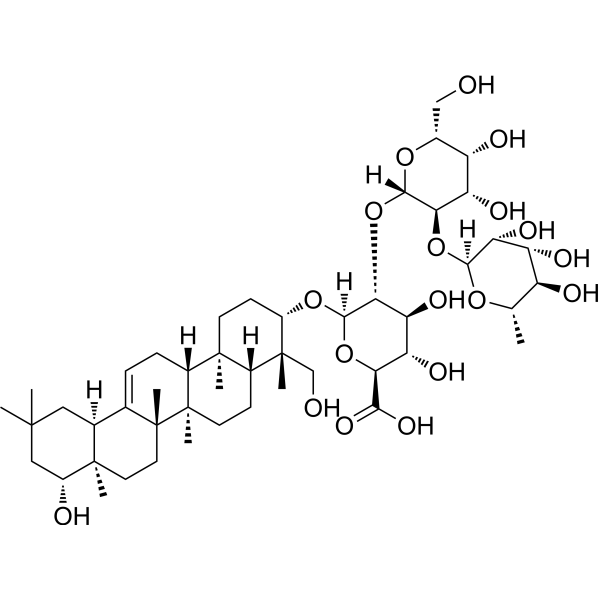
Soyasaponin Bb is an orally active, covalent inducer of heme oxygenase HO-1 and an inhibitor of aldose reductase AKR1B1. Soyasaponin Bb can regulate oxidative stress pathways, enhance antioxidant capacity, reduce reactive oxygen species (ROS) generation, and inhibit lipid peroxidation and hepatocyte apoptosis. Soyasaponin Bb improves alcohol-induced hepatocyte membrane damage and liver function abnormalities, and improves Scopolamine (HY-N0296)-induced memory impairment. Soyasaponin Bb has antioxidant, hepatoprotective, and neuroprotective activities .
|
-
-
- HY-N8698
-
Picein
1 Publications Verification
|
SOD
Ferroptosis
Keap1-Nrf2
Heme Oxygenase (HO)
Glutathione Peroxidase
|
Neurological Disease
Metabolic Disease
Inflammation/Immunology
|
|
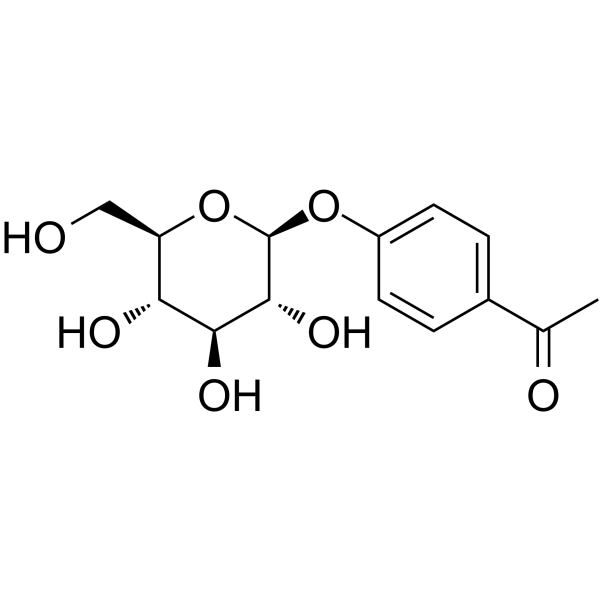
Picein is an antioxidant and anti-inflammatory agent. Picein can be isolated from the leaves of Picrorhiza kurroa. Picein reduces MDA levels and increases the levels of SOD, GPX and TAC. Picein alleviates oxidative stress and promotes bone regeneration in osteoporotic bone defects by inhibiting Ferroptosis (via activation of the Nrf2/HO-1/GPX4 pathway). Picein prevents scopolamine (HY-N0296)-induced passive avoidance memory impairment in rats. Picein can be used in research related to osteoporotic bone defects and Alzheimer's disease .
|
-
-
- HY-132806
-
|
RG-7816; RO-7017773
|
GABA Receptor
|
Neurological Disease
|
|
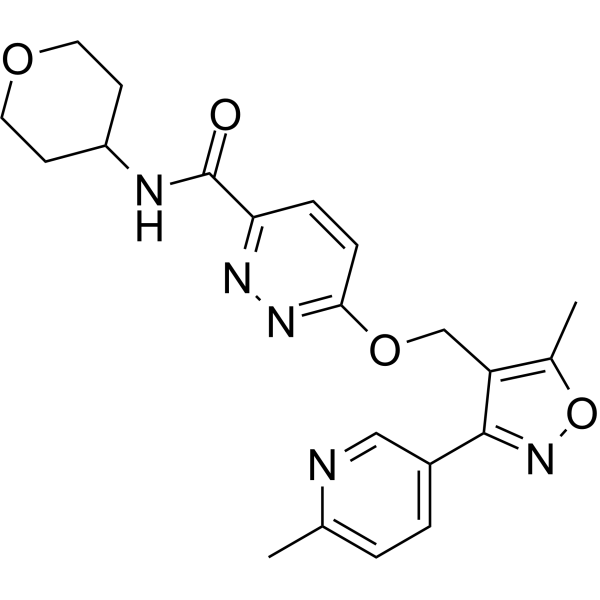
Alogabat is a positive allosteric modulator (PAM) and agonist (Ki <100 nM) of the GABAA α5 receptor, targeting the α5β3γ2 subunit with a Ki of 8.7 nM. Alogabat increases the expression level of α5β3γ2 in oocytes (1.97-fold). GABAA has been implicated in cognitive impairment associated with central nervous system (CNS) disorders, brain cancer (including brain tumors such as medulloblastoma), and can be used in the study of mild cognitive impairment (MCI), amnestic MCI (aMCI), age-associated memory impairment (AAMI), age-related cognitive decline (ARCD), dementia, Alzheimer's disease (AD), prodromal AD, post-traumatic stress disorder (PTSD), schizophrenia, bipolar disorder, amyotrophic lateral sclerosis (ALS), cognitive impairment associated with cancer treatment, mental retardation, Parkinson's disease (PD), autism spectrum disorder, fragile X, Rett syndrome, obsessive-compulsive behavior, and substance addiction .
|
-
-
- HY-151518
-
|
|
Aminopeptidase
|
Neurological Disease
|
|
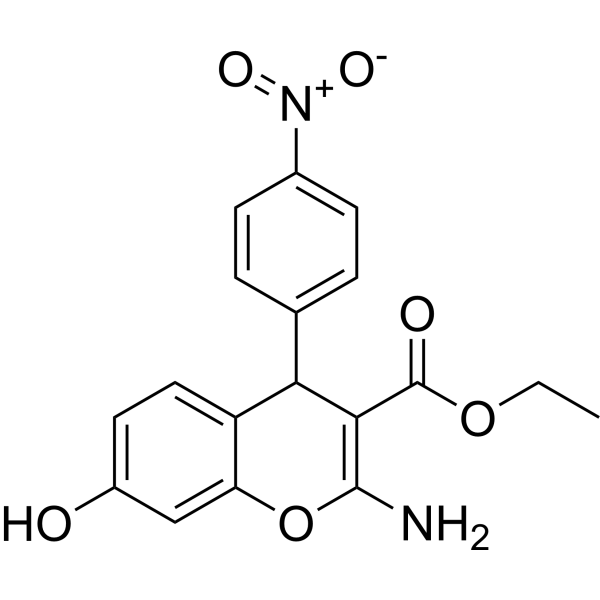
Aminopeptidase-IN-1 (compound 16o) is an insulin-regulated aminopeptidase (IRAP) inhibitor with an Ki value of 7.7 μM. Aminopeptidase-IN-1 inhibits catalytic activity of IRAP.Aminopeptidase-IN-1 can be used for the research of memory impairments .
|
-
-
- HY-N3026
-
-
-
- HY-N9386
-
|
Eugeniin
|
Bacterial
Antibiotic
|
Infection
Neurological Disease
Inflammation/Immunology
|
|
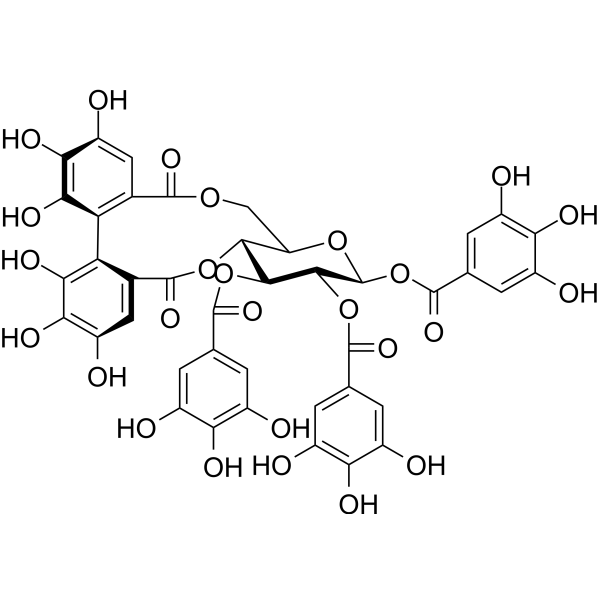
Tellimagrandin II (Eugeniin), with oral activity, is the first intermediate of the ellagitannin series derived from 4C1-glucose. It inhibits the resistance of Staphylococcus aureus by disrupting the integrity of the cell wall, leading to the loss of cytoplasmic contents. Additionally, Tellimagrandin II exhibits anti-inflammatory effects and inhibits acetylcholinesterase (AChE) activity, improving memory impairment. Tellimagrandin II holds potential for research in the fields of antibacterial, anti-inflammatory, and neurodegenerative diseases .
|
-
-
- HY-16361A
-
|
CGP3466B; CGP3446 maleate; TCH346 maleate
|
Apoptosis
|
Neurological Disease
Metabolic Disease
Inflammation/Immunology
|
|
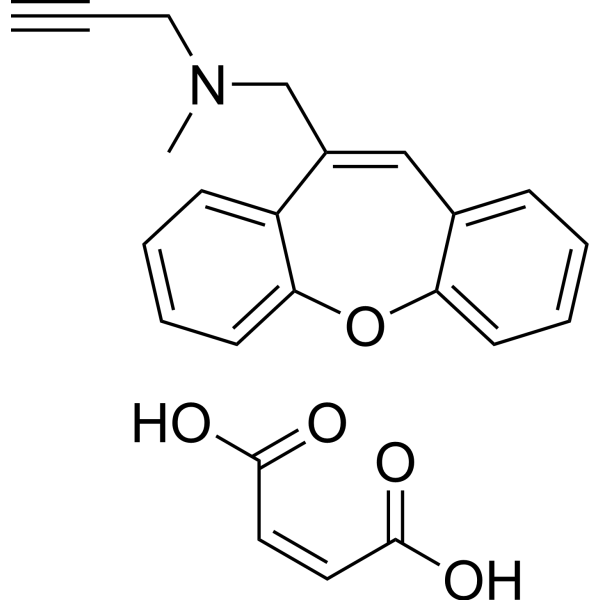
Omigapil maleate (CGP3466B), an orally active GAPDH nitrosylation inhibitor, abrogates Aβ1-42-induced tau acetylation, memory impairment, and locomotor dysfunction in mice. Omigapil maleate has the potential for the research of Alzheimer's disease. Omigapil maleate is a apoptosis inhibitor. Omigapil maleate can be used for the research of congenital muscular dystrophy (CMD). Omigapil maleate is a click chemistry reagent, it contains an Alkyne group and can undergo copper-catalyzed azide-alkyne cycloaddition (CuAAc) with molecules containing Azide groups .
|
-
-
- HY-14759
-
|
PAZ-417
|
PAI-1
Amyloid-β
|
Neurological Disease
|
|
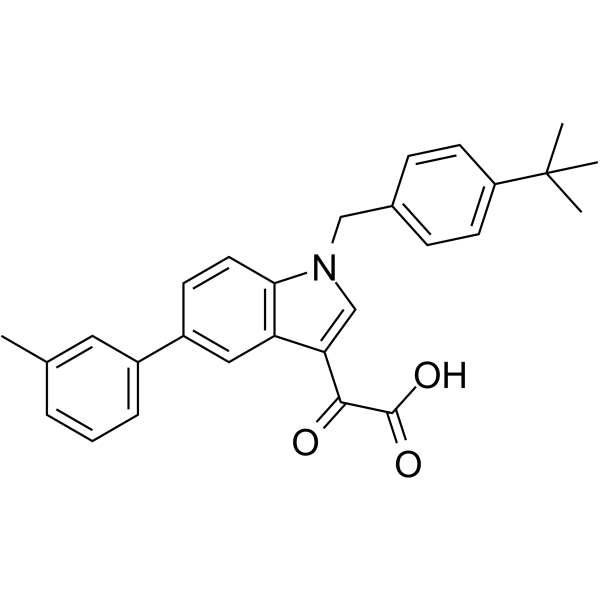
Aleplastinin (PAZ-417) is an orally active, blood-brain barrier permeable, selective SERPINE1 (PAI-1) inhibitor (IC50=655 nM). Aleplastinin activates the tissue type plasminogen activator (tPA)/fibrinolysis cascade by inhibiting PAI-1, thereby promoting the degradation of amyloid-β (Aβ) oligomers and monomers. Aleplastinin can significantly reduce plasma and brain Aβ levels, improve memory impairment, and reverse cognitive impairment. Aleplastinin can be used for research on Alzheimer's disease .
|
-
-
- HY-N8210
-
|
|
Drug Metabolite
Autophagy
Apoptosis
Reactive Oxygen Species (ROS)
Keap1-Nrf2
MMP
Caspase
PARP
MDM-2/p53
|
Neurological Disease
Inflammation/Immunology
Cancer
|
|
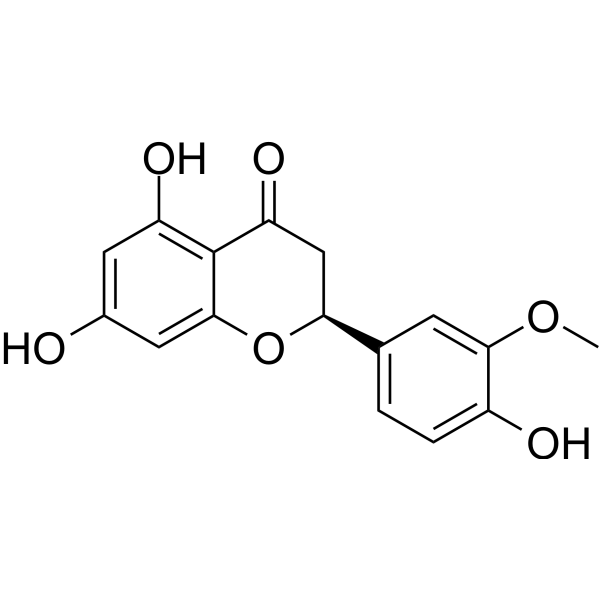
Homoeriodictyol is an orally active, bitter-tasting flavanone that can penetrate the blood-brain barrier. Homoeriodictyol enhances synaptic-related protein expression through NCOA4-mediated ferritin autophagy. Homoeriodictyol improves memory impairment in mice by inhibiting the NLRP3 inflammasome. Homoeriodictyol protects human endothelial cells from oxidative damage by activating Nrf2 and inhibiting mitochondrial dysfunction. Homoeriodictyol enhances ROS activity and induces apoptosis, exhibiting anticancer effects. Homoeriodictyol inhibits the survival and migration of androgen-resistant prostate cancer cells in vitro. Homoeriodictyol exerts antinociceptive activity in mice in vivo .
|
-
-
- HY-N1414
-
|
|
Trk Receptor
NF-κB
Amyloid-β
|
Neurological Disease
|
|
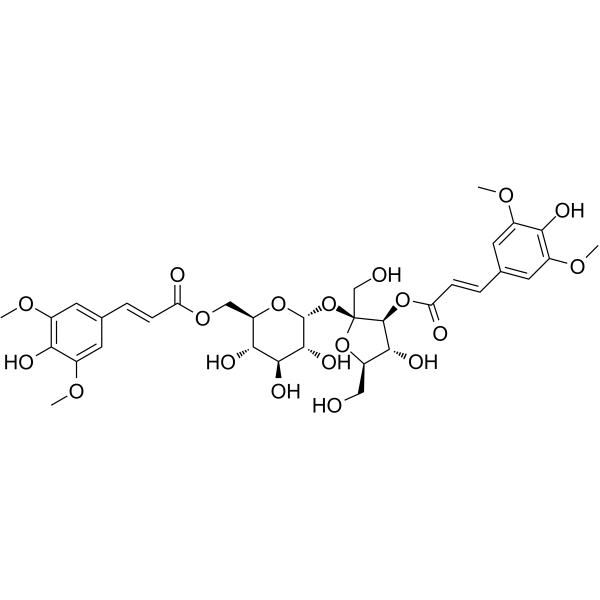
(E)-3',6-Disinapoylsucrose is an orally active, blood-brain barrier permeable neuroprotective agent that inhibits Aβ protein aggregation. (E)-3',6-Disinapoylsucrose exerts anxiolytic, anti-inflammatory and cognitive-enhancing effects. (E)-3',6-Disinapoylsucrose regulates the TrkB/BDNF signaling pathway, inhibits the expression of NF-κB p65, reduces pro-inflammatory cytokine levels, and alleviates neuronal damage. (E)-3',6-Disinapoylsucrose also enhances the functions of central 5-HT and noradrenergic systems, thereby improving spatial learning and memory abilities and reducing anxiety-like behaviors. (E)-3',6-Disinapoylsucrose can be used for the research of related diseases such as Alzheimer's disease, depression, memory impairment and anxiety disorder .
|
-
-
- HY-N2125
-
|
|
5-HT Receptor
iGluR
Caspase
Interleukin Related
TNF Receptor
SOD
NF-κB
|
Neurological Disease
Inflammation/Immunology
|
|
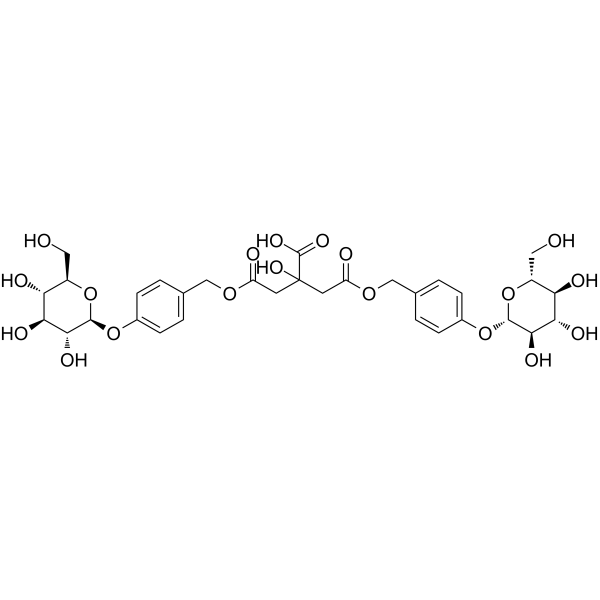
Parishin C is a brain-penetrant major bioactive component found in Gastrodia elata Blume. Parishin C is a 5-HT1A receptor agonist with an EC50 of 34 nM. Parishin C has antipsychotic and neuroprotective effects. Parishin C protects against Aβ-induced long-term potentiation damage and NMDA receptor current impairment. Parishin C reduces oxidative stress, pro-inflammatory cytokine levels, caspase activity, brain water content, and cerebral infarct volume; increases antioxidant enzyme activity and BDNF levels; improves nerve function and histopathological brain damage. Parishin C attenuates phencyclidine-induced immobility time increases, sociability deficits, and visual recognition memory impairment. Parishin C can be used for the research of ischemic stroke, Alzheimer's disease, and schizophrenia-like psychosis .
|
-
-
- HY-146086
-
-
-
- HY-15114
-
S 17092
1 Publications Verification
S 17092-1
|
Prolyl Endopeptidase (PREP)
Apoptosis
|
Neurological Disease
|
|
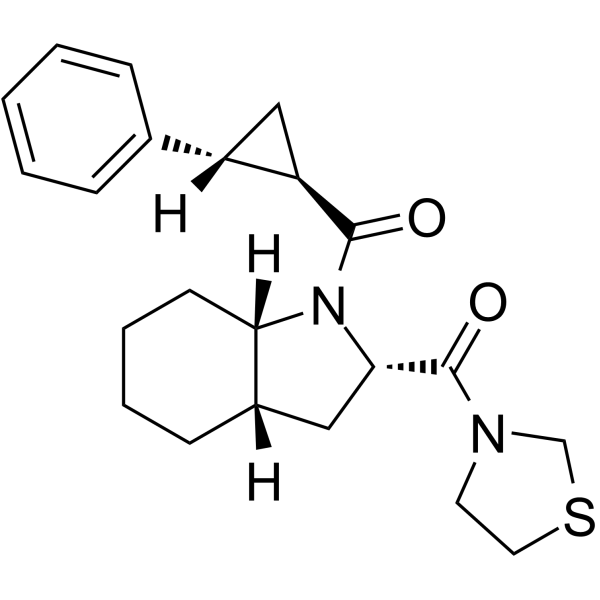
S 17092 (S 17092-1) is an orally active cerebral prolyl-endopeptidase (PEP) inhibitor with an IC50 of 1.2 nM. S 17092 inhibits cell apoptosis. S 17092 mechanism of action is to inhibit the activity of PEP, slowing down the degradation of neuroactive peptides and thus enhancing memory function. S 17092 can be used for the research of memory impairment and cognitive disorders associated with cerebral aging .
|
-
-
- HY-B0265A
-
|
(R)-BAY-e 9736
|
Calcium Channel
|
Cardiovascular Disease
Neurological Disease
|
|
(R)-Nimodipine ((R)-BAY-e 9736) is an orally active, blood-brain barrier-permeable L-type calcium channel blocker with an IC50 of 5 nM. (R)-Nimodipine inhibits corticosterone release by blocking calcium channels on the hypothalamic-pituitary-adrenal axis, thereby reversing immobilization stress-induced memory impairment and behavioral abnormalities. (R)-Nimodipine is widely used in studies related to aneurysmal subarachnoid hemorrhage, cerebral ischemia, epilepsy, age-related degenerative neurological diseases, and alcohol intoxication .
|
-

-
- HY-177873
-
|
|
iGluR
|
Neurological Disease
|
|
AMPA receptor modulator-10 (Compound 9a) is an orally active AMPA receptor (AMPAR) positive allosteric modulator. AMPA receptor modulator-10 exhibits potent activity (pEC50 = 5.0) on the GluA2 subtype of AMPAR, significantly enhancing glutamate-induced calcium influx and current responses. AMPA receptor modulator-10 can reverse the memory impairment induced by Scopolamine (HY-N0296) and enhance cognitive function. AMPA receptor modulator-10 can be used for the research of neurological disease, such as schizophrenia .
|
-

-
- HY-B0764B
-
|
Dibutyryl cAMP; DBcAMP
|
PKA
Reactive Oxygen Species (ROS)
Apoptosis
|
Neurological Disease
Inflammation/Immunology
Cancer
|
|
Bucladesine (Dibutyryl cAMP; DBcAMP) is a membrane-permeable 3′, 5′-cyclic adenosine monophosphate (cAMP) analog. Bucladesine selectively activates cAMP dependent protein kinase (PKA) by increasing the intracellular level of cAMP. Bucladesine significantly attenuates MDMA-induced increases in hippocampal mitochondrial ROS formation, mitochondrial outer membrane damage, cytochrome c release, and hippocampal ADP/ATP ratio, thereby improving spatial learning and memory impairments. Bucladesine exhibit anti-nociceptive and anti-inflammation effect. Bucladesine can inhibit cancer cells proliferation, induce apoptosis. Bucladesine can be used for the researches of neurological disease, cancer, inflammation .
|
-

-
- HY-I0020
-
|
(-)-Narwedine; Narwedin
|
Cholinesterase (ChE)
|
Neurological Disease
|
|
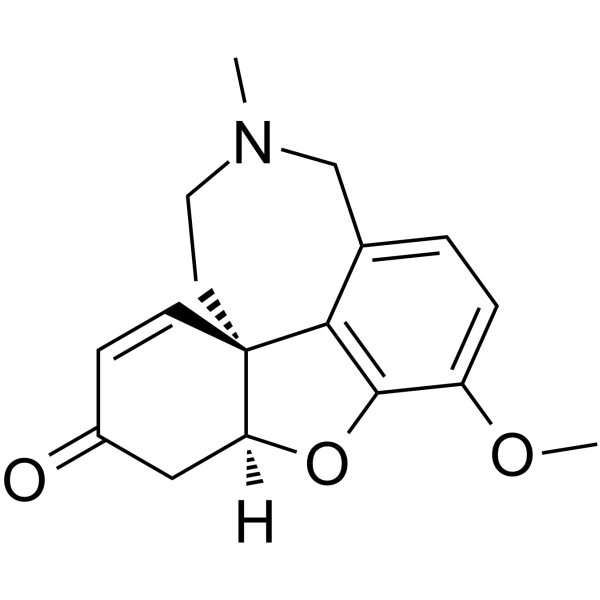
Galanthaminone (Narwedin) is a competitive and reversible cholinesterase (AChE) inhibitor; is used for the treatment of mild to moderate Alzheimer's disease and various other memory impairments.
|
-
-
- HY-P2497
-
|
|
GCGR
|
Neurological Disease
|
|
Exendin (5-39) is a potent glucagon-like peptide 1 (GLP-1) receptor antagonist. Exendin (5-39) improves memory impairment in β-amyloid protein-treated rats .
|
-

-
- HY-142066
-
|
|
PKA
ERK
iGluR
|
Neurological Disease
|
|
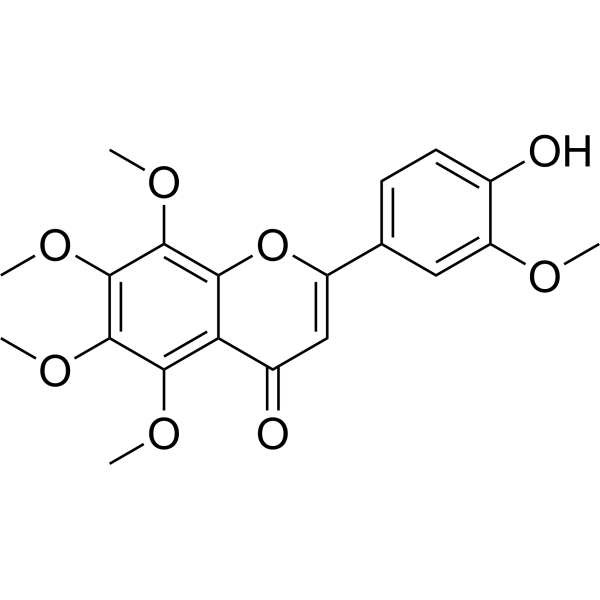
4′-Demethylnobiletin is a bioactive metabolite that activates the PKA/ERK/CREB signaling pathway, enhances CRE-mediated transcription in hippocampal neurons, and reverses memory impairment associated with NMDA receptor antagonism by stimulating ERK signaling .
|
-
-
- HY-N4268
-
|
|
Others
|
Neurological Disease
|
|
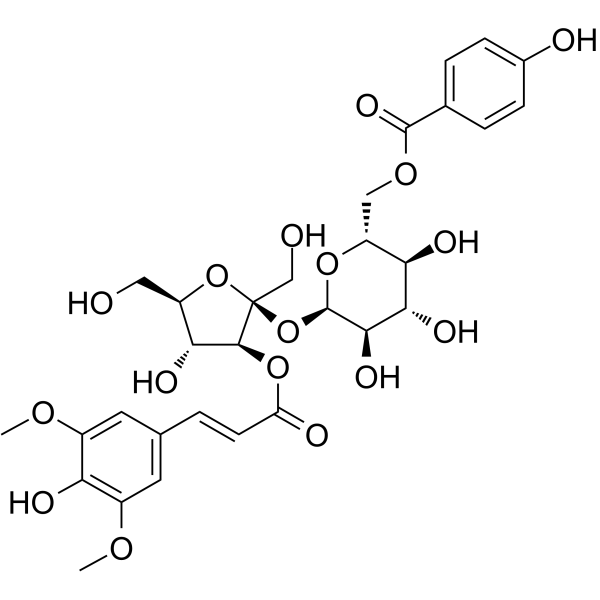
Tenuifoliside B, a component isolated from Polygalae Radix, inhibits potassium cyanide (KCN)-induced hypoxia and scopolamine-induced memory impairment. Tenuifoliside B shows potential cognitive improvement and cerebral protective effects. Tenuifoliside B has potential to become an anti-AD lead compound .
|
-
-
- HY-113616A
-
|
|
MARCKS
mAChR
|
Neurological Disease
|
|
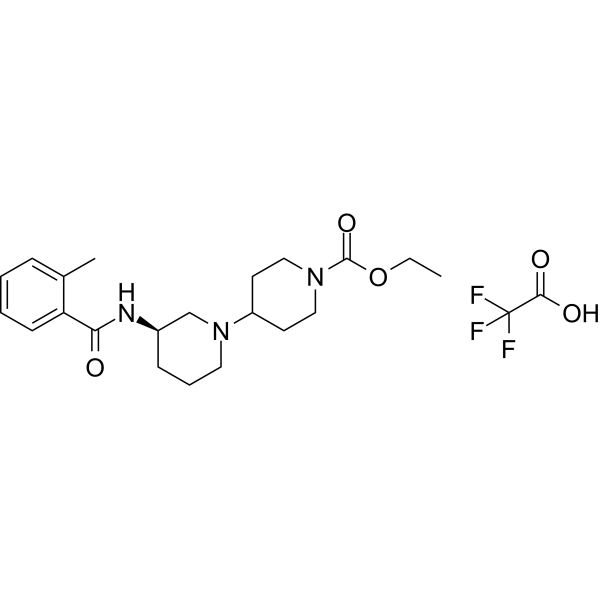
VU0364572 TFA is an orally active and selective allosteric agonist of the M1 muscarinic receptor with an EC50 of 0.11 μM. VU0364572 TFA has neuroprotective potential for preventing memory impairments and reducing neuropathology in Alzheimer’s Disease. VU0364572 TFA is CNS penetrant .
|
-
-
- HY-146005
-
|
|
Microtubule/Tubulin
|
Neurological Disease
Inflammation/Immunology
|
|
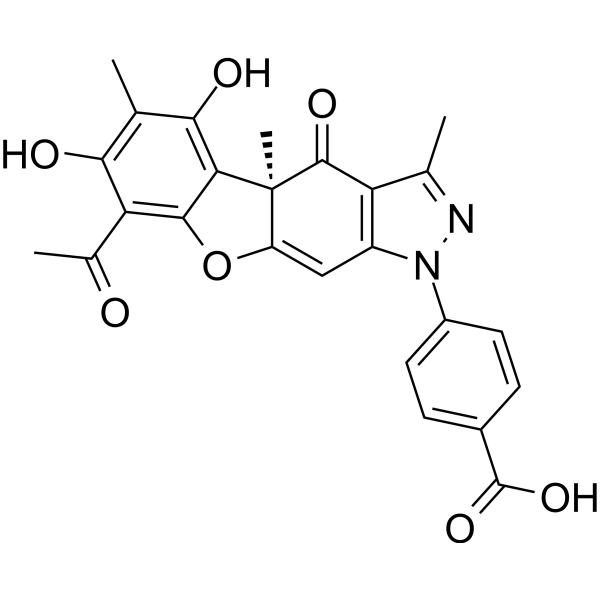
Tau-aggregation and neuroinflammation-IN-1 is a potent tau-aggregation and neuroinflammation inhibitor. Tau-aggregation and neuroinflammation-IN-1 exhibits remarkable inhibitory activities against AcPHF6 and full-length tau aggregation. Tau-aggregation and neuroinflammation-IN-1 has a low cytotoxicity and reduced NO release in LPS-stimulated BV2 cells. Tau-aggregation and neuroinflammation-IN-1 can reverse okadaic acid-induced memory impairment in rats .
|
-
-
- HY-B0764G
-
|
Dibutyryl cAMP sodium; DBcAMP sodium
|
PKA
Reactive Oxygen Species (ROS)
Apoptosis
|
Neurological Disease
Inflammation/Immunology
Cancer
|
|
Bucladesine (Dibutyryl cAMP; DBcAMP) sodium (GMP) is a Bucladesine sodium (HY-B0764) produced by using GMP guidelines. Bucladesine (Dibutyryl cAMP; DBcAMP) is a membrane-permeable 3′, 5′-cyclic adenosine monophosphate (cAMP) analog. Bucladesine selectively activates cAMP dependent protein kinase (PKA) by increasing the intracellular level of cAMP. Bucladesine significantly attenuates MDMA-induced increases in hippocampal mitochondrial ROS formation, mitochondrial outer membrane damage, cytochrome c release, and hippocampal ADP/ATP ratio, thereby improving spatial learning and memory impairments. Bucladesine exhibit anti-nociceptive and anti-inflammation effect. Bucladesine can inhibit cancer cells proliferation, induce apoptosis. Bucladesine can be used for the researches of neurological disease, cancer, inflammation .
|
-

-
- HY-101260
-
-

-
- HY-W014941
-
|
|
Histamine Receptor
|
Neurological Disease
|
|
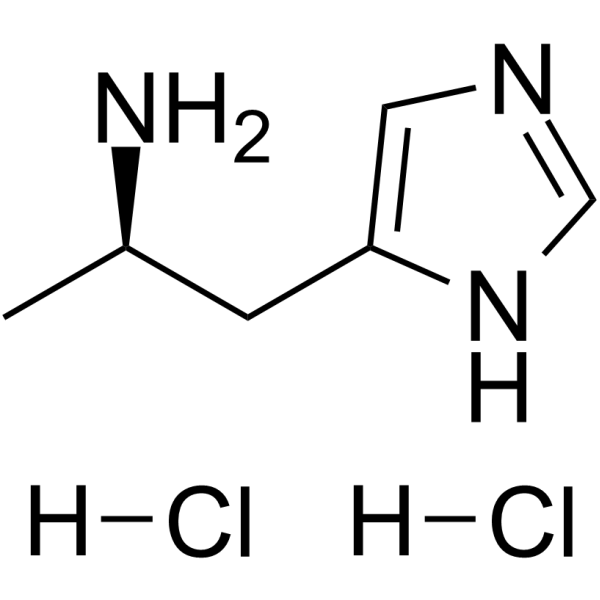
(R)-(-)-α-Methylhistamine dihydrochloride is a potent, selective and brain-penetrant agonist of H3 histamine receptor, with a Kd of 50.3 nM . (R)-(-)-α-Methylhistamine dihydrochloride can enhance memory retention, attenuates memory impairment in rats .
|
-
-
- HY-A0287
-
|
Clomifene; (Z/E)-Enclomiphene; (Z/E)-Enclomifene
|
Estrogen Receptor/ERR
|
Metabolic Disease
Cancer
|
|
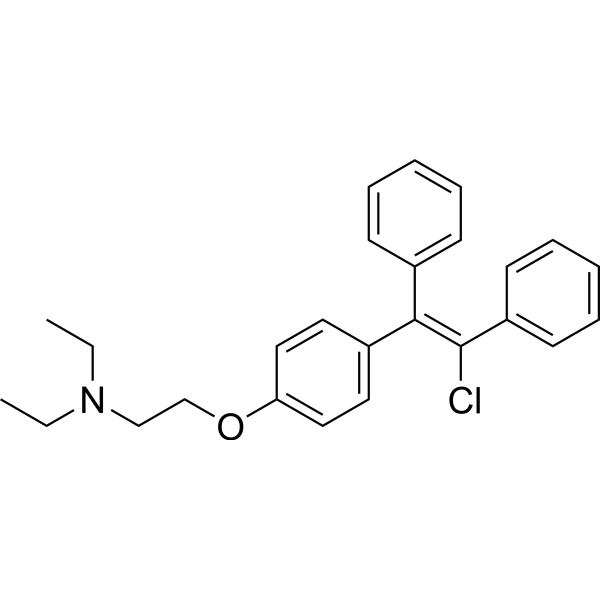
Clomiphene (Clomifene; (Z/E)-Enclomiphene; (Z/E)-Enclomifene) is an orally active ovulation-inducing agent. Clomiphene binds to hypothalamic estrogen receptors to elevate FSH levels, and exhibits antiestrogenic or estrogenic properties. Clomiphene can induce erturbations during meiotic maturation and cytogenetic abnormalities in mouse oocytes. Clomiphene ameliorates memory impairment in PCOS models. Clomiphene mobilizes cytosolic calcium and reduces viability in prostate cancer cells. Clomiphene can be used for the research of polycystic ovary syndrome (PCOS) and prostate cancer .
|
-
-
- HY-B0764R
-
|
Dibutyryl cAMP sodium (Standard); DBcAMP sodium (Standard)
|
Reference Standards
PKA
Reactive Oxygen Species (ROS)
Apoptosis
|
Neurological Disease
Inflammation/Immunology
Cancer
|
|
Bucladesine (Dibutyryl cAMP; DBcAMP) sodium (Standard) is the analytical standard of Bucladesine sodiumn (HY-B0764). This product is intended for research and analytical applications. Bucladesine is a membrane-permeable 3′, 5′-cyclic adenosine monophosphate (cAMP) analog. Bucladesine selectively activates cAMP dependent protein kinase (PKA) by increasing the intracellular level of cAMP. Bucladesine significantly attenuates MDMA-induced increases in hippocampal mitochondrial ROS formation, mitochondrial outer membrane damage, cytochrome c release, and hippocampal ADP/ATP ratio, thereby improving spatial learning and memory impairments. Bucladesine exhibit anti-nociceptive and anti-inflammation effect. Bucladesine can inhibit cancer cells proliferation, induce apoptosis. Bucladesine can be used for the researches of neurological disease, cancer, inflammation .
|
-

-
- HY-100999
-
|
|
Histamine Receptor
|
Neurological Disease
|
|
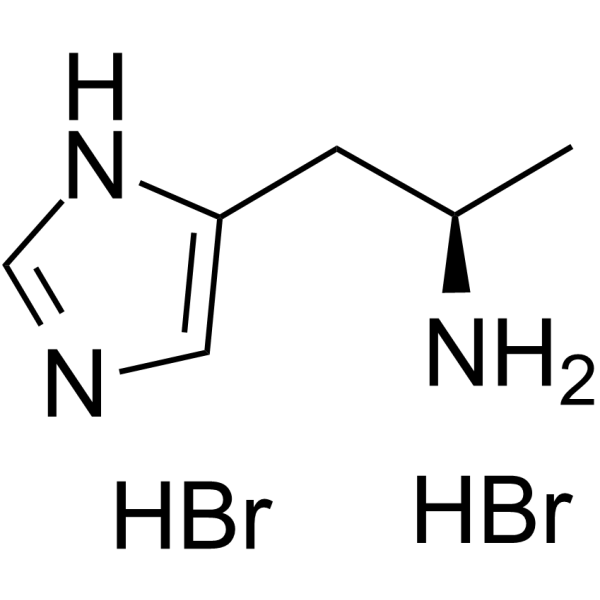
(R)-(-)-α-Methylhistamine dihydrobromide is a potent, selective and brain-penetrant agonist of H3 histamine receptor, with a Kd of 50.3 nM . (R)-(-)-α-Methylhistamine dihydrobromide can enhance memory retention, attenuates memory impairment in rats .
|
-
-
- HY-153416
-
|
|
Amyloid-β
|
Neurological Disease
|
|
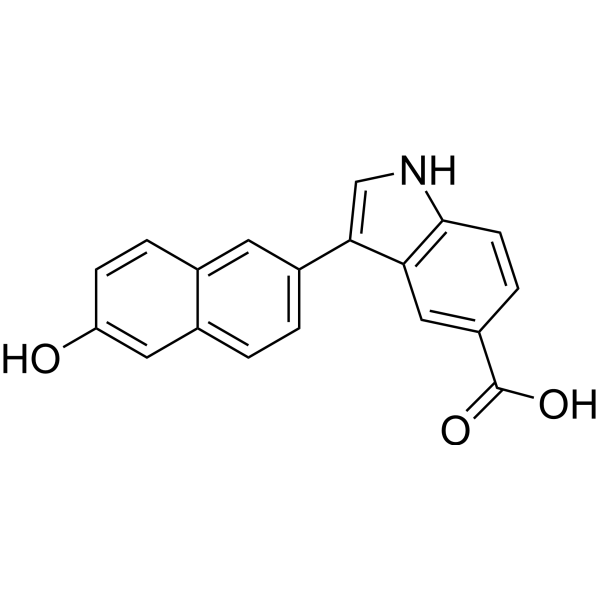
QR-0217 is a potent Aβ1-40 aggregation inhibitor with an IC50 value of 7.5 µM. QR-0217 inhibits α-synuclein aggregation. QR-0217 reduces memory impairments caused by Aβ neurotoxicity .
|
-
-
- HY-153369
-
|
BAY 1165747
|
Guanylate Cyclase
|
Cardiovascular Disease
Neurological Disease
|
|
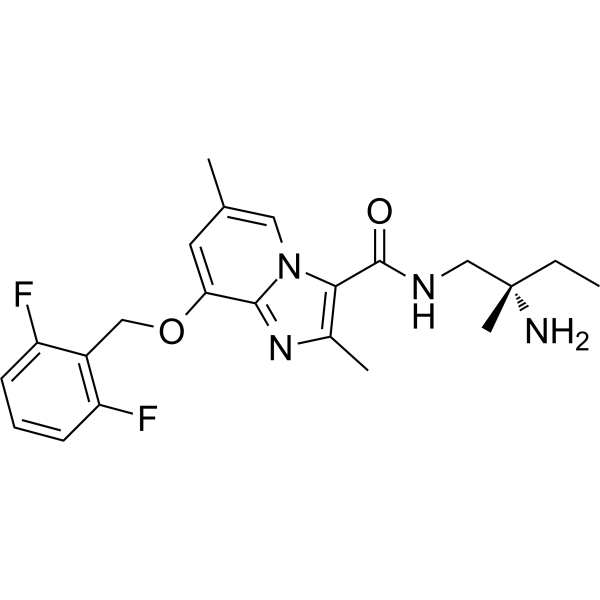
BAY-747 (BAY 1165747) is an orally active and brain-penetrant stimulator of soluble guanylate cyclase (sGC). BAY-747 reverses L-NAME induced memory impairments and enhances cognition of rats in the object location task (OLT). BAY-747 also decreases blood pressure in both conscious normotensive and spontaneously hypertensive rats (SHR). BAY-747 improves function of the skeletal muscle associated with Duchenne muscular dystrophy (DMD) in mdx/mTRG2 mice model .
|
-
-
- HY-A0287S
-
|
Clomifene-d5 hydrochloride; (Z/E)-Enclomiphene-d5 hydrochloride; (Z/E)-Enclomifene-d5 hydrochloride
|
Isotope-Labeled Compounds
Estrogen Receptor/ERR
|
Metabolic Disease
Cancer
|
|
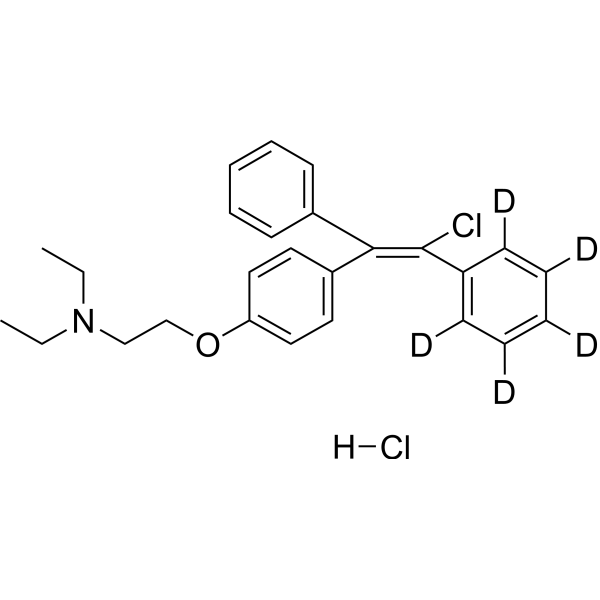
Clomifene (Clomifene; (Z/E)-Enclomiphene; (Z/E)-Enclomifene)-d5 hydrochloride is a deuterium labeled Clomifene hydrochloride (HY-A0287A). Clomiphene hydrochloride is an orally active ovulation-inducing agent. Clomiphene hydrochloride binds to hypothalamic estrogen receptors to elevate FSH levels, and exhibits antiestrogenic or estrogenic properties. Clomiphene hydrochloride can induce erturbations during meiotic maturation and cytogenetic abnormalities in mouse oocytes. Clomiphene hydrochloride ameliorates memory impairment in PCOS models. Clomiphene hydrochloride mobilizes cytosolic calcium and reduces viability in prostate cancer cells. Clomiphene hydrochloride can be used for the research of polycystic ovary syndrome (PCOS) and prostate cancer .
|
-
-
- HY-113616
-
|
|
mAChR
MARCKS
|
Neurological Disease
|
|
VU0364572 is a selective allosteric agonist of the M1 muscarinic receptor with an EC50 of 0.11 μM. VU0364572 has neuroprotective potential for preventing memory impairments and reducing neuropathology in Alzheimer’s Disease. VU0364572 is orally active and is CNS penetrant .
|
-

-
- HY-W097570
-
|
|
Antibiotic
Bacterial
|
Infection
Neurological Disease
|
|
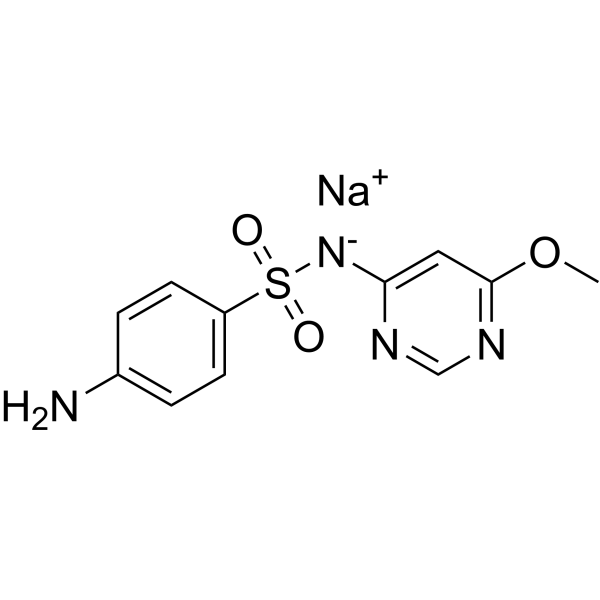
Sulfamonomethoxine sodium is an orally active broad-spectrum synthetic sulfonamide antibiotic that inhibits dihydropteroate synthetase. Sulfamonomethoxine sodium increases blood glucose levels, induces anxiety-related activities and impairs spatial learning and memory. Sulfamonomethoxine sodium can be used for the research of anxiety, spatial memory impairment, colisepticemia, salmonellosis, and staphylococcus infection .
|
-
-
- HY-155822
-
|
|
Cholinesterase (ChE)
Apoptosis
Caspase
|
Neurological Disease
|
|
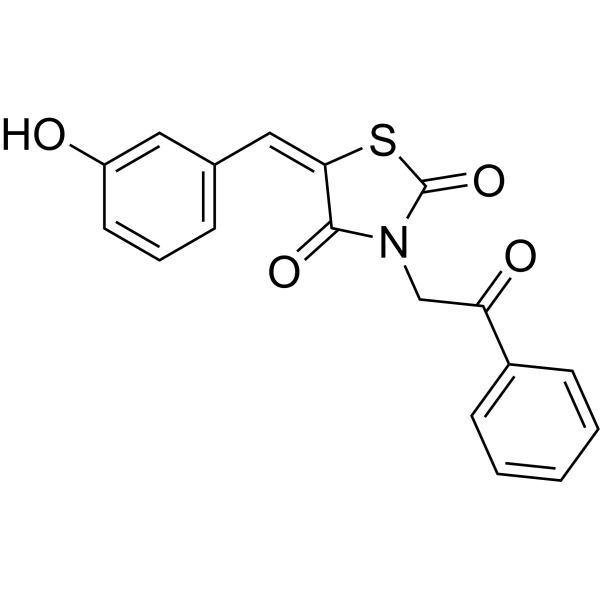
TZ3O is an anticholinergic agent with neuroprotective effects. TZ3O inhibits acetylcholinesterase (AChE) activity in human plasma with an IC50 of 304.5 μM. TZ3O can improve memory impairment and cognitive decline in rats in the Scopolamine (HY-N0296)-induced Alzheimer-type model. TZ3O could be used in Alzheimer’s research .
|
-
-
- HY-118642
-
|
|
Cholinesterase (ChE)
Reactive Oxygen Species (ROS)
|
Cardiovascular Disease
Neurological Disease
|
|
D-Ribose-L-cysteine is an orally active cysteine analog. D-Ribose-L-cysteine improves cellular antioxidant capacity by enhancing intracellular glutathione (GSH) biosynthesis. In addition, D-Ribose-L-cysteine has a memory-enhancing effect and can reverse Scopolamine (HY-N0296)-induced memory impairment by inhibiting oxidative stress and acetylcholinesterase (AChE) activity. D-Ribose-L-cysteine can be used in the study of neurodegenerative and cardiovascular diseases .
|
-

-
- HY-A0287A
-
|
Clomifene hydrochloride; (Z/E)-Enclomiphene hydrochloride; (Z/E)-Enclomifene hydrochloride
|
Estrogen Receptor/ERR
|
Metabolic Disease
Cancer
|
|
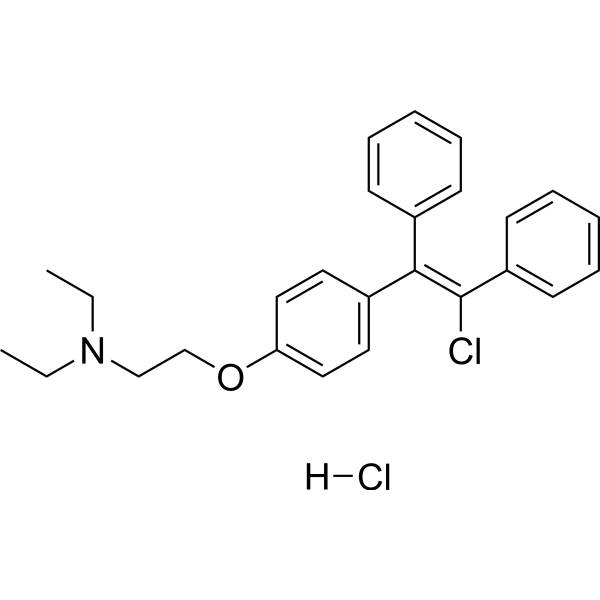
Clomiphene (Clomifene; (Z/E)-Enclomiphene; (Z/E)-Enclomifene) hydrochloride is an orally active ovulation-inducing agent. Clomiphene hydrochloride binds to hypothalamic estrogen receptors to elevate FSH levels, and exhibits antiestrogenic or estrogenic properties. Clomiphene hydrochloride can induce erturbations during meiotic maturation and cytogenetic abnormalities in mouse oocytes. Clomiphene hydrochloride ameliorates memory impairment in PCOS models. Clomiphene hydrochloride mobilizes cytosolic calcium and reduces viability in prostate cancer cells. Clomiphene hydrochloride can be used for the research of polycystic ovary syndrome (PCOS) and prostate cancer .
|
-
-
- HY-P2712
-
|
Chemerin148–156, mouse
|
Chemerin Receptor
|
Cardiovascular Disease
Neurological Disease
Inflammation/Immunology
|
|
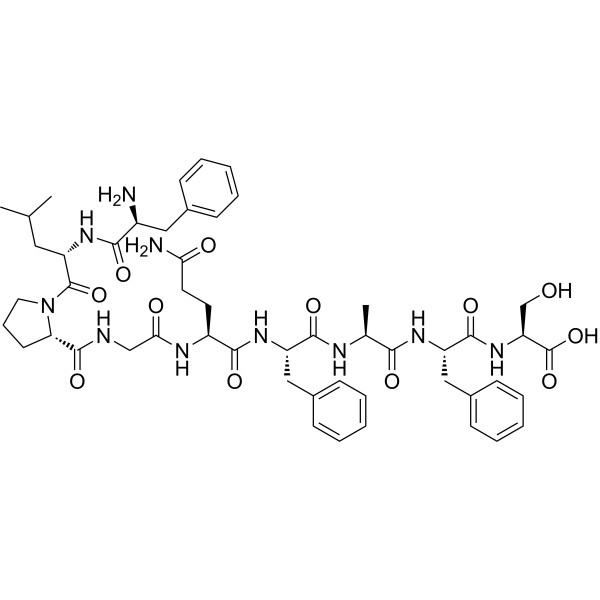
Chemerin-9, mouse (Chemerin148-156, mouse) is a C-terminal nonapeptide of chemerin. Chemerin-9, mouse is a ligand for ChemR23 (EC50 = 42 nM). Chemerin-9, mouse reduces basal lipolysis in primary mouse white adipocytes(IC50 = 3.3 nM). Chemerin-9, mouse enhances memory and relieves Aβ1-42-induced memory impairment in AD mice. Chemerin-9, mouse also inhibits atherogenesis .
|
-
-
- HY-179363
-
|
|
Cholinesterase (ChE)
COX
|
Neurological Disease
|
|
BChE-IN-46 is a selective and brain-penetrant BChE inhibitor (eqBChE IC50 = 7.44 × 10 −5 μM, SI > 270,000; hBChE, IC50 = 1.48 × 10 −3 μM). BChE-IN-46 has COX-2 inhibitory activity (IC50 = 0.11 μM). BChE-IN-46 exhibits neuroprotective effects, enhances acetylcholine levels, and alleviates cognitive deficits, anxiety, and learning/memory impairments. BChE-IN-46 can be used for the development of anti-Alzheimer's disease drugs .
|
-

-
- HY-14564
-
|
|
nAChR
5-HT Receptor
|
Inflammation/Immunology
|
|
GTS-21 dihydrochloride is a selective alpha7 nicotinic acetylcholine receptor (α7-nAChR) agonist with anti inflammatory and cognition enhancing activities. GTS-21 dihydrochloride is also a α4β2 (Ki=20 nM for humanα4β2) and 5-HT3A receptor (IC50=3.1 μM) antagonist. GTS-21 can be used in age-associated memory impairment (AAMI) and Alzheimer's disease research .
|
-

-
- HY-N0310R
-
|
|
Reference Standards
Aldose Reductase
Heme Oxygenase (HO)
Reactive Oxygen Species (ROS)
Apoptosis
|
Neurological Disease
Metabolic Disease
|
|
Soyasaponin Bb (Standard) is the analytical standard of Soyasaponin Bb (HY-N0310). This product is intended for research and analytical applications. Soyasaponin Bb is an orally active, covalent inducer of heme oxygenase HO-1 and an inhibitor of aldose reductase AKR1B1. Soyasaponin Bb can regulate oxidative stress pathways, enhance antioxidant capacity, reduce reactive oxygen species (ROS) generation, and inhibit lipid peroxidation and hepatocyte apoptosis. Soyasaponin Bb improves alcohol-induced hepatocyte membrane damage and liver function abnormalities, and improves Scopolamine (HY-N0296)-induced memory impairment. Soyasaponin Bb has antioxidant, hepatoprotective, and neuroprotective activities .
|
-

-
- HY-16900R
-
|
(R,S)-Rolipram (Standard); (±)-Rolipram (Standard); ZK 62711 (Standard)
|
Reference Standards
Bacterial
HIV
Phosphodiesterase (PDE)
Epigenetic Reader Domain
Amyloid-β
|
Neurological Disease
Cancer
|
|
Rolipram (Standard) is the analytical standard of Rolipram (HY-16900). This product is intended for research and analytical applications. Rolipram is a PDE4 inhibitor, with blood-brain barrier permeability, that reverses β-amyloid-induced learning and memory impairment in rats. Rolipram elevates intracellular cAMP and clevels and regulates the cAMP/CREB signaling pathway, thereby alleviating neuroinflammation and apoptotic responses. Rolipram promotes neuronal differentiation of human bone marrow mesenchymal stem cells and inhibits Methamphetamine- and morphine-induced hyperlocomotion in mice. Rolipram also reduces the viability of glioblastoma stem-like cells and enhances Bevacizumab (HY-P9906)-induced cell death. Rolipram inhibits the expression of proinflammatory cytokines and enhances central noradrenergic transmission. Rolipram is mainly used in studies related to various central nervous system diseases including Alzheimer's disease, major depressive disorder, glioblastoma multiforme, and multiple sclerosis .
|
-

-
- HY-121918
-
|
|
Others
|
Others
|
|
RU 41656 partially alleviated triazolam-induced memory impairment but did not counteract the sedative effects of this agent .
|
-

-
- HY-P3201
-
-
- HY-158693
-
|
|
Sigma Receptor
|
Neurological Disease
|
|
WLB-87848 is a selective, orally active, and blood-brain barrier (BBB) permeable σ1 receptor agonist with the Ki of 9 nM. WLB-87848 rescues recognition memory impairment .
|
-

- HY-I0020R
-
|
(-)-Narwedine (Standard); Narwedin (Standard)
|
Cholinesterase (ChE)
Reference Standards
|
Neurological Disease
|
|
Galanthaminone (Standard) is the analytical standard of Galanthaminone. This product is intended for research and analytical applications. Galanthaminone (Narwedin) is a competitive and reversible cholinesterase (AChE) inhibitor; is used for the treatment of mild to moderate Alzheimer's disease and various other memory impairments.
|
-

- HY-163646
-
|
|
Cholinesterase (ChE)
|
Neurological Disease
|
|
(Rac)-TZ3O is the (Rac) isomer of TZ3O. TZ3O is an anticholinergic compound with neuroprotective activity. TZ3O improves memory impairment and cognitive decline in a scopolamine-induced Alzheimer's disease rat model and can be used in the study of Alzheimer's disease.
|
-

- HY-145831
-
|
|
Cholinesterase (ChE)
|
Neurological Disease
Inflammation/Immunology
|
|
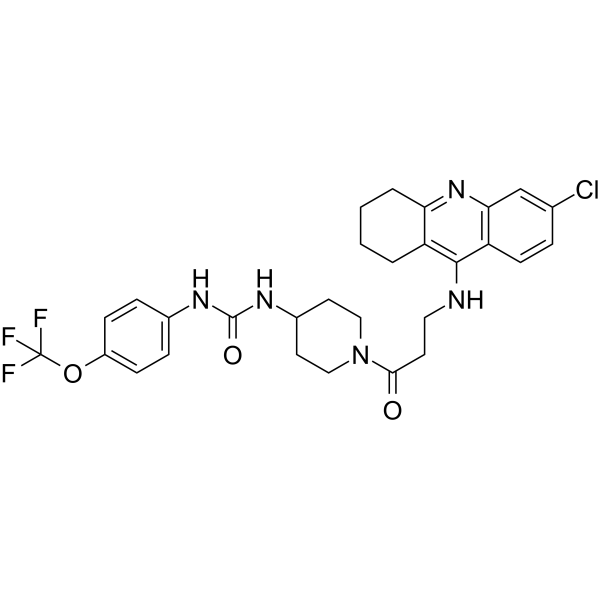
sEH/AChE-IN-1 (Compound 12a) is a dual inhibitor of the enzymes soluble epoxide hydrolase (sEH) and acetylcholinesterase (AChE). sEH/AChE-IN-1 provides cumulative effects against neuroinflammation and memory impairment. sEH/AChE-IN-1 has the potential for the research of Alzheimer's disease (AD) .
|
-
- HY-145832
-
|
|
Cholinesterase (ChE)
|
Neurological Disease
Inflammation/Immunology
|
|
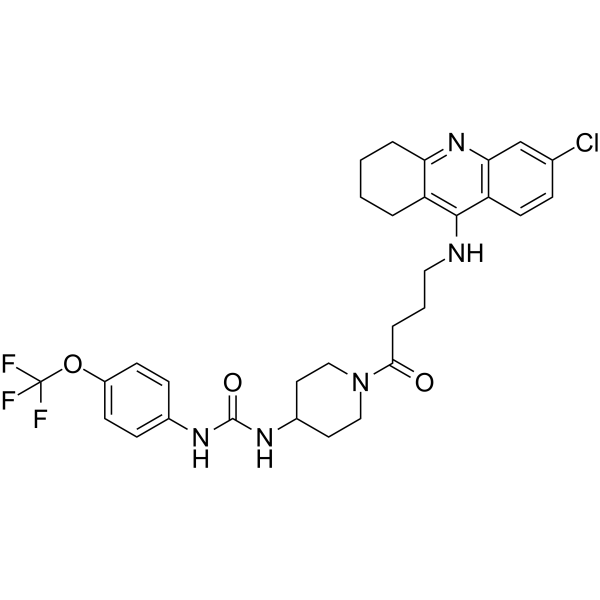
sEH/AChE-IN-2 (Compound 12b) is a dual inhibitor of the enzymes soluble epoxide hydrolase (sEH) and acetylcholinesterase (AChE). sEH/AChE-IN-2 provides cumulative effects against neuroinflammation and memory impairment. sEH/AChE-IN-2 has the potential for the research of Alzheimer's disease (AD) .
|
-
- HY-N0691R
-
|
Schizandrin (Standard); Schizandrol (Standard); Schizandrol-A (Standard)
|
Reference Standards
Autophagy
|
Inflammation/Immunology
Cancer
|
|
Schisandrin (Standard) is the analytical standard of Schisandrin. This product is intended for research and analytical applications. Schisandrin (Schizandrin), a dibenzocyclooctadiene lignan, is isolated from the fruit of Schisandra chinensis Baill. Schisandrin exhibits antioxidant, hepatoprotective, anti-cancer and anti-inflammatory activities. Schisandrin also can reverses memory impairment in rats .
|
-

- HY-N1876
-
|
|
Others
|
Neurological Disease
|
|
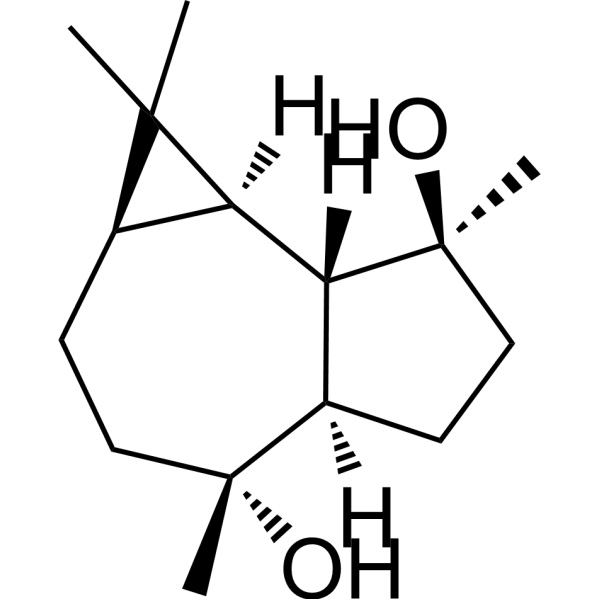
Aromadendrane-4β,10α-diol is a sesquiterpene alcohol. Aromadendrane-4β,10α-diol significantly ameliorates the Aβ1-42 peptide-induced memory impairment. Aromadendrane-4β,10α-diol can be used for Alzheimer's disease (AD) research .
|
-
- HY-155992
-
|
|
Sigma Receptor
|
Neurological Disease
|
|
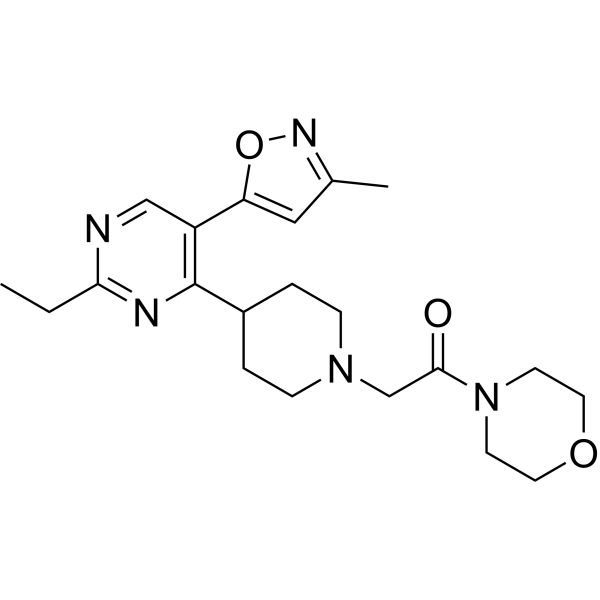
WLB-89462 (Compound 20c) is a selective σ2 receptor ligand (Ki: 13 nM). WLB-89462 has neuroprotective activity. WLB-89462 improves short-term memory impairment induced by Aβ peptide in rats. WLB-89462 has good ADMET profile (good solubility, no CYP inhibition, good metabolic stability, high permeability, brain penetration, and high oral exposure in rodents) .
|
-
- HY-121249
-
|
SL65.0155
|
5-HT Receptor
|
Neurological Disease
|
|
Capeserod hydrochloride (SL65.0155) is a 5-HT4(e) receptor partial agonist (Ki=0.6 nM) with potent cognitive enhancing properties. Capeserod hydrochloride acts as a partial agonist in cells expressing 5-HT4(b) and 5-HT4(e) splice variants, stimulating cAMP production with IC50 values of 244 and 29 nM, respectively. Capeserod hydrochloride is used in the study of memory impairment and dementia .
|
-

- HY-162681
-
|
|
Cholinesterase (ChE)
Interleukin Related
|
Neurological Disease
|
|
eeAChE-IN-3 (compound YS3g) is an orally active, potent EeAChE and IL-6 inhibitor with IC50s of 0.54 μM, 0.49 μM, 8.54 μM and 0.57 μM for EeAChE, RatAChE, RatBuChE and IL-6, respectively. eeAChE-IN-3 improves STZ (HY-13753) (Streptozotocin; HY-13753)-induced learning and memory impairment in mice. eeAChE-IN-3 has the potential for Alzheimer's disease (AD) research .
|
-

- HY-155735
-
|
|
iGluR
Cholinesterase (ChE)
Amyloid-β
|
Neurological Disease
|
|
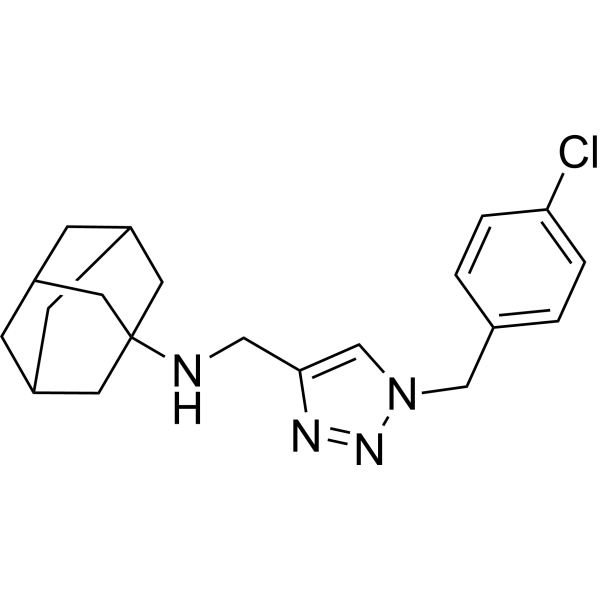
AChE/Aβ-IN-2 (compound 33) is a potent and orally active inhibitor of acetylcholinesterase (AChE) with IC50 of 135 nM, as well as an antagonist of NMDA receptor (GluN1-1b/GluN2B subunit combination) with IC50 of 5.054 μM. AChE/Aβ-IN-2 also inhibits Aβ aggregation and shows good blood-brain barrier permeability. AChE/Aβ-IN-2 improves cognitive and spatial memory impairment in rats model .
|
-
- HY-155733
-
|
|
iGluR
Cholinesterase (ChE)
Amyloid-β
|
Neurological Disease
|
|
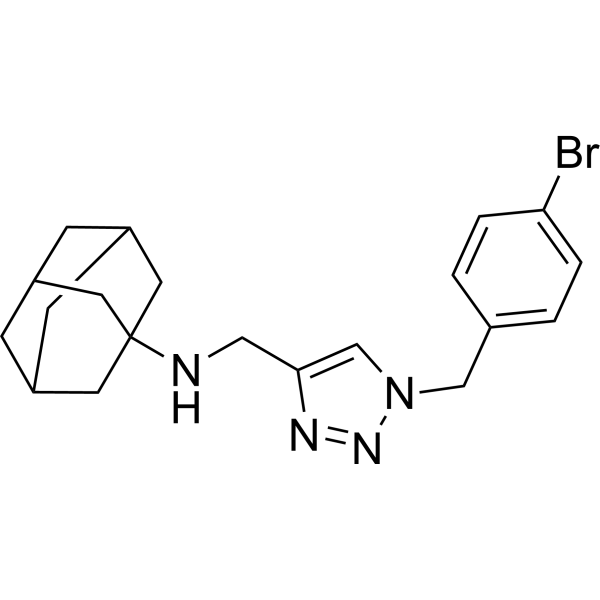
AChE/Aβ-IN-1 (compound 32) is a potent and orally active inhibitor of acetylcholinesterase (AChE) with an IC50 of 86 nM, as well as an antagonist of NMDA receptor (GluN1-1b/GluN2B subunit combination) with IC50 of 3.876 μM. AChE/Aβ-IN-1 also inhibits Aβ aggregation and shows good blood-brain barrier permeability and neuroprotection. AChE/Aβ-IN-1 improves cognitive and spatial memory impairment in rats model .
|
-
- HY-P11092
-
|
|
Endogenous Metabolite
|
Neurological Disease
|
|
TLQP-62 (mouse,rat) is a secreted C-terminal peptide that can be derived from protein VGF. TLQP-62 activates the BDNF-TrkB signaling pathway, inducing acute, transient phosphorylation of TrkB receptor and downstream CREB (Ser133) phosphorylation. TLQP-62 demonstrates excellent efficacy in promoting long-term fear memory formationin wild-type mice and reversing memory impairment in VGF heterozygous knock-out mice. TLQP-62 can be used for the study of memory-related neurological disorders (e.g., Alzheimer’s disease, frontotemporal dementia) .
|
-

- HY-163909
-
|
|
Cholinesterase (ChE)
|
Neurological Disease
|
|
AChE-IN-72 (Compound 13a) is an inhibitor for acetylcholinesterase (AChE) with an IC50 of 0.59 μM. AChE-IN-72 inhibits BChE with an IC50 of 5.02 μM. AChE-IN-72 exhibits radical scavenging with IC50 of 5.88 μM. AChE-IN-72 exhibits iron-chelating property, inhibits Aβ1−42 aggregation, and inhibits NLRP3 inflammasome activation. AChE-IN-72 ameliorates memory impairment in Betaine (HY-B0710)-induced AD mouse model. AChE-IN-72 is blood-brain barrier (BBB) penetrable .
|
-

- HY-156017
-
|
|
5-HT Receptor
|
Cardiovascular Disease
Neurological Disease
|
|
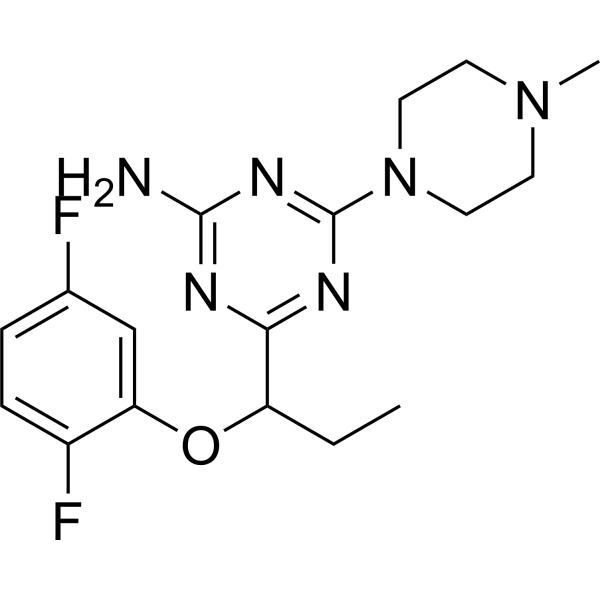
5-HT6R antagonist 1 (Comopund 8) is a 5-HT6R antagonist (Ki: 5 nM). 5-HT6R antagonist 1 inhibits platelet aggregation. 5-HT6R antagonist 1 has excellent metabolic stability. 5-HT6R antagonist 1 reverses MK-801 (HY-15084B)-induced memory impairments in rats. 5-HT6R antagonist 1 can be used for Alzheimer's disease (AD) research .
|
-
- HY-159898
-
-

- HY-N2183R
-
|
Quercetin 3-O-sophoroside (Standard)
|
Reference Standards
SARS-CoV
|
Others
|
|
Baimaside (Standard) is the analytical standard of Baimaside. This product is intended for research and analytical applications. Baimaside (Quercetin 3-O-sophoroside) is a flavonoid cholinergic function modulator that binds to SARS-CoV-2-related targets. Baimaside regulates the expression of cholinergic system-related proteins and acetylcholine levels, improves scopolamine-induced learning and memory impairment, protects hippocampal neurons, inhibits pollen protein fluorescence, and protects pollen DNA. Its biosynthesis is regulated by multiple enzymes. Baimaside is completely absorbed in rats, undergoes phase Ⅱ metabolism and gut microbiota decomposition, and inhibits the invasion and proliferation of SARS-CoV-2 and its variants, making it suitable for research related to Alzheimer's disease and COVID-19 .
|
-

- HY-115857
-
|
|
GABA Receptor
|
Neurological Disease
|
|
SH-053-S-CH3-2'F is a selective positive allosteric modulator that produces mild to partial agonistic activity at α(1) GABA(A) receptors. SH-053-S-CH3-2'F showed anxiety-relieving effects at a dose of 30 mg/kg. SH-053-S-CH3-2'F completely avoids the memory impairment commonly caused by benzodiazepine site agonists. SH-053-S-CH3-2'F shows strong selectivity at GABA(A) receptors, which could potentially be used to develop more selective anti-anxiety drugs .
|
-

- HY-N8210R
-
|
|
Reference Standards
Drug Metabolite
Autophagy
Apoptosis
Reactive Oxygen Species (ROS)
Keap1-Nrf2
MMP
Caspase
PARP
MDM-2/p53
|
Neurological Disease
Inflammation/Immunology
Cancer
|
|
Homoeriodictyol (Standard) is the analytical standard of Homoeriodictyol (HY-N8210). This product is intended for research and analytical applications. Homoeriodictyol is an orally active, bitter-tasting flavanone that can penetrate the blood-brain barrier. Homoeriodictyol enhances synaptic-related protein expression through NCOA4-mediated ferritin autophagy. Homoeriodictyol improves memory impairment in mice by inhibiting the NLRP3 inflammasome. Homoeriodictyol protects human endothelial cells from oxidative damage by activating Nrf2 and inhibiting mitochondrial dysfunction. Homoeriodictyol enhances ROS activity and induces apoptosis, exhibiting anticancer effects. Homoeriodictyol inhibits the survival and migration of androgen-resistant prostate cancer cells in vitro. Homoeriodictyol exerts antinociceptive activity in mice in vivo .
|
-

- HY-N2125R
-
|
|
Reference Standards
5-HT Receptor
iGluR
Caspase
Interleukin Related
TNF Receptor
SOD
NF-κB
|
Neurological Disease
Inflammation/Immunology
|
|
Parishin C (Standard) is the analytical standard of Parishin C (HY-N2125). This product is intended for research and analytical applications. Parishin C is a brain-penetrant major bioactive component found in Gastrodia elata Blume. Parishin C is a 5-HT1A receptor agonist with an EC50 of 34 nM. Parishin C has antipsychotic and neuroprotective effects. Parishin C protects against Aβ-induced long-term potentiation damage and NMDA receptor current impairment. Parishin C reduces oxidative stress, pro-inflammatory cytokine levels, caspase activity, brain water content, and cerebral infarct volume; increases antioxidant enzyme activity and BDNF levels; improves nerve function and histopathological brain damage. Parishin C attenuates phencyclidine-induced immobility time increases, sociability deficits, and visual recognition memory impairment. Parishin C can be used for the research of ischemic stroke, Alzheimer's disease, and schizophrenia-like psychosis .
|
-

- HY-162812
-
|
|
Apoptosis
Cholinesterase (ChE)
Tau Protein
Ferroptosis
Histamine Receptor
|
Neurological Disease
|
|
H3R antagonist 4 (compound 11L) was a dual inhibitor of cholinesterase and histamine receptor (H3R), with corresponding IC50 of 7.04 μM (eeAChE), 9.73 μM (hAChE)(reversible) and 1.09 nM (H3R) , respectively. H3R antagonist 4 inhibited the aggregation of Aβ1-42 induced by itself and Cu 2+ (95.48% and 88.63%) , and degraded the Aβ1-42 fibrils induced by itself and Cu 2+ (80.16% and 89.30%) . H3R antagonist 4 chelate biometals such as Cu 2+, Zn 2+, Al 3+, and Fe 2+. H3R antagonist 4 significantly reduced tau protein hyperphosphorylation induced by Aβ1-42 and inhibited RSL-3-induced apoptosis and ferroptosis in PC12 cells. H3R antagonist 4 had the best blood-brain barrier permeability and intestinal absorption in hCMEC/D3 and hPepT1-MDCK cells.H3R antagonist 4 ameliorates learning and memory impairment in a mouse model of Alzheimer's disease induced by scopolamine (HY-N0296) .
|
-

- HY-120291
-
|
|
Phosphodiesterase (PDE)
|
Neurological Disease
|
|
ASP9436 is an orally active and blood-brain barrier permeable PDE10A inhibitor with an IC50 of 8 nM against human PDE10A. ASP9436 attenuates locomotor activity in mouse hyperactivity models and ameliorates visual recognition memory impairment in neonatal mice. ASP9436 is applicable to research related to schizophrenia .
|
-

- HY-P0267A
-
|
|
Melanocortin Receptor
|
Neurological Disease
Metabolic Disease
Endocrinology
|
|
Melanotan (MT)-II acetate is a melanocortin receptor agonist that crosses the blood-brain barrier. Melanotan (MT)-II acetate activates melanocortin receptor 3 and melanocortin receptor 4, and stimulates the release of central endogenous oxytocin. Melanotan (MT)-II acetate reverses recognition memory impairment, increased anxiety levels and reduced exploratory tendency in zebrafish exposed to short-term high-fat diet. Melanotan (MT)-II acetate improves impaired social behavior indicators in mouse models of autism spectrum disorder. Melanotan (MT)-II acetate induces weight loss, reduces food intake and exerts anorectic effects. Melanotan (MT)-II acetate increases intracavernous pressure and erectile activity in brown rats. Melanotan (MT)-II acetate can be used in studies related to memory impairment, anxiety, reduced exploratory behavior, autism spectrum disorder, obesity and erectile dysfunction .
|
-

- HY-107042
-
|
NRM-331
|
Tau Protein
Amyloid-β
|
Neurological Disease
|
|
trans-Sobrerol (NRM-331) is a potent mucofluidifying agent. trans-Sobrerol demonstrates an anti-amnesic effect by enhancing hippocampal cholinergic signaling, alongside exhibiting anti-tau and anti-Aβ synthesis properties. trans-Sobrerol mitigates memory impairment induced by Scopolamine (HY-N0296). trans-Sobrerol can be used in the research of Alzheimer's disease .
|
-

- HY-168167
-
|
|
Endogenous Metabolite
|
Neurological Disease
|
|
BuChE-IN-14 is a novel compound that selectively inhibits acetylcholinesterase (AChE) activity. BuChE-IN-14 showed a concentration-dependent inhibitory effect on AChE in rat brain in vitro experiments. BuChE-IN-14 can increase the extracellular acetylcholine (ACh) concentration in the rat hippocampus and striatum at a certain dose. BuChE-IN-14 may help improve memory impairment caused by cholinergic dysfunction .
|
-

- HY-170976
-
|
|
Cholinesterase (ChE)
|
Neurological Disease
|
|
BuChE-IN-16 (Compound 6a) is an orally active, BBB-permeable, and selective BuChE inhibitor with an IC50 of 0.33 μM. BuChE-IN-16 has anti-inflammatory and neuroprotective effects. BuChE-IN-16 can improve the cognitive function of zebrafish with Alzheimer's disease (AD) and alleviate memory impairment in mice induced by Scopolamine (HY-N0296). BuChE-IN-16 can be used for the research of AD .
|
-

- HY-181865
-
|
|
Cholinesterase (ChE)
Drug Intermediate
|
Neurological Disease
|
|
BuChE-IN-22 is a pseudo-irreversible butyrylcholinesterase (BuChE) inhibitor, with IC50 values of 4 nM and 157 nM against hBuChE and hAChE, respectively. It also acts as a prodrug of 7-hydroxysertraline. BuChE-IN-22 releases 7-hydroxysertraline during BuChE inhibition. BuChE-IN-22 completely reverses Aβ25-35-induced short-term and long-term memory impairments in a mouse model of Alzheimer's disease. BuChE-IN-22 can be used in research related to Alzheimer's disease .
|
-

- HY-16361
-
|
CGP3466B free base; TCH346
|
Apoptosis
|
Neurological Disease
Metabolic Disease
Inflammation/Immunology
|
|
Omigapil (CGP3466B free base), an orally active GAPDH nitrosylation inhibitor, abrogates Aβ1-42-induced tau acetylation, memory impairment, and locomotor dysfunction in mice. Omigapil has the potential for the research of Alzheimer's disease. Omigapil is a apoptosis inhibitor. Omigapil can be used for the research of congenital muscular dystrophy (CMD). Omigapil is a click chemistry reagent, it contains an Alkyne group and can undergo copper-catalyzed azide-alkyne cycloaddition (CuAAc) with molecules containing Azide groups .
|
-

- HY-180946
-
|
|
Cholinesterase (ChE)
Reactive Oxygen Species (ROS)
Caspase
Keap1-Nrf2
|
Neurological Disease
|
|
AChE-IN-105 (Compound C5) is a potent, mixed AChE inhibitor with an IC50 of 5.02 μM. AChE-IN-105 scavenges ROS, decreases Hydrogen peroxide-induced Caspase-3 activation, reduces activity of the Nrf2-ARE pathway. AChE-IN-105 prevents memory impairments in the Scopolamine (HY-N0296)-induced cognitive dysfunction zebrafish model. AChE-IN-105 has potent antioxidant activity. AChE-IN-105 can be used in the research of Alzheimer's disease .
|
-

- HY-168731
-
|
|
Cholinesterase (ChE)
|
Neurological Disease
|
|
AChE/BChE-IN-25 (Compound 6e) is the orally active inhibitor for hAChE and eqBChE with IC50 of 7.9 nM and 0.79 nM. AChE/BChE-IN-25 exhibits antioxidant activity, that scavenges free radical with IC50 of 22.91 μM. AChE/BChE-IN-25 exhibits neuroprotective effects by reducing mitochondrial and cellular oxidative stress in the Drosophila Alzheimer's disease model. AChE/BChE-IN-25 ameliorates Scopolamine (HY-N0296)-induced spatial and cognitive memory impairment in mouse model .
|
-

- HY-181649
-
|
|
Sigma Receptor
|
Neurological Disease
|
|
S1R agonist 3 is a potent, selective and brain-penetrant sigma-1 receptor (S1R) agonist with a Ki of 1.5 nM. S1R agonist 3 reduces hyperlocomotion in wfs1abKO zebrafish larvae without affecting locomotion in wildtype wfs1abWT zebrafish larvae. S1R agonist 3 reverses Aβ25-35 (HY-P0128)-induced learning and memory impairments. S1R ligand 1 can be used for the research of Alzheimer’s disease .
|
-

- HY-181684
-
|
|
Phosphodiesterase (PDE)
Carbonic Anhydrase
|
Neurological Disease
|
|
PDE5/CA-IN-1 is a dual PDE5 and carbonic anhydrase (CA) inhibitor, with IC50 values of 0.41, 38.4, and 9.1 nM against PDE5, hCA II, and hCA VA, respectively. PDE5/CA-IN-1 inhibits multiple hCA subtypes associated with Alzheimer's disease. As a cytoprotective agent and oxidative stress alleviator, PDE5/CA-IN-1 reduces oxidative stress, and prevents recognition memory and working memory impairments. PDE5/CA-IN-1 is available for the research of Alzheimer's disease .
|
-

- HY-P992172
-
|
|
Tau Protein
|
Neurological Disease
|
|
ADEL-Y01 is a humanized and parental murine blood-brain barrier-penetrating monoclonal antibody against tau-acK280. ADEL-Y01 specifically recognizes tau-acK280 and its surrounding residues, mediates the neutralization and phagocytosis of acetylated tau aggregates, and interferes with the activity of pathological tau protein. ADEL-Y01 prevents the progression of tauopathies, increases neuronal survival rate, reduces tau-related pathological changes, and improves memory impairment. ADEL-Y01 can be used in research related to Alzheimer's disease and tauopathies .
|
-

- HY-181861
-
|
|
Cholinesterase (ChE)
Monoamine Oxidase
Amyloid-β
Tau Protein
|
Neurological Disease
|
|
AChE/MAO-B-IN-9 (Compound E12) is an orally active, selective, reversible, non-competitive AChE and MAO-B inhibitor, with an IC50 of 0.156 μM against electric eel AChE. AChE/MAO-B-IN-9 inhibits Aβ40/42 fibril formation, promotes Aβ fibril depolymerization, and inhibits Tau protein fibril formation. AChE/MAO-B-IN-9 exerts antioxidant and neuroprotective effects, and improves scopolamine (HY-N0296)-induced memory impairment in mice. AChE/MAO-B-IN-9 can be used for the research of Alzheimer's disease .
|
-

- HY-180155
-
|
|
Keap1-Nrf2
Cholinesterase (ChE)
Interleukin Related
TNF Receptor
Reactive Oxygen Species (ROS)
Heme Oxygenase (HO)
Quinone Reductase
|
Neurological Disease
|
|
Keap1/Nrf2/ARE activator 2 is an activator of Keap1/Nrf2/ARE pathway and non-competitively inhibits AChE with an IC50 of 14.79 μM and a Ki of 1.35 μM. Keap1/Nrf2/ARE activator 2 promotes Nrf2 nuclear translocation, leading to antioxidant gene upregulation and enhanced cellular defense against oxidative stress. Keap1/Nrf2/ARE activator exhibits robust neuroprotection against both H2O2- and Scopolamine (SCA) (HY-N0296)-induced injury in PC12 cells. Keap1/Nrf2/ARE activator 2 ameliorates memory impairment and the neuro-inflammation associated with SCA-initiated cognitive dysfunction in a zebrafish model. Keap1/Nrf2/ARE activator 2 can be used for the research of Alzheimer's disease .
|
-

| Cat. No. |
Product Name |
Target |
Research Area |
-
- HY-P2497
-
|
|
GCGR
|
Neurological Disease
|
|
Exendin (5-39) is a potent glucagon-like peptide 1 (GLP-1) receptor antagonist. Exendin (5-39) improves memory impairment in β-amyloid protein-treated rats .
|
-
- HY-P2712
-
|
Chemerin148–156, mouse
|
Chemerin Receptor
|
Cardiovascular Disease
Neurological Disease
Inflammation/Immunology
|
|
Chemerin-9, mouse (Chemerin148-156, mouse) is a C-terminal nonapeptide of chemerin. Chemerin-9, mouse is a ligand for ChemR23 (EC50 = 42 nM). Chemerin-9, mouse reduces basal lipolysis in primary mouse white adipocytes(IC50 = 3.3 nM). Chemerin-9, mouse enhances memory and relieves Aβ1-42-induced memory impairment in AD mice. Chemerin-9, mouse also inhibits atherogenesis .
|
-
- HY-P3201
-
-
- HY-P11092
-
|
|
Endogenous Metabolite
|
Neurological Disease
|
|
TLQP-62 (mouse,rat) is a secreted C-terminal peptide that can be derived from protein VGF. TLQP-62 activates the BDNF-TrkB signaling pathway, inducing acute, transient phosphorylation of TrkB receptor and downstream CREB (Ser133) phosphorylation. TLQP-62 demonstrates excellent efficacy in promoting long-term fear memory formationin wild-type mice and reversing memory impairment in VGF heterozygous knock-out mice. TLQP-62 can be used for the study of memory-related neurological disorders (e.g., Alzheimer’s disease, frontotemporal dementia) .
|
-
- HY-P0267A
-
|
|
Melanocortin Receptor
|
Neurological Disease
Metabolic Disease
Endocrinology
|
|
Melanotan (MT)-II acetate is a melanocortin receptor agonist that crosses the blood-brain barrier. Melanotan (MT)-II acetate activates melanocortin receptor 3 and melanocortin receptor 4, and stimulates the release of central endogenous oxytocin. Melanotan (MT)-II acetate reverses recognition memory impairment, increased anxiety levels and reduced exploratory tendency in zebrafish exposed to short-term high-fat diet. Melanotan (MT)-II acetate improves impaired social behavior indicators in mouse models of autism spectrum disorder. Melanotan (MT)-II acetate induces weight loss, reduces food intake and exerts anorectic effects. Melanotan (MT)-II acetate increases intracavernous pressure and erectile activity in brown rats. Melanotan (MT)-II acetate can be used in studies related to memory impairment, anxiety, reduced exploratory behavior, autism spectrum disorder, obesity and erectile dysfunction .
|
| Cat. No. |
Product Name |
Target |
Research Area |
Image |
-
- HY-P992172
-
|
|
Tau Protein
|
Neurological Disease
|
|
ADEL-Y01 is a humanized and parental murine blood-brain barrier-penetrating monoclonal antibody against tau-acK280. ADEL-Y01 specifically recognizes tau-acK280 and its surrounding residues, mediates the neutralization and phagocytosis of acetylated tau aggregates, and interferes with the activity of pathological tau protein. ADEL-Y01 prevents the progression of tauopathies, increases neuronal survival rate, reduces tau-related pathological changes, and improves memory impairment. ADEL-Y01 can be used in research related to Alzheimer's disease and tauopathies .
|
-

(5)
| Cat. No. |
Product Name |
Category |
Target |
Chemical Structure |
-
- HY-N9410
-
-
-
- HY-N0691
-
-
-
- HY-N2183
-
-
-
- HY-N2189
-
-
-
- HY-N0310
-
-
-
- HY-N8698
-
Picein
1 Publications Verification
|
Nyssaceae
Plants
Saccharides
Source Classification
|
SOD
Ferroptosis
Keap1-Nrf2
Heme Oxygenase (HO)
Glutathione Peroxidase
|
|
Picein is an antioxidant and anti-inflammatory agent. Picein can be isolated from the leaves of Picrorhiza kurroa. Picein reduces MDA levels and increases the levels of SOD, GPX and TAC. Picein alleviates oxidative stress and promotes bone regeneration in osteoporotic bone defects by inhibiting Ferroptosis (via activation of the Nrf2/HO-1/GPX4 pathway). Picein prevents scopolamine (HY-N0296)-induced passive avoidance memory impairment in rats. Picein can be used in research related to osteoporotic bone defects and Alzheimer's disease .
|
-
-
- HY-N3026
-
-
-
- HY-N9386
-
-
-
- HY-N8210
-
-
-
- HY-N1414
-
|
|
Structural Classification
Simple Phenylpropanols
Polygalaceae
Phenols
Polyphenols
Phenylpropanoids
Plants
Polygala tenuifolia Willd.
Source Classification
|
Trk Receptor
NF-κB
Amyloid-β
|
|
(E)-3',6-Disinapoylsucrose is an orally active, blood-brain barrier permeable neuroprotective agent that inhibits Aβ protein aggregation. (E)-3',6-Disinapoylsucrose exerts anxiolytic, anti-inflammatory and cognitive-enhancing effects. (E)-3',6-Disinapoylsucrose regulates the TrkB/BDNF signaling pathway, inhibits the expression of NF-κB p65, reduces pro-inflammatory cytokine levels, and alleviates neuronal damage. (E)-3',6-Disinapoylsucrose also enhances the functions of central 5-HT and noradrenergic systems, thereby improving spatial learning and memory abilities and reducing anxiety-like behaviors. (E)-3',6-Disinapoylsucrose can be used for the research of related diseases such as Alzheimer's disease, depression, memory impairment and anxiety disorder .
|
-
-
- HY-N2125
-
|
|
Structural Classification
Gastrodia elata Bl.
Orchidaceae
Phenols
Plants
Source Classification
|
5-HT Receptor
iGluR
Caspase
Interleukin Related
TNF Receptor
SOD
NF-κB
|
|
Parishin C is a brain-penetrant major bioactive component found in Gastrodia elata Blume. Parishin C is a 5-HT1A receptor agonist with an EC50 of 34 nM. Parishin C has antipsychotic and neuroprotective effects. Parishin C protects against Aβ-induced long-term potentiation damage and NMDA receptor current impairment. Parishin C reduces oxidative stress, pro-inflammatory cytokine levels, caspase activity, brain water content, and cerebral infarct volume; increases antioxidant enzyme activity and BDNF levels; improves nerve function and histopathological brain damage. Parishin C attenuates phencyclidine-induced immobility time increases, sociability deficits, and visual recognition memory impairment. Parishin C can be used for the research of ischemic stroke, Alzheimer's disease, and schizophrenia-like psychosis .
|
-
-
- HY-N4268
-
-
-
- HY-N0310R
-
-
-
- HY-N0691R
-
-
-
- HY-N1876
-
-
-
- HY-N2183R
-
|
Quercetin 3-O-sophoroside (Standard)
|
Apocynaceae
Flavonols
Structural Classification
Flavonoids
Phenols
Polyphenols
Plants
Apocynum venetum Linn.
Source Classification
|
Reference Standards
SARS-CoV
|
|
Baimaside (Standard) is the analytical standard of Baimaside. This product is intended for research and analytical applications. Baimaside (Quercetin 3-O-sophoroside) is a flavonoid cholinergic function modulator that binds to SARS-CoV-2-related targets. Baimaside regulates the expression of cholinergic system-related proteins and acetylcholine levels, improves scopolamine-induced learning and memory impairment, protects hippocampal neurons, inhibits pollen protein fluorescence, and protects pollen DNA. Its biosynthesis is regulated by multiple enzymes. Baimaside is completely absorbed in rats, undergoes phase Ⅱ metabolism and gut microbiota decomposition, and inhibits the invasion and proliferation of SARS-CoV-2 and its variants, making it suitable for research related to Alzheimer's disease and COVID-19 .
|
-
-
- HY-N8210R
-
-
-
- HY-N2125R
-
|
|
Structural Classification
Gastrodia elata Bl.
Orchidaceae
Phenols
Plants
Source Classification
|
Reference Standards
5-HT Receptor
iGluR
Caspase
Interleukin Related
TNF Receptor
SOD
NF-κB
|
|
Parishin C (Standard) is the analytical standard of Parishin C (HY-N2125). This product is intended for research and analytical applications. Parishin C is a brain-penetrant major bioactive component found in Gastrodia elata Blume. Parishin C is a 5-HT1A receptor agonist with an EC50 of 34 nM. Parishin C has antipsychotic and neuroprotective effects. Parishin C protects against Aβ-induced long-term potentiation damage and NMDA receptor current impairment. Parishin C reduces oxidative stress, pro-inflammatory cytokine levels, caspase activity, brain water content, and cerebral infarct volume; increases antioxidant enzyme activity and BDNF levels; improves nerve function and histopathological brain damage. Parishin C attenuates phencyclidine-induced immobility time increases, sociability deficits, and visual recognition memory impairment. Parishin C can be used for the research of ischemic stroke, Alzheimer's disease, and schizophrenia-like psychosis .
|
-
-
- HY-107042
-
-
| Cat. No. |
Product Name |
Chemical Structure |
-
- HY-A0287S
-
|
|
|
Clomifene (Clomifene; (Z/E)-Enclomiphene; (Z/E)-Enclomifene)-d5 hydrochloride is a deuterium labeled Clomifene hydrochloride (HY-A0287A). Clomiphene hydrochloride is an orally active ovulation-inducing agent. Clomiphene hydrochloride binds to hypothalamic estrogen receptors to elevate FSH levels, and exhibits antiestrogenic or estrogenic properties. Clomiphene hydrochloride can induce erturbations during meiotic maturation and cytogenetic abnormalities in mouse oocytes. Clomiphene hydrochloride ameliorates memory impairment in PCOS models. Clomiphene hydrochloride mobilizes cytosolic calcium and reduces viability in prostate cancer cells. Clomiphene hydrochloride can be used for the research of polycystic ovary syndrome (PCOS) and prostate cancer .
|
-
| Cat. No. |
Product Name |
|
Classification |
-
- HY-16361A
-
|
CGP3466B; CGP3446 maleate; TCH346 maleate
|
|
Alkynes
|
|
Omigapil maleate (CGP3466B), an orally active GAPDH nitrosylation inhibitor, abrogates Aβ1-42-induced tau acetylation, memory impairment, and locomotor dysfunction in mice. Omigapil maleate has the potential for the research of Alzheimer's disease. Omigapil maleate is a apoptosis inhibitor. Omigapil maleate can be used for the research of congenital muscular dystrophy (CMD). Omigapil maleate is a click chemistry reagent, it contains an Alkyne group and can undergo copper-catalyzed azide-alkyne cycloaddition (CuAAc) with molecules containing Azide groups .
|
-
- HY-16361
-
|
CGP3466B free base; TCH346
|
|
Alkynes
|
|
Omigapil (CGP3466B free base), an orally active GAPDH nitrosylation inhibitor, abrogates Aβ1-42-induced tau acetylation, memory impairment, and locomotor dysfunction in mice. Omigapil has the potential for the research of Alzheimer's disease. Omigapil is a apoptosis inhibitor. Omigapil can be used for the research of congenital muscular dystrophy (CMD). Omigapil is a click chemistry reagent, it contains an Alkyne group and can undergo copper-catalyzed azide-alkyne cycloaddition (CuAAc) with molecules containing Azide groups .
|
| Cat. No. |
Product Name |
|
Classification |
-
- HY-N9410
-
|
1-Linoleoyl-2-Hydroxy-sn-glycero-3-PC; LPC(18:2/0:0); LysoPC(18:2)
|
|
Phospholipids
|
|
Lysophosphatidylcholine 18:2 (1-Linoleoyl-2-Hydroxy-sn-glycero-3-PC), a lysophospholipid, is a potential biomarker identified from insulin resistance (IR) polycystic ovary syndrome (PCOS). Low plasma Lysophosphatidylcholine 18:2 also has been shown to predict impaired glucose tolerance, insulin resistance, type 2 diabetes, coronary artery disease, and memory impairment .
|
| Cat. No. |
Product Name |
Target |
Research Areas |
Chemical Structure |
-
- HY-B0764G
-
|
Dibutyryl cAMP sodium; DBcAMP sodium
|
PKA
Reactive Oxygen Species (ROS)
Apoptosis
|
Neurological Disease
Inflammation/Immunology
Cancer
|
|
Bucladesine (Dibutyryl cAMP; DBcAMP) sodium (GMP) is a Bucladesine sodium (HY-B0764) produced by using GMP guidelines. Bucladesine (Dibutyryl cAMP; DBcAMP) is a membrane-permeable 3′, 5′-cyclic adenosine monophosphate (cAMP) analog. Bucladesine selectively activates cAMP dependent protein kinase (PKA) by increasing the intracellular level of cAMP. Bucladesine significantly attenuates MDMA-induced increases in hippocampal mitochondrial ROS formation, mitochondrial outer membrane damage, cytochrome c release, and hippocampal ADP/ATP ratio, thereby improving spatial learning and memory impairments. Bucladesine exhibit anti-nociceptive and anti-inflammation effect. Bucladesine can inhibit cancer cells proliferation, induce apoptosis. Bucladesine can be used for the researches of neurological disease, cancer, inflammation .
|
-
Your information is safe with us. * Required Fields.
Inquiry Information
- Product Name:
- Cat. No.:
- Quantity:
- MCE Japan Authorized Agent:








