


1. Search Result
Search Result
Results for "

red fluorescence

" in MedChemExpress (MCE) Product Catalog:

112

Inhibitors & Agonists

86

Fluorescent Dye

8

Biochemical Assay Reagents

3

Peptides

10

MCE Kits

3

Natural
Products

5

Click Chemistry

3

Oligonucleotides

Cat. No. Product Name Target Research Areas Chemical Structure
  • HY-D1055
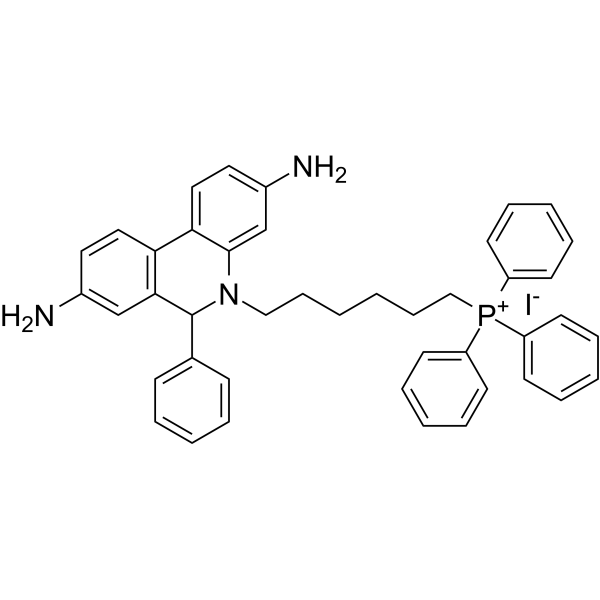
    MitoSOX Red
    Maximum Cited Publications
    263 Publications Verification

    Fluorescent Dye Reactive Oxygen Species (ROS) Mitochondrial Metabolism Cancer
    MitoSOX Red is a live cell fluorescent probe that specifically targets mitochondria and is cell membrane permeable. MitoSOX Red enters mitochondria and is oxidized by superoxide but not by other ROS or RNS generating systems. The oxidized MitoSOX Red then binds to nucleic acids in mitochondria/nucleus, producing strong red fluorescence. MitoSOX Red can be used as a fluorescent indicator to specifically detect superoxide. In addition, superoxide dismutase (SOD) can prevent the oxidation of MitoSOX Red.
    Excitation/emission wavelength: 510/580 nm.
    MitoSOX Red
  • HY-D0815
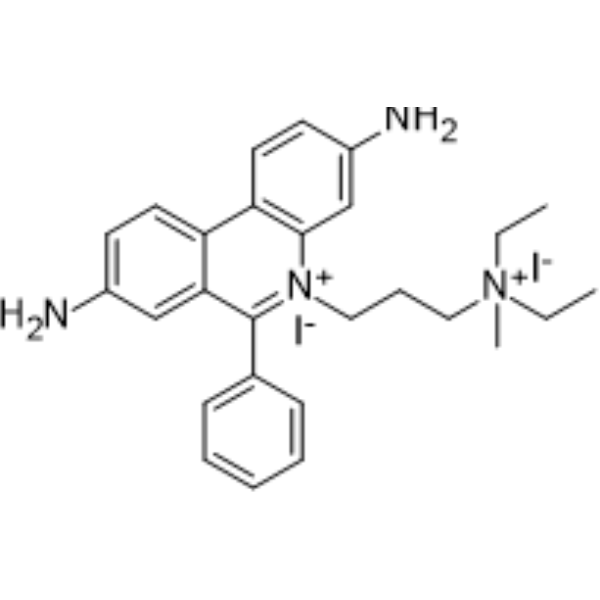
    Propidium Iodide
    135+ Cited Publications

    Fluorescent Dye DNA/RNA Synthesis Others
    Propidium Iodide (PI) is a nuclear staining agent that stains DNA. Propidium Iodide is an analogue of ethidine bromide that emits red fluorescence upon embedding in double-stranded DNA. Propidium Iodide cannot pass through living cell membranes, but it can pass through damaged cell membranes to stain the nucleus. Propidium Iodide has a fluorescence wavelength of 493/617 nm and a wavelength of 536/635 nm after Mosaic with DNA. Propidium Iodide is commonly used in the detection of apoptosis (apoptosis) or necrosis (necrosis), and is often used in flow cytometry analysis.
    Propidium Iodide
  • HY-15534
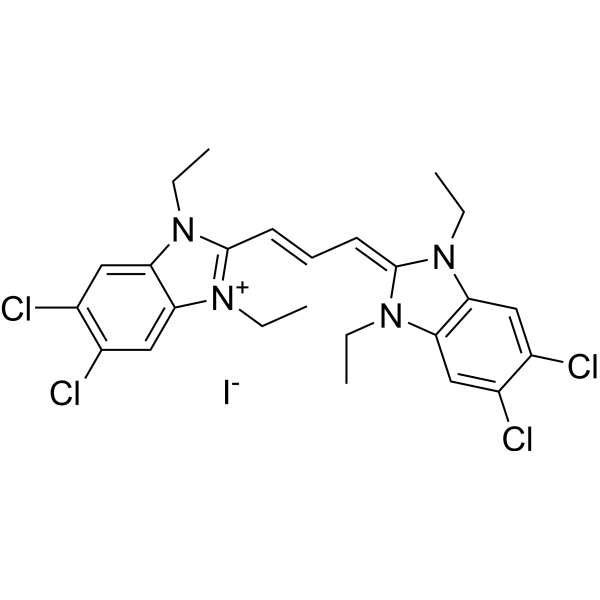
    JC-1
    210+ Cited Publications

    CBIC2

    Fluorescent Dye Others
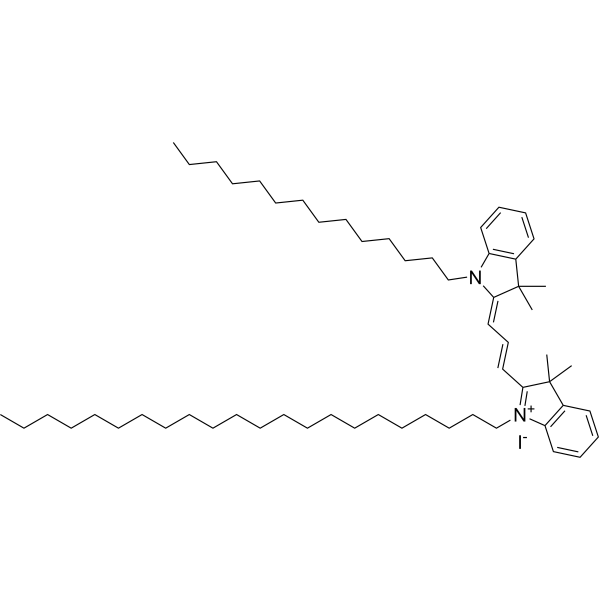
    JC-1 (CBIC2) is an ideal fluorescent probe widely used to detect mitochondrial membrane potential. JC-1 accumulates in mitochondria in a potential dependent manner and can be used to detect the membrane potential of cells, tissues or purified mitochondria. In normal mitochondria, JC-1 aggregates in the mitochondrial matrix to form a polymer, which emits strong red fluorescence (Ex=585 nm, Em=590 nm); When the mitochondrial membrane potential is low, JC-1 cannot aggregate in the matrix of mitochondria and produce green fluorescence (ex=510 nm, em= 527 nm) .
    JC-1
  • HY-D0718
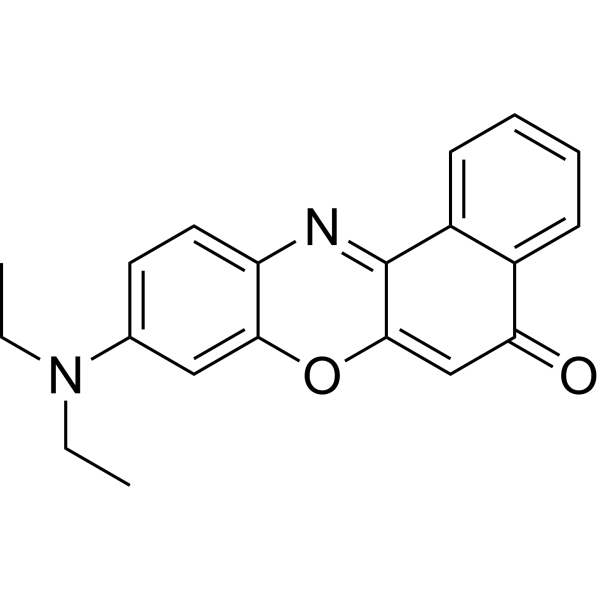
    Nile Red
    115+ Cited Publications

    Nile Blue A oxazone; Phenoxazone 9

    Fluorescent Dye Others
    Nile red (Nile blue oxazone) is a lipophilic stain. Nile red has environment-sensitive fluorescence. Nile red is intensely fluorescent in a lipid-rich environment while it has minimal fluorescence in aqueous media. Nile red is an excellent vital stain for the detection of intracellular lipid droplets by fluorescence microscopy and flow cytof uorometry. Nile red stains intracellular lipid droplets red. The fluorescence wavelength is 559/635 nm .
    Nile Red
  • HY-D0079
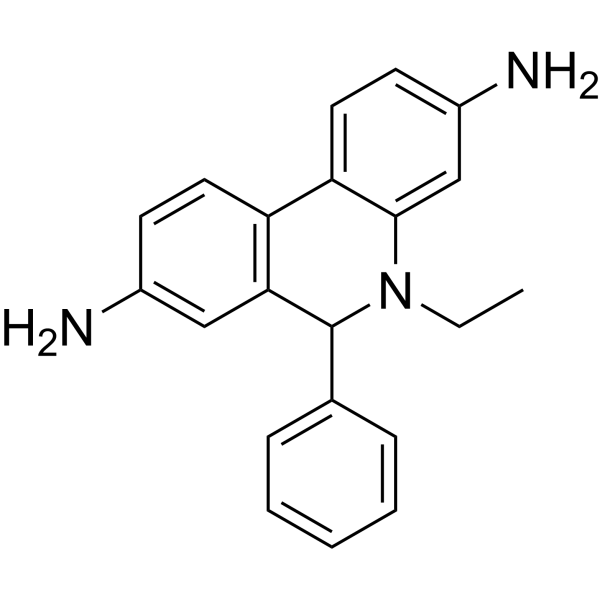
    Dihydroethidium
    170+ Cited Publications

    Hydroethidine; PD-MY 003

    Fluorescent Dye Others
    Dihydroethidium, also known as DHE, is a peroxide indicator. Dihydroethidium penetrates cell membranes to form a fluorescent protein complex with blue fluoresces. After entering the cells, Dihydroethidium is mainly localized in the cell membrane, cytoplasm and nucleus, and the staining effect is the strongest in the nucleus. Dihydroethidium produces inherent blue fluorescence with a maximum excitation wavelength of 370 nm and a maximum emission wavelength of 420 nm; after dehydrogenation, Dihydroethidium combines with RNA or DNA to produce red fluorescence with a maximum excitation wavelength of 300 nm and a maximum emission wavelength of 610 nm. 535 nm can also be used as the excitation wavelength for actual observation .
    Dihydroethidium
  • HY-D1421
    PKH 67
    10+ Cited Publications

    Fluorescent Dye Others
    PKH67 is a fluorescent cell binding dye with green fluorescence. PKH67 can stain the cell membrane and the Ex/Em is 490/502 nm. PKH67 is often used in combination with the non-specific red fluorescent dye PKH26 (Ex/Em=551/567 nm) to label cells, detect cell proliferation in vitro, and trace cells in vitro and in vivo .
    PKH 67
  • HY-D1451
    PKH 26
    35+ Cited Publications

    Fluorescent Dye Others
    PKH 26 is a red fluorescent dye, PKH 26 can stably bind to the lipid region of cell membrane and emit red fluorescence (Ex/Em=551/567 nm), which is mainly used for in vitro cell labeling, in vitro cell proliferation studies and in vivo and in vitro cell tracing studies .
    PKH 26
  • HY-D2449
    DQ-BSA-RED
    2 Publications Verification

    Fluorescent Dye Others
    DQ-BSA-Red is a bovine serum albumin labeled with a red fluorescent dye that can be used to detect lysosomal activity. The excitation wavelength and emission wavelength of DQ-BSA-Red are 590 nm and 620 nm, respectively. The BSA molecule in DQ-BSA-Red is labeled with high concentration of red fluorescent dye in multiple sites, which shows high fluorescence self-inhibition. Once DQ-BSA-RED enters the lysosome, DQ-BSA is cleaved by lysosomal proteases, resulting in unquenched and released fluorescent fragments, emitting bright fluorescence. Inactivated lysosomes are unable to degrade the BSA protein and thus have a lower or even no fluorescent signal .
    DQ-BSA-RED
  • HY-D1119
    AF647-NHS ester
    1 Publications Verification

    Fluorescent Dye Others
    AF647-NHS ester is an analog of Alexa Fluor 647 (AF647). NHS ester can covalently bind to molecules with amino groups (such as proteins, antibodies, etc.). AF647 is a far-red fluorescent dye with an excitation wavelength (λex) of 635 nm (conventional fluorescence detection)/620 nm (instantaneous detection). Storage: Protect from light .
    AF647-NHS ester
  • HY-120601
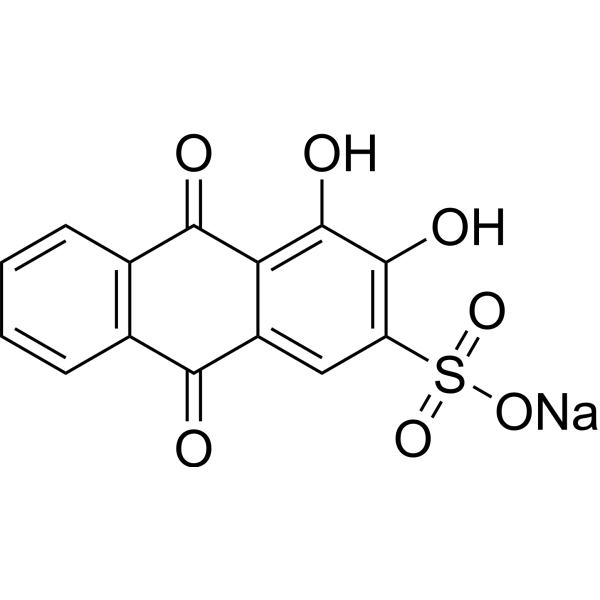
    Alizarin Red S sodium
    5+ Cited Publications

    ARS sodium

    Fluorescent Dye Others
    Alizarin Red S sodium is an anthraquinone derivative dye. When combined with cations such as calcium ions, the functional group of Alizarin Red S sodium can form a coordination bond with the cation through the oxygen atom to show orange-red fluorescence. Alizarin Red S sodium can be used for screening of calcium compounds in synovial fluid and detecting osteoblast differentiation, and can also be used for bone staining in mice. Excitation/emission wavelength: 500/570 nm .
    Alizarin Red S sodium
  • HY-D0048
    5-TAMRA-SE
    2 Publications Verification

    5-TAMRA-NHS ester; 5-Carboxytetramethylrhodamine succinimidyl ester

    Fluorescent Dye Others
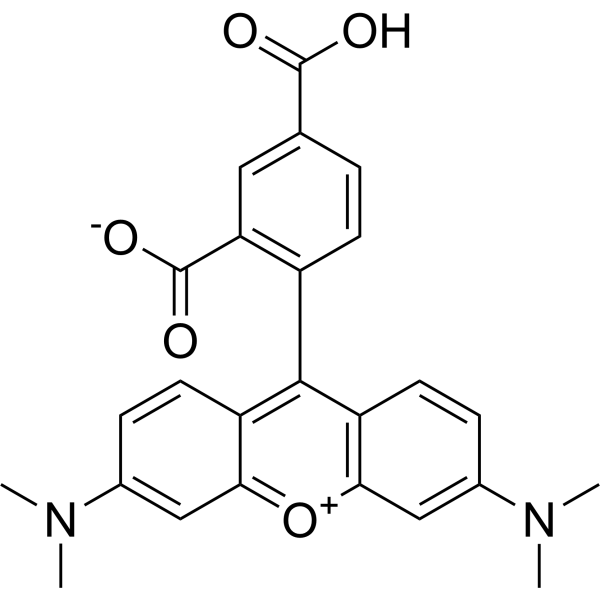
    5-TAMRA-SE is an amine-reactive fluorescent agent, and its conjugate produces bright, pH-insensitive orange-red fluorescence with good photostability (Ex/Em = 565/580 nm).
    5-TAMRA-SE
  • HY-D1373
    HBC
    3 Publications Verification

    HBC 530

    Fluorescent Dye Others
    HBC (HBC 530) is a GFP fluorophore-like synthetic dye, with a structurally rigid electron acceptor and a strong electron donor. HBC has a low fluorescence background, and when combined with Pepper (RNA aptamer), HBC forms a tight complex and activates and emits bright fluorescence (Kd of ~3.5 nM). HBC emission peaks vary in different complexes and covers the spectrum from cyan to red. HBC can be used in the live cell imaging of RNA (Em/Ex = 530/485 nm) .
    HBC
  • HY-D0988

    R-PE

    Fluorescent Dye Apoptosis Cancer
    R-Phycoerythrin is found in Heterosiphonia japonica. R-Phycoerythrin is an orange-red fluorescent probe with α, β, and γ subunits. R-Phycoerythrin can be used in photodynamic therapy (PDT) to induce apoptosis in tumor cells. R-Phycoerythrin can be used in fluorescence microscopy, flow cytometry, and immunofluorescence analysis (Ex: 495 nm).
    R-Phycoerythrin
  • HY-15942
    5-TAMRA
    3 Publications Verification

    Fluorescent Dye Others
    5-TAMRA can produce bright, pH-insensitive orange-red fluorescence (excitation and emission extremes of 546/579) and has good photostability. 5-TAMRA is mainly used as a fluorescent marker for the synthesis and study of specific oligonucleotide probes .
    5-TAMRA
  • HY-D1819

    Fluorescent Dye Others
    Vari Fluor 633-Phalloidin is a fluorescent derivative of Phalloidin that specifically labels myofilament proteins and exhibits red fluorescence at 630/650 nm when labeled .
    Vari Fluor 633-Phalloidin
  • HY-123630

    FD&C red NO. 40; CI 16035

    Environmental Pollutants Fluorescent Dye 5-HT Receptor Interleukin Related Reactive Oxygen Species (ROS) IFNAR Inflammation/Immunology
    Allura Red AC is a food colorant, appearing as a deep red water-soluble powder or granules, used in various applications such as beverages, syrups, candies, and cereals. Allura Red AC can statically quench the intrinsic fluorescence of HSA. Additionally, Allura Red AC is a 5-hydroxytryptamine (5-HT) pathway-associated pro-inflammatory agent, capable of exacerbating experimental colitis. Allura Red AC holds potential for research in inflammatory bowel disease (IBD), intestinal barrier function, and food additive safety .
    Allura Red AC
  • HY-D0791
    TRITC
    1 Publications Verification

    5(6)-Tetramethylrhodamine isothiocyanate

    Fluorescent Dye Others
    TRITC (5(6)-Tetramethylrhodamine isothiocyanate) is a commonly used fluorescent dye, belonging to the Rhodamine derivative family. It exhibits red fluorescence properties (Ex/Em ≈ 550/580 nm). TRITC can be used for cell labeling and imaging .
    TRITC
  • HY-D0093
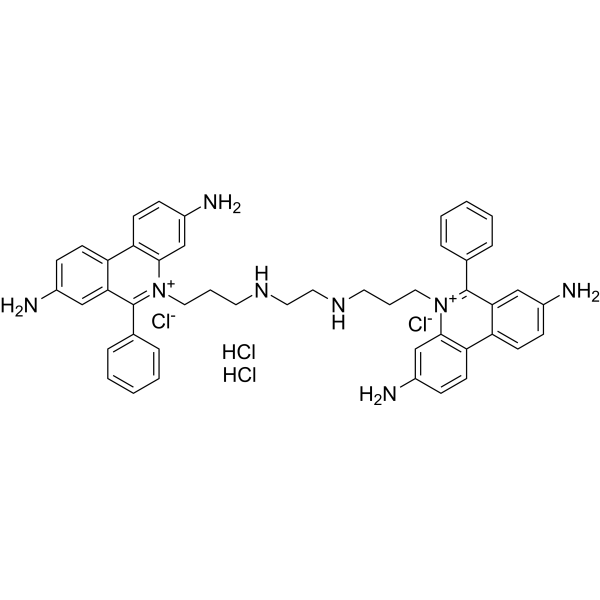
    Ethidium homodimer
    4 Publications Verification

    EthD-1

    DNA Stain Others
    Ethidium homodimer (EthD-1) is a high-affinity fluorescent nucleic acid dye commonly used to stain mammals, bacteria, yeast, and fungi. Ethidium homodimer binds to DNA or RNA, enhancing fluorescence more than 30 times. The Ethidium homodimer has a strong positive charge, so it cannot cross cell membranes and stain living cells; But the Ethidium homodimer can cross the disordered region of the dead cell membrane to reach the nucleus and embed the DNA double strand to produce red fluorescence. Therefore, Ethidium homodimer is a relatively sensitive nucleic acid stain that can accurately detect nucleic acids in solution or in decomposing cells. Ethidium homodimer binds DNA, Ex/Em=528/617 nm .
    Ethidium homodimer
  • HY-D1094
    Carboxy-SNARF 1 (5/6-mixture)
    1 Publications Verification

    SNARF 1

    Fluorescent Dye Others
    Carboxy-SNARF 1 (5/6-mixture) (SNARF 1) is a fluorescent probe that is sensitive to pH (Ex: 488 nm). Carboxy-SNARF 1 (5/6-mixture) can be used for measurement pH. Carboxy-SNARF 1 (5/6-mixture) exhibits a significant emission shift from yellow-orange (Em: 580 nm) to deep red fluorescence (Em: 640 nm) under acidic and basic conditions (pH=7-8), respectively .
    Carboxy-SNARF 1 (5/6-mixture)
  • HY-125959
    Ucf-101
    1 Publications Verification

    Apoptosis Cardiovascular Disease Neurological Disease
    Ucf-101 is a selective and competitive inhibitor of pro-apoptotic protease Omi/HtrA2, with an IC50 of 9.5 μM for His-Omi. Ucf-101 exhibits very little activity against various other serine proteases (IC50>200 μM). Ucf-101 has a natural red fluorescence at 543 nm that is used to monitor its ability to enter mammalian cells. Ucf-101 has a significant cardioprotective effect against MI/R injury and also has certain neuroprotective effect .
    Ucf-101
  • HY-D0723
    5(6)-TAMRA SE
    3 Publications Verification

    5(6)-Carboxytetramethylrhodamine N-succinimidyl ester

    Fluorescent Dye Cancer
    5(6)-TAMRA SE is a fluorescent dye that emits red fluorescence. 5(6)-TAMRA SE binds to oligonucleotides and is used in DNA sequencing. 5(6)-TAMRA SE can be used in cancer research (Ex/Em = 565/580 nm) .
    5(6)-TAMRA SE
  • HY-DY1008

    Fluorescent Dye Others
    Nile Red (solution) is a lipophilic stain. Nile red has environment-sensitive fluorescence. Nile red is intensely fluorescent in a lipid-rich environment while it has minimal fluorescence in aqueous media. Nile red is an excellent vital stain for the detection of intracellular lipid droplets by fluorescence microscopy and flow cytof uorometry. Nile red stains intracellular lipid droplets red. The fluorescence wavelength is 559/635 nm .
    Solvent and concentration: DMSO: 1 mM
    Nile Red (solution)
  • HY-D1816
    Vari Fluor 555-Phalloidin
    1 Publications Verification

    Fluorescent Dye Others
    Vari Fluor 555-Phalloidin is a fluorescent derivative of Phalloidin that specifically labels myofilament proteins and exhibits red fluorescence when labeled, allowing for fluorescence imaging using the PE channel (Ex/Em=550 nm/561 nm) .
    Vari Fluor 555-Phalloidin
  • HY-D2865

    Fluorescent Dye Others
    Celltrack Deep Red is a fluorescent dye with a fluorescence signal that can be maintained for at least 72 h and has good stability. Celltrack Deep Red can be used for cell tracing and multi-generation cell movement tracking. Within a cell population, Celltrack Deep Red is only transferred to daughter cells and not to neighboring cells (Ex/Em = 630/650 nm) .
    Celltrack Deep Red
  • HY-120601A
    Alizarin Red S
    5+ Cited Publications

    ARS

    Fluorescent Dye Others
    Alizarin Red S (ARS) is an anthraquinone derivative dye. When combined with cations such as calcium ions, the functional group of Alizarin Red S can form a coordination bond with the cation through the oxygen atom to show orange-red fluorescence. Alizarin Red S can be used for screening of calcium compounds in synovial fluid and detecting osteoblast differentiation, and can also be used for bone staining in mice. Excitation/emission wavelength: 500/570 nm .
    Alizarin Red S
  • HY-P2270
    Phalloidin-TRITC
    3 Publications Verification

    Fluorescent Dye Arp2/3 Complex Others
    Phalloidin-TRITC is a fluorescein derivative of Phalloidin, which can specifically label myof lin and display red fluorescence when labeled and can be observed using Tesred channels .
    Phalloidin-TRITC
  • HY-D1742

    Fluorescent Dye DNA Stain Others
    DeepRed Nucleus Dye is a novel cell permeant and far red-fluorescing DNA probe. DeepRed Nucleus Dye excites at a wavelength of 647 nm, close to the Ex, and produces a fluorescence spectrum extending from 665 nm out to beyond 780 nm wavelengths. DeepRed Nucleus Dye fluorescence reflects cellular DNA content. DeepRed Nucleus Dye can be used in combination with FITC and RPE-labelled antibodies, without the need for fluorescence compensation .
    DeepRed Nucleus Dye
  • HY-DY1011

    Fluorescent Dye Others
    PKH 26 (solution) is a red fluorescent dye, PKH 26 can stably bind to the lipid region of cell membrane and emit red fluorescence (Ex/Em=551/567 nm) , which is mainly used for in vitro cell labeling, in vitro cell proliferation studies and in vivo and in vitro cell tracing studies .
    Solvent and concentration: DMSO: 5 mM
    PKH 26 (solution)
  • HY-DY1003

    Fluorescent Dye Others
    JC-1 (CBIC2) (solution) is an ideal fluorescent probe widely used to detect mitochondrial membrane potential. JC-1 accumulates in mitochondria in a potential dependent manner and can be used to detect the membrane potential of cells, tissues or purified mitochondria. In normal mitochondria, JC-1 aggregates in the mitochondrial matrix to form a polymer, which emits strong red fluorescence (Ex=585 nm, Em=590 nm) ; When the mitochondrial membrane potential is low, JC-1 cannot aggregate in the matrix of mitochondria and produce green fluorescence (ex=510 nm, em= 527 nm) .
    Solvent and concentration: DMSO: 1.5 mM
    JC-1 (solution)
  • HY-DY1006

    Fluorescent Dye DNA/RNA Synthesis Others
    Propidium Iodide (PI) (solution) is a nuclear staining agent that stains DNA. Propidium Iodide is an analogue of ethidine bromide that emits red fluorescence upon embedding in double-stranded DNA. Propidium Iodide cannot pass through living cell membranes, but it can pass through damaged cell membranes to stain the nucleus. Propidium Iodide has a fluorescence wavelength of 493/617 nm and a wavelength of 536/635 nm after Mosaic with DNA. Propidium Iodide is commonly used in the detection of apoptosis (apoptosis) or necrosis (necrosis) , and is often used in flow cytometry analysis.
    Solvent and Concentration: Sterile water: 1 mg/mL
    The 1 mL volume is defined as the base specification. All larger sizes correspond to incremental volumes of this base.
    Propidium Iodide (solution)
  • HY-D1359
    Mito Red
    1 Publications Verification

    Fluorescent Dye Others
    Mito Red is a vital dye and mitochondrial stain that can be used to detect and evaluate mitochondrial function and status. Mito Red accumulates in mitochondria, and its fluorescence intensity is positively correlated with mitochondrial membrane potential. When the mitochondrial membrane potential increases, the fluorescence signal of Mito Red increases .
    Mito Red
  • HY-D0917

    DNA Stain Cancer
    NIR-Red Dead Cell-1 Dye is a DNA-binding fluorescent dye for non-living cells (Ex/Em=515 nm/531 nm). NIR-Red Dead Cell-1 Dye can intercalate into base pairs of double-stranded DNA and produce stronger fluorescence. NIR-Red Dead Cell-1 Dye is suitable for necrotic cells or late apoptotic cells with damaged cell membranes, showing green fluorescence under fluorescence microscopy or flow cytometry. NIR-Red Dead Cell-1 Dye can be used to distinguish live cells from dead cells and distinguish cell membrane integrity. NIR-Red Dead Cell-1 Dye can be attached to the surface of Feraheme (FH) nanoparticles (NPs) to obtain fluorescent dye-functionalized NPs for drug delivery studies .
    NIR-Red Dead Cell-1 Dye
  • HY-117468
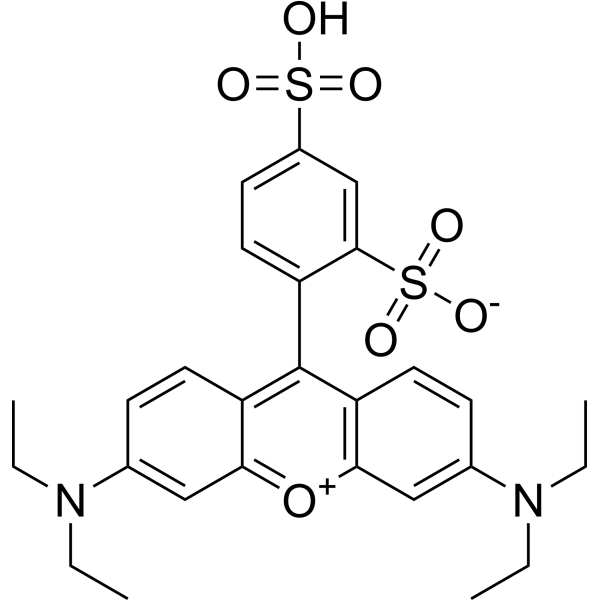
    Lissamine rhodamine B
    5+ Cited Publications

    Fluorescent Dye Others
    Lissamine rhodamine B is a red-fluorescent dye, it is a derivative of rhodamine. Lissamine rhodamine B can be used as a fluorescent probe to develop competitive aptamer fluorescence anisotropy/polarization (FA/FP) assays .
    Lissamine rhodamine B
  • HY-D1251

    Fluorescent Dye Others
    TRFS-red, a red fluorescence emission off-on probe, is selective for thioredoxin reductase (TrxR). TRFS-red exhibits high response rate and sensitivity. TRFS-red can be used for imaging live cells .
    TRFS-red
  • HY-153783

    Fluorescent Dye Others Cancer
    OBI is a Red Broccoli probe with red fluorescence. OBI enables Red Broccoli to be easily detected in living mammalian cells. OBI can be used to monitor intracellular metabolites .
    OBI
  • HY-D1820
    Vari Fluor 594-Phalloidin
    1 Publications Verification

    Fluorescent Dye Others
    Vari Fluor 594-Phalloidin is a fluorescent derivative of Phalloidin that specifically labels myofilament proteins and exhibits red fluorescence at 585/609 nm when labeled .
    Vari Fluor 594-Phalloidin
  • HY-D0016

    CTC

    Fluorescent Dye Cancer
    5-Cyano-2,3-di-(p-tolyl)tetrazolium chloride (CTC) is a redox-sensitive red fluorescent dye. 5-Cyano-2,3-di-(p-tolyl)tetrazolium chloride can be used for detecting metabolic activity in microorganisms. The emission maximum of 5-Cyano-2,3-di-(p-tolyl)tetrazolium chloride is 602 nm .
    5-Cyano-2,3-di-(p-tolyl)tetrazolium chloride
  • HY-152073

    Fluorescent Dye Others
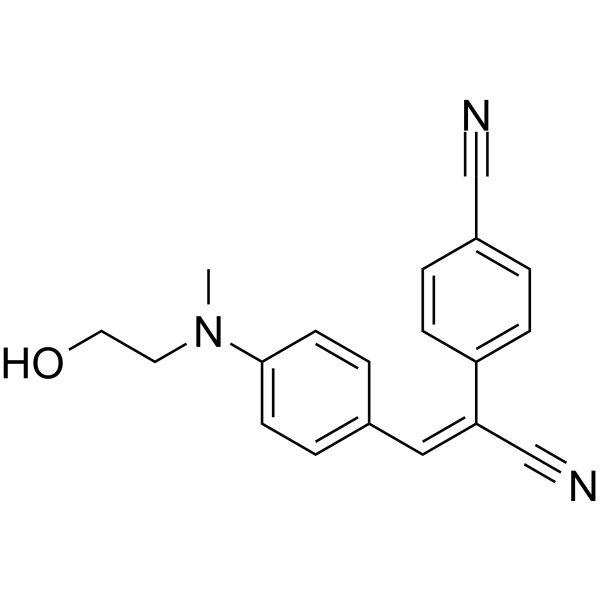
    BETA-1 is the first twisted intramolecular charge transfer (TICT)-aggregation-induced emission (AIE) integration molecule. BETA-1 emits cyan fluorescence in lipid droplets (LDs) and red fluorescence in mitochondria. BETA-1 can be used for the simultaneous and dual-color imaging of LDs and mitochondria in vivo and in vitro .
    BETA-1
  • HY-104056

    Fluorescent Dye Others
    Fura Red is a Ca 2+-sensitive fluorescent dye, which decreases in fluorescence with rising [Ca 2+] .
    Fura Red
  • HY-D2346
    HBmito Crimson
    3 Publications Verification

    Fluorescent Dye Others
    HBmito Crimson is a deep red fluorescent probe (λex: 658 nm, λem: 678 nm) for the inner mitochondrial membrane. HBmito Crimson is a cell membrane-permeable probe with high selectivity for the mitochondrial inner membrane, suitable for specific fluorescence staining of the inner mitochondrial membrane in living cells. HBmito Crimson has high photostability and brightness, suitable for long-term dynamic fluorescence imaging.
    HBmito Crimson
  • HY-D2166

    Fluorescent Dye Others
    AF 594 NHS ester is a derivative of the red fluorescent dye AF 594 with high fluorescence quantum yield and high photostability (Ex=594 nm, Em=615 nm). AF 594 NHS ester can form an ester bond by reacting the NHS group with ammonia, with maximum excitation wavelength of 594 nm .
    AF 594 NHS ester
  • HY-42984

    Biochemical Assay Reagents Others
    BHQ-2 NHS is a dark quencher with no native emission due to the polyaromatic-azo backbone and a terminal NHS ester. UBHQ-2 NHS has a wide and intense quenching range from 560-670 nm, which makes it useful as an acceptor in fluorescence resonance energy transfer (FRET) applications in conjunction with orange to far-red emitting dyes. The NHS ester can be applied to label the primary amines (-NH2) of proteins, amine-modified oligonucleotides, and other amine-containing molecules.
    BHQ-2 NHS
  • HY-153843

    Biochemical Assay Reagents Others
    RNA Aptamer Corn (sodium) is a 28-nt-long aptamer that is substantially shorter than Spinach and Spinach2 and exhibits bright red fluorescence upon binding DFHO (a soluble analog of the intrinsic fluorophore of red fluorescent protein), RNA Aptamer Corn (sodium) can be used to visualize RNA expression or localization in live cells which have been soaked with chromophores. The Corn-DFHO does not become appreciably cytotoxic when illuminated. And most importantly, Corn-DFHO exhibits markedly increased photostability compared to other aptamer-chromophore complexes both in vitro and in vivo. (36 nt Corn construct: 5'-GGCGCGAGGAAGGAGGUCUGAGGAGGUCACUGCGCC-3'; A 36-nt RNA construct, comprised of the 28-nt minimal Corn sequence extended proximally with a 4 base-pair stem.)
    RNA Aptamer Corn sodium
  • HY-D1818

    Fluorescent Dye Others
    Vari Fluor 680-Phalloidin is a fluorescent derivative of Phalloidin that specifically labels myofilament proteins and exhibits red fluorescence when labeled at 680/700 nm .
    Vari Fluor 680-Phalloidin
  • HY-D1723
    EthD-III
    1 Publications Verification

    DNA Stain Others
    EthD-III is a nucleic acid probe. EthD-III is a red fluorescent stain that can be used to detect dead cells. EthD-III enters cells with damaged membranes and binds to nucleic acids, resulting in bright red fluorescence in dead cells (Ex/Em=530/645 nm) .
    EthD-III
  • HY-P2270Y

    Arp2/3 Complex Fluorescent Dye Others
    Phalloidin-TRITC (solution) is a fluorescein derivative of Phalloidin, which can specifically label myof lin and display red fluorescence when labeled and can be observed using Tesred channels .
    Phalloidin-TRITC (solution)
  • HY-158218

    Gelatin Methacryloyl, 30% methacrylation, red Fluorescent

    Biochemical Assay Reagents Others
    Red Fluorescent Gelatin Methacryloyl (Red Fluorescent GelMA) is methacryloyl gelatin (GelMA) with red fluorescence, which is obtained by "grafting" fluorescent molecules on GelMA. Red Fluorescent Gelatin Methacryloyl acts as a scaffold and can be used to engineer tissue analogs from the vasculature to cartilage and bone, allowing cells to proliferate and spread . GelMA, 30% methacrylation, Red Fluorescent needs to self-assemble into fibrous hydrogel under the action of photoinitiator LAP (HY-44076), and target bioactive adhesion sites, play an inherent supporting role for tissue cells and biodegradable activity.
    Application: cell culture, biological 3D printing, tissue engineering, etc.
    GelMA, 30% methacrylation, Red Fluorescent
  • HY-D2175

    Fluorescent Dye Others
    AF 555 NHS ester is a bright, orange-red fluorescence probe. AF 555 NHS ester can be used to label primary amines (R-NH2) of proteins, amine-modified oligonucleotides, and other amine-containing molecules (Ex/Em = 552/566 nm) .
    AF 555 NHS ester
  • HY-W854659
    Chlorin e6 trisodium
    15+ Cited Publications

    Ce6 trisodium

    Photosensitizer Cancer
    Chlorin e6 Ce6 (trisodium) is a water-soluble derivative of chlorophyll, belonging to the chlorin class of photosensitizers with an absorption wavelength range of 600-670 nm. Chlorin e6 trisodium emits characteristic red fluorescence upon light excitation, enabling real-time identification of tumor boundaries and progression. Chlorin e6 trisodium can be used for the study of photodynamic therapy (PDT) of cancers (bladder cancer) and fluorescence diagnosis of neoplastic lesions .
    Chlorin e6 trisodium
  • HY-D1190

    RAR/RXR Others
    DC271 is a RAR agonist and synthetic retinoid that binds to the retinoid-binding site of cellular retinoic acid-binding protein II (CRBP-II). DC271 exhibits solvatochromic fluorescence properties: it produces intense blue-shifted emission in nonpolar environments and weak red-shifted emission in polar environments, and its severe fluorescence quenching in aqueous solutions can be reversed by embedding in the hydrophobic retinoid-binding protein pocket. DC271 enables direct detection of the binding between unlabeled compounds and related retinoid-binding proteins via fluorescence competition assays (Ex/Em = 355 nm/460 nm) .
    DC271

Inquiry Online

Your information is safe with us. * Required Fields.

Salutation


Country or Region *

Applicant Name *


Organization Name *

Department *


Email Address *


Product Name *

Cat. No.


Requested quantity *

Phone Number *


Remarks

Inquiry Online

Inquiry Information

Product Name:
Cat. No.:
Quantity:
MCE Japan Authorized Agent:

