Search Result
Results for "
type+2+diabetes+mellitus
" in MedChemExpress (MCE) Product Catalog:
1
Biochemical Assay Reagents
14
Isotope-Labeled Compounds
| Cat. No. |
Product Name |
Target |
Research Areas |
Chemical Structure |
-
- HY-P0014
-
-

-
- HY-111372
-
|
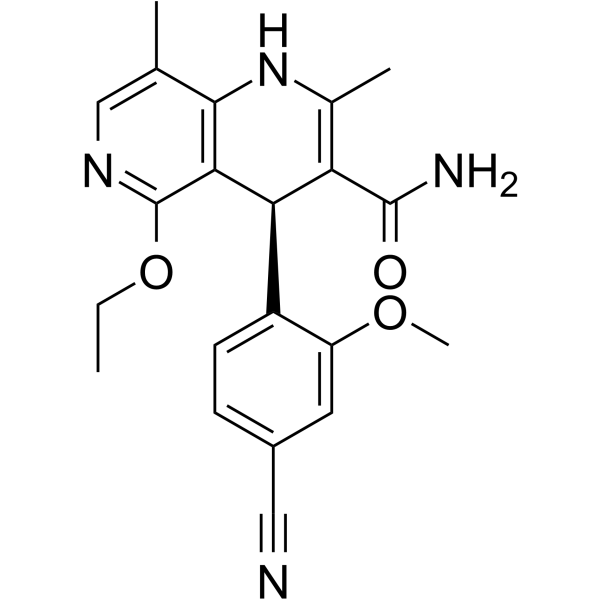
BAY 94-8862
|
Mineralocorticoid Receptor
|
Cardiovascular Disease
Metabolic Disease
|
|
Finerenone (BAY 94-8862) is a third-generation, selective, and orally active nonsteroidal mineralocorticoid receptor (MR) antagonist (IC50 = 18 nM). Finerenone displays excellent selectivity versus glucocorticoid receptor (GR), androgen receptor (AR), and progesterone receptor (> 500-fold). Finerenone has the potential for cardiorenal diseases research, such as type 2 diabetes mellitus and chronic kidney disease [2].
|
-
-
- HY-15209
-
-
-
- HY-19904
-
|
LY2409021
|
GCGR
|
Metabolic Disease
|
|
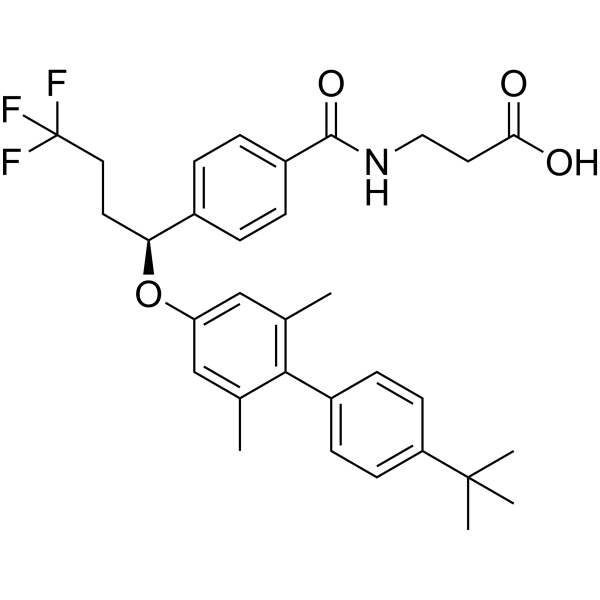
Adomeglivant (LY2409021) is a potent, selective glucagon receptor (GluR) allosteric antagonist. Adomeglivant is widely used in the research for type 2 diabetes mellitus [2] .
|
-
-
- HY-10285
-
|
BMS-477118
|
Dipeptidyl Peptidase
|
Metabolic Disease
|
|
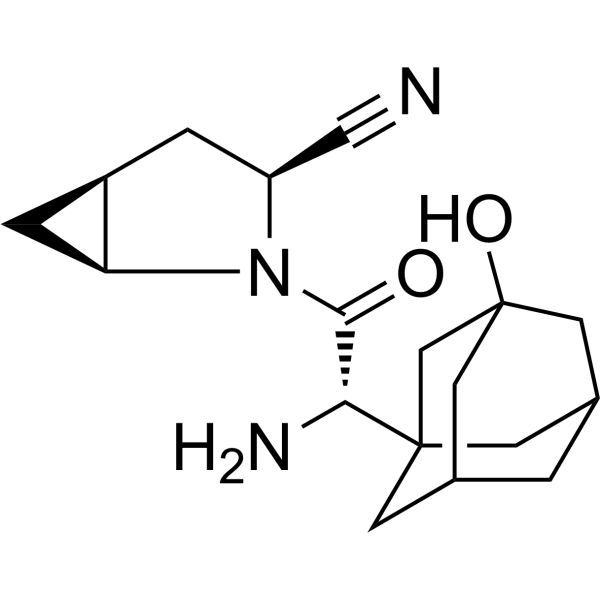
Saxagliptin (BMS-477118) is a potent, selective, reversible, competitive and orally active dipeptidyl peptidase-4 (DPP-4) (Ki = 0.6-1.3 nM) inhibitor. Saxagliptin has the peotential for type 2 diabetes mellitus research [2] .
|
-
-
- HY-153865
-
|
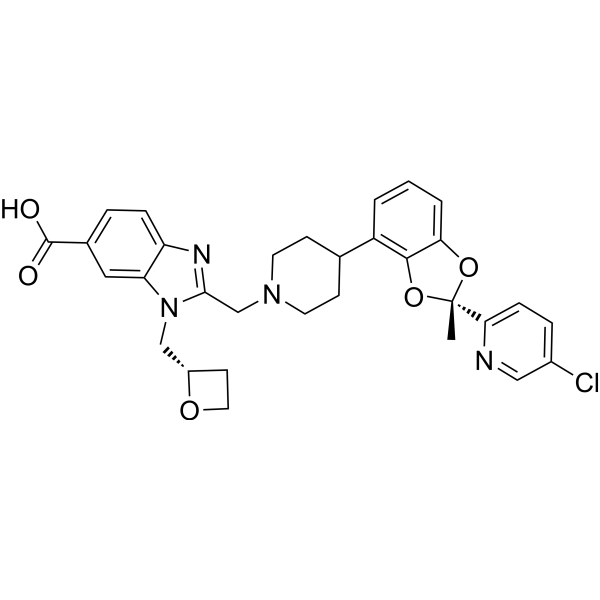
PF-07081532
|
GLP Receptor
|
Metabolic Disease
|
|
Lotiglipron (PF-07081532) is an orally active GLP-1R agonist. Lotiglipron reduces glucose and body weight, and can be used for research of Type 2 diabetes mellitus (T2DM) .
|
-
-
- HY-15461
-
|
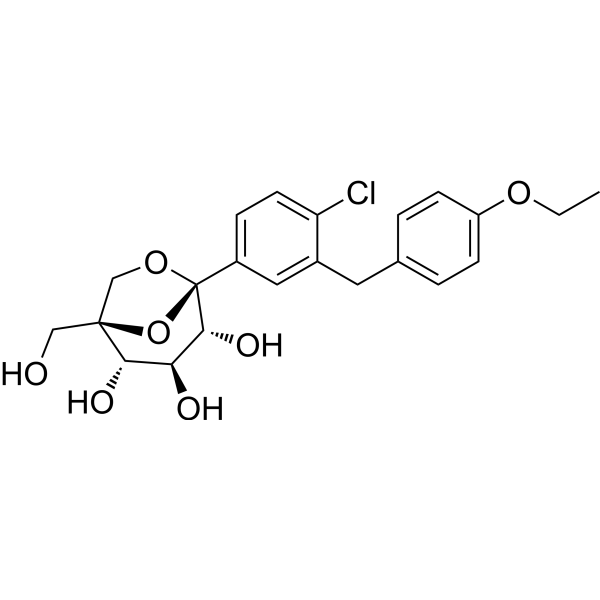
PF-04971729
|
SGLT
|
Metabolic Disease
|
|
Ertugliflozin (PF-04971729) is a potent, selective and orally active inhibitor of the sodium-dependent glucose cotransporter 2 (SGLT2), with an IC50 of 0.877 nM for h-SGLT2 . Has the potential for the treatment of type 2 diabetes mellitus [2].
|
-
-
- HY-P4070
-
|
|
Insulin Receptor
|
Metabolic Disease
|
|
Insulin icodec is an Insulin (HY-P0035) analog that strongly but reversibly binds to albumin. Insulin icodec has long plasma half-life. Insulin icodec modulates insulin receptor activity, controls blood glucose levels, reduces HbA1c levels, and binds reversibly to human serum albumin. Insulin icodec can be used for the research of type 2 diabetes mellitus [2].
|
-

-
- HY-19947
-
|
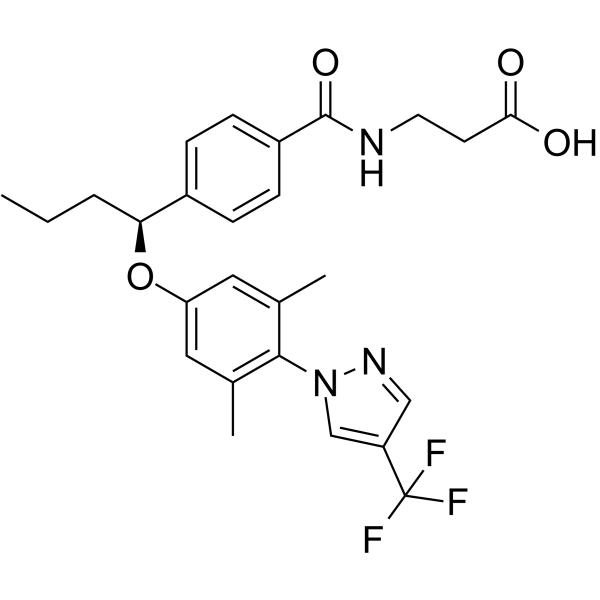
Glucagon receptor antagonists-4
|
GCGR
|
Metabolic Disease
|
|
PF-06291874 is a highly potent, non-peptide and orally active glucagon receptor antagonist. PF-06291874 is under the study for type 2 diabetes mellitus (T2DM) [2].
|
-
-
- HY-15461A
-
|
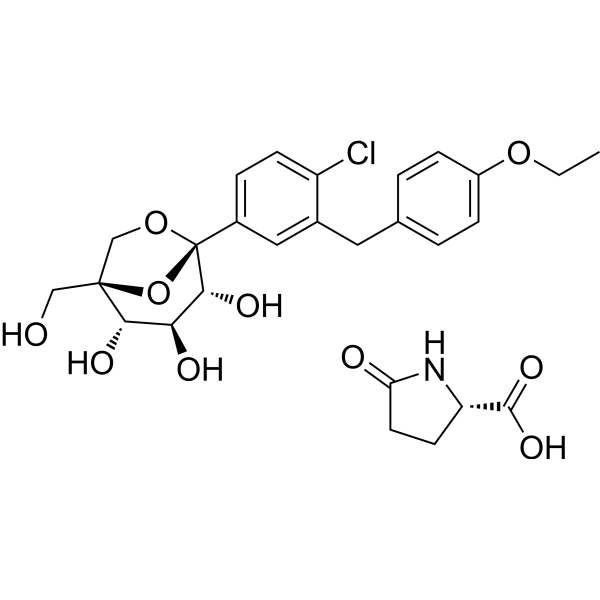
PF-04971729 L-pyroglutamic acid
|
SGLT
|
Metabolic Disease
|
|
Ertugliflozin L-pyroglutamic acid (PF-04971729 L-pyroglutamic acid) is a potent, selective and orally active inhibitor of the sodium-dependent glucose cotransporter 2 (SGLT2), with an IC50 of 0.877 nM for h-SGLT2 . Has the potential for the treatment of type 2 diabetes mellitus [2].
|
-
-
- HY-14806
-
|
MP-513
|
Dipeptidyl Peptidase
|
Cardiovascular Disease
Neurological Disease
Metabolic Disease
|
|
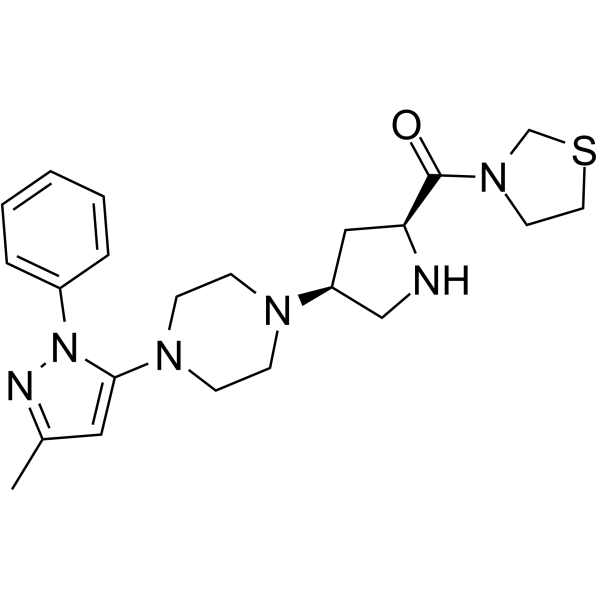
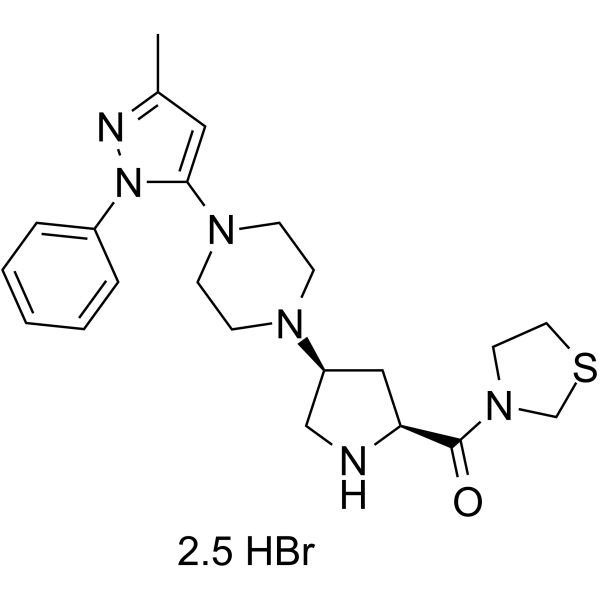
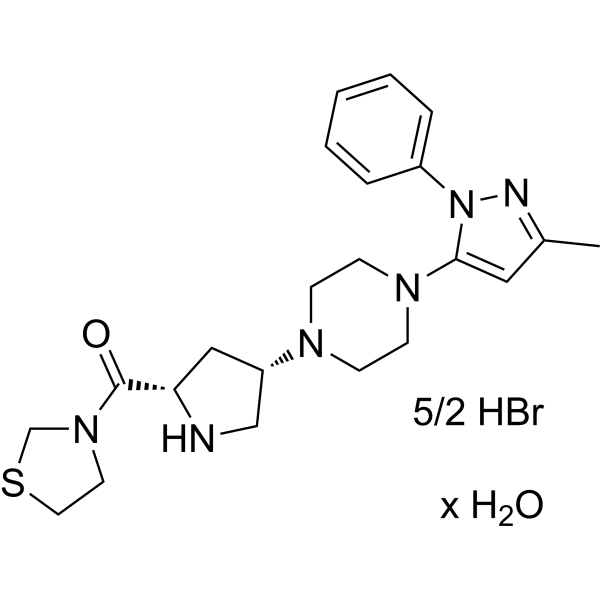
Teneligliptin (MP-513) hydrobromide hydrate is an orally active and selective dipeptidyl peptidase 4 (DPP-4) inhibitor (IC50s: 0.37 and 0.29 nM for the human and rat DPP-4, respectively). Teneligliptin hydrobromide hydrate improves blood glucose levels and can be used in researches related to type 2 diabetes mellitus [2] .
|
-
-
- HY-112668A
-
|
SP2086
|
Dipeptidyl Peptidase
|
Metabolic Disease
|
|
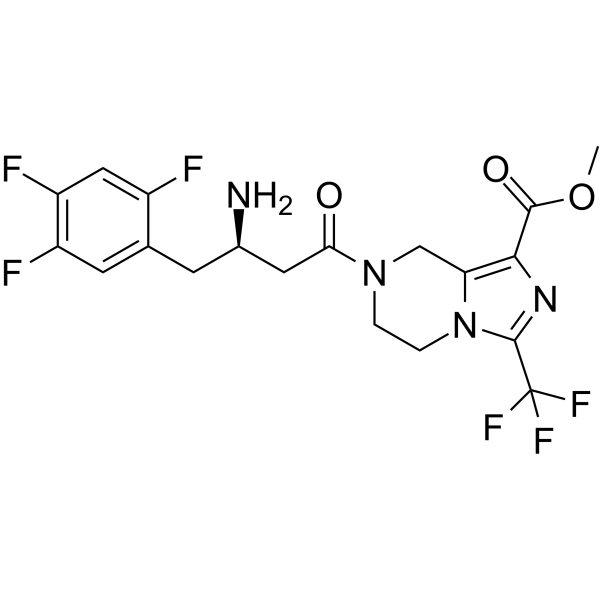
Retagliptin (SP2086) is a selective, competitive and orally active dipeptidyl peptidase-4 (DPP-4) inhibitor. Retagliptin can be used for type 2 diabetes mellitus (T2DM) research .
|
-
-
- HY-15497
-
AZD7687
1 Publications Verification
|
Acyltransferase
|
Metabolic Disease
|
|
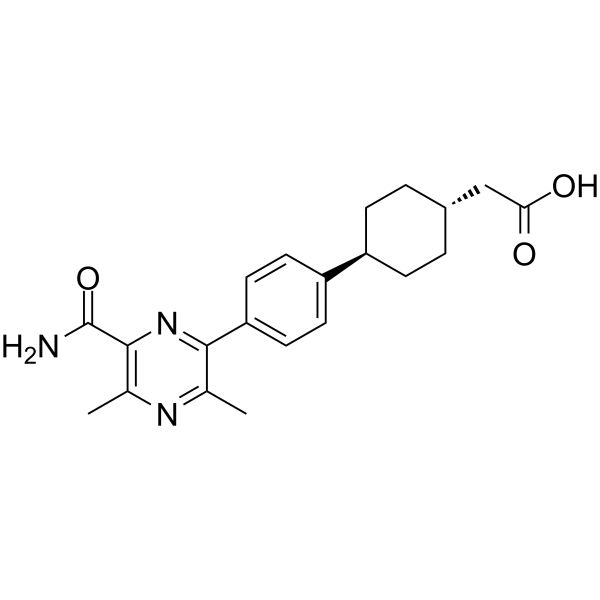
AZD7687 is a potent, selective, reversible and orally active diacylglycerol acyltransferase 1 (DGAT1) inhibitor with an IC50 of 80 nM for human DGAT1. AZD7687 can be used for type 2 diabetes mellitus and obesity research [2].
|
-
-
- HY-15408
-
|
SYR-472
|
Dipeptidyl Peptidase
|
Metabolic Disease
|
|
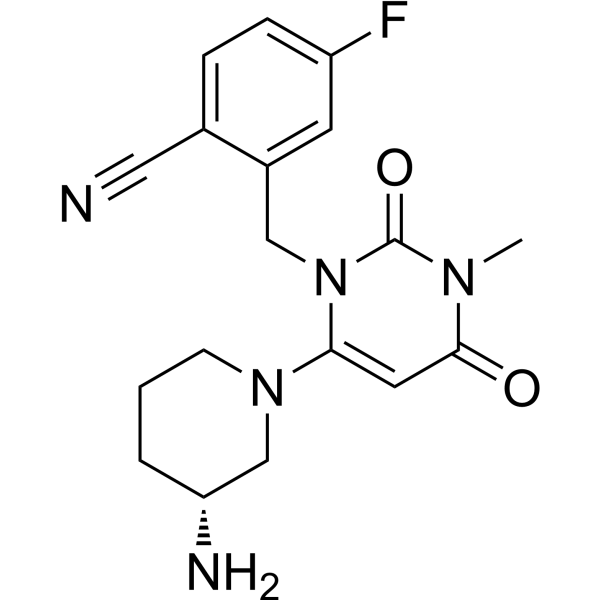
Trelagliptin (SYR-472) is a potent, orally active and highly selective DPP-4 inhibitor with an IC50 of 4 nM. Trelagliptin succinate improves glycemic control in vivo and can be used for the study of type 2 diabetes mellitus (T2DM) .
|
-
-
- HY-12066
-
|
|
GPR119
|
Metabolic Disease
Inflammation/Immunology
|
|
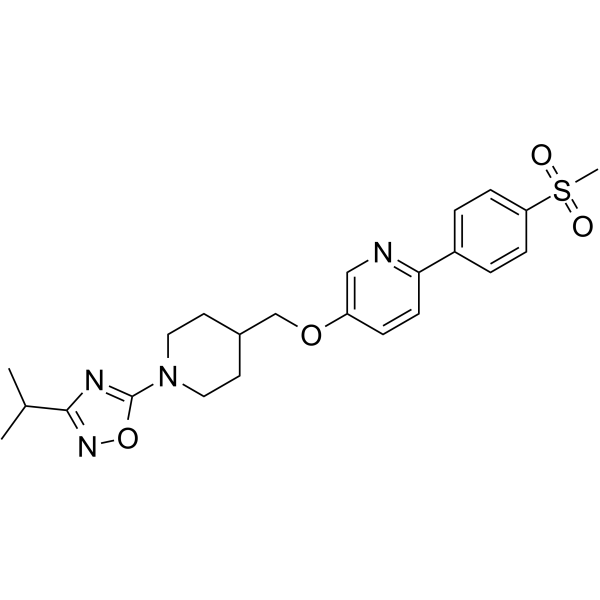
GSK-1292263 is an orally available GPR119 agonist with pEC50s of 6.9 and 6.7 for human and rat GPR119, respectively. GSK-1292263 can be used for the research of type 2 diabetes mellitus (T2DM) .
|
-
-
- HY-147257
-
|
HSK7653
|
Dipeptidyl Peptidase
|
Metabolic Disease
|
|
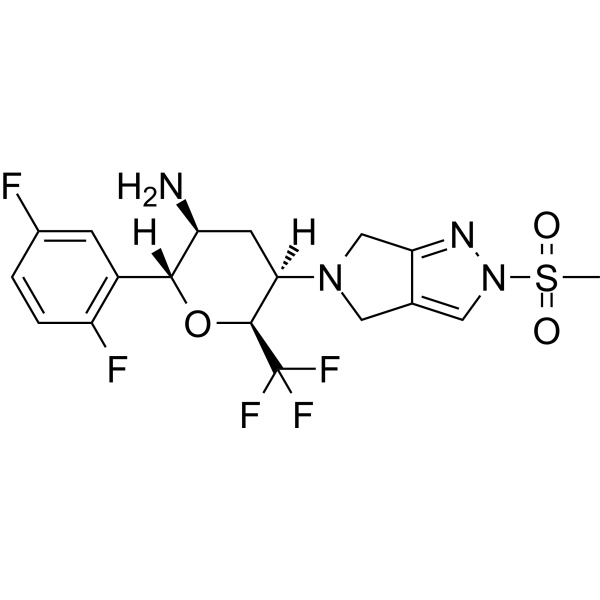
Cofrogliptin (HSK7653) (compound 2), a tetrahydropyran derivative, is a potent oral dipeptidyl aminopeptidase 4 (DPP-4) inhibitor with Long-acting antidiabetic efficacy. Cofrogliptin (compound 2) has a great potential for type 2 diabetes mellitus (T2DM) .
|
-
-
- HY-P99614
-
|
BFKB8488A; RG-7992; RO-7040551
|
FGFR
|
Metabolic Disease
|
|
Fazpilodemab (BFKB8488A) is a humanized bispecific IgG1 antibody that selectively targets and activates fibroblast growth factor receptor 1c (FGFR1c) and Klothoβ. Fazpilodemab can be used for the research of type 2 diabetes mellitus (T2DM) or nonalcoholic fatty liver disease (NAFLD) .
|
-

-
- HY-14806A
-
-
-
- HY-112668
-
|
SP2086 phosphate
|
Dipeptidyl Peptidase
|
Metabolic Disease
|
|
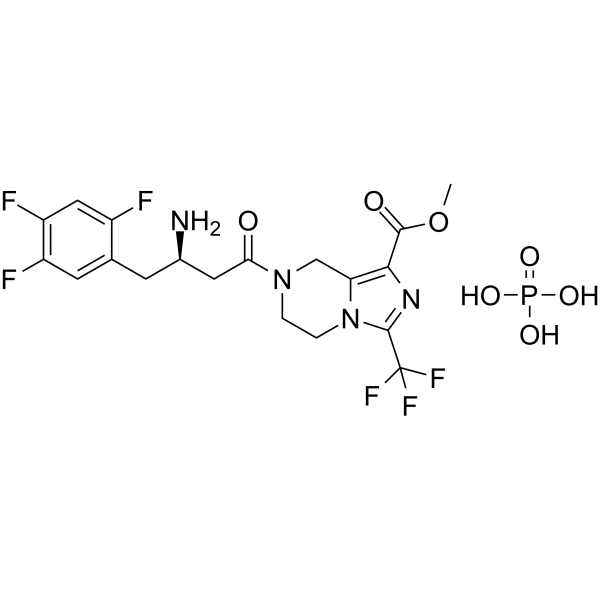
Retagliptin phosphate (SP2086 phosphate) is a selective, competitive and orally active dipeptidyl peptidase-4 (DPP-4) inhibitor. Retagliptin phosphate can be used for type 2 diabetes mellitus (T2DM) research .
|
-
-
- HY-16448
-
|
BMS-477118 hydrochloride
|
Dipeptidyl Peptidase
|
Metabolic Disease
|
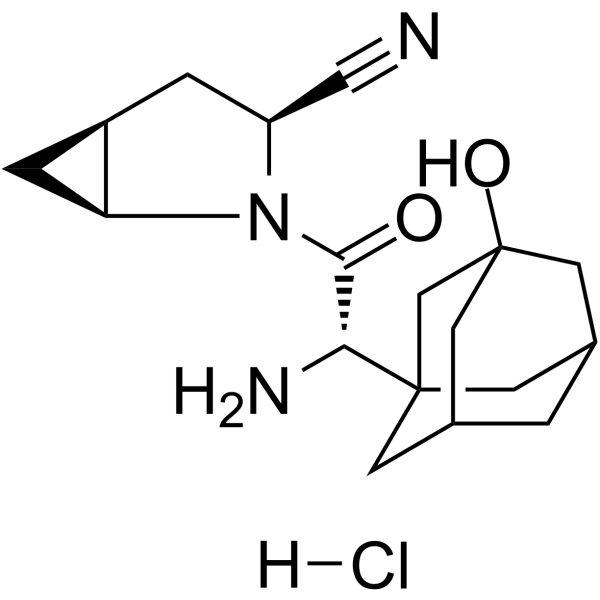
|
Saxagliptin hydrochloride (BMS-477118 hydrochloride) is a potent, selective, reversible, competitive and orally active dipeptidyl peptidase-4 (DPP-4) (Ki = 0.6-1.3 nM) inhibitor. Saxagliptin hydrochloride has the peotential for type 2 diabetes mellitus research [2] .
|
-
-
- HY-15408A
-
|
SYR-472 succinate
|
Dipeptidyl Peptidase
|
Metabolic Disease
|
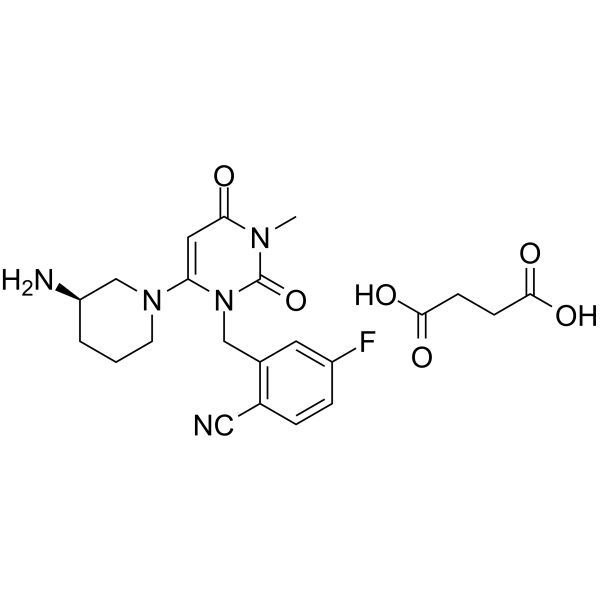
|
Trelagliptin (SYR-472) succinate is a potent, orally active and highly selective DPP-4 inhibitor with an IC50 of 4 nM. Trelagliptin succinate improves glycemic control in vivo and can be used for the study of type 2 diabetes mellitus (T2DM) .
|
-
-
- HY-14806B
-
-
-
- HY-132205
-
|
|
Estrogen Receptor/ERR
|
Metabolic Disease
|
|
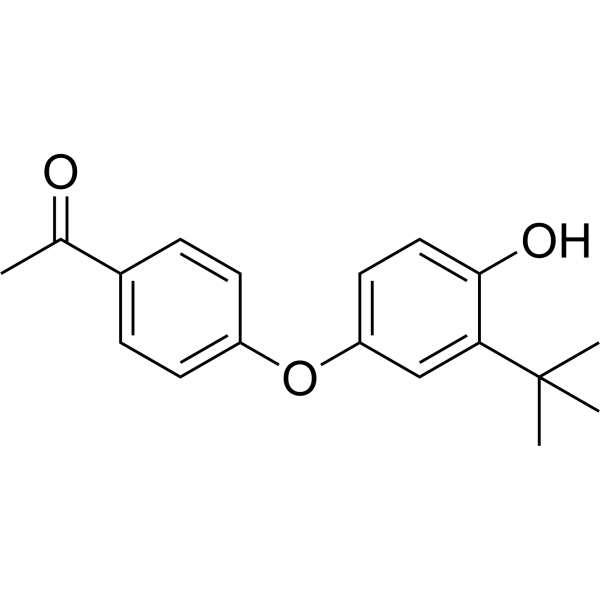
DS45500853 is an estrogen-related receptor α (ERRα) agonist. DS45500853 inhibits the binding between receptor-interacting protein 140 (RIP140) corepressor peptide (10 nM) and GST-ERRα ligand-binding domain (LBD; 1.2 μM) with an IC50 value of 0.80 μM. DS45500853 can be used for the research of metabolic disorders, including type 2 diabetes mellitus (T2DM) .
|
-
-
- HY-10286
-
|
PHX-1149 free base
|
Dipeptidyl Peptidase
|
Metabolic Disease
|
|
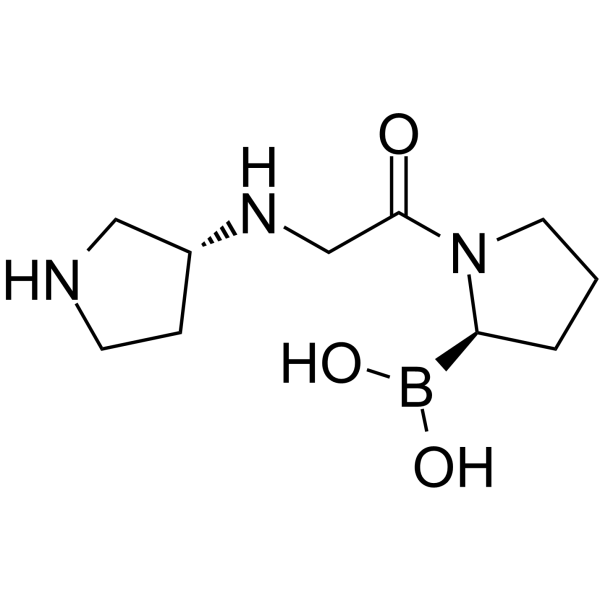
Dutogliptin (PHX-1149 free base) is an orally available, potent, and selective dipeptidyl peptidase-4 (DPP4) inhibitor for the treatment of type 2 diabetes mellitus.
|
-
-
- HY-W145497
-
|
|
Insulin Receptor
|
Metabolic Disease
|
|
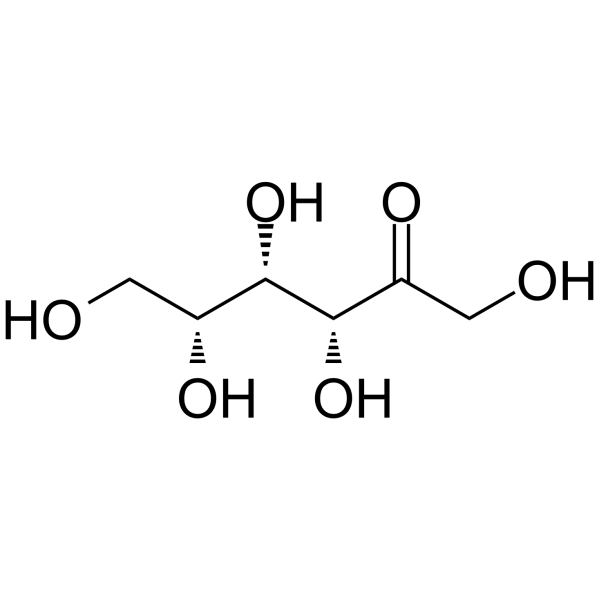
D-(+)-Sorbose, an active enantiomer of D-Sorbose, which inhibits disaccharidase activity and demonstrates suppressive action on postprandial blood levels of glucose and insulin in the rat. D-sorbose acts as a sweetener may contribute to the prevention of lifestyle-related diseases, such as type 2 diabetes mellitus .
|
-
-
- HY-P0014S1
-
|
|
Isotope-Labeled Compounds
GLP Receptor
GCGR
|
Others
|
|
Liraglutide- 13C6, 15 tetraTFA is the 13C and 15N labeled Liraglutide (HY-P0014) . Liraglutide is a glucagon-like peptide-1 (GLP-1) receptor agonist used for the study of type 2 diabetes mellitus [2].
|
-

-
- HY-117103
-
|
INT131
|
PPAR
|
Metabolic Disease
|
|
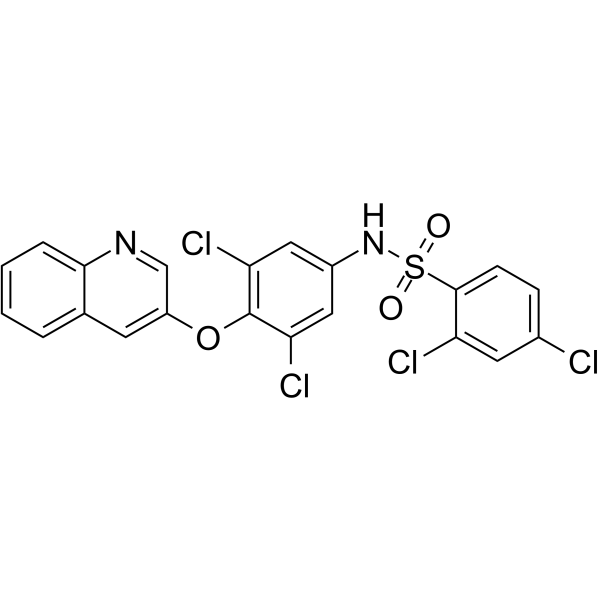
AMG131 (INT131) is a potent non-thiazolidinedione (TZD) selective peroxisome proliferator-activated receptor γ modulator (SPPARM). AMG131 binds to PPARγ within the same binding pocket as the TZDs, but occupies a unique space in the pocket and contacts the receptor at distinct points from the TZDs. AMG131 is promising for research of type-2 diabetes mellitus [2] .
|
-
-
- HY-19835
-
|
|
Free Fatty Acid Receptor
|
Metabolic Disease
|
|
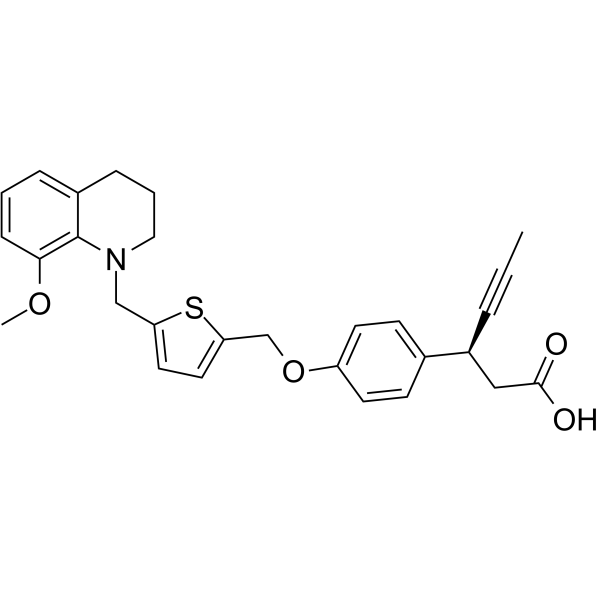
LY2922470 is a selective and orally active agonist for the G protein-coupled receptor 40 (GPR40). LY2922470 activates GPR40-mediated β-arrestin recruitment with EC50s of 7 nM (human GPR40), 1 nM (mouse GPR40) and 3 nM (rat GPR40). LY2922470 can be used for research of type 2 diabetes mellitus (T2DM) .
|
-
-
- HY-15209S
-
-
-
- HY-139276
-
|
|
GLP Receptor
|
Others
|
|
Pal-Glu(OSu)-OH is a side chain of Liraglutide. Liraglutide is a glucagon-like peptide-1 (GLP-1) receptor agonist that can be used for type 2 diabetes mellitus research .
|
-

-
- HY-114191B
-
|
|
Somatostatin Receptor
|
Metabolic Disease
Endocrinology
|
|
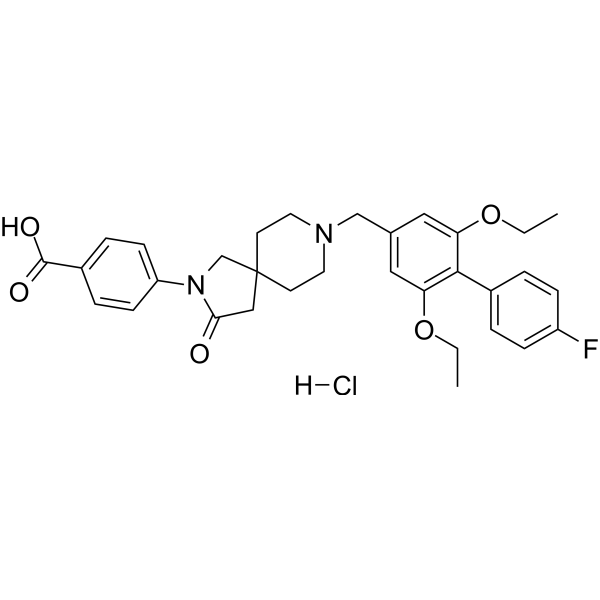
SSTR5 antagonist 2 hydrochloride is a highly potent, oral active and selective somatostatin (receptor) subtype 5 (SSTR5) antagonist and has potential for the research of type 2 diabetes mellitus (T2DM) .
|
-
-
- HY-123377A
-
|
SAL067
|
Dipeptidyl Peptidase
|
Metabolic Disease
|
|
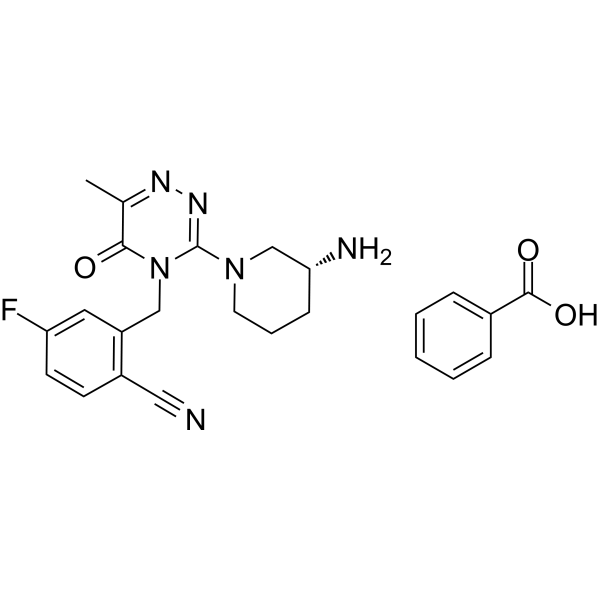
Fotagliptin benzoate is a Dipeptidyl Peptidase IV (DPP-4) inhibitor (IC50=2.27 nM). Fotagliptin benzoate displays great security in rat and dog. Fotagliptin benzoate can be used for Type 2 diabetes mellitus research .
|
-
-
- HY-10285A
-
|
BMS-477118 hydrate
|
Dipeptidyl Peptidase
|
Metabolic Disease
|
|
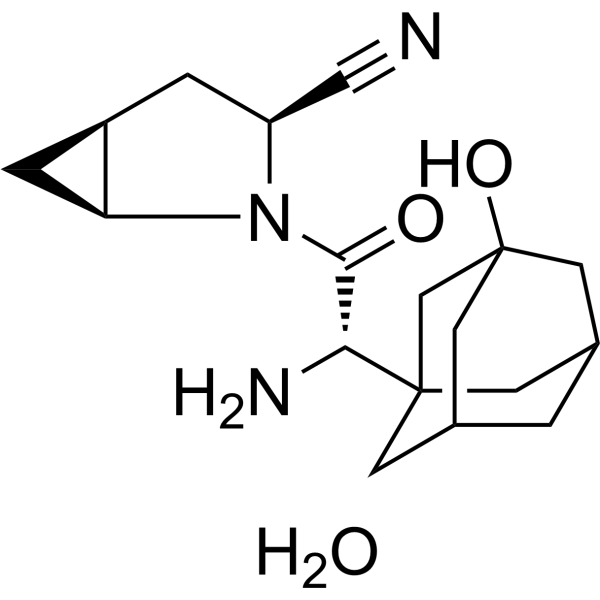
Saxagliptin hydrate (BMS-477118 hydrate) is a potent, selective, reversible, competitive and orally active dipeptidyl peptidase-4 (DPP-4) (Ki = 0.6-1.3 nM) inhibitor. Saxagliptin hydrate has the peotential for type 2 diabetes mellitus research [2] .
|
-
-
- HY-147645
-
|
|
FBPase
|
Metabolic Disease
|
|
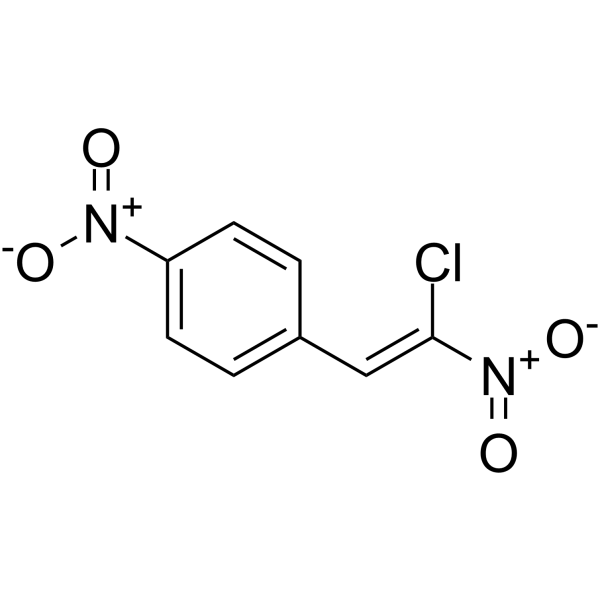
FBPase-IN-2 (Compound HS36) is a covalent FBPase inhibitor with an IC50 value of 0.15 μM for wild-type FBPase. FBPase-IN-2 inhibits glucose production in primary mouse hepatocytes via gluconeogenesis modulation. FBPase-IN-2 can be used for the research of type 2 diabetes mellitus .
|
-
-
- HY-143201
-
|
|
Estrogen Receptor/ERR
|
Metabolic Disease
|
|
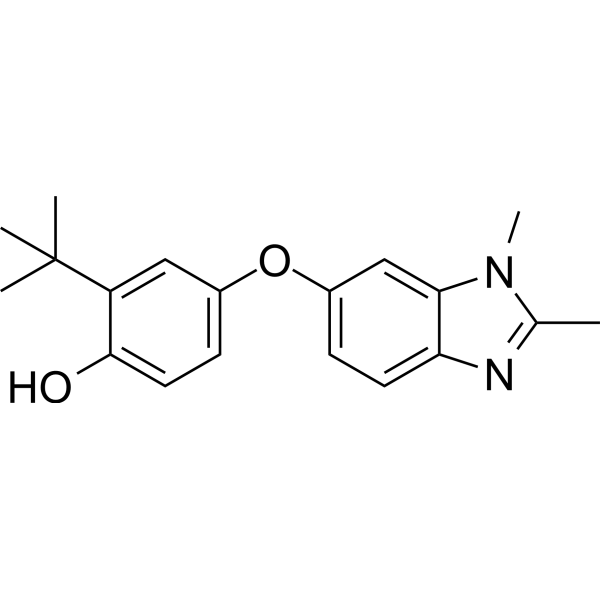
DS20362725 is an estrogen-related receptor α (ERRα) agonist. DS20362725 inhibits the binding between receptor-interacting protein 140 (RIP140) corepressor peptide (10 nM) and GST-ERRα ligand-binding domain (LBD; 1.2 μM) with an IC50 value of 0.6 μM. DS20362725 can be used for the research of metabolic disorders, including type 2 diabetes mellitus (T2DM) .
|
-
-
- HY-15209R
-
|
AG-EE 623ZW (Standard)
|
Reference Standards
Potassium Channel
|
Metabolic Disease
Cancer
|
|
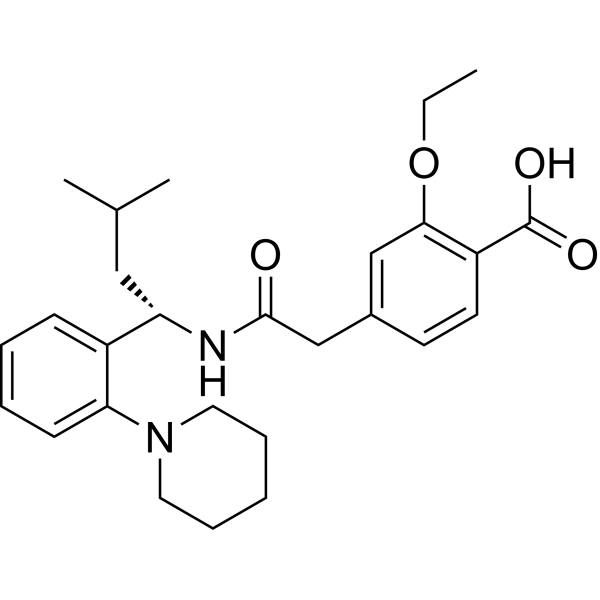
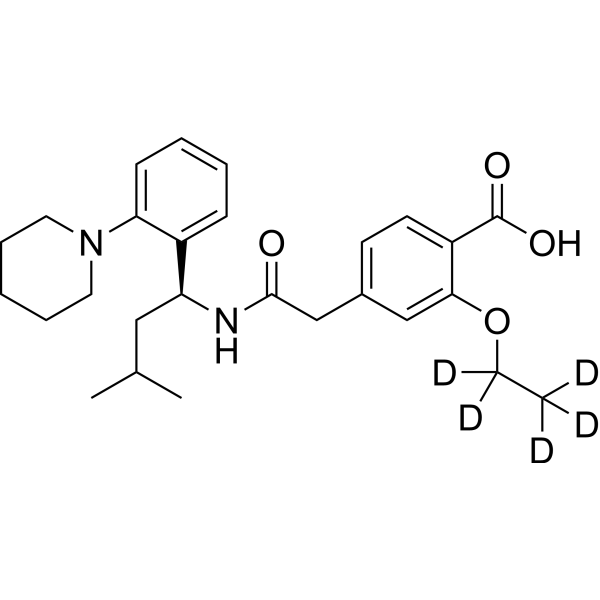
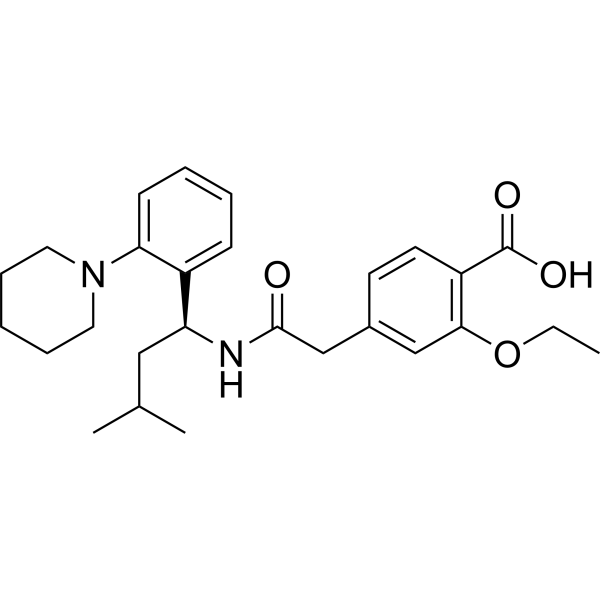
Repaglinide (Standard) is the analytical standard of Repaglinide. This product is intended for research and analytical applications. Repaglinide is an insulin secretagogue for the treatment of type-2 diabetes mellitus .
|
-
-
- HY-W587977
-
-
-
- HY-101746
-
|
|
PPAR
|
Metabolic Disease
|
|
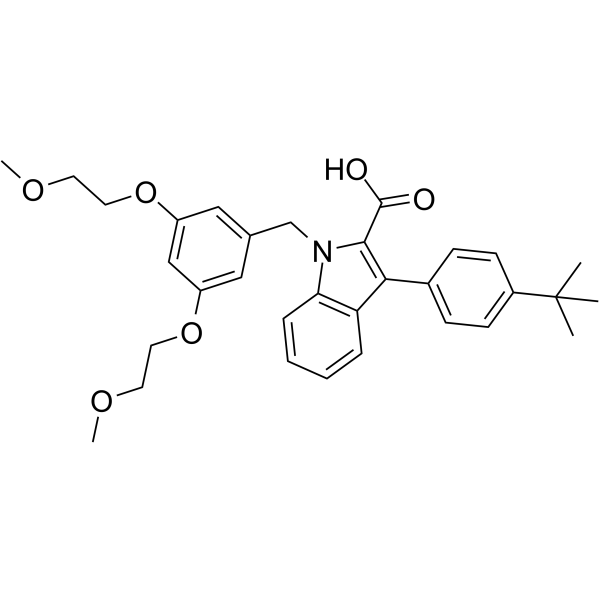
GSK376501A is a selective peroxisome proliferator-activated receptor gamma (PPARγ) modulator for the treatment of type 2 diabetes mellitus .
|
-
-
- HY-123377
-
|
SAL067 free base
|
Dipeptidyl Peptidase
|
Metabolic Disease
|
|
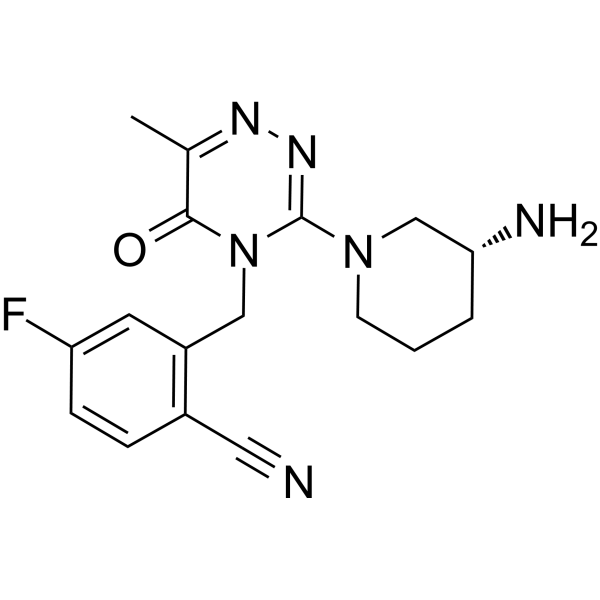
Fotagliptin is a Dipeptidyl Peptidase IV (DPP-4) inhibitor (IC50=2.27 nM). Fotagliptin displays great security in rat and dog. Fotagliptin can be used for Type 2 diabetes mellitus research .
|
-
-
- HY-10449A
-
|
TS 071 hydrate
|
SGLT
|
Metabolic Disease
|
|
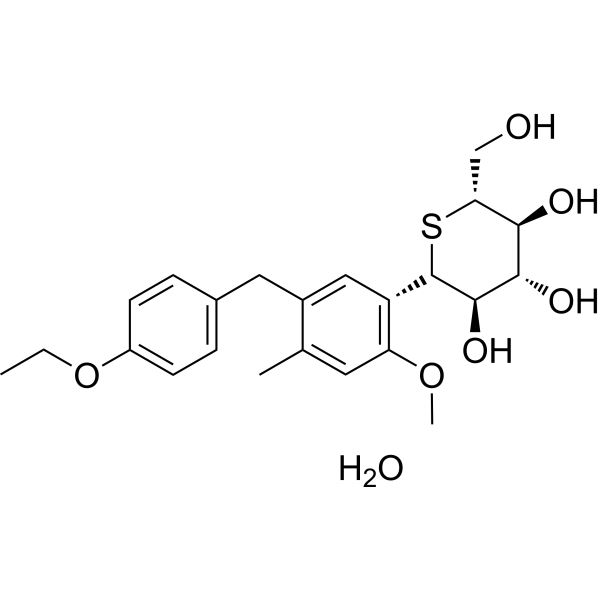
Luseogliflozin (TS 071) hydrate is a selective potent and orally active second-generation sodium-glucose co-transporter 2 (SGLT2) inhibitor with an IC50 of 2.26 nM. Luseogliflozin hydrate can be used for the research of type 2 diabetes mellitus (T2DM) [2].
|
-
-
- HY-19779
-
|
|
Phosphatase
|
Metabolic Disease
|
|
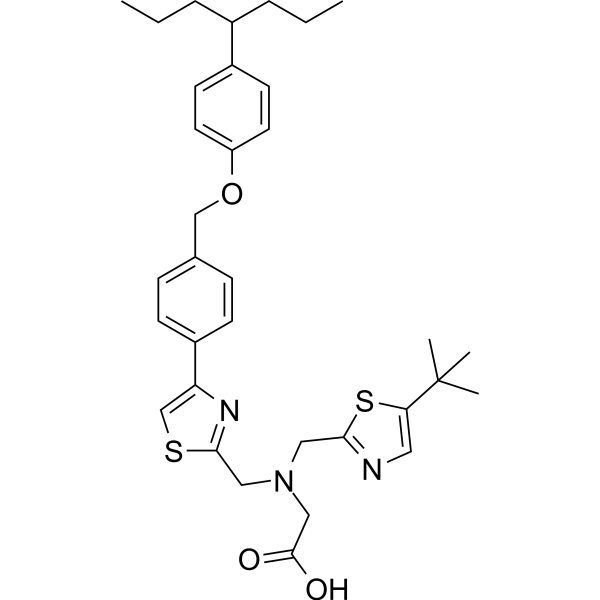
JTT 551 is selective a protein tyrosine phosphatase 1B (PTP1B) inhibitor, with Kis of 0.22 μM and 9.3 μM for PTP1B and TCPTP (T-cell protein tyrosine phosphatase), respectively; JTT 551 can be used in the research of type 2 diabetes mellitus.
|
-
-
- HY-15461R
-
|
PF-04971729 (Standard)
|
Reference Standards
SGLT
|
Metabolic Disease
|
|
Ertugliflozin (Standard) is the analytical standard of Ertugliflozin. This product is intended for research and analytical applications. Ertugliflozin (PF-04971729) is a potent, selective and orally active inhibitor of the sodium-dependent glucose cotransporter 2 (SGLT2), with an IC50 of 0.877 nM for h-SGLT2 . Has the potential for the treatment of type 2 diabetes mellitus [2].
|
-

-
- HY-144035
-
|
|
GCGR
|
Metabolic Disease
Inflammation/Immunology
|
|
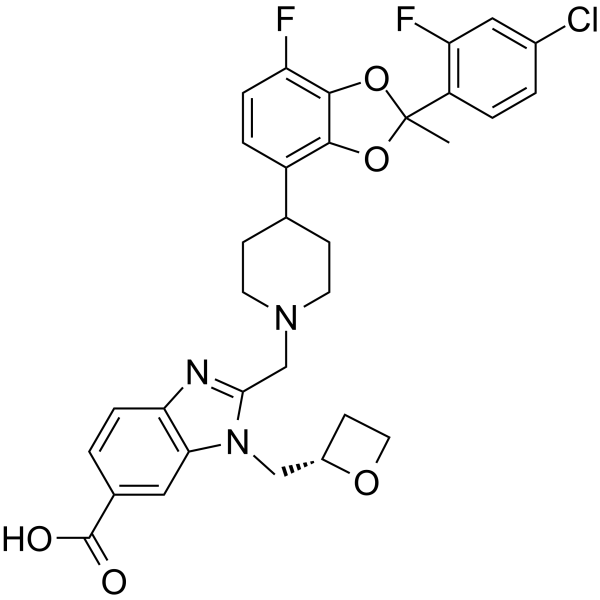
GLP-1R agonist 4 is a glucagon-like peptide-1 (GLP-1) receptor agonist. GLP-1 is an intestinal hypoglycemic hormone secreted by L-cells in the lower gastrointestinal tract. GLP-1R agonist 4 can be used for the research of type 2 diabetes mellitus, obesity, non-alcoholic steatohepatitis, insulin resistance and etc .
|
-
-
- HY-153113
-
|
DJT1116PG
|
SGLT
|
Endocrinology
|
|
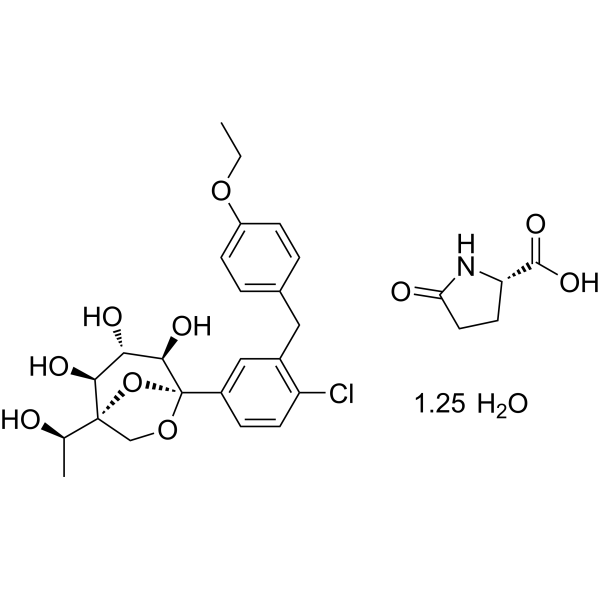
Rongliflozin (DJT1116PG) is a selective and orally active inhibitor of sodium-glucose co-transporter-2 (SGLT-2). Rongliflozin can be used for the research of type 2 diabetes mellitus (T2DM) .
|
-
-
- HY-P0014AS
-
-

-
- HY-128781
-
|
|
GCGR
|
Metabolic Disease
|
|
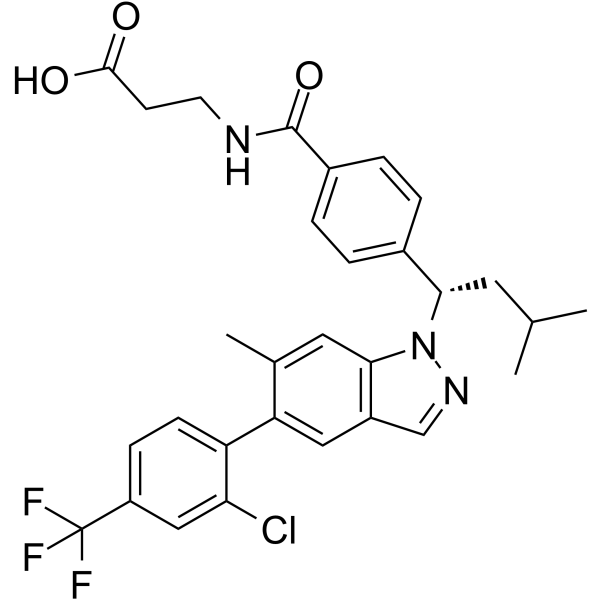
Glucagon receptor antagonist-5 (compound 13K) is a potent and orally bioavailable indazole-based glucagon receptor antagonist (Ki=32 nM). Glucagon receptor antagonist-5 has potential for the treatment of type 2 diabetes mellitus (T2DM) .
|
-
-
- HY-P11321A
-
|
acyl-GIP hydrochloride
|
Insulin Receptor
|
Metabolic Disease
|
|
IUB0271 (acyl-GIP) hydrochloride is a fatty acylated and long-acting glucose-dependent insulinotropic polypeptide (GIP). IUB0271 hydrochloride increases cFos neuronal activity in hypothalamic feeding centers and decreases body weight, food intake and glycemia in DIO mouse models, and these effects depend on CNS-GIPR signaling. IUB0271 hydrochloride can be used for type 2 diabetes mellitus (T2DM) and obesity research .
|
-

-
- HY-P11321
-
|
acyl-GIP
|
Insulin Receptor
|
Metabolic Disease
|
|
IUB0271 (acyl-GIP) is a fatty acylated and long-acting glucose-dependent insulinotropic polypeptide (GIP). IUB0271 increases cFos neuronal activity in hypothalamic feeding centers and decreases body weight, food intake and glycemia in DIO mouse models, and these effects depend on CNS-GIPR signaling. IUB0271 can be used for type 2 diabetes mellitus (T2DM) and obesity research .
|
-

-
- HY-14928S1
-
-

-
- HY-P0014S2
-
|
|
Isotope-Labeled Compounds
|
Others
|
|
Liraglutide- 13C6, 15 TFA is the 13C and 15N labeledLiraglutide(HY-P0014). Liraglutide is a glucagon-like peptide-1 (GLP-1) receptor agonist used for the study of type 2 diabetes mellitus .
|
-

- HY-159694
-
|
ISIS 404173
|
Phosphatase
|
Metabolic Disease
|
|
IONIS PTP1BRx (ISIS 404173) is an antisense inhibitor of protein tyrosine phosphatase 1B (PTP-1B). IONIS PTP1BRx shows antidiabetic activity, and can be used for the study of insulin resistance and type 2 diabetes mellitus associated with obesity .
|
-

- HY-164698
-
|
|
Aldehyde Dehydrogenase (ALDH)
|
Neurological Disease
Metabolic Disease
|
|
CP-470711 is an orally active and potent and selective sorbitol dehydrogenase (SDH) inhibitor with an IC50=10 nM for human SDH and IC50=17 nM for rat SDH. CP-470711 is promising for research of chronic complications related to type 2 diabetes mellitus, such as neuropathy and nephropathy .
|
-

- HY-W741755A
-
|
|
Dipeptidyl Peptidase
|
Metabolic Disease
|
|
5-Hydroxy saxagliptin hydrochloride is an active metabolite of Saxagliptin (HY-10285) and a potent and selective DPP-4 inhibitor. 5-Hydroxy saxagliptin hydrochloride has Ki values of 2.6 nM and 2.9 nM for humans and cynomolgus monkeys, respectively. 5-Hydroxy saxagliptin hydrochloride can be used in the research of type 2 diabetes mellitus .
|
-

- HY-117075
-
|
|
SGLT
|
Metabolic Disease
|
|
BI-44847 is a selective and orally active SGLT2 inhibitor. BI-44847 can increase UGE and decrease HbA1c levels. BI-44847 shows improvement in fasting and fed glucose levels. BI-44847 can be studied in research on type 2 diabetes mellitus (T2DM) .
|
-

- HY-15408S
-
|
SYR-472-13C,d3
|
Isotope-Labeled Compounds
Dipeptidyl Peptidase
|
Metabolic Disease
|
|
Trelagliptin-13C,d3 is a deuterated labeled Trelagliptin . Trelagliptin (SYR-472) is a potent, orally active and highly selective DPP-4 inhibitor with an IC50 of 4 nM. Trelagliptin succinate improves glycemic control in vivo and can be used for the study of type 2 diabetes mellitus (T2DM) [2].
|
-

- HY-165341
-
-

- HY-10286A
-
|
PHX-1149
|
Dipeptidyl Peptidase
|
Metabolic Disease
|
|
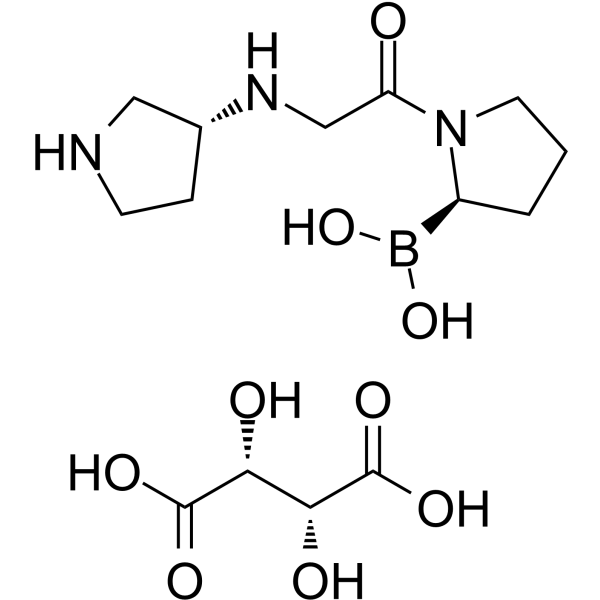
Dutogliptin tartrate (PHX-1149) is an orally available, potent, and selective dipeptidyl peptidase-4 (DPP4) inhibitor for the treatment of type 2 diabetes mellitus.
|
-
- HY-145458A
-
|
GLP-1 receptor agonist 9 citrate
|
GLP Receptor
|
Metabolic Disease
|
|
PF-06954522 citrate is an orally active GLP-1R agonist. PF-06954522 citrate can be used for the study of type 2 diabetes mellitus .
|
-

- HY-P1124
-
|
|
Free Fatty Acid Receptor
|
Metabolic Disease
|
|
AS2034178 free base, a specific and orally active GPR40 agonist, exhibits glucose-dependent insulin secretion enhancement. AS2034178 free base has potential for type 2 diabetes mellitus research .
|
-
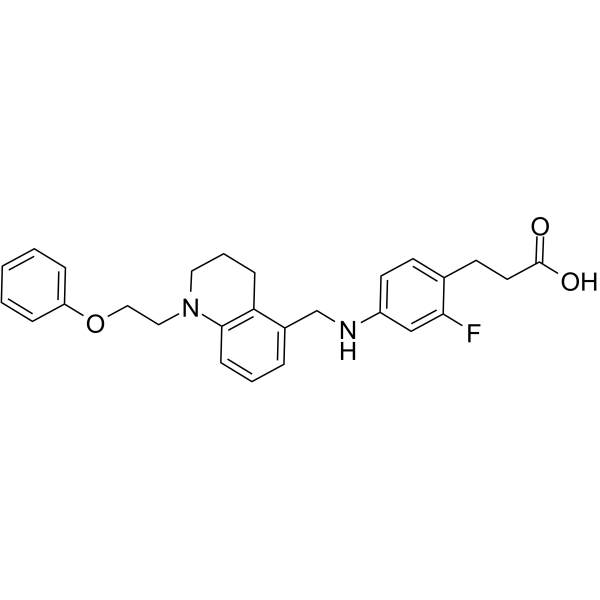
- HY-170548
-
|
|
Amylases
|
Metabolic Disease
|
|
α-Amylase-IN-10 (Compound 15n) is an inhibitor for α-Amylase with an IC50 of 5.00 µM. α-Amylase-IN-10 can be used for research of type 2 diabetes mellitus .
|
-

- HY-N3628
-
-
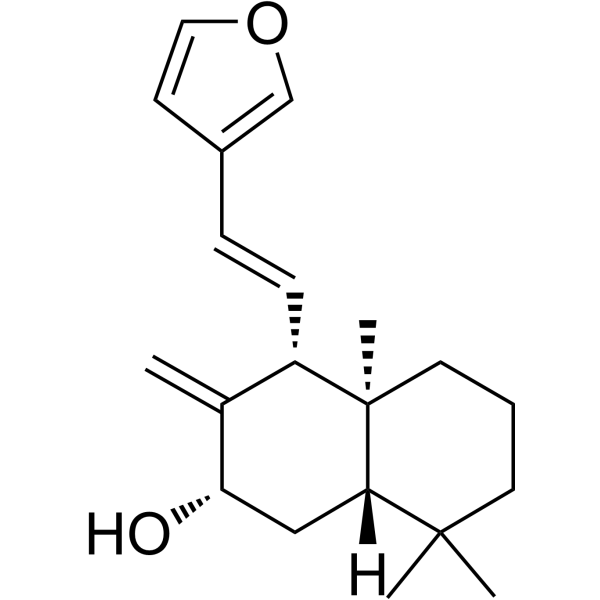
- HY-114191
-
|
|
Somatostatin Receptor
|
Metabolic Disease
Endocrinology
|
|
SSTR5 antagonist 2 (compound 10) is a highly potent, oral active and selective somatostatin (receptor) subtype 5 (SSTR5) antagonist and has potential for the research of treat type 2 diabetes mellitus (T2DM) .
|
-
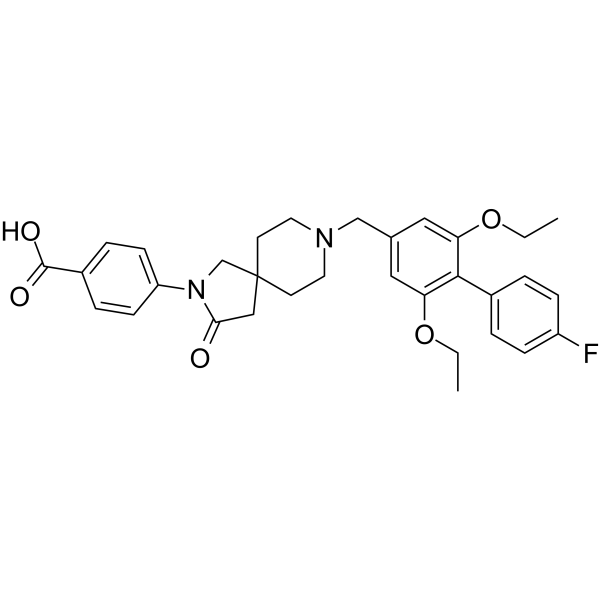
- HY-114191A
-
|
|
Somatostatin Receptor
|
Metabolic Disease
Endocrinology
|
|
SSTR5 Antagonist 1 (compound 10) is a highly potent, oral active and selective somatostatin (receptor) subtype 5 (SSTR5) antagonist and has potential for the research of treat type 2 diabetes mellitus (T2DM) .
|
-
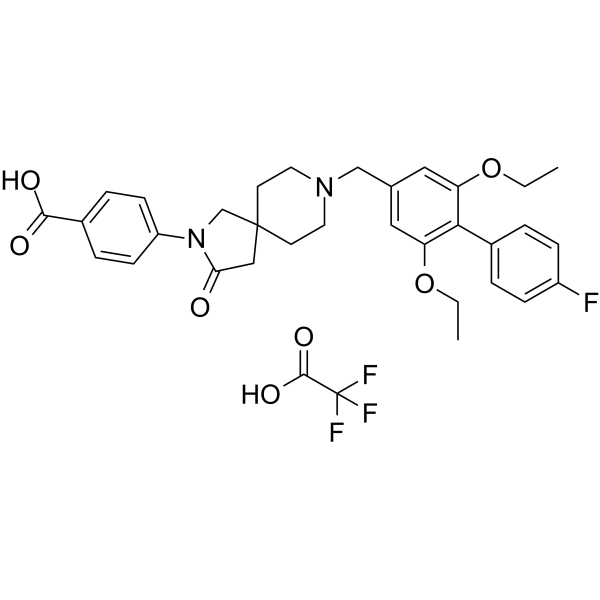
- HY-19904R
-
|
LY2409021 (Standard)
|
GCGR
Reference Standards
|
Metabolic Disease
|
|
Adomeglivant (Standard) is the analytical standard of Adomeglivant. This product is intended for research and analytical applications. Adomeglivant (LY2409021) is a potent, selective glucagon receptor (GluR) allosteric antagonist. Adomeglivant is widely used in the research for type 2 diabetes mellitus [2] .
|
-

- HY-147987
-
|
|
Free Fatty Acid Receptor
|
Metabolic Disease
|
|
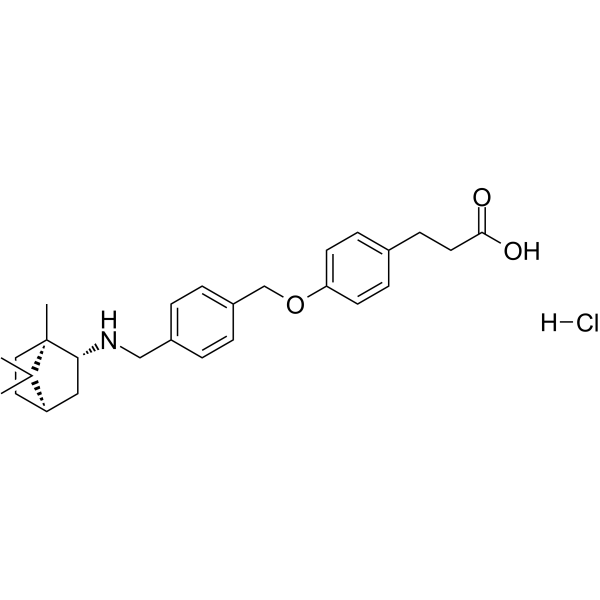
FFA1 agonist-1 (Compound 17a) is an orally active fatty acid receptor 1 (FFA1) agonist with an EC50 of 0.75 μM. FFA1 agonist-1 can be used for type 2 diabetes mellitus research .
|
-
- HY-163907
-
|
|
Glycosidase
|
Metabolic Disease
|
|
α-Glucosidase-IN-71 (Compound 7h) is a competitive α-glucosidase inhibitor (IC50: 98.0 µM). α-Glucosidase-IN-71 can be used for research of carbohydrate-related diseases, especially type 2 diabetes mellitus .
|
-

- HY-149332
-
|
|
Glycosidase
|
Metabolic Disease
|
|
α-Glucosidase-IN-26 (Compound 7i) is an α-glucosidase inhibitor (IC50=4.63 µM). α-Glucosidase-IN-26 can be used in the study of type 2 diabetes mellitus (T2DM) .
|
-
- HY-161421
-
|
|
Glycosidase
|
Metabolic Disease
|
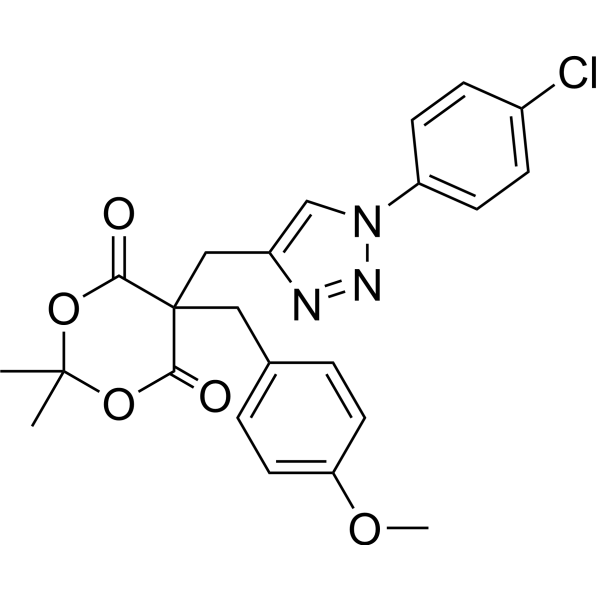
α-Glucosidase-IN-61 (Compd 1j), a competitive α-glucosidase inhibitor, demonstrates excellent inhibition with an IC50 of 0.73 μM. α-Glucosidase-IN-61 (Compd 1j) is used for the research of type 2 diabetes mellitus .
|
-
- HY-159696
-
|
|
GCGR
|
Metabolic Disease
|
|
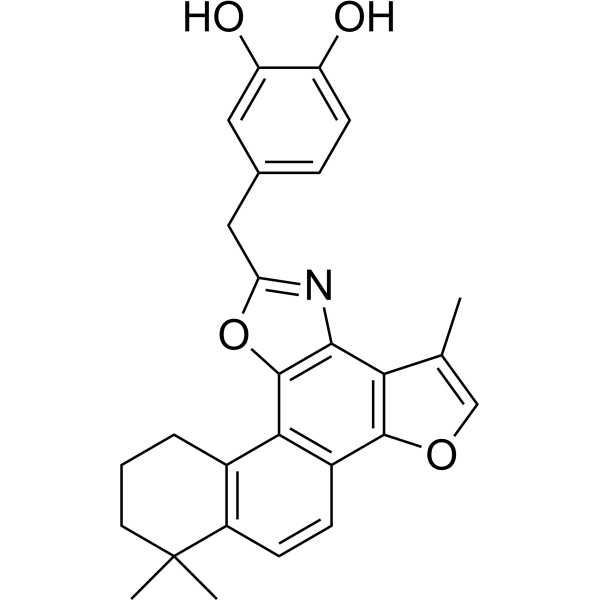
ISIS 449884 is a 2'-O-methoxyethyl antisense oligonucleotide that targets GCGR. ISIS 449884 has an ability to reduce hepatic glucose output and lower the blood glucose level. ISIS 449884 can be used for the study of type 2 diabetes mellitus (T2DM) .
|
-

- HY-159696A
-
|
|
GCGR
|
Metabolic Disease
|
|
ISIS 449884 sodium is a 2'-O-methoxyethyl antisense oligonucleotide that targets GCGR. ISIS 449884 sodium has an ability to reduce hepatic glucose output and lower the blood glucose level. ISIS 449884 sodium can be used for the study of type 2 diabetes mellitus (T2DM) .
|
-

- HY-168961
-
|
|
Amylases
Glycosidase
|
Metabolic Disease
|
|
α-Amylase/α-Glucosidase-IN-18 (Compound 9g) is the inhibitor for α-Amylase and α-Glucosidase with IC50 of 49.17 nM and 10.71 nM. α-Amylase/α-Glucosidase-IN-18 can be used in research of type 2 diabetes mellitus .
|
-

- HY-159694A
-
|
ISIS 404173 sodium
|
Phosphatase
|
Metabolic Disease
|
|
IONIS PTP1BRx (ISIS 404173) sodium is an antisense inhibitor of protein tyrosine phosphatase 1B (PTP-1B). IONIS PTP1BRx sodium shows antidiabetic activity, and can be used for the study of insulin resistance and type 2 diabetes mellitus associated with obesity .
|
-

- HY-176062
-
|
|
PPAR
|
Metabolic Disease
|
|
PPARγ modulator-3 (Compound 11) is a peroxisome proliferator-activated receptor γ (PPARγ) modulator with a KD value of 186 nM. PPARγ modulator-3 is promising for research of insulin resistance (IR)-related diseases, such as type 2 diabetes mellitus (T2DM) and metabolic syndrome .
|
-

- HY-15461S
-
|
PF-04971729-d5
|
SGLT
|
Metabolic Disease
|
|
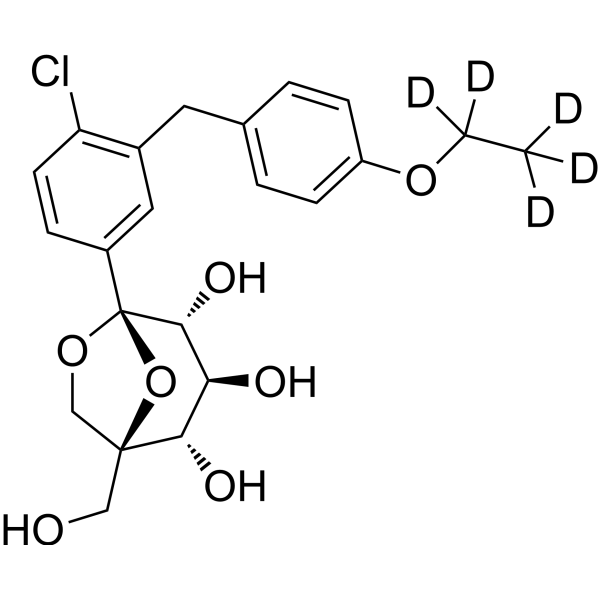
Ertugliflozin-d5 is the deuterium labeled Ertugliflozin . Ertugliflozin (PF-04971729) is a potent, selective and orally active inhibitor of the sodium-dependent glucose cotransporter 2 (SGLT2), with an IC50 of 0.877 nM for h-SGLT2 [2]. Has the potential for the treatment of type 2 diabetes mellitus .
|
-
- HY-170569
-
|
|
Dipeptidyl Peptidase
Cytochrome P450
P-glycoprotein
|
Metabolic Disease
|
|
Cetagliptin is an orally active inhibitor for dipeptidyl peptidase 4 (DPP-4) and CYP2D6 (IC50 of 6 µM). Cetagliptin is a substrate for P-glycoprotein. Cetagliptin reduces the GLP-1 degradation, maintains the level of postprandial blood sugar, and can be used in type 2 diabetes mellitus research .
|
-

- HY-15461S1
-
|
PF-04971729-d9
|
SGLT
Isotope-Labeled Compounds
|
Metabolic Disease
|
|
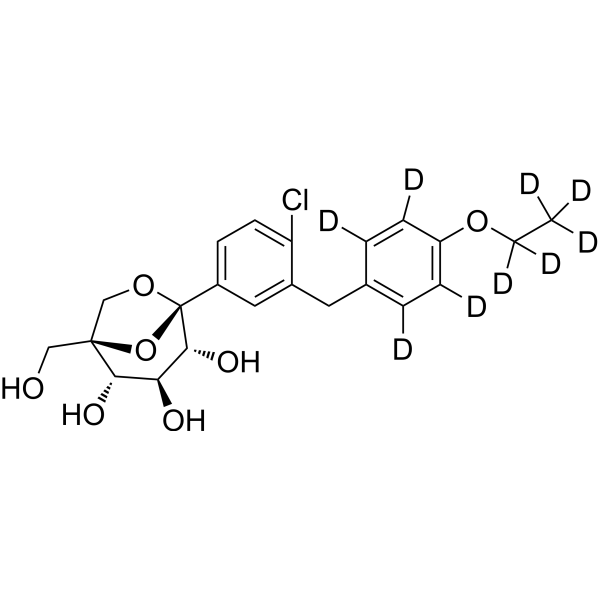
Ertugliflozin-d9 is deuterated labeled Ertugliflozin (HY-15461). Ertugliflozin (PF-04971729) is a potent, selective and orally active inhibitor of the sodium-dependent glucose cotransporter 2 (SGLT2), with an IC50 of 0.877 nM for h-SGLT2 . Has the potential for the treatment of type 2 diabetes mellitus [2].
|
-
- HY-10285AR
-
|
BMS-477118 hydrate (Standard)
|
Reference Standards
Dipeptidyl Peptidase
|
Metabolic Disease
|
|
Saxagliptin (hydrate) (Standard) is the analytical standard of Saxagliptin (hydrate). This product is intended for research and analytical applications. Saxagliptin hydrate (BMS-477118 hydrate) is a potent, selective, reversible, competitive and orally active dipeptidyl peptidase-4 (DPP-4) (Ki = 0.6-1.3 nM) inhibitor. Saxagliptin hydrate has the peotential for type 2 diabetes mellitus research [2] .
|
-

- HY-113015R
-
|
|
Endogenous Metabolite
Reference Standards
|
Neurological Disease
|
|
Saxagliptin (hydrochloride) (Standard) is the analytical standard of Saxagliptin (hydrochloride). This product is intended for research and analytical applications. Saxagliptin hydrochloride (BMS-477118 hydrochloride) is a potent, selective, reversible, competitive and orally active dipeptidyl peptidase-4 (DPP-4) (Ki = 0.6-1.3 nM) inhibitor. Saxagliptin hydrochloride has the peotential for type 2 diabetes mellitus research [2] .
|
-

- HY-16448R
-
|
BMS-477118 hydrochloride (Standard)
|
Reference Standards
Dipeptidyl Peptidase
|
Metabolic Disease
|
|
Saxagliptin (hydrochloride) (Standard) is the analytical standard of Saxagliptin (hydrochloride). This product is intended for research and analytical applications. Saxagliptin hydrochloride (BMS-477118 hydrochloride) is a potent, selective, reversible, competitive and orally active dipeptidyl peptidase-4 (DPP-4) (Ki = 0.6-1.3 nM) inhibitor. Saxagliptin hydrochloride has the peotential for type 2 diabetes mellitus research [2] .
|
-

- HY-15408R
-
|
SYR-472 (Standard)
|
Dipeptidyl Peptidase
Reference Standards
|
Metabolic Disease
|
|
Trelagliptin (Standard) is the analytical standard of Trelagliptin. This product is intended for research and analytical applications. Trelagliptin (SYR-472) is a potent, orally active and highly selective DPP-4 inhibitor with an IC50 of 4 nM. Trelagliptin succinate improves glycemic control in vivo and can be used for the study of type 2 diabetes mellitus (T2DM) .
|
-

- HY-10285R
-
|
BMS-477118 (Standard)
|
Reference Standards
Dipeptidyl Peptidase
|
Metabolic Disease
|
|
Saxagliptin (Standard) is the analytical standard of Saxagliptin. This product is intended for research and analytical applications. Saxagliptin (BMS-477118) is a potent, selective, reversible, competitive and orally active dipeptidyl peptidase-4 (DPP-4) (Ki = 0.6-1.3 nM) inhibitor. Saxagliptin has the peotential for type 2 diabetes mellitus research [2] .
|
-

- HY-15408AR
-
|
SYR-472 succinate (Standard)
|
Reference Standards
Dipeptidyl Peptidase
|
Metabolic Disease
|
|
Trelagliptin (succinate) (Standard) is the analytical standard of Trelagliptin (succinate). This product is intended for research and analytical applications. Trelagliptin (SYR-472) succinate is a potent, orally active and highly selective DPP-4 inhibitor with an IC50 of 4 nM. Trelagliptin succinate improves glycemic control in vivo and can be used for the study of type 2 diabetes mellitus (T2DM) .
|
-

- HY-107529
-
|
|
GSK-3
|
Neurological Disease
Metabolic Disease
|
|
TC-G 24 (Compound 24) is a potent, selective glycogen synthase kinase-3β (GSK-3β) inhibitor with an IC50 of 17.1 nM. TC-G 24 can cross the BBB and can be used for studying many diseases such as type 2 diabetes mellitus, stroke, Alzheimer, and other related diseases .
|
-
- HY-158037
-
|
|
Glycosidase
|
Metabolic Disease
|
|
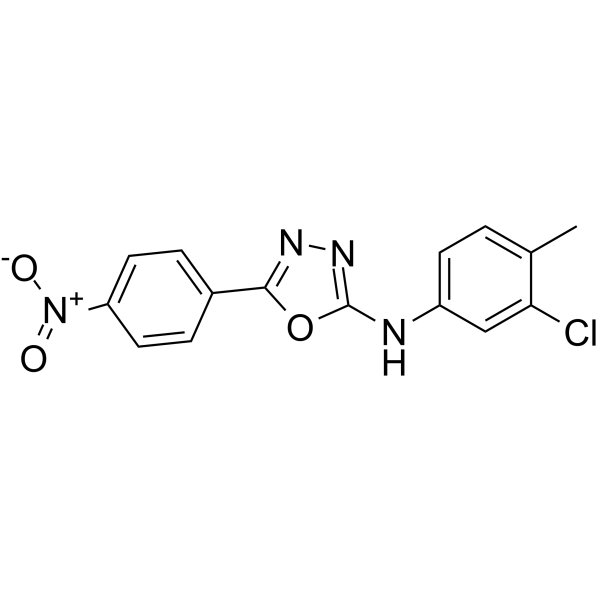
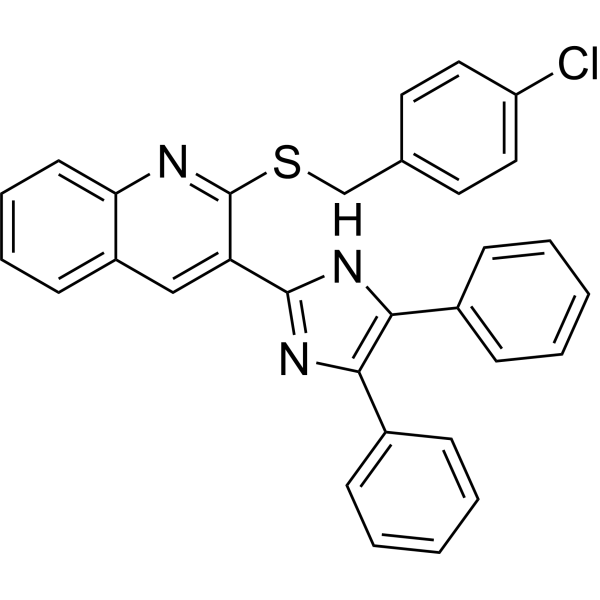
α-Glucosidase-IN-55 (Compound 8g) is an orally active and competitive alpha-glucosidase inhibitor, with IC50 and Ki values of 12.1 and 9.66 µM, respectively. α-Glucosidase-IN-55 can be used for the research into type 2 diabetes mellitus (T2DM) to improve blood sugar control and metabolic health .
|
-
- HY-12066R
-
|
|
GPR119
|
Metabolic Disease
Inflammation/Immunology
|
|
GSK1292263 (Standard) is the analytical standard of GSK1292263. This product is intended for research and analytical applications. GSK-1292263 is an orally available GPR119 agonist with pEC50s of 6.9 and 6.7 for human and rat GPR119, respectively. GSK-1292263 can be used for the research of type 2 diabetes mellitus (T2DM) .
|
-

- HY-10285S2
-
|
BMS-477118-13C2
|
Isotope-Labeled Compounds
Dipeptidyl Peptidase
|
Metabolic Disease
|
|
Saxagliptin- 13C2 (BMS-477118- 13C2) is 13C labeled Saxagliptin. Saxagliptin (BMS-477118) is a potent, selective, reversible, competitive and orally active dipeptidyl peptidase-4 (DPP-4) (Ki = 0.6-1.3 nM) inhibitor. Saxagliptin has the peotential for type 2 diabetes mellitus research [2] .
|
-

- HY-147503
-
|
|
Apoptosis
|
Cardiovascular Disease
|
|
Vin-F03 is a potent pancreatic β-cells protective agent with an EC50 of 0.27 μM. Vin-F03 effectively promotes β-cell survival and protects β-cells from STZ (HY-13753)-induced apoptosis. Vin-F03 can be used for type 2 diabetes mellitus research .
|
-
- HY-147502
-
|
|
Apoptosis
|
Cardiovascular Disease
|
|
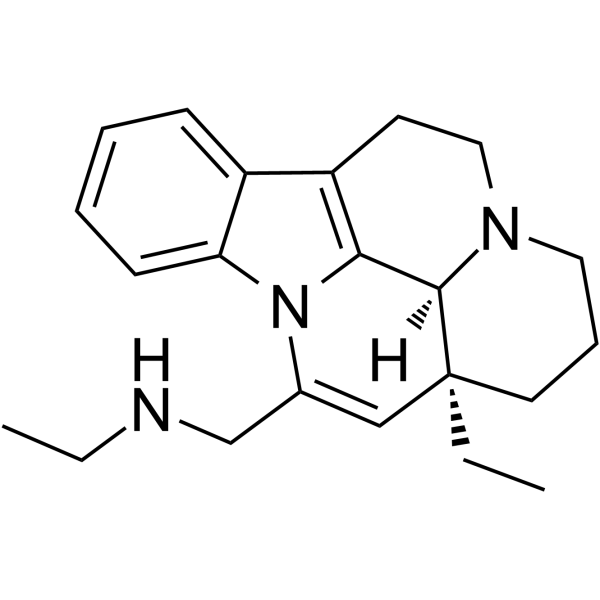
Vin-C01 is a potent pancreatic β-cells protective agent with an EC50 of 0.22 μM. Vin-C01 effectively promotes β-cell survival and protects β-cells from STZ (HY-13753)-induced apoptosis. Vin-C01 can be used for type 2 diabetes mellitus research .
|
-
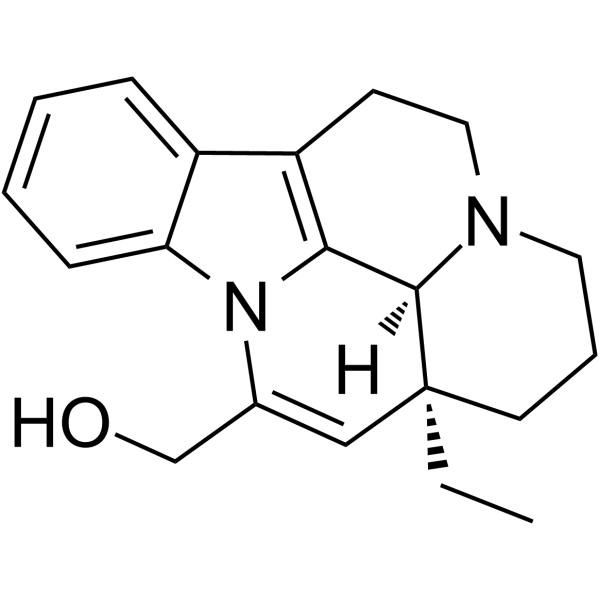
- HY-117103A
-
|
INT131 benzenesulfonate
|
PPAR
|
Metabolic Disease
|
|
AMG131 (INT131) (benzenesulfonate) is a potent non-thiazolidinedione (TZD) selective peroxisome proliferator-activated receptor γ modulator (SPPARM). AMG131 (benzenesulfonate) binds to PPARγ within the same binding pocket as the TZDs, but occupies a unique space in the pocket and contacts the receptor at distinct points from the TZDs. AMG131 (benzenesulfonate) is promising for research of type-2 diabetes mellitus [2] .
|
-

- HY-173503
-
|
|
GLUT
|
Metabolic Disease
|
|
DS-1150b is an orally active GLUT4 activator. DS-1150b has the activity of activating GLUT4 transport and can promote the translocation of GLUT4 to the cell membrane in skeletal muscle cells. DS-1150b has shown hypoglycemic effects in the Zucker obese rat model and can be used in the study of type 2 diabetes mellitus (T2DM) .
|
-

- HY-172757
-
|
|
Glycosidase
|
Metabolic Disease
|
|
α-Glucosidase-IN-88 (Compound 3K) is an orally active and potent α-glucosidase inhibitor with an IC50 value of 6.40 µM. α-Glucosidase-IN-88 inhibits carbohydrate hydrolysis by blocking the enzyme's ability to break down glycosidic bonds, thereby reducing postprandial blood glucose levels. α-Glucosidase-IN-88 is promising for research of type 2 diabetes mellitus (T2DM) .
|
-

- HY-106181R
-
|
R-106056 (Standard)
|
Reference Standards
PPAR
|
Metabolic Disease
|
|
Rivoglitazone (Standard) is the analytical standard of Rivoglitazone (HY-106181). This product is intended for research and analytical applications. Rivoglitazone is a thiazolidinedione-derivative PPARγ agonist for the research of type 2 diabetes mellitus.
|
-

- HY-10286R
-
|
PHX-1149 free base (Standard)
|
Reference Standards
Dipeptidyl Peptidase
|
Metabolic Disease
|
|
Dutogliptin (Standard) is the analytical standard of Dutogliptin (HY-10286). This product is intended for research and analytical applications. Dutogliptin (PHX-1149 free base) is an orally available, potent, and selective dipeptidyl peptidase-4 (DPP4) inhibitor for the treatment of type 2 diabetes mellitus.
|
-

- HY-178138
-
|
|
Glycosidase
|
Metabolic Disease
|
|
α-Glucosidase-IN-97 (Compound 9i) is a highly selective α-glucosidase inhibitor (IC50=1.05 μM). α-Glucosidase-IN-97 is promising for research of type 2 diabetes mellitus (T2DM) .
|
-

- HY-P992007
-
|
RN909
|
GCGR
|
Metabolic Disease
|
|
PF-06293620 (RN909) is a monoclonal antibody antagonist of the glucagon receptor. PF-06293620 produces dose-dependent, durable lowering of fasting plasma glucose and reduces HbA1c levels. PF-06293620 can be used for the research of type 2 diabetes mellitus .
|
-

- HY-124661
-
|
|
Sodium Channel
|
Metabolic Disease
|
|
PF-06678419 is a sodium-coupled citrate transporter and sodium-dependent dicarboxylate transporter inhibitor. PF-06678419 inhibits citrate uptake by interacting with residues near and outside NaCT’s citrate binding site. PF-06678419 can be used for the research of type 2 diabetes mellitus [2].
|
-

- HY-P11736
-
|
|
NF-κB
|
Metabolic Disease
|
|
mcIRBP-9 is an orally active NF-κB inhibitor. mcIRBP-9 reduces the levels of TNF-α, IL-1β and TGF-β1 in renal tissues, and decreases LPS-induced IL-1β production. mcIRBP-9 can be used in research related to diabetic nephropathy and type 2 diabetes mellitus .
|
-

- HY-N8250
-
|
|
Topoisomerase
PEPCK
|
Metabolic Disease
|
|
cis-THSG is a selective and orally active DNA topoisomerase II inhibitor with no activity against DNA topoisomerase I. cis-THSG suppresses transcription of PEPCK. cis-THSG reduces blood glucose levels, ameliorates glucose intolerance, and alleviates insulin resistance in high fat diet-induced diabetic male CF-1 mice. cis-THSG can be used for the research of type 2 diabetes mellitus [2].
|
-

- HY-178734
-
|
|
SGLT
|
Metabolic Disease
|
|
Janagliflozin is orally active and highly selective sodium-glucose cotransporter 2 (SGLT2) inhibitor (IC50=0.0058 μM for SGLT2 and 4.802 μM for SGLT1). Janagliflozin inhibits SGLT2 in the proximal renal tubules, reducing glucose reabsorption and promoting urinary glucose excretion (UGE) to lower blood glucose levels. Janagliflozin is promising for research of type 2 diabetes mellitus [2].
|
-

- HY-P11584
-
|
|
Amylin Receptor
CGRP Receptor
|
Metabolic Disease
|
|
KBP-066A is a long-acting dual amylin and calcitonin receptor agonist. KBP-066A can activate the CTR and AMY-R potently, with no off-target activity. KBP-066A reduces fasting blood glucose levels, fasting insulin levels, and body weight in diabetic rat models. KBP-066A can be used for the research of type 2 diabetes mellitus, obesity .
|
-

- HY-150701
-
|
|
Glucocorticoid Receptor
Mineralocorticoid Receptor
11β-HSD
|
Metabolic Disease
|
|
INCB13739 is an orally active, potent, selective and tissue-specific11β-HSD1 (11β-hydroxysteroid dehydrogenase 1) inhibitor, with IC50 values of 3.2 nM (11β-HSD1 enzymatic) and 1.1 nM (11β-HSD1 PBMC), respectively. INCB13739 can be used for type 2 diabetes mellitus (T2DM) and obesity research .
|
-
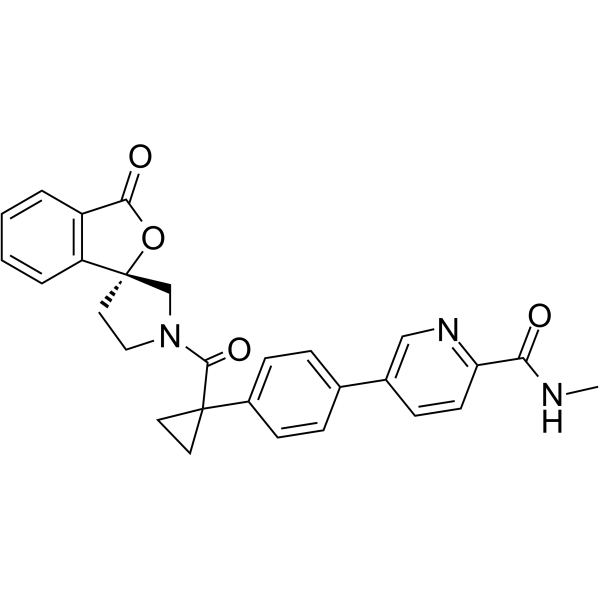
- HY-10285S
-
|
BMS-477118-15N,d2 Hydrochloride
|
Isotope-Labeled Compounds
Dipeptidyl Peptidase
|
Metabolic Disease
|
|
Saxagliptin-15N,d2 Hydrochloride (BMS-477118-15N,d2 Hydrochloride) is the 15N and deuterium labeled isotope of Saxagliptin (HY-10285). Saxagliptin (BMS-477118) is a potent, selective, reversible, competitive and orally active dipeptidyl peptidase-4 (DPP-4) (Ki = 0.6-1.3 nM) inhibitor. Saxagliptin has the peotential for type 2 diabetes mellitus research [2] .
|
-

- HY-B1021
-
|
|
Free Fatty Acid Receptor
|
Cardiovascular Disease
Metabolic Disease
|
|
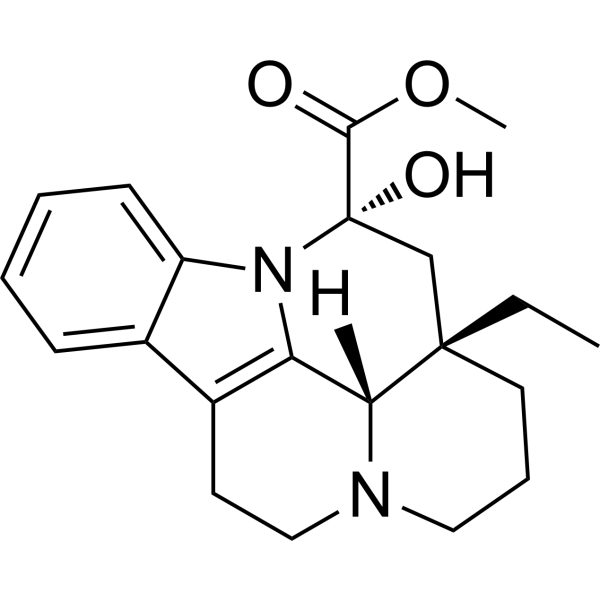
Vincamine is a monoterpenoid indole alkaloid extracted from the Madagascar periwinkle. Vincamine is a peripheral vasodilator and exerts a selective vasoregulator action on the brain microcapilar circulation . Vincamine is a GPR40 agonist and acts as a β-cell protector by ameliorating β-cell dysfunction and promoting glucose-stimulated insulin secretion (GSIS). Vincamine improves glucose homeostasis in vivo, and has the potential for the type 2 diabetes mellitus (T2DM) research [2].
|
-
- HY-164027
-
|
|
E1/E2/E3 Enzyme
|
Metabolic Disease
Cancer
|
|
MyoMed 205 is an orally active muscle ring finger protein 1 (MuRF1) inhibitor. MyoMed-205 reduces ubiquitination and subsequent proteasomal degradation of muscle proteins by inhibiting MuRF1 activity. MyoMed 205 augments muscle performance, attenuates muscle weight loss and alleviates disease-induced weight loss. MyoMed 205 can be used for the research of cancer cachexia, type 2 diabetes mellitus, and heart failure with preserved ejection fraction [2] .
|
-

- HY-111372R
-
|
BAY 94-8862 (Standard)
|
Reference Standards
Mineralocorticoid Receptor
|
Cardiovascular Disease
|
|
Finerenone (Standard) is the analytical standard of Finerenone. This product is intended for research and analytical applications. Finerenone (BAY 94-8862) is a third-generation, selective, and orally available nonsteroidal mineralocorticoid receptor (MR) antagonist (IC50=18 nM). Finerenone displays excellent selectivity versus glucocorticoid receptor (GR), androgen receptor (AR), and progesterone receptor (>500-fold). Finerenone has the potential for cardiorenal diseases research, such as type 2 diabetes mellitus and chronic kidney disease [2].
|
-

- HY-111372S
-
|
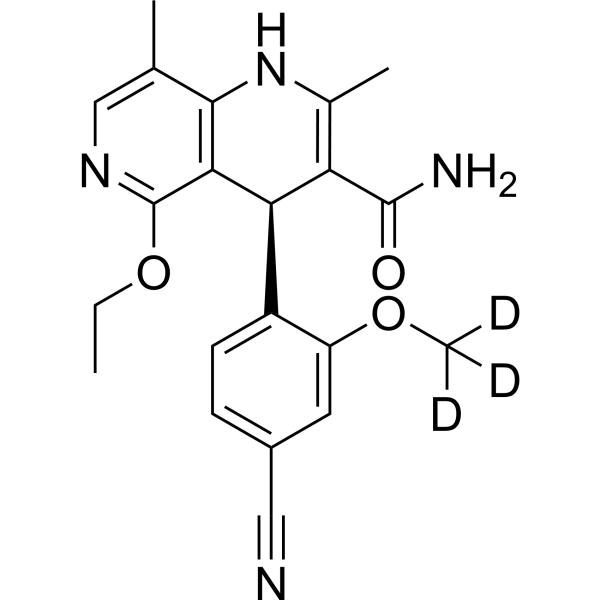
BAY 94-8862-d3
|
Mineralocorticoid Receptor
|
Others
|
|
Finerenone-d3 is the deuterium labeled finerenone (HY-111372). Finerenone is a third-generation, selective, and orally available nonsteroidal mineralocorticoid receptor (MR) antagonist (IC50=18 nM). Finerenone displays excellent selectivity versus glucocorticoid receptor (GR), androgen receptor (AR), and progesterone receptor (>500-fold). Finerenone has the potential for cardiorenal diseases research, such as type 2 diabetes mellitus and chronic kidney disease [2].
|
-
- HY-182580
-
|
|
GPR119
Dipeptidyl Peptidase
|
Metabolic Disease
Inflammation/Immunology
|
|
HBK001 is an orally active and selective dual GPR119 agonist and DPP-IV inhibitor. HBK001 triggers cAMP production, PKA activation, CREB phosphorylation, glucose-stimulated insulin secretion, plasma incretin elevation, β-cell proliferation, and β-cell function gene up-regulation. HBK001 reduces blood glucose, ameliorates hyperglycemia, improves glucose tolerance, and enhances islet morphology. HBK001 can be used for the research of type 2 diabetes mellitus [2].
|
-

- HY-168481
-
|
|
GLP Receptor
|
Metabolic Disease
|
|
GLP-1R agonist 27 (compound 21) is a potent and orally active GLP-1R agonist. GLP-1R agonist 27 promots cyclic adenosine monophosphate (cAMP) accumulation. GLP-1R agonist 27 reduces blood glucose levels and food intake. GLP-1R agonist 27 has the potential for the research of obesity and type 2 diabetes mellitus (T2DM) .
|
-

- HY-119222
-
|
|
GPR109A
|
Metabolic Disease
|
|
GSK256073 is a potent, selective and orally active GPR109A agonist and a long-lasting and non-flushing HCA2 full agonist with a pEC50 of 7.5 (human HCA2). GSK256073 acutely improves glucose homeostasis via inhibition of lipolysis and has the potential for the study of type 2 diabetes mellitus (T2DM)and dyslipidemia [2]. GPR109A: G-protein coupled receptor 109A; HCA2: hydroxy-carboxylic acid receptor 2
|
-
- HY-W741755S1
-
|
|
Isotope-Labeled Compounds
Dipeptidyl Peptidase
|
Metabolic Disease
|
|
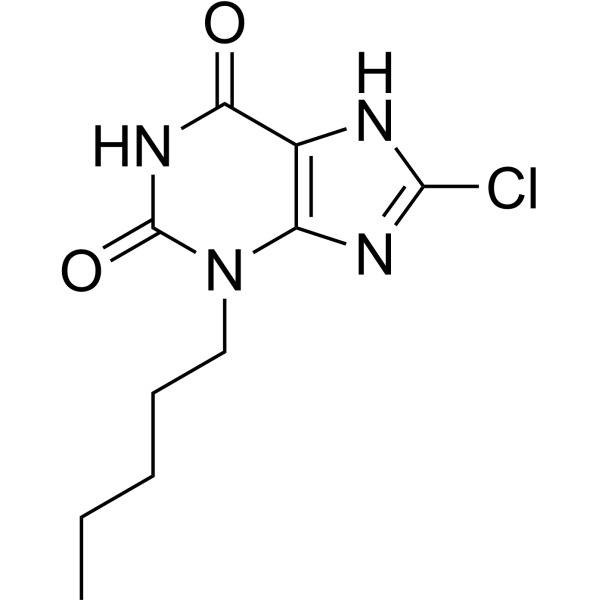
5-Hydroxy saxagliptin- 13C,d2-2 hydrochloride is the 13C- and deuterium labeled 5-Hydroxy saxagliptin hydrochloride. 5-Hydroxy saxagliptin hydrochloride is an active metabolite of Saxagliptin (HY-10285) and a potent and selective DPP-4 inhibitor. 5-Hydroxy saxagliptin hydrochloride has Ki values of 2.6 nM and 2.9 nM for humans and cynomolgus monkeys, respectively. 5-Hydroxy saxagliptin hydrochloride can be used in the research of type 2 diabetes mellitus .
|
-

- HY-111372S1
-
|
BAY 94-8862-d5
|
Isotope-Labeled Compounds
Mineralocorticoid Receptor
|
Cardiovascular Disease
|
|
Finerenone-d5 (BAY 94-8862-d5) is deuterium labeled Finerenone. Finerenone (BAY 94-8862) is a third-generation, selective, and orally available nonsteroidal mineralocorticoid receptor (MR) antagonist (IC50=18 nM). Finerenone displays excellent selectivity versus glucocorticoid receptor (GR), androgen receptor (AR), and progesterone receptor (>500-fold). Finerenone has the potential for cardiorenal diseases research, such as type 2 diabetes mellitus and chronic kidney disease [2].
|
-

- HY-119222A
-
|
|
GPR109A
|
Metabolic Disease
|
|
GSK256073 tris is a potent, selective and orally active GPR109A agonist and a long-lasting and non-flushing HCA2 full agonist with a pEC50 of 7.5 (human HCA2). GSK256073 tris acutely improves glucose homeostasis via inhibition of lipolysis and has the potential for the study of type 2 diabetes mellitus (T2DM)and dyslipidemia [2]. GPR109A: G-protein coupled receptor 109A; HCA2: hydroxy-carboxylic acid receptor 2
|
-

- HY-108020
-
|
|
Free Fatty Acid Receptor
|
Endocrinology
|
|
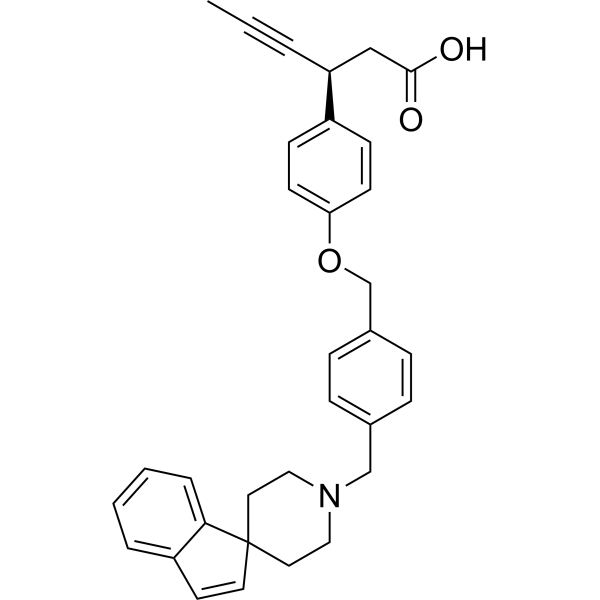
LY2881835 is a potent and selective agonist of G protein-coupled receptor 40 (GPR40). LY2881835 has efficacious and durable dose-dependent reductions in glucose levels along with significant increases in insulin and GLP-1 secretion. LY2881835 has the potential for the research of type 2 diabetes mellitus . LY2881835 is a click chemistry reagent, it contains an Alkyne group and can undergo copper-catalyzed azide-alkyne cycloaddition (CuAAc) with molecules containing Azide groups.
|
-
- HY-14806S2
-
-

- HY-P99646
-
|
MEDI6570
|
LOX-1
|
Metabolic Disease
Inflammation/Immunology
|
|
Gocdacimab (MEDI6570) is a fully human IgG1 monoclonal antibody inhibitor targeting the lectin-like oxidized low-density lipoprotein receptor LOX-1. By binding to LOX-1 and blocking its function, gocdacimab effectively reduces the level of free soluble LOX-1, thereby inhibiting key pathological processes such as lipid accumulation, foam cell formation, and vascular wall inflammation. Gocdacimab can interfere with atherosclerosis-related mechanisms, and it is used for research on atherosclerosis, and type 2 diabetes mellitus [2].
|
-

- HY-182454
-
|
|
GPR119
|
Metabolic Disease
|
|
GPR119 agonist 4 is a GPR119 agonist and oral glucose-lowering agent with a human GPR119 EC50 of 42 nM.GPR119 agonist 4 activates GPR119.GPR119 agonist 4 reduces blood glucose area under the curve in an oral glucose tolerance test.GPR119 agonist 4 exhibits improved clearance in liver microsomes.GPR119 agonist 4 can be used for the research of type 2 diabetes mellitus .
|
-

- HY-179602
-
|
|
PROTACs
11β-HSD
|
Metabolic Disease
|
|
PROTAC 11β-HSD1 Degrader 1 is a highly efficient PROTAC targeting 11β-HSD1 (Hydroxysteroid 11-beta dehydrogenase 1). PROTAC 11β-HSD1 Degrader 1 demonstrates ubiquitin-proteasome-dependent degradation of 11β-HSD1. PROTAC 11β-HSD1 Degrader 1 can be used for the study of type 2 diabetes mellitus (T2DM) .
|
-

- HY-149579
-
|
|
Glycosidase
|
Metabolic Disease
|
|
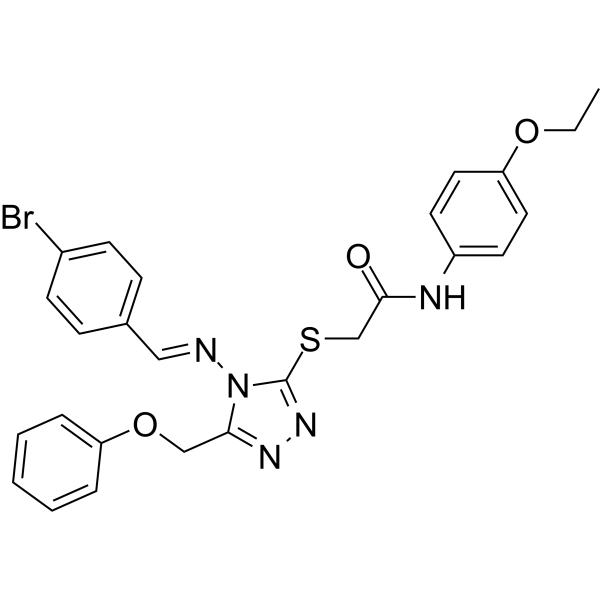
α-Glucosidase-IN-36 (compound 5g) is a potent α-glucosidase inhibitor, with an IC50 of 6.69 ± 0.18 μM, Ki and Kis of 1.65 μM and 4.54 μM, respectively. α-Glucosidase-IN-36 may inhibit α-glucosidase activity by binding with its active site as well as changing the secondary structure of α-glucosidase. α-Glucosidase-IN-36 can be used for type 2 diabetes mellitus (T2DM) research .
|
-
- HY-B1021R
-
|
|
Reference Standards
Free Fatty Acid Receptor
|
Cardiovascular Disease
Metabolic Disease
|
|
Vincamine (Standard) is the analytical standard of Vincamine. This product is intended for research and analytical applications. Vincamine is a monoterpenoid indole alkaloid extracted from the Madagascar periwinkle. Vincamine is a peripheral vasodilator and exerts a selective vasoregulator action on the brain microcapilar circulation . Vincamine is a GPR40 agonist and acts as a β-cell protector by ameliorating β-cell dysfunction and promoting glucose-stimulated insulin secretion (GSIS). Vincamine improves glucose homeostasis in vivo, and has the potential for the type 2 diabetes mellitus (T2DM) research [2].
|
-

- HY-17604
-
|
EGT1442; EGT0001442; THR-1442
|
SGLT
|
Cardiovascular Disease
Metabolic Disease
|
|
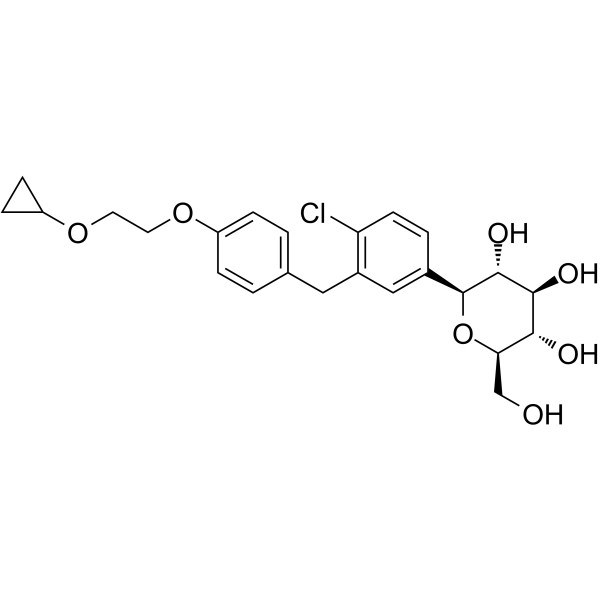
Bexagliflozin (EGT1442) is an orally active and selective SGLT2 inhibitor with IC50 values of 0.002 μM and 5.6 μM for SGLT2 and SGLT1, respectively. Bexagliflozin selectively inhibits SGLT2-mediated sodium-dependent glucose uptake. Bexagliflozin induces saturable urinary glucose excretion in normal rats and dogs. Bexagliflozin reduces blood glucose and HbA1c levels in db/db mice without affecting body mass or insulin level. Bexagliflozin can be used for the research of type 2 diabetes mellitus, hypertensive stroke .
|
-
- HY-163996
-
|
|
GLP Receptor
Potassium Channel
Cytochrome P450
|
Metabolic Disease
|
|
DD202-114 is a potent and selective GLP1R agonist. DD202-114 inhibits hERG with an IC50 of 15.9 μM. DD202-114 exhibits strong CYP2C8 inhibition with an IC50 of 0.22 μM. DD202-114 promotes cAMP accumulation. DD202-114 reduces blood glucose levels and food intake. DD202-114 has the potential to be used in the study of type 2 diabetes mellitus (T2DM) and obesity [2].
|
-

- HY-N0500
-
|
|
Glycosidase
Autophagy
|
Metabolic Disease
Endocrinology
|
|
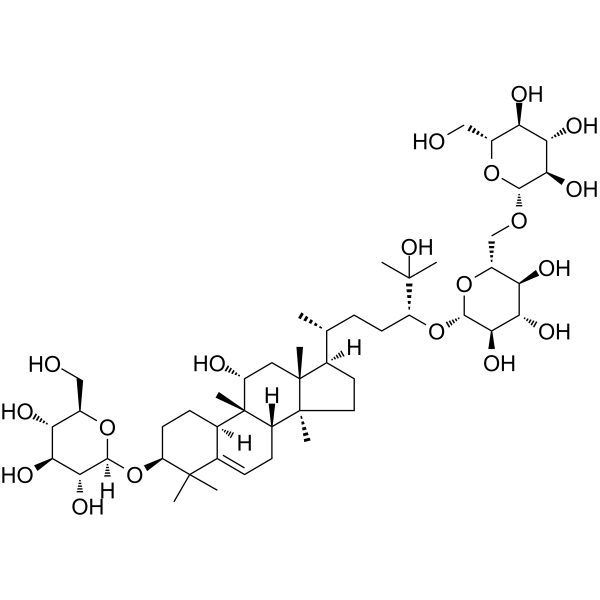
Mogroside III is a triterpenoid glycoside. Mogroside III exhibits maltase inhibitory effect with an IC50 value of 1.6 mM. Mogroside III enhances oocyte developmental potential by promoting autophagy in cumulus cells. Mogroside III, as the active ingredient of the low-polarity glycoside component (L-SGgly), L-SGgly can increase serum GLP-1 levels, improve insulin resistance, and reduce IL-6 levels, and has hypoglycemic, lipid-regulating and anti-inflammatory effects. Mogroside III can be used for the studies of type 2 diabetes mellitus (T2DM) and assisted reproductive technology [2] .
|
-
- HY-178383
-
|
|
Glycosidase
|
Metabolic Disease
|
|
α-Glucosidase-IN-98 is a potent orally active α-Glucosidase inhibitor with an IC50 of 18.1 μM. α-Glucosidase-IN-98 reversibly binds with α-Glucosidase via hydrogen bonds, electrostatic interactions and hydrophobic effects, which induces significant conformational alterations in the secondary structure of α-Glucosidase. α-Glucosidase-IN-98 decreases postprandial hyperglycemia in Starch (HY-B2225B)/Sucrose (HY-B1779)-challenged mice. α-Glucosidase-IN-98 can be used for type 2 diabetes mellitus (T2DM) research .
|
-

- HY-106539
-
|
|
FXR
G protein-coupled Bile Acid Receptor 1
GLP Receptor
|
Metabolic Disease
Cancer
|
|
Colesevelam hydrochloride is an orally active bile acid sequestrant, lipid-lowering agent, and glycemic control agent. Colesevelam hydrochloride binds bile acids in the gastrointestinal tract to form nonabsorbable complexes, interrupts enterohepatic recirculation and increases fecal bile acid elimination. Colesevelam hydrochloride modulates FXR, TGR5, and Cyp7a1 activity and triggers cAMP signaling and GLP-1 release. Colesevelam hydrochloride alters hepatic lipid and glucose metabolism, suppresses hepatic glycogenolysis, reduces hepatic triglyceride and cholesterol levels, and increases LDL-C (low-density lipoprotein cholesterol) clearance. Colesevelam hydrochloride can be used for the research of type 2 diabetes mellitus, hypercholesterolemia, and alcohol-related liver disease [2] .
|
-

- HY-175590
-
|
|
Dipeptidyl Peptidase
|
Metabolic Disease
|
|
DPP-4-IN-17 is an orally active and selective dipeptidyl peptidase-4 (DPP-4) inhibitor with an IC50 value of 0.12 nM. DPP-4-IN-17 increases the enzyme's Km value (75.73 μM vs. 27.18 μM of substrate alone) and reduces catalytic efficiency. DPP-4-IN-17 reduces blood glucose levels and reverses weight loss in Streptozotocin (STZ) (HY-13753)/Nicotinamide (NA) (HY-B0150)-induced diabetic rats. DPP-4-IN-17 can be used for the study of type 2 diabetes mellitus (T2DM) .
|
-

- HY-155156
-
|
|
Endogenous Metabolite
|
Cardiovascular Disease
|
|
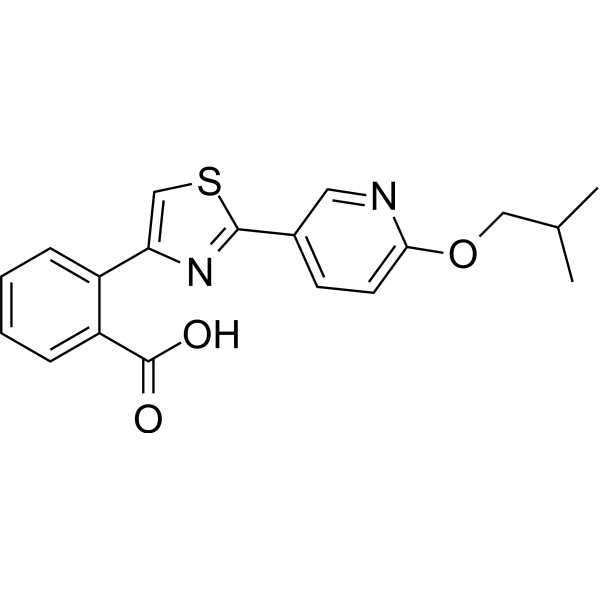
PF-07238025 is a BCKDC kinase (BDK) inhibitor (EC50=19 nM). PF-07238025 stabilizes the interaction between BDK and BCKDH core subunit E2 and prevents phosphorylation of E1. While BDK mediates branched-chain ketoacid dehydrogenase (BCKDH) phosphorylation, and inhibition of BCKDH is involved in controlling the rate-limiting step of branched-chain amino acid (BCAA) degradation. Impaired BCAA catabolism has been associated with several diseases, particularly cardiometabolic diseases, including heart failure (HF), type 2 diabetes mellitus (T2DM), non-alcoholic fatty liver disease (NAFLD), and obesity. PF-07238025 improved cardiometabolic endpoints and improves glucose tolerance in mice .
|
-
- HY-155157
-
|
|
Endogenous Metabolite
|
Cardiovascular Disease
|
|
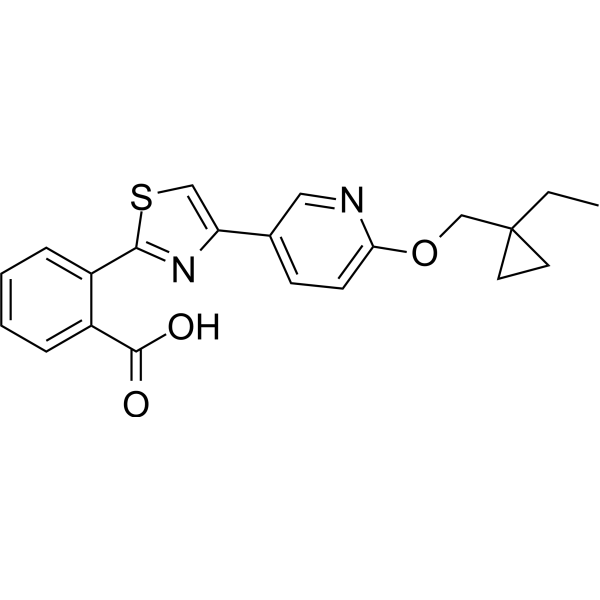
PF-07247685 is a BCKDC kinase (BDK) inhibitor (EC50=2.2 nM). PF-07247685 stabilizes the interaction between BDK and BCKDH core subunit E2 and prevents phosphorylation of E1. While BDK mediates branched-chain ketoacid dehydrogenase (BCKDH) phosphorylation, and inhibition of BCKDH is involved in controlling the rate-limiting step of branched-chain amino acid (BCAA) degradation. Impaired BCAA catabolism has been associated with several diseases, particularly cardiometabolic diseases, including heart failure (HF), type 2 diabetes mellitus (T2DM), non-alcoholic fatty liver disease (NAFLD), and obesity. PF-07247685 improved cardiometabolic endpoints and improves glucose tolerance in mice .
|
-
- HY-123765
-
|
|
Acyltransferase
|
Metabolic Disease
|
|
JTT-553 is a DGAT1 inhibitor (IC50: 2.38 nM). JTT-553 reduces plasma concentrations of glucose, insulin, non-esterified fatty acids (NEFA), total cholesterol (TC), and hepatic triglycerides (TG). JTT-553 improves insulin-dependent glucose uptake and glucose intolerance in adipose tissue of DIO mice. JTT-553 reduces TNF-α mRNA levels and increases GLUT4 mRNA levels in adipose tissue of KK-Ay mice. JTT-553 improves adipose tissue insulin resistance and systemic glucose metabolism by reducing body weight. JTT-553 can be used in the study of obesity and type 2 diabetes mellitus (T2DM) [2].
|
-

- HY-168185
-
|
|
Glycosidase
Phosphatase
Amylases
|
Metabolic Disease
|
|
α-glucosidase/PTP1B-IN-1 (compound 8a) is a potent α-glucosidase and PTP1B inhibitor with an IC50 value of 66.3 μM and 47.0 μM, respectively. α-glucosidase/PTP1B-IN-1 exhibits excellent activities against α-amylase with an IC50 of 30.62 μM. α-glucosidase/PTP1B-IN-1 can dock into the active pockets of α-glucosidase and PTP1B. α-glucosidase/PTP1B-IN-1 has potential to reduce the postprandial blood glucose and is used for Type 2 diabetes mellitus .
|
-

- HY-N0857
-
|
|
GLUT
HDAC
Virus Protease
PI3K
AMPK
Akt
Histone Demethylase
MDM-2/p53
IFNAR
Reactive Oxygen Species (ROS)
|
Infection
Metabolic Disease
Inflammation/Immunology
|
|
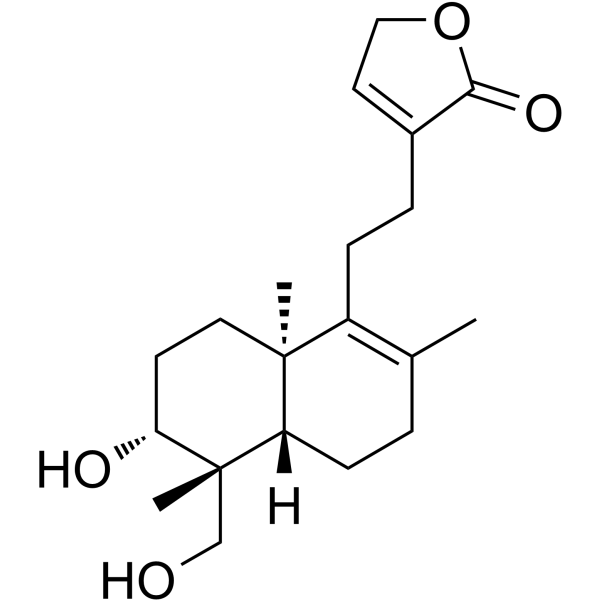
Deoxyandrographolide is an orally active lactone found in the Andrographis paniculata Nees. Deoxyandrographolide shows a KD of 38.4 μM of HDAC1. Deoxyandrographolide enhances GLUT4 plasma membrane translocation, activates PI3K and AMPK-dependent signaling pathways, suppresses fasting blood glucose, serum insulin, triglycerides, and LDL-cholesterol levels. Deoxyandrographolide enhances HDAC1 expression via inhibited ubiquitination degradation, represses H3K4me3, improves chromosome stability, and restrains aging biomarkers p16, p21, γH2A.X, p53 and ROS production. Deoxyandrographolide interacts with Foot-and-Mouth Disease Virus 3Cpro active site, inhibits protease and IFN-antagonist activity, derepresses ISG expression, and inhibits viral replication. Deoxyandrographolide can be used for the researches of type 2 diabetes mellitus, vascular senescence and virus infection .
|
-
- HY-P11043
-
|
|
GLP Receptor
Neuropeptide Y Receptor
Arrestin
|
Metabolic Disease
|
|
GEP44 is a peptide biased triple agonist targeting Glucagon-like peptide 1 receptor (GLP-1R), neuropeptide Y1 Receptor (Y1-R), and neuropeptide Y2 Receptor (Y2-R). GEP44 induces Y1-R antagonist-controlled, GLP-1R-dependent stimulation of insulin secretion in both rat and human pancreatic islets by counteracting effects of Y1-R and GLP-1R agonism. GEP44 promotes insulin-independent Y1-R-mediated glucose uptake in muscle tissue and significantly reduces food intake and body weight in diet-induced obese rat models. GEP44 can be used for obesity and type 2 diabetes mellitus research .
|
-

- HY-149255
-
|
|
Phosphatase
Aldose Reductase
|
Metabolic Disease
|
|
PTP1B/AKR1B1-IN-2 (Compound 7f) is a dual PTP1B/AKR1B1 inhibitor (IC50s: 3.2 and 2.1 μM, Kis: 4.0 and 0.9μM). PTP1B/AKR1B1-IN-2 is an insulin-mimetic agent. PTP1B/AKR1B1-IN-2 improves glucose uptake in murine C2C12 myoblasts. PTP1B/AKR1B1-IN-2 can be used for research of Type 2 diabetes mellitus (T2DM) .
|
-
- HY-178958
-
|
|
PPAR
Adenosine Receptor
Fatty Acid Synthase (FASN)
Endogenous Metabolite
|
Metabolic Disease
Inflammation/Immunology
Endocrinology
|
|
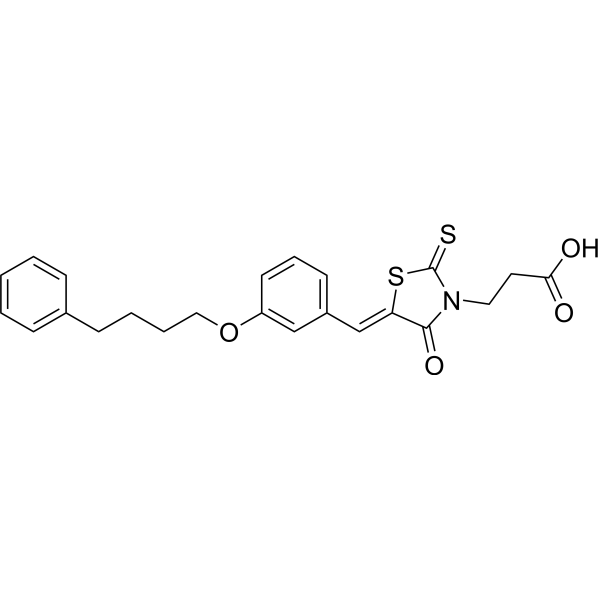
PPAR agonist 7 is an orally active pan-PPAR agonist, demonstrating potent activation of all three subtypes, PPARα (EC50 = 1.51 μM), PPARδ (EC50 = 1.11 μM), and PPARγ (EC50 = 3.14 μM). PPAR agonist 7 significantly enhances glucose uptake in adipocytes while exhibiting minimal adipogenic activity. PPAR agonist 7 can suppress PPARγ Ser273 phosphorylation in white adipose tissue and upregulate insulin-sensitizing genes. PPAR agonist 7 does not cause weight gain or fluid retention in high-fat diet (HFD)/
Streptozotocin (HY-13753) (STZ)-induced type 2 diabetes mellitus (T2DM) models. PPAR agonist 7 has selective modulation of PPAR signaling pathways without activation of adipogenic gene programs. PPAR agonist 7 can be used for the study of diabetes .
|
-

- HY-13687A
-
|
|
IKK
LRRK2
P-glycoprotein
PKD
NF-κB
TNF Receptor
Interleukin Related
|
Cardiovascular Disease
Inflammation/Immunology
|
|
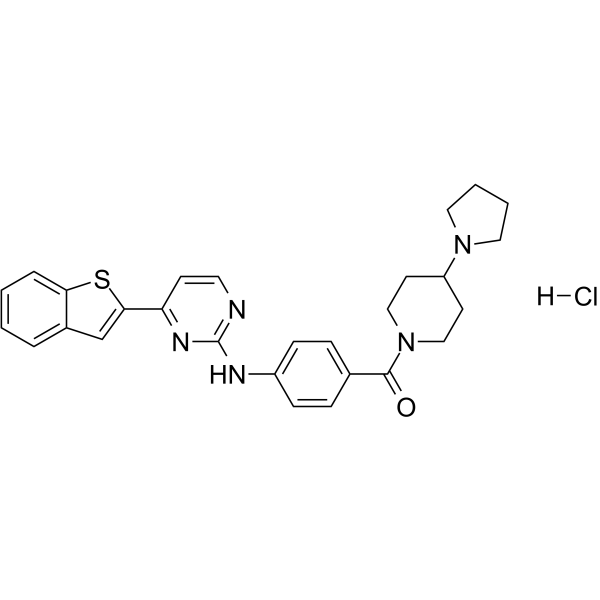
IKK 16 hydrochloride is an orally active IKK inhibitor. IKK 16 hydrochloride shows IC50s of 40 nM, 70 nM, 200 nM, and 50 nM for IKK2, IKK complex, IKK1, and LRRK 2, respectively. IKK 16 hydrochloride is also a pan-PKD inhibitor, inhibiting PKD1, PKD2, and PKD3 with IC50s of 153.9, 115, and 99.7 nM, respectively. IKK 16 hydrochloride is also an ABCB1 inhibitor, interfering with the binding of ABCB1 to its substrates. IKK 16 hydrochloride protects against LPS (HY-D1056)-induced multiple organ dysfunction by reducing the acute inflammatory response induced by endotoxin exposure. IKK 16 hydrochloride can restore renal function and alleviate fibrosis in acute kidney injury. IKK 16 hydrochloride attenuates cardiac dysfunction associated with polymicrobial sepsis in mice with type 2 diabetes mellitus (T2DM) by inhibiting the NF-κB pathway [2] .
|
-
- HY-13687
-
|
|
IKK
LRRK2
P-glycoprotein
PKD
NF-κB
TNF Receptor
Interleukin Related
|
Cardiovascular Disease
Inflammation/Immunology
|
|
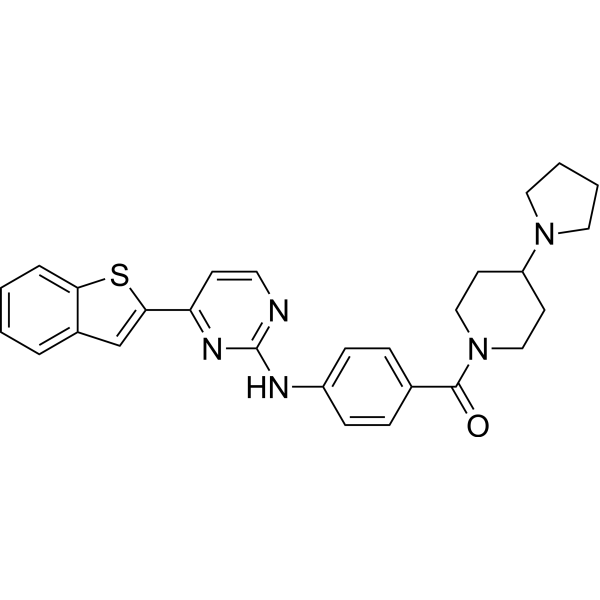
IKK 16 is an orally active IKK inhibitor. IKK 16 shows IC50s of 40 nM, 70 nM, 200 nM, and 50 nM for IKK2, IKK complex, IKK1, and LRRK 2, respectively. IKK 16 is also a pan-PKD inhibitor, inhibiting PKD1, PKD2, and PKD3 with IC50s of 153.9, 115, and 99.7 nM, respectively. IKK 16 is also an ABCB1 inhibitor, interfering with the binding of ABCB1 to its substrates. IKK 16 protects against LPS (HY-D1056)-induced multiple organ dysfunction by reducing the acute inflammatory response induced by endotoxin exposure. IKK 16 can restore renal function and alleviate fibrosis in acute kidney injury. IKK 16 attenuates cardiac dysfunction associated with polymicrobial sepsis in mice with type 2 diabetes mellitus (T2DM) by inhibiting the NF-κB pathway [2] .
|
-
- HY-149254
-
|
|
Phosphatase
Aldose Reductase
|
Metabolic Disease
|
|
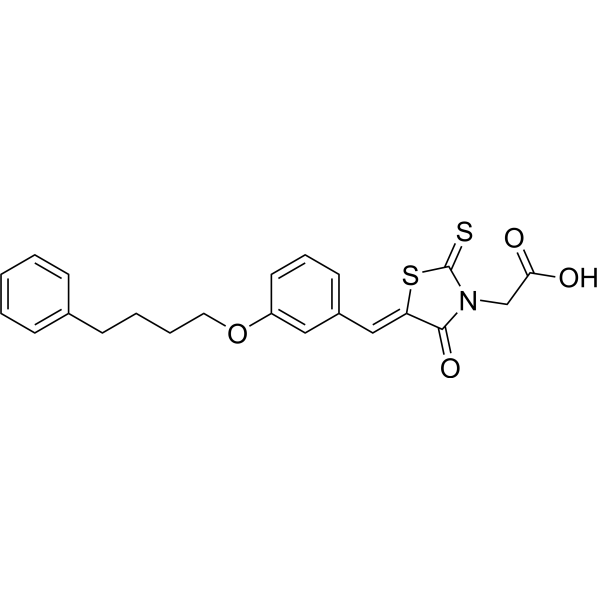
PTP1B/AKR1B1-IN-1 is a dual inhibitor of protein tyrosine phosphatase 1B (PTP1B) and aldose reductase (AKR1B1), with IC50s of 0.06 μM and 4.3 μM, respectively. PTP1B/AKR1B1-IN-1 also inhibits TC-PTP with an IC50 value of 9 μM. PTP1B/AKR1B1-IN-1 serves as an insulin-mimetic agent in murine myoblasts, and reduces AKR1B1-dependent sorbitol accumulation. PTP1B/AKR1B1-IN-1 inhibits development of type 2 diabetes mellitus (T2DM) to control blood glucose levels .
|
-
- HY-13687R
-
|
|
IKK
LRRK2
Reference Standards
P-glycoprotein
PKD
NF-κB
TNF Receptor
Interleukin Related
|
Inflammation/Immunology
|
|
IKK 16 (Standard) is the analytical standard of IKK 16. This product is intended for research and analytical applications. IKK 16 hydrochloride is an orally active IKK inhibitor. IKK 16 hydrochloride shows IC50s of 40 nM, 70 nM, 200 nM, and 50 nM for IKK2, IKK complex, IKK1, and LRRK 2, respectively. IKK 16 hydrochloride is also a pan-PKD inhibitor, inhibiting PKD1, PKD2, and PKD3 with IC50s of 153.9, 115, and 99.7 nM, respectively. IKK 16 hydrochloride is also an ABCB1 inhibitor, interfering with the binding of ABCB1 to its substrates. IKK 16 hydrochloride protects against LPS (HY-D1056)-induced multiple organ dysfunction by reducing the acute inflammatory response induced by endotoxin exposure. IKK 16 hydrochloride can restore renal function and alleviate fibrosis in acute kidney injury. IKK 16 hydrochloride attenuates cardiac dysfunction associated with polymicrobial sepsis in mice with type 2 diabetes mellitus (T2DM) by inhibiting the NF-κB pathway.
|
-

- HY-N1970
-
|
|
Keap1-Nrf2
Caspase
PARP
Fungal
|
Infection
Neurological Disease
Metabolic Disease
Inflammation/Immunology
Cancer
|
|
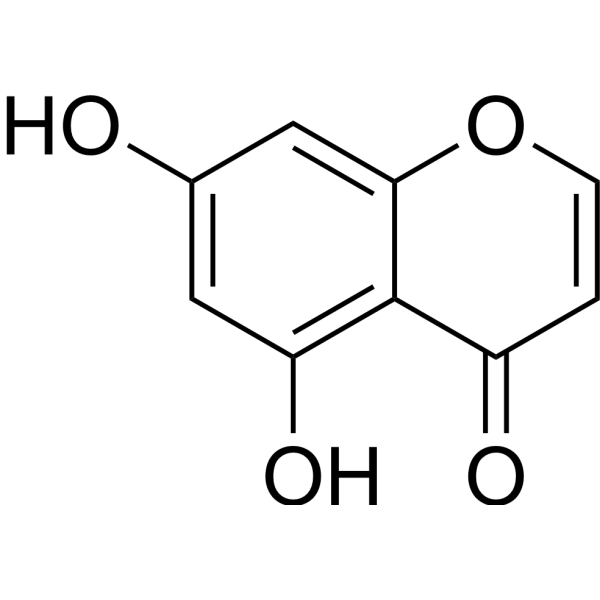
5,7-Dihydroxychromone is a flavonoid compound with antioxidant properties. 5,7-Dihydroxychromone induces Nrf2 nuclear translocation, increases Nrf2/ARE binding activity, and up-regulates Nrf2-dependent antioxidant genes HO-1, NQO1, GCLc. 5,7-Dihydroxychromone attenuates excessive ROS generation, inhibits activated caspase-3, caspase-9, cleaved PARP expression, and prevents neuronal apoptosis and cell death. 5,7-Dihydroxychromone increases LXRα and PPARγ mRNA expression, induces preadipocyte differentiation, and regulates blood glucose levels. 5,7-Dihydroxychromone inhibits radial growth of soil pathogenic fungi, radicle elongation of select seedlings, and transiently inhibits Bradyrhizobium sp. growth in high mannitol medium. 5,7-Dihydroxychromone can be used for the research of Parkinson’s disease, type 2 diabetes mellitus and pathogenic fungal infection [2] .
|
-
- HY-182905
-
|
|
Somatostatin Receptor
G protein-coupled Bile Acid Receptor 1
|
Metabolic Disease
|
|
SSTR5/TGR5-modulator-1 is an orally active and dual-target small molecule, balanced in vitro activity at human TGR5 and human SSTR5. SSTR5/TGR5-modulator-1 activates human TGR5 to promote cAMP accumulation. SSTR5/TGR5-modulator-1 blocks human SSTR5 to inhibit agonist-induced calcium mobilization. SSTR5/TGR5-modulator-1 improves glucose tolerance in mice. SSTR5/TGR5-modulator-1 alleviates gallbladder filling in mice at pharmacologically relevant doses. SSTR5/TGR5-modulator-1 has suboptimal physicochemical and metabolic properties.SSTR5/TGR5-modulator-1 can be used for the research of type 2 diabetes mellitus .
|
-

- HY-N1970R
-
|
|
Reference Standards
Keap1-Nrf2
Caspase
PARP
Fungal
|
Infection
Neurological Disease
Metabolic Disease
Inflammation/Immunology
Cancer
|
|
5,7-Dihydroxychromone (Standard) is the analytical standard of 5,7-Dihydroxychromone (HY-N1970). This product is intended for research and analytical applications. 5,7-Dihydroxychromone is a flavonoid compound with antioxidant properties. 5,7-Dihydroxychromone induces Nrf2 nuclear translocation, increases Nrf2/ARE binding activity, and up-regulates Nrf2-dependent antioxidant genes HO-1, NQO1, GCLc. 5,7-Dihydroxychromone attenuates excessive ROS generation, inhibits activated caspase-3, caspase-9, cleaved PARP expression, and prevents neuronal apoptosis and cell death. 5,7-Dihydroxychromone increases LXRα and PPARγ mRNA expression, induces preadipocyte differentiation, and regulates blood glucose levels. 5,7-Dihydroxychromone inhibits radial growth of soil pathogenic fungi, radicle elongation of select seedlings, and transiently inhibits Bradyrhizobium sp. growth in high mannitol medium. 5,7-Dihydroxychromone can be used for the research of Parkinson’s disease, type 2 diabetes mellitus and pathogenic fungal infection [2] .
|
-

| Cat. No. |
Product Name |
Type |
-
- HY-W587977
-
|
3-Hydroxyhexadecanoylcarnitine
|
Biochemical Assay Reagents
|
|
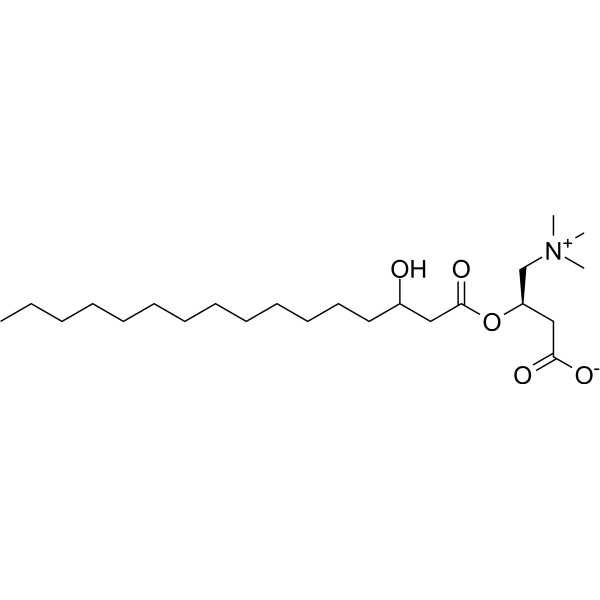
3-Hydroxypalmitoylcarnitine (3-Hydroxyhexadecanoylcarnitine) is an acylcarnitine. Elevated levels of 3-Hydroxypalmitoylcarnitine are associated with cardiovascular disease (CVD) in type 2 diabetes mellitus (T2DM) .
|
| Cat. No. |
Product Name |
Target |
Research Area |
-
- HY-P0014
-
-
- HY-P4070
-
|
|
Insulin Receptor
|
Metabolic Disease
|
|
Insulin icodec is an Insulin (HY-P0035) analog that strongly but reversibly binds to albumin. Insulin icodec has long plasma half-life. Insulin icodec modulates insulin receptor activity, controls blood glucose levels, reduces HbA1c levels, and binds reversibly to human serum albumin. Insulin icodec can be used for the research of type 2 diabetes mellitus [2].
|
-
- HY-P0014S1
-
|
|
Isotope-Labeled Compounds
GLP Receptor
GCGR
|
Others
|
|
Liraglutide- 13C6, 15 tetraTFA is the 13C and 15N labeled Liraglutide (HY-P0014) . Liraglutide is a glucagon-like peptide-1 (GLP-1) receptor agonist used for the study of type 2 diabetes mellitus [2].
|
-
- HY-P0014AS
-
-
- HY-P11321A
-
|
acyl-GIP hydrochloride
|
Insulin Receptor
|
Metabolic Disease
|
|
IUB0271 (acyl-GIP) hydrochloride is a fatty acylated and long-acting glucose-dependent insulinotropic polypeptide (GIP). IUB0271 hydrochloride increases cFos neuronal activity in hypothalamic feeding centers and decreases body weight, food intake and glycemia in DIO mouse models, and these effects depend on CNS-GIPR signaling. IUB0271 hydrochloride can be used for type 2 diabetes mellitus (T2DM) and obesity research .
|
-
- HY-P11321
-
|
acyl-GIP
|
Insulin Receptor
|
Metabolic Disease
|
|
IUB0271 (acyl-GIP) is a fatty acylated and long-acting glucose-dependent insulinotropic polypeptide (GIP). IUB0271 increases cFos neuronal activity in hypothalamic feeding centers and decreases body weight, food intake and glycemia in DIO mouse models, and these effects depend on CNS-GIPR signaling. IUB0271 can be used for type 2 diabetes mellitus (T2DM) and obesity research .
|
-
- HY-P11043
-
|
|
GLP Receptor
Neuropeptide Y Receptor
Arrestin
|
Metabolic Disease
|
|
GEP44 is a peptide biased triple agonist targeting Glucagon-like peptide 1 receptor (GLP-1R), neuropeptide Y1 Receptor (Y1-R), and neuropeptide Y2 Receptor (Y2-R). GEP44 induces Y1-R antagonist-controlled, GLP-1R-dependent stimulation of insulin secretion in both rat and human pancreatic islets by counteracting effects of Y1-R and GLP-1R agonism. GEP44 promotes insulin-independent Y1-R-mediated glucose uptake in muscle tissue and significantly reduces food intake and body weight in diet-induced obese rat models. GEP44 can be used for obesity and type 2 diabetes mellitus research .
|
-
- HY-P0014S2
-
|
|
Isotope-Labeled Compounds
|
Others
|
|
Liraglutide- 13C6, 15 TFA is the 13C and 15N labeledLiraglutide(HY-P0014). Liraglutide is a glucagon-like peptide-1 (GLP-1) receptor agonist used for the study of type 2 diabetes mellitus .
|
-
- HY-P11736
-
|
|
NF-κB
|
Metabolic Disease
|
|
mcIRBP-9 is an orally active NF-κB inhibitor. mcIRBP-9 reduces the levels of TNF-α, IL-1β and TGF-β1 in renal tissues, and decreases LPS-induced IL-1β production. mcIRBP-9 can be used in research related to diabetic nephropathy and type 2 diabetes mellitus .
|
-
- HY-P11584
-
|
|
Amylin Receptor
CGRP Receptor
|
Metabolic Disease
|
|
KBP-066A is a long-acting dual amylin and calcitonin receptor agonist. KBP-066A can activate the CTR and AMY-R potently, with no off-target activity. KBP-066A reduces fasting blood glucose levels, fasting insulin levels, and body weight in diabetic rat models. KBP-066A can be used for the research of type 2 diabetes mellitus, obesity .
|
| Cat. No. |
Product Name |
Target |
Research Area |
Image |
-
- HY-P99646
-
|
MEDI6570
|
LOX-1
|
Metabolic Disease
Inflammation/Immunology
|
|
Gocdacimab (MEDI6570) is a fully human IgG1 monoclonal antibody inhibitor targeting the lectin-like oxidized low-density lipoprotein receptor LOX-1. By binding to LOX-1 and blocking its function, gocdacimab effectively reduces the level of free soluble LOX-1, thereby inhibiting key pathological processes such as lipid accumulation, foam cell formation, and vascular wall inflammation. Gocdacimab can interfere with atherosclerosis-related mechanisms, and it is used for research on atherosclerosis, and type 2 diabetes mellitus [2].
|
-

(5)
-
- HY-P99614
-
|
BFKB8488A; RG-7992; RO-7040551
|
FGFR
|
Metabolic Disease
|
|
Fazpilodemab (BFKB8488A) is a humanized bispecific IgG1 antibody that selectively targets and activates fibroblast growth factor receptor 1c (FGFR1c) and Klothoβ. Fazpilodemab can be used for the research of type 2 diabetes mellitus (T2DM) or nonalcoholic fatty liver disease (NAFLD) .
|
-
(5)
-
- HY-P992007
-
|
RN909
|
GCGR
|
Metabolic Disease
|
|
PF-06293620 (RN909) is a monoclonal antibody antagonist of the glucagon receptor. PF-06293620 produces dose-dependent, durable lowering of fasting plasma glucose and reduces HbA1c levels. PF-06293620 can be used for the research of type 2 diabetes mellitus .
|
-
(5)
| Cat. No. |
Product Name |
Category |
Target |
Chemical Structure |
-
- HY-B1021
-
-
-
- HY-N1970
-
|
|
Structural Classification
Flavonoids
other families
Phenols
Polyphenols
Plants
Isoflavones
Source Classification
|
Keap1-Nrf2
Caspase
PARP
Fungal
|
|
5,7-Dihydroxychromone is a flavonoid compound with antioxidant properties. 5,7-Dihydroxychromone induces Nrf2 nuclear translocation, increases Nrf2/ARE binding activity, and up-regulates Nrf2-dependent antioxidant genes HO-1, NQO1, GCLc. 5,7-Dihydroxychromone attenuates excessive ROS generation, inhibits activated caspase-3, caspase-9, cleaved PARP expression, and prevents neuronal apoptosis and cell death. 5,7-Dihydroxychromone increases LXRα and PPARγ mRNA expression, induces preadipocyte differentiation, and regulates blood glucose levels. 5,7-Dihydroxychromone inhibits radial growth of soil pathogenic fungi, radicle elongation of select seedlings, and transiently inhibits Bradyrhizobium sp. growth in high mannitol medium. 5,7-Dihydroxychromone can be used for the research of Parkinson’s disease, type 2 diabetes mellitus and pathogenic fungal infection [2] .
|
-
-
- HY-N0500
-
-
-
- HY-155157
-
|
|
Cardiovascular Disease
Natural Products
Classification of Application Fields
Endogenous metabolite
Disease Research Fields
Source Classification
|
Endogenous Metabolite
|
|
PF-07247685 is a BCKDC kinase (BDK) inhibitor (EC50=2.2 nM). PF-07247685 stabilizes the interaction between BDK and BCKDH core subunit E2 and prevents phosphorylation of E1. While BDK mediates branched-chain ketoacid dehydrogenase (BCKDH) phosphorylation, and inhibition of BCKDH is involved in controlling the rate-limiting step of branched-chain amino acid (BCAA) degradation. Impaired BCAA catabolism has been associated with several diseases, particularly cardiometabolic diseases, including heart failure (HF), type 2 diabetes mellitus (T2DM), non-alcoholic fatty liver disease (NAFLD), and obesity. PF-07247685 improved cardiometabolic endpoints and improves glucose tolerance in mice .
|
-
-
- HY-N0857
-
|
|
Structural Classification
Acanthaceae
Simsia foetida (Cav.) S.F.Blake
Terpenoids
Diterpenoids
Plants
Source Classification
|
GLUT
HDAC
Virus Protease
PI3K
AMPK
Akt
Histone Demethylase
MDM-2/p53
IFNAR
Reactive Oxygen Species (ROS)
|
|
Deoxyandrographolide is an orally active lactone found in the Andrographis paniculata Nees. Deoxyandrographolide shows a KD of 38.4 μM of HDAC1. Deoxyandrographolide enhances GLUT4 plasma membrane translocation, activates PI3K and AMPK-dependent signaling pathways, suppresses fasting blood glucose, serum insulin, triglycerides, and LDL-cholesterol levels. Deoxyandrographolide enhances HDAC1 expression via inhibited ubiquitination degradation, represses H3K4me3, improves chromosome stability, and restrains aging biomarkers p16, p21, γH2A.X, p53 and ROS production. Deoxyandrographolide interacts with Foot-and-Mouth Disease Virus 3Cpro active site, inhibits protease and IFN-antagonist activity, derepresses ISG expression, and inhibits viral replication. Deoxyandrographolide can be used for the researches of type 2 diabetes mellitus, vascular senescence and virus infection .
|
-
-
- HY-155156
-
-
-
- HY-N1970R
-
|
|
Structural Classification
Flavonoids
other families
Phenols
Polyphenols
Plants
Isoflavones
Source Classification
|
Reference Standards
Keap1-Nrf2
Caspase
PARP
Fungal
|
|
5,7-Dihydroxychromone (Standard) is the analytical standard of 5,7-Dihydroxychromone (HY-N1970). This product is intended for research and analytical applications. 5,7-Dihydroxychromone is a flavonoid compound with antioxidant properties. 5,7-Dihydroxychromone induces Nrf2 nuclear translocation, increases Nrf2/ARE binding activity, and up-regulates Nrf2-dependent antioxidant genes HO-1, NQO1, GCLc. 5,7-Dihydroxychromone attenuates excessive ROS generation, inhibits activated caspase-3, caspase-9, cleaved PARP expression, and prevents neuronal apoptosis and cell death. 5,7-Dihydroxychromone increases LXRα and PPARγ mRNA expression, induces preadipocyte differentiation, and regulates blood glucose levels. 5,7-Dihydroxychromone inhibits radial growth of soil pathogenic fungi, radicle elongation of select seedlings, and transiently inhibits Bradyrhizobium sp. growth in high mannitol medium. 5,7-Dihydroxychromone can be used for the research of Parkinson’s disease, type 2 diabetes mellitus and pathogenic fungal infection [2] .
|
-
-
- HY-N3628
-
-
-
- HY-113015R
-
-
-
- HY-B1021R
-
-
-
- HY-N8250
-
-
| Cat. No. |
Product Name |
Chemical Structure |
-
- HY-P0014S1
-
|
|
|
Liraglutide- 13C6, 15 tetraTFA is the 13C and 15N labeled Liraglutide (HY-P0014) . Liraglutide is a glucagon-like peptide-1 (GLP-1) receptor agonist used for the study of type 2 diabetes mellitus [2].
|
-
-
- HY-15209S
-
|
|
|
Repaglinide-d5 is deuterium labeled Repaglinide. Repaglinide is an insulin secretagogue for the treatment of type-2 diabetes mellitus .
|
-
-
- HY-P0014AS
-
|
|
|
Liraglutide-d8 tetraTFA is deuterium labeled Liraglutide (HY-P0014). Liraglutide is a glucagon-like peptide-1 (GLP-1) receptor agonist used for the study of type 2 diabetes mellitus .
|
-
-
- HY-111372S
-
|
|
|
Finerenone-d3 is the deuterium labeled finerenone (HY-111372). Finerenone is a third-generation, selective, and orally available nonsteroidal mineralocorticoid receptor (MR) antagonist (IC50=18 nM). Finerenone displays excellent selectivity versus glucocorticoid receptor (GR), androgen receptor (AR), and progesterone receptor (>500-fold). Finerenone has the potential for cardiorenal diseases research, such as type 2 diabetes mellitus and chronic kidney disease [2].
|
-
-
- HY-111372S1
-
1 Publications Verification
|
|
Finerenone-d5 (BAY 94-8862-d5) is deuterium labeled Finerenone. Finerenone (BAY 94-8862) is a third-generation, selective, and orally available nonsteroidal mineralocorticoid receptor (MR) antagonist (IC50=18 nM). Finerenone displays excellent selectivity versus glucocorticoid receptor (GR), androgen receptor (AR), and progesterone receptor (>500-fold). Finerenone has the potential for cardiorenal diseases research, such as type 2 diabetes mellitus and chronic kidney disease [2].
|
-
-
- HY-14928S1
-
|
|
|
Lobeglitazone-d4 is deuterium labeled Lobeglitazone. Lobeglitazone is a new type of thiazolidinedione. Lobeglitazone can be used to prevent type 2 diabetes mellitus (T2DM) [2].
|
-
-
- HY-P0014S2
-
|
|
|
Liraglutide- 13C6, 15 TFA is the 13C and 15N labeledLiraglutide(HY-P0014). Liraglutide is a glucagon-like peptide-1 (GLP-1) receptor agonist used for the study of type 2 diabetes mellitus .
|
-
-
- HY-15408S
-
|
|
|
Trelagliptin-13C,d3 is a deuterated labeled Trelagliptin . Trelagliptin (SYR-472) is a potent, orally active and highly selective DPP-4 inhibitor with an IC50 of 4 nM. Trelagliptin succinate improves glycemic control in vivo and can be used for the study of type 2 diabetes mellitus (T2DM) [2].
|
-
-
- HY-15461S
-
|
|
|
Ertugliflozin-d5 is the deuterium labeled Ertugliflozin . Ertugliflozin (PF-04971729) is a potent, selective and orally active inhibitor of the sodium-dependent glucose cotransporter 2 (SGLT2), with an IC50 of 0.877 nM for h-SGLT2 [2]. Has the potential for the treatment of type 2 diabetes mellitus .
|
-
-
- HY-15461S1
-
|
|
|
Ertugliflozin-d9 is deuterated labeled Ertugliflozin (HY-15461). Ertugliflozin (PF-04971729) is a potent, selective and orally active inhibitor of the sodium-dependent glucose cotransporter 2 (SGLT2), with an IC50 of 0.877 nM for h-SGLT2 . Has the potential for the treatment of type 2 diabetes mellitus [2].
|
-
-
- HY-10285S2
-
|
|
|
Saxagliptin- 13C2 (BMS-477118- 13C2) is 13C labeled Saxagliptin. Saxagliptin (BMS-477118) is a potent, selective, reversible, competitive and orally active dipeptidyl peptidase-4 (DPP-4) (Ki = 0.6-1.3 nM) inhibitor. Saxagliptin has the peotential for type 2 diabetes mellitus research [2] .
|
-
-
- HY-10285S
-
|
|
|
Saxagliptin-15N,d2 Hydrochloride (BMS-477118-15N,d2 Hydrochloride) is the 15N and deuterium labeled isotope of Saxagliptin (HY-10285). Saxagliptin (BMS-477118) is a potent, selective, reversible, competitive and orally active dipeptidyl peptidase-4 (DPP-4) (Ki = 0.6-1.3 nM) inhibitor. Saxagliptin has the peotential for type 2 diabetes mellitus research [2] .
|
-
-
- HY-14806S2
-
|
|
|
Teneligliptin-d5 (MP-513-d5) is deuterium labeled Teneligliptin. Teneligliptin (MP-513) hydrobromide hydrate is an orally active and selective dipeptidyl peptidase 4 (DPP-4) inhibitor (IC50s: 0.37 and 0.29 nM for the human and rat DPP-4, respectively). Teneligliptin hydrobromide hydrate improves blood glucose levels and can be used in researches related to type 2 diabetes mellitus [2] .
|
-
-
- HY-W741755S1
-
|
|
|
5-Hydroxy saxagliptin- 13C,d2-2 hydrochloride is the 13C- and deuterium labeled 5-Hydroxy saxagliptin hydrochloride. 5-Hydroxy saxagliptin hydrochloride is an active metabolite of Saxagliptin (HY-10285) and a potent and selective DPP-4 inhibitor. 5-Hydroxy saxagliptin hydrochloride has Ki values of 2.6 nM and 2.9 nM for humans and cynomolgus monkeys, respectively. 5-Hydroxy saxagliptin hydrochloride can be used in the research of type 2 diabetes mellitus .
|
-
| Cat. No. |
Product Name |
|
Classification |
-
- HY-159694
-
|
ISIS 404173
|
|
Antisense Oligonucleotides
|
|
IONIS PTP1BRx (ISIS 404173) is an antisense inhibitor of protein tyrosine phosphatase 1B (PTP-1B). IONIS PTP1BRx shows antidiabetic activity, and can be used for the study of insulin resistance and type 2 diabetes mellitus associated with obesity .
|
-
- HY-159696
-
|
|
|
Antisense Oligonucleotides
|
|
ISIS 449884 is a 2'-O-methoxyethyl antisense oligonucleotide that targets GCGR. ISIS 449884 has an ability to reduce hepatic glucose output and lower the blood glucose level. ISIS 449884 can be used for the study of type 2 diabetes mellitus (T2DM) .
|
-
- HY-159696A
-
|
|
|
Antisense Oligonucleotides
|
|
ISIS 449884 sodium is a 2'-O-methoxyethyl antisense oligonucleotide that targets GCGR. ISIS 449884 sodium has an ability to reduce hepatic glucose output and lower the blood glucose level. ISIS 449884 sodium can be used for the study of type 2 diabetes mellitus (T2DM) .
|
-
- HY-159694A
-
|
ISIS 404173 sodium
|
|
Antisense Oligonucleotides
|
|
IONIS PTP1BRx (ISIS 404173) sodium is an antisense inhibitor of protein tyrosine phosphatase 1B (PTP-1B). IONIS PTP1BRx sodium shows antidiabetic activity, and can be used for the study of insulin resistance and type 2 diabetes mellitus associated with obesity .
|
Your information is safe with us. * Required Fields.
Inquiry Information
- Product Name:
- Cat. No.:
- Quantity:
- MCE Japan Authorized Agent:








