



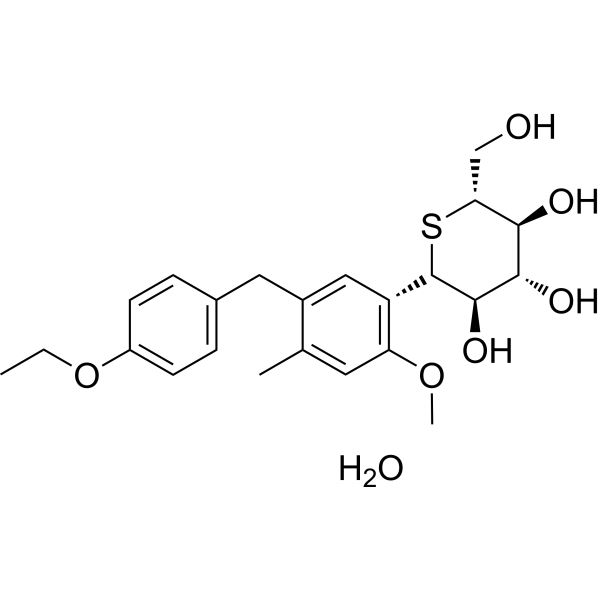
Luseogliflozin hydrate
Based on 1 publication(s) in Google Scholar
Luseogliflozin (TS 071) hydrate is a selective potent and orally active second-generation sodium-glucose co-transporter 2 (SGLT2) inhibitor with an IC50 of 2.26 nM. Luseogliflozin hydrate can be used for the research of type 2 diabetes mellitus (T2DM).
For research use only. We do not sell to patients.
- Purity : 99.20%
- CAS No.: 1152425-66-5
- Formula: C23H32O7S
- Molecular Weight:452.56
-
Storage:
-20°C, sealed storage, away from moisture and light
* In solvent : -80°C, 6 months; -20°C, 1 month (sealed storage, away from moisture and light)

To place orders, for customer services and technical support, please contact: MedChemExpress USA
Tel: 609-228-6898 E-mail: [email protected] [email protected]


-
 Biological Activity
-
Chemical Information
- Protocols
- Purity & Documentation
- References
-
 Help & FAQs


-
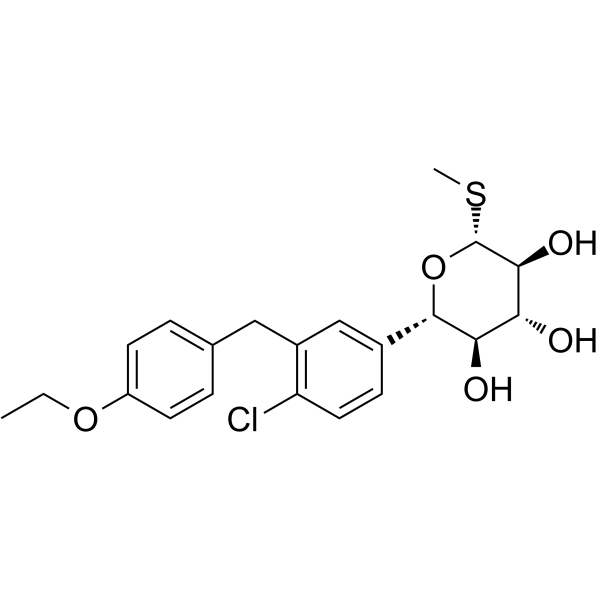
HY-15516
SotagliflozinSGLT Inhibitor -
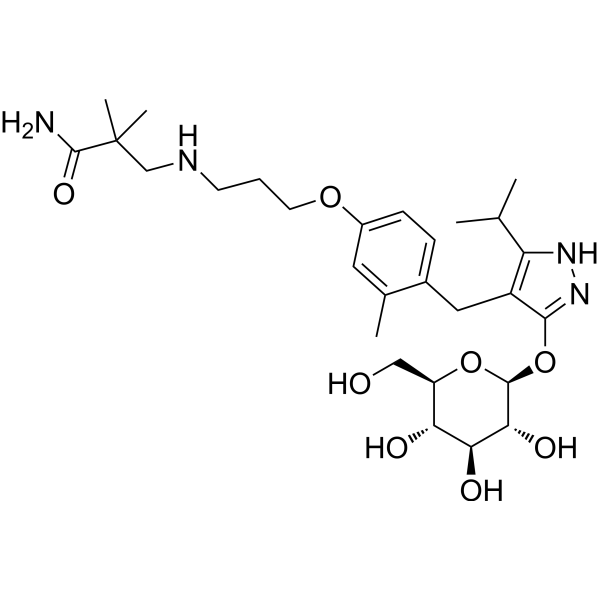
HY-17638
MizagliflozinSGLT1 Inhibitor -
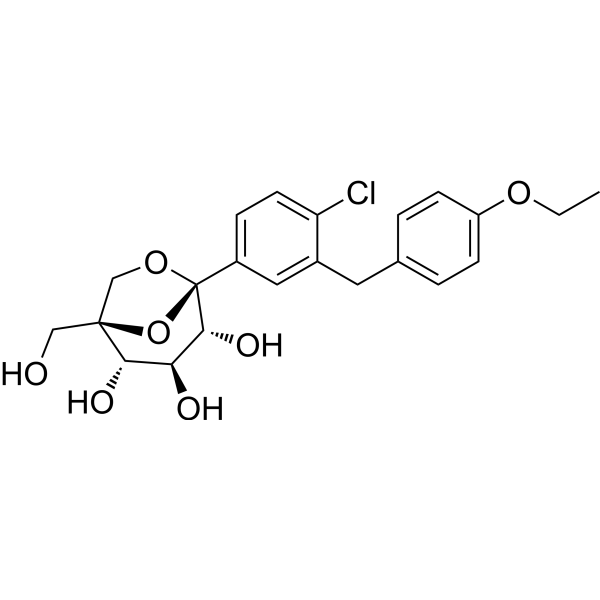
HY-15461
ErtugliflozinSGLT2 Inhibitor -
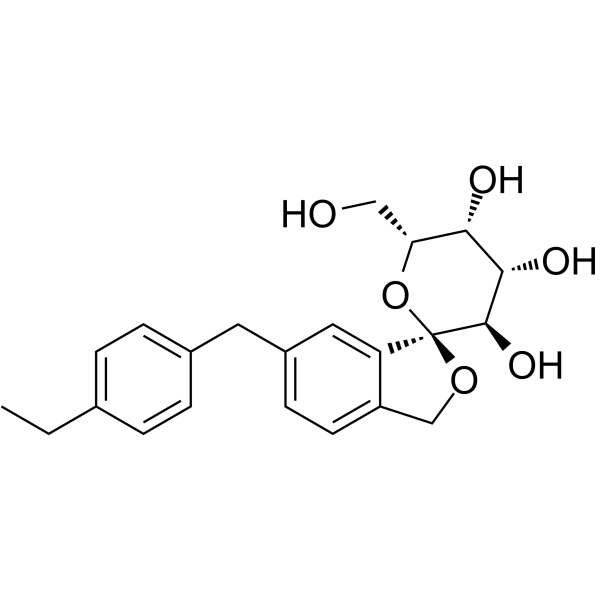
HY-14902
TofogliflozinSGLT Inhibitor -
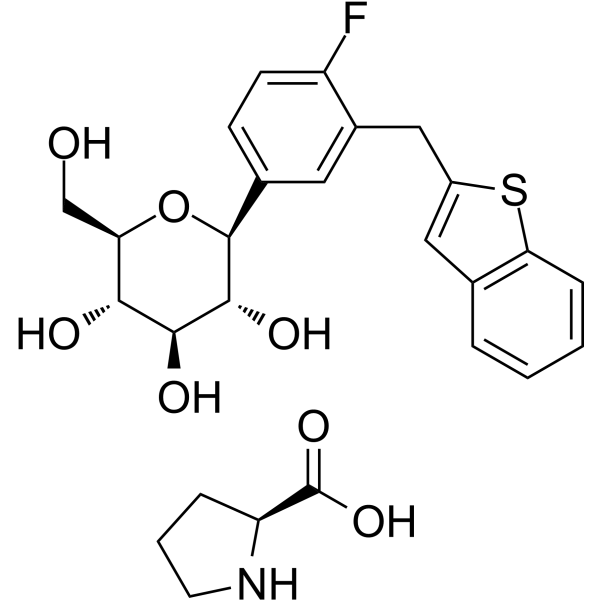
HY-14894A
Ipragliflozin L-ProlineSGLT Inhibitor -
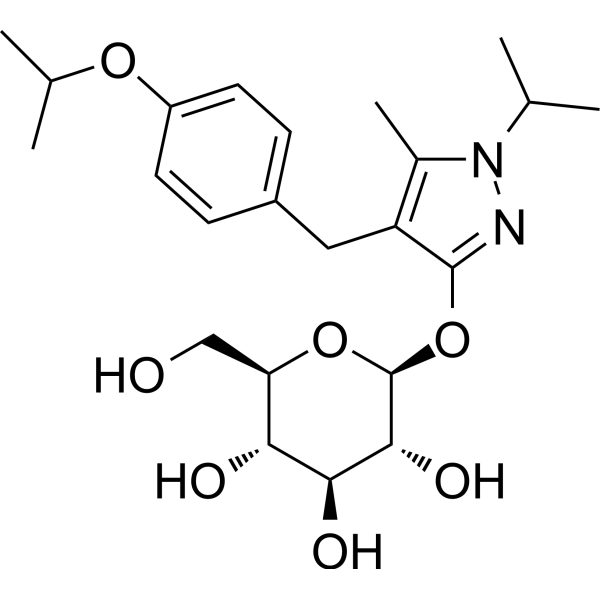
HY-13414
RemogliflozinSGLT2 Inhibitor -
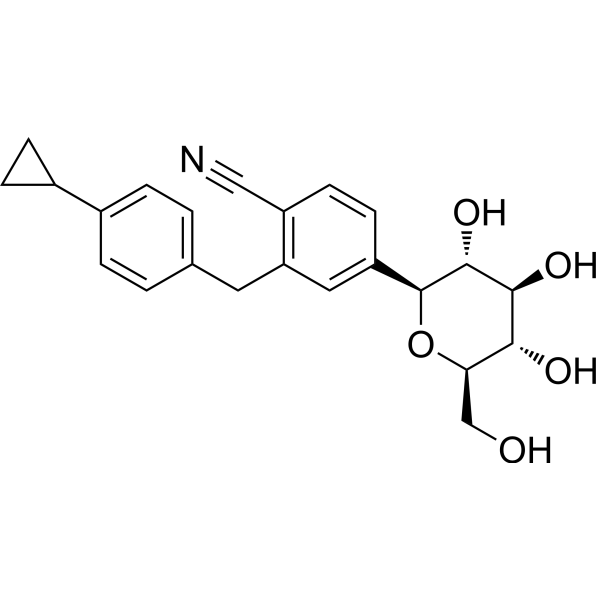
HY-109018
VelagliflozinSGLT Inhibitor -
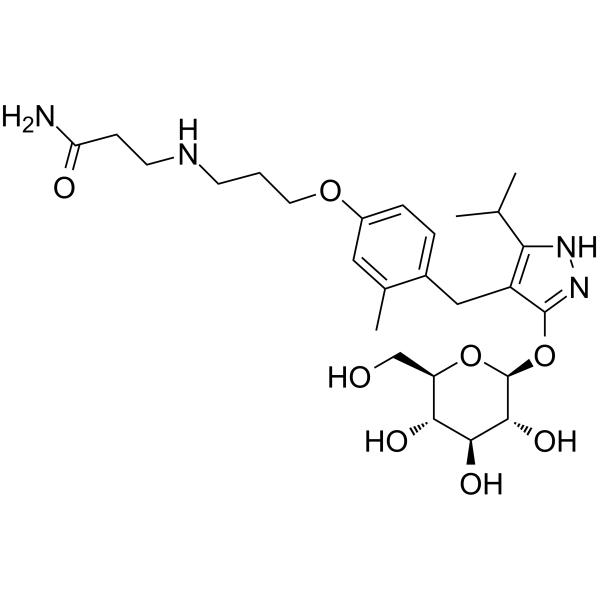
HY-123797
KGA-2727SGLT1 Inhibitor -

HY-15461R
Ertugliflozin (Standard)SGLT2 Inhibitor -
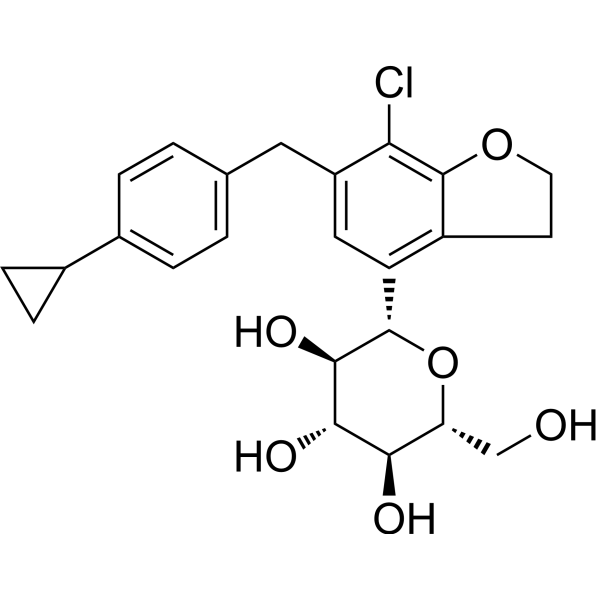
HY-109144
EnavogliflozinSGLT-2 Inhibitor -
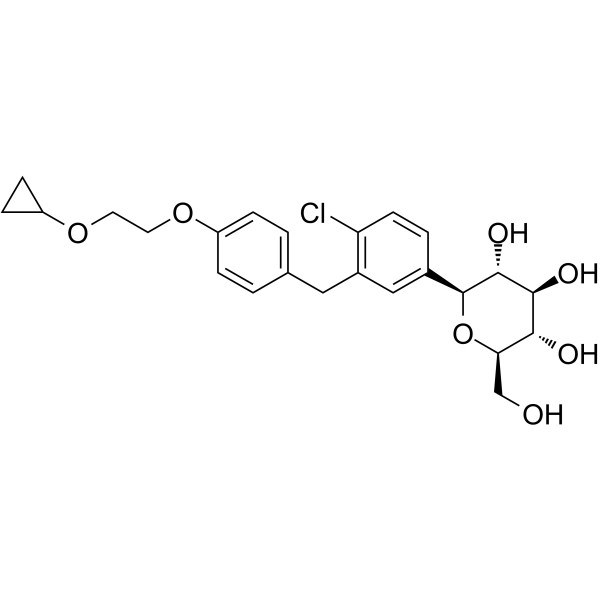
HY-17604
BexagliflozinSGLT2 Inhibitor -
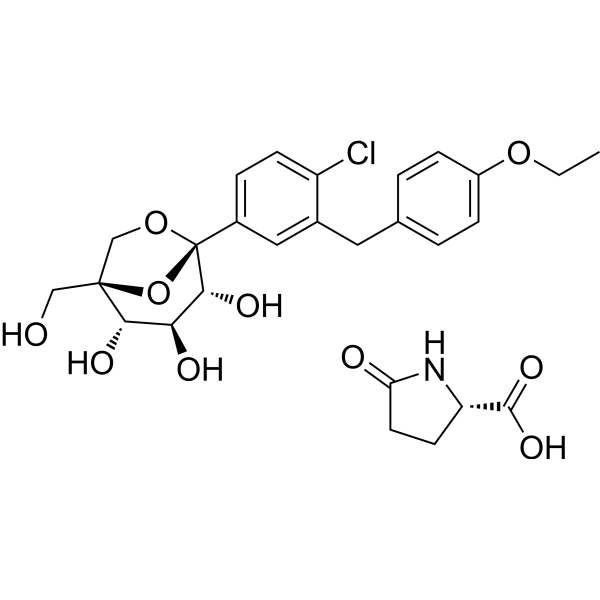
HY-15461A
Ertugliflozin L-pyroglutamic acidSGLT2 Inhibitor
Publications Citing Use of MedChemExpress (MCE) Luseogliflozin hydrate
More

Biological Activity
Description
IC50 & Target
|
SGLT2 |
In Vitro
Luseogliflozin can increase beta cell proliferation through the activation of the FoxM1/PLK1/CENP-A pathway via humoral factors thats act in an insulin/IGF-1 receptor-independent manner. Luseogliflozin increases beta cell proliferation in OSI-906-treated mice[2].
MedChemExpress (MCE) has not independently confirmed the accuracy of these methods. They are for reference only. Further protocols information, click here.
-
Cell Line:βIRKO, IRS1KO and IRS2KO beta cells
-
Concentration:100 nM
-
Incubation Time:24 and 48 hours
-
Result:Cell Viability Assay[2] Treating cells with serum from the OSI-906 (200 nM) or OSI-906+Luseogliflozin(100 nM) group led to significantly increased cell viability in the latter group in the control, IRS1KO, IRS2KO, as well as the insulin receptor (IR)-deficient βIRKO beta cells.
In Vivo
MedChemExpress (MCE) has not independently confirmed the accuracy of these methods. They are for reference only.
-
Animal Model:C57BL/6J male mice aged 8 weeks old[2]
-
Dosage:10 mg/kg/daily
-
Administration:Oral gavage; for 7 days between 08:00 and 09:00 hours
-
Result:Treatment significantly ameliorated the OSI-906 (45 mg/kg)-induced hyperglycaemia.
Clinical Trial
| NCT Number | Sponsor | Condition | Start Date |
Phase

|
|---|---|---|---|---|
| NCT01329991 | Plexxikon| | 2011-05 | PHASE1 |


Chemical Information
-
CAS No. 1152425-66-5
-
Appearance Solid
-
Molecular Weight 452.56
-
Formula C23H32O7S
-
Color White to off-white
-
SMILES
OC[C@@H](S1)[C@@H](O)[C@H](O)[C@@H](O)[C@@H]1C2=C(OC)C=C(C)C(CC3=CC=C(OCC)C=C3)=C2.O
-
Synonyms
TS 071 hydrate
-
Shipping
Room temperature in continental US; may vary elsewhere.
-
Storage
-20°C, sealed storage, away from moisture and light
* In solvent : -80°C, 6 months; -20°C, 1 month (sealed storage, away from moisture and light)


Publications (1)
-
Journal Impact Factor
-
Most Recent

Protocols
-
Cell Cytotoxicity Assay
Cytotoxicity assays are usually based on the assessment of cell membrane damage, which can also be indirectly detected by measuring cell viability. Detection methods include MTT assay, CKK-8 assay, LDH assay and ATP assay, etc.
-
Research Protocol for Metabolic Diseases
AMP-activated protein kinase, AMPK, is a conserved cellular energy sensor that responds to reduced cellular energy status and coordinates metabolism by increasing ATP-generating catabolic pathways while suppressing ATP-consuming anabolic processes. In metabolic disease research, the AMPK pathway is experimentally relevant because it regulates hepatic lipid synthesis, fatty acid oxidation, glucose production, skeletal-muscle glucose disposal, mTORC1-linked biosynthesis, autophagy, mitochondrial homeostasis, and whole-body energy balance. The central pathway logic is that energy stress, metformin, exercise-like stimulation, or direct AMPK activators increase AMPKα Thr172 phosphorylation and downstream substrate phosphorylation, including ACC and RAPTOR. Phosphorylation of ACC suppresses lipogenesis and supports fatty acid oxidation, whereas phosphorylation of RAPTOR suppresses mTORC1 signaling and links cellular energy status to growth and protein synthesis control. The pathway is linked


Purity & Documentation
-
Data Sheet (273 KB)
-
SDS (252 KB)
- English - EN (252 KB)
- Français - FR (252 KB)
- Deutsch - DE (252 KB)
- Norwegian - NO (252 KB)
- Español - ES (252 KB)
- Swedish - SV (252 KB)
- Italian - IT (252 KB)
- Korean - KR (252 KB)
- Portuguese - PT (252 KB)
-
Handling Instructions (2659 KB)
References
[1]. Anthony Markham,et al. Luseogliflozin: first global approval. Drugs. 2014 Jun;74(8):945-50. [Content Brief]
[2]. Jun Shirakawa,et al. Luseogliflozin increases beta cell proliferation through humoral factors that activate an insulin receptor- and IGF-1 receptor-independent pathway. Diabetologia. 2020 Mar;63(3):577-587. [Content Brief]

Calculators
Concentration (start) × Volume (start) = Concentration (final) × Volume (final)


Luseogliflozin hydrate Related Classifications
HY-10449A Related Classifications
 Powered by Bioz