SGLT2
SGLT2 (SLC5A2) is a renal sodium-glucose cotransporter that mediates glucose reabsorption in the early proximal tubule and accounts for most kidney glucose reabsorption[1]. Mechanistically, renal glucose handling depends on coordinated SGLT2, SGLT1, and GLUT2 transport, linking filtered glucose recovery to sodium-coupled epithelial transport[2]. In Sglt2 knockout mice, reduced proximal tubular glucose reabsorption produced a glucosuric phenotype that models human SLC5A2-associated renal glucosuria[1]. Compared with SGLT1, SGLT2 shows low-affinity, high-capacity transport in the early proximal tubule, whereas SGLT1 provides higher-affinity, lower-capacity transport for remaining luminal glucose[2]. Therefore, SGLT2 inhibitors provide experimental tools to block renal glucose reabsorption and investigate hyperglycemia, diabetic kidney physiology, and cardiorenal outcomes[3][4][5].- Empagliflozin reduced cardiovascular death in high-risk type 2 diabetes clinical trials[4]. - Dapagliflozin reduced kidney disease progression or cardiovascular death in chronic kidney disease[5].
References:
- [1]. Vallon V, et al. SGLT2 mediates glucose reabsorption in the early proximal tubule. J Am Soc Nephrol. 2011 Jan;22(1):104-12. [Content Brief]
- [2]. Ghezzi C, et al. Physiology of renal glucose handling via SGLT1, SGLT2 and GLUT2. Diabetologia. 2018 Oct;61(10):2087-2097. [Content Brief]
- [3]. Vallon V, et al. Targeting renal glucose reabsorption to treat hyperglycaemia: the pleiotropic effects of SGLT2 inhibition. Diabetologia. 2017 Feb;60(2):215-225. [Content Brief]
- [4]. Zinman B, et al. Empagliflozin, Cardiovascular Outcomes, and Mortality in Type 2 Diabetes. N Engl J Med. 2015 Nov 26;373(22):2117-28. [Content Brief]
- [5]. Heerspink HJL, et al. Dapagliflozin in Patients with Chronic Kidney Disease. N Engl J Med. 2020 Oct 8;383(15):1436-1446. [Content Brief]
All Product Categories
-
SGLT2 Related Products (68)
Related Products (68)

-
Empagliflozin
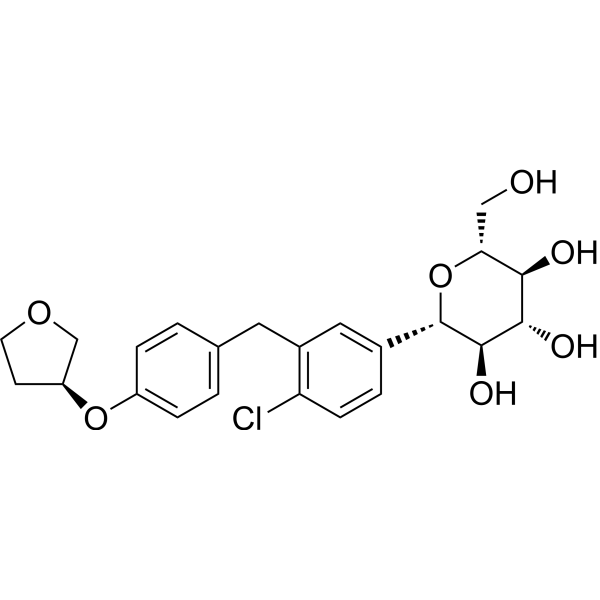 0 ImagesSynonyms: BI 10773Empagliflozin (BI 107730 is a selective sodium glucose cotransporter-2 (SGLT-2) inhibitor with an IC50 of 3.1 nM for human SGLT-2.
-
Dapagliflozin
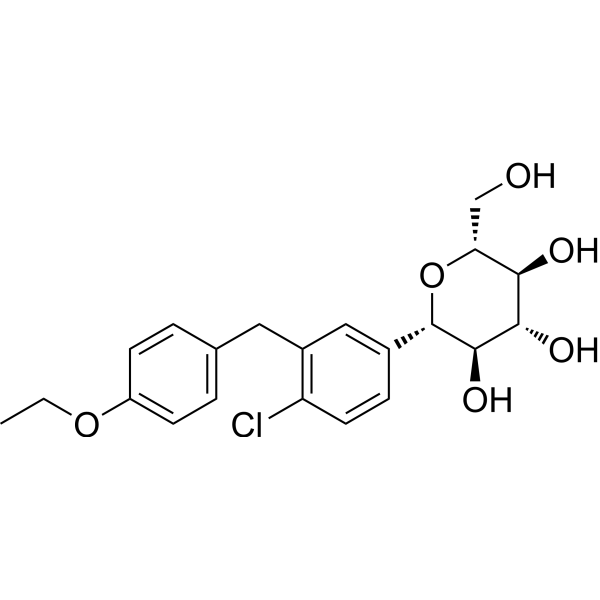 0 ImagesSynonyms: BMS-512148Dapagliflozin (BMS-512148), a new type of agent used to treat diabetes mellitus (DM), is a competitive sodium/glucose cotransporter 2 (SGLT2) inhibitor, which results in excretion of glucose into the urine. Dapagliflozin induces HIF1 expression and attenuates renal IR injury.
-
Phloretin
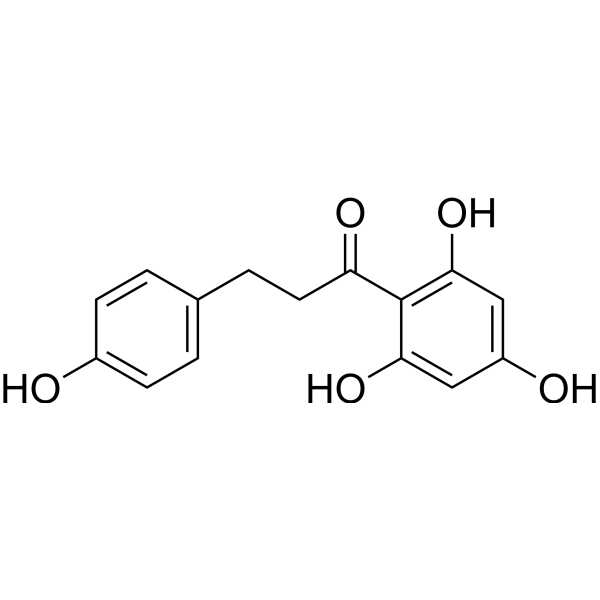 0 ImagesPhloretin (NSC 407292; RJC 02792) is a flavonoid extracted from Malus pumila Mill.,has anti-inflammatory activities. Phloridzin is a specific,competitive and orally active inhibitor of sodium/glucose cotransporters in the intestine (SGLT1) and kidney (SGLT2). Phloretin inhibits Yeast-made GLUT1 as well as Human erythrocyte GLUT1 with IC50values of 49 μM and 61 μM,respectively.Phloretin has the potential for the treatment of rheumatoid arthritis (RA) and allergic airway inflammation.
-
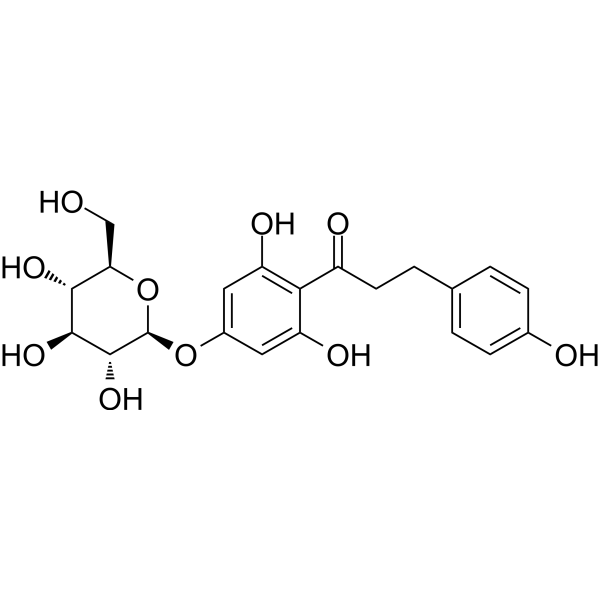
Phlorizin
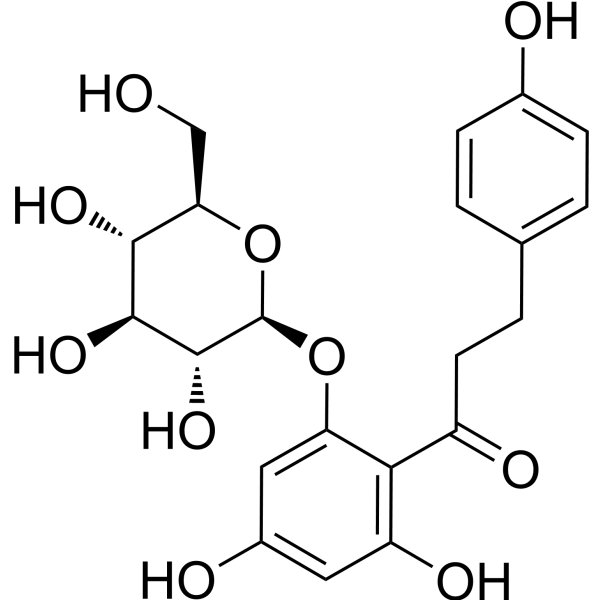 0 ImagesPhlorizin (Floridzin) is an orally active non-selective sodium-glucose cotransporter (SGLT) inhibitor, with an IC50 of 0.04 μM and a Ki of 39 nM against hSGLT2, and an IC50 of 0.17 μM and a Ki of 0.31 μM against hSGLT1. Phlorizin promotes GLUT4 translocation, inhibits gluconeogenesis and promotes glycogen synthesis by activating the PI3K/Akt/mTOR pathway. Phlorizin reduces DNA damage and apoptosis (apoptosis) by inhibiting the NF-κB inflammatory pathway. Phlorizin induces apoptosis via activating the Caspase pathway by antagonizing the JAK/STAT3 and PCK pathways. Phlorizin also exhibits antibacterial, anti-inflammatory and neuroprotective activities.
-
Phloretin (Standard)
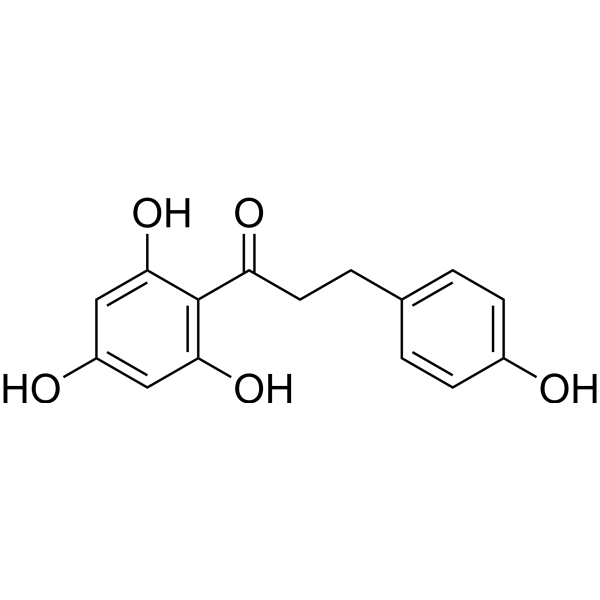 0 ImagesSynonyms: NSC 407292 (Standard); RJC 02792 (Standard)Phloretin (Standard) is the analytical standard of Phloretin. This product is intended for research and analytical applications. Phloretin (NSC 407292; RJC 02792) is a flavonoid extracted from Malus pumila Mill., has anti-inflammatory activities. Phloridzin is a specific, competitive and orally active inhibitor of sodium/glucose cotransporters in the intestine (SGLT1) and kidney (SGLT2). Phloretin inhibits Yeast-made GLUT1 as well as Human erythrocyte GLUT1 with IC50values of 49 μM and 61 μM, respectively.Phloretin has the potential for the treatment of rheumatoid arthritis (RA) and allergic airway inflammation.
-
Tofogliflozin
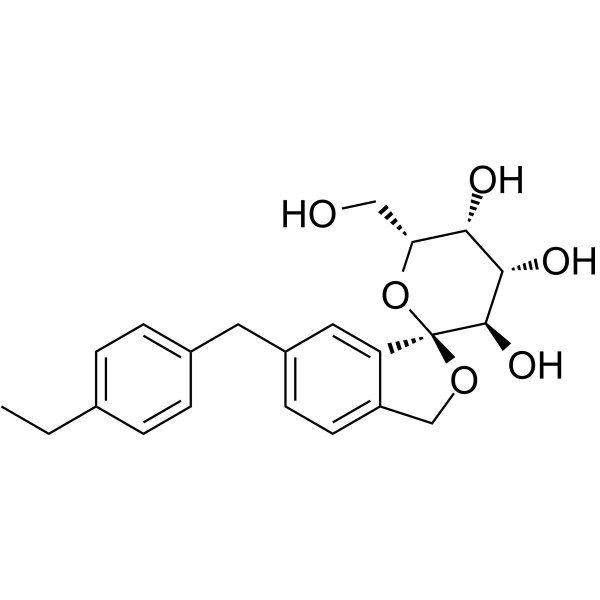 0 ImagesSynonyms: CSG452; R-7201
-
Bexagliflozin
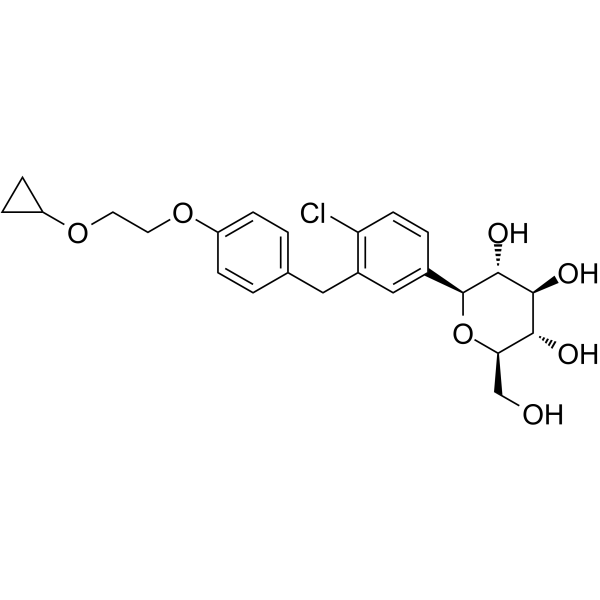 0 ImagesSynonyms: EGT1442; EGT0001442; THR-1442Bexagliflozin (EGT1442; EGT0001442; THR-1442) is an orally active and selective SGLT2 inhibitor with IC50 values of 0.002 μM and 5.6 μM for SGLT2 and SGLT1, respectively. Bexagliflozin selectively inhibits SGLT2-mediated sodium-dependent glucose uptake. Bexagliflozin induces saturable urinary glucose excretion in normal rats and dogs. Bexagliflozin reduces blood glucose and HbA1c levels in db/db mice without affecting body mass or insulin level. Bexagliflozin can be used for the research of type 2 diabetes mellitus, hypertensive stroke.
-
Sotagliflozin
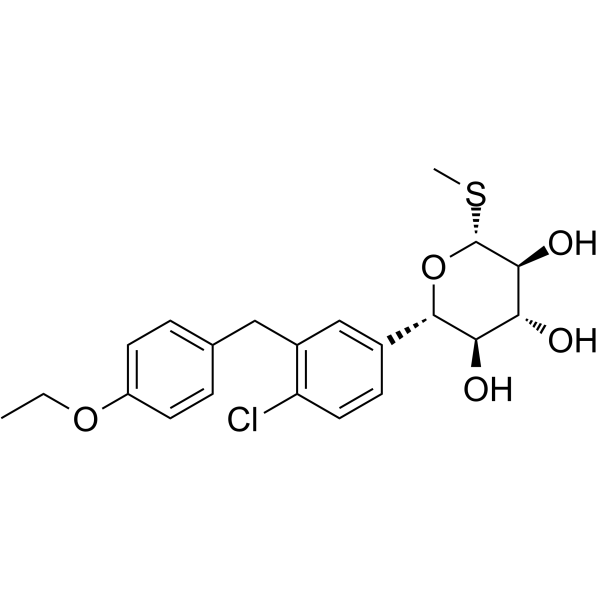 0 ImagesSynonyms: LX-4211; LP-802034Sotagliflozin (LX-4211) is a potent dual SGLT2/1 inhibitor. Antidiabetic agents.
-
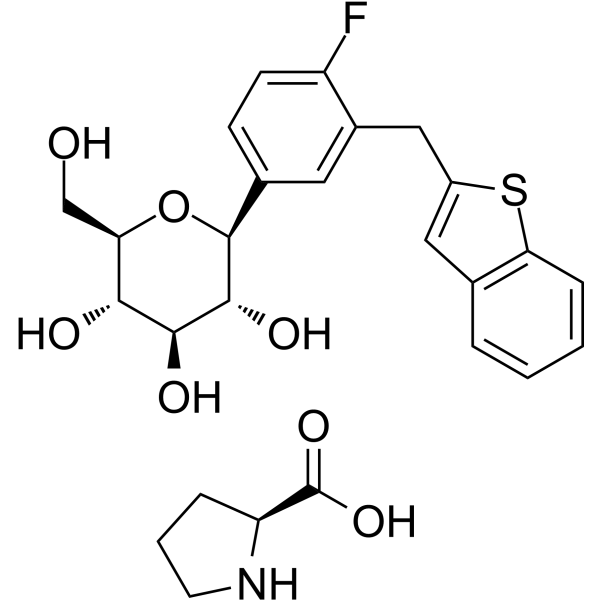
Ipragliflozin
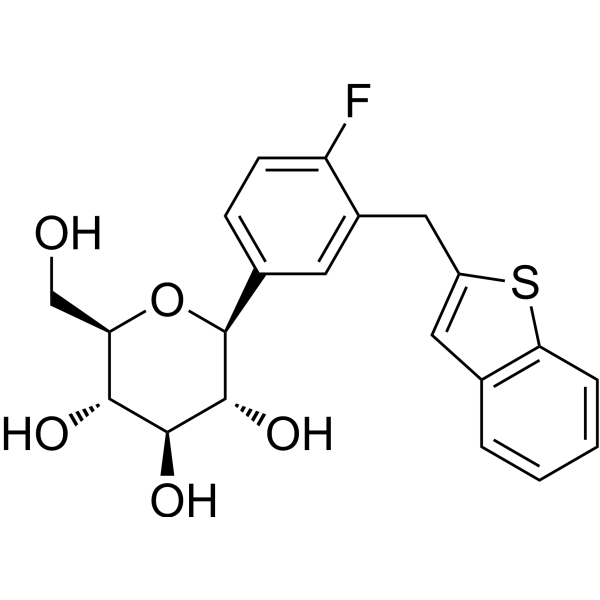 0 ImagesSynonyms: ASP1941
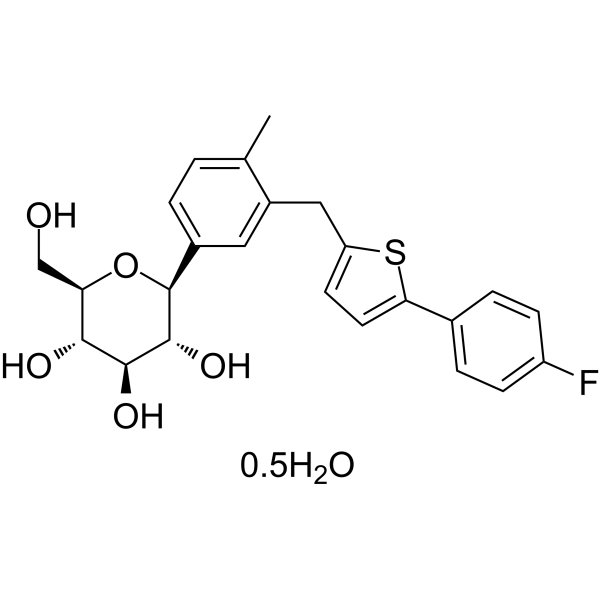
-
Dapagliflozin ((2S)-1,2-propanediol, hydrate)
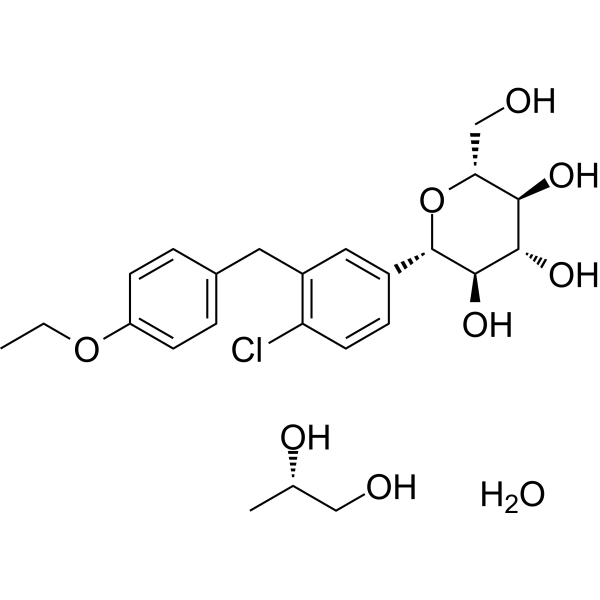 0 ImagesSynonyms: BMS-512148 (2S)-1,2-propanediol, hydrateDapagliflozin ((2S)-1,2-propanediol, hydrate) is the S-enantiomer of Dapagliflozin 1,2-propanediol, hydrate. Dapagliflozin ((2S)-1,2-propanediol, hydrate), a new type of agent used to treat diabetes mellitus (DM), is a competitive sodium/glucose cotransporter 2 (SGLT2) inhibitor, which results in excretion of glucose into the urine. Dapagliflozin ((2S)-1,2-propanediol, hydrate) induces HIF1 expression and attenuates renal IR injury.
-
Ertugliflozin
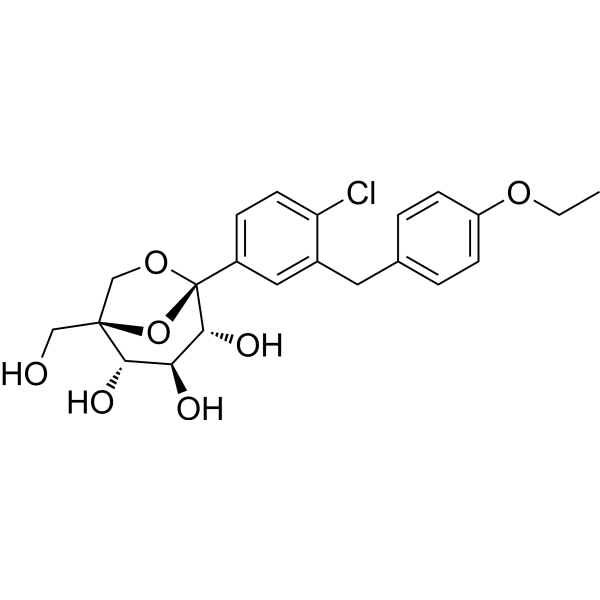 0 ImagesSynonyms: PF-04971729Ertugliflozin (PF-04971729) is a potent, selective and orally active inhibitor of the sodium-dependent glucose cotransporter 2 (SGLT2), with an IC50 of 0.877 nM for h-SGLT2. Has the potential for the treatment of type 2 diabetes mellitus.
-
Empagliflozin (Standard)
 0 ImagesSynonyms: BI 10773 (Standard)Empagliflozin (Standard) is the analytical standard of Empagliflozin. This product is intended for research and analytical applications. Empagliflozin (BI 107730 is a selective sodium glucose cotransporter-2 (SGLT-2) inhibitor with an IC50 of 3.1 nM for human SGLT-2.
-
Henagliflozin
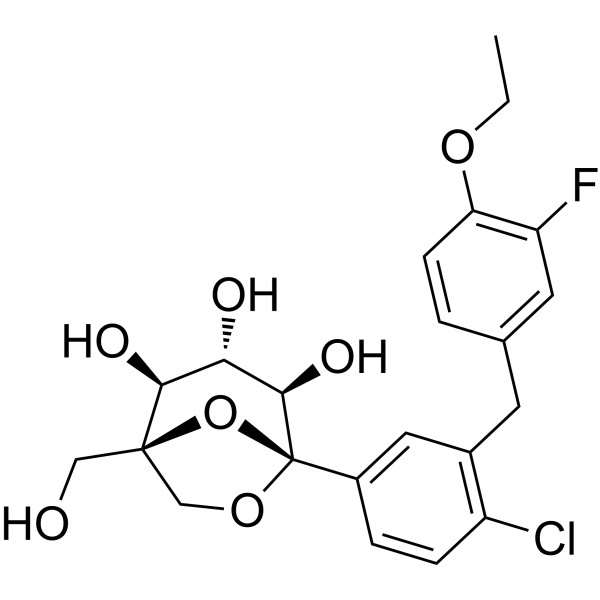 0 ImagesSynonyms: SHR3824

-
Tofogliflozin hydrate
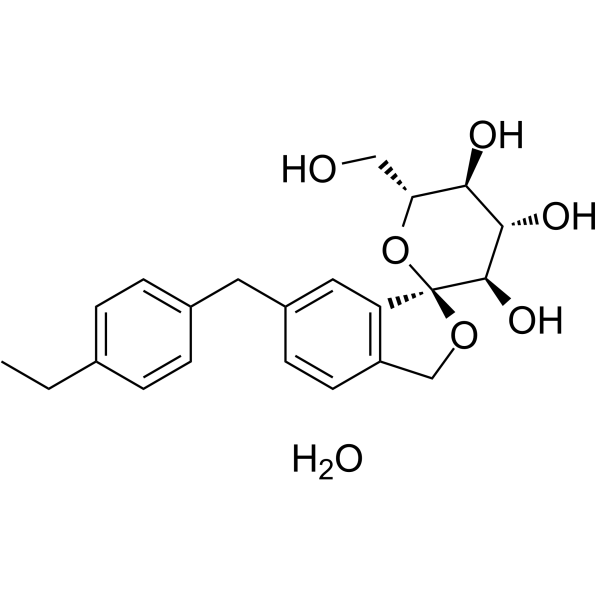 0 ImagesSynonyms: CSG-452 hydrateTofogliflozin hydrate (CSG-452 hydrate) is a potent and highly specific sodium/glucose cotransporter 2 (SGLT2) inhibitor with an IC50 of 2.9 nM and Ki values of 2.9 nM, 14.9 nM, and 6.4 nM for human, rat, and mouse SGLT2. Tofogliflozin partially inhibits high glucose-induced reactive oxyen species (ROS) generation in tubular cells.