1. Search Result
Search Result
Results for "

Adenylate+Cyclase

" in MedChemExpress (MCE) Product Catalog:

90

Inhibitors & Agonists

1

Fluorescent Dyes

7

Biochemical Assay Reagents

22

Peptides

2

Inhibitory Antibodies

8

Natural
Products

3

Recombinant Proteins

2

Isotope-Labeled Compounds

6

Antibodies

8

Oligonucleotides

1

GMP Molecules

Targets Recommended:
Cat. No. Product Name Target Research Areas Chemical Structure
  • HY-15371
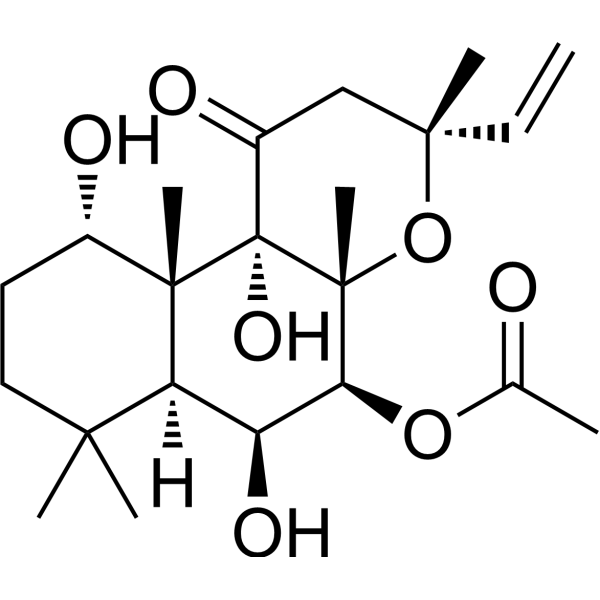
    Forskolin
    Maximum Cited Publications
    210 Publications Verification

    Coleonol; Colforsin; HL 362

    Organoid Adenylate Cyclase FXR Autophagy PKC Metabolic Disease Inflammation/Immunology Endocrinology Cancer
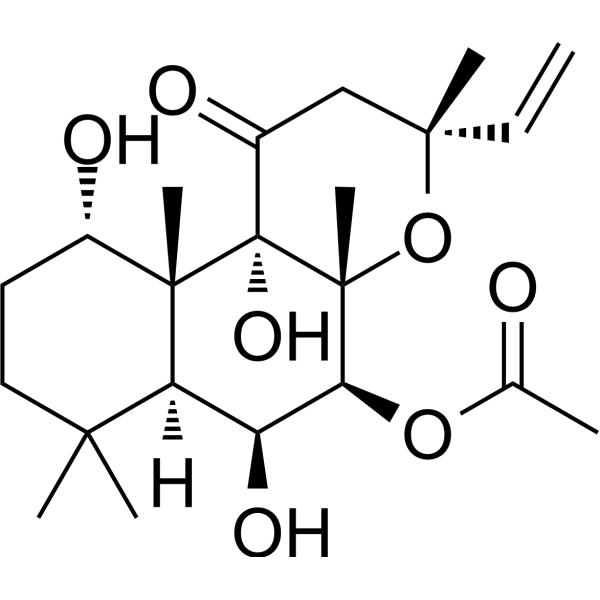
    Forskolin (Coleonol) is a potent adenylate cyclase activator with an IC50 of 41 nM and an EC50 of 0.5 μM for type I adenylyl cyclase . Forskolin is also an inducer of intracellular cAMP formation . Forskolin induces differentiation of various cell types and activates pregnane X receptor (PXR) and FXR . Forskolin exerts a inotropic effect on the heart, and has platelet antiaggregatory and antihypertensive actions. Forskolin also induces autophagy .
    Forskolin
  • HY-W010918
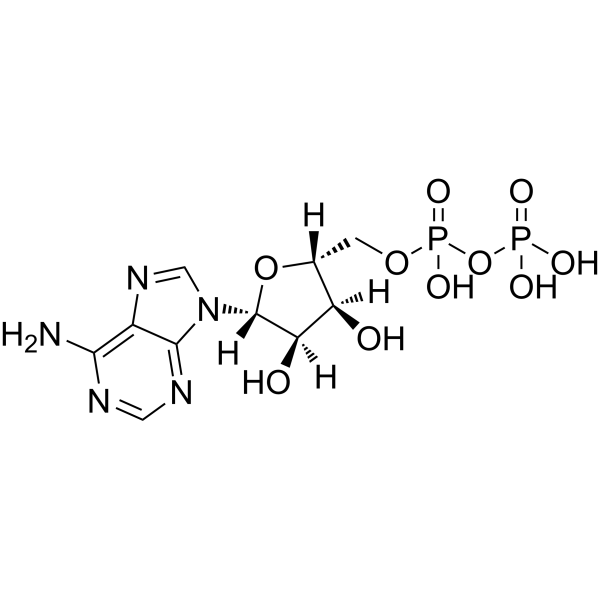
    Adenosine 5'-diphosphate
    5+ Cited Publications

    Adenosine diphosphate; ADP

    Endogenous Metabolite Others
    Adenosine 5'-diphosphate (Adenosine diphosphate) is a nucleoside diphosphate. Adenosine 5'-diphosphate is the product of ATP dephosphorylation by ATPases. Adenosine 5'-diphosphate induces human platelet aggregation and inhibits stimulated adenylate cyclase by an action at P2T-purinoceptors.
    Adenosine 5'-diphosphate
  • HY-100396
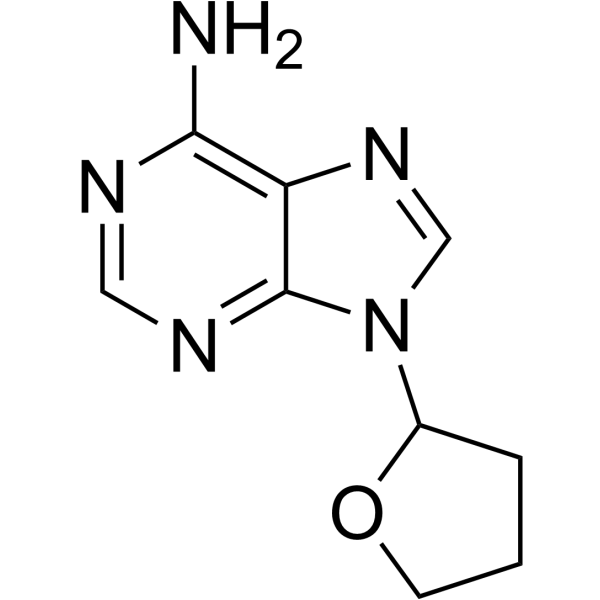
    SQ22536
    35+ Cited Publications

    Adenylate Cyclase Metabolic Disease
    SQ22536 is an effective adenylate cyclase (AC) inhibitor.
    SQ22536
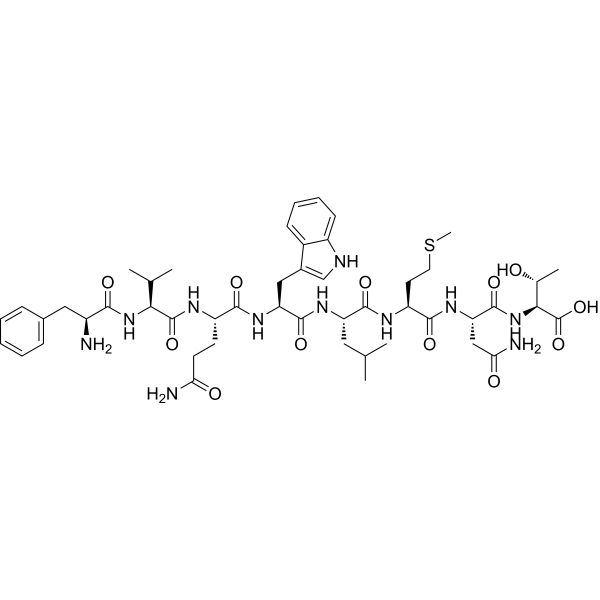
  • HY-P0221
    PACAP (1-38), human, ovine, rat
    5 Publications Verification

    Pituitary Adenylate Cyclase Activating Polypeptide 38

    PACAP Receptor ERK EGFR Reactive Oxygen Species (ROS) Calcium Channel Infection Neurological Disease
    PACAP (1-38), human, ovine, rat is a PAC1 receptor agonist. PACAP (1-38), human, ovine, rat binds to PACAP type I receptor, PACAP type II receptor VIP1, and PACAP type II receptor VIP2 with IC50s of 4 nM, 2 nM, and 1 nM, respectively. PACAP (1-38), human, ovine, rat increases the α-secretase activity. PACAP (1-38), human, ovine, rat elevates cytosolic Ca 2+, increases proliferation and increases phosphorylation of extracellular regulates kinase (ERK) and the epidermal growth factor receptor (EGFR). PACAP (1-38), human, ovine, rat demonstrates potent, efficacious, and sustained stimulatory effects on sympathetic neuronal NPY and catecholamine production. PACAP (1-38), human, ovine, rat can be used for neurotrophic and neuroprotective research .
    PACAP (1-38), human, ovine, rat
  • HY-103193

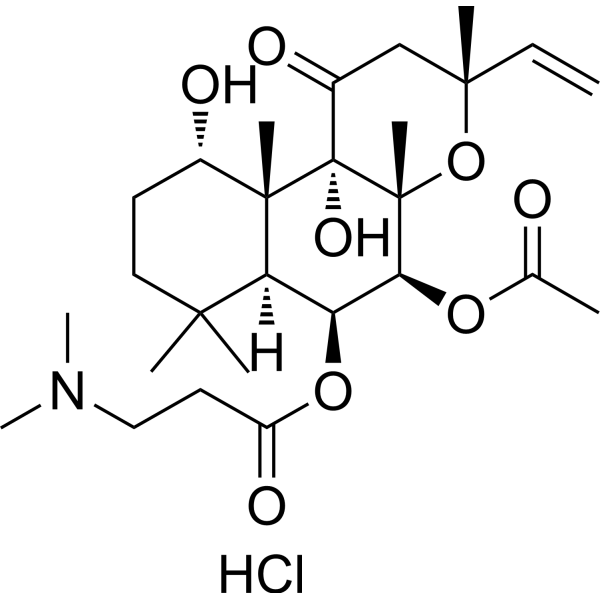
    Colforsin dapropate hydrochloride

    Adenylate Cyclase Cardiovascular Disease
    NKH477 (Colforsin dapropate hydrochloride) directly activates the catalytic unit of adenylate cyclase and increases intracellular cAMP. NKH477 is a forskolin derivative that improves cardiac failure mainly through its beneficial effects on diastolic cardiac function. NKH477 exerts an antiproliferative effect in vivo with an altered cytokine profile to inhibit the acute rejection of rat orthotopic lung allografts .
    NKH477
  • HY-Y1092
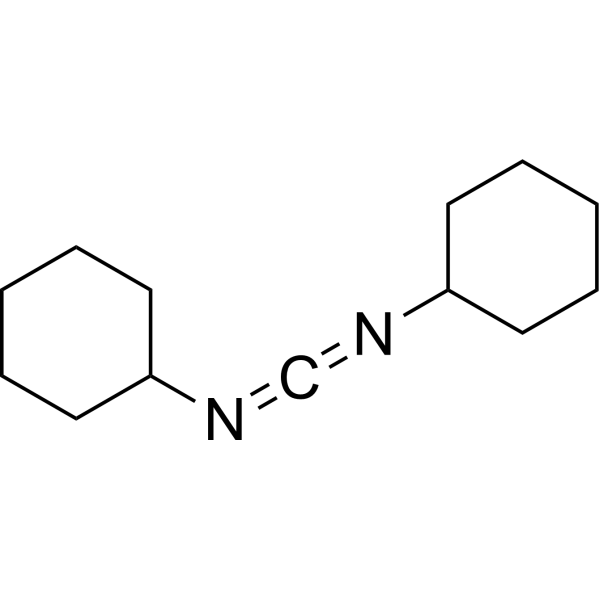
    N,N-Dicyclohexylcarbodiimide(DCC)
    2 Publications Verification

    Biochemical Assay Reagents Adenylate Cyclase Others
    N,N-Dicyclohexylcarbodiimide(DCC) is a dehydrating and condensing agent. N,N-Dicyclohexylcarbodiimide(DCC) enhances adenylate cyclase activity. N,N-Dicyclohexylcarbodiimide(DCC) inhibits amine accumulation. N,N-Dicyclohexylcarbodiimide(DCC) is used to prepare 3-phenylcoumarin derivatives, sulfated derivatives of purslane polysaccharides .
    N,N-Dicyclohexylcarbodiimide(DCC)
  • HY-10435A
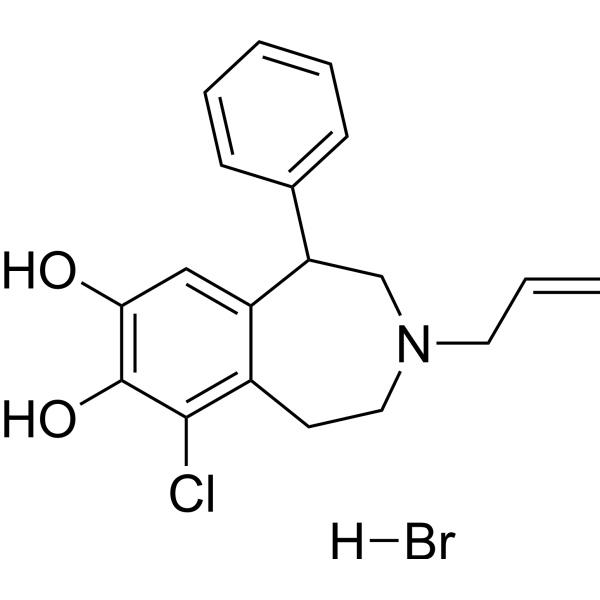
    SKF-82958 hydrobromide
    4 Publications Verification

    (±)-SKF-82958 hydrobromide; Chloro-APB hydrobromide

    Dopamine Receptor Neurological Disease
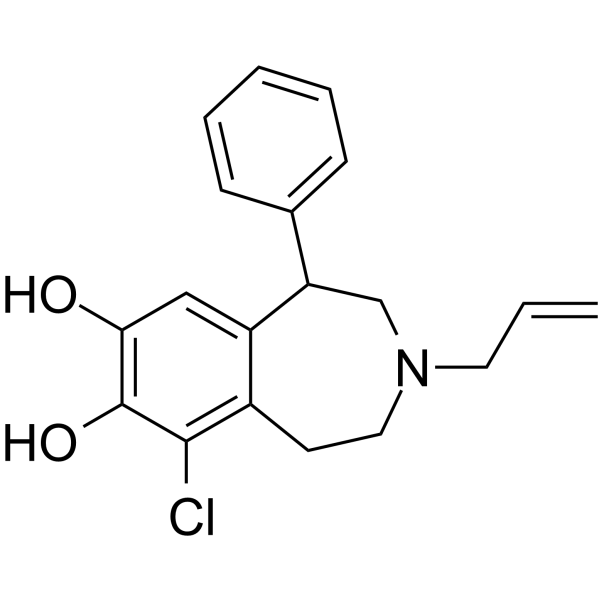
    SKF-82958 ((±)-SKF 82958) hydrobromide is a dopamine D1 receptor full agonist (K0.5=4 nM), displays selective for D1 over D2 receptors (K0.5=73 nM). SKF-82958 hydrobromide induces dopamine D1 receptor-dependent adenylate cyclase activity in rat striatal membranes (EC50=491 nM) .
    SKF-82958 hydrobromide
  • HY-P1852
    TIP 39, Tuberoinfundibular Neuropeptide
    1 Publications Verification

    Adenylate Cyclase PTHR Neurological Disease
    TIP 39, Tuberoinfundibular Neuropeptide is an endogenous PTH2 receptor agonist and antihypertensive agent. TIP 39, Tuberoinfundibular Neuropeptide selectively activates the PTH2 receptor with no activity on the PTH1 receptor, stimulates cAMP production, activates adenylate cyclase, and elevates intracellular calcium levels via mobilization from intracellular stores. TIP 39, Tuberoinfundibular Neuropeptide is highly conserved in humans, mice, and rats. TIP 39, Tuberoinfundibular Neuropeptide is applicable to research related to nociception and inflammation-induced pain .
    TIP 39, Tuberoinfundibular Neuropeptide
  • HY-137167

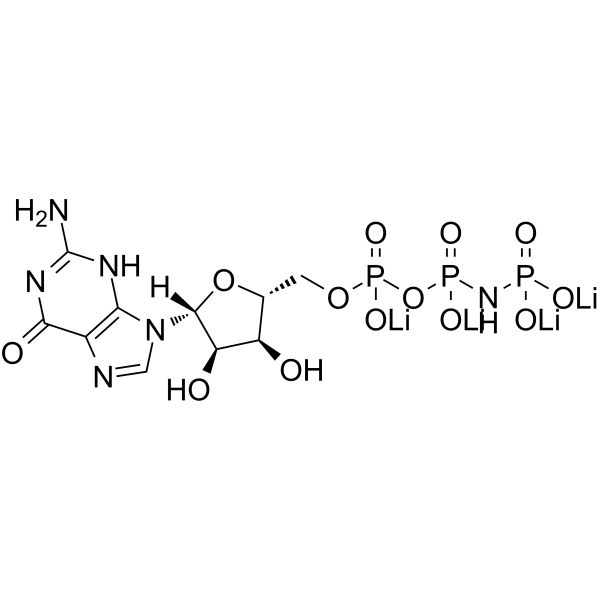
    Gpp(NH)p lithium

    Adenylate Cyclase Metabolic Disease
    Guanylyl imidodiphosphate lithium (Gpp (NH) p lithium) is a non-hydrolyzable GTP analog. Guanylyl imidodiphosphate lithium increases adenylate cyclase activity. Guanylyl imidodiphosphate lithium binds to and irreversibly activates G proteins .
    Guanylyl imidodiphosphate lithium
  • HY-B1124
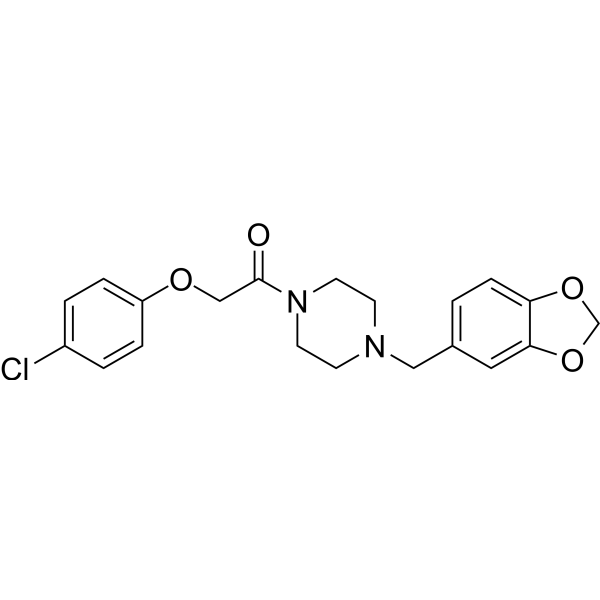
    Fipexide
    1 Publications Verification

    Adenylate Cyclase Dopamine Transporter Neurological Disease
    Fipexide, a parachloro-phenossiacetic acid derivative, is an orally active nootropic agent. Fipexide reduces striatal adenylate cyclase activity. Fipexide has positive effect on cognitive performance by dopaminergic neurotransmission. Fipexide is used for senile dementia research. Fipexide acts as a chemical inducer in callus formation, shoot regeneration and Agrobacterium infection .
    Fipexide
  • HY-100767

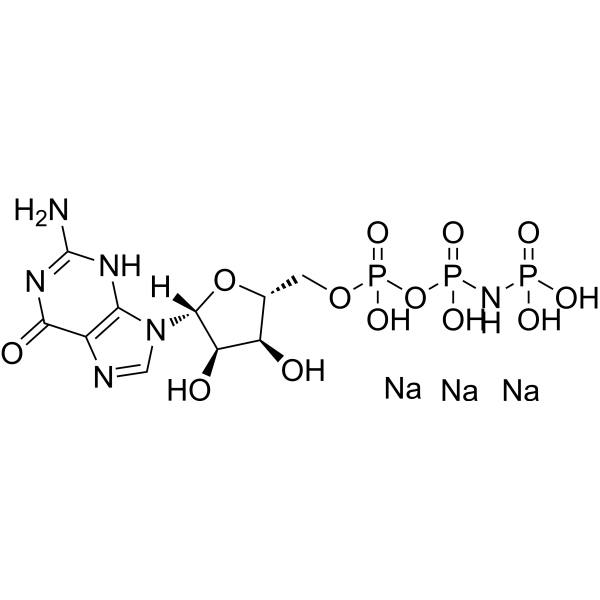
    Guanosine 5'-[β,γ-imido]triphosphate trisodium

    Adenylate Cyclase Endocrinology
    Guanylyl Imidodiphosphate (Guanosine 5'-[β,γ-imido]triphosphate) trisodium is a non-hydrolysable GTP analogue, an activator of ADP-ribosylation factor (ARF) and a potent stimulator of adenylate cyclase. Imidodiphosphate trisodium can be used in protein synthesis studies .
    Guanylyl Imidodiphosphate trisodium
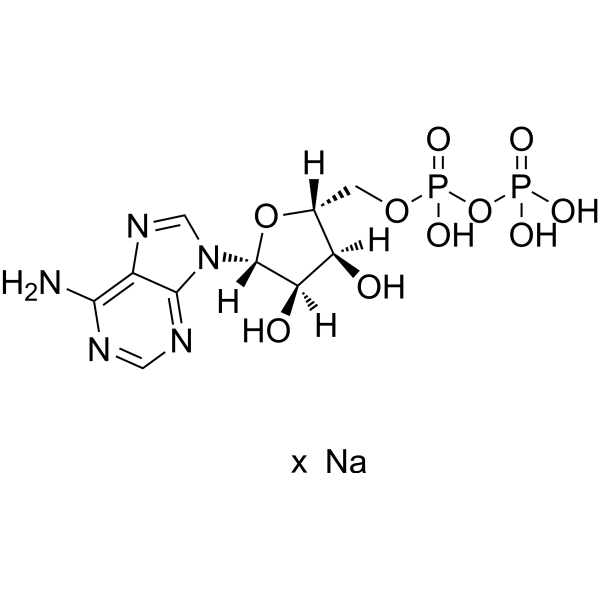
  • HY-W010791

    Endogenous Metabolite Others
    Adenosine 5'-diphosphate sodium salt is a nucleoside diphosphate and the product of ATP dephosphorylation by ATPases. Adenosine 5'-diphosphate sodium salt induces human platelet aggregation and inhibits stimulated adenylate cyclase through its action on P2T-purinergic receptors .
    Adenosine 5'-diphosphate sodium salt
  • HY-147557
    PA-915
    1 Publications Verification

    PAC1R antagonist 1

    PACAP Receptor Neurological Disease
    PA-915 (PAC1R antagonist 1) is a potent and orally active antagonist of PAC1 receptor. PA-915 inhibits pituitary adenylate cyclase-activating polypeptide (PACAP)-induced CREB phosphorylation. PA-915 can inhibit PACAP- and nerve injury-induced allodynia. PA-915 can be used for the research of neuropathic pain .
    PA-915
  • HY-P1014
    HCGRP-(8-37)
    2 Publications Verification

    Human α-CGRP (8-37)

    CGRP Receptor Cardiovascular Disease
    HCGRP-(8-37) (Human α-CGRP (8-37)) is a fragment of human calcitonin gene-related peptide (hCGRP) and an antagonist of the CGRP receptor, with an IC50 of 32.1 pM against the CGRP receptor. HCGRP-(8-37) blocks adenylate cyclase activation induced by CGRP receptor ligands and attenuates vascular responses triggered by CGRP. HCGRP-(8-37) reduces capsaicin-induced vasodilation in porcine nasal mucosa and superficial skin. HCGRP-(8-37) serves as a research tool to distinguish effects mediated by CGRP or calcitonin receptors, and to investigate CGRP-induced vascular effects .
    HCGRP-(8-37)
  • HY-P3394

    CTB, from vibrio cholerae

    Biochemical Assay Reagents Others
    Cholera toxin B subunit, from vibrio cholerae (CTB, from vibrio cholerae) is non-toxic to cells and possesses no intrinsic adenylate cyclase activity. Cholera toxin B subunit, from vibrio cholerae attaches to cells by binding to ganglioside GM1.8 CTB has been shown to be a good label for microglial cells (due to the enrichment of ganglioside GM1 on their cell surface), but not for oligodendrocytes or astrocytes. Cholera toxin B subunit, from vibrio cholerae has been reported to be an excellent tracer for the study of axonal transport using immunohistochemical methods. Cholera toxin B subunit, from vibrio cholerae has been widely used as a marker of membrane lipid rafts .
    Cholera toxin B subunit, from vibrio cholerae
  • HY-P3617

    GCGR Metabolic Disease
    Glucagon (22-29) is partial agonist of Glucagon (19–29). Glucagon specifically inhibits the Ca 2+ pump in liver plasma membranes independently of adenylate cyclase activation .
    Glucagon (22-29)
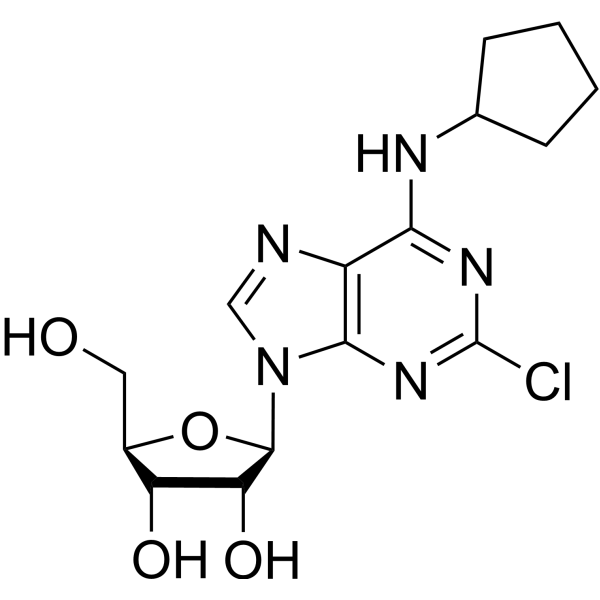
  • HY-103185
    CCPA
    1 Publications Verification

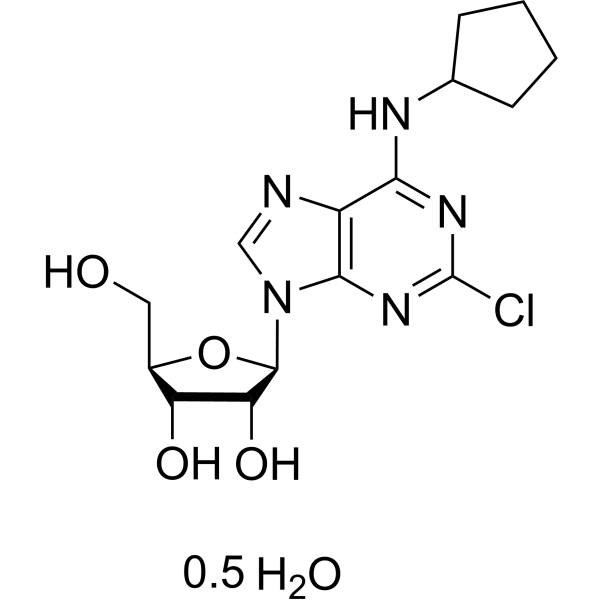
    2-Chloro-N6-cyclopentyladenosine

    Adenosine Receptor Adenylate Cyclase Cardiovascular Disease Neurological Disease
    CCPA (2-Chloro-N6-cyclopentyladenosine) a highly selective A1 adenosine receptors agonist with a Ki of 0.4 nM. CCPA inhibits adenylate cyclase with an IC50 of 33 nM. CCPA exhibits anti-seizure and cardiacprotective activity. CCPA can be used for the research of seizure and myocardial infarction .
    CCPA
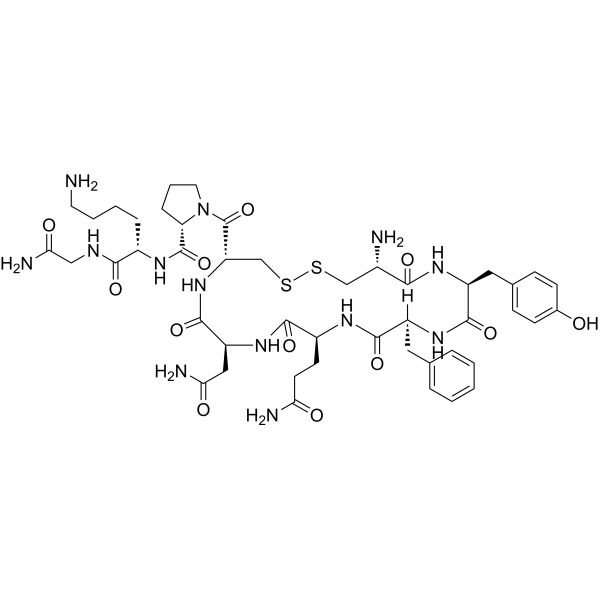
  • HY-P0004
    Lysipressin
    2 Publications Verification

    Lysine vasopressin; [Lys8]-Vasopressin

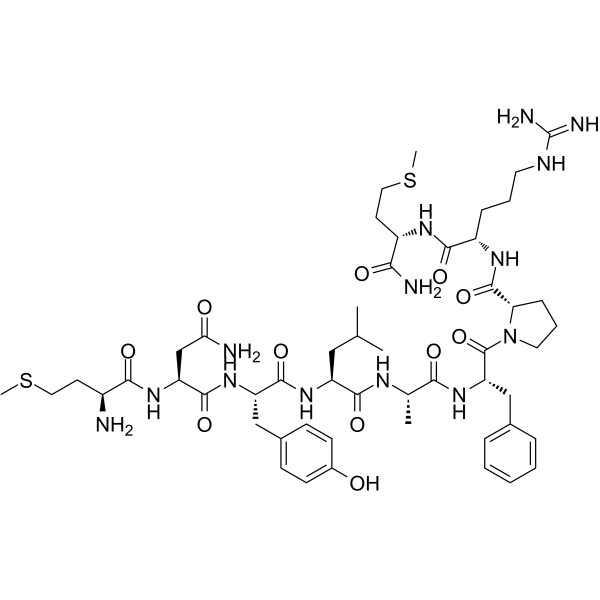
    Adenylate Cyclase Oxytocin Receptor Cardiovascular Disease Neurological Disease
    Lysipressin (Lysine vasopressin) is antidiuretic hormone that have been found in pigs. Lysipressin activates Oxytocin receptors and adenylate-cyclase. Lysipressin adjusts blood pressure and heart rate. Lysipressin shows antinociceptive activity .
    Lysipressin
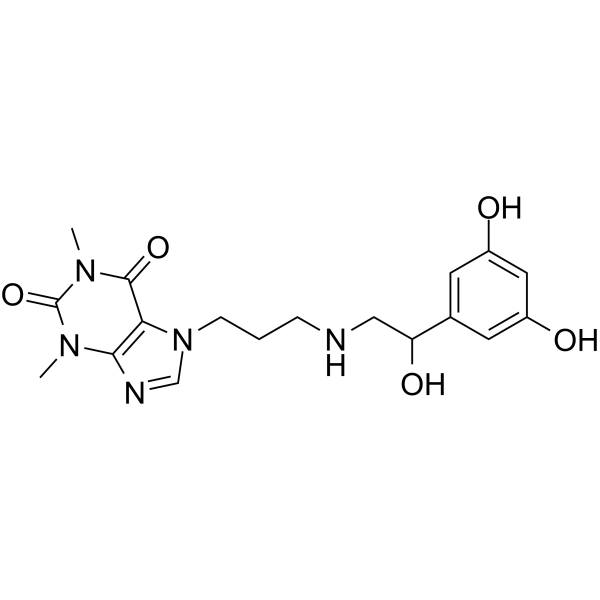
  • HY-135490

    Adrenergic Receptor Phosphodiesterase (PDE) Inflammation/Immunology
    Reproterol is a selective β2-adrenoceptor agonist and cAMP phosphodiesterase (PDE) inhibitor. Reproterol inhibits adenylate cyclase-induced phosphodiesterase activity. Reproterol inhibits histamine release from mast cells. Reproterol is applicable to research related to asthma .
    Reproterol
  • HY-15371R

    Coleonol (Standard); Colforsin (Standard); HL 362 (Standard)

    Organoid Reference Standards Adenylate Cyclase FXR Autophagy PKC Metabolic Disease Inflammation/Immunology Endocrinology Cancer
    Forskolin (Standard) is the analytical standard of Forskolin. This product is intended for research and analytical applications. Forskolin (Coleonol) is a potent adenylate cyclase activator with an IC50 of 41 nM and an EC50 of 0.5 μM for type I adenylyl cyclase . Forskolin is also an inducer of intracellular cAMP formation . Forskolin induces differentiation of various cell types and activates pregnane X receptor (PXR) and FXR . Forskolin exerts a inotropic effect on the heart, and has platelet antiaggregatory and antihypertensive actions. Forskolin also induces autophagy .
    Forskolin (Standard)
  • HY-108648A

    2-Methylthioadenosine diphosphate; 2-Methylthio-ADP

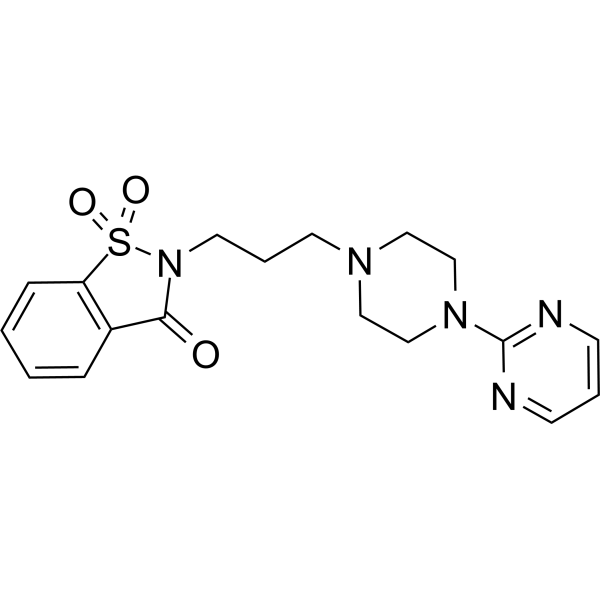
    P2Y Receptor Neurological Disease
    2-MeSADP is a P2Y receptor agonist, with an EC50 of 5 nM for human P2Y12, EC50 values of 19 nM and 13 nM for human P2Y13, and an EC50 of 6.2 nM for mouse P2Y13. It shows slightly higher selectivity for P2Y12 over human P2Y13. 2-MeSADP triggers increases in intracellular calcium levels, Gi-mediated cAMP inhibition, adenylate cyclase inhibition and downstream signal transduction. 2-MeSADP can be used in research related to glaucoma .
    2-MeSADP
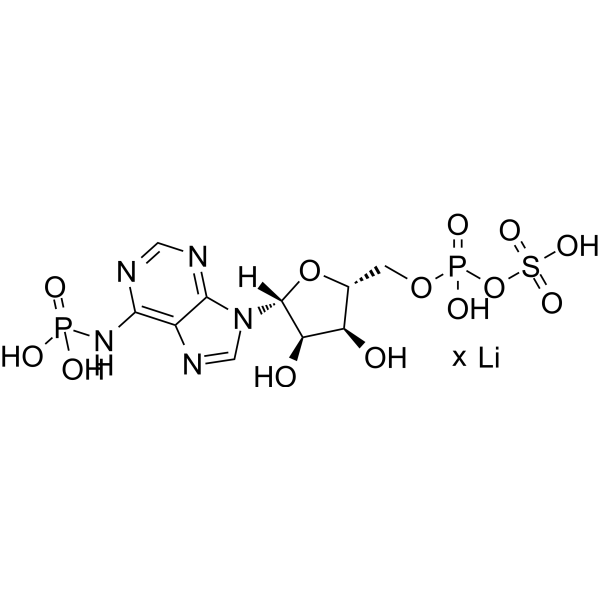
  • HY-W250153

    P2Y Receptor Cardiovascular Disease
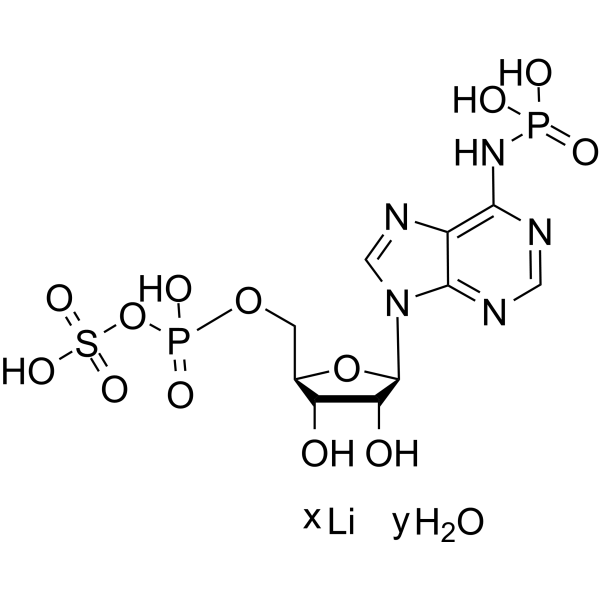
    Adenosine 3'-phosphate 5'-phosphosulfate lithium, an adenine nucleotide derivative, is a selective P2Y1 antagonist with no effect on P2Y2, P2Y4, or P2Y6 receptors. Adenosine 3'-phosphate 5'-phosphosulfate lithium can competitive inhibit ADP-induced platelet aggregation, as well as the ability of ADP to cause shape change and increases in Ca 2+ in platelets, but had no effect on the inhibition of stimulated adenylate cyclase by ADP. Adenosine 3'-phosphate 5'-phosphosulfate lithium is a co-substrate used for the sulfonation of glycans. Adenosine 3'-phosphate 5'-phosphosulfate lithium can be used for Golgi-resident PAP-specific 3'-phosphatase-coupled sulfotransferase assays, which as donor substrate to transfer a sulfonate group .
    Adenosine 3'-phosphate 5'-phosphosulfate lithium
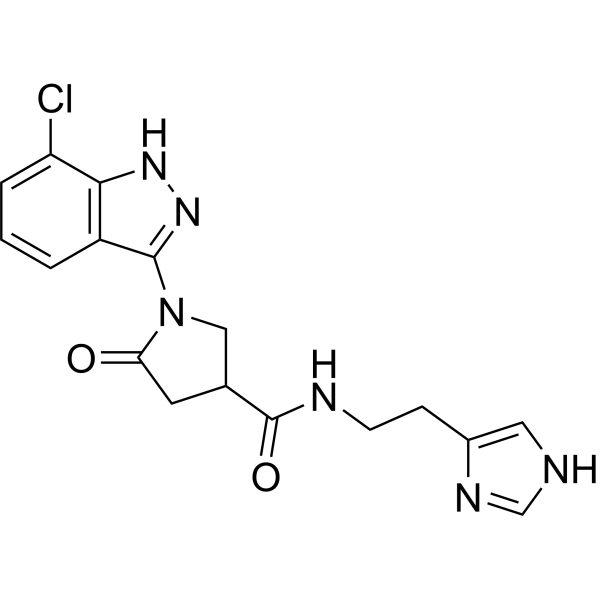
  • HY-101862

    Adenylate Cyclase Cardiovascular Disease Neurological Disease
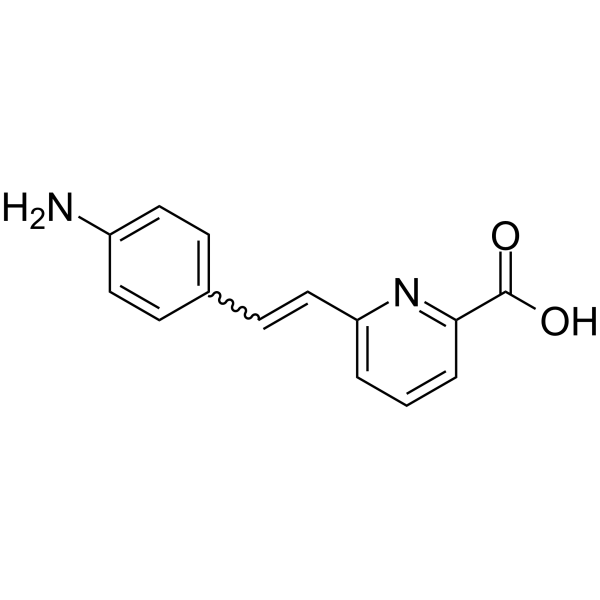
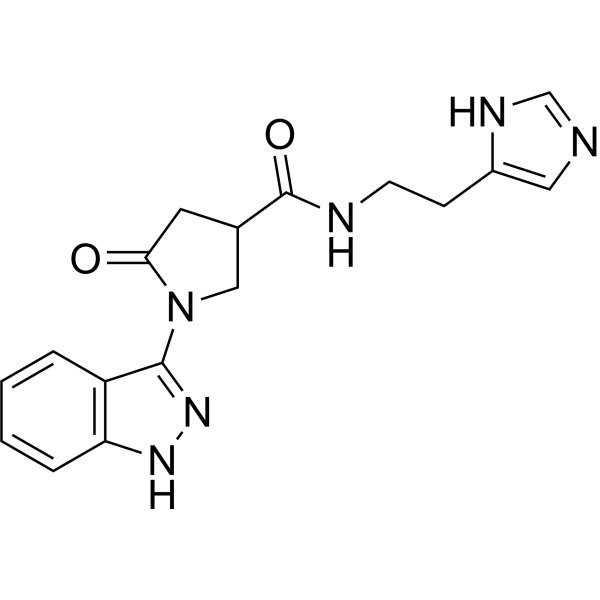
    CB-7921220 is an adenylate cyclase inhibitor.
    CB-7921220
  • HY-116530

    9-CP-Ade mesylate

    Adenylate Cyclase Others Neurological Disease
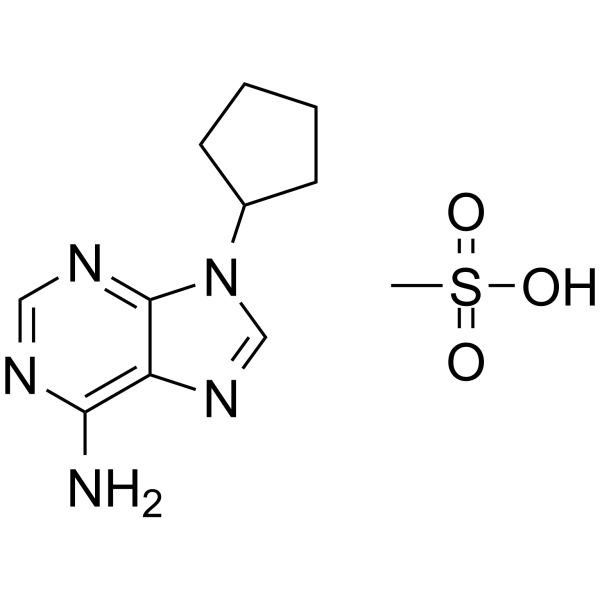
    9-Cyclopentyladenine monomethylsulfonate (9-CP-Ade mesylate) is a stable non-competitive adenylate cyclase inhibitor with cell permeable properties .
    9-Cyclopentyladenine monomethanesulfonate
  • HY-B1124A
    Fipexide hydrochloride
    1 Publications Verification

    Adenylate Cyclase Dopamine Transporter Neurological Disease
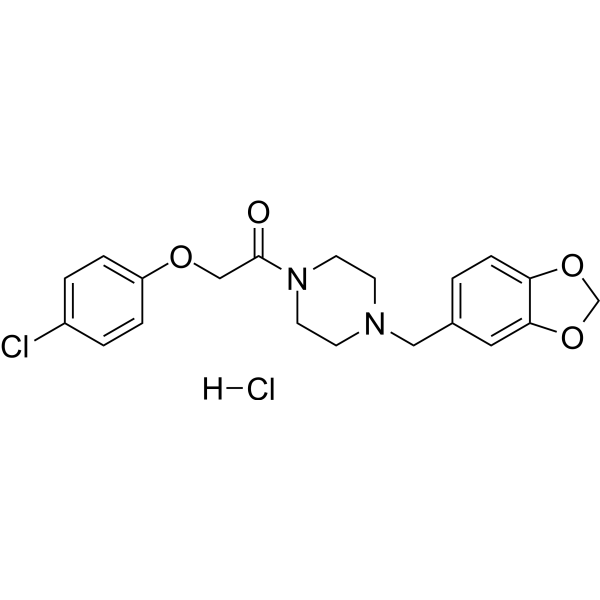
    Fipexide hydrochloride, a parachloro-phenossiacetic acid derivative, is an orally active nootropic agent. Fipexide hydrochloride reduces striatal adenylate cyclase activity. Fipexide hydrochloride has positive effect on cognitive performance by dopaminergic neurotransmission. Fipexide hydrochloride is used for senile dementia research. Fipexide hydrochloride acts as a chemical inducer in callus formation, shoot regeneration and Agrobacterium infection .
    Fipexide hydrochloride
  • HY-W010918S2

    Adenosine diphosphate-15N5 dilithium; ADP-15N5 dilithium

    Isotope-Labeled Compounds Endogenous Metabolite Cardiovascular Disease
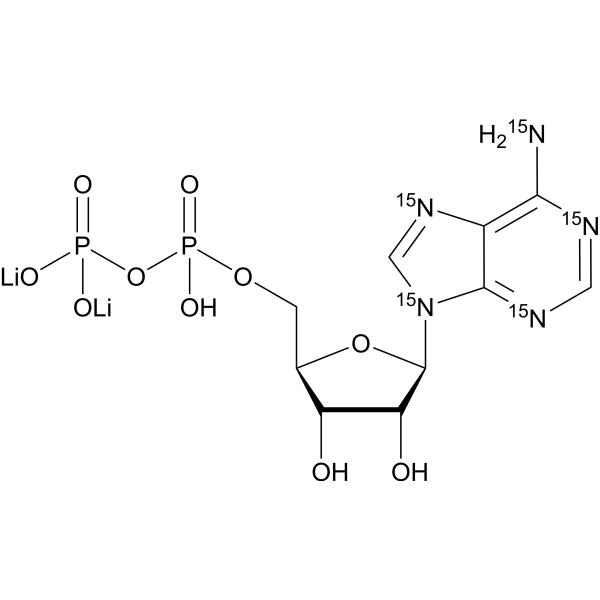
    Adenosine 5'-diphosphate- 15N5 (Adenosine diphosphate- 15N5 dilithium) dilithium is 15N labeled Adenosine 5'-diphosphate (HY-W010918). Adenosine 5'-diphosphate (Adenosine diphosphate) is a nucleoside diphosphate. Adenosine 5'-diphosphate is the product of ATP dephosphorylation by ATPases. Adenosine 5'-diphosphate induces human platelet aggregation and inhibits stimulated adenylate cyclase by an action at P2T-purinoceptors.
    Adenosine 5'-diphosphate-15N5 dilithium
  • HY-164090

    P2Y Receptor Cardiovascular Disease
    Adenosine 3'-phosphate 5'-phosphosulfate, an adenine nucleotide derivative, is a selective P2Y1 antagonist with no effect on P2Y2, P2Y4, or P2Y6 receptors. Adenosine 3'-phosphate 5'-phosphosulfate can competitive inhibit ADP-induced platelet aggregation, as well as the ability of ADP to cause shape change and increases in Ca 2+ in platelets, but had no effect on the inhibition of stimulated adenylate cyclase by ADP. Adenosine 3'-phosphate 5'-phosphosulfate is a co-substrate used for the sulfonation of glycans. Adenosine 3'-phosphate 5'-phosphosulfate can be used for Golgi-resident PAP-specific 3'-phosphatase-coupled sulfotransferase assays, which as donor substrate to transfer a sulfonate group .
    Adenosine 3'-phosphate 5'-phosphosulfate
  • HY-129421

    PACAP Receptor Neurological Disease Inflammation/Immunology
    PA-9 is a pituitary adenylate cyclase-activating polypeptide (PACAP) type I (PAC1) receptor antagonist. PA-9 dose dependently inhibits PACAP-induced cAMP elevation with an IC50 of 5.6 nM. PA-9 can be used for the research of neuropathic and/or inflammatory pain .
    PA-9
  • HY-W010918S3

    Adenosine diphosphate-13C5; ADP-13C5

    Isotope-Labeled Compounds Endogenous Metabolite Others
    Adenosine 5'-diphosphate- 13C5 (Adenosine diphosphate- 13C5) is the 13C-labeled Adenosine 5'-diphosphate (HY-W010918). Adenosine 5'-diphosphate (Adenosine diphosphate) is a nucleoside diphosphate. Adenosine 5'-diphosphate is the product of ATP dephosphorylation by ATPases. Adenosine 5'-diphosphate induces human platelet aggregation and inhibits stimulated adenylate cyclase by an action at P2T-purinoceptors.
    Adenosine 5'-diphosphate-13C5
  • HY-15371G

    Coleonol; Colforsin; HL 362

    Adenylate Cyclase FXR Autophagy PKC Metabolic Disease Inflammation/Immunology Endocrinology Cancer
    Forskolin (Coleonol) (GMP) is a potent adenylate cyclase activator with an IC50 of 41 nM and an EC50 of 0.5 μM for type I adenylyl cyclase . Forskolin (GMP) is also an inducer of intracellular cAMP formation . Forskolin (GMP) induces differentiation of various cell types and activates pregnane X receptor (PXR) and FXR . Forskolin (GMP) exerts a inotropic effect on the heart, and has platelet antiaggregatory and antihypertensive actions. Forskolin (GMP) also induces autophagy .
    Forskolin
  • HY-W010918R

    Adenosine diphosphate (Standard); ADP (Standard)

    Reference Standards Endogenous Metabolite Others
    Adenosine 5'-diphosphate (Standard) is the analytical standard of Adenosine 5'-diphosphate. This product is intended for research and analytical applications. Adenosine 5'-diphosphate (Adenosine diphosphate) is a nucleoside diphosphate. Adenosine 5'-diphosphate is the product of ATP dephosphorylation by ATPases. Adenosine 5'-diphosphate induces human platelet aggregation and inhibits stimulated adenylate cyclase by an action at P2T-purinoceptors. In Vitro: Adenosine 5'-diphosphate consists of the pyrophosphate group, the pentose sugar ribose, and the nucleobase adenine. Adenosine 5'-diphosphate is the product of ATP dephosphorylation by ATPases. ADP is converted back to ATP by ATP synthases. ATP is an important energy transfer molecule in cells. Adenosine 5'-diphosphate is utilized in a wide number of cellular processes, including respiration, biosynthetic reactions, motility, and cell division.
    Adenosine 5'-diphosphate (Standard)
  • HY-P0004A
    Lysipressin acetate
    2 Publications Verification

    Lysine vasopressin acetate; [Lys8]-Vasopressin acetate

    Adenylate Cyclase Others
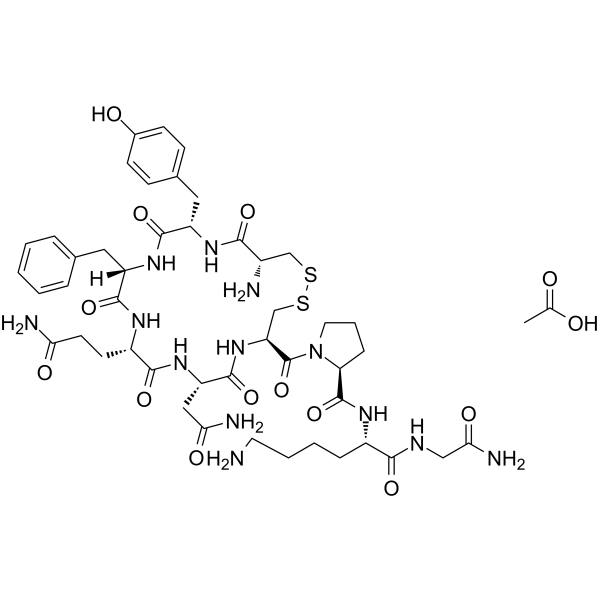
    Lysipressin (Lysine vasopressin) acetate is antidiuretic hormone that have been found in pigs and some marsupial families. Lysipressin acetate induces contraction of the rabbit urinary bladder smooth muscle, activate adenylate-cyclase .
    Lysipressin acetate
  • HY-N10772

    Calcium Channel Calmodulin Adenylate Cyclase Neurological Disease Inflammation/Immunology
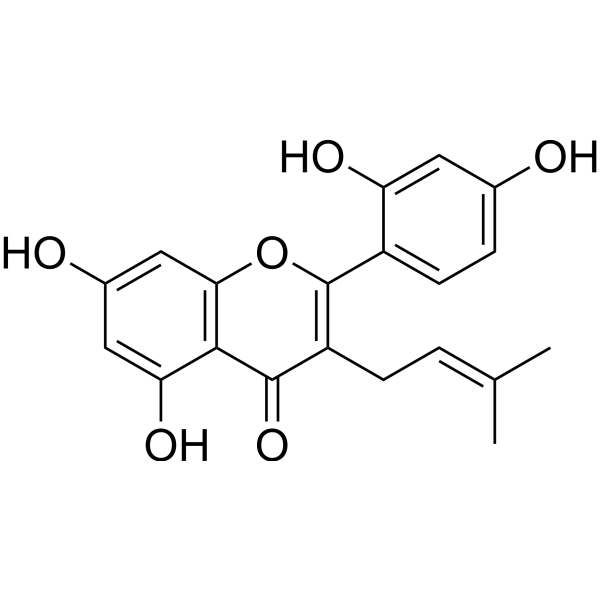
    Albanin A, a flavonoid, suppresses glutamate release by decreasing Ca 2+/calmodulin/adenylate Cyclase 1 (AC1) activation in synaptosomes and exerts neuroprotective effect in vivo. Albanin A has anti-inflflammatory activity .
    Albanin A
  • HY-P4697A

    Thyroid Hormone Receptor Endocrinology
    pTH (44-68) (human) TFA is a fragment of human parathyroid hormone (pTH) that lacks the adenylate cyclase-stimulating activity of intact pTH. pTH (44-68) (human) TFA can be used to study the mechanism of action of pTH .
    pTH (44-68) (human) TFA
  • HY-P3689

    CGRP Receptor Adenylate Cyclase Others
    [Tyr22] Calcitonin Gene Related Peptide, (22-37), rat is a fragments 22-37 of rat calcitonin gene related peptide (CGRP), targeting CGRP receptor and adenylate cyclase. Calcitonin is mainly produced by thyroid C cells while CGRP is secreted and stored in the nervous system .
    [Tyr22] Calcitonin Gene Related Peptide, (22-37), rat
  • HY-122357

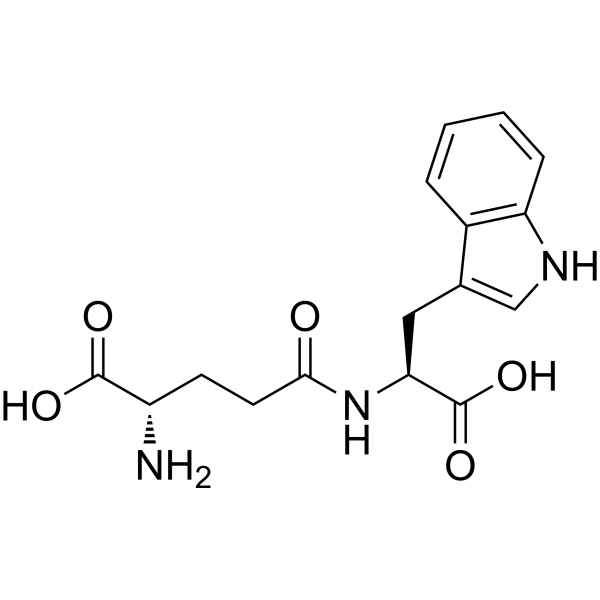
    γ-Glu-Trp

    Adenylate Cyclase Inflammation/Immunology
    Bestim (γ-Glu-Trp) is a dipeptide, which exhibits high affinity to murine peritoneal macrophages, thymocytes, and plasma membranes isolated from these cells, with Kds of 3.1, 2.1, 18.6 and 16.7 nM, respectively. Bestim inhibits adenylate cyclase in the membranes of murine macrophages and thymocytes. Bestim exhibits immunomodulatory efficacy .
    Bestim
  • HY-Y1092R

    Biochemical Assay Reagents Reference Standards Others
    N,N-Dicyclohexylcarbodiimide(DCC) (Standard) is the analytical standard of N,N-Dicyclohexylcarbodiimide(DCC). This product is intended for research and analytical applications. N,N-Dicyclohexylcarbodiimide(DCC) is a dehydrating and condensing agent. N,N-Dicyclohexylcarbodiimide(DCC) enhances adenylate cyclase activity. N,N-Dicyclohexylcarbodiimide(DCC) inhibits amine accumulation. N,N-Dicyclohexylcarbodiimide(DCC) is used to prepare 3-phenylcoumarin derivatives, sulfated derivatives of purslane polysaccharides .
    N,N-Dicyclohexylcarbodiimide(DCC) (Standard)
  • HY-P3117

    Pituitary adenylate cyclase-activating peptide (6-27)

    Adenylate Cyclase Neurological Disease
    PACAP (6-27) (human, ovine, rat) is a PACAP receptor antagonist that blocks the canine adrenal catecholamine response to exogenous vasoactive intestinal peptide (VIP). PACAP (6-27) (human, ovine, rat) has the potential to study cardiovascular and neurological diseases .
    PACAP (6-27) (human, ovine, rat)
  • HY-401913

    Phosphodiesterase (PDE) Infection Cancer
    Endo CNTinh-03 is inhibitor for the elevation of cAMP and cGMP induced by agonist, such as G protein-coupled receptors, adenylate cyclase, and guanylate cyclase (IC50 is 4 μM). Endo CNTinh-03 inhibits cholera toxin- and Escherichia coli (STa) toxin- induced CFTR chloride current, ameliorates secretory diarrhea in mouse models, and prevents cyst growth in polycystic kidney disease model .
    endo CNTinh-03
  • HY-P2090A

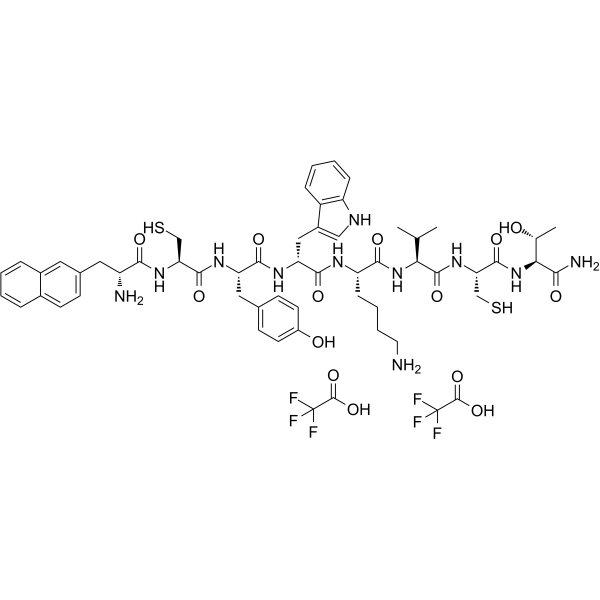
    Somatostatin Receptor Adenylate Cyclase Cardiovascular Disease
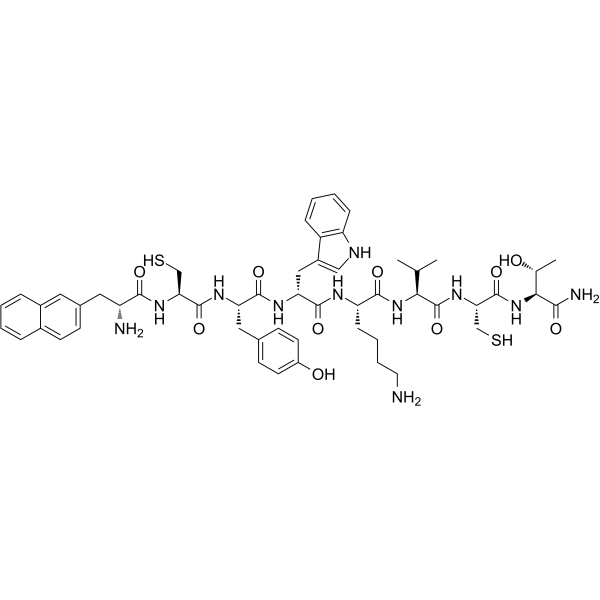
    Angiopeptin TFA, a cyclic octapeptide analogue of somatostatin, is a weak sst2/sst5 receptor partial agonist with IC50 values of 0.26 nM and 6.92 nM, respectively. Angiopeptin TFA is a potent inhibitor of growth hormone release and insulin-like growth factor-1 (IGF-1) production. Angiopeptin TFA inhibits adenylate cyclase or stimulates extracellular acidification. Angiopeptin TFA has the potential for coronary atherosclerosis research .
    Angiopeptin TFA
  • HY-121185

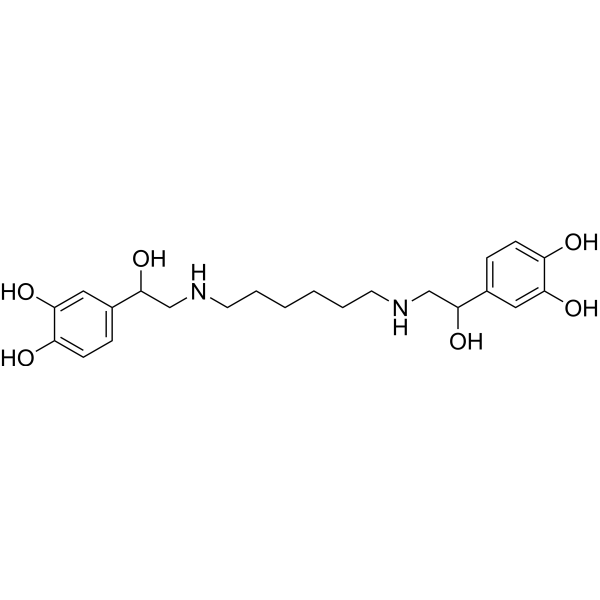
    Adrenergic Receptor Infection Neurological Disease Inflammation/Immunology Endocrinology
    Hexoprenaline is an orally active and selective β-adrenergic receptor agonist. Hexoprenaline can dilate the bronchi. Hexoprenaline can activate adenylate cyclase and increases 14C-Aminopyrine uptake. Hexoprenaline exhibits anti-infection and anti-inflammmation effect. Hexoprenaline can increase placental weight and blood flow. Hexoprenaline can be used for the researches of inflammation, immunology, infection, endocrinology and neurological disease, such as asthma, chronic bronchitis, sepsis and intoxication of organophosphorus compounds .
    Hexoprenaline
  • HY-P3350

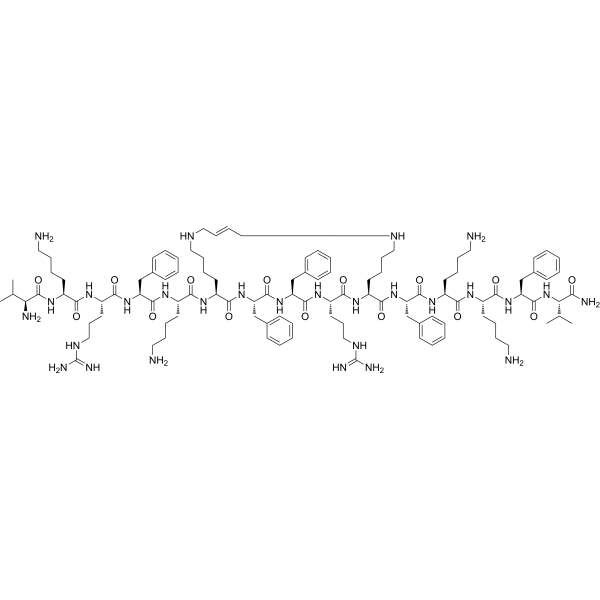
    Bacterial Infection
    LS-BF1 is a stable and low toxic cationic antimicrobial peptide. LS-BF1 displays broad spectrum of antibacterial activity, including the challenging ESKAPE pathogens, by cell membrane disruptive mechanism. LS-BF1 shows good in vivo efficacy for elimination of bacteria in a mouse infection model[1].
    LS-BF1
  • HY-N9422

    P2Y Receptor Cardiovascular Disease
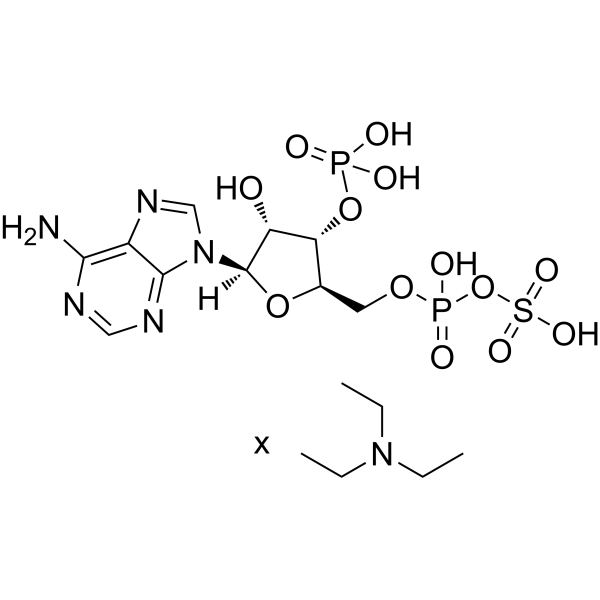
    Adenosine 3'-phosphate 5'-phosphosulfate triethylamine, an adenine nucleotide derivative, is a selective P2Y1 antagonist with no effect on P2Y2, P2Y4, or P2Y6 receptors. Adenosine 3'-phosphate 5'-phosphosulfate triethylamine can competitive inhibit ADP-induced platelet aggregation, as well as the ability of ADP to cause shape change and increases in Ca 2+ in platelets, but had no effect on the inhibition of stimulated adenylate cyclase by ADP. Adenosine 3'-phosphate 5'-phosphosulfate triethylamine is a co-substrate used for the sulfonation of glycans. Adenosine 3'-phosphate 5'-phosphosulfate triethylamine can be used for Golgi-resident PAP-specific 3'-phosphatase-coupled sulfotransferase assays, which as donor substrate to transfer a sulfonate group .
    Adenosine 3'-phosphate 5'-phosphosulfate triethylamine
  • HY-131789A

    n2h6ATP sodium

    Adenylate Cyclase Metabolic Disease
    2-NH2-PuTP (n2h6ATP) sodium, an ATP (HY-B2176) analogue, is a competitive pyruvate-stimulated adenylate cyclase inhibitor with a Ki of 1.7 mM.
    2-NH2-PuTP sodium
  • HY-12132

    CRFR Adenylate Cyclase Neurological Disease
    DMP 904 is a noncompetitive full corticotropin-releasing factor receptor (CRFR) antagonist. DMP 904 can inhibit CRF-stimulated adenylate cyclase activity and ACTH release. DMP 904 exhibits anti-depressant and anti-anxiety activity .
    DMP 904
  • HY-P991123

    ALD1910; LU AG-09222

    Adenylate Cyclase Inflammation/Immunology
    Bocunebart is a humanized monoclonal antibody targeting human adenylate cyclase-activating polypeptide (ADCYAP1). Bocunebart exerts anti-inflammatory activity by specifically binding to ADCYAP1 and inhibiting related inflammatory signaling pathways. Bocunebart is promising for research of inflammation-related diseases .
    Bocunebart
  • HY-P99004

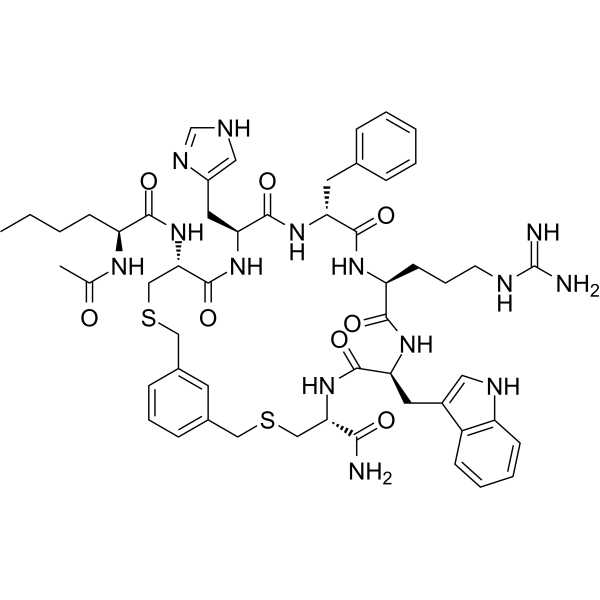
    Melanocortin Receptor Inflammation/Immunology
    hMC1R agonist 1 is a selective hMC1R agonist. hMC1R agonist 1 activates adenylate cyclase to induce intracellular cAMP accumulation. hMC1R agonist 1 can be used for the research of immune-inflammatory disorders .
    hMC1R agonist 1
  • HY-D0882

    Biochemical Assay Reagents Cardiovascular Disease
    Adenosine 5'-diphosphate dicyclohexylammonium is a nucleoside diphosphate. Adenosine 5'-diphosphate is the product of ATP dephosphorylation by ATPases. Adenosine 5'-diphosphate dicyclohexylammonium induces human platelet aggregation and inhibits stimulated adenylate cyclase by an action at P2T-purinoceptors .
    Adenosine 5'-diphosphate dicyclohexylammonium
  • HY-P1158

    Adenylate Cyclase Neurological Disease
    [Ala2,8,9,11,19,22,24,25,27,28]-VIP is an analog vasoactive intestinal polypeptide (VIP) with high affinity and selectivity for human VIP/pituitary adenylate cyclase-activating polypeptide 1 (hVPAC1). VIP is a widespread neurotransmitter .
    [Ala2,8,9,11,19,22,24,25,27,28]-VIP
  • HY-10435

    (±)-SKF-82958; Chloro-APB

    Dopamine Receptor Neurological Disease
    SKF-82958 ((±)-SKF 82958) is a dopamine D1 receptor full agonist (K0.5=4 nM), displays selective for D1 over D2 receptors (K0.5=73 nM). SKF-82958 induces dopamine D1 receptor-dependent adenylate cyclase activity in rat striatal membranes (EC50=491 nM) .
    SKF-82958

Inquiry Online

Your information is safe with us. * Required Fields.

Salutation


Country or Region *

Applicant Name *


Organization Name *

Department *


Email Address *


Product Name *

Cat. No.


Requested quantity *

Phone Number *


Remarks

Inquiry Online

Inquiry Information

Product Name:
Cat. No.:
Quantity:
MCE Japan Authorized Agent: