1. Search Result
Search Result
Results for "

Carboxylesterase

" in MedChemExpress (MCE) Product Catalog:

77

Inhibitors & Agonists

5

Fluorescent Dyes

1

Biochemical Assay Reagents

4

Peptides

17

Natural
Products

11

Recombinant Proteins

6

Isotope-Labeled Compounds

1

Antibodies

1

Oligonucleotides

Targets Recommended:
Cat. No. Product Name Target Research Areas Chemical Structure
  • HY-B0418A
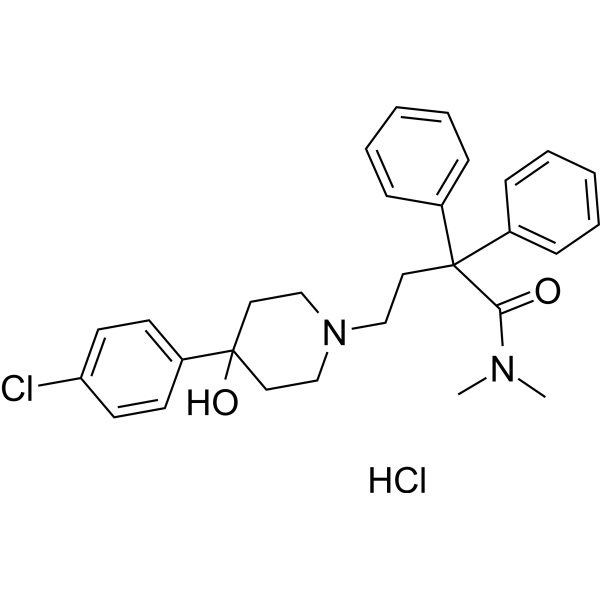
    Loperamide hydrochloride
    Maximum Cited Publications
    12 Publications Verification

    R-18553 hydrochloride

    Opioid Receptor Autophagy Neurological Disease Metabolic Disease Cancer
    Loperamide (hydrochloride) (R-18553 (hydrochloride)) is an opioid receptor agonist . Loperamide hydrochloride is a selective and competitive human intestinal carboxylesterases (hiCE) inhibitor. Loperamide hydrochloride has anti-diarrheal effect .
    Loperamide hydrochloride
  • HY-134124

    Reactive Oxygen Species (ROS) Metabolic Disease
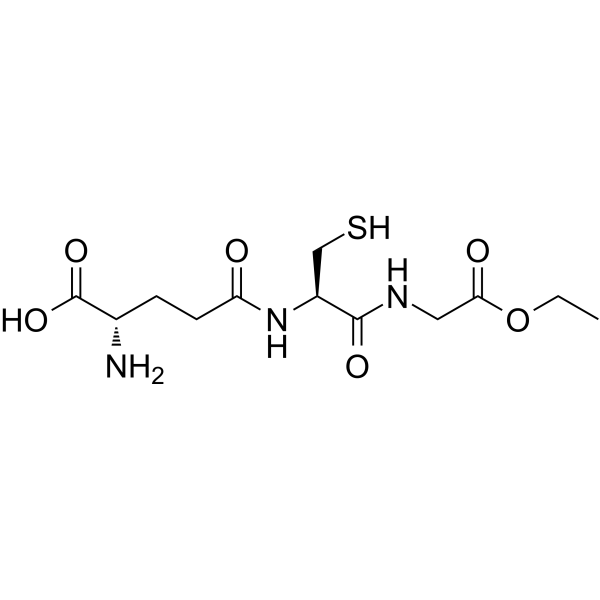
    Glutathione ethyl ester is a cell-permeable GSH donor and provides an efficient supply of GSH to the oocyte. Glutathione ethyl ester shows positive effect on the in vitro production of embryos by enhancement of the antioxidative defense .
    Glutathione ethyl ester
  • HY-N1951
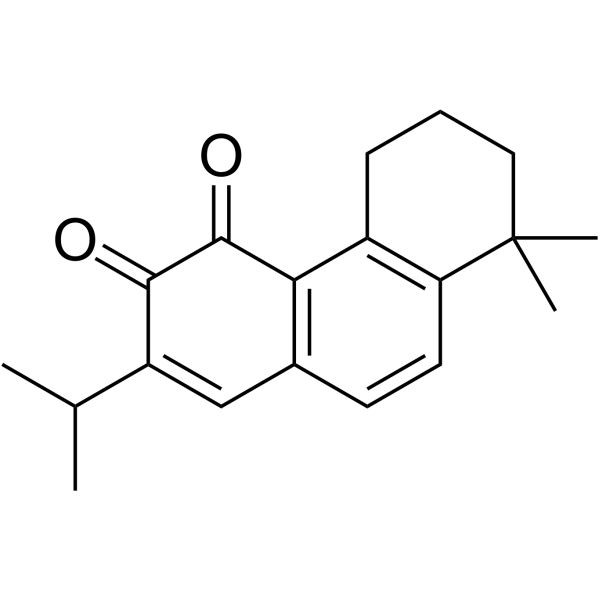
    Miltirone
    2 Publications Verification

    Rosmariquinone

    GABA Receptor Apoptosis Carboxylesterase (CES) SARS-CoV Neurological Disease Cancer
    Miltirone is an orally active natural compound found in the root of Salvia miltiorrhiza. Miltirone is a central benzodiazepine receptor partial agonist, with an IC50 of 0.3 μM. Miltirone induces ROS - and-p53 dependent apoptosis. Miltirone inhibits carboxylesterase 2 (CES2; Ki = 0.04 μM) and SARS-CoV main protease (Mpro) .
    Miltirone
  • HY-131922

    Tetraisopropyl pyrophosphoramide

    Cholinesterase (ChE) Neurological Disease
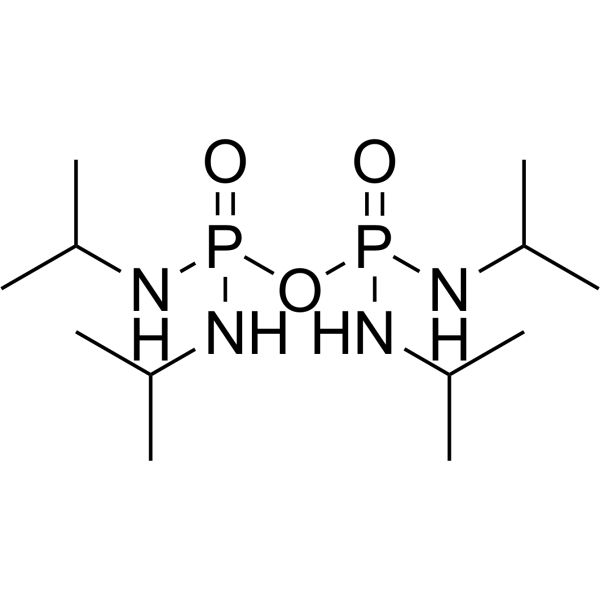
    Iso-OMPA (Tetraisopropyl pyrophosphoramide) is a selective inhibitor of the irreversible butyrylcholinesterase (BuChE). Iso-OMPA enhances soman toxicity in rats associated with the inhibition of plasma carboxylesterase (CarbE) .
    Iso-OMPA
  • HY-N0235
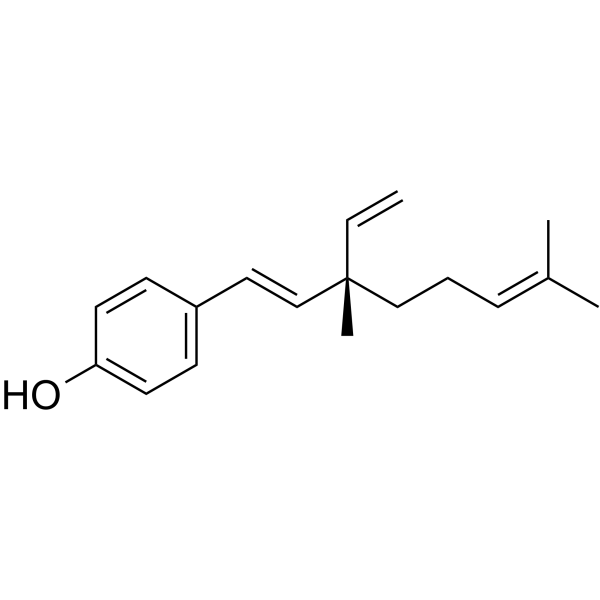
    Bakuchiol
    2 Publications Verification

    (S)-(+)-Bakuchiol

    Carboxylesterase (CES) p38 MAPK Autophagy UGT Infection Metabolic Disease Inflammation/Immunology Cancer
    Bakuchiol is a phytoestrogen that can be obtained from psoralen seeds. Bakuchiol has been proven to be a non-competitive inhibitor of multiple enzymes, including UDP-glucuronosyltransferase 2B7 (UGT2B7) and human carboxylesterase 2 (hCE2) , with IC50s values of 40.9 μM and 7.28 μM, respectively. Bakuchiol exhibits significant research and application potential in areas such as anti-inflammatory , antibacterial , antitumor therapies, as well as drug metabolism regulation.
    Bakuchiol
  • HY-N0921

    (+)-Dihydromethysticin

    Carboxylesterase (CES) NOD-like Receptor (NLR) Apoptosis Cancer
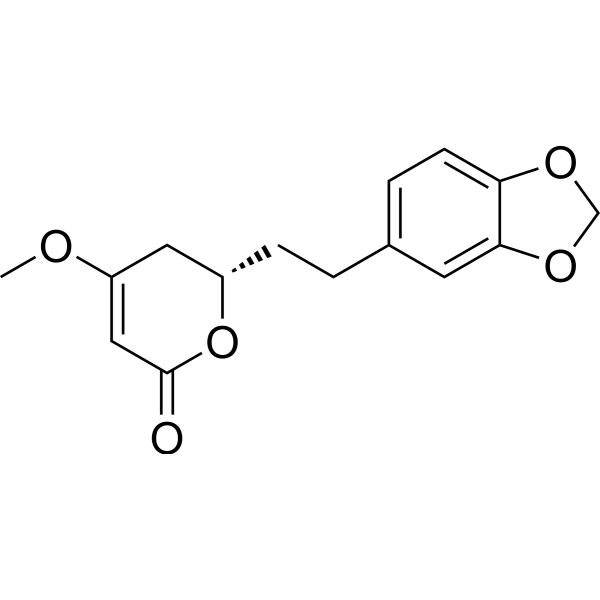
    Dihydromethysticin is an orally active natural active ingredient. Dihydromethysticin can be extracted from Piper methysticum. Dihydromethysticin inhibits carboxylesterase 1 (Ki = 68.2 μM) and CYP2A5. Dihydromethysticin upregulates NLRC3 and induces Apoptosis. Dihydromethysticin exhibits anticancer activity against colorectal cancer and lung adenoma .
    Dihydromethysticin
  • HY-124700
    LYPLAL1-IN-1
    1 Publications Verification

    Cyclic GMP-AMP Synthase STING PD-1/PD-L1 Epoxide Hydrolase Metabolic Disease
    LYPLAL1-IN-1 (compound 11) is a selective, covalent, and irreversible inhibitor of the lysophospholipase-like enzyme LYPLAL1 (IC50 = 6 nM). LYPLAL1-IN-1 shows selectivity against other serine hydrolases such as carboxylesterase CES1 (IC50 > 50 μM for CES1). LYPLAL1-IN-1 inhibits the depalmitoylation function of LYPLAL1, blocking its depalmitoylation modification of cyclic GMP-AMP synthase (cGAS), thereby promoting cGAS dimerization and activation, and initiating the cGAS-STING pathway-mediated innate immune response. LYPLAL1-IN-1 can enhance DNA-induced type I interferon production, upregulate PD-L1 expression in tumor cells, and promote the accumulation of tumor-infiltrating CD8 + T cells, with the core function of strengthening the anti-tumor immune response. LYPLAL1-IN-1 is primarily used in tumor immunology research, especially in combination with PD-1/PD-L1 inhibitors .
    LYPLAL1-IN-1
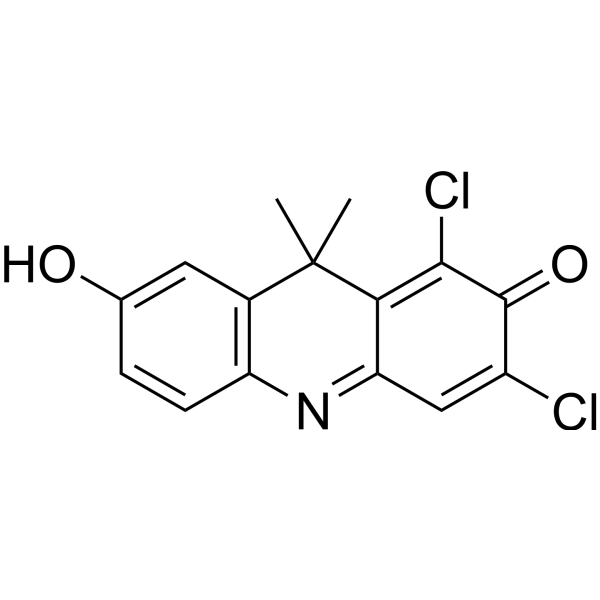
  • HY-114879
    DDAO
    1 Publications Verification

    Fluorescent Dye Carboxylesterase (CES) Cancer
    DDAO is a promising near-infrared (NIR) red fluorescent probewith tunable excitation wavelength (600-650nm) and longemission wavelength(λem=656nm). DDAO can de desiged for detection of the activities of different enzymes such asβ-galactosidase,sulfatase, proteinphosphatase2A,carboxylesterase 2, humanalbumin andesterases .
    DDAO
  • HY-142689

    Carboxylesterase (CES) Wnt Cancer
    Carboxylesterase-IN-3 (compound 4y) is a potent inhibitor of Carboxylesterase Notum with an IC50 less than or equal to 10 nM. Notum is a negative regulator of Wnt signaling acting through the hydrolysis of a palmitoleoylate ester, which is required for Wnt activity. Carboxylesterase-IN-3 has the potential for the research of cancer disease .
    Carboxylesterase-IN-3
  • HY-N3677

    OGT Akt mTOR GSK-3 Reactive Oxygen Species (ROS) Apoptosis PARP MDM-2/p53 Inflammation/Immunology Cancer
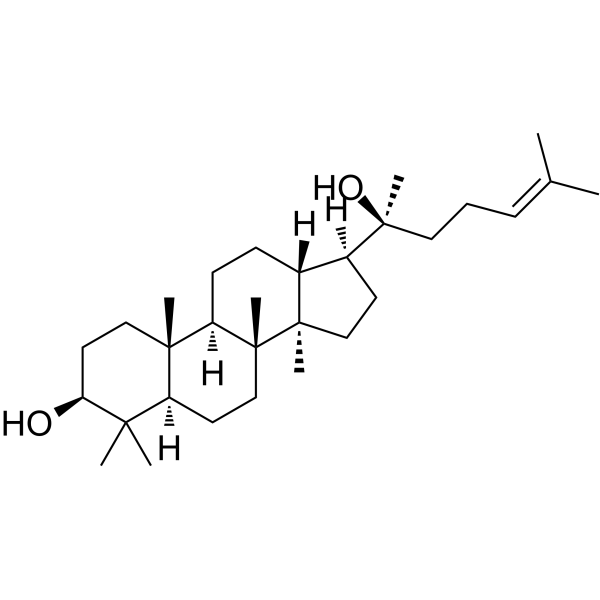
    Dammarenediol II is a ginsenoside precursor . Dammarenediol II reduces the activity of O-GlcNAc transferase (OGT) and downregulates the global O-GlcNAcylation level. Dammarenediol II inhibits the phosphorylation of Akt, mTOR and GSK3β. Dammarenediol II inhibits human carboxylesterase activity, VEGF-induced ROS production, stress fiber formation and vascular endothelial cadherin disruption. Dammarenediol II promotes cell apoptosis (apoptosis), increases the levels of cleaved PARP1 and p53, and inhibits retinal microvascular leakage. Dammarenediol II can be used in studies related to liver cancer and diabetic retinopathy .
    Dammarenediol II
  • HY-110390

    Carboxylesterase (CES) Free Fatty Acid Receptor Reactive Oxygen Species (ROS) Mitochondrial Metabolism Ferroptosis Apoptosis Cardiovascular Disease Cancer
    GR148672X is an inhibitor of carboxylesterase 1 (CES1) and hepatic microsomal triglyceride hydrolase (TGH). GR148672X blocks the catalytic activity of CES1, impairs the functions of triglyceride and cholesteryl ester lipase, reduces triglyceride mobilization and secretion, and decreases apolipoprotein B-100 secretion in primary rat hepatocytes. Under low-glucose conditions, GR148672X inhibits the survival of colorectal cancer cells by reducing free fatty acid availability, inducing toxic triglyceride accumulation, ROS production, mitochondrial damage, ferroptosis and apoptosis. GR148672X can be used in studies related to colorectal cancer and atherosclerosis .
    GR148672X
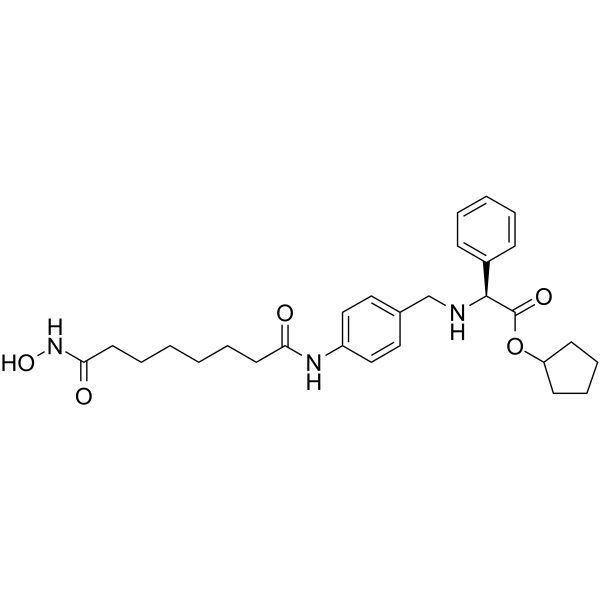
  • HY-19772

    ESM-HDAC391; CHR-5154; HDAC-IN-3

    HDAC c-Fms Inflammation/Immunology
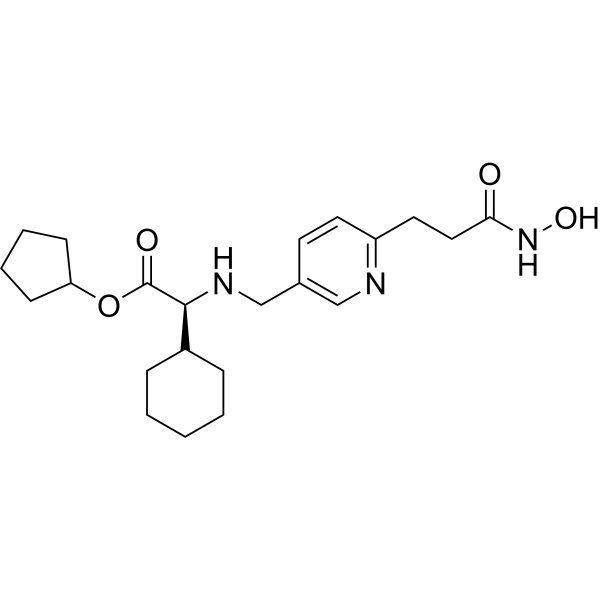
    GSK3117391 (ESM-HDAC391; CHR-5154; HDAC-IN-3) is an orally active HDAC inhibitor with a IC50 of 55 nM. Using esterase-sensitive motif technology, GSK3117391 is selectively converted into its active acid metabolite HDAC189 in cells expressing carboxylesterase-1. GSK3117391 induces sustained global protein acetylation in monocytes, inhibits the production of proinflammatory cytokines, depletes circulating monocytes, downregulates the expression of CSF1R, and inhibits monocyte adhesion and differentiation. GSK3117391 can be used in the research of chronic inflammatory diseases .
    GSK3117391
  • HY-N1377

    Lysionotin

    Carboxylesterase (CES) DNA/RNA Synthesis Apoptosis Bacterial Infection Metabolic Disease Inflammation/Immunology Endocrinology Cancer
    Nevadensin (Lysionotin), a natural flavonoid, is a selective human carboxylesterase 1 (hCE1) inhibitor with an IC50 of 2.64 μM. Nevadensin is more selective for hCE1 than hCE2 (IC50 of 132.8 μM). Nevadensin can induce apoptosis and DNA damage in cancer cells. Nevadensin has a variety of pharmacological effects such as anti-inflammatory, anti-tumour, anti-hypertensive, anti-tubercular, antitussive, antioxidant and anti-microbial activities .
    Nevadensin
  • HY-114118S1

    Isotope-Labeled Compounds GLP Receptor Insulin Receptor α-synuclein Apoptosis p38 MAPK Autophagy Bcl-2 Family Neurological Disease Metabolic Disease Cancer
    Semaglutide-d8 tetraTFA is the deuterium labeled Semaglutide (HY-114118). Semaglutide is a long-acting, selective, competitive GLP-1R agonist that can penetrate the blood-brain barrier. After activating GLP-1R, Semaglutide promotes insulin secretion, inhibits gastric emptying and appetite, and at the same time enhances autophagy, inhibits oxidative stress and apoptosis. Semaglutide also regulates mitochondrial function and lipid metabolism (such as reducing de novo lipogenesis in the liver). Semaglutide has activities such as lowering blood sugar, reducing weight, neuroprotection (such as improving motor function in Parkinson's disease models, reducing α-synuclein aggregation) and improving hepatic steatosis. Semaglutide can be used for the study of neurodegenerative diseases and liver diseases such as type 2 diabetes, obesity, Parkinson's disease, metabolic associated fatty liver disease (MASLD), and cancer .
    Semaglutide-d8 tetraTFA
  • HY-114118S

    Isotope-Labeled Compounds GLP Receptor Insulin Receptor α-synuclein Apoptosis p38 MAPK Autophagy Bcl-2 Family Neurological Disease Metabolic Disease Cancer
    Semaglutide-d8 is the deuterium labeled Semaglutide (HY-114118). Semaglutide is a long-acting, selective, competitive GLP-1R agonist that can penetrate the blood-brain barrier. After activating GLP-1R, Semaglutide promotes insulin secretion, inhibits gastric emptying and appetite, and at the same time enhances autophagy, inhibits oxidative stress and apoptosis. Semaglutide also regulates mitochondrial function and lipid metabolism (such as reducing de novo lipogenesis in the liver). Semaglutide has activities such as lowering blood sugar, reducing weight, neuroprotection (such as improving motor function in Parkinson's disease models, reducing α-synuclein aggregation) and improving hepatic steatosis. Semaglutide can be used for the study of neurodegenerative diseases and liver diseases such as type 2 diabetes, obesity, Parkinson's disease, metabolic associated fatty liver disease (MASLD), and cancer .
    Semaglutide-d8
  • HY-W009538

    5-Fluoro-5'-deoxycytidine

    Nucleoside Antimetabolite/Analog DNA/RNA Synthesis Drug Metabolite Cancer
    5'-Deoxy-5-fluorocytidine (5-Fluoro-5'-deoxycytidine) is a cytidine analog and metabolite of Capecitabine (HY-B0016). 5'-Deoxy-5-fluorocytidine is converted from Capecitabine by carboxylesterase in the liver. 5'-Deoxy-5-fluorocytidine is deaminated by cytidine deaminase to generate 5'-deoxy-5-fluorouridine, which is finally converted into 5-fluorouracil (HY-90006) by thymidine phosphorylase in tumor tissues to exert anti-tumor effects. 5'-Deoxy-5-fluorocytidine is used in the researches for solid tumors such as colorectal cancer, non-small cell lung cancer and breast cancer .
    5'-Deoxy-5-fluorocytidine
  • HY-W016618

    Ethyl benzoylformate; Phenylglyoxylic acid ethyl ester

    Drug Intermediate Biochemical Assay Reagents Carboxylesterase (CES) Others
    Ethyl phenylglyoxylate (Ethyl benzoylformate), the ethyl ester of phenylglyoxylic acid, is used as a synthetic reagent. Ethyl phenylglyoxylate is also a poor substrate but a potent inhibitor of chicken liver carboxylesterase. Additionally, Ethyl phenylglyoxylate exhibits photoreactivity, where its excited triplet carbonyl can initiate intermolecular hydrogen abstraction, radical coupling and cross-linking reactions .
    Ethyl phenylglyoxylate
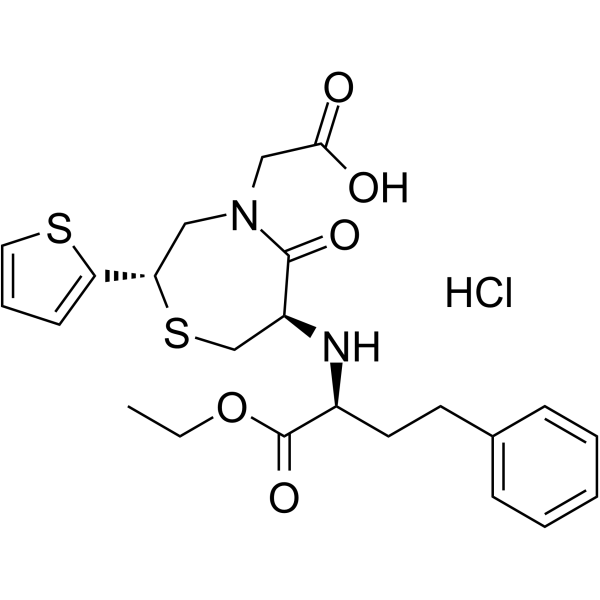
  • HY-B0384
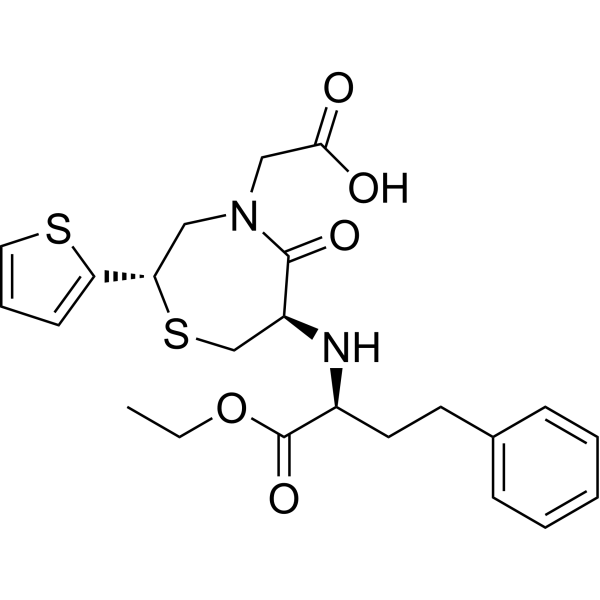
    Temocapril hydrochloride
    2 Publications Verification

    Angiotensin-converting Enzyme (ACE) Cardiovascular Disease
    Temocapril hydrochloride is an orally active angiotensin-converting enzyme (ACE) inhibitor. Temocapril hydrochloride can be used for the research of hypertension, congestive heart failure, acute myocardial infarction, insulin resistance, and renal diseases .
    Temocapril hydrochloride
  • HY-N10686

    Carboxylesterase (CES) Cancer
    Tanshinone IIA anhydride, present in root extracts of Salvia miltiorrhiza, acts as an inhibitor of human carboxylesterase (CE). Tanshinone IIA anhydride has a Ki value of 1.9 nM against hCE1 and a Ki value of 1.4 nM against hiCE. Tanshinone IIA anhydride forms a stable covalent complex with serine Ser221 at the active site of hCE1, blocking the catalytic cycle of carboxylesterase, and the activity of the inactivated enzyme cannot recover spontaneously. Tanshinone IIA anhydride is applicable in metabolism-related studies .
    Tanshinone IIA anhydride
  • HY-120602

    Carboxylesterase (CES) PPAR Interleukin Related Mitochondrial Metabolism Metabolic Disease Inflammation/Immunology
    WWL229 is a selective inhibitor of carboxylesterase 3 (CES3) with an IC50 1.94 μM. WWL229 attenuates LPS (HY-D1056)-induced pro-inflammatory cytokine mRNA levels, inhibits lipolysis and adipose thermogenesis, impairs mitochondrial function, and promotes lipid storage. WWL229 can be used for the research of obesity, insulin resistance, type 2 diabetes, and lung inflammation .
    WWL229
  • HY-N3474

    Carboxylesterase (CES) Others
    Isolicoflavonol potently inhibits hCES2A (Human carboxylesterase 2)-mediated fluorescein diacetate hydrolysis in a reversible and mixed inhibition manner, with Ki values less than 1.0 μM .
    Isolicoflavonol
  • HY-100713
    Temocapril
    2 Publications Verification

    Angiotensin-converting Enzyme (ACE) Cardiovascular Disease
    Temocapril is an orally active angiotensin-converting enzyme (ACE) inhibitor. Temocapril can be used for the research of hypertension, congestive heart failure, acute myocardial infarction, insulin resistance, and renal diseases .
    Temocapril
  • HY-142688

    Carboxylesterase (CES) Wnt Cancer
    Carboxylesterase-IN-2 (compound 4u) is a potent inhibitor of Carboxylesterase Notum with an IC50 less than or equal to 10 nM. Notum is a negative regulator of Wnt signaling acting through the hydrolysis of a palmitoleoylate ester, which is required for Wnt activity. Carboxylesterase-IN-2 has the potential for the research of cancer disease .
    Carboxylesterase-IN-2
  • HY-B1259

    Acexamic acid; 6-Acetamidocaproic acid

    Drug Metabolite Drug Intermediate Inflammation/Immunology Cancer
    6-Acetamidohexanoic acid (Acexamic acid; 6-Acetamidocaproic acid) is a metabolite of Hexamethylene bisacetamide (HMBA) (HY-124284) with anti-pulmonary fibrosis activity. 6-Acetamidohexanoic acid does not induce differentiation of human promyelocytic leukemia cells, but is taken up by such cells. 6-Acetamidohexanoic acid serves as a carboxylic acid substrate component for constructing carboxylesterase-responsive near-infrared phototheranostic probes. 6-Acetamidohexanoic acid is applicable to research related to pulmonary fibrosis, refractory hypoxemia and cervical cancer .
    6-Acetamidohexanoic acid
  • HY-B0418AR

    R-18553 hydrochloride (Standard)

    Reference Standards Opioid Receptor Autophagy Neurological Disease Metabolic Disease Cancer
    Loperamide (hydrochloride) (Standard) is the analytical standard of Loperamide (hydrochloride). This product is intended for research and analytical applications. Loperamide (hydrochloride) (R-18553 (hydrochloride)) is an opioid receptor agonist . Loperamide hydrochloride is a selective and competitive human intestinal carboxylesterases (hiCE) inhibitor. Loperamide hydrochloride has anti-diarrheal effect .
    Loperamide hydrochloride (Standard)
  • HY-W020788

    CGA 154281

    Environmental Pollutants Glutathione S-transferase Estrogen Receptor/ERR Pregnane X Receptor (PXR) FXR Metabolic Disease Cancer
    Benoxacor (CGA 154281) is a herbicide safener and xenobiotic metabolism regulator. Benoxacor protects maize from the toxicity of metolachlor mainly by inducing detoxifying enzymes such as Glutathione S-transferase. Benoxacor also activates FXR, PXR and ERRα, and inhibits aromatase (aromatase). However, Benoxacor exhibits potential subacute oral toxicity and a high risk of hepatotoxicity in animal models. Benoxacor induces reactive oxygen species accumulation, interferes with embryonic heart development, and causes increased liver and kidney weights as well as alterations in gut microbiota in mice. Benoxacor can be used in studies related to hepatic steatosis, infertility, breast cancer and developmental toxicity .
    Benoxacor
  • HY-176841

    Carboxylesterase (CES) Cardiovascular Disease
    Carboxylesterase-IN-5 (Compound 2e) is an irreversible and competitive Carboxylesterase (CES) inhibitor with an IC50 of 21.7  nM for porcine liver CES. Carboxylesterase-IN-5 can be used for hypocholesterolemia research .
    Carboxylesterase-IN-5
  • HY-N0855

    Alisol-G; 25-Anhydroalisol A

    Carboxylesterase (CES) Bacterial HBV Infection Cancer
    Alisol G (25-Anhydroalisol A) is a human carboxylesterase 2 (hCES2) inhibitor with an IC50 of 3.85 μM. Alisol G exhibits cytotoxic activity against human cancer cells, antibacterial activity against Gram-positive strains, and anti-hepatitis B virus activity. Alisol G can be used in research related to lung cancer, breast cancer, prostate cancer, bacterial infections, and HBV infections .
    Alisol G
  • HY-W341421

    Biochemical Assay Reagents Others
    3-Indoxyl butyrate is a chromogenic substrate for CES (carboxylesterase), producing a blue precipitate upon cleavage.
    3-Indoxyl butyrate
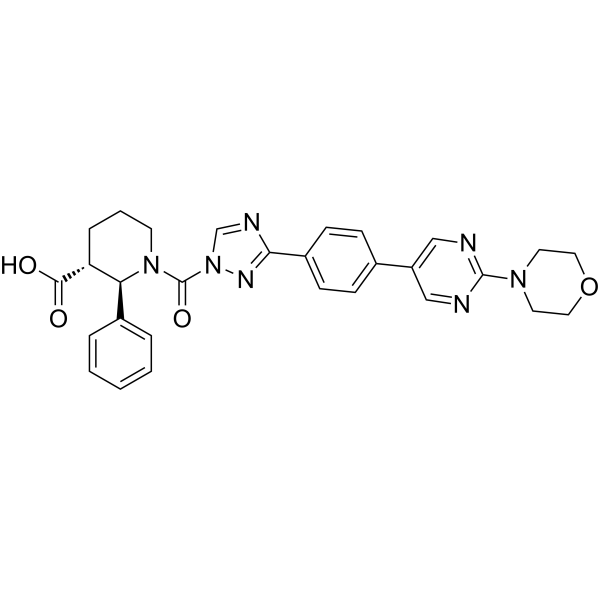
  • HY-144809

    Carboxylesterase (CES) Metabolic Disease
    Pancreatic lipase/Carboxylesterase 1-IN-1 (Compound 39) is a potent dual inhibitor of pancreatic lipase (PL) and human carboxylesterase 1A (hCES1A) with IC50 values of 2.13 µM and 0.055  µM against PL and hCES1A .
    Pancreatic lipase/Carboxylesterase 1-IN-1
  • HY-131922R

    Tetraisopropyl pyrophosphoramide (Standard)

    Cholinesterase (ChE) Reference Standards Neurological Disease
    Iso-OMPA (Standard) is the analytical standard of Iso-OMPA. This product is intended for research and analytical applications. Iso-OMPA (Tetraisopropyl pyrophosphoramide) is a selective inhibitor of the irreversible butyrylcholinesterase (BuChE). Iso-OMPA enhances soman toxicity in rats associated with the inhibition of plasma carboxylesterase (CarbE) .
    Iso-OMPA (Standard)
  • HY-E70599

    Carboxylesterase (CES) Metabolic Disease
    Human CES2 Enzyme is a carboxylesterase involved in drug metabolism and lipid homeostasis. Human CES2 Enzyme hydrolyzes triglycerides, cholesteryl esters and retinyl esters to regulate lipid metabolism and energy homeostasis. Human CES2 Enzyme improves glucose tolerance and insulin sensitivity, reduces hepatic lipid accumulation, alleviates white adipose tissue steatitis, decreases plasma cholesterol levels, and reduces body weight and white adipose tissue weight. Human CES2 Enzyme can be used in the research of metabolic syndrome .
    Human CES2 Enzyme
  • HY-176840

    Carboxylesterase (CES) Cardiovascular Disease
    Carboxylesterase-IN-4 (compound 3e) is a potent carboxylesterase inhibitor with an IC50 of 1.58 nM. Carboxylesterase-IN-4 can be used in the study of cholesterolemia .
    Carboxylesterase-IN-4
  • HY-106409
    Tefinostat
    1 Publications Verification

    CHR-2845

    HDAC Apoptosis Cancer
    Tefinostat (CHR-2845) is a monocyte/macrophage targeted histone deacetylase (HDAC) inhibitor. Tefinostat can be cleaved into active acid CHR-2847 by the intracellular esterase human carboxylesterase-1 (hCE-1). Tefinostat can be used for the research of leukaemias .
    Tefinostat
  • HY-23148

    N-Methylisatin

    Carboxylesterase (CES) Others
    1-Methylisatin is a potent and selective CE (carboxylesterases) inhibitor, with Kis of 38.2 and 5.38 μM for hiCE and hCE1, respectively. 1-Methylisatin interacts with Hb (human adult hemoglobin) by hydrophobic binding and electrostatic attraction. 1-Methylisatin can be used in the study of regulation of agent metabolism in vivo .
    1-Methylisatin
  • HY-N1951R

    Rosmariquinone (Standard)

    Reference Standards GABA Receptor Apoptosis Carboxylesterase (CES) SARS-CoV Neurological Disease Cancer
    Miltirone is an orally active natural compound found in the root of Salvia miltiorrhiza. Miltirone is a central benzodiazepine receptor partial agonist, with an IC50 of 0.3 μM. Miltirone induces ROS - and-p53 dependent apoptosis. Miltirone inhibits carboxylesterase 2 (CES2; Ki = 0.04 μM) and SARS-CoV main protease (Mpro) .
    Miltirone (Standard)
  • HY-120253

    BY-108330

    Environmental Pollutants Insecticide SOD Glutathione Peroxidase Carboxylesterase (CES) Infection Metabolic Disease
    Spirotetramat (BY-108330) is an orally active Insecticide and lipid biosynthesis inhibitor. Spirotetramat regulates the activities of superoxide dismutase (SOD) and glutathione peroxidase (GSH-Px), with short-term exposure increasing their activities and long-term exposure altering their activities. Spirotetramat induces the activity and mRNA expression of carboxylesterase (CarE). Spirotetramat induces oxidative stress and lipid peroxidation in tadpoles. Spirotetramat is toxic to amphibian tadpoles and exhibits sublethal/non-lethal toxicity to amphibians. Spirotetramat causes death in immature psyllids, aphids, scale insects, mealybugs, whiteflies and thrips, and shows a high lethal rate against Cacopsylla pyri nymphs. Spirotetramat reduces the fecundity of Aphis gossypii. Spirotetramat induces tolerance in the offspring of exposed Aphis gossypii, and acts on Myzus persicae, Bemisia tabaci and Tetranychus urticae .
    Spirotetramat
  • HY-W009538R

    5-Fluoro-5'-deoxycytidine (Standard)

    Nucleoside Antimetabolite/Analog Reference Standards DNA/RNA Synthesis Drug Metabolite Cancer
    5'-Deoxy-5-fluorocytidine (Standard) is the analytical standard of 5'-Deoxy-5-fluorocytidine (HY-W009538). This product is intended for research and analytical applications. 5'-Deoxy-5-fluorocytidine (5-Fluoro-5'-deoxycytidine) is a cytidine analog and metabolite of Capecitabine (HY-B0016). 5'-Deoxy-5-fluorocytidine is converted from Capecitabine by carboxylesterase in the liver. 5'-Deoxy-5-fluorocytidine is deaminated by cytidine deaminase to generate 5'-deoxy-5-fluorouridine, which is finally converted into 5-fluorouracil (HY-90006) by thymidine phosphorylase in tumor tissues to exert anti-tumor effects. 5'-Deoxy-5-fluorocytidine is used in the researches for solid tumors such as colorectal cancer, non-small cell lung cancer and breast cancer .
    5'-Deoxy-5-fluorocytidine (Standard)
  • HY-W143997

    DL-Malic acid dibutyl ester

    Carboxylesterase (CES) Others
    Dibutyl malate is a substrate of carboxylesterase .
    Dibutyl malate
  • HY-124446

    Carboxylesterase (CES) Metabolic Disease
    Dibromsalicil (Compound 31) is a carboxylesterase (CES) inhibitor with activity of 72.7 nM against hiCE (human intestinal carboxylesterase) and 53.5 nM against rCE (rabbit liver carboxylesterase). Dibromsalicil has almost no activity against hCE1 (human liver carboxylesterase) and cholinesterase .
    Dibromsalicil
  • HY-N3413

    Carboxylesterase (CES) β-glucuronidase Metabolic Disease
    Kushenol X, a flavonoid compound isolated from the roots of Sophora flavescens. Kushenol X is a potent β-glucuronidase and human carboxylesterase 2 (hCE2) inhibitor with IC50s of 2.07 μM and 3.05 μM, respectively .
    Kushenol X
  • HY-W354821

    4-MUD

    Fluorescent Dye Metabolic Disease
    4-Methyl-2-oxo-2H-1-benzopyran-7-yl decanoate is a fluorogenic substrate used to follow the hydrolytic activity of carboxylesterases .
    4-Methylumbelliferyl Decanoate
  • HY-147331

    Antibiotic Carboxylesterase (CES) Neurological Disease
    Oseltamivir acid methyl ester is a precursor form of the neuraminidase inhibitor and antiviral oseltamivir acid. Oseltamivir acid methyl ester is converted to oseltamivir acid by carboxylesterase 1 (CES1) .
    Oseltamivir acid methyl ester
  • HY-N3921

    Carboxylesterase (CES) Cancer
    Gancaonin I, an Isoflavone, exhibits moderate inhibition on human carboxylesterase 2 (hCES2A) with IC50 of 1.72 μM. Gancaonin I inhibits hCES2A-mediated fluorescein diacetate (FD) hydrolysis .
    Gancaonin I
  • HY-P2424

    CCK-J

    Calcium Channel Others
    Cholecystokinin-J (CCK-J), a cholecystokinin, stimulates Ca 2+ release .
    Cholecystokinin-J
  • HY-D1739

    Fluorescent Dye Carboxylesterase (CES) Others
    DDAO phosphate diammonium is a fluorescent phosphatase substrate. DDAO phosphate diammonium has tunable excitation wavelength (600-650nm) and long emission wavelength (λem=656nm). DDAO phosphate diammonium can be used to detect the activity of different enzymes such as β-galactosidase, sulfatase, protein phosphatase 2A, carboxylesterase 2, human albumin and esterase.
    DDAO phosphate diammonium
  • HY-N0235R

    (S)-(+)-Bakuchiol (Standard)

    Carboxylesterase (CES) Reference Standards p38 MAPK Autophagy UGT Infection Metabolic Disease Inflammation/Immunology Cancer
    Bakuchiol (Standard) is the analytical standard of Bakuchiol. This product is intended for research and analytical applications. Bakuchiol is a phytoestrogen that can be obtained from psoralen seeds. Bakuchiol has been proven to be a non-competitive inhibitor of multiple enzymes, including UDP-glucuronosyltransferase 2B7 (UGT2B7) and human carboxylesterase 2 (hCE2) , with IC50s values of 40.9 μM and 7.28 μM, respectively. Bakuchiol exhibits significant research and application potential in areas such as anti-inflammatory , antibacterial , antitumor therapies, as well as drug metabolism regulation.
    Bakuchiol (Standard)
  • HY-141834

    Carboxylesterase (CES) Others
    Carboxylesterase-IN-1, a novel pesticide, exhibits inhibitory action on carboxylesterase at 50 μg/mL similar to the known inhibitor triphenyl phosphate.
    Carboxylesterase-IN-1
  • HY-147331A

    Antibiotic Carboxylesterase (CES) Neurological Disease
    Oseltamivir acid methyl ester hydrochloride is a precursor form of the neuraminidase inhibitor and antiviral oseltamivir acid. Oseltamivir acid methyl ester hydrochloride is converted to oseltamivir acid by carboxylesterase 1 (CES1) .
    Oseltamivir acid methyl ester hydrochloride
  • HY-147915

    Carboxylesterase (CES) Reactive Oxygen Species (ROS) Cancer
    Benz-AP is a potent photosensitizer. Benz-AP produces singlet oxygen, with a negative correlation with hCES2 (Human carboxylesterase 2) activity. Benz-AP displays a higher photocytotoxicity potency in cancer cells under low hCES2 environments. Upon TPE (Two-photon excitation), Benz-AP produces ROS and kills cancer cells and tumor spheroids .
    Benz-AP

Inquiry Online

Your information is safe with us. * Required Fields.

Salutation


Country or Region *

Applicant Name *


Organization Name *

Department *


Email Address *


Product Name *

Cat. No.


Requested quantity *

Phone Number *


Remarks

Inquiry Online

Inquiry Information

Product Name:
Cat. No.:
Quantity:
MCE Japan Authorized Agent:

