Search Result
Results for "
Cell leakage
" in MedChemExpress (MCE) Product Catalog:
5
Isotope-Labeled Compounds
| Cat. No. |
Product Name |
Target |
Research Areas |
Chemical Structure |
-
- HY-D0040
-
|
Fluorexon
|
Fluorescent Dye
|
Others
|
|
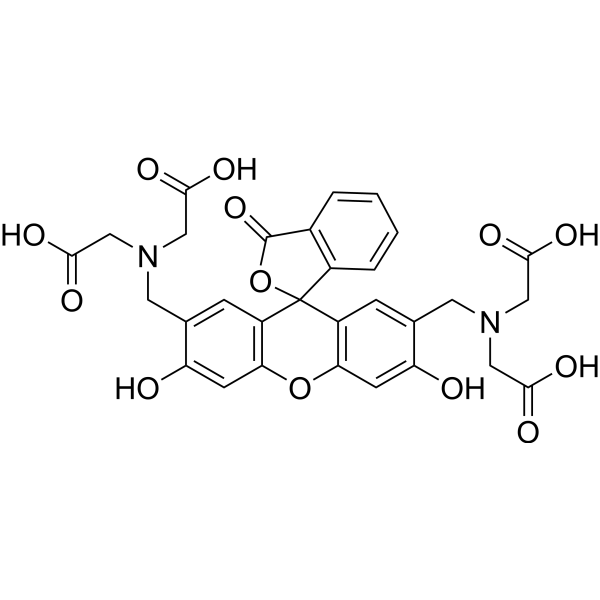
Calcein is a fluorescent dye and self-quenching probe, used as an indicator of lipid vesicle leakage, and also as a complexometric indicator for titration of calcium ions with EDTA, and for fluorometric determination of calcium. Calcein cannot directly cross the intact cell membrane of a living cell, unlike Calcein-AM (HY-D0041) which is cell-permeable. Calcein can also be used as a model drug for evaluating efficiency and bioavailability of drug delivery systems .
|
-
-
- HY-111174
-
-
-
- HY-B1248
-
Chlorhexidine
Maximum Cited Publications
13 Publications Verification
|
Environmental Pollutants
Antibiotic
Necroptosis
Bacterial
Apoptosis
|
Infection
|
|
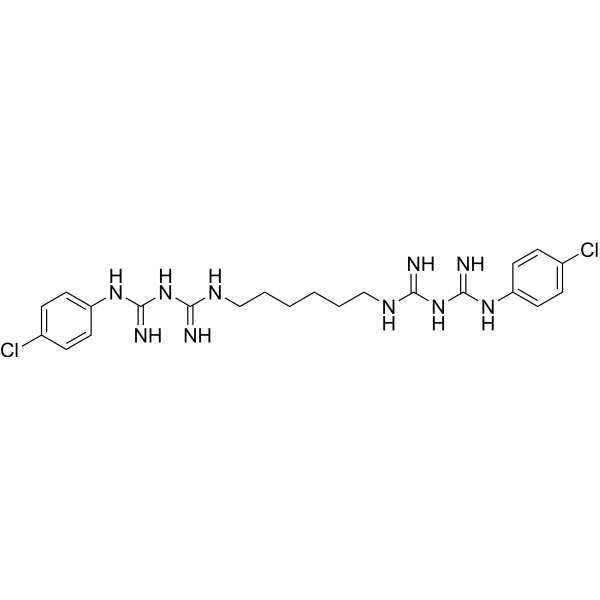
Chlorhexidine is a orally active cationic antimicrobial agent that targets microbial cell membranes. Chlorhexidine binds to cell membrane phospholipids non-specifically, destroys membrane structure and induces leakage of cell contents. Chlorhexidine has broad-spectrum bactericidal activity against both Gram-positive and Gram-negative bacteria. Chlorhexidine can interfere with membrane permeability, cause protein precipitation and energy metabolism disorders, such as rapid inhibition of microbial growth and induction of cell death (necrosis or apoptosis) .
|
-
-
- HY-B0608
-
|
|
Environmental Pollutants
Antibiotic
Bacterial
Necroptosis
Apoptosis
|
Infection
|
|
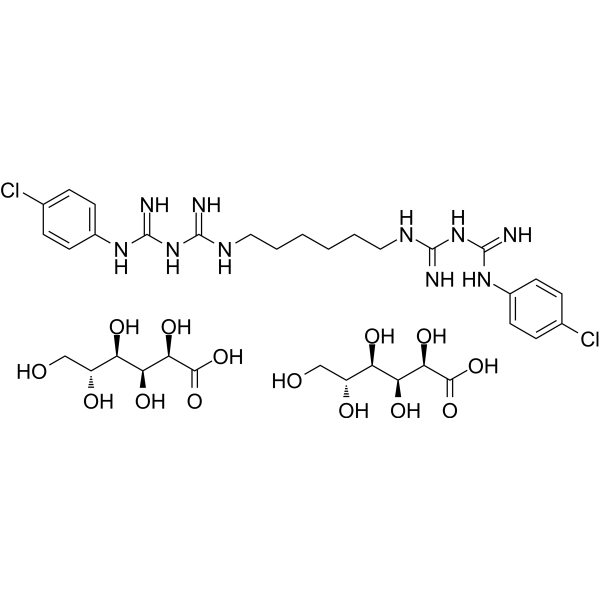
Chlorhexidine digluconate (20% in water) is a orally active cationic antimicrobial agent that targets microbial cell membranes. Chlorhexidine digluconate (20% in water) binds to cell membrane phospholipids non-specifically, destroys membrane structure and induces leakage of cell contents. Chlorhexidine digluconate (20% in water) has broad-spectrum bactericidal activity against both Gram-positive and Gram-negative bacteria. Chlorhexidine digluconate (20% in water) can interfere with membrane permeability, cause protein precipitation and energy metabolism disorders, such as rapid inhibition of microbial growth and induction of cell death (necrosis or apoptosis) .
|
-
-
- HY-W013699
-
|
|
Environmental Pollutants
Antibiotic
Necroptosis
Bacterial
Apoptosis
|
Infection
|
|
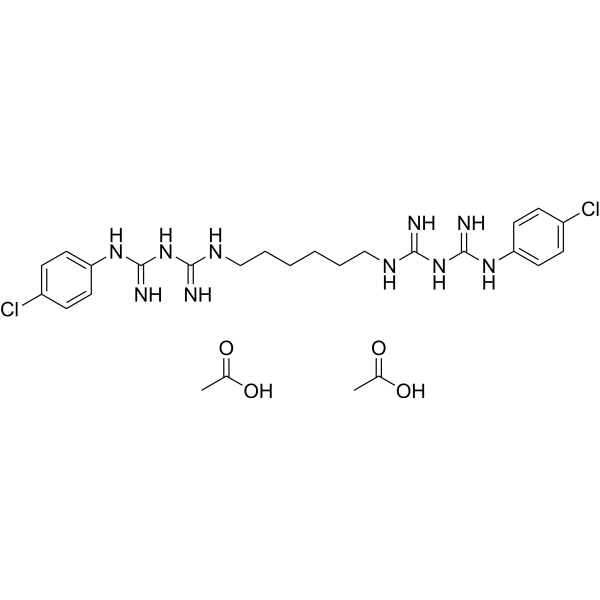
Chlorhexidine diacetate is a orally active cationic antimicrobial agent that targets microbial cell membranes. Chlorhexidine diacetate binds to cell membrane phospholipids non-specifically, destroys membrane structure and induces leakage of cell contents. Chlorhexidine diacetate has broad-spectrum bactericidal activity against both Gram-positive and Gram-negative bacteria. Chlorhexidine diacetate can interfere with membrane permeability, cause protein precipitation and energy metabolism disorders, such as rapid inhibition of microbial growth and induction of cell death (necrosis or apoptosis) .
|
-
-
- HY-P99116
-
|
RG7716; RO-6867461
|
VEGFR
|
Cardiovascular Disease
Metabolic Disease
Inflammation/Immunology
|
|
Faricimab, an overall good safety and tolerability profile, is a bispecific antibody targeting Angiopoietin-2 (Ang-2) and vascular endothelial growth factor-A (VEGF-A). Faricimab prevents retinal vascular leakage, cell death and inflammation in retinal ischemia/reperfusion (I/R) injury and sCNV mouse models. Faricimab demonstrates statistically superior visual acuity gains versus Ranibizumab (HY-P9951). Faricimab can be used for retinal diseases, such as age-related macular degeneration (w-AMD), diabetic macular edema (DME) and macular edema following retinal vein occlusion (RVO) .
|
-

-
- HY-N8015
-
Octanal
1 Publications Verification
|
Environmental Pollutants
Endogenous Metabolite
Fungal
Bacterial
|
Infection
Cancer
|
|
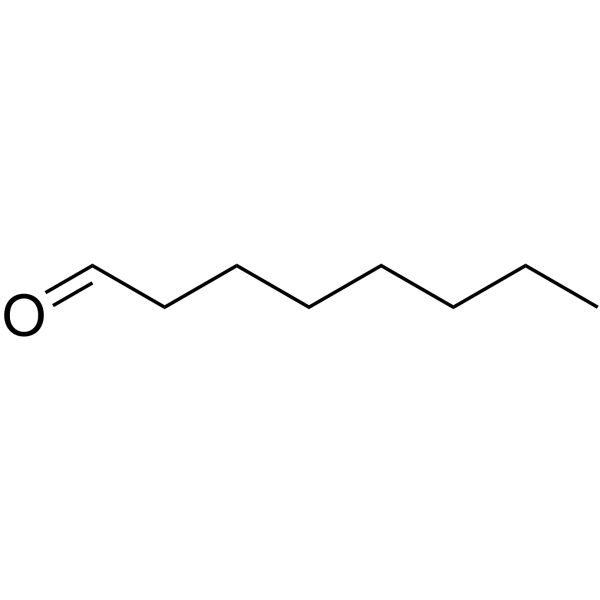
Octanal is a fragrant aldehyde with antioxidant and antibacterial activity. Its antifungal effect against G. citri-aurantii may be related to the disruption of cell membrane integrity and the leakage of cellular components. Additionally, Octanal exhibits cytotoxicity towards HeLa cells, with an IC50 value of 3.5 μg/mL .
|
-
-
- HY-113446
-
-
-
- HY-B1597
-
|
Benzyldimethylhexadecylammonium chloride
|
Bacterial
|
Infection
Inflammation/Immunology
|
|
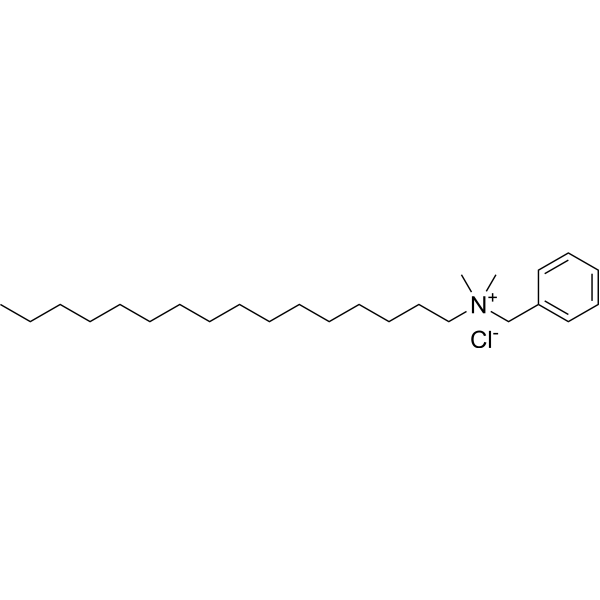
Cetalkonium chloride is an ammonium antiseptic agent used in many topical agents for infections of mouth, throat and eye. Cetalkonium chloride acts as anti-inflammatory amphiphilic agent. Cetalkonium chloride is a cationic surfactant, that improves the precorneal residence time and bioavailability of drugs. Cetalkonium chloride interacts with the negative charges on the bacterial cell membrane, disrupts the integrity of the cell membrane, causes leakage of cell contents and ultimately leading to bacterial death .
|
-
-
- HY-B1145
-
|
|
Environmental Pollutants
Antibiotic
Apoptosis
Bacterial
Necroptosis
|
Infection
|
|
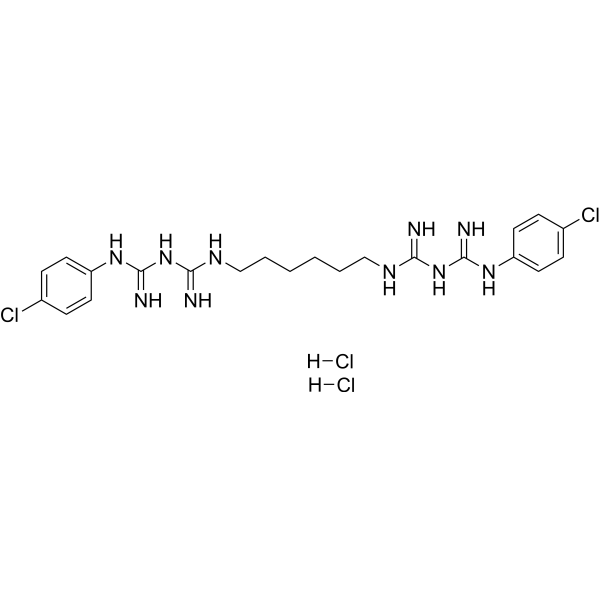
Chlorhexidine dihydrochloride is a orally active cationic antimicrobial agent that targets microbial cell membranes. Chlorhexidine dihydrochloride binds to cell membrane phospholipids non-specifically, destroys membrane structure and induces leakage of cell contents. Chlorhexidine dihydrochloride has broad-spectrum bactericidal activity against both Gram-positive and Gram-negative bacteria. Chlorhexidine dihydrochloride can interfere with membrane permeability, cause protein precipitation and energy metabolism disorders, such as rapid inhibition of microbial growth and induction of cell death (necrosis or apoptosis) .
|
-
-
- HY-N3677
-
|
|
OGT
Akt
mTOR
GSK-3
Reactive Oxygen Species (ROS)
Apoptosis
PARP
MDM-2/p53
|
Inflammation/Immunology
Cancer
|
|
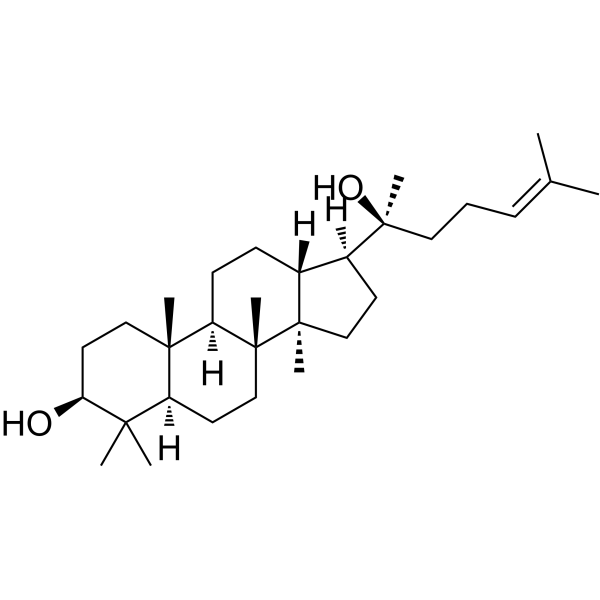
Dammarenediol II is a ginsenoside precursor . Dammarenediol II reduces the activity of O-GlcNAc transferase (OGT) and downregulates the global O-GlcNAcylation level. Dammarenediol II inhibits the phosphorylation of Akt, mTOR and GSK3β. Dammarenediol II inhibits human carboxylesterase activity, VEGF-induced ROS production, stress fiber formation and vascular endothelial cadherin disruption. Dammarenediol II promotes cell apoptosis (apoptosis), increases the levels of cleaved PARP1 and p53, and inhibits retinal microvascular leakage. Dammarenediol II can be used in studies related to liver cancer and diabetic retinopathy .
|
-
-
- HY-127032
-
|
Polidronium chloride
|
Biochemical Assay Reagents
|
Infection
|
|
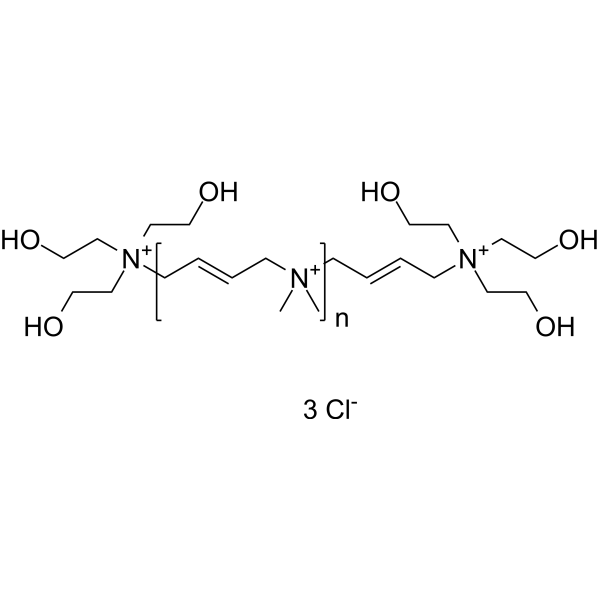
Polyquaternium-1 (Polidronium chloride; PQ-1) is an antimicrobial preservative and an activator of NF-κB. Polyquaternium-1 targets bacterial cell membranes, commonly used in ophthalmic surgery. Polyquaternium-1 adsorbs to the surface of microbial membranes through its polycationic properties, destroying membrane integrity and inducing potassium ion leakage, leading to bacterial death. Polyquaternium-1 exerts antimicrobial effects at a concentration of 0.001% and has low toxicity to mammalian cells. Polyquaternium-1 can be used to prepare products such as glaucoma eye drops (Travoprost preparations containing PQ-1), artificial tears, and contact lens solutions to reduce the ocular surface toxicity of traditional preservatives such as benzalkonium chloride (HY-B2232) .
|
-
-
- HY-P990012
-
|
EBI-031
|
Interleukin Related
|
Inflammation/Immunology
|
|
Vamikibart (RG6179) is a monoclonal antibody targeting IL-6 that can be used to inhibit uveal macular edema (UME) and reduce retinal leakage. Vamikibart can reduce anterior chamber (AC) cell density, indicating a reduction in intraocular inflammation. Vamikibart can also be used to assess the leakage dynamics of ultra-wide-angle fluorescein angiography (UWFA) in the UME model to quantify changes in retinal leakage reflecting the effect of UME inhibition .
|
-

-
- HY-D1249
-
|
|
Fluorescent Dye
|
Others
|
|
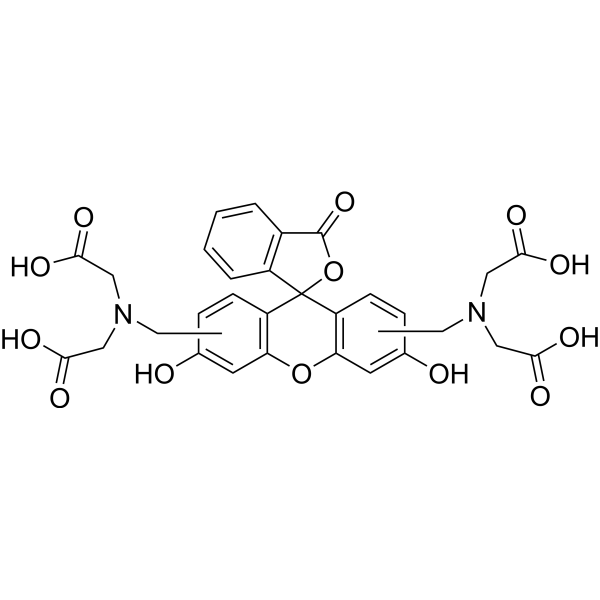
Calcein (mixture of isomers), Calcein (HY-D0040) Derivative, is a fluorescent dye (Ex/Em = 495/515 nm). Calcein (mixture of isomers) can be used for the researches for live cell staining, calcium ion detection, bone fluorescence labeling and membrane permeability leakage detection.
|
-
-
- HY-N2173
-
|
|
Others
|
Cardiovascular Disease
Inflammation/Immunology
|
|
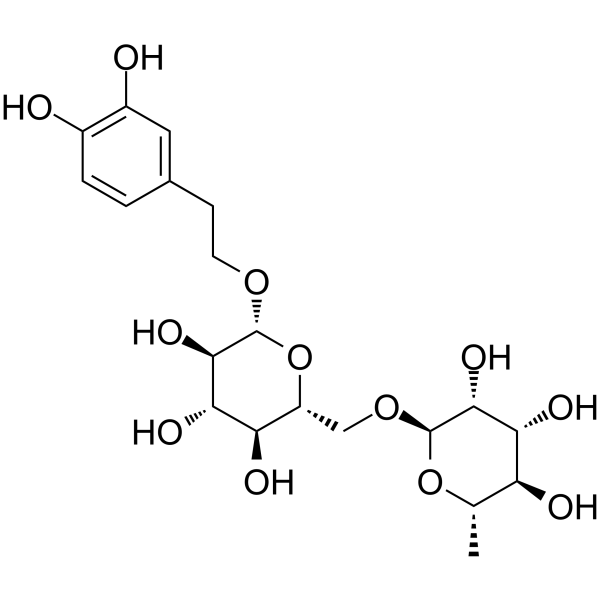
Forsythoside E is a phenylethanoid glycoside compound. Forsythoside E can be isolated from Shuanghuanglian. Forsythoside E does not induce vascular leakage or promote histamine release in mice. Forsythoside E does not cause pseudo-allergic reactions .
|
-
-
- HY-P10580
-
|
|
Tie
PI3K
Akt
Cadherin
Claudin
|
Cardiovascular Disease
Infection
Inflammation/Immunology
|
|
Vasculotide is a blood-brain barrier (BBB)-penetrant Tie2 agonist. Vasculotide binds to a unique domain of Tie2, induces receptor clustering to drive phosphorylation, activates downstream PI3K/Akt and eNOS pathways, enhances inter-endothelial cell junctions (such as VE-cadherin and claudin-5), and inhibits inflammatory adhesion molecules, ultimately stabilizing the vascular endothelial barrier and reducing its permeability . Vasculotide alleviates pulmonary microvascular leakage and microcirculatory dysfunction caused by cardiopulmonary bypass, acts as an adjuvant radioprotective agent to reduce acute radiation dermatitis, and promotes BBB recovery after focused ultrasound (FUS). Combination of Vasculotide with antibiotics reduces lung injury .
|
-

-
- HY-125039
-
|
|
Glutathione Peroxidase
|
Cardiovascular Disease
Neurological Disease
|
|
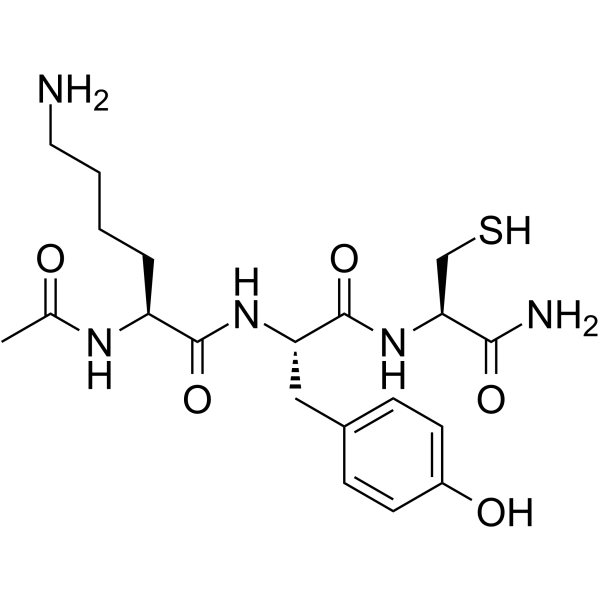
N-Acetyl lysyltyrosylcysteine amide is a potent, reversible, specific, and non-toxic tripeptide inhibitor of myeloperoxidase (MPO). N-Acetyl lysyltyrosylcysteine amide effectively inhibits MPO generation of toxic oxidants in vivo. N-Acetyl lysyltyrosylcysteine amide reduces neuronal damage and preserves brain tissue and neurological function in the stroked brain. N-Acetyl lysyltyrosylcysteine amide inhibits MPO-dependent hypochlorous acid (HOCl) generation, protein nitration, and LDL oxidation .
|
-
-
- HY-129101
-
|
Eseroline fumarate
|
5-HT Receptor
|
Neurological Disease
|
|
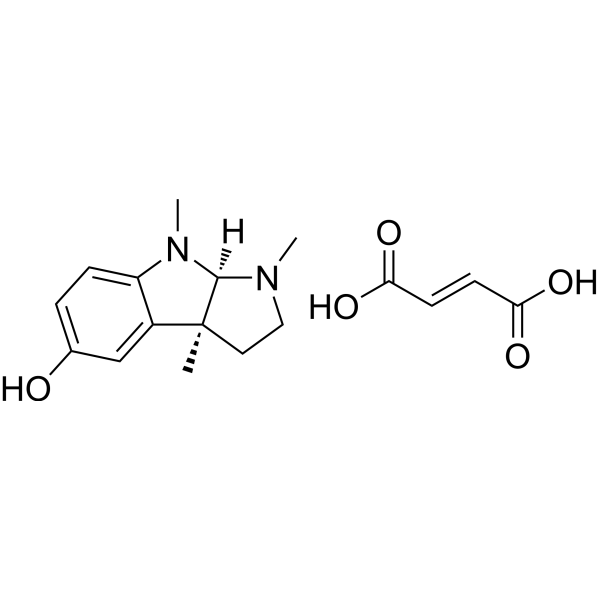
(-)-Eseroline fumarate is a metabolic of Physostigmine (HY-N6608), an AChE inhibitor. (-)-Eseroline fumarate elicits a leakage of lactic acid dehydrogenase (LDH) from cancer cells. (-)-Eseroline fumarate also induces the release of adenine nucleotides and 5-hydroxytryptamine (5-HT) from neuronal cells, thus induce cell death. (-)-Eseroline fumarate inhibits the electrically evoked twitches of the mouse vas deferens and of the guinea-pig ileum .
|
-
-
- HY-P10580A
-
|
|
Cadherin
Tie
Claudin
PI3K
Akt
|
Cardiovascular Disease
Infection
Inflammation/Immunology
|
|
Vasculotide TFA is a blood-brain barrier (BBB)-penetrant Tie2 agonist. Vasculotide TFA binds to a unique domain of Tie2, induces receptor clustering to drive phosphorylation, activates downstream PI3K/Akt and eNOS pathways, enhances inter-endothelial cell junctions (such as VE-cadherin and claudin-5), and inhibits inflammatory adhesion molecules, ultimately stabilizing the vascular endothelial barrier and reducing its permeability . Vasculotide TFA alleviates pulmonary microvascular leakage and microcirculatory dysfunction caused by cardiopulmonary bypass, acts as an adjuvant radioprotective agent to reduce acute radiation dermatitis, and promotes BBB recovery after focused ultrasound (FUS). Combination of Vasculotide TFA with antibiotics reduces lung injury .
|
-

-
- HY-N8015S
-
|
|
Isotope-Labeled Compounds
Bacterial
Endogenous Metabolite
Fungal
|
Infection
Cancer
|
|
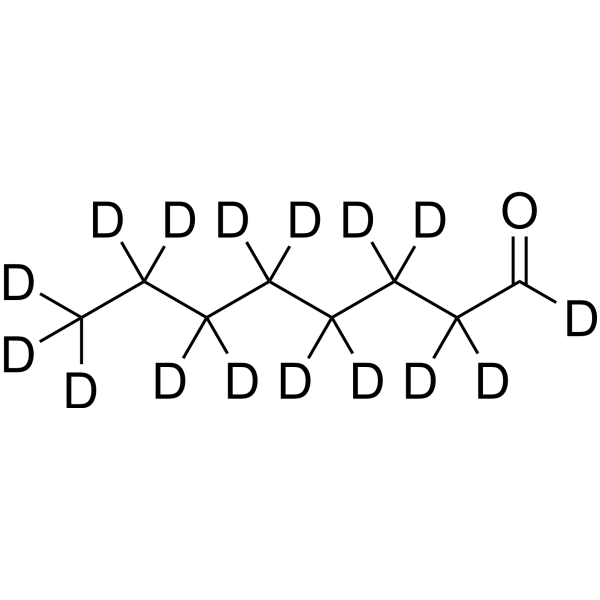
Octanal-d16 is the deuterium labeled Octanal. Octanal is a fragrant aldehyde with antioxidant and antibacterial activity. Its antifungal effect against G. citri-aurantii may be related to the disruption of cell membrane integrity and the leakage of cellular components. Additionally, Octanal exhibits cytotoxicity towards HeLa cells, with an IC50 value of 3.5 μg/mL .
|
-
-
- HY-B1145S
-
|
|
Isotope-Labeled Compounds
Antibiotic
Bacterial
Necroptosis
Apoptosis
|
Infection
|
|
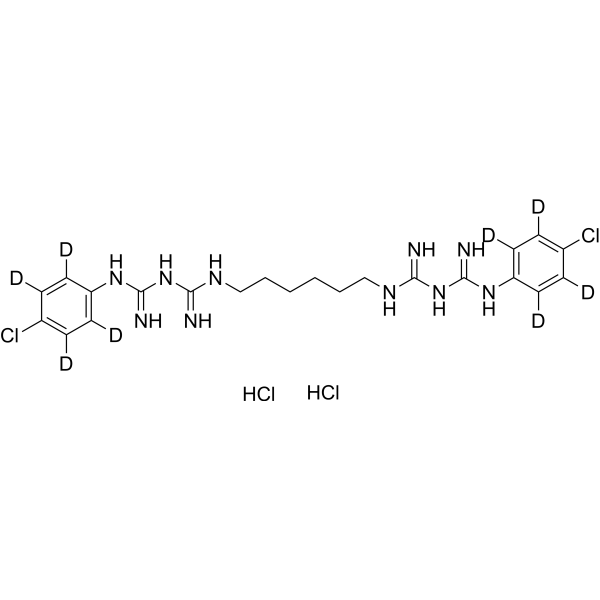
Chlorhexidine-d8 (dihydrochloride) is the deuterium labeled Chlorhexidine dihydrochloride (HY-B1145). Chlorhexidine dihydrochloride is a orally active cationic antimicrobial agent that targets microbial cell membranes. Chlorhexidine dihydrochloride binds to cell membrane phospholipids non-specifically, destroys membrane structure and induces leakage of cell contents. Chlorhexidine dihydrochloride has broad-spectrum bactericidal activity against both Gram-positive and Gram-negative bacteria. Chlorhexidine dihydrochloride can interfere with membrane permeability, cause protein precipitation and energy metabolism disorders, such as rapid inhibition of microbial growth and induction of cell death (necrosis or apoptosis) .
|
-
-
- HY-B1248R
-
|
|
Reference Standards
Antibiotic
Bacterial
Necroptosis
Apoptosis
|
Infection
|
|
Chlorhexidine (Standard) is the analytical standard of Chlorhexidine (HY-B1248). This product is intended for research and analytical applications. Chlorhexidine is a orally active cationic antimicrobial agent that targets microbial cell membranes. Chlorhexidine binds to cell membrane phospholipids non-specifically, destroys membrane structure and induces leakage of cell contents. Chlorhexidine has broad-spectrum bactericidal activity against both Gram-positive and Gram-negative bacteria. Chlorhexidine can interfere with membrane permeability, cause protein precipitation and energy metabolism disorders, such as rapid inhibition of microbial growth and induction of cell death (necrosis or apoptosis) .
|
-

-
- HY-P10696
-
|
|
Bacterial
|
Infection
|
|
C16G2 is a specific targeted antimicrobial peptide (STAMP) that targets the cariogenic oral pathogen Streptococcus mutans. C16G2 specifically recognizes and disrupts the bacterial cell membrane, causing small molecule leakage and loss of membrane potential, leading to bacterial killing. C16G2 exhibits higher selectivity and efficacy against Streptococcus mutans, unlike broad-spectrum antimicrobial peptides .
|
-

-
- HY-101990
-
|
|
VEGFR
|
Others
|
|
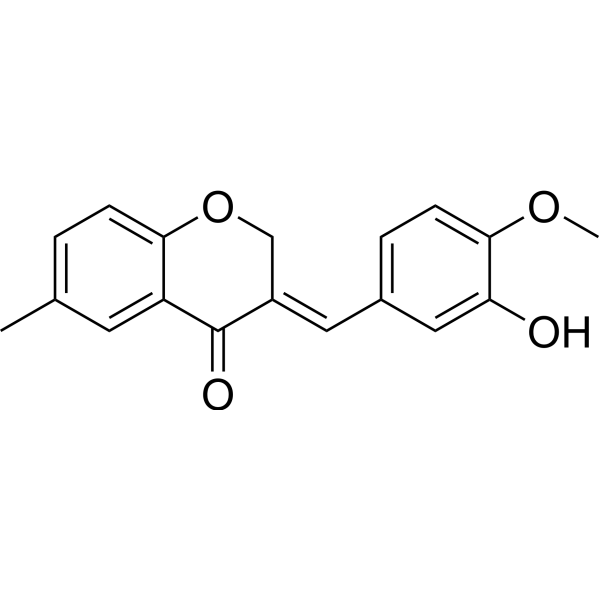
IMS2186 is an anti-choroidal neovascularization (CNV) agent that inhibits angiogenesis upstream of VEGF. IMS2186 can arrest cancer cell cycle in G2/M phase, thus exerting anti-proliferation and anti-angiogenesis effects. IMS2186 has no intraocular toxicity and reduces the amount of eye leakage and diseased cells .
|
-
-
- HY-P991000
-
|
AU-007; BD-8; BDG8
|
Interleukin Related
|
Cardiovascular Disease
Inflammation/Immunology
Cancer
|
|
Imneskibart (AU-007) is a human monoclonal antibody that binds to the CD25-binding epitope of interleukin-2 (IL-2), blocking the binding of IL-2 to the trimeric IL-2 receptor while retaining the ability to bind to the dimeric IL-2 receptor. Imneskibart expands effector T cell and NK cell populations, reduces regulatory T cells, increases the effector T cell/regulatory T cell ratio, and alleviates vascular leakage. Imneskibart can be used in research related to melanoma and non-small cell lung cancer. The corresponding isotype control is: Human IgG1 kappa, Isotype Control (HY-P99001) .
|
-

-
- HY-175640
-
|
|
Pyroptosis
Reactive Oxygen Species (ROS)
Interleukin Related
Caspase
|
Cardiovascular Disease
|
|
Troponin-IN-1 is a troponin inhibitor. Troponin-IN-1 protects OGD/R-injured H9c2 cardiomyocytes by reducing LDH leakage, pyroptosis and ROS accumulation. Troponin-IN-1 inhibits NO production and IL-1β/TNF-α/IL-18 release in LPS (HY-D1056)-induced RAW264.7 cells. Troponin-IN-1 acts via caspase-1/GSDMD/IL-18 pathway. Troponin-IN-1 reduces myocardial infarct size in LAD-induced myocardial ischemia/reperfusion (MI/R) male rats. Troponin-IN-1 can be used for the study of myocardial ischemia/reperfusion (MI/R) injury .
|
-

-
- HY-159666
-
|
|
Antibiotic
Fungal
|
Infection
|
|
Nystatin A1 is a polyene macrolide antifungal antibiotic that can be isolated from Streptomyces noursei. Nystatin A1 binds to ergosterol on the fungal cell membrane, increasing the permeability of the cell membrane and causing leakage of cell contents, thereby inhibiting the growth and reproduction of fungi .
|
-

-
- HY-N15548
-
|
Armeniaspirole A
|
Bacterial
|
Infection
|
|
Armeniaspirol A (Armeniaspirole A) is an antibacterial agent targeting Helicobacter pylori cell membranes. Armeniaspirol A induces membrane permeabilization, cytoplasmic leakage, and biofilm inhibition/eradication. Armeniaspirol A is promising for research of H. pylori infection .
|
-

-
- HY-B1248A
-
|
|
Antibiotic
Bacterial
Necroptosis
Apoptosis
|
Infection
|
|
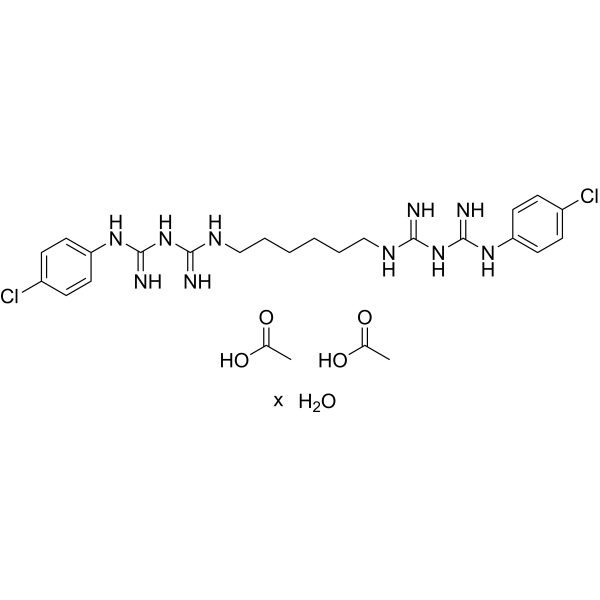
Chlorhexidine acetate hydrate is a orally active cationic antimicrobial agent that targets microbial cell membranes. Chlorhexidine acetate hydrate binds to cell membrane phospholipids non-specifically, destroys membrane structure and induces leakage of cell contents. Chlorhexidine acetate hydrate has broad-spectrum bactericidal activity against both Gram-positive and Gram-negative bacteria. Chlorhexidine acetate hydrate can interfere with membrane permeability, cause protein precipitation and energy metabolism disorders, such as rapid inhibition of microbial growth and induction of cell death (necrosis or apoptosis) .
|
-
-
- HY-W013699R
-
|
|
Reference Standards
Antibiotic
Bacterial
Necroptosis
Apoptosis
|
Infection
|
|
Chlorhexidine diacetate (Standard) is the analytical standard of Chlorhexidine diacetate (HY-W013699). This product is intended for research and analytical applications. Chlorhexidine diacetate is a orally active cationic antimicrobial agent that targets microbial cell membranes. Chlorhexidine diacetate binds to cell membrane phospholipids non-specifically, destroys membrane structure and induces leakage of cell contents. Chlorhexidine diacetate has broad-spectrum bactericidal activity against both Gram-positive and Gram-negative bacteria. Chlorhexidine diacetate can interfere with membrane permeability, cause protein precipitation and energy metabolism disorders, such as rapid inhibition of microbial growth and induction of cell death (necrosis or apoptosis) .
|
-

-
- HY-P10696A
-
|
|
Bacterial
|
Infection
|
|
C16G2 TFA is a specific targeted antimicrobial peptide (STAMP) that targets the cariogenic oral pathogen Streptococcus mutans. C16G2 TFA specifically recognizes and disrupts the bacterial cell membrane, causing small molecule leakage and loss of membrane potential, leading to bacterial killing. C16G2 TFA exhibits higher selectivity and efficacy against Streptococcus mutans, unlike broad-spectrum antimicrobial peptides .
|
-

-
- HY-W856819
-
|
|
Opioid Receptor
Cholinesterase (ChE)
Drug Metabolite
nAChR
|
Neurological Disease
|
|
Eseroline is a potent μ-opioid receptor agonist, which is the hydrolytic metabolite of Physostigmine (HY-N6608). Eseroline is a selective and competitive acetylcholinesterase (AChE) inhibitor, with its Ki values for AChE and BuChE being 0.1 μM and 200 μM respectively. Eseroline has nicotinic acetylcholine receptor allosteric enhancing ligand (nAChR-APL) activity, meaning it does not activate the receptor but significantly enhances the signal transduction of Ach triggered by the receptor. Eseroline is neurotoxic, causing cell membrane damage (LDH leakage) and energy metabolism collapse (ATP depletion). Eseroline can be used for the study of Alzheimer's disease .
|
-

-
- HY-P10546
-
|
pALA
|
Bacterial
|
Infection
|
|
Polyalanine peptide (pALA) is an antimicrobial peptide that targets biofilms and Gram-negative bacteria and is non-toxic to mammalian cells. Polyalanine peptide forms an α-helical conformation that effectively permeabilizes Gram-negative bacterial membranes, thereby inducing lethal cell leakage. Polyalanine peptide can be used in anti-infection research .
|
-

-
- HY-151284
-
|
|
Bacterial
Fungal
|
Infection
|
|
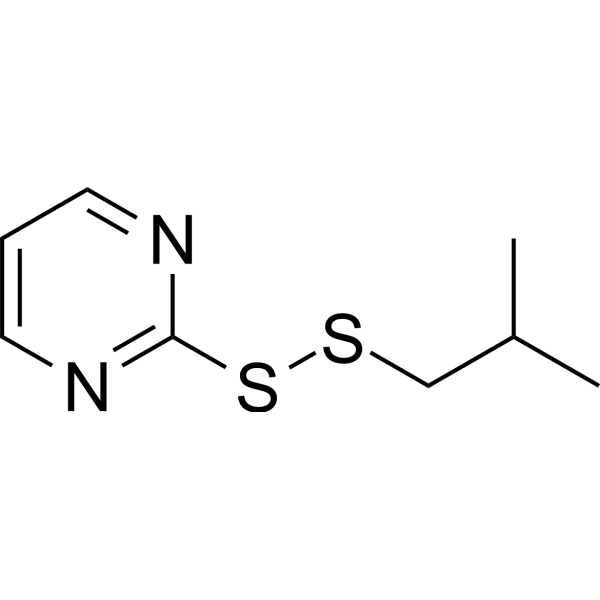
Antifungal agent 38 is a geterocyclic disulfide, an antifungal and antibacterial agent. Antifungal agent 38 induces the shrinkage of hyphae, disrupts the integrity of the plasma membrane, and causes the damage and leakage of cell contents .
|
-
-
- HY-N15423
-
|
|
Others
|
Inflammation/Immunology
|
|
Acrophylline is an antiallergic compound. Acrophylline inhibits mast cell degranulation. Acrophylline reduces the plasma leakage
in mouse ear in a passive cutaneous anaphylactic (PCA) reaction. Acrophylline is an alkaloid can be isolated from acronychia haplophylla .
|
-

-
- HY-133621
-
|
|
Biochemical Assay Reagents
|
Cancer
|
|
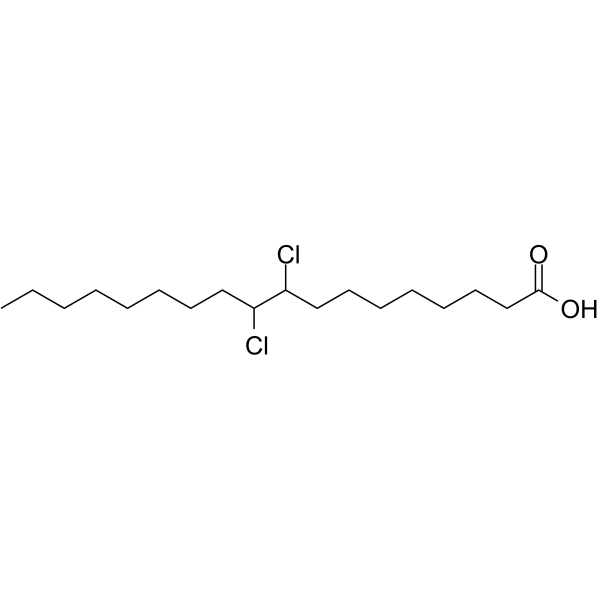
9,10-Dichlorostearic acid is a chlorinated stearic acid with antimutagenic properties. 9,10-Dichlorostearic acid can cause membrane damage by inducing leakage of adenosine triphosphate (ATP) from mammalian tumour cells in vitro .
|
-
-
- HY-P10402
-
|
|
Bacterial
|
Infection
Cancer
|
|
BMAP 28, bovine is an antibacterial peptide. BMAP 28, bovine exhibits antimicrobial activity against gram-positive and gram-negative bacteria, by increasing cell membrane permeability, and causing leakage of cell contents. BMAP 28, bovine exhibits cytotoxicity to cancer cells and activated human lymphocytes. BMAP 28, bovine induces apoptosis through depolarization of mitochondrial membrane potential .
|
-

-
- HY-169160
-
|
|
Bacterial
|
Infection
|
|
Anti-MRSA agent 18 (E17) is an inhibitor of MRSA with MIC values of 2 μg/mL for S. aureus and 4 μg/mL for MRSA, respectively. Anti-MRSA agent 18 interacts with bacterial cell membrane phosphatidylglycerol and cardiolipin, causing changes in cell membrane permeability and polarization, increased intracellular ROS, and DNA and protein leakage, thereby accelerating bacterial death .
|
-

-
- HY-N8015R
-
|
|
Reference Standards
Endogenous Metabolite
Bacterial
Fungal
|
Infection
Cancer
|
|
Octanal (Standard) is the analytical standard of Octanal. This product is intended for research and analytical applications. Octanal is a fragrant aldehyde with antioxidant and antibacterial activity. Its antifungal effect against G. citri-aurantii may be related to the disruption of cell membrane integrity and the leakage of cellular components. Additionally, Octanal exhibits cytotoxicity towards HeLa cells, with an IC50 value of 3.5 μg/mL .
|
-

-
- HY-N8015S2
-
|
|
Bacterial
Isotope-Labeled Compounds
Endogenous Metabolite
Fungal
|
Infection
Cancer
|
|
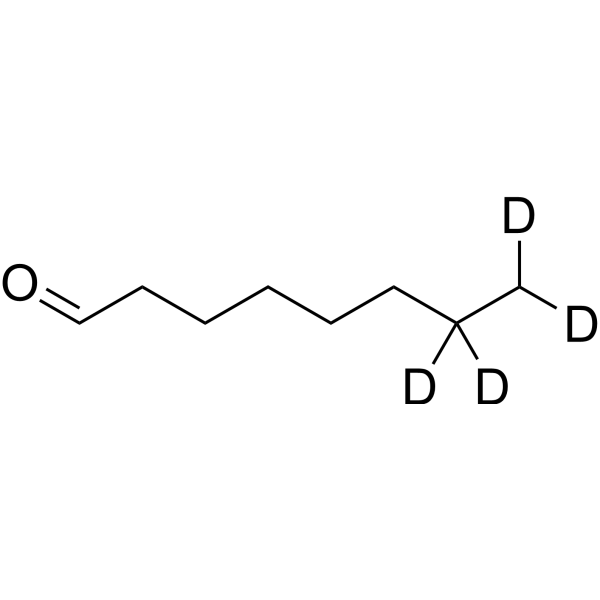
Octanal-d4 is deuterated labeled Octanal (HY-N8015). Octanal is a fragrant aldehyde with antioxidant and antibacterial activity. Its antifungal effect against G. citri-aurantii may be related to the disruption of cell membrane integrity and the leakage of cellular components. Additionally, Octanal exhibits cytotoxicity towards HeLa cells, with an IC50 value of 3.5 μg/mL .
|
-
-
- HY-W419044A
-
|
|
Fluorescent Dye
|
Others
|
|
Calcein calcium potassium is a fluorescent dye and self-quenching probe, used as an indicator of lipid vesicle leakage, and also as a complexometric indicator for titration of calcium ions with EDTA, and for fluorometric determination of calcium. Calcein cannot directly cross the intact cell membrane of a living cell, unlike Calcein-AM (HY-D0041) which is cell-permeable. Calcein can also be used as a model drug for evaluating efficiency and bioavailability of drug delivery systems .
|
-

-
- HY-W329161
-
|
|
Fluorescent Dye
|
Others
|
|
Calcein sodium is a fluorescent dye and self-quenching probe, used as an indicator of lipid vesicle leakage, and also as a complexometric indicator for titration of calcium ions with EDTA, and for fluorometric determination of calcium. Calcein cannot directly cross the intact cell membrane of a living cell, unlike Calcein-AM (HY-D0041) which is cell-permeable. Calcein can also be used as a model drug for evaluating efficiency and bioavailability of drug delivery systems .
|
-

-
- HY-B1597R
-
|
Benzyldimethylhexadecylammonium chloride (Standard)
|
Reference Standards
Bacterial
|
Infection
Inflammation/Immunology
|
|
Cetalkonium (chloride) (Standard) is the analytical standard of Cetalkonium (chloride). This product is intended for research and analytical applications. Cetalkonium chloride is an ammonium antiseptic agent used in many topical agents for infections of mouth, throat and eye. Cetalkonium chloride acts as anti-inflammatory amphiphilic agent. Cetalkonium chloride is a cationic surfactant, that improves the precorneal residence time and bioavailability of drugs. Cetalkonium chloride interacts with the negative charges on the bacterial cell membrane, disrupts the integrity of the cell membrane, causes leakage of cell contents and ultimately leading to bacterial death .
|
-

-
- HY-P2098
-
|
|
Antibiotic
Bacterial
Fungal
|
Infection
|
|
Alamethicin F 50 is an antibiotic. Alamethicin F 50 is composed of membrane-active peptide, containing 75% Alamethicin F 50/5 and 10% Alamethicin F 50/7. Alamethicin F 50 is exhibits antifungal and antibacterial activity by disrupting the integrity of microbial cell membranes, resulting in leakage of cell contents and death of the microorganisms. Alamethicin F 50 is able to reduce the surface tension of water, which can be used as a surfactant or detergent .
|
-

-
- HY-P10362
-
|
|
Bacterial
|
Infection
|
|
Temporin-GHd exhibits antibacterial activity against Streptococcus mutans (MIC=13.1 μM; MBC=26 μM). Temporin-GHd increases the permeability of the bacterial cell membrane, causing membrane damage and leakage of cellular contents. Temporin-GHd disrupts preformed biofilms at high concentrations. Temporin-GHd can bind to bacterial DNA, inhibiting DNA migration .
|
-

-
- HY-B1145R
-
|
|
Reference Standards
Antibiotic
Bacterial
Necroptosis
Apoptosis
|
Infection
|
|
Chlorhexidine dihydrochloride (Standard) is the analytical standard of Chlorhexidine dihydrochloride (HY-B1145). This product is intended for research and analytical applications. Chlorhexidine dihydrochloride is a orally active cationic antimicrobial agent that targets microbial cell membranes. Chlorhexidine dihydrochloride binds to cell membrane phospholipids non-specifically, destroys membrane structure and induces leakage of cell contents. Chlorhexidine dihydrochloride has broad-spectrum bactericidal activity against both Gram-positive and Gram-negative bacteria. Chlorhexidine dihydrochloride can interfere with membrane permeability, cause protein precipitation and energy metabolism disorders, such as rapid inhibition of microbial growth and induction of cell death (necrosis or apoptosis) .
|
-

-
- HY-W738281
-
|
|
Isotope-Labeled Compounds
Antibiotic
Bacterial
Necroptosis
Apoptosis
|
Infection
|
|
Chlorhexidine-d8 is deuterium-labeled Chlorhexidine (HY-B1248) . Chlorhexidine is a orally active cationic antimicrobial agent that targets microbial cell membranes. Chlorhexidine binds to cell membrane phospholipids non-specifically, destroys membrane structure and induces leakage of cell contents. Chlorhexidine has broad-spectrum bactericidal activity against both Gram-positive and Gram-negative bacteria. Chlorhexidine can interfere with membrane permeability, cause protein precipitation and energy metabolism disorders, such as rapid inhibition of microbial growth and induction of cell death (necrosis or apoptosis) .
|
-

-
- HY-173238
-
|
|
Bacterial
Reactive Oxygen Species (ROS)
|
Infection
|
|
Antibacterial Agent 273 (Compound 15e) is a membrane-targeting antimicrobial agent that disrupts bacterial cell membranes, exhibiting a MIC of 4 μg/mL against Staphylococcus aureus. By compromising membrane integrity, it induces leakage of intracellular nucleic acids and proteins, suppresses bacterial metabolic activity, and triggers the accumulation of reactive oxygen species (ROS). Antibacterial Agent 273 is suitable for research on infections caused by Staphylococcus aureus .
|
-

-
- HY-168066
-
|
|
Fungal
|
Infection
|
|
Antifungal agent 117 is a bis-pyrazole carboxamide derivative with antifungal activity, exhibiting an EC50 value of 11.58 mg/L against Sclerotinia sclerotiorum. Antifungal agent 117 increases cell membrane permeability, causing an imbalance in osmotic pressure inside and outside the cell, and induces the accumulation of reactive oxygen species (ROS), leading to oxidative damage to the cell membrane, resulting in leakage of cellular contents and eventually cell death. RNA sequencing analysis reveals that Antifungal agent 117 downregulates catalase genes and upregulates neutral ceramidase genes, disrupting cell membrane structure, accelerating sphingolipid metabolism, and promoting cell death. Antifungal agent 117 shows great potential in the fields of plant protection and antifungal infection .
|
-

-
- HY-111174R
-
|
Ile-Pro-Ile (Standard)
|
Reference Standards
Dipeptidyl Peptidase
|
Metabolic Disease
|
|
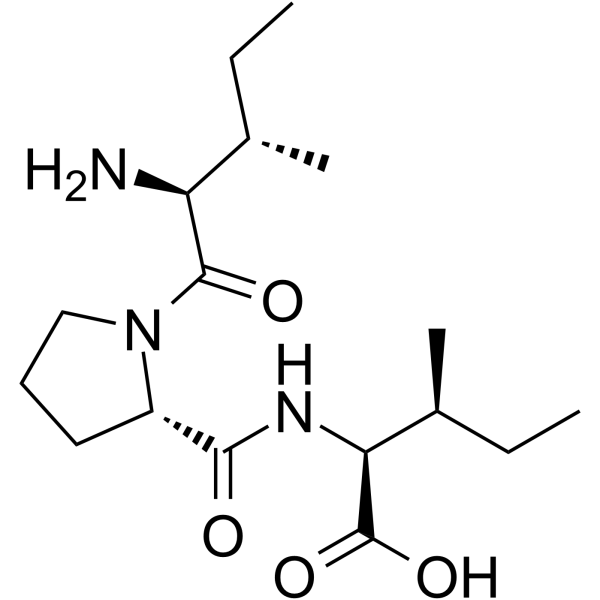
Diprotin A (Standard) is the analytical standard of Diprotin A. This product is intended for research and analytical applications. Diprotin A (Ile-Pro-Ile) is an inhibitor of dipeptidyl peptidase IV (DPP-IV)[1].
|
-

- HY-159962
-
|
|
Glutaminase
|
Metabolic Disease
|
|
TGase2-IN-1 (Compound 22) is an orally active inhibitor for TGase2 with an IC50 of 1.12 μM. TGase2-IN-1 inhibits TGase2 in human retinal microvascular endothelial cells with an IC50 of 0.07 μM. TGase2-IN-1 exhibits 74.6% oral bioavailability. TGase2-IN-1 inhibits retinal vascular leakage in mouse Streptozotocin (HY-13753)-induced diabetic model .
|
-

- HY-161860
-
|
|
Bacterial
|
Cancer
|
|
Antibacterial agent 233 (Compound 7c) exhibits inhibitory efficacy against Helicobacter pylori with MIC of 0.4-1.6 μg/mL. Antibacterial agent 233 inhibits jack bean urease (IC50 is 0.27 μg/mL), changes the permeability of H. pylori cell membrane, causes the leakage of cellular contents. Antibacterial agent 233 exhibits metabolic stability in whole blood and artificial gastric fluid. Antibacterial agent 233 exhibits antitumor efficacy against U2OS in mice .
|
-

- HY-130272
-
|
|
Drug Derivative
|
Cardiovascular Disease
|
|
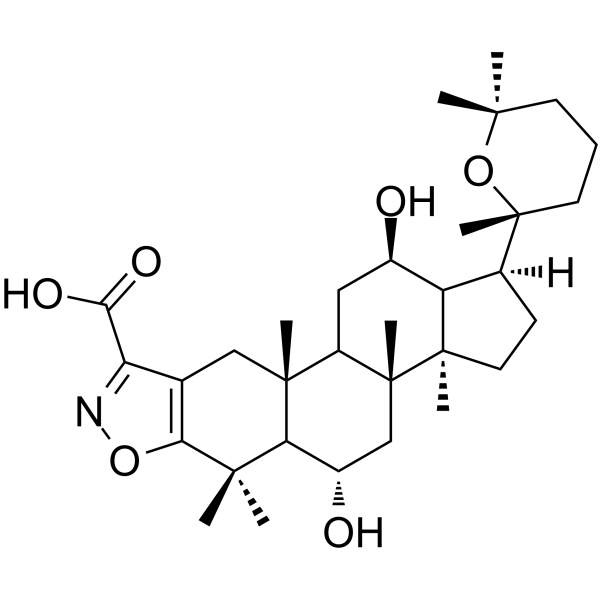
Anti-MI/R injury agent 1 (compound 18), a Panaxatriol derivative, is an orally active, potent anti-myocardial ischemia/reperfusion (anti-MI/R) injury agent. Anti-MI/R injury agent 1 enhances oxygen-glucose deprivation and reperfusion (OGD/R)-induced cardiomyocyte injury cell viability. Anti-MI/R injury agent 1 can markedly reduce myocardial infarction size, decrease circulating cardiac troponin I (cTnI) leakage, and alleviate cardiac tissue damage in the rats .
|
-
- HY-168258
-
|
|
Bacterial
|
Infection
|
|
Antibiofilm agent-13 (compound 14b) is a potent antibacterial agent that displays a broad-spectrum antimicrobial activity. Antibiofilm agent-13 could disintegrate the integrity of bacterial cell membranes by destroying transmembrane potential and enhancing membrane permeability, and causing the generation of intracellular ROS and the leakage of DNA and proteins, ultimately leading to bacterial death. Antibiofilm agent-13 inhibits both Gram-positive bacteria (MIC of 0.5-1 μg/mL) and Gram-negative bacteria (MIC of 1-32 μg/mL) .
|
-

- HY-149079
-
|
|
Parasite
Necroptosis
|
Infection
|
|
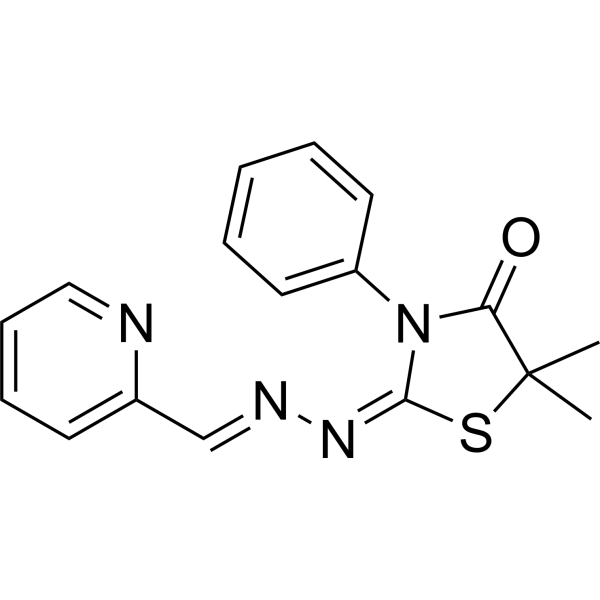
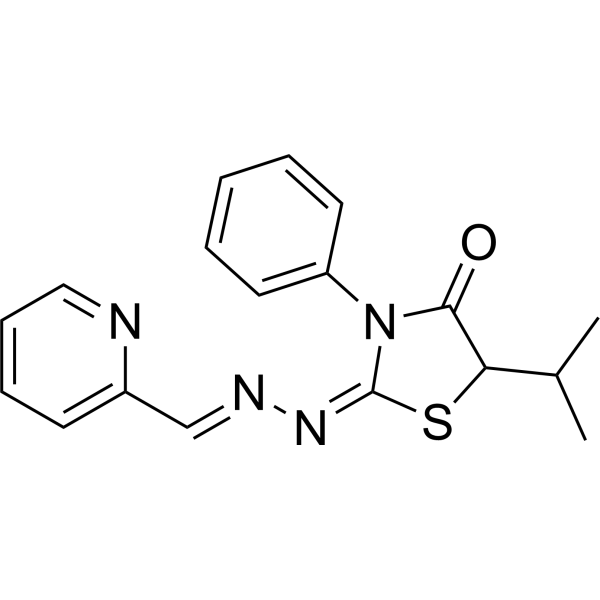
Antiparasitic agent-15, a pyridine-thiazolidinone, has anti-Trypanosoma cruzi and leishmanicidal activities. Antiparasitic agent-15 has IC50s of 0.9 μM and 0.64 μM against trypomastigote and amastigote forms of T. cruzi. Antiparasitic agent-15 has IC50s of 42.2 μM and 9.58 μM against trypomastigote and amastigote forms of L. amazonensis. Antiparasitic agent-15 induces parasite cell death through necrosis induction. Antiparasitic agent-15 induces morphological changes such as shortening, retraction and curvature of the parasite body and leakage of internal content with T. cruzi trypomastigotes .
|
-
- HY-149080
-
|
|
Parasite
Necroptosis
|
Infection
|
|
Antiparasitic agent-16, a pyridine-thiazolidinone, has anti-Trypanosoma cruzi and leishmanicidal activities. Antiparasitic agent-16 has IC50s of 1.0 μM and 0.6 μM against trypomastigote and amastigote forms of T. cruzi. Antiparasitic agent-16 has IC50s of 150.2 μM and 16.75 μM against trypomastigote and amastigote forms of L. amazonensis. Antiparasitic agent-16 induces parasite cell death through necrosis induction. Antiparasitic agent-16 induces morphological changes such as shortening, retraction and curvature of the parasite body and leakage of internal content with T. cruzi trypomastigotes .
|
-
- HY-167924
-
|
|
Kallikrein
Thrombin
Ser/Thr Protease
|
Inflammation/Immunology
|
|
Ono 3307 Free base is a novel synthetic protease inhibitor that exhibits protective effects against acute pancreatitis by preventing hyperamylasemia and pancreatic edema. Ono 3307 Free base also inhibits the redistribution of lysosomal enzymes in acinar cells and mitigates lactic dehydrogenase discharge. Ono 3307 Free base effectively reduces cathepsin B leakage from lysosomes in a dose-dependent manner. Ono 3307 Free base is able to target trypsin (Ki=48 nM), thrombin (Ki=0.18 μM), plasma kallikrein (Ki=0.29 μM), plasmin (Ki=0.31 μM), pancreatic kallikrein (Ki=3.6 μM), and chymotrypsin (Ki=47 μM).
|
-

- HY-P11601
-
|
|
Biochemical Assay Reagents
|
Cancer
|
|
MAF-10L is a membrane-disrupting agent, a cationic amphipathic Mastoparan AF derivative with enhanced α-helicity. MAF-10L preferentially interacts with DOPS lipids in cancer cell membranes, disrupting cancer cell membranes to trigger membrane leakage. MAF-10L can be used for the research of cancer .
|
-

- HY-W077245
-
|
BCDMH
|
Environmental Pollutants
Bacterial
|
Others
|
|
Bromochloro-5,5-dimethylhydantoin is a bactericidal agent and membrane-disrupting agent. Bromochloro-5,5-dimethylhydantoin disrupts bacterial cell membranes, alters membrane structure and permeability, and induces leakage of soluble proteins and ions from bacterial cells. Bromochloro-5,5-dimethylhydoin exhibits bactericidal activity against bacteria .
|
-

- HY-N19464
-
|
|
PDI
|
Inflammation/Immunology
Cancer
|
|
Dicentrinone is an orally active PDI inhibitor with an IC50 value of 43.95 μM. Dicentrinone directly binds to PDI and suppresses cell proliferation and reduces cancer cell viability. Dicentrinone elicits anti-inflammatory and antioxidant effects by suppressing leukocyte migration, plasma leakage and paw edema, and scavenging free radicals. Dicentrinone can be used in the research of hepatoma, rheumatism and arthritis .
|
-

- HY-170993
-
|
|
Antibiotic
Bacterial
|
Infection
Inflammation/Immunology
|
|
Antimicrobial agent-39 (Compound 8i) is an antibiotic that targets 50S ribosomal subunit and inhibits bacterial protein synthesis. Antimicrobial agent-39 disrupts bacterial cell membranes, leads to leakage of cell contents, thereby exhibiting board-spectrum actibacterial activity. Antimicrobial agent-39 targets organic cation transporters (OCTs), accumulates in infected kidneys, thereby ameliorating pyelonephritis in mouse models .
|
-

- HY-W724344
-
|
Benzyldimethylhexadecylammonium-d5 chloride
|
Isotope-Labeled Compounds
Bacterial
|
Infection
Inflammation/Immunology
|
|
Cetalkonium-d5 chloride (Benzyldimethylhexadecylammonium-d5 chloride) is the deuterium labeled Cetalkonium chloride (HY-B1597). Cetalkonium chloride is an ammonium antiseptic agent used in many topical agents for infections of mouth, throat and eye. Cetalkonium chloride acts as anti-inflammatory amphiphilic agent. Cetalkonium chloride is a cationic surfactant, that improves the precorneal residence time and bioavailability of drugs. Cetalkonium chloride interacts with the negative charges on the bacterial cell membrane, disrupts the integrity of the cell membrane, causes leakage of cell contents and ultimately leading to bacterial death .
|
-

- HY-180165
-
|
|
Calcium Channel
Interleukin Related
|
Cardiovascular Disease
Inflammation/Immunology
|
|
Antiallergic agent-5 (Compound 4f) is an antiallergic agent. Antiallergic agent-5 suppresses Ca 2+ influx. Antiallergic agent-5 suppresses IgE/Ag-induced release of both IL-6 and TNF-α. Antiallergic agent-5 inhibits mast cell degranulation. Antiallergic agent-5 attenuates passive cutaneous anaphylaxis in mice and reduces vascular leakage .
|
-

- HY-DY1091
-
|
Fluorexon (solution)
|
Fluorescent Dye
|
Others
|
Calcein (solution) (Fluorexon (solution)) is a fluorescent dye and self-quenching probe, used as an indicator of lipid vesicle leakage, and also as a complexometric indicator for titration of calcium ions with EDTA, and for fluorometric determination of calcium. Calcein cannot directly cross the intact cell membrane of a living cell, unlike Calcein-AM (HY-D0041) which is cell-permeable. Calcein can also be used as a model drug for evaluating efficiency and bioavailability of drug delivery systems .
Solvent and concentration: DMSO: 2 mM
The 1 mL volume is defined as the base specification. All larger sizes correspond to incremental volumes of this base.
|
-

- HY-179593
-
|
|
Bacterial
|
Inflammation/Immunology
|
|
GM47-1, a naphthalene scaffold derivative, is a potent mycolic acid transporter MmpL3 inhibitor exhibiting potent bactericidal activity against Mycobacterium abscessus (Mabs) with an MIC50 of 2.1 µM. GM47-1 targets MmpL3, disrupts cell wall integrity, and induces ATP leakage and uncouples respiration. GM47-1 can be used for Mycobacterium abscessus pulmonary disease (Mabs-PD) research .
|
-

- HY-P11398
-
|
|
Bacterial
HIV
Fungal
DNA Alkylator/Crosslinker
|
Infection
Cancer
|
|
Tachyplesin II is a broad-spectrum cationic antimicrobial peptide. Tachyplesin II has significant inhibitory effects on Gram-positive bacteria, Gram-negative bacteria, and some fungi. Tachyplesin II binds to bacterial membrane lipopolysaccharides through its positive charge, disrupting membrane integrity and causing leakage of cellular contents. Tachyplesin II can bind to DNA grooves, inhibiting microbial replication, and also suppressing HIV-1 replication and the proliferation of liver cancer cells .
|
-

- HY-N16448
-
|
|
Bacterial
|
Infection
|
|
Xanthoascin (Compound 1) is a natural phenolic metabolite with strong anti plant pathogen activity. Xanthoascin can be extracted from the solid fermentation product of endophytic fungus Aspergillus sp. IFB-YXS isolated from Ginkgo biloba leaves. Xanthoascin has a MIC of 0.3125 µg/mL against Clavibacter michiganense subsp. Sepedonicus and moderate inhibitory activity against other pathogens (MIC = 5-20 µg/mL). Xanthoascin can disrupt the permeability of bacterial cell membranes, leading to nucleic acid leakage .
|
-

- HY-180125A
-
|
|
Bacterial
Reactive Oxygen Species (ROS)
|
Infection
|
|
Antibacterial agent 307 hydrochloride is an antibacterial agent. Antibacterial agent 307 hydrochloride shows MICs of 1-4 μg/mL against Gram-positive bacteria, moderate activity against Gram-negative bacteria, low hemolytic toxicity, and excellent plasma stability. Antibacterial agent 307 hydrochloride compromises bacterial membrane integrity via increased permeability and depolarization, induces endogenous ROS accumulation, causes cytoplasmic protein and nucleic acid leakage, and drives rapid bacterial cell death. Antibacterial agent 307 hydrochloride can be used for the research of bacterial infection .
|
-

- HY-180125
-
|
|
Bacterial
Reactive Oxygen Species (ROS)
|
Infection
|
|
Antibacterial agent 307 is an antibacterial agent. Antibacterial agent 307 shows MICs of 1-4 μg/mL against Gram-positive bacteria, moderate activity against Gram-negative bacteria, low hemolytic toxicity, and excellent plasma stability. Antibacterial agent 307 compromises bacterial membrane integrity via increased permeability and depolarization, induces endogenous ROS accumulation, causes cytoplasmic protein and nucleic acid leakage, and drives rapid bacterial cell death. Antibacterial agent 307 can be used for the research of bacterial infection .
|
-

- HY-182027
-
|
|
Bacterial
Reactive Oxygen Species (ROS)
Lactate Dehydrogenase
DNA/RNA Synthesis
|
Infection
|
Antibacterial agent 330 is an antibacterial agent. Antibacterial agent 330 triggers ROS accumulation, forms DNA supramolecular complex by intercalation to block DNA replication and inhibits LDH to
disturb metabolism, and further prompts bacterial cell rupture to induce the leakage of intracellular content, ultimately causing bacterial death. Antibacterial agent 330 displays antibacterial activity and promotes wound healing in both G. Mellonella larval and murine wound infection models. Antibacterial agent 330 can be used for the research of bacterial infections .
|
-

- HY-183291
-
|
|
Bacterial
DNA/RNA Synthesis
DNA Alkylator/Crosslinker
Reactive Oxygen Species (ROS)
Penicillin-binding protein (PBP)
|
Infection
|
|
Antibacterial agent 343 (Compound 47) is an Antibacterial agent. Antibacterial agent 343 binds to the allosteric site of PBP2a to open its active site. Antibacterial agent 343 disrupts bacterial cell membranes, leading to protein leakage. Antibacterial agent 343 interacts with DNA and inhibits replication and transcription. Antibacterial agent 343 induces ROS accumulation. Antibacterial agent 343 exhibits antibacterial activity against MRSA, Staphylococcus aureus, and Enterococcus faecalis. Antibacterial agent 343 can be used for the research of methicillin-resistant Staphylococcus aureus infections .
|
-

- HY-D3419
-
|
|
Fluorescent Dye
|
Neurological Disease
|
|
Neuro-DiO 4-chlorobenzenesulfonate is a hydrophobic C18 alkyl chain carbocyanine dye with green fluorescence, commonly used as a vascular marker, cell internalizer and deposition agent. Neuro-DiO 4-chlorobenzenesulfonate inserts its alkyl chain into the endothelial plasma membrane via liposome-mediated perfusion to achieve vascular labeling. Neuro-DiO chlorobenzenesulfonate can also stain the cell membrane and cytoplasm of cancer cells to assist in confocal microscopy observations. Neuro-DiO chlorobenzenesulfonate can be released from nanosponges and accumulate on the surface of mouse retina, then internalize into retinal ganglion cells, which is applicable to researches related to glaucoma and other diseases. It should be noted that during liposome-mediated vascular staining in mice, Neuro-DiO 4-chlorobenzenesulfonate may cause leakage of airway lavage fluid .
|
-

- HY-182798
-
|
|
Bacterial
Reactive Oxygen Species (ROS)
|
Infection
|
|
Antibacterial agent 337 is an antibacterial agent. Antibacterial agent 337 specifically interacts with PG in bacterial cell membranes, triggering membrane disruption, membrane depolarization, increased permeability, cytoplasmic leakage, ROS accumulation and rapid bacterial death. Antibacterial agent 337 inhibits biofilm formation and disrupts mature biofilms. Antibacterial agent 337 exhibits potent in vivo antibacterial efficacy in a mouse model of Staphylococcus aureus skin abscess. Antibacterial agent 337 can be used in studies of Gram-positive bacterial infections, including methicillin-resistant Staphylococcus aureus infections, vancomycin-resistant Enterococcus faecalis infections and bacterial biofilm infections .
|
-

- HY-175647
-
|
|
Myosin
Fungal
|
Infection
|
|
Myosin-5-IN-2 (Compound G19) is a Myosin-5 inhibitor. Myosin-5-IN-2 has an antifungal activity against Fusarium graminearum (Fg), Botrytis cinerea and Rhizoctonia solani with an EC50 s of 0.326 μg/mL for Fg. Myosin-5-IN-2 has effective protective and curative control efficiency for wheat leaves. Myosin-5-IN-2 severely damages the surface integrity of mycelial cells and induces cytoplasmic leakage. Myosin-5-IN-2 can be used for fungal infections like fusarium head blight (FHB) research .
|
-

- HY-183340
-
|
|
Bacterial
|
Infection
|
|
Antibacterial agent 341 is an anti-bacterial agent. Antibacterial agent 341 shows broad-spectrum Gram-positive antibacterial activity. Antibacterial agent 341 targets phosphatidylglycerol (PG) and cardiolipin (CL) in bacterial cell membranes, induces sustained depolarization of membranes, and disrupts the cell membrane integrity. Antibacterial agent 341 exhibits anti-infection activity against S. aureus-induced subcutaneous abscesses in mice .
|
-

- HY-P11582
-
|
|
Bacterial
|
Infection
|
|
CyLip-20 is a cyclic lipopeptide antimicrobial peptide that targets Gram-positive and Gram-negative bacteria. CyLip-20 exhibits low hemolytic activity and mild in vivo toxicity. CyLip-20 disrupts the integrity of bacterial outer membrane, inner membrane and cytoplasmic membrane by binding to bacterial lipopolysaccharide (LPS), triggering membrane permeabilization, depolarization and leakage of intracellular contents, and inhibits bacterial biofilm formation. In animal models, CyLip-20 reduces the bacterial load in skin wounds of mice infected with MRSA, promotes wound healing, decreases the levels of inflammatory cytokines and reduces inflammatory cell infiltration. CyLip-20 can be used in research related to MRSA skin wound infections .
|
-

- HY-183751
-
|
|
Bacterial
Reactive Oxygen Species (ROS)
|
Infection
|
|
Antibacterial agent 346 (Compound H14d) is a broad-spectrum Antibacterial agent and BsFtsZ inhibitor, with an IC50 of 69.67 μg/mL against BsFtsZ. Antibacterial agent 346 selectively binds to phosphatidylglycerol, disrupts membrane integrity, increases permeability, triggers depolarization and causes intracellular protein leakage. Antibacterial agent 346 induces intracellular ROS accumulation, which in turn triggers oxidative stress and cell death. Antibacterial agent 346 eradicates mature biofilms formed by Gram-positive and Gram-negative bacteria. Antibacterial agent 346 exhibits antibacterial activity against methicillin-resistant Staphylococcus aureus and Acinetobacter baumannii. Antibacterial agent 346 can be used in the research of bacterial infections .
|
-

- HY-W342467
-
|
D821
|
Bacterial
|
Infection
|
|
Dioctyldimethylammonium chloride (D821), a quaternary ammonium salt, is a bactericide. Dioctyldimethylammonium chloride exerts bactericidal activity via disruption of membrane integrity, and intracellular lysate leakage. Dioctyldimethylammonium chloride also can be used as a petroleum additive, antistatic agent, softening agent, rare metal flotation agent, and corrosion inhibitor .
|
-

- HY-182022
-
|
|
Bacterial
Reactive Oxygen Species (ROS)
Drug Derivative
DNA/RNA Synthesis
|
Infection
|
|
ZLWH-67 is a β-Carboline derivative and Antibacterial agent. ZLWH-67 inhibits DNA synthesis, suppresses biofilm formation, and increases reactive oxygen species (ROS) levels. ZLWH-67 exhibits potent in vitro antibacterial activity against MRSA (MIC = 0.5-4 μg/mL), S. epidermidis (MIC = 4 μg/mL), E. faecalis (MIC = 4-8 μg/mL), and S. pneumoniae (MIC = 16 μg/mL). ZLWH-67 displays anti-MRSA effects in murine skin and pneumonia infection models .
|
-

| Cat. No. |
Product Name |
Type |
-
- HY-D0040
-
|
Fluorexon
|
Fluorescent Dye
|
|
Calcein is a fluorescent dye and self-quenching probe, used as an indicator of lipid vesicle leakage, and also as a complexometric indicator for titration of calcium ions with EDTA, and for fluorometric determination of calcium. Calcein cannot directly cross the intact cell membrane of a living cell, unlike Calcein-AM (HY-D0041) which is cell-permeable. Calcein can also be used as a model drug for evaluating efficiency and bioavailability of drug delivery systems .
|
-
- HY-D1249
-
|
|
Fluorescent Dye
|
|
Calcein (mixture of isomers), Calcein (HY-D0040) Derivative, is a fluorescent dye (Ex/Em = 495/515 nm). Calcein (mixture of isomers) can be used for the researches for live cell staining, calcium ion detection, bone fluorescence labeling and membrane permeability leakage detection.
|
-
- HY-DY1091
-
|
Fluorexon (solution)
|
Fluorescent Dye
|
Calcein (solution) (Fluorexon (solution)) is a fluorescent dye and self-quenching probe, used as an indicator of lipid vesicle leakage, and also as a complexometric indicator for titration of calcium ions with EDTA, and for fluorometric determination of calcium. Calcein cannot directly cross the intact cell membrane of a living cell, unlike Calcein-AM (HY-D0041) which is cell-permeable. Calcein can also be used as a model drug for evaluating efficiency and bioavailability of drug delivery systems .
Solvent and concentration: DMSO: 2 mM
The 1 mL volume is defined as the base specification. All larger sizes correspond to incremental volumes of this base.
|
-
- HY-D3419
-
|
|
Fluorescent Dye
|
|
Neuro-DiO 4-chlorobenzenesulfonate is a hydrophobic C18 alkyl chain carbocyanine dye with green fluorescence, commonly used as a vascular marker, cell internalizer and deposition agent. Neuro-DiO 4-chlorobenzenesulfonate inserts its alkyl chain into the endothelial plasma membrane via liposome-mediated perfusion to achieve vascular labeling. Neuro-DiO chlorobenzenesulfonate can also stain the cell membrane and cytoplasm of cancer cells to assist in confocal microscopy observations. Neuro-DiO chlorobenzenesulfonate can be released from nanosponges and accumulate on the surface of mouse retina, then internalize into retinal ganglion cells, which is applicable to researches related to glaucoma and other diseases. It should be noted that during liposome-mediated vascular staining in mice, Neuro-DiO 4-chlorobenzenesulfonate may cause leakage of airway lavage fluid .
|
| Cat. No. |
Product Name |
Target |
Research Area |
-
- HY-111174
-
-
- HY-P10580
-
|
|
Tie
PI3K
Akt
Cadherin
Claudin
|
Cardiovascular Disease
Infection
Inflammation/Immunology
|
|
Vasculotide is a blood-brain barrier (BBB)-penetrant Tie2 agonist. Vasculotide binds to a unique domain of Tie2, induces receptor clustering to drive phosphorylation, activates downstream PI3K/Akt and eNOS pathways, enhances inter-endothelial cell junctions (such as VE-cadherin and claudin-5), and inhibits inflammatory adhesion molecules, ultimately stabilizing the vascular endothelial barrier and reducing its permeability . Vasculotide alleviates pulmonary microvascular leakage and microcirculatory dysfunction caused by cardiopulmonary bypass, acts as an adjuvant radioprotective agent to reduce acute radiation dermatitis, and promotes BBB recovery after focused ultrasound (FUS). Combination of Vasculotide with antibiotics reduces lung injury .
|
-
- HY-P10580A
-
|
|
Cadherin
Tie
Claudin
PI3K
Akt
|
Cardiovascular Disease
Infection
Inflammation/Immunology
|
|
Vasculotide TFA is a blood-brain barrier (BBB)-penetrant Tie2 agonist. Vasculotide TFA binds to a unique domain of Tie2, induces receptor clustering to drive phosphorylation, activates downstream PI3K/Akt and eNOS pathways, enhances inter-endothelial cell junctions (such as VE-cadherin and claudin-5), and inhibits inflammatory adhesion molecules, ultimately stabilizing the vascular endothelial barrier and reducing its permeability . Vasculotide TFA alleviates pulmonary microvascular leakage and microcirculatory dysfunction caused by cardiopulmonary bypass, acts as an adjuvant radioprotective agent to reduce acute radiation dermatitis, and promotes BBB recovery after focused ultrasound (FUS). Combination of Vasculotide TFA with antibiotics reduces lung injury .
|
-
- HY-P10696
-
|
|
Bacterial
|
Infection
|
|
C16G2 is a specific targeted antimicrobial peptide (STAMP) that targets the cariogenic oral pathogen Streptococcus mutans. C16G2 specifically recognizes and disrupts the bacterial cell membrane, causing small molecule leakage and loss of membrane potential, leading to bacterial killing. C16G2 exhibits higher selectivity and efficacy against Streptococcus mutans, unlike broad-spectrum antimicrobial peptides .
|
-
- HY-P10696A
-
|
|
Bacterial
|
Infection
|
|
C16G2 TFA is a specific targeted antimicrobial peptide (STAMP) that targets the cariogenic oral pathogen Streptococcus mutans. C16G2 TFA specifically recognizes and disrupts the bacterial cell membrane, causing small molecule leakage and loss of membrane potential, leading to bacterial killing. C16G2 TFA exhibits higher selectivity and efficacy against Streptococcus mutans, unlike broad-spectrum antimicrobial peptides .
|
-
- HY-P10546
-
|
pALA
|
Bacterial
|
Infection
|
|
Polyalanine peptide (pALA) is an antimicrobial peptide that targets biofilms and Gram-negative bacteria and is non-toxic to mammalian cells. Polyalanine peptide forms an α-helical conformation that effectively permeabilizes Gram-negative bacterial membranes, thereby inducing lethal cell leakage. Polyalanine peptide can be used in anti-infection research .
|
-
- HY-P10402
-
|
|
Bacterial
|
Infection
Cancer
|
|
BMAP 28, bovine is an antibacterial peptide. BMAP 28, bovine exhibits antimicrobial activity against gram-positive and gram-negative bacteria, by increasing cell membrane permeability, and causing leakage of cell contents. BMAP 28, bovine exhibits cytotoxicity to cancer cells and activated human lymphocytes. BMAP 28, bovine induces apoptosis through depolarization of mitochondrial membrane potential .
|
-
- HY-P2098
-
|
|
Antibiotic
Bacterial
Fungal
|
Infection
|
|
Alamethicin F 50 is an antibiotic. Alamethicin F 50 is composed of membrane-active peptide, containing 75% Alamethicin F 50/5 and 10% Alamethicin F 50/7. Alamethicin F 50 is exhibits antifungal and antibacterial activity by disrupting the integrity of microbial cell membranes, resulting in leakage of cell contents and death of the microorganisms. Alamethicin F 50 is able to reduce the surface tension of water, which can be used as a surfactant or detergent .
|
-
- HY-P10362
-
|
|
Bacterial
|
Infection
|
|
Temporin-GHd exhibits antibacterial activity against Streptococcus mutans (MIC=13.1 μM; MBC=26 μM). Temporin-GHd increases the permeability of the bacterial cell membrane, causing membrane damage and leakage of cellular contents. Temporin-GHd disrupts preformed biofilms at high concentrations. Temporin-GHd can bind to bacterial DNA, inhibiting DNA migration .
|
-
- HY-111174R
-
|
Ile-Pro-Ile (Standard)
|
Reference Standards
Dipeptidyl Peptidase
|
Metabolic Disease
|
|
Diprotin A (Standard) is the analytical standard of Diprotin A. This product is intended for research and analytical applications. Diprotin A (Ile-Pro-Ile) is an inhibitor of dipeptidyl peptidase IV (DPP-IV)[1].
|
-
- HY-P11601
-
|
|
Biochemical Assay Reagents
|
Cancer
|
|
MAF-10L is a membrane-disrupting agent, a cationic amphipathic Mastoparan AF derivative with enhanced α-helicity. MAF-10L preferentially interacts with DOPS lipids in cancer cell membranes, disrupting cancer cell membranes to trigger membrane leakage. MAF-10L can be used for the research of cancer .
|
-
- HY-P11398
-
|
|
Bacterial
HIV
Fungal
DNA Alkylator/Crosslinker
|
Infection
Cancer
|
|
Tachyplesin II is a broad-spectrum cationic antimicrobial peptide. Tachyplesin II has significant inhibitory effects on Gram-positive bacteria, Gram-negative bacteria, and some fungi. Tachyplesin II binds to bacterial membrane lipopolysaccharides through its positive charge, disrupting membrane integrity and causing leakage of cellular contents. Tachyplesin II can bind to DNA grooves, inhibiting microbial replication, and also suppressing HIV-1 replication and the proliferation of liver cancer cells .
|
-
- HY-P11582
-
|
|
Bacterial
|
Infection
|
|
CyLip-20 is a cyclic lipopeptide antimicrobial peptide that targets Gram-positive and Gram-negative bacteria. CyLip-20 exhibits low hemolytic activity and mild in vivo toxicity. CyLip-20 disrupts the integrity of bacterial outer membrane, inner membrane and cytoplasmic membrane by binding to bacterial lipopolysaccharide (LPS), triggering membrane permeabilization, depolarization and leakage of intracellular contents, and inhibits bacterial biofilm formation. In animal models, CyLip-20 reduces the bacterial load in skin wounds of mice infected with MRSA, promotes wound healing, decreases the levels of inflammatory cytokines and reduces inflammatory cell infiltration. CyLip-20 can be used in research related to MRSA skin wound infections .
|
-
- HY-K1052
-
2 Publications Verification
|
|
MCE Amphotericin B, Sterile (250 μg/mL) is a filtered and sterilized antibiotic solution that can be used directly in cell culture. Amphotericin B is a polyene antifungal antibiotic produced by Streptomyces nodosus. It can bind with sterols to form transmembrane channels, resulting in the leakage of intracellular substances, thus inhibiting fungal and yeast contamination.
|
| Cat. No. |
Product Name |
Target |
Research Area |
Image |
-
- HY-P99116
-
|
RG7716; RO-6867461
|
VEGFR
|
Cardiovascular Disease
Metabolic Disease
Inflammation/Immunology
|
|
Faricimab, an overall good safety and tolerability profile, is a bispecific antibody targeting Angiopoietin-2 (Ang-2) and vascular endothelial growth factor-A (VEGF-A). Faricimab prevents retinal vascular leakage, cell death and inflammation in retinal ischemia/reperfusion (I/R) injury and sCNV mouse models. Faricimab demonstrates statistically superior visual acuity gains versus Ranibizumab (HY-P9951). Faricimab can be used for retinal diseases, such as age-related macular degeneration (w-AMD), diabetic macular edema (DME) and macular edema following retinal vein occlusion (RVO) .
|
-

(5)
-
- HY-P990012
-
|
EBI-031
|
Interleukin Related
|
Inflammation/Immunology
|
|
Vamikibart (RG6179) is a monoclonal antibody targeting IL-6 that can be used to inhibit uveal macular edema (UME) and reduce retinal leakage. Vamikibart can reduce anterior chamber (AC) cell density, indicating a reduction in intraocular inflammation. Vamikibart can also be used to assess the leakage dynamics of ultra-wide-angle fluorescein angiography (UWFA) in the UME model to quantify changes in retinal leakage reflecting the effect of UME inhibition .
|
-
(5)
-
- HY-P991000
-
|
AU-007; BD-8; BDG8
|
Interleukin Related
|
Cardiovascular Disease
Inflammation/Immunology
Cancer
|
|
Imneskibart (AU-007) is a human monoclonal antibody that binds to the CD25-binding epitope of interleukin-2 (IL-2), blocking the binding of IL-2 to the trimeric IL-2 receptor while retaining the ability to bind to the dimeric IL-2 receptor. Imneskibart expands effector T cell and NK cell populations, reduces regulatory T cells, increases the effector T cell/regulatory T cell ratio, and alleviates vascular leakage. Imneskibart can be used in research related to melanoma and non-small cell lung cancer. The corresponding isotype control is: Human IgG1 kappa, Isotype Control (HY-P99001) .
|
-
(5)
| Cat. No. |
Product Name |
Category |
Target |
Chemical Structure |
| Cat. No. |
Product Name |
Chemical Structure |
-
- HY-N8015S
-
|
|
|
Octanal-d16 is the deuterium labeled Octanal. Octanal is a fragrant aldehyde with antioxidant and antibacterial activity. Its antifungal effect against G. citri-aurantii may be related to the disruption of cell membrane integrity and the leakage of cellular components. Additionally, Octanal exhibits cytotoxicity towards HeLa cells, with an IC50 value of 3.5 μg/mL .
|
-
-
- HY-B1145S
-
|
|
|
Chlorhexidine-d8 (dihydrochloride) is the deuterium labeled Chlorhexidine dihydrochloride (HY-B1145). Chlorhexidine dihydrochloride is a orally active cationic antimicrobial agent that targets microbial cell membranes. Chlorhexidine dihydrochloride binds to cell membrane phospholipids non-specifically, destroys membrane structure and induces leakage of cell contents. Chlorhexidine dihydrochloride has broad-spectrum bactericidal activity against both Gram-positive and Gram-negative bacteria. Chlorhexidine dihydrochloride can interfere with membrane permeability, cause protein precipitation and energy metabolism disorders, such as rapid inhibition of microbial growth and induction of cell death (necrosis or apoptosis) .
|
-
-
- HY-N8015S2
-
|
|
|
Octanal-d4 is deuterated labeled Octanal (HY-N8015). Octanal is a fragrant aldehyde with antioxidant and antibacterial activity. Its antifungal effect against G. citri-aurantii may be related to the disruption of cell membrane integrity and the leakage of cellular components. Additionally, Octanal exhibits cytotoxicity towards HeLa cells, with an IC50 value of 3.5 μg/mL .
|
-
-
- HY-W738281
-
|
|
|
Chlorhexidine-d8 is deuterium-labeled Chlorhexidine (HY-B1248) . Chlorhexidine is a orally active cationic antimicrobial agent that targets microbial cell membranes. Chlorhexidine binds to cell membrane phospholipids non-specifically, destroys membrane structure and induces leakage of cell contents. Chlorhexidine has broad-spectrum bactericidal activity against both Gram-positive and Gram-negative bacteria. Chlorhexidine can interfere with membrane permeability, cause protein precipitation and energy metabolism disorders, such as rapid inhibition of microbial growth and induction of cell death (necrosis or apoptosis) .
|
-
-
- HY-W724344
-
|
|
|
Cetalkonium-d5 chloride (Benzyldimethylhexadecylammonium-d5 chloride) is the deuterium labeled Cetalkonium chloride (HY-B1597). Cetalkonium chloride is an ammonium antiseptic agent used in many topical agents for infections of mouth, throat and eye. Cetalkonium chloride acts as anti-inflammatory amphiphilic agent. Cetalkonium chloride is a cationic surfactant, that improves the precorneal residence time and bioavailability of drugs. Cetalkonium chloride interacts with the negative charges on the bacterial cell membrane, disrupts the integrity of the cell membrane, causes leakage of cell contents and ultimately leading to bacterial death .
|
-
Your information is safe with us. * Required Fields.
Inquiry Information
- Product Name:
- Cat. No.:
- Quantity:
- MCE Japan Authorized Agent:








