Search Result
Results for "
HCT-116+cells
" in MedChemExpress (MCE) Product Catalog:
1
Isotope-Labeled Compounds
| Cat. No. |
Product Name |
Target |
Research Areas |
Chemical Structure |
-
- HY-N2409
-
|
|
Apoptosis
EGFR
JAK
STAT
|
Cardiovascular Disease
Cancer
|
|
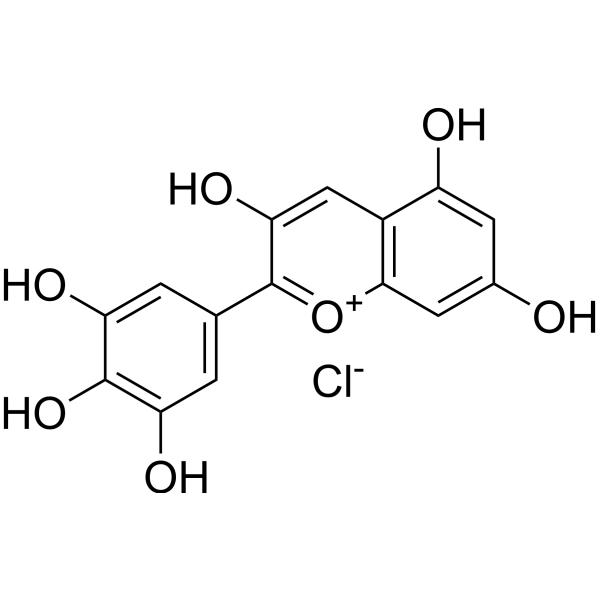
Delphinidin chloride is an anthocyanin isolated from berries and red wine. Delphinidin chloride exhibits endothelium-dependent vasodilation and anticancer activity. Delphinidin chloride also modulates JAK/STAT3 and MAPK signaling, thereby inducing apoptosis in HCT116 cells. Delphinidin chloride is also a potent inhibitor of EGFR (IC50: 1.3 μM), shutting down downstream signaling cascades .
|
-
-
- HY-136521
-
|
|
Epigenetic Reader Domain
|
Cancer
|
|
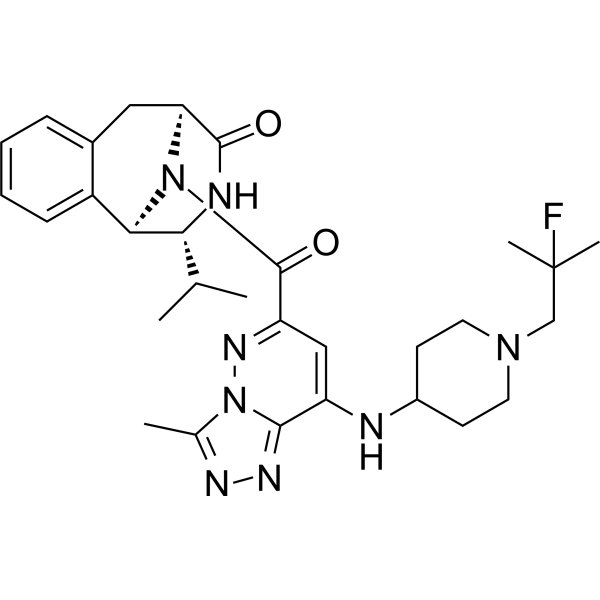
AZ13824374 is a potent and selective ATAD2 bromodomain inhibitor (pIC50 of 6.9 in HCT116 cells). AZ13824374 disrupts chromatin interactions and gene transcription by binding to the acetyl-lysine binding site of the ATAD2 bromodomain. AZ13824374 has anticancer activity against breast cancer .
|
-
-
- HY-144315
-
|
Snail/HDAC-IN-1
|
HDAC
|
Cancer
|
|
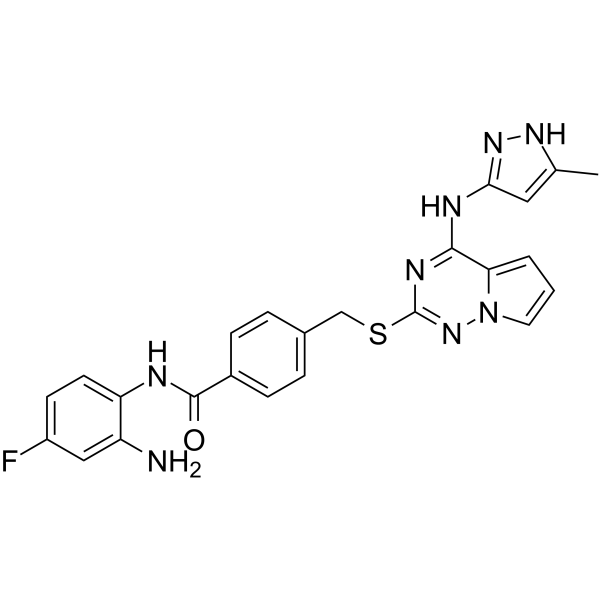
CYD19 is a potent Snail/HDAC dual target inhibitor. CYD19 displays potent inhibitory activity against HDAC1 with an IC50 of 0.405 μM and potent inhibition against Snail with a Kd of 0.18 μM. CYD19 increases histone H4 acetylation in HCT-116 cells and decreases the expression of Snail protein to induce cell apoptosis .
|
-
-
- HY-145819
-
|
|
HDAC
PROTACs
|
Cancer
|
|
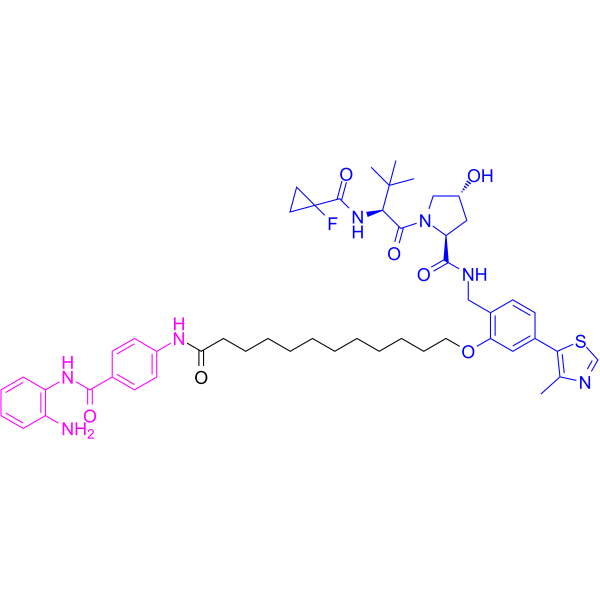
JPS036 is a benzamide-based Von Hippel-Lindau (VHL) E3-ligase proteolysis targeting chimeras (PROTAC). JPS036 degrades class I histone deacetylase (HDAC). JPS036 is potent HDAC1/2 degrader correlated with greater total differentially expressed genes and enhanced apoptosis in HCT116 cells .
|
-
-
- HY-143904
-
|
|
PROTACs
Mps1
|
Cancer
|
|
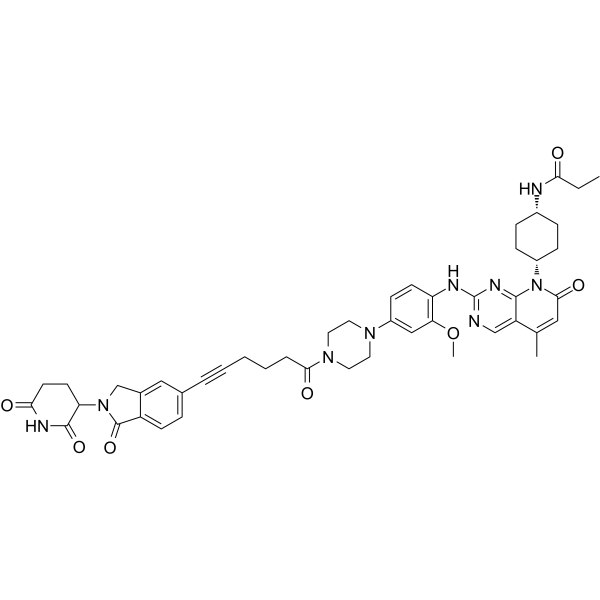
PROTAC TTK degrader-1 is a potent TTK (threonine tyrosine kinase) PROTAC degrader, with DC50 values of 1.7 and 5.8 nM in COLO-205 and HCT-116 cell, respectively. PROTAC TTK degrader-1 exhibits target degradation and anticancer efficacy in a xenograft mouse model of COLO-205 human colorectal cancer cells .
|
-
-
- HY-123295
-
|
|
HDAC
|
Infection
Cancer
|
|
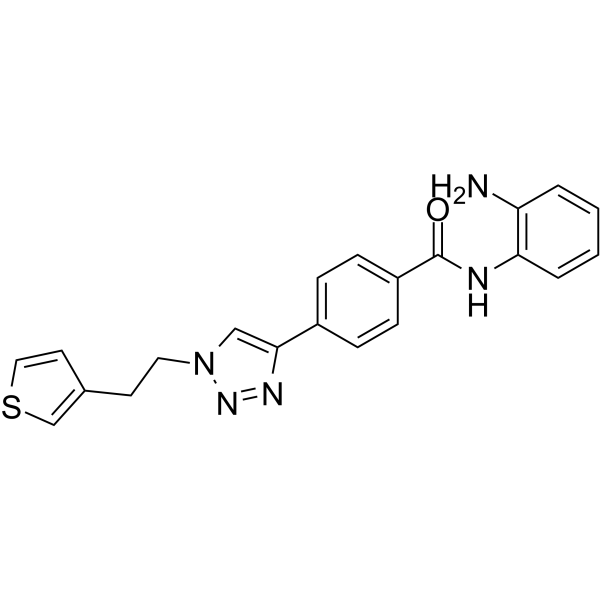
HDAC3-IN-T247 is a potent and selective HDAC3 (histone deacetylase 3) inhibitor, with an IC50 of 0.24 µM. HDAC3-IN-T247 induces a selective increase of NF-κB acetylation in HCT116 cells. HDAC3-IN-T247 shows anticancer and antiviral activity. HDAC3-IN-T247 inhibits growth of cancer cells, and activates HIV gene expression in latent HIV-infected cells .
|
-
-
- HY-145777
-
|
|
Methionine Adenosyltransferase (MAT)
|
Neurological Disease
Cancer
|
|
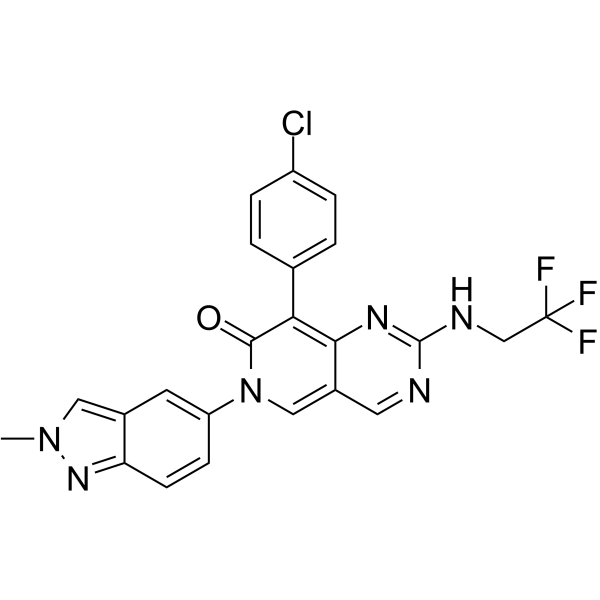
AGI-43192 is a potent and orally active inhibitor of methionine adenosyltransferase 2A (MAT2A) that limitedly penetrates the blood-brain barrier. AGI-43192 exhibits inhibitory activitity against MAT2A and S-adenosyl methionine (SAM) in HCT-116 MTAP-null cells with IC50s of 32 and 14 nM. AGI-43192 can significantly inhibit the proliferation of HCT-116 cells and tumor growth. AGI-43192 can be used to study the role of SAM regulation in the central nervous system (CNS) and colon cancer .
|
-
-
- HY-145778
-
|
|
Methionine Adenosyltransferase (MAT)
|
Neurological Disease
Cancer
|
|
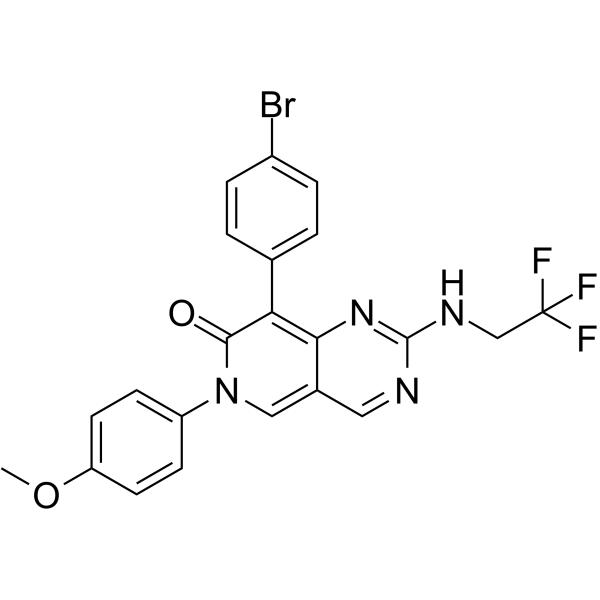
AGI-41998 is a potent and orally active inhibitor of methionine adenosyltransferase 2A (MAT2A) that effectively penetrates the blood-brain barrier. AGI-41998 exhibits inhibitory activities against MAT2A and S-adenosyl methionine (SAM) in HCT-116 MTAP-null cells with IC50s of 22 nM and 34 nM. AGI-41998 can significantly inhibit the proliferation of HCT-116 cells and tumor growth. AGI-41998 can be used to study the role of SAM regulation in the central nervous system (CNS) and colon cancer .
|
-
-
- HY-147348
-
|
|
Biochemical Assay Reagents
|
Cancer
|
|
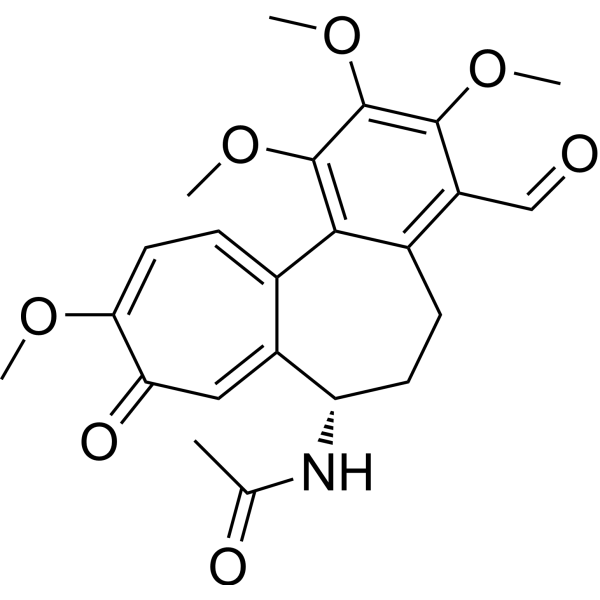
4-Formylcolchicine is a potent anticancer agent. 4-Formylcolchicine shows cytotoxicity activity with IC50 values of 1.007, 0.128, 0.054 μM for A549, HT-29, HCT116 cells, respectively .
|
-
-
- HY-156500
-
|
|
ICMT
|
Cancer
|
|
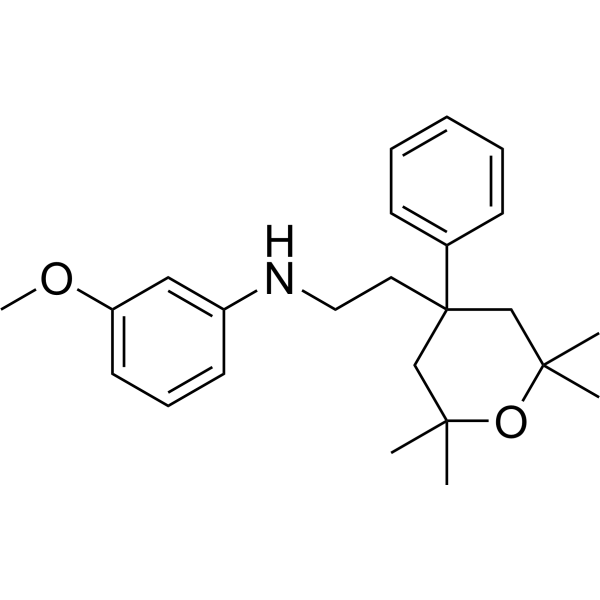
ICMT-IN-1 (compound 75) is an inhibitor of ICMT (IC50=0.0013 μM). ICMT-IN-1 dose-dependently induces ICMT accumulation in the cytoplasm of HCT-116 cells and inhibits the proliferation of multiple cancer cell lines expressing K-Ras and N-Ras .
|
-
-
- HY-145815A
-
|
|
PROTACs
HDAC
Apoptosis
|
Cancer
|
|
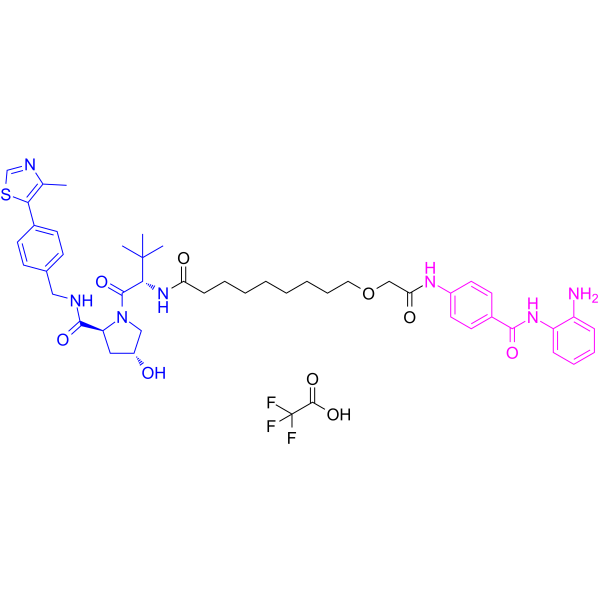
JPS014 TFA is a benzamide-based Von Hippel-Lindau (VHL) E3-ligase proteolysis targeting chimeras (PROTAC). JPS014 TFA degrades class I histone deacetylase (HDAC). JPS014 TFA is potent HDAC1/2 degrader correlated with greater total differentially expressed genes and enhanced apoptosis in HCT116 cells .
|
-
-
- HY-N13009
-
|
|
Raf
HIF/HIF Prolyl-Hydroxylase
ERK
MEK
Reactive Oxygen Species (ROS)
Apoptosis
Caspase
|
Cancer
|
|
MO-2097 is a RAF-1/HIF-1α inhibitor. MO-2097 induces RAF-1 destabilization, leading to a reduction in
EMT-associated transcription factors and mesenchymal markers. MO-2097 inhibits HIF-1a protein expression mediated by hnRNPA2B1 under hypoxic and mimetic hypoxia. MO-2097 induces mitochondrial ROS, which leads to apoptosis in cells. MO-2097 effectively suppresses colorectal cancer metastasis by inhibiting the RAF/MEK/ERK signaling pathway. MO-2097 attenuates tumor growth in a xenograft HCT116 cell mouse model. MO-2097 can be used for the study of colorectal cancer .
|
-

-
- HY-160786
-
|
|
DNA/RNA Synthesis
|
Cancer
|
|
TREX1-IN-3 (Compound 95) is an inhibitor of both TREX1 and TREX2, with an IC50 for TREX1 of less than 0.1 μM, an IC50 for TREX2 of less than 1 μM, and an EC50 for HCT116 cells of less than 1 μM. TREX1-IN-3 can be used in cancer research .
|
-

-
- HY-160786A
-
|
|
DNA/RNA Synthesis
|
Cancer
|
|
TREX1-IN-4 (Compound 96) is an inhibitor of both TREX1 and TREX2, with an IC50 for TREX1 of less than 0.1 μM, an IC50 for TREX2 of less than 1 μM, and an EC50 for HCT116 cells ranging from 0.1 to 10 μM. TREX1-IN-4 can be used in cancer research .
|
-

-
- HY-163134
-
|
|
DNA-PK
|
Cancer
|
|
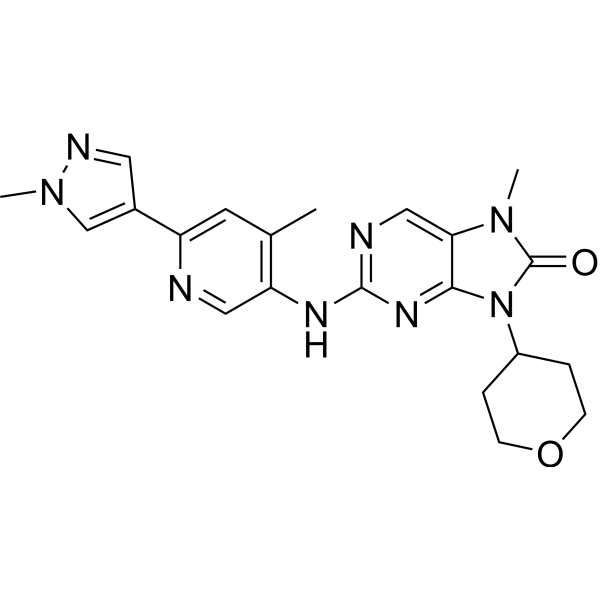
DNA-PK-IN-12 (compound 31t) is an oral active DNA-PK inhibitor with the IC50 of 0.1 nM. DNA-PK-IN-12 inhibits cell growth and Hct116 cell colony formation with the IC50 of 33.28 μM, and shows antitumor activity in vivo .
|
-
-
- HY-N8491
-
|
|
Others
|
Cancer
|
|
Dihydrocarveol is an anticancer agent. Dihydrocarveol shows inhibitory activity against human colon adenocarcinoma cells (HCT-116, HT-29, COLO320DM) with an IC50 value of 28.31 μM in HCT-116 cells. Dihydrocarveol is promising for research of colon cancer .
|
-

-
- HY-162837
-
|
|
Aurora Kinase
|
Cancer
|
|
AURKA against 1 is an inhibitor of AURKA (IC50 less than 0.5 nM), targeting endogenous lysine (K162) acetylation, and has anti-proliferation activity against tumor cells. AURKA against 1 induces K162 acetylation, and the kinase activity of AURKA is reversibly restored in HCT116 cells transfected with SIRT3 .
|
-

-
- HY-145818
-
|
|
HDAC
PROTACs
|
Cancer
|
|
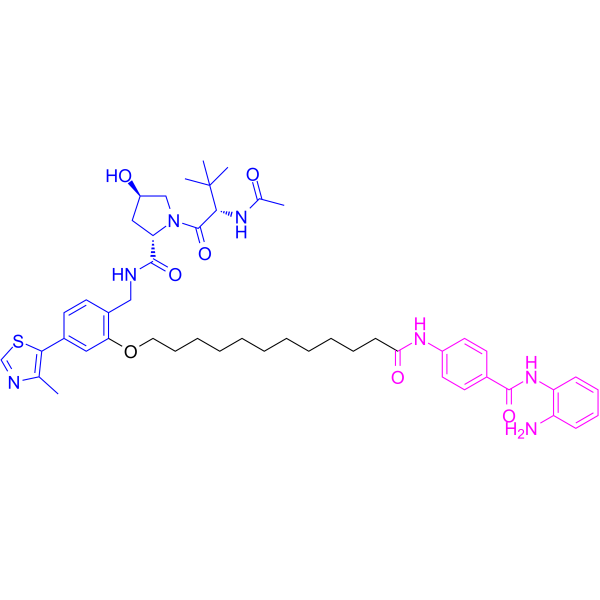
JPS035 is a benzamide-based Von Hippel-Lindau (VHL) E3-ligase proteolysis targeting chimeras (PROTAC). JPS035 degrades class I histone deacetylase (HDAC). JPS035 is potent HDAC1/2 degrader correlated with greater total differentially expressed genes and enhanced apoptosis in HCT116 cells .
|
-
-
- HY-145815
-
|
|
HDAC
PROTACs
|
Cancer
|
|
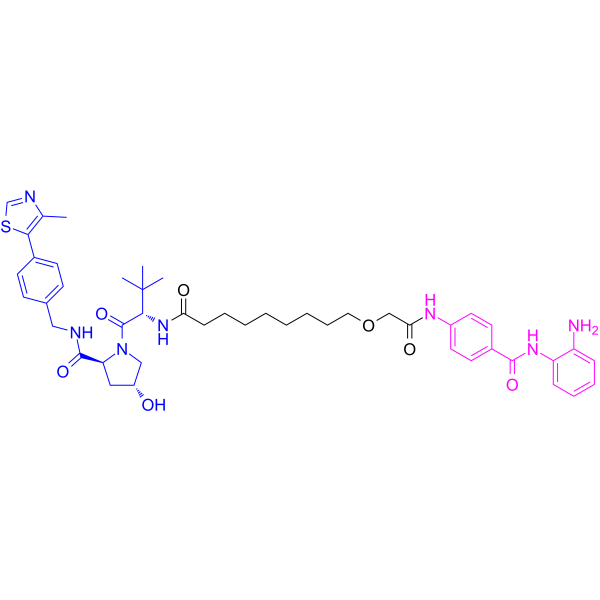
JPS014 is a benzamide-based Von Hippel-Lindau (VHL) E3-ligase proteolysis targeting chimeras (PROTAC). JPS014 degrades class I histone deacetylase (HDAC). JPS014 is potent HDAC1/2 degrader correlated with greater total differentially expressed genes and enhanced apoptosis in HCT116 cells .
|
-
-
- HY-155068
-
|
|
Microtubule/Tubulin
Reactive Oxygen Species (ROS)
Apoptosis
PERK
Eukaryotic Initiation Factor (eIF)
IRE1
|
Cancer
|
|
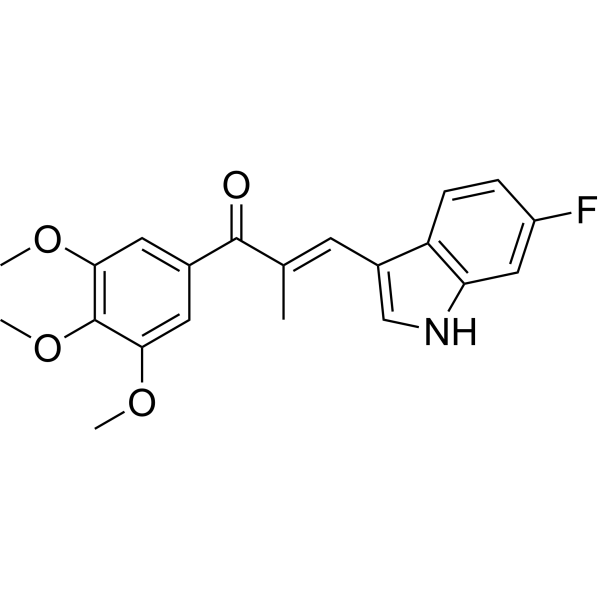
FC-11 is a tubulin inhibitor. FC-116 inhibits the proliferation of colorectal cancer (CRC) cells, with IC50 values of 4.52 nM for HCT116 cells and 18.69 nM for CT26 cells. FC-11 can induce ER stress to generate excess ROS, leading to mitochondrial damage, thereby promoting apoptosis in colorectal cancer (CRC) cells by targeting microtubules. FC-116 exerts potent anti-tumor effects in vivo. FC-11 can be used for the study of colorectal cancer .
|
-
-
- HY-147125
-
|
|
HSP
Akt
CDK
Raf
Apoptosis
|
Cancer
|
|
DDO-6600 is a covalent Hsp90 inhibitor. DDO-6600 disrupts the interaction between Hsp90 and its co-chaperone protein Cdc37, thereby inducing the degradation of kinase client proteins (such as AKT, CDK4, c-Raf). DDO-6600 has inhibitory activity against various cancer cells. DDO-6600 inhibits the migration and invasion of HCT-116 cells, and induces cell cycle arrest and apoptosis. DDO-6600 significantly inhibits tumor growth in the HCT-116 xenograft tumor model. DDO-6600 can be used for research on colorectal cancer .
|
-

-
- HY-178389
-
|
|
Molecular Glues
Glutathione Peroxidase
Ferroptosis
Reactive Oxygen Species (ROS)
|
Cancer
|
|
GPX4-IN-20, a Arctigenin (HY-N0035) derived, is a GPX4& molecular gluedegrader. GPX4-IN-20 induces ferroptosis by increasing lipid ROS levels and suppressing GSH levels. GPX4-IN-20 reduces the protein expression and enzyme activity of GPX4 in a dose-dependent manner without affecting other ferroptosis-related proteins. GPX4-IN-20 induces ubiquitination-dependent proteasomal degradation of GPX4. GPX4-IN-20 also increases the level of malondialdehyde (MDA) in HCT-116 cells. GPX4-IN-20 can be used for the research of colorectal cancer .
|
-

-
- HY-119784
-
|
|
Fungal
|
Cancer
|
|
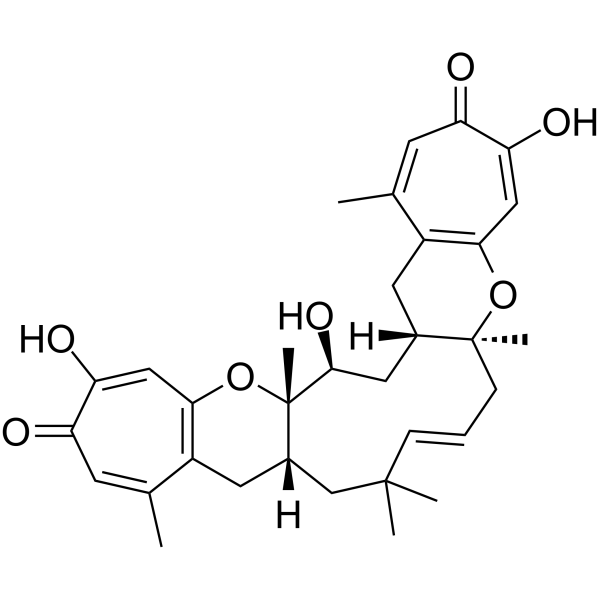
Eupenifeldin is pentacyclic bistropolone isolated from cultures of Eupenicillium brefeldianum ATCC 74184. Eupenifeldin is cytotoxic against the HCT-116 cell line. Eupenifeldin has the potential for the research of leukemia .
|
-
-
- HY-111425
-
|
|
Apoptosis
Microtubule/Tubulin
Mitosis
|
Cancer
|
|
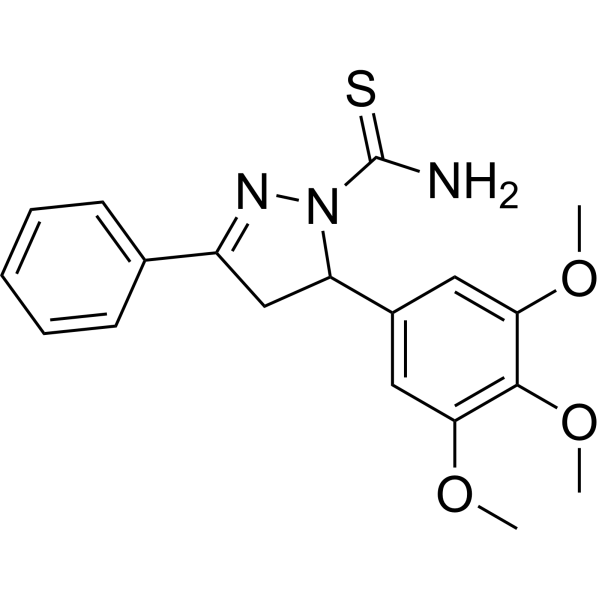
SSE15206 is a microtubule polymerization inhibitor (GI50 = 197 nM in HCT116 cells) that overcomes multidrug resistance. Causes aberrant mitosis resulting in G2/M arrest due to incomplete spindle formation in cancer cells .
|
-
-
- HY-180895
-
|
|
Polo-like Kinase (PLK)
|
Cancer
|
|
Y207–5465 is a potent and highly selective PLK2 inhibitor with an IC50 value of 584.3 nM. Y207–5465 shows only limited anti-cancer activity in HT-29 and HCT-116 cells. Y207–5465 can be used in cancer research .
|
-

-
- HY-176907
-
|
|
E1/E2/E3 Enzyme
|
Cancer
|
|
ML-93 is an orally active SAE inhibitor, with an IC50 value of 0.4 μM. ML-93 inhibits the SUMOylation pathway in HCT116 cells. ML-93 shows robust antitumor activity in the HCT116 colorectal carcinoma xenograft model. ML-93 can be used for the study of colorectal cancer .
|
-

-
- HY-168934
-
|
|
DNA/RNA Synthesis
|
Cancer
|
|
KWR137 is a WRN degrader, with an IC50 of 8 nM. KWR137 exhibits good anti-proliferative activity against MSI-H cells, with a GI50 of 509 nM in SW48 cells and a GI50 of 824 μM in HCT116 cells. It also demonstrates anti-tumor growth effects in xenograft mouse models. KWR137 can be used for cancer research .
|
-

-
- HY-143905
-
|
|
PROTACs
Mps1
|
Cancer
|
|
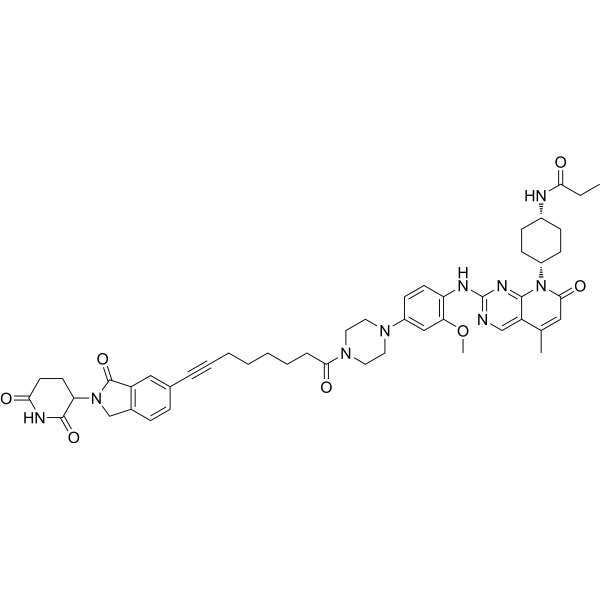
PROTAC TTK degrader-2 is a potent TTK (threonine tyrosine kinase) PROTAC degrader, with DC50 values of 3.1 and 12.4 nM in COLO-205 and HCT-116 cell, respectively. PROTAC TTK degrader-2 exhibits target degradation and anticancer efficacy in a xenograft mouse model of COLO-205 human colorectal cancer cells .
|
-
-
- HY-121333
-
|
|
Antibiotic
Wnt
β-catenin
Bacterial
|
Infection
Neurological Disease
Cancer
|
|
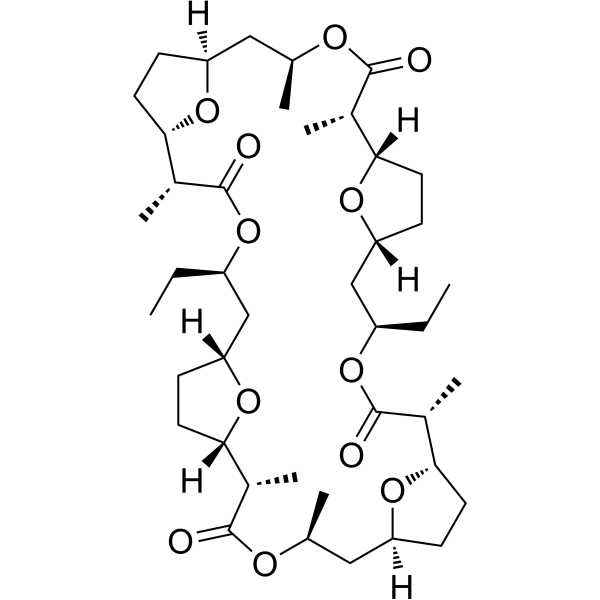
Dinactin, an antibiotic ionophore produced by Streptomyces species, as an effective small molecule targeting Wnt/β-catenin signaling pathway in cancer cells. Dinactin shows marked inhibition of HCT-116 cell growth with an IC50 of 1.1 μM. Dinactin shows anti-proliferative activity against the cancer cells in apoptosis-independent manner. Dinactin is also an effective agent for the research of neuropathic pain .
|
-
-
- HY-179058
-
|
|
Deubiquitinase
Ras
|
Cancer
|
|
JOSD2-IN-1 (Compound 31) is a covalent JOSD2 inhibitor with an IC50 value of 1.95 μM. JOSD2-IN-1 inhibits JOSD2, thereby down-regulating KRAS expression. JOSD2-IN-1 exhibits significant anti-proliferative activity against HCT116 cells. JOSD2-IN-1 can be used for research on colorectal cancer .
|
-

-
- HY-147839
-
|
|
Topoisomerase
Apoptosis
|
Cancer
|
|
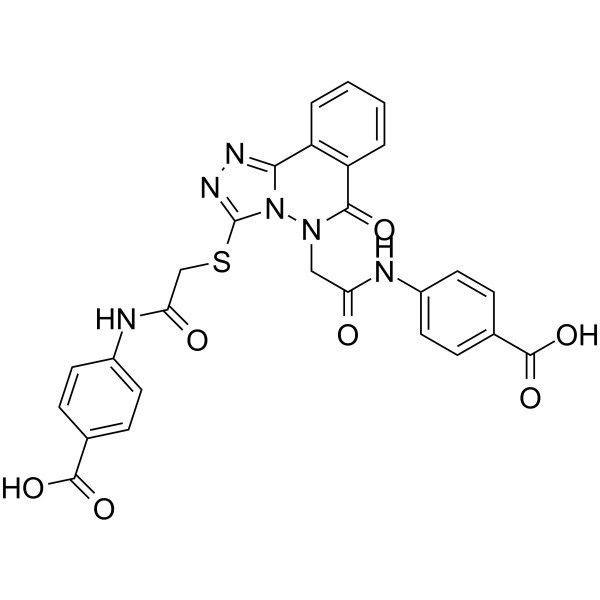
Topoisomerase II inhibitor 10 (compound 32a) is a potent topoisomerase II inhibitor with an IC50 value of 7.45 μM. Topoisomerase II inhibitor 10 causes cell cycle arrest at G2-M phase and induces apoptosis of HepG-2 cells. Topoisomerase II inhibitor 10 has excellent anti-proliferative activities against HepG-2, MCF-7, and HCT-116 cells .
|
-
-
- HY-126596
-
|
|
Apoptosis
|
Cancer
|
|
Angelylalkannin is a naphthoquinone compound isolated from the root of Alkanna tinctoria. Angelylalkannin showed significant inhibitory effects in the antiproliferative effect test on human colon cancer cells HCT-116 and SW-480. The median inhibitory concentration (IC50) of Angelylalkannin was 4.76 mM for HCT-116 cells and 7.03 mM for SW-480 cells. Like alkannin, Angelylalkannin can arrest the cell cycle in the G1 phase and induce apoptosis at a concentration of 1-10 mM.
|
-

-
- HY-N2409R
-
|
|
Apoptosis
EGFR
JAK
STAT
Reference Standards
|
Cardiovascular Disease
Cancer
|
|
Delphinidin (chloride) (Standard) is the analytical standard of Delphinidin (chloride). This product is intended for research and analytical applications. Delphinidin chloride is an anthocyanin isolated from berries and red wine. Delphinidin chloride exhibits endothelium-dependent vasodilation and anticancer activity. Delphinidin chloride also modulates JAK/STAT3 and MAPK signaling, thereby inducing apoptosis in HCT116 cells. Delphinidin chloride is also a potent inhibitor of EGFR (IC50: 1.3 μM), shutting down downstream signaling cascades .
|
-

-
- HY-174983
-
|
|
Histone Methyltransferase
|
Cancer
|
|
PRMT5-MTA-IN-6 (Compound 31) is a selective MTA-cooperative PRMT5 inhibitor. PRMT5-MTA-IN-6 exhibits potent inhibitory activity against PRMT5・MTA (IC50: 6.6 nM). PRMT5-MTA-IN-6 selectively inhibits the growth of MTAP-deleted HCT-116 cells (IC50: 319 nM). PRMT5-MTA-IN-6 can be used in the research of MTAP-deleted tumors .
|
-

-
- HY-174404
-
|
|
Topoisomerase
Apoptosis
Bcl-2 Family
|
Cancer
|
|
Topoisomerase II inhibitor 23 is a potent topoisomerase II inhibitor (IC50 = 0.94 μM). Topoisomerase II inhibitor 23 shows high selectivity and exceptional cytotoxic activity in MCF-7, HepG2, and HCT116 cells. Topoisomerase II inhibitor 23 induces cell cycle arrest at the G1 phase, leading to inhibition of cell proliferation. Topoisomerase II inhibitor 2 induces apoptosis by up-regulating the pro-apoptotic Bax level and down-regulating the anti-apoptotic Bcl-2 level.
|
-

-
- HY-175558
-
|
|
MMP
Apoptosis
Reactive Oxygen Species (ROS)
|
Cancer
|
|
MMP-9-IN-12 is a matrix metalloproteinase-9 (MMP-9) inhibitor with an IC50 of 6.57 μM. MMP-9-IN-12 shows an IC50 value of 1.54 μM for HCT-116 cells. MMP-9-IN-12 induces cell apoptosis, ROS production and mitochondrial depolarization. MMP-9-IN-12 inhibits cells migration and disrupts cell cycle progression. MMP-9-IN-12 can be used for the research of colorectal cancer (CRC) .
|
-

-
- HY-156470
-
|
|
Trk Receptor
Anaplastic lymphoma kinase (ALK)
c-Kit
EGFR
Pim
Casein Kinase
Checkpoint Kinase (Chk)
CDK
Apoptosis
|
Cancer
|
|
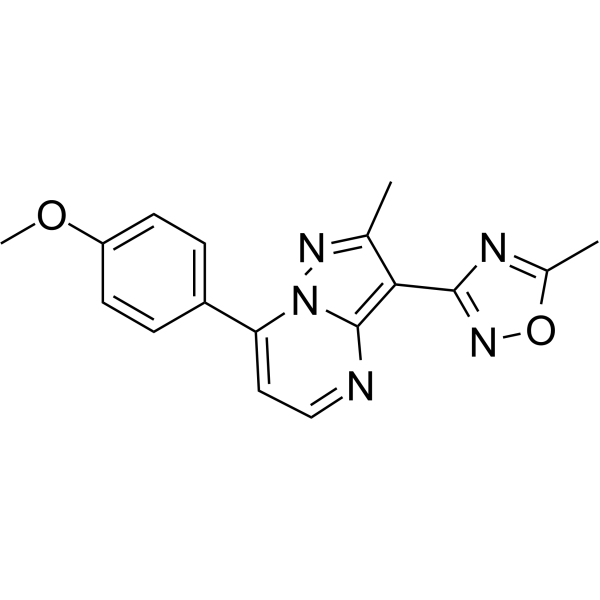
Multi-kinase-IN-6 (compound 10e) is a multikinase inhibitor that shows good enzyme inhibitory activity against TrkA, ALK2, c-KIT, EGFR, PIM1, CK2α, CHK1, and CDK2. Multi-kinase-IN-6 reveals antiproliferative activity against MCF7, HCT116 and EKVX with IC50 values of 3.36 μM, 1.40 μM and 3.49 μM, respectively. Multi-kinase-IN-6 shows cell cycle arrest at the G1/S phase and G1 phase in MCF7 and HCT116 cells with good apoptotic effect .
|
-
-
- HY-175531
-
|
|
EGFR
Apoptosis
Reactive Oxygen Species (ROS)
CDK
Bcl-2 Family
|
Cancer
|
|
EGFR-IN-169 is an epidermal growth factor (EGFR) (IC50 = 5.19 μM) inhibitor form panaxadiol. EGFR-IN-169 interferes with the migration and growth of colorectal cancer cells by inhibiting EGFR-mediated RalA/EMT pathway. EGFR-IN-169 shows an IC50 value of 4.46 μM and SI of 16.92 for HCT-116 cells. EGFR-IN-169 inhibits CDKs activity, induces G0/G1 cycle arrest and inhibits migration and invasion. EGFR-IN-169 reduces mitochondrial membrane potential and induces apoptosis and ROS production. EGFR-IN-169 can be used for the research of cancer, such as colorectal cancer .
|
-

-
- HY-174803
-
|
|
p38 MAPK
HDAC
AMPK
MDM-2/p53
Microtubule/Tubulin
Pim
Survivin
Apoptosis
|
Cancer
|
|
WMJ-J-09 is an HDAC inhibitor with IC50 values of 7.5 nM (HDAC1), 21.3 nM (HDAC2), 18.4 nM (HDAC3), 90.9 nM (HDAC8), 3.9 nM (HDAC6) and 8715.7 nM (HDAC4). WMJ-J-09 blocks the cell cycle and induces apoptosis in cancer cells. WMJ-J-09 induces cancer cell death through the LKB1-AMPK-p38MAPK-p63-survivin signaling cascade.WMJ-J-09 inhibits HDAC enzyme activity, leading to acetylation of key proteins and thereby regulating cancer cell death. WMJ-J-09 can be used in HCT116 cells and FaDu cells research[1][2].
|
-

-
- HY-139062
-
|
C6 Ceramide (d18:1/6:0) Urea; Cer(d18:1/6:0) Urea; D-erythro-Urea-C6-Ceramide
|
Apoptosis
Ceramidase
Autophagy
β-catenin
|
Cancer
|
|
C6 Urea Ceramide (Cer(d18:1/6:0) Urea) is an inhibitor of neutral ceramidase. C6 Urea Ceramide increases total ceramide levels in wild-type mouse embryonic fibroblasts (MEFs) and HT-29 colon cancer cells. C6 Urea Ceramide (5-10 μM) inhibits proliferation of HT-29 cells and induces apoptosis and autophagy, but is not toxic to non-cancerous cells. C6 Urea Ceramide decreases total and phosphorylated β-catenin levels in HT-29 and HCT116 cells, and induces colocalization of β-catenin with the 20S proteasome. C6 Urea Ceramide (1.25, 2.5, and 5 mg/kg) reduced tumor growth and increased C16, C18, C20, and C24 ceramide levels in tumor tissues in the HT-29 mouse xenograft model.
|
-

-
- HY-146409
-
|
|
Apoptosis
|
Cancer
|
|
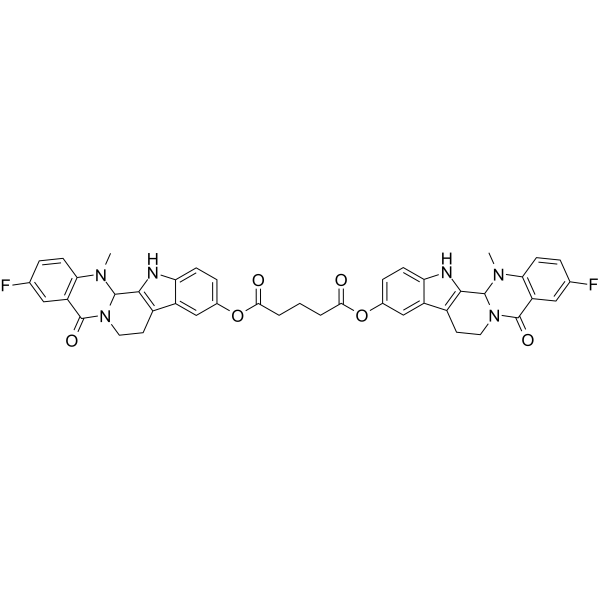
Antitumor agent-59 (Compound 13b) is a potent antitumor agent. Antitumor agent-59 effectively inhibits the proliferation and migration of HCT116 cells. Antitumor agent-59 induces HCT116 cell apoptosis and arrests the cell cycle at the G2/M phase .
|
-
-
- HY-157048
-
|
|
Others
|
Cancer
|
|
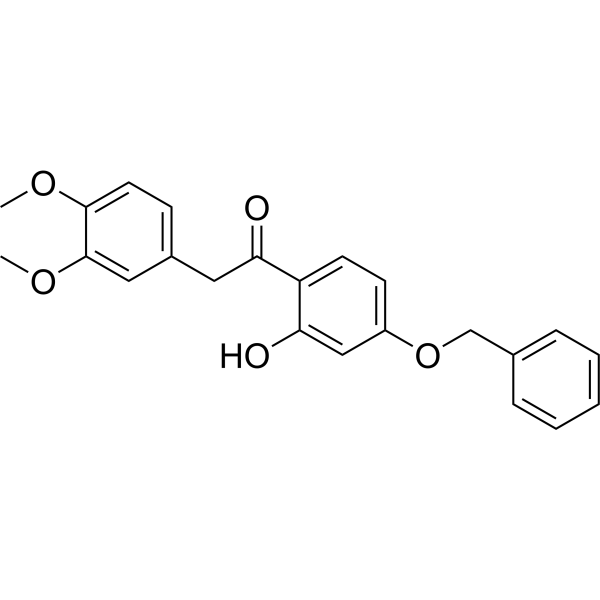
Anticancer agent 172 (8d) possesses anticancer activity, with an IC50 of 6.96 μM in HCT116 cells .
|
-
-
- HY-N11982
-
|
|
Bacterial
|
Infection
Cancer
|
|
Emeguisin A is a depsidone with an antibacterial activity. Emeguisin A inhibits the human colon carcinoma (HCT-116) cell viability with rate of 87.06% .
|
-

-
- HY-170958
-
|
|
Src
Apoptosis
|
Cancer
|
Scr-IN-1 (Compound 4e) is a Tyrosine kinase inhibitor. Scr-IN-1 inhibits HCT-116 cells and MIA-PaCa-2 cells with IC50s of 0.16 μM and 1.16 μM, respectively. Scr-IN-1 displays selectivity profile on HCT-116 cells and MIA-PaCa-2 cells with SI > 625 and SI > 86, respectively. Scr-IN-1 induces Apoptosis in HCT-116 colon cancer cell and does not cause any change in the rate of necrotic cells. Scr-IN-1 is a novel SRC kinase inhibitor candidate for HCT-116 cells. Scr-IN-1 is potential for cancer research .
|
-

-
- HY-170421
-
-

-
- HY-N15522
-
|
|
Epigenetic Reader Domain
|
Cancer
|
|
Bi-magnolignan is a BRD4 inhibitor that induces DNA damage and apoptosis. Bi-magnolignan inhibits HCT116 cell proliferation with an IC50 value of 2.9 μM .
|
-

-
- HY-145851
-
|
|
HDAC
Topoisomerase
Apoptosis
|
Cancer
|
|
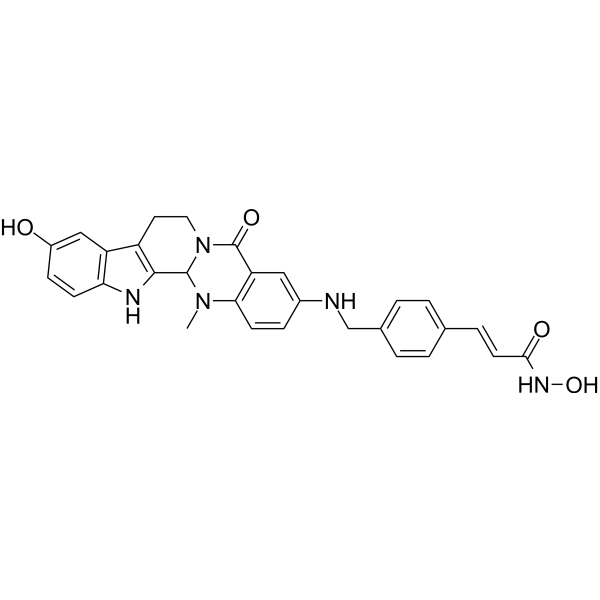
Top/HDAC-IN-1 (Compound 29b) is a topoisomerase/HDAC dual inhibitor with IC50s of 18, 230, 790, 87, and 5250 nM for HDAC1, HDAC2, HDAC3, HDAC6, and HDAC8, respectively. Top/HDAC-IN-1 exhibits potent antitumor activities against the HCT116 cell line with the IC50 of 180 nM. Top/HDAC-IN-1 efficiently induces apoptosis with G2 cell cycle arrest in HCT116 cells .
|
-
-
- HY-160029
-
-
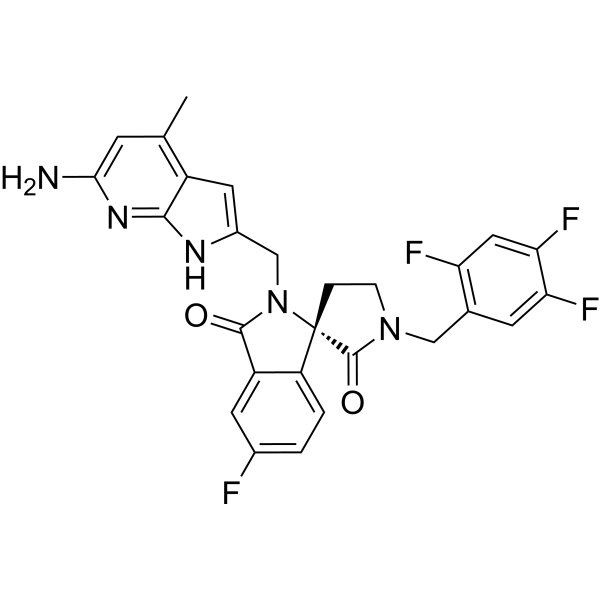
-
- HY-149327
-
|
|
Others
|
Cancer
|
|
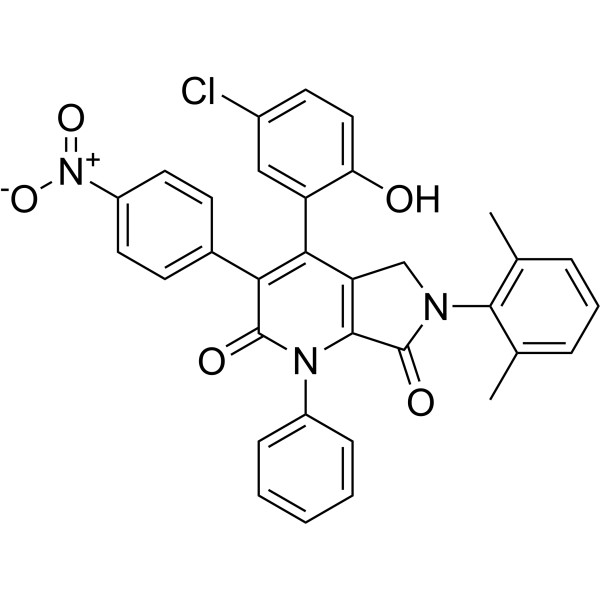
HCT-116-IN-1, a γ-lactam-fused pyridone derivative, has anticancer activity and displayed high cytotoxicity against HCT116 cells with an IC50 of 5.59 μM .
|
-
-
- HY-N14435
-
|
|
Antibiotic
Fungal
|
Infection
|
|
Pradimicin Q is an antibiotic. The cytotoxicity (IC50) to human colon HCT-116 cells and murine melanoma B16-F10 cells are 75 and 100 μg/mL, respectively .
|
-

- HY-156186
-
|
|
Others
|
Cancer
|
|
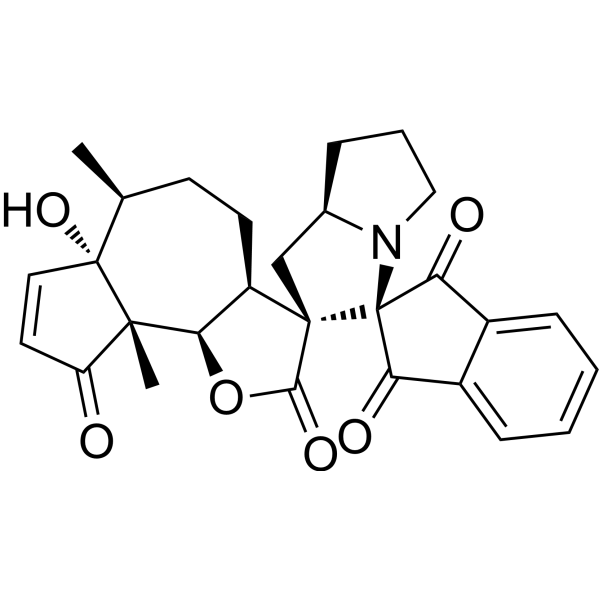
Anticancer agent 160 (Compound 6) is a natural product derived from Parthenium hysterophorus. Anticancer agent 160 is cytotoxic to HCT-116 cells, IC50=5.0 μM .
|
-
- HY-153272
-
|
|
Biochemical Assay Reagents
|
Cancer
|
|
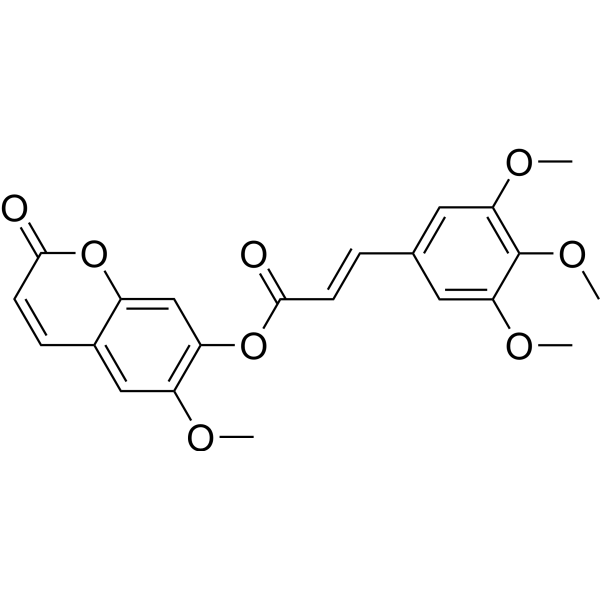
Antitumor agent-93 (compound 7D) is an anticancer agent that can effectively inhibit the growth of several tumor cell lines, such as MDA-MB-231 and HCT-116 cell lines .
|
-
- HY-168515
-
|
|
CDK
|
Cancer
|
|
CDK9-IN-35 (compound 10j) is an inhibitor of CDK9/Cyclin T1 with an IC50 value of 10.2 nM and against the HCT-116 cell line with an IC50 value of 20 nM .
|
-

- HY-N16412
-
|
Citreomontanine
|
Drug Intermediate
|
Others
|
|
Citreomontanin (Citreomontanine) (Compound 3), an α‑Pyrone polyketide, is an intermediate of Citreoviripyrone A. Citreomontanin can be isolated from the mycelium of endophytic Penicillium sp. in Catharanthus roseus. Citreoviripyrone A has a moderate inhibitory activity on HCT116 cells growth .
|
-

- HY-157047
-
|
|
Drug Derivative
|
Cancer
|
|
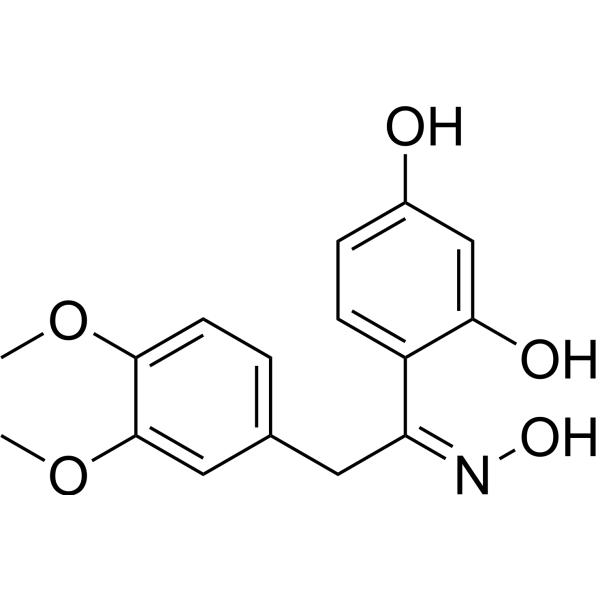
Anticancer agent 171 (Compound 6a) is an oxime analogue. Anticancer agent 171 has anticancer activity against HCT116 cells with an IC50 value of 3.43 μM. Anticancer agent 171 can be used for the research of cancer .
|
-
- HY-120032
-
|
|
Mps1
|
Cancer
|
|
CFI-401980 is a selective tyrosine threonine kinase MPS1 inhibitor with a Ki of 0.8 nM. CFI-401980 inhibits the proliferation of HCT116 cell lines. CFI-401980 can be studied in anti-cancer research .
|
-

- HY-156444
-
|
|
HDAC
CDK
Apoptosis
|
Cancer
|
|
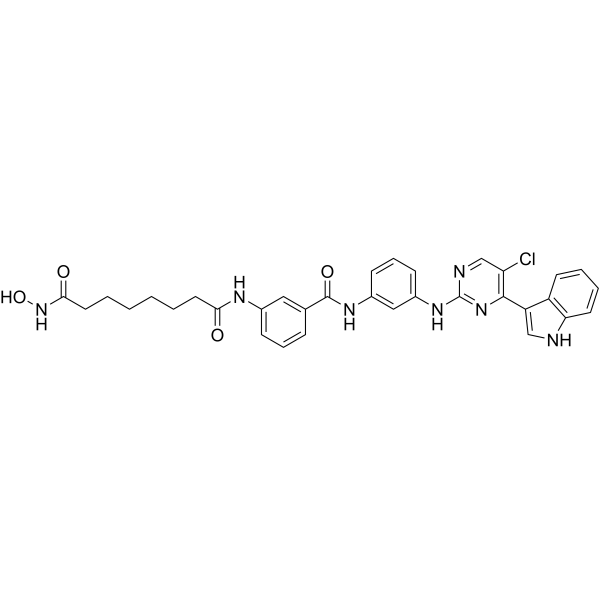
HDAC1/CDK7-IN-1 (compound 8e) is a dual CDK7 and HDAC1 inhibitor with IC50s of 893 nM and 248 nM, respectively. HDAC1/CDK7-IN-1 inhibits the growth cells of MDA-MB-231, MCF-7, A549, and HCT-116 cancer cells. HDAC1/CDK7-IN-1 induces cell cycle arrest and apoptosis in HCT-116 cells, as well as hindered the migration of HCT-116 cells .
|
-
- HY-170557
-
|
|
Topoisomerase
Apoptosis
Mitochondrial Metabolism
|
Cancer
|
|
Topoisomerase IIα-IN-10 (Compound 13r) is an inhibitor of Topoisomerase IIα. It binds to the active site of DNA when complexed with Topoisomerase IIα, and this binding is stabilized through interactions with DNA base pairs and amino acid residues. Topoisomerase IIα-IN-10 can induce Apoptosis by intercalating DNA and inhibiting Topoisomerase IIα, thereby disrupting the mitochondrial membrane potential and inhibiting the growth of HCT116 cell lines, with an IC50 of 4.37 μM against HCT116 cells. Topoisomerase IIα-IN-10 can be used for research in the field of cancer treatment .
|
-

- HY-156298
-
|
|
PARP
Apoptosis
|
Cancer
|
|
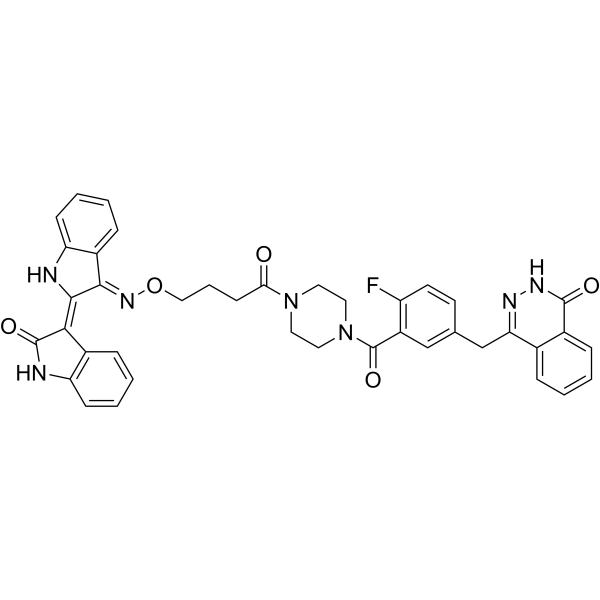
PARP1-IN-16 (compound 12a) is a potent PARP1 inhibitor, with an IC50 of 1.89 nM. PARP1-IN-16 can arrest the cell cycle in S phase and induce apoptosis in HCT-116 cells .
|
-
- HY-161045
-
|
|
EGFR
Apoptosis
|
Cancer
|
|
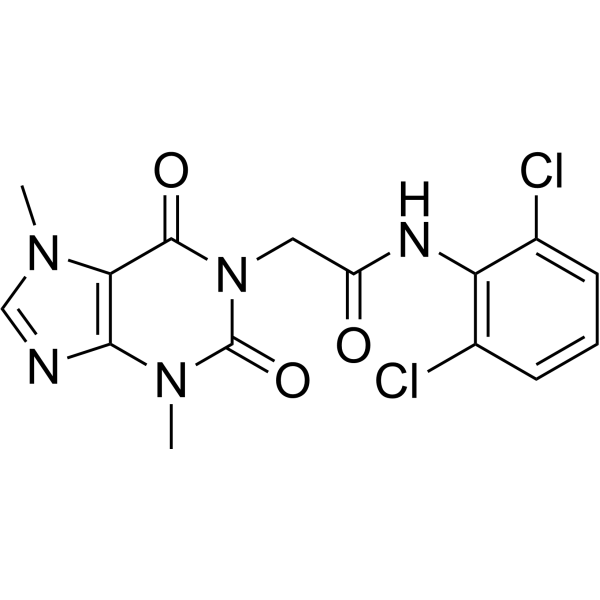
T-1-DOCA ia a EGFR inhibitor, with the IC50 of 56.94 and 269.01?nM for EGFR WT and EGFR T790M, respectively. T-1-DOCA can induces cell apoptosis of HCT-116 cells .
|
-
- HY-N2445R
-
|
|
Reference Standards
Apoptosis
|
Cancer
|
|
Flavokawain C (Standard) is the analytical standard of Flavokawain C. This product is intended for research and analytical applications. Flavokawain C is a natural chalcone found in Kava root. Flavokawain C exerts cytotoxicity against human cancer cell lines, with an IC50 of 12.75 μM for HCT 116 cells .
|
-

- HY-N3825
-
|
|
Apoptosis
|
Cancer
|
|
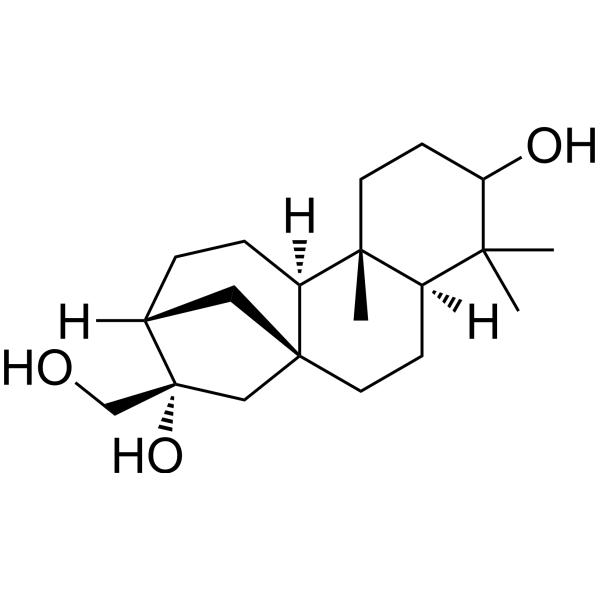
ent-Kaurane-3α,16β,17-triol (Compound 3) is an anticancer agent. ent-Kaurane-3α,16β,17-triol induces apoptosis in HCT116 cells .
|
-
- HY-P10028
-
|
|
Fluorescent Dye
|
Cancer
|
|
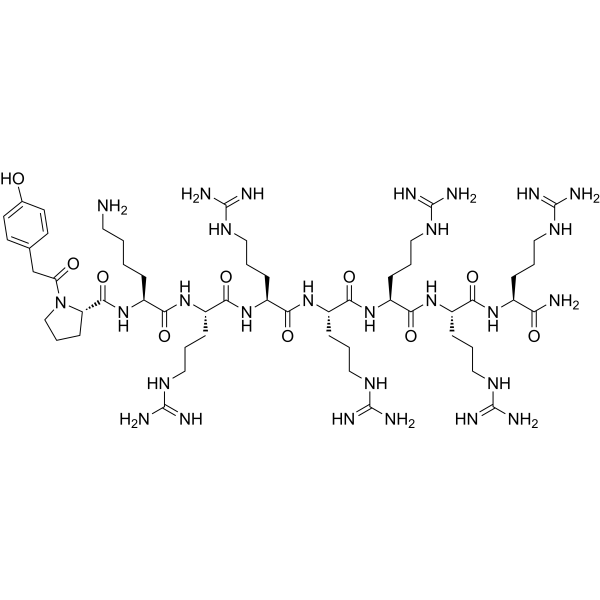
HCT116 is a peptidomimetic inhibitor of N-terminal methyltransferase 1/2 (NTMT1/2) with an IC50 of 54 nM. HCT116 can inhibit the N-terminal methylation level of NTMT1/2 substrates in HCT116 cells, and is used for the study of NTMT1/2 probes.
|
-
- HY-149705
-
|
|
ICMT
|
Cancer
|
|
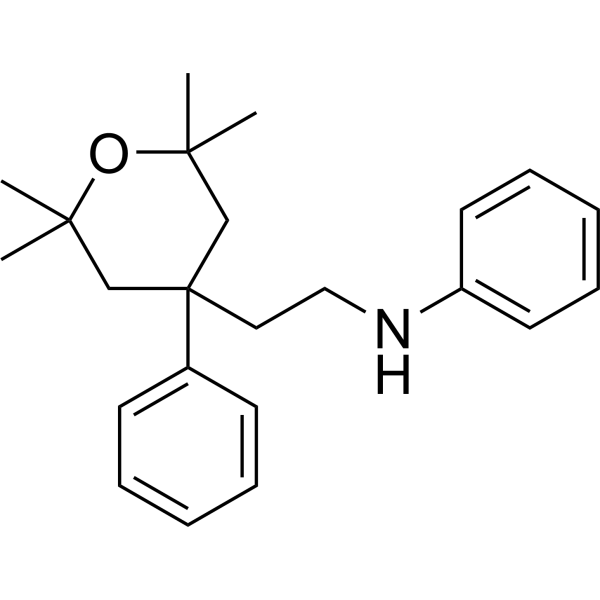
ICMT-IN-7 (compound 74) is an inhibitor of ICMT (IC50=0.015 μM). ICMT-IN-7 dose-dependently induces ICMT accumulation in the cytoplasm of HCT-116 cells and inhibits the proliferation of multiple cancer cell lines expressing K-Ras and N-Ras .
|
-
- HY-157402
-
|
|
Topoisomerase
EGFR
|
Cancer
|
|
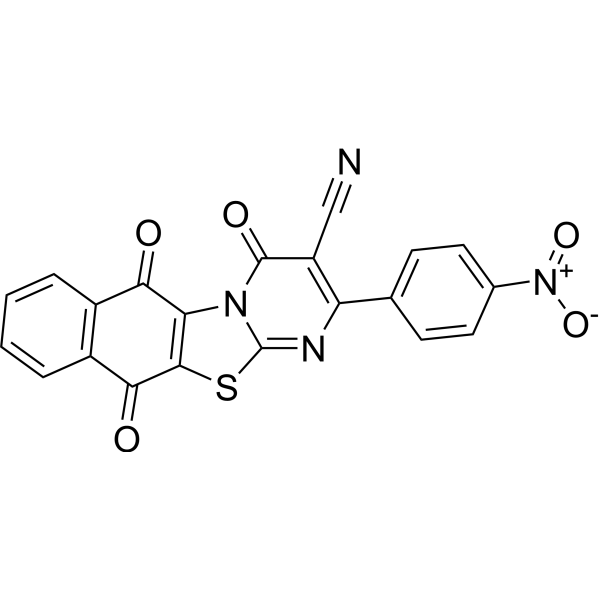
Topoisomerase II/EGFR-IN-1 is topoisomerase II/EGFR dual inhibitor. Topoisomerase II/EGFR-IN-1 has superior cytotoxic activity to MCF-7, A549 and HCT-116 cell lines, displays strong apoptotic activity and can be used for the research of cancer .
|
-
- HY-162891
-
|
|
EGFR
|
Cancer
|
|
EGFR-IN-123 (compound D06) is a potent EGFR inhibitor. EGFR-IN-123 inhibits PC-9G, A549, A431 and HCT116 cells with IC50s of 0.74, 1.36, 1.20 and 2.53 μM, respectively .
|
-

- HY-156097
-
|
|
EGFR
|
Cancer
|
|
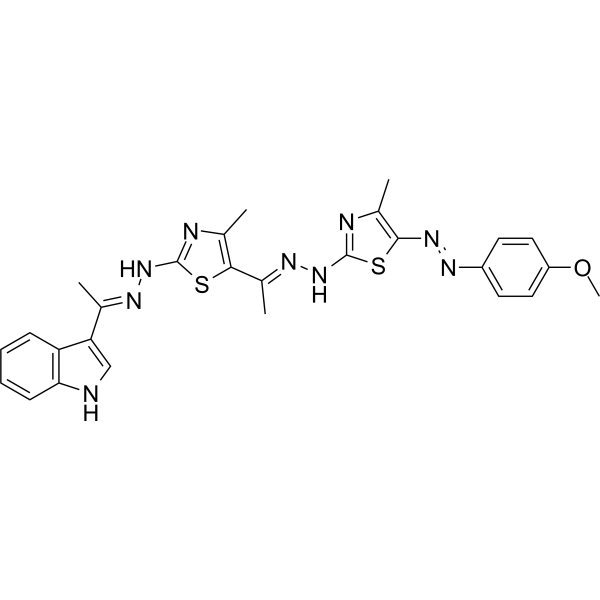
Anticancer agent 158 (compound 7c) is a potent anticancer agent. The IC50s for inhibiting HepG-2, MDA-MB-231, and HCT-116 cell lines are 7.93 μM, 9.28 μM, 13.28 μM, and 181.89 μM, respectively .
|
-
- HY-147771
-
|
|
CDK
Apoptosis
|
Cancer
|
|
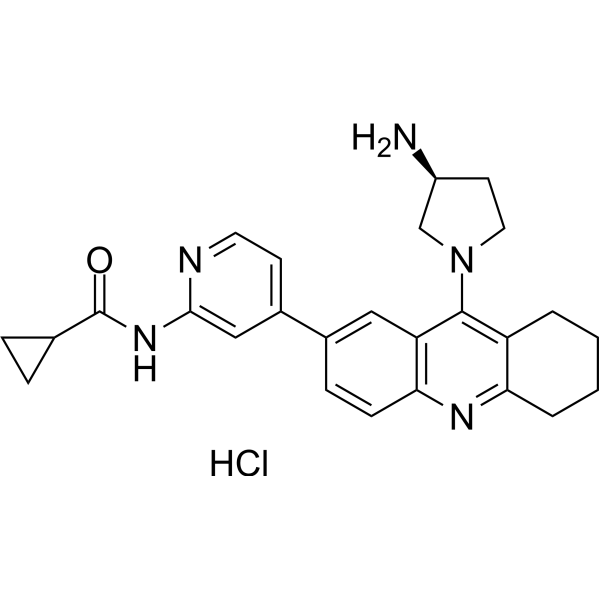
ZLWT-37 is a potent, orally active CDKs inhibitor with IC50 values of 0.002 μM and 0.054 μM against CDK9 and CDK2, respectively. ZLWT-37 induces apoptosis and arrests the cell cycle in the G2/M phase in HCT116 cells .
|
-
- HY-172677
-
|
|
Polo-like Kinase (PLK)
|
Cancer
|
|
IIP0943 is a selective inhibitor of PLK1 (polo-like kinase 1), with an IC50 of 5.1 nM for PLK1. In addition, IIP0943 exhibits antiproliferative activity against HCT116 cells, with an IC50 of 0.22 µM. These results suggest that IIP0943 holds promise for research in the field of cancer therapeutics .
|
-

- HY-147698
-
|
|
CDK
Topoisomerase
Apoptosis
|
Cancer
|
|
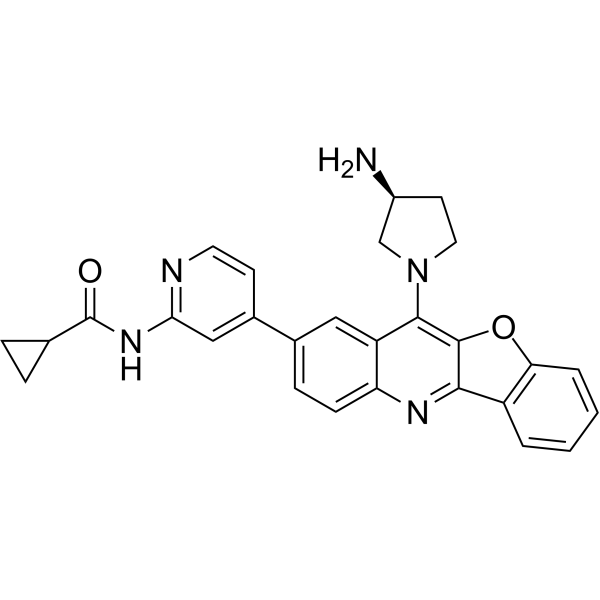
ZLHQ-5f is a dual CDK2 and Topo I inhibitor with an IC50 of 0.145 μM against CDK2/CycA2. ZLHQ-5f arrests the cell cycle in S-phase, triggers apoptosis in HCT116 cells, and has a good safety profile .
|
-
- HY-N16446
-
|
|
Bacterial
|
Infection
|
|
Stromemycin is a stromelysin inhibitor. Stromemycin exhibits weak antibacterial activity against Staphylococcus aureus, vancomycin-resistant Enterococcus faecium, and Bacillus subtilis when used alone. Stromemycin shows a significant increase in antibacterial efficacy when combined with Compound 5. Stromemycin does not possess a significant cell-killing effect on HCT-116 cells .
|
-

- HY-149675
-
|
|
VEGFR
c-Met/HGFR
|
Cancer
|
|
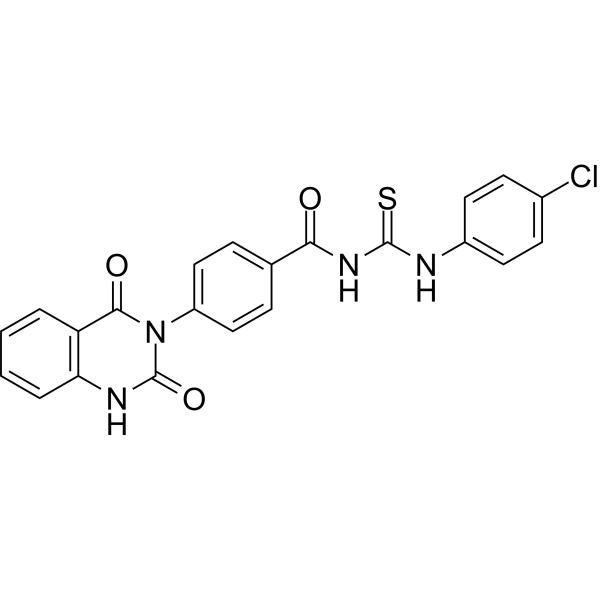
VEGFR-2/c-Met-IN-2 (compound 3e) is a VEGFR-2/c-Met inhibitor, with IC50 values of 83 and 48 nM, respectively. VEGFR-2/c-Met-IN-2 exhibits cytotoxic activity against HCT-116 cell line (IC50: 3.403 µM) .
|
-
- HY-161151
-
|
|
DNA/RNA Synthesis
Apoptosis
|
Cancer
|
|
Frangulin B (Compd 11g), a potent anticancer agent, is a potential pan RecQ helicase inhibitor . Frangulin B (Compd 11g) induces apoptosis in both HCT-116 and MDA-MB-231 cell lines, but also causes an G2/M phase cell cycle arrest in HCT-116 cells .
|
-
- HY-156286
-
|
|
Ferroptosis
|
Cancer
|
|
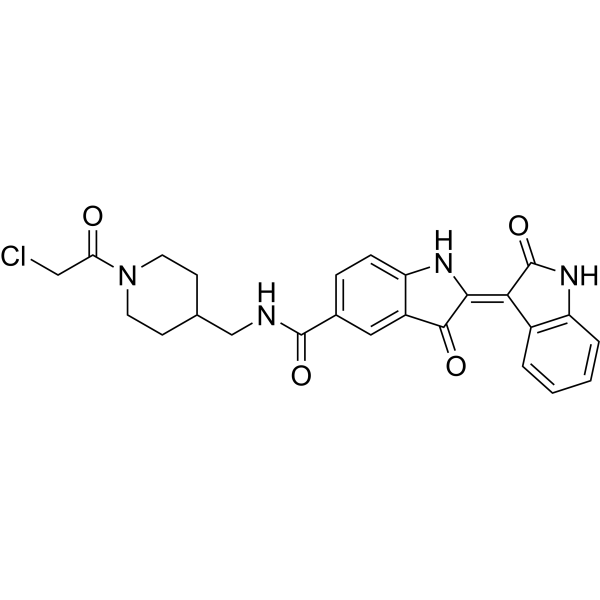
GPX4-IN-7 (Compound 31), indirubin derivative, is a ferroptosis inducer for colon cancer. GPX4-IN-7 has strong antitumor activity against HCT-116 cells with an IC50 value of 0.49 μM. GPX4-IN-7 can promote the degradation of GPX4, causing the accumulation of lipid ROS to induce ferroptosis .
|
-
- HY-149995
-
|
|
Pim
|
Cancer
|
|
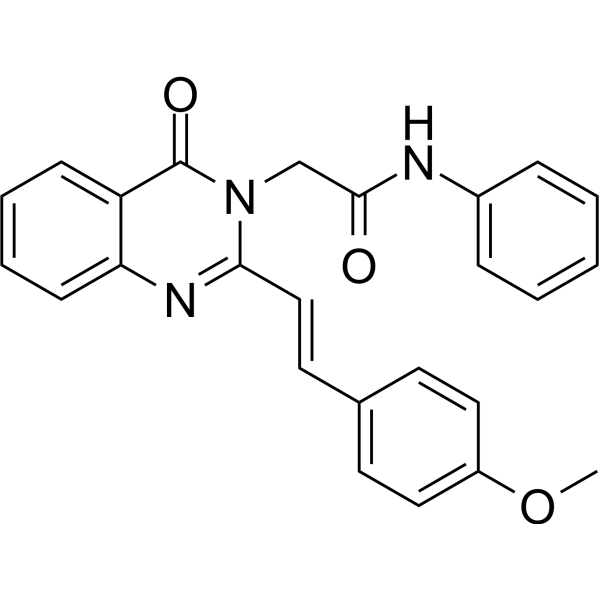
Pim-1 kinase inhibitor 5 (Compound 4c) is a Pim-1 kinase inhibitor (IC50: 0.61 μM). Pim-1 kinase inhibitor 5 shows cytotoxicity against cancer cells, with IC50s of 6.95-20.19 μM for HepG2, MCF-7, PC3, and HCT-116 cells .
|
-
- HY-176718
-
|
|
Caspase
CDK
Telomerase
VEGFR
|
Cancer
|
|
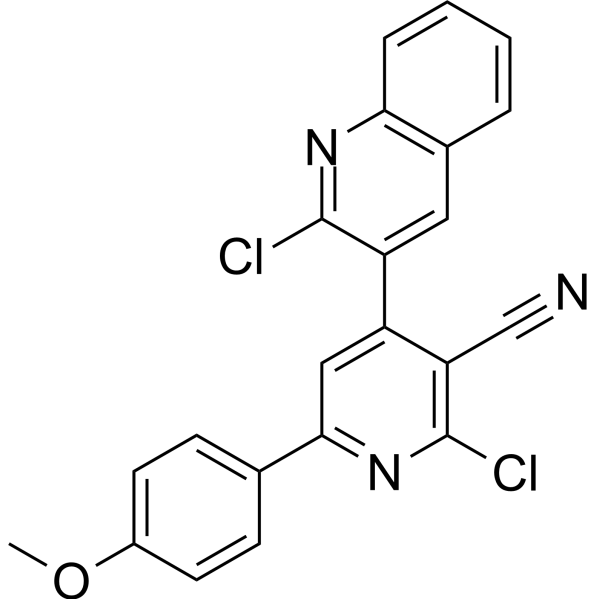
VEGFR-2-IN-69 (Compound 5A) is a dual inhibitor of VEGFR-2 and Telomerase, which upregulates the expression of caspase 3, caspase 8 and caspase 9, while downregulating CDK-2, CDK-4 and CDK-6. VEGFR-2-IN-69 exhibits an IC50 of 15.46 µM against HCT116 cells .
|
-

- HY-155118
-
|
|
EGFR
|
Cancer
|
|
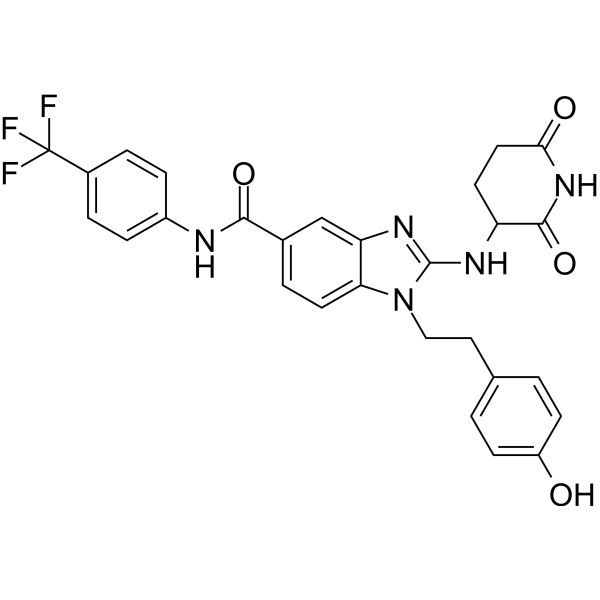
EGFR-IN-81 (Compound 10i) is an EGFR inhibitor. EGFR-IN-81 inhibits EGFR WT and L858R/T790M with IC50s 4.38 nM and 5.69 nM. EGFR-IN-81 has cytotoxic activity against MCF-7 and HCT116 cells with of 2.07 μM and 6.72 μM respectively .
|
-
- HY-170594
-
|
|
Atg7
Autophagy
|
Cancer
|
|
Antitumor agent-192 (Compound 2f) is a β-carboline antitumor agent. Antitumor agent-192 induces autophagy in HCT116 cells via the ATG5/ATG7 pathway. Antitumor agent-192 has an IC50 of less than 5 μM for human tumor cell lines and significantly inhibits tumor development and reduces tumor weight in a mouse colorectal cancer model transplanted with allografts [1].
|
-

- HY-163770
-
|
|
Proteasome
|
Cancer
|
|
Anticancer agent 233 (compound 5g) is a 3,5-bis(arylmethylene)-4-piperidinone derivative with anticancer activity, with GI50 of 0.25 and 0.23 μM for cervical cancer (HeLa) and colon cancer (HCT116) cell lines, respectively. The chlorine atom on the aromatic ring of Anticancer agent 233 interacts well with the catalytic site of 20S proteasome, inhibiting the activity of 20S proteasome to exert its anticancer effect .
|
-

- HY-143241
-
|
|
HDAC
MDM-2/p53
Apoptosis
|
Cancer
|
|
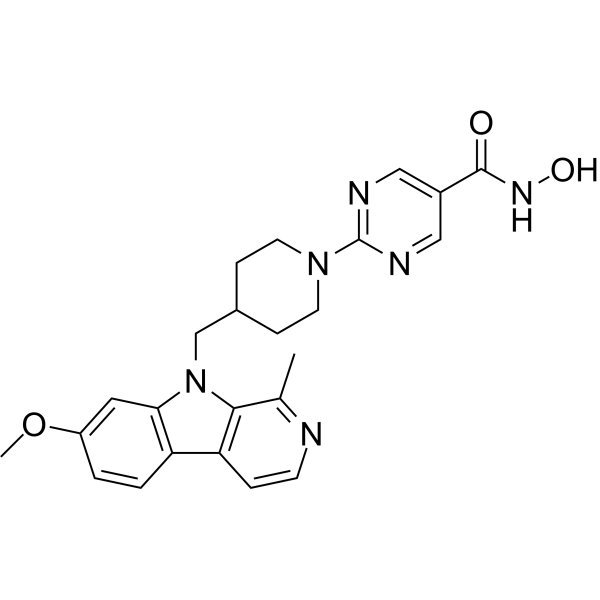
HDAC-IN-34 (compound 27) is a potent HDAC inhibitor, with IC50 values of 0.022 and 0.45 μM for HDAC1 and HDAC6, respectively. HDAC-IN-34 can bind to DNA and cause DNA damage. HDAC-IN-34 causes cells apoptosis through p53 signaling pathway. HDAC-IN-34 exhibits significant anti-proliferation effect against HCT-116 cells, with an IC50 of 1.41 μM .
|
-
- HY-170591
-
|
|
MDM-2/p53
Apoptosis
|
Cancer
|
|
p53 Activator 14 (Compound 7A) is a derivative of Neratinib (HY-32721), that induces DNA damage, activates p53, and inhibits the proliferation of multi cancer cells (IC50=7.21 μM for HCT116 cell). p53 Activator 14 inhibits the adhesion, migration and invasion of HCT116, arrests the cell cycle, and induces apoptosis. p53 Activator 14 inhibits angiogenesis and exhibits antitumor efficacy in chick chorioallantoic membrane (CAM) model .
|
-

- HY-146200
-
|
|
PI3K
mTOR
|
Cancer
|
|
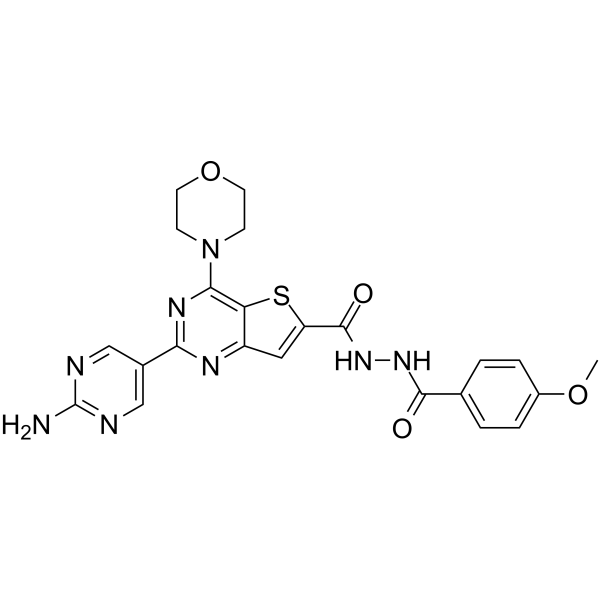
PI3K/mTOR Inhibitor-8 (Compound 18b) is a PI3K and mTOR dual inhibitor with IC50 values of 0.46 nM and 12 nM against PI3Kα and mTOR, respectively. PI3K/mTOR Inhibitor-8 induces HCT-116 cells apoptosis and arrests cell cycle at the G1/S phase .
|
-
- HY-175332
-
|
|
Apoptosis
Bcl-2 Family
Caspase
MDM-2/p53
|
Cancer
|
|
Apoptosis inducer 43 is an apoptosis inducer. Apoptosis inducer 43 can induce apoptosis, SubG0-G1 cell cycle arrest, secondary necrosis, and upregulate caspase-3, p53, and Bax/Bcl-2 expression in HCT116 cells. Apoptosis inducer 43 can inhibit tumor growth in a solid Ehrlich carcinoma (SEC) mouse model. Apoptosis inducer 43 can be used to study cancers such as colon cancer, leukemia, and non-small cell lung cancer .
|
-

- HY-163083
-
|
|
MDM-2/p53
Apoptosis
|
Cancer
|
|
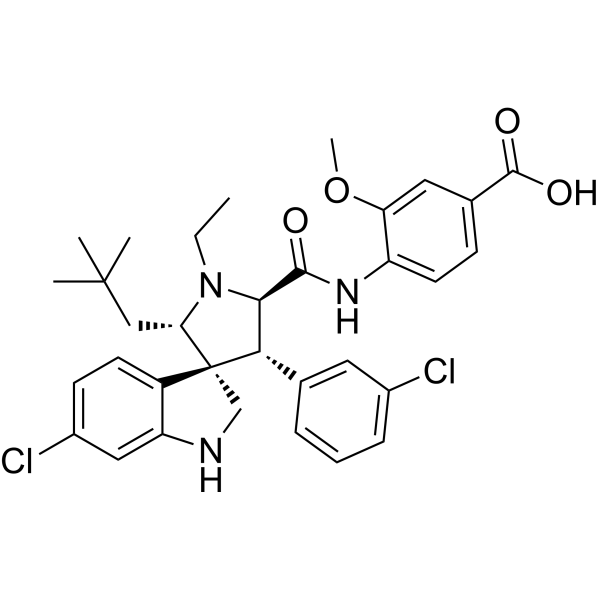
JN122, a spiroindoline-containing molecule, is a MDM2 inhibitor. JN122 Inhibits MDM2/p53 protein–protein interaction and exerts robust in vivo antitumor efficacy. JN122 has antiproliferative activity in HCT-116 cells and HEK-293 cells with IC50 values of 39.6 nM and 4.28μM, respectively. JN122 can promote activation of p53 and its target genes, inhibited cell cycle progression, and induced cell apoptosis .
|
-
- HY-157543
-
|
|
Microtubule/Tubulin
Apoptosis
|
Cancer
|
|
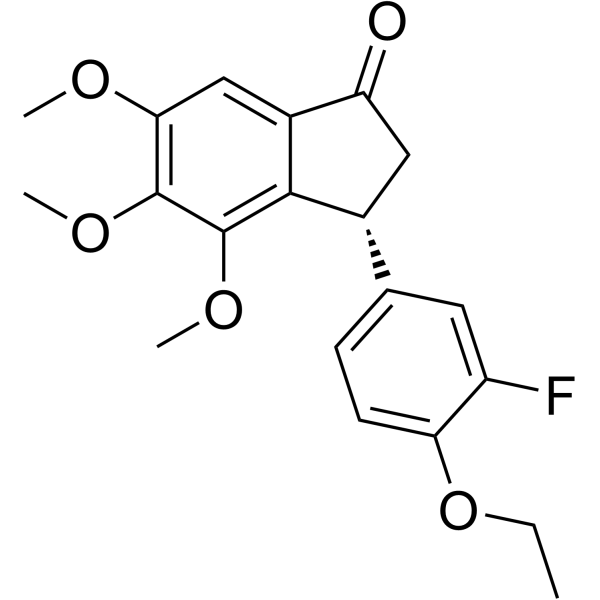
Tubulin polymerization-IN-59 is a tubulin polymerization inhibitor and colchicine binding site inhibitor (CBSI) (IC50 = 6.1 μM). Tubulin polymerization-IN-59 exerts potent antiproliferative activity against cancer cells, while showing lower cytotoxicity to normal cells. Tubulin polymerization-IN-59 arrests colorectal cancer HCT 116 cells in G2/M phase, induces cell apoptosis, and suppresses tumor cell colony formation and migration. Tubulin polymerization-IN-59 can be used for the study of colorectal cancer (CRC) .
|
-
- HY-146411
-
|
|
MicroRNA
Apoptosis
|
Cancer
|
|
microRNA-21-IN-1 (compound A7) is an efficient microRNA inhibitor. microRNA-21-IN-1 has antiproliferative activity against Hela and HCT-116 cells with IC50s of 5.5 μM and 2.8 μM respectively, as well as promotes apoptosis of Hela cells. microRNA-21-IN-1 upregulates the expression of microRNA-21 downstream functional targets (PTEN, EGR1 and SLIT2). microRNA-21-IN-1 can be used for researching anticancer .
|
-
- HY-147708
-
|
|
Calcium Channel
|
Cancer
|
|
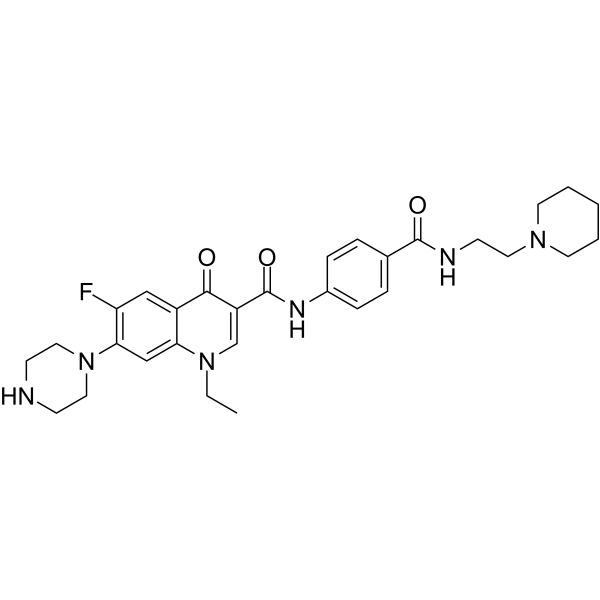
T-Type calcium channel inhibitor 2 (compound 6g) is a potent T-type calcium channel inhibitor with IC50s of 31.0, 83.1, 69.3 µM for Cav3.1 (α1G), Cav3.2 (α1H), Cav3.3 (α1I) (α1H), respectively. T-Type calcium channel inhibitor 2 shows cytotoxicity for A549, HCT-116 cells with IC50s of 5.0, 6.4 µM, respectively .
|
-
- HY-159517
-
|
|
Apoptosis
PI3K
Akt
mTOR
STAT
|
Cancer
|
|
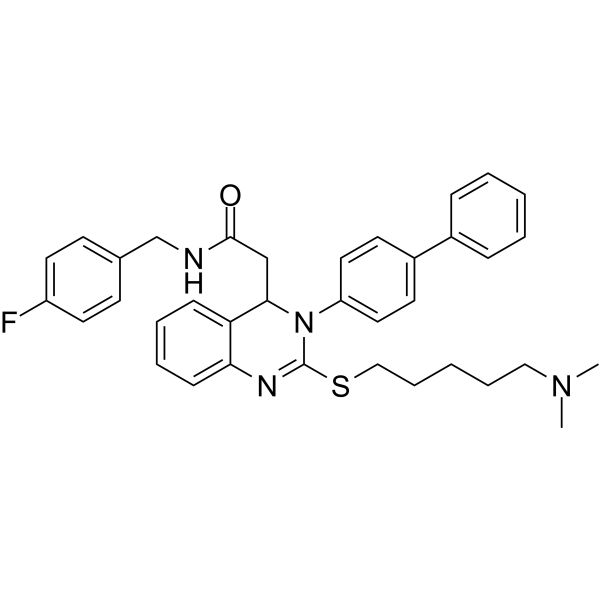
PI3K/Akt/mTOR-IN-5 (compound D3) is a derivative of Pseudolaric Acid B (HY-N6939) with anti-tumor activity. PI3K/Akt/mTOR-IN-5 inhibits excessive proliferation of tumor cells through the PI3K/AKT/mTOR and STAT3/GPX4 pathways. PI3K/Akt/mTOR-IN-5 effectively inhibits EDU positivity, reduces colony formation, places HCT-116 cells in the S phase and G2/M phase, and induces apoptosis .
|
-

- HY-179021
-
|
|
COX
Lipoxygenase
|
Cancer
|
|
COX-2/15-LOX-IN-7 is a potent, selective and orally active dual inhibitor of COX-2 and 15-LOX with IC50 values of 0.022 and 1.19 μM. COX-2/15-LOX-IN-7 also inhibits COX-1 with an IC50 value of 28.081μM. COX-2/15-LOX-IN-7 has low cytotoxicity against human colorectal cancer HT-29 and HCT116 cell lines (IC50 >100 μM for both). COX-2/15-LOX-IN-7 exhibits non-ulcerogenic performance. COX-2/15-LOX-IN-7 can be used for the research of cancer .
|
-

- HY-172733S
-
|
|
Isotope-Labeled Compounds
Histone Methyltransferase
|
Cancer
|
|
PRMT5-MTA-IN-3-d3 (compound P22) is the deuterium labeled PRMT5-MTA-IN-3 (HY-172733). PRMT5-MTA-IN-3-d3 is an orally active PRMT5-MTA inhibitor. PRMT5-MTA-IN-3-d3 has antiproliferative effects on HTC116-MTAP del and wild type colorectal cancer HCT-116 cell lines, with IC50 values of 6 nM and 961 nM, respectively. PRMT5-MTA-IN-3-d3 has anticancer effects, especially for MTAP-deficient tumors, such as non-small cell lung cancer (NSCLC), pancreatic cancer .
|
-

- HY-W008860
-
|
|
Drug Intermediate
|
Cancer
|
|
5,10,15,20-Tetra(4-methoxyphenyl)-21H,23H-porphyrin is a pharmaceutical intermediate that can be used in the synthesis of other active compounds. 5,10,15,20-Tetra(4-methoxyphenyl)-21H,23H-porphyrin exhibits weak cytotoxicity against HCT116 cells .
|
-

- HY-180848
-
|
|
Bcl-2 Family
Apoptosis
|
Cancer
|
|
Bcl-2-IN-24 (Compound 11g) is an efficient and selective Bcl-2 inhibitor with a Kd value of 11.3 μM. Bcl-2-IN-24 exhibits anti-proliferative activity against HCT-116 cells and A549 cells. Bcl-2-IN-24 effectively inhibits the colony-forming ability of tumor cells and induces cell apoptosis. Bcl-2-IN-24 can be used for research on colon cancer and lung cancer .
|
-

- HY-179374
-
|
|
Aurora Kinase
HDAC
Apoptosis
|
Cancer
|
|
Aurora kinase/HDAC-IN-1 is an orally active dual Aurora kinase and HDAC inhibitor that inhibits Aurora A (IC50 = 116 nM), Aurora B (IC50 = 225 nM), HDAC1 (IC50 = 164 nM), and HDAC2 (IC50 = 346 nM).Aurora kinase/HDAC-IN-1 promotes histone H3 acetylation, inhibits Aurora A phosphorylation and downstream signaling, and induces apoptosis via G2/M cell-cycle arrest. Aurora kinase/HDAC-IN-1 exhibits potent antiproliferative activity in colorectal cancer cells, with an IC50 value of 30.2 nM in HCT-116 cells.Aurora kinase/HDAC-IN-1 significantly suppresses tumor growth in an HCT-116 colorectal cancer xenograft mouse model .
|
-

| Cat. No. |
Product Name |
Target |
Research Area |
-
- HY-P10028
-
|
|
Fluorescent Dye
|
Cancer
|
|
HCT116 is a peptidomimetic inhibitor of N-terminal methyltransferase 1/2 (NTMT1/2) with an IC50 of 54 nM. HCT116 can inhibit the N-terminal methylation level of NTMT1/2 substrates in HCT116 cells, and is used for the study of NTMT1/2 probes.
|
| Cat. No. |
Product Name |
Category |
Target |
Chemical Structure |
-
- HY-N2409
-
-
-
- HY-N13009
-
|
|
Phenols
Polyphenols
Morus alba L.
Plants
Moraceae
Source Classification
|
Raf
HIF/HIF Prolyl-Hydroxylase
ERK
MEK
Reactive Oxygen Species (ROS)
Apoptosis
Caspase
|
|
MO-2097 is a RAF-1/HIF-1α inhibitor. MO-2097 induces RAF-1 destabilization, leading to a reduction in
EMT-associated transcription factors and mesenchymal markers. MO-2097 inhibits HIF-1a protein expression mediated by hnRNPA2B1 under hypoxic and mimetic hypoxia. MO-2097 induces mitochondrial ROS, which leads to apoptosis in cells. MO-2097 effectively suppresses colorectal cancer metastasis by inhibiting the RAF/MEK/ERK signaling pathway. MO-2097 attenuates tumor growth in a xenograft HCT116 cell mouse model. MO-2097 can be used for the study of colorectal cancer .
|
-
-
- HY-N8491
-
-
-
- HY-119784
-
-
-
- HY-126596
-
|
|
Quinones
Alkanna tinctoria (L.) Tausch
Plants
Naphthalene Quinones
Boraginaceae
Source Classification
|
Apoptosis
|
|
Angelylalkannin is a naphthoquinone compound isolated from the root of Alkanna tinctoria. Angelylalkannin showed significant inhibitory effects in the antiproliferative effect test on human colon cancer cells HCT-116 and SW-480. The median inhibitory concentration (IC50) of Angelylalkannin was 4.76 mM for HCT-116 cells and 7.03 mM for SW-480 cells. Like alkannin, Angelylalkannin can arrest the cell cycle in the G1 phase and induce apoptosis at a concentration of 1-10 mM.
|
-
-
- HY-N2409R
-
-
-
- HY-N11982
-
-
-
- HY-N15522
-
-
-
- HY-N14435
-
-
-
- HY-N16412
-
|
Citreomontanine
|
Microorganisms
Ketones, Aldehydes, Acids
Source Classification
|
Drug Intermediate
|
|
Citreomontanin (Citreomontanine) (Compound 3), an α‑Pyrone polyketide, is an intermediate of Citreoviripyrone A. Citreomontanin can be isolated from the mycelium of endophytic Penicillium sp. in Catharanthus roseus. Citreoviripyrone A has a moderate inhibitory activity on HCT116 cells growth .
|
-
-
- HY-N2445R
-
-
-
- HY-N3825
-
-
-
- HY-N16446
-
|
|
Structural Classification
Microorganisms
Ketones, Aldehydes, Acids
Source Classification
|
Bacterial
|
|
Stromemycin is a stromelysin inhibitor. Stromemycin exhibits weak antibacterial activity against Staphylococcus aureus, vancomycin-resistant Enterococcus faecium, and Bacillus subtilis when used alone. Stromemycin shows a significant increase in antibacterial efficacy when combined with Compound 5. Stromemycin does not possess a significant cell-killing effect on HCT-116 cells .
|
-
| Cat. No. |
Product Name |
Chemical Structure |
-
- HY-172733S
-
|
|
|
PRMT5-MTA-IN-3-d3 (compound P22) is the deuterium labeled PRMT5-MTA-IN-3 (HY-172733). PRMT5-MTA-IN-3-d3 is an orally active PRMT5-MTA inhibitor. PRMT5-MTA-IN-3-d3 has antiproliferative effects on HTC116-MTAP del and wild type colorectal cancer HCT-116 cell lines, with IC50 values of 6 nM and 961 nM, respectively. PRMT5-MTA-IN-3-d3 has anticancer effects, especially for MTAP-deficient tumors, such as non-small cell lung cancer (NSCLC), pancreatic cancer .
|
-
| Cat. No. |
Product Name |
|
Classification |
-
- HY-143904
-
|
|
|
PROTAC Synthesis
|
|
PROTAC TTK degrader-1 is a potent TTK (threonine tyrosine kinase) PROTAC degrader, with DC50 values of 1.7 and 5.8 nM in COLO-205 and HCT-116 cell, respectively. PROTAC TTK degrader-1 exhibits target degradation and anticancer efficacy in a xenograft mouse model of COLO-205 human colorectal cancer cells .
|
-
- HY-143905
-
|
|
|
PROTAC Synthesis
|
|
PROTAC TTK degrader-2 is a potent TTK (threonine tyrosine kinase) PROTAC degrader, with DC50 values of 3.1 and 12.4 nM in COLO-205 and HCT-116 cell, respectively. PROTAC TTK degrader-2 exhibits target degradation and anticancer efficacy in a xenograft mouse model of COLO-205 human colorectal cancer cells .
|
Your information is safe with us. * Required Fields.
Inquiry Information
- Product Name:
- Cat. No.:
- Quantity:
- MCE Japan Authorized Agent:








