Search Result
Results for "
Monoamine oxidase B (MAO-B)
" in MedChemExpress (MCE) Product Catalog:
8
Isotope-Labeled Compounds
| Cat. No. |
Product Name |
Target |
Research Areas |
Chemical Structure |
-
- HY-17447A
-
-
-
- HY-A0091A
-
|
|
Monoamine Oxidase
|
Cardiovascular Disease
Cancer
|
|
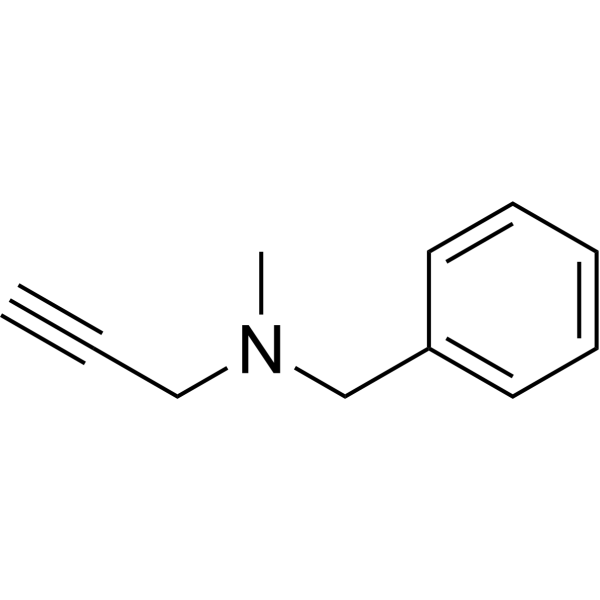
Pargyline is an irreversible monoamine oxidase (MAO) inhibitor with Kis of 13 μM and 0.5 μM for MAO-A and MAO-B, respectively. Pargyline has antihypertensive and anticancer activities . Pargyline is a click chemistry reagent, it contains an Alkyne group and can undergo copper-catalyzed azide-alkyne cycloaddition (CuAAc) with molecules containing Azide groups.
|
-
-
- HY-W008566
-
|
Norharman; β-Carboline
|
Monoamine Oxidase
Endogenous Metabolite
|
Infection
Neurological Disease
Cancer
|
|
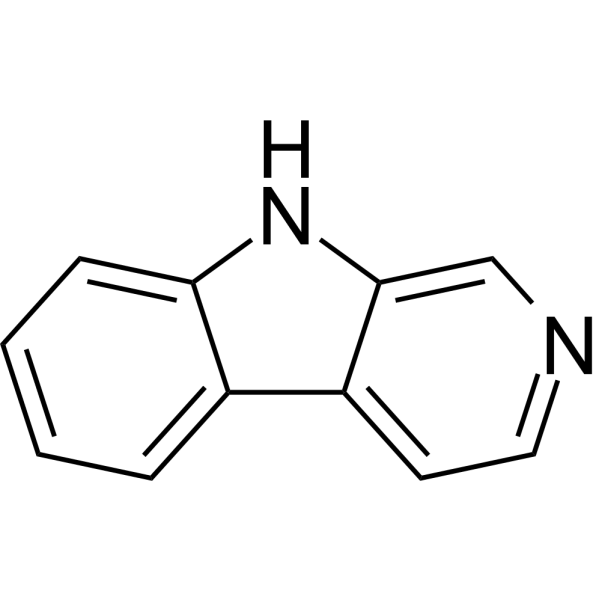
Norharmane (Norharman), a β-carboline alkaloid, is a potent and reversible monoamine oxidase inhibitor, with IC50 values of 6.5 and 4.7 μM for MAO-A and MAO-B, respectively. Norharmane causes antidepressant responses. Norharmane is also a prospective anti-cancer photosensitizer. Norharmane alters polar auxin transport (PAT) by inhibiting PIN2, PIN3 and PIN7 transport proteins, thus causing a significant inhibitory effect on the growth of Arabidopsis thaliana seedlings .
|
-
-
- HY-14605A
-
Rasagiline
Maximum Cited Publications
7 Publications Verification
(R)-AGN1135; TVP1012
|
Monoamine Oxidase
|
Neurological Disease
|
|
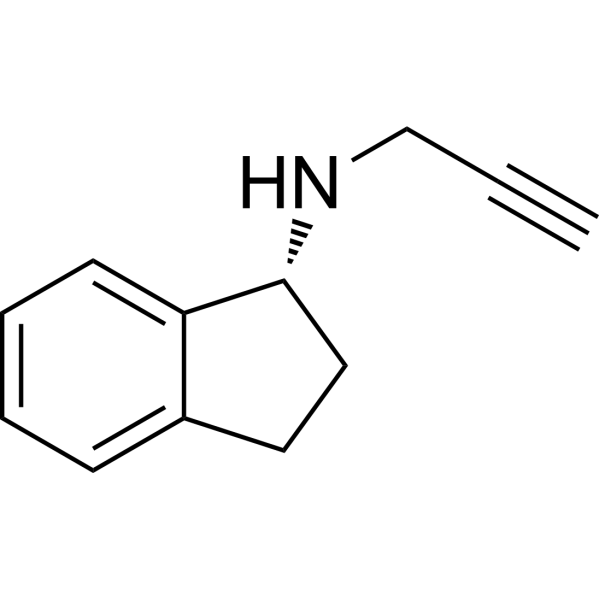
Rasagiline (R-AGN1135) is a highly potent selective irreversible mitochondrial monoamine oxidase (MAO) inhibitor with IC50s of 4.43 nM and 412 nM for rat brain MAO B and A activity, respectively . Rasagiline is a click chemistry reagent, it contains an Alkyne group and can undergo copper-catalyzed azide-alkyne cycloaddition (CuAAc) with molecules containing Azide groups.
|
-
-
- HY-70057
-
|
FCE 26743; EMD 1195686
|
Monoamine Oxidase
|
Neurological Disease
|
|
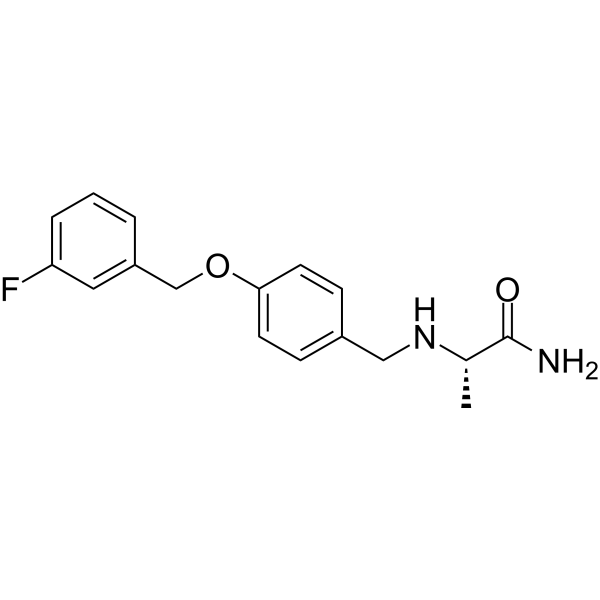
Safinamide is a potent, selective, and reversible monoamine oxidase B (MAO-B) inhibitor (IC50=0.098 μM) over MAO-A (IC50=580 μM) . Safinamide also blocks sodium channels and modulates glutamate (Glu) release, showing a greater affinity at depolarized (IC50=8 μM) than at resting (IC50=262 μM) potentials. Safinamide has neuroprotective and neurorescuing effects and can be used for the study of parkinson disease, ischemia stroke etc.al .
|
-
-
- HY-D0004
-
|
Azure B chloride
|
Monoamine Oxidase
|
Neurological Disease
|
|
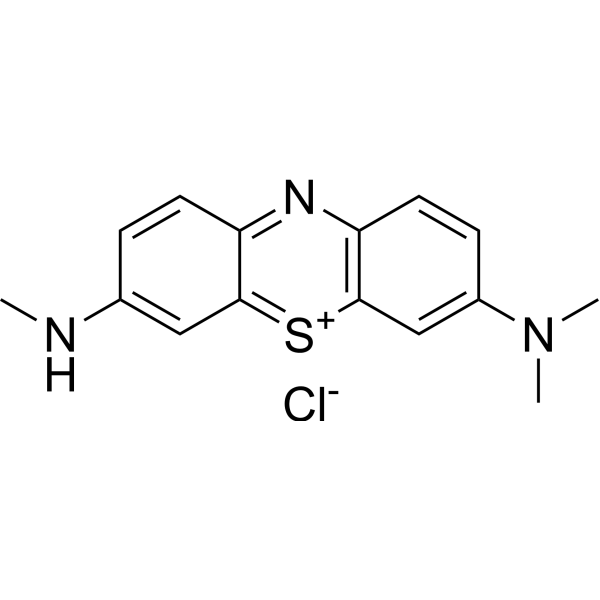
Azure B is a cationic dye and the major metabolite of Methylene blue. Azure B is used in making Azure eosin stains for blood smear staining. Azure B is a high-potency, selective and reversible inhibitor of monoamine oxidases (MAO)-A, with IC50s of 11 and 968 nM for recombinant human MAO-A and MAO-B, respectively. Azure B possesses significant antidepressant-like effects .
|
-
-
- HY-A0091
-
|
|
Monoamine Oxidase
|
Cardiovascular Disease
Cancer
|
|
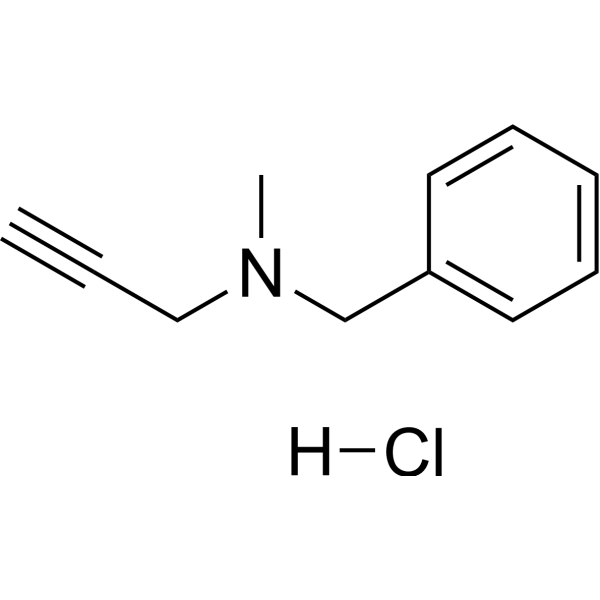
Pargyline hydrochloride is an irreversible monoamine oxidase (MAO) inhibitor with Kis of 13 μM and 0.5 μM for MAO-A and MAO-B, respectively. Pargyline hydrochloride has antihypertensive and anticancer activities . Pargyline (hydrochloride) is a click chemistry reagent, it contains an Alkyne group and can undergo copper-catalyzed azide-alkyne cycloaddition (CuAAc) with molecules containing Azide groups.
|
-
-
- HY-B1018A
-
|
|
Monoamine Oxidase
GABA Receptor
Histone Demethylase
|
Cardiovascular Disease
Neurological Disease
Metabolic Disease
Inflammation/Immunology
Cancer
|
|
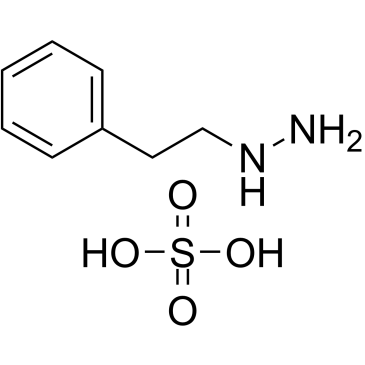
Phenelzine sulfate, an antidepressant agent, is an irreversible and orally active monoamine oxidase (MAO-A and MAO-B) inhibitor. Phenelzine sulfate inhibits GABA transaminase and primary amine oxidase (PrAO), and sequester reactive aldehydes. Phenelzine sulfate also inhibits LSD1 (Ki: 5.6 μM) and suppresses oxidative stress and lipogenesis. Phenelzine sulfate elevates neurotransmitters (serotonin, norepinephrine, dopamine). Phenelzine sulfate is studied in neurological, metabolic and cancer diseases for depression and anxiety disorders, stroke, spinal cord injury, traumatic brain injury, multiple sclerosis, Parkinson’s disease, Alzheimer’s disease, inflammatory pain, obesity and prostate cancer .
|
-
-
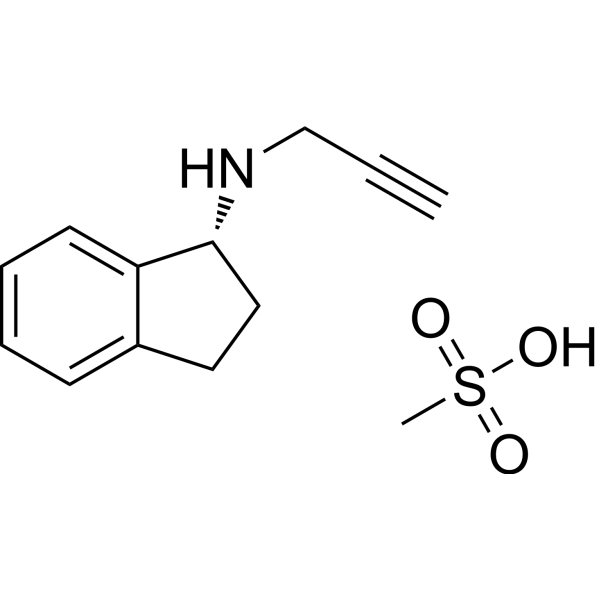
- HY-14605
-
|
(R)-AGN1135 mesylate; TVP1012 mesylate
|
Monoamine Oxidase
Autophagy
Apoptosis
|
Neurological Disease
|
|
Rasagiline (R-AGN1135) mesylate is a highly potent selective irreversible mitochondrial monoamine oxidase (MAO) inhibitor with IC50s of 4.43 nM and 412 nM for rat brain MAO B and A activity, respectively . Rasagiline (mesylate) is a click chemistry reagent, it contains an Alkyne group and can undergo copper-catalyzed azide-alkyne cycloaddition (CuAAc) with molecules containing Azide groups.
|
-
-
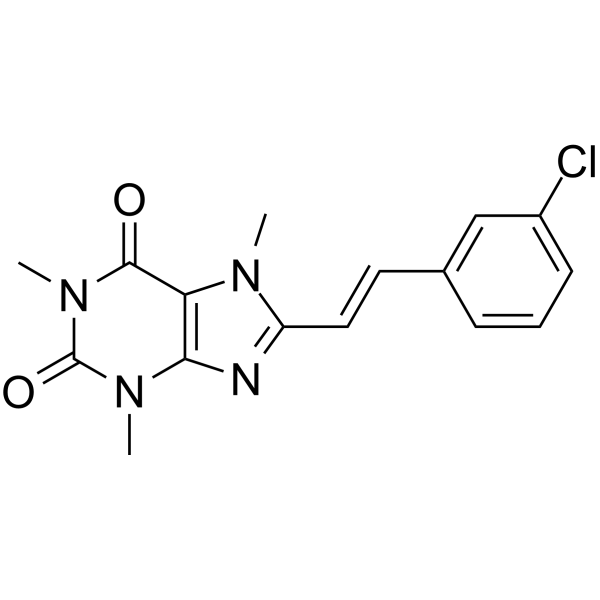
- HY-103164
-
|
(E)-CSC
|
Adenosine Receptor
Monoamine Oxidase
|
Neurological Disease
|
|
(E)-8-(3-Chlorostyryl)caffeine is a selective adenosine A2A receptor antagonist. (E)-8-(3-Chlorostyryl)caffeine inhibits monoamine oxidase B (MAO-B) with a Ki value of 70 nM by a pathway that is independent of its actions on the A2A receptor. (E)-8-(3-Chlorostyryl)caffeine has the potential for Parkinson's disease research .
|
-
-
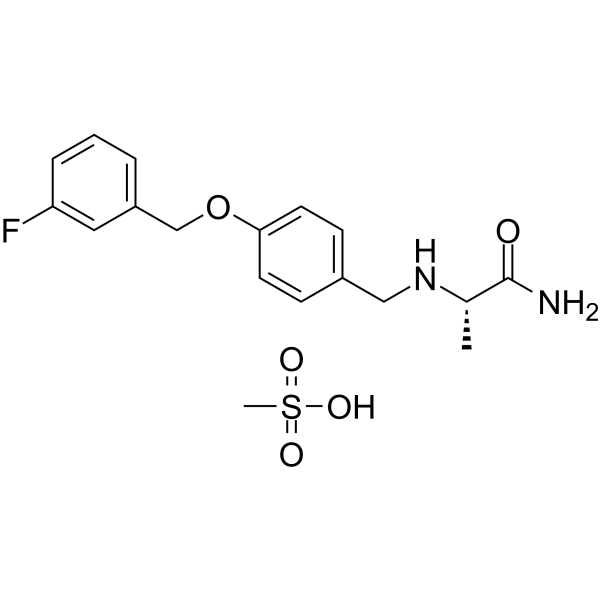
- HY-70057A
-
|
FCE 26743 mesylate; EMD 1195686 mesylate
|
Monoamine Oxidase
|
Cardiovascular Disease
Neurological Disease
|
|
Safinamide (FCE 26743; EMD 1195686) mesylate is a potent, selective, and reversible monoamine oxidase B (MAO-B) inhibitor (IC50=0.098 μM) over MAO-A (IC50=580 nM) . Safinamide mesylate also blocks sodium channels and modulates glutamate (Glu) release, showing a greater affinity at depolarized (IC50=8?μM) than at resting (IC50=262?μM) potentials. Safinamide mesylate has neuroprotective and neurorescuing effects and can be used for the study of parkinson disease, ischemia stroke et.al .
|
-
-
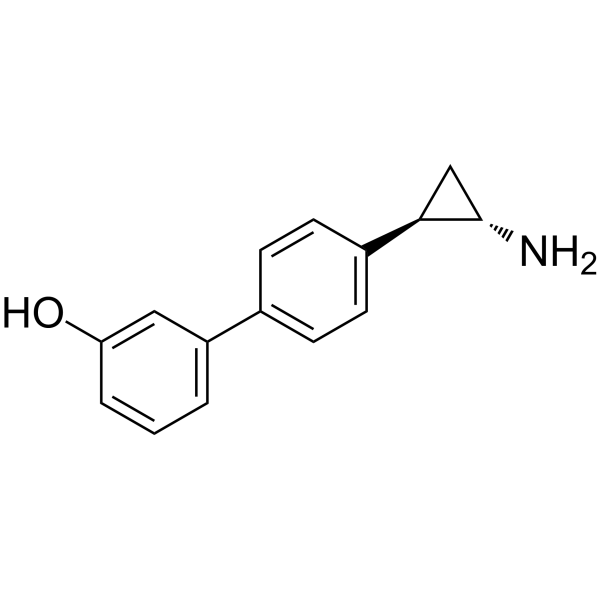
- HY-19333
-
OG-L002
2 Publications Verification
|
Histone Demethylase
Monoamine Oxidase
HSV
|
Infection
|
|
OG-L002 is a potent and highly selective LSD1 inhibitor with an IC50 of 0.02 μM. OG-L002 is a potent monoamine oxidases (MAO) inhibitor with IC50s of 1.38 μM and 0.72 μM for MAO-A and MAO-B, respectively. OG-L002 potently inhibits the expression of HSV IE genes .
|
-
-
- HY-14201
-
|
Ro 19-6327
|
Monoamine Oxidase
|
Neurological Disease
|
|
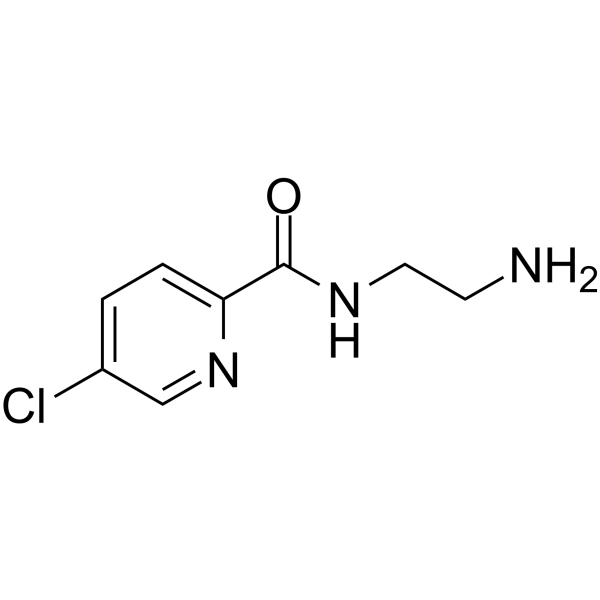
Lazabemide (Ro 19-6327) is a selective, reversible inhibitor of monoamine oxidase B (MAO-B) (IC50=0.03 μM) but less active for MAO-A (IC50>100 μM). Lazabemide ?inhibits monoamine uptake at high concentrations, the IC50 values are 86 μM, 123 μM and >500 μM for noradrenalin, serotonin and dopamine uptake, respectively. Lazabemide can be used for the research of parkinson and?alzheimer′s disease .
|
-
-
- HY-N0918
-
|
Demethoxyyangonin; 5,6-Dehydrokavain
|
Monoamine Oxidase
JAK
IKK
STAT
NO Synthase
Cytochrome P450
|
Neurological Disease
Inflammation/Immunology
|
|
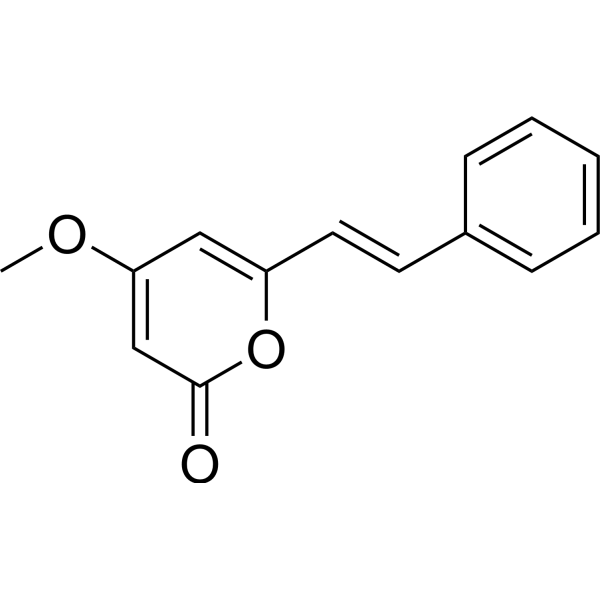
Desmethoxyyangonin is one of the six major kavalactones found in the Piper methysticum (kava) plant. Desmethoxyyangonin is a selective inhibitor of monoamine oxidase-B (MAO-B) (IC50: 0.123 µM). Desmethoxyyangonin exerts anti-inflammatory effects by inhibiting Jak2/STAT3 and IKK signaling pathways. Desmethoxyyangonin induces CYP3A23 expression and leads to skeletal muscle relaxation .
|
-
-
- HY-114520
-
|
|
Monoamine Oxidase
Mitochondrial Metabolism
Apoptosis
Reactive Oxygen Species (ROS)
|
Neurological Disease
Metabolic Disease
|
|
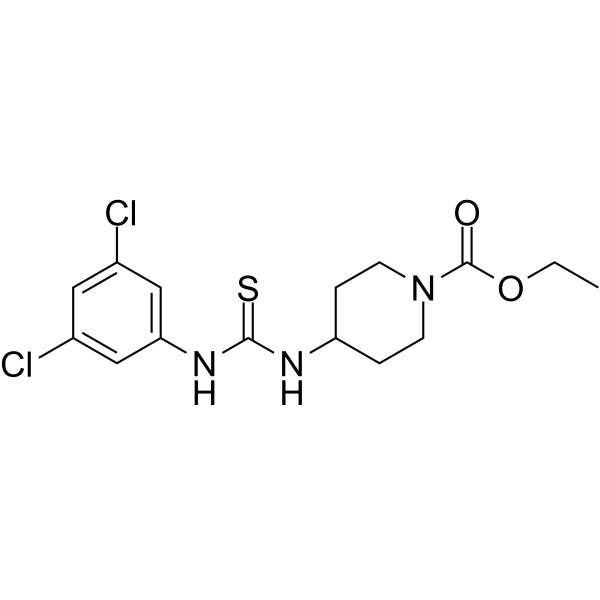
TT01001 is a selective and orally active mitoNEET agonist and a monoamine oxidase B (MAO-B) inhibitor (IC50 = 8.84 μM). TT01001 does not activate PPARγ but interacts with MitoNEET. TT01001 attenuates oxidative stress and neuronal apoptosis by preventing mitoNEET-mediated mitochondrial dysfunction. TT01001 improves type II diabetes and ameliorates mitochondrial function of mice. TT01001 can used for the studies of type II diabetes and neurological disorders .
|
-
-
- HY-13779A
-
|
|
Monoamine Oxidase
Dopamine Transporter
|
Neurological Disease
|
|
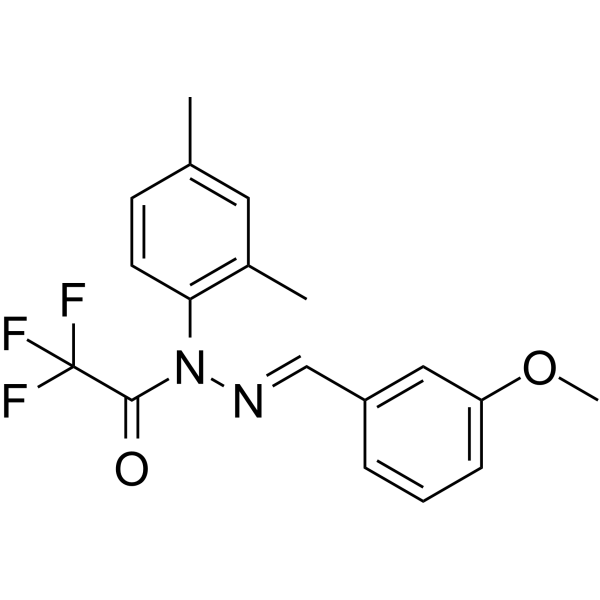
J147 is an exceptionally potent, orally active, neuroprotective agent for cognitive enhancement. J147 can pass the blood brain barrier (BBB). J147 can inhibit monoamine oxidase B (MAO B) and the dopamine transporter. J147 plays an impotant role in Alzheimer’s disease (AD) .
|
-
-
- HY-10399A
-
|
TV-3326 hydrochloride
|
Monoamine Oxidase
Cholinesterase (ChE)
|
Neurological Disease
|
|
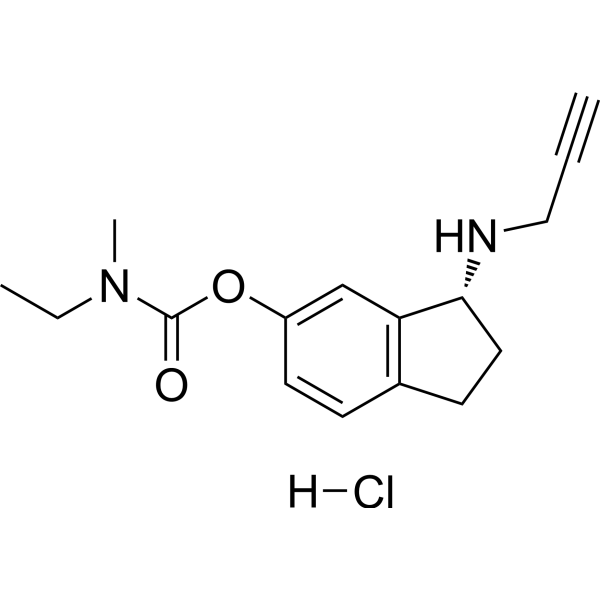
Ladostigil (TV-3326) hydrochloride is an orally active dual inhibitor of cholinesterase and brain-selective monoamine oxidase (MAO), with IC50s of 37.1 and 31.8 μM for MAO-B and AChE, respectively. Ladostigil hydrochloride exhibits neuroprotective, antioxidant and anti-inflammatory activities. Ladostigil can be used for the research of depression and Alzheimer's disease . Ladostigil (hydrochloride) is a click chemistry reagent, it contains an Alkyne group and can undergo copper-catalyzed azide-alkyne cycloaddition (CuAAc) with molecules containing Azide groups.
|
-
-
- HY-10400
-
|
TV-3326 hemitartrate
|
Monoamine Oxidase
Cholinesterase (ChE)
|
Neurological Disease
|
|
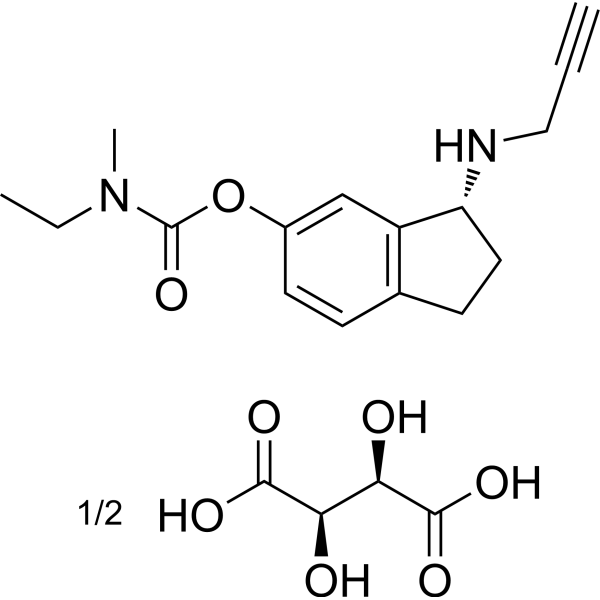
Ladostigil (TV-3326) hemitartrate is an orally active dual inhibitor of cholinesterase and brain-selective monoamine oxidase (MAO) that can cross the blood-brain barrier, with IC50s of 37.1 and 31.8 μM for MAO-B and AChE, respectively. Ladostigil hemitartrate exhibits neuroprotective, antioxidant and anti-inflammatory activities. Ladostigil hemitartrate can be used for the research of depression and Alzheimer's disease . Ladostigil (hemitartrate) is a click chemistry reagent, it contains an Alkyne group and can undergo copper-catalyzed azide-alkyne cycloaddition (CuAAc) with molecules containing Azide groups.
|
-
-
- HY-N9540
-
|
|
Monoamine Oxidase
|
Neurological Disease
|
|
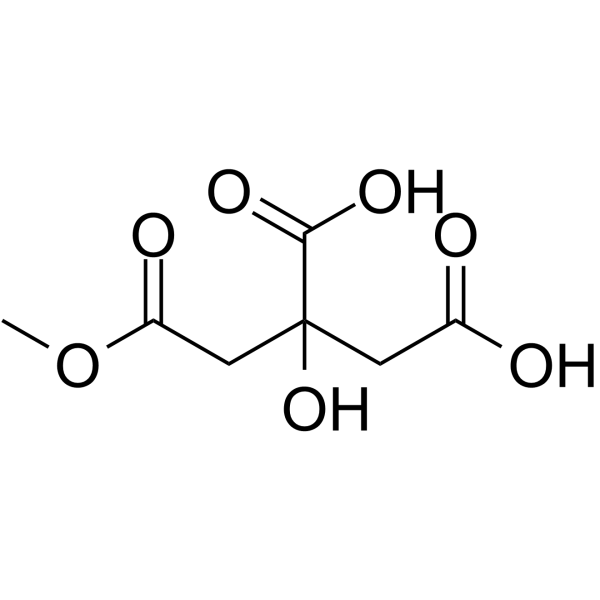
Methyl citrate is a Monoamine oxidase B (MAO-B) inhibitor (IC50=0.23 mM). Methyl citrate is isolated from the fruits of Opuntia ficus-indica var. saboten Makino .
|
-
-
- HY-B1558A
-
|
MCI-2016
|
Monoamine Oxidase
|
Neurological Disease
|
|
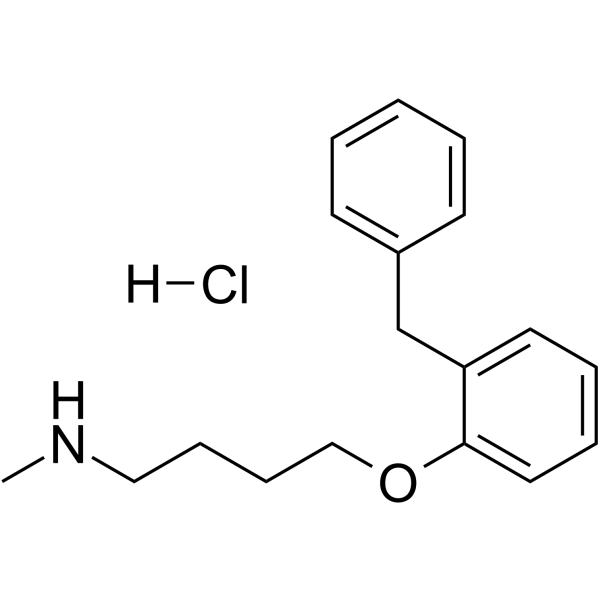
Bifemelane hydrochloride (MCI-2016) is a potent, selective and competitive inhibitor of monoamine oxidase A (MAO-A), with a Ki of 4.20 μM. Bifemelane hydrochloride also inhibits MAO-B noncompetitively with a Ki of 46.0 μM. Bifemelane hydrochloride has a potent antidepressant activity and can be used for the research of cognitive and emotional disturbances related to cerebrovascular disease .
|
-
-
- HY-120419
-
|
|
Monoamine Oxidase
|
Neurological Disease
|
|
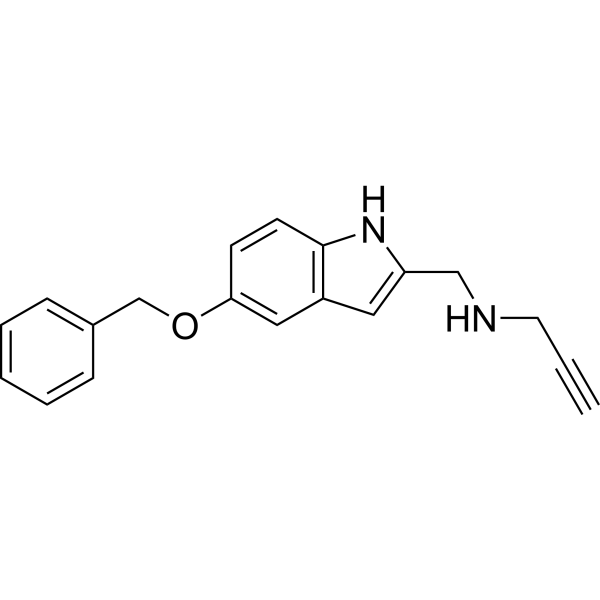
PF9601N, an monoamine oxidase B (MAO-B) inhibitor, possesses neuroprotective properties in several in vitro and in vivo models of Parkinson's disease (PD). PF9601N can be used for the research of neurodegenerative diseases mediated by excitotoxicity . PF9601N is a click chemistry reagent, it contains an Alkyne group and can undergo copper-catalyzed azide-alkyne cycloaddition (CuAAc) with molecules containing Azide groups.
|
-
-
- HY-W001601
-
|
|
iGluR
|
Neurological Disease
|
|
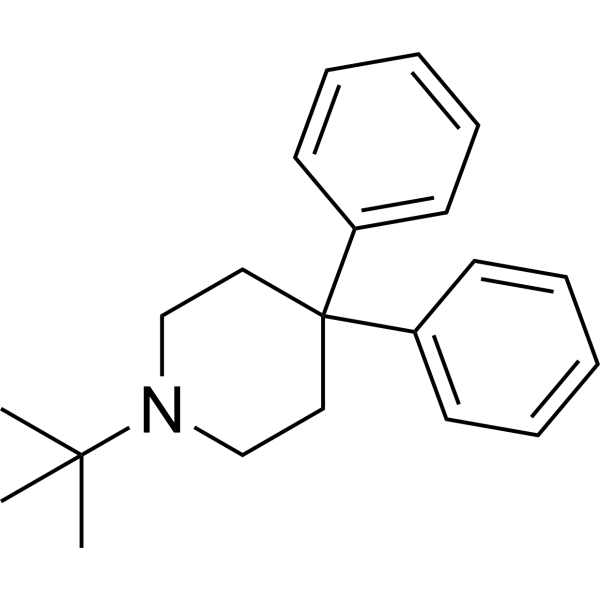
Budipine is an anti-parkinson agent. Budipine also is a substrate of P-glycoprotein (P-gp), is mediated the uptake into the brain by P-gp. Budipine also is N-methyl-d-aspartate (NMDA) antagonist, and has indirect dopaminergic effects through an improved dopamine release, the inhibition of monoamine oxidase type B (MAO-B). Budipine can be used for the research of CNS disorders include Parkinson disease .
|
-
-
- HY-101169
-
|
|
Monoamine Oxidase
|
Neurological Disease
|
|
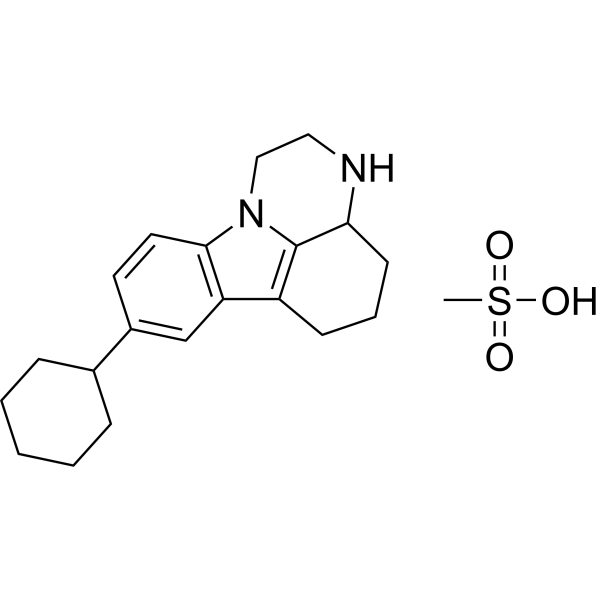
Tetrindole mesylate is a selective inhibitor of monoamine oxidase A (MAO A). Tetrindole mesylate inhibits rat brain mitochondrial MAO A in a competitive manner with a Ki value of 0.4 μM and inhibits MAO B with a Ki of 110 μM. Tetrindole mesylate has antidepressant activity .
|
-
-
- HY-10399
-
|
TV-3326
|
Monoamine Oxidase
Cholinesterase (ChE)
|
Neurological Disease
|
|
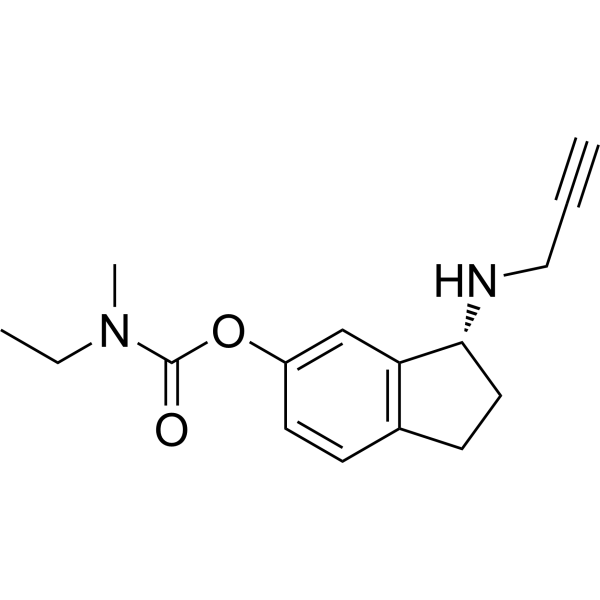
Ladostigil (TV-3326) is an orally active dual inhibitor of cholinesterase and brain-selective monoamine oxidase (MAO), with IC50s of 37.1 and 31.8 μM for MAO-B and AChE, respectively. Ladostigil exhibits neuroprotective, antioxidant and anti-inflammatory activities. Ladostigil can be used for the research of depression and Alzheimer's disease . Ladostigil is a click chemistry reagent, it contains an Alkyne group and can undergo copper-catalyzed azide-alkyne cycloaddition (CuAAc) with molecules containing Azide groups.
|
-
-
- HY-W628136
-
|
|
Monoamine Oxidase
|
Neurological Disease
|
|
MAO-B-IN-47 is a selective monoamine oxidase B (MAO-B) inhibitor with a Ki of 875 nM. MAO-B-IN-47 shows an IC50 >100 μM for SH-SY5Y cells. MAO-B-IN-47 shows neuroprotective effect in 6-OHDA-treated SH-SY5Y cells. MAO-B-IN-47 can be used for the research of neurological disease, such as Parkinson’s disease (PD) .
|
-

-
- HY-14202
-
|
Ro 19-6327 hydrochloride
|
Monoamine Oxidase
|
Neurological Disease
|
|
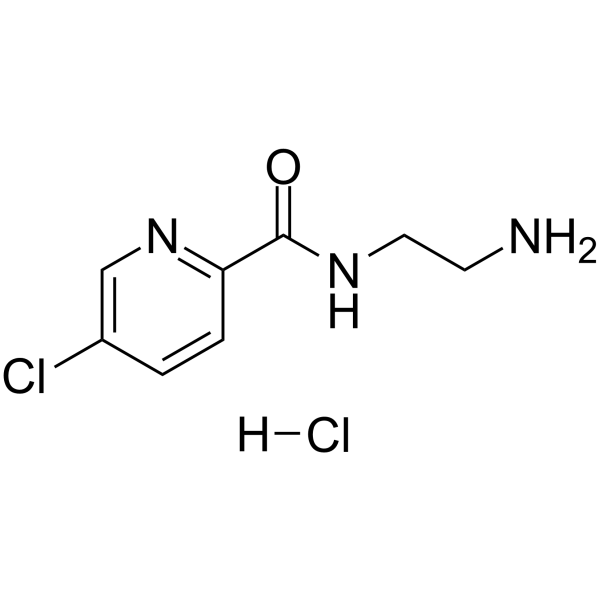
Lazabemide hydrochloride (Ro 19-6327 hydrochloride) is a selective, reversible inhibitor of monoamine oxidase B (MAO-B) (IC50=0.03 μM) but less active for MAO-A (IC50>100 μM). Lazabemide inhibits monoamine uptake at high concentrations, the IC50 values are 86 μM, 123 μM and >500 μM for noradrenalin, serotonin and dopamine uptake, respectively. Lazabemide can be used for the research of parkinson and alzheimer′s disease .
|
-
-
- HY-101169A
-
|
|
Monoamine Oxidase
|
Neurological Disease
|
|
Tetrindole hydrochloride is a selective inhibitor of monoamine oxidase A (MAO A). Tetrindole hydrochloride inhibits rat brain mitochondrial MAO A in a competitive manner with a Ki value of 0.4 μM and inhibits MAO B with a Ki of 110 μM. Tetrindole hydrochloride has antidepressant activity .
|
-

-
- HY-160002
-
|
|
Monoamine Oxidase
|
Neurological Disease
|
|
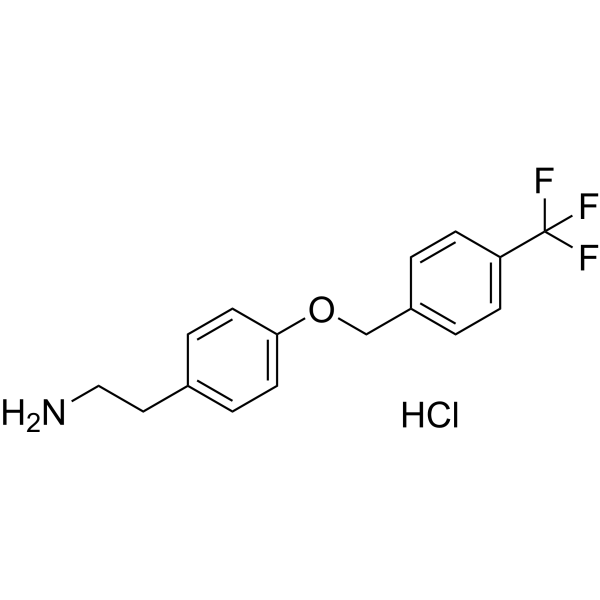
MAO-B-IN-27 (Compound 12c) is a monoamine oxidase B (MAO-B) inhibitor. MAO-B-IN-27 has potent and selective MAO-B inhibitory effect for hMAO-B with an IC50 values of 8.9 nM. MAO-B-IN-27 can be used for the research of parkinson's disease (PD) .
|
-
-
- HY-151562
-
|
|
Cholinesterase (ChE)
Monoamine Oxidase
|
Neurological Disease
|
|
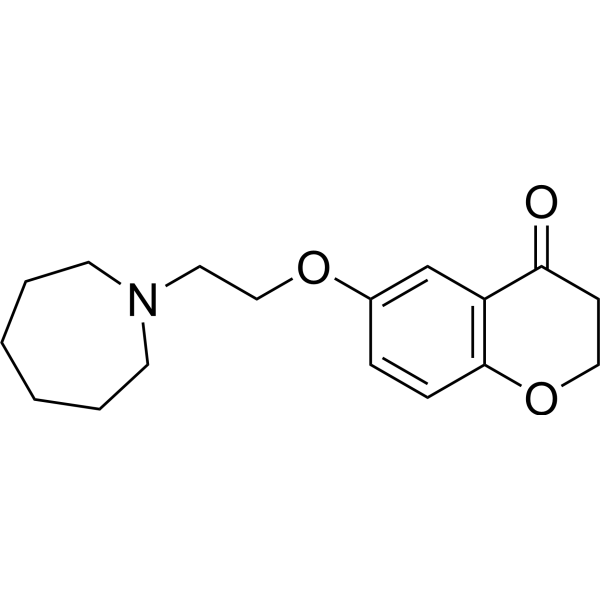
AChE/BuChE/MAO-B-IN-1 (compound 19) is an inhibitor of human acetyl- (hAChE), butyrylcholinesterase (hBuChE) and monoamine oxidase-B (hMAO-B) with IC50s of 4.8 μM, 13.7 μM, and 1.11 μM, respectively. AChE/BuChE/MAO-B-IN-1 also exhibits high affinity to both the σ1 and σ2 receptors with Ki values of 42.8 nM (human σ1 receptor) and 191 nM (rat σ2 receptor), respectively. AChE/BuChE/MAO-B-IN-1 can be used for Alzheimer’s disease research .
|
-
-
- HY-70057S1
-
|
FCE 26743-d4-1; EMD 1195686-d4-1
|
Isotope-Labeled Compounds
Monoamine Oxidase
|
Neurological Disease
|
|
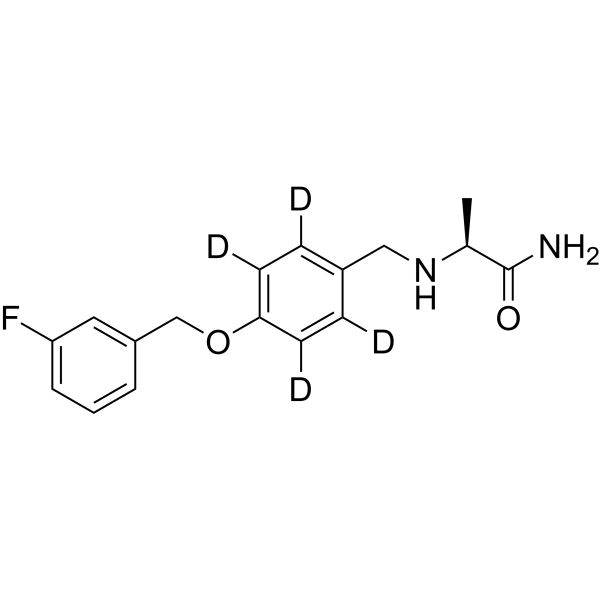
Safinamide-d4-1 is deuterium labeled Safinamide. Safinamide is a potent, selective, and reversible monoamine oxidase B (MAO-B) inhibitor (IC50=0.098 μM) over MAO-A (IC50=580 μM) . Safinamide also blocks sodium channels and modulates glutamate (Glu) release, showing a greater affinity at depolarized (IC50=8?μM) than at resting (IC50=262?μM) potentials. Safinamide has neuroprotective and neurorescuing effects and can be used for the study of parkinson disease, ischemia stroke etc.al .
|
-
-
- HY-B1018AS
-
|
|
Isotope-Labeled Compounds
Monoamine Oxidase
GABA Receptor
Histone Demethylase
|
Cardiovascular Disease
Neurological Disease
Metabolic Disease
Inflammation/Immunology
Cancer
|
|
Phenelzine-d5 sulfate is the deuterium labeled Phenelzine sulfate (HY-B1018A). Phenelzine sulfate, an antidepressant agent, is an irreversible and orally active monoamine oxidase (MAO-A and MAO-B) inhibitor. Phenelzine sulfate inhibits GABA transaminase and primary amine oxidase (PrAO), and sequester reactive aldehydes. Phenelzine sulfate also inhibits LSD1 (Ki: 5.6 μM) and suppresses oxidative stress and lipogenesis. Phenelzine sulfate elevates neurotransmitters (serotonin, norepinephrine, dopamine). Phenelzine sulfate is studied in neurological, metabolic and cancer diseases for depression and anxiety disorders, stroke, spinal cord injury, traumatic brain injury, multiple sclerosis, Parkinson’s disease, Alzheimer’s disease, inflammatory pain, obesity and prostate cancer .
|
-

-
- HY-176271
-
|
|
Ferroptosis
Monoamine Oxidase
Glutathione Peroxidase
Reactive Oxygen Species (ROS)
Tau Protein
Amyloid-β
|
Neurological Disease
|
|
MAO-B-IN-45 is a dual inhibitor of ferroptosis and MAO-B. MAO-B-IN-45 shows selectivity towards MAO-B with an IC50 of 87.47 nM and selectivity exceeding 229-fold for MAO-B over MAO-A. MAO-B-IN-45 has excellent antiferroptosis activity through modulation of the iron metabolic pathway and GSH-GPX4 axis in vitro. MAO-B-IN-45 improves cognitive and behavioral impairments in 3×Tg (APP/Tau/Ps1) AD mouse and significantly reduced the levels of ferritin heavy chain 1 (FTH1), APP, and Tau phosphorylation (p-Tau) proteins in the brain.
|
-

-
- HY-147362
-
|
|
Monoamine Oxidase
|
Neurological Disease
|
|
MAO-B-IN-14 (Compound 9) is a potent and selective monoamine oxidase-B (MAO-B) inhibitor with an IC50 of 0.95 μM and a Ki of 0.55 μM against human MAO-B.
|
-
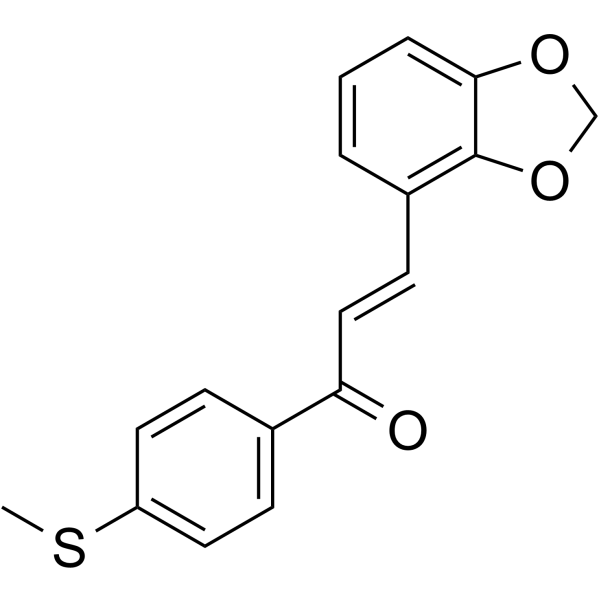
-
- HY-U00015
-
-
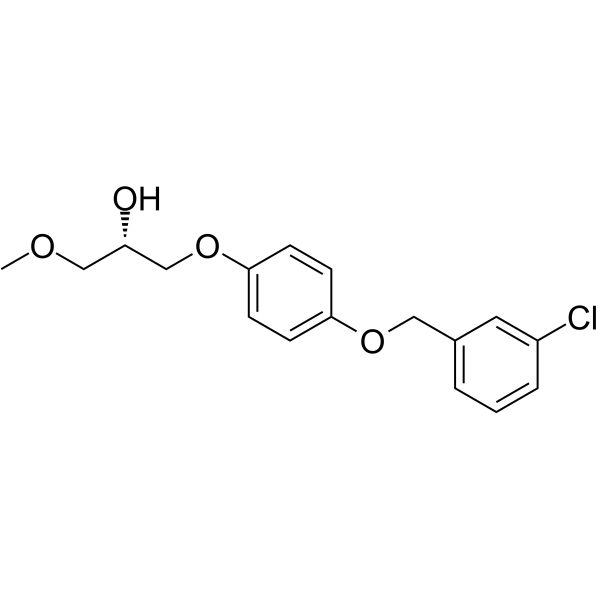
-
- HY-U00343
-
-
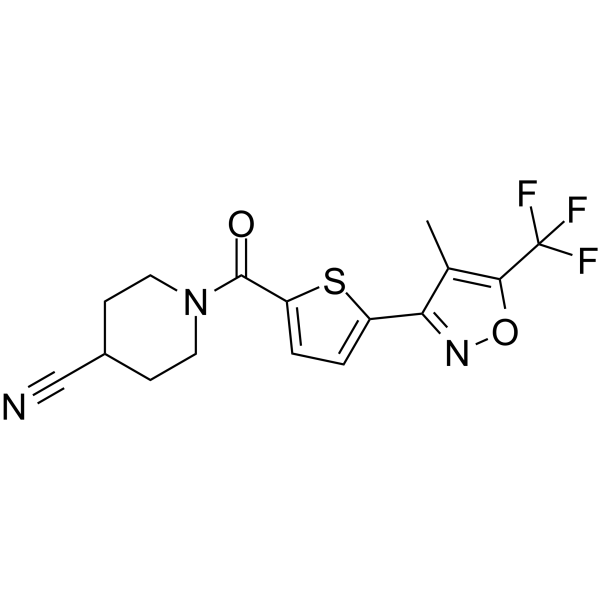
-
- HY-101578
-
|
|
Monoamine Oxidase
|
Neurological Disease
|
|
2614W94 is a selective, reversible and orally active monoamine oxidase-A (MAO-A) inhibitor with an IC50 of 5 nM and a Ki of 1.6 nM. 2614W94 shows no significant inhibition of MAO-B. 2614W94 has antidepressant and anxiolytic effects .
|
-
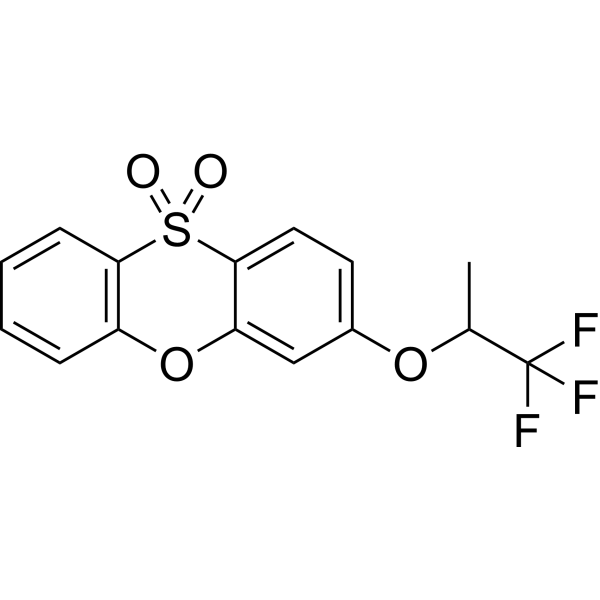
-
- HY-D0004R
-
|
Azure B chloride (Standard)
|
Reference Standards
Monoamine Oxidase
|
Neurological Disease
|
|
Azure B (Standard) is the analytical standard of Azure B. This product is intended for research and analytical applications. Azure B is a cationic dye and the major metabolite of Methylene blue. Azure B is used in making Azure eosin stains for blood smear staining. Azure B is a high-potency, selective and reversible inhibitor of monoamine oxidases (MAO)-A, with IC50s of 11 and 968 nM for recombinant human MAO-A and MAO-B, respectively. Azure B possesses significant antidepressant-like effects .
|
-

-
- HY-W001601A
-
|
|
iGluR
|
Neurological Disease
|
|
Budipine hydrochloride is an anti-parkinson agent. Budipine hydrochloride also is a substrate of P-glycoprotein (P-gp), is mediated the uptake into the brain by P-gp. Budipine hydrochloride also is N-methyl-d-aspartate (NMDA) antagonist, and has indirect dopaminergic effects through an improved dopamine release, the inhibition of monoamine oxidase type B (MAO-B). Budipine hydrochloride can be used for the research of CNS disorders include Parkinson disease .
|
-

-
- HY-W001601R
-
|
|
Reference Standards
iGluR
|
Neurological Disease
|
|
Budipine (Standard) is the analytical standard of Budipine. This product is intended for research and analytical applications. Budipine is an anti-parkinson agent. Budipine also is a substrate of P-glycoprotein (P-gp), is mediated the uptake into the brain by P-gp. Budipine also is N-methyl-d-aspartate (NMDA) antagonist, and has indirect dopaminergic effects through an improved dopamine release, the inhibition of monoamine oxidase type B (MAO-B). Budipine can be used for the research of CNS disorders include Parkinson disease .
|
-

-
- HY-70057R
-
|
FCE 26743 (Standard); EMD 1195686 (Standard)
|
Reference Standards
Monoamine Oxidase
|
Neurological Disease
|
|
Safinamide (Standard) is the analytical standard of Safinamide. This product is intended for research and analytical applications. Safinamide is a potent, selective, and reversible monoamine oxidase B (MAO-B) inhibitor (IC50=0.098 µM) over MAO-A (IC50=580 µM) . Safinamide also blocks sodium channels and modulates glutamate (Glu) release, showing a greater affinity at depolarized (IC50=8 µM) than at resting (IC50=262 µM) potentials. Safinamide has neuroprotective and neurorescuing effects and can be used for the study of parkinson disease, ischemia stroke etc.al .
|
-

-
- HY-123665
-
|
|
Monoamine Oxidase
|
Neurological Disease
|
|
PSB-1410 is a monoamine oxidase B (MAO-B) inhibitor, with an IC50 of 0.227 nM against human MAO-B and an IC50 of 1.01 nM against rat MAO-B. PSB-1410 can be used for the research of Parkinson's disease .
|
-

-
- HY-117502
-
|
|
Monoamine Oxidase
|
Others
|
|
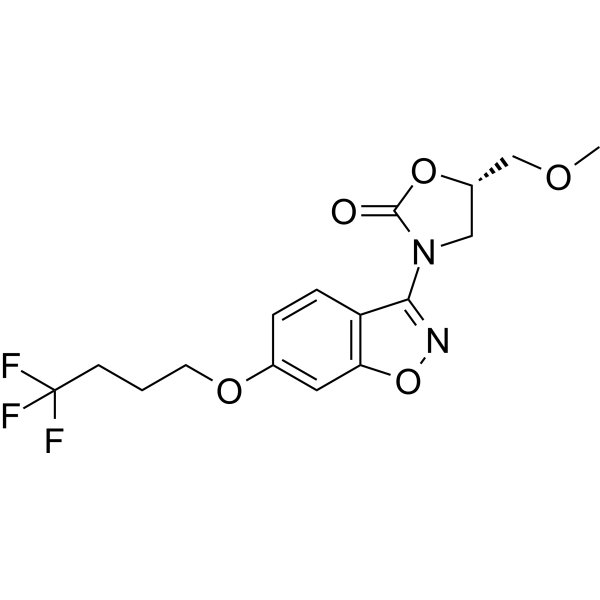
SL-25.1188 is a potent monoamine oxidase B (MAO-B) inhibitor with Ki values of 2.9 and 8.5 nM for human MAO-B and rat MAO-B, respectively. SL-25.1188 can be used for positron emission tomography .
|
-
-
- HY-114915
-
-
-
- HY-146149
-
|
|
Monoamine Oxidase
|
Neurological Disease
|
|
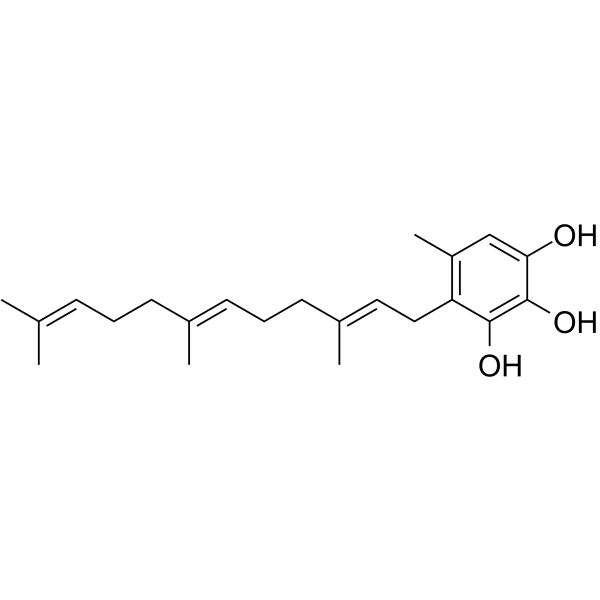
MAO-B-IN-11 (Compound 8c) is a potent monoamine oxidase B (MAO-B) inhibitor with an IC50 of 1.3 μM. MAO-B-IN-11 shows a neuroprotective activity .
|
-
-
- HY-146150
-
|
|
Monoamine Oxidase
|
Neurological Disease
|
|
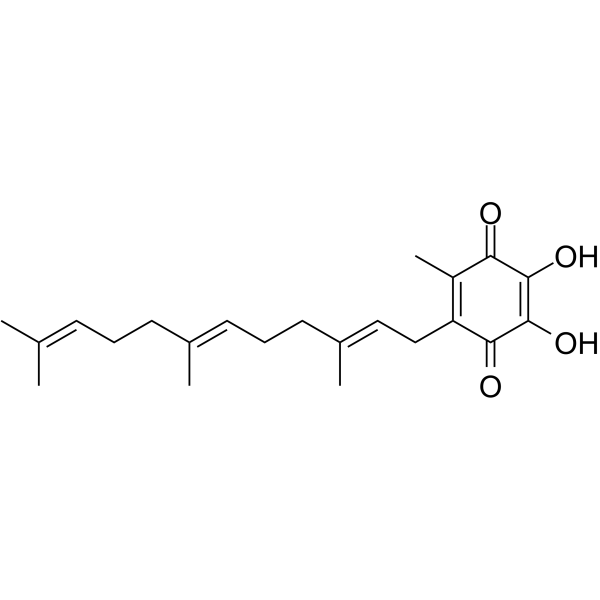
MAO-B-IN-12 (Compound 16c) is a potent monoamine oxidase B (MAO-B) inhibitor with an IC50 of 1.3 μM. MAO-B-IN-12 shows a neuroprotective activity .
|
-
-
- HY-151210
-
|
|
Monoamine Oxidase
|
Neurological Disease
|
|
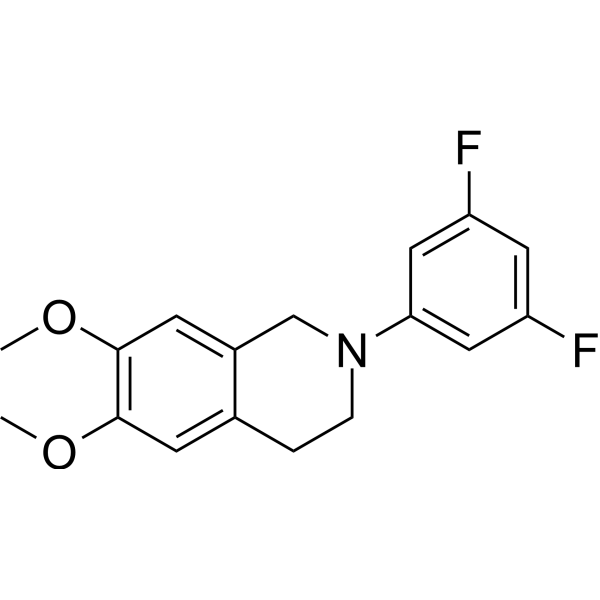
MAO-B-IN-17 is a selective monoamine oxidase B (MAO-B) inhibitor with the IC50 value of 5.08 μM. MAO-B-IN-17 can be used in Parkinson’s disease research .
|
-
-
- HY-151208
-
|
|
Monoamine Oxidase
|
Neurological Disease
|
|
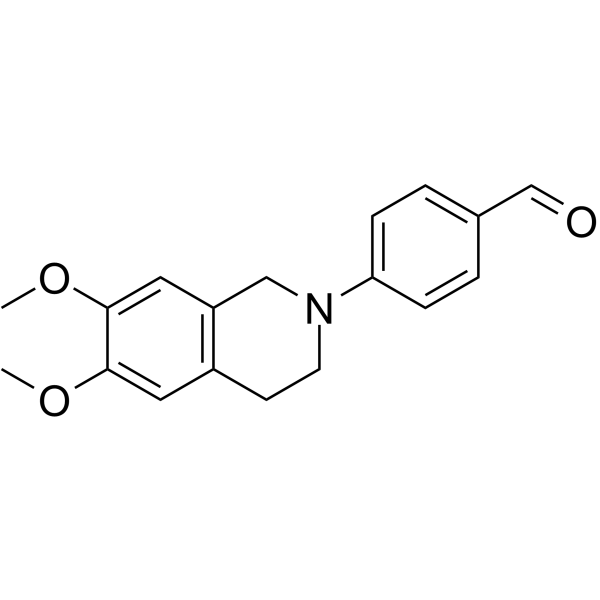
MAO-B-IN-16 is a selective monoamine oxidase B (MAO-B) inhibitor, with an IC50 of 1.55 µM. MAO-B-IN-16 can be used in the study of central nervous disorders, such as parkinson's disease .
|
-
-
- HY-158732
-
|
|
Monoamine Oxidase
|
Inflammation/Immunology
|
|
MAO-B-IN-33 (compound C3) is a potent, reversible and selective monoamine oxidase-B (MAO-B) inhibitor with an IC50 of 0.021 μM and 26.805 μM for MAO-B and MAO-A, respectively. The selectivity of MAO-B-IN-33 is attributed to the steric clash arising from the residue differences between Phe208 (MAO-A) and Ile199 (MAO-B). MAO-B-IN-33 inhibits cerebral MAO-B activity and alleviates MPTP (HY-15608)-induced dopaminergic neuronal loss in the mouse. MAO-B-IN-33 has the potential for Parkinson's disease research .
|
-

-
- HY-143245
-
|
|
Monoamine Oxidase
|
Neurological Disease
|
|
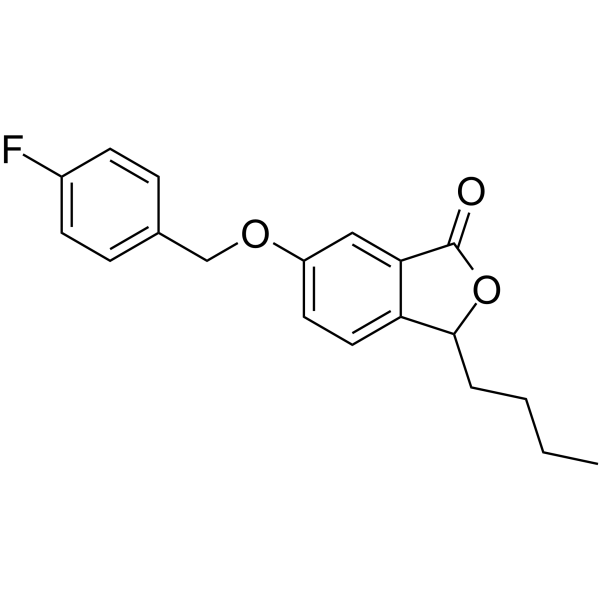
Monoamine Oxidase B inhibitor 2 is a potent, reversible, orally active and selective monoamine oxidase B (MAO-B) inhibitor with an IC50 of 1.33 nM. Monoamine Oxidase B inhibitor 2 has antioxidant and anti-neuroinflammatory activities. Monoamine Oxidase B inhibitor 2 can across the blood-brain barrier (BBB), and can be used for Parkinson’s disease study .
|
-
-
- HY-143244
-
|
|
Monoamine Oxidase
|
Neurological Disease
|
|
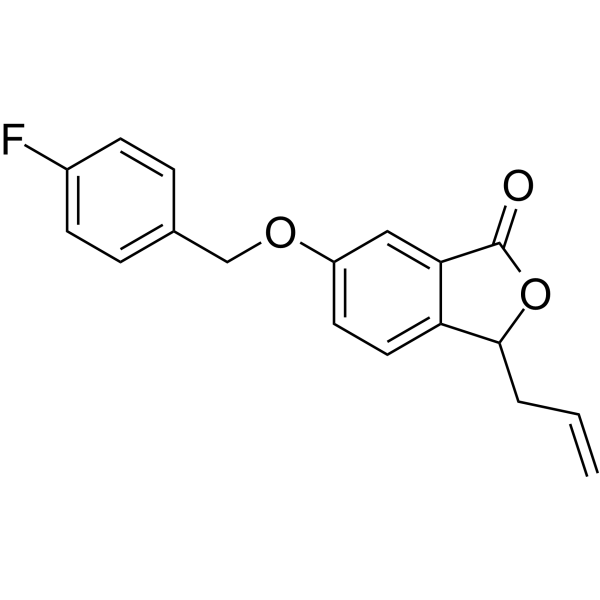
Monoamine Oxidase B inhibitor 1 is a potent, reversible, orally active and selective monoamine oxidase B (MAO-B) inhibitor with an IC50 of 0.02 nM. Monoamine Oxidase B inhibitor 1 has antioxidant and anti-neuroinflammatory activities. Monoamine Oxidase B inhibitor 1 can across the blood-brain barrier (BBB), and can be used for Parkinson’s disease study .
|
-
- HY-168728
-
|
|
Monoamine Oxidase
|
Neurological Disease
|
|
MAO-B-IN-37 (Compound 37) is a derivative of TT01001 (HY-114520), and a selective inhibitor for monoamine oxidase B (MAO-B) with an IC50 of 270 nM. MAO-B-IN-37 exhibits good metabolic stability in mice microsomes and good affinity with human serum albumin .
|
-

- HY-172460
-
|
|
Cholinesterase (ChE)
Monoamine Oxidase
|
Neurological Disease
|
|
AChE/BChE/MAO-B-IN-5 is a multitarget inhibitor of cholinesterases (AChE and BChE) and monoamine oxidase MAO-B with blood–brain barrier permeability. It exhibits IC50 values of 0.24 µM, 6.29 µM, and 0.11 µM against AChE, BChE, and MAO-B, respectively. AChE/BChE/MAO-B-IN-5 shows promise for research in the field of neurodegenerative diseases such as Alzheimer's disease .
|
-

- HY-173138
-
|
|
Monoamine Oxidase
|
Neurological Disease
|
|
FCOB02 is a monoamine oxidase B (MAO-B) ligand. FCOB02 can be labeled as [18F]FCOB02, a 4-methylcoumarin-like targeting probe. [18F]FCOB02 has a high affinity for MAO-B with an IC50 of 10.68 nM. [18F]FCOB02 can be used in specific MAO-B imaging as well as quantitative analysis in vivo .
|
-

- HY-144824
-
|
|
Cytochrome P450
Monoamine Oxidase
|
Neurological Disease
Cancer
|
|
Monoamine oxidase/Aromatase-IN-1 (compound 2q) is a highly potent monoamine oxidase (MAO) and aromatase dual inhibitor with IC50s of 39 nM and 31 nM for MAO-B and aromatase, respectively. Monoamine oxidase/Aromatase-IN-1 can be used for researching neurological disorder and breast cancer .
|
-
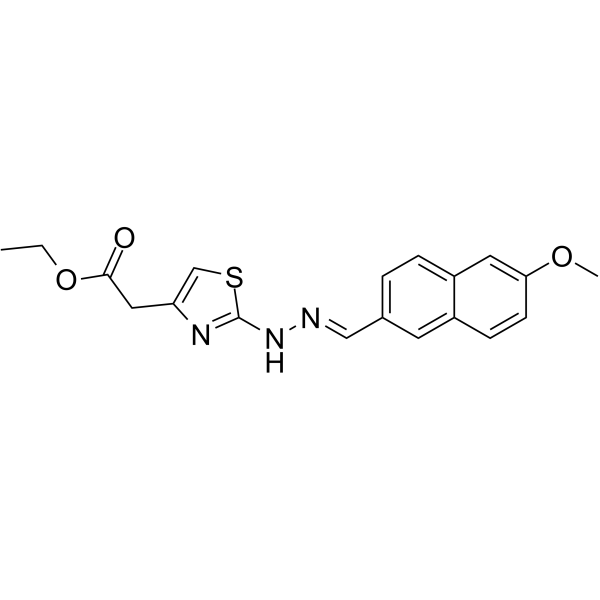
- HY-170798
-
|
|
Monoamine Oxidase
SOD
Glutathione Peroxidase
|
Neurological Disease
|
|
Monoamine Oxidase B inhibitor 6 (Compound BT5) is a BBB-penetrable, highly selective, reversible and competitive MAO-B inhibitor, with an IC50 of 0.11 μM. Monoamine Oxidase B inhibitor 6 has antioxidant and neuroprotective effects and can be used in the research of neurodegenerative diseases .
|
-

- HY-16731
-
|
EVT 302; RG1577; RO4602522
|
Monoamine Oxidase
Reactive Oxygen Species (ROS)
|
Neurological Disease
|
|
Sembragiline (EVT 302) is a potent, selective and reversible monoamine oxidase B (MAO-B) inhibitor. Sembragiline reduces the metabolism of dopamine and other amine neurotransmitters by inhibiting the activity of the MAO-B enzyme, thereby potentially increasing the concentration of these neurotransmitters in the brain. Inhibition of the MAO-B enzyme also reduces the formation of toxic reactive oxygen species (ROS) that play a role in the pathological process of AD. Sembragiline has good oral activity and blood-brain barrier permeability. Sembragiline can be used in studies of AD, especially in patients with AD who show increased MAO-B activity .
|
-

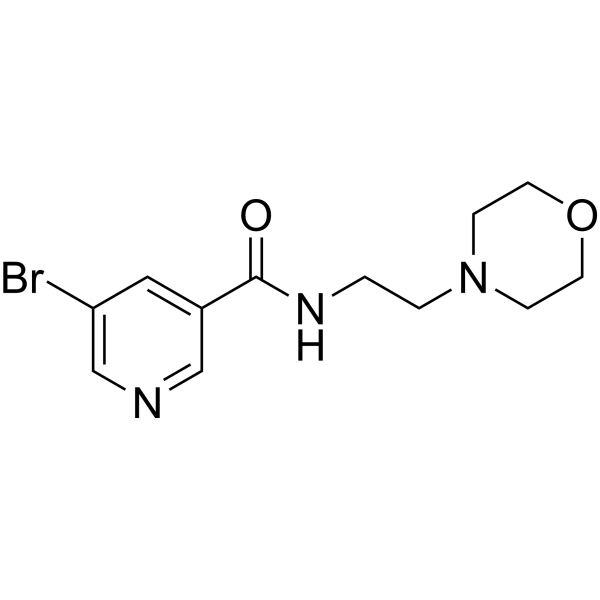
- HY-W792513
-
|
|
Monoamine Oxidase
|
Neurological Disease
|
|
WAY-620147 (compound 6) is an N-(2-morpholinoethyl)nicotinamide derivative that inhibits monoamine oxidase (Monoamine Oxidase). WAY-620147 inhibits MAO-A and MAO-B with IC50s of 26 μM and 55 μM, respectively .
|
-
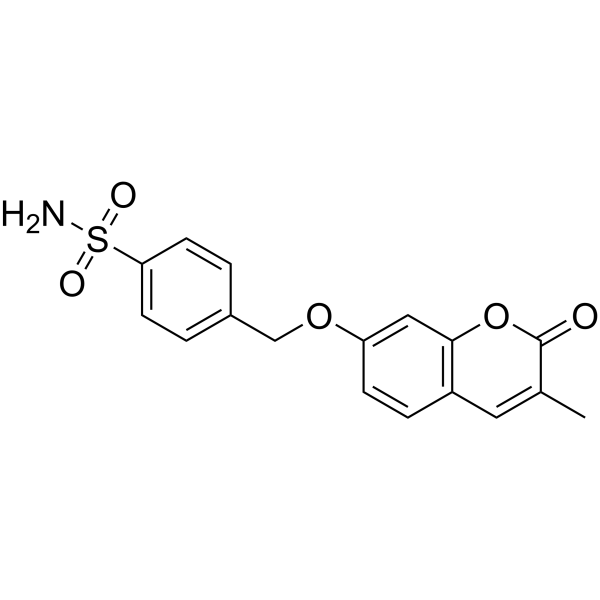
- HY-163380
-
|
|
Carbonic Anhydrase
|
Neurological Disease
|
|
CA/MAO-B-IN-1 (Compound 78) is a dual inhibitor for human brain carbonic anhydrases (CA) and Monoamine Oxidase-B (MAO-B), with IC50s of 8.8 and 7.0 nM, respectively. CA/MAO-B-IN-1 reveals a human oral absorption of 71.9% through in silico prediction .
|
-
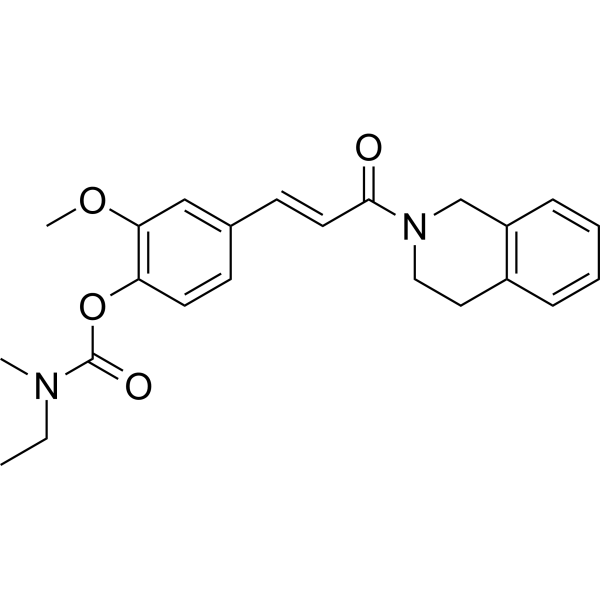
- HY-146347
-
|
|
Monoamine Oxidase
Amyloid-β
|
Neurological Disease
|
|
MAO-B-IN-10 (compound 4f) is a potent, selective, BBB-penetrated MAO-B (monoamine oxidase-B) inhibitor, with IC50 of 5.3 μM. MAO-B-IN-10 can inhibit (58.2%) and disaggregate (43.3%) self-mediated Aβ (amyloid β) aggregation. MAO-B-IN-10 can be use for Alzheimer’s disease research .
|
-
- HY-116097
-
|
|
Monoamine Oxidase
|
Neurological Disease
|
|
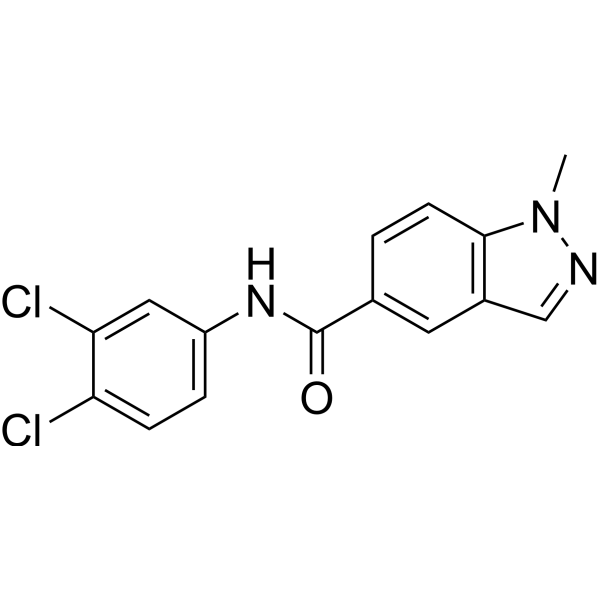
PSB-1491 is a selective and competitive monoamine oxidase B (MAO-B) inhibitor with an IC50 of 0.386 nM for hMAO-B. PSB-1491 shows >25000-fold selective versus MAO-A .
|
-
- HY-161328
-
|
|
α-synuclein
|
Neurological Disease
|
|
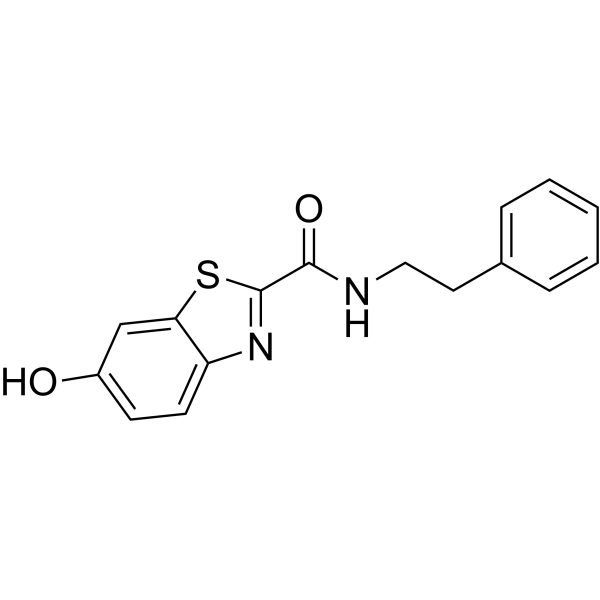
MAO-B-IN-31 (Compound 30) is an effective and selective inhibitor of monoamine oxidase B (monoamine oxidase B). The IC50 value is 41 nM. MAO-B-IN-31 also inhibits α-syn and tau aggregation. MAO-B-IN-31 has neuroprotective activity .
|
-
- HY-N13041
-
|
|
Monoamine Oxidase
|
Neurological Disease
|
|
Acacetin 7-O-(6-O-malonylglucoside) is a monoamine oxidase inhibitor with strong inhibitory effects on monoamine oxidase A (MAO-A) and monoamine oxidase B (MAO-B) with IC50 values of 2.34 and 1.87 μM, respectively. Acacetin 7-O-(6-O-malonylglucoside) is a reversible MAO inhibitor that can be used in the research of neurodegenerative diseases and affective disorders .
|
-

- HY-162061
-
|
|
Monoamine Oxidase
|
Neurological Disease
|
|
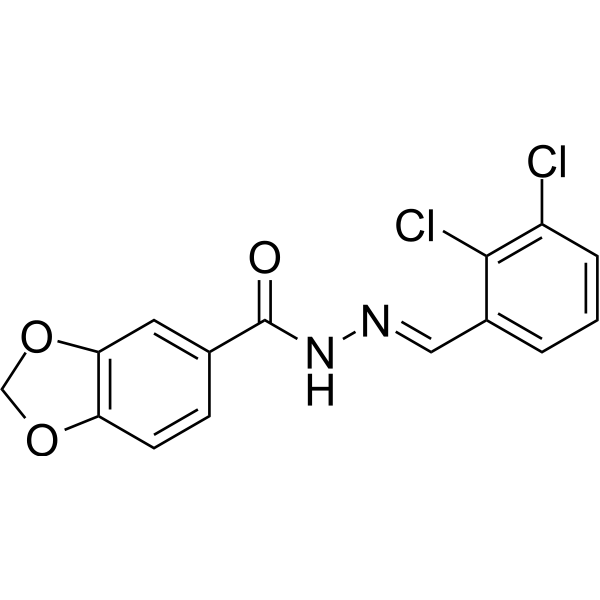
ChEs/MAOs-IN-1 (Compound 4i) is a dual inhibitor of cholinesterases (ChEs) and monoamine oxidases (MAOs).ChEs/MAOs-IN-1 has IC50 values of 0.048 μM, 0.89 μM, 3.58 μM, and 0.095 μM for AChE, BChE, MAO-B and MAO-B respectively. ChEs/MAOs-IN-1 can be used in the study of neurodegenerative diseases .
|
-
- HY-170887
-
|
|
Keap1-Nrf2
Monoamine Oxidase
|
Inflammation/Immunology
|
|
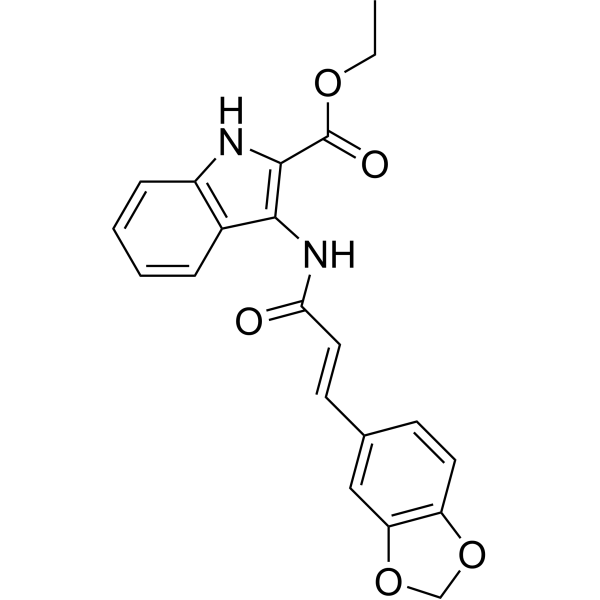
MAO-B-IN-39 (compound11) is a selective monoamine oxidase B (MAO-B) inhibitor. MAO-B-IN-39 inhibits MAO-Bwith an IC50 of 3.61 μM. MAO-B-IN-39 demonstrates a potent NRF2 induction capacity. MAO-B-IN-39 exhibits potent anti-inflammatory and neuroprotective activity in OS (oxidative stress)-related in vitro models. MAO-B-IN-39 demonstrates high liver microsomal stability and favorable pharmacokinetics in mice. MAO-B-IN-39 is potential for Parkinson’s disease (PD) research .
|
-

- HY-162303
-
|
|
Monoamine Oxidase
|
Neurological Disease
|
|
C175-0062 is a monoamine oxidase B (MAO-B) inhibitor. C175-0062 can be used for the research of neurodegenerative disorders, including Parkinson's disease (PD), Alzheimer’s disease (AD), and amyotrophic lateral sclerosis (ALS) .
|
-
- HY-W205529
-
|
|
Fluorescent Dye
|
Neurological Disease
|
|
RO 16-6491 Free base is a selective, reversible inhibitor of monoamine oxidase type B (MAO-B), exhibiting high affinity and specificity for binding sites in human frontal cortex mitochondria and platelet membranes. RO 16-6491 demonstrates a fast dissociation of bound radioactivity at 20 degrees C, indicating its dynamic binding properties. RO 16-6491 also acts as a substrate for MAO-B, suggesting that its oxidation may produce a stable intermediate responsible for its potent inhibitory effects. RO 16-6491 serves as an excellent radioligand probe for investigating the regional tissue distribution of MAO-B in various physiological and pathological states.
|
-

- HY-157934
-
|
|
Monoamine Oxidase
|
Neurological Disease
|
|
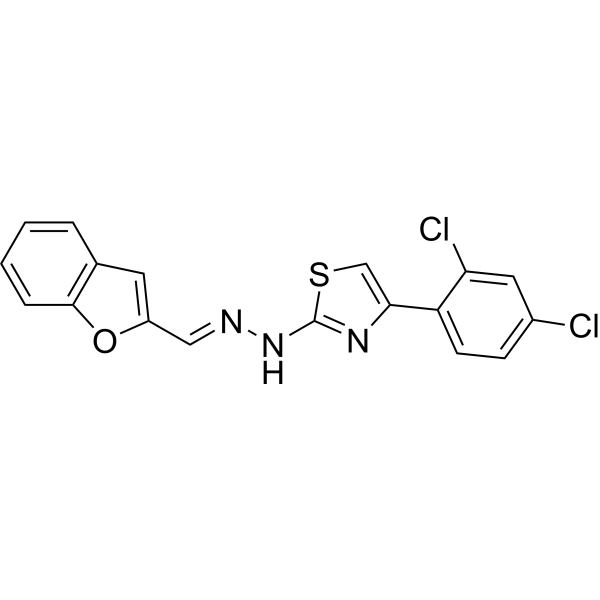
MAO-IN-4 (Compound 2l) is a monoamine oxidase (MAO) inhibitor, with IC50 values of 0.07 and 0.75 μM for MAO-A and MAO-B Enzymes, respectively. MAO-IN-4 can be used for the research of depression and Parkinson’s disease (PD) .
|
-
- HY-157981
-
|
|
Cholinesterase (ChE)
Monoamine Oxidase
|
Neurological Disease
|
|
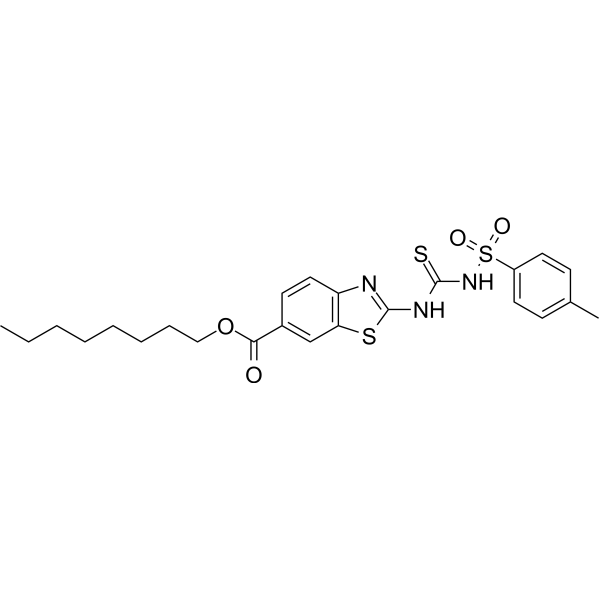
AChE-IN-60 (compound 6k) is a potant acetylcholinesterase (AChE) and butyrylcholinesterase (BChE) inhibitor with IC50s of 27 nM and 43 nM, respectively. AChE-IN-60 also inhibits monoamine oxidase (MAO)-A and MAO-B with IC50s of 353 nM and 716 nM, respectively .
|
-
- HY-163322
-
|
|
Monoamine Oxidase
|
Neurological Disease
|
|
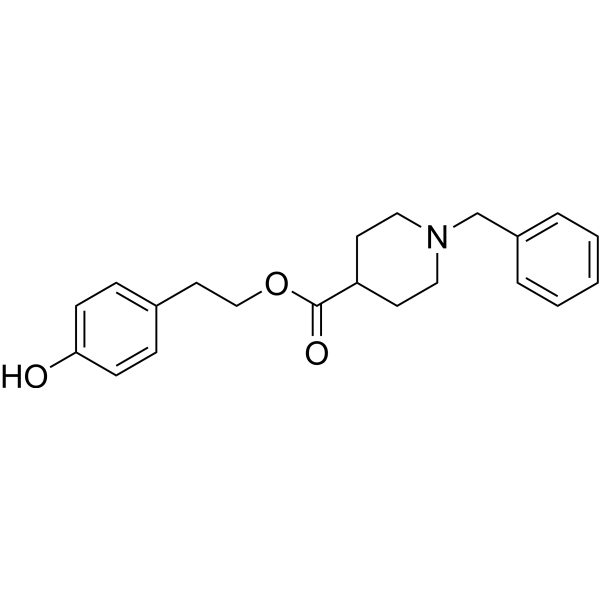
MAO-A inhibitor 2 (compound HT4) is a monoamine oxidase A (MAO-A) inhibitor with an IC50 of 14.3 µM. MAO-A inhibitor 2 shows a less effect on MAO-B (IC50 of 106 µM) and shows almost ineffective on xanthine oxidase (XO). MAO-A inhibitor 2 can be used for the neurodegenerative disorders and oxidative stress research .
|
-
- HY-146314
-
|
|
Monoamine Oxidase
Amyloid-β
|
Neurological Disease
|
|
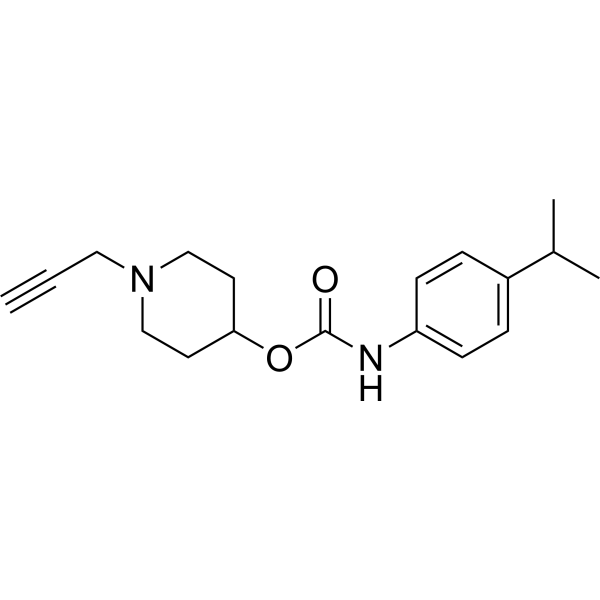
MAO-B-IN-9 (compound 16) is a potent, selective, BBB-penetrated, irreversible and time-dependent MAO-B (monoamine oxidase B) inhibitor, with an IC50 of 0.18 μM. MAO-B-IN-9 prevents Aβ1-42-induced neuronal cell death. MAO-B-IN-9 shows neuroprotective effects, which may be the result of its Aβ1-42 anti-aggregation effects . MAO-B-IN-9 is a click chemistry reagent, itcontains an Alkyne group and can undergo copper-catalyzed azide-alkyne cycloaddition (CuAAc) with molecules containing Azide groups.
|
-
- HY-158092
-
|
|
Cholinesterase (ChE)
Monoamine Oxidase
|
Neurological Disease
|
|
ChEs/MAOs-IN-2 (compound a11) is a cholinesterases and monoamine oxidases inhibitor with IC50 values of 0.10, 0.20, 0.30, 0.40 µM for MAO-A, MAO-B, AChE, and BChE, respectively. ChEs/MAOs-IN-2 has the potential for the research of Alzheimer's disease .
|
-

- HY-151094
-
|
|
Monoamine Oxidase
|
Neurological Disease
|
|
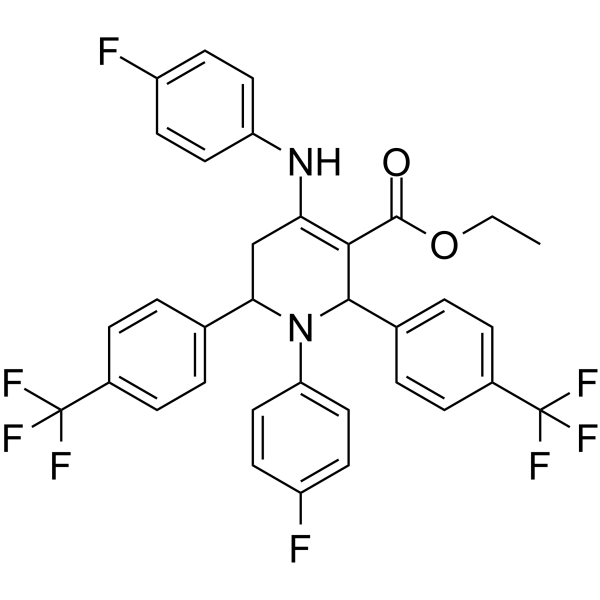
FTEAA is a 4-styrylpiperidine inhibitor. FTEAA exhibits potent inhibitory effect towards both monoamine oxidase with IC50s of 0.52 μM (MAO-A), 1.02 μM (MAO-B), respectively. MAO inhibitors can be used for cardiovascular, neurological and oncological disorders research .
|
-
- HY-159106
-
-

- HY-N1638
-
|
|
Monoamine Oxidase
|
Neurological Disease
|
|
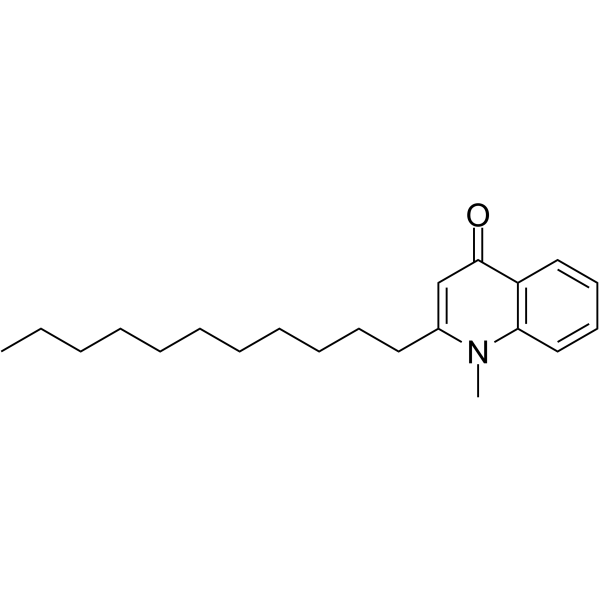
1-Methyl-2-undecyl-4(1H)-quinolone is a potent, irreversible and selective inhibitor of type B monoamine oxidase (MAO-B). 1-Methyl-2-undecyl-4(1H)-quinolone shows a selective inhibition of MAO-B activity with the IC50 and Ki values of 15.3 μM and 9.91 μM, respectively, but did not inhibit type A MAO (MAO-A) activity. Methyl-2-undecyl-4(1H)-quinolone, as a quinolone alkaloid, is isolated from fresh leaves and fruits of Evodia rutaecarpa HOOK. f. et THOMS .
|
-
- HY-19333A
-
|
|
Histone Demethylase
Monoamine Oxidase
HSV
|
Infection
|
|
OG-L002 hydrochloride is a potent and highly selective LSD1 inhibitor with an IC50 of 0.02 μM. OG-L002 hydrochloride is a potent monoamine oxidases (MAO) inhibitor with IC50s of 1.38 μM and 0.72 μM for MAO-A and MAO-B, respectively. OG-L002 hydrochloride potently inhibits the expression of HSV IE genes .
|
-

- HY-100679B
-
|
|
Monoamine Oxidase
|
Neurological Disease
|
|
(R)-Pirlindole mesylate is selective and reversible a Monoamine oxidase A (MAO-A) inhibitor with an IC50 of 0.43 μM for MAO-A over MAO-B. (R)-Pirlindole mesylate has an antidepressant activity. (R)-Pirlindole mesylate significantly decreases immobility time of the forced swim test and inhibits Reserpine (HY-N0480)-induced palpebral ptosis in behavioural mice models. (R)-Pirlindole mesylate can be used for depression research .
|
-

- HY-N0918R
-
|
Demethoxyyangonin (Standard); 5,6-Dehydrokavain (Standard)
|
Reference Standards
Monoamine Oxidase
JAK
STAT
NO Synthase
IKK
Cytochrome P450
|
Neurological Disease
Inflammation/Immunology
|
|
Desmethoxyyangonin (Standard) is one of the six major kavalactones found in the Piper methysticum (kava) plant. Desmethoxyyangonin (Standard) is a selective inhibitor of monoamine oxidase-B (MAO-B) (IC50: 0.123 µM). Desmethoxyyangonin (Standard) exerts anti-inflammatory effects by inhibiting Jak2/STAT3 and IKK signaling pathways. Desmethoxyyangonin (Standard) induces CYP3A23 expression and leads to skeletal muscle relaxation .
|
-

- HY-135611R
-
|
|
Reference Standards
Parasite
Antibiotic
|
Infection
|
|
Pargyline (hydrochloride) (Standard) is the analytical standard of Pargyline (hydrochloride). This product is intended for research and analytical applications. Pargyline hydrochloride is an irreversible monoamine oxidase (MAO) inhibitor with Kis of 13 μM and 0.5 μM for MAO-A and MAO-B, respectively. Pargyline hydrochloride has antihypertensive and anticancer activities . Pargyline (hydrochloride) is a click chemistry reagent, it contains an Alkyne group and can undergo copper-catalyzed azide-alkyne cycloaddition (CuAAc) with molecules containing Azide groups.
|
-

- HY-A0091AR
-
|
|
Reference Standards
Monoamine Oxidase
|
Cardiovascular Disease
Cancer
|
|
Pargyline (Standard) is the analytical standard of Pargyline. This product is intended for research and analytical applications. Pargyline is an irreversible monoamine oxidase (MAO) inhibitor with Kis of 13 μM and 0.5 μM for MAO-A and MAO-B, respectively. Pargyline has antihypertensive and anticancer activities . Pargyline is a click chemistry reagent, it contains an Alkyne group and can undergo copper-catalyzed azide-alkyne cycloaddition (CuAAc) with molecules containing Azide groups.
|
-

- HY-A0091R
-
|
|
Reference Standards
Monoamine Oxidase
|
Cardiovascular Disease
Cancer
|
|
Pargyline (hydrochloride) (Standard) is the analytical standard of Pargyline (hydrochloride). This product is intended for research and analytical applications. Pargyline hydrochloride is an irreversible monoamine oxidase (MAO) inhibitor with Kis of 13 μM and 0.5 μM for MAO-A and MAO-B, respectively. Pargyline hydrochloride has antihypertensive and anticancer activities . Pargyline (hydrochloride) is a click chemistry reagent, it contains an Alkyne group and can undergo copper-catalyzed azide-alkyne cycloaddition (CuAAc) with molecules containing Azide groups.
|
-

- HY-W269511
-
|
|
Drug Derivative
|
Neurological Disease
|
|
NW-1689 is a process-related impurity of safinamide mesilate (SAFM). SAFM can be used for the study of Parkinson's disease (PD). It is a highly selective and reversible inhibitor of monoamine oxidase-B (MAO-B) and also blocks sodium channels and N-type calcium channels. These effects of SAFM help reduce the breakdown of dopamine and inhibit the release of glutamate. NW-1689 has a similar chemical structure to SAFM and has some similar pharmacological effects as SAFM, and can be used in Parkinson's disease research .
|
-

- HY-163879
-
|
|
Monoamine Oxidase
Reactive Oxygen Species (ROS)
Ferroptosis
|
Neurological Disease
|
|
hMAO-B-IN-9 (Compound 25c) is a non-competitive inhibitor for monoamine oxidase B (MAO-B) with an IC50 of 1.58 µM (hMAO-B). hMAO-B-IN-9 forms complex with iron ions as a chelator, and inhibits Erastin (HY-15763)-induced ferroptosis. hMAO-B-IN-9 exhibits antioxidant activity by downregulating the level of reactive oxygen species (ROS). hMAO-B-IN-9 improves cognitive function in mice, without significant toxicity (30 mg/kg). hMAO-B-IN-9 is blood-brain barrier permeable, according to the in silico prediction .
|
-

- HY-W700241
-
|
|
Isotope-Labeled Compounds
Monoamine Oxidase
Endogenous Metabolite
|
Infection
Neurological Disease
Cancer
|
|
Norharman-d7 is deuterium labeled Norharmane. Norharmane (Norharman), a β-carboline alkaloid, is a potent and reversible monoamine oxidase inhibitor, with IC50 values of 6.5 and 4.7 μM for MAO-A and MAO-B, respectively. Norharmane causes antidepressant responses. Norharmane is also a prospective anti-cancer photosensitizer. Norharmane alters polar auxin transport (PAT) by inhibiting PIN2, PIN3 and PIN7 transport proteins, thus causing a significant inhibitory effect on the growth of Arabidopsis thaliana seedlings .
|
-

- HY-168138
-
-

- HY-W008566R
-
|
Norharman (Standard); β-Carboline (Standard)
|
Reference Standards
Monoamine Oxidase
Endogenous Metabolite
|
Infection
Neurological Disease
Cancer
|
|
Norharmane (Standard) is the analytical standard of Norharmane. This product is intended for research and analytical applications. Norharmane (Norharman), a β-carboline alkaloid, is a potent and reversible monoamine oxidase inhibitor, with IC50 values of 6.5 and 4.7 μM for MAO-A and MAO-B, respectively. Norharmane causes antidepressant responses. Norharmane is also a prospective anti-cancer photosensitizer. Norharmane alters polar auxin transport (PAT) by inhibiting PIN2, PIN3 and PIN7 transport proteins, thus causing a significant inhibitory effect on the growth of Arabidopsis thaliana seedlings .
|
-

- HY-14205
-
|
|
Monoamine Oxidase
|
Neurological Disease
|
|
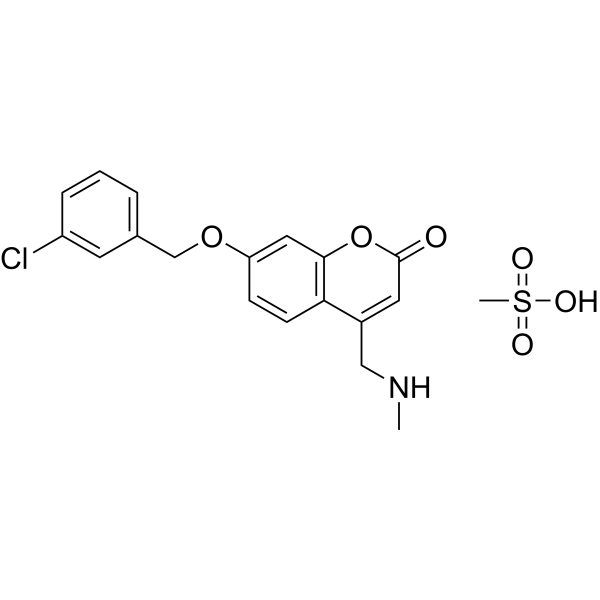
NW-1772 (methanesulfonate) (compound 22b) is a potent and selective monoamine oxidase (MAO) B inhibitor. NW-1772 has some advantages, such as rapid blood-brain barrier penetration, short-acting and reversible inhibitory activity, slight inhibition of selected cytochrome P450s, and low in vitro toxicity. NW-1772 can be used for the research of neurodegenerative diseases .
|
-
- HY-70057S4
-
|
FCE 26743-d5; EMD 1195686-d5
|
Isotope-Labeled Compounds
Monoamine Oxidase
|
Neurological Disease
|
|
Safinamide-d5 (FCE 26743-d5) is deuterium labeled Safinamide. Safinamide is a potent, selective, and reversible monoamine oxidase B (MAO-B) inhibitor (IC50=0.098 μM) over MAO-A (IC50=580 μM) . Safinamide also blocks sodium channels and modulates glutamate (Glu) release, showing a greater affinity at depolarized (IC50=8?μM) than at resting (IC50=262?μM) potentials. Safinamide has neuroprotective and neurorescuing effects and can be used for the study of parkinson disease, ischemia stroke etc.al .
|
-

- HY-173336
-
|
|
Monoamine Oxidase
|
Neurological Disease
|
|
MAO-B-IN-42 (Compound 4f) is a selective and reversible inhibitor of monoamine oxidase-B (MAO-B) with an IC50 value of 0.184 μM. MAO-B-IN-42 helps maintain the levels of neurotransmitters by blocking the oxidative deamination of monoamines catalyzed by MAO-B. MAO-B-IN-42 is promising for research of Parkinson's disease .
|
-

- HY-181141
-
|
|
Cholinesterase (ChE)
Monoamine Oxidase
|
Neurological Disease
|
|
AChE/MAO-B-IN-8 is an acetylcholinesterase (AChE) and monoamine oxidase B (MAO-B) inhibitor with IC50 values of 0.72 and 0.19 μM. AChE/MAO-B-IN-8 interactions with AChE and MAO-B active-site amino acid residues. AChE/MAO-B-IN-8 can be used for the research of Alzheimer’s disease .
|
-

- HY-176245
-
|
|
Monoamine Oxidase
|
Neurological Disease
|
|
Illudinine, a sesquiterpenoid alkaloid, is a monoamine oxidase B (MAO-B) inhibitor with an IC50 of 18.3 μM. Illudinine can be used for research on neurological diseases .
|
-

- HY-174834
-
|
|
Monoamine Oxidase
|
Neurological Disease
|
|
MAO-B-IN-44 (Compound 4n) is a selective monoamine oxidase B (MAO-B) inhibitor targetin with an IC50 value of 1.01 μM, showing weak inhibition on MAO-A (IC50=14.4 μM). MAO-B-IN-44 reduces degradation of neurotransmitters like dopamine. MAO-B-IN-44 is promising for research of neurodegenerative diseases related to MAO-B abnormalities such as Parkinson’s disease .
|
-

- HY-129444
-
|
|
Monoamine Oxidase
|
Cancer
|
|
MD 780236 free base is a substrate and selective inhibitor of monoamine oxidase B (MAO-B), competitive with phenylethylamine and 5-hydroxytryptamine (5-HT) .
|
-

- HY-131660
-
|
|
Monoamine Oxidase
Amyloid-β
Reactive Oxygen Species (ROS)
|
Neurological Disease
|
|
MAO-B-IN-54 is a selective, reversible and competitiv monoamine oxidase B (MAOB) inhibitor with a human IC50 of 0.052 μM and a Ki of 0.028 μM. MAO-B-IN-54 shows weak activity MAOA. MAO-B-IN-54 occupies both the entrance and substrate cavity of MAOB, forming hydrophobic and hydrogen bonding interactions. MAO-B-IN-54 inhibits Aβ aggregation and ROS production. MAO-B-IN-54 can be used for the research of Alzheimer’s disease .
|
-

- HY-116765
-
|
|
Endogenous Metabolite
|
Neurological Disease
|
|
MAO-B-IN-35 is a potent, selective, reversible monoamine oxidase B (MAO-B) inhibitor with high inhibitory activity. MAO-B-IN-35 can exhibit high selectivity and potency at a small molecule scale. MAO-B-IN-35 is designed and synthesized so that it can be efficiently obtained during standard synthesis procedures and has superior physical and chemical properties .
|
-

- HY-W017118A
-
|
|
Monoamine Oxidase
|
Others
|
|
2,6-Dimethoxybenzylamine hydrochloride (Compound 5) exhibits reversible inhibitory activity against copper amine oxidase (CAO), that inhibits benzylamine oxidase (BAO) and monoamine oxidase B (MAO B) with IC50 of 120 μM and 190 μM .
|
-

- HY-183798
-
|
|
Cholinesterase (ChE)
Monoamine Oxidase
Interleukin Related
|
Neurological Disease
|
|
BChE/MAO-B-IN-6 is a dual inhibitor with inhibitory activity against both butyrylcholinesterase (BChE) and monoamine oxidase B (MAO B), with an IC50 of 557 nM against BChE and an IC50 of 142 nM against MAO B. BChE/MAO-B-IN-6 reduces IL-6 release from stimulated microglia and antagonizes 6-hydroxydopamine (HY-B1081) toxicity in neuroblastoma cells. BChE/MAO-B-IN-6 can be used in the research of neurodegenerative diseases .
|
-

- HY-N1636
-
|
|
Monoamine Oxidase
|
Neurological Disease
|
|
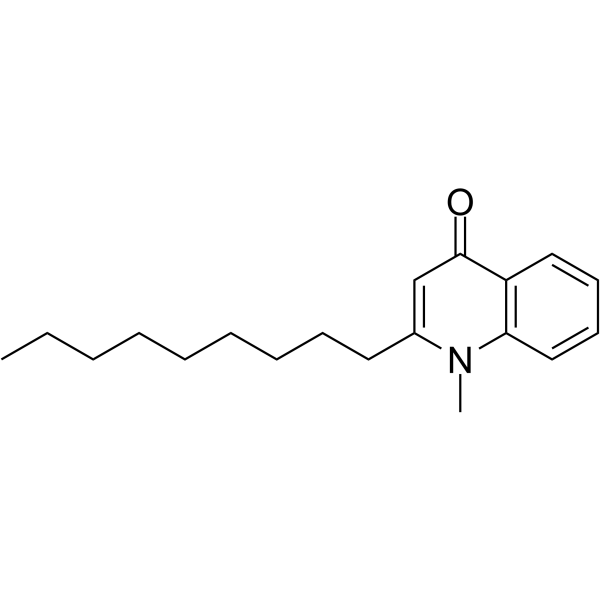
1-Methyl-2-nonyl-4(1H)-quinolone, a quinolone alkaloid, is a potent and selective MAO-B (monoamine oxidase) inhibitor. 1-Methyl-2-nonyl-4(1H)-quinolone exhibites inhibitory activity on leukotriene biosynthesis, with an IC50 of 12.1 μM .
|
-
- HY-181268
-
|
|
Monoamine Oxidase
|
Neurological Disease
|
|
MAO-B-IN-53 is a human monoamine oxidase B (hMAO-B) inhibitor with an IC50 of 0.066 μM. MAO-B-IN-53 exhibits mixed reversible inhibition, binds stably to the hMAO-B active site, and shows high selectivity over hMAO-A. MAO-B-IN-53 acts as a neuroprotective agent, protects against 6-OHDA-induced damage, and exhibits low neurotoxicity in neuroblastoma cells. MAO-B-IN-53 can be used for the research of Parkinson's disease .
|
-

- HY-D3221
-
|
|
Fluorescent Dye
Monoamine Oxidase
Amyloid-β
|
Neurological Disease
|
|
MAO Probe 1 is a reactive two-photon fluorescent probe capable of crossing the blood-brain barrier, which is used to detect the activity of monoamine oxidases (MAO-A/MAO-B), with Km values of 70 μM (MAO-A) and 75 μM (MAO-B), respectively. IBC 2 (benzo[g]imino-coumarin 2), the enzymatic product of MAO Probe 1, can further specifically bind to and image Aβ plaques, enabling in vivo two-photon co-monitoring of MAO activity and Aβ plaques. MAO Probe 1 can be used in Alzheimer's disease research (IBC 2: Ex/Em = 850 nm/570-620 nm) .
|
-

- HY-W008566S
-
|
Norharman-13; β-Carboline-13C
|
Isotope-Labeled Compounds
|
Cancer
|
|
Norharmane- 13C (Norharman- 13C) is the 13C-labeled Norharmane (HY-W008566). Norharmane (Norharman), a β-carboline alkaloid, is a potent and reversible monoamine oxidase inhibitor, with IC50 values of 6.5 and 4.7 μM for MAO-A and MAO-B, respectively. Norharmane causes antidepressant responses. Norharmane is also a prospective anti-cancer photosensitizer. Norharmane alters polar auxin transport (PAT) by inhibiting PIN2, PIN3 and PIN7 transport proteins, thus causing a significant inhibitory effect on the growth of Arabidopsis thaliana seedlings .
|
-

- HY-10400R
-
|
TV-3326 hemitartrate (Standard)
|
Reference Standards
Monoamine Oxidase
Cholinesterase (ChE)
|
Neurological Disease
|
|
Ladostigil hemitartrate (Standard) is the analytical standard of Ladostigil hemitartrate (HY-10400). This product is intended for research and analytical applications. Ladostigil (TV-3326) hemitartrate is an orally active dual inhibitor of cholinesterase and brain-selective monoamine oxidase (MAO), with IC50s of 37.1 and 31.8 μM for MAO-B and AChE, respectively. Ladostigil hemitartrate exhibits neuroprotective, antioxidant and anti-inflammatory activities. Ladostigil hemitartrate can be used for the research of depression and Alzheimer's disease . Ladostigil hemitartrate is a click chemistry reagent, it contains an Alkyne group and can undergo copper-catalyzed azide-alkyne cycloaddition (CuAAc) with molecules containing Azide groups.
|
-

- HY-W049881
-
|
|
Dopamine Receptor
PI3K
Monoamine Oxidase
|
Neurological Disease
|
|
9-Methyl-β-carboline is a monoamine oxidase inhibitor and dopaminergic modulator, with an IC50 of 1 μM against human MAO-A and an IC50 of 15.5 μM against human MAO-B. 9-Methyl-β-carboline possesses cognitive enhancement potential and can cross the blood-brain barrier. 9-Methyl-β-carboline increases dopamine levels by inhibiting monoamine oxidase activity and microglial proliferation. 9-Methyl-β-carboline activates PKA/PKC and mitochondrial respiratory chain complex I, promotes neurotrophic factor expression and reduces α-synuclein (α-synuclein) levels, thereby reversing neurotoxin-induced dopaminergic neuron damage. 9-Methyl-β-carboline also regulates the PI3K pathway and exerts an anti-proliferative effect on astrocytes. 9-Methyl-β-carboline is widely used in Parkinson's disease-related studies .
|
-

- HY-14605S
-
|
(R)-AGN1135-13C3 mesylate; TVP1012-13C3 mesylate
|
Isotope-Labeled Compounds
Autophagy
Monoamine Oxidase
Apoptosis
|
Others
|
|
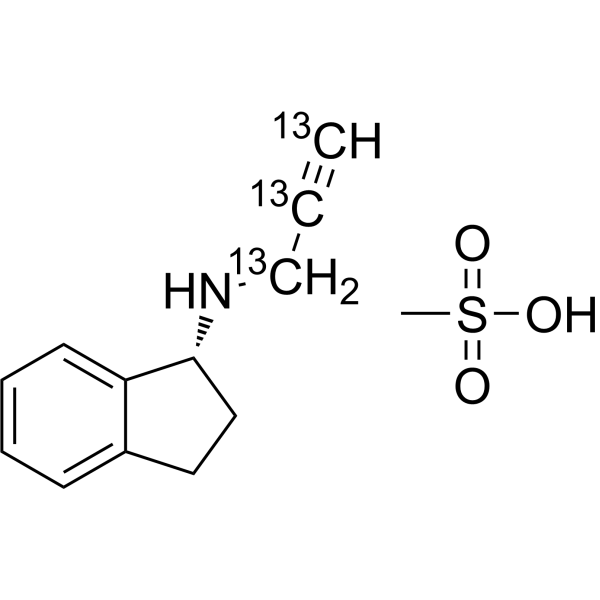
Rasagiline- 13C3 ((R)-AGN1135- 13C3; TVP1012- 13C3) mesylate is the deuterium labeled Rasagiline (mesylate) (HY-14605) . Rasagiline (R-AGN1135) mesylate is a highly potent selective irreversible mitochondrial monoamine oxidase (MAO) inhibitor with IC50s of 4.43 nM and 412 nM for rat brain MAO B and A activity, respectively .
|
-
- HY-13779
-
|
|
Monoamine Oxidase
Dopamine Transporter
|
Neurological Disease
|
|
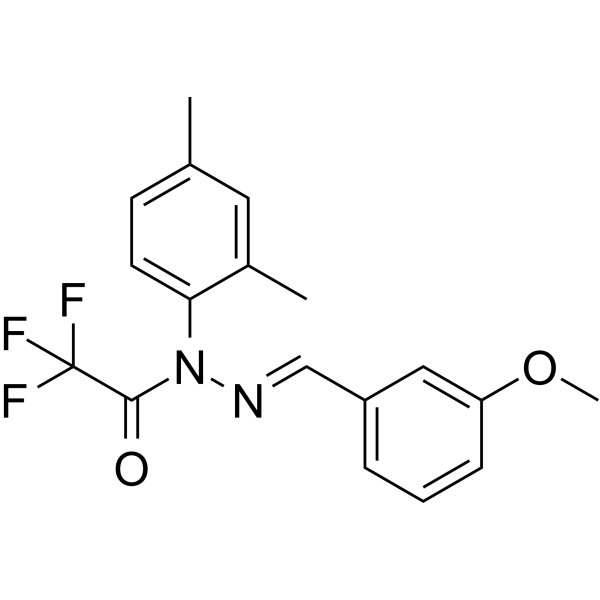
(E/Z)-J147 is an exceptionally potent, orally active, neuroprotective agent for cognitive enhancement. (E/Z)-J147 can readily pass the blood brain barrier (BBB). (E/Z)-J147 can inhibit monoamine oxidase B (MAO B) and the dopamine transporter with EC50 values of 1.88 μM and 0.649 μM, respectively. (E/Z)-J147 has potential for the study of Alzheimer’s disease (AD) .
|
-
- HY-N7204
-
|
|
Monoamine Oxidase
Dopamine β-hydroxylase
Apoptosis
|
Neurological Disease
Inflammation/Immunology
|
|
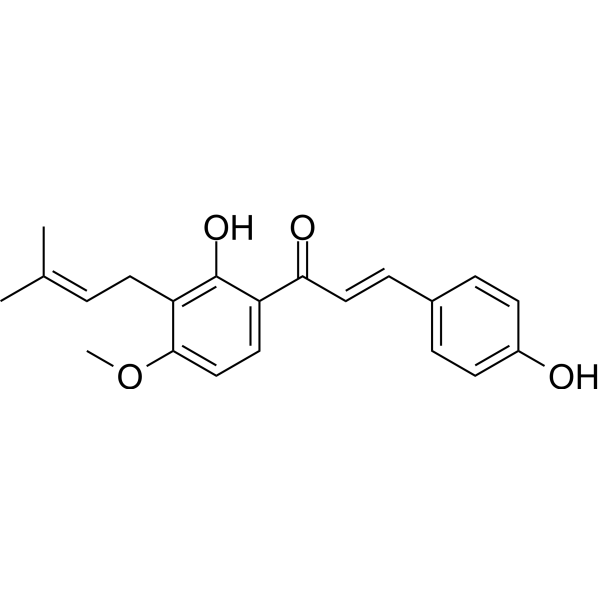
4-Hydroxyderricin, the major active ingredients of Angelica keiskei Koidzumi, is an orally active, potent selective MAO-B (Monoamine oxidase inhibitors) inhibitor with an IC50 of 3.43 μM. 4-Hydroxyderricin also mildly inhibits dopamine β (DBH)-hydroxylase activity. 4-Hydroxyderricin has antidepressant activity, anti-allergic, anti-diabetic, anti-oxidant, and antitumor effects. 4-Hydroxyderricin promotes apoptosis and cell cycle arrest through regulating PI3K/AKT/mTOR pathway in hepatocellular cells. 4-Hydroxyderricin inhibits osteoclast formation and accelerates osteoblast differentiation . 4-Hydroxyderricin is promising for research of inflammatory diseases .
|
-
- HY-14605AR
-
|
(R)-AGN1135 (Standard); TVP1012 (Standard)
|
Reference Standards
Monoamine Oxidase
|
Neurological Disease
|
|
Rasagiline (Standard) is the analytical standard of Rasagiline. This product is intended for research and analytical applications. Rasagiline (R-AGN1135) is a highly potent selective irreversible mitochondrial monoamine oxidase (MAO) inhibitor with IC50s of 4.43?nM and 412?nM for rat brain MAO B and A activity, respectively . Rasagiline is a click chemistry reagent, it contains an Alkyne group and can undergo copper-catalyzed azide-alkyne cycloaddition (CuAAc) with molecules containing Azide groups.
|
-

- HY-14605R
-
|
(R)-AGN1135 mesylate (Standard); TVP1012 mesylate (Standard)
|
Reference Standards
Monoamine Oxidase
Autophagy
Apoptosis
|
Neurological Disease
|
|
Rasagiline (mesylate) (Standard) is the analytical standard of Rasagiline (mesylate). This product is intended for research and analytical applications. Rasagiline (R-AGN1135) mesylate is a highly potent selective irreversible mitochondrial monoamine oxidase (MAO) inhibitor with IC50s of 4.43?nM and 412?nM for rat brain MAO B and A activity, respectively . Rasagiline (mesylate) is a click chemistry reagent, it contains an Alkyne group and can undergo copper-catalyzed azide-alkyne cycloaddition (CuAAc) with molecules containing Azide groups.
|
-

- HY-17447AS
-
|
(1S,2R)-SKF 385-d5 hydrochloride
|
Monoamine Oxidase
|
Neurological Disease
|
|
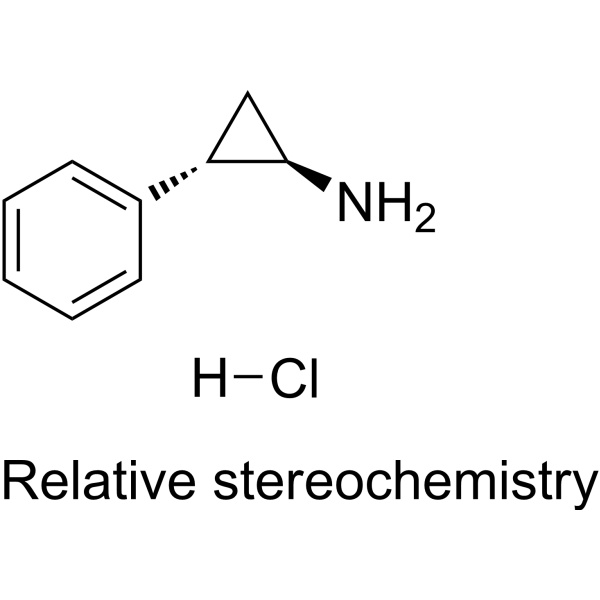
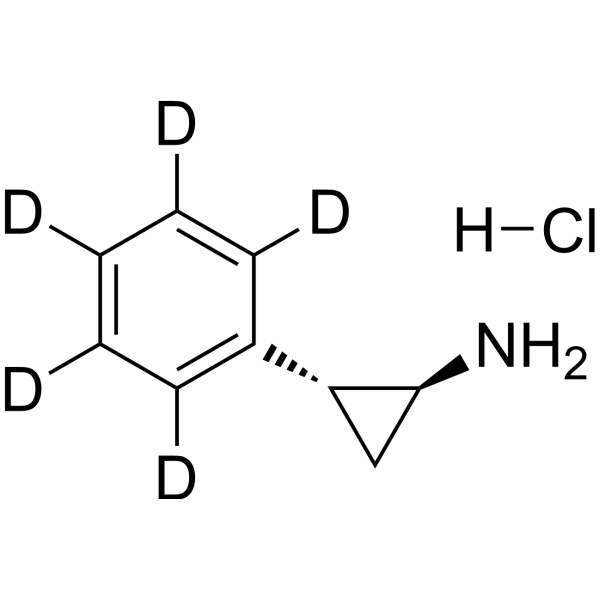
(1S,2R)-Tranylcypromine-d5 (hydrochloride) is the deuterium labeled Tranylcypromine hydrochloride . Tranylcypromine hydrochloride (SKF 385 hydrochloride) is an irreversible inhibitor of lysine-specific demethylase 1 (LSD1/BHC110) and monoamine oxidase (MAO). Tranylcypromine hydrochloride inhibits LSD1, MAO A and MAO B with IC50s of 20.7, 2.3 and 0.95 μM, respectively. Tranylcypromine hydrochloride can be used for the research of depression .
|
-
- HY-W015490R
-
|
|
Reference Standards
DNA/RNA Synthesis
NF-κB
Monoamine Oxidase
TNF Receptor
Bacterial
|
Infection
Inflammation/Immunology
Cancer
|
|
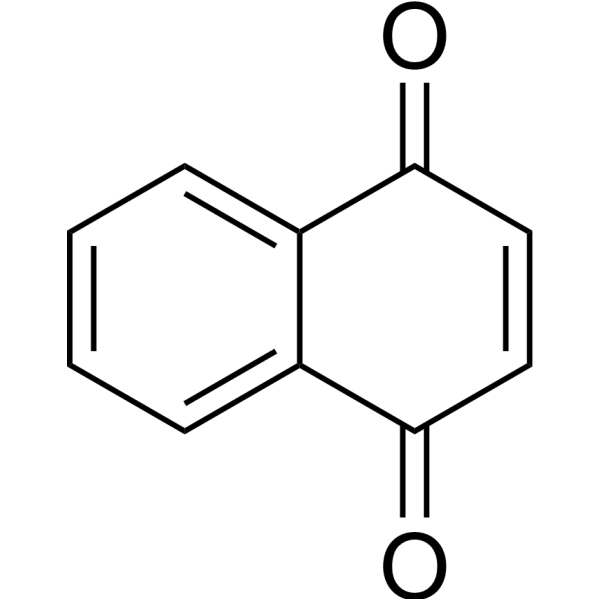
1,4-Naphthoquinone is an inhibitor with broad-spectrum inhibitory activity targeting DNA polymerase, NF-κB and monoamine oxidase (MAO-A/B), with antibacterial and anti-biofilm efficacy. 1,4-Naphthoquinone is a competitive inhibitor of MAO-B (Ki=1.4 μM) and a non-competitive inhibitor of MAO-A (Ki=7.7 μM). 1,4-Naphthoquinone inhibits DNA polymerase pol α, β, γ, δ, ε, λ with IC50 ranging from 5.57-128 μM. 1,4-Naphthoquinone inhibits tumor cell proliferation, induces apoptosis and necrosis, and has anti-angiogenic and anti-inflammatory activities by inducing oxidative stress, depleting glutathione (GSH), inhibiting DNA polymerase-mediated DNA synthesis and blocking NF-κB nuclear translocation. 1,4-Naphthoquinone can be used in anti-bacterial , anti-tumor and anti-inflammatory studies, including inhibition of melanoma and colon cancer cell growth and endothelial cell function, as well as LPS-induced inflammation models .
|
-

- HY-W015490
-
|
|
Environmental Pollutants
DNA/RNA Synthesis
NF-κB
Monoamine Oxidase
TNF Receptor
Bacterial
|
Infection
Inflammation/Immunology
Cancer
|
|
1,4-Naphthoquinone is an inhibitor with broad-spectrum inhibitory activity targeting DNA polymerase, NF-κB and monoamine oxidase (MAO-A/B), with antibacterial and anti-biofilm efficacy. 1,4-Naphthoquinone is a competitive inhibitor of MAO-B (Ki=1.4 μM) and a non-competitive inhibitor of MAO-A (Ki=7.7 μM). 1,4-Naphthoquinone inhibits DNA polymerase pol α, β, γ, δ, ε, λ with IC50 ranging from 5.57-128 μM. 1,4-Naphthoquinone inhibits tumor cell proliferation, induces apoptosis and necrosis, and has anti-angiogenic and anti-inflammatory activities by inducing oxidative stress, depleting glutathione (GSH), inhibiting DNA polymerase-mediated DNA synthesis and blocking NF-κB nuclear translocation. 1,4-Naphthoquinone can be used in anti-bacterial , anti-tumor and anti-inflammatory studies, including inhibition of melanoma and colon cancer cell growth and endothelial cell function, as well as LPS-induced inflammation models .
|
-
- HY-158978
-
|
|
Cholinesterase (ChE)
Monoamine Oxidase
|
Neurological Disease
|
|
Multitarget AD inhibitor-2 (Compound VN-19) is a multitargeting inhibitor acetylcholinesterase (AChE, IC50=0.14 μM), butyrylcholinesterase (BChE, IC50=11.6 μM), monoamine oxidase B (MAO B, IC50=0.45 μM). Multitarget AD inhibitor-2 inhibits self-induced aggregation of amyloid beta protein Aβ1-42 (inhibition rate is 47.3% at 20 μM), and downregulates the level of ROS in SH-SY5Y (80 inhibition rate at 25 μM). Multitarget AD inhibitor-2 ameliorates the cognitive decline in Scopolamine (HY-N0296)-induced Alzheimer’s Disease zebrafish models .
|
-

- HY-W015490S
-
|
|
Isotope-Labeled Compounds
DNA/RNA Synthesis
NF-κB
Monoamine Oxidase
TNF Receptor
Bacterial
|
Infection
Inflammation/Immunology
Cancer
|
|
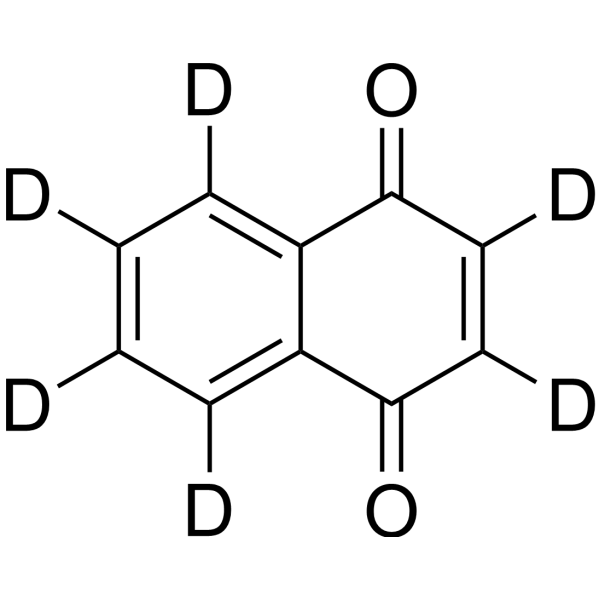
1,4-Naphthoquinone-d6 is the deuterium labeled 1,4-Naphthoquinone. 1,4-Naphthoquinone is an inhibitor with broad-spectrum inhibitory activity targeting DNA polymerase, NF-κB and monoamine oxidase (MAO-A/B), with antibacterial and anti-biofilm efficacy. 1,4-Naphthoquinone is a competitive inhibitor of MAO-B (Ki=1.4 μM) and a non-competitive inhibitor of MAO-A (Ki=7.7 μM). 1,4-Naphthoquinone inhibits DNA polymerase pol α, β, γ, δ, ε, λ with IC50 ranging from 5.57-128 μM. 1,4-Naphthoquinone inhibits tumor cell proliferation, induces apoptosis and necrosis, and has anti-angiogenic and anti-inflammatory activities by inducing oxidative stress, depleting glutathione (GSH), inhibiting DNA polymerase-mediated DNA synthesis and blocking NF-κB nuclear translocation. 1,4-Naphthoquinone can be used in anti-bacterial , anti-tumor and anti-inflammatory studies, including inhibition of melanoma and colon cancer cell growth and endothelial cell function, as well as LPS-induced inflammation models .
|
-
| Cat. No. |
Product Name |
Type |
-
- HY-D0004
-
|
Azure B chloride
|
Fluorescent Dyes
|
|
Azure B is a cationic dye and the major metabolite of Methylene blue. Azure B is used in making Azure eosin stains for blood smear staining. Azure B is a high-potency, selective and reversible inhibitor of monoamine oxidases (MAO)-A, with IC50s of 11 and 968 nM for recombinant human MAO-A and MAO-B, respectively. Azure B possesses significant antidepressant-like effects .
|
-
- HY-D0004R
-
|
Azure B chloride (Standard)
|
Fluorescent Dyes
|
|
Azure B (Standard) is the analytical standard of Azure B. This product is intended for research and analytical applications. Azure B is a cationic dye and the major metabolite of Methylene blue. Azure B is used in making Azure eosin stains for blood smear staining. Azure B is a high-potency, selective and reversible inhibitor of monoamine oxidases (MAO)-A, with IC50s of 11 and 968 nM for recombinant human MAO-A and MAO-B, respectively. Azure B possesses significant antidepressant-like effects .
|
-
- HY-D3221
-
|
|
Fluorescent Dyes
|
|
MAO Probe 1 is a reactive two-photon fluorescent probe capable of crossing the blood-brain barrier, which is used to detect the activity of monoamine oxidases (MAO-A/MAO-B), with Km values of 70 μM (MAO-A) and 75 μM (MAO-B), respectively. IBC 2 (benzo[g]imino-coumarin 2), the enzymatic product of MAO Probe 1, can further specifically bind to and image Aβ plaques, enabling in vivo two-photon co-monitoring of MAO activity and Aβ plaques. MAO Probe 1 can be used in Alzheimer's disease research (IBC 2: Ex/Em = 850 nm/570-620 nm) .
|
| Cat. No. |
Product Name |
Category |
Target |
Chemical Structure |
-
- HY-W008566
-
-
-
- HY-N7204
-
|
|
Chalcones
Monophenols
Flavonoids
Phenols
Umbelliferae
Plants
Ondetia linearis Benth.
|
Monoamine Oxidase
Dopamine β-hydroxylase
Apoptosis
|
|
4-Hydroxyderricin, the major active ingredients of Angelica keiskei Koidzumi, is an orally active, potent selective MAO-B (Monoamine oxidase inhibitors) inhibitor with an IC50 of 3.43 μM. 4-Hydroxyderricin also mildly inhibits dopamine β (DBH)-hydroxylase activity. 4-Hydroxyderricin has antidepressant activity, anti-allergic, anti-diabetic, anti-oxidant, and antitumor effects. 4-Hydroxyderricin promotes apoptosis and cell cycle arrest through regulating PI3K/AKT/mTOR pathway in hepatocellular cells. 4-Hydroxyderricin inhibits osteoclast formation and accelerates osteoblast differentiation . 4-Hydroxyderricin is promising for research of inflammatory diseases .
|
-
-
- HY-N0918
-
-
-
- HY-N9540
-
-
-
- HY-N13041
-
-
-
- HY-N1638
-
|
|
Alkaloids
Evodia rutaecarpa (Juss.) Benth.
Rutaceae
Quinoline Alkaloids
Plants
Source Classification
|
Monoamine Oxidase
|
|
1-Methyl-2-undecyl-4(1H)-quinolone is a potent, irreversible and selective inhibitor of type B monoamine oxidase (MAO-B). 1-Methyl-2-undecyl-4(1H)-quinolone shows a selective inhibition of MAO-B activity with the IC50 and Ki values of 15.3 μM and 9.91 μM, respectively, but did not inhibit type A MAO (MAO-A) activity. Methyl-2-undecyl-4(1H)-quinolone, as a quinolone alkaloid, is isolated from fresh leaves and fruits of Evodia rutaecarpa HOOK. f. et THOMS .
|
-
-
- HY-N0918R
-
-
-
- HY-W008566R
-
-
-
- HY-N1636
-
-
| Cat. No. |
Compare |
Product Name |
Species |
Source |
Image |
Compare Products
|
| Products |
|
| Cat. No. |
|
| Species |
|
| Source |
|
| Tag |
|
| Accession |
|
| Gene ID |
|
| Molecular Weight |
|
| Purity |
|
| Endotoxin Level |
|
| Biological Activity |
|
| Appearance |
|
| Formulation |
|
| Storage & Stability |
|
| Shipping |
|
| Free Sample |
Yes
No
|
| Size |
* This product has been "discontinued".
Optimized version of product available:
|
| Cat. No. |
Product Name |
Chemical Structure |
-
- HY-W015490S
-
|
|
|
1,4-Naphthoquinone-d6 is the deuterium labeled 1,4-Naphthoquinone. 1,4-Naphthoquinone is an inhibitor with broad-spectrum inhibitory activity targeting DNA polymerase, NF-κB and monoamine oxidase (MAO-A/B), with antibacterial and anti-biofilm efficacy. 1,4-Naphthoquinone is a competitive inhibitor of MAO-B (Ki=1.4 μM) and a non-competitive inhibitor of MAO-A (Ki=7.7 μM). 1,4-Naphthoquinone inhibits DNA polymerase pol α, β, γ, δ, ε, λ with IC50 ranging from 5.57-128 μM. 1,4-Naphthoquinone inhibits tumor cell proliferation, induces apoptosis and necrosis, and has anti-angiogenic and anti-inflammatory activities by inducing oxidative stress, depleting glutathione (GSH), inhibiting DNA polymerase-mediated DNA synthesis and blocking NF-κB nuclear translocation. 1,4-Naphthoquinone can be used in anti-bacterial , anti-tumor and anti-inflammatory studies, including inhibition of melanoma and colon cancer cell growth and endothelial cell function, as well as LPS-induced inflammation models .
|
-
-
- HY-70057S1
-
|
|
|
Safinamide-d4-1 is deuterium labeled Safinamide. Safinamide is a potent, selective, and reversible monoamine oxidase B (MAO-B) inhibitor (IC50=0.098 μM) over MAO-A (IC50=580 μM) . Safinamide also blocks sodium channels and modulates glutamate (Glu) release, showing a greater affinity at depolarized (IC50=8?μM) than at resting (IC50=262?μM) potentials. Safinamide has neuroprotective and neurorescuing effects and can be used for the study of parkinson disease, ischemia stroke etc.al .
|
-
-
- HY-B1018AS
-
|
|
|
Phenelzine-d5 sulfate is the deuterium labeled Phenelzine sulfate (HY-B1018A). Phenelzine sulfate, an antidepressant agent, is an irreversible and orally active monoamine oxidase (MAO-A and MAO-B) inhibitor. Phenelzine sulfate inhibits GABA transaminase and primary amine oxidase (PrAO), and sequester reactive aldehydes. Phenelzine sulfate also inhibits LSD1 (Ki: 5.6 μM) and suppresses oxidative stress and lipogenesis. Phenelzine sulfate elevates neurotransmitters (serotonin, norepinephrine, dopamine). Phenelzine sulfate is studied in neurological, metabolic and cancer diseases for depression and anxiety disorders, stroke, spinal cord injury, traumatic brain injury, multiple sclerosis, Parkinson’s disease, Alzheimer’s disease, inflammatory pain, obesity and prostate cancer .
|
-
-
- HY-W700241
-
|
|
|
Norharman-d7 is deuterium labeled Norharmane. Norharmane (Norharman), a β-carboline alkaloid, is a potent and reversible monoamine oxidase inhibitor, with IC50 values of 6.5 and 4.7 μM for MAO-A and MAO-B, respectively. Norharmane causes antidepressant responses. Norharmane is also a prospective anti-cancer photosensitizer. Norharmane alters polar auxin transport (PAT) by inhibiting PIN2, PIN3 and PIN7 transport proteins, thus causing a significant inhibitory effect on the growth of Arabidopsis thaliana seedlings .
|
-
-
- HY-70057S4
-
|
|
|
Safinamide-d5 (FCE 26743-d5) is deuterium labeled Safinamide. Safinamide is a potent, selective, and reversible monoamine oxidase B (MAO-B) inhibitor (IC50=0.098 μM) over MAO-A (IC50=580 μM) . Safinamide also blocks sodium channels and modulates glutamate (Glu) release, showing a greater affinity at depolarized (IC50=8?μM) than at resting (IC50=262?μM) potentials. Safinamide has neuroprotective and neurorescuing effects and can be used for the study of parkinson disease, ischemia stroke etc.al .
|
-
-
- HY-14605S
-
|
|
|
Rasagiline- 13C3 ((R)-AGN1135- 13C3; TVP1012- 13C3) mesylate is the deuterium labeled Rasagiline (mesylate) (HY-14605) . Rasagiline (R-AGN1135) mesylate is a highly potent selective irreversible mitochondrial monoamine oxidase (MAO) inhibitor with IC50s of 4.43 nM and 412 nM for rat brain MAO B and A activity, respectively .
|
-
-
- HY-17447AS
-
|
|
|
(1S,2R)-Tranylcypromine-d5 (hydrochloride) is the deuterium labeled Tranylcypromine hydrochloride . Tranylcypromine hydrochloride (SKF 385 hydrochloride) is an irreversible inhibitor of lysine-specific demethylase 1 (LSD1/BHC110) and monoamine oxidase (MAO). Tranylcypromine hydrochloride inhibits LSD1, MAO A and MAO B with IC50s of 20.7, 2.3 and 0.95 μM, respectively. Tranylcypromine hydrochloride can be used for the research of depression .
|
-
-
- HY-W008566S
-
|
|
|
Norharmane- 13C (Norharman- 13C) is the 13C-labeled Norharmane (HY-W008566). Norharmane (Norharman), a β-carboline alkaloid, is a potent and reversible monoamine oxidase inhibitor, with IC50 values of 6.5 and 4.7 μM for MAO-A and MAO-B, respectively. Norharmane causes antidepressant responses. Norharmane is also a prospective anti-cancer photosensitizer. Norharmane alters polar auxin transport (PAT) by inhibiting PIN2, PIN3 and PIN7 transport proteins, thus causing a significant inhibitory effect on the growth of Arabidopsis thaliana seedlings .
|
-
| Cat. No. |
Compare |
Product Name |
Application |
Reactivity |
Image |
Compare Products
|
| Products |
|
| Cat. No. |
|
| Host |
|
| Reactivity |
|
| Application |
|
Dilution
Ratio |
|
| Molecular Weight |
|
| Conjugation |
|
| Clonality |
|
| Immunogen |
|
| Appearance |
|
| Isotype |
|
| Gene ID |
|
| SwissProt ID |
|
| Purity |
|
| Formulation |
|
| Free Sample |
Yes
No
|
| Size |
* This product has been "discontinued".
Optimized version of product available:
|
| Cat. No. |
Product Name |
|
Classification |
-
- HY-A0091A
-
|
|
|
Alkynes
|
|
Pargyline is an irreversible monoamine oxidase (MAO) inhibitor with Kis of 13 μM and 0.5 μM for MAO-A and MAO-B, respectively. Pargyline has antihypertensive and anticancer activities . Pargyline is a click chemistry reagent, it contains an Alkyne group and can undergo copper-catalyzed azide-alkyne cycloaddition (CuAAc) with molecules containing Azide groups.
|
-
- HY-14605A
-
Rasagiline
Maximum Cited Publications
7 Publications Verification
(R)-AGN1135; TVP1012
|
|
Alkynes
|
|
Rasagiline (R-AGN1135) is a highly potent selective irreversible mitochondrial monoamine oxidase (MAO) inhibitor with IC50s of 4.43 nM and 412 nM for rat brain MAO B and A activity, respectively . Rasagiline is a click chemistry reagent, it contains an Alkyne group and can undergo copper-catalyzed azide-alkyne cycloaddition (CuAAc) with molecules containing Azide groups.
|
-
- HY-A0091
-
|
|
|
Alkynes
|
|
Pargyline hydrochloride is an irreversible monoamine oxidase (MAO) inhibitor with Kis of 13 μM and 0.5 μM for MAO-A and MAO-B, respectively. Pargyline hydrochloride has antihypertensive and anticancer activities . Pargyline (hydrochloride) is a click chemistry reagent, it contains an Alkyne group and can undergo copper-catalyzed azide-alkyne cycloaddition (CuAAc) with molecules containing Azide groups.
|
-
- HY-14605
-
|
(R)-AGN1135 mesylate; TVP1012 mesylate
|
|
Alkynes
|
|
Rasagiline (R-AGN1135) mesylate is a highly potent selective irreversible mitochondrial monoamine oxidase (MAO) inhibitor with IC50s of 4.43 nM and 412 nM for rat brain MAO B and A activity, respectively . Rasagiline (mesylate) is a click chemistry reagent, it contains an Alkyne group and can undergo copper-catalyzed azide-alkyne cycloaddition (CuAAc) with molecules containing Azide groups.
|
-
- HY-10399A
-
|
TV-3326 hydrochloride
|
|
Alkynes
|
|
Ladostigil (TV-3326) hydrochloride is an orally active dual inhibitor of cholinesterase and brain-selective monoamine oxidase (MAO), with IC50s of 37.1 and 31.8 μM for MAO-B and AChE, respectively. Ladostigil hydrochloride exhibits neuroprotective, antioxidant and anti-inflammatory activities. Ladostigil can be used for the research of depression and Alzheimer's disease . Ladostigil (hydrochloride) is a click chemistry reagent, it contains an Alkyne group and can undergo copper-catalyzed azide-alkyne cycloaddition (CuAAc) with molecules containing Azide groups.
|
-
- HY-10400
-
|
TV-3326 hemitartrate
|
|
Alkynes
|
|
Ladostigil (TV-3326) hemitartrate is an orally active dual inhibitor of cholinesterase and brain-selective monoamine oxidase (MAO) that can cross the blood-brain barrier, with IC50s of 37.1 and 31.8 μM for MAO-B and AChE, respectively. Ladostigil hemitartrate exhibits neuroprotective, antioxidant and anti-inflammatory activities. Ladostigil hemitartrate can be used for the research of depression and Alzheimer's disease . Ladostigil (hemitartrate) is a click chemistry reagent, it contains an Alkyne group and can undergo copper-catalyzed azide-alkyne cycloaddition (CuAAc) with molecules containing Azide groups.
|
-
- HY-120419
-
|
|
|
Alkynes
|
|
PF9601N, an monoamine oxidase B (MAO-B) inhibitor, possesses neuroprotective properties in several in vitro and in vivo models of Parkinson's disease (PD). PF9601N can be used for the research of neurodegenerative diseases mediated by excitotoxicity . PF9601N is a click chemistry reagent, it contains an Alkyne group and can undergo copper-catalyzed azide-alkyne cycloaddition (CuAAc) with molecules containing Azide groups.
|
-
- HY-10399
-
|
TV-3326
|
|
Alkynes
|
|
Ladostigil (TV-3326) is an orally active dual inhibitor of cholinesterase and brain-selective monoamine oxidase (MAO), with IC50s of 37.1 and 31.8 μM for MAO-B and AChE, respectively. Ladostigil exhibits neuroprotective, antioxidant and anti-inflammatory activities. Ladostigil can be used for the research of depression and Alzheimer's disease . Ladostigil is a click chemistry reagent, it contains an Alkyne group and can undergo copper-catalyzed azide-alkyne cycloaddition (CuAAc) with molecules containing Azide groups.
|
-
- HY-146314
-
|
|
|
Alkynes
|
|
MAO-B-IN-9 (compound 16) is a potent, selective, BBB-penetrated, irreversible and time-dependent MAO-B (monoamine oxidase B) inhibitor, with an IC50 of 0.18 μM. MAO-B-IN-9 prevents Aβ1-42-induced neuronal cell death. MAO-B-IN-9 shows neuroprotective effects, which may be the result of its Aβ1-42 anti-aggregation effects . MAO-B-IN-9 is a click chemistry reagent, itcontains an Alkyne group and can undergo copper-catalyzed azide-alkyne cycloaddition (CuAAc) with molecules containing Azide groups.
|
-
- HY-181268
-
|
|
|
Alkynes
|
|
MAO-B-IN-53 is a human monoamine oxidase B (hMAO-B) inhibitor with an IC50 of 0.066 μM. MAO-B-IN-53 exhibits mixed reversible inhibition, binds stably to the hMAO-B active site, and shows high selectivity over hMAO-A. MAO-B-IN-53 acts as a neuroprotective agent, protects against 6-OHDA-induced damage, and exhibits low neurotoxicity in neuroblastoma cells. MAO-B-IN-53 can be used for the research of Parkinson's disease .
|
Your information is safe with us. * Required Fields.
Inquiry Information
- Product Name:
- Cat. No.:
- Quantity:
- MCE Japan Authorized Agent:











