



Ladostigil hydrochloride

Based on 1 Customer Validation
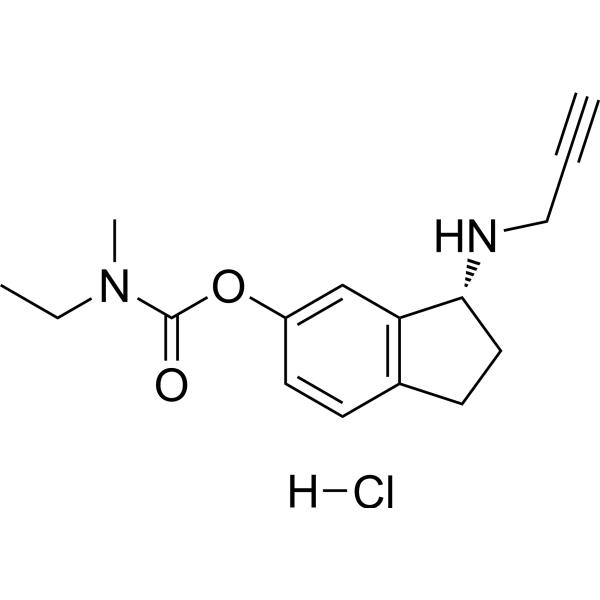
Ladostigil (TV-3326) hydrochloride is an orally active dual inhibitor of cholinesterase and brain-selective monoamine oxidase (MAO), with IC50s of 37.1 and 31.8 μM for MAO-B and AChE, respectively. Ladostigil hydrochloride exhibits neuroprotective, antioxidant and anti-inflammatory activities. Ladostigil can be used for the research of depression and Alzheimer's disease. Ladostigil (hydrochloride) is a click chemistry reagent, it contains an Alkyne group and can undergo copper-catalyzed azide-alkyne cycloaddition (CuAAc) with molecules containing Azide groups.
For research use only. We do not sell to patients.
- Purity : 99.91%
- CAS No.: 209394-18-3
- Formula: C16H21ClN2O2
- Molecular Weight:308.80
-
Storage:Powder -20°C, 3 years , 4°C, 2 years ; In solvent -80°C, 6 months , -20°C, 1 month

To place orders, for customer services and technical support, please contact: MedChemExpress USA
Tel: 609-228-6898 E-mail: [email protected] [email protected]


-
 Biological Activity
-
Chemical Information
-
Solvent & Solubility
- Protocols
- Purity & Documentation
- References
-
 Help & FAQs


-
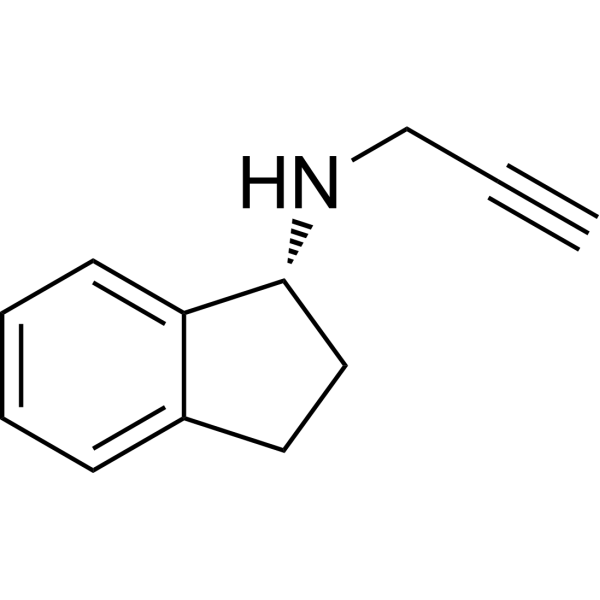
HY-14605A
RasagilineMAO Inhibitor -
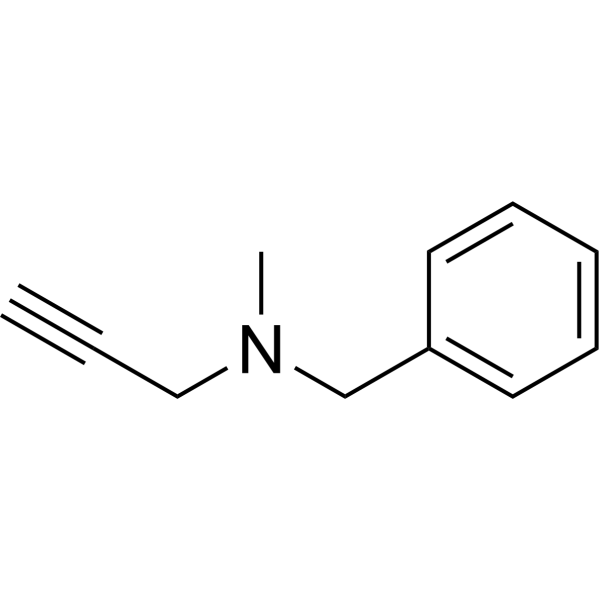
HY-A0091A
PargylineMonoamine Oxidase Inhibitor -
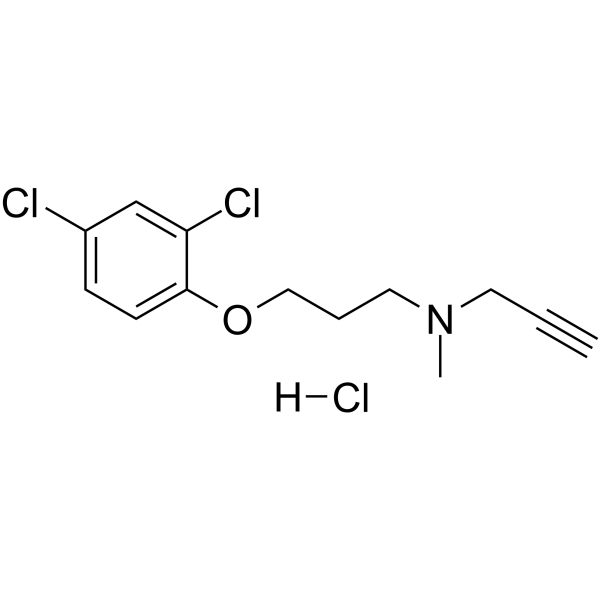
HY-14197A
Clorgyline hydrochlorideMAO-A Inhibitor -

HY-Y0882
Hydroxylamine hydrochlorideMAO Inhibitor -
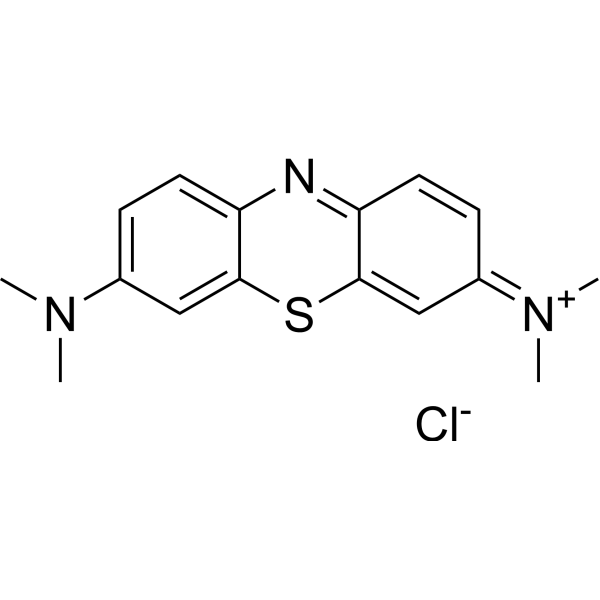
HY-14536
Methylene BluesGC Inhibitor -
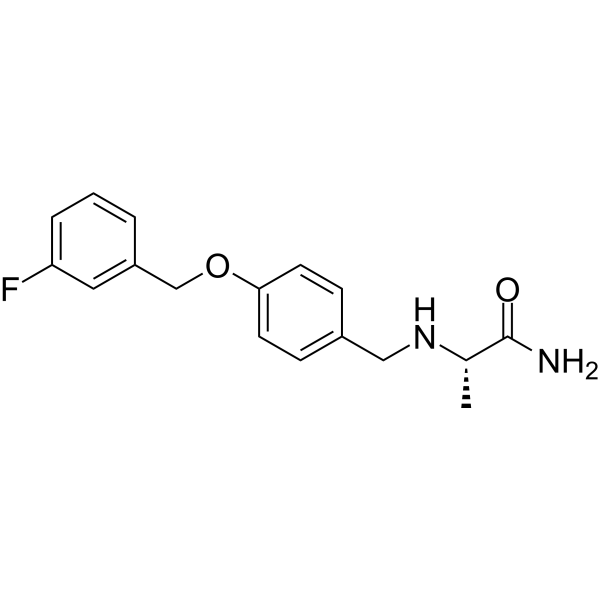
HY-70057
SafinamideMAO-B Inhibitor -
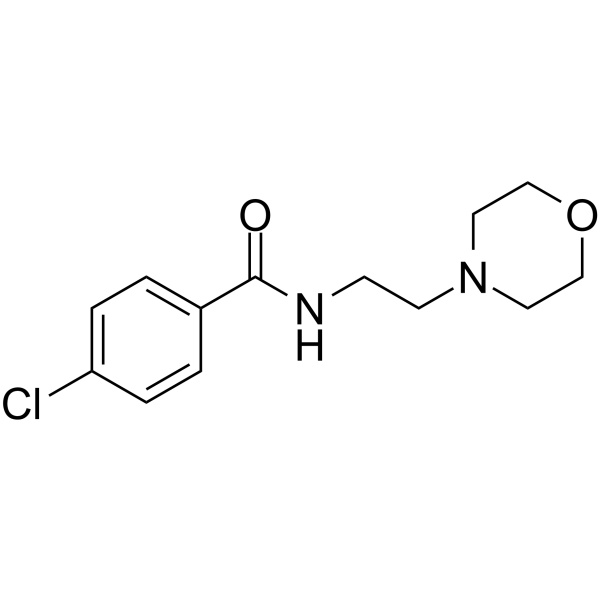
HY-B0534
MoclobemideMAOI Antidepressant -
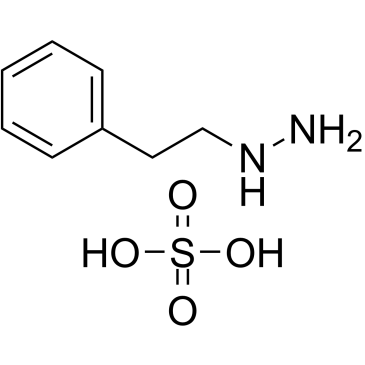
HY-B1018A
Phenelzine sulfateMAO Inhibitor -
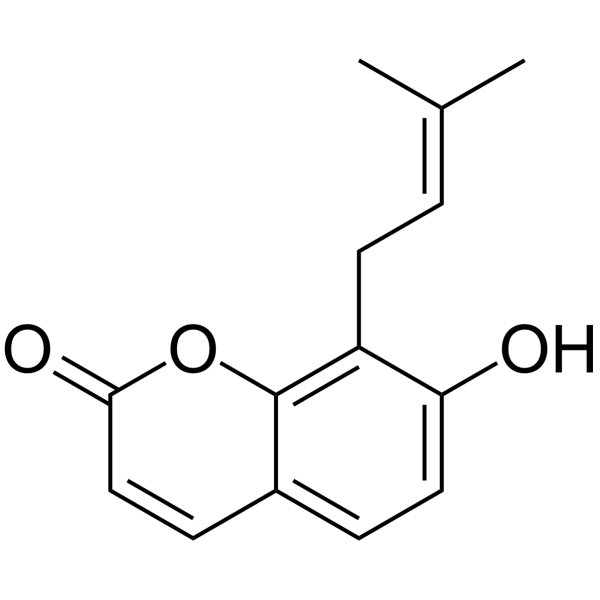
HY-N2554
OsthenolhMAO-A Inhibitor -
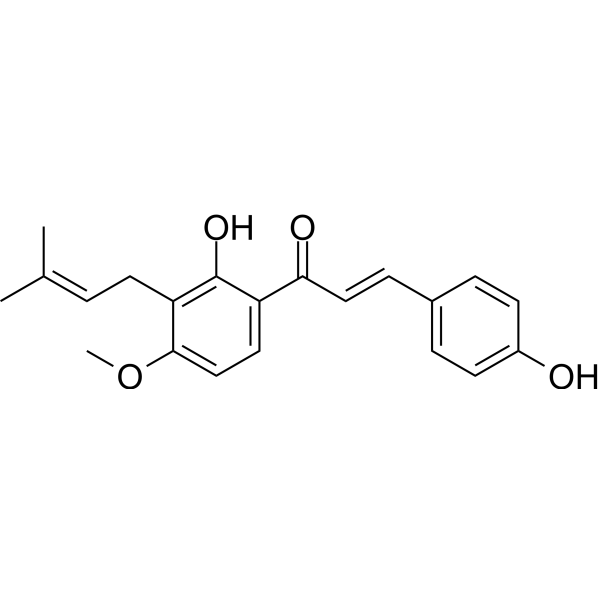
HY-N7204
4-HydroxyderricinMonoamine Oxidase Inhibitor -
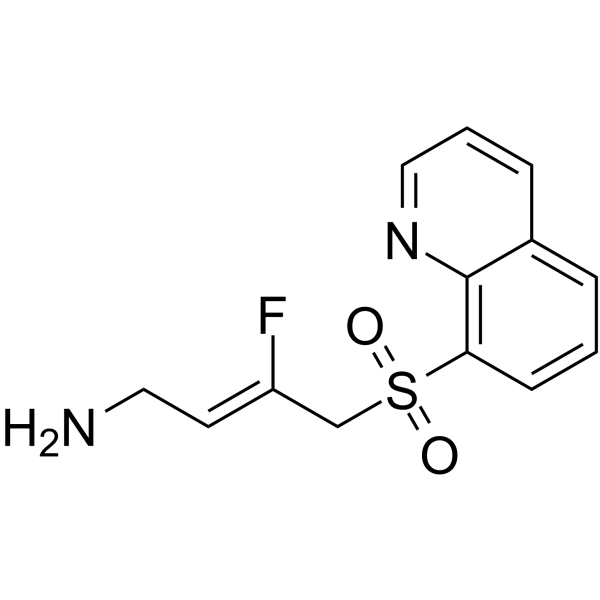
HY-138625
PXS-5505 free baseLysyl Oxidase Inhibitor -
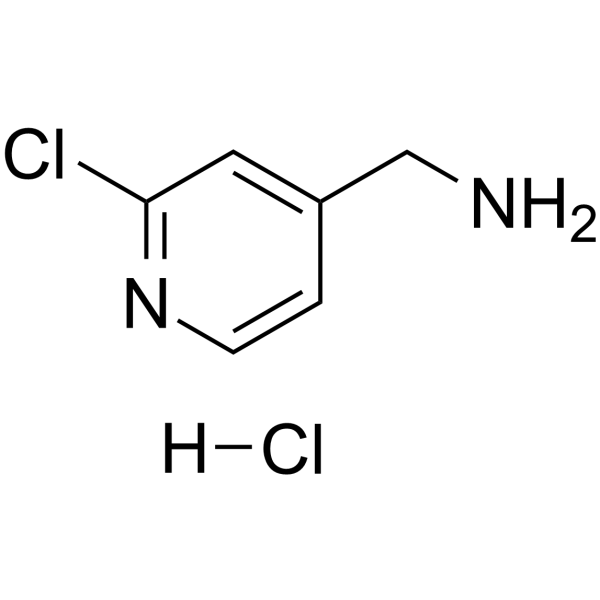
HY-101771A
(2-Chloropyridin-4-yl)methanamine hydrochlorideLOXL2 Inhibitor


Biological Activity
Description
IC50 & Target
[1]|
AChE 31.8 μM (IC50) |
MAO-B 37.1 μM (IC50) |
In Vitro
Ladostigil (1-10 µM) hydrochloride exerts neuroprotective activities, including a prevention of the fall of the mitochondrial membrane potential (ψ), attenuation of apoptotic cascades and an inhibition of ROS production induced by OS insults[2].
Ladostigil (1-10 µM) hydrochloride has a significant neuroprotective activity, including inhibition of caspase-3 activation, induction of Bcl-2 and reduction of Bad and Bax gene and protein expression in human neuroblastoma SK-N-SH cells[2].
MedChemExpress (MCE) has not independently confirmed the accuracy of these methods. They are for reference only. Further protocols information, click here.
In Vivo
Ladostigil (50 μmol/kg; single p.o.) hydrochloride restores the loss of episodic memory in the object recognition test in rats[3].
MedChemExpress (MCE) has not independently confirmed the accuracy of these methods. They are for reference only.
-
Animal Model:Pathogen-free (SPF) Sprague-Dawley rats[4]
-
Dosage:17 mg/kg
-
Administration:Oral (added to the drinking water) daily for 6 weeks
-
Result:Inhibited brain MAO-A and B by more than 60%.
Reduced hyperanxiety of male and female prenatally stressed (PS) rats in the EPM and depressive-like behaviour in the FST.


Chemical Information
-
CAS No. 209394-18-3
-
Appearance Solid
-
Molecular Weight 308.80
-
Formula C16H21ClN2O2
-
Color White to off-white
-
SMILES
O=C(OC1=CC2=C(CC[C@H]2NCC#C)C=C1)N(CC)C.[H]Cl
-
Synonyms
TV-3326 hydrochloride
-
Shipping
Room temperature in continental US; may vary elsewhere.
-
Storage
Powder -20°C 3 years 4°C 2 years In solvent -80°C 6 months -20°C 1 month


Solvent & Solubility
In Vitro:
DMSO : 100 mg/mL (323.83 mM; Need ultrasonic; Hygroscopic DMSO has a significant impact on the solubility of product, please use newly opened DMSO)
Please refer to the solubility information to select the appropriate solvent. Once prepared, please aliquot and store the solution to prevent product inactivation from repeated freeze-thaw cycles.
Storage method and period of stock solution: -80°C, 6 months; -20°C, 1 month. When stored at -80°C, please use it within 6 months. When stored at -20°C, please use it within 1 month.
Please refer to the solubility information to select the appropriate solvent. Once prepared, please aliquot and store the solution to prevent product inactivation from repeated freeze-thaw cycles.
Storage method and period of stock solution: -80°C, 6 months; -20°C, 1 month. When stored at -80°C, please use it within 6 months. When stored at -20°C, please use it within 1 month.
Concentration (start) × Volume (start) = Concentration (final) × Volume (final)
In Vivo:
Select the appropriate dissolution method based on your experimental animal and administration route.
- For the following dissolution methods, please ensure to first prepare a clear stock solution using an In Vitro approach and then sequentially add co-solvents:
- To ensure reliable experimental results, the clarified stock solution can be appropriately stored based on storage conditions. As for the working solution for In Vivo experiments, it is recommended to prepare freshly and use it on the same day.
- The percentages shown for the solvents indicate their volumetric ratio in the final prepared solution. If precipitation or phase separation occurs during preparation, heat and/or sonication can be used to aid dissolution.
Add each solvent one by one: 10% DMSO 40% PEG300 5% Tween-80 45% Saline
Solubility: ≥ 2.5 mg/mL (8.10 mM); Clear solution
This protocol yields a clear solution of ≥ 2.5 mg/mL (saturation unknown).
Taking 1 mL working solution as an example, add 100 μL DMSO stock solution (25.0 mg/mL) to 400 μL PEG300, and mix evenly; then add 50 μL Tween-80 and mix evenly; then add 450 μL Saline to adjust the volume to 1 mL.
Preparation of Saline: Dissolve 0.9 g sodium chloride in ddH₂O and dilute to 100 mL to obtain a clear Saline solution.
Add each solvent one by one: 10% DMSO 90% (20% SBE-β-CD in Saline)
Solubility: ≥ 2.5 mg/mL (8.10 mM); Clear solution
This protocol yields a clear solution of ≥ 2.5 mg/mL (saturation unknown).
Taking 1 mL working solution as an example, add 100 μL DMSO stock solution (25.0 mg/mL) to 900 μL 20% SBE-β-CD in Saline, and mix evenly.
Preparation of 20% SBE-β-CD in Saline (4°C, storage for one week): 2 g SBE-β-CD powder is dissolved in 10 mL Saline, completely dissolve until clear.
In Vivo Dissolution Calculator
Please enter the basic information of animal experiments:
-
-
-
-
Recommended: Prepare an additional quantity of animals to account for potential losses during experiments.
Please enter your animal formula composition:
-
%DMSO +
Recommended: Keep the proportion of DMSO in working solution below 2% if your animal is weak.
-
%+
-
+%Tween-80 + +
-
%Saline +
The co-solvents required include: DMSO, . All of co-solvents are available by MedChemExpress (MCE). , Tween 80. All of co-solvents are available by MedChemExpress (MCE).
Working solution concentration: 0.22 mg/mL
Method for preparing stock solution: mg drug dissolved in μL DMSO. Stock solution concentration: mg/mL.
1. Take μL DMSO stock solution;
2. Add μL .
μL , mix evenly;
3. Then add μL Tween 80, mix evenly;
4. Then add μL
Please ensure that the stock solution in the first step is dissolved to a clear state, and add co-solvents in sequence. You can use ultrasonic heating (ultrasonic cleaner, recommended frequency 20-40 kHz), vortexing, etc. to assist dissolution.

Protocols
-
EdU Incorporation Assay (Click Chemistry-Based DNA Synthesis Measurement)
The EdU incorporation assay measures DNA synthesis by adding the thymidine analog 5-ethynyl-2′-deoxyuridine to cells or tissues, where it is incorporated into newly synthesized DNA during S phase. Incorporated EdU is detected by copper-catalyzed azide-alkyne cycloaddition, in which a fluorescent azide covalently reacts with the ethynyl group on EdU, allowing S-phase cells to be detected by fluorescence microscopy, flow cytometry, or high-content imaging. EdU detection does not require DNA denaturation or anti-BrdU antibody access, which preserves sample structure and improves compatibility with immunostaining and multiparameter cytometry compared with BrdU-based detection. EdU can be cytotoxic in a cell-type- and exposure-dependent manner, so pulse duration, concentration, and continuous-labeling designs should be validated for each cell type.
-
Research Protocol for Inflammation-related Diseases
The NLRP3 inflammasome is a cytosolic innate immune signaling platform that integrates priming signals and danger-signal activation to promote caspase-1 activation, maturation of IL-1β and IL-18, and gasdermin D-mediated pyroptotic cell death. The core experimental logic is to determine whether inflammatory disease phenotypes are driven by increased NLRP3 expression, ASC-containing inflammasome assembly, caspase-1 cleavage, GSDMD cleavage, and extracellular release of IL-1β/IL-18 rather than by nonspecific cell injury alone. The pathway is strongly linked to inflammation-related disease phenotypes because monosodium urate crystals activate NALP3/NLRP3 inflammasome signaling in gout-like crystal inflammation, cholesterol crystals activate NLRP3 inflammasomes in atherogenesis models, and DSS-induced intestinal inflammation has been reported to involve NLRP3 inflammasome activity. However, experimental colitis studies also show context-dependent protective effects of NLRP3 inflammasome co
-
Alzheimer’s Disease Modeling
Alzheimer’s Disease (AD) is a neurodegenerative disorder characterized by a progressive decline in cognitive functions and loss of specific types of neurons and synapses. Alzheimer's symptoms can be simulated in mice by injecting drugs (such as Aβ) or genetically modified.


Purity & Documentation
-
Data Sheet (275 KB)
-
SDS (251 KB)
- English - EN (251 KB)
- Français - FR (251 KB)
- Deutsch - DE (251 KB)
- Norwegian - NO (251 KB)
- Español - ES (251 KB)
- Swedish - SV (251 KB)
- Italian - IT (251 KB)
- Korean - KR (251 KB)
- Portuguese - PT (251 KB)
-
Handling Instructions (2659 KB)
References
[1]. Denya I, et, al. Design, synthesis and evaluation of indole derivatives as multifunctional agents against Alzheimer's disease. Medchemcomm. 2018 Jan 16; 9(2):357-370. [Content Brief]
[2]. Weinreb O, et, al. Ladostigil: a novel multimodal neuroprotective drug with cholinesterase and brain-selective monoamine oxidase inhibitory activities for Alzheimer's disease treatment. Curr Drug Targets. 2012 Apr; 13(4): 483-94. [Content Brief]
[3]. Weinstock M, et, al. Ladostigil, a novel multifunctional drug for the treatment of dementia co-morbid with depression. J Neural Transm Suppl. 2006; (70):443-6. [Content Brief]
[4]. Poltyrev T, et, al. Effect of chronic treatment with ladostigil (TV-3326) on anxiogenic and depressive-like behaviour and on activity of the hypothalamic-pituitary-adrenal axis in male and female prenatally stressed rats. Psychopharmacology (Berl). 2005 Aug;181(1): 118-25. [Content Brief]


Complete Stock Solution Preparation Table
Please refer to the solubility information to select the appropriate solvent. Once prepared, please aliquot and store the solution to prevent product inactivation from repeated freeze-thaw cycles.
Storage method and period of stock solution: -80°C, 6 months; -20°C, 1 month. When stored at -80°C, please use it within 6 months. When stored at -20°C, please use it within 1 month.
| Optional Solvent | Concentration Solvent Mass | 1 mg | 5 mg | 10 mg | 25 mg |
|---|---|---|---|---|---|
| DMSO | 1 mM | 3.2383 mL | 16.1917 mL | 32.3834 mL | 80.9586 mL |
| 5 mM | 0.6477 mL | 3.2383 mL | 6.4767 mL | 16.1917 mL | |
| 10 mM | 0.3238 mL | 1.6192 mL | 3.2383 mL | 8.0959 mL | |
| 15 mM | 0.2159 mL | 1.0794 mL | 2.1589 mL | 5.3972 mL | |
| 20 mM | 0.1619 mL | 0.8096 mL | 1.6192 mL | 4.0479 mL | |
| 25 mM | 0.1295 mL | 0.6477 mL | 1.2953 mL | 3.2383 mL | |
| 30 mM | 0.1079 mL | 0.5397 mL | 1.0794 mL | 2.6986 mL | |
| 40 mM | 0.0810 mL | 0.4048 mL | 0.8096 mL | 2.0240 mL | |
| 50 mM | 0.0648 mL | 0.3238 mL | 0.6477 mL | 1.6192 mL | |
| 60 mM | 0.0540 mL | 0.2699 mL | 0.5397 mL | 1.3493 mL | |
| 80 mM | 0.0405 mL | 0.2024 mL | 0.4048 mL | 1.0120 mL | |
| 100 mM | 0.0324 mL | 0.1619 mL | 0.3238 mL | 0.8096 mL |


Ladostigil hydrochloride Related Classifications
HY-10399A Related Classifications
 Powered by Bioz