1. Search Result
Search Result
Results for "

Protein cross-linker

" in MedChemExpress (MCE) Product Catalog:

112

阻害剤およびアゴニスト

2

スクリーニングライブラリ

7

蛍光色素

26

生化学アッセイ試薬

2

ペプチド

6

MCE キット

1

阻害性抗体

6

天然物

7

同位体標識化合物

6

クリックケミストリー

Targets Recommended:
製品番号 製品名 Target 研究分野 構造式
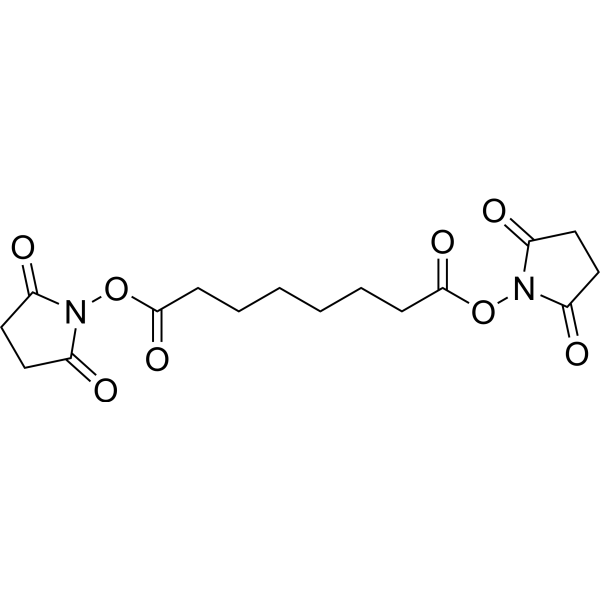
  • HY-W019543

    Biochemical Assay Reagents Cancer
    Disuccinimidyl suberate Crosslinker is an amine-reactive bifunctional protein crosslinker. Disuccinimidyl suberate Crosslinker enables stable protein-protein, peptide, and biomolecule conjugation.
    Disuccinimidyl suberate Crosslinker
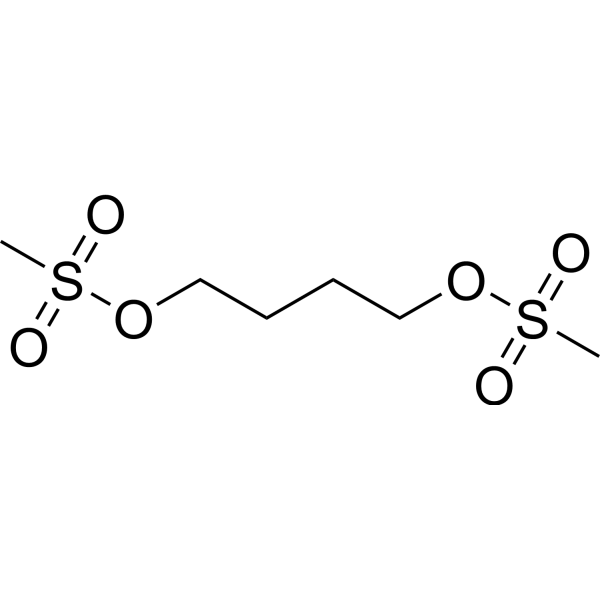
  • HY-B0245
    Busulfan
    Maximum Cited Publications
    19 Publications Verification

    DNA Alkylator/Crosslinker Apoptosis Infection Neurological Disease Inflammation/Immunology Cancer
    Busulfan is a potent alkylating antineoplastic agent. Busulfan causes DNA damage by cross-linking DNAs and DNA and proteins. Busulfan inhibits thioredoxin reductase. Busulfan induces apoptosis. Busulfan is an immunosuppressive and myeloablative chemotherapeutic agent .
    Busulfan
  • HY-114697
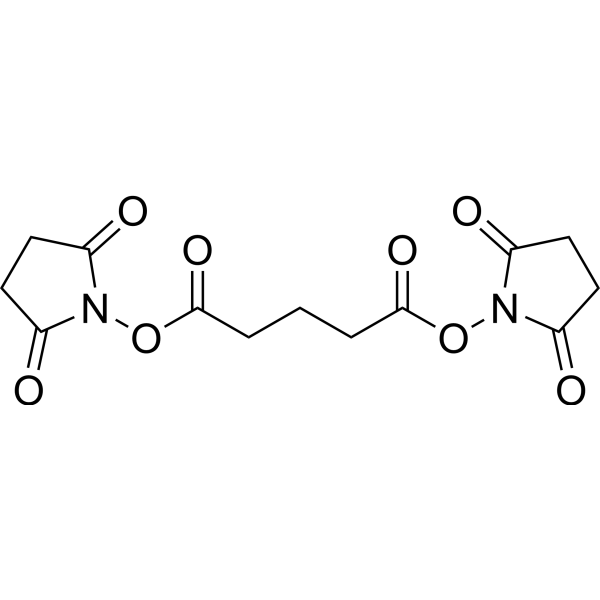
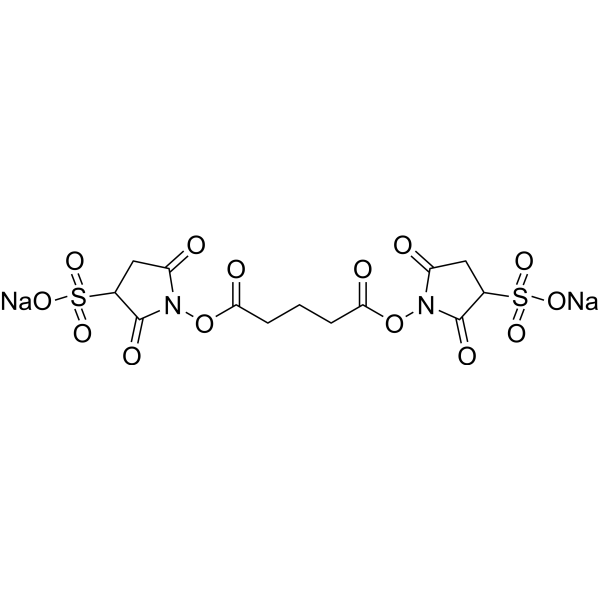
    DSG Crosslinker
    4 Publications Verification

    Disuccinimidyl glutarate

    Biochemical Assay Reagents Inflammation/Immunology
    DSG Crosslinker is an amine-reactive and noncleavable protein crosslinker. DSG Crosslinker enables stable protein-protein, peptide, and biomolecule conjugation.
    DSG Crosslinker
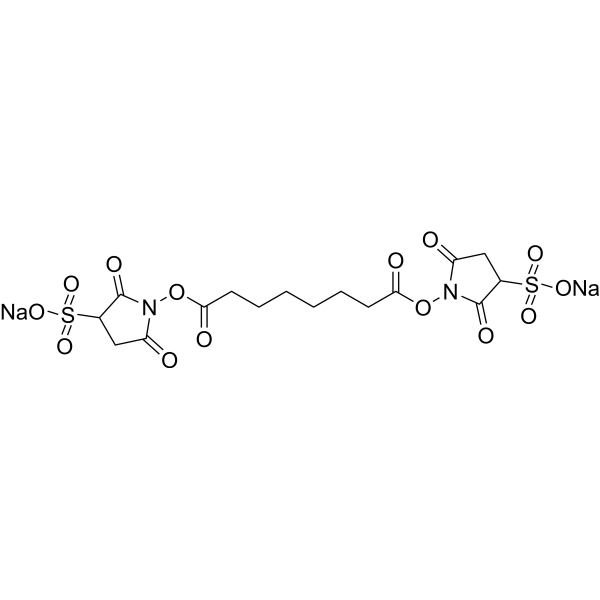
  • HY-124329
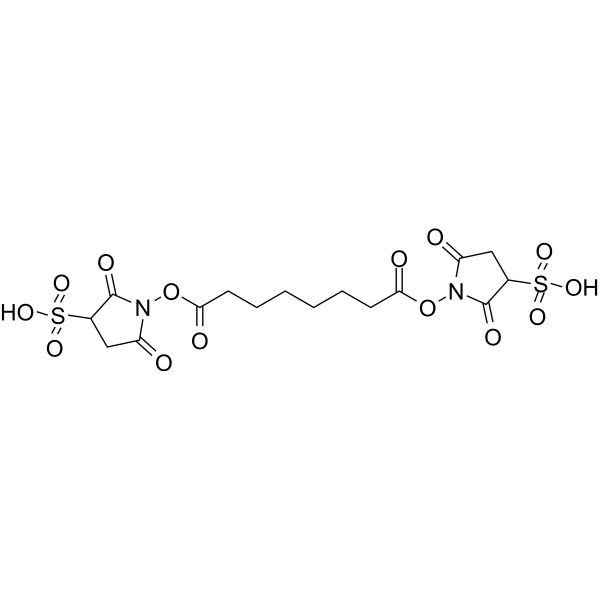
    BS3 Crosslinker
    1 Publications Verification

    Biochemical Assay Reagents Cancer
    BS3 Crosslinker is an amine-reactive homobifunctional protein crosslinker. BS3 Crosslinker enables stable protein-protein, peptide, and biomolecule conjugation.
    BS3 Crosslinker
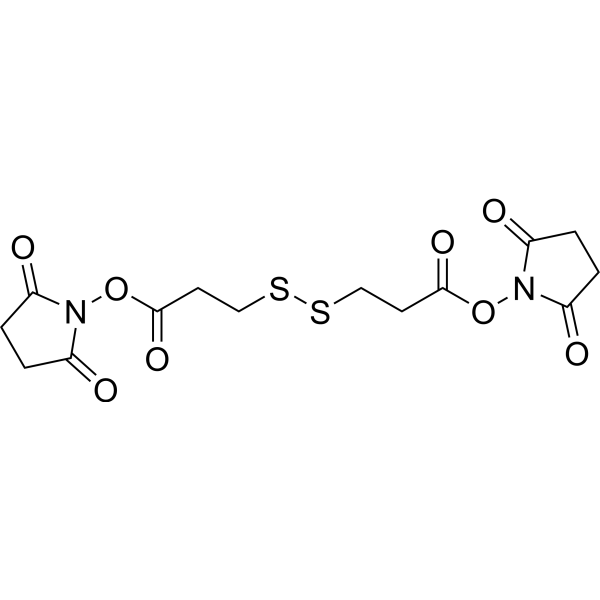
  • HY-118759
    DSP Crosslinker
    2 Publications Verification

    Biochemical Assay Reagents Inflammation/Immunology
    DSP Crosslinker is an amine-reactive and cleavable protein crosslinker. DSP Crosslinker enables stable protein-protein, peptide, and biomolecule conjugation.
    DSP Crosslinker
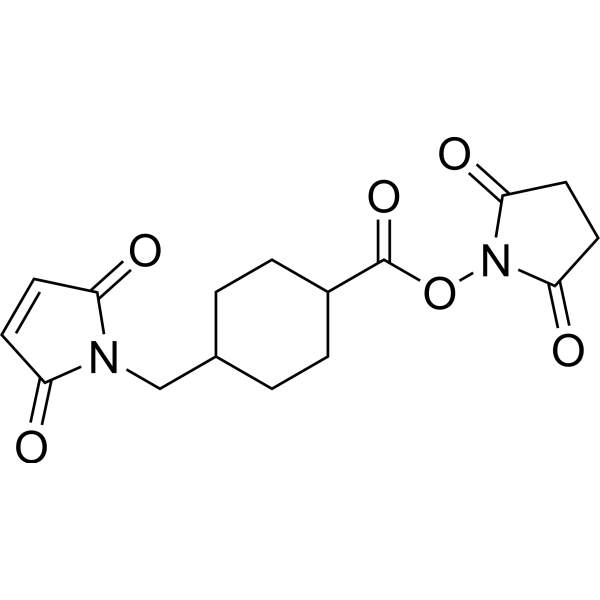
  • HY-42360
    SMCC
    1 Publications Verification

    ADC Linker Cancer
    SMCC is a protein crosslinker. SMCC contains an amine-reactive N-hydroxysuccinimide ester and a sulfhydryl-reactive maleimide group that can be used in the conjugation of proteins. SMCC-conjugated antigen coupled spleen cells to induce antigen-specific immune responses .
    SMCC
  • HY-124329A
    BS3 Crosslinker disodium
    1 Publications Verification

    Biochemical Assay Reagents Cancer
    BS3 Crosslinker disodium is an amine-reactive homobifunctional protein crosslinker. BS3 Crosslinker disodium enables stable protein-protein, peptide, and biomolecule conjugation.
    BS3 Crosslinker disodium
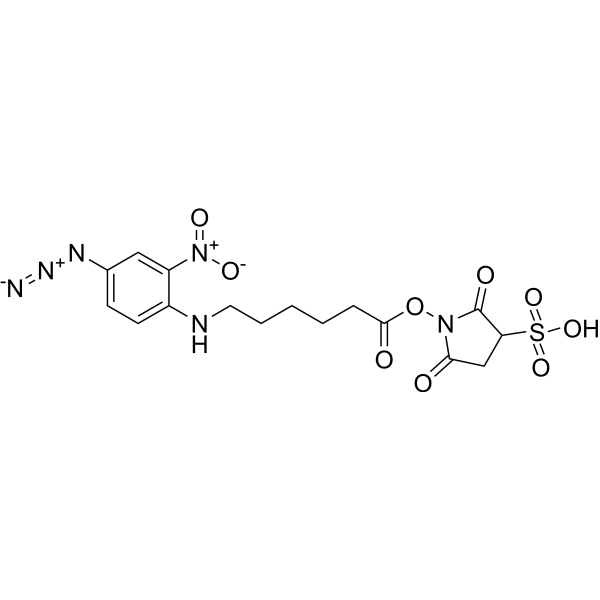
  • HY-137383

    Biochemical Assay Reagents Reactive Oxygen Species (ROS) Others
    Sulfo-SANPAH is a primary amine-nitrobenzene azide cross-linker. Sulfo-SANPAH improves the functionalization process of PDMS surfaces, is covalently bound to the PAAm gel surface. Sulfo-SANPAH is widely used to crosslink ECM proteins to various substrates, including acrylic-based hydrogels, such as polyacrylamide hydrogels. Sulfo-SANPAH facilitates covalent binding through its negatively charged sulfonate group on its N-hydroxysuccinimide ester ring and a photoactivated phenyl azide group that is highly reactive with nucleophiles and free radicals .
    Sulfo-SANPAH
  • HY-W074785

    Biochemical Assay Reagents Others
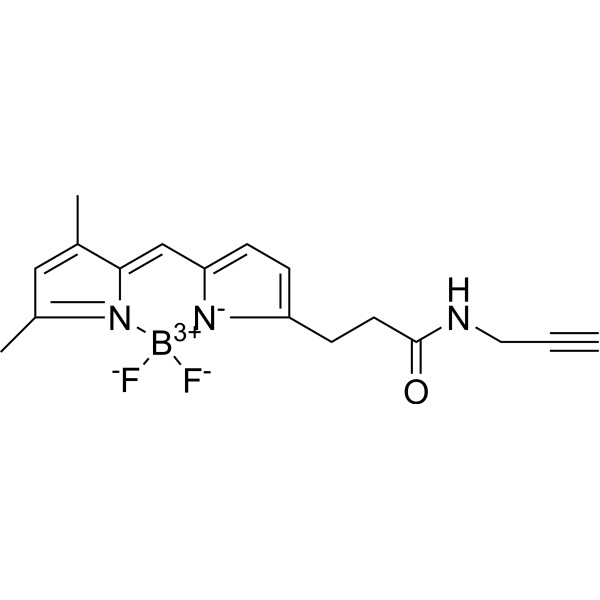
    Carboxyl diazirine alkyne is a protein cross-linking compound. Carboxyl diazirine alkyne plays a crucial role in the research on the inhibition and labeling of FTO protein by fluorescein derivatives .
    Carboxyl diazirine alkyne
  • HY-W035129

    Biochemical Assay Reagents Others
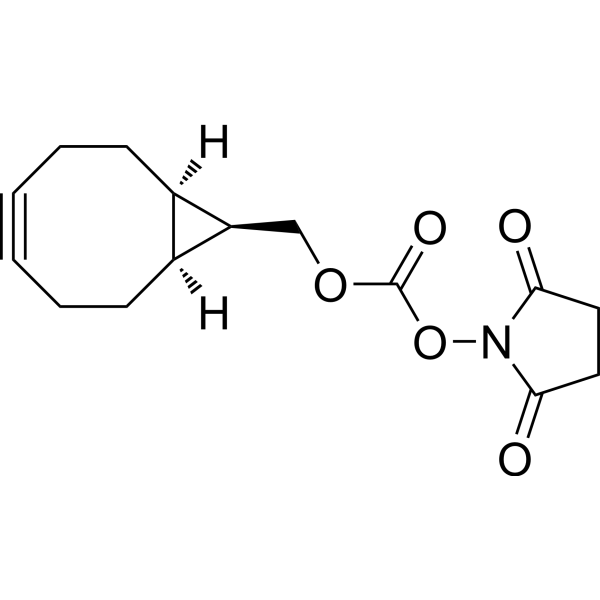
    endo-BCN-NHS carbonate is an elastin-like protein (ELP) modification reagent. endo-BCN-NHS carbonate can react with lysine residues in ELP to make ELP carry BCN groups, and then cross-link ELP through strain-promoted azide-alkyne cycloaddition (SPAAC) reaction. endo-BCN-NHS carbonate promotes hydrogel formation. endo-BCN-NHS carbonate is mainly used in cell encapsulation related research .
    endo-BCN-NHS carbonate
  • HY-157414

    Biochemical Assay Reagents Others
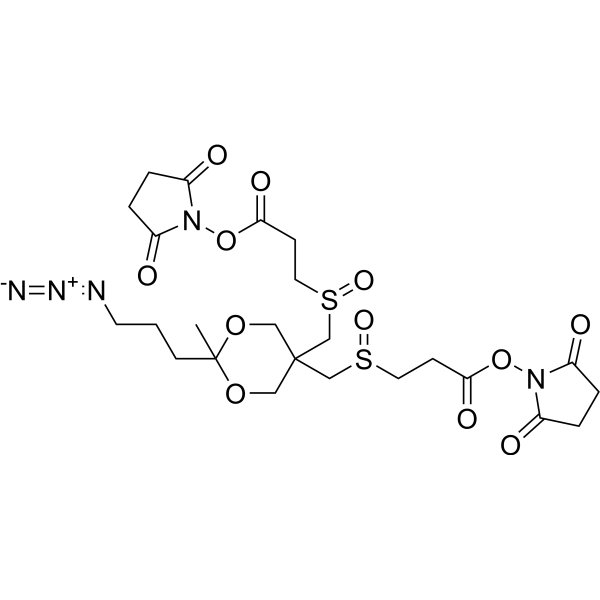
    Azide-A-DSBSO crosslinker is a mass spectrometry (MS) cleavable, membrane permeable, homobifunctional, azide-labeled, acid-cleavable crosslinking peptide. Azide-A-DSBSO crosslinker crosslinks proteins via NHS ester reaction with lysine residues. Azide-A-DSBSO crosslinker can be used to study protein-protein interactions by cross-linking mass spectrometry (XL-MS) [1] .
    Azide-A-DSBSO crosslinker
  • HY-129380
    Fructosyl-lysine
    1 Publications Verification

    Fructoselysine

    Endogenous Metabolite Metabolic Disease
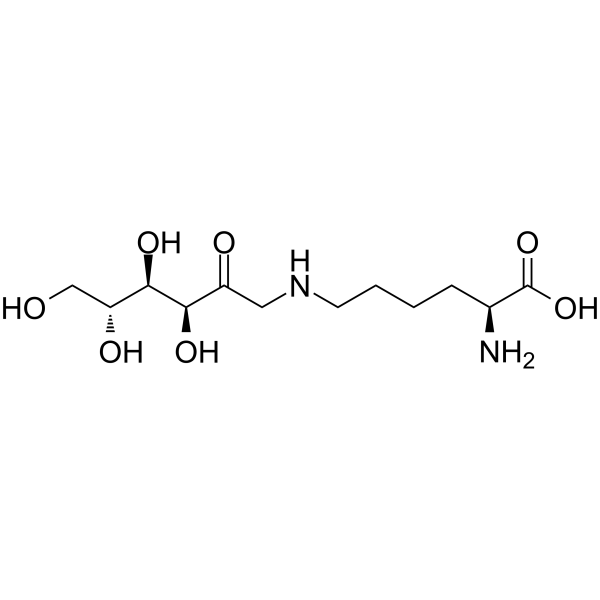
    Fructosyl-lysine (Fructoselysine) is an amadori glycation product from the reaction of glucose and lysine by the Maillard reaction. Fructosyl-lysine is the precursor to glucosepane, a lysine–arginine protein cross-link that can be an indicator in diabetes?detection .
    Fructosyl-lysine
  • HY-123740

    DSSO

    Biochemical Assay Reagents Others
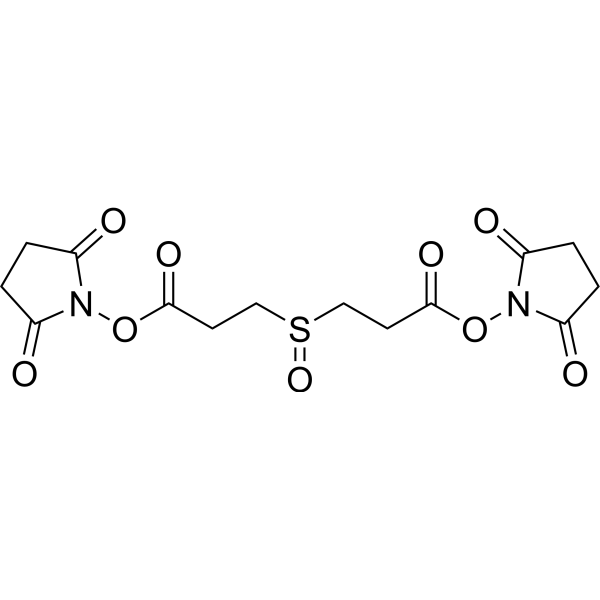
    Disuccinimidyl sulfoxide (DSSO) is a sulfoxide-containing crosslinker targeting amino groups that can be cleaved by MS, and it is suitable for model peptides, proteins, and multisubunit protein complexes. Disuccinimidyl sulfoxide contains two symmetric collision-induced dissociation (CID)-cleavable sites, enabling the identification of DSSO-crosslinked peptides based on different fragmentation patterns .
    Disuccinimidyl sulfoxide
  • HY-W123005
    Dimethyl pimelimidate dihydrochloride
    1 Publications Verification

    Biochemical Assay Reagents Others
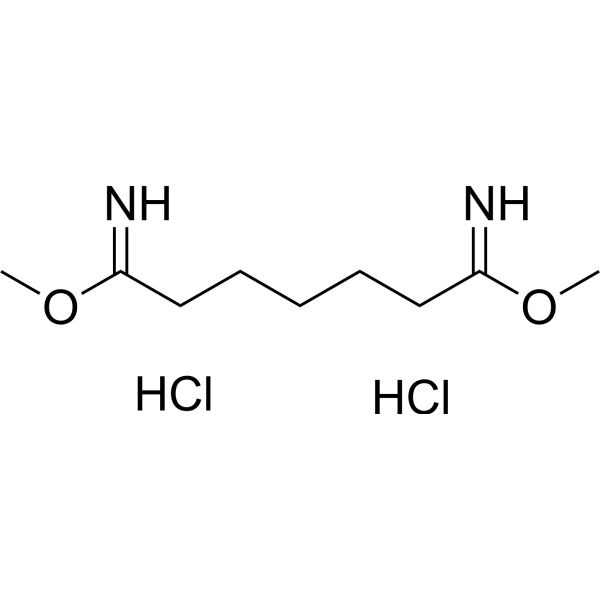
    Dimethyl pimelimidate dihydrochloride is a bifunctional imidoester protein-protein crosslinker used in chromatin immunoprecipitation (ChIP) assays .
    Dimethyl pimelimidate dihydrochloride
  • HY-13588

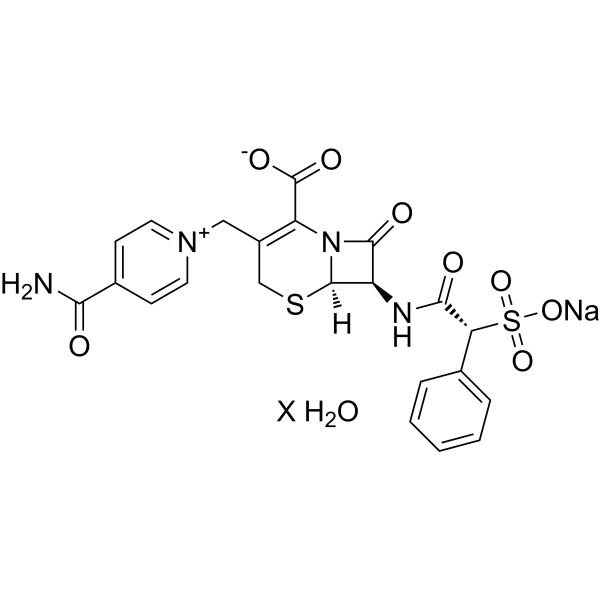
    SCE-129 sodium

    Bacterial Antibiotic Infection
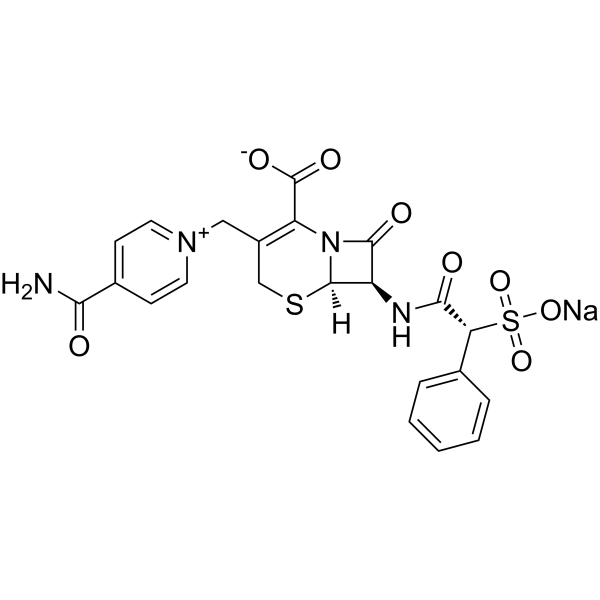
    Cefsulodin (SCE-129) sodium is a third generation β lactam antibiotic and member of the cephems subgroup of antibiotics. Cefsulodin sodium inhibits cell wall synthesis by competitively inhibiting penicillin binding protein (PBP) cross-linking and transpeptidation of peptidogly. Cefsulodin sodium is a potent tyrosine phosphatase inhibitor against mPTPB, a virulent phosphatase from Mycobacterium tuberculosis, with an IC50 value of 16 μM .
    Cefsulodin sodium
  • HY-111434A

    UAA crosslinker 1 hydrochloride

    Amino Acid Derivatives Cancer
    N6-[(2-Azidoethoxy)carbonyl]-L-lysine hydrochloride (UAA crosslinker 1 hydrochloride) is a click chemistry-reactive amino acid derivative. N6-[(2-Azidoethoxy)carbonyl]-L-lysine hydrochloride mediates the generation of antibody-drug conjugates (ADCs). N6-[(2-Azidoethoxy)carbonyl]-L-lysine hydrochloride is used for site-specific incorporation into recombinant proteins, or for synthesizing chemical probes and tools for biological research .
    N6-[(2-Azidoethoxy)carbonyl]-L-lysine hydrochloride
  • HY-148140
    Cross-linked dextran G 25
    1 Publications Verification

    Biochemical Assay Reagents Others
    Cross-linked dextran G 25 is a dextran chromatography medium. Cross-linked dextran G 25 separates from 1 to 5 kD (spherical proteins) and can be used for the separation of peptides as well as for the desalting and buffer replacement of large molecule proteins .
    Cross-linked dextran G 25
  • HY-W332335

    Biochemical Assay Reagents Others
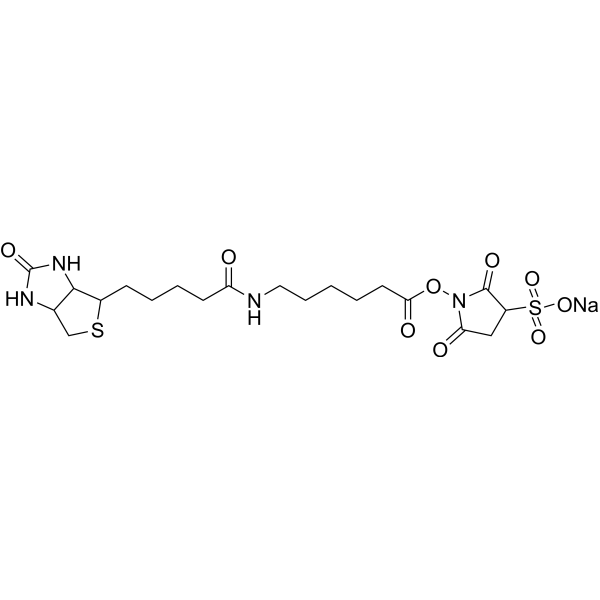
    Sulfosuccinimidyl-6-(biotinamido)hexanoate sodium is a protein crosslinker, and is a biotinylation reagentcan for labeling cell surface proteins .
    Sulfosuccinimidyl-6-(biotinamido)hexanoate sodium
  • HY-148139

    Biochemical Assay Reagents Others
    Cross-linked dextran G 75 is a Gel-filtration media. Cross-linked dextran G 75 also is a dextran-based matrix and used for Gel-filtration chromatography (Particle size range: 40-120 μm; Sphere protein separation range: 3K-80K Da; Polysaccharide separation range: 1K-50K Da) .
    Cross-linked dextran G 75
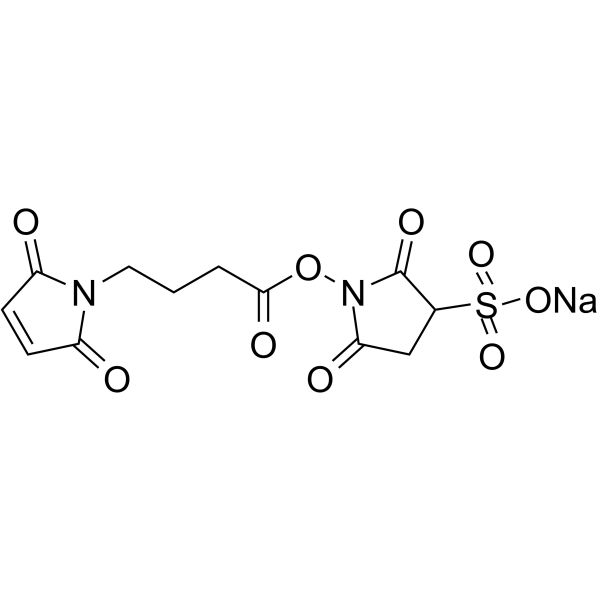
  • HY-W041994

    Fructose-1,6-bisphosphate aldolase Biochemical Assay Reagents Cancer
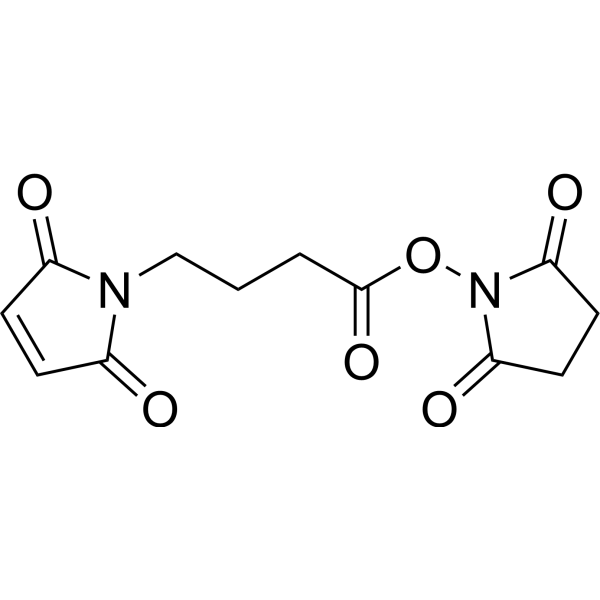
    GMBS is a heterobifunctional crosslinker targeting primary amines and sulfhydryl groups. GMBS can be used for chemical crosslinking of proteins and crosslinking mass spectrometry (CXMS) to study protein folding and map interfaces between interacting proteins .
    GMBS
  • HY-141452

    Malondialdehyde

    Endogenous Metabolite Neurological Disease
    Propanedial (Malondialdehyde) (13.88 mM in water) is one of the final products of lipid peroxidation. Propanedial causes protein inactivation, DNA damage and cross-linking by forming stable covalent adducts with biological macromolecules, which is the main mechanism for its cytotoxicity and genotoxicity. Propanedial production increases with the elevation of free radicals. Propanedial is a key biomarker for evaluating the level of cellular oxidative stress [1][2][3].
    Propanedial (13.88 mM in water)
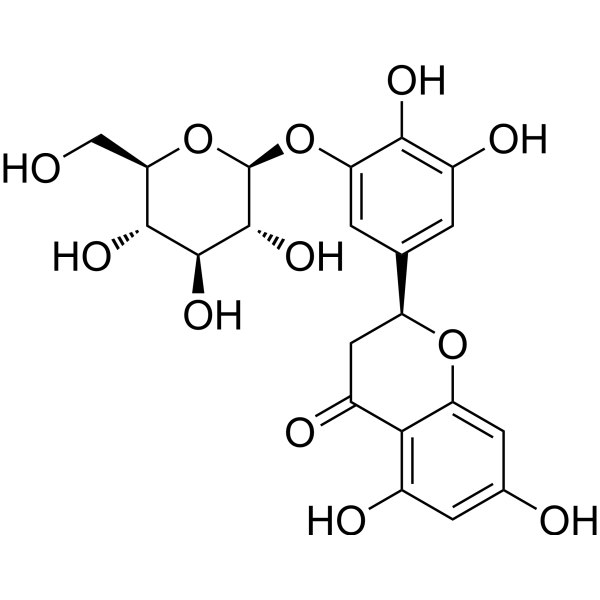
  • HY-N1470

    Glycosidase Metabolic Disease
    Plantagoside is a flavanone glucoside found in Plantago asiatica seeds, acting as a specific non-competitive α-mannosidase inhibitor with IC50 values of 5 μM and a Ki of 2.7 μM (jack bean). Plantagoside suppresses antibody response and Concanavalin A (HY-P2149)-induced lymphocyte proliferation in mouse spleen cells. Plantagoside inhibits the Maillard reaction, advanced glycation end product formation, and glycation-dependent protein-protein cross-link formation. Plantagoside can be used for the research of diabetes .
    Plantagoside
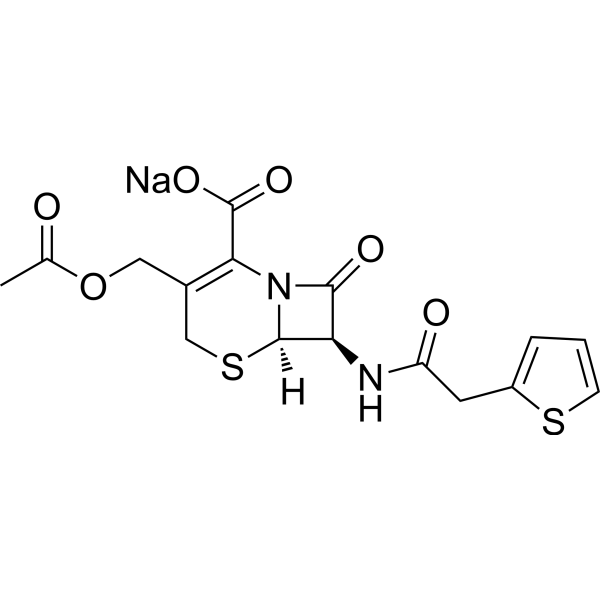
  • HY-B1275
    Cephalothin sodium
    3 Publications Verification

    Cefalotin sodium

    Beta-lactamase Bacterial Antibiotic Infection
    Cephalothin (Cephalotin) sodium is a semi-synthetic cephalosporin antibiotic and beta-lactam antibiotic. Cephalothin inhibits class C β-lactamase AmpC, with an Ki of 0.32 µM. Cephalothin sodium binds to penicillin-binding proteins, interfering with the cross-linking of peptidoglycan in the cell wall and thus hindering the normal synthesis of the bacterial cell wall. Cephalothin sodium shows antibacterial activity against a variety of bacteria. Cephalothin sodium can be used in hematological and nephrotoxicity studies .
    Cephalothin sodium
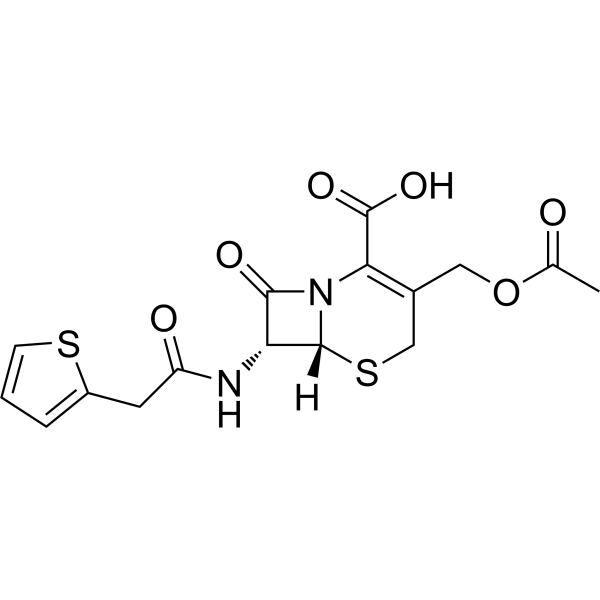
  • HY-B1275A
    Cephalothin
    3 Publications Verification

    Cephalotin

    Beta-lactamase Bacterial Antibiotic Infection Cardiovascular Disease
    Cephalothin (Cephalotin) is a semi-synthetic cephalosporin antibiotic and beta-lactam antibiotic. Cephalothin inhibits class C β-lactamase AmpC, with an Ki of 0.32 µM. Cephalothin binds to penicillin-binding proteins, interfering with the cross-linking of peptidoglycan in the cell wall and thus hindering the normal synthesis of the bacterial cell wall. Cephalothin shows antibacterial activity against a variety of bacteria. Cephalothin can be used in hematological and nephrotoxicity studies .
    Cephalothin
  • HY-174892

    Biochemical Assay Reagents Others
    Biotin-PEG5-NHS ester is a heterobifunctional crosslinker as well as a polyethylene glycol-containing bioconjugation reagent. Biotin-PEG5-NHS ester is widely used in scientific research fields such as the construction of highly sensitive biosensors, the development of targeted drug delivery systems (e.g., liposome modification), immunofluorescence imaging, and protein affinity purification, and serves as an important tool for achieving precise labeling and functionalization of biomolecules .
    Biotin-PEG5-NHS ester
  • HY-138560
    Cross-linked dextran G 50
    2 Publications Verification

    Biochemical Assay Reagents Others
    Cross-linked dextran G 50 is a gel filtration medium. Cross-linked dextran G 50 can be used in gel permeation chromatography for fractionation of the glycopeptide mixture (Sphere protein separation range: 1.5K-30K Da; Polysaccharide separation range: 500-10K Da) .
    Cross-linked dextran G 50
  • HY-107783

    Biochemical Assay Reagents Others
    Sulfo-GMBS is a crosslinker widely used in chemical modification and coupling reactions of proteins and peptides. Among amine-thiol crosslinkers, Sulfo-GMBS generates the largest number of crosslinks and covers most of the crosslinks identified by AMAS and GMBS .
    Sulfo-GMBS
  • HY-D0853
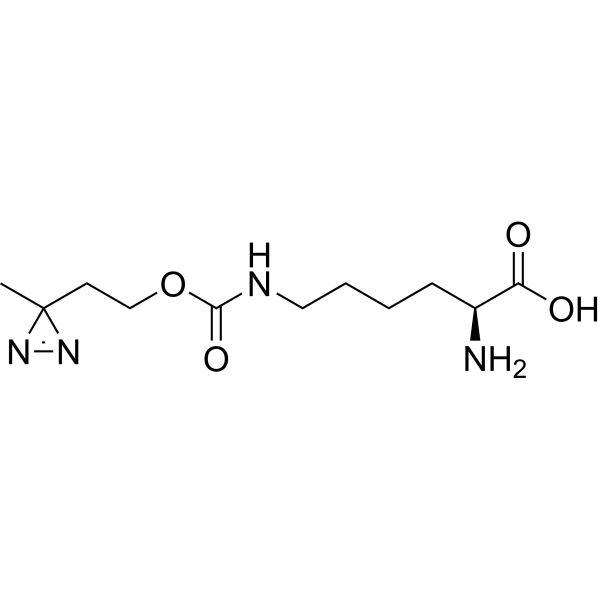
    DiAzKs
    1 Publications Verification

    H-L-Photo-lysine

    Fluorescent Dye Others
    DiAzKs (H-L-Photo-lysine) is a diazirine-containing lysine amino acid and is a photo-cross-linker. DiAzKs can site-selective incorporated into proteins and is used to crosslink protein-protein interactions in vitro and in living cells. DiAzKs acts as a UV light-activated photo-crosslinking probe .
    DiAzKs
  • HY-129380A
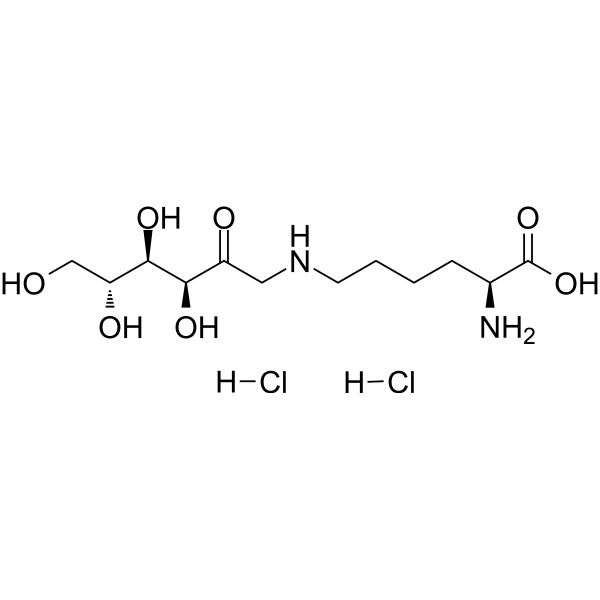
    Fructosyl-lysine dihydrochloride
    1 Publications Verification

    Fructoselysine dihydrochloride

    Endogenous Metabolite Metabolic Disease
    Fructosyl-lysine (Fructoselysine) dihydrochloride is an amadori glycation product from the reaction of glucose and lysine by the Maillard reaction. Fructosyl-lysine dihydrochloride is the precursor to glucosepane, a lysine–arginine protein cross-link that can be an indicator in diabetes detection .
    Fructosyl-lysine dihydrochloride
  • HY-141522

    Biochemical Assay Reagents Others
    Cross-linked dextran G 100 is a gel filtration medium that can be used for protein purification (Sphere protein separation range: 4K-150K Da; Polysaccharide separation range: 1K-100K Da) .
    Cross-linked dextran G 100
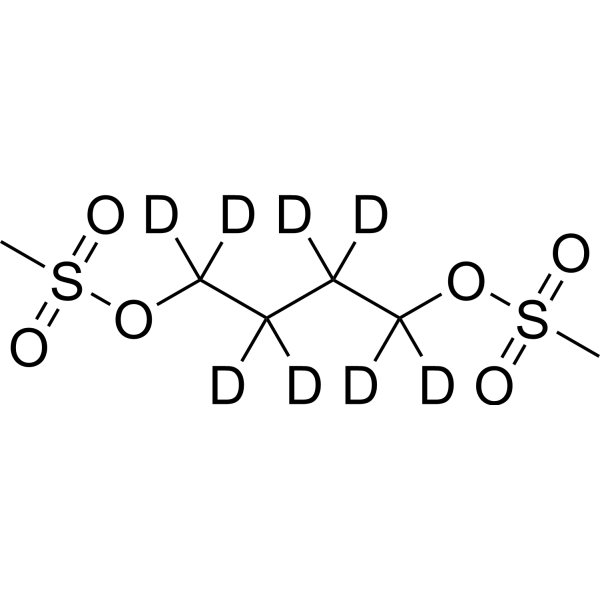
  • HY-B0245S

    DNA Alkylator/Crosslinker Apoptosis Inflammation/Immunology Cancer
    Busulfan-d8 is a deuterium labeled Busulfan. Busulfan is a potent alkylating antineoplastic agent. Busulfan causes DNA damage by cross-linking DNAs and DNA and proteins. Busulfan inhibits thioredoxin reductase. Busulfan induces apoptosis. Busulfan is an immunosuppressive and myeloablative chemotherapeutic agent .
    Busulfan-d8
  • HY-150014

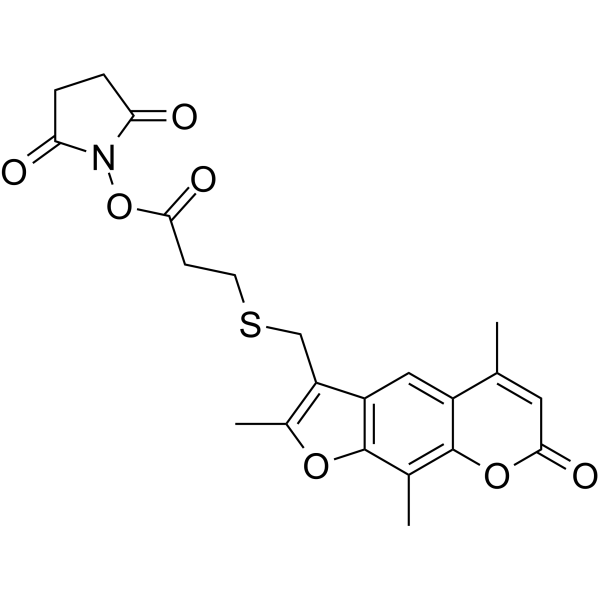
    Others Others
    AMT-NHS is an RNA-protein crosslinker. AMT-NHS is composed of a psoralen derivative and an N-hydroxysuccinimide ester group which react with RNA bases and primary amines of protein, respectively. AMT-NHS can penetrate into living yeast cells and crosslink Cbf5 to H/ACA snoRNAs with high specificity. AMT-NHS induces different crosslinking patterns and targets both single- and double-stranded regions of RNA. AMT-NHS can be used for capturing diverse RNA-protein interactions in cells .
    AMT-NHS
  • HY-113033

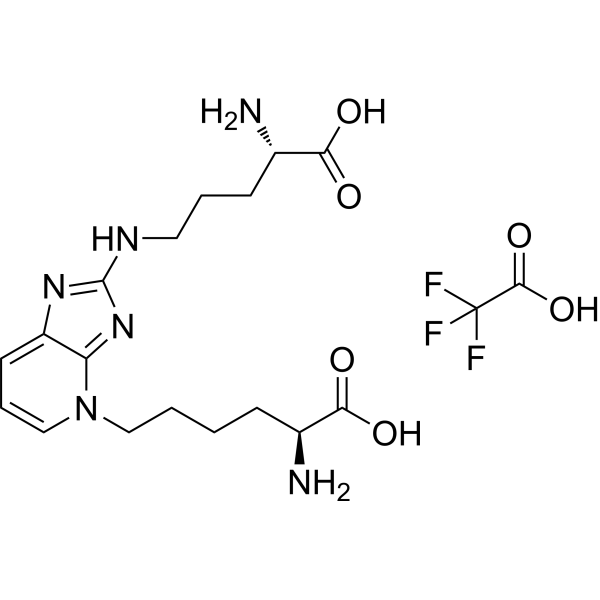
    Others Biochemical Assay Reagents Neurological Disease Metabolic Disease Inflammation/Immunology
    Pentosidine is a fluorescent advanced glycation end product (AGE) and cross-linker. Pentosidine is a fluorescent cross-linked structure formed by lysine and arginine in sugar oxidation reactions, and it is commonly found in collagen, skin, bone, lens and plasma proteins . Pentosidine is used in research related to type 1 diabetes, brown cataracts, rheumatoid arthritis, atherosclerosis and neurodegenerative diseases .
    Pentosidine
  • HY-156045C

    Biochemical Assay Reagents Others
    Cross-linked dextran G 200 is a hydrophilic gel based on molecular size exclusion and targeted macromolecular separation. Cross-linked dextran G 200 works through the gel permeation mechanism, and the cross-linked structure forms a three-dimensional network with a specific pore size, achieving separation based on the molecular hydrodynamic volume. Cross-linked dextran G 200 can be used to adjust the osmotic solute distribution coefficient and the ability to maintain osmotic equilibrium, such as in gel filtration chromatography for purification and analysis of biomacromolecules such as proteins and nucleic acids . Cross-linked dextran G 200 can also be used as a gel filtration filler (particle size range: 40-120 μm; globular protein separation range: 5-600 kDa) .
    Cross-linked dextran G 200
  • HY-B0245R

    DNA Alkylator/Crosslinker Apoptosis Reference Standards Inflammation/Immunology Cancer
    Busulfan (Standard) is the analytical standard of Busulfan. This product is intended for research and analytical applications. Busulfan is a potent alkylating antineoplastic agent. Busulfan causes DNA damage by cross-linking DNAs and DNA and proteins. Busulfan inhibits thioredoxin reductase. Busulfan induces apoptosis. Busulfan is an immunosuppressive and myeloablative chemotherapeutic agent .
    Busulfan (Standard)
  • HY-W043748

    N-Succinimidyl acrylate

    Biochemical Assay Reagents Others
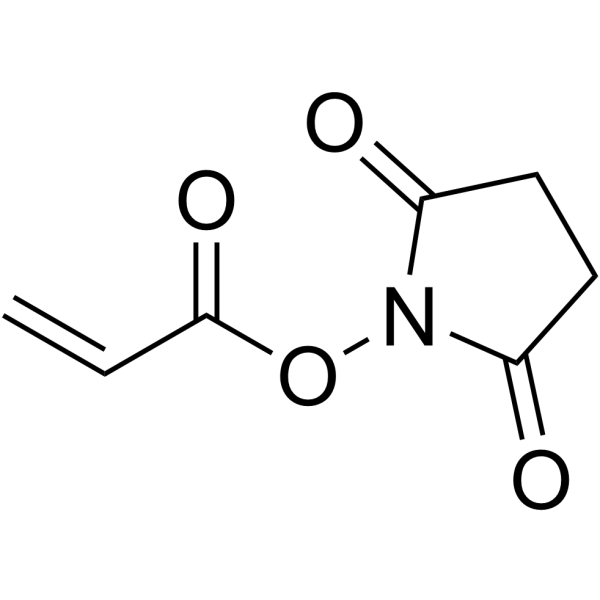
    2,5-Dioxopyrrolidin-1-yl acrylate (N-Succinimidyl acrylate) is a protein crosslinker. 2,5-Dioxopyrrolidin-1-yl acrylate can react with a monoclonal anti-horseradish peroxidase IgG antibody (anti-HRP) to modify lysine residues .
    2,5-Dioxopyrrolidin-1-yl acrylate
  • HY-W106411

    Dithio-bis-maleimidoethane

    Biochemical Assay Reagents Others
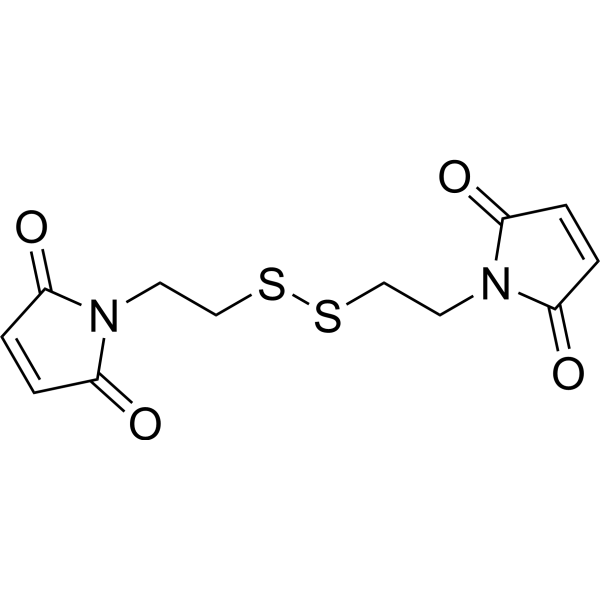
    DTME (dithio-bis-maleimidoethane) is a homobifunctional, maleimide crosslinker specifically designed for conjugation between sulfhydryl groups (-SH). DTME, whose molecular structure consists of two maleimide groups connected by an ethylene disulfide bridge, can specifically react with thiol - containing molecules (such as cysteine residues) to form stable covalent bonds. DTME allows crosslinks that can be cleaved with reducing agents such as DTT (HY-15917). DTME is commonly utilized to explore and characterize protein structure, particularly oligomerization, or protein interactions .
    DTME
  • HY-111434

    UAA crosslinker 1

    Amino Acid Derivatives Cancer
    N6-[(2-Azidoethoxy) carbonyl]-L-lysine (UAA crosslinker 1) is a click chemistry-reactive amino acid derivative. N6-[(2-Azidoethoxy) carbonyl]-L-lysine mediates the generation of antibody-drug conjugates (ADCs). N6-[(2-Azidoethoxy) carbonyl]-L-lysine is used for site-specific incorporation into recombinant proteins, or for synthesizing chemical probes and tools for biological research .
    N6-[(2-Azidoethoxy)carbonyl]-L-lysine
  • HY-156045B

    Biochemical Assay Reagents Others
    Cross-linked dextran G 150 is a hydrophilic gel based on molecular size exclusion and targeted for the separation of macromolecules. Cross-linked dextran G 150 functions through the gel permeation mechanism, where the cross-linked structure forms a three-dimensional network with specific pore diameters, achieving separation based on the molecular volumetric flow. Cross-linked dextran G 150 can be used to regulate the distribution coefficient of permeating solutes and maintain the permeation balance, such as in gel filtration chromatography for the purification and analysis of biological macromolecules like proteins and nucleic acids. Cross-linked dextran G 150 can also be used as a gel filtration filler (particle size range: 40-120 μm; spherical protein separation range: 5-300 kDa) .
    Cross-linked dextran G 150
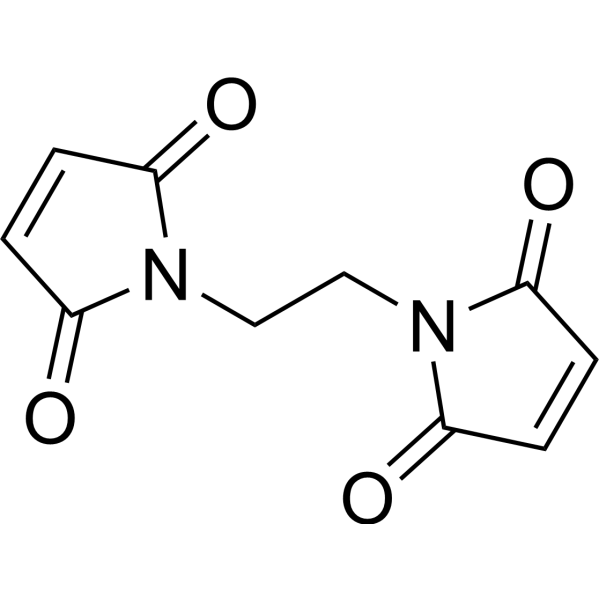
  • HY-W013538

    N,N'-Ethylenedimaleimide

    Biochemical Assay Reagents Others
    1,2-Bis(maleimido)ethane (N,N'-Ethylenedimaleimide) is a protein cross-linking agent.
    1,2-Bis(maleimido)ethane
  • HY-W075885

    trans-platinumdiamminedichloride

    DNA Alkylator/Crosslinker Others
    trans-Platinum(II)diammine dichloride (trans-platinumdiamminedichloride) is a geometric isomer of Cisplatin (HY-17394). Trans-Platinum(II)diammine dichloride is a DNA cross-linking agent that induces significant DNA cross-link damage while exhibiting low cytotoxicity. Trans-Platinum(II)diammine dichloride is useful for studying DNA-protein cross-links .
    trans-Platinum(II)diammine dichloride
  • HY-D0853A
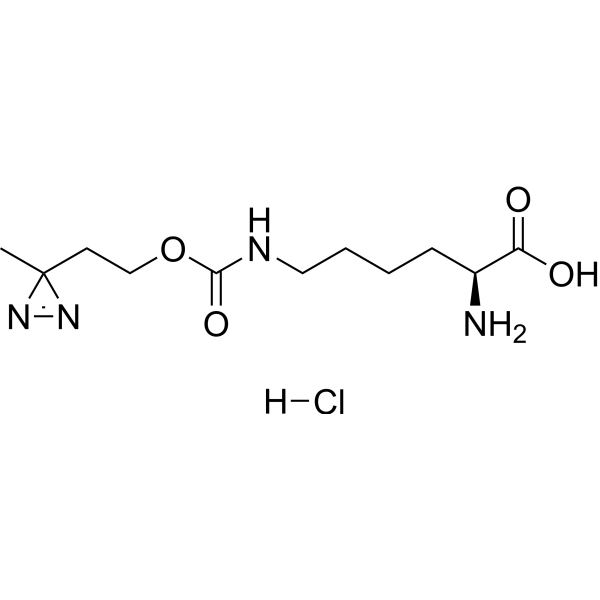
    DiAzKs hydrochloride
    1 Publications Verification

    H-L-Photo-lysine hydrochloride

    Fluorescent Dye Others
    DiAzKs (H-L-Photo-lysine) hydrochloride is a diazirine-containing lysine amino acid and is a photo-cross-linker. DiAzKs hydrochloride can site-selective incorporated into proteins and is used to crosslink protein-protein interactions in vitro and in living cells. DiAzKs hydrochloride acts as a UV light-activated photo-crosslinking probe .
    DiAzKs hydrochloride
  • HY-117080

    Biochemical Assay Reagents Others
    Sulfo-EGS is a homobifunctional, amine-reactive chemical crosslinker. Sulfo-EGS is used to study protein-protein or protein-peptide interactions, which can determine the spatial proximity of amino acid residues in a protein complex, without relying on standards .
    Sulfo-EGS
  • HY-P3026

    Ser/Thr Protease Endogenous Metabolite Cancer
    The Bowman-Birk inhibitor, a highly cross-linked protein featuring seven disulfide bridges, possesses spatially distinct domains specifically designed for the inhibition of both trypsin and chymotrypsin, showcasing its significant role as a plant protease inhibitor with anticarcinogenic properties.
    Bowman-birk inhibitor
  • HY-W585874

    EAAT Apoptosis Neurological Disease Metabolic Disease
    Nε-(Carboxyethyl) lysine is an advanced glycation end product (AGE). Nε-(Carboxyethyl) lysine induces cross-linking between proteins, thereby affecting protein structure and function and causing protein denaturation. Nε-(Carboxyethyl) lysine binds to the RAGE receptor, affects cell signal transduction, and regulates processes such as inflammatory responses, cell proliferation, and apoptosis. Nε-(Carboxyethyl) lysine affects glutamate transporters, reduces glutamate uptake and S100β protein secretion, influences neurotransmission in the nervous system, and exhibits diabetes-related neurotoxicity .
    Nε-(Carboxyethyl)lysine
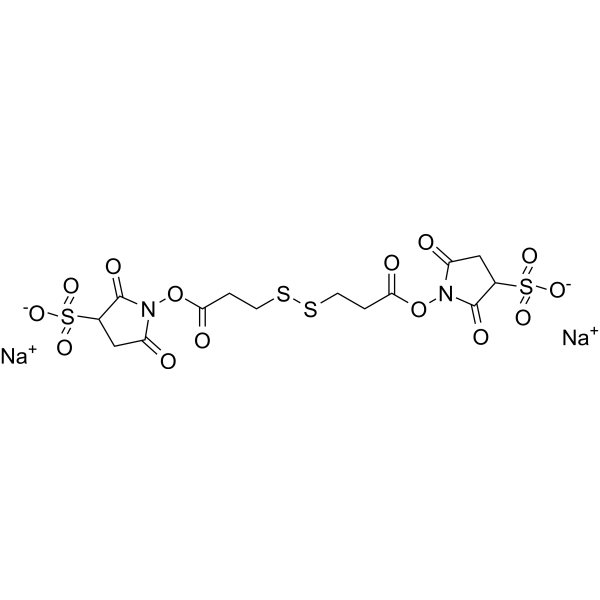
  • HY-W096122

    Biochemical Assay Reagents Others
    DTSSP Crosslinker disodium is a protein cross-linker containing a disulfide bond. DTSSP Crosslinker disodium can react with sidechains of amino acids that are within close proximity .
    DTSSP Crosslinker disodium
  • HY-159008

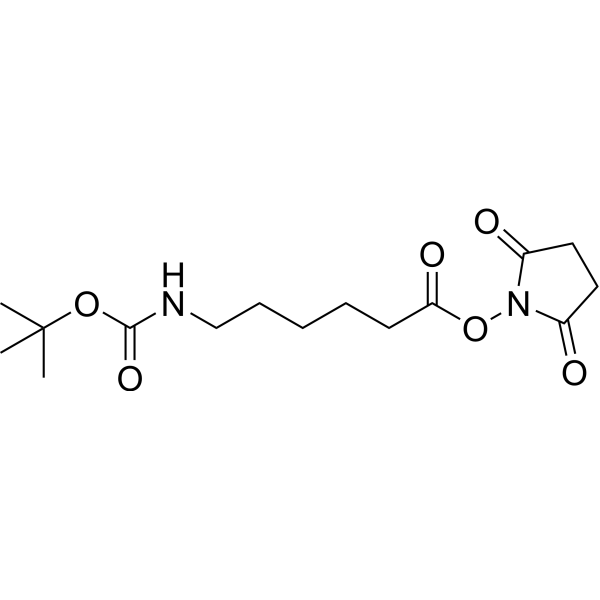
    Biochemical Assay Reagents Others
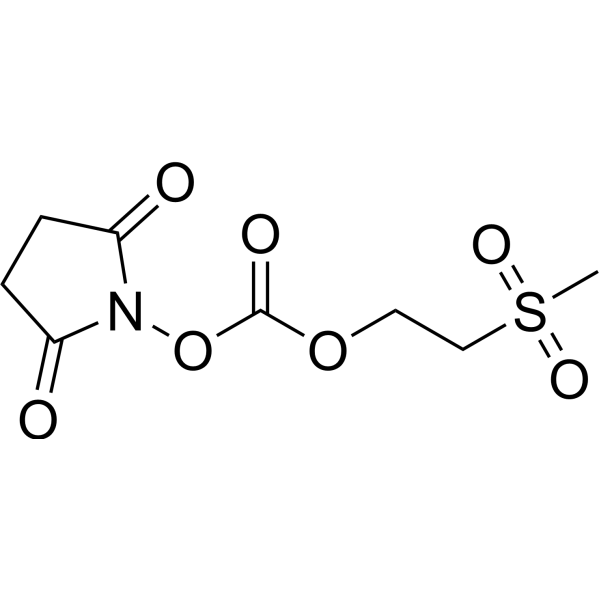
    NHSF is a protein cross-linking agent .
    NHSF
  • HY-135066

    Pentaerythritol triallyl ether

    Biochemical Assay Reagents Others
    Triallyl pentaerythritol (PEATA), a crosslinker, decreases the protein rejection compared to membranes functionalized with MBAA or without any crosslinker .
    Triallyl pentaerythritol
  • HY-W104848

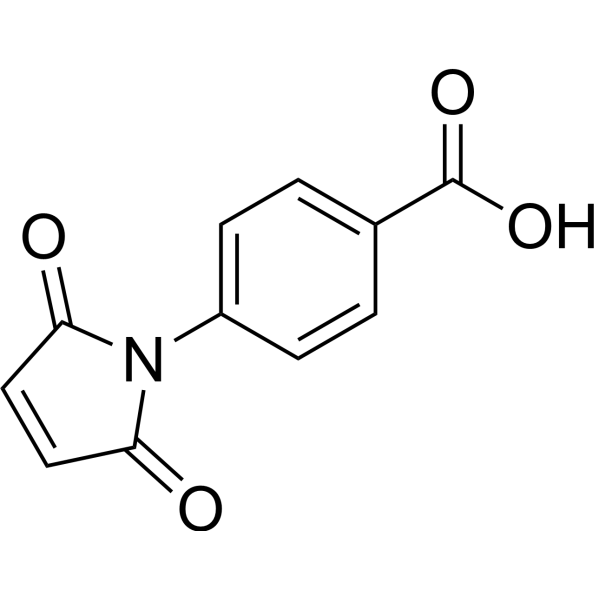
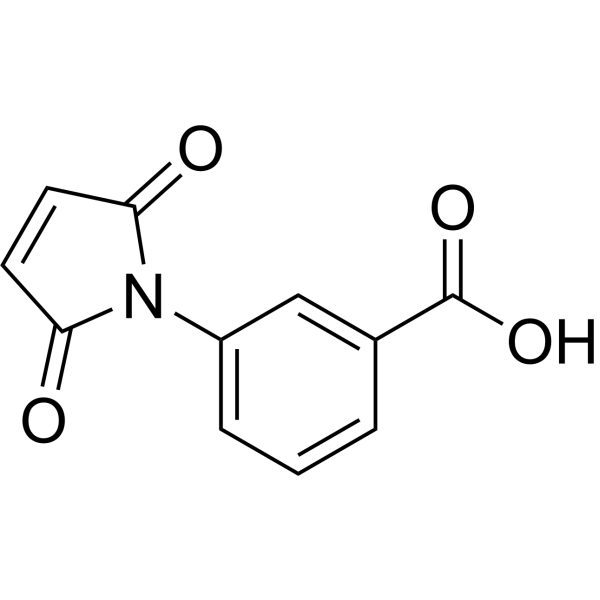
    Biochemical Assay Reagents Others
    4-Maleimidobenzoic acid is a protein crosslinker. 4-Maleimidobenzoic acid can be used to synthesis maleimidobenzoyl spacers .
    4-Maleimidobenzoic acid
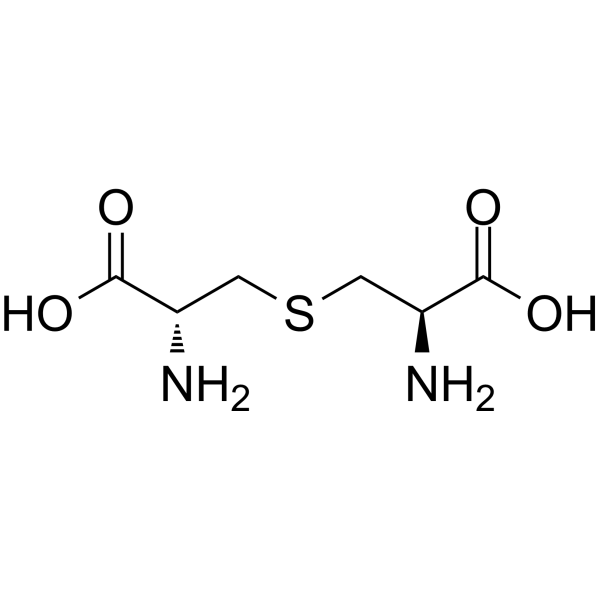
  • HY-135113

    Amino Acid Derivatives Others
    DL/meso-Lanthionine is a mixture of the racemic mixture (DL-) and meso- isomers of Lanthionine. Lanthionine is a non-protein amino acid composed of two alanine residues cross-linked by a thioether bond and is a structural component of the bacterial cell wall.
    DL/meso-Lanthionine

オンラインお問い合わせ

入力情報は安全に管理されます. 必須入力項目.

タイトル


国或いは地域 *

お名前 *


組纖名 *

デパートメント *


メールアドレス *


製品名 *

製品番号


カスタマ需要量 *

電話番号 *


必ず会社名を記載ください。個人への返信は行いません。

備考

バルクお問い合わせ

Inquiry Information

製品名:
製品番号:
数量:
MCE 日本正規代理店: