1. Search Result
Search Result
Results for "

cardiac effect

" in MedChemExpress (MCE) Product Catalog:

103

Inhibitors & Agonists

2

Screening Libraries

7

Peptides

2

Inhibitory Antibodies

11

Natural
Products

12

Isotope-Labeled Compounds

Cat. No. Product Name Target Research Areas Chemical Structure
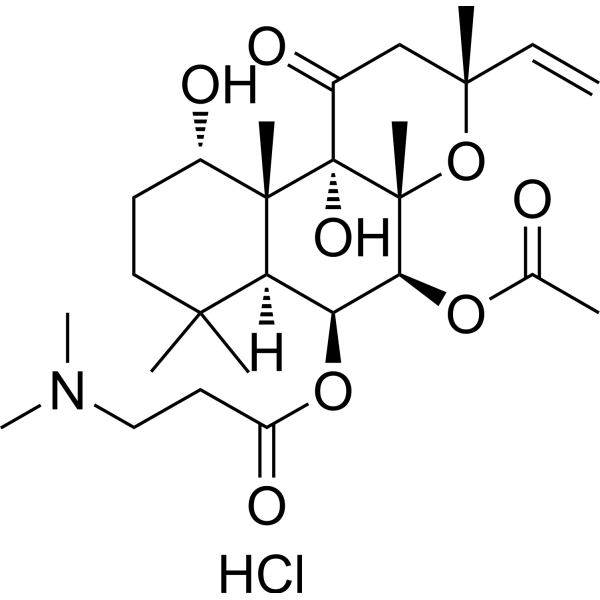
  • HY-103193

    Colforsin dapropate hydrochloride

    Adenylate Cyclase Cardiovascular Disease
    NKH477 (Colforsin dapropate hydrochloride) directly activates the catalytic unit of adenylate cyclase and increases intracellular cAMP. NKH477 is a forskolin derivative that improves cardiac failure mainly through its beneficial effects on diastolic cardiac function. NKH477 exerts an antiproliferative effect in vivo with an altered cytokine profile to inhibit the acute rejection of rat orthotopic lung allografts .
    NKH477
  • HY-B0252
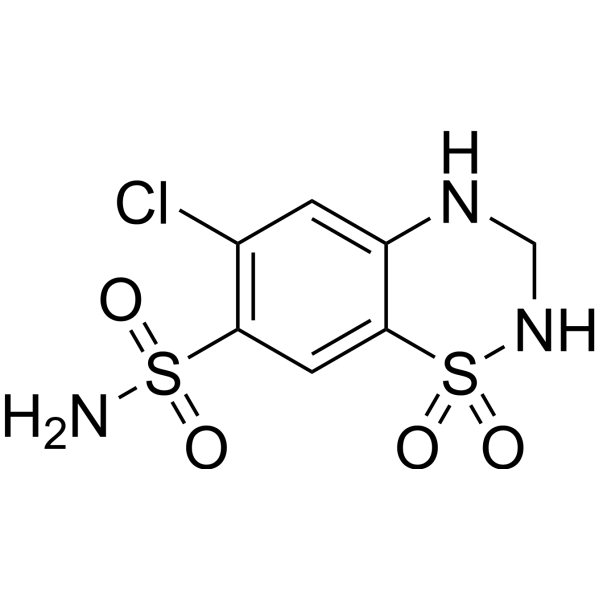
    Hydrochlorothiazide
    5+ Cited Publications

    HCTZ

    TGF-beta/Smad Potassium Channel Cardiovascular Disease Metabolic Disease Cancer
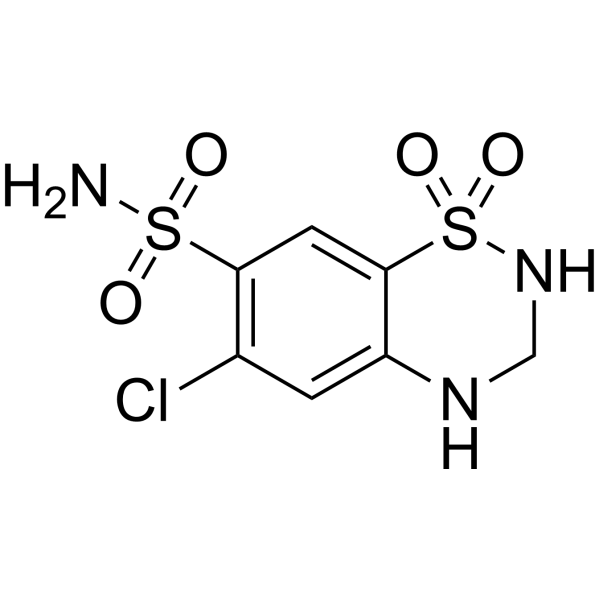
    Hydrochlorothiazide (HCTZ), an orally active diuretic agent of the thiazide class, inhibits transforming TGF-β/Smad signaling pathway. Hydrochlorothiazide has direct vascular relaxant effects via opening of the calcium-activated potassium (KCA) channel. Hydrochlorothiazide improves cardiac function, reduces fibrosis and has antihypertensive effect .
    Hydrochlorothiazide
  • HY-13315
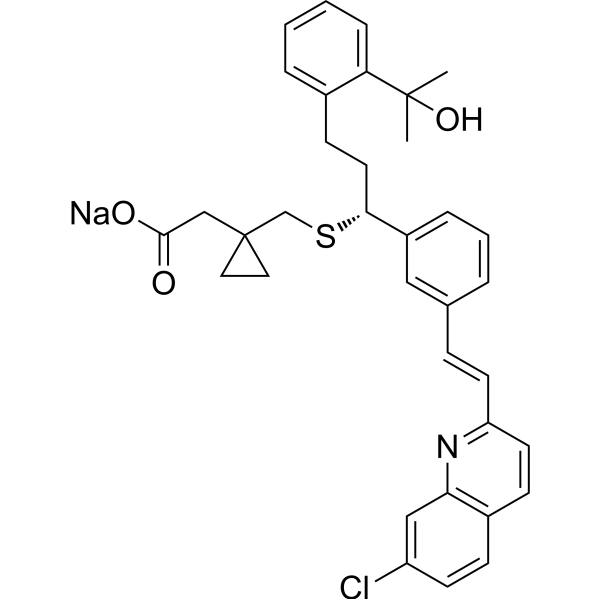
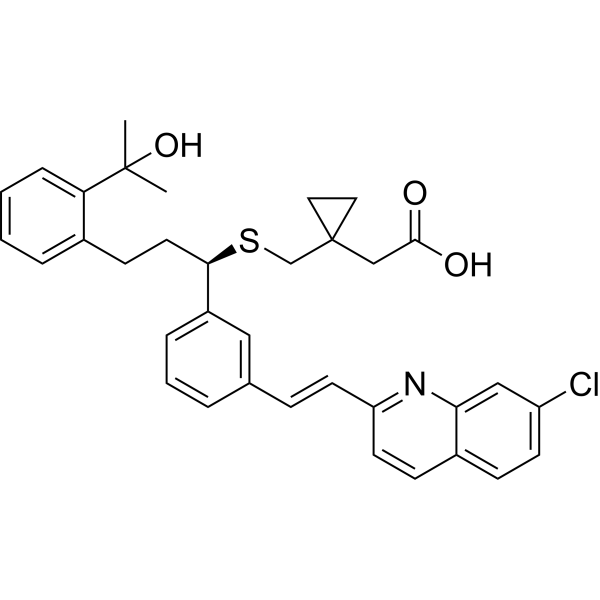
    Montelukast sodium
    10+ Cited Publications

    MK0476

    Leukotriene Receptor Inflammation/Immunology Cancer
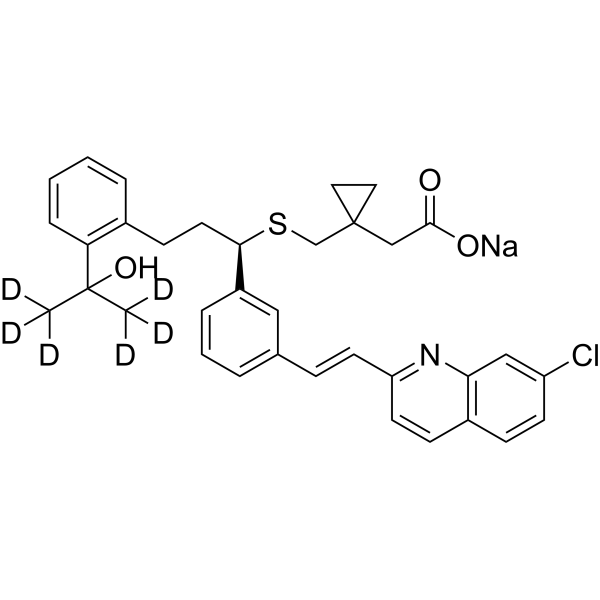
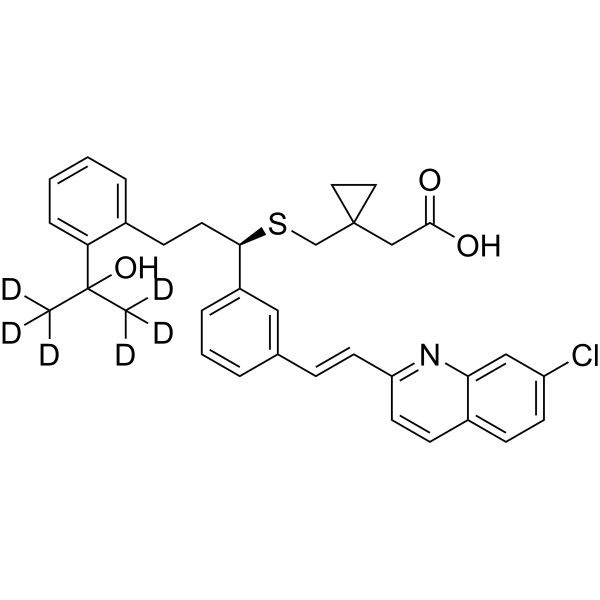
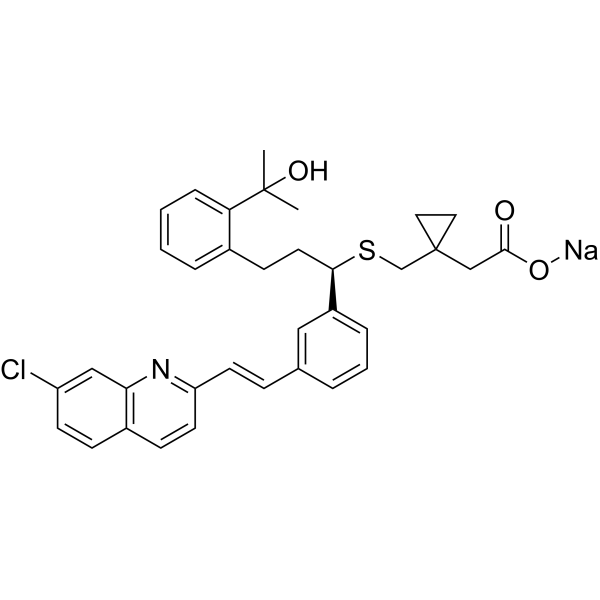
    Montelukast sodium (MK0476) is a potent, selective and orally active antagonist of cysteinyl leukotriene receptor 1 (CysLT1). Montelukast sodium can be used for the reseach of asthma and liver injury. Montelukast sodium also has an antioxidant effect in intestinal ischemia-reperfusion injury, and could reduce cardiac damage. Montelukast sodium decreases eosinophil infiltration into the asthmatic airways. Montelukast sodium can also be used for COVID-19 research .
    Montelukast sodium
  • HY-B1108
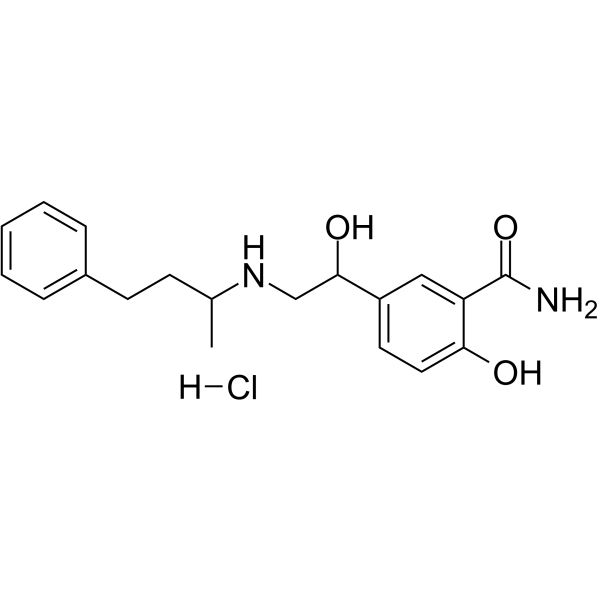
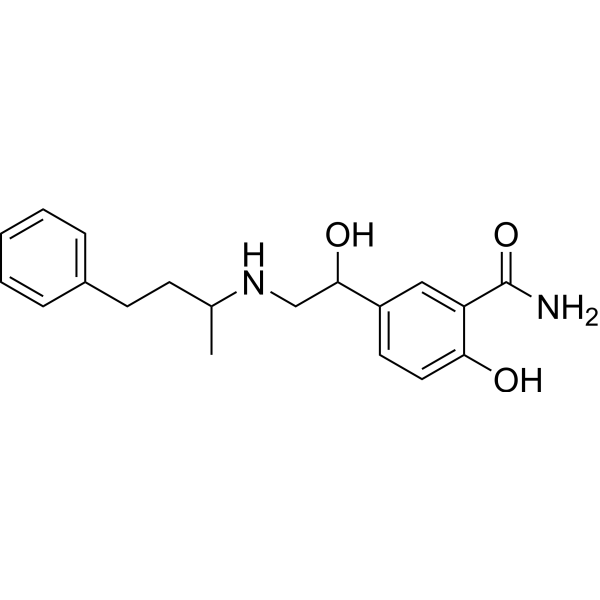
    Labetalol hydrochloride
    5 Publications Verification

    AH-5158 hydrochloride; Sch-15719W

    Adrenergic Receptor Cardiovascular Disease Inflammation/Immunology Endocrinology
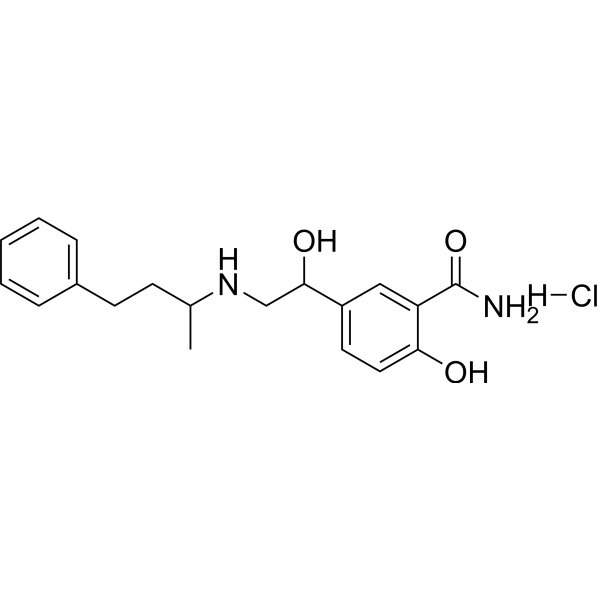
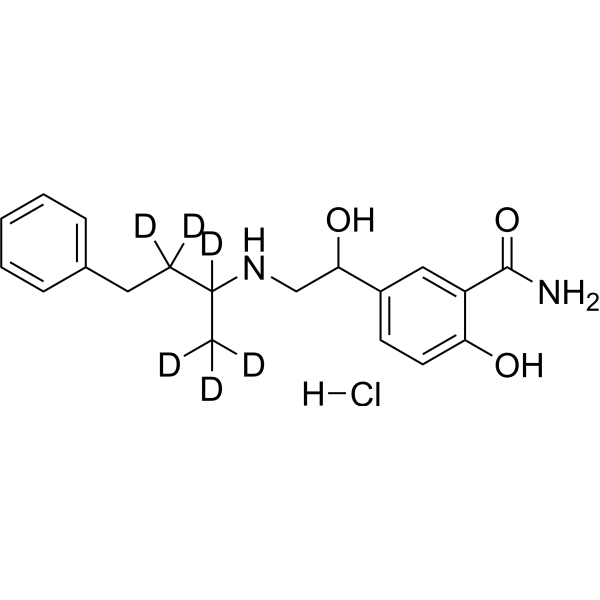
    Labetalol (AH5158) hydrochloride is an orally available, selective α1-adrenergic recepto and non-selective β-adrenergic receptor competitive antagonist. Labetalol hydrochloride is an antihypertensive molecule that partially crosses the blood-brain barrier and has little effect on cardiac output. Labetalol hydrochloride can be used in the study of cardiovascular diseases, such as hypertension during pregnancy .
    Labetalol hydrochloride
  • HY-13315A
    Montelukast
    10+ Cited Publications

    MK0476 free base

    Leukotriene Receptor Inflammation/Immunology Cancer
    Montelukast (MK0476 free base) is a potent, selective and orally active antagonist of cysteinyl leukotriene receptor 1 (CysLT1). Montelukast can be used for the reseach of asthma and liver injury. Montelukast also has an antioxidant effect in intestinal ischemia-reperfusion injury, and could reduce cardiac damage. Montelukast decreases eosinophil infiltration into the asthmatic airways. Montelukast can also be used for COVID-19 research .
    Montelukast
  • HY-121383
    Labetalol
    5 Publications Verification

    AH5158; Sch-15719W free base

    Adrenergic Receptor Cardiovascular Disease Inflammation/Immunology Endocrinology
    Labetalol (AH5158) is an orally available, selective α1-adrenergic recepto and non-selective β-adrenergic receptor competitive antagonist. Labetalol is an antihypertensive molecule that partially crosses the blood-brain barrier and has little effect on cardiac output. Labetalol can be used in the study of cardiovascular diseases, such as hypertension during pregnancy .
    Labetalol
  • HY-12717
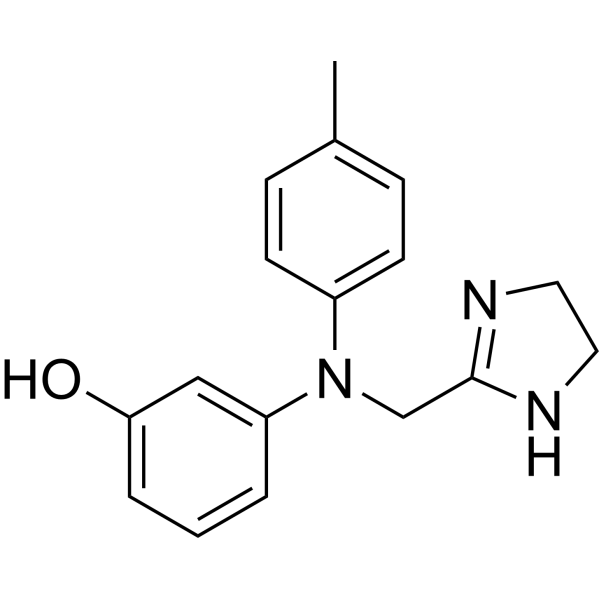
    Phentolamine
    5+ Cited Publications

    Adrenergic Receptor Cardiovascular Disease Endocrinology
    Phentolamine is an orally active, selective α1 and α2 Adrenergic receptor antagonist. Phentolamine antagonizes the vasodilatory effect of Cromakalim (HY-110011) on isolated circumflex coronary artery segments in dogs. Phentolamine reduces systemic vascular resistance and increases cardiac output. Phentolamine improves erectile dysfunction. Phentolamine can be used for the research of erectile dysfunction .
    Phentolamine
  • HY-15193
    EMD638683
    15+ Cited Publications

    SGK NOD-like Receptor (NLR) Interleukin Related Apoptosis Cardiovascular Disease Cancer
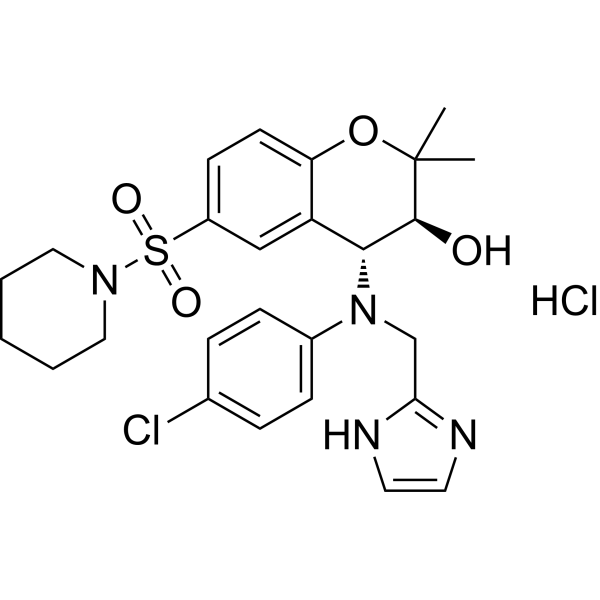
    EMD638683 is an orally active SGK1 inhibitor with an IC50 of 3 μM. EMD638683 exhibits strong inhibition against SGK1, moderate inhibition against SGK2 and SGK3, and shows excellent selectivity for other AGC kinase family members. EMD638683 has antihypertensive activity by inhibiting SGK1, and independently of the blood pressure-lowering effect, it effectively prevents heart inflammation and fibrosis caused by hypertension by inhibiting the cardiac NLRP3 inflammation body/ IL-1β axis. EMD638683 promotes apoptosis of colon cancer cells and sensitizes radiotherapy. EMD638683 (S-Form) can be used in research related to hypertension, hypertensive heart damage, and colon cancer .
    EMD638683
  • HY-W018026

    L-p-Hydroxyphenylglycine; 4-Hydroxy-L-phenylglycine; UK 25842

    Acyltransferase Apoptosis Cardiovascular Disease Metabolic Disease
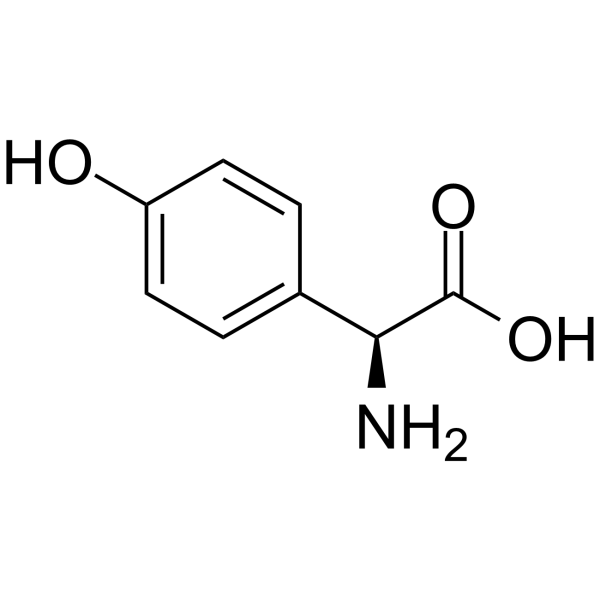
    Oxfenicine (L-p-Hydroxyphenylglycine) is an orally active carnitine palmitoyltransferase-1 inhibitor. Oxfenicine inhibits the oxidation of fatty acids in the heart, protecting cardiac tissue from necrotic damage during ischemia, and also has an inhibitory effect on cardiac tissue apoptosis. In addition, Oxfenicine promotes lipolysis in a high-fat diet rat model. Oxfenicine can be used in the study of cardiovascular and metabolic diseases .
    Oxfenicine
  • HY-P1752

    CRFR Bacterial Parasite NF-κB ERK Metabolic Disease
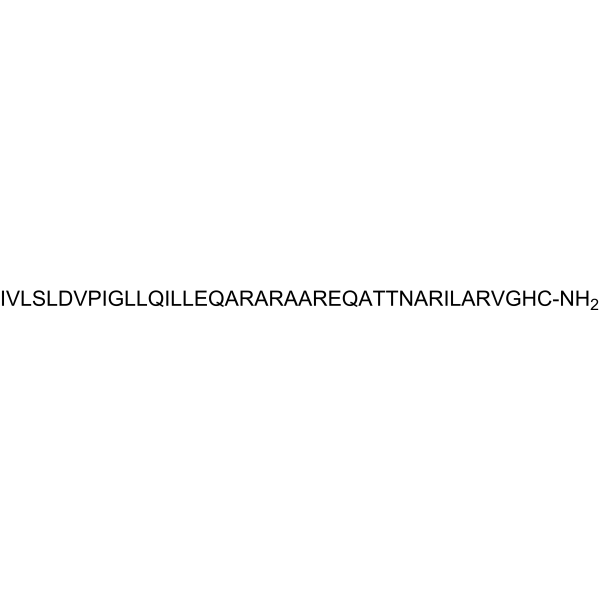
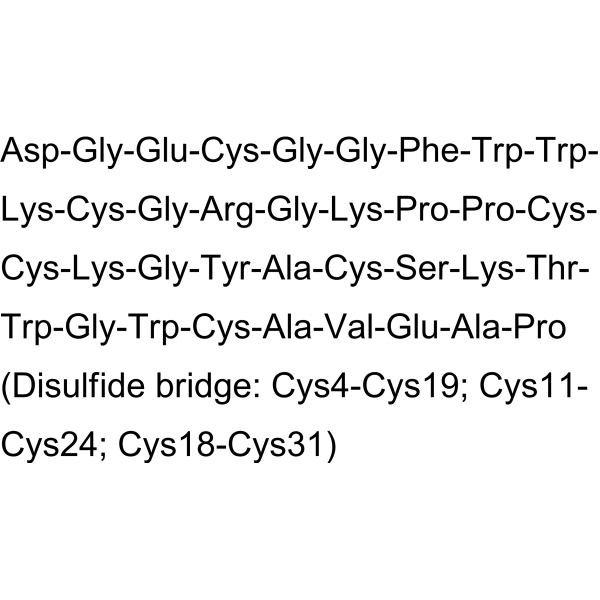
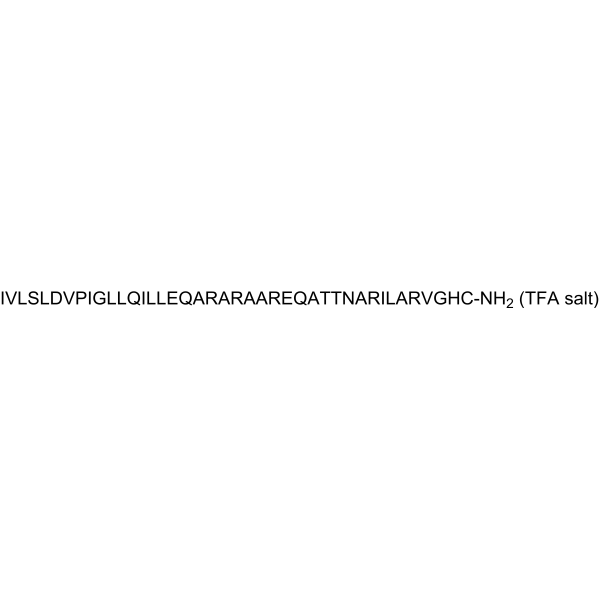
    Urocortin II, human is a selective endogenous peptide agonist of type-2 corticotropin-releasing factor (CRF2) receptor. Urocortin II, human has an effect of promoting satiet and neuroprotective effect. Urocortin II, human also has bactericidal, antiparasitic and pro-inflammation activity. Urocortin II, human can activate NF-κB pathway and ERK1/2 MAP kinase. Urocortin II, human can reduce pulmonary arterial hypertension and shows cardiac protection effect. Urocortin II, human can be used for the researches of infection, inflammation, metabolic, neurological and cardiovascular disease .
    Urocortin II, human
  • HY-B1392
    Esmolol hydrochloride
    3 Publications Verification

    Adrenergic Receptor Caspase Apoptosis Aldose Reductase Neurokinin Receptor Cardiovascular Disease Endocrinology Cancer
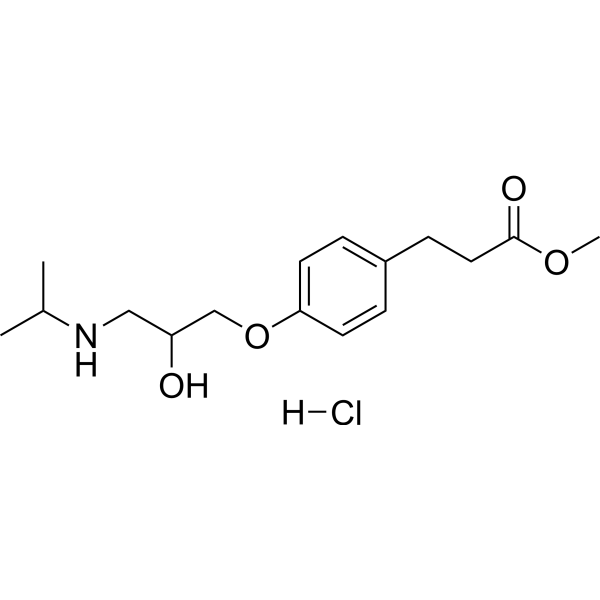
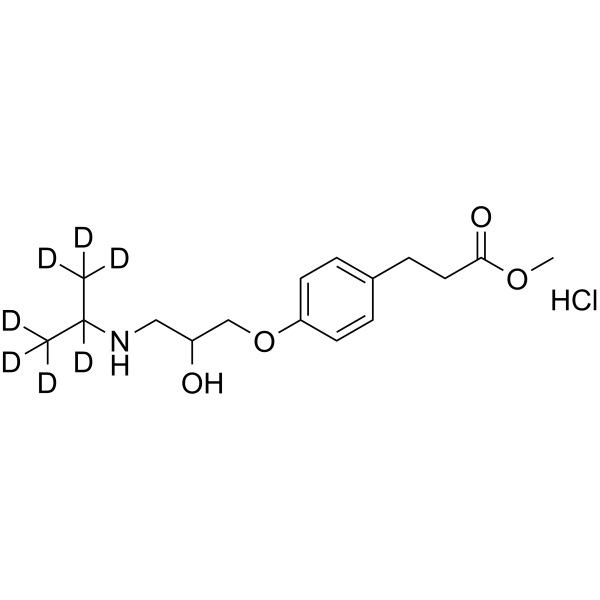
    Esmolol hydrochloride is an ultra-short-acting cardioselective β1-adrenergic blocker. Esmolol hydrochloride exerts its antiarrhythmic effect by activating Neurokinin 1 Receptor. Esmolol hydrochloride attenuates post resuscitation myocardial dysfunction. Esmolol hydrochloride improves diabetic wound healing by inhibiting aldose reductase and the production of advanced glycation end products and promoting fibroblast migration. Esmolol hydrochloride can be used to study cardiac diseases such as arrhythmias and diabetic foot ulcers .
    Esmolol hydrochloride
  • HY-N1346
    Robinin
    5 Publications Verification

    Toll-like Receptor (TLR) Apoptosis Inflammation/Immunology Cancer
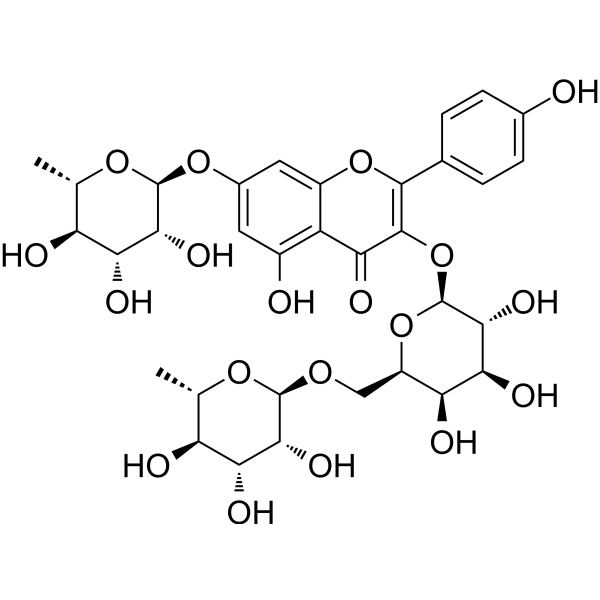
    Robinin is a flavonoid that can be extracted from the leaves of purple cowpea, inhibiting TGF-β, TLR4/NF-κB and TLR2-PI3k-AKT signaling pathways. Robinin exerts anti-inflammatory and anti-tumor effects. The combination of Robinin and Methotrexate (HY-14519) reduces inflammation in experimental arthritis, Robinin can decrease the Doxorubicin (HY-15142A) induced cardiac toxicity effect .
    Robinin
  • HY-N0340
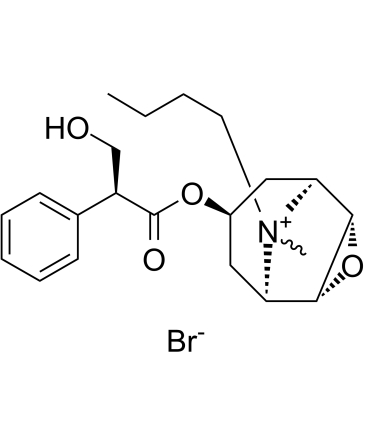
    Scopolamine butylbromide
    1 Publications Verification

    Hyoscine butylbromide; (-)-Scopolamine butylbromide; Butylscopolamine bromide

    mAChR Neurological Disease Inflammation/Immunology
    Scopolamine butylbromide (Hyoscine butylbromide) is an orally active anticholinergic agent and spasmolytic. Scopolamine butylbromide binds with high affinity to rat cardiac M2 (Ki 83 nmol/L), hM2 (Ki 233 nmol/L), rat intestinal M3 (Ki 290 nmol/L) and hM3 (Ki 643 nmol/L) muscarinic receptors. Scopolamine butylbromide exerts a dose-dependent antagonistic effect on Carbachol-induced gastrointestinal smooth muscle spasm. Scopolamine butylbromide can be used for the research of abdominal colic and pain associated with gastrointestinal spasm, functional abdominal pain, chronic gastropathy and gastric ulcer .
    Scopolamine butylbromide
  • HY-12724
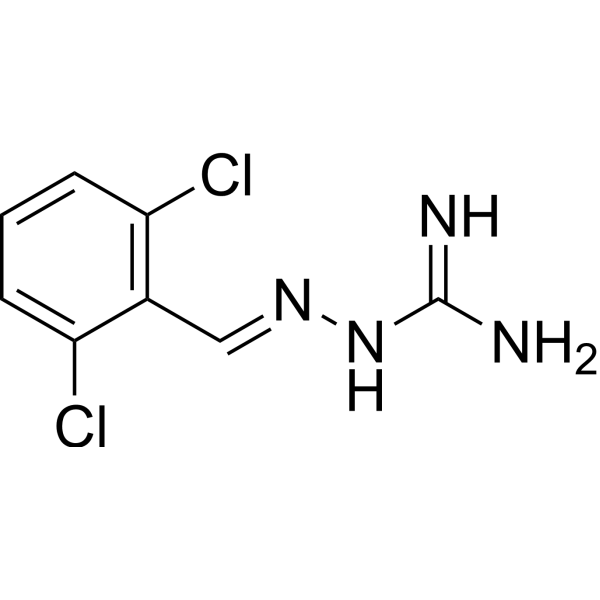
    Guanabenz
    2 Publications Verification

    Adrenergic Receptor Parasite Cardiovascular Disease Cancer
    Guanabenz is an orally active α-2-adrenoceptor agonist. Guanabenz has antihypertensive effect and antiparasitic activity. Guanabenz interferes ER stress-signalling and has protective effects in cardiac myocytes. Guanabenz also is used for the research of high blood pressure .
    Guanabenz
  • HY-159821

    CK-4021586; CK-586

    Myosin Cardiovascular Disease
    Ulacamten (CK-4021586; CK-586) is an orally active cardiac myosin inhibitor and an inhibitor of the double-headed cardiac heavy meromyosin (HMM)ATPase (excluding single-headed myosin subfragment-1), with an EC50 of 2.9 μM. Ulacamten regulates cardiac myosin, reduces excessive myocardial contractility, and alleviates left ventricular outflow tract obstruction. Ulacamten increases the left ventricular short-axis systolic internal diameter, inhibits dobutamine-induced exacerbation of obstruction, and exerts only a mild reducing effect on left ventricular systolic function. Ulacamten also inhibits the fractional shortening of the short axis without altering calcium transients. Ulacamten shows good safety and tolerability in purpose-bred cats with naturally occurring obstructive hypertrophic cardiomyopathy .
    Ulacamten
  • HY-100607A

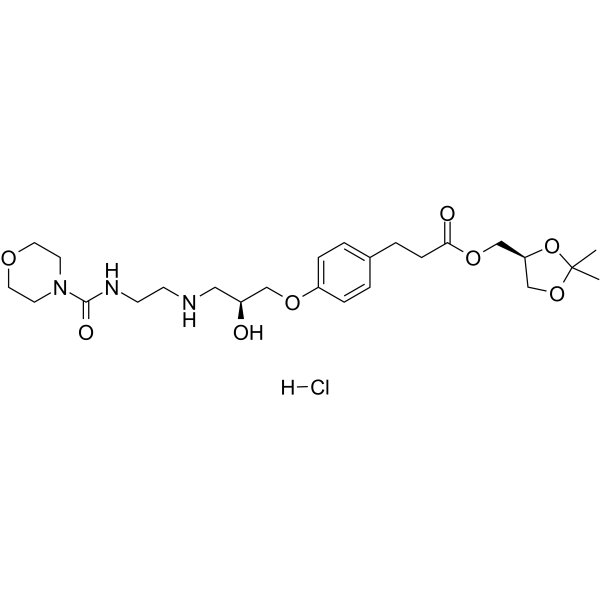
    ONO1101 hydrochloride

    Adrenergic Receptor Calcium Channel Potassium Channel Reactive Oxygen Species (ROS) Cardiovascular Disease Inflammation/Immunology Endocrinology
    Landiolol (ONO1101) hydrochloride is a highly selective, ultra-short-acting competitive inhibitor of β1 adrenergic receptors. Landiolol hydrochloride specifically blocks cardiac β1 receptors, reducing heart rate and myocardial oxygen consumption. Landiolol hydrochloride inhibits TNF-α-induced excessive mitochondrial oxygen consumption and reactive oxygen species production in a sepsis model, alleviating renal injury. Landiolol hydrochloride has little effect on cardiac ion channels (such as L-type calcium current and inward rectifier potassium current) and has a weak negative inotropic effect. Landiolol hydrochloride can be used for perioperative tachycardia control and protection studies of sepsis-related acute kidney injury .
    Landiolol hydrochloride
  • HY-12724A

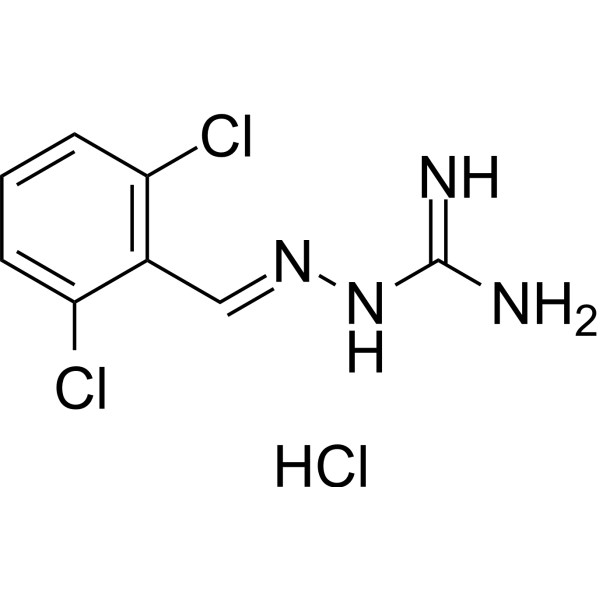
    Parasite Adrenergic Receptor Cardiovascular Disease Cancer
    Guanabenz hydrochloride is an orally active α-2-adrenoceptor agonist. Guanabenz hydrochloride has antihypertensive effect and antiparasitic activity. Guanabenz hydrochloride interferes ER stress-signalling and has protective effects in cardiac myocytes. Guanabenz hydrochloride also is used for the research of high blood pressure .
    Guanabenz hydrochloride
  • HY-12717A
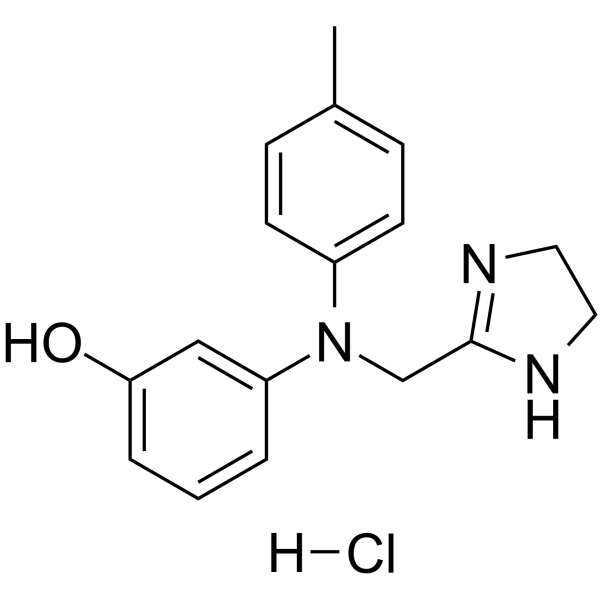
    Phentolamine hydrochloride
    5+ Cited Publications

    Adrenergic Receptor Cardiovascular Disease Endocrinology
    Phentolamine hydrochloride is an orally active, selective α1 and α2 Adrenergic receptor antagonist. Phentolamine hydrochloride antagonizes the vasodilatory effect of Cromakalim (HY-110011) on isolated circumflex coronary artery segments in dogs. Phentolamine hydrochloride reduces systemic vascular resistance and increases cardiac output. Phentolamine hydrochloride improves erectile dysfunction. Phentolamine hydrochloride can be used for the research of erectile dysfunction .
    Phentolamine hydrochloride
  • HY-149662

    Calcium Channel ATP Synthase Myosin Cardiovascular Disease
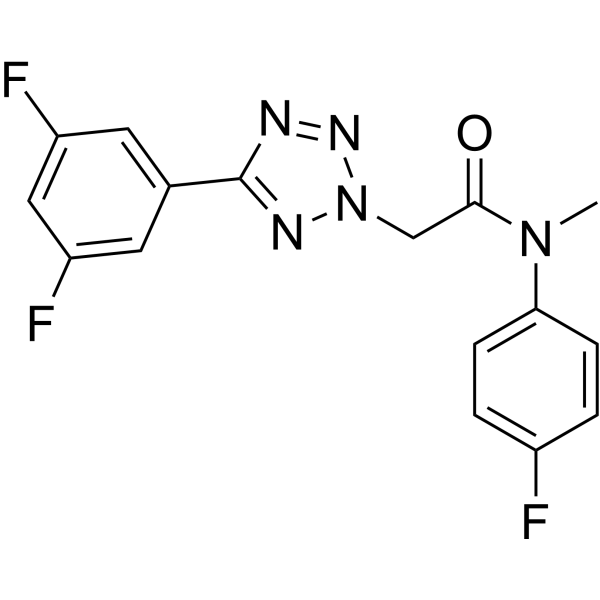
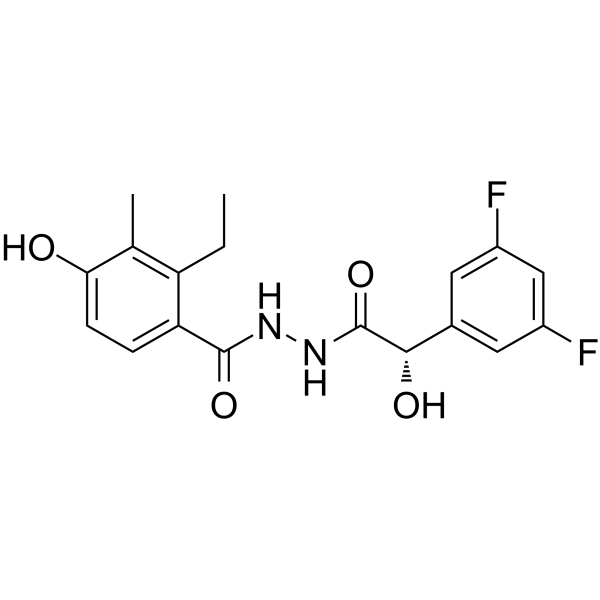
    TMDJ-035 is a high-affinity, selective RyR2 inhibitor with an EC50 of 0.0130 μM. TMDJ-035 reduces RyR2 protein expression without affecting action potential-induced Ca 2+ transients. TMDJ-035 decreases ATP content and intracellular Ca 2+ levels. TMDJ-035 inhibits arrhythmias in a CPVT mouse model carrying mutant RyR2s. TMDJ-035 has no effect on electrocardiogram parameters or cardiac systolic function. TMDJ-035 exacerbates heart failure in mouse myocardial infarction models and hypoxic cardiomyocytes by altering cardiac function, causing tissue damage, promoting inflammatory infiltration, collagen deposition, and changes in Myosin heavy chain/actin expression. TMDJ-035 can be used in studies related to heart failure, catecholaminergic polymorphic ventricular tachycardia, and arrhythmias .
    TMDJ-035
  • HY-P991219

    EnX209

    Interleukin Related ERK MMP Inflammation/Immunology
    Anti-IL11RA Antibody (X209) (EnX209) is a human-derived IgG4, κ-type antibody inhibitor targeting IL11RA, with a KD of 6 nM. Anti-IL11RA Antibody (X209) blocks the IL11RA signaling pathway, inhibits ERK-dependent activation, and reduces the activation level of ERK1/2. Anti-IL11RA Antibody (X209) exerts a protective effect against fibrosis. Anti-IL11RA Antibody (X209) is applicable to studies related to liver fibrosis, cardiac fibrosis and other related conditions. Recommended isotype control: Human IgG4 kappa, Isotype Control (HY-P99003) .
    Anti-IL11RA Antibody (X209)
  • HY-B1233

    2-Amino-6-methylheptane; 1,5-Dimethylhexylamine; 6-Methyl-2-heptylamine

    Dopamine Receptor Others
    Octodrine (2-Amino-6-methylheptane) is a central nervous stimulant that increases the uptake of dopamine and noradrenaline. Octodrine is found to increase the pain threshold, cardiac rate (positive chronotropic effect) and myocardial contractility (positive inotropic effect) .
    Octodrine
  • HY-174400

    SGLT SOD Na+/H+ Exchanger (NHE) Autophagy Cardiovascular Disease
    SGLT2-IN-2 (Compound E9) is an inhibitor of SGLT2. SGLT2-IN-2 significantly enhances the inhibition of SGLT2, NHE1, and SOD enzyme activity. SGLT2-IN-2 has protective effect on the glucose-free DMEM-induced injured cardiomyocytes. SGLT2-IN-2 significantly improves cardiac function in TAC-induced HF mice and inhibits cardiomyocyte hypertrophy as well as collagen deposition. SGLT2-IN-2 can ameliorate myocardial tissue damage and enhance mitochondrial autophagy in injured cardiomyocytes, thereby increasing survival rates in HF mice .
    SGLT2-IN-2
  • HY-14744
    Levamlodipine
    2 Publications Verification

    (S)-Amlodipine; Levoamlodipine

    Calcium Channel MMP Cardiovascular Disease Neurological Disease
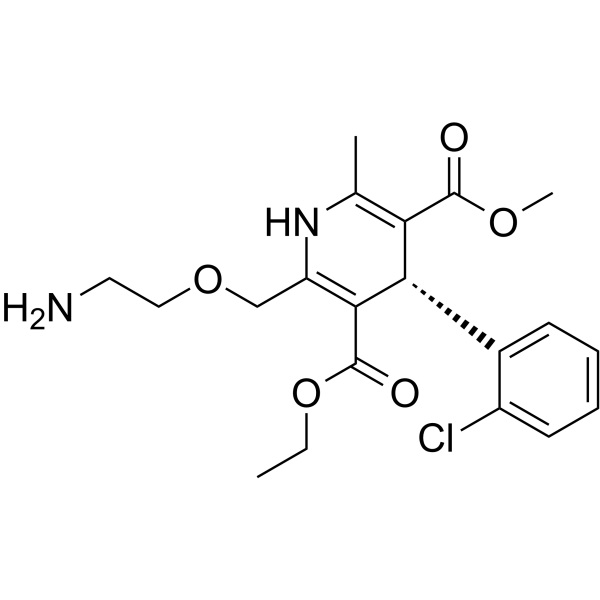
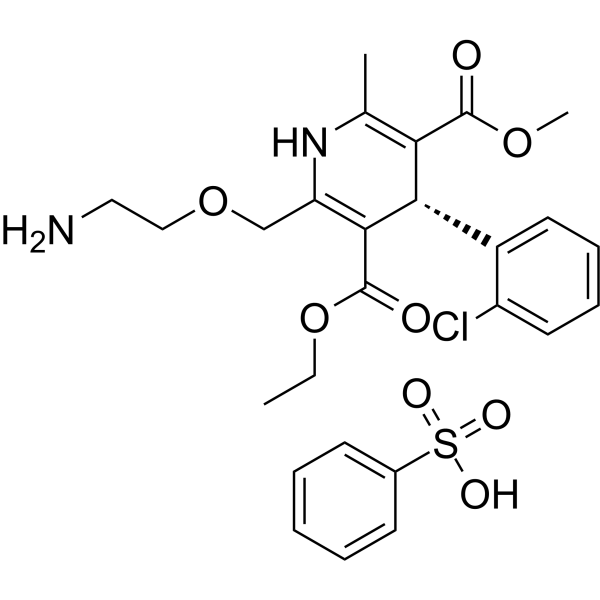
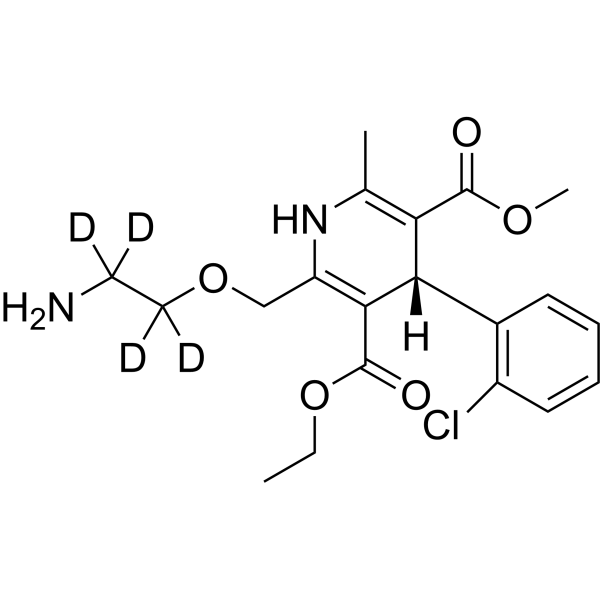
    Levamlodipine ((S)-Amlodipine; Levoamlodipin) is an orally active L-type calcium channel blocker and MMP-9 modulator with high permeability and retention properties. Levamlodipine significantly enhances plaque stability and improves lipid profiles by reducing blood pressure, decreasing systolic blood pressure variability, and inhibiting MMP-9 expression in atherosclerotic plaques. Levamlodipine not only alleviates cardiac and aortic hypertrophy and prevents renal atrophy, but also produces synergistic effects in blood pressure reduction and organ protection when combined with bisoprolol (HY-129029). Levamlodipine exerts no significant inhibitory effect on abdominal aortic intimal hyperplasia. When excessively accumulated in the epidermis, Levamlodipine may induce changes in keratin structure, impair the skin barrier and trigger inflammation; long-term use further exacerbates skin irritation caused by local administration. Levamlodipine can be used in research related to hypertension and atherosclerosis .
    Levamlodipine
  • HY-W016414

    Environmental Pollutants Endogenous Metabolite Cardiovascular Disease
    Triethyl phosphate is a versatile phosphate ester compound. Triethyl phosphate induces rapid and short-acting anesthesia, and exhibits hypotensive, smooth muscle relaxant, and cardiac inhibitory effects. Triethyl phosphate also modulates cholinergic toxicity; its anesthetic effect shows sex- and age-dependency in rodents, and it interacts with SKF 525-A (HY-B1311) to alter the duration of anesthesia .
    Triethyl phosphate
  • HY-135746
    OR-1896
    2 Publications Verification

    Potassium Channel Phosphodiesterase (PDE) Drug Metabolite Apoptosis Cardiovascular Disease
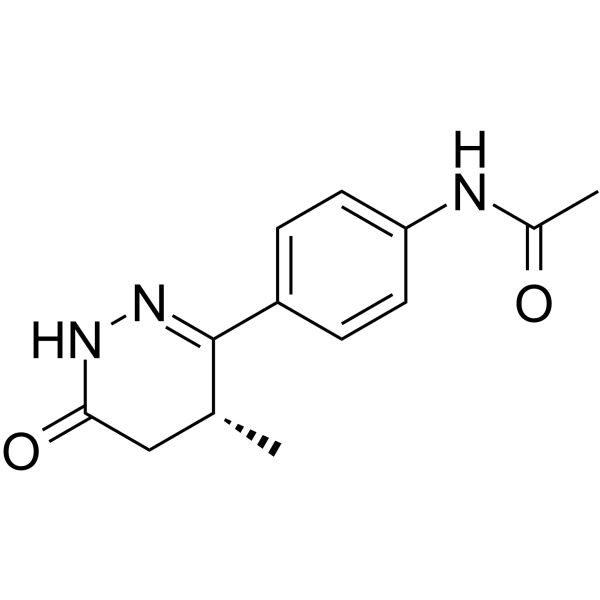
    OR-1896 is an active long-lived metabolite of Levosimendan. OR-1896 is a highly selective phosphodiesterase (PDE) III isoform inhibitor and a powerful vasodilator. OR-1896 can open ATP-sensitive K + channels and has Ca 2+-sensitizing effect. OR-1896 mitigates cardiomyocyte apoptosis, cardiac remodeling and myocardial inflammation .
    OR-1896
  • HY-118960

    ATP Synthase Cardiovascular Disease
    BMS-199264 hydrochloride is an inhibitor of F1F0 ATP hydrolase (IC50=0.5 μM) without inhibitory effect on F1F0 ATP synthase. BMS-199264 hydrochloride selectively inhibits ATP decline during ischemia to reduces cardiac necrosis. BMS-199264 hydrochloride also enhances the recovery of contractile function following reperfusion .
    BMS-199264 hydrochloride
  • HY-B0252S1

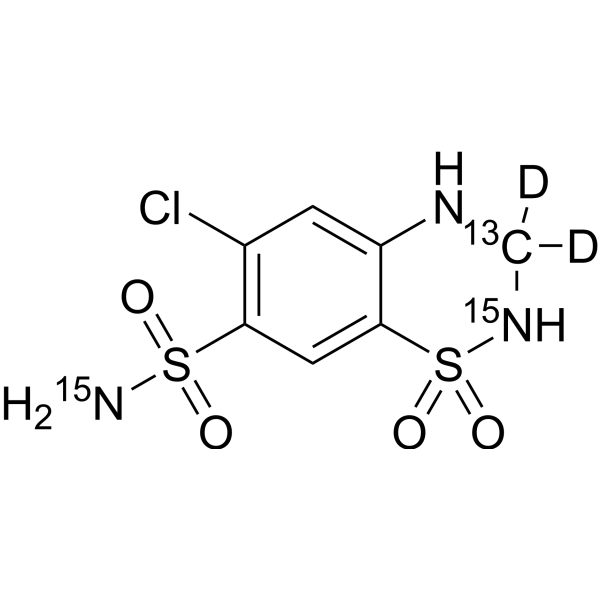
    HCTZ-13C,d2

    Isotope-Labeled Compounds TGF-beta/Smad Potassium Channel Cardiovascular Disease Metabolic Disease
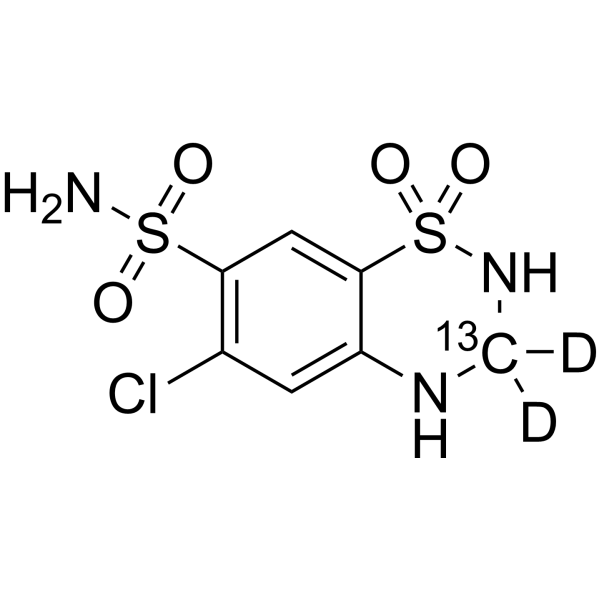
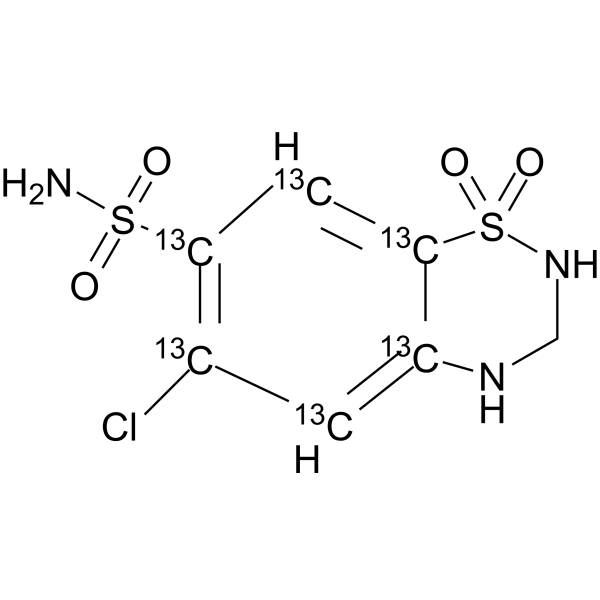
    Hydrochlorothiazid- 13C,d2 is the 13C- and deuterium labeled Hydrochlorothiazide. Hydrochlorothiazide (HCTZ), an orally active diuretic agent of the thiazide class, inhibits transforming TGF-β/Smad signaling pathway. Hydrochlorothiazide has direct vascular relaxant effects via opening of the calcium-activated potassium (KCA) channel. Hydrochlorothiazide improves cardiac function, reduces fibrosis and has antihypertensive effect .
    Hydrochlorothiazid-13C,d2
  • HY-120006A
    (rel)-AR234960
    1 Publications Verification

    ERK Cardiovascular Disease
    (rel)-AR234960 is a selective and competitive agonist of the G protein-coupled receptor MAS. (rel)-AR234960 binds to the MAS receptor to activate the downstream ERK1/2 signaling pathway, inducing the expression of connective tissue growth factor (CTGF) and its downstream collagen subtype genes (such as COL1A1, COL3A1). (rel)-AR234960 promotes collagen synthesis in cardiac fibroblasts through the MAS-ERK1/2-CTGF pathway and aggravates extracellular matrix remodeling. (rel)-AR234960's in vitro effect can be blocked by the MAS inverse agonist AR244555 and MEK1 inhibitor. (rel)-AR234960 regulates the expression of cardiac fibrosis-related genes and can be used in the study of heart failure .
    (rel)-AR234960
  • HY-N0885
    Telocinobufagin
    1 Publications Verification

    Telobufotoxin; Telocinobufogenin

    JAK STAT mTOR PI3K Akt Polo-like Kinase (PLK) Na+/K+ ATPase Apoptosis Bacterial Infection Cardiovascular Disease Neurological Disease Inflammation/Immunology Cancer
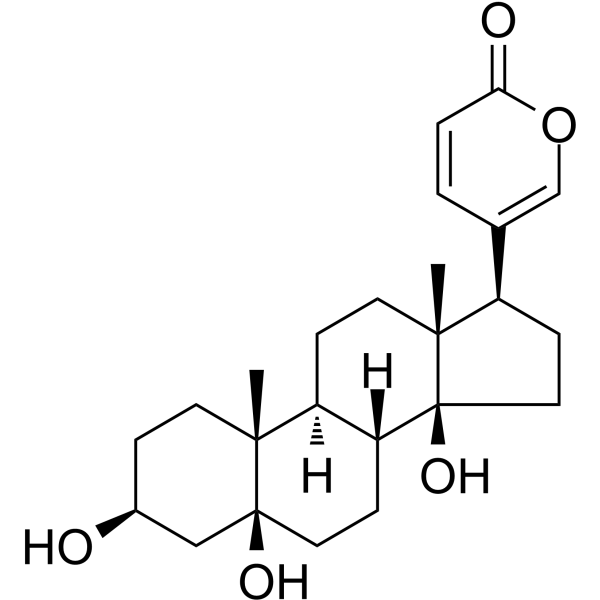
    Telocinobufagin (Telobufotoxin; Telocinobufogenin) is an orally active bufadienolide with potential anti-tumor effects. Telocinobufagin exerts its anti-cancer effects on non-small cell carcinoma, osteosarcoma, thyroid cancer, breast cancer and head and neck squamous cell carcinoma by inhibiting the STAT3, JAK2/STAT3, LARP1-mTOR, PI3K/Akt/Snail and PLK1 pathways, and can also induce tumor cell apoptosis. Telocinobufagin enhances the Th1 immune response and protects against Salmonella typhimurium infection. Telocinobufagin has a strong cardiac-stimulating effect by inhibiting the activity of Na +/K +-ATPase, and it can promote renal fibrosis. Telocinobufagin demonstrates non-opioid analgesic effects in various acute pain models .
    Telocinobufagin
  • HY-A0236

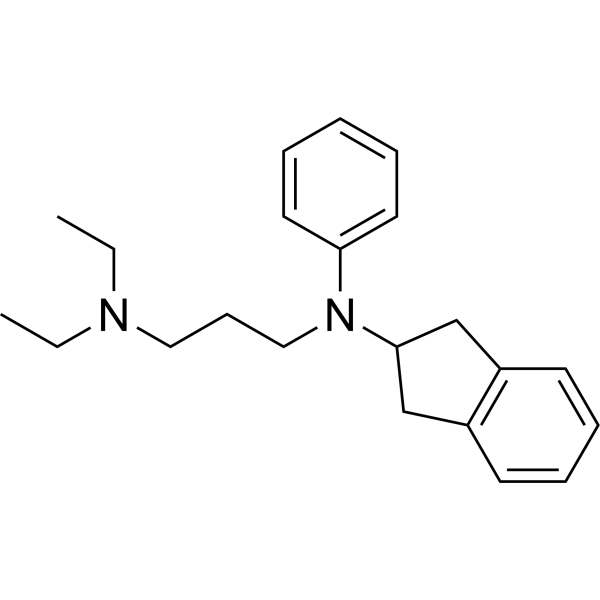
    Sodium Channel Potassium Channel Calcium Channel Calmodulin Cardiovascular Disease
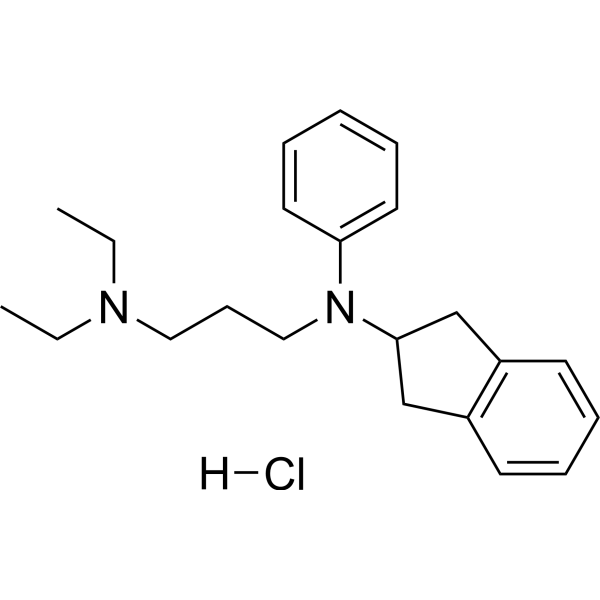
    Aprindine is an Ib-class anti-arrhythmic agent. Aprindine mainly exerts its effect by blocking sodium channels (INa), thereby reducing the excitability and conduction velocity of cardiac muscle cells. Aprindine significantly inhibits delayed potassium currents, which helps to prolong the atrial effective refractory period (AERP) and inhibit the occurrence of atrial fibrillation. Aprindine can also regulate intracellular calcium ion concentration by inhibiting Na +/Ca 2+ exchange current (INCX), thereby further stabilizing cardiac electrical activity. Aprindine can be used for the study of atrial fibrillation (AF) and ventricular arrhythmias .
    Aprindine
  • HY-P1752B

    CRFR Bacterial Parasite NF-κB ERK Metabolic Disease
    Urocortin II, human acetate is a selective endogenous peptide agonist of type-2 corticotropin-releasing factor (CRF2) receptor. Urocortin II, human acetate has an effect of promoting satiet and neuroprotective effect. Urocortin II, human acetate also has bactericidal, antiparasitic and pro-inflammation activity. Urocortin II, human acetate can activate NF-κB pathway and ERK1/2 MAP kinase. Urocortin II, human acetate can reduce pulmonary arterial hypertension and shows cardiac protection effect. Urocortin II, human acetate can be used for the researches of infection, inflammation, metabolic, neurological and cardiovascular disease .
    Urocortin II, human acetate
  • HY-B0252R
    Hydrochlorothiazide (Standard)
    5+ Cited Publications

    HCTZ (Standard)

    Reference Standards TGF-beta/Smad Potassium Channel Cardiovascular Disease Metabolic Disease Cancer
    Hydrochlorothiazide (Standard) is the analytical standard of Hydrochlorothiazide. This product is intended for research and analytical applications. Hydrochlorothiazide (HCTZ), an orally active diuretic agent of the thiazide class, inhibits transforming TGF-β/Smad signaling pathway. Hydrochlorothiazide has direct vascular relaxant effects via opening of the calcium-activated potassium (KCA) channel. Hydrochlorothiazide improves cardiac function, reduces fibrosis and has antihypertensive effect .
    Hydrochlorothiazide (Standard)
  • HY-B1108R
    Labetalol hydrochloride (Standard)
    4 Publications Verification

    AH-5158 hydrochloride(Standard); Sch-15719W (Standard)

    Reference Standards Adrenergic Receptor Cardiovascular Disease Inflammation/Immunology Endocrinology
    Labetalol hydrochloride (Standard) is the analytical standard of Labetalol hydrochloride (HY-B1108). This product is intended for research and analytical applications. Labetalol (AH5158) hydrochloride is an orally available, selective α1-adrenergic recepto and non-selective β-adrenergic receptor competitive antagonist. Labetalol hydrochloride is an antihypertensive molecule that partially crosses the blood-brain barrier and has little effect on cardiac output. Labetalol hydrochloride can be used in the study of cardiovascular diseases, such as hypertension during pregnancy .
    Labetalol hydrochloride (Standard)
  • HY-15193B

    SGK Drug Isomer Cardiovascular Disease Cancer
    EMD638683 (S-Form) (Compound 1a), the S-enantiomer of EMD638683 (HY-15193), is a SGK1 inhibitor with an IC50 value > 300 nM. EMD638683 is an orally active SGK1 inhibitor with an IC50 of 3 μM. EMD638683 exhibits strong inhibition against SGK1, moderate inhibition against SGK2 and SGK3, and shows excellent selectivity for other AGC kinase family members. EMD638683 has antihypertensive activity by inhibiting SGK1, and independently of the blood pressure-lowering effect, it effectively prevents heart inflammation and fibrosis caused by hypertension by inhibiting the cardiac NLRP3 inflammation body/ IL-1β axis. EMD638683 promotes apoptosis of colon cancer cells and sensitizes radiotherapy. EMD638683 (S-Form) can be used in research related to hypertension, hypertensive heart damage, and colon cancer .
    EMD638683 (S-Form)
  • HY-N1922

    Others Cardiovascular Disease Inflammation/Immunology
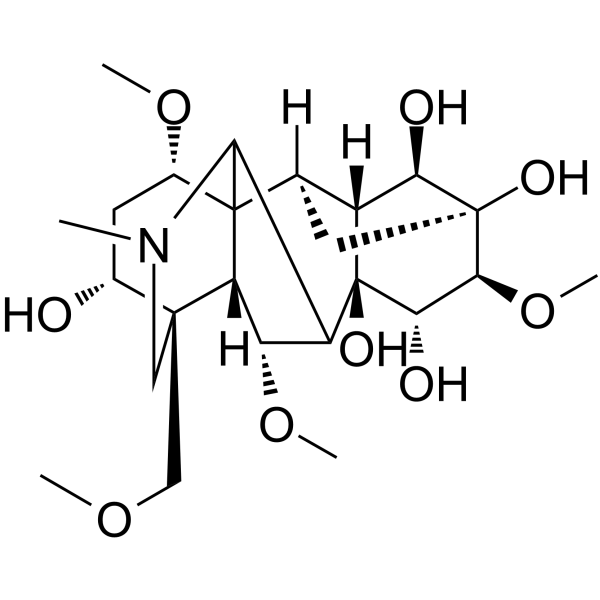
    Mesaconinean, an ingredient from Aconitum carmichaelii Debx., has cardiac effect .
    Mesaconine
  • HY-B1233A

    2-Amino-6-methylheptane hydrochloride; 1,5-Dimethylhexylamine hydrochloride; 6-Methyl-2-heptylamine hydrochloride

    Dopamine Receptor Neurological Disease
    Octodrine (2-Amino-6-methylheptane) is a central nervous activator that increases the uptake of dopamine and noradrenaline. Octodrine is found to increase the pain threshold, cardiac rate (positive chronotropic effect) and myocardial contractility (positive inotropic effect) .
    Octodrine hydrochloride
  • HY-131598C

    6-Thioguanosine-5'-triphosphate tetrasodium

    Ras Inflammation/Immunology
    6-Thio-GTP (tetrasodium) is a Vav1-Rac inhibitor. 6-Thio-GTP (tetrasodium) inhibits TCR-stimulated T cell proliferation and CD28-mediated T cell survival. 6-Thio-GTP (tetrasodium) has an immunosuppressive effect in a mouse cardiac allograft transplant model and prolongs cardiac allograft survival .
    6-Thio-GTP tetrasodium
  • HY-A0236A

    Sodium Channel Potassium Channel Calcium Channel Calmodulin Cardiovascular Disease
    Aprindine hydrochloride is an Ib-class anti-arrhythmic agent. Aprindine hydrochloride mainly exerts its effect by blocking sodium channels (INa), thereby reducing the excitability and conduction velocity of cardiac muscle cells. Aprindine hydrochloride significantly inhibits delayed potassium currents, which helps to prolong the atrial effective refractory period (AERP) and inhibit the occurrence of atrial fibrillation. Aprindine hydrochloride can also regulate intracellular calcium ion concentration by inhibiting Na +/Ca 2+ exchange current (INCX), thereby further stabilizing cardiac electrical activity. Aprindine hydrochloride can be used for the study of atrial fibrillation (AF) and ventricular arrhythmias .
    Aprindine hydrochloride
  • HY-B0252S

    HCTZ-d2

    TGF-beta/Smad Potassium Channel Cardiovascular Disease Metabolic Disease
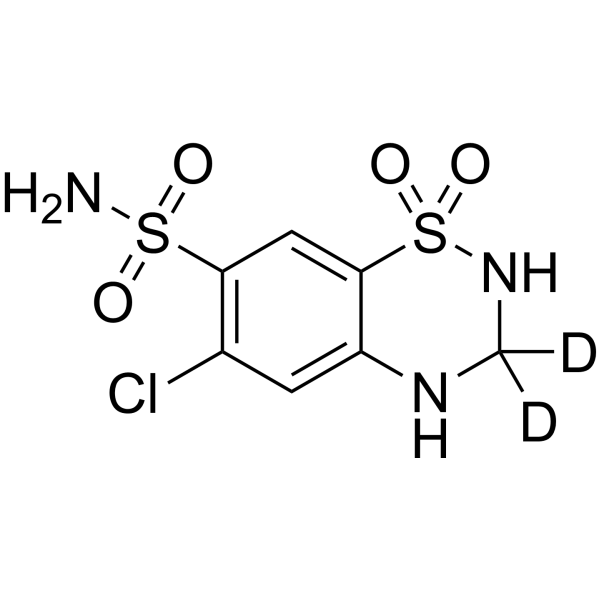
    Hydrochlorothiazid-d2 is the deuterium labeled Hydrochlorothiazide. Hydrochlorothiazide (HCTZ), an orally active diuretic agent of the thiazide class, inhibits transforming TGF-β/Smad signaling pathway. Hydrochlorothiazide has direct vascular relaxant effects via opening of the calcium-activated potassium (KCA) channel. Hydrochlorothiazide improves cardiac function, reduces fibrosis and has antihypertensive effect .
    Hydrochlorothiazid-d2
  • HY-105084A

    Sodium Channel Calcium Channel Cardiovascular Disease Infection Neurological Disease Cancer
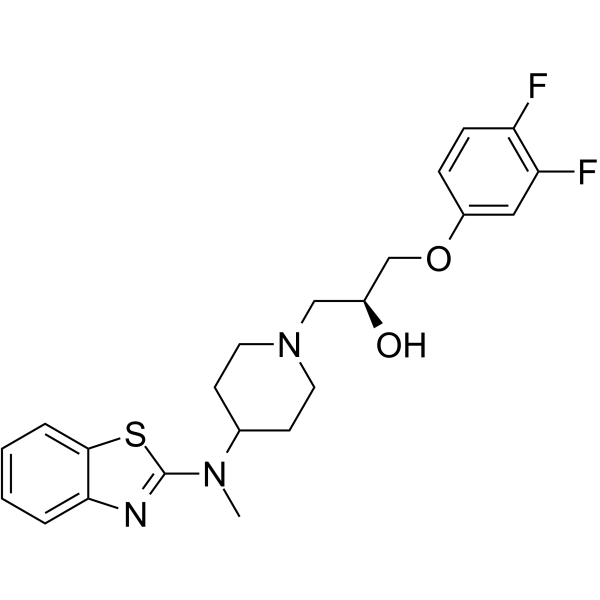
    Lubeluzole dihydrochloride is the dihydrochloride salt of Lubeluzole (HY-105084). Lubeluzole dihydrochloride is the S-isomer of benzothiazole derivative. Lubeluzole dihydrochloride can inhibit glutamate release, glutamate-activated NO synthesis and block voltage-gated Sodium Channel and Calcium Channel. Lubeluzole dihydrochloride exhibits anti-ischemic and neuroprotective effects. Lubeluzole dihydrochloride also shows anti-bacterial and anti-diarrheal potential. Lubeluzole dihydrochloride can inhibit cardiac sodium channel and prolong cardiac action potential. Lubeluzole dihydrochloride can inhibit cancer cells proliferation and invasion and shows chemosensitizing effect. Lubeluzole dihydrochloride can be used for the researches of cancer, infection, neurological and cardiovascular disease such as stroke, infectious diarrhea and ovarian .
    Lubeluzole dihydrochloride
  • HY-121383R

    AH5158 (Standard); Sch-15719W free base (Standard)

    Reference Standards Adrenergic Receptor Cardiovascular Disease Inflammation/Immunology Endocrinology
    Labetalol (Standard) is the analytical standard of Labetalol. This product is intended for research and analytical applications. Labetalol (AH5158) is an orally available, selective α1-adrenergic recepto and non-selective β-adrenergic receptor competitive antagonist. Labetalol is an antihypertensive molecule that partially crosses the blood-brain barrier and has little effect on cardiac output. Labetalol can be used in the study of cardiovascular diseases, such as hypertension during pregnancy .
    Labetalol (Standard)
  • HY-13315B

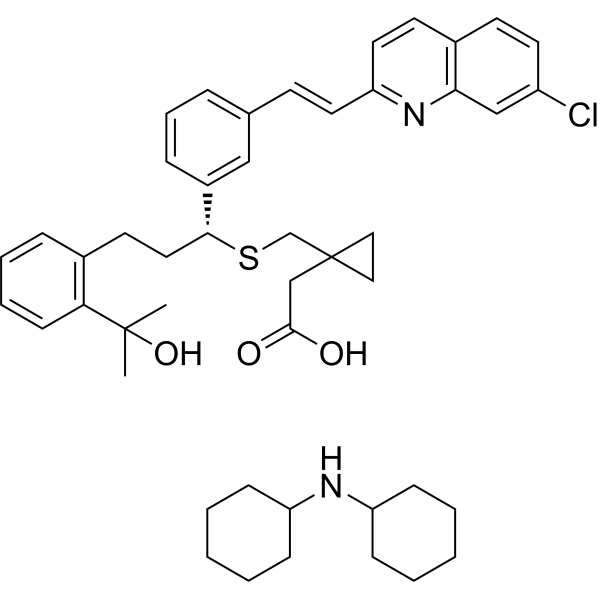
    MK0476 dicyclohexylamine

    Leukotriene Receptor Inflammation/Immunology Cancer
    Montelukast (MK0476) dicyclohexylamine is a potent, selective and orally active antagonist of cysteinyl leukotriene receptor 1 (CysLT1). Montelukast dicyclohexylamine can be used for the reseach of asthma and liver injury. Montelukast dicyclohexylamine also has an antioxidant effect in intestinal ischemia-reperfusion injury, and could reduce cardiac damage. Montelukast dicyclohexylamine decreases eosinophil infiltration into the asthmatic airways. Montelukast dicyclohexylamine can also be used for COVID-19 research .
    Montelukast dicyclohexylamine
  • HY-B0252S3

    HCTZ-15N2,13C,d2

    Potassium Channel TGF-beta/Smad Isotope-Labeled Compounds Cardiovascular Disease Metabolic Disease Cancer
    Hydrochlorothiazide- 15N2, 13C,d2 is 15N and deuterated labeled Hydrochlorothiazide (HY-B0252). Hydrochlorothiazide (HCTZ), an orally active diuretic agent of the thiazide class, inhibits transforming TGF-β/Smad signaling pathway. Hydrochlorothiazide has direct vascular relaxant effects via opening of the calcium-activated potassium (KCA) channel. Hydrochlorothiazide improves cardiac function, reduces fibrosis and has antihypertensive effect .
    Hydrochlorothiazide-15N2,13C,d2
  • HY-13315AR

    MK0476 free base (Standard)

    Reference Standards Leukotriene Receptor Inflammation/Immunology
    Montelukast (Standard) is the analytical standard of Montelukast. This product is intended for research and analytical applications. Montelukast (MK0476 free base) is a potent, selective and orally active antagonist of cysteinyl leukotriene receptor 1 (CysLT1). Montelukast can be used for the reseach of asthma and liver injury. Montelukast also has an antioxidant effect in intestinal ischemia-reperfusion injury, and could reduce cardiac damage. Montelukast decreases eosinophil infiltration into the asthmatic airways. Montelukast can also be used for COVID-19 research .
    Montelukast (Standard)
  • HY-15193R

    Reference Standards SGK NOD-like Receptor (NLR) Interleukin Related Apoptosis Cardiovascular Disease Cancer
    EMD638683 (Standard) is the analytical standard of EMD638683. This product is intended for research and analytical applications. EMD638683 is an orally effective SGK1 inhibitor with an IC50 of 3 μM. EMD638683 exhibits strong inhibition against SGK1, moderate inhibition against SGK2 and SGK3, and shows excellent selectivity for other AGC kinase family members. EMD638683 has antihypertensive activity by inhibiting SGK1, and independently of the blood pressure-lowering effect, it effectively prevents heart inflammation and fibrosis caused by hypertension by inhibiting the cardiac NLRP3 inflammation body/ IL-1β axis. EMD638683 promotes apoptosis of colon cancer cells and sensitizes radiotherapy. EMD638683 (S-Form) can be used in research related to hypertension, hypertensive heart damage, and colon cancer.
    EMD638683 (Standard)
  • HY-105431

    Na+/K+ ATPase Cardiovascular Disease
    ASI-222 is an aminosugar cardiac glycoside. ASI-222 can inhibit Na+/K+ ATPase and show positive inotropic effect. ASI-222 can be used for the research of cardiovascular disease .
    ASI-222
  • HY-P3346

    Apelin Receptor (APJ) Cardiovascular Disease
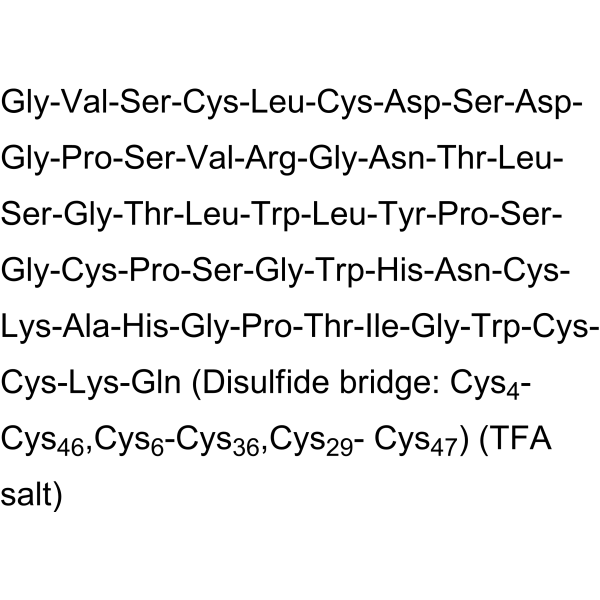
    NH2-c[X-R-L-S-X]-K-G-P-(D-1Nal) (compound 39) is a potent APJ agonist, with a Ki of 0.6 nM. NH2-c[X-R-L-S-X]-K-G-P-(D-1Nal) can activate Gαi1 (EC50=0.8 nM) and recruit β-arrestin2 (EC50=31 nM). NH2-c[X-R-L-S-X]-K-G-P-(D-1Nal) exhibits prolonged cardiac effects .
    NH2-c[X-R-L-S-X]-K-G-P-(D-1Nal)
  • HY-P1219

    β-TRTX-Cj1α

    Sodium Channel Neurological Disease
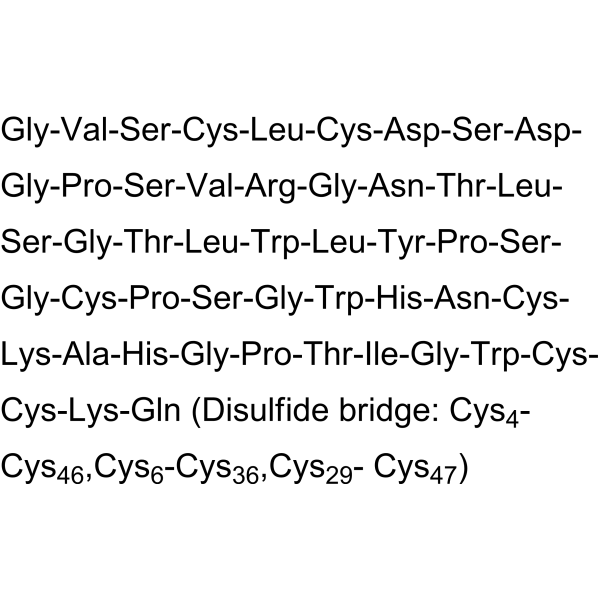
    Jingzhaotoxin-III is a potent and selective blocker of Nav1.5 channels, with an IC50 of 348 nM, and shows no effect on other sodium channel isoforms. Jingzhaotoxin-III can selectively inhibit the activation of cardiac sodium channel but not neuronal subtypes, and hopefully represents an important ligand for discriminating cardiac VGSC subtype .
    Jingzhaotoxin-III
  • HY-100952

    Adrenergic Receptor Cardiovascular Disease
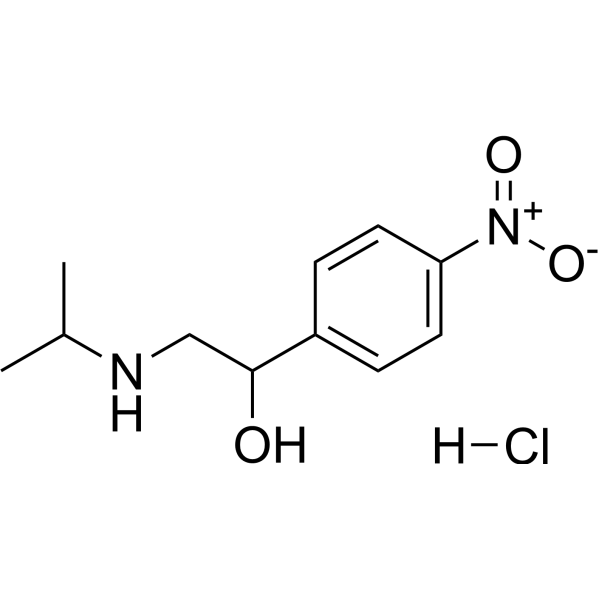
    Nifenalol hydrochloride is a β-adrenergic receptor antagonist. Nifenalol hydrochloride induces the Early Afterdepolarization (EAD) effect. EAD is a phenomenon in cardiac electrophysiology that usually occurs during an action potential in ventricular muscle cells and can lead to arrhythmia. The EAD effect of Nifenalol hydrochloride can be blocked by Tetrodotoxin. Nifenalol hydrochloride is used in the study of conditions such as irregular heartbeat or high blood pressure .
    Nifenalol hydrochloride
  • HY-105084

    Sodium Channel Calcium Channel Infection Cardiovascular Disease Neurological Disease Cancer
    Lubeluzole is the S-isomer of benzothiazole derivative. Lubeluzole can inhibit glutamate release, glutamate-activated NO synthesis and block voltage-gated Sodium Channel and Calcium Channel. Lubeluzole exhibits anti-ischemic and neuroprotective effects. Lubeluzole also shows anti-bacterial and anti-diarrheal potential. Lubeluzole can inhibit cardiac sodium channel and prolong cardiac action potential. Lubeluzole can inhibit cancer cells proliferation and invasion and shows chemosensitizing effect. Lubeluzole can be used for the researches of cancer, infection, neurological and cardiovascular disease such as stroke, infectious diarrhea and ovarian .
    Lubeluzole

Inquiry Online

Your information is safe with us. * Required Fields.

Salutation


Country or Region *

Applicant Name *


Organization Name *

Department *


Email Address *


Product Name *

Cat. No.


Requested quantity *

Phone Number *


Remarks

Inquiry Online

Inquiry Information

Product Name:
Cat. No.:
Quantity:
MCE Japan Authorized Agent: