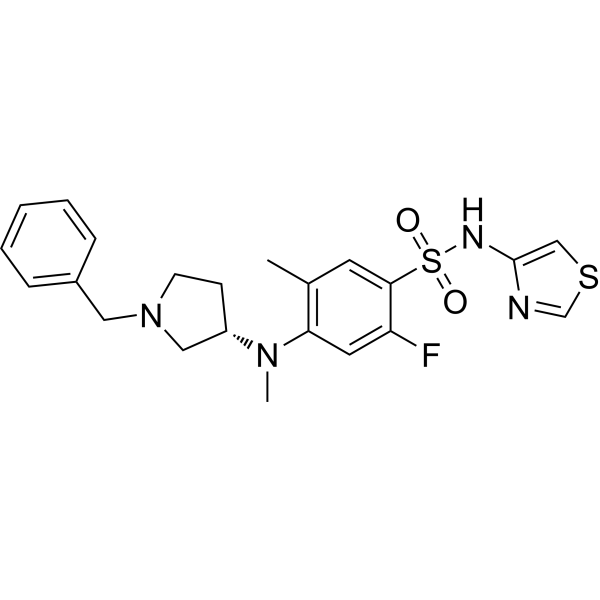
1. Search Result
Search Result
Results for "

covalent+binding

" in MedChemExpress (MCE) Product Catalog:

88

Inhibitors & Agonists

9

Screening Libraries

2

Fluorescent Dye

8

Biochemical Assay Reagents

30

Peptides

10

Natural
Products

1

Isotope-Labeled Compounds

5

Click Chemistry

1

Oligonucleotides

Cat. No. Product Name Target Research Areas Chemical Structure
  • HY-B0671
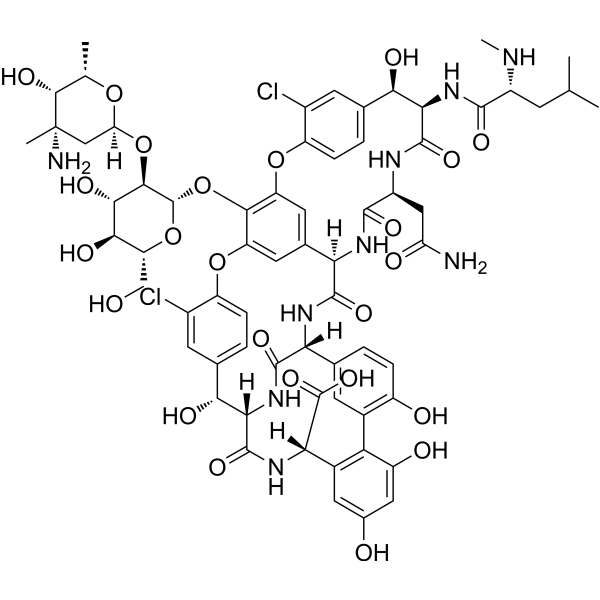
    Vancomycin
    Maximum Cited Publications
    94 Publications Verification

    Bacterial Autophagy Antibiotic Infection Cancer
    Vancomycin is an antibiotic for the treatment of bacterial infections.
    Vancomycin
  • HY-105129
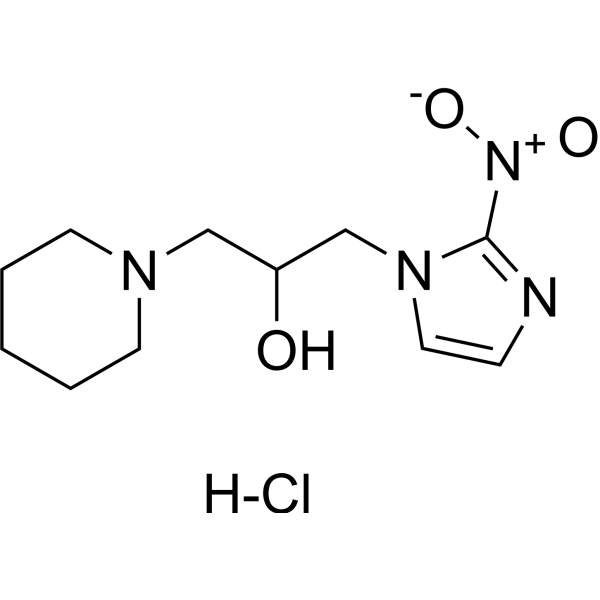
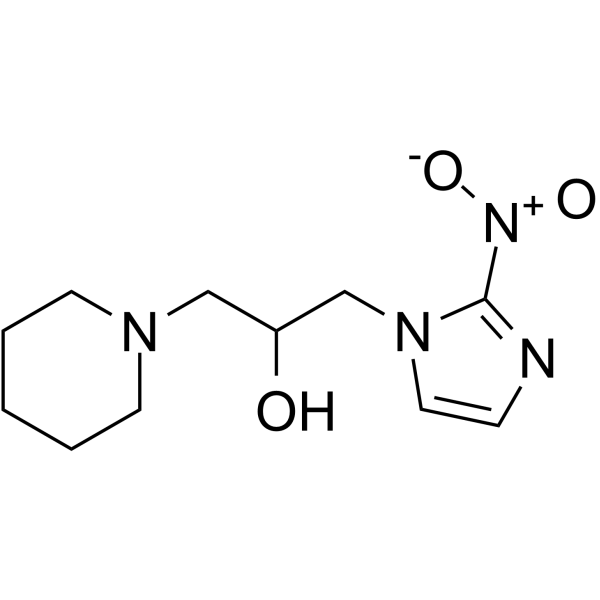
    Pimonidazole hydrochloride
    5+ Cited Publications

    Biochemical Assay Reagents Cancer
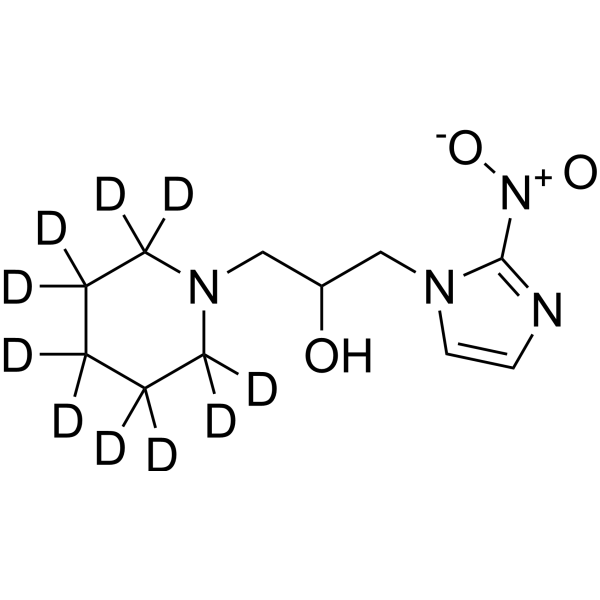
    Pimonidazole is a novel hypoxia marker for complementary study of tumor hypoxia and cell proliferation in tumor . Pimonidazole accumulates in hypoxic cells via covalent binding with macromolecules or by forming reductive metabolites after reduction of its nitro group, it can be used for qualitative and quantitative assessment of tumor hypoxia .
    Pimonidazole hydrochloride
  • HY-P4153

    MK-0616 chloride

    PCSK9 Cardiovascular Disease
    Enlicitide chloride is an orally active inhibitor for PCSK9 that blocks the interaction between LPL receptor and PSCK9, with an IC50 of 2.5 nM. Enlicitide chloride can be used in the study of cardiovascular diseases such as atherosclerosis, hypercholesterolemia, coronary heart disease, metabolic syndrome, acute coronary syndrome or related cardiovascular and cardiometabolic disorders .
    Enlicitide chloride
  • HY-137383

    Biochemical Assay Reagents Reactive Oxygen Species (ROS) Others
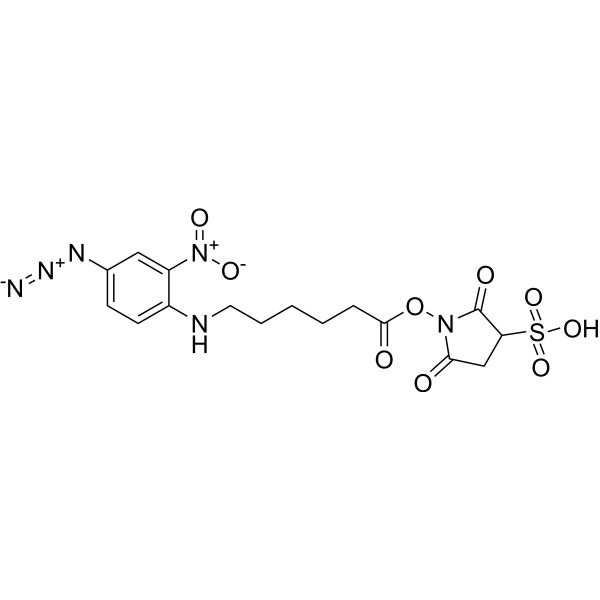
    Sulfo-SANPAH is a primary amine-nitrobenzene azide cross-linker. Sulfo-SANPAH improves the functionalization process of PDMS surfaces, is covalently bound to the PAAm gel surface. Sulfo-SANPAH is widely used to crosslink ECM proteins to various substrates, including acrylic-based hydrogels, such as polyacrylamide hydrogels. Sulfo-SANPAH facilitates covalent binding through its negatively charged sulfonate group on its N-hydroxysuccinimide ester ring and a photoactivated phenyl azide group that is highly reactive with nucleophiles and free radicals .
    Sulfo-SANPAH
  • HY-159852

    PI3K Ras Akt Cancer
    BBO-10203 is a potent inhibitor of PI3Kα and KRAS G12C, selectively and covalently binding to Cys242 in the RAS-Binding Domain of PI3Kα, and inhibiting both the GTP-bound and GDP-bound states of KRAS G12C with an IC50 of 0.031 nM and an EC50 of 0.02 nM. BBO-10203 disrupts the interaction between RAS isoforms and PI3Kα, leading to the inhibition of RAS-mediated PI3Kα activation, and reduces pERK expression, cell growth, and induces G1 arrest and apoptosis. BBO-10203 can be used for the research of breast cancer, colorectal cancer, and non-small cell lung cancer .
    BBO-10203
  • HY-129589
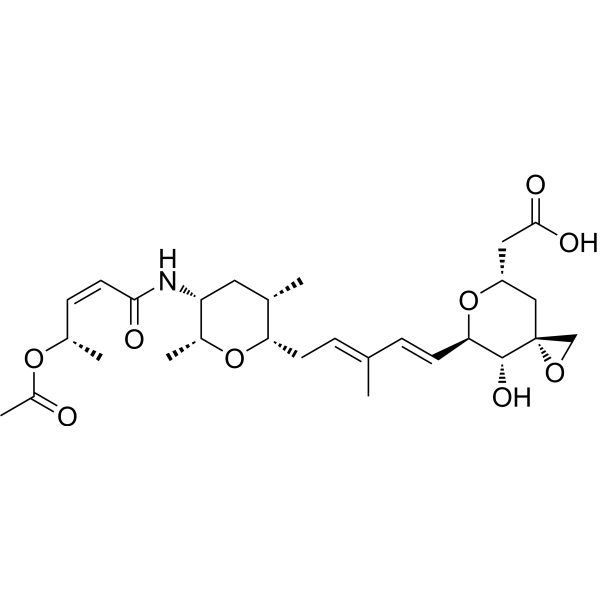
    Thailanstatin A
    2 Publications Verification

    ADC Payload Cancer
    Thailanstatin A is an ultra-potent inhibitor of eukaryotic RNA splicing (IC50=650 nM). Thailanstatin A exerts effects via non-covalent binding to the SF3b subunit of the U2 snRNA subcomplex of the spliceosome and shows low-nM to sub-nM IC50s against multiple cancer cell lines. Thailanstatin A, a payload for ADCs, is conjugated to the lysines on trastuzumab yielding “linker-less” ADC .
    Thailanstatin A
  • HY-W020780

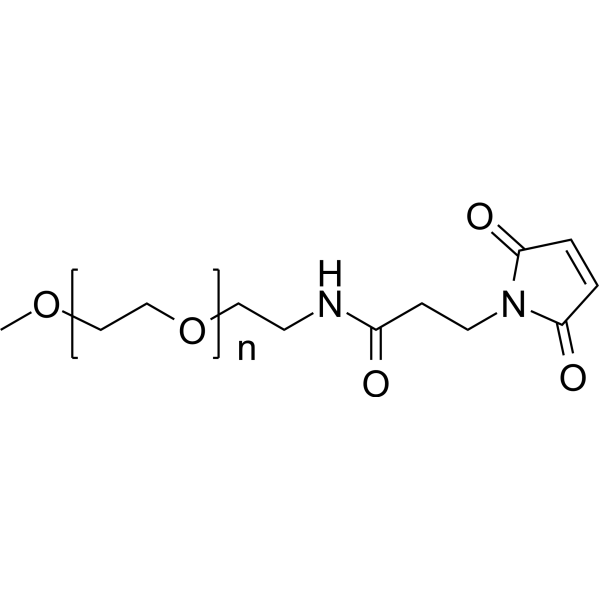
    mPEG5000-Maleimide

    Biochemical Assay Reagents Cancer
    mPEG5000-Mal (mPEG5000-Maleimide) is a PEG-derived selective covalent binding agent for sulfhydryl groups (RSGs), which can form irreversible thioether bonds with sulfhydryl groups under near-neutral conditions via the maleimide group. The mechanism of action of mPEG5000-Mal can be divided into two categories: firstly, as an enzyme modifier, it binds to target proteins through hydrophobic interactions, hydrogen bonds, and van der Waals forces, altering the protein's secondary structure; secondly, as a nanoparticle surface modifier, it covalently binds to sulfhydryl groups on the surface of red blood cells, changing the surface properties and morphology of the red blood cells, leading to their phagocytosis by macrophages of the reticuloendothelial system. mPEG5000-Mal can react with free cysteine in proteins, increasing the apparent molecular weight of the modified protein by 10-15 kDa for detection purposes. mPEG5000-Mal can enhance the thermal stability and catalytic activity of enzymes, and improve the macrophage targeting of nanoparticles, enabling targeted drug delivery. mPEG5000-Mal can be applied in enzyme engineering research in the food industry and in oncology, assisting radiotherapy by inhibiting tumor-associated macrophage infiltration and enhancing anti-tumor immune responses .
    mPEG5000-Mal
  • HY-105129A
    Pimonidazole
    5+ Cited Publications

    Biochemical Assay Reagents Cancer
    Pimonidazole is a novel hypoxia marker for complementary study of tumor hypoxia and cell proliferation in tumor . Pimonidazole accumulates in hypoxic cells via covalent binding with macromolecules or by forming reductive metabolites after reduction of its nitro group, it can be used for qualitative and quantitative assessment of tumor hypoxia .
    Pimonidazole
  • HY-79647

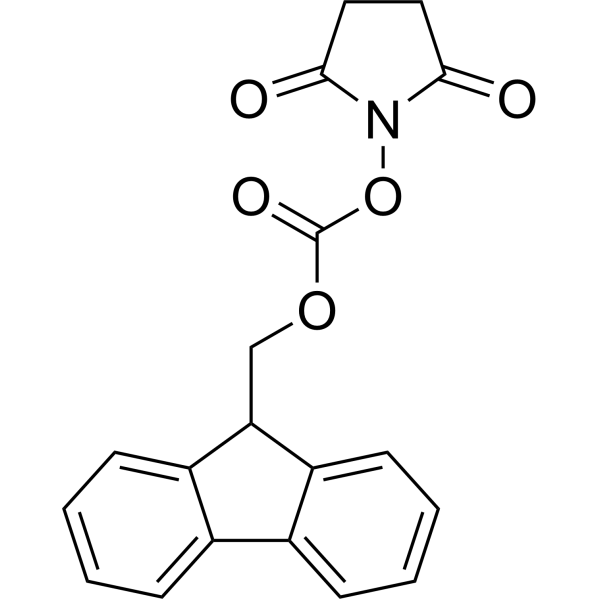
    N-(Fmoc-oxy)succinimide

    Biochemical Assay Reagents Others
    Fmoc-OSu (N-(Fmoc-oxy)succinimide) is an acylating agent that targets amino groups (-NH2). It can selectively protect the amino groups of amino acids by covalently binding with primary or secondary amines through nucleophilic substitution reactions. Fmoc-OSu forms a stable amide bond with the amino group to avoid side reactions of the amino group in peptide synthesis. It can also be used as a fluorescent labeling reagent to react with glycosylamines for efficient labeling of N-sugar chains. Fmoc-OSu can be used as an Fmoc protection strategy in peptide synthesis, and as a fluorescent labeling and analysis method for N-sugar chains .
    Fmoc-OSu
  • HY-W068119A

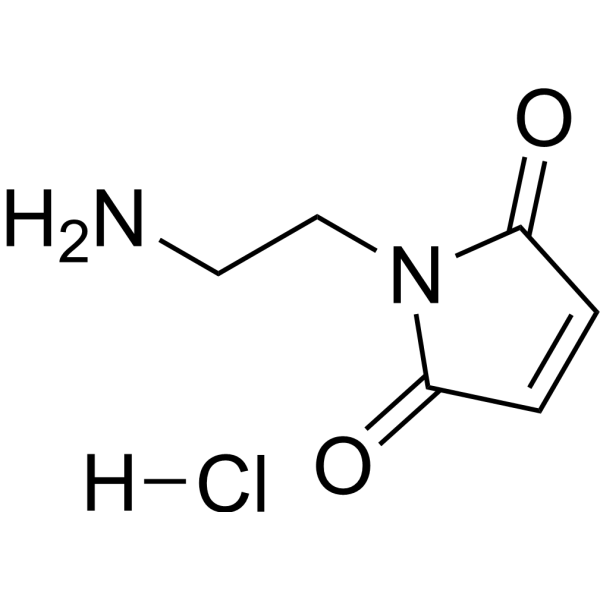
    2-Maleimidoethylamine hydrochloride

    Biochemical Assay Reagents Cancer
    N-(2-Aminoethyl)maleimide (2-Maleimidoethylamine) hydrochloride is a selective covalent binding agent for thiol groups (RSGs), covalently binding to thiols via an irreversible thioether bond to prepare MMP-2-sensitive nanosystems. Under near-neutral conditions, the maleimide group in N-(2-Aminoethyl)maleimide hydrochloride binds to thiol groups via a nucleophilic addition reaction, and can be used to modify polymers or biological interfaces, enhancing mucosal adhesion and regulating the surface charge of biological interfaces. N-(2-Aminoethyl)maleimide hydrochloride can optimize the adhesion performance of drug delivery carriers and cell interactions with biological interfaces, and is applied in transmucosal drug delivery systems (such as drug carriers for oral and bladder sites) and biomaterial surface engineering research, providing support for tissue implantation, regeneration, and related drug delivery .
    N-(2-Aminoethyl)maleimide hydrochloride
  • HY-147423
    Zandatrigine
    1 Publications Verification

    NBI-921352; XEN901

    Sodium Channel Neurological Disease
    Zandatrigine (NBI-921352; XEN901) is a selective, orally active, voltage-gated sodium channel NaV1.6/SCN8A inhibitor that can penetrate the blood-brain barrier. Zandatrigine inhibits sodium influx by non-covalently binding to the VSD4 structure of NaV1.6, blocking the persistent and resuscitative currents under pathological conditions. Zandatrigine can reduce neuronal hyperexcitability and reduce epileptic seizures. Zandatrigine is 134-756-fold selective for other isoforms such as NaV1.1 and NaV1.2, and has minimal effect on NaV1.1 expressed by inhibitory interneurons. Zandatrigine can be used to study NaV1.6-mediated neuroexcitability diseases such as SCN8A-related developmental epileptic encephalopathy (SCN8A-DEE) and adult focal epilepsy .
    Zandatrigine
  • HY-P10709

    Collagen Cardiovascular Disease Cancer
    CREKA peptide is a selective non-covalent binding agent targeting fibrin, type IV collagen, and fibronectin, often used as a targeting ligand to modify delivery carriers. CREKA peptide specifically recognizes fibrin, fibronectin, and type IV collagen that are excessively deposited in the tumor microenvironment or fibrotic tissue, mediating the targeted accumulation of the carrier at the lesion site and promoting drug internalization into target cells (such as cancer cells and activated hepatic stellate cells). CREKA peptide can enhance targeted delivery efficiency, increase drug concentration at the lesion site, and reduce systemic side effects .
    CREKA peptide
  • HY-155882

    mPEG750-NH2

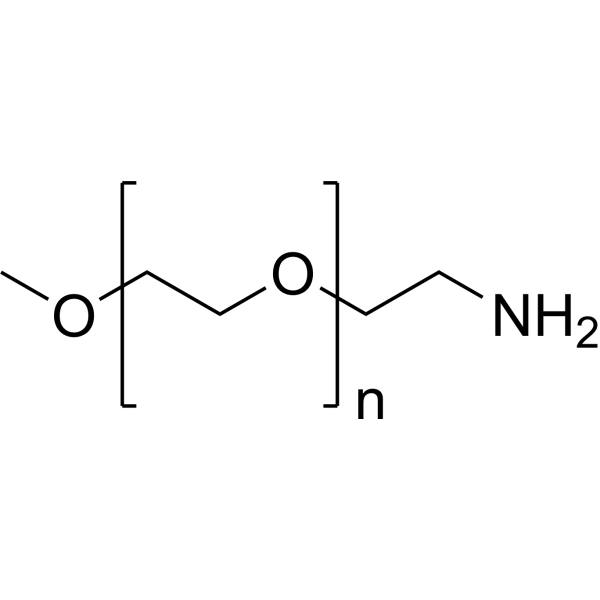
    Biochemical Assay Reagents Cancer
    mPEG750-amine (mPEG750-NH2) is a chemical modification reagent for nanoparticles, capable of covalently binding to Ad-PVA to form Ad-PVA-PEG polymers. mPEG750-amine stabilizes gene delivery complexes by providing steric hindrance, reducing particle aggregation, while enhancing the water solubility and serum stability of the complex, reducing carrier cytotoxicity, and assisting in the efficient condensation of pDNA by cationic components to form nanoparticles that can be endocytosed by cells. mPEG750-amine can also be used to synthesize folate-conjugated polymer micelles for encapsulating the anticancer agent Camptothecin (HY-16560). Folate-conjugated polymer micelles are effective carriers for poorly soluble anticancer drugs, capable of avoiding macrophages and acting through folate receptor (FR)-mediated endocytosis to target tumor cells. mPEG750-amine can be applied to research in the field of non-viral gene delivery, as a component of gene delivery vectors, facilitating the safe and efficient delivery of nucleic acid drugs to target cells .
    mPEG750-amine
  • HY-100739
    RA190
    4 Publications Verification

    Proteasome Cancer
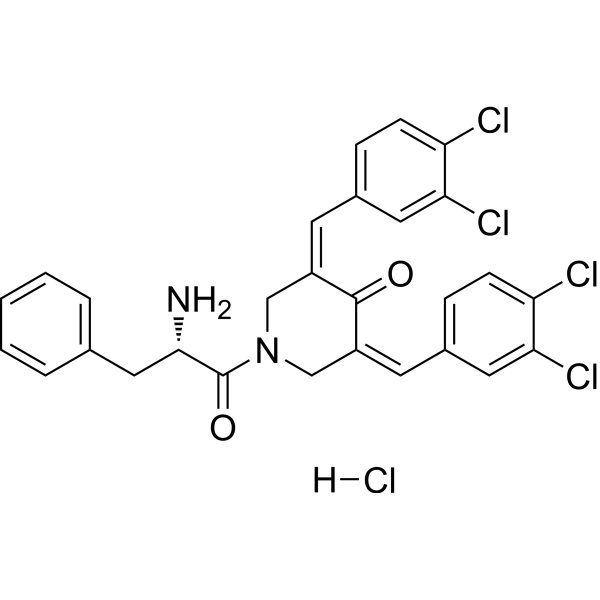
    RA190, a bis-benzylidine piperidon, inhibits proteasome function by covalently binding to cysteine 88 of ubiquitin receptor RPN13.
    RA190
  • HY-D0056

    Fluorescent Dye Others
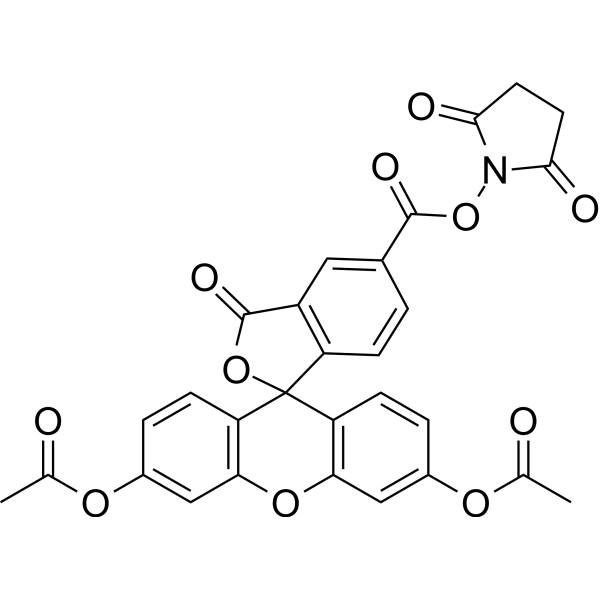
    5-Carboxyfluorescein diacetate N-succinimidyl ester is a cell permeable dye (Ex=492 nm, Em=517 nm). 5-Carboxyfluorescein diacetate N-succinimidyl ester can label cells by covalently binding to intracellular molecules. 5-Carboxyfluorescein diacetate N-succinimidyl ester is used to track lymphocyte migration and proliferation .
    5-Carboxyfluorescein diacetate N-succinimidyl ester
  • HY-19564
    JX06
    5+ Cited Publications

    PDHK Apoptosis Cancer
    JX06 is a potent, selective and covalent inhibitor of PDK. JX06 inhibits PDK1, PDK2 and PDK3 with IC50s of 49 nM, 101 nM, and 313 nM, respectively. JX06 inhibits PDK1 activity via covalently binding to a cysteine residue in an irreversible manner. JX06 shows significant antitumor activity .
    JX06
  • HY-W115727B

    PAM,Anion,Mw 18 million

    Biochemical Assay Reagents Others
    Polyacrylamide,Anion,Mw 18 million (PAM,Anion,Mw 18 million) is a multifunctional high molecular weight anionic polyacrylamide copolymer. The anionic properties of Polyacrylamide,Anion,Mw 18 million enable it to be used as a flocculant to achieve charge neutralization and aggregation, while its high molecular weight properties provide viscoelastic properties for fluid applications. Polyacrylamide series materials can maintain enzyme activity in enzyme immobilization, act as drug carriers to achieve controlled release, serve as smart materials responding to temperature/pH stimuli, and be used for in vitro toxin adsorption and soft tissue filling through mechanisms such as physical entrapment, covalent binding or chemical crosslinking. Polyacrylamide finds applications in biomedical engineering, environmental management and industrial applications .
    Polyacrylamide,Anion,Mw 18 million
  • HY-134222A

    N-Acetyl-L-serine

    Endogenous Metabolite Complement System Others
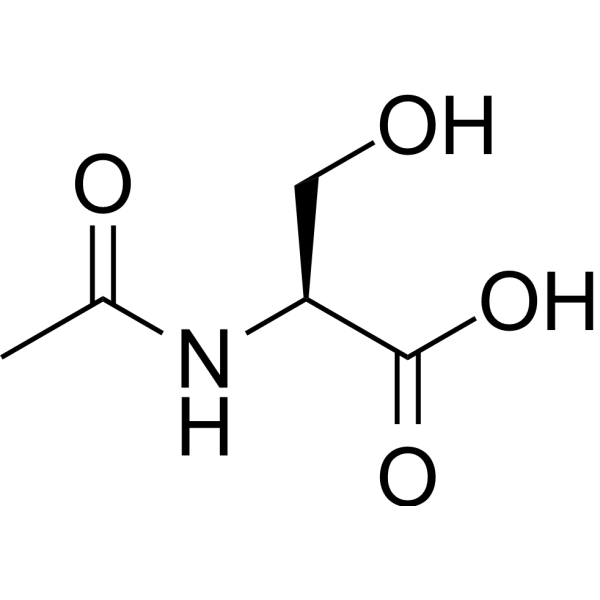
    N-Acetylserine (N-Acetyl-L-serine) is a complement pathway modulator targeting activated third complement protein (C3b) and an amino-terminal residue (an N-terminal acetylation modification group). N-Acetylserine reacts with the exposed thioester group of C3b via its hydroxyl group, thereby blocking the covalent binding of glycerol to this thioester group. N-Acetylserine widely exists in soluble proteins of mammalian cells (accounting for approximately 80% of such proteins). N-Acetylserine has a blocking property that prevents direct Edman sequencing of proteins; deblocking is achievable through trifluoroacetic acid-catalyzed N→O acetyl migration followed by β-elimination. N-Acetylserine is suitable for sequencing of proteins with N-terminal acetylserine modification .
    N-Acetylserine
  • HY-119323
    7-Azido-4-methylcoumarin
    1 Publications Verification

    Fluorescent Dye Others
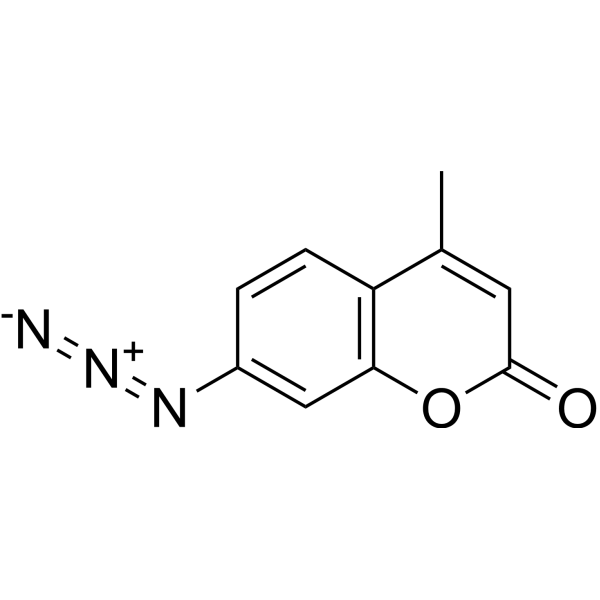
    7-Azido-4-methylcoumarin is a selective coumarin-based fluorescent probe for hydrogen sulfide (H2S). In the presence of H2S, the aromatic azido group of 7-Azido-4-methylcoumarin is selectively reduced to produce the fluorescently active 7-amino-4-methylcoumarin (AMC). 7-Azido-4-methylcoumarin binds to the coumarin/phenol-binding site of BSA, the aglycone-binding site of UGT1A6, and the substrate-binding site of SULT1A1, respectively. 7-Azido-4-methylcoumarin retains its fluorescent properties after covalent binding, acts as a fluorescent H2S probe, and does not react with cysteine, homocysteine or glutathione (Ex/Em = 340/445 nm) .
    7-Azido-4-methylcoumarin
  • HY-115733
    Cathepsin L-IN-2
    1 Publications Verification

    (Rac)-Z-Phe-Phe-FMK

    Cathepsin Cancer
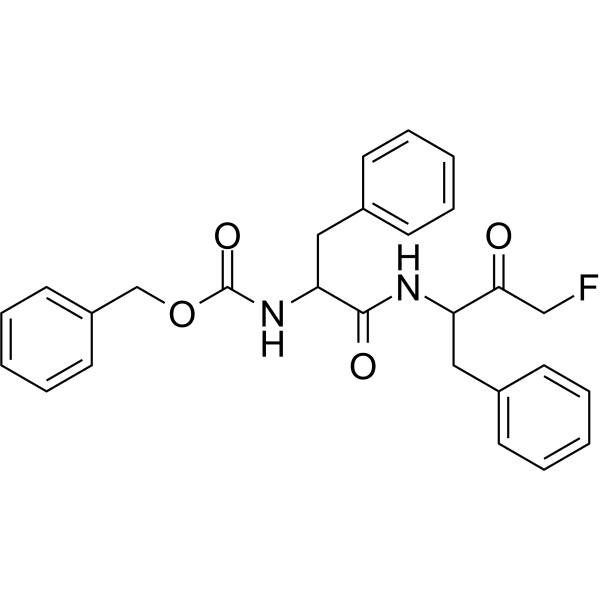
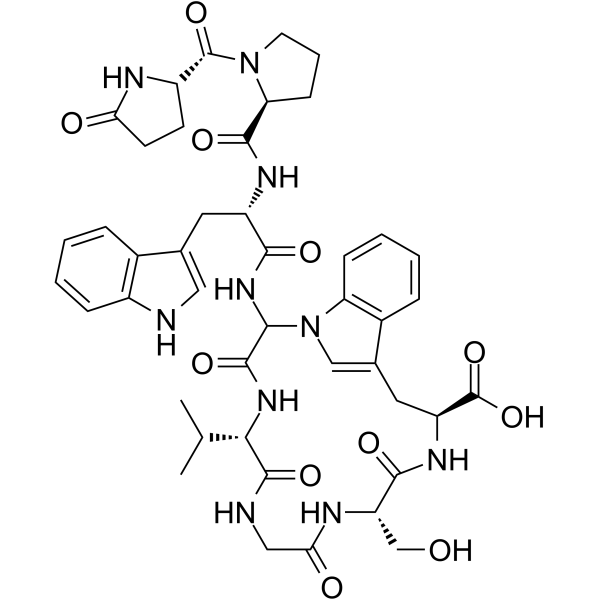
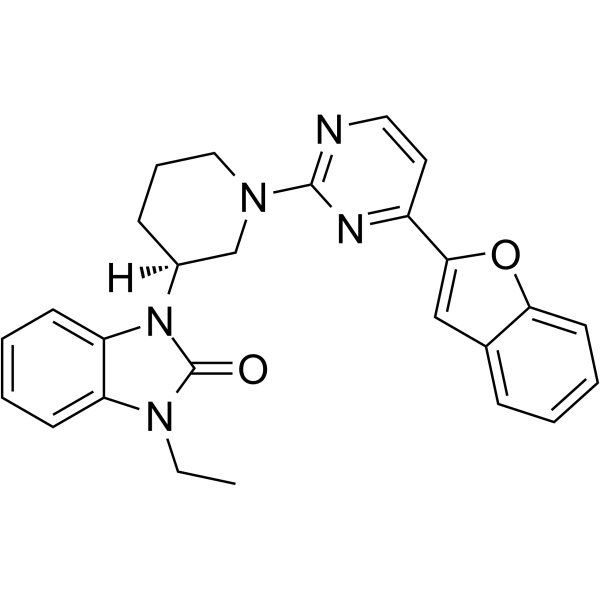
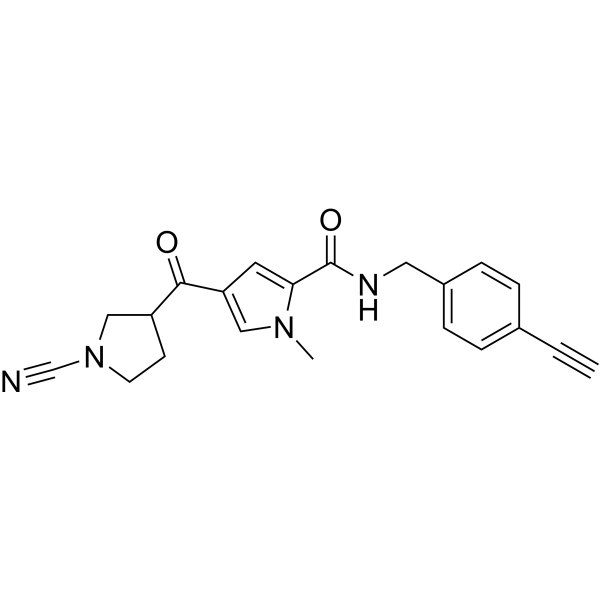
    Cathepsin L-IN-2 ((Rac)-Z-Phe-Phe-FMK) is an isomer of the Cathepsin L inhibitor Z-Phe-Phe-FMK (HY-141867), with an IC50 of 15 μM for cathepsin L. Z-Phe-Phe-FMK irreversibly blocks the proteolytic function of cathepsins by covalently binding to the cysteine residues in the active center of the enzyme. Cathepsin L-IN-2 and Z-Phe-Phe-FMK can be used to study neurodegenerative diseases (such as GRN-related frontotemporal dementia) and cancer invasion and metastasis.
    Cathepsin L-IN-2
  • HY-W115727E

    PAM,average Mn 150000

    Biochemical Assay Reagents Others
    Polyacrylamide, average Mn 150000 (PAM, average Mn 150000) is a versatile, high-molecular-weight polyacrylamide copolymer. Polyacrylamide series materials can maintain enzyme activity in enzyme immobilization, act as drug carriers to achieve controlled release, serve as smart materials responding to temperature/pH stimuli, and be used for in vitro toxin adsorption and soft tissue filling through mechanisms such as physical entrapment, covalent binding or chemical crosslinking. Polyacrylamide finds applications in biomedical engineering, environmental management and industrial applications .
    Polyacrylamide,average Mn 150000
  • HY-131146
    AMOZ
    1 Publications Verification

    3-Amino-5-morpholinomethyl-2-oxazolidone

    Drug Metabolite Infection
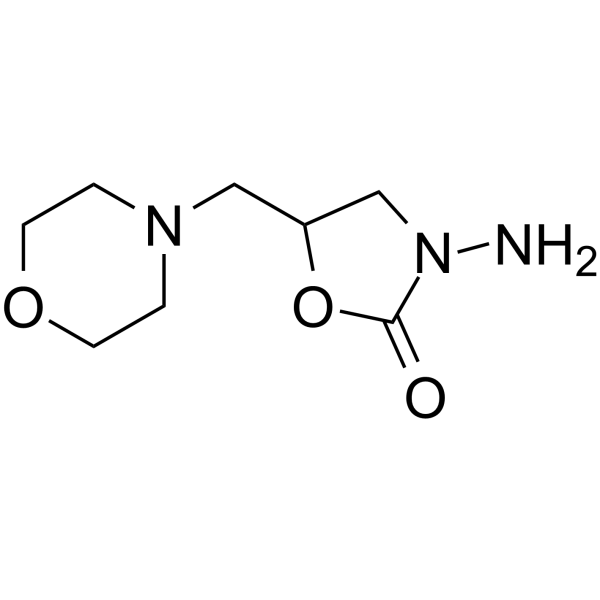
    AMOZ is a carcinogenic metabolite of Furaltadone (HY-B1148A), which forms stable tissue residues by covalently binding to proteins as a hapten. AMOZ can be coupled with carrier proteins (such as BSA/OVA) to induce immune response and is released after acid hydrolysis. AMOZ residues can be detected by competitive ELISA method, and the detection limit in the monoclonal antibody 2E5.1 test is as low as 0.16 μg/kg (shrimp sample). AMOZ can be used as a typical marker to monitor drug residues in animal-derived foods in the field of food safety[1][2].
    AMOZ
  • HY-137441
    Icapamespib
    1 Publications Verification

    PU-HZ151

    HSP Neurological Disease Cancer
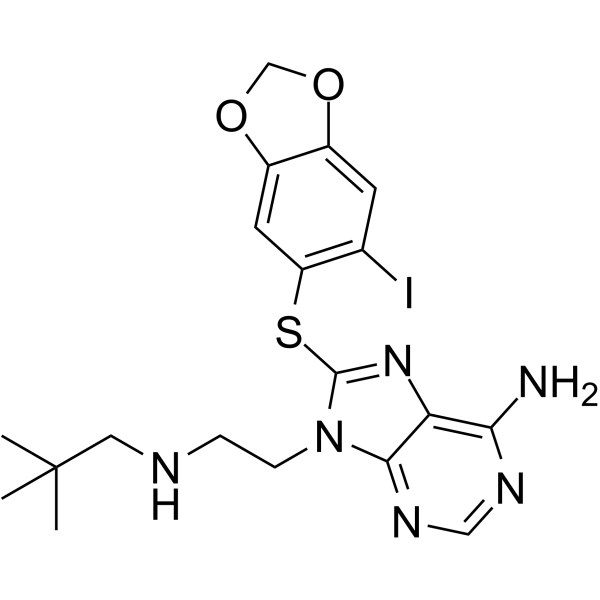
    Icapamespib (PU-HZ151; PU-AD) is a selective, orally active inhibitor of Epichaperomes assembled by HSP90 with slow dissociation kinetics. Icapamespib can cross the blood-brain barrier (BBB) ??and induce epichaperome disassembly by non-covalently binding to HSP90, restoring the normal protein-protein interaction network. Icapamespib can specifically disrupt disease-related abnormal protein interaction networks, reduce neurotoxic protein aggregation and tumor cell survival signals. Icapamespib can be used in the research of neurodegenerative diseases such as Alzheimer's disease, as well as cancers such as glioblastoma and metastatic breast cancer .
    Icapamespib
  • HY-P11306

    Proteasome NF-κB Inflammation/Immunology
    Biotin-(Oaa)3-epoxomicin is a biotin-labeled form of Epoxomicin (HY-13821), prepared by conjugating Epoxomicin with biotin via three hydrophilic oxaacetyl amino acid (Oaa) linkers. Biotin-(Oaa)3-epoxomicin is primarily used in proteomic studies for the capture, identification and target validation of proteasome complexes, to determine the intracellular targets of epoxomicin. Epoxomicin acts as a proteasome inhibitor and NF-κB inhibitor, which effectively blocks inflammatory responses in mouse ear edema assays. It inhibits proteasome activity via covalent binding to catalytic subunits including LMP7, X, MECL1 and Z, with the strongest inhibitory effect on chymotrypsin-like activity, and does not interfere with non-proteasomal proteases such as trypsin and papain .
    Biotin-(Oaa)3-epoxomicin
  • HY-132817
    Gunagratinib
    1 Publications Verification

    ICP-192

    FGFR Cancer
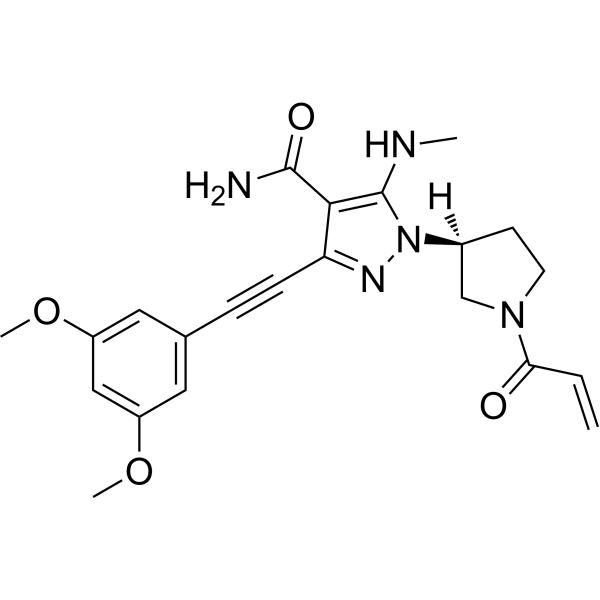
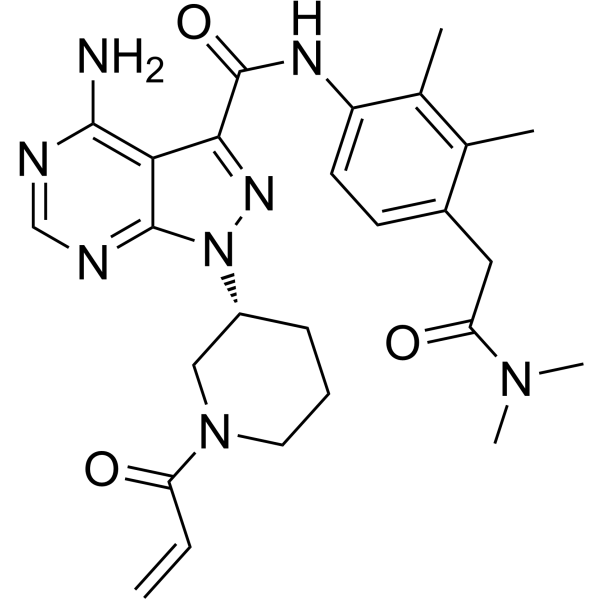
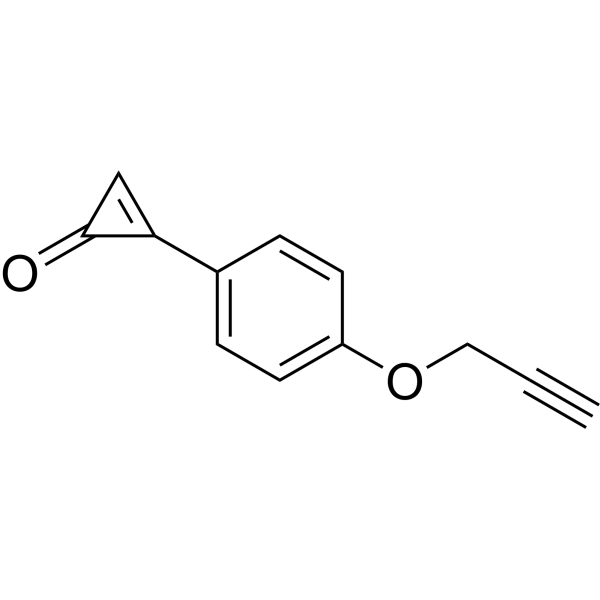
    Gunagratinib (ICP-192) is a low toxicity and orally active pan-FGFR (fibroblast growth factor receptors) inhibitor that potently and selectively inhibits FGFR activities irreversibly by covalent binding. Gunagratinib can be used for the research of cancer . Gunagratinib is a click chemistry reagent, it contains an Alkyne group and can undergo copper-catalyzed azide-alkyne cycloaddition (CuAAc) with molecules containing Azide groups .
    Gunagratinib
  • HY-139621

    DNA Alkylator/Crosslinker Cancer
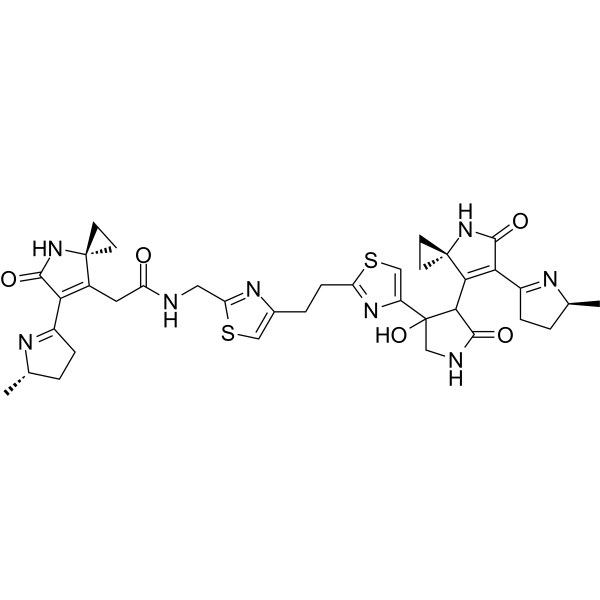
    Colibactin 742 is a covalently binding DNA-damaging agent targeting DNA, with an IC50 of 5.2 μM against human cervical cancer cells (HeLa). Colibactin 742 covalently binds to DNA, forming interstrand crosslinks (ICLs), activating the Fanconi anemia DNA repair pathway, inducing γH2AX and FANCD2 foci formation and cell cycle arrest, while exacerbating mismatch repair deficiency (MMRd)-related mutations. Colibactin 742 can mimic the genotoxicity of natural Colibactin while avoiding its instability, and is mainly used in colorectal cancer (CRC) related research, including microbial tumorigenesis mechanisms, DNA damage repair pathways, and mutation signature analysis .
    Colibactin 742
  • HY-W012572

    Mitochondrial Metabolism Bacterial Infection Metabolic Disease
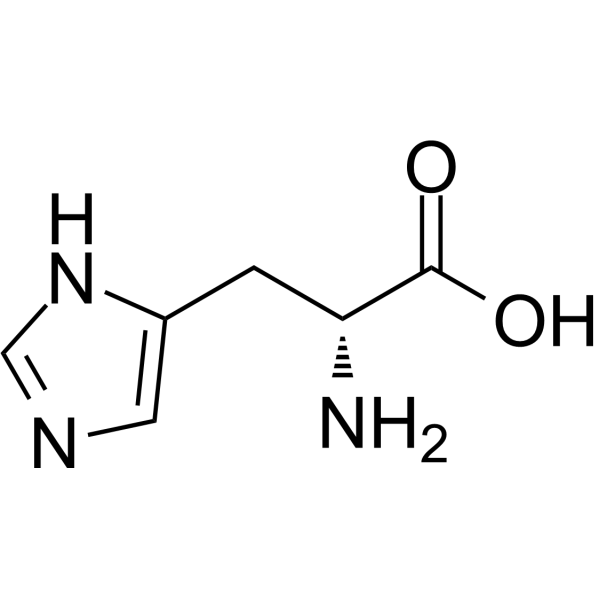
    D-Histidine is an anti-biofilm agent that targets bacterial quorum sensing systems (such as RhlI/RhlR pathway) and has antibacterial activity. D-Histidine works by non-covalently binding to bacterial regulatory factors or copper ion complexes, selectively inhibiting bacterial biofilm formation and motility. D-Histidine downregulates quorum sensing-related gene expression, reduces the synthesis of virulence factors (such as alginate and proteases), and interferes with bacterial membrane stability, inhibiting biofilm formation, promoting the disintegration of mature biofilms, and enhancing antibiotic sensitivity. D-Histidine is also an efficient catalyst for the salt-induced peptide formation (SIPF) reaction, which promotes the condensation of amino acids to form dipeptides (such as dialanine and dilysine) by forming a complex with copper ions (Cu 2+) .
    D-Histidine
  • HY-138065

    Apoptosis Others
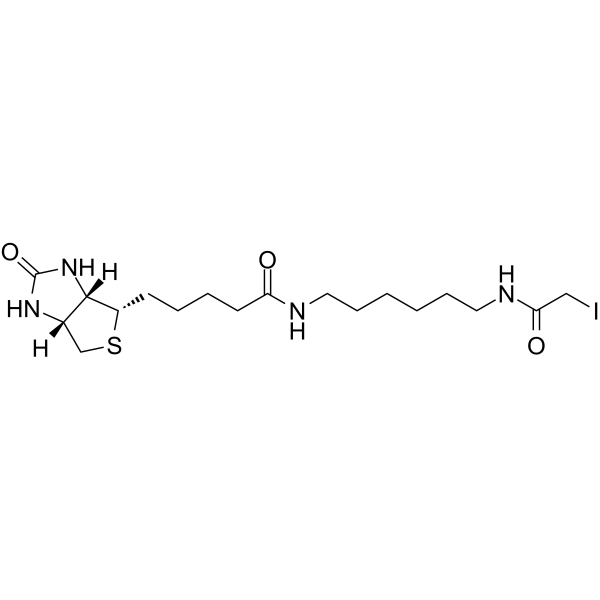
    Iodoacetyl-LC-biotin is a biotinylated electrophile probe that can be used to investigate the scope and characteristics of protein covalent binding to subcellular proteomes .
    Iodoacetyl-LC-biotin
  • HY-124645

    Flavivirus Dengue Virus Btk MNK Infection Cancer
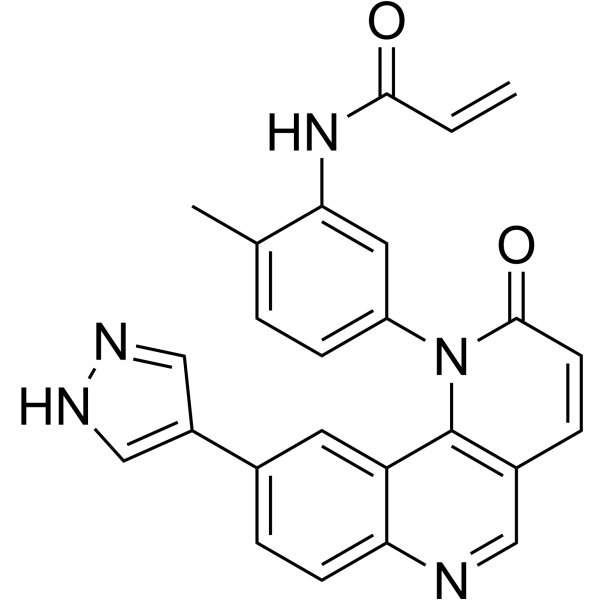
    QL-X-138 is a potent and selective BTK/MNK dual kinase inhibitor, exhibits covalent binding to BTK and non-covalent binding to MNK. QL-X-138 shows IC50s of 9.4 nM, 107.4 nM and 26 nM for BTK, MNK1 and MNK2 kinases respectively. QL-X-138 also shows anti-dengue virus 2 activity, with an IC50 of 3.5 μM. QL-X-138 can be used for the research of B-cell malignancies .
    QL-X-138
  • HY-163565

    Btk Neurological Disease
    BIIB129 is a covalent, selective, small molecule inhibitor of Bruton's tyrosine kinase (BTK) capable of penetrating the blood-brain barrier. BIIB129 inhibits the activity of BTK by covalently binding to Cys481 in BTK, thereby affecting the function of B cells and myeloid cells. BIIB129 can be used in multiple sclerosis (MS) research .
    BIIB129
  • HY-P2265A

    SOS1 Ras Cancer
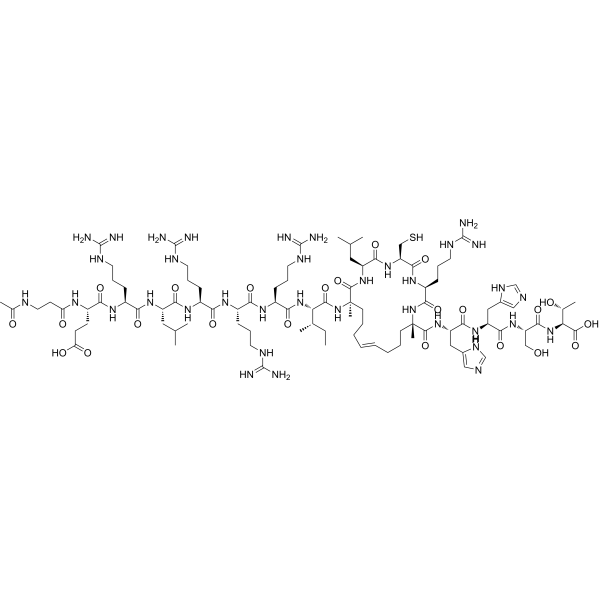
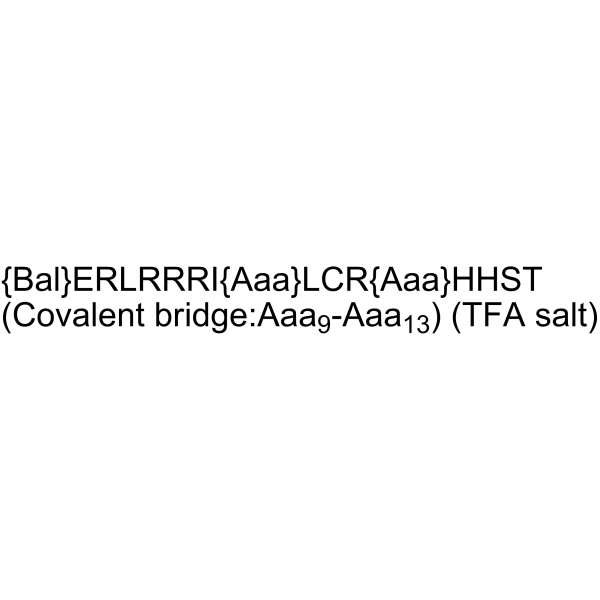
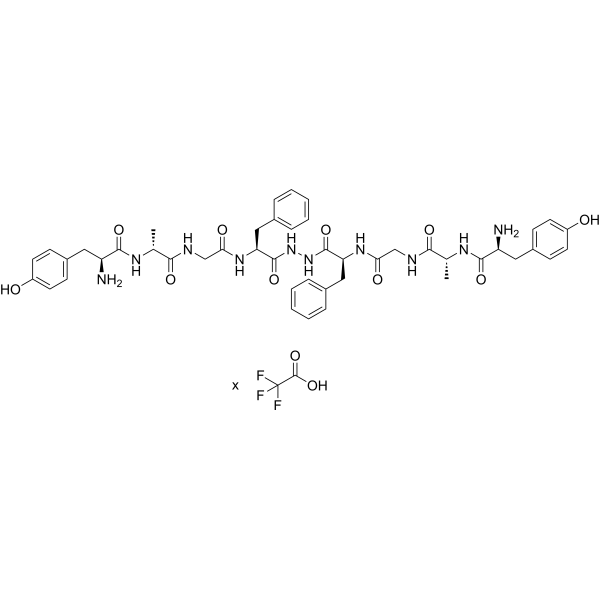
    SAH-SOS1A TFA is a peptide-based SOS1/KRAS protein interaction inhibitor. SAH-SOS1A TFA binds to wild-type and mutant KRAS (G12D, G12V, G12C, G12S, and Q61H) with nanomolar affinity (EC50=106-175 nM). SAH-SOS1A TFA directly and independently blocks nucleotide association. SAH-SOS1A TFA impairs KRAS-driven cancer cell viability and exerts its effects by on-mechanism blockade of the ERK-MAPK phosphosignaling cascade downstream of KRAS .
    SAH-SOS1A TFA
  • HY-W115727D

    PAM,average Mn 40000

    Biochemical Assay Reagents Others
    Polyacrylamide (PAM), average Mn 40000 is a versatile, high-molecular-weight polyacrylamide copolymer. Polyacrylamide series materials can maintain enzyme activity in enzyme immobilization, act as drug carriers to achieve controlled release, serve as smart materials responding to temperature/pH stimuli, and be used for in vitro toxin adsorption and soft tissue filling through mechanisms such as physical entrapment, covalent binding or chemical crosslinking. Polyacrylamide finds applications in biomedical engineering, environmental management and industrial applications .
    Polyacrylamide,average Mn 40000
  • HY-W115727C

    Acrylamide polymer,Nonionic,Mw 5-6 million

    Biochemical Assay Reagents Others
    Polyacrylamide (Acrylamide polymer),Nonionic,Mw 5-6 million is a multifunctional, high-molecular-weight nonionic polyacrylamide copolymer. Polyacrylamide-based materials can maintain enzyme activity in enzyme immobilization, act as drug carriers for controlled release, function as smart materials responsive to temperature/pH stimuli, and be applied in in vitro toxin adsorption and soft tissue filling, through action mechanisms such as physical entrapment, covalent binding or chemical crosslinking. Polyacrylamide finds applications in biomedical engineering, environmental management and industrial applications .
    Polyacrylamide,Nonionic,Mw 5-6 million
  • HY-178124

    Deubiquitinase Neurological Disease Cancer
    Huib32 is a potent small-molecule inhibitor of USP32 (IC50 = 21.2 nM), exhibiting high selectivity over other closely related deubiquitinating enzymes (DUBs), such as USP8/10/16, UCHL1 and OTUB2. Huib32 reversibly inhibits USP32 by covalently binding to the active site Cys743, which enhances substrate ubiquitination, alters endosomal morphology, and mimics USP32 depletion. Huib32 can be used for breast, ovarian, and lung cancer and Alzheimer's and Parkinson’s diseases research .
    Huib32
  • HY-P2203
    SAHM1
    1 Publications Verification

    Notch Inflammation/Immunology
    SAHM1, a peptide mimetic of a dominant negative form of mastermind-like (MAML), inhibits canonical Notch transcription complex formation. SAHM1 can be used for the research of allergic airway inflammation in mice .
    SAHM1
  • HY-111553

    EGFR Cancer
    TAS0728 is a potent, selective, orally active, irreversible and covalent-binding HER2 inhibitor, with an IC50 of 13 nM. TAS0728 also shows IC50s of 4.9, 8.5, 31, 65, 33, 25 and 86 nM for BMXHER4BLK、EGFR、JAK3SLK and LOK respectively. Furthermore, TAS0728 exhibits robust and sustained inhibition of the phosphorylation of HER2, HER3, and downstream effectors .
    TAS0728
  • HY-103462

    FAAH Cardiovascular Disease Metabolic Disease Inflammation/Immunology Cancer
    TC-F2 is a reversible non-covalent binding inhibitor of fatty acid amide hydrolase (FAAH) with an IC50 of 28 nM. FAAH is involved in many human diseases, particularly cancer, pain and inflammation as well as neurological, metabolic and cardiovascular disorders .
    TC-F2
  • HY-D2188

    Deubiquitinase Cancer
    IMP-2373 is a low-toxicity activity-based probe targeting covalent pan-deubiquitinase (DUB), which modulates and monitors DUB activity via covalent binding to the catalytic cysteine and active site of DUB. IMP-2373 enables real-time tracking of dynamic intracellular DUB activity in physiologically relevant living cell systems, and quantitative analysis of activity changes induced by pharmacological inhibition or MYC dysregulation. IMP-2373 can be used for research on related diseases such as B-cell lymphoma .
    IMP-2373
  • HY-137441A
    Icapamespib hydrochloride
    1 Publications Verification

    PU-HZ151 hydrochloride

    HSP Neurological Disease Cancer
    Icapamespib (PU-HZ151; PU-AD) hydrochloride is a selective, orally active inhibitor of Epichaperomes assembled by HSP90 with slow dissociation kinetics. Icapamespib hydrochloride can cross the blood-brain barrier (BBB) ??and induce epichaperome disassembly by non-covalently binding to HSP90, restoring the normal protein-protein interaction network. Icapamespib hydrochloride can specifically disrupt disease-related abnormal protein interaction networks, reduce neurotoxic protein aggregation and tumor cell survival signals. Icapamespib hydrochloride can be used in the research of neurodegenerative diseases such as Alzheimer's disease, as well as cancers such as glioblastoma and metastatic breast cancer .
    Icapamespib hydrochloride
  • HY-P1368
    Stressin I
    1 Publications Verification

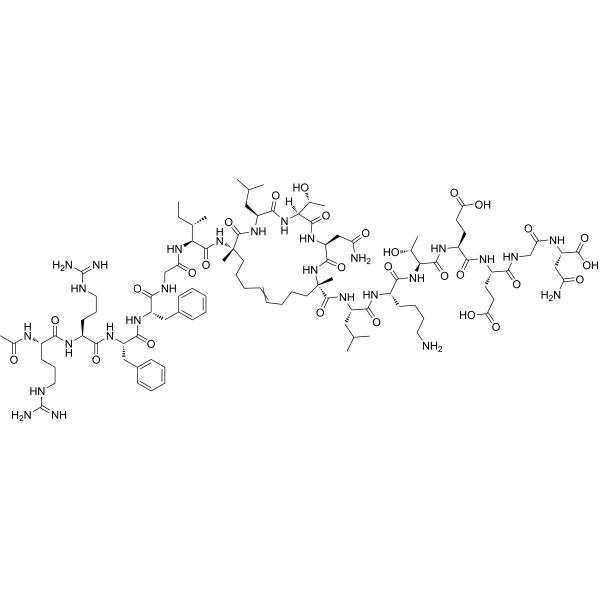
    Cyclo(31-34)[DPhe12,Nle21,38,Glu31,Lys34]Ac-hCRF(4-41)

    CRFR Endocrinology
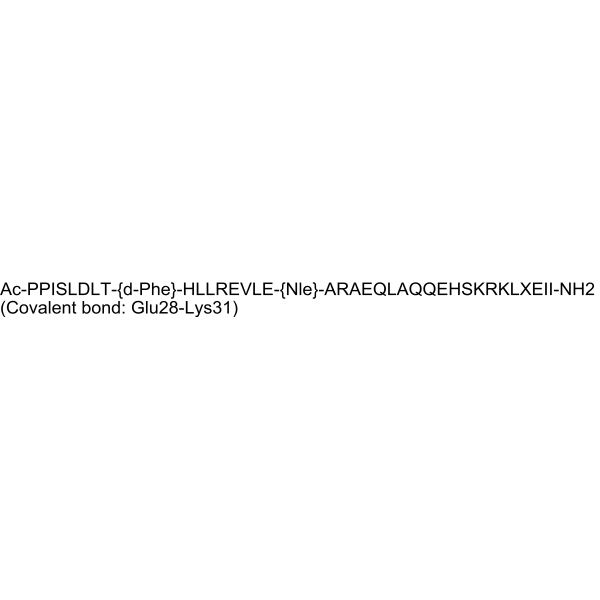
    Stressin I (Cyclo(31-34)[DPhe12,Nle21,38,Glu31,Lys34]Ac-hCRF(4-41)) is a potent CRF1 receptor-selective agonist with a Ki of 1.7 nM. Stressin I induces increases in adrenocorticotropic hormone (ACTH) levels in rats .
    Stressin I
  • HY-W996116

    Glutathione Peroxidase Cardiovascular Disease Neurological Disease Inflammation/Immunology
    AZM198 is an orally active myeloperoxidase (MPO) inhibitor. AZM198 irreversibly inactivates MPO (IC50=0.015 μM) via covalent binding to the heme prosthetic group, preferentially targets extracellular MPO activity, and reduces neutrophil extracellular trap formation, reactive oxygen species production and degranulation. AZM198 increases the fibrous cap thickness of atherosclerotic plaques, reduces lesion area, ameliorates hepatic steatosis and fibrosis in non-alcoholic steatohepatitis, and alleviates proteinuria and inflammatory infiltration associated with glomerulonephritis. AZM198 also decreases circulating levels of high-sensitivity Cardiac Troponin I and IL-1β, and mitigates endothelial cell injury. Therefore, AZM198 is suitable for research on various MPO-related diseases, including atherosclerotic cardiovascular disease, myocardial infarction, ischemic stroke, non-alcoholic steatohepatitis and crescentic glomerulonephritis .
    AZM198
  • HY-144650

    Apoptosis HSP Cancer
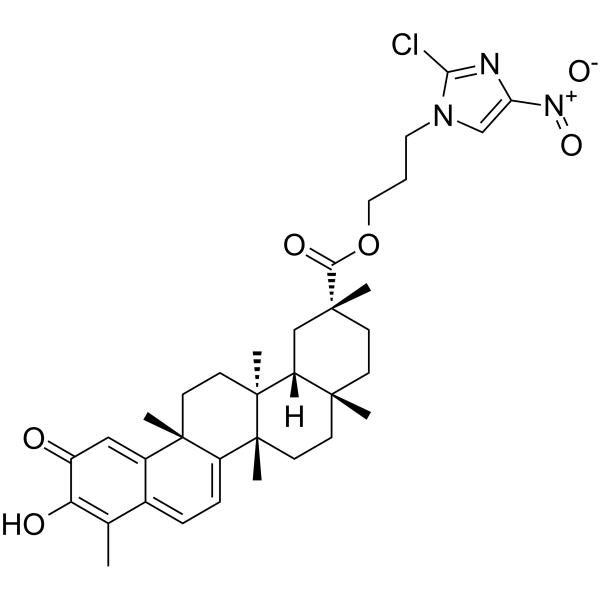
    Hsp90-Cdc37-IN-3 (Compound 9) is a novel celastrol−imidazole derivative with anticancer activity. Hsp90-Cdc37-IN-3 inhibits Hsp90Cdc37 by covalent-binding, and induces apoptosis .
    Hsp90-Cdc37-IN-3
  • HY-164725

    Radionuclide-Drug Conjugates (RDCs) FAP Cancer
    FAPI-mFS is an irreversible fibroblast activation protein (FAP) inhibitor, that enhances the uptake and retention time in cancer cells through its covalent binding property for FAP. FAPI-mFS can be used for cancer imaging the therapy, when labeled with radioactive 68Ga or 177Lu . FAPI-mFS can be used for the synthesis/research of Radionuclide-Drug Conjugates (RDCs).
    FAPI-mFS
  • HY-103046

    E1/E2/E3 Enzyme Inflammation/Immunology
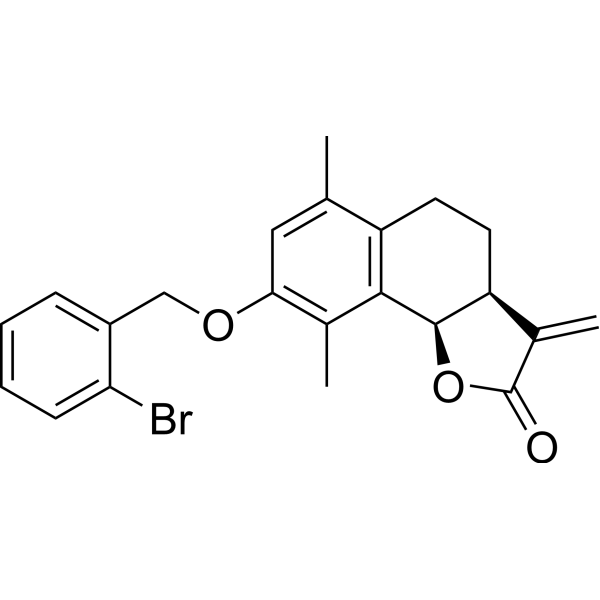
    UbcH5c-IN-1 (compound 6d) is a potent and selective small-molecule inhibitor of Ubiquitin-conjugating enzyme UbcH5c, with a Kd of 283 nM for E2 UbcH5c-IN-1 by covalent binding with Cys85. A promising lead compound for the development of new antirheumatoid arthritis (RA) agent .
    UbcH5c-IN-1
  • HY-P1368A
    Stressin I TFA
    1 Publications Verification

    Cyclo(31-34)[DPhe12,Nle21,38,Glu31,Lys34]Ac-hCRF(4-41) TFA

    CRFR Endocrinology
    Stressin I (Cyclo(31-34)[DPhe12,Nle21,38,Glu31,Lys34]Ac-hCRF(4-41)) TFA is a potent CRF1 receptor selective agonist, Ki is 1.7 nM. Stressin I induces an increase in adrenocorticotropic hormone (ACTH) levels in rats .
    Stressin I TFA
  • HY-168432

    Phytohormone Others
    KK181N1 is a potent inhibitor of karrikin (KAR) receptor KAI2. KK181N1 binds to the catalytic pockets of KAI2 in a non-covalent binding manner. KK181N1 selectively depress the KAR-induced phenotypes in Arabidopsis .
    KK181N1
  • HY-N16420

    DNA/RNA Synthesis Apoptosis Cancer
    Illudin B is a DNA-targeting cytotoxin that forms interstrand DNA crosslinks via covalent binding, disrupting DNA replication and transcription. Illudin B induces cell cycle arrest and apoptosis, showing toxicity against multiple tumor cells (e.g., leukemia, breast, lung cancer) .
    Illudin B
  • HY-P2265

    SOS1 Ras Cancer
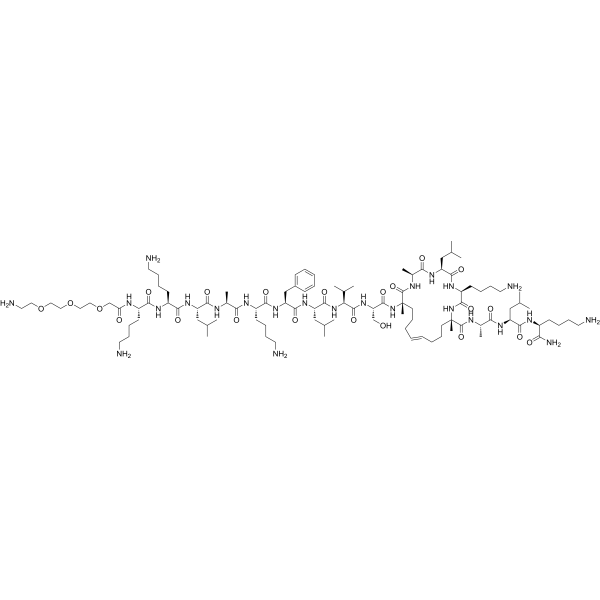
    SAH-SOS1A is a peptide-based SOS1/KRAS protein interaction inhibitor. SAH-SOS1A binds to wild-type and mutant KRAS (G12D, G12V, G12C, G12S, and Q61H) with nanomolar affinity (EC50=106-175 nM), directly and independently blocks nucleotide association, impairs KRAS-driven cancer cell viability, and exerts its effects by on-mechanism blockade of the ERK-MAPK phosphosignaling cascade downstream of KRAS .
    SAH-SOS1A
  • HY-P2261
    STAD 2
    1 Publications Verification

    PKA Infection
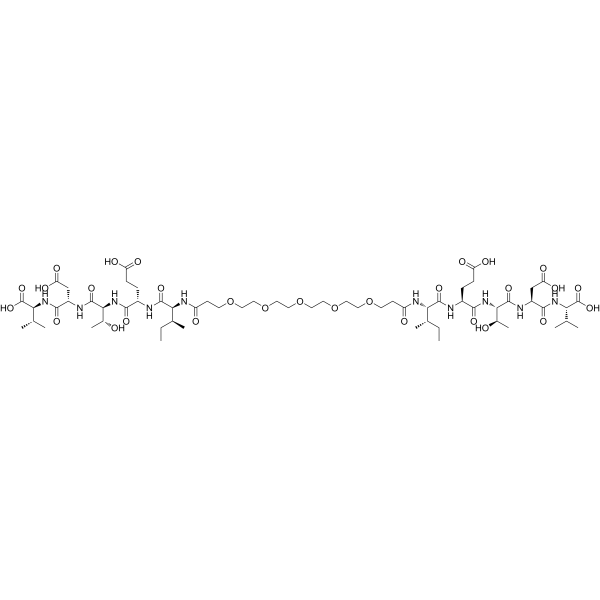
    STAD 2 is a potent and selective disruptor of PKA-RII, with a Kd of 6.2 nM. STAD 2 disrupts interactions between PKA and AKAP in an isoform-selective manner. STAD 2 displays antimalarial activity through a PKA-independent mechanism .
    STAD 2
  • HY-W012572A

    Mitochondrial Metabolism Bacterial Infection Metabolic Disease
    D-Histidine hydrochloride hydrate is an anti-biofilm agent that targets bacterial quorum sensing systems (such as RhlI/RhlR pathway) and has antibacterial activity. D-Histidine hydrochloride hydrate works by non-covalently binding to bacterial regulatory factors or copper ion complexes, selectively inhibiting bacterial biofilm formation and motility. D-Histidine hydrochloride hydrate downregulates quorum sensing-related gene expression, reduces the synthesis of virulence factors (such as alginate and proteases), and interferes with bacterial membrane stability, inhibiting biofilm formation, promoting the disintegration of mature biofilms, and enhancing antibiotic sensitivity. D-Histidine hydrochloride hydrate is also an efficient catalyst for the salt-induced peptide formation (SIPF) reaction, which promotes the condensation of amino acids to form dipeptides (such as dialanine and dilysine) by forming a complex with copper ions (Cu 2+) .
    D-Histidine hydrochloride hydrate

Inquiry Online

Your information is safe with us. * Required Fields.

Salutation


Country or Region *

Applicant Name *


Organization Name *

Department *


Email Address *


Product Name *

Cat. No.


Requested quantity *

Phone Number *


Remarks

Inquiry Online

Inquiry Information

Product Name:
Cat. No.:
Quantity:
MCE Japan Authorized Agent: