Search Result
Results for "
cytotoxic+agent
" in MedChemExpress (MCE) Product Catalog:
2
Biochemical Assay Reagents
1
Isotope-Labeled Compounds
| Cat. No. |
Product Name |
Target |
Research Areas |
Chemical Structure |
-
- HY-19609
-
-
-
- HY-P9985
-
|
RC48
|
Antibody-Drug Conjugates (ADCs)
EGFR
|
Cancer
|
|
Disitamab vedotin (RC48) is an antibody-drug conjugate (ADC) comprising a monoclonal antibody against human epidermal growth factor receptor 2 (HER2) conjugated via a cleavable linker to the cytotoxic agent Monomethyl auristatin E (MMAE) (HY-15162), and the drug-linker conjugate for ADC is Deruxtecan (HY-13631E). Disitamab vedotin enhances antitumor immunity .
|
-

-
- HY-109539
-
|
|
Antibody-Drug Conjugates (ADCs)
Apoptosis
|
Cancer
|
|
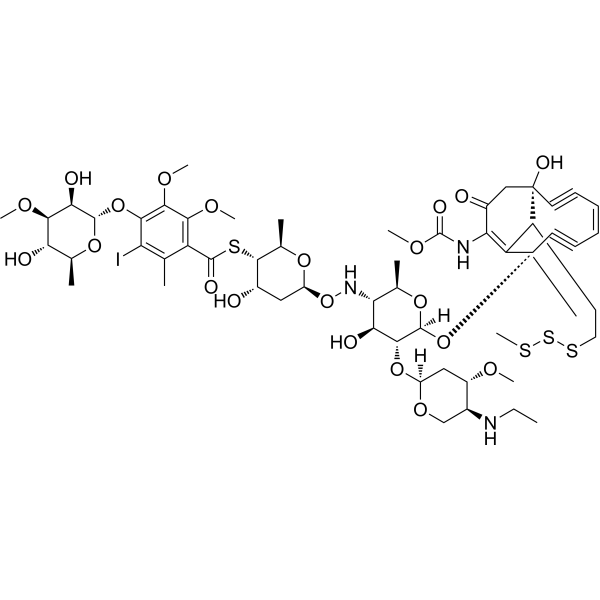
Gemtuzumab ozogamicin is an antibody-drug conjugate (ADC) consisting of a humanized immunoglobulin (IgG4) antibody directed against CD33 that is conjugated to the cytotoxic agent Calicheamicin (HY-19609). The antibody portion is Gemtuzumab (HY-P99971), and the drug-linker conjugate for ADC is N-Ac-γ-Calicheamicin-AcBut-NHS ester (HY-103688). Gemtuzumab ozogamicin can be used for the research of acute myeloid leukemia (AML) .
|
-

-
- HY-P99107A
-
|
|
Antibody-Drug Conjugates (ADCs)
Apoptosis
|
Cancer
|
|
Brentuximab vedotin (solution) (cAC10-vcMMAE) is an antibody-drug conjugate (ADC) comprising an anti-CD30 antibody and the cytotoxic agent Monomethyl auristatin E (MMAE). The antibody portion is Brentuximab (HY-P99151), and the drug-linker conjugate for ADC is VcMMAE (HY-15575). Brentuximab vedotin (solution) inhibits CD30-positive cells with an IC50 of 2.5 ng/mL. Brentuximab vedotin (solution) can be used for the research of relapsed and refractory Hodgkin lymphoma .
|
-

-
- HY-114778
-
|
SHR3162; Fuzuloparib
|
PARP
|
Cancer
|
|
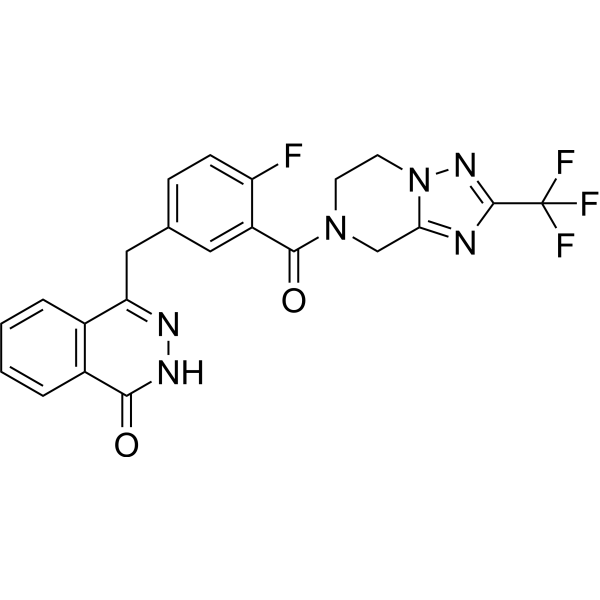
Fluzoparib (SHR3162) is a potent and orally active PARP1 inhibitor (IC50=1.46±0.72 nM, a cell-free enzymatic assay) with superior antitumor activity. Fluzoparib selectively inhibits the proliferation of homologous recombination repair (HR)-deficient cells, and sensitizes both HR-deficient and HR-proficient cells to cytotoxic agents. Fluzoparib exhibits good pharmacokinetic properties in vivo and can be used for BRCA1/2-mutant relapsed ovarian cancer research .
|
-
-
- HY-P99542
-
|
SAR-408701; HuMAb2-3-SPDB-DM4
|
Antibody-Drug Conjugates (ADCs)
Microtubule/Tubulin
|
Cancer
|
|
Tusamitamab ravtansine (SAR-408701) is a targeted ADC against tumor cells expressing CEACAM5, composed of a humanized anti-CEACAM5 monoclonal antibody covalently linked to the potent cytotoxic agent, maytansinoid DM4 (HY-12454), via a cleavable linker. Tusamitamab ravtansine has an average drug-to-antibody ratio (DAR) of 3.8 .
|
-

-
- HY-12456
-
|
|
Antibiotic
ADC Payload
DNA Alkylator/Crosslinker
Necroptosis
Apoptosis
|
Cancer
|
|
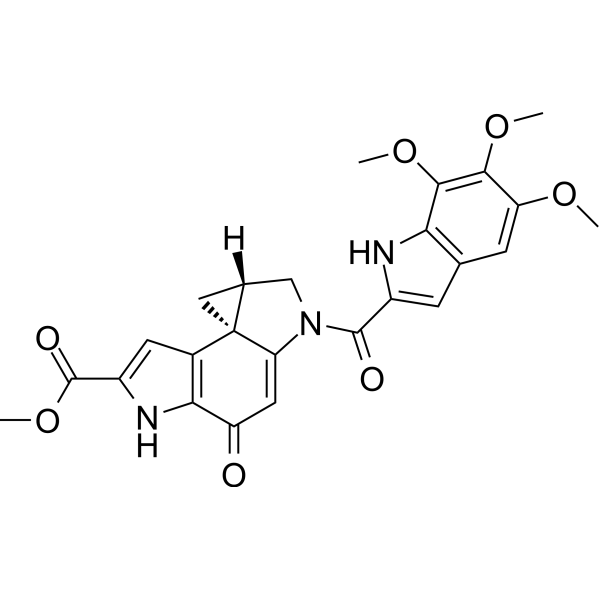
Duocarmycin SA is an orally active antitumor antibiotic with an IC50 of 10 pM . Duocarmycin SA is an extremely potent cytotoxic agent capable of inducing a sequence-selective alkylation of duplex DNA. Duocarmycin SA demonstrates synergistic cytotoxicity against glioblastoma multiforme (GBM) cells treated with proton radiation in vitro .
|
-
-
- HY-18981
-
|
(+)-Decursin
|
PKC
Apoptosis
CXCR
|
Neurological Disease
Inflammation/Immunology
Cancer
|
|
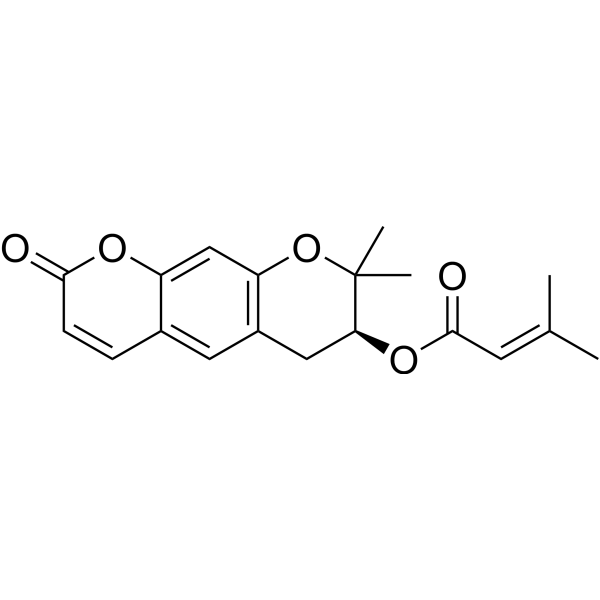
Decursin ((+)-Decursin) is a potent anti-tumor agent. Decursin also is a cytotoxic agent and a potent protein kinase C activator. Decursin induces apoptosis and cell cycle arrest at G1 phase. Decursin decreases the expression of CDK2, CDK4, CDK6, cyclin D1 protein at 48 h. Decursin inhibits cell proliferation and migration. Decursin shows anti-tumor, anti-inflammatory and analgesic activities .
|
-
-
- HY-13640
-
|
GS-9219; VDC-1101
|
Nucleoside Antimetabolite/Analog
|
Cancer
|
|
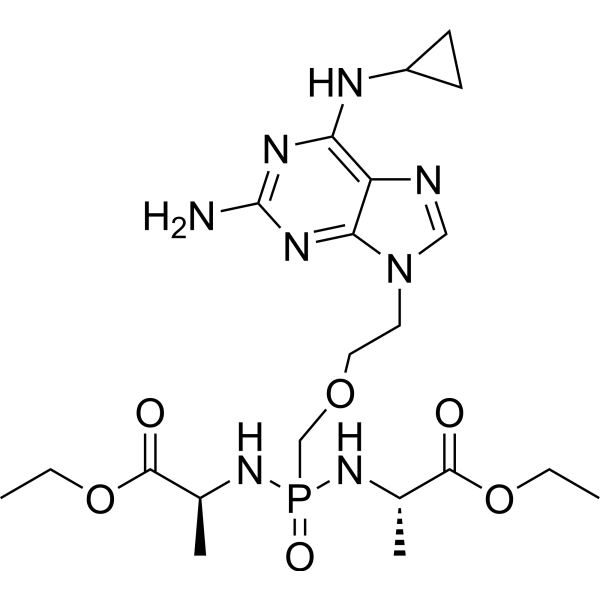
Rabacfosadine (GS-9219), a novel proagent of the nucleotide analogue PMEG, is designed as a cytotoxic agent that preferentially targets lymphoid cells.
|
-
-
- HY-111606
-
-
-
- HY-P99967
-
|
|
ADC Antibody
|
Cancer
|
|
Cantuzumab is a monoclonal antibody that can binds the CanAg antigen. Cantuzumab is typically linked to one of several cytotoxic agents, yielding antibody-drug conjugates (ADC), such as Cantuzumab mertansine (HY-P99492) and Cantuzumab ravtansine (HY-P99493) .
|
-

-
- HY-132257
-
|
SC-002
|
Antibody-Drug Conjugates (ADCs)
Notch
|
Cancer
|
|
Rovalpituzumab tesirine (SC-002) is an antibody-drug conjugate (ADC) with anticancer effects. Rovalpituzumab tesirine contains a DLL3-targeting antibody Rovalpituzumab (HY-P99043) tethered to a cytotoxic agent pyrrolobenzodiazepine by means of a protease-cleavable linker. Rovalpituzumab tesirine can be used for the stduy of small cell lung cancer (SCLC) .
|
-

-
- HY-132180A
-
|
|
ADC Payload
DNA/RNA Synthesis
|
Inflammation/Immunology
Cancer
|
|
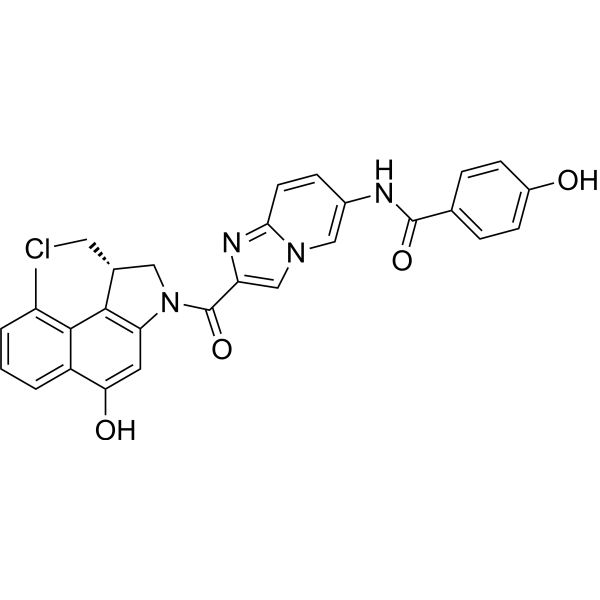
Seco-DUBA hydrochloride is a DNA-targeting cytotoxic agent. Seco-DUBA hydrochloride binds to the minor groove of A-T-rich DNA regions, alkylates the adenine N3 residue, and undergoes spontaneous spirocyclization to generate active DUBA (HY-160969). Seco-DUBA hydrochloride exerts cytotoxic activity against human cancer cells. The reduced hydrophobicity of Seco-DUBA hydrochloride supports the development of antibody-drug conjugates .
|
-
-
- HY-N2123
-
|
|
Caspase
|
Neurological Disease
Cancer
|
|
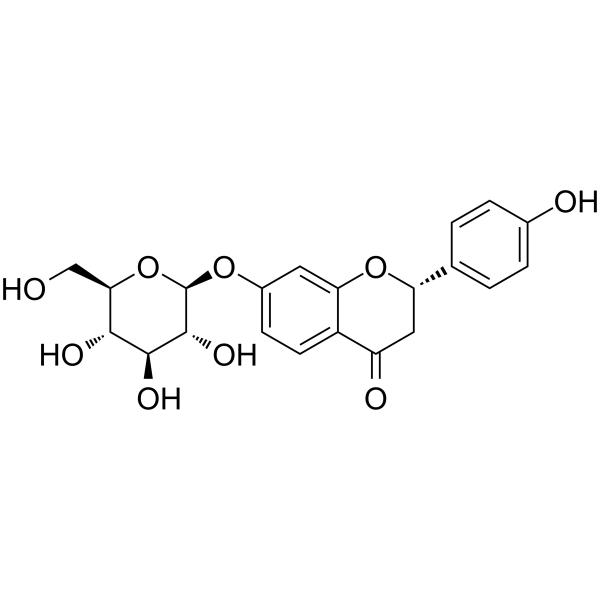
Neoliquiritin is a flavonoid and flavanone-derived cytotoxic agent with anticancer activity and neuroprotective effects. Neoliquiritin exhibits excellent tumor specificity, exerting a more pronounced killing effect on cancer cells compared with normal oral cells. Neoliquiritin also exerts neuroprotective effects by inhibiting ATP depletion and the elevation of caspase 3/7 activity. Widely present in the roots of Glycyrrhiza uralensis, Glycyrrhiza inflata and Glycyrrhiza glabra, Neoliquiritin can be applied to studies on human oral squamous cell carcinoma, leukemia, Parkinson's disease and other conditions .
|
-
-
- HY-W028690
-
DNMDP
4 Publications Verification
|
Phosphodiesterase (PDE)
|
Cancer
|
|
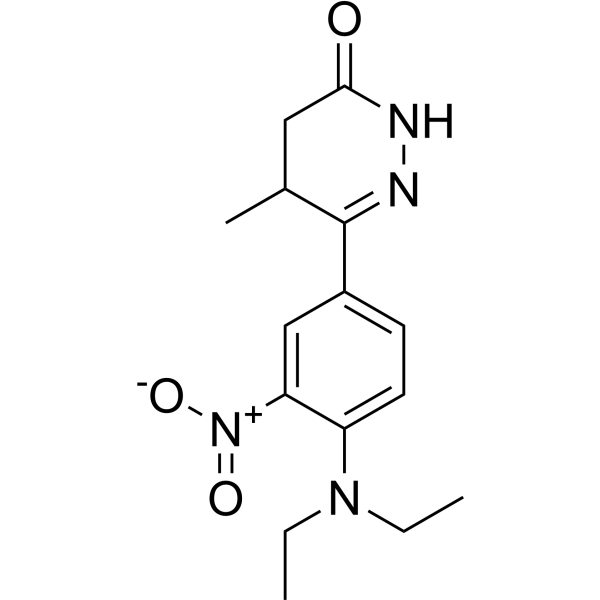
DNMDP, a phosphodiesterase 3A (PDE3A) inhibitor, is a potent and selective cancer cell cytotoxic agent. DNMDP binding to PDE3A promotes an interaction between PDE3A and Schlafen 12 (SLFN12). DNMDP shows clear cell-selective cytotoxicity .
|
-
-
- HY-141604
-
|
CDX-011; CR011-vcMMAE
|
Antibody-Drug Conjugates (ADCs)
Microtubule/Tubulin
|
Cancer
|
|
Glembatumumab vedotin (CDX-011) is an ADC comprising a fully human IgG2 monoclonal antibody (CR011) directed against glycoprotein NMB (GPNMB) and conjugated to the potent tubulinbinding cytotoxic agent MMAE via a protease-sensitive vc linker. Glembatumumab vedotin has potent anticancer effects .
|
-

-
- HY-W017424
-
|
|
Drug Intermediate
Caspase
Apoptosis
|
Neurological Disease
Cancer
|
|
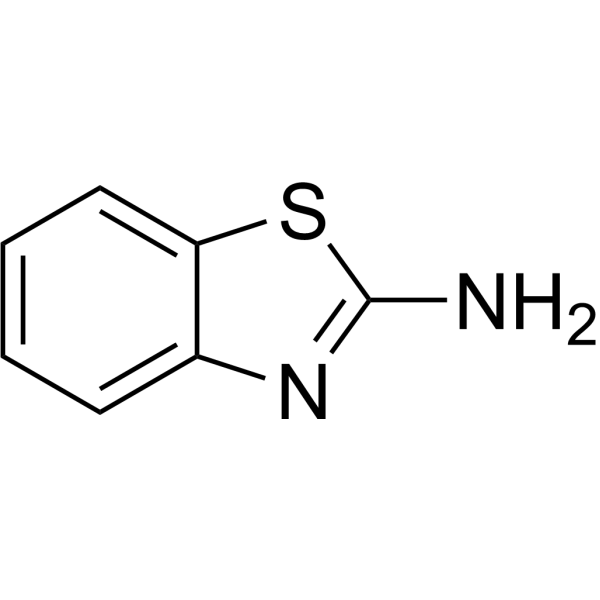
2-Aminobenzothiazole acts as a caspase 3/7 activator, an anticancer cytotoxic agent, and also exhibits neurotoxicity. 2-Aminobenzothiazole drives the apoptotic pathway by activating caspase 3/7, induces mitochondrial inner membrane depolarization, and triggers both early and late apoptosis via a caspase-dependent pathway. In zebrafish models, 2-Aminobenzothiazole induces oxidative damage in brain tissues and inhibits genes related to GABA and 5-HT synthesis pathways. Long-term exposure to 2-Aminobenzothiazole impairs motor ability, social behavior, anxiety-like state and cognitive function. 2-Aminobenzothiazole can be used in studies of human laryngeal carcinoma and related neurotoxicity .
|
-
-
- HY-156712
-
|
|
Antibody-Drug Conjugates (ADCs)
EGFR
|
Cancer
|
|
Depatuxizumab MMAE is an antibody-drug conjugate (ADC) comprising an anti EGFR monoclonal antibody (Depatuxizumab) (HY-P99849) and the cytotoxic agent Monomethyl auristatin E (MMAE) (HY-15162). Depatuxizumab MMAE can be used for the study of EGFR-expressing advanced solid tumors.
|
-

-
- HY-138540
-
|
N-Dodecylimidazole
|
Fungal
|
Cancer
|
|
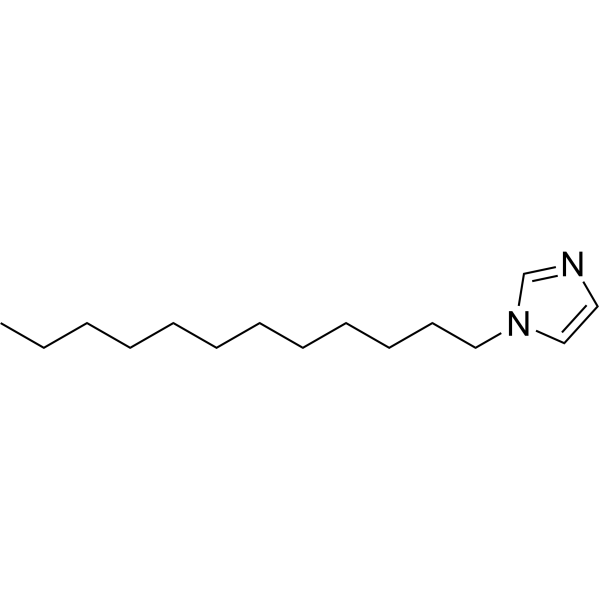
1-Dodecylimidazole (N-Dodecylimidazole) is a lysosomotropic detergent and a cytotoxic agent. 1-Dodecylimidazole causes cell death by its acid-dependent accumulation in lysosomes, disruption of the lysosomal membrane, and releaseof cysteine proteases into the cytoplasm. 1-Dodecylimidazole has hypocholesterolaemic activity and broad-spectrum antifungal activity .
|
-
-
- HY-Y0315
-
|
2,5-HD
|
Drug Metabolite
|
Neurological Disease
|
|
Hexane-2,5-dione (2,5-HD) is a cytotoxic agent. Hexane-2,5-dione causes an accumulation of neurofilaments within axons in rats that may lead to their degeneration. Hexane-2,5-dione is promising for research of neurodegenerative diseases (e.g., Alzheimer's, Parkinson's) .
|
-

-
- HY-P10239
-
|
|
Somatostatin Receptor
Radionuclide-Drug Conjugates (RDCs)
|
Cancer
|
|
Tyr3-Octreotate is a ligand for somatostatin receptor subtype 2 (sst2), with an IC50 value of 1.3 nM against sst2 when labeled with [ 111In-DTPA], and an IC50 value of 1.6 nM against sst2 when labeled with [ 90Y-DOTA]. Radiolabeled Tyr3-Octreotate generates cell-associated radioactivity, and acts as both a tumor growth inhibitor and a tumor cytotoxic agent. When radiolabeled with 177Lu or 90Y, Tyr3-Octreotate serves as a peptide receptor radionuclide therapy (PRRT) analog. Tyr3-Octreotate can be used in studies related to pancreatic tumors .
|
-

-
- HY-122751
-
|
|
Phosphodiesterase (PDE)
|
Cancer
|
|
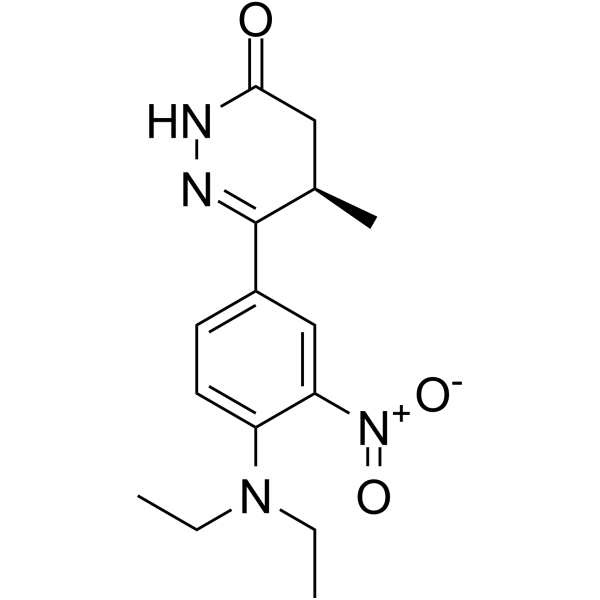
(R)-DNMDP is a potent and selective cancer cell cytotoxic agent. (R)-DNMDP, the R-form of DNMDP, binds PDE3A directly. (R)-DNMDP has a 500-fold lower EC50 compared to the (S)-enantiomer in HeLa cell line .
|
-
-
- HY-16232
-
|
D 19575; Glucosylifosfamide mustard
|
Apoptosis
Caspase
Bcl-2 Family
|
Cancer
|
|
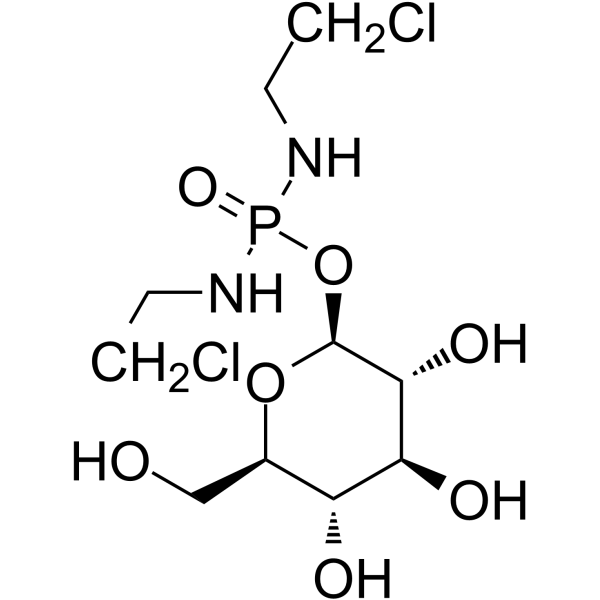
Glufosfamide is a glucose-conjugated alkylating cytotoxic agent and a derivative of Ifosfamide (HY-17419). Glufosfamide induces apoptosis frequency and increase the expression of caspase-9 and caspase-3 in cancer cells. Glufosfamide shows great anti-tumor activity in MiaPaCa-2-RFP mouse model. Glufosfamide can be used for the study of hepatocellular carcinoma, prostate cancer and pancreatic carcinoma .
|
-
-
- HY-137773
-
|
|
Drug Metabolite
|
Cancer
|
|
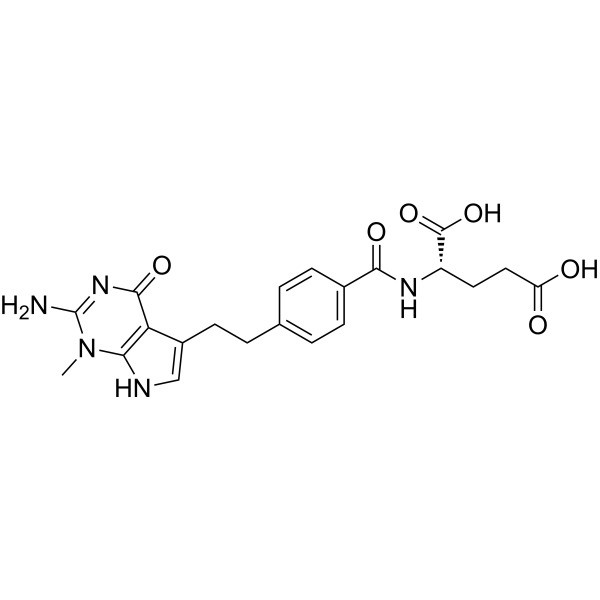
N-Methyl pemetrexed is an impurity of Pemetrexed. Pemetrexed is an antifolate cytotoxic agent that can be used for the research of cancer .
|
-
-
- HY-130083
-
|
|
ADC Payload
DNA Alkylator/Crosslinker
|
Cancer
|
|
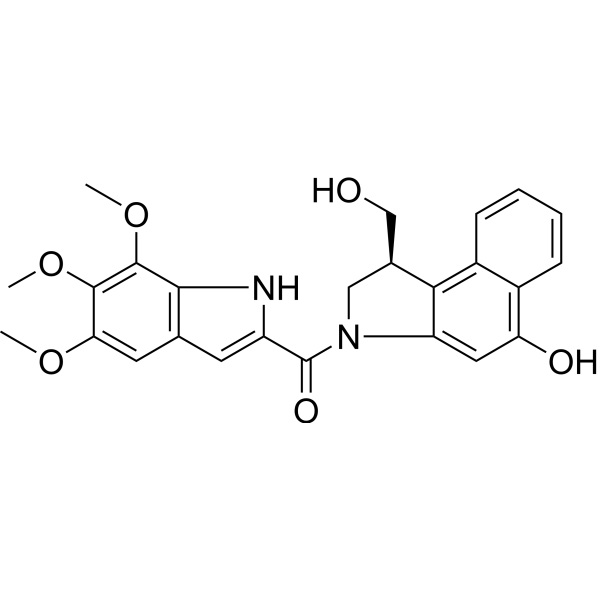
Seco-Duocarmycin TM is a DNA alkylator agent belonging to Duocarmycins family that inhibits DNA synthesis. Seco-Duocarmycin TM is a cytotoxic agent, used as the cytotoxic component in antibody-drug conjugates (ADC) [1].
|
-
-
- HY-135901
-
|
|
ADC Payload
Bacterial
|
Cancer
|
|
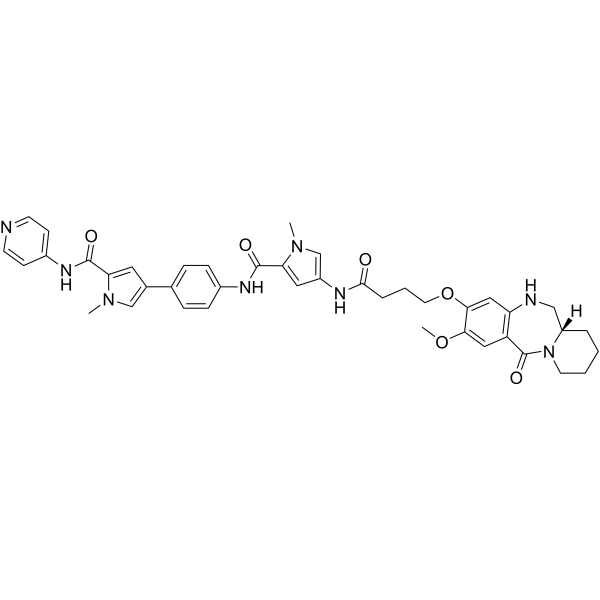
Py-MPB-amino-C3-PBD is a cytotoxic agent comprised non-alkylating group. Py-MPB-amino-C3-PBD acts as the payload for ADCs. Antimicrobial activity .
|
-
-
- HY-176495
-
|
|
DNA Alkylator/Crosslinker
DNA/RNA Synthesis
|
Cancer
|
|
SG3683 is a DNA-targeted cytotoxic agent belonging to pyrrolobenzodiazepine (PBD) dimers. SG3683 exerts antitumor activity with an IC50 value of 0.74 nM in MDA-MB-436 cells. SG3683 is promising for research of cancers, such as breast cancer .
|
-

-
- HY-135900
-
|
|
ADC Payload
Bacterial
|
Cancer
|
|
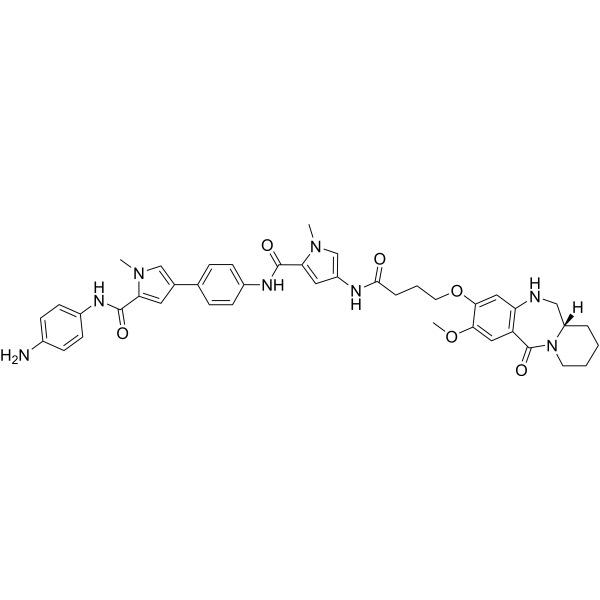
Aniline-MPB-amino-C3-PBD is a cytotoxic agent comprised non-alkylating group. Aniline-MPB-amino-C3-PBD is a sequence-selective DNA minor-groove binding agent. Aniline-MPB-amino-C3-PBD acts as the payload for ADCs. Antimicrobial activity .
|
-
-
- HY-121649
-
|
|
Topoisomerase
|
Cancer
|
|
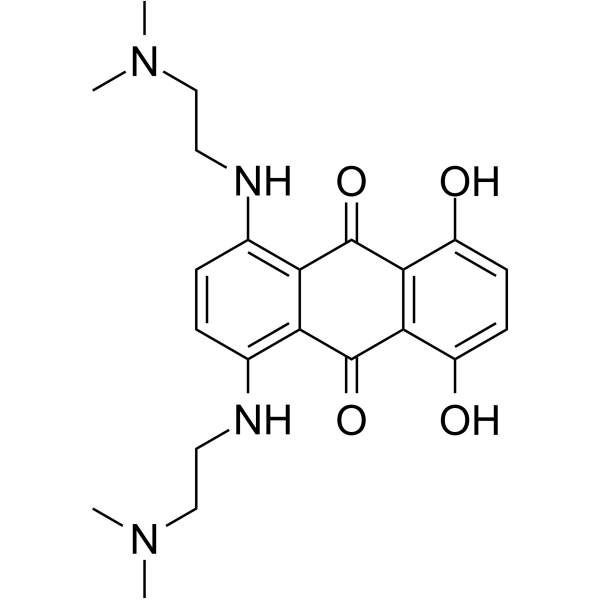
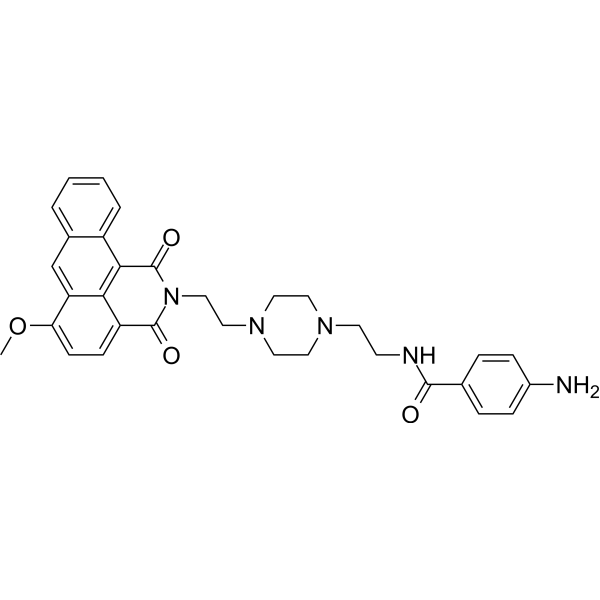
AQ4 is a topoisomerase II inhibitor and DNA intercalator as a chemically stable cytotoxic agent in many human tumor lines .
|
-
-
- HY-W091636
-
|
3,3'-Iminodipropionic acid
|
Biochemical Assay Reagents
|
Others
|
|
3,3'-Azanediyldipropanoic acid (3,3'-Iminodipropionic acid) can be used in preparation of linkers, lipids, and conjugates of cytotoxic agents.
|
-

-
- HY-13640A
-
|
GS-9219 succinate; VDC-1101 succinate
|
Nucleoside Antimetabolite/Analog
|
Cancer
|
|
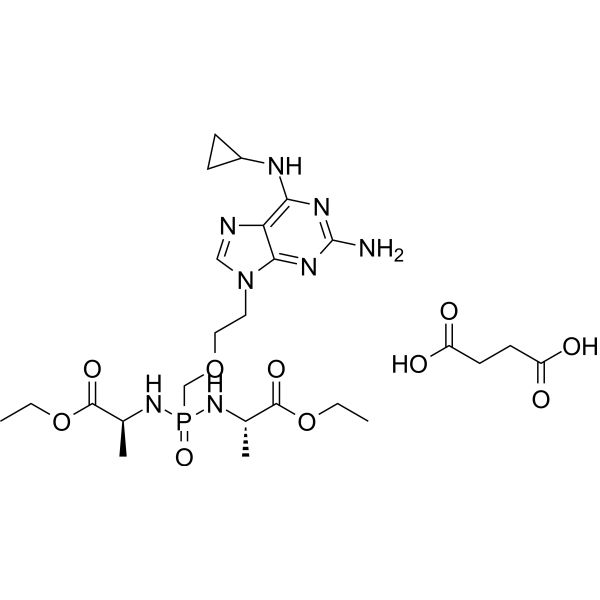
Rabacfosadine (GS-9219) succinate, a novel proagent of the nucleotide analogue PMEG, is designed as a cytotoxic agent that preferentially targets lymphoid cells .
|
-
-
- HY-178774
-
|
Isopentyl-deoxynboquinone
|
Quinone Reductase
|
Cancer
|
|
IP-DNQ is an efficient NQO1 dependent cytotoxic agent. IP-DNQ has a potent killing effect on MCF-7 cells (IC50 = 0.18 µM). IP-DNQ can be used for cancer research .
|
-

-
- HY-114249
-
|
|
Nucleoside Antimetabolite/Analog
Dihydropyrimidine Dehydrogenase (DPD)
|
Cancer
|
|
DFP-11207 is an orally active fluoropyrimidine cytotoxic agent. DFP-11207 combines a 5-FU (HY-90006) pro-drug with a reversible DPD inhibitor and a potent inhibitor of OPRT, resulting in enhanced pharmacological activity of 5-FU with decreased gastrointestinal and myelosuppressive toxicities. DFP-11207 can be used for the research of cancer .
|
-

-
- HY-128930
-
|
|
ADC Linker
|
Cancer
|
|
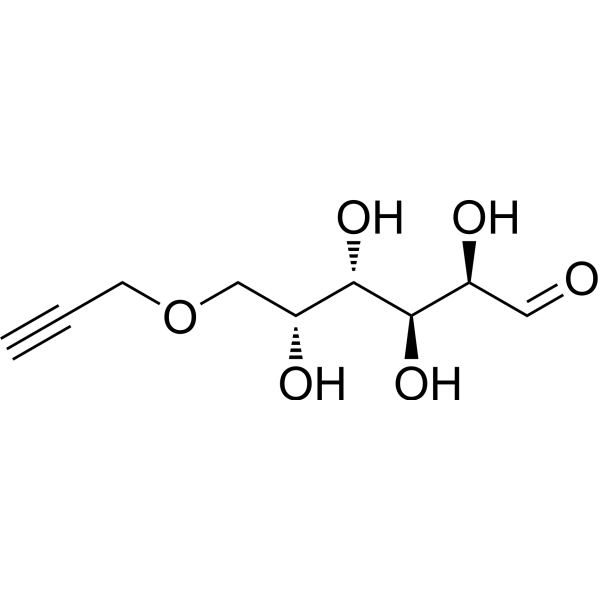
6-O-2-Propyn-1-yl-D-galactose is a nonclaevable glycolinker for the functionalization of cytotoxic agents and applications in antibody-agent conjugation. 6-O-2-Propyn-1-yl-D-galactose is a click chemistry reagent, it contains an Alkyne group and can undergo copper-catalyzed azide-alkyne cycloaddition (CuAAc) with molecules containing Azide groups.
|
-
-
- HY-N15600
-
|
(-)-Merulidial
|
Antibiotic
Fungal
Bacterial
DNA/RNA Synthesis
|
Infection
Cancer
|
|
Merulidial (Compound 1) is an antibiotic and cytotoxic agent with a sesquiterpene dialdehyde structure. Merulidial significantly inhibits the germination of spores and the hyphal growth of the wood-roting basidiomycete Heterobasidion annosum (H. annosum) and the saprophytic mould Cladosporium cucumerinum (C.cucumerinum). Merulidial also inhibits a variety of bacteria, algae and DNA synthesis of ECA cells. Merulidial shows a strong anticancer activity with IC50 s of 20 and 10 μg/mL for ECA and L1210 cells, respectively .
|
-

-
- HY-P10775A
-
|
|
MMP
|
Cancer
|
|
BT1769 acetate is a conjugate and antitumor agent targeting MT1-MMP, with a Kd value of 3.35 nM against human targets. BT1769 acetate exhibits favorable pharmacokinetic properties. BT1769 acetate specifically binds to MT1-MMP via its bicyclic peptide component, delivering the cytotoxic agent MMAE (HY-15162) to antigen-expressing cells. It effectively inhibits tumor growth, induces complete responses, and significantly prolongs event-free survival in osteosarcoma patient-derived xenograft models. BT1769 acetate shows extremely low activity in Ewing sarcoma models and can be used in osteosarcoma-related research .
|
-

-
- HY-126664
-
-
-
- HY-N14248
-
|
|
Antibiotic
Fungal
|
Infection
|
|
Melithiazol A is an antibiotic. Melithiazole A is a β-methoxyacrylate (MOA) inhibitor with strong anti-agent activity. Antifungal and cytotoxic agent .
|
-

-
- HY-16036A
-
|
12'-Methylthiovinblastine hydrochloride
|
Microtubule/Tubulin
Mitosis
|
Cancer
|
|
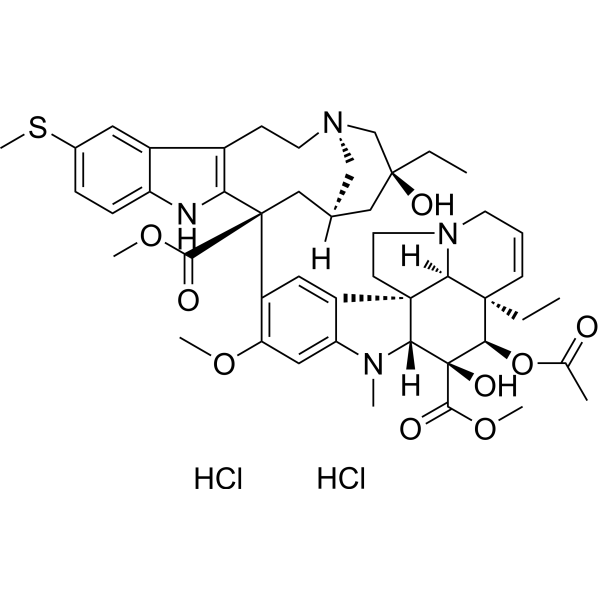
ALB-109564 (12'-Methylthiovinblastine) hydrochloride, a tubulin inhibitor, is a cytotoxic agent designed to kill cancer cells by disrupting mitosis .
|
-
-
- HY-N14249
-
|
|
Antibiotic
Fungal
|
Infection
|
|
Melithiazol B is an antibiotic. Melithiazole B is a β-methoxyacrylate (MOA) inhibitor with strong anti-agent activity. Antifungal and cytotoxic agent .
|
-

-
- HY-156860
-
|
|
Drug Derivative
|
Cancer
|
|
WP 1122 is a 2-deoxy-D-glucose (HY-13966) analog that is a potent cytotoxic agent. WP 1122 is a glycolysis inhibitor. WP 1122 can be used for the research of cancer .
|
-

-
- HY-N10959
-
|
|
Others
|
Cancer
|
|
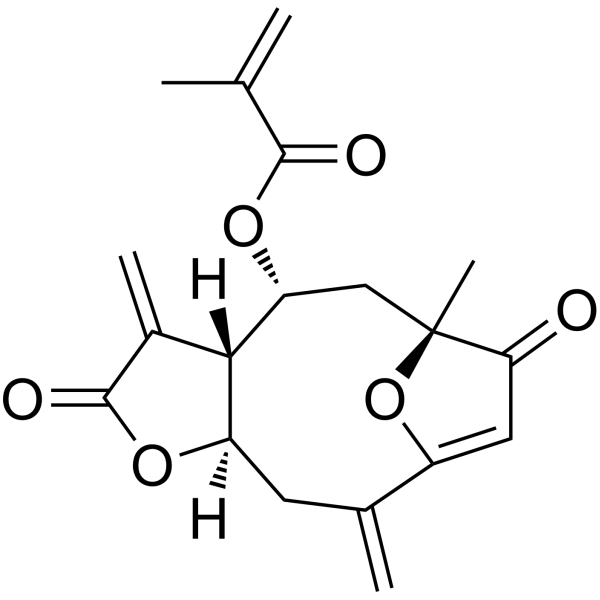
4,15-Isoatriplicolide methylacrylate is a germacrane-type sesquiterpene lactone. 4,15-Isoatriplicolide methylacrylate also is a cytotoxic agent. 4,15-Isoatriplicolide methylacrylate has cytotoxic activity for MCF-7 human breast cancer cell line .
|
-
-
- HY-163918
-
|
|
P-glycoprotein
|
Cancer
|
|
N,N-Dimethyl-idarubicin, an Idarubicin (HY-17381) derivative, is a potent histone evictor which does not induce DNA double-strand breaks. N,N-Dimethyl-idarubicin, an anthracycline, is an effective cytotoxic agent for ABCB1-overexpressing, Doxorubicin-resistant cells .
|
-

-
- HY-18981R
-
|
(+)-Decursin (Standard)
|
Reference Standards
PKC
Apoptosis
CXCR
|
Neurological Disease
Inflammation/Immunology
Cancer
|
|
Decursin (Standard) is the analytical standard of Decursin. This product is intended for research and analytical applications. Decursin ((+)-Decursin) is a potent anti-tumor agent. Decursin also is a cytotoxic agent and a potent protein kinase C activator. Decursin induces apoptosis and cell cycle arrest at G1 phase. Decursin decreases the expression of CDK2, CDK4, CDK6, cyclin D1 protein at 48 h. Decursin inhibits cell proliferation and migration. Decursin shows anti-tumor, anti-inflammatory and analgesic activities [4].
|
-

-
- HY-W017424R
-
|
|
Reference Standards
Apoptosis
Drug Intermediate
Caspase
|
Others
|
|
2-Aminobenzothiazole (Standard) is the analytical standard of 2-Aminobenzothiazole. This product is intended for research and analytical applications. 2-Aminobenzothiazole acts as a caspase 3/7 activator, an anticancer cytotoxic agent, and also exhibits neurotoxicity. 2-Aminobenzothiazole drives the apoptotic pathway by activating caspase 3/7, induces mitochondrial inner membrane depolarization, and triggers both early and late apoptosis via a caspase-dependent pathway. In zebrafish models, 2-Aminobenzothiazole induces oxidative damage in brain tissues and inhibits genes related to GABA and 5-HT synthesis pathways. Long-term exposure to 2-Aminobenzothiazole impairs motor ability, social behavior, anxiety-like state and cognitive function. 2-Aminobenzothiazole can be used in studies of human laryngeal carcinoma and related neurotoxicity .
|
-

-
- HY-N18115A
-
|
|
Drug Derivative
|
Cancer
|
|
Toosendansin A is a salannin-type limonoid and cytotoxic agent found in the fruits of Melia azedarach. Toosendansin A can be used for the research of leukemia, stomach cancer, breast cancer .
|
-

-
- HY-Z9022
-
|
|
Microtubule/Tubulin
|
Cancer
|
|
Iso cephalomannine is a tubulin-targeting cytotoxic agent. Iso cephalomannine induces cytotoxicity in breast cancer cells. Iso cephalomannine can be used in breast cancer-related research .
|
-

-
- HY-N17359
-
|
|
Drug Derivative
|
Cancer
|
|
Mulberrofuran W is a 2-arylbenzofuran with a farnesyl group that exists in the root bark of Morus mongolica. It also acts as a cytotoxic agent with low cytotoxicity and weak tumor specificity .
|
-

-
- HY-141425
-
|
|
P-glycoprotein
|
Cancer
|
|
NSC73306, a thiosemicarbazone, is a cell penetrant, cytotoxic agent that exhibits greater toxicity against cells expressing functional P-gp (P-glycoprotein) than against other cells .
|
-

-
- HY-122324A
-
|
(-)-(R)-Tylophorine; (-)-DCB-3500; (-)-NSC-717335
|
Others
|
Cancer
|
|
(-)-Tylophorine ((-)-(R)-Tylophorine) is a potent cytotoxic agent with activity against both drug-sensitive and multidrug-resistant cancer cell lines. (-)-Tylophorine has been explored in biomedical research for its anticancer applications .
|
-

- HY-N9651
-
|
|
Others
|
Cancer
|
|
12a-Hydroxydalpanol is a rotenoid cytotoxic agent found in Amorpha fruticosa. 12a-Hydroxydalpanol exerts cytotoxic effects by inhibiting tumor cell proliferation. 12a-Hydroxydalpanol is promising for research of cancers .
|
-

- HY-N17419
-
|
|
Others
|
Cancer
|
|
Tylophoridicine F is a cytotoxic agent. Tylophoridicine F can be isolated from T. atrofolliculata. Tylophoridicine F exhibits more cytotoxic activity on cells compared to Adriamycin (assessed using ileocecal adenocarcinoma cells and keratin-forming tumor cells) .
|
-

- HY-N19313
-
|
|
Others
|
Cancer
|
|
Agelastatin D is a pyrrole-imidazole alkaloid and cytotoxic agent found in the Western Australian sponge Cymbastela sp.. Agelastatin D induces cytotoxic activity against cancer cells. Agelastatin D can be used for the research of chronic lymphocytic leukemia .
|
-

- HY-133005
-
|
4-Desacetylvinblastine; Desacetylvincaleukoblastine
|
Drug Metabolite
|
Cancer
|
|
Desacetylvinblastine (4-Desacetylvinblastine) is the major metabolite of Vinblastine (HY-13780) and a cytotoxic agent. When used alone, desacetylvinblastine has poor anti-tumor effects, but it can exert significant anti-tumor activity when in the presence of specific conjugates .
|
-

- HY-N18115
-
|
|
Drug Derivative
|
Cancer
|
|
3-O-Deacetyl-3-O-tigloylsalannin is a salannin-type limonoid and cytotoxic agent found in the fruits of Melia azedarach. 3-O-Deacetyl-3-O-tigloylsalannin can be used for the research of leukemia, stomach cancer, breast cancer .
|
-

- HY-183307
-
|
|
mTOR
STAT
|
Neurological Disease
Cancer
|
|
mTOR-IN-29 (Compound 4k) is an mTOR inhibitor with a IC50 of ~120 nM. mTOR-IN-29 inhibits mTOR kinase activity without affecting the phosphorylation of STAT3. mTOR-IN-29 acts as a cytotoxic agent against proliferating and senescent cells. mTOR-IN-29 can be used in studies related to glioblastoma .
|
-

- HY-N19845
-
|
|
Drug Derivative
|
Neurological Disease
Cancer
|
|
2′,7-Diacetyltaxol (Compound 3) is an acetylated derivative of Paclitaxel (HY-B0015) and a cytotoxic agent. 2′,7-Diacetyltaxol is isolated from the acetylated fraction of Taxus brevifolia Nutt. 2′,7-Diacetyltaxol exhibits anticancer activity against oral epidermoid carcinoma. 2′,7-Diacetyltaxol is applicable to the research of neurological diseases .
|
-

- HY-181169
-
|
|
Cyclin G-associated Kinase (GAK)
|
Cancer
|
|
GAK-IN-3 is a cyclin G-associated kinase (GAK) inhibitor with an IC50 of 207 nM and a Ki of 66 nM. GAK-IN-3 inhibits kinase activity in the nanomolar range by binding to GAK’s ATP-binding site. GAK-IN-3 acts as a cytotoxic agent that reduces viability of Ewing sarcoma cells. GAK-IN-3 can be used for the research of ewing sarcoma .
|
-

- HY-N18086
-
|
|
Others
|
Cancer
|
|
Bruceanic acid D is a quassinoid compound and cytotoxic agent that can be isolated from the xylem powder of Brucea antidysenterica. Bruceanic acid D specifically inhibits P-388 lymphocytic leukemia cells but shows no activity against human lung cancer cells and human colon cancer cells. Bruceanic acid D can be used in studies related to P-388 lymphocytic leukemia .
|
-

- HY-181637
-
|
|
Drug Derivative
|
Endocrinology
|
|
4-DMA-3'-OH-Chalcone (compound 24) is a synthetic chalcone derivative and selective cytotoxic agent.4-DMA-3'-OH-Chalcone reduces viability of endometriotic cells, while preserving or enhancing viability of eutopic endometrial cells.4-DMA-3'-OH-Chalcone can be used for the research of endometriosis .
|
-

- HY-Y0590
-
|
|
Environmental Pollutants
Reactive Oxygen Species (ROS)
Glutathione Reductase (GR)
|
Inflammation/Immunology
|
|
Copper (I) oxide is an oxidative stress inducer and cytotoxic agent. Copper (I) oxide causes dose-dependent decrease in the viability of airway epithelial cells by impairing the activities of catalase and glutathione reductase, generating reactive oxygen species, and increasing the levels of 8-isoprostane and the ratio of oxidized glutathione. However, when combined with Resveratrol (HY-16561), the cytotoxic effect induced by Copper (I) oxide is significantly attenuated, and oxidative damage is effectively alleviated .
|
-

- HY-138540R
-
|
N-Dodecylimidazole (Standard)
|
Fungal
Reference Standards
|
Cancer
|
|
1-Dodecylimidazole (Standard) is the analytical standard of 1-Dodecylimidazole. This product is intended for research and analytical applications. 1-Dodecylimidazole (N-Dodecylimidazole) is a lysosomotropic detergent and a cytotoxic agent. 1-Dodecylimidazole causes cell death by its acid-dependent accumulation in lysosomes, disruption of the lysosomal membrane, and releaseof cysteine proteases into the cytoplasm. 1-Dodecylimidazole has hypocholesterolaemic activity and broad-spectrum antifungal activity .
|
-

- HY-N17942
-
|
|
Others
|
Cancer
|
|
3a-3,29-Dihydroxy-7-oxomultiflor-8-ene-3,29-diyldibenzoate is a multiflorane triterpene ester found in the seeds of Trichosanthes kirilowii and non-cytotoxic agent.3a-3,29-Dihydroxy-7-oxomultiflor-8-ene-3,29-diyldibenzoate lacks marked cytotoxic activity against cancer cells .
|
-

- HY-P11781A
-
|
|
Drug Derivative
|
Cancer
|
|
Cys-HW12 is a random peptide containing an N-terminal cysteine. Cys-HW12 can be coupled via the thiol group of Cys. Cys-HW12 can serve as a control for GE11 (HY-P10128)-conjugated mixed micelles targeting EGFR, and also functions as a cytotoxic agent, cellular uptake inhibitor, and tumor growth inhibitor. Cys-HW12 is applicable to pancreatic cancer-related research .
|
-

- HY-16232R
-
|
D 19575 (Standard); Glucosylifosfamide mustard (Standard)
|
Reference Standards
Apoptosis
Bcl-2 Family
Caspase
|
Cancer
|
|
Glufosfamide (Standard) is the analytical standard of Glufosfamide. This product is intended for research and analytical applications. Glufosfamide is a glucose-conjugated alkylating cytotoxic agent and a derivative of Ifosfamide (HY-17419). Glufosfamide induces apoptosis frequency and increase the expression of caspase-9 and caspase-3 in cancer cells. Glufosfamide shows great anti-tumor activity in MiaPaCa-2-RFP mouse model. Glufosfamide can be used for the study of hepatocellular carcinoma, prostate cancer and pancreatic carcinoma .
|
-

- HY-182412
-
|
|
Sirtuin
|
Cancer
|
|
NH4-6 is a SIRT2 inhibitor with an IC50 of 0.032 μM against SIRT2 and an IC50 of 3 μM against SIRT1. NH4-6 inhibits the deacetylase activity of SIRT1. As a cytotoxic agent, NH4-6 reduces cancer cell viability, suppresses anchorage-independent growth of cancer cells, induces acetylation of α-tubulin, and promotes acetylation of p53. NH4-6 can be used in the research of breast cancer .
|
-

- HY-P992430
-
|
|
Transmembrane Glycoprotein
Radionuclide-Drug Conjugates (RDCs)
|
Inflammation/Immunology
Cancer
|
|
OI-3 is a monoclonal antibody targeting CD146 (MCAM). OI-3 specifically binds to CD146 on the surface of human mesothelioma cells and undergoes endocytosis; both chimeric (chOI-3) and murine (mOI-3) variants possess this activity. When conjugated with 212Pb to form 212Pb-TCMC-OI-3, OI-3 acts as a cytotoxic agent that delivers α-emitting radionuclides to induce targeted cytotoxicity. OI-3 can be used in research related to malignant peritoneal mesothelioma .
|
-

- HY-18981S
-
|
(+)-Decursin-d6
|
Isotope-Labeled Compounds
PKC
Apoptosis
CXCR
|
Neurological Disease
Inflammation/Immunology
Cancer
|
|
Decursin-d6 ((+)-Decursin-d6) is the deuterium labeled Decursin (HY-18981). Decursin ((+)-Decursin) is a potent anti-tumor agent. Decursin also is a cytotoxic agent and a potent protein kinase C activator. Decursin induces apoptosis and cell cycle arrest at G1 phase. Decursin decreases the expression of CDK2, CDK4, CDK6, cyclin D1 protein at 48 h. Decursin inhibits cell proliferation and migration. Decursin shows anti-tumor, anti-inflammatory and analgesic activities .
|
-

- HY-N19311
-
|
|
Bacterial
|
Cancer
|
|
3,6-Bis(1-methylpropyl)-2(1H)-pyrazinone is an alkylated 2(1H)-pyrazinone derivative and cytotoxic agent found in the tunicate-derived actinomycete Streptomyces sp. Did-27.3,6-Bis(1-methylpropyl)-2(1H)-pyrazinone exhibits cytotoxic activity against cancer cells.3,6-Bis(1-methylpropyl)-2(1H)-pyrazinone can be used for the research of colorectal carcinoma, hepatocellular carcinoma, breast cancer .
|
-

- HY-182636
-
|
|
Deubiquitinase
Aldehyde Dehydrogenase (ALDH)
|
Metabolic Disease
Inflammation/Immunology
Cancer
|
|
MT16-001 is a cell-permeable UCHL1 inhibitor with an IC50 value of 580 nM. MT16-001 also exhibits considerable inhibitory activity against USP30, and shows selectivity for other UCH family deubiquitinases (DUBs) as well as the broader proteome. MT16-001 binds covalently to the cysteine residue at the active site of UCHL1, and forms covalent interactions with ALDH2, ALDH9A1 and GATD3A in intact cells. Meanwhile, as a cytotoxic agent, it displays a steep dose-response curve in human embryonic kidney cells. MT16-001 can be used for research on various cancers, liver fibrosis and pulmonary fibrosis .
|
-

- HY-181710
-
|
|
mTOR
PI3K
|
Cancer
|
|
LASSBio-2337 is a dual pan-PI3K/mTOR inhibitor with an mTOR IC50 of 5.8 μM.LASSBio-2337 functionally modulates mTOR and all PI3K isoforms.LASSBio-2337 acts as a cytotoxic agent in leukemia cells, including multidrug-resistant populations.LASSBio-2337 spares nontumor human peripheral blood mononuclear cells.LASSBio-2337 displays moderate PAMPA-GIT permeability.LASSBio-2337 shows low metabolic stability in rat liver microsomes.LASSBio-2337 is aqueous insoluble.LASSBio-2337 can be used for the research of acute lymphoblastic leukemia, chronic myelogenous leukemia, breast cancer .
|
-

- HY-183594
-
|
|
Drug-Linker Conjugates for ADC
|
Others
|
|
Exatecan-(D-2,4-DHB)-NH2-AA (bPEG8)-Mal is a linker-payload conjugate. Exatecan-(D-2,4-DHB)-NH2-AA (bPEG8)-Mal contains the linker D-2,4-DHB-NH2-AA(bPEG8)-Mal (HY-183595) and the cytotoxic agent Exatecan (HY-13631), a potent DNA topoisomerase I inhibitor. Exatecan-(D-2,4-DHB)-NH2-AA (bPEG8)-Mal can be utilized for the development of antibody-drug conjugates (ADCs) .
|
-

- HY-126929
-
|
TXN-B
|
DNA Alkylator/Crosslinker
Apoptosis
Bacterial
Parasite
Fungal
|
Infection
Cancer
|
|
Trioxacarcin B (TXN-B) is a potent cytotoxic agent and DNA-targeted inhibitor. Trioxacarcin B disrupts DNA function and induces apoptosis in cancer cells. Trioxacarcin B not only effectively inhibits the growth of various Gram-positive and Gram-negative bacteria as well as Plasmodium falciparum, but also blocks the colony formation of cancer stem cells, significantly reduces tumor volume and prolongs survival in preclinical in vivo models. The activity of Trioxacarcin B is highly dependent on its intact spiro-epoxide structure; it loses efficacy once this moiety undergoes hydrolysis, and Trioxacarcin B shows no activity against fungi, microalgae and small RNA viruses. Trioxacarcin B can be used for research on bacterial infections, malaria, and various cancers including colon cancer and melanoma .
|
-

- HY-N17304
-
|
|
Drug Derivative
P-glycoprotein
|
Cancer
|
|
10S,13aR-Antofine N-oxide is a phenanthroindolizidine N-oxide alkaloid and cytotoxic agent found in Cynanchum vincetoxicum. 10S,13aR-Antofine N-oxide exerts cytotoxic effects in drug-sensitive (KB-3-1, IC50 = 0.11 μM) and multi-drug-resistant (KB-V1, IC50 = 0.16 μM) carcinoma cells. 10S, 13aR-Antofine N-oxide acts as a poor substrate for the P-glycoprotein (P-170) efflux pump. 10S,13aR-Antofine N-oxide can be used for the research of cancers .
|
-

- HY-181906
-
|
|
PROTACs
Reactive Oxygen Species (ROS)
CDK
|
Cancer
|
|
ZnPc-PEG2-VH032 is a VHL-pathway-dependent photodegradation targeting chimera (PDTAC) and cytotoxic agent. ZnPc-PEG2-VH032 (HY-120217) binds to the VHL ligand domain, and then specifically degrades VHL under light irradiation, a process independent of non-specific ROS-mediated protein damage. ZnPc-PEG2-VH032 uses Zinc phthalocyanine (HY-19204) as a photosensitizer, and generates ROS via type I and type II photodynamic pathways under 680 nm LED irradiation. On one hand, it targets and degrades the bound VHL protein through ROS; on the other hand, it exerts direct photodynamic cytotoxicity. Meanwhile, the degradation of VHL downregulates the phosphorylation level of CDK2/4, induces cell cycle arrest in tumor cells, further enhances the sensitivity of tumor cells to oxidative damage caused by ROS, and achieves a synergistic anti-tumor effect. ZnPc-PEG2-VH032 exerts significant in vivo efficacy in an orthotopic mouse model of non-muscle invasive bladder cancer (NMIBC) .
|
-

-
-
HY-L023
-
|
|
115 compounds
|
|
Antibody-Drug Conjugates (ADCs), a new class of treatment for cancer, are composed with a monoclonal antibody, a linker and a cytotoxic agent also referred to as a payload. To date, several ADCs have received market approval and more than 60 ADCs are currently in clinical trials. ADCs are one of the fastest growing classes of oncology drugs worldwide.
The payload or cytotoxic agent is the most important unit in the ADC. ADC has the capability to kill cancer cell depending on the potency of the payload. MCE provides 115 highly potent cytotoxins that contain auristatin derivatives, maytansinoids, calicheamicin, duocarmycin, pyrrolobenzodiazepines (PBDs), etc.
|
| Cat. No. |
Product Name |
Type |
-
- HY-156712
-
|
|
Fluorescent Dyes
|
|
Depatuxizumab MMAE is an antibody-drug conjugate (ADC) comprising an anti EGFR monoclonal antibody (Depatuxizumab) (HY-P99849) and the cytotoxic agent Monomethyl auristatin E (MMAE) (HY-15162). Depatuxizumab MMAE can be used for the study of EGFR-expressing advanced solid tumors.
|
| Cat. No. |
Product Name |
Type |
-
- HY-138540
-
|
N-Dodecylimidazole
|
Biochemical Assay Reagents
|
|
1-Dodecylimidazole (N-Dodecylimidazole) is a lysosomotropic detergent and a cytotoxic agent. 1-Dodecylimidazole causes cell death by its acid-dependent accumulation in lysosomes, disruption of the lysosomal membrane, and releaseof cysteine proteases into the cytoplasm. 1-Dodecylimidazole has hypocholesterolaemic activity and broad-spectrum antifungal activity .
|
-
- HY-138540R
-
|
N-Dodecylimidazole (Standard)
|
Biochemical Assay Reagents
|
|
1-Dodecylimidazole (Standard) is the analytical standard of 1-Dodecylimidazole. This product is intended for research and analytical applications. 1-Dodecylimidazole (N-Dodecylimidazole) is a lysosomotropic detergent and a cytotoxic agent. 1-Dodecylimidazole causes cell death by its acid-dependent accumulation in lysosomes, disruption of the lysosomal membrane, and releaseof cysteine proteases into the cytoplasm. 1-Dodecylimidazole has hypocholesterolaemic activity and broad-spectrum antifungal activity .
|
| Cat. No. |
Product Name |
Target |
Research Area |
-
- HY-P10239
-
|
|
Somatostatin Receptor
Radionuclide-Drug Conjugates (RDCs)
|
Cancer
|
|
Tyr3-Octreotate is a ligand for somatostatin receptor subtype 2 (sst2), with an IC50 value of 1.3 nM against sst2 when labeled with [ 111In-DTPA], and an IC50 value of 1.6 nM against sst2 when labeled with [ 90Y-DOTA]. Radiolabeled Tyr3-Octreotate generates cell-associated radioactivity, and acts as both a tumor growth inhibitor and a tumor cytotoxic agent. When radiolabeled with 177Lu or 90Y, Tyr3-Octreotate serves as a peptide receptor radionuclide therapy (PRRT) analog. Tyr3-Octreotate can be used in studies related to pancreatic tumors .
|
-
- HY-P10775A
-
|
|
MMP
|
Cancer
|
|
BT1769 acetate is a conjugate and antitumor agent targeting MT1-MMP, with a Kd value of 3.35 nM against human targets. BT1769 acetate exhibits favorable pharmacokinetic properties. BT1769 acetate specifically binds to MT1-MMP via its bicyclic peptide component, delivering the cytotoxic agent MMAE (HY-15162) to antigen-expressing cells. It effectively inhibits tumor growth, induces complete responses, and significantly prolongs event-free survival in osteosarcoma patient-derived xenograft models. BT1769 acetate shows extremely low activity in Ewing sarcoma models and can be used in osteosarcoma-related research .
|
-
- HY-P11781A
-
|
|
Drug Derivative
|
Cancer
|
|
Cys-HW12 is a random peptide containing an N-terminal cysteine. Cys-HW12 can be coupled via the thiol group of Cys. Cys-HW12 can serve as a control for GE11 (HY-P10128)-conjugated mixed micelles targeting EGFR, and also functions as a cytotoxic agent, cellular uptake inhibitor, and tumor growth inhibitor. Cys-HW12 is applicable to pancreatic cancer-related research .
|
| Cat. No. |
Product Name |
Target |
Research Area |
Image |
-
- HY-P99542
-
|
SAR-408701; HuMAb2-3-SPDB-DM4
|
Antibody-Drug Conjugates (ADCs)
Microtubule/Tubulin
|
Cancer
|
|
Tusamitamab ravtansine (SAR-408701) is a targeted ADC against tumor cells expressing CEACAM5, composed of a humanized anti-CEACAM5 monoclonal antibody covalently linked to the potent cytotoxic agent, maytansinoid DM4 (HY-12454), via a cleavable linker. Tusamitamab ravtansine has an average drug-to-antibody ratio (DAR) of 3.8 .
|
-

(5)
-
- HY-P99967
-
|
|
ADC Antibody
|
Cancer
|
|
Cantuzumab is a monoclonal antibody that can binds the CanAg antigen. Cantuzumab is typically linked to one of several cytotoxic agents, yielding antibody-drug conjugates (ADC), such as Cantuzumab mertansine (HY-P99492) and Cantuzumab ravtansine (HY-P99493) .
|
-
(5)
-
- HY-P992430
-
|
|
Transmembrane Glycoprotein
Radionuclide-Drug Conjugates (RDCs)
|
Inflammation/Immunology
Cancer
|
|
OI-3 is a monoclonal antibody targeting CD146 (MCAM). OI-3 specifically binds to CD146 on the surface of human mesothelioma cells and undergoes endocytosis; both chimeric (chOI-3) and murine (mOI-3) variants possess this activity. When conjugated with 212Pb to form 212Pb-TCMC-OI-3, OI-3 acts as a cytotoxic agent that delivers α-emitting radionuclides to induce targeted cytotoxicity. OI-3 can be used in research related to malignant peritoneal mesothelioma .
|
-
(5)
| Cat. No. |
Product Name |
Category |
Target |
Chemical Structure |
| Cat. No. |
Product Name |
Chemical Structure |
-
- HY-18981S
-
|
|
|
Decursin-d6 ((+)-Decursin-d6) is the deuterium labeled Decursin (HY-18981). Decursin ((+)-Decursin) is a potent anti-tumor agent. Decursin also is a cytotoxic agent and a potent protein kinase C activator. Decursin induces apoptosis and cell cycle arrest at G1 phase. Decursin decreases the expression of CDK2, CDK4, CDK6, cyclin D1 protein at 48 h. Decursin inhibits cell proliferation and migration. Decursin shows anti-tumor, anti-inflammatory and analgesic activities .
|
-
| Cat. No. |
Product Name |
|
Classification |
-
- HY-176495
-
|
|
|
Alkynes
|
|
SG3683 is a DNA-targeted cytotoxic agent belonging to pyrrolobenzodiazepine (PBD) dimers. SG3683 exerts antitumor activity with an IC50 value of 0.74 nM in MDA-MB-436 cells. SG3683 is promising for research of cancers, such as breast cancer .
|
-
- HY-128930
-
|
|
|
ADC Synthesis
Alkynes
|
|
6-O-2-Propyn-1-yl-D-galactose is a nonclaevable glycolinker for the functionalization of cytotoxic agents and applications in antibody-agent conjugation. 6-O-2-Propyn-1-yl-D-galactose is a click chemistry reagent, it contains an Alkyne group and can undergo copper-catalyzed azide-alkyne cycloaddition (CuAAc) with molecules containing Azide groups.
|
Your information is safe with us. * Required Fields.
Inquiry Information
- Product Name:
- Cat. No.:
- Quantity:
- MCE Japan Authorized Agent:








