
1. Search Result
Search Result
Results for "

inflammatory skin disease

" in MedChemExpress (MCE) Product Catalog:

81

Inhibitors & Agonists

2

Biochemical Assay Reagents

2

Peptides

6

Inhibitory Antibodies

23

Natural
Products

4

Isotope-Labeled Compounds

1

Oligonucleotides

Cat. No. 상품명 Target 연구분야 Chemical Structure
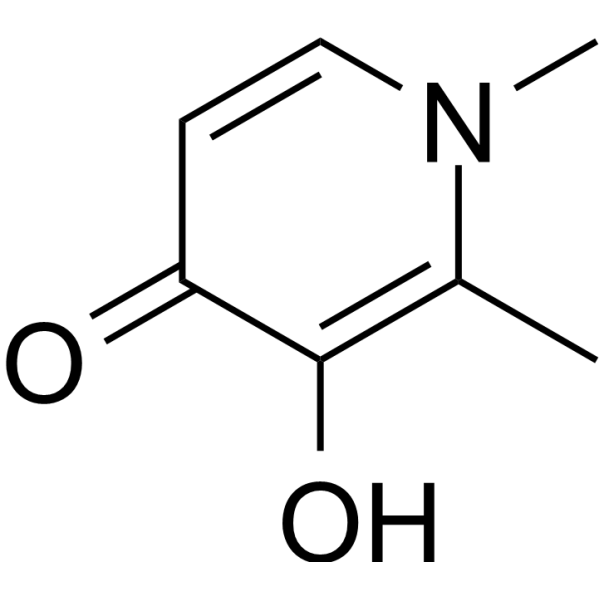
  • HY-B0568
    Deferiprone
    Maximum Cited Publications
    47 Publications Verification

    Ferroptosis HCV Apoptosis COX Histone Demethylase Cardiovascular Disease Infection Neurological Disease Metabolic Disease Inflammation/Immunology Cancer
    Deferiprone is a potent, orally active, brain-penetrant, cell-penetrant, skin-permeable, free iron chelating agent. Deferiprone inhibits the proliferation and migration, and stimulates apoptosis in tumor cell. Deferiprone can inhibit KDM. Deferiprone has antianemic, neuroprotective, anti-inflammatory, antioxidant, and antidotal activity. Deferiprone can be used in cancer, cardiovascular disease, infection, inflammation, and neurological disease study .
    Deferiprone
  • HY-W011303
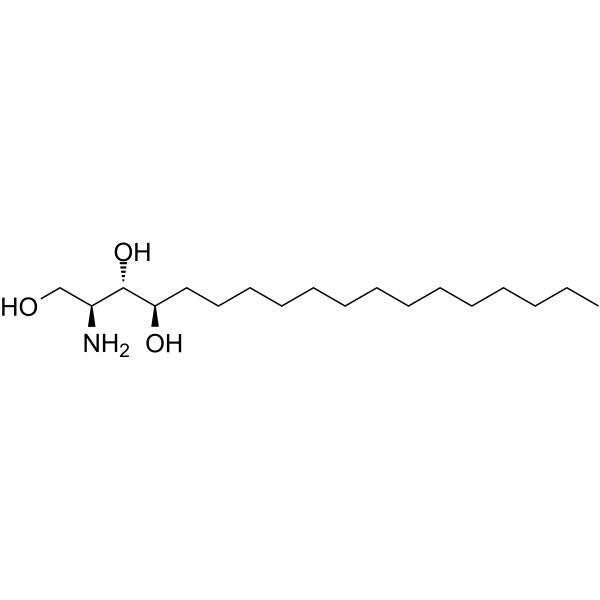
    Phytosphingosine
    4 Publications Verification

    4-Hydroxysphinganine

    Apoptosis Endogenous Metabolite Fungal Free Fatty Acid Receptor Infection Metabolic Disease Inflammation/Immunology Cancer
    Phytosphingosine is a phospholipid with anti-inflammatory, antibacterial, and anti-cancer activities, which can induce apoptosis. Phytosphingosine is an immune regulator and can be used in the study of inflammatory skin diseases. Phytosphingosine is also an activator of GPR120 with an IC50 value of 33.4 μM and can be used in the study of type II diabetes .
    Phytosphingosine
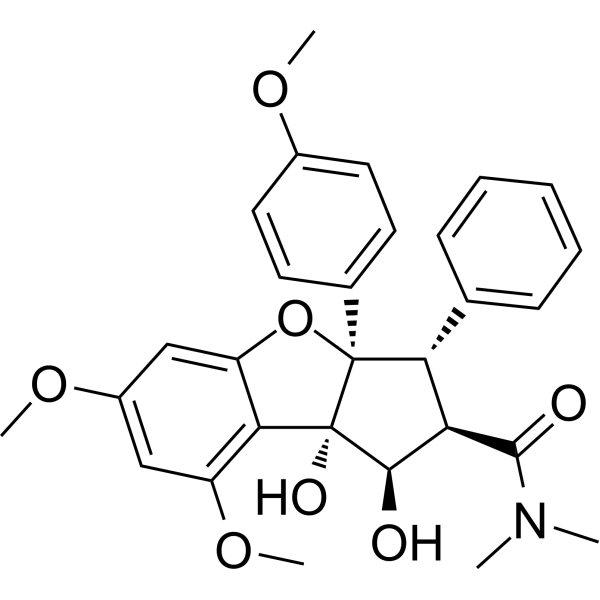
  • HY-19356
    Rocaglamide
    Maximum Cited Publications
    30 Publications Verification

    Roc-A

    NF-κB HSP Eukaryotic Initiation Factor (eIF) Inflammation/Immunology Cancer
    Rocaglamide (Roc-A) is isolated from the genus Aglaia and can be used for coughs, injuries, asthma and inflammatory skin diseases. Rocaglamide is a potent inhibitor of NF-κB activation in T-cells. Rocaglamide is a potent and selective heat shock factor 1 (HSF1) activation inhibitor with an IC50 of ~50 nM. Rocaglamide inhibits the function of the translation initiation factor eIF4A. Rocaglamide also has anticancer properties in leukemia .
    Rocaglamide
  • HY-N0568
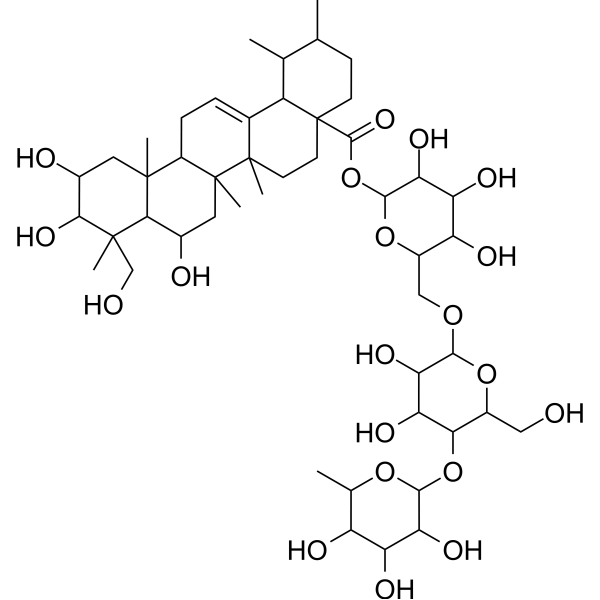
    Madecassoside
    3 Publications Verification

    Asiaticoside A

    Endogenous Metabolite Apoptosis Autophagy Keap1-Nrf2 p38 MAPK Caspase Cardiovascular Disease Others Neurological Disease Inflammation/Immunology Endocrinology Cancer
    Madecassoside is a pentacyclic triterpene isolated from Centella asiatica and has anti-inflammatory properties. Antioxidant and anti-aging effects. Madecassoside is a pentacyclic triterpene isolated from Centella asiatica. Madecassoside is orally active and has inhibitory properties against inflammation, oxidation, apoptosis and autophagy. Madecassosid inhibits activities of p38 MAPK and NF-kB , exhibits an anti-apopototic property, activates Nrf2 expression to reduce the neurotoxicity . Madecassoside can be used in endocrine diseases, cardiovascular diseases, skin diseases and other diseases.
    Madecassoside
  • HY-148013
    K284-6111
    1 Publications Verification

    Glycosidase Amyloid-β NF-κB COX ERK NO Synthase Interleukin Related Neurological Disease Inflammation/Immunology
    K284-6111 is a high-affinity and orally active CHI3L1 inhibitor, and inhibits CHI3L1 expression. K284-6111 inhibits ERK and NF-κB pathway. K284-6111 suppresses nuclear translocation of p50 and p65, and phosphorylation of IκB. K284-6111 improves memory dysfunction by alleviating amyloidogenesis and neuroinflammation, with the reduction of inflammatory proteins (eg: iNOS, COX-2, GFAP, and Iba-1). K284-6111 reduces atopic-like skin inflammation and inhibits LPS (HY-D1056) -induced liver injury. K284-6111 can be used for the study of Alzheimer's diseases and sepsis like hepatic injury .
    K284-6111
  • HY-13723
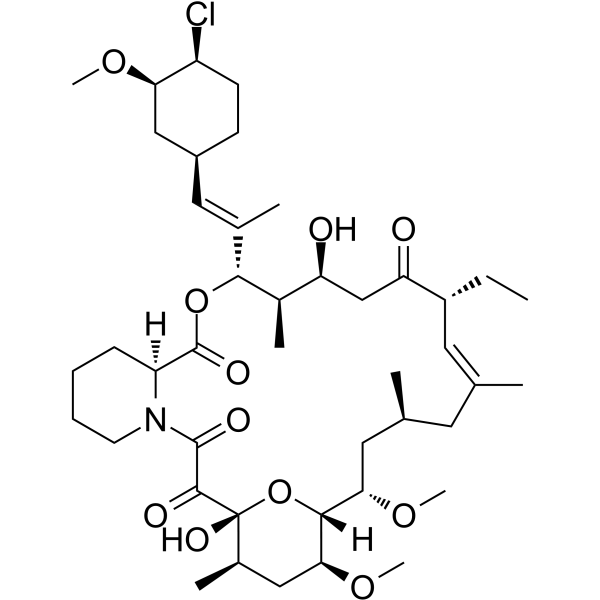
    Pimecrolimus
    4 Publications Verification

    SDZ-ASM 981

    Phosphatase Inflammation/Immunology
    Pimecrolimus (SDZ-ASM 981) is a potent, nonsteroid and orally active calcineurin inhibitor with a Ki of 117 nM. Pimecrolimus shows anti-inflammatory activity .
    Pimecrolimus
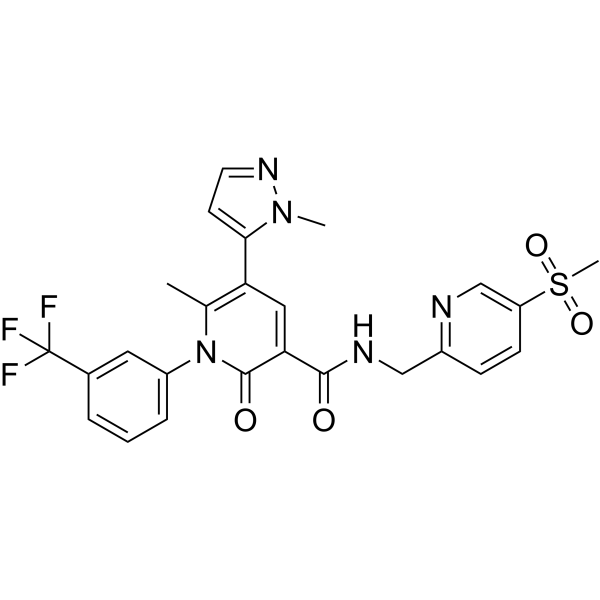
  • HY-156619

    EVT-8565072; THB335

    c-Kit PDGFR Metabolic Disease Inflammation/Immunology
    Labuxtinib (EVT-8565072; THB335) is a potent dual inhibitor of c-Kit and PDGFR. Labuxtinib exhibits potent inhibitory activity against wild-type c-Kit (IC50 = 0.005 μM). Labuxtinib inhibits SCF-dependent and PDGF-dependent cell proliferation, and blocks the proliferation of cells dependent on c-Kit or PDGFR signaling pathways. In animal models of skin allergy, Labuxtinib depletes skin mast cells and significantly alleviates anaphylactic shock responses. Labuxtinib can be used in research on mast cell-related diseases, respiratory diseases, inflammatory diseases, fibrotic diseases, metabolic diseases, and other related conditions .
    Labuxtinib
  • HY-P99519
    Vixarelimab
    1 Publications Verification

    KPL-716

    Interleukin Related Inflammation/Immunology
    Vixarelimab (KPL-716) is a human anti-oncostatin M (OSM) receptor β subunit monoclonal antibody. Vixarelimab inhibits IL-31 and OSM signalling. Vixarelimab can be used in studies of inflammatory skin diseases such as atopic dermatitis and itchy nodular rash .
    Vixarelimab
  • HY-163731
    EGR-1-IN-1
    2 Publications Verification

    DNA Methyltransferase Interleukin Related Inflammation/Immunology
    EGR-1-IN-1 is a EGR-1 inhibitor with an IC50 of 1.86 μM. EGR-1-IN-1 binds to the zinc finger DNA-binding domain of EGR-1 and promotes the dissociation of the EGR-1-DNA complex. EGR-1-IN-1 reduces the mRNA expression levels of EGR-1-regulated inflammatory genes induced by TNFα. EGR-1-IN-1 alleviates atopic dermatitis-like lesions in the ear skin of mice. EGR-1-IN-1 serves as a lead compound for the development of targeted compounds for inflammatory skin diseases. EGR-1-IN-1 can be used in studies related to atopic dermatitis .
    EGR-1-IN-1
  • HY-N0260
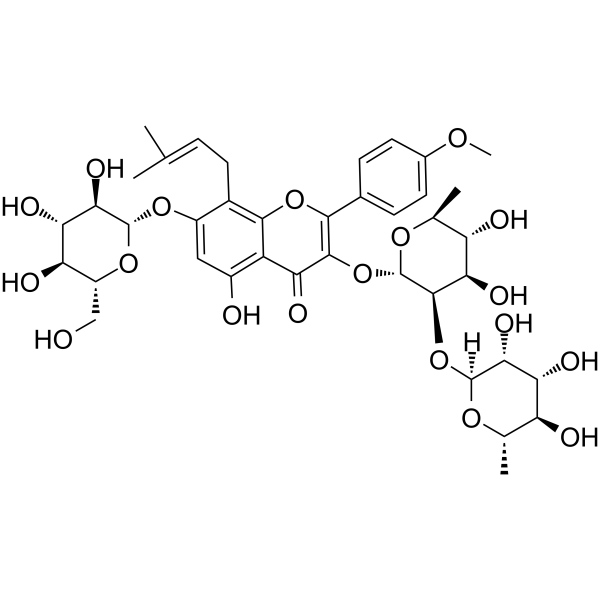
    Epmedin C
    5+ Cited Publications

    Epimedin-C; Baohuoside-VI

    Keap1-Nrf2 CDK Caspase Infection Metabolic Disease Inflammation/Immunology Cancer
    Epmedin C (Epimedin-C; Baohuoside-VI) is an orally active anti-inflammatory agent and immunomodulator that binds to multiple key proteins including UCP1, Caspase-1, CDK2 and Keap1. Epmedin C inhibits epithelial cell proliferation by disrupting the complex function of CDK2/Cyclin E. Epmedin C also upregulates Nrf2 expression, reduces ROS levels and inhibits pro-inflammatory cytokine secretion, thereby effectively restoring antibody production and alleviating tissue damage. Epmedin C has good safety with no hepatotoxicity or skin sensitization, and it has been used in studies on diseases such as obesity, Deoxynivalenol (HY-N6684)-induced immunotoxicity and mammary hyperplasia .
    Epmedin C
  • HY-157783

    DNA/RNA Synthesis Cancer
    Dencatistat is a CTP synthetase 1 (b) inhibitor. CTPS1 is a key rate-limiting enzyme that catalyzes the conversion of UTP to CTP. Dencatistat can be used for research on lymphoma .
    Dencatistat
  • HY-B0900
    Anethole
    2 Publications Verification

    Anise camphor; p-Propenylanisole; Isoestragole

    Environmental Pollutants Apoptosis NF-κB Fungal Bacterial MMP Infection Neurological Disease Inflammation/Immunology Cancer
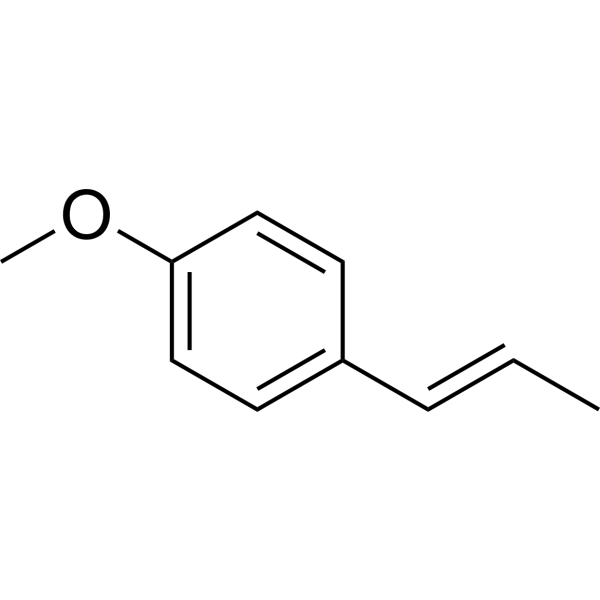
    Anethole is a type of orally active aromatic compound that is widely found in nature and used as a flavoring agent. Anethole possesses anticancer, anti-inflammatory, antioxidant, antibacterial, antifungal, anesthetic, estrogenic, central nervous system depressant, hypnotic, insecticidal, and gastroprotective effects. Anethole can be used in the study of oxidative stress-related skin diseases and prostate cancer .
    Anethole
  • HY-N5048

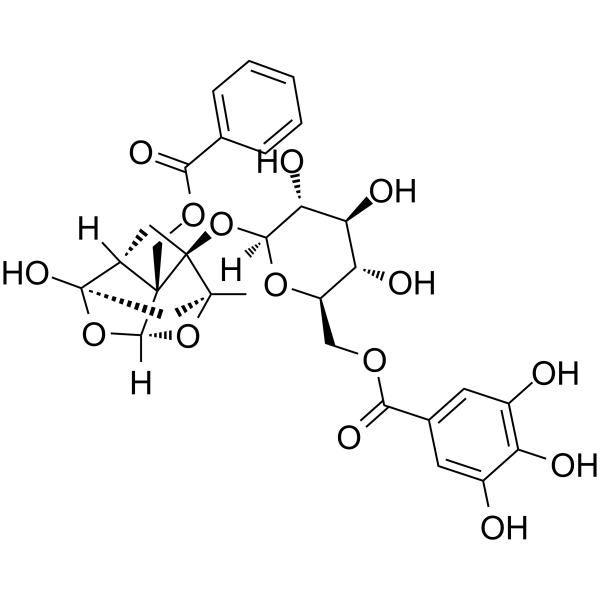
    6'-O-Galloyl paeoniflorin

    NF-κB ERK JNK Nuclear Factor of activated T Cells (NFAT) Keap1-Nrf2 PI3K Akt Reactive Oxygen Species (ROS) Apoptosis DNA/RNA Synthesis Infection Neurological Disease Metabolic Disease Inflammation/Immunology
    Galloylpaeoniflorin (6'-O-Galloyl paeoniflorin) is an orally active galloylated derivative of Paeoniflorin (HY-N0293) found in peony roots with various anti-inflammatory and antioxidant activities. Galloylpaeoniflorin suppresses RANKL-induced activation of ERK, JNK, c-Fos, c-Jun, and NFATc1, and reduces osteoclast-specific gene expression. Galloylpaeoniflorin activates Nrf2 and PI3K/Akt pathways, inhibits NF-κB activation, and scavenges ROS to reduce oxidative DNA, lipid, and protein damage. Galloylpaeoniflorin attenuates neuroinflammation, inhibits apoptosis, reduces Helicobacter pylori-induced gastric mucosa injury and UVB-induced cell damage. Galloylpaeoniflorin can be used for the research of osteoporosis, gastritis, ischemic stroke and skin diseases .
    Galloylpaeoniflorin
  • HY-120689
    PF-04745637
    1 Publications Verification

    TRP Channel Inflammation/Immunology
    PF-04745637 is a potent and selective TRPA1 antagonist with an IC50 of 17 nM for human TRPA1 .
    PF-04745637
  • HY-40020

    Biochemical Assay Reagents Drug Intermediate Inflammation/Immunology Cancer
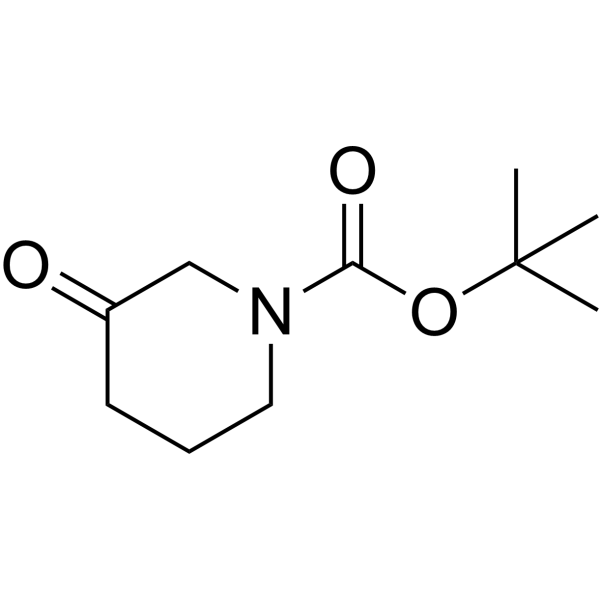
    1-Boc-3-piperidone is a Boc-protected piperidone derivative. 1-Boc-3-piperidone is an important intermediate in organic synthesis. 1-Boc-3-piperidone can be used to study compounds related to inflammatory skin diseases (such as atopic dermatitis), lymphoma, and other diseases .
    1-Boc-3-piperidone
  • HY-100009

    Flufenamic acid butyl ester; Butyl flufenamate

    COX Prostaglandin Receptor Inflammation/Immunology
    Ufenamate (Flufenamic acid butyl ester) is an anthranilic acid-based anti-inflammatory drug that can be used in the study of skin diseases such as acute and chronic eczema, contact dermatitis, diaper dermatitis, miliary rashes and atopic dermatitis. Ufenamate has a certain photoprotective effect, reduces the degree of skin erythema and swelling in the photoaging model, downregulates the expression level of COX-2 and can promote the healing of mouse skull defects by secreting BMP2 .
    Ufenamate
  • HY-P991363

    Myosin STAT Inflammation/Immunology
    AX-202 is a humanized IgG4 monoclonal antibody targeting S100A4. AX-202 neutralizes the activity of S100A4. AX-202 effectively reverses established fibrosis and reduces inflammation and fibrosis-related biomarkers in a mouse model of skin fibrosis. AX-202 is applicable for the research of fibrotic and inflammatory diseases .
    AX-202
  • HY-P99244

    ILV 094

    Interleukin Related JAK STAT Caspase Bcl-2 Family Inflammation/Immunology
    Fezakinumab (ILV 094) is an anti-IL-22 monoclonal antibody. Fezakinumab inhibits IL-22 signal transduction, and regulates the JAK1/STAT3 pathway as well as apoptotic proteins. Fezakinumab alleviates airway remodeling, alveolar enlargement and inflammatory cell infiltration in lung tissues. Fezakinumab reduces the levels of neutrophils, lymphocytes, eosinophils and macrophages in lung tissues. Fezakinumab can be used in the research of chronic obstructive pulmonary disease and skin diseases .
    Fezakinumab
  • HY-N2484
    Methylnissolin
    2 Publications Verification

    Astrapterocarpan

    PDGFR ERK Cardiovascular Disease Neurological Disease Metabolic Disease Inflammation/Immunology
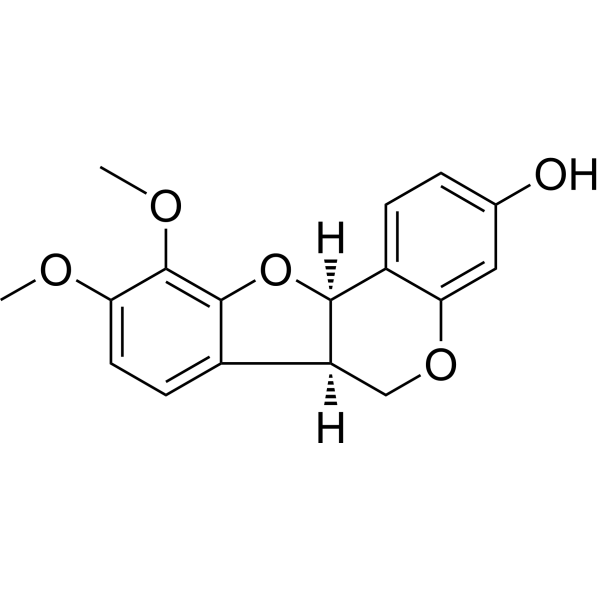
    Methylnissolin (Astrapterocarpan) is an osteoclast inhibitor with anti-inflammatory, neuroprotective and antioxidant activities. Methylnissolin downregulates the activation of the MAPK and PI3K/AKT pathways, inhibits the phosphorylation of MAPK1 and AKT1, and blocks PDGF-BB-induced phosphorylation of ERK1/2. Methylnissolin reduces the expression and secretion of proinflammatory mediators, decreases intracellular ROS levels, upregulates antioxidant enzymes, and downregulates osteoclastogenesis markers. Methylnissolin is applicable to research related to ischemic stroke, osteoporosis, cardiovascular diseases, skin aging, etc.
    Methylnissolin
  • HY-N1775

    3,4-DHAP

    Tyrosinase Reactive Oxygen Species (ROS) Keap1-Nrf2 PARP Autophagy Apoptosis Cardiovascular Disease Neurological Disease Metabolic Disease Inflammation/Immunology Cancer
    3',4'-Dihydroxyacetophenone (3,4-DHAP) is a phenolic compound with oral bioavailability, possessing potent antioxidant, anti-inflammatory, anticancer and cardiovascular protective activities. 3',4'-Dihydroxyacetophenone inhibits mushroom Tyrosinase activity with an IC50 of 10 μM, thereby suppressing melanogenesis . 3',4'-Dihydroxyacetophenone inhibits platelet aggregation in platelet-rich plasma. 3',4'-Dihydroxyacetophenone reduces ROS levels in human umbilical vein endothelial cells treated with high glucose, upregulates the expression of Nrf2, HO-1 and PARP-1 in cells, and promotes the nuclear translocation of Nrf2 . 3',4'-Dihydroxyacetophenone induces autophagy and apoptosis. 3',4'-Dihydroxyacetophenone inhibits seed germination/growth in most plants. 3',4'-Dihydroxyacetophenone can be used in the research of cancer, neurodegenerative diseases, non-alcoholic steatohepatitis, diabetes, obesity, skin pigmentation disorders, and cardiovascular and cerebrovascular diseases .
    3',4'-Dihydroxyacetophenone
  • HY-N1677

    Akt mTOR Bacterial Fungal AMPK Infection Metabolic Disease Inflammation/Immunology Cancer
    2,6-Dimethoxy-1,4-benzoquinone is a 1,4-benzoquinone derivative. 2,6-Dimethoxy-1,4-benzoquinone promotes phosphorylation of AKT, S6K, mTOR, 4E-BP1, and AMPK, and attenuates mTORC1 activity as part of the AKT/mTOR pathway. 2,6-Dimethoxy-1,4-benzoquinone stimulates myoblast differentiation, increases myotube size, elevates MHC protein expression, enhances mitochondrial biogenesis, respiration, and DNA content, and increases skeletal muscle weights, fiber size, grip strength, and treadmill performance. 2,6-Dimethoxy-1,4-benzoquinone exerts anti-cancer, anti-inflammatory, anti-adipogenic, antibacterial, and antimutagenic effects, inhibits adipogenic transcription factors, nitric oxide production, skin tumor development, Magnaporthe oryzae growth, spore germination, appressorium formation, and growth of select bacterial species, induces H2O2 generation and rice defense gene expression, and reduces rice blast lesion formation. 2,6-Dimethoxy-1,4-benzoquinone can be used for the research of obesity, skin tumorigenesis, rice blast disease, and food-borne illness .
    2,6-Dimethoxy-1,4-benzoquinone
  • HY-B1365

    Glucocorticoid Receptor Inflammation/Immunology
    Prednicarbate is a topical corticosteroid agent. Prednicarbate can be used for the research of inflammatory skin diseases, such as atopic dermatitis .
    Prednicarbate
  • HY-17570
    Desoximetasone
    1 Publications Verification

    Glucocorticoid Receptor Interleukin Related Cytochrome P450 Inflammation/Immunology
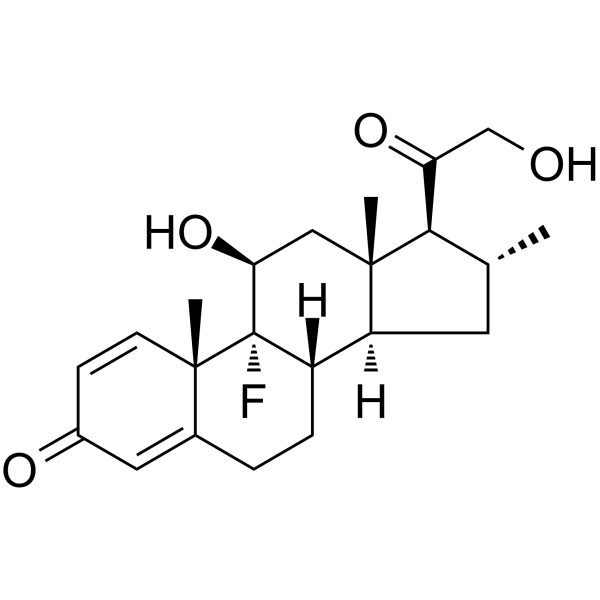
    Desoximetasone is a corticosteroid and a substrate of cytochrome P450 3A4. Desoximetasone has anti-inflammatory, anti-allergic, and immunosuppressive effects. Desoximetasone can be used in the research of various skin diseases, such as skin allergies, atopic dermatitis, and psoriasis .
    Desoximetasone
  • HY-13219

    COX Lipoxygenase Reactive Oxygen Species (ROS) NF-κB Neurological Disease Inflammation/Immunology
    Tepoxalin is an orally active dual inhibitor of Cyclooxygenase/Lipoxygenase, with IC50 values of 4.6 μM (sheep cyclooxygenase), 2.85 μM (rat cyclooxygenase), 0.15 μM (rat 5-lipoxygenase), and 3.0 μM (h12-lipoxygenase), respectively. Tepoxalin inhibits ROS production and NF-κB activation. Tepoxalin suppresses the production of thromboxane B2, leukotriene B4, prostaglandins and cytokines, and blocks platelet aggregation. Tepoxalin exhibits potent anti-inflammatory activity in rats with adjuvant-induced arthritis. Tepoxalin possesses analgesic activity. Tepoxalin shows no ulcerogenic activity within the anti-inflammatory dose range. Tepoxalin can be used in studies related to adjuvant-induced arthritis, skin inflammation and Alzheimer's disease .
    Tepoxalin
  • HY-W011168

    Nucleoside Antimetabolite/Analog DNA/RNA Synthesis Inflammation/Immunology Cancer
    8-Bromo-2'-deoxyguanosine is an inflammation-related DNA halogenated adduct and an early biomarker of inflammation-induced oxidative tissue damage. The formation of 8-Bromo-2'-deoxyguanosine precedes that of oxidative and nitrative products, and it can be generated via the MPO-H2O2-Cl --Br - system. 8-Bromo-2'-deoxyguanosine serves as the immunogen for preparing the monoclonal antibody mAb8B3, which can be used to detect early DNA modifications in preclinical models; its urinary level also increases significantly in inflammatory disease models. 8-Bromo-2'-deoxyguanosine can also be produced in the dermis of UV-B irradiated mice, and the extract of Coprinus comatus significantly reduces its level. 8-Bromo-2'-deoxyguanosine finds applications in studies related to inflammatory diseases, diabetes, hepatocellular carcinoma, and UV-B induced skin inflammation .
    8-Bromo-2'-deoxyguanosine
  • HY-107581
    MK-1903
    1 Publications Verification

    GPR109A MMP Metabolic Disease Inflammation/Immunology
    MK-1903 is an orally active full agonist of GPR109a/HCAR2, with an EC50 of 12.9 nM. MK-1903 activates antilipolytic and vasodilatory pathways, reduces plasma free fatty acid levels, and induces skin flushing. MK-1903 stimulates the expression of HCAR2 protein and regulates the inflammatory response of microglia. MK-1903 prevents the enhanced firing activity of spinal nociceptive neurons. MK-1903 triggers the release of MMP-9 and the formation of NET. MK-1903 can be used in the research of dyslipidemia and neuroinflammation-based central nervous system diseases .
    MK-1903
  • HY-147240

    ADX-629

    Drug Derivative Infection Cardiovascular Disease Inflammation/Immunology
    Acloproxalap is a quinoline-based aldehyde scavenger that can be used in studies of diseases with toxic aldehyde accumulation, such as inflammatory diseases of the eye and skin, respiratory diseases such as pneumonia, organ diseases, and viral infection-related syndromes .
    Acloproxalap
  • HY-153224

    IRAK Inflammation/Immunology
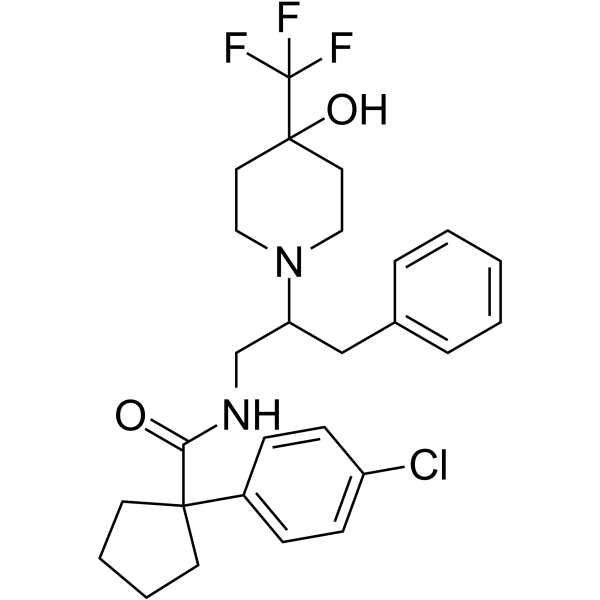
    GLPG2534 is an orally active and selective IRAK4 inhibitor, with IC50 values of 6.4 nM and 3.5 nM for human and mouse IRAK4. GLPG2534 can be used for the research of inflammatory skin diseases .
    GLPG2534
  • HY-156622

    HMC-C-01-A; MBS2320

    Mitochondrial Metabolism Cancer
    Leramistat (HMC-C-01-A; MBS2320) is a mitochondrial complex 1 inhibitor, involving in cell metabolism immune metabolism regulation. Leramistat also inhibits ATP production in Thp1 human monocytes (IC50: 0.63 μM). Leramistat inhibits atopic dermatitis and other skin diseases autoimmune diseases, inflammatory diseases, cancer; and also inhibits osteoclast mediated disease .
    Leramistat
  • HY-P99659

    ANB 019

    Interleukin Related Inflammation/Immunology
    Imsidolimab (ANB 019) is a high-affinity, humanized monoclonal antibody of anti-IL-36R. Imsidolimab antagonizes IL-36 cytokine signal transduction. Imsidolimab has potential application in generalized pustular psoriasis (GPP) and other inflammatory skin diseases .
    Imsidolimab
  • HY-B0568R

    Reference Standards Ferroptosis HCV Apoptosis COX Infection Cardiovascular Disease Neurological Disease Inflammation/Immunology Endocrinology Cancer
    Deferiprone (Standard) is the analytical standard of Deferiprone. This product is intended for research and analytical applications. Deferiprone is a potent, orally active, brain-penetrant, cell-penetrant, skin-permeable, free iron chelating agent. Deferiprone inhibits the proliferation and migration, and stimulates apoptosis in tumor cell. Deferiprone has antianemic, neuroprotective, anti-inflammatory, antioxidant, and antidotal activity. Deferiprone can be used in cancer, cardiovascular disease, infection, inflammation, and neurological disease study .
    Deferiprone (Standard)
  • HY-N0568R

    Asiaticoside A (Standard)

    Reference Standards Endogenous Metabolite Apoptosis Autophagy Keap1-Nrf2 p38 MAPK Caspase Cardiovascular Disease Others Neurological Disease Inflammation/Immunology Endocrinology Cancer
    Madecassoside (Standard) is the analytical standard of Madecassoside. This product is intended for research and analytical applications. Madecassoside is a pentacyclic triterpene isolated from Centella asiatica and has anti-inflammatory properties. Antioxidant and anti-aging effects. Madecassoside is a pentacyclic triterpene isolated from Centella asiatica. Madecassoside is orally active and has inhibitory properties against inflammation, oxidation, apoptosis and autophagy. Madecassosid inhibits activities of p38 MAPK and NF-kB , exhibits an anti-apopototic property, activates Nrf2 expression to reduce the neurotoxicity[10]. Madecassoside can be used in endocrine diseases, cardiovascular diseases, skin diseases and other diseases.
    Madecassoside (Standard)
  • HY-142026

    (+)-Vitisin A

    Caspase ERK NF-κB Influenza Virus PAK LDLR PPAR PCSK9 Androgen Receptor Keap1-Nrf2 Monoamine Oxidase Cholinesterase (ChE) IKK Wnt β-catenin Reactive Oxygen Species (ROS) Apoptosis Cuproptosis Infection Neurological Disease Metabolic Disease Inflammation/Immunology Cancer
    Vitisin A ((+)-Vitisin A) is an orally active natural product with multiple pharmacological activities including anti-inflammatory, anti-tumor, anti-oxidant, anti-pathogenic microorganism, hypoglycemic and lipid-regulating, anti-osteoporotic, neuroprotective and cardiovascular protective effects. Vitisin A exhibits inhibitory effects on human AChE and MAO-B with IC50 values of 1.29 µM and 4.94 µM, respectively. Vitisin A inhibits the ERK, MAPK, NF-κB, STAT1, HMGCR and TRAF6 pathways, downregulates the related phosphorylation and protein expression, while activates the Nrf2/HO-1 pathway and upregulates p21 expression. Vitisin A induces tumor cell apoptosis and cell cycle arrest, inhibits adipogenesis and lipid accumulation, while alleviates oxidative stress, suppresses inflammatory responses, blocks hepatic fibrosis, Cuproptosis and cholesterol synthesis, and increases the expression levels of central BDNF and TrkB. Vitisin A can be used in the research of tumors, infectious diseases, metabolic diseases, bone and joint diseases, liver diseases, skin injuries, as well as neurodegenerative and cognitive dysfunction-related diseases .
    Vitisin A
  • HY-N1098

    Tyrosinase p38 MAPK NF-κB Bacterial Infection Metabolic Disease Inflammation/Immunology
    Velutin is a flavonoid. Velutin can be extracted from mistletoe. Velutin inhibits mushroom Tyrosinase activity with an IC50 of 910.1 μM. Velutin inhibits p38 phosphorylation, the NF-κB pathway and the MAPK pathway. Velutin prevents articular cartilage degeneration and subchondral bone loss. Velutin slows down the progression of intervertebral disc degeneration. Velutin exhibits inhibitory effects on melanogenesis, skin whitening, anti-inflammatory, anti-allergic, anti-oxidant and antibacterial activities. Velutin can be used in studies related to pigmented diseases, osteoarthritis and intervertebral disc degeneration .
    Velutin
  • HY-N12717

    PAK FASTK HSP p38 MAPK NF-κB NO Synthase COX HSV Caspase TNF Receptor Fungal Apoptosis Infection Inflammation/Immunology Cancer
    Casuarinin is an orally active antiproliferative, anti-inflammatory, antifungal, virucidal and gastroprotective agent. Casuarinin upregulates the expression of p21/WAF1, Fas/APO‑1, mFasL, sFasL and HSP‑70, arrests cell cycle, induces apoptosis and inhibits cancer cell proliferation. Casuarinin inhibits TNF‑α-induced phosphorylation of MAPK and activation of NF‑κB, downregulates the expression of iNOS, NF‑κB, COX‑2 and ICAM‑1, and reduces the production of proinflammatory mediators. Casuarinin attenuates ethanol-induced activation of caspase‑3 and elevation of TNF‑α, inhibits the growth of Candida albicans, and inhibits HSV‑2. Casuarinin can be used in research related to mammary adenocarcinoma, inflammatory skin diseases, gastric ulcers, candidiasis and herpes simplex virus infections .
    Casuarinin
  • HY-156621

    JAK Inflammation/Immunology
    Lepzacitinib is a Janus kinase inhibitor targeting to JAK 1/3. Lepzacitinib exhibits anti-inflammatory effect and inhibits atopic dermatitis and other skin diseases .
    Lepzacitinib
  • HY-P10868

    RLS-0071

    Reactive Oxygen Species (ROS) Infection Inflammation/Immunology
    Pegtarazimod (RLS-0071) is a dual-target anti-inflammatory peptide that exerts its effects by simultaneously regulating the complement system and neutrophil-associated inflammatory pathways. Pegtarazimod reduces ROS production both in vitro and in vivo, and decreases the level of neutrophil elastase, a marker of neutrophil extracellular traps (NETs), in vivo, thereby alleviating inflammatory responses. Pegtarazimod significantly improves the survival rate of mice in multiple in vivo models of acute graft-versus-host disease (aGVHD). Pegtarazimod inhibits the activation of the C1 complex, reduces the herpes zoster-like spread of herpes simplex virus type 1 skin infection, and improves the survival rate of infected mice . Pegtarazimod can be used in research related to acute graft-versus-host disease, acute pulmonary diseases, and skin herpes simplex virus type 1 infection .
    Pegtarazimod
  • HY-113364

    5α-THB

    Glucocorticoid Receptor Endogenous Metabolite Drug Metabolite Metabolic Disease Inflammation/Immunology
    5α-Tetrahydrocorticosterone (5α-HB), an endogenous steroid, is a glucocorticoid receptor (GR) agonist and a metabolite of Corticosterone (HY-B1618). 5α-Tetrahydrocorticosterone is an effective topical anti-inflammatory agent in vivo. 5α-Tetrahydrocorticosterone reduces metabolites that bind to GR-Corticosterone and its 5α-reduced metabolites in rat hepatocytes, with a Kd of 268 nM. 5α-Tetrahydrocorticosterone can be used for research on inflammatory skin diseases .
    5α-Tetrahydrocorticosterone
  • HY-164826

    Interleukin Related Reactive Oxygen Species (ROS) MMP Pyroptosis Ferroptosis Notch Keap1-Nrf2 PINK1/Parkin Mitophagy Caspase Apoptosis Inflammation/Immunology Cancer
    Acetyl zingerone is an analog of Zingerone (HY-14621). Acetyl zingerone downregulates the expression of ROS metabolism-related genes, fibroblast senescence-related genes, keratinocyte differentiation-related genes, and IL-17A target genes. Acetyl zingerone inhibits the activities of MMP-1, MMP-3, and MMP-12, as well as the activation of NLRP3 inflammasome, pyroptosis (pyroptosis), ferroptosis (ferroptosis), cartilage destruction, and UVA-induced cyclobutane pyrimidine dimer formation. Acetyl zingerone upregulates the expression of collagen, proteoglycan, extracellular matrix glycoprotein, Notch pathway, and GPX4 gene, activates Nrf2 and HO-1, induces extracellular matrix synthesis and PINK1/Parkin-mediated mitophagy (mitophagy), and promotes chondrocyte survival. Acetyl zingerone alleviates the progression of osteoarthritis in mice . Acetyl zingerone can be used in research related to skin aging, inflammatory skin diseases, osteoarthritis, melanoma, and non-melanoma skin cancer .
    Acetyl zingerone
  • HY-116640

    AP-1 Nuclear Factor of activated T Cells (NFAT) AMPK Autophagy Metabolic Disease Inflammation/Immunology Endocrinology
    Amorphigenin is a trothotenone compound. Amorphigenin inhibits osteoclast differentiation by suppressing the expression of c-Fos and NFATc1 in activated T cells. Amorphigenin degrades melanosome proteins by activating the AMPK-dependent autophagy pathway, but not in dependence of the mTOR pathway. Amorphigenin significantly protects bone mass and reduces bone erosion in a mouse model of inflammatory bone loss. Amorphigenin can be used to study inflammatory bone diseases, postmenopausal osteoporosis, and skin pigmentation disorders .
    Amorphigenin
  • HY-124404

    Aryl Hydrocarbon Receptor Na+/K+ ATPase Prostaglandin Receptor Inflammation/Immunology
    12(R)-HETE is a CYP-dependent arachidonic acid metabolite that acts as a proinflammatory lipid mediator. 12 (R)-HETE widely exists in various tissues including the eye, skin and liver. In the cornea, 12(R)-HETE is metabolized via pathways such as β-oxidation into the precursor of 12(R)-HETrE. Without direct receptor binding, 12(R)-HETE indirectly activates AHR-mediated target gene transcription, while inhibiting the enzymatic activity of Na+,K+-ATPase and the intracellular calcium elevation induced by TP agonists. 12(R)-HETE also possesses multiple physiological effects such as chemotaxis, proangiogenesis, vasodilation, natriuresis, diuresis and intraocular pressure reduction, and can be widely used in studies related to psoriasis, inflammatory skin diseases and ocular inflammation .
    12(R)-HETE
  • HY-B0775

    Drug Derivative Inflammation/Immunology
    Betamethasone-17-butyrate-21-propionate is a topical corticosteroid with potential in the treatment of inflammatory skin diseases.
    Betamethasone-17-butyrate-21-propionate
  • HY-W587468

    3,4-DHRA

    Biochemical Assay Reagents
    All-trans-3,4-Didehydro retinoic acid (3,4-DHRA) is a compound with gene-regulating activity that binds to retinoic acid receptors (RARs) and triggers receptor activation. All-trans-3,4-Didehydro retinoic acid plays an important role in skin development and differentiation and has potential anti-tumor and anti-inflammatory properties. All-trans-3,4-Didehydro retinoic acid is also being studied for the inhibition of a variety of diseases, including skin diseases and certain types of cancer.
    all-trans-3,4-Didehydro retinoic acid
  • HY-108342

    JAK Inflammation/Immunology
    PF-00956980 is a reversible pan-JAK inhibitor with IC50 values of 2.2, 23.1 and 59.9 μM for JAK1, JAK2 and JAK3, respectively. PF-00956980 can be used in the research of lung and skin inflammatory diseases .
    PF-00956980
  • HY-B0688S

    4,4′-Diaminodiphenyl sulfone-d8; DDS-d8

    Antibiotic Parasite Bacterial Reactive Oxygen Species (ROS) Infection Inflammation/Immunology Cancer
    Dapsone-d8 is a deuterium labeled Dapsone. Dapsone is an orally active and blood-brain penetrant sulfonamide antibiotic with antibacterial, antigenic and anti-inflammatory activities . Dapsone?exerts effective antileprosy activity?and inhibits folate synthesis in cell extracts of?M. leprae. Dapsone can be used as an anticonvulsant and also in the research of skin and glioblastoma diseases .
    Dapsone-d8
  • HY-W017428

    P-Ethyoxybenzaldehyde

    Interleukin Related Prostaglandin Receptor Inflammation/Immunology
    4-Ethoxybenzaldehyde (P-Ethyoxybenzaldehyde) is a derivative of benzaldehyde. 4-Ethoxybenzaldehyde can significantly inhibit the production of key inflammatory factors such as prostaglandin E2 (PGE2), IL-6, and IL-8 induced by ultraviolet radiation (UVR). 4-Ethoxybenzaldehyde shows significant efficacy and good safety in reducing facial redness when added to an oil-in-water emulsion at a concentration of 1%. 4-Ethoxybenzaldehyde can be used in the study of chronic inflammatory skin diseases .
    4-Ethoxybenzaldehyde
  • HY-155244

    Lipoxygenase DNA/RNA Synthesis Inflammation/Immunology
    12R-LOX-IN-2 (compound 7b) is an inhibitor of 12R-lipoxygenase (12R-LOX). 12R-LOX-IN-2 inhibits imiquimod (IMQ)-induced hyperproliferation of psoriatic keratinocytes and suppresses colony formation. 12R-LOX-IN-2 also reduced the protein level of Ki67 and the mRNA expression of IL-17A in IMQ-induced cells. 12R-LOX-IN-2 can be used in research into psoriasis and other skin-related inflammatory diseases .
    12R-LOX-IN-2
  • HY-W011303R

    4-Hydroxysphinganine (Standard)

    Reference Standards Apoptosis Endogenous Metabolite Fungal Free Fatty Acid Receptor Infection Metabolic Disease Inflammation/Immunology Cancer
    Phytosphingosine (Standard) is the analytical standard of Phytosphingosine. This product is intended for research and analytical applications. Phytosphingosine is a phospholipid with anti-inflammatory, antibacterial, and anti-cancer activities, which can induce apoptosis. Phytosphingosine is an immune regulator and can be used in the study of inflammatory skin diseases. Phytosphingosine is also an activator of GPR120 with an IC50 value of 33.4 μM and can be used in the study of type II diabetes[1][2][3][4].
    Phytosphingosine (Standard)
  • HY-120621

    Phospholipase Inflammation/Immunology
    BMS-229724 is an orally active and tight-binding cytosolic phospholipase A2 (cPLA2) inhibitor with an IC50 of 2.8 μM. BMS-229724 can inhibit the production of arachidonic acid and eicosanoids in U937 cells, neutrophils, platelets, and other cells. BMS-229724 has anti-inflammatory activity and can be used in the research of diseases such as skin inflammation .
    BMS-229724
  • HY-19356B

    Drug Derivative NF-κB HSP Eukaryotic Initiation Factor (eIF) Inflammation/Immunology Cancer
    (+)-Rocaglamide is the dextrorotatory enantiomer of Rocaglamide (HY-19356). Rocaglamide (Roc-A) is isolated from the genus Aglaia and can be used for coughs, injuries, asthma and inflammatory skin diseases. Rocaglamide is a potent inhibitor of NF-κB activation in T-cells. Rocaglamide is a potent and selective heat shock factor 1 (HSF1) activation inhibitor with an IC50 of 50 nM. Rocaglamide inhibits the function of the translation initiation factor eIF4A. Rocaglamide also has anticancer properties in leukemia .
    (+)-Rocaglamide

온라인 문의

Your information is safe with us. * Required Fields.

호칭


Country or Region *

고객명 *


회사명 *

Department *


메일주소 *


상품명 *

Cat. No.


Requested quantity *

전화번호 *


비고

온라인 문의

Inquiry Information

상품명:
Cat. No.:
수량:
MCE Japan Authorized Agent:

