1. Search Result
Search Result
Results for "

plants toxicity

" in MedChemExpress (MCE) Product Catalog:

92

Inhibitors & Agonists

2

Screening Libraries

13

Fluorescent Dyes

13

Biochemical Assay Reagents

7

Peptides

23

Natural
Products

4

Isotope-Labeled Compounds

Cat. No. Product Name Target Research Areas Chemical Structure
  • HY-111391
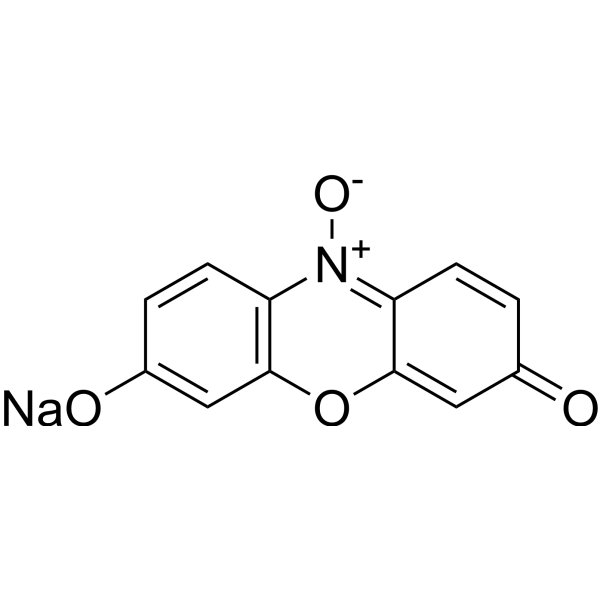
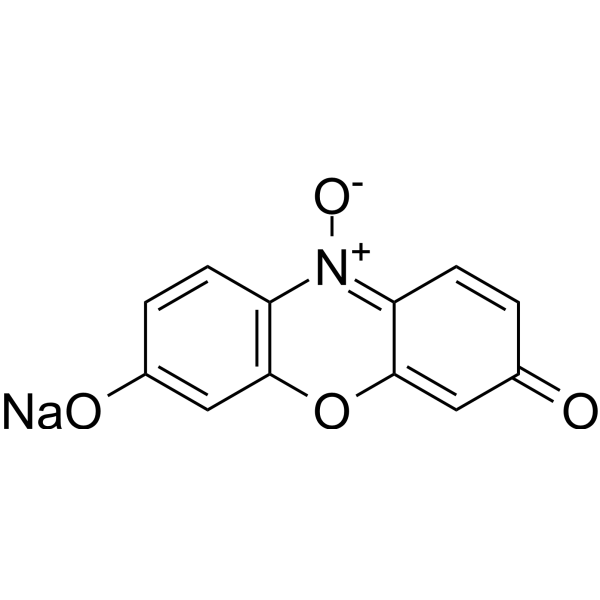
    Resazurin sodium
    5 Publications Verification

    Diazoresorcinol sodium

    Bacterial Fluorescent Dye Infection
    Resazurin sodium (Diazoresorcinol sodium) is a non-toxic, stable, membrane-permeable blue non-fluorescent dye (faintly fluorescent). Resazurin sodium is used as a redox indicator, can be reduced to pink, highly fluorescent Resorufin (Ex=530-560 nm, Em=590 nm) in living cells. Resazurin sodium can be used for the detection of cell viability, toxicity, proliferation, migration and invasion in cells (human, plant and animal, bacterial and fungal) .
    Resazurin sodium
  • HY-B0525A
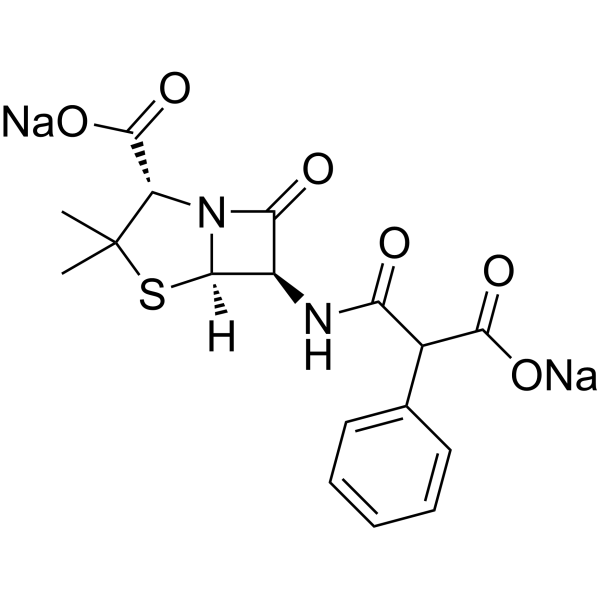
    Carbenicillin disodium
    5+ Cited Publications

    Sodium carbenicillin

    Antibiotic Bacterial Infection
    Carbenicillin disodium (Sodium carbenicillin) is a broad-spectrum semi-synthetic penicillin antibiotic for gram-negative bacteria. Carbenicillin disodium can interfere the cell wall synthesis while displaying low toxicity to plant tissue .
    Carbenicillin disodium
  • HY-D0985A
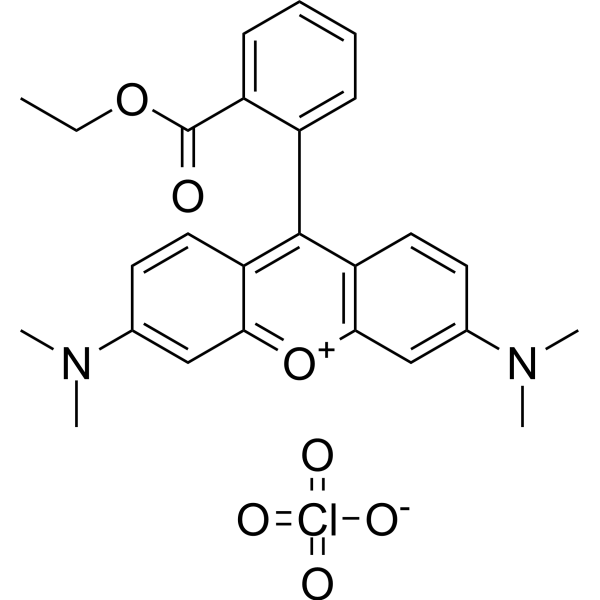
    TMRE
    Maximum Cited Publications
    75 Publications Verification

    Tetramethylrhodamine ethyl ester perchlorate

    Fluorescent Dye Others
    Rhodamine dyes are membrane-permeable cationic fluorescent probes that specifically recognize mitochondrial membrane potentials, thereby attaching to mitochondria and producing bright fluorescence, and at certain concentrations, rhodamine dyes have low toxicity to cells, so they are commonly used to detect mitochondria in animal cells, plant cells, and microorganisms .
    TMRE
  • HY-D0984A
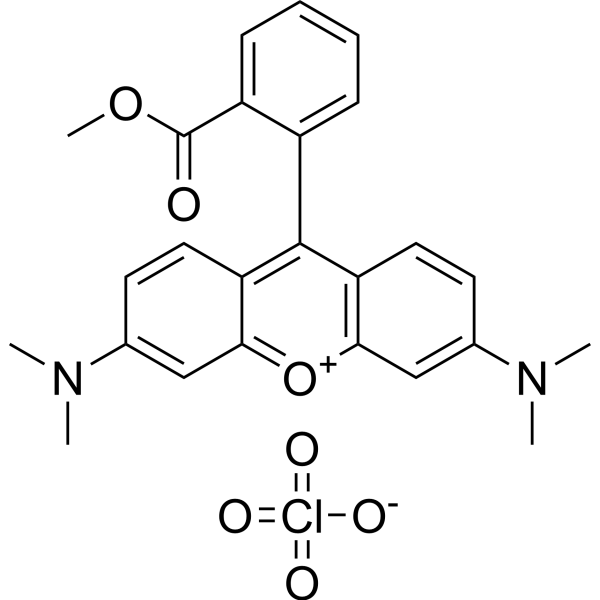
    TMRM Perchlorate
    30+ Cited Publications

    T668

    Fluorescent Dye Others
    Rhodamine dyes are membrane-permeable cationic fluorescent probes that specifically recognize mitochondrial membrane potentials, thereby attaching to mitochondria and producing bright fluorescence, and at certain concentrations, rhodamine dyes have low toxicity to cells, so they are commonly used to detect mitochondria in animal cells, plant cells, and microorganisms .
    TMRM Perchlorate
  • HY-D0816
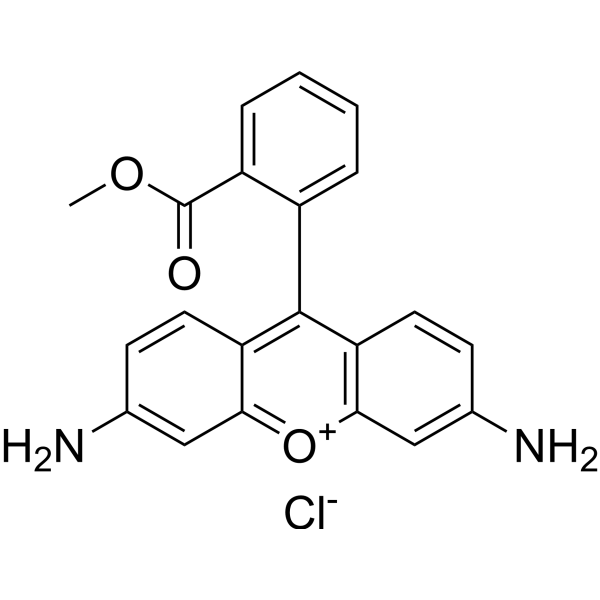
    Rhodamine 123
    25+ Cited Publications

    RH-123; R-22420

    Fluorescent Dye Cardiovascular Disease
    Rhodamine dyes are membrane-permeable cationic fluorescent probes that specifically recognize mitochondrial membrane potentials, thereby attaching to mitochondria and producing bright fluorescence, and at certain concentrations, rhodamine dyes have low toxicity to cells, so they are commonly used to detect mitochondria in animal cells, plant cells, and microorganisms .
    Rhodamine 123
  • HY-119976
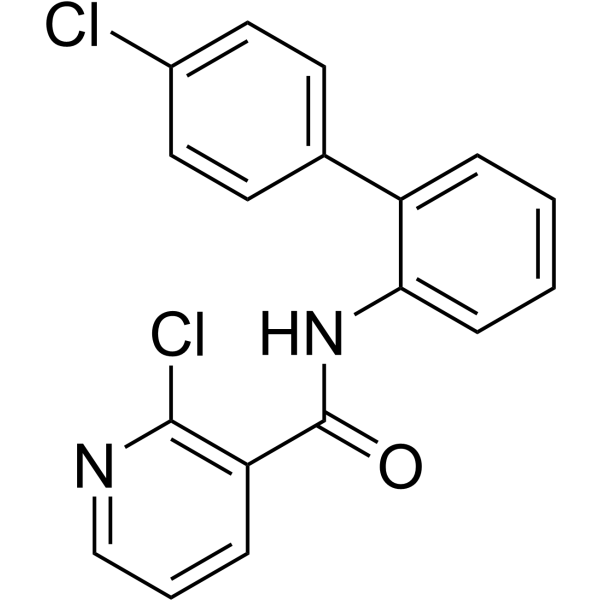
    Boscalid
    1 Publications Verification

    Environmental Pollutants Apoptosis Fungal Mitochondrial Metabolism Succinate Dehydrogenase Infection
    Boscalid is a succinate dehydrogenase (SDHI) inhibitor with antifungal activity. Boscalid binds to the ubiquinone-binding site of fungal mitochondrial complex II, blocks ATP production and aerobic respiration, exhibits good control efficacy against a variety of plant fungal diseases including gray mold, sclerotinia rot and powdery mildew, and is widely used for disease control in agriculture. Boscalid induces apoptosis, altered lipid metabolism, mitochondrial dysfunction, respiratory impairment, oxidative stress, ROS accumulation and neurodevelopmental disorders in zebrafish. Boscalid reduces foraging ability, shortens median death time and causes chronic toxicity in exposed honeybees. Boscalid also possesses genotoxicity, cytotoxicity, elevated mitochondrial superoxide levels and early-stage apoptosis .
    Boscalid
  • HY-111391A

    Diazoresorcinol sodium, indicator

    Bacterial Fluorescent Dye Others
    Resazurin (Diazoresorcinol) sodium, indicator is a non-toxic, stable, membrane-permeable blue non-fluorescent dye (faintly fluorescent). Resazurin sodium, indicator is used as a redox indicator, can be reduced to pink, highly fluorescent Resorufin (Ex=530-560 nm, Em=590 nm) in living cells. Resazurin sodium, indicator can be used for the detection of cell viability, toxicity, proliferation, migration and invasion in cells (human, plant and animal, bacterial and fungal) .
    Resazurin sodium, indicator
  • HY-D0309
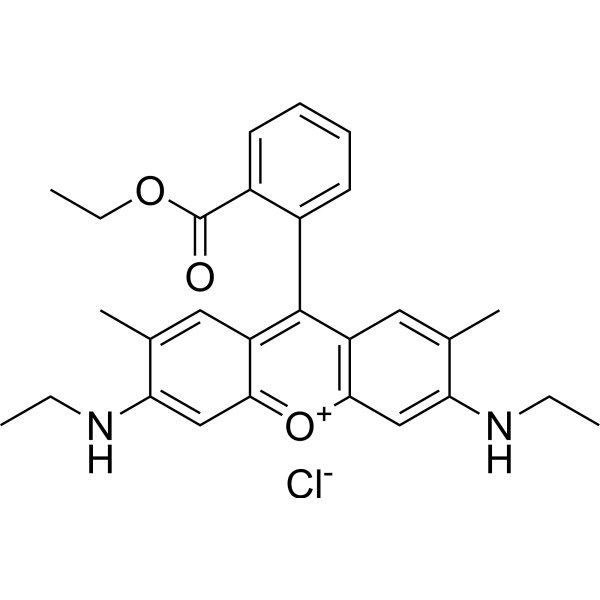
    Rhodamine 6G
    4 Publications Verification

    Basic Red 1

    Environmental Pollutants Fluorescent Dye Cancer
    Rhodamine dyes are membrane-permeable cationic fluorescent probes that specifically recognize mitochondrial membrane potentials, thereby attaching to mitochondria and producing bright fluorescence, and at certain concentrations, rhodamine dyes have low toxicity to cells, so they are commonly used to detect mitochondria in animal cells, plant cells, and microorganisms .
    Rhodamine 6G
  • HY-Y0261A

    Environmental Pollutants Biochemical Assay Reagents Others
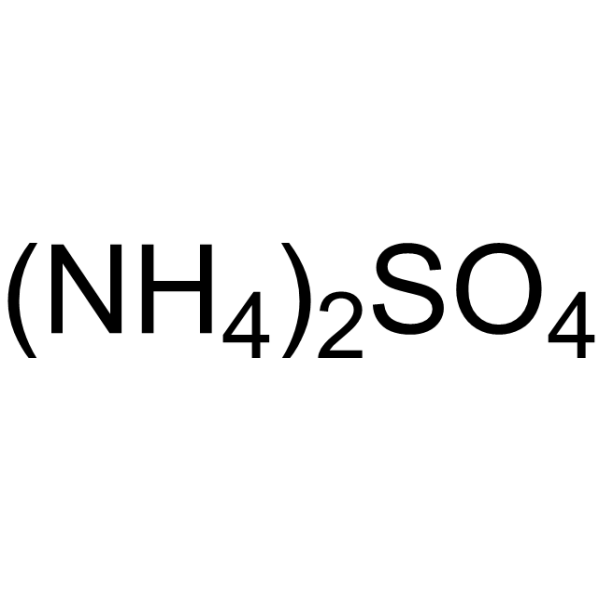
    Ammonium sulphate,≥99.0%,AR is an inorganic sulfate salt used for molecular biology . Ammonium sulphate,≥99.0%,AR can be used to precipitate proteins, separate antibodies, and enhance antigen-antibody reactions. Ammonium sulphate,≥99.0%,AR can serve as a nitrogen source in plant fertilizers and has developmentally toxicity to freshwater snails, but increases the number of Anopheles africanus and Culex mosquito larvae in rice paddies. Ammonium sulphate,≥99.0%,AR also inhibits the conversion of glucose to ascorbic acid in plants .
    Ammonium sulphate,≥99.0%,AR
  • HY-18569B

    IAA

    Endogenous Metabolite Infection
    3-Indoleacetic acid, suitable for plant cell culture (IAA), is a naturally occurring plant growth hormone that is widely present in plants, bacteria, and fungi. 3-Indoleacetic acid, suitable for plant cell culture, is a plant growth-promoting hormone that not only promotes plant growth but also protects bacteria from the toxic damage to cell membrane potential caused by other indole intermediate products (such as I3P) produced during their own metabolic processes. 3-Indoleacetic acid, suitable for plant cell culture, can be used in plant cell culture .
    3-Indoleacetic acid,suitable for plant cell culture
  • HY-N13022
    Humic acid
    1 Publications Verification

    Environmental Pollutants Bacterial SOD Inflammation/Immunology Cancer
    Humic acid is an important component of organic matter in soil and water, and serves as a plant regulator. Humic acid has multiple reactive activities such as surface adsorption, ion exchange, and complexation. Humic acid can enhance pyrene degradation by Mycobacterium NJS-1. Humic acid can inhibit the activity of superoxide dismutase and scavenge hydroxyl radicals. Humic acid is also toxic to CEM cells .
    Humic acid
  • HY-W116336D

    Biochemical Assay Reagents Fungal Bacterial Infection Cancer
    Zinc oxide, <100 nm particle size is a nitrate reductase modulator and growth promoter with plant stress resistance activity and oral toxicity. Zinc oxide, <100 nm particle size acts as a nutrient source for maize plants. By enhancing nitrate reductase activity and reducing free proline levels, it significantly improves plant height, root length and dry matter weight of maize, and its growth-promoting effect is comparable to that of traditional zinc sulfate fertilizer. Zinc oxide, <100 nm particle size induces anemia-related and persistent tissue inflammatory damage, leading to obvious histopathological adverse reactions in the stomach, pancreas, eyes and prostate of rats. Zinc oxide, <100 nm particle size acts as a non-toxic antibacterial agent and selective cytotoxin against multiple bacteria, fungi and spores .
    Zinc oxide, <100 nm particle size
  • HY-P1934
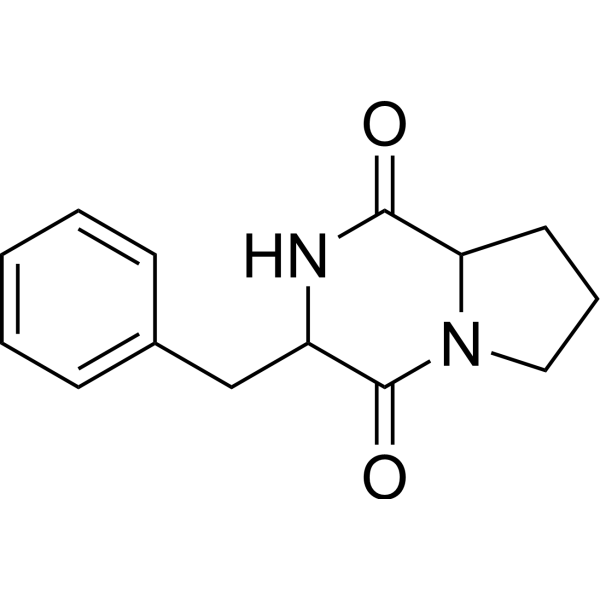
    Cyclo(Phe-Pro)
    5+ Cited Publications

    Cyclo(phenylalanylprolyl); A-64863

    HCV Bacterial Antibiotic Reactive Oxygen Species (ROS) Infection
    Cyclo(Phe-Pro) (Cyclo(phenylalanylprolyl)) is a quorum-sensing molecule of Vibrio vulnificus that specifically interacts with RIG-I, inhibiting RIG-I polyubiquitination, suppressing IRF-3 activation, and reducing type I interferon production. Cyclo(Phe-Pro) enhances susceptibility to HCV and influenza virus and also alleviates plant aluminum toxicity stress. The mechanism of Cyclo(Phe-Pro) involves the regulation of host immune signaling pathways, bacterial virulence gene expression, and plant antioxidant systems, making it a promising candidate for research in viral infections, bacterial virulence regulation, and agricultural stress resistance .
    Cyclo(Phe-Pro)
  • HY-D0984

    Fluorescent Dye Inflammation/Immunology
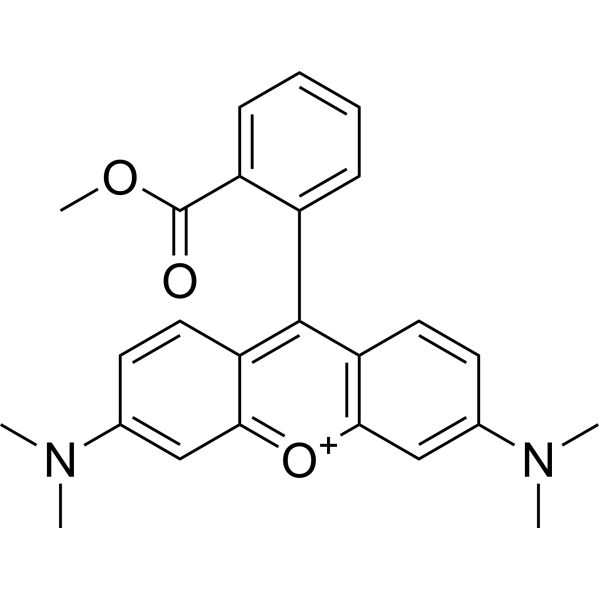
    Rhodamine dyes are membrane-permeable cationic fluorescent probes that specifically recognize mitochondrial membrane potentials, thereby attaching to mitochondria and producing bright fluorescence, and at certain concentrations, rhodamine dyes have low toxicity to cells, so they are commonly used to detect mitochondria in animal cells, plant cells, and microorganisms .
    TMRM
  • HY-N11678

    DON-3-β-D-glucoside; Deoxynivalenol 3-glucoside

    Drug Metabolite Metabolic Disease
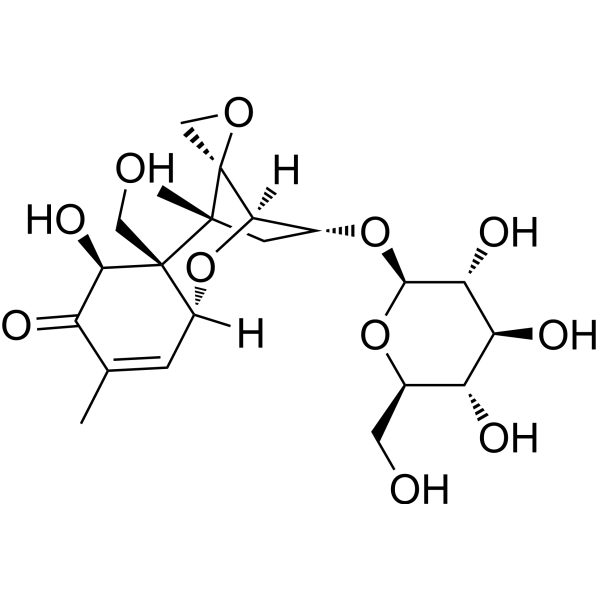
    Deoxynivalenol-3-β-D-glucoside (DON-3-β-D-glucoside) is a plant metabolite of the Fusarium mycotoxin Deoxynivalenol (HY-N6684). Deoxynivalenol-3-β-D-glucoside exhibits lower toxicity than Deoxynivalenol in vitro and in vivo .
    Deoxynivalenol-3-β-D-glucoside
  • HY-N7432

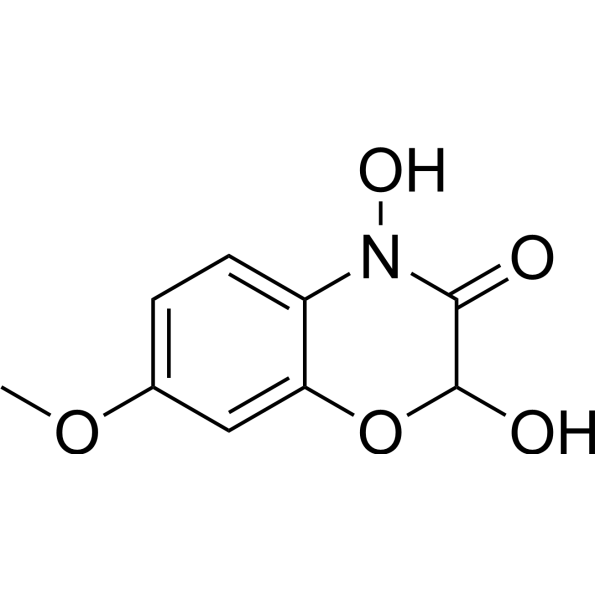
    Antibiotic Bacterial Fungal Infection
    DIMBOA, an antibiotic, has antibacterial properties and inhibits bacteria such as Staphylococcus aureus and the mycotoxin-producing fungus Fusarium graminearum (which causes scab). DIMBOA exhibits strong free radical scavenging activity and weak iron(III) ion reducing activity, and has antioxidant activity. DIMBOA inhibits the biosynthesis and accumulation of toxic trichothecenes by affecting the expression of Tri6 and Tri5. DIMBOA reduces plant susceptibility to scab. DIMBOA also exhibits cytotoxicity to plant cells, causing plasmolysis, cell collapse, and cell rupture .
    DIMBOA
  • HY-P1938

    Bacterial Infection Inflammation/Immunology
    Cyclo(L-Pro-L-Val) is an antimicrobial and anti-inflammatory agent. Cyclo(L-Pro-L-Val) has toxic activity against plant pathogens such as R. fascians LMG 3605, and its potency may be comparable to that of Chloramphenicol (HY-B0239). Cyclo(L-Pro-L-Val) can inhibit the phosphorylation of IKKα, IKKβ, NF-κB, etc., and the activation of iNOS and COX-2, thereby exerting anti-inflammatory activity. Cyclo(L-Pro-L-Val) can be used in the research of biopesticides in the agricultural field, as well as in the research of inflammation-related diseases .
    Cyclo(L-Pro-L-Val)
  • HY-N1373
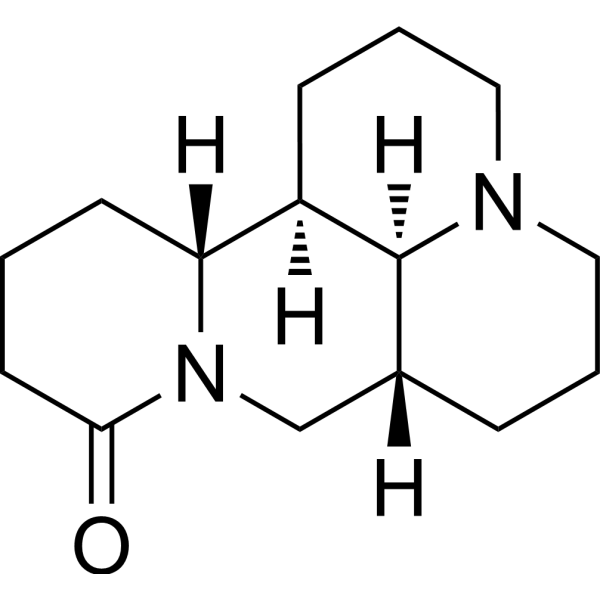
    Sophoridine
    5+ Cited Publications

    Apoptosis Cancer
    Sophoridine is a quinolizidine alkaloid isolated from Leguminous plant Sophora flavescens. Sophoridine induces apoptosis. Sophoridine has the potential to be a novel, potent and selective antitumor agent candidate for pancreatic cancer with well-tolerated toxicity .
    Sophoridine
  • HY-B1946
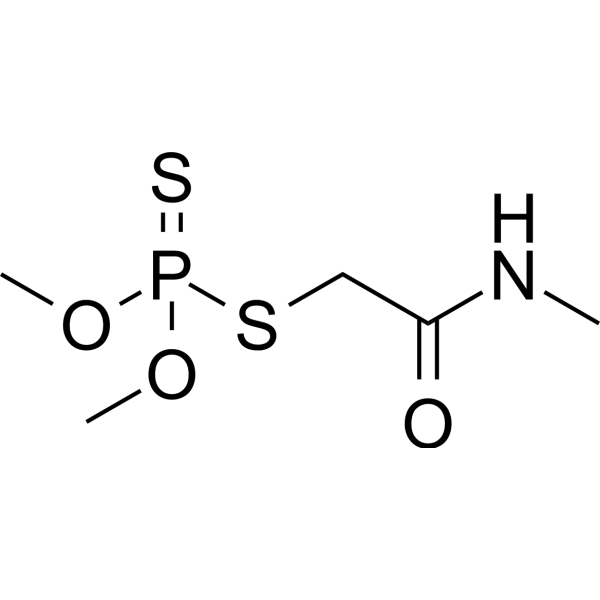
    Dimethoate
    5 Publications Verification

    Environmental Pollutants Apoptosis Cholinesterase (ChE) Insecticide Reactive Oxygen Species (ROS) Inflammation/Immunology
    Dimethoate is an organophosphate insecticide and acaricide. Dimethoate is an orally active acetylcholinesterase inhibitor. Dimethoate induces reactive oxygen species (ROS). Dimethoate induces DNA damage and cell apoptosis in vivo. Dimethoate affect immune system in mice .
    Dimethoate
  • HY-118540

    Diazoresorcinol

    Fluorescent Dye Bacterial Infection
    Resazurin (Diazoresorcinol) is a water-soluble, non-toxic, stable, membrane-permeable blue non-fluorescent dye (faintly fluorescent). Resazurin is used as a redox indicator, can be reduced to pink, highly fluorescent Resorufin (Ex=530-560 nm, Em=590 nm) in living cells. Resazurin can be used for the detection of cell viability, toxicity, proliferation, migration and invasion in cells (human, plant and animal, bacterial and fungal) .
    Resazurin
  • HY-DY1042

    Fluorescent Dye Others
    Rhodamine dyes are membrane-permeable cationic fluorescent probes that specifically recognize mitochondrial membrane potentials, thereby attaching to mitochondria and producing bright fluorescence, and at certain concentrations, rhodamine dyes have low toxicity to cells, so they are commonly used to detect mitochondria in animal cells, plant cells, and microorganisms .
    Solvent and concentration: DMSO: 10 mM
    TMRM Perchlorate (solution)
  • HY-B2011

    Environmental Pollutants Succinate Dehydrogenase Fungal Mitochondrial Metabolism Infection
    Flutolanil is a succinate dehydrogenase complex inhibitor and fungicide. Flutolanil blocks electron transfer between the redox center of succinate dehydrogenase and coenzyme Q, inhibits mycelial oxygen consumption, and suppresses mycelial growth. Flutolanil induces acute and sublethal toxicity in zebrafish at different life stages. Flutolanil can be used in studies on plant disease control .
    Flutolanil
  • HY-Y1219H

    Biochemical Assay Reagents Others
    Silica gel, high-purity grade, 200-400 mesh is a low-density, high-surface-area, high-purity inert additive that can be used to prepare chromatographic column sieve plates based on the sol-gel method. Silica gel, high-purity grade prevents DNA degradation by absorbing water from plant leaves, and is suitable for the preservation of field-collected samples for subsequent DNA extraction, restriction endonuclease digestion, PCR amplification and gene sequencing. It can also be reused after being saturated with water. Silica gel, high-purity grade can provide a non-toxic, inert aquatic environment for embedded cells, allowing nutrients, oxygen and metabolic waste to diffuse freely and blocking external pollution, thereby maintaining the activity of fibroblasts and epithelial cells .
    Silica gel, high-purity grade, 200-400 mesh
  • HY-136355

    Environmental Pollutants Reactive Oxygen Species (ROS) Fungal SOD Infection Inflammation/Immunology
    Picoxystrobin is a strobilurin fungicide. Picoxystrobin controls plant diseases by inhibiting mitochondrial respiration. Picoxystrobin is highly toxic to zebrafish embryos, causing developmental abnormalities, oxidative stress, and immunotoxicity .
    Picoxystrobin
  • HY-B0525

    Antibiotic Bacterial Infection
    Carbenicillin is a broad-spectrum semi-synthetic penicillin antibiotic for gram-negative bacteria. Carbenicillin can interfere the cell wall synthesis while displaying low toxicity to plant tissue .
    Carbenicillin
  • HY-101876

    Fluorescent Dye Others
    Rhodamine dyes are membrane-permeable cationic fluorescent probes that specifically recognize mitochondrial membrane potentials, thereby attaching to mitochondria and producing bright fluorescence, and at certain concentrations, rhodamine dyes have low toxicity to cells, so they are commonly used to detect mitochondria in animal cells, plant cells, and microorganisms .
    Rhodamine 800
  • HY-W040194

    Environmental Pollutants Herbicide Metabolic Disease
    Clomazone is a broad spectrum herbicide, mainly used to control annual broadleaf weeds and grass weeds in various crops such as rice, soybeans, and peanuts. Clomazone inhibits carotenoid biosynthesis, and treated plants show typical "albinism" symptoms due to the destruction of chloroplast membrane structure leading to chlorophyll degradation. Clomazone exhibits multiple toxic effects on non-target organisms, including aquatic lethality, developmental malformations, liver damage, mitochondrial dysfunction, and hematotoxicity .
    Clomazone
  • HY-B0854

    Environmental Pollutants Lactate Dehydrogenase Apoptosis Fungal Cytochrome P450 Keap1-Nrf2 Infection Metabolic Disease Cancer
    Mancozeb is a widely used fungicide that is effective against fungal diseases in most cereals, vegetables, fruits and ornamental plants. In addition, Mancozeb can cause liver damage in mice by activating the Keap1/Nrf2 signaling pathway. Mancozeb upregulates lactate dehydrogenase and cytochrome c to alter cell metabolism and induce cell death. Mancozeb has reproductive toxicity and can induce apoptosis in ovarian cells .
    Mancozeb
  • HY-DY1051

    Bacterial Fluorescent Dye Infection
    Resazurin sodium (Diazoresorcinol sodium) (solution) is a non-toxic, stable, membrane-permeable blue non-fluorescent dye (faintly fluorescent). Resazurin sodium is used as a redox indicator, can be reduced to pink, highly fluorescent Resorufin (Ex=530-560 nm, Em=590 nm) in living cells. Resazurin sodium can be used for the detection of cell viability, toxicity, proliferation, migration and invasion in cells (human, plant and animal, bacterial and fungal) .
    Solvent and Concentration: Sterile water: 10 mM
    Resazurin sodium (solution)
  • HY-DY1023

    Fluorescent Dye Others
    Rhodamine dyes are membrane-permeable cationic fluorescent probes that specifically recognize mitochondrial membrane potentials, thereby attaching to mitochondria and producing bright fluorescence, and at certain concentrations, rhodamine dyes have low toxicity to cells, so they are commonly used to detect mitochondria in animal cells, plant cells, and microorganisms .
    Solvent and concentration: DMSO: 10 mM
    TMRE (solution)
  • HY-121935

    Environmental Pollutants Fungal Infection
    Tecnazene is a dinitroaromatic fungicide and plant growth regulator. Tecnazene binds irreversibly to human skin tissues and exhibits acute toxicity in Rattus norvegicus (brown rat). Tecnazene exerts sprouting-inhibiting and antifungal activities by inhibiting the sprouting of potato tuber buds and blocking the growth and reproduction of fungi that cause dry rot. Tecnazene has significant antifungal and sprouting-inhibiting activities, and shows high toxicity to aquatic organisms such as freshwater fish and crustaceans. Tecnazene is used for sprouting inhibition and dry rot control during potato storage .
    Tecnazene
  • HY-DY1054

    Fluorescent Dye Cardiovascular Disease
    Rhodamine dyes are membrane-permeable cationic fluorescent probes that specifically recognize mitochondrial membrane potentials, thereby attaching to mitochondria and producing bright fluorescence, and at certain concentrations, rhodamine dyes have low toxicity to cells, so they are commonly used to detect mitochondria in animal cells, plant cells, and microorganisms .
    Solvent and concentration: DMSO: 5 mM
    Rhodamine 123 (solution)
  • HY-118448

    Antibiotic Bacterial Fungal Parasite Infection
    2,4-Diacetylphloroglucinol is a polyketide antibiotic produced by Pseudomonas fluorescens. 2,4-Diacetylphloroglucinol exhibits broad-spectrum toxicity against various organisms such as bacteria, fungi, oomycetes, and nematodes. 2,4-Diacetylphloroglucinol can also inhibit plant pathogens and affect the root development of tomato seedlings .
    2,4-Diacetylphloroglucinol
  • HY-N12461

    Bacterial Caspase Apoptosis Infection
    Cucurbitacin F is a tetracyclic protostane-type triterpenoid with low toxicity, antibacterial and anti-inflammatory activities, and is also a related compound of Cucurbitacin B (HY-N0416). Cucurbitacin F widely exists in plants such as Cucurbitaceae plants, Quisqualis indica and Sorbaria sorbifolia. Cucurbitacin F acts as an actin aggregator and reduces cell viability in a dose-dependent manner. Cucurbitacin F induces apoptosis by triggering G2/M phase cell cycle arrest and activating the caspase-3-dependent apoptosis .
    Cucurbitacin F
  • HY-Y1219E

    Biochemical Assay Reagents Others
    Silica gel, high-purity grade, 130-270 mesh is a low-density, high-surface-area, high-purity inert additive that can be used to prepare chromatographic column sieve plates based on the sol-gel method. Silica gel, high-purity grade prevents DNA degradation by absorbing water from plant leaves, and is suitable for the preservation of field-collected samples for subsequent DNA extraction, restriction endonuclease digestion, PCR amplification and gene sequencing. It can also be reused after being saturated with water. Silica gel, high-purity grade can provide a non-toxic, inert aquatic environment for embedded cells, allowing nutrients, oxygen and metabolic waste to diffuse freely and blocking external pollution, thereby maintaining the activity of fibroblasts and epithelial cells .
    Silica gel, high-purity grade, 130-270 mesh
  • HY-P3322

    PC 5

    Biochemical Assay Reagents Others
    Phytochelatin 5 is metal-binding compound produced by plants. Phytochelatin 5 may reduce bioavailability of dietary toxic metals such as cadmium .
    Phytochelatin 5
  • HY-B1946R

    Insecticide Reference Standards Reactive Oxygen Species (ROS) Apoptosis Cholinesterase (ChE) Inflammation/Immunology
    Dimethoate (Standard) is the analytical standard of Dimethoate. This product is intended for research and analytical applications. Dimethoate is an organophosphate insecticide and acaricide. Dimethoate is an orally active acetylcholinesterase inhibitor. Dimethoate induces reactive oxygen species (ROS). Dimethoate induces DNA damage and cell apoptosis in vivo. Dimethoate affect immune system in mice.
    Dimethoate (Standard)
  • HY-N9506

    GABA Receptor Neurological Disease
    Anisatin, a pure toxic substance isolated from the seeds of a Japanese plant (Illicium anisatum) acts as a picrotoxin-like, non-competitive GABA antagonist. Anisatin suppresses GABA-induced currents in a concentration-dependent manner with an EC50 of ~1.10 μM .
    Anisatin
  • HY-D0309R

    Basic Red 1 (Standard)

    Fluorescent Dye Reference Standards Cancer
    Rhodamine 6G (Standard) is the analytical standard of Rhodamine 6G. This product is intended for research and analytical applications. Rhodamine dyes are membrane-permeable cationic fluorescent probes that specifically recognize mitochondrial membrane potentials, thereby attaching to mitochondria and producing bright fluorescence, and at certain concentrations, rhodamine dyes have low toxicity to cells, so they are commonly used to detect mitochondria in animal cells, plant cells, and microorganisms .
    Rhodamine 6G (Standard)
  • HY-Y1219I

    Biochemical Assay Reagents Others
    Silica gel, high-purity grade, 70-230 mesh is a low-density, high-surface-area, high-purity inert additive that can be used to prepare chromatographic column sieve plates based on the sol-gel method. Silica gel, high-purity grade prevents DNA degradation by absorbing water from plant leaves, and is suitable for the preservation of field-collected samples for subsequent DNA extraction, restriction endonuclease digestion, PCR amplification and gene sequencing. It can also be reused after being saturated with water. Silica gel, high-purity grade can provide a non-toxic, inert aquatic environment for embedded cells, allowing nutrients, oxygen and metabolic waste to diffuse freely and blocking external pollution, thereby maintaining the activity of fibroblasts and epithelial cells .
    Silica gel, high-purity grade, 70-230 mesh
  • HY-Y1219D

    Biochemical Assay Reagents Others
    Silica gel, high-purity grade, 35-70 mesh is a low-density, high-surface-area, high-purity inert additive that can be used to prepare chromatographic column sieve plates based on the sol-gel method. Silica gel, high-purity grade prevents DNA degradation by absorbing water from plant leaves, and is suitable for the preservation of field-collected samples for subsequent DNA extraction, restriction endonuclease digestion, PCR amplification and gene sequencing. It can also be reused after being saturated with water. Silica gel, high-purity grade can provide a non-toxic, inert aquatic environment for embedded cells, allowing nutrients, oxygen and metabolic waste to diffuse freely and blocking external pollution, thereby maintaining the activity of fibroblasts and epithelial cells .
    Silica gel, high-purity grade, 35-70 mesh
  • HY-Y1219C

    Biochemical Assay Reagents Others
    Silica gel, high-purity grade, 220-440 mesh is a low-density, high-surface-area, high-purity inert additive that can be used to prepare chromatographic column sieve plates based on the sol-gel method. Silica gel, high-purity grade prevents DNA degradation by absorbing water from plant leaves, and is suitable for the preservation of field-collected samples for subsequent DNA extraction, restriction endonuclease digestion, PCR amplification and gene sequencing. It can also be reused after being saturated with water. Silica gel, high-purity grade can provide a non-toxic, inert aquatic environment for embedded cells, allowing nutrients, oxygen and metabolic waste to diffuse freely and blocking external pollution, thereby maintaining the activity of fibroblasts and epithelial cells .
    Silica gel, high-purity grade, 220-440 mesh
  • HY-W698586

    Drug Isomer Others
    (R)-Lotaustralin is a cyanogenic compound derived from Manihot Utilissima, playing a role in the plant's biological defense mechanism. When plant tissue is damaged, (R)-Lotaustralin is hydrolyzed by enzymes such as linamarase, releasing cyanide and thereby exerting a toxic defensive effect .
    (R)-Lotaustralin
  • HY-162883

    SHMT Others
    SHMT-IN-4 (Compound 9ay) is a herbicide that targets and inhibits serine hydroxymethyltransferase (SHMT1) with an IC50 value of 193.8 g a.i./ha (active ingredient content per hectare). SHMT-IN-4 interferes with amino acid synthesis and metabolism in plants by binding to SHMT1, thereby inhibiting plant growth. Additionally, SHMT-IN-4 shows no significant toxicity to maize and honeybees .
    SHMT-IN-4
  • HY-W127780

    Basic Red 1 perchlorate

    Fluorescent Dye Others
    Rhodamine dyes are membrane-permeable cationic fluorescent probes that specifically recognize mitochondrial membrane potentials, thereby attaching to mitochondria and producing bright fluorescence, and at certain concentrations, rhodamine dyes have low toxicity to cells, so they are commonly used to detect mitochondria in animal cells, plant cells, and microorganisms .
    Rhodamine 6G perchlorate
  • HY-121935R

    Reference Standards Fungal Infection
    Tecnazene (Standard) is the analytical standard of Tecnazene. This product is intended for research and analytical applications. Tecnazene is a dinitroaromatic fungicide and plant growth regulator. Tecnazene binds irreversibly to human skin tissues and exhibits acute toxicity in Rattus norvegicus (brown rat). Tecnazene exerts sprouting-inhibiting and antifungal activities by inhibiting the sprouting of potato tuber buds and blocking the growth and reproduction of fungi that cause dry rot. Tecnazene has significant antifungal and sprouting-inhibiting activities, and shows high toxicity to aquatic organisms such as freshwater fish and crustaceans. Tecnazene is used for sprouting inhibition and dry rot control during potato storage .
    Tecnazene (Standard)
  • HY-W129230

    2-Hydroxybenzoic acid diethylamine

    Reactive Oxygen Species (ROS) Others
    Salicylic acid diethylamine (2-Hydroxybenzoic acid diethylamine) is a hormone involved in plant signaling. Salicylic acid diethylamine antagonizes the oxidative damaging effect of metal toxicity directly by acting as an antioxidant to scavenge the ROS and by activating the antioxidant systems of plants and indirectly by reducing uptake of metals from their medium of growth .
    Salicylic acid diethylamine
  • HY-B2051
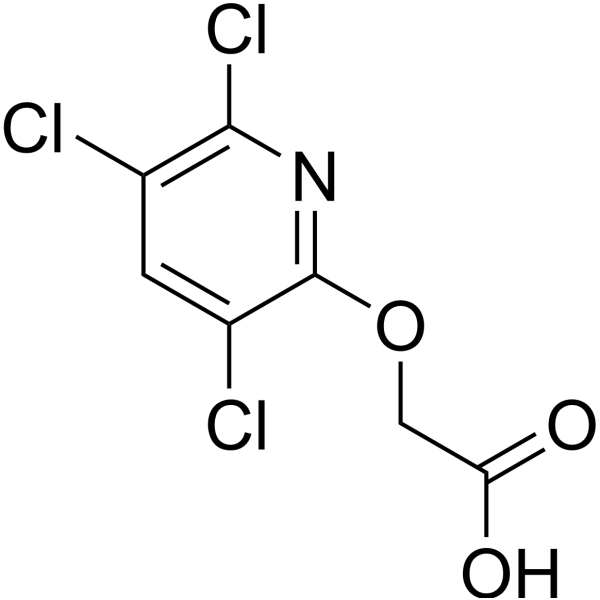
    Triclopyr
    1 Publications Verification

    Environmental Pollutants Fungal Others
    Triclopyr, a foliar systemic herbicide and fungicide, is widely used for broadleaf and woody plant control. Triclopyr has severe toxicity .
    Triclopyr
  • HY-W714225

    Monosodium methylarsonate

    Environmental Pollutants Herbicide Others
    Sodium methylarsonate (Monosodium methylarsonate) is an organoarsenic compound with environmental toxicity that can be used as a herbicide to control weeds. Sodium methylarsonate interferes with plant metabolic processes, particularly by hindering photosynthesis and protein synthesis, ultimately leading to plant death. Additionally, sodium methylarsonate can induce the production of metallothioneins (MTs) in fish .
    Sodium methylarsonate
  • HY-114373

    Parasite Infection
    Calarene is an insecticide that can be obtained from the stem of Kadsura heteroclite. Calarene is toxic to Meloidogyne incognita, Sitophilus zeamais, and mosquitoes. Calarene can be used in the research of plant pests and mosquito control .
    Calarene

Inquiry Online

Your information is safe with us. * Required Fields.

Salutation


Country or Region *

Applicant Name *


Organization Name *

Department *


Email Address *


Product Name *

Cat. No.


Requested quantity *

Phone Number *


Remarks

Inquiry Online

Inquiry Information

Product Name:
Cat. No.:
Quantity:
MCE Japan Authorized Agent:

