Search Result
Results for "
pro-apoptotic activity
" in MedChemExpress (MCE) Product Catalog:
3
Isotope-Labeled Compounds
| Cat. No. |
Product Name |
Target |
Research Areas |
Chemical Structure |
-
- HY-10209
-
|
AB1010
|
c-Kit
PDGFR
Src
FGFR
FAK
Apoptosis
|
Cancer
|
|
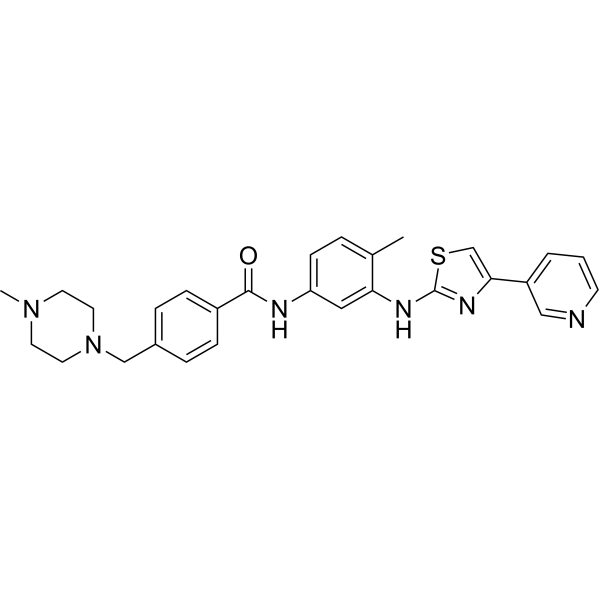
Masitinib (AB1010) is a potent, orally bioavailable, and selective inhibitor of c-Kit (IC50=200 nM for human recombinant c-Kit). It also inhibits PDGFRα/β (IC50s=540/800 nM), Lyn (IC50= 510 nM for LynB), Lck, and, to a lesser extent, FGFR3 and FAK. Masitinib (AB1010) has anti-proliferative, pro-apoptotic activity and low toxicity .
|
-
-
- HY-N6871
-
|
|
Bacterial
IKK
Ferroptosis
|
Infection
Metabolic Disease
Inflammation/Immunology
Cancer
|
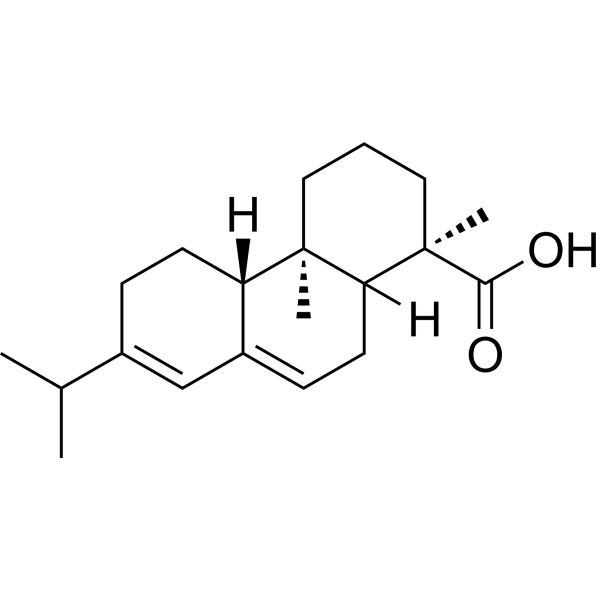
Abietic acid, an orally active diterpene isolated from Colophony, displays significant anti-proliferative, anti-inflammatory, anti-obesity effect, bacteriostatic, cell cycle arresting and pro-apoptotic activities. Abietic acid inhibits lipoxygenase activity for allergy. Abietic acid enhances cell migration and tube formation in HUVECs. Abietic acid induces significant angiogenic potential, which is associated with upregulation of extracellular signal-regulated kinase (ERK) and p38 expression. Abietic acid attenuates sepsis-induced lung injury by inhibiting nuclear factor kappa-light-chain-enhancer of activated B cells (NF-κB) pathway to inhibit M1 macrophage polarization. Abietic acid exhibits a positive effect against liver injury by attenuating inflammation and ferroptosis. Abietic acid shows accelerated wound closure in a mouse model of cutaneous wounds. Abietic acid significantly reduces the proliferation and growth of NSCLC cells by IKKβ inhibition.Additionally, Abietic acid ameliorates psoriasis-like inflammation and modulates gut microbiota in mice. Abietic acid is promising for research in non-small-cell lung cancer (NSCLC), liver injury-related deseases and psoriasis .
|
-
-
- HY-10209A
-
|
AB-1010 mesylate
|
c-Kit
PDGFR
Src
FGFR
Apoptosis
|
Cancer
|
|
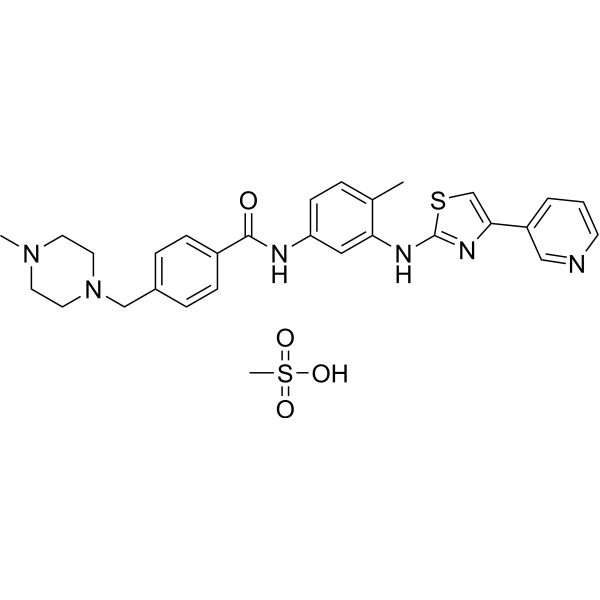
Masitinib mesylate (AB-1010 mesylate) is a potent, orally bioavailable, and selective inhibitor of c-Kit (IC50=200 nM for human recombinant c-Kit). It also inhibits PDGFRα/β (IC50s=540/800 nM), Lyn (IC50= 510 nM for LynB), Lck, and, to a lesser extent, FGFR3 and FAK. Masitinib mesylate (AB-1010 mesylate) has anti-proliferative, pro-apoptotic activity and low toxicity .
|
-
-
- HY-114489A
-
|
|
Apoptosis
Influenza Virus
Parasite
|
Infection
Neurological Disease
Cancer
|
|
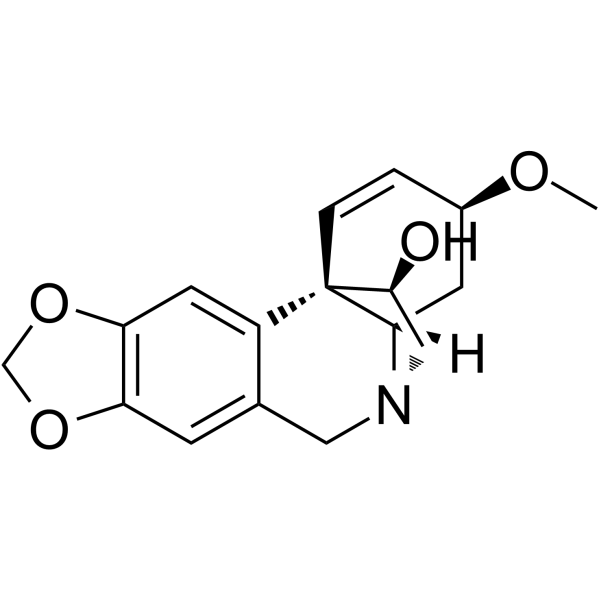
Haemanthamine is a crinine-type alkaloid isolated from the Amaryllidaceae plants with potent anticancer activity. Haemanthamine targets ribosomal that inhibits protein biosynthesis during the elongation stage of translation. Haemanthamine has pro-apoptotic, antioxidant, antiviral, antimalarial and anticonvulsant activities .
|
-
-
- HY-50868
-
Bafetinib
Maximum Cited Publications
14 Publications Verification
INNO-406; NS-187
|
Bcr-Abl
Src
Apoptosis
|
Cancer
|
|
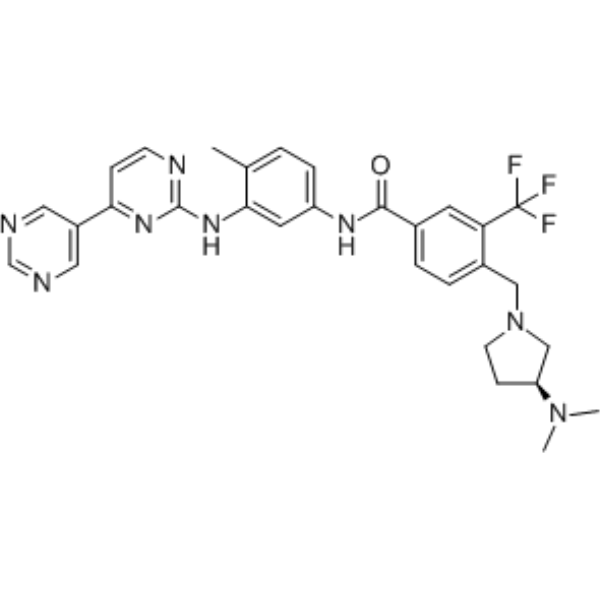
Bafetinib is an orally active Lyn/Bcr-Abl tyrosine kinase inhibitor. Bafetinib enhances the activity of several pro-apoptotic Bcl-2 homology (BH) 3-pure proteins (Bim, Bad, Bmf, and Bik) through intrinsic apoptotic pathways regulated by the Bcl-2 family, and induces apoptosis of Ph + leukemia cells. Bafetinib has antitumor activity .
|
-
-
- HY-113015
-
-
-
- HY-125959
-
Ucf-101
1 Publications Verification
|
Apoptosis
|
Cardiovascular Disease
Neurological Disease
|
|
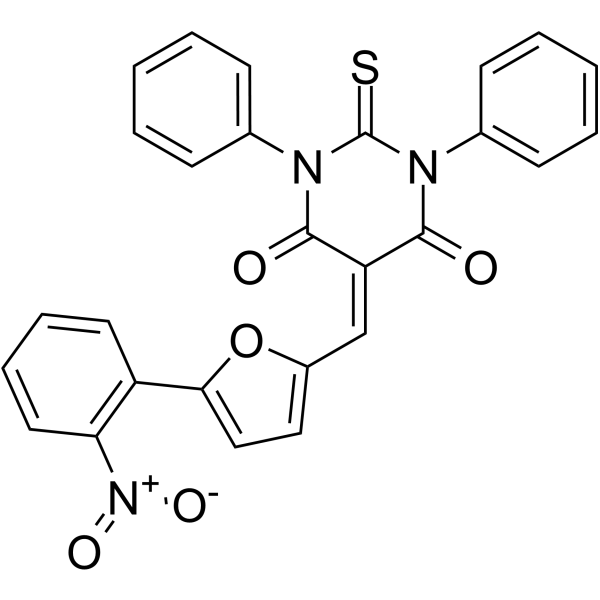
Ucf-101 is a selective and competitive inhibitor of pro-apoptotic protease Omi/HtrA2, with an IC50 of 9.5 μM for His-Omi. Ucf-101 exhibits very little activity against various other serine proteases (IC50>200 μM). Ucf-101 has a natural red fluorescence at 543 nm that is used to monitor its ability to enter mammalian cells. Ucf-101 has a significant cardioprotective effect against MI/R injury and also has certain neuroprotective effect .
|
-
-
- HY-10447
-
|
EM-1421
|
Survivin
COX
TNF Receptor
Apoptosis
|
Infection
Inflammation/Immunology
Cancer
|
|
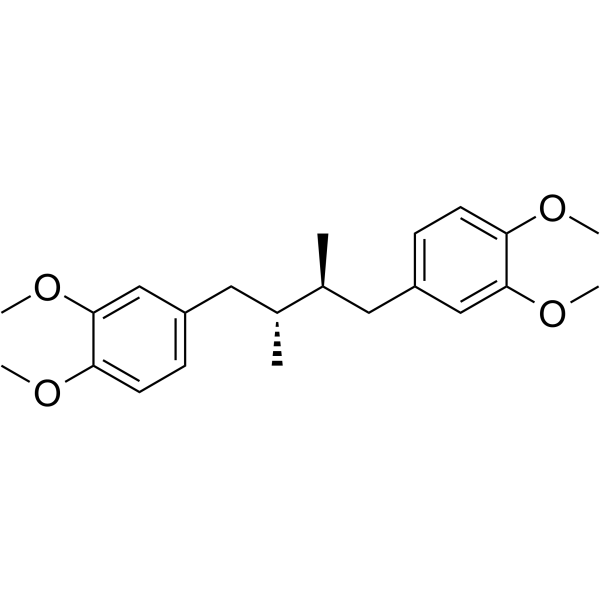
Terameprocol is an inhibitor targeting the Sp1 transcription factor, which can selectively inhibit the transcription of Sp1-dependent genes. Terameprocol exerts its effects by inhibiting Sp1-mediated gene transcription, such as reducing the expression of genes like CDC2, survivin and HMGB1, thereby arresting the cell cycle, inducing apoptosis, and suppressing the inflammatory response. Terameprocol exhibits anti-proliferative, pro-apoptotic, and anti-inflammatory activities and is currently mainly used in the research of diseases such as cancer and pulmonary arterial hypertension[1][2][3].
|
-
-
- HY-108052
-
|
Delphinidin 3-O-glucoside chloride; Delphinidin 3-O-β-glucoside chloride
|
EGFR
Apoptosis
Akt
|
Cardiovascular Disease
Cancer
|
|
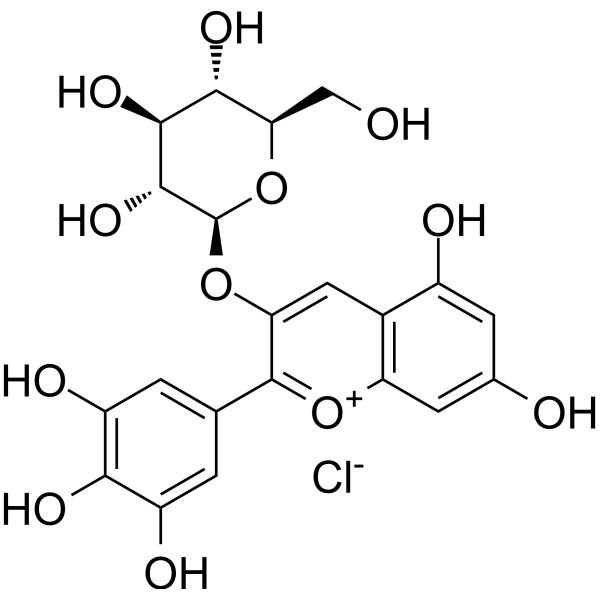
Delphinidin 3-glucoside chloride (Delphinidin 3-O-glucoside chloride) is an active anthocyanin found in Hibiscus sabdariffa extract. Delphinidin 3-glucoside chloride induces a pro-apoptotic effect in B cell chronic lymphocytic leukaemia (B CLL) . Delphinidin 3-glucoside chloride exerts phytoestrogen activity by binding to ERβ, with an IC50 of 9.7 μM . Delphinidin-3-O-glucoside chloride inhibits EGFR with an IC50 of 2.37 µM . Delphinidin 3-glucoside chloride exhibits antitumor effects through pAKT/IRF1/HOTAIR pathway. Delphinidin 3-glucoside chloride exhibits efficacy against oxidative stress, inhibits platelet activation and endothelial dysfunction .
|
-
-
- HY-16381
-
Pasireotide
Maximum Cited Publications
6 Publications Verification
SOM230
|
Somatostatin Receptor
|
Endocrinology
Cancer
|
|
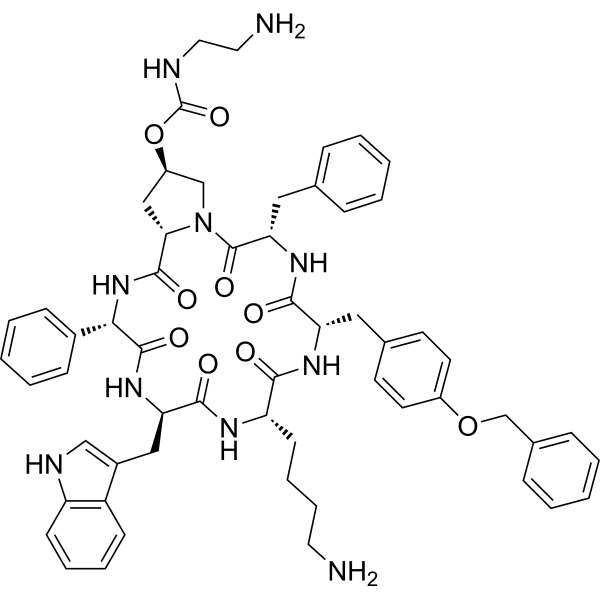
Pasireotide (SOM230), a long-acting cyclohexapeptide somatostatin analogue, can improve agonist activity at somatostatin receptors (subtypes sst1/2/3/4/5, pKi=8.2/9.0/9.1/<7.0/9.9, respectively). Pasireotide can suppress GH, IGF-I and ACTH secretion, indicating potential efficacy in acromegaly and Cushing's disease. Pasireotide also exhibits antisecretory, antiproliferative, and proapoptotic activity .
|
-
-
- HY-157334
-
DEG-77
1 Publications Verification
|
Molecular Glues
Casein Kinase
IKZF Family
Bcl-2 Family
CDK
Apoptosis
|
Cancer
|
|
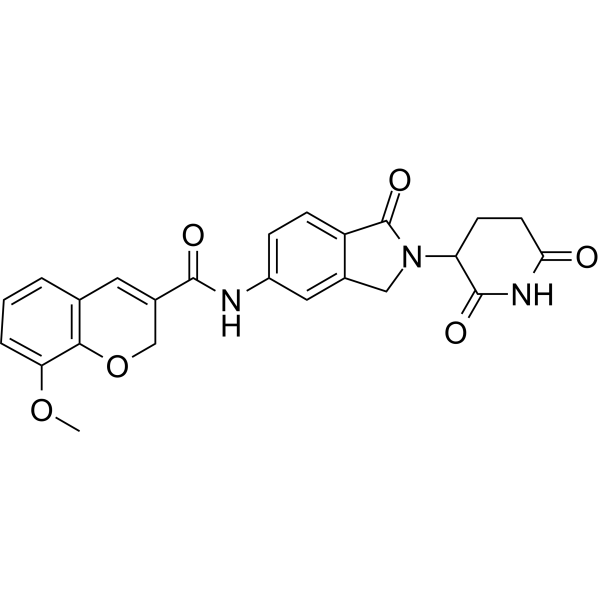
DEG-77 is a molecular glue targeting IKZF2 and CK1α, with DC50 values of 15.3 nM and 10 nM, respectively. DEG-77 exhibits significant anti-tumor activity, inducing increased transcriptional levels of the pro-apoptotic protein Bax and the cell cycle arrest protein p21. DEG-77 is applicable to the research of acute myeloid leukemia (AmL), diffuse large B-cell lymphoma and ovarian cancer.
|
-
-
- HY-16366
-
|
ON 014185
|
Eukaryotic Initiation Factor (eIF)
CDK
c-Myc
MDM-2/p53
Caspase
Apoptosis
|
Cancer
|
|
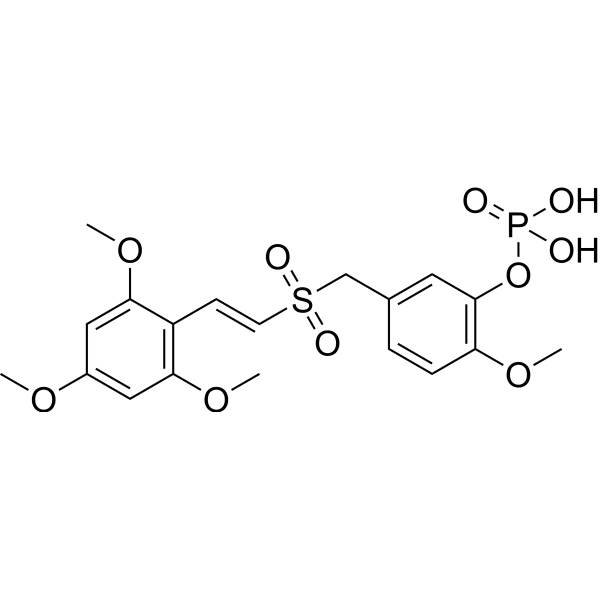
Briciclib (ON 014185) is a eukaryotic translation initiation factor 4E (eIF4E) inhibitor. Briciclib exhibits broad-spectrum anti-cancer activity, including in mantle cell leukemia, breast cancer, gastric cancer, and esophageal cancer cells. Briciclib reduces the expression of cyclin D1 and c-Myc, and enhances the expression of P53 and Cleaved Caspase 3 pro-apoptotic proteins. Briciclib can be used for the study of hematological system tumors and solid tumors .
|
-
-
- HY-N3031
-
|
|
Bacterial
Apoptosis
Bcl-2 Family
MDM-2/p53
Glutathione Peroxidase
SOD
TNF Receptor
Interleukin Related
|
Infection
Inflammation/Immunology
|
|
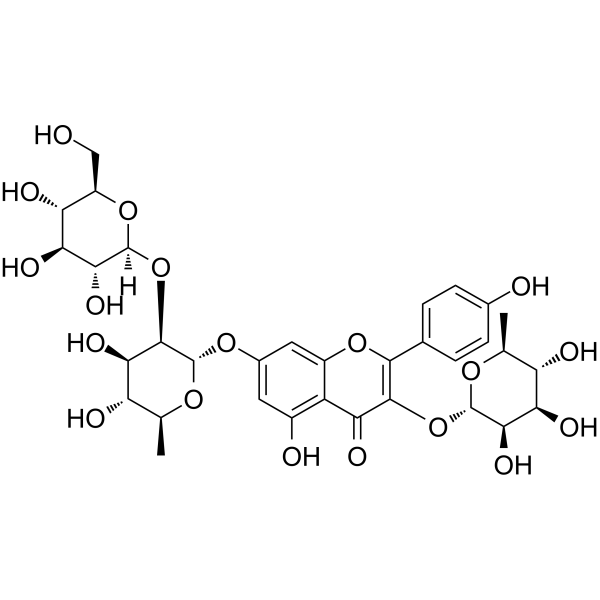
Grosvenorine is an orally active flavonoid glycoside found in S. grosvenorii. Grosvenorine exhibits antibacterial, antioxidant and antiinflammation activities. Grosvenorine can induce apoptosis and increases anti-apoptotic Bcl-2 protein expression and reduces pro-apoptotic P53 protein expression in gastric tissues. Grosvenorine enhances mucin/glycoprotein secretion, regulates gastric pH, and reduces gastric lesion incidence.Grosvenorine increases glutathione peroxidase, catalase, and SOD levels, reduces lipid peroxidation (MDA), and lowers TNF-α and IL-6 levels. Grosvenorine can be used for the researches of bacterial infection and Gastric ulcer .
|
-
-
- HY-148409
-
|
|
Ferroptosis
Apoptosis
Autophagy
MDM-2/p53
|
Cancer
|
|
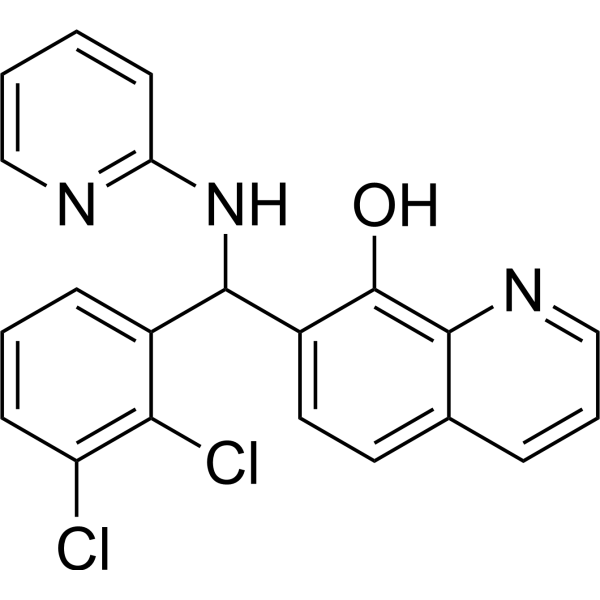
MMRi62, a ferroptosis inducer targeting MDM2-MDM4 (negative regulators of tumor suppressor p53). MMRi62 shows a P53-independent pro-apoptotic activity against pancreatic ductal adenocarcinoma (PDAC) cells and induce autophagy. MMRi62 inducesferroptosis, resulting in a increase of reactive oxygen and lysosomal degradation of ferritin heavy chain (FTH1). MMRi62 also leads to proteasomal degradation of mutant p53, also inhibits orthotopic xenograft PDAC mouse model in vivo with high frequency mutation characteristics of KRAS and TP53.12 .
|
-
-
- HY-N1983
-
|
|
Apoptosis
Autophagy
Reactive Oxygen Species (ROS)
Mitochondrial Metabolism
PARP
Caspase
Bcl-2 Family
VEGFR
FAK
WDR5
p38 MAPK
JNK
PPAR
|
Neurological Disease
Inflammation/Immunology
Cancer
|
|
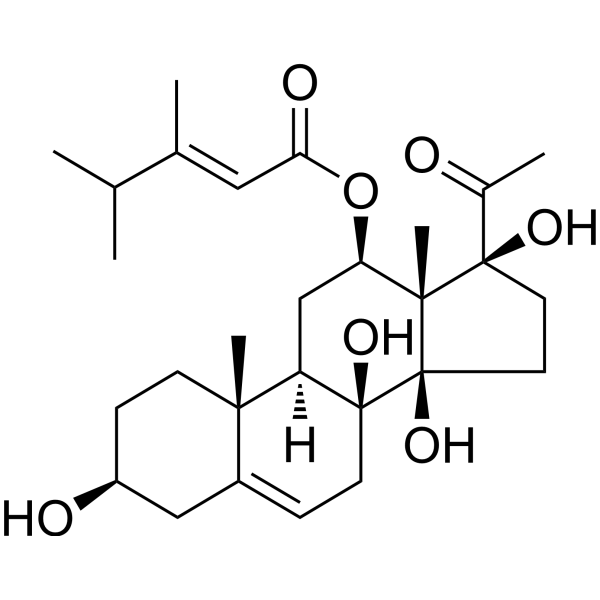
Caudatin is an orally active and brain-penetrant C-21 steroidal found in Cynanchum bungei decne with a variety of biological activities. Caudatin can inhibit cell proliferation, migration, invasion, cause cell phase arrest, induce apoptosis, autophagy, ROS prodution and loss of mitochondrial membrane potential. Caudatin activates PARP, caspase-3, -7, -9, upregulates pro-apoptotic Bad and Bax and downregulates anti-apoptotic Bcl-2 and Bcl-XL. Caudatin suppresses VEGF, FAK phosphorylation, upregulates p21, p27, DR5 protein expression, activates the p38 MAPK, JNK and PPARα/TFEB-mediated autophagy-lysosomal signaling pathways. Caudatin can be used for the research of cancer, inflammation and neurological disease, such as glioma and Alzheimer's disease .
|
-
-
- HY-N3845
-
|
|
Bacterial
|
Inflammation/Immunology
Cancer
|
|
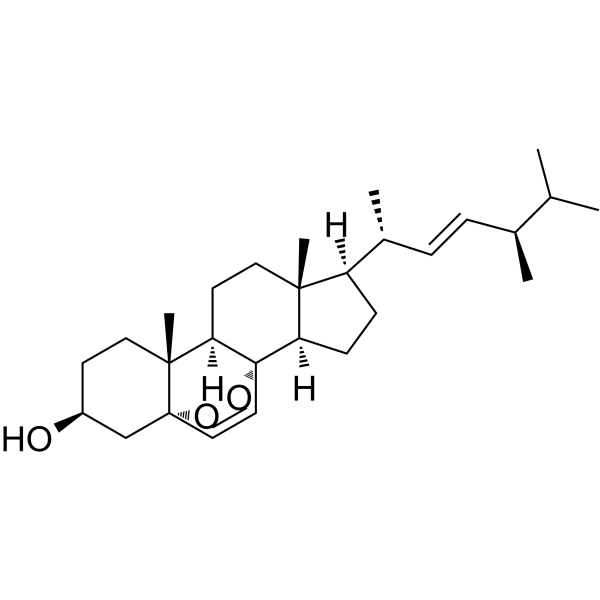
Ergosterol peroxide is a steroid derivative and can be isolated from a variety of fungi, yeast, lichens or sponges. Ergosterol peroxide has anti-tumour, proapoptotic, anti-inflammatory, anti-mycobacterial, and anti-proliferative activities .
|
-
-
- HY-115630
-
|
|
RIP kinase
Caspase
Apoptosis
|
Cancer
|
|
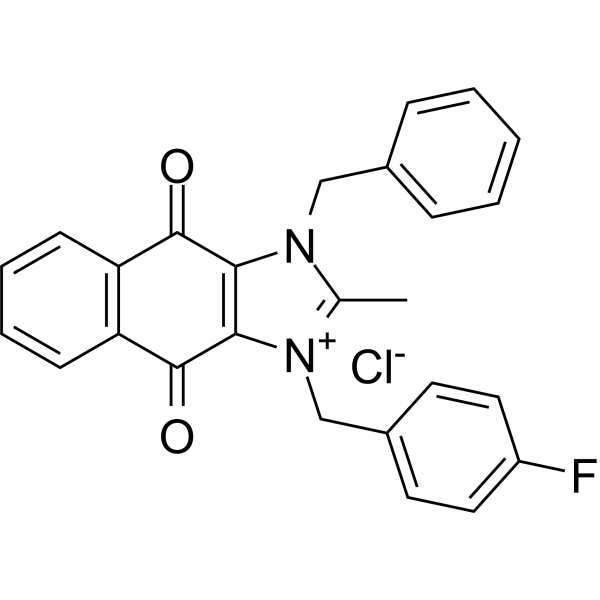
cRIPGBM chloride, an orally active, proapoptotic derivative. cRIPGBM can be generated from glioblastoma multiforme (GBM) cancer stem cells (CSCs). cRIPGBM(chloride) targets to receptor-interacting protein kinase 2 (RIPK2) to induce caspase 1-dependent apoptosis. cRIPGBM(chloride) suppresses the formation of RIPK2/TAK1 (prosurvival complex), and increases the formation of RIPK2/caspase 1 (proapoptotic complex). cRIPGBM(chloride) exerts potent anti-tumor activity in vivo in animal models .
|
-
-
- HY-P10285
-
|
D-(KLAKLAK)2
|
Apoptosis
Mitochondrial Metabolism
Caspase
|
Cancer
|
|
d-KLA Peptide (D-(KLAKLAK)2), KLA peptide (HY-P5345) isomer, is a pro-apoptosis peptide. d-KLA Peptide can specifically target mitochondria and induce apoptosis by destroying the mitochondrial membrane. d-KLA Peptide increases caspase 3/7 activity, exerts proapoptotic activity and enhances antitumor efficacy in mouse melanoma models .
|
-

-
- HY-16381A
-
|
SOM230 acetate
|
Somatostatin Receptor
|
Endocrinology
Cancer
|
|
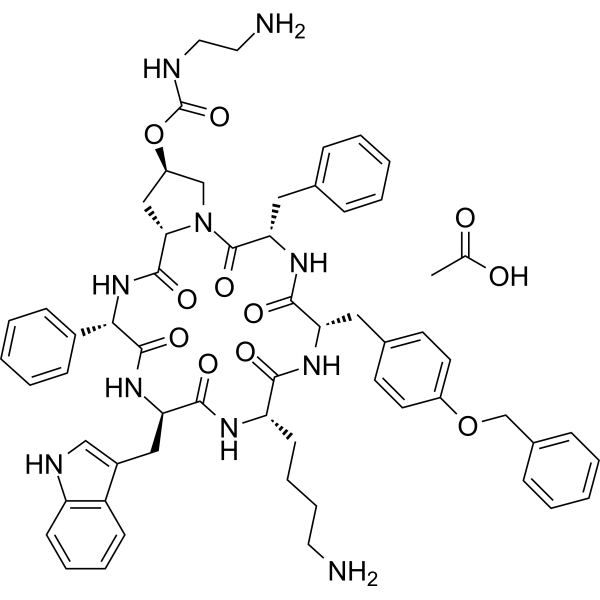
Pasireotide (SOM230) acetate, a long-acting cyclohexapeptide somatostatin analogue, can improve agonist activity at somatostatin receptors (subtypes sst1/2/3/4/5, pKi=8.2/9.0/9.1/<7.0/9.9, respectively). Pasireotide acetate can suppress GH, IGF-I and ACTH secretion, indicating potential efficacy in acromegaly and Cushing's disease. Pasireotide acetate also exhibits antisecretory, antiproliferative, and proapoptotic activity .
|
-
-
- HY-177760
-
|
|
Carboxypeptidase
Apoptosis
Akt
|
Cancer
|
|
PrCP-7414 is a prolyl carboxypeptidase (PRCP) inhibitor. PrCP-7414 blocks PRCP-mediated activation of the IGF1R/HER3 signaling pathway and subsequent AKT activation. PrCP-7414 exhibits pro-apoptotic, anti-tumor and synergistic cytotoxic activities, and inhibits the proliferation and survival of triple-negative breast cancer cells. PrCP-7414 can be used for the research of breast cancer .
|
-

-
- HY-N12540
-
|
MGDG
|
DNA/RNA Synthesis
Apoptosis
|
Others
|
|
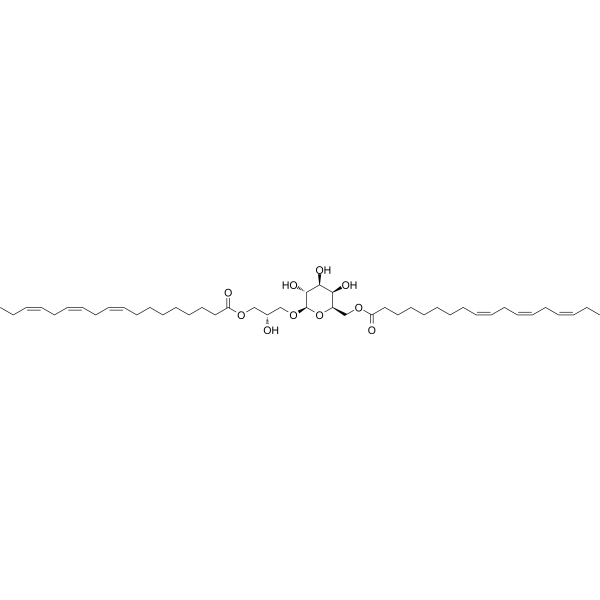
Monogalactosyldiacylglycerol (MGDG) is a galactolipid with anti-inflammatory and anticancer activities, which is found in photosynthetic organisms. Monogalactosyldiacylglycerol is a potent DNA polymerase inhibitor with pro-apoptotic activity. Monogalactosyldiacylglycerol inhibits the synthesis of LPS (HY-D1056)-induced inflammation-related proteins (Ex-FABP, Avidin, Serum Amyloid A). Monogalactosyldiacylglycerol exerts an anti-proliferative effect on chicken articular chondrocytes . Monogalactosyldiacylglycerol can be used in research related to osteoarthritis, cancer and inflammatory diseases .
|
-
-
- HY-79135
-
|
SOM230 ditrifluoroacetate; Pasireotide TFA salt
|
Somatostatin Receptor
|
Endocrinology
Cancer
|
|
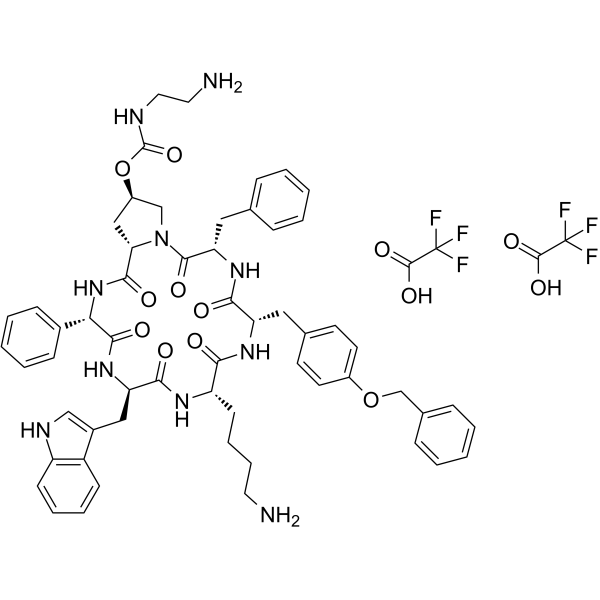
Pasireotide (SOM230) ditrifluoroacetate, a long-acting cyclohexapeptide somatostatin analogue, can improve agonist activity at somatostatin receptors (subtypes sst1/2/3/4/5, pKi=8.2/9.0/9.1/<7.0/9.9, respectively). Pasireotide ditrifluoroacetate exhibits antisecretory, antiproliferative, and proapoptotic activity .
|
-
-
- HY-79136
-
|
SOM230 L-aspartate
|
Somatostatin Receptor
|
Endocrinology
Cancer
|
|
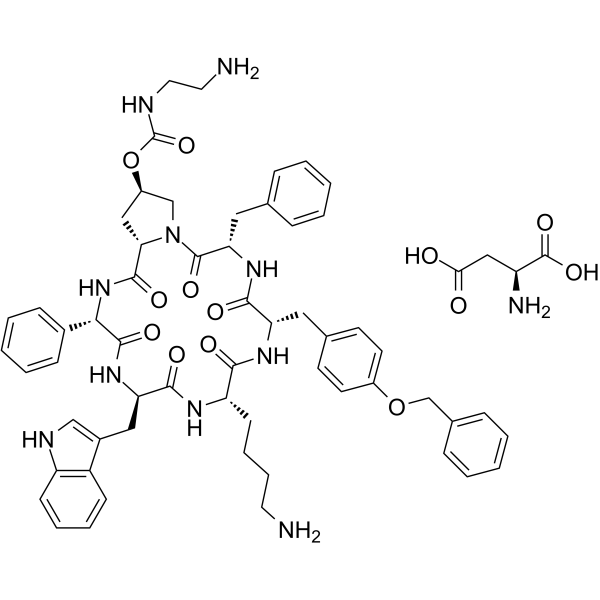
Pasireotide (SOM230) L-aspartate salt, a long-acting cyclohexapeptide somatostatin analogue, can improve agonist activity at somatostatin receptors (subtypes sst1/2/3/4/5, pKi=8.2/9.0/9.1/<7.0/9.9, respectively). Pasireotide L-aspartate salt exhibits antisecretory, antiproliferative, and proapoptotic activity .
|
-
-
- HY-P3586
-
|
Hunter-killer peptide ao; prohibitin-targeting peptide 1; prohibitin-TP01; Adipotide
|
Apoptosis
|
Cancer
|
|
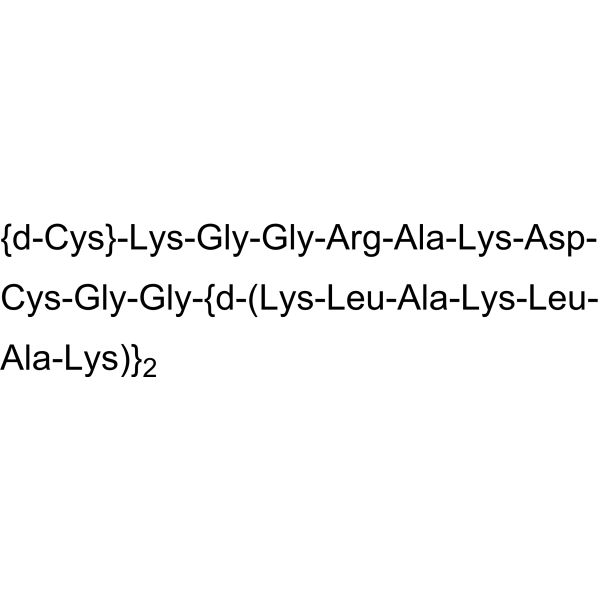
HKPao (Hunter-killer peptide ao) is a biologically active peptide. HKPao (Hunter-killer peptide ao) has anti-obesity and anti-tumor pro-apoptotic activity to cause release of cytochrome c from vesicles .
|
-
-
- HY-156084
-
|
|
CDK
PROTACs
Apoptosis
c-Myc
|
Cancer
|
|
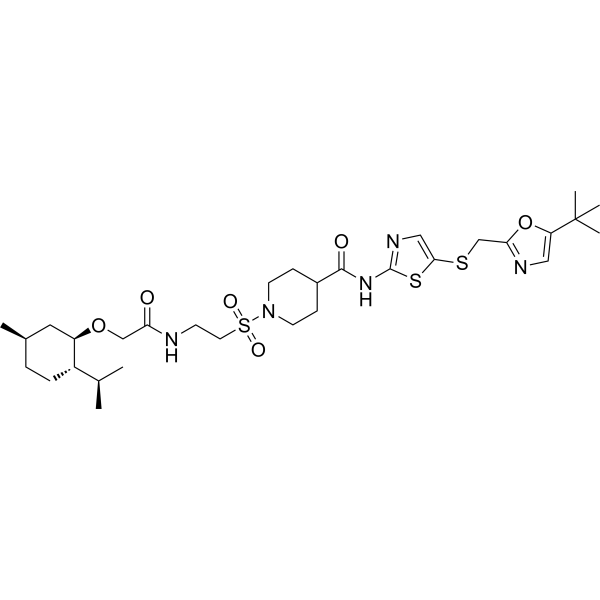
LL-K9-3 is a potent small-molecule degrader of CDK9-cyclin T1. LL-K9-3 has anti-proliferative and pro-apoptotic activities and suppresses downstream signaling of CDK9 and AR. Moreover, LL-K9-3 inhibits AR and Myc-driven oncogenic transcriptional programs .
|
-
-
- HY-158783
-
|
|
Ceramidase
Bcl-2 Family
LPL Receptor
Apoptosis
|
Neurological Disease
|
|
SACLAC, a Ceramide analog, is a potent and covalent acid ceramidase (ASAH1; AC) inhibitor with a Ki of 97.1 nM. SACLAC effectively blocks AC activity and induces a decrease in sphingosine 1-phosphate (S1P) and total ceramide levels. SACLAC reduces the levels of splicing factor SF3B1 and alternative Mcl-1 mRNA splicing, increases pro-apoptotic Mcl-1S levels to induce apoptosis in acute myeloid leukemia (AML) cells. SACLAC reduces the leukemic burden in human AML xenograft mouse models .
|
-

-
- HY-126141
-
|
|
JAK
HDAC
Apoptosis
|
Cancer
|
|
JAK/HDAC-IN-1 is a potent JAK2/HDAC dual inhibitor, exhibits antiproliferative and proapoptotic activities in several hematological cell lines. JAK/HDAC-IN-1 shows IC50s of 4 and 2 nM for JAK2 and HDAC, respectively .
|
-

-
- HY-P3385
-
|
SCB-313
|
Drug Derivative
Apoptosis
|
Cancer
|
|
Rilunermin alfa (SCB-313) is a recombinant fusion protein composed of the human C-propeptide of alpha1(I) collagen (Trimer-Tag) to the C-terminus of the mature human tumor necrosis factor (TNF)-related apoptosis-inducing ligand (TRAIL; Apo2L). Rilunermin alfa has potential pro-apoptotic and antineoplastic activities .
|
-

-
- HY-175020
-
|
|
Fatty Acid Synthase (FASN)
Apoptosis
Bcl-2 Family
|
Cancer
|
|
QNX-10 is a fatty acid synthase (FASN) inhibitor (IC50 = 0.7 μM) with anticancer activity. QNX-10 exhibits potent FASN inhibition and cytotoxicity against colorectal and breast cancer cells. QNX-10 induces apoptosis and cell cycle arrest in S phase by upregulating the pro-apoptotic protein Bax and downregulating the anti-apoptotic protein Bcl-xL. QNX-10 can be used to investigate anticancer therapies targeting FASN enzymes .
|
-

-
- HY-15519
-
|
|
IAP
FLT3
|
Cancer
|
|
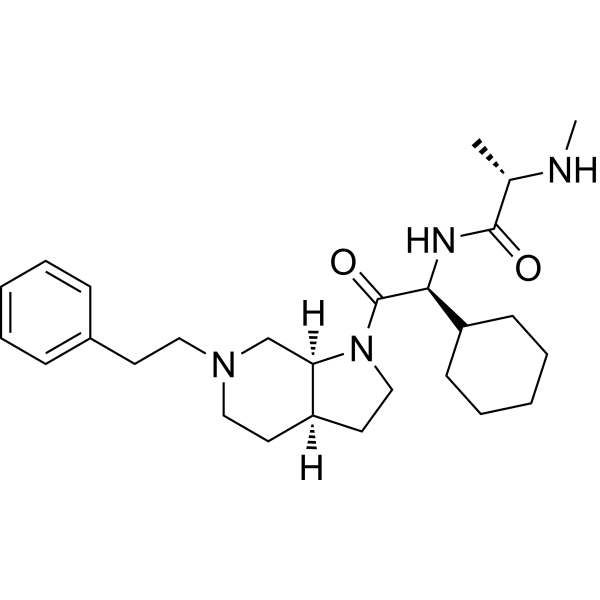
LBW242, a 3-mer and Smac mimetic, is a potent and orally active proapoptotic IAP inhibitor. LBW242 shows effects on mutant FLT3-expressing cells. LBW242 has activity against multiple myeloma, and potentiates TRAIL- and anticancer agent-mediated cell death of ovarian cancer cells .
|
-
-
- HY-W750678
-
|
|
Apoptosis
Caspase
|
Inflammation/Immunology
|
|
9-cis-Canthaxanthin is a carotenoid with pro-apoptotic activity in THP-1 macrophage cells. 9-cis-Canthaxanthin induces cell apoptosis by increasing caspase-3 and caspase-8 activity .
|
-

-
- HY-175700
-
|
|
Topoisomerase
Apoptosis
|
Cancer
|
|
YCJ-02 is a selective Topoisomerase I (Top I) inhibitor. YCJ-02 can inhibit cell proliferation and induce apoptosis and G2/M phase arrest. YCJ-02 can induce DNA damage and increaseγ-H2AX levels. YCJ-02 can promote Top I deqradation via a ubiquitin/26S proteasome pathway. YCJ-02 increases the expressions of pro-apoptotic proteins Bad, Bax, and cleaved
caspase-3. YCJ-02 shows broad-spectrum antitumor activity. YCJ-02 can be used for the research of cancer, such as intrahepatic cholangiocarcinoma (ICC) .
|
-

-
- HY-N1983R
-
|
|
Reference Standards
Apoptosis
Autophagy
Reactive Oxygen Species (ROS)
Mitochondrial Metabolism
PARP
Caspase
Bcl-2 Family
VEGFR
FAK
WDR5
p38 MAPK
JNK
PPAR
|
Neurological Disease
Inflammation/Immunology
Cancer
|
|
Caudatin (Standard) is the analytical standard of Caudatin (HY-N1983). This product is intended for research and analytical applications. Caudatin is an orally active and brain-penetrant C-21 steroidal found in Cynanchum bungei decne with a variety of biological activities. Caudatin can inhibit cell proliferation, migration, invasion, cause cell phase arrest, induce apoptosis, autophagy, ROS prodution and loss of mitochondrial membrane potential. Caudatin activates PARP, caspase-3, -7, -9, upregulates pro-apoptotic Bad and Bax and downregulates anti-apoptotic Bcl-2 and Bcl-XL. Caudatin suppresses VEGF, FAK phosphorylation, upregulates p21, p27, DR5 protein expression, activates the p38 MAPK, JNK and PPARα/TFEB-mediated autophagy-lysosomal signaling pathways. Caudatin can be used for the research of cancer, inflammation and neurological disease, such as glioma and Alzheimer's disease .
|
-

-
- HY-108768
-
|
SOM230 pamoate
|
Somatostatin Receptor
|
Endocrinology
Cancer
|
|
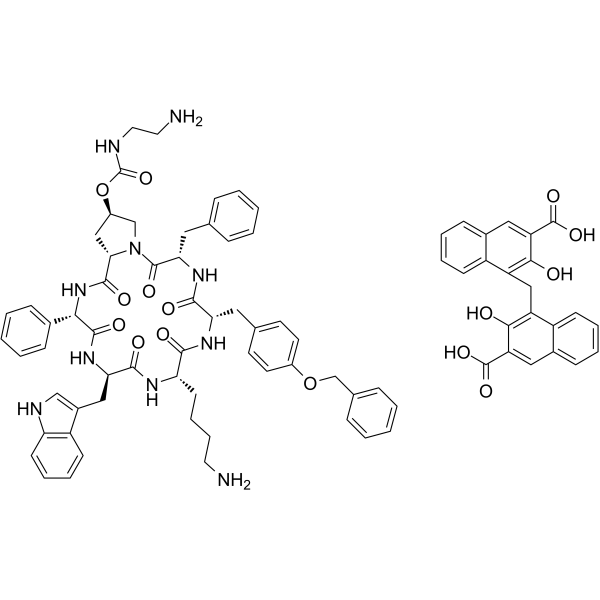
Pasireotide (SOM230) pamoate, a long-acting cyclohexapeptide somatostatin analogue, can improve agonist activity at somatostatin receptors (subtypes sst1/2/3/4/5, pKi=8.2/9.0/9.1/<7.0/9.9, respectively). Pasireotide pamoate exhibits antisecretory, antiproliferative, and proapoptotic activity .
|
-
-
- HY-111275
-
|
|
JAK
STAT
Apoptosis
Caspase
PARP
|
Cancer
|
|
WP-1034 is a JAK-STAT inhibitor with proapoptotic and antileukemic activity in acute myeloid leukemia (AML). WP-1034 blocks activation of Stat 3 and 5. WP-1034 induces cell cycle arrest and triggers apoptosis. WP-1034 can be used for AML research .
|
-

-
- HY-114489B
-
|
|
Apoptosis
Influenza Virus
Parasite
|
Infection
Neurological Disease
Cancer
|
|
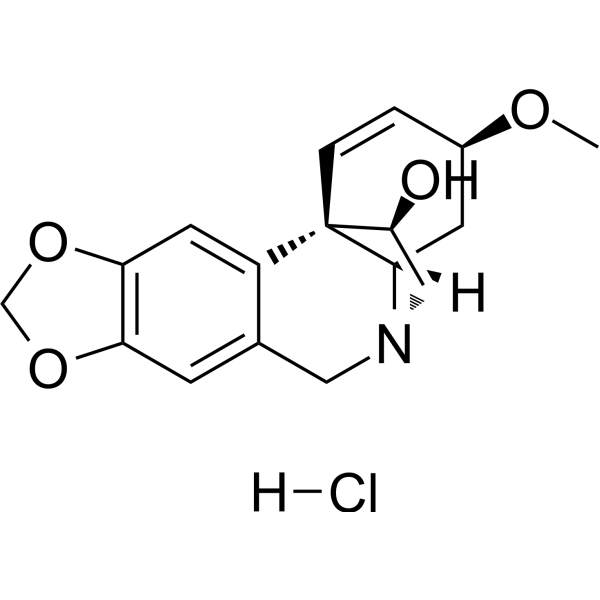
Haemanthamine hydrochloride is a crinine-type alkaloid isolated from the Amaryllidaceae plants with potent anticancer activity. Haemanthamine hydrochloride targets ribosomal that inhibits protein biosynthesis during the elongation stage of translation. Haemanthamine hydrochloride has pro-apoptotic, antioxidant, antiviral, antimalarial and anticonvulsant activities .
|
-
-
- HY-N17665
-
|
|
Apoptosis
PARP
|
Cancer
|
|
Cimicifugic acid A is a cytotoxic caffeic acid derivative that can be isolated from the rhizomes of Cimicifuga heracleifolia. Cimicifugic acid A shows cytotoxic activity against cancer cells, and increases expression of cleaved PARP, thereby exhibiting pro-apoptotic activity. Cimicifugic acid A can be used for colon cancer research .
|
-

-
- HY-125090
-
|
|
Aurora Kinase
c-Myc
Bcr-Abl
Histone Methyltransferase
Apoptosis
|
Cancer
|
|
PHA-680626 is an effective inhibitor of the interaction between Aurora-A and N-Myc. PHA-680626 inhibits kinase activity of AURKA and Bcr-Abl, and induces N-Myc degradation. PHA-680626 decreases phosphorylation of CrkL and histone H3. PHA-680626 shows anti-proliferative and pro-apoptotic activity on Imatinib (HY-15463)-resistant chronic myeloid leukemia cell lines and primary CD34+ cells .
|
-

-
- HY-P10789
-
|
|
Microtubule/Tubulin
|
Cancer
|
|
The P160 peptide is a breast cancer-targeting peptide that binds to the keratin 1 (KRT1) receptor on breast cancer cells, with a Kd of approximately 1.1 μM, demonstrating significant potential for targeted drug delivery to breast cancer cells. The P160 peptide enhances the cellular uptake and anticancer activity of the pro-apoptotic antimicrobial peptide MccJ25 (microcin J25). The P160 peptide can be used in cancer research .
|
-

-
- HY-174404
-
|
|
Topoisomerase
Apoptosis
Bcl-2 Family
|
Cancer
|
|
Topoisomerase II inhibitor 23 is a potent topoisomerase II inhibitor (IC50 = 0.94 μM). Topoisomerase II inhibitor 23 shows high selectivity and exceptional cytotoxic activity in MCF-7, HepG2, and HCT116 cells. Topoisomerase II inhibitor 23 induces cell cycle arrest at the G1 phase, leading to inhibition of cell proliferation. Topoisomerase II inhibitor 2 induces apoptosis by up-regulating the pro-apoptotic Bax level and down-regulating the anti-apoptotic Bcl-2 level.
|
-

-
- HY-10209R
-
|
AB1010 (Standard)
|
Reference Standards
c-Kit
PDGFR
Src
FGFR
FAK
Apoptosis
|
Cancer
|
|
Masitinib (Standard) is the analytical standard of Masitinib. This product is intended for research and analytical applications. Masitinib (AB1010) is a potent, orally bioavailable, and selective inhibitor of c-Kit (IC50=200 nM for human recombinant c-Kit). It also inhibits PDGFRα/β (IC50s=540/800 nM), Lyn (IC50= 510 nM for LynB), Lck, and, to a lesser extent, FGFR3 and FAK. Masitinib (AB1010) has anti-proliferative, pro-apoptotic activity and low toxicity .
|
-

-
- HY-10209AR
-
|
AB-1010 mesylate (Standard)
|
Reference Standards
c-Kit
PDGFR
Src
FGFR
Apoptosis
|
Cancer
|
|
Masitinib (mesylate) (Standard) is the analytical standard of Masitinib (mesylate). This product is intended for research and analytical applications. Masitinib mesylate (AB-1010 mesylate) is a potent, orally bioavailable, and selective inhibitor of c-Kit (IC50=200 nM for human recombinant c-Kit). It also inhibits PDGFRα/β (IC50s=540/800 nM), Lyn (IC50= 510 nM for LynB), Lck, and, to a lesser extent, FGFR3 and FAK. Masitinib mesylate (AB-1010 mesylate) has anti-proliferative, pro-apoptotic activity and low toxicity .
|
-

-
- HY-P991547
-
|
|
CD20
Apoptosis
|
Inflammation/Immunology
Cancer
|
|
Anti-CD20 Antibody (mAb 1.5.3) is a fully human IgG1 anti-CD20 antibody. Anti-CD20 Antibody (mAb 1.5.3) evokes enhanced pro-apoptotic activity in vitro. Anti-CD20 Antibody (mAb 1.5.3) mediated both complement-dependent cytotoxicity and antibody-dependent cellular cytotoxicity. Anti-CD20 Antibody (mAb 1.5.3) demonstrates enhanced anti-tumor activity in various tumor xenograft models. Anti-CD20 Antibody (mAb 1.5.3) produces a superior B-cell depletion profile in lymph node organs and bone marrow in a primate pharmacodynamic model. Anti-CD20 Antibody (mAb 1.5.3) can be studied in research for B-cell maglignancies .
|
-

-
- HY-108052R
-
|
Delphinidin 3-O-glucoside chloride (Standard); Delphinidin 3-O-β-glucoside chloride (Standard)
|
Reference Standards
EGFR
Apoptosis
Akt
|
Cardiovascular Disease
Cancer
|
|
Delphinidin 3-glucoside (chloride) (Standard) is the analytical standard of Delphinidin 3-glucoside (chloride). This product is intended for research and analytical applications. Delphinidin 3-glucoside chloride (Delphinidin 3-O-glucoside chloride) is an active anthocyanin found in Hibiscus sabdariffa extract. Delphinidin 3-glucoside chloride induces a pro-apoptotic effect in B cell chronic lymphocytic leukaemia (B CLL) . Delphinidin 3-glucoside chloride exerts phytoestrogen activity by binding to ERβ, with an IC50 of 9.7 μM . Delphinidin-3-O-glucoside chloride inhibits EGFR with an IC50 of 2.37 µM . Delphinidin 3-glucoside chloride exhibits antitumor effects through pAKT/IRF1/HOTAIR pathway. Delphinidin 3-glucoside chloride exhibits efficacy against oxidative stress, inhibits platelet activation and endothelial dysfunction .
|
-

-
- HY-178474
-
|
|
DNA/RNA Synthesis
Apoptosis
|
Cancer
|
|
WRN inhibitor 20 (Compound 14c) is a WRN degradation agent. WRN inhibitor 20 exhibits strong degradation activity in various cells, such as HCT-116 (DC50 = 1.7 µM), SW-48 (DC50 = 3.0 µM), and SW-480 (DC50 = 5.9 µM) cells. WRN inhibitor 20 exhibits potent anti proliferative, pro apoptotic, migration inhibiting, and DNA damage inducing effects in MSI-H cells. WRN inhibitor 20 can be used for research on cancer .
|
-

-
- HY-16381B
-
|
SOM230 (diaspartate)
|
Somatostatin Receptor
|
Neurological Disease
Cancer
|
|
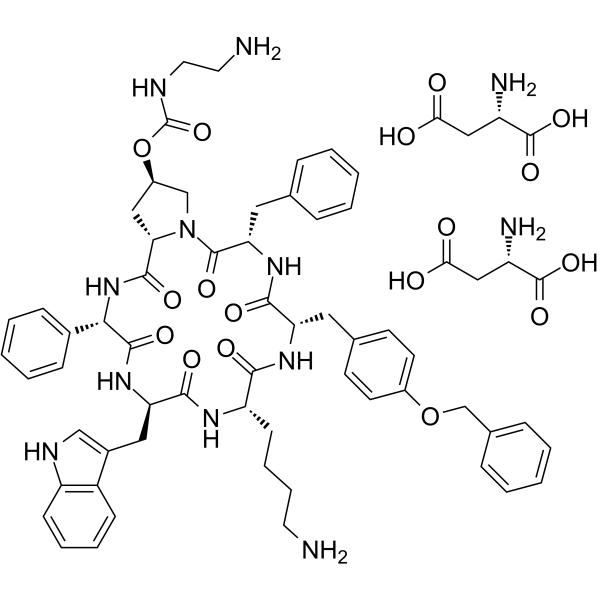
Pasireotide (SOM230) diaspartate, a long-acting cyclohexapeptide somatostatin analogue, can improve agonist activity at somatostatin receptors (subtypes sst1/2/3/4/5, pKi=8.2/9.0/9.1/<7.0/9.9, respectively). Pasireotide diaspartate exhibits antisecretory, antiproliferative, and proapoptotic activity .
|
-
-
- HY-P3707
-
|
|
Apoptosis
|
Cancer
|
|
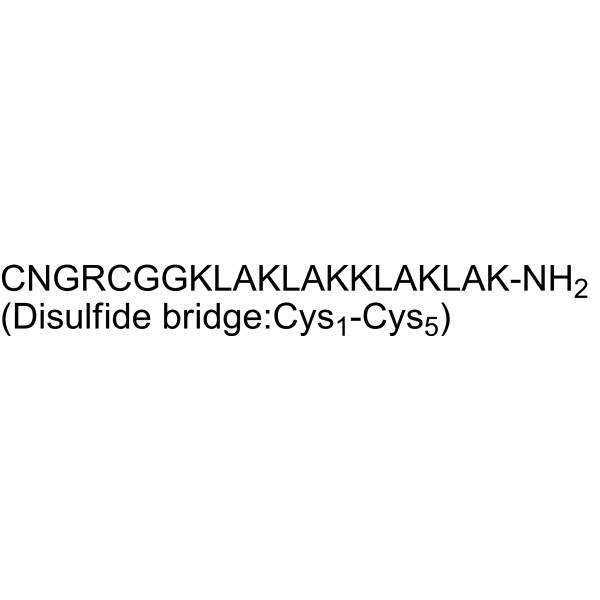
Tumor targeted pro-apoptotic peptide (CNGRC-GG-D(KLAKLAK)2) is an anti-tumor peptide. Tumor targeted pro-apoptotic peptide disrupts mitochondrial membranes and promotes apoptosis, showing anticancer activity in mice .
|
-
-
- HY-113015S
-
-

-
- HY-N7144AR
-
|
|
Reference Standards
TRP Channel
PKC
PKA
|
Neurological Disease
|
|
Citronellyl acetate (Standard) is the analytical standard of Citronellyl acetate (HY-N7144A). This product is intended for research and analytical applications. Citronellyl acetate is a monoterpene product of the secondary metabolism of plants, with antinociceptive activity. Citronellyl acetate exhibits pro-apoptotic activity in human hepatoma cells. Citronellyl acetate shows fungicidal, larvicidal, bactericidal and repelling/insecticidal effects .
|
-

-
- HY-149017
-
|
|
Apoptosis
|
Cancer
|
|
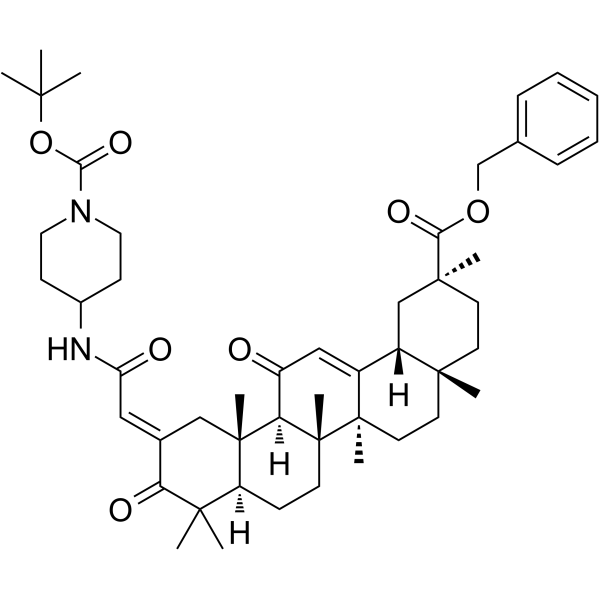
Apoptosis inducer 7 (Compound 5I) induces apoptosis in cancer cells. Apoptosis inducer 7 inducrs cleavage of PARP, caspases, down-regulation of anti-apoptotic protein c-Flip and up regulation of pro-apoptotic protein Noxa. Apoptosis inducer 7 exhibits antitumor activity .
|
-
- HY-P991523
-
|
|
Apoptosis
|
Cancer
|
|
BI-836826 is a IgG1 chimerized and Fc-engineered anti-CD37 monoclonal antibody. BI 836826 displays both antibody-dependent cell-mediated cytotoxicity (ADCC) and direct pro-apoptotic activities. BI-836826 can be used for the study of chronic lymphocytic leukemia .
|
-

- HY-170763B
-
|
|
Bcl-2 Family
Apoptosis
|
Cancer
|
|
(-)-Mcl-1 inhibitor 22 (compound 38) is an Mcl-1 inhibitor that works by blocking the interaction between Mcl-1 and pro-apoptotic proteins, reducing the anti-apoptotic activity of Mcl-1. (-)-Mcl-1 inhibitor 22 can be used in cancer research .
|
-

- HY-122047
-
|
|
Autophagy
|
Cancer
|
|
SW063058 is an autophagy inducer that specifically disrupts the binding of Beclin 1 to Bcl-2 while leaving the interaction between Bcl-2 and pro-apoptotic members like Bax and BIM unaffected. By inhibiting the negative regulatory effects of Bcl-2 on Beclin 1, which is crucial for the initiation of autophagy, SW063058 promotes autophagic activity without triggering cytotoxicity, apoptosis, or other forms of cell death in vitro.
|
-

- HY-50868R
-
|
INNO-406 (Standard); NS-187 (Standard)
|
Bcr-Abl
Src
Apoptosis
Reference Standards
|
Cancer
|
|
Bafetinib (Standard) is the analytical standard of Bafetinib. This product is intended for research and analytical applications. Bafetinib is an orally active Lyn/Bcr-Abl tyrosine kinase inhibitor. Bafetinib enhances the activity of several pro-apoptotic Bcl-2 homology (BH) 3-pure proteins (Bim, Bad, Bmf, and Bik) through intrinsic apoptotic pathways regulated by the Bcl-2 family, and induces apoptosis of Ph+ leukemia cells. Bafetinib has antitumor activity .
|
-

- HY-167704
-
|
|
Apoptosis
|
Cancer
|
|
NF023 is a compound that inhibits X-BIR1/TAB1 assembly activity. NF023 can affect cell survival signaling pathways by interfering with XIAP-mediated NF-κB activation. NF023 also shows potential as a selective P2X1 adenylate receptor antagonist. This compound has the potential to synergize with existing pro-apoptotic drugs and play an important role in cancer suppression .
|
-

- HY-147861
-
|
|
Topoisomerase
Apoptosis
|
Cancer
|
|
Topoisomerase II inhibitor 11 (compound 3d) is a potent Topoisomerase II inhibitor, with an IC50 of 2.89 μM. Topoisomerase II inhibitor 11 shows 92.46% inhibition on renal cancer cell line A498 with an IC50 of 3.5 μM. Topoisomerase II inhibitor 11 causes cell cycle arrest at the G2/M phase leading to cell proliferation inhibition and pro-apoptotic activity .
|
-
- HY-117803
-
|
OSI-461 free base
|
Apoptosis
|
Cancer
|
|
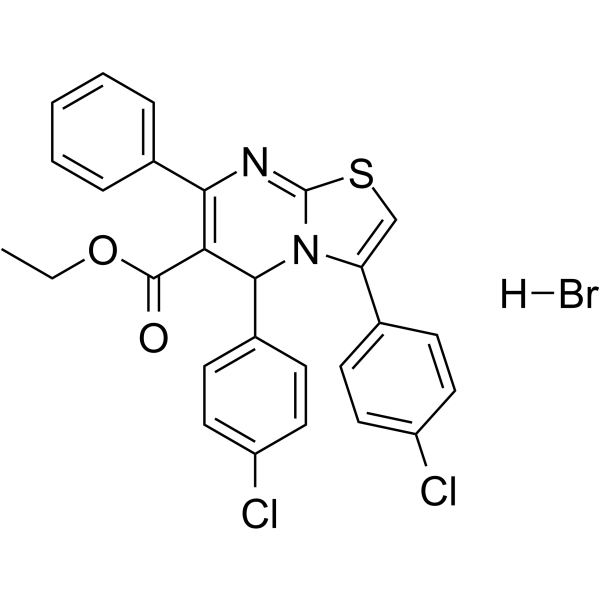
CP 461 free base (OSI-461 free base) is a novel pro-apoptotic compound with the activity of inhibiting cyclic guanosine monophosphate phosphodiesterase. CP 461 free base exhibits growth inhibitory activity against a variety of human tumor cell lines in vitro. CP 461 free base selectively induces apoptosis in cancer cell lines but has no effect on normal cells. CP 461 free base can be used in the study of renal cell carcinoma, prostate cancer and Crohn's disease .
|
-

- HY-174992
-
|
|
Apoptosis
Bcl-2 Family
|
Cancer
|
|
Apoptosis inducer 39 is an apoptosis inducer with IC50s of 4.53 and 15.42 μM against MDA-MB-231 and A549 cells. Apoptosis inducer 39 exerts in vitro anti-tumor activity by decreasing the expression of the anti-apoptotic protein Bcl-2 while increasing the expression of the pro-apoptotic protein Bax. Apoptosis inducer 39 can be used for the study of breast cancer and non-small lung cancer .
|
-

- HY-168623
-
|
|
EGFR
Apoptosis
Necroptosis
Bcl-2 Family
Caspase
MDM-2/p53
|
Cancer
|
|
EGFR-IN-134 (compound 3f), a triazolo[3,4-a]isoquinoline derivative, is a potent EGFR inhibitor with an IC50 of 0.023 µM. EGFR-IN-134 induces apoptosis and necrosis. EGFR-IN-134 initiates cell cycle arrest at the G2/M and pre-G1 phases, downregulates anti-apoptotic protein Bcl2 and upregulates pro-apoptotic proteins: p53, Bax, and caspases 3, 8, and 9. EGFR-IN-134 shows antiproliferative and anticancer activity .
|
-

- HY-169096
-
|
|
Microtubule/Tubulin
Apoptosis
|
Cancer
|
|
DPP-21 is an inhibitor of tubulin polymerization (IC50: 2.4 μM). DPP-21 shows anti-proliferative activity against cancer cell lines, with IC50s of 0.38 nM (HCT116), 11.69 nM (B16), 5.37 nM (HeLa), 9.53 nM (MCF7), 8.94 nM (H23) and 9.37 nM (HepG2) respectively. DPP-21 arrests the cell cycle in the G2/M phase of mitosis, subsequently inducing tumor cell apoptosis (decreases Bcl-2 but upregulates the pro-apoptotic protein Bax) .
|
-

- HY-155493
-
|
|
Cytochrome P450
|
Cancer
|
|
CYP19A1/CYP11B2-IN-1 (Compound X21) is a potent and selective aromatase and
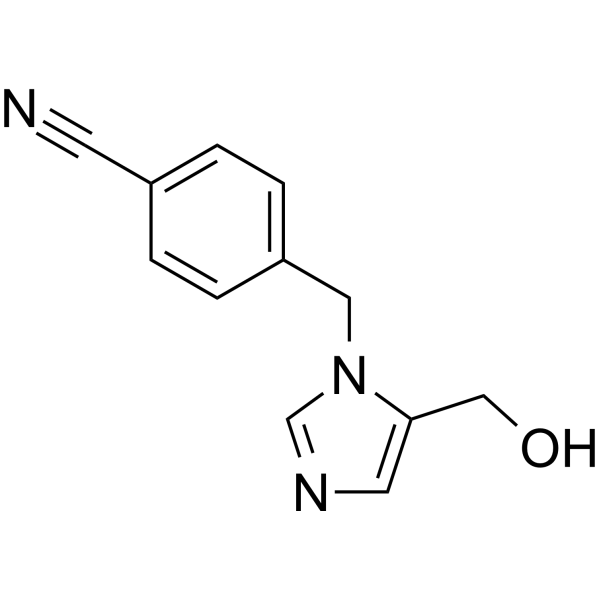
aldosterone synthase dual inhibitor with IC50s of 2.3 nM and 29 nM for aromatase (CYP19A1) and aldosterone synthase (CYP11B2), respectively. CYP19A1/CYP11B2-IN-1 has excellent antiproliferative and pro-apoptotic activity against the cancer cell. CYP19A1/CYP11B2-IN-1 can be used for research of breast cancer .
|
-
- HY-N3031R
-
|
|
Reference Standards
Bacterial
Apoptosis
Bcl-2 Family
MDM-2/p53
Glutathione Peroxidase
SOD
TNF Receptor
Interleukin Related
|
Infection
Inflammation/Immunology
|
|
Grosvenorine (Standard) is the analytical standard of Grosvenorine. This product is intended for research and analytical applications. Grosvenorine is an orally active flavonoid glycoside found in S. grosvenorii. Grosvenorine exhibits antibacterial, antioxidant and antiinflammation activities. Grosvenorine can induce apoptosis and increases anti-apoptotic Bcl-2 protein expression and reduces pro-apoptotic P53 protein expression in gastric tissues. Grosvenorine enhances mucin/glycoprotein secretion, regulates gastric pH, and reduces gastric lesion incidence.Grosvenorine increases glutathione peroxidase, catalase, and SOD levels, reduces lipid peroxidation (MDA), and lowers TNF-α and IL-6 levels. Grosvenorine can be used for the researches of bacterial infection and Gastric ulcer .
|
-

- HY-172551
-
|
|
Apoptosis
Cadherin
MMP
Bcl-2 Family
|
Cancer
|
|
anti-TNBC agent-9 (Compound 3as) is an anti-cancer agent for triple-negative breast cancer (TNBC). anti-TNBC agent-9 exhibits significant inhibitory activity against MDA-MB-453 cells with an IC50 value of 8.5 μM. anti-TNBC agent-9 inhibits tumor cell migration by upregulating E-cadherin and downregulating N-cadherin, matrix metalloproteinase 2 (MMP2), and MMP9. anti-TNBC agent-9 induces apoptosis by increasing the expression of the pro-apoptotic protein BAX and decreasing the expression of the anti-apoptotic protein BCL-2, thereby inhibiting tumor cell proliferation .
|
-

- HY-125959R
-
|
|
Apoptosis
|
Cardiovascular Disease
Neurological Disease
|
|
Ucf-101 (Standard) is the analytical standard of Ucf-101. This product is intended for research and analytical applications. Ucf-101 is a selective and competitive inhibitor of pro-apoptotic protease Omi/HtrA2, with an IC50 of 9.5 μM for His-Omi. Ucf-101 exhibits very little activity against various other serine proteases (IC50>200 μM). Ucf-101 has a natural red fluorescence at 543 nm that is used to monitor its ability to enter mammalian cells. Ucf-101 has a significant cardioprotective effect against MI/R injury and also has certain neuroprotective effect .
|
-

- HY-168739
-
|
|
Topoisomerase
Reactive Oxygen Species (ROS)
Apoptosis
Survivin
Bcl-2 Family
IAP
DNA/RNA Synthesis
|
Cancer
|
|
Topoisomerase I inhibitor 17 (Compound 7h) is a Topoisomerase I (Top1) inhibitor. Topoisomerase I inhibitor 17 reduces DDX5 and reverses the locking of Top1 activity by DDX5. Topoisomerase I inhibitor 17 induces Top1-mediated DNA damage and promotes reactive oxygen species (ROS) production. Topoisomerase I inhibitor 17 induces Apoptosis (reduces antiapoptotic proteins XIAP, Bcl-2, Survivin and up-regulates pro-apoptotic proteins Bax, γH2AX). Topoisomerase I inhibitor 17 also blocks the progression of the G2/M checkpoint and induces cell cycle arrest. Topoisomerase I inhibitor 17 significantly inhibits colony formation and cell migration in colorectal cancer cells. Topoisomerase I inhibitor 17 effectively reduces tumors in human PDX tumor mice .
|
-

- HY-113382R
-
|
1-Methylhydantoin (Standard)
|
Reference Standards
Endogenous Metabolite
|
Others
|
|
Delphinidin 3-glucoside (chloride) (Standard) is the analytical standard of Delphinidin 3-glucoside (chloride). This product is intended for research and analytical applications. Delphinidin 3-glucoside chloride (Delphinidin 3-O-glucoside chloride) is an active anthocyanin found in Hibiscus sabdariffa extract. Delphinidin 3-glucoside chloride induces a pro-apoptotic effect in B cell chronic lymphocytic leukaemia (B CLL) . Delphinidin 3-glucoside chloride exerts phytoestrogen activity by binding to ERβ, with an IC50 of 9.7 μM . Delphinidin-3-O-glucoside chloride inhibits EGFR with an IC50 of 2.37 µM . Delphinidin 3-glucoside chloride exhibits antitumor effects through pAKT/IRF1/HOTAIR pathway. Delphinidin 3-glucoside chloride exhibits efficacy against oxidative stress, inhibits platelet activation and endothelial dysfunction .
|
-

- HY-179052
-
|
|
Apoptosis
Autophagy
Bcl-2 Family
Caspase
Atg8/LC3
Atg7
CDK
Reactive Oxygen Species (ROS)
|
Cancer
|
|
Apoptosis inducer 50 (Compound 5e) is an apoptosis inducer as well as an autophagy inducer agent. Apoptosis inducer 50 exhibits potent and selective anti-cancer activity against triple-negative breast cancer cells and metastatic colon cancer cells. Apoptosis inducer 50 upregulates the expression of pro-apoptotic proteins (Bax, Bim, cleaved Caspase-9) and downregulates the expression of the anti-apoptotic protein (BCL-XL). Apoptosis inducer 50 upregulates key autophagy markers such as Beclin-1 and ATG5, and enhances the conversion of LC3-I to LC3-II., Apoptosis inducer 50 arrests cancer cells in the G1/S phase by upregulating the expression of p21 and p27 while downregulating Cyclin D1. Apoptosis inducer 50 increases the level of ROS .
|
-

- HY-123715
-
|
|
Apoptosis
|
Cancer
|
|
Anticancer agent 255 is a monocarbonylated curcumin-1,2,3-oxazole conjugate with significant anticancer activity. The IC50 values of Anticancer agent 255 in prostate cancer cells PC-3 and DU-145 are 8.8μM and 9.5μM respectively. The IC50 values of Anticancer agent 255 against breast cancer cells MCF-7, MDA-MB-231 and 4T1 are 6μM, 10μM and 6.4μM, showing good anti-cancer activity Effect. Anticancer agent 255 can induce mitochondria-mediated apoptosis in cancer cells and prevent cell cycle progression. Anticancer agent 255 down-regulated the cell proliferation marker PCNA and inhibited the activation of cell survival proteins. Anticancer agent 255 up-regulated the pro-apoptotic protein Bax and down-regulated the anti-apoptotic protein Bcl-2 .
|
-

- HY-W040293
-
|
PE(6:0/6:0); 1,2-Dihexanoyl-sn-glycero-3-phosphoethanolamine
|
Apoptosis
|
Cancer
|
|
06:0 PE (PE(6:0/6:0)) is a water-soluble phospholipid characterized by its short acyl chains, exhibiting notable antitumor activity and the ability to inhibit tumor progression in vivo, alongside antiproliferative and proapoptotic effects, while serving as a precursor for phosphatidylcholine and phosphatidylethanolamine.
|
-

- HY-N3665
-
|
|
Tyrosinase
|
Cancer
|
|
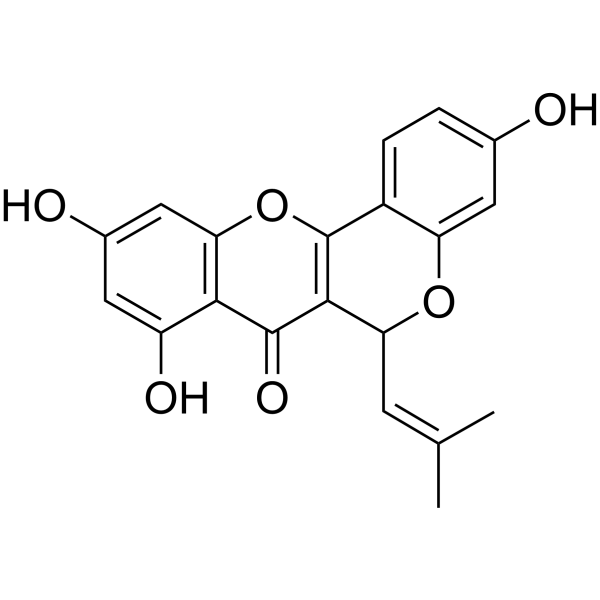
Cyclocommunol is a prenylflavonoid with antityrosinase and antiplatelet activitie, can be solated from breadfruit. Cyclocommunol exerts anti-tumor activity and inhibits the growth of human hepatoma and gastric cancer cells with IC50 values between 16 and 80 µM. Cyclocommunol shows proapoptotic effect on oral squamous cell carcinoma (OSCC) .
|
-
- HY-164413
-
|
|
VEGFR
EGFR
RET
Apoptosis
|
Cancer
|
|
CLM3, a pyrazolopyrimidine derivative, is a multiple tyrosine kinase inhibitor. CLM3 shows antiproliferative and proapoptotic activity on endothelial and cancer cells, synergistically enhanced by SN38 (HY-13704). These effects are mainly due to its inhibition of phosphorylation of VEGFR-2, EGFR and RET tyrosine kinases and their related signaling pathways .
|
-

- HY-107315
-
|
|
HBV
Apoptosis
|
Infection
Cancer
|
|
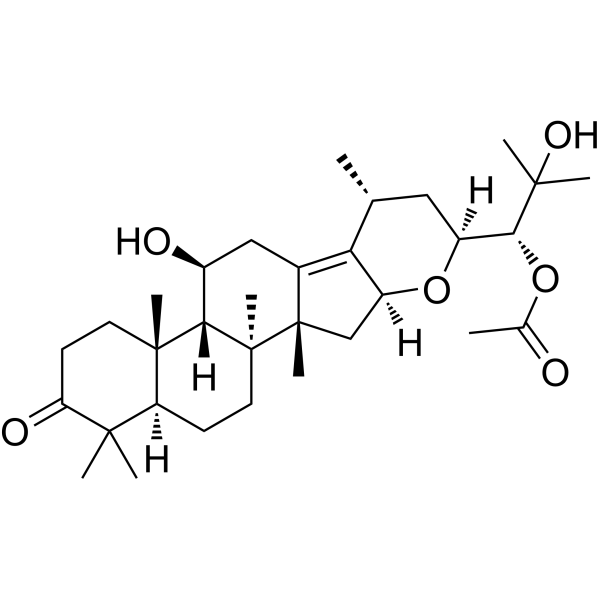
Alisol F 24-acetate is a triterpene compound that can be isolated from the rhizomes of Alisma orientalis. Alisol F 24-acetate inhibits the secretion of HBV surface antigen HBsAg and HBeAg with IC50 values of 7.7 µM and 5.1 µM. Alisol F 24-acetate has proapoptotic activity and can be used for cancer research .
|
-
- HY-P10285S
-
|
D-(KLAKLAK)2-d30
|
Isotope-Labeled Compounds
Mitochondrial Metabolism
Apoptosis
Caspase
|
Cancer
|
|
d-KLA Peptide (D-(KLAKLAK)2)-d30 is the deuterium labeled d-KLA Peptide (HY-P10285). d-KLA Peptide, KLA peptide (HY-P5345) isomer, is a pro-apoptosis peptide. d-KLA Peptide can specifically target mitochondria and induce apoptosis by destroying the mitochondrial membrane. d-KLA Peptide increases caspase 3/7 activity, exerts proapoptotic activity and enhances antitumor efficacy in mouse melanoma models .
|
-

- HY-149283
-
|
|
JAK
HDAC
Apoptosis
|
Cancer
|
|
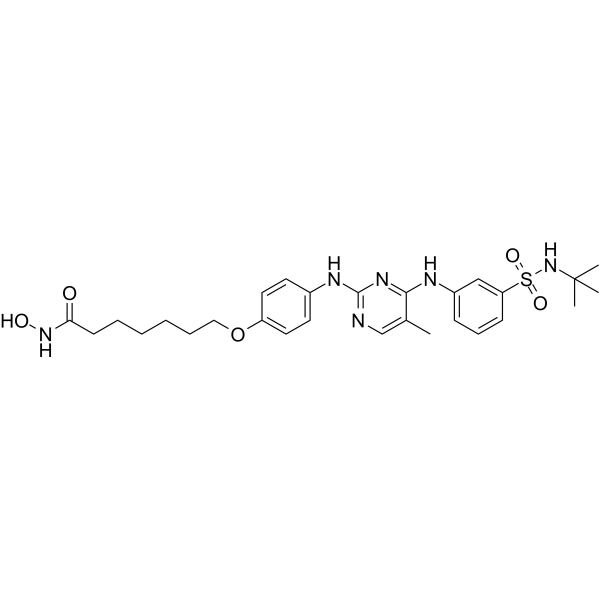
JAK/HDAC-IN-2 is a potent 2-amino-4-phenylaminopyrimidine JAK/HDAC dual-target inhibitor. JAK/HDAC-IN-2 potently inhibits HDAC3/6 and JAK1/2 at nanomolar levels. JAK/HDAC-IN-2 has proapoptotic activity and inhibits histone deacetylation and STAT3 phosphorylation. JAK/HDAC-IN-2 presents remarkable antiproliferative activity in both hematological malignancies and solid cancers .
|
-
- HY-175053
-
|
SOM230 (aspartate) TFA
|
Somatostatin Receptor
Apoptosis
|
Metabolic Disease
|
|
Pasireotide (aspartate) TFA, a long-acting cyclohexapeptide somatostatin analogue, can improve agonist activity at somatostatin receptors (subtypes sst1/2/3/4/5, pKi=8.2/9.0/9.1/<7.0/9.9, respectively). Pasireotide (aspartate) TFA can suppress GH, IGF-I and ACTH secretion, indicating potential efficacy in acromegaly and Cushing's disease. Pasireotide (aspartate) TFA also exhibits antisecretory, antiproliferative, and proapoptotic activity .
|
-

- HY-N19312
-
|
|
Apoptosis
Glutathione S-transferase
Topoisomerase
|
Cancer
|
|
Diospyrin is a dinaphthoquinone anticancer agent with pro-apoptotic (apoptosis) activity, glutathione S-transferase (Glutathione S-transferase) inhibitory activity, and topoisomerase (Topoisomerase) I inhibitory activity. Diospyrin is present in the heartwood of various Diospyros plants and can be used for research on Ehrlich ascites carcinoma, acute myeloid leukemia, chronic myeloid leukemia, mammary adenocarcinoma, cervical epithelial carcinoma, malignant cutaneous melanoma, laryngeal epidermoid carcinoma, human osteosarcoma, and human lymphoblastic carcinoma .
|
-

- HY-183251
-
|
|
PROTACs
Epigenetic Reader Domain
|
Cancer
|
|
PROTAC p300 degrader-1 is a paralog-selective, PROTAC-based degrader targeting the p300/CBP protein. It exhibits potent antiproliferative, cell cycle arrest and pro-apoptotic activities, and can be used in the research and development of antitumor drugs and related mechanism studies for hematological malignancies (AML, MM, NHL) .
|
-

- HY-180948
-
|
|
Drug Derivative
Apoptosis
Bcl-2 Family
Caspase
IAP
|
Cancer
|
|
PZ-11 is a derivative of thiazolidinedione with anti-tumor activity. PZ-11 can induce cancer cells apoptosis by downregulating anti-apoptotic gene AIFM1, BAG3 and BIRC3 and regulating pro-apoptotic gene BAD, HRK, CASP10 and CASP10. PZ-11 can be used for research of breast cancer .
|
-

- HY-P991914
-
|
|
CD38
Apoptosis
|
Cancer
|
|
FTL004 is an anti-CD38 monoclonal antibody. FTL004 exhibits enhanced Proapoptotic activity and displays stronger ADCC against CD38 + malignant cells. FTL004 can be used for the research of multiple myeloma and non-Hodgkin lymphoma[1].
|
-

- HY-16366A
-
|
ON 014185 sodium
|
Eukaryotic Initiation Factor (eIF)
CDK
c-Myc
MDM-2/p53
Caspase
Apoptosis
|
Cancer
|
|
Briciclib (ON 014185) sodium is a eukaryotic translation initiation factor 4E (eIF4E) inhibitor. Briciclib sodium exhibits broad-spectrum anti-cancer activity, including in mantle cell leukemia, breast cancer, gastric cancer, and esophageal cancer cells. Briciclib sodium reduces the expression of cyclin D1 and c-Myc, and enhances the expression of P53 and Cleaved Caspase 3 pro-apoptotic proteins. Briciclib sodium can be used for the study of hematological system tumors and solid tumors .
|
-

- HY-182586
-
|
|
Fungal
Bcl-2 Family
|
Infection
|
|
Decyl gallate is an antifungal (fungal) agent. Decyl gallate downregulates the expression of the pro-apoptotic (apoptosis) protein Bak, upregulates the expression of the anti-apoptotic protein Bcl-2, and inhibits DNA damage. Decyl gallate disrupts ALG12-mediated N-glycosylation, overactivates the UPR pathway, and simultaneously reduces fungal cell wall enzyme activity, chitin levels, mitochondrial activity, budding ability, cell viability, and host cell adhesion capacity. Decyl gallate reduces inflammatory responses induced by fungal infection and disrupts fungal membrane structure. Decyl gallate can be used in studies related to paracoccidioidomycosis and invasive fungal infections .
|
-

- HY-180820
-
|
|
Drug Derivative
MDM-2/p53
CDK
Reactive Oxygen Species (ROS)
Apoptosis
Bcl-2 Family
Caspase
|
Cancer
|
|
Dimethyl bisphenolate (Compound DMB) is a natural neolignan derivative with orally active anti-tumor activity. Dimethyl bisphenolate can inhibit cancer cells proliferation, invasion and migration. Dimethyl bisphenolate can activate the p53 signaling pathway, upregulate the expression of p21 protein, inhibit the activity of the CDK1-cyclin B1 complex, and cause cells to stall at the G2/M phase. Dimethyl bisphenolate can induce ROS production, upregulate pro-apoptotic proteins Noxa and Bim, downregulate anti-apoptotic protein Bcl-2, activate caspase-9 and caspase-3, and ultimately induce cell apoptosis. Dimethyl bisphenolate can be used for research of glioblastoma .
|
-

- HY-179506
-
|
|
MDM-2/p53
Apoptosis
|
Cancer
|
|
P53 Activator 16 (Compound JC16) is a p53 activator. P53 Activator 16 exhibits selective cytotoxicity and pro-apoptotic (apoptosis) activity towards p53-Y220C mutant cancer cells, while having little effect on wild-type or P53-deficient cells. P53 Activator 16 induces the conformational transition of cell p53-Y220C from the mutant form to the wild-type form, accompanied by the transcriptional activation of p53 target genes, without increasing the overall level of p53 protein. P53 Activator 16 can be used for the study of p53 mutant cancers .
|
-

- HY-173365
-
|
|
VEGFR
|
Cancer
|
|
VEGFR-2-IN-67 (Compound 6b) is an inhibitor of vascular endothelial growth factor receptor 2 (VEGFR-2). Its IC50 values for MDA-231 and MCF-7 cell lines are 5.91 µM and 7.16 µM respectively, and its inhibitory effect on VEGFR-2 is comparable to that of Sorafenib (HY-10201) (IC50 is 53.63 nM). VEGFR-2-IN-67 exerts significant anti-cancer activity through mechanisms such as inducing Apoptosis (the early apoptosis rate reaches 57.20%), arresting the cell cycle at the G1 phase, upregulating pro-apoptotic markers and downregulating Bcl-2. VEGFR-2-IN-67 can be used for research in the field of cancer .
|
-

- HY-179507
-
|
|
MDM-2/p53
Apoptosis
|
Cancer
|
|
p53 Activator 17 is a p53-Y220C activator. p53 Activator 17 exhibits selective cytotoxicity and pro-apoptotic activity in p53-Y220C mutant cancer cell lines, with minimal effects in wild-type or p53-null cells. p53 Activator 17 induces a mutant-to-wild-type conformational shift in cellular p53-Y220C, accompanied by transcriptional activation of canonical p53 target genes, including BBC3 (PUMA) and MDM2. p53 Activator 17 can be used for the study of hepatocellular carcinoma and breast cancer .
|
-

- HY-183327
-
|
|
PI3K
mTOR
Akt
Apoptosis
Reactive Oxygen Species (ROS)
Mitochondrial Metabolism
Bcl-2 Family
Caspase
|
Cancer
|
|
PI3K/mTOR-IN-22 is an orally active PI3K/mTOR kinase dual inhibitor with IC50 values of 400.5 nM and 8.2 nM. PI3K/mTOR-IN-22 downregulates phosphorylation of the AKT and mTOR, upregulates pro-apoptotic proteins Bax and caspase-3 and downregulates anti-apoptotic protein Bcl-2. PI3K/mTOR-IN-22 exhibits antiproliferative activity against cancer cells, induces apoptosis and ROS production, and reduces mitochondrial membrane potential. PI3K/mTOR-IN-22 exhibits antitumor activity in breast cancer mice models .
|
-

- HY-N17440
-
|
|
Apoptosis
Caspase
Bcl-2 Family
DNA/RNA Synthesis
Bacterial
Fungal
|
Infection
Inflammation/Immunology
Cancer
|
|
2-Methoxyjuglone, a naphthoquinone, is an apoptosis inducer. 2-Methoxyjuglone activates caspase-9 and caspase-3 via the mitochondrial cytochrome c-dependent intrinsic apoptosis cascade. 2-Methoxyjuglone increases pro-apoptotic Bax levels, decreases anti-apoptotic Bcl-2 levels, and promotes mitochondrial cytochrome c release. 2-Methoxyjuglone induces apoptosis morphological features, early apoptosis, S-phase and G2/M-phase cell cycle arrest, and DNA double-strand breaks. 2-Methoxyjuglone exerts activity against Gram-positive bacteria, pathogenic fungi, and phytopathogenic fungi. 2-Methoxyjuglone can be used for the research of hepatocellular carcinoma, osteosarcoma, colon adenocarcinoma, breast cancer, fungal infection, bacterial infection .
|
-

- HY-N16771
-
|
|
Caspase
Apoptosis
Bcl-2 Family
Bacterial
VEGFR
|
Cancer
|
|
Clausenidin is a selective inhibitor targeting apoptosis-related pathways, including the mitochondrial pathway and death receptor pathway, and vascular endothelial growth factor (VEGF). Clausenidin induces mitochondrial membrane depolarization by activating caspase-3, caspase-8 and caspase-9, upregulating the pro-apoptotic protein Bax and downregulating the anti-apoptotic protein Bcl-2. Clausenidin also inhibits VEGF expression and blocks angiogenesis, exerting anti-tumor activity. Clausenidin has inhibitory effects against Mycobacterium tuberculosis (MIC=200 μg/mL). Clausenidin can induce apoptosis in liver cancer cells, arrest the cell cycle in the G2/M phase, and inhibit tumor angiogenesis. Clausenidin can be used in the research of malignant tumors such as liver cancer .
|
-

- HY-183355
-
|
|
Ras
ERK
Akt
Reactive Oxygen Species (ROS)
Apoptosis
Bcl-2 Family
Caspase
|
Cancer
|
|
KRAS G12D-IN-37 is a KRAS G12D inhibitor. KRAS G12D-IN-37 shows antiproliferative activity against KRAS G12D mutant tumor cells and minimal cytotoxicity toward normal cells. KRAS G12D-IN-37 binds stably to KRAS G12D via hydrogen bond interactions with residues His 95, Arg 68, and Asp 12, and inhibits downstream ERK/AKT signaling pathways. KRAS G12D-IN-37 elevates ROS levels, induces apoptosis, disrupts mitochondrial membrane potential. KRAS G12D-IN-37 downregulates the level of anti-apoptotic protein Bcl-2, and upregulates the levels of pro-apoptotic proteins Bax and caspase 3. KRAS G12D-IN-37 can be used for the research of cancer, such as gastric adenocarcinoma and colorectal cancer .
|
-

- HY-15867
-
|
(+)-Meayamycin B
|
SF3B1
Bcl-2 Family
Apoptosis
|
Cancer
|
|
Meayamycin B ((+)-Meayamycin B) is a potent SF3B1 inhibitor. Meayamycin B upregulates the proapoptotic Mcl-1S and downregulates Mcl-1L at the pre-mRNA splicing level. Meayamycin B does not regulate the alternative splicing of Bcl-x. Meayamycin B and ABT-737 (HY-50907) synergistically causes Apoptosis. Meayamycin B exhibits anticancer activity against non-small cell lung cancer .
|
-

- HY-W040293S
-
|
PE(6:0/6:0)-d22; 1,2-Dihexanoyl-sn-glycero-3-phosphoethanolamine-d22
|
Isotope-Labeled Compounds
|
Cancer
|
|
06:0 PE-d22 (PE(6:0/6:0)-d22) is the deuterium labeled 06:0 PE (HY-W040293). 06:0 PE (PE(6:0/6:0)) is a water-soluble phospholipid characterized by its short acyl chains, exhibiting notable antitumor activity and the ability to inhibit tumor progression in vivo, alongside antiproliferative and proapoptotic effects, while serving as a precursor for phosphatidylcholine and phosphatidylethanolamine.
|
-

- HY-181061
-
|
|
COX
EGFR
Lipoxygenase
FAK
Raf
Apoptosis
Caspase
Bcl-2 Family
|
Cancer
|
|
COX/5-LO-IN-2 is a COX2, EGFR, COX1, 5-LOX, BRAF and FAK inhibitor with IC50 of 1.22 μM, 2.5 μM, 2.95 μM, 4.65 μM, 7.4 μM, 12.2 μM, respectively. COX/5-LO-IN-2 induces cell growth arrest at G2/M phase. COX/5-LO-IN-2 triggers apoptotic activity by up-regulating proapoptotic proteins p53, Bax, and caspase-7 and down-regulating anti-apoptotic protein Bcl-2. COX/5-LO-IN-2 can be used for the research of breast cancer .
|
-

- HY-181673
-
|
|
Microtubule/Tubulin
Apoptosis
Bcl-2 Family
Caspase
PARP
|
Cancer
|
|
ICD inducer-2 is a immunogenic cell death inducer. ICD inducer-2 binds to the colchicine binding site on tubulin to inhibit tubulin polymerization. ICD inducer-2 exhibits broad-spectrum antiproliferative activity across multiple cancer cell lines. ICD inducer-2 inhibits cells migration, causes G2/M phase and induces apoptosis. ICD inducer-2 promotes infiltration of CD4+ and CD8+ T cells into the tumor microenvironment. ICD inducer-2 downregulates antiapoptotic protein Bcl-2, upregulates proapoptotic proteins Bax and Bim-1, and increases cleaved caspase 3, cleaved caspase 9, and cleaved PARP levels. ICD inducer-2 overcomes paclitaxel resistance in xenograft models and achieves tumor growth inhibition. ICD inducer-2 can be used for the research of cancer, such as lung carcinoma .
|
-

| Cat. No. |
Product Name |
Target |
Research Area |
-
- HY-16381
-
Pasireotide
Maximum Cited Publications
6 Publications Verification
SOM230
|
Somatostatin Receptor
|
Endocrinology
Cancer
|
|
Pasireotide (SOM230), a long-acting cyclohexapeptide somatostatin analogue, can improve agonist activity at somatostatin receptors (subtypes sst1/2/3/4/5, pKi=8.2/9.0/9.1/<7.0/9.9, respectively). Pasireotide can suppress GH, IGF-I and ACTH secretion, indicating potential efficacy in acromegaly and Cushing's disease. Pasireotide also exhibits antisecretory, antiproliferative, and proapoptotic activity .
|
-
- HY-P10285
-
|
D-(KLAKLAK)2
|
Apoptosis
Mitochondrial Metabolism
Caspase
|
Cancer
|
|
d-KLA Peptide (D-(KLAKLAK)2), KLA peptide (HY-P5345) isomer, is a pro-apoptosis peptide. d-KLA Peptide can specifically target mitochondria and induce apoptosis by destroying the mitochondrial membrane. d-KLA Peptide increases caspase 3/7 activity, exerts proapoptotic activity and enhances antitumor efficacy in mouse melanoma models .
|
-
- HY-16381A
-
|
SOM230 acetate
|
Somatostatin Receptor
|
Endocrinology
Cancer
|
|
Pasireotide (SOM230) acetate, a long-acting cyclohexapeptide somatostatin analogue, can improve agonist activity at somatostatin receptors (subtypes sst1/2/3/4/5, pKi=8.2/9.0/9.1/<7.0/9.9, respectively). Pasireotide acetate can suppress GH, IGF-I and ACTH secretion, indicating potential efficacy in acromegaly and Cushing's disease. Pasireotide acetate also exhibits antisecretory, antiproliferative, and proapoptotic activity .
|
-
- HY-79136
-
|
SOM230 L-aspartate
|
Somatostatin Receptor
|
Endocrinology
Cancer
|
|
Pasireotide (SOM230) L-aspartate salt, a long-acting cyclohexapeptide somatostatin analogue, can improve agonist activity at somatostatin receptors (subtypes sst1/2/3/4/5, pKi=8.2/9.0/9.1/<7.0/9.9, respectively). Pasireotide L-aspartate salt exhibits antisecretory, antiproliferative, and proapoptotic activity .
|
-
- HY-P3586
-
|
Hunter-killer peptide ao; prohibitin-targeting peptide 1; prohibitin-TP01; Adipotide
|
Apoptosis
|
Cancer
|
|
HKPao (Hunter-killer peptide ao) is a biologically active peptide. HKPao (Hunter-killer peptide ao) has anti-obesity and anti-tumor pro-apoptotic activity to cause release of cytochrome c from vesicles .
|
-
- HY-P3385
-
|
SCB-313
|
Drug Derivative
Apoptosis
|
Cancer
|
|
Rilunermin alfa (SCB-313) is a recombinant fusion protein composed of the human C-propeptide of alpha1(I) collagen (Trimer-Tag) to the C-terminus of the mature human tumor necrosis factor (TNF)-related apoptosis-inducing ligand (TRAIL; Apo2L). Rilunermin alfa has potential pro-apoptotic and antineoplastic activities .
|
-
- HY-108768
-
|
SOM230 pamoate
|
Somatostatin Receptor
|
Endocrinology
Cancer
|
|
Pasireotide (SOM230) pamoate, a long-acting cyclohexapeptide somatostatin analogue, can improve agonist activity at somatostatin receptors (subtypes sst1/2/3/4/5, pKi=8.2/9.0/9.1/<7.0/9.9, respectively). Pasireotide pamoate exhibits antisecretory, antiproliferative, and proapoptotic activity .
|
-
- HY-P10789
-
|
|
Microtubule/Tubulin
|
Cancer
|
|
The P160 peptide is a breast cancer-targeting peptide that binds to the keratin 1 (KRT1) receptor on breast cancer cells, with a Kd of approximately 1.1 μM, demonstrating significant potential for targeted drug delivery to breast cancer cells. The P160 peptide enhances the cellular uptake and anticancer activity of the pro-apoptotic antimicrobial peptide MccJ25 (microcin J25). The P160 peptide can be used in cancer research .
|
-
- HY-P3707
-
|
|
Apoptosis
|
Cancer
|
|
Tumor targeted pro-apoptotic peptide (CNGRC-GG-D(KLAKLAK)2) is an anti-tumor peptide. Tumor targeted pro-apoptotic peptide disrupts mitochondrial membranes and promotes apoptosis, showing anticancer activity in mice .
|
-
- HY-P10285S
-
|
D-(KLAKLAK)2-d30
|
Isotope-Labeled Compounds
Mitochondrial Metabolism
Apoptosis
Caspase
|
Cancer
|
|
d-KLA Peptide (D-(KLAKLAK)2)-d30 is the deuterium labeled d-KLA Peptide (HY-P10285). d-KLA Peptide, KLA peptide (HY-P5345) isomer, is a pro-apoptosis peptide. d-KLA Peptide can specifically target mitochondria and induce apoptosis by destroying the mitochondrial membrane. d-KLA Peptide increases caspase 3/7 activity, exerts proapoptotic activity and enhances antitumor efficacy in mouse melanoma models .
|
-
- HY-175053
-
|
SOM230 (aspartate) TFA
|
Somatostatin Receptor
Apoptosis
|
Metabolic Disease
|
|
Pasireotide (aspartate) TFA, a long-acting cyclohexapeptide somatostatin analogue, can improve agonist activity at somatostatin receptors (subtypes sst1/2/3/4/5, pKi=8.2/9.0/9.1/<7.0/9.9, respectively). Pasireotide (aspartate) TFA can suppress GH, IGF-I and ACTH secretion, indicating potential efficacy in acromegaly and Cushing's disease. Pasireotide (aspartate) TFA also exhibits antisecretory, antiproliferative, and proapoptotic activity .
|
| Cat. No. |
Product Name |
Target |
Research Area |
Image |
-
- HY-P3385
-
|
SCB-313
|
Drug Derivative
Apoptosis
|
Cancer
|
|
Rilunermin alfa (SCB-313) is a recombinant fusion protein composed of the human C-propeptide of alpha1(I) collagen (Trimer-Tag) to the C-terminus of the mature human tumor necrosis factor (TNF)-related apoptosis-inducing ligand (TRAIL; Apo2L). Rilunermin alfa has potential pro-apoptotic and antineoplastic activities .
|
-

(5)
-
- HY-P991547
-
|
|
CD20
Apoptosis
|
Inflammation/Immunology
Cancer
|
|
Anti-CD20 Antibody (mAb 1.5.3) is a fully human IgG1 anti-CD20 antibody. Anti-CD20 Antibody (mAb 1.5.3) evokes enhanced pro-apoptotic activity in vitro. Anti-CD20 Antibody (mAb 1.5.3) mediated both complement-dependent cytotoxicity and antibody-dependent cellular cytotoxicity. Anti-CD20 Antibody (mAb 1.5.3) demonstrates enhanced anti-tumor activity in various tumor xenograft models. Anti-CD20 Antibody (mAb 1.5.3) produces a superior B-cell depletion profile in lymph node organs and bone marrow in a primate pharmacodynamic model. Anti-CD20 Antibody (mAb 1.5.3) can be studied in research for B-cell maglignancies .
|
-
(5)
-
- HY-P991523
-
|
|
Apoptosis
|
Cancer
|
|
BI-836826 is a IgG1 chimerized and Fc-engineered anti-CD37 monoclonal antibody. BI 836826 displays both antibody-dependent cell-mediated cytotoxicity (ADCC) and direct pro-apoptotic activities. BI-836826 can be used for the study of chronic lymphocytic leukemia .
|
-
(5)
-
- HY-P991914
-
|
|
CD38
Apoptosis
|
Cancer
|
|
FTL004 is an anti-CD38 monoclonal antibody. FTL004 exhibits enhanced Proapoptotic activity and displays stronger ADCC against CD38 + malignant cells. FTL004 can be used for the research of multiple myeloma and non-Hodgkin lymphoma[1].
|
-
(5)
| Cat. No. |
Product Name |
Category |
Target |
Chemical Structure |
-
- HY-N6871
-
|
|
Infection
Colophony
Classification of Application Fields
Pinaceae
Ketones, Aldehydes, Acids
Metabolic Disease
Plants
Inflammation/Immunology
Disease Research Fields
|
Bacterial
IKK
Ferroptosis
|
Abietic acid, an orally active diterpene isolated from Colophony, displays significant anti-proliferative, anti-inflammatory, anti-obesity effect, bacteriostatic, cell cycle arresting and pro-apoptotic activities. Abietic acid inhibits lipoxygenase activity for allergy. Abietic acid enhances cell migration and tube formation in HUVECs. Abietic acid induces significant angiogenic potential, which is associated with upregulation of extracellular signal-regulated kinase (ERK) and p38 expression. Abietic acid attenuates sepsis-induced lung injury by inhibiting nuclear factor kappa-light-chain-enhancer of activated B cells (NF-κB) pathway to inhibit M1 macrophage polarization. Abietic acid exhibits a positive effect against liver injury by attenuating inflammation and ferroptosis. Abietic acid shows accelerated wound closure in a mouse model of cutaneous wounds. Abietic acid significantly reduces the proliferation and growth of NSCLC cells by IKKβ inhibition.Additionally, Abietic acid ameliorates psoriasis-like inflammation and modulates gut microbiota in mice. Abietic acid is promising for research in non-small-cell lung cancer (NSCLC), liver injury-related deseases and psoriasis .
|
-
-
- HY-114489A
-
-
-
- HY-113015
-
-
-
- HY-108052
-
|
Delphinidin 3-O-glucoside chloride; Delphinidin 3-O-β-glucoside chloride
|
Malvaceae
Anthocyans
Flavonoids
Microorganisms
Classification of Application Fields
Hibiscus sabdariffa Linn.
Plants
Disease Research Fields
Source Classification
Cancer
|
EGFR
Apoptosis
Akt
|
|
Delphinidin 3-glucoside chloride (Delphinidin 3-O-glucoside chloride) is an active anthocyanin found in Hibiscus sabdariffa extract. Delphinidin 3-glucoside chloride induces a pro-apoptotic effect in B cell chronic lymphocytic leukaemia (B CLL) . Delphinidin 3-glucoside chloride exerts phytoestrogen activity by binding to ERβ, with an IC50 of 9.7 μM . Delphinidin-3-O-glucoside chloride inhibits EGFR with an IC50 of 2.37 µM . Delphinidin 3-glucoside chloride exhibits antitumor effects through pAKT/IRF1/HOTAIR pathway. Delphinidin 3-glucoside chloride exhibits efficacy against oxidative stress, inhibits platelet activation and endothelial dysfunction .
|
-
-
- HY-N3031
-
-
-
- HY-N1983
-
|
|
Structural Classification
Classification of Application Fields
Asclepiadaceae
Cynanchum otophyllum Schneid.
Cynanchum auriculatum Royle ex Wight
Plants
Disease Research Fields
Steroids
Source Classification
Cancer
|
Apoptosis
Autophagy
Reactive Oxygen Species (ROS)
Mitochondrial Metabolism
PARP
Caspase
Bcl-2 Family
VEGFR
FAK
WDR5
p38 MAPK
JNK
PPAR
|
|
Caudatin is an orally active and brain-penetrant C-21 steroidal found in Cynanchum bungei decne with a variety of biological activities. Caudatin can inhibit cell proliferation, migration, invasion, cause cell phase arrest, induce apoptosis, autophagy, ROS prodution and loss of mitochondrial membrane potential. Caudatin activates PARP, caspase-3, -7, -9, upregulates pro-apoptotic Bad and Bax and downregulates anti-apoptotic Bcl-2 and Bcl-XL. Caudatin suppresses VEGF, FAK phosphorylation, upregulates p21, p27, DR5 protein expression, activates the p38 MAPK, JNK and PPARα/TFEB-mediated autophagy-lysosomal signaling pathways. Caudatin can be used for the research of cancer, inflammation and neurological disease, such as glioma and Alzheimer's disease .
|
-
-
- HY-N3845
-
-
-
- HY-N12540
-
|
MGDG
|
Structural Classification
other families
Oplismenus burmannii
Plants
Lipid
Source Classification
|
DNA/RNA Synthesis
Apoptosis
|
|
Monogalactosyldiacylglycerol (MGDG) is a galactolipid with anti-inflammatory and anticancer activities, which is found in photosynthetic organisms. Monogalactosyldiacylglycerol is a potent DNA polymerase inhibitor with pro-apoptotic activity. Monogalactosyldiacylglycerol inhibits the synthesis of LPS (HY-D1056)-induced inflammation-related proteins (Ex-FABP, Avidin, Serum Amyloid A). Monogalactosyldiacylglycerol exerts an anti-proliferative effect on chicken articular chondrocytes . Monogalactosyldiacylglycerol can be used in research related to osteoarthritis, cancer and inflammatory diseases .
|
-
-
- HY-N1983R
-
|
|
Structural Classification
Asclepiadaceae
Cynanchum otophyllum Schneid.
Cynanchum auriculatum Royle ex Wight
Plants
Steroids
Source Classification
|
Reference Standards
Apoptosis
Autophagy
Reactive Oxygen Species (ROS)
Mitochondrial Metabolism
PARP
Caspase
Bcl-2 Family
VEGFR
FAK
WDR5
p38 MAPK
JNK
PPAR
|
|
Caudatin (Standard) is the analytical standard of Caudatin (HY-N1983). This product is intended for research and analytical applications. Caudatin is an orally active and brain-penetrant C-21 steroidal found in Cynanchum bungei decne with a variety of biological activities. Caudatin can inhibit cell proliferation, migration, invasion, cause cell phase arrest, induce apoptosis, autophagy, ROS prodution and loss of mitochondrial membrane potential. Caudatin activates PARP, caspase-3, -7, -9, upregulates pro-apoptotic Bad and Bax and downregulates anti-apoptotic Bcl-2 and Bcl-XL. Caudatin suppresses VEGF, FAK phosphorylation, upregulates p21, p27, DR5 protein expression, activates the p38 MAPK, JNK and PPARα/TFEB-mediated autophagy-lysosomal signaling pathways. Caudatin can be used for the research of cancer, inflammation and neurological disease, such as glioma and Alzheimer's disease .
|
-
-
- HY-114489B
-
-
-
- HY-N17665
-
-
-
- HY-108052R
-
|
Delphinidin 3-O-glucoside chloride (Standard); Delphinidin 3-O-β-glucoside chloride (Standard)
|
Malvaceae
Structural Classification
Anthocyans
Flavonoids
Microorganisms
Hibiscus sabdariffa Linn.
Plants
Source Classification
|
Reference Standards
EGFR
Apoptosis
Akt
|
|
Delphinidin 3-glucoside (chloride) (Standard) is the analytical standard of Delphinidin 3-glucoside (chloride). This product is intended for research and analytical applications. Delphinidin 3-glucoside chloride (Delphinidin 3-O-glucoside chloride) is an active anthocyanin found in Hibiscus sabdariffa extract. Delphinidin 3-glucoside chloride induces a pro-apoptotic effect in B cell chronic lymphocytic leukaemia (B CLL) . Delphinidin 3-glucoside chloride exerts phytoestrogen activity by binding to ERβ, with an IC50 of 9.7 μM . Delphinidin-3-O-glucoside chloride inhibits EGFR with an IC50 of 2.37 µM . Delphinidin 3-glucoside chloride exhibits antitumor effects through pAKT/IRF1/HOTAIR pathway. Delphinidin 3-glucoside chloride exhibits efficacy against oxidative stress, inhibits platelet activation and endothelial dysfunction .
|
-
-
- HY-N7144AR
-
-
-
- HY-N3031R
-
-
-
- HY-113382R
-
|
1-Methylhydantoin (Standard)
|
Alkaloids
Structural Classification
Other Alkaloids
Endogenous metabolite
Source Classification
|
Reference Standards
Endogenous Metabolite
|
|
Delphinidin 3-glucoside (chloride) (Standard) is the analytical standard of Delphinidin 3-glucoside (chloride). This product is intended for research and analytical applications. Delphinidin 3-glucoside chloride (Delphinidin 3-O-glucoside chloride) is an active anthocyanin found in Hibiscus sabdariffa extract. Delphinidin 3-glucoside chloride induces a pro-apoptotic effect in B cell chronic lymphocytic leukaemia (B CLL) . Delphinidin 3-glucoside chloride exerts phytoestrogen activity by binding to ERβ, with an IC50 of 9.7 μM . Delphinidin-3-O-glucoside chloride inhibits EGFR with an IC50 of 2.37 µM . Delphinidin 3-glucoside chloride exhibits antitumor effects through pAKT/IRF1/HOTAIR pathway. Delphinidin 3-glucoside chloride exhibits efficacy against oxidative stress, inhibits platelet activation and endothelial dysfunction .
|
-
-
- HY-N3665
-
-
-
- HY-107315
-
-
-
- HY-N19312
-
|
|
Quinones
Structural Classification
Ebenaceae
Phenols
Polyphenols
Benzene Quinones
Plants
Source Classification
|
Apoptosis
Glutathione S-transferase
Topoisomerase
|
|
Diospyrin is a dinaphthoquinone anticancer agent with pro-apoptotic (apoptosis) activity, glutathione S-transferase (Glutathione S-transferase) inhibitory activity, and topoisomerase (Topoisomerase) I inhibitory activity. Diospyrin is present in the heartwood of various Diospyros plants and can be used for research on Ehrlich ascites carcinoma, acute myeloid leukemia, chronic myeloid leukemia, mammary adenocarcinoma, cervical epithelial carcinoma, malignant cutaneous melanoma, laryngeal epidermoid carcinoma, human osteosarcoma, and human lymphoblastic carcinoma .
|
-
-
- HY-N17440
-
|
|
Quinones
Structural Classification
Juglandaceae
Phenols
Plants
Naphthalene Quinones
Juglans mandshurica
Source Classification
|
Apoptosis
Caspase
Bcl-2 Family
DNA/RNA Synthesis
Bacterial
Fungal
|
|
2-Methoxyjuglone, a naphthoquinone, is an apoptosis inducer. 2-Methoxyjuglone activates caspase-9 and caspase-3 via the mitochondrial cytochrome c-dependent intrinsic apoptosis cascade. 2-Methoxyjuglone increases pro-apoptotic Bax levels, decreases anti-apoptotic Bcl-2 levels, and promotes mitochondrial cytochrome c release. 2-Methoxyjuglone induces apoptosis morphological features, early apoptosis, S-phase and G2/M-phase cell cycle arrest, and DNA double-strand breaks. 2-Methoxyjuglone exerts activity against Gram-positive bacteria, pathogenic fungi, and phytopathogenic fungi. 2-Methoxyjuglone can be used for the research of hepatocellular carcinoma, osteosarcoma, colon adenocarcinoma, breast cancer, fungal infection, bacterial infection .
|
-
-
- HY-N16771
-
|
|
Structural Classification
Rutaceae
Coumarins
Phenylpropanoids
Plants
Clausena excavata N. L. Burman
Source Classification
|
Caspase
Apoptosis
Bcl-2 Family
Bacterial
VEGFR
|
|
Clausenidin is a selective inhibitor targeting apoptosis-related pathways, including the mitochondrial pathway and death receptor pathway, and vascular endothelial growth factor (VEGF). Clausenidin induces mitochondrial membrane depolarization by activating caspase-3, caspase-8 and caspase-9, upregulating the pro-apoptotic protein Bax and downregulating the anti-apoptotic protein Bcl-2. Clausenidin also inhibits VEGF expression and blocks angiogenesis, exerting anti-tumor activity. Clausenidin has inhibitory effects against Mycobacterium tuberculosis (MIC=200 μg/mL). Clausenidin can induce apoptosis in liver cancer cells, arrest the cell cycle in the G2/M phase, and inhibit tumor angiogenesis. Clausenidin can be used in the research of malignant tumors such as liver cancer .
|
-
| Cat. No. |
Product Name |
Chemical Structure |
-
- HY-113015S
-
|
|
|
Stearoylethanolamide-d3 (Ceamid-d3) is deuterium labeled Stearoylethanolamide. Stearoylethanolamide is an endocannabinoid-like compound with pro-apoptotic activity .
|
-
-
- HY-P10285S
-
|
|
|
d-KLA Peptide (D-(KLAKLAK)2)-d30 is the deuterium labeled d-KLA Peptide (HY-P10285). d-KLA Peptide, KLA peptide (HY-P5345) isomer, is a pro-apoptosis peptide. d-KLA Peptide can specifically target mitochondria and induce apoptosis by destroying the mitochondrial membrane. d-KLA Peptide increases caspase 3/7 activity, exerts proapoptotic activity and enhances antitumor efficacy in mouse melanoma models .
|
-
-
- HY-W040293S
-
|
|
|
06:0 PE-d22 (PE(6:0/6:0)-d22) is the deuterium labeled 06:0 PE (HY-W040293). 06:0 PE (PE(6:0/6:0)) is a water-soluble phospholipid characterized by its short acyl chains, exhibiting notable antitumor activity and the ability to inhibit tumor progression in vivo, alongside antiproliferative and proapoptotic effects, while serving as a precursor for phosphatidylcholine and phosphatidylethanolamine.
|
-
Your information is safe with us. * Required Fields.
Inquiry Information
- Product Name:
- Cat. No.:
- Quantity:
- MCE Japan Authorized Agent:








