



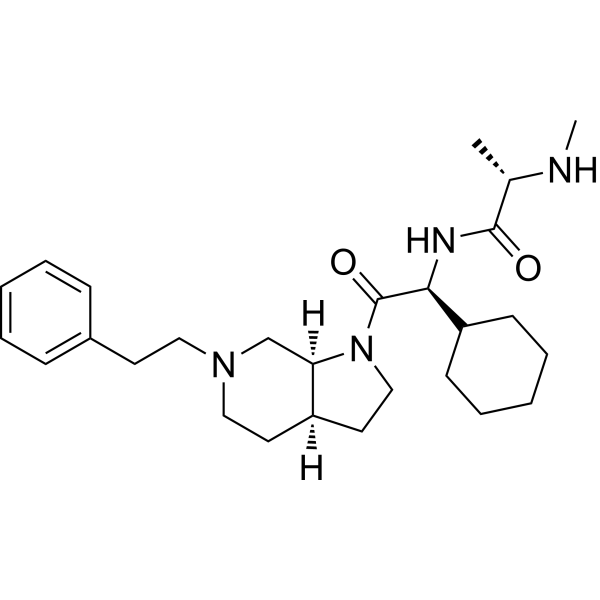
LBW242
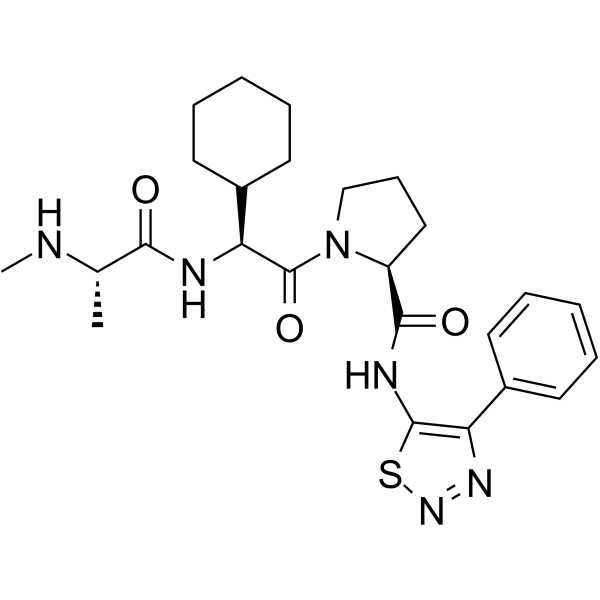
LBW242, a 3-mer and Smac mimetic, is a potent and orally active proapoptotic IAP inhibitor. LBW242 shows effects on mutant FLT3-expressing cells. LBW242 has activity against multiple myeloma, and potentiates TRAIL- and anticancer agent-mediated cell death of ovarian cancer cells.
Nur für Forschungszwecke. Wir verkaufen nicht an Patienten.
- CAS. Nr.: 867324-12-7
- Formel: C27H42N4O2
- Molecular Weight:454.65
-
Speicherung:
Please store the product under the recommended conditions in the Certificate of Analysis.

To place orders, for customer services and technical support, please contact: MedChemExpress USA
Tel: 609-228-6898 E-mail: [email protected] [email protected]


-
 Biologische Aktivität
-
Chemical Information
- Protokoll
- Reinheit & Dokumentation
- Verweise
-
 Help & FAQs


-
HY-15989
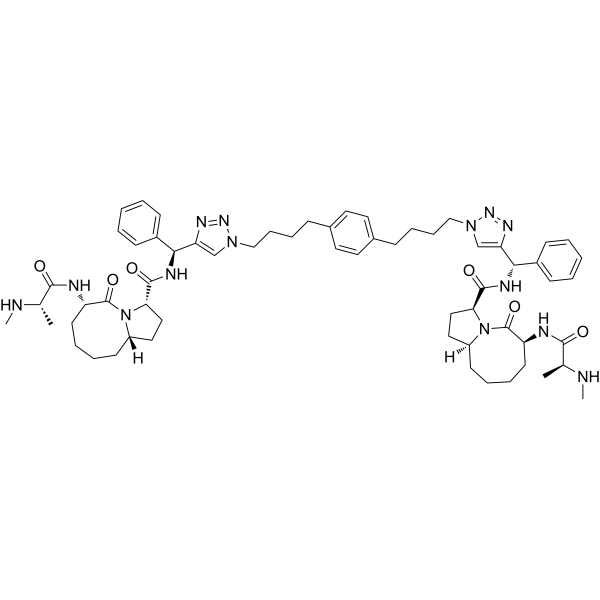
SM-164IAP Antagonist -
HY-12600
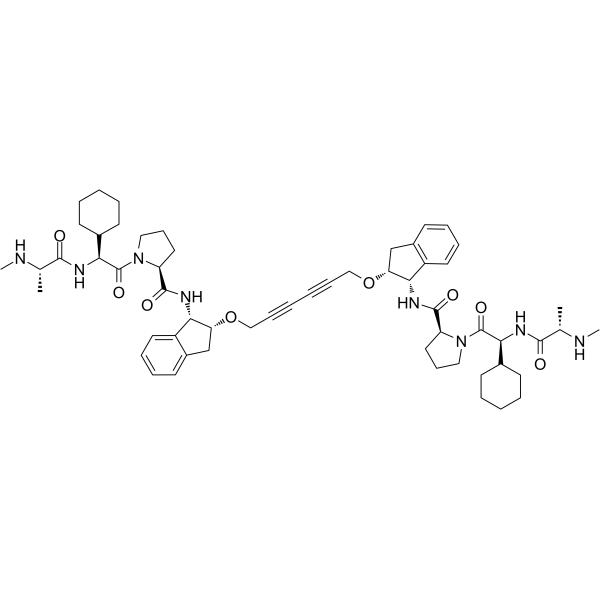
AZD5582 -
HY-15454
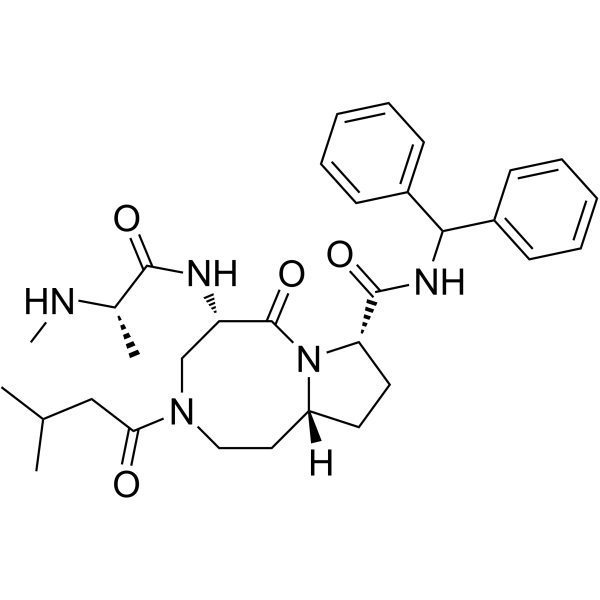
XevinapantSmac Mimetic/IAPs Antagonist -
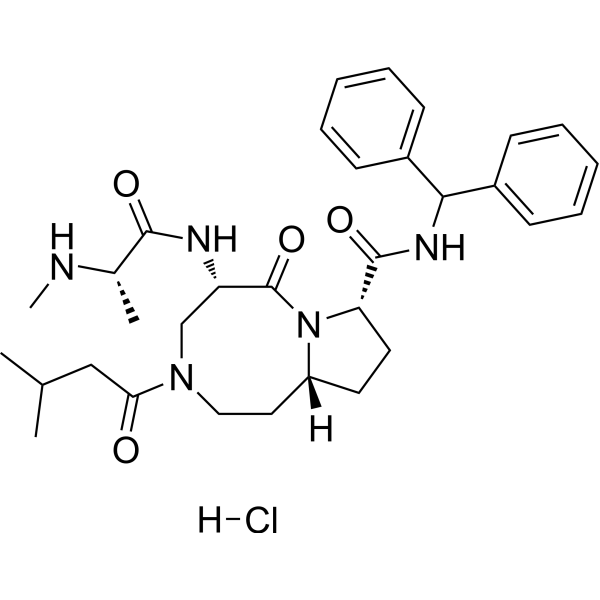
HY-13208
Xevinapant hydrochlorideIAPs Antagonist -
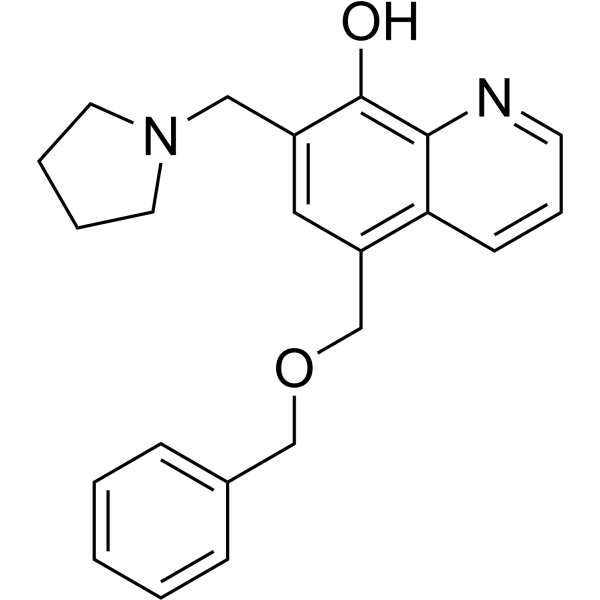
HY-12842
UC-112XIAP Inhibitor -
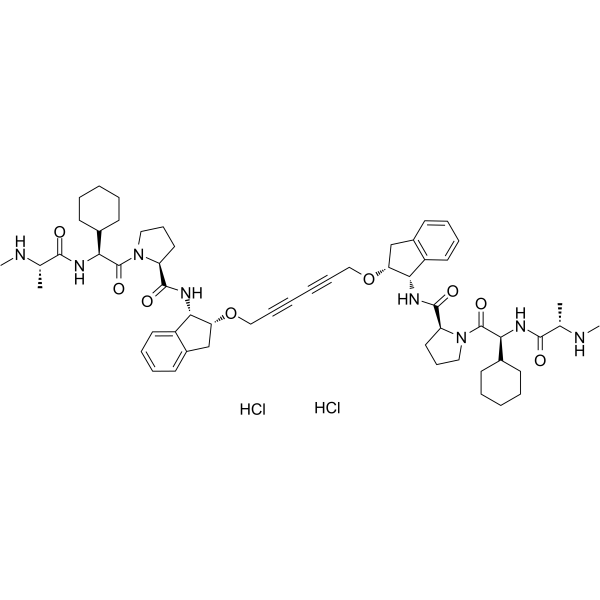
HY-110346
AZD5582 dihydrochloride -
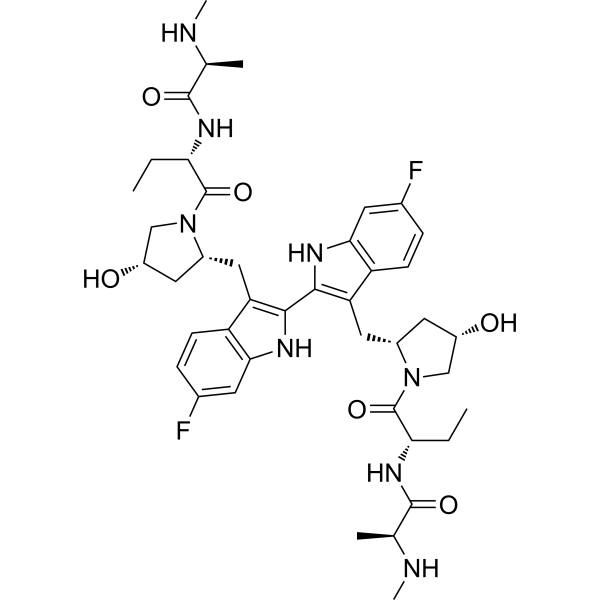
HY-16591
BirinapantXIAP/cIAP1 Antagonist -
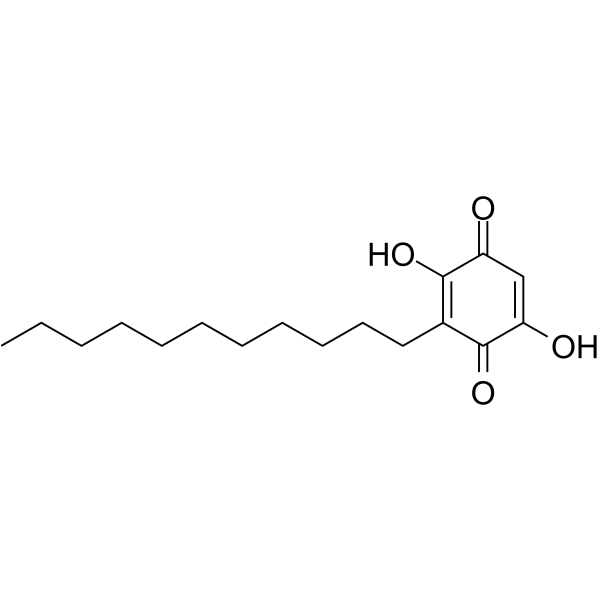
HY-17473
EmbelinXIAP Inhibitor -
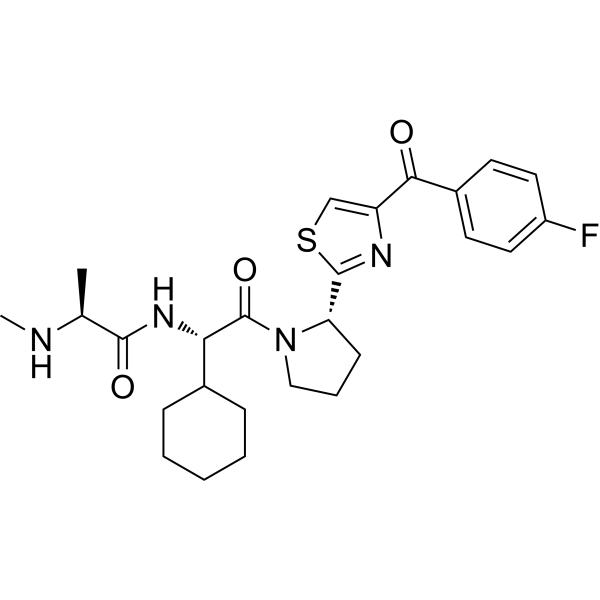
HY-15518
LCL161IAP Inhibitor -
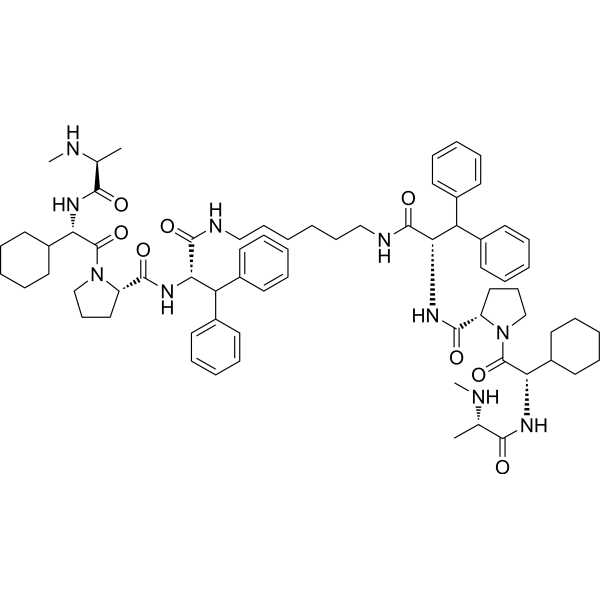
HY-16701
BV6cIAP1/XIAP Antagonist -
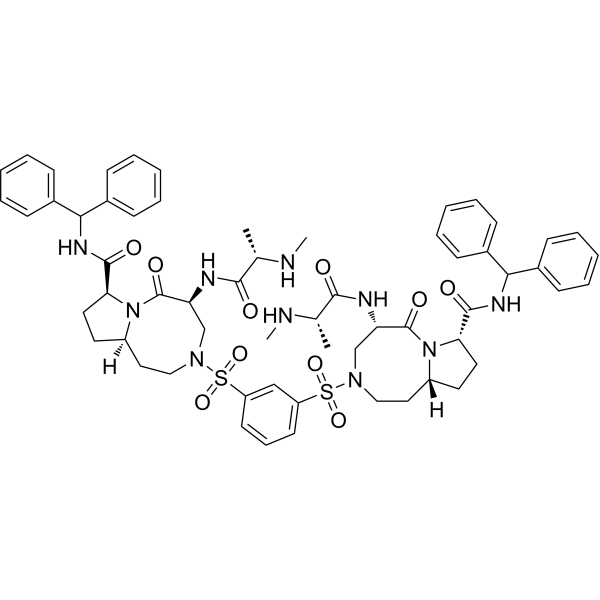
HY-125593
DasminapantIAP Antagonist -
HY-13638
GDC-0152IAP Inhibitor


Biologische Aktivität
Beschreibung
In Vitro
LBW242 is a 3-mer and Smac mimetic, based on the ability of the NH2-terminal seven amino acids of Smac to neutralize the BIR3 domain of X-chromosome-linked IAP (XIAP). LBW242 partially inhibits the growth of mutant FLT3-expressing lines, MV4;11 at 1 μM[1].
LBW242 kills cells in a manner strictly dependent on caspases, and death is accompanied by PARP cleavage, Annexin positivity, and accumulation of cells in sub-G1[1].
LBW242 (0-0.1 μM; 3 days) inhibits a panel of PKC412-sensitive or PKC412-resistant, mutant FLT3-expressing Ba/F3 lines The IC50 values ranged from 0.5 to >1 μM[1].
MedChemExpress (MCE) has not independently confirmed the accuracy of these methods. They are for reference only.
-
Cell Line:FLT3-ITD-Ba/F3 cells and mutant FLT3-expressing cells, A627T-FLT3-Ba/F3, F691IFLT3-Ba/F3, and N676D-FLT3-Ba/F3 cells
-
Concentration:0.001, 0.01, 0.1 μM
-
Incubation Time:3 days
-
Result:Inhibited a panel of PKC412-sensitive or PKC412-resistant, mutant FLT3-expressing Ba/F3 lines The IC50 values ranged from 0.5 to >1 μM .
In Vivo
MedChemExpress (MCE) has not independently confirmed the accuracy of these methods. They are for reference only.
-
Animal Model:NCR nude mice were inoculated with FLT3-ITD-Ba/F3 cells[1]
-
Dosage:50 mg/kg
-
Administration:Oral gavage; daily for 10 days
-
Result:Effective in reducing tumor burden.


Chemical Information
-
CAS. Nr. 867324-12-7
-
Molecular Weight 454.65
-
Formel C27H42N4O2
-
SMILES
[H][C@@]1(C2)[C@](CCN1C([C@H](C3CCCCC3)NC([C@H](C)NC)=O)=O)([H])CCN2CCC4=CC=CC=C4
-
Versand
Room temperature in continental US; may vary elsewhere.
-
Speicherung
Please store the product under the recommended conditions in the Certificate of Analysis.


Reinheit & Dokumentation
Verweise
[1]. Weisberg E, et al. Potentiation of antileukemic therapies by Smac mimetic, LBW242: effects on mutant FLT3-expressing cells. Mol Cancer Ther. 2007 Jul;6(7):1951-61. [Content Brief]
[2]. Petrucci E, et al. A small molecule SMAC mimic LBW242 potentiates TRAIL- and anticancer drug-mediated cell death of ovarian cancer cells. PLoS One. 2012;7(4):e35073. [Content Brief]

Calculators
Konzentration (Stammlösung) × Volumen (Stammlösung) = Konzentration (Ziellösung) × Volumen (Ziellösung)


LBW242 Related Classifications
HY-15519 Related Classifications
 Powered by Bioz