1. Search Result
Search Result
Isoforms Recommended: SIRT3
Results for "

sirt3

" in MedChemExpress (MCE) Product Catalog:

64

Inhibitors & Agonists

1

Biochemical Assay Reagents

2

Peptides

12

Natural
Products

3

Recombinant Proteins

1

Isotope-Labeled Compounds

5

Antibodies

3

Oligonucleotides

Cat. No. Product Name Target Research Areas Chemical Structure
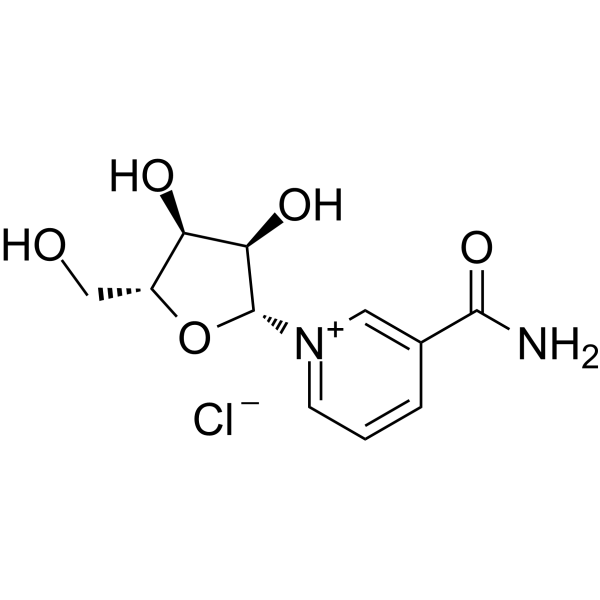
  • HY-123033A
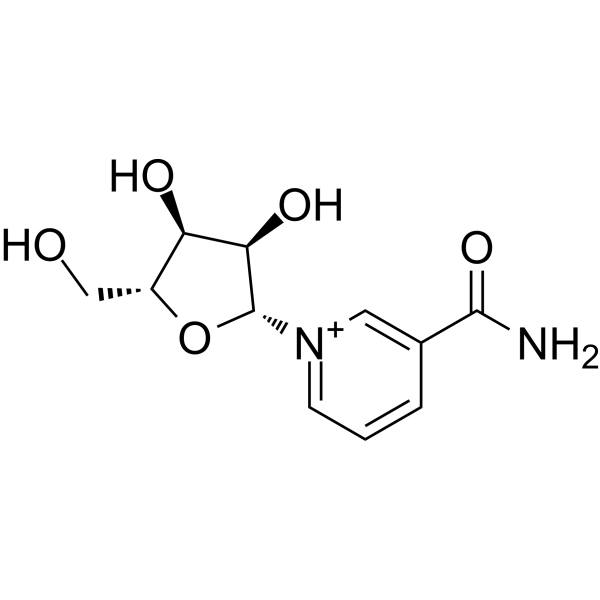
    Nicotinamide riboside chloride
    Maximum Cited Publications
    25 Publications Verification

    Sirtuin Endogenous Metabolite Neurological Disease Metabolic Disease Cancer
    Nicotinamide riboside Chloride, an orally active NAD + precursor, increases NAD + levels and activates SIRT1 and SIRT3. Nicotinamide riboside Chloride is a source of vitamin B3 (niacin) and enhances oxidative metabolism, protection against high fat diet-induced metabolic abnormalities . Nicotinamide riboside Chloride reduces cognitive deterioration in a transgenic mouse model of Alzheimer’s disease .
    Nicotinamide riboside chloride
  • HY-10532
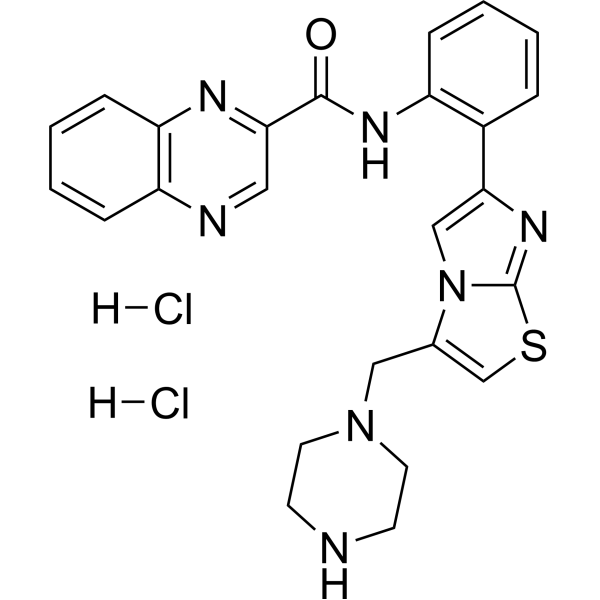
    SRT 1720
    55+ Cited Publications

    Sirtuin Autophagy Metabolic Disease
    SRT 1720 is a selective activator of human SIRT1 with an EC1.5 of 0.16 μM, and shows less potent activities for SIRT2 and SIRT3 with EC1.5s of 37 μM and > 300 μM, respectively.
    SRT 1720
  • HY-108331
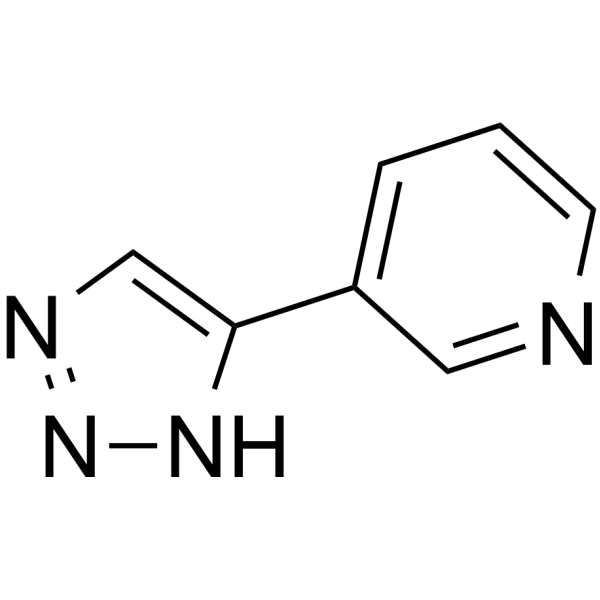
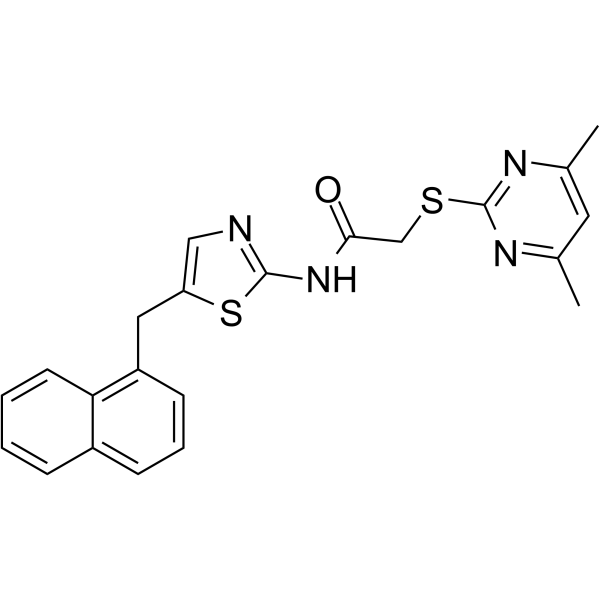
    3-TYP
    Maximum Cited Publications
    100 Publications Verification

    Sirtuin Methionine Adenosyltransferase (MAT) Indoleamine 2,3-Dioxygenase (IDO) Cancer
    3-TYP is an inhibitor of SIRT3 (IC50of 38 μM) and an inhibitor of Methionine Adenosyltransferase (MAT) 2 and Indoleamine 2,3-Dioxygenase (IDO). There may be many off-target sites for 3-TYP that need to be examined, such as NAD-dependent enzymes, including dehydrogenases [3].
    3-TYP
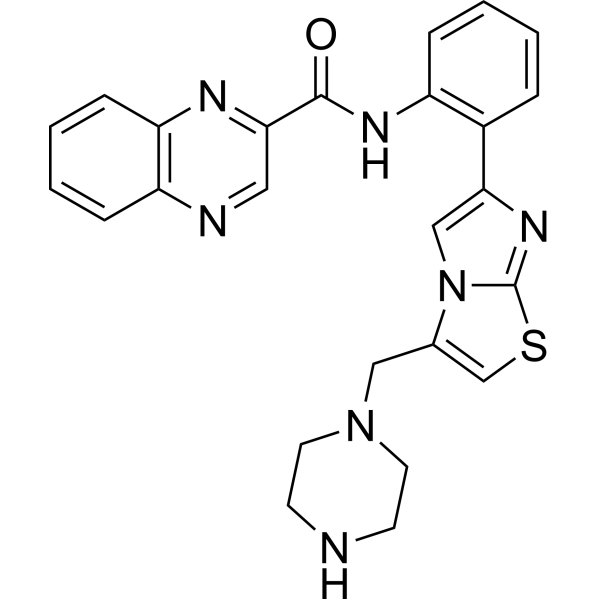
  • HY-158426
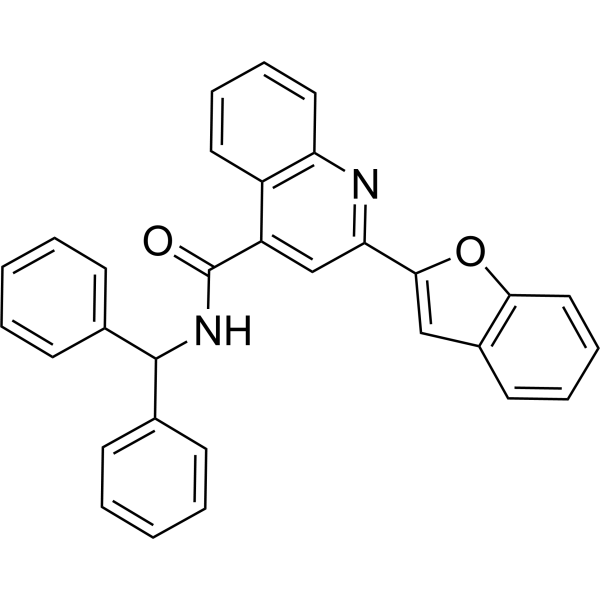
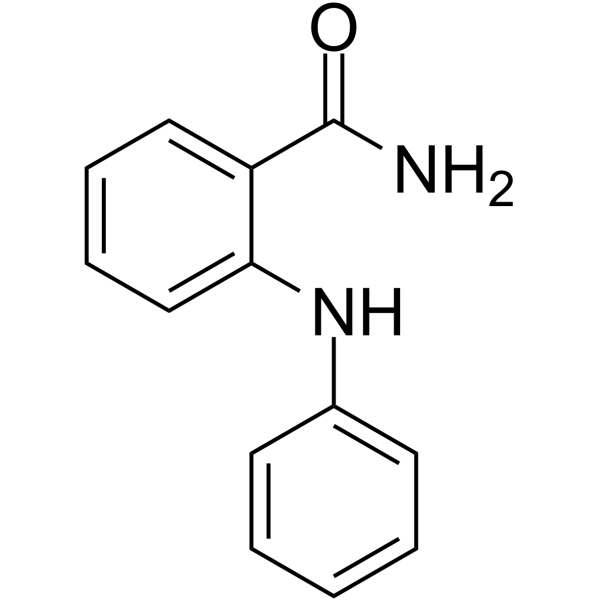
    2-APQC
    1 Publications Verification

    Sirtuin Cardiovascular Disease
    2-APQC is an orally active and selective agonist of Sirtuin-3 (SIRT3) (Kd=2.756 μM), antagonizes Isoproterenol/ISO (HY-B0468)-induced cytotoxicity. 2-APQC activates the SIRT3-PYCR1 axis to enhance mitochondrial proline metabolism and inhibit the ROS-p38MAPK pathway by inhibiting signaling pathways such as mTOR-p70S6K, JNK, and TGF-β/Smad3. 2-APQC also activates the AMPK-Parkin axis to alleviate myocardial hypertrophy and fibrosis and protect cardiac function. 2-APQC can be used in the study of heart failure .
    2-APQC
  • HY-100578
    AGK2
    15+ Cited Publications

    Sirtuin Apoptosis Cancer
    AGK2 is a selective SIRT2 inhibitor with an IC50 of 3.5 μM. AGK2 inhibits SIRT1 and SIRT3 with IC50s of 30 and 91 μM, respectively.
    AGK2
  • HY-15145A
    SRT 1720 dihydrochloride
    55+ Cited Publications

    Sirtuin Autophagy Metabolic Disease
    SRT 1720 dihydrochloride is a selective and orally active activator of SIRT1 with an EC50 of 0.10 μM, and shows less potent activities on SIRT2 and SIRT3 .
    SRT 1720 dihydrochloride
  • HY-15510
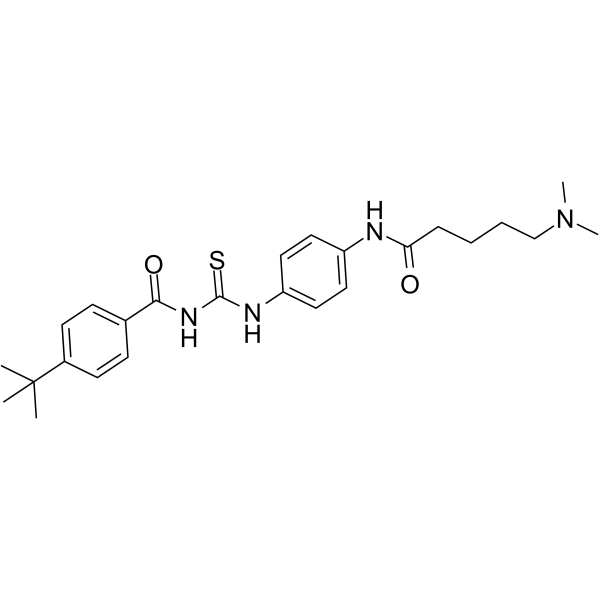
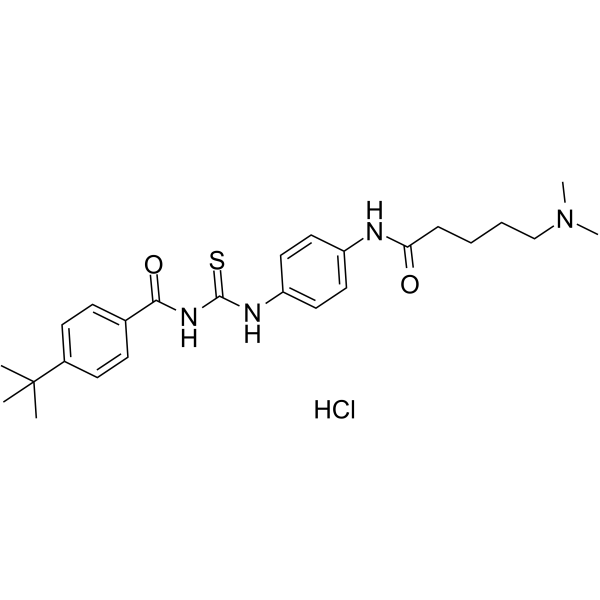
    Tenovin-6
    5 Publications Verification

    MDM-2/p53 Dihydroorotate Dehydrogenase Sirtuin Autophagy Cancer
    Tenovin-6, an analog of Tenovin-1 (HY-13423), is an activator of p53 transcriptional activity. Tenovin-6 inhibits the protein deacetylase activities of purified human SIRT1, SIRT2, and SIRT3 with IC50s of 21 μM, 10 μM, and 67 μM, respectively. Tenovin-6 also inhibits dihydroorotate dehydrogenase (DHODH) .
    Tenovin-6
  • HY-100591
    SirReal2
    2 Publications Verification

    Sirtuin Neurological Disease Inflammation/Immunology Cancer
    SirReal2 is a potent, isotype-selective Sirt2 inhibitor with an IC50 value of 140 nM and has very little effect on the activities of Sirt3-5. SirReal2 leads to tubulin hyperacetylation in HeLa cells and induces destabilization of the checkpoint protein BubR1. SirReal2 combined with VS-5584 (HY-16585) suppresses tumor growth and extends the survival rate of mice in tumor xenograft model. SirReal2 is is promising for research of cancer, inflammation and neurodegeneration [3] .
    SirReal2
  • HY-123033

    Sirtuin Endogenous Metabolite Neurological Disease Metabolic Disease Cancer
    Nicotinamide riboside, an orally active NAD + precursor, increases NAD + levels and activates SIRT1 and SIRT3. Nicotinamide riboside is a source of vitamin B3 (niacin) and enhances oxidative metabolism, protection against high fat diet-induced metabolic abnormalities . Nicotinamide riboside reduces cognitive deterioration in a transgenic mouse model of Alzheimer’s disease .
    Nicotinamide riboside
  • HY-N4100
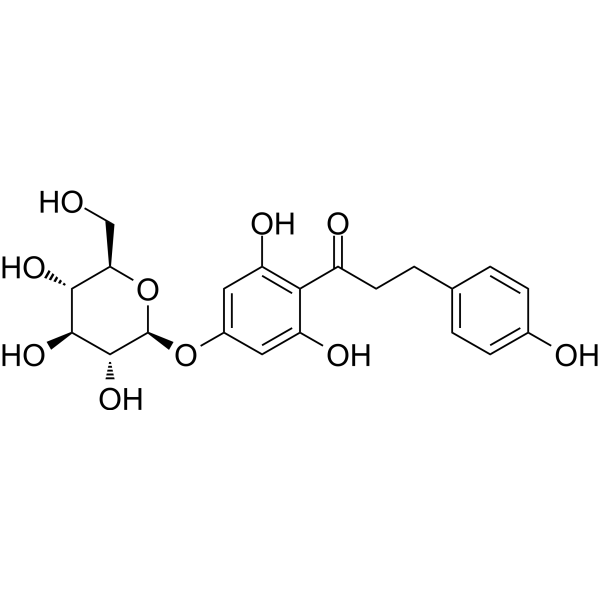
    Trilobatin
    5+ Cited Publications

    TNF Receptor HIV SGLT Infection
    Trilobatin, a natural sweetener derived from Lithocarpus polystachyus Rehd , Trilobatin is an HIV-1 entry inhibitor targeting the HIV-1 Gp41 envelope . Neuroprotective effects . Trilobatin is also a SGLT1/2 inhibitor that selectively induces the proliferation of human hepatoblastoma cells [3].
    Trilobatin
  • HY-W105310A

    Nacr

    HDAC Sirtuin CDK Bcl-2 Family Apoptosis Others
    Croconic acid disodium (Nacr) is a lysine crotonylation (Kcr) activator and electroactive material. Croconic acid disodium reduces the expression of HDAC2, HDAC3, SIRT1, and SIRT3, and increases the expression of EP300, CITED1, ACSS2, DPF2, CDYL, MLLT3, and YEATS2. Croconic acid disodium elevates intracellular crotonyl-CoA content and global histone lysine crotonylation levels. Croconic acid disodium promotes the growth of bovine fibroblasts, regulates cell cycle progression, and inhibits bovine fibroblast apoptosis (apoptosis). Croconic acid disodium improves the blastocyst development efficiency of bovine somatic cell nuclear transfer embryos. Croconic acid disodium undergoes reversible lithium intercalation/deintercalation reactions via sodium-lithium ion exchange. Croconic acid disodium is applicable to research related to cell growth promotion .
    Croconic acid disodium
  • HY-158162
    SIRT3 activator 1
    1 Publications Verification

    Sirtuin Cardiovascular Disease
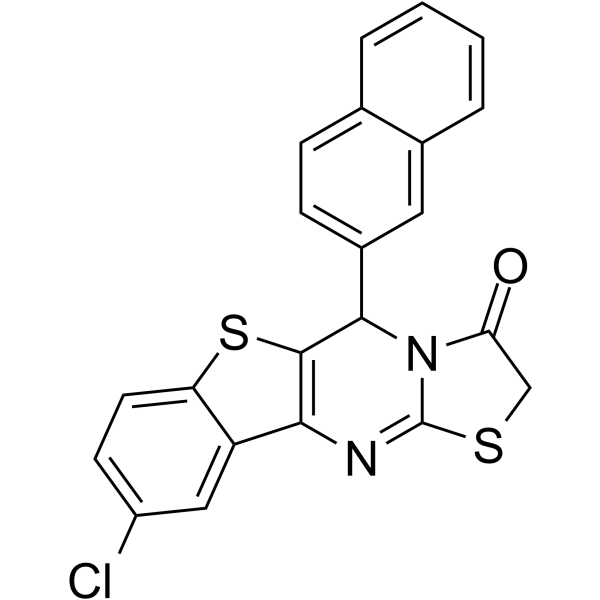
    SIRT3 activator 1 (Compound 5v) is a SIRT3 activator. SIRT3 activator 1 selectively elevates SIRT3 expression, leading to the upregulation of SOD2 and OPA1 expression, effectively preventing mitochondrial dysfunction, mitigating oxidative stress, and preserving cardiomyocyte viability. SIRT3 activator 1 can be used for research of cardiovascular diseases .
    SIRT3 activator 1
  • HY-173572

    Sirtuin Autophagy Cardiovascular Disease
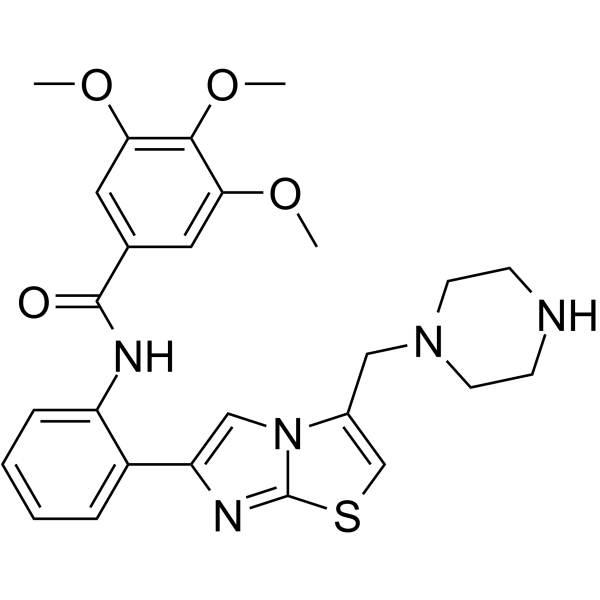
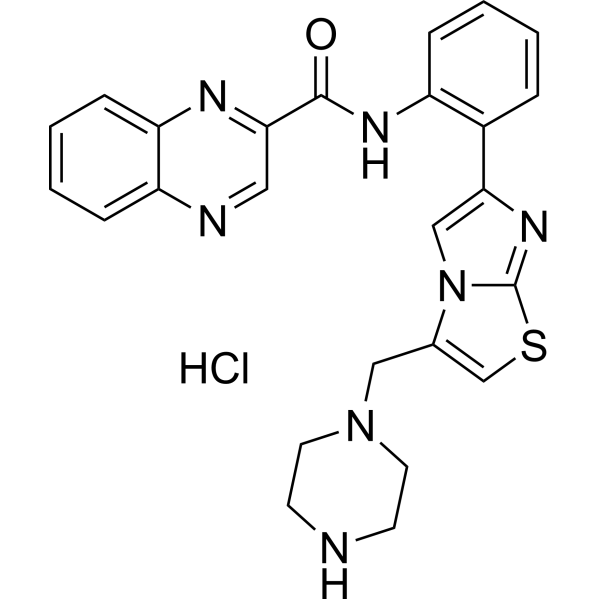
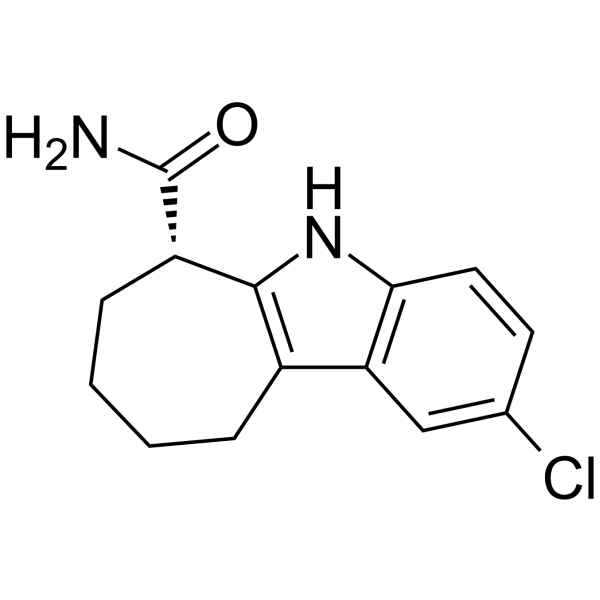
    SKLB-11A is a selective, orally active and allosteric SIRT3 (sirtuin 3) agonist with a Kd value of 4.7 μM. SKLB-11A is highly selective for other members of the SIRT family. SKLB-11A activates autophagy-related signaling pathways, prevents mitochondrial dysfunction, improves cardiac function in Doxorubicin (HY-15142A)-induced cardiotoxicity and myocardial ischemia/reperfusion models .
    SKLB-11A
  • HY-N1511
    Ganoderic acid D
    2 Publications Verification

    Sirtuin Apoptosis Cancer
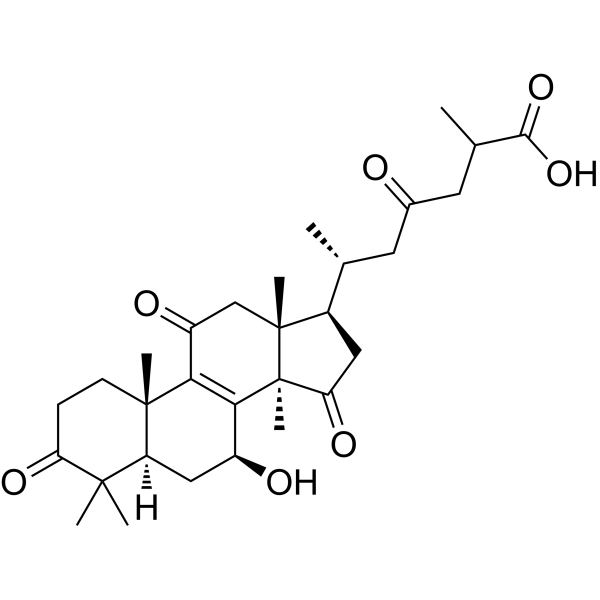
    Ganoderic acid D, a highly oxygenated tetracyclic triterpenoid, is the major active component of Ganoderma lucidum. Ganoderic acid D upregulates the protein expression of SIRT3 and induces the deacetylated cyclophilin D (CypD) by SIRT3. Ganoderic acid D inhibits the energy reprogramming of colon cancer cells including glucose uptake, lactate production, pyruvate and acetyl-coenzyme production in colon cancer cells . Ganoderic acid D induces HeLa human cervical carcinoma apoptosis .
    Ganoderic acid D
  • HY-165126

    SPG

    Endogenous Metabolite Sirtuin JNK p38 MAPK PPAR AP-1 Infection Metabolic Disease Inflammation/Immunology Cancer
    Schizophyllan (SPG) is an orally active extracellular β-glucan produced by the fungus Schizophyllum commune. Schizophyllan improves mitochondrial function and protects against metabolic liver injury by activating the SIRT3 pathway. Schizophyllan inhibits osteoclastogenesis and promotes osteoblast differentiation by suppressing the phosphorylation of JNK/p38, as well as downregulating PGC1β/PPARγ, c-Fos and NFATc1. Recognized via Dectin-1, schizophyllan enables precise delivery of oligonucleotide drugs and antigens to antigen-presenting cells, thus holding great potential in the treatment of inflammatory diseases and vaccine development [3].
    Schizophyllan
  • HY-124037
    SRT 1460
    5+ Cited Publications

    Sirtuin Cancer
    SRT 1460, a potent Sirtuin-1 (SIRT1) activator with an EC1.5 value of 2.9 μM, shows good selectivity for activation of SIRT1 versus SIRT2 and SIRT3 (EC1.5>300 μM), and is more potent than Resveratrol and the closest sirtuin homologues .
    SRT 1460
  • HY-N5063
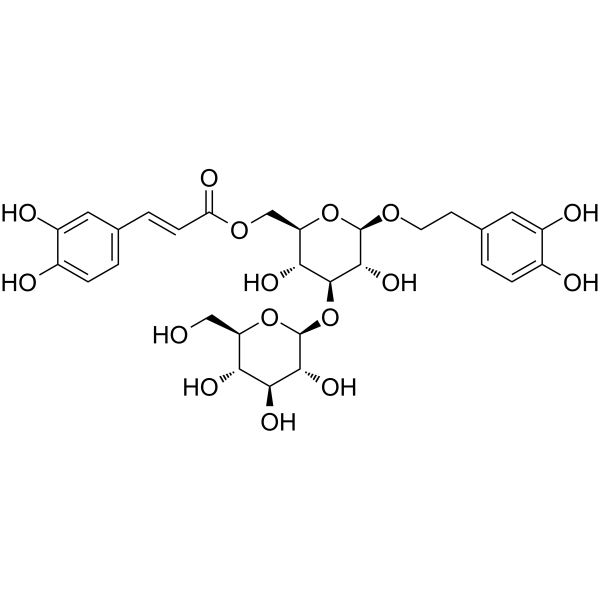
    Plantainoside D
    2 Publications Verification

    Angiotensin-converting Enzyme (ACE) IKK Calcium Channel PKC Reactive Oxygen Species (ROS) NF-κB Apoptosis Sirtuin NOD-like Receptor (NLR) Cardiovascular Disease Neurological Disease Inflammation/Immunology
    Plantainoside D, a phenylethanoid glycosides, is a IKK-β inhibitor with diverse biological activities. Plantainoside D shows inhibitory activity of angiotensin-converting enzyme (ACE) with an IC50 of 2.17 mM. Plantainoside D significantly reduces the release of glutamate from nerve terminals in the cerebral cortex of rats by inhibiting the voltage-dependent calcium channel (VDCCs) and protein kinase C (PKC) signaling cascade. Plantainoside D significantly alleviates cell apoptosis by inhibiting the generation of ROS and the activation of NF-κB. Plantainoside D significantly improves acute lung injury (ALI) induced by sepsis by regulating the Sirt3/NLRP3 signaling pathway. Plantainoside D can be used for the study of neuroprotection, antioxidant, anti-inflammation, antihypertension [3] .
    Plantainoside D
  • HY-163987

    Sirtuin Neurological Disease
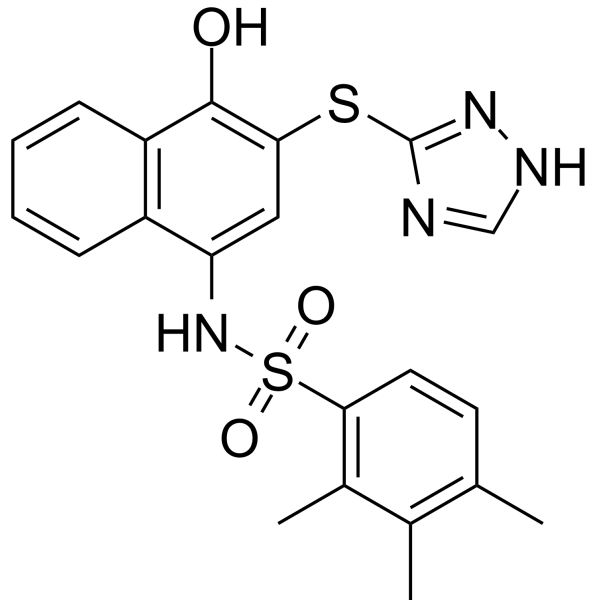
    SIRT3 activator 2 (compound 2a) is a SIRT3 activator. SIRT3 activator 2 improved the thermal stability of SIRT3 in SH-SY5Y cells, indicating that it can directly bind to SIRT3, has SIRT3 dependency in SH-SY5Y to clear α-Syn. SIRT3 activator 2 improves motor function in Parkinson mice, preventing Parkinson (DA) neuron loss in the substantia nigra in a dose-dependent manner .
    SIRT3 activator 2
  • HY-124113

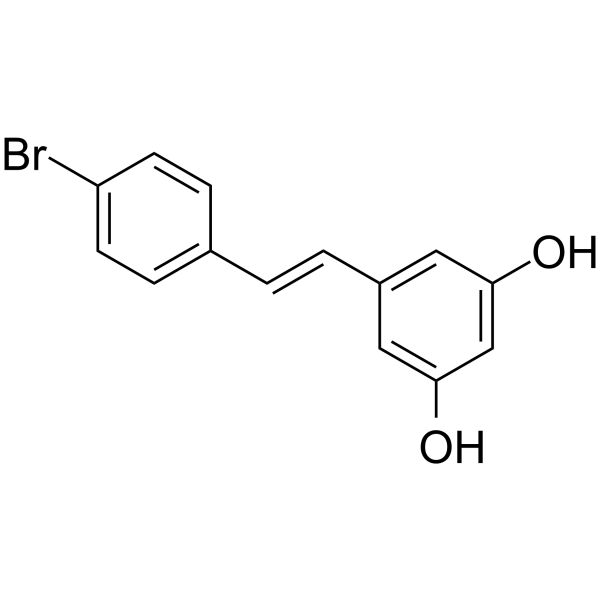
    4′‐BR

    Sirtuin Apoptosis Caspase Lactate Dehydrogenase GLUT Metabolic Disease Inflammation/Immunology Cancer
    4'-Bromo-resveratrol (4′‐BR) is a dual SIRT1/SIRT3 inhibitor with an IC50 of 0.2 mM for both targets. 4'-Bromo-resveratrol induces caspase-dependent apoptosis, induces G0/G1 cell cycle arrest, and inhiibits proliferation. 4'-Bromo-resveratrol reduces lactate production, glucose uptake, and NAD +/NADH ratio, and downregulates lactate dehydrogenase A and glucose transporter 1 (GLUT1). 4'-Bromo-resveratrol can be used for the research of melanoma .
    4'-Bromo-resveratrol
  • HY-148712

    Apoptosis Sirtuin Cancer
    SIRT6 activator 12q is potent, selective and orally active SIRT6 activator with IC50 values of 171.20, >200, >200, >200, 0.58 μM for SIRT1, SIRT2, SIRT3, SIRT5, SIRT6, respectively. SIRT6 activator 12q inhibits cell growth and migration. SIRT6 activator 12q induces Apoptosis and cell cycle arrest at G2 phase. SIRT6 activator 12q shows anticancer activity .
    SIRT6 activator 12q
  • HY-15145
    SRT 1720 monohydrochloride
    55+ Cited Publications

    Sirtuin Autophagy Metabolic Disease
    SRT 1720 monohydrochloride is a selective and orally active activator of SIRT1 with an EC50 of 0.10 μM, and shows less potent activities on SIRT2 and SIRT3 .
    SRT 1720 monohydrochloride
  • HY-103636
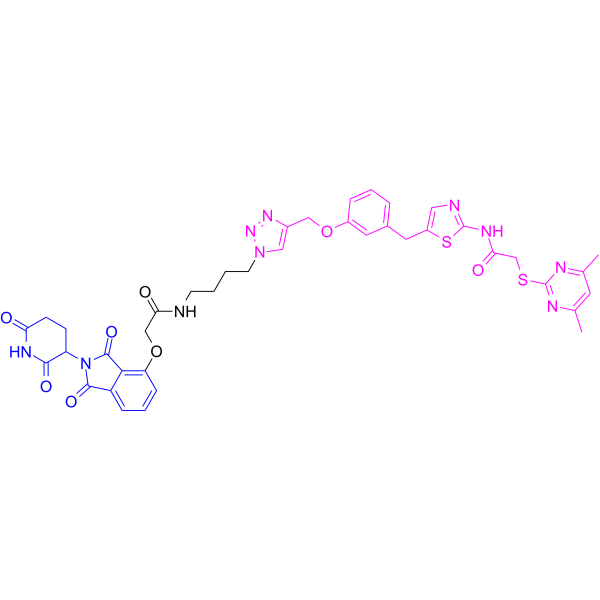
    PROTAC Sirt2 Degrader-1
    1 Publications Verification

    Sirtuin PROTACs Cancer
    PROTAC Sirt2 Degrader-1 is a SirReal-based PROTAC, acts as a Sirt2 degrader, composed of a highly potent and isotype-selective Sirt2 inhibitor, a linker, and a bona fide Cereblon ligand for E3 ubiquitin ligase. PROTAC Sirt2 Degrader-1 shows an IC50 of 0.25 μM for Sirt2, with no effect on Sirt1/Sirt3 (IC50s>100 μM) .
    PROTAC Sirt2 Degrader-1
  • HY-123033C
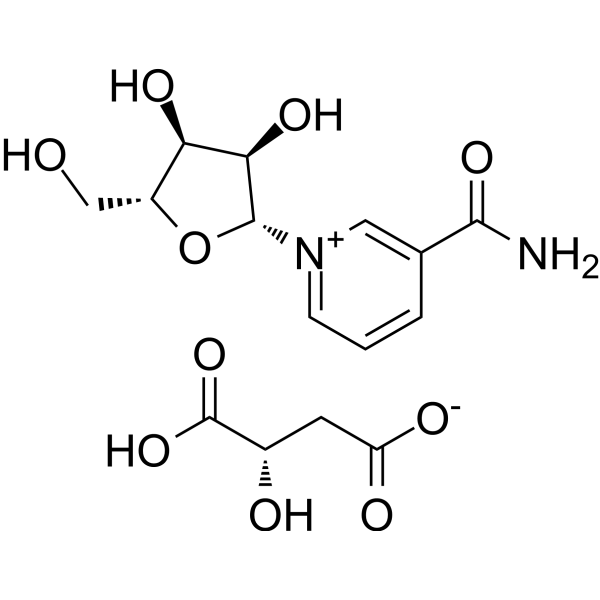
    Nicotinamide riboside malate
    Maximum Cited Publications
    25 Publications Verification

    Sirtuin Endogenous Metabolite Neurological Disease Metabolic Disease Cancer
    Nicotinamide riboside malate, an orally active NAD + precursor, increases NAD + levels and activates SIRT1 and SIRT3. Nicotinamide riboside malate is a source of vitamin B3 (niacin) and enhances oxidative metabolism, protection against high fat diet-induced metabolic abnormalities . Nicotinamide riboside malate reduces cognitive deterioration in a transgenic mouse model of Alzheimer’s disease .
    Nicotinamide riboside malate
  • HY-15510B
    Tenovin-6 Hydrochloride
    5 Publications Verification

    MDM-2/p53 Dihydroorotate Dehydrogenase Sirtuin Autophagy Cancer
    Tenovin-6 Hydrochloride, an analog of Tenovin-1 (HY-13423), is an activator of p53 transcriptional activity. Tenovin-6 Hydrochloride inhibits the protein deacetylase activities of purified human SIRT1, SIRT2, and SIRT3 with IC50s of 21 μM, 10 μM, and 67 μM, respectively. Tenovin-6 Hydrochloride also inhibits dihydroorotate dehydrogenase (DHODH) .
    Tenovin-6 Hydrochloride
  • HY-123033AR

    Reference Standards Sirtuin Endogenous Metabolite Neurological Disease Metabolic Disease Cancer
    Nicotinamide riboside (chloride) (Standard) is the analytical standard of Nicotinamide riboside (chloride). This product is intended for research and analytical applications. Nicotinamide riboside Chloride, an orally active NAD+ precursor, increases NAD+ levels and activates SIRT1 and SIRT3. Nicotinamide riboside Chloride is a source of vitamin B3 (niacin) and enhances oxidative metabolism, protection against high fat diet-induced metabolic abnormalities[1]. Nicotinamide riboside Chloride reduces cognitive deterioration in a transgenic mouse model of Alzheimer’s disease[2].
    Nicotinamide riboside chloride (Standard)
  • HY-N6850
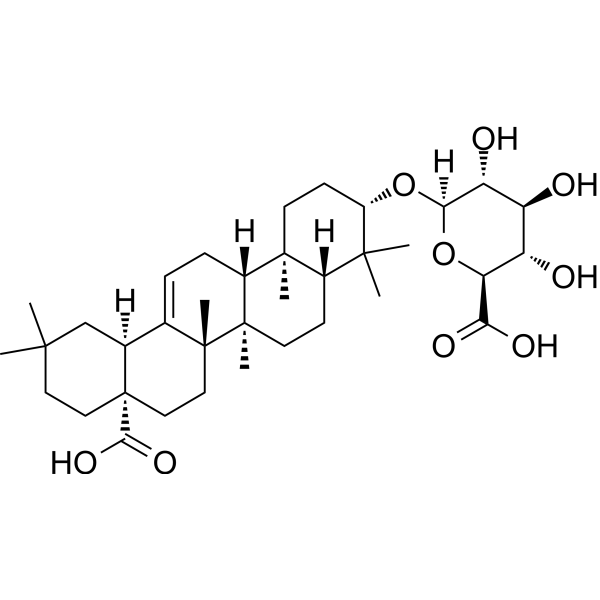
    Calenduloside E
    1 Publications Verification

    Apoptosis Pyroptosis AMPK Bcl-2 Family JAK STAT Calcium Channel Interleukin Related TNF Receptor SOD Reactive Oxygen Species (ROS) PPAR Cardiovascular Disease Inflammation/Immunology
    Calenduloside E is a pentacyclic triterpenoid saponin that can be extracted from the bark and roots of Aralia ovata, and has anti-inflammatory and anti-apoptotic activities. Calenduloside E alleviates atherosclerosis by regulating macrophage polarization, improves mitochondrial function by regulating the AMPK-SIRT3 pathway, and alleviates acute liver injury. In addition, Calenduloside E promotes the interaction between L-type calcium channels and Bcl-2 related apoptosis genes, inhibits calcium overload, and alleviates myocardial ischemia/reperfusion injury. Calenduloside E also improves non-alcoholic fatty liver disease by regulating heat shock-dependent pathways, and inhibits ROS mediated JAK1-STAT3 pathways to reduce cellular inflammatory responses [3] .
    Calenduloside E
  • HY-RS12943

    Small Interfering RNA (siRNA) Sirtuin Others

    SIRT3 Human Pre-designed siRNA Set A contains three designed siRNAs for SIRT3 gene (Human), as well as a negative control, a positive control, and a FAM-labeled negative control.

    SIRT3 Human Pre-designed siRNA Set A
    SIRT3 Human Pre-designed siRNA Set A
  • HY-161920

    Sirtuin Apoptosis Cancer
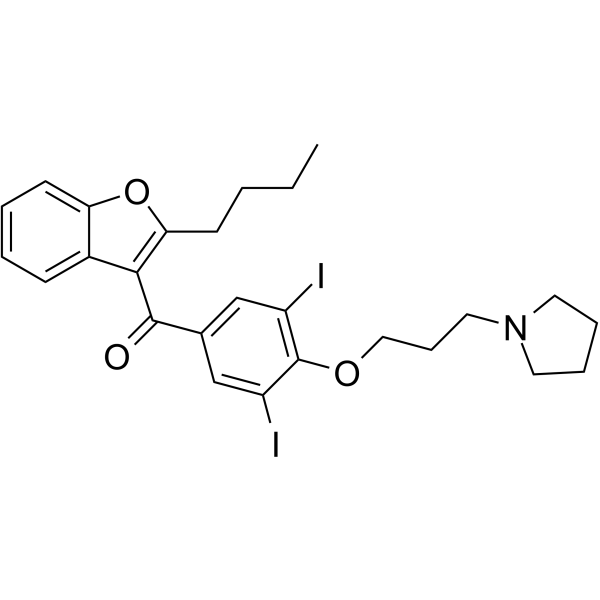
    SIRT3-IN-1 (compound 17f) is a SIRT3 inhibitor, with IC50 of 0.043 μM. SIRT3-IN-1 can be used in the research of acute leukemia (AML) .
    SIRT3-IN-1
  • HY-139742
    ADTL-SA1215
    2 Publications Verification

    Sirtuin Cancer
    ADTL-SA1215 is a first-in-class specific small-molecule activator of SIRT3 that modulates autophagy in triple negative breast cancer.
    ADTL-SA1215
  • HY-19758A

    Sirtuin Cancer
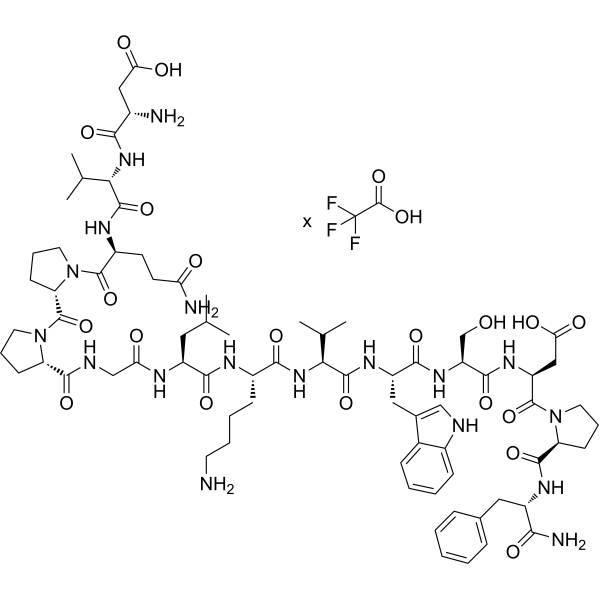
    Sirtuin modulator 1 is a modulator of SIRTl, a homolog of SIRT3, with EC1.5 of < 1 μM, extracted from patent WO 2010071853 A1, Compound No.4.
    Sirtuin modulator 1
  • HY-N1910
    4'-O-Methylbavachalcone
    4 Publications Verification

    SARS-CoV Virus Protease Succinate Receptor 1 ERK Infection Neurological Disease
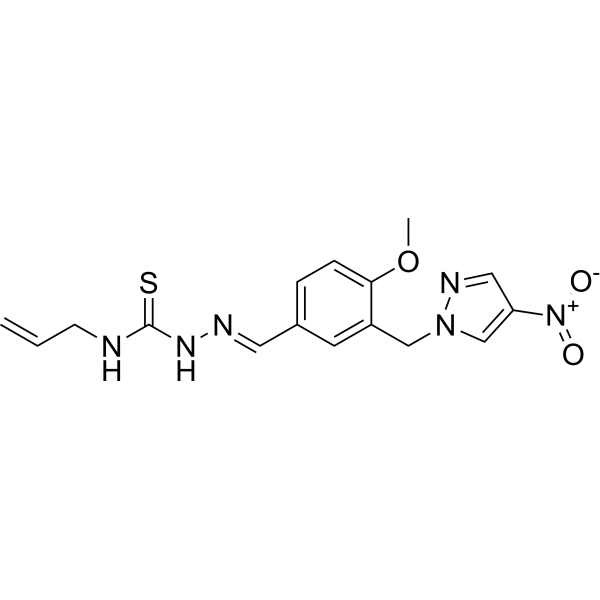
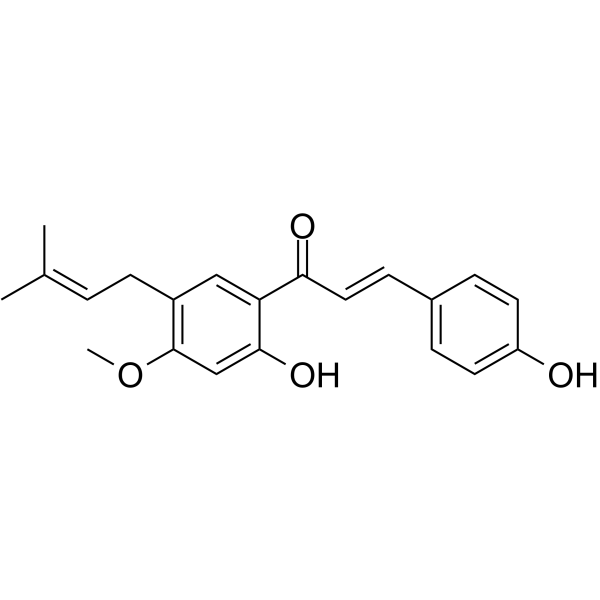
    4'-O-Methylbavachalcone is an orally active prenylated flavonoid that inhibits the activity of SARS-CoV papain-like protease (PLpro), with an IC50 of 10.1 μM and a Ki of 4.6 μM. 4'-O-Methylbavachalcone inhibits poly (ADP-ribose) polymerase-mediated cell death (parthanatos), reduces cerebral infarct volume, binds to the orthosteric site of SUCNR1, blocks the interaction between succinate and SUCNR1, inhibits SUCNR1 activity, blocks the nuclear translocation of NFATc4, suppresses the activation of the ERK1/2 signaling pathway, inhibits cardiomyocyte hypertrophy and restores the expression of α-actinin. 4'-O-Methylbavachalcone can be used in studies related to ischemic stroke, SARS-CoV and cardiomyocyte hypertrophy [3].
    4'-O-Methylbavachalcone
  • HY-119575

    1,3,7,9-Tetramethyluric acid; Theacrine

    Influenza Virus Collagen Sirtuin Interleukin Related TGF-beta/Smad ERK p38 MAPK Inflammation/Immunology
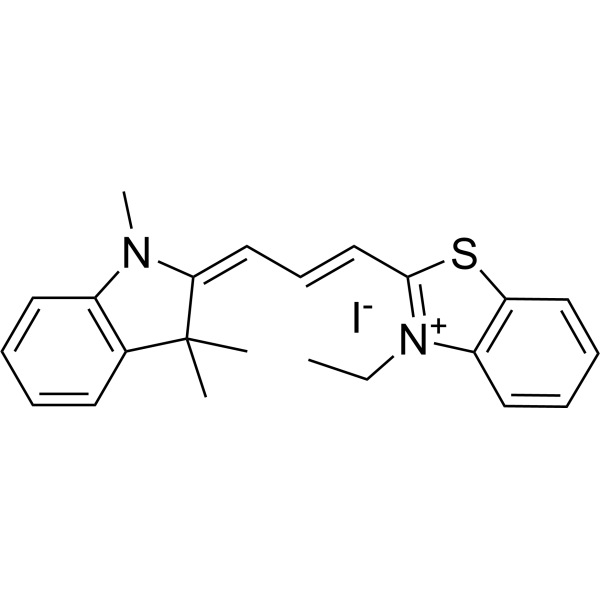
    Tetramethyluric acid (1,3,7,9-Tetramethyluric acid) is an orally active purine alkaloid in Coffea species and Camellia kucha. Tetramethyluric acid exhibits antiviral, and anti-inflammatory activity. Tetramethyluric acid can be used for the research of inflammation disease, and influenza virus infection [3] .
    Tetramethyluric acid
  • HY-111329
    JGB1741
    1 Publications Verification

    ILS-JGB-1741

    Sirtuin Apoptosis Cancer
    JGB1741 (ILS-JGB-1741) is a potent and specific SIRT1 activity inhibitor with an IC50 of ∼15 μM. JGB1741 is a weak SIRT2 and SIRT3 inhibitor with an all IC50>100 μM. JGB1741 increases the acetylated p53 levels leading to p53-mediated apoptosis with modulation of Bax/Bcl2 ratio, cytochrome c release and PARP cleavage. JGB1741 has the potential for breast cancer research .
    JGB1741
  • HY-RS12944

    Small Interfering RNA (siRNA) Sirtuin Others

    Sirt3 Mouse Pre-designed siRNA Set A contains three designed siRNAs for Sirt3 gene (Mouse), as well as a negative control, a positive control, and a FAM-labeled negative control.

    Sirt3 Mouse Pre-designed siRNA Set A
    Sirt3 Mouse Pre-designed siRNA Set A
  • HY-133998
    SIRT-IN-3
    1 Publications Verification

    Sirtuin Cancer
    SIRT-IN-3 is a potent SIRT inhibitor, with an IC50 of 17 μM for SIRT1. SIRT-IN-3 shows about 4-fold and 14-fold selectivity for SIRT1 over SIRT2 and SIRT3, respectively (IC50 of 74 μM and 235 μM for SIRT2 and SIRT3, respectively) .
    SIRT-IN-3
  • HY-123033B
    Nicotinamide riboside tartrate
    Maximum Cited Publications
    25 Publications Verification

    Sirtuin Endogenous Metabolite Neurological Disease Metabolic Disease Cancer
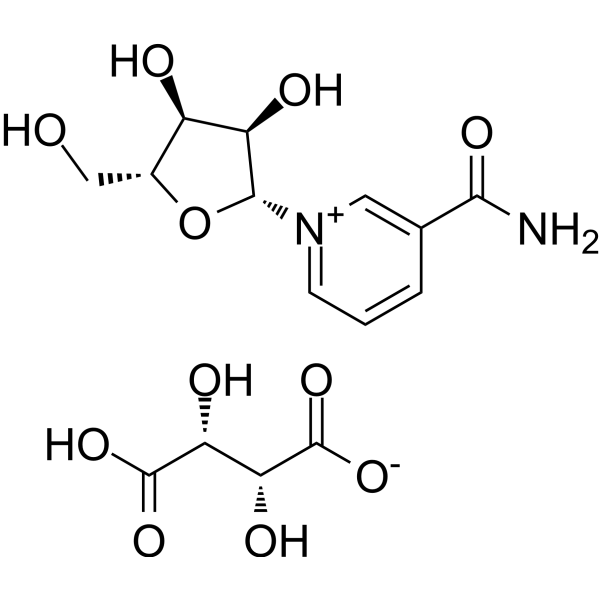
    Nicotinamide riboside tartrate, an orally active NAD + precursor, increases NAD + levels and activates SIRT1 and SIRT3. Nicotinamide riboside tartrate is a source of vitamin B3 (niacin) and enhances oxidative metabolism, protection against high fat diet-induced metabolic abnormalities . Nicotinamide riboside tartrate reduces cognitive deterioration in a transgenic mouse model of Alzheimer’s disease .
    Nicotinamide riboside tartrate
  • HY-178970

    HDAC Cancer
    HDAC11-IN-4 is a potent and selective HDAC11 inhibitor with an IC50 of 13.49 nM and a Ki of 2.2 nM. HDAC11-IN-4 exhibits extremely high selectivity for HDAC11 over other defatty-acylases such as SIRT2, SIRT3, SIRT6, and HDAC8 (SI >10,000). HDAC11-IN-4 can be used for the research of cancer .
    HDAC11-IN-4
  • HY-118343

    Sirtuin Cancer
    AC-93253 is a selective, potent SIRT2 inhibitor. AC93253 can inhibit SIRT2 with an IC50 value of 6 μM. AC93253 can be used for the research of tumors .
    AC-93253
  • HY-111522

    Sirtuin c-Myc Cancer
    RK-9123016 is a potent inhibitor of SIRT2. RK-9123016 inhibits the enzymatic activity of SIRT2 with an IC50 value of 0.18 µM but not other human sirtuin members including SIRT1 and SIRT3 at 100 µM. RK-9123016 increases the acetylation level of eukaryotic translation initiation factor 5A (eIF5A), a physiological substrate of SIRT2, and reduces cell viability of human breast cancer cells accompanied with a decrease in c-Myc expression .
    RK-9123016
  • HY-162837

    Aurora Kinase Cancer
    AURKA against 1 is an inhibitor of AURKA (IC50 less than 0.5 nM), targeting endogenous lysine (K162) acetylation, and has anti-proliferation activity against tumor cells. AURKA against 1 induces K162 acetylation, and the kinase activity of AURKA is reversibly restored in HCT116 cells transfected with SIRT3 .
    AURKA against 1
  • HY-RS12945

    Small Interfering RNA (siRNA) Others

    Sirt3 Rat Pre-designed siRNA Set A contains three designed siRNAs for Sirt3 gene (Rat), as well as a negative control, a positive control, and a FAM-labeled negative control.

    Sirt3 Rat Pre-designed siRNA Set A
    Sirt3 Rat Pre-designed siRNA Set A
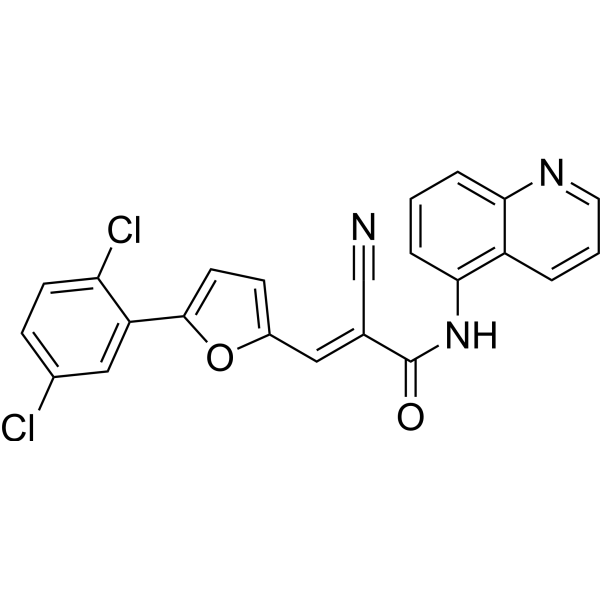
  • HY-163676

    Sirtuin Apoptosis Cancer
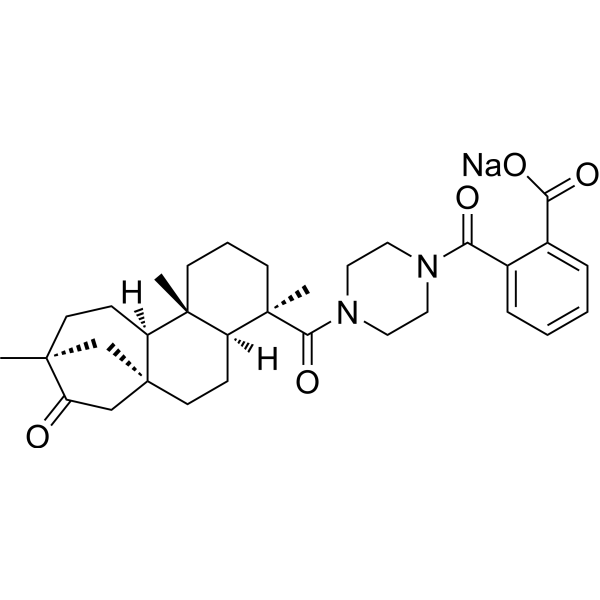
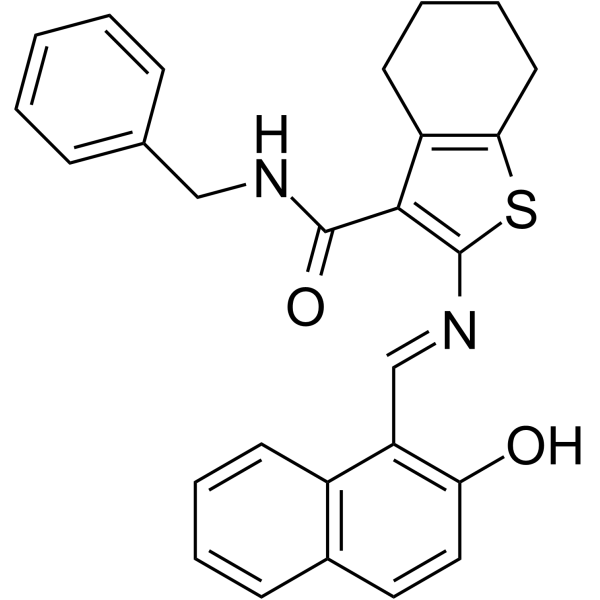
    MI-217 is a potent SIRT3 inhibitor. MI-217 induces MDA-MB-231 apoptosis. MI-217 can be used in the study of breast cancer .
    MI-217
  • HY-10532R

    Reference Standards Sirtuin Autophagy Metabolic Disease
    SRT 1720 (Standard) is the analytical standard of SRT 1720. This product is intended for research and analytical applications. SRT 1720 is a selective activator of human SIRT1 with an EC1.5 of 0.16 μM, and shows less potent activities for SIRT2 and SIRT3 with EC1.5s of 37 μM and > 300 μM, respectively.
    SRT 1720 (Standard)
  • HY-123033D

    Endogenous Metabolite Sirtuin Neurological Disease Metabolic Disease Cancer
    Nicotinamide riboside triflate, an orally active NAD + precursor, increases NAD + levels and activates SIRT1 and SIRT3. Nicotinamide riboside triflate is a source of vitamin B3 (niacin) and enhances oxidative metabolism, protection against high fat diet-induced metabolic abnormalities . Nicotinamide riboside triflate reduces cognitive deterioration in a transgenic mouse model of Alzheimer’s disease .
    Nicotinamide riboside triflate
  • HY-118109

    Sirtuin
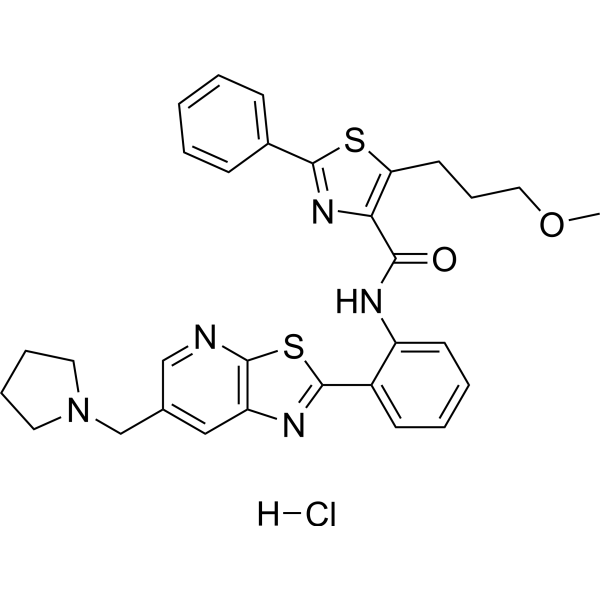
    SIRT3-IN-2 (Inhibitor scaffolds in Scheme 1) is a SIRT3 inhibitor, reducing SIRT3 activity by 39% at a concentration of 200 µM. SIRT3-IN-2 is promising for research into metabolic homeostasis and tumor suppression .
    SIRT3-IN-2
  • HY-136855

    Sirtuin AMPK PGC-1α Apoptosis Reactive Oxygen Species (ROS) Metabolic Disease
    MitoPBN is a AMPK/SIRT3/PGC-1α axis modulator, reactive oxygen species scavenger and mitochondrial function enhancer. MitoPBN increases the phosphorylation level of AMPK, restores SIRT3 expression and reverses the down-regulation of PGC-1α, thereby promoting mitochondrial biogenesis. MitoPBN regulates glucose metabolism, reduces blood glucose by inhibiting hepatic gluconeogenesis and increasing hepatic glucose uptake, while scavenging mitochondrial superoxide anion/hydrogen peroxide, maintaining membrane potential and increasing ATP production. MitoPBN also reduces cell apoptosis, improves sperm motility, survival rate and membrane integrity, but may induce reductive stress in cryopreserved sperm at high concentrations. MitoPBN is widely applicable to research related to diabetes and type 2 diabetes [3].
    MitoPBN
  • HY-146013

    Sirtuin Microtubule/Tubulin Cancer
    Sirt1/2-IN-1 (Compound 7) is a SIRT1 and SIRT2 inhibitor with IC50 values of 1.81, 2.10 and 20.5 µg/mL against SIRT1, SIRT2 and SIRT3, respectively. Sirt1/2-IN-1 displays activity in hyperacetylation of α-tubulin protein with an IC50 of 32.05 µg/mL. Sirt1/2-IN-1 shows prominent anticancer activity .
    Sirt1/2-IN-1
  • HY-111303

    Sirtuin Neurological Disease Inflammation/Immunology
    CHIC35, an analog of EX-527, is a potent and selective inhibitor of SIRT1 (IC50=0.124 μM). CHIC35 shows potential selective inhibition against SIRT1 over SIRT2 (IC50=2.8 μM) or SIRT3 (IC50>100 μM) . CHIC35 has anti-inflammatory effects and can be used for CHARGE syndrome research .
    CHIC35
  • HY-169051

    Sirtuin Cancer
    SIRT-IN-5 is a SIRT3 inhibitor, with an IC50 value of 2.88 μM. SIRT-IN-5 can promote the differentiation of multiple myeloma cells, along with an increase in the expression of the differentiation antigen CD49e and human immunoglobulin light chains λ and κ .
    SIRT-IN-5
  • HY-114906

    Sirtuin Cancer
    SIRT1/2/3-IN-2 (compound 9) is a potent SIRT inhibitor, with inhibition rates of 27%, 72%, and 71% targeting SIRT1, SIRT2, and SIRT3, respectively, at 200 μM. SIRT3 is a potential tumor suppressor or promoter, and its increased transcription may be associated with lymph node-positive breast cancer and oral squamous cell carcinoma .
    SIRT1/2/3-IN-2

Inquiry Online

Your information is safe with us. * Required Fields.

Salutation


Country or Region *

Applicant Name *


Organization Name *

Department *


Email Address *


Product Name *

Cat. No.


Requested quantity *

Phone Number *


Remarks

Inquiry Online

Inquiry Information

Product Name:
Cat. No.:
Quantity:
MCE Japan Authorized Agent: