
1. Search Result
Search Result
Pathways Recommended: Stem Cell/Wnt Cell Cycle/DNA Damage
Results for "

skeletal muscle cells

" in MedChemExpress (MCE) Product Catalog:

64

Inhibitors & Agonists

2

Biochemical Assay Reagents

1

Peptides

15

Natural
Products

2

Isotope-Labeled Compounds

5

Oligonucleotides

Cat. No. Nombre del producto Target Áreas de investigación Chemical Structure
  • HY-B0470
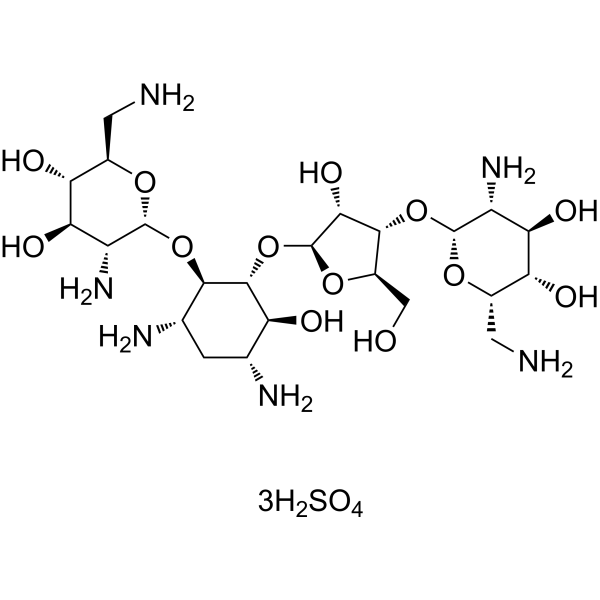
    Neomycin sulfate
    Maximum Cited Publications
    68 Publications Verification

    Environmental Pollutants Antibiotic Phospholipase Bacterial Infection Metabolic Disease Cancer
    Neomycin sulfate, an aminoglycoside antibiotic, exerts antibacterial activity through irreversible binding of the nuclear 30S ribosomal subunit, thereby blocking bacterial protein synthesis. Neomycin sulfate is a known phospholipase C (PLC) inhibitor. Neomycin sulfate potently inhibits both the nuclear translocation of angiogenin and angiogenin-induced cell proliferation and angiogenesis. Neomycin sulfate inhibits IP3-mediated Ca 2+ release, MgATP-dependent Ca 2+ uptake, and electrical excitation-evoked skeletal muscle Ca 2+ transients. Neomycin sulfate depletes gut microbiota in specific mouse models, causes hearing impairment, and kidney damage with prolonged exposure. Neomycin sulfate can be used for the research of cancer .
    Neomycin sulfate
  • HY-W010737
    Guanosine-5'-triphosphate disodium salt
    Maximum Cited Publications
    8 Publications Verification

    5'-GTP disodium salt

    Exosomes Endogenous Metabolite MicroRNA Metabolic Disease
    Guanosine 5'-triphosphate (5'-GTP) trisodium salt is a G protein (G proteins) signaling activator and a high-energy precursor in the biosynthesis of nucleotide units in DNA and RNA. Guanosine 5'-triphosphate trisodium salt can promote myogenic cell differentiation by upregulating miRNA (miR133a, miR133b) and myogenic regulatory factor expression, and by inducing human myogenic precursor cells to release exosomes containing guanosine molecules. Guanosine-5'-triphosphate disodium salt holds promise for research in biosynthesis and skeletal muscle regeneration .
    Guanosine-5'-triphosphate disodium salt
  • HY-112288
    C188-9
    30+ Cited Publications

    TTI-101

    STAT Apoptosis DNA Methyltransferase Metabolic Disease Inflammation/Immunology Cancer
    C188-9 (TTI-101) is a STAT3 inhibitor with a Kd value of 4.7 nM. C188-9 targets the SH2 domain of STAT3, blocks the processes of STAT3 ligand binding, receptor recruitment, homodimerization and phosphorylation, and regulates STAT3-mediated genes associated with tumorigenesis and radioresistance. C188-9 regulates STAT1-mediated genes related to radioresistance and reduces the activation level of STAT1. C188-9 downregulates the expression of DNMT1, enhances DAC-induced demethylation and re-expression of RASSF1A, and simultaneously potentiates the anti-tumor effect of DAC on pancreatic cancer cells. C188-9 inhibits both anchorage-dependent and anchorage-independent growth of cancer cells, induces Apoptosis, blocks the growth of tumor xenografts, and suppresses muscle atrophy. C188-9 maintains muscle mass, increases body weight and improves grip strength in tumor-bearing mice. C188-9 can be used in research related to head and neck squamous cell carcinoma, pancreatic cancer, sepsis-related skeletal muscle wasting, non-small cell lung cancer, acute myeloid leukemia and cancer cachexia .
    C188-9
  • HY-12695
    Guanosine 5'-triphosphate trisodium
    5 Publications Verification

    5'-GTP trisodium

    Exosomes Endogenous Metabolite DNA/RNA Synthesis Metabolic Disease
    Guanosine 5'-triphosphate (5'-GTP) trisodium salt is a G protein (G proteins) signaling activator and a high-energy precursor in the biosynthesis of nucleotide units in DNA and RNA. Guanosine 5'-triphosphate trisodium salt can promote myogenic cell differentiation by upregulating miRNA (miR133a, miR133b) and myogenic regulatory factor expression, and by inducing human myogenic precursor cells to release exosomes containing guanosine molecules. Guanosine-5'-triphosphate trisodium salt holds promise for research in biosynthesis and skeletal muscle regeneration .
    Guanosine 5'-triphosphate trisodium
  • HY-155673
    SLU-PP-332
    1 Publications Verification

    Estrogen Receptor/ERR Metabolic Disease
    SLU-PP-332 is a pan-Estrogen Receptor/ERR agonist with EC50 values of 98, 230 and 430 nM for ERRα, ERRβ and ERRγ, respectively. SLUPP-332 enhances mitochondrial function and cellular respiration in skeletal muscle cell lines. SLU-PP-332 has the potential to study metabolic diseases as well as improve muscle function .
    SLU-PP-332
  • HY-15259
    CP-640186
    5+ Cited Publications

    Acetyl-CoA Carboxylase Metabolic Disease
    CP-640186 is an orally active and cell-permeable Acetyl-CoA carboxylase (ACC) inhibitor with IC50s of 53 nM and 61 nM for rat liver ACC1 and rat skeletal muscle ACC2 respectively. Acetyl-CoA carboxylase (ACC) is a key enzyme of fatty acid metabolism that enables the synthesis of malonyl-CoA. CP-640186 can also stimulate muscle fatty acid oxidation .
    CP-640186
  • HY-B0194A

    Adrenergic Receptor Apoptosis Akt Wnt β-catenin Neurological Disease Endocrinology Cancer
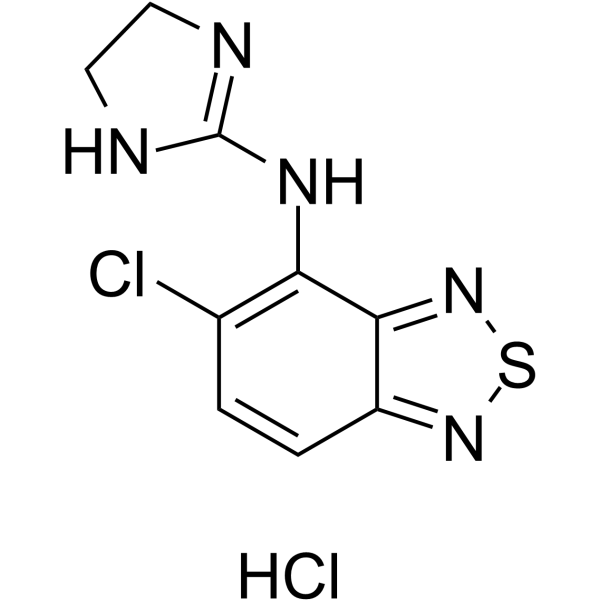
    Tizanidine hydrochloride, a skeletal muscle relaxant, is an orally effective central α2-adrenoceptor agonist (IC50 = 6.9 nmol). Tizanidine hydrochloride primarily exerts muscle relaxation effects by inhibiting the release of excitatory amino acids (glutamate and aspartate) from the presynaptic terminals of spinal cord interneurons. Tizanidine hydrochloride has anti-injury activity and can inhibit gastrointestinal (GI) transport. Tizanidine hydrochloride can inhibit the proliferation, migration, and invasion of lung cancer cells and induce cell apoptosis by upregulating Nischarin and inhibiting the AKT and Wnt3a/β-catenin signaling pathways. Tizanidine hydrochloride can be used to treat spasticity caused by diseases such as multiple sclerosis (MS), stroke, and spinal cord injury (SCI) .
    Tizanidine hydrochloride
  • HY-B0194

    Adrenergic Receptor Apoptosis Akt Wnt β-catenin Neurological Disease Endocrinology Cancer
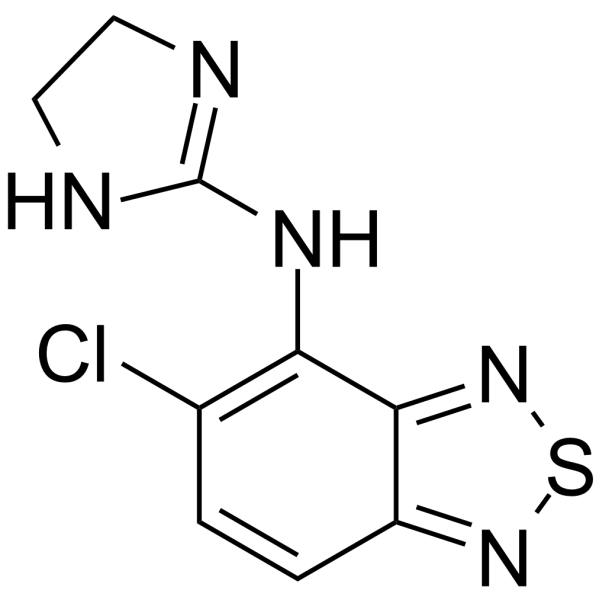
    Tizanidine, a skeletal muscle relaxant, is an orally effective central α2-adrenoceptor agonist (IC50 = 6.9 nmol). Tizanidine primarily exerts muscle relaxation effects by inhibiting the release of excitatory amino acids (glutamate and aspartate) from the presynaptic terminals of spinal cord interneurons. Tizanidine has anti-injury activity and can inhibit gastrointestinal (GI) transport. Tizanidine can inhibit the proliferation, migration, and invasion of lung cancer cells and induce cell apoptosis by upregulating Nischarin and inhibiting the AKT and Wnt3a/β-catenin signaling pathways. Tizanidine can be used to treat spasticity caused by diseases such as multiple sclerosis (MS), stroke, and spinal cord injury (SCI) .
    Tizanidine
  • HY-12546

    Brevetoxin-2; PbTx-2

    Sodium Channel Apoptosis Calcium Channel Potassium Channel Caspase Neurological Disease Cancer
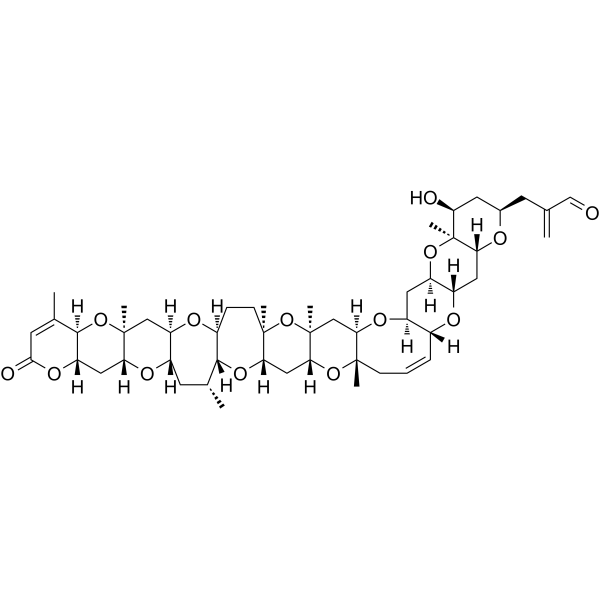
    Brevetoxin B (Brevetoxin-2) is a red tide toxin. Brevetoxin B affects sodium, potassium and calcium currents in nerve terminals. Brevetoxin B also modulates the metabolic activity of Jurkat cells, reduces cell viability and induces apoptosis. Brevetoxin B can be used in research on synaptic transmission and tumors .
    Brevetoxin B
  • HY-108943
    Sabinene
    2 Publications Verification

    Others Others
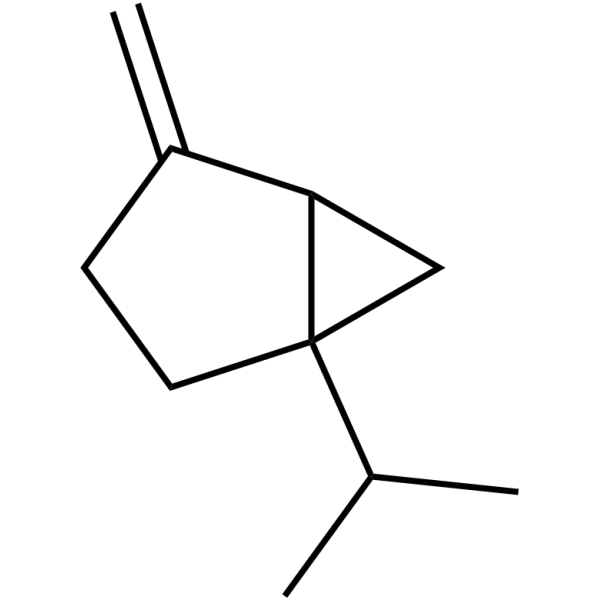
    Sabinene is an naturally occurring bicyclic monoterpene which can be used as flavorings, perfume additives, fine chemicals, and advanced biofuels. Sabinene is also an orally active compound to attenuates skeletal muscle atrophy and regulates ROS-mediated MAPK/MuRF-1 pathways .
    Sabinene
  • HY-119850

    ARM036; S44121

    Calcium Channel Cardiovascular Disease
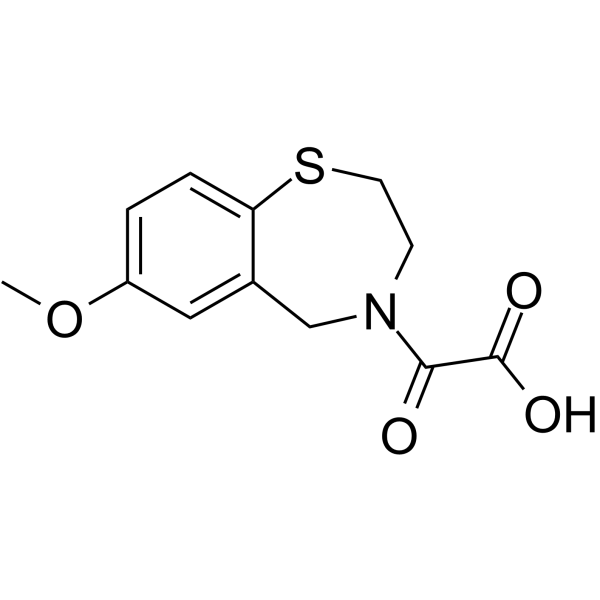
    Aladorian (ARM036; S44121) is a non-peptidic ryanodine receptor 2 (RyR2) stabilizer. Aladorian stabilizes RyR2 channels and rectifies abnormal Ca²⁺ handling in cardiomyocytes. Aladorian improves cardiomyocyte Ca²⁺ homeostasis independent of dystrophin restoration. Aladorian attenuates early cardiomyopathy and enhances left ventricular function in a canine muscular dystrophy model. Aladorian can be used for the research of heart failure, Duchenne muscular dystrophy-associated cardiomyopathy and muscular dystrophy .
    Aladorian
  • HY-B1700A

    nAChR Neurological Disease
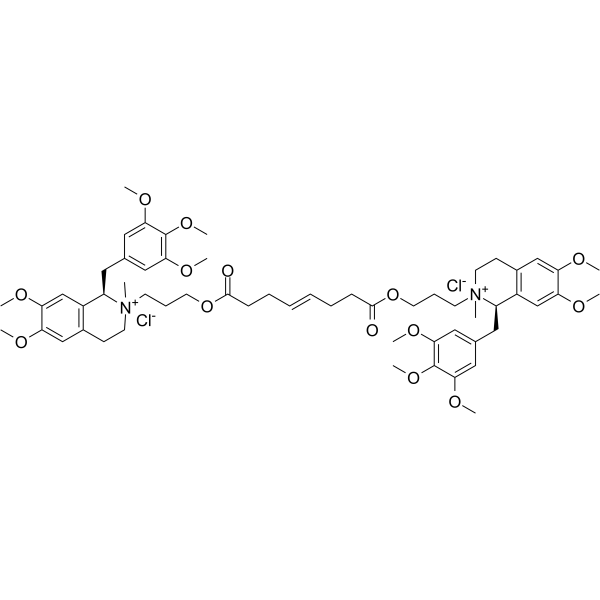
    Mivacurium dichloride is a benzylisoquinoline derivative and is a short-acting non-depolarizing neuromuscular blocking agent and skeletal muscle relaxant. Mivacurium dichloride couples with the nAChR to reduce or inhibit the depolarizing effect of acetylcholine on the terminal disc of the muscle cell .
    Mivacurium dichloride
  • HY-147332

    Liposome Neurological Disease
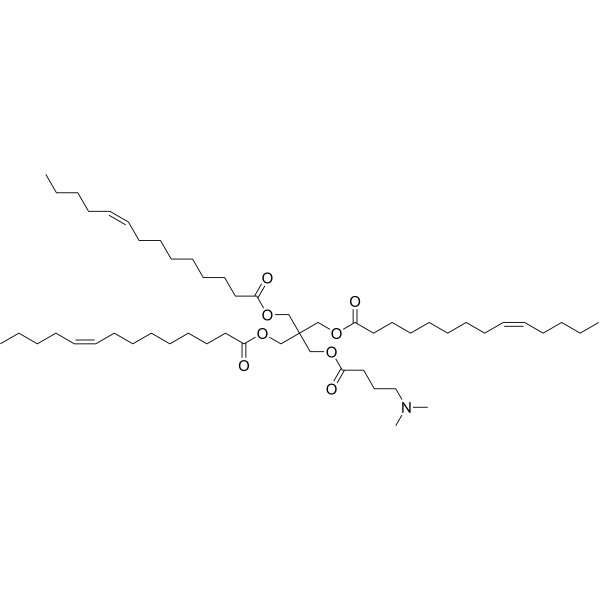
    TCL053 is an ionizable lipid carrier and used to introduce active components, in particular nucleic acids, into cells with excellent efriciency. TCL053, together with DPPC (Dipalmitoylphosphatidylcholine), PEG-DMG (Polyethylene glycoldimyristoyl glycerol), and cholesterol, forms lipid nanoparticle (LNP) which is able to deliver Cas9 mRNA and sgRNA into skeletal muscle .
    TCL053
  • HY-12695B
    Guanosine 5'-triphosphate trisodium salt hydrate
    Maximum Cited Publications
    8 Publications Verification

    5'-GTP trisodium salt hydrate

    Exosomes Endogenous Metabolite DNA/RNA Synthesis Metabolic Disease
    Guanosine 5'-triphosphate (5'-GTP) trisodium salt hydrate is a G protein (G proteins) signaling activator and a high-energy precursor in the biosynthesis of nucleotide units in DNA and RNA. Guanosine 5'-triphosphate trisodium salt hydrate can promote myogenic cell differentiation by upregulating miRNA (miR133a, miR133b) and myogenic regulatory factor expression, and by inducing human myogenic precursor cells to release exosomes containing guanosine molecules. Guanosine-5'-triphosphate disodium salt hydrate holds promise for research in biosynthesis and skeletal muscle regeneration .
    Guanosine 5'-triphosphate trisodium salt hydrate
  • HY-150520

    Antibiotic Phospholipase Infection Cancer
    Neomycin, an aminoglycoside antibiotic, exerts antibacterial activity through irreversible binding of the nuclear 30S ribosomal subunit, thereby blocking bacterial protein synthesis. Neomycin is a known phospholipase C (PLC) inhibitor. Neomycin potently inhibits both the nuclear translocation of angiogenin and angiogenin-induced cell proliferation and angiogenesis. Neomycin inhibits IP3-mediated Ca 2+ release, MgATP-dependent Ca 2+ uptake, and electrical excitation-evoked skeletal muscle Ca 2+ transients. Neomycin depletes gut microbiota in specific mouse models, causes hearing impairment, and kidney damage with prolonged exposure. Neomycin can be used for the research of cancer .
    Neomycin
  • HY-15259A
    CP-640186 hydrochloride
    5+ Cited Publications

    Acetyl-CoA Carboxylase Metabolic Disease
    CP-640186 hydrochloride is an orally active and cell-permeable Acetyl-CoA carboxylase (ACC) inhibitor with IC50s of 53 nM and 61 nM for rat liver ACC1 and rat skeletal muscle ACC2 respectively. Acetyl-CoA carboxylase (ACC) is a key enzyme of fatty acid metabolism that enables the synthesis of malonyl-CoA. CP-640186 hydrochloride can also stimulate muscle fatty acid oxidation .
    CP-640186 hydrochloride
  • HY-B0416

    mAChR Adrenergic Receptor Neurological Disease
    Gallamine Triethiodide is a blood-brain barrier-permeable skeletal muscle relaxant. Gallamine Triethiodide induces skeletal muscle paralysis by blocking acetylcholine. Gallamine Triethiodide directly stimulates intracardiac β receptors. Gallamine Triethiodide prolongs the duration of afterdischarge in the cat cerebral cortex. Gallamine Triethiodide can be used in studies related to convulsive disorders .
    Gallamine Triethiodide
  • HY-157959

    (±)-Orphenadrine

    iGluR Cytochrome P450 Cholinesterase (ChE) Neurological Disease Cancer
    Orphenadrine ((±)-Orphenadrine) is a skeletal muscle relaxant and NMDA antagonist that also has antiparkinsonian, antihistamine, antitremor, antispasmodic, and analgesic effects. Orphenadrine inhibits the binding of [3H]MK-801 to the phencyclidine (PCP) binding site of the NMDA receptor. Orphenadrine is also an anticholinergic and CYP2B inducer. Orphenadrine may exert pro-tumor effects, causing CAR nuclear translocation, resulting in microsomal reactive oxygen species (ROS) production and oxidative stress. Orphenadrine also exerts neuronal protection, protecting rat cerebellar granule cells (CGC) from 3-NPA-induced death and has inhibitory potential against neurodegenerative diseases mediated by NMDA receptor overactivation .
    Orphenadrine
  • HY-B1608

    Cardiovascular Disease Metabolic Disease
    Chromium chloride is a trivalent chromium compound and an essential trace mineral. Chromium chloride enhances insulin-stimulated GLUT4 translocation and glucose uptake in skeletal muscle. Chromium chloride regulates glucose and lipid metabolism, inhibits TNF-α secretion and oxidative stress in monocytes treated with high glucose or H2O2, and reverses hydrogen peroxide-induced cell growth inhibition. Chromium chloride reduces coronary and aortic lipid deposition and serum cholesterol levels in hypercholesterolemic rabbits. Chromium chloride can be used in research related to diabetes and cardiac atherosclerosis .
    Chromium chloride
  • HY-B0570
    Decamethonium Bromide
    1 Publications Verification

    nAChR Neurological Disease
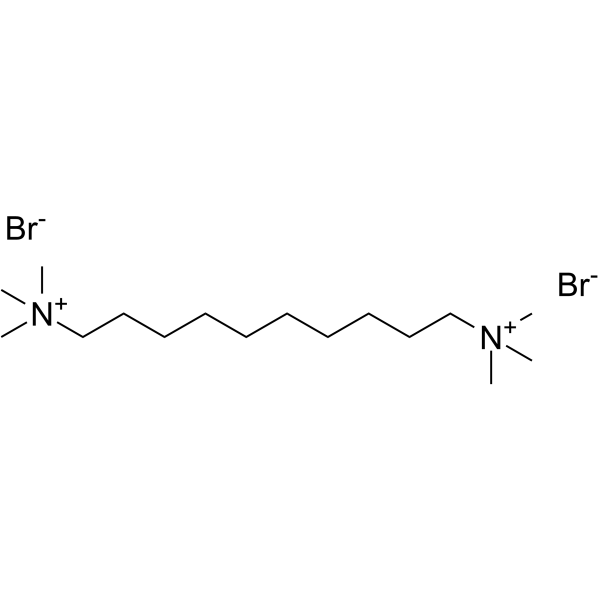
    Decamethonium Bromide is an acetylcholine receptor inhibitor and muscle relaxant. Decamethonium Bromide first induces depolarization of skeletal muscles, and then binds to postsynaptic acetylcholine receptors to induce persistent paralysis .\n
    Decamethonium Bromide
  • HY-156193

    PDHK Cardiovascular Disease Metabolic Disease
    PF-07208254 is a selective, orally active allosteric inhibitor of branched-chain ketoacid dehydrogenase kinase (BDK) (IC50=110 nM, Ki=54 nM, KD=84 nM). PF-07208254 inhibits BDK-mediated BCKDH phosphorylation and enhances the catabolism of branched-chain amino acids (BCAAs) and branched-chain keto acids (BCKAs) by binding to the allosteric pocket of BDK, reducing BDK binding to BCKDH-E2 and promoting BDK degradation. PF-07208254 inhibits BDK activity in human skeletal muscle cells (IC50=540 nM) and has activity to improve cardiac function and metabolism. PF-07208254 can be used in the study of cardiometabolic diseases (e.g., heart failure, type 2 diabetes) .
    PF-07208254
  • HY-N0597
    Panaxatriol
    3 Publications Verification

    Others Insulin Receptor Cardiovascular Disease Others Metabolic Disease Cancer
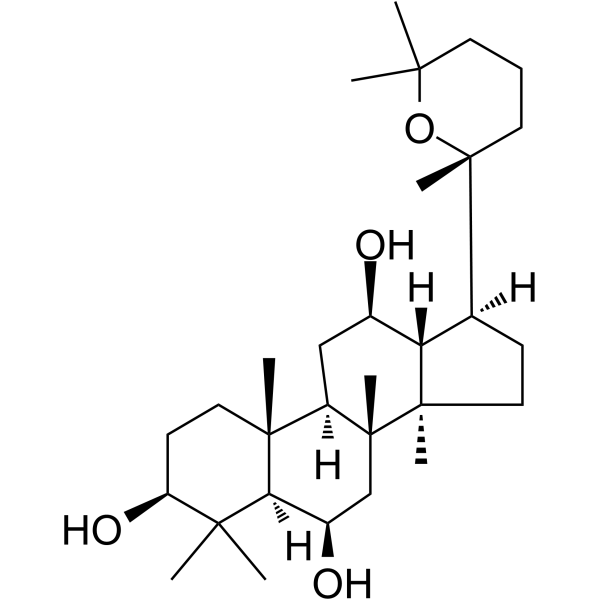
    Panaxatriol is an orally active insulin sensitizer. Panaxatriol enhances the phosphorylation levels of Akt, insulin receptor and p70S6K in skeletal muscle. Panaxatriol reduces the mRNA expression level of Atrogin1 in skeletal muscle. Panaxatriol induces apoptosis, pre-G1 cell cycle arrest and increased intracellular ROS levels in prostate cancer cells, decreases mitochondrial membrane potential, inhibits cell migration and reduces colony formation. Panaxatriol can be used in research related to insulin resistance, myocardial ischemia/reperfusion injury and prostate cancer .
    Panaxatriol
  • HY-121811

    Lanceolatin C

    Glycosidase Phosphatase Interleukin Related TNF Receptor COX Beclin1 GLUT FAK Akt mTOR p38 MAPK Keap1-Nrf2 Apoptosis Amyloid-β Tau Protein Autophagy Neurological Disease Inflammation/Immunology Cancer
    Pongamol (Lanceolatin C) is an orally active flavonoid with an IC50 of 75 μM and a Ki of 58 μM against PTPase-1B, and an IC50 of 103.5 μM against intestinal α-Glycosidase. Pongamol reduces the release of IL‑1β, TNF‑α, COX‑2 and iNOS in cells, reverses the nuclear translocation of NF‑κB, and upregulates the levels of Beclin 1 and LC3 Ⅱ/LC3 Ⅰ. Pongamol promotes glucose uptake by increasing the level of GLUT4 on the surface of skeletal muscle cells. Pongamol inhibits epithelial-mesenchymal transition by suppressing the FAK/Akt-mTOR signaling pathway. Pongamol inhibits neuronal cytotoxicity, suppresses cell apoptosis and extends the lifespan of Caenorhabditis elegans by activating the MAPKs/Nrf2 signaling pathway. Pongamol exerts hypoglycemic effects in diabetic mouse models. Pongamol exhibits antibacterial activity. Pongamol alleviates oxidative stress, neuroinflammation, deposition and excessive phosphorylation of Tau Protein, and restores autophagy function in Alzheimer's disease mouse models by inhibiting the Akt/mTOR signaling pathway. Pongamol is applicable to research related to Alzheimer's disease, type 2 diabetes, non-small cell lung cancer and postprandial hyperglycemia .
    Pongamol
  • HY-D1005I

    Biochemical Assay Reagents Others
    Poloxamer L61 is a non-ionic triblock copolymer surfactant. Poloxamer L61 effectively achieves intracellular molecular delivery to cancer cells during photoacoustic molecular delivery, and maintains cell viability by promoting cell membrane resealing, thus avoiding irreversible damage caused by laser-induced membrane permeabilization. Poloxamer L61 is a key component of SP1017, a compound related to gene therapy, which regulates the interaction between DNA and extracellular matrix as well as cellular uptake, and significantly enhances the distribution and bioavailability of plasmid DNA in skeletal muscle. Poloxamer L61 can be used in studies on local or systemic therapeutic protein production .
    Poloxamer L61
  • HY-163853

    GLUT Akt Metabolic Disease
    Antidiabetic agent 6 (Compound 19) is an antidiabetic Agent. Antidiabetic agent 6 stimulates GLUT4 translocation by activation of the PI3K/AKT-dependent signaling pathway. Antidiabetic agent 6 reduces blood glucose levels in Streptozotocin (HY-13753)-induced diabetic rats .
    Antidiabetic agent 6
  • HY-115767

    1,2-Dioleoyl-rac-glycerol

    PKC Others
    (±)-1,2-Diolein (1,2-Dioleoyl-rac-glycerol) is a PKC activator. (±)-1,2-Diolein increases myotubes Ca 2+ influx .
    (±)-1,2-Diolein
  • HY-N15841

    Ceramidase Others
    C25 Ceramide (d18:1/25:0) is an endogenous ultra-long-chain ceramide that antagonizes the detrimental effects of long-chain ceramides on insulin sensitivity. C25 Ceramide (d18:1/25:0) is specifically enriched in oxidative skeletal muscle fibers, where it serves dual roles in providing structural support to cell membranes and regulating cellular signaling. By participating in the regulation of lipid homeostasis within muscle fibers, C25 Ceramide (d18:1/25:0) helps maintain normal insulin signaling. C25 Ceramide (d18:1/25:0) is primarily utilized in research concerning metabolic diseases—particularly in mechanistic studies investigating the muscle fiber type-specific aspects of insulin resistance .
    C25 Ceramide (d18:1/25:0)
  • HY-B1080A
    Tilorone
    2 Publications Verification

    Influenza Virus Akt Infection Neurological Disease Metabolic Disease Inflammation/Immunology Cancer
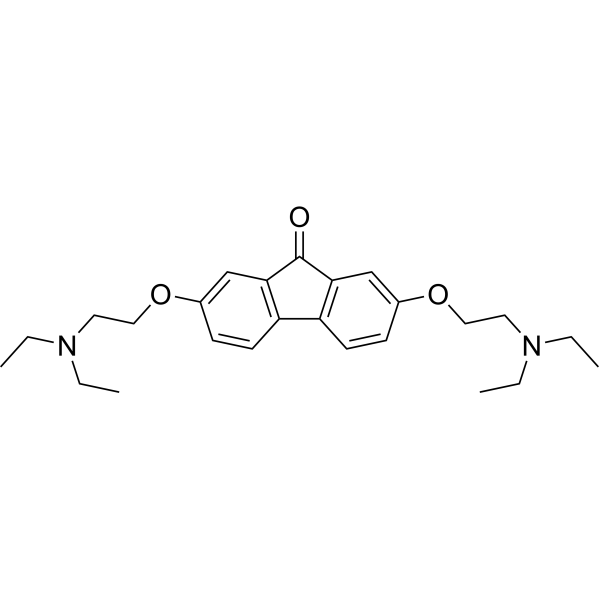
    Tilorone is an orally active antiviral agent and interferon inducer that also has potential antineoplastic, immunomodulatory, and metabolic modulating effects. Tilorone induces an abnormally delayed interferon response and primarily stimulates interferon production in lymphoid tissue. Thus, Tilorone exerts antiviral effects and can be used as a chemotherapeutic agent. Tilorone has the potential to inhibit type 2 diabetes by increasing glucose uptake in vivo and in skeletal muscle cells by enhancing Akt2/AS160 signaling and glucose transporter levels .
    Tilorone
  • HY-N3741

    Didrovaltratum

    Calcium Channel Reactive Oxygen Species (ROS) Autophagy Inflammation/Immunology Cancer
    Didrovaltrate (Didrovaltratum) is an L-type calcium channel blocker, ROS scavenger, autophagy enhancer, and lipid accumulation inhibitor. Didrovaltrate blocks L-type calcium currents in a concentration-dependent manner, shifts the current-voltage curve upward, modulates steady-state inactivation kinetics, and inhibits the nuclear translocation of glucocorticoid receptors. Didrovaltrate reduces ROS levels, downregulates the expression of muscle atrophy-related genes, enhances autophagy via lipophagy, and decreases Oleic acid-induced lipid accumulation. Didrovaltrate exhibits cytotoxic activity against cancer cells. Didrovaltrate can be used in research related to skeletal muscle atrophy, non-alcoholic fatty liver disease, breast cancer, lung cancer, gastric cancer, and prostate cancer .
    Didrovaltrate
  • HY-135000

    DcSTX; DecarbamoylSTX

    Endogenous Metabolite Drug Metabolite Neurological Disease
    Decarbamoylsaxitoxin is a sodium channel inhibitor that blocks the influx of sodium ions through the membranes of excitable nerves and skeletal muscle cells, thereby preventing the formation of action potentials. Decarbamoylsaxitoxin is an acidic hydrolysis product of saxitoxin, and its toxic effects on mice are identical to those of saxitoxin. Decarbamoylsaxitoxin inhibits veratridine- and ouabain-induced swelling and lysis of mouse neuroblastoma cells by blocking Na + channels. Decarbamoylsaxitoxin can be used in studies related to paralytic shellfish poisoning .
    Decarbamoylsaxitoxin
  • HY-152205

    Myosin Others
    JB061 is a nonmuscle myosin inhibitor with IC50s of 4.4 μM (Cardiac muscle myosin), 9.1 μM (Skeletal muscle myosin), and >100 μM (Smooth muscle myosin II), respectively. JB061 poorly decreases ATPase activity (IC50>200 μM). JB061 shows cytotoxicity against COS-7 cells with an IC50 value of 39 μM .
    JB061
  • HY-W023323

    Endogenous Metabolite Metabolic Disease
    (S)-β-Aminoisobutyric acid hydrochloride is a cytoprotective agent, which is a non-proteinogenic amino acid enantiomer derived from valine metabolism in skeletal muscle mitochondria. The plasma level of (S)-β-Aminoisobutyric acid hydrochloride increases significantly after acute aerobic exercise (and is not affected by the AGXT2 rs37369 genotype), and it is secreted by mouse extensor digitorum longus and soleus muscles in ex vivo contraction assays. (S)-β-Aminoisobutyric acid hydrochloride specifically protects osteocytes from oxidative stress-induced cell death .
    (S)-β-Aminoisobutyric acid hydrochloride
  • HY-B0194S

    Isotope-Labeled Compounds Adrenergic Receptor Apoptosis Akt Wnt β-catenin Neurological Disease Endocrinology Cancer
    Tizanidine-d4 is the deuterium labeled Tizanidine (HY-B0194). Tizanidine, a skeletal muscle relaxant, is an orally effective central α2-adrenoceptor agonist (IC50 = 6.9 nmol). Tizanidine primarily exerts muscle relaxation effects by inhibiting the release of excitatory amino acids (glutamate and aspartate) from the presynaptic terminals of spinal cord interneurons. Tizanidine has anti-injury activity and can inhibit gastrointestinal (GI) transport. Tizanidine can inhibit the proliferation, migration, and invasion of lung cancer cells and induce cell apoptosis by upregulating Nischarin and inhibiting the AKT and Wnt3a/β-catenin signaling pathways. Tizanidine can be used to treat spasticity caused by diseases such as multiple sclerosis (MS), stroke, and spinal cord injury (SCI).
    Tizanidine-d4
  • HY-P2807J

    Lactate Dehydrogenase Metabolic Disease
    L-Lactate Dehydrogenase (L-LDH), pig muscle is an L-lactate dehydrogenase found in pig muscle, mainly present in anaerobic tissues (skeletal muscle, red blood cells). L-Lactate Dehydrogenase (L-LDH), pig muscle can interact with acidic liposomes at low pH, causing protein to adsorb onto the liposomes and inhibit enzyme activity. The IC50 values for L-Lactate Dehydrogenase (L-LDH), pig muscle are 0.05 μM for cardiolipin and 1.3 μM for phosphatidylserine liposomes .
    L-Lactate Dehydrogenase (L-LDH), pig muscle
  • HY-P4580

    Proteasome Others
    Suc-Ala-Ala-Pro-Phe-SBzl can be used as the substrate of rat intestinal mast cell protease (RMCP I), rat skeletal muscle mast cell protease (RMCP II) and Chymotrypsin (HY-108910). Suc-Ala-Ala-Pro-Phe-SBzl can be hydrolyzed by glycine (R208G) .
    Suc-Ala-Ala-Pro-Phe-SBzl
  • HY-112102

    SSHB

    Environmental Pollutants Endogenous Metabolite PI3K Akt Metabolic Disease
    (22S,23S)-Homobrassinolide is one of the most active brassinosteroids in inducing plant growth in various plant bioassay systems. (22S,23S)-Homobrassinolide shows Akt-dependent anabolic activity in rat skeletal muscle cells. Orally active .
    (22S,23S)-Homobrassinolide
  • HY-174145

    GLUT Metabolic Disease
    GLUT4 activator 3 (Compound 13a) is an antidiabetic agent targeting GLUT4 translocation in skeletal muscle. GLUT4 activator 3 can promote the translocation of glucose transporter 4 (GLUT4) in skeletal muscle cells. GLUT4 activator 3 reduces blood glucose in STZ-induced diabetic rats .
    GLUT4 activator 3
  • HY-17538A

    PGC-1α Metabolic Disease
    ZLN005 (hydrochloride) is a peroxisome proliferator-activated receptor-g coactivator-1a (PGC-1α) activator. ZLN005 (hydrochloride) can stimulate the expression of PGC-1α and downstream genes in skeletal muscle cells, improve glucose utilization and fatty acid oxidation. ZLN005 (hydrochloride) can increase the transcription of PGC-1α and downstream genes in skeletal muscle of diabetic db/db mice, increase fat oxidation and improve glucose tolerance, pyruvate tolerance and insulin sensitivity .
    ZLN005 hydrochloride
  • HY-116257

    PPAR PDHK Carnitine Palmitoyltransferase (CPT) Others
    GSK-7227 (compound 32) is a PPARδ partial agonist with the activity of regulating the expression of related genes. GSK-7227 has partial agonist effects on PPARδ target genes CPT1a and PDK4 in skeletal muscle cells.
    GSK-7227
  • HY-117356A

    P2Y Receptor NF-κB ERK Apoptosis Inflammation/Immunology
    MRS2693 ammonium is the ammonium dalt form of MRS2693 (HY-117356). MRS2693 ammonium is a selective agonist for P2Y6 with an EC50 of 0.015 μM. MRS2693 ammonium protects C2C12 skeletal muscle cells from TNFα-induced apoptosis. MRS2693 ammonium reduces the activation of NF-kB, activates the ERK1/2 pathway, and has a cytoprotective effect on mouse ischemia-reperfusion injury model [2].
    MRS2693 ammonium
  • HY-137213

    Drug Derivative HMG-CoA Reductase (HMGCR) Cardiovascular Disease Cancer
    Fluvastatin lactone, a lactone form of Fluvastatin (HY-14664), induces myotoxicity in human skeletal muscle cells .
    Fluvastatin lactone
  • HY-152206

    Myosin Neurological Disease
    JB062 is a nonmuscle myosin inhibitor with IC50 values of 1.6, 5.4, and >100 μM for Skeletal muscle myosin, Cardiac muscle myosin, and Smooth muscle myosin II, respectively. JB062 has cytotoxic to human cancer cells but not normal cells. JB062 can be used in research of muscle spasticity, chronic musculoskeletal pain, and hypertrophic cardiomyopathy .
    JB062
  • HY-171187

    CL 13580

    Carbonic Anhydrase Cancer
    Chlorzolamide (CL 13580) is a carbonic anhydrase (CA) inhibitor. Chlorzolamide has an effect on the skeletal muscle of rats, which can reduce the tetanic contraction force of soleus and extensor digitorum longus and prolong the relaxation time and peak time of muscle contraction. In addition, Chlorzolamide inhibits tumor cell proliferation and has antitumor activity .
    Chlorzolamide
  • HY-B1700AR

    Reference Standards nAChR Neurological Disease
    Mivacurium (dichloride) (Standard) is the analytical standard of Mivacurium (dichloride). This product is intended for research and analytical applications. Mivacurium dichloride is a benzylisoquinoline derivative and is a short-acting non-depolarizing neuromuscular blocking agent and skeletal muscle relaxant. Mivacurium dichloride couples with the nAChR to reduce or inhibit the depolarizing effect of acetylcholine on the terminal disc of the muscle cell .
    Mivacurium dichloride (Standard)
  • HY-120974

    GLUT Metabolic Disease
    α-Lipoic Acid Derivative 1 (Compound AN-7) is an α-lipoic acid derivative that enhances glucose transport in skeletal muscle by releasing active α-lipoic acid (LA), significantly improving glucose metabolism. In L6 skeletal muscle cells, α-Lipoic Acid Derivative 1 significantly increases glucose transport rates, approximately 12 times more potent than the parent compound α-lipoic acid (HY-N0492). In a mild diabetic mouse model, 10 mg/kg of α-Lipoic Acid Derivative 1 administered for two weeks significantly reduced blood glucose levels by 39%. α-Lipoic Acid Derivative 1 shows significant potential in research related to glucose metabolism in diabetes .
    α-lipoic acid derivative 1
  • HY-173503

    GLUT Metabolic Disease
    DS-1150b is an orally active GLUT4 activator. DS-1150b has the activity of activating GLUT4 transport and can promote the translocation of GLUT4 to the cell membrane in skeletal muscle cells. DS-1150b has shown hypoglycemic effects in the Zucker obese rat model and can be used in the study of type 2 diabetes mellitus (T2DM) .
    DS-1150b
  • HY-170943

    AMPK GLUT Metabolic Disease
    Antidiabetic agent 7 (Compound 5m) is hyperglycemic inhibitor. Antidiabetic agent 7 exhibits promising potency to stimulate GLUT4 translocation in skeletal muscle cells via activating AMPK-dependent pathway. Antidiabetic agent 7 reduces blood glucose levels. Antidiabetic agent 7 shows favorable pharmacokinetic properties. Antidiabetic agent 7 is potential to be used for anti-hyperglycemic research .
    Antidiabetic agent 7
  • HY-B0194R

    Reference Standards Adrenergic Receptor Apoptosis Akt Wnt β-catenin Neurological Disease Endocrinology Cancer
    Tizanidine (Standard) is the analytical standard of Tizanidine (HY-B0194). This product is intended for research and analytical applications. Tizanidine, a skeletal muscle relaxant, is an orally effective central α2-adrenoceptor agonist (IC50 = 6.9 nmol). Tizanidine primarily exerts muscle relaxation effects by inhibiting the release of excitatory amino acids (glutamate and aspartate) from the presynaptic terminals of spinal cord interneurons. Tizanidine has anti-injury activity and can inhibit gastrointestinal (GI) transport. Tizanidine can inhibit the proliferation, migration, and invasion of lung cancer cells and induce cell apoptosis by upregulating Nischarin and inhibiting the AKT and Wnt3a/β-catenin signaling pathways. Tizanidine can be used to treat spasticity caused by diseases such as multiple sclerosis (MS), stroke, and spinal cord injury (SCI).
    Tizanidine (Standard)
  • HY-B0194AR

    Reference Standards Adrenergic Receptor Apoptosis Akt Wnt β-catenin Neurological Disease Endocrinology Cancer
    Tizanidine hydrochloride (Standard) is the analytical standard of Tizanidine hydrochloride (HY-B0194A). This product is intended for research and analytical applications. Tizanidine hydrochloride, a skeletal muscle relaxant, is an orally effective central α2-adrenoceptor agonist (IC50 = 6.9 nmol). Tizanidine hydrochloride primarily exerts muscle relaxation effects by inhibiting the release of excitatory amino acids (glutamate and aspartate) from the presynaptic terminals of spinal cord interneurons. Tizanidine hydrochloride has anti-injury activity and can inhibit gastrointestinal (GI) transport. Tizanidine hydrochloride can inhibit the proliferation, migration, and invasion of lung cancer cells and induce cell apoptosis by upregulating Nischarin and inhibiting the AKT and Wnt3a/β-catenin signaling pathways. Tizanidine hydrochloride can be used to treat spasticity caused by diseases such as multiple sclerosis (MS), stroke, and spinal cord injury (SCI).
    Tizanidine hydrochloride (Standard)
  • HY-B0194AS

    Isotope-Labeled Compounds Adrenergic Receptor Apoptosis Akt Wnt β-catenin Neurological Disease Endocrinology Cancer
    Tizanidine-d4 hydrochloride is deuterium labeled Tizanidine hydrochloride (HY-B0194A). Tizanidine hydrochloride, a skeletal muscle relaxant, is an orally effective central α2-adrenoceptor agonist (IC50 = 6.9 nmol). Tizanidine hydrochloride primarily exerts muscle relaxation effects by inhibiting the release of excitatory amino acids (glutamate and aspartate) from the presynaptic terminals of spinal cord interneurons. Tizanidine hydrochloride has anti-injury activity and can inhibit gastrointestinal (GI) transport. Tizanidine hydrochloride can inhibit the proliferation, migration, and invasion of lung cancer cells and induce cell apoptosis by upregulating Nischarin and inhibiting the AKT and Wnt3a/β-catenin signaling pathways. Tizanidine hydrochloride can be used to treat spasticity caused by diseases such as multiple sclerosis (MS), stroke, and spinal cord injury (SCI).
    Tizanidine-d4 hydrochloride

Consulta en línea

Your information is safe with us. * Required Fields.

Saludo


Country or Region *

Nombre del solicitante *


Nombre de la Organizaciòn *

Department *


Direcciòn del E-mail *


Nombre del producto *

Cat. No.


Requested quantity *

Número de teléfono *


Observaciones

Consulta en línea

Inquiry Information

Nombre del producto:
Cat. No.:
Cantidad:
MCE Japan Authorized Agent:

