Delivery of temperature sensitive items including proteins and kits will be paused on 6/19 for the Juneteenth holiday. For urgent orders please contact customer service.
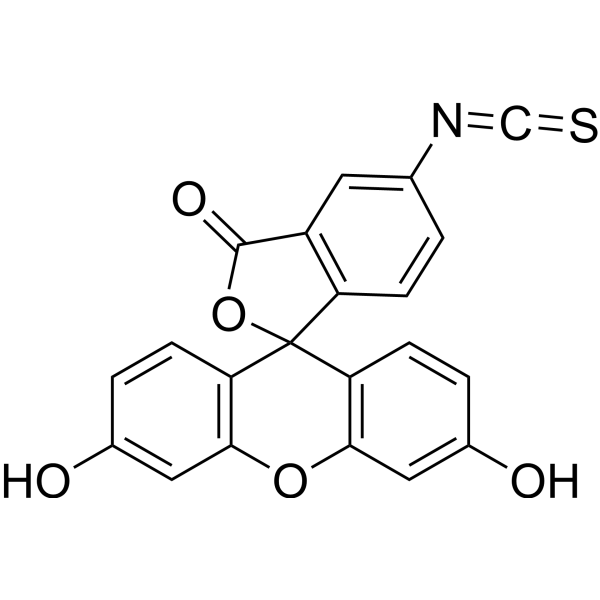
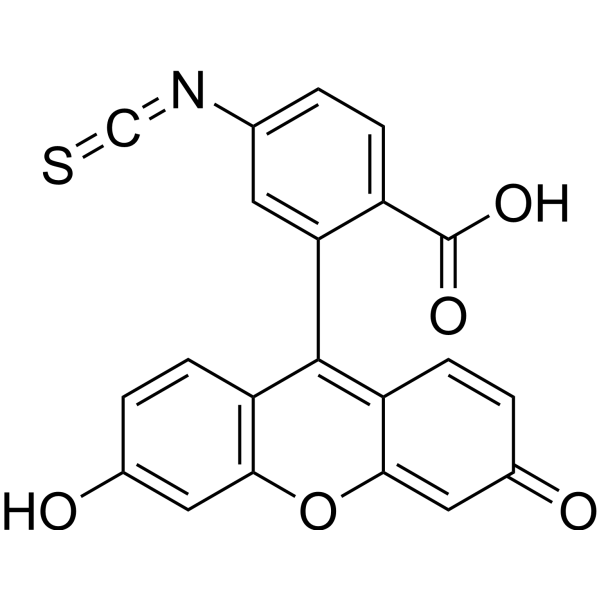
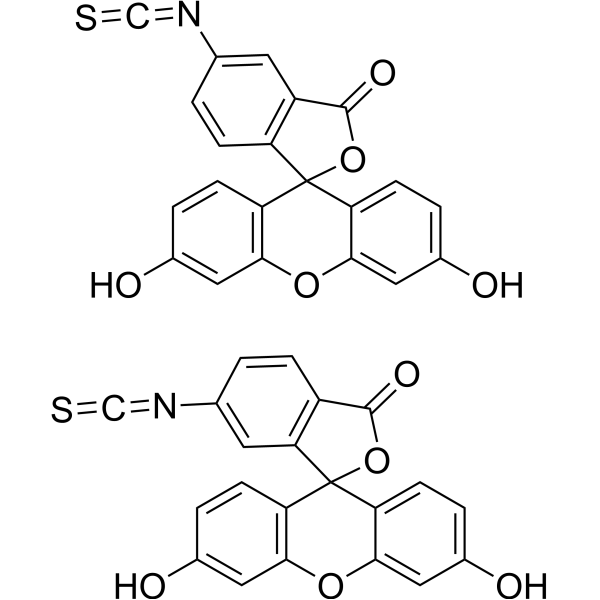
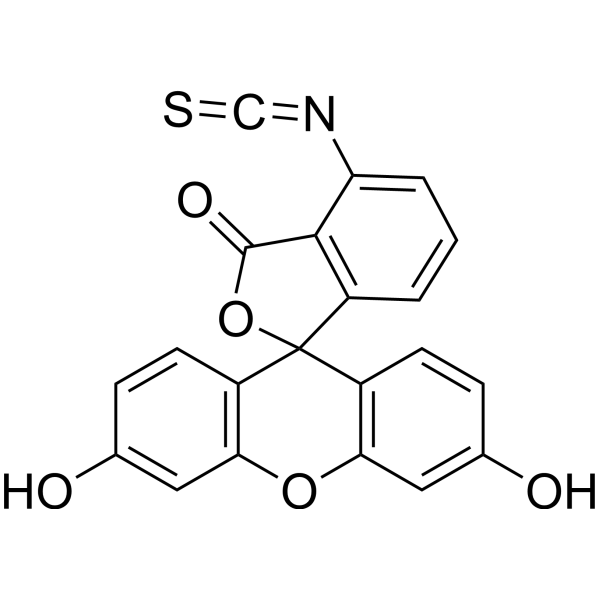
FITC (Fluorescein Isothiocyanate), is one of the green fluorescein derivatives widely used in biology. FITC has the characteristics of high absorptivity and excellent fluorescence quantum yield. The isothiocyanate group of FITC can be combined with amino, sulfhydryl, imidazole, tyrosyl, carbonyl and other groups on the protein, so as to achieve protein labeling including antibodies and lectins. In addition to its use as a protein marker, FITC can also be used as a fluorescent protein tracer to rapidly identify pathogens by labeling antibodies, or for microsequencing of proteins and peptides (HPLC). The maximum excitation wavelength of FITC is 494 nm. Once excited, it fluoresces yellow-green at a maximum emission wavelength of 520 nm. In addition, FITC is also a hapten that can induce contact hypersensitivity (CHS) and induce an atopic dermatitis model .
FITC-Dextran (MW 4000) is a fluorescent probe for fluorescein isothiocyanate (FITC) dextran (Ex=495 nm; Em=525 nm). FITC-Dextran (MW 4000) can be used as a marker to reveal heat shock-induced cell damage and to study the early and late stages of apoptosis. FITC-Dextran (MW 4000) can also be used for cell permeability studies, such as blood-brain barrier permeability and determination of the extent of blood-brain barrier disruption .
FITC-Dextran (MW 10000) is a fluorescent probe for fluorescein isothiocyanate (FITC) dextran (Ex=495 nm; Em=525 nm). FITC-Dextran (MW 10000) can be used as a marker to reveal heat shock-induced cell damage and to study the early and late stages of apoptosis. FITC-Dextran (MW 10000) can also be used for cell permeability studies, such as blood-brain barrier permeability and determination of the extent of blood-brain barrier disruption .
FITC-Dextran (MW 40000) is a fluorescent probe for fluorescein isothiocyanate (FITC) dextran (Ex=495 nm; Em=525 nm). FITC-Dextran (MW 40000) can be used as a marker to reveal heat shock-induced cell damage and to study the early and late stages of apoptosis. FITC-Dextran (MW 40000) can also be used for cell permeability studies, such as blood-brain barrier permeability and determination of the extent of blood-brain barrier disruption .
FITC-Dextran (MW 150000) is a fluorescent probe for fluorescein isothiocyanate (FITC) dextran (Ex=491 nm; Em=518 nm). FITC-Dextran (MW 150000) can be used as a marker to reveal heat shock-induced cell damage and to study the early and late stages of apoptosis. FITC-Dextran (MW 150000) can be used in perfusion studies in animals or in fluorescence microlymphography, to study processes that affect the permeability of the blood brain barrier (BBB) . FITC-Dextran (MW 150000) can be used as fluorescent probe to study cell permeability .
FITC (Fluorescein Isothiocyanate) (solution) , is one of the green fluorescein derivatives widely used in biology. FITC has the characteristics of high absorptivity and excellent fluorescence quantum yield. The isothiocyanate group of FITC can be combined with amino, sulfhydryl, imidazole, tyrosyl, carbonyl and other groups on the protein, so as to achieve protein labeling including antibodies and lectins. In addition to its use as a protein marker, FITC can also be used as a fluorescent protein tracer to rapidly identify pathogens by labeling antibodies, or for microsequencing of proteins and peptides (HPLC). The maximum excitation wavelength of FITC is 494 nm. Once excited, it fluoresces yellow-green at a maximum emission wavelength of 520 nm. In addition, FITC is also a hapten that can induce contact hypersensitivity (CHS) and induce an atopic dermatitis model . Solvent and concentration: DMSO: 20 mM The 1 mL volume is defined as the base specification. All larger sizes correspond to incremental volumes of this base.
FITC-HA (MW 1000000) is hyaluronic acid (HA) (HY-B0633A) labeled with FITC (HY-66019). FITC-HA retains the ability of HA to bind to receptors (such as CD44) and form extracellular matrices, while it can be detected by fluorescence microscopy or flow cytometry for tracing the localization, binding, internalization and metabolic pathways of HA in cells, tissues or living organisms (Ex/Em ≈ 490/520 nM) .
FITC-PEG1000-NHS is a fluorescent dye composed of polyethylene glycol (PEG), FITC (HY-66019) and a hydroxysuccinimide (NHS) group. The NHS group can react with amine-containing groups. FITC-PEG1000-NHS can be used for fluorescent labeling and imaging .
FITC-PEG400-NH2 is a fluorescent dye composed of polyethylene glycol (PEG), FITC (HY-66019) and an amino group. FITC-PEG400-NH2 can be used for fluorescent labeling and imaging .
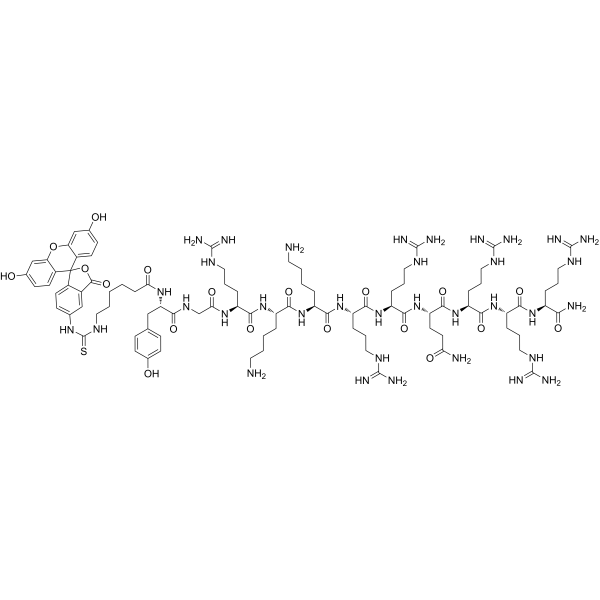
FITC-LC-TAT (47-57) acetate is a FITC-labeled TAT peptide (HY-P0281) (λex: 493 nm, λem: 522 nm). Derived from the trans-activator of transcription (TAT) of immunodeficiency virus (HIV-1), TAT enhances the yield of heterologous proteins .
FITC-PEG400-COOH is a fluorescent dye composed of polyethylene glycol (PEG), FITC (HY-66019) and a COOH. FITC-PEG400-COOH can be used for fluorescent labeling and imaging .
FITC-inulin is a FITC (HY-66019)-labeled inulin (Ex/Em=488/525 nm). FITC-inulin serves as an accurate and stable marker for in vivo renal function assessment. FITC-inulin exhibits pH-dependent fluorescence .
FITC-mPEG2000 is a fluorescent dye composed of methoxypolyethylene glycol (mPEG) and FITC (HY-66019). FITC-mPEG2000 can be used for fluorescent labeling and imaging .
FITC-Chitosan (MW 100000) is a chitosan (Chitosan) (HY-B2144A) labeled with FITC (HY-66019). FITC-Chitosan (MW 100000) combines the biological and physicochemical properties of chitosan (such as biocompatibility, positive charge, and nanoparticle-forming ability) with the fluorescent visibility of FITC (Ex/Em = ~485/535 nm) .
FITC-LC-TAT (47-57) is a FITC-labeled TAT peptide (HY-P0281) (λex: 493 nm, λem: 522 nm). Derived from the trans-activator of transcription (TAT) of human immunodeficiency virus (HIV-1), TAT enhances the yield of heterologous proteins .
FITC-mPEG5000 is a fluorescent dye composed of methoxypolyethylene glycol (mPEG) and FITC (HY-66019). FITC-mPEG5000 can be used for fluorescent labeling and imaging .
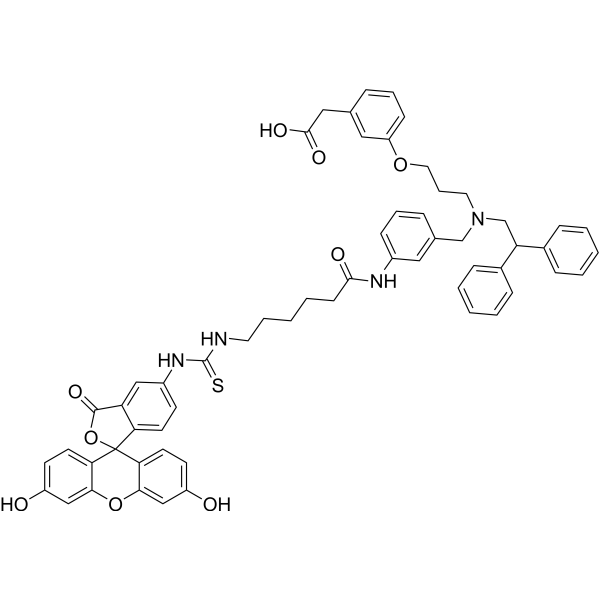
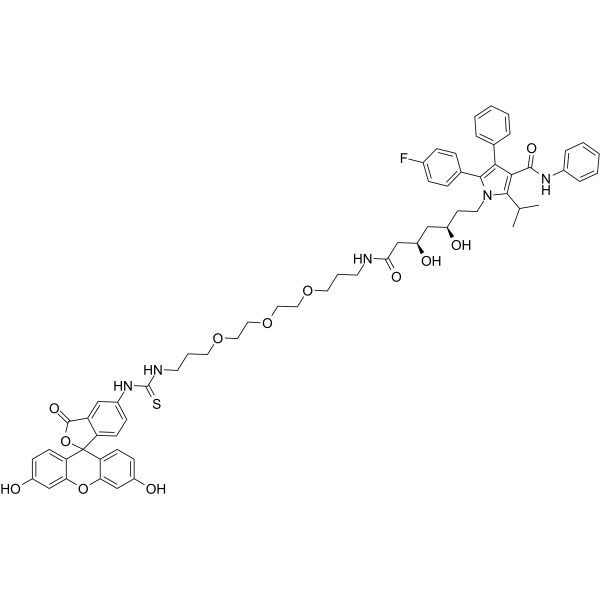
FITC-GW3965 is a fluorescence-labelled liver X receptor β (LXRβ) agonist GW3965 (HY-10627). FITC-GW3965 is a tracer, that can be designed by replacing the trifluoromethyl of GW3965 with an amide to link the FITC. FITC-GW3965 can be used to study the function of LXRβ .
FITC-PEG400-SH is a fluorescent dye composed of polyethylene glycol (PEG), FITC (HY-66019) and a sulfhydryl (SH). FITC-PEG400-SH can be used for fluorescent labeling and imaging .
FITC-PEG2000-PBA is a fluorescent dye composed of FITC (HY-66019), PEG and phenylboronic acid (PBA). FITC-PEG2000-PBA can be used for cell imaging and tracking, as well as sugar molecule detection (Ex/Em=488/525 nm).
FITC-PEG3400-NHS is a fluorescent dye composed of polyethylene glycol (PEG), FITC (HY-66019) and a hydroxysuccinimide (NHS) group. The NHS group can react with amine-containing groups. FITC-PEG3400-NHS can be used for fluorescent labeling and imaging .
FITC-PLL is a fluorescent dye composed of poly-lysine (PLL) and FITC (HY-66019). FITC-PLL can be used for cell labeling and has nucleic acid binding ability .
FITC-PEG5000-SH is a fluorescent dye composed of polyethylene glycol (PEG), FITC (HY-66019) and a sulfhydryl (SH). FITC-PEG5000-SH can be used for fluorescent labeling and imaging .
FITC-HA (MW 5000) is hyaluronic acid (HA) (HY-B0633A) labeled with FITC (HY-66019). FITC-HA retains the ability of HA to bind to receptors (such as CD44) and form extracellular matrices, while it can be detected by fluorescence microscopy or flow cytometry for tracing the localization, binding, internalization and metabolic pathways of HA in cells, tissues or living organisms (Ex/Em ≈ 490/520 nM) .
FITC-PEG1000-NH2 is a fluorescent dye composed of polyethylene glycol (PEG), FITC (HY-66019) and an amino group. FITC-PEG1000-NH2 can be used for fluorescent labeling and imaging .
FITC-Polysucrose 70 is FITC-labeled Polysucrose 70 (HY-131960A). Polysucrose 70 is a high molecular weight branched polysaccharide polymer. Polysucrose 70 is a copolymer of sucrose and epichlorohydrin and can be used for cell separation. FITC-Polysucrose 70 is mainly used for permeability and microcirculation studies (Ex/Em = 488/525 nm) .
FITC-mPEG10000 is a fluorescent dye composed of methoxypolyethylene glycol (mPEG) and FITC (HY-66019). FITC-mPEG10000 can be used for fluorescent labeling and imaging .
FITC-mPEG20000 is a fluorescent dye composed of methoxypolyethylene glycol (mPEG) and FITC (HY-66019). FITC-mPEG20000 can be used for fluorescent labeling and imaging .
FITC-mPEG550 is a fluorescent dye composed of methoxypolyethylene glycol (mPEG) and FITC (HY-66019). FITC-mPEG550 can be used for fluorescent labeling and imaging .
FITC-PEG1000-COOH is a fluorescent dye composed of polyethylene glycol (PEG), FITC (HY-66019) and a COOH. FITC-PEG1000-COOH can be used for fluorescent labeling and imaging .
FITC-HA (MW 200000) is hyaluronic acid (HA) (HY-B0633A) labeled with FITC (HY-66019). FITC-HA retains the ability of HA to bind to receptors (such as CD44) and form extracellular matrices, while it can be detected by fluorescence microscopy or flow cytometry for tracing the localization, binding, internalization and metabolic pathways of HA in cells, tissues or living organisms (Ex/Em ≈ 490/520 nM) .
FITC-HA (MW 50000) is hyaluronic acid (HA) (HY-B0633A) labeled with FITC (HY-66019). FITC-HA retains the ability of HA to bind to receptors (such as CD44) and form extracellular matrices, while it can be detected by fluorescence microscopy or flow cytometry for tracing the localization, binding, internalization and metabolic pathways of HA in cells, tissues or living organisms (Ex/Em ≈ 490/520 nM) .
FITC-HA (MW 100000) is hyaluronic acid (HA) (HY-B0633A) labeled with FITC (HY-66019). FITC-HA retains the ability of HA to bind to receptors (such as CD44) and form extracellular matrices, while it can be detected by fluorescence microscopy or flow cytometry for tracing the localization, binding, internalization and metabolic pathways of HA in cells, tissues or living organisms (Ex/Em ≈ 490/520 nM) .
FITC-PEG2000-biotin is a fluorescent dye composed of polyethylene glycol (PEG), FITC (HY-66019) and a Biotin (HY-B0511). FITC-PEG2000-biotin can be used for fluorescent labeling and imaging .
FITC-PEG400-MAL is a fluorescent dye composed of polyethylene glycol (PEG), FITC (HY-66019) and Maleimide (HY-W007324) (MAL). FITC-PEG400-MAL can be used for fluorescent labeling and imaging .
FITC-PEG3400-MAL is a fluorescent dye composed of polyethylene glycol (PEG), FITC (HY-66019) and Maleimide (HY-W007324) (MAL). FITC-PEG3400-MAL can be used for fluorescent labeling and imaging .
FITC-PEG1000-MAL is a fluorescent dye composed of polyethylene glycol (PEG), FITC (HY-66019) and Maleimide (HY-W007324) (MAL). FITC-PEG1000-MAL can be used for fluorescent labeling and imaging .
FITC-PEG400-NHS is a fluorescent dye composed of polyethylene glycol (PEG), FITC (HY-66019) and a hydroxysuccinimide (NHS) group. The NHS group can react with amine-containing groups. FITC-PEG400-NHS can be used for fluorescent labeling and imaging .
FITC-LC-Antennapedia Peptide is a FITC labeled Antennapedia Peptide (HY-P0307). Antennapedia Peptide is a cellular-membrane permeable peptides (CPP). FITC-LC-Antennapedia Peptide has good penetration in 3T3 cell line, which was rapidly accumulated into nuclei .
FITC-PEG1000-FITC is a fluorescent dye composed of two FITC (HY-66019) molecules and one PEG. FITC-PEG-FITC is connected to each end of the two FITC (HY-66019) molecules to form a dual-labeling structure, which is suitable for high-sensitivity fluorescence detection and imaging (Ex/Em=488/525 nm) .
FITC-Ureidopropionic acid is labeled with FITC fluorescent label on Ureidopropionic acid. FITC-Ureidopropionic acid is a fluorescent probe used to label biomolecules or cells.
FITC-Trecovirsen (sodium) is a FITC labeled Trecovirsen. Trecovirsen is a 25-mer antisense phosphorothioate oligonucleotide targeted at the gag site of the HIV gene .
FITC-mPEG1000 is a fluorescent dye composed of methoxypolyethylene glycol (mPEG) and FITC (HY-66019). FITC-mPEG1000 can be used for fluorescent labeling and imaging .
FITC-mPEG350 is a fluorescent dye composed of methoxypolyethylene glycol (mPEG) and FITC (HY-66019). FITC-mPEG350 can be used for fluorescent labeling and imaging .
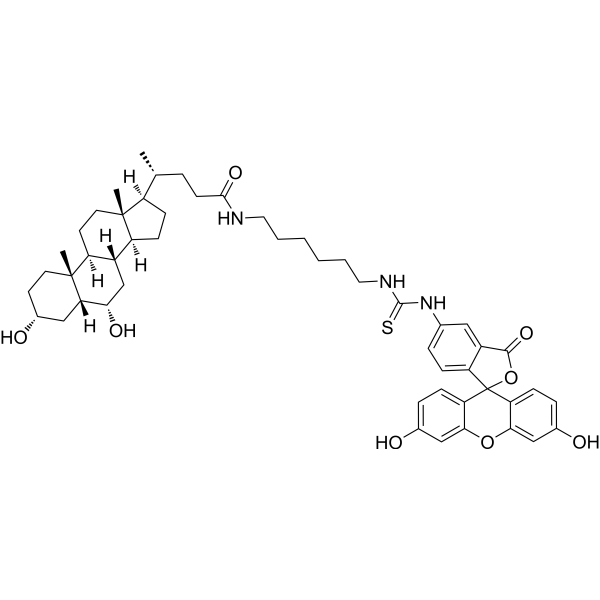
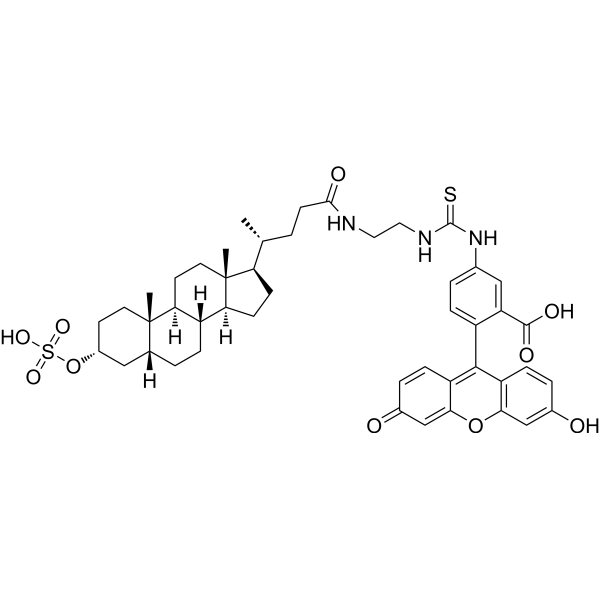
FITC-Lithocholic acid 3-sulfate (FITC-Sulfolithocholic acid) is a FITC-labeled Lithocholic acid 3-sulfate, which is a sulfated biliary metabolite. Lithocholic acid 3-sulfate selectively inhibits Th17 cell differentiation by targeting RORγt. Lithocholic acid 3-sulfate can be used for the research of pathogenesis of cholestatic liver diseases .
FITC-SAHA is SAHA (HY-10221) conjugated with fluorescein. SAHA is an inhibitor of histone deacetylase (HDAC). FITC-SAHA can be used in cancer and Alzheimer's disease related research .
FITC-PEG10000-COOH is a fluorescent dye composed of polyethylene glycol (PEG), FITC (HY-66019) and a COOH. FITC-PEG10000-COOH can be used for fluorescent labeling and imaging .
FITC-PEG5000-COOH is a fluorescent dye composed of polyethylene glycol (PEG), FITC (HY-66019) and a COOH. FITC-PEG5000-COOH can be used for fluorescent labeling and imaging .
FITC-PEG5000-OH is a fluorescent dye composed of polyethylene glycol (PEG), FITC (HY-66019) and a Hydroxyl group. FITC-PEG5000-OH can be used for fluorescent labeling and imaging .
FITC-PEG10000-OH is a fluorescent dye composed of polyethylene glycol (PEG), FITC (HY-66019) and a Hydroxyl group. FITC-PEG10000-OH can be used for fluorescent labeling and imaging .
FITC-PEG400-OH is a fluorescent dye composed of polyethylene glycol (PEG), FITC (HY-66019) and a Hydroxyl group. FITC-PEG400-OH can be used for fluorescent labeling and imaging .
FITC-PEG1000-SH is a fluorescent dye composed of polyethylene glycol (PEG), FITC (HY-66019) and a sulfhydryl (SH). FITC-PEG1000-SH can be used for fluorescent labeling and imaging .
FITC-HA (MW 10000) is hyaluronic acid (HA) (HY-B0633A) labeled with FITC (HY-66019). FITC-HA retains the ability of HA to bind to receptors (such as CD44) and form extracellular matrices, while it can be detected by fluorescence microscopy or flow cytometry for tracing the localization, binding, internalization and metabolic pathways of HA in cells, tissues or living organisms (Ex/Em ≈ 490/520 nM) .
FITC-HA (MW 3000) is hyaluronic acid (HA) (HY-B0633A) labeled with FITC (HY-66019). FITC-HA retains the ability of HA to bind to receptors (such as CD44) and form extracellular matrices, while it can be detected by fluorescence microscopy or flow cytometry for tracing the localization, binding, internalization and metabolic pathways of HA in cells, tissues or living organisms (Ex/Em ≈ 490/520 nM) .
FITC-HA (MW 500000) is hyaluronic acid (HA) (HY-B0633A) labeled with FITC (HY-66019). FITC-HA retains the ability of HA to bind to receptors (such as CD44) and form extracellular matrices, while it can be detected by fluorescence microscopy or flow cytometry for tracing the localization, binding, internalization and metabolic pathways of HA in cells, tissues or living organisms (Ex/Em ≈ 490/520 nM) .
FITC-PEG5000-biotin is a fluorescent dye composed of polyethylene glycol (PEG), FITC (HY-66019) and a Biotin (HY-B0511). FITC-PEG5000-biotin can be used for fluorescent labeling and imaging .
FITC-PEG400-biotin is a fluorescent dye composed of polyethylene glycol (PEG), FITC (HY-66019) and a Biotin (HY-B0511). FITC-PEG400-biotin can be used for fluorescent labeling and imaging .
FITC-PEG1000-biotin is a fluorescent dye composed of polyethylene glycol (PEG), FITC (HY-66019) and a Biotin (HY-B0511). FITC-PEG1000-biotin can be used for fluorescent labeling and imaging .
FITC-PEG3400-biotin is a fluorescent dye composed of polyethylene glycol (PEG), FITC (HY-66019) and a Biotin (HY-B0511). FITC-PEG3400-biotin can be used for fluorescent labeling and imaging .
FITC-PEG5000-MAL is a fluorescent dye composed of polyethylene glycol (PEG), FITC (HY-66019) and Maleimide (HY-W007324) (MAL). FITC-PEG5000-MAL can be used for fluorescent labeling and imaging .
FITC-PEG10000-MAL is a fluorescent dye composed of polyethylene glycol (PEG), FITC (HY-66019) and Maleimide (HY-W007324) (MAL). FITC-PEG10000-MAL can be used for fluorescent labeling and imaging .
FITC-PEG5000-NHS is a fluorescent dye composed of polyethylene glycol (PEG), FITC (HY-66019) and a hydroxysuccinimide (NHS) group. The NHS group can react with amine-containing groups. FITC-PEG5000-NHS can be used for fluorescent labeling and imaging .
FITC-PEG5000-CHOL is a fluorescent dye composed of FITC (HY-66019), PEG and cholesterol. FITC-PEG5000-CHOL is widely used in cell membrane-related studies, liposome and nanoparticle modification, and biomolecule labeling (Ex/Em=488/525 nm) .
FITC-PEG2000-CHOL is a fluorescent dye composed of FITC (HY-66019), PEG and cholesterol. FITC-PEG2000-CHOL is widely used in cell membrane-related studies, liposome and nanoparticle modification, and biomolecule labeling (Ex/Em=488/525 nm) .
FITC-PEG5000-NH2 is a fluorescent dye composed of polyethylene glycol (PEG), FITC (HY-66019) and an amino group. FITC-PEG5000-NH2 can be used for fluorescent labeling and imaging .
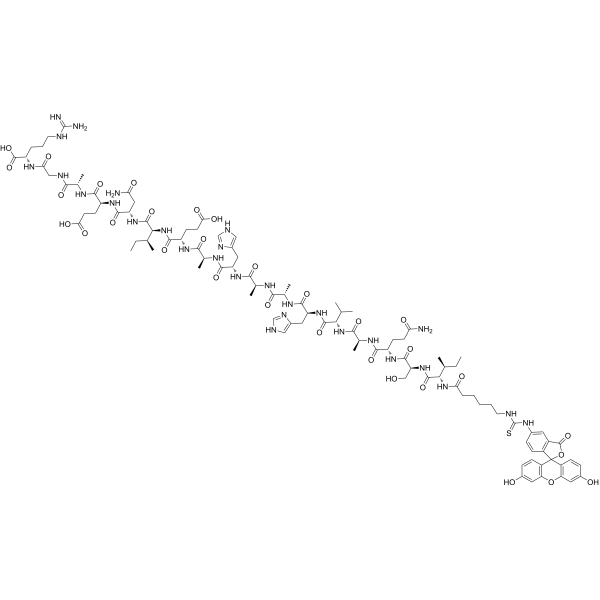
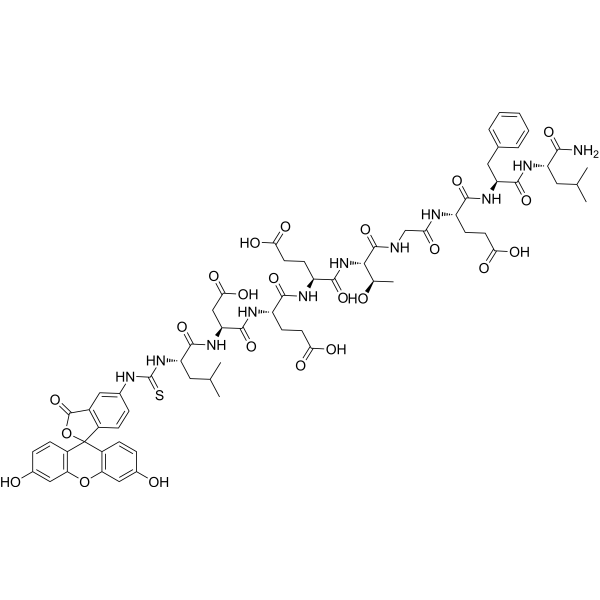
FITC-Acp-RpYTPEP-NH2 is a potent fluorescent tracer. FITC-Acp-RpYTPEP-NH2 shows a binding affinity (Kd = 0.07 μM) for the Cbl-b SH2 domain. Fluorescence polarization assay based on FITC-Acp-RpYTPEP-NH2 can be for evaluating Cbl-b SH2 domain inhibitors .
FITC-Polysucrose 100 is FITC-labeled Polysucrose 100. FITC-Polysucrose 100 is mainly used for permeability and microcirculation studies (Ex/Em = 488/525 nm).
FITC-Polysucrose 50 is FITC-labeled Polysucrose 50. FITC-Polysucrose 50 is mainly used for permeability and microcirculation studies (Ex/Em = 488/525 nm).
FITC-Polysucrose 170 is FITC-labeled Polysucrose 170. FITC-Polysucrose 170 is mainly used for permeability and microcirculation studies (Ex/Em = 488/525 nm).
FITC-Polysucrose 400 is FITC-labeled Polysucrose 400 (HY-131960). FITC-Polysucrose 400 is mainly used for permeability and microcirculation studies (Ex/Em = 488/525 nm).
FITC-Alginate is a FITC (HY-66019)-labeled alginate. FITC-Alginate combines the polysaccharide properties of alginate with the fluorescence properties of FITC, playing an important role in fields such as fluorescent labeling, cell imaging, and drug delivery research (Ex/Em = 488/525 nm).
FITC-DEAE-Polysucrose 400 is FITC-labeled DEAE-Polysucrose 400. FITC-DEAE-Polysucrose 400 is mainly used for permeability and microcirculation studies (Ex/Em = 488/525 nm) .
FITC-Polysucrose 20 is FITC-labeled Polysucrose 20 (HY-131960B). Polysucrose 20 is a copolymer of sucrose and epichlorohydrin. Polysucrose 20 can be used to prepare cross-linked polysucrose microspheres. FITC-Polysucrose 20 is mainly used for permeability and microcirculation studies (Ex/Em = 488/525 nm) .
FITC-Polysucrose 40 is FITC-labeled Polysucrose 40 (HY-131960C). Polysucrose 40 is a copolymer of sucrose and epichlorohydrin. Polysucrose 40 can be used to prepare cross-linked polysucrose microspheres. FITC-Polysucrose 40 is mainly used for permeability and microcirculation studies (Ex/Em = 488/525 nm) .
FITC-CM-Polysucrose 400 is FITC-labeled CM-Polysucrose 400. Polysucrose 70 is a high molecular weight branched polysaccharide polymer. FITC-CM-Polysucrose 400 is mainly used for permeability and microcirculation studies (Ex/Em = 488/525 nm) .
FITC-mPEG750 is a fluorescent dye composed of methoxypolyethylene glycol (mPEG) and FITC (HY-66019). FITC-mPEG750 can be used for fluorescent labeling and imaging .
FITC-DEAE-Polysucrose 70 is FITC-labeled DEAE-Polysucrose 70 (HY-179072). DEAE-Polysucrose 70 is a polysucrose substituted with diethylaminoethyl (DEAE) groups. FITC-DEAE-Polysucrose 70 is mainly used for permeability and microcirculation studies (Ex/Em = 488/525 nm) .
FITC-CM-Polysucrose 70 is FITC-labeled CM-Polysucrose 70 (HY-179067). CM-Polysucrose 70 consists of polysucrose substituted with carboxymethyl groups, which imparts polyanionic properties to the product. FITC-CM-Polysucrose 70 is primarily used in permeability and microcirculatory studies (Ex/Em = 488/525 nm) .
FITC-PEG1000-OH is a fluorescent dye composed of polyethylene glycol (PEG), FITC (HY-66019) and a Hydroxyl group. FITC-PEG1000-OH can be used for fluorescent labeling and imaging .
FITC-PEG10000-SH is a fluorescent dye composed of polyethylene glycol (PEG), FITC (HY-66019) and a sulfhydryl (SH). FITC-PEG10000-SH can be used for fluorescent labeling and imaging .
FITC-D-Glucose is a fluorescently labeled glucose derivative and an orally effective bacterial metabolic activity detection probe. FITC-D-Glucose is applicable to the research of cholera .
FITC-HA (MW 7000) is hyaluronic acid (HA) (HY-B0633A) labeled with FITC (HY-66019). FITC-HA retains the ability of HA to bind to receptors (such as CD44) and form extracellular matrices, while it can be detected by fluorescence microscopy or flow cytometry for tracing the localization, binding, internalization and metabolic pathways of HA in cells, tissues or living organisms (Ex/Em ≈ 490/520 nM) .
FITC-PEG10000-biotin is a fluorescent dye composed of polyethylene glycol (PEG), FITC (HY-66019) and a Biotin (HY-B0511). FITC-PEG10000-biotin can be used for fluorescent labeling and imaging .
FITC-PEG10000-NH2 is a fluorescent dye composed of polyethylene glycol (PEG), FITC (HY-66019) and an amino group. FITC-PEG10000-NH2 can be used for fluorescent labeling and imaging .
FITC-PEG-CHOL (MW 3400) is a fluorescent dye composed of FITC (HY-66019), PEG and cholesterol. FITC-PEG-CHOL (MW 5000) is widely used in cell membrane-related studies, liposome and nanoparticle modification, and biomolecule labeling (Ex/Em = 488/525 nm) .
FITC-labeled Drisapersen (sodium) is Drisapersen labeled with FITC. Drisapersen, a antisense oligonucleotide, induces exon 51 skipping during dystrophin pre-mRNA splicing and allows synthesis of partially functional dystrophin in Duchenne muscular dystrophy (DMD) patients with amenable mutations.
FITC-PEG3400-FA is a fluorescent dye composed of Folic acid (HY-16637) (FA), polyethylene glycol (PEG) and FITC (HY-66019). Fluorescent dye is linked to PEG and Folic acid through a specific chemical reaction to form a molecule with special properties. FITC-PEG3400-FA can be used for fluorescent labeling and imaging .
FITC-PEG10000-FA is a fluorescent dye composed of Folic acid (HY-16637) (FA), polyethylene glycol (PEG) and FITC (HY-66019). Fluorescent dye is linked to PEG and Folic acid through a specific chemical reaction to form a molecule with special properties. FITC-PEG10000-FA can be used for fluorescent labeling and imaging .
FITC-PEG2000-FA is a fluorescent dye composed of Folic acid (HY-16637) (FA), polyethylene glycol (PEG) and FITC (HY-66019). Fluorescent dye is linked to PEG and Folic acid through a specific chemical reaction to form a molecule with special properties. FITC-PEG2000-FA can be used for fluorescent labeling and imaging .
FITC-PEG400-FA is a fluorescent dye composed of Folic acid (HY-16637) (FA), polyethylene glycol (PEG) and FITC (HY-66019). Fluorescent dye is linked to PEG and Folic acid through a specific chemical reaction to form a molecule with special properties. FITC-PEG400-FA can be used for fluorescent labeling and imaging .
FITC-PEG5000-FA is a fluorescent dye composed of Folic acid (HY-16637) (FA), polyethylene glycol (PEG) and FITC (HY-66019). Fluorescent dye is linked to PEG and Folic acid through a specific chemical reaction to form a molecule with special properties. FITC-PEG5000-FA can be used for fluorescent labeling and imaging .
FITC-PEG1000-FA is a fluorescent dye composed of Folic acid (HY-16637) (FA), polyethylene glycol (PEG) and FITC (HY-66019). Fluorescent dye is linked to PEG and Folic acid through a specific chemical reaction to form a molecule with special properties. FITC-PEG1000-FA can be used for fluorescent labeling and imaging .
FITC-labeled agatolimod (sodium), a class B CpG ODN (oligodeoxynucleotide), is a TLR9 agonist. FITC-labeled agatolimod (sodium) can be used to evaluate CpG ODN cellular uptake and localization by confocal laser-scanning microscopy (excitation 495 nm, emission 520 nm) or flow cytometry.
FITC-Dextran (MW 500000) is a compound belonging to the class of fluorescent dyes. It is commonly used in biomedical research as a tracer molecule to label and track cells or other biological matter. FITC-Dextran consists of fluorescein isothiocyanate (FITC) and dextran, a complex carbohydrate derived from starch. The combination of the two creates a stable fluorescent tracer that can be viewed under a microscope or quantified using specialized detection instruments.
FITC-Dextran (MW 2000000) is a compound belonging to the class of fluorescent dyes. It is commonly used in biomedical research as a tracer molecule to label and track cells or other biological matter. FITC-Dextran consists of fluorescein isothiocyanate (FITC) and dextran, a complex carbohydrate derived from starch. The combination of the two creates a stable fluorescent tracer that can be viewed under a microscope or quantified using specialized detection instruments.
FITC-Dextran (MW 1000) is a compound that belongs to the class of fluorescent dyes. It is often used as a tracer molecule in biomedical research to label and track cells or other biological substances. FITC-Dextran consists of fluorescein isothiocyanate (FITC) and dextran, a complex carbohydrate extracted from starch. The combination of the two creates a stable fluorescent tracer that can be observed under a microscope or quantified using specialized detection instruments.
FITC-Dextran (MW 110000) is a compound belonging to the class of fluorescent dyes. It is commonly used in biomedical research as a tracer molecule to label and track cells or other biological matter. FITC-Dextran consists of fluorescein isothiocyanate (FITC) and dextran, a complex carbohydrate derived from starch. The combination of the two creates a stable fluorescent tracer that can be viewed under a microscope or quantified using specialized detection instruments.
FITC-Dextran (MW 70000) is a compound belonging to the class of fluorescent dyes. It is commonly used in biomedical research as a tracer molecule to label and track cells or other biological matter. FITC-Dextran consists of fluorescein isothiocyanate (FITC) and dextran, a complex carbohydrate derived from starch. The combination of the two creates a stable fluorescent tracer that can be viewed under a microscope or quantified using specialized detection instruments.
FITC-Dextran (MW 20000) is a compound belonging to the class of fluorescent dyes. It is commonly used in biomedical research as a tracer molecule to label and track cells or other biological matter. FITC-Dextran consists of fluorescein isothiocyanate (FITC) and dextran, a complex carbohydrate derived from starch. The combination of the two creates a stable fluorescent tracer that can be viewed under a microscope or quantified using specialized detection instruments.
FITC-Dextran (MW 10000) (solution) is a fluorescent probe for fluorescein isothiocyanate (FITC) dextran (Ex=495 nm; Em=525 nm). FITC-Dextran (MW 10000) can be used as a marker to reveal heat shock-induced cell damage and to study the early and late stages of apoptosis. FITC-Dextran (MW 10000) can also be used for cell permeability studies, such as blood-brain barrier permeability and determination of the extent of blood-brain barrier disruption . Solvent and Concentration: Sterile water: 2 mM
FITC-Dextran (MW 4000) (solution) is a fluorescent probe for fluorescein isothiocyanate (FITC) dextran (Ex=495 nm; Em=525 nm). FITC-Dextran (MW 4000) can be used as a marker to reveal heat shock-induced cell damage and to study the early and late stages of apoptosis. FITC-Dextran (MW 4000) can also be used for cell permeability studies, such as blood-brain barrier permeability and determination of the extent of blood-brain barrier disruption . Solvent and Concentration: Sterile water: 2 mM
FITC-Dextran (MW 3000-5000) is a fluorescent probe for fluorescein isothiocyanate (FITC) dextran (Ex=495 nm; Em=525 nm). FITC-Dextran (MW 3000-5000) can be used as a marker to reveal heat shock-induced cell damage and to study the early and late stages of apoptosis. FITC-Dextran (MW 3000-5000) can also be used for cell permeability studies, such as blood-brain barrier permeability and determination of the extent of blood-brain barrier disruption . Storage: protect from light.
FITC-PEG3400-DBCO is a fluorescent dye composed of FITC (HY-66019), PEG and dibenzocyclooctyne (DBCO). DBCO is a cycloalkyne that can react with molecules containing azide groups through "click chemistry" to achieve coupling (Ex/Em=488/525 nm).
FITC-PEG10000-CL is a fluorescent dye composed of FITC (HY-66019), PEG and chlorine (-Cl). The chlorine group is an electrophilic active group that can be used for nucleophilic substitution reactions and facilitate subsequent chemical modification (Ex/Em = 488/525 nm).
FITC-PEG5000-DBCO is a fluorescent dye composed of FITC (HY-66019), PEG and dibenzocyclooctyne (DBCO). DBCO is a cycloalkyne that can react with molecules containing azide groups through "click chemistry" to achieve coupling (Ex/Em=488/525 nm).
FITC-PEG2000-DBCO is a fluorescent dye composed of FITC (HY-66019), PEG and dibenzocyclooctyne (DBCO). DBCO is a cycloalkyne that can react with molecules containing azide groups through "click chemistry" to achieve coupling (Ex/Em=488/525 nm).
FITC-labeled ODN TTAGGG (sodium), a inhibitory oligonucleotide (ODN), is a TLR9, AIM2 and cGAS antagonist. FITC-labeled ODN TTAGGG (sodium) can be used to evaluate CpG ODN cellular uptake and localization by confocal laser-scanning microscopy (excitation 495 nm, emission 520 nm) or flow cytometry.
FITC-PEG1000-Br is a fluorescent dye composed of FITC (HY-66019), PEG and chlorine (-Cl). The chlorine group is an electrophilic active group that can be used for nucleophilic substitution reactions and facilitate subsequent chemical modification (Ex/Em=488/525 nm).
FITC-PEG2000-CL is a fluorescent dye composed of FITC (HY-66019), PEG and chlorine (-Cl). The chlorine group is an electrophilic active group that can be used for nucleophilic substitution reactions and facilitate subsequent chemical modification (Ex/Em=488/525 nm).
FITC-PEG5000-CL is a fluorescent dye composed of FITC (HY-66019), PEG and chlorine (-Cl). The chlorine group is an electrophilic active group that can be used for nucleophilic substitution reactions and facilitate subsequent chemical modification (Ex/Em=488/525 nm).
FITC-PEG2000-Br is a fluorescent dye composed of FITC (HY-66019), PEG and chlorine (-Cl). The chlorine group is an electrophilic active group that can be used for nucleophilic substitution reactions and facilitate subsequent chemical modification (Ex/Em=488/525 nm).
FITC-PEG1000-CL is a fluorescent dye composed of FITC (HY-66019), PEG and chlorine (-Cl). The chlorine group is an electrophilic active group that can be used for nucleophilic substitution reactions and facilitate subsequent chemical modification (Ex/Em=488/525 nm).
FITC-PEG3400-CL is a fluorescent dye composed of FITC (HY-66019), PEG and chlorine (-Cl). The chlorine group is an electrophilic active group that can be used for nucleophilic substitution reactions and facilitate subsequent chemical modification (Ex/Em=488/525 nm).
FITC-PEG3400-Br is a fluorescent dye composed of FITC (HY-66019), PEG and chlorine (-Cl). The chlorine group is an electrophilic active group that can be used for nucleophilic substitution reactions and facilitate subsequent chemical modification (Ex/Em=488/525 nm).
FITC-PEG400-CL is a fluorescent dye composed of FITC (HY-66019), PEG and chlorine (-Cl). The chlorine group is an electrophilic active group that can be used for nucleophilic substitution reactions and facilitate subsequent chemical modification (Ex/Em=488/525 nm).
FITC-PEG10000-Br is a fluorescent dye composed of FITC (HY-66019), PEG and chlorine (-Cl). The chlorine group is an electrophilic active group that can be used for nucleophilic substitution reactions and facilitate subsequent chemical modification (Ex/Em=488/525 nm).
FITC-PEG5000-Br is a fluorescent dye composed of FITC (HY-66019), PEG and chlorine (-Cl). The chlorine group is an electrophilic active group that can be used for nucleophilic substitution reactions and facilitate subsequent chemical modification (Ex/Em=488/525 nm).
FITC-lysine-dextran, 4kDa is a dextran with lysine coupling with a fluorescent group FITC (HY-66019). Lysine-dextran exhibits higher Glu-plasminogen binding ability than dextran alone .
FITC-lysine-dextran, 70kDa is a dextran with lysine coupling with a fluorescent group FITC (HY-66019). Lysine-dextran exhibits higher Glu-plasminogen binding ability than dextran alone .
FITC-lysine-dextran, 500kDa is a dextran with lysine coupling with a fluorescent group FITC (HY-66019). Lysine-dextran exhibits higher Glu-plasminogen binding ability than dextran alone .
FITC-lysine-dextran, 10kDa is a dextran with lysine coupling with a fluorescent group FITC (HY-66019). Lysine-dextran exhibits higher Glu-plasminogen binding ability than dextran alone .
FITC-Dextran (MW 70000) (solution) is a compound belonging to the class of fluorescent dyes. It is commonly used in biomedical research as a tracer molecule to label and track cells or other biological matter. FITC-Dextran consists of fluorescein isothiocyanate (FITC) and dextran, a complex carbohydrate derived from starch. The combination of the two creates a stable fluorescent tracer that can be viewed under a microscope or quantified using specialized detection instruments. Solvent and concentration: ddH2O: 1 mM
FITC-labeled Tominersen (sodium) is the Tominersen labeled with FITC. Tominersen (RG6042) is a second-generation 2′-O-(2-methoxyethyl) antisense oligonucleotide that targets huntingtin protein (HTT) mRNA and potently suppresses HTT production. Tominersen improves survival and reduces brain atrophy in mice. Tominersen can be used for the research of Huntington’s disease (HD).
FITC-PEG1000-N3 is an azide fluorescent dye containing polyethylene glycol (PEG) and FITC (HY-66019). FITC-PEG1000-N3 is a click chemistry reagent, it contains an Azide group and can undergo copper-catalyzed azide-alkyne cycloaddition reaction (CuAAc) with molecules containing Alkyne groups. It can also undergo strain-promoted alkyne-azide cycloaddition (SPAAC) reactions with molecules containing DBCO or BCN groups.
FITC-PEG3400-N3 is an azide fluorescent dye containing polyethylene glycol (PEG) and FITC (HY-66019). FITC-PEG3400-N3 is a click chemistry reagent, it contains an Azide group and can undergo copper-catalyzed azide-alkyne cycloaddition reaction (CuAAc) with molecules containing Alkyne groups. It can also undergo strain-promoted alkyne-azide cycloaddition (SPAAC) reactions with molecules containing DBCO or BCN groups.
FITC-PEG10000-N3 is an azide fluorescent dye containing polyethylene glycol (PEG) and FITC (HY-66019). FITC-PEG10000-N3 is a click chemistry reagent, it contains an Azide group and can undergo copper-catalyzed azide-alkyne cycloaddition reaction (CuAAc) with molecules containing Alkyne groups. It can also undergo strain-promoted alkyne-azide cycloaddition (SPAAC) reactions with molecules containing DBCO or BCN groups.
FITC-PEG5000-N3 is an azide fluorescent dye containing polyethylene glycol (PEG) and FITC (HY-66019). FITC-PEG5000-N3 is a click chemistry reagent, it contains an Azide group and can undergo copper-catalyzed azide-alkyne cycloaddition reaction (CuAAc) with molecules containing Alkyne groups. It can also undergo strain-promoted alkyne-azide cycloaddition (SPAAC) reactions with molecules containing DBCO or BCN groups.
FITC-PEG400-N3 is an azide fluorescent dye containing polyethylene glycol (PEG) and FITC (HY-66019). FITC-PEG400-N3 is a click chemistry reagent, it contains an Azide group and can undergo copper-catalyzed azide-alkyne cycloaddition reaction (CuAAc) with molecules containing Alkyne groups. It can also undergo strain-promoted alkyne-azide cycloaddition (SPAAC) reactions with molecules containing DBCO or BCN groups.
FITC-labeled ODN 1585 (sodium) is a potent inducer of IFN and TNFα production. FITC-labeled ODN 1585 (sodium) can be used to evaluate CpG ODN cellular uptake and localization by confocal laser-scanning microscopy (excitation 495 nm, emission 520 nm) or flow cytometry.
FITC-labeled ODN 2395 (sodium), a C class oligodeoxynucleotide, is a TLR9 agonist. FITC-labeled ODN 2395 (sodium) can be used to evaluate CpG ODN cellular uptake and localization by confocal laser-scanning microscopy (excitation 495 nm, emission 520 nm) or flow cytometry.
FITC-labeled ODN 1018 (sodium),an oligodeoxynucleotide, is a TLR-9 agonist. FITC-labeled ODN 1018 (sodium) can be used to evaluate CpG ODN cellular uptake and localization by confocal laser-scanning microscopy (excitation 495 nm, emission 520 nm) or flow cytometry.
FITC-labeled ODN 1668 (sodium), a class B CpG ODN (oligodeoxynucleotide), is a TLR9 agonist. FITC-labeled ODN 1668 (sodium) can be used to evaluate CpG ODN cellular uptake and localization by confocal laser-scanning microscopy (excitation 495 nm, emission 520 nm) or flow cytometry.
FITC-labeled ODN 1826 (sodium), a class B CpG ODN (oligodeoxynucleotide), is a TLR9 agonist. FITC-labeled ODN 1826 (sodium) can be used to evaluate CpG ODN cellular uptake and localization by confocal laser-scanning microscopy (excitation 495 nm, emission 520 nm) or flow cytometry.
FITC-labeled ODN 2088 (sodium) is a potent TLR3, TLR7 and TLR9 inhibitor. FITC-labeled ODN 2088 (sodium) can be used to evaluate CpG ODN cellular uptake and localization by confocal laser-scanning microscopy (excitation 495 nm, emission 520 nm) or flow cytometry.
FITC-labeled ODN 2216 (sodium) is a human-specific TLR9 (toll-like receptor 9) ligand or agonist. FITC-labeled ODN 2216 (sodium) can be used to evaluate CpG ODN cellular uptake and localization by confocal laser-scanning microscopy (excitation 495 nm, emission 520 nm) or flow cytometry.
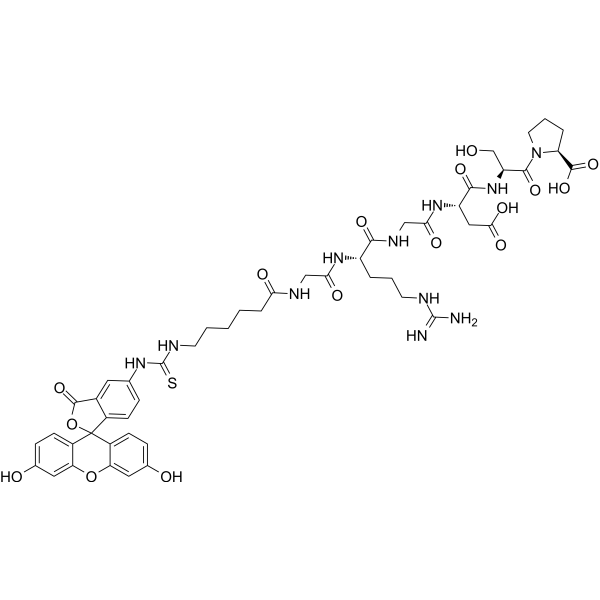
FITC-Ahx Gly Arg Gly Asp Ser Pro is a GRGDSP (HY-P0290) coupled to FITC. GRGDSP is an integrin inhibitor that can inhibit the adherence of tumor cells to endothelial cells of blood vessels and limit its metastasis .
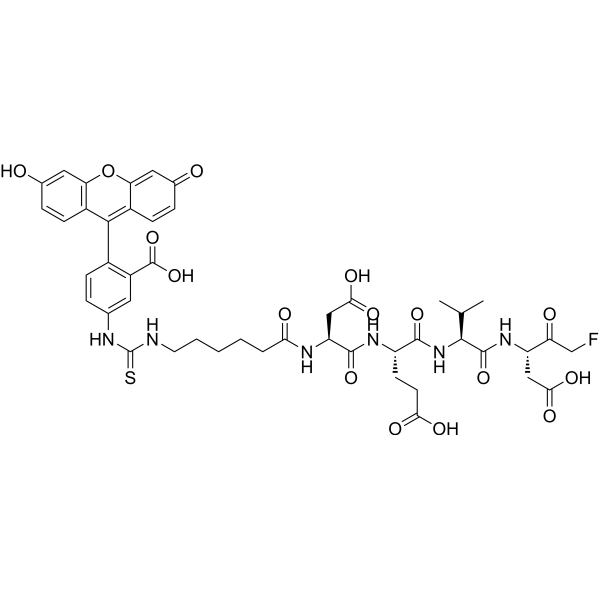
FITC-C6-DEVD-FMK, a fluorescently labeled caspase-3 inhibitor, can be used for detection of active caspase-3 in mammalian cells undergoing apoptosis. FITC-C6-DEVD-FMK provides a convenient means for sensitive detection of activated caspase-3 in living cells. Z-DEVD-FMK is a specific caspase-3 inhibitor .
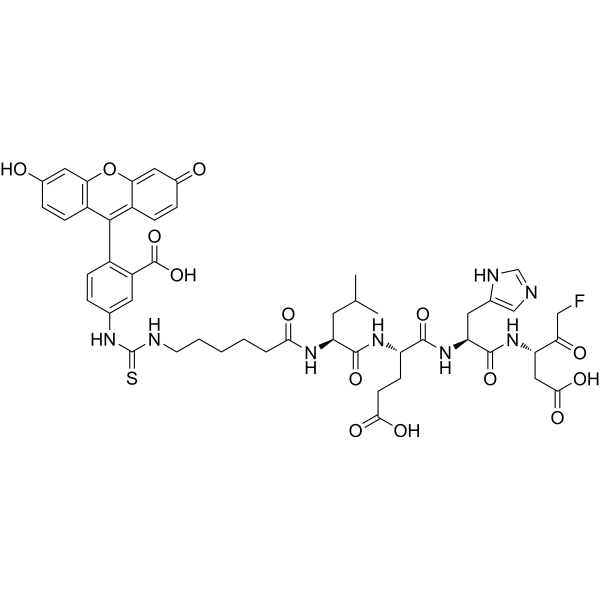
FITC-C6-LEHD-FMK, a fluorescently labeled caspase-9 inhibitor, can be used for detection of active caspase-9 in mammalian cells undergoing apoptosis. FITC-C6-LEHD-FMK provides a convenient means for sensitive detection of activated caspase-9 in living cells. Z-LEHD-FMK is a specific caspase-9 inhibitor .
6-Isothiocyanato-Fluorescein (FITC Isomer Ⅱ) is a biochemical reagent that can be used as a biological material or organic compound for life science related research.
FITC-Ahx-β-Amyloid (1-42), (rat/mouse) (tris) is a fluorescently labeled (FITC) form of β-Amyloid (1-42), (rat/mouse) (HY-P1388), which can be used in Alzheimer's disease-related research, such as aggregation, fiber formation, cellular uptake or imaging experiments. This product is provided in the form of Tris salt.
FITC-εAhx-HHV-2 Envelope Glycoprotein G (561-578) is a FITC labeled HHV-2 Envelope Glycoprotein G (561-578). HHV-2 Envelope Glycoprotein G (561-578) is an immunodominant region of glycoprotein G (gG-2) reactive with all herpes simplex (HSV-2) sera .
Omiganan, FITC labeled is a peptide-FITC complex composed of Omiganan and a FITC. Omiganan is a bactericidal and fungicidal cationic peptide being developed as a topical gel for prevention of catheter-associated infections. FITC is a derivative of fluorescein for the labeling of amines .
Omiganan, FITC labeled TFA is a peptide-FITC complex composed of Omiganan and a FITC. Omiganan is a bactericidal and fungicidal cationic peptide being developed as a topical gel for prevention of catheter-associated infections .
Semaglutide-FITC (Semaglutide-Lys(FITC)) is a FITC-labeled Semaglutide (a GLP-1R agonist) (HY-114118). Semaglutide-FITC can be used to directly track the distribution, cellular uptake, and transmembrane transport process of vesicles through techniques such as fluorescence imaging and flow cytometry. Semaglutide-FITC can be employed to study the movement and penetration ability of mixed vesicles in porcine intestinal mucus in vitro .
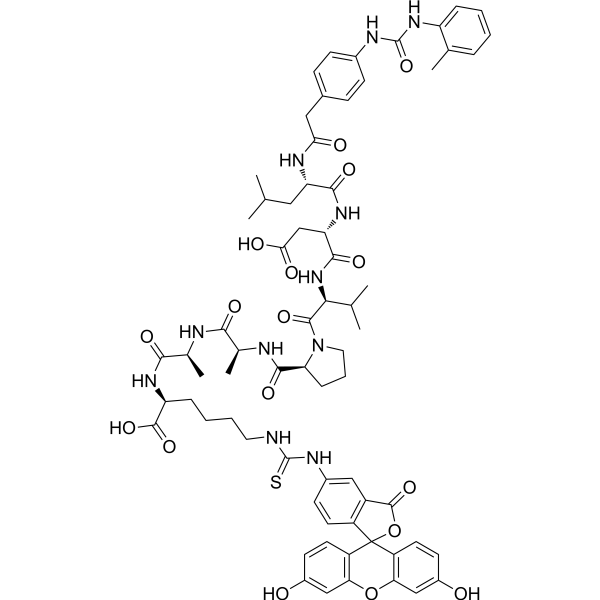
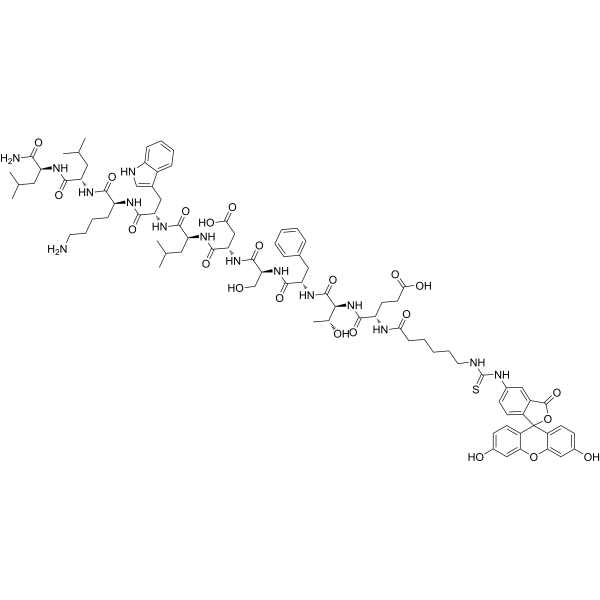
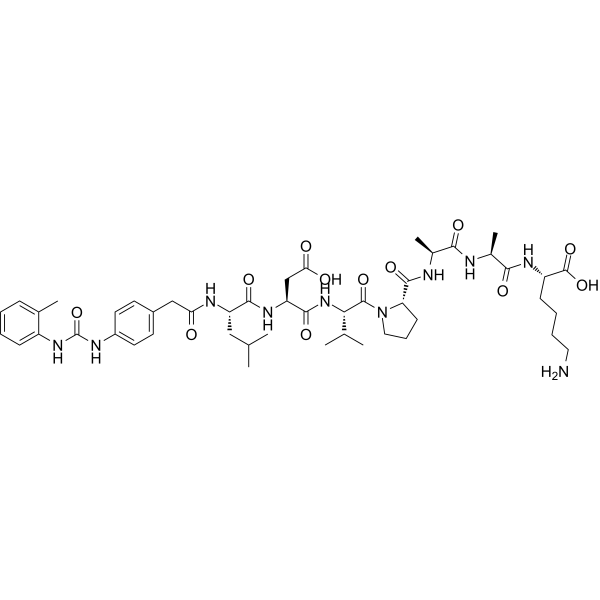
LDV-FITC, a fluorescent peptide, is a FITC-conjugated LDV peptide (HY-P2267). LDV-FITC binds to the α4β1 integrin with high affinity (Kd: 0.3 nM and 12 nM for binding to U937 cells in the presence and absence of Mn 2+ respectively). LDV-FITC can be used to detect α4β1 integrin affinity .
LDV-FITC TFA, a fluorescent peptide, is a FITC-conjugated LDV peptide (HY-P2267). LDV-FITC TFA binds to the α4β1 integrin with high affinity (Kd: 0.3 nM and 12 nM for binding to U937 cells in the presence and absence of Mn 2+ respectively). LDV-FITC TFA can be used to detect α4β1 integrin affinity .
Sphistin Synthetic Peptide (12-38, Fitc in N-Terminal-Fluorescently Labeled Peptide) is a truncated fragments of Sphistin Synthetic Peptide that shows potent antimicrobial activity.
5(6)-FITC (Fluorescein 5(6)-isothiocyanate) is an amine-reactive derivative of a fluorescent dye, characterized by high absorbance and excellent fluorescence quantum yield. The isothiocyanate group of FITC can react with various functional groups on proteins, including amines, thiols, imidazoles, tyrosines and carbonyls, enabling the labeling of proteins such as antibodies and lectins. 5(6)-FITC has a wide range of applications, including flow cytometry, immunofluorescence, protease assays and conjugation. The maximum excitation/emission wavelengths are 492/518 nm .
Human Serum Albumin-FITC (HSA-FITC) is a FITC (HY-66019) labeled serum albumin. Human Serum Albumin-FITC plays an important role in fluorescent labeling, drug delivery research, and other fields (Ex/Em = 488/525 nm) .
5-FITC tyramide is a green fluorescent dye composed of FITC (HY-66019) and tyramide (Ex=488 nm, Em=525 nm). 5-FITC tyramide is utilized as reporter fluorescent substrate of horseradish peroxidase (HRP)-catalyzed deposition for tyramide signal amplification (TSA). 5-FITC tyramide can be used for multiplex immunohistochemistry (mIHC) .
Lycopersicon esculentum (Tomato) Lectin (FITC) is Lycopersicon esculentum (Tomato) Lectin (HY-NP071) labeled with FITC (HY-66019). Lycopersicon esculentum (Tomato) Lectin (FITC) binds to poly-N-acetyllactosamine oligosaccharides. Lycopersicon esculentum (Tomato) Lectin (FITC) is a major component of carbohydrates on the surface of endothelial and epithelial cells .
Pisum sativum Agglutinin (PSA) FITC is a plant lectin conjugated with FITC (HY-66019). Pisum sativum Agglutinin FITC serves as an acrosome stain for detecting the acrosomal status of sperm. Pisum sativum Agglutinin exhibits lymphocyte mitogenic and immunomodulatory activities .
JQ1-FITC TFA is a BRD4-binding fluorescent tracer. JQ1-FITC TFA binds to BRD4 BD1, BD2, recombinant bromodomains, and endogenous BRD4 in cell lysates. JQ1-FITC TFA can be used for the research of breast cancer and cancer (Ex/Em = 495/525 nm) .
4-Arm-PEG2000-FITC is a fluorescent dye composed of polyethylene glycol (PEG) and 4 FITC (HY-66019) groups. 4-Arm-PEG2000-FITC can be used for fluorescent labeling and imaging .
4-Arm-PEG10000-FITC is a fluorescent dye composed of polyethylene glycol (PEG) and 4 FITC (HY-66019) groups. 4-Arm-PEG10000-FITC can be used for fluorescent labeling and imaging .
4-Arm-PEG5000-FITC is a fluorescent dye composed of polyethylene glycol (PEG) and 4 FITC (HY-66019) groups. 4-Arm-PEG5000-FITC can be used for fluorescent labeling and imaging .
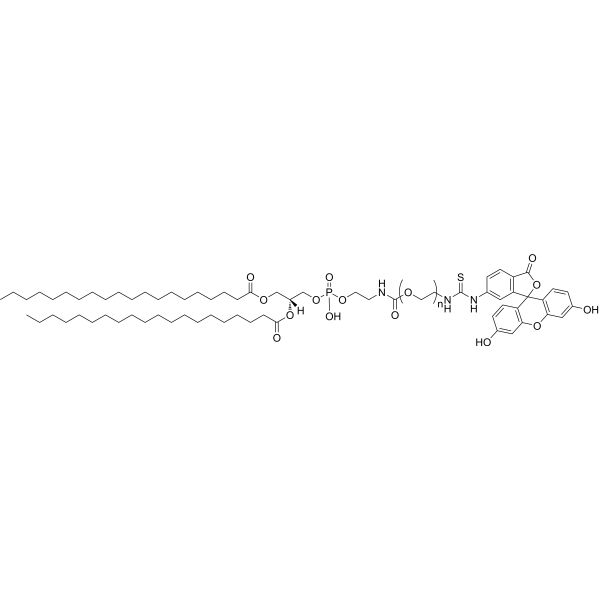
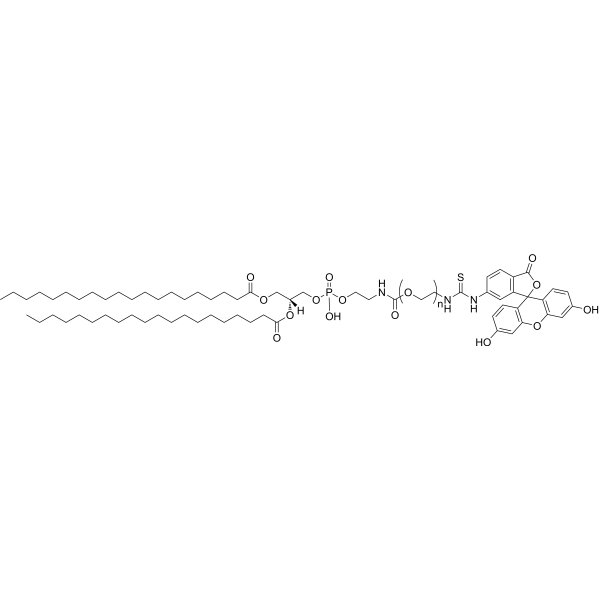
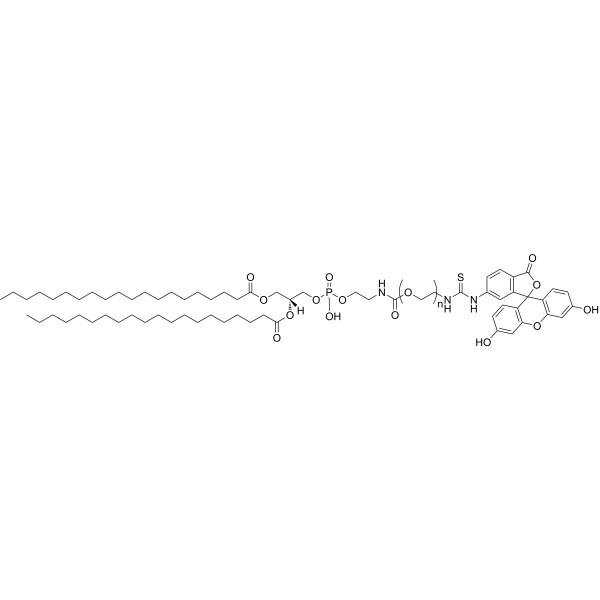
DSPE-PEG2000-FITC is a PEG lipid conjugated with fluorescein. FITC is a green dye with a peak absorption at 494 nm and a maximum emission at 520 nm, which is used for staining biological samples or nanoparticles. DSPE-PEG2000-FITC spontaneously forms lipid bilayers or micelles in water and can be used to prepare liposomes for delivering substances such as mRNA vaccines .
DSPE-PEG10000-FITC is an amphiphile PEG polymer which has unsaturated lipid tails. DSPE-PEG10000-FITC can form micelles in an aqueous solution and can be used to prepare liposome/nano particles for drug nanocarriers .
DSPE-PEG400-FITC is an amphiphile PEG polymer which has unsaturated lipid tails. DSPE-PEG400-FITC can form micelles in an aqueous solution and can be used to prepare liposome/nano particles for drug nanocarriers .
DSPE-PEG600-FITC is an amphiphile PEG polymer which has unsaturated lipid tails. DSPE-PEG600-FITC can form micelles in an aqueous solution and can be used to prepare liposome/nano particles for drug nanocarriers (Ex/Em=488/525 nm) .
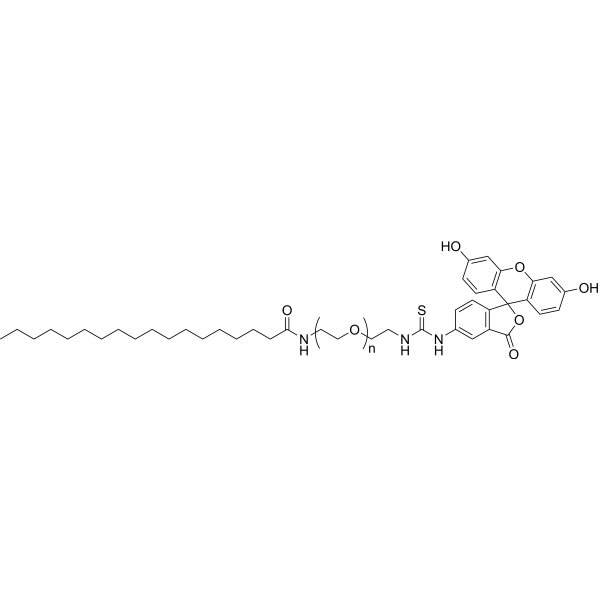
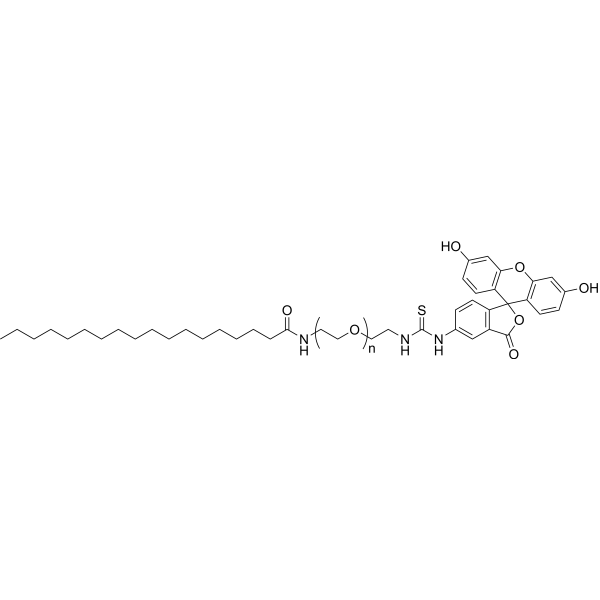
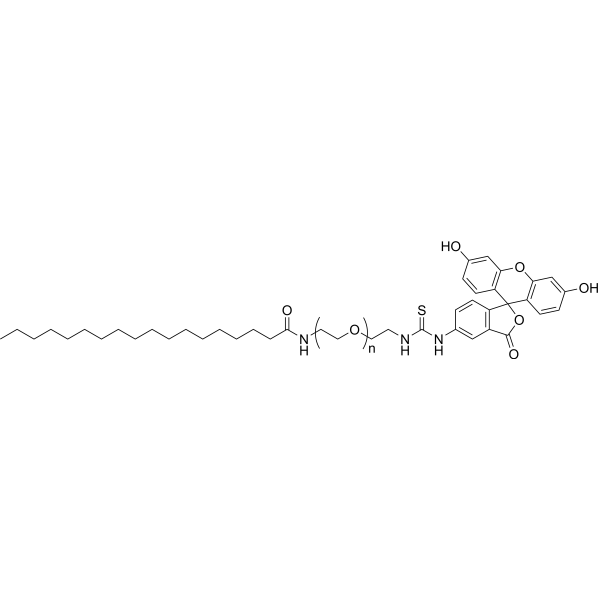
Stearic acid-PEG3400-FITC is a PEG lipid which forms micelles in water and can be used for drug delivery applications. The FITC fluorescent can be easily traced by miscroscopy. FITC is a green dye with peak absorption at 494 nm and maximum emission at 520 nm and can be used for staining biological samples or nanoparticles. FITC can be easily traced by fluorescence microscopy.
Stearic acid-PEG5000-FITC is a PEG lipid which forms micelles in water and can be used for drug delivery applications. The FITC fluorescent can be easily traced by miscroscopy. FITC is a green dye with peak absorption at 494 nm and maximum emission at 520 nm and can be used for staining biological samples or nanoparticles. FITC can be easily traced by fluorescence microscopy.
4-arm-PEG20000-FITC is a fluorescent dye composed of FITC (HY-66019) and four-arm polyethylene glycol (4-Arm PEG). 4-arm-PEG20000-FITC can be used to modify proteins, peptides and other materials with active groups (Ex/Em=488/525 nm) .
8-arm-PEG40000-FITC is a fluorescent dye composed of FITC (HY-66019) and eight-arm polyethylene glycol (8-Arm PEG). 8-arm-PEG40000-FITC can be used to modify proteins, peptides and other materials with active groups (Ex/Em=488/525 nm) .
8-Arm-PEG10000-FITC is a fluorescent dye composed of FITC (HY-66019) and eight-arm polyethylene glycol (8-Arm PEG). 8-Arm-PEG10000-FITC can be used to modify proteins, peptides and other materials with active groups (Ex/Em=488/525 nm) .
Bovine Serum Albumin-FITC is a bovine Serum albumin conjugated to FITC (Ex=495 nm; Em=525 nm). Bovine Serum Albumin-FITC can be used as a fluorescent marker to label or detect specific antigens, molecules or cellular structures .
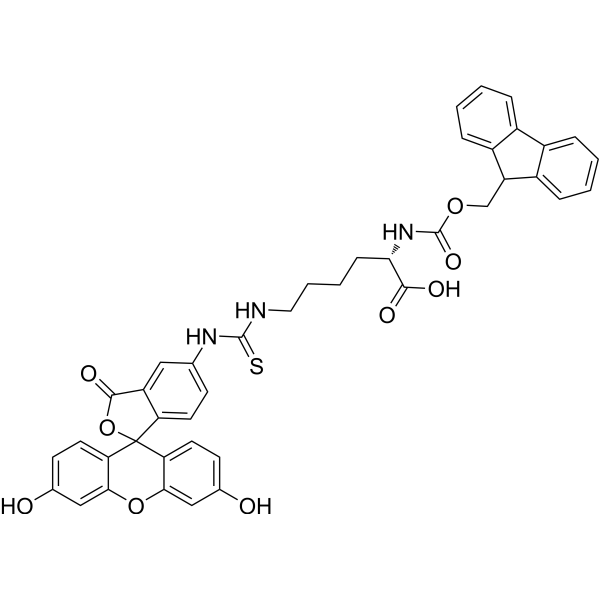
Fmoc-Lys(5-FITC)-OH is a marker for polypeptides or proteins. FITC is a fluorescence probe for the labeling of amines. FITC is a pH- and Cu 2+-sensitive fluorescence dye .
Stearic acid-PEG2000-FITC is an amphiphatic polyPEG which can self assemble to form micelles in water. The polymer can be used to encapsulate therapeutic agent. FITC is a green dye with peak absorption at 494 nm and maximum emission at 520 nm and can be used for staining biological samples or nanoparticles. FITC can be easily traced by fluorescence microscopy.
8-arm-PEG20000-FITC is a fluorescent dye composed of FITC (HY-66019) and eight-arm polyethylene glycol (8-Arm PEG). 8-arm-PEG-FITC can be used to modify proteins, peptides and other materials with active groups (Ex/Em=488/525 nm) .
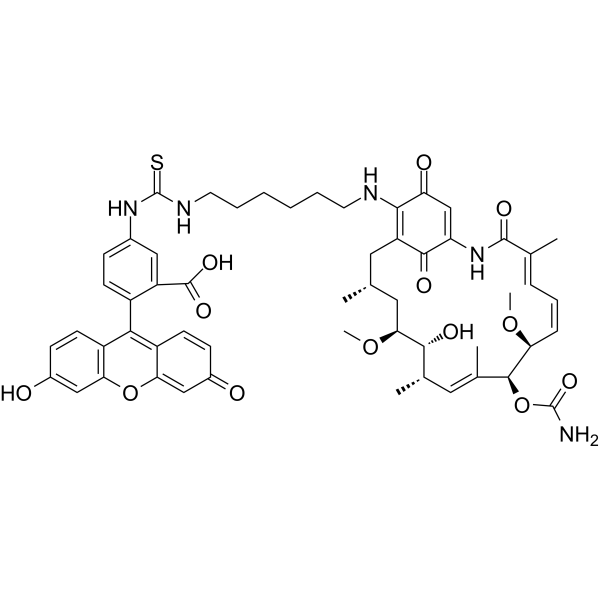
Geldanamycin-FITC, a Geldanamycin fluorescent probe, can be used in a fluorescence polarization assay for HSP90 inhibitors. Geldanamycin-FITC also can be used for detection of cell surface HSP90 (Ex/Em = 488/515 nm) .
6-FITC (6-Fluorescein Isothiocyanate) is a fluorescein isomer and also serves as a fluorescent label for biomolecules (FITC isomers have similar excitation/emission wavelengths, which are 495 nm/519 nm in fluorescence detection) .
DUPA-FITC is a fluorescent reagent targeting PSMA, which specifically binds to prostate cancer cells expressing PSMA without non-specific binding to normal blood cells. DUPA-FITC can label PSMA-expressing prostate cancer cells in whole blood, followed by internalization and trafficking to acidic intracellular endosomes, during which the fluorescence is quenched. When combined with flow cytometry and density gradient centrifugation enrichment, DUPA-FITC enables quantitative analysis of circulating tumor cells in peripheral blood samples from prostate cancer patients .
Folate-FITC (EC-17) is a folate receptor alpha (FRα) targeting contrast agent with fluorescent properties in the visible light spectrum. The Folate-FITC maximum excitation and emission wavelengths are 490 nm and 520 nm, respectively .
DSPE-PEG5000-FITC is a fluorescein attached PEG lipid. It can be used to prepare liposomes as drug carrier in targeted drug delivery. The polymer is modified with fluorescein (green) dye which can be used for staining cells, tissues, biomarkers, or nanoparticles.
DSPE-PEG3400-FITC is a fluorescein attached PEG lipid. It can be used to prepare liposomes as drug carrier in targeted drug delivery. The polymer is modified with fluorescein (green) dye which can be used for staining cells, tissues, biomarkers, or nanoparticles.
FITC-labeled α-Bungarotoxin is FITC-conjugated α-Bungarotoxin (HY-P1264). α-Bungarotoxin acts as a competitive antagonist of nicotinic acetylcholine receptors (nAChRs) .
DSPE-PEG1000-FITC is an amphiphile PEG polymer which has unsaturated lipid tails. The polymer can form micelles in an aqueous solution and can be used to prepare liposome/nano particles for drug nanocarriers. . Reagent grade, for research use only.
Concanavalin A-FITC is a FITC (HY-66019)-labled Concanavalin A (HY-P2149). Concanavalin A is a Ca 2+/Mn 2+-dependent and mannose/glucose-binding plant lectin. Concanavalin A binds the N- and O-glycosylated proteins of head and neck carcinoma cells glycoproteins (Ex/Em = 488/525 nm) .
FGGH is a water-soluble peptide-based probe. FGGH performs the sequential detection of Cu 2+ and S 2- by fluorescence and colorimetry with high sensitivity (LOD: 1.42 and 22.2 nM for Cu 2+ and S 2-, respectively) (Ex=488 nm, Em=525 nm), and images both two ions in living cells and zebrafish models with low cytotoxicity. FGGH can be used for in vivo imaging and environmental pollution monitoring research .
Poly-L-lysine-Ahx-FITC (MW 15000-30000) is a cationic polymer, which is a polylysine modified with FITC (HY-66019). Poly-L-lysine-Ahx-FITC (MW 15000-30000) is used to fix cells on glass substrates or negatively charged substrates for subsequent labeling and localization experiments.
Poly-L-lysine-Ahx-FITC (MW 30000-70000) is a cationic polymer, which is a polylysine modified with FITC (HY-66019). Poly-L-lysine-Ahx-FITC (MW 30000-70000) is used to fix cells on glass substrates or negatively charged substrates for subsequent labeling and localization experiments.
DOPE-PEG2000-FITC is a phospholipid. Phospholipids have good biocompatibility and significant amphiphilic characteristics, making them the main and suitable dosage form or excipient in drug formulations, thereby achieving better therapeutic effects. DOPE-PEG2000-FITCcan be used in drug delivery research .
DOPE-PEG5000-FITC is a phospholipid. Phospholipids have good biocompatibility and significant amphiphilic characteristics, making them the main and suitable dosage form or excipient in drug formulations, thereby achieving better therapeutic effects. DOPE-PEG5000-FITCcan be used in drug delivery research .
fStAx-35R TFA is the hydrocarbon-stapled peptide. fStAx-35R TFA inhibits Wnt/β-catenin signaling pathway by disrupting the β-catenin-TCF interaction. fStAx-35R TFA can be used in cancer research .
Fluorescein-maleimide (5-FITC-Maleimide) is a thiol-reactive fluorescent derivatization reagent and non-specific protein labeling reagent. Fluorescein-maleimide covalently binds to protein thiol groups for protein labeling. Fluorescein-maleimide covalently binds to protein amino and imidazole groups under neutral pH conditions. Fluorescein-maleimide is used for fluorescent labeling of proteins, nucleic acids or other molecules containing one or more thiol groups (Ex/Em = 494/519 nm) .
p53 (17-26), FITC labeled is a biological active peptide. p53 (17-26) is a peptide derived from the P53 MDM2 binding domain, with a Kd of 50 nM for MDM2. p53 (17-26) causes cell lysis by damaging cancer cells and nuclear membranes, and induces cancer cell necrosis. p53 (17-26) exhibits antitumor activity and is applicable to research related to pancreatic cancer.
6-AF488 tyramide is a bright, green fluorescent dye (Ex=496 nm, Em=524 nm). 6-AF488 tyramide is utilized as reporter fluorescent substrate of horseradish peroxidase (HRP)-catalyzed deposition for tyramide signal amplification (TSA). 5-FITC tyramide can be used for multiplex immunohistochemistry (mIHC) .
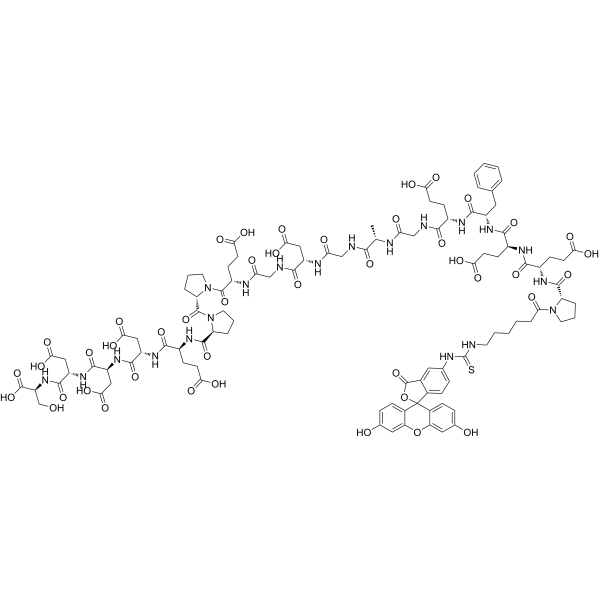
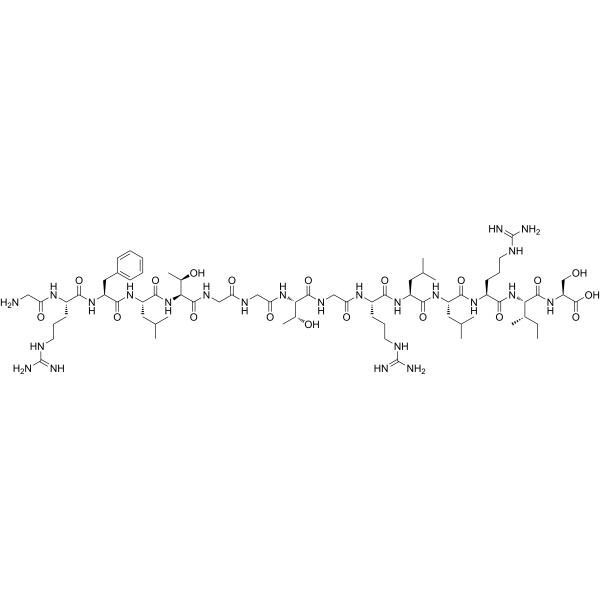
PSMA-1 is a PSMA targeting peptide (GRFLTGGTGRLLRIS) and can be used for for targeted delivery of glucose-regulated protein (GRP)-silencing siRNAs in PCa cells. PSMA-1 is selected and polyarginine sequences R6 or R9 were added at the C terminus to generate the CTPs. FITC labeling of the peptide with an aminohexanoic acid (Ahx) linker at the N terminus produced FITC-PSMA-1,to track PSMA binding on PCa cells .
Vari Fluor 488-Phalloidin is a fluorescent derivative of Phalloidin that specifically labels myofilament proteins and exhibits green fluorescence when labeled, allowing for fluorescence imaging using FITC channels (Ex/Em=488 nm/513 nm) .
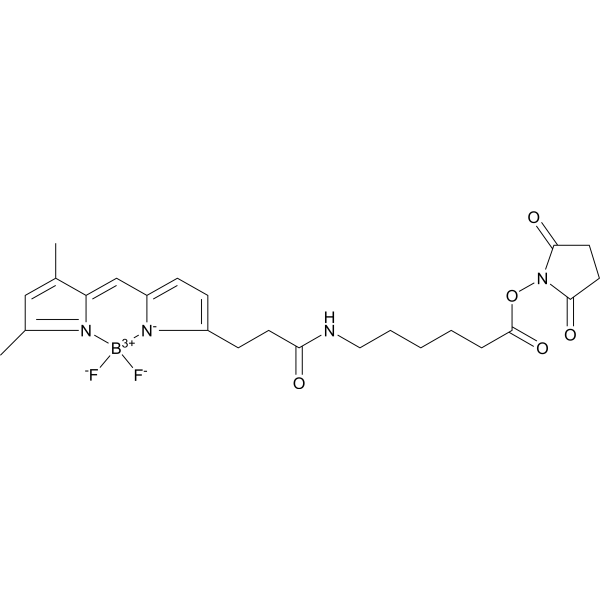
BODIPY FL-X,SE is a fluorescent greendye for the labeling of amine, shows a high fluorescence quantum yield and is relatively insensitive to pH change. BODIPY FL-X,SE can be used as an alternative for FAM, Cy2 or FITC. λabs: 504 nm; λem:510 nm .
mPEG-PEI-Cy5 (MW 5000) is a fluorescent dye composed of polyethylene glycol (PEG), FITC (HY-66019) and a Biotin (HY-B0511). mPEG-PEI-Cy5 (MW 5000) can be used for fluorescent labeling and imaging .
mPEG-PEI-Cy5 (MW 1000) is a fluorescent dye composed of polyethylene glycol (PEG), FITC (HY-66019) and a Biotin (HY-B0511). mPEG-PEI-Cy5 (MW 1000) can be used for fluorescent labeling and imaging .
mPEG-PEI-Cy5 (MW 2000) is a fluorescent dye composed of polyethylene glycol (PEG), FITC (HY-66019) and a Biotin (HY-B0511). mPEG-PEI-Cy5 (MW 2000) can be used for fluorescent labeling and imaging .
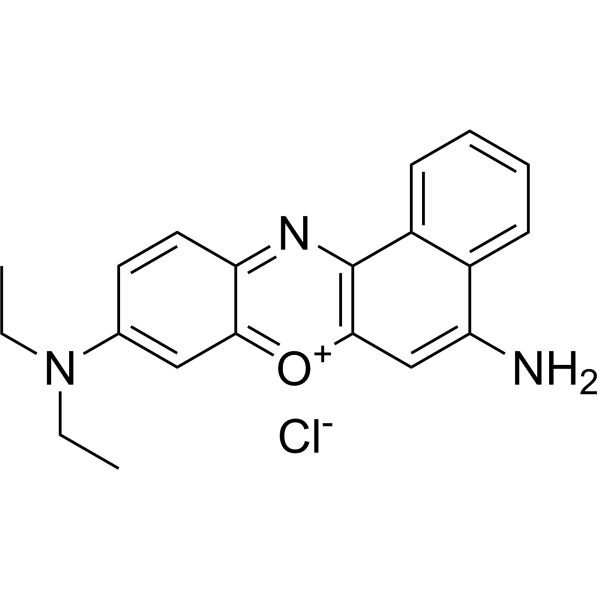
Nile blue chloride is a highly fluorescent and photostable organic dye. Nile blue chloride and fluorescein isothiocyanate (FITC) can be used to construct a ratiometric pH sensitive probe for tracking the pH of the extracellular fluid between cancer cells in realtime. Nile Blue chloride has the potential for the research of nonlinear optics .
DSPE-PEG2000-CRPPR is a polyethylene glycol (PEG) conjugate composed of DSPE and Heart-homing peptide (CRPPR) (HY-P10641). DSPE-PEGs are modified with the CRPPR peptide to bind cysteine-rich protein 2 (CRIP2) as well as FITC-labeled superparamagnetic iron oxide nanoparticles .
DeepRed Nucleus Dye is a novel cell permeant and far red-fluorescing DNA probe. DeepRed Nucleus Dye excites at a wavelength of 647 nm, close to the Ex, and produces a fluorescence spectrum extending from 665 nm out to beyond 780 nm wavelengths. DeepRed Nucleus Dye fluorescence reflects cellular DNA content. DeepRed Nucleus Dye can be used in combination with FITC and RPE-labelled antibodies, without the need for fluorescence compensation .
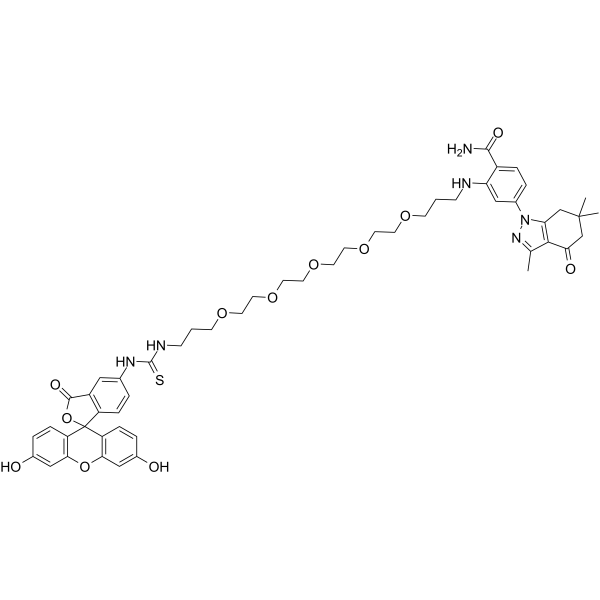
HS-27, a fluorescently-tethered Hsp90 inhibitor, assays surface Hsp90 expression on intact tissue specimens. HS-27 is made up of the core elements of SNX-5422, an Hsp90 inhibitor, tethered via a PEG linker to a fluorescein derivative (fluorescein isothiocyanate or FITC), that binds to ectopically expressed Hsp90. HS-27 has potential use in a see-and-treat paradigm in breast cancer .
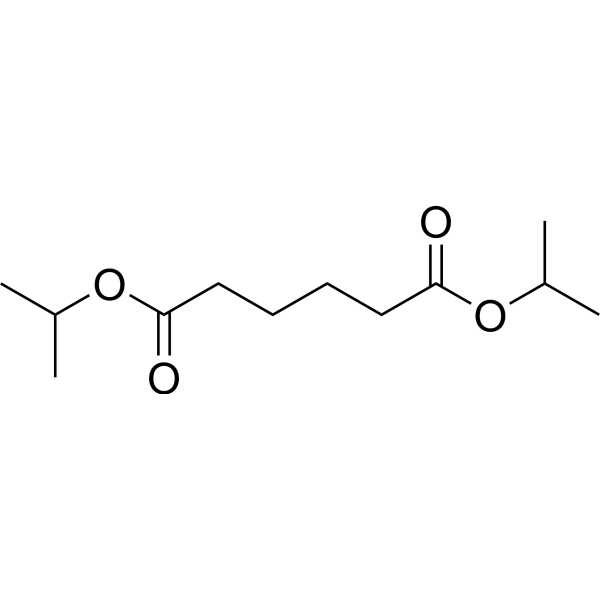
Diisopropyl adipate is an alternative plasticizer and a TRPA1 activator. Diisopropyl adipate activates TRPA1 and enhances FITC-induced contact hypersensitivity (CHS).Diisopropyl adipate also serves as an ingredient in cosmetics and drug formulations topically applied to the skin. Diisopropyl adipate can be used as an excipient, such as emollients, plasticizers. Pharmaceutical excipients, or pharmaceutical auxiliaries, refer to other chemical substances used in the pharmaceutical process other than pharmaceutical ingredients. Pharmaceutical excipients generally refer to inactive ingredients in pharmaceutical preparations, which can improve the stability, solubility and processability of pharmaceutical preparations. Pharmaceutical excipients also affect the absorption, distribution, metabolism, and elimination (ADME) processes of co-administered drugs .
5-Carboxyrhodamine 110 NHS Ester is the nonsulfonated analog of the BP Fluor 488 dye. The amine-reactive 5(6)-Carboxyrhodamine 110 NHS Ester can be used to create bright and photostable green-fluorescent bioconjugates with excitation/emission maxima ~502/527 nm. For many applications, the dye is preferred over 5-(6)-carboxyfluorescein NHS ester or FITC because of its exceptional photostability and fluorescence insensitivity to pH (4-9).
Although the mixed isomers of Carboxyrhodamine 110 NHS Ester preferred, routinely used fluorescent dye for labeling proteins, peptides and nucleotides, purification of peptide and nucleotides labeled with 5(6) isomers might be troublesome due to significant signal broadening in HPLC purification. Peptides and nucleotides labeled with a single isomer usually give better resolution in HPLC purification that is often required in the conjugation processes.
FITC (Fluorescein Isothiocyanate), is one of the green fluorescein derivatives widely used in biology. FITC has the characteristics of high absorptivity and excellent fluorescence quantum yield. The isothiocyanate group of FITC can be combined with amino, sulfhydryl, imidazole, tyrosyl, carbonyl and other groups on the protein, so as to achieve protein labeling including antibodies and lectins. In addition to its use as a protein marker, FITC can also be used as a fluorescent protein tracer to rapidly identify pathogens by labeling antibodies, or for microsequencing of proteins and peptides (HPLC). The maximum excitation wavelength of FITC is 494 nm. Once excited, it fluoresces yellow-green at a maximum emission wavelength of 520 nm. In addition, FITC is also a hapten that can induce contact hypersensitivity (CHS) and induce an atopic dermatitis model .
FITC-Dextran (MW 4000) is a fluorescent probe for fluorescein isothiocyanate (FITC) dextran (Ex=495 nm; Em=525 nm). FITC-Dextran (MW 4000) can be used as a marker to reveal heat shock-induced cell damage and to study the early and late stages of apoptosis. FITC-Dextran (MW 4000) can also be used for cell permeability studies, such as blood-brain barrier permeability and determination of the extent of blood-brain barrier disruption .
FITC-Dextran (MW 10000) is a fluorescent probe for fluorescein isothiocyanate (FITC) dextran (Ex=495 nm; Em=525 nm). FITC-Dextran (MW 10000) can be used as a marker to reveal heat shock-induced cell damage and to study the early and late stages of apoptosis. FITC-Dextran (MW 10000) can also be used for cell permeability studies, such as blood-brain barrier permeability and determination of the extent of blood-brain barrier disruption .
FITC-Dextran (MW 40000) is a fluorescent probe for fluorescein isothiocyanate (FITC) dextran (Ex=495 nm; Em=525 nm). FITC-Dextran (MW 40000) can be used as a marker to reveal heat shock-induced cell damage and to study the early and late stages of apoptosis. FITC-Dextran (MW 40000) can also be used for cell permeability studies, such as blood-brain barrier permeability and determination of the extent of blood-brain barrier disruption .
FITC-Dextran (MW 70000) is a compound belonging to the class of fluorescent dyes. It is commonly used in biomedical research as a tracer molecule to label and track cells or other biological matter. FITC-Dextran consists of fluorescein isothiocyanate (FITC) and dextran, a complex carbohydrate derived from starch. The combination of the two creates a stable fluorescent tracer that can be viewed under a microscope or quantified using specialized detection instruments.
FITC-Dextran (MW 2000000) is a compound belonging to the class of fluorescent dyes. It is commonly used in biomedical research as a tracer molecule to label and track cells or other biological matter. FITC-Dextran consists of fluorescein isothiocyanate (FITC) and dextran, a complex carbohydrate derived from starch. The combination of the two creates a stable fluorescent tracer that can be viewed under a microscope or quantified using specialized detection instruments.
FITC-Dextran (MW 3000-5000) is a fluorescent probe for fluorescein isothiocyanate (FITC) dextran (Ex=495 nm; Em=525 nm). FITC-Dextran (MW 3000-5000) can be used as a marker to reveal heat shock-induced cell damage and to study the early and late stages of apoptosis. FITC-Dextran (MW 3000-5000) can also be used for cell permeability studies, such as blood-brain barrier permeability and determination of the extent of blood-brain barrier disruption . Storage: protect from light.
FITC-Dextran (MW 150000) is a fluorescent probe for fluorescein isothiocyanate (FITC) dextran (Ex=491 nm; Em=518 nm). FITC-Dextran (MW 150000) can be used as a marker to reveal heat shock-induced cell damage and to study the early and late stages of apoptosis. FITC-Dextran (MW 150000) can be used in perfusion studies in animals or in fluorescence microlymphography, to study processes that affect the permeability of the blood brain barrier (BBB) . FITC-Dextran (MW 150000) can be used as fluorescent probe to study cell permeability .
FITC-Dextran (MW 20000) is a compound belonging to the class of fluorescent dyes. It is commonly used in biomedical research as a tracer molecule to label and track cells or other biological matter. FITC-Dextran consists of fluorescein isothiocyanate (FITC) and dextran, a complex carbohydrate derived from starch. The combination of the two creates a stable fluorescent tracer that can be viewed under a microscope or quantified using specialized detection instruments.
FITC-Dextran (MW 500000) is a compound belonging to the class of fluorescent dyes. It is commonly used in biomedical research as a tracer molecule to label and track cells or other biological matter. FITC-Dextran consists of fluorescein isothiocyanate (FITC) and dextran, a complex carbohydrate derived from starch. The combination of the two creates a stable fluorescent tracer that can be viewed under a microscope or quantified using specialized detection instruments.
FITC (Fluorescein Isothiocyanate) (solution) , is one of the green fluorescein derivatives widely used in biology. FITC has the characteristics of high absorptivity and excellent fluorescence quantum yield. The isothiocyanate group of FITC can be combined with amino, sulfhydryl, imidazole, tyrosyl, carbonyl and other groups on the protein, so as to achieve protein labeling including antibodies and lectins. In addition to its use as a protein marker, FITC can also be used as a fluorescent protein tracer to rapidly identify pathogens by labeling antibodies, or for microsequencing of proteins and peptides (HPLC). The maximum excitation wavelength of FITC is 494 nm. Once excited, it fluoresces yellow-green at a maximum emission wavelength of 520 nm. In addition, FITC is also a hapten that can induce contact hypersensitivity (CHS) and induce an atopic dermatitis model . Solvent and concentration: DMSO: 20 mM The 1 mL volume is defined as the base specification. All larger sizes correspond to incremental volumes of this base.
FITC-HA (MW 1000000) is hyaluronic acid (HA) (HY-B0633A) labeled with FITC (HY-66019). FITC-HA retains the ability of HA to bind to receptors (such as CD44) and form extracellular matrices, while it can be detected by fluorescence microscopy or flow cytometry for tracing the localization, binding, internalization and metabolic pathways of HA in cells, tissues or living organisms (Ex/Em ≈ 490/520 nM) .
FITC-Dextran (MW 10000) (solution) is a fluorescent probe for fluorescein isothiocyanate (FITC) dextran (Ex=495 nm; Em=525 nm). FITC-Dextran (MW 10000) can be used as a marker to reveal heat shock-induced cell damage and to study the early and late stages of apoptosis. FITC-Dextran (MW 10000) can also be used for cell permeability studies, such as blood-brain barrier permeability and determination of the extent of blood-brain barrier disruption . Solvent and Concentration: Sterile water: 2 mM
FITC-PEG1000-NHS is a fluorescent dye composed of polyethylene glycol (PEG), FITC (HY-66019) and a hydroxysuccinimide (NHS) group. The NHS group can react with amine-containing groups. FITC-PEG1000-NHS can be used for fluorescent labeling and imaging .
FITC-PEG400-NH2 is a fluorescent dye composed of polyethylene glycol (PEG), FITC (HY-66019) and an amino group. FITC-PEG400-NH2 can be used for fluorescent labeling and imaging .
FITC-Dextran (MW 1000) is a compound that belongs to the class of fluorescent dyes. It is often used as a tracer molecule in biomedical research to label and track cells or other biological substances. FITC-Dextran consists of fluorescein isothiocyanate (FITC) and dextran, a complex carbohydrate extracted from starch. The combination of the two creates a stable fluorescent tracer that can be observed under a microscope or quantified using specialized detection instruments.
FITC-Dextran (MW 110000) is a compound belonging to the class of fluorescent dyes. It is commonly used in biomedical research as a tracer molecule to label and track cells or other biological matter. FITC-Dextran consists of fluorescein isothiocyanate (FITC) and dextran, a complex carbohydrate derived from starch. The combination of the two creates a stable fluorescent tracer that can be viewed under a microscope or quantified using specialized detection instruments.
FITC-PEG5000-DBCO is a fluorescent dye composed of FITC (HY-66019), PEG and dibenzocyclooctyne (DBCO). DBCO is a cycloalkyne that can react with molecules containing azide groups through "click chemistry" to achieve coupling (Ex/Em=488/525 nm).
FITC-PEG400-COOH is a fluorescent dye composed of polyethylene glycol (PEG), FITC (HY-66019) and a COOH. FITC-PEG400-COOH can be used for fluorescent labeling and imaging .
FITC-mPEG2000 is a fluorescent dye composed of methoxypolyethylene glycol (mPEG) and FITC (HY-66019). FITC-mPEG2000 can be used for fluorescent labeling and imaging .
FITC-Chitosan (MW 100000) is a chitosan (Chitosan) (HY-B2144A) labeled with FITC (HY-66019). FITC-Chitosan (MW 100000) combines the biological and physicochemical properties of chitosan (such as biocompatibility, positive charge, and nanoparticle-forming ability) with the fluorescent visibility of FITC (Ex/Em = ~485/535 nm) .
FITC-Dextran (MW 4000) (solution) is a fluorescent probe for fluorescein isothiocyanate (FITC) dextran (Ex=495 nm; Em=525 nm). FITC-Dextran (MW 4000) can be used as a marker to reveal heat shock-induced cell damage and to study the early and late stages of apoptosis. FITC-Dextran (MW 4000) can also be used for cell permeability studies, such as blood-brain barrier permeability and determination of the extent of blood-brain barrier disruption . Solvent and Concentration: Sterile water: 2 mM
FITC-mPEG5000 is a fluorescent dye composed of methoxypolyethylene glycol (mPEG) and FITC (HY-66019). FITC-mPEG5000 can be used for fluorescent labeling and imaging .
FITC-GW3965 is a fluorescence-labelled liver X receptor β (LXRβ) agonist GW3965 (HY-10627). FITC-GW3965 is a tracer, that can be designed by replacing the trifluoromethyl of GW3965 with an amide to link the FITC. FITC-GW3965 can be used to study the function of LXRβ .
FITC-PEG400-SH is a fluorescent dye composed of polyethylene glycol (PEG), FITC (HY-66019) and a sulfhydryl (SH). FITC-PEG400-SH can be used for fluorescent labeling and imaging .
FITC-PEG2000-PBA is a fluorescent dye composed of FITC (HY-66019), PEG and phenylboronic acid (PBA). FITC-PEG2000-PBA can be used for cell imaging and tracking, as well as sugar molecule detection (Ex/Em=488/525 nm).
FITC-PEG3400-NHS is a fluorescent dye composed of polyethylene glycol (PEG), FITC (HY-66019) and a hydroxysuccinimide (NHS) group. The NHS group can react with amine-containing groups. FITC-PEG3400-NHS can be used for fluorescent labeling and imaging .
FITC-PEG2000-DBCO is a fluorescent dye composed of FITC (HY-66019), PEG and dibenzocyclooctyne (DBCO). DBCO is a cycloalkyne that can react with molecules containing azide groups through "click chemistry" to achieve coupling (Ex/Em=488/525 nm).
FITC-PLL is a fluorescent dye composed of poly-lysine (PLL) and FITC (HY-66019). FITC-PLL can be used for cell labeling and has nucleic acid binding ability .
FITC-PEG5000-SH is a fluorescent dye composed of polyethylene glycol (PEG), FITC (HY-66019) and a sulfhydryl (SH). FITC-PEG5000-SH can be used for fluorescent labeling and imaging .
FITC-HA (MW 5000) is hyaluronic acid (HA) (HY-B0633A) labeled with FITC (HY-66019). FITC-HA retains the ability of HA to bind to receptors (such as CD44) and form extracellular matrices, while it can be detected by fluorescence microscopy or flow cytometry for tracing the localization, binding, internalization and metabolic pathways of HA in cells, tissues or living organisms (Ex/Em ≈ 490/520 nM) .
FITC-PEG1000-NH2 is a fluorescent dye composed of polyethylene glycol (PEG), FITC (HY-66019) and an amino group. FITC-PEG1000-NH2 can be used for fluorescent labeling and imaging .
FITC-mPEG10000 is a fluorescent dye composed of methoxypolyethylene glycol (mPEG) and FITC (HY-66019). FITC-mPEG10000 can be used for fluorescent labeling and imaging .
FITC-mPEG20000 is a fluorescent dye composed of methoxypolyethylene glycol (mPEG) and FITC (HY-66019). FITC-mPEG20000 can be used for fluorescent labeling and imaging .
FITC-mPEG550 is a fluorescent dye composed of methoxypolyethylene glycol (mPEG) and FITC (HY-66019). FITC-mPEG550 can be used for fluorescent labeling and imaging .
FITC-PEG1000-COOH is a fluorescent dye composed of polyethylene glycol (PEG), FITC (HY-66019) and a COOH. FITC-PEG1000-COOH can be used for fluorescent labeling and imaging .
FITC-HA (MW 200000) is hyaluronic acid (HA) (HY-B0633A) labeled with FITC (HY-66019). FITC-HA retains the ability of HA to bind to receptors (such as CD44) and form extracellular matrices, while it can be detected by fluorescence microscopy or flow cytometry for tracing the localization, binding, internalization and metabolic pathways of HA in cells, tissues or living organisms (Ex/Em ≈ 490/520 nM) .
FITC-HA (MW 50000) is hyaluronic acid (HA) (HY-B0633A) labeled with FITC (HY-66019). FITC-HA retains the ability of HA to bind to receptors (such as CD44) and form extracellular matrices, while it can be detected by fluorescence microscopy or flow cytometry for tracing the localization, binding, internalization and metabolic pathways of HA in cells, tissues or living organisms (Ex/Em ≈ 490/520 nM) .
FITC-HA (MW 100000) is hyaluronic acid (HA) (HY-B0633A) labeled with FITC (HY-66019). FITC-HA retains the ability of HA to bind to receptors (such as CD44) and form extracellular matrices, while it can be detected by fluorescence microscopy or flow cytometry for tracing the localization, binding, internalization and metabolic pathways of HA in cells, tissues or living organisms (Ex/Em ≈ 490/520 nM) .
FITC-PEG2000-biotin is a fluorescent dye composed of polyethylene glycol (PEG), FITC (HY-66019) and a Biotin (HY-B0511). FITC-PEG2000-biotin can be used for fluorescent labeling and imaging .
FITC-PEG400-MAL is a fluorescent dye composed of polyethylene glycol (PEG), FITC (HY-66019) and Maleimide (HY-W007324) (MAL). FITC-PEG400-MAL can be used for fluorescent labeling and imaging .
FITC-PEG3400-MAL is a fluorescent dye composed of polyethylene glycol (PEG), FITC (HY-66019) and Maleimide (HY-W007324) (MAL). FITC-PEG3400-MAL can be used for fluorescent labeling and imaging .
FITC-PEG1000-MAL is a fluorescent dye composed of polyethylene glycol (PEG), FITC (HY-66019) and Maleimide (HY-W007324) (MAL). FITC-PEG1000-MAL can be used for fluorescent labeling and imaging .
FITC-PEG400-NHS is a fluorescent dye composed of polyethylene glycol (PEG), FITC (HY-66019) and a hydroxysuccinimide (NHS) group. The NHS group can react with amine-containing groups. FITC-PEG400-NHS can be used for fluorescent labeling and imaging .
FITC-PEG1000-FITC is a fluorescent dye composed of two FITC (HY-66019) molecules and one PEG. FITC-PEG-FITC is connected to each end of the two FITC (HY-66019) molecules to form a dual-labeling structure, which is suitable for high-sensitivity fluorescence detection and imaging (Ex/Em=488/525 nm) .
FITC-Ureidopropionic acid is labeled with FITC fluorescent label on Ureidopropionic acid. FITC-Ureidopropionic acid is a fluorescent probe used to label biomolecules or cells.
FITC-mPEG1000 is a fluorescent dye composed of methoxypolyethylene glycol (mPEG) and FITC (HY-66019). FITC-mPEG1000 can be used for fluorescent labeling and imaging .
FITC-mPEG350 is a fluorescent dye composed of methoxypolyethylene glycol (mPEG) and FITC (HY-66019). FITC-mPEG350 can be used for fluorescent labeling and imaging .
FITC-Lithocholic acid 3-sulfate (FITC-Sulfolithocholic acid) is a FITC-labeled Lithocholic acid 3-sulfate, which is a sulfated biliary metabolite. Lithocholic acid 3-sulfate selectively inhibits Th17 cell differentiation by targeting RORγt. Lithocholic acid 3-sulfate can be used for the research of pathogenesis of cholestatic liver diseases .
FITC-PEG10000-COOH is a fluorescent dye composed of polyethylene glycol (PEG), FITC (HY-66019) and a COOH. FITC-PEG10000-COOH can be used for fluorescent labeling and imaging .
FITC-PEG5000-COOH is a fluorescent dye composed of polyethylene glycol (PEG), FITC (HY-66019) and a COOH. FITC-PEG5000-COOH can be used for fluorescent labeling and imaging .
FITC-PEG5000-OH is a fluorescent dye composed of polyethylene glycol (PEG), FITC (HY-66019) and a Hydroxyl group. FITC-PEG5000-OH can be used for fluorescent labeling and imaging .
FITC-PEG10000-OH is a fluorescent dye composed of polyethylene glycol (PEG), FITC (HY-66019) and a Hydroxyl group. FITC-PEG10000-OH can be used for fluorescent labeling and imaging .
FITC-PEG400-OH is a fluorescent dye composed of polyethylene glycol (PEG), FITC (HY-66019) and a Hydroxyl group. FITC-PEG400-OH can be used for fluorescent labeling and imaging .
FITC-PEG1000-SH is a fluorescent dye composed of polyethylene glycol (PEG), FITC (HY-66019) and a sulfhydryl (SH). FITC-PEG1000-SH can be used for fluorescent labeling and imaging .
FITC-HA (MW 10000) is hyaluronic acid (HA) (HY-B0633A) labeled with FITC (HY-66019). FITC-HA retains the ability of HA to bind to receptors (such as CD44) and form extracellular matrices, while it can be detected by fluorescence microscopy or flow cytometry for tracing the localization, binding, internalization and metabolic pathways of HA in cells, tissues or living organisms (Ex/Em ≈ 490/520 nM) .
FITC-HA (MW 3000) is hyaluronic acid (HA) (HY-B0633A) labeled with FITC (HY-66019). FITC-HA retains the ability of HA to bind to receptors (such as CD44) and form extracellular matrices, while it can be detected by fluorescence microscopy or flow cytometry for tracing the localization, binding, internalization and metabolic pathways of HA in cells, tissues or living organisms (Ex/Em ≈ 490/520 nM) .
FITC-HA (MW 500000) is hyaluronic acid (HA) (HY-B0633A) labeled with FITC (HY-66019). FITC-HA retains the ability of HA to bind to receptors (such as CD44) and form extracellular matrices, while it can be detected by fluorescence microscopy or flow cytometry for tracing the localization, binding, internalization and metabolic pathways of HA in cells, tissues or living organisms (Ex/Em ≈ 490/520 nM) .
FITC-PEG5000-biotin is a fluorescent dye composed of polyethylene glycol (PEG), FITC (HY-66019) and a Biotin (HY-B0511). FITC-PEG5000-biotin can be used for fluorescent labeling and imaging .
FITC-PEG400-biotin is a fluorescent dye composed of polyethylene glycol (PEG), FITC (HY-66019) and a Biotin (HY-B0511). FITC-PEG400-biotin can be used for fluorescent labeling and imaging .
FITC-PEG1000-biotin is a fluorescent dye composed of polyethylene glycol (PEG), FITC (HY-66019) and a Biotin (HY-B0511). FITC-PEG1000-biotin can be used for fluorescent labeling and imaging .
FITC-PEG3400-biotin is a fluorescent dye composed of polyethylene glycol (PEG), FITC (HY-66019) and a Biotin (HY-B0511). FITC-PEG3400-biotin can be used for fluorescent labeling and imaging .
FITC-PEG5000-MAL is a fluorescent dye composed of polyethylene glycol (PEG), FITC (HY-66019) and Maleimide (HY-W007324) (MAL). FITC-PEG5000-MAL can be used for fluorescent labeling and imaging .
FITC-PEG10000-MAL is a fluorescent dye composed of polyethylene glycol (PEG), FITC (HY-66019) and Maleimide (HY-W007324) (MAL). FITC-PEG10000-MAL can be used for fluorescent labeling and imaging .
FITC-PEG5000-NHS is a fluorescent dye composed of polyethylene glycol (PEG), FITC (HY-66019) and a hydroxysuccinimide (NHS) group. The NHS group can react with amine-containing groups. FITC-PEG5000-NHS can be used for fluorescent labeling and imaging .
FITC-PEG5000-CHOL is a fluorescent dye composed of FITC (HY-66019), PEG and cholesterol. FITC-PEG5000-CHOL is widely used in cell membrane-related studies, liposome and nanoparticle modification, and biomolecule labeling (Ex/Em=488/525 nm) .
FITC-PEG2000-CHOL is a fluorescent dye composed of FITC (HY-66019), PEG and cholesterol. FITC-PEG2000-CHOL is widely used in cell membrane-related studies, liposome and nanoparticle modification, and biomolecule labeling (Ex/Em=488/525 nm) .
FITC-PEG5000-NH2 is a fluorescent dye composed of polyethylene glycol (PEG), FITC (HY-66019) and an amino group. FITC-PEG5000-NH2 can be used for fluorescent labeling and imaging .
FITC-PEG400-FA is a fluorescent dye composed of Folic acid (HY-16637) (FA), polyethylene glycol (PEG) and FITC (HY-66019). Fluorescent dye is linked to PEG and Folic acid through a specific chemical reaction to form a molecule with special properties. FITC-PEG400-FA can be used for fluorescent labeling and imaging .
FITC-PEG5000-FA is a fluorescent dye composed of Folic acid (HY-16637) (FA), polyethylene glycol (PEG) and FITC (HY-66019). Fluorescent dye is linked to PEG and Folic acid through a specific chemical reaction to form a molecule with special properties. FITC-PEG5000-FA can be used for fluorescent labeling and imaging .
FITC-PEG1000-FA is a fluorescent dye composed of Folic acid (HY-16637) (FA), polyethylene glycol (PEG) and FITC (HY-66019). Fluorescent dye is linked to PEG and Folic acid through a specific chemical reaction to form a molecule with special properties. FITC-PEG1000-FA can be used for fluorescent labeling and imaging .
FITC-PEG3400-DBCO is a fluorescent dye composed of FITC (HY-66019), PEG and dibenzocyclooctyne (DBCO). DBCO is a cycloalkyne that can react with molecules containing azide groups through "click chemistry" to achieve coupling (Ex/Em=488/525 nm).
FITC-PEG10000-CL is a fluorescent dye composed of FITC (HY-66019), PEG and chlorine (-Cl). The chlorine group is an electrophilic active group that can be used for nucleophilic substitution reactions and facilitate subsequent chemical modification (Ex/Em = 488/525 nm).
FITC-PEG1000-Br is a fluorescent dye composed of FITC (HY-66019), PEG and chlorine (-Cl). The chlorine group is an electrophilic active group that can be used for nucleophilic substitution reactions and facilitate subsequent chemical modification (Ex/Em=488/525 nm).
FITC-PEG2000-CL is a fluorescent dye composed of FITC (HY-66019), PEG and chlorine (-Cl). The chlorine group is an electrophilic active group that can be used for nucleophilic substitution reactions and facilitate subsequent chemical modification (Ex/Em=488/525 nm).
FITC-PEG5000-CL is a fluorescent dye composed of FITC (HY-66019), PEG and chlorine (-Cl). The chlorine group is an electrophilic active group that can be used for nucleophilic substitution reactions and facilitate subsequent chemical modification (Ex/Em=488/525 nm).
FITC-PEG2000-Br is a fluorescent dye composed of FITC (HY-66019), PEG and chlorine (-Cl). The chlorine group is an electrophilic active group that can be used for nucleophilic substitution reactions and facilitate subsequent chemical modification (Ex/Em=488/525 nm).
FITC-PEG3400-CL is a fluorescent dye composed of FITC (HY-66019), PEG and chlorine (-Cl). The chlorine group is an electrophilic active group that can be used for nucleophilic substitution reactions and facilitate subsequent chemical modification (Ex/Em=488/525 nm).
FITC-PEG3400-Br is a fluorescent dye composed of FITC (HY-66019), PEG and chlorine (-Cl). The chlorine group is an electrophilic active group that can be used for nucleophilic substitution reactions and facilitate subsequent chemical modification (Ex/Em=488/525 nm).
FITC-Alginate is a FITC (HY-66019)-labeled alginate. FITC-Alginate combines the polysaccharide properties of alginate with the fluorescence properties of FITC, playing an important role in fields such as fluorescent labeling, cell imaging, and drug delivery research (Ex/Em = 488/525 nm).
FITC-mPEG750 is a fluorescent dye composed of methoxypolyethylene glycol (mPEG) and FITC (HY-66019). FITC-mPEG750 can be used for fluorescent labeling and imaging .
FITC-PEG1000-OH is a fluorescent dye composed of polyethylene glycol (PEG), FITC (HY-66019) and a Hydroxyl group. FITC-PEG1000-OH can be used for fluorescent labeling and imaging .
FITC-PEG10000-SH is a fluorescent dye composed of polyethylene glycol (PEG), FITC (HY-66019) and a sulfhydryl (SH). FITC-PEG10000-SH can be used for fluorescent labeling and imaging .
FITC-D-Glucose is a fluorescently labeled glucose derivative and an orally effective bacterial metabolic activity detection probe. FITC-D-Glucose is applicable to the research of cholera .
FITC-HA (MW 7000) is hyaluronic acid (HA) (HY-B0633A) labeled with FITC (HY-66019). FITC-HA retains the ability of HA to bind to receptors (such as CD44) and form extracellular matrices, while it can be detected by fluorescence microscopy or flow cytometry for tracing the localization, binding, internalization and metabolic pathways of HA in cells, tissues or living organisms (Ex/Em ≈ 490/520 nM) .
FITC-PEG10000-biotin is a fluorescent dye composed of polyethylene glycol (PEG), FITC (HY-66019) and a Biotin (HY-B0511). FITC-PEG10000-biotin can be used for fluorescent labeling and imaging .
FITC-PEG10000-NH2 is a fluorescent dye composed of polyethylene glycol (PEG), FITC (HY-66019) and an amino group. FITC-PEG10000-NH2 can be used for fluorescent labeling and imaging .
FITC-PEG-CHOL (MW 3400) is a fluorescent dye composed of FITC (HY-66019), PEG and cholesterol. FITC-PEG-CHOL (MW 5000) is widely used in cell membrane-related studies, liposome and nanoparticle modification, and biomolecule labeling (Ex/Em = 488/525 nm) .
FITC-PEG3400-FA is a fluorescent dye composed of Folic acid (HY-16637) (FA), polyethylene glycol (PEG) and FITC (HY-66019). Fluorescent dye is linked to PEG and Folic acid through a specific chemical reaction to form a molecule with special properties. FITC-PEG3400-FA can be used for fluorescent labeling and imaging .
FITC-PEG10000-FA is a fluorescent dye composed of Folic acid (HY-16637) (FA), polyethylene glycol (PEG) and FITC (HY-66019). Fluorescent dye is linked to PEG and Folic acid through a specific chemical reaction to form a molecule with special properties. FITC-PEG10000-FA can be used for fluorescent labeling and imaging .
FITC-PEG2000-FA is a fluorescent dye composed of Folic acid (HY-16637) (FA), polyethylene glycol (PEG) and FITC (HY-66019). Fluorescent dye is linked to PEG and Folic acid through a specific chemical reaction to form a molecule with special properties. FITC-PEG2000-FA can be used for fluorescent labeling and imaging .
FITC-PEG1000-CL is a fluorescent dye composed of FITC (HY-66019), PEG and chlorine (-Cl). The chlorine group is an electrophilic active group that can be used for nucleophilic substitution reactions and facilitate subsequent chemical modification (Ex/Em=488/525 nm).
FITC-PEG400-CL is a fluorescent dye composed of FITC (HY-66019), PEG and chlorine (-Cl). The chlorine group is an electrophilic active group that can be used for nucleophilic substitution reactions and facilitate subsequent chemical modification (Ex/Em=488/525 nm).
FITC-PEG5000-Br is a fluorescent dye composed of FITC (HY-66019), PEG and chlorine (-Cl). The chlorine group is an electrophilic active group that can be used for nucleophilic substitution reactions and facilitate subsequent chemical modification (Ex/Em=488/525 nm).
FITC-Dextran (MW 70000) (solution) is a compound belonging to the class of fluorescent dyes. It is commonly used in biomedical research as a tracer molecule to label and track cells or other biological matter. FITC-Dextran consists of fluorescein isothiocyanate (FITC) and dextran, a complex carbohydrate derived from starch. The combination of the two creates a stable fluorescent tracer that can be viewed under a microscope or quantified using specialized detection instruments. Solvent and concentration: ddH2O: 1 mM
FITC-labeled Tominersen (sodium) is the Tominersen labeled with FITC. Tominersen (RG6042) is a second-generation 2′-O-(2-methoxyethyl) antisense oligonucleotide that targets huntingtin protein (HTT) mRNA and potently suppresses HTT production. Tominersen improves survival and reduces brain atrophy in mice. Tominersen can be used for the research of Huntington’s disease (HD).
FITC-PEG1000-N3 is an azide fluorescent dye containing polyethylene glycol (PEG) and FITC (HY-66019). FITC-PEG1000-N3 is a click chemistry reagent, it contains an Azide group and can undergo copper-catalyzed azide-alkyne cycloaddition reaction (CuAAc) with molecules containing Alkyne groups. It can also undergo strain-promoted alkyne-azide cycloaddition (SPAAC) reactions with molecules containing DBCO or BCN groups.
FITC-PEG3400-N3 is an azide fluorescent dye containing polyethylene glycol (PEG) and FITC (HY-66019). FITC-PEG3400-N3 is a click chemistry reagent, it contains an Azide group and can undergo copper-catalyzed azide-alkyne cycloaddition reaction (CuAAc) with molecules containing Alkyne groups. It can also undergo strain-promoted alkyne-azide cycloaddition (SPAAC) reactions with molecules containing DBCO or BCN groups.
FITC-PEG10000-N3 is an azide fluorescent dye containing polyethylene glycol (PEG) and FITC (HY-66019). FITC-PEG10000-N3 is a click chemistry reagent, it contains an Azide group and can undergo copper-catalyzed azide-alkyne cycloaddition reaction (CuAAc) with molecules containing Alkyne groups. It can also undergo strain-promoted alkyne-azide cycloaddition (SPAAC) reactions with molecules containing DBCO or BCN groups.
FITC-PEG5000-N3 is an azide fluorescent dye containing polyethylene glycol (PEG) and FITC (HY-66019). FITC-PEG5000-N3 is a click chemistry reagent, it contains an Azide group and can undergo copper-catalyzed azide-alkyne cycloaddition reaction (CuAAc) with molecules containing Alkyne groups. It can also undergo strain-promoted alkyne-azide cycloaddition (SPAAC) reactions with molecules containing DBCO or BCN groups.
FITC-PEG400-N3 is an azide fluorescent dye containing polyethylene glycol (PEG) and FITC (HY-66019). FITC-PEG400-N3 is a click chemistry reagent, it contains an Azide group and can undergo copper-catalyzed azide-alkyne cycloaddition reaction (CuAAc) with molecules containing Alkyne groups. It can also undergo strain-promoted alkyne-azide cycloaddition (SPAAC) reactions with molecules containing DBCO or BCN groups.
FITC-C6-DEVD-FMK, a fluorescently labeled caspase-3 inhibitor, can be used for detection of active caspase-3 in mammalian cells undergoing apoptosis. FITC-C6-DEVD-FMK provides a convenient means for sensitive detection of activated caspase-3 in living cells. Z-DEVD-FMK is a specific caspase-3 inhibitor .
FITC-C6-LEHD-FMK, a fluorescently labeled caspase-9 inhibitor, can be used for detection of active caspase-9 in mammalian cells undergoing apoptosis. FITC-C6-LEHD-FMK provides a convenient means for sensitive detection of activated caspase-9 in living cells. Z-LEHD-FMK is a specific caspase-9 inhibitor .
5(6)-FITC (Fluorescein 5(6)-isothiocyanate) is an amine-reactive derivative of a fluorescent dye, characterized by high absorbance and excellent fluorescence quantum yield. The isothiocyanate group of FITC can react with various functional groups on proteins, including amines, thiols, imidazoles, tyrosines and carbonyls, enabling the labeling of proteins such as antibodies and lectins. 5(6)-FITC has a wide range of applications, including flow cytometry, immunofluorescence, protease assays and conjugation. The maximum excitation/emission wavelengths are 492/518 nm .
Human Serum Albumin-FITC (HSA-FITC) is a FITC (HY-66019) labeled serum albumin. Human Serum Albumin-FITC plays an important role in fluorescent labeling, drug delivery research, and other fields (Ex/Em = 488/525 nm) .
5-FITC tyramide is a green fluorescent dye composed of FITC (HY-66019) and tyramide (Ex=488 nm, Em=525 nm). 5-FITC tyramide is utilized as reporter fluorescent substrate of horseradish peroxidase (HRP)-catalyzed deposition for tyramide signal amplification (TSA). 5-FITC tyramide can be used for multiplex immunohistochemistry (mIHC) .
JQ1-FITC TFA is a BRD4-binding fluorescent tracer. JQ1-FITC TFA binds to BRD4 BD1, BD2, recombinant bromodomains, and endogenous BRD4 in cell lysates. JQ1-FITC TFA can be used for the research of breast cancer and cancer (Ex/Em = 495/525 nm) .
4-Arm-PEG2000-FITC is a fluorescent dye composed of polyethylene glycol (PEG) and 4 FITC (HY-66019) groups. 4-Arm-PEG2000-FITC can be used for fluorescent labeling and imaging .
4-Arm-PEG10000-FITC is a fluorescent dye composed of polyethylene glycol (PEG) and 4 FITC (HY-66019) groups. 4-Arm-PEG10000-FITC can be used for fluorescent labeling and imaging .
4-Arm-PEG5000-FITC is a fluorescent dye composed of polyethylene glycol (PEG) and 4 FITC (HY-66019) groups. 4-Arm-PEG5000-FITC can be used for fluorescent labeling and imaging .
DSPE-PEG10000-FITC is an amphiphile PEG polymer which has unsaturated lipid tails. DSPE-PEG10000-FITC can form micelles in an aqueous solution and can be used to prepare liposome/nano particles for drug nanocarriers .
DSPE-PEG400-FITC is an amphiphile PEG polymer which has unsaturated lipid tails. DSPE-PEG400-FITC can form micelles in an aqueous solution and can be used to prepare liposome/nano particles for drug nanocarriers .
DSPE-PEG600-FITC is an amphiphile PEG polymer which has unsaturated lipid tails. DSPE-PEG600-FITC can form micelles in an aqueous solution and can be used to prepare liposome/nano particles for drug nanocarriers (Ex/Em=488/525 nm) .
4-arm-PEG20000-FITC is a fluorescent dye composed of FITC (HY-66019) and four-arm polyethylene glycol (4-Arm PEG). 4-arm-PEG20000-FITC can be used to modify proteins, peptides and other materials with active groups (Ex/Em=488/525 nm) .
8-arm-PEG40000-FITC is a fluorescent dye composed of FITC (HY-66019) and eight-arm polyethylene glycol (8-Arm PEG). 8-arm-PEG40000-FITC can be used to modify proteins, peptides and other materials with active groups (Ex/Em=488/525 nm) .
8-Arm-PEG10000-FITC is a fluorescent dye composed of FITC (HY-66019) and eight-arm polyethylene glycol (8-Arm PEG). 8-Arm-PEG10000-FITC can be used to modify proteins, peptides and other materials with active groups (Ex/Em=488/525 nm) .
8-arm-PEG20000-FITC is a fluorescent dye composed of FITC (HY-66019) and eight-arm polyethylene glycol (8-Arm PEG). 8-arm-PEG-FITC can be used to modify proteins, peptides and other materials with active groups (Ex/Em=488/525 nm) .
Geldanamycin-FITC, a Geldanamycin fluorescent probe, can be used in a fluorescence polarization assay for HSP90 inhibitors. Geldanamycin-FITC also can be used for detection of cell surface HSP90 (Ex/Em = 488/515 nm) .
6-FITC (6-Fluorescein Isothiocyanate) is a fluorescein isomer and also serves as a fluorescent label for biomolecules (FITC isomers have similar excitation/emission wavelengths, which are 495 nm/519 nm in fluorescence detection) .
DUPA-FITC is a fluorescent reagent targeting PSMA, which specifically binds to prostate cancer cells expressing PSMA without non-specific binding to normal blood cells. DUPA-FITC can label PSMA-expressing prostate cancer cells in whole blood, followed by internalization and trafficking to acidic intracellular endosomes, during which the fluorescence is quenched. When combined with flow cytometry and density gradient centrifugation enrichment, DUPA-FITC enables quantitative analysis of circulating tumor cells in peripheral blood samples from prostate cancer patients .
DSPE-PEG3400-FITC is a fluorescein attached PEG lipid. It can be used to prepare liposomes as drug carrier in targeted drug delivery. The polymer is modified with fluorescein (green) dye which can be used for staining cells, tissues, biomarkers, or nanoparticles.
DSPE-PEG1000-FITC is an amphiphile PEG polymer which has unsaturated lipid tails. The polymer can form micelles in an aqueous solution and can be used to prepare liposome/nano particles for drug nanocarriers. . Reagent grade, for research use only.
Concanavalin A-FITC is a FITC (HY-66019)-labled Concanavalin A (HY-P2149). Concanavalin A is a Ca 2+/Mn 2+-dependent and mannose/glucose-binding plant lectin. Concanavalin A binds the N- and O-glycosylated proteins of head and neck carcinoma cells glycoproteins (Ex/Em = 488/525 nm) .
Fluorescein-maleimide (5-FITC-Maleimide) is a thiol-reactive fluorescent derivatization reagent and non-specific protein labeling reagent. Fluorescein-maleimide covalently binds to protein thiol groups for protein labeling. Fluorescein-maleimide covalently binds to protein amino and imidazole groups under neutral pH conditions. Fluorescein-maleimide is used for fluorescent labeling of proteins, nucleic acids or other molecules containing one or more thiol groups (Ex/Em = 494/519 nm) .
6-AF488 tyramide is a bright, green fluorescent dye (Ex=496 nm, Em=524 nm). 6-AF488 tyramide is utilized as reporter fluorescent substrate of horseradish peroxidase (HRP)-catalyzed deposition for tyramide signal amplification (TSA). 5-FITC tyramide can be used for multiplex immunohistochemistry (mIHC) .
Vari Fluor 488-Phalloidin is a fluorescent derivative of Phalloidin that specifically labels myofilament proteins and exhibits green fluorescence when labeled, allowing for fluorescence imaging using FITC channels (Ex/Em=488 nm/513 nm) .
BODIPY FL-X,SE is a fluorescent greendye for the labeling of amine, shows a high fluorescence quantum yield and is relatively insensitive to pH change. BODIPY FL-X,SE can be used as an alternative for FAM, Cy2 or FITC. λabs: 504 nm; λem:510 nm .
mPEG-PEI-Cy5 (MW 5000) is a fluorescent dye composed of polyethylene glycol (PEG), FITC (HY-66019) and a Biotin (HY-B0511). mPEG-PEI-Cy5 (MW 5000) can be used for fluorescent labeling and imaging .
mPEG-PEI-Cy5 (MW 1000) is a fluorescent dye composed of polyethylene glycol (PEG), FITC (HY-66019) and a Biotin (HY-B0511). mPEG-PEI-Cy5 (MW 1000) can be used for fluorescent labeling and imaging .
mPEG-PEI-Cy5 (MW 2000) is a fluorescent dye composed of polyethylene glycol (PEG), FITC (HY-66019) and a Biotin (HY-B0511). mPEG-PEI-Cy5 (MW 2000) can be used for fluorescent labeling and imaging .
DeepRed Nucleus Dye is a novel cell permeant and far red-fluorescing DNA probe. DeepRed Nucleus Dye excites at a wavelength of 647 nm, close to the Ex, and produces a fluorescence spectrum extending from 665 nm out to beyond 780 nm wavelengths. DeepRed Nucleus Dye fluorescence reflects cellular DNA content. DeepRed Nucleus Dye can be used in combination with FITC and RPE-labelled antibodies, without the need for fluorescence compensation .
5-Carboxyrhodamine 110 NHS Ester is the nonsulfonated analog of the BP Fluor 488 dye. The amine-reactive 5(6)-Carboxyrhodamine 110 NHS Ester can be used to create bright and photostable green-fluorescent bioconjugates with excitation/emission maxima ~502/527 nm. For many applications, the dye is preferred over 5-(6)-carboxyfluorescein NHS ester or FITC because of its exceptional photostability and fluorescence insensitivity to pH (4-9).
Although the mixed isomers of Carboxyrhodamine 110 NHS Ester preferred, routinely used fluorescent dye for labeling proteins, peptides and nucleotides, purification of peptide and nucleotides labeled with 5(6) isomers might be troublesome due to significant signal broadening in HPLC purification. Peptides and nucleotides labeled with a single isomer usually give better resolution in HPLC purification that is often required in the conjugation processes.
Bovine Serum Albumin-FITC is a bovine Serum albumin conjugated to FITC (Ex=495 nm; Em=525 nm). Bovine Serum Albumin-FITC can be used as a fluorescent marker to label or detect specific antigens, molecules or cellular structures .
DSPE-PEG5000-FITC is a fluorescein attached PEG lipid. It can be used to prepare liposomes as drug carrier in targeted drug delivery. The polymer is modified with fluorescein (green) dye which can be used for staining cells, tissues, biomarkers, or nanoparticles.
DSPE-PEG2000-FITC is a PEG lipid conjugated with fluorescein. FITC is a green dye with a peak absorption at 494 nm and a maximum emission at 520 nm, which is used for staining biological samples or nanoparticles. DSPE-PEG2000-FITC spontaneously forms lipid bilayers or micelles in water and can be used to prepare liposomes for delivering substances such as mRNA vaccines .
DSPE-PEG3400-FITC is a fluorescein attached PEG lipid. It can be used to prepare liposomes as drug carrier in targeted drug delivery. The polymer is modified with fluorescein (green) dye which can be used for staining cells, tissues, biomarkers, or nanoparticles.
FITC-inulin is a FITC (HY-66019)-labeled inulin (Ex/Em=488/525 nm). FITC-inulin serves as an accurate and stable marker for in vivo renal function assessment. FITC-inulin exhibits pH-dependent fluorescence .
Lycopersicon esculentum (Tomato) Lectin (FITC) is Lycopersicon esculentum (Tomato) Lectin (HY-NP071) labeled with FITC (HY-66019). Lycopersicon esculentum (Tomato) Lectin (FITC) binds to poly-N-acetyllactosamine oligosaccharides. Lycopersicon esculentum (Tomato) Lectin (FITC) is a major component of carbohydrates on the surface of endothelial and epithelial cells .
Stearic acid-PEG3400-FITC is a PEG lipid which forms micelles in water and can be used for drug delivery applications. The FITC fluorescent can be easily traced by miscroscopy. FITC is a green dye with peak absorption at 494 nm and maximum emission at 520 nm and can be used for staining biological samples or nanoparticles. FITC can be easily traced by fluorescence microscopy.
FITC-lysine-dextran, 70kDa is a dextran with lysine coupling with a fluorescent group FITC (HY-66019). Lysine-dextran exhibits higher Glu-plasminogen binding ability than dextran alone .
DSPE-PEG2000-CRPPR is a polyethylene glycol (PEG) conjugate composed of DSPE and Heart-homing peptide (CRPPR) (HY-P10641). DSPE-PEGs are modified with the CRPPR peptide to bind cysteine-rich protein 2 (CRIP2) as well as FITC-labeled superparamagnetic iron oxide nanoparticles .
Pisum sativum Agglutinin (PSA) FITC is a plant lectin conjugated with FITC (HY-66019). Pisum sativum Agglutinin FITC serves as an acrosome stain for detecting the acrosomal status of sperm. Pisum sativum Agglutinin exhibits lymphocyte mitogenic and immunomodulatory activities .
FITC-Polysucrose 70 is FITC-labeled Polysucrose 70 (HY-131960A). Polysucrose 70 is a high molecular weight branched polysaccharide polymer. Polysucrose 70 is a copolymer of sucrose and epichlorohydrin and can be used for cell separation. FITC-Polysucrose 70 is mainly used for permeability and microcirculation studies (Ex/Em = 488/525 nm) .
FITC-lysine-dextran, 4kDa is a dextran with lysine coupling with a fluorescent group FITC (HY-66019). Lysine-dextran exhibits higher Glu-plasminogen binding ability than dextran alone .
Stearic acid-PEG5000-FITC is a PEG lipid which forms micelles in water and can be used for drug delivery applications. The FITC fluorescent can be easily traced by miscroscopy. FITC is a green dye with peak absorption at 494 nm and maximum emission at 520 nm and can be used for staining biological samples or nanoparticles. FITC can be easily traced by fluorescence microscopy.
Stearic acid-PEG2000-FITC is an amphiphatic polyPEG which can self assemble to form micelles in water. The polymer can be used to encapsulate therapeutic agent. FITC is a green dye with peak absorption at 494 nm and maximum emission at 520 nm and can be used for staining biological samples or nanoparticles. FITC can be easily traced by fluorescence microscopy.
FITC-lysine-dextran, 10kDa is a dextran with lysine coupling with a fluorescent group FITC (HY-66019). Lysine-dextran exhibits higher Glu-plasminogen binding ability than dextran alone .
FITC-lysine-dextran, 500kDa is a dextran with lysine coupling with a fluorescent group FITC (HY-66019). Lysine-dextran exhibits higher Glu-plasminogen binding ability than dextran alone .
Poly-L-lysine-Ahx-FITC (MW 15000-30000) is a cationic polymer, which is a polylysine modified with FITC (HY-66019). Poly-L-lysine-Ahx-FITC (MW 15000-30000) is used to fix cells on glass substrates or negatively charged substrates for subsequent labeling and localization experiments.
Poly-L-lysine-Ahx-FITC (MW 30000-70000) is a cationic polymer, which is a polylysine modified with FITC (HY-66019). Poly-L-lysine-Ahx-FITC (MW 30000-70000) is used to fix cells on glass substrates or negatively charged substrates for subsequent labeling and localization experiments.
DOPE-PEG2000-FITC is a phospholipid. Phospholipids have good biocompatibility and significant amphiphilic characteristics, making them the main and suitable dosage form or excipient in drug formulations, thereby achieving better therapeutic effects. DOPE-PEG2000-FITCcan be used in drug delivery research .
6-Isothiocyanato-Fluorescein (FITC Isomer Ⅱ) is a biochemical reagent that can be used as a biological material or organic compound for life science related research.
FITC-Polysucrose 100 is FITC-labeled Polysucrose 100. FITC-Polysucrose 100 is mainly used for permeability and microcirculation studies (Ex/Em = 488/525 nm).
FITC-Polysucrose 50 is FITC-labeled Polysucrose 50. FITC-Polysucrose 50 is mainly used for permeability and microcirculation studies (Ex/Em = 488/525 nm).
FITC-Polysucrose 170 is FITC-labeled Polysucrose 170. FITC-Polysucrose 170 is mainly used for permeability and microcirculation studies (Ex/Em = 488/525 nm).
FITC-Polysucrose 400 is FITC-labeled Polysucrose 400 (HY-131960). FITC-Polysucrose 400 is mainly used for permeability and microcirculation studies (Ex/Em = 488/525 nm).
FITC-DEAE-Polysucrose 400 is FITC-labeled DEAE-Polysucrose 400. FITC-DEAE-Polysucrose 400 is mainly used for permeability and microcirculation studies (Ex/Em = 488/525 nm) .
FITC-Polysucrose 20 is FITC-labeled Polysucrose 20 (HY-131960B). Polysucrose 20 is a copolymer of sucrose and epichlorohydrin. Polysucrose 20 can be used to prepare cross-linked polysucrose microspheres. FITC-Polysucrose 20 is mainly used for permeability and microcirculation studies (Ex/Em = 488/525 nm) .
FITC-Polysucrose 40 is FITC-labeled Polysucrose 40 (HY-131960C). Polysucrose 40 is a copolymer of sucrose and epichlorohydrin. Polysucrose 40 can be used to prepare cross-linked polysucrose microspheres. FITC-Polysucrose 40 is mainly used for permeability and microcirculation studies (Ex/Em = 488/525 nm) .
FITC-CM-Polysucrose 400 is FITC-labeled CM-Polysucrose 400. Polysucrose 70 is a high molecular weight branched polysaccharide polymer. FITC-CM-Polysucrose 400 is mainly used for permeability and microcirculation studies (Ex/Em = 488/525 nm) .
FITC-DEAE-Polysucrose 70 is FITC-labeled DEAE-Polysucrose 70 (HY-179072). DEAE-Polysucrose 70 is a polysucrose substituted with diethylaminoethyl (DEAE) groups. FITC-DEAE-Polysucrose 70 is mainly used for permeability and microcirculation studies (Ex/Em = 488/525 nm) .
FITC-CM-Polysucrose 70 is FITC-labeled CM-Polysucrose 70 (HY-179067). CM-Polysucrose 70 consists of polysucrose substituted with carboxymethyl groups, which imparts polyanionic properties to the product. FITC-CM-Polysucrose 70 is primarily used in permeability and microcirculatory studies (Ex/Em = 488/525 nm) .
DOPE-PEG5000-FITC is a phospholipid. Phospholipids have good biocompatibility and significant amphiphilic characteristics, making them the main and suitable dosage form or excipient in drug formulations, thereby achieving better therapeutic effects. DOPE-PEG5000-FITCcan be used in drug delivery research .
FITC-labeled α-Bungarotoxin is FITC-conjugated α-Bungarotoxin (HY-P1264). α-Bungarotoxin acts as a competitive antagonist of nicotinic acetylcholine receptors (nAChRs) .
fStAx-35R TFA is the hydrocarbon-stapled peptide. fStAx-35R TFA inhibits Wnt/β-catenin signaling pathway by disrupting the β-catenin-TCF interaction. fStAx-35R TFA can be used in cancer research .
FITC-LC-TAT (47-57) acetate is a FITC-labeled TAT peptide (HY-P0281) (λex: 493 nm, λem: 522 nm). Derived from the trans-activator of transcription (TAT) of immunodeficiency virus (HIV-1), TAT enhances the yield of heterologous proteins .
Omiganan, FITC labeled is a peptide-FITC complex composed of Omiganan and a FITC. Omiganan is a bactericidal and fungicidal cationic peptide being developed as a topical gel for prevention of catheter-associated infections. FITC is a derivative of fluorescein for the labeling of amines .
FITC-Ahx Gly Arg Gly Asp Ser Pro is a GRGDSP (HY-P0290) coupled to FITC. GRGDSP is an integrin inhibitor that can inhibit the adherence of tumor cells to endothelial cells of blood vessels and limit its metastasis .
LDV-FITC, a fluorescent peptide, is a FITC-conjugated LDV peptide (HY-P2267). LDV-FITC binds to the α4β1 integrin with high affinity (Kd: 0.3 nM and 12 nM for binding to U937 cells in the presence and absence of Mn 2+ respectively). LDV-FITC can be used to detect α4β1 integrin affinity .
FGGH is a water-soluble peptide-based probe. FGGH performs the sequential detection of Cu 2+ and S 2- by fluorescence and colorimetry with high sensitivity (LOD: 1.42 and 22.2 nM for Cu 2+ and S 2-, respectively) (Ex=488 nm, Em=525 nm), and images both two ions in living cells and zebrafish models with low cytotoxicity. FGGH can be used for in vivo imaging and environmental pollution monitoring research .
FITC-LC-TAT (47-57) is a FITC-labeled TAT peptide (HY-P0281) (λex: 493 nm, λem: 522 nm). Derived from the trans-activator of transcription (TAT) of human immunodeficiency virus (HIV-1), TAT enhances the yield of heterologous proteins .
Prolylvaline (Pro-Val) is a proline-valine dipeptide that can be used to bind fluorescein isothiocyanate (FITC). Prolylvaline has specific imprinting effects in Tetrahymena, inducing negative imprinting. Using protozoan organisms, proline dipeptides containing different partner amino acids can be distinguished from dipeptides with opposite amino acid positions .
p53 (17-26), FITC labeled is a biological active peptide. p53 (17-26) is a peptide derived from the P53 MDM2 binding domain, with a Kd of 50 nM for MDM2. p53 (17-26) causes cell lysis by damaging cancer cells and nuclear membranes, and induces cancer cell necrosis. p53 (17-26) exhibits antitumor activity and is applicable to research related to pancreatic cancer.
PSMA-1 is a PSMA targeting peptide (GRFLTGGTGRLLRIS) and can be used for for targeted delivery of glucose-regulated protein (GRP)-silencing siRNAs in PCa cells. PSMA-1 is selected and polyarginine sequences R6 or R9 were added at the C terminus to generate the CTPs. FITC labeling of the peptide with an aminohexanoic acid (Ahx) linker at the N terminus produced FITC-PSMA-1,to track PSMA binding on PCa cells .
Omiganan, FITC labeled TFA is a peptide-FITC complex composed of Omiganan and a FITC. Omiganan is a bactericidal and fungicidal cationic peptide being developed as a topical gel for prevention of catheter-associated infections .
FITC-Ahx-β-Amyloid (1-42), (rat/mouse) (tris) is a fluorescently labeled (FITC) form of β-Amyloid (1-42), (rat/mouse) (HY-P1388), which can be used in Alzheimer's disease-related research, such as aggregation, fiber formation, cellular uptake or imaging experiments. This product is provided in the form of Tris salt.
FITC-εAhx-HHV-2 Envelope Glycoprotein G (561-578) is a FITC labeled HHV-2 Envelope Glycoprotein G (561-578). HHV-2 Envelope Glycoprotein G (561-578) is an immunodominant region of glycoprotein G (gG-2) reactive with all herpes simplex (HSV-2) sera .
FITC-LC-Antennapedia Peptide is a FITC labeled Antennapedia Peptide (HY-P0307). Antennapedia Peptide is a cellular-membrane permeable peptides (CPP). FITC-LC-Antennapedia Peptide has good penetration in 3T3 cell line, which was rapidly accumulated into nuclei .
LDV-FITC TFA, a fluorescent peptide, is a FITC-conjugated LDV peptide (HY-P2267). LDV-FITC TFA binds to the α4β1 integrin with high affinity (Kd: 0.3 nM and 12 nM for binding to U937 cells in the presence and absence of Mn 2+ respectively). LDV-FITC TFA can be used to detect α4β1 integrin affinity .
Sphistin Synthetic Peptide (12-38, Fitc in N-Terminal-Fluorescently Labeled Peptide) is a truncated fragments of Sphistin Synthetic Peptide that shows potent antimicrobial activity.
Semaglutide-FITC (Semaglutide-Lys(FITC)) is a FITC-labeled Semaglutide (a GLP-1R agonist) (HY-114118). Semaglutide-FITC can be used to directly track the distribution, cellular uptake, and transmembrane transport process of vesicles through techniques such as fluorescence imaging and flow cytometry. Semaglutide-FITC can be employed to study the movement and penetration ability of mixed vesicles in porcine intestinal mucus in vitro .
FITC-Acp-RpYTPEP-NH2 is a potent fluorescent tracer. FITC-Acp-RpYTPEP-NH2 shows a binding affinity (Kd = 0.07 μM) for the Cbl-b SH2 domain. Fluorescence polarization assay based on FITC-Acp-RpYTPEP-NH2 can be for evaluating Cbl-b SH2 domain inhibitors .
Green Fluorescent Rapid Labelling Kit (FITC) enables green fluorescent labelling of proteins. Maximum excitation/ emission wavelengths: 488/515 nm. Based on NHS-ester chemistry, the NHS-ester-activated fluorescent dye reacts with primary amines in pH 7-9 solutions to form stable amide bonds, thereby achieving conjugation with antibodies/proteins. Typically, one IgG molecule can bind 2-8 molecules of FITC. The entire procedure can be completed within two hours.
MCE One Step TUNEL Apoptosis Detection Kit (FITC) provides a rapid and convenient method to detect cell apoptosis. After staining cells with this kit, live cells have no fluorescence, apoptosis cells show green fluorescence.
MCE Annexin V-FITC/PI Apoptosis Detection Kit provides a rapid and convenient method to detect cell apoptosis and necrosis. After staining, live cells show little or no fluorescence (Annexin V-/PI-), early apoptosis cells show green fluorescence(Annexin V+/PI-), late apoptosis cells and necrosis cells show red and green fluorescence (Annexin V+/PI+).
Mesothelin Protein, especially in its membrane-anchored forms, potentially mediates cellular adhesion, implicating its role in cell interactions. Furthermore, the associated Megakaryocyte-potentiating factor (MPF) actively enhances in vitro megakaryocyte colony formation, indicating its participation in fostering specialized blood cell colonies' development. FITC-Labeled Mesothelin Protein, Human (HEK293, His) is the recombinant human-derived FITC-Labeled Mesothelin protein, expressed by HEK293 , with C-His labeled tag.
The CD5 protein is a potential receptor that regulates T cell proliferation. Its interactions with CD72/LYB-2 and PTPN6/SHP-1 indicate multifaceted roles in cellular processes, serving as key mediators of T cell responses. FITC-Labeled CD5 Protein, Human (HEK293, His) is the recombinant human-derived FITC-Labeled CD5 protein, expressed by HEK293 , with His labeled tag.
The ROBO1 protein is a receptor for SLIT1 and SLIT2 and plays a key role in cellular responses during migration, including axonal navigation and projection. Interaction with FLRT3 promotes axonal attraction to NTN1-expressing cells. FITC-Labeled ROBO1 Protein, Human (HEK293, His) is the recombinant human-derived FITC-Labeled ROBO1 protein, expressed by HEK293 , with His labeled tag.
The FOLR1 protein is an important mediator of folate uptake, binding to folate and promoting the delivery of 5-methyltetrahydrofolate into cells. Studies show high affinity at neutral pH. FITC-Labeled FOLR1 Protein, Human (HEK293, His) is the recombinant human-derived FITC-Labeled FOLR1 protein, expressed by HEK293 , with His labeled tag.
The uPAR protein is a receptor for urokinase plasminogen activator and actively localizes and promotes plasmin formation. It mediates proteolysis-independent signaling activated by U-PA and undergoes negative feedback regulation. FITC-Labeled uPAR Protein, Human (HEK293, His) is the recombinant human-derived FITC-Labeled uPAR protein, expressed by HEK293 , with His labeled tag.
Mesothelin Protein, especially in its membrane-anchored forms, potentially mediates cellular adhesion, implicating its role in cell interactions. Furthermore, the associated Megakaryocyte-potentiating factor (MPF) actively enhances in vitro megakaryocyte colony formation, indicating its participation in fostering specialized blood cell colonies' development. FITC-Labeled Mesothelin Protein, Human (HEK293, Fc) is the recombinant human-derived FITC-Labeled Mesothelin protein, expressed by HEK293 , with C-hFc labeled tag.
The CD37 protein is known to interact with SCIMP, suggesting a functional link between the two molecules. FITC-Labeled CD37 Protein, Human (HEK293, Fc) is the recombinant human-derived FITC-Labeled CD37 protein, expressed by HEK293 , with Fc labeled tag.
CD72 Protein plays a key role in orchestrating B-cell proliferation and differentiation, forming homodimers with disulfide linkages and interacting with CD5. It engages in tyrosine phosphorylation interactions with PTPN6/SHP-1, indicating its modulation of cellular responses through phosphorylation-based regulatory mechanisms. This underscores the multifaceted role of CD72 in the dynamic landscape of B-cell function and signaling. FITC-Labeled CD72 Protein, Human (HEK293, Fc) is the recombinant human-derived FITC-Labeled CD72 protein, expressed by HEK293 , with Fc labeled tag.
The FOLR1 protein is an important mediator of folate uptake, binding to folate and promoting the delivery of 5-methyltetrahydrofolate into cells. Studies show high affinity at neutral pH. FITC-Labeled FOLR1 Protein, Human (HEK293, His-Avi) is the recombinant human-derived FITC-Labeled FOLR1 protein, expressed by HEK293 , with C-His-Avi labeled tag.
CD47 is an adhesion protein that regulates integrin signaling through G protein activation and serves as a receptor for thrombospondin THBS1, affecting signal transduction, cardiovascular homeostasis, inflammation, apoptosis, angiogenesis, self-renewal and Immunomodulatory. It regulates pulmonary endothelin EDN1 signaling, acts as a pressor in blood pressure regulation, and is critical for memory formation. FITC-Labeled CD47 Protein, Human (HEK293, His) is the recombinant human-derived FITC-Labeled CD47 protein, expressed by HEK293 , with His labeled tag.
Mesothelin Protein, especially in its membrane-anchored forms, potentially mediates cellular adhesion, implicating its role in cell interactions. Furthermore, the associated Megakaryocyte-potentiating factor (MPF) actively enhances in vitro megakaryocyte colony formation, indicating its participation in fostering specialized blood cell colonies' development. FITC-Labeled Mesothelin Protein, Human (HEK293, His-Avi) is the recombinant human-derived FITC-Labeled Mesothelin protein, expressed by HEK293 , with C-Avi, C-His labeled tag.
The CD4 protein is an integral membrane glycoprotein that plays a key role in immune responses. In T cells, it serves as a coreceptor for MHC class II molecules, interacting with T cell receptors and initiating intracellular signaling pathways. FITC-Labeled CD4 Protein, Human (HEK293, His) is the recombinant human-derived FITC-Labeled CD4 protein, expressed by HEK293 , with C-His labeled tag. The total length of FITC-Labeled CD4 Protein, Human (HEK293, His) is 365 a.a., with molecular weight of 45-55 kDa.
The HGFR protein is a receptor tyrosine kinase that transduces signals by binding to hepatocyte growth factor/HGF ligand. It regulates proliferation, scattering, morphogenesis, and cell survival. FITC-Labeled HGFR Protein, Human (HEK293, His) is the recombinant human-derived FITC-Labeled HGFR protein, expressed by HEK293 , with His labeled tag.
BCMA/TNFRSF17 Protein, a receptor for TNFSF13B/BLyS/BAFF and TNFSF13/APRIL, crucially promotes B-cell survival and regulates humoral immunity. Activating NF-kappa-B and JNK, BCMA/TNFRSF17 plays a pivotal role in immune response signaling pathways. It associates with TRAF1, TRAF2, TRAF3, TRAF5, and TRAF6, indicating involvement in various cellular processes mediated by these adaptor proteins. FITC-labeled BCMA/TNFRSF17 Protein, Human (HEK293, Fc) is the recombinant human-derived FITC-labeled BCMA/TNFRSF17 protein, expressed by HEK293 , with Fc labeled tag.
BCMA/TNFRSF17 Protein, a receptor for TNFSF13B/BLyS/BAFF and TNFSF13/APRIL, crucially promotes B-cell survival and regulates humoral immunity. Activating NF-kappa-B and JNK, BCMA/TNFRSF17 plays a pivotal role in immune response signaling pathways. It associates with TRAF1, TRAF2, TRAF3, TRAF5, and TRAF6, indicating involvement in various cellular processes mediated by these adaptor proteins. FITC-labeled BCMA/TNFRSF17 Protein, Human (HEK293, His) is the recombinant human-derived FITC-labeled BCMA/TNFRSF17 protein, expressed by HEK293 , with His labeled tag.
The FAP protein is a cell surface glycoprotein serine protease that is critical for extracellular matrix degradation and plays multiple roles in tissue remodeling, fibrosis, wound healing, inflammation, and tumor growth. FITC-Labeled FAP Protein, Human (HEK293, hFc) is the recombinant human-derived FITC-Labeled FAP protein, expressed by HEK293, with N-hFc labeled tag.
The FAP protein is a cell surface glycoprotein serine protease that is critical for extracellular matrix degradation and plays multiple roles in tissue remodeling, fibrosis, wound healing, inflammation, and tumor growth. FITC-Labeled FAP Protein, Human (HEK293, His) is the recombinant human-derived FITC-Labeled FAP protein, expressed by HEK293, with N-His labeled tag.
Siglec-3/CD33 protein is a sialic acid-binding lectin that mediates cell-cell interactions and maintains immune cell quiescence. It prefers α-2,3- and α-2,6-linked glycans with sialic acid. FITC-Labeled Siglec-3/CD33 Protein, Human (HEK293, Fc) is the recombinant human-derived FITC-Labeled Siglec-3/CD33 protein, expressed by HEK293 , with Fc labeled tag.
VEGFR-2 is a tyrosine-protein kinase of the cell surface receptors of VEGFA, VEGFC, and VEGFD that mediates activation of the MAPK1/ERK2, MAPK3/ERK1, and MAP kinase signaling pathways, as well as the AKT1 signaling pathway. VEGFR-2 can promote the proliferation, survival, migration and differentiation of endothelial cells. Overexpression of VEGFR-2 is associated with the development of tumors. FITC-Labeled VEGFR-2 Protein, Human (HEK293, His) is the recombinant human-derived FITC-Labeled VEGFR-2 protein, expressed by HEK293 , with His labeled tag.
The EGFR protein is a receptor tyrosine kinase that can bind to a variety of ligands, such as EGF, TGFA, AREG, epigen, BTC, epiregulin, and HBEGF, to initiate signaling cascades that mediate cellular responses. This involves receptor dimerization, autophosphorylation and recruitment of adapter proteins such as GRB2, activating downstream pathways such as RAS-RAF-MEK-ERK, PI3-kinase-AKT, PLCgamma-PKC and STAT. FITC-labeled EGFR Protein, Human (HEK293, Fc) is the recombinant human-derived FITC-labeled EGFR protein, expressed by HEK293 , with Fc labeled tag.
Angiopoietin-2 (ANGPT2) protein competes with ANGPT1 for TEK/TIE2 binding, modulates ANGPT1 signaling and induces TEK/TIE2 phosphorylation even in the absence of ANGPT1. In the absence of angiogenic stimulation, ANGPT2 disrupts cell-matrix contacts, potentially triggering endothelial cell apoptosis and vessel regression. FITC-Labeled Angiopoietin-2 Protein, Human (HEK293, His-Avi) is the recombinant human-derived FITC-Labeled Angiopoietin-2 protein, expressed by HEK293 , with N-His-Avi labeled tag.
The CD38 protein plays a key role in cell signaling, proficiently synthesizing cyclic ADP-ribose (cADPR) as a critical second messenger for glucose-induced insulin secretion. It also promotes the synthesis of the calcium mobilizer niacin-adenine dinucleotide phosphate (NAADP+). FITC-Labeled CD38 Protein, Human (HEK293, His) is the recombinant human-derived FITC-Labeled CD38 protein, expressed by HEK293 , with C-His labeled tag.
The CD38 protein plays a key role in cell signaling, proficiently synthesizing cyclic ADP-ribose (cADPR) as a critical second messenger for glucose-induced insulin secretion. It also promotes the synthesis of the calcium mobilizer niacin-adenine dinucleotide phosphate (NAADP+). FITC-Labeled CD38 Protein, Human (HEK293, Fc) is the recombinant human-derived FITC-Labeled CD38 protein, expressed by HEK293 , with Fc labeled tag.
CD7 Protein, with an elusive function, interacts with SECTM1, implying involvement in SECTM1-related cellular processes. Further research is essential to uncover the specific functions and molecular pathways in which CD7 intricately participates. The current lack of detailed information emphasizes the ongoing exploration needed to elucidate CD7's functional significance and its interplay with SECTM1 in cellular contexts. FITC-Labeled CD7 Protein, Human (HEK293, Fc) is the recombinant human-derived FITC-Labeled CD7 protein, expressed by HEK293 , with Fc labeled tag.
CD7 Protein, with an elusive function, interacts with SECTM1, implying involvement in SECTM1-related cellular processes. Further research is essential to uncover the specific functions and molecular pathways in which CD7 intricately participates. The current lack of detailed information emphasizes the ongoing exploration needed to elucidate CD7's functional significance and its interplay with SECTM1 in cellular contexts. FITC-Labeled CD7 Protein, Human (HEK293, His) is the recombinant human-derived FITC-Labeled CD7 protein, expressed by HEK293 , with His labeled tag.
Neural cell adhesion molecule 1 (NCAM1) is a cell adhesion molecule which enables LRR domain binding activity and phosphatase binding activity. NCAM1 plays a role in the cell development and differentiation as well as immune surveillance. NCAM1 plays a role in signal transduction by interacting with fibroblast growth factor receptors, N-cadherin and activating FAK, MAPK and PI3K. FITC-Labeled NCAM-1/CD56 Protein, Human (HEK293, Fc) is the recombinant human-derived FITC-Labeled NCAM-1/CD56 protein, expressed by HEK293 , with C-hFc labeled tag. The total length of FITC-Labeled NCAM-1/CD56 Protein, Human (HEK293, Fc) is 699 a.a., with molecular weight of 125-150 kDa.
Neural cell adhesion molecule 1 (NCAM1) is a cell adhesion molecule which enables LRR domain binding activity and phosphatase binding activity. NCAM1 plays a role in the cell development and differentiation as well as immune surveillance. NCAM1 plays a role in signal transduction by interacting with fibroblast growth factor receptors, N-cadherin and activating FAK, MAPK and PI3K. FITC-Labeled NCAM-1/CD56 Protein, Human (HEK293, His) is the recombinant human-derived FITC-Labeled NCAM-1/CD56 protein, expressed by HEK293 , with C-His labeled tag.
BCMA/TNFRSF17 Protein, a receptor for TNFSF13B/BLyS/BAFF and TNFSF13/APRIL, crucially promotes B-cell survival and regulates humoral immunity. Activating NF-kappa-B and JNK, BCMA/TNFRSF17 plays a pivotal role in immune response signaling pathways. It associates with TRAF1, TRAF2, TRAF3, TRAF5, and TRAF6, indicating involvement in various cellular processes mediated by these adaptor proteins. FITC-labeled BCMA/TNFRSF17 Protein, Human (HEK293, His-Avi) is the recombinant human-derived BCMA/TNFRSF17 protein, expressed by HEK293 , with C-Avi, C-His labeled tag.
CEACAM5 protein is a cell surface glycoprotein that cooperates with carcinoembryonic antigen-related molecules (such as CEACAM6) to participate in cell adhesion, intracellular signaling, and tumor progression. FITC-Labeled CEACAM5 Protein, Human (HEK293, Fc) is the recombinant human-derived FITC-Labeled CEACAM5 protein, expressed by HEK293 , with Fc labeled tag.
The Siglec-2/CD22 protein mediates B cell interactions and may direct B cell localization within lymphoid tissues. It recognizes sialylated glycoproteins, especially α-2,6-linked sialic acid, and participates in cis-interactions at the cell surface. FITC-Labeled Siglec-2/CD22 Protein, Human (HEK293, His) is the recombinant human-derived FITC-Labeled Siglec-2/CD22 protein, expressed by HEK293, with C-His labeled tag.
CEACAM5 protein is a cell surface glycoprotein that cooperates with carcinoembryonic antigen-related molecules (such as CEACAM6) to participate in cell adhesion, intracellular signaling, and tumor progression. FITC-Labeled CEACAM5 Protein, Human (HEK293, His, Avi) is the recombinant human-derived FITC-Labeled CEACAM5 protein, expressed by HEK293 , with His and Avi labeled tag.
The CRACC/SLAMF7 protein is an autoligand receptor in the SLAM family that complexly regulates immune cell activation and differentiation through finely regulated interactions. Isoform 1 mediates NK cell activation through an SH2D1A-independent ERK-mediated pathway and positively regulates NK cell function dependent on phosphorylated SH2D1B. FITC-Labeled CRACC/SLAMF7 Protein, Human (HEK293, His) is the recombinant human-derived FITC-Labeled CRACC/SLAMF7 protein, expressed by HEK293 , with C-His labeled tag.
FLT3 is a tyrosine-protein kinase receptor that regulates differentiation, proliferation, and survival of hematopoietic progenitor cells and dendritic cells. It phosphorylates downstream effectors such as SHC1 and AKT1, activating signaling cascades involving MTOR, RAS, and MAP kinases. FITC-Labeled FLT3 Protein, Human (HEK293, Fc) is the recombinant human-derived FITC-Labeled FLT3 protein, expressed by HEK293 , with Fc labeled tag.
The EGFR protein is a receptor tyrosine kinase that can bind to a variety of ligands, such as EGF, TGFA, AREG, epigen, BTC, epiregulin, and HBEGF, to initiate signaling cascades that mediate cellular responses. This involves receptor dimerization, autophosphorylation and recruitment of adapter proteins such as GRB2, activating downstream pathways such as RAS-RAF-MEK-ERK, PI3-kinase-AKT, PLCgamma-PKC and STAT. FITC-Labeled EGFR Protein, Human (621a.a, HEK293, His) is the recombinant human-derived FITC-Labeled EGFR protein, expressed by HEK293, with C-His labeled tag.
The CD19 protein is a B cell antigen receptor coreceptor that enhances downstream signaling pathways, lowers the activation threshold, and helps B cells respond to antigens. It activates phosphatidylinositol 3-kinase and mobilizes intracellular Ca(2+). CD19 Protein, Human (FITC, HEK293, His) is the recombinant human-derived CD19 protein, expressed by HEK293 , with C-His labeled tag.
Basigin/BSG proteins are critical for retinal maturation and development and function as retinal cell receptors for NXNL1, promoting the survival of retinal cone photoreceptors. FITC-Labeled Basigin/CD147 Protein, Human (HEK293, His) is the recombinant human-derived FITC-Labeled Basigin/CD147 protein, expressed by HEK293 , with His labeled tag.
CD30/TNFRSF8 protein (TNFSF8/CD30L receptor) is a key factor regulating cell growth and lymphoblast transformation and may activate NF-kappa-B signaling. FITC-Labeled CD30/TNFRSF8 Protein, Human (HEK293, Fc) is the recombinant human-derived FITC-Labeled CD30/TNFRSF8 protein, expressed by HEK293 , with His labeled tag.
The CD19 protein is a B cell antigen receptor coreceptor that enhances downstream signaling pathways, lowers the activation threshold, and helps B cells respond to antigens. It activates phosphatidylinositol 3-kinase and mobilizes intracellular Ca(2+). FITC-Labeled CD19 Protein, Human (HEK293, hFc) is the recombinant human-derived FITC-Labeled CD19 protein, expressed by HEK293, with C-hFc labeled tag.
VEGF165 Protein is a subtype of Vascular Endothelial Growth Factor A (VEGF-A). VEGF-A is a key member of the VEGF family of cytokines that can promote neovascularization and increase vascular permeability. FITC-Labeled VEGF165 Protein, Human (HEK293, C-His) is the recombinant human-derived FITC-Labeled VEGF165 protein, expressed by HEK293 , with C-His, C-Avi labeled tag.
CD7 Protein, with an elusive function, interacts with SECTM1, implying involvement in SECTM1-related cellular processes. Further research is essential to uncover the specific functions and molecular pathways in which CD7 intricately participates. The current lack of detailed information emphasizes the ongoing exploration needed to elucidate CD7's functional significance and its interplay with SECTM1 in cellular contexts. FITC-Labeled CD7 Protein, Human (HEK293, Llama IgG2b Fc) is the recombinant human-derived FITC-Labeled CD7 protein, expressed by HEK293 , with Fc labeled tag.
The CD5 protein is a potential receptor that regulates T cell proliferation. Its interactions with CD72/LYB-2 and PTPN6/SHP-1 indicate multifaceted roles in cellular processes, serving as key mediators of T cell responses. FITC-Labeled CD5 Protein, Human (HEK293, Fc) is the recombinant human-derived FITC-Labeled CD5 protein, expressed by HEK293, with C-hFc labeled tag.
The NKG2D/CD314 protein serves as a key activating and costimulatory receptor in immune surveillance, binding to multiple stress-inducing ligands on tumor and virus-infected cells. It plays a dual role by stimulating NK cells and enhancing T cell activation in CD8(+) T cell-mediated adaptive responses. FITC-Labeled NKG2D/CD314 Protein, Human (HEK293, Fc) is the recombinant human-derived FITC-Labeled NKG2D/CD314 protein, expressed by HEK293 , with N-hFc, N-Flag labeled tag.
As a ligand of CD27, CD70 protein is an indispensable part of T cell immune coordination and is of particular importance in antiviral responses. The CD70-CD27 pathway emerged as a key player that contributes to the generation and maintenance of T cell-mediated immune responses. FITC-Labeled CD70 Trimer Protein, Human (HEK293, His-Flag) is the recombinant human-derived FITC-Labeled CD70 Trimer protein, expressed by HEK293 , with His labeled tag.
The LILRB4/CD85k/ILT3 protein is a key inhibitory receptor that plays a key role in immune regulation and tolerance. As a receptor for FN1, apolipoprotein APOE, and ALCAM/CD166, it inhibits receptor-mediated phosphorylation, intracellular calcium mobilization, and FCGR1A/CD64-mediated monocyte activation, thereby reducing TNF production. FITC-Labeled LILRB4/CD85k/ILT3 Protein, Human (HEK293, His) is the recombinant human-derived FITC-Labeled LILRB4/CD85k/ILT3 protein, expressed by HEK293 , with C-His labeled tag.
The LILRB4/CD85k/ILT3 protein is a key inhibitory receptor that plays a key role in immune regulation and tolerance. As a receptor for FN1, apolipoprotein APOE, and ALCAM/CD166, it inhibits receptor-mediated phosphorylation, intracellular calcium mobilization, and FCGR1A/CD64-mediated monocyte activation, thereby reducing TNF production. FITC-Labeled LILRB4/CD85k/ILT3 Protein, Human (HEK293, Fc) is the recombinant human-derived FITC-Labeled LILRB4/CD85k/ILT3 protein, expressed by HEK293 , with C-hFc labeled tag.
GUCY2C, a guanylyl cyclase, catalyzes cGMP synthesis from GTP and acts as a receptor for E. coli heat-stable enterotoxin, stimulating cGMP accumulation in expressing mammalian cells. Additionally, endogenous peptides guanylin and uroguanylin activate GUCY2C. This multifaceted role underscores intricate regulatory mechanisms in cellular signaling and GUCY2C's responsiveness to various stimuli, as confirmed by studies. FITC-labeled GUCY2C/Guanylyl cyclase C Protein, Human (HEK293, Fc) is the recombinant human-derived FITC-labeled GUCY2C/Guanylyl cyclase C protein, expressed by HEK293 , with Fc labeled tag.
GUCY2C, a guanylyl cyclase, catalyzes cGMP synthesis from GTP and acts as a receptor for E. coli heat-stable enterotoxin, stimulating cGMP accumulation in expressing mammalian cells. Additionally, endogenous peptides guanylin and uroguanylin activate GUCY2C. This multifaceted role underscores intricate regulatory mechanisms in cellular signaling and GUCY2C's responsiveness to various stimuli, as confirmed by studies. FITC-labeled GUCY2C/Guanylyl cyclase C Protein, Human (HEK293, His) is the recombinant human-derived FITC-labeled GUCY2C/Guanylyl cyclase C protein, expressed by HEK293 , with His labeled tag.
The CD4 protein is an integral membrane glycoprotein that plays a key role in immune responses. In T cells, it serves as a coreceptor for MHC class II molecules, interacting with T cell receptors and initiating intracellular signaling pathways. FITC-Labeled CD4 Protein, Human (HEK293, hFc) is the recombinant human-derived FITC-Labeled CD4 protein, expressed by HEK293, with C-hFc labeled tag.
TPBG/5T4 protein acts as an inhibitor of Wnt/β-catenin signaling, possibly by interacting indirectly with LRP6 and hindering Wnt3a-dependent LRP6 internalization. This means that TPBG/5T4 plays a crucial role in regulating the complex Wnt/β-catenin signaling pathway and exerts a regulatory influence on cellular responses related to this pathway. TPBG/5T4 Protein, Human (FITC, HEK293, His-Avi) is the recombinant human-derived TPBG/5T4 protein, expressed by HEK293 , with C-Avi, C-His labeled tag.
FITC-Labeled HER2/CD340 Protein, Human (HEK293, Fc) is a dynamic tyrosine kinase that is essential in the neuregulin receptor complex and regulates microtubule dynamics. Upon activation, it triggers the MEMO1-RHOA-DIAPH1 pathway, inhibits GSK3B and promotes the association of APC and CLASP2 on the cell membrane to achieve microtubule stabilization. FITC-Labeled HER2/CD340 Protein, Human (HEK293, Fc), expressed by HEK293 , with Fc labeled tag.
Siglec-3/CD33 protein is a sialic acid-binding lectin that mediates cell-cell interactions and maintains immune cell quiescence. It prefers α-2,3- and α-2,6-linked glycans with sialic acid. FITC-Labeled Siglec-3/CD33 Protein, Human (HEK293, His-Avi) is the recombinant human-derived FITC-Labeled Siglec-3/CD33 protein, expressed by HEK293 , with C-Avi, C-His labeled tag.
The CD99 protein is involved in the important T cell adhesion process and helps red blood cells spontaneously form rosettes. It also contributes to the later stages of leukocyte extravasation, helping leukocytes to overcome the endothelial basement membrane during the immune response. FITC-Labeled CD99 Protein, Human (HEK293, Fc) is the recombinant human-derived FITC-Labeled CD99 protein, expressed by HEK293 , with Fc labeled tag.
IL-15R alpha Protein, a proven high-affinity receptor for interleukin-15, signals in both cis and trans. In neutrophils, it activates SYK kinase, crucial for IL-15-induced phagocytosis in a SYK-dependent manner. Different isoforms may introduce variations in signal transduction. Notably, IL-15R alpha Protein, while having high affinity, does not directly bind to IL15. FITC-Labeled IL-15R alpha Protein, Human (HEK293, Fc) is the recombinant human-derived FITC-Labeled IL-15R alpha protein, expressed by HEK293 , with Fc labeled tag.
IL-1RAcP/IL-1 R3 protein is a co-receptor in the IL-36 and IL-1 signaling systems, forming a receptor complex to activate NF-kappa-B and other pathways. FITC-Labeled IL-1RAcP/IL-1 R3 Protein, Human (HEK293, His) is the recombinant human-derived FITC-Labeled IL-1RAcP/IL-1 R3 protein, expressed by HEK293 , with His labeled tag.
The HER2/CD340 protein is a dynamic tyrosine kinase that is essential in the neuregulin receptor complex and regulates microtubule dynamics. Upon activation, it triggers the MEMO1-RHOA-DIAPH1 pathway, inhibits GSK3B and promotes the association of APC and CLASP2 on the cell membrane to achieve microtubule stabilization. FITC-Labeled HER2/CD340 Protein, Human (HEK293, His) is the recombinant human-derived FITC-Labeled HER2/CD340 protein, expressed by HEK293 , with C-His labeled tag.
CLEC12A/MICL (C-type lectin domain family 12 member A/myelosuppressive C-type lectin-like receptor) is a cell surface receptor that acts as a modulator of signaling cascades, specifically promoting target MAP kinases Protease. FITC-Labeled CLEC12A/MICL Protein, Human (HEK293, His, solution) is the recombinant human-derived CLEC12A/MICL protein, expressed by HEK293 , with N-His labeled tag.
The Nectin-4 Protein IgV domain is pivotal in cell adhesion, participating in trans-homophilic and -heterophilic interactions, notably with NECTIN1. While it doesn't serve as an alpha-herpesvirus entry receptor, it functions as a receptor for measles virus, enabling virus entry into host cells. This dual role underscores the importance of Nectin-4 in cell adhesion and its specific role as a measles virus infection receptor. FITC-Labeled Nectin-4 Protein, Human (HEK293, His) is the recombinant human-derived FITC-Labeled Nectin-4 protein, expressed by HEK293, with C-His labeled tag.
CD70 is the ligand of CD27 in activated T and B lymphocytes, is an important cytokine in CD70-CD27 pathway involving with the generation and maintenance of T cell immunity. CD70 is a surface antigen, also shows antiviral activity and regulates viability of tumor cells and regulatory T cells. As for CD70 protein in human contains transmembrane domain and transmembrane helix, belonging to the tumor necrosis factor (TNF) family. CD70 Protein, Human (FITC, HEK293, His) is a luorescein isothiocyanate (FITC)-labeled recombinant protein expressed in the HEK293 cells with a N terminal His-tag.
The EGFR protein is a receptor tyrosine kinase that can bind to a variety of ligands, such as EGF, TGFA, AREG, epigen, BTC, epiregulin, and HBEGF, to initiate signaling cascades that mediate cellular responses. This involves receptor dimerization, autophosphorylation and recruitment of adapter proteins such as GRB2, activating downstream pathways such as RAS-RAF-MEK-ERK, PI3-kinase-AKT, PLCgamma-PKC and STAT. EGFR Protein, Human (FITC, HEK293, His-Avi) is the recombinant human-derived EGFR protein, expressed by HEK293 , with C-Avi, C-His labeled tag.
The Siglec-2/CD22 protein mediates B cell interactions and may direct B cell localization within lymphoid tissues. It recognizes sialylated glycoproteins, especially α-2,6-linked sialic acid, and participates in cis-interactions at the cell surface. Siglec-2/CD22 Protein, Human (FITC, HEK293, Fc) is the recombinant human-derived Siglec-2/CD22 protein, expressed by HEK293 , with C-hFc labeled tag.
IL-13R alpha 2 Protein, functioning as a monomer, exhibits high-affinity binding exclusively to interleukin-13 (IL13) without interaction with interleukin-4 (IL4). This binding selectivity indicates a unique role and specificity for IL-13R alpha 2 in mediating cellular responses to IL13, emphasizing its importance in IL13-associated cellular processes. FITC-Labeled IL-13R alpha 2 Protein, Human (HEK293, His) is the recombinant human-derived FITC-Labeled IL-13R alpha 2 protein, expressed by HEK293, with C-His labeled tag.
The EGFR protein is a receptor tyrosine kinase that can bind to a variety of ligands, such as EGF, TGFA, AREG, epigen, BTC, epiregulin, and HBEGF, to initiate signaling cascades that mediate cellular responses. This involves receptor dimerization, autophosphorylation and recruitment of adapter proteins such as GRB2, activating downstream pathways such as RAS-RAF-MEK-ERK, PI3-kinase-AKT, PLCgamma-PKC and STAT. EGFR vIII Protein, Human (FITC, HEK293, His-Avi) is the recombinant human-derived EGFR vIII protein, expressed by HEK293 , with C-Avi, C-His labeled tag.
The CD98 protein acts as a chaperone, promoting the biogenesis and trafficking of functional transporter heterodimers to the plasma membrane. It forms heterodimers with various SLC7 family transporters and affects the substrate specificity of amino acid antiporters. FITC-Labeled CD98 Protein, Human (HEK293, His) is the recombinant human-derived FITC-Labeled CD98 protein, expressed by HEK293 , with His labeled tag.
The Glypican-3 (GPC3) protein is a cell surface proteoglycan that plays complex regulatory roles in key signaling pathways critical to developmental processes. Through its GPI anchoring, GPC3 negatively regulates the Hedgehog signaling pathway by competing with the Hedgehog receptor PTC1 for binding to Hedgehog protein, leading to complex internalization and subsequent lysosomal degradation. FITC-Labeled Glypican-3/GPC3 Protein, Human (HEK293, His, solution) is the recombinant human-derived FITC-Labeled Glypican-3/GPC3 protein, expressed by HEK293, with C-His labeled tag.
CEACAM5 protein is a cell surface glycoprotein that cooperates with carcinoembryonic antigen-related molecules (such as CEACAM6) to participate in cell adhesion, intracellular signaling, and tumor progression. FITC-Labeled CEACAM5 Protein, Human (HEK293, C-His) is the recombinant human-derived FITC-Labeled CEACAM5 protein, expressed by HEK293, with C-His labeled tag.
Angiopoietin-2 (ANGPT2) protein competes with ANGPT1 for TEK/TIE2 binding, modulates ANGPT1 signaling and induces TEK/TIE2 phosphorylation even in the absence of ANGPT1. In the absence of angiogenic stimulation, ANGPT2 disrupts cell-matrix contacts, potentially triggering endothelial cell apoptosis and vessel regression. FITC-Labeled Angiopoietin-2 Protein, Human (HEK293, His) is the recombinant human-derived FITC-Labeled Angiopoietin-2 protein, expressed by HEK293, with N-His labeled tag.
The IgG1 protein is the constant region of the immunoglobulin heavy chain and serves as a receptor during the recognition phase of humoral immunity. It triggers clonal expansion and differentiation of B lymphocytes into immunoglobulin-secreting plasma cells. FITC-Labeled IgG1 Protein, Human (C103S, M135Y, S137T, T139E, H316K, N317F, HEK293, His) is the recombinant human-derived FITC-Labeled IgG1 protein, expressed by HEK293, with C-His labeled tag.
HER3, a pivotal tyrosine-protein kinase, acts as a crucial cell receptor for neuregulins. Neuregulin-1 (NRG1) activation boosts tyrosine phosphorylation and interaction with p85 subunit of phosphatidylinositol 3-kinase. CSPG5 may also activate HER3. Its involvement in myeloid cell differentiation underscores HER3's vital role in essential cellular processes for normal development and function. FITC-labeled HER3 Protein, Human (HEK293, His) is the recombinant human-derived FITC-labeled HER3 protein, expressed by HEK293 , with C-His, C-Avi labeled tag.
The carbonic anhydrase 9 (CA9) protein plays a crucial role as a catalyst in the conversion of carbon dioxide and water. It promotes the formation of bicarbonate and hydrogen ions (dissociated ions of carbonic acid). FITC-Labeled Carbonic Anhydrase 9 Protein, Human (HEK293, His) is the recombinant human-derived FITC-Labeled Carbonic Anhydrase 9 protein, expressed by HEK293, with C-His labeled tag.
Delta-like protein 3/DLL3 stands out as a key regulator of neurogenesis and cell differentiation. As an inhibitor of primary neurogenesis, DLL3 plays a crucial role in guiding neurons along specific differentiation pathways. FITC-Labeled Delta-like protein 3/DLL3 Protein, Human (HEK293, His) is the recombinant human-derived FITC-Labeled Delta-like protein 3/DLL3 protein, expressed by HEK293 , with His labeled tag.
CD276/B7-H3 protein can regulate T cell-mediated immune responses and act as a protective factor for tumor cells by inhibiting natural killer-mediated cell lysis. It also functions as a neuroblastoma cell marker, plays a role in acute and chronic transplant rejection, and modulates lymphocyte activity at mucosal surfaces. FITC-Labeled CD276/B7-H3 (4Ig)/B7-H3b Protein, Human (HEK293, Fc) is the recombinant human-derived FITC-Labeled CD276/B7-H3 protein, expressed by HEK293 , with Fc labeled tag.
The EpCAM/TROP1 protein serves as an important homogeneous interacting molecule that promotes direct contact between intestinal epithelial cells (IEC) and intraepithelial lymphocytes (IEL) in the mucosal epithelium. This feature helps establish an immune barrier against mucosal infections. FITC-Labeled EpCAM/TROP1 Protein, Human (HEK293, Fc) is the recombinant human-derived FITC-Labeled EpCAM/TROP1 protein, expressed by HEK293 , with Fc labeled tag.
The EpCAM/TROP1 protein serves as an important homogeneous interacting molecule that promotes direct contact between intestinal epithelial cells (IEC) and intraepithelial lymphocytes (IEL) in the mucosal epithelium. This feature helps establish an immune barrier against mucosal infections. FITC-Labeled EpCAM/TROP1 Protein, Human (HEK293, His) is the recombinant human-derived FITC-Labeled EpCAM/TROP1 protein, expressed by HEK293 , with His labeled tag.
CD20/MS4A1 protein is a B lymphocyte membrane protein that plays a crucial regulatory role in cellular calcium influx, which is essential for the development, differentiation and activation of B lymphocytes. As part of a store-operated calcium (SOC) channel, it promotes calcium influx upon B cell receptor/BCR activation. FITC-Labeled CD20/MS4A1 Protein, Human (HEK293, His, Nanodisc) is the recombinant human-derived FITC-Labeled CD20/MS4A1 protein, expressed by HEK293, with C-His labeled tag.
FITC-tagged IL-3R α/CD123 is a cell surface receptor for IL3 expressed on hematopoietic progenitor cells, monocytes, and B lymphocytes, regulating their production and differentiation. FITC-Labeled IL-3R alpha/CD123 Protein, Human (HEK293, His) is the recombinant human-derived FITC-Labeled IL-3R alpha/CD123 protein, expressed by HEK293 , with His labeled tag.
CD276/B7-H3 protein can regulate T cell-mediated immune responses and act as a protective factor for tumor cells by inhibiting natural killer-mediated cell lysis. It also functions as a neuroblastoma cell marker, plays a role in acute and chronic transplant rejection, and modulates lymphocyte activity at mucosal surfaces. FITC-Labeled CD276/B7-H3 (4Ig)/B7-H3b Protein, Human (HEK293, His) is the recombinant human-derived FITC-Labeled CD276/B7-H3 protein, expressed by HEK293, with C-His labeled tag.
FITC-conjugated Rabbit Anti-Human IgG Fc is a fluorescein isothiocyanate (FITC) labeled and rabbit-derived polyclonal antibody, which served as the secondary antibody.
FITC-conjugated Rabbit Anti-Human IgG H&L is a fluorescein isothiocyanate (FITC) labeled and rabbit-derived polyclonal antibody, which served as the secondary antibody.
FITC-conjugated Goat Anti-Human IgG Fab is a FITC-conjugated, Goat-derived anti-Human antibody. FITC-conjugated Goat Anti-Human IgG Fab conjugates human IgG Fab.
FITC-conjugated Goat Anti-Human IgG Fc is a FITC-conjugated, Goat-derived anti-Human antibody. FITC-conjugated Goat Anti-Human IgG Fc conjugates human IgG Fc.
Normal Chicken IgY Isotype Control Antibody (FITC) is a FITC conjugated and Chicken origined monoclonal antibody, It can be used as an Chicken IgY isotype control.
Normal Goat IgG Isotype Control Antibody (FITC) is a FITC conjugated and Goat origined monoclonal antibody, It can be used as an Goat IgG isotype control.
Normal Mouse IgG Isotype Control Antibody (FITC) is a FITC conjugated and Mouse origined monoclonal antibody, It can be used as an Mouse IgG isotype control.
Normal Rabbit IgG Isotype Control Antibody (FITC) is a FITC conjugated and Rabbit origined monoclonal antibody, It can be used as an Rabbit IgG isotype control.
Normal Rat IgG Isotype Control Antibody (FITC) is a FITC conjugated and Rat origined monoclonal antibody, It can be used as an Rat IgG isotype control.
FITC-conjugated Goat Anti-Rabbit IgG H&L is a FITC-conjugated and Goat origined monoclonal antibody, targeting to Rabbit IgG antibody. Anti-Rabbit IgG H&L (FITC) can binds to the light and heavy chains of Rabbit IgG antibodies.
Goat Anti-Mouse IgG H&L (FITC) is a FITC-conjugated and Goat origined monoclonal antibody, targeting to Mouse IgG antibody. Anti-Mouse IgG H&L (FITC) can binds to the light and heavy chains of Mouse IgG antibodies.
FITC-conjugated Goat Anti-Chicken IgY H&L is a FITC-conjugated and Goat origined Polyclonal antibody, targeting to Chicken IgY. Goat Goat Anti-Chicken IgY H&L (FITC) can binds to the light and heavy chains of Chicken IgY antibodies.
FITC-conjugated Donkey Anti-Goat IgG H&L is a FITC-conjugated, Donkey-derived anti-Goat antibody. FITC-conjugated Donkey Anti-Goat IgG H&L conjugates the light and heavy chains of mouse IgG antibodies.
FITC-conjugated Goat Anti-Rat IgG H&L is a FITC-conjugated, Goat-derived anti-Rat antibody. FITC-conjugated Goat Anti-Rat IgG H&L conjugates the light and heavy chains of mouse IgG antibodies.
FITC-conjugated Rabbit Anti-Rat IgG H&L is a FITC-conjugated, Rabbit-derived anti-Rat antibody. FITC-conjugated Rabbit Anti-Rat IgG H&L conjugates the light and heavy chains of mouse IgG antibodies.
FITC-conjugated Donkey Anti-Rabbit IgG H&L is a FITC-conjugated, Donkey-derived anti-RabbitIgG antibody. FITC-conjugated Donkey Anti-Rabbit IgG H&L conjugates the light and heavy chains of mouse IgG antibodies.
FITC-conjugated Rabbit Anti-Goat IgG H&L is a FITC-conjugated, Rabbit-derived anti-Goat antibody. FITC-conjugated Rabbit Anti-Goat IgG H&L conjugates the light and heavy chains of mouse IgG antibodies.
FITC-conjugated Rabbit Anti-Mouse IgG H&L is a FITC-conjugated, Rabbit-derived anti-Mouse antibody. FITC-conjugated Rabbit Anti-Mouse IgG H&L conjugates the light and heavy chains of mouse IgG antibodies.
FITC-conjugated Mouse Anti-Human IgG H&L is a FITC-conjugated, Mouse-derived anti-HumanIgG antibody. FITC-conjugated Mouse Anti-Human IgG H&L conjugates the light and heavy chains of mouse IgG antibodies.
Mouse IgA Isotype Control Antibody (FITC) (YA8863) is a FITC conjugated and Mouse origined monoclonal antibody, It can be used as an Mouse IgA isotype control.
Normal Guinea pig IgG Isotype Control Antibody (FITC) is a FITC conjugated and Guinea pig origined monoclonal antibody, It can be used as an Guinea pig IgG isotype control.
Rabbit IgG Isotype Control Antibody (FITC) (YA8865) is a FITC conjugated and Rabbit origined monoclonal antibody, It can be used as an Rabbit IgG isotype control.
Mouse IgG1 Isotype Control Antibody (FITC) (YA8865) is a FITC conjugated and Mouse origined monoclonal antibody, It can be used as an Mouse IgG1 isotype control.
Rat IgG1 Isotype Control Antibody (FITC) (YA8865) is a FITC conjugated and Rat origined monoclonal antibody, It can be used as an Rat IgG1 isotype control.
Rat IgM, kappa Isotype Control Antibody (FITC) (YA8875) is a FITC conjugated and Rat origined monoclonal antibody, It can be used as an Rat IgM, kappa isotype control.
Mouse IgG1, kappa Isotype Control Antibody (FITC) (YA8866) is a FITC conjugated and Mouse origined monoclonal antibody, It can be used as an Mouse IgG1, kappa isotype control.
Mouse IgG2a Isotype Control Antibody (FITC) (YA8867) is a FITC conjugated and Mouse origined monoclonal antibody, It can be used as an Mouse IgG2A isotype control.
Mouse IgG2C Isotype Control Antibody (FITC) (YA8865) is a FITC conjugated and Mouse origined monoclonal antibody, It can be used as an Mouse IgG2C isotype control.
Mouse IgG3, kappa Isotype Control Antibody (FITC) (YA8870) is a FITC conjugated and Mouse origined monoclonal antibody, It can be used as an Mouse IgG3, kappa isotype control.
Rat IgG1, kappa Isotype Control Antibody (FITC) (YA8872) is a FITC conjugated and Rat origined monoclonal antibody, It can be used as an Rat IgG1, kappa isotype control.
Rat IgG2a Isotype Control Antibody (FITC) (YA8871) is a FITC conjugated and Rat origined monoclonal antibody, It can be used as an Rat IgG2a isotype control.
Mouse IgG2b, kappa Isotype Control Antibody (FITC) (YA8868) is a FITC conjugated and Mouse origined monoclonal antibody, It can be used as an Mouse IgG2b, kappa isotype control.
Rat IgG2a, kappa Isotype Control Antibody (FITC) (YA8873) is a FITC conjugated and Rat origined monoclonal antibody, It can be used as an Rat IgG2a, kappa isotype control.
Rat IgG2b, kappa Isotype Control Antibody (FITC) (YA8874) is a FITC conjugated and Rat origined monoclonal antibody, It can be used as an Rat IgG2b, kappa isotype control.
CD16a/b; CD32; CD32A/B; Fc fragment of IgG low affinity IIa/b receptor; Fc fragment of IgG low affinity IIIa/b receptor; Fc fragment of IgG low affinity IIIb receptor; Fc gamma receptor III A/B; FCG2A; FcGR; FCGR2A/BFCGR3; FCGR3A/B; Fc gamma RIIa/b
FC
Mouse
Rat Anti-Mouse CD16/32 Antibody (FITC)(YA3449) is a rat-derived and fluorescein isothiocyanate (FITC) IgG2b monoclonal antibody, targeting to CD16/32.
FITC-PEG5000-DBCO is a fluorescent dye composed of FITC (HY-66019), PEG and dibenzocyclooctyne (DBCO). DBCO is a cycloalkyne that can react with molecules containing azide groups through "click chemistry" to achieve coupling (Ex/Em=488/525 nm).
FITC-PEG2000-DBCO is a fluorescent dye composed of FITC (HY-66019), PEG and dibenzocyclooctyne (DBCO). DBCO is a cycloalkyne that can react with molecules containing azide groups through "click chemistry" to achieve coupling (Ex/Em=488/525 nm).
FITC-PEG3400-DBCO is a fluorescent dye composed of FITC (HY-66019), PEG and dibenzocyclooctyne (DBCO). DBCO is a cycloalkyne that can react with molecules containing azide groups through "click chemistry" to achieve coupling (Ex/Em=488/525 nm).
FITC-PEG1000-N3 is an azide fluorescent dye containing polyethylene glycol (PEG) and FITC (HY-66019). FITC-PEG1000-N3 is a click chemistry reagent, it contains an Azide group and can undergo copper-catalyzed azide-alkyne cycloaddition reaction (CuAAc) with molecules containing Alkyne groups. It can also undergo strain-promoted alkyne-azide cycloaddition (SPAAC) reactions with molecules containing DBCO or BCN groups.
FITC-PEG3400-N3 is an azide fluorescent dye containing polyethylene glycol (PEG) and FITC (HY-66019). FITC-PEG3400-N3 is a click chemistry reagent, it contains an Azide group and can undergo copper-catalyzed azide-alkyne cycloaddition reaction (CuAAc) with molecules containing Alkyne groups. It can also undergo strain-promoted alkyne-azide cycloaddition (SPAAC) reactions with molecules containing DBCO or BCN groups.
FITC-PEG10000-N3 is an azide fluorescent dye containing polyethylene glycol (PEG) and FITC (HY-66019). FITC-PEG10000-N3 is a click chemistry reagent, it contains an Azide group and can undergo copper-catalyzed azide-alkyne cycloaddition reaction (CuAAc) with molecules containing Alkyne groups. It can also undergo strain-promoted alkyne-azide cycloaddition (SPAAC) reactions with molecules containing DBCO or BCN groups.
FITC-PEG5000-N3 is an azide fluorescent dye containing polyethylene glycol (PEG) and FITC (HY-66019). FITC-PEG5000-N3 is a click chemistry reagent, it contains an Azide group and can undergo copper-catalyzed azide-alkyne cycloaddition reaction (CuAAc) with molecules containing Alkyne groups. It can also undergo strain-promoted alkyne-azide cycloaddition (SPAAC) reactions with molecules containing DBCO or BCN groups.
FITC-PEG400-N3 is an azide fluorescent dye containing polyethylene glycol (PEG) and FITC (HY-66019). FITC-PEG400-N3 is a click chemistry reagent, it contains an Azide group and can undergo copper-catalyzed azide-alkyne cycloaddition reaction (CuAAc) with molecules containing Alkyne groups. It can also undergo strain-promoted alkyne-azide cycloaddition (SPAAC) reactions with molecules containing DBCO or BCN groups.
DSPE-PEG5000-FITC is a fluorescein attached PEG lipid. It can be used to prepare liposomes as drug carrier in targeted drug delivery. The polymer is modified with fluorescein (green) dye which can be used for staining cells, tissues, biomarkers, or nanoparticles.
DSPE-PEG2000-FITC is a PEG lipid conjugated with fluorescein. FITC is a green dye with a peak absorption at 494 nm and a maximum emission at 520 nm, which is used for staining biological samples or nanoparticles. DSPE-PEG2000-FITC spontaneously forms lipid bilayers or micelles in water and can be used to prepare liposomes for delivering substances such as mRNA vaccines .
DSPE-PEG3400-FITC is a fluorescein attached PEG lipid. It can be used to prepare liposomes as drug carrier in targeted drug delivery. The polymer is modified with fluorescein (green) dye which can be used for staining cells, tissues, biomarkers, or nanoparticles.
DSPE-PEG1000-FITC is an amphiphile PEG polymer which has unsaturated lipid tails. The polymer can form micelles in an aqueous solution and can be used to prepare liposome/nano particles for drug nanocarriers. . Reagent grade, for research use only.
FITC-labeled ODN 2395 (sodium), a C class oligodeoxynucleotide, is a TLR9 agonist. FITC-labeled ODN 2395 (sodium) can be used to evaluate CpG ODN cellular uptake and localization by confocal laser-scanning microscopy (excitation 495 nm, emission 520 nm) or flow cytometry.
FITC-labeled ODN 1018 (sodium),an oligodeoxynucleotide, is a TLR-9 agonist. FITC-labeled ODN 1018 (sodium) can be used to evaluate CpG ODN cellular uptake and localization by confocal laser-scanning microscopy (excitation 495 nm, emission 520 nm) or flow cytometry.
Stearic acid-PEG3400-FITC is a PEG lipid which forms micelles in water and can be used for drug delivery applications. The FITC fluorescent can be easily traced by miscroscopy. FITC is a green dye with peak absorption at 494 nm and maximum emission at 520 nm and can be used for staining biological samples or nanoparticles. FITC can be easily traced by fluorescence microscopy.
FITC-labeled ODN 2216 (sodium) is a human-specific TLR9 (toll-like receptor 9) ligand or agonist. FITC-labeled ODN 2216 (sodium) can be used to evaluate CpG ODN cellular uptake and localization by confocal laser-scanning microscopy (excitation 495 nm, emission 520 nm) or flow cytometry.
DSPE-PEG2000-CRPPR is a polyethylene glycol (PEG) conjugate composed of DSPE and Heart-homing peptide (CRPPR) (HY-P10641). DSPE-PEGs are modified with the CRPPR peptide to bind cysteine-rich protein 2 (CRIP2) as well as FITC-labeled superparamagnetic iron oxide nanoparticles .
FITC-Trecovirsen (sodium) is a FITC labeled Trecovirsen. Trecovirsen is a 25-mer antisense phosphorothioate oligonucleotide targeted at the gag site of the HIV gene .
Stearic acid-PEG5000-FITC is a PEG lipid which forms micelles in water and can be used for drug delivery applications. The FITC fluorescent can be easily traced by miscroscopy. FITC is a green dye with peak absorption at 494 nm and maximum emission at 520 nm and can be used for staining biological samples or nanoparticles. FITC can be easily traced by fluorescence microscopy.
Stearic acid-PEG2000-FITC is an amphiphatic polyPEG which can self assemble to form micelles in water. The polymer can be used to encapsulate therapeutic agent. FITC is a green dye with peak absorption at 494 nm and maximum emission at 520 nm and can be used for staining biological samples or nanoparticles. FITC can be easily traced by fluorescence microscopy.
FITC-labeled Drisapersen (sodium) is Drisapersen labeled with FITC. Drisapersen, a antisense oligonucleotide, induces exon 51 skipping during dystrophin pre-mRNA splicing and allows synthesis of partially functional dystrophin in Duchenne muscular dystrophy (DMD) patients with amenable mutations.
FITC-labeled agatolimod (sodium), a class B CpG ODN (oligodeoxynucleotide), is a TLR9 agonist. FITC-labeled agatolimod (sodium) can be used to evaluate CpG ODN cellular uptake and localization by confocal laser-scanning microscopy (excitation 495 nm, emission 520 nm) or flow cytometry.
FITC-labeled ODN TTAGGG (sodium), a inhibitory oligonucleotide (ODN), is a TLR9, AIM2 and cGAS antagonist. FITC-labeled ODN TTAGGG (sodium) can be used to evaluate CpG ODN cellular uptake and localization by confocal laser-scanning microscopy (excitation 495 nm, emission 520 nm) or flow cytometry.
FITC-labeled Tominersen (sodium) is the Tominersen labeled with FITC. Tominersen (RG6042) is a second-generation 2′-O-(2-methoxyethyl) antisense oligonucleotide that targets huntingtin protein (HTT) mRNA and potently suppresses HTT production. Tominersen improves survival and reduces brain atrophy in mice. Tominersen can be used for the research of Huntington’s disease (HD).
DOPE-PEG2000-FITC is a phospholipid. Phospholipids have good biocompatibility and significant amphiphilic characteristics, making them the main and suitable dosage form or excipient in drug formulations, thereby achieving better therapeutic effects. DOPE-PEG2000-FITCcan be used in drug delivery research .
FITC-labeled ODN 1585 (sodium) is a potent inducer of IFN and TNFα production. FITC-labeled ODN 1585 (sodium) can be used to evaluate CpG ODN cellular uptake and localization by confocal laser-scanning microscopy (excitation 495 nm, emission 520 nm) or flow cytometry.
FITC-labeled ODN 1826 (sodium), a class B CpG ODN (oligodeoxynucleotide), is a TLR9 agonist. FITC-labeled ODN 1826 (sodium) can be used to evaluate CpG ODN cellular uptake and localization by confocal laser-scanning microscopy (excitation 495 nm, emission 520 nm) or flow cytometry.
FITC-labeled ODN 1668 (sodium), a class B CpG ODN (oligodeoxynucleotide), is a TLR9 agonist. FITC-labeled ODN 1668 (sodium) can be used to evaluate CpG ODN cellular uptake and localization by confocal laser-scanning microscopy (excitation 495 nm, emission 520 nm) or flow cytometry.
FITC-labeled ODN 2088 (sodium) is a potent TLR3, TLR7 and TLR9 inhibitor. FITC-labeled ODN 2088 (sodium) can be used to evaluate CpG ODN cellular uptake and localization by confocal laser-scanning microscopy (excitation 495 nm, emission 520 nm) or flow cytometry.
DOPE-PEG5000-FITC is a phospholipid. Phospholipids have good biocompatibility and significant amphiphilic characteristics, making them the main and suitable dosage form or excipient in drug formulations, thereby achieving better therapeutic effects. DOPE-PEG5000-FITCcan be used in drug delivery research .
Inquiry Online
Your information is safe with us. * Required Fields.
Western blot analysis of extracts from THP-1(lane 2(20μg), Jurkat (lane 3(20μg) and NIH3T3(lane 4(20μg) using FOXO1A (HY-P80132) Rabbit mAb. Proteins were transferred
to a PVDF membrane and blocked with 5% non-fat milk in TBST for 2 hour at room temperature. The primary antibody (1/1000) and Loading control antibody (Beta Actin, HY-P80438, 1/10000) was
used in 5% non-fat milk in TBST at 4°C overnight. Goat Anti-Mouse/Rabbit IgG-HRP Secondary Antibody (1/10000) was used for 1 hour at room temperature.
Western blot analysis of extracts from THP-1(lane 2(20μg), Jurkat (lane 3(20μg) and NIH3T3(lane 4(20μg) using FOXO1A (HY-P80132) Rabbit mAb. Proteins were transferred
to a PVDF membrane and blocked with 5% non-fat milk in TBST for 2 hour at room temperature. The primary antibody (1/1000) and Loading control antibody (Beta Actin, HY-P80438, 1/10000) was
used in 5% non-fat milk in TBST at 4°C overnight. Goat Anti-Mouse/Rabbit IgG-HRP Secondary Antibody (1/10000) was used for 1 hour at room temperature.
Western blot analysis of extracts from THP-1(lane 2(20μg), Jurkat (lane 3(20μg) and NIH3T3(lane 4(20μg) using FOXO1A (HY-P80132) Rabbit mAb. Proteins were transferred
to a PVDF membrane and blocked with 5% non-fat milk in TBST for 2 hour at room temperature. The primary antibody (1/1000) and Loading control antibody (Beta Actin, HY-P80438, 1/10000) was
used in 5% non-fat milk in TBST at 4°C overnight. Goat Anti-Mouse/Rabbit IgG-HRP Secondary Antibody (1/10000) was used for 1 hour at room temperature.
Western blot analysis of extracts from THP-1(lane 2(20μg), Jurkat (lane 3(20μg) and NIH3T3(lane 4(20μg) using FOXO1A (HY-P80132) Rabbit mAb. Proteins were transferred
to a PVDF membrane and blocked with 5% non-fat milk in TBST for 2 hour at room temperature. The primary antibody (1/1000) and Loading control antibody (Beta Actin, HY-P80438, 1/10000) was
MedchemExpress Validation 03
Western blot analysis of extracts from THP-1(lane 2(20μg), Jurkat (lane 3(20μg) and NIH3T3(lane 4(20μg) using FOXO1A (HY-P80132) Rabbit mAb. Proteins were transferred
MedchemExpress Validation 04
Western blot analysis of extracts from THP-1(lane 2(20μg), Jurkat (lane 3(20μg) and NIH3T3(lane 4(20μg) using FOXO1A (HY-P80132) Rabbit mAb. Proteins were transferred
to a PVDF membrane and blocked with 5% non-fat milk in TBST for 2 hour at room temperature. The primary antibody (1/1000) and Loading control antibody (Beta Actin, HY-P80438, 1/10000) was
used in 5% non-fat milk in TBST at 4°C overnight. Goat Anti-Mouse/Rabbit IgG-HRP Secondary Antibody (1/10000) was used for 1 hour at room temperature.
MedchemExpress Validation
Western blot analysis of extracts from THP-1(lane 2(20μg), Jurkat (lane 3(20μg) and NIH3T3(lane 4(20μg) using FOXO1A (HY-P80132) Rabbit mAb. Proteins were transferred
to a PVDF membrane and blocked with 5% non-fat milk in TBST for 2 hour at room temperature. The primary antibody (1/1000) and Loading control antibody (Beta Actin, HY-P80438, 1/10000) was
used in 5% non-fat milk in TBST at 4°C overnight. Goat Anti-Mouse/Rabbit IgG-HRP Secondary Antibody (1/10000) was used for 1 hour at room temperature.
Western blot analysis of extracts from THP-1(lane 2(20μg), Jurkat (lane 3(20μg) and NIH3T3(lane 4(20μg) using FOXO1A (HY-P80132) Rabbit mAb. Proteins were transferred
to a PVDF membrane and blocked with 5% non-fat milk in TBST for 2 hour at room temperature. The primary antibody (1/1000) and Loading control antibody (Beta Actin, HY-P80438, 1/10000) was
used in 5% non-fat milk in TBST at 4°C overnight. Goat Anti-Mouse/Rabbit IgG-HRP Secondary Antibody (1/10000) was used for 1 hour at room temperature.
MedchemExpress Validation
Western blot analysis of extracts from THP-1(lane 2(20μg), Jurkat (lane 3(20μg) and NIH3T3(lane 4(20μg) using FOXO1A (HY-P80132) Rabbit mAb. Proteins were transferred
to a PVDF membrane and blocked with 5% non-fat milk in TBST for 2 hour at room temperature. The primary antibody (1/1000) and Loading control antibody (Beta Actin, HY-P80438, 1/10000) was
used in 5% non-fat milk in TBST at 4°C overnight. Goat Anti-Mouse/Rabbit IgG-HRP Secondary Antibody (1/10000) was used for 1 hour at room temperature.
MedchemExpress Validation
Western blot analysis of extracts from THP-1(lane 2(20μg), Jurkat (lane 3(20μg) and NIH3T3(lane 4(20μg) using FOXO1A (HY-P80132) Rabbit mAb. Proteins were transferred
to a PVDF membrane and blocked with 5% non-fat milk in TBST for 2 hour at room temperature. The primary antibody (1/1000) and Loading control antibody (Beta Actin, HY-P80438, 1/10000) was
used in 5% non-fat milk in TBST at 4°C overnight. Goat Anti-Mouse/Rabbit IgG-HRP Secondary Antibody (1/10000) was used for 1 hour at room temperature.
MedchemExpress Validation
Western blot analysis of extracts from THP-1(lane 2(20μg), Jurkat (lane 3(20μg) and NIH3T3(lane 4(20μg) using FOXO1A (HY-P80132) Rabbit mAb. Proteins were transferred
to a PVDF membrane and blocked with 5% non-fat milk in TBST for 2 hour at room temperature. The primary antibody (1/1000) and Loading control antibody (Beta Actin, HY-P80438, 1/10000) was
used in 5% non-fat milk in TBST at 4°C overnight. Goat Anti-Mouse/Rabbit IgG-HRP Secondary Antibody (1/10000) was used for 1 hour at room temperature.
MedchemExpress Validation
Western blot analysis of extracts from THP-1(lane 2(20μg), Jurkat (lane 3(20μg) and NIH3T3(lane 4(20μg) using FOXO1A (HY-P80132) Rabbit mAb. Proteins were transferred
to a PVDF membrane and blocked with 5% non-fat milk in TBST for 2 hour at room temperature. The primary antibody (1/1000) and Loading control antibody (Beta Actin, HY-P80438, 1/10000) was
used in 5% non-fat milk in TBST at 4°C overnight. Goat Anti-Mouse/Rabbit IgG-HRP Secondary Antibody (1/10000) was used for 1 hour at room temperature.
MedchemExpress Validation
Western blot analysis of extracts from THP-1(lane 2(20μg), Jurkat (lane 3(20μg) and NIH3T3(lane 4(20μg) using FOXO1A (HY-P80132) Rabbit mAb. Proteins were transferred
to a PVDF membrane and blocked with 5% non-fat milk in TBST for 2 hour at room temperature. The primary antibody (1/1000) and Loading control antibody (Beta Actin, HY-P80438, 1/10000) was
used in 5% non-fat milk in TBST at 4°C overnight. Goat Anti-Mouse/Rabbit IgG-HRP Secondary Antibody (1/10000) was used for 1 hour at room temperature.
MedchemExpress Validation
Western blot analysis of extracts from THP-1(lane 2(20μg), Jurkat (lane 3(20μg) and NIH3T3(lane 4(20μg) using FOXO1A (HY-P80132) Rabbit mAb. Proteins were transferred
to a PVDF membrane and blocked with 5% non-fat milk in TBST for 2 hour at room temperature. The primary antibody (1/1000) and Loading control antibody (Beta Actin, HY-P80438, 1/10000) was
used in 5% non-fat milk in TBST at 4°C overnight. Goat Anti-Mouse/Rabbit IgG-HRP Secondary Antibody (1/10000) was used for 1 hour at room temperature.
MedChemExpress values your privacy and your trust is important to us. We use cookies to enhance your website experience. Some cookies are necessary to run the website.
Privacy and Cookie Policy