Search Result
Results for "
DPPH-radical
" in MedChemExpress (MCE) Product Catalog:
1
Biochemical Assay Reagents
4
Isotope-Labeled Compounds
| Cat. No. |
Product Name |
Target |
Research Areas |
Chemical Structure |
-
- HY-113121
-
|
|
Drug Metabolite
Endogenous Metabolite
|
Cardiovascular Disease
|
|
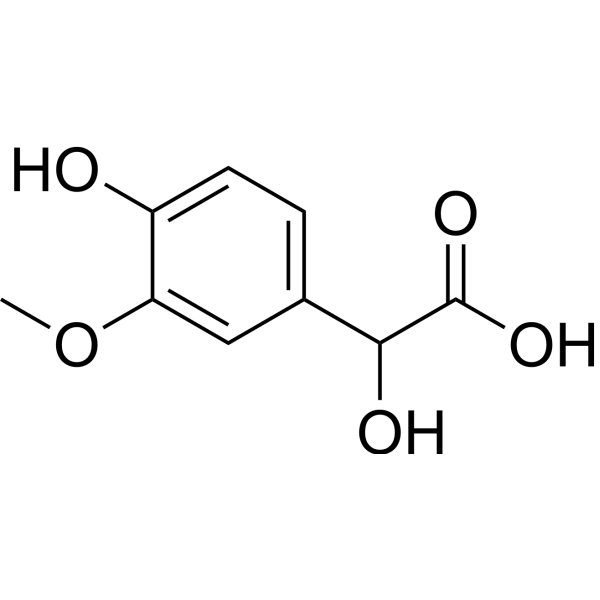
Vanillylmandelic acid is the endproduct of epinephrine and norepinephrine metabolism. Vanillylmandelic acid can be used as an indication of the disorder in neurotransmitter metabolism as well. Vanillylmandelic acid has antioxidant activity towards DPPH radical with an IC50 value of 33 μM .
|
-
-
- HY-N0521
-
-
-
- HY-N0448
-
|
|
AMPK
Reactive Oxygen Species (ROS)
Akt
PI3K
Interleukin Related
TNF Receptor
Apoptosis
|
Neurological Disease
Inflammation/Immunology
Cancer
|
|
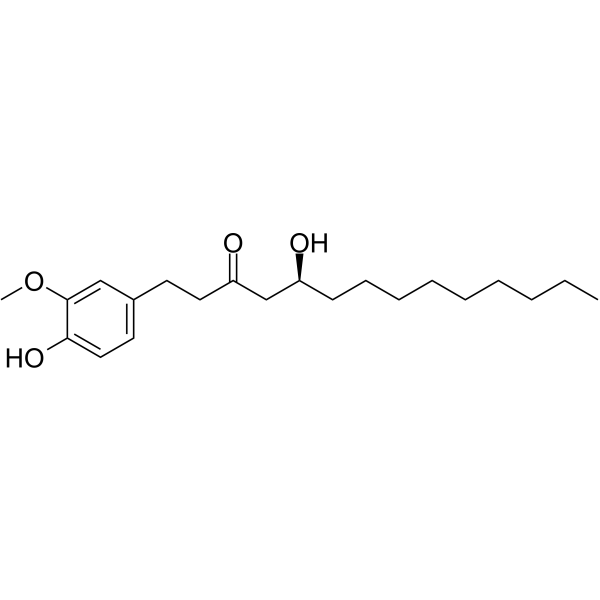
10-Gingerol is an AMPK agonist, which is found in the ginger oleoresin from fresh rhizome with anti-inflammatory, antioxidant and anti-proliferative activities. 10-Gingerol suppresses neointimal hyperplasia and inhibits vascular smooth muscle cell proliferation. 10-Gingerol exhibits substantial scavenging activities with an IC50 value of 10.47 μM against DPPH radical, an IC50 value of 1.68 μM against superoxide radical and an IC50 value of 1.35 μM against hydroxyl radical. 10-Gingerol inhibits the proliferation of MDA-MB-231 tumor cell line with an IC50 of 12.1 μM. 10-Gingerol suppresses the proliferation, migration, invasion, and induced apoptosis through targeting the PI3K/Akt signaling pathway in MDA-MB-231/IR cells. 10-Gingerol can be used in research on various common cancers such as ovarian cancer and colon cancer, as well as colitis and neurodegenerative diseases .
|
-
-
- HY-D0168
-
|
3,5-Dihydroxytoluene
|
Fluorescent Dye
Tyrosinase
p38 MAPK
ERK
|
Metabolic Disease
Cancer
|
|
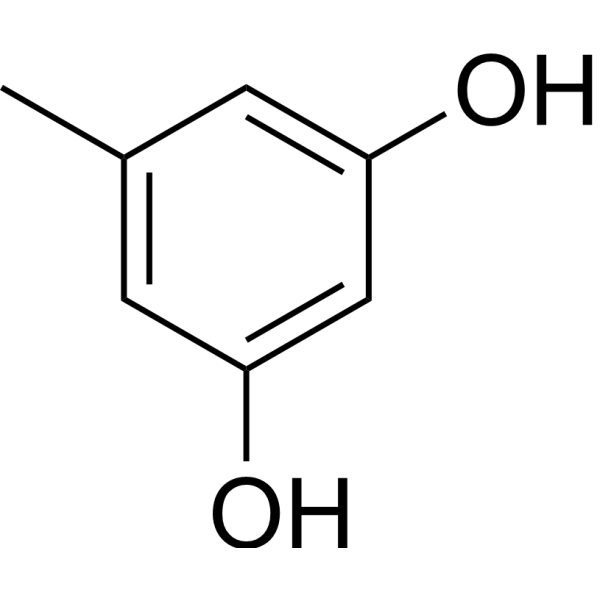
Orcinol (3,5-Dihydroxytoluene) is an organic compound used in biological dyeing and proteomics research. Orcinol inhibits melanogenesis in B16F10 cells by upregulating the MAPK/ERK signaling pathway, and suppresses the expression of MITF, tyrosinase (TYR), TRP1, and DCT. Orcinol exhibits certain DPPH radical scavenging activity. In addition, Orcinol can alter nitrogen balance in animals. Orcinol holds promise for research in cancer and metabolic diseases .
|
-
-
- HY-N1750
-
|
|
Tyrosinase
|
Metabolic Disease
|
|
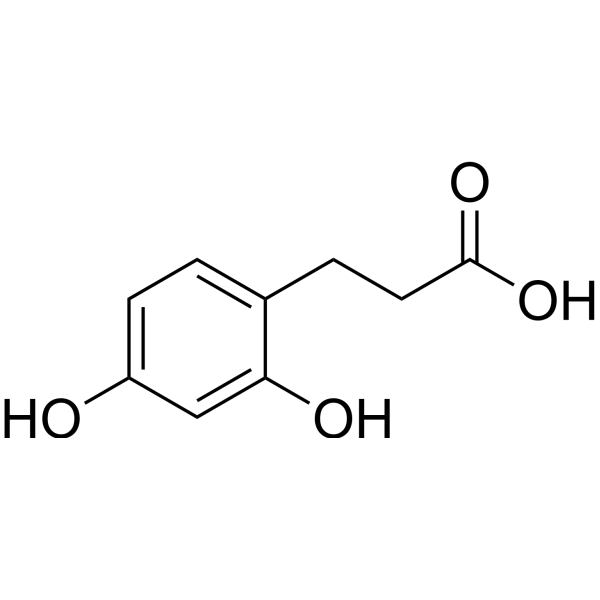
3-(2,4-Dihydroxyphenyl) propanoic acid (DPPacid) is a competitive Tyrosinase inhibitor. It exhibits an IC50 value of 3.02 μM against mushroom tyrosinase with L-tyrosine as the substrate, an IC50 value of 62 μM with DL-DOPA as the substrate, and a Ki value of 11.5 μM. 3-(2,4-Dihydroxyphenyl) propanoic acid shows no DPPH radical scavenging activity. It can be used in studies related to ultraviolet B (UVB)-induced hyperpigmentation .
|
-
-
- HY-119979
-
|
Cardanol C15:1
|
Apoptosis
Reactive Oxygen Species (ROS)
Mitochondrial Metabolism
MMP
CDK
Caspase
Bcl-2 Family
PARP
MDM-2/p53
Cholinesterase (ChE)
|
Infection
Inflammation/Immunology
Cancer
|
|
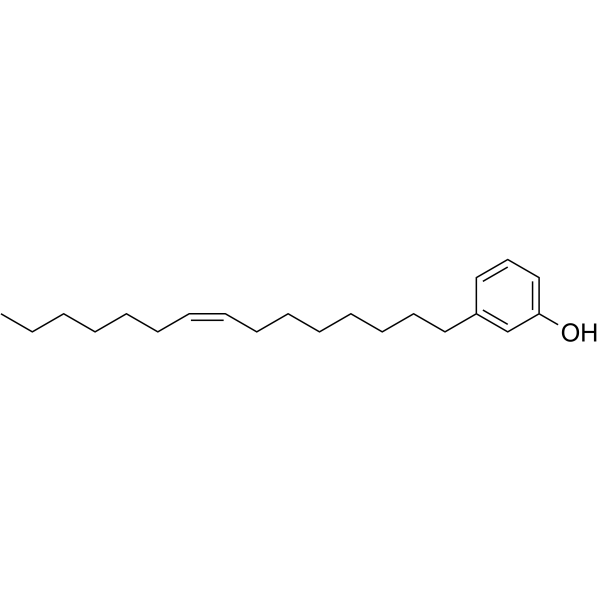
Cardanol monoene (Cardanol C15:1) is a phenolic compound which can be found in cashew nut shell liquid. Cardanol monoene can inhibit cancer cells proliferation, migration, cause S phase arrest, induce apoptosis, ROS production and mitochondrial depolarization. Cardanol monoene downregulates MMP-2, MMP-9, cyclinA1 expression, regulates CDK2, p53, Bax, cytochrome c, cleaved caspase-3, cleaved PARP, Apaf-1 expression and Bax/Bcl-2 ratio. Cardanol monoene shows weak DPPH radical scavenging activity and AChE inhibition activity. Cardanol monoene is lethal to Artemia salina nauplii. Cardanol monoene. Cardanol monoene can be used for the research of cancer, infection and inflamation .
|
-
-
- HY-N7931
-
-
-
- HY-W001542
-
|
|
Reactive Oxygen Species (ROS)
|
Neurological Disease
Metabolic Disease
Cancer
|
|
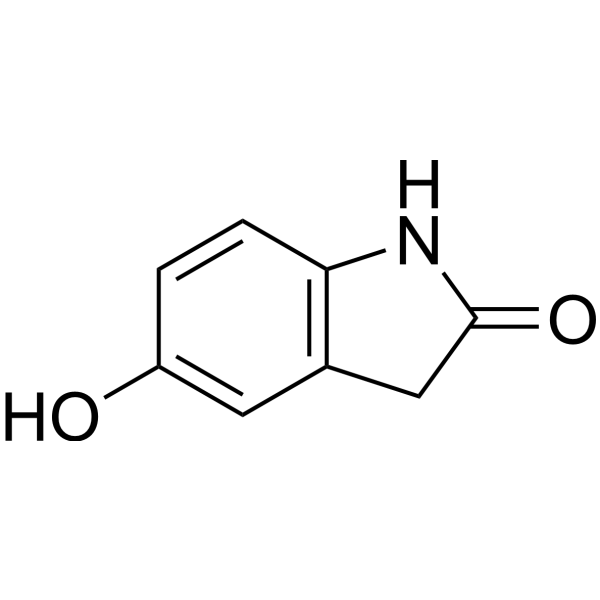
5-Hydroxyoxindole is a structural analog of uric acid for its antioxidant. 5-Hydroxyoxindole has DPPH radical scavenging activities and lipid peroxidation-inhibitory activities. 5-Hydroxyoxindole is a product of partial metabolism of tryptophan involving conversion in the gut lumen of tryptophan to indole through the action of bacterial tryptophanase and tryptophan synthase. 5-Hydroxyoxindole is one of the main molecules responsible for the neurological symptoms of hepatic encephalopathy in rats. 5-Hydroxyoxindole can be used for the research of oxidative stress-mediated disorders .
|
-
-
- HY-N3985
-
|
|
Others
|
Cancer
|
|
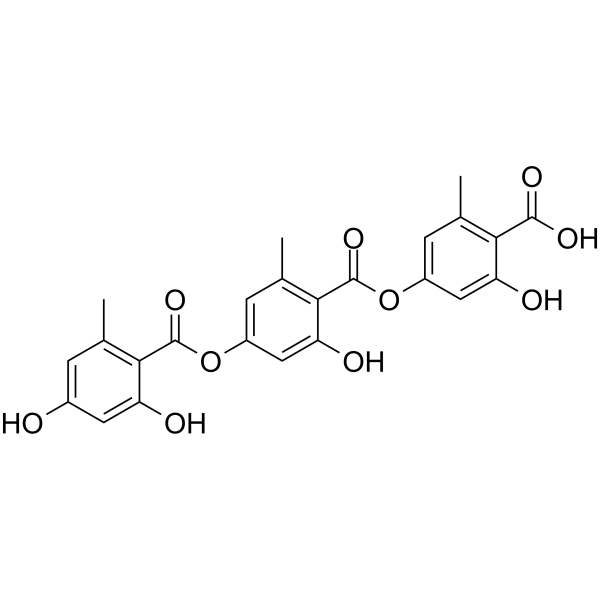
Gyrophoric acid is a good ultraviolet filter in lichen populations. Gyrophoric acid shows DPPH radical scavenging activity with an IC50 value of 105.75 μg/ml .
|
-
-
- HY-N4111
-
|
|
Others
|
Inflammation/Immunology
Cancer
|
|
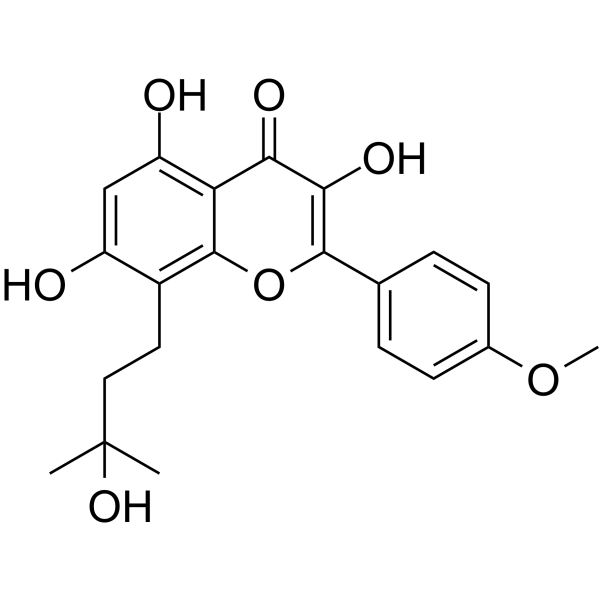
Wushanicaritin exhibits significant antioxidant activity (IC50=35.3 μM) in DPPH radical scavenging activity tests. Antitumor effects and anti-inflammatory property .
|
-
-
- HY-N11173A
-
|
|
Parasite
|
Infection
|
|
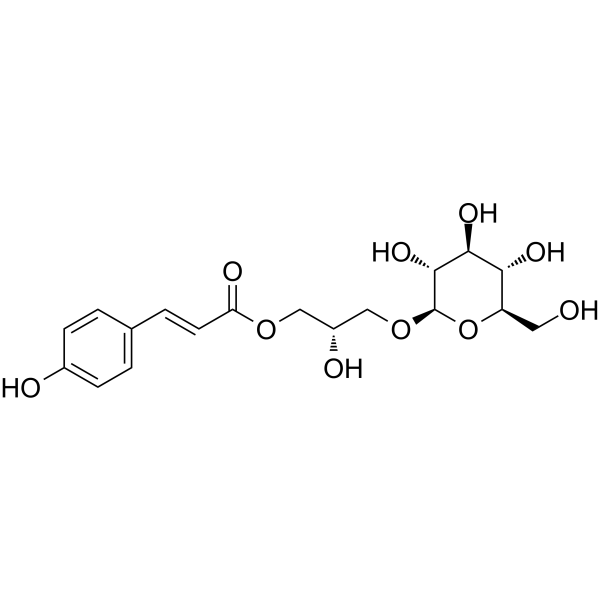
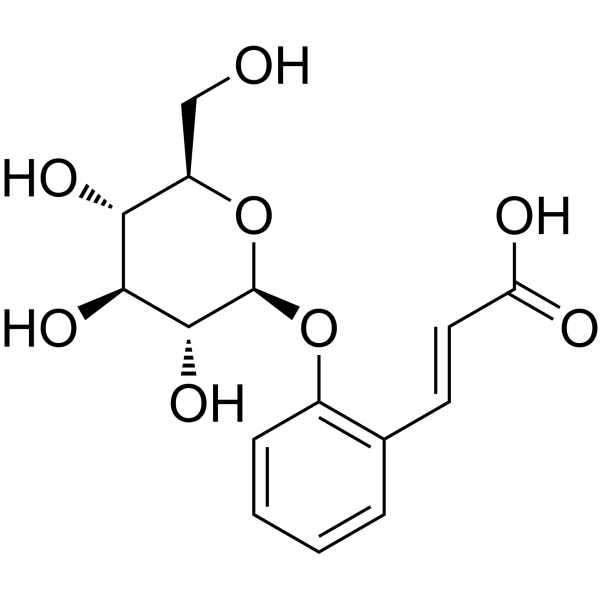
trans-Melilotoside is a coumarin precursor and that can be isolated from Melilotus neapolitan. trans-Melilotoside exhibits antiparasitic and DPPH radical-scavenging activity. trans-Melilotoside can be used for the research of human african trypanosomiasis, chagas’ disease, malaria [1] [3].
|
-
-
- HY-W540232
-
|
4-Methylphenyl ITC
|
Cholinesterase (ChE)
|
Neurological Disease
|
|
4-Methoxyphenyl isothiocyanate (4-Methylphenyl ITC) is an antioxidant, with a IC50 value of 1.25 mM for scavenging DPPH radicals. ORAC testing indicates its antioxidant capacity as 11.7 mM TE (indicating that the antioxidant efficacy of this compound is equivalent to 11.7 mmol of Trolox (HY-101445, a standard antioxidant) under the same conditions), and it extends the oxidation process by approximately 9180 seconds in the Briggs–Rauscher reaction. Additionally, 4-Methoxyphenyl isothiocyanate exhibits moderate cholinesterase inhibitory activity, with an inhibition rate of 30.4% against acetylcholinesterase (AChE) and 17.9% against butyrylcholinesterase (BChE). 4-Methoxyphenyl isothiocyanate holds potential for research in the fields of antioxidation and neurological disorders .
|
-

-
- HY-N3141
-
|
(-)-Olivile; Vladinol C
|
Others
|
Others
|
|
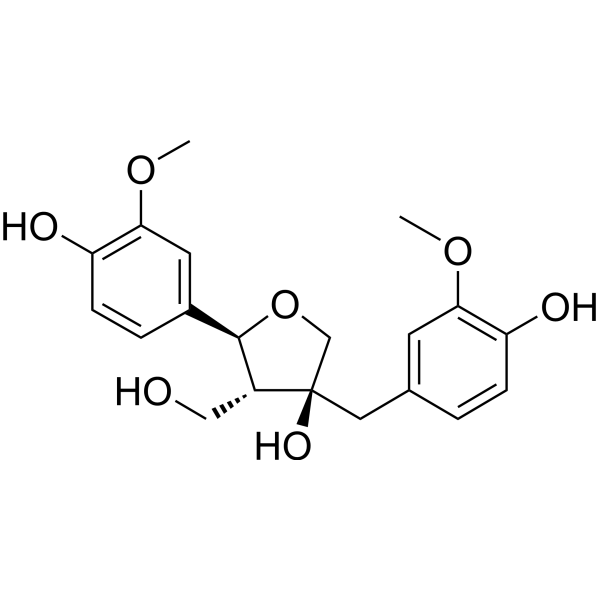
Olivil ((-)-Olivile) is a lignan that has weak DPPH radical-scavenging activity (EC50: 176 μM) .
|
-
-
- HY-N9447
-
-
-
- HY-W013677
-
|
|
Drug Intermediate
|
Infection
|
|
4-Fluorobenzoic acid is a drug intermediate that can be used to synthesize a series of hydrazone derivatives with antituberculosis activity and Schiff bases with DPPH radical scavenging activity .
|
-

-
- HY-N11469
-
|
|
Others
|
Others
|
|
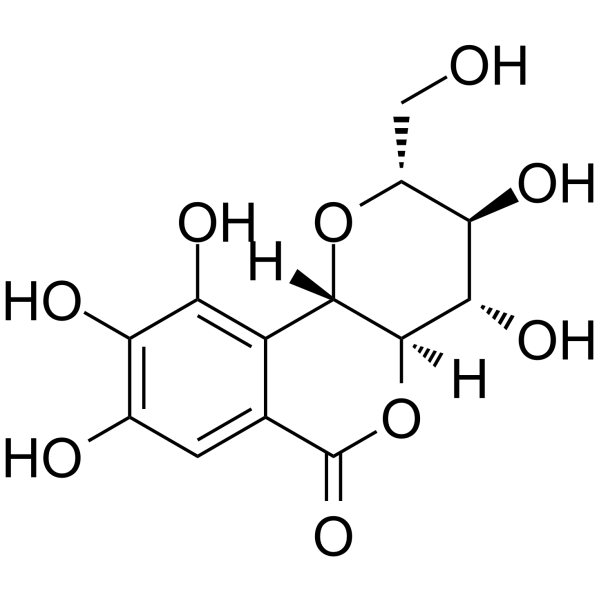
Cyclobisdemethoxycurcumin is an antioxidant agent with IC50s of ~250 μM and 15-20 μM in DPPH radical scavenging assay and 2-DR oxidation assay, respectively .
|
-
-
- HY-113121S
-
|
|
Endogenous Metabolite
|
Cardiovascular Disease
|
|
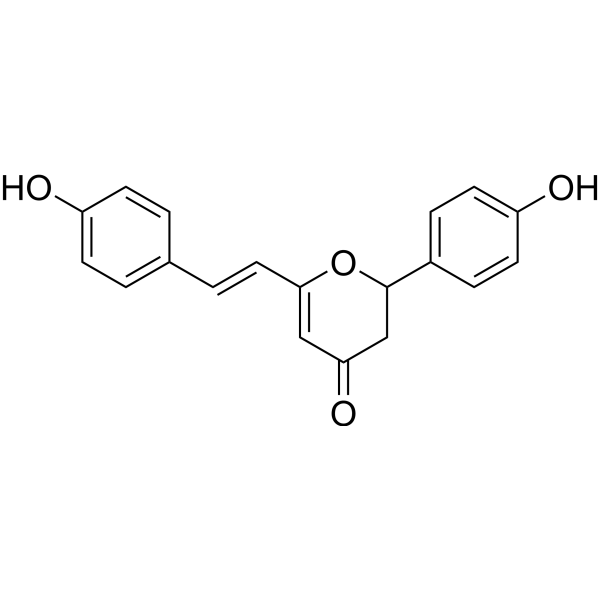
Vanillylmandelic acid-d3 is the deuterium labeled Vanillylmandelic acid. Vanillylmandelic acid is the endproduct of epinephrine and norepinephrine metabolism. Vanillylmandelic acid can be used as an indication of the disorder in neurotransmitter metabolism as well. Vanillylmandelic acid has antioxidant activity towards DPPH radical with an IC50 value of 33 μM .
|
-
-
- HY-113121R
-
|
|
Drug Metabolite
Reference Standards
Endogenous Metabolite
|
Cardiovascular Disease
|
|
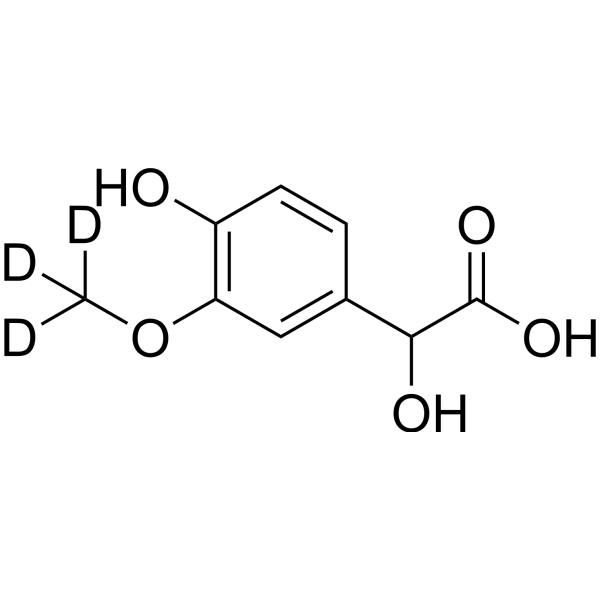
Vanillylmandelic acid (Standard) is the analytical standard of Vanillylmandelic acid. This product is intended for research and analytical applications. Vanillylmandelic acid is the endproduct of epinephrine and norepinephrine metabolism. Vanillylmandelic acid can be used as an indication of the disorder in neurotransmitter metabolism as well. Vanillylmandelic acid has antioxidant activity towards DPPH radical with an IC50 value of 33 μM .
|
-
-
- HY-131803
-
|
|
Nucleoside Antimetabolite/Analog
|
Inflammation/Immunology
|
|
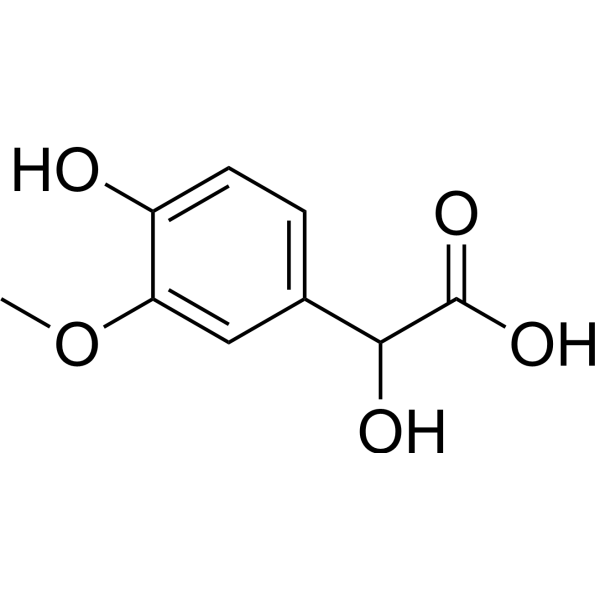
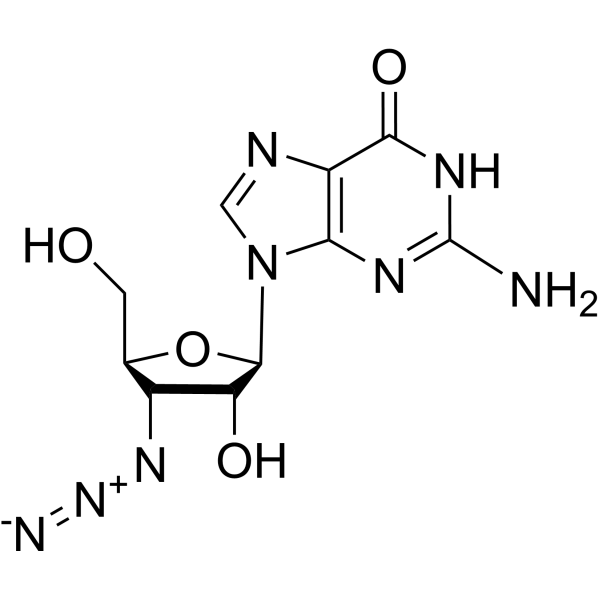
Urolignoside is an antioxidant with free radical scavenging activity. Urolignoside potently scavenges DPPH radical, and exhibits antioxidant to β-carotene-lineoleate model . 3'-Azido-3'-deoxyguanosine is a click chemistry reagent, it contains an Azide group and can undergo copper-catalyzed azide-alkyne cycloaddition reaction (CuAAc) with molecules containing Alkyne groups. It can also undergo strain-promoted alkyne-azide cycloaddition (SPAAC) reactions with molecules containing DBCO or BCN groups.
|
-
-
- HY-111523
-
-
-
- HY-N9895
-
|
|
Others
|
Infection
Inflammation/Immunology
|
|
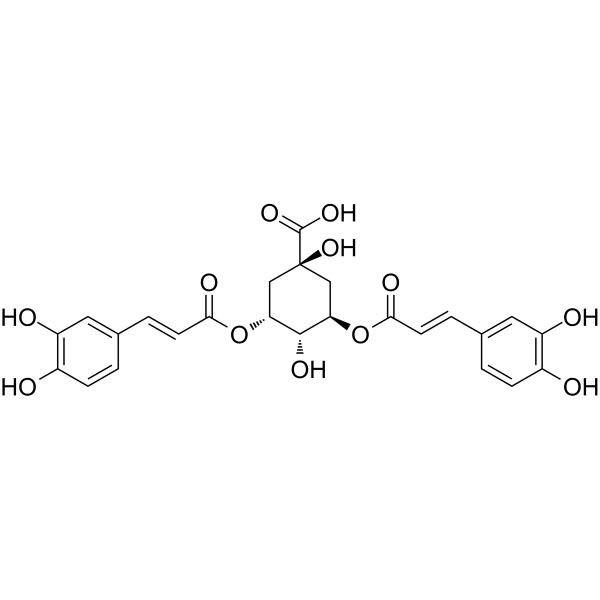
3,5-Dicaffeoyl-epi-quinic acid can be extracted from Chrysanthemum morifolium. 3,5-Dicaffeoyl-epi-quinic acid has antioxidant activities. 3,5-Dicaffeoyl-epi-quinic acid can scavenge DPPH radical and superoxide anion radical, with IC50s of 5.6 and 2.9 μg/mL respectively .
|
-
-
- HY-N11845
-
|
|
Lipoxygenase
|
Metabolic Disease
Inflammation/Immunology
|
|
Sigmoidin B, a prenylated flavanone, is a selective 5-lipoxygenase inhibitor. Sigmoidin B is a potent scavenger of the DPPH radical. Sigmoidin B has antigenotoxic activity that inhibits genotoxicity induced by Aflatoxin B1 (HY-N6615), with an IC50 of 18.7 μg/mL. Sigmoidin B has anti-inflammatory activity and antioxidant properties .
|
-

-
- HY-W751002
-
|
(+)-Orthosporin
|
Endogenous Metabolite
Bacterial
HIV
Reverse Transcriptase
|
Infection
|
|
Orthosporin ((+)-Orthosporin), a phytotoxic isocoumarin compound, is a microbial secondary metabolite. Orthosporin can be isolated from the endophytic fungus Lasiodiplodia tbeobromae. Orthosporin has potent antibacterial activity against B. subtilis, E. coli and P. aeruginosa. Orthosporin also has antioxidant activity against DPPH radical and antiviral activities with inhibition of HIV-1 reverse transcriptase activity .
|
-

-
- HY-W001542R
-
|
|
Reference Standards
Reactive Oxygen Species (ROS)
|
Neurological Disease
Metabolic Disease
Cancer
|
|
5-Hydroxyoxindole is a structural analog of uric acid for its antioxidant. 5-Hydroxyoxindole has DPPH radical scavenging activities and lipid peroxidation-inhibitory activities. 5-Hydroxyoxindole is a product of partial metabolism of tryptophan involving conversion in the gut lumen of tryptophan to indole through the action of bacterial tryptophanase and tryptophan synthase. 5-Hydroxyoxindole is one of the main molecules responsible for the neurological symptoms of hepatic encephalopathy in rats. 5-Hydroxyoxindole can be used for the research of oxidative stress-mediated disorders .
|
-

-
- HY-149390
-
|
|
TrxR
|
Cancer
|
|
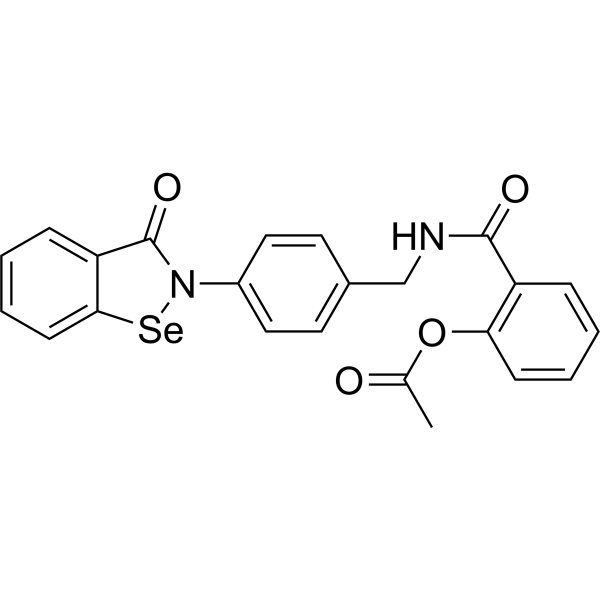
TrxR1-IN-1 (Compound 5j) is a TrxR1 inhibitor (IC50: 8.8 μM). TrxR1-IN-1 has anticancer activity, with IC50s of MCF-7 (1.5 μM), HeLa (1.7 μM), BGC-823 (2.4 μM), SW-480 (2.8 μM), A549 (2.1 μM). TrxR1-IN-1 has antioxidant activity, and scavenges DPPH radical .
|
-
-
- HY-121153
-
|
Alutenusin
|
FXR
|
Others
|
|
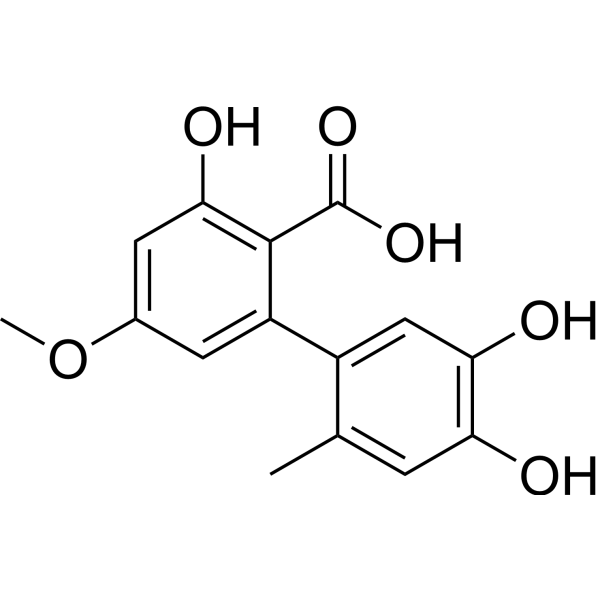
Altenusin shows markedly DPPH radical scavenging activities.
|
-
-
- HY-N6672
-
|
|
Others
|
Inflammation/Immunology
|
|
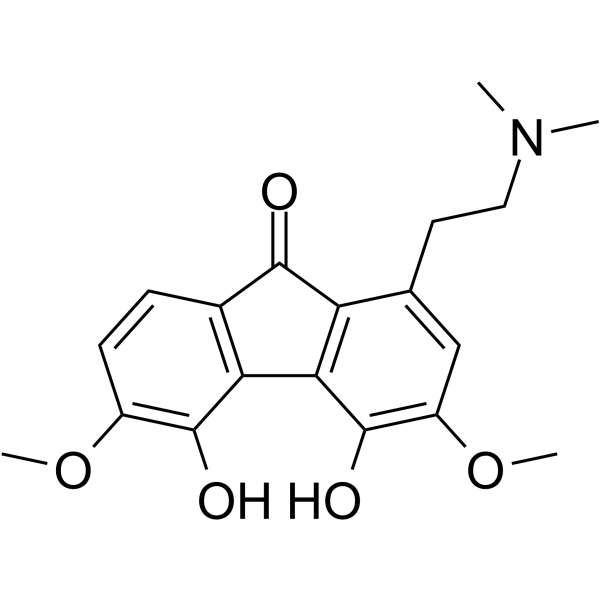
Caulophylline B is a fluorenone alkaloid isolated from the roots of Caulophyllum robustum Maxim, affords a low scavenging effect against DPPH radical .
|
-
-
- HY-N16504
-
-

-
- HY-N4111R
-
-

-
- HY-N12941
-
-

-
- HY-N10020
-
|
|
Lipoxygenase
|
Inflammation/Immunology
|
|
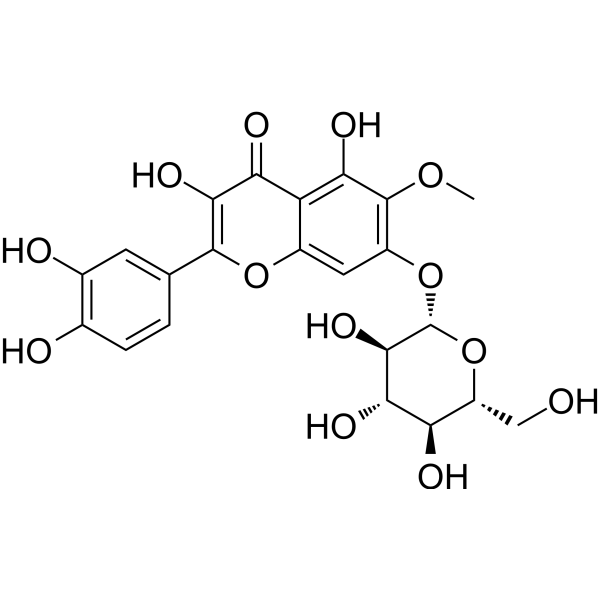
Patulitrin has scavenging effect in the DPPH radical. Patulitrin inhibits soybean lipoxygenase. Patulitrin also has antihypertensive effect. Patulitrin is an antioxidant flavonoid that can be isolated from Anthemis tinctoria .
|
-
-
- HY-N15703
-
|
(+)-Norisocorydine
|
Others
|
Neurological Disease
|
|
Norisocorydine ((+)-Norisocorydine) is an aporphine alkaloid with antinociceptive and radical scavenging effects. Norisocorydine shows a SC50 of 14.1 μg/mL in DPPH radical scavenging test. Norisocorydine exhibits antinociceptive ability in mice .
|
-

-
- HY-W416228
-
|
|
Reactive Oxygen Species (ROS)
|
Others
|
|
1-O-Caffeoyl-β-D-glucopyranose, a phenylpropanoid compound derived from Illicium majus, exhibits significant antioxidant activity and can scavenge DPPH radicals in vitro, with an IC50 value of 37.7 μM .
|
-

-
- HY-N10742
-
|
|
Reactive Oxygen Species (ROS)
|
Cardiovascular Disease
|
|
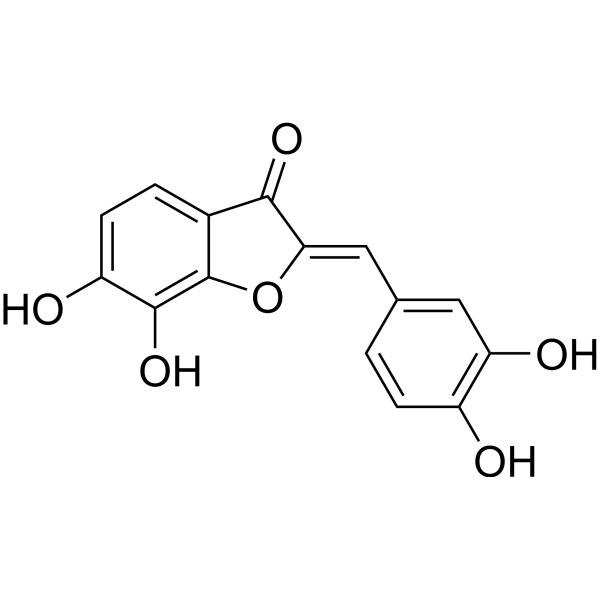
Maritimein is an aurone that can be isolated from Coreopsis tinctoria. Maritimein shows strong diphenyl(2,4,6-trinitrophenyl)iminoazanium (DPPH) radical-scavenging activity with an IC50 value of 4.12 μM. Maritimein can be used for the research of cardiovascular disease .
|
-
-
- HY-N16406
-
|
|
SOD
|
Metabolic Disease
|
|
Auroglaucin is a potent antioxidant. Auroglaucin shows 1,1-diphenyl-2-picrylhydrazyl (DPPH) radical scavenging capacity and superoxide radical scavenging activity with EC50 value of 74.6, 12.3 µM, respectively. Auroglaucin shows low activity for inhibiting the autoxidation of docosahexaenoic acid (DHA) .
|
-

-
- HY-N16549
-
|
3-O-Galloylprocyanidin B3
|
DNA/RNA Synthesis
Reactive Oxygen Species (ROS)
|
Inflammation/Immunology
|
|
Procyanidin B3-3-O-gallate (3-O-Galloylprocyanidin B3) is a selective mammalian DNA polymerase α inhibitor, with a calf DNA polymerase α IC50 of 0.26 μM. Procyanidin B3-3-O-gallate scavenges DPPH radicals. Procyanidin B3-3-O-gallate can be used for research on oxidative stress and inflammatory diseases[1].
|
-

-
- HY-175862
-
|
|
Aldose Reductase
Reactive Oxygen Species (ROS)
PI3K
Akt
SOD
p38 MAPK
Keap1-Nrf2
|
Metabolic Disease
|
|
ALR2-IN-9 is a potent ALR2 inhibitor (IC50 = 21.8 nM) with excellent antioxidant activity (EC50 for DPPH radical scavenging = 2.8 μM). ALR2-IN-9 interacts directly with Reactive Oxygen Species (ROS)/Reactive Nitrogen Species (RNS) and interrupts the free radical chain reactions, and as an endogenous enzymatic antioxidant regulator, which regulates enzyme functions of CAT and SOD. ALR2-IN-9 regulates PI3K/Akt/Nrf2 pathway to attenuate hyperglycemia-mediated mitochondrial superoxide overproduction in vitro, and ameliorates CuSO4- and H2O2-induced oxidative stress in vivo. ALR2-IN-9 prolongs lifespan of C. elegans via the regulation of stress response genes such as PMK-1. ALR2-IN-9 is a promising anti-aging drug candidate. ALR2-IN-9 can be used for diabetic complication research .
|
-

-
- HY-N0448R
-
|
|
Reference Standards
Others
|
Neurological Disease
Inflammation/Immunology
Cancer
|
|
10-Gingerol (Standard) is the analytical standard of 10-Gingerol (HY-N0448). This product is intended for research and analytical applications. 10-Gingerol is an AMPK agonist, which is found in the ginger oleoresin from fresh rhizome with anti-inflammatory, antioxidant and anti-proliferative activities. 10-Gingerol suppresses neointimal hyperplasia and inhibits vascular smooth muscle cell proliferation. 10-Gingerol exhibits substantial scavenging activities with an IC50 value of 10.47 μM against DPPH radical, an IC50 value of 1.68 μM against superoxide radical and an IC50 value of 1.35 μM against hydroxyl radical. 10-Gingerol inhibits the proliferation of MDA-MB-231 tumor cell line with an IC50 of 12.1 μM. 10-Gingerol suppresses the proliferation, migration, invasion, and induced apoptosis through targeting the PI3K/Akt signaling pathway in MDA-MB-231/IR cells. 10-Gingerol is promising for research of ulcerative colitis .
|
-

-
- HY-155346
-
|
|
Bacterial
|
Others
|
|
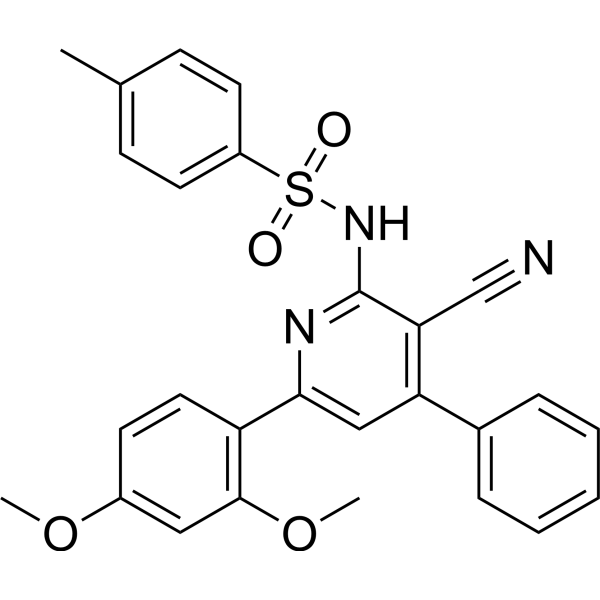
Free radical scavenger 1 (compound 8) shows scavenging activity against the DPPH radical, with the IC50 of 43.39 μg/ml .
|
-
-
- HY-N11895
-
-
-
- HY-133183
-
|
|
Biochemical Assay Reagents
|
Others
|
|
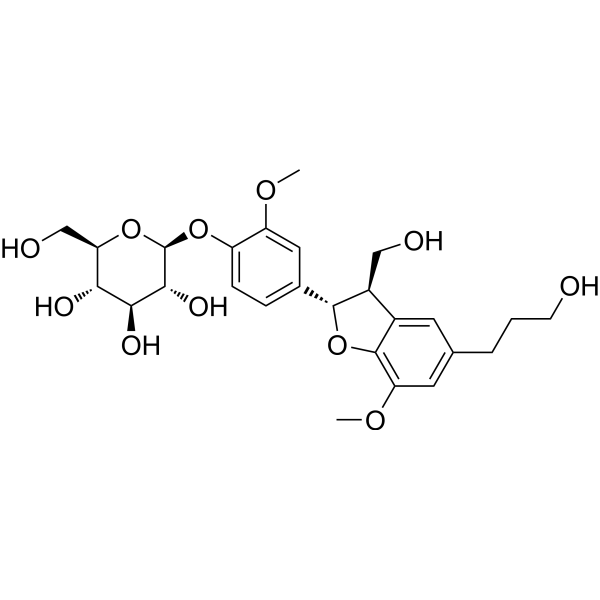
Urolignoside is an antioxidant with free radical scavenging activity. Urolignoside potently scavenges DPPH radical, and exhibits antioxidant to β-carotene-lineoleate model .
|
-
-
- HY-N8579
-
|
|
Others
|
Inflammation/Immunology
|
|
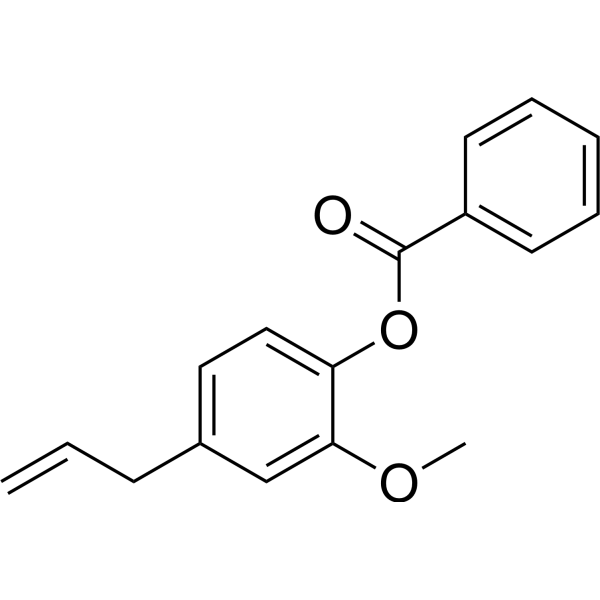
Eugenyl benzoate has the potency for scavenging of DPPH radical. Eugenyl Benzoate Derivatives can be used for development of BCL-2 inhibitors .
|
-
-
- HY-N13128
-
|
|
Others
|
Others
|
|
Icaritin-3-O-rhamnoside (compound 20) is a flavonoid compound that exhibits DPPH radical scavenging activity (IC50=227.9 μM) .
|
-

-
- HY-N12897
-
|
|
Others
|
Others
|
|
JBIR-94 is a phenolic compound and can be isolated from Streptomyces. JBIR-94 has DPPH radical scavenging activity with an IC50 value of 11.4 μM .
|
-

-
- HY-111898
-
|
|
Others
|
Cancer
|
|
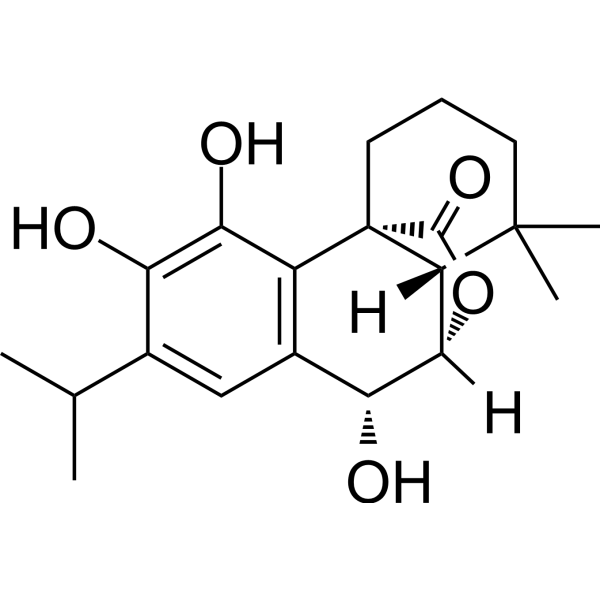
Epirosmanol is a nature diterpene lactone from S. officinalis. Epirosmanol shows anti-cancer activity and inhibits melanin biosynthesis against melanoma cells. Epirosmanol also exhibits DPPH radical scavenging activity .
|
-
-
- HY-W357738
-
|
|
Bacterial
Urease
|
Infection
|
|
Urease-IN-14 (compound 15) is an urease inhibitor and antioxidant. Urease-IN-14 shows DPPH radical scavenging and urease inhibitory activities with IC50 values 151.7 μM and 41.6 μM, respectively .
|
-

-
- HY-157124
-
|
|
Tyrosinase
|
Metabolic Disease
|
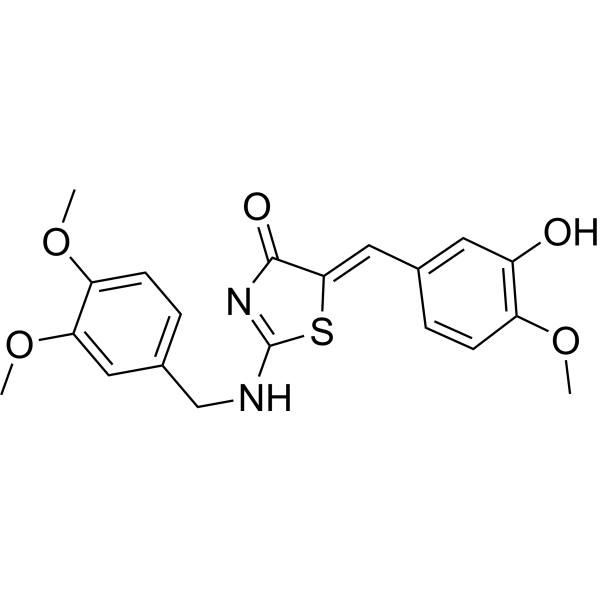
Tyrosinase-IN-19 (compound 9) is a competitive tyrosinase inhibitor. Tyrosinase-IN-19 has strong antioxidant activities against ROS, ABTS+, and DPPH radicals. Tyrosinase-IN-19 suppresses tyrosinase expression in a dose-dependent manner .
|
-
-
- HY-157123
-
|
|
Tyrosinase
|
Metabolic Disease
|
|
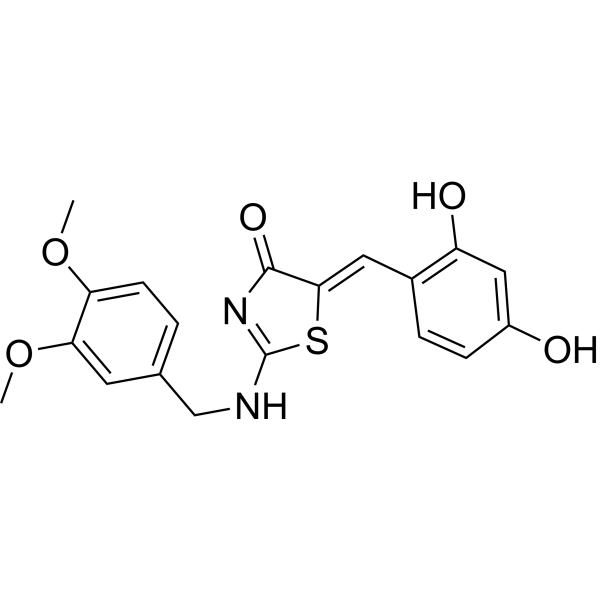
Tyrosinase-IN-18 (compound 6) is a potent tyrosinase inhibitor. Tyrosinase-IN-18 inhibits melanogenesis in B16F10 mammalian cells. Tyrosinase-IN-18 has strong antioxidant activities against ROS, ABTS +, and DPPH radicals .
|
-
-
- HY-N12443
-
|
|
Cytochrome P450
|
Inflammation/Immunology
|
|
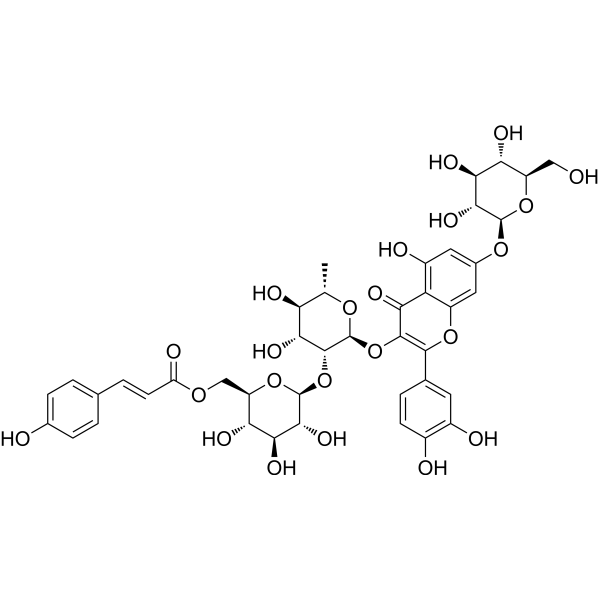
Antioxidant agent-18 (compound 5) is a flavonol glycoside with antioxidant activity isolated from Ginkgo biloba. Antioxidant agent-18 scavenges DPPH radicals (IC50: 15.8 μM) and reduces cytochrome c (IC50: 14.7 μM).
|
-
-
- HY-N13182
-
|
|
Others
|
Others
|
|
Taxoquinone is an antioxidant derived from Metasequoia glyptostroboides and belongs to the diterpenoid class of compounds. At a concentration of 150 μg/mL, Taxoquinone exhibits a maximum inhibition of DPPH radicals of 81.29%, demonstrating superior antioxidant activity compared to Ascorbic acid and α-tocopherol at the same concentration .
|
-

- HY-N13707
-
|
|
Reactive Oxygen Species (ROS)
|
Others
|
|
3′-Hydroxytectorigenin-7-O-β-D-xylosyl-(1→6)-β-D-glucopyranoside is an antioxidant that can be found in Pueraria montana var. lobata. It exhibits DPPH radical scavenging activity, with an IC50 value of 42 μg/mL .
|
-

- HY-W013677S
-
|
|
Isotope-Labeled Compounds
Drug Intermediate
|
Infection
|
|
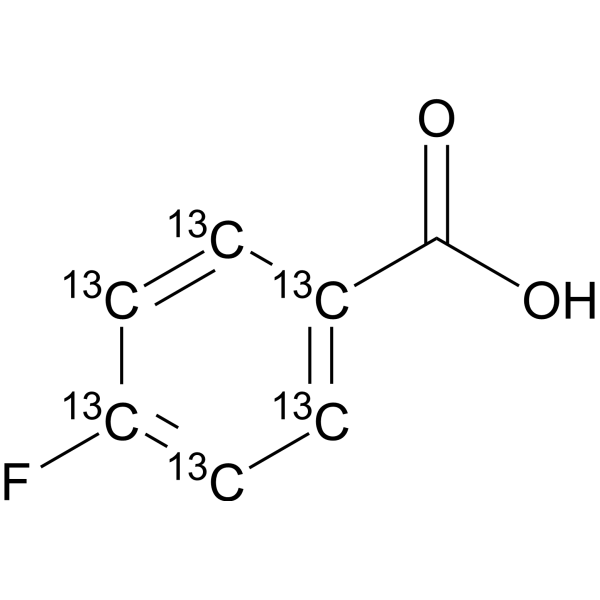
4-Fluorobenzoic acid- 13C6 is the 13C6 labeled 4-Fluorobenzoic acid (HY-W013677). 4-Fluorobenzoic acid is a drug intermediate that can be used to synthesize a series of hydrazone derivatives with antituberculosis activity and Schiff bases with DPPH radical scavenging activity.
|
-
- HY-173151
-
|
|
Reactive Oxygen Species (ROS)
|
Cancer
|
|
BRCA2-IN-1 (Compound 3j) is a potential BRCA2 inhibitor that exhibits antiproliferative activity against the breast cancer MCF-7 cell lines. BRCA2-IN-1 also demonstrates DPPH radical scavenging ability, with an IC50 of 12.36 µM .
|
-

- HY-N9953
-
|
|
Others
|
Inflammation/Immunology
|
|
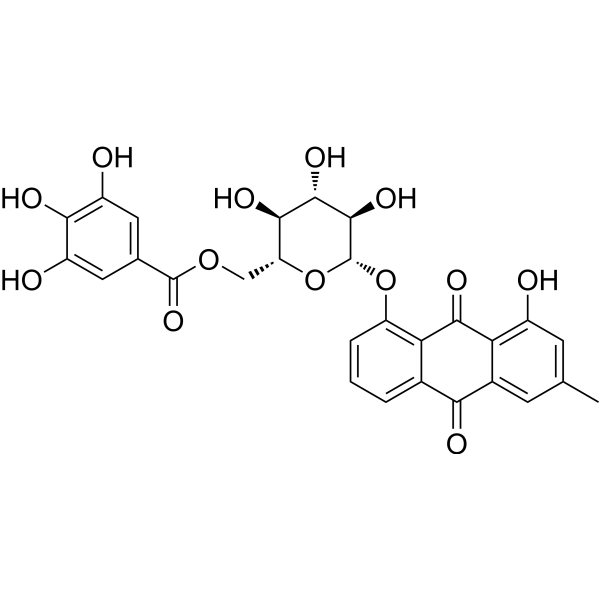
Chrysophanol 8-O-β-D-(6’-O-galloyl)glucopyranoside, an anthraquinone glucoside, can be isolated from Rheum undulatum L. Chrysophanol 8-O-β-D-(6’-O-galloyl)glucopyranoside has potent DPPH radical and ?O2 - scavenging activity .
|
-
- HY-N7155
-
|
|
Reactive Oxygen Species (ROS)
|
Inflammation/Immunology
|
|
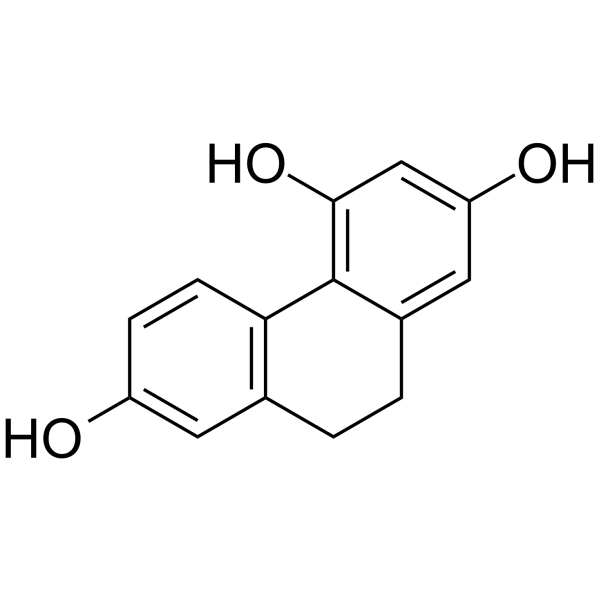
2,4,7-Trihydroxy-9,10-dihydrophenanthrene is a dihydrophenanthrene derivative that can be isolated from the air-dried whole plant of Pholidota chinensis Lindl.. 2,4,7-Trihydroxy-9,10-dihydrophenanthrene shows potent activities of IC50 at 16.2 μM in DPPH radical-scavenging assay .
|
-
- HY-N0025
-
|
|
Reactive Oxygen Species (ROS)
Apoptosis
|
Metabolic Disease
|
|
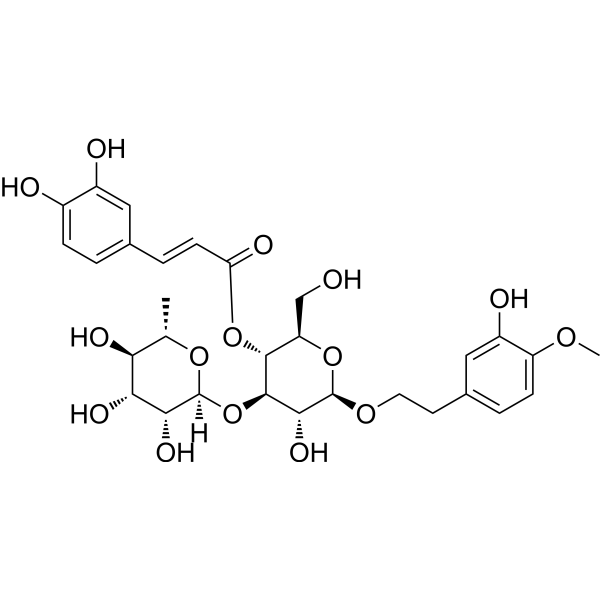
Jionoside D is a hydroxycinnamic acid ester with antioxidant property. Jionoside D has scavenging activity of intracellular reactive oxygen species (ROS) and of DPPH radical, and lipid peroxidation inhibitory activity. Jionoside D reduces the apoptotic cells induced by H2O2 in V79-4 cells. Jionoside D increases the activities of cellular antioxidant enzymes, SOD and catalase .
|
-
- HY-N9814
-
|
|
NO Synthase
|
Inflammation/Immunology
|
|
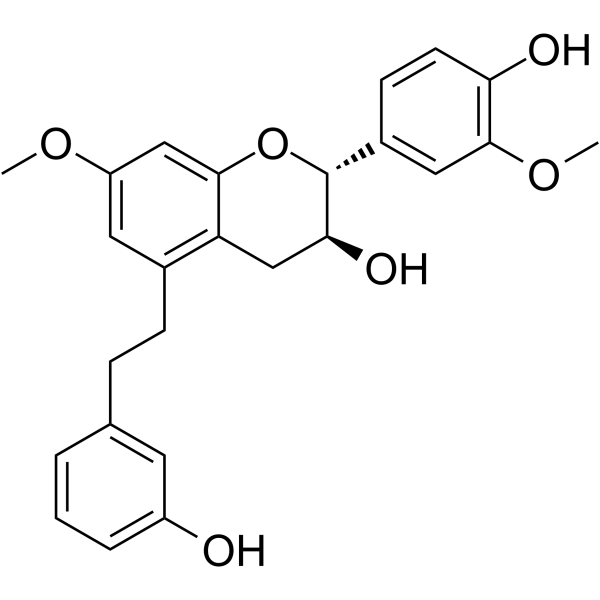
Shanciol B, isolated from the ethyl acetate extract of the air-dried whole plant of Pholidota imbricate Hook, inhibits nitric oxide (NO) production and 1,1-diphenyl-2-picrylhydrazil (DPPH) radical scavenging activity . Shanciol B is a microsomal prostaglandin E synthase-1 (mPGES-1) inhibitor with anti-inflammatory activity .
|
-
- HY-N10770
-
|
|
Others
|
Metabolic Disease
|
|
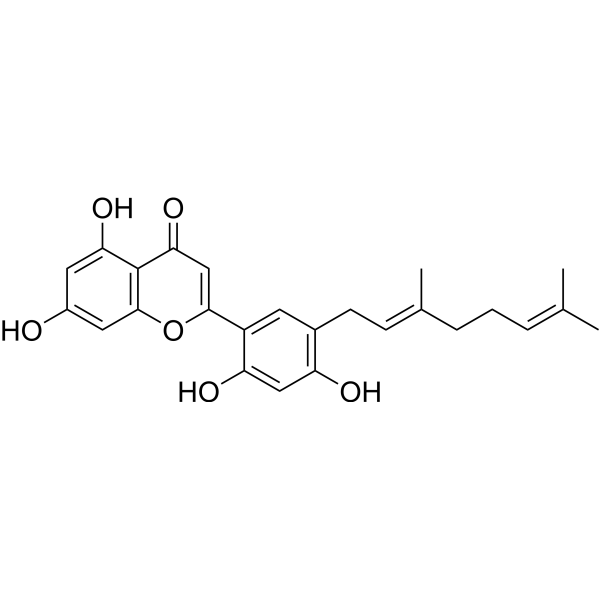
5'-Geranyl-5,7,2',4'-tetrahydroxyflavone, a phenolic compound, presents strong oxygen radical absorbance capacity (ORAC), DPPH radical-scavenging capacity, ABTS radical-scavenging capacity, ferric reducing antioxidant power (FRAP) and nitrite-scavenging capacity. 5'-Geranyl-5,7,2',4'-tetrahydroxyflavone has the potential for natural antioxidant research .
|
-
- HY-N10927
-
|
|
Others
|
Others
|
|
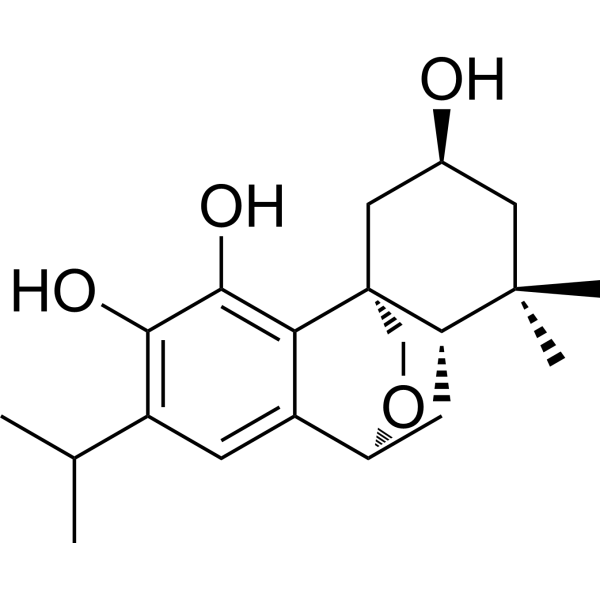
2,11,12-Trihydroxy-7,20-epoxy-8,11,13-abietatriene, a diterpenoid, has significant effects on DPPH radical scavenging activity with an IC50 value of 20.0 µM. 2,11,12-Trihydroxy-7,20-epoxy-8,11,13-abietatriene shows potent antioxidant activity .
|
-
- HY-178055
-
|
|
Tyrosinase
|
Others
|
|
Tyrosinase-IN-44 (Compound 3) is a Tyrosinase inhibitor with IC50s of 0.47 and 0.53 μM for monophenolase and diphenolase, respectively. Tyrosinase-IN-44 has superior glutathione peroxidase-like catalytic and DPPH radical scavenging activity. Tyrosinase-IN-44 has potent antibrowning activity in banana and apple juices by directly inhibiting polyphenol oxidase (PPO) and offering antioxidant activity. Tyrosinase-IN-44 can be used for redox regulation and food preservation .
|
-

- HY-175524
-
|
|
Monoamine Oxidase
Cholinesterase (ChE)
|
Neurological Disease
|
|
BChE/MAO-B-IN-2 is a dual inhibitor of BChE (IC50 = 0.05 μM, Ki = 0.01 μM) and MAO-B (IC50 = 0.45 μM, Ki = 0.08 μM) with good blood-brain barrier permeability. BChE/MAO-B-IN-2 exhibits antioxidant activity, including DPPH radical scavenging, CUPRAC copper ion reduction, and superoxide anion scavenging. BChE/MAO-B-IN-2 can be used for the study of Alzheimer's disease (AD) .
|
-

- HY-146172
-
|
|
Reactive Oxygen Species (ROS)
|
Inflammation/Immunology
Cancer
|
|
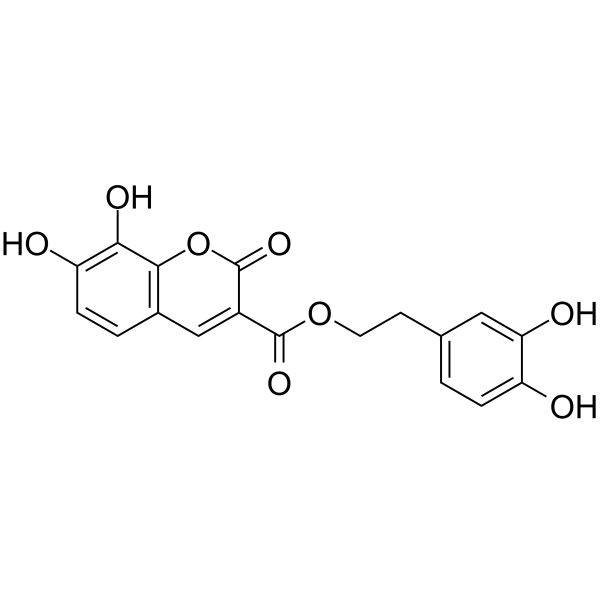
Antioxidant agent-3 (Compound 14q), an potent antioxidant, displays potent DPPH radicals scavenging activity and ABTS + scavenging activity with IC50s of 26.58 and 30.31 μM, respectively. Antioxidant agent-3 (Compound 14q) increases reactive oxygen species (ROS), superoxide dismutase (SOD) and glutathione (GSH), and reduced lactate dehydrogenase (LDH) in H2O2-treated HepG2 cells .
|
-
- HY-172604
-
|
|
TNF Receptor
Reactive Oxygen Species (ROS)
|
Neurological Disease
Inflammation/Immunology
|
|
Neuroprotective agent 10 (Compound 11c) is a brain-penetrant neuroprotective agent. Neuroprotective agent 10 scavenges ABTS radicals (scavenging IC50: 9.20 μM), DPPH radicals (scavenging IC50: 7.09 μM) and superoxide anion radicals (inhibition percentage: 48.4%). Neuroprotective agent 10 also alleviates H2O2-induced oxidative damage and LPS-induced neuroinflammation with antiepileptic activity. Neuroprotective agent 10 is promising for research of epilepsy and neuroprotection .
|
-

- HY-N15722
-
|
|
Reactive Oxygen Species (ROS)
|
Inflammation/Immunology
|
|
9-O-β-D-Glucopyranosyl-3,4-dimethoxy-cinnamic acid is an orally active phenylpropanoid glycoside found in Microlepia pilosissima, acting as an antioxidant. 9-O-β-D-Glucopyranosyl-3,4-dimethoxy-cinnamic acid shows a DPPH radical scavenging activity with an ED50 value of 38.1 μM. 9-O-β-D-Glucopyranosyl-3,4-dimethoxy-cinnamic acid is promising for research of oxidative stress-related diseases such as inflammation and liver injury .
|
-

- HY-159152
-
|
|
α-synuclein
|
Neurological Disease
|
|
PQM-164 (Compound 3e) has antioxidant activity (IC50: 0.93 μM for DPPH radical). PQM-164 shows anti-inflammatory activity against 6-OHDA (HY-B1081A)-induced neuronal damage in activated microglial cells. PQM-164 decreases the accumulation of α-synuclein. PQM-164 promotes nuclear translocation of Nrf2 and its transcriptional activity. PQM-164 can be used for research of Parkinson’s disease .
|
-

- HY-146169
-
|
|
Reactive Oxygen Species (ROS)
Microtubule/Tubulin
|
Cancer
|
|
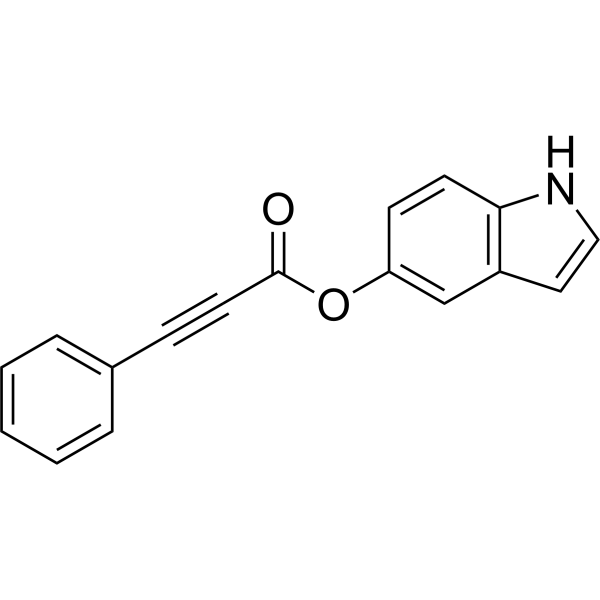
Antitumor agent-68 is a potent tubulin inhibitor. Antitumor agent-68 shows potent anticancer activity with IC50s of 3.6 and 3.8 μM for HeLa and MCF-7 cells, respectively. Antitumor agent-68 exhibits good scavenging activity of ROS and DPPH radical in a dose-dependent manner . Antitumor agent-68 is a click chemistry reagent, it contains an Alkyne group and can undergo copper-catalyzed azide-alkyne cycloaddition (CuAAc) with molecules containing Azide groups.
|
-
- HY-N15727
-
|
|
Others
|
Inflammation/Immunology
|
|
2,5-Dimethylchromone-7-O-β-D-glucopyranoside is an orally active chromone glycoside found in the underground parts of Rheum australe. 2,5-Dimethylchromone-7-O-β-D-glucopyranoside shows a DPPH radical scavenging activity with an IC50 value of 66.9 μM. 2,5-Dimethylchromone-7-O-β-D-glucopyranoside scavenges free radicals by providing hydrogen atoms through phenolic hydroxyl groups, inhibiting lipid peroxidation. 2,5-Dimethylchromone-7-O-β-D-glucopyranoside is promising for research of oxidative stress-related diseases such as inflammation and skin diseases .
|
-

- HY-N18281
-
|
|
Drug Derivative
|
Inflammation/Immunology
|
|
Hazelnutin F is an indoleacetic acid glycoside found in the kernels of Corylus avellana L.. Hazelnutin F lacks significant antioxidant activity against ABTS and DPPH radicals .
|
-

- HY-N17362
-
|
|
Others
|
Others
|
|
Anhydroevoxine is a furoquinoline alkaloid that can be found in Vepris glomerata. Anhydroevoxine demonstrates in vitro antioxidant activity, reducing Fe 3+ to Fe 2+ and scavenging DPPH radicals .
|
-

- HY-N8027
-
|
|
Others
|
Inflammation/Immunology
|
|
Wushankaempferol is a flavonoid found in the whole herb of Epimedium wushanense T.S. Ying (Berberidaceae). Wushankaempferol shows antioxidant activity and can scavenge DPPH radical. Wushankaempferol can be used for the research of inflammation .
|
-

- HY-N13793
-
|
|
Reactive Oxygen Species (ROS)
|
Inflammation/Immunology
|
|
(+)-Isoampelopsin F is an oligostilbene compound that exists in the roots of Caragana sinica. (+)-Isoampelopsin F does not exhibit significant DPPH radical scavenging or lipid peroxidation inhibitory activity, with IC50 values all >200 μM .
|
-

- HY-N17891
-
|
|
NO Synthase
Reactive Oxygen Species (ROS)
|
Inflammation/Immunology
|
|
Loddigesiinol A is a phenanthrene compound found in Dendrobium loddigesii. Loddigesiinol A acts as a DPPH radical scavenger with an IC50 of 26.1 μM. Loddigesiinol A also inhibits nitric oxide production. Loddigesiinol A is applicable to inflammation-related research .
|
-

- HY-N15175
-
|
|
Drug Derivative
|
Others
|
|
Azaleatin 3-O-galactoside (compound 11b) is a Quercetin (HY-18085) derivative with DPPH radical scavenging property. Azaleatin 3-O-galactoside can be used for antioxidant research .
|
-

- HY-N19875
-
|
|
Reactive Oxygen Species (ROS)
|
Cancer
|
|
Myrseguinoside A is a monoterpene glucoside found in the fruits of Myrsine seguinii. Myrseguinoside A does not exhibit significant DPPH radical-scavenging activity or growth inhibitory activity toward human cancer cells. Myrseguinoside A can be used for cancer research .
|
-

- HY-113121S1
-
|
|
Isotope-Labeled Compounds
Endogenous Metabolite
|
Cardiovascular Disease
|
|
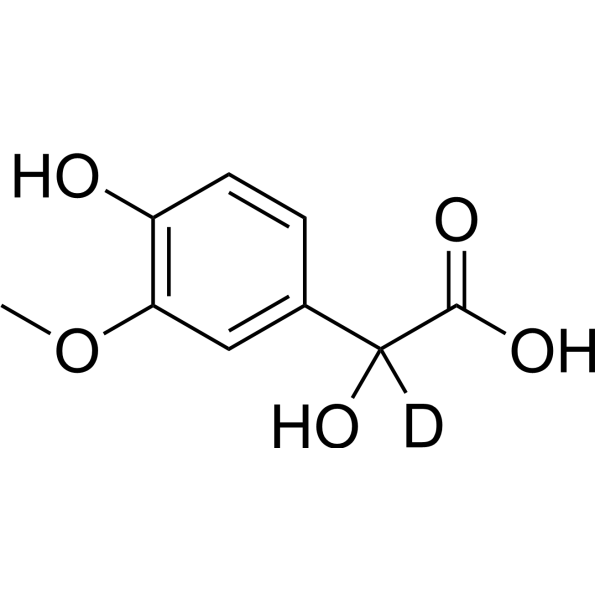
Vanillylmandelic acid-d is the deuterium labeled Vanillylmandelic acid. Vanillylmandelic acid is the endproduct of epinephrine and norepinephrine metabolism. Vanillylmandelic acid can be used as an indication of the disorder in neurotransmitter metabolism as well. Vanillylmandelic acid has antioxidant activity towards DPPH radical with an IC50 value of 33 μM .
|
-
- HY-183303
-
-

- HY-N19846
-
|
|
Bacterial
Fungal
Reactive Oxygen Species (ROS)
|
Infection
|
|
Pithecolobine is a saponin-like alkaloid found in the bark, seeds, and leaves of Samanea saman. Pithecolobine can inhibit the growth of Gram-positive bacteria, Gram-negative bacteria, and pathogenic yeasts. Pithecolobine scavenges DPPH radicals. Pithecolobine can be used for the research of infections caused by pathogenic bacteria and yeasts .
|
-

- HY-N18001
-
|
|
COX
|
Inflammation/Immunology
|
|
Plantanone A is a COX inhibitor with an IC50 of 33.37 μM against ovine COX-1 and an IC50 of 46.16 μM against ovine COX-2. Plantanone A exhibits weak DPPH radical scavenging activity (IC50: 467.7 μM). Plantanone A can be used in the research of inflammation-related diseases .
|
-

- HY-W013677S1
-
|
|
Isotope-Labeled Compounds
Drug Intermediate
|
Infection
|
|
4-Fluorobenzoic acid- 13C,d4 is the 13C- and deuterium labeled 4-Fluorobenzoic acid (HY-W013677). 4-Fluorobenzoic acid is a drug intermediate that can be used to synthesize a series of hydrazone derivatives with antituberculosis activity and Schiff bases with DPPH radical scavenging activity .
|
-

- HY-N17880
-
|
|
Drug Derivative
|
Inflammation/Immunology
Cancer
|
|
Monbarbatain C is a biphenanthrene compound found in the tubers of Monomeria barbata Lindl. Monbarbatain C induces cytotoxic activity against liver carcinoma and promyelocytic leukaemia cells in vitro. Monbarbatain C mediates DPPH radical scavenging activity in vitro. Monbarbatain C can be used for the research of liver carcinoma, promyelocytic leukaemia, ovarian carcinoma, and epidermoid carcinoma .
|
-

- HY-179037
-
|
|
Necroptosis
Reactive Oxygen Species (ROS)
Mitochondrial Metabolism
|
Neurological Disease
|
|
NecroX-2 is a potent inhibitor of caspase-independent necrosis. NecroX-2 exhibits antioxidant activity by scavenging DPPH radicals and peroxynitrite. NecroX-2 inhibits t-BHP-induced mitochondrial ROS/RNS generation, and protects t-BHP and Doxorubicin (HY-15142A)-induced cell death in vitro. NecroX-2 can be used for research on neurological diseases .
|
-

- HY-175523
-
|
|
Monoamine Oxidase
Cholinesterase (ChE)
Amyloid-β
|
Neurological Disease
|
|
MAO-B-IN-48 is a selective MAO-B inhibitor (IC50 = 0.09 μM, Ki = 0.02 μM).
MAO-B-IN-48 exhibits inhibitory activity against hBChE (IC50 = 1.10 μM, Ki = 0.43 μM) and AChE (IC50 = 0.56 μM, Ki = 0.14 μM). MAO-B-IN-48 suppresses self-induced aggregation of toxic β-amyloid peptides and exerts antioxidant activity, including DPPH radical scavenging, CUPRAC copper ion reduction, and superoxide anion scavenging. MAO-B-IN-48 can be used for the study of Alzheimer's disease (AD) .
|
-

- HY-W450115
-
|
|
Reactive Oxygen Species (ROS)
|
Inflammation/Immunology
|
|
USF 2550A is a class of fungus-derived 2-pyran compound with DPPH free radical scavenging activity. USF 2550A binds to DPPH free radicals in organic solvents to form adducts, thereby achieving free radical scavenging; in acetate buffer, the formed adducts undergo degradation, and the degradation products can continuously scavenge free radicals. USF 2550A can be used in antioxidant-related research .
|
-

| Cat. No. |
Product Name |
Type |
-
- HY-D0168
-
|
3,5-Dihydroxytoluene
|
Fluorescent Dyes
|
|
Orcinol (3,5-Dihydroxytoluene) is an organic compound used in biological dyeing and proteomics research. Orcinol inhibits melanogenesis in B16F10 cells by upregulating the MAPK/ERK signaling pathway, and suppresses the expression of MITF, tyrosinase (TYR), TRP1, and DCT. Orcinol exhibits certain DPPH radical scavenging activity. In addition, Orcinol can alter nitrogen balance in animals. Orcinol holds promise for research in cancer and metabolic diseases .
|
| Cat. No. |
Product Name |
Type |
-
- HY-W013677
-
|
|
Biochemical Assay Reagents
|
|
4-Fluorobenzoic acid is a drug intermediate that can be used to synthesize a series of hydrazone derivatives with antituberculosis activity and Schiff bases with DPPH radical scavenging activity .
|
| Cat. No. |
Product Name |
Category |
Target |
Chemical Structure |
-
- HY-113121
-
-
-
- HY-N0521
-
-
-
- HY-N0448
-
-
-
- HY-D0168
-
-
-
- HY-N1750
-
-
-
- HY-119979
-
|
Cardanol C15:1
|
Monophenols
Classification of Application Fields
Phenols
Plants
Anacardium occidentaleL.
Disease Research Fields
Anacardiaceae
Source Classification
Cancer
|
Apoptosis
Reactive Oxygen Species (ROS)
Mitochondrial Metabolism
MMP
CDK
Caspase
Bcl-2 Family
PARP
MDM-2/p53
Cholinesterase (ChE)
|
|
Cardanol monoene (Cardanol C15:1) is a phenolic compound which can be found in cashew nut shell liquid. Cardanol monoene can inhibit cancer cells proliferation, migration, cause S phase arrest, induce apoptosis, ROS production and mitochondrial depolarization. Cardanol monoene downregulates MMP-2, MMP-9, cyclinA1 expression, regulates CDK2, p53, Bax, cytochrome c, cleaved caspase-3, cleaved PARP, Apaf-1 expression and Bax/Bcl-2 ratio. Cardanol monoene shows weak DPPH radical scavenging activity and AChE inhibition activity. Cardanol monoene is lethal to Artemia salina nauplii. Cardanol monoene. Cardanol monoene can be used for the research of cancer, infection and inflamation .
|
-
-
- HY-N7931
-
-
-
- HY-W001542
-
-
-
- HY-N3985
-
-
-
- HY-N4111
-
-
-
- HY-N11173A
-
-
-
- HY-N3141
-
-
-
- HY-N9447
-
-
-
- HY-N11469
-
-
-
- HY-113121R
-
-
-
- HY-111523
-
-
-
- HY-N9895
-
-
-
- HY-N11845
-
-
-
- HY-W751002
-
-
-
- HY-W001542R
-
-
-
- HY-121153
-
-
-
- HY-N6672
-
-
-
- HY-N16504
-
-
-
- HY-N4111R
-
-
-
- HY-N12941
-
-
-
- HY-N10020
-
-
-
- HY-N15703
-
-
-
- HY-W416228
-
-
-
- HY-N10742
-
-
-
- HY-N16406
-
|
|
Microorganisms
Phenols
Polyphenols
Source Classification
|
SOD
|
|
Auroglaucin is a potent antioxidant. Auroglaucin shows 1,1-diphenyl-2-picrylhydrazyl (DPPH) radical scavenging capacity and superoxide radical scavenging activity with EC50 value of 74.6, 12.3 µM, respectively. Auroglaucin shows low activity for inhibiting the autoxidation of docosahexaenoic acid (DHA) .
|
-
-
- HY-N16549
-
-
-
- HY-N0448R
-
|
|
Zingiber officinale Roscoe
Structural Classification
Natural Products
Monophenols
Phenols
Plants
Source Classification
Zingiberaceae
|
Reference Standards
Others
|
|
10-Gingerol (Standard) is the analytical standard of 10-Gingerol (HY-N0448). This product is intended for research and analytical applications. 10-Gingerol is an AMPK agonist, which is found in the ginger oleoresin from fresh rhizome with anti-inflammatory, antioxidant and anti-proliferative activities. 10-Gingerol suppresses neointimal hyperplasia and inhibits vascular smooth muscle cell proliferation. 10-Gingerol exhibits substantial scavenging activities with an IC50 value of 10.47 μM against DPPH radical, an IC50 value of 1.68 μM against superoxide radical and an IC50 value of 1.35 μM against hydroxyl radical. 10-Gingerol inhibits the proliferation of MDA-MB-231 tumor cell line with an IC50 of 12.1 μM. 10-Gingerol suppresses the proliferation, migration, invasion, and induced apoptosis through targeting the PI3K/Akt signaling pathway in MDA-MB-231/IR cells. 10-Gingerol is promising for research of ulcerative colitis .
|
-
-
- HY-N11895
-
-
-
- HY-133183
-
-
-
- HY-N8579
-
-
-
- HY-N13128
-
-
-
- HY-N12897
-
-
-
- HY-111898
-
|
|
Plants
Source Classification
|
Others
|
|
Epirosmanol is a nature diterpene lactone from S. officinalis. Epirosmanol shows anti-cancer activity and inhibits melanin biosynthesis against melanoma cells. Epirosmanol also exhibits DPPH radical scavenging activity .
|
-
-
- HY-N12443
-
-
-
- HY-N13182
-
-
-
- HY-N13707
-
-
-
- HY-N9953
-
-
-
- HY-N7155
-
-
-
- HY-N0025
-
-
-
- HY-N9814
-
-
-
- HY-N10770
-
|
|
Flavonoids
Gramineae
Plants
Other Flavonoids
Saccharum officinarum
Source Classification
|
Others
|
|
5'-Geranyl-5,7,2',4'-tetrahydroxyflavone, a phenolic compound, presents strong oxygen radical absorbance capacity (ORAC), DPPH radical-scavenging capacity, ABTS radical-scavenging capacity, ferric reducing antioxidant power (FRAP) and nitrite-scavenging capacity. 5'-Geranyl-5,7,2',4'-tetrahydroxyflavone has the potential for natural antioxidant research .
|
-
-
- HY-N10927
-
|
|
Terpenoids
Labiatae
Cassia
Diterpenoids
Plants
Source Classification
|
Others
|
|
2,11,12-Trihydroxy-7,20-epoxy-8,11,13-abietatriene, a diterpenoid, has significant effects on DPPH radical scavenging activity with an IC50 value of 20.0 µM. 2,11,12-Trihydroxy-7,20-epoxy-8,11,13-abietatriene shows potent antioxidant activity .
|
-
-
- HY-N15722
-
-
-
- HY-N15727
-
|
|
Rheum australe D. Don
Polygonaceae
Plants
Saccharides
Monosaccharides
Source Classification
|
Others
|
|
2,5-Dimethylchromone-7-O-β-D-glucopyranoside is an orally active chromone glycoside found in the underground parts of Rheum australe. 2,5-Dimethylchromone-7-O-β-D-glucopyranoside shows a DPPH radical scavenging activity with an IC50 value of 66.9 μM. 2,5-Dimethylchromone-7-O-β-D-glucopyranoside scavenges free radicals by providing hydrogen atoms through phenolic hydroxyl groups, inhibiting lipid peroxidation. 2,5-Dimethylchromone-7-O-β-D-glucopyranoside is promising for research of oxidative stress-related diseases such as inflammation and skin diseases .
|
-
-
- HY-N18281
-
-
- HY-N17362
-
-
- HY-N8027
-
-
- HY-N13793
-
-
- HY-N17891
-
-
- HY-N15175
-
-
- HY-N19875
-
-
- HY-N19846
-
-
- HY-N18001
-
-
- HY-N17880
-
-
- HY-W450115
-
-
| Cat. No. |
Product Name |
Chemical Structure |
-
- HY-113121S
-
|
|
|
Vanillylmandelic acid-d3 is the deuterium labeled Vanillylmandelic acid. Vanillylmandelic acid is the endproduct of epinephrine and norepinephrine metabolism. Vanillylmandelic acid can be used as an indication of the disorder in neurotransmitter metabolism as well. Vanillylmandelic acid has antioxidant activity towards DPPH radical with an IC50 value of 33 μM .
|
-
-
- HY-W013677S
-
|
|
|
4-Fluorobenzoic acid- 13C6 is the 13C6 labeled 4-Fluorobenzoic acid (HY-W013677). 4-Fluorobenzoic acid is a drug intermediate that can be used to synthesize a series of hydrazone derivatives with antituberculosis activity and Schiff bases with DPPH radical scavenging activity.
|
-
-
- HY-113121S1
-
|
|
|
Vanillylmandelic acid-d is the deuterium labeled Vanillylmandelic acid. Vanillylmandelic acid is the endproduct of epinephrine and norepinephrine metabolism. Vanillylmandelic acid can be used as an indication of the disorder in neurotransmitter metabolism as well. Vanillylmandelic acid has antioxidant activity towards DPPH radical with an IC50 value of 33 μM .
|
-
-
- HY-W013677S1
-
|
|
|
4-Fluorobenzoic acid- 13C,d4 is the 13C- and deuterium labeled 4-Fluorobenzoic acid (HY-W013677). 4-Fluorobenzoic acid is a drug intermediate that can be used to synthesize a series of hydrazone derivatives with antituberculosis activity and Schiff bases with DPPH radical scavenging activity .
|
-
| Cat. No. |
Product Name |
|
Classification |
-
- HY-131803
-
|
|
|
Azide
|
|
Urolignoside is an antioxidant with free radical scavenging activity. Urolignoside potently scavenges DPPH radical, and exhibits antioxidant to β-carotene-lineoleate model . 3'-Azido-3'-deoxyguanosine is a click chemistry reagent, it contains an Azide group and can undergo copper-catalyzed azide-alkyne cycloaddition reaction (CuAAc) with molecules containing Alkyne groups. It can also undergo strain-promoted alkyne-azide cycloaddition (SPAAC) reactions with molecules containing DBCO or BCN groups.
|
-
- HY-175524
-
|
|
|
Alkynes
|
|
BChE/MAO-B-IN-2 is a dual inhibitor of BChE (IC50 = 0.05 μM, Ki = 0.01 μM) and MAO-B (IC50 = 0.45 μM, Ki = 0.08 μM) with good blood-brain barrier permeability. BChE/MAO-B-IN-2 exhibits antioxidant activity, including DPPH radical scavenging, CUPRAC copper ion reduction, and superoxide anion scavenging. BChE/MAO-B-IN-2 can be used for the study of Alzheimer's disease (AD) .
|
Your information is safe with us. * Required Fields.
Inquiry Information
- Product Name:
- Cat. No.:
- Quantity:
- MCE Japan Authorized Agent:








