1. Search Result
Search Result
Results for "

Mycobacterial

" in MedChemExpress (MCE) Product Catalog:

113

Inhibitors & Agonists

5

Fluorescent Dyes

5

Peptides

33

Natural
Products

5

Isotope-Labeled Compounds

Cat. No. Product Name Target Research Areas Chemical Structure
  • HY-N6687
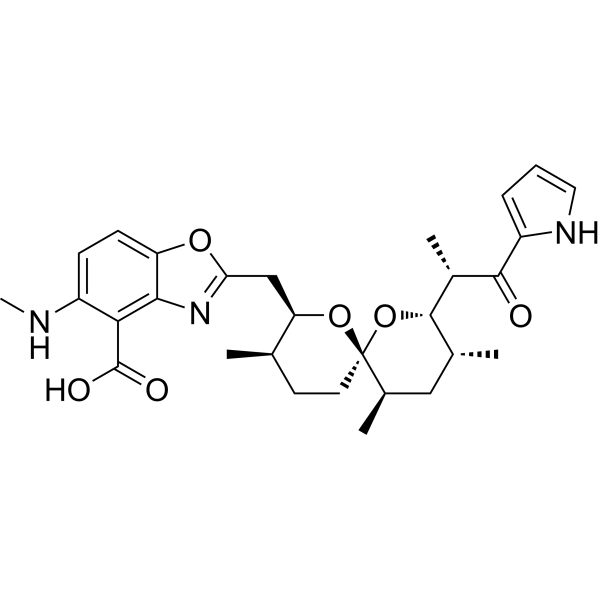
    Calcimycin
    Maximum Cited Publications
    24 Publications Verification

    A-23187; Antibiotic A-23187

    Oxidative Phosphorylation Bacterial Fungal Apoptosis Autophagy Antibiotic Infection Inflammation/Immunology Cancer
    Calcimycin (A-23187) is an antibiotic and a unique divalent cation ionophore (like calcium and magnesium). Calcimycin induces Ca 2+-dependent cell death by increasing intracellular calcium concentration. Calcimycin inhibits the growth of Gram-positive bacteria and some fungi. Calcimycin also inhibits the activity of ATPase and uncouples oxidative phosphorylation (OXPHOS) of mammalian cells. Calcimycin induces apoptosis and autophagy .
    Calcimycin
  • HY-B1046
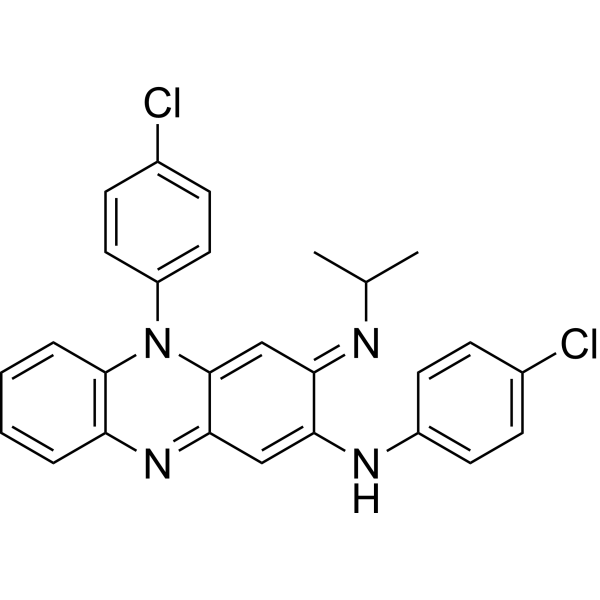
    Clofazimine
    10+ Cited Publications

    Bacterial Antibiotic DNA/RNA Synthesis Interleukin Related Apoptosis Infection Inflammation/Immunology Cancer
    Clofazimine is an orally-active anti-mycobacterial agent with a wide range of anti-mycobacterial activity including leprosy and tuberculosis. Clofazimine exerts anti-inflammatory activities and anti-tumor activities by interfering DNA replication and inhibiting IL2 (IC50 = 1.10 ± 0.26 μM, Jurkat T) production. Clofazimine can be used in mycobacterial and cancer research .
    Clofazimine
  • HY-10846
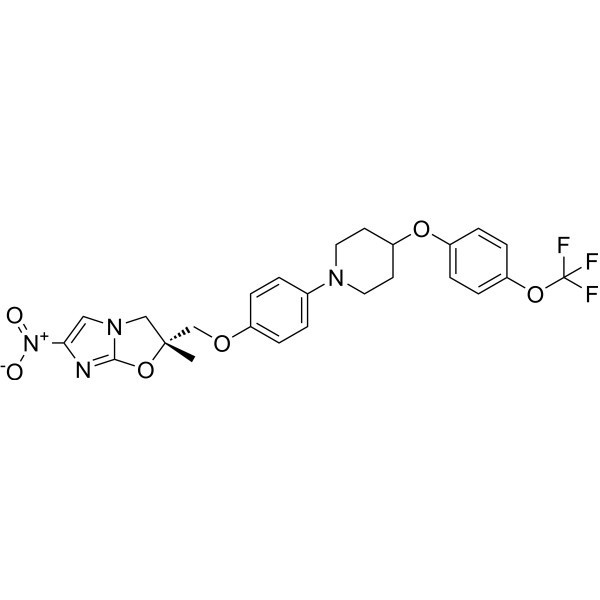
    Delamanid
    5+ Cited Publications

    OPC-67683

    Bacterial Antibiotic Cancer
    Delamanid, a newer mycobacterial cell wall synthesis inhibitor, inhibits the synthesisi of mucolic acids .
    Delamanid
  • HY-14136
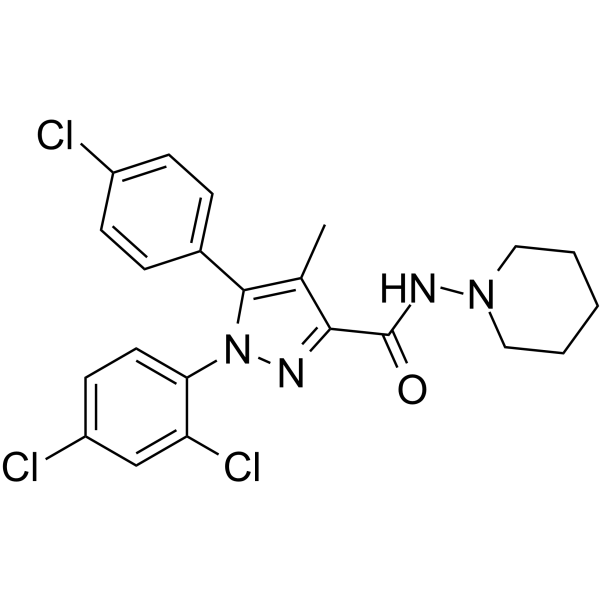
    Rimonabant
    10+ Cited Publications

    SR141716

    Cannabinoid Receptor Bacterial Infection Metabolic Disease Cancer
    Rimonabant (SR141716) is a highly potent, brain penetrated and selective central cannabinoid receptor (CB1) antagonist with a Ki of 1.8 nM. Rimonabant (SR141716) also inhibits Mycobacterial membrane protein Large 3 (MMPL3).
    Rimonabant
  • HY-17566
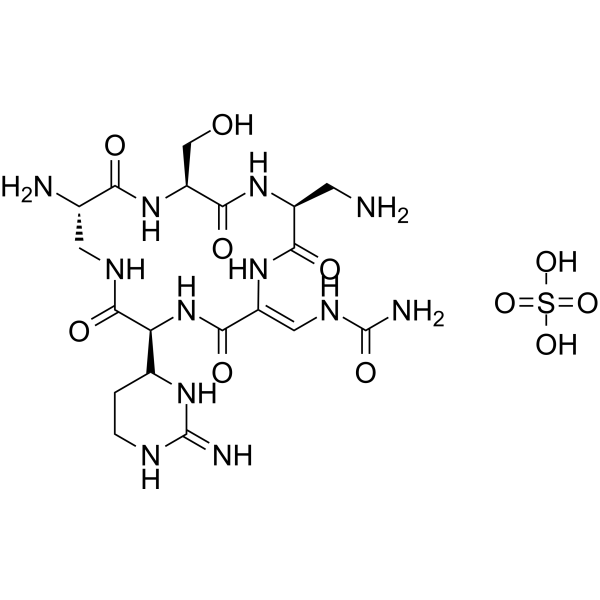
    Capreomycin sulfate
    5 Publications Verification

    Antibiotic Bacterial Infection Neurological Disease Metabolic Disease
    Capreomycin sulfate is a macrocyclic peptide antibiotic that inhibits phenylalanine synthesis in mycobacterial ribosomal translation. Capreomycin sulfate has anti-amyloidogenic and pro-fibrinolytic activities, reducing amyloid-induced cytotoxicity by inhibiting the occurrence of amyloid fibrillation. Capreomycin sulfate can be used in the study of multidrug-resistant tuberculosis, type 2 diabetes, Alzheimer's disease and Parkinson's disease .
    Capreomycin sulfate
  • HY-14137
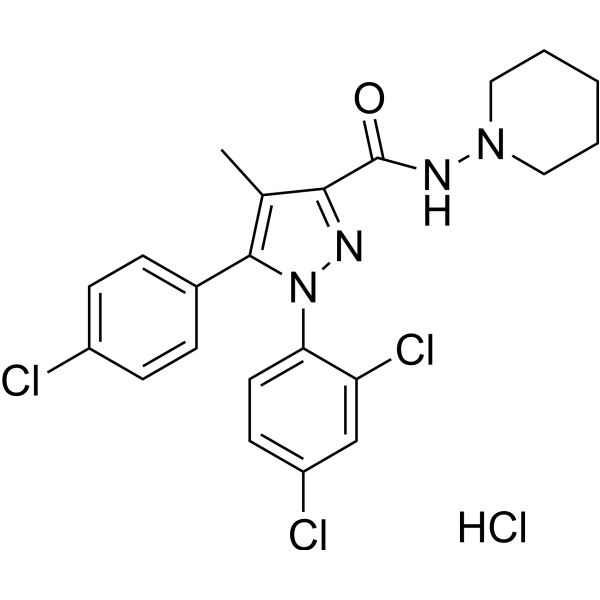
    Rimonabant Hydrochloride
    10+ Cited Publications

    SR 141716A Hydrochloride

    Cannabinoid Receptor Bacterial Infection Metabolic Disease Cancer
    Rimonabant Hydrochloride (SR 141716A Hydrochloride) is a highly potent and selective central cannabinoid receptor (CB1) antagonist with an Ki of 1.8 nM. Rimonabant Hydrochloride (SR 141716A Hydrochloride) also inhibits Mycobacterial membrane protein Large 3 (MMPL3).
    Rimonabant Hydrochloride
  • HY-N7030
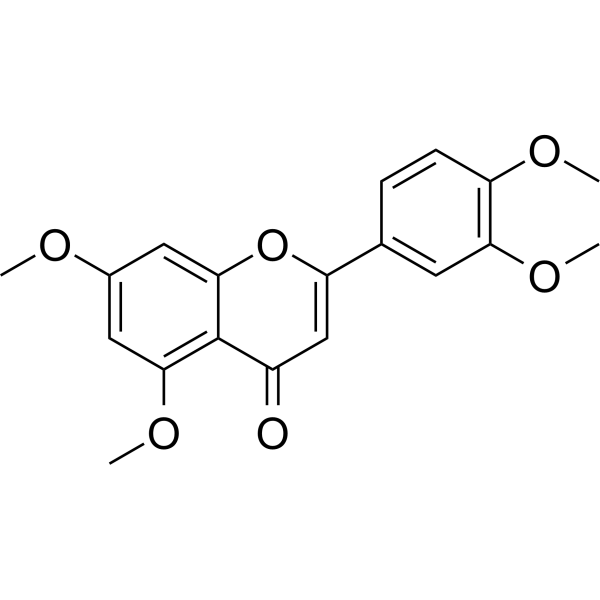
    5,7,3',4'-Tetramethoxyflavone
    2 Publications Verification

    Fungal Parasite Bacterial Infection
    5,7,3',4'-Tetramethoxyflavone, an orally active polymethoxyflavones (PMFs) that can be isolated from M. exotica, possesses various bioactivities, including anti-fungal, anti-malarial, anti-mycobacterial, and anti-inflammatory activities. 5,7,3',4'-Tetramethoxyflavone exhibits chondroprotective activity by targeting β-catenin signaling .
    5,7,3',4'-Tetramethoxyflavone
  • HY-D2919

    Fluorescent Dye Infection
    DMN-Tre is a conjugate of a solvatochromic fluorescent dye and trehalose. DMN-Tre takes advantage of the substrate promiscuity of the endogenous antigen 85 protein complex in mycobacteria to be metabolically integrated into the hydrophobic mycobacterial membrane. Once entering this hydrophobic environment, the linked DMN dye fluorescence is "turned on", enabling specific labeling . DMN-Tre can be used to reflect bacterial metabolic activity and support physiological studies of Mycobacterium tuberculosis .
    DMN-Tre
  • HY-100725
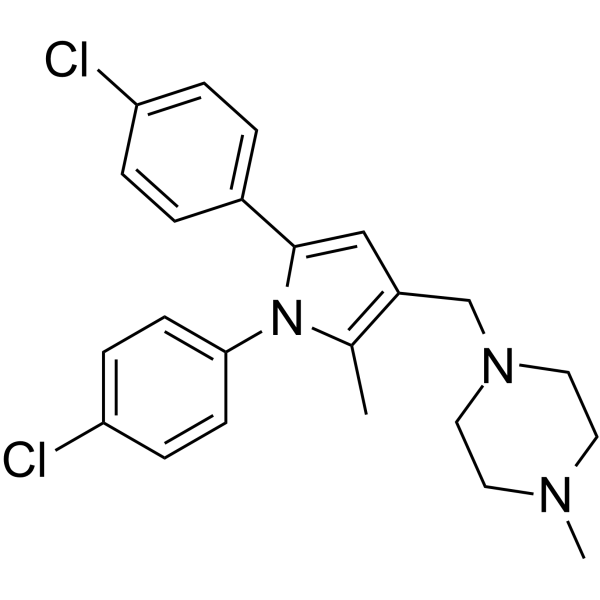
    BM212
    4 Publications Verification

    Bacterial Infection
    BM212 is a potent Mycobacterial membrane protein Large 3 (MmpL3) inhibitor. BM212 has strong bactericidal activity against both M. tuberculosis and some nontuberculosis mycobacteria. BM212 exhibits antimycobacterial activity against M. tuberculosis H37Rv with an MIC of 5 µM .
    BM212
  • HY-W506116

    Ostruthine

    Bacterial DNA/RNA Synthesis Cardiovascular Disease Infection
    Ostruthin is a natural coumarin compound with bacterial and antimycobacterial activities . Ostruthin inhibits the growth of mycobacteria and Staphylococcus aureus. Ostruthin suppresses vascular smooth muscle cell proliferation as well as de novo cellular DNA synthesis. Ostruthin is applicable to research related to mycobacterial infections and cardiovascular and cerebrovascular diseases .
    Ostruthin
  • HY-N3845
    Ergosterol peroxide
    1 Publications Verification

    Bacterial Inflammation/Immunology Cancer
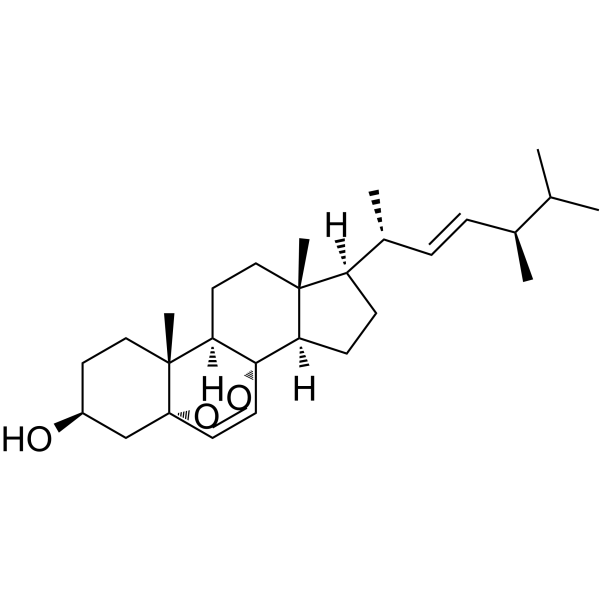
    Ergosterol peroxide is a steroid derivative and can be isolated from a variety of fungi, yeast, lichens or sponges. Ergosterol peroxide has anti-tumour, proapoptotic, anti-inflammatory, anti-mycobacterial, and anti-proliferative activities .
    Ergosterol peroxide
  • HY-N7082

    Parasite Bacterial AMPK PPAR Infection Neurological Disease Metabolic Disease
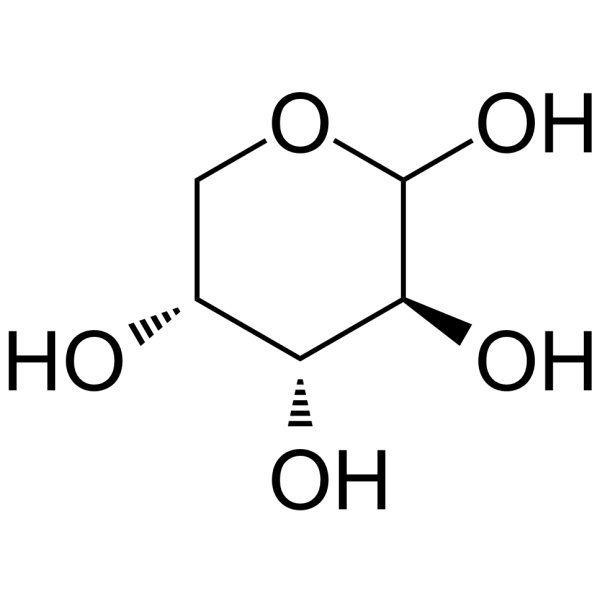
    D-Arabinopyranose is a rare aldehyde pentose, and its ring-opened form is D-arabinose (HY-N0059). D-arabinose is is an orally active antidepressant and a growth inhibitor of C. elegans (IC50 is 7.5 mM). D-arabinose can penetrate the blood-brain barrier, selectively interfere with the metabolism of D-ribose and D-fructose, and inhibit the growth of nematodes. D-arabinose can also inhibit the synthesis of cell biofilm and exert antibacterial activity. D-arabinose activates the ACSS2-PPARγ/TFEB-CRTC1 axis through the lysosomal AXIN-LKB1-AMPK pathway, inducing CRTC1 transcription, exerts antidepressant-like activity. D-arabinose is the ring-opened form of the aldopentose D-?Arabinose (HY-N7082) .
    D-Arabinopyranose
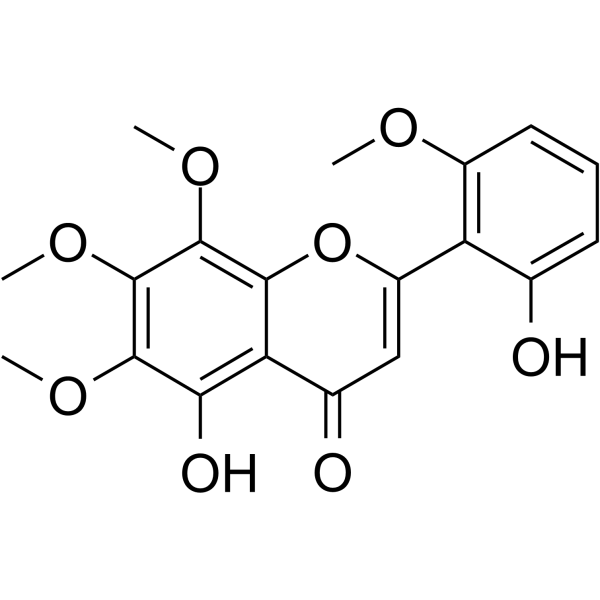
  • HY-N6624
    Skullcapflavone II
    2 Publications Verification

    Bacterial Inflammation/Immunology
    Skullcapflavone II, a flavonoid derived from Scutellaria baicalensis, has anti-inflammatory, anti-microbial activities. Skullcapflavone II regulates osteoclast differentiation, survival, and function. Skullcapflavone II exerts potent antimicrobial activity against M. aurum and M. bovis BCG .
    Skullcapflavone II
  • HY-100750
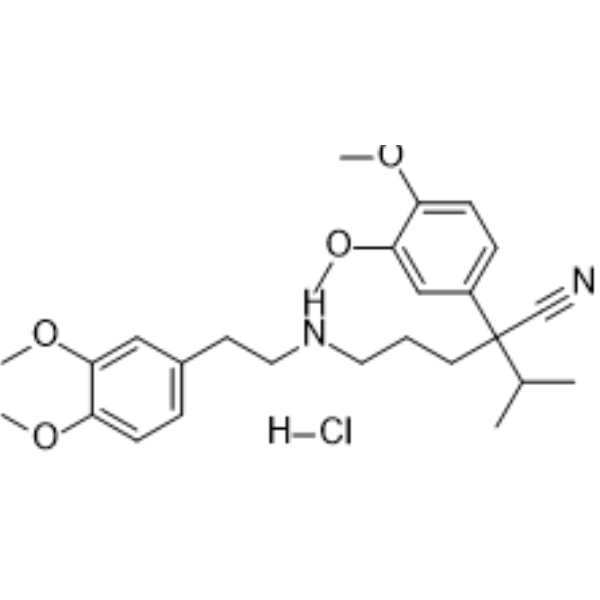
    Norverapamil hydrochloride
    1 Publications Verification

    (±)-Norverapamil hydrochloride; D591 hydrochloride

    Calcium Channel P-glycoprotein Drug Metabolite Cardiovascular Disease
    Norverapamil hydrochloride ((±)-Norverapamil hydrochloride), an N-demethylated metabolite of Verapamil, is a L-type calcium channel blocker and a P-glycoprotein (P-gp) function inhibitor .
    Norverapamil hydrochloride
  • HY-P4284

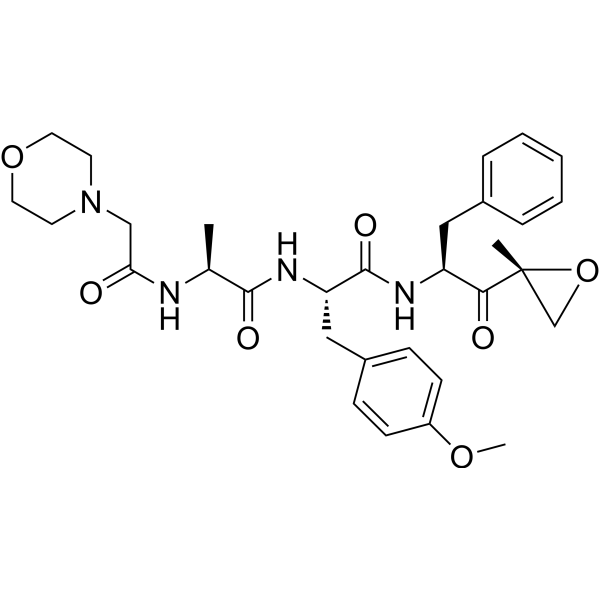
    Proteasome ClpP Bacterial Infection
    Z-GGF-CMK is an Antibacterial agent, an inhibitor of the ClpP1P2 serine protease complex (with an IC50 of 50 μM against intracellular ClpP1P2 protease activity in Mycobacterium bovis BCG), and a selective inhibitor of the mycobacterial Proteasome (with an IC50 of 50 μM against the proteasome in M. bovis BCG). Z-GGF-CMK inhibits the growth of mycobacteria. Z-GGF-CMK exhibits cytotoxic activity against liver cancer cells. Z-GGF-CMK can be used in the research of tuberculosis .
    Z-GGF-CMK
  • HY-109588
    NITD-349
    1 Publications Verification

    Bacterial Infection
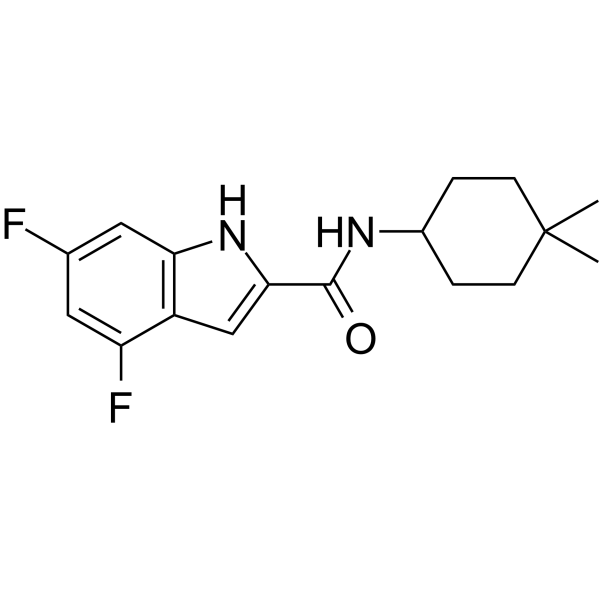
    NITD-349 is an MmpL3 inhibitor that shows highly potent anti-mycobacterial activity with MIC50 of 23 nM against virulent Mycobacterium tuberculosis H37Rv.
    NITD-349
  • HY-153575

    PROTACs Bacterial Infection
    BacPROTAC-1 is a mSA BacPROTAC degrader. BacPROTAC-1 binds mSA and ClpCNTD with high affinity (KDs of 3.9 and 2.8 μM, respectively) .
    BacPROTAC-1
  • HY-109587

    Bacterial Infection
    BM635 is a MmpL3 inhibitor with outstanding anti-mycobacterial activity. BM635 has an MIC50 of 0.12 μM against M. tuberculosis H37Rv.
    BM635
  • HY-N15643

    α-MA (C80)

    Bacterial Infection
    α-Mycolic acid (C80) is a structural lipid component of mycobacterial cell wall. α-Mycolic acid (C80) can be isolated from Mycobacterium tuberculosis Canetti. α-Mycolic acid (C80) significantly modulates membrane permeability and stability, promising for mycobacterium tuberculosis infection research .
    α-Mycolic acid (C80)
  • HY-117145

    Bacterial Infection
    Thiophene-2 (TP2) is a specific polyketide synthase 13 (Pks13) inhibitor. Thiophene-2 inhibits mycolic acid biosynthesis and rapidly leads to mycobacterial cell death. Thiophene-2 is active against Mycobacterium tuberculosis with a MIC value of 1 μM, and has potent anti-tuberculosis activity .
    Thiophene-2
  • HY-123635

    Antibiotic Bacterial Infection
    Nybomycin, an antibiotic, exhibits antiphage and antibacterial properties. Nybomycin binds to DNA and induces a unique morphological change to mycobacterial bacilli leading the bacterial cell death .
    Nybomycin
  • HY-P3270

    Bacterial Antibiotic Infection
    Capreomycin is a macrocyclic peptide antibiotic. Capreomycin can be used for anti-multidrug-resistant-tuberculosis research. Capreomycin can inhibit phenylalanine synthesis in in mycobacterial ribosomes translation
    Capreomycin
  • HY-162836

    4-O-(Carboxymethyl)-Rifamycin

    Antibiotic Bacterial Infection
    Rifamycin B (4-O-(Carboxymethyl)-Rifamycin) is a member of ansamycin antibiotics family with an anti-mycobacterial activity against tuberculosis, leprosy and AIDS-related mycobacterial infections. Rifamycin B is a metabolic product of Nocardia inediterranei, which can yield Rifamycin O and Rifamycin S (HY-125365) by microbial transformation .
    Rifamycin B
  • HY-14136S

    SR141716-d10

    Isotope-Labeled Compounds Cannabinoid Receptor Bacterial Infection Metabolic Disease Cancer
    Rimonabant-d10 is deuterium labeled Rimonabant. Rimonabant (SR141716) is a highly potent, brain penetrated and selective central cannabinoid receptor (CB1) antagonist with a Ki of 1.8 nM. Rimonabant (SR141716) also inhibits Mycobacterial membrane protein Large 3 (MMPL3).
    Rimonabant-d10
  • HY-N15645

    Bacterial Infection
    α-Mycolic acid, keto cis is a structural lipid component of mycobacterial cell wall. α-Mycolic acid, keto cis can be isolated from Mycobacterium tuberculosis Canetti. α-Mycolic acid, keto cis significantly modulates membrane permeability and stability, promising for mycobacterium tuberculosis infection research .
    α-Mycolic acid, keto cis
  • HY-164915

    Bacterial Metabolic Disease
    5-InoAz is an inositol analogue used as a metabolic probe for labeling the mycobacterial cell envelope. 5-InoAz integrates into cell envelope glycolipids [phosphatidylinositol mannoside (PIM), PIM-anchored lipomannan (LM), and lipoarabinomannan (LAM)] .
    5-InoAz
  • HY-N14664

    Antibiotic Bacterial Infection
    Actithiazic acid is a thiazolidinone antibiotic that targets biotin synthase. Actithiazic acid interferes with essential bacterial metabolism by inhibiting the final step of biotin synthesis (conversion of desthiobiotin to biotin, IC50 = 0.45 μM). Actithiazic acid can be used in studies related to mycobacterial infections .
    Actithiazic acid
  • HY-W064918

    Bacterial Infection
    NITD-304 is an orally active anti-tuberculosis agent. NITD-304 exerts inhibitory and bactericidal activities gainst Mycobacterium tuberculosis and multidrug-resistant Mycobacterium tuberculosis. NITD-304 inhibits mycobacterial cell wall biosynthesis and demonstrates synergistic or additive growth inhibitory activity with select antibacterial agents. NITD-304 shows low risk of cardiotoxicity and drug-drug interactions, with no inhibition of major cytochrome P-450 enzymes or hERG channel. NITD-304 can be used for the research of tuberculosis and multidrug-resistant tuberculosis .
    NITD-304
  • HY-10846S

    OPC-67683-d4

    Bacterial Infection
    Delamanid-d4 is the deuterium labeled Delamanid. Delamanid, a newer?mycobacterial cell wall synthesis ?inhibitor, inhibits the synthesisi of mucolic acids .
    Delamanid-d4
  • HY-45854
    GWP-042
    2 Publications Verification

    Bacterial Infection
    GWP-042 is a potent inhibitor of mycobacterial alanine dehydrogenase (Ald) Rv2780, with the IC50 of 0.21 μM. GWP-042 has antimicrobial activity against M. tuberculosis infection in vivo .
    GWP-042
  • HY-14137S

    Isotope-Labeled Compounds Cannabinoid Receptor Bacterial Infection Metabolic Disease Cancer
    Rimonabant-d10 (hydrochloride) is the deuterium labeled Rimonabant hydrochloride. Rimonabant hydrochloride (SR 141716A hydrochloride) is a highly potent and selective central cannabinoid receptor (CB1) antagonist with an Ki of 1.8 nM. Rimonabant hHydrochloride (SR 141716A Hydrochloride) also inhibits Mycobacterial membrane protein Large 3 (MMPL3) .
    Rimonabant-d10 hydrochloride
  • HY-146158

    WX-081

    Bacterial Potassium Channel Antibiotic Infection
    Fudapirine, an anti-tuberculosis agent, displays excellent anti-mycobacterial activity against M. tuberculosis H37Rv and low cytotoxicity. Fudapirine exhibits potent activity with MIC50s of 0.083 and 0.11 μg/mL for agent susceptible tuberculosis (DS-TB) and multidrug resistant tuberculosis (MDR-TB) strains. Fudapirine also inhibits hERG channel with the IC50 of 1.89 μM.
    Fudapirine
  • HY-142031

    Bacterial Infection
    4-Piperidinecarboxamide is a mycobacterial aspartyl-tRNA synthetase (AspS) inhibitor. 4-Piperidinecarboxamide is a promising anti-tuberculosis (TB) agent .
    4-Piperidinecarboxamide
  • HY-B1046R

    Reference Standards Bacterial Antibiotic DNA/RNA Synthesis Interleukin Related Apoptosis Infection Inflammation/Immunology Cancer
    Clofazimine (Standard) is the analytical standard of Clofazimine. This product is intended for research and analytical applications. Clofazimine is an orally-active anti-mycobacterial agent with a wide range of anti-mycobacterial activity including leprosy and tuberculosis. Clofazimine exerts anti-inflammatory activities and anti-tumor activities by interfering DNA replication and inhibiting IL2 (IC50 = 1.10 ± 0.26 μM, Jurkat T) production. Clofazimine can be used in mycobacterial and cancer research .
    Clofazimine (Standard)
  • HY-N8131

    Bacterial Infection Cancer
    Pangelin is a coumarin that can be found in Ducrosia anethifolia. Pangelin exhibits anti-mycobacterial and anti-tumor activities .
    Pangelin
  • HY-P2064

    Bacterial Infection
    Lariatins is a novel anti-mycobacterial peptides with a lasso structure produced by Rhodococcus jostii K01-B0171 .
    Lariatin A
  • HY-15993

    AZD2563; AZD5847

    Antibiotic Infection
    Posizolid (AZD2563), an oxazolidinone antibiotic, is developed by AstraZeneca for the study of bacterial infections. Posizolid shows very good anti-mycobacterial activity .
    Posizolid
  • HY-N9947

    Bacterial Antibiotic Infection
    Methyl-6-gingerol is an antimicrobial agent derived from Aframomum melegueta that exhibits anti-mycobacterial activity by inhibiting the efflux of toxins within Mycobacterium species .
    Methyl-6-gingerol
  • HY-N13075

    Antibiotic Bacterial Infection
    Mycoplanecin A is a cyclic peptide antibiotic. Mycoplanecin A has strong anti-mycobacterial, luteus, and Hypococcus activity. Mycoplanecin A also has moderate anti-Xanthomonas oryzae activity. Mycoplanecin A also has antibacterial effect on some strains of Actinomycetes .
    Mycoplanecin A
  • HY-N15644

    Bacterial Infection
    Mycolic acid IIa is a structural lipid component of mycobacterial cell wall. Mycolic acid IIa can be isolated from Mycobacterium bovis BCG. Mycolic acid IIa significantly modulates membrane permeability and stability, promising for mycobacterium tuberculosis infection research .
    Mycolic acid IIa
  • HY-151204

    Bacterial Infection Inflammation/Immunology
    PknB-IN-1 (Compound 2) is a protein kinase B (PknB) inhibitor (IC50=14.4 μM). PknB-IN-1 shows anti-mycobacterial activity, can inhibit M. tuberculosis H37Rv strain growth (MIC=6.2 μg/mL) .
    PknB-IN-1
  • HY-N6687B

    A-23187 hemimagnesium; Antibiotic A-23187 hemimagnesium

    Oxidative Phosphorylation Antibiotic Bacterial Fungal Apoptosis Autophagy Infection Cancer
    Calcimycin (A-23187) hemimagnesium is an antibiotic and a unique divalent cation ionophore (like calcium and magnesium). Calcimycin hemimagnesium induces Ca 2+-dependent cell death by increasing intracellular calcium concentration. Calcimycin hemimagnesium inhibits the growth of Gram-positive bacteria and some fungi. Calcimycin hemimagnesium also inhibits the activity of ATPase and uncouples oxidative phosphorylation (OXPHOS) of mammalian cells. Calcimycin hemimagnesium induces apoptosis and autophagy .
    Calcimycin hemimagnesium
  • HY-152035

    Bacterial Infection Inflammation/Immunology
    Mycobacterial Zmp1-IN-1 is a mycobacterial zinc metalloprotease-1 (Zmp1) inhibitor. Mycobacterial Zmp1-IN-1 has anti-mycobacterial activity for Mtb H37Ra in dose-dependent inhibition. Mycobacterial Zmp1-IN-1 can be used for the research of tuberculosis (TB) .
    Mycobacterial Zmp1-IN-1
  • HY-47597

    Bacterial Infection
    Protein kinase G inhibitor-2 (Compound 266) is a mycobacterial protein kinase G inhibitor, with an IC50 of 3 μM. Protein kinase G inhibitor-2 can be used for mycobacterial infection research .
    Protein kinase G inhibitor-2
  • HY-48958

    Bacterial Infection
    Protein kinase G inhibitor-1 (Compound 270) is a mycobacterial protein kinase G inhibitor, with an IC50 of 0.9 μM. Protein kinase G inhibitor-1 can be used for mycobacterial infection research .
    Protein kinase G inhibitor-1
  • HY-120884

    Bacterial Infection
    InhA-IN-5 (compound 1) is a potent Mycobacterial tuberculosis (Mtb) trans-2-enoyl-acyl carrier protein reductase (InhA) inhibitor .
    InhA-IN-5
  • HY-169587

    Ser/Thr Kinase Bacterial Infection
    Protein kinase G inhibitor-3 (Compound 177) is an inhibitor of mycobacterial serine/threonine protein kinases. Protein kinase G inhibitor-3 can be used in the research of diseases related to mycobacterial infections .
    Protein kinase G inhibitor-3
  • HY-165483

    Antibiotic Bacterial Infection
    Nothramicin is an anthracycline antibiotic with anti-mycobacterial activity .
    Nothramicin
  • HY-N14844

    Antibiotic Bacterial Infection
    Napyradiomycin C2 is an antibiotic with anti-Gram-positive bacteria and mycobacterial activity .
    Napyradiomycin C2
  • HY-N14805

    Antibiotic Bacterial Infection
    Napyradiomycin B3 is an antibiotic with anti-Gram-positive bacteria and mycobacterial activity .
    Napyradiomycin B3

Inquiry Online

Your information is safe with us. * Required Fields.

Salutation


Country or Region *

Applicant Name *


Organization Name *

Department *


Email Address *


Product Name *

Cat. No.


Requested quantity *

Phone Number *


Remarks

Inquiry Online

Inquiry Information

Product Name:
Cat. No.:
Quantity:
MCE Japan Authorized Agent:

