1. Search Result
Search Result
Results for "

brain ischemia

" in MedChemExpress (MCE) Product Catalog:

82

Inhibitors & Agonists

4

Peptides

30

Natural
Products

3

Isotope-Labeled Compounds

Cat. No. Product Name Target Research Areas Chemical Structure
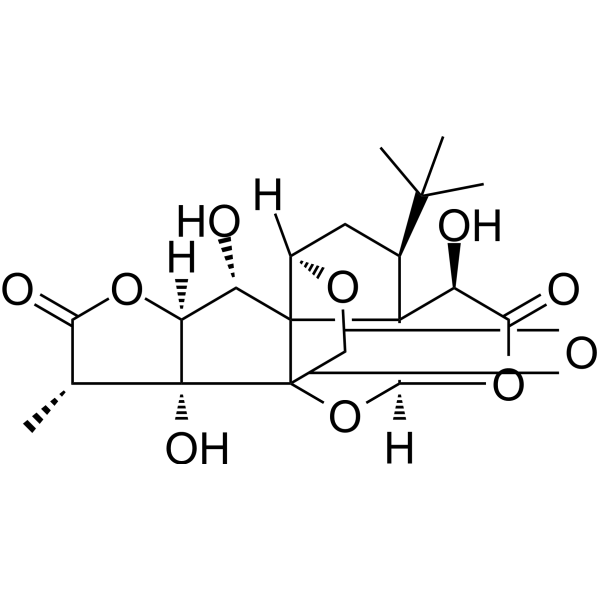
  • HY-N0784
    Ginkgolide B
    Maximum Cited Publications
    11 Publications Verification

    BN-52021

    Platelet-activating Factor Receptor (PAFR) Apoptosis Cardiovascular Disease Neurological Disease Inflammation/Immunology Cancer
    Ginkgolide B (BN-52021), a terpene lactone, is a potent platelet activating factor antagonist. Ginkgolide B protects endothelial cells via the activation of PXR from injuries induced by xeno- and endobiotics. Ginkgolide B can pass through the brain-blood barrier. Ginkgolide B has anti-oxidant, anti-inflammatory, anti-tumor, and anti-apoptotic activity. Ginkgolide B has marked neuroprotective effects against ischemia-induced impairments .
    Ginkgolide B
  • HY-113402
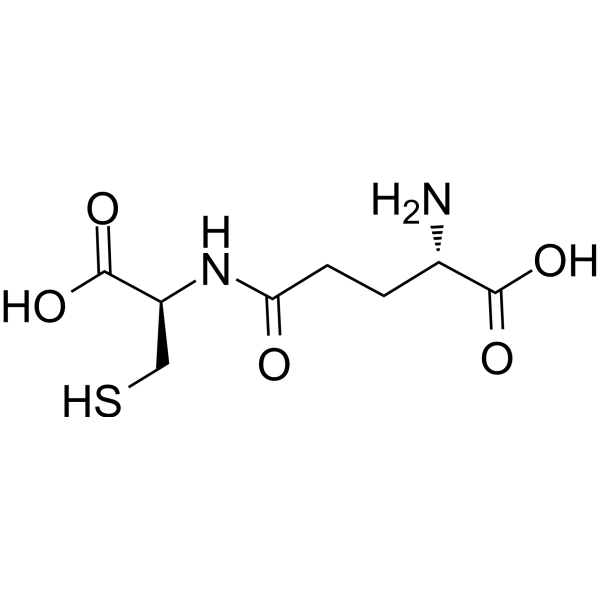
    Gamma-glutamylcysteine
    4 Publications Verification

    γ-Glu-Cys

    Endogenous Metabolite Interleukin Related TNF Receptor AMPK Sirtuin STAT PI3K NF-κB JAK p38 MAPK JNK Akt Apoptosis Ferroptosis Cardiovascular Disease Neurological Disease Inflammation/Immunology
    Gamma-glutamylcysteine (γ-Glu-Cys) is an orally active, blood-brain barrier permeable dipeptide . Gamma-glutamylcysteine activates AMPK, SIRT1, IL-4/STAT6, AC/cAMP/PI3K, IGF-1R/IRS1/PI3K, and Nrf2 signaling pathways; it inhibits NF-κB, JAK1/STAT1/3, MAPKs, cadmium-induced p38 MAPK, JNK, and PI3K/Akt signaling pathways. Gamma-glutamylcysteine regulates macrophage polarization, modulates the trafficking of CD36 and GLUT4, induces glutathione synthesis, improves metabolic dysfunction, reduces lipid deposition, ameliorates glucose homeostasis, inhibits apoptosis (Apoptosis), stabilizes mitochondria, suppresses lipid peroxidation, iron accumulation and ferroptosis (Ferroptosis), reduces ds-HMGB1 levels, reverses mechanical hyperalgesia, and alleviates hepatic lipid droplet formation. Gamma-glutamylcysteine is applicable to research related to inflammatory bowel disease, type 2 diabetes, cadmium-induced neurotoxicity, Alzheimer's disease, cerebral ischemia/reperfusion injury, neuropathy, and alcoholic liver disease .
    Gamma-glutamylcysteine
  • HY-111475
    Mitochondrial fusion promoter M1
    2 Publications Verification

    Mitochondrial Metabolism Cardiovascular Disease
    Mitochondrial fusion promoter M1 is a mitochondrial dynamic modulator. Mitochondrial fusion promoter M1 preserves the mitochondrial function and promotes cellular respiration. Mitochondrial fusion promoter M1 alleviates cardiac and brain damage in rats with cardiac ischemia/reperfusion injury .
    Mitochondrial fusion promoter M1
  • HY-N2072
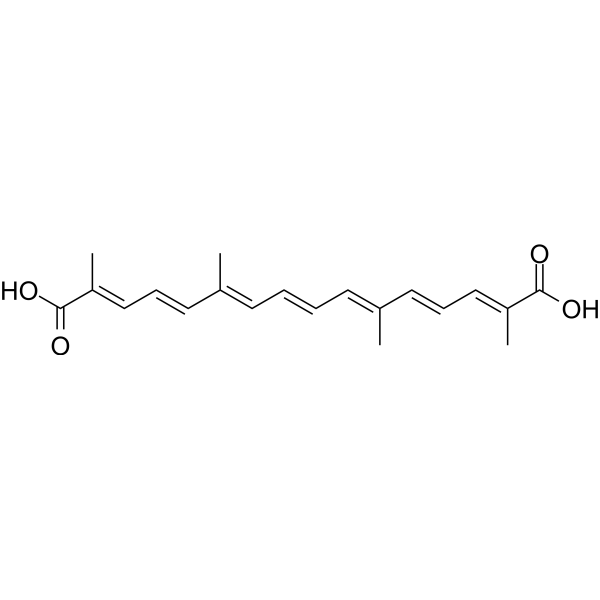
    Crocetin
    3 Publications Verification

    Transcrocetin; trans-Crocetin

    iGluR Apoptosis COX p38 MAPK Neurological Disease Inflammation/Immunology Cancer
    Crocetin (Transcrocetin) is an aglycone of crocin. Crocetin is an orally active and brain-penetrant. Crocetin shows strong NMDA receptor affinity and channel opening activity. Crocetin can downregulate the proinflammatory cytokines and COX-2 exoression. Crocetin can inhibit apoptosis and activation of MAPK. Crocetin can delay delays brain and body aging. Crocetin can be used for the researches of cancer, neurological disease and inflammation, such as cervical cancer and ischemia .
    Crocetin
  • HY-N2037
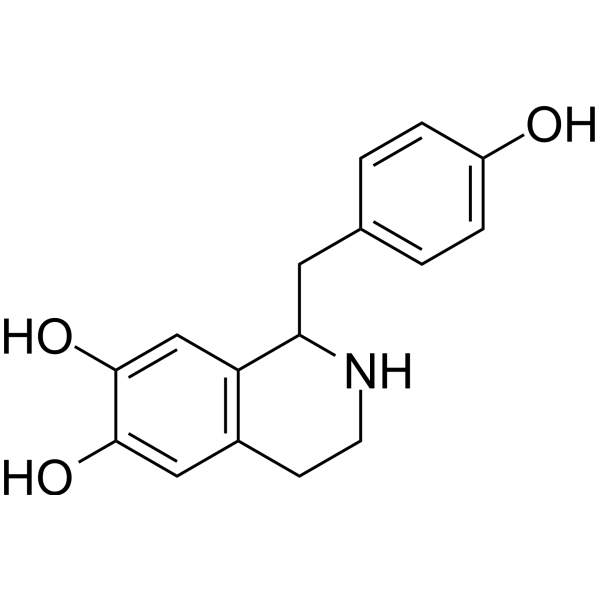
    Higenamine
    5+ Cited Publications

    Norcoclaurine; Demethyl-Coclaurine

    MAP3K MDM-2/p53 Adrenergic Receptor ROS Kinase Apoptosis Cardiovascular Disease Endocrinology
    Higenamine (Norcoclaurine), a β2-AR agonist with antioxidant capability, is a key component of the Chinese herb aconite root that prescribes for treating symptoms of heart failure in the oriental Asian countries. Higenamine is also a α1-adrenergic receptor antagonist with hypotensive effect. is a selective LSD1 inhibitor (IC50=1.47 μM) that can be isolated from aconite. Higenamine hydrochloride has anti-inflammatory and antibacterial activity. Higenamine protects myocyte Apoptosis and ischemia/reperfusion (I/R) injury through selective activation of beta2-adrenergic receptor (β2-AR). Higenamine also reduces I/R-induced myocardial infarction in mice. Higenamine can attenuate IL-1β-induced Apoptosis through ROS-mediated PI3K/Akt signaling pathway. Higenamine protects brain cells from oxygen deprivation. Higenamine can promote bone formation in osteoporosis through the SMAD2/3 pathway. Higenamine can be used to study cancer, inflammation, cardiorenal syndrome and other diseases .
    Higenamine
  • HY-17001A
    Flupirtine
    1 Publications Verification

    D 9998

    Potassium Channel iGluR GABA Receptor Neurological Disease Inflammation/Immunology
    Flupirtine (D 9998) is an orally active, blood-brain barrier-crossing non-opioid analgesic and neuroprotective agent. Flupirtine is a neuronal potassium channel opener (Kv7 activator), a NMDA receptor antagonist and a GABA receptor activator. Flupirtine stabilizes blood-brain-barrier integrity, reduces oxidative stress and brain leukocyte infiltration, enhances angioneurogenesis, suppresses calcium influx, stabilizes neuronal resting membrane potential, and counteracts focal cerebral ischemia. Flupirtine exhibits analgesic, muscle relaxant properties, protects neurons from excitotoxic, ischemic, or cytokine-mediated death. Flupirtine functions as a non-opioid analgesic without antipyretic or antiphlogistic properties, shows no relevant affinity to opiate receptor. Flupirtine can be used for the research of focal cerebral ischemia, pain, Alzheimer’s disease, or multiple sclerosis .
    Flupirtine
  • HY-N2397

    MSB

    DNA/RNA Synthesis PPAR NF-κB Autophagy Cardiovascular Disease Infection Inflammation/Immunology
    9''-Methyl salvianolate B (MSB) is a blood-brain barrier-permeable inhibitor with high affinity for g5Rp, with a Kd value of 117 nM against African swine fever virus (ASFV) g5Rp. 9''-Methyl salvianolate B also acts as a ZBP1 inhibitor. It exhibits strong binding affinity to key proteins in the PPARγ/NF-κB pathway. 9''-Methyl salvianolate B blocks the interaction between ASFV g5Rp and host proteins eIF5A or RPS15. It restores hypusination modification of eIF5A, promotes autophagy (Autophagy), and inhibits ASFV replication. 9''-Methyl salvianolate B effectively disrupts ZBP1-mediated PANoptosome assembly. It effectively alleviates myocardial ischemia/reperfusion injury. 9''-Methyl salvianolate B can be used in studies related to African swine fever .
    9''-Methyl salvianolate B
  • HY-17001
    Flupirtine Maleate
    1 Publications Verification

    D 9998 Maleate

    Potassium Channel iGluR GABA Receptor Neurological Disease Inflammation/Immunology
    Flupirtine (D 9998) Maleate is an orally active, blood-brain barrier-crossing non-opioid analgesic and neuroprotective agent. Flupirtine Maleate is a neuronal potassium channel opener (Kv7 activator), a NMDA receptor antagonist and a GABA receptor activator. Flupirtine Maleate stabilizes blood-brain-barrier integrity, reduces oxidative stress and brain leukocyte infiltration, enhances angioneurogenesis, suppresses calcium influx, stabilizes neuronal resting membrane potential, and counteracts focal cerebral ischemia. Flupirtine Maleate exhibits analgesic, muscle relaxant properties, protects neurons from excitotoxic, ischemic, or cytokine-mediated death. Flupirtine Maleate functions as a non-opioid analgesic without antipyretic or antiphlogistic properties, shows no relevant affinity to opiate receptor. Flupirtine Maleate can be used for the research of focal cerebral ischemia, pain, Alzheimer’s disease, or multiple sclerosis .
    Flupirtine Maleate
  • HY-139598
    LFHP-1c
    3 Publications Verification

    Phospholipase Cardiovascular Disease
    LFHP-1c is an PGAM5 inhibitor with neuroprotective activity in brain ischemic stroke. LFHP-1c protects blood-brain barrier integrity from ischemia-induced injury. LFHP-1c binds to endothelial PGAM5 to inhibit the activity of PGAM5 phosphatase and the interaction of PGAM5 with NRF2. LFHP-1c exhibits in vitro and in vivo protection .
    LFHP-1c
  • HY-B1065

    α-N-Acetyl-L-glutamine; N2-Acetylglutamine

    Keap1-Nrf2 Akt ASK1 Apoptosis Neurological Disease
    Aceglutamide (α-N-Acetyl-L-glutamine; N2-Acetylglutamine) is a neuroprotectant that can penetrate the blood-brain barrier. Aceglutamide can enhance the antioxidant systems of glutathione (GSH), thioredoxin (Trx) and Nrf2. Aceglutamide also inhibits ASK1 and TRAF1, activates the Akt/Bcl-2 anti-apoptotic pathway, enhances the activity of antioxidant enzymes and reduces oxidative damage. Aceglutamide can improve neurological deficits after cerebral ischemia, reduce infarct volume, and inhibit neuronal apoptosis, especially substantia nigra dopaminergic neurons. Aceglutamide can reduce cerebral ischemia/reperfusion injury, improve motor dysfunction, and is used in ischemic stroke-related research .
    Aceglutamide
  • HY-N0657
    Pinoresinol Diglucoside
    1 Publications Verification

    NF-κB Keap1-Nrf2 Heme Oxygenase (HO) TGF-beta/Smad Akt mTOR PI3K Cardiovascular Disease Neurological Disease Metabolic Disease Inflammation/Immunology
    Pinoresinol Diglucoside is an orally active lignan with multifunctional bioactivity. Pinoresinol Diglucoside interacts with targets including ALB, HIF1A, GSK3B, BCL2, MARK3, IL6, NF-κB p65, Nrf2, HO-1, and TLR4, and modulates pathways including PI3K-Akt, estrogen, MAPK, Rap1, AKT/mTOR/NF-κB, and TGF-β1/Smads. Pinoresinol Diglucoside regulates osteogenesis, bone resorption, oxidative stress, inflammation, apoptosis, ferroptosis, ferritinophagy, cardiac fibrosis, and vasorelaxation. Pinoresinol Diglucoside can be used for the research of osteoporosis, ischemia/reperfusion-induced brain injury, Alzheimer’s disease, myocardial ischemia-reperfusion injury, chondrodysplasia, diabetic cardiomyopathy, cardiac hypertrophy, hypertension, cisplatin-induced hearing loss, atherosclerotic cardiovascular diseases, and disuse osteoporosis .
    Pinoresinol Diglucoside
  • HY-N2909

    NF-κB RIP kinase Mixed Lineage Kinase Cardiovascular Disease Neurological Disease Inflammation/Immunology
    Aurantiamide is a non-covalent, orally active, blood-brain-permeable GRPR selective antagonist with anti-inflammatory and neuroprotective effects. Aurantiamide reduces inflammation and oxidative stress in renal tissue by inhibiting GRPR-mediated renal necrosis pathways (such as RIPK3/MLKL signaling) and NF-κB inflammatory pathways, exerting anti-acute kidney injury and endothelial function activities. Aurantiamide also inhibits the M1 polarization of microglia and inhibits NLRP3 activation, thereby improving AD mouse models. Aurantiamide has in vivo inhibitory efficacy in acute kidney injury models such as ischemia/reperfusion, sepsis, and hypertension models .
    Aurantiamide
  • HY-17355A
    Dexpramipexole dihydrochloride
    2 Publications Verification

    (R)-Pramipexole dihydrochloride; R-(+)-Pramipexole dihydrochloride; KNS-760704 dihydrochloride

    ATP Synthase Sodium Channel Glutathione Peroxidase NOD-like Receptor (NLR) Mitophagy Ferroptosis PINK1/Parkin Autophagy Apoptosis Reactive Oxygen Species (ROS) Cardiovascular Disease Neurological Disease Inflammation/Immunology
    Dexpramipexole ((R)-Pramipexole) dihydrochloride is an orally active, blood-brain barrier permeable mitochondrial protective agent. Dexpramipexole dihydrochloride upregulates the expression of Parkin, PINK1, GPX4 and FSP1; binds to mitochondrial F1/Fo-ATP synthase; blocks the Nav1.8 sodium channel; and inhibits the activation of the NLRP3 inflammasome. Dexpramipexole dihydrochloride induces mitophagy, inhibits ferroptosis, pyroptosis, apoptosis, neuroinflammation and eosinophilopoiesis; maintains mitochondrial function and redox homeostasis; reduces reactive oxygen species production; and decreases myocardial infarct size. Dexpramipexole dihydrochloride is applicable to studies on eosinophilic asthma, myocardial ischemia/reperfusion injury, sepsis-associated encephalopathy, analgesia, and more .
    Dexpramipexole dihydrochloride
  • HY-107661
    Arundic Acid
    2 Publications Verification

    ONO-2506; (R)-2-Propyloctanoic acid

    ERK Akt NF-κB EAAT Cardiovascular Disease Neurological Disease
    Arundic Acid is an orally effective astrocyte function modulator and neuroprotective agent. Arundic Acid increases the expression and function of the astrocytic glutamate transporter EAAT1 by activating the ERK, Akt and NF-κB pathways. Arundic Acid attenuates retinal ganglion cell death in a normal-tension glaucoma model. Arundic Acid exerts neuroprotective effects in a mouse model of Parkinson's disease. Arundic Acid is a S100β protein synthesis inhibitor that prevents neurological deficits and brain tissue damage after intracerebral hemorrhage in rats. Arundic Acid downregulates neuroinflammation and astrocytic dysfunction after status epilepticus in immature rats. Arundic Acid is applicable to research related to Parkinson's disease, cerebral ischemia, glaucoma, intracerebral hemorrhage and epilepsy .
    Arundic Acid
  • HY-113402A
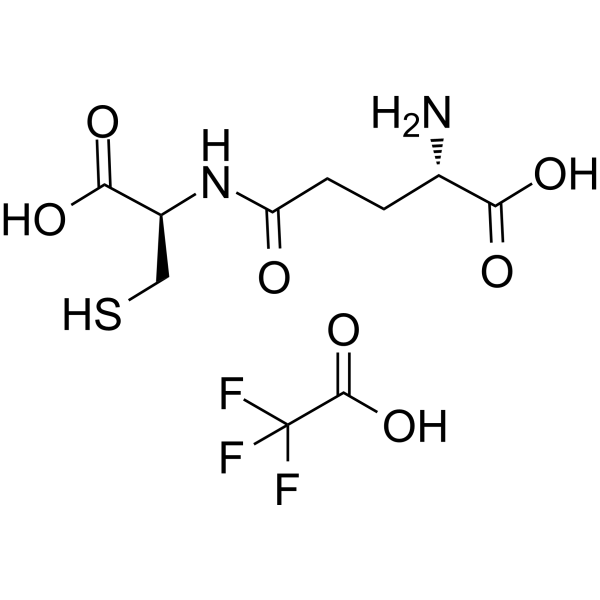
    Gamma-glutamylcysteine TFA
    4 Publications Verification

    γ-Glu-Cys TFA

    Interleukin Related TNF Receptor Endogenous Metabolite AMPK Sirtuin STAT PI3K NF-κB JAK p38 MAPK JNK Akt Apoptosis Ferroptosis Cardiovascular Disease Neurological Disease Inflammation/Immunology
    Gamma-glutamylcysteine TFA (γ-Glu-Cys TFA) is an orally active, blood-brain barrier permeable dipeptide . Gamma-glutamylcysteine TFA activates AMPK, SIRT1, IL-4/STAT6, AC/cAMP/PI3K, IGF-1R/IRS1/PI3K, and Nrf2 signaling pathways; it inhibits NF-κB, JAK1/STAT1/3, MAPKs, cadmium-induced p38 MAPK, JNK, and PI3K/Akt signaling pathways. Gamma-glutamylcysteine TFA regulates macrophage polarization, modulates the trafficking of CD36 and GLUT4, induces glutathione synthesis, improves metabolic dysfunction, reduces lipid deposition, ameliorates glucose homeostasis, inhibits apoptosis (Apoptosis), stabilizes mitochondria, suppresses lipid peroxidation, iron accumulation and ferroptosis (Ferroptosis), reduces ds-HMGB1 levels, reverses mechanical hyperalgesia, and alleviates hepatic lipid droplet formation. Gamma-glutamylcysteine TFA is applicable to research related to inflammatory bowel disease, type 2 diabetes, cadmium-induced neurotoxicity, Alzheimer's disease, cerebral ischemia/reperfusion injury, neuropathy, and alcoholic liver disease .
    Gamma-glutamylcysteine TFA
  • HY-N0745

    Caspase ERK Keap1-Nrf2 Heme Oxygenase (HO) Apoptosis Neurological Disease Inflammation/Immunology
    Senkyunolide I is an orally active, blood-brain barrier-permeable metabolite of Z-ligustilide (HY-N0401A) . Senkyunolide I is isolated from Ligusticum chuanxiong. Senkyunolide I upregulates p-Erk1/2 and Nrf2/HO-1, and inhibits Caspase 3. Senkyunolide I alleviates Apoptosis. Senkyunolide I increases the pain threshold in mice and reduces acetic acid-induced writhing responses in mice. Senkyunolide I improves neurological deficits, reduces infarct volume and alleviates cerebral edema in rats with focal cerebral ischemia-reperfusion injury. Senkyunolide I protects renal function and structural integrity in a mouse model of renal ischemia-reperfusion injury. Senkyunolide I is applicable to research related to focal cerebral ischemia-reperfusion injury, migraine, and renal ischemia-reperfusion injury .
    Senkyunolide I
  • HY-N0496
    Ruscogenin
    5+ Cited Publications

    NOD-like Receptor (NLR) Cardiovascular Disease
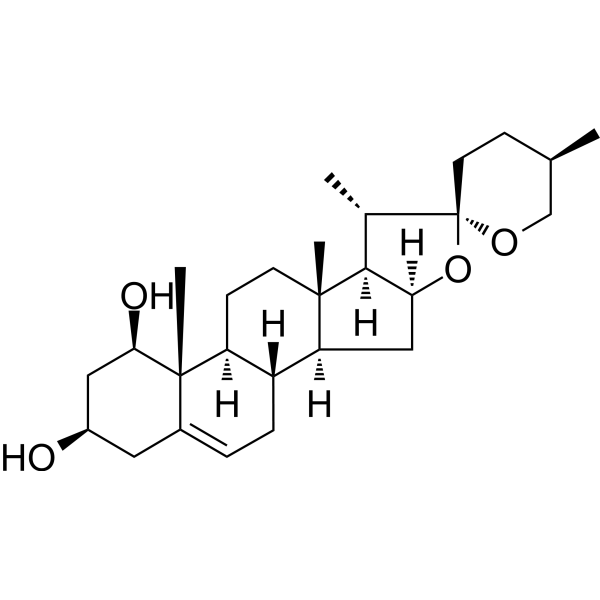
    Ruscogenin, an important steroid sapogenin derived from Ophiopogon japonicus, attenuates cerebral ischemia-induced blood-brain barrier dysfunction by suppressing TXNIP/NLRP3 inflammasome activation and the MAPK pathway. Ruscogenin exerts significant anti-inflammatory and anti-thrombotic activities. Ruscogenin has orally bioactivity .
    Ruscogenin
  • HY-N0859

    Schizanhenol; Gomisin-K3

    UGT Cholinesterase (ChE) Tau Protein SOD Sirtuin Neurological Disease Inflammation/Immunology Cancer
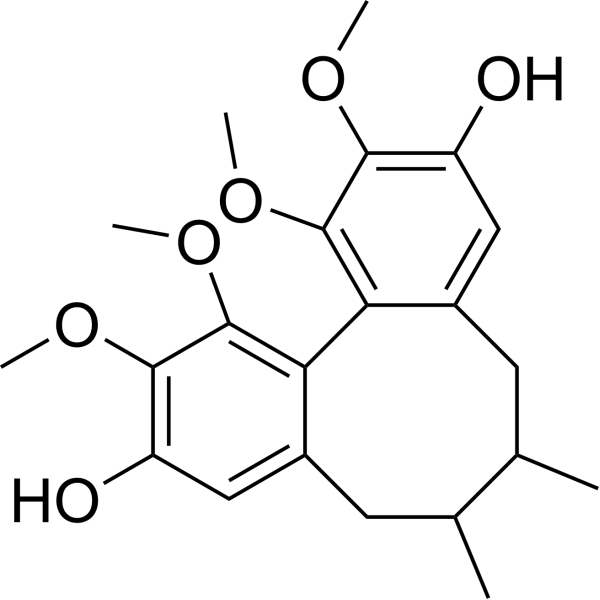
    Schisanhenol (Schizanhenol), a lignan, is an orally active antioxidant. Schisanhenol reduces AChE activity, increases SIRT1 and PGC-1α expression, and decreases phosphorylated Tau (Ser 396) levels. Schisanhenol increases SOD and glutathione peroxidase activity, decreases malondialdehyde (MDA) content, and inhibits UGT2B7 activitY. Schisanhenol attenuates ox-LDL-induced apoptosis, intracellular reactive oxygen species generation, and cytotoxicity in endothelial cells. Schisanhenol inhibits LDL oxidation, brain mitochondrial and membrane peroxidative damage, and brain mitochondrial swelling and disintegration. Schisanhenol can be used for the research of Alzheimer’s disease, atherosclerosis, brain ischemia, and age-related brain deterioration .
    Schisanhenol
  • HY-113355

    Endogenous Metabolite Apoptosis Neurological Disease Inflammation/Immunology Endocrinology
    NADH is an orally active dehydrogenase coenzyme that acts as a crucial electron carrier in cellular respiration and participates in ATP production. NADH promotes metabolism, supports brain function, and counteracts oxidative stress by transferring electrons to the electron transport chain. As a signaling molecule, NADH regulates multiple biological processes, including anti-apoptosis, synaptic plasticity, gene expression, and calcium homeostasis. Redox imbalance of NADH/NAD⁺ is one of the key pathological mechanisms of various diseases, such as diabetic nephropathy, neurodegenerative diseases, and ischemia-reperfusion injury.
    NADH
  • HY-N0385
    Gomisin J
    3 Publications Verification

    NO Synthase AMPK CaMK NF-κB Keap1-Nrf2 Cardiovascular Disease Inflammation/Immunology
    Gomisin J is a Schisandra chinensis-derived lignan that can inhibit multiple targets such as eNOS, AMPK (LKB1, CaMKIIβ), fetuin-A, NF-κB, Nrf2/HO-1, and can pass through the blood-brain barrier. Gomisin J increases NO bioavailability by activating eNOS, regulates lipid metabolism by activating the AMPK pathway, inhibits fetuin-A and NF-κB to exert anti-inflammatory effects, and activates Nrf2/HO-1 to enhance antioxidant capacity. Gomisin J has the activities of anti-hypertension, regulating liver lipid metabolism, and reducing cerebral ischemia-reperfusion injury, and can be used for research on hypertension, non-alcoholic fatty liver disease, cerebral ischemia-reperfusion injury, etc .
    Gomisin J
  • HY-43521

    Target Protein Ligand-Linker Conjugates Btk STAT Inflammation/Immunology Cancer
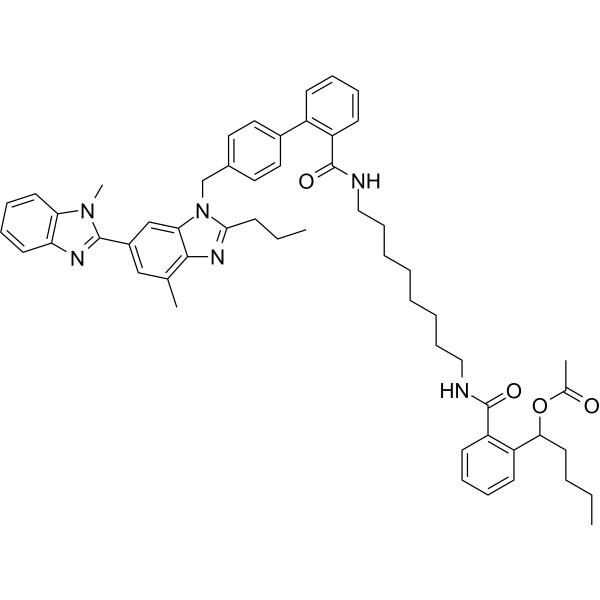
    Ibrutinib-MPEA is an orally active, blood-brain barrier permeable inhibitor of BTK and STAT5. As a derivative of Ibrutinib (HY-10997) conjugated with a PROTAC linker, Ibrutinib-MPEA allows the synthesis of a series of PROTAC molecules. Ibrutinib-MPEA significantly reduces the proliferation of neoplastic mast cells and primary mastocytoma cells by inducing apoptosis and inhibiting IgE-dependent histamine release. Ibrutinib-MPEA is applicable to the research of canine mast cell tumors, cerebral ischemia/reperfusion injury in diabetic mice, and neuroinflammation-related diseases .
    Ibrutinib-MPEA
  • HY-N2255
    Crebanine
    4 Publications Verification

    Akt Apoptosis NF-κB Reactive Oxygen Species (ROS) p38 MAPK ERK Interleukin Related TNF Receptor NO Synthase nAChR Bacterial Cancer
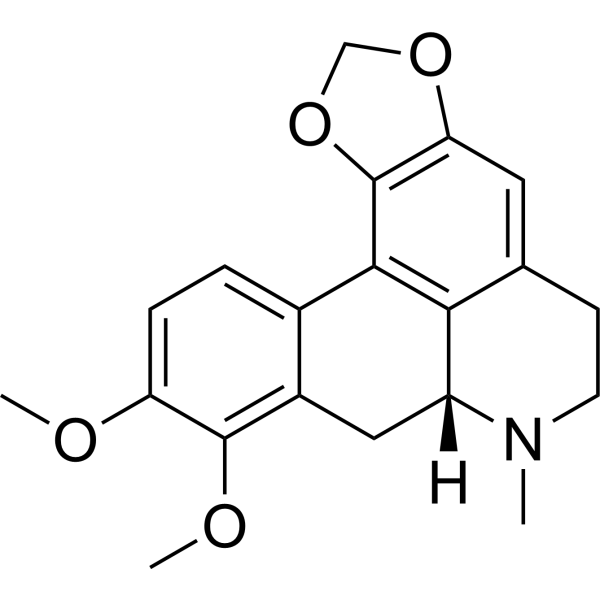
    Crebanine is an isoquinoline-like alkaloid that can be derived from Stephania. Crebanine is an antagonist of the α7-nAChR with an IC50 of 19.1 μM. Crebanine suppresses the proliferation, migration, and invasion of cancer cells, triggers reactive oxygen species (ROS) burst, and promotes apoptosis. Crebanine inhibits the AKT/FoxO3a, NF-κB and MAPK signaling pathways. Crebanine attenuates NOX2 hyperactivation, exhibits antioxidant properties by reducing reactive oxygen species and peroxidation in microglia cells. Crebanine inhibits voltage-dependent Na + current in guinea-pig ventricular myocytes. Crebanine has high inhibitory activity against gram-positive animal pathogenic bacteria. Crebanine ameliorates ischemia-reperfusion brain damage in middle cerebral artery occlusion and reperfusion (MCAO/R) rats. Crebanine significantly improves Scopolamine (HY-N0296)-induced cognitive deficits in ICR mice. Crebanine can be used for the study of hepatocellular carcinoma (HCC), cerebral ischemia and Alzheimer's disease .
    Crebanine
  • HY-108448

    OLDA

    TRP Channel Lipoxygenase Cardiovascular Disease Neurological Disease Metabolic Disease
    N-Oleoyldopamine (OLDA) is an orally active TRPV1 activator and 5-LOX inhibitor with blood-brain barrier permeability. N-Oleoyldopamine excites histaminergic neurons in the tuberomammillary nucleus via a dopamine receptor mechanism, a process independent of TRPV1 and cannabinoid receptors. On one hand, N-Oleoyldopamine promotes the release of insulin and glucose-dependent insulinotropic polypeptide through a GPR119-dependent pathway to improve glucose tolerance; on the other hand, N-Oleoyldopamine improves left ventricular function and reduces myocardial infarction size by triggering the release of substance P and calcitonin gene-related peptide. N-Oleoyldopamine is used in studies related to glycemic abnormalities and myocardial ischemia-reperfusion injury .
    N-Oleoyldopamine
  • HY-N0430

    Coptisin

    Indoleamine 2,3-Dioxygenase (IDO) NF-κB p38 MAPK PI3K Akt Apoptosis Reactive Oxygen Species (ROS) Mitochondrial Metabolism DNA/RNA Synthesis ROCK LDLR Cardiovascular Disease Neurological Disease Metabolic Disease Inflammation/Immunology Cancer
    Coptisine is an orally active and brain-penetrant alkaloid found in Coptis chinensis. Coptisine is a reversible, uncompetitive IDO inhibitor with a Ki of 5.8 μM and an IC50 of 6.3 μM. Coptisine suppresses neuroinflammation, reduces Aβ plaque burden and shows neuroprotective activity. Coptisine shows anti-inflammation activity by blocking NF-κB, MAPK, and PI3K/Akt activation. Coptisine inhibits cancer cells proliferation, induces DNA damage, G2/M phase cell cycle arrest, apoptosis, ROS production and mitochondrial dysfunction. Coptisine inhibits Rho/ROCK pathway activation, reduces arrhythmia, limits cardiac injury marker release, reduces infarct size, and preserves cardiac function in rat myocardial ischemia/reperfusion models. Coptisine downregulates HMGCR and upregulates LDLR and CYP7A1 to modulate cholesterol metabolism, reduces abnormal serum lipid levels, and promotes fecal bile acid excretion. Coptisine can be used for the research of cancer, hypercholesterolemia, Alzheimer’s disease, inflammatory disorders and cardiovascular disease .
    Coptisine
  • HY-N0430A
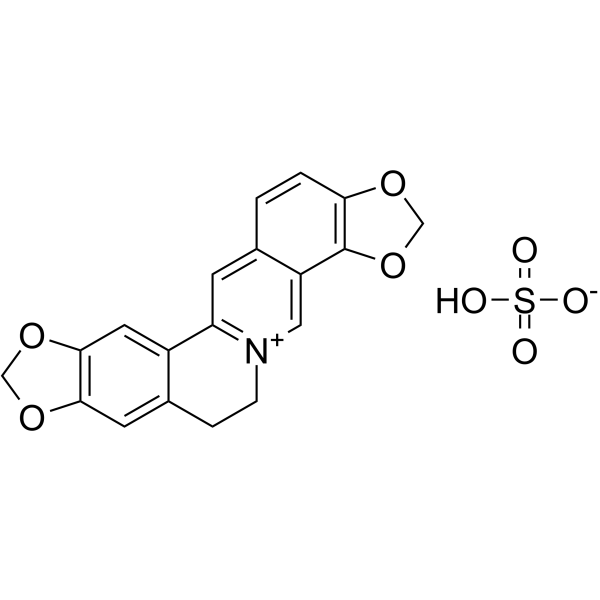
    Coptisine Sulfate
    5 Publications Verification

    Indoleamine 2,3-Dioxygenase (IDO) NF-κB p38 MAPK PI3K Akt Apoptosis Reactive Oxygen Species (ROS) Mitochondrial Metabolism DNA/RNA Synthesis ROCK LDLR Cardiovascular Disease Neurological Disease Metabolic Disease Inflammation/Immunology Cancer
    Coptisine Sulfate is an orally active and brain-penetrant alkaloid found in Coptis chinensis. Coptisine Sulfate is a reversible, uncompetitive IDO inhibitor with a Ki of 5.8 μM and an IC50 of 6.3 μM. Coptisine Sulfate suppresses neuroinflammation, reduces Aβ plaque burden and shows neuroprotective activity. Coptisine Sulfate shows anti-inflammation activity by blocking NF-κB, MAPK, and PI3K/Akt activation. Coptisine Sulfate inhibits cancer cells proliferation, induces DNA damage, G2/M phase cell cycle arrest, apoptosis, ROS production and mitochondrial dysfunction. Coptisine Sulfate inhibits Rho/ROCK pathway activation, reduces arrhythmia, limits cardiac injury marker release, reduces infarct size, and preserves cardiac function in rat myocardial ischemia/reperfusion models. Coptisine Sulfate downregulates HMGCR and upregulates LDLR and CYP7A1 to modulate cholesterol metabolism, reduces abnormal serum lipid levels, and promotes fecal bile acid excretion. Coptisine Sulfate be used for the research of cancer, hypercholesterolemia, Alzheimer’s disease, inflammatory disorders and cardiovascular disease .
    Coptisine Sulfate
  • HY-17355B
    Dexpramipexole
    2 Publications Verification

    (R)-Pramipexole; R-(+)-Pramipexole; KNS-760704

    PINK1/Parkin Glutathione Peroxidase Sodium Channel ATP Synthase NOD-like Receptor (NLR) Mitophagy Ferroptosis Autophagy Apoptosis Reactive Oxygen Species (ROS) Cardiovascular Disease Neurological Disease Inflammation/Immunology
    Dexpramipexole ((R)-Pramipexole) is an orally active, blood-brain barrier permeable mitochondrial protective agent. Dexpramipexole upregulates the expression of Parkin, PINK1, GPX4 and FSP1; binds to mitochondrial F1/Fo-ATP synthase; blocks the Nav1.8 sodium channel; and inhibits the activation of the NLRP3 inflammasome. Dexpramipexole induces mitophagy, inhibits ferroptosis, pyroptosis, apoptosis, neuroinflammation and eosinophilopoiesis; maintains mitochondrial function and redox homeostasis; reduces reactive oxygen species production; and decreases myocardial infarct size. Dexpramipexole is applicable to studies on eosinophilic asthma, myocardial ischemia/reperfusion injury, sepsis-associated encephalopathy, analgesia, and more .
    Dexpramipexole
  • HY-12829
    SR-3306
    1 Publications Verification

    JNK Neurological Disease Metabolic Disease Inflammation/Immunology
    SR-3306 is a brain-penetrant and selective pan-JNK (JNK1/2/3) inhibitor. SR-3306 is a neuroprotective agent that can be used for the study of Parkinson's disease, ischemia/reperfusion (I/R) injury and obesity .
    SR-3306
  • HY-148825

    iGluR Histamine Receptor Potassium Channel Cytochrome P450 Adrenergic Receptor Metabolic Disease Inflammation/Immunology Cancer
    NP10679 is a selective, pH dependent GluN2B subunit-specific N-methyl-D-aspartate (NMDA) receptor inhibitor with high oral bioavailability and good brain penetration. NP10679 inhibits GluN2B with IC50s of 23 and 142 nM at pH 6.9 and 7.6, respectively. NP10679 is a histamine H1 antagonist and a hERG channel inhibitor with IC50s of 73 and 620 nM, respectively. NP10679 is a reversible inhibitor of human liver CYP enzymes .
    NP10679
  • HY-151369

    RIP kinase Cardiovascular Disease Neurological Disease Metabolic Disease Inflammation/Immunology
    AV123 (compound 12) is a non-cytotoxic RIPK1 inhibitor (IC50=12.12 µM). AV123 blocks the TNF-α-induced necroptotic (EC50=1.7 μM) but not the apoptotic cell death. AV123 can be used in the study of necrotic chronic conditions such as ischemia-reperfusion injury of the brain, heart and kidney, inflammatory diseases, neurodegenerative diseases and infectious diseases .
    AV123
  • HY-N2045
    Musk ketone
    1 Publications Verification

    Environmental Pollutants Apoptosis Akt Cytochrome P450 PI3K Neurological Disease
    Musk ketone is a widely used artificial fragrance. Musk ketone is also a cytochrome P450 enzyme inducer. Musk ketone shows mutagenic and comutagenic effects in Hep G2 cells and induces neural stem cell proliferation and differentiation in cerebral ischemia via activation of the PI3K/Akt signaling pathway. In the brain, musk ketone is neuroprotective against stroke injury through inhibition of cell apoptosis .
    Musk ketone
  • HY-B0265A

    (R)-BAY-e 9736

    Calcium Channel Cardiovascular Disease Neurological Disease
    (R)-Nimodipine ((R)-BAY-e 9736) is an orally active, blood-brain barrier-permeable L-type calcium channel blocker with an IC50 of 5 nM. (R)-Nimodipine inhibits corticosterone release by blocking calcium channels on the hypothalamic-pituitary-adrenal axis, thereby reversing immobilization stress-induced memory impairment and behavioral abnormalities. (R)-Nimodipine is widely used in studies related to aneurysmal subarachnoid hemorrhage, cerebral ischemia, epilepsy, age-related degenerative neurological diseases, and alcohol intoxication .
    (R)-Nimodipine
  • HY-101318
    β-Funaltrexamine hydrochloride
    2 Publications Verification

    β-FNA hydrochloride

    Opioid Receptor p38 MAPK STAT NF-κB NO Synthase Toll-like Receptor (TLR) Cardiovascular Disease Neurological Disease
    β-Funaltrexamine (β-FNA) hydrochloride is a blood-brain barrier-permeable, selective and irreversible μ-opioid receptor antagonist with immunomodulatory, anti-inflammatory and neuroprotective activities. β-Funaltrexamine hydrochloride inhibits p38 MAPK and TLR4 signaling by blocking μ-opioid receptors, and reduces the transcriptional activities of NF-κB, AP-1, CREB and Stat. Furthermore, β-Funaltrexamine hydrochloride inhibits iNOS activation and pro-inflammatory microglial polarization, converting microglia to an anti-inflammatory phenotype, thereby downregulating neuroinflammation and ameliorating neuronal degeneration. β-Funaltrexamine hydrochloride is widely applicable to research related to stroke, cerebral ischemia/reperfusion injury and neurodegenerative diseases .
    β-Funaltrexamine hydrochloride
  • HY-179055

    PROTACs DAPK Neurological Disease
    PROTAC DAPK1 Degrader-1 (Compound CP1) is a DAPK1 PROTAC degrader with a DC50 of 119.6 nM. PROTAC DAPK1 Degrader-1 significantly increased the MDM2 protein level. PROTAC DAPK1 Degrader-1 significantly reduced the levels of cleaved caspase-3 and cleaved PARP in a cell apoptosis model induced by the neurotoxin ceramide, indicating that it effectively inhibits neuronal apoptosis by degrading DAPK1. PROTAC DAPK1 Degrader-1 can be used to study neurological diseases such as cerebral ischemia and traumatic brain injury (pink: DAPK1 ligand (HY-179071); blue: CRBN ligand (HY-10984); black: linker (HY-40171)) .
    PROTAC DAPK1 Degrader-1
  • HY-P11315

    Biochemical Assay Reagents Cardiovascular Disease Neurological Disease
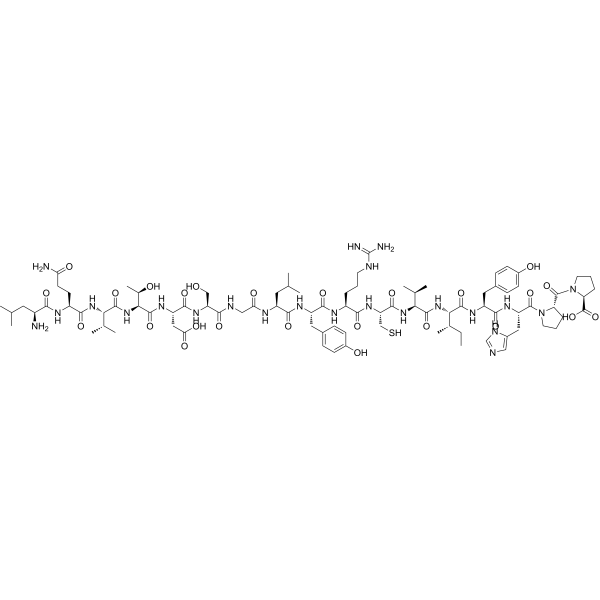
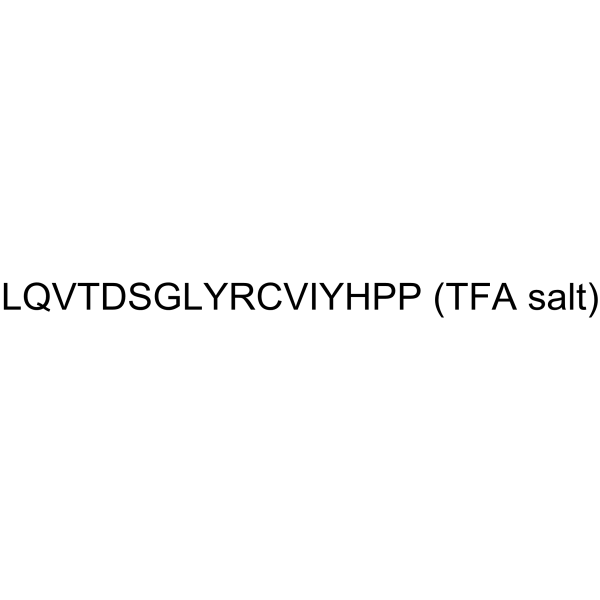
    MG1 peptide is an M1 microglia-targeting peptide with blood-brain barrier permeability. MG1 peptide can be used in studies related to ischemic stroke and cerebral ischemia-reperfusion injury .
    MG1 peptide
  • HY-170790

    TRP Channel Neurological Disease
    HZS60 is a NMDAR/TRPM4 inhibitor with brain permeability that can improve cerebral ischemia. HZS60 has significant neuroprotective effects on primary neuronal ischemic damage caused by NMDA and oxygen-glucose deprivation/reoxygenation. HZS60 exhibits good pharmacokinetic characteristics and can inhibit cerebral ischemia-reperfusion injury. HZS60 can be used as a potential inhibitor of ischemic stroke .
    HZS60
  • HY-N2072R

    Transcrocetin (Standard); trans-Crocetin (Standard)

    iGluR Reference Standards Apoptosis COX p38 MAPK Neurological Disease Inflammation/Immunology Cancer
    Crocetin (Standard) (TransCrocetin (Standard) ) is an aglycone of crocin. Crocetin (Standard) is orally active and brain-penetrant. Crocetin (Standard) shows strong NMDA receptor affinity and channel opening activity. Crocetin (Standard) can downregulate the proinflammatory cytokines and COX-2 exoression. Crocetin (Standard) can inhibit apoptosis and activation of MAPK. Crocetin (Standard) can delay delays brain and body aging. Crocetin (Standard) can be used for the researches of cancer, neurological disease and inflammation, such as cervical cancer and ischemia .
    Crocetin (Standard)
  • HY-N0784R

    BN-52021 (Standard)

    Reference Standards Platelet-activating Factor Receptor (PAFR) Apoptosis Cardiovascular Disease Neurological Disease Inflammation/Immunology Cancer
    Ginkgolide B (Standard) is the analytical standard of Ginkgolide B. This product is intended for research and analytical applications. Ginkgolide B (BN-52021), a terpene lactone, is a potent platelet activating factor antagonist. Ginkgolide B protects endothelial cells via the activation of PXR from injuries induced by xeno- and endobiotics. Ginkgolide B can pass through the brain-blood barrier. Ginkgolide B has anti-oxidant, anti-inflammatory, anti-tumor, and anti-apoptotic activity. Ginkgolide B has marked neuroprotective effects against ischemia-induced impairments .
    Ginkgolide B (Standard)
  • HY-N2439

    Environmental Pollutants Pyroptosis SOD Quinone Reductase Keap1-Nrf2 NF-κB Cardiovascular Disease
    Methyl isoeugenol is an orally active, blood-brain barrier-permeable isoeugenol-type eugenol analog. Methyl isoeugenol promotes the nuclear translocation of Nrf2, upregulates the expressions of HO-1, NQO1 and SOD, and reduces the expression level of MDA. Methyl isoeugenol decreases the nuclear translocation of NF-κB. Methyl isoeugenol inhibits NLRP3 inflammasome-mediated pyroptosis. Methyl isoeugenol reduces cerebral infarction volume and regulates the M1/M2 phenotypic balance of microglia. Methyl isoeugenol can be used for the research of cerebral ischemia-reperfusion injury .
    Methyl isoeugenol
  • HY-N0408R

    Reference Standards NF-κB Reactive Oxygen Species (ROS) Apoptosis Influenza Virus Infection Neurological Disease Inflammation/Immunology Cancer
    Picroside II (Standard) is the analytical standard of Picroside II. This product is intended for research and analytical applications. Picroside II, an iridoid compound extracted from Picrorhiza, exhibits anti-inflammatory and anti-apoptotic activities. picroside II alleviates the inflammatory response in sepsis and enhances immune function by inhibiting the activation of NLRP3 inflammasome and NF-κB pathways . Picroside II is an antioxidant, exhibits a significant neuroprotective effect through reducing ROS production and protects the blood-brain barrier (BBB) after cerebral ischemia-reperfusion (CI/R) injury. Picroside II has antioxidant, anti-inflammatory, immune regulatory, anti-virus and other pharmacological activities .
    Picroside II (Standard)
  • HY-113402R

    γ-Glu-Cys (Standard)

    Reference Standards Endogenous Metabolite Interleukin Related TNF Receptor AMPK Sirtuin STAT PI3K NF-κB JAK p38 MAPK JNK Akt Apoptosis Ferroptosis Inflammation/Immunology
    Gamma-glutamylcysteine (Standard) is the analytical standard of Gamma-glutamylcysteine. This product is intended for research and analytical applications. Gamma-glutamylcysteine (γ-Glu-Cys) is an orally active, blood-brain barrier permeable dipeptide . Gamma-glutamylcysteine activates AMPK, SIRT1, IL-4/STAT6, AC/cAMP/PI3K, IGF-1R/IRS1/PI3K, and Nrf2 signaling pathways; it inhibits NF-κB, JAK1/STAT1/3, MAPKs, cadmium-induced p38 MAPK, JNK, and PI3K/Akt signaling pathways. Gamma-glutamylcysteine regulates macrophage polarization, modulates the trafficking of CD36 and GLUT4, induces glutathione synthesis, improves metabolic dysfunction, reduces lipid deposition, ameliorates glucose homeostasis, inhibits apoptosis (Apoptosis), stabilizes mitochondria, suppresses lipid peroxidation, iron accumulation and ferroptosis (Ferroptosis), reduces ds-HMGB1 levels, reverses mechanical hyperalgesia, and alleviates hepatic lipid droplet formation. Gamma-glutamylcysteine is applicable to research related to inflammatory bowel disease, type 2 diabetes, cadmium-induced neurotoxicity, Alzheimer's disease, cerebral ischemia/reperfusion injury, neuropathy, and alcoholic liver disease.
    Gamma-glutamylcysteine (Standard)
  • HY-151797

    CaMK Neurological Disease
    Ph-HTBA is a high-affinity, brain-penetrating modulator for CaMKIIα. Ph-HTBA has binding affinity for CaMKIIα with a Kd value of 757 nM. Ph-HTBA can be used for the research of ischemia and neurodegenerative disorders .
    Ph-HTBA
  • HY-110230

    D 9998-d4 hydrochloride

    Isotope-Labeled Compounds Potassium Channel iGluR GABA Receptor Neurological Disease Inflammation/Immunology
    Flupirtine-d4 (D 9998-d4) hydrochloride is the deuterium labeled Flupirtine hydrochloride (HY-W709349). Flupirtine hydrochloride is an orally active, blood-brain barrier-crossing non-opioid analgesic and neuroprotective agent. Flupirtine hydrochloride is a neuronal potassium channel opener (Kv7 activator), a NMDA receptor antagonist and a GABA receptor activator. Flupirtine hydrochloride stabilizes blood-brain-barrier integrity, reduces oxidative stress and brain leukocyte infiltration, enhances angioneurogenesis, suppresses calcium influx, stabilizes neuronal resting membrane potential, and counteracts focal cerebral ischemia. Flupirtine hydrochloride exhibits analgesic, muscle relaxant properties, protects neurons from excitotoxic, ischemic, or cytokine-mediated death. Flupirtine hydrochloride functions as a non-opioid analgesic without antipyretic or antiphlogistic properties, shows no relevant affinity to opiate receptor. Flupirtine hydrochloride can be used for the research of focal cerebral ischemia, pain, Alzheimer’s disease, or multiple sclerosis .
    Flupirtine-d4 hydrochloride
  • HY-122070

    U 74006F

    Antibiotic Infection Neurological Disease
    Tirilazad mesylate (U 74006F) is a nonglucocorticoid, 21-aminosteroid that inhibits lipid peroxidation. Tirilazad mesylate can attenuate brain or spinal cord injury caused by trauma, stroke, ischemia and reperfusion injury. Tirilazad mesylate has antiviral activities against nCoV. Tirilazad mesylate is neuroprotective for ischaemic stroke, can be used for subarachnoid hemorrhage research .
    Tirilazad mesylate
  • HY-P5754B

    Apoptosis Neurological Disease
    TAT-NEP1-40 acetate is a therapeutic candidate for axonal regeneration and functional recovery after stroke. TAT-NEP1-40 acetate can protect PC12 cells against oxygen and glucose deprivation (OGD) and promote neurite outgrowth. TAT-NEP1-40 acetate protects the brain against ischemia/reperfusion injury through inhibition of neuronal apoptosis. TAT-NEP1-40 acetate can be efficiently delivered into the rat brains .
    TAT-NEP1-40 acetate
  • HY-17355BS

    (R)-Pramipexole-d3 dihydrochloride; R-(+)-Pramipexole-d3 dihydrochloride; KNS-760704-d3 dihydrochloride

    Isotope-Labeled Compounds ATP Synthase Sodium Channel Glutathione Peroxidase NOD-like Receptor (NLR) Mitophagy Ferroptosis PINK1/Parkin Autophagy Apoptosis Reactive Oxygen Species (ROS) Cardiovascular Disease Neurological Disease Inflammation/Immunology
    Dexpramipexole-d3 ((R)-Pramipexole-d3) dihydrochloride is the deuterium labeled Dexpramipexole. Dexpramipexole ((R)-Pramipexole) dihydrochloride is an orally active, blood-brain barrier permeable mitochondrial protective agent. Dexpramipexole dihydrochloride upregulates the expression of Parkin, PINK1, GPX4 and FSP1; binds to mitochondrial F1/Fo-ATP synthase; blocks the Nav1.8 sodium channel; and inhibits the activation of the NLRP3 inflammasome. Dexpramipexole dihydrochloride induces mitophagy, inhibits ferroptosis, pyroptosis, apoptosis, neuroinflammation and eosinophilopoiesis; maintains mitochondrial function and redox homeostasis; reduces reactive oxygen species production; and decreases myocardial infarct size. Dexpramipexole dihydrochloride is applicable to studies on eosinophilic asthma, myocardial ischemia/reperfusion injury, sepsis-associated encephalopathy, analgesia, and more.
    Dexpramipexole-d3 dihydrochloride
  • HY-16923

    BIII-890; BIII-890 CL free acid

    Sodium Channel Neurological Disease
    Crobenetine (BIII-890), a benzomorphan derivative, is a potent, selective, and highly use-dependent Na + channel blocker. Crobenetine displaces [3H]BTX from site 2 of the Na + channel (IC50=49 nM) in rat brain synaptosomes, yet exhibits only low binding affinity for other receptors and ion channels. Crobenetine protects brain tissue from the deleterious effects of focal cerebral ischemia in rodents .
    Crobenetine
  • HY-N5057

    Others Cardiovascular Disease
    Przewalskinic acid A is a phenolic acid found in the Salvia przewalskii Maxim herb. Phenolic acids show potent antioxidant activities and potential effects in protecting against brain and heart damage caused by ischemia reperfusion .
    Przewalskinic acid A
  • HY-122935

    HIV Reverse Transcriptase Infection
    Nigranoic acid is a triterpenoid separated from Schisandra chinensis. Nigranoic acid inhibits HIV-1 reverse transcriptase. Nigranoic acid exhibits protective effects on brain through PARP/AIF signaling pathway in cerebral ischemia-reperfusion animal model .
    Nigranoic acid
  • HY-N0496R

    Reference Standards NOD-like Receptor (NLR) Cardiovascular Disease
    Ruscogenin (Standard) is the analytical standard of Ruscogenin. This product is intended for research and analytical applications. Ruscogenin, an important steroid sapogenin derived from Ophiopogon japonicus, attenuates cerebral ischemia-induced blood-brain barrier dysfunction by suppressing TXNIP/NLRP3 inflammasome activation and the MAPK pathway. Ruscogenin exerts significant anti-inflammatory and anti-thrombotic activities. Ruscogenin has orally bioactivity .
    Ruscogenin (Standard)
  • HY-N2037R

    Norcoclaurine (Standard); Demethyl-Coclaurine (Standard)

    Reference Standards MAP3K MDM-2/p53 Adrenergic Receptor ROS Kinase Apoptosis Cardiovascular Disease Endocrinology
    Higenamine (Norcoclaurine), a β2-AR agonist with antioxidant capability, is a key component of the Chinese herb aconite root that prescribes for treating symptoms of heart failure in the oriental Asian countries. Higenamine is also a α1-adrenergic receptor antagonist with hypotensive effect. is a selective LSD1 inhibitor (IC50=1.47 μM) that can be isolated from aconite. Higenamine hydrochloride has anti-inflammatory and antibacterial activity. Higenamine protects myocyte Apoptosis and ischemia/reperfusion (I/R) injury through selective activation of beta2-adrenergic receptor (β2-AR). Higenamine also reduces I/R-induced myocardial infarction in mice. Higenamine can attenuate IL-1β-induced Apoptosis through ROS-mediated PI3K/Akt signaling pathway. Higenamine protects brain cells from oxygen deprivation. Higenamine can promote bone formation in osteoporosis through the SMAD2/3 pathway. Higenamine can be used to study cancer, inflammation, cardiorenal syndrome and other diseases .
    Higenamine (Standard)

Inquiry Online

Your information is safe with us. * Required Fields.

Salutation


Country or Region *

Applicant Name *


Organization Name *

Department *


Email Address *


Product Name *

Cat. No.


Requested quantity *

Phone Number *


Remarks

Inquiry Online

Inquiry Information

Product Name:
Cat. No.:
Quantity:
MCE Japan Authorized Agent:

