1. Search Result
Search Result
Results for "

cancer prodrug

" in MedChemExpress (MCE) Product Catalog:

103

Inhibitors & Agonists

1

Screening Libraries

2

Biochemical Assay Reagents

3

Peptides

1

Inhibitory Antibodies

3

Natural
Products

4

Isotope-Labeled Compounds

2

Click Chemistry

Targets Recommended:
Cat. No. Product Name Target Research Areas Chemical Structure
  • HY-124584
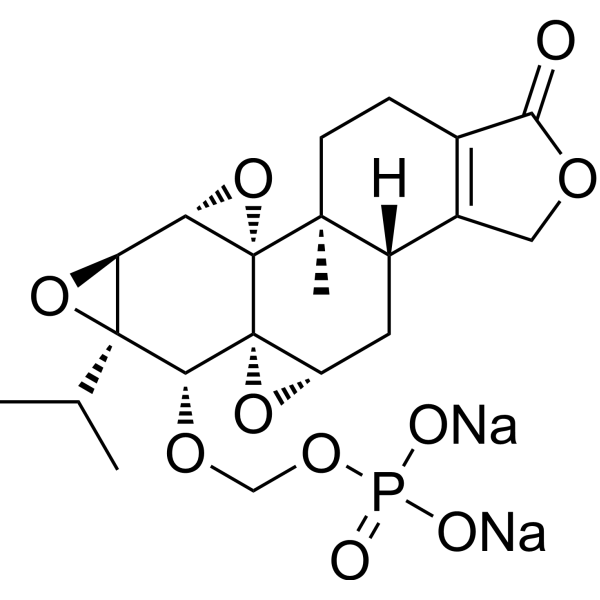
    Minnelide
    2 Publications Verification

    Apoptosis Cancer
    Minnelide is a prodrug of triptolide that shows potent antitumor activity in a number of tumor types, particularly in pancreatic cancer. Minnelide promotes apoptosis .
    Minnelide
  • HY-10127
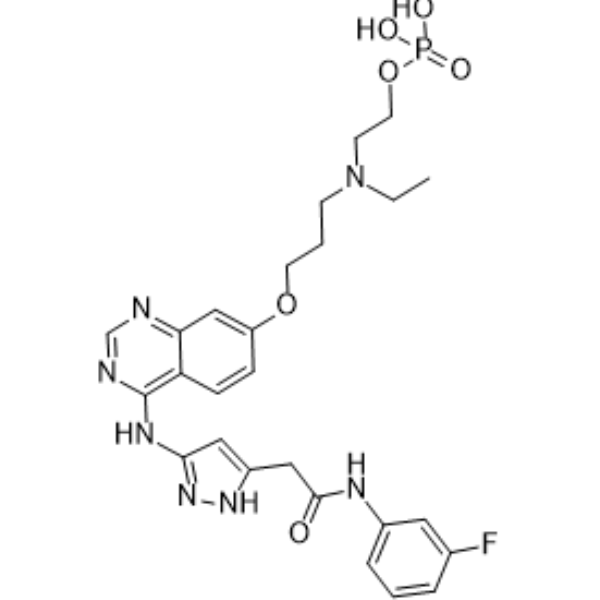
    Barasertib
    Maximum Cited Publications
    25 Publications Verification

    AZD1152

    Aurora Kinase Apoptosis Cancer
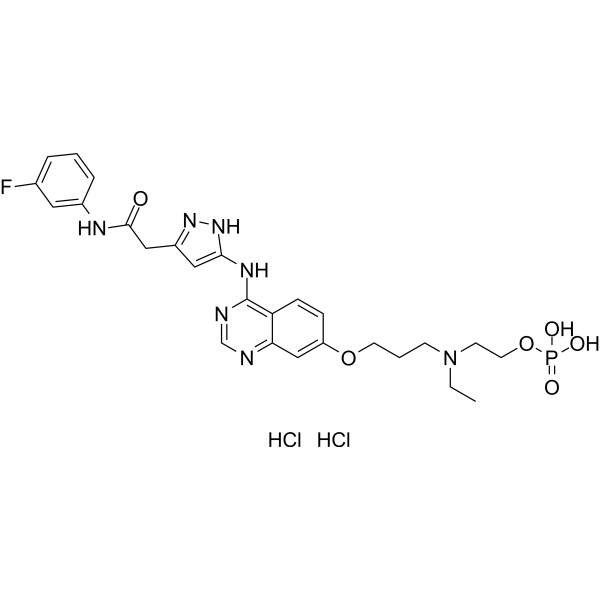
    Barasertib (AZD1152), a pro-drug of Barasertib-hQPA, is a highly selective Aurora B inhibitor with an IC50 of 0.37 nM in a cell-free assay. Barasertib (AZD1152) induces growth arrest and apoptosis in cancer cells .
    Barasertib
  • HY-B1060
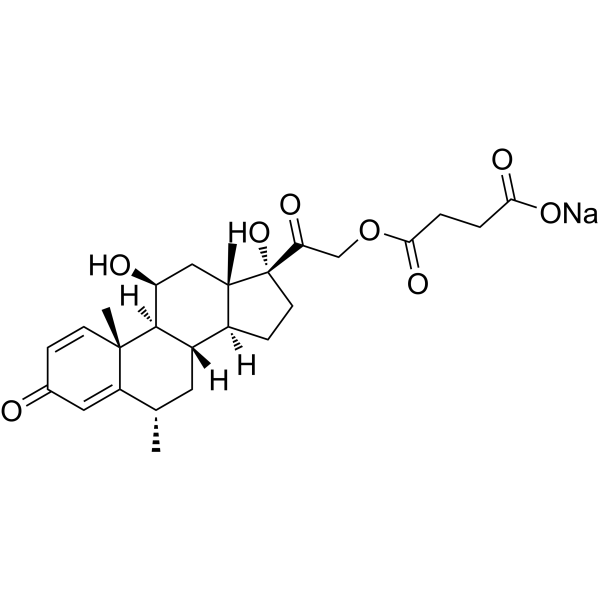
    Methylprednisolone succinate sodium
    2 Publications Verification

    Methylprednisolone hydrogen succinate sodium

    Glucocorticoid Receptor Infection Neurological Disease Inflammation/Immunology Cancer
    Methylprednisolone succinate (Methylprednisolone hydrogen succinate) sodium is a prodrug of Methylprednisolone (HY-B0260) and glucocorticoid with immunosuppressant and anti-inflammatory activity. Methylprednisolone succinate sodium binds cytosolic glucocorticoid receptors, translocates to nuclei, and modulates target gene transcription. Methylprednisolone succinate sodium alters Bax, Bcl-2, occludin, and ZO-1 expression; attenuates TLR4/NF-κB signaling; suppresses proinflammatory cytokine production and immune cell activation. Methylprednisolone succinate sodium can be used for the research of intracranial haemorrhage, rheumatoid arthritis, multiple sclerosis, preterminal cancer, inflammatory conditions, shock, immediate-type hypersensitivity, acute myocardial ischemia, hypoxic heart muscle damage, and traumatic spinal cord injury .
    Methylprednisolone succinate sodium
  • HY-B0255
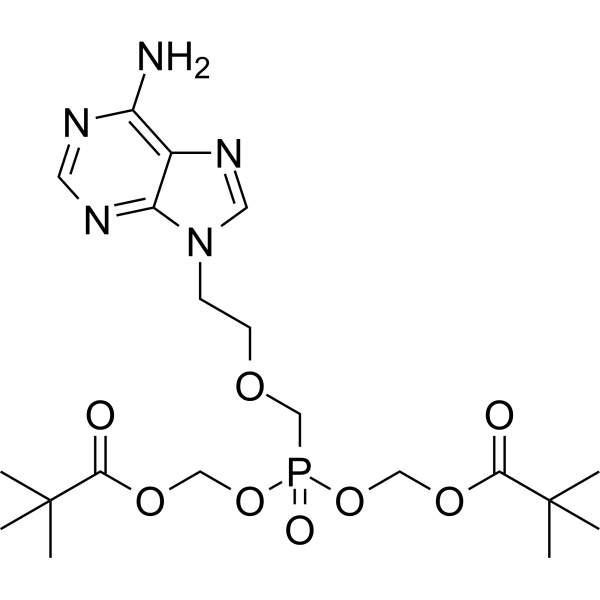
    Adefovir dipivoxil
    2 Publications Verification

    GS 0840

    HBV Orthopoxvirus HSV DNA/RNA Synthesis ATM/ATR CDK Infection Cancer
    Adefovir dipivoxil is an orally active adenosine analog and Adefovir prodrug. Adefovir dipivoxil inhibits DNA synthesis, activates the ATR signaling pathway, and disrupts the KCTD12-CDK1 interaction. Adefovir dipivoxil has antiviral activity against PRV, HBV, and orthopoxviruses. Adefovir dipivoxil has inhibitory effects on both lamivudine-resistant and wild-type strains. Adefovir dipivoxil has antitumor activity against lung and colon cancer .
    Adefovir dipivoxil
  • HY-P99101

    AEX-4089; MGC026 antibody

    ADC Antibody Cancer
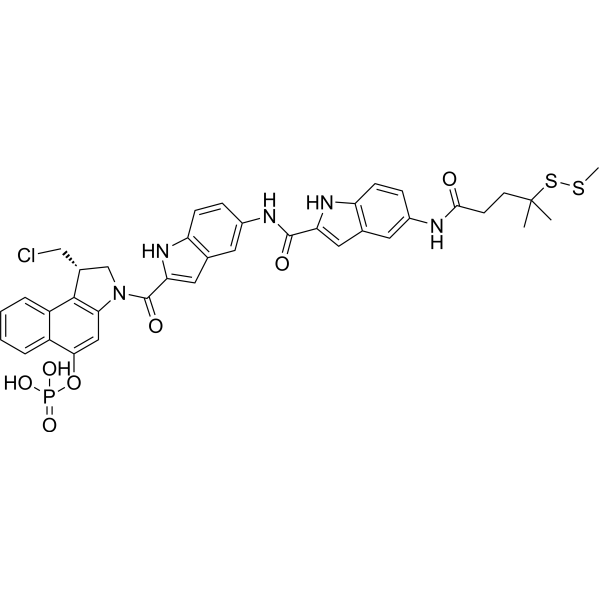
    Vobramitamab is a humanized B7-H3 monoclonal antibody (mAb). Vobramitamab conjugated with prodrug seco-DUBA (HY-132180A) via a cleavable linker, to form antibody-drug conjugate (ADC), the MGC018. MGC018 displays potent antitumor activity in preclinical tumor models of breast, ovarian, and lung cancer, as well as melanoma .
    Vobramitamab
  • HY-W011556

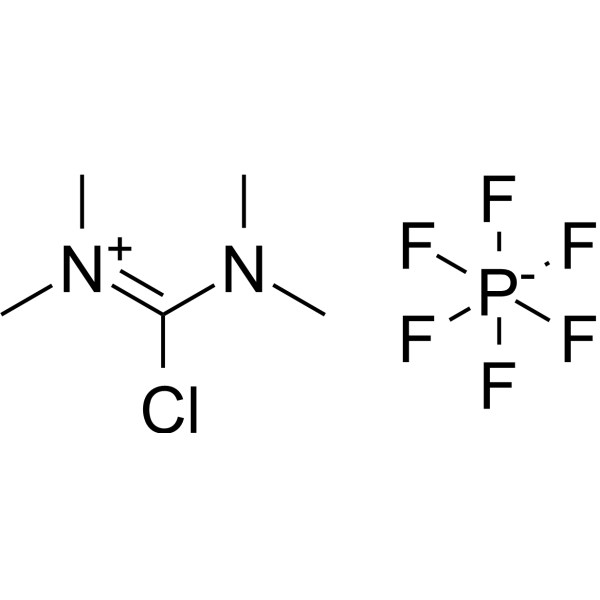
    TCFH

    Drug Isomer Cancer
    N,N,N',N'-Tetramethylchloroformamidinium hexafluorophosphate (TCFH) is a powerful coupling and derivatizing reagent for ester prodrug synthesis. N,N,N',N'-Tetramethylchloroformamidinium hexafluorophosphate can be used for antitumor drugs before medicine research .
    N,N,N',N'-Tetramethylchloroformamidinium hexafluorophosphate
  • HY-13631J

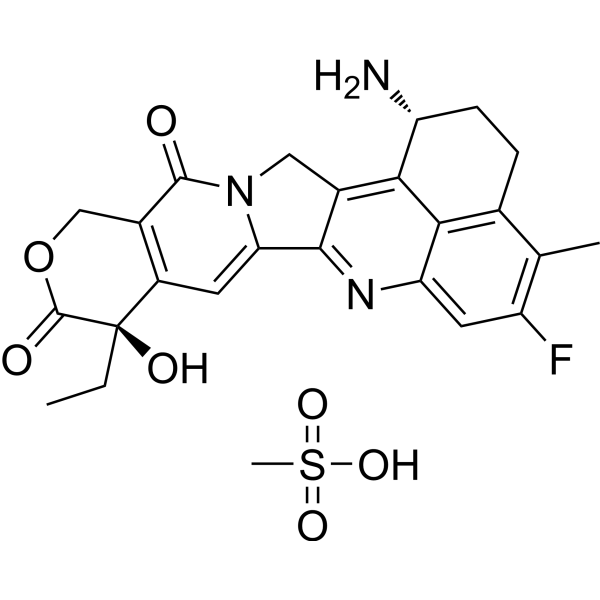
    (1R,9R)-DX8951f

    Drug Derivative Topoisomerase Apoptosis Cancer
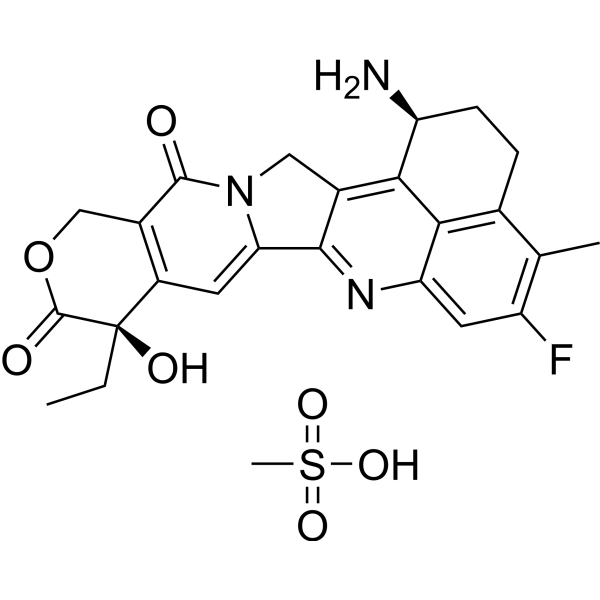
    (1R,9R)-Exatecan mesylate ((1R,9R)-DX8951f) is a non-prodrug camptothecin derivative and a potent topoisomerase I inhibitor (IC50=0.975 μg/mL in mice and 0.82 μg/mL in humans). (1R,9R)-Exatecan mesylate blocks enzyme activity and induces apoptosis by stabilizing the enzyme-DNA cleavable complex. (1R,9R)-Exatecan mesylate not only effectively inhibits the proliferation of various malignant tumor cells and tumor growth, but also circumvents P-glycoprotein-mediated multidrug resistance. (1R,9R)-Exatecan mesylate is widely used in preclinical studies of multiple cancers including pancreatic cancer, lung cancer, breast cancer, and leukemia . The low-activity isomer of (1R,9R)-Exatecan mesylate is (1S,9R)-Exatecan mesylate (HY-13631I).
    (1R,9R)-Exatecan mesylate
  • HY-N6263
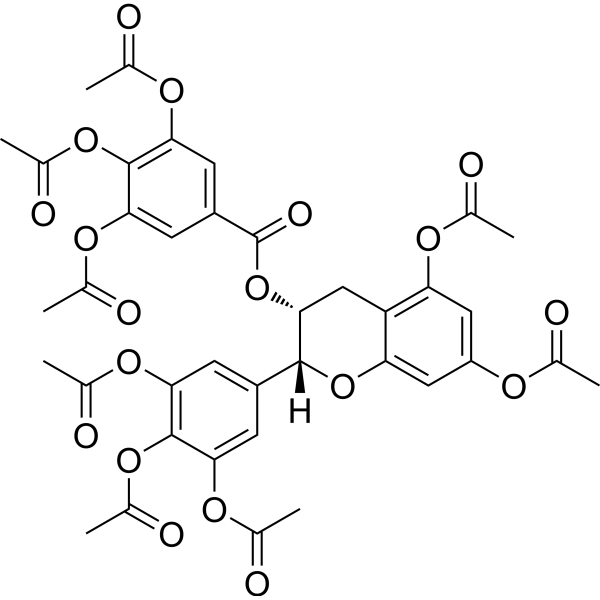
    EGCG Octaacetate
    2 Publications Verification

    AcEGCG; Peracetylated (-)-epigallocatechin-3-gallate

    Bacterial PI3K Akt NF-κB Infection Inflammation/Immunology Cancer
    EGCG Octaacetate (AcEGCG) is a proagent of Green tea epigallocatechin-3-gallate (EGCG). EGCG Octaacetate decreases the proinflammatory mediator levels by down-regulating of PI3K/Akt/NFκB phosphorylation and p65 acetylation. EGCG octaacetate is the potential antibacterial compound for gram-positive bacteria (GPB) and gram-negative bacteria (GNB). EGCG Octaacetate exhibits antioxidant, anti-angiogenesis, anti-inflammatory and antitumor activities .
    EGCG Octaacetate
  • HY-B1900
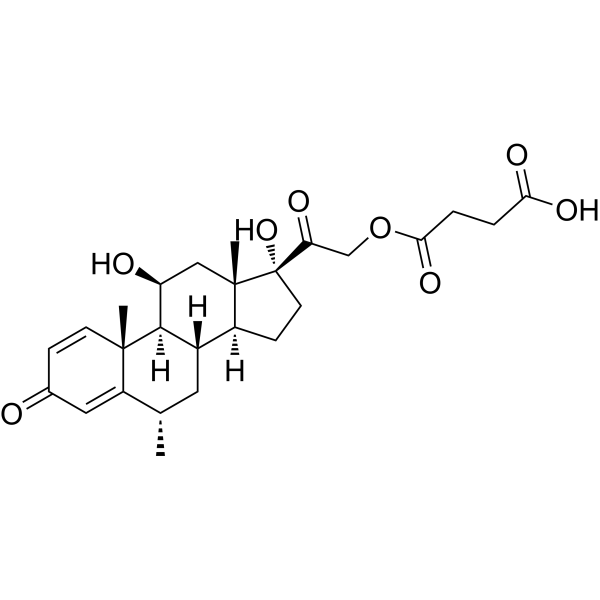
    Methylprednisolone succinate
    2 Publications Verification

    Methylprednisolone hydrogen succinate

    Glucocorticoid Receptor Bacterial Toll-like Receptor (TLR) NF-κB Infection Neurological Disease Metabolic Disease Inflammation/Immunology Cancer
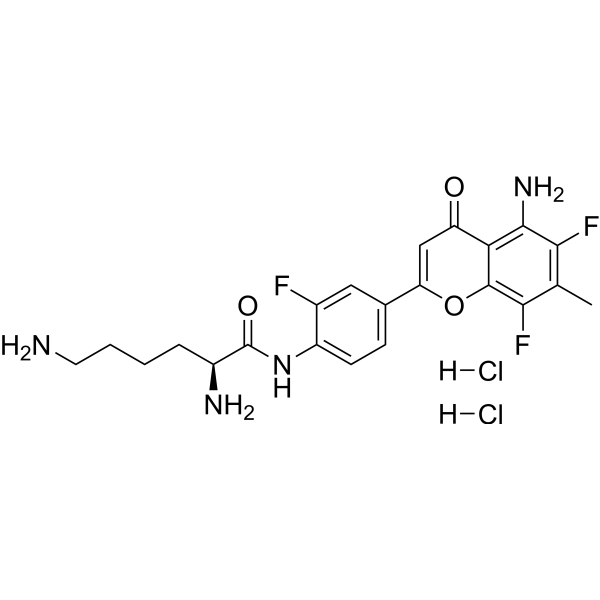
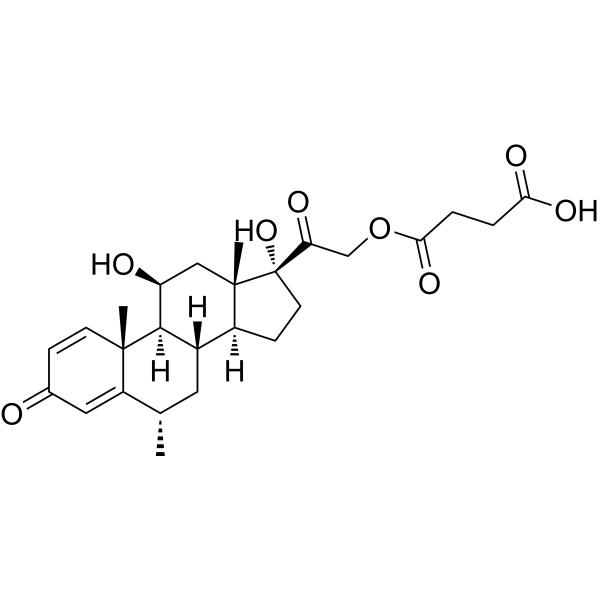
    Methylprednisolone succinate (Methylprednisolone hydrogen succinate) is a prodrug of Methylprednisolone (HY-B0260) and glucocorticoid with immunosuppressant and anti-inflammatory activity. Methylprednisolone succinate binds cytosolic glucocorticoid receptors, translocates to nuclei, and modulates target gene transcription. Methylprednisolone succinate alters Bax, Bcl-2, occludin, and ZO-1 expression; attenuates TLR4/NF-κB signaling; suppresses proinflammatory cytokine production and immune cell activation. Methylprednisolone succinate can be used for the research of intracranial haemorrhage, rheumatoid arthritis, multiple sclerosis, preterminal cancer, inflammatory conditions, shock, immediate-type hypersensitivity, acute myocardial ischemia, hypoxic heart muscle damage, and traumatic spinal cord injury .
    Methylprednisolone succinate
  • HY-16511
    Upamostat
    1 Publications Verification

    WX-671

    PAI-1 Ser/Thr Protease Infection Cancer
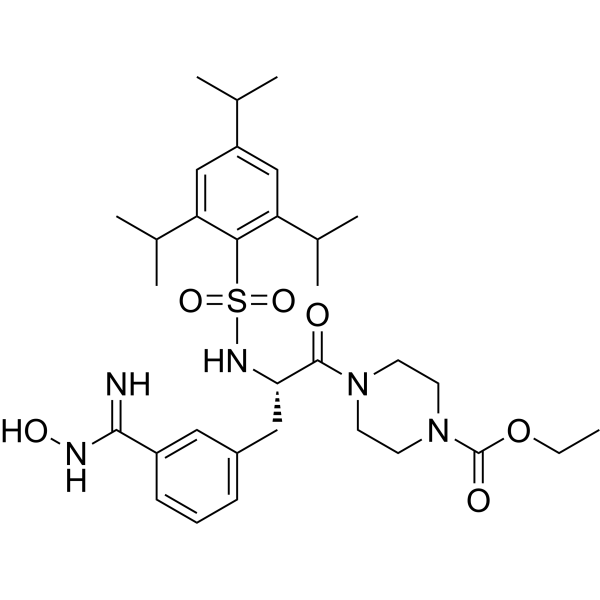
    Upamostat (WX-671), a prodrug of WX-UK1, is an orally active serine protease inhibitor. Upamostat inhibits the urokinase-type plasminogen activator (uPA) system, blocking the plasminogen activation process mediated by it, thereby suppressing the invasion, migration and metastasis of tumor cells. Upamostat can be used in the research of metastatic breast cancer and locally advanced pancreatic cancer .
    Upamostat
  • HY-B0174
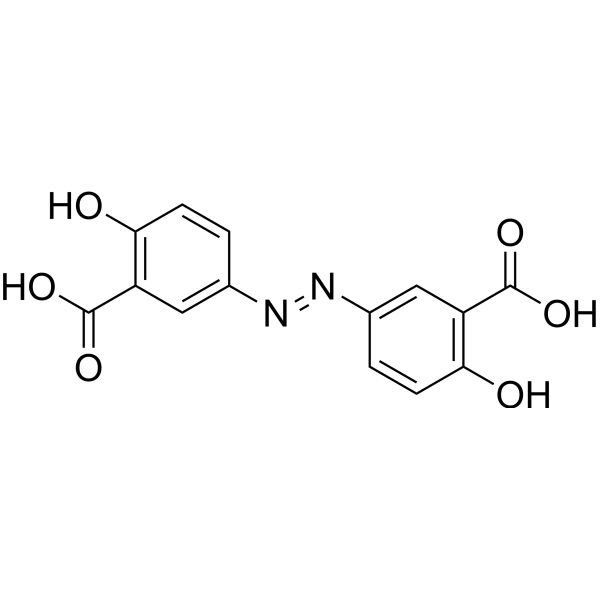
    Olsalazine Disodium
    2 Publications Verification

    Apoptosis Metabolic Disease Inflammation/Immunology Cancer
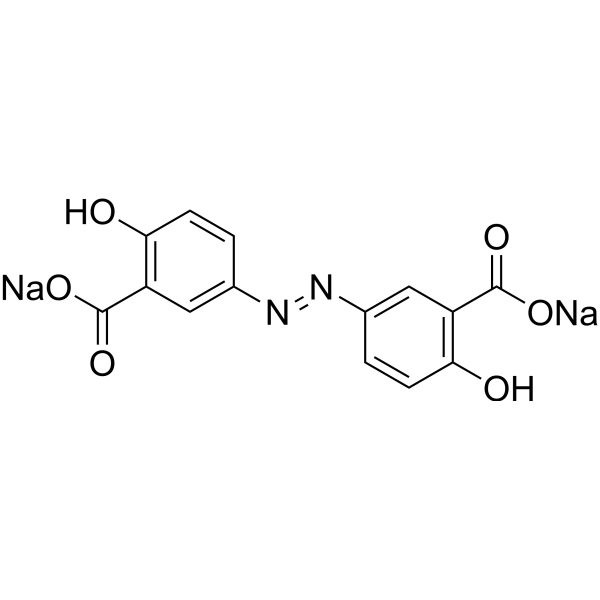
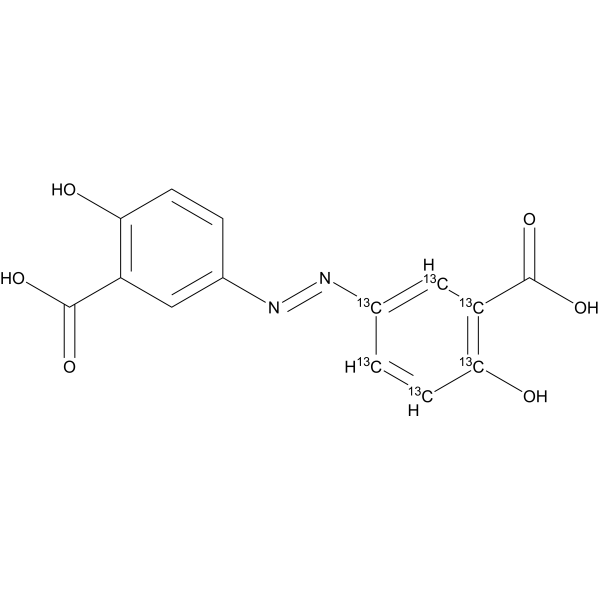
    Olsalazine Disodium is an orally active prodrug of 5-ASA (HY-15027). Olsalazine Disodium can inhibit cells proliferation and induce apoptosis. Olsalazine Disodium can reduce DAI and MPO activity and inhibit inflammatory cytokines levels. Olsalazine Disodium can be used for the researches of cancer, inflammation and metabolic disease, such as colorectal cancer, inflammatory bowel disease (IBD) and hyperuricemic .
    Olsalazine Disodium
  • HY-12758

    BCRP Cancer
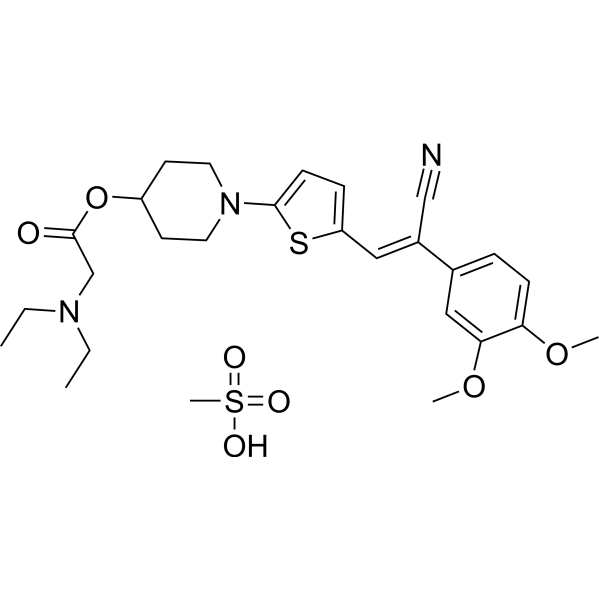
    YHO-13351 is an orally active ABCG2 inhibitor . YHO-13351 modulates the function of ABCG2, blocks BCRP-mediated compound efflux, downregulates the expression of breast cancer resistance protein at the post-transcriptional level, and reverses ABCG2-associated tolerance. YHO-13351 restores the toxicity of SN-38 to SN-38-resistant cancer cells and sensitizes cancer cells to Irinotecan. YHO-13351 is a water-soluble prodrug that is rapidly converted to YHO-13177 (HY-12757) in mice. YHO-13351 prolongs the median survival time of mice bearing cancer cell xenografts when combined with IMMU-132. YHO-13351 extends the survival time of tumor-bearing mice and inhibits the growth of xenograft tumors when combined with Irinotecan. YHO-13351 can be used for the research of breast cancer, gastric cancer, BCRP-mediated drug-resistant cancers, and cervical cancer .
    YHO-13351
  • HY-13631I

    (1S,9R)-DX8951f

    Drug Derivative Topoisomerase Apoptosis Cancer
    (1S,9R)-Exatecan mesylate ((1S,9R)-DX8951f) is a non-prodrug camptothecin derivative and a topoisomerase I inhibitor (IC50=0.975 μg/mL in mice and 0.82 μg/mL in humans). (1S,9R)-Exatecan mesylate blocks enzyme activity and induces apoptosis by stabilizing the enzyme-DNA cleavable complex. (1S,9R)-Exatecan mesylate not only effectively inhibits the proliferation of various malignant tumor cells and tumor growth, but also circumvents P-glycoprotein-mediated multidrug resistance. (1S,9R)-Exatecan mesylate is widely used in preclinical studies of various cancers such as pancreatic cancer, lung cancer, breast cancer, and leukemia .
    The chiral isomer of (1S,9R)-Exatecan mesylate is (1R,9R)-Exatecan mesylate (HY-13631J).
    (1S,9R)-Exatecan mesylate
  • HY-N9459

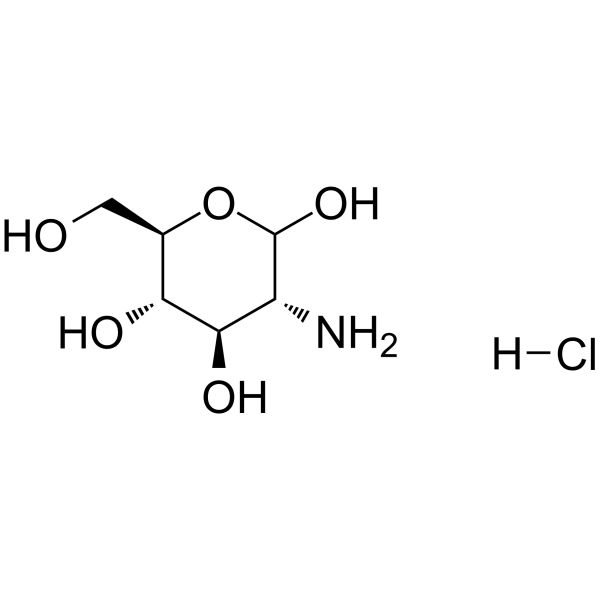
    D-Glucosamine Hydrochloride

    GLUT Infection Neurological Disease Cancer
    2-Amino-2-deoxyglucose hydrochloride (D-Glucosamine Hydrochloride) is a glucose analog that is specifically recognized and transported by the cell membrane GLUT1. 2-Amino-2-deoxyglucose hydrochloride acts as a tumor-targeting ligand and a guiding molecule for the synthesis of prodrug conjugates, thus delivering drugs precisely to tumor cells. 2-Amino-2-deoxyglucose hydrochloride is applicable to diagnostic imaging and therapeutic efficacy monitoring of solid tumors and various cancers (e.g., breast cancer, glioblastoma). 2-Amino-2-deoxyglucose hydrochloride also helps bacteria resist lysozyme digestion by integrating into the non-N-acetylated residues of Streptococcus pneumoniae peptidoglycan. 2-Amino-2-deoxyglucose hydrochloride is used in studies on tumor metabolism and the exploration of bacterial drug resistance mechanisms .
    2-Amino-2-deoxyglucose hydrochloride
  • HY-B0174A
    Olsalazine
    2 Publications Verification

    Apoptosis Metabolic Disease Inflammation/Immunology Cancer
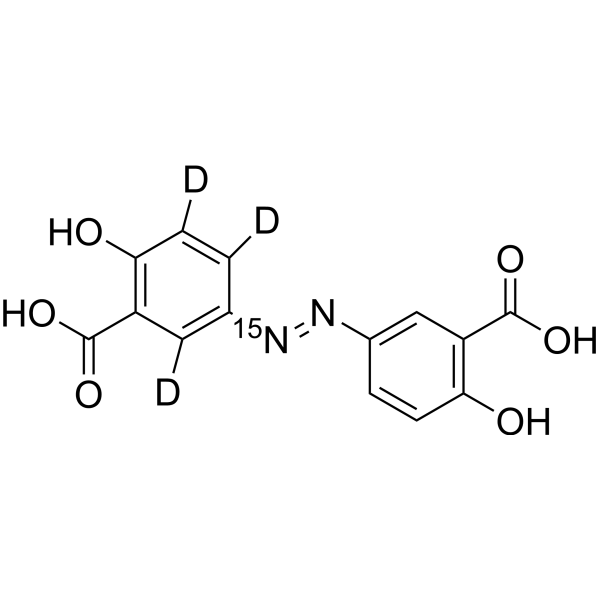
    Olsalazine is an orally active prodrug of 5-ASA (HY-15027). Olsalazine can inhibit cells proliferation and induce apoptosis. Olsalazine can reduce DAI and MPO activity and inhibit inflammatory cytokines levels. Olsalazine can be used for the researches of cancer, inflammation and metabolic disease, such as colorectal cancer, inflammatory bowel disease (IBD) and hyperuricemic .
    Olsalazine
  • HY-123875A

    EPI-506

    Androgen Receptor Cancer
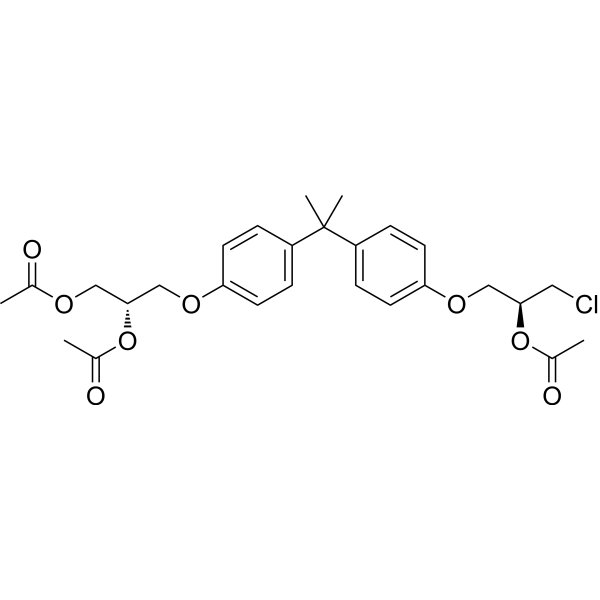
    Ralaniten triacetate (EPI-506), the pro-agent of Ralaniten, is a first-in-class, orally active androgen receptor (AR) N-terminal domain (NTD) inhibitor. Ralaniten triacetate shows activity against both full length and resistance-related AR species, including AR-v7 .
    Ralaniten triacetate
  • HY-136506
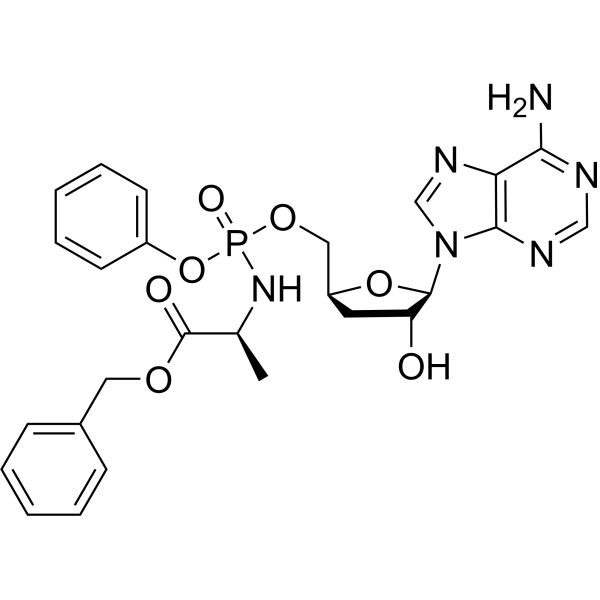
    NUC-7738
    1 Publications Verification

    Drug Derivative Cancer
    NUC-7738, an aryloxy phosphoramidate of 3′-Deoxyadenosine, is a 5′-aryloxy phosphoramidate prodrug of 3′-Deoxyadenosine (3′-dA). NUC-7738 has potent cytotoxic activity against a panel of hematological cancer cell lines. NUC-7738 can be used in research of cancer .
    NUC-7738
  • HY-169131

    AMPK Cancer
    ALKBH1-IN-4 prodrug (Compound 29E) is a prodrug of a DNA N6-methyladenine demethylase ALKBH1 inhibitor that significantly increases the abundance of 6mA in cells and upregulates the AMPK signaling pathway, thereby inhibiting the viability of gastric cancer cells. ALKBH1-IN-4 prodrug exhibits excellent cellular activity and favorable metabolic exposure in vivo, and holds promise for research in gastric cancer .
    ALKBH1-IN-3 prodrug
  • HY-172314

    Aldose Reductase Drug Derivative Cancer
    ACHM-025 is a prodrug, which is selectively activated by AKR1C3 to a nitrogen mustard DNA alkylating agent. ACHM-025 can be used for the research of cancer, such as leukemia .
    ACHM-025
  • HY-W014989

    Biochemical Assay Reagents Cancer
    Thioglucose is a thiosugar with antioxidant properties. Thioglucose acts as an H2S/polysulfide donor to elevate intracellular sulfane sulfur levels and promote hydropersulfide formation. Thioglucose reduces the endocytosis of gold nanoparticles by phagocytes, enhances cytotoxicity and improves biocompatibility by increasing their adsorption on the surface of cancer cells. Thioglucose can be engineered into a stimulus-responsive prodrug or functional reagent for the development of targeted nanocarriers, and is used in studies related to human breast adenocarcinoma and cervical cancer .
    Thioglucose
  • HY-118953

    MetAP Drug Intermediate Cancer
    LAF389, a prodrug of LAF153 (HY-183876), is a methionine aminopeptidase (MetAps) inhibitor with an IC50 of 800 nM against MetAp2, and exhibits a maximum inhibition rate of 20% against MetAp1 at 300 nM. LAF389 possesses antiproliferative, antiangiogenic and cytotoxic activities. LAF389 can be used in research related to cancers such as advanced solid tumors .
    LAF389
  • HY-131605B

    GCV-TP disodium

    CMV DNA/RNA Synthesis Infection Cancer
    Ganciclovir triphosphate (GCV-TP) disodium is a synthetic 2'-deoxyguanosine analog with activity in inhibiting human cytomegalovirus (CMV) replication. Ganciclovir triphosphate disodium is effective against CMV infection by binding to viral DNA polymerase and interfering with viral DNA synthesis. Ganciclovir triphosphate disodium has an IC50 of 0.01 μM against CMV strains from humans, monkeys, mice, and guinea pigs. Ganciclovir triphosphate disodium has also been used in gene-directed enzyme prodrug inhibition for cancer inhibition .
    Ganciclovir triphosphate disodium
  • HY-134160

    5-DHFU; 5-Fluorodihydropyrimidine-2,4-dione; 5-Fluorodihydrouracil

    Nucleoside Antimetabolite/Analog Cancer
    5,6-Dihydro-5-Fluorouracil (5-DHFU; 5-Fluorodihydropyrimidine-2,4-dione) is the active metabolite of the thymidylate synthase inhibitor prodrug 5-fluorouracil (HY-90006), which is formed from 5-fluorouracil by dihydropyrimidine dehydrogenase (DPD). 5,6-Dihydro-5-Fluorouracil is cytotoxic to HaCaT keratinocytes (IC50=13.5 μM). Intravenous administration of 5,6-Dihydro-5-Fluorouracil (90 mg/kg/wk) in combination with 5-fluorouracil and the DPD inhibitor eniluracil (HY-10533) slows tumor growth in a rat colon cancer model.
    5,6-Dihydro-5-Fluorouracil
  • HY-B1900R
    Methylprednisolone succinate (Standard)
    1 Publications Verification

    Methylprednisolone hydrogen succinate (Standard)

    Reference Standards Glucocorticoid Receptor Bacterial Toll-like Receptor (TLR) NF-κB Metabolic Disease Inflammation/Immunology Cancer
    Methylprednisolone succinate (Standard) is the analytical standard of Methylprednisolone succinate (HY-B1900). This product is intended for research and analytical applications. Methylprednisolone succinate (Methylprednisolone hydrogen succinate) is a prodrug of Methylprednisolone (HY-B0260) and glucocorticoid with immunosuppressant and anti-inflammatory activity. Methylprednisolone succinate binds cytosolic glucocorticoid receptors, translocates to nuclei, and modulates target gene transcription. Methylprednisolone succinate alters Bax, Bcl-2, occludin, and ZO-1 expression; attenuates TLR4/NF-κB signaling; suppresses proinflammatory cytokine production and immune cell activation. Methylprednisolone succinate can be used for the research of intracranial haemorrhage, rheumatoid arthritis, multiple sclerosis, preterminal cancer, inflammatory conditions, shock, immediate-type hypersensitivity, acute myocardial ischemia, hypoxic heart muscle damage, and traumatic spinal cord injury .
    Methylprednisolone succinate (Standard)
  • HY-10127A

    AZD1152 dihydrochloride

    Aurora Kinase Apoptosis Cancer
    Barasertib (AZD1152 dihydrochloride), a pro-drug of Barasertib-hQPA, is a highly selective Aurora B inhibitor with an IC50 of 0.37 nM in a cell-free assay. Barasertib (AZD1152 dihydrochloride) induces growth arrest and apoptosis in cancer cells .
    Barasertib dihydrochloride
  • HY-176869

    Drug Derivative Cancer
    EMC-AANL-DOX is a legumain-activated prodrug conjugate of Doxorubicin (DOX) (HY-15142A). EMC-AANL-DOX shows antitumor activity in mouse models of neuroblastoma (NB), breast cancer (4T1), fibrosarcoma (HT1080), and colorectal cancer liver metastases (CT26). EMC-AANL-DOX can be used for cancer research .
    EMC-AANL-DOX
  • HY-162470

    Aurora Kinase Cancer
    DBPR728 is an acyl prodrug of 6K465 that carries fewer hydrogen bond donors. 6K465 acts as an Aurora kinase inhibitor that destabilizes MYC family cancer proteins and has antitumor efficacy. DBPR728 has the potential to inhibit cancers that overexpress C-MYC and N-MYC, with a 10-fold increase in oral bioavailability compared to 6K465 .
    DBPR728
  • HY-149040

    (S)-OBI-3424; (S)-TH-3424; AST-3424

    17β-HSD Cancer
    Odafosfamide ((S)-OBI-3424) is a highly selective prodrug bis-alkylating agent activated by aldehyde-keto reductase 1C3 (AKR1C3(). Odafosfamide is highly cytotoxic to cell lines with high AKR1C3 expression. Odafosfamide exhibits antitumor activity in a variety of tumors with high AKR1C3 expression (such as liver cancer, non-small cell lung cancer, and leukemia). Odafosfamide can be used in cancer research .
    Odafosfamide
  • HY-177083

    AVA-6000

    FAP Cancer
    Faridoxorubicin (AVA-6000) is a prodrug targeting fibroblast activation protein α (FAPα). Faridoxorubicin releases active doxorubicin through FAPα-mediated cleavage, enhancing intratumoral drug exposure and reducing cardiac toxicity. Faridoxorubicin is promising for research of solid tumors (e.g., colorectal cancer liver metastasis) .
    Faridoxorubicin
  • HY-161916

    DNA/RNA Synthesis Cancer
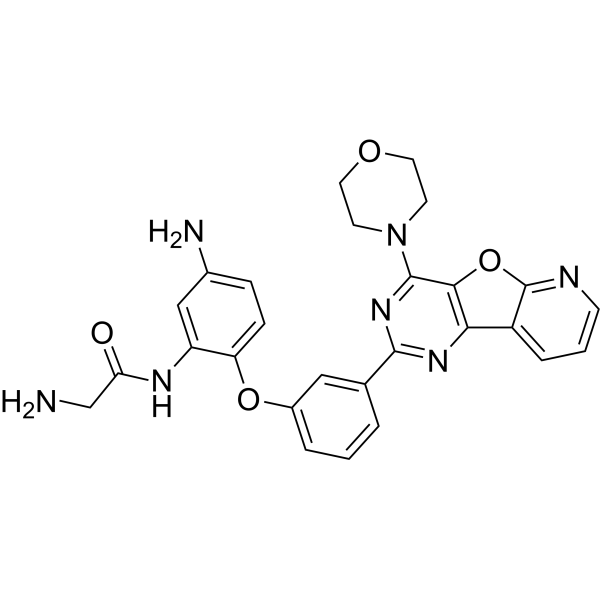
    Polθ-IN-4 is an orally active prodrug of a DNA polymerase θ (Polθ) inhibitor with Kms of 3.7, 3.7 and 5.2 μM in human, mouse and rat recombinant alkaline phosphatases. Polθ-IN-4 that inhibits Polθ activity by targeting its ATP-dependent helicase domain. Polθ-IN-4 demonstrates significant anti-tumor activity in multiple animal experiments. Polθ-IN-4 can be used for the studies of breast cancer and ovarian cancer .
    Polθ-IN-4
  • HY-131605

    GCV-TP

    Endogenous Metabolite CMV DNA/RNA Synthesis Infection Cancer
    Ganciclovir triphosphate (GCV-TP) is a synthetic 2'-deoxyguanosine analog with activity in inhibiting human cytomegalovirus (CMV) replication. Ganciclovir triphosphate is effective against CMV infection by binding to viral DNA polymerase and interfering with viral DNA synthesis. Ganciclovir triphosphate has an IC50 of 0.01 μM against CMV strains from humans, monkeys, mice, and guinea pigs. Ganciclovir triphosphate has also been used in gene-directed enzyme prodrug inhibition for cancer inhibition .
    Ganciclovir triphosphate
  • HY-W044762

    Carbonic Anhydrase Cancer
    5,6-Dihydro-2H-pyran-2-one (Compound 1) is a prodrug-type carbonic anhydrase inhibitor. 5,6-Dihydro-2H-pyran-2-one can specifically inhibit the tumor-associated subtype hCA IX and the cytoplasmic subtype hCA I with Ki values of 1.35 and 8.03 μM. 5,6-Dihydro-2H-pyran-2-one can be used for the research on hypoxia-related cancer .
    5,6-Dihydro-2H-pyran-2-one
  • HY-16031

    NSC710464 free base

    Aryl Hydrocarbon Receptor Integrin Drug Intermediate DNA/RNA Synthesis Cancer
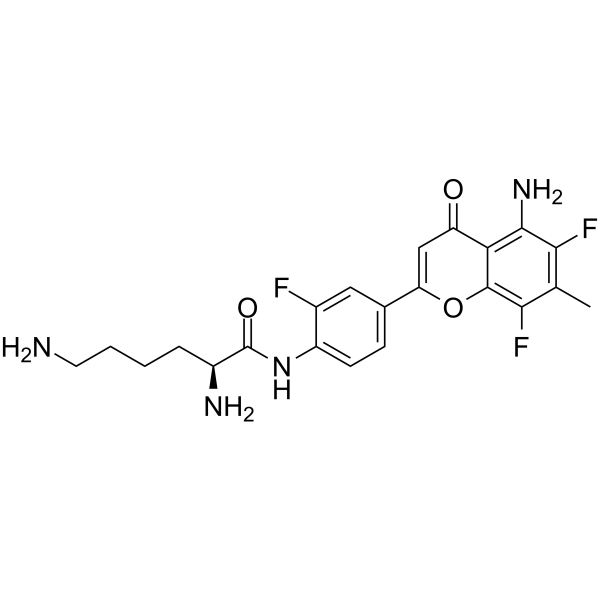
    AFP464 (NSC710464) free base is a prodrug of Aminoflavone (HY-132974) and an agonist of the aryl hydrocarbon receptor (AhR). AFP464 free base downregulates the expression of α6-integrin (α6-integrin), inhibits breast tumor growth, reduces the population of tumor-initiating cells, disrupts mammosphere structure, induces the formation of mucin lake clusters, triggers DNA damage, and exerts antiproliferative activity. AFP464 free base is rapidly converted to Aminoflavone by nonspecific esterases in plasma and cell culture media. AFP464 free base is applicable to research related to breast cancer .
    AFP464 free base
  • HY-178516

    CDK PROTACs Cancer
    PROTAC CDK4/6/9 degrader 2 (Compound P4) is a CDK4/6/9 PROTAC prodrug with oral activity and low toxicity. PROTAC CDK4/6/9 degrader 2 can significantly inhibit tumor growth and suppress tumor lung metastasis. PROTAC CDK4/6/9 degrader 2 can be used in the research of cancer such as breast cancer. (Pink: CDK4/6/9 Ligand (HY-168440); Blue: CRBN Ligand (HY-178517); Black: Linker (HY-178512))
    PROTAC CDK4/6/9 degrader 2
  • HY-178106

    Drug Intermediate Cancer
    SCN2 is a esterase-responsive prodrug-based amphiphile composed of SN38 (HY-13704) and di-(triazole-[12]aneN3, N) moiety through a 7‑carbon alkyl chains. SCN2 has excellent self-assembly and reversible siRNA condensation capabilities as well as anti-proliferation activity against cancer cells. SCN2 can be used for synthesis of nanoparticles for drug delivery of lung cancer .
    SCN2
  • HY-P10759

    Peptide-Drug Conjugates (PDCs) Aminopeptidase Cancer
    DTS-201 sodium (CPI-0004Na) is a peptidic prodrug of Doxorubicin (HY-15142A). DTS-201, comprising the tetrapeptide portion, is cleaved by endopeptidases in the tumor environment to produce metabolites that subsequently enter the cell and are converted to active Doxorubicin. DTS-201 shows antitumoral efficacy in tumor xenograft models of prostate, breast, and lung cancer .
    DTS-201 sodium
  • HY-16031B

    NSC710464 dihydrochloride

    Aryl Hydrocarbon Receptor Integrin Drug Intermediate DNA/RNA Synthesis Cancer
    AFP464 (NSC710464) dihydrochloride is a prodrug of Aminoflavone (HY-132974) and an agonist of the aryl hydrocarbon receptor (AhR). AFP464 dihydrochloride downregulates the expression of α6-integrin (α6-integrin), inhibits breast tumor growth, reduces the population of tumor-initiating cells, disrupts mammosphere structure, induces the formation of mucin lake clusters, triggers DNA damage, and exerts antiproliferative activity. AFP464 dihydrochloride is rapidly converted to Aminoflavone by nonspecific esterases in plasma and cell culture media. AFP464 dihydrochloride is applicable to research related to breast cancer .
    AFP464 dihydrochloride
  • HY-19208

    Isocitrate Dehydrogenase (IDH) Others
    ZD-2767P (Compound 1) is a reversible and competitive inhibitor of IDH1, with its IC50 value being 410 nM .
    ZD-2767P
  • HY-174460

    Drug Intermediate Cancer
    pCR8 is a prodrug of CR8 (HY-18340). pCR8 is amphiphilic and can self-assemble into nanoparticles. pCR8 can release CR8 under the action of high concentration of H2O2 in the tumor microenvironment. CR8 is a molecular glue degrader that can effectively degrade cell cycle-related proteins and has antitumor activity. pCR8 can be used in the research of tumors such as breast cancer .
    pCR8
  • HY-175257

    PARP Reactive Oxygen Species (ROS) Apoptosis NF-κB ERK Bcl-2 Family TGF-β Receptor EGFR Cadherin Cancer
    Theophylline-platinum(IV) prodrug-1 is a PARP-1 inhibitor. Theophylline-platinum(IV) prodrug-1 enhances DNA damage, ROS production, mitochondrial dysfunction, apoptosis and S-phase arrest, along with reducing invasion and metastasis in cells. Theophylline-platinum(IV) prodrug-1 exhibits superior antitumor activity in the xenograft SKOV3-BRCA1-KD tumor model. Theophylline-platinum(IV) prodrug-1 can be used for the study of ovarian cancer .
    Theophylline-platinum(IV) prodrug-1
  • HY-161687

    Src Cancer
    Cisplatin/Dasatinib prodrug-1 (Compound 3) is a prodrug of Cisplatin (HY-17394) and Dasatinib (HY-10181). Cisplatin/Dasatinib prodrug-1 exhibits antiproliferative activity against A2780, MDA-MB-231, MCF7, HCT116, RD, Thp1 and HL60 cancer cells with IC50s of 0.1, 0.1, 0.36, 2.0, 0.4, 0.3 and 0.25 μM, respectively .
    Cisplatin/Dasatinib prodrug-1
  • HY-W554614

    Fosfestrol

    Estrogen Receptor/ERR Cancer
    Diethylstilbestrol diphosphate (Fosfestrol) is a diphosphate of diethylstilbestrol and an agonist of estrogen receptors. Diethylstilbestrol diphosphate is a prodrug of diethylstilbestrol and has a powerful anti-gonadotropin effect. Diethylstilbestrol diphosphate can be used in the research of prostate cancer .
    Diethylstilbestrol diphosphate
  • HY-168913

    PSMA Cancer
    CTT2274 is a prodrug of MMAE (HY-15162). CTT2274 is composed of a prostate-specific membrane antigen (PSMA)-binding scaffold, a biphenyl motif, a pH-sensitive phosphoramidate linker, and MMAE payload. CTT2274 shows selective binding to PSMA and delivers MMAE. CTT2274 inhibits prostate cancer .
    CTT2274
  • HY-P10765

    Peptide-Drug Conjugates (PDCs) Topoisomerase Cancer
    DTS-108 is a prodrug of SN38 (HY-13704) (a Topoisomerase I inhibitor). DTS-108 is a conjugate generated by linking SN38 to a human oligopeptide via an esterase sensitive cross-linker. DTS-108 exhibits anti-tumor activity against colorectal, lung, and mammary cancer .
    DTS-108
  • HY-158331

    PROTACs Epigenetic Reader Domain Apoptosis Cancer
    Gal-ARV-771, PROTAC prodrug, is a gal modified ARV-771 (HY-100972). Gal-ARV-771 can be activated in SA-β-Gal-expressed cancer senescent cells to release ARV-771. Gal-ARV-771 induces selective degradation of BRD4 protein by the ubiquitin-proteasome pathway in senescent cells. Gal-ARV-771 promotes apoptosis of senescent cancer cells .
    Gal-ARV-771
  • HY-114249

    Nucleoside Antimetabolite/Analog Dihydropyrimidine Dehydrogenase (DPD) Cancer
    DFP-11207 is an orally active fluoropyrimidine cytotoxic agent. DFP-11207 combines a 5-FU (HY-90006) pro-drug with a reversible DPD inhibitor and a potent inhibitor of OPRT, resulting in enhanced pharmacological activity of 5-FU with decreased gastrointestinal and myelosuppressive toxicities. DFP-11207 can be used for the research of cancer .
    DFP-11207
  • HY-179418

    Apoptosis Cancer
    Ceritinib-platinum(IV)-4-phenylbutyrate (complex 7) is a Ceritinib (HY-15656)-conjugated Platinum(IV) prodrug with anticancer activity. Ceritinib-platinum(IV)-4-phenylbutyrate induces S-phase arrest, DNA damage responses, and apoptosis. Ceritinib-platinum(IV)-4-phenylbutyrate combines cytotoxicity with immune and anti-invasive activation in cancer cell models. Ceritinib-platinum(IV)-4-phenylbutyrate can be used for cancer research, such as non-small cell lung cancer (NSCLC) .
    Ceritinib-platinum(IV)-4-phenylbutyrate
  • HY-161838

    ATM/ATR Cancer
    ICT10336 is a hypoxia-responsive prodrug of ATR inhibitor, AZD6738 (HY-19323). ICT10336 is hypoxia-activated and specifically releases AZD6738 only in hypoxic conditions in vitro. This can inhibit ATR activation (T1989 and S428 phosphorylation) and subsequently abrogate HIF1a-mediated adaptation of hypoxic cancers cells, thus selectively inducing cell death in 2D and 3D cancer models. ICT10336 is a metabolic substrate of CYPOR activity.
    ICT10336
  • HY-W778423

    Dihydroxy Oxaliplatin-Pt(IV)

    Drug Intermediate Cancer
    [Pt(DACH)(OH)2(ox)] is a Pt(IV) derivative of Oxaliplatin (HY-17371) with two axial hydroxido ligands, used as a precursor for synthesizing Pt(IV)-HDAC inhibitor prodrugs. [Pt(DACH)(OH)2(ox)] exerts cytotoxic activity against human cancer cells and accumulates in cancer cells for nuclear internalization and nuclear DNA platination. [Pt(DACH)(OH)2(ox)] can be used for the research of lung carcinoma, breast carcinoma, pancreatic carcinoma, colon carcinoma .
    [Pt(DACH)(OH)2(ox)]
  • HY-B0255R

    GS 0840 (Standard)

    Reference Standards HBV Reverse Transcriptase Orthopoxvirus Endogenous Metabolite Infection Cancer
    Adefovir dipivoxil (Standard) is the analytical standard of Adefovir dipivoxil. This product is intended for research and analytical applications. Adefovir dipivoxil is an orally active adenosine analog and Adefovir prodrug. Adefovir dipivoxil inhibits DNA synthesis, activates the ATR signaling pathway, and disrupts the KCTD12-CDK1 interaction. Adefovir dipivoxil has antiviral activity against PRV, HBV, and orthopoxviruses. Adefovir dipivoxil has inhibitory effects on both lamivudine-resistant and wild-type strains. Adefovir dipivoxil has antitumor activity against lung and colon cancer .
    Adefovir dipivoxil (Standard)

Inquiry Online

Your information is safe with us. * Required Fields.

Salutation


Country or Region *

Applicant Name *


Organization Name *

Department *


Email Address *


Product Name *

Cat. No.


Requested quantity *

Phone Number *


Remarks

Inquiry Online

Inquiry Information

Product Name:
Cat. No.:
Quantity:
MCE Japan Authorized Agent: