1. Search Result
Search Result
Results for "

disease markers

" in MedChemExpress (MCE) Product Catalog:

90

Inhibitors & Agonists

2

Screening Libraries

3

Fluorescent Dyes

5

Biochemical Assay Reagents

4

Peptides

2

Inhibitory Antibodies

34

Natural
Products

3

Isotope-Labeled Compounds

Cat. No. Product Name Target Research Areas Chemical Structure
  • HY-B0141
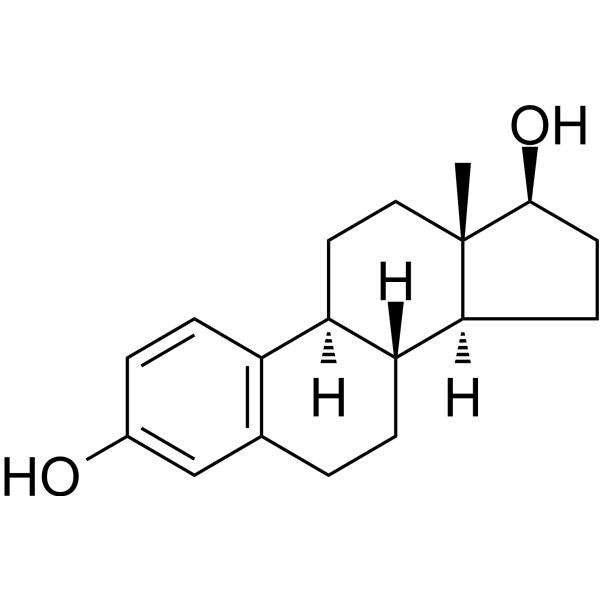
    Estradiol
    Maximum Cited Publications
    122 Publications Verification

    β-Estradiol; E2; 17β-Estradiol; 17β-Oestradiol

    Estrogen Receptor/ERR Endogenous Metabolite Bacterial Endocrinology Cancer
    Estradiol (β-Estradiol) is a steroid hormone and the major female sex hormone. Estradiol can up-regulate the expression of neural markers of human endometrial stem cells (hEnSCs) and promote their neural differentiation. Estradiol can be used for the research of cancers, neurodegenerative diseases and neural tissue engineering .
    Estradiol
  • HY-B0141R
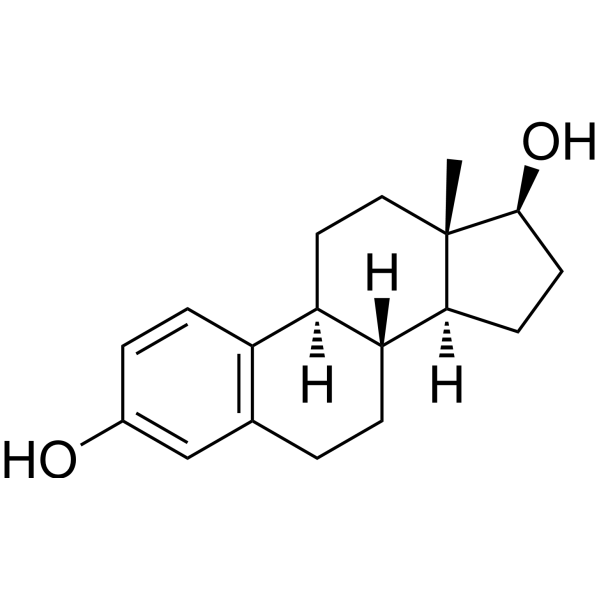
    Estradiol (Standard)
    Maximum Cited Publications
    122 Publications Verification

    β-Estradiol (Standard); E2 (Standard); 17β-Estradiol (Standard); 17β-Oestradiol (Standard)

    Reference Standards Estrogen Receptor/ERR Endogenous Metabolite Bacterial Endocrinology Cancer
    Estradiol (Standard) is the analytical standard of Estradiol. This product is intended for research and analytical applications. Estradiol (β-Estradiol) is a steroid hormone and the major female sex hormone. Estradiol can up-regulate the expression of neural markers of human endometrial stem cells (hEnSCs) and promote their neural differentiation. Estradiol can be used for the research of cancers, neurodegenerative diseases and neural tissue engineering .
    Estradiol (Standard)
  • HY-W016715
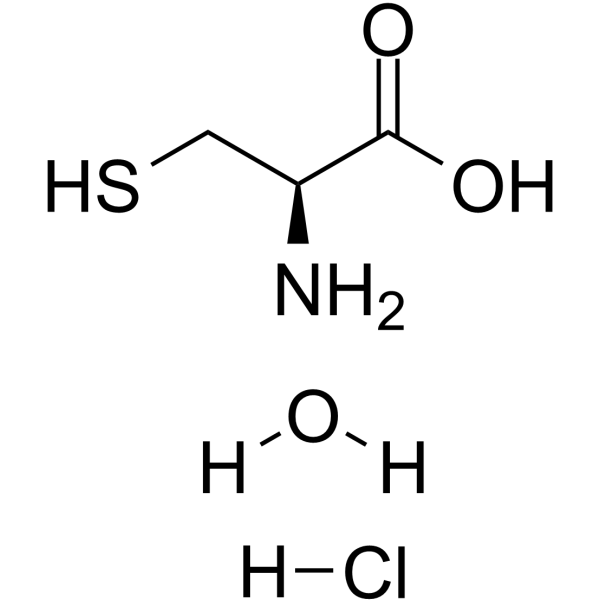
    L-Cysteine hydrochloride hydrate
    10+ Cited Publications

    Endogenous Metabolite NF-κB Insulin Receptor Neurological Disease Metabolic Disease
    L-Cysteine hydrochloride hydrate is an orally active and essential amino acid, which acts as a precursor for biologically active molecules such as hydrogen sulphide (H2S), glutathione and taurine. L-Cysteine hydrochloride hydrate regulates CBS/H2S pathway, inhibits NF-κB activation and insulin and ghrelin secretion. L-Cysteine hydrochloride hydrate reduces blood sugar, vascular inflammation markers and appetite. L-Cysteine hydrochloride hydrate induces kidney damage. L-Cysteine hydrochloride hydrate can be used in the study of neurological diseases and diabetes .
    L-Cysteine hydrochloride hydrate
  • HY-113262

    Endogenous Metabolite Interleukin Related Neurological Disease Metabolic Disease Inflammation/Immunology
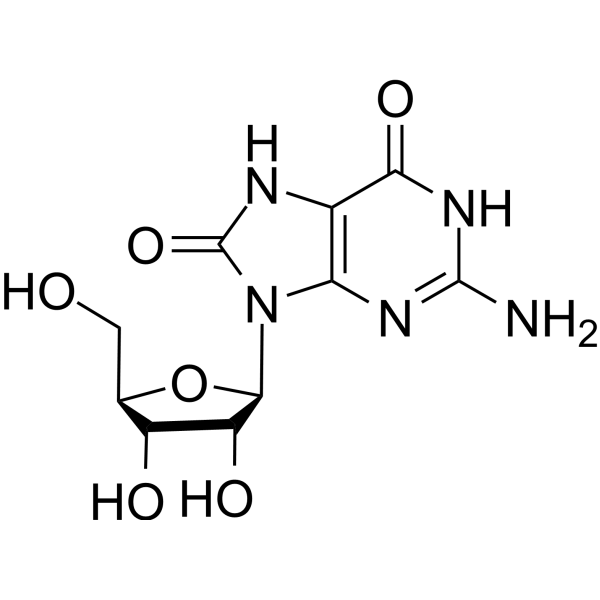
    8-Hydroxyguanosine, an oxidized nucleoside, is a marker of RNA oxidative damage and oxidative stress. 8-Hydroxyguanosine stimulates proliferation and differentiation of murine B cells with immunostimulatory activity. 8-Hydroxyguanosine is promising for research of Alzheimer’s disease and Down’s syndrome .
    8-Hydroxyguanosine
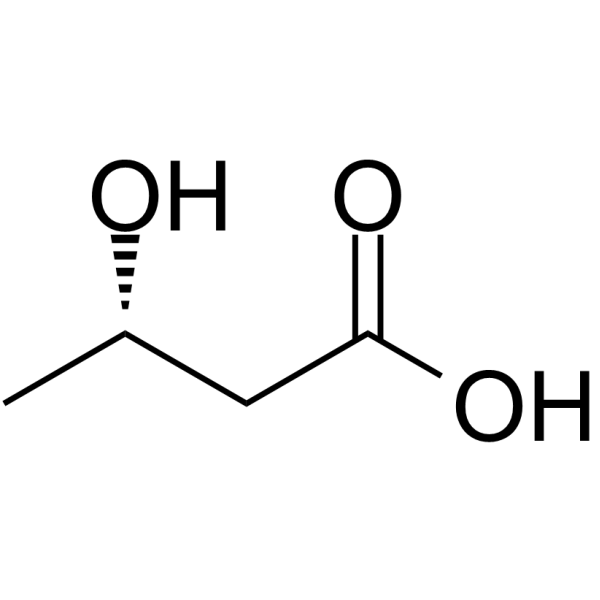
  • HY-W050031
    (S)-3-Hydroxybutanoic acid
    2 Publications Verification

    (S)-β-Hydroxybutanoic acid; L-(+)-3-Hydroxybutyric acid; L-β-Hydroxybutyric acid

    Endogenous Metabolite Metabolic Disease
    (S)-3-Hydroxybutanoic acid is a metabolite and a disease marker of depression. 3-Hydroxybutyric acid is synthesized in the liver from acetyl-CoA, and can be used as an energy source by the brain when blood glucose is low.
    (S)-3-Hydroxybutanoic acid
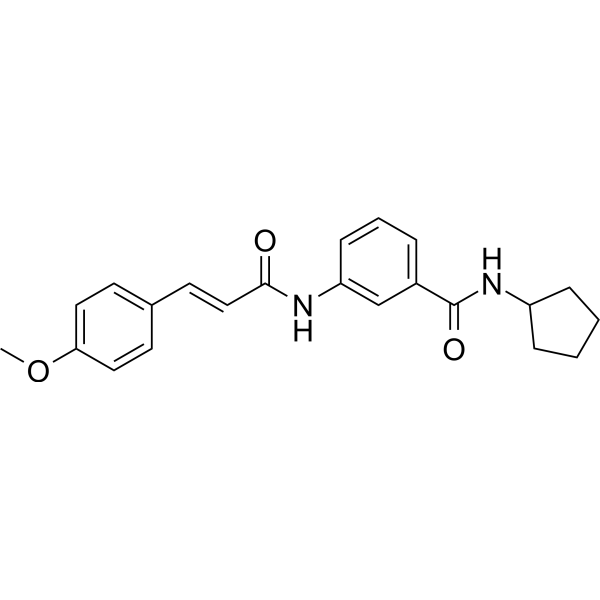
  • HY-151427
    TGFβ1-IN-1
    3 Publications Verification

    TGF-β Receptor Inflammation/Immunology
    TGFβ1-IN-1 (compound 42) is a potent, orally active TGF-β1 inhibitor. TGFβ1-IN-1 inhibits the upregulation of TGF-β1-induced fibrosis markers (α-SMA and fibronectin) and can be used in liver fibrosis disease studies .
    TGFβ1-IN-1
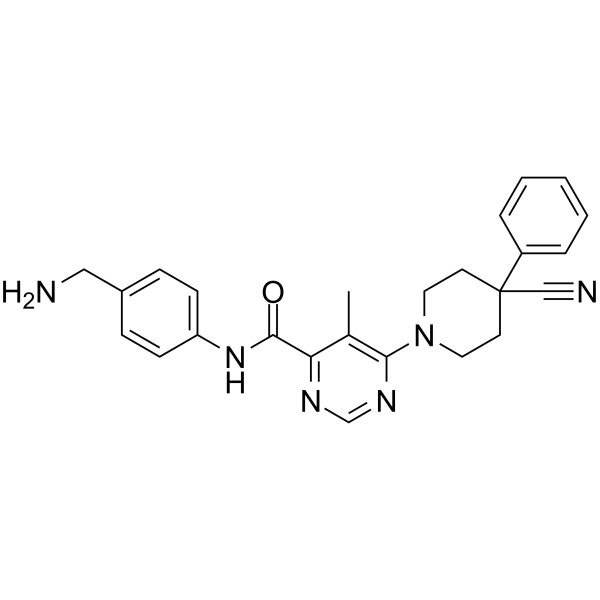
  • HY-120929
    BI8622
    4 Publications Verification

    E1/E2/E3 Enzyme c-Myc Inflammation/Immunology Cancer
    BI8622 is a specific inhibitor of the ubiquitin ligase HUWE1 with an IC50 of 3.1 μM. BI8622 can decrease the protein expression levels of c-myc and glycolytic markers as well as immune modulatory markers after HUWE1 inhibition in triple-negative breast cancer (TNBC) cell lines. BI8622 significantly protects against cisplatin (HY-17394)-induced acute kidney injury (AKI). BI8622 significantly reduces the growth of multiple myeloma (MM) cell lines and induces cell cycle arrest. BI8622 can prevent HUWE1-dependent TTBK2 ubiquitination. BI8622 can be studied in research for various diseases including medulloblastoma, acute kidney injury, breast cancer and MM .
    BI8622
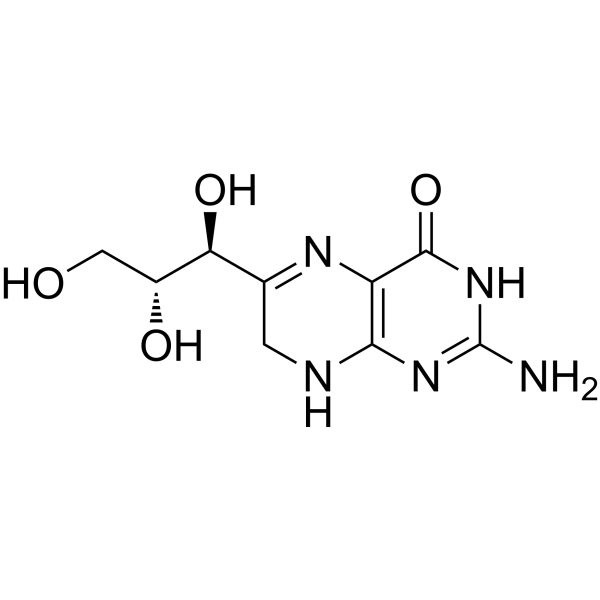
  • HY-136341

    Apoptosis NO Synthase Endogenous Metabolite Neurological Disease Inflammation/Immunology
    7,8-Dihydroneopterin, an inflammation marker, induces cellular apoptosis in astrocytes and neurons via enhancement of nitric oxide synthase (iNOS) expression. 7,8-Dihydroneopterin can be used in the research of neurodegenerative diseases .
    7,8-Dihydroneopterin
  • HY-139078
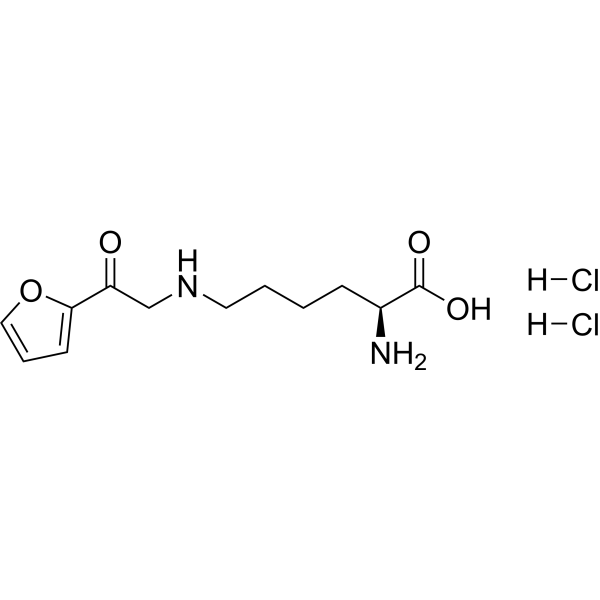
    Furosine dihydrochloride
    1 Publications Verification

    Amino Acid Derivatives Metabolic Disease
    Furosine dihydrochloride, an amino acid derivative, is an important chemical marker of early-stage Maillard reactions. Furosine dihydrochloride is closely related to a variety of diseases such as diabetes .
    Furosine dihydrochloride
  • HY-W096638A

    (S)-Glycerolphosphocholine

    Endogenous Metabolite Neurological Disease Metabolic Disease Cancer
    Glycerophosphocholine ((S)-Glycerolphosphocholine) is an orally active metabolite that crosses the blood-brain barrier. Glycerophosphocholine acts as a precursor of acetylcholine, a specific marker for phosphatidylcholine breakdown, a major water-soluble storage form of choline, and an intermediate in phosphatidylcholine metabolism. Glycerophosphocholine is specifically elevated in the cerebrospinal fluid of Alzheimer's disease models, and it also promotes growth hormone secretion and fat oxidation. Glycerophosphocholine is also a potential biomarker for breast cancer .
    Glycerophosphocholine
  • HY-P991734

    TREM receptor Syk Calcium Channel Neurological Disease Inflammation/Immunology
    VHB937 is a potent and selective TREM2 agonist, a human monoclonal antibody, with sub-nanomolar affinity. VHB937 enhances TREM2 surface expression and downstream signaling, such as Syk phosphorylation and calcium mobilization. VHB937 exhibits robust neuroprotective effects in vivo, significantly reducing pathology and pro-inflammatory markers across a broad range of animal models of neuroinflammation and neurodegeneration. VHB937 can be used for neurodegenerative diseases research .
    VHB937
  • HY-175739

    Mitochondrial Metabolism CXCR Neurological Disease Metabolic Disease Inflammation/Immunology
    TFAM activator 1 is a TFAM activator. TFAM activator 1 increases TFAM protein levels, promotes mitochondrial DNA stability, increases mitochondrial DNA copy number, and prevents mitochondrial DNA from escaping into the cytoplasm. TFAM activator 1 improves cellular energy metabolism in cybrid cells. TFAM activator 1 reduces fibrosis markers in fibroblasts. TFAM activator 1 can be used in the research of mitochondrial encephalomyopathy, lactic acidosis, and stroke-like episodes syndrome, systemic sclerosis, and autoimmune diseases .
    TFAM activator 1
  • HY-129109

    Fluorescent Dye Inflammation/Immunology Cancer
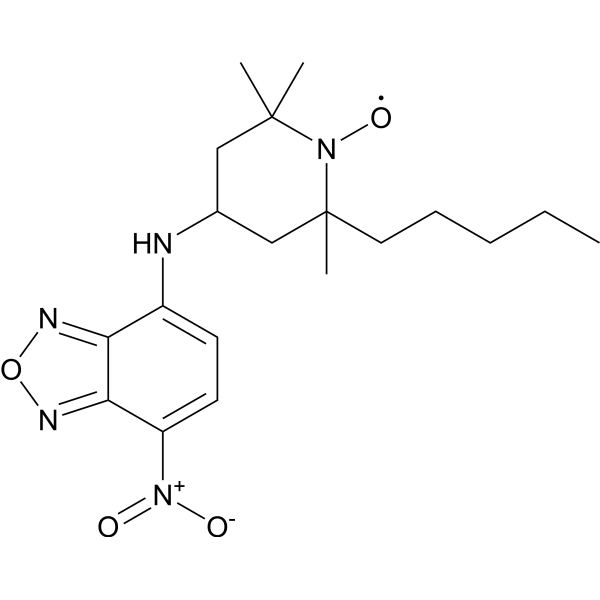
    NBD-Pen is the first fluorescence probe for lipid radicals with high selectivity and sensitivity (λex: 470 nm, λem: 530 nm). NBD-Pen specifically detects lipid derived radicals over other reactive species present in biological systems, including H2O2, ClO -, O2 -?, and ?OH. NBD-Pen directly detects lipid radicals in living cells by turn-on fluorescence. NBD-Pen decreases inflammation, apoptosis, and oxidative stress markers. NBD-Pen can be studied in various disease models such as hepatic carcinoma .
    NBD-Pen
  • HY-N4288
    4-Methylesculetin
    3 Publications Verification

    Glutathione Peroxidase Cathepsin Phosphatase Inflammation/Immunology Cancer
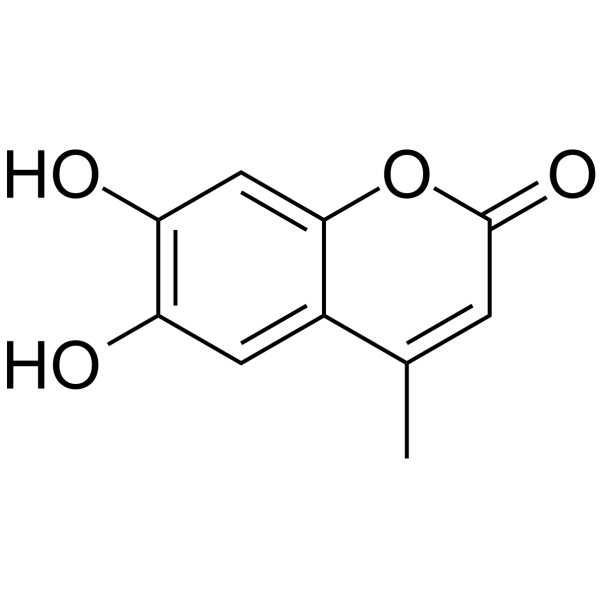
    4-Methylesculetin is an orally active coumarin derivative, with potent anti-oxidant and anti-inflammatory activities. 4-Methylesculetin inhibits myeloperoxidase activity. 4-Methylesculetin protects bone resorption by reducing the elevated levels of bone-joint exoglycosidases, cathepsin-D and tartrate resistant acid phosphatases. 4-Methylesculetin ameliorats the upregulated non-enzymatic inflammatory markers like TNF-α, IL-1β, IL-6, COX-2 and PGE2, which is promising for research of inflammatory diseases .
    4-Methylesculetin
  • HY-N7675

    NF-κB TGF-beta/Smad Syk Cardiovascular Disease Neurological Disease Metabolic Disease
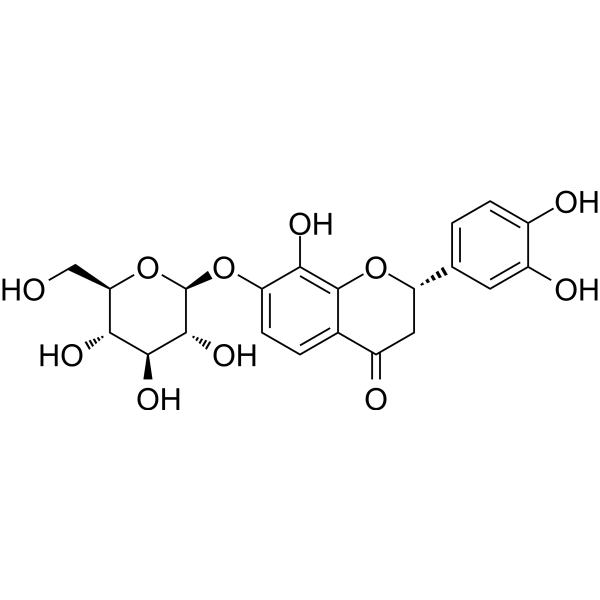
    Flavanomarein is a substance with cytoprotective, anti-inflammatory and antioxidant activities, with a Ka of 3.064e-5 M against human Syk. Flavanomarein enhances the phosphorylation level of AKT, regulates the expression of PKC-δ, P85α, PKC-β1, Sirt1, Bcl-2 and ICAD, and inhibits the nuclear translocation of NF-κB p65. Flavanomarein regulates EMT marker proteins, promotes the proliferation of HK-2 cells, and protects neuronal cells from 6-OHDA-induced neurotoxic damage. Flavanomarein can be used in studies related to Parkinson's disease and diabetic nephropathy.
    Flavanomarein
  • HY-P3016A

    EC 2.6.1.1, porcine heart; GOT, porcine heart; AST, porcine heart

    Aminotransferases (Transaminases) Cardiovascular Disease
    Aspartate aminotransferase (EC 2.6.1.1), porcine heart is a metabolic regulator with the highest activity in the heart, liver and skeletal muscle. Aspartate aminotransferase, porcine heart comprises two isozymes: the cytoplasmic form (AST1) and the mitochondrial form (AST2). By catalyzing reversible transamination reactions between oxaloacetate, L-glutamate and other substances, it is deeply involved in key physiological processes such as amino acid metabolism, the tricarboxylic acid cycle and neurotransmitter synthesis. Aspartate aminotransferase, porcine heart also provides substrate support for the synthesis of urea and purines/pyrimidines. Aspartate aminotransferase, porcine heart is a serum marker reflecting cardiac and hepatic injury, and its abnormal levels are also closely associated with myocardial infarction, cardiovascular diseases and various cancers .
    Aspartate aminotransferase, porcine heart
  • HY-10199A
    Ibutamoren
    5 Publications Verification

    MK-677 free base; MK-0677 free base

    GHSR Insulin Receptor Neurological Disease Metabolic Disease
    Ibutamoren (MK-677 free base; MK-0677 free base) is an orally active non-peptide growth hormone secretagogue receptor agonist. Ibutamoren activates signal cascades by mimicking endogenous ligands, triggers pulsatile release of growth hormone from the pituitary gland, and increases serum levels of IGF-1 and insulin-like growth factor-binding protein 3. Ibutamoren not only increases the frequency of growth hormone pulses in male individuals, but also promotes elevated bone formation markers in female individuals with postmenopausal osteoporosis. The combination of Ibutamoren with Alendronate sodium hydrate (HY-11101) significantly increases bone mineral density at the femoral neck. However, Ibutamoren may cause mild, reversible adverse reactions such as increased appetite, fluid retention, and elevated fasting blood glucose. Ibutamoren has been widely used in studies related to idiopathic growth hormone deficiency, sarcopenia, Alzheimer's disease, and osteoporosis .
    Ibutamoren
  • HY-153248

    Biochemical Assay Reagents Neurological Disease Inflammation/Immunology
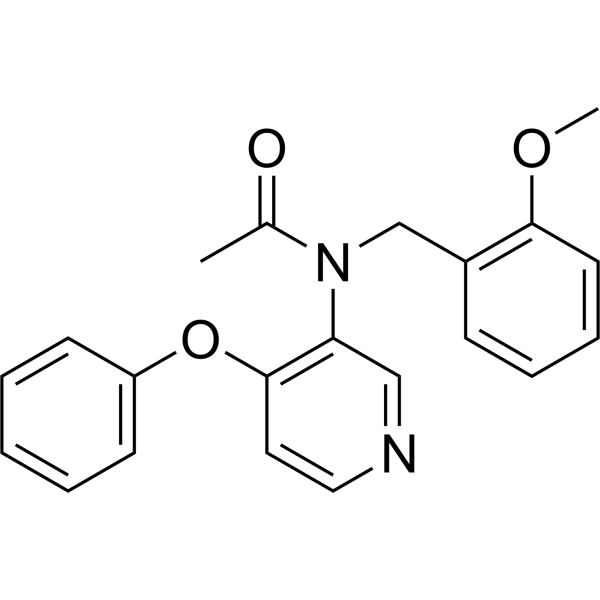
    PBR28 is a translocator protein (TSPO) binding positron emission tomography (PET) radiotracer with blood-brain barrier permeability . PBR28 binds to TSPO, a marker of microglial activation and neuroinflammation, and is used for neuroinflammation imaging in brain diseases and HIV-infected individuals .
    PBR28
  • HY-101185

    Tau Protein Neurological Disease
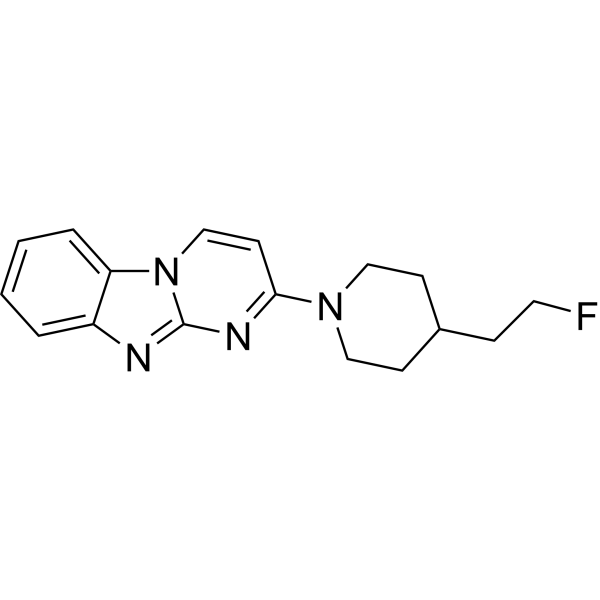
    T808 is a selective tau protein-targeting ligand. T808 can be used to synthesize [ 18F]-T808, a highly selective tau protein positron emission tomography (PET) tracer. T808 can also be used to synthesize [ 3H]-T808, a marker for in vitro experiments. T808 can be used for the research of alzheimer’s disease .
    T808
  • HY-N2484
    Methylnissolin
    2 Publications Verification

    Astrapterocarpan

    PDGFR ERK Cardiovascular Disease Neurological Disease Metabolic Disease Inflammation/Immunology
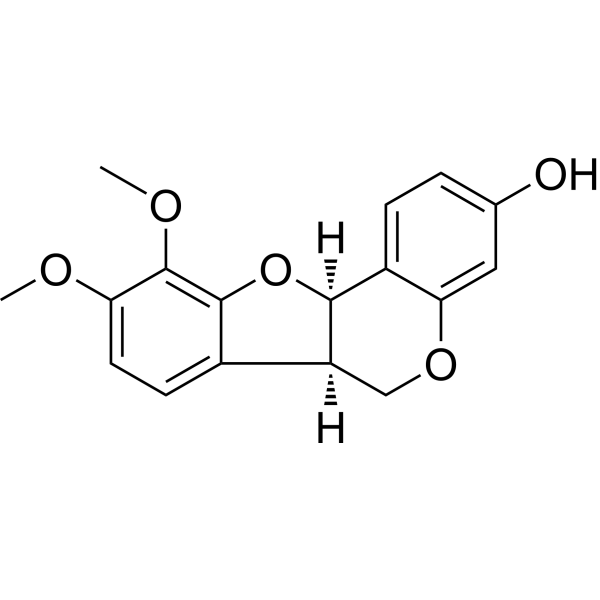
    Methylnissolin (Astrapterocarpan) is an osteoclast inhibitor with anti-inflammatory, neuroprotective and antioxidant activities. Methylnissolin downregulates the activation of the MAPK and PI3K/AKT pathways, inhibits the phosphorylation of MAPK1 and AKT1, and blocks PDGF-BB-induced phosphorylation of ERK1/2. Methylnissolin reduces the expression and secretion of proinflammatory mediators, decreases intracellular ROS levels, upregulates antioxidant enzymes, and downregulates osteoclastogenesis markers. Methylnissolin is applicable to research related to ischemic stroke, osteoporosis, cardiovascular diseases, skin aging, etc.
    Methylnissolin
  • HY-177338

    STING Cyclic GMP-AMP Synthase IFNAR TNF Receptor Interleukin Related Inflammation/Immunology Cancer
    STING agonist-45 is a selective STING agonist (EC50 = 0.28 μM). STING agonist-45 activates the innate immune response through the cGAS-STING pathway, upregulating key markers such as p-TBK1 and IRF3. STING agonist-45 exhibits robust STING activation in human peripheral blood mononuclear cells (PBMCs), inducing the production of type I interferons (such as IFN-β) and downstream cytokines (such as TNF-α and IL-6). STING agonist-45 enhances anti-tumor immunity, inhibits tumor growth, and increases CD8 + T cell infiltration in mouse models. STING agonist-45 is promising for the study of STING-related diseases .
    STING agonist-45
  • HY-N0430

    Coptisin

    Indoleamine 2,3-Dioxygenase (IDO) NF-κB p38 MAPK PI3K Akt Apoptosis Reactive Oxygen Species (ROS) Mitochondrial Metabolism DNA/RNA Synthesis ROCK LDLR Cardiovascular Disease Neurological Disease Metabolic Disease Inflammation/Immunology Cancer
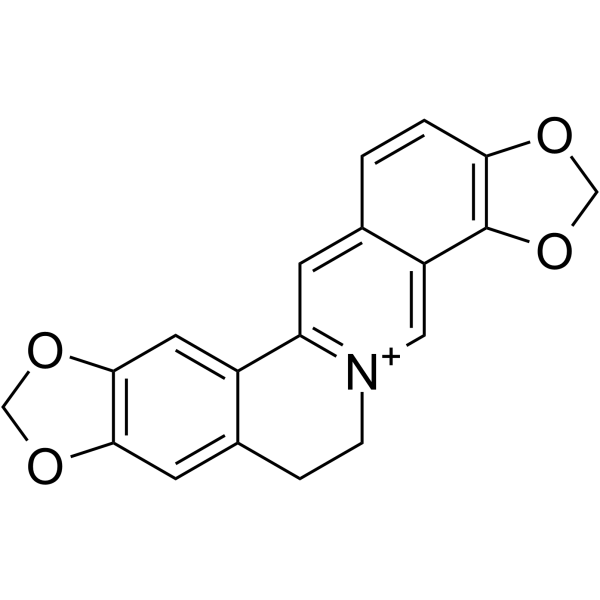
    Coptisine is an orally active and brain-penetrant alkaloid found in Coptis chinensis. Coptisine is a reversible, uncompetitive IDO inhibitor with a Ki of 5.8 μM and an IC50 of 6.3 μM. Coptisine suppresses neuroinflammation, reduces Aβ plaque burden and shows neuroprotective activity. Coptisine shows anti-inflammation activity by blocking NF-κB, MAPK, and PI3K/Akt activation. Coptisine inhibits cancer cells proliferation, induces DNA damage, G2/M phase cell cycle arrest, apoptosis, ROS production and mitochondrial dysfunction. Coptisine inhibits Rho/ROCK pathway activation, reduces arrhythmia, limits cardiac injury marker release, reduces infarct size, and preserves cardiac function in rat myocardial ischemia/reperfusion models. Coptisine downregulates HMGCR and upregulates LDLR and CYP7A1 to modulate cholesterol metabolism, reduces abnormal serum lipid levels, and promotes fecal bile acid excretion. Coptisine can be used for the research of cancer, hypercholesterolemia, Alzheimer’s disease, inflammatory disorders and cardiovascular disease .
    Coptisine
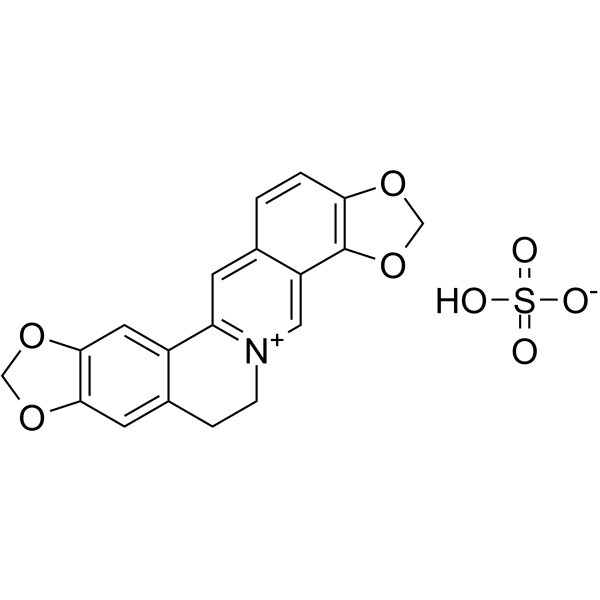
  • HY-N0430A
    Coptisine Sulfate
    5 Publications Verification

    Indoleamine 2,3-Dioxygenase (IDO) NF-κB p38 MAPK PI3K Akt Apoptosis Reactive Oxygen Species (ROS) Mitochondrial Metabolism DNA/RNA Synthesis ROCK LDLR Cardiovascular Disease Neurological Disease Metabolic Disease Inflammation/Immunology Cancer
    Coptisine Sulfate is an orally active and brain-penetrant alkaloid found in Coptis chinensis. Coptisine Sulfate is a reversible, uncompetitive IDO inhibitor with a Ki of 5.8 μM and an IC50 of 6.3 μM. Coptisine Sulfate suppresses neuroinflammation, reduces Aβ plaque burden and shows neuroprotective activity. Coptisine Sulfate shows anti-inflammation activity by blocking NF-κB, MAPK, and PI3K/Akt activation. Coptisine Sulfate inhibits cancer cells proliferation, induces DNA damage, G2/M phase cell cycle arrest, apoptosis, ROS production and mitochondrial dysfunction. Coptisine Sulfate inhibits Rho/ROCK pathway activation, reduces arrhythmia, limits cardiac injury marker release, reduces infarct size, and preserves cardiac function in rat myocardial ischemia/reperfusion models. Coptisine Sulfate downregulates HMGCR and upregulates LDLR and CYP7A1 to modulate cholesterol metabolism, reduces abnormal serum lipid levels, and promotes fecal bile acid excretion. Coptisine Sulfate be used for the research of cancer, hypercholesterolemia, Alzheimer’s disease, inflammatory disorders and cardiovascular disease .
    Coptisine Sulfate
  • HY-N12931F

    Fluorescent Dye Others Cancer
    Maackia amurensis Lectin (MAA/MAL II)-Biotinylated is a plant lectin modified by biotin. Maackia amurensis Lectin (MAA/MAL II)-Biotinylated has the activity to recognize specific sugar structures, specifically the alpha-2, 3-linked sialic acid (HY-I0400). Maackia amurensis Lectin (MAA/MAL II)-Biotinylated has a very high affinity with avidin or streptavidin and this interaction can be used to fix it to solid surfaces or bind it to other molecules. Maackia amurensis Lectin (MAA/MAL II)-Biotinylated can be used to isolate and purify proteins or other molecules with specific sugar chain structures in affinity chromatography as well as for disease marker discovery and cancer research .
    Maackia amurensis Lectin (MAA/MAL II)-Biotinylated
  • HY-113303
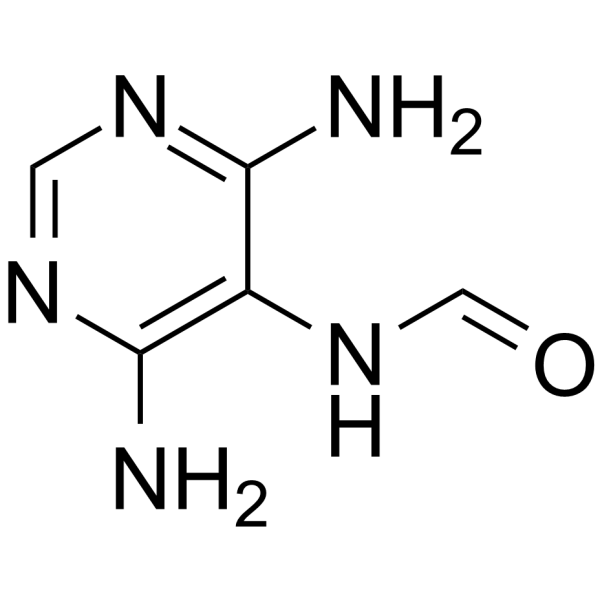
    FAPy-adenine
    2 Publications Verification

    Endogenous Metabolite Neurological Disease Cancer
    FAPy-adenine is an oxidized DNA base. Fapy-adenine shows an increased trend levels in the Alzheimer's disease brain. Oxidized nucleosides are biochemical markers for tumors, aging, and neurodegenerative diseases .
    FAPy-adenine
  • HY-128442

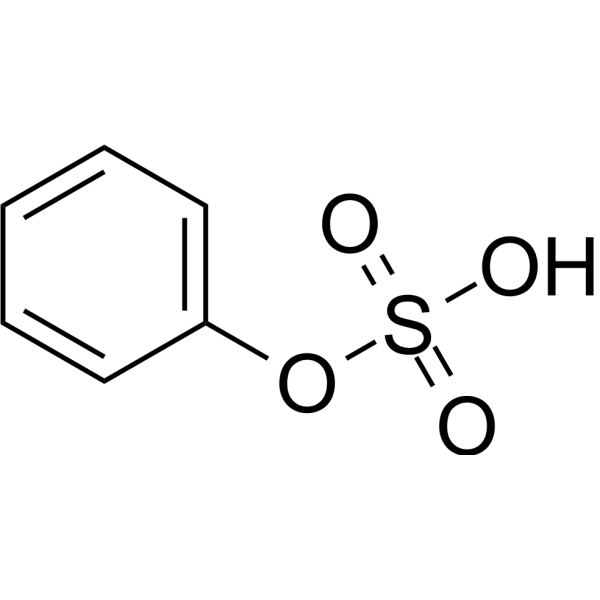
    Phenyl hydrogen sulfate

    Endogenous Metabolite Metabolic Disease
    Phenyl sulfate is an orally active gut microbiota-derived metabolite. Phenyl sulfate induces albuminuria and podocyte damage in experimental models of diabetes. Phenyl sulfate can be used as a disease marker in diabetic kidney disease .
    Phenyl sulfate
  • HY-B0141C
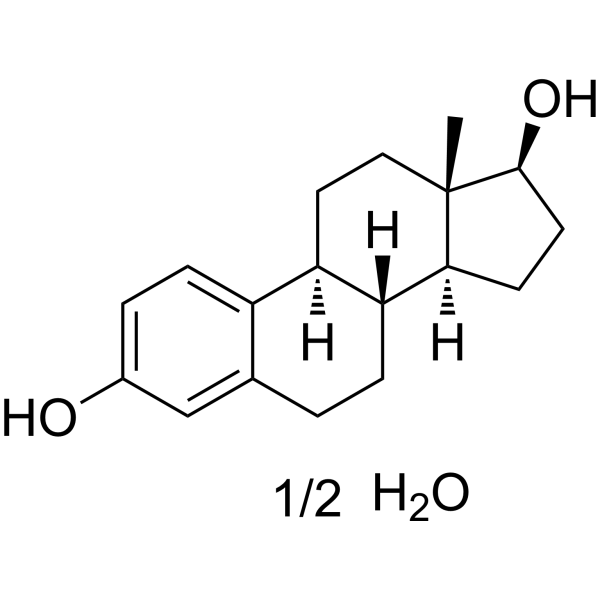
    Estradiol hemihydrate
    Maximum Cited Publications
    122 Publications Verification

    β-Estradiol hemihydrate; 17β-Estradiol hemihydrate; 17β-Oestradiol hemihydrate

    Estrogen Receptor/ERR Endogenous Metabolite Bacterial Neurological Disease Cancer
    Estradiol (β-Estradiol) hemihydrate is a steroid hormone and the major female sex hormone. Estradiol (β-Estradiol) hemihydrate can up-regulate the expression of neural markers of human endometrial stem cells (hEnSCs) and promote their neural differentiation. Estradiol (β-Estradiol) hemihydrate can be used for the research of cancers, neurodegenerative diseases and neural tissue engineering .
    Estradiol hemihydrate
  • HY-P10551

    Transmembrane Glycoprotein NF-κB TNF Receptor Cardiovascular Disease
    ApoA-I mimetic peptide 5A is a synthetic peptide molecule designed based on the structure and function of naturally occurring apolipoprotein A-I (Apo A-I). ApoA-I mimetic peptide 5A can promote the efflux of cholesterol from cells and help reduce the accumulation of cholesterol in cells. ApoA-I mimetic peptide 5A also shows anti-inflammatory activity and can reduce inflammatory markers in blood and tissues. ApoA-I mimetic peptide 5A can be used in the study of cardiovascular diseases .
    ApoA-I mimetic peptide 5A
  • HY-126359

    SLPC; 18:0-18:2 PC

    Endogenous Metabolite Cardiovascular Disease Metabolic Disease
    1-Stearoyl-2-linoleoyl-sn-glycero-3-phosphocholine (SLPC; 18:0-18:2 PC) is an endogenous phospholipid marker molecule in the glycerophospholipid metabolic pathway. 1-Stearoyl-2-linoleoyl-sn-glycero-3-phosphocholine is a core component of the phospholipid bilayer of biological membranes and a key responsive lipid for radiation injury and cardiometabolic diseases. 1-Stearoyl-2-linoleoyl-sn-glycero-3-phosphocholine constitutes the phospholipid bilayers of cell membranes and high-density lipoprotein (HDL), and regulates the core activity of lipoprotein functional homeostasis. The content of 1-Stearoyl-2-linoleoyl-sn-glycero-3-phosphocholine in mouse serum shows a significant dose-dependent decrease with increasing ionizing radiation dose, and its level in human HDL also decreases significantly in metabolic syndrome. 1-Stearoyl-2-linoleoyl-sn-glycero-3-phosphocholine can serve as a biological dosimeter marker for ionizing radiation injury, and is used for rapid and accurate assessment of radiation absorbed dose in exposed individuals. 1-Stearoyl-2-linoleoyl-sn-glycero-3-phosphocholine can also act as a lipidomics research target for cardiometabolic diseases such as lipid metabolic syndrome and early-onset coronary heart disease .
    1-Stearoyl-2-linoleoyl-sn-glycero-3-phosphocholine
  • HY-N0899

    JAK STAT Wnt β-catenin Inflammation/Immunology Cancer
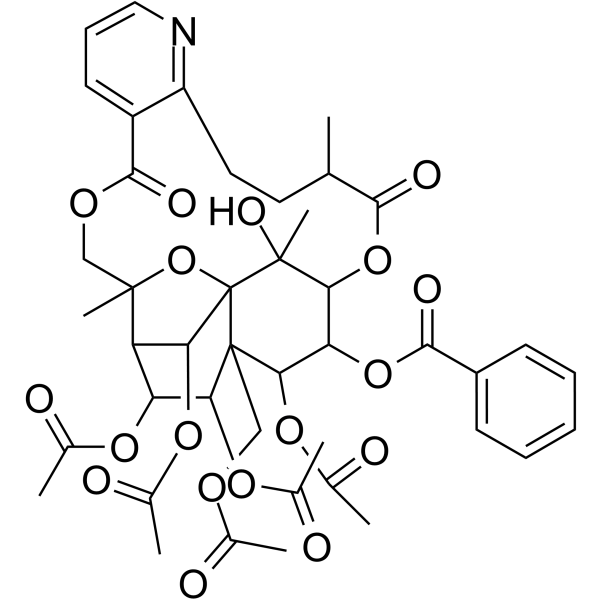
    Wilforine is an orally active JAK-STAT pathway inhibitor with immunomodulatory effects and the ability to inhibit osteoclast fusion. Wilforine disrupts lipid raft integrity, reprograms cholesterol and glycosphingolipid metabolic pathways, regulates NF-κB and the complement system, and modulates the expression of various interleukins. Wilforine also inhibits the Wnt11/β-catenin signaling pathway and suppresses the proliferation of fibroblast-like synoviocytes. Wilforine can serve as a quality and pharmacokinetic marker for Tripterygium glycoside tablets, and can be applied to research on related diseases such as rheumatoid arthritis, inflammatory osteolysis, and SAPHO syndrome .
    Wilforine
  • HY-N4119

    Phosphatase Cholinesterase (ChE) p38 MAPK Apoptosis Autophagy Neurological Disease Metabolic Disease
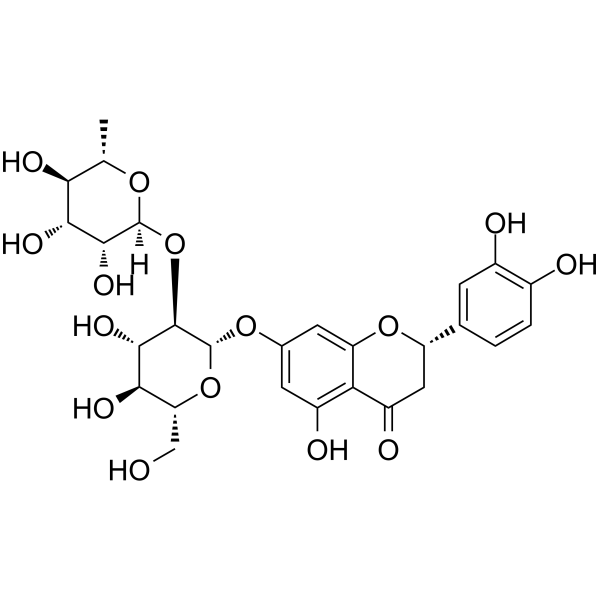
    Neoeriocitrin is a Naringin (HY-N0153) analogue found in Drynaria Rhizome. Neoeriocitrin induces cells proliferation, differentiation, up-regulates type I collagen, osteocalcin, and key osteogenic markers, and increases ALP activity. Neoeriocitrin increases expression of Runx2, COL I, OCN and Beclin1. Neoeriocitrin inhibits phosphorylation of P38 mitogen-activated protein kinase, reduces acetylcholinesterase (AChE) activity, and increases choline acetyltransferase (ChAT) activity. Neoeriocitrin reduces apoptosis and induces autophagy. Neoeriocitrin can be used for the researches of osteoporosis and Alzheimer's disease .
    Neoeriocitrin
  • HY-B1941
    4-tert-Octylphenol
    2 Publications Verification

    Endogenous Metabolite Apoptosis DNA/RNA Synthesis Neurological Disease Metabolic Disease Inflammation/Immunology Endocrinology
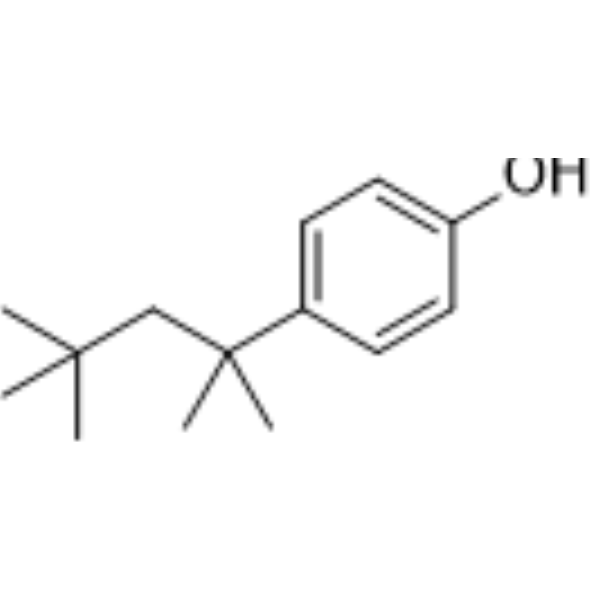
    4-tert-Octylphenol, a endocrine-disrupting chemical, is an estrogenic agent. 4-tert-Octylphenol is also a biodegradation product of non-ionic surfactants alkylphenol polyethoxylates. 4-tert-Octylphenol induces apoptosis in neuronal progenitor cells in offspring mouse brain. 4-tert-Octylphenol reduces bromodeoxyuridine (BrdU), mitotic marker Ki67, and phospho-histone H3 (p-Histone-H3), resulting in a reduction of neuronal progenitor proliferation. 4-tert-Octylphenol disrupts brain development and behavior in mice, which is promising for reserch of immune response, neuro-related diseases and ethology .
    4-tert-Octylphenol
  • HY-P3016

    EC 2.6.1.1; GOT; AST

    Aminotransferases (Transaminases) Cardiovascular Disease
    Aspartate aminotransferase (EC 2.6.1.1), Genetically engineered bacteria is a metabolic regulator with the highest activity in the heart, liver and skeletal muscle. Aspartate aminotransferase, Genetically engineered bacteria comprises two isozymes: the cytoplasmic form (AST1) and the mitochondrial form (AST2). By catalyzing reversible transamination reactions between oxaloacetate, L-glutamate and other substances, it is deeply involved in key physiological processes such as amino acid metabolism, the tricarboxylic acid cycle and neurotransmitter synthesis. Aspartate aminotransferase, Genetically engineered bacteria also provides substrate support for the synthesis of urea and purines/pyrimidines. Aspartate aminotransferase, Genetically engineered bacteria is a serum marker reflecting cardiac and hepatic injury, and its abnormal levels are also closely associated with myocardial infarction, cardiovascular diseases and various cancers .
    Aspartate aminotransferase, Genetically engineered bacteria
  • HY-N4124

    NO Synthase TNF Receptor Interleukin Related Metabolic Disease Inflammation/Immunology
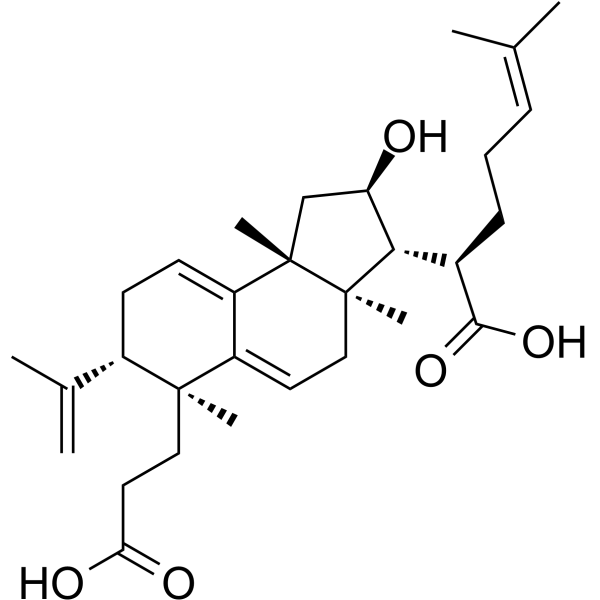
    Poricoic acid B is a triterpenoid compound that can be isolated from Poria cocos. Poricoic acid B inhibits intracellular lipid accumulation and reduces the levels of hepatocyte injury markers. Poricoic acid B inhibits the production of NO, TNF-α, IL-1β and IL-6, thereby exerting anti-inflammatory activity. Poricoic acid B can be used in the research of metabolic dysfunction-associated fatty liver disease and inflammatory diseases [3].
    Poricoic acid B
  • HY-W015466

    Endogenous Metabolite Metabolic Disease
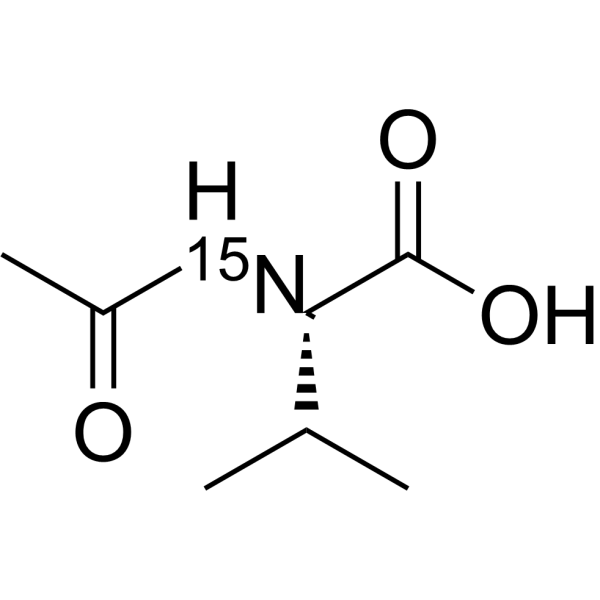
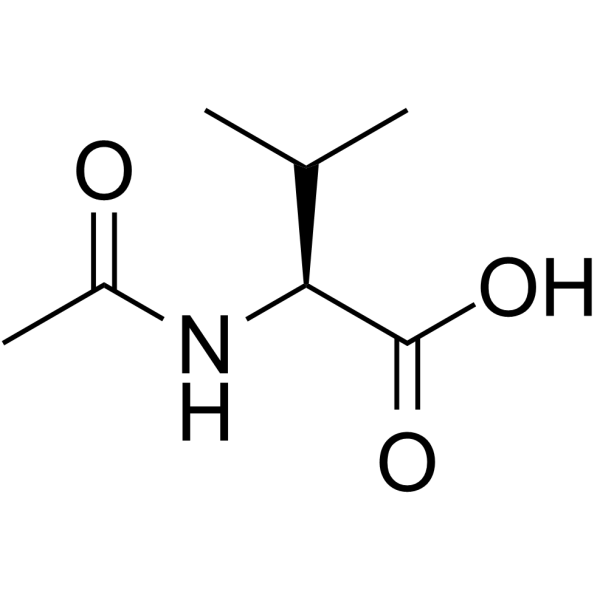
    Acetylvaline is an amino acid derivative belonging to the N-acetylated amino acid family. Acetylvaline can be detected in small quantities in the urine of healthy individuals but shows significantly abnormal excretion in the urine of patients with maple syrup urine disease (MSUD). Acetylvaline can be used to detect MSUD .
    Acetylvaline
  • HY-128421

    Brassylic Acid

    Endogenous Metabolite Parasite Infection Metabolic Disease
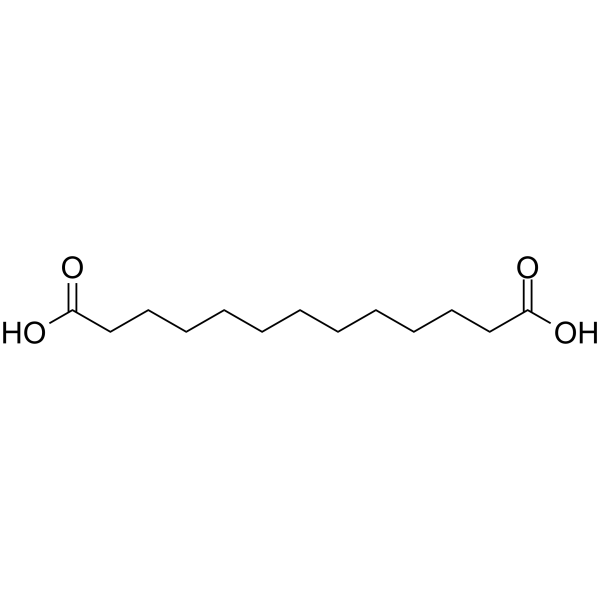
    Tridecanedioic acid is an endogenous metabolite. Tridecanedioic acid is an endogenous metabolite. Tridecanedioic acid is related to the metabolic regulation of non-alcoholic fatty liver disease (NASH) and may be an important node molecule in the intestinal microbiota-host metabolism interaction network. Tridecanedioic acid is significantly accumulated in tolerant cabbage-type rapeseed varieties and has a lower content in sensitive varieties. It plays an important role in the defense response against the infection of the small cabbage moth (Plutella xylostella). Tridecanedioic acid can be used as a biomarker for plant insect resistance or a diagnostic marker for metabolic diseases .
    Tridecanedioic acid
  • HY-12093A

    Drug Isomer MMP Cadherin Inflammation/Immunology
    (R)-MMP408 is an isomer of MMP408 (HY-12093). MMP408 is an orally active MMP-12 inhibitor (IC50=2.0 nM for hMMP-12) that effectively interferes with the epithelial-mesenchymal transition (EMT) process. MMP408 significantly upregulates the expression of E-cadherin in nasal epithelial cells, while inhibiting mesenchymal markers such as vimentin, α-smooth muscle actin and fibronectin, thereby reversing the EMT phenotype. MMP408 is used in studies of airway remodeling-related diseases, including chronic rhinosinusitis with nasal polyps, chronic obstructive pulmonary disease (COPD) and asthma .
    (R)-MMP408
  • HY-N10534

    Lewis X

    Parasite Infection Inflammation/Immunology Cancer
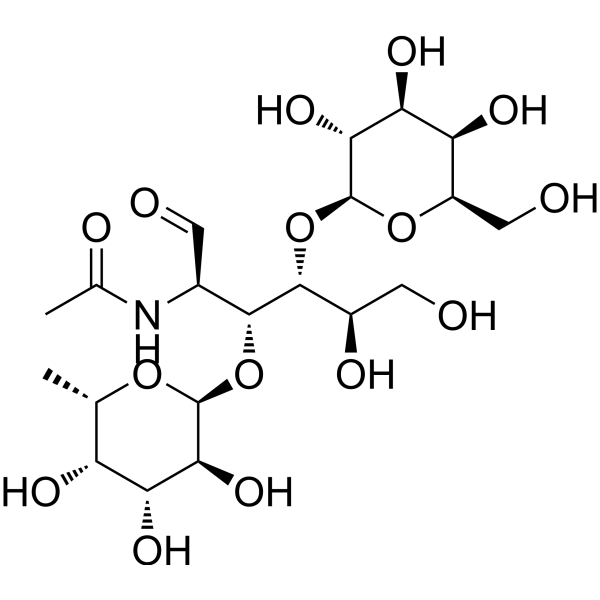
    Lewis X trisaccharide (Lewis X, Le x) is a potent TH2 regulator, antagonizes LPS-induced IL-12 immune expression. Lewis X trisaccharide is a human histo-blood group antigen, plays an key role in cell-cell adhesion, and servers as a tumor marker. Lewis X trisaccharide is highly expressed in the outer membrane of the parasite, can be used for the immunology research of schistosomiasis .
    Lewis X trisaccharide
  • HY-N10423

    (-)-Cubebin

    Cholinesterase (ChE) Bacterial Fungal Parasite p38 MAPK Infection Neurological Disease Metabolic Disease Inflammation/Immunology Cancer
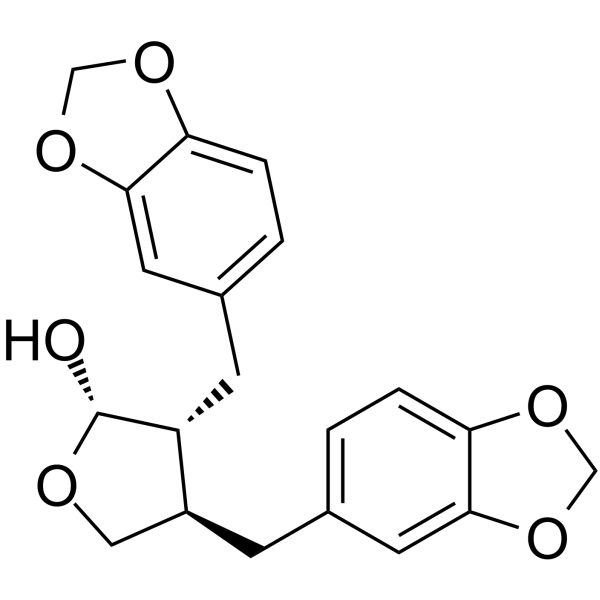
    Cubebin ((-)-Cubebin), a dibenzyl butyrolactone lignan, is an orally active AChE inhibitor. Cubebin binds to active sites of NF-κB, TNF-α, and TGF-β1 via hydrogen and hydrophobic interactions, obstructing critical residues to inhibit pro-inflammatory or renal fibrosis-related activity. Cubebin enhances p38 MAPK phosphorylation to increase tyrosinase gene expression, stimulating melanogenesis via elevated tyrosinase activity, expression, and mRNA levels. Cubebin reduces oxidative stress via enhanced endogenous antioxidant enzyme activity and inhibited lipid peroxidation, regulates lipid metabolism, improves glycemic control, and exerts renoprotective effects via reduced renal dysfunction markers and improved renal architecture. Cubebin shows antimicrobial activity. Cubebin exerts larvicidal activity against Angiostrongylus cantonensis larvae, with no cytotoxicity toward monkey or human cell lines or Caenorhabditis elegans. Cubebin can be used for the research of diabetic nephropathy, melanoma, colon adenocarcinoma, neuroangiostrongyliasis, Alzheimer’s disease (AD) and depression .
    Cubebin
  • HY-P10868

    RLS-0071

    Reactive Oxygen Species (ROS) Infection Inflammation/Immunology
    Pegtarazimod (RLS-0071) is a dual-target anti-inflammatory peptide that exerts its effects by simultaneously regulating the complement system and neutrophil-associated inflammatory pathways. Pegtarazimod reduces ROS production both in vitro and in vivo, and decreases the level of neutrophil elastase, a marker of neutrophil extracellular traps (NETs), in vivo, thereby alleviating inflammatory responses. Pegtarazimod significantly improves the survival rate of mice in multiple in vivo models of acute graft-versus-host disease (aGVHD). Pegtarazimod inhibits the activation of the C1 complex, reduces the herpes zoster-like spread of herpes simplex virus type 1 skin infection, and improves the survival rate of infected mice . Pegtarazimod can be used in research related to acute graft-versus-host disease, acute pulmonary diseases, and skin herpes simplex virus type 1 infection .
    Pegtarazimod
  • HY-Y0332L

    Potassium phosphate monobasic, meets analytical specification of Ph. Eur., NF, E340

    Biochemical Assay Reagents NF-κB Others
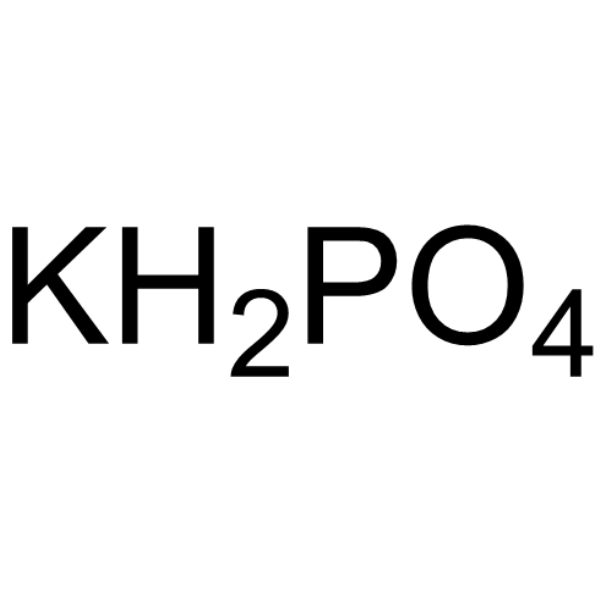
    Potassium dihydrogen phosphate (Potassium phosphate monobasic), meeting the analytical specifications of Ph. Eur., NF, E340, is a reagent with buffering capacity, used for preparing biological buffers. Potassium dihydrogen phosphate downregulates the expression of IκBα in the cytoplasm, increases the expression of p-P65 in the cytoplasm, and upregulates the expression of P65 in the nucleus, thereby activating the NF-κB pathway. Potassium dihydrogen phosphate promotes the proliferation of human periodontal ligament stem cells in the logarithmic growth phase. Potassium dihydrogen phosphate upregulates the expression of odontogenic/osteogenic markers (OCN, DSP/DSPP, OSX, RUNX2, ALP) in human periodontal ligament stem cells and enhances the mineralization capacity of these cells. Potassium dihydrogen phosphate can be used in the research of periodontal diseases .
    Potassium dihydrogen phosphate, meets analytical specification of Ph. Eur., NF, E340
  • HY-176749

    α-synuclein Atg8/LC3 Autophagy Neurological Disease
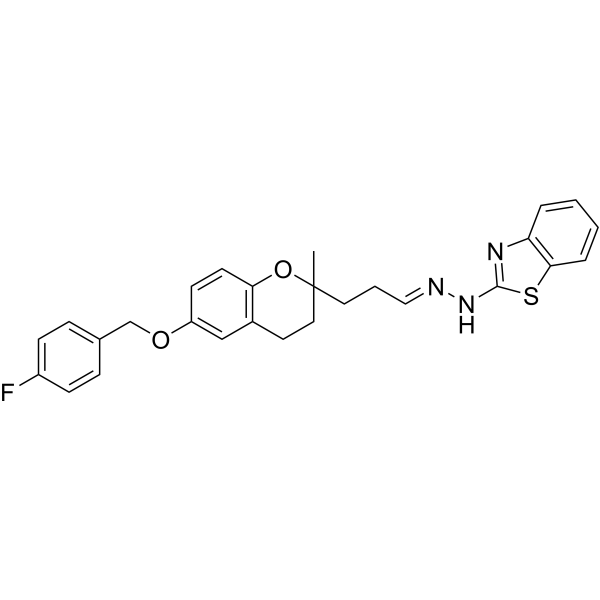
    HUP-46 is a BBB-penatrable modulator of αSyn dimerization and autophagy. HUP-46 reduces the ratio of pPP2A/PP2A, increases the autophagy marker LC3BII levels, and decreases αSyn dimerization. HUP-46 can be used for research of neurodegenerative diseases .
    HUP-46
  • HY-164548

    HSP Apoptosis PI3K Akt NF-κB Inflammation/Immunology Cancer
    WK88-1 is an apoptosis inducer and Hsp90 client protein inhibitor with antiproliferative and immunomodulatory activities. WK88-1 inhibits signaling pathways such as PI3K/Akt and NF-κB, and induces mitochondrial dysfunction and cell cycle arrest. WK88-1 effectively suppresses cancer cell migration and invasion, and reverses various EGFR mutations and resistance to Gefitinib (HY-50895). WK88-1 also regulates the differentiation of monocytes and dendritic cells, blocks the expression of multiple chemokines, inhibits immune cell migration and M1 marker transcription, and restores impaired endocytic activity. WK88-1 has been used in studies of breast cancer, non-small cell lung cancer with various EGFR mutations or Met amplification, and atherosclerosis and other related diseases .
    WK88-1
  • HY-W015672

    Biochemical Assay Reagents Neurological Disease Metabolic Disease
    2-Methylquinoxaline is a detection marker of Methylglyoxal (HY-106634) and can be used for quantitative Methylglyoxal. 2-Methylquinoxaline can be used for the researches of type 2 diabetes and Alzheimer's disease .
    2-Methylquinoxaline
  • HY-128421R

    Brassylic Acid (Standard)

    Reference Standards Endogenous Metabolite Parasite Infection Metabolic Disease
    Tridecanedioic acid (Standard) is the analytical standard of Tridecanedioic acid (HY-128421). This product is intended for research and analytical applications. Tridecanedioic acid is an endogenous metabolite. Tridecanedioic acid is an endogenous metabolite. Tridecanedioic acid is related to the metabolic regulation of non-alcoholic fatty liver disease (NASH) and may be an important node molecule in the intestinal microbiota-host metabolism interaction network. Tridecanedioic acid is significantly accumulated in tolerant cabbage-type rapeseed varieties and has a lower content in sensitive varieties. It plays an important role in the defense response against the infection of the small cabbage moth (Plutella xylostella). Tridecanedioic acid can be used as a biomarker for plant insect resistance or a diagnostic marker for metabolic diseases.
    Tridecanedioic acid (Standard)
  • HY-P3016B

    EC 2.6.1.1, Human liver; GOT, Human liver; AST, Human liver

    Aminotransferases (Transaminases) Cardiovascular Disease
    Aspartate aminotransferase (EC 2.6.1.1), Human liver is a metabolic regulator with the highest activity in the heart, liver and skeletal muscle. Aspartate aminotransferase, Human liver comprises two isozymes: the cytoplasmic form (AST1) and the mitochondrial form (AST2). By catalyzing reversible transamination reactions between oxaloacetate, L-glutamate and other substances, it is deeply involved in key physiological processes such as amino acid metabolism, the tricarboxylic acid cycle and neurotransmitter synthesis. Aspartate aminotransferase, Human liver also provides substrate support for the synthesis of urea and purines/pyrimidines. Aspartate aminotransferase, Human liver is a serum marker reflecting cardiac and hepatic injury, and its abnormal levels are also closely associated with myocardial infarction, cardiovascular diseases and various cancers .
    Aspartate aminotransferase, Human liver
  • HY-P10133

    Ferroptosis Metabolic Disease
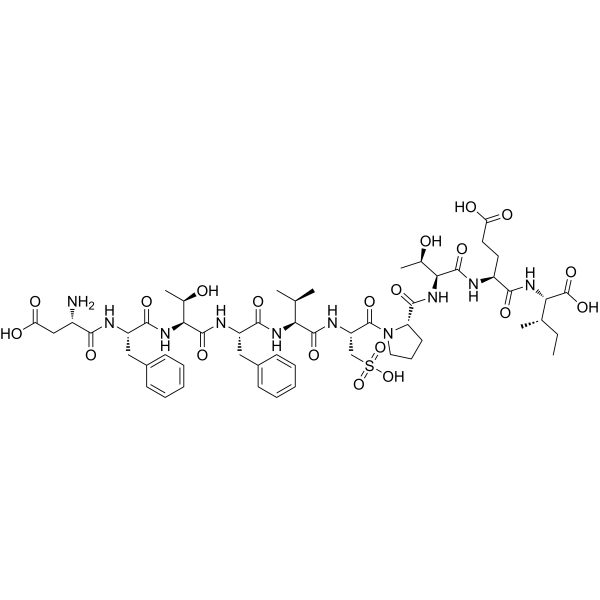
    PRDX3(103-112) SO3 modified, human is a marker of ferroptosis, and can be used for liver diseases study .
    PRDX3(103-112) SO3 modified, human
  • HY-169940

    HDAC Inflammation/Immunology
    Fibrostat (Compound 5n) is a selective HDAC6 inhibitor that exerts antifibrotic effects by inhibiting HDAC6 activity, with an IC50 value of 63 nM. It also exhibits good selectivity over HDAC1, HDAC3, HDAC5, HDAC8, HDAC10, and HDAC11. Fibrostat significantly downregulates fibrotic markers (fibronectin and collagen 1) in fibroblasts. Additionally, Fibrostat demonstrated no toxicity in rat-perfused heart and zebrafish larvae models. Fibrostat shows potential for research into fibrosis-related diseases .
    Fibrostat
  • HY-161783

    HDAC Keap1-Nrf2 Reactive Oxygen Species (ROS) Apoptosis Neurological Disease
    HDAC6-IN-45 (Compound 15) is a selective inhibitor for HDAC6 with IC50 of 15.2 nM. HDAC6-IN-45 exhibits neurotrophic through the upregulation of GAP43 and Beta-3 tubulin markers. HDAC6-IN-45 activates the Nrf2 signaling pathway, reduces H2O2-induced ROS production, inhibits apoptosis in PC12, and exhibits neuroprotective efficacy in SCOP-induced zebrafish Alzheimer's Disease models. HDAC6-IN-45 exhibits antioxidant activity and good blood-brain barrier (BBB) permeability .
    HDAC6-IN-45
  • HY-168857

    GSK-3 Tau Protein β-catenin Neurological Disease
    GSK-3β inhibitor 24 (Compound 41) is a potent GSK-3β inhibitor with an IC50 of 0.22 nM. GSK-3β inhibitor 24 increases GSK-3β phosphorylation at Ser9 site dose-dependently. GSK-3β inhibitor 24 inhibits the hyperphosphorylation of tau protein by decreasing the p-tau-Ser396 abundance. GSK-3β inhibitor 24 up-regulates β-catenin and neurogenesis-related markers (GAP43 and MAP-2). GSK-3β inhibitor 24 demonstrates remarkable anti-Alzheimer's disease (AD) effects .
    GSK-3β inhibitor 24

Inquiry Online

Your information is safe with us. * Required Fields.

Salutation


Country or Region *

Applicant Name *


Organization Name *

Department *


Email Address *


Product Name *

Cat. No.


Requested quantity *

Phone Number *


Remarks

Inquiry Online

Inquiry Information

Product Name:
Cat. No.:
Quantity:
MCE Japan Authorized Agent: