
1. Search Result
Search Result
Results for "

glucose synthesis

" in MedChemExpress (MCE) Product Catalog:

117

Inhibitors & Agonists

28

Biochemical Assay Reagents

4

Peptides

1

MCE Kits

43

Natural
Products

10

Isotope-Labeled Compounds

5

Click Chemistry

2

Oligonucleotides

Cat. No. Nombre del producto Target Áreas de investigación Chemical Structure
  • HY-B0389A
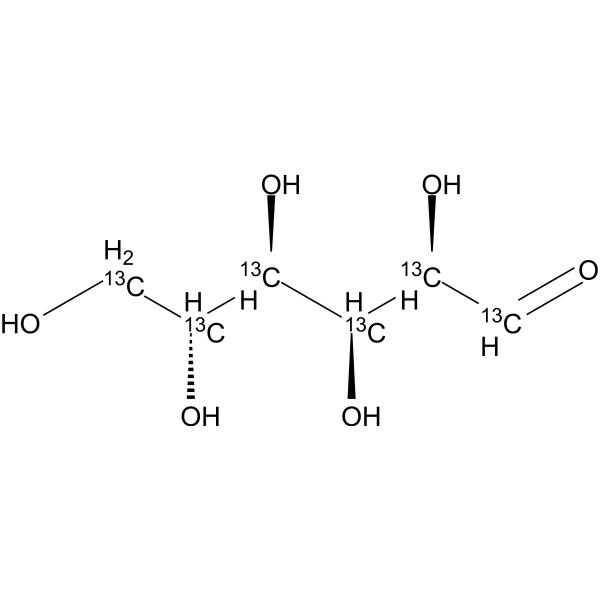
    D-Glucose-13C6
    15+ Cited Publications

    glucose-13C6; D-(+)-glucose-13C6; Dextrose-13C6

    Endogenous Metabolite Metabolic Disease
    D-Glucose- 13C6 is a stable isotope-labeled counterpart of D-glucose (HY-B0389). D-Glucose- 13C6 can be used as a metabolic tracer to trace glucose-related synthetic catabolism or as synthesis ingredient, minimal media reagent, and internal standard .
    D-Glucose-13C6
  • HY-N2024
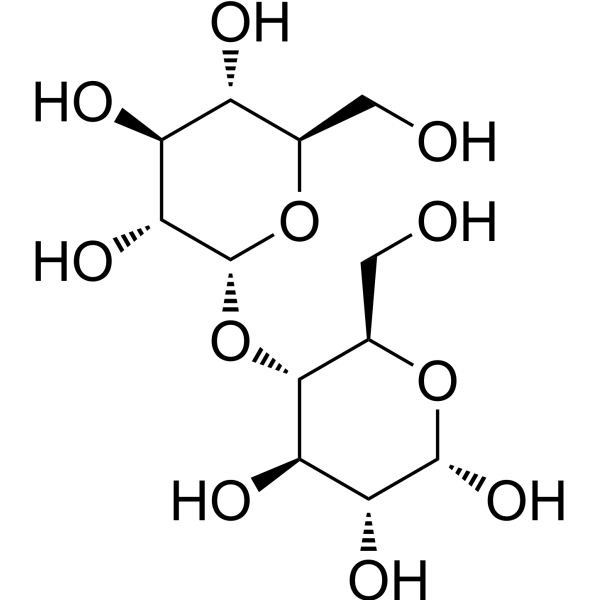
    Maltose
    1 Publications Verification

    Endogenous Metabolite Glycosidase Metabolic Disease
    Maltose is a disaccharide composed of two glucose molecules linked together. Maltose is an endogenous metabolic product in plants, yeast, or bacteria, and it participates in carbon source storage and metabolism. Maltose is a key core metabolite and main transport form in the temporary starch degradation, carbon output, and subsequent sucrose synthesis metabolism of the night chloroplast. In X. dendrorhous, maltose can act as a sugar donor and is converted into isomaltulose by α-glucosidase). Maltose can act as a osmotic agent, supporting continuous capillary ultrafiltration and preventing severe metabolic disorders .
    Maltose
  • HY-112537
    D-Glucose 6-phosphate
    4 Publications Verification

    Endogenous Metabolite mTOR Cardiovascular Disease Metabolic Disease
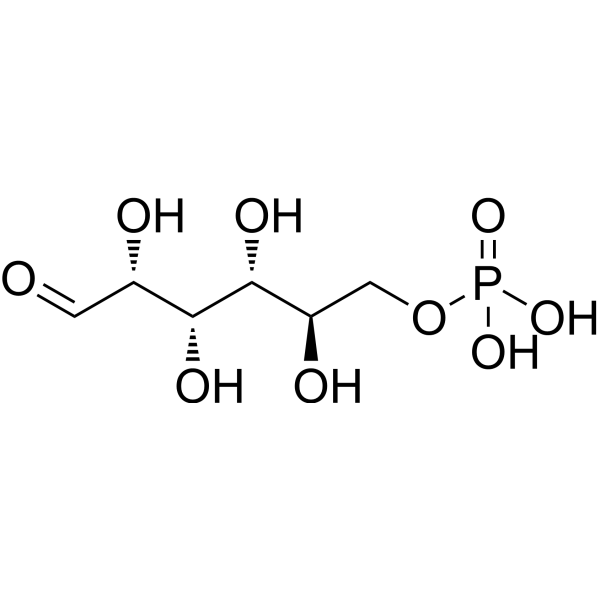
    D-Glucose 6-phosphate is a key central node metabolite in glucose metabolism. It serves as the initiating metabolite for glycolysis and the pentose phosphate pathway, as well as a substrate for glycogen synthesis. D-Glucose 6-phosphate acts as a metabolic stress signal, which activates the mTOR pathway to promote protein synthesis, especially when phosphoglucose isomerase (PGI) is inhibited, thereby participating in cardiac remodeling processes. D-Glucose 6-phosphate can be used in research related to non-insulin-dependent diabetes mellitus and heart failure .
    D-Glucose 6-phosphate
  • HY-128923
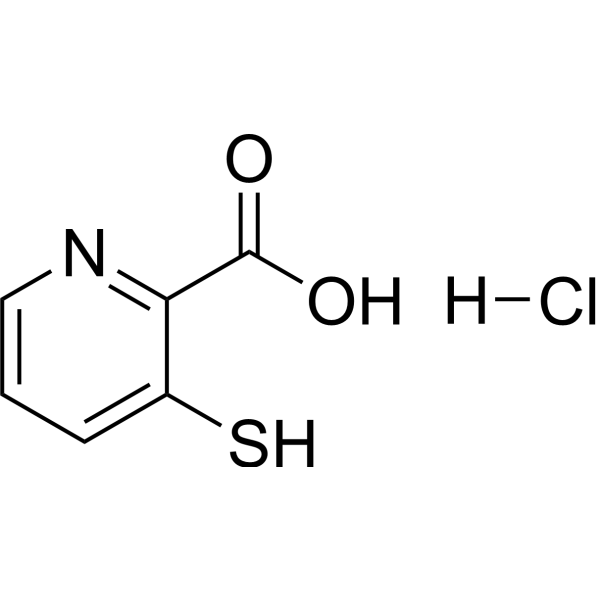
    SKF-34288 hydrochloride
    5+ Cited Publications

    3-Mercaptopicolinic acid hydrochloride; 3-MPA hydrochloride

    PEPCK Metabolic Disease
    SKF-34288 (3-Mercaptopicolinic acid) hydrochloride is an orally active phosphoenolpyruvate carboxykinase (PEPCK) inhibitor (Ki: 2-9 μM). SKF-34288 hydrochloride is a potent hypoglycemic agent by inhibiting glucose synthesis. SKF-34288 hydrochloride also inhibits Asn metabolism and increases amino acids and amides .
    SKF-34288 hydrochloride
  • HY-128748

    Endogenous Metabolite Others
    DL-Glyceraldehyde is a bioactive substance involved in cellular energy metabolism and a key intermediate in sugar metabolism pathways (such as glycolysis and gluconeogenesis). During glycolysis, DL-Glyceraldehyde is converted by enzymes into other metabolites to provide energy for cells; during gluconeogenesis, DL-Glyceraldehyde participates in the synthesis of glucose as a precursor. In the field of medical research, DL-Glyceraldehyde can be used to study diseases related to sugar metabolism, such as diabetes, tumors, etc[1][2].
    DL-Glyceraldehyde
  • HY-N6006

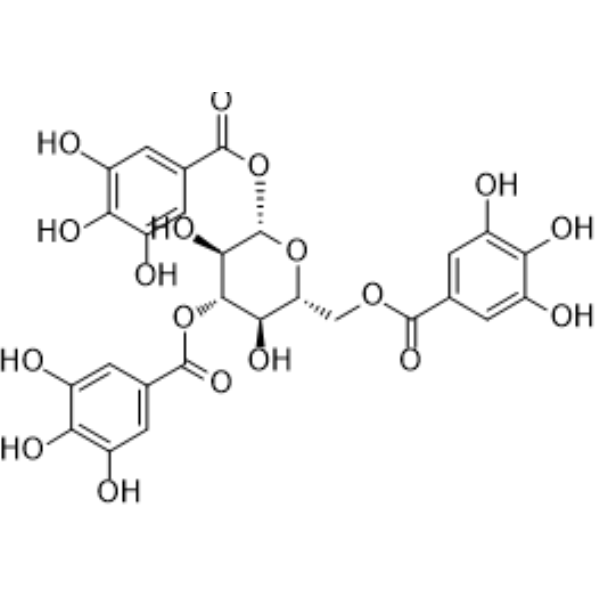
    1,3,6-Tri-O-galloyl-β-D-glucose

    Others Others
    1,3,6-Tri-O-galloyl-beta-D-glucose is a non-covalent inhibitor of tyrosinase (TYR), which can block the rate-limiting step of melanin synthesis and inhibit melanin deposition. 1,3,6-Tri-O-galloyl-beta-D-glucose has antioxidant and anti-inflammatory activities and can be used as a natural active ingredient to develop anti-freckle and whitening skin care products .
    1,3,6-Tri-O-galloyl-beta-D-glucose
  • HY-N0466

    Glycosidase HMG-CoA Reductase (HMGCR) Fatty Acid Synthase (FASN) LDLR Others
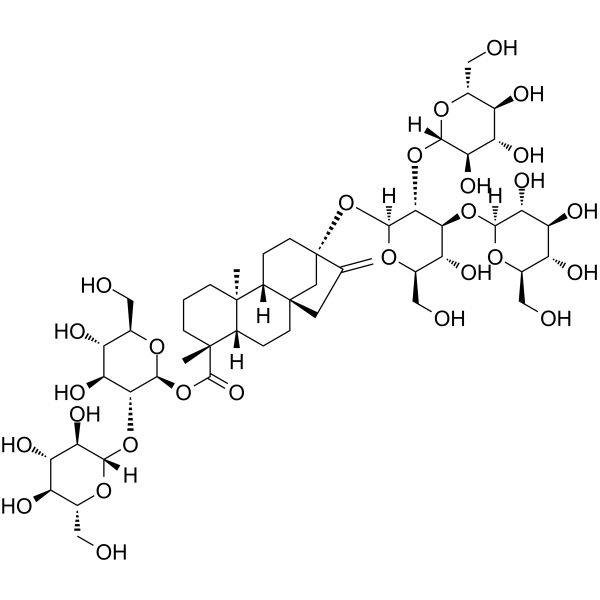
    Rebaudioside A is an orally effective steviol glycoside with high sweetness. Rebaudioside A acts as an inhibitor of α-glucosidase with an IC50 value of 35.01 μg/mL. Rebaudioside A increases the ATP/ADP ratio in β cells in a glucose-dependent manner, thereby inhibiting KATP channels, leading to membrane depolarization, calcium influx, and ultimately stimulating insulin secretion. Rebaudioside A activates the SREBP signaling pathway by inhibiting HMGCR, the rate-limiting enzyme in cholesterol synthesis, resulting in increased expression of LDLR on the cell surface, thus promoting the uptake of LDL-C in the blood. Rebaudioside A can be used for studies on blood glucose and lipid regulation as well as anti-obesity .
    Rebaudioside A
  • HY-N2024A
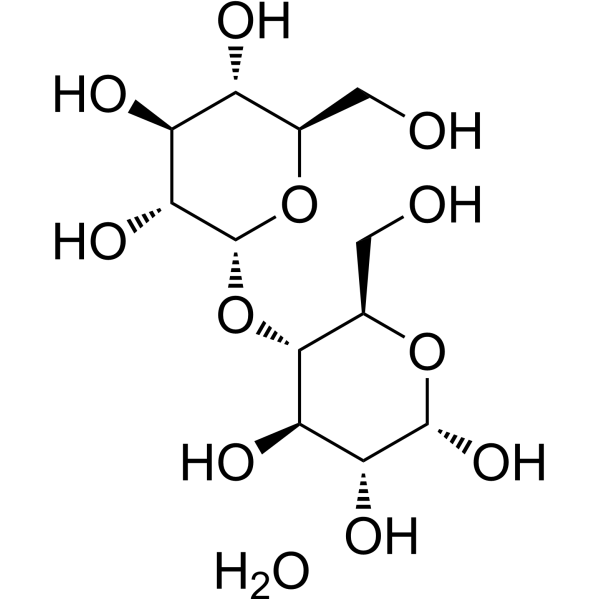
    Maltose monohydrate
    1 Publications Verification

    Endogenous Metabolite Glycosidase Metabolic Disease
    Maltose monohydrate is a disaccharide composed of two glucose molecules linked together. Maltose monohydrate is an endogenous metabolic product in plants, yeast, or bacteria, and it participates in carbon source storage and metabolism. Maltose monohydrate is a key core metabolite and main transport form in the temporary starch degradation, carbon output, and subsequent sucrose synthesis metabolism of the night chloroplast. In X. dendrorhous, maltose can act as a sugar donor and is converted into isomaltulose by α-glucosidase. Maltose monohydrate can act as a osmotic agent, supporting continuous capillary ultrafiltration and preventing severe metabolic disorders .
    Maltose monohydrate
  • HY-42680

    D-(-)-Tagatose

    Endogenous Metabolite Metabolic Disease Inflammation/Immunology Cancer
    D-Tagatose (D-(-)-Tagatose) is a natural low-calorie rare sugar. D-Tagatose inhibits the activities of sucrase, maltase and intestinal disaccharidases, reduces the digestion of sucrose and starch, and blocks the absorption of sucrose, maltose and glucose. D-Tagatose promotes glucokinase activity and inhibits glycogen phosphorylase activity via tagatose-1-phosphate, regulates the synthesis and decomposition of hepatic glycogen, reduces postprandial and fasting blood glucose levels, and improves hyperinsulinemia. D-Tagatose regulates lipid profiles, stimulates GLP-1 secretion, and exhibits prebiotic effects. D-Tagatose is a bulking sweetener. D-Tagatose can be used in research related to diabetes, hyperlipidemia, dental caries, atherosclerosis and type 2 diabetes .
    D-Tagatose
  • HY-117660
    Lincomycin
    5 Publications Verification

    U-10149

    Antibiotic Bacterial DNA/RNA Synthesis Infection Metabolic Disease
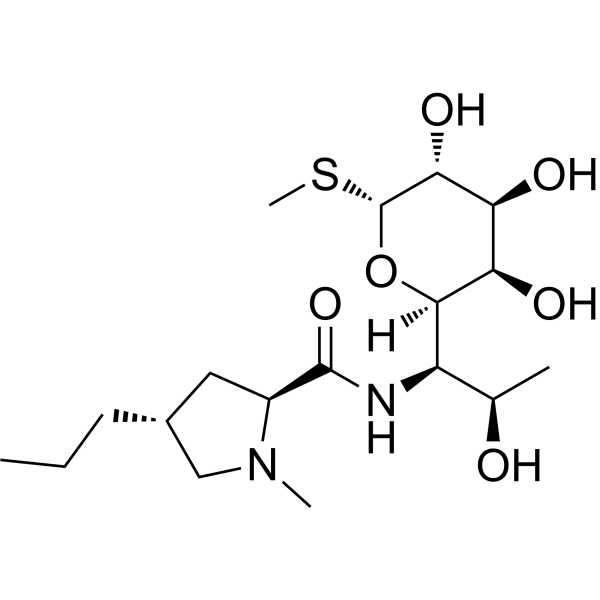
    Lincomycin (U-10149) is an orally active lincosamide antibiotic. Lincomycin binds to the ribosomes of Gram-positive bacteria to inhibit protein synthesis. Lincomycin can inhibit chloroplast translation, disrupt chloroplast integrity, and activate chloroplast-to-nucleus retrograde signaling in Arabidopsis thaliana seedlings. Lincomycin induces alterations in lipid profiles and liver injury, disrupts blood glucose and insulin levels, and increases growth rate in mice .
    Lincomycin
  • HY-N2486
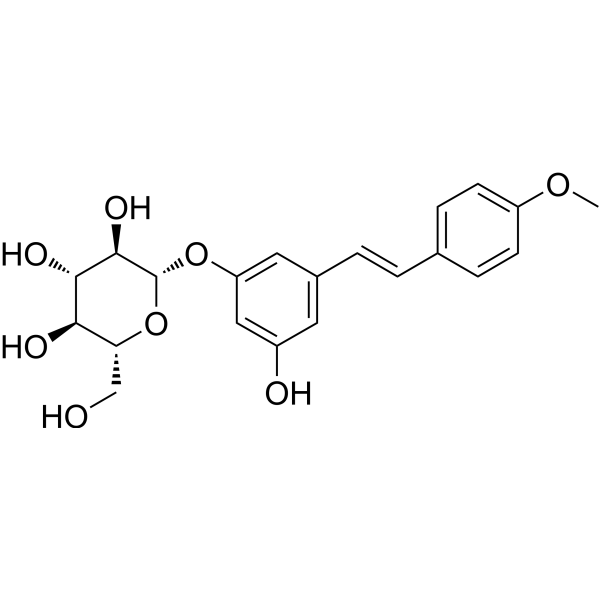
    Desoxyrhaponticin
    1 Publications Verification

    Fatty Acid Synthase (FASN) Apoptosis Cancer
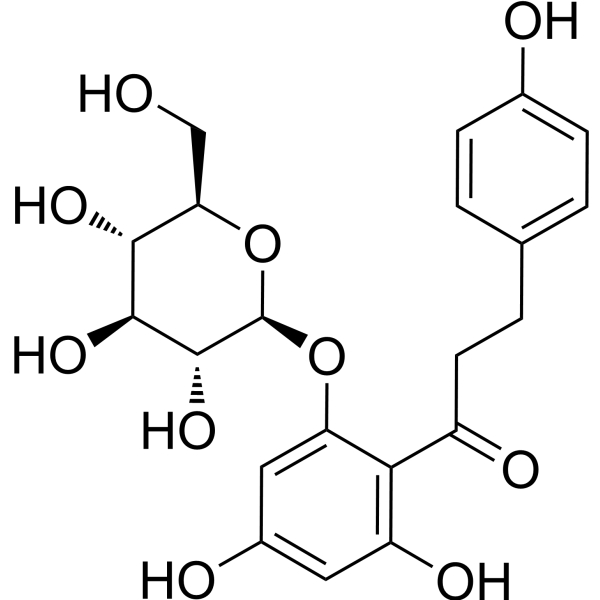
    Desoxyrhaponticin is a kind of oral drug that inhibits effective fatty acid synthesis (FASN), and has a fatal effect on cancer cells. Desoxyrhaponticin has the ability to inhibit glucose uptake, improve oral glucose tolerance as a diabetic agent, and possess anti-diabetic effects.
    Desoxyrhaponticin
  • HY-43747

    Acetobromo-α-D-glucose, contains 1% CaCO3 as stabilizer; Acetobromo-alpha-D-glucose, contains 1% CaCO3 as stabilizer

    Biochemical Assay Reagents Drug Intermediate Others
    α-Acetobromoglucose, contains 1% CaCO3 as stabilizer (Acetobromo-α-D-glucose, contains 1% CaCO3 as stabilizer) is a glycosyl donor that can be used for the synthesis of other active compounds .
    α-Acetobromoglucose, contains 1% CaCO3 as stabilizer
  • HY-163771

    Pyruvate Carboxylase (PC) Metabolic Disease
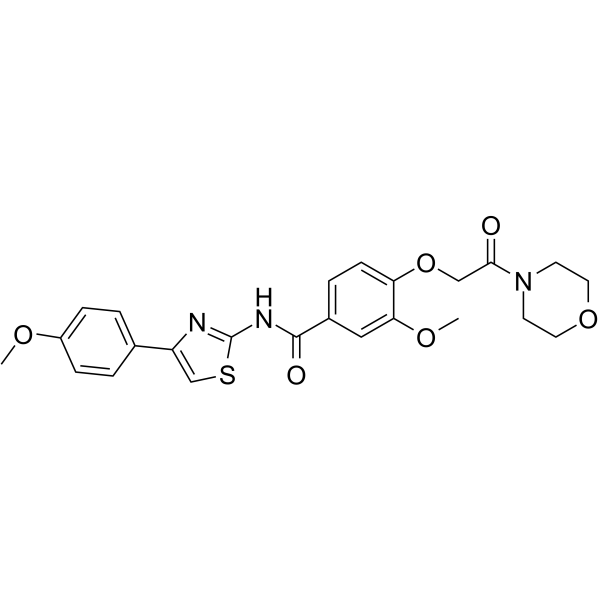
    Pyruvate Carboxylase-IN-5 (compound 6m) is a pyruvate carboxylase inhibitor with high selectivity and permeability. Pyruvate carboxylase is a mitochondrial enzyme that catalyzes the carboxylation of pyruvate to oxaloacetate, a process that plays an important role in maintaining steady-state levels of Krebs cycle intermediates, which are precursors for the synthesis of biomacromolecules such as amino acids, fatty acids, and glucose .
    Pyruvate Carboxylase-IN-5
  • HY-124418
    SBI-477
    1 Publications Verification

    Fluorescent Dye Insulin Receptor LXR Arrestin Metabolic Disease
    SBI-477 is a chemical probe that stimulates insulin signaling by deactivating the transcription factor MondoA. SBI-477 can lead to reduced expression of the insulin pathway suppressors thioredoxin-interacting protein (TXNIP) and arrestin domain-containing 4 (ARRDC4). SBI-477 coordinately inhibits triacylglyceride (TAG) synthesis and enhances basal glucose uptake in human skeletal myocytes .
    SBI-477
  • HY-34596

    Biochemical Assay Reagents Amyloid-β Neurological Disease Metabolic Disease
    4-Hydroxyindole is a type of hydroxyindole in which the 1H-indole at position 4 is substituted by a hydroxyl group. 4-Hydroxyindole serves as an important raw material or intermediate in the synthesis of pharmaceutical products and industrial polymers. 4-Hydroxyindole inhibits amyloid fibrillization and induces liver function impairment, thyroid abnormalities, and blood glucose fluctuations in mice. 4-Hydroxyindole holds potential for research in neurodegenerative diseases and metabolic disorders .
    4-Hydroxyindole
  • HY-B1876

    Environmental Pollutants Acetolactate Synthase (ALS) Others
    Nicosulfuron is efficient, harmless, antifungal and selective herbicide belonging to the sulfonylurea family. Nicosulfuron is also a photosynthetic system inhibitor and inhibits acetolactate synthase (ALS) enzyme activity. Nicosulfuron degradation by Plectosphaerella cucumerina AR1 is glucose concentration dependent in planktonic lifestyle. Nicosulfuron enhances the glycolysis pathway and tricarboxylic acid cycle to improve the adaptability of sweet maize. Nicosulfuron reduces the synthesis of branched-chain amino acids (BCAAs), which is proming for maize cultivation .
    Nicosulfuron
  • HY-B1350A
    Fusidic acid sodium salt
    2 Publications Verification

    Sodium fusidate; SQ-16360

    Bacterial Antibiotic Interleukin Related Infection Inflammation/Immunology
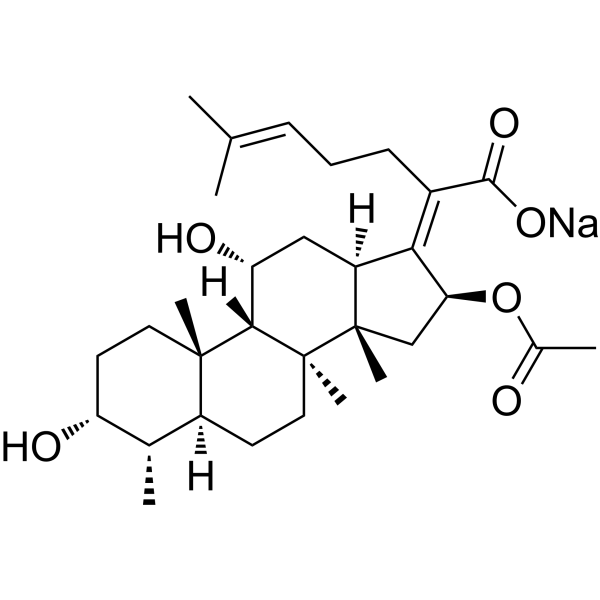
    Fusidic acid sodium salt is an orally available antibacterial agent that inhibits bacterial protein synthesis by preventing the release of translation elongation factor G (EF-G) from ribosomes. Fusidic acid sodium salt inhibits the inhibitory and activating effects of interleukins IL-1 and IL-6 on glucose-induced insulin production and exhibits antidiabetic effects in a rat model. Fusidic acid sodium salt improves the symptoms of colitis in rats and inhibits the growth of Toxoplasma gondii and Listeria monocytogenes EGD in vitro, but not in mice .
    Fusidic acid sodium salt
  • HY-N2024AS1

    Isotope-Labeled Compounds Endogenous Metabolite Glycosidase Metabolic Disease
    Maltose monohydrate- 13C12 is the 13C labeled isotope of Maltose monohydrate. Maltose monohydrate is a disaccharide composed of two glucose molecules linked together. Maltose monohydrate is an endogenous metabolic product in plants, yeast, or bacteria, and it participates in carbon source storage and metabolism. Maltose monohydrate is a key core metabolite and main transport form in the temporary starch degradation, carbon output, and subsequent sucrose synthesis metabolism of the night chloroplast. In X. dendrorhous, maltose can act as a sugar donor and is converted into isomaltulose by α-glucosidase. Maltose monohydrate can act as a osmotic agent, supporting continuous capillary ultrafiltration and preventing severe metabolic disorders.
    Maltose-13C12 monohydrate
  • HY-N10319

    Epigenetic Reader Domain Necroptosis TRP Channel Metabolic Disease Inflammation/Immunology Cancer
    Artepillin C is an orally active CREB/CRTC2 inhibitor and TRPA1 covalent agonist (EC50=1.8 μM). Artepillin C inhibits CREB/CRTC2-mediated gene transcription and downregulates BMAL1 expression to regulate glucose and lipid metabolism. Artepillin C can also activate TRPA1 channels to induce spicy taste signals. Artepillin C can inhibit tumor cell proliferation, induce necroptosis, improve insulin resistance and inhibit liver lipid synthesis. Artepillin C can be used in the study of metabolic syndrome, tumor prevention and treatment, and inflammation .
    Artepillin C
  • HY-112537S1

    Isotope-Labeled Compounds Endogenous Metabolite mTOR Cardiovascular Disease Metabolic Disease
    D-Glucose 6-Phosphate- 13C6 disodium xhydrate is a 13C-labeled D-Glucose 6-phosphate disodium xhydrate. D-Glucose 6-phosphate disodium xhydrate is a key central node metabolite in sugar metabolism, serving as the initial metabolite of glycolysis and pentose phosphate pathway, and also a substrate for glycogen synthesis. D-Glucose 6-phosphate disodium xhydrate can act as a metabolic stress signal, especially when phosphoglucomutase (PGI) is inhibited, activating the mTOR pathway, promoting protein synthesis, and thereby participating in the remodeling process of the heart. D-Glucose 6-phosphate disodium xhydrate can be used in research related to non-insulin-dependent diabetes and heart failure.
    D-Glucose 6-Phosphate-13C6 (disodium xhydrate)
  • HY-P10929

    Drug Intermediate Others
    Fmoc-Lys(tBuO-Ara-Glu(AEEA-AEEA)-OtBu)-OH is a drug intermediate in the synthesis of Tirzepatide. Tirzepatide is a dual glucose-dependent insulinotropic peptide (GIP) and glucagon-like peptide-1 receptor (GLP-1R) agonist .
    Fmoc-Lys(tBuO-Ara-Glu(AEEA-AEEA)-OtBu)-OH
  • HY-19997

    TATM

    Biochemical Assay Reagents Cancer
    Mannose triflate is a glucose analog. Mannose triflate is a precursor for 18F-FDG synthesis for PET applications. Mannose triflate binds to 18F via SN2 nucleophilic substitution reaction. Mannose triflate can be used for an imaging technique in detection of cancer .
    Mannose triflate
  • HY-B0417A
    Lincomycin hydrochloride
    5 Publications Verification

    U10149A

    DNA/RNA Synthesis Antibiotic Bacterial Infection Metabolic Disease
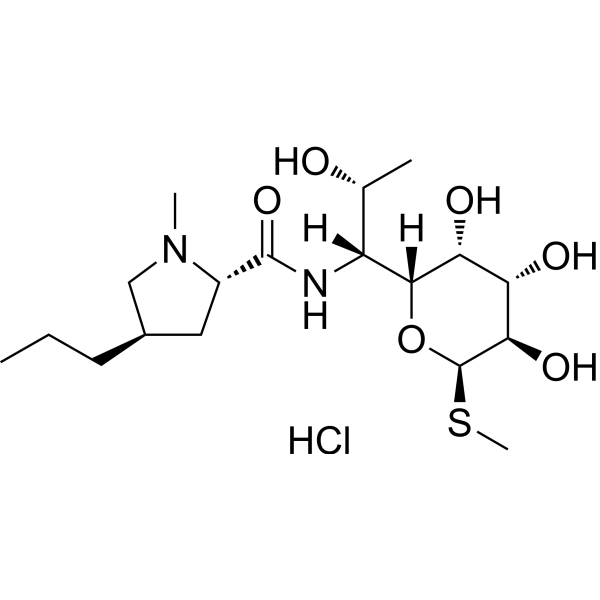
    Lincomycin hydrochloride (U10149A) is an orally active lincosamide antibiotic. Lincomycin hydrochloride binds to the ribosomes of Gram-positive bacteria to inhibit protein synthesis. Lincomycin hydrochloride can inhibit chloroplast translation, disrupt chloroplast integrity, and activate chloroplast-to-nucleus retrograde signaling in Arabidopsis thaliana seedlings. Lincomycin hydrochloride induces alterations in lipid profiles and liver injury, disrupts blood glucose and insulin levels, and increases growth rate in mice .
    Lincomycin hydrochloride
  • HY-B1358
    Lincomycin hydrochloride monohydrate
    5 Publications Verification

    U-10149 hydrochloride monohydrate

    DNA/RNA Synthesis Antibiotic Bacterial Infection Metabolic Disease
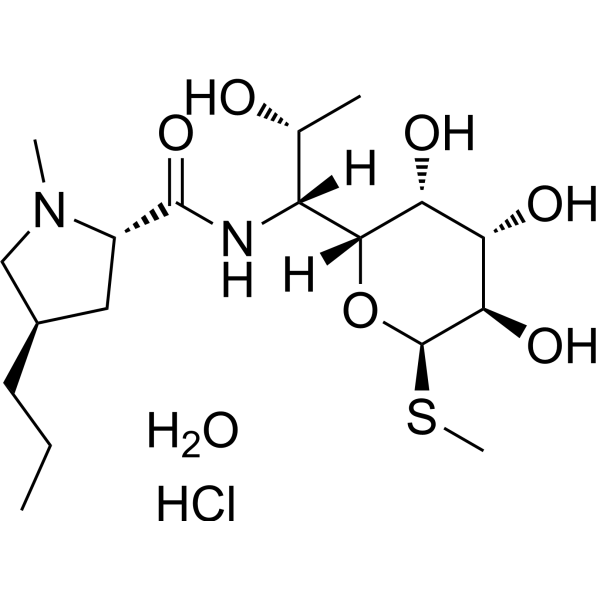
    Lincomycin (U-10149) hydrochloride monohydrate is an orally active lincosamide antibiotic. Lincomycin hydrochloride monohydrate binds to the ribosomes of Gram-positive bacteria to inhibit protein synthesis. Lincomycin hydrochloride monohydrate can inhibit chloroplast translation, disrupt chloroplast integrity, and activate chloroplast-to-nucleus retrograde signaling in Arabidopsis thaliana seedlings. Lincomycin hydrochloride monohydrate induces alterations in lipid profiles and liver injury, disrupts blood glucose and insulin levels, and increases growth rate in mice .
    Lincomycin hydrochloride monohydrate
  • HY-128747

    Endogenous Metabolite Cardiovascular Disease Metabolic Disease Inflammation/Immunology
    α-D-Glucose-1-phosphate disodium is used as a starting material for synthesis of glucuronic acid. α-D-Glucose-1-phosphate disodium can be used as a cytostatic compound essential for cardiopathic therapy, as an antibiotic, as an immunosuppressive agent, and as a circulatory system therapy element .
    α-D-Glucose-1-phosphate disodium
  • HY-128747A

    Drug Derivative Drug Intermediate Antibiotic Cardiovascular Disease Inflammation/Immunology
    α-D-Glucose-1-phosphate disodium hydrate is a derivative of D-glucose (HY-B0389). α-D-Glucose-1-phosphate disodium hydrate serves as a starting material for glucuronic acid synthesis. Glucuronic acid acts as a Ca 2+ chelator and also functions as a biosynthetic substrate for the production of linear maltooligosaccharides or α,α-trehalose. α-D-Glucose-1-phosphate disodium hydrate can be used as a cytostatic compound, Antibiotic, and immunosuppressant essential for heart disease management. α-D-Glucose-1-phosphate disodium hydrate is applicable to the research of heart disease .
    α-D-Glucose-1-phosphate disodium hydrate
  • HY-W011082

    NOD-like Receptor (NLR) Cardiovascular Disease
    NLRP3-IN-2, an intermediate substrate in the synthesis of glyburide, inhibits the formation of the NLRP3 inflammasome in cardiomyocytes and limits the infarct size following myocardial ischemia/reperfusion in the mouse, without affecting glucose metabolism .
    NLRP3-IN-2
  • HY-N7676
    Marein
    3 Publications Verification

    AMPK HDAC Cardiovascular Disease Neurological Disease Metabolic Disease
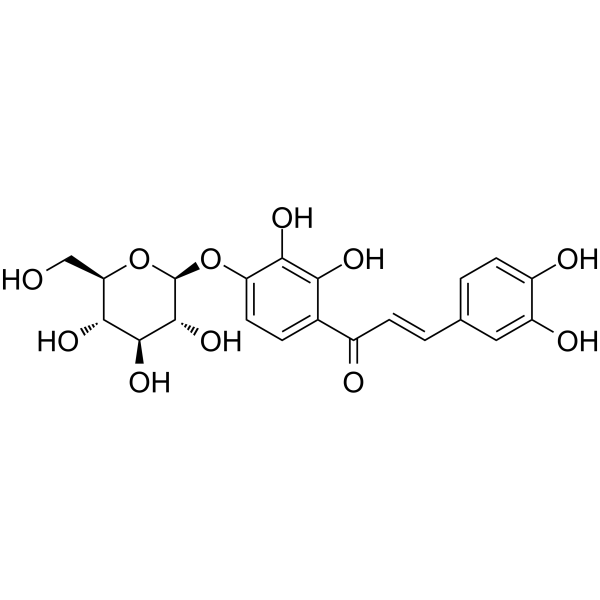
    Marein has the neuroprotective effect due to a reduction of damage to mitochondria function and activation of the AMPK signal pathway. Marein improves insulin resistance induced by high glucose in HepG2 cells through CaMKK/AMPK/GLUT1 to promote glucose uptake, through IRS/Akt/GSK-3β to increase glycogen synthesis, and through Akt/FoxO1 to decrease gluconeogenesis. Marein is a HDAC inhibitor with an IC50 of 100 μM. Marein has beneficial antioxidative, antihypertensive, antihyperlipidemic and antidiabetic effects .
    Marein
  • HY-P2989

    Endogenous Metabolite Metabolic Disease Cancer
    Pyruvate carboxylase is a key mitochondrial anaplerotic enzyme that catalyzes the conversion of pyruvate to oxaloacetate. Pyruvate carboxylase not only maintains tricarboxylic acid cycle activity and redox homeostasis, but also drives hepatic gluconeogenesis and fatty acid synthesis. The activity of Pyruvate carboxylase is upregulated in insulin-resistant states, exacerbating hepatic glucose production. Pyruvate carboxylase also shows significantly enhanced expression in early-stage non-small cell lung cancer (NSCLC). Pyruvate carboxylase promotes tumor proliferation by supporting nucleotide and lipid synthesis, and its functional deficiency cannot be compensated by glutaminolysis. Pyruvate carboxylase can be used in the research of prediabetes type 2 and NSCLC .
    Pyruvate carboxylase
  • HY-140012

    PROTAC Linkers Cancer
    Azido-PEG4-beta-D-glucose is a PEG-based PROTAC linker that can be used in the synthesis of PROTACs . Azido-PEG4-beta-D-glucose is a click chemistry reagent, it contains an Azide group and can undergo copper-catalyzed azide-alkyne cycloaddition reaction (CuAAc) with molecules containing Alkyne groups. It can also undergo strain-promoted alkyne-azide cycloaddition (SPAAC) reactions with molecules containing DBCO or BCN groups.
    Azido-PEG4-beta-D-glucose
  • HY-W015912

    2-Furyl methyl ketone

    Drug Intermediate Infection
    2-Acetylfuran (2-Furyl methyl ketone), an important flavour compound or intermediate in foods, is isolated from essential oils, sweet corn products, fruits and flowers. 2-Acetylfuran also can be formed from glucose and glycine by Maillard reaction. 2-Acetylfuran can be used to synthesis Cefuroxime. 2-acetylfuran can be used in the synthesis of reagents with antiamoebic activity .
    2-Acetylfuran
  • HY-N2024R

    Reference Standards Endogenous Metabolite Glycosidase Metabolic Disease
    Maltose (Standard) is the analytical standard of Maltose. This product is intended for research and analytical applications. Maltose is a disaccharide composed of two glucose molecules linked together. Maltose is an endogenous metabolic product in plants, yeast, or bacteria, and it participates in carbon source storage and metabolism. Maltose is a key core metabolite and main transport form in the temporary starch degradation, carbon output, and subsequent sucrose synthesis metabolism of the night chloroplast. In X. dendrorhous, maltose can act as a sugar donor and is converted into isomaltulose by α-glucosidase (α-Glucosidase). Maltose can act as a osmotic agent, supporting continuous capillary ultrafiltration and preventing severe metabolic disorders.
    Maltose (Standard)
  • HY-41984

    D-glucose diacetonide; 1,2:5,6-Diisopropylidene-D-glucose

    Biochemical Assay Reagents Drug Intermediate Others
    Diacetone-D-glucose (D-Glucose diacetonide) is a sugar-derived secondary alcohol that serves as an important pharmaceutical intermediate for the synthesis of other active compounds .
    Diacetone-D-glucose
  • HY-112537S2

    Isotope-Labeled Compounds Endogenous Metabolite mTOR Others
    D-Glucose 6-phosphate- 13C is 13C labeled D-Glucose 6-phosphate (HY-112537). D-Glucose 6-phosphate is a key central node metabolite in glucose metabolism. It serves as the initiating metabolite for glycolysis and the pentose phosphate pathway, as well as a substrate for glycogen synthesis. D-Glucose 6-phosphate acts as a metabolic stress signal, which activates the mTOR pathway to promote protein synthesis, especially when phosphoglucose isomerase (PGI) is inhibited, thereby participating in cardiac remodeling processes. D-Glucose 6-phosphate can be used in research related to non-insulin-dependent diabetes mellitus and heart failure.
    D-Glucose 6-phosphate-13C
  • HY-N2486R

    Reference Standards Fatty Acid Synthase (FASN) Apoptosis Cancer
    Desoxyrhaponticin (Standard) is the analytical standard of Desoxyrhaponticin. This product is intended for research and analytical applications. Desoxyrhaponticin is a kind of oral drug that inhibits effective fatty acid synthesis (FASN), and has a fatal effect on cancer cells. Desoxyrhaponticin has the ability to inhibit glucose uptake, improve oral glucose tolerance as a diabetic agent, and possess anti-diabetic effects .
    Desoxyrhaponticin (Standard)
  • HY-W016203

    Sodium phenylpyruvate

    Endogenous Metabolite PDI Infection Metabolic Disease
    Phenylpyruvic acid sodium is a endogenous metabolite that participates in the synthesis of 3-phenyllactic acid (PLA) by lactate dehydrogenase. Phenylpyruvic acid is a precursor of the antifungal compound phenyllactic acid. Phenylpyruvic acid can improve the antifungal activity of eight lactic acid bacterial strains through the addition into a dedined growth medium. Phenylpyruvic acid demonstrates improved inhibitory activity against fungal bread contaminants Aspergillus niger and Penicillium roqueforti. Phenylpyruvic acid affects enzyme activity of the pentose phosphate pathway involved in the oxidative phase in rat brain homogenates. Phenylpyruvic acid can reduce glucose-6-phosphate dehydrogenase activity .
    Phenylpyruvic acid sodium
  • HY-W142618

    Biochemical Assay Reagents Others
    D-Glucal is an organic compound belonging to the family of aldoses, which are monosaccharides containing an aldehyde functional group. It has a six-carbon structure and is derived from glucose by oxidation of the primary alcohol group at carbon 1 to an aldehyde group. D-Glucal is a white crystalline solid that is soluble in water and has a sweet taste. It is an important intermediate in the chemical synthesis of a wide variety of compounds, including pharmaceuticals, agrochemicals, and natural products. D-Glucal can be converted into other carbohydrate derivatives such as glycosides, glycoconjugates and amino sugars. It also plays a role in the study of carbohydrate chemistry, where it is used as a chiral building block for the synthesis of complex structures.
    D-Glucal
  • HY-128747R

    Reference Standards Endogenous Metabolite Cardiovascular Disease Metabolic Disease Inflammation/Immunology
    α-D-Glucose-1-phosphate disodium (Standard) is the analytical standard of α-D-Glucose-1-phosphate disodium (HY-128747). This product is intended for research and analytical applications. α-D-Glucose-1-phosphate disodium is used as a starting material for synthesis of glucuronic acid. α-D-Glucose-1-phosphate disodium can be used as a cytostatic compound essential for cardiopathic therapy, as an antibiotic, as an immunosuppressive agent, and as a circulatory system therapy element.
    α-D-Glucose-1-phosphate disodium (Standard)
  • HY-P3018

    Endogenous Metabolite Metabolic Disease
    Uridine-5'-diphosphoglucose pyrophosphorylase is involved in the catalysis of UDP-glucose synthesis. Uridine-5'-diphosphoglucose pyrophosphorylase can be used to determine the concentration of pyrophosphate in urine .
    Uridine-5'-diphosphoglucose pyrophosphorylase
  • HY-W556338

    Biochemical Assay Reagents
    α-D-Glucose 1-phosphate (dipotassium) is a biochemical reagent used in the study of glycobiology. Glycobiology studies the structure, synthesis, biology, and evolution of sugars. It deals with carbohydrate chemistry, glycan formation and degradation enzymology, protein-glycan recognition, and the role of glycans in biological systems. The field is closely related to basic research, biomedicine and biotechnology .
    α-D-Glucose 1-phosphate dipotassium
  • HY-E70070

    Bacterial Others
    Endo-β-N-acetylglucosaminidase (Endo A) is an Endo-β-N-acetylglucosaminidases (ENGases) from Arthrobacter protophormiae. Endo-β-N-acetylglucosaminidase (Endo A) can transfer a high-mannose type oligosaccharide to monosaccharides such as N-acetylglucosamine (GlcNAc) and glucose to form a new oligosaccharide. Endo-β-N-acetylglucosaminidase (Endo A) catalyzes glycopeptide synthesis by using Man3GlcNAc-oxazoline .
    Endo-β-N-acetylglucosaminidase (Endo A)
  • HY-N2024AS

    Isotope-Labeled Compounds Endogenous Metabolite Glycosidase Metabolic Disease
    Maltose monohydrate-d14 is the deuterium labeled Maltose monohydrate. Maltose monohydrate is a disaccharide composed of two glucose molecules linked together. Maltose monohydrate is an endogenous metabolic product in plants, yeast, or bacteria, and it participates in carbon source storage and metabolism. Maltose monohydrate is a key core metabolite and main transport form in the temporary starch degradation, carbon output, and subsequent sucrose synthesis metabolism of the night chloroplast. In X. dendrorhous, maltose can act as a sugar donor and is converted into isomaltulose by α-glucosidase. Maltose monohydrate can act as a osmotic agent, supporting continuous capillary ultrafiltration and preventing severe metabolic disorders.
    Maltose monohydrate-d14
  • HY-N10612

    AMPK PPAR TRP Channel Mitochondrial Metabolism Metabolic Disease Cancer
    Petasin inhibits adipogenesis in cell 3T3-F442A with an IC50 of 0.95 μM. Petasin inhibits the expression of lipid synthesis factors ACC1, FAS and SCD1 by inhibiting transcription factors PPARγ and C/EBPα, as well as targeting TRPA1 and TRPV1 channels . Petasin inhibits mitochondrial complex I, thereby inhibiting tumor growth and metastasis. Petasin activates AMPK signaling pathway, participating in regulation of glucose and lipid metabolism. Petasin is orally active .
    Petasin
  • HY-N2024B

    Endogenous Metabolite Glycosidase Metabolic Disease
    Maltose solution, 20% in H2O is a 20% aqueous maltose solution. Maltose is a disaccharide composed of two glucose molecules linked together. Maltose is an endogenous metabolic product in plants, yeast, or bacteria, and it participates in carbon source storage and metabolism. Maltose is a key core metabolite and main transport form in the temporary starch degradation, carbon output, and subsequent sucrose synthesis metabolism of the night chloroplast. In X. dendrorhous, maltose can act as a sugar donor and is converted into isomaltulose by α-glucosidase. Maltose can act as a osmotic agent, supporting continuous capillary ultrafiltration and preventing severe metabolic disorders .
    Maltose solution, 20% in H2O
  • HY-141851

    Endogenous Metabolite Metabolic Disease
    UDP-glucose dehydrogenase is a cytosolic enzyme that catalyzes the oxidation of UDP-glucose to UDP-glucuronate. UDP-glucose dehydrogenase plays a critical role in synthesis of glycosaminoglycans and proteoglycans .
    UDP-glucose dehydrogenase
  • HY-W010751

    2,3,4,6-Tetrakis-O-(phenylmethyl)-D-glucopyranose

    Drug Intermediate Others
    2,3,4,6-Tetra-O-benzyl-D-glucopyranose is a glucose derivative that serves as an important intermediate in the synthesis of complex glycoconjugates, oligosaccharides, and glycosylated drug molecules .
    2,3,4,6-Tetra-O-benzyl-D-glucopyranose
  • HY-W400427

    Biochemical Assay Reagents Others
    α-D-Glucose-1-phosphate is an important intermediate in sugar metabolism, functioning as a glycosyl donor in glycosyl transfer reactions and participating in glycogen synthesis and degradation through the action of phosphorylases .
    α-D-Glucose-1-phosphate
  • HY-112537A

    Endogenous Metabolite mTOR Cardiovascular Disease Metabolic Disease
    D-Glucose 6-phosphate dipotassium is a key central node metabolite in glucose metabolism. It serves as the initiating metabolite for glycolysis and the pentose phosphate pathway, as well as a substrate for glycogen synthesis. D-Glucose 6-phosphate dipotassium acts as a metabolic stress signal, which activates the mTOR pathway to promote protein synthesis, especially when phosphoglucose isomerase (PGI) is inhibited, thereby participating in cardiac remodeling processes. D-Glucose 6-phosphate dipotassium can be used in research related to non-insulin-dependent diabetes mellitus and heart failure .
    D-Glucose 6-phosphate dipotassium
  • HY-141131

    PROTAC Linkers Cancer
    Propargyl-PEG2-beta-D-glucose is a PEG-based PROTAC linker that can be used in the synthesis of PROTACs .
    Propargyl-PEG2-beta-D-glucose
  • HY-I0144

    Drug Intermediate Others
    Thiazolidine is a five-membered heterocyclic compound containing sulfur and nitrogen heteroatoms. Thiazolidine is an important intermediate in organic synthesis. Thiazolidine derivatives possess diverse bioactivities, such as anti-tumor, antibacterial and insecticidal activities, and the capacity to reduce blood glucose levels .
    Thiazolidine

Consulta en línea

Your information is safe with us. * Required Fields.

Saludo


Country or Region *

Nombre del solicitante *


Nombre de la Organizaciòn *

Department *


Direcciòn del E-mail *


Nombre del producto *

Cat. No.


Requested quantity *

Número de teléfono *


Observaciones

Consulta en línea

Inquiry Information

Nombre del producto:
Cat. No.:
Cantidad:
MCE Japan Authorized Agent:

