Search Result
Results for "
glutathione peroxidases
" in MedChemExpress (MCE) Product Catalog:
3
Biochemical Assay Reagents
1
Isotope-Labeled Compounds
| Cat. No. |
Product Name |
Target |
Research Areas |
Chemical Structure |
-
- HY-100218A
-
RSL3
Maximum Cited Publications
514 Publications Verification
(1S,3R)-RSL3
|
p62
Glutathione Peroxidase
Ferroptosis
Reactive Oxygen Species (ROS)
|
Cancer
|
|
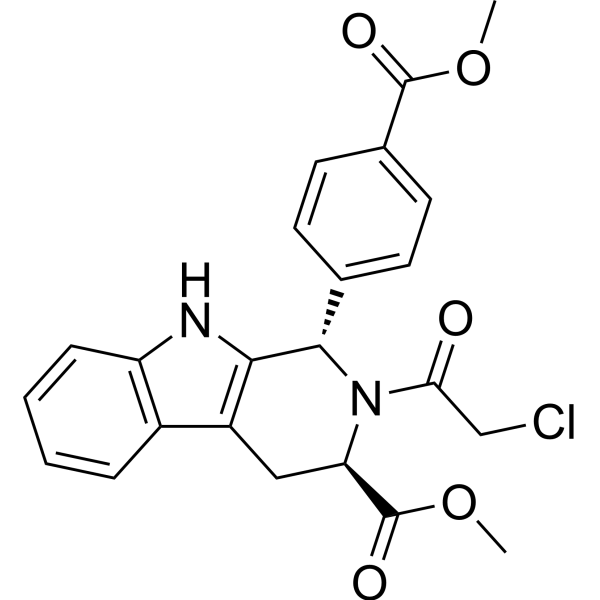
RSL3 ((1S,3R)-RSL3) is an inhibitor of glutathione peroxidase 4 (GPX4) (ferroptosis activator), reduces the expression of GPX4 protein, and induces ferroptotic death of head and neck cancer cell. RSL3 increases the expression of p62 and Nrf2 and inactivates Keap1 in HN3-rslR cells .
|
-
-
- HY-101966
-
|
|
Phosphoglycerate Dehydrogenase (PHGDH)
|
Metabolic Disease
Cancer
|
|
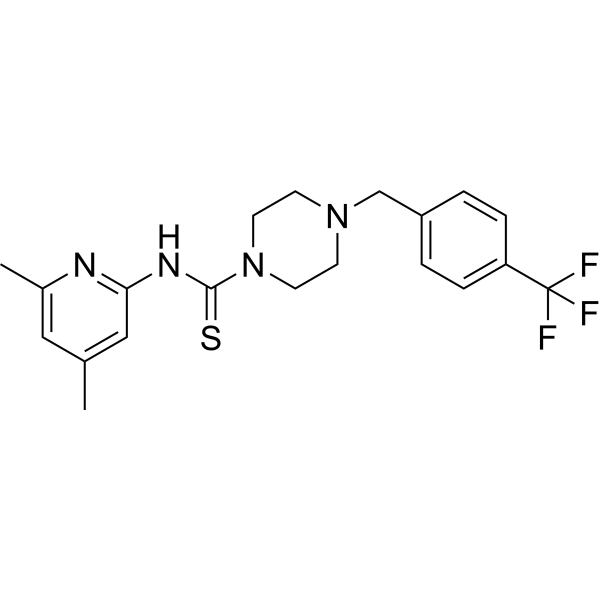
NCT-503 is a blood-brain barrier-permeable, non-competitive PHGDH inhibitor with an IC50 of 2.5 μM against human PHGDH. NCT-503 reduces glucose-derived serine production and the incorporation of one-carbon units into nucleotides without decreasing PHGDH protein expression. NCT-503 prevents high selenium-induced insulin resistance in mice by regulating blood glucose and insulin levels and improving glucose tolerance, and also inhibits the growth of tumors overexpressing PHGDH. NCT-503 can be used in research related to insulin resistance and breast cancer .
|
-
-
- HY-13750
-
|
SPI-1005; PZ-51; CCG-39161
|
Calcium Channel
Virus Protease
HIV
Phosphatase
|
Infection
Neurological Disease
Inflammation/Immunology
Cancer
|
|
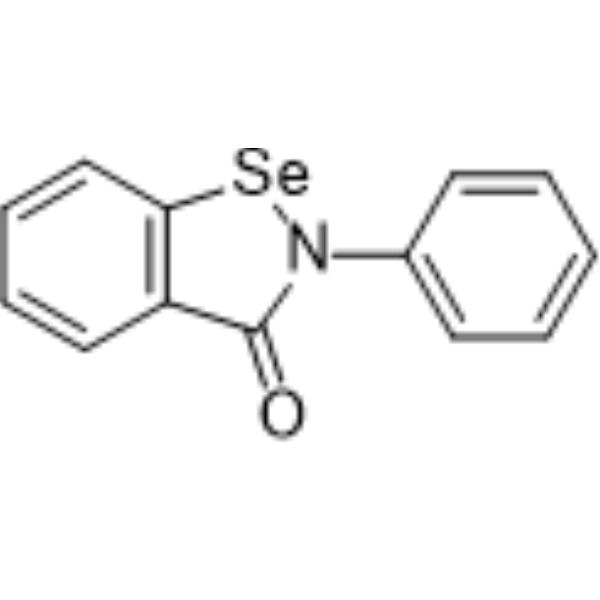
Ebselen (SPI-1005), a glutathione peroxidase mimetic, is a potent voltage-dependent calcium channel (VDCC) blocker . Ebselen potently inhibits M pro (IC50=0.67 μM) and COVID-19 virus (EC50=4.67 μM) .Ebselen is an inhibitor of HIV-1 capsid CTD dimerization. Ebselen, an organoselenium compound, can permeate the blood-brain barrier and has anti-inflammatory, antioxidant and anticancer activity .
|
-
-
- HY-100003
-
|
|
Glutathione Peroxidase
Ferroptosis
|
Cancer
|
|
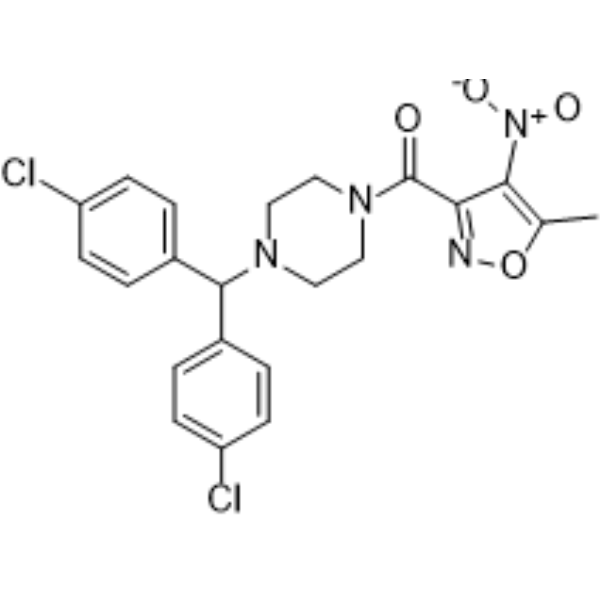
ML-210 is a selective and covalent glutathione peroxidase 4 (GPX4) inhibitor with an EC50 of 30 nM. ML-210 binds the GPX4 selenocysteine residue. ML-210 has anti-cancer activity .
|
-
-
- HY-100002
-
-
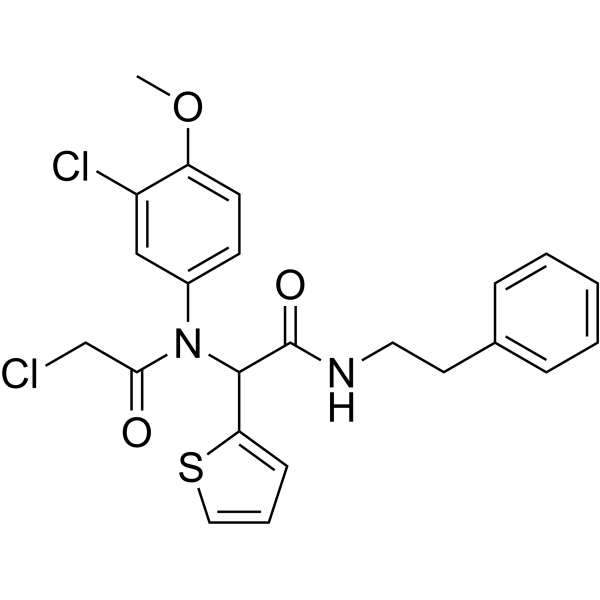
-
- HY-B0388
-
-
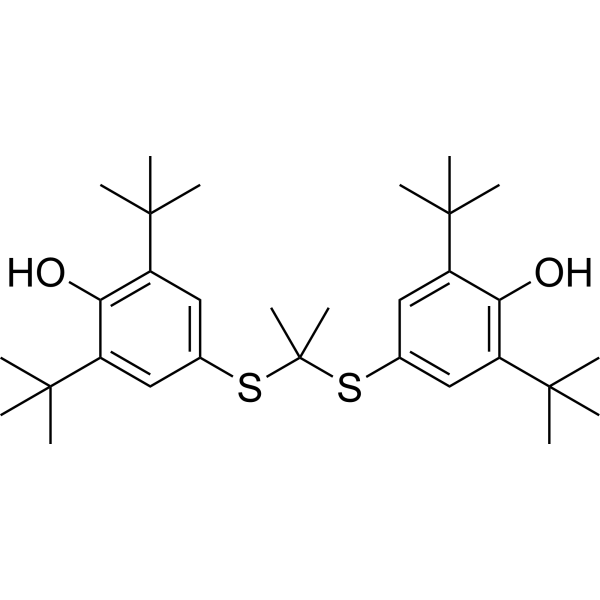
-
- HY-138153
-
|
|
Glutathione Peroxidase
Ferroptosis
|
Cancer
|
|
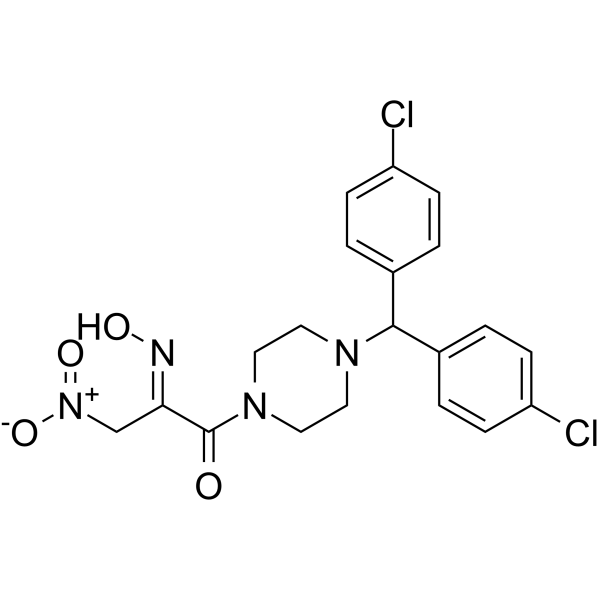
JKE-1674 is an orally active glutathione peroxidase 4 (GPX4) inhibitor and an active metabolite of GPX4 inhibitor ML-210. JKE-1674, an analog of ML-210 in which the nitroisoxazole ring is replaced with an α-nitroketoxime. JKE-1674 can convert into a nitrile oxide JKE-1777. JKE-1674 kills LOX-IMVI cells in a manner that is equipotent to ML-210 and is completely rescued by ferroptosis inhibitors .
|
-
-
- HY-112540B
-
|
|
Endogenous Metabolite
|
Metabolic Disease
|
|
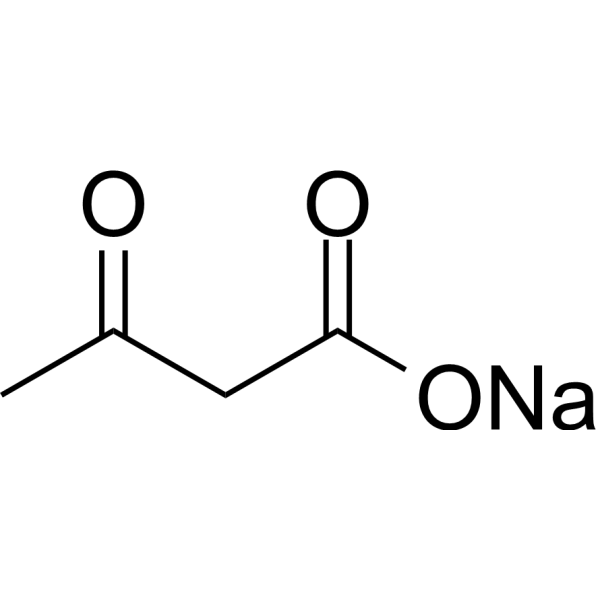
Acetoacetic acid sodium is an oxidative stress inducer that affects the antioxidant enzyme system and lipoprotein metabolism. Acetoacetic acid sodium induces oxidative stress by decreasing the mRNA expression and activity of superoxide dismutase (SOD), catalase (CAT), and glutathione peroxidase (GSH-Px), increasing MDA content, and inhibiting very low density lipoprotein (VLDL) assembly by downregulating apolipoprotein ApoB100, ApoE, and low density lipoprotein receptor (LDLR), leading to triglyceride (TG) accumulation in hepatocytes. Acetoacetic acid sodium can be used to study metabolic diseases .
|
-
-
- HY-B1000A
-
|
|
Endogenous Metabolite
Apoptosis
|
Cancer
|
|
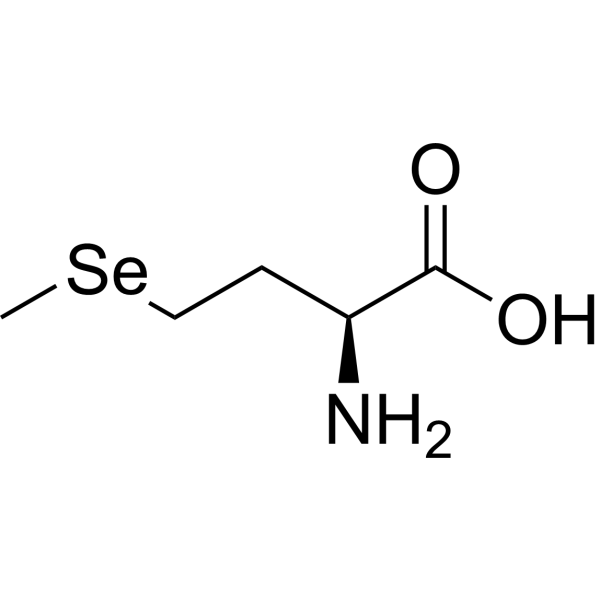
L-SelenoMethionine, an L-isomer of Selenomethionine, is a major natural food-form of selenium. L-SelenoMethionin is a cancer chemopreventive agent that can reduce cancer incidence by dietary supplementation and induce apoptosis of cancer cells. L-SelenoMethionine also can increase expression of glutathione peroxidase .
|
-
-
- HY-Y0669
-
-
-
- HY-112540
-
|
|
Endogenous Metabolite
|
Metabolic Disease
|
|
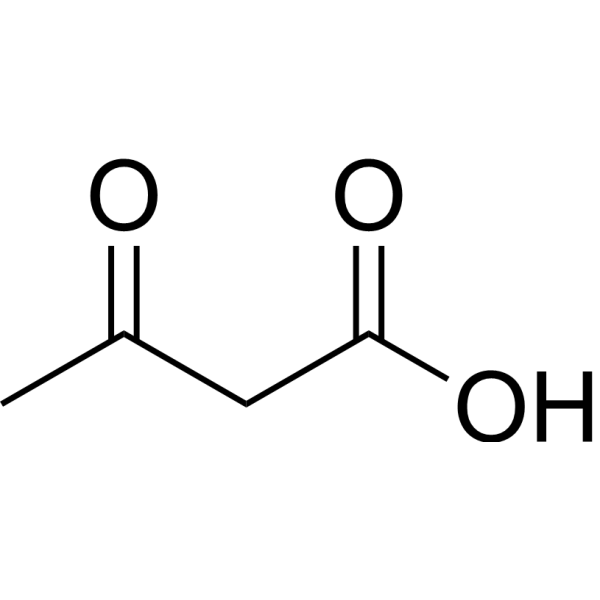
Acetoacetic acid is an oxidative stress inducer that affects the antioxidant enzyme system and lipoprotein metabolism. Acetoacetic acid induces oxidative stress by decreasing the mRNA expression and activity of superoxide dismutase (SOD), catalase (CAT), and glutathione peroxidase (GSH-Px), increasing MDA content, and inhibiting very low density lipoprotein (VLDL) assembly by downregulating apolipoprotein ApoB100, ApoE, and low density lipoprotein receptor (LDLR), leading to triglyceride (TG) accumulation in hepatocytes. Acetoacetic acid can be used to study metabolic diseases .
|
-
-
- HY-115627
-
|
GPX4-Activator-1d4
|
Glutathione Peroxidase
|
Inflammation/Immunology
|
|
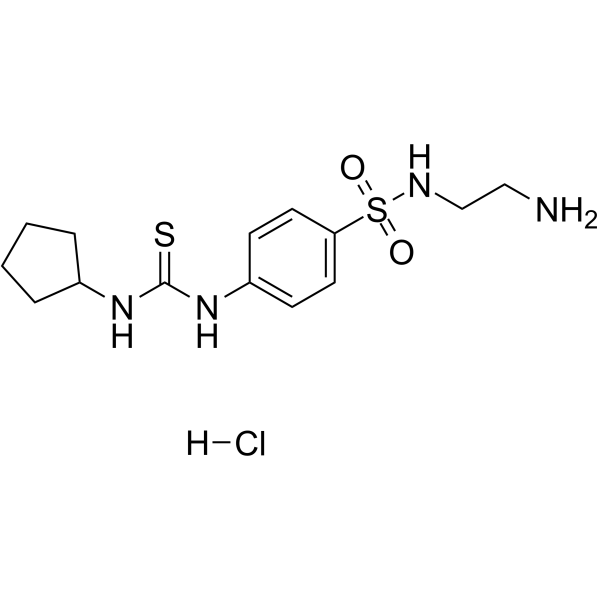
PKUMDL-LC-101-D04 (GPX4-Activator-1d4) is a glutathione peroxidase 4 (GPX4) allosteric activator (pEC50=4.7). PKUMDL-LC-101-D04 can inhibit ferroptosis and inflammation .
|
-
-
- HY-141809
-
|
|
Glutathione Peroxidase
Ferroptosis
|
Cancer
|
|
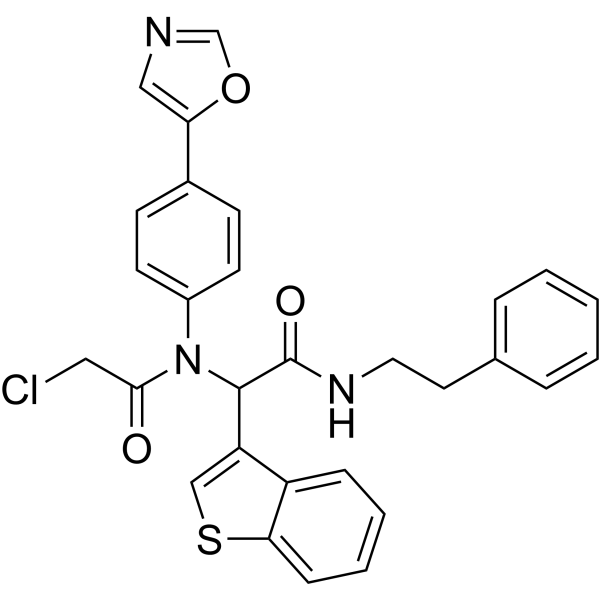
GPX4-IN-3 (26a) is a potent glutathione peroxidase 4 (GPX4) inhibitor as a selective ferroptosis inducer. GPX4-IN-3 (26a) exhibits 71.7% inhibition for GPX4 with 1 μM .
|
-
-
- HY-P2833
-
|
GSH-Px; EC 1.11.1.9
|
Glutathione Peroxidase
|
Metabolic Disease
|
|
Glutathione Peroxidase (GSH-Px; EC 1.11.1.9) belongs to the peroxidase family and is commonly used in biochemical research. Glutathione Peroxidase can catalyze reduced glutathione (GSH) to form a disulfide bridge with another glutathione molecule, convert it into oxidized glutathione (GSSG), and react with hydrogen peroxide or lipid peroxide reaction, reducing it to H2O. Glutathione Peroxidase is an effective antioxidant against oxidative stress .
|
-
-
- HY-N0859
-
|
Schizanhenol; Gomisin-K3
|
UGT
Cholinesterase (ChE)
Tau Protein
SOD
Sirtuin
|
Neurological Disease
Inflammation/Immunology
Cancer
|
|
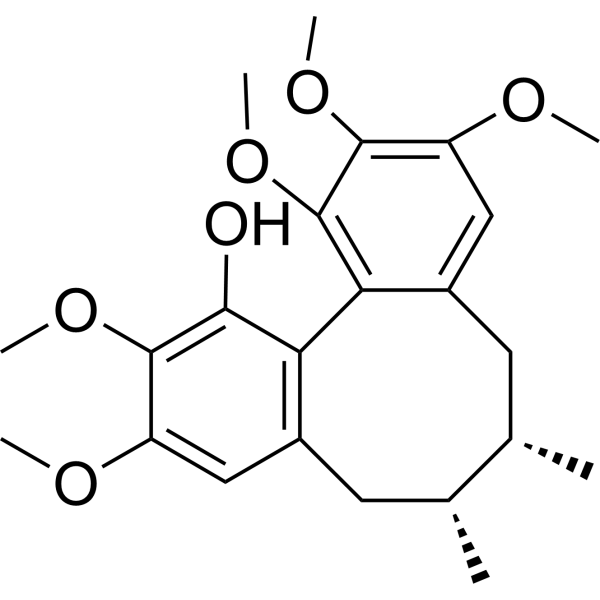
Schisanhenol (Schizanhenol), a lignan, is an orally active antioxidant. Schisanhenol reduces AChE activity, increases SIRT1 and PGC-1α expression, and decreases phosphorylated Tau (Ser 396) levels. Schisanhenol increases SOD and glutathione peroxidase activity, decreases malondialdehyde (MDA) content, and inhibits UGT2B7 activitY. Schisanhenol attenuates ox-LDL-induced apoptosis, intracellular reactive oxygen species generation, and cytotoxicity in endothelial cells. Schisanhenol inhibits LDL oxidation, brain mitochondrial and membrane peroxidative damage, and brain mitochondrial swelling and disintegration. Schisanhenol can be used for the research of Alzheimer’s disease, atherosclerosis, brain ischemia, and age-related brain deterioration .
|
-
-
- HY-W015600
-
|
Orthocetamol
|
Ferroptosis
Glutathione Peroxidase
Reactive Oxygen Species (ROS)
LDLR
|
Cardiovascular Disease
Inflammation/Immunology
|
|
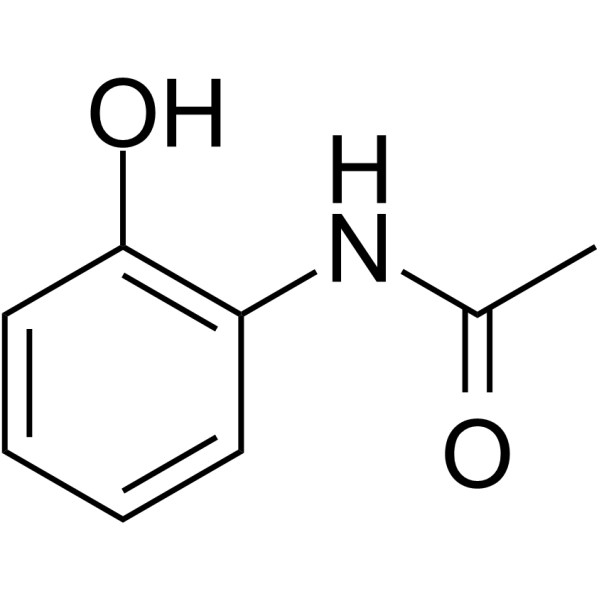
2-Acetamidophenol (Orthocetamol) is a regulator that targets ferroptosis and glutathione metabolic pathways, is the ortho-regioisomer of Paracetamol (HY-66005). 2-Acetamidophenol has anti-atherosclerotic activity, and inhibiting total cholesterol (TC) and triglyceride (TG) in a zebrafish hyperlipidemia model with IC50s for 30 μM and 40 μM, respectively. 2-Acetamidophenol upregulates the expression of glutathione synthesis-related genes (such as GCLC, GCLM, GSS) and iron ion transport genes (such as FPN1, FTH), reduces the accumulation of intracellular reactive oxygen species (ROS) and ferrous ions (Fe 2+), and enhances the activity of glutathione peroxidase GPX4, thereby inhibiting macrophage phagocytosis of oxidized low-density lipoprotein (ox-LDL) and foam cell formation .
|
-
-
- HY-112540A
-
|
|
Endogenous Metabolite
|
Metabolic Disease
|
|
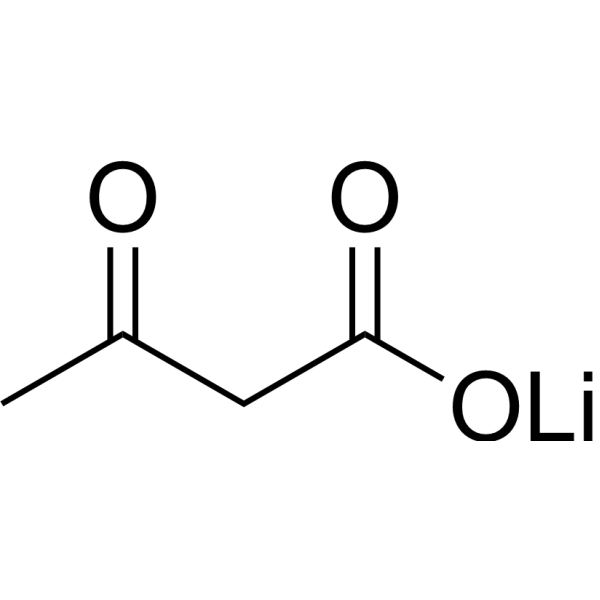
Acetoacetic acid lithium is an oxidative stress inducer that affects the antioxidant enzyme system and lipoprotein metabolism. Acetoacetic acid lithium induces oxidative stress by decreasing the mRNA expression and activity of superoxide dismutase (SOD), catalase (CAT), and glutathione peroxidase (GSH-Px), increasing MDA content, and inhibiting very low density lipoprotein (VLDL) assembly by downregulating apolipoprotein ApoB100, ApoE, and low density lipoprotein receptor (LDLR), leading to triglyceride (TG) accumulation in hepatocytes. Acetoacetic acid lithium can be used to study metabolic diseases .
|
-
-
- HY-N0729D
-
|
|
Glutathione Peroxidase
SOD
|
Cardiovascular Disease
|
|
Linoleic acid is a critical component of polyunsaturated fatty acids. Linoleic acid reduces GSH-PX and T-SOD activities. Linoleic acid functions as a structural component to maintain a certain level of membrane fluidity of the transdermal water barrier of the epidermis. Linoleic acid can cause acute oxidative damage to red blood cells, ultimately leading to partial acute anemia. Linoleic acid can be used in the research of skin diseases associated with linoleic acid deficiency .
|
-

-
- HY-N0864
-
|
Macranthoiside I
|
Apoptosis
COX
Reactive Oxygen Species (ROS)
Caspase
SOD
|
Cancer
|
|
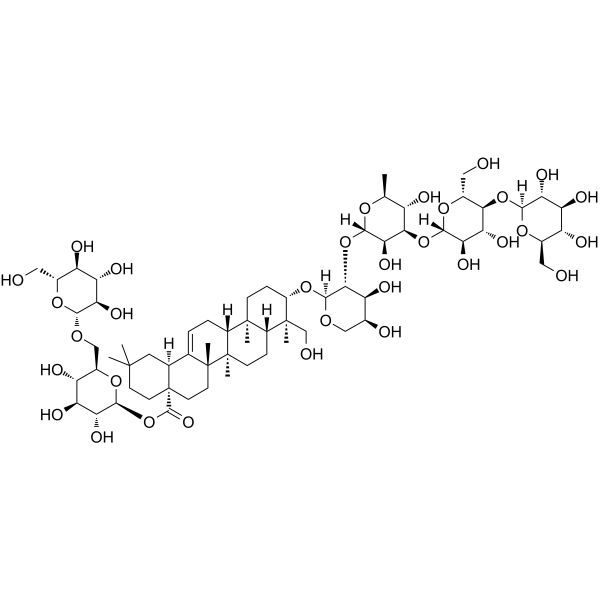
Macranthoidin B (Macranthoiside I) is an orally active triterpene saponin. Macranthoidin B inhibits epithelial-mesenchymal transition in endometriosis via the COX‑2/PGE2 pathway, and also induces tumor cell apoptosis and inhibits their proliferation by regulating metabolism and increasing ROS levels . Macranthoidin B can be used in studies related to endometriosis, colorectal cancer and hepatocellular carcinoma .
|
-
-
- HY-B2235C
-
|
|
Biochemical Assay Reagents
Glutathione Peroxidase
|
Metabolic Disease
|
|
L-α-Lecithin (soybean) is an orally active phospholipid. L-α-Lecithin (soybean) increases the bioavailability of Lutein in plasma and eyes of Rattus norvegicus, enhances plasma Glutathione peroxidase activity, and regulates fatty acids in plasma and tissues .
|
-

-
- HY-N3031
-
|
|
Bacterial
Apoptosis
Bcl-2 Family
MDM-2/p53
Glutathione Peroxidase
SOD
TNF Receptor
Interleukin Related
|
Infection
Inflammation/Immunology
|
|
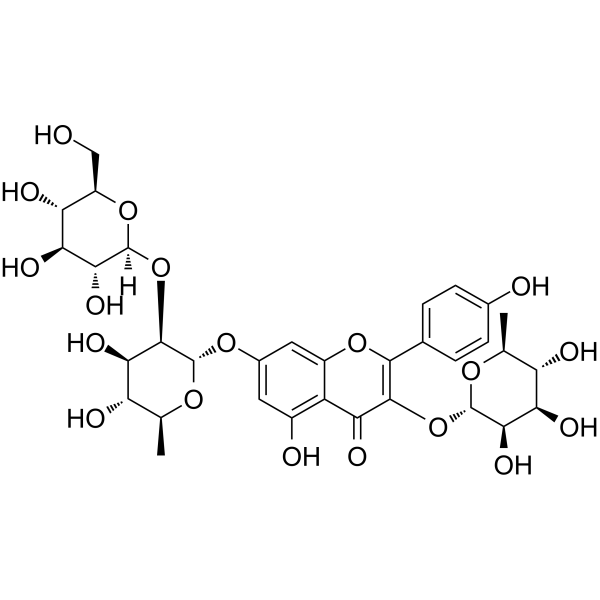
Grosvenorine is an orally active flavonoid glycoside found in S. grosvenorii. Grosvenorine exhibits antibacterial, antioxidant and antiinflammation activities. Grosvenorine can induce apoptosis and increases anti-apoptotic Bcl-2 protein expression and reduces pro-apoptotic P53 protein expression in gastric tissues. Grosvenorine enhances mucin/glycoprotein secretion, regulates gastric pH, and reduces gastric lesion incidence.Grosvenorine increases glutathione peroxidase, catalase, and SOD levels, reduces lipid peroxidation (MDA), and lowers TNF-α and IL-6 levels. Grosvenorine can be used for the researches of bacterial infection and Gastric ulcer .
|
-
-
- HY-N11849
-
-
-
- HY-161929
-
|
|
Glutathione Peroxidase
Ferroptosis
|
Cardiovascular Disease
|
|
GPX4 activator 2 is a GPX4 activator with a Ka value of 0.426 μM for human GPX4. GPX4 activator 2 reduces lipid hydroperoxide levels, prevents lipid peroxide accumulation, and inhibits ferroptosis. GPX4 activator 2 rescues cell death induced by Erastin (HY-15763). GPX4 activator 2 exerts cardioprotective effects in a mouse model of doxorubicin (HY-15142A)-induced myocardial injury .
|
-

-
- HY-W013754
-
|
|
Glutathione S-transferase
|
Others
|
|
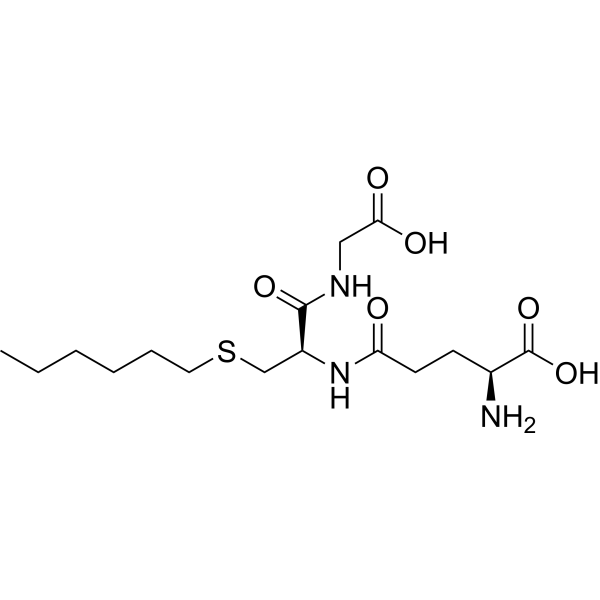
S-Hexylglutathione is an S-substituted glutathione in which the hydrogen of the thiol has been replaced by a hexyl group. S-Hexylglutathione is also an competitive inhibitor against glutathione-S-transferase. S-Hexylglutathione can be used as an affinity chromatographic ligand for glutathione-S-transferase and glutathione peroxidase .
|
-
-
- HY-139381
-
|
MitoPeroxidase 2
|
Apoptosis
|
Metabolic Disease
|
|
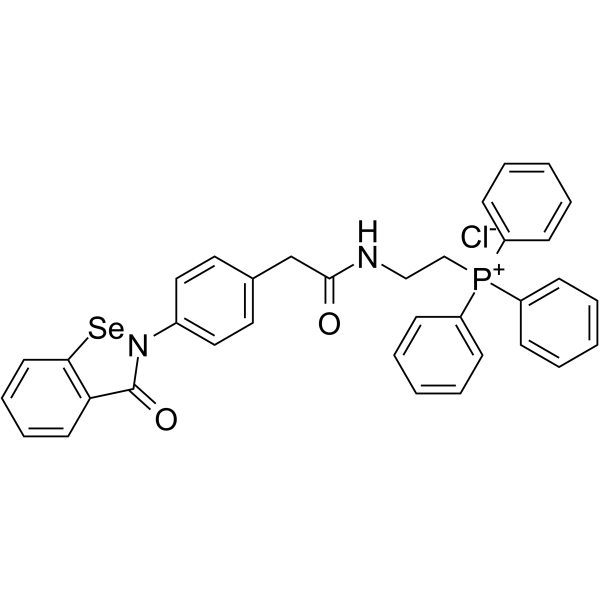
MitoEbselen-2 chloride (MitoPeroxidase 2), a mitochondria-targeted mimic of glutathione peroxidase, is a radiation mitigator. MitoEbselen-2 chloride is effective in reducing lipid hydroperoxides, preventing apoptotic cell death .
|
-
-
- HY-178364
-
|
|
Glutathione Peroxidase
Ferroptosis
Lipoxygenase
Reactive Oxygen Species (ROS)
DNA/RNA Synthesis
|
Cancer
|
|
GPX4-IN-19 is an effective GPX4 inhibitor (IC50 = 0.311 μM), covalently binds to the Sec 46 site of GPX4. GPX4-IN-19 shows strong anti-proliferative activity with high ferroptosis selectivity. GPX4-IN-19 causes intracellular Fe 2+ accumulation, leading to increased levels of lipid peroxides (LPOs) and reactive oxygen species (ROS), which induces ferroptosis and subsequently results in DNA damage. GPX4-IN-19 can be used for the study of Triple-Negative Breast Cancer (TNBC) .
|
-

-
- HY-W015600R
-
|
Orthocetamol (Standard)
|
Reference Standards
Ferroptosis
Glutathione Peroxidase
Reactive Oxygen Species (ROS)
LDLR
|
Cardiovascular Disease
Inflammation/Immunology
|
|
2-Acetamidophenol (Standard) is the analytical standard of 2-Acetamidophenol. This product is intended for research and analytical applications. 2-Acetamidophenol (Orthocetamol) is a regulator that targets ferroptosis and glutathione metabolic pathways, is the ortho-regioisomer of Paracetamol (HY-66005). 2-Acetamidophenol has anti-atherosclerotic activity, and inhibiting total cholesterol (TC) and triglyceride (TG) in a zebrafish hyperlipidemia model with IC50s for 30 μM and 40 μM, respectively. 2-Acetamidophenol upregulates the expression of glutathione synthesis-related genes (such as GCLC, GCLM, GSS) and iron ion transport genes (such as FPN1, FTH), reduces the accumulation of intracellular reactive oxygen species (ROS) and ferrous ions (Fe 2+), and enhances the activity of glutathione peroxidase GPX4, thereby inhibiting macrophage phagocytosis of oxidized low-density lipoprotein (ox-LDL) and foam cell formation .
|
-

-
- HY-100218C
-
|
|
Drug Isomer
Ferroptosis
|
Cancer
|
|
(1R,3R)-RSL3 is an isomer of RSL3 (HY-100218A). RSL3 ((1S,3R)-RSL3) is an inhibitor of glutathione peroxidase 4 (GPX4) (ferroptosis activator), reduces the expression of GPX4 protein, and induces ferroptotic death of head and neck cancer cell. RSL3 increases the expression of p62 and Nrf2 and inactivates Keap1 in HN3-rslR cells .
|
-

-
- HY-B1000AR
-
|
|
Reference Standards
Endogenous Metabolite
Apoptosis
|
Cancer
|
|
L-SelenoMethionine (Standard) is the analytical standard of L-SelenoMethionine. This product is intended for research and analytical applications. L-SelenoMethionine, an L-isomer of Selenomethionine, is a major natural food-form of selenium. L-SelenoMethionin is a cancer chemopreventive agent that can reduce cancer incidence by dietary supplementation and induce apoptosis of cancer cells. L-SelenoMethionine also can increase expression of glutathione peroxidase .
|
-

-
- HY-139008
-
|
|
Glutathione Peroxidase
|
Others
|
|
RC363 is a novel probucol analog with the activity to protect mouse hippocampal cells and primary cortical neurons from glutamate-induced oxidative cell death (ferroptosis) and increase glutathione peroxidase (GPx) 1 levels and activity.
|
-

-
- HY-157762
-
|
|
Glutathione Peroxidase
Ferroptosis
|
Cancer
|
|
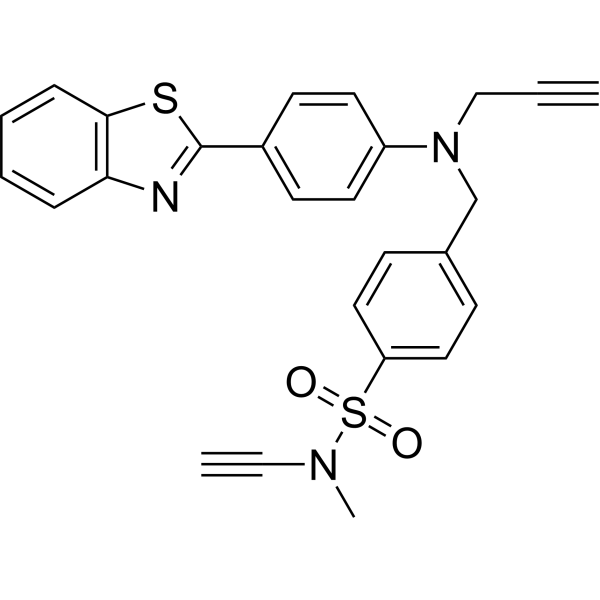
GPX4-IN-9 (Compound A16) is a glutathione peroxidase 4 (GPX4) inhibitor that specifically targets GPX4 under both in vitro and in vivo conditions, inducing ferroptosis. GPX4-IN-9 exhibits cytotoxicity against pancreatic cancer cells and can be used in cancer research .
|
-
-
- HY-155664
-
|
|
Glutathione Peroxidase
Ferroptosis
|
Cancer
|
|
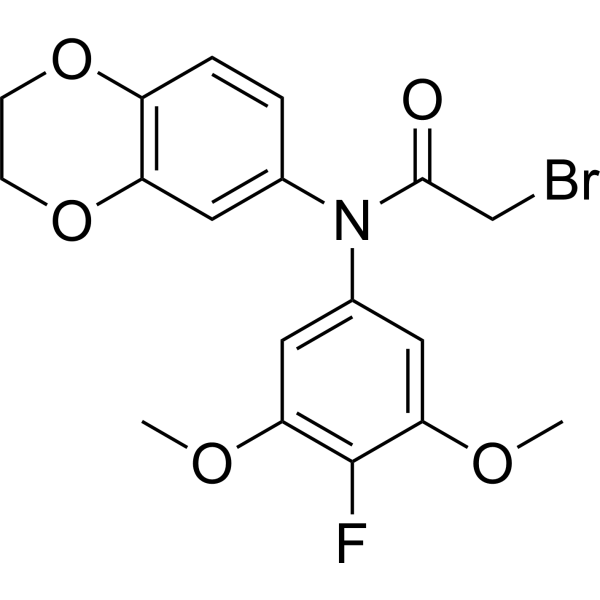
GPX4-IN-6 (Compound C25) is a GPX4 covalent inhibitor with an IC50 value of 0.13 μM. GPX4-IN-6 (Compound C25) can induce ferroptosis for the research of triple-negative breast cancer (TNBC) .
|
-
-
- HY-W015600S
-
|
Orthocetamol-d3
|
Isotope-Labeled Compounds
Ferroptosis
Glutathione Peroxidase
Reactive Oxygen Species (ROS)
LDLR
|
Cardiovascular Disease
Inflammation/Immunology
|
|
2-Acetamidophenol-d3 (Orthocetamol-d3) is the deuterium labeled 2-Acetamidophenol (HY-W015600). 2-Acetamidophenol (Orthocetamol) is a regulator that targets ferroptosis and glutathione metabolic pathways, is the ortho-regioisomer of Paracetamol (HY-66005). 2-Acetamidophenol has anti-atherosclerotic activity, and inhibiting total cholesterol (TC) and triglyceride (TG) in a zebrafish hyperlipidemia model with IC50s for 30 μM and 40 μM, respectively. 2-Acetamidophenol upregulates the expression of glutathione synthesis-related genes (such as GCLC, GCLM, GSS) and iron ion transport genes (such as FPN1, FTH), reduces the accumulation of intracellular reactive oxygen species (ROS) and ferrous ions (Fe2+), and enhances the activity of glutathione peroxidase GPX4, thereby inhibiting macrophage phagocytosis of oxidized low-density lipoprotein (ox-LDL) and foam cell formation .
|
-

-
- HY-N3027
-
|
|
PPAR
Reactive Oxygen Species (ROS)
|
Metabolic Disease
|
|
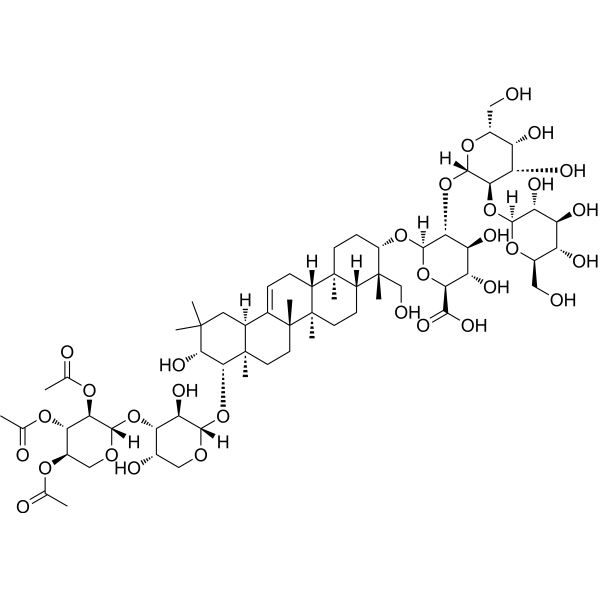
Soyasaponin Aa is a soyasaponin that can be found in soy. Soyasaponin Aa suppresses PPARγ transcriptional activity, reduces PPARγ and C/EBPα expression, inhibits adipocyte differentiation and lipid accumulation, and reduces adipogenic marker gene expression. Soyasaponin Aa reduces hydrogen peroxide-induced reactive oxygen species (ROS) production and malondialdehyde levels. Soyasaponin Aa exhibits cellular antioxidant activity. Soyasaponin Aa can be used for the research of obesity .
|
-
-
- HY-34765
-
|
|
Glutathione Peroxidase
Reactive Oxygen Species (ROS)
Ferroptosis
Apoptosis
|
Cancer
|
|
Propiolamide is a monooxygenase (MMO) system activator and glutathione peroxidase 4 (GPX4) inhibitor. Propiolamide induces ROS production through interaction with the MMO system. Propiolamide promotes the accumulation of intracellular cytotoxic lipid peroxides and induces ferroptosis. Propiolamide induces programmed cell death via the apoptosis pathway. Propiolamide can be used in cancer research .
|
-

-
- HY-120253
-
|
BY-108330
|
Environmental Pollutants
Insecticide
SOD
Glutathione Peroxidase
Carboxylesterase (CES)
|
Infection
Metabolic Disease
|
|
Spirotetramat (BY-108330) is an orally active Insecticide and lipid biosynthesis inhibitor. Spirotetramat regulates the activities of superoxide dismutase (SOD) and glutathione peroxidase (GSH-Px), with short-term exposure increasing their activities and long-term exposure altering their activities. Spirotetramat induces the activity and mRNA expression of carboxylesterase (CarE). Spirotetramat induces oxidative stress and lipid peroxidation in tadpoles. Spirotetramat is toxic to amphibian tadpoles and exhibits sublethal/non-lethal toxicity to amphibians. Spirotetramat causes death in immature psyllids, aphids, scale insects, mealybugs, whiteflies and thrips, and shows a high lethal rate against Cacopsylla pyri nymphs. Spirotetramat reduces the fecundity of Aphis gossypii. Spirotetramat induces tolerance in the offspring of exposed Aphis gossypii, and acts on Myzus persicae, Bemisia tabaci and Tetranychus urticae .
|
-

-
- HY-172675
-
-

-
- HY-N16658
-
|
NSC 85238
|
Glutathione Peroxidase
|
Inflammation/Immunology
|
|
Asperilin (NSC 85238) is an orally active sesquiterpene lactone. Asperilin is an effective hydroxyl radical scavenger. Asperilin significantly enhance the lipid peroxidation levels of liver microsomes in various systems. Asperilin leads to a significant decrease in liver glutathione (GSH) levels and an increase in glutathione peroxidase (GPx) activity. Asperilin can be used for research on inflammatory conditions .
|
-

-
- HY-170509
-
|
|
Ferroptosis
Glutathione Peroxidase
|
Cardiovascular Disease
Neurological Disease
Cancer
|
|
Ferroptosis-IN-17 (Compound 18) is a ferroptosis (Ferroptosis) inhibitor with an EC50 value of 0.57 μM. Ferroptosis-IN-17 reduces intracellular ferrous ion accumulation, lipid peroxidation, and effectively restores the levels of glutathione (GSH) and glutathione peroxidase 4 (GPX4). Ferroptosis-IN-17 shows good solubility and significant metabolic stability in rat plasma. Ferroptosis-IN-17 is promising for research in tumor suppression, neurodegenerative diseases, and cardiovascular diseases .
|
-

-
- HY-163506
-
|
|
Apoptosis
Ferroptosis
|
Others
|
|
Ebselen derivative 1 (Compound 19) is a glutathione peroxidase (GPx) mimic with oral activity. Ebselen derivative 1 demonstrates significant protective effects against cisplatin (HY-17394)-induced hair cell (HC) damage both in vitro and in vivo, effectively reducing oxidative stress, apoptosis, and ferroptosis in hair cells. Ebselen derivative 1 can be utilized in the research of cisplatin (HY-17394)-induced hearing loss .
|
-

-
- HY-N9097
-
|
|
Reactive Oxygen Species (ROS)
SOD
Glutathione Peroxidase
PKC
NADPH Oxidase
|
Metabolic Disease
Inflammation/Immunology
|
|
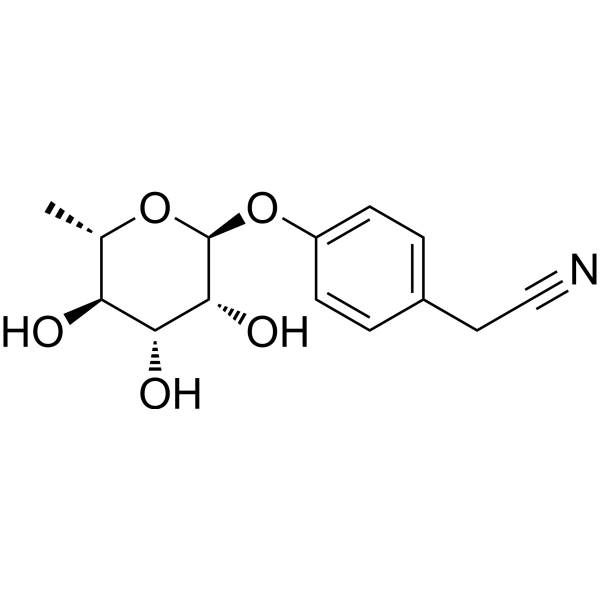
Niazirin is an orally active antioxidant. Niazirin can be isolated from Moringa oleifera Lam. Niazirin reduces the production levels of ROS and MDA, while increasing the levels of superoxide dismutase SOD and glutathione peroxidase GPx. Niazirin also abolishes high glucose-induced PKCζ activation and inhibits Nox4 protein expression. Niazirin exhibits excellent free radical scavenging activity. Niazirin significantly inhibits high glucose-induced proliferation of vascular smooth muscle cells. Niazirin can be used in the research of diabetic atherosclerosis .
|
-
-
- HY-169138
-
|
|
Lipoxygenase
|
Inflammation/Immunology
|
|
ZD 2138 is a selective 5-lipoxygenase (5-lipoxygenase) inhibitor with an IC50 of 20-50 nM. ZD 2138 inhibits cytokine-induced rolling and adhesion of leukocytes on bovine aortic endothelial cells. ZD 2138 is applicable to research related to inflammatory diseases such as acute asthma .
|
-

-
- HY-139012
-
|
|
Ferroptosis
Glutathione Peroxidase
|
Others
|
|
RC574 is a novel probucol analog with the activity to protect mouse hippocampal cells and primary cortical neurons from glutamate-induced oxidative cell death (ferroptosis) and increase glutathione peroxidase (GPx) 1 levels and activity.
|
-

-
- HY-N9928
-
|
|
Cholinesterase (ChE)
|
Neurological Disease
|
|
Echinenone is an acetylcholinesterase (AChE) inhibitor (IC50=16.29 μg/mL) with anti-Aβ(25-35) activity. Echinenone can inhibit MDA content and increase superoxide dismutase (SOD), catalase (CAT) and glutathione peroxidase (GSH-Px) activities to cope with oxidative stress damage .
|
-

-
- HY-172896
-
|
|
Ferroptosis
|
Cancer
|
|
FSP1-IN-1 (compound 39) is a potent FSP1 inhibitor with an IC50 of 35 nM. FSP1-IN-1 enhances RSL3 (HY-100218A)-induced lipid peroxide accumulation and sensitizes cancer cells to ferroptosis .
|
-

-
- HY-162106
-
|
|
Ferroptosis
PROTACs
Glutathione Peroxidase
|
Cancer
|
|
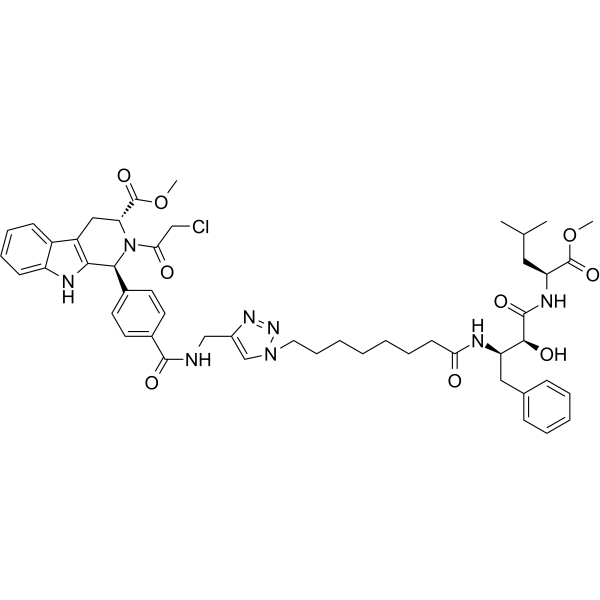
PROTAC GPX4 degrader-2 (compound 18a) is a proteolysis targeting chimeras (PROTACs) that can degrade glutathione peroxidase 4 (GPX4), with the DC50, 48h value of 1.68 μM. PROTAC GPX4 degrader-2 induces the accumulation of lipid peroxides and mitochondrial depolarization, subsequently triggering ferroptosis. PROTAC GPX4 degrader-2 has anti-proliferative effect .
|
-
-
- HY-175041
-
|
|
Glutathione Peroxidase
Reactive Oxygen Species (ROS)
Cannabinoid Receptor
Ferroptosis
|
Cancer
|
|
GPX4-IN-18 (Compound 17) is a ferrocene-containing inhibitor of glutathione peroxidase 4 (GPX4). GPX4-IN-18 is also an inducer of ferroptosis. GPX4-IN-18 can increase the production of ROS and malondialdehyde (MDA) levels in OS-RC-2 clear cell renal cell carcinoma cells. GPX4-IN-18 induces ferroptosis in HT-1080 cells with IC50s of 0.007 μM (absence of ferrostatin-1) and 1.486 μM (presence of ferrostatin-1). GPX4-IN-18 reduces in vivo tumor volume and intratumoral GPX4 levels in OS-RC-2 xenograft murine model .
|
-

-
- HY-155852
-
|
|
Ferroptosis
Apoptosis
ACSL Family
Glutathione Peroxidase
Reactive Oxygen Species (ROS)
|
Inflammation/Immunology
Cancer
|
|
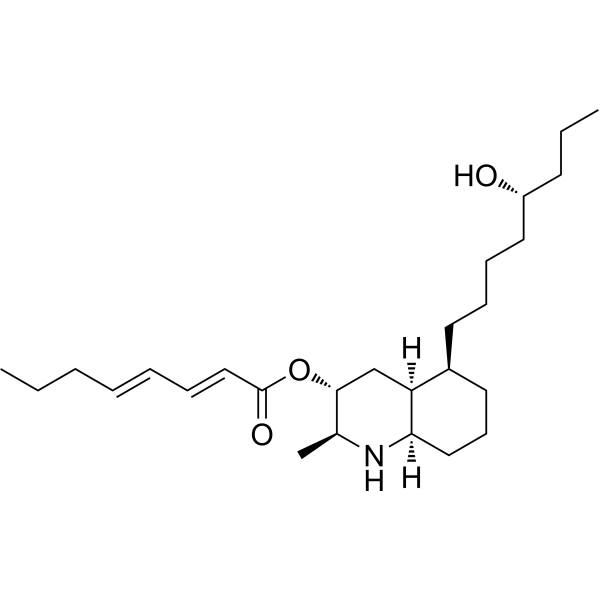
Lepadin H is a ferroptosis inducer and apoptosis inducer with in vitro cytotoxicity and in vivo antitumor efficacy against cancer cells. Lepadin H reduces GPX4 and SLC7A11 levels, increases p53 and ACSL4 expression, drives lipid hydroperoxide production, elevates reactive oxygen species (ROS) levels, reduces cellular glutathione (GSH) levels, induces lipid peroxidation and G2/M phase cell cycle arrest, and suppresses clonogenic growth and migration of cancer cells.Lepadin H can be used for the research of melanoma .
|
-
-
- HY-162944
-
|
|
Ferroptosis
Mitochondrial Metabolism
STING
Autophagy
|
Cancer
|
|
NA-Ir is a Ferroptosis inducer. NA-Ir targets mitochondrial DNA (mtDNA) and activates the cGAS-STING pathway to induce ferritinophagy (Autophagy), while also generating reactive oxygen species (ROS) through photodynamic therapy (PDT), depleting glutathione (GSH), and downregulating glutathione peroxidase 4 (GPX4), thereby triggering lipid peroxidation and Ferroptosis. NA-Ir exhibits higher anticancer activity under light exposure and selectively inhibits cancer cells with high H2S levels .
|
-

-
- HY-178055
-
|
|
Tyrosinase
|
Others
|
|
Tyrosinase-IN-44 (Compound 3) is a Tyrosinase inhibitor with IC50s of 0.47 and 0.53 μM for monophenolase and diphenolase, respectively. Tyrosinase-IN-44 has superior glutathione peroxidase-like catalytic and DPPH radical scavenging activity. Tyrosinase-IN-44 has potent antibrowning activity in banana and apple juices by directly inhibiting polyphenol oxidase (PPO) and offering antioxidant activity. Tyrosinase-IN-44 can be used for redox regulation and food preservation .
|
-

- HY-112540AR
-
|
|
Endogenous Metabolite
Reference Standards
|
Metabolic Disease
|
|
Acetoacetic acid (lithium) (Standard) is the analytical standard of Acetoacetic acid (lithium). This product is intended for research and analytical applications. Acetoacetic acid lithium is an oxidative stress inducer that affects the antioxidant enzyme system and lipoprotein metabolism. Acetoacetic acid lithium induces oxidative stress by decreasing the mRNA expression and activity of superoxide dismutase (SOD), catalase (CAT), and glutathione peroxidase (GSH-Px), increasing MDA content, and inhibiting very low density lipoprotein (VLDL) assembly by downregulating apolipoprotein ApoB100, ApoE, and low density lipoprotein receptor (LDLR), leading to triglyceride (TG) accumulation in hepatocytes. Acetoacetic acid lithium can be used to study metabolic diseases .
|
-

- HY-N3031R
-
|
|
Reference Standards
Bacterial
Apoptosis
Bcl-2 Family
MDM-2/p53
Glutathione Peroxidase
SOD
TNF Receptor
Interleukin Related
|
Infection
Inflammation/Immunology
|
|
Grosvenorine (Standard) is the analytical standard of Grosvenorine. This product is intended for research and analytical applications. Grosvenorine is an orally active flavonoid glycoside found in S. grosvenorii. Grosvenorine exhibits antibacterial, antioxidant and antiinflammation activities. Grosvenorine can induce apoptosis and increases anti-apoptotic Bcl-2 protein expression and reduces pro-apoptotic P53 protein expression in gastric tissues. Grosvenorine enhances mucin/glycoprotein secretion, regulates gastric pH, and reduces gastric lesion incidence.Grosvenorine increases glutathione peroxidase, catalase, and SOD levels, reduces lipid peroxidation (MDA), and lowers TNF-α and IL-6 levels. Grosvenorine can be used for the researches of bacterial infection and Gastric ulcer .
|
-

- HY-N0859R
-
|
Schizanhenol (Standard); Gomisin-K3 (Standard)
|
UGT
Reference Standards
Cholinesterase (ChE)
Tau Protein
SOD
Sirtuin
|
Neurological Disease
Inflammation/Immunology
Cancer
|
|
Schisanhenol (Standard) (Schizanhenol (Standard)) is the analytical standard of Schisanhenol (HY-N0859). This product is intended for research and analytical applications. Schisanhenol, a lignan, is an orally active antioxidant. Schisanhenol reduces AChE activity, increases SIRT1 and PGC-1α expression, and decreases phosphorylated Tau (Ser 396) levels. Schisanhenol increases SOD and glutathione peroxidase activity, decreases malondialdehyde (MDA) content, and inhibits UGT2B7 activitY. Schisanhenol attenuates ox-LDL-induced apoptosis, intracellular reactive oxygen species generation, and cytotoxicity in endothelial cells. Schisanhenol inhibits LDL oxidation, brain mitochondrial and membrane peroxidative damage, and brain mitochondrial swelling and disintegration. Schisanhenol can be used for the research of Alzheimer’s disease, atherosclerosis, brain ischemia, and age-related brain deterioration.
|
-

- HY-183567
-
|
|
Ferroptosis
Glutathione Peroxidase
Reactive Oxygen Species (ROS)
|
Cardiovascular Disease
|
|
Ferroptosis-IN-27 is a glutathione peroxidase (GPx) mimetic. Ferroptosis-IN-27 inhibits oxidative stress, reduces intracellular ROS levels, decreases lipid peroxidation and alleviates ferrous ion overload, thereby inhibiting ferroptosis and protecting cardiomyocytes from Doxorubicin (HY-15142A)-induced injury. Ferroptosis-IN-27 can be used in studies related to Doxorubicin-induced cardiotoxicity .
|
-

- HY-183294
-
|
|
Glutathione Peroxidase
Ferroptosis
Reactive Oxygen Species (ROS)
|
Cancer
|
|
GPX4-IN-24 is an orally active glutathione peroxidase 4 (GPX4) inhibitor with a human IC50 of 10.90 μM, human Kd of 10.04 μM. GPX4-IN-24 suppresses GPX4 enzymatic activity, disrupts redox homeostasis, drives lipid peroxidation, promotes lipid peroxidation, and induces ferroptosis. GPX4-IN-24 can be used for the research of triple-negative breast cancer .
|
-

- HY-181953
-
|
|
Transferrin Receptor
Ferroptosis
Reactive Oxygen Species (ROS)
Glutathione Peroxidase
|
Neurological Disease
|
STIM1-TFR1-IN-1 is an orally active stromal interaction molecule 1 (STIM1)-transferrin receptor 1 (TFR1) protein complex inhibitor with a Kd of 2.18 μM for STIM1-CD protein. STIM1-TFR1-IN-1 blocks STIM1-TFR1 interaction and reduce TFR1-mediated iron uptake activity. STIM1-TFR1-IN-1 inhibits ferroptosis, lipid peroxidation and ROS production, enhances glutathione peroxidase 4 (GPX4) activity and glutathione/oxidized glutathione ratio, and rescues ferroptosis-associated mitochondrial morphological changes. STIM1-TFR1-IN-1 exhibits neuroprotective
effects and reduces brain injury. STIM1-TFR1-IN-1 can be used for the research of intracerebral hemorrhage .
|
-

- HY-125862B
-
|
|
Glutathione Reductase (GR)
|
Metabolic Disease
|
|
Glutathione Reductase,Wheat germ (EC 1.6.4.2) is a crucial flavoenzyme in the antioxidant defense system. Reduced glutathione (GSH) is used by glutathione peroxidase to detoxify hydrogen peroxide and in the precess is converted to oxidized glutathione (GSSG). The GSSG is then recycled back to GSH by glutathione reductase (GR) using NADPH that is then converted to NADP+. The regenerated GSH is then available to detoxify more hydrogen peroxide. Glutathione Reductase uses FAD as a cofactor.
|
-

- HY-125862A
-
|
|
Glutathione Reductase (GR)
|
Metabolic Disease
|
|
Glutathione Reductase,Wheat germ (EC 1.6.4.2) is a crucial flavoenzyme in the antioxidant defense system. Reduced glutathione (GSH) is used by glutathione peroxidase to detoxify hydrogen peroxide and in the precess is converted to oxidized glutathione (GSSG). The GSSG is then recycled back to GSH by glutathione reductase (GR) using NADPH that is then converted to NADP+. The regenerated GSH is then available to detoxify more hydrogen peroxide. Glutathione Reductase uses FAD as a cofactor.
|
-

- HY-100002R
-
|
|
Glutathione Peroxidase
Reference Standards
Ferroptosis
|
Cancer
|
|
ML162 (Standard) is the analytical standard of ML162 (HY-100002). This product is intended for research and analytical applications. ML162 is a covalent glutathione peroxidase 4 (GPX4) inhibitor. ML162 has a selective lethal effect on mutant RAS oncogene-expressing cell lines
|
-

- HY-183544
-
|
|
TrxR
Glutathione Peroxidase
Ferroptosis
Reactive Oxygen Species (ROS)
|
Cancer
|
|
Platinum (IV) Prodrug-1 is a Pt (IV) prodrug and selective TrxR1 inhibitor. Platinum (IV) Prodrug-1 induces ferroptosis (Ferroptosis) by depleting glutathione, accumulating intracellular lipid peroxides, and inactivating Glutathione peroxidase 4. Platinum (IV) Prodrug-1 triggers endoplasmic reticulum stress and immunogenic cell death via excessive accumulation of intracellular ROS. Platinum (IV) Prodrug-1 exhibits anticancer activity against both Cisplatin (HY-17394)-sensitive and Cisplatin-resistant triple-negative breast cancer cells. Platinum (IV) Prodrug-1 can be used for the research of triple-negative breast cancer .
|
-

- HY-Y0590
-
|
|
Environmental Pollutants
Reactive Oxygen Species (ROS)
Glutathione Reductase (GR)
|
Inflammation/Immunology
|
|
Copper (I) oxide is an oxidative stress inducer and cytotoxic agent. Copper (I) oxide causes dose-dependent decrease in the viability of airway epithelial cells by impairing the activities of catalase and glutathione reductase, generating reactive oxygen species, and increasing the levels of 8-isoprostane and the ratio of oxidized glutathione. However, when combined with Resveratrol (HY-16561), the cytotoxic effect induced by Copper (I) oxide is significantly attenuated, and oxidative damage is effectively alleviated .
|
-

- HY-181665
-
|
|
Ferroptosis
Glutathione Peroxidase
Reactive Oxygen Species (ROS)
Apoptosis
|
Neurological Disease
|
|
Ferroptosis-IN-23 is an inhibitor of ferroptosis. Ferroptosis-IN-23 exerts a synergistic effect by simultaneously activating Steap4 and glutathione peroxidase 4 (GPX4), thereby maintaining iron metabolism homeostasis. Ferroptosis-IN-23 reverses neuronal ferroptosis and inhibits lipid ROS accumulation in cells. Ferroptosis-IN-23 inhibits ferroptosis in zebrafish, alleviates neuronal apoptosis, ROS accumulation, and dopaminergic neuron damage in a zebrafish model of Parkinson's disease. Ferroptosis-IN-23 can be used for research on Parkinson's disease .
|
-

- HY-100218AR
-
|
(1S,3R)-RSL3 (Standard)
|
p62
Glutathione Peroxidase
Reference Standards
Ferroptosis
Reactive Oxygen Species (ROS)
|
Cancer
|
|
RSL3 (Standard) is the analytical standard of RSL3 (HY-100218A). This product is intended for research and analytical applications. RSL3 ((1S,3R)-RSL3) is an inhibitor of glutathione peroxidase 4 (GPX4) (ferroptosis activator), reduces the expression of GPX4 protein, and induces ferroptotic death of head and neck cancer cell. RSL3 increases the expression of p62 and Nrf2 and inactivates Keap1 in HN3-rslR cells .
|
-

- HY-180199
-
|
|
Glutathione Peroxidase
Ferroptosis
Reactive Oxygen Species (ROS)
|
Cancer
|
|
GPX4-IN-21 (Compound 4d) is a selective glutathione peroxidase 4 (GPX4) inhibitor. GPX4-IN-21 can induce ferroptosis and downregulate the ferroptosis-related proteins SLC7A11, SLC11A2 and GPX4 levels. GPX4-IN-21 can induce ROS and MDA accumulation GPX4-IN-21 exhibits potent anti-proliferative activity. GPX4-IN-21 can be used for the research of cancer, such as melanoma .
|
-

- HY-W879508
-
|
BXT-51072
|
Cytochrome P450
Glutathione Peroxidase
|
Inflammation/Immunology
|
|
ALT-2074 (BXT-51071) is an orally active catalytic analogue of glutathione peroxidase. ALT-2074 is an inhibitor of human CYP3A, with its IC50 value ranging from 2.0 to 2.6 μM. ALT-2074 shows only a weak inhibitory effect on CYP3A in vivo, suggesting that it may not significantly affect the metabolism of CYP3A substrate drugs. ALT-2074 can be used to study inflammatory diseases characterized by reactive oxygen species, such as acute coronary syndrome .
|
-

- HY-100218CR
-
|
|
Drug Isomer
Ferroptosis
Reference Standards
|
Cancer
|
|
(1R,3R)-RSL3 (Standard) is the analytical standard of (1R,3R)-RSL3 (HY-100218C). This product is intended for research and analytical applications. (1R,3R)-RSL3 is an isomer of RSL3 (HY-100218A). RSL3 ((1S,3R)-RSL3) is an inhibitor of glutathione peroxidase 4 (GPX4) (ferroptosis activator), reduces the expression of GPX4 protein, and induces ferroptotic death of head and neck cancer cell. RSL3 increases the expression of p62 and Nrf2 and inactivates Keap1 in HN3-rslR cells .
|
-

- HY-182067
-
|
|
Reactive Oxygen Species (ROS)
Apoptosis
Ferroptosis
|
Cancer
|
|
anti-TNBC agent-15 is a platinum (IV) complex with anti-triple-negative breast cancer activity. anti-TNBC agent-15 inhibits cancer cell viability. anti-TNBC agent-15 reverses the resistance of triple-negative breast cancer cells to Cisplatin (HY-17394), increases intracellular uptake, and effectively triggers apoptosis by inducing DNA damage, enhancing intracellular ROS accumulation and activating the mitochondrial pathway. anti-TNBC agent-15 enhances lipid peroxidation, interferes with the signal transduction of the cystine/glutamate transporter-glutathione peroxidase axis, and induces ferroptosis. anti-TNBC agent-15 significantly inhibits tumor growth in triple-negative breast cancer/Cisplatin xenograft models. anti-TNBC agent-15 can be used for the research of triple-negative breast cancer .
|
-

- HY-W032878
-
|
|
Fungal
SOD
|
Infection
|
|
N,N-Bis(3-aminopropyl)dodecylamine is a potent fungicidal agent with remarkable activity against Aspergillus niger. N,N-Bis(3-aminopropyl)dodecylamine induces oxidative stress and regulates the activities of multiple antioxidant and mitochondrial enzymes in a concentration‑ and duration‑dependent manner. N,N-Bis(3-aminopropyl)dodecylamine disrupts fungal organelles, remodels mitochondrial morphology and impairs mitochondria‑related cellular functions. N,N-Bis(3-aminopropyl)dodecylamine can be used for the research of fungicidal mechanisms and oxidative stress in Aspergillus niger .
|
-

- HY-W008927
-
|
|
Fungal
Reactive Oxygen Species (ROS)
DNA/RNA Synthesis
Apoptosis
|
Infection
|
|
Fluoxastrobin is a fungicide. By binding to NAD-dependent epimerase/dehydratase, Fluoxastrobin interferes with electron transport, reduces ATP production and inhibits mycelial growth, thereby effectively controlling foliar diseases of tea plants. Fluoxastrobin induces oxidative stress by increasing ROS levels and lipid peroxidation, causes DNA damage and promotes apoptosis; meanwhile, it shows high acute toxicity to Danio rerio embryos and larvae. Fluoxastrobin can be used in research related to tea foliar diseases (including tea red leaf spot and tea gray leaf spot) .
|
-

- HY-182802
-
|
|
Ferroptosis
Glutathione Peroxidase
Reactive Oxygen Species (ROS)
Mitochondrial Metabolism
|
Cancer
|
|
Ferroptosis inducer-15 is a ferroptosis inducer. Ferroptosis inducer-15 downregulates GPX4 expression, triggers lipid peroxidation via ROS accumulation, and disrupts mitochondrial membrane potential to drive ferroptosis. Ferroptosis inducer-15 increases splenic CD4 + T cell proportion, promotes CD8 + cytotoxic T cell tumor infiltration, and activates antitumor immune responses. Ferroptosis inducer-15 exerts antiproliferative activity against colorectal cancer cells and inhibits tumor growth in xenograft mice models without significant body weight loss. Ferroptosis inducer-15 can be used for the research of cancer, such as colorectal cancer .
|
-

-
-
HY-L051
-
|
|
1,177 compounds
|
|
Ferroptosis is a novel type of cell death program that is distinct from apoptosis, necroptosis and autophagy. It is dependent on iron and reactive oxygen species (ROS) and is characterized by lipid peroxidation. As a novel type of cell death, ferroptosis has distinct properties and recognizing functions involved in physical conditions or various diseases including cancers, neurodegenerative diseases, acute renal failure, etc.
MCE carefully collected a unique collection of 1,177 ferroptosis signaling pathway related compounds with ferroptosis-inducing or -inhibitory activity. MCE Ferroptosis Compound Library is a useful tool to study ferroptosis mechanism as well as related diseases.
|
| Cat. No. |
Product Name |
Type |
-
- HY-Y0669
-
|
|
Biochemical Assay Reagents
|
|
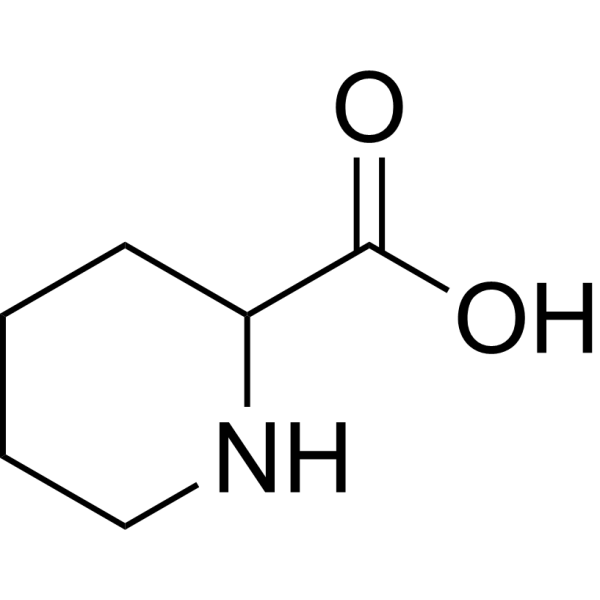
Pipecolic acid is an orally bioavailable, blood-brain barrier-permeable metabolite of lysine with antioxidant, inhibitor, and inducer activity. Pipecolic acid modulates the YAP-GPX4 signaling pathway, reduces retinal vascular tube formation, and mitigates ferroptosis. Pipecolic acid potentiates voltage-sensitive Ca 2+ channel currents and induces neuronal apoptosis. Pipecolic acid can be used for the research of diabetic retinopathy .
|
-
- HY-N0729D
-
|
|
Biochemical Assay Reagents
|
|
Linoleic acid is a critical component of polyunsaturated fatty acids. Linoleic acid reduces GSH-PX and T-SOD activities. Linoleic acid functions as a structural component to maintain a certain level of membrane fluidity of the transdermal water barrier of the epidermis. Linoleic acid can cause acute oxidative damage to red blood cells, ultimately leading to partial acute anemia. Linoleic acid can be used in the research of skin diseases associated with linoleic acid deficiency .
|
-
- HY-B2235C
-
|
|
Biochemical Assay Reagents
|
|
L-α-Lecithin (soybean) is an orally active phospholipid. L-α-Lecithin (soybean) increases the bioavailability of Lutein in plasma and eyes of Rattus norvegicus, enhances plasma Glutathione peroxidase activity, and regulates fatty acids in plasma and tissues .
|
| Cat. No. |
Product Name |
Category |
Target |
Chemical Structure |
-
- HY-112540B
-
-
-
- HY-B1000A
-
-
-
- HY-112540
-
|
|
Human Gut Microbiota Metabolites
Microorganisms
Endogenous metabolite
Source Classification
|
Endogenous Metabolite
|
|
Acetoacetic acid is an oxidative stress inducer that affects the antioxidant enzyme system and lipoprotein metabolism. Acetoacetic acid induces oxidative stress by decreasing the mRNA expression and activity of superoxide dismutase (SOD), catalase (CAT), and glutathione peroxidase (GSH-Px), increasing MDA content, and inhibiting very low density lipoprotein (VLDL) assembly by downregulating apolipoprotein ApoB100, ApoE, and low density lipoprotein receptor (LDLR), leading to triglyceride (TG) accumulation in hepatocytes. Acetoacetic acid can be used to study metabolic diseases .
|
-
-
- HY-N0859
-
|
Schizanhenol; Gomisin-K3
|
Structural Classification
Monophenols
Classification of Application Fields
Lignans
Phenols
Phenylpropanoids
Plants
Schisandraceae
Schisandra chinensis (Turcz.) Baill.
Disease Research Fields
Source Classification
Cancer
|
UGT
Cholinesterase (ChE)
Tau Protein
SOD
Sirtuin
|
|
Schisanhenol (Schizanhenol), a lignan, is an orally active antioxidant. Schisanhenol reduces AChE activity, increases SIRT1 and PGC-1α expression, and decreases phosphorylated Tau (Ser 396) levels. Schisanhenol increases SOD and glutathione peroxidase activity, decreases malondialdehyde (MDA) content, and inhibits UGT2B7 activitY. Schisanhenol attenuates ox-LDL-induced apoptosis, intracellular reactive oxygen species generation, and cytotoxicity in endothelial cells. Schisanhenol inhibits LDL oxidation, brain mitochondrial and membrane peroxidative damage, and brain mitochondrial swelling and disintegration. Schisanhenol can be used for the research of Alzheimer’s disease, atherosclerosis, brain ischemia, and age-related brain deterioration .
|
-
-
- HY-112540A
-
-
-
- HY-N0864
-
-
-
- HY-N3031
-
-
-
- HY-N11849
-
-
-
- HY-B1000AR
-
-
-
- HY-N3027
-
-
-
- HY-N16658
-
-
-
- HY-N9097
-
-
-
- HY-N9928
-
-
-
- HY-155852
-
-
-
- HY-112540AR
-
|
|
Structural Classification
Ketones, Aldehydes, Acids
Endogenous metabolite
Source Classification
|
Endogenous Metabolite
Reference Standards
|
|
Acetoacetic acid (lithium) (Standard) is the analytical standard of Acetoacetic acid (lithium). This product is intended for research and analytical applications. Acetoacetic acid lithium is an oxidative stress inducer that affects the antioxidant enzyme system and lipoprotein metabolism. Acetoacetic acid lithium induces oxidative stress by decreasing the mRNA expression and activity of superoxide dismutase (SOD), catalase (CAT), and glutathione peroxidase (GSH-Px), increasing MDA content, and inhibiting very low density lipoprotein (VLDL) assembly by downregulating apolipoprotein ApoB100, ApoE, and low density lipoprotein receptor (LDLR), leading to triglyceride (TG) accumulation in hepatocytes. Acetoacetic acid lithium can be used to study metabolic diseases .
|
-
-
- HY-N3031R
-
-
-
- HY-N0859R
-
|
Schizanhenol (Standard); Gomisin-K3 (Standard)
|
Structural Classification
Monophenols
Lignans
Phenols
Phenylpropanoids
Plants
Schisandraceae
Schisandra chinensis (Turcz.) Baill.
Source Classification
|
UGT
Reference Standards
Cholinesterase (ChE)
Tau Protein
SOD
Sirtuin
|
|
Schisanhenol (Standard) (Schizanhenol (Standard)) is the analytical standard of Schisanhenol (HY-N0859). This product is intended for research and analytical applications. Schisanhenol, a lignan, is an orally active antioxidant. Schisanhenol reduces AChE activity, increases SIRT1 and PGC-1α expression, and decreases phosphorylated Tau (Ser 396) levels. Schisanhenol increases SOD and glutathione peroxidase activity, decreases malondialdehyde (MDA) content, and inhibits UGT2B7 activitY. Schisanhenol attenuates ox-LDL-induced apoptosis, intracellular reactive oxygen species generation, and cytotoxicity in endothelial cells. Schisanhenol inhibits LDL oxidation, brain mitochondrial and membrane peroxidative damage, and brain mitochondrial swelling and disintegration. Schisanhenol can be used for the research of Alzheimer’s disease, atherosclerosis, brain ischemia, and age-related brain deterioration.
|
-
| Cat. No. |
Product Name |
Chemical Structure |
-
- HY-W015600S
-
|
|
|
2-Acetamidophenol-d3 (Orthocetamol-d3) is the deuterium labeled 2-Acetamidophenol (HY-W015600). 2-Acetamidophenol (Orthocetamol) is a regulator that targets ferroptosis and glutathione metabolic pathways, is the ortho-regioisomer of Paracetamol (HY-66005). 2-Acetamidophenol has anti-atherosclerotic activity, and inhibiting total cholesterol (TC) and triglyceride (TG) in a zebrafish hyperlipidemia model with IC50s for 30 μM and 40 μM, respectively. 2-Acetamidophenol upregulates the expression of glutathione synthesis-related genes (such as GCLC, GCLM, GSS) and iron ion transport genes (such as FPN1, FTH), reduces the accumulation of intracellular reactive oxygen species (ROS) and ferrous ions (Fe2+), and enhances the activity of glutathione peroxidase GPX4, thereby inhibiting macrophage phagocytosis of oxidized low-density lipoprotein (ox-LDL) and foam cell formation .
|
-
Your information is safe with us. * Required Fields.
Inquiry Information
- Product Name:
- Cat. No.:
- Quantity:
- MCE Japan Authorized Agent:








