




Search Result
Results for "
high-affinity ligand
" in MedChemExpress (MCE) Product Catalog:
3
Isotope-Labeled Compounds
| Cat. No. |
Product Name |
Target |
Research Areas |
Chemical Structure |
-
- HY-13956
-
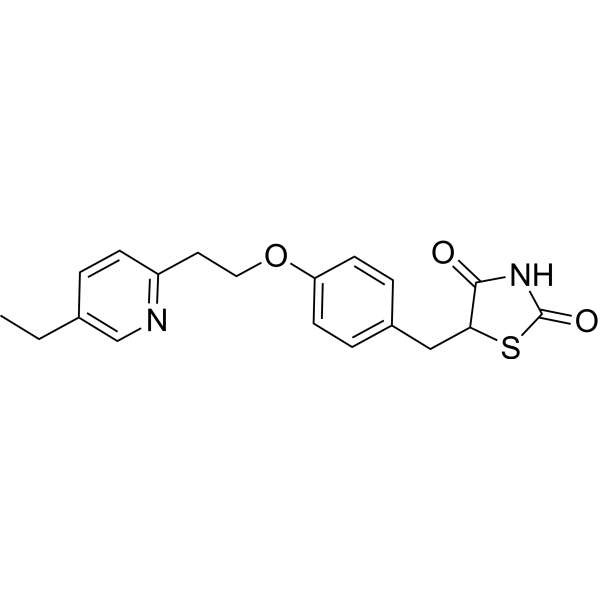
Pioglitazone
Maximum Cited Publications
47 Publications Verification
U 72107
|
PPAR
Ferroptosis
|
Metabolic Disease
Cancer
|
|
Pioglitazone (U 72107) is an orally active and selective PPARγ (peroxisome proliferator-activated receptor) agonist with high affinity binding to the PPARγ ligand-binding domain with EC50 of 0.93 and 0.99 μM for human and mouse PPARγ, respectively. Pioglitazone can be used in diabetes research .
|
-
-
- HY-112210
-
|
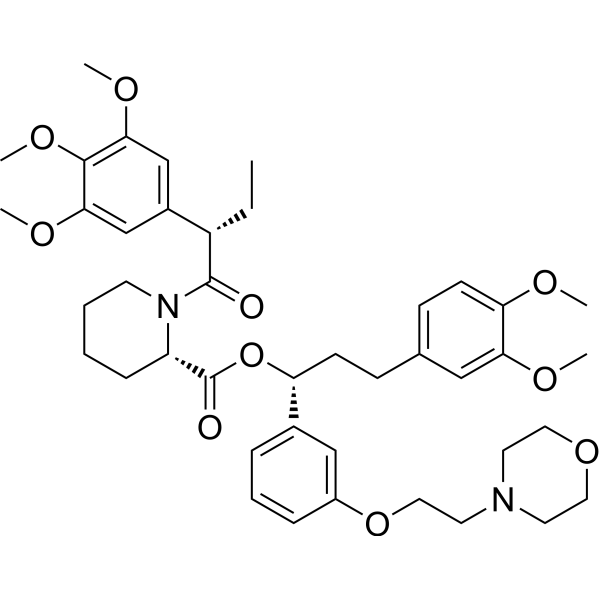
Shld1
|
FKBP
|
Others
|
|
Shield-1 (Shld1) is a specific, cell-permeant and high-affinity ligand of FK506-binding protein-12 (FKBP), and reverses the instability by binding to mutated FKBP (mtFKBP), allowing conditional expression of mtFKBP-fused proteins. Shield-1 can stabilize proteins tagged with a mutated FKBP12-derived destabilization domain (DD) .
|
-
-
- HY-P1464
-
|
Amylin (rat)
|
Amylin Receptor
|
Metabolic Disease
|
|
Amylin, amide, rat is a potent and high affinity ligand of Amylin receptor AMY1 and AMY3 receptors and variably of AMY2 receptors; binding studies are generally used for the latter receptor.
|
-
-
- HY-100583
-
-
-
- HY-D1027
-
|
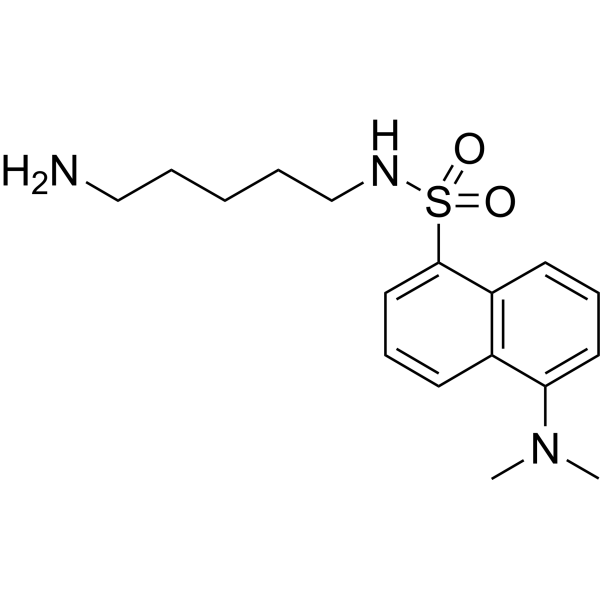
Monodansyl cadaverine
|
Autophagy
|
Others
|
|
Dansylcadaverine (Monodansyl cadaverine) is an autofluorescent compound used for the labeling of autophagic vacuoles. Dansylcadaverine, a high affinity substrate of transglutaminases, can block the receptor-mediated endocytosis of many ligands .
|
-
-
- HY-B1033
-
|
|
5-HT Receptor
Dopamine Receptor
Sodium Channel
|
Neurological Disease
|
|
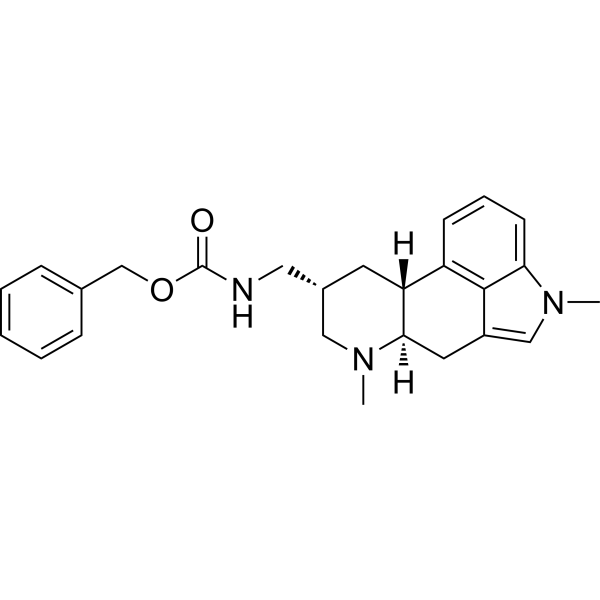
Metergoline is a serotonin (5-HT) receptor and dopamine receptors antagonist, with pKis of 8.64, 8.75 and 8.75 for 5-HT2A, 5-HT2B and 5-HT2C, respectively. Metergoline is a high-affinity ligand for the h5-HT7 receptor, with a Ki of 16 nM. Metergoline is also a reversible neural Na + channels inhibitor. Metergoline is commonly used for the research of seasonal affective disorder, prolactin hormone regulation .
|
-
-
- HY-145938
-
|
|
FAP
|
Cancer
|
|
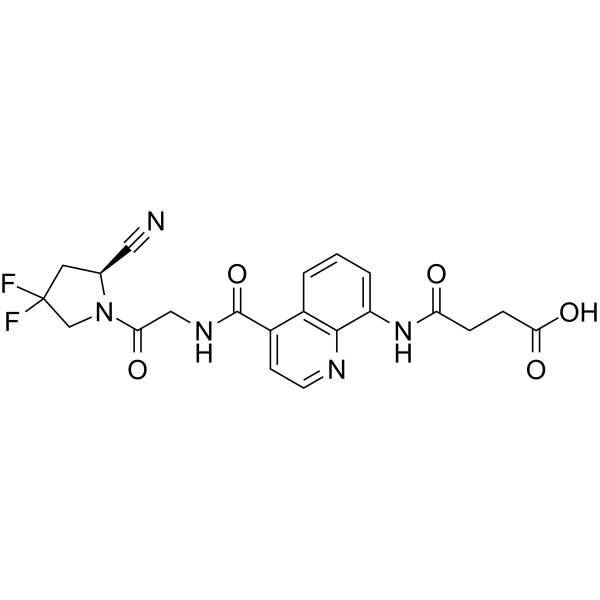
OncoFAP is an ultra-high-affinity ligand of fibroblast activation protein (FAP) for targeting applications with pan-tumoral potential.
|
-
-
- HY-169182
-
|
|
Ligands for Target Protein for PROTAC
STAT
|
Cancer
|
|
AK-068 is a high-affinity and selective STAT6 ligand, with a Ki of 6 nM. AK-068 demonstrates at least >150- and >85-fold binding selectivity over STAT5A (Ki >1 μM) and STAT5B (Ki >500 μM) proteins, respectively. AK-068 is a ligand for target protein for PROTAC, can be used for synthesis of PROTACs .
|
-
-
- HY-W020790
-
|
sLeX
|
Endogenous Metabolite
|
Inflammation/Immunology
|
|
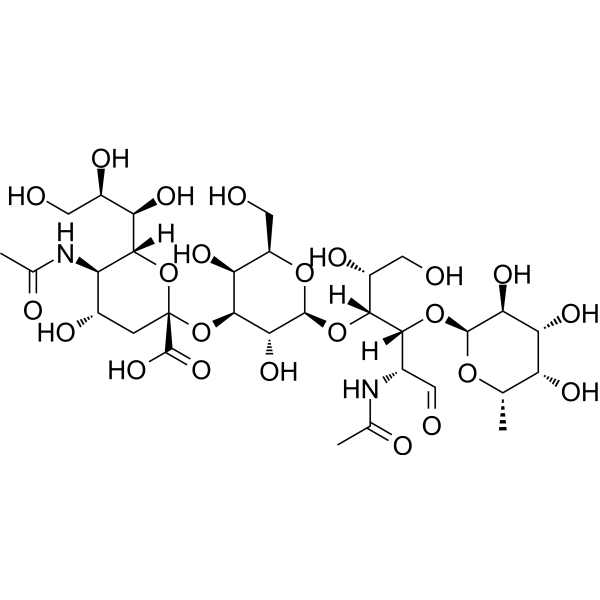
Sialyl-Lewis X (sLeX) is a sialylated fucosylated tetrasaccharide, an endogenous antigen. Sialyl-Lewis X is a high-affinity ligand for selectins (E-, P-, and L-selectin) . Sialyl-Lewis X binds to ELAM-1 and CD62 and has the ability?to inhibits CD62-mediated neutrophil recruitment to sites of inflammation .
|
-
-
- HY-P99036
-
|
|
Tie
|
Cardiovascular Disease
Inflammation/Immunology
Cancer
|
|
Nesvacumab is a fully human immunoglobulin G1 (IgG1) monoclonal antibody that specifically binds and inactivates the Tie2 receptor ligand Angiopoietin-2 (Ang2) with high affinity, but shows no binding to Ang1. Nesvacumab can be used in vascular researches .
|
-
-
- HY-P99189
-
|
IMC-A12; NSC742460
|
IGF-1R
|
Cancer
|
|
Cixutumumab (IMC-A12) is a human anti-IGF-1R monoclonal antibody with high affinity that inhibits ligand-dependent receptor activation and downstream signaling. Cixutumumab also mediates the internalization and degradation of IGF-IR. Cixutumumab shows broad-spectrum anti-tumour activity and can be used in studies of cancers such as lung cancer, malignancies, leukaemia, non-small cell lung cancer and prostate cancer .
|
-
-
- HY-174982
-
|
|
YTHDF
|
Cancer
|
|
YTHDF2 ligand-1 (Compound 23) is a competitive, selective, and high-affinity YTHDF2 ligand with an IC50 of 11 μM and a Kd of 1.3 μM. YTHDF2 ligand-1 competes with m 6A-RNA for binding to YTHDF2. YTHDF2 ligand-1 is applicable for cancer research .
|
-
-
- HY-152231
-
|
|
Fluorescent Dye
Ligands for E3 Ligase
|
Others
|
|
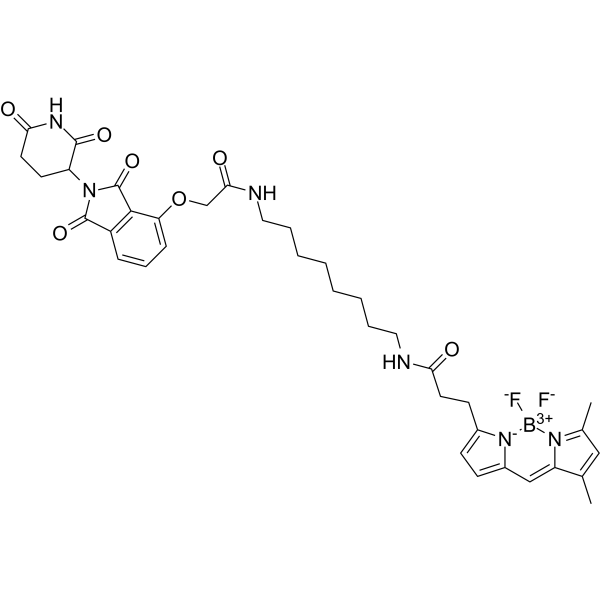
BODIPY FL thalidomide is a high-affinity and selective human cereblon (CRBN)-targeting fluorescent probe with a Kd of 3.6 nM. BODIPY FL thalidomide enables use as a probe in time-resolved fluorescence resonance energy transfer (TR-FRET) binding assays for cereblon ligands. BODIPY FL thalidomide supports development of highly sensitive, selective, stable cereblon TR-FRET binding assays (Ex/Em = 502/510 nm) .
|
-
-
- HY-112429
-
HJB97
2 Publications Verification
|
Ligands for Target Protein for PROTAC
Epigenetic Reader Domain
|
Cancer
|
|
HJB97 is a high-affinity BET inhibitor with Ki values of 0.9 nM (BRD2 BD1), 0.27 nM (BRD2 BD2), 0.18 nM (BRD3 BD1), 0.21 nM (BRD3 BD2), 0.5 nM (BRD4 BD1), and 1.0 nM (BRD4 BD2) . HJB97 can serve as a ligand for target protein (Ligands for Target Protein for PROTAC) for the development of PROTAC BET degraders with antitumor activity . HJB97 can be used for the synthesis of BETd-260 (HY-101519).
|
-
-
- HY-P99345
-
|
TSR-042; ANB-011; WBP-285
|
PD-1/PD-L1
|
Cancer
|
|
Dostarlimab (TSR-042) is a humanized anti-PD-1 monoclonal antibody. Dostarlimab binds with high affinity to human PD-1 and competitively inhibits its interaction with its ligands, PD-L1 and PD-L2, with IC50s of 1.8 and 1.5 nM, respectively .
|
-
-
- HY-P2112
-
|
DOTA-Nal3-octreotide
|
Radionuclide-Drug Conjugates (RDCs)
Somatostatin Receptor
|
Others
|
|
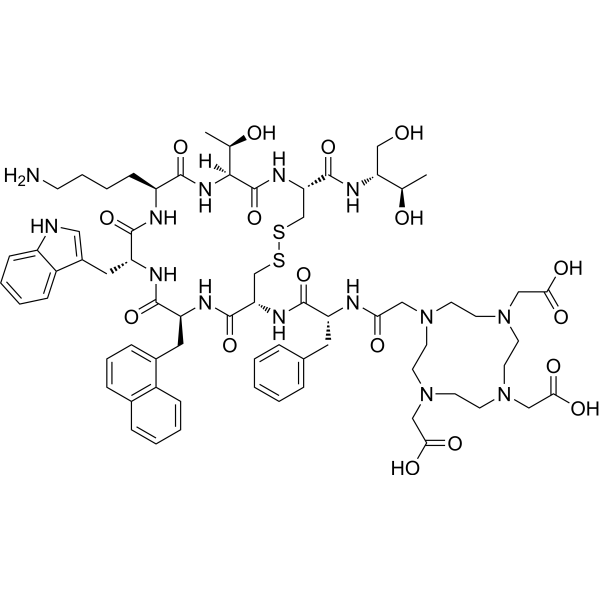
DOTA-NOC (DOTA-Nal3-octreotide) is a high-affinity ligand of somatostatin receptor subtypes 2, 3 and 5. DOTA-NOC can be used for labeling with various radiometals, and development of radiopeptide imaging . DOTA-NOC can be used for the synthesis/research of Radionuclide-Drug Conjugates (RDCs).
|
-
-
- HY-N0443
-
|
Caulophylline
|
nAChR
|
Inflammation/Immunology
|
|
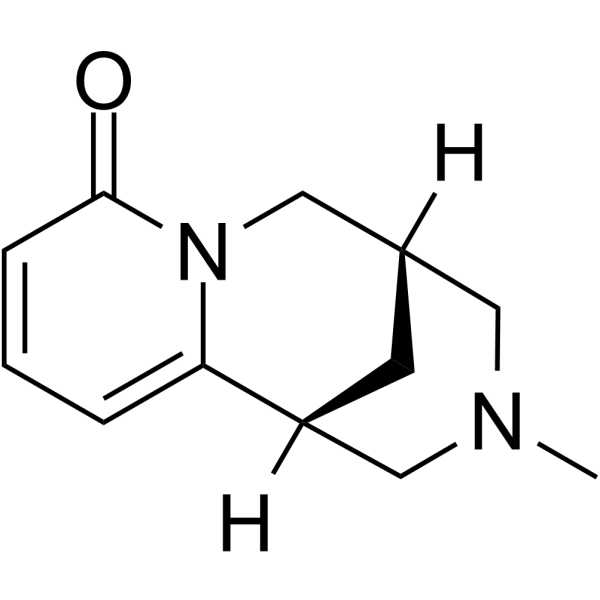
N-Methylcytisine (Caulophylline), a tricyclic quinolizidine alkaloid, exerts hypoglycaemic, analgesic and anti-inflammatory activities. N-methylcytisine is a selective ligand of nicotinic receptors of acetylcholine in the central nervous system and has a high affinity (Kd = 50 nM) to nicotinic acetylcholine receptors (nAChR) from squid optical ganglia .
|
-
-
- HY-122607
-
|
|
Mitochondrial Metabolism
TSPO
|
Inflammation/Immunology
Cancer
|
|
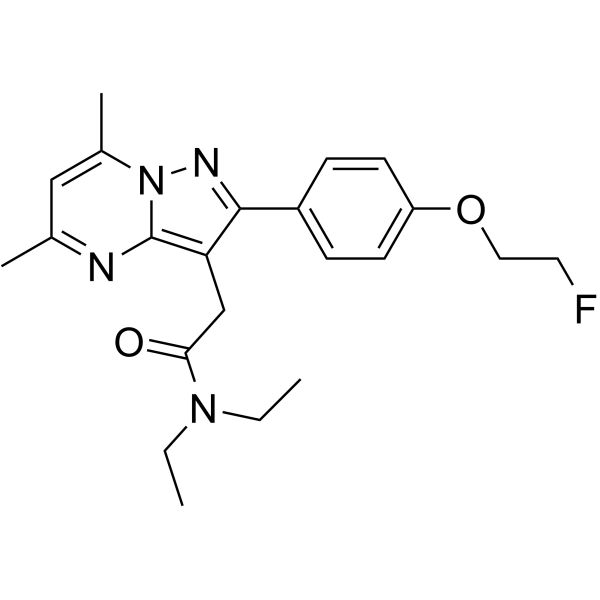
DPA-714 is a high affinity translocator protein (TSPO) ligand (Ki=7 nM), which is designed with a fluorine atom in its structure, allowing labelling with fluorine -18 and in vivo imaging using positron emission tomography. 18FDPA-714 successfully evaluates for the specific imaging of inflammation in various models of neuroinflammation and in a brain tumor model .
|
-
-
- HY-P1840
-
|
|
Neuropeptide Y Receptor
|
Neurological Disease
Endocrinology
|
|
Galanin Receptor Ligand M35 is a high-affinity ligand and antagonist of galanin receptor (Kd=0.1 nM). Galanin Receptor Ligand M35 exerts a Ki values of 0.11 and 2.0 nM for human galanin receptor type 1 and 2, respectively .
|
-
-
- HY-154844
-
|
|
Biochemical Assay Reagents
|
Cancer
|
|
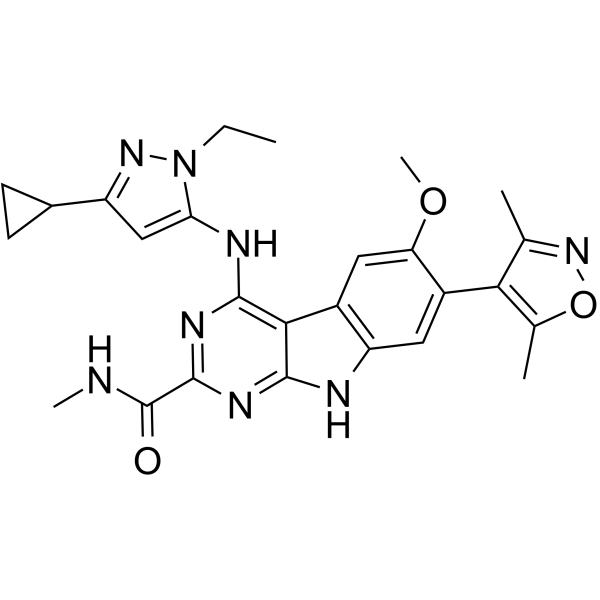
FAP Ligand 1 (FL), a high-affinity FAP small-molecule ligand, is used to target attached drugs to FAP-expressing fibroblasts and can be used in radiation imaging studies of targeted cancers .
|
-
-
- HY-100982
-
|
trans-4-Hydroxycrotonic acid; trans-γ-Hydroxycrotonic acid; T‐HCA
|
GABA Receptor
|
Neurological Disease
|
|
(E)-4-Hydroxycrotonic acid (T-HCA) is a high-affinity ligand for GHB binding sites, with a ki value of 1.1 μM. The introduction of diaryl substituents into (E)-4-Hydroxycrotonic acid significantly enhances its affinity for GHB binding sites, with ki values ranging from 0.023 to 0.075 μM. (E)-4-Hydroxycrotonic acid holds promise for optimizing GHB ligand structures and assisting in the development of effective three-dimensional pharmacophore models .
|
-
-
- HY-P99257
-
|
ASKP 1240
|
TNF Receptor
|
Inflammation/Immunology
|
|
Bleselumab (ASKP 1240) is a human anti-CD40 monoclonal antibody (mAb). Bleselumab binds to human CD40 with high affinity (Kd: 0.24 nM). Bleselumab inhibits immune responses by blocking the interaction of CD40 with its ligand CD40L. Bleselumab prevents organ transplant rejection .
|
-
-
- HY-130245
-
|
|
PCSK9
|
Metabolic Disease
|
|
PCSK9 degrader 1 (Compound 16) is a small molecule ligand for proprotein convertase substilisin-like/kexin type 9 (PCSK9) and shows high affinity to PCSK9 with a Ki of 107 nM. PCSK9 degrader 1 can involve in a protein-protein interaction with the low-density lipoprotein (LDL) receptor .
|
-
-
- HY-162553
-
|
|
Ligands for E3 Ligase
|
Cancer
|
|
GNE7599 is a high-affinity and orally active von Hippel-Lindau (VHL) ligand with a Kd of 540 pM. GNE7599 can be connected to the ligand for protein by a linker to form PROTACs .
|
-
-
- HY-D2413
-
|
BODIPY FL PEG4-VH032
|
Fluorescent Dye
|
Others
|
|
BODIPY FL VH032 is a high-affinity VHL fluorescent probe with a Kd value of 3.01 nM. BODIPY FL VH032 consists of von Hippel-Lindau (VHL) ligand VH032 (HY-120217) and BODIPY FL (HY-43520). BODIPY FL VH032 can be used for time-resolved fluorescence resonance energy transfer (TR-FRET) detection for high-throughput identification and characterization of VHL ligands with maximum excitation emission wavelength: 504/520 nm .
|
-
-
- HY-100583R
-
-
-
- HY-172563A
-
|
|
Ligands for E3 Ligase
|
Others
|
|
BTR2000 TFA, a specifically KLHL20 ligand, is capable of binding to the KLHL20 Kelch domain with high affinity. BTR2000 TFA can be used as a ligand for E3 ligase for the synthesis of BTR2004 (HY-172562) .
|
-
-
- HY-118438
-
|
|
Aryl Hydrocarbon Receptor
|
Inflammation/Immunology
|
|
10-Cl-BBQ is a high affinity AhR ligand with immunosuppressive activity. 10-Cl-BBQ promotes cytosol to nuclear translocation of AhR and activates the AhR-regulated reporter gene at nanomolar concentrations .
|
-
-
- HY-P1520
-
|
|
GnRH Receptor
|
Neurological Disease
|
|
Prolactin Releasing Peptide (1-31), human is a high affinity GPR10 ligand that cause the release of the prolactin. Prolactin Releasing Peptide (1-31) binds to GPR10 for human and rats with Ki values of 1.03 nM and 0.33 nM, respectively. Prolactin Releasing Peptide (1-31) can be used for the research of the hypothalamo-pituitary axis .
|
-
-
- HY-P1520A
-
|
|
GnRH Receptor
|
Neurological Disease
|
|
Prolactin Releasing Peptide (1-31), human (acetate) is a high affinity GPR10 ligand that causes the release of the prolactin. Prolactin Releasing Peptide (1-31) binds to GPR10 for human and rats with Ki values of 1.03 nM and 0.33 nM, respectively. Prolactin Releasing Peptide (1-31) can be used for the research of the hypothalamo-pituitary axis .
|
-
-
- HY-168440
-
|
|
Ligands for Target Protein for PROTAC
Aurora Kinase
CDK
|
Cancer
|
|
Aurora-A ligand 1 is a high-affinity and specific Aurora-A inhibitor with a dissociation constant (Kd) value of 0.85 nM. Aurora-A ligand 1 can serve as a ligand for target protein (Ligands for Target Protein for PROTAC) for the development of PROTAC Aurora-A degraders with antitumor activity. Aurora-A ligand 1 can be used for the synthesis of HLB-0532259 (HY-168439). HLB-0532259 shows anti-tumor activity against neuroblastoma .
|
-
-
- HY-149933
-
|
|
Cannabinoid Receptor
|
Neurological Disease
|
|
AM841 is a high-affinity electrophilic ligand. AM841 interacts covalently with a cysteine in helix six and activates the CB1 cannabinoid receptor. AM841 reduces Forskolin (HY-15371)-stimulated cAMP accumulation. AM841 also slows gastrointestinal motility .
|
-
-
- HY-103223
-
|
NSC 710305
|
Cytochrome P450
|
Cancer
|
|
Phortress is a high affinity AhR ligand that elicits antitumor activity by inducing transcription of CYP1A1 .
|
-
-
- HY-136280
-
|
EMD 57445
|
Sigma Receptor
|
Neurological Disease
|
|
Panamesine (EMD 57445) is a sigma receptor ligand, which has a high affinity (IC50 6 nM) and selectivity for sigma binding sites. Panamesine is a potential atypical neuroleptic agent .
|
-
-
- HY-173291
-
|
|
Tau Protein
|
Neurological Disease
|
|
Tau ligand-1 (Compound 75) is a ligand for aggregated tau protein that can penetrate the blood-brain barrier . In tissues from patients with Alzheimer's disease, progressive supranuclear palsy, corticobasal degeneration, and Pick's disease, Tau ligand-1 exhibits high affinity for aggregated tau protein, with equilibrium dissociation constant (KD) values ranging from 1 to 3.8 nM . Tau ligand-1 can serve as a potential positron emission tomography (PET) tracer and holds promise for application in positron emission tomography imaging studies of tau-related diseases in the central nervous system .
|
-
-
- HY-103141
-
|
|
5-HT Receptor
|
Neurological Disease
|
|
SB-258585 is a high affinity ligand for the 5-HT6 receptor. SB-258585 binds highly to a single receptor population in a human cell line that recombines 5-HT6 receptors. SB-258585 can be used to label recombinant and natural 5-HT6 receptor .
|
-
-
- HY-13956S1
-
|
|
Isotope-Labeled Compounds
PPAR
Ferroptosis
|
Metabolic Disease
Cancer
|
|
Pioglitazone-d4 (alkyl) (U 72107-d4 (alkyl)) is the deuterium labeled Pioglitazone. Pioglitazone (U 72107) is a potent and selective PPARγ agonist with high affinity binding to the PPARγ ligand-binding domain with EC50 of 0.93 and 0.99 μM for human and mouse PPARγ, respectively .
|
-
-
- HY-P5964A
-
-
-
- HY-176502
-
|
|
FKBP
|
Cancer
|
|
FKBP12 ligand-3 (compound dj) is a high-affinity ligand targeting FKBP12. FKBP12 ligand-3 can be used to selectively enhance the binding of heterobifunctional molecules to BRD4, enriching the drug intracellularly through the "CellTrap" effect to form a ternary complex of FKBP12-ligand-BRD4. This ternary complex has inhibitory activity against BRD4, thereby inhibiting the expression of BRD4 target genes (such as MYC) and inducing tumor cell death. FKBP12 ligand-3 can be used for selective cancer research based on differences in intracellular presenter protein levels .
|
-
-
- HY-133486
-
-
-
- HY-172563
-
|
|
Ligands for E3 Ligase
|
Others
|
|
BTR2000, a specifically KLHL20 ligand, is capable of binding to the KLHL20 Kelch domain with high affinity. BTR2000 can be used as a ligand for E3 ligase for the synthesis of BTR2004 (HY-172562) .
|
-
-
- HY-P99307
-
|
AMG-203; Anti-Human CSF2 Recombinant Antibody
|
c-Fms
|
Inflammation/Immunology
|
|
Namilumab (AMG203) is a human IgG1 monoclonal antibody that binds with high affinity to the GM-CSF ligand, potently neutralizing GM-CSF. Namilumab can be used for the research of rheumatoid arthritis .
|
-
-
- HY-115462
-
|
|
Prostaglandin Receptor
|
Inflammation/Immunology
|
|
PGN-9856 is a selective and high affinity (pKi ≥ 8.3) ligand at EP2 receptor. PGN-9856 is a potetn and non-prostanoid EP2 receptor agonist (pEC50 ≥ 8.5). PGN-9856 shows anti-inflammatory and anti-glaucoma activities .
|
-
-
- HY-100723
-
|
|
Amyloid-β
|
Neurological Disease
|
|
THK-523 has demonstrated its high affinity and selectivity for tau pathology both in vitro and in vivo. 18F-THK523 is a potent tau imaging radiotracer. 18F-THK523 is a potent in vivo tau imaging ligand for Alzheimer's disease .
|
-
-
- HY-124892A
-
|
Acetyl-AF64
|
Histone Acetyltransferase
|
Neurological Disease
|
|
Acetylethylcholine mustard hydrochloride (Acetyl-AF64) is an inhibitor of choline acetyl-transferase that reduces the contraction frequency of the myotubes by inhibiting the synthesis of acetylethylcholine (Ach) with the half-maximal inhibitory concentration (IC50) of 1.22 mM. Acetylethylcholine mustard hydrochloride is an irreversible ligand for the high affinity choline transport system. Acetylethylcholine mustard hydrochloride is also a cholinotoxin. Acetylethylcholine mustard hydrochloride is a precursor for ethylcholine mustard aziridinium ion .
|
-
-
- HY-152576
-
|
|
Cannabinoid Receptor
|
Inflammation/Immunology
|
|
CB2R agonist 1 is a selective ligand of cannabinoid receptor subtype 2 (CB2R) with an EC50 value of 0.56 µM. CB2R agonist 1 has high affinity and excellent selectivity for human CB2R and CB1R respectively. CB2R agonist 1 regulates the production of pro-inflammatory cytokines and anti-inflammatory cytokines and play an immunomodulatory role .
|
-
-
- HY-P5964
-
-
-
- HY-174977
-
|
|
P2Y Receptor
|
Neurological Disease
|
|
P2Y12R ligand-1 (Compound 41) is a high-affinity P2Y12R ligand with a Ki value of 17.1 nM. P2Y12R ligand-1 labeled with [ 18F] can be used in studies of brain PET imaging .
|
-
-
- HY-122612
-
-
-
- HY-129040
-
|
MIBG; Iobenguane
|
Monoamine Transporter
|
Neurological Disease
Endocrinology
Cancer
|
|
m-Iodobenzylguanidine (Iobenguane) is a ligand with high affinity against norepinephrine transporter (NET). m-Iodobenzylguanidine is used as an imaging agent in the diagnostic imaging and radionuclide studies of neuroendocrine tumors, such as neuroblastoma, pheochromocytoma and carcinoid tumor .
|
-
- HY-174440
-
|
|
PSMA
|
Cancer
|
|
BWD is a PSMA ligand (IC50 = 35.86). BWD exhibits excellent in vitro stability and high affinity. BWD can enhance tumor uptake and retention. BWD can inhibit tumor growth in vivo. BWD can be studied in anticancer research .
|
-
- HY-176501
-
|
|
FKBP
|
Cancer
|
|
FKBP12 ligand-2 (compound d) is a high affinity ligand targeting FKBP12. FKBP12 ligand-2 can be used to selectively enhance the binding of heterobifunctional molecules to BRD4, enriching the drug intracellularly through the "CellTrap" effect to form a ternary complex of FKBP12-ligand-BRD4. This ternary complex has inhibitory activity against BRD4, thereby inhibiting the expression of BRD4 target genes (such as MYC) and inducing tumor cell death. FKBP12 ligand-2 can be used for selective cancer research based on differences in intracellular presenter protein levels .
|
-
- HY-P4863
-
|
|
CGRP Receptor
|
Neurological Disease
Metabolic Disease
|
|
Biotinyl-Amylin (human) is a biotin-labeled derivative of Amylin, amide, human (HY-P1070). Biotinyl-Amylin (human) acts as a competitive agonist for the Calcitonin Receptor (CTR) and for the Amylin receptors (AMY1, AMY2, and AMY3) formed by the association of CTR with RAMP1/2/3. By mimicking endogenous human amylin, Biotinyl-Amylin (human) binds to and activates CTR and AMY receptors, thereby initiating downstream signaling pathways involving cAMP, CREB, and ERK1/2, while retaining high-affinity receptor binding and activation capabilities. Biotinyl-Amylin (human) is primarily utilized in studies investigating the metabolic regulatory mechanisms underlying obesity and diabetes; it is also applicable to pharmacological research, receptor localization studies, and ligand-binding assays related to Amylin receptors in the context of Alzheimer's disease .
|
-
- HY-13956B
-
|
U 72107 potassium
|
PPAR
Ferroptosis
|
Metabolic Disease
Cancer
|
|
Pioglitazone (U 72107) potassium is an orally active and selective PPARγ (peroxisome proliferator-activated receptor) agonist with high affinity binding to the PPARγ ligand-binding domain with EC50 of 0.93 μM and 0.99 μM for human and mouse PPARγ, respectively. Pioglitazone potassium can be used in diabetes research .
|
-
- HY-P1840A
-
|
|
Neuropeptide Y Receptor
|
Neurological Disease
Endocrinology
|
|
Galanin Receptor Ligand M35 TFA is a high-affinity ligand and antagonist of galanin receptor (Kd=0.1 nM). Galanin Receptor Ligand M35 TFA exerts a Ki values of 0.11 and 2.0 nM for human galanin receptor type 1 and 2, respectively .
|
-
- HY-13956R
-
|
U 72107 (Standard)
|
Reference Standards
PPAR
Ferroptosis
|
Metabolic Disease
Cancer
|
|
Pioglitazone (Standard) is the analytical standard of Pioglitazone. This product is intended for research and analytical applications. Pioglitazone (U 72107) is an orally active and selective PPARγ (peroxisome proliferator-activated receptor) agonist with high affinity binding to the PPARγ ligand-binding domain with EC50 of 0.93 and 0.99 μM for human and mouse PPARγ, respectively. Pioglitazone can be used in diabetes research .
|
-
- HY-176035
-
|
|
PROTACs
Epigenetic Reader Domain
|
Cancer
|
|
MS479 is a BRD4 PROTAC degrader. MS479 binds BRD4-BD2 and GLP with high affinities (BRD4-BD2: Kd = 200 nM; GLP: Kd = 306 nM). MS479 can reduce the protein level of BRD4 short isoform. MS479 recruits the E3 ligase SPOP by directly binding its substrate GLP as a bridge protein. MS479 can be used to inhibit the proliferation of colorectal cancer cells. (Pink: BRD4 ligand (HY-78695); Blue: GLP ligand (HY-176036); Black: linker (HY-176037); GLP ligand+linker: HY-176038) .
|
-
- HY-P5054
-
-
- HY-155698
-
|
|
Fluorescent Dye
CXCR
|
Others
|
|
Mz438 is high-affinity and selective fluorescent CXCR2 ligand. Mz438 is a small-molecule-based fluorescent probe targeting the IABS of CXCR2 .
|
-
- HY-121738
-
-
- HY-P1887
-
|
|
HSP
|
Infection
|
|
p5 Ligand for Dnak and DnaJ is a nonapeptide, which corresponds to the main binding site for the 23-residue part of the presequence of mitochondrial aspartate aminotransferase. p5 Ligand for Dnak and DnaJ is a high-affinity ligand for DnaK and DnaJ .
|
-
- HY-117379
-
|
|
Adrenergic Receptor
|
Others
|
|
CHIR-2279 is a high-affinity ligand (Ki=5 nM) for the α1-adrenergic receptor and can be further studied as a drug lead compound .
|
-
- HY-170789
-
|
|
Histamine Receptor
|
Neurological Disease
|
|
H1R ligand-1 (Compound fragment 1) is a high-affinity ligand for the human histamine H1 receptor (H1R). H1R ligand-1 can be used as a scaffold to design and synthesize a set of derivatives to explore H1R binding kinetics .
|
-
- HY-D1643
-
|
|
Biochemical Assay Reagents
|
Others
|
|
5,5'-Dinitro BAPTA AM is a membrane-permeant, high-affinity calcium chelator, it can be used for investigation of the role of cytosolic Ca 2+. 5,5'-Dinitro BAPTA AM can be loaded by incubation into live cells, and is cleaved by cytosolic esterases to liberate the active tetra-carboxylate ligand .
|
-
- HY-174787
-
|
|
mRNA
|
Cancer
|
|
Human ACKR3 mRNA encodes the human atypical chemokine receptor 3 (ACKR3) protein, a member of the G-protein coupled receptor family. ACKR3 is a typical chemokine receptor that controls chemokine levels and localization via high-affinity chemokine binding that is uncoupled from classic ligand-driven signal transduction cascades, resulting instead in chemokine sequestration, degradation, or transcytosis.
|
-
- HY-101301A
-
|
|
Imidazoline Receptor
|
Neurological Disease
|
|
RS 45041-190 hydrochloride is a high-affinity ligand for I2 imidazoline receptors, with the pKis of 8.66, 9.37, 9.32, and 8.85 in rat, rabbit, dog and baboon kidney, respectively. RS 45041-190 hydrochloride shows moderate potency for the inhibition of monoamine oxidase A in vitro (pIC50= 6.12), but had much lower potency for monoamine oxidase B (pIC50 = 4.47) .
|
-
- HY-100930
-
-
- HY-115953
-
|
|
Dopamine Receptor
|
Neurological Disease
|
|
Dopamine D3 receptor ligand is a potent, selective and high affinity ligand for Dopamine D3 receptor with 89-fold selective for D3 over D2 (D3 Ki= 8 nM, D2 Ki= 715 nM) .
|
-
- HY-U00180
-
|
|
Adenosine Receptor
|
Neurological Disease
|
|
KF21213 is a highly selective ligand for mapping CNS adenosine A2A receptors. KF21213 shows a high affinity for the adenosine A2A receptors (Ki=3.0 nM).
|
-
- HY-120842
-
|
|
mAChR
|
Neurological Disease
|
|
RLH-033 is a potent and selective ligand for the sigma 1 recognition site. RLH-033 has high affinity for sigma 1 sites labeled by [ 3H](+)-pentazocine with a Ki of 50 pM .
|
-
- HY-B1033R
-
|
|
5-HT Receptor
Dopamine Receptor
Sodium Channel
Reference Standards
|
Neurological Disease
|
|
Metergoline (Standard) is the analytical standard of Metergoline. This product is intended for research and analytical applications. Metergoline is a serotonin (5-HT) receptor and dopamine receptors antagonist, with pKis of 8.64, 8.75 and 8.75 for 5-HT2A, 5-HT2B and 5-HT2C, respectively. Metergoline is a high-affinity ligand for the h5-HT7 receptor, with a Ki of 16 nM. Metergoline is also a reversible neural Na+ channels inhibitor. Metergoline is commonly used for the research of seasonal affective disorder, prolactin hormone regulation .
|
-
- HY-170994
-
|
|
Imidazoline Receptor
|
Neurological Disease
Inflammation/Immunology
|
|
I2-IRs ligand-1 (Compound 12d) is an orally active and BBB-penetrable compound. I2-IRs ligand-1 has a high affinity for imidazoline I2 receptors (I2-IRs) (pKi: 9.98). I2-IRs ligand-1 can improve cognitive impairment in senescent mice and exhibits analgesic, anti-inflammatory, and neuroprotective activities. I2-IRs ligand-1 can be used for the research of Alzheimer's disease and related pain disorders .
|
-
- HY-13956S
-
|
U 72107-d4
|
PPAR
Ferroptosis
|
Metabolic Disease
Cancer
|
|
Pioglitazone-d4 is a deuterium labeled Pioglitazone. Pioglitazone (U 72107) is a potent and selective PPARγ agonist with high affinity binding to the PPARγ ligand-binding domain with EC50 of 0.93 and 0.99 μM for human and mouse PPARγ, respectively .
|
-
- HY-13956C
-
|
(R)-U 72107
|
PPAR
|
Neurological Disease
|
|
(R)-Pioglitazone ((+)-pioglitazone) is the R enantiomer of Pioglitazone (HY-13956). (R)-Pioglitazone is an orally active and selective peroxisome proliferator-activated receptor (PPARγ) agonist with high affinity binding to the PPARγ ligand-binding domain. (R)-Pioglitazone can be used for the research of Alzheimer's disease .
|
-
- HY-173045
-
|
|
5-HT Receptor
|
Cancer
|
|
5-HT5AR/5-HT6R ligand-1 (Compound PP10) is a ligand for serotonin receptors, showing high affinity for 5-HT5A and 5-HT6 receptors, with Ki values of 59 nM and 96 nM, respectively. 5-HT5AR/5-HT6R ligand-1 exhibits certain antiproliferative activity against tumor cells and can be used in the study of cancer .
|
-
- HY-120236
-
|
|
Sigma Receptor
|
Neurological Disease
|
|
KSCM-5 is a sigma receptor ligand with high affinity activity on sigma-1 receptor. The Ki value of KSCM-5 is about 34nM, showing significant selectivity. KSCM-5 has potential application value in compound development, especially for diseases related to sigma receptors .
|
-
- HY-155514
-
|
|
Influenza Virus
|
Inflammation/Immunology
|
|
HA-IN-1 (compound 5g) is a Hemagglutinin (HA) ligand with high affinity, targeting to the trypsin cleavage site of HA. HA-IN-1 inhibits HA-mediated membrane fusion and reduces the pulmonary virus titer in vivo. HA-IN-1 is a potential influenza A virus (IAV) inhibitor, and an anti-influenza agent .
|
-
- HY-121116
-
|
|
GABA Receptor
|
Neurological Disease
|
|
CGS 8216 is a non-benzodiazepine brain benzodiazepine receptor ligand that binds to rat forebrain membranes with high affinity and specificity. CGS 8216 also inhibits 3H-flunitrazepam (3H-FLU) binding to rat synaptosomal membranes and blocks 3H-FLU labeling of brain benzodiazepine receptors in vivo with potency equivalent to Diazepam .
|
-
- HY-W042920A
-
|
|
Adrenergic Receptor
|
Neurological Disease
|
|
TDIQ hydrochloride is an analog of Amphetamine with high affinity for α2-adrenergic receptor. TDIQ hydrochloride is a selective α2-adrenoceptor ligand with the Ki values of 75 nM, 95 nM, and 65 nM for α2A-, α2B-, and α2C-adrenergic receptors, respectively .
|
-
- HY-N0443R
-
|
Caulophylline (Standard)
|
Reference Standards
nAChR
|
Inflammation/Immunology
|
|
N-Methylcytisine (Standard) is the analytical standard of N-Methylcytisine. This product is intended for research and analytical applications. N-Methylcytisine (Caulophylline), a tricyclic quinolizidine alkaloid, exerts hypoglycaemic, analgesic and anti-inflammatory activities. N-methylcytisine is a selective ligand of nicotinic receptors of acetylcholine in the central nervous system and has a high affinity (Kd = 50 nM) to nicotinic acetylcholine receptors (nAChR) from squid optical ganglia .
|
-
- HY-100539
-
|
|
Dopamine Receptor
|
Others
|
|
PD 128907 is a D3 receptor ligand with activities of activating dopamine receptors, inhibiting cell firing, and inhibiting dopamine release. The active (+) enantiomer of PD 128907 has high affinity and selectivity for rat D3 dopamine receptors. PD 128907 inhibits cell firing in the ventral tegmental area and substantia nigra pars compacta with EC50 values of 33nM and 38nM, respectively. PD 128907 also inhibits dopamine release in the caudate putamen with an EC50 of 66nM. However, the selective D2 receptor antagonist L-741,626 has high affinity for receptors activated by PD 128907, indicating that the effects of PD 128907 are more likely on D2 autoreceptors rather than D3 dopamine receptor subtypes.
|
-
- HY-103453
-
|
|
Estrogen Receptor/ERR
|
Endocrinology
|
|
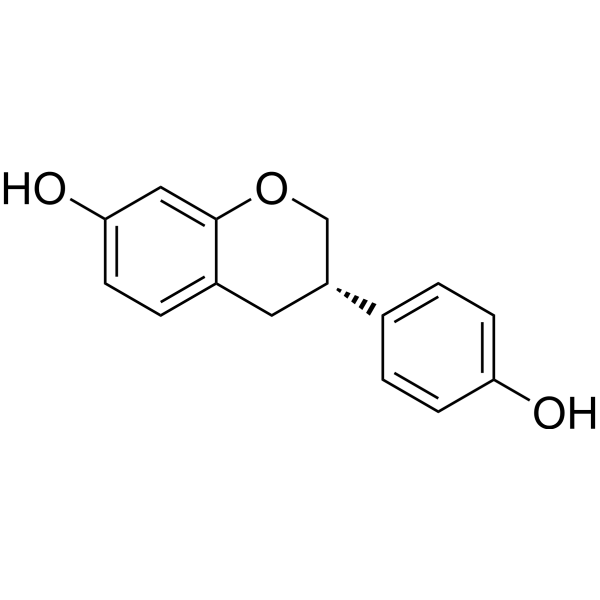
(R)-DPN (compound 3) is a selective ERβ ligand with EC50s of 2.9, 0.8 nM for ERα and ERβ, respectively. (R)-DPN shows a very high affinity and potency preference for ERβ over ERα. (R)-DPN shows cytoxicity for HEC-1 and U2OS cells with EC50s of 286, 205 nM, respectively .
|
-
- HY-130245A
-
|
|
PCSK9
|
Metabolic Disease
|
|
(R,R)-PCSK9 degrader 1 is the isomer of PCSK9 degrader 1 (HY-130245). PCSK9 degrader 1 (Compound 16) is a small molecule ligand for proprotein convertase substilisin-like/kexin type 9 (PCSK9) and shows high affinity to PCSK9 with a Ki of 107 nM. PCSK9 degrader 1 can involve in a protein-protein interaction with the low-density lipoprotein (LDL) receptor .
|
-
- HY-173138
-
|
|
Monoamine Oxidase
|
Neurological Disease
|
|
FCOB02 is a monoamine oxidase B (MAO-B) ligand. FCOB02 can be labeled as [18F]FCOB02, a 4-methylcoumarin-like targeting probe. [18F]FCOB02 has a high affinity for MAO-B with an IC50 of 10.68 nM. [18F]FCOB02 can be used in specific MAO-B imaging as well as quantitative analysis in vivo .
|
-
- HY-14353
-
|
|
LXR
|
Neurological Disease
Inflammation/Immunology
|
|
GSK-9772 is a Liver X Receptor (LXR) modulator of the N-phenyl tertiary amine class (NPTAs) with high affinity for LXR β ligand (IC50=30 nM). GSK-9772 has anti-inflammatory activity by binding to LXR, specifically by interacting with the region associated with the transcriptional repression function of the receptor, thereby inhibiting the expression of pro-inflammatory genes. GSK-9772 can be used in the study of inflammatory and neurodegenerative diseases .
|
-
- HY-185345
-
|
|
5-HT Receptor
|
Others
|
|
GR119566X is a high-affinity 5HT3A receptor antagonist ligand, which is applicable to affinity purification experiments of 5-HT3 receptors .
|
-
- HY-185658
-
|
|
Bcr-Abl
Liposome
|
Inflammation/Immunology
|
|
3'-BPANeuGc is a high-affinity selective Siglec-G ligand. Lipid nanoparticles surface-modified with antigens and 3'-BPANeuGc inhibit BCR signal transduction. 3'-BPANeuGc is applicable to antigen-specific tolerance research .
|
-
- HY-W182790
-
|
LSL 60101
|
|
|
|
Garsevil (LSL 60101) is a biphasic, selective imidazoline I2 receptor (I2-IR) ligand, with a pKi of 9.03 and a Ki of 0.9 nM at the high-affinity site, and a pKi of 5.25 and a Ki of 5.6 nM at the low-affinity site. Garsevil is applicable to research related to Alzheimer's disease .
|
-
- HY-180462
-
|
|
Biochemical Assay Reagents
|
Others
|
|
TCCNeu5Ac (compound H-56) is a high-affinity and selective trisaccharide glycan ligand for Siglec-1 (CD169) . TCCNeu5Ac azide can be conjugated to lipids to selectively target cells expressing either murine or human CD169 in vitro, exhibiting in vivo targeting to CD169-positive macrophages. TCCNeu5Ac can be used for in vivo macrophage delivery .
|
-
- HY-W436366
-
|
|
GABA Receptor
Mitochondrial Metabolism
|
Cardiovascular Disease
|
|
SSR180575 is a specific and potent peripheral benzodiazepine receptor ligand. SSR180575 irreversibly and specifically binds with high affinity on rat heart mitochondria (Kd = 1.95 nM). SSR180575 can be used in the research of cardiovascular diseases .
|
-
- HY-103223R
-
|
NSC 710305 (Standard)
|
Reference Standards
Cytochrome P450
|
Cancer
|
|
Phortress (Standard) is the analytical standard of Phortress (HY-103223). This product is intended for research and analytical applications. Phortress is a high affinity AhR ligand that elicits antitumor activity by inducing transcription of CYP1A1 .
|
-
- HY-100926
-
|
|
5-HT Receptor
|
Others
|
|
MDL 72832 (hydrochloride) is a 2,3-dihydro-1,4-benzodioxane derivative and a 5-HT1a receptor ligand with high affinity for the 5-HT1a receptor.
|
-
- HY-DY1080
-
|
Monodansyl cadaverine (solution)
|
Autophagy
|
Others
|
Dansylcadaverine (solution) (Monodansyl cadaverine (solution)) is an autofluorescent compound used for the labeling of autophagic vacuoles. Dansylcadaverine, a high affinity substrate of transglutaminases, can block the receptor-mediated endocytosis of many ligands . Solvent and concentration: DMSO: 10 mM
|
-
- HY-P992434
-
|
|
PD-1/PD-L1
SHP1
Interleukin Related
|
Cancer
|
|
OSE-279 is a high-affinity humanized monoclonal bivalent antibody targeting PD-1, the recommended isotype control is HY-P99003. OSE-279 blocks PD-1 ligand binding, inhibits PDL1-induced SHP1 phosphorylation, restores T cell activation, and promotes reactivation of primary T cell effector functions. OSE-279 binds hFcRn receptor, predicts long half-life, induces CD4 and CD8 T cell proliferation, and promotes interleukin 2 and interferon gamma secretion. OSE-279 can be used for the research of advanced malignancies, colon cancer, hepatocarcinoma, mesothelioma .
|
-
- HY-P992341
-
|
|
MMP
|
Cancer
|
|
D8P1C1 is a high-affinity ADAM17 inhibitor (with a Kd of 180 pM targeting ADAM17-ECD) that reduces the shedding and phosphorylation of EGFR ligands. D8P1C1 inhibits cancer cell proliferation in vitro and tumor growth in xenograft models. 89Zr-DFO-D8P1C1 radioimmunological PET imaging shows its substantial accumulation in ovarian tumor xenografts, serving as a platform for generating bispecific T-cell engager derivatives. D8P1C1 can be applied to research on related diseases including triple-negative breast cancer, various types of ovarian cancer, lung adenocarcinoma, glioma, and colon cancer .
|
-
- HY-165459
-
|
MK-056
|
TRP Channel
|
Infection
Inflammation/Immunology
|
|
KJM429 (MK-056) is a high-affinity ligand for the rat vanilloid receptor rTRPV1 (Ki=30-63 nM) with a unique dual regulatory function. KJM429 acts as a competitive antagonist to inhibit TRPV1 receptor activation induced by Capsaicin (HY-10448), resiniferatoxin, thermal stimulation and weak acid (pH 6.0), and switches to a TRPV1 agonist under strong acid conditions (pH<5.5). KJM429 effectively blocks calcium influx induced by Capsaicin and partial thermal stimulation, and triggers calcium uptake under low pH conditions, with minimal effects on non-TRPV1-mediated calcium signaling. KJM429 can be used for research on the mechanisms of pain-related diseases such as postherpetic neuralgia, diabetic neuropathy, cluster headache, osteoarthritis and pruritus .
|
-
- HY-P992353
-
|
|
LILRB
|
Cancer
|
|
ES009 is a high-affinity LILRB2 antagonist, with IC50 values of 14.07 nM and 18.61 nM for inhibiting hLILRB2-huANGPTL3 and hLILRB2-huANGPTL4, respectively. ES009 specifically blocks the interactions between LILRB2 and MHC class I as well as non-MHC ligands, thereby effectively inhibiting receptor activation. ES009 can reprogram anti-inflammatory myeloid cells and induce their conversion to a pro-inflammatory phenotype, and also reverse the T cell suppression mediated by macrophages. When combined with anti-PD-1 blockade therapy, ES009 synergistically enhances T cell activation. ES009 can be used in research related to advanced solid tumors and ovarian cancer .
|
-
- HY-P11768
-
|
|
Bombesin Receptor
|
Cancer
|
|
AMBA is a gastrin-releasing peptide receptor (GRPR, BB2, BRS-2) ligand with a human IC50 of 0.82 nM and a human Ki of 0.65 nM. AMBA binds to GRPR with high specificity and high affinity, and undergoes receptor-mediated endocytosis, which retains the conjugated radiometal in target cells. AMBA is applicable for the research of prostate cancer .
|
-
- HY-P991961
-
|
|
CTLA-4
|
Cancer
|
|
REGN4659 is a fully human anti-CTLA-4 monoclonal antibody and IgG1 antibody. REGN4659 binds to the extracellular domain of human and monkey CTLA-4 with high affinity and specificity. REGN4659 blocks CTLA-4 interaction with CD80 and CD86 ligands. REGN4659 significantly suppresses MC38.Ova tumor growth in CTLA-4 knock-in mice .
|
-
- HY-122607S
-
|
|
Isotope-Labeled Compounds
Mitochondrial Metabolism
TSPO
|
Inflammation/Immunology
Cancer
|
|
DPA-714-d10 is the deuterium labeled DPA-714 (HY-122607). DPA-714 is a high affinity translocator protein (TSPO) ligand (Ki=7 nM), which is designed with a fluorine atom in its structure, allowing labelling with fluorine -18 and in vivo imaging using positron emission tomography. 18FDPA-714 successfully evaluates for the specific imaging of inflammation in various models of neuroinflammation and in a brain tumor model.
|
-
- HY-101170
-
|
|
Imidazoline Receptor
Apoptosis
TNF Receptor
|
Neurological Disease
Inflammation/Immunology
|
|
BU224 hydrochloride is a selective and high affinity imidazoline I2 receptor ligand, with a Ki of 2.1 nM. BU224 hydrochloride is sometimes used as an I2 receptor antagonist. BU224 hydrochloride exerts neuroprotective effects, with anti-inflammatory and anti-apoptotic properties. BU224 hydrochloride improves memory in 5XFAD mice, enlarging dendritic spines and reducing Aβ-induced changes in NMDARs. BU224 hydrochloride can be used for Alzheimer's disease research .
|
-
- HY-122607R
-
|
|
Mitochondrial Metabolism
|
Inflammation/Immunology
Cancer
|
|
DPA-714 (Standard) is the analytical standard of DPA-714. This product is intended for research and analytical applications. DPA-714 is a high affinity translocator protein (TSPO) ligand (Ki=7 nM), which is designed with a fluorine atom in its structure, allowing labelling with fluorine -18 and in vivo imaging using positron emission tomography. 18FDPA-714 successfully evaluates for the specific imaging of inflammation in various models of neuroinflammation and in a brain tumor model .
|
-
- HY-125094
-
|
|
Angiotensin Receptor
|
Cardiovascular Disease
|
|
L-162782 is a high affinity AT1 receptor ligand for rat and human wild-type AT1 with IC50 values of 28.5 and 24.6 nM, respectively. L-162782 acts as a partial agonist (EC50 ≈ 30 nM) and insurmountable antagonist (IC50 = 6.5 μM) on wild-type rat AT1 receptors in COS-7 cells. L-162782 reduces Angiotensin II (HY-13948)-induced phosphatidylinositol turnover. L-162782 can be used for hypertension research .
|
-
- HY-P10762
-
|
CBP-1008; LDC 10B
|
Peptide-Drug Conjugates (PDCs)
Folate Receptor (FR)
TRP Channel
|
Cancer
|
|
Ricorfotide vedotin (CBP-1008) is a dual-ligand peptide-drug conjugate (PDC) conjugated to MMAE (HY-15162), targeting Folate receptor α (FRα) and TRPV6. Ricorfotide vedotin binds to FRα with high affinity and TRPV6 with low affinity. Ricorfotide vedotin has antitumor activity, and can be used in advanced solid tumor research (eg: colorectal cancer, breast cancer, non-small cell lung cancer, ovarian cancer, adrenocortical carcinoma and follicular dendritic cell sarcoma) .
|
-
- HY-175281
-
|
|
PROTACs
Src
Discoidin Domain Receptor
Bcr-Abl
Apoptosis
|
Cancer
|
|
SJ11646 is a Dasatinib (HY-10181)-based LCK PROTAC degrader with a DC50 of 0.00838 pM. SJ11646 has potent cytotoxicity against LCK-activated T-cell acute lymphoblastic leukemia (T-ALL) cells and primary leukemia samples with drastically prolonged suppression of LCK signaling, and induces T-ALL apoptosis. SJ11646 binds to 51 human kinases with a high affinity (particularly ABL1, KIT, and DDR1). SJ11646 has superior antileukemic efficacy in T-ALL mice model. . Pink: LCK ligand (HY-107447); Blue: CRBN ligase ligand (HY-163169); Black: linker (HY-76667)
|
-
- HY-101170R
-
|
|
Reference Standards
Imidazoline Receptor
Apoptosis
TNF Receptor
|
Neurological Disease
Inflammation/Immunology
|
|
BU224 (hydrochloride) (Standard) is the analytical standard of BU224 (hydrochloride). This product is intended for research and analytical applications. BU224 hydrochloride is a selective and high affinity imidazoline I2 receptor ligand, with a Ki of 2.1 nM. BU224 hydrochloride is sometimes used as an I2 receptor antagonist. BU224 hydrochloride exerts neuroprotective effects, with anti-inflammatory and anti-apoptotic properties. BU224 hydrochloride improves memory in 5XFAD mice, enlarging dendritic spines and reducing Aβ-induced changes in NMDARs. BU224 hydrochloride can be used for Alzheimer's disease research .
|
-
- HY-115525
-
|
|
5-HT Receptor
Adenosine Receptor
|
Others
|
|
NBUMP is a 5-HT1A receptor ligand with a 5-HT1A receptor Ki of 0.1 nM, α1-adrenergic receptor Ki of 46 nM, and a 5-HT1A receptor-to-α1-adrenergic receptor selectivity ratio of 460.NBUMP binds to the 5-HT1A receptor with high affinity.NBUMP binds to the α1-adrenergic receptor with lower affinity .
|
-
- HY-116450
-
|
|
Dopamine Receptor
|
Neurological Disease
|
|
TISCH is a potent and selective iodinated ligand with high affinity and selectivity for CNS D1 dopamine receptors. TISCH showed a Kd value of 0.205 nM in rat striatal tissue, indicating its effectiveness in biological activity. TISCH is able to easily cross the blood-brain barrier and show distribution in specific areas with D1 receptor density. TISCH is considered to be useful as a pharmacological tool for characterizing D1 dopamine receptors. When labeled with I-123, TISCH has the potential to be used as an in vivo imaging agent for CNS D1 dopamine receptors .
|
-
- HY-174727
-
|
|
mRNA
|
Inflammation/Immunology
|
|
Human CXCR2 mRNA encodes the human C-X-C motif chemokine receptor 2 (CXCR2) protein, a member of the G-protein-coupled receptor family. CXCR2 is a receptor for interleukin 8 (IL8). It binds to IL8 with high affinity, and transduces the signal through a G-protein activated second messenger system. This receptor also binds to chemokine (C-X-C motif) ligand 1 (CXCL1/MGSA), a protein with melanoma growth stimulating activity, and has been shown to be a major component required for serum-dependent melanoma cell growth.
|
-
- HY-121579
-
|
|
PPAR
|
Others
|
|
L-764406 is a non-thiazolidinedione (TZD)-type PPARg nuclear receptor ligand with high affinity. L-764406 has significant binding ability to PPARg (IC50=70 nM). L-764406 exhibited partial agonist activity and induced expression of the adipocyte-specific gene aP2 in chimeric receptors expressing the PPARg LBD and the corresponding reporter gene, as well as in 3T3-L1 cells. In contrast, L-764406 showed no activity in cells transfected with chimeric receptors containing PPARa or PPARd LBDs .
|
-
- HY-176786
-
|
|
PROTACs
Ras
Apoptosis
PERK
p38 MAPK
Caspase
TNF Receptor
|
Cancer
|
|
MCB-36 is a VHL-recruiting pan-KRAS PROTAC degrader without affecting KRAS transcription. MCB-36 exhibits minimal effects on HRAS and NRAS protein levels. MCB-36 binds to the GDP-loaded state of G12D, G12C, G12V, and wild-type KRAS with high affinities Kd ≈ 1 pM). MCB-36 decreases p-ERK levels, leading to cell apoptosis. MCB-36 effectively suppress KRAS G12C inhibitor-resistant cancer cells and remodel the tumor immune microenvironment. MCB-36 can be used for the study of colorectal cancer and lung cancer (Pink: Target protein ligand; Blue: E3 ligand (HY-112078); Black: Linker (HY-W091879)) .
|
-
- HY-134483
-
|
|
5-HT Receptor
|
Neurological Disease
|
|
5-HT7/5-HT2A receptor antagonist 1 is a high-affinity, orally active, brain-penetrant 5-HT7 and 5-HT2A receptor ligand having a pKi = 8.1 at both receptors. 5-HT7/5-HT2A receptor antagonist 1 behaves as an antagonist in an in vitro functional assay for 5-HT2A and as an inverse agonist in an in vitro functional assay for 5-HT7. 5-HT7/5-HT2A receptor antagonist 1 blockade of 5-Carboxamidotryptamine (5-CT) (HY-135555) induced hypothermia in rats, and blockade of 2,5-dimethoxy-4-iodoamphetamine (DOI) induced head-twitches in mice. 5-HT7/5-HT2A receptor antagonist 1 occupied 5-HT2A receptor binding sites in the frontal cortex of the rat brain. 5-HT7/5-HT2A receptor antagonist 1 can be used for the study of Neurological diseases .
|
-
- HY-P5362
-
|
|
Radionuclide-Drug Conjugates (RDCs)
Somatostatin Receptor
|
Neurological Disease
Cancer
|
|
NODAGA-LM3 is a ligand that can cross the blood-brain barrier and targets somatostatin receptor SSTR2 with high affinity (IC50 = 1.3 nM). NODAGA-LM3 does not trigger the internalization of SSTR2 and can inhibit agonist-induced internalization processes. NODAGA-LM3 shows low uptake in normal tissues such as the liver and spleen, but high uptake in the lungs and blood pool. 68Ga-labeled NODAGA-LM3 can serve as a PET imaging agent for well-differentiated neuroendocrine tumors, and is applied in studies related to small cell lung cancer and well-differentiated neuroendocrine tumors .
|
-
- HY-118124
-
|
|
Endogenous Metabolite
|
Others
|
|
2-Iodoestradiol is a potent human sex hormone binding globulin (SHBG) ligand with a remarkably high affinity for SHBG. 2-Iodoestradiol exhibits competition for the same binding site as dihydrotestosterone in binding to human SHBG. The binding affinity constant of 2-Iodoestradiol at physiological pH and 37 degrees Celsius is 2.4 x 10(9) M-1, exceeding that for SHBG. 2-Iodoestradiol has been shown to bind to serum albumin, but with lower affinity. The radioisotope 125I-derivative of 2-Iodoestradiol has been used to study the binding properties of human SHBG, demonstrating its potential application in biological research .
|
-
- HY-P5362A
-
|
|
Radionuclide-Drug Conjugates (RDCs)
Somatostatin Receptor
|
Cancer
|
|
NODAGA-LM3 TFA is a ligand that can cross the blood-brain barrier and targets somatostatin receptor SSTR2 with high affinity (IC50 = 1.3 nM). NODAGA-LM3 TFA does not trigger the internalization of SSTR2 and can inhibit agonist-induced internalization processes. NODAGA-LM3 TFA shows low uptake in normal tissues such as the liver and spleen, but high uptake in the lungs and blood pool. 68Ga-labeled NODAGA-LM3 TFA can serve as a PET imaging agent for well-differentiated neuroendocrine tumors, and is applied in studies related to small cell lung cancer and well-differentiated neuroendocrine tumors .
|
-
- HY-181284
-
|
|
G-quadruplex
DNA/RNA Synthesis
Ras
PI3K
Akt
ERK
Caspase
Apoptosis
|
Cancer
|
|
BYBC‑1 is a selective G4‑RNA‑targeting ligand with high affinity forKRAS and NRAS G4‑RNAs (Kd = 0.05-0.28 μM). BYBC‑1 stabilizes G4‑RNA structures in KRAS and NRAS mRNA, blocks thePI3K/AKT and MAPK/ERK pathways, activates the DNA damage response (DDR), suppresses energy metabolism, and induces S‑phase arrest and apoptosis. BYBC‑1 exhibits high selectivity over non‑malignant fibroblasts and significantly inhibits the growth of HCT‑116 xenograft tumors in vivo. BYBC‑1 can be used for the study of colorectal cancer .
|
-
- HY-177119
-
|
|
PROTACs
RIP kinase
Mixed Lineage Kinase
|
Infection
Inflammation/Immunology
|
|
ZBP1 Covalent PROTAC-1 is a covalent Z-DNA binding protein 1 ZBP1 PROTAC degrader, with its DC50 being 25.69 nM. ZBP1 Covalent PROTAC-1 integrates the ligand that recruits the VHL E3 ubiquitin ligase and the DNA aptamer (Aptamer Z3) with the specific Zα domain that can bind to ZBP1, which has a high affinity (KD = 2.71 nM) with ZBP1. After degrading ZBP1, the phosphorylation levels of downstream signaling molecules RIPK3 and MLKL significantly decrease. ZBP1 Covalent PROTAC-1, encapsulated by nano-liposomes, significantly improves the survival rate of mice infected with influenza A virus (IAV) after administration via the trachea .
|
-
- HY-120874
-
|
PF-06372865; CVL-865
|
GABA Receptor
|
Neurological Disease
|
|
Darigabat (PF-06372865) is an orally active, α2/α3/α5 subtype-selective GABAA positive allosteric modulator (PAM). Darigabat is a high affinity ligand at GABAA receptors containing α1/α2/α3/α5 subunits (Kis of 2.9 nM, 21 nM, 134 nM for α2, α1 PAM, α2 PAM, respectively), with low affinity for α4/α6 subunits. Darigabat can across the blood-brain barrier (BBB). Darigabat has anxiolytic activity and has the potential for epilepsy .
|
-
- HY-P991641
-
|
LY3012218
|
FLT3
p38 MAPK
STAT
PI3K
Akt
|
Cancer
|
|
IMC-EB10 (LY3012218) is an anti-FLT3 monoclonal antibody. IMC-EB10 binds to FLT3 with high affinity (Kd = 158 pM) and blocks the binding of FLT3 ligand to FLT3 (IC50 ≈ 10 nM), thereby inhibiting MAPK, STAT5, and PI3K/Akt signaling in leukemia cells. IMC-EB10 can enhance the anti-leukemic effect of Methotrexate (HY-14519) and inhibit leukemias expressing wild-type or ITD-mutated FLT3 receptors. IMC-EB10 prolongs the survival of acute lymphoblastic leukemia (ALL) cells and primary leukemia samples and reduces engraftment in non-obese diabetic/severe combined immunodeficiency patients. IMC-EB10 is indicated for leukemia research .
|
-
- HY-P991744
-
|
|
CXCR
|
Cancer
|
|
Anti-Mouse CXCR4 Antibody is a monoclonal antibody that specifically recognizes murine CXCR4 (C-X-C chemokine receptor 4), also known as fusin or CD184. CXCR4 is a seven-transmembrane G protein–coupled receptor whose principal endogenous ligand is CXCL12 (stromal cell–derived factor-1α, SDF-1α) and is widely expressed in hematopoietic cells, endothelial cells, neurons, as well as embryonic and adult stem cells. The CXCR4–CXCL12 signaling axis activates multiple downstream pathways, including ERK1/2, Ras, p38 MAPK, PLC/MAPK, and SAPK/JNK, thereby regulating cell survival, proliferation, migration, and stemness maintenance. Aberrant overexpression of CXCR4 is closely associated with poor prognosis and metastasis in various cancers, with CXCR4-positive tumor cells preferentially home to CXCL12-rich tissues such as the liver, bone marrow, lung, and lymph nodes. Accordingly, CXCR4 and its CXCL12-related antagonists emerge as attractive targets for experimental anticancer therapy. Anti-Mouse CXCR4 Antibody is generated using a cell-based immunization and screening strategy and exhibits high affinity for both endogenous and exogenous murine CXCR4. Anti-Mouse CXCR4 Antibody can be used for thestudy of chronic lymphocytic leukemia and multiple myeloma .
|
-
-
-
HY-L935
-
|
|
1039 compounds
|
|
POI (Protein of Interest) refers to the target protein, namely the disease-causing protein or key functional protein that undergoes degradation or functional modulation in molecular glue-mediated processes. The Molecular Glue POI Library consists of a series of fragments that can specifically bind to different types of POIs. As key components of molecular glues, these ligands form stable interactions with target proteins, laying the foundation for molecular glues to induce the interaction between POIs and E3 ubiquitin ligases. The covered POIs include various types such as cancer-associated GSPT1, androgen receptors, and abnormally aggregated proteins linked to neurodegenerative diseases.
This fragment library can be applied to the screening and optimization of targeted protein degraders. By screening ligands with high affinity and strong selectivity for specific POIs from the library, core structures can be identified to develop novel molecular glues. For instance, optimization of ligands targeting GSPT1 has yielded molecular glue degraders with enhanced degradation activity. Since many POIs are difficult to drug due to the lack of traditional small-molecule binding pockets, some ligands in the POI Ligand Library can modulate such POIs by inducing protein-protein interactions, thereby further expanding the scope of drug discovery for undruggable targets.
MCE has compiled a POI Fragment Library comprising thousands of POI fragments with molecular weights ranging from 150 to 400. This compound library can be widely applied in Molecular Glue research and development.
|
| Cat. No. |
Product Name |
Type |
-
- HY-D1027
-
|
Monodansyl cadaverine
|
Fluorescent Dyes
|
|
Dansylcadaverine (Monodansyl cadaverine) is an autofluorescent compound used for the labeling of autophagic vacuoles. Dansylcadaverine, a high affinity substrate of transglutaminases, can block the receptor-mediated endocytosis of many ligands .
|
-
- HY-D2413
-
|
BODIPY FL PEG4-VH032
|
Fluorescent Dyes
|
|
BODIPY FL VH032 is a high-affinity VHL fluorescent probe with a Kd value of 3.01 nM. BODIPY FL VH032 consists of von Hippel-Lindau (VHL) ligand VH032 (HY-120217) and BODIPY FL (HY-43520). BODIPY FL VH032 can be used for time-resolved fluorescence resonance energy transfer (TR-FRET) detection for high-throughput identification and characterization of VHL ligands with maximum excitation emission wavelength: 504/520 nm .
|
-
- HY-DY1080
-
|
Monodansyl cadaverine (solution)
|
Fluorescent Dyes
|
Dansylcadaverine (solution) (Monodansyl cadaverine (solution)) is an autofluorescent compound used for the labeling of autophagic vacuoles. Dansylcadaverine, a high affinity substrate of transglutaminases, can block the receptor-mediated endocytosis of many ligands . Solvent and concentration: DMSO: 10 mM
|
| Cat. No. |
Product Name |
Target |
Research Area |
-
- HY-P1464
-
|
Amylin (rat)
|
Amylin Receptor
|
Metabolic Disease
|
|
Amylin, amide, rat is a potent and high affinity ligand of Amylin receptor AMY1 and AMY3 receptors and variably of AMY2 receptors; binding studies are generally used for the latter receptor.
|
-
- HY-P10762
-
|
CBP-1008; LDC 10B
|
Peptide-Drug Conjugates (PDCs)
Folate Receptor (FR)
TRP Channel
|
Cancer
|
|
Ricorfotide vedotin (CBP-1008) is a dual-ligand peptide-drug conjugate (PDC) conjugated to MMAE (HY-15162), targeting Folate receptor α (FRα) and TRPV6. Ricorfotide vedotin binds to FRα with high affinity and TRPV6 with low affinity. Ricorfotide vedotin has antitumor activity, and can be used in advanced solid tumor research (eg: colorectal cancer, breast cancer, non-small cell lung cancer, ovarian cancer, adrenocortical carcinoma and follicular dendritic cell sarcoma) .
|
-
- HY-P5362
-
|
|
Radionuclide-Drug Conjugates (RDCs)
Somatostatin Receptor
|
Neurological Disease
Cancer
|
|
NODAGA-LM3 is a ligand that can cross the blood-brain barrier and targets somatostatin receptor SSTR2 with high affinity (IC50 = 1.3 nM). NODAGA-LM3 does not trigger the internalization of SSTR2 and can inhibit agonist-induced internalization processes. NODAGA-LM3 shows low uptake in normal tissues such as the liver and spleen, but high uptake in the lungs and blood pool. 68Ga-labeled NODAGA-LM3 can serve as a PET imaging agent for well-differentiated neuroendocrine tumors, and is applied in studies related to small cell lung cancer and well-differentiated neuroendocrine tumors .
|
-
- HY-P2112
-
|
DOTA-Nal3-octreotide
|
Radionuclide-Drug Conjugates (RDCs)
Somatostatin Receptor
|
Others
|
|
DOTA-NOC (DOTA-Nal3-octreotide) is a high-affinity ligand of somatostatin receptor subtypes 2, 3 and 5. DOTA-NOC can be used for labeling with various radiometals, and development of radiopeptide imaging . DOTA-NOC can be used for the synthesis/research of Radionuclide-Drug Conjugates (RDCs).
|
-
- HY-P1840
-
|
|
Neuropeptide Y Receptor
|
Neurological Disease
Endocrinology
|
|
Galanin Receptor Ligand M35 is a high-affinity ligand and antagonist of galanin receptor (Kd=0.1 nM). Galanin Receptor Ligand M35 exerts a Ki values of 0.11 and 2.0 nM for human galanin receptor type 1 and 2, respectively .
|
-
- HY-P1530
-
|
|
Peptides
|
Neurological Disease
|
|
Prolactin Releasing Peptide (12-31), human is a fragment of the prolactin releasing peptide (PrRP). Prolactin Releasing Peptide (1-31), human is a high affinity GPR10 ligand that cause the release of the prolactin.
|
-
- HY-P2288A
-
|
|
Peptides
|
Cancer
|
|
WL47 TFA, a high-affinity cavolin-1 (CAV1) ligand (Kd=23 nM), is a potent disrupter of CAV1 oligomers. WL47 TFA shows selectivity for CAV1 over BSA, casein and HEWL. WL47 TFA is 80% smaller in length than the original T20 (HY-P0052) parent sequence and can be used for the study of caveolin-1 function .
|
-
- HY-P1520
-
|
|
GnRH Receptor
|
Neurological Disease
|
|
Prolactin Releasing Peptide (1-31), human is a high affinity GPR10 ligand that cause the release of the prolactin. Prolactin Releasing Peptide (1-31) binds to GPR10 for human and rats with Ki values of 1.03 nM and 0.33 nM, respectively. Prolactin Releasing Peptide (1-31) can be used for the research of the hypothalamo-pituitary axis .
|
-
- HY-P1520A
-
|
|
GnRH Receptor
|
Neurological Disease
|
|
Prolactin Releasing Peptide (1-31), human (acetate) is a high affinity GPR10 ligand that causes the release of the prolactin. Prolactin Releasing Peptide (1-31) binds to GPR10 for human and rats with Ki values of 1.03 nM and 0.33 nM, respectively. Prolactin Releasing Peptide (1-31) can be used for the research of the hypothalamo-pituitary axis .
|
-
- HY-P5964A
-
-
- HY-P5964
-
-
- HY-P4863
-
|
|
CGRP Receptor
|
Neurological Disease
Metabolic Disease
|
|
Biotinyl-Amylin (human) is a biotin-labeled derivative of Amylin, amide, human (HY-P1070). Biotinyl-Amylin (human) acts as a competitive agonist for the Calcitonin Receptor (CTR) and for the Amylin receptors (AMY1, AMY2, and AMY3) formed by the association of CTR with RAMP1/2/3. By mimicking endogenous human amylin, Biotinyl-Amylin (human) binds to and activates CTR and AMY receptors, thereby initiating downstream signaling pathways involving cAMP, CREB, and ERK1/2, while retaining high-affinity receptor binding and activation capabilities. Biotinyl-Amylin (human) is primarily utilized in studies investigating the metabolic regulatory mechanisms underlying obesity and diabetes; it is also applicable to pharmacological research, receptor localization studies, and ligand-binding assays related to Amylin receptors in the context of Alzheimer's disease .
|
-
- HY-P1840A
-
|
|
Neuropeptide Y Receptor
|
Neurological Disease
Endocrinology
|
|
Galanin Receptor Ligand M35 TFA is a high-affinity ligand and antagonist of galanin receptor (Kd=0.1 nM). Galanin Receptor Ligand M35 TFA exerts a Ki values of 0.11 and 2.0 nM for human galanin receptor type 1 and 2, respectively .
|
-
- HY-P5362A
-
|
|
Radionuclide-Drug Conjugates (RDCs)
Somatostatin Receptor
|
Cancer
|
|
NODAGA-LM3 TFA is a ligand that can cross the blood-brain barrier and targets somatostatin receptor SSTR2 with high affinity (IC50 = 1.3 nM). NODAGA-LM3 TFA does not trigger the internalization of SSTR2 and can inhibit agonist-induced internalization processes. NODAGA-LM3 TFA shows low uptake in normal tissues such as the liver and spleen, but high uptake in the lungs and blood pool. 68Ga-labeled NODAGA-LM3 TFA can serve as a PET imaging agent for well-differentiated neuroendocrine tumors, and is applied in studies related to small cell lung cancer and well-differentiated neuroendocrine tumors .
|
-
- HY-P5054
-
-
- HY-P1887
-
|
|
HSP
|
Infection
|
|
p5 Ligand for Dnak and DnaJ is a nonapeptide, which corresponds to the main binding site for the 23-residue part of the presequence of mitochondrial aspartate aminotransferase. p5 Ligand for Dnak and DnaJ is a high-affinity ligand for DnaK and DnaJ .
|
-
- HY-P2288
-
|
|
Peptides
|
Cancer
|
|
WL47, a high-affinity cavolin-1 (CAV1) ligand (Kd=23 nM), is a potent disrupter of CAV1 oligomers. WL47 shows selectivity for CAV1 over BSA, casein and HEWL. WL47 is 80% smaller in length than the original T20 (HY-P0052) parent sequence and can be used for the study of caveolin-1 function .
|
-
- HY-P10332
-
|
|
Peptides
|
Others
|
|
WL 47 dimer (ligand 1) is a caveolin-1 (CAV-1) ligand with high affinity, selectivity and oligomer dissociation activity. WL 47 dimer simultaneously occupies two binding sites of CAV-1, inducing the dissociation of oligomers. WL 47 dimer has 7500-fold improved affinity compared to its T20 parent ligand and an 80% decrease in sequence length. WL 47 dimer can be used to permit targeted study of CAV-1 function .
|
-
- HY-P11768
-
|
|
Bombesin Receptor
|
Cancer
|
|
AMBA is a gastrin-releasing peptide receptor (GRPR, BB2, BRS-2) ligand with a human IC50 of 0.82 nM and a human Ki of 0.65 nM. AMBA binds to GRPR with high specificity and high affinity, and undergoes receptor-mediated endocytosis, which retains the conjugated radiometal in target cells. AMBA is applicable for the research of prostate cancer .
|
| Cat. No. |
Product Name |
Target |
Research Area |
Image |
-
- HY-P99036
-
|
|
Tie
|
Cardiovascular Disease
Inflammation/Immunology
Cancer
|
|
Nesvacumab is a fully human immunoglobulin G1 (IgG1) monoclonal antibody that specifically binds and inactivates the Tie2 receptor ligand Angiopoietin-2 (Ang2) with high affinity, but shows no binding to Ang1. Nesvacumab can be used in vascular researches .
|
-
(5)
-
- HY-P99189
-
|
IMC-A12; NSC742460
|
IGF-1R
|
Cancer
|
|
Cixutumumab (IMC-A12) is a human anti-IGF-1R monoclonal antibody with high affinity that inhibits ligand-dependent receptor activation and downstream signaling. Cixutumumab also mediates the internalization and degradation of IGF-IR. Cixutumumab shows broad-spectrum anti-tumour activity and can be used in studies of cancers such as lung cancer, malignancies, leukaemia, non-small cell lung cancer and prostate cancer .
|
-
(5)
-
- HY-P99345
-
|
TSR-042; ANB-011; WBP-285
|
PD-1/PD-L1
|
Cancer
|
|
Dostarlimab (TSR-042) is a humanized anti-PD-1 monoclonal antibody. Dostarlimab binds with high affinity to human PD-1 and competitively inhibits its interaction with its ligands, PD-L1 and PD-L2, with IC50s of 1.8 and 1.5 nM, respectively .
|
-
(5)
-
- HY-P99763
-
|
BGB-A1217
|
Inhibitory Antibodies
|
Cancer
|
|
Ociperlimab is a humanized IgG1 anti-TIGIT antibody. Ociperlimab binds to the extracellular domain of human TIGIT with high affinity (KD = 0.135 nM). Ociperlimab blocks the interaction between TIGIT and its ligands PVR or PVR-L2. Ociperlimab can be used in research of cancer .
|
-
(5)
-
- HY-P99257
-
|
ASKP 1240
|
TNF Receptor
|
Inflammation/Immunology
|
|
Bleselumab (ASKP 1240) is a human anti-CD40 monoclonal antibody (mAb). Bleselumab binds to human CD40 with high affinity (Kd: 0.24 nM). Bleselumab inhibits immune responses by blocking the interaction of CD40 with its ligand CD40L. Bleselumab prevents organ transplant rejection .
|
-
(5)
-
- HY-P99307
-
|
AMG-203; Anti-Human CSF2 Recombinant Antibody
|
c-Fms
|
Inflammation/Immunology
|
|
Namilumab (AMG203) is a human IgG1 monoclonal antibody that binds with high affinity to the GM-CSF ligand, potently neutralizing GM-CSF. Namilumab can be used for the research of rheumatoid arthritis .
|
-
(5)
-
- HY-P991641
-
|
LY3012218
|
FLT3
p38 MAPK
STAT
PI3K
Akt
|
Cancer
|
|
IMC-EB10 (LY3012218) is an anti-FLT3 monoclonal antibody. IMC-EB10 binds to FLT3 with high affinity (Kd = 158 pM) and blocks the binding of FLT3 ligand to FLT3 (IC50 ≈ 10 nM), thereby inhibiting MAPK, STAT5, and PI3K/Akt signaling in leukemia cells. IMC-EB10 can enhance the anti-leukemic effect of Methotrexate (HY-14519) and inhibit leukemias expressing wild-type or ITD-mutated FLT3 receptors. IMC-EB10 prolongs the survival of acute lymphoblastic leukemia (ALL) cells and primary leukemia samples and reduces engraftment in non-obese diabetic/severe combined immunodeficiency patients. IMC-EB10 is indicated for leukemia research .
|
-
(5)
-
- HY-P992434
-
|
|
PD-1/PD-L1
SHP1
Interleukin Related
|
Cancer
|
|
OSE-279 is a high-affinity humanized monoclonal bivalent antibody targeting PD-1, the recommended isotype control is HY-P99003. OSE-279 blocks PD-1 ligand binding, inhibits PDL1-induced SHP1 phosphorylation, restores T cell activation, and promotes reactivation of primary T cell effector functions. OSE-279 binds hFcRn receptor, predicts long half-life, induces CD4 and CD8 T cell proliferation, and promotes interleukin 2 and interferon gamma secretion. OSE-279 can be used for the research of advanced malignancies, colon cancer, hepatocarcinoma, mesothelioma .
|
-
(5)
-
- HY-P992341
-
|
|
MMP
|
Cancer
|
|
D8P1C1 is a high-affinity ADAM17 inhibitor (with a Kd of 180 pM targeting ADAM17-ECD) that reduces the shedding and phosphorylation of EGFR ligands. D8P1C1 inhibits cancer cell proliferation in vitro and tumor growth in xenograft models. 89Zr-DFO-D8P1C1 radioimmunological PET imaging shows its substantial accumulation in ovarian tumor xenografts, serving as a platform for generating bispecific T-cell engager derivatives. D8P1C1 can be applied to research on related diseases including triple-negative breast cancer, various types of ovarian cancer, lung adenocarcinoma, glioma, and colon cancer .
|
-
(5)
-
- HY-P992353
-
|
|
LILRB
|
Cancer
|
|
ES009 is a high-affinity LILRB2 antagonist, with IC50 values of 14.07 nM and 18.61 nM for inhibiting hLILRB2-huANGPTL3 and hLILRB2-huANGPTL4, respectively. ES009 specifically blocks the interactions between LILRB2 and MHC class I as well as non-MHC ligands, thereby effectively inhibiting receptor activation. ES009 can reprogram anti-inflammatory myeloid cells and induce their conversion to a pro-inflammatory phenotype, and also reverse the T cell suppression mediated by macrophages. When combined with anti-PD-1 blockade therapy, ES009 synergistically enhances T cell activation. ES009 can be used in research related to advanced solid tumors and ovarian cancer .
|
-
(5)
-
- HY-P991961
-
|
|
CTLA-4
|
Cancer
|
|
REGN4659 is a fully human anti-CTLA-4 monoclonal antibody and IgG1 antibody. REGN4659 binds to the extracellular domain of human and monkey CTLA-4 with high affinity and specificity. REGN4659 blocks CTLA-4 interaction with CD80 and CD86 ligands. REGN4659 significantly suppresses MC38.Ova tumor growth in CTLA-4 knock-in mice .
|
-
(5)
-
- HY-P991744
-
|
|
CXCR
|
Cancer
|
|
Anti-Mouse CXCR4 Antibody is a monoclonal antibody that specifically recognizes murine CXCR4 (C-X-C chemokine receptor 4), also known as fusin or CD184. CXCR4 is a seven-transmembrane G protein–coupled receptor whose principal endogenous ligand is CXCL12 (stromal cell–derived factor-1α, SDF-1α) and is widely expressed in hematopoietic cells, endothelial cells, neurons, as well as embryonic and adult stem cells. The CXCR4–CXCL12 signaling axis activates multiple downstream pathways, including ERK1/2, Ras, p38 MAPK, PLC/MAPK, and SAPK/JNK, thereby regulating cell survival, proliferation, migration, and stemness maintenance. Aberrant overexpression of CXCR4 is closely associated with poor prognosis and metastasis in various cancers, with CXCR4-positive tumor cells preferentially home to CXCL12-rich tissues such as the liver, bone marrow, lung, and lymph nodes. Accordingly, CXCR4 and its CXCL12-related antagonists emerge as attractive targets for experimental anticancer therapy. Anti-Mouse CXCR4 Antibody is generated using a cell-based immunization and screening strategy and exhibits high affinity for both endogenous and exogenous murine CXCR4. Anti-Mouse CXCR4 Antibody can be used for thestudy of chronic lymphocytic leukemia and multiple myeloma .
|
-
(5)
| Cat. No. |
Product Name |
Category |
Target |
Chemical Structure |
| Cat. No. |
Product Name |
Chemical Structure |
-
- HY-13956S1
-
|
|
|
Pioglitazone-d4 (alkyl) (U 72107-d4 (alkyl)) is the deuterium labeled Pioglitazone. Pioglitazone (U 72107) is a potent and selective PPARγ agonist with high affinity binding to the PPARγ ligand-binding domain with EC50 of 0.93 and 0.99 μM for human and mouse PPARγ, respectively .
|
-
-
- HY-13956S
-
|
|
|
Pioglitazone-d4 is a deuterium labeled Pioglitazone. Pioglitazone (U 72107) is a potent and selective PPARγ agonist with high affinity binding to the PPARγ ligand-binding domain with EC50 of 0.93 and 0.99 μM for human and mouse PPARγ, respectively .
|
-
-
- HY-122607S
-
|
|
|
DPA-714-d10 is the deuterium labeled DPA-714 (HY-122607). DPA-714 is a high affinity translocator protein (TSPO) ligand (Ki=7 nM), which is designed with a fluorine atom in its structure, allowing labelling with fluorine -18 and in vivo imaging using positron emission tomography. 18FDPA-714 successfully evaluates for the specific imaging of inflammation in various models of neuroinflammation and in a brain tumor model.
|
-
| Cat. No. |
Product Name |
|
Classification |
-
- HY-176786
-
|
|
|
Alkynes
|
|
MCB-36 is a VHL-recruiting pan-KRAS PROTAC degrader without affecting KRAS transcription. MCB-36 exhibits minimal effects on HRAS and NRAS protein levels. MCB-36 binds to the GDP-loaded state of G12D, G12C, G12V, and wild-type KRAS with high affinities Kd ≈ 1 pM). MCB-36 decreases p-ERK levels, leading to cell apoptosis. MCB-36 effectively suppress KRAS G12C inhibitor-resistant cancer cells and remodel the tumor immune microenvironment. MCB-36 can be used for the study of colorectal cancer and lung cancer (Pink: Target protein ligand; Blue: E3 ligand (HY-112078); Black: Linker (HY-W091879)) .
|
-
- HY-176502
-
|
|
|
Alkynes
|
|
FKBP12 ligand-3 (compound dj) is a high-affinity ligand targeting FKBP12. FKBP12 ligand-3 can be used to selectively enhance the binding of heterobifunctional molecules to BRD4, enriching the drug intracellularly through the "CellTrap" effect to form a ternary complex of FKBP12-ligand-BRD4. This ternary complex has inhibitory activity against BRD4, thereby inhibiting the expression of BRD4 target genes (such as MYC) and inducing tumor cell death. FKBP12 ligand-3 can be used for selective cancer research based on differences in intracellular presenter protein levels .
|
-
- HY-176501
-
|
|
|
Alkynes
|
|
FKBP12 ligand-2 (compound d) is a high affinity ligand targeting FKBP12. FKBP12 ligand-2 can be used to selectively enhance the binding of heterobifunctional molecules to BRD4, enriching the drug intracellularly through the "CellTrap" effect to form a ternary complex of FKBP12-ligand-BRD4. This ternary complex has inhibitory activity against BRD4, thereby inhibiting the expression of BRD4 target genes (such as MYC) and inducing tumor cell death. FKBP12 ligand-2 can be used for selective cancer research based on differences in intracellular presenter protein levels .
|
-
- HY-180462
-
|
|
|
Azide
|
|
TCCNeu5Ac (compound H-56) is a high-affinity and selective trisaccharide glycan ligand for Siglec-1 (CD169) . TCCNeu5Ac azide can be conjugated to lipids to selectively target cells expressing either murine or human CD169 in vitro, exhibiting in vivo targeting to CD169-positive macrophages. TCCNeu5Ac can be used for in vivo macrophage delivery .
|
| Cat. No. |
Product Name |
|
Classification |
-
- HY-174787
-
|
|
|
mRNA
Chemokine & Receptors
|
|
Human ACKR3 mRNA encodes the human atypical chemokine receptor 3 (ACKR3) protein, a member of the G-protein coupled receptor family. ACKR3 is a typical chemokine receptor that controls chemokine levels and localization via high-affinity chemokine binding that is uncoupled from classic ligand-driven signal transduction cascades, resulting instead in chemokine sequestration, degradation, or transcytosis.
|
-
- HY-174727
-
|
|
|
mRNA
Chemokine & Receptors
|
|
Human CXCR2 mRNA encodes the human C-X-C motif chemokine receptor 2 (CXCR2) protein, a member of the G-protein-coupled receptor family. CXCR2 is a receptor for interleukin 8 (IL8). It binds to IL8 with high affinity, and transduces the signal through a G-protein activated second messenger system. This receptor also binds to chemokine (C-X-C motif) ligand 1 (CXCL1/MGSA), a protein with melanoma growth stimulating activity, and has been shown to be a major component required for serum-dependent melanoma cell growth.
|
Your information is safe with us. * Required Fields.
Inquiry Information
- Product Name:
- Cat. No.:
- Quantity:
- MCE Japan Authorized Agent:

