



KF21213
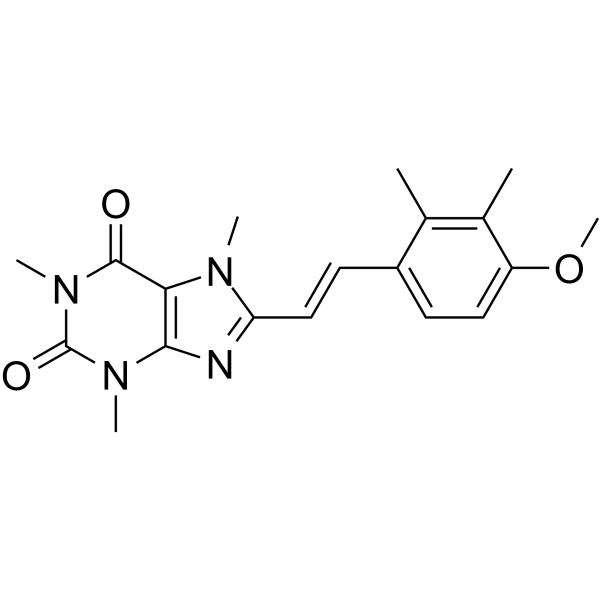
KF21213 is a highly selective ligand for mapping CNS adenosine A2A receptors. KF21213 shows a high affinity for the adenosine A2A receptors (Ki=3.0 nM).
For research use only. We do not sell to patients.
- CAS No.: 155271-17-3
- Formula: C19H22N4O3
- Molecular Weight:354.40
-
Storage:
Please store the product under the recommended conditions in the Certificate of Analysis.

To place orders, for customer services and technical support, please contact: MedChemExpress USA
Tel: 609-228-6898 E-mail: [email protected] [email protected]


-
 Biological Activity
-
Chemical Information
- Purity & Documentation
- References
-
 Help & FAQs


-
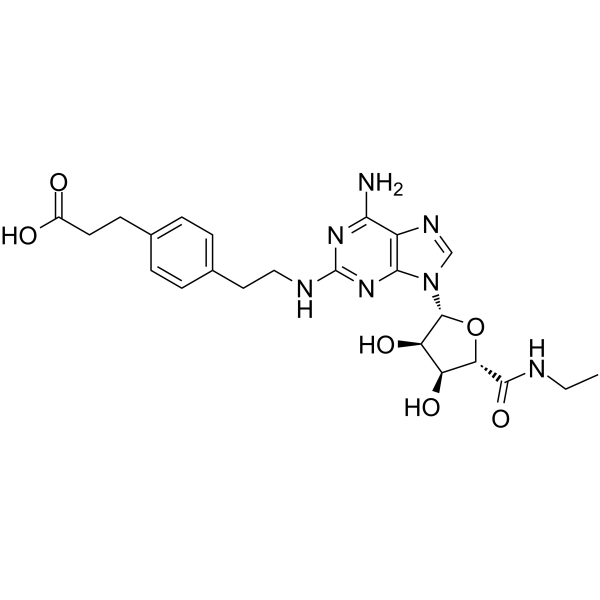
HY-13201
CGS 21680 -
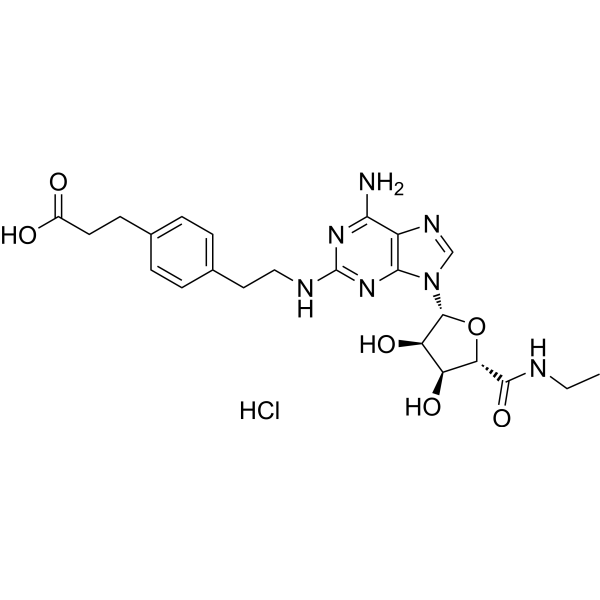
HY-13201A
CGS 21680 HydrochlorideAdenosine A2A Receptor Agonist -
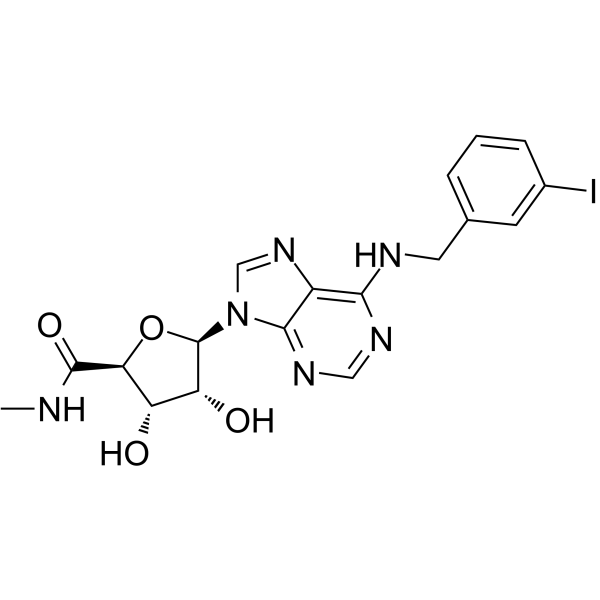
HY-13591
PiclidenosonA3AR Agonist -
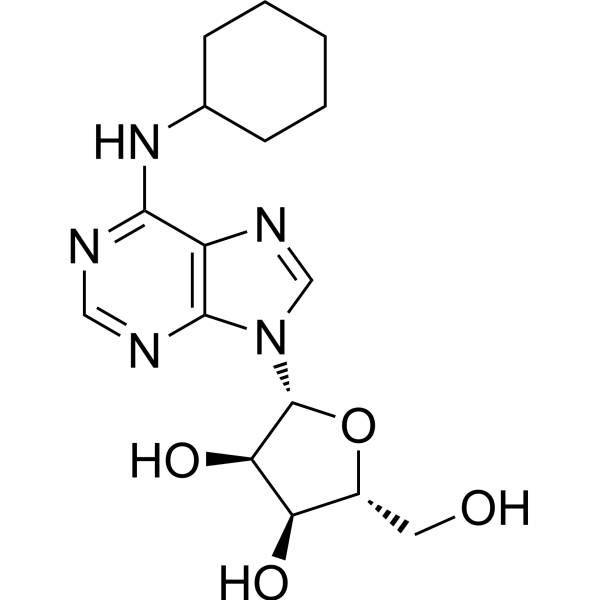
HY-18939
N6-CyclohexyladenosineAdenosine Receptor Agonist -
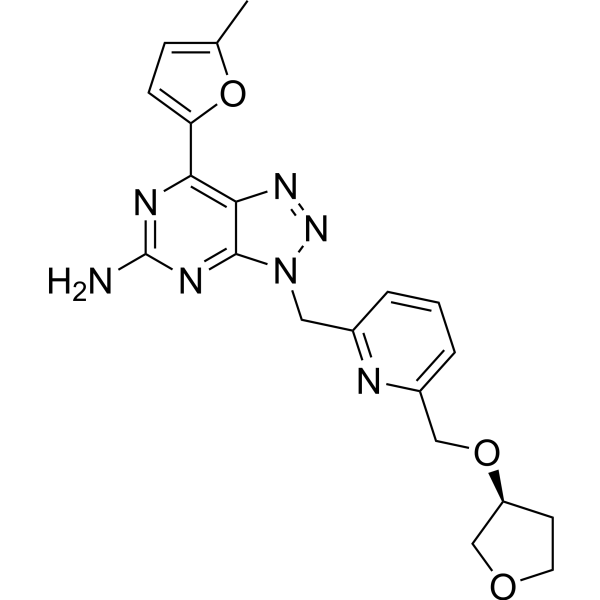
HY-101978
CiforadenantA2AR Antagonist -
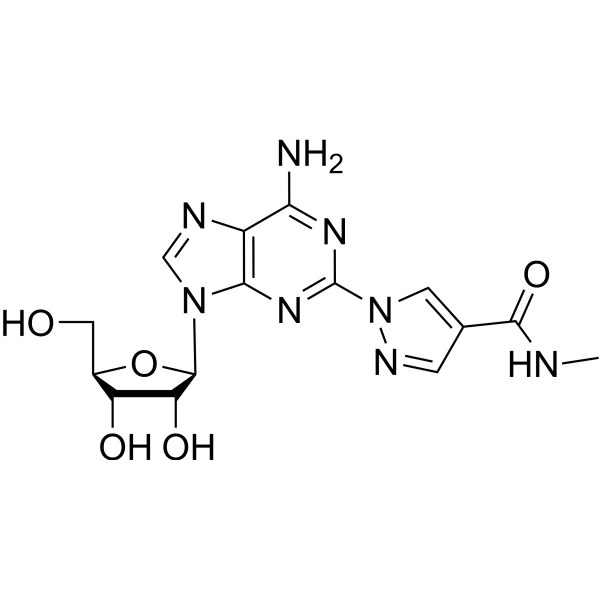
HY-A0168
RegadenosonVasodilator/A2A Adenosine Receptor Agonist -
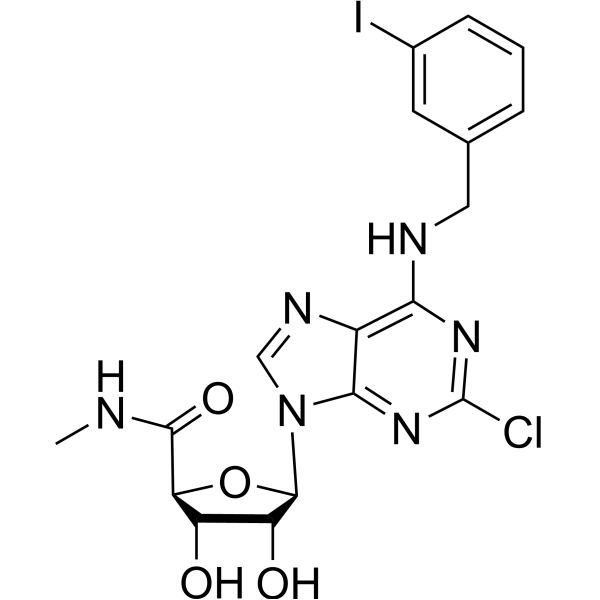
HY-12365
NamodenosonA3AR Agonist -
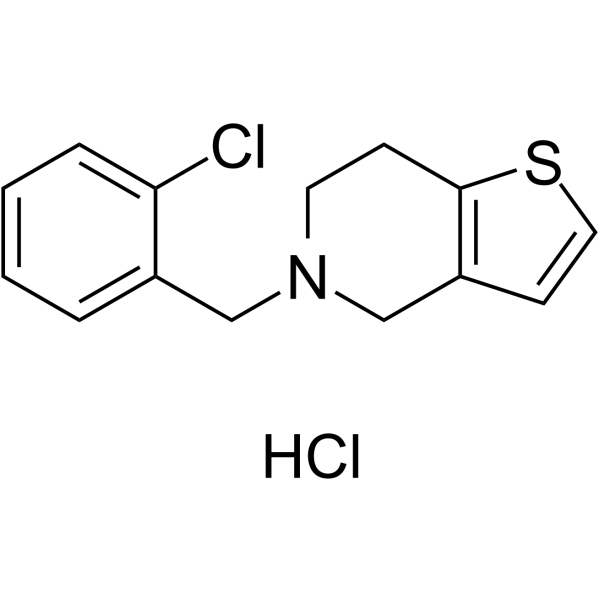
HY-B0153A
Ticlopidine hydrochlorideCD39 Inhibitor -
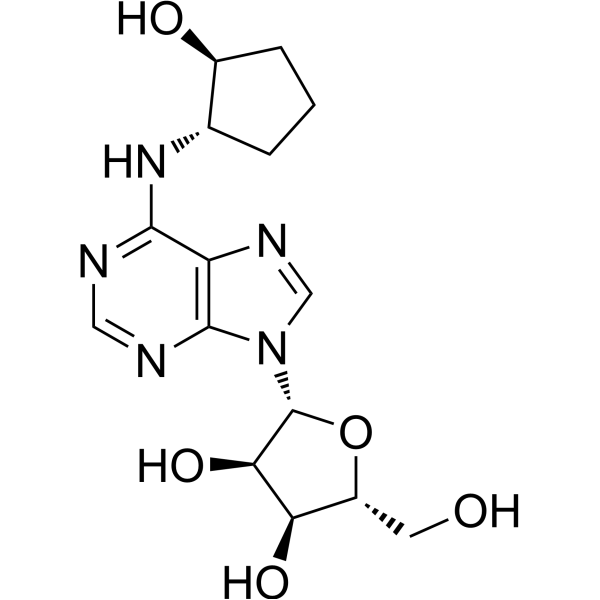
HY-18978
GR79236Adenosine A1 Receptor Agonist -
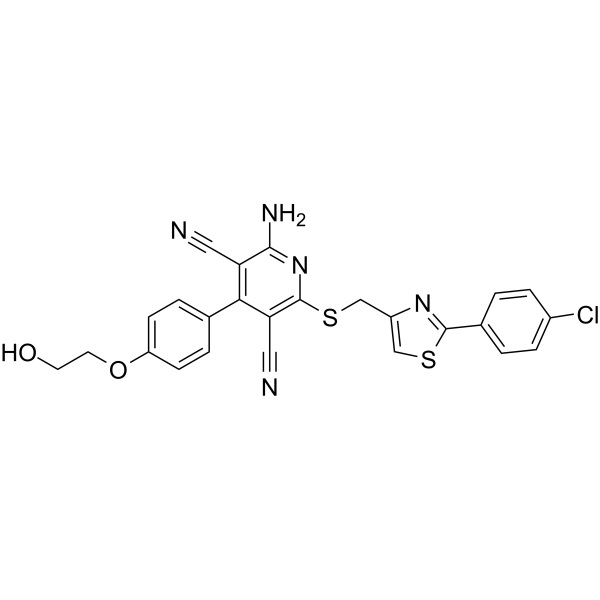
HY-14917
CapadenosonAdenosine Receptor Agonist -
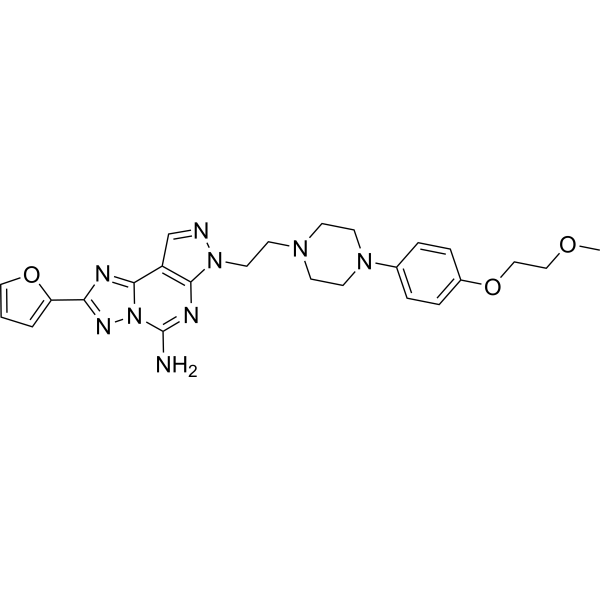
HY-10889
Preladenant -
HY-B1742
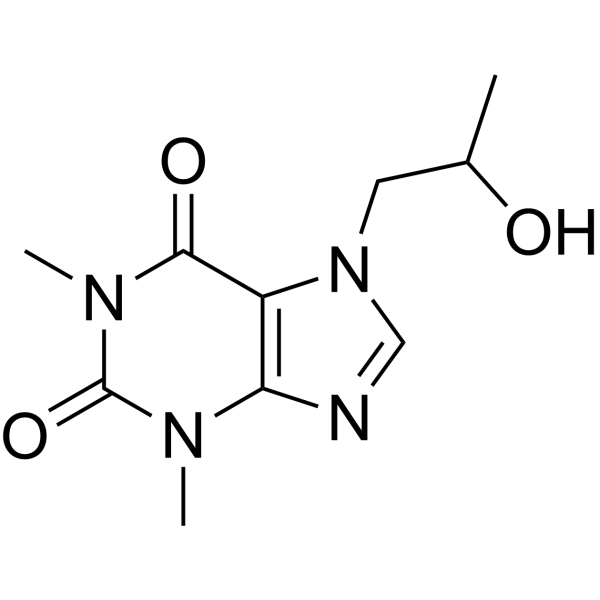
ProxyphyllineAdenosine Receptor Antagonist
All Adenosine Receptor Isoforms
More

Biological Activity
Description
IC50 & Target
Ki: 3.0 nM (A2A receptor)[1]
In Vitro
[11C]KF21213 as a PET ligand for mapping adenosine A2A receptors in the central nervous system (CNS). KF21213 shows a high affinity for the adenosine A2A receptors in vitro (Ki=3.0 nM) and a very low affinity for the A1 receptors (Ki>10,000 nM)[1].
MedChemExpress (MCE) has not independently confirmed the accuracy of these methods. They are for reference only. .
In Vivo
MedChemExpress (MCE) has not independently confirmed the accuracy of these methods. They are for reference only.


Chemical Information
-
CAS No. 155271-17-3
-
Molecular Weight 354.40
-
Formula C19H22N4O3
-
SMILES
O=C(N1C)N(C)C2=C(N(C)C(/C=C/C3=CC=C(OC)C(C)=C3C)=N2)C1=O
-
Shipping
Room temperature in continental US; may vary elsewhere.
-
Storage
Please store the product under the recommended conditions in the Certificate of Analysis.


Purity & Documentation
References

Calculators
Concentration (start) × Volume (start) = Concentration (final) × Volume (final)


KF21213 Related Classifications
HY-U00180 Related Classifications
 Powered by Bioz