
1. Search Result
Search Result
Pathways Recommended: Metabolic Enzyme/Protease
Results for "

viral protease

" in MedChemExpress (MCE) Product Catalog:

85

Inhibitors & Agonists

1

Screening Libraries

1

Biochemical Assay Reagents

2

Peptides

17

Natural
Products

1

Recombinant Proteins

2

Isotope-Labeled Compounds

1

Click Chemistry

Cat. No. Product Name Target Research Areas Chemical Structure
  • HY-108717
    Proteinase K
    20+ Cited Publications

    protease K

    Ser/Thr Protease Others
    Proteinase K (Protease K) is a nonspecific serine protease that is useful for general digestion of proteins. Proteinase K is active in the presence of SDS or urea and over a wide range of pH (4-12), salt concentrations, and temperatures. Proteinase K can be use for promoting methods of viral nucleic acid extraction, and detection .
    Proteinase K
  • HY-13324
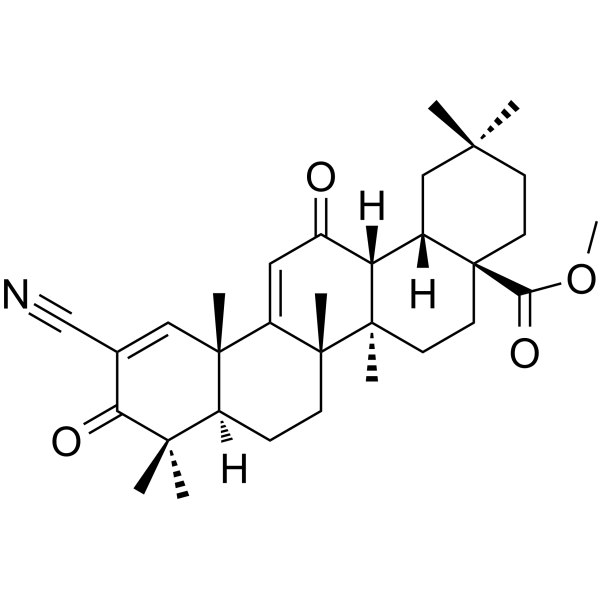
    Bardoxolone methyl
    Maximum Cited Publications
    41 Publications Verification

    RTA 402; NSC 713200; CDDO Methyl ester

    Keap1-Nrf2 SARS-CoV Virus Protease Cardiovascular Disease Infection Neurological Disease Metabolic Disease Inflammation/Immunology Cancer
    Bardoxolone (CDDO; RTA 401) methyl is an orally active and blood-brain-barrier-penetrant activator of Nrf2 and an inhibitor of SARS-CoV-2 3CL protease. Bardoxolone methyl inhibits SARS-CoV-2 replication in Vero cells with an EC50 value of 0.29 μM. Bardoxolone methyl increases levels of pNrf2 and HO-1, inhibits inflammatory mediators like pNFκB and MCP-1. Bardoxolone methyl activates the Nrf2 pathway to enhance antioxidant and anti-inflammatory responses, inhibits viral replication, and improves mitochondrial function. Bardoxolone methyl can be used in research on chemotherapy-induced neuropathic pain (CINP), COVID-19, and chronic kidney disease (CKD) .
    Bardoxolone methyl
  • HY-N0110
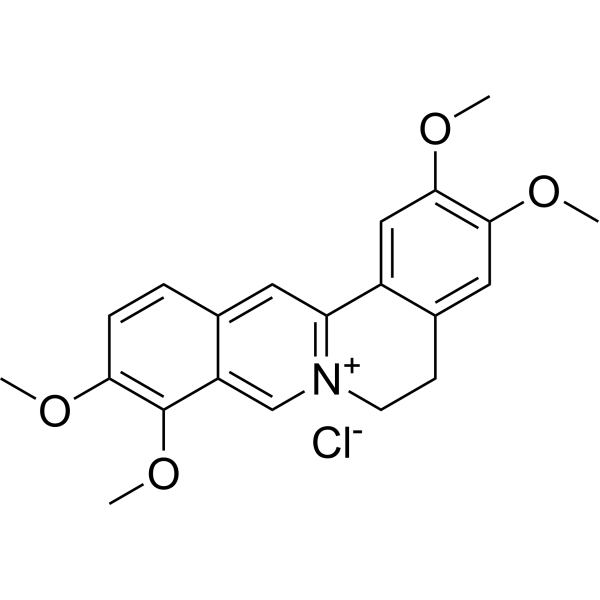
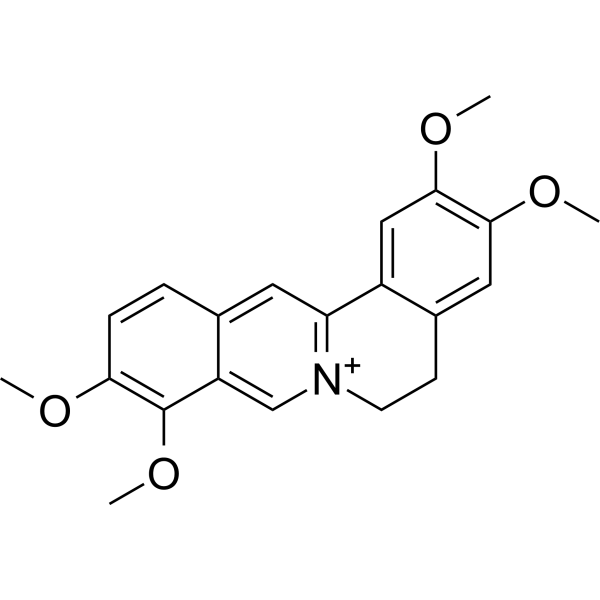
    Palmatine chloride
    Maximum Cited Publications
    9 Publications Verification

    mAChR Indoleamine 2,3-Dioxygenase (IDO) Virus Protease Aurora Kinase Apoptosis Bacterial Parasite Infection Neurological Disease Metabolic Disease Inflammation/Immunology Cancer
    Palmatine chloride is an orally active and irreversible indoleamine 2,3-dioxygenase 1 (IDO-1) inhibitor with IC50s of 3 μM and 157μM against HEK 293-hIDO-1 and rhIDO-1, respectively. Palmatine chloride can also inhibit West Nile virus (WNV) NS2B-NS3 protease in an uncompetitive manner with an IC50 of 96 μM. Palmatine chloride shows anti-cancer, anti-oxidation, anti-inflammatory, neuroprotection, antibacterial, anti-viral activities .
    Palmatine chloride
  • HY-156654
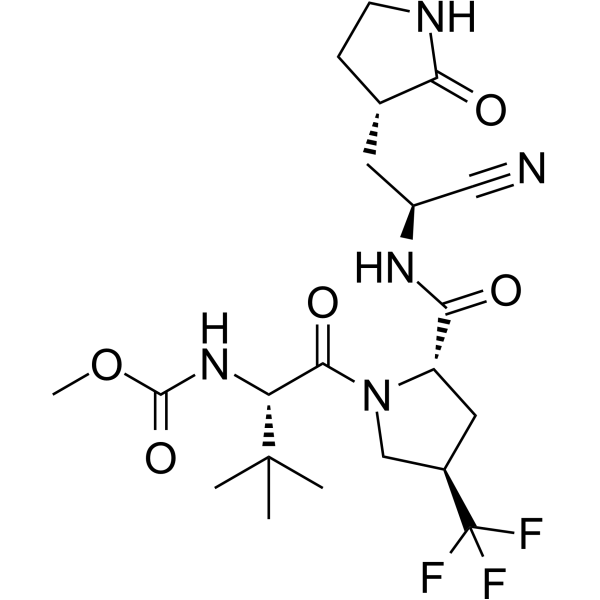
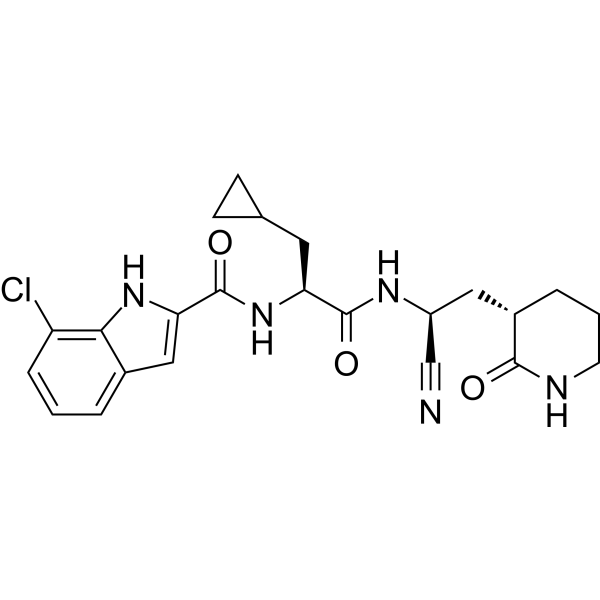
    Ibuzatrelvir
    1 Publications Verification

    PF-07817883

    SARS-CoV Virus Protease Infection
    Ibuzatrelvir (PF-07817883), a second-generation, orally bioavailable, is SARS-CoV-2 main protease (M pro and 3CL pro) inhibitor with improved metabolic stability. Ibuzatrelvir has demonstrated pan-human coronavirus antiviral activity and off-target selectivity profile in vitro and in preclinical animal studies. Ibuzatrelvir is well tolerated with a safety profile similar to placebo and prevents viral infection and transmission. Ibuzatrelvir can be used to inhibit COVID-19 .
    Ibuzatrelvir
  • HY-78726
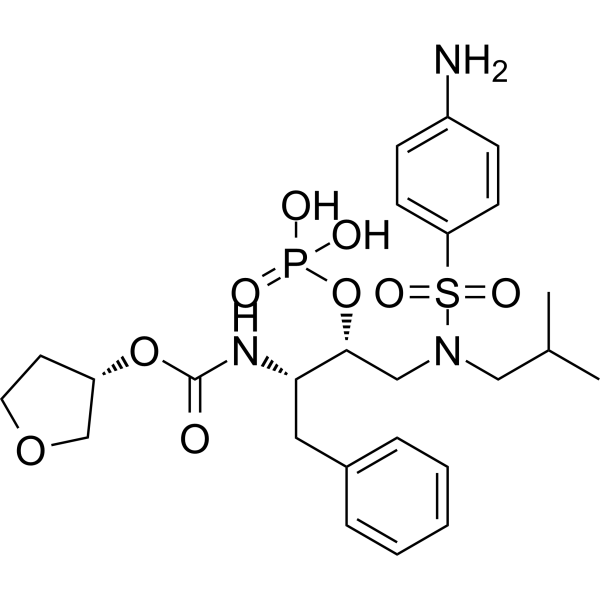
    Fosamprenavir
    4 Publications Verification

    Amprenavir phosphate; GW 433908

    Drug Intermediate HIV HIV Protease Infection
    Fosamprenavir is an orally active inhibitor targeting HIV-1 protease and is a prodrug of Amprenavir (HY-17430). Fosamprenavir is hydrolyzed into Amprenavir (VX-478) by cell phosphatases in the intestinal epithelium. Amprenavir binds to the active site of HIV-1 protease, preventing the processing of viral gag and gag-pol polyprotein precursors, thereby inhibiting the formation of mature infectious virus particles and exerting anti-HIV-1 infection activity. Fosamprenavir can be used for the study of human immunodeficiency virus (HIV-1) infection .
    Fosamprenavir
  • HY-15275
    BMS-265246
    2 Publications Verification

    CDK Angiotensin-converting Enzyme (ACE) Infection Cardiovascular Disease Cancer
    BMS-265246 is a potent and selective cyclin-dependent kinase CDK1 and CDK2 inhibitor, with IC50 values of 6 and 9 nM, respectively. BMS-265246 inhibits CHI3L1 (chitinase 3-like-1) stimulation of ACE2 (angiotensin converting enzyme 2) and SPP (viral spike protein priming proteases). BMS-265246 can be used for ovarian cancer and COVID-19 research .
    BMS-265246
  • HY-172437

    S-892216

    Virus Protease SARS-CoV Infection
    Secutrelvir is an oral SARS-CoV-2 3C-like protease (3CLpro) inhibitor and antiviral agent, with IC50 values of 0.655 nM and 0.697 nM against SARS-CoV-2 3CLpro, respectively. Secutrelvir forms a reversible covalent bond with the catalytic cysteine C145 of SARS-CoV-2 3CLpro, thereby inhibiting viral replication. Secutrelvir exhibits activity against multiple SARS-CoV-2 variants and can be used in research related to coronavirus disease 2019 (COVID-19) .
    Secutrelvir
  • HY-108717B

    protease K (NGS grade)

    Ser/Thr Protease Others
    Proteinase K (Protease K) (NGS grade) is a nonspecific serine protease that is useful for general digestion of proteins. Proteinase K (NGS grade) is active in the presence of SDS or urea and over a wide range of pH (4-12), salt concentrations, and temperatures. Proteinase K (NGS grade) can be use for promoting methods of viral nucleic acid extraction, and detection. This product is NGS grade, no Nickase residue, and nucleic acid residue ≤5 pg/mg .
    Proteinase K (NGS grade)
  • HY-N0110A

    mAChR Indoleamine 2,3-Dioxygenase (IDO) Virus Protease Aurora Kinase Apoptosis Bacterial Parasite Infection Neurological Disease Metabolic Disease Inflammation/Immunology Cancer
    Palmatine is an orally active and irreversible indoleamine 2,3-dioxygenase 1 (IDO-1) inhibitor with IC50s of 3 μM and 157μM against HEK 293-hIDO-1 and rhIDO-1, respectively. Palmatine can also inhibit West Nile virus (WNV) NS2B-NS3 protease in an uncompetitive manner with an IC50 of 96 μM. Palmatine shows anti-cancer, anti-oxidation, anti-inflammatory, neuroprotection, antibacterial, anti-viral activities .
    Palmatine
  • HY-N12586

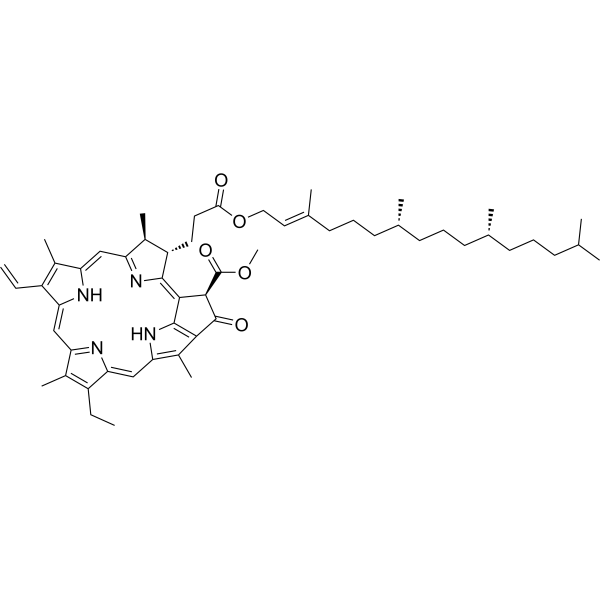
    ERK Reactive Oxygen Species (ROS) COX PGE synthase STAT HCV HCV Protease Infection Neurological Disease Cancer
    Pheophytin a is a multi-target inhibitor, anticancer agent, antioxidant and antiviral agent. Pheophytin a directly binds to and inhibits HCV-NS3/4A protease (IC50=0.89 μM) to block viral replication. Pheophytin a also scavenges free radicals, reduces ferric ions, and exhibits cytotoxic activity against breast cancer cells. Pheophytin a effectively inhibits LPS-induced production of nitric oxide, prostaglandin E2, NOS2 and COX-2, as well as various pro-inflammatory cytokines, by downregulating the transcription levels of inflammatory mediators and blocking the ERK1/2 and STAT-1 pathways. In a low nerve growth factor environment, Pheophytin a also enhances ERK1/2 phosphorylation and synergistically promotes neurite outgrowth through MAPK pathway. Pheophytin a can be used to investigate the pathogenic mechanisms of diseases including chronic hepatitis C, sepsis, breast cancer and Alzheimer's disease .
    Pheophytin a
  • HY-126085
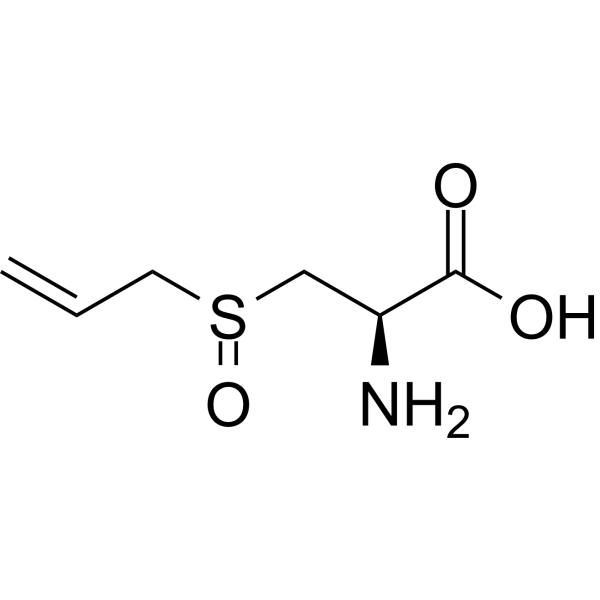
    (±)-Alliin
    3 Publications Verification

    (±)-L-Alliin

    SARS-CoV Infection
    (±)-Alliin is the main active component of garlic. (±)-Alliin is a putative inhibitor of the main protease of SARS-CoV-2 (Mpro) .
    (±)-Alliin
  • HY-108717A

    Recombinant protease K (DNase & RNase free, animal free)

    Ser/Thr Protease Others
    Recombinant Proteinase K (Protease K) (DNase & RNase free, animal free) is a nonspecific serine protease that is useful for general digestion of proteins. Proteinase K (DNase & RNase free, animal free) is active in the presence of SDS or urea and over a wide range of pH (4-12), salt concentrations, and temperatures. Proteinase K (DNase & RNase free, animal free) can be use for promoting methods of viral nucleic acid extraction, and detection. This product is of molecular biology grade, free of animal-derived ingredients, and is recombinantly purified from yeast .
    Recombinant Proteinase K (DNase & RNase free, animal free)
  • HY-17431
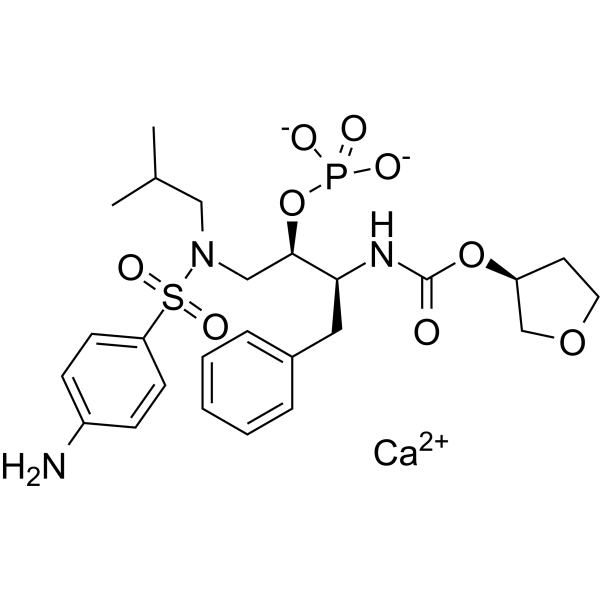
    Fosamprenavir Calcium Salt
    4 Publications Verification

    GW433908G

    Drug Intermediate HIV HIV Protease Infection
    Fosamprenavir Calcium Salt (GW433908G) is an orally active inhibitor targeting HIV-1 protease and is a prodrug of Amprenavir (HY-17430). Fosamprenavir Calcium Salt is hydrolyzed into Amprenavir (VX-478) by cell phosphatases in the intestinal epithelium. Amprenavir binds to the active site of HIV-1 protease, preventing the processing of viral gag and gag-pol polyprotein precursors, thereby inhibiting the formation of mature infectious virus particles and exerting anti-HIV-1 infection activity. Fosamprenavir Calcium Salt can be used for the study of human immunodeficiency virus (HIV-1) infection .
    Fosamprenavir Calcium Salt
  • HY-169092

    SARS-CoV Virus Protease Infection
    PF-07957472 (Compound 4) is an orally active and selective SARS-CoV-2 papain-like protease (PLpro) inhibitor, with a Ki of 2 nM against SARS-CoV-2 PLpro. PF-07957472 reduces SARS-CoV-2 viral titers in the lungs of infected mice and inhibits SARS-CoV-2-induced cytopathic effects in cells. PF-07957472 can be used for the research of COVID-19 .
    PF-07957472
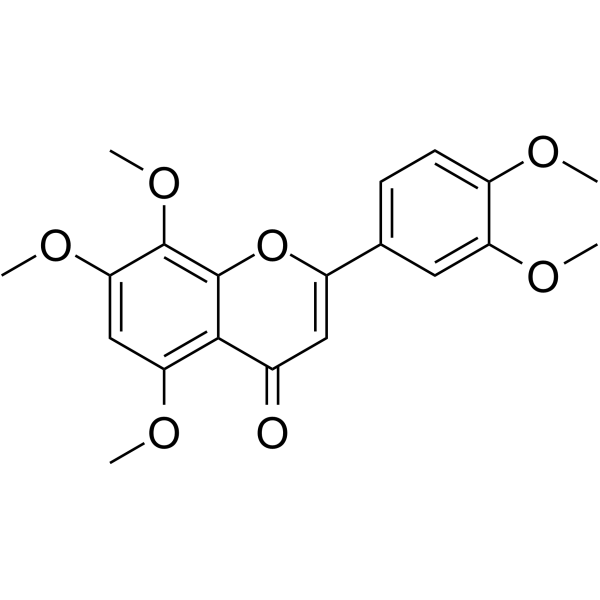
  • HY-N1941

    P-glycoprotein Bacterial HIV Protease Phosphatase Reactive Oxygen Species (ROS) NF-κB p38 MAPK ERK JNK Calcium Channel Infection Metabolic Disease Inflammation/Immunology Cancer
    Isosinensetin is a flavonoid compound and an inhibitor of HIV-1 protease and PTP1B (IC50: 2.61 µM; Ki: 0.92 µM). Isosinensetin inhibits P-glycoprotein (P-gp) in MDR1-MDCKII cells. Isosinensetin has multiple activities such as anti-tumor, anti-viral, anti-inflammatory, and antioxidant effects. Isosinensetin can be used in the research of various diseases including cancer, inflammation, osteoporosis, diabetes, etc .
    Isosinensetin
  • HY-19476

    Virus Protease Infection
    AG-7404 is an orally active, irreversible inhibitor of the picornavirus 3C protease. AG-7404 blocks the processing of viral polyproteins, thereby inhibiting viral replication. AG-7404 has synergistic antiviral activity with capsid inhibitors such as V-073 (HY-104074) or BTA798 (HY-106254) and is effective against V-073-resistant variants. AG-7404 is used in the study of enterovirus infections such as poliovirus .
    AG-7404
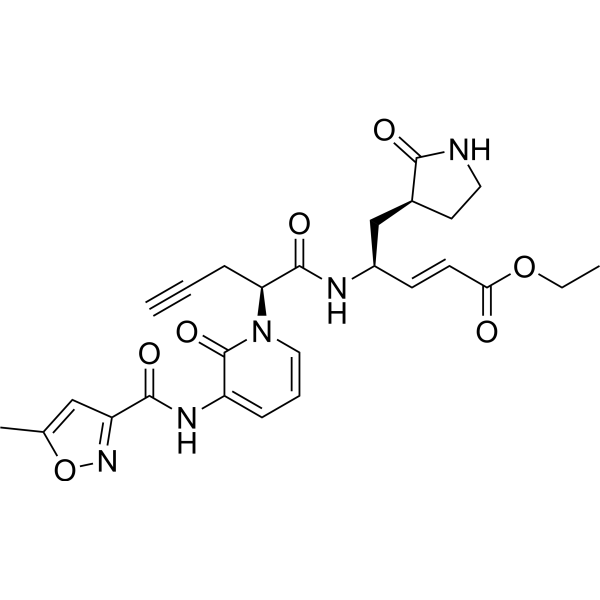
  • HY-147020

    NK01-63

    SARS-CoV Infection
    Coronastat is a potent inhibitor of the SARS-CoV-2 3CL protease. The SARS-CoV-2 3CL protease is a critical agent target for small molecule COVID-19, given its likely agentgability and essentiality in the viral maturation and replication cycle .
    Coronastat
  • HY-152101

    SARS-CoV Infection
    LY1 is a potent, selective and covalent inhibitor against both SARS-CoV-2 PL pro and M pro with Kd values of 1.5 μM and 2.3 μM for M pro C145A protein and PL pro C111A protein, respectively. LY1 potent against the viral proteases, with IC50s of 0.12 μM and 0.99 μM against M pro and PL pro. LY1 shows high selectivity over other kinases, human proteases and metalloenzyme .
    LY1
  • HY-153228
    Pomotrelvir
    1 Publications Verification

    PBI-0451

    SARS-CoV Infection
    Pomotrelvir is a selective, competitive, orally active covalent inhibitor of the SARS-CoV-2 main protease (M pro), with an IC50 of 24 nM for wild-type SARS-CoV-2 M pro. Pomotrelvir inhibits viral polyprotein processing, thereby preventing viral replication. Pomotrelvir has shown broad antiviral activity against multiple SARS-CoV-2 variants (including Omicron) in cell-based experiments, and has an additive effect when combined with nucleoside analogs that target viral RNA synthesis. Pomotrelvir is primarily used for the research and development of COVID-19 antiviral drugs, especially for infections caused by SARS-CoV-2 and its variants .
    Pomotrelvir
  • HY-N6841
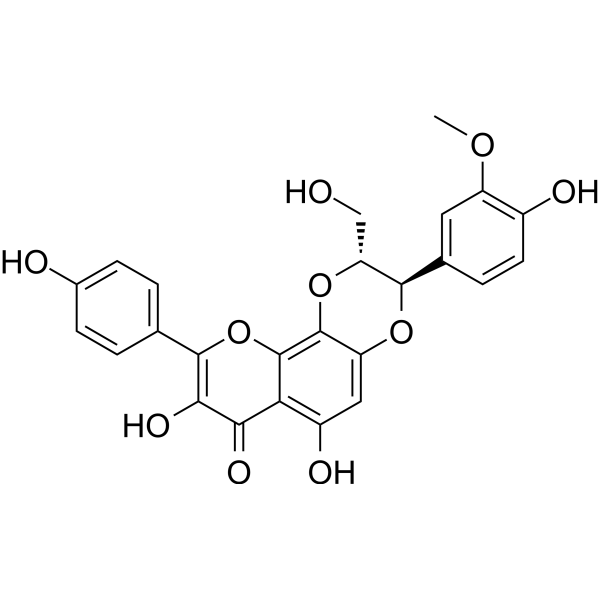
    Rhodiolin
    1 Publications Verification

    Glucose-6-Phosphate Isomerase (GPI) Casein Kinase Virus Protease Flavivirus PI3K Akt mTOR Apoptosis Infection Cancer
    Rhodiolin, a flavonoid, is an orally active glucose 6-phosphate isomerase (GPI) inhibitor. Rhodiolin inhibits papillary thyroid cancer (PTC) by targeting glycolysis enzyme glucose 6-phosphate isomerase GPI and suppressing PI3K/AKT/mTOR phosphorylation and induce apoptosis. Rhodiolin as a NS2B-NS3 protease inhibitor can disrupt dengue viral replication. Rhodiolin is also a potential candidate for developing anticancer strategies inhibiting CK1ε kinase. Rhodiolin can be used for the study of anti-tumor and anti-viral .
    Rhodiolin
  • HY-144645

    Flavivirus Dengue Virus Virus Protease DNA/RNA Synthesis Infection
    SP-471P is a potent dengue virus (DENV) protease inhibitor with EC50s of 5.9 μM, 1.4 μM, 5.1 μM and 1.7 μM for DENV1, DENV2, DENV3 and DENV4, respectively and CC50 value over 100 μM. SP-471P can reduce DENV viral RNA synthesis .
    SP-471P
  • HY-136797

    Dengue Virus Infection
    BP13944 is a potential small molecule inhibitor discovered by high-throughput screening. It can effectively inhibit the expression of dengue virus (DENV) replicons with an EC50 value of 1.03±0.09 μM. BP13944 can inhibit the replication or viral RNA synthesis of all four serotypes of DENV, but is ineffective against Japanese encephalitis virus. BP13944 may target the DENV NS3 protease, and the E66G amino acid substitution in the NS3 protease region will cause the virus to become resistant to BP13944. BP13944 has no obvious cytotoxicity. As there is currently no effective dengue vaccine and treatment, BP13944, as an effective small molecule inhibitor, may become a potential agent for the treatment of dengue in the future.
    BP13944
  • HY-N0110B
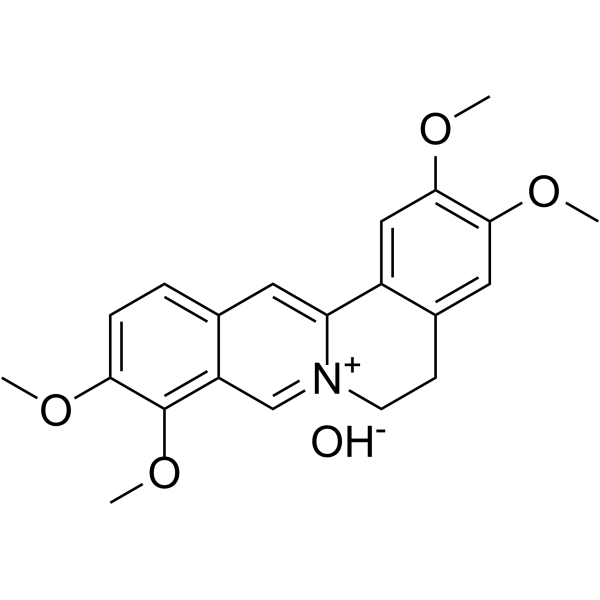
    Palmatine hydroxide
    Maximum Cited Publications
    9 Publications Verification

    mAChR Indoleamine 2,3-Dioxygenase (IDO) Virus Protease Aurora Kinase Apoptosis Bacterial Parasite Infection Neurological Disease Metabolic Disease Inflammation/Immunology Cancer
    Palmatine hydroxide is an orally active and irreversible indoleamine 2,3-dioxygenase 1 (IDO-1) inhibitor with IC50s of 3 μM and 157μM against HEK 293-hIDO-1 and rhIDO-1, respectively. Palmatine hydroxide can also inhibit West Nile virus (WNV) NS2B-NS3 protease in an uncompetitive manner with an IC50 of 96 μM. Palmatine hydroxide shows anti-cancer, anti-oxidation, anti-inflammatory, neuroprotection, antibacterial, anti-viral activities .
    Palmatine hydroxide
  • HY-N0857
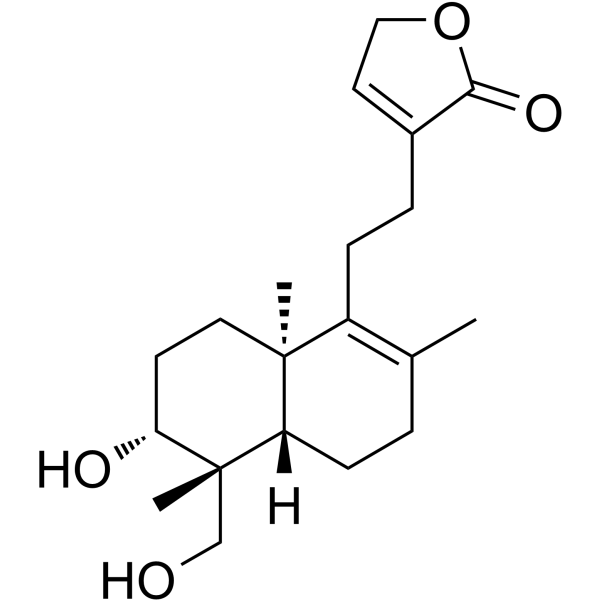
    Deoxyandrographolide
    1 Publications Verification

    GLUT HDAC Virus Protease PI3K AMPK Akt Histone Demethylase MDM-2/p53 IFNAR Reactive Oxygen Species (ROS) Infection Metabolic Disease Inflammation/Immunology
    Deoxyandrographolide is an orally active lactone found in the Andrographis paniculata Nees. Deoxyandrographolide shows a KD of 38.4 μM of HDAC1. Deoxyandrographolide enhances GLUT4 plasma membrane translocation, activates PI3K and AMPK-dependent signaling pathways, suppresses fasting blood glucose, serum insulin, triglycerides, and LDL-cholesterol levels. Deoxyandrographolide enhances HDAC1 expression via inhibited ubiquitination degradation, represses H3K4me3, improves chromosome stability, and restrains aging biomarkers p16, p21, γH2A.X, p53 and ROS production. Deoxyandrographolide interacts with Foot-and-Mouth Disease Virus 3Cpro active site, inhibits protease and IFN-antagonist activity, derepresses ISG expression, and inhibits viral replication. Deoxyandrographolide can be used for the researches of type 2 diabetes mellitus, vascular senescence and virus infection .
    Deoxyandrographolide
  • HY-163943

    SARS-CoV PIKfyve Infection
    UNI418 is a dual inhibitor of PIKfyve and PIP5K1C with antiviral activity against SARS-CoV-2 (EC50=1.4 μM). UNI418 blocks ACE2-mediated SARS-CoV-2 viral endocytosis by inhibiting PIP5K1C (IC50=60.1 nM; Kd=61 nM). In addition, UNI418 inhibits the proteolytic activation of proteases regulated by PIKfyve (Kd=0.78 nM) to prevent SARS-CoV-2 from entering host cells .
    UNI418
  • HY-119378

    CX 295

    Proteasome Apoptosis Infection Cardiovascular Disease Neurological Disease Inflammation/Immunology
    AK 295 (CX 295) is a selective calpain inhibitor. AK 295 can inhibit apoptosis through a calpain-dependent pathway. AK 295 shows potent neuroprotective effect. AK 295 can inhibit the activity of the cysteine protease calpain and reduce myocardial injury. AK 295 can be used for the researches of infection, inflammation, cardiovascular and neurological disease, such as stroke and viral myocarditis .
    AK 295
  • HY-12946

    Glucocorticoid Receptor Cytochrome P450 HCV Protease Infection Inflammation/Immunology
    BI 653048, a chemical probe, is a selective and orally active nonsteroidal glucocorticoid (GC) agonist with an IC50 value of 55 nM . BI 653048 inhibits CP1A2, CYP2D6, CYP2C9, CYP2C19 and CYP3A4 isoforms’ activity and reduces affinity for the hERG ion channel (IC50>30 μM) . BI 653048 (Compound 103) is also a HCV NS3 protease inhibitor that can reduce viral loads infected with the hepatitis C virus .
    BI 653048
  • HY-78726S

    Amprenavir phosphate-d4; GW 433908-d4

    Isotope-Labeled Compounds Drug Intermediate HIV HIV Protease Infection
    Fosamprenavir-d4 is the Deuterium-labeled Fosamprenavir (HY-78726). Fosamprenavir is an orally active inhibitor targeting HIV-1 protease and is a prodrug of Amprenavir (HY-17430). Fosamprenavir is hydrolyzed into Amprenavir (VX-478) by cell phosphatases in the intestinal epithelium. Amprenavir binds to the active site of HIV-1 protease, preventing the processing of viral gag and gag-pol polyprotein precursors, thereby inhibiting the formation of mature infectious virus particles and exerting anti-HIV-1 infection activity. Fosamprenavir can be used for the study of human immunodeficiency virus (HIV-1) infection .
    Fosamprenavir-d4
  • HY-172553

    Virus Protease SARS-CoV Infection
    AS-0017445 is an inhibitor targeting the main protease of both the current coronavirus and the virus that caused the Middle East Respiratory Syndrome (MERS) outbreak. AS-0017445 inhibits the viral protein processing in host cells and thus prevents viral replication .
    AS-0017445
  • HY-175279

    Virus Protease Infection
    CHIKV nsP2 protease-IN-3 (Compound 5) is an irreversible covalent inhibitor targeting the nonstructural protein 2 (nsP2) cysteine protease of chikungunya virus (CHIKV) (IC50=0.5 μM). CHIKV nsP2 protease-IN-3 inhibits viral RNA replication. CHIKV nsP2 protease-IN-3 is promising for research of alphaviruses .
    CHIKV nsP2 protease-IN-3
  • HY-174998

    HIV HIV Protease Infection
    HIV-1 protease-IN-15 (Compound 27) is an orally active and selective inhibitor targeting HIV-1 protease with a pIC50 value of 9.347. HIV-1 protease-IN-15 inhibits HIV protein maturation, blocks viral replication. HIV-1 protease-IN-15 is promising for research of HIV-1 infection .
    HIV-1 protease-IN-15
  • HY-126973

    HCV Protease Infection
    BI-1230, a chemical probe, is potent and digit nanomolar inhibitor of HCV NS3 protease and of viral replication. BI-1230 is also highly selective against other serine/cysteine proteases. BI-1230 shows good Pharmacokinetic(PK) activity .
    BI-1230
  • HY-105448

    HIV Protease Infection
    U-75875 is a HIV-1 protease inhibitor. U-75875 can block Gag-Pol protein processing and viral maturation and replication. U-75875 can be used for the research of infection .
    U-75875
  • HY-117747

    JCR 424; XM 323

    HIV Protease Infection
    DMP 323 is a potent, nonpeptide cyclic urea inhibitor of HIV protease, effective against both HIV type 1 and type 2. Designed using structural information and database searching, it competitively inhibits the cleavage of both peptide and HIV-1 gag polyprotein substrates. DMP 323 shows comparable potency to other highly effective HIV protease inhibitors like A-80987 and Ro-31-8959. Importantly, its efficacy against HIV protease remains unaffected by human plasma or serum, suggesting low affinity for plasma proteins. Furthermore, DMP 323 demonstrates minimal inhibition of various mammalian proteases at concentrations much higher than those needed for HIV protease inhibition, highlighting its specificity for viral targets .
    DMP 323
  • HY-152222

    SARS-CoV Cathepsin Infection
    SPR38 is a potent SARS-CoV-2 main protease inhibitor, with a Ki of 0.260 μM. SPR38 also inhibits hCatL and hCatB, with Ki values of 1.92 μM and 11.1 μM, respectively .
    SPR38
  • HY-171835

    HIV HIV Protease Infection
    DPC 684 is a potent and selective HIV-1 protease inhibitor (IC90 = 5.7-40 nM, Ki = 0.021 nM). DPC 684 competitively inhibits HIV-1 protease and blocks viral polyprotein cleavage. DPC 684 has low protein binding and broad-spectrum inhibition against a variety of wild-type and mutant HIV-1 proteases. DPC 684 has low protein binding and broad-spectrum inhibition (IC90 = 1.9-6.3 nM). DPC 684 has research significance for HIV .
    DPC 684
  • HY-14404

    HBV HCV Protease Infection
    MK-1220 is a covalently reversible inhibitor of the hepatitis C virus (HCV) NS3/4A protease (NS3/4A protease) with a Ki of 0.02 nM. MK-1220 in cell models simulating viral replication exhibits EC50s of 4 (with 10% fetal bovine serum) and 11 nM (50% normal human serum). MK-1220 can be used for the study of chronic hepatitis C virus infection .
    MK-1220
  • HY-105148

    DMP-450

    HIV HIV Protease Infection
    Mozenavir (DMP 450) is an orally active and highly selective inhibitor of HIV-1 protease (Ki=0.3 nM). Mozenavir blocks the cleavage and processing of viral polyproteins, inhibiting the replication and maturation of HIV-1. Mozenavir is promising for research of HIV infection .
    Mozenavir
  • HY-14644B

    STA 5326 hydrochloride; LAM-002A free base hydrochloride; AIT-101 hydrochloride

    NOD-like Receptor (NLR) Infection Inflammation/Immunology
    Apilimod (STA 5326) hydrochloride is a PIKFYVE kinase inhibitor that promotes NLRP3 inflammatory vesicle activation and IL-1β secretion. Apilimod hydrochloride has been shown to inhibit host cell proteases, which may prevent viral invasion but also block antiviral immune responses, potentially exacerbating immunosuppression in COVID-19.
    Apilimod hydrochloride
  • HY-159669

    HIV Protease Infection Inflammation/Immunology
    Stercobilin hydrochloride (amixture of isomers) is a bile pigment metabolized by gut bacteria, and it's also an HIV protease inhibitor, with a Ki of 4 μM. Stercobilin hydrochloride (a mixture of isomers) can induce pro-inflammatory activity in mouse macrophage RAW264 cells, including the production of TNF-α and IL-1β. Stercobilin hydrochloride (a mixture of isomers) can be used in studies of inflammation and viral infections .
    Stercobilin hydrochloride (mixture of isomers)
  • HY-168916

    SARS-CoV Virus Protease
    Jun13296 is an orally active quinoline SARS-CoV-2 papain-like protease inhibitor (IC50 = 0.13  µM, Ki  = 8.8  nM). Jun13296 exhibits potent inhibition against SARS-CoV-2 variants and Nirmatrelvir (HY-138687)-resistant mutants. Jun13296 improves lung viral titers, and prevents lung tissue damage in a SARS-CoV-2 infection model .
    Jun13296
  • HY-178160

    SARS-CoV Virus Protease Infection
    SARS-CoV-2 PLpro-IN-2 (Compound 12) is a highly selective SARS-CoV-2 papain-like protease (PLpro) inhibitor of (IC50=0.06 μM). SARS-CoV-2 PLpro-IN-2 inhibits viral replication and immune evasion. SARS-CoV-2 PLpro-IN-2 exhibits antiviral efficacy in HeLa-ACE2 cells (EC50=2.9 μM). SARS-CoV-2 PLpro-IN-2 is promising for research of COVID-19 .
    SARS-CoV-2 PLpro-IN-2
  • HY-12946A

    Glucocorticoid Receptor Cytochrome P450 HCV Protease Infection Inflammation/Immunology
    BI 653048 phosphate is a selective and orally active nonsteroidal glucocorticoid (GC) agonist with an IC50 value of 55 nM . BI 653048 phosphate inhibits CP1A2, CYP2D6, CYP2C9, CYP2C19 and CYP3A4 isoforms’ activity and reduces affinity for the hERG ion channel (IC50>30 μM) . BI 653048 phosphate is extracted from patent WO2005028501A1 (Compound 103), is also a HCV NS3 protease inhibitor that can reduce viral loads infected with the hepatitis C virus .
    BI 653048 phosphate
  • HY-N0110R

    Apoptosis Virus Protease Indoleamine 2,3-Dioxygenase (IDO) Parasite Bacterial Aurora Kinase mAChR Reference Standards Infection Neurological Disease Metabolic Disease Inflammation/Immunology Cancer
    Palmatine (chloride) (Standard) is the analytical standard of Palmatine (chloride). This product is intended for research and analytical applications. Palmatine chloride is an orally active and irreversible indoleamine 2,3-dioxygenase 1 (IDO-1) inhibitor with IC50s of 3 μM and 157μM against HEK 293-hIDO-1 and rhIDO-1, respectively. Palmatine chloride can also inhibit West Nile virus (WNV) NS2B-NS3 protease in an uncompetitive manner with an IC50 of 96 μM. Palmatine chloride shows anti-cancer, anti-oxidation, anti-inflammatory, neuroprotection, antibacterial, anti-viral activities .
    Palmatine chloride (Standard)
  • HY-172350

    SARS-CoV Virus Protease Interleukin Related Infection
    WEHI-P8 is an orally active SARS-CoV-2 papain-like protease (PLpro) inhibitor with an IC50 of 12 nM and a Kd of 9.0 nM. WEHI-P8 reduces viral load, body weight loss, pulmonary inflammation, immune cell infiltration and pro-inflammatory mediator levels in SARS-CoV-2-infected mice. WEHI-P8 prevents pulmonary hemorrhage, immune cell infiltration, fibrotic remodeling and neuroinflammation, and improves cognitive function in a mouse model of post-acute sequelae of SARS-CoV-2 infection (PASC). WEHI-P8 is applicable for the research of COVID-19 and PASC .
    WEHI-P8
  • HY-106247

    Virus Protease Infection
    AG-1859 is a viral protease inhibitor. AG-1859 can be used in the research of viral infection .
    AG-1859
  • HY-E70610

    Virus Protease SARS-CoV Infection
    SARS-CoV-2 main protease is a main protease (Mpro) of SARS-CoV-2, which plays a central role in viral replication and transcription and represents an attractive drug target for fighting COVID-19 .
    SARS-CoV-2 main protease
  • HY-B0689C

    (threo)-MK-639; (threo)-L735524

    HIV Infection
    (Threo)-Indinavir is a protease inhibitor that plays an important role in HIV/AIDS suppression. (Threo)-Indinavir is used as a component of highly active antiretroviral suppression. By inhibiting the viral protease, (threo)-Indinavir ((threo)-MK-639) is able to effectively block the replication of the HIV virus .
    (threo)-Indinavir
  • HY-107468

    HIV Protease Infection Inflammation/Immunology
    PL-100 is a potent HIV-1 protease inhibitor with a Ki of 36 pM and an EC50 of 16 nM. PL-100 inhibits viral replication by suppressing HIV-1 protease activity and demonstrates excellent antiviral efficacy against drug-resistant HIV strains. PL-100 can be used in research on drug-resistant HIV disease .
    PL-100
  • HY-164868

    SARS-CoV Infection
    SARS-CoV-2-IN-106 (compound 19) is a SARS-CoV-2 papain-like protease inhibitor with the IC50 values of 0.44 μM and 0.18 μM for PLpro enzymatic and viral replication ,respectively .
    SARS-CoV-2-IN-106

Inquiry Online

Your information is safe with us. * Required Fields.

Salutation


Country or Region *

Applicant Name *


Organization Name *

Department *


Email Address *


Product Name *

Cat. No.


Requested quantity *

Phone Number *


Remarks

Inquiry Online

Inquiry Information

Product Name:
Cat. No.:
Quantity:
MCE Japan Authorized Agent:

