1. Search Result
Search Result
Results for "

n5-5-hydro-5-methyl-4-imidazolon-2-yl-l-ornithine-d6

" in MedChemExpress (MCE) Product Catalog:

100

Inhibitors & Agonists

1

Screening Libraries

10

Biochemical Assay Reagents

10

Peptides

41

Natural
Products

14

Recombinant Proteins

10

Isotope-Labeled Compounds

33

Antibodies

2

Oligonucleotides

Cat. No. 상품명 Target 연구분야 Chemical Structure
  • HY-B1352
    L-Ornithine
    Maximum Cited Publications
    9 Publications Verification

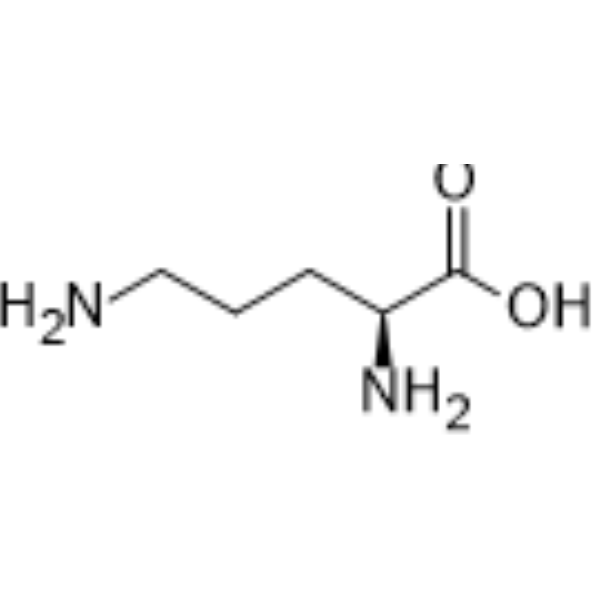
    (S)-2,5-Diaminopentanoic acid

    Arginase Endogenous Metabolite Metabolic Disease
    L-Ornithine ((S)-2,5-Diaminopentanoic acid) is a non-proteinogenic amino acid, is mainly used in urea cycle removing excess nitrogen in vivo. L-Ornithine shows nephroprotective .
    L-Ornithine
  • HY-W017018
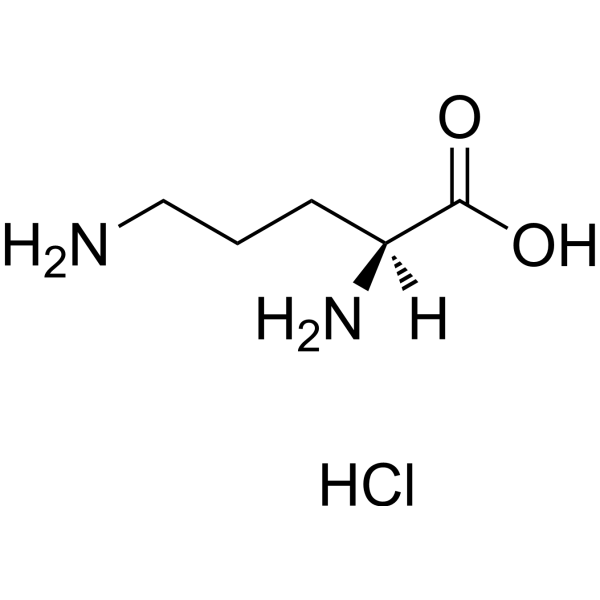
    L-Ornithine hydrochloride
    Maximum Cited Publications
    9 Publications Verification

    Endogenous Metabolite Metabolic Disease
    L-Ornithine hydrochloride is a non-proteinogenic amino acid, is mainly used in urea cycle removing excess nitrogen in vivo. L-Ornithine hydrochloride shows nephroprotective .
    L-Ornithine hydrochloride
  • HY-126436A

    L-ornithine homopolymer hydrobromide (MW 30000-70000)

    Biochemical Assay Reagents Neurological Disease
    Poly-L-ornithine hydrobromide (MW 30000-70000) is a poly-lysine derivative with a molecular weight of 30000-70000. Poly-L-ornithine hydrobromide (MW 30000-70000) binds to the surface of cell culture vessels through positively charged amino acid residues to form a coating that promotes cell adhesion and provides cells with a matrix environment required for growth. Poly-L-ornithine hydrobromide (MW 30000-70000) is used as a coating agent in cell culture and can be used for the study of primary culture of neurons (such as dopaminergic neurons and oligodendrocytes) .
    Poly-L-ornithine hydrobromide (MW 30000-70000)
  • HY-A0248A
    Polymyxin B1
    1 Publications Verification

    Bacterial Infection
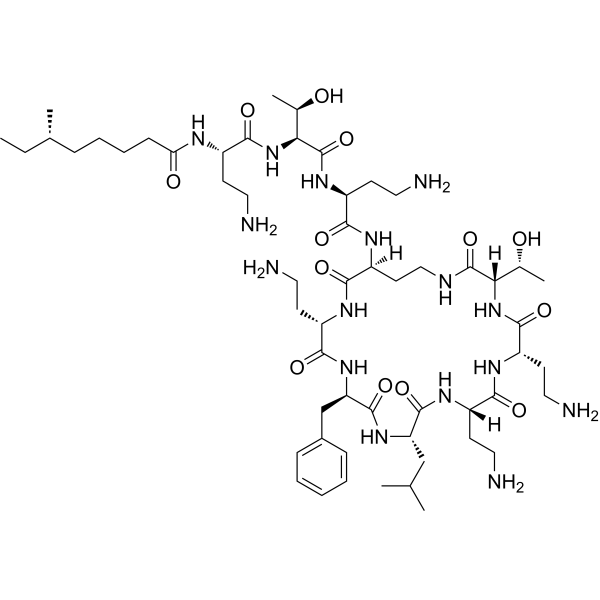
    Polymyxin B1 is a potent antimicrobial lipopeptide first derived from Bacilus polymyxa. Polymyxin B1 is the major component in Polymyxin B (HY-A0248). Polymyxin B1 can induce lysis of bacterial cells through interaction with their membranes. Polymyxin B1 has the potential for multidrug-resistant Gram-negative bacterial infections treatment .
    Polymyxin B1
  • HY-P10272

    PTG-300

    Ferroportin Others
    Rusfertide is a peptide mimetic of natural hepcidin, which targets and degrades ferroportin, reduces serum iron and transferrin-saturation, and thus regulates the production of red blood cells. Rusfertide ameliorates the polycythemia vera, β-thalassemia and hereditary hemochromatosis .
    Rusfertide
  • HY-Z0548

    Protocatechuic acid methyl ester; methyl protocatechuate

    Keap1-Nrf2 Apoptosis Inflammation/Immunology Cancer
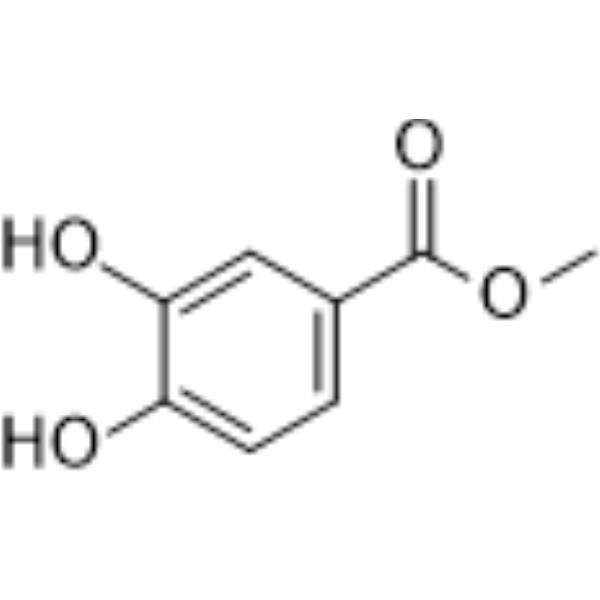
    Methyl 3,4-dihydroxybenzoate (Protocatechuic acid methyl ester; Methyl protocatechuate) is a major metabolite of antioxidant polyphenols found in green tea. Antioxidant and anti-inflammatory effect .
    Methyl 3,4-dihydroxybenzoate
  • HY-W011688
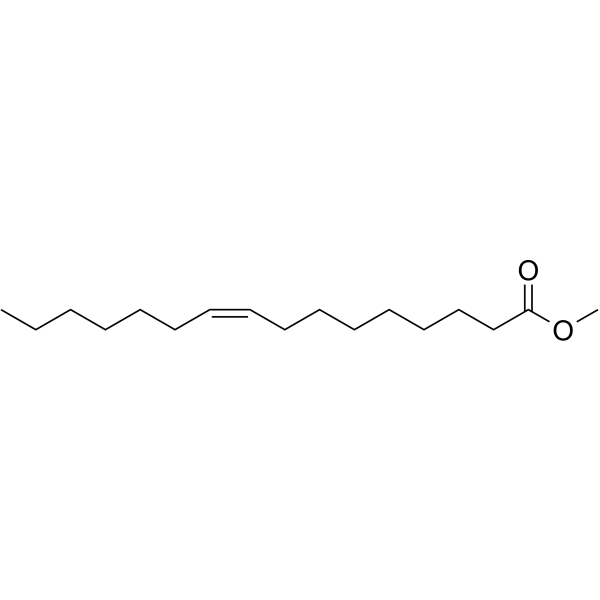
    Methyl palmitoleate
    1 Publications Verification

    (Z)-methyl hexadec-9-enoate; methyl cis-9-Hexadecenoate

    Drug Isomer Others
    Methyl palmitoleate ((Z)-Methyl hexadec-9-enoate), a fatty acid methyl ester, is an analogue of Palmitoleate with cytoprotective and growth-promoting properties .
    Methyl palmitoleate
  • HY-W004290

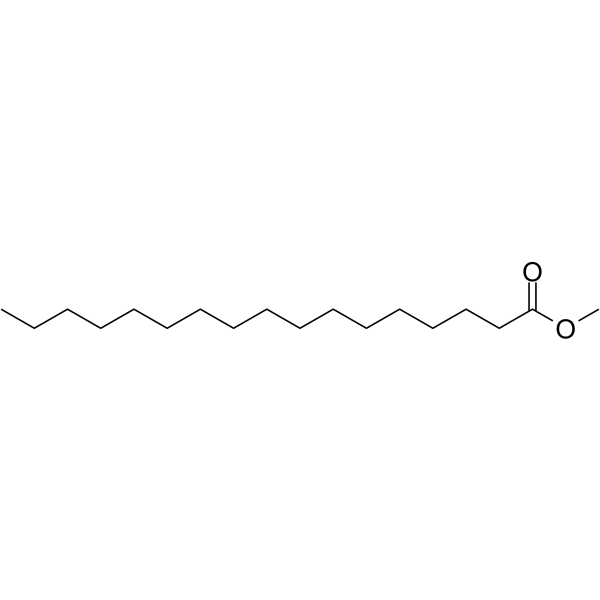
    methyl margarate

    Environmental Pollutants Biochemical Assay Reagents Others
    Methyl heptadecanoate (Methyl margarate) is a methyl ester derivative of heptadecanoic acid (HY-W004284). Methyl heptadecanoate is used as an internal standard for the quantitative calibration of fatty acids in GC-MS analysis .
    Methyl heptadecanoate
  • HY-W004288

    Tetradecanoic acid methyl ester

    Environmental Pollutants Drug Derivative Others
    Methyl myristate is a saturated fatty acid methyl ester obtained from the esterification of myristic acid. Methyl myristate shows a high melanin induction in B16F10 melanoma .
    Methyl myristate
  • HY-A0282

    Amino Acid Derivatives Metabolic Disease Inflammation/Immunology
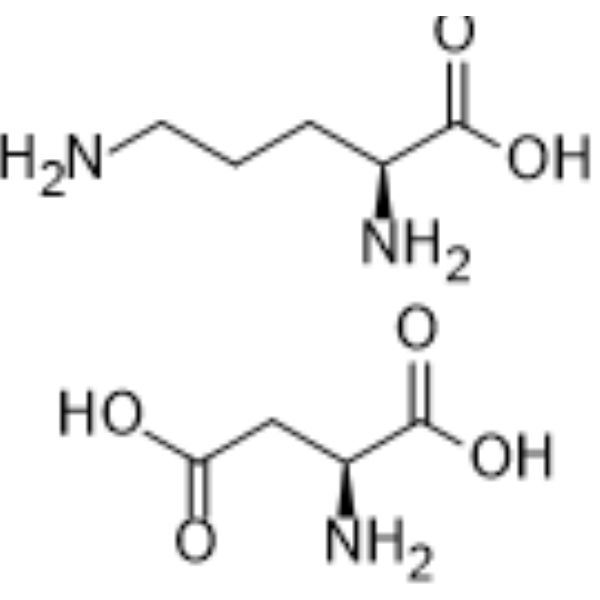
    L-Ornithine L-aspartate is a stable salt of two natural nonessential L-amino acids with oral activity: ornithine and aspartic acid. L-Ornithine L-aspartate lowers blood ammonia concentration and to eliminate symptoms of hepatic encephalopathy associated with liver cirrhosis. L-Ornithine L-aspartate also improves mitochondrial functions .
    L-Ornithine L-aspartate
  • HY-W101391

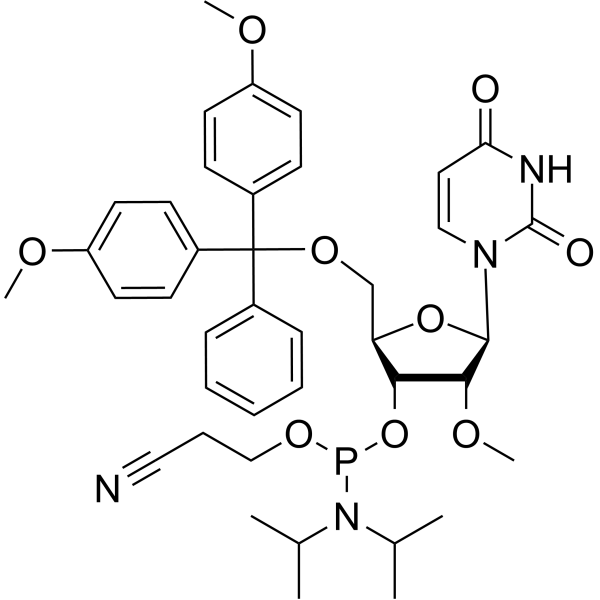
    2'-O-Me-U Phosphoramidite

    Phosphoramidites DNA/RNA Synthesis Others
    DMT-2'O-Methyl-rU Phosphoramidite (2'-O-Me-U Phosphoramidite) is a 2'-O-Me derivative, and can be used for oligonucleotide synthesis .
    DMT-2'O-Methyl-rU Phosphoramidite
  • HY-21088

    Cyclo-ornithine

    Drug Intermediate Others
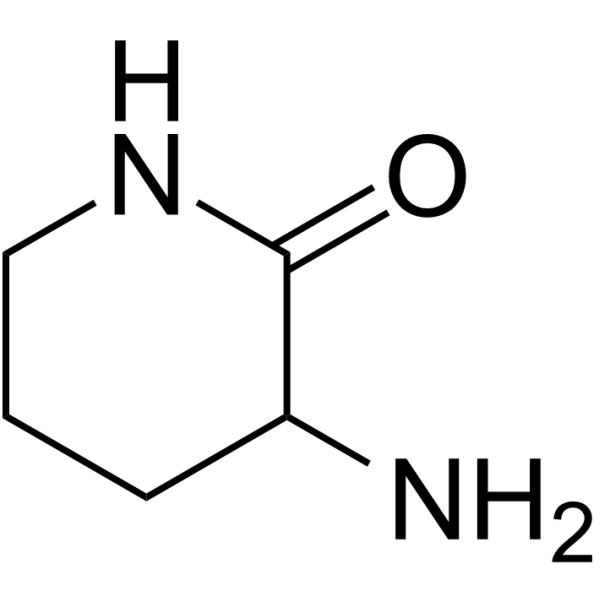
    3-Amino-2-piperidinone (Cyclo-ornithine) is a cyclic ornithine analogue and can be used as drug intermediate .
    3-Amino-2-piperidinone
  • HY-W004262

    Biochemical Assay Reagents Others
    Methyl nonadecanoate is an internal standard. Methyl nonadecanoate can be used to determine the content of fatty acid methyl esters (FAME) in biodiesel .
    Methyl nonadecanoate
  • HY-P1108A
    Astressin 2B TFA
    1 Publications Verification

    CRFR Neurological Disease Inflammation/Immunology
    Astressin 2B TFA is a blood-brain barrier-impermeable, highly selective CRFR2 antagonist (rCRFR2, IC50=0.57 nM). Astressin 2B TFA blocks the protective effects mediated by CRFR2, thereby exacerbating indomethacin (HY-14397)-induced hemorrhagic intestinal injury in rats. Astressin 2B TFA reverses the protective effects of Urocortin 1 against intestinal hypermotility, bacterial invasion and upregulation of inflammatory mediators. Astressin 2B TFA also blocks the anxiogenic effect of Urocortin 2 and attenuates stress-induced anxiety-related behaviors. In the Clostridioides difficile toxin A (C. difficile toxin A)-mediated enteritis model, Astressin 2B TFA mimics the phenotype of CRFR2-deficient mice, significantly exacerbating intestinal epithelial damage, edema, neutrophil migration and the expression of multiple proinflammatory cytokines. Astressin 2B TFA is an important tool molecule for investigating the intestinal protective mechanisms of CRFR2 .
    Astressin 2B TFA
  • HY-P1108
    Astressin 2B
    1 Publications Verification

    CRFR Neurological Disease Inflammation/Immunology
    Astressin 2B is a blood-brain barrier-impermeable, highly selective CRFR2 antagonist (rCRFR2, IC50=0.57 nM). Astressin 2B blocks the protective effects mediated by CRFR2, thereby exacerbating indomethacin (HY-14397)-induced hemorrhagic intestinal injury in rats. Astressin 2B reverses the protective effects of Urocortin 1 against intestinal hypermotility, bacterial invasion and upregulation of inflammatory mediators. Astressin 2B also blocks the anxiogenic effect of Urocortin 2 and attenuates stress-induced anxiety-related behaviors. In the Clostridioides difficile toxin A (C. difficile toxin A)-mediated enteritis model, Astressin 2B mimics the phenotype of CRFR2-deficient mice, significantly exacerbating intestinal epithelial damage, edema, neutrophil migration and the expression of multiple proinflammatory cytokines. Astressin 2B is an important tool molecule for investigating the intestinal protective mechanisms of CRFR2 .
    Astressin 2B
  • HY-W004291

    methyl icosanoate

    Aminopeptidase Infection
    Methyl arachidate (Methyl icosanoate) is a component of lipid mixtures. Methyl arachidate can be isolated from flowering plants. Methyl arachidate inhibits LTA4H. Methyl arachidate shows no antifeedant activity against Leptinotarsa decemlineata .
    Methyl arachidate
  • HY-B1695

    Nicotinic acid methyl ester

    Others Cardiovascular Disease Inflammation/Immunology
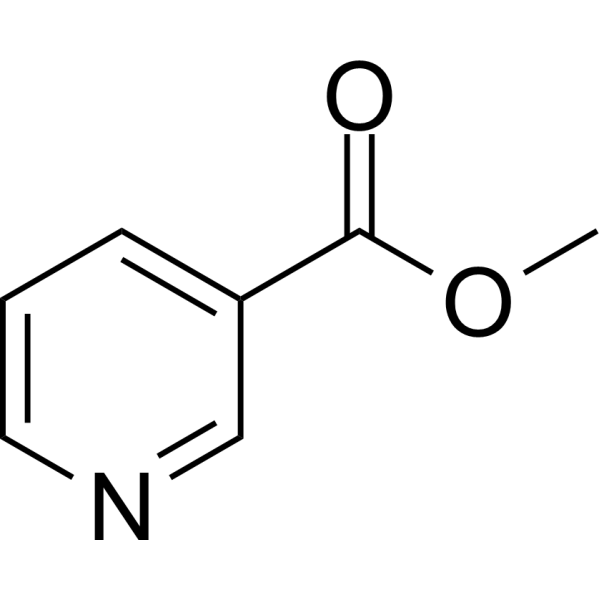
    Methyl nicotinate (Nicotinic acid methyl ester) is an orally active vasodilator. Methyl nicotinate has analgesic activity. Methyl nicotinate causes local skin erythema when applied topically to the skin. Methyl nicotinate is used as an active ingredient in over-the-counter topical preparations for the study of muscle and joint pain .
    Methyl nicotinate
  • HY-W017212
    Methyl cinnamate
    2 Publications Verification

    methyl 3-phenylpropenoate

    Environmental Pollutants AMPK Bacterial Tyrosinase Infection Metabolic Disease
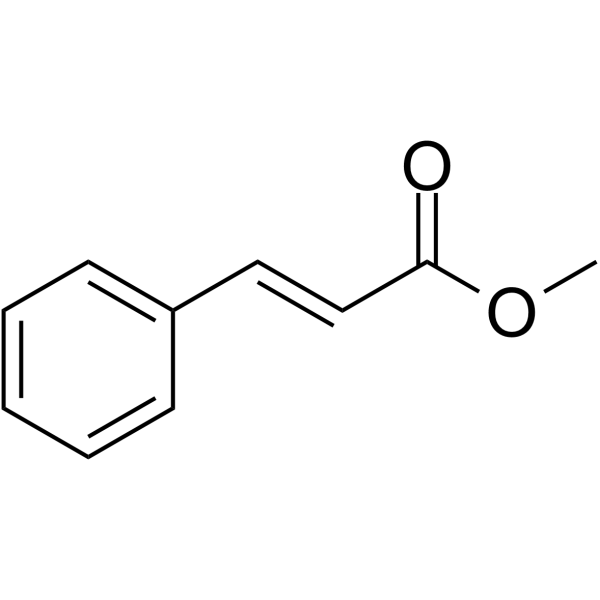
    Methyl cinnamate (Methyl 3-phenylpropenoate), an active component of Zanthoxylum armatum, is a widely used natural flavor compound. Methyl cinnamate (Methyl 3-phenylpropenoate) possesses antimicrobial activity and is a tyrosinase inhibitor that can prevent food browning. Methyl cinnamate (Methyl 3-phenylpropenoate) has antiadipogenic activity through mechanisms mediated, in part, by the CaMKK2-AMPK signaling pathway .

    Methyl cinnamate
  • HY-34516

    (R)-ornithine hydrochloride

    Endogenous Metabolite Bacterial Metabolic Disease
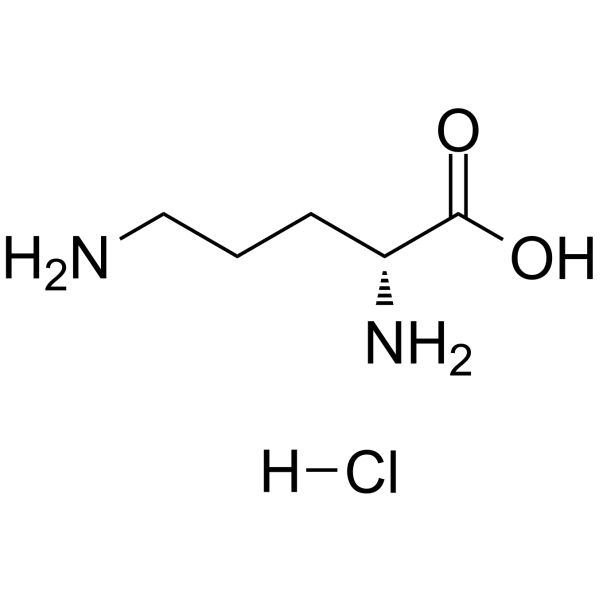
    D-Ornithine ((R)-Ornithine) hydrochloride is a constituent of bacterial cell wall. D-Ornithine hydrochloride promotes the production of L-arginine (HY-N0455). D-Ornithine hydrochloride enhances the expression of pyrrolysine-containing proteins .
    D-Ornithine hydrochloride
  • HY-W017018S2

    Isotope-Labeled Compounds Endogenous Metabolite Metabolic Disease
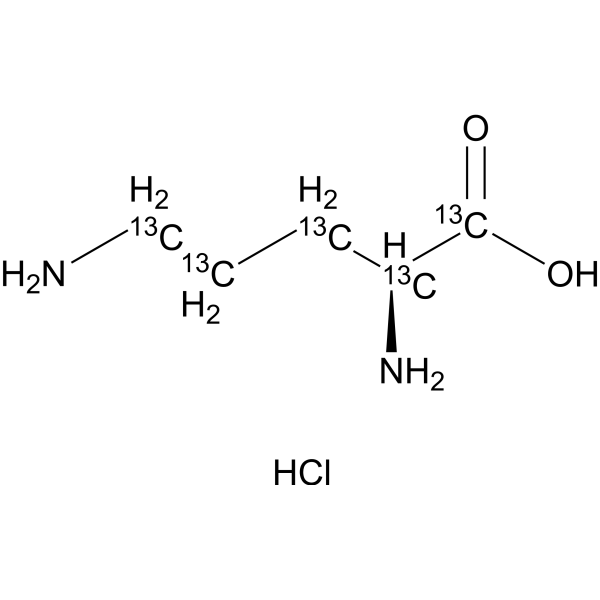
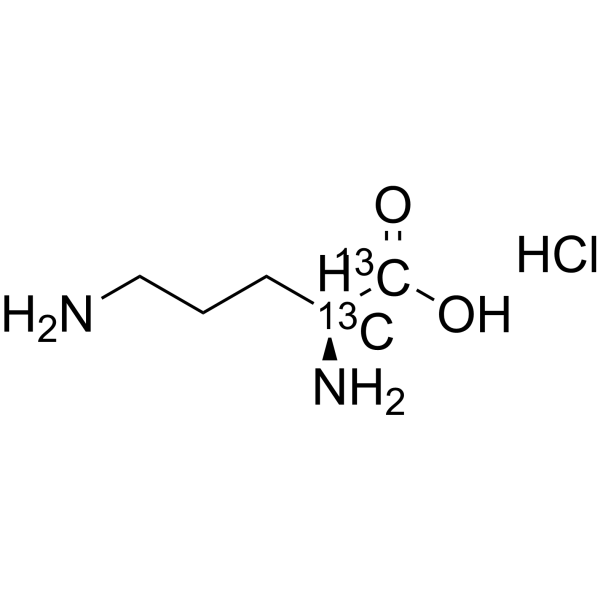
    L-Ornithine-1,2,3,4,5- 13C5 (hydrochloride) is the 13C-labeled L-Ornithine hydrochloride. L-Ornithine hydrochloride is a free amino acid that plays a central role in the urea cycle and is also important for the disposal of excess nitrogen.
    L-Ornithine-1,2,3,4,5-13C5 hydrochloride
  • HY-W009082
    Methyl behenate
    1 Publications Verification

    methyl docosanoate

    Biochemical Assay Reagents Others
    Methyl behenate (Methyl docosanoate) is a fatty acid methyl ester, can be found in the plant Aspidopterys obcordata Lemsl. Methyl behenate can be used as a phase change material .
    Methyl behenate
  • HY-W004286

    methyl dodecanoate

    Environmental Pollutants Drug Derivative Others
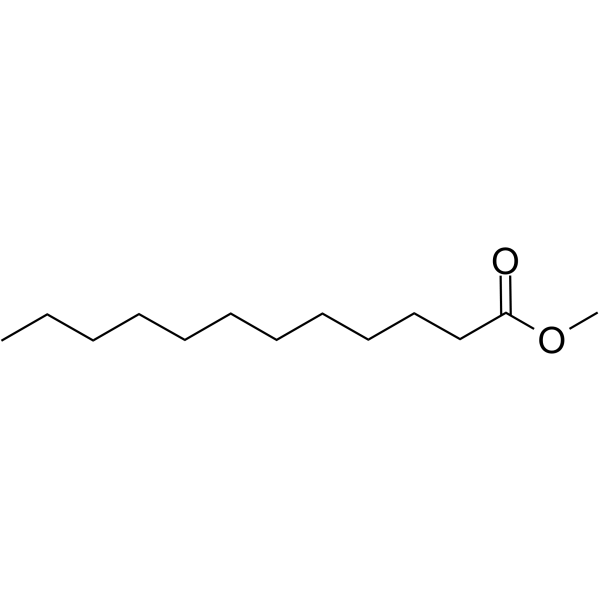
    Methyl laurate (Methyl dodecanoate) is a fatty acid methyl ester. Methyl laurate can serve as a raw material to produce sucrose monolaurate via transesterification with sucrose .
    Methyl laurate
  • HY-132822

    SBP-101

    Drug Derivative Cancer
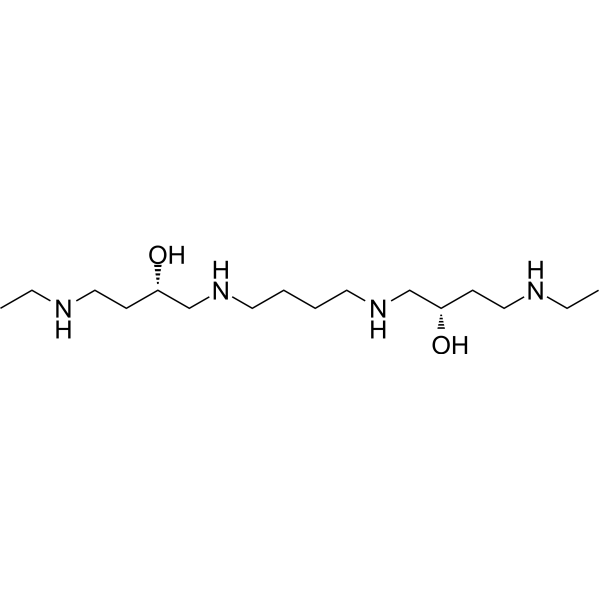
    Ivospemin (SBP-101) is an antineoplastic spermine analog. Ivospemin has shown efficacy in slowing pancreatic and ovarian tumor progression in vitro and in vivo. Ivospemin shows modest induction of polyamine catabolism, but stronger repression of ornithine decarboxylase activity. Ivospemin is promising for research of cancers .
    Ivospemin
  • HY-100983

    PKC Cancer
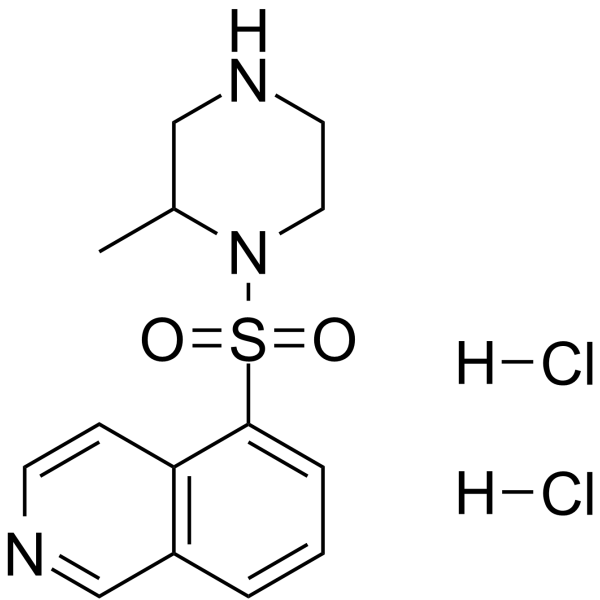
    Protein kinase inhibitor H-7 dihydrochloride is a potent PKC (protein kinase C) inhibitor. At 100 μM, Protein kinase inhibitor H-7 dihydrochloride completely inhibits both TPA (skin tumour promoter, 12-O-tetradecanoylphorbol-13-acetate) and phospholipase C-induced ODC (ornithine decarboxylase) .
    Protein kinase inhibitor H-7 dihydrochloride
  • HY-N8438

    methyl lignocerate; Tetracosanoic Acid methyl Ester

    Others Metabolic Disease
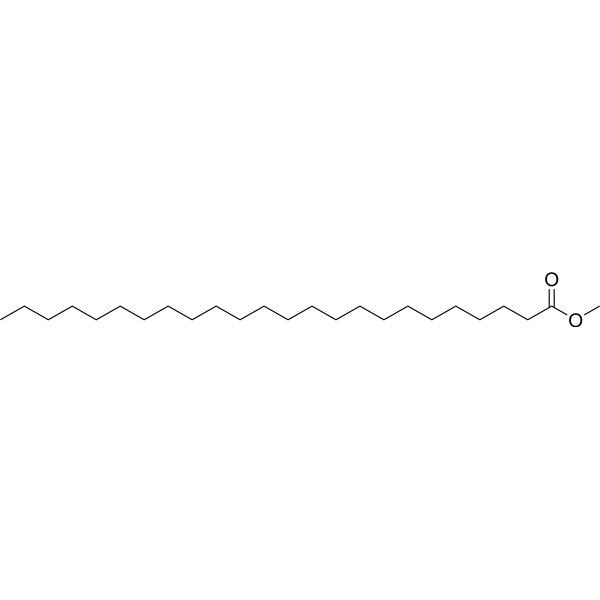
    Methyl tetracosanoate (Methyl lignocerate) is a fatty acid methyl ester with anti-diabetic activity .
    Methyl tetracosanoate
  • HY-B1713A

    DL-(±)-ornithine hydrochloride

    Endogenous Metabolite Metabolic Disease
    DL-Ornithine (DL-(±)-Ornithine) hydrochloride is an amino acid and also a urea cycle promoter. DL-Ornithine hydrochloride has the characteristics of low metabolic rate and rapid excretion, and only the L-enantiomer undergoes decarboxylation. In mice inoculated with L-1210 leukemia cells, DL-Ornithine hydrochloride is excreted in urine in its original form, and its conversion to carbon dioxide within 24 h is negligible. DL-Ornithine hydrochloride is mainly used in the urea cycle to eliminate excess nitrogen in the body and protect the kidneys .
    DL-Ornithine hydrochloride
  • HY-131514

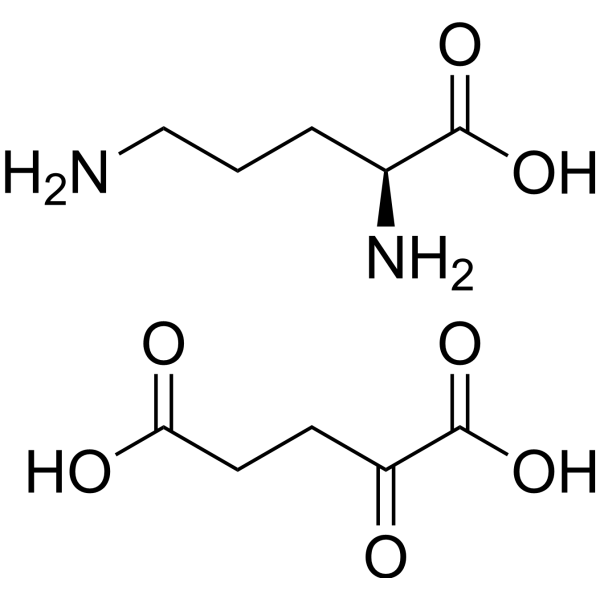
    ornithine α-ketoglutarate; OKG

    Insulin Receptor GHR Inflammation/Immunology
    L-Ornithine 2-oxoglutarate (Ornithine alpha-ketoglutarate) is a nutritional compound that is a salt of amino acids with antioxidant and anti-inflammatory effects. L-Ornithine 2-oxoglutarate stimulates the production of insulin and growth hormone, and promotes intracellular amino acid transport and protein synthesis .
    L-Ornithine 2-oxoglutarate
  • HY-W017018S

    Endogenous Metabolite Metabolic Disease
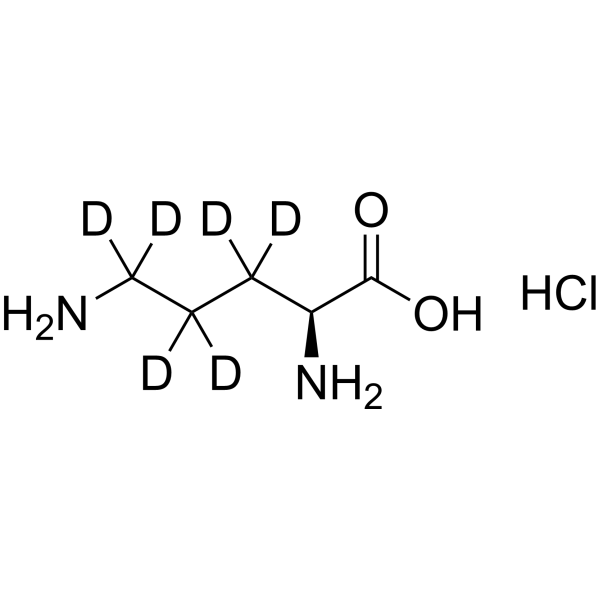
    L-Ornithine-d6 (hydrochloride) is the deuterium labeled L-Ornithine hydrochloride. L-Ornithine hydrochloride is a free amino acid that plays a central role in the urea cycle and is also important for the disposal of excess nitrogen.
    L-Ornithine-d6 hydrochloride
  • HY-W017018S4

    Isotope-Labeled Compounds Endogenous Metabolite Metabolic Disease
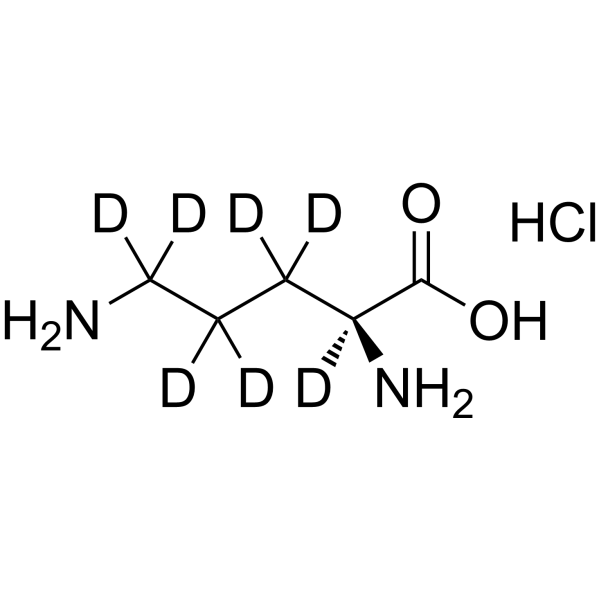
    L-Ornithine-d7 (hydrochloride) is the deuterium labeled L-Ornithine hydrochloride. L-Ornithine hydrochloride is a free amino acid that plays a central role in the urea cycle and is also important for the disposal of excess nitrogen.
    L-Ornithine-d7 hydrochloride
  • HY-126436C

    L-ornithine homopolymer hydrobromide (MW 5000-15000)

    Biochemical Assay Reagents Others
    Poly-L-ornithine (hydrobromide) (MW 5000-15000) (L-Ornithine homopolymer (hydrobromide) (MW 5000-15000)) is a biochemical reagent that can be used as a biological material or organic compound for life science related research .
    Poly-L-ornithine hydrobromide (MW 5000-15000)
  • HY-W017018B

    Biochemical Assay Reagents Others
    L-Ornithine monohydrochloride, suitable for cell culture is a non-proteinogenic amino acid that is mainly used in the urea cycle to remove excess nitrogen from the body and can be used for cell culture .
    L-Ornithine monohydrochloride,suitable for cell culture
  • HY-78000

    4-Carbomethoxybenzaldehyde; 4-Carboxybenzaldehyde methyl ester; Terephthalaldehydic acid methyl ester; methyl 4-formylbenzoate

    Drug Intermediate Metabolic Disease
    Methyl 4-formylbenzoate (4-Carbomethoxybenzaldehyde; 4-Carboxybenzaldehyde methyl ester; Terephthalaldehydic acid methyl ester; Methyl 4-formylbenzoate) is a intermediate that can be used for the synthesis of chalcone amide α-glucosidase inhibitors .
    Methyl 4-formylbenzoate
  • HY-126436D

    L-ornithine homopolymer hydrochloride (MW 15000-30000)

    Biochemical Assay Reagents Metabolic Disease Endocrinology
    Poly-L-ornithine hydrochloride (MW 15000-30000) is a polycationic homopolymer composed of L-ornithine. Poly-L-ornithine hydrochloride (MW 15000-30000) adsorbs negatively charged species through electrostatic interactions. Poly-L-ornithine hydrochloride (MW 15000-30000) can be used as a key component of polyelectrolyte complexes to construct core-shell structure carriers to achieve controlled delivery of growth factors (such as rhBMP-2, FGF-1). Poly-L-ornithine hydrochloride (MW 15000-30000) is used in the study of diabetes and bone regeneration related diseases .
    Poly-L-ornithine hydrochloride (MW 15000-30000)
  • HY-W017018S5

    Endogenous Metabolite Metabolic Disease
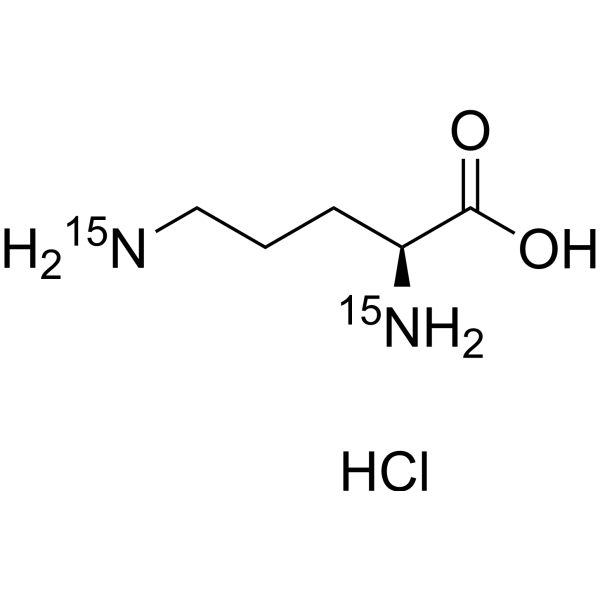
    L-Ornithine- 15N2 (hydrochloride) is the 15N-labeled L-Ornithine hydrochloride. L-Ornithine hydrochloride is a free amino acid that plays a central role in the urea cycle and is also important for the disposal of excess nitrogen.
    L-Ornithine-15N2 hydrochloride
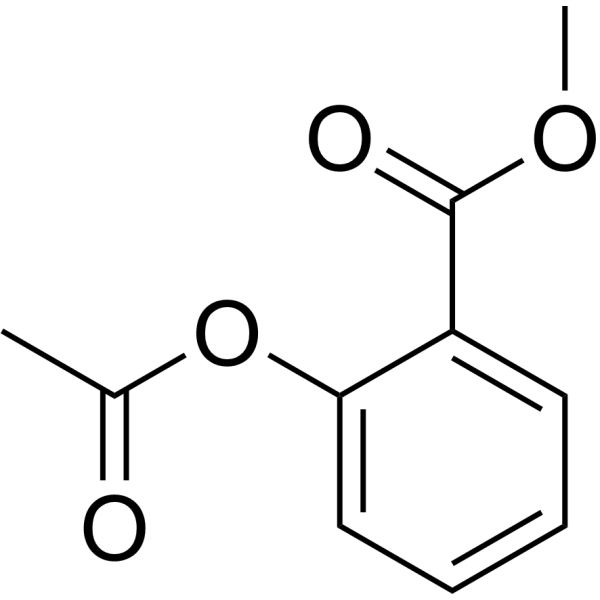
  • HY-W209628

    methyl acetylsalicylate

    Drug Intermediate Inflammation/Immunology
    Methyl 2-acetoxybenzoate (Methyl acetylsalicylate) is a safe and simple anti-inflammatory aspirin prodrug. Methyl 2-acetoxybenzoate (Methyl acetylsalicylate) can be chemical or enzymatically hydrolysed to methyl 2-hydroxy benzoate. Methyl 2-acetoxybenzoate (Methyl acetylsalicylate) can be used as analgesic agent in liniments and also inflammatory diseases research .
    Methyl 2-acetoxybenzoate
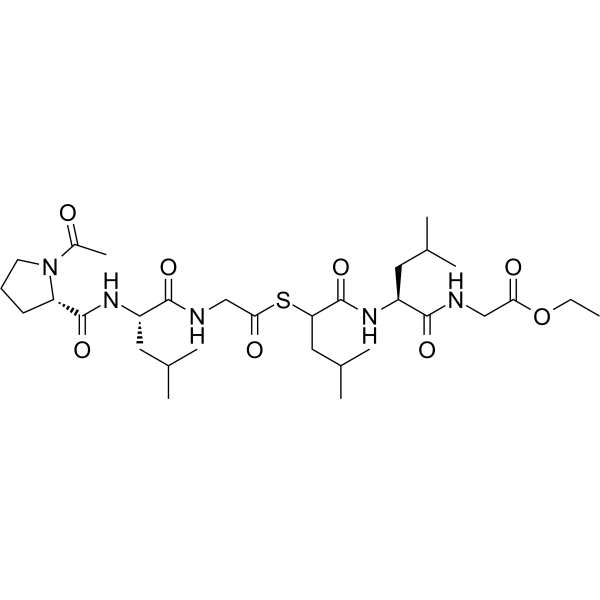
  • HY-P10143

    Ac-Pro-Leu-Gly-[(S)-2-mercapto-4-methyl-pentanoyl]-Leu-Gly-OEt

    MMP Others
    MMP-2/MMP-9 Substrate (Ac-Pro-Leu-Gly-[(S)-2-mercapto-4-methyl-pentanoyl]-Leu-Gly-OEt) is a synthetic chromogenic polypeptide substrate whose core structure mimics the cleavage sites of MMP-2 and MMP-9 (gelatinase A and B) in collagen. After being hydrolyzed by collagenase, MMP-2/MMP-9 Substrate reacts with 4,4'-dithiodipyridine or Ellman's Reagent via its thiol fragment to produce a product with ultraviolet absorption properties .
    MMP-2/MMP-9 Substrate
  • HY-N7868

    Biochemical Assay Reagents Others
    Methyl tricosanoate is a saturated fatty acid methyl ester and also serves as an internal standard, which can be used for the quantitative analysis of neuraminic acid (NA) concentration .
    Methyl tricosanoate
  • HY-A0248AS

    Isotope-Labeled Compounds Bacterial Infection
    Polymyxin B1-d7 TFA is the deuterium labeled Polymyxin B1 TFA (HY-A0248A). Polymyxin B1 is a potent antimicrobial lipopeptide first derived from Bacilus polymyxa. Polymyxin B1 is the major component in Polymyxin B (HY-A0248). Polymyxin B1 can induce lysis of bacterial cells through interaction with their membranes. Polymyxin B1 has the potential for multidrug-resistant Gram-negative bacterial infections treatment .
    Polymyxin B1-d7 TFA
  • HY-W100234

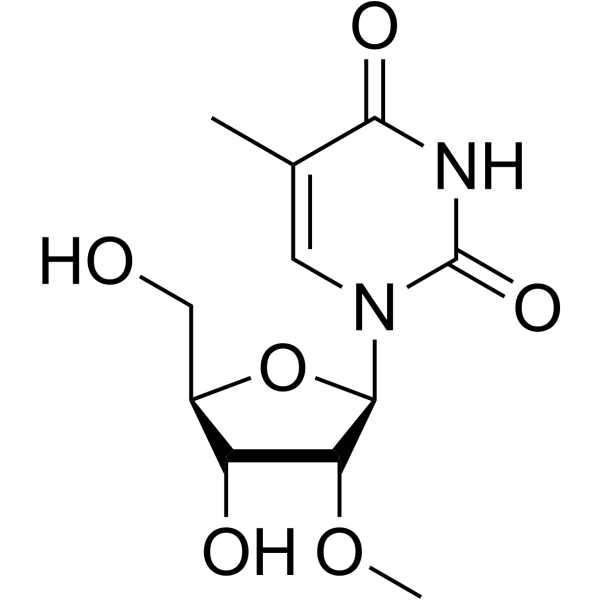
    2'-O-methyl-5-methyluridine

    Nucleoside Antimetabolite/Analog Cancer
    5-Methyl-2’-O-methyl-uridine (2'-O-methyl-5-methyluridine) is a thymidine analog. Analogs of this series have insertional activity towards replicated DNA. They can be used to label cells and track DNA synthesis. 5-Methyl-2’-O-methyl-uridine is a modified nucleoside that can be found in tRNA isolated from rabbit liver .
    5-Methyl-2′-O-methyl-uridine
  • HY-W017018R

    Reference Standards Endogenous Metabolite Metabolic Disease
    L-Ornithine (hydrochloride) (Standard) is the analytical standard of L-Ornithine (hydrochloride). This product is intended for research and analytical applications. L-Ornithine hydrochloride is a non-proteinogenic amino acid, is mainly used in urea cycle removing excess nitrogen in vivo. L-Ornithine hydrochloride shows nephroprotective .
    L-Ornithine hydrochloride (Standard)
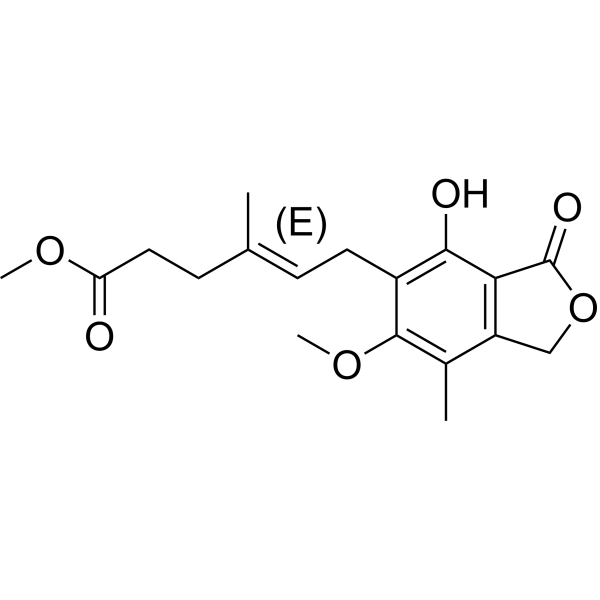
  • HY-113972

    Others Inflammation/Immunology
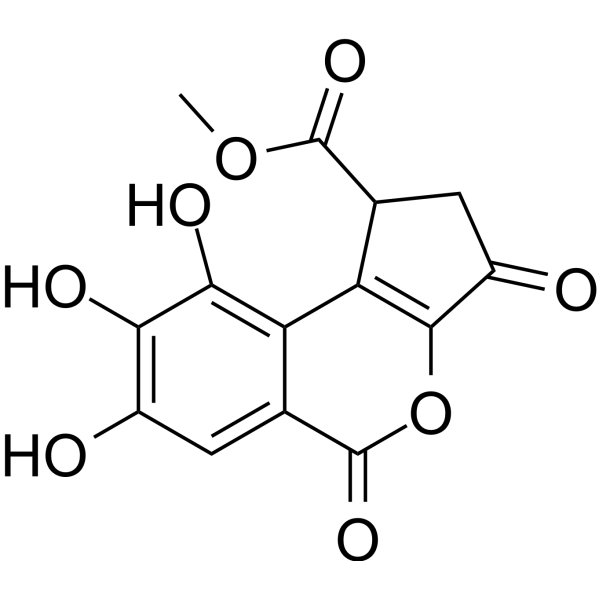
    Methyl mycophenolate is a methyl ester of mycophenolic acid and is also found in marine-derived fungus Phaeosphaeria spartinae .
    Methyl mycophenolate
  • HY-N8064

    methyl nervonate; methyl (Z)-tetracos-15-enoate; Nervonic acid methyl este

    Drug Derivative Neurological Disease
    Methyl cis-15-tetracosenoate (Methyl nervonate; Methyl (Z)-tetracos-15-enoate; Nervonic acid methyl ester) is the methyl ester form of nervonic acid (Nervonic acid, HY-N2526). Nervonic acid is an orally active monounsaturated fatty acid. Nervonic acid exerts anti-inflammatory activity by inhibiting the NF-κB signaling pathway. Nervonic acid can be used in the research of neurodegenerative diseases .
    Methyl cis-15-tetracosenoate
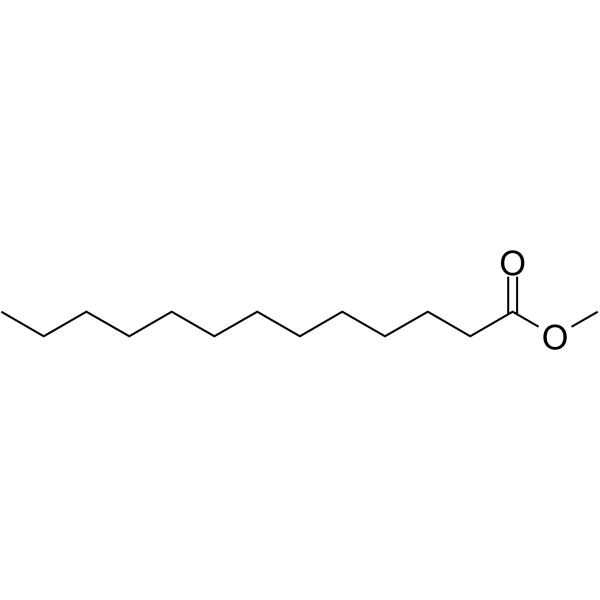
  • HY-W004287

    Amyloid-β Cholinesterase (ChE) Parasite Infection Neurological Disease
    Methyl tridecanoate is a fatty acid methyl ester. Methyl tridecanoate exhibits an IC50 of 3.26 μM and a Ki of 2.30 μM against AsOBP21f in Anopheles sinensis. Methyl tridecanoate induces electroantennographic responses in female Anopheles sinensis. Methyl tridecanoate shows a dose-dependent attractive effect on Anopheles sinensis. Methyl tridecanoate weakly inhibits β-amyloid aggregation and AChE activity. Methyl tridecanoate can be used in the research of malaria and Alzheimer's disease .
    Methyl tridecanoate
  • HY-B1695R

    Nicotinic acid methyl ester (Standard)

    Reference Standards Others Cardiovascular Disease Inflammation/Immunology
    Methyl nicotinate (Standard) is the analytical standard of Methyl nicotinate. This product is intended for research and analytical applications. Methyl nicotinate (Nicotinic acid methyl ester) is an orally active vasodilator. Methyl nicotinate has analgesic activity. Methyl nicotinate causes local skin erythema when applied topically to the skin. Methyl nicotinate is used as an active ingredient in over-the-counter topical preparations for the study of muscle and joint pain .
    Methyl nicotinate (Standard)
  • HY-W017018S3

    Endogenous Metabolite Metabolic Disease
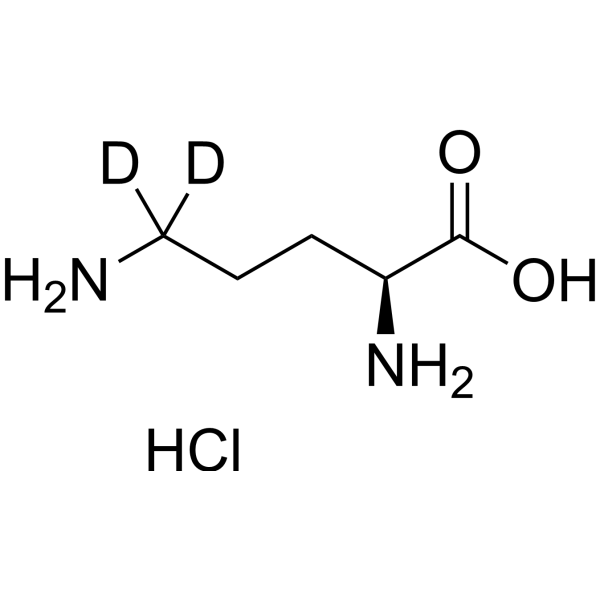
    L-Ornithine-d2 (hydrochloride) is the deuterium labeled L-Ornithine hydrochloride. L-Ornithine hydrochloride is a free amino acid that plays a central role in the urea cycle and is also important for the disposal of excess nitrogen.
    L-Ornithine-d2 hydrochloride
  • HY-126436B

    L-ornithine homopolymer hydrobromide (MW>100000)

    Biochemical Assay Reagents Others
    Poly-L-ornithine (hydrobromide) (MW>100000) (L-Ornithine homopolymer (hydrobromide) (MW>100000)) is a biochemical reagent that can be used as a biological material or organic compound for life science related research .
    Poly-L-ornithine hydrobromide (MW>100000)
  • HY-W364575

    Drug Derivative Cancer
    Methyl-4-oxoretinoate is a derivative of Retinoic acid (HY-14649). Methyl-4-oxoretinoate inhibits TPA (HY-18739)-induced ornithine decarboxylase (ODC) activity, and carcinogen-induced papillomas in mouse skin .
    Methyl-4-oxoretinoate
  • HY-W007704

    Fungal Infection
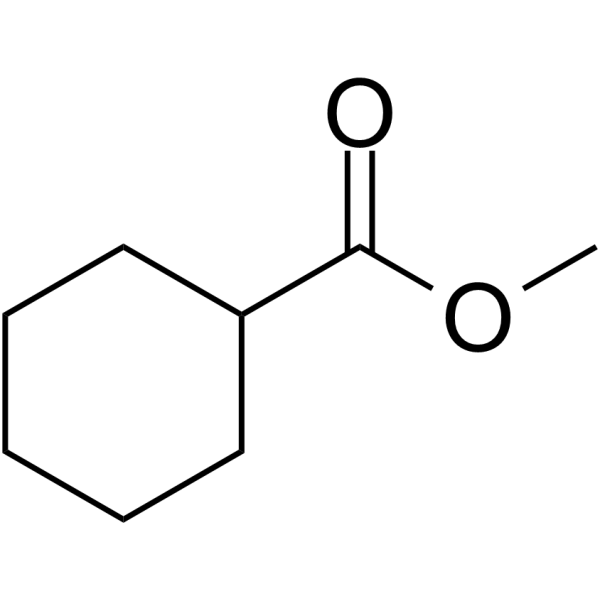
    Methyl cyclohexanecarboxylate is a compound related to 2-cyclohexenylcarbonyl CoA. Methyl cyclohexanecarboxylate is produced during the incubation of 2-cyclohexenylcarbonyl CoA with cell-free extracts of Streptomyces collinus .
    Methyl cyclohexanecarboxylate
  • HY-W009082R

    methyl docosanoate (Standard)

    Reference Standards Biochemical Assay Reagents Others
    Methyl behenate (Standard) is the analytical standard of Methyl behenate (HY-W009082). This product is intended for research and analytical applications. Methyl behenate (Methyl docosanoate) is a fatty acid methyl ester. Methyl behenate can be isolated from the plant Aspidopterys obcordata Lemsl. Methyl behenate can be used as a phase change material .
    Methyl behenate (Standard)
  • HY-W037451

    Amino Acid Derivatives Others
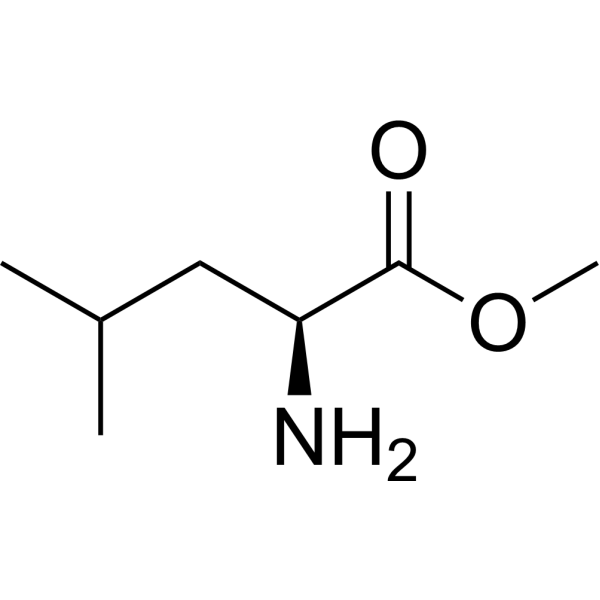
    Methyl L-leucinate, methyl ester of L-leucine, is an alpha-amino acid ester. Methyl L-leucinate is a derivative of methyl ester and L-leucine, a class of compounds containing both amino and carboxyl groups in the molecule .
    Methyl L-leucinate

온라인 문의

Your information is safe with us. * Required Fields.

호칭


Country or Region *

고객명 *


회사명 *

Department *


메일주소 *


상품명 *

Cat. No.


Requested quantity *

전화번호 *


비고

온라인 문의

Inquiry Information

상품명:
Cat. No.:
수량:
MCE Japan Authorized Agent: