
Search Result
Results for "
Aminopeptidases
" in MedChemExpress (MCE) Product Catalog:
5
Biochemical Assay Reagents
3
Isotope-Labeled Compounds
| Cat. No. |
Product Name |
Target |
Research Areas |
Chemical Structure |
-
- HY-B0134
-
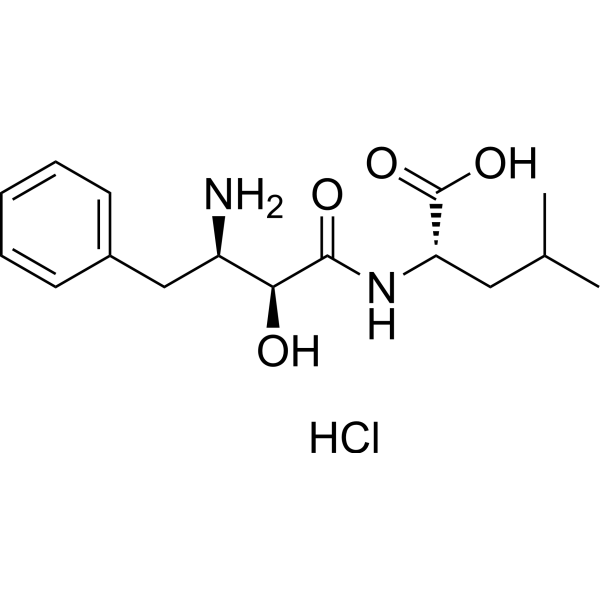
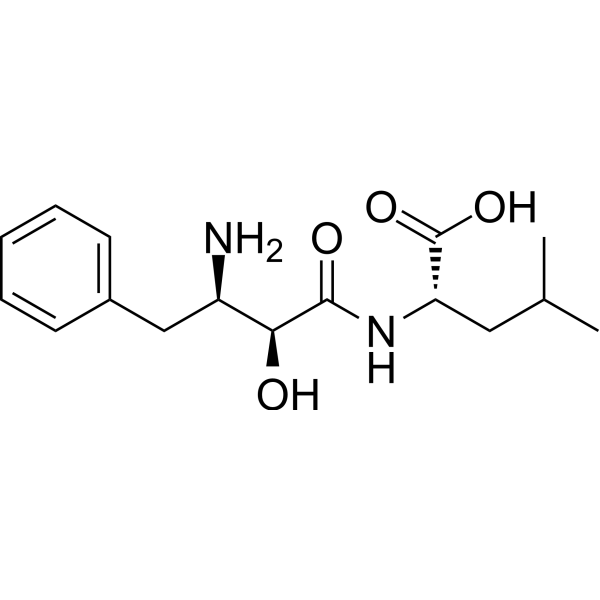
Bestatin
Maximum Cited Publications
11 Publications Verification
Ubenimex
|
Aminopeptidase
Bacterial
Antibiotic
|
Infection
Cancer
|
|
Bestatin is a natural, broad-spectrum, and competitive CD13 (Aminopeptidase N)/APN and leukotriene A4 hydrolase inhibitor. Bestatin has anticancer effects .
|
-
-
- HY-B0134A
-
-
-
- HY-14807
-
|
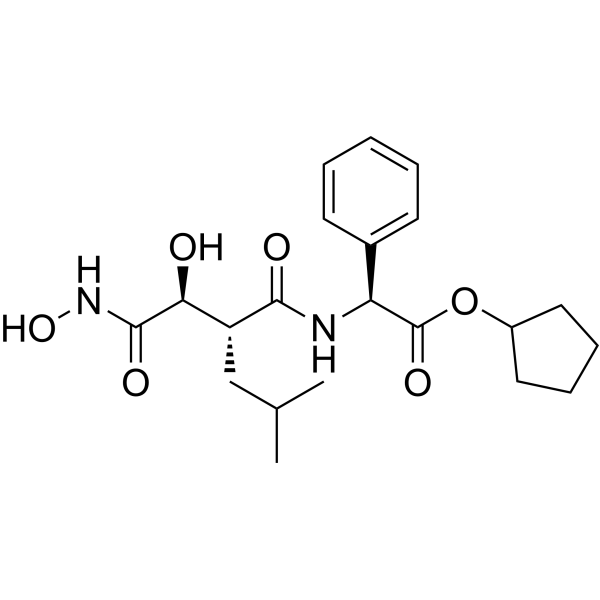
CHR-2797
|
Aminopeptidase
|
Cancer
|
|
Tosedostat (CHR-2797) is an orally active aminopeptidase inhibitor. CHR-2797 exerts antiproliferative effects against a range of tumor cell lines .
|
-
-
- HY-113952
-
|
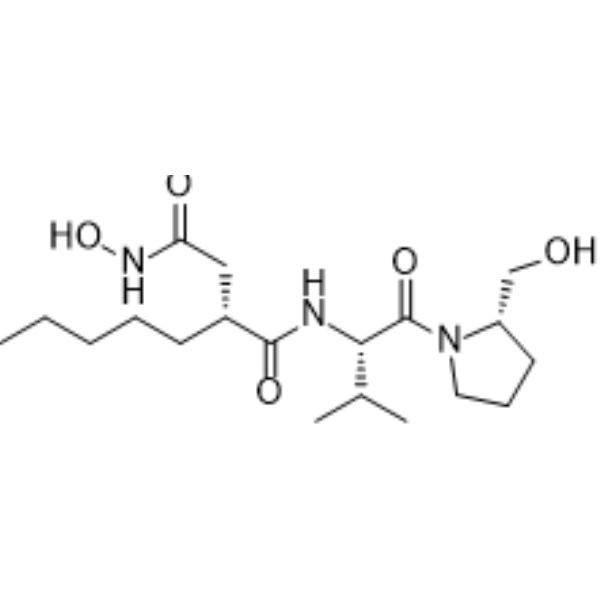
(-)-Actinonin
|
Aminopeptidase
Bacterial
MMP
Apoptosis
Antibiotic
|
Infection
Cancer
|
|
Actinonin ((-)-Actinonin) is a naturally occurring antibacterial agent produced by Actinomyces. Actinonin inhibits aminopeptidase M, aminopeptidase N and leucine aminopeptidase. Actinonin is a potent reversible peptide deformylase (PDF) inhibitor with a Ki of 0.28 nM. Actinonin also inhibits MMP-1, MMP-3, MMP-8, MMP-9, and hmeprin α with Ki values of 300 nM, 1,700 nM, 190 nM, 330 nM, and 20 nM, respectively. Actinonin is an apoptosis inducer. Actinonin has antiproliferative and antitumor activities .
|
-
-
- HY-133125
-
|
|
Aminopeptidase
|
Inflammation/Immunology
|
|
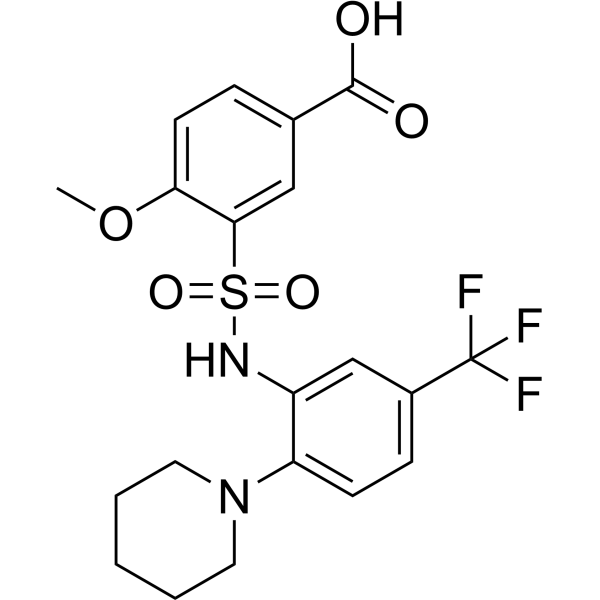
ERAP1-IN-1 is an endoplasmic reticulum aminopeptidase 1 (ERAP1) inhibitor. ERAP1-IN-1 competitively inhibits ERAP1 activity towards a nonamer peptide representative of physiological substrates .
|
-
-
- HY-115194
-
|
|
Aminopeptidase
Bacterial
|
Infection
|
|
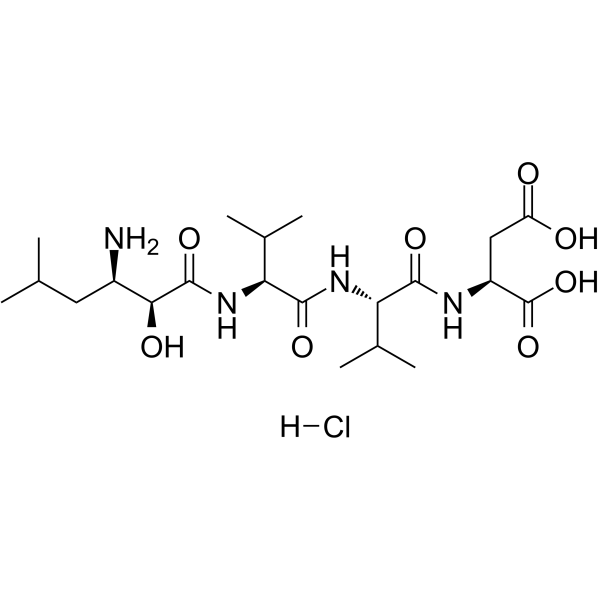
Amastatin hydrochloride is a slow, tight binding, competitive aminopeptidase (AP) inhibitor with Ki values of 0.26 nM, 30 nM, 52 nM for Aeromonas aminopeptidase, cytosolic leucine aminopeptidase, microsomal aminopeptidase .
|
-
-
- HY-114336
-
|
|
Phosphatase
|
Inflammation/Immunology
|
|
Enocyanin is an anthocyanin extracted from grapes. Enocyanin shows inhibitory effect on the leucine aminopeptidase, acid phosphatase, γ-glutamyl transpeptidase and esterase activity .
|
-
-
- HY-137844
-
|
Leu-AMC hydrochloride
|
Fluorescent Dye
|
Others
|
|
L-Leucine-7-amido-4-methylcoumarin (Leu-AMC) hydrochloride is a bright blue fluorogenic peptidyl substrate for LAP3 (leucine aminopeptidase). L-Leucine-7-amido-4-methylcoumarin hydrochloride can be used for leucine aminopeptidase inhibition assays in vitro .
|
-
-
- HY-W009004
-
|
Lys-Lys-Lys; H-Lys-Lys-Lys-OH
|
Biochemical Assay Reagents
|
Others
|
|
Trilysine is a tripeptide and also a substrate for specific peptidases. Trilysine serves as a hydrolytic substrate for the tripeptide-specific aminopeptidase TP and the oligopeptidase OP .
|
-
-
- HY-101932
-
-
-
- HY-151518
-
|
|
Aminopeptidase
|
Neurological Disease
|
|
Aminopeptidase-IN-1 is an insulin-regulated aminopeptidase (IRAP) inhibitor with an Ki value of 7.7 μM. Aminopeptidase-IN-1 can be used for the research of memory impairments .
|
-
-
- HY-16710
-
GPDA
1 Publications Verification
GPN; Glycylproline p-nitroanilide tosylate
|
Fluorescent Dye
|
Others
|
|
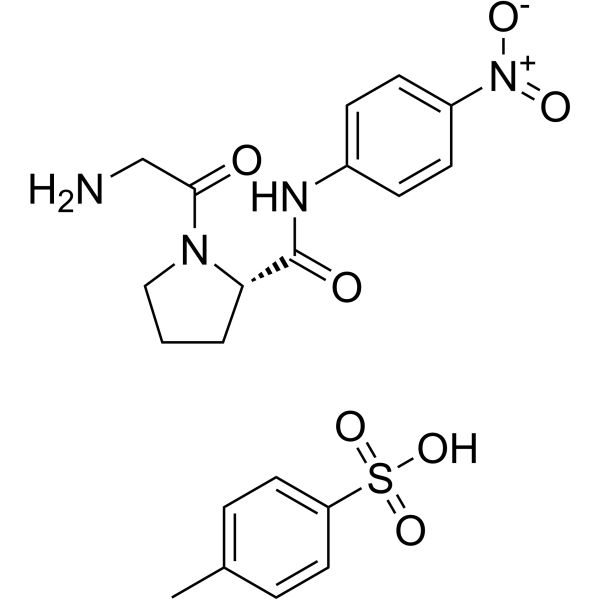
GPDA (GPN; Glycylproline p-nitroanilide tosylate) is a chromogenic substrate of prolyl dipeptidyl aminopeptidase. GPDA is used to detect the activity of prolyl dipeptidyl aminopeptidase in human serum .
|
-
-
- HY-W015876
-
|
(+)-Leucinol
|
Aminopeptidase
|
Others
|
|
L-Leucinol ((+)-Leucinol) is a competitive aminopeptidase inhibitor with a Ki value of 17 μM. As a dietary intake inhibitor, L-Leucinol reduces the basal dietary leucine intake in rats via microinjection into the rat anterior piriform cortex .
|
-
-
- HY-E70199
-
|
APN/CD13
|
Aminopeptidase
|
Cardiovascular Disease
|
|
Aminopeptidase N (rat) (APN/CD13) is a Zn 2+-dependent membrane-bound exopeptidase that preferentially degrades proteins and peptides with N-terminal neutral amino acids. Aminopeptidase N (rat) is inhibited by angiotensin IV and participates in the regulation of angiotensin IV half-life in the rat striatum .
|
-
-
- HY-P2779
-
|
|
Endogenous Metabolite
|
Metabolic Disease
|
|
Microsomal aminopeptidase, Microorganism is first reported from C. elegans. The Microsomal aminopeptidase, Microorganism is beneficial for the development of molecular vaccines against parasitic nematodes .
|
-
-
- HY-W011911
-
-
-
- HY-W016477
-
|
|
Bacterial
|
Infection
|
|
Phenazine is an electron shuttles, which modulates the redox state of cells and the downstream gene expression related to biofilm formation and bacterial survival. Phenazines is a biocontrol agents, which affects the growth of plants and induces the systemic resistance in plants. Phenazine maintains NAD+/NADH balance .
|
-
-
- HY-133016
-
|
|
MetAP
|
Cardiovascular Disease
Cancer
|
|
M8891 is an orally active, reversible and brain penetrant Methionine Aminopeptidase-2 (MetAP-2) inhibitor with an IC50 of 54 nM and a Ki of 4.33 nM. M8891 does not inhibit MetAP-1 (IC50>10 µM) . M8891 inhibits growth of primary endothelial cells as well as tumor cells and demonstrates antiangiogenic and antitumoral activity .
|
-
-
- HY-148442
-
|
|
MetAP
Bacterial
|
Infection
|
|
ecMetAP-IN-1 is an inhibitor of E. coli methionine aminopeptidase (ecMetAP) with an IC50 of 2.086 μM. ecMetAP-IN-1 is applicable to research related to bacterial infections caused by E. coli .
|
-
-
- HY-177590
-
|
|
MMP
|
Others
|
|
14-3-3-IN-2 is a 14-3-3 protein inhibitor with an IC50 of 15 nM. 14-3-3-IN-2 can disrupt the interaction of 14-3-3α with aminopeptidase N and down-regulate 14-3-3α increased MMP-1 mRNA levels .
|
-
-
- HY-13731
-
|
|
MetAP
|
Inflammation/Immunology
Cancer
|
|
PPI-2458 is a potent, orally active, selective and irreversible inhibitor of methionine aminopeptidase-2 (MetAP-2). PPI-2458 can be used for arthritis and lymphoma research .
|
-
-
- HY-W027340
-
ARM1
1 Publications Verification
4BSA
|
Aminopeptidase
Epoxide Hydrolase
|
Cancer
|
|
ARM1 (4BSA) is a potent aminopeptidase and epoxide hydrolase inhibitor. ARM1 shows aminopeptidase inhibitory activity with an IC50 7.61 µM and epoxide hydrolase inhibitory activity with an IC50 12.4 µM .
|
-
-
- HY-118953
-
|
|
MetAP
|
Cancer
|
|
LAF389, a benaamide B analogue, is a methionine aminopeptidases (MetAps) inhibitor with an IC50 of 800 nM for MetAp2. LAF389 has both antiproliferative and antiangiogenetic properties and can inhibit tumor cells growth. LAF389 can be used for the research of cancer .
|
-
-
- HY-147401
-
-
-
- HY-110259
-
-
-
- HY-W011539
-
|
|
Bacterial
|
Infection
|
|
EcMetAP1-IN-1 (compound 4) is an inhibitor of Escherichia coli methionine aminopeptidase MetAP1 .
|
-
-
- HY-B0134AS
-
-
-
- HY-122369
-
|
|
Carboxypeptidase
|
Metabolic Disease
|
|
Histargin is a selective carboxypeptidase B inhibitor with an IC50 of 17 μg/mL and a Ki of 30 μM. Histargin exerts competitive inhibition with substrate, with inhibitory activity abolished by metal cations. Histargin shows no significant inhibitory activity against carboxypeptidase A, aminopeptidase A, or aminopeptidase B .
|
-
-
- HY-117702
-
|
|
Prolyl Endopeptidase (PREP)
Aminopeptidase
|
Metabolic Disease
|
|
RB 101 is an active mixed inhibitor against two enzymes which metabolize the enkephalins neutral endopeptidase and aminopeptidase N. RB 101 has rather long-lasting antinociceptive effects. RB 101 inhibits the in vivo [ 3H]DPN binding both under basal conditions and after swim stress in mice. RB 101 can be used to determine the precise in vivo localization of enkephalinergic pathways recruited by various stimuli .
|
-
-
- HY-P1044
-
|
LVV-hemorphin-4
|
Carboxypeptidase
|
Neurological Disease
|
|
Spinorphin is an inhibitor of enkephalin-degrading enzymes. Spinorphin inhibits aminopeptidase, dipeptidyl aminopeptidase III, angiotensin-converting enzyme and enkephalinase. Spinorphin possesses an antinociceptive effect .
|
-
-
- HY-P1044A
-
|
LVV-hemorphin-4 TFA
|
Angiotensin Receptor
|
Neurological Disease
|
|
Spinorphin TFA is an inhibitor of enkephalin-degrading enzymes. Spinorphin inhibits aminopeptidase, dipeptidyl aminopeptidase III, angiotensin-converting enzyme and enkephalinase. Spinorphin possesses an antinociceptive effect .
|
-
-
- HY-133016A
-
|
|
MetAP
|
Others
|
|
(R)-M8891 (compound R-9) is a less active isomer of M8891. M8891 is an orally active, reversible and brain penetrant Methionine Aminopeptidase-2 (MetAP-2) inhibitor .
|
-
-
- HY-160239
-
|
|
Aminopeptidase
|
Neurological Disease
|
|
HFI-437 is a potent non-peptidic insulin-regulated aminopeptidase (IRAP) inhibitor with a Ki of 20 nM. HFI-437 is a cognitive enhancer .
|
-
-
- HY-109188
-
|
|
MetAP
|
Metabolic Disease
|
|
Relzomostat is a methionine aminopeptidase 2 (MetAP2) inhibitor.Relzomostat may be useful for the research of obesity, type 2 diabetes, and other obesity-associated conditions .
|
-
-
- HY-137528
-
|
H-Glu(4MbetaNA)-OH; L-Glutamic acid γ-(4-methoxy-β-naphthylamide)
|
Aminopeptidase
|
Others
|
|
H-Glu(4MβNA)-OH is a substrate of aminopeptidases (APs) .
|
-
-
- HY-W250725
-
|
|
Fluorescent Dye
|
Neurological Disease
|
|
H-GLU-AMC-OH is an amino acid derivative that can be used as A fluorescent peptide substrate for the determination of aminopeptidase A enzyme activity .
|
-
-
- HY-P2928
-
|
|
Biochemical Assay Reagents
Aminopeptidase
|
Others
|
|
Aeromonas proteolytica aminopeptidase is an aminopeptidase from Aeromonas proteolytica. Aeromonas proteolytica aminopeptidase can function as an esterase. Aeromonas proteolytica aminopeptidase can catalyze the hydrolysis of L-leucine ethyl ester (L-Leu-OEt) with a Km of 700 µM .
|
-
-
- HY-147401A
-
-
-
- HY-P4549
-
-
-
- HY-P1490
-
-
-
- HY-E70571
-
|
|
Aminopeptidase
|
Metabolic Disease
|
|
Glycylproline dipeptidyl aminopeptidase is an enzyme that catalyzes the hydrolysis of N-terminal glycylproline from glycylprolyl-β-naphthylamide and glycylproline-β-nitroanilide .
|
-
-
- HY-137159
-
-
-
- HY-P4584
-
|
|
Biochemical Assay Reagents
|
Others
|
|
TRH-βNA is a substrate for determining the membrane TRH-deamidating enzyme (TRH-DE) activity and membrane pyroglutamyl aminopeptidase II (PPII) activity .
|
-
-
- HY-P4658
-
|
|
Dipeptidyl Peptidase
|
Others
|
|
H-Val-Ala-pNA is a substrate for the dipeptide aminopeptidase (DPAPase) of Streptococcus bovis. H-Val-Ala-pNA can be used to measure the activity of the protease .
|
-
-
- HY-129298
-
|
|
Aminopeptidase
|
Others
|
|
Amastatin is A slow, tightly bound, competitive inhibitor of aminopeptidase (AP) with an IC50 of 0.54 μg/mL for AP-A .
|
-
-
- HY-W794670
-
|
|
Aminopeptidase
|
Others
|
|
H-Ala-Pro-Ala-OH, tripeptide, is a substrate for Escherichia coli PepP (Xaa-Pro aminopeptidase). H-Ala-Pro-Ala-OH acts as a nitrogen source for wild-type Escherichia coli .
|
-
-
- HY-163727
-
|
|
Parasite
|
Infection
|
|
MMV1557817 is an orally active and potent antimalarial compound. MMV1557817 is a selective, nanomolar inhibitor of both Plasmodium falciparum and Plasmodium vivax aminopeptidases M1 and M17, leading to inhibition of end-stage hemoglobin digestion in asexual parasites .
|
-
-
- HY-W009906
-
|
|
Aminopeptidase
|
Inflammation/Immunology
|
|
2-(2’-Pyridyl)benzimidazole is a potentially tridentate ligand that can form stable complexes with various transition metal ions. 2-(2’-Pyridyl)benzimidazole can be used as an anti-inflammatory agent and an inhibitor of Escherichia coli methionine aminopeptidase .
|
-
-
- HY-P4205
-
|
|
Aminopeptidase
|
Cancer
|
|
Aminopeptidase N Ligand (CD13) NGR peptide is a polypeptide targeting CD13 and can be used as a carrier to mediate intracellular transmission. Aminopeptidase N Ligand (CD13) NGR peptide is often used in cancer research .
|
-
-
- HY-P2842
-
-
- HY-137895
-
|
H-Arg-pNA 2HCl, 98%
|
Biochemical Assay Reagents
|
Others
|
|
L-Arginine p-nitroanilide dihydrochloride, 98% (H-Arg-pNA 2HCl, 98%) is a chromogenic substrate for cathepsin H and aminopeptidases.
|
-
- HY-163714
-
|
|
Aminopeptidase
|
Metabolic Disease
|
|
IRAP-IN-1 (compound 3) is a potent and selective insulin regulated aminopeptidase (IRAP) inhibitor with an IC50 value of 157 nM .
|
-
- HY-172879
-
|
|
Aminopeptidase
|
Cancer
|
|
Aminopeptidase N inhibitor 2 (Compound 2k) is an APN inhibitor (IC50: 4.3 μM) and has antitumor activity.
|
-
- HY-117238
-
|
|
Aminopeptidase
|
Others
|
|
Ketomethylenebestatin is an aminopeptidase (AP) inhibitor and an analog of the natural aminopeptidase inhibitor Bestatin (HY-B0134) with IC50 of 56 μM, 752 μM and 0.39 μM for AP-B, AP-M and Leu-AP, respectively .
|
-
- HY-136614
-
|
L-Valine β-naphthylamide
|
Aminopeptidase
|
Others
|
|
H-Val-βNA (L-Valine β-naphthylamide) can be used as an aminopeptidase and a Valine arylamidase substrate .
|
-
- HY-E70128
-
|
|
Others
|
Others
|
|
Leucyl aminopeptidase, Porcine is a metallopeptidase that cleave N-terminal residues from proteins and peptides. Leucyl aminopeptidase serves as transcriptional repressors to control pyrimidine, alginate and cholera toxin biosynthesis, as well as mediate site-specific recombination events in plasmids and phages .
|
-
- HY-137928
-
|
|
Fluorescent Dye
|
Others
|
|
H-Ala-4MβNA hydrochloride is a specific fluorogenic substrate for aminopeptidase M .
|
-
- HY-158410
-
-
- HY-D1534
-
-
- HY-168181
-
|
|
Aminopeptidase
|
Others
|
|
ERAP1-IN-2 (compound 3f) is an inhibitor of ERAP1 (endoplasmic reticulum aminopeptidase 1). ERAP1-IN-2 has an IC50 value of 1.72 μM against hERAP1 .
|
-
- HY-115431
-
|
|
Aminopeptidase
|
Neurological Disease
|
|
Antho-rwamide I is a neuropeptide that can be isolated from the sea anemone Anthopleura elegantissima. Antho-rwamide I is resistant to nonspecific aminopeptidases, which increases the stability of the peptide after neuronal release .
|
-
- HY-125422
-
|
|
Aminopeptidase
|
Cancer
|
|
Matlystatin A is a potent aminopeptidase inhibitor, with IC50 values of 0.3 μM and 0.56 μM against 92 kDa and 72 kDa type IV collagenases, respectively. Matlystatin A can be utilized in cancer research .
|
-
- HY-W795259
-
|
|
MMP
|
Infection
Inflammation/Immunology
Cancer
|
|
L-Val-P is a potent leucine aminopeptidase (LAP) inhibitor with a Ki of 0.15 μM. L-Val-P is promising for research of HIV infection, inflammation, eye lens cataract and cancer .
|
-
- HY-156960
-
|
|
Aminopeptidase
Leukotriene Receptor
|
Inflammation/Immunology
|
|
JNJ-40929837 is a selective and orally active LTA4H (leukotriene A4 hydrolase) inhibitor. JNJ-40929837 effectively inhibits aminopeptidase activity and causes serum accumulation of Pro-Gly-Pro. JNJ-40929837 can be used in asthma research .
|
-
- HY-156960A
-
|
|
Aminopeptidase
Leukotriene Receptor
|
Inflammation/Immunology
|
|
JNJ-40929837 succinate is a selective and orally active LTA4H (leukotriene A4 hydrolase) inhibitor. JNJ-40929837 succinate effectively inhibits aminopeptidase activity and causes serum accumulation of Pro-Gly-Pro. JNJ-40929837 succinate can be used in asthma research .
|
-
- HY-136887
-
|
|
Bacterial
|
Infection
|
|
Arphamenine B hemisulfate is a Zn 2+-dependent exopeptidase that selectively removes arginine and/or lysine residues from the NH2-terminus of several peptide substrates. Arphamenine B hemisulfate is an inhibitor of aminopeptidase B that can be isolated from bacteria. Arphamenine B hemisulfate enhances the immune response and is used to characterize novel proteases .
|
-
- HY-138037
-
|
|
Aminopeptidase
|
Cancer
|
|
Aminopeptidase N inhibitor 1 (Compound 19b) is an aminopeptidase N inhibitor with an IC50 of 25 μM. Aminopeptidase N inhibitor 1 can be used in the research of fields related to tumor angiogenesis .
|
-
- HY-137946
-
|
|
Aminopeptidase
|
Others
|
|
L-Leucine 4-methoxy-β-naphthylamide hydrochloride is an aminopeptidase M and leucine aminopeptidase substrate .
|
-
- HY-136542
-
-
- HY-169596
-
|
|
Aminopeptidase
|
Cancer
|
|
Arphamenine A is an aminopeptidase B inhibitor found in Chromobacteriuin violaceum HMG361-CF4. Arphamenine A can inhibit the activity of aminopeptidase B, and can inhibit sarcoma 180 and invasive micropapillary carcinoma (IMC) cancer .
|
-
- HY-137901
-
|
Ala-4-nitroanilide, 99%; H-Ala-pNA, 99%
|
Biochemical Assay Reagents
|
Others
|
|
L-Alanine 4-nitroanilide hydrochloride, 99% is a detection substrate for L-alanine aminopeptidase.
|
-
- HY-118661
-
|
|
Aminopeptidase
|
Others
|
|
BDM14471 is a selective inhibitor of hydroxamate aminopeptidase M1 (PfAM1), with the IC50 of 6 nM .
|
-
- HY-B0134B
-
-
- HY-P5607
-
-
- HY-113952R
-
|
(-)-Actinonin (Standard)
|
Reference Standards
Aminopeptidase
Bacterial
MMP
Apoptosis
Antibiotic
|
Infection
Cancer
|
|
Actinonin (Standard) is the analytical standard of Actinonin. This product is intended for research and analytical applications. Actinonin ((-)-Actinonin) is a naturally occurring antibacterial agent produced by Actinomyces. Actinonin inhibits aminopeptidase M, aminopeptidase N and leucine aminopeptidase. Actinonin is a potent reversible peptide deformylase (PDF) inhibitor with a Ki of 0.28 nM. Actinonin also inhibits MMP-1, MMP-3, MMP-8, MMP-9, and hmeprin α with Ki values of 300 nM, 1,700 nM, 190 nM, 330 nM, and 20 nM, respectively. Actinonin is an apoptosis inducer. Actinonin has antiproliferative and antitumor activities[1][2][3][4][5].
|
-
- HY-W016477R
-
|
|
Reference Standards
Bacterial
|
Infection
|
|
Phenazine is an electron shuttles, which modulates the redox state of cells and the downstream gene expression related to biofilm formation and bacterial survival. Phenazines is a biocontrol agents, which affects the growth of plants and induces the systemic resistance in plants. Phenazine maintains NAD+/NADH balance .
|
-
- HY-169913
-
-
- HY-W286423
-
-
- HY-116306
-
|
|
Aminopeptidase
|
Others
|
|
Probestin is a potent aminopeptidase N (APN) inhibitor produced by Streptomyces cyanogens MH663-2F6 .
|
-
- HY-15695R
-
|
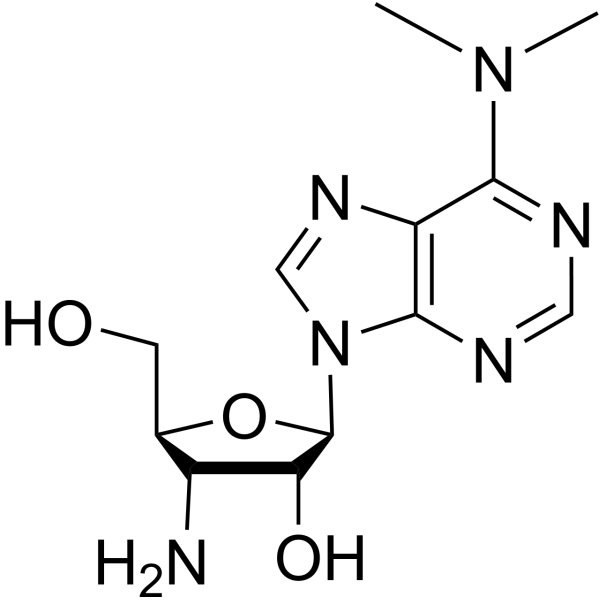
NSC 3056 (Standard)
|
Reference Standards
Bacterial
Apoptosis
Dipeptidyl Peptidase
Aminopeptidase
Antibiotic
|
Cancer
|
|
Puromycin aminonucleoside (Standard) is the analytical standard of Puromycin aminonucleoside. This product is intended for research and analytical applications. Puromycin aminonucleoside (NSC 3056) is the aminonucleoside portion of the antibiotic puromycin, and used in nephrosis animal models[1]. Puromycin aminonucleoside induces apoptosis[2]. Puromycin aminonucleoside is a reversible inhibitor of dipeptidyl peptidase II and cytosol alanyl aminopeptidase[3]. Puromycin aminonucleoside induces secretion of cell migrasome[4].
|
-
- HY-W009004B
-
|
Lys-Lys-Lys TFA; H-Lys-Lys-Lys-OH TFA
|
Aminopeptidase
|
Others
|
|
Trilysine TFA is a tripeptide and also a substrate for specific peptidases. Trilysine TFA serves as a hydrolytic substrate for the tripeptide-specific aminopeptidase TP and the oligopeptidase OP .
|
-
- HY-158690
-
|
|
Aminopeptidase
Parasite
|
Infection
|
|
DDD00057570 is a selective M17 leucyl-aminopeptidase (LAP) inhibitor. DDD00057570 inhibits L. major and L. donovani intracellular amastigotes in vitro growth .
|
-
- HY-P4393
-
|
|
Aminopeptidase
|
Others
|
|
H-Leu-Trp-Met-Arg-OH is a tetrapeptide. H-Leu-Trp-Met-Arg-OH can be used as a substrate for aminopeptidase-mediated hydrolysis studies .
|
-
- HY-137842
-
|
Alanine β-naphthylamide
|
Aminopeptidase
Biochemical Assay Reagents
|
Others
|
|
L-Alanine-2-naphthylamide (Alanine β-naphthylamide) is an Aminopeptidase (E.C. 3.4.11.) substrate and detection reagent. L-Alanine-2-naphthylamide detects the functional activity of aminopeptidase in the intestine of larval whitefish (Coregonus lavaretus). L-Alanine-2-naphthylamide serves as an initiator in the N-carboxyanhydride (NCA) method for synthesizing poly (β-benzyl-L-aspartate) polymers with a terminal 2-naphthyl energy donor group .
|
-
- HY-181644
-
|
|
MetAP
|
Infection
|
|
NS-181 is an orally active MetAP2 inhibitor and antiamebic agent with oral effectiveness.NS-181 functionally inhibits methionine aminopeptidase 2, a protein critical for Entamoeba histolytica proliferation. NS-181 exerts antiamebic activity against Entamoeba histolytica, leading to resolution of amebic liver abscess. NS-181 can be used for the research of amebiasis .
|
-
- HY-E70930
-
|
|
Aminopeptidase
|
Metabolic Disease
|
|
Pyroglutamate Aminopeptidase, Thermococcus thioreducens, is an enzyme capable of digesting proteins. Pyroglutamate Aminopeptidase specifically acts on the N-terminal pyroglutamic acid, cleaving it from proteins and peptide chains, thereby promoting Edman degradation.
|
-
- HY-133806
-
|
|
MetAP
VEGFR
|
Cardiovascular Disease
Neurological Disease
Metabolic Disease
Cancer
|
|
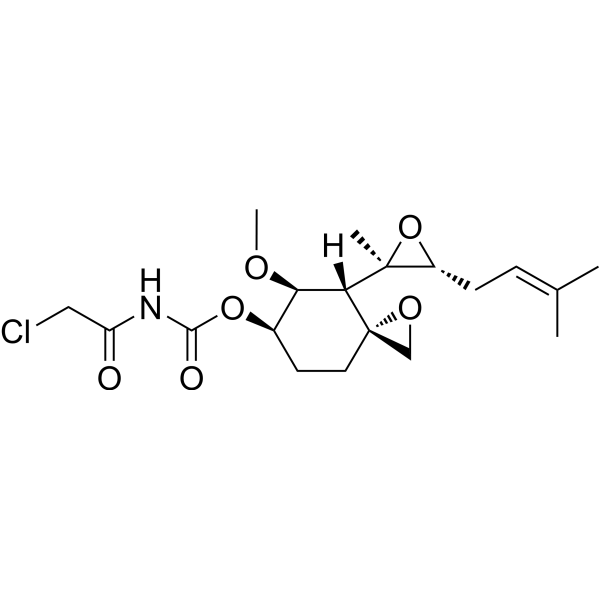
Fumarranol, a Fumagillin (HY-B0751) analogue, is a selective type 2 methionine aminopeptidase (MetAP2) inhibitor with a human IC50 of 3.2 μM. Fumarranol inhibits proliferation of bovine aortic endothelial cells and inhibits angiogenesis in a mouse matrigel plug model. Fumarranol can be used for the researches of cancer, diabetic retinopathy, age-related macular degeneration .
|
-
- HY-101932R
-
|
AGM-1470 (Standard)
|
Reference Standards
Aminopeptidase
|
Cardiovascular Disease
Cancer
|
|
TNP-470 (Standard) is the analytical standard of TNP-470 (HY-101932). This product is intended for research and analytical applications. TNP-470 is a methionine aminopeptidase-2 inhibitor and also an angiogenesis inhibitor.
|
-
- HY-E70930A
-
|
|
Aminopeptidase
|
Metabolic Disease
|
|
Pyroglutamate Aminopeptidase, Pyrococcus furiosus (EC 3.4.19.3), is an enzyme capable of digesting proteins. Pyroglutamate Aminopeptidase specifically acts on the N-terminal pyroglutamic acid, cleaving it from proteins and peptide chains, thereby promoting Edman degradation.
|
-
- HY-183739
-
|
|
Pyroptosis
Caspase
|
Cancer
|
|
CQ31 is a PEPD and XPNPEP1 inhibitor, with an IC50 of 0.67 μM against PEPD and an IC50 of 122 μM against XPNPEP1. CQ31 inhibits the M24B aminopeptidase activity of PEPD and XPNPEP1. CQ31 induces the accumulation of Xaa-Pro-containing peptides, mildly inhibits DPP8/9, and triggers CASP1-dependent pyroptosis via activation of the CARD8 inflammasome and caspase-1. CQ31 can be used in research related to cancers such as acute myeloid leukemia .
|
-
- HY-E70934
-
|
|
Aminopeptidase
|
Metabolic Disease
|
|
Aminopeptidase I, Streptomyces griseus (EC 3.4.11.22), exhibits broad substrate specificity, capable of removing the N-terminal residues of most proteins, except when the penultimate residue is an imino acid. Aminopeptidase I contains two Zn 2+ binding sites.
|
-
- HY-E70971
-
|
|
Aminopeptidase
|
Metabolic Disease
|
|
Aminopeptidase M, Porcine (EC 3.4.11.2), is a metalloproteinase that hydrolyzes almost all N-terminal amino acids of unsubstituted oligopeptides. It does not cleave X-Pro bonds or N-terminal blocked amino acids. Aminopeptidase M can be used for peptide sequence analysis.
|
-
- HY-181674
-
|
|
Aminopeptidase
Bacterial
|
Infection
|
|
ZHO-197 is a dual bacterial peptide deformylase and methionine aminopeptidase inhibitor with antibacterial activity. ZHO-197 exhibits an Escherichia coli peptide deformylase IC50 of 0.021 μM and a human peptide deformylase IC50 of 3.289 μM. ZHO-197 displays broad-spectrum antibacterial activity against gram-positive and gram-negative bacterial strains. ZHO-197 can be used for the research of bacterial infection .
|
-
- HY-183267
-
|
|
Aminopeptidase
|
Cancer
|
|
ERAP1-IN-4 is an orally acvtive endoplasmic reticulum aminopeptidase 1 (ERAP1) inhibitor with a pIC50 of 7.9 and an LLE of 5.3. ERAP1-IN-4 inhibits hydrolysis of peptide substrates by ERAP1, with high activity against Allotype1 and Allotype2. ERAP1-IN-4 reduced efficacy against other allotypes, and modulates ERAP1-mediated peptide processing to inhibit antigenic epitope presentation. ERAP1-IN-4 can be used for the research of cancer[1].
|
-
- HY-122225
-
|
|
MetAP
|
Cancer
|
|
JNJ-4929821 (Compound 88), a triazole derivative, is a selective Methionine aminopeptidase-2 (MetAP-2) inhibitor with an IC50 of 15 nM over MetAP-1. JNJ-4929821 can be used for cancers like liver cancer, colorectal adenocarcinoma and pancreatic cancer research .
|
-
- HY-W968308
-
|
|
Amino Acid Derivatives
|
Metabolic Disease
|
|
H-Gly-D-Ala-OH is a dipeptide containing D-amino acid. H-Gly-D-Ala-OH can be specifically hydrolyzed by renal dipeptidase, which acts on peptide segments with a D-amino acid at the carboxyl terminus. H-Gly-D-Ala-OH enables highly specific detection of renal dipeptidase activity without interference from other serum or urine aminopeptidases. When used in combination with low-dose Sodium nitrite (HY-N11218), H-Gly-D-Ala-OH inhibits the initial spore growth of Clostridium botulinum in pork homogenate, whereas it has no such effect on its own. H-Gly-D-Ala-OH can be used in research related to chronic renal failure, diabetes mellitus and botulism .
|
-
- HY-E70964A
-
|
|
Aminopeptidase
|
Metabolic Disease
|
|
Leucine Aminopeptidase, Porcine (EC 3.4.11.1) is a proteolytic enzyme which hydrolyzes the peptide bond adjacent to a free amino group. Leucine Aminopeptidase, Porcine (EC 3.4.11.1) rapidly catalyzes the hydrolysis of leucine containing peptides and also catalyzes the hydrolytic release of other amino acids located at the N-terminal end of various peptides and proteins.
|
-
- HY-P11642
-
|
|
ERK
Androgen Receptor
Opioid Receptor
Enteropeptidase
mTOR
Aminopeptidase
|
Neurological Disease
Inflammation/Immunology
Cancer
|
|
Sialorphin is a neutral endopeptidase (NEP) and aminopeptidase N (APN) inhibitor that responds to androgen signals. Sialorphin blocks the degradation of endogenous opioid peptides and interacts with μ-, δ-, κ-opioid receptors. Sialorphin regulates the ERK/mTOR signaling pathway by inducing cell cycle arrest, enhancing ERK1/2 activity, and reducing the phosphorylation levels of mTOR, 4E-BP1, p70S6K; accordingly, Sialorphin exhibits antiproliferative activity against colorectal cancer, glioma and prostate cancer cells without cytotoxicity. In addition, Sialorphin also produces antinociceptive responses, regulates sexual behavior, relaxes corpus cavernosum smooth muscle, and alleviates experimental colitis. Sialorphin is also a copper (II) ion-binding ligand. Sialorphin has been used in mechanistic studies related to cancer, pain management and inflammatory bowel disease .
|
-
- HY-E70964
-
|
|
Aminopeptidase
|
Metabolic Disease
|
|
Leucine Aminopeptidase(microsomal), Porcine (EC 3.4.11.2) is an enzyme that preferentially catalyze the hydrolysis of leucine residues at the N-terminus of peptides and proteins.
|
-
- HY-171335
-
-
- HY-P4553
-
|
|
Amino Acid Derivatives
|
Others
|
|
H-Met-Pro-OH is a dipeptide containing methionine and proline. H-Met-Pro-OH is a substrate for aminopeptidase P (APP) and skin fibroblast prolidase .
|
-
- HY-128090
-
|
|
Aminopeptidase
|
Cardiovascular Disease
|
|
Apstatin is a potent aminopeptidase P (APP) inhibitor with Ki values of 2.6, 0.64 µM for rat and human APP, respectively. Apstatin shows cardioprotection .
|
-
- HY-P4553A
-
|
|
Amino Acid Derivatives
|
Others
|
|
H-Met-Pro-OH acetate is a dipeptide containing methionine and proline. H-Met-Pro-OH acetate serves as a substrate for aminopeptidase P (APP) and skin fibroblast prolinase .
|
-
- HY-D3191
-
|
|
Fluorescent Dye
Aminopeptidase
Monoamine Oxidase
|
Infection
Metabolic Disease
|
|
L&M-D-MR is a highly specific fluorescent "AND" logic probe with response moieties for leucine aminopeptidase (LAP) and monoamine oxidase (MAO). The coexistence of both LAP and MAO is required for L&M-D-MR to trigger intramolecular cyclization, release fluorophores and activate fluorescence. In the presence of only a single enzyme, L&M-D-MR generates only an extremely weak signal. L&M-D-MR enables bioimaging in living cells and mouse models, and can effectively distinguish different subtypes of liver diseases via blood samples or test strips. L&M-D-MR is widely used in studies related to liver cirrhosis, hepatitis B and drug-induced liver injury .
|
-
- HY-W012888
-
|
(-)-Leucinol
|
Aminopeptidase
|
Others
|
|
D-Leucinol is the isomer of L-Leucinol (HY-W015876), and can be used as an experimental control. L-Leucinol ((+)-Leucinol) is a competitive aminopeptidase inhibitor with Ki value of 17 μM .
|
-
- HY-P3174
-
|
|
Aminopeptidase
|
Inflammation/Immunology
|
|
Pyroglutamate aminopeptidase I is a type of enzyme that cleaves the peptide bond of pyroglutamic acid linked to the N-terminal end of a protein, including some important anti-inflammatory proteins like immunoglobulin .
|
-
- HY-128090A
-
|
|
Aminopeptidase
|
Cardiovascular Disease
|
|
Apstatin TFA is a potent aminopeptidase P (APP) inhibitor with Ki values of 2.6, 0.64 µM for rat and human APP, respectively. Apstatin TFA shows cardioprotection .
|
-
- HY-E70442
-
|
|
Biochemical Assay Reagents
|
Others
|
|
Methionine aminopeptidase is a kinase. Enzymes have high catalytic efficiency, high specificity, and mild operating conditions. It can be applied in industries such as pharmaceuticals, industrial production, food manufacturing, and aquaculture .
|
-
- HY-143249
-
|
|
Bacterial
|
Infection
|
|
MtMetAP1-IN-1 is an inhibitor of Mycobacterium tuberculosis (Mtb), targeting methionine aminopeptidase 1 (MetAP1). MtMetAP1-IN-1 exerts antimycobacterial activity .
|
-
- HY-B0134AR
-
|
Ubenimex hydrochloride (Standard)
|
Reference Standards
Aminopeptidase
Bacterial
Antibiotic
|
Infection
Cancer
|
|
Bestatin (hydrochloride) (Standard) is the analytical standard of Bestatin (hydrochloride). This product is intended for research and analytical applications. Bestatin hydrochloride is an inhibitor of CD13 (Aminopeptidase N)/APN and leukotriene A4 hydrolase, used for cancer research.
|
-
- HY-181437
-
|
|
Parasite
Aminopeptidase
|
Infection
|
|
Antiparasitic agent-40 (compound 4.3) is a 4-thiazolidinone-based antileishmaniasis inhibitor. Antiparasitic agent-40 exhibits significant inhibitory activity against methionine aminopeptidase .
|
-
- HY-E71322
-
|
|
Biochemical Assay Reagents
|
Others
|
|
β-Peptidyl aminopeptidase (EC 3.4.11.25) catalyses the following chemical reaction: cleaves N-terminal beta-homoamino acids from peptides composed of 2 to 6 amino acids.
|
-
- HY-157518
-
|
|
Bacterial
|
Infection
|
|
OJT008 is an inhibitor of MtMetAP1c. OJT008 inhibits NiCl2- and CoCl2 activated MtMetAP1c with IC50s of 11 and 40 μM, respectively. OJT008 can used to study tuberculosis .
|
-
- HY-181266
-
|
|
Parasite
Aminopeptidase
|
Infection
|
|
Antimalarial agent 55 is an orally potent inhibitor of PfA-M1 and PfA-M17 aminopeptidases from Plasmodium falciparum, with Ki values of 27 nM and 81 nM, respectively. Antimalarial agent 55 exhibits potent nanomolar activity against homologous enzymes from Plasmodium vivax and Plasmodium berghei, with Ki values of 2 nM, 4 nM, 190 nM and 18 nM for Pv-M1, Pb-M1, Pv-M17 and Pb-M17, respectively. Antimalarial agent 55 possesses significant antiplasmodial activity, as well as cross-species inhibitory capacity and broad-spectrum activity that is unaffected by existing drug resistance mechanisms. Antimalarial agent 55 can be used in malaria research .
|
-
- HY-162920
-
|
|
Aminopeptidase
|
Cardiovascular Disease
|
|
QGC583 is an effective selective Aminopeptidase A (APA) inhibitor with oral activity and blood-brain barrier permeability, boasting an IC50 value of 4 nM. QGC583 can inhibit APA activity in the brain, kidneys, and heart of rats .
|
-
- HY-E70228
-
|
|
Ser/Thr Protease
|
Cancer
|
|
Cathepsin H, human liver is an aminopeptidase and an endopeptidase. Involved in the catabolism of proteins in the lysosomal system. Cathepsin H, human liver has a key role in the regulation of the biological behavior of tumor cells and the pathological processes of brain diseases .
|
-
- HY-111173
-
|
|
Dipeptidyl Peptidase
|
Others
|
|
Diprotin B is a dipeptidyl aminopeptidase IV (DPP IV) inhibitor. The apparent competitive inhibition of DPP-IV by the diprotins is a kinetic artifact, derived from the substrate-like nature of tripeptides containing a penultimate proline residue .
|
-
- HY-116126
-
|
|
Aminopeptidase
|
Cancer
|
|
Leuhistin is an AP-M (aminopeptidase-M) inhibitor. AP-M is an inactivating enzyme of bioactive peptides in cerebral
membranes. Leuhistin can be produced by Bacillus laterosporus BMI156-14F1 .
|
-
- HY-182419
-
|
|
MetAP
|
Cancer
|
|
A-849519 is a reversible methionine aminopeptidase-2 (MetAP-2) inhibitor with an IC50 of 19 nM. A-849519 binds to the active site of the Mn 2+ form of human MetAP-2, where the oxygen atom of one acidic functional group interacts with the manganese ion, and another heteroatom binds to the water molecule above the two manganese ions, thereby functionally inhibiting enzyme activity. A-849519 inhibits the methionine processing activity of MetAP-2 as well as the proliferation of fibrosarcoma cells. A-849519 can be used in studies related to fibrosarcoma .
|
-
- HY-137838
-
|
|
Fluorescent Dye
Tyrosine Hydroxylase
|
Infection
|
|
H-Tyr-AMC is a fluorogenic substrate for tyrosine aminopeptidases. H-Tyr-AMC is an inhibitor of tobacco and potato hydroxycinnamoyl-CoA:tyramine N-(hydroxycinnamoyl)transferase (THT) with Ki values of 0.72 μM (tobacco) and 0.42 μM (potato) .
|
-
- HY-14811
-
|
ZGN-440; CKD-732 free base
|
MetAP
NF-κB
|
Metabolic Disease
|
Beloranib (ZGN-440; CKD-732 free base) is a selective, irreversible inhibitor of methionine aminopeptidase MetAP2 that suppresses appetite and increases energy expenditure. Beloranib blocks the enzymatic cleavage of N-terminal methionine from nascent proteins by forming a covalent bond with MetAP2, thereby regulating fatty acid metabolism, adrenergic signaling, and hypothalamic NF-κB expression. Beloranib significantly reduces food intake, body weight, and fat accumulation, while improving glucose tolerance, insulin sensitivity, and lipid metabolism. Beloranib also elevates energy expenditure and fat oxidation levels, without affecting body temperature, spontaneous activity, or the inflammatory cytokine IL-1β. Beloranib can be used in research on obesity and hypothalamic obesity .
|
-
- HY-B0134R
-
|
Ubenimex (Standard)
|
Reference Standards
Aminopeptidase
Bacterial
Antibiotic
|
Infection
Cancer
|
|
Bestatin (Standard) is the analytical standard of Bestatin. This product is intended for research and analytical applications. Bestatin is a natural, broad-spectrum, and competitive CD13 (Aminopeptidase N)/APN and leukotriene A4 hydrolase inhibitor. Bestatin has anticancer effects .
|
-
- HY-169936
-
|
|
Aminopeptidase
|
Inflammation/Immunology
Cancer
|
|
ERAP1-IN-3 (compound 13) is a potent endoplasmic reticulum aminopeptidase 1 (ERAP1) inhibitor, with a pIC50 of 8.6. ERAP1-IN-3 has potential for the research of cancer immunotherapy and autoimmune disease .
|
-
- HY-158006
-
|
|
MetAP
|
Cancer
|
|
SDX-7539 is a selective inhibitor for Methionine aminopeptidase type 2 (MetAP2). SDX-7539 inhibits proliferarion of HUVECs with an IC50 of 120 μM. SDX-7539 exhibits antitumor activity in NSCLC xenograft athymic nude mice .
|
-
- HY-B0134S1
-
-
- HY-P11642A
-
|
|
Enteropeptidase
Aminopeptidase
Opioid Receptor
ERK
mTOR
Androgen Receptor
|
Inflammation/Immunology
|
|
Sialorphin TFA is a neutral endopeptidase (NEP) and aminopeptidase N (APN) inhibitor that responds to androgen signals. Sialorphin TFA blocks the degradation of endogenous opioid peptides and interacts with μ-, δ-, κ-opioid receptors. Sialorphin TFA regulates the ERK/mTOR signaling pathway by inducing cell cycle arrest, enhancing ERK1/2 activity, and reducing the phosphorylation levels of mTOR, 4E-BP1, p70S6K; accordingly, Sialorphin TFA exhibits antiproliferative activity against colorectal cancer, glioma and prostate cancer cells without cytotoxicity. In addition, Sialorphin TFA also produces antinociceptive responses, regulates sexual behavior, relaxes corpus cavernosum smooth muscle, and alleviates experimental colitis. Sialorphin TFA is also a copper (II) ion-binding ligand. Sialorphin TFA has been used in mechanistic studies related to cancer, pain management and inflammatory bowel disease .
|
-
- HY-14811A
-
|
ZGN-440 hemioxalate; ZGN-433 hemioxalate; CDK732 hemioxalate
|
NF-κB
MetAP
|
Metabolic Disease
|
Beloranib (ZGN-440; CKD-732 free base) hemioxalate is a selective, irreversible inhibitor of methionine aminopeptidase MetAP2 that suppresses appetite and increases energy expenditure. Beloranib hemioxalate blocks the enzymatic cleavage of N-terminal methionine from nascent proteins by forming a covalent bond with MetAP2, thereby regulating fatty acid metabolism, adrenergic signaling, and hypothalamic NF-κB expression. Beloranib hemioxalate significantly reduces food intake, body weight, and fat accumulation, while improving glucose tolerance, insulin sensitivity, and lipid metabolism. Beloranib hemioxalate also elevates energy expenditure and fat oxidation levels, without affecting body temperature, spontaneous activity, or the inflammatory cytokine IL-1β. Beloranib hemioxalate can be used in research on obesity and hypothalamic obesity .
|
-
- HY-119244
-
|
|
Dipeptidyl Peptidase
|
Metabolic Disease
|
|
Gly-Pro-pNA hydrochloride is a chromogenic peptide substrate that can be cleaved by the circulating enzyme dipeptidyl peptidase IV (DPP IV). Gly-Pro-pNA hydrochloride is mainly used to detect the activity of aminopeptidases such as DPP IV. Gly-Pro-pNA hydrochloride can be investigated as an experimental antidiabetic agent .
|
-
- HY-123193
-
|
Pro-diazepam
|
Drug Intermediate
|
Neurological Disease
|
|
Avizafone (Pro-diazepam), a pro-drug of Diazepam, is an anticonvulsant agent. Avizafone can be used as an antidote of nerve agent poisoning. In vivo, Avizafone is rapidly hydrolyzed by aminopeptidase to produce lysine and diazepam. Avizafone has research areas including neurological disease, such as epilepsy .
|
-
- HY-125564
-
|
|
Aminopeptidase
|
Others
|
|
Acetyltrialanine is a peptide containing three amino acid residues in which the N-terminal amino acid is acetylated and used as a substrate for Nα-acetyl alanine aminopeptidase in order to study the activity and properties of the enzyme. Acetyltrialanine can be used in the study of protein degradation and N-terminal regulation .
|
-
- HY-125341
-
|
|
Angiotensin-converting Enzyme (ACE)
|
Cardiovascular Disease
|
|
Microginin 527 is a linear cyanobacterial peptide with potent angiotensin-converting enzyme (ACE) inhibitory activity. Microginin 527 also exhibits inhibitory effects on protein phosphatases and leucine aminopeptidase. With an IC50 value of 31 μM, Microginin 527 is the most active component in this class of compounds .
|
-
- HY-147257
-
|
HSK7653
|
Dipeptidyl Peptidase
|
Metabolic Disease
|
|
Cofrogliptin (HSK7653) (compound 2), a tetrahydropyran derivative, is a potent oral dipeptidyl aminopeptidase 4 (DPP-4) inhibitor with Long-acting antidiabetic efficacy. Cofrogliptin (compound 2) has a great potential for type 2 diabetes mellitus (T2DM) .
|
-
- HY-116476
-
|
|
Neprilysin
|
Others
|
|
Risotilide is an inhibitor of enkephalinase B, which has the ability to inhibit enkephalinase B activity (IC50 value is 0.35 microM), and can also effectively inhibit enkephalinase A (IC50 = 0.02 microM) and aminopeptidase activity (IC50 = 13 microM), and can be regarded as a complete inhibitor of enkephalin biodegradation.
|
-
- HY-15695
-
-
- HY-109058
-
|
QGC001; RB150
|
Aminopeptidase
|
Cardiovascular Disease
Neurological Disease
|
|
Firibastat (QGC001), an orally active brain penetrating proagent of EC33, is a first-in-class brain aminopeptidase A (APA) inhibitor (Ki=200 nM). Firibastat selectively and specifically inhibits conversion of brain angiotensin-II into angiotensin-III and decreases blood pressure in hypertensive rats .
|
-
- HY-121071
-
|
|
Bacterial
Nucleoside Antimetabolite/Analog
Antibiotic
|
Infection
|
|
Ascamycin is a 5'-O-sulfonamide ribonucleoside antibiotic produced by Streptomyces sp. JCM9888. Ascamycin has a selective antibacterial activity against Xanthomonas species with MIC values of 0.4 μg/mL, 12.5 μg/mL and 12.5 μg/mL for Xanthomonas citri, Xanthomonas oryzae and Mycobacterium phlei, respectively .
|
-
- HY-105025B
-
|
Thymopoietin II (32-35) acetate; TP 4 acetate
|
Apoptosis
|
Inflammation/Immunology
|
|
Thymocartin (TP 4) acetate is the 32-35 fragment of thymic factor (thymopoietin). Thymocartin acetate inhibits apoptosis of peripheral blood lymphocytes in HIV infected individuals. Thymocartin acetate is potential for immunodeficiency diseases research .
|
-
- HY-P4528
-
|
|
Ser/Thr Protease
|
Others
|
|
Ala-Phe-Pro-βNA is the subsrate of prolyl tripeptidyl aminopeptidase, which is from Porphyromonas gingivalis. Ala-Phe-Pro-βNA binds to H-Ala-Ile-pyrrolidin-2-yl boronic acid for PTP39 and the E636A mutant with Ki values of 88.1 nM and 48.8 nM, respectivley .
|
-
- HY-126564
-
|
|
Lipase
MetAP
|
Others
Inflammation/Immunology
|
|
Ebelactone A is a mycolic acid β-lactone, which exhibits inhibitory activity for esterase, lipase, fMet aminopeptidase (fMet AP) and PNBase, with IC50s of 56, 3, 8 and 7.5 μM, respectively . Ebelactone A inhibits cutinase, exhibits plants protective potency against Erysiphe graminis .
|
-
- HY-W702001
-
|
Pro-diazepam dihydrobromide
|
Drug Intermediate
|
Neurological Disease
|
|
Avizafone (Pro-diazepam) dihydrobromide, a pro-drug of Diazepam, is an anticonvulsant agent. Avizafone dihydrobromide can be used as an antidote of nerve agent poisoning. In vivo, Avizafone dihydrobromide is rapidly hydrolyzed by aminopeptidase to produce lysine and diazepam. Avizafone dihydrobromide has research areas including neurological disease, such as epilepsy .
|
-
- HY-P11004
-
|
|
Bacterial
Antibiotic
|
Infection
|
|
A3-APO is an antimicrobial peptide. A3-APO has a significant antimicrobial activity by a dual mode of action with both membrane disintegration and intracellular target inhibition. A3-APO can deactivate bacterial toxins and increase the expression of anti-inflammatory cytokines (such as IL-4 and IL-10), without antimicrobial resistance. A3-APO accelerates burn wounds healing in mice infection model of Acinetobacter baumannii and Staphylococcus aureus .
|
-
- HY-P2075
-
|
|
Renin
|
Endocrinology
|
|
EMD 55068 is a renin antagonist. EMD 55068 inhibits the uptake of taurocholate .
|
-
- HY-121123
-
|
2-Aminoadamantane-2-carboxylic acid
|
Aminopeptidase
|
Cancer
|
|
Adamantanine (2-Aminoadamantane-2-carboxylic acid) inhibits the transport of methionine (Ki is 0.76 mM) and leucine into Ehrlich ascites carcinoma cells. Adamantanine inhibits proliferation of P388 lymphocytic leukemia cells with an IC50 of >1 mM. Adamantanine inhibits the leucine aminopeptidase with an I/S0.5 of 10.5 .
|
-
- HY-E70397A
-
|
DPP-IV, Porcine Kidney
|
Dipeptidyl Peptidase
|
Metabolic Disease
|
|
Dipeptidyl Peptidase IV, Porcine Kidney (DPP-IV, Porcine Kidney) is a serine aminopeptidase with multiple physiological roles. Dipeptidyl Peptidase IV, Porcine Kidney hydrolyses gastric inhibitory peptide (GIP) and glucagon-like peptide 1 (GLP-1), the most important insulin-releasing hormones (incretins) of the enteroinsular axis .
|
-
- HY-N15079
-
|
|
Bacterial
|
Infection
|
|
Arphamenine B is a Zn 2+-dependent exopeptidase that selectively removes arginine and/or lysine residues from the NH2-terminus of several peptide substrates. Arphamenine B is an inhibitor of aminopeptidase B that can be isolated from bacteria. Arphamenine B enhances the immune response and is used to characterize novel proteases .
|
-
- HY-P2336A
-
|
|
Melanocortin Receptor
|
Cancer
|
|
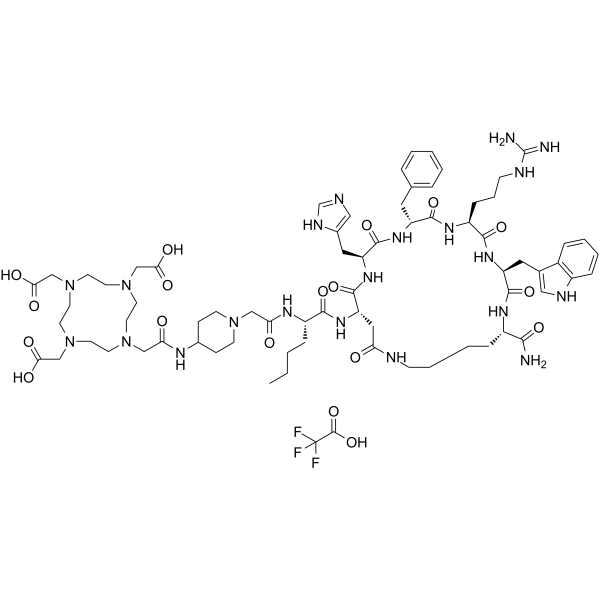
CCZ01048 TFA, a α-MSH analogue, exhibits high binding affinity to melanocortin 1 receptor (MC1R) with a Ki of 0.31 nM. CCZ01048 TFA shows rapid internalization into B16F10 melanoma cells and high in vivo stability. CCZ01048 TFA is a promising candidate for PET imaging of malignant melanoma .
|
-
- HY-123193S
-
|
Pro-diazepam-d5 dihydrobromide
|
Isotope-Labeled Compounds
Drug Intermediate
|
Neurological Disease
|
|
Avizafone-d5 dihydrobromide is the deuterium labeled Avizafone dihydrobromide . Avizafone (Pro-diazepam) dihydrobromide, a pro-drug of Diazepam, is an anticonvulsant agent. Avizafone dihydrobromide can be used as an antidote of nerve agent poisoning. In vivo, Avizafone is rapidly hydrolyzed by aminopeptidase to produce lysine and diazepam. Avizafone dihydrobromide has research areas including neurological disease, such as epilepsy.
|
-
- HY-P10472
-
|
|
GnRH Receptor
|
Endocrinology
|
|
Azaline B is an antagonist for gonadotropin-releasing hormone (GnRH) with IC50 of 1.37 nM, Azaline B can be used in research of sex hormone-related pathological states, ovulation induction and male contraception .
|
-
- HY-109058R
-
|
QGC001 (Standard); RB150 (Standard)
|
Aminopeptidase
Reference Standards
|
Cardiovascular Disease
|
|
Firibastat (Standard) is the analytical standard of Firibastat. This product is intended for research and analytical applications. Firibastat (QGC001), an orally active brain penetrating proagent of EC33, is a first-in-class brain aminopeptidase A (APA) inhibitor (Ki=200 nM). Firibastat selectively and specifically inhibits conversion of brain angiotensin-II into angiotensin-III and decreases blood pressure in hypertensive rats .
|
-
- HY-P4757
-
|
|
Parasite
|
Others
|
|
N1-Glutathionyl-spermidine disulfide is a substrate of trypanothione reductase .
|
-
- HY-W345510
-
|
|
Neprilysin
|
Neurological Disease
|
|
Opiorphin, an opioid peptide, is a potent enkephalin-inactivating zinc ectopeptidases in human inhibitor. Opiorphin inhibits two enkephalin-catabolizing ectoenzymes, human neutral ecto-endopeptidase, hNEP (EC 3.4.24.11) with an IC50 value of 11 μM, and human ecto-aminopeptidase, hAP-N (EC 3.4.11.2). Opiorphin displays potent analgesic activity by activating endogenous opioid-dependent transmission .
|
-
- HY-P2648
-
|
N-Succinyl-AAPL-p-nitroanilide
|
Aminopeptidase
|
Endocrinology
|
|
Suc-Ala-Ala-Pro-Leu-pNA (N-Succinyl-AAPL-p-nitroanilide) is a tripeptidyl p-nitroanilide substrate that can be catalytically hydrolyzed by acyl amidase-like leucine aminopeptidase in seminal plasma. Amastatin (HY-129298) and Actinonin (HY-113952) exert potent inhibitory effects on this hydrolytic activity. Suc-Ala-Ala-Pro-Leu-pNA can be used for the research of diseases such as azoospermia .
|
-
- HY-P10341
-
|
|
GCGR
|
Metabolic Disease
|
|
ZP3022 is a dual agonist of glucagon-like peptide-1 (GLP-1) and gastrin that has the ability to sustainably improve glycemic control. Additionally, ZP3022 can effectively increase β-cell mass, promote β-cell proliferation, and enhance the function of pancreatic islets. ZP3022 can be used in anti-diabetic research .
|
-
- HY-19876
-
|
Debio-0827
|
Opioid Receptor
Aminopeptidase
Neprilysin
|
Neurological Disease
Metabolic Disease
|
|
PL37 (Debio-0827) is an orally active Enkephalinase dual inhibitor (dual inhibition refers to the simultaneous inhibition of Neutral Endopeptidase and Aminopeptidase N activities). PL37 exerts its anti-hyperalgesic effects by activating μ-opioid receptors (µ-opioid receptors), with an ED50 value of 13.4 mg/kg for analgesic effects in mice. PL37 can be used to study diabetic neuropathic pain .
|
-
- HY-120868
-
TP-004
1 Publications Verification
|
MetAP
|
Metabolic Disease
Cancer
|
|
TP-004 is a potent and reversible inhibitor of methionine aminopeptidase 2 (MetAP2), with an IC50 of 6 nM against MetAP2. TP-004 is a chemical probe. TP-004 suppresses MetAP2 enzymatic activity, blocks N-terminal methionine cleavage, impairs protein maturation and stability, and thereby inhibits cell proliferation and angiogenesis. TP-004 can be used for the study of tumors and diseases associated with excessive angiogenesis .
|
-
- HY-N9898
-
|
|
Others
|
Others
|
|
Sinocrassoside C1 is a natural compound isolated from themethanolic extract of the whole plant ofSinocrassula indica (Crassulaceae) .
|
-
- HY-129407
-
|
Ala-ala-phe-chloromethylketone tfa; N-Ala-Ala-Phe-CMK; Tripeptidyl Peptidase inhibitor II
|
Proteasome
|
Infection
|
|
AAF-CMK TFA (Ala-ala-phe-chloromethylketone tfa; N-Ala-Ala-Phe-CMK) is a subtilisin-type serine peptidase that removes tripeptides from the free NH2 termini of oligopeptides. AAF-CMK TFA is an irreversible inhibitor of TPPII and is typically used at concentrations of 10-100 μM. It does not significantly interfere with the chymotrypsin-like activity of the proteasome. AAF-CMK also inhibits bleomycin hydrolase and puromycin-sensitive aminopeptidase when used at a concentration of 50 μM.
|
-
- HY-134666A
-
|
|
Dipeptidyl Peptidase
Fungal
Bacterial
|
Infection
|
|
Dioctatin A hydrochloride is a metabolite of Streptomyces and an inhibitor of human dipeptidyl aminopeptidase II. Dioctatin A hydrochloride can inhibit aflatoxin production by Aspergillus parasiticus with an IC50 of 4.0 μM. Dioctatin A hydrochloride can reduce the mRNA levels of aflatoxin biosynthetic genes and the regulatory gene aflR, inhibit conidiation and decrease the mRNA level of the brlA gene, and also promote kojic acid production. In addition, Dioctatin A hydrochloride can inhibit sterigmatocystin production. Dioctatin A hydrochloride has pleiotropic regulatory effects on the production and differentiation of fungal secondary metabolites .
|
-
- HY-W097753
-
|
4-Methoxydiphenylmethane
|
Aminopeptidase
|
Others
|
|
4-MDM (4-Methoxydiphenylmethane) is an orally active anti-inflammatory compound that selectively enhances the Leukotriene A4 Hydrolase (LTA4H) aminopeptidase enzyme activity. 4-MDM reduces the neutrophil recruitment in the lung by enhancing the degradation of proline-glycine-proline by LTA4H, thereby reducing inflammation, and does not affect the epoxy-hydrolase activity of LTA4H. 4-MDM can be used for research on lung diseases .
|
-
- HY-162710
-
|
|
Aminopeptidase
|
Inflammation/Immunology
|
|
LTA4H-IN-5 (Compound H122) is an orally active inhibitor for leukotriene A4 hydrolase (LTA4H), that inhibits the LTA4H aminopeptidase and LTA4H hydrolase with IC50 of 0.38 nM and 16.93 nM. LTA4H-IN-5 exhibits good pharmacokinetic characteristics in C57 mice and ameliorates the DNBS-induced ulcerative enteritis in rat models .
|
-
- HY-107761
-
|
|
Neurotensin Receptor
|
Neurological Disease
|
|
JMV 390-1 (Compound 6a) is a potent multipeptidase inhibitor. JMV 390-1 behaves as a full inhibitor of the major neurotensin (NT)/neuromedin N (NN) degrading enzymes in vitro with IC50 values from 30 to 60 nM. JMV 390-1 increases endogenous recovery of NT and NN from slices of mice hypothalamus depolarized with potassium .
|
-
- HY-179625
-
|
|
Aminopeptidase
|
Inflammation/Immunology
Cancer
|
|
GSK235 is an orally active, selective and allosteric endoplasmic reticulum aminopeptidase 1 (ERAP1) inhibitor with pIC50 values of 8.45 and 7.59 for human and mouse ERAP1, respectively. GSK235 exhibits over 1000-fold selectivity for the two most homologous enzymes, ERAP2 and IRAP. GSK235 can regulate the immunopeptidome of cancer cells and enhance cancer cell antigenicity. GSK235 can be used for the study of colorectal cancer and arthritis .
|
-
- HY-B1467
-
|
|
Potassium Channel
Bacterial
Parasite
Phosphatase
|
Infection
Inflammation/Immunology
|
|
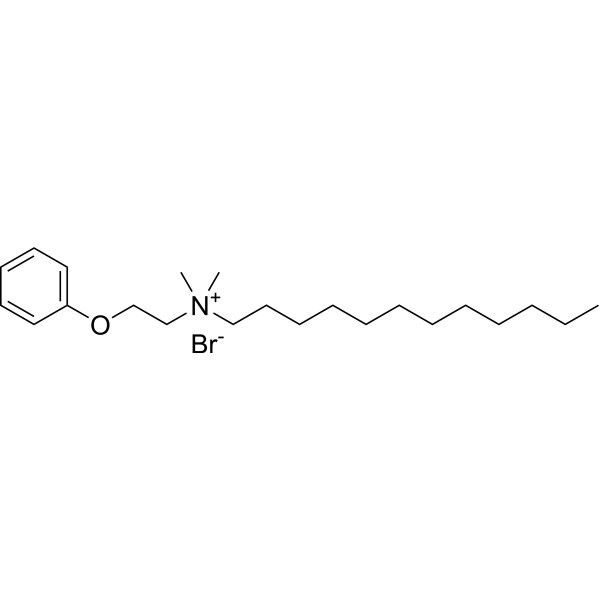
Domiphen bromide is a cationic active quaternary ammonium salt and also an inhibitor of HERG channels (IC50: 9 nM), aminopeptidase-like enzymes, Escherichia coli alkaline phosphatase, and α-chymotrypsin. Domiphen bromide has multiple activities such as antibacterial, antimalarial, and disinfectant properties, and it is also a synergist of Colistin (HY-113678). Domiphen bromide can be used as a chemical preservative and a cationic surfactant, and it can also be used in the research of bacterial infectious diseases such as pharyngitis, thrush, and oral ulcers .
|
-
- HY-P10876
-
|
|
Amyloid-β
|
Neurological Disease
|
|
mcK6A1 is an inhibitor for the aggregation of amyloid-β (Aβ), that selectively binds to the 16KLVFFA21 segment of Aβ42, forms an extended β-folded structure, and inhibits the formation of Aβ42 oligomers. mcK6A1 can be used in research of Alzheimer's disease and other amyloid-related diseases .
|
-
- HY-N2150
-
|
|
HDAC
DNA Methyltransferase
DNA/RNA Synthesis
Bacterial
Aminopeptidase
Farnesyl Transferase
PPAR
Apoptosis
|
Infection
Inflammation/Immunology
Cancer
|
|
Psammaplin A is a marine metabolite. Psammaplin A is a selective HDAC1 (IC50: 45 nM), DNA methyltransferases (IC50: 18.6 nM) and aminopeptidase N (APN) (IC50: 18 μM) inhibitor. Psammaplin A also inhibits DNA topoisomerase and farnesyl protein transferase. Psammaplin A is a PPARγ activator and induces apoptosis. Psammaplin A has antitumor and anti-inflammatory activities. Psammaplin A has antibacterial activity against Gram-positive bacteria and inhibits DNA synthesis and DNA gyrase activity. Psammaplin A inhibits angiogenesis .
|
-
- HY-P11334
-
|
|
Aminopeptidase
Phosphatase
Angiotensin-converting Enzyme (ACE)
DNA/RNA Synthesis
|
Cancer
|
|
Cyanostatin B, a cyanobacterial lipopeptide, is a leucine aminopeptidase M (LAP) inhibitor (IC50 = 12 ng/mL). Cyanostatin B is a weak inhibitor of protein phosphatase (PP2A) and also exhibits weak inhibitory activity against angiotensin-converting enzyme (ACE), with an IC50 value of 130 μg/mL. Cyanostatin B demonstrates both cytotoxic and genotoxic effects on human hepatocytes, although non-toxic to Artemia salina. Cyanostatin B inhibits the proliferation of HepG2 cells, induces DNA single-strand breaks, and causes genomic instability. .
|
-
- HY-103294
-
|
|
Endogenous Metabolite
|
Others
|
|
R892 is a selective and efficient bradyKinin B1 receptor antagonist with significant antagonistic activity. The pA2 values of R892 in human and rabbit B1 receptors are 8.8 and 8.6 respectively, indicating its strong anti-activity at these receptors. R892 exhibits selectivity with ID50 values of 2.8 nM and >600 nM for B1 and B2 receptors, respectively, and has no endogenous agonist activity. R892 is resistant to aminopeptidase and kininase II (ACE) degradation and exhibits metabolic stability .
|
-
- HY-W612175
-
|
|
Leukotriene Receptor
|
Others
|
|
H-Ala-pNA is an L-amino acid p-nitroaniline (pNA) derivative and a specific substrate for leukotriene A4 hydrolase. The D-enantiomer of H-Ala-pNA shows no activity toward leukotriene A4 hydrolase. H-Ala-pNA can be catalytically hydrolyzed by leukotriene A4 hydrolase, and the p-nitroaniline produced during the reaction is monitored spectrophotometrically at 405 nm to enable quantitative detection of enzyme activity. H-Ala-pNA is used to evaluate the potency of inhibitors targeting the amidase activity of leukotriene A4 hydrolase .
|
-
- HY-B1467R
-
|
|
Reference Standards
Potassium Channel
Bacterial
Parasite
Phosphorylase
|
Infection
Inflammation/Immunology
|
|
Domiphen bromide (Standard) is the analytical standard of Domiphen bromide (HY-B1467). This product is intended for research and analytical applications. Domiphen bromide is a cationic active quaternary ammonium salt and also an inhibitor of HERG channels (IC50: 9 nM), aminopeptidase-like enzymes, Escherichia coli alkaline phosphatase, and α-chymotrypsin. Domiphen bromide has multiple activities such as antibacterial, antimalarial, and disinfectant properties, and it is also a synergist of Colistin (HY-113678). Domiphen bromide can be used as a chemical preservative and a cationic surfactant, and it can also be used in the research of bacterial infectious diseases such as pharyngitis, thrush, and oral ulcers.
|
-
- HY-P11243
-
|
|
Ephrin Receptor
|
Neurological Disease
|
|
EphA4 agonist compound 23 is a novel EphA4 agonist peptide mimic. EphA4 agonist compound 23 exhibits high affinity, high selectivity, and significant receptor activation ability. EphA4 agonist compound 23 is commonly used in the study of neurodegenerative diseases .
|
-
- HY-P2434
-
|
|
Somatostatin Receptor
|
Neurological Disease
Metabolic Disease
Cancer
|
|
AP102 is a dual SSTR2/SSTR5-specific somatostatin analog (SSA). AP102 is a disulfide-bridged octapeptide SSA containing synthetic iodinated amino acids. AP102 binds with subnanomolar affinity to SSTR2 and SSTR5 (IC50: 0.63 and 0.65 nM, respectively). AP102 does not bind to SSTR1 or SSTR3. AP102 can be used for acromegaly and neuroendocrine tumors research .
|
-
- HY-N19847
-
-
- HY-P5362A
-
|
|
Radionuclide-Drug Conjugates (RDCs)
Somatostatin Receptor
|
Cancer
|
|
NODAGA-LM3 TFA is a ligand that can cross the blood-brain barrier and targets somatostatin receptor SSTR2 with high affinity (IC50 = 1.3 nM). NODAGA-LM3 TFA does not trigger the internalization of SSTR2 and can inhibit agonist-induced internalization processes. NODAGA-LM3 TFA shows low uptake in normal tissues such as the liver and spleen, but high uptake in the lungs and blood pool. 68Ga-labeled NODAGA-LM3 TFA can serve as a PET imaging agent for well-differentiated neuroendocrine tumors, and is applied in studies related to small cell lung cancer and well-differentiated neuroendocrine tumors .
|
-
- HY-P5362
-
|
|
Radionuclide-Drug Conjugates (RDCs)
Somatostatin Receptor
|
Neurological Disease
Cancer
|
|
NODAGA-LM3 is a ligand that can cross the blood-brain barrier and targets somatostatin receptor SSTR2 with high affinity (IC50 = 1.3 nM). NODAGA-LM3 does not trigger the internalization of SSTR2 and can inhibit agonist-induced internalization processes. NODAGA-LM3 shows low uptake in normal tissues such as the liver and spleen, but high uptake in the lungs and blood pool. 68Ga-labeled NODAGA-LM3 can serve as a PET imaging agent for well-differentiated neuroendocrine tumors, and is applied in studies related to small cell lung cancer and well-differentiated neuroendocrine tumors .
|
-
- HY-115500
-
|
|
Endogenous Metabolite
Opioid Receptor
Leukotriene Receptor
|
Neurological Disease
Inflammation/Immunology
|
|
PL265 is an orally active dual enkephalinase inhibitor. PL265 is a prodrug of PL254, which can simultaneously and efficiently inhibit neutral endopeptidase (Neprilysin) and Aminopeptidase N. PL265 can effectively protect and significantly increase the local concentration of enkephalins (such as Met-Enkephalin and Leu-Enkephalin) released by cells at the pain or inflammation sites, thereby activating μ and δ opioid receptors to produce a potent analgesic effect. PL254 can also inhibit leukotriene A4 hydrolase (LTA4H), which may contribute to its additional anti-inflammatory effect by reducing the production of pro-inflammatory mediator leukotriene B4 (LTB4). PL265 can be used in non-addictive chronic pain research .
|
-
- HY-105168
-
|
|
Endothelin Receptor
|
Cardiovascular Disease
|
|
TAK 044 is an antagonist of Endothelin Receptor. TAK 044 strongly inhibits ET-induced deterioration in various animal models. TAK 044 can be used in study ET-related diseases such as acute myocardial infarction,acute renal failure, acute hepatic malfunction, and subarachnoid hemorrhage .
|
-
- HY-P11488
-
|
|
Radionuclide-Drug Conjugates (RDCs)
Somatostatin Receptor
PSMA
|
Cancer
|
|
JR11-PEG3-DOTA-PSMA-03 (Compound 2) is an RDC-related compound containing the chelating agent DOTA (HY-W053583), the JR11 peptide (SSTR2 antagonist), and the PSMA ligand. JR11-PEG3-DOTA-PSMA-03 shows SSTR2-binding affinities and PSMA-binding affinities, with IC50 s of 94.0 nM, 81.8 nM, respectively. JR11-PEG3-DOTA-PSMA-03 can be radiolabeled with [ 68Ga]. [ 68Ga] radiolabeled JR11-PEG3-DOTA-PSMA-03 can be used in diagnostic studies of neuroendocrine differentiated prostate cancer .
|
-
- HY-P11485
-
|
|
Radionuclide-Drug Conjugates (RDCs)
Somatostatin Receptor
PSMA
|
Cancer
|
|
JR11-PEG3-HBED-CC-PSMA-03 (Compound 1) is an RDC-related compound containing the chelating agent HBED-CC, the JR11 peptide (SSTR2 antagonist), and the PSMA ligand. JR11-PEG3-HBED-CC-PSMA-03 shows SSTR2-binding affinities and PSMA-binding affinities, with IC50 s of 59.2 nM, 57.0 nM, respectively. JR11-PEG3-HBED-CC-PSMA-03 can be radiolabeled with [ 68Ga]. [ 68Ga] radiolabeled JR11-PEG3-HBED-CC-PSMA-03 can be used in diagnostic studies of neuroendocrine differentiated prostate cancer .
|
-
- HY-138232
-
|
LTNAM
|
Aminopeptidase
|
Neurological Disease
|
|
Lys-psi(CH2NH)-Trp(Nps)-OMe is a lysine-tryptophan (Nps) pseudodipeptide analog. It is obtained by replacing the peptide bond in the Lys-Trp(Nps) molecule with an aminomethylene bond and has analgesic activity. Lys-psi(CH2NH)-Trp(Nps)-OMe induces a dose-dependent and naloxone-reversible analgesia after intracerebroventricular administration in mice, and its analgesic effect lasts longer than that of the original compound. It protects methionine enkephalin from degradation in rat striatal slices and binds to low-dose opioid peptides to produce analgesia. Lys-psi(CH2NH)-Trp(Nps)-OMe effectively inhibits brain aminopeptidase activity both in vitro and in vivo. The enhanced resistance of this pseudodipeptide to proteolysis may explain its prolonged analgesic activity.
|
-
- HY-P4070
-
|
|
Insulin Receptor
|
Metabolic Disease
|
|
Insulin icodec is an Insulin (HY-P0035) analog that strongly but reversibly binds to albumin. Insulin icodec has long plasma half-life. Insulin icodec modulates insulin receptor activity, controls blood glucose levels, reduces HbA1c levels, and binds reversibly to human serum albumin. Insulin icodec can be used for the research of type 2 diabetes mellitus .
|
-
| Cat. No. |
Product Name |
Type |
-
- HY-137844
-
|
Leu-AMC hydrochloride
|
Fluorescent Dyes
|
|
L-Leucine-7-amido-4-methylcoumarin (Leu-AMC) hydrochloride is a bright blue fluorogenic peptidyl substrate for LAP3 (leucine aminopeptidase). L-Leucine-7-amido-4-methylcoumarin hydrochloride can be used for leucine aminopeptidase inhibition assays in vitro .
|
-
- HY-16710
-
GPDA
1 Publications Verification
GPN; Glycylproline p-nitroanilide tosylate
|
Fluorescent Dyes
|
|
GPDA (GPN; Glycylproline p-nitroanilide tosylate) is a chromogenic substrate of prolyl dipeptidyl aminopeptidase. GPDA is used to detect the activity of prolyl dipeptidyl aminopeptidase in human serum .
|
-
- HY-137928
-
|
|
Fluorescent Dyes
|
|
H-Ala-4MβNA hydrochloride is a specific fluorogenic substrate for aminopeptidase M .
|
-
- HY-D3191
-
|
|
Fluorescent Dyes
|
|
L&M-D-MR is a highly specific fluorescent "AND" logic probe with response moieties for leucine aminopeptidase (LAP) and monoamine oxidase (MAO). The coexistence of both LAP and MAO is required for L&M-D-MR to trigger intramolecular cyclization, release fluorophores and activate fluorescence. In the presence of only a single enzyme, L&M-D-MR generates only an extremely weak signal. L&M-D-MR enables bioimaging in living cells and mouse models, and can effectively distinguish different subtypes of liver diseases via blood samples or test strips. L&M-D-MR is widely used in studies related to liver cirrhosis, hepatitis B and drug-induced liver injury .
|
| Cat. No. |
Product Name |
Type |
-
- HY-W016477
-
|
|
Biochemical Assay Reagents
|
|
Phenazine is an electron shuttles, which modulates the redox state of cells and the downstream gene expression related to biofilm formation and bacterial survival. Phenazines is a biocontrol agents, which affects the growth of plants and induces the systemic resistance in plants. Phenazine maintains NAD+/NADH balance .
|
-
- HY-137895
-
|
H-Arg-pNA 2HCl, 98%
|
Biochemical Assay Reagents
|
|
L-Arginine p-nitroanilide dihydrochloride, 98% (H-Arg-pNA 2HCl, 98%) is a chromogenic substrate for cathepsin H and aminopeptidases.
|
-
- HY-137901
-
|
Ala-4-nitroanilide, 99%; H-Ala-pNA, 99%
|
Biochemical Assay Reagents
|
|
L-Alanine 4-nitroanilide hydrochloride, 99% is a detection substrate for L-alanine aminopeptidase.
|
-
- HY-W016477R
-
|
|
Biochemical Assay Reagents
|
|
Phenazine is an electron shuttles, which modulates the redox state of cells and the downstream gene expression related to biofilm formation and bacterial survival. Phenazines is a biocontrol agents, which affects the growth of plants and induces the systemic resistance in plants. Phenazine maintains NAD+/NADH balance .
|
-
- HY-W286423
-
|
|
Biochemical Assay Reagents
|
|
L-Pyroglutamic acid 7-amido-4-methylcoumarin is a fluorogenic substrate for pyroglutamate aminopeptidase 1 (PGP-1) .
|
| Cat. No. |
Product Name |
Target |
Research Area |
-
- HY-P4070
-
|
|
Insulin Receptor
|
Metabolic Disease
|
|
Insulin icodec is an Insulin (HY-P0035) analog that strongly but reversibly binds to albumin. Insulin icodec has long plasma half-life. Insulin icodec modulates insulin receptor activity, controls blood glucose levels, reduces HbA1c levels, and binds reversibly to human serum albumin. Insulin icodec can be used for the research of type 2 diabetes mellitus .
|
-
- HY-W009004
-
|
Lys-Lys-Lys; H-Lys-Lys-Lys-OH
|
Biochemical Assay Reagents
|
Others
|
|
Trilysine is a tripeptide and also a substrate for specific peptidases. Trilysine serves as a hydrolytic substrate for the tripeptide-specific aminopeptidase TP and the oligopeptidase OP .
|
-
- HY-105055
-
|
|
Peptides
|
Cancer
|
|
Didemnin B is a depsipeptide extracted from the marine tunicate Trididemnin cyanophorum. Didemnin B can be used for the research of cancer .
|
-
- HY-W345510
-
|
|
Neprilysin
|
Neurological Disease
|
|
Opiorphin, an opioid peptide, is a potent enkephalin-inactivating zinc ectopeptidases in human inhibitor. Opiorphin inhibits two enkephalin-catabolizing ectoenzymes, human neutral ecto-endopeptidase, hNEP (EC 3.4.24.11) with an IC50 value of 11 μM, and human ecto-aminopeptidase, hAP-N (EC 3.4.11.2). Opiorphin displays potent analgesic activity by activating endogenous opioid-dependent transmission .
|
-
- HY-P5362
-
|
|
Radionuclide-Drug Conjugates (RDCs)
Somatostatin Receptor
|
Neurological Disease
Cancer
|
|
NODAGA-LM3 is a ligand that can cross the blood-brain barrier and targets somatostatin receptor SSTR2 with high affinity (IC50 = 1.3 nM). NODAGA-LM3 does not trigger the internalization of SSTR2 and can inhibit agonist-induced internalization processes. NODAGA-LM3 shows low uptake in normal tissues such as the liver and spleen, but high uptake in the lungs and blood pool. 68Ga-labeled NODAGA-LM3 can serve as a PET imaging agent for well-differentiated neuroendocrine tumors, and is applied in studies related to small cell lung cancer and well-differentiated neuroendocrine tumors .
|
-
- HY-P2336A
-
|
|
Melanocortin Receptor
|
Cancer
|
|
CCZ01048 TFA, a α-MSH analogue, exhibits high binding affinity to melanocortin 1 receptor (MC1R) with a Ki of 0.31 nM. CCZ01048 TFA shows rapid internalization into B16F10 melanoma cells and high in vivo stability. CCZ01048 TFA is a promising candidate for PET imaging of malignant melanoma .
|
-
- HY-111173
-
|
|
Dipeptidyl Peptidase
|
Others
|
|
Diprotin B is a dipeptidyl aminopeptidase IV (DPP IV) inhibitor. The apparent competitive inhibition of DPP-IV by the diprotins is a kinetic artifact, derived from the substrate-like nature of tripeptides containing a penultimate proline residue .
|
-
- HY-P10341
-
|
|
GCGR
|
Metabolic Disease
|
|
ZP3022 is a dual agonist of glucagon-like peptide-1 (GLP-1) and gastrin that has the ability to sustainably improve glycemic control. Additionally, ZP3022 can effectively increase β-cell mass, promote β-cell proliferation, and enhance the function of pancreatic islets. ZP3022 can be used in anti-diabetic research .
|
-
- HY-P1044A
-
|
LVV-hemorphin-4 TFA
|
Angiotensin Receptor
|
Neurological Disease
|
|
Spinorphin TFA is an inhibitor of enkephalin-degrading enzymes. Spinorphin inhibits aminopeptidase, dipeptidyl aminopeptidase III, angiotensin-converting enzyme and enkephalinase. Spinorphin possesses an antinociceptive effect .
|
-
- HY-P2648
-
|
N-Succinyl-AAPL-p-nitroanilide
|
Aminopeptidase
|
Endocrinology
|
|
Suc-Ala-Ala-Pro-Leu-pNA (N-Succinyl-AAPL-p-nitroanilide) is a tripeptidyl p-nitroanilide substrate that can be catalytically hydrolyzed by acyl amidase-like leucine aminopeptidase in seminal plasma. Amastatin (HY-129298) and Actinonin (HY-113952) exert potent inhibitory effects on this hydrolytic activity. Suc-Ala-Ala-Pro-Leu-pNA can be used for the research of diseases such as azoospermia .
|
-
- HY-P4549
-
-
- HY-P1490
-
-
- HY-P4584
-
|
|
Biochemical Assay Reagents
|
Others
|
|
TRH-βNA is a substrate for determining the membrane TRH-deamidating enzyme (TRH-DE) activity and membrane pyroglutamyl aminopeptidase II (PPII) activity .
|
-
- HY-P4658
-
|
|
Dipeptidyl Peptidase
|
Others
|
|
H-Val-Ala-pNA is a substrate for the dipeptide aminopeptidase (DPAPase) of Streptococcus bovis. H-Val-Ala-pNA can be used to measure the activity of the protease .
|
-
- HY-P11334
-
|
|
Aminopeptidase
Phosphatase
Angiotensin-converting Enzyme (ACE)
DNA/RNA Synthesis
|
Cancer
|
|
Cyanostatin B, a cyanobacterial lipopeptide, is a leucine aminopeptidase M (LAP) inhibitor (IC50 = 12 ng/mL). Cyanostatin B is a weak inhibitor of protein phosphatase (PP2A) and also exhibits weak inhibitory activity against angiotensin-converting enzyme (ACE), with an IC50 value of 130 μg/mL. Cyanostatin B demonstrates both cytotoxic and genotoxic effects on human hepatocytes, although non-toxic to Artemia salina. Cyanostatin B inhibits the proliferation of HepG2 cells, induces DNA single-strand breaks, and causes genomic instability. .
|
-
- HY-W794670
-
|
|
Aminopeptidase
|
Others
|
|
H-Ala-Pro-Ala-OH, tripeptide, is a substrate for Escherichia coli PepP (Xaa-Pro aminopeptidase). H-Ala-Pro-Ala-OH acts as a nitrogen source for wild-type Escherichia coli .
|
-
- HY-P4205
-
|
|
Aminopeptidase
|
Cancer
|
|
Aminopeptidase N Ligand (CD13) NGR peptide is a polypeptide targeting CD13 and can be used as a carrier to mediate intracellular transmission. Aminopeptidase N Ligand (CD13) NGR peptide is often used in cancer research .
|
-
- HY-P4553
-
|
|
Amino Acid Derivatives
|
Others
|
|
H-Met-Pro-OH is a dipeptide containing methionine and proline. H-Met-Pro-OH is a substrate for aminopeptidase P (APP) and skin fibroblast prolidase .
|
-
- HY-P4553A
-
|
|
Amino Acid Derivatives
|
Others
|
|
H-Met-Pro-OH acetate is a dipeptide containing methionine and proline. H-Met-Pro-OH acetate serves as a substrate for aminopeptidase P (APP) and skin fibroblast prolinase .
|
-
- HY-P11642A
-
|
|
Enteropeptidase
Aminopeptidase
Opioid Receptor
ERK
mTOR
Androgen Receptor
|
Inflammation/Immunology
|
|
Sialorphin TFA is a neutral endopeptidase (NEP) and aminopeptidase N (APN) inhibitor that responds to androgen signals. Sialorphin TFA blocks the degradation of endogenous opioid peptides and interacts with μ-, δ-, κ-opioid receptors. Sialorphin TFA regulates the ERK/mTOR signaling pathway by inducing cell cycle arrest, enhancing ERK1/2 activity, and reducing the phosphorylation levels of mTOR, 4E-BP1, p70S6K; accordingly, Sialorphin TFA exhibits antiproliferative activity against colorectal cancer, glioma and prostate cancer cells without cytotoxicity. In addition, Sialorphin TFA also produces antinociceptive responses, regulates sexual behavior, relaxes corpus cavernosum smooth muscle, and alleviates experimental colitis. Sialorphin TFA is also a copper (II) ion-binding ligand. Sialorphin TFA has been used in mechanistic studies related to cancer, pain management and inflammatory bowel disease .
|
-
- HY-P11004
-
|
|
Bacterial
Antibiotic
|
Infection
|
|
A3-APO is an antimicrobial peptide. A3-APO has a significant antimicrobial activity by a dual mode of action with both membrane disintegration and intracellular target inhibition. A3-APO can deactivate bacterial toxins and increase the expression of anti-inflammatory cytokines (such as IL-4 and IL-10), without antimicrobial resistance. A3-APO accelerates burn wounds healing in mice infection model of Acinetobacter baumannii and Staphylococcus aureus .
|
-
- HY-P10472
-
|
|
GnRH Receptor
|
Endocrinology
|
|
Azaline B is an antagonist for gonadotropin-releasing hormone (GnRH) with IC50 of 1.37 nM, Azaline B can be used in research of sex hormone-related pathological states, ovulation induction and male contraception .
|
-
- HY-P4757
-
|
|
Parasite
|
Others
|
|
N1-Glutathionyl-spermidine disulfide is a substrate of trypanothione reductase .
|
-
- HY-P11243
-
|
|
Ephrin Receptor
|
Neurological Disease
|
|
EphA4 agonist compound 23 is a novel EphA4 agonist peptide mimic. EphA4 agonist compound 23 exhibits high affinity, high selectivity, and significant receptor activation ability. EphA4 agonist compound 23 is commonly used in the study of neurodegenerative diseases .
|
-
- HY-P2434
-
|
|
Somatostatin Receptor
|
Neurological Disease
Metabolic Disease
Cancer
|
|
AP102 is a dual SSTR2/SSTR5-specific somatostatin analog (SSA). AP102 is a disulfide-bridged octapeptide SSA containing synthetic iodinated amino acids. AP102 binds with subnanomolar affinity to SSTR2 and SSTR5 (IC50: 0.63 and 0.65 nM, respectively). AP102 does not bind to SSTR1 or SSTR3. AP102 can be used for acromegaly and neuroendocrine tumors research .
|
-
- HY-P5362A
-
|
|
Radionuclide-Drug Conjugates (RDCs)
Somatostatin Receptor
|
Cancer
|
|
NODAGA-LM3 TFA is a ligand that can cross the blood-brain barrier and targets somatostatin receptor SSTR2 with high affinity (IC50 = 1.3 nM). NODAGA-LM3 TFA does not trigger the internalization of SSTR2 and can inhibit agonist-induced internalization processes. NODAGA-LM3 TFA shows low uptake in normal tissues such as the liver and spleen, but high uptake in the lungs and blood pool. 68Ga-labeled NODAGA-LM3 TFA can serve as a PET imaging agent for well-differentiated neuroendocrine tumors, and is applied in studies related to small cell lung cancer and well-differentiated neuroendocrine tumors .
|
-
- HY-105168
-
|
|
Endothelin Receptor
|
Cardiovascular Disease
|
|
TAK 044 is an antagonist of Endothelin Receptor. TAK 044 strongly inhibits ET-induced deterioration in various animal models. TAK 044 can be used in study ET-related diseases such as acute myocardial infarction,acute renal failure, acute hepatic malfunction, and subarachnoid hemorrhage .
|
-
- HY-115431
-
|
|
Aminopeptidase
|
Neurological Disease
|
|
Antho-rwamide I is a neuropeptide that can be isolated from the sea anemone Anthopleura elegantissima. Antho-rwamide I is resistant to nonspecific aminopeptidases, which increases the stability of the peptide after neuronal release .
|
-
- HY-137946
-
|
|
Aminopeptidase
|
Others
|
|
L-Leucine 4-methoxy-β-naphthylamide hydrochloride is an aminopeptidase M and leucine aminopeptidase substrate .
|
-
- HY-P5607
-
-
- HY-W009004B
-
|
Lys-Lys-Lys TFA; H-Lys-Lys-Lys-OH TFA
|
Aminopeptidase
|
Others
|
|
Trilysine TFA is a tripeptide and also a substrate for specific peptidases. Trilysine TFA serves as a hydrolytic substrate for the tripeptide-specific aminopeptidase TP and the oligopeptidase OP .
|
-
- HY-P4461
-
|
|
Peptides
|
Others
|
|
Ala-Ala-Pro-pNA is a tripeptide, including chromophoric amino acids Pro-pNA. Ala-Ala-Pro-pNA is targeted by tripeptidyl aminopeptidase (SM-TAP) .
|
-
- HY-P4393
-
|
|
Aminopeptidase
|
Others
|
|
H-Leu-Trp-Met-Arg-OH is a tetrapeptide. H-Leu-Trp-Met-Arg-OH can be used as a substrate for aminopeptidase-mediated hydrolysis studies .
|
-
- HY-P4227A
-
|
|
Peptides
|
Metabolic Disease
|
|
WRVYEKC(dnp)ALK tetraTFA contains tryptophan that can be liberated from the dinitrophenol (DNP) quencher by aminopeptidase activity. WRVYEKC(dnp)ALK tetraTFA can be used as a hydrolysis reaction decapeptide substrate .
|
-
- HY-P4528
-
|
|
Ser/Thr Protease
|
Others
|
|
Ala-Phe-Pro-βNA is the subsrate of prolyl tripeptidyl aminopeptidase, which is from Porphyromonas gingivalis. Ala-Phe-Pro-βNA binds to H-Ala-Ile-pyrrolidin-2-yl boronic acid for PTP39 and the E636A mutant with Ki values of 88.1 nM and 48.8 nM, respectivley .
|
-
- HY-P2075
-
|
|
Renin
|
Endocrinology
|
|
EMD 55068 is a renin antagonist. EMD 55068 inhibits the uptake of taurocholate .
|
-
- HY-P10876
-
|
|
Amyloid-β
|
Neurological Disease
|
|
mcK6A1 is an inhibitor for the aggregation of amyloid-β (Aβ), that selectively binds to the 16KLVFFA21 segment of Aβ42, forms an extended β-folded structure, and inhibits the formation of Aβ42 oligomers. mcK6A1 can be used in research of Alzheimer's disease and other amyloid-related diseases .
|
-
- HY-P11642
-
|
|
ERK
Androgen Receptor
Opioid Receptor
Enteropeptidase
mTOR
Aminopeptidase
|
Neurological Disease
Inflammation/Immunology
Cancer
|
|
Sialorphin is a neutral endopeptidase (NEP) and aminopeptidase N (APN) inhibitor that responds to androgen signals. Sialorphin blocks the degradation of endogenous opioid peptides and interacts with μ-, δ-, κ-opioid receptors. Sialorphin regulates the ERK/mTOR signaling pathway by inducing cell cycle arrest, enhancing ERK1/2 activity, and reducing the phosphorylation levels of mTOR, 4E-BP1, p70S6K; accordingly, Sialorphin exhibits antiproliferative activity against colorectal cancer, glioma and prostate cancer cells without cytotoxicity. In addition, Sialorphin also produces antinociceptive responses, regulates sexual behavior, relaxes corpus cavernosum smooth muscle, and alleviates experimental colitis. Sialorphin is also a copper (II) ion-binding ligand. Sialorphin has been used in mechanistic studies related to cancer, pain management and inflammatory bowel disease .
|
-
- HY-103294
-
|
|
Endogenous Metabolite
|
Others
|
|
R892 is a selective and efficient bradyKinin B1 receptor antagonist with significant antagonistic activity. The pA2 values of R892 in human and rabbit B1 receptors are 8.8 and 8.6 respectively, indicating its strong anti-activity at these receptors. R892 exhibits selectivity with ID50 values of 2.8 nM and >600 nM for B1 and B2 receptors, respectively, and has no endogenous agonist activity. R892 is resistant to aminopeptidase and kininase II (ACE) degradation and exhibits metabolic stability .
|
-
- HY-P11488
-
|
|
Radionuclide-Drug Conjugates (RDCs)
Somatostatin Receptor
PSMA
|
Cancer
|
|
JR11-PEG3-DOTA-PSMA-03 (Compound 2) is an RDC-related compound containing the chelating agent DOTA (HY-W053583), the JR11 peptide (SSTR2 antagonist), and the PSMA ligand. JR11-PEG3-DOTA-PSMA-03 shows SSTR2-binding affinities and PSMA-binding affinities, with IC50 s of 94.0 nM, 81.8 nM, respectively. JR11-PEG3-DOTA-PSMA-03 can be radiolabeled with [ 68Ga]. [ 68Ga] radiolabeled JR11-PEG3-DOTA-PSMA-03 can be used in diagnostic studies of neuroendocrine differentiated prostate cancer .
|
-
- HY-P11485
-
|
|
Radionuclide-Drug Conjugates (RDCs)
Somatostatin Receptor
PSMA
|
Cancer
|
|
JR11-PEG3-HBED-CC-PSMA-03 (Compound 1) is an RDC-related compound containing the chelating agent HBED-CC, the JR11 peptide (SSTR2 antagonist), and the PSMA ligand. JR11-PEG3-HBED-CC-PSMA-03 shows SSTR2-binding affinities and PSMA-binding affinities, with IC50 s of 59.2 nM, 57.0 nM, respectively. JR11-PEG3-HBED-CC-PSMA-03 can be radiolabeled with [ 68Ga]. [ 68Ga] radiolabeled JR11-PEG3-HBED-CC-PSMA-03 can be used in diagnostic studies of neuroendocrine differentiated prostate cancer .
|
| Cat. No. |
Product Name |
Category |
Target |
Chemical Structure |
-
- HY-B0134
-
-
-
- HY-B0134A
-
-
-
- HY-113952
-
|
(-)-Actinonin
|
Infection
Natural Products
Microorganisms
Classification of Application Fields
Marine natural products
Disease Research Fields
Source Classification
|
Aminopeptidase
Bacterial
MMP
Apoptosis
Antibiotic
|
|
Actinonin ((-)-Actinonin) is a naturally occurring antibacterial agent produced by Actinomyces. Actinonin inhibits aminopeptidase M, aminopeptidase N and leucine aminopeptidase. Actinonin is a potent reversible peptide deformylase (PDF) inhibitor with a Ki of 0.28 nM. Actinonin also inhibits MMP-1, MMP-3, MMP-8, MMP-9, and hmeprin α with Ki values of 300 nM, 1,700 nM, 190 nM, 330 nM, and 20 nM, respectively. Actinonin is an apoptosis inducer. Actinonin has antiproliferative and antitumor activities .
|
-
-
- HY-114336
-
-
-
- HY-105055
-
-
-
- HY-122369
-
-
-
- HY-126564
-
|
|
Natural Products
Microorganisms
Source Classification
|
Lipase
MetAP
|
|
Ebelactone A is a mycolic acid β-lactone, which exhibits inhibitory activity for esterase, lipase, fMet aminopeptidase (fMet AP) and PNBase, with IC50s of 56, 3, 8 and 7.5 μM, respectively . Ebelactone A inhibits cutinase, exhibits plants protective potency against Erysiphe graminis .
|
-
-
- HY-N2150
-
-
-
- HY-121071
-
-
-
- HY-116126
-
-
-
- HY-B0134R
-
-
-
- HY-N9898
-
-
-
- HY-125422
-
-
-
- HY-B0134B
-
-
-
- HY-113952R
-
|
(-)-Actinonin (Standard)
|
Natural Products
Microorganisms
Source Classification
|
Reference Standards
Aminopeptidase
Bacterial
MMP
Apoptosis
Antibiotic
|
|
Actinonin (Standard) is the analytical standard of Actinonin. This product is intended for research and analytical applications. Actinonin ((-)-Actinonin) is a naturally occurring antibacterial agent produced by Actinomyces. Actinonin inhibits aminopeptidase M, aminopeptidase N and leucine aminopeptidase. Actinonin is a potent reversible peptide deformylase (PDF) inhibitor with a Ki of 0.28 nM. Actinonin also inhibits MMP-1, MMP-3, MMP-8, MMP-9, and hmeprin α with Ki values of 300 nM, 1,700 nM, 190 nM, 330 nM, and 20 nM, respectively. Actinonin is an apoptosis inducer. Actinonin has antiproliferative and antitumor activities[1][2][3][4][5].
|
-
-
- HY-116306
-
-
-
- HY-B0134AR
-
-
-
- HY-125564
-
|
|
Natural Products
Microorganisms
Source Classification
|
Aminopeptidase
|
|
Acetyltrialanine is a peptide containing three amino acid residues in which the N-terminal amino acid is acetylated and used as a substrate for Nα-acetyl alanine aminopeptidase in order to study the activity and properties of the enzyme. Acetyltrialanine can be used in the study of protein degradation and N-terminal regulation .
|
-
-
- HY-N15079
-
|
|
Microorganisms
Antibiotics
Other Antibiotics
Source Classification
|
Bacterial
|
|
Arphamenine B is a Zn 2+-dependent exopeptidase that selectively removes arginine and/or lysine residues from the NH2-terminus of several peptide substrates. Arphamenine B is an inhibitor of aminopeptidase B that can be isolated from bacteria. Arphamenine B enhances the immune response and is used to characterize novel proteases .
|
-
-
- HY-N19847
-
-
| Cat. No. |
Product Name |
Chemical Structure |
-
- HY-B0134AS
-
|
|
|
Bestatin-d7 (hydrochloride) is deuterium labeled Bestatin (hydrochloride). Bestatin hydrochloride is an inhibitor of CD13 (Aminopeptidase N)/APN and leukotriene A4 hydrolase, used for cancer research.
|
-
-
- HY-123193S
-
|
|
|
Avizafone-d5 dihydrobromide is the deuterium labeled Avizafone dihydrobromide . Avizafone (Pro-diazepam) dihydrobromide, a pro-drug of Diazepam, is an anticonvulsant agent. Avizafone dihydrobromide can be used as an antidote of nerve agent poisoning. In vivo, Avizafone is rapidly hydrolyzed by aminopeptidase to produce lysine and diazepam. Avizafone dihydrobromide has research areas including neurological disease, such as epilepsy.
|
-
-
- HY-B0134S1
-
|
|
|
Bestatin-d10 (Ubenimex-d10) is deuterium labeled Bestatin. Bestatin is a natural, broad-spectrum, and competitive CD13 (Aminopeptidase N)/APN and leukotriene A4 hydrolase inhibitor. Bestatin has anticancer effects .
|
-
Your information is safe with us. * Required Fields.
Inquiry Information
- Product Name:
- Cat. No.:
- Quantity:
- MCE Japan Authorized Agent:

