1. Search Result
Search Result
Results for "

DSS

" in MedChemExpress (MCE) Product Catalog:

95

Inhibitors & Agonists

8

Biochemical Assay Reagents

6

Peptides

1

Inhibitory Antibodies

14

Natural
Products

1

Isotope-Labeled Compounds

4

Antibodies

1

Click Chemistry

3

Oligonucleotides

Art. -Nr. Produktname Target Forschungsgebiete Chemical Structure
  • HY-116282C
    Dextran sulfate sodium salt (MW 35000-45000)
    Maximum Cited Publications
    9 Publications Verification

    DSS (MW 35000-45000); DXS (MW 35000-45000)

    Apoptosis Infection Inflammation/Immunology Cancer
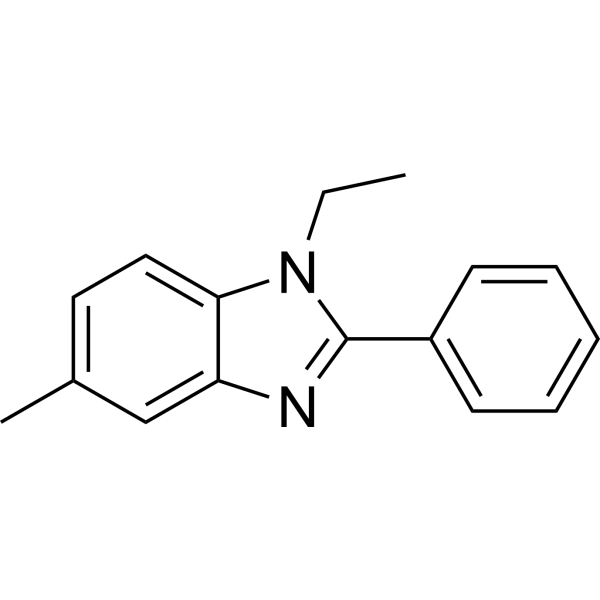
    Dextran sulfate sodium salt (DSS) (MW 35000-45000) is a polymer of dehydrated glucose with a molecular weight of approximately 35000-45000. DSS with different molecular weights exhibits different biological activities. Dextran sulfate sodium salt (DSS) (MW 35000-45000) is a potent inducer of colitis. Dextran sulfate sodium salt (DSS) (MW 35000-45000) can be used to induce model acute colitis, chronic colitis, and colitis-related colon cancer. Dextran sulfate sodium salt (DSS) (MW 35000-45000) may be related to macrophage dysfunction, intestinal flora dysbiosis, and is particularly toxic to the colonic epithelium .
    Dextran sulfate sodium salt (MW 35000-45000)
  • HY-116282
    Dextran sulfate sodium salt (MW 5000)
    5 Publications Verification

    DSS (MW 5000); DXS (MW 5000)

    HIV Complement System Apoptosis Infection Inflammation/Immunology
    Dextran sulfate sodium salt (DSS) (MW 5000) is a polymer of dehydrated glucose with a molecular weight of approximately 5000. Dextran sulfate sodium salt (DSS) with different molecular weights exhibits different biological activities. Dextran sulfate sodium salt (MW 5000) is an inhibitor of complement and coagulation pathways, and belongs to the glycosaminoglycans (GAG) family. Dextran sulfate sodium salt (MW 5000) acts as an anticoagulant, antiviral, and anti-lipemic agent. Dextran sulfate sodium salt (DSS) stops HIV-1 virus adsorption to host cells. Dextran sulfate sodium salt (MW 5000) prevents NK cell-mediated cytotoxicity. Dextran sulfate sodium salt (MW 5000) inhibits instant blood-mediated inflammatory reaction (IBMIR) .
    Dextran sulfate sodium salt (MW 5000)
  • HY-W042416
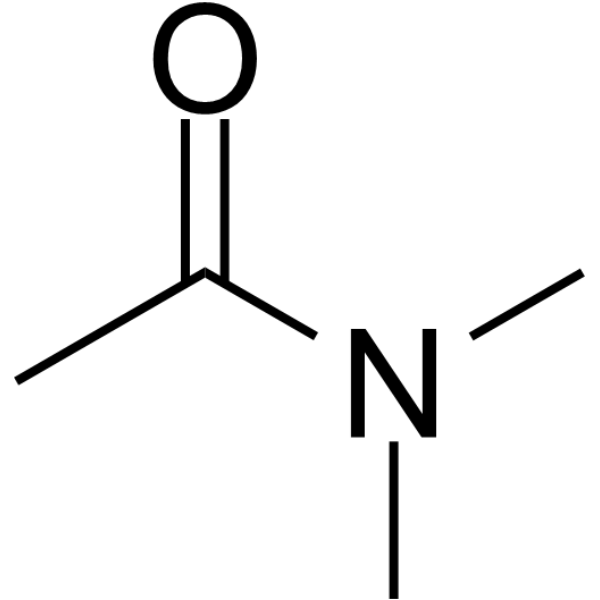
    N,N-Dimethylacetamide
    1 Publications Verification

    DMAc

    NF-κB Neurological Disease Metabolic Disease Inflammation/Immunology
    N,N-Dimethylacetamide (DMAc) is an organic solvent with blood-brain transmissibility and an FDA-approved drug excipient. N, N-dimethylacetamide exerts anti-inflammatory activity by inhibiting the NF-κB signaling pathway. N, N-dimethylacetamide can be used in studies of weight gain caused by a high-fat diet and neuroinflammation in Alzheimer's disease .
    N,N-Dimethylacetamide
  • HY-116282A

    DSS (MW 4500-5500); DXS (MW 4500-5500)

    HIV Apoptosis Complement System Infection Inflammation/Immunology
    Dextran sulfate sodium salt (DSS) (MW 4500-5500) is a polymer of dehydrated glucose with a molecular weight of approximately 4500-5500. Dextran sulfate sodium salt with different molecular weights exhibits different biological activities. Dextran sulfate sodium salt (MW 4500-5500) is an inhibitor of complement and coagulation pathways, and belongs to the glycosaminoglycans (GAG) family. Dextran sulfate sodium salt (MW 4500-5500) acts as an anticoagulant, antiviral, and anti-lipemic agent. Dextran sulfate sodium salt (MW 4500-5500) stops HIV-1 virus adsorption to host cells. Dextran sulfate sodium salt (MW 4500-5500) prevents NK cell-mediated cytotoxicity. Dextran sulfate sodium salt (MW 4500-5500) inhibits instant blood-mediated inflammatory reaction (IBMIR) .
    Dextran sulfate sodium salt (MW 4500-5500)
  • HY-116282D

    DSS (MW 450000-550000); DXS (MW 450000-550000)

    HIV Influenza Virus Others
    Dextran sulfate sodium salt (DSS) (MW 450000-550000) is a polymer of dehydrated glucose with a molecular weight of approximately 450000-550000. Dextran sulfate sodium salt with different molecular weights exhibits different biological activities. Dextran sulfate sodium salt (MW 450000-550000) inhibits replication of HIV-1 and influenza A virus. Dextran sulfate sodium salt (MW 450000-550000) can be formulated as nanoparticles and shows antibacterial activity. Dextran sulfate sodium salt (MW 450000-550000) can be used for functional material preparation .
    Dextran sulfate sodium salt (MW 450000-550000)
  • HY-N0238
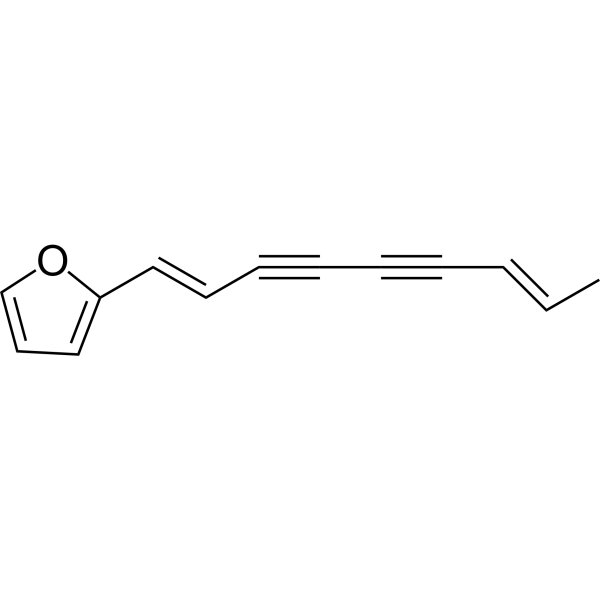
    Atractylodin
    2 Publications Verification

    Atractydin

    Insecticide Infection Inflammation/Immunology
    Atractylodin (Atractydin) is an orally active active ingredient obtained from the rhizome of Atractylodes lancea and A. chinensis. Atractylodin is a natural insecticide. Atractylodin has anti-inflammatory activity .
    Atractylodin
  • HY-N1934

    Potassium Channel HSP Cardiovascular Disease Inflammation/Immunology Cancer
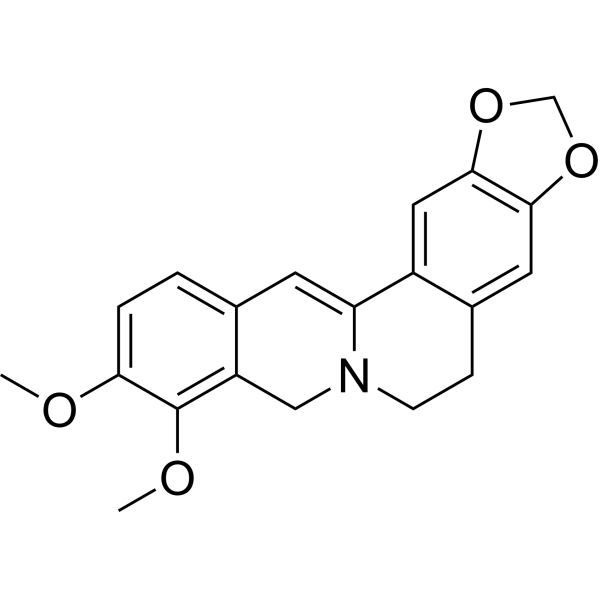
    Dihydroberberine is a naturally occurring isoquinoline alkaloid with anti-inflammatory, anti-atherosclerotic, hypolipidemic and anti-tumor activities. Dihydroberberine inhibits the human ether-related gene (hERG) channel and significantly reduces the expression of heat shock protein 90 (Hsp90) and its interaction with hERG. Dihydroberberine also blocks the TLR4/MyD88/NF-κB signaling pathway to reduce pro-inflammatory cytokines and immunoglobulins, and has inhibitory effects on DSS (HY-116282C)-induced experimental colitis. Dihydroberberine also increases the sensitivity of lung cancer to sunitinib (HY-10255A), with synergistic efficacy .
    Dihydroberberine
  • HY-N0847
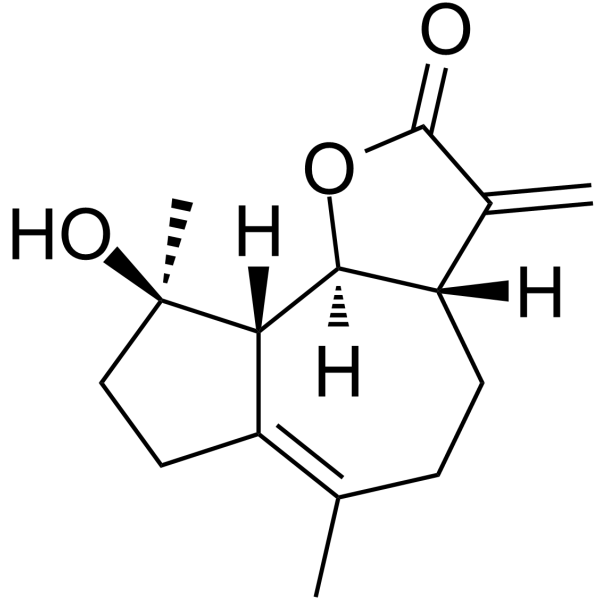
    Micheliolide
    Maximum Cited Publications
    8 Publications Verification

    NF-κB PI3K Akt TGF-beta/Smad Inflammation/Immunology Cancer
    Micheliolide is a sesquiterpene lactone with anti-cancer and anti-inflammatory effects, which is derived from Michelia compressa and Michelia champaca. Micheliolide can attenuate high glucose-stimulated NF-κB activation, IκBα degradation, and the expression of MCP-1, TGF-β1, and FN in mouse mesangial cells. Micheliolide inhibits LPS (HY-D1056)-induced activation of NF-κB and PI3K/Akt/p70S6K pathways to play an anti-inflammatory role. Micheliolide inhibits dextran sodium sulphate (DSS) (HY-116282)-induced inflammatory intestinal disease, colitis-associated cancer and rheumatic arthritis .
    Micheliolide
  • HY-116282B

    DSS (MW 16000-24000); DXS (MW 16000-24000)

    Biochemical Assay Reagents STING Others
    Dextran sulfate sodium salt (DSS) (MW 16000-24000) is a polymer of dehydrated glucose with a molecular weight of approximately 16000-24000. Dextran sulfate sodium salt with different molecular weights exhibits different biological activities. Dextran sulfate sodium salt (MW 16000-24000) induces STING polymerization and TBK1 activation .
    Dextran sulfate sodium salt (MW 16000-24000)
  • HY-Y0850U6

    Polyvinyl alcohol (Mw 205000); Poly(Ethenol) (Mw 205000)

    Biochemical Assay Reagents Infection Inflammation/Immunology
    PVA (Polyvinyl alcohol) (Mw 205000) is a polyvinyl alcohol with a molecular weight of 205000, which is used as a biological additive. PVA (Mw 205000) can be cross-linked through physical or chemical methods to form hydrogels, and is widely applied in fields such as biomedicine, food packaging, textiles, papermaking, sensing, and electronic devices. After PVA enema, it has an improving effect on acute colitis induced by DSS (HY-116282C) in mice .
    PVA (Mw 205000)
  • HY-116282I

    DSS (MW>500000); DXS (MW>500000)

    HSV SARS-CoV Inflammation/Immunology
    Dextran sulfate sodium salt (MW>500000) (DSS (MW>500000)) is a negatively charged sulfated polysaccharide. Dextran sulfate sodium salt has antiviral, antibacterial, anti-inflammatory, antifibrotic, and wound-healing properties. Dextran sulfate sodium salt can be used as an additive in cell culture media for preventing cell aggregation and in cosmetics as a gel-forming agent .
    Dextran sulfate sodium salt (MW>500000)
  • HY-175222

    Toll-like Receptor (TLR) NF-κB Caspase TNF Receptor Interleukin Related Metabolic Disease Inflammation/Immunology
    GlcNAc-MurNAc, a disaccharide, is a TLR4 agonist with a Kd of 383 μM for murine TLR4. GlcNAc-MurNAc directly binds to TLR4 and activates its downstream NF-κB and IRF pathways. GlcNAc-MurNAc improves Dextran sulfate sodium salt (DSS) (HY-116282C)-induced colitis in mice through a TLR4-dependent mechanism. GlcNAc-MurNAc can be used for the study of inflammatory bowel disease .
    GlcNAc-MurNAc
  • HY-163102

    TNF Receptor NF-κB Inflammation/Immunology
    IA-14069 is an orally active tumor necrosis factor-α (TNF-α) inhibitor. IA-14069 binds directly to TNF-α and TNF-α-triggered signaling (p-IκBα and NF-κB p65) activities. Additionally, IA-14069 exerts a suppressive effect on Dextran sodium sulfate (HY-116282C) (DSS)-induced colitis. IA-14069 can be used for the research of Rheumatoid arthritis (RA) and inflammatory bowel disease (IBD) .
    IA-14069
  • HY-N0648
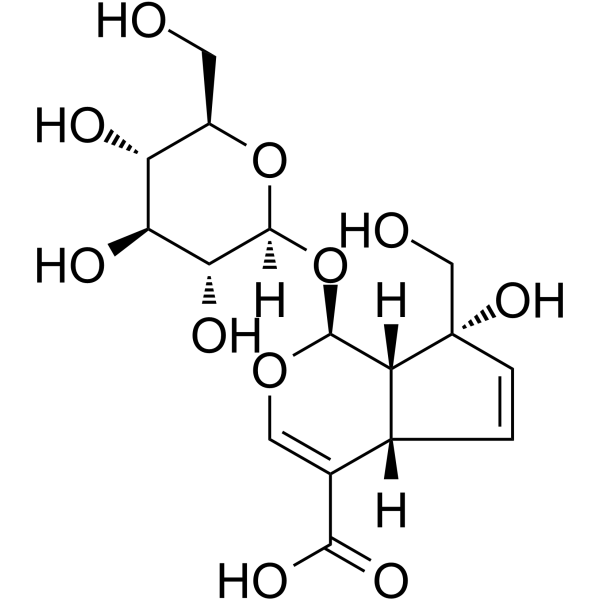
    Monotropein
    2 Publications Verification

    Interleukin Related Keap1-Nrf2 Heme Oxygenase (HO) NF-κB Apoptosis Inflammation/Immunology
    Monotropein is an iridoid glycoside that can be isolated from the roots of Morinda officinalis. Monotropein inhibits the expression of inflammatory mediators in dextran sulfate sodium (DSS)-induced colitis mouse model. Monotropein exerts protective effects against IL-1β-induced apoptosis and catabolic responses on osteoarthritis chondrocytes. Monotropein has cartilage protective activity. Monotropein can alleviate Cisplatin (HY-17394)-induced acute kidney injury by inhibiting oxidative damage, inflammation and apoptosis through activation of Nrf2/HO-1 pathway and inhibition of NF-κB signaling. Monotropein can be studied in research for osteoarthritis, acute kidney injury and acute lung injury .
    Monotropein
  • HY-N0586

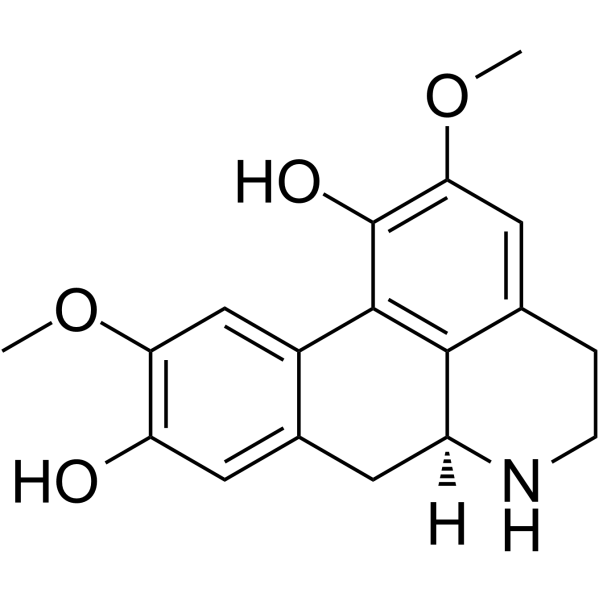
    (+)-Laurelliptine

    Adenosine Receptor Inflammation/Immunology
    Norisoboldine is an orally active natural aryl hydrocarbon receptor (AhR) agonist. Norisoboldine, as a major isoquinoline alkaloid present in Radix Linderae, can be used for the research of Rheumatoid arthritis and Ulcerative colitis .
    Norisoboldine
  • HY-161627

    Pyruvate Carboxylase (PC) NOD-like Receptor (NLR) NF-κB Interleukin Related Inflammation/Immunology
    Anemoside A3-methyl 6-aminohexanoate is an orally effective pyruvate carboxylase (PC) inhibitor with a Kd value of 10.1 μM against human PC. Anemoside A3-methyl 6-aminohexanoate exerts its function through the PC/NF-κB/NLRP3 inflammasome axis. Anemoside A3-methyl 6-aminohexanoate significantly alleviates symptoms of DSS (HY-116282C)-induced colitis in mice. Anemoside A3-methyl 6-aminohexanoate can be used in colitis-related research .
    Anemoside A3-methyl 6-aminohexanoate
  • HY-155998
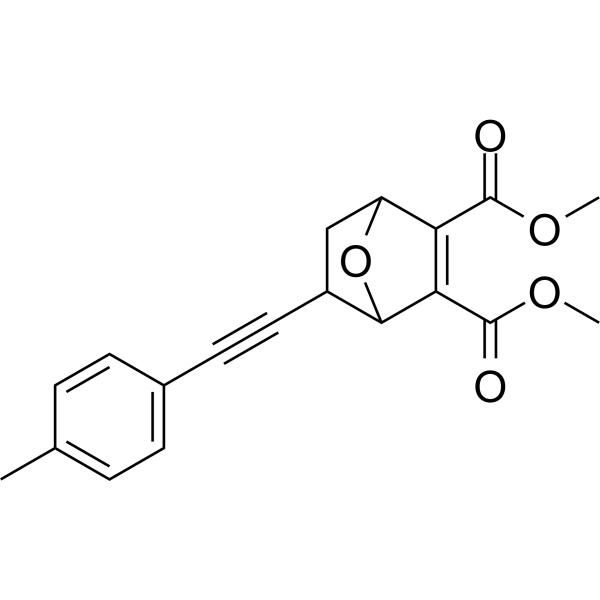
    NF-κB-IN-11
    1 Publications Verification

    NF-κB Inflammation/Immunology
    NF-κB-IN-11 (Compound 3i) is a NF-κB inhibitor. NF-κB-IN-11 inhibits TNF-α induced activation of NF-κB pathway, and inhibits nuclear translocation of NF-κB. NF-κB-IN-11 down-regulates the expression levels of phosphor-IKK, IκBα, and NF-κB p65. NF-κB-IN-11 has anti-inflammatory activity, and alleviates dextran sulfate sodium-induced colitis in mice. NF-κB-IN-11 (p.o.) shows a MTD more than 1852 mg/kg in mice acute toxicity assay .
    NF-κB-IN-11
  • HY-126066

    Drug Isomer NO Synthase NF-κB TNF Receptor Interleukin Related IFNAR COX CD20 CDK Bcl-2 Family Apoptosis Akt p38 MAPK GSK-3 Neurological Disease Inflammation/Immunology Cancer
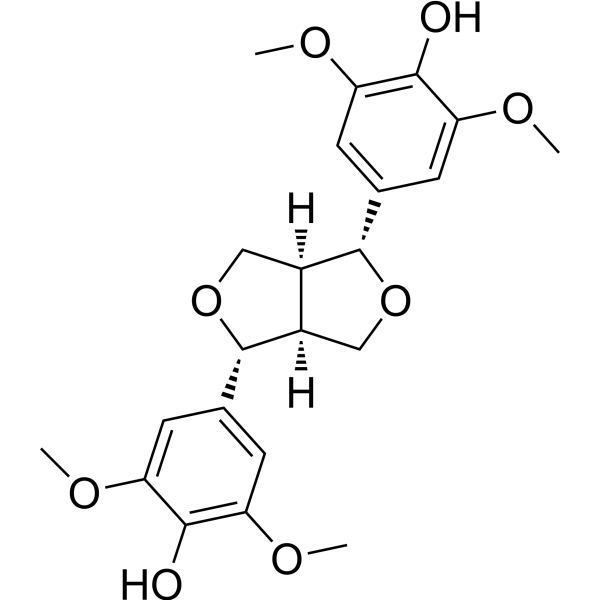
    (-)-Syringaresinol is an orally active isomer of syringaresinol (HY-N8307) found in Annona Montana. (-)-Syringaresinol exhibits antioxidant, anti-inflammatory, and anticancer activities. (-)-Syringaresinol can alleviate ulcerative colitis via the PI3K-Akt/MAPK/Wnt signaling pathway. (-)-Syringaresinol inhibits HL-60 cell proliferation by arresting the G1 phase and inducing apoptosis. (-)-Syringaresinol inhibits LPS (HY-D1056)-induced microglial activation by downregulating the NF-κB p65 signaling pathway and its interaction with ERβ, exerting anti-neuroinflammatory effects .
    (-)-Syringaresinol
  • HY-124686

    STAT Interleukin Related TNF Receptor Inflammation/Immunology
    ER-464195-01 is an orally active calreticulin (CRT) and integrin α subunits (ITGAs) binding inhibitor. ER-464195-01 inhibits leukocyte infiltration and subsequent inflammatory cascade reactions by dissociating the binding between CRT and ITGA. ER-464195-01 down-regulates the expression of pro-inflammatory genes (such as TNF-α, IL-1β, IL-6, IL-17f) induced by DSS (HY-116282C), and inhibit the phosphorylation of STAT3 and the production of serum amyloid A (SAA). ER-464195-01 can be used for the study of inflammatory bowel disease (IBD) .
    ER-464195-01
  • HY-119684

    NOD-like Receptor (NLR) Interleukin Related Neurological Disease Inflammation/Immunology
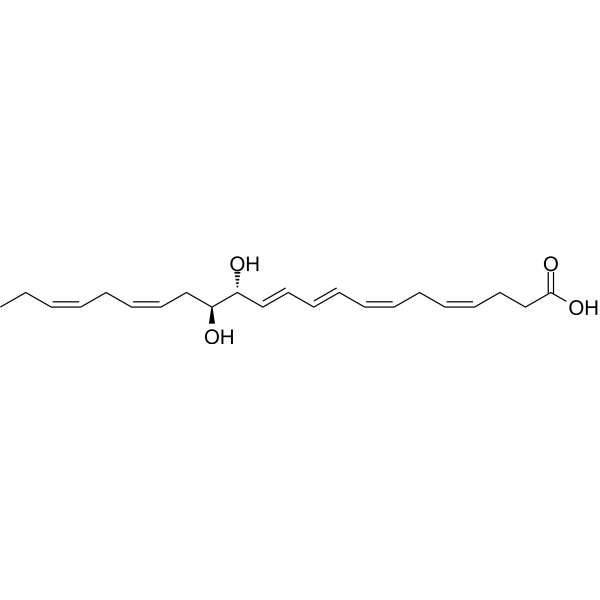
    Maresin 2 is an anti-inflammatory and pro-resolving mediator. Maresin 2 drives intestinal epithelial cell migration by activating the focal cell-matrix adhesion signaling pathway in primary human intestinal epithelial cells, thereby promoting mucosal wound repair. Maresin 2 alleviates nociceptive and anxiety-like behaviors in rats with type 1 diabetes by inhibiting IL-1β in the spinal cord and prefrontal cortex. Maresin 2 attenuates allergic airway inflammation in mice by inhibiting the activation of the NLRP3 inflammasome, Th2-type immune responses, and oxidative stress. Maresin 2 inhibits inflammatory and neuropathic trigeminal neuralgia and reduces neuronal activation in the trigeminal ganglion. Maresin 2 promotes inflammation resolution and mucosal repair after DSS-induced colitis or biopsy-induced colonic mucosal injury .
    Maresin 2
  • HY-106275

    Fibrin-derived peptide Bβ15-42

    Flavivirus Dengue Virus Cardiovascular Disease
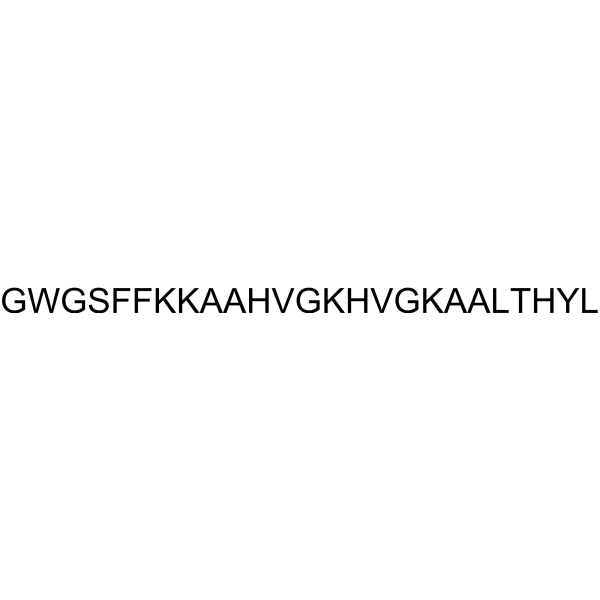
    FX-06 (Fibrin-derived peptide Bβ15-42) is a fibrin Bbeta chain-derived peptide. FX-06 binds to VE-cadherin and inhibits leukocyte transmigration and initiates VE-cadherin-mediated signaling. FX-06 can be used in the research of ischemia/reperfusion injury, Dengue shock syndrome (DSS) .
    FX-06
  • HY-178761

    Phosphoglycerate Kinase (PGK) Keap1-Nrf2 Heme Oxygenase (HO) Interleukin Related Inflammation/Immunology
    PGK1-IN-1 (Compound 6e) is a potent and selective PGK1 inhibitor (IC50: 33 nM). PGK1-IN-1 inhibits PGK1-mediated glycolytic metabolism and reduces glucose consumption/lactate production. PGK1-IN-1 enhances Nrf2 accumulation and HO-1 expression, and suppresses the transcription and protein levels of the inflammatory cytokines IL-1β and IL-6. PGK1-IN-1 ameliorates Dextran sulfate sodium (DSS) (HY-116282C)-induced experimental colitis in mice. PGK1-IN-1 can be used for research of inflammatory bowel disease (IBD) .
    PGK1-IN-1
  • HY-108622

    Daxalipram

    Phosphodiesterase (PDE) Interleukin Related IFNAR Inflammation/Immunology
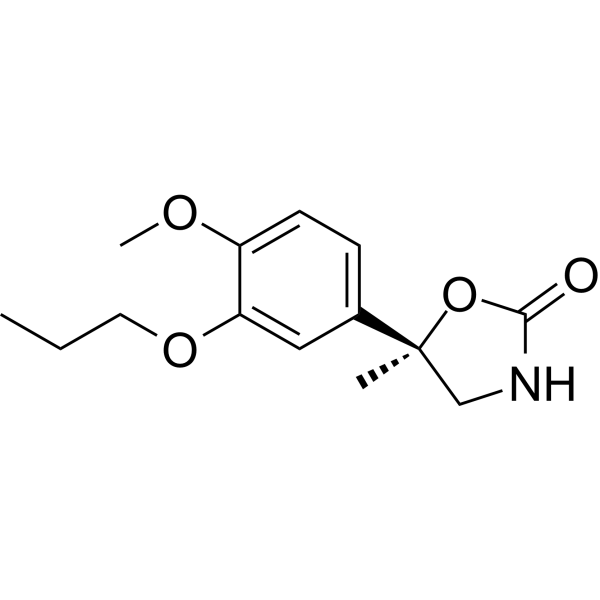
    Mesopram (Daxalipram) is an orally active phosphodiesterase (PDE) 4 inhibitor. Mesopram inhibits the synthesis of proinflammatory cytokines TNF-α and IFN-γ. Mesopram demonstrates efficacy in ameliorating Dextran sulfate sodium (DSS) (HY-116282C)-induced murine colitis. Mesopram can be used for the study of chronic inflammatory diseases .
    Mesopram
  • HY-N0586A

    (+)-Laurelliptine hydrochloride

    Adenosine Receptor Inflammation/Immunology
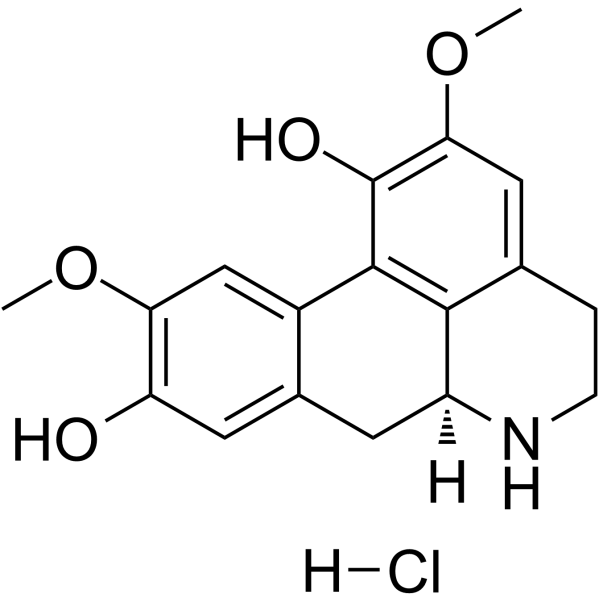
    Norisoboldine hydrochloride is an orally active natural aryl hydrocarbon receptor (AhR) agonist. Norisoboldine hydrochloride, as a major isoquinoline alkaloid present in Radix Linderae, can be used for the research of Rheumatoid arthritis and Ulcerative colitis .
    Norisoboldine hydrochloride
  • HY-151252

    Proteasome NOD-like Receptor (NLR) Inflammation/Immunology
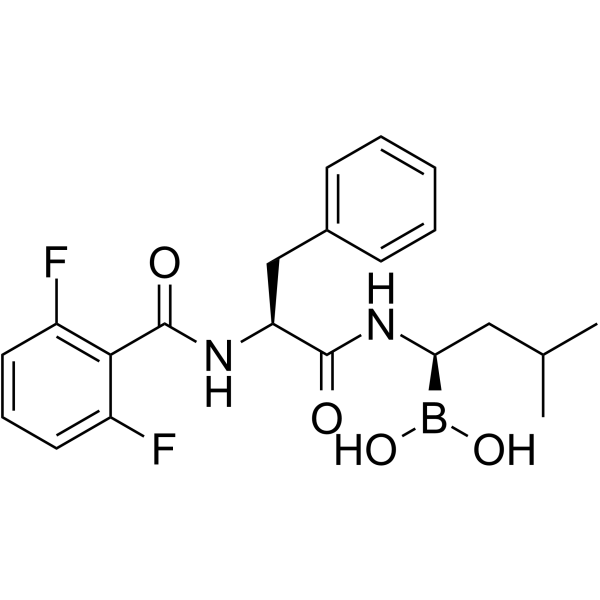
    NIC-0102 is an orally active proteasome inhibitor (pIC50=7.55) that specifically inhibits NLRP3 inflammatory vesicle activation. NIC-0102 shows potent anti-inflammatory effects in a model of dextran sulfate sodium (DSS)-induced ulcerative colitis. NIC-0102 also inhibits production of pro-IL-1β .
    NIC-0102
  • HY-170522

    HIF/HIF Prolyl-Hydroxylase Inflammation/Immunology
    ISM012-042 is an orally active PHD1 and PHD2 inhibitor with IC50 values of 1.9 and 2.5 nM, respectively. ISM012-042 (2.5 μM) can protect Caco-2 cells from DSS-induced barrier disruption. In lipopolysaccharide (LPS)-induced mouse bone marrow-derived dendritic cells (BMDC), ISM012-042 has anti-inflammatory effects and can dose-dependently reduce the expression of IL-12 subunit IL-12p35 and TNF. ISM012-042 restores intestinal barrier function and alleviates intestinal inflammation in various experimental colitis models. ISM012-042 can be used for intestinal mucosal repair and research into immune diseases .
    ISM012-042
  • HY-162661

    P2Y Receptor Inflammation/Immunology
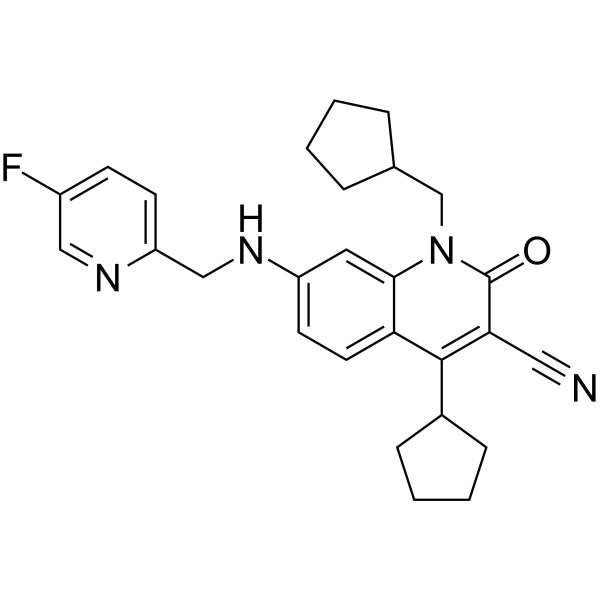
    P2Y14R antagonist 2 (compound 39) is a potent, selective and orally active P2Y14R antagonist with an IC50 value of 0.40 nM. P2Y14R antagonist 2 shows anti-inflammatory activity. P2Y14R antagonist 2 has the potential for the research of colitis .
    P2Y14R antagonist 2
  • HY-119973

    15-PGDH Inflammation/Immunology
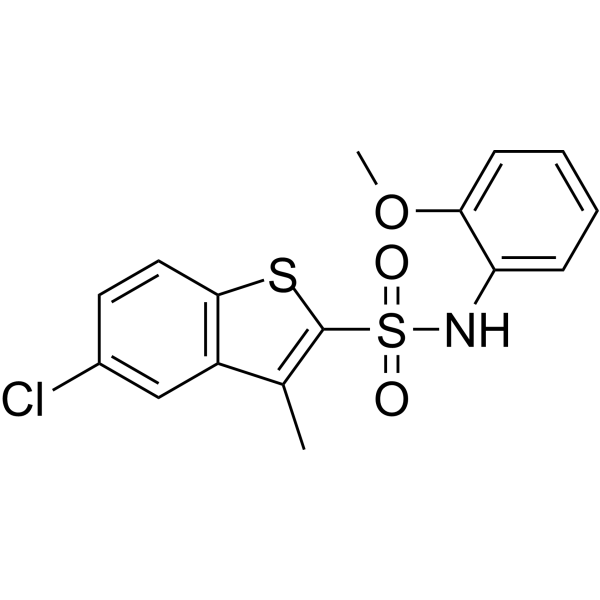
    CAY10397 is a selective and orally active 15-hydroxyprostaglandin dehydrogenase (15-PGDH) inhibitor. CAY10397 can inhibit 15-PGDH-dependent endogenous metabolite production. CAY10397 blocks the selenium-dependent protective in inflammation. CAY10397 can be used for the research of colitis .
    CAY10397
  • HY-156025

    Hydroxycarboxylic Acid Receptor (HCAR) Inflammation/Immunology
    HCAR2 agonist 1 (Compound 9n) is a Gi protein-biased allosteric modulator of HCAR2. HCAR2 agonist 1 activates the Gi protein signaling pathway. HCAR2 agonist 1 shows anti-inflammatory effect, and reduces mRNA level of pro-inflammatory cytokine (TNF-α, IL-1β, IL-6, and MCP-1). HCAR2 agonist 1 enhances anti-inflammatory effects of orthosteric agonists in the mouse model of colitis .
    HCAR2 agonist 1
  • HY-157939

    EBI2/GPR183 Inflammation/Immunology
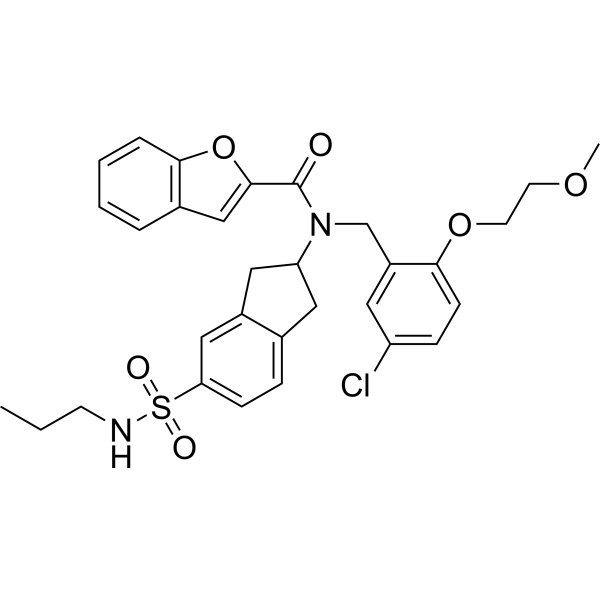
    GPR183 antagonist-3 (compound 33) is an oral active GPR183 antagonist with the IC50 of 8.7 μM. GPR183 antagonist-3 displays strong in vitro antimigration and anti-inflammatory activity in monocytes, and improves the pathological symptoms of DSS-induced experimental colitis .
    GPR183 antagonist-3
  • HY-158404

    METTL3 Inflammation/Immunology
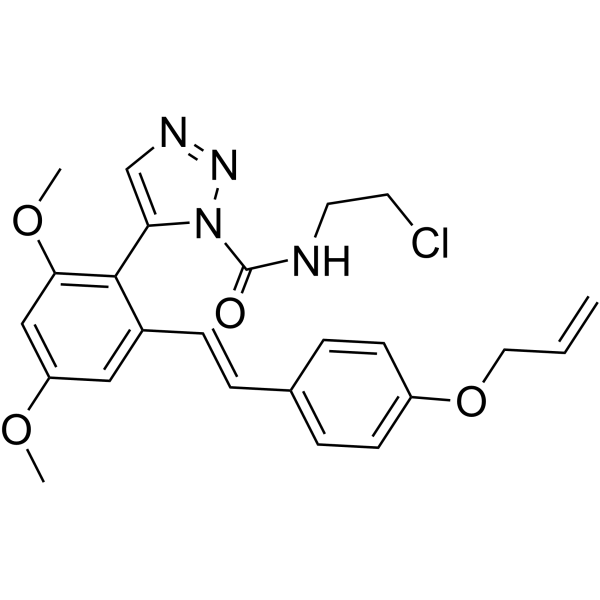
    METTL3-IN-8 (F039-0002) is a potent METTL3 inhibitor. METTL3-IN-8 strongly ameliorates Dextran sulfate sodium salt (DSS) (HY-116282C)-induced colitis. METTL3-IN-8 can be used Inflammatory bowel disease (IBD) research .
    METTL3-IN-8
  • HY-168328

    NF-κB Interleukin Related Inflammation/Immunology
    FKK6 is a selective agonist for pregnane X receptor (PXR) with an EC50 of 1.2 µM. FKK6 exhibits good affinity with plasma proteins, and good metabolic metabolism in human microsomes. FKK6 inhibits PXR-related NF-κB signaling pathway, inhibits the expression of inflammatory factors, and exhibits anti-inflammatory activity against DSS (HY-116282)-induced colitis in mouse model .
    FKK6
  • HY-162588

    NOD-like Receptor (NLR) ATTECs Autophagy Inflammation/Immunology
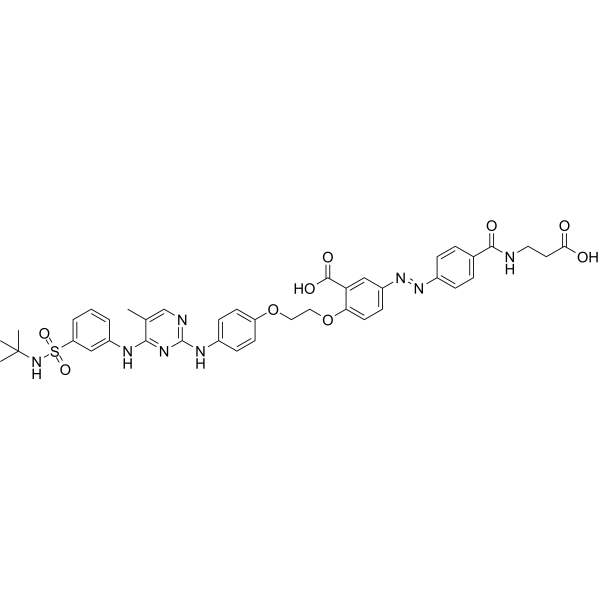
    MC-ND-18 is an ATTEC degrader that degrades NLRP3 via the Autophagy pathway, with a DC50 of 125.5 nM in THP-1 cells. MC-ND-18 exhibits anti-inflammatory activity in a DSS-induced mouse model of colitis. MC-ND-18 can be used for research on inflammatory bowel disease. MC-ND-18 consists of an NLRP3 inhibitor (HY-156121), a linker (HY-W018745), and an LC3 ligand .
    MC-ND-18
  • HY-116282H

    DSS (MW 9000-20000); DXS (MW 9000-20000)

    Biochemical Assay Reagents Inflammation/Immunology
    Dextran sulfate sodium salt (DSS) (MW 9000-20000) is a polymer of dehydrated glucose with a molecular weight of approximately 9000-20000. Dextran sulfate sodium salt with different molecular weights exhibits different biological activities. Dextran sulfate sodium salt (MW 9000-20000) is a biocompatible and biodegradable biochemical reagent and can be used for pharmaceutical and biomedical applications .
    Dextran sulfate sodium salt (MW 9000-20000)
  • HY-116282W

    DSS (MW 6500-10000); DXS (MW 6500-10000)

    HIV Inflammation/Immunology
    Dextran sulfate sodium salt (DSS) (MW 6500-10000) is a polymer of dehydrated glucose with a molecular weight of approximately 5000. Dextran sulfate sodium salt with different molecular weights exhibits different biological activities. Dextran sulfate sodium salt (MW 6500-10000) has antiviral activity against HIV-1 and HIV-2. Dextran sulfate sodium salt (MW 6500-10000) blocks the binding of virions to CD4 T lymphocytes and inhibits syncytia formation. Dextran sulfate sodium salt (MW 6500-10000) also prevents experimental urolithiasis due to its cytoprotective actions. Moreover, because of its biocompatible and highly charged properties, Dextran sulfate sodium salt (MW 6500-10000) is a suitable choice for pharmaceutical systems .
    Dextran sulfate sodium salt (MW 6500-10000)
  • HY-161343

    P2Y Receptor Necroptosis Inflammation/Immunology
    HDL-16 is a potent P2Y14R antagonist with an IC50 of 0.3095 nM. HDL-16 ameliorates DSS (HY-116282C)-induced colitis through suppressing necroptosis of intestinal epithelium cells (IECs) and protecting mucosal barrier function .
    HDL-16
  • HY-155181

    Carboxylesterase (CES) Cancer
    CES2-IN-1 (Compound 24) is a reversible and selective CES2 inhibitor (IC50: 6.72 μM for human CES2). CES2-IN-1 reduces the level of CES2 in living cells. CES2-IN-1 is effective against Irinotecan (HY-16562)-induced delayed diarrhea and DSS-induced ulcerative colitis .
    CES2-IN-1
  • HY-111662

    NOD-like Receptor (NLR) Inflammation/Immunology
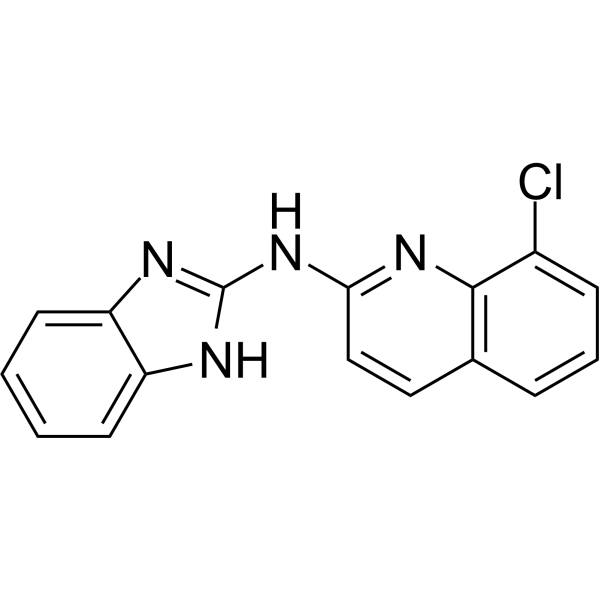
    Fc 11a-2, a benzimidazole compound, is an orally active and potent NLRP3 inflammasome inhibitor. Fc 11a-2 restrains the formation of NLRP3 inflammasome by inhibiting activation of caspase-1 and thus the activation of IL-1b/IL-18. Fc 11a-2 prevents the development of Dextran sulfate sodium (DSS; HY-116282C)-induced murine experimental colitis .
    Fc 11a-2
  • HY-P5641
    Pleurocidin
    1 Publications Verification

    Bacterial p38 MAPK NF-κB NADH Dehydrogenase Antibiotic Infection Inflammation/Immunology
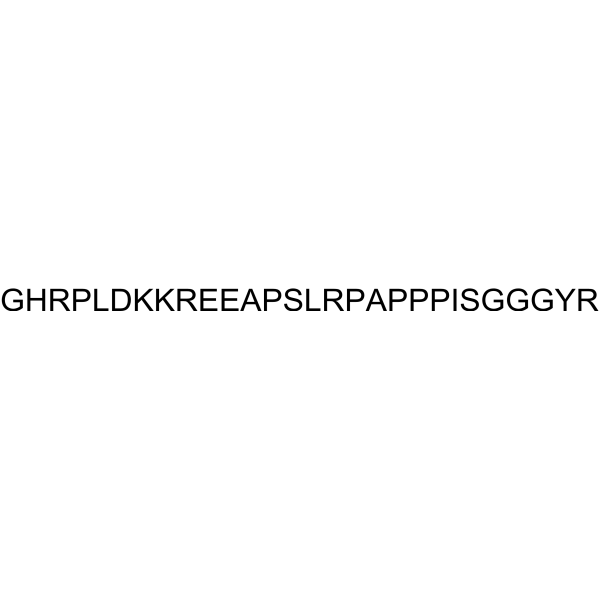
    Pleurocidin is an Antimicrobial peptide. Pleurocidin is derived from the skin mucosa or intestinal secretions of Pseudopleuronectes americanus. Pleurocidin inhibits the expression of key proteins in the MAPK and NF-κB inflammatory signaling pathways. Pleurocidin alters serum inflammatory and immune cytokine levels, regulates the down-regulation of tight junction proteins, and modulates the intestinal flora. Pleurocidin exerts antibacterial activity by inducing bacterial membrane damage, hydroxyl radical formation, and NADH depletion, and also produces a synergistic effect with Antibiotics. Pleurocidin alleviates DSS-induced ulcerative colitis. Pleurocidin can be used for research on ulcerative colitis, bacterial infections, and bacterial biofilm-related infections .
    Pleurocidin
  • HY-N0238R

    Atractydin (Standard)

    Reference Standards Others Infection Inflammation/Immunology
    Atractylodin (Standard) is the analytical standard of Atractylodin. This product is intended for research and analytical applications. Atractylodin (Atractydin) is an orally active active ingredient obtained from the rhizome of Atractylodes lancea and A. chinensis. Atractylodin is a natural insecticide. Atractylodin has anti-inflammatory activity .
    Atractylodin (Standard)
  • HY-149365

    Salt-inducible Kinase (SIK) Inflammation/Immunology
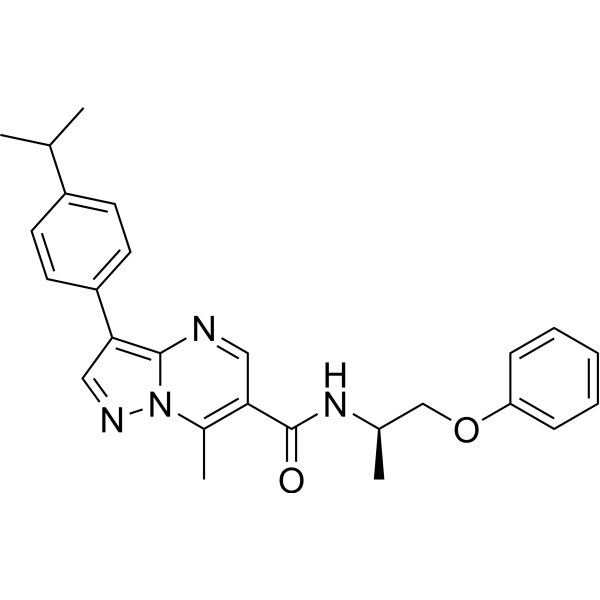
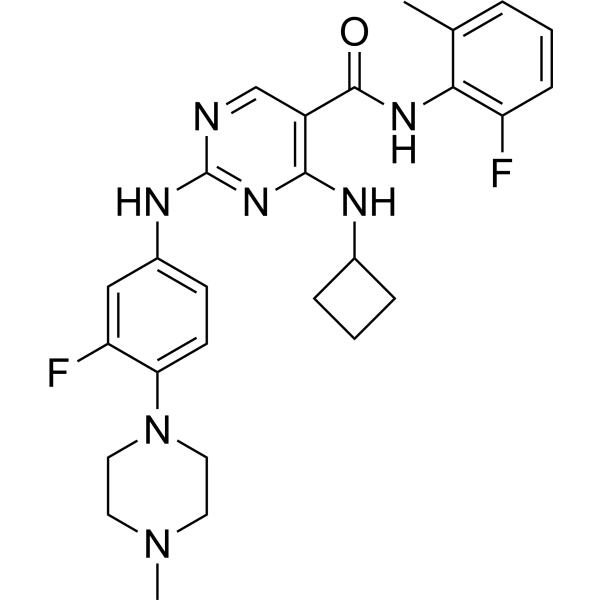
    SIKs-IN-1 (compound 8h), a pyrimidine-5-carboxamide derivative, is a Salt-inducible kinases (SIKs) inhibitor. SIKs regulates the transformation of M1/M2 macrophages, involving in inflammation process. SIKs-IN-1 inhibits SIK activity, up-regulates anti-inflammatory cytokine IL-10, but down-regulates pro-inflammatory cytokine IL-12. SIKs-IN-1 shows excellent anti-inflammatory effects in a DSS-induced colitis model .
    SIKs-IN-1
  • HY-P10966A

    IKK NF-κB Inflammation/Immunology
    Tat-IKIP (46-60) TFA is the trifluoroacetic acid of Tat-IKIP (46-60) (HY-P10966). Tat-IKIP (46-60) is a IκB kinase (IKK)-targeting membrane-penetrating peptide. Tat-IKIP (46-60) inhibits IKK activation and NF-κB targeted gene expression by disrupting the IKKβ/NEMO complex. Tat-IKIP (46-60) significantly reduces DSS (HY-116282)-induced acute inflammation in inflammatory bowel disease (IBD) mice model and attenuates Zymosan-induced acute arthritis in acute arthritis model (AAM). Tat-IKIP (46-60) can be used for inflammatory diseases research, such as IBD, pancreatitis and rheumatoid arthritis .
    Tat-IKIP (46-60) TFA
  • HY-123115

    5-O-α-D-Glucopyranosyl-D-fructose

    JAK STAT TNF Receptor Interleukin Related Metabolic Disease Inflammation/Immunology
    Leucrose (5-O-α-D-Glucopyranosyl-D-fructose) is an orally active Sucrose (HY-B1779) isomer naturally found in pollen and honey. Leucrose promotes phosphorylation of JAK1 and STAT6, reduces pro-inflammatory mediators and cytokinesas (TNFα, and IL-1β), increases M2 macrophage polarization and suppresses DSS (HY-116282C)-induced colitis. Leucrose suppresses hepatic triglyceride accumulation, improves fasting blood glucose levels, and regulates hepatic lipogenesis and fatty acid β-oxidation in high-fat diet-induced obese mice. Leucrose is slowly hydrolyzed into glucose and fructose by α-glucosidase and acts as as a sugar substitute in diet .
    Leucrose
  • HY-N1934R

    Reference Standards Potassium Channel HSP Cardiovascular Disease Inflammation/Immunology Cancer
    Dihydroberberine (Standard) is the analytical standard of Dihydroberberine. This product is intended for research and analytical applications. Dihydroberberine is a naturally occurring isoquinoline alkaloid with anti-inflammatory, anti-atherosclerotic, hypolipidemic and anti-tumor activities. Dihydroberberine inhibits the human ether-related gene (hERG) channel and significantly reduces the expression of heat shock protein 90 (Hsp90) and its interaction with hERG. Dihydroberberine also blocks the TLR4/MyD88/NF-κB signaling pathway to reduce pro-inflammatory cytokines and immunoglobulins, and has inhibitory effects on DSS (HY-116282C)-induced experimental colitis. Dihydroberberine also increases the sensitivity of lung cancer to sunitinib (HY-10255A), with synergistic efficacy .
    Dihydroberberine (Standard)
  • HY-147387

    CDK Amyloid-β Inflammation/Immunology
    DSS30 is a P25/CDK5 inhibitor that reduces β-amyloid (Aβ) secretion by inhibiting amyloid precursor protein lyase 1 (BACEl) phosphorylation. DSS30 can be used in the study of neurodegenerative diseases such as Alzheimer's disease .
    DSS30
  • HY-158403

    METTL3 Inflammation/Immunology
    METTL3-IN-7 (7460-0250) is a potent METTL3 inhibitor. METTL3-IN-7 strongly ameliorates Dextran sulfate sodium salt (DSS) (HY-116282C)-induced colitis. METTL3-IN-7 can be used Inflammatory bowel disease (IBD) research .
    METTL3-IN-7
  • HY-N0586R

    (+)-Laurelliptine (Standard)

    Reference Standards Adenosine Receptor Inflammation/Immunology
    Norisoboldine (Standard) is the analytical standard of Norisoboldine. This product is intended for research and analytical applications. Norisoboldine is an orally active natural aryl hydrocarbon receptor (AhR) agonist. Norisoboldine, as a major isoquinoline alkaloid present in Radix Linderae, can be used for the research of Rheumatoid arthritis and Ulcerative colitis .
    Norisoboldine (Standard)
  • HY-P990164

    Transmembrane Glycoprotein Inflammation/Immunology Cancer
    Anti-Mouse RGMb Antibody (307.9D1) is a rat-derived IgG2a κ type antibody inhibitor, targeting to mouse RGMb. Anti-Mouse RGMb Antibody (307.9D1) blocks RGMb binding to PD-L2. Anti-Mouse RGMb Antibody (307.9D1) can be used for the researches of cancer inflammation and immunology, such as acute myeloid leukemia (AML) and graft versus-host disease (GVHD) .
    Anti-Mouse RGMb Antibody (307.9D1)
  • HY-161620

    IRAK Inflammation/Immunology
    DW18134 is an inhibitor for interleukin receptor-associated kinase 4 (IRAK 4) with an IC50 of 11.2 nM. DW18134 inhibits phosphorylation of IRAK4 and IKK, downregulates the secretion of TNF-α and IL-6. DW18134 attenuates the Lipopolysaccharides (HY-D1056)-induced peritonitis and DSS-induced colitis in mouse models, and protects the intestinal barrier function .
    DW18134
  • HY-164670

    p38 MAPK MyD88 Inflammation/Immunology
    D228 is an orally active antiinflammatory agent. D228 reduces ConA induced T lymphocyte cell proliferation (IC50: 42.85 μM) and LPS induced B lymphocyte cell proliferation (IC50: 3.15 μM). D228 is effective against inflammatory bowel disease (IBD). D228 alleviates the DSS (HY-116282C)-induced inflammation response in the IBD model by downregulating the MyD88/TRAF6/p38 signaling .
    D228

Online-Anfrage

Your information is safe with us. * Required Fields.

Anrede


Country or Region *

Name des Antragstellers *


Name der Organisation *

Department *


E-Mail-Addresse *


Produktname *

Art. -Nr.


Requested quantity *

Telefonnummer *


Bemerkungen

Online-Anfrage

Inquiry Information

Produktname:
Art. -Nr.:
Menge:
MCE Japan Authorized Agent: