1. Search Result
Search Result
Results for "

HepG2 tumors

" in MedChemExpress (MCE) Product Catalog:

76

Inhibitors & Agonists

1

Fluorescent Dyes

1

Biochemical Assay Reagents

5

Peptides

1

Inhibitory Antibodies

15

Natural
Products

1

Click Chemistry

2

Oligonucleotides

Cat. No. Product Name Target Research Areas Chemical Structure
  • HY-178018

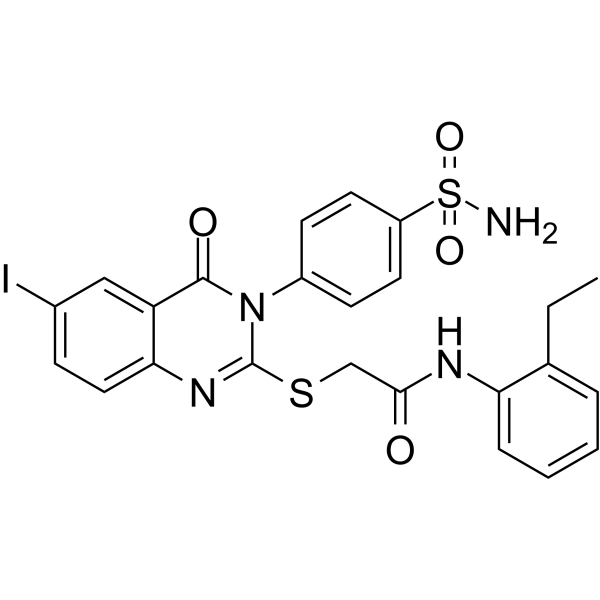
    iOXCT1

    Mitochondrial Metabolism Cancer
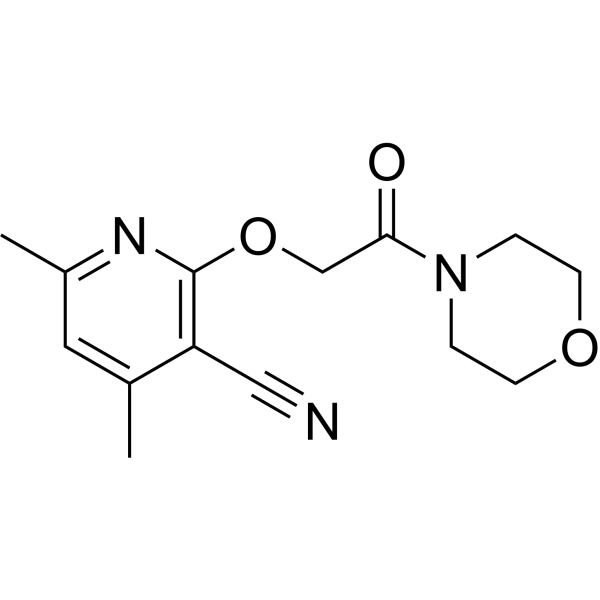
    D574-0246 is a dual-activity inhibitor of OXCT1, inhibiting both the ketolytic and succinyltransferase activities of OXCT1. D574-0246 reduces substrate-specific (LACTB K284) and global protein succinylation and decreases OXCT1 ketolytic activity in HepG2 cells. D574-0246 inhibits the viability of HCC cells (IC50: 16.49 μM in PLC cells, 6.656 μM in HepG2 cells). D574-0246 exerts anti-tumor efficacy in nude mice bearing OXCT1-overexpressing HepG2 xenograft tumors. D574-0246 can be used for the study of hepatocellular carcinoma (HCC) .
    D574-0246
  • HY-W440911

    Liposome Fluorescent Dye Cancer
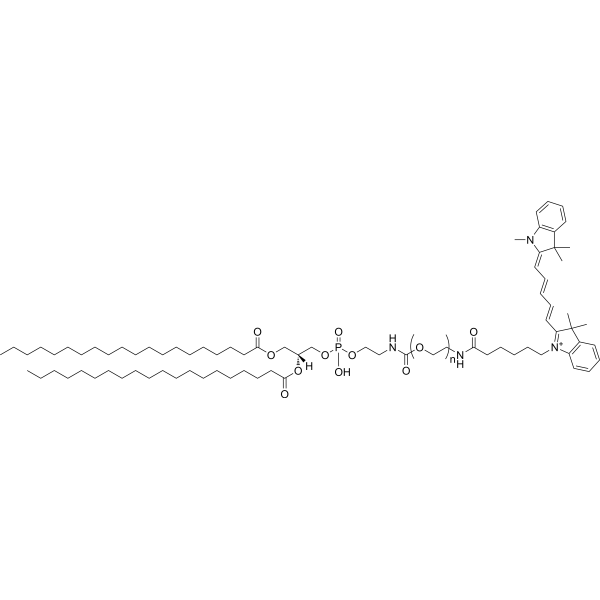
    DSPE-PEG2000-Cy5 is a Cy5 (HY-D0821) fluorophore-labeled conjugate of distearoylphosphatidylethanolamine and polyethylene glycol, as well as a liposome component. The Cy5 fluorophore is commonly used for labeling proteins and nucleic acids in imaging, flow cytometry and genomic applications. DSPE-PEG2000-Cy5 supports cell membrane modification, in vivo tumor targeting research and long-term in vivo circulation of its liposomal formulations (Ex/Em=633/670 nm) .
    DSPE-PEG2000-Cy5
  • HY-N8439

    Phx-3

    HSP Bacterial Antibiotic Infection Cancer
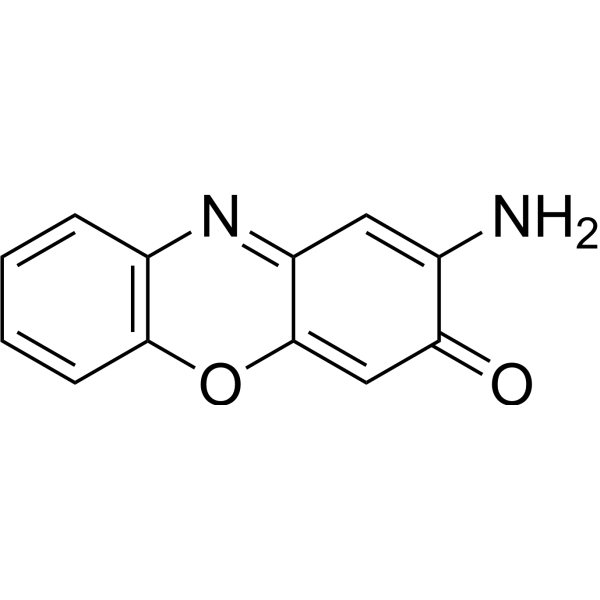
    Questiomycin A (Phx-3) is a GRP78 (cytoprotective endoplasmic reticulum chaperone) degrader and enhances the anticancer activity of Sorafenib. Questiomycin A is also an antimicrobial/antibiotic that can be obtained from the metabolite of Pseudomonas chlororaphis HT66. Questiomycin A can be used in research on biological control of cancer and plant diseases .
    Questiomycin A
  • HY-P11099

    Transferrin Receptor Neurological Disease Cancer
    Cys-LT7 is a transferrin receptor (TfR)-targeting peptide ligand. Cys-LT7 binds to a TfR site distinct from endogenous transferrin, mediates conjugated Doxorubicin (HY-15142A) delivery to TfR-overexpressed tumor cells, and exhibits low toxicity to TfR-low-expressed normal cells. Cys-LT7 is an L-configuration peptide susceptible to proteolytic enzymes, leading to poor biostability in peptide-drug conjugates. Cys-LT7 can be used for the research of glioblastoma, hepatocellular carcinoma, lung carcinoma .
    Cys-LT7
  • HY-N4314
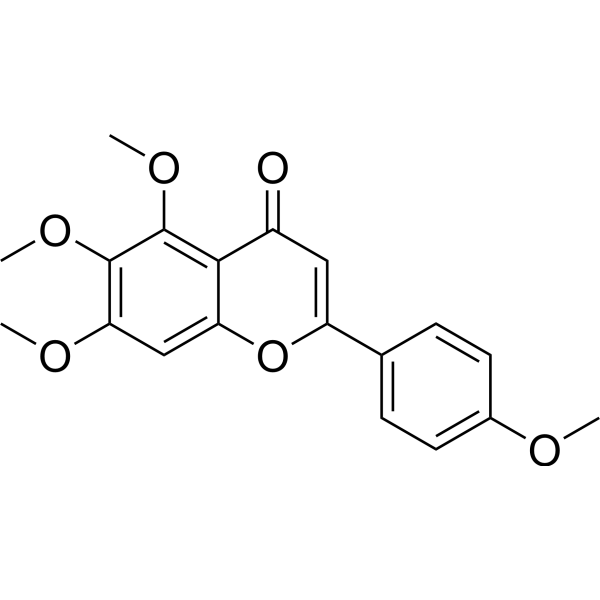
    Scutellarein tetramethyl ether
    4 Publications Verification

    4',5,6,7-Tetramethoxyflavone

    Bacterial COX NO Synthase NF-κB Infection Inflammation/Immunology Cancer
    Scutellarein tetramethyl ether (4',5,6,7-Tetramethoxyflavone) is a bioactive compound extracted from Eupatorium odoratum. Scutellarein tetramethyl ether exhibits anti-inflammatory, antibacterial, pro-coagulant, and anti-tumor activities. Scutellarein tetramethyl ether exerts its anti-inflammatory effects by modulating the NF-κB pathway and regulates bacterial resistance through the inhibition of efflux pumps. Additionally, Scutellarein tetramethyl ether accelerates coagulation time via the endogenous coagulation pathway. Studies have shown that Scutellarein tetramethyl ether can effectively inhibit the growth of the liver cancer cell line HepG2 (IC50= 20.08 μg/mL) .
    Scutellarein tetramethyl ether
  • HY-137605

    Transmembrane Glycoprotein Cancer
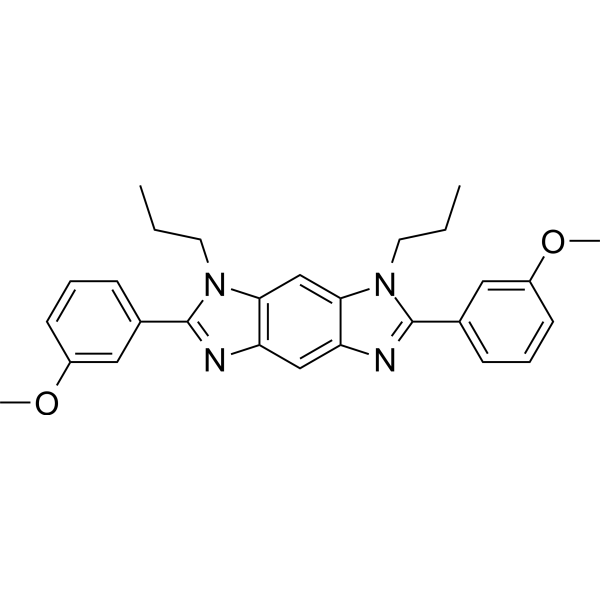
    WSF1-IN-1 (compound 136), an orally active WSF1 inhibitor, can be used in the study for WSF1 (Wolfram syndrome) related tumors, with IC50 values of 0.33 μM and >27 μM in HepG2 parental and HepG2 WFS1 KO cell lines, respectively .
    WSF1-IN-1
  • HY-174830

    PD-1/PD-L1 Cancer
    GJ19 is a PD-L1 inhibitor with an IC50 of 32.06 nM. GJ19 can effectively bind to human/murine PD-L1 protein with Kd values of 171 and 290 nM, respectively. GJ19 concentration-dependently promotes HepG2 cell mortality in a co-culture model of HepG2/hPD-L1 and Jurkat T/hPD-1 cells. GJ19 effectively suppresses tumor growth in a B16-F10 melanoma mouse model. GJ19 can be used for the study of tumor immunotherapy .
    GJ19
  • HY-150538
    STAT3-IN-12
    1 Publications Verification

    STAT Apoptosis Cancer
    STAT3-IN-12 is a potent STAT3 signal inhibitor that can inhibit IL-6 induced JAK/STAT3 signalling pathway activation. STAT3-IN-12 inhibits cancer cell growth, migration, and induce cell apoptosis as well as cycle arrest. STAT3-IN-12 can be used in cancer-related research, such as hepatocellular carcinoma (HCC) and oesophageal carcinoma .
    STAT3-IN-12
  • HY-W011434

    TGIC

    MDM-2/p53 Apoptosis Inflammation/Immunology Cancer
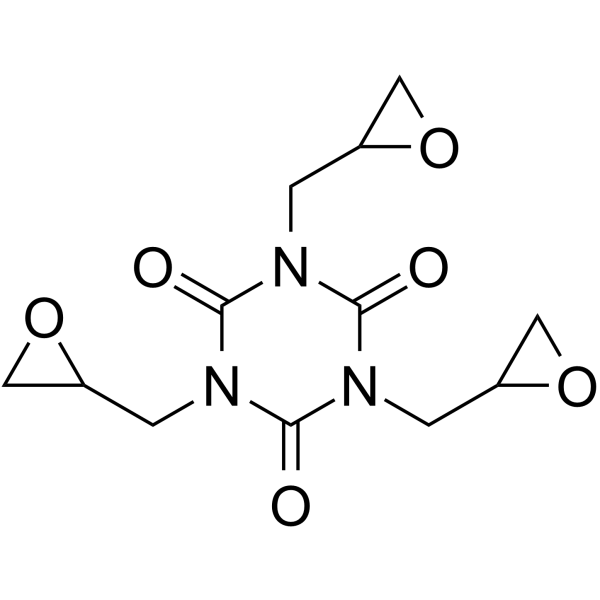
    Triglycidyl isocyanurate (TGIC; Teroxirone) is a triazene triepoxide with antiangiogenic and antineoplastic activities. Triglycidyl isocyanurate inhibits the growth of non-small-cell-lung cancer cells via?p53 activation. Triglycidyl isocyanurate induces cell apoptosis. Triglycidyl isocyanurate can be used for cancer research .
    Triglycidyl isocyanurate
  • HY-163502

    PROTACs STAT Cancer
    PROTAC STAT3 degrader-3 is a STAT3 PROTAC degrader. PROTAC STAT3 degrader-3 recruits the E3 ubiquitin ligase CRBN and induces the degradation of STAT3 protein. PROTAC STAT3 degrader-3 inhibits the proliferation of malignant tumor cells. PROTAC STAT3 degrader-3 can be used for the research of non-small cell lung cancer and liver cancer .
    PROTAC STAT3 degrader-3
  • HY-158196

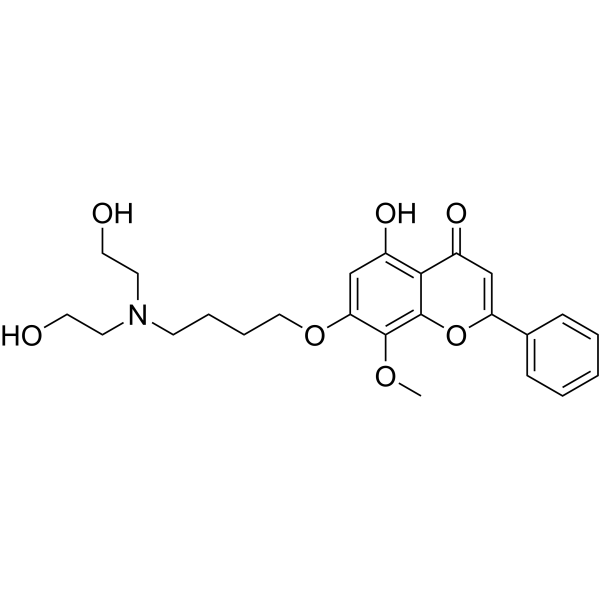
    PERK Apoptosis Cancer
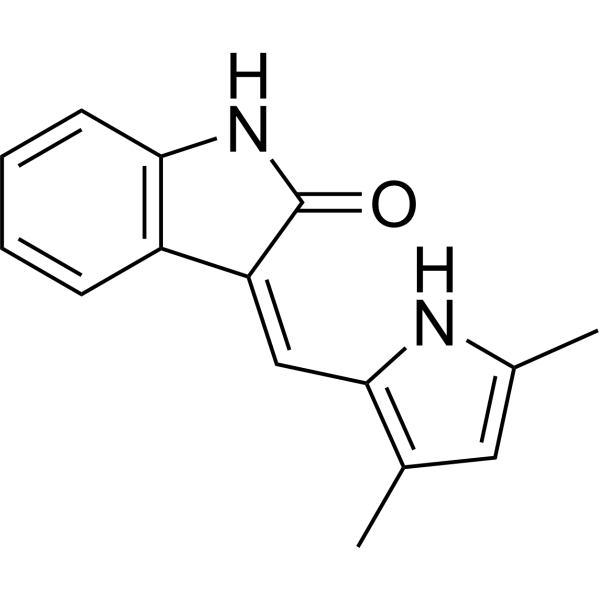
    PERK/eIF2α activator 1 (compound V8) is a flavonoid with an anti-tumor activity. PERK/eIF2α activator 1 induces apoptosis and activates the PERK-eIF2α-ATF4 pathway. PERK/eIF2α activator 1 inhibits HepG2 cell proliferation with an IC50 value of 23 μM .
    PERK/eIF2α activator 1
  • HY-175208

    Hippo (MST) Caspase Bcl-2 Family Apoptosis Cancer
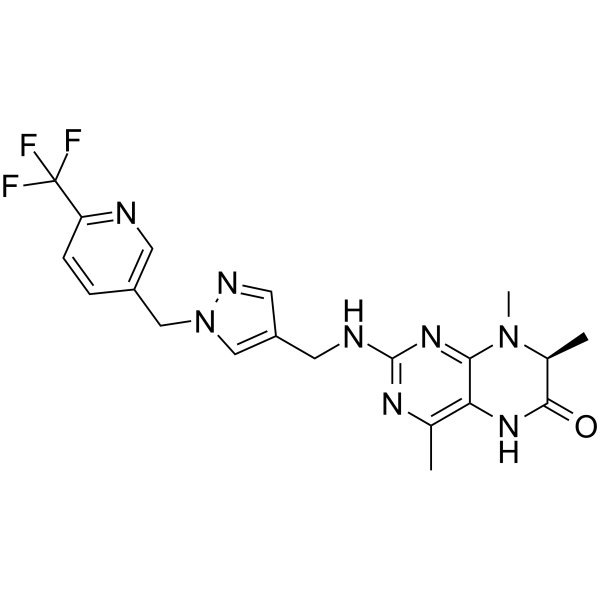
    MST3-IN-1 is a selective and orally active MST3 inhibitor, with an IC50 of 122.4 nM. MST3-IN-1 shows antiproliferative activity against HepG2 cell. MST3-IN-1 effectively induces apoptosis in HepG2 cells, and halts the cell cycle at the G2/M transition. MST3-IN-1 significantly suppressed tumor growth in HepG2 xenograft mice. MST3-IN-1 can be used for the study of liver cancer .
    MST3-IN-1
  • HY-204056

    Telomerase Cancer
    Telomerase-IN-8 is an orally active telomerase inhibitor, with an IC50 value of 0.98 μM. Telomerase-IN-8 exhibits potent antiproliferative activity against multiple tumor cell lines, including PC3, Bcap-37, MGC-803 and HepG2. Telomerase-IN-8 demonstrates potent antitumor efficacy in S180 sarcoma or HepG2 hepatoma xenograft mice. Telomerase-IN-8 can be used for the study of telomerase-targeted anticancer .
    Telomerase-IN-8
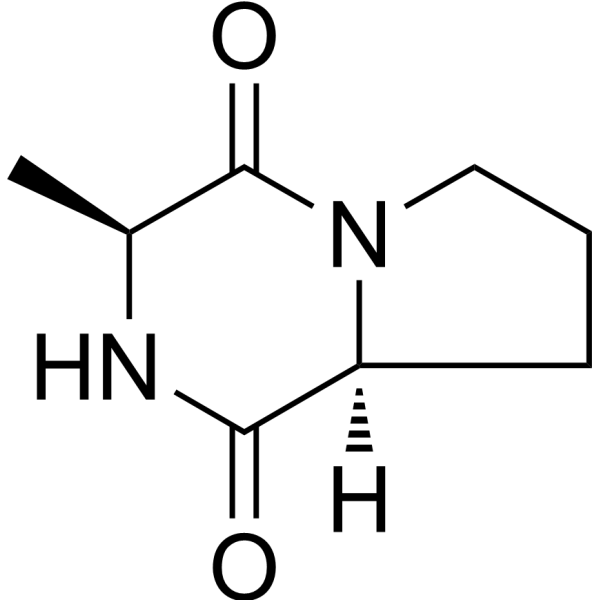
  • HY-P1935

    Biochemical Assay Reagents Cancer
    Cyclo(Ala-Pro) is an anticancer agent that is toxic to cancer cells such as A549, HCT-116 and HepG2 .
    Cyclo(Ala-​Pro)
  • HY-N9339

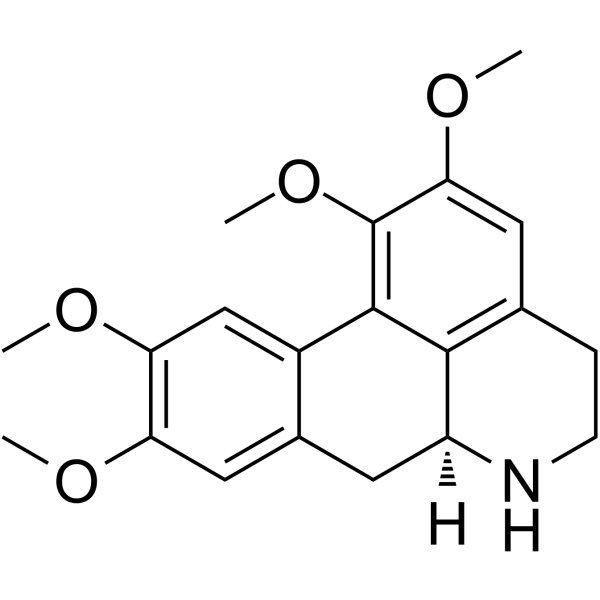
    (+)-Norglaucine

    Others Cancer
    Norglaucine ((+)-Norglaucine), a cytotoxic alkaloid, exhibits cytotoxicity towards the tumor cell lines B16-F10, HepG2, K562 and HL-60 cells .
    Norglaucine
  • HY-146819

    Carbonic Anhydrase Cancer
    Compound 9 is the most effective against tumor specific Ca ix/ca XII (ki=29.1 and 8.8 nm), so it is possible to evaluate its cytotoxicity and selectivity to HepG-2, HCT-116 and MCF-7 cancer cell lines in vitro, and its IC50 values to tumor cells are 1.78, 1.94 and 3.07, respectively μ M. It showed that it had obvious cytotoxicity.
    CAIX/CAXII-IN-1
  • HY-162006

    Pim Apoptosis Autophagy Metabolic Disease Inflammation/Immunology Cancer
    Pim-1 kinase inhibitor 8 is a potent PIM-1 inhibitor with an IC50 value of 14.3 nM. Pim-1 kinase inhibitor 8 impedes cell proliferation and migration through PIM-1 inhibition and the induction of both apoptosis and autophagy. Pim-1 kinase inhibitor 8 inhibits solid tumor growth in Solid Ehrlich Carcinoma (SEC)-bearing mice. Pim-1 kinase inhibitor 8 can be used for breast and liver cancer research .
    Pim-1 kinase inhibitor 8
  • HY-172086

    TrxR Apoptosis Reactive Oxygen Species (ROS) Cancer
    TrxR-IN-7 is a thioredoxin reductase (TrxR) inhibitor with an IC50 of 3.5 μM. TrxR-IN-7 induces reactive oxygen species (ROS) generation and apoptosis in tumor cells. TrxR-IN-7 can be used for the research of liver cancer and breast cancer .
    TrxR-IN-7
  • HY-175208A

    Hippo (MST) Caspase Bcl-2 Family Apoptosis Cancer
    MST3-IN-1 TFA (Compound LD-1) is a selective and orally active MST3 inhibitor, with an IC50 of 122.4 nM. MST3-IN-1 TFA shows antiproliferative activity against HepG2 cell. MST3-IN-1 TFA effectively induces Apoptosis in HepG2 cells, and halts the cell cycle at the G2/M transition. MST3-IN-1 TFA significantly suppressed tumor growth in HepG2 xenograft mice. MST3-IN-1 TFA can be used for the study of liver cancer .
    MST3-IN-1 TFA
  • HY-151461

    Arf Family GTPase Cancer
    CHNQD-01255 is an orally active Arf-GEFs inhibitor with potent anti-hepatocellular carcinoma (HCC) efficacy .
    CHNQD-01255
  • HY-176740

    PROTACs Bcl-2 Family p38 MAPK Reactive Oxygen Species (ROS) Mitochondrial Metabolism Apoptosis ERK JNK Cancer
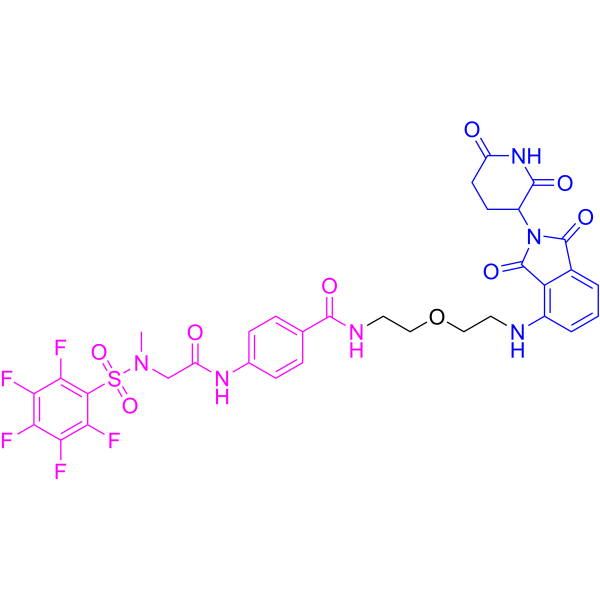
    PROTAC Bcl-xL degrader-4 (Compound 2-38-III) is a Bcl-xL PROTAC degrader. PROTAC Bcl-xL degrader-4 has strong anti-tumor activity against HepG2 cells and HUVEC cells. PROTAC Bcl-xL degrader-4 induces cells apoptosis by decreasing mitochondrial membrane potential and activating the MAPK signaling pathway. PROTAC Bcl-xL degrader-4 significantly inhibits tumor growth in xenograft tumor mouse models . Pink: MAPK ligand (HY-176741); Blue: CRBN ligase ligand (HY-10984); Black: linker (HY-W017440)
    PROTAC Bcl-xL degrader-4
  • HY-155027

    Dipeptidyl Peptidase TNF Receptor Interleukin Related Inflammation/Immunology Cancer
    DPP-4-IN-8 (compound 27) is a potent and selective DPP4 (dipeptidyl peptidase 4) inhibitor, with a Ki of 0.96 μM. DPP-4-IN-8 blocks the dipeptidase activity of DPP4 in both Caco-2 and HepG-2 cells. DPP-4-IN-8 also dose-dependently suppresses the expression levels of the chemokines tumor necrosis factor-α (TNF-α), interleukin-6 (IL-6), and interleukin-1β (IL-1β) .
    DPP-4-IN-8
  • HY-175171

    Topoisomerase VEGFR c-Met/HGFR EGFR Estrogen Receptor/ERR Cancer
    Anticancer agent 276 (Compound 5) is a multi-target anticancer agent. Anticancer agent 276 has a potent anticancer activity against human tumor cells with IC50s of 6.90 and 4.48 μM for HEPG2 and MCF7 cells, respectively. Anticancer agent 276 shows strong and stable interactions across multiple targets, including Topoisomerase II, VEGFR2, c-Met, EGFR and ERα .
    Anticancer agent 276
  • HY-W587938

    (+)-γ-Eudesmol

    Apoptosis Cancer
    γ-Eudesmol ((+)-γ-Eudesmol) is a mitochondrial-mediated apoptosis inducer. γ-Eudesmol binds mitochondrial membrane proteins, triggering depolarization of mitochondrial membrane potential and activating caspase cascades. γ-Eudesmol demonstrates cytotoxicity against multiple tumor cell lines (e.g., HepG2, B16-F10) with IC50 values ranging from 8.86-15.15 μg/mL. γ-Eudesmol is promising for research of cancers, such as hepatocellular carcinoma and melanoma .
    γ-Eudesmol
  • HY-178960

    Microtubule/Tubulin Apoptosis Cancer
    Tubulin-IN-59 (Compound 8g) is an orally active Tubulin inhibitor. Tubulin-IN-59 exhibits potent anti-proliferative activity against HCT116 colorectal cancer, HeLa cervical cancer, and HepG2 liver cancer cell lines, with its IC₅₀ value ranging from 16 to 35 nM. Tubulin-IN-59 arrests HeLa cells in the G2/M phase and induces cell apoptosis. Tubulin-IN-59 demonstrates significant anti-tumor activity in the HT29 human colon cancer mouse xenograft model. Tubulin-IN-59 can be used for the study of colorectal cancer and cervical cancer .
    Tubulin-IN-59
  • HY-175204

    AUTACs SHP2 Apoptosis Autophagy Atg8/LC3 Cancer
    SHP2 protein degrader-3 is a SHP2 AUTAC degrader. SHP2 protein degrader-3 shows dose-dependent SHP2 degradation ability (DC50 = 3.22 μM) and anti-tumor activity (IC50 = 5.59 μM) in HeLa cells. SHP2 protein degrader-3 induces degradation through the LC3-mediated autophagy pathway, which can be inhibited by lysosome inhibitors. SHP2 protein degrader-3 induces apoptosis in various cancer cells (HeLa cells, HepG2 cells, LoVo cells, Huh-7 cells) (SHP2 Ligand : (HY-100388); LC3 Ligand: (HY-10542); Linker : (HY-128834)) .
    SHP2 protein degrader-3
  • HY-160059

    Fluorescent Dye Cancer
    JHIT2e aptamer sodium is a molecular probe based on the aptamer JHIT2 of human liver cancer cell line HepG2 cells. JHIT2e aptamer sodiu retains the ability to specifically bind HepG2 and can deliver fluorescent materials or radionuclides to tumors .
    JHIT2e aptamer sodium
  • HY-173140

    Apoptosis Cancer
    Anticancer agent 268 (Compound 4k) is a potential anti-tumor agent. Anticancer agent 268 exhibits anti-proliferative effects against HepG2 cells, with an IC50 of 6.08 μM. Anticancer agent 268 can induce apoptosis and inhibit colony formation and migration of HepG2 cells .
    Anticancer agent 268
  • HY-156085

    PD-1/PD-L1 Cancer
    LP23 is a non-arylmethylamine PD-1/PD-L1 inhibitor (IC50: 16.7 nM) with anti-tumor activity. LP23 restores immune cell function in HepG2/Jurkat T cells and promotes HepG2 cell death. LP23 is active in vivo in the B16-F10 tumor model (TGI=88.6% at 30 mg/kg) .
    LP23
  • HY-156130

    Epigenetic Reader Domain Cancer
    Menin-MLL inhibitor 29 (Compound C1) is a Menin-MLL PPI inhibitor. Menin-MLL inhibitor 29 binds to Menin with a KD value of 138 nM, and inhibits the binding of Menin to MBM1 (Menin-binding motif 1) with an IC50 value of 46 nM. Menin-MLL inhibitor 29 inhibits HepG2 and Hep3B hepatoma cell proliferation (IC50s: 0.31 μM and 0.71 μM). Menin-MLL inhibitor 29 inhibits tumor growth .
    Menin-MLL inhibitor 29
  • HY-172225

    Apoptosis Autophagy Ferroptosis Cancer
    [Ru(phen)2(HMPIP)](PF6)2 (Compound 6A) is an anti-tumor agent. [Ru(phen)2(HMPIP)](PF6)2 can inhibit the proliferation and migration of HepG2 liver cancer cells, and induce apoptosis, autophagy, cell cycle arrest and ferroptosis of HepG2 liver cancer cells. [Ru(phen)2(HMPIP)](PF6)2 exerts its anti-tumor activity by stimulating immune response to increase CD8+ T cells .
    [Ru(phen)2(HMPIP)](PF6)2
  • HY-163983

    Microtubule/Tubulin Apoptosis PARP Caspase Cancer
    Tubulin polymerization-IN-68 (compound 32) is a tubulin inhibitor that can inhibit tubulin polymerization and destroy the cellular microtubule network. Tubulin polymerization-IN-68 can upregulate the expression of PARP-1 and caspase-3 and induce cell apoptosis, and has anticancer activity. Tubulin polymerization-IN-68 can effectively inhibit HepG2 (IC50=93 nM) and significantly inhibit the growth of HepG2 xenograft tumors in nude mice by oral administration .
    Tubulin polymerization-IN-68
  • HY-N14892

    Bacterial Infection Cancer
    Cetoniacytone A has weak activity against Gram-positive and negative bacteria. Cetoniacytone A can inhibit the growth of HEPG2 and MCF7 human tumor cell lines, with GI50 values of 3.2 μM .
    Cetoniacytone A
  • HY-162129

    Photosensitizer Cancer
    Antitumor agent-131 (Compound 2-p) is an ER fluorescent probe with an IC50 value of 23 nM for HepG2 tumor cells. Antitumor agent-131 can be used as a photosensitizer for the study of cancer photodynamics .
    Antitumor agent-131
  • HY-174424

    PD-1/PD-L1 Apoptosis Cancer
    NPH16 is an orally active PD-1/PD-L1 inhibitor with an IC50 of 24.4 nM. NPH16 can promote HepG2 cell apoptosis. NPH16 shows excellent in vivo antitumor efficacy and favorable pharmacokinetic properties. NPH16 can be used for the study of liver cancer .
    NPH16
  • HY-N12128

    Others Cancer
    Ophiopogonin R (compound 3) is a steroid saponin. Ophiopogonin R was isolated and purified from natural ophiopogonin. Ophiopogonin R was not cytotoxic to five human tumor cell lines (HepG2, HLE, BEL7402, BEL7403 and Hela) .
    Ophiopogonin R
  • HY-162239

    Drug Intermediate Cancer
    Anticancer agent 187 (Compound 4) is an anticancer agent that can target sarcoma cells in tumor-bearing mouse models. Anticancer agent 187 exhibits cytotoxic activity against HepG2, Caco2, and MCF-7 cells .
    Anticancer agent 187
  • HY-N10447

    Apoptosis Cancer
    Kurzipene D (compound 4) is a potent anticancer agent. Kurzipene D induces the apoptosis and arrested the HepG2 cell cycle at S stage. Kurzipene D shows anti-tumor effects using in vivo zebrafish model. Kurzipene D has the property of inhibiting tumor proliferation and migration .
    Kurzipene D
  • HY-176288

    Eukaryotic Initiation Factor (eIF) Bcl-2 Family Apoptosis Ras PERK Cancer
    eIF4E/eIF4G PPI-IN-1 is an eIF4E/eIF4G interaction inhibitor with a KD of 20.2 μM for eIF4E protein. eIF4E/eIF4G PPI-IN-1 plays an antitumor role in multiple modes of action including regulating the activity of eIF4E by inhibiting the Ras/MAPK/eIF4E signaling pathway, apoptosis and cell migration. eIF4E/eIF4G PPI-IN-1 suppresses the growth of HepG2 xenografts in nude mice and was relatively nontoxic to mice .
    eIF4E/eIF4G PPI-IN-1
  • HY-W276819

    Polo-like Kinase (PLK) Cancer
    PLK1-IN-9 (Compound M2) is an inhibitor for polo-like kinase 1 (PLK1), that inhibits PLK proteins modified with peptides 1010pT, cdc25c and PBIP, with IC50s of 1.6, 0.8 and 1.4 μM, respectively. PLK1-IN-9 inhibits proliferations of cancer cells HeLa, HL60, SNU387/499, HepG2, exhibits cytotoxicity and induces apoptosis. PLK1-IN-9 inhibits tumor growth in HepG2 xenograft mouse model .
    PLK1-IN-9
  • HY-163077

    Reactive Oxygen Species (ROS) Apoptosis Cancer
    Anticancer agent 175 (complex 1) ia a near-infrared (NIR) luminescent theranostic complex. Anticancer agent 175 induces ROS accumulation, mitochondrial damage, disruption of Bax/Bcl-2 equilibrium, and tumor cell apoptosis in HepG2 cell line .
    Anticancer agent 175
  • HY-101021

    Ilicicolin D

    STAT Apoptosis Antibiotic Inflammation/Immunology Cancer
    Ascochlorin (Ilicicolin D), an isoprenoid antibiotic, mediates its anti-tumor effects predominantly through the suppression of STAT3 signaling cascade. Ascochlorin induces apoptosis. Anti-inflammatory activity .
    Ascochlorin
  • HY-147682

    NF-κB Apoptosis Cancer
    NF-κB-IN-5 (compound 4d) is an orally active and potent NF-κB inhibitor by interacting directly with NF-κB. NF-κB-IN-5 shows antitumor activity against human cancer cell lines (HCT116, U87-MG, HepG2, BGC823, PC9), with IC50 values of 5.35, 2.81, 2.83, 2.02 and 3.90 μM, respectively. NF-κB-IN-5 induces apoptosis in U87-MG tumor cell and cell cycle arrest in G0/G1 phase .
    NF-κB-IN-5
  • HY-175472

    Phosphatase Apoptosis Cancer
    (GalNAc)3-CPT is a glycoconjugate prodrug that targets the asialoglyco-protein receptor (ASGR) overexpressed on hepatocytes. (GalNAc)3-CPT exhibits significant antitumor activity (IC50 value of 3.07 μM in HepG2 cells) by activating the cGAS-STING pathway and promoting CD8+ T cell infiltration into tumors, thereby inducing tumor cell apoptosis .
    (GalNAc)3-CPT
  • HY-162867

    Ferroptosis Cancer
    Photosensitizer-5 is a photosensitizer. Photosensitizer-5 has cytotoxicity against HeLa and HepG2 cells, with IC50 values of 10.4 nM and 6.9 nM, respectively. Photosensitizer-5 can lead to lipid peroxidation and induces cell death through an iron-independent ferroptosis-like pathway. Photosensitizer-5 shows anti-tumor activity in HeLa tumor-bearing mice .
    Photosensitizer-5
  • HY-146467

    Drug Derivative Cancer
    Anticancer agent 62 (compound 4c) is a potent anticancer agent. Anticancer agent 62 shows antiproliferative activity in HepG2, Bel-7402 and MCF-7 cancer cells, with IC50 values of 0.019, 0.060 and 0.016 μM, respectively. Anticancer agent 62 shows effective tumor growth inhibition .
    Anticancer agent 62
  • HY-146466

    Others Cancer
    Anticancer agent 61 (compound 3v) is an orally active and potent anticancer agent. Anticancer agent 61 shows antiproliferative activity in HepG2, Bel-7402 and MCF-7 cancer cells, with IC50 values of 1.12, 1.97 and 1.08 μM, respectively. Anticancer agent 61 shows effective tumor growth inhibition .
    Anticancer agent 61
  • HY-178140

    STAT Cancer
    STAT3-IN-47 is an orally active STAT3 inhibitor. STAT3-IN-47 exhibits broad-spectrum anti-tumor activity against HeLa, HepG2, U87, and LN229 cells. STAT3-IN-47 suppresses STAT3 activation in vitro. STAT3-IN-47 can be used for the study of solid tumors, especially central nervous system (CNS) malignancies and hepatocellular carcinoma .
    STAT3-IN-47
  • HY-146114

    Microtubule/Tubulin Quinone Reductase Cancer
    Antitumor agent-67 (compound 3) is a potent antitumor agent. Antitumor agent-67 has highly selective toxicity to cancer cells and lower damage to normal cells. Antitumor agent-67 can be activated by NQO1 and effectively liberate podophyllotoxin and kill tumor cells. Antitumor agent-67 significantly suppresses cancer growth in HepG2 xenograft models without obvious toxicity .
    Antitumor agent-67
  • HY-168113

    Drug Derivative Cancer
    Antiproliferative agent-60 (compound 8c) is a 11-Azaartemisinin derivative with superior anticancer activities. Antiproliferative agent-60 shows IC50 values of 7.7 μM, 42.5 μM, and 15.5 μM for epidermoid carcinoma (KB), HepG2, and A549 cells, respectively. Antiproliferative agent-60 exhibits significant tumor selectivity, up to 32-fold higher compared to Hek293 normal cells .
    Antiproliferative agent-60

Inquiry Online

Your information is safe with us. * Required Fields.

Salutation


Country or Region *

Applicant Name *


Organization Name *

Department *


Email Address *


Product Name *

Cat. No.


Requested quantity *

Phone Number *


Remarks

Inquiry Online

Inquiry Information

Product Name:
Cat. No.:
Quantity:
MCE Japan Authorized Agent:

