From 11:00 pm to 12:00 pm EST ( 8:00 pm to 9:00 pm PST ) on January 6th, the website will be under maintenance. We are sorry for the inconvenience. Please arrange your schedule properly.
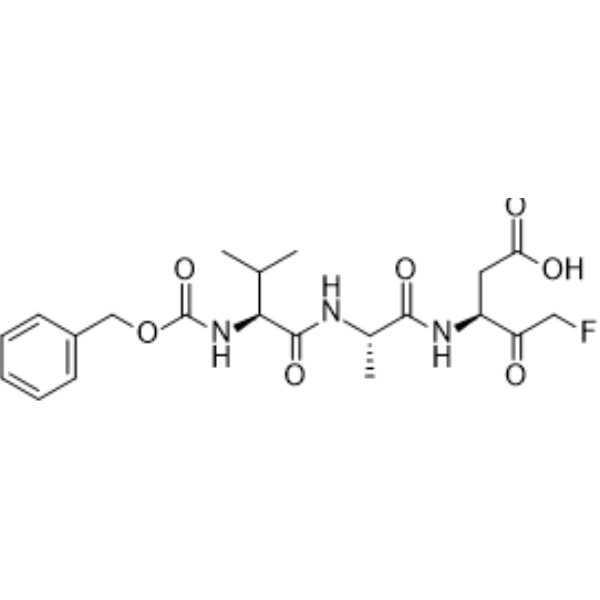
Z-VAD-FMK is a pan-caspase inhibitor and also an ICE-like protease inhibitor, which inhibits apoptosis by preventing the processing of CPP32 to its active form. Z-VAD-FMK sensitivity varies primarily due to differential expression of receptor-interacting protein 1 (RIP1). Z-VAD-FMK limits the cryopreservation-induced apoptosis by reducing caspase-3 activity of in vitro produced bovine embryos. Z-VAD-FMK is immunosuppressive in vitro and inhibits T cell proliferation without blocking the processing of caspase-8 and caspase-3. Z-VAD-FMK leads to a decrease in intracellular glutathione (GSH) with a concomitant increase in reactive oxygen species (ROS) levels in activated T cells. Z-VAD-FMK is due to oxidative stress via the depletion of GSH. Z-VAD-FMK can be used for the study of acute pancreatitis .
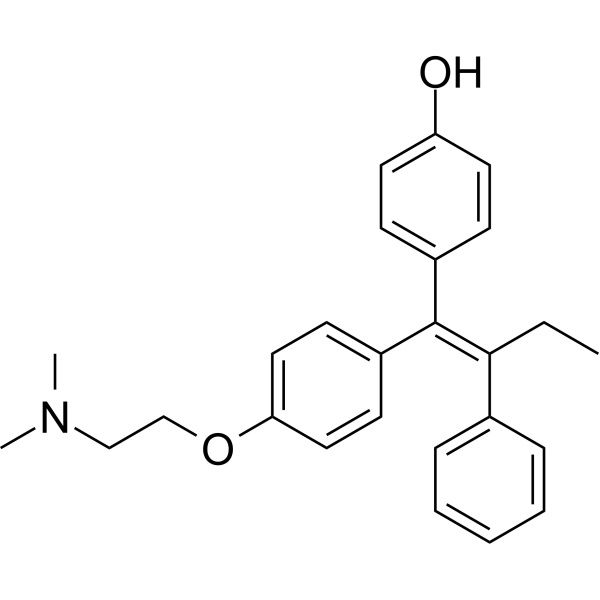
(E/Z)-4-Hydroxytamoxifen (Afimoxifene) is a racemic compound of (Z)-4-Hydroxytamoxifen and (E)-4-Hydroxytamoxifen isomers. (E/Z)-4-Hydroxytamoxifen is a selective estrogen receptor modulator with mixed estrogenic and antiestrogenic activity, which is also an active metabolite of Tamoxifen (HY-13757A). (E/Z)-4-Hydroxytamoxifen is an agonist of the G protein-coupled estrogen receptor (GPER) with relatively low affinity (100-1000 nM). (E/Z)-4-Hydroxytamoxifen is promising for research of cyclical mastalgia, such as breast pain, tenderness, and nodularity .
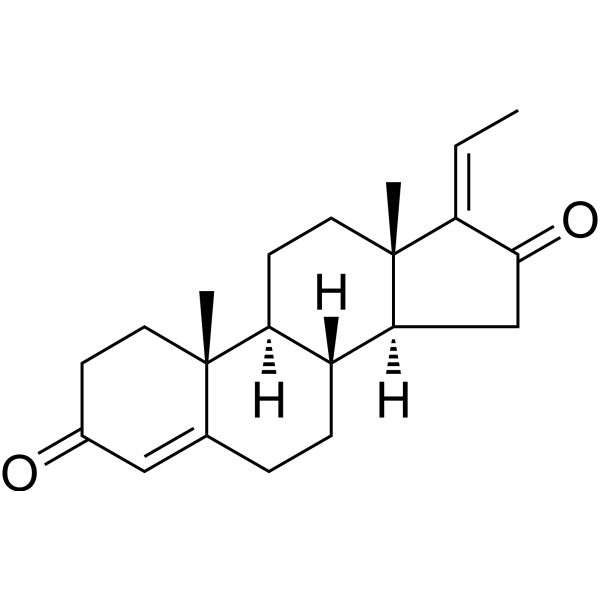
Guggulsterone is a plant sterol derived from the gum resin of the tree Commiphora wightii. Guggulsterone inhibits the growth of a wide variety of tumor cells and induces apoptosis through down regulation of antiapoptotic gene products (IAP1, xIAP, Bfl-1/A1, Bcl-2, cFLIP and survivin), modulation of cell cycle proteins (cyclin D1 and c-Myc), activation of caspases and JNK, inhibition of Akt . Guggulsterone, a farnesoid X receptor (FXR) antagonist, with IC50s of 24.06 μM and 39.05 μM for (-)-(E)-Guggulsterone (HY-N7781) and (Z)-Guggulsterone (HY-110066), respectively .
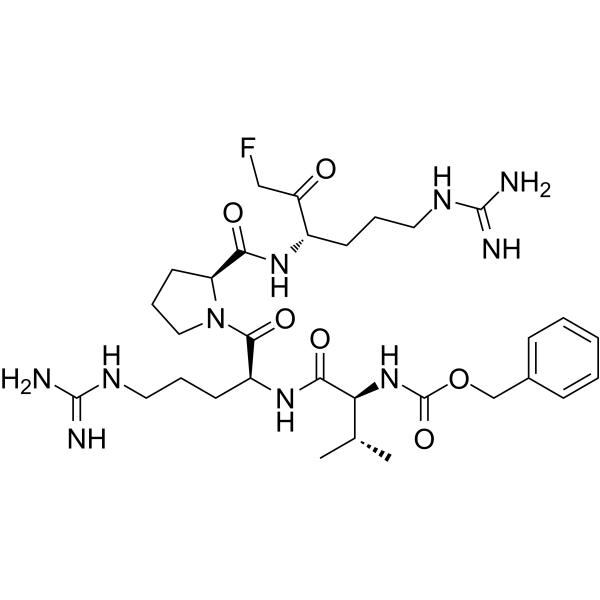
Z-VRPR-FMK is an irreversible MALT1protein inhibitor. Z-VRPR-FMK inhibits the growth and invasion of diffuse large B-cell lymphoma by inhibiting MALT1-induced NF-κB activation and MMP expression .
(E/Z)-Mirin is a mixture of (E)-Mirin and Mirin ((Z)-Mirin) (HY-19959) configurations. Among them, Mirin is an inhibitor of MRN (Mre11-Rad50-Nbs1). Mirin prevents MRN-dependent ATM activation without affecting ATM protein kinase activity .
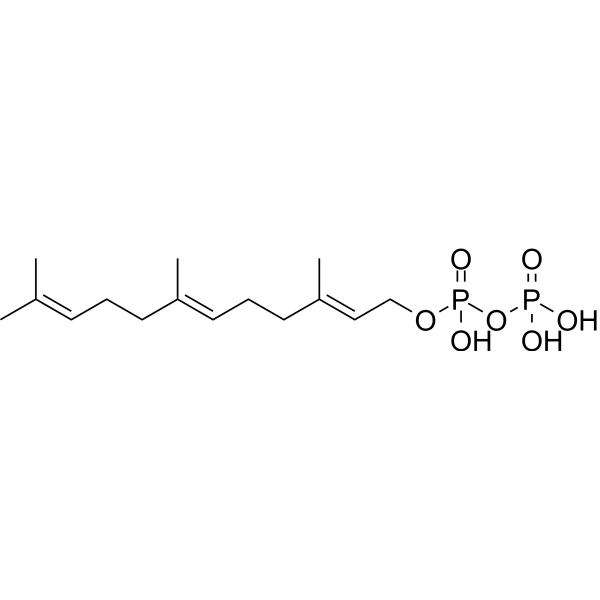
(E/Z)-Farnesyl pyrophosphate ((E/Z)-Farnesyl diphosphate), a 15-carbon isoprenoid, is a metabolic intermediate of the mevalonate (MVA) pathway. (E/Z)-Farnesyl pyrophosphate is a TRPM2 (TRP Channel) agonist, activates TRPM2 opening for ion influx. (E/Z)-Farnesyl pyrophosphate is a key branch substrate for cholesterol synthesis, ubiquinones synthesis, protein farnesylation decoration, and geranyl-geranyl pyrophosphate (GGPP) synthesis .
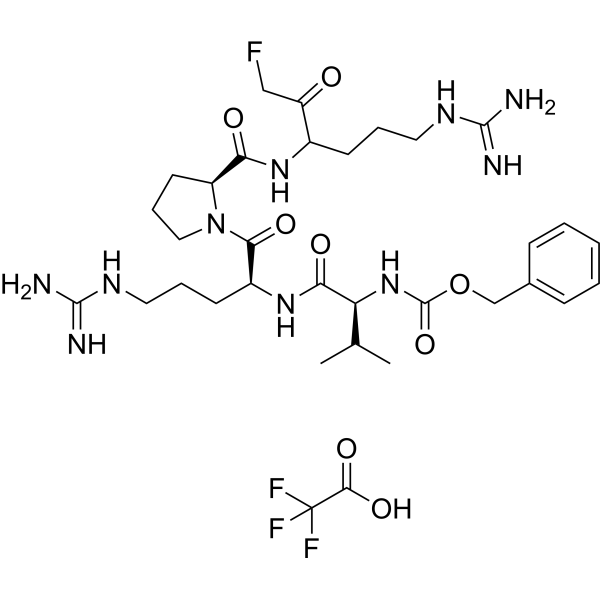
Z-Val-Arg-Pro-DL-Arg-Fluoromethylketone TFA is an irreversible MALT1protein inhibitor. Z-Val-Arg-Pro-DL-Arg-Fluoromethylketone TFA inhibits the growth and invasion of diffuse large B-cell lymphoma by inhibiting MALT1-induced NF-κB activation and MMP expression .
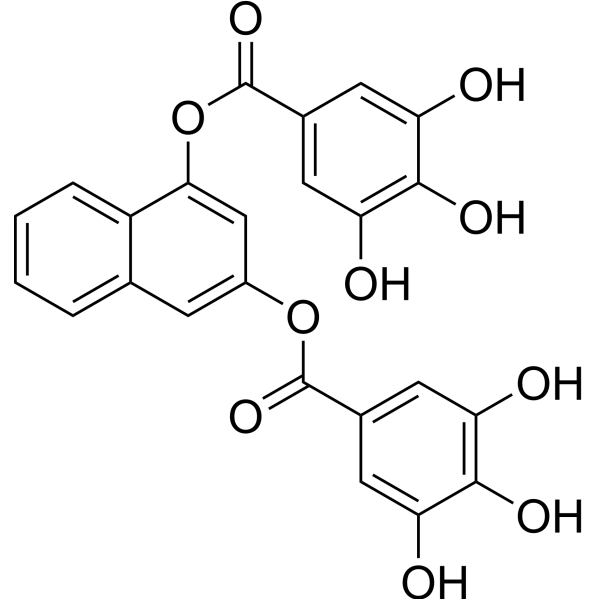
UCM05 (G28UCM) is a fatty acid synthase (FASN) and filamentous temperature-sensitive proteinZ (Ftsz) inhibitor. UCM05 inhibits fatty acid synthesis, viral replication, and Gram-positive bacterial growth. UCM05 binds to FtsZ GTP-binding sites, inhibits GTPase activity, and disrupts Z-ring localization. UCM05 can be used for the research of HSV-1/2 infection, HIV-1 infection, and Gram-positive bacterial infections[1][2][3].
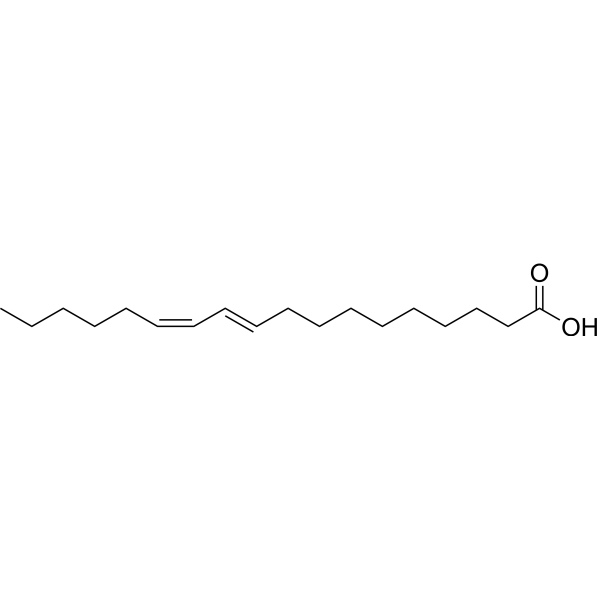
(10E,12Z)-Octadeca-10,12-dienoic acid (trans-10,cis-12 CLA2) is an orally active PPARα activator and inhibits adipocyte differentiation. (10E,12Z)-Octadeca-10,12-dienoic acid and its downstream metabolites have various antioxidant and antitumor activities. (10E,12Z)-Octadeca-10,12-dienoic acid can induce proinflammatory cytokines and chemokines, which would lead to decreased adipogenesis and insulin resistance in adipose tissue. (10E,12Z)-Octadeca-10,12-dienoic acid can affect many aspects of milk fat synthesis. (10E,12Z)-Octadeca-10,12-dienoic acid reduces expression of lipogenic enzymes and inhibits the desaturation of fatty acids. (10E,12Z)-Octadeca-10,12-dienoic acid can reduce lipoprotein lipase (LPL) activity in cultured 3T3-L1 adipocytes and enhance triacylglycerol release from these cells. (10E,12Z)-Octadeca-10,12-dienoic acid decreases the expression of hepatic stearoyl-CoA desatyrase mRNA in mice. (10E,12Z)-Octadeca-10,12-dienoic acid is associated with changes in mucosal NF-κB and Cyclin D1protein levels in mice .
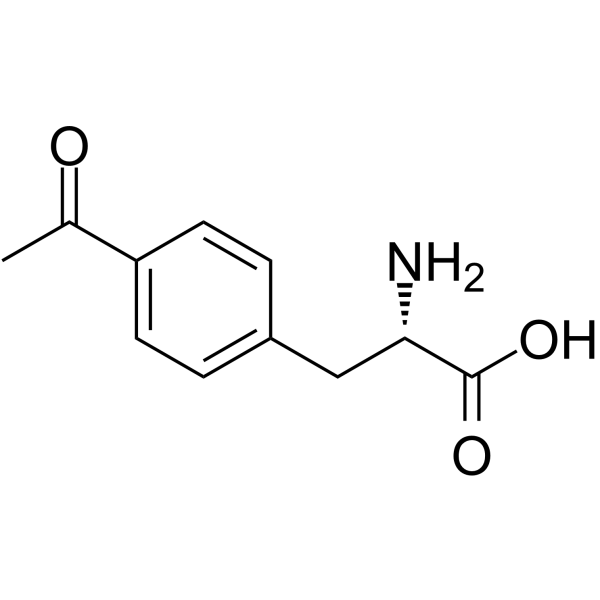
H-Phe(4-Ac)-OH (L-4-Acetylphenylalanine) is a keto-amino acid that can be converted from α-keto acids containing an acetyl group. H-Phe(4-Ac)-OH can be added to the amber position to form mutant Z-domain proteins. H-Phe(4-Ac)-OH is used as a functional amino acid in peptide modification to achieve chemical bonding between peptides and solid surfaces .
ZBP1 Covalent PROTAC-1 is a covalent Z-DNA binding protein 1 ZBP1 PROTAC degrader, with its DC50 being 25.69 nM. ZBP1 Covalent PROTAC-1 integrates the ligand that recruits the VHL E3 ubiquitin ligase and the DNA aptamer (Aptamer Z3) with the specific Zα domain that can bind to ZBP1, which has a high affinity (KD = 2.71 nM) with ZBP1. After degrading ZBP1, the phosphorylation levels of downstream signaling molecules RIPK3 and MLKL significantly decrease. ZBP1 Covalent PROTAC-1, encapsulated by nano-liposomes, significantly improves the survival rate of mice infected with influenza A virus (IAV) after administration via the trachea .
(E/Z)-E64FC26 is a mixture complex of E-E64FC26 and Z-E64FC26. E64FC26 (E-E64FC26) is a potent pan-inhibitor of the protein disulfide isomerase (PDI) family, with IC50s of 1.9, 20.9, 25.9, 16.3, and 25.4 μM against PDIA1, PDIA3, PDIA4, TXNDC5, and PDIA6. E64FC26 shows anti-myeloma activity .
Citraconic anhydride (Methylmaleic anhydride) is a derivative of maleic anhydride (HY-Z0060) and novel antigen retrieval solution. Citraconic anhydride reversibly blocks protein amino groups, stabilizing specific enzymes and improving their catalytic performance. Citraconic anhydride reacts with free amino groups on proteins (especially lysine residues), converting positively charged NH3 + into carboxyl groups, thereby disrupting methylene bridge crosslinks caused by Formaldehyde during antigen retrieval. Citraconic anhydride functionalizes Isotactic polypropylene. Citraconic anhydride precisely responds to pH changes to achieve reversible modification. Citraconic anhydride is irritating to skin and eyes .
ZNU-IMB-Z15 (Compound Z15) is an antagonist of the androgen receptor (AR) and also a selective degrader of AR and ARV7. ZNU-IMB-Z15 can directly bind to the ligand-binding domain (LBD) and activation function-1 region of AR, and promote AR degradation through the proteasome pathway. ZNU-IMB-Z15 effectively inhibits the transcriptional activity of AR, AR mutants, and AR splice variants (ARVs), downregulating the mRNA and protein levels of AR downstream target genes, thereby overcoming the resistance to second-generation antiandrogen drugs induced by AR LBD mutations, AR amplification, and ARVs in castration-resistant prostate cancer (CRPC). ZNU-IMB-Z15 can inhibit the proliferation of AR-positive CRPC cell lines and induce their apoptosis, demonstrating anticancer activity both in vivo and in vitro .
BSPOTPE is the mixture of (E)-BSPOTPE (HY-W856375) and (Z)-BSPOTPE. BSPOTPE binds Human serum albumin (HSA) (HY-P1956), exhibits aggregation-induced emission (AIE) phenomenon. BSPOTPE shows selectivity for albumin (such as HSA and BSA), but has no obvious fluorescence response to other proteins and DNA. BSPOTPE can be used as fluorescent probe for HSA .
Z55660043 is a Regulator of G protein signaling-14 (RGS14) inhibitor with an IC50 of 2.3 μM. Z55660043 selectively and non-covalently inhibits RGS14 GTPase-accelerating protein (GAP) activity without measurable cytotoxicity. Z55660043 can be used for central nervous system and metabolic disorders research .
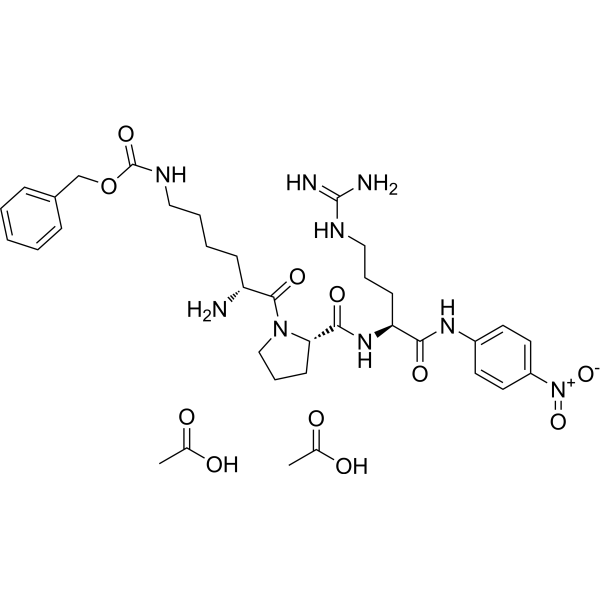
Z-Arg-Arg-βNA acetate is a sensitive dipeptide substrate of the protease Cathepsin B and resistant to proteases H and L. Z-Arg-Arg-βNA acetate can serve as an important tool for distinguishing non-Cathepsin B type proteins .
Z-Val-Val-Nle-diazomethylketone is a cathepsin S (CATS) inhibitor. Z-Val-Val-Nle-diazomethylketone significantly inhibits the IFNg-induced upregulation of the MHCII molecules HLA-DR and Ii-p33/35 with an increase of Ii-p10 protein level. Z-Val-Val-Nle-diazomethylketone can be used for dermatological diseases like psoriasis, atopic dermatitis and actinic keratosis research .
(E/Z)-ZL0420 is a racemic compound of (Z)-ZL0420 and (E)-ZL0420 isomers. (E)-ZL0420 is a potent and selective bromodomain-containing protein 4 (BRD4) inhibitor with IC50 values of 27 nM against BRD4 BD1 and 32 nM against BRD4 BD2 .
N,N′-Diferuloylputrescine ((E/Z)-Terrestribisamide) is a inhibitor of pigmentation with 57% reduction. N,N′-Diferuloylputrescine significantly reduces the protein level of MITF. N,N′-Diferuloylputrescine has strong antioxidant activities as radical scavengers against reactive oxygen species .
(E/Z)-Icerguastat ((E/Z)-Sephin1) is a selective inhibitor of the phosphatase regulatory subunit PPP1R15A (R15A). (E/Z)-Icerguastat can be used for protein misfolding diseases research .
Hexaenoic acid-d6 is deuterium labeled Hexaenoic acid. Very long chain polyunsaturated fatty acids (VLCPUFAs) are important components of ceramides and sphingomyelin and are present in retina, sperm, and brain. Tetratriaconta-16(Z),19(Z),22(Z),25(Z),28(Z),31(Z)-hexaenoic acid is a C34:6 VLCPUFA whose specific biological actions are largely unknown. This VLCPUFA, along with others, has been investigated for its role in activating protein kinase C .
TXA6101 is a bacterial proteinFtsZ (filamentous temperature-sensitive proteinZ) inhibitor that inhibits bacterial division. TXA6101 has antimicrobial activity against MRSA isolates expressing either the G193D or G196S mutant FtsZ with the MIC value of 1 μg/mL, retains significant activity against the TXA707-resistant FtsZ mutant. TXA6101 can be used as a potential method against Gram-negative bacterial infections .
Z-L-Dap(N3)-OH is a click chemistry reagent containing an azide group. Click chemistry has great potential for use in binding between nucleic acids, lipids, proteins, and other molecules, and has been used in many research fields because of its beneficial characteristics, including high yield, high specificity, and simplicity . It contains an azide group and can undergo copper-catalyzed azide-alkyne cycloaddition (CuAAc) with molecules containing alkyne groups. It can also undergo ring strain-promoted alkyne-azide cycloaddition (SPAAC) with molecules containing DBCO or BCN groups.
(Z)-GW 5074 is a compound which interacts with both mHTT (mutant huntingtin protein) and LC3, but not but not with the wild-type HTT protein. (Z)-GW 5074 inhibits c-Raf, shows no effect on autophagy, and is effective for neurodegenerative disorder .
(E/Z)-4-Hydroxytamoxifen (Standard) is the analytical standard of (E/Z)-4-Hydroxytamoxifen. This product is intended for research and analytical applications. (E/Z)-4-Hydroxytamoxifen (Afimoxifene) is a racemic compound of (Z)-4-Hydroxytamoxifen and (E)-4-Hydroxytamoxifen isomers. (E/Z)-4-Hydroxytamoxifen is a selective estrogen receptor modulator with mixed estrogenic and antiestrogenic activity, which is also an active metabolite of Tamoxifen (HY-13757A). (E/Z)-4-Hydroxytamoxifen is an agonist of the G protein-coupled estrogen receptor (GPER) with relatively low affinity (100-1000 nM). (E/Z)-4-Hydroxytamoxifen is promising for research of cyclical mastalgia, such as breast pain, tenderness, and nodularity .
(E/Z)-Locostatin ((E/Z)-UIC-1005) is a racemic of Locostatin. Locostatin (UIC-1005) is a potent RKIP inhibitor. Locostatin binds Raf kinase inhibitor RKIP protein and disrupts the interaction of RKIP with Raf-1 kinase and G protein-coupled receptor kinase 2. Locostatin inhibits cell proliferation and migration. Locostatin aggravates thioacetamide (HY-Y0698)-induced acute liver failure in mice .
Z-VAD-FMK is a pan-caspase inhibitor and also an ICE-like protease inhibitor, which inhibits apoptosis by preventing the processing of CPP32 to its active form. Z-VAD-FMK sensitivity varies primarily due to differential expression of receptor-interacting protein 1 (RIP1). Z-VAD-FMK limits the cryopreservation-induced apoptosis by reducing caspase-3 activity of in vitro produced bovine embryos. Z-VAD-FMK is immunosuppressive in vitro and inhibits T cell proliferation without blocking the processing of caspase-8 and caspase-3. Z-VAD-FMK leads to a decrease in intracellular glutathione (GSH) with a concomitant increase in reactive oxygen species (ROS) levels in activated T cells. Z-VAD-FMK is due to oxidative stress via the depletion of GSH. Z-VAD-FMK can be used for the study of acute pancreatitis .
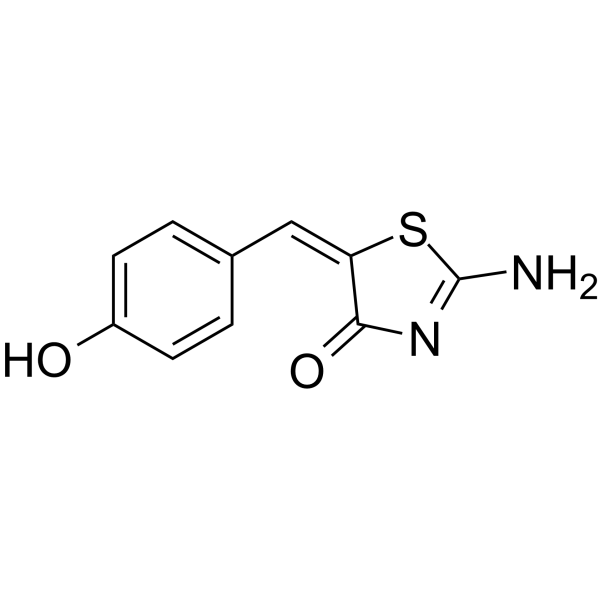
(Z)-Tyrphostin A51 is the Z configuration of Lanoconazole A51. Tyrphostin A51 is a potent protein tyrosine kinase (PTK) inhibitor. Tyrphostin A51 inhibits the volume-dependent release of [ 3H]taurine in a dose-dependent manner. Tyrphostin A51 markedly reduces cellular tyrosyl phosphorylation level. Tyrphostin A51 inhibits both basal and EGF-induced human bone cell proliferation .
FtsZ-IN-14 (example XI) is a filamentous temperature-sensitive proteinZ (FtsZ) inhibitor. FtsZ-IN-14 can inhibit the growth of various drug-resistant bacteria in vitro and can be used to prepare antibiotics against drug-resistant bacteria .
TLT8 is a ByeTAC protein degrader targeting BTK. TLT8 non-covalently binds to Rpn-13 and BTK, thereby inducing BTK degradation. TLT8 can be used in chronic lymphocytic leukemia research. (Rpn-13 ligand: HY-159808; BTK ligand: HY-Z3101; linker: HY-172823) .
FtsZ-IN-12 (Compound 16e) is the inhibitor for filamentous temperature-sensitive mutant Z (FtsZ) that promotes the polymerization of FtsZ protein, inhibits its GTPase activity, thereby interfering with bacterial cell division process. FtsZ-IN-12 exhibits boardspectrum antibacterial activity that inhibits B. subtilis ATCC9372, B. pumilus CMCC63202, S. aureus ATCC25923, E. coli BW25113 and A. baumannii ATCC19606 with MIC of 0.062-1 μg/mL. FtsZ-IN-12 inhibits the formation of bacterial biofilms and exhibits a clearing effect on mature biofilms. FtsZ-IN-12 exhibits bactericidal activity without hemolytic toxicity to mammalian red blood cells (15 mg/kg) .
Guggulsterone (Standard) is the analytical standard of Guggulsterone (HY-107738). This product is intended for research and analytical applications. Guggulsterone is a plant sterol derived from the gum resin of the tree Commiphora wightii. Guggulsterone inhibits the growth of a wide variety of tumor cells and induces apoptosis through down regulation of antiapoptotic gene products (IAP1, xIAP, Bfl-1/A1, Bcl-2, cFLIP and survivin), modulation of cell cycle proteins (cyclin D1 and c-Myc), activation of caspases and JNK, inhibition of Akt. Guggulsterone, a farnesoid X receptor (FXR) antagonist, with IC50s of 24.06 μM and 39.05 μM for (-)-(E)-Guggulsterone (HY-N7781) and (Z)-Guggulsterone (HY-110066), respectively.
Very long chain polyunsaturated fatty acids (VLCPUFAs) are important components of ceramides and sphingomyelin and are present in retina, sperm, and brain. Tetratriaconta-16(Z),19(Z),22(Z),25(Z),28(Z),31(Z)-hexaenoic acid is a C34:6 VLCPUFA whose specific biological actions are largely unknown. This VLCPUFA, along with others, has been investigated for its role in activating protein kinase C.
(E/Z)-Icerguastat ((E/Z)-Sephin1) acetate is a selective inhibitor of the phosphatase regulatory subunit PPP1R15A (R15A). (E/Z)-Icerguastat acetate can be used for protein misfolding diseases research .
(E/Z)-Raphin1 is an inhibitor of PPP1R15B, a regulatory subunit of protein phosphatase 1. (E/Z)-Raphin1 is orally available and can cross the blood-brain barrier. (E/Z)-Raphin1 can be used in neurological research .
Z-Val-Arg-Pro-DL-Arg-Fluoromethylketone is an irreversible MALT1protein inhibitor. Z-Val-Arg-Pro-DL-Arg-Fluoromethylketone inhibits the growth and invasion of diffuse large B-cell lymphoma by inhibiting MALT1-induced NF-κB activation and MMP expression .
(Z)-Neochlorogenic acid is the z-isomer of Neochlorogenic acid (HY-N0722). Neochlorogenic acid is a natural polyphenolic compound found in dried fruits and other plants. Neochlorogenic acid inhibits the production of TNF-α and IL-1β. Neochlorogenic acid suppresses iNOS and COX-2protein expression. Neochlorogenic acid also inhibits phosphorylated NF-κB p65 and p38 MAPK activation .
TSWV-IN-2 (Compound Z9) is an inhibitor of TSWV N protein, with an EC50 of 65.3 μg/mL against TSWV. TSWV-IN-2 has broad-spectrum antiviral activity against plant viruses. TSWV-IN-2 targets the TSWV N protein, interferes with the formation of condensates between the N protein and RNA, and inhibits the replication of viral ribonucleoproteins .
UCM05 (Standard) is the analytical standard of Lysipressin. This product is intended for research and analytical applications. UCM05 (G28UCM) is a fatty acid synthase (FASN) and filamentous temperature-sensitive proteinZ (Ftsz) inhibitor. UCM05 inhibits fatty acid synthesis, viral replication, and Gram-positive bacterial growth. UCM05 binds to FtsZ GTP-binding sites, inhibits GTPase activity, and disrupts Z-ring localization. UCM05 can be used for the research of HSV-1/2 infection, HIV-1 infection, and Gram-positive bacterial infections [1][2][3].
Penpaxilloids A (Compound 1) is a non-competitive inhibitor of protein tyrosine phosphatase 1B (PTP1B) with an IC50 value of 8.60 μM. Penpaxilloids A can be isolated from the fungus Penicillium sp. ZYX-Z-143. Penpaxilloids A is also an α-glucosidase (α-glucosidase) inhibitor with anti-inflammatory activity .
NLRP3-IN-49 (compound Z48) is a potent and specific NLRP3 inhibitor (IC50=0.26 μM in THP-1 cells, IC50=0.21 μM in mouse bone marrow macrophages). NLRP3-IN-49 can directly bind to NLRP3protein (Kd=1.05 μM), effectively preventing the assembly and activation of NLRP3 inflammasome, thereby exhibiting anti-inflammatory properties. NLRP3-IN-49 can be used in the study of inflammatory bowel disease .
P53/TLR2 modulator-1 (Compound Z9) is a modulator that targets both the P53 pathway and TLR2 simultaneously, exhibiting anti-radiation activity. P53/TLR2 modulator-1 reduces apoptosis by inhibiting the radiation-induced expression of P53 and Bax. At the same time, it activates the TLR2 pathway, upregulates the expression of downstream proteinsMyD88 and P65, and promotes the secretion of cytokines such as IL-6, thus exerting an anti-radiation effect. P53/TLR2 modulator-1 shows significant anti-radiation activity against both AHH-1 cells and HUVECs. It can also increase the survival rate of C57BL/6J mice irradiated with a lethal dose of radiation and reduce the damage to their hematopoietic system, the villous structure of the small intestine, and the spleen caused by radiation. P53/TLR2 modulator-1 can be used in the research of radiation injury-related diseases .
Humulinone is a foam-enhancing agent. Humulinone interacts with ProteinZ, with a binding constant of 1.64 × 10 5 M -1. Humulinone improves the foamability, foam stability and foam texture of ProteinZ. Humulinone can be used in beer research .
Z226407860 is a RING-box protein 1 (RBX1) inhibitor. Z226407860 reduces house dust mite-induced airway epithelial injury and ROS accumulation by inhibiting RBX1. Z226407860 can be used for the research of asthma .
(Z)-Non-2-enyl 6-bromohexanoate is an analogue of Biotin and a protein cross-linking agent.(Z)-Non-2-enyl 6-bromohexanoate binds less tightly to biotin-binding proteins such as Avidin and is easily displaced by Biotin. It is used in the preparation of agarose matrices for affinity-based isolation of streptavidin-fluorophore conjugates.
Z8779877149 (Z7149) is a blood-brain barrier-permeable multi-target ligand that targets SERT (Ki=198 nM), α2A adrenergic receptor (Ki=180 nM; EC50=440 nM) and 5-HT2A receptor (EC50=172 nM, Emax=76%). Z8779877149 inhibits 5-HT reuptake and activates Gi and Gqprotein signaling pathways, respectively. Z8779877149 effectively alleviates pain responses as well as depression- and anxiety-like behaviors, while exhibiting favorable safety without inducing sedation or motor impairment. Z8779877149 is available for the research of pain, depression and anxiety disorders .
Z971169476 is a sulfonamide-based protein-RNA interaction inhibitor targeting the KH34 region of insulin-like growth factor 2 mRNA binding protein 2 (IGF2BP2/IMP2) .
(E),(Z)-RNF5 agonist 1 (Compound Analog-1) is a RNF5 agonist that can enhance the ubiquitination and degradation of SARS-CoV-2 E protein by RNF5. (E),(Z)-RNF5 agonist 1 effectively inhibits the replication of SARS-CoV-2 and significantly alleviates pulmonary pathological damage and systemic inflammatory response in mouse infection models. (E),(Z)-RNF5 agonist 1 has a strong cytotoxic effect on neuroblastoma and melanoma. (E),(Z)-RNF5 agonist 1 can be used for research on anti-cancer and anti-viral purposes .
ZBP1 PROTAC-1 (2a+aptamer) is a Z-DNA binding protein 1 (ZBP1) PROTAC. ZBP1 PROTAC-1 consists of a DNA aptamer (specifically binds to ZBP1) and an E3 enzyme-recruiting unit. ZBP1 PROTAC-1 combines the high specificity of DNA aptamers with the degradation-inducing capabilities of PROTACs, providing a powerful tool for targeted protein degradation .
PDI-IN-5 (compound 30z) is an allosteric-covalent inhibitor targeting protein disulfide isomerase (PDI) with a 2-chloro-pyrrolopyrimidin-4-one scaffold, with an IC50 of 0.4 μM. PDI-IN-5 exhibits selectivity for ERp57 and GPX4, and inhibits glioblastoma. PDI-IN-5 can be used in glioblastoma-related research .
(E/Z)-Florzolotau ((E/Z)-APN1607) is a mixed configuration or unspecified configuration of Florzolotau (HY-137557). Florzolotau (APN1607) is a positron emission tomography (PET) ligand that can be used for the detection of Alzheimer's disease (AD) and other tau proteinopathies. Its binding sites are located in the β-sheet of paired helical filaments (PHFs) and straight filaments (SFs) of tau protein, as well as in the C-shaped cavity of SFs. In addition, APN-1607 binds to intraneuronal inclusions in Alzheimer's disease (AD), primary age-related tauopathy (PART) and posterior cortical atrophy (PCA). Florzolotau shows promise for PET imaging studies of neurological disorders, particularly tau proteinopathies .
Teprenone Impurity 5 (5Z-GGA) is the cis-isomer of Teprenone (HY-B0779). Teprenone Impurity 5 has inhibitory activity on the proliferation of human ovarian cancer cells Caov-3, and can block the invasion process of cancer cells. Teprenone Impurity 5 can induce the expression of heat shock protein 70 (HSP70) and thioredoxin (Trx). Teprenone Impurity 5 can be used for the research of ovarian cancer .
BSPOTPE is the mixture of (E)-BSPOTPE (HY-W856375) and (Z)-BSPOTPE. BSPOTPE binds Human serum albumin (HSA) (HY-P1956), exhibits aggregation-induced emission (AIE) phenomenon. BSPOTPE shows selectivity for albumin (such as HSA and BSA), but has no obvious fluorescence response to other proteins and DNA. BSPOTPE can be used as fluorescent probe for HSA .
Z-VAD-FMK is a pan-caspase inhibitor and also an ICE-like protease inhibitor, which inhibits apoptosis by preventing the processing of CPP32 to its active form. Z-VAD-FMK sensitivity varies primarily due to differential expression of receptor-interacting protein 1 (RIP1). Z-VAD-FMK limits the cryopreservation-induced apoptosis by reducing caspase-3 activity of in vitro produced bovine embryos. Z-VAD-FMK is immunosuppressive in vitro and inhibits T cell proliferation without blocking the processing of caspase-8 and caspase-3. Z-VAD-FMK leads to a decrease in intracellular glutathione (GSH) with a concomitant increase in reactive oxygen species (ROS) levels in activated T cells. Z-VAD-FMK is due to oxidative stress via the depletion of GSH. Z-VAD-FMK can be used for the study of acute pancreatitis .
Citraconic anhydride (Methylmaleic anhydride) is a derivative of maleic anhydride (HY-Z0060) and novel antigen retrieval solution. Citraconic anhydride reversibly blocks protein amino groups, stabilizing specific enzymes and improving their catalytic performance. Citraconic anhydride reacts with free amino groups on proteins (especially lysine residues), converting positively charged NH3 + into carboxyl groups, thereby disrupting methylene bridge crosslinks caused by Formaldehyde during antigen retrieval. Citraconic anhydride functionalizes Isotactic polypropylene. Citraconic anhydride precisely responds to pH changes to achieve reversible modification. Citraconic anhydride is irritating to skin and eyes .
Z-VAD-FMK is a pan-caspase inhibitor and also an ICE-like protease inhibitor, which inhibits apoptosis by preventing the processing of CPP32 to its active form. Z-VAD-FMK sensitivity varies primarily due to differential expression of receptor-interacting protein 1 (RIP1). Z-VAD-FMK limits the cryopreservation-induced apoptosis by reducing caspase-3 activity of in vitro produced bovine embryos. Z-VAD-FMK is immunosuppressive in vitro and inhibits T cell proliferation without blocking the processing of caspase-8 and caspase-3. Z-VAD-FMK leads to a decrease in intracellular glutathione (GSH) with a concomitant increase in reactive oxygen species (ROS) levels in activated T cells. Z-VAD-FMK is due to oxidative stress via the depletion of GSH. Z-VAD-FMK can be used for the study of acute pancreatitis .
Z-VRPR-FMK is an irreversible MALT1protein inhibitor. Z-VRPR-FMK inhibits the growth and invasion of diffuse large B-cell lymphoma by inhibiting MALT1-induced NF-κB activation and MMP expression .
Z-Val-Arg-Pro-DL-Arg-Fluoromethylketone TFA is an irreversible MALT1protein inhibitor. Z-Val-Arg-Pro-DL-Arg-Fluoromethylketone TFA inhibits the growth and invasion of diffuse large B-cell lymphoma by inhibiting MALT1-induced NF-κB activation and MMP expression .
Z-Arg-Arg-βNA acetate is a sensitive dipeptide substrate of the protease Cathepsin B and resistant to proteases H and L. Z-Arg-Arg-βNA acetate can serve as an important tool for distinguishing non-Cathepsin B type proteins .
Z-Val-Val-Nle-diazomethylketone is a cathepsin S (CATS) inhibitor. Z-Val-Val-Nle-diazomethylketone significantly inhibits the IFNg-induced upregulation of the MHCII molecules HLA-DR and Ii-p33/35 with an increase of Ii-p10 protein level. Z-Val-Val-Nle-diazomethylketone can be used for dermatological diseases like psoriasis, atopic dermatitis and actinic keratosis research .
Z-Val-Arg-Pro-DL-Arg-Fluoromethylketone is an irreversible MALT1protein inhibitor. Z-Val-Arg-Pro-DL-Arg-Fluoromethylketone inhibits the growth and invasion of diffuse large B-cell lymphoma by inhibiting MALT1-induced NF-κB activation and MMP expression .
(E/Z)-4-Hydroxytamoxifen (Afimoxifene) is a racemic compound of (Z)-4-Hydroxytamoxifen and (E)-4-Hydroxytamoxifen isomers. (E/Z)-4-Hydroxytamoxifen is a selective estrogen receptor modulator with mixed estrogenic and antiestrogenic activity, which is also an active metabolite of Tamoxifen (HY-13757A). (E/Z)-4-Hydroxytamoxifen is an agonist of the G protein-coupled estrogen receptor (GPER) with relatively low affinity (100-1000 nM). (E/Z)-4-Hydroxytamoxifen is promising for research of cyclical mastalgia, such as breast pain, tenderness, and nodularity .
Guggulsterone is a plant sterol derived from the gum resin of the tree Commiphora wightii. Guggulsterone inhibits the growth of a wide variety of tumor cells and induces apoptosis through down regulation of antiapoptotic gene products (IAP1, xIAP, Bfl-1/A1, Bcl-2, cFLIP and survivin), modulation of cell cycle proteins (cyclin D1 and c-Myc), activation of caspases and JNK, inhibition of Akt . Guggulsterone, a farnesoid X receptor (FXR) antagonist, with IC50s of 24.06 μM and 39.05 μM for (-)-(E)-Guggulsterone (HY-N7781) and (Z)-Guggulsterone (HY-110066), respectively .
(E/Z)-Farnesyl pyrophosphate ((E/Z)-Farnesyl diphosphate), a 15-carbon isoprenoid, is a metabolic intermediate of the mevalonate (MVA) pathway. (E/Z)-Farnesyl pyrophosphate is a TRPM2 (TRP Channel) agonist, activates TRPM2 opening for ion influx. (E/Z)-Farnesyl pyrophosphate is a key branch substrate for cholesterol synthesis, ubiquinones synthesis, protein farnesylation decoration, and geranyl-geranyl pyrophosphate (GGPP) synthesis .
N,N′-Diferuloylputrescine ((E/Z)-Terrestribisamide) is a inhibitor of pigmentation with 57% reduction. N,N′-Diferuloylputrescine significantly reduces the protein level of MITF. N,N′-Diferuloylputrescine has strong antioxidant activities as radical scavengers against reactive oxygen species .
(E/Z)-4-Hydroxytamoxifen (Standard) is the analytical standard of (E/Z)-4-Hydroxytamoxifen. This product is intended for research and analytical applications. (E/Z)-4-Hydroxytamoxifen (Afimoxifene) is a racemic compound of (Z)-4-Hydroxytamoxifen and (E)-4-Hydroxytamoxifen isomers. (E/Z)-4-Hydroxytamoxifen is a selective estrogen receptor modulator with mixed estrogenic and antiestrogenic activity, which is also an active metabolite of Tamoxifen (HY-13757A). (E/Z)-4-Hydroxytamoxifen is an agonist of the G protein-coupled estrogen receptor (GPER) with relatively low affinity (100-1000 nM). (E/Z)-4-Hydroxytamoxifen is promising for research of cyclical mastalgia, such as breast pain, tenderness, and nodularity .
Guggulsterone (Standard) is the analytical standard of Guggulsterone (HY-107738). This product is intended for research and analytical applications. Guggulsterone is a plant sterol derived from the gum resin of the tree Commiphora wightii. Guggulsterone inhibits the growth of a wide variety of tumor cells and induces apoptosis through down regulation of antiapoptotic gene products (IAP1, xIAP, Bfl-1/A1, Bcl-2, cFLIP and survivin), modulation of cell cycle proteins (cyclin D1 and c-Myc), activation of caspases and JNK, inhibition of Akt. Guggulsterone, a farnesoid X receptor (FXR) antagonist, with IC50s of 24.06 μM and 39.05 μM for (-)-(E)-Guggulsterone (HY-N7781) and (Z)-Guggulsterone (HY-110066), respectively.
(Z)-Neochlorogenic acid is the z-isomer of Neochlorogenic acid (HY-N0722). Neochlorogenic acid is a natural polyphenolic compound found in dried fruits and other plants. Neochlorogenic acid inhibits the production of TNF-α and IL-1β. Neochlorogenic acid suppresses iNOS and COX-2protein expression. Neochlorogenic acid also inhibits phosphorylated NF-κB p65 and p38 MAPK activation .
Penpaxilloids A (Compound 1) is a non-competitive inhibitor of protein tyrosine phosphatase 1B (PTP1B) with an IC50 value of 8.60 μM. Penpaxilloids A can be isolated from the fungus Penicillium sp. ZYX-Z-143. Penpaxilloids A is also an α-glucosidase (α-glucosidase) inhibitor with anti-inflammatory activity .
Humulinone is a foam-enhancing agent. Humulinone interacts with ProteinZ, with a binding constant of 1.64 × 10 5 M -1. Humulinone improves the foamability, foam stability and foam texture of ProteinZ. Humulinone can be used in beer research .
UBE2Z Protein, a catalyst in ubiquitin conjugation, facilitates the covalent attachment of ubiquitin to target proteins. It serves as a specific substrate for UBA6 and is implicated in the regulation of apoptosis. UBE2Z Protein, Human (His) is the recombinant human-derived UBE2Z protein, expressed by E. coli , with N-6*His labeled tag.
The cathepsin Z/CTSZ protein displays multiple carboxyl monopeptidase and carboxyl dipeptidase activities, emphasizing its enzymatic versatility. It is capable of expertly producing kinin-enhancing peptides, which play a vital role in regulating biological processes. Cathepsin Z/CTSZ Protein, Mouse (HEK293, His) is the recombinant mouse-derived Cathepsin Z/CTSZ protein, expressed by HEK293 , with C-His labeled tag.
V-set and immunoglobulin domain containing 4 (Vsig4) is a membrane protein belonging to complement receptor of the immunoglobulin superfamily. Vsig4 may be a negative regulator of T-cell responses and interleukin-2 production, Vsig4 also mediates clearance of C3b opsonized pathogens by binding C3b. The expression of VSIG4 is restricted to tissue macrophages where Vsig4 inhibits proinflammatory macrophage activation by reprogramming mitochondrial pyruvate metabolism. VSIG4 Protein, Mouse (HEK293, His-Fc) is the recombinant mouse-derived VSIG4 protein, expressed by HEK293 , with C-hFc, C-His labeled tag.
VSIG4 Protein, a phagocytic receptor, robustly inhibits T-cell proliferation and IL2 production, serving as a potent alternative complement pathway convertase inhibitor. VSIG4 Protein, Human (HEK293, Fc) is the recombinant human-derived VSIG4 protein, expressed by HEK293 , with C-hFc labeled tag.
VSIG4 Protein, a phagocytic receptor, robustly inhibits T-cell proliferation and IL2 production, serving as a potent alternative complement pathway convertase inhibitor. VSIG4 Protein, Human (HEK293, His) is the recombinant human-derived VSIG4 protein, expressed by HEK293 , with C-6*His labeled tag.
Cathepsin Z/CTSZ Protein exhibits dual carboxy-monopeptidase and carboxy-dipeptidase activities, as evidenced by research. Additionally, it displays functional versatility by generating kinin potentiating peptides. Cathepsin Z/CTSZ Protein, Human (HEK293, His) is the recombinant human-derived Cathepsin Z/CTSZ protein, expressed by HEK293 , with C-6*His labeled tag.
Outer membrane protein X/OmpX protein is an important member of the outer membrane OOP (TC 1.B.6) superfamily, specifically belonging to the OmpX family. It plays a vital role in cellular processes and shares common structural and functional features among the OmpX family. Outer membrane protein X/OmpX Protein, E.coli (Myc, His) is the recombinant E. coli-derived Outer membrane protein X/OmpX protein, expressed by E. coli , with N-His, C-Myc labeled tag.
Outer membrane protein A (OmpA) ensures the structural integrity of the bacterial cell wall and cooperates with TolR to stabilize the peptidoglycan layer. As a porin, OmpA controls the permeability of small solutes. Outer membrane protein A/OmpA Protein, E.coli (His-SUMO) is the recombinant E. coli-derived Outer membrane protein A/OmpA protein, expressed by E. coli , with N-SUMO, N-6*His labeled tag.
CD3 zeta/CD247 is a component of the TCR-CD3 complex and can transmit APC-induced TCR signals to initiate immune responses. CD3D, CD3E, CD3G, and CD3Z contain ITAMs that are phosphorylated by LCK and FYN upon TCR engagement, providing docking sites for ZAP70. CD3 zeta/CD247 Protein, Human (His) is the recombinant human-derived CD3 zeta/CD247 protein, expressed by E. coli , with N-His labeled tag.
ZBP1 is an important innate sensor that defends against viruses by recognizing Z-RNA structures and inducing PANoptosis. It binds Z-RNA through TNF-α family members and stimulates RIPK3 and MLKL to activate necroptosis. ZBP1 Protein, Human (His) is the recombinant human-derived ZBP1 protein, expressed by E. coli , with C-6*His labeled tag.
DNA-binding protein HU-alpha, a histone-like DNA-binding protein, wraps DNA, offering stabilization and preventing denaturation in challenging conditions. Comprising alpha and beta chains in a heterodimer, it demonstrates versatile DNA binding and protective functions. DNA-binding protein HU-alpha Protein, E.coli (His-SUMO) is the recombinant E. coli-derived DNA-binding protein HU-alpha protein, expressed by E. coli , with N-SUMO, N-6*His labeled tag.
KIR3DL3/CD158z, on natural killer cells, potentially inhibits NK cell activity, contributing to the prevention of cell lysis. This regulatory role underscores the significance of KIR3DL3 in modulating NK cell functions and maintaining immune homeostasis. KIR3DL3/CD158z Protein, Human (HEK293, His) is the recombinant human-derived KIR3DL3/CD158z protein, expressed by HEK293 , with C-His labeled tag.
CD20/MS4A1 protein is a B lymphocyte membrane protein that plays a crucial regulatory role in cellular calcium influx, which is essential for the development, differentiation and activation of B lymphocytes. As part of a store-operated calcium (SOC) channel, it promotes calcium influx upon B cell receptor/BCR activation. CD20/MS4A1 Protein, Cynomolgus (HEK293, His) is the recombinant cynomolgus-derived CD20/MS4A1 protein, expressed by HEK293 , with C-His labeled tag.
Serpin A10 protein inhibits coagulation proteases, such as factor Xa, in the presence of PROZ, calcium, and phospholipids. It can also inhibit factor XIa without cofactors. Serpin A10 interacts with PROZ to exert its inhibitory effects on these coagulation factors. Serpin A10 Protein, Human (HEK293, His) is the recombinant human-derived Serpin A10 protein, expressed by HEK293 , with C-6*His labeled tag.
Serpin A10 Protein, an inhibitor, regulates by inhibiting the activity of coagulation protease factor Xa in the presence of PROZ, calcium, and phospholipids. It also shows inhibitory effects on factor XIa even without cofactors, highlighting its versatility in modulating key components of the coagulation cascade. Serpin A10 Protein, Mouse (HEK293, His) is the recombinant mouse-derived Serpin A10 protein, expressed by HEK293 , with C-His labeled tag.
KIR3DL3/CD158z, on natural killer cells, potentially inhibits NK cell activity, contributing to the prevention of cell lysis. This regulatory role underscores the significance of KIR3DL3 in modulating NK cell functions and maintaining immune homeostasis. KIR3DL3/CD158z Protein, Human (HEK293, Fc) is the recombinant human-derived KIR3DL3/CD158z protein, expressed by HEK293, with C-hFc labeled tag.
IFN-zeta/Limitin protein is a member of the alpha/beta interferon family. IFN-zeta/Limitin Protein, Mouse (HEK293, His) is the recombinant mouse-derived IFN-zeta/Limitin protein, expressed by HEK293 , with C-6*His labeled tag.
KIR3DL3/CD158z, on natural killer cells, potentially inhibits NK cell activity, contributing to the prevention of cell lysis. This regulatory role underscores the significance of KIR3DL3 in modulating NK cell functions and maintaining immune homeostasis. KIR3DL3/CD158z Protein, Human (HEK293, His-Avi) is the recombinant human-derived KIR3DL3/CD158z protein, expressed by HEK293 , with C-Avi, C-His labeled tag.
KIR3DL3/CD158z, on natural killer cells, potentially inhibits NK cell activity, contributing to the prevention of cell lysis. This regulatory role underscores the significance of KIR3DL3 in modulating NK cell functions and maintaining immune homeostasis. KIR3DL3/CD158z Protein, Human (Biotinylated, HEK293, His-Avi) is the recombinant human-derived KIR3DL3/CD158z protein, expressed by HEK293 , with C-Avi, C-His labeled tag.
Outer membrane porin C/OmpC Protein facilitates substance transport across the bacterial outer membrane, forming homotrimeric pores for passive diffusion of small molecules, crucial for maintaining cell envelope permeability. Outer membrane porin C/OmpC Protein, E.coli (Myc, His-SUMO) is the recombinant E. coli-derived Outer membrane porin C/OmpC protein, expressed by E. coli , with N-His, C-Myc, N-SUMO labeled tag.
SHP-1 Protein modulates signaling from tyrosine-phosphorylated cell surface receptors, including KIT and EGFR. It enhances the inhibition of mast cell activation via the Lilrb4a receptor. The SH2 regions interact with cellular components to regulate its phosphatase activity. In collaboration with MTUS1, it induces UBE2V2 expression upon angiotensin II stimulation. SHP-1 plays a crucial role in hematopoiesis. SHP-1 Protein, Mouse (sf9, His-GST) is the recombinant mouse-derived SHP-1 protein, expressed by Sf9 insect cells , with N-His, N-GST labeled tag.
Mucin-1/MUC1 protein and its α subunit have dual functions of adhesion and anti-adhesion proteins, forming a protective layer on epithelial cells. At the same time, the β subunit and its C-terminal domain participate in cell signaling through phosphorylation and protein-protein interactions. Mucin-1/MUC1 Isoform Z Protein, Human (Fc) is the recombinant human-derived Mucin-1/MUC1 Isoform Z protein, expressed by E. coli, with C-hFc labeled tag.
Mucin-1/MUC1 protein and its α subunit have dual functions of adhesion and anti-adhesion proteins, forming a protective layer on epithelial cells. At the same time, the β subunit and its C-terminal domain participate in cell signaling through phosphorylation and protein-protein interactions. Mucin-1/MUC1 Isoform Z Protein, Human (HEK293, Fc) is the recombinant human-derived Mucin-1/MUC1 Isoform Z protein, expressed by HEK293, with C-hFc labeled tag.
Protease 7, or OmpT, displays unique proteolytic capabilities, cleaving diverse substrates like T7 RNA polymerase, ferric enterobactin receptor protein (FEP), and protamine. With specificity for paired basic residues, it selectively targets substrates with such motifs, highlighting its pivotal role in diverse biological processes and protein regulation. Protease 7/OmpT Protein, E.coli (His-SUMO) is the recombinant E. coli-derived Protease 7/OmpT protein, expressed by E. coli , with N-His, N-SUMO labeled tag.
The HA/hemagglutinin protein attaches to sialic acid receptors and initiates viral internalization through clathrin-dependent or -independent pathways.It critically determines host range and virulence, mediating fusion between endocytosed virion membranes and endosomal membranes as a class I viral fusion protein.HA/Hemagglutinin Protein, H5N1 (Q207Z6, sf9, His) is the recombinant Virus-derived HA/Hemagglutinin protein, expressed by Sf9 insect cells , with C-His labeled tag.
The PPIase A protein plays a central role in complex protein folding, utilizing its peptidyl-prolyl cis-trans isomerase (PPIase) activity to accelerate dynamic conformational changes that are critical for proper protein maturation. PPIase A specifically catalyzes the cis-trans isomerization of proline imide peptide bonds, effectively promoting protein folding. PPIase A Protein, E.coli (His-SUMO) is the recombinant E. coli-derived PPIase A protein, expressed by E. coli , with N-His, N-SUMO labeled tag.
The CAPZA2 protein is a member of the F-actin capping protein family and binds to the barbed ends of actin filaments, preventing subunit exchange without severing the filaments. CAPZA2 Protein, Human (His-SUMO) is the recombinant human-derived CAPZA2 protein, expressed by E. coli , with N-6*His, N-SUMO labeled tag.
Fetuin A (or AHSG protein) plays multiple roles in cellular processes, promotes endocytosis and displays opsonic properties. It regulates the mineral phase of bone, affects bone homeostasis, and has significant affinity for calcium and barium ions. Fetuin A/AHSG Protein, Human (HEK293, His) is the recombinant human-derived Fetuin A/AHSG protein, expressed by HEK293 , with C-6*His labeled tag.
The IL-33 protein is part of the IL-1 family, a different cytokine that is critical in immune responses and inflammation. IL-33 acts through its receptor ST2 to promote the activation and recruitment of immune cells such as Th2 cells, mast cells, and eosinophils to sites of inflammation. IL-33 Protein, Cynomolgus (HEK293, His) is the recombinant cynomolgus-derived IL-33 protein, expressed by HEK293 , with N-His labeled tag.
IL-37 protein is an important immunoregulatory cytokine that suppresses innate inflammation and immune responses and reduces excessive inflammation. It signals intracellularly through nuclear translocation of SMAD3 and extracellularly through binding to its receptors, consisting of IL18R1 and IL18RAP. IL-37 Protein, Human is the recombinant human-derived IL-37 protein, expressed by E. coli , with tag free.
IL-37 protein is an important immunoregulatory cytokine that suppresses innate inflammation and immune responses and reduces excessive inflammation.It signals intracellularly through nuclear translocation of SMAD3 and extracellularly through binding to its receptors, consisting of IL18R1 and IL18RAP.Animal-Free IL-37 Protein, Human (His) is the recombinant human-derived animal-FreeIL-37 protein, expressed by E.coli , with C-His labeled tag.This product is for cell culture use only.
IL-37 protein is an important immunoregulatory cytokine that suppresses innate inflammation and immune responses and reduces excessive inflammation. It signals intracellularly through nuclear translocation of SMAD3 and extracellularly through binding to its receptors, consisting of IL18R1 and IL18RAP. IL-37 Protein, Human (His) is the recombinant human-derived IL-37 protein, expressed by E. coli, with C-His labeled tag.
The FGFR-3 protein is a tyrosine-protein kinase receptor for fibroblast growth factor that is critical for cellular processes, particularly in chondrocytes, osteoblasts, and inner ear development. Its effects span normal skeletal development and postnatal bone mineralization. FGFR-3 Protein, Human (His-B2M) is the recombinant human-derived FGFR-3 protein, expressed by E. coli , with N-6*His, N-B2M labeled tag.
Hexaenoic acid-d6 is deuterium labeled Hexaenoic acid. Very long chain polyunsaturated fatty acids (VLCPUFAs) are important components of ceramides and sphingomyelin and are present in retina, sperm, and brain. Tetratriaconta-16(Z),19(Z),22(Z),25(Z),28(Z),31(Z)-hexaenoic acid is a C34:6 VLCPUFA whose specific biological actions are largely unknown. This VLCPUFA, along with others, has been investigated for its role in activating protein kinase C .
Complement receptor of the immunoglobulin superfamily antibody; CRIg antibody; Ig superfamily Protein antibody; Protein Z39Ig antibody; UNQ317/PRO362 antibody; V set and immunoglobulin domain containing 4 antibody; V-set and immunoglobulin domain-containing Protein 4 antibody; VSIG4 antibody; VSIG4_HUMAN antibody; Z39IG antibody;
WB, IHC-P
Human
VSIG4 Antibody (YA6838) is a Rabbit-derived and non-conjugated IgG monoclonal antibody, targeting to VSIG4.
Z-L-Dap(N3)-OH is a click chemistry reagent containing an azide group. Click chemistry has great potential for use in binding between nucleic acids, lipids, proteins, and other molecules, and has been used in many research fields because of its beneficial characteristics, including high yield, high specificity, and simplicity . It contains an azide group and can undergo copper-catalyzed azide-alkyne cycloaddition (CuAAc) with molecules containing alkyne groups. It can also undergo ring strain-promoted alkyne-azide cycloaddition (SPAAC) with molecules containing DBCO or BCN groups.
Z-VAD-FMK is a pan-caspase inhibitor and also an ICE-like protease inhibitor, which inhibits apoptosis by preventing the processing of CPP32 to its active form. Z-VAD-FMK sensitivity varies primarily due to differential expression of receptor-interacting protein 1 (RIP1). Z-VAD-FMK limits the cryopreservation-induced apoptosis by reducing caspase-3 activity of in vitro produced bovine embryos. Z-VAD-FMK is immunosuppressive in vitro and inhibits T cell proliferation without blocking the processing of caspase-8 and caspase-3. Z-VAD-FMK leads to a decrease in intracellular glutathione (GSH) with a concomitant increase in reactive oxygen species (ROS) levels in activated T cells. Z-VAD-FMK is due to oxidative stress via the depletion of GSH. Z-VAD-FMK can be used for the study of acute pancreatitis .
Inquiry Online
Your information is safe with us. * Required Fields.
Western blot analysis of extracts from THP-1(lane 2(20μg), Jurkat (lane 3(20μg) and NIH3T3(lane 4(20μg) using FOXO1A (HY-P80132) Rabbit mAb. Proteins were transferred
to a PVDF membrane and blocked with 5% non-fat milk in TBST for 2 hour at room temperature. The primary antibody (1/1000) and Loading control antibody (Beta Actin, HY-P80438, 1/10000) was
used in 5% non-fat milk in TBST at 4°C overnight. Goat Anti-Mouse/Rabbit IgG-HRP Secondary Antibody (1/10000) was used for 1 hour at room temperature.
Western blot analysis of extracts from THP-1(lane 2(20μg), Jurkat (lane 3(20μg) and NIH3T3(lane 4(20μg) using FOXO1A (HY-P80132) Rabbit mAb. Proteins were transferred
to a PVDF membrane and blocked with 5% non-fat milk in TBST for 2 hour at room temperature. The primary antibody (1/1000) and Loading control antibody (Beta Actin, HY-P80438, 1/10000) was
used in 5% non-fat milk in TBST at 4°C overnight. Goat Anti-Mouse/Rabbit IgG-HRP Secondary Antibody (1/10000) was used for 1 hour at room temperature.
Western blot analysis of extracts from THP-1(lane 2(20μg), Jurkat (lane 3(20μg) and NIH3T3(lane 4(20μg) using FOXO1A (HY-P80132) Rabbit mAb. Proteins were transferred
to a PVDF membrane and blocked with 5% non-fat milk in TBST for 2 hour at room temperature. The primary antibody (1/1000) and Loading control antibody (Beta Actin, HY-P80438, 1/10000) was
used in 5% non-fat milk in TBST at 4°C overnight. Goat Anti-Mouse/Rabbit IgG-HRP Secondary Antibody (1/10000) was used for 1 hour at room temperature.
Western blot analysis of extracts from THP-1(lane 2(20μg), Jurkat (lane 3(20μg) and NIH3T3(lane 4(20μg) using FOXO1A (HY-P80132) Rabbit mAb. Proteins were transferred
to a PVDF membrane and blocked with 5% non-fat milk in TBST for 2 hour at room temperature. The primary antibody (1/1000) and Loading control antibody (Beta Actin, HY-P80438, 1/10000) was
MedchemExpress Validation 03
Western blot analysis of extracts from THP-1(lane 2(20μg), Jurkat (lane 3(20μg) and NIH3T3(lane 4(20μg) using FOXO1A (HY-P80132) Rabbit mAb. Proteins were transferred
MedchemExpress Validation 04
Western blot analysis of extracts from THP-1(lane 2(20μg), Jurkat (lane 3(20μg) and NIH3T3(lane 4(20μg) using FOXO1A (HY-P80132) Rabbit mAb. Proteins were transferred
to a PVDF membrane and blocked with 5% non-fat milk in TBST for 2 hour at room temperature. The primary antibody (1/1000) and Loading control antibody (Beta Actin, HY-P80438, 1/10000) was
used in 5% non-fat milk in TBST at 4°C overnight. Goat Anti-Mouse/Rabbit IgG-HRP Secondary Antibody (1/10000) was used for 1 hour at room temperature.
MedchemExpress Validation
Western blot analysis of extracts from THP-1(lane 2(20μg), Jurkat (lane 3(20μg) and NIH3T3(lane 4(20μg) using FOXO1A (HY-P80132) Rabbit mAb. Proteins were transferred
to a PVDF membrane and blocked with 5% non-fat milk in TBST for 2 hour at room temperature. The primary antibody (1/1000) and Loading control antibody (Beta Actin, HY-P80438, 1/10000) was
used in 5% non-fat milk in TBST at 4°C overnight. Goat Anti-Mouse/Rabbit IgG-HRP Secondary Antibody (1/10000) was used for 1 hour at room temperature.
Western blot analysis of extracts from THP-1(lane 2(20μg), Jurkat (lane 3(20μg) and NIH3T3(lane 4(20μg) using FOXO1A (HY-P80132) Rabbit mAb. Proteins were transferred
to a PVDF membrane and blocked with 5% non-fat milk in TBST for 2 hour at room temperature. The primary antibody (1/1000) and Loading control antibody (Beta Actin, HY-P80438, 1/10000) was
used in 5% non-fat milk in TBST at 4°C overnight. Goat Anti-Mouse/Rabbit IgG-HRP Secondary Antibody (1/10000) was used for 1 hour at room temperature.
MedchemExpress Validation
Western blot analysis of extracts from THP-1(lane 2(20μg), Jurkat (lane 3(20μg) and NIH3T3(lane 4(20μg) using FOXO1A (HY-P80132) Rabbit mAb. Proteins were transferred
to a PVDF membrane and blocked with 5% non-fat milk in TBST for 2 hour at room temperature. The primary antibody (1/1000) and Loading control antibody (Beta Actin, HY-P80438, 1/10000) was
used in 5% non-fat milk in TBST at 4°C overnight. Goat Anti-Mouse/Rabbit IgG-HRP Secondary Antibody (1/10000) was used for 1 hour at room temperature.
MedchemExpress Validation
Western blot analysis of extracts from THP-1(lane 2(20μg), Jurkat (lane 3(20μg) and NIH3T3(lane 4(20μg) using FOXO1A (HY-P80132) Rabbit mAb. Proteins were transferred
to a PVDF membrane and blocked with 5% non-fat milk in TBST for 2 hour at room temperature. The primary antibody (1/1000) and Loading control antibody (Beta Actin, HY-P80438, 1/10000) was
used in 5% non-fat milk in TBST at 4°C overnight. Goat Anti-Mouse/Rabbit IgG-HRP Secondary Antibody (1/10000) was used for 1 hour at room temperature.
MedchemExpress Validation
Western blot analysis of extracts from THP-1(lane 2(20μg), Jurkat (lane 3(20μg) and NIH3T3(lane 4(20μg) using FOXO1A (HY-P80132) Rabbit mAb. Proteins were transferred
to a PVDF membrane and blocked with 5% non-fat milk in TBST for 2 hour at room temperature. The primary antibody (1/1000) and Loading control antibody (Beta Actin, HY-P80438, 1/10000) was
used in 5% non-fat milk in TBST at 4°C overnight. Goat Anti-Mouse/Rabbit IgG-HRP Secondary Antibody (1/10000) was used for 1 hour at room temperature.
MedchemExpress Validation
Western blot analysis of extracts from THP-1(lane 2(20μg), Jurkat (lane 3(20μg) and NIH3T3(lane 4(20μg) using FOXO1A (HY-P80132) Rabbit mAb. Proteins were transferred
to a PVDF membrane and blocked with 5% non-fat milk in TBST for 2 hour at room temperature. The primary antibody (1/1000) and Loading control antibody (Beta Actin, HY-P80438, 1/10000) was
used in 5% non-fat milk in TBST at 4°C overnight. Goat Anti-Mouse/Rabbit IgG-HRP Secondary Antibody (1/10000) was used for 1 hour at room temperature.
MedchemExpress Validation
Western blot analysis of extracts from THP-1(lane 2(20μg), Jurkat (lane 3(20μg) and NIH3T3(lane 4(20μg) using FOXO1A (HY-P80132) Rabbit mAb. Proteins were transferred
to a PVDF membrane and blocked with 5% non-fat milk in TBST for 2 hour at room temperature. The primary antibody (1/1000) and Loading control antibody (Beta Actin, HY-P80438, 1/10000) was
used in 5% non-fat milk in TBST at 4°C overnight. Goat Anti-Mouse/Rabbit IgG-HRP Secondary Antibody (1/10000) was used for 1 hour at room temperature.
MedchemExpress Validation
Western blot analysis of extracts from THP-1(lane 2(20μg), Jurkat (lane 3(20μg) and NIH3T3(lane 4(20μg) using FOXO1A (HY-P80132) Rabbit mAb. Proteins were transferred
to a PVDF membrane and blocked with 5% non-fat milk in TBST for 2 hour at room temperature. The primary antibody (1/1000) and Loading control antibody (Beta Actin, HY-P80438, 1/10000) was
used in 5% non-fat milk in TBST at 4°C overnight. Goat Anti-Mouse/Rabbit IgG-HRP Secondary Antibody (1/10000) was used for 1 hour at room temperature.
MedChemExpress values your privacy and your trust is important to us. We use cookies to enhance your website experience. Some cookies are necessary to run the website.
Privacy and Cookie Policy

