1. Search Result
Search Result
Pathways Recommended: Anti-infection
Results for "

anti anxiety

" in MedChemExpress (MCE) Product Catalog:

114

Inhibitors & Agonists

3

Biochemical Assay Reagents

1

Peptides

31

Natural
Products

12

Isotope-Labeled Compounds

1

Click Chemistry

1

Oligonucleotides

Cat. No. Product Name Target Research Areas Chemical Structure
  • HY-N0420
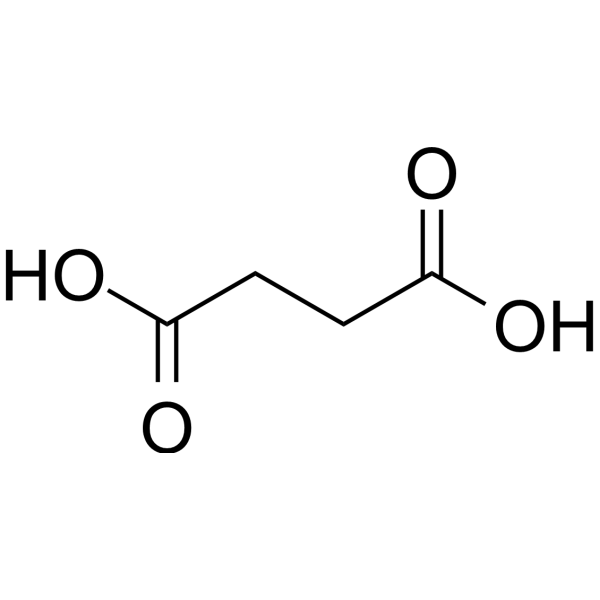
    Succinic acid
    5+ Cited Publications

    Wormwood acid

    Environmental Pollutants Endogenous Metabolite Neurological Disease
    Succinic acid is an anti-anxiety agent with oral activity. Disodium succinate is the salt form of Succinic acid. Succinic acid is an intermediate product of the tricarboxylic acid cycle. Succinic acid is an important platform chemical. Succinic acid can be used as surfactant, additive, ion chelating agent, flavoring agent and other applications in chemical, pharmaceutical and food fields .
    Succinic acid
  • HY-122272
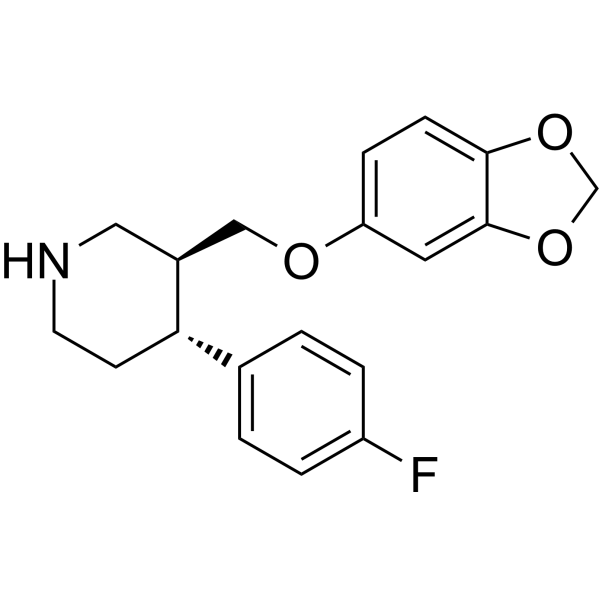
    Paroxetine
    Maximum Cited Publications
    17 Publications Verification

    BRL29060

    Serotonin Transporter Adrenergic Receptor P2X Receptor Apoptosis Neurological Disease Cancer
    Paroxetine is an oral inhibitor that falls under the category of selective serotonin reuptake inhibitors (SSRIs). Paroxetine is also a very weak norepinephrine (NE) reuptake inhibitor, capable of inducing cell apoptosis and having anti-tumor activity. Paroxetine has antidepressant, anti-anxiety, and pain-relieving effects, and it can help improve conditions like obsessive-compulsive disorder, panic disorder, post-traumatic stress disorder, premenstrual anxiety, and chronic headaches .
    Paroxetine
  • HY-W015410
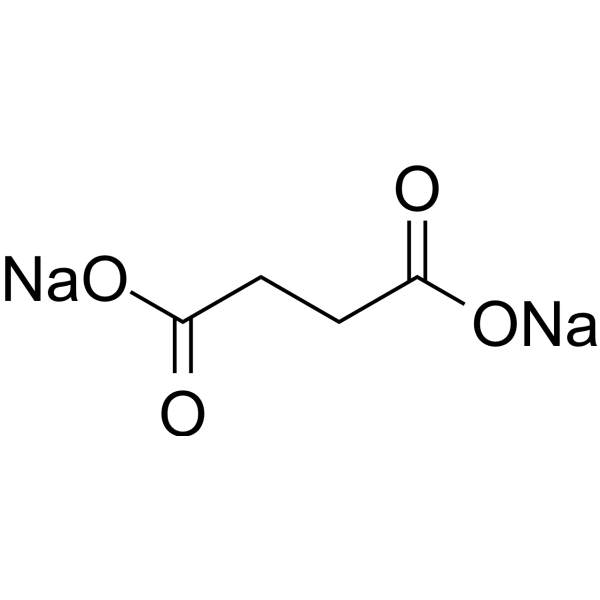
    Disodium succinate
    Maximum Cited Publications
    10 Publications Verification

    Endogenous Metabolite Inflammation/Immunology
    Disodium succinate is an anti-anxiety agent with oral activity. Disodium succinate is the salt form of Succinic acid. Disodium succinate is an intermediate product of the tricarboxylic acid cycle. Disodium succinate is an important platform chemical. Disodium succinate can be used as surfactant, additive, ion chelating agent, flavoring agent and other applications in chemical, pharmaceutical and food fields .
    Disodium succinate
  • HY-N0664
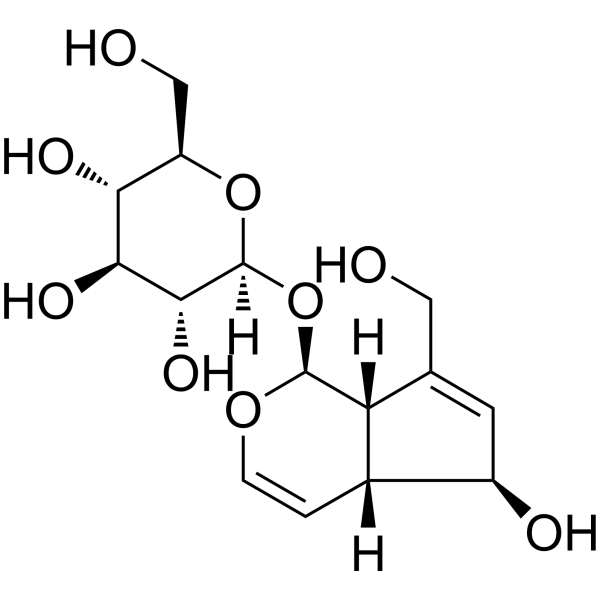
    Aucubin
    Maximum Cited Publications
    10 Publications Verification

    Bacterial Infection Neurological Disease Metabolic Disease Inflammation/Immunology Cancer
    Aucubin is an iridoid glycoside component that acn be found in E. ulmoides. Aucubin can cross the blood-brain barrier (BBB) and has anti-anxiety, antidepressive and anti-neuroinflammatory effects. Aucubin has many biological activities, such as antioxidant, anti-aging, anti-inflammatory, antimicrobial, anti-fibrotic, anti-cancer, hepatoprotective, neuroprotective and osteoprotective effects .
    Aucubin
  • HY-B0965
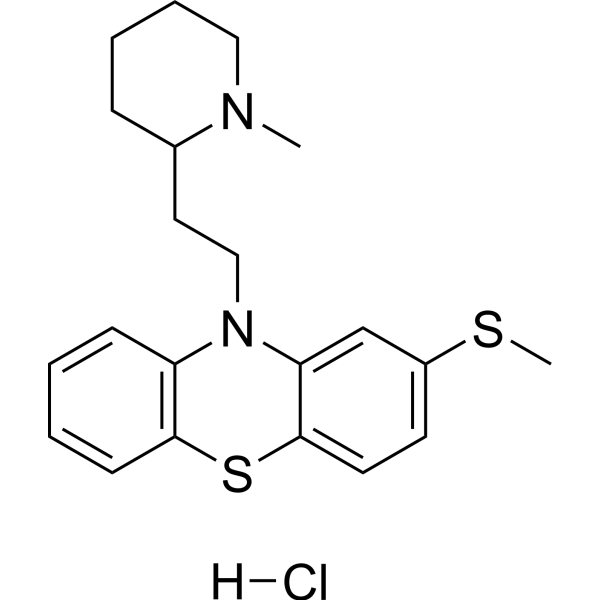
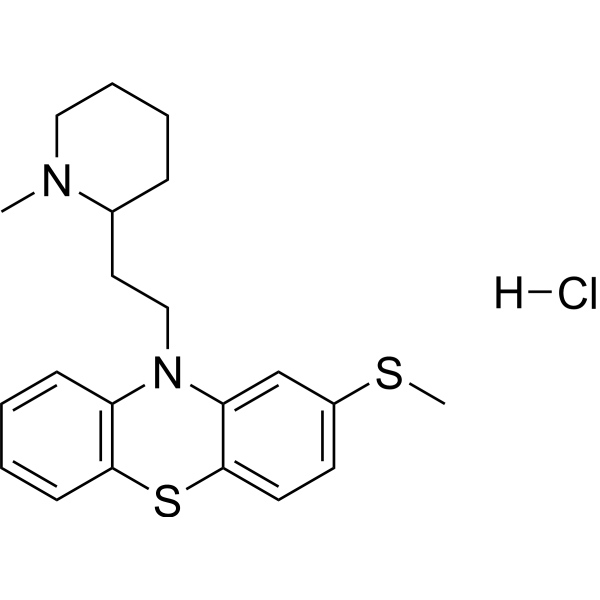
    Thioridazine hydrochloride
    5 Publications Verification

    Dopamine Receptor Apoptosis 5-HT Receptor Autophagy Bacterial Infection Neurological Disease Cancer
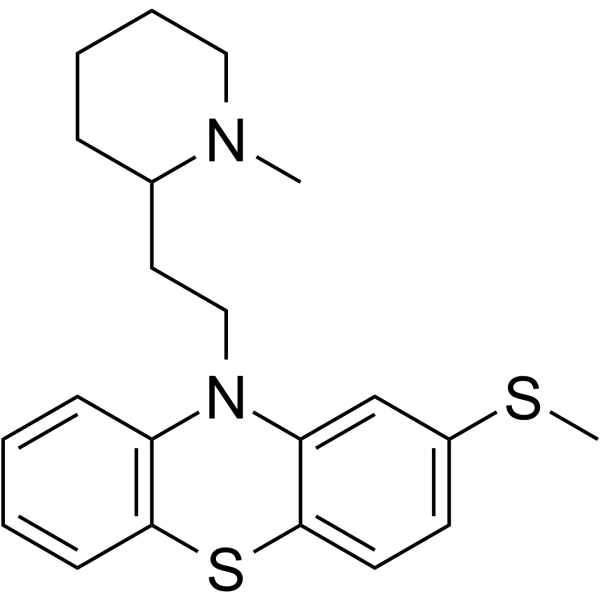
    Thioridazine hydrochloride, an orally active antagonist of the dopamine receptor D2 family proteins, exhibits potent anti-psychotic and anti-anxiety activities. Thioridazine hydrochloride is also a potent inhibitor of PI3K-Akt-mTOR signaling pathways with anti-angiogenic effect. Thioridazine hydrochloride shows antiproliferative and apoptosis induction effects in various types of cancer cells, with specificity on targeting cancer stem cells (CSCs) .
    Thioridazine hydrochloride
  • HY-B0982
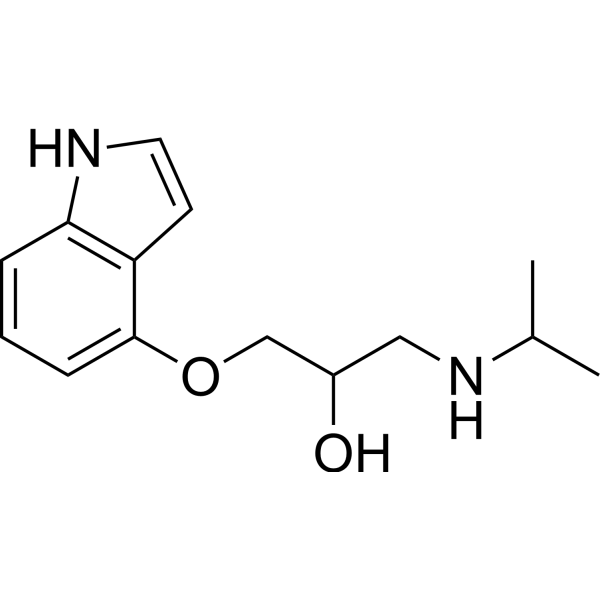
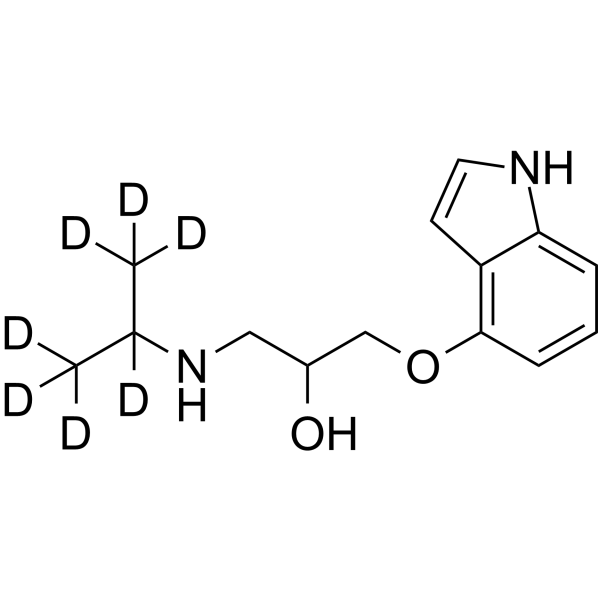
    Pindolol
    2 Publications Verification

    LB-46

    5-HT Receptor Adrenergic Receptor Neurological Disease
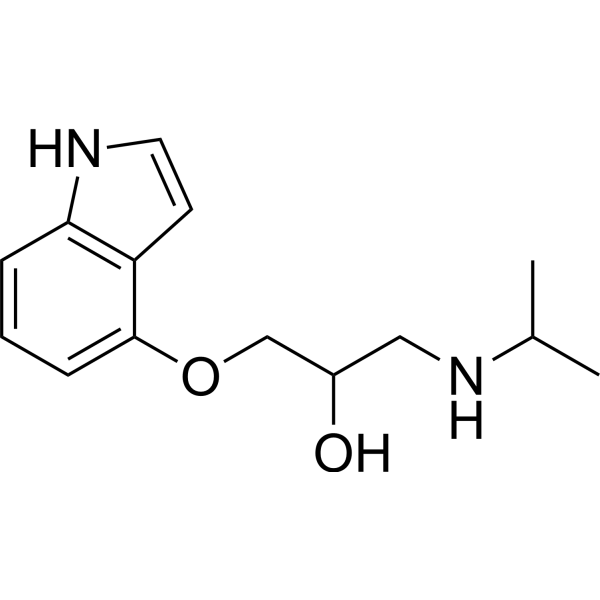
    Pindolol (LB-46) is the antagonist for 5-HT 1A (Ki=33 nM) and 5-HT 1B. Pindolol is the antagonist for β1/β2-adrenergic receptor. Pindolol exhibits anti-anxiety and antidepressant effects .
    Pindolol
  • HY-103377
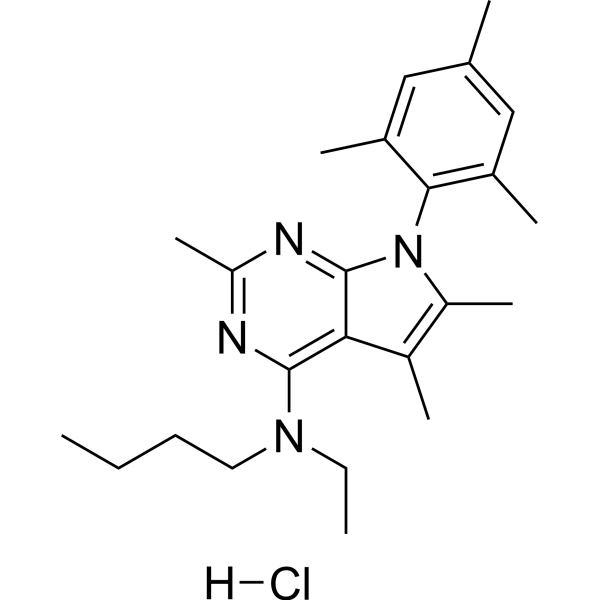
    Antalarmin hydrochloride
    5+ Cited Publications

    CRFR Inflammation/Immunology Endocrinology
    Antalarmin (hydrochloride) is an oral active non-peptide corticotropin-releasing hormone receptor 1 (CRHR1) antagonist with a Ki of 1 nM. Antalarmin hydrochloride suppresses CRH-induced ACTH secretion and blocks CRH and novelty induced anxiety-like behavior in animal models. Antalarmin hydrochloride produces anti-inflammatory effects in arthritis models, and suppresses stress-induced gastric ulceration related to irritable bowel syndrome .
    Antalarmin hydrochloride
  • HY-101392
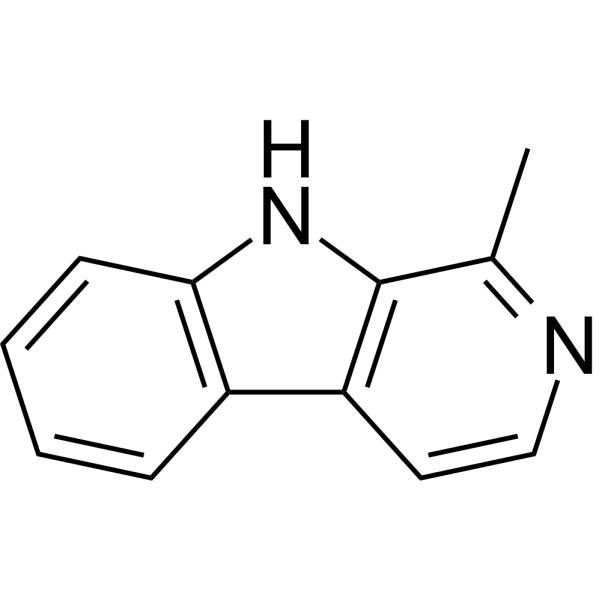
    Harmane
    1 Publications Verification

    Imidazoline Receptor Monoamine Oxidase Adrenergic Receptor nAChR GABA Receptor Opioid Receptor Neurological Disease Inflammation/Immunology
    Harmane is a benzodiazepine receptor inhibitor (IC50=7 μM), with IC50 values for mACh, Opioid Receptor, MAO-A/B, and α2-adrenergic receptor of 24 μM, 2.8 μM, 0.5 μM, 5 μM, and 18 μM, respectively. Harmane inhibits the I1 imidazoline receptor (IC50 = 30 nM) to reduce blood pressure and has antidepressant, anti-anxiety, anticonvulsant, and analgesic effects. Harmane inhibits dopamine biosynthesis by decreasing tyrosine hydroxylase (TH) activity and enhancing L-DOPA-induced cytotoxicity in PC12 cells. Additionally, Harmane can increase the mutagenic effect induced by 2-acetylaminofluorene (AAF) .
    Harmane
  • HY-B0965A
    Thioridazine
    5 Publications Verification

    Dopamine Receptor Apoptosis 5-HT Receptor Autophagy Bacterial Neurological Disease Cancer
    Thioridazine, an antagonist of the dopamine receptor D2 family proteins, exhibits potent anti-psychotic and anti-anxiety activities. Thioridazine is also a potent inhibitor of PI3K-Akt-mTOR signaling pathways with anti-angiogenic effect. Thioridazine shows antiproliferative and apoptosis induction effects in various types of cancer cells, with specificity on targeting cancer stem cells (CSCs) .
    Thioridazine
  • HY-A0095
    Flibanserin
    2 Publications Verification

    BIMT-17; BIMT-17BS

    5-HT Receptor Neurological Disease Cancer
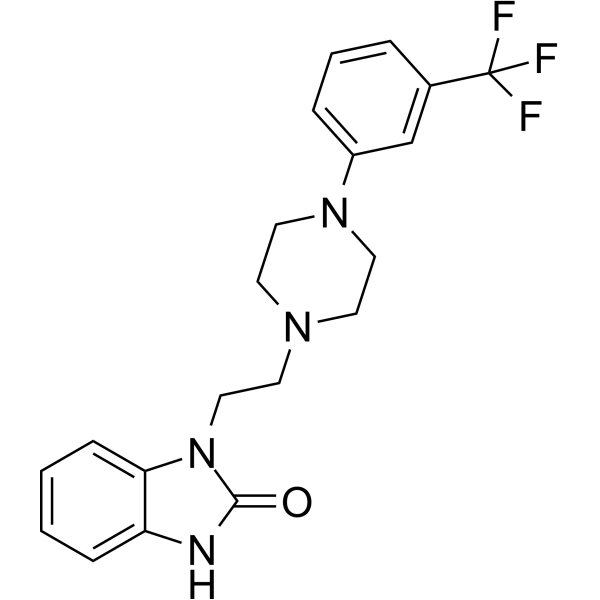
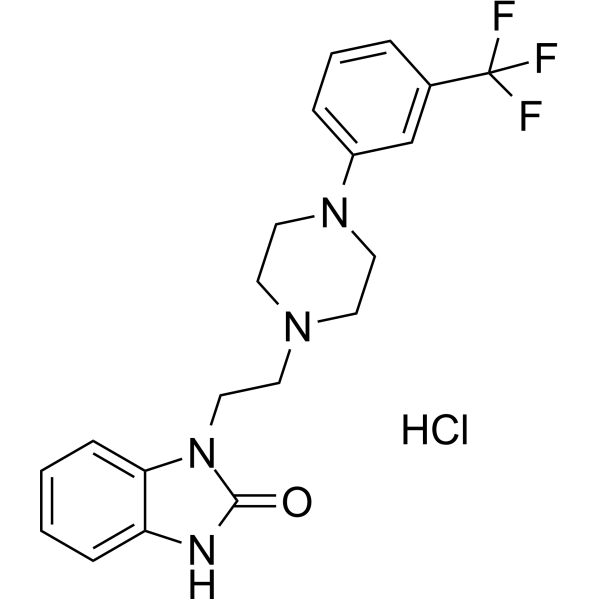
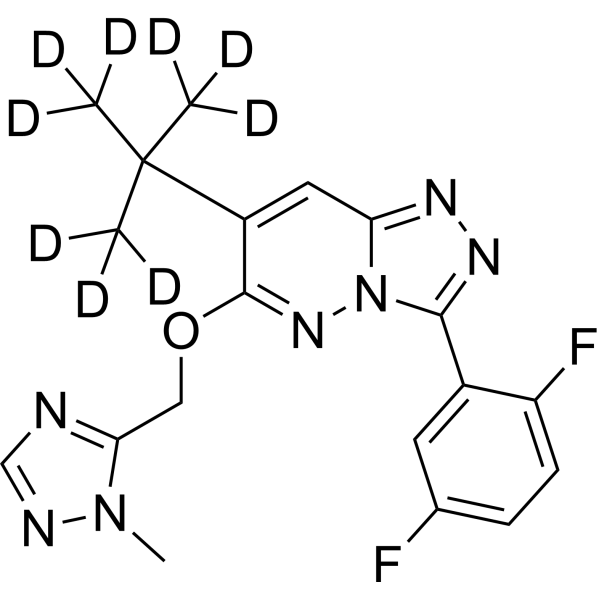
    Flibanserin (BIMT-17; BIMT-17BS) is an orally active serotonin 5-HT1A receptor agonist and 5-HT2A receptor antagonist with Ki values of 1 nM and 49 nM, respectively. Flibanserin binds to dopamine D4 receptors with an Ki value of 4-24 nM. Flibanserin shows anti-depression and anti-anxiety effect, can be used to hypoactive sexual desire disorder (HSDD) research - .
    Flibanserin
  • HY-N0576
    Solanesol
    2 Publications Verification

    Endogenous Metabolite Heme Oxygenase (HO) HSP p38 MAPK Akt Apoptosis Caspase PARP Neurological Disease Metabolic Disease Inflammation/Immunology
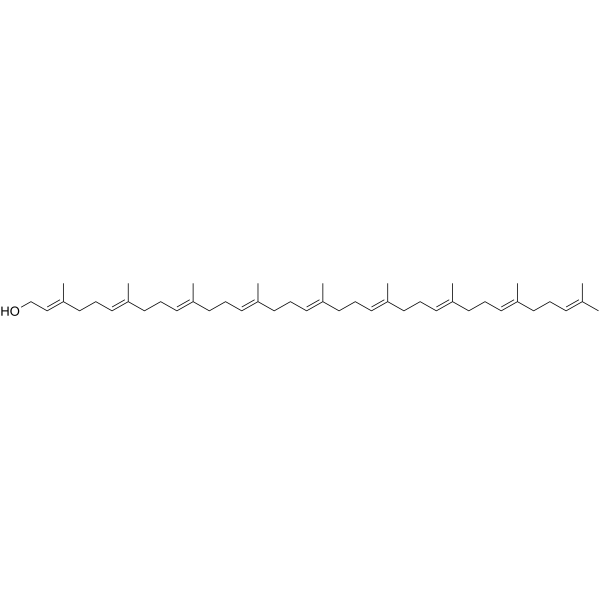
    Solanesol is an orally active aliphatic terpene alcohol. Solanesol is mainly found in tobacco and other Solanaceae plants. Solanesol induces HO-1 and Hsp70 expression, activates p38 and Akt signaling pathways, and inhibits Apoptosis (reduces caspase-3 and PARP cleavage). Solanesol has antioxidant, anti-inflammatory, and neuroprotective activities. Solanesol can be used in the research of Huntington's disease, alcoholic liver disease, chronic inflammatory pain, anxiety, Alzheimer's disease, and bipolar disorder .
    Solanesol
  • HY-N6948
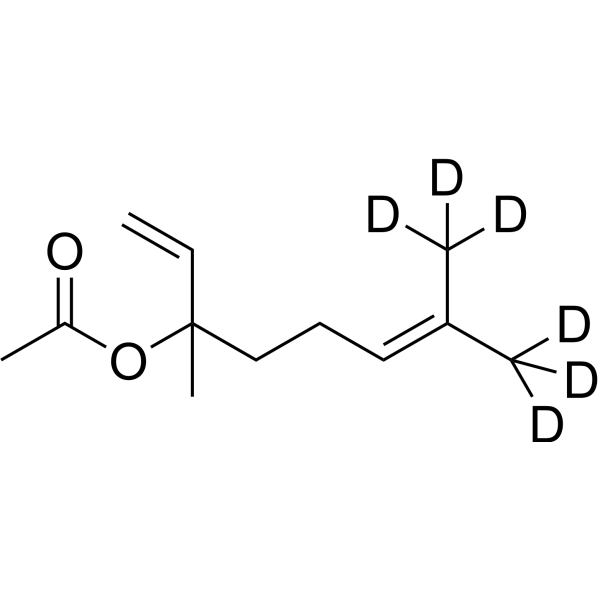
    Linalyl acetate
    1 Publications Verification

    Environmental Pollutants Lactate Dehydrogenase Cardiovascular Disease Neurological Disease Metabolic Disease Inflammation/Immunology
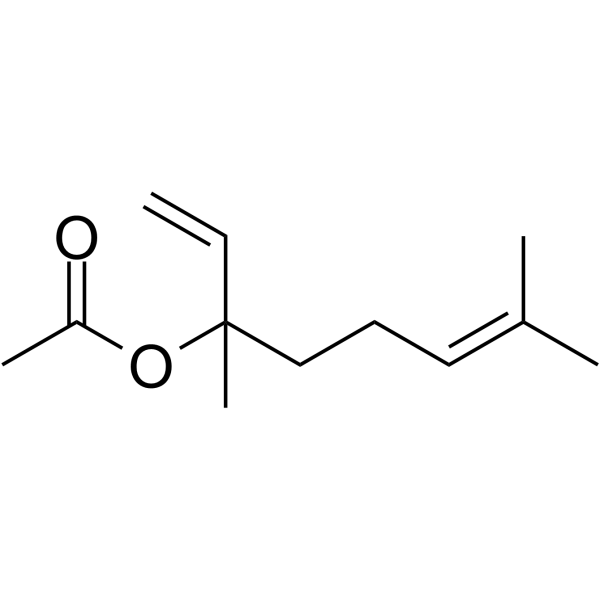
    Linalyl acetate is the principal components of many plant essential oils. Linalyl acetate exhibits anti-anxiety, anti-inflammatory, anti-diabetic, anti-stress, and cardiovascular-regulatory effects. Linalyl acetate is orally active .
    Linalyl acetate
  • HY-15527
    Emapunil
    4 Publications Verification

    AC-5216; XBD-173

    TSPO Neurological Disease Metabolic Disease
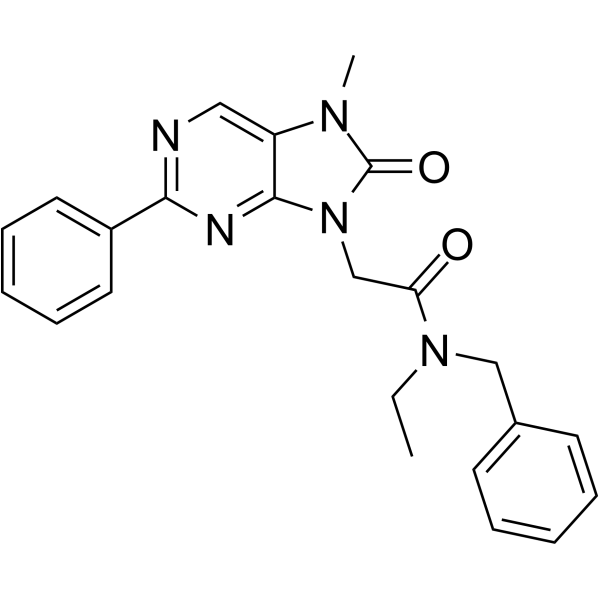
    Emapunil (AC-5216), an orally active and selective TSPO (a mitochondrial benzodiazepine receptor) ligand, produces anti-anxiety and antidepressant-like effects in various animal models .
    Emapunil
  • HY-N1394
    p-Anisic acid
    3 Publications Verification

    4-Methoxybenzoic acid; Draconic acid

    Bacterial Endogenous Metabolite Tyrosinase Infection Neurological Disease Cancer
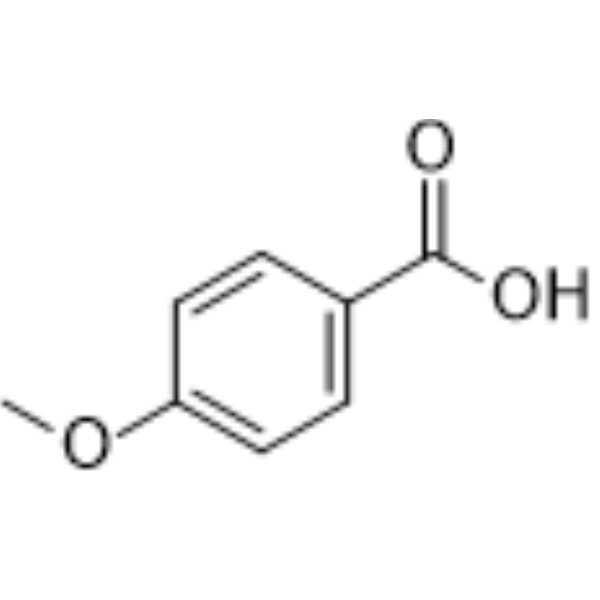
    p-Anisic acid (4-Methoxybenzoic acid) is an orally available tyrosinase inhibitor that has antioxidant, anti-anxiety, anti-inflammatory, anti-tumor, anti-diabetic, and preservative properties. p-Anisic acid can be used as a preservative in the cosmetics field .
    p-Anisic acid
  • HY-N3980
    Guaiol
    1 Publications Verification

    Champacol; Guaiac alcohol

    Autophagy RAD51 Infection Cardiovascular Disease Inflammation/Immunology Cancer
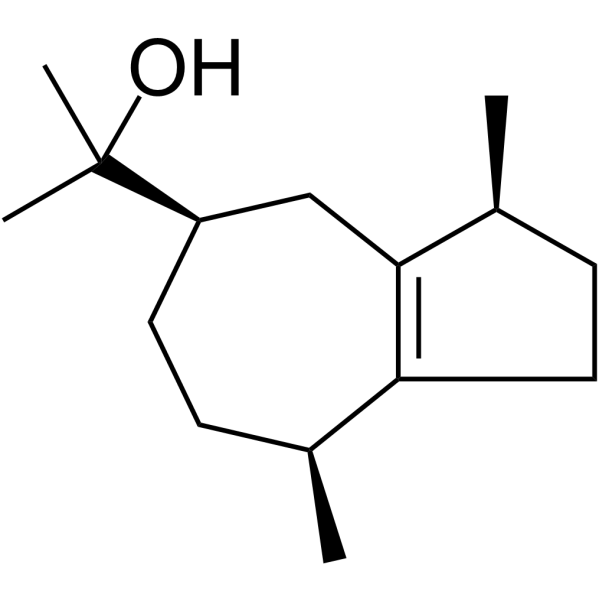
    Guaiol is a sesquiterpenoid alcohol with oral activity found in various traditional Chinese medicines, exhibiting biological activities such as anti-proliferative, autophagy-promoting, insecticidal, anti-anxiety, anti-inflammatory, diuretic, and blood pressure-lowering effects. Guaiol induces apoptosis in non-small cell lung cancer cells by regulating the stability of RAD51 through autophagy modulation. Guaiol can also act directly on parasites, inhibiting their growth by affecting the kinetoplast, mitochondrial matrix and plasma membrane of the promastigotes. Guaiol kills amastigotes at an IC50 of 0.01 µg/mL. Guaiol can be used in research related to cancer, infections, cardiovascular diseases, and inflammatory conditions [4]
    Guaiol
  • HY-N7110
    6-Hydroxyflavone
    2 Publications Verification

    Akt ERK JNK GABA Receptor Neurological Disease Metabolic Disease Inflammation/Immunology
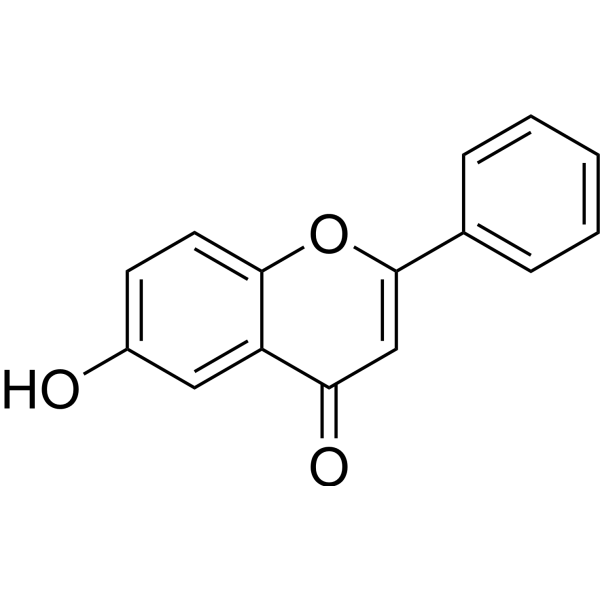
    6-Hydroxyflavone is an orally effective flavonoid compound. 6-Hydroxyflavone can inhibit LPS (HY-D1056) -induced NO production and has anti-inflammatory effects. 6-Hydroxyflavone promotes osteoblast differentiation by activating AKT, ERK 1/2 and JNK signaling pathways. 6-Hydroxyflavone has an inhibitory effect on bovine hemoglobin (BHb) glycosylation. 6-Hydroxyflavone has a kidney protective effect. In addition, 6-Hydroxyflavone enhances GABA-induced current through the Benzodiazepine sites of γ-aminobutyric acid (GABAA) receptors. 6-Hydroxyflavone shows a clear preference for α2 - and α3 - subtypes, which play an anti-anxiety role .
    6-Hydroxyflavone
  • HY-N7117

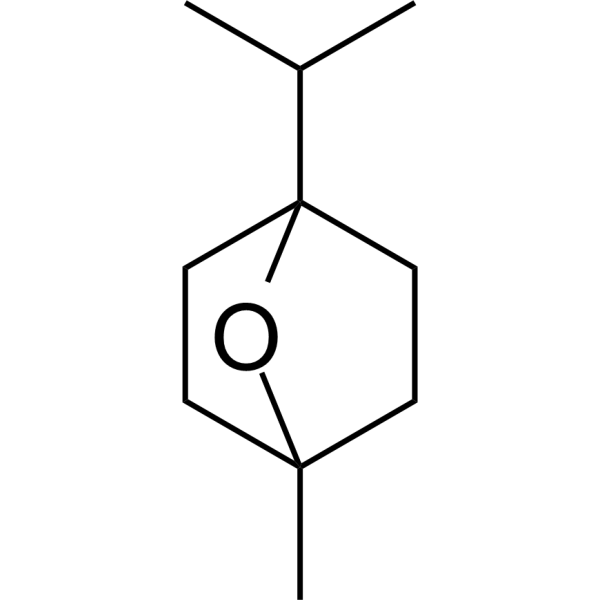
    Environmental Pollutants TRP Channel Neurological Disease
    1,4-Cineole is an oxygenated monoterpene found in eucalyptus oil. 1,4-Cineole is a hTRPM8 and hTRPA1 agonist. 1,4-Cineole can increase intracellular Ca 2+ concentration. 1,4-Cineole exhibits anti-anxiety and anti-depression effects. 1,4-Cineole can be used for the research of neurological disease, such as depression .
    1,4-Cineole
  • HY-W015780

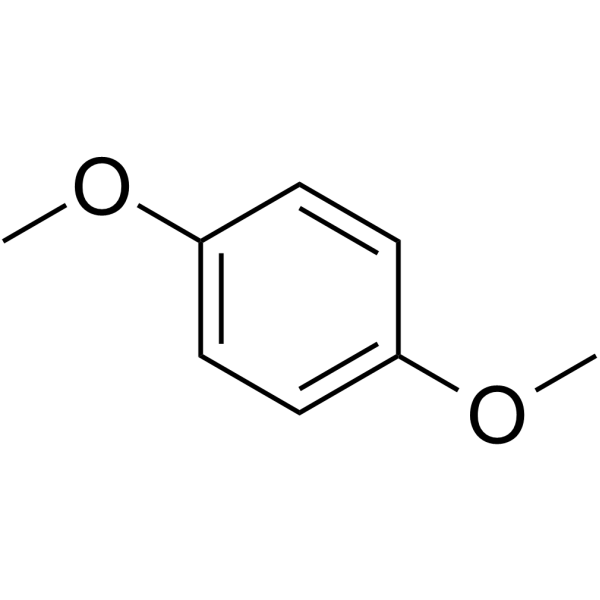
    Environmental Pollutants Endogenous Metabolite Metabolic Disease
    1,4-Dimethoxybenzene is an endogenous metabolite. 1,4-Dimethoxybenzene has an anti-anxiety effect, increasing atherogenic index (AI) levels in rabbits and inducing sedentary behavior. Sedentary behavior may increase blood cholesterol levels and disrupt blood lipids . 1,4-Dimethoxybenzene considers to be not clastogenic in the in vivo micronucleus test .
    1,4-Dimethoxybenzene
  • HY-P2602

    GABA Receptor Neurological Disease
    α-Casozepine is an orally effective anxiolytic that binds to the benzodiazepine site of the GABAA receptor in bovine samples with an IC50 of 88 μM. α-Casozepine exerts anxiolytic and anti-stress effects on cats exposed to unfamiliar environments and dogs undergoing road transport . α-Casozepine exhibits significant anxiolytic activity in rats. α-Casozepine can be used in studies related to fear, anxiety and stress .
    α-Casozepine
  • HY-N0924
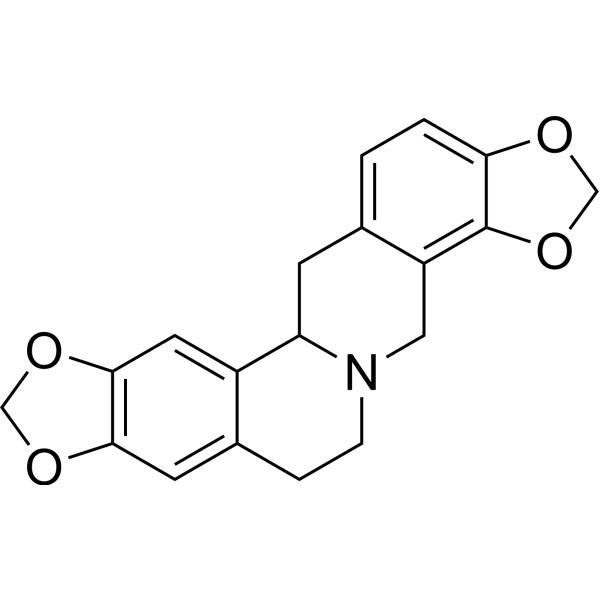
    (±)-Stylopine
    1 Publications Verification

    Tetrahydrocoptisine

    Interleukin Related NO Synthase p38 MAPK PERK NF-κB Neurological Disease Inflammation/Immunology
    (±)-Stylopine (Tetrahydrocoptisine) is an alkaloid compound. (±)-Stylopine can be isolated from the tubers of the plant Corydalis. (±)-Stylopine inhibits TNF-α, IL-6, and NO production, and attenuates phosphorylation of p38 MAPK, ERK1/2. (±)-Stylopine inhibits NF-κB expression. (±)-Stylopine exhibits anti-inflammatory activity. (±)-Stylopine has protective effects against foot edema, gastric ulcers, anxiety, depression, and acute lung injury .
    (±)-Stylopine
  • HY-N2071
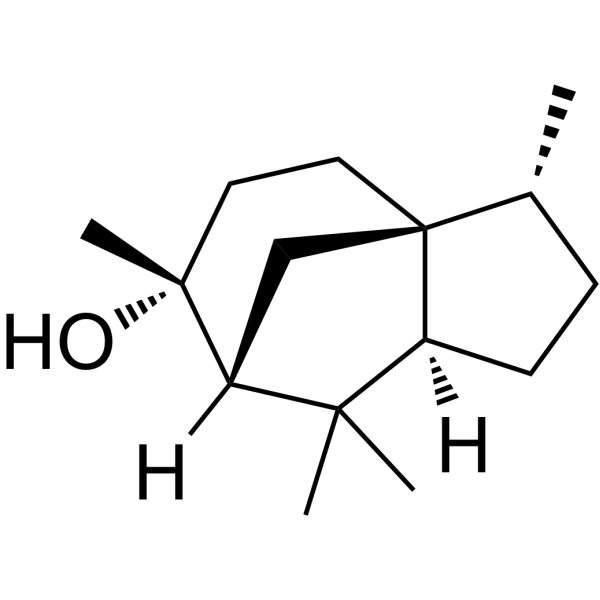
    Cedrol
    1 Publications Verification

    (+)-Cedrol; α-Cedrol

    Environmental Pollutants Cytochrome P450 Apoptosis Fungal Caspase Platelet-activating Factor Receptor (PAFR) Infection Neurological Disease Inflammation/Immunology Cancer
    Cedrol is a potent competitive inhibitor of cytochrome P-450(CYP) enzyme. Cedrol plays an anticancer role by inducing cell cycle arrest and Caspase-dependent apoptosis. Cedrol acts as a neutrophil agonist that can desensitize cells to subsequent stimulation of N-formyl peptides. Cedrol prevents neuropathic pain caused by chronic contractile injury by inhibiting oxidative stress and inflammation. In addition, Cedrol has antibacterial, hair loss prevention and anti-anxiety properties .
    Cedrol
  • HY-N1414

    Trk Receptor NF-κB Amyloid-β Neurological Disease
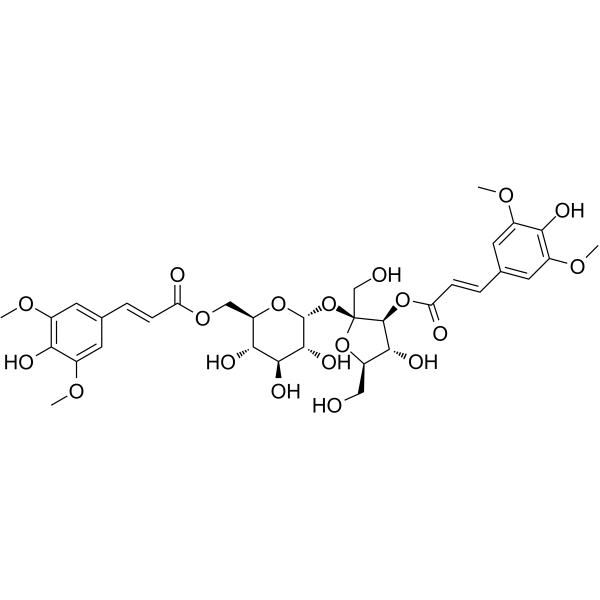
    (E)-3',6-Disinapoylsucrose is an orally active, blood-brain barrier permeable neuroprotective agent that inhibits protein aggregation. (E)-3',6-Disinapoylsucrose exerts anxiolytic, anti-inflammatory and cognitive-enhancing effects. (E)-3',6-Disinapoylsucrose regulates the TrkB/BDNF signaling pathway, inhibits the expression of NF-κB p65, reduces pro-inflammatory cytokine levels, and alleviates neuronal damage. (E)-3',6-Disinapoylsucrose also enhances the functions of central 5-HT and noradrenergic systems, thereby improving spatial learning and memory abilities and reducing anxiety-like behaviors. (E)-3',6-Disinapoylsucrose can be used for the research of related diseases such as Alzheimer's disease, depression, memory impairment and anxiety disorder .
    (E)-3',6-Disinapoylsucrose
  • HY-90003A
    Tianeptine sodium salt
    1 Publications Verification

    Opioid Receptor iGluR MMP PI3K Akt NF-κB Neurological Disease Inflammation/Immunology
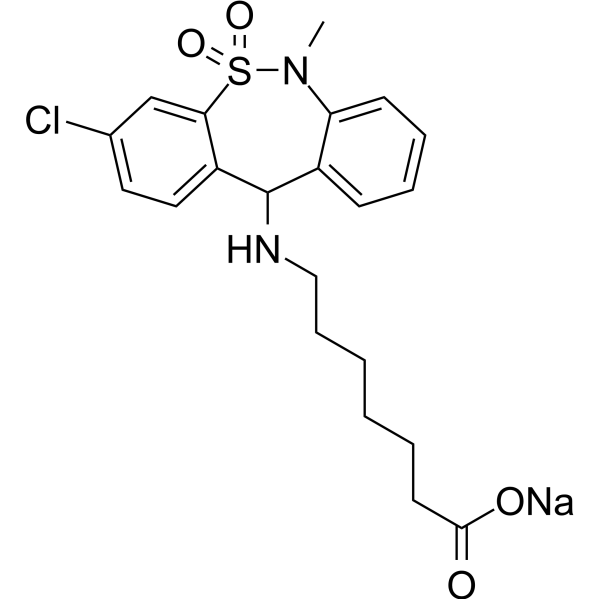
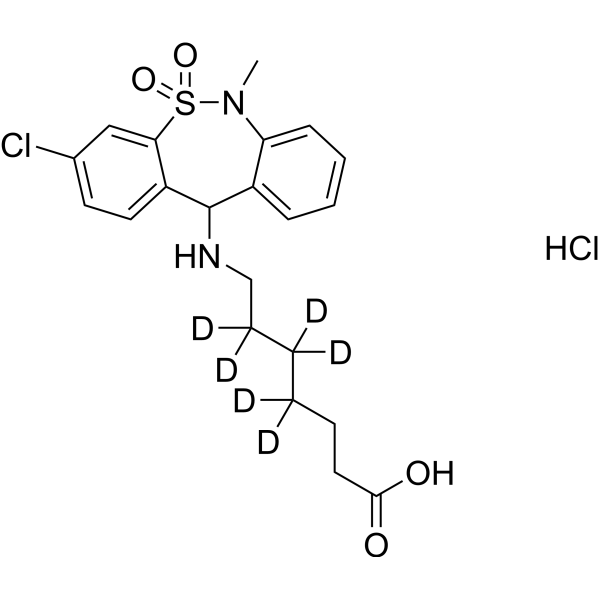
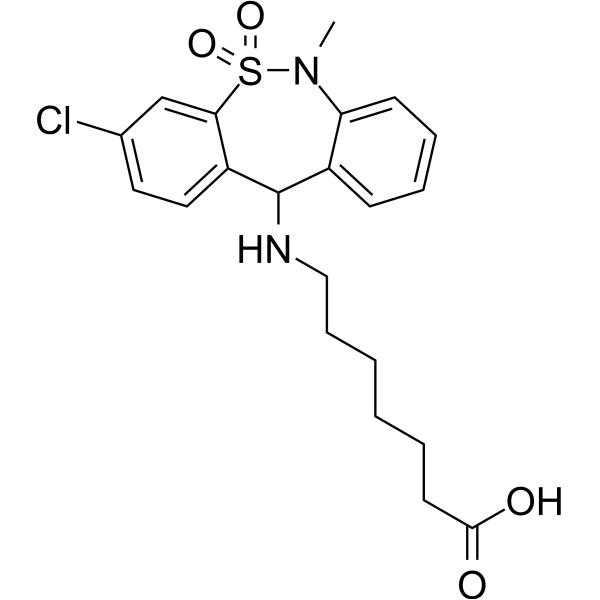
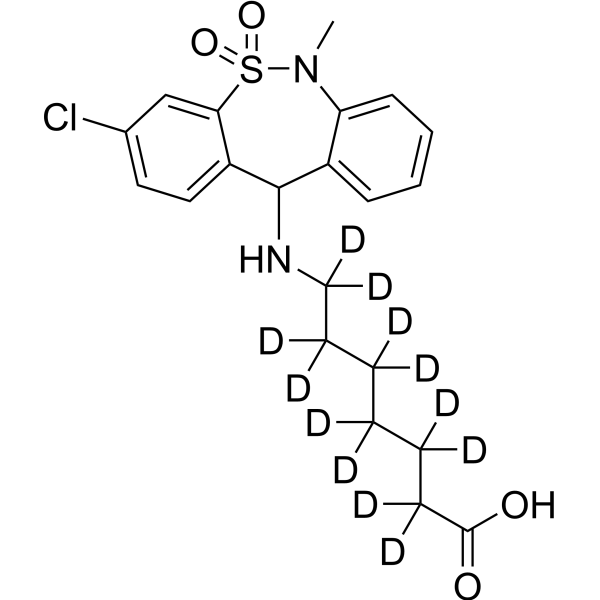
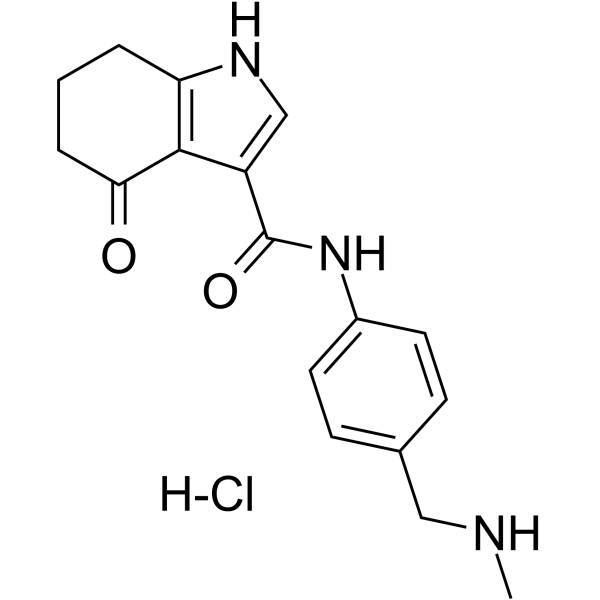
    Tianeptine sodium salt is an atypical antidepressant. Tianeptine sodium salt is a moderate-intensity agonist of the μ-opioid receptor (MOR), and to a lesser extent, is an agonist of the δ-opioid receptor (DOR). Tianeptine sodium salt is a glutamate modulator that can enhance AMPA receptor and antagonize NMDA receptor. Tianeptine sodium salt increases sensitivity of the α1 adrenergic receptor, which only manifests in chronic treatment. Tianeptine sodium salt exerts neuroprotective effects under stress/inflammation-induced conditions, exhibiting anti-inflammatory and antioxidant properties. Tianeptine sodium salt inhibits MMP-9 by suppressing the PI3K/Akt-mediated NF-κB pathway. Tianeptine sodium salt can be used to alleviate symptoms of depression and anxiety, but does not cause sedative effects .
    Tianeptine sodium salt
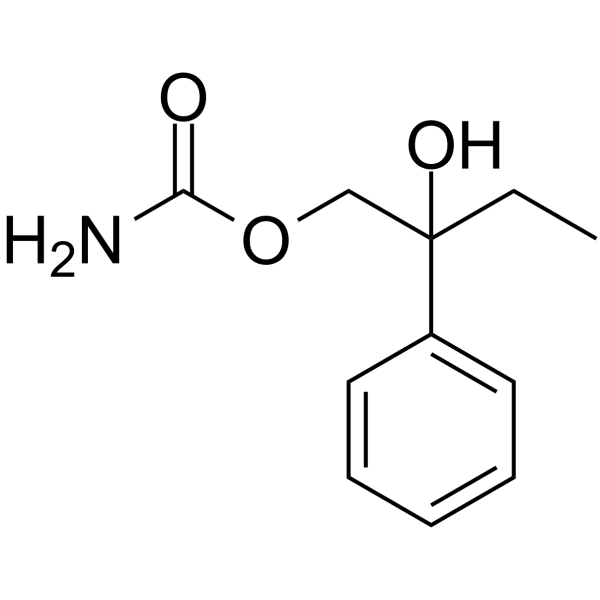
  • HY-126112

    Drug Derivative Neurological Disease
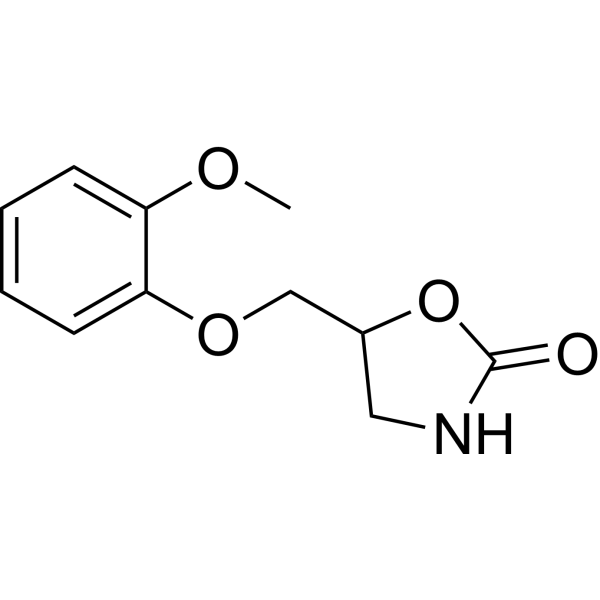
    Mephenoxalone is a muscle relaxant with anti-anxiety activity. Mephenoxalone has neuropharmacologic activity in vivo. Mephenoxalone inhibits neuron transmission and can relax skeletal muscles by inhibiting the reflex arc .
    Mephenoxalone
  • HY-W094516
    Disodium succinate hexahydrate
    4 Publications Verification

    Wormwood acid disodium hexahydrate

    Endogenous Metabolite Neurological Disease Inflammation/Immunology
    Disodium succinate hexahydrate (Wormwood acid disodium hexahydrate) is an anti-anxiety agent with oral activity. Disodium succinate hexahydrate is an intermediate product of the tricarboxylic acid cycle. Disodium succinate hexahydrate is an important platform chemical. Disodium succinate hexahydrate can be used as surfactant, additive, ion chelating agent, flavoring agent and other applications in chemical, pharmaceutical and food fields .
    Disodium succinate hexahydrate
  • HY-N0420R
    Succinic acid (Standard)
    5+ Cited Publications

    Wormwood acid (Standard)

    Reference Standards Endogenous Metabolite Neurological Disease
    Succinic acid (Standard) is the analytical standard of Succinic acid. This product is intended for research and analytical applications. Succinic acid is an anti-anxiety agent with oral activity. Disodium succinate is the salt form of Succinic acid. Succinic acid is an intermediate product of the tricarboxylic acid cycle. Succinic acid is an important platform chemical. Succinic acid can be used as surfactant, additive, ion chelating agent, flavoring agent and other applications in chemical, pharmaceutical and food fields .
    Succinic acid (Standard)
  • HY-103476

    GABA Receptor Neurological Disease
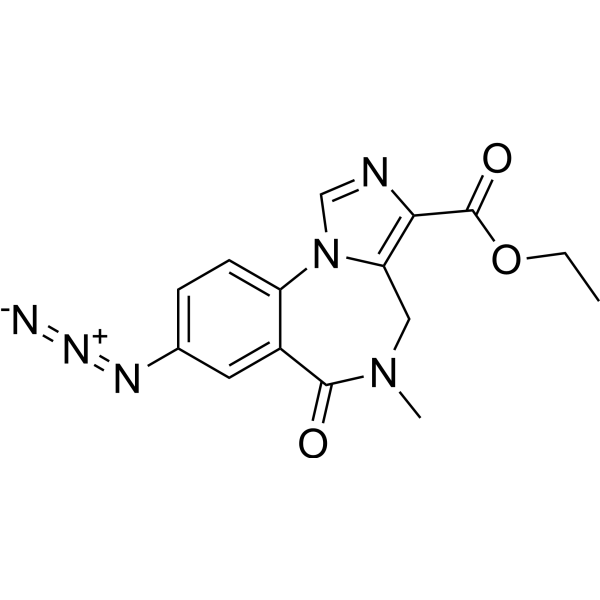
    Ro15-4513, imidazobenzodiazepinone derivative, is a partial inverse agonist of benzodiazepine receptor (BZR) . Ro15-4513 is a potent ethanol antagonist . Ro15-4513 has anti-anxiety effect . Ro15-4513 is a click chemistry reagent, it contains an Azide group and can undergo copper-catalyzed azide-alkyne cycloaddition reaction (CuAAc) with molecules containing Alkyne groups. It can also undergo strain-promoted alkyne-azide cycloaddition (SPAAC) reactions with molecules containing DBCO or BCN groups.
    Ro15-4513
  • HY-N8829

    Biochemical Assay Reagents Neurological Disease
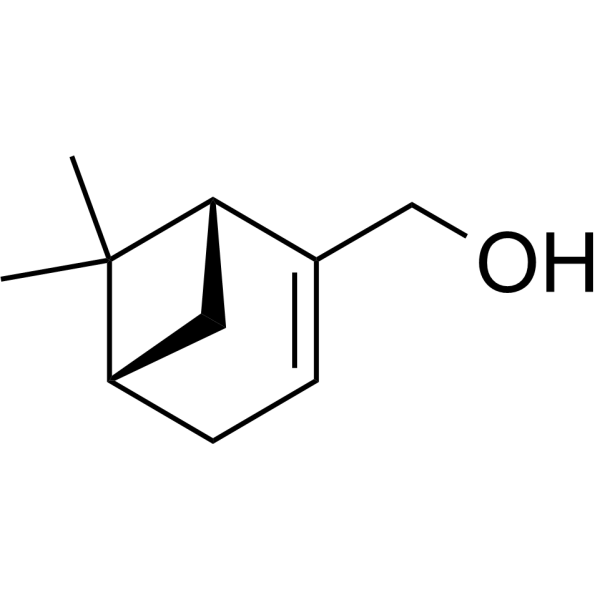
    (-)-Myrtenol is the enantiomer of Myrtenol. (-)-Myrtenol has anti-anxiety effect . (-)-Myrtenol has the characteristics of gastric cell protection .
    (-)-Myrtenol
  • HY-N4097

    Others Neurological Disease
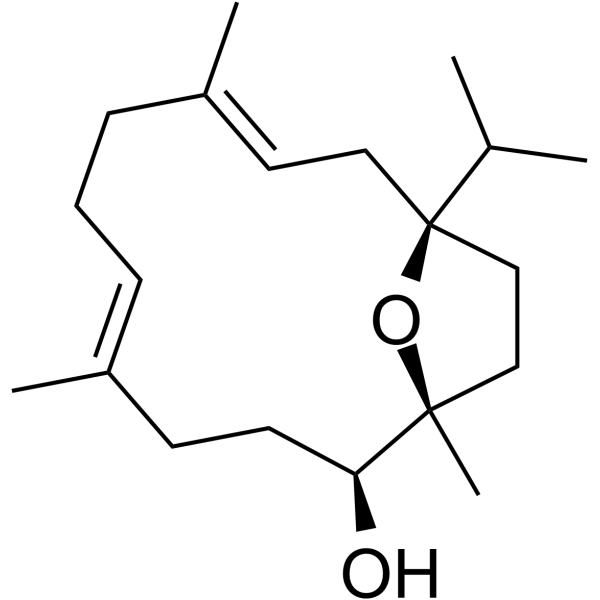
    Incensole, a 14-membered diterpenoid, is isolated from both essential oils and resins of frankincense. Incensole has shown anti-inflammatory and anti-depression activities due to their ability to activate ion channels in the brain to alleviate anxiety or depression .
    Incensole
  • HY-101060

    GABA Receptor Neurological Disease
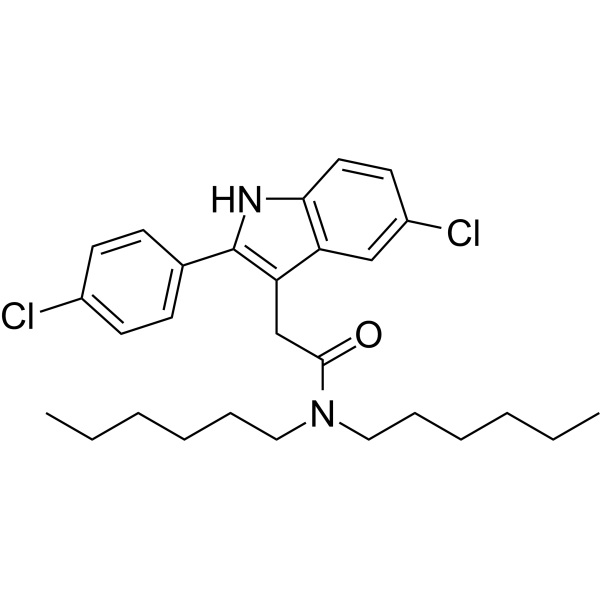
    FGIN-1-43 is an effective and specific ligand for the mitochondrial diazepam binding inhibitor (DBI) receptor (related to the production of neurosteroids). FGIN 1-43 enhances the transmission of GABA by inducing the production of neurosteroids, which can be used for research on anti-anxiety .
    FGIN-1-43
  • HY-W010989

    Biochemical Assay Reagents Bacterial Infection Neurological Disease Inflammation/Immunology Cancer
    Gly-His-Lys acetate is a natural, circulating regulatory and antimicrobial tripeptide derived from extracellular matrix proteins. Gly-His-Lys acetate binds Cu 2+ to support copper enzyme activation, antioxidant processes, cellular bioenergetics, and the synthesis of elastin, collagen and catecholamines. Gly-His-Lys acetate regulates cell growth, differentiation and tissue repair, and exerts regenerative, anxiolytic, anti-inflammatory, analgesic and immunosuppressive activities. Gly-His-Lys acetate induces liver degenerative changes. Gly-His-Lys acetate can be used for the research of infections, anxiety, pain-related behaviors and immune-associated liver diseases .
    Gly-His-Lys acetate
  • HY-W009009

    GABA Receptor Neurological Disease
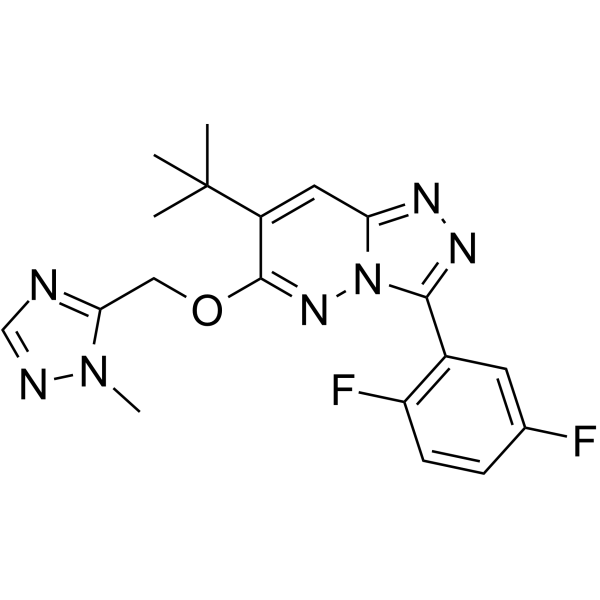
    L-838417 is a selective partial agonist at the α2, α3 and α5 subtypes of the GABAA receptor and an antagonist at the α1, with binding Ki values of 0.79 nM, 0.67 nM, 1.67 nM, 267 nM, 2.25 nM and 2183 nM for α1β3γ2, α2β3γ2, α3β3γ2, α4β3γ2, α5β3γ2 and α6β3γ2. L-838417 has anti-anxiety activity .
    L-838417
  • HY-N8852

    6-MeOF

    GABA Receptor Taste Receptor Neurological Disease Metabolic Disease
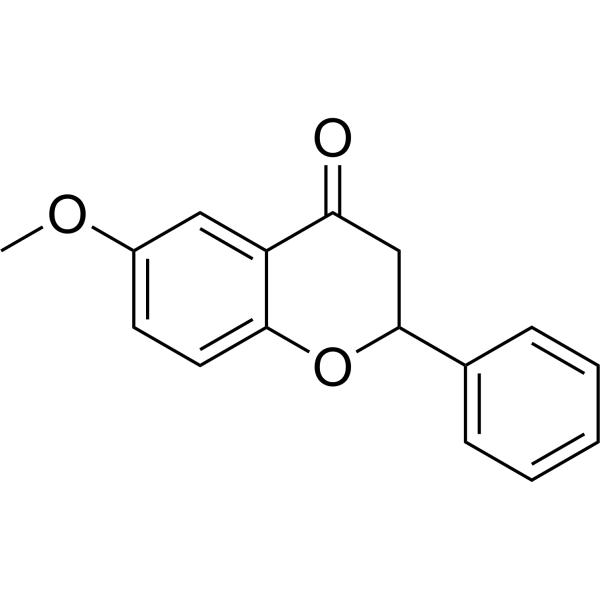
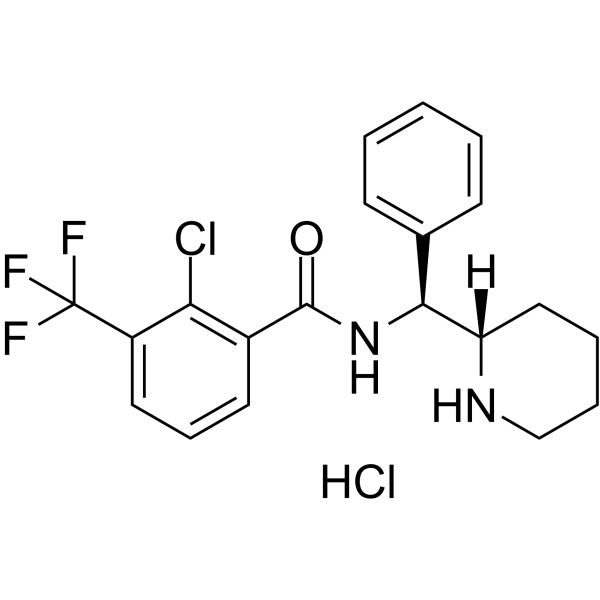
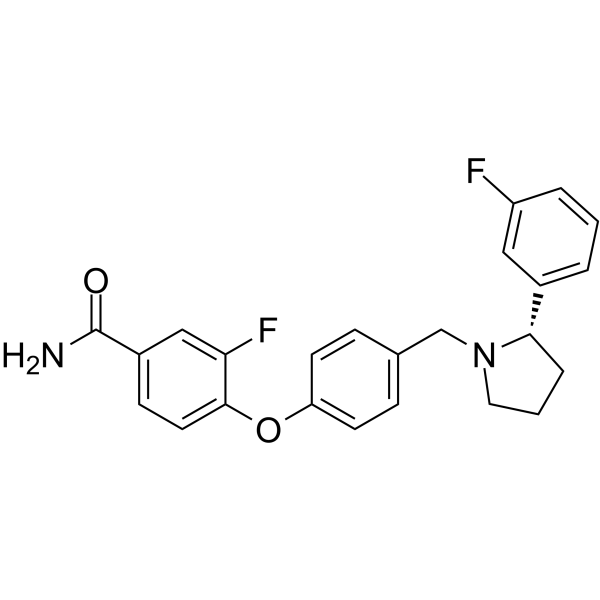
    6-Methoxyflavanone (6-MeOF) is a flavonoid compound that can cross the blood-brain barrier. 6-Methoxyflavanone is a positive allosteric modulator of GABAA receptors. 6-Methoxyflavanone exhibits positive allosteric regulatory effects on human recombinant α1β2γ2L and α2β2γ2L GABAA receptors, and is relatively inactive on the α1β2 GABAA receptor. 6-Methoxyflavanone showes inhibitory behavior towards the activation of bitter receptor hTAS2R39 and hTAS2R14, demonstrating a reversible and non-overcome antagonistic effect. 6-Methoxyflavanone has the effects of anti-anxiety, analgesia and relief of neuropathic pain .
    6-Methoxyflavanone
  • HY-101639A

    GABA Receptor Neurological Disease
    CP-409092 hydrochloride is a partial agonist of GABAA receptor, with anti-anxiety activity .
    CP-409092 hydrochloride
  • HY-10715

    GlyT Neurological Disease
    SSR504734 is an orally active, selective and reversible inhibitor of human, rat, and mouse GlyT1 (IC50=18, 15, and 38 nM, respectively). SSR504734 shows anti-schizophrenia, anti-anxiety and anti-depression activities .
    SSR504734
  • HY-122272R

    BRL29060 (Standard)

    Serotonin Transporter Adrenergic Receptor P2X Receptor Apoptosis Reference Standards Neurological Disease Cancer
    Paroxetine (Standard) is the analytical standard of Paroxetine. This product is intended for research and analytical applications. Paroxetine is an oral inhibitor that falls under the category of selective serotonin reuptake inhibitors (SSRIs). Paroxetine is also a very weak norepinephrine (NE) reuptake inhibitor, capable of inducing cell apoptosis and having anti-tumor activity. Paroxetine has antidepressant, anti-anxiety, and pain-relieving effects, and it can help improve conditions like obsessive-compulsive disorder, panic disorder, post-traumatic stress disorder, premenstrual anxiety, and chronic headaches .
    Paroxetine (Standard)
  • HY-135230

    FP3FBZ

    Opioid Receptor Neurological Disease
    LY2444296 is an orally bioavailable, high-affinity and selective short-acting kappa opioid receptor (KOPR) antagonist, with a Ki value of ~1 nM. LY2444296 exhibits anti-anxiety like effects .
    LY2444296
  • HY-117526

    Serotonin Transporter Neurological Disease
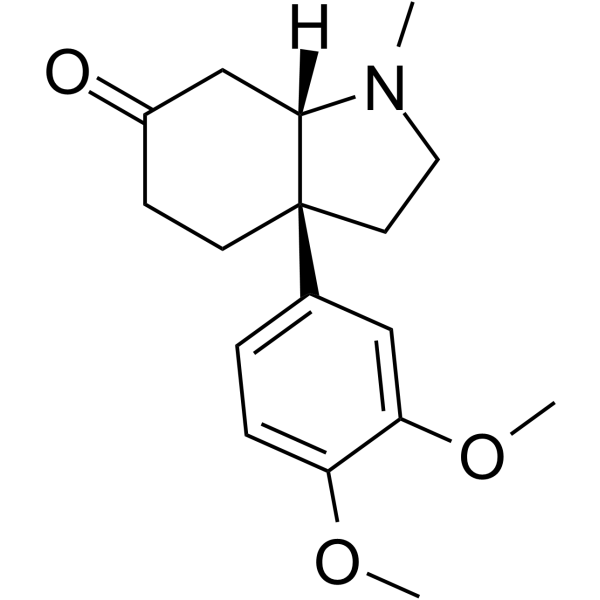
    (-)-Mesembrine is a serotonin transporter (SERT) inhibitor. (-)-Mesembrine inhibits serotonin reuptake. (-)-Mesembrine exerts anxiolytic, mood-enhancing and anti-addictive effects. (-)-Mesembrine is applicable to research on mild-to-moderate depression, anxiety disorders and stress-related conditions .
    (-)-Mesembrine
  • HY-N9241

    Others Neurological Disease
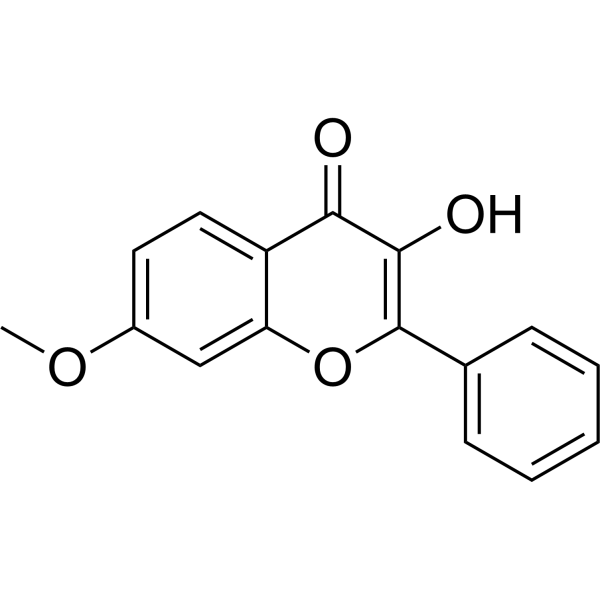
    3-Hydroxy-7-methoxyflavone (compound 1) is a flavonoid. 3-Hydroxy-7-methoxyflavone is isolated from natural Salvia elegans. 3-Hydroxy-7-methoxyflavone has anti-anxiety effect .
    3-Hydroxy-7-methoxyflavone
  • HY-N1414A
    3′,6-Disinapoylsucrose
    2 Publications Verification

    Bcl-2 Family Apoptosis Neurological Disease
    3′,6-Disinapoylsucrose is a type of oligosaccharide that's effective when taken orally, and it has antidepressant, anti-anxiety, and antioxidant properties. 3′,6-Disinapoylsucrose inhibits neuronal apoptosis by lowering the ratio of Bax to Bcl-2 in hippocampal neurons, and it enhances cognitive function in APP/PS1 transgenic mice by activating the CREB/BDNF signaling pathway .
    3′,6-Disinapoylsucrose
  • HY-B0982R

    LB-46 (Standard)

    Reference Standards 5-HT Receptor Adrenergic Receptor Neurological Disease
    Pindolol (Standard) is the analytical standard of Pindolol. This product is intended for research and analytical applications. Pindolol (LB-46) is the antagonist for 5-HT 1A (Ki=33 nM) and 5-HT 1B. Pindolol is the antagonist for β1/β2-adrenergic receptor. Pindolol exhibits anti-anxiety and antidepressant effects .
    Pindolol (Standard)
  • HY-A0095A

    BIMT-17 hydrochloride (propan-2-ol) hydrate; BIMT-17BS hydrochloride (propan-2-ol) hydrate

    5-HT Receptor Neurological Disease Cancer
    Flibanserin (BIMT-17) hydrochloride (propan-2-ol) hydrate is an orally active serotonin 5-HT1A receptor agonist and 5-HT2A receptor antagonist with Ki values of 1 nM and 49 nM, respectively. Flibanserin hydrochloride (propan-2-ol) hydrate binds to dopamine D4 receptors with an Ki value of 4-24 nM. Flibanserin hydrochloride (propan-2-ol) hydrate shows anti-depression and anti-anxiety effect, can be used to hypoactive sexual desire disorder (HSDD) research - .
    Flibanserin hydrochloride (propan-2-ol) hydrate
  • HY-116798

    FAAH Neurological Disease
    URB524 is an irreversible FAAH inhibitor of O-aryl amino acid esters. URB524 inhibits FAAH by aminoformylation of Ser241. URB524 exhibits analgesic, antidepressant, and anti anxiety activity .
    URB524
  • HY-B0965AS

    Dopamine Receptor Apoptosis 5-HT Receptor Autophagy Bacterial Neurological Disease
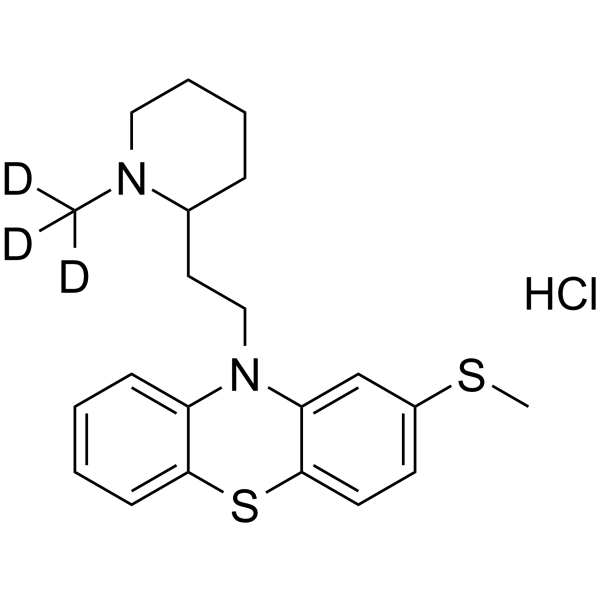
    Thioridazine-d3 (hydrochloride) is the deuterium labeled Thioridazine. Thioridazine, an antagonist of the dopamine receptor D2 family proteins, exhibits potent anti-psychotic and anti-anxiety activities. Thioridazine is also a potent inhibitor of PI3K-Akt-mTOR signaling pathways with anti-angiogenic effect. Thioridazine shows antiproliferative and apoptosis induction effects in various types of cancer cells, with specificity on targeting cancer stem cells (CSCs) .
    Thioridazine-d3 hydrochloride
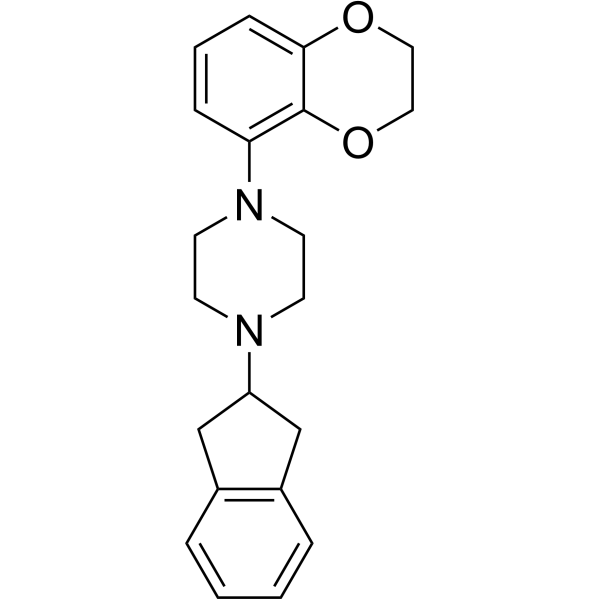
  • HY-116076

    5-HT Receptor Neurological Disease
    S-15535 is a highly selective 5-HT1A receptor ligand. S-15535 is an antagonist of postsynaptic 5-HT1A receptors and an agonist of presynaptic 5-HT1A receptors. S-15535 can be used in research on psychiatric disorders, such as anti-anxiety .
    S-15535
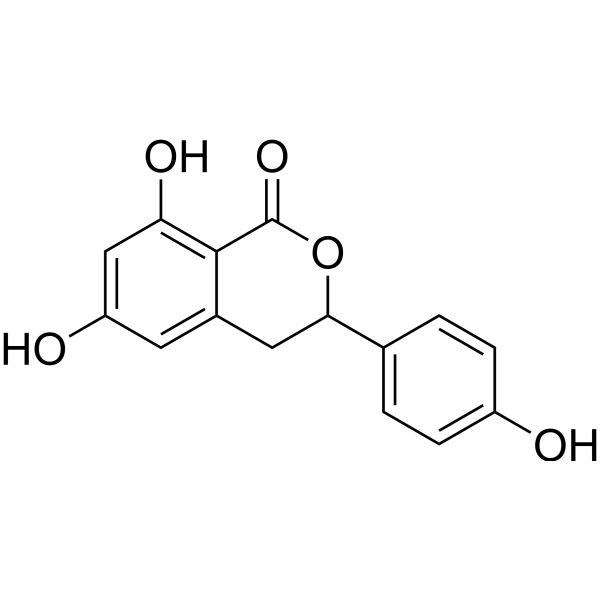
  • HY-N1151

    Bacterial Cholinesterase (ChE) MMP TNF Receptor Infection Neurological Disease Inflammation/Immunology
    Thunberginol C is an orally active, selective, and non-competitive inhibitor of AChE and BChE, with IC50 values of 41.96 and 42.36 μM, respectively. Thunberginol C exerts cytoprotective, pro-collagen type I restorative, MMP-1 inhibitory, hyaluronic acid restorative, anti-photoaging effects in skin cells. Thunberginol C exerts neuroprotective, anxiolytic, TNF-α inhibitory, neuroinflammation inhibitory, and oxidative stress inhibitory effects. Thunberginol C can be used for the research of Alzheimer’s disease, UVB-induced skin photoaging, allergic reactions, oral bacterial infections, and stress-induced anxiety .
    Thunberginol C
  • HY-12132

    CRFR Adenylate Cyclase Neurological Disease
    DMP 904 is a noncompetitive full corticotropin-releasing factor receptor (CRFR) antagonist. DMP 904 can inhibit CRF-stimulated adenylate cyclase activity and ACTH release. DMP 904 exhibits anti-depressant and anti-anxiety activity .
    DMP 904
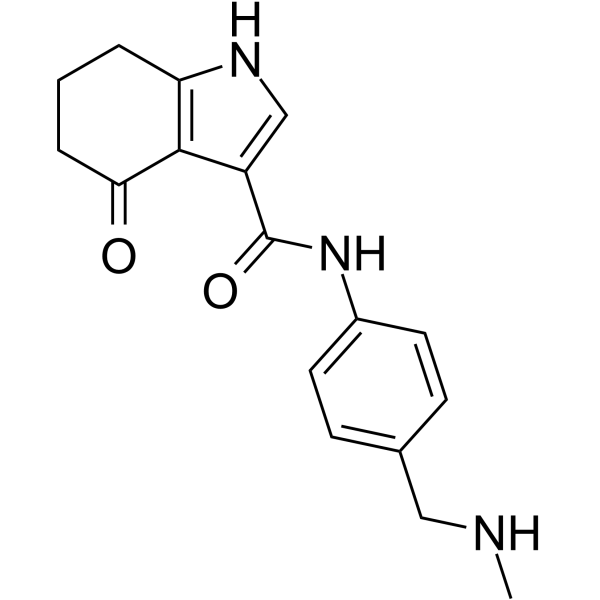
  • HY-179363

    Cholinesterase (ChE) COX Neurological Disease
    BChE-IN-46 is a selective and brain-penetrant BChE inhibitor (eqBChE IC50 = 7.44 × 10 −5 μM, SI > 270,000; hBChE, IC50 = 1.48 × 10 −3 μM). BChE-IN-46 has COX-2 inhibitory activity (IC50 = 0.11 μM). BChE-IN-46 exhibits neuroprotective effects, enhances acetylcholine levels, and alleviates cognitive deficits, anxiety, and learning/memory impairments. BChE-IN-46 can be used for the development of anti-Alzheimer's disease drugs .
    BChE-IN-46
  • HY-174395

    Keap1-Nrf2 Interleukin Related Heme Oxygenase (HO) Neurological Disease
    CD-10 is an orally active and BBB-penatrable Keap1-Nrf2 protein-protein interaction (PPI) inhibitor. CD-10 binds to Keap1 with a KD value of 193 nM. CD-10 exhibits potent anti-oxidative and anti-inflammatory effects through Keap1-Nrf2 pathway activation, evidenced by reduced levels of MDA, IL-4, IL-10 and increased expression of HO-1. CD-10 effectively alleviated anxiety and depressive behaviors and restored serum neurotransmitter levels by promoting Nrf2 nuclear translocation in the chronic unpredictable mild stress (CUMS) mouse model. CD-10 can be used for the study of depression.
    CD-10
  • HY-N0576R

    Reference Standards Endogenous Metabolite Heme Oxygenase (HO) HSP p38 MAPK Akt Apoptosis Caspase PARP Neurological Disease Metabolic Disease Inflammation/Immunology
    Solanesol (Standard) is the analytical standard of Solanesol (HY-N0576). This product is intended for research and analytical applications. Solanesol is an orally active aliphatic terpene alcohol. Solanesol is mainly found in tobacco and other Solanaceae plants. Solanesol induces HO-1 and Hsp70 expression, activates p38 and Akt signaling pathways, and inhibits Apoptosis (reduces caspase-3 and PARP cleavage). Solanesol has antioxidant, anti-inflammatory, and neuroprotective activities. Solanesol can be used in the research of Huntington's disease, alcoholic liver disease, chronic inflammatory pain, anxiety, Alzheimer's disease, and bipolar disorder .
    Solanesol (Standard)

Inquiry Online

Your information is safe with us. * Required Fields.

Salutation


Country or Region *

Applicant Name *


Organization Name *

Department *


Email Address *


Product Name *

Cat. No.


Requested quantity *

Phone Number *


Remarks

Inquiry Online

Inquiry Information

Product Name:
Cat. No.:
Quantity:
MCE Japan Authorized Agent: