Search Result
Results for "
antinociceptive effects
" in MedChemExpress (MCE) Product Catalog:
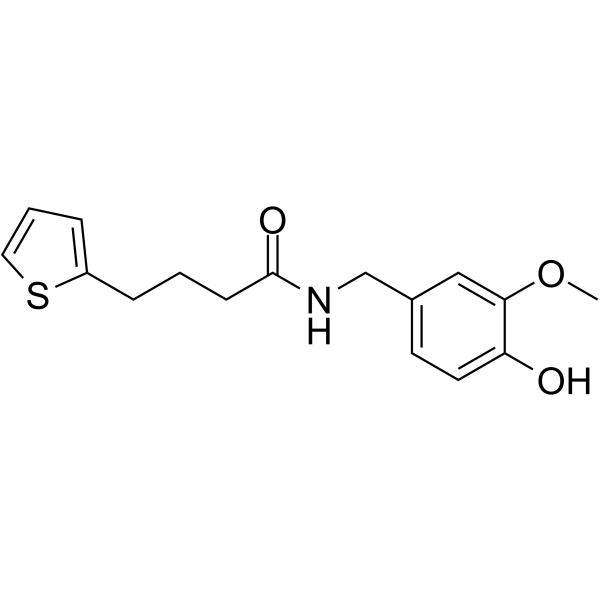
13
Isotope-Labeled Compounds
| Cat. No. |
Product Name |
Target |
Research Areas |
Chemical Structure |
-
- HY-N0092
-
-
-
- HY-N0037
-
-
-
- HY-Y1055
-
Guanine
3 Publications Verification
|
DNA/RNA Synthesis
Endogenous Metabolite
|
Infection
Neurological Disease
Cancer
|
|
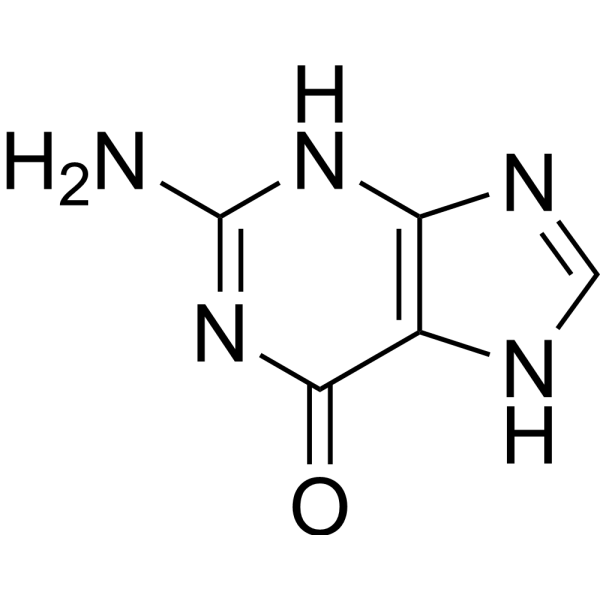
Guanine is one of the fundamental components of nucleic acids (DNA and RNA). Guanine is a purine derivative, consisting of a fused pyrimidine-imidazole ring system with conjugated double bonds. Guanine has the potential to serve as a large-capacity N pool. Guanine has cytotoxic, antinociceptive and neuroprotective effects .
|
-
-
- HY-N2165
-
-
-
- HY-N0826
-
-
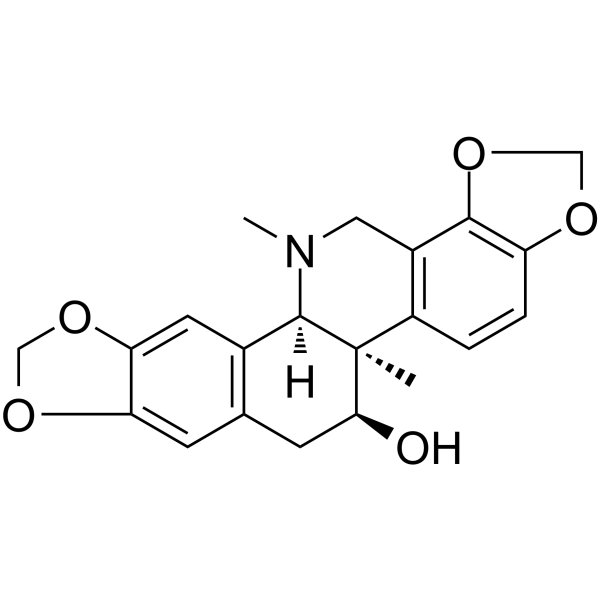
-
- HY-130605
-
|
|
P2X Receptor
|
Neurological Disease
|
|
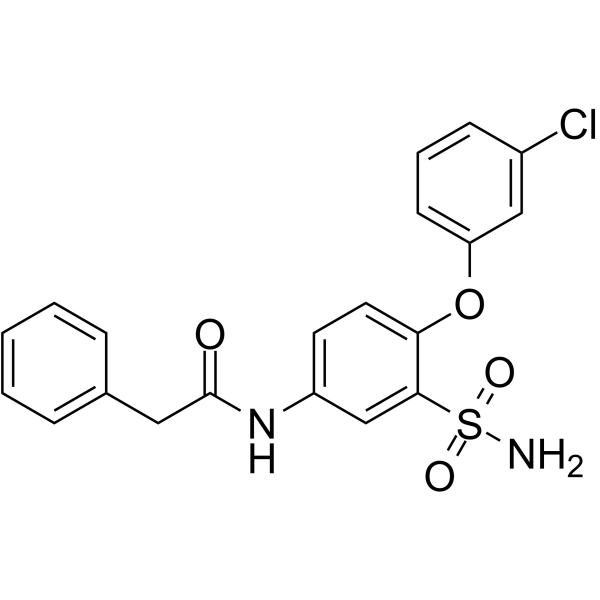
BAY-1797, a chemical probe, is a potent, orally active, and selective P2X4 antagonist, with an IC50 of 211 nM against human P2X4. BAY-1797 displays no or very weak activity on the other P2X ion channels. BAY-1797 shows anti-nociceptive and anti-inflammatory effects .
|
-
-
- HY-108652
-
|
|
P2X Receptor
|
Inflammation/Immunology
|
|
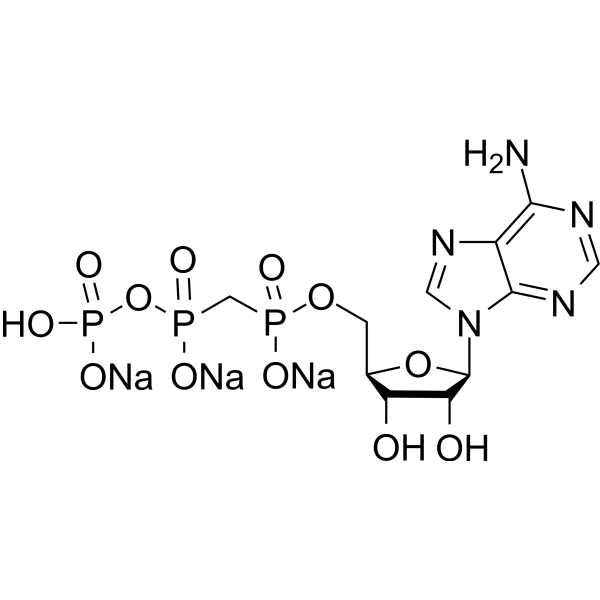
α,β-Methylene-ATP trisodium is an agonist of P2X1 and P2X3 receptors and can cross the blood-brain barrier. α,β-Methylene-ATP trisodium can trigger a reflex pressor response by activating P2X receptors in peripheral muscles and the central locus coeruleus (LC); this effect can be blocked by the P2X antagonist PPADS (HY-108960). α,β-Methylene-ATP trisodium also activates noradrenergic neurons in the central locus coeruleus, mediating antinociceptive effects; this effect can be attenuated by the locus coeruleus damaging agent DSP-4 (HY-103210/HY-121602). α,β-Methylene-ATP trisodium can be used to study the pathological mechanisms of neuropathic pain, cardiovascular reflex regulation, and antinociceptive effects of the central nervous system .
|
-
-
- HY-12882A
-
|
NP-120 tartrate; RC-61-91 tartrate
|
iGluR
Adrenergic Receptor
Potassium Channel
Calcium Channel
Influenza Virus
|
Infection
Neurological Disease
|
|
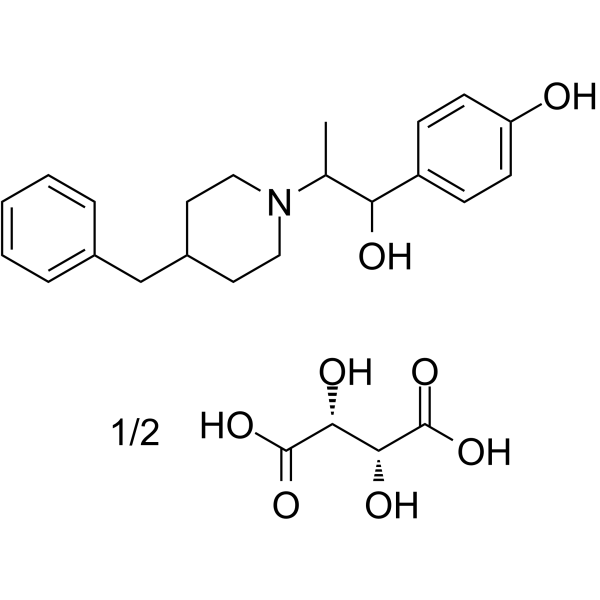
Ifenprodil (NP-120) tartrate, a cerebral vasodilator, is a noncompetitive NMDA receptor antagonist. Ifenprodil tartrate exerts high affinity at NR1A/NR2B receptors (IC50=0.34 μM) over 400-fold than at NR1A/NR2A receptors (IC50=146 μM) . Ifenprodil tartrate is an α1 adrenergic receptor antagonist. Ifenprodil tartrate inhibits GIRK (Kir3), reduces inward currents through the basal GIRK activity. Ifenprodil tartrate has reliable inhibitory effects against A/H1N1 strains (EC50 of 6.6 µM). Ifenprodil tartrate has neuroprotective, anticonvulsant and antinociceptive effects. Ifenprodil tartrate can be used for the study of cerebrovascular diseases and peripheral arterial obliterative disease .
|
-
-
- HY-N3017
-
|
|
Antibiotic
|
Neurological Disease
Inflammation/Immunology
|
|
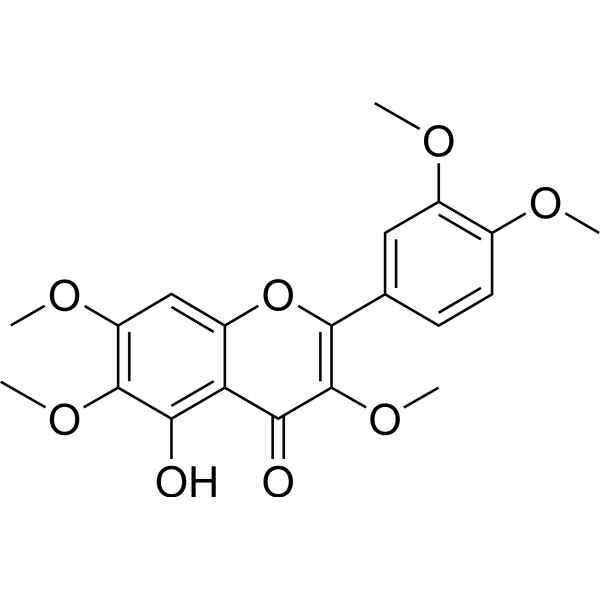
Artemitin is a flavonoid neuroanesthetic agent with moderate cytotoxicity. Artemitint has selective inhibitory activity against Meth-A sarcoma cells with an ED50 of 5-10 μg/mL, and has no significant effect on LLC lung cancer cells. Artemitin exerts anticancer activity by affecting cell proliferation signaling pathways, and also has potential anti-inflammatory and neuroprotective effects. Artemitin exhibits a dose-dependent antinociceptive effect in the mouse hot plate test, with an ED50 of 1.6 μg/kg, and has analgesic activity .
|
-
-
- HY-N0628
-
-
-
- HY-78131B
-
|
(R)-Ibuprofen
|
NF-κB
|
Inflammation/Immunology
Cancer
|
|
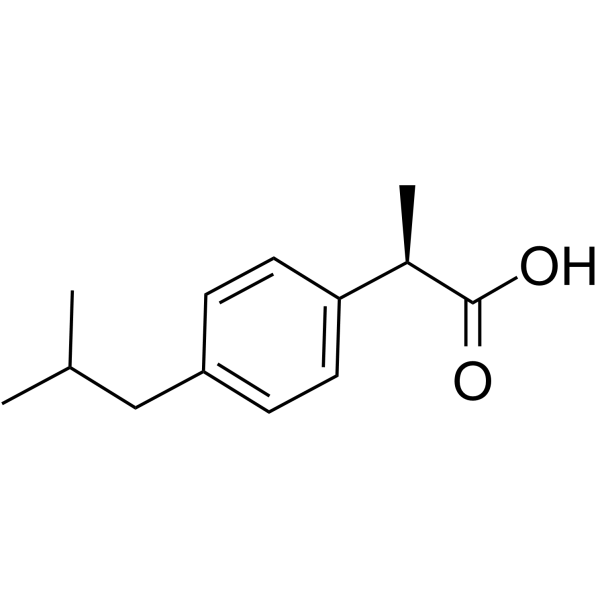
(R)-(-)-Ibuprofen is the R enantiomer of Ibuprofen, inactive on COX, inhibits NF-κB activation; (R)-(-)-Ibuprofen exhibits anti-inflammatory and antinociceptive effects.
|
-
-
- HY-N7000
-
-
-
- HY-110150
-
|
|
PI4P5K
|
Neurological Disease
Inflammation/Immunology
Cancer
|
|
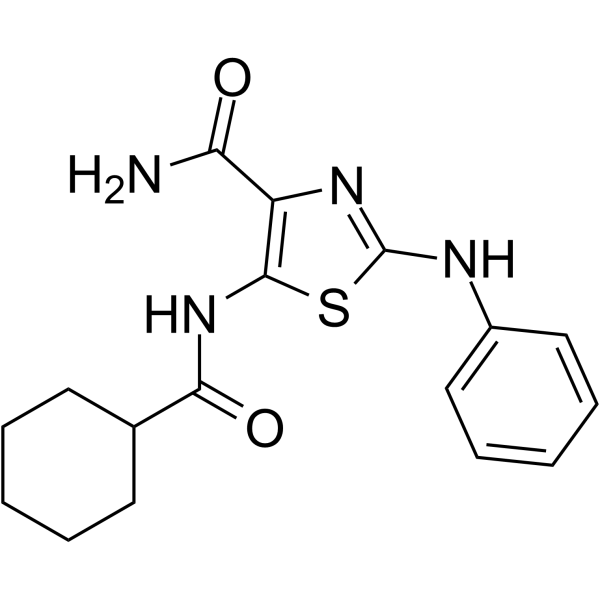
UNC3230 is a potent, selective and ATP-competitive PIP5K1C inhibitor with an IC50 of ~41 nM. UNC3230 also inhibits PIP4K2C and does not inhibit any of the other lipid kinases that regulate phosphoinositide levels. UNC3230 has antinociceptive and anticancer effects .
|
-
-
- HY-101379A
-
|
|
Calcium Channel
|
Cardiovascular Disease
Neurological Disease
|
|
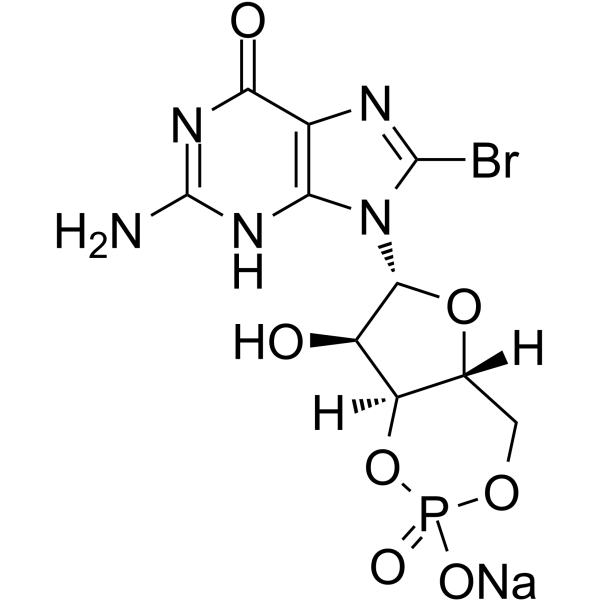
8-Bromo-cGMP sodium, a membrane-permeable analogue of cGMP, is a PKG (protein kinase G) activator. 8-Bromo-cGMP sodium significantly inhibits Ca 2+ macroscopic currents and impairs insulin release stimulated with high K + . 8-Bromo-cGMP sodium has antinociceptive effects and results in vasodilator responses .
|
-
-
- HY-101202
-
|
NIH 10815
|
Opioid Receptor
|
Neurological Disease
|
|
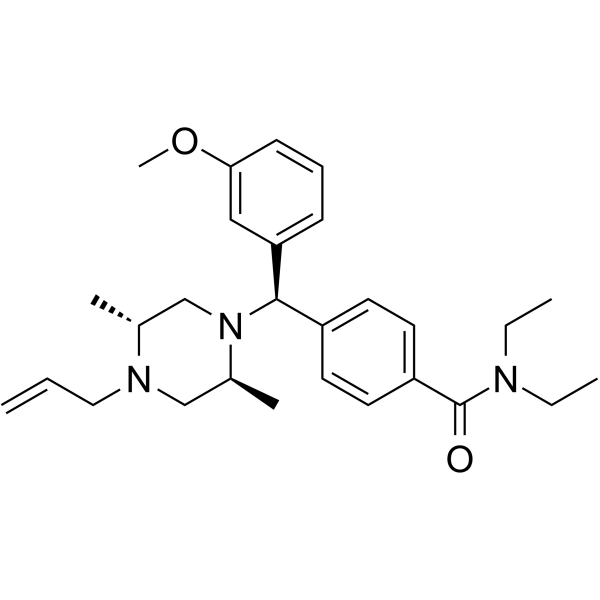
SNC80 (NIH 10815) is a potent, highly selective and non-peptide δ-opioid receptor agonist with a Ki of 1.78 nM and an IC50 of 2.73 nM. SNC80 also selectively activates μ-δ heteromer in HEK293 cells with an EC50 of 52.8 nM. SNC80 shows antinociceptive, antihyperalgesic and antidepressant‐like effects. SNC80 has the potential for multiple headache disorders treatment .
|
-
-
- HY-N0388
-
|
|
Others
|
Neurological Disease
|
|
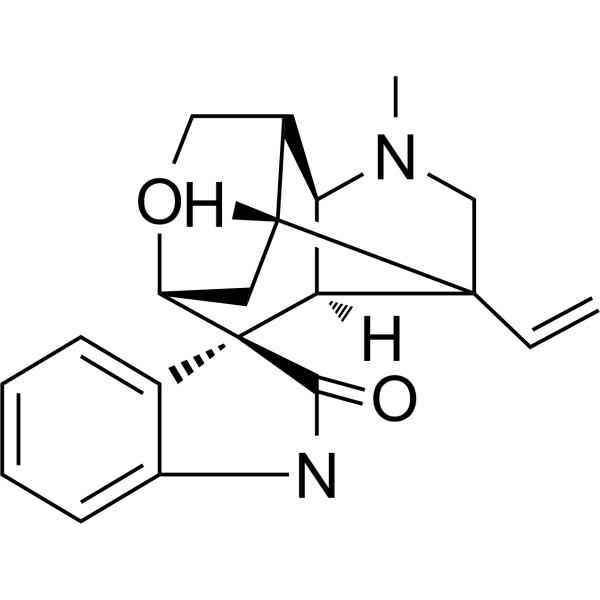
Gelsemine, an alkaloid from the Chinese herb Gelsemium elegans, is effective in mitigating chronic pain. Antinociceptive effects.
|
-
-
- HY-108964
-
-
-
- HY-N2067
-
-
-
- HY-N0092S2
-
-
-
- HY-12882
-
|
NP-120; RC-61-91
|
iGluR
Adrenergic Receptor
Potassium Channel
Calcium Channel
Influenza Virus
|
Infection
Neurological Disease
|
|
Ifenprodil (NP-120), a cerebral vasodilator, is a noncompetitive NMDA receptor antagonist. Ifenprodil exerts high affinity at NR1A/NR2B receptors (IC50=0.34 μM) over 400-fold than at NR1A/NR2A receptors (IC50=146 μM) . Ifenprodil is an α1 adrenergic receptor antagonist. Ifenprodil inhibits GIRK (Kir3), reduces inward currents through the basal GIRK activity. Ifenprodil has reliable inhibitory effects against A/H1N1 strains (EC50 of 6.6 µM). Ifenprodil has neuroprotective, anticonvulsant and antinociceptive effects. Ifenprodil can be used for the study of cerebrovascular diseases and peripheral arterial obliterative disease .
|
-

-
- HY-122219
-
R243
3 Publications Verification
|
CCR
|
Inflammation/Immunology
|
|
R243 is a potent and selective CCR8 antagonist. R243 inhibits CCL1/CCR8 interaction and inhibits CCR8 signaling and chemotaxis. R243 has antinociceptive and anti-inflammatory effects .
|
-
-
- HY-B1206
-
|
|
Cholinesterase (ChE)
|
Infection
Neurological Disease
|
|
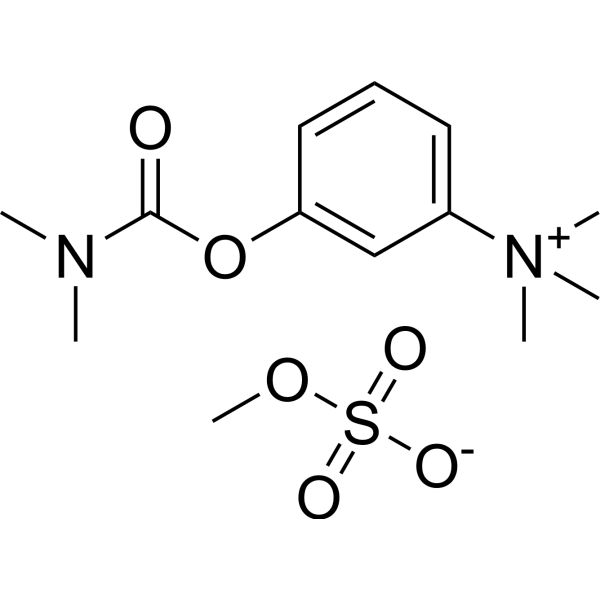
Neostigmine methyl sulfate is an AchE inhibitor. Neostigmine methyl sulfate increases endogenous acetylcholine levels, mediates antinociceptive effects, and alleviates heat-induced pain. Neostigmine methyl sulfate can be used in studies related to postoperative pain and sepsis .
|
-
-
- HY-Y1055A
-
|
|
Endogenous Metabolite
DNA/RNA Synthesis
|
Infection
Neurological Disease
Cancer
|
|
Guanine hydrochloride is one of the fundamental components of nucleic acids (DNA and RNA). Guanine hydrochloride is a purine derivative, consisting of a fused pyrimidine-imidazole ring system with conjugated double bonds. Guanine hydrochloride has the potential to serve as a large-capacity N pool. Guanine hydrochloride has cytotoxic, antinociceptive and neuroprotective effects .
|
-

-
- HY-145169
-
|
|
Sodium Channel
|
Neurological Disease
|
|
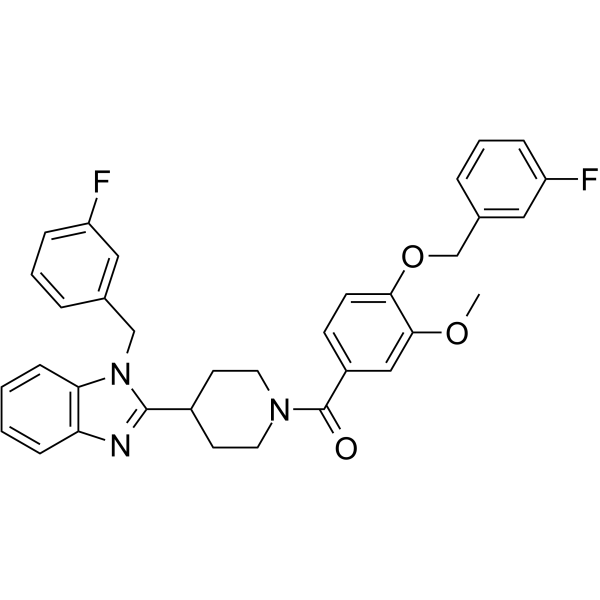
AZ194 is a first-in-class, orally active inhibitor of CRMP2-Ubc9 interaction and inhibitor of NaV1.7 (IC50=1.2 μM). AZ194 blocks SUMOylation of CRMP2 to selectively reduce the amount of surface-expressed NaV1.7. Antinociceptive effects .
|
-
-
- HY-112692
-
|
|
Opioid Receptor
|
Neurological Disease
|
|
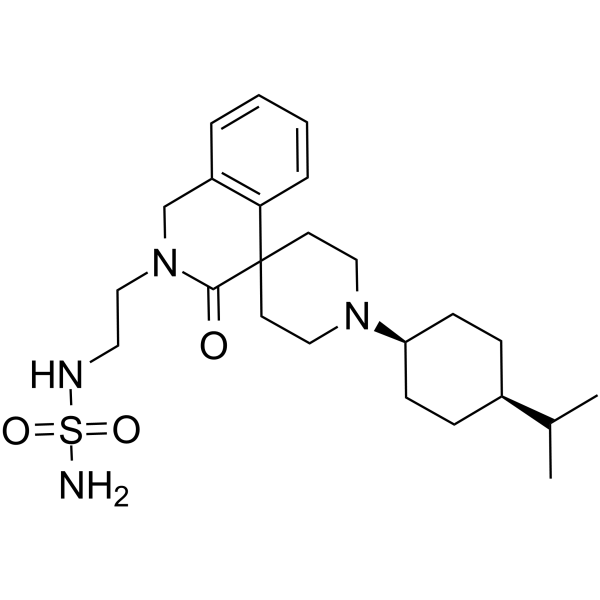
AT-121 is a bifunctional nociception and mu opioid receptor agonist, with Kis of 3.67 and 16.49 nM, respectively. AT-121 is a safe, non-addictive analgesic, and shows antinociceptive and antiallodynic effects .
|
-
-
- HY-100812
-
|
|
GABA Receptor
|
Neurological Disease
Endocrinology
|
|
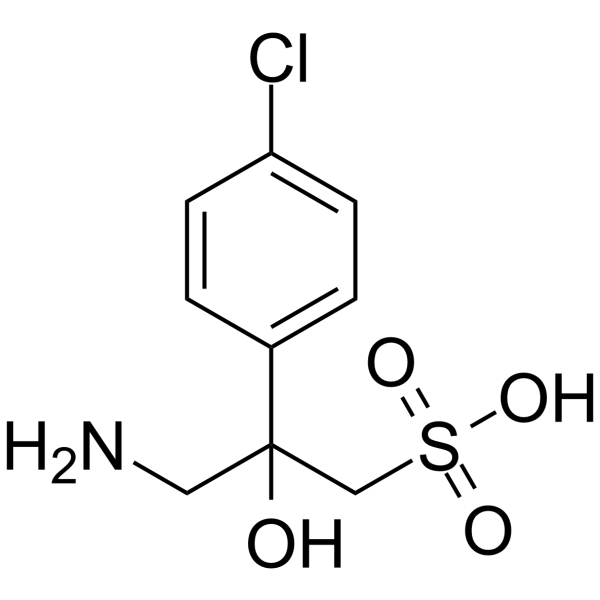
2-Hydroxysaclofen is a potent γ-amino-butyric-acid-B (GABAB) receptor antagonist. 2-Hydroxysaclofen can abolish nicotine-induced hypolocomotor effects and increases the antinociceptive effects. 2-Hydroxysaclofen can stimulate luteinizing hormone (LH) secretion in female rats .
|
-
-
- HY-108485
-
|
|
Src
Apoptosis
Fungal
|
Infection
Inflammation/Immunology
Cancer
|
|
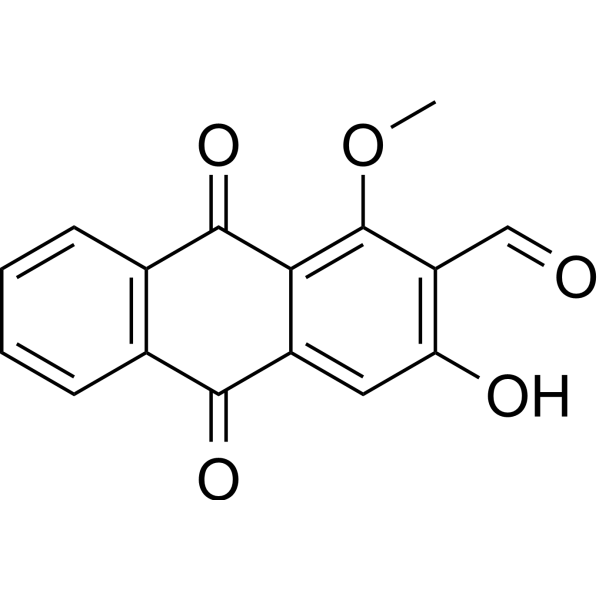
Damnacanthal is an anthraquinone isolated from the root of Morinda citrifolia. Damnacanthal is a highly potent, selective inhibitor of p56 lck tyrosine kinase activity. Natural Damnacanthal inhibits p56 lck autophosphorylation and phosphorylation of exogenous substrates with IC50s of 46 nM and 220 nM, respectively. Damnacanthal is a potent inducer of apoptosis with anticancer activity. Damnacanthal also has antinociceptive, anti-inflammatory effects in mice and anti-fungal activity against Candida albicans .
|
-
-
- HY-N0746
-
|
|
Others
|
Cancer
|
|
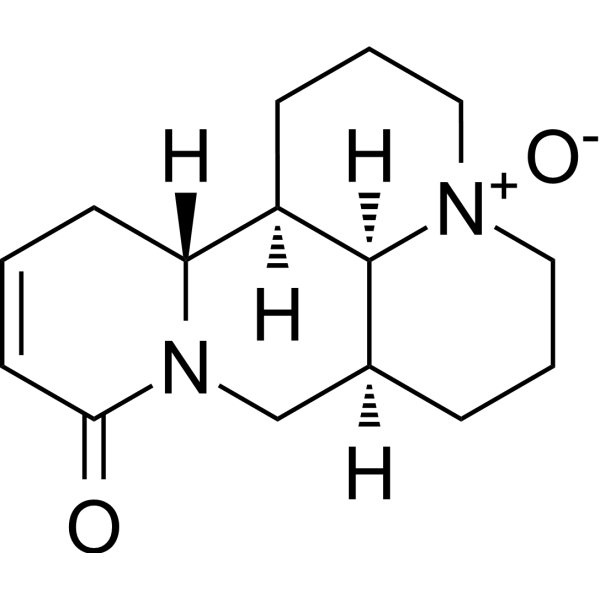
Oxysophocarpine is an alkaloid extracted from Sophora alopecuroides.?Oxysophocarpine has neuroprotective and anti-nociceptive effects on the central and peripheral nervous systems . Oxysophocarpine inhibits the?growth?and?metastasis?of ?oral?squamous?cell?carcinoma?(OSCC) .
|
-
-
- HY-N3990
-
|
(-)-Hardwickiic acid; (-)-Hardwikiic acid
|
Sodium Channel
Parasite
|
Infection
Neurological Disease
|
|
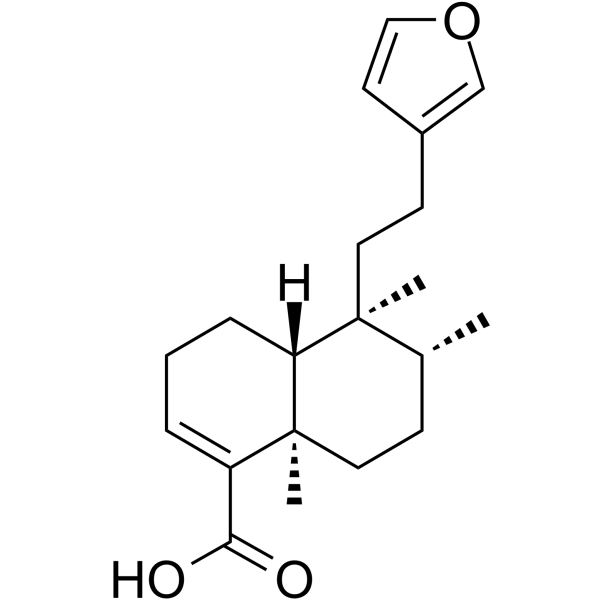
Hardwickiic acid ((-)-Hardwickiic acid) is a diterpenoid compound. Hardwickiic acid can block tetrodotoxin-sensitive voltage-dependent sodium channels and possesses multiple activities such as insecticidal, antinociceptive, and neurotransmitter release-regulating effects. Hardwickiic acid can be used in the study of neurological diseases .
|
-
-
- HY-128865
-
|
|
Opioid Receptor
|
Neurological Disease
|
|
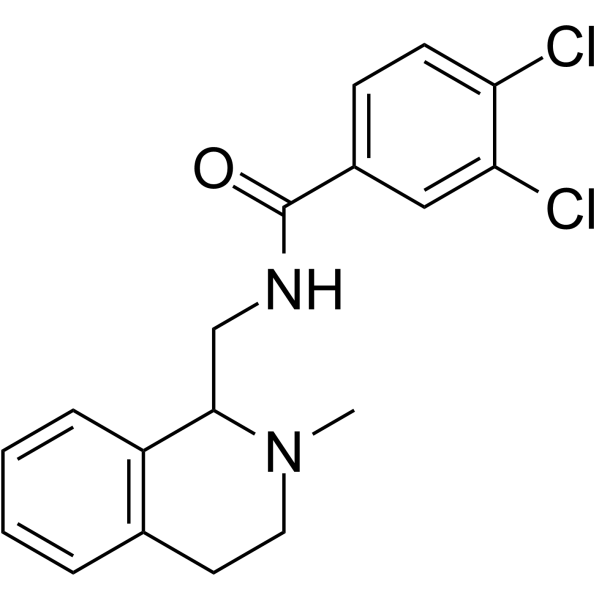
BPR1M97 is a dual-acting mu opioid receptor (MOP) and nociceptin-orphanin FQ peptide (NOP) receptor agonist with Ki values of 1.8 and 4.2 nM, respectively. BPR1M97 shows high potency and blood-brain barrier penetration, and produces potent antinociceptive effects .
|
-
-
- HY-134440A
-
|
|
P2X Receptor
|
Inflammation/Immunology
|
|
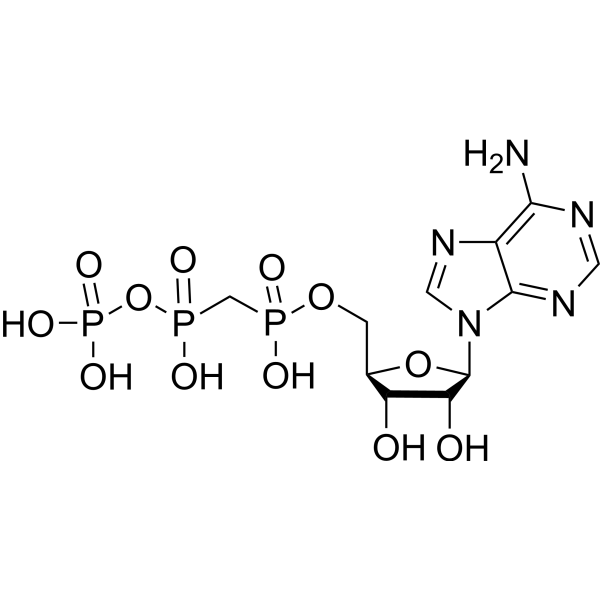
α,β-Methylene-ATP is an agonist of P2X1 and P2X3 receptors and can cross the blood-brain barrier. α,β-Methylene-ATP can trigger a reflex pressor response by activating P2X receptors in peripheral muscles and the central locus coeruleus (LC); this effect can be blocked by the P2X antagonist PPADS (HY-108960). α,β-Methylene-ATP also activates noradrenergic neurons in the central locus coeruleus, mediating antinociceptive effects; this effect can be attenuated by the locus coeruleus damaging agent DSP-4 (HY-103210/HY-121602). α,β-Methylene-ATP can be used to study the pathological mechanisms of neuropathic pain, cardiovascular reflex regulation, and antinociceptive effects of the central nervous system .
|
-
-
- HY-N0092R
-
|
|
Reference Standards
Adenosine Receptor
Endogenous Metabolite
|
Neurological Disease
Inflammation/Immunology
|
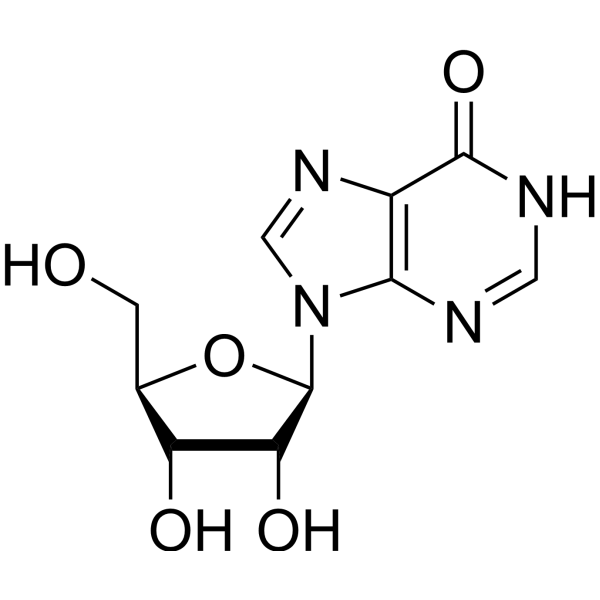
Inosine (Standard) is the analytical standard of Inosine. This product is intended for research and analytical applications. Inosine is an endogenous purine nucleoside produced by catabolism of adenosine. Inosine has anti-inflammatory, antinociceptive, immunomodulatory and neuroprotective effects. Inosine is an agonist for adenosine A1 (A1R) and A2A (A2AR) receptors . In Vitro:Inosine dose-dependently stimulates cAMP production mediated through the A2AR .
Inosine dose-dependently induces hA2AR-mediated ERK1/2 phosphorylation .
Inosine (100 μM; 24 hours) reduces oxidative stress in MES 23.5 cells cultured with astrocytes .
In Vivo:Inosine (10-100 mg/kg; i.p.) exhibits antinociceptive effect in mice .
|
-

-
- HY-P3870
-
|
|
Opioid Receptor
|
Neurological Disease
|
|
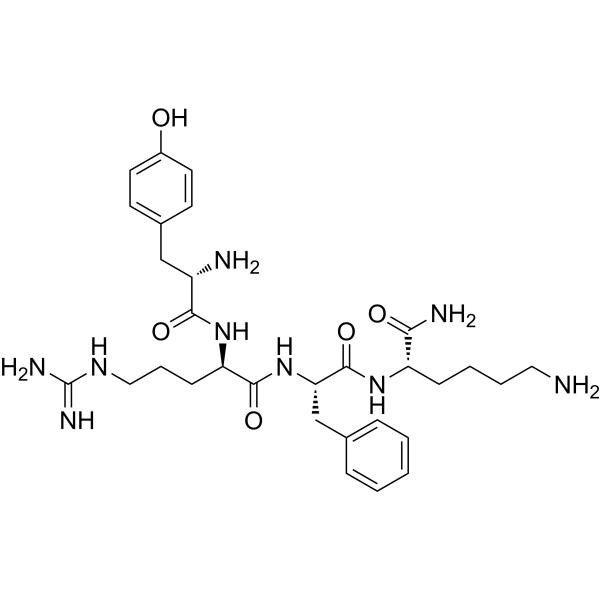
DALDA is a potent and highly selective μ-opioid receptor agonist with a Ki of 1.69 nM. DALDA shows antinociceptive and respiratory effects .
|
-
-
- HY-N0037R
-
|
|
Reference Standards
Reactive Oxygen Species (ROS)
|
Inflammation/Immunology
|
|
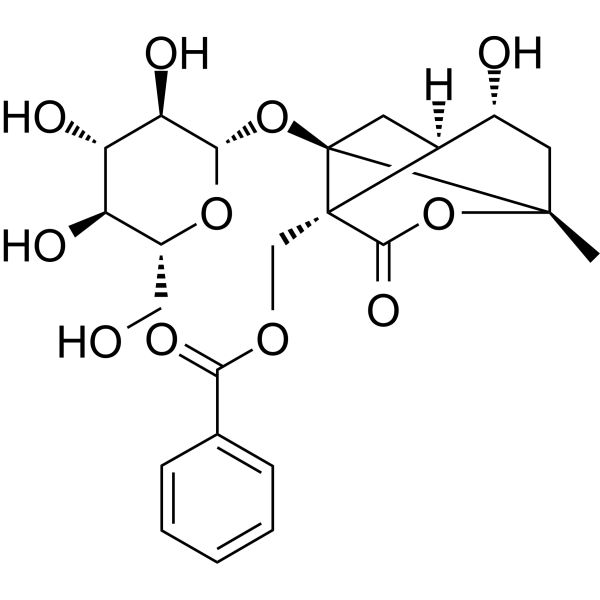
Albiflorin (Standard) is the analytical standard of Albiflorin. This product is intended for research and analytical applications. Albiflorin, a major constituent contained in peony root, is a monoterpene glycoside with neuroprotective effects. Albiflorin also has anti-inflammatory, antioxidant and antinociceptive effects .
|
-

-
- HY-171032
-
-

-
- HY-151949
-
|
|
Trk Receptor
|
Neurological Disease
|
|
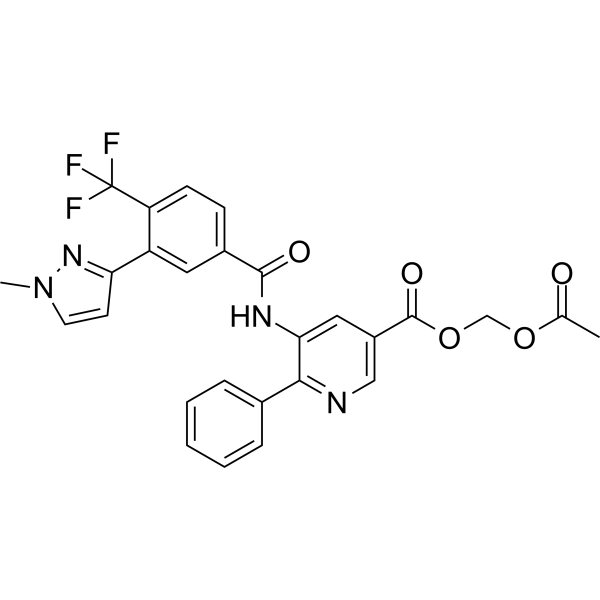
TrkA-IN-4, a potent, orally active and allosteric TrkA inhibitor, is a proagent of TrkA-IN-3 (IC50=22.4 nM, HY-151948). TrkA-IN-4 exhibits potent antinociceptive effects .
|
-
-
- HY-N0092S
-
-
-
- HY-Y1055S3
-
|
|
Isotope-Labeled Compounds
DNA/RNA Synthesis
Endogenous Metabolite
|
Neurological Disease
Cancer
|
|
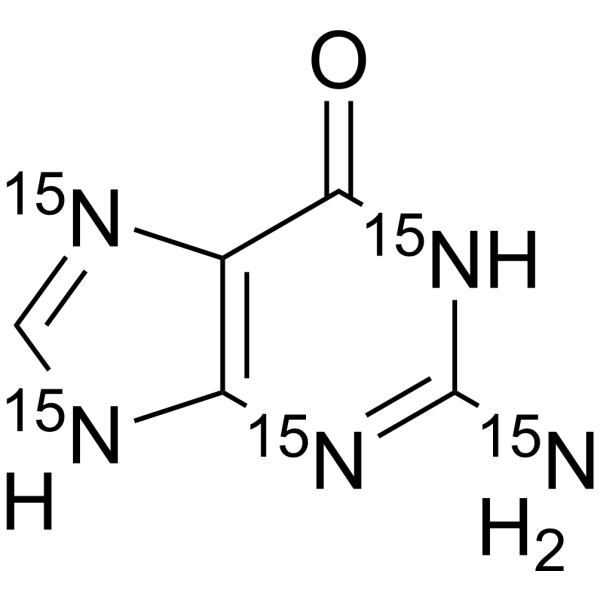
Guanine- 15N5 is 15N labeled Guanine (HY-Y1055). Guanine is one of the fundamental components of nucleic acids (DNA and RNA). Guanine is a purine derivative, consisting of a fused pyrimidine-imidazole ring system with conjugated double bonds. Guanine has the potential to serve as a large-capacity N pool. Guanine has cytotoxic, antinociceptive and neuroprotective effects .
|
-
-
- HY-Y1055S
-
|
|
DNA/RNA Synthesis
Endogenous Metabolite
|
Neurological Disease
Cancer
|
|
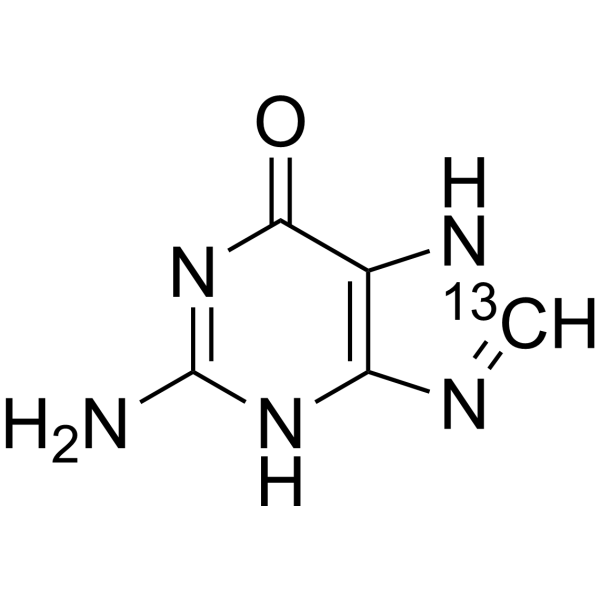
Guanine- 13C is the 13C labeled Guanine (HY-Y1055) . Guanine is one of the fundamental components of nucleic acids (DNA and RNA). Guanine is a purine derivative, consisting of a fused pyrimidine-imidazole ring system with conjugated double bonds. Guanine has the potential to serve as a large-capacity N pool. Guanine has cytotoxic, antinociceptive and neuroprotective effects .
|
-
-
- HY-Y1055R
-
|
|
Reference Standards
DNA/RNA Synthesis
Endogenous Metabolite
|
Neurological Disease
Cancer
|
|
Guanine (Standard) is the analytical standard of Guanine (HY-Y1055). This product is intended for research and analytical applications. Guanine is one of the fundamental components of nucleic acids (DNA and RNA). Guanine is a purine derivative, consisting of a fused pyrimidine-imidazole ring system with conjugated double bonds. Guanine has the potential to serve as a large-capacity N pool. Guanine has cytotoxic, antinociceptive and neuroprotective effects .
|
-

-
- HY-147512
-
|
|
Cannabinoid Receptor
|
Inflammation/Immunology
|
|
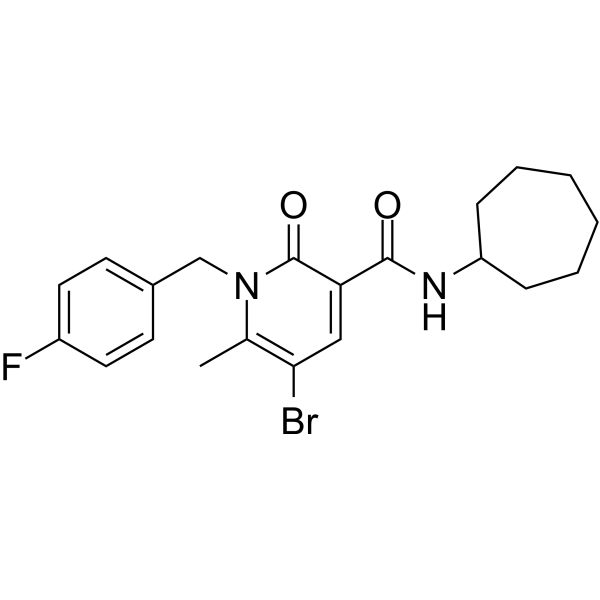
CB1/2 agonist 1 is a potent and cross the blood-brain barrier CB1/2 agonist with EC50s of 56.15, 11.63 nM for CB1R and CB2R, respectively. CB1/2 agonist 1 reduces glutamate release and LPS-induced activation of microglial cells. CB1/2 agonist 1 shows anti-inflammatory and antinociceptive effects. CB1/2 agonist 1 has the potential for the research of multiple sclerosis .
|
-
-
- HY-P3870A
-
|
|
Opioid Receptor
|
Neurological Disease
|
|
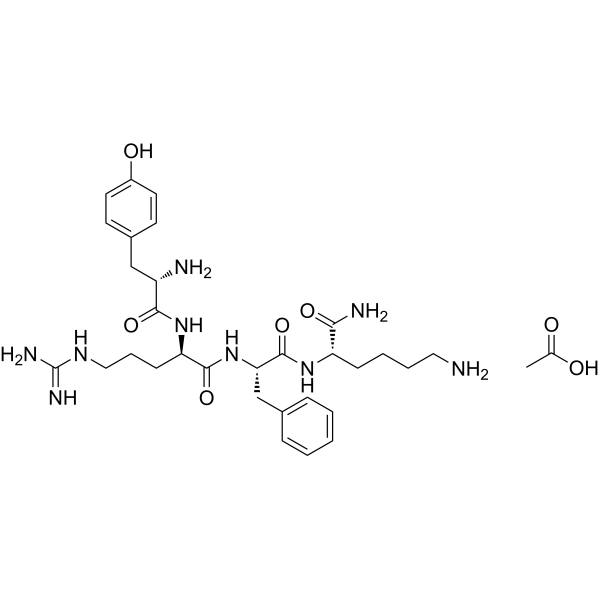
DALDA acetate is a potent and highly selective μ-opioid receptor agonist with a Ki of 1.69 nM. DALDA acetate shows antinociceptive and respiratory effects .
|
-
-
- HY-117702
-
|
|
Prolyl Endopeptidase (PREP)
Aminopeptidase
|
Metabolic Disease
|
|
RB 101 is an active mixed inhibitor against two enzymes which metabolize the enkephalins neutral endopeptidase and aminopeptidase N. RB 101 has rather long-lasting antinociceptive effects. RB 101 inhibits the in vivo [ 3H]DPN binding both under basal conditions and after swim stress in mice. RB 101 can be used to determine the precise in vivo localization of enkephalinergic pathways recruited by various stimuli .
|
-

-
- HY-118785
-
-
-
- HY-W436270
-
|
|
Dopamine Receptor
|
Neurological Disease
Inflammation/Immunology
|
|
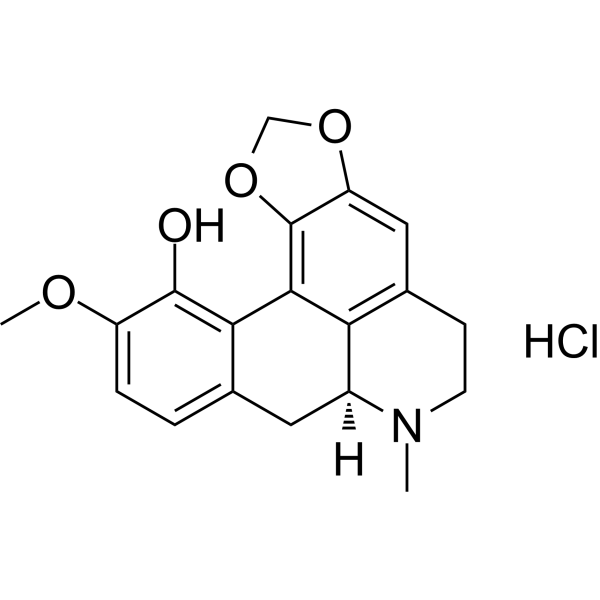
Bulbocapnine hydrochloride, an aporphine alkaloid, is a dopamine receptor inhibitor. Bulbocapnine hydrochloride inhibits dopamine synthesis. Bulbocapnine hydrochloride also has neuroleptic-like, anticonvulsant and antinociceptive effects .
|
-
-
- HY-Y1055S1
-
|
|
DNA/RNA Synthesis
Endogenous Metabolite
|
Neurological Disease
Cancer
|
|
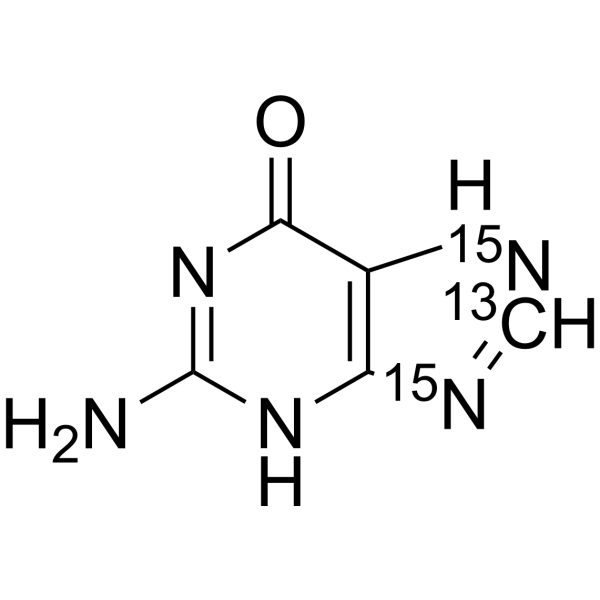
Guanine- 13C, 15N2 is the 13C and 15N labeled Guanine (HY-Y1055) . Guanine is one of the fundamental components of nucleic acids (DNA and RNA). Guanine is a purine derivative, consisting of a fused pyrimidine-imidazole ring system with conjugated double bonds. Guanine has the potential to serve as a large-capacity N pool. Guanine has cytotoxic, antinociceptive and neuroprotective effects .
|
-
-
- HY-169867
-
|
7-Benzylidenenaltrexone
|
Opioid Receptor
|
Neurological Disease
|
|
BNTX (7-Benzylidenenaltrexone) is a highly selective δ1 opioid receptor antagonist. BNTX selectively antagonizes the antinociceptive activity mediated by spinal δ1 opioid receptors, and does not alter the antinociceptive effects mediated by δ2, μ or κ opioid receptors at selective doses .
|
-

-
- HY-105235
-
|
CI-977
|
Opioid Receptor
|
Neurological Disease
|
|
Enadoline (CI-977) is a highly selective, brain-penetrating, and nonpeptide kappa-opioid receptor (KOR) agonist (Ki=1.25 nM). Antinociceptive effects .
|
-

-
- HY-148166
-
|
|
Nucleoside Antimetabolite/Analog
|
Others
|
|
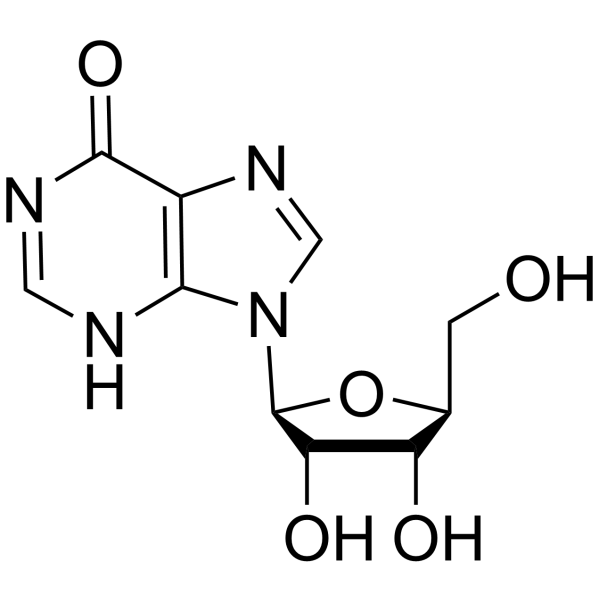
L-Inosine is the L-configuration of Inosine (HY-N0092). Inosine is an endogenous purine nucleoside produced by catabolism of adenosine. Inosine has anti-inflammatory, antinociceptive, immunomodulatory and neuroprotective effects .
|
-
-
- HY-78131BS
-
|
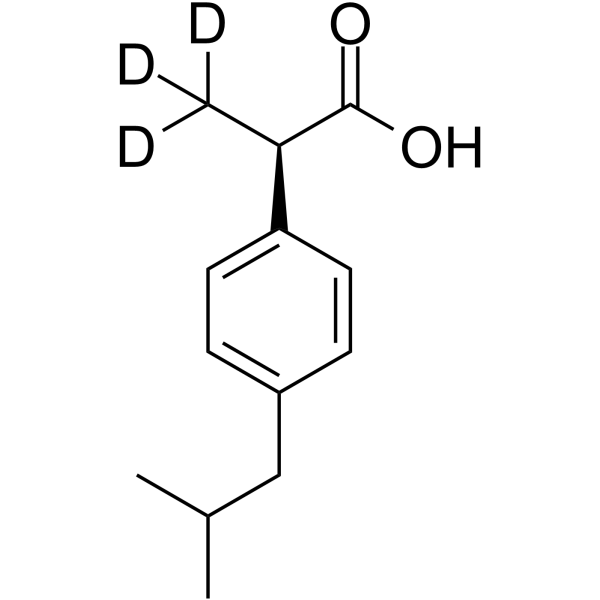
(R)-Ibuprofen-d3
|
NF-κB
|
Inflammation/Immunology
Cancer
|
|
(R)-(-)-Ibuprofen-d3 is the deuterium labeled (R)-(-)-Ibuprofen. (R)-(-)-Ibuprofen is the R enantiomer of Ibuprofen, inactive on COX, inhibits NF-κB activation; (R)-(-)-Ibuprofen exhibits anti-inflammatory and antinociceptive effects.
|
-
- HY-101100
-
|
D-16949 hydrochloride
|
5-HT Receptor
|
Neurological Disease
|
|
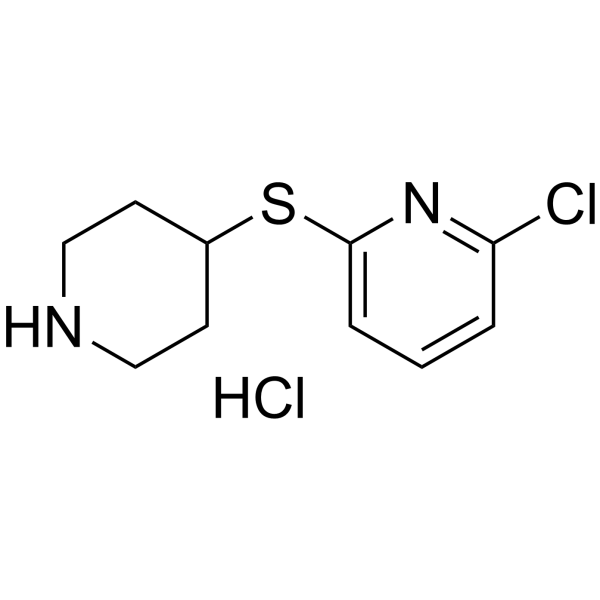
Anpirtoline (D-16949) hydrochloride is a centrally acting 5-HT1B receptor agonist, with Kis of 28 nM (5-HT1B), 150 nM (5-HT1A) and 1.49 μM (5-HT2). Anpirtoline hydrochloride has serotonergic, antinociceptive, antidepressant-like effects .
|
-
- HY-P10358
-
|
|
Calcium Channel
|
Neurological Disease
|
|
TAT-CBD3A6K, is a modified TAT-CBD3 peptide. TAT-CBD3A6K reduces T- and R-type voltage-dependent calcium currents in dorsal root ganglion (DRG) neurons. TAT-CBD3A6K shows anti-nociceptive effects in a model of AIDS-induced peripheral neuropathy by preventing CRMP-2-mediated enhancement of T- and R-type calcium channel function .
|
-

- HY-N15703
-
|
(+)-Norisocorydine
|
Others
|
Neurological Disease
|
|
Norisocorydine ((+)-Norisocorydine) is an aporphine alkaloid with antinociceptive and radical scavenging effects. Norisocorydine shows a SC50 of 14.1 μg/mL in DPPH radical scavenging test. Norisocorydine exhibits antinociceptive ability in mice .
|
-

- HY-168352
-
-

- HY-137988
-
-
- HY-112692A
-
|
|
Opioid Receptor
|
Neurological Disease
|
|
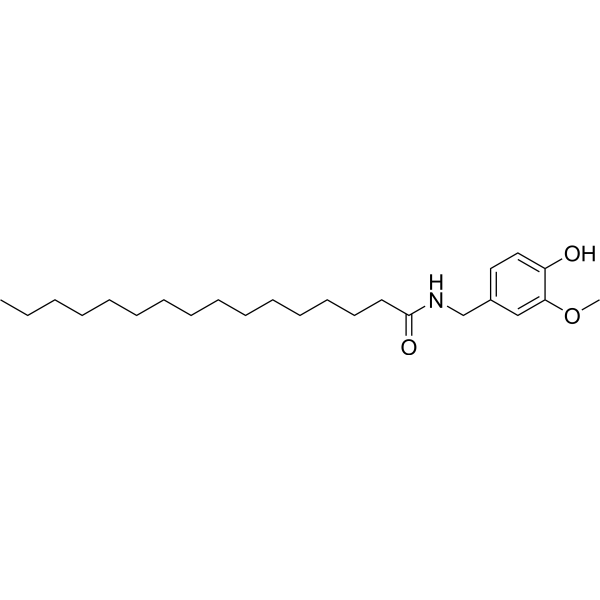
AT-121 hydrochloride is a bifunctional nociception and mu opioid receptor agonist, with Kis of 3.67 and 16.49 nM, respectively. AT-121 hydrochloride is a safe, non-addictive analgesic, and shows antinociceptive and antiallodynic effects .
|
-
- HY-N0092S4
-
-
- HY-N0746R
-
|
|
Reference Standards
Others
|
Cancer
|
|
Oxysophocarpine (Standard) is the analytical standard of Oxysophocarpine. This product is intended for research and analytical applications. Oxysophocarpine is an alkaloid extracted from Sophora alopecuroides. Oxysophocarpine has neuroprotective and anti-nociceptive effects on the central and peripheral nervous systems . Oxysophocarpine inhibits the growth and metastasis of oral squamous cell carcinoma (OSCC) .
|
-

- HY-N0092S1
-
-
- HY-137090
-
|
BP 2.94
|
Histamine Receptor
|
Neurological Disease
|
|
BP 2-94 (BP 2.94) is an orally active and highly selective prodrug targeting the histamine H3 receptor. BP 2-94 exerts anti-inflammatory, analgesic and antinociceptive effects by inhibiting histamine release and modulating neurogenic inflammation. BP 2-94 is promising for research of asthma, migraines, and inflammatory pain-related disorders .
|
-

- HY-113866
-
|
|
5-HT Receptor
|
Neurological Disease
|
|
E-55888 is a selective and potent agonist of 5-HT7 receptor and 5-HT1A receptor with Ki values of 2.5 nM and 700 nM, respectively, which has analgesic and antinociceptive effects. E-55888 reduces the nociceptive response of Capsaicin (HY-10448) sensitized mice .
|
-

- HY-134440
-
|
|
P2X Receptor
|
Inflammation/Immunology
|
|
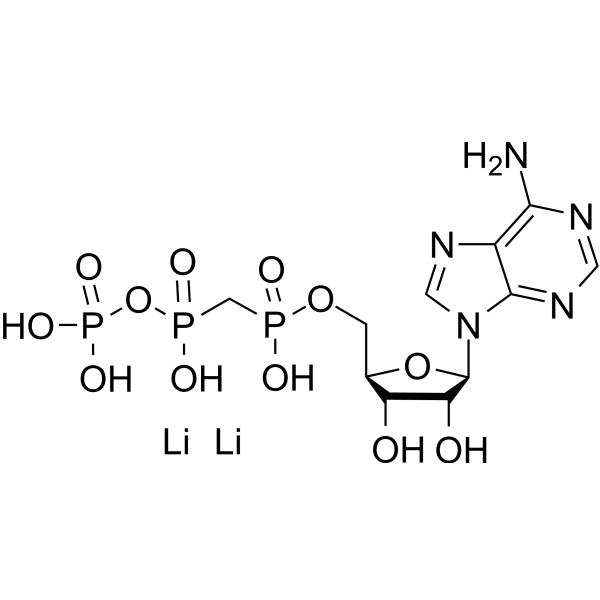
α,β-Methylene-ATP dilithium is an agonist of P2X1 and P2X3 receptors and can cross the blood-brain barrier. α,β-Methylene-ATP dilithium can trigger a reflex pressor response by activating P2X receptors in peripheral muscles and the central locus coeruleus (LC); this effect can be blocked by the P2X antagonist PPADS (HY-108960). α,β-Methylene-ATP dilithium also activates noradrenergic neurons in the central locus coeruleus, mediating antinociceptive effects; this effect can be attenuated by the locus coeruleus damaging agent DSP-4 (HY-103210/HY-121602). α,β-Methylene-ATP dilithium can be used to study the pathological mechanisms of neuropathic pain, cardiovascular reflex regulation, and antinociceptive effects of the central nervous system .
|
-
- HY-W777809
-
|
|
Isotope-Labeled Compounds
DNA/RNA Synthesis
Endogenous Metabolite
|
Cancer
|
|
Guanine- 13C2, 15N is the 13C- and 15N-labeled Guanine (HY-Y1055). Guanine is one of the fundamental components of nucleic acids (DNA and RNA). Guanine is a purine derivative, consisting of a fused pyrimidine-imidazole ring system with conjugated double bonds. Guanine has the potential to serve as a large-capacity N pool. Guanine has cytotoxic, antinociceptive and neuroprotective effects .
|
-

- HY-176063
-
|
|
TRP Channel
Opioid Receptor
|
Neurological Disease
|
|
TRPV1 antagonist 11 (compound 2ac) is a potent TRPV1 antagonist with an IC50 of 29.3 nM. TRPV1 antagonist 11 is a potent μ-opioid receptor (MOR) agonist with a Ki of 60.3 nM. TRPV1 antagonist 11, a pyrimidine piperazine, exhibits pain relieving effects by antagonizing TRPV1 and stimulating MOR. TRPV1 antagonist 11 shows a potent, dose-dependent anti-nociceptive effect in a Formalin-induced pain model in mice .
|
-

- HY-162552
-
|
|
Opioid Receptor
|
Neurological Disease
|
|
KOR/DOR agonist 2 is a KOR and DOR opioid receptors agonist with Ki values of 0.14 nM, and 0.93 nM, respectively. KOR/DOR agonist 2 shows significant antinociceptive effects. KOR/DOR agonist 2 penetrates the blood-brain barrier .
|
-

- HY-N9502R
-
|
|
Reference Standards
Endogenous Metabolite
|
Neurological Disease
|
|
Linalool oxide (Standard) is the analytical standard of Linalool oxide (HY-N9502). This product is intended for research and analytical applications. Linalool oxide is a monoterpene and found in aromatic plant essential oils and is a secondary metabolite in elongating wheat plants. Linalool oxide has antinociceptive, anticonvulsant, and anxiolytic activity. Linalool oxide can be used for the research of pain, epilepsy, anxiety disorders .
|
-

- HY-103341
-
-
- HY-117979
-
|
Alfadolone
|
GABA Receptor
|
Neurological Disease
|
|
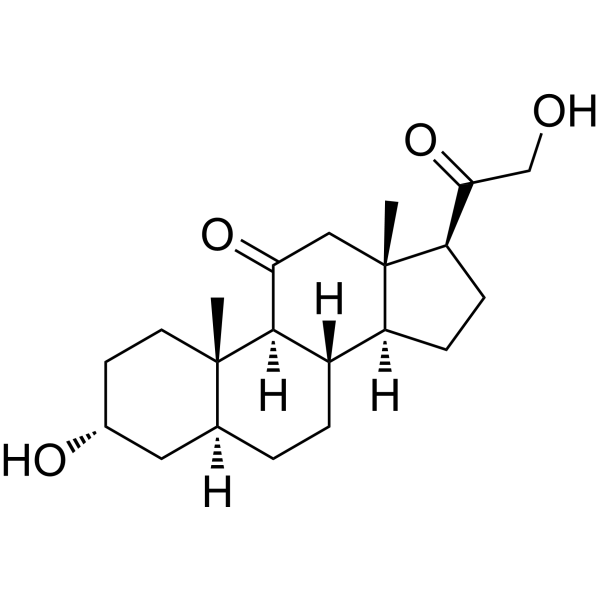
Alphadolone is a GABAA receptor positive allosteric modulator. Alphadolone has antinociceptive effects. Alphadolone causes general anaesthesia .
|
-
- HY-P3870B
-
|
|
Opioid Receptor
|
Neurological Disease
|
|
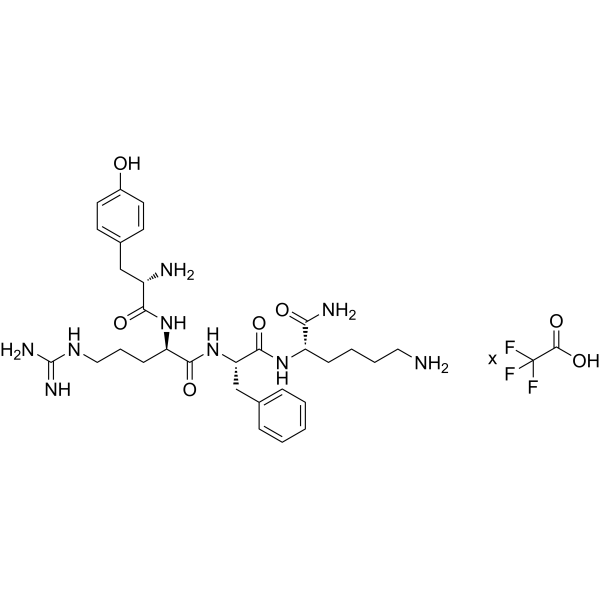
DALDA TFA is a potent and highly selective μ-opioid receptor agonist with a Ki of 1.69 nM. DALDA TFA shows antinociceptive and respiratory effects .
|
-
- HY-105235A
-
|
CI-977 hydrochloride
|
Opioid Receptor
|
Neurological Disease
|
|
Enadoline (CI-977) hydrochloride is a highly selective, brain-penetrating, and nonpeptide kappa-opioid receptor (KOR) agonist (Ki=1.25 nM). Antinociceptive effects .
|
-

- HY-N0388R
-
|
|
Reference Standards
Others
|
Neurological Disease
|
|
Gelsemine (Standard) is the analytical standard of Gelsemine. This product is intended for research and analytical applications. Gelsemine, an alkaloid from the Chinese herb Gelsemium elegans, is effective in mitigating chronic pain. Antinociceptive effects.
|
-

- HY-N0628R
-
|
Lespedin (Standard); Lespenephryl (Standard)
|
Reference Standards
Insulin Receptor
|
Metabolic Disease
Endocrinology
Cancer
|
|
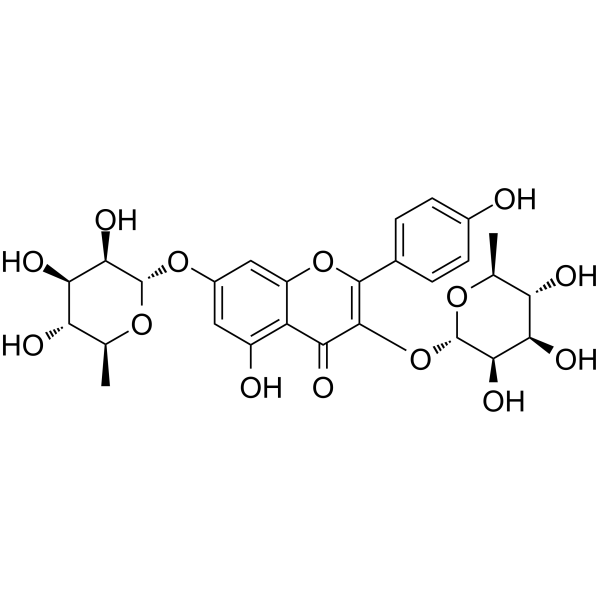
Kaempferitrin (Standard) is the analytical standard of Kaempferitrin. This product is intended for research and analytical applications. Kaempferitrin is a natural flavonoid, possesses antinociceptive, anti-inflammatory, anti-diabetic, antitumoral and chemopreventive effects, and activates insulin signaling pathway.
|
-

- HY-136654
-
|
|
Opioid Receptor
|
Neurological Disease
|
|
LPK-26 hydrochloride is a selective kappa-opioid receptor agonist with a Ki of 0.68 nM. LPK-26 exhibits potent antinociceptive effects with low physical dependence potential and can be utilized in relevant research .
|
-

- HY-14316C
-
|
Ebanicline tosylate; ABT-594 tosylate
|
nAChR
|
Neurological Disease
|
|
Tebanicline tosylate, an analogue of epibatidine, is a neuronal nicotinic acetylcholine receptor agonist. Tebanicline tosylate exhibits potent antinociceptive effects and has a high affinity for the α4β2 neuronal nicotinic acetylcholine receptor subunit in the central nervous system.
|
-

- HY-14316
-
|
Ebanicline; ABT-594
|
nAChR
|
Neurological Disease
|
|
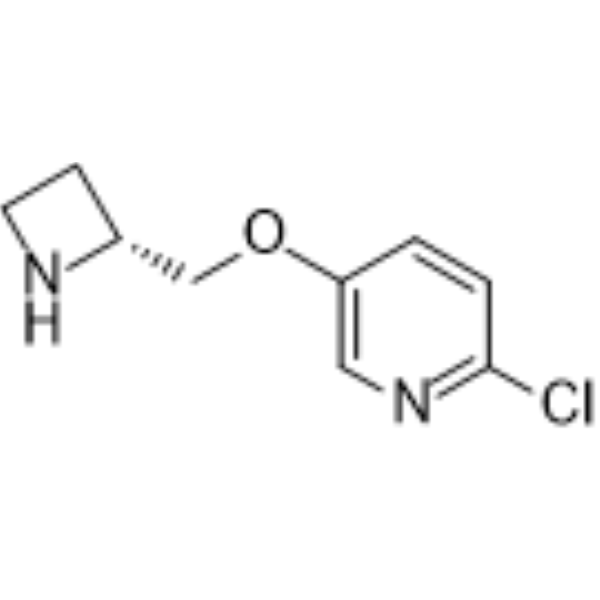
Tebanicline, an analogue of epibatidine, is a neuronal nicotinic acetylcholine receptor agonist. Tebanicline exhibits potent antinociceptive effects and has a high affinity for the α4β2 neuronal nicotinic acetylcholine receptor subunit in the central nervous system.
|
-
- HY-W747554
-
|
|
nAChR
|
Neurological Disease
|
|
SM 32 is an analgesic. SM 32 produces an increase in ACh release. SM 32 amplifies electrically- and nicotine- evoked guinea-pig ileum contractions. SM32 induces antinociceptive effects through a central cholinergic mechanism .
|
-

- HY-159923
-
|
|
Opioid Receptor
|
Neurological Disease
|
|
BPRMU191 is a μ-opioid receptor (MOR) modulator that converts small-molecule morphinan antagonists into G protein-biased MOR agonists, thereby inducing MOR-dependent activation and analgesic effects. Co-administration of BPRMU191 with morphinan antagonists provides analgesia while reducing side effects such as gastrointestinal dysfunction, antinociceptive tolerance, and dependency-related adverse effects. BPRMU191, in combination with morphinan antagonists, offers a potential strategy for studying severe pain management and G protein-coupled receptor modulation .
|
-

- HY-N9854
-
|
|
Potassium Channel
|
Inflammation/Immunology
|
|
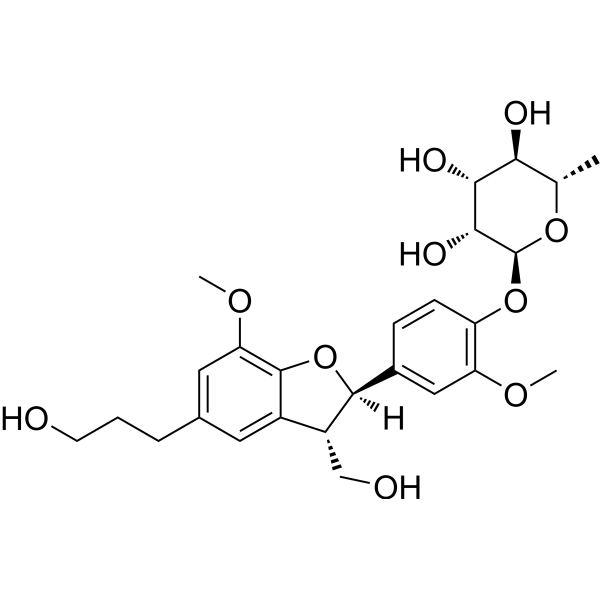
Icariside E4 is an antinociceptive agent, and can be isolated from Tabebuia roseo-alba. Icariside E4 has peripheral analgesic activity by ATP-sensitive K + channel-dependent mechanisms. Icariside E4 also has anti-oxidant, anti-Alzheimer and anti-inflammatory effects .
|
-
- HY-N7144AR
-
|
|
Reference Standards
TRP Channel
PKC
PKA
|
Neurological Disease
|
|
Citronellyl acetate (Standard) is the analytical standard of Citronellyl acetate (HY-N7144A). This product is intended for research and analytical applications. Citronellyl acetate is a monoterpene product of the secondary metabolism of plants, with antinociceptive activity. Citronellyl acetate exhibits pro-apoptotic activity in human hepatoma cells. Citronellyl acetate shows fungicidal, larvicidal, bactericidal and repelling/insecticidal effects .
|
-

- HY-108964R
-
|
|
Reference Standards
Bacterial
|
Infection
Neurological Disease
Inflammation/Immunology
|
|
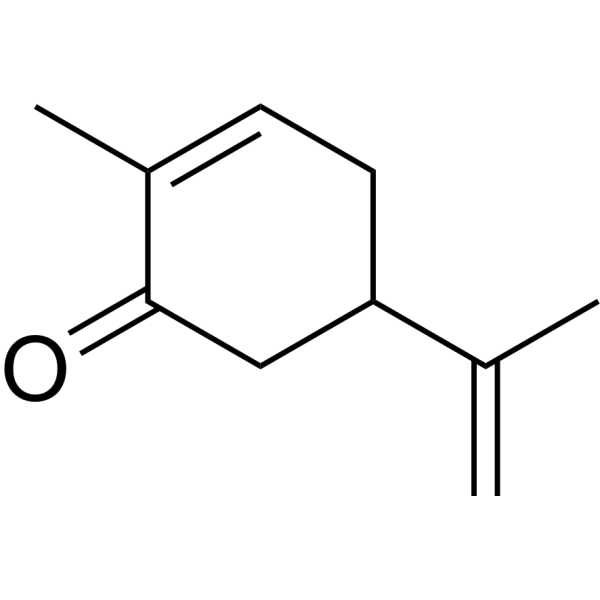
Carvone (Standard) is the analytical standard of Carvone. This product is intended for research and analytical applications. Carvone is a ketone monoterpene found mostly in the essential oils from plants of the genus Mentha. Carvone is widely used in the pharmaceutical industry, cosmetics and agriculture. Carvone has such effects as antimicrobial, antioxidant, anti-inflammatory, antispasmodic, antinociceptive, anticonvulsant .
|
-

- HY-105142
-
|
|
COX
|
Inflammation/Immunology
|
|
M-5011 is a potent and orally active anti-inflammatory agent. M-5011 shows potent antinociceptive effects and inhibits kaolin (HY-W115786)-induced writhing. M-5011 decreases peritoneal 6-keto-PGF1 alpha levels with low ulcerogenic activities. M-5011 shows anti-inflammatory and anti-pyretic effects and analgesic effect .
|
-

- HY-N7000R
-
-

- HY-101100A
-
|
D-16949
|
5-HT Receptor
|
Neurological Disease
|
|
Anpirtoline (D-16949) is a centrally acting 5-HT1B receptor agonist, with Kis of 28 nM (5-HT1B), 150 nM (5-HT1A) and 1.49 μM (5-HT2). Anpirtoline has serotonergic, antinociceptive, antidepressant-like effects .
|
-

- HY-Y1055S4
-
|
|
Isotope-Labeled Compounds
DNA/RNA Synthesis
Endogenous Metabolite
|
Neurological Disease
Cancer
|
|
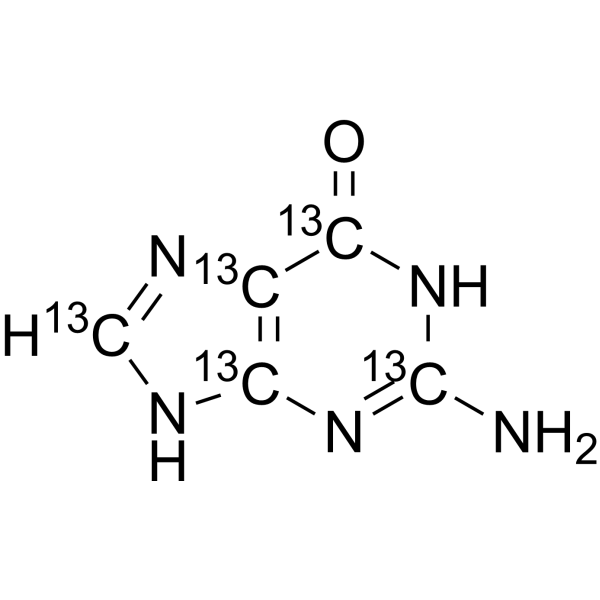
Guanine- 13C5 is 13C-labeled Guanine (HY-Y1055). Guanine is one of the fundamental components of nucleic acids (DNA and RNA). Guanine is a purine derivative, consisting of a fused pyrimidine-imidazole ring system with conjugated double bonds. Guanine has the potential to serve as a large-capacity N pool. Guanine has cytotoxic, antinociceptive and neuroprotective effects .
|
-
- HY-101202A
-
|
(Rac)-NIH 10815
|
Opioid Receptor
|
Neurological Disease
|
|
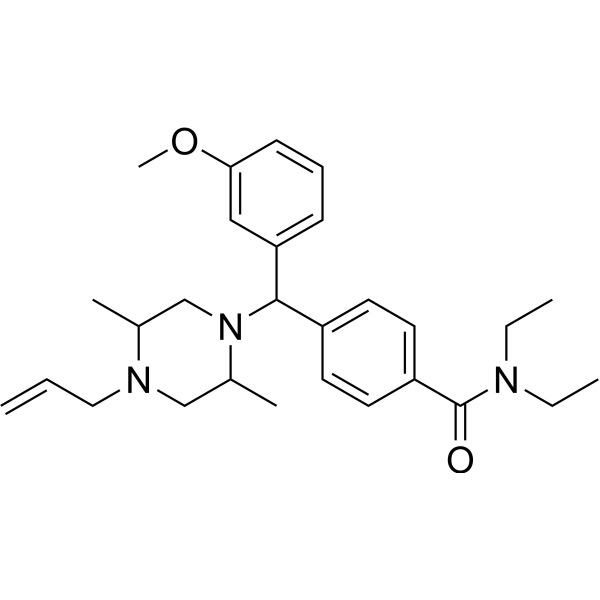
(Rac)-SNC80 is a racemate of SNC80 (HY-101202). SNC80 (NIH 10815) is a potent, highly selective and non-peptide δ-opioid receptor agonist with a Ki of 1.78 nM and an IC50 of 2.73 nM. SNC80 shows antinociceptive, antihyperalgesic and antidepressant‐like effects. SNC80 has the potential for multiple headache disorders treatment .
|
-
- HY-W778114
-
|
|
Isotope-Labeled Compounds
DNA/RNA Synthesis
Endogenous Metabolite
|
Cancer
|
|
Guanine- 13C2, 15N is the 13C- and 15N-labeled Guanine (HY-Y1055). Guanine is one of the fundamental components of nucleic acids (DNA and RNA). Guanine is a purine derivative, consisting of a fused pyrimidine-imidazole ring system with conjugated double bonds. Guanine has the potential to serve as a large-capacity N pool. Guanine has cytotoxic, antinociceptive and neuroprotective effects .
|
-

- HY-Y1055S2
-
|
|
Isotope-Labeled Compounds
DNA/RNA Synthesis
Endogenous Metabolite
|
Neurological Disease
Cancer
|
|
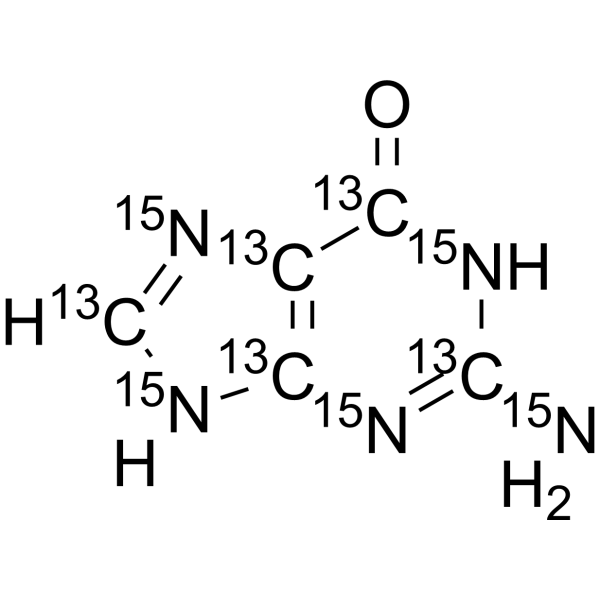
Guanine- 13C5, 15N5 is 13C and 15N-labeled Guanine (HY-Y1055). Guanine is one of the fundamental components of nucleic acids (DNA and RNA). Guanine is a purine derivative, consisting of a fused pyrimidine-imidazole ring system with conjugated double bonds. Guanine has the potential to serve as a large-capacity N pool. Guanine has cytotoxic, antinociceptive and neuroprotective effects .
|
-
- HY-N2067R
-
|
p-(Hydroxymethyl)guaiacol (Standard)
|
Reference Standards
Reactive Oxygen Species (ROS)
Bcl-2 Family
|
Cardiovascular Disease
Neurological Disease
Inflammation/Immunology
|
|
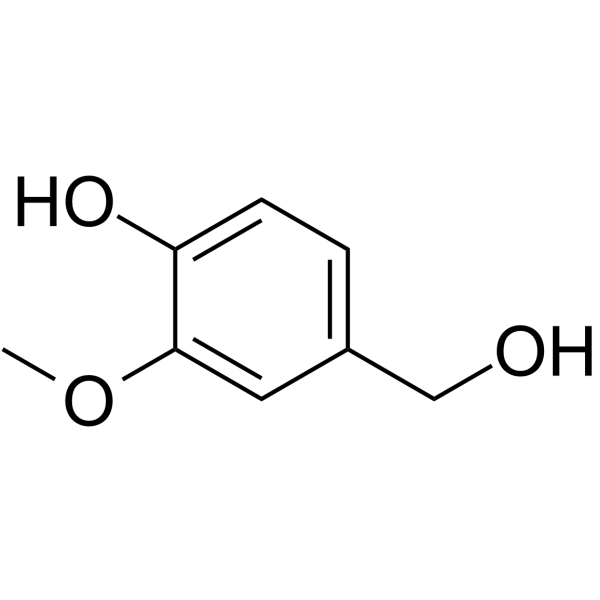
Vanillyl alcohol (Standard) is the analytical standard of Vanillyl alcohol (HY-N2067). This product is intended for research and analytical applications. Vanillyl alcohol (p-(Hydroxymethyl)guaiacol) is an orally active phenolic alcohol. Vanillyl alcohol reduces ROS generation. suppresses Bax, increases Bcl-2. Vanillyl alcohol has anti-angiogenic, anti-inflammatory, anti-nociceptive and neuroprotective effects. Vanillyl alcohol is used as a flavoring agent in foods and beverages .
|
-

- HY-B0380B
-
|
GIC-1001
|
Biochemical Assay Reagents
|
Others
|
|
Trimebutine 3-TCBS (GIC-1001) is an innovative formulation designed to release hydrogen sulfide (H2S) in vivo. This compound combines trimebutine with an H2S-releasing antagonist (phenyl 3-thiocarbamate) and exhibits enhanced anti-nociceptive effects in a mouse colonic distension model, superior to conventional trimebutine. GIC-1001 can reduce visceral pain and discomfort associated with lumen distension in a dose-dependent manner, showing potential superiority .
|
-

- HY-116143
-
|
|
MAGL
|
Metabolic Disease
|
|
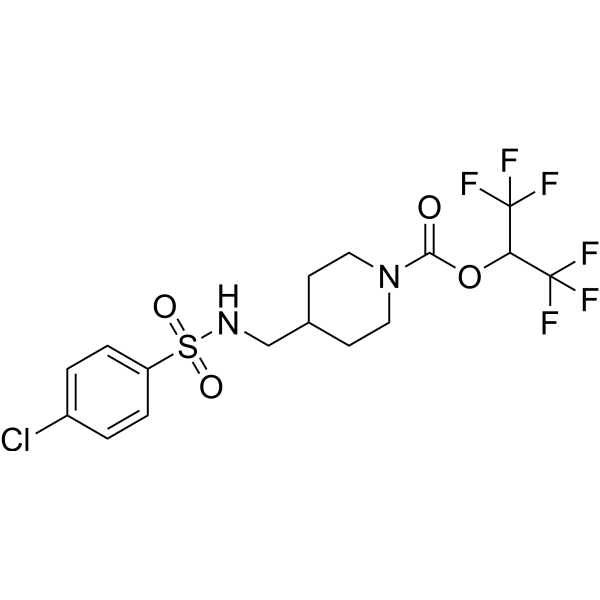
SAR127303 is an orally active, selective, competitive monoacylglycerol lipase (MAGL) covalent inhibitor with IC50s of 3.8 nM and 29 nM for mouse and human MAGL, respectively. SAR127303 potently elevates hippocampal levels of 2-AG in mice. SAR127303 decreased long term potentiation (LTP) of CA1 synaptic transmission and acetylcholine release in the hippocampus. SAR127303 produces antinociceptive effects in assays of inflammatory and visceral pain. SAR127303 slows down epileptogenesis .
|
-
- HY-174848
-
|
|
TRP Channel
Cannabinoid Receptor
|
Neurological Disease
Inflammation/Immunology
|
|
PQM-244 (Compound 5c) is an orally active and multi-target modulator of TRPV1 and CB1 and CB2 receptors. PQM-244 has significant peripheral antinociceptive effects on both neurogenic and inflammatory phases. PQM-244 also has potential antioxidant activity with an IC50 of 14.15 µM for radical scavenging DPPH. PQM-244 can be used for chronic pain and inflammatory disease research, such as diabetes, atherosclerosis and Alzheimer’s disease .
|
-

- HY-P10358A
-
|
|
Calcium Channel
|
Neurological Disease
|
|
TAT-CBD3A6K acetate, is a modified TAT-CBD3 peptide. TAT-CBD3A6K acetate reduces T- and R-type voltage-dependent calcium currents in dorsal root ganglion (DRG) neurons. TAT-CBD3A6K acetate shows anti-nociceptive effects in a model of AIDS-induced peripheral neuropathy by preventing CRMP-2-mediated enhancement of T- and R-type calcium channel function .
|
-

- HY-129485A
-
-

- HY-182589
-
|
|
FAAH
Potassium Channel
|
Neurological Disease
Metabolic Disease
|
|
SRP-001 is an orally active, blood-brain barrier-permeable analgesic and antipyretic agent. SRP-001 reduces the expression level of FAAH, mildly inhibits hERG currents, generates AM404 (HY-101388), and maintains the integrity of hepatic tight junctions. SRP-001 exerts analgesic, antipyretic, and antinociceptive effects .
|
-

- HY-183773
-
|
|
Opioid Receptor
|
Neurological Disease
|
|
KOR agonist-9 is a selective kappa opioid receptor (KOR) agonist with an EC50 of 1.41 nM. KOR agonist-9 exhibits >125-fold selectivity over μ/δ-opioid receptors. KOR agonist-9 antinociceptive and antipruritic effects in mice. KOR agonist-9 can be used for the research of pain, pruritus .
|
-

- HY-Y1055S6
-
|
|
Isotope-Labeled Compounds
DNA/RNA Synthesis
Endogenous Metabolite
|
Neurological Disease
Cancer
|
|
Guanine-d5 is the deuterium labeled Guanine (HY-Y1055). Guanine is one of the fundamental components of nucleic acids (DNA and RNA). Guanine is a purine derivative, consisting of a fused pyrimidine-imidazole ring system with conjugated double bonds. Guanine has the potential to serve as a large-capacity N pool. Guanine has cytotoxic, antinociceptive and neuroprotective effects .
|
-

- HY-N13795
-
|
|
Polo-like Kinase (PLK)
Microtubule/Tubulin
|
Cancer
|
|
3,4,3'-Tri-O-methylflavellagic acid is a flavonoid inhibitor that targets αβ-tubulin (colchicine binding site) and polo-like kinase-1 (PLK-1), and can be isolated from the roots of Anogeissus leiocarpus. 3,4,3'-Tri-O-methylflavellagic acid interferes with microtubule assembly dynamics and kinase activity, exhibiting anti-cancer cell proliferation and potent anti-nociceptive effects .
|
-

- HY-108652R
-
|
|
Reference Standards
P2X Receptor
|
Inflammation/Immunology
|
|
α,β-Methylene-ATP trisodium (Standard) is the analytical standard of α,β-Methylene-ATP (trisodium) (HY-108652). This product is intended for research and analytical applications. α,β-Methylene-ATP trisodium is an agonist of P2X1 and P2X3 receptors and can cross the blood-brain barrier. α,β-Methylene-ATP trisodium can trigger a reflex pressor response by activating P2X receptors in peripheral muscles and the central locus coeruleus (LC); this effect can be blocked by the P2X antagonist PPADS (HY-108960). α,β-Methylene-ATP trisodium also activates noradrenergic neurons in the central locus coeruleus, mediating antinociceptive effects; this effect can be attenuated by the locus coeruleus damaging agent DSP-4 (HY-103210/HY-121602). α,β-Methylene-ATP trisodium can be used to study the pathological mechanisms of neuropathic pain, cardiovascular reflex regulation, and antinociceptive effects of the central nervous system .
|
-

- HY-179436
-
|
9β,10β-EHHC; 9β,10β-epoxy HHC
|
Cannabinoid Receptor
|
Neurological Disease
|
|
9β,10β-epoxy Hexahydrocannabinol is a cannabinoid receptor 1 (CB1) and CB2 receptor ligand with a binding affinity of 224 nM for CB1 and 335 nM for CB2. 9β,10β-epoxy Hexahydrocannabinol reduces locomotor activity, induces catalepsy, lowers body temperature, and produces antinociceptive effects in mice. 9β,10β-epoxy Hexahydrocannabinol can be used for the study of nervous system diseases .
|
-

- HY-101379AR
-
|
|
Calcium Channel
Reference Standards
|
Cardiovascular Disease
Neurological Disease
|
|
8-Bromo-cGMP (sodium) (Standard) is the analytical standard of 8-Bromo-cGMP (sodium) (HY-101379A). This product is intended for research and analytical applications. 8-Bromo-cGMP sodium, a membrane-permeable analogue of cGMP, is a PKG (protein kinase G) activator. 8-Bromo-cGMP sodium significantly inhibits Ca2+ macroscopic currents and impairs insulin release stimulated with high K+ . 8-Bromo-cGMP sodium has antinociceptive effects and results in vasodilator responses .
|
-

- HY-101202R
-
|
NIH 10815 (Standard)
|
Opioid Receptor
Reference Standards
|
Neurological Disease
|
|
SNC80 (Standard) is the analytical standard of SNC80 (HY-101202). This product is intended for research and analytical applications. SNC80 (NIH 10815) is a potent, highly selective and non-peptide δ-opioid receptor agonist with a Ki of 1.78 nM and an IC50 of 2.73 nM. SNC80 also selectively activates μ-δ heteromer in HEK293 cells with an EC50 of 52.8 nM. SNC80 shows antinociceptive, antihyperalgesic and antidepressant‐like effects. SNC80 has the potential for multiple headache disorders treatment .
|
-

- HY-15026
-
|
|
Endogenous Metabolite
|
Inflammation/Immunology
|
|
ATB-429, a novel H2S-releasing derivative of mesalamine, demonstrates significant anti-nociceptive and anti-inflammatory effects in models of irritable bowel syndrome (IBS). By releasing hydrogen sulfide (H2S), ATB-429 modulates colorectal distension-induced hypersensitivity in both healthy and postcolitic rats. It attenuates abdominal withdrawal responses and suppresses spinal c-Fos mRNA expression, indicating its potential to alleviate pain associated with gastrointestinal inflammation. Moreover, ATB-429 down-regulates colonic cyclooxygenase-2 and interleukin-1β mRNA expression, effects not observed with mesalamine alone. The mechanism involves ATP-sensitive K+ (KATP) channels, as evidenced by reversal of ATB-429's effects with glibenclamide. These findings suggest ATB-429 could offer therapeutic benefits for managing painful intestinal disorders linked to inflammation .
|
-

- HY-18099
-
S1RA
3 Publications Verification
E-52862
|
Sigma Receptor
5-HT Receptor
|
Neurological Disease
|
|
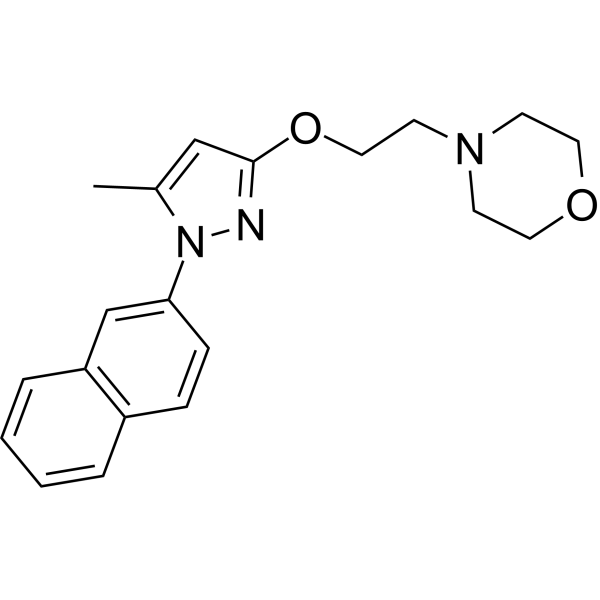
S1RA (E-52862) is a highly selective σ1 receptor (σ1R) antagonist with Kis of 17 nM and 23.5 nM for human σ1R and guinea pig σ1R, respectively. S1RA has Moderate antagonistic activity for human 5-HT2B receptor (Ki= 328 nM). S1RA has antinociceptive effects in neuropathic pain models. S1RA prevents mechanical and cold hypersensitivity in Oxaliplatin (HY-17371)-treated mice .
|
-
- HY-179282
-
|
|
Opioid Receptor
|
Neurological Disease
|
|
Mu opioid receptor antagonist 9 is potent, selective and CNS-pentrant mu-opioid receptor (MOR) antagonist with a Ki of 77.3 nM. Mu opioid receptor antagonist 9 exhibits selectivity over kappa-opioid receptor (KOR), and delta-opioid receptor (DOR). Mu opioid receptor antagonist 9 effectively blocks the antinociceptive effects of psychoactive substances. Mu opioid receptor antagonist 9 can reverse psychoactive substances-induced respiratory depression in mice. Mu opioid receptor antagonist 9 can be used for the research of Opioid Use Disorder (OUD) .
|
-

- HY-154629
-
-

- HY-N8210
-
|
|
Drug Metabolite
Autophagy
Apoptosis
Reactive Oxygen Species (ROS)
Keap1-Nrf2
MMP
Caspase
PARP
MDM-2/p53
|
Neurological Disease
Inflammation/Immunology
Cancer
|
|
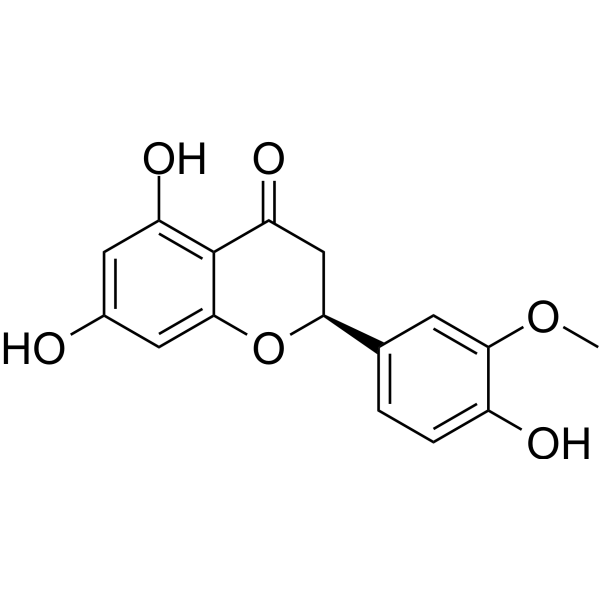
Homoeriodictyol is an orally active, bitter-tasting flavanone that can penetrate the blood-brain barrier. Homoeriodictyol enhances synaptic-related protein expression through NCOA4-mediated ferritin autophagy. Homoeriodictyol improves memory impairment in mice by inhibiting the NLRP3 inflammasome. Homoeriodictyol protects human endothelial cells from oxidative damage by activating Nrf2 and inhibiting mitochondrial dysfunction. Homoeriodictyol enhances ROS activity and induces apoptosis, exhibiting anticancer effects. Homoeriodictyol inhibits the survival and migration of androgen-resistant prostate cancer cells in vitro. Homoeriodictyol exerts antinociceptive activity in mice in vivo .
|
-
- HY-N2571
-
|
|
Reverse Transcriptase
HIV
Opioid Receptor
|
Infection
Neurological Disease
Cancer
|
|
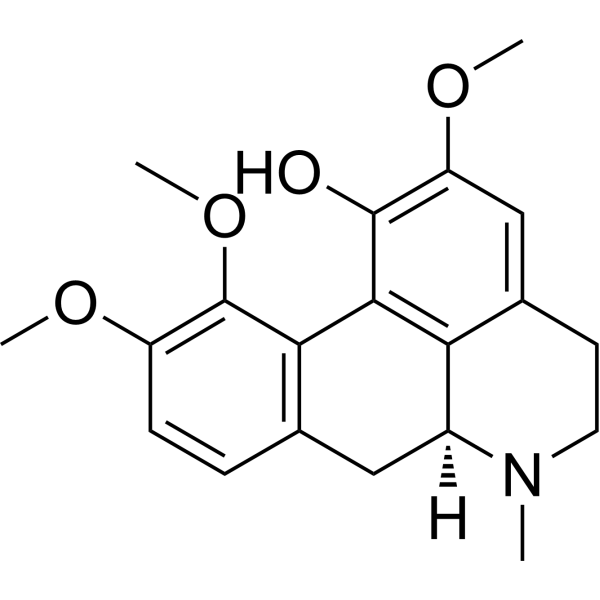
Corydine is a HIV-1 reverse transcriptase inhibitor and μ-opioid receptor (MOR) agonist, with an IC50 of 356.7 μg/mL against HIV-1 reverse transcriptase, an EC50 of 0.51 μM for MOR, and a Ki of 2.82 μM for MOR. Corydine produces antinociceptive effects by inhibiting acetic acid-induced writhing behavior in a MOR-dependent manner. Corydine inhibits the proliferation of cancer cells, mitogen-stimulated lymphocytes and IL-2-dependent cells. Corydine can be used in studies related to human immunodeficiency virus infection, visceral pain, leukemia, melanoma, bladder cancer and colon adenocarcinoma .
|
-
- HY-P11831
-
|
|
Cannabinoid Receptor
PERK
|
Inflammation/Immunology
|
|
RD-pepcan-11 is a CB1 receptor agonist. RD-pepcan-11 increases the relative phosphorylation level of ERK1/2. RD-pepcan-11 mediates analgesic effects through interaction with CB1 receptors in a carrageenan-induced mouse inflammatory pain model. RD-pepcan-11 can be used in studies related to inflammatory pain .
|
-

- HY-N6972
-
|
|
Autophagy
SARS-CoV
Cytochrome P450
Apoptosis
Parasite
|
Infection
Inflammation/Immunology
Cancer
|
|
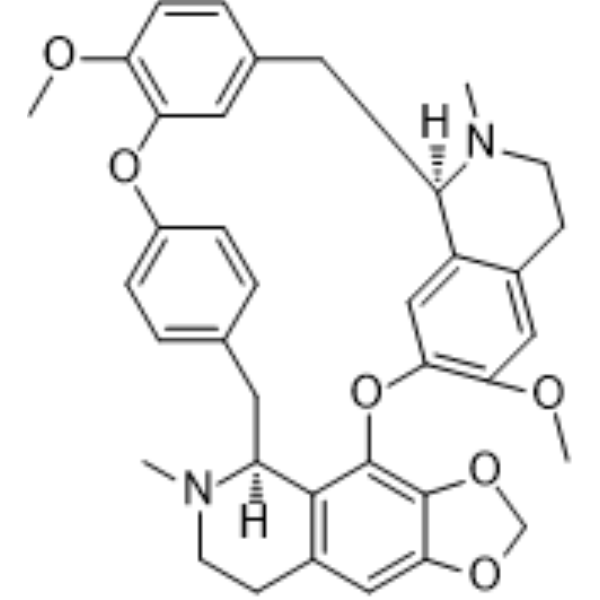
Cepharanthine is a natural product that can be isolated from the plant Stephania cephalantha Hayata. Cepharanthine has anti-severe acute respiratory syndrome coronavirus 2 (anti-SARS-CoV-2) activities. Cepharanthine has good effective in suppressing viral proliferation (half maximal (50%) inhibitory concentration (IC50) and 90% inhibitory concentration (IC90) values of 1.90 and 4.46 μM . Cepharanthine can also effectively reverses P-gp-mediated multidrug resistance in K562 cells and increase enhances the sensitivity of anticancer agents in xenograft mice model . Cepharanthine shows inhibitory effects of human liver cytochrome P450 enzymes CYP3A4, CYP2E1 and CYP2C9. Cepharanthine has antitumor, anti-inflammatory and antinociceptive effects .
|
-
- HY-175486
-
|
|
Opioid Receptor
|
Neurological Disease
|
|
KOR agonist 6 is a KOR agonist (Ki = 0.25 pM). KOR agonist 6 shows agonistic activity at MOR and DOR in CHO cells and inhibits Forskolin (HY-15371)-stimulated cAMP accumulation. KOR agonist 6 stimulates KOR-mediated [ 35S]GTPγS binding and inhibits cAMP accumulation in KOR-expressing HEK293 cells with potent agonistic activity, while showing lower β-arrestin recruitment potency. KOR agonist 6 demonstrates anti-nociceptive efficacy in mice. KOR agonist 6 can be used for the study of analgesics with reduced central nervous system (CNS) side effects .
|
-

- HY-181103
-
|
|
Opioid Receptor
Potassium Channel
|
Neurological Disease
|
|
ERG-IN-6 (compound (+)-(S)-5a) is a μ-opioid receptor activator with an EC50 of 0.12 nM. ERG-IN-6 also is a hERG (Kv11.1) potassium channel inhibitor with an IC50 of 0.681 μM. ERG-IN-6 can be used for the research of pain .
|
-

- HY-124110
-
|
|
nAChR
|
Neurological Disease
|
|
TC299423 is an orally active, brain-penetrant, selective and potent agonist for α6β2 ? and α4β2 ? nicotinic acetylcholine receptors (nAChRs) with anxiolytic and antinociceptive properties. TC299423 acts primarily through α6β2 ? nAChRs that are implicated in the anxiolytic effects of nicotine. TC299423 elicits reward-related behavior mediated through α6β2 ? nAChRs in hypersensitive α6L90’S mice. TC299423 elicits dopamine release and dose not suppress nicotine self-administration in rats. TC299423 is proming for rasearch of addiction and Parkinson’s disease .
|
-

- HY-N6972R
-
|
|
Autophagy
Reference Standards
SARS-CoV
Cytochrome P450
Apoptosis
Parasite
|
Infection
Inflammation/Immunology
Cancer
|
|
Cepharanthine (Standard) is the analytical standard of Cepharanthine. This product is intended for research and analytical applications. Cepharanthine is a natural product that can be isolated from the plant Stephania?cephalantha?Hayata. Cepharanthine has anti-severe acute respiratory syndrome coronavirus 2 (anti-SARS-CoV-2) activities. Cepharanthine has good effective in suppressing viral proliferation (half maximal (50%) inhibitory concentration (IC50) and 90% inhibitory concentration (IC90) values of 1.90 and 4.46?μM . Cepharanthine can also effectively reverses P-gp-mediated multidrug resistance in K562 cells and increase enhances the sensitivity of anticancer agents in xenograft mice model . Cepharanthine shows inhibitory effects of human liver cytochrome P450 enzymes CYP3A4, CYP2E1 and CYP2C9. Cepharanthine has antitumor, anti-inflammatory and antinociceptive effects .
|
-

- HY-12761
-
|
|
Cannabinoid Receptor
|
Cardiovascular Disease
Others
Neurological Disease
Metabolic Disease
Inflammation/Immunology
Cancer
|
|
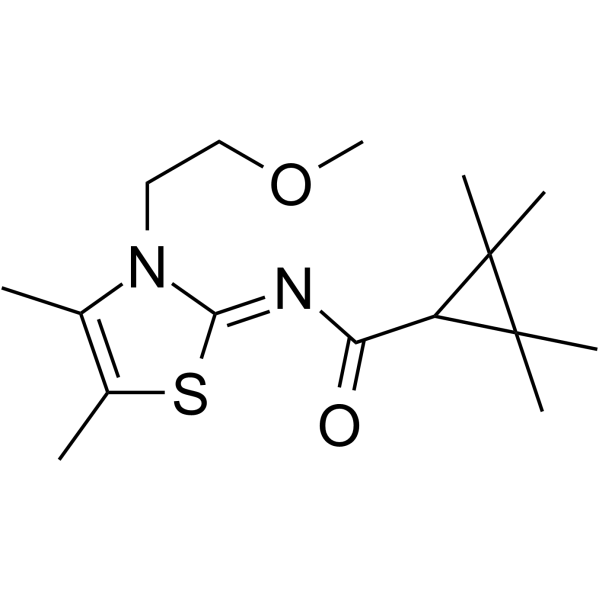
A-836339 is a selective CB2 receptor agonist, with Ki values of 0.4 nM and 0.8 nM in humans and rats, respectively. A-836339 exhibits multiple effects such as analgesia, gastric protection, anti-inflammation, and antioxidant activity. A-836339 produces antinociceptive and analgesic activities by activating CB2 receptors in the dorsal root ganglia and spinal cord. A-836339 can also exert gastric protective effects through anti-inflammatory mechanisms (reducing TNF-α and IL-1β) and antioxidant mechanisms (enhancing the activities of CAT and SOD, and reducing H2O2). Radioactively labeled A-836339 can serve as a CB2-specific radioligand for autoradiography and PET imaging. A-836339 can be used in research on inflammatory pain, neuropathic pain, gastric ulcers, cerebral ischemia, etc .
|
-
- HY-N5025
-
|
|
P2X Receptor
Apoptosis
ERK
p38 MAPK
c-Myc
NF-κB
Reactive Oxygen Species (ROS)
|
Neurological Disease
Inflammation/Immunology
Cancer
|
|
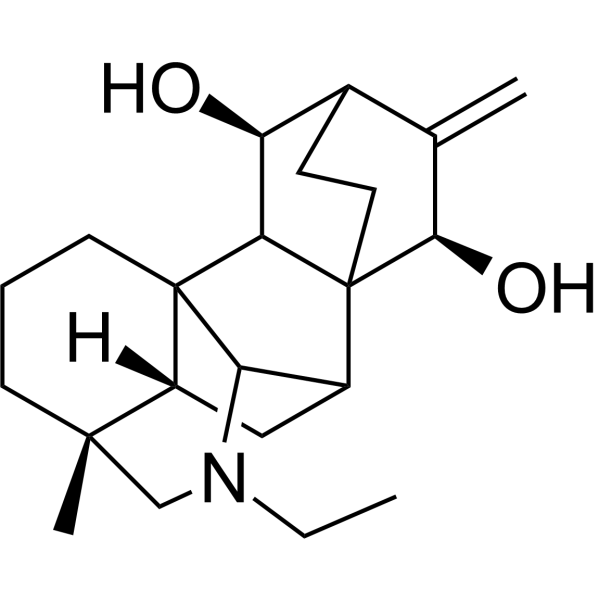
Bullatine A, a diterpenoid alkaloid, is a potent P2X7 antagonist. Bullatine A possesses anti-rheumatic, anti-inflammatory and anti-nociceptive effects. Bullatine A inhibits ATP-induced BV-2 cell death/apoptosis and P2X receptor-mediated inflammatory responses. Bullatine A suppresses glioma cell growth by targeting SIRT6. Bullatine A specifically attenuates pain hypersensitivity in rats. Bullatine A attenuates LPS (HY-D1056)-induced systemic inflammatory response by inhibiting the ROS/JNK/NF-κB pathway in mice. Bullatine A improves despair behavior in Chronic chronic social defeat stress (CSDS) mice. Bullatine A can be used for the study of inflammation, glioblastoma (GBM) and depression .
|
-
- HY-N12768
-
|
|
MDM-2/p53
Notch
Calcium Channel
|
Neurological Disease
Inflammation/Immunology
|
Rhodojaponin VI is an orally active diterpenoid compound found in hododendron molle G. Don
(Ericaceae) (RM). Rhodojaponin VI binds rat N-Ethylmaleimide-sensitive fusion (NSF) with a Kd of 1.03 μM. Rhodojaponin VI blocks the MDM2-Notch1 signalling pathway by reducing MDM2 and Notch1 expression. Rhodojaponin VI indirectly reduces Cav2.2 current intensity by inhibiting NSF-mediated Cav2.2 trafficking. Rhodojaponin VI alleviates glomerulonephritis progression and podocyte injury in passive heymann nephritis rats. Rhodojaponin VI also has antinociceptive effects. Rhodojaponin VI can be used for the researches of heymann nephritis and pain .
|
-

- HY-N8210R
-
|
|
Reference Standards
Drug Metabolite
Autophagy
Apoptosis
Reactive Oxygen Species (ROS)
Keap1-Nrf2
MMP
Caspase
PARP
MDM-2/p53
|
Neurological Disease
Inflammation/Immunology
Cancer
|
|
Homoeriodictyol (Standard) is the analytical standard of Homoeriodictyol (HY-N8210). This product is intended for research and analytical applications. Homoeriodictyol is an orally active, bitter-tasting flavanone that can penetrate the blood-brain barrier. Homoeriodictyol enhances synaptic-related protein expression through NCOA4-mediated ferritin autophagy. Homoeriodictyol improves memory impairment in mice by inhibiting the NLRP3 inflammasome. Homoeriodictyol protects human endothelial cells from oxidative damage by activating Nrf2 and inhibiting mitochondrial dysfunction. Homoeriodictyol enhances ROS activity and induces apoptosis, exhibiting anticancer effects. Homoeriodictyol inhibits the survival and migration of androgen-resistant prostate cancer cells in vitro. Homoeriodictyol exerts antinociceptive activity in mice in vivo .
|
-

- HY-P1336A
-
|
Deltorphin 1 TFA; Deltorphin C TFA; [D-Ala2] Deltorphin I TFA
|
Opioid Receptor
|
Neurological Disease
|
|
Deltorphin I TFA (Deltorphin 1 TFA; Deltorphin C TFA; [D-Ala2] Deltorphin I TFA) is a high-affinity, selective δ-opioid receptor agonist that targets the δ1 and δ2 opioid receptor subtypes. Deltorphin I TFA produces analgesic effects in the rat spinal cord. Deltorphin I TFA increases the pain threshold in rats. Deltorphin I TFA can be used in studies related to nociception (acute pain) .
|
-

- HY-182517
-
|
|
TRP Channel
|
Inflammation/Immunology
|
|
AG1529 is a TRPV1 inhibitor and capsaicinoid-based soft agent with a human TRPV1 IC50 of 0.9-0.93 μM. AG1529 reversibly blocks capsaicin-evoked TRPV1 activation, binds to the TRPV1 capsaicin binding site, moderately affects pH-induced TRPV1 gating, and does not alter voltage- or heat-mediated TRPV1 responses. AG1529 suppresses TRPV1-mediated neuronal excitability, reduces capsaicin- and pH-evoked neuronal firing, abolishes histaminergic and inflammation-mediated TRPV1 sensitization. AG1529 exhibits anti-nociceptive and antipruritic effects, attenuates in vivo hyperalgesia and pruritus, dose-dependently reduces acute histaminergic itch in rodents, and mildly blocks hTRPA1 and hTRPM8 channel activity. AG1529 undergoes hydrolysis and dermal deactivation, minimizes TRPV1-associated side reactions, does not evoke capsaicin-like burning sensation, and does not disrupt physiological thermal regulation. AG1529 can be used for the research of inflammatory cutaneous nociception and acute histaminergic pruritus .
|
-

| Cat. No. |
Product Name |
Target |
Research Area |
-
- HY-P3870
-
|
|
Opioid Receptor
|
Neurological Disease
|
|
DALDA is a potent and highly selective μ-opioid receptor agonist with a Ki of 1.69 nM. DALDA shows antinociceptive and respiratory effects .
|
-
- HY-P3870A
-
|
|
Opioid Receptor
|
Neurological Disease
|
|
DALDA acetate is a potent and highly selective μ-opioid receptor agonist with a Ki of 1.69 nM. DALDA acetate shows antinociceptive and respiratory effects .
|
-
- HY-P10358
-
|
|
Calcium Channel
|
Neurological Disease
|
|
TAT-CBD3A6K, is a modified TAT-CBD3 peptide. TAT-CBD3A6K reduces T- and R-type voltage-dependent calcium currents in dorsal root ganglion (DRG) neurons. TAT-CBD3A6K shows anti-nociceptive effects in a model of AIDS-induced peripheral neuropathy by preventing CRMP-2-mediated enhancement of T- and R-type calcium channel function .
|
-
- HY-P3870B
-
|
|
Opioid Receptor
|
Neurological Disease
|
|
DALDA TFA is a potent and highly selective μ-opioid receptor agonist with a Ki of 1.69 nM. DALDA TFA shows antinociceptive and respiratory effects .
|
-
- HY-P10358A
-
|
|
Calcium Channel
|
Neurological Disease
|
|
TAT-CBD3A6K acetate, is a modified TAT-CBD3 peptide. TAT-CBD3A6K acetate reduces T- and R-type voltage-dependent calcium currents in dorsal root ganglion (DRG) neurons. TAT-CBD3A6K acetate shows anti-nociceptive effects in a model of AIDS-induced peripheral neuropathy by preventing CRMP-2-mediated enhancement of T- and R-type calcium channel function .
|
-
- HY-P11831
-
|
|
Cannabinoid Receptor
PERK
|
Inflammation/Immunology
|
|
RD-pepcan-11 is a CB1 receptor agonist. RD-pepcan-11 increases the relative phosphorylation level of ERK1/2. RD-pepcan-11 mediates analgesic effects through interaction with CB1 receptors in a carrageenan-induced mouse inflammatory pain model. RD-pepcan-11 can be used in studies related to inflammatory pain .
|
-
- HY-P1336A
-
|
Deltorphin 1 TFA; Deltorphin C TFA; [D-Ala2] Deltorphin I TFA
|
Opioid Receptor
|
Neurological Disease
|
|
Deltorphin I TFA (Deltorphin 1 TFA; Deltorphin C TFA; [D-Ala2] Deltorphin I TFA) is a high-affinity, selective δ-opioid receptor agonist that targets the δ1 and δ2 opioid receptor subtypes. Deltorphin I TFA produces analgesic effects in the rat spinal cord. Deltorphin I TFA increases the pain threshold in rats. Deltorphin I TFA can be used in studies related to nociception (acute pain) .
|
| Cat. No. |
Product Name |
Category |
Target |
Chemical Structure |
| Cat. No. |
Product Name |
Chemical Structure |
-
- HY-N0092S2
-
2 Publications Verification
|
|
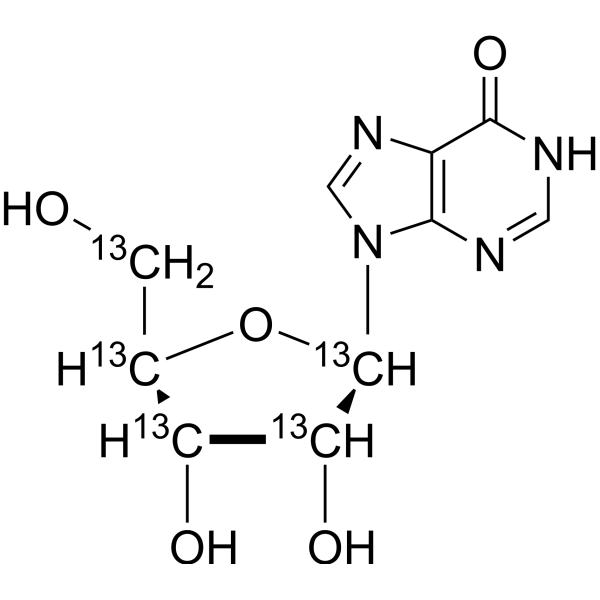
Inosine- 13C5 is the 13C5 labeled Inosine (HY-N0092). Inosine is an endogenous purine nucleoside produced by catabolism of adenosine. Inosine has anti-inflammatory, antinociceptive, immunomodulatory and neuroprotective effects. Inosine is an agonist for adenosine A1 (A1R) and A2A (A2AR) receptors .
|
-
-
- HY-N0092S
-
|
|
|
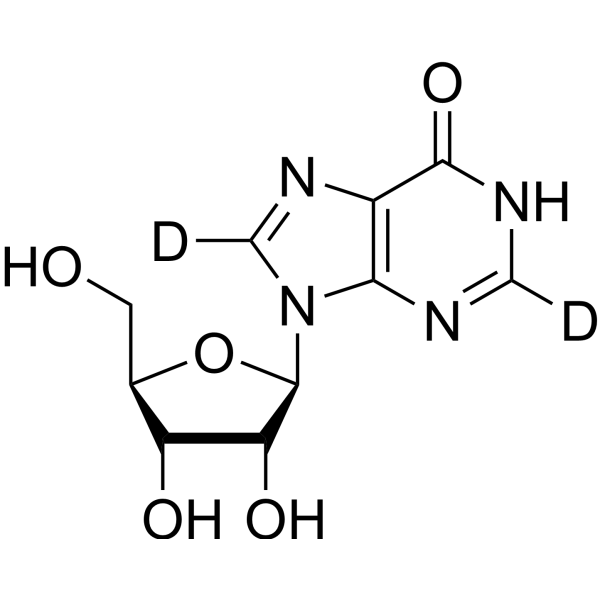
Inosine-2,8-d2 is the deuterium labeled Inosine. Inosine is an endogenous purine nucleoside produced by catabolism of adenosine. Inosine has anti-inflammatory, antinociceptive, immunomodulatory and neuroprotective effects. Inosine is an agonist for adenosine A1 (A1R) and A2A (A2AR) receptors .
|
-
-
- HY-Y1055S3
-
|
|
|
Guanine- 15N5 is 15N labeled Guanine (HY-Y1055). Guanine is one of the fundamental components of nucleic acids (DNA and RNA). Guanine is a purine derivative, consisting of a fused pyrimidine-imidazole ring system with conjugated double bonds. Guanine has the potential to serve as a large-capacity N pool. Guanine has cytotoxic, antinociceptive and neuroprotective effects .
|
-
-
- HY-Y1055S
-
|
|
|
Guanine- 13C is the 13C labeled Guanine (HY-Y1055) . Guanine is one of the fundamental components of nucleic acids (DNA and RNA). Guanine is a purine derivative, consisting of a fused pyrimidine-imidazole ring system with conjugated double bonds. Guanine has the potential to serve as a large-capacity N pool. Guanine has cytotoxic, antinociceptive and neuroprotective effects .
|
-
-
- HY-Y1055S1
-
|
|
|
Guanine- 13C, 15N2 is the 13C and 15N labeled Guanine (HY-Y1055) . Guanine is one of the fundamental components of nucleic acids (DNA and RNA). Guanine is a purine derivative, consisting of a fused pyrimidine-imidazole ring system with conjugated double bonds. Guanine has the potential to serve as a large-capacity N pool. Guanine has cytotoxic, antinociceptive and neuroprotective effects .
|
-
-
- HY-78131BS
-
|
|
|
(R)-(-)-Ibuprofen-d3 is the deuterium labeled (R)-(-)-Ibuprofen. (R)-(-)-Ibuprofen is the R enantiomer of Ibuprofen, inactive on COX, inhibits NF-κB activation; (R)-(-)-Ibuprofen exhibits anti-inflammatory and antinociceptive effects.
|
-
-
- HY-N0092S4
-
|
|
|
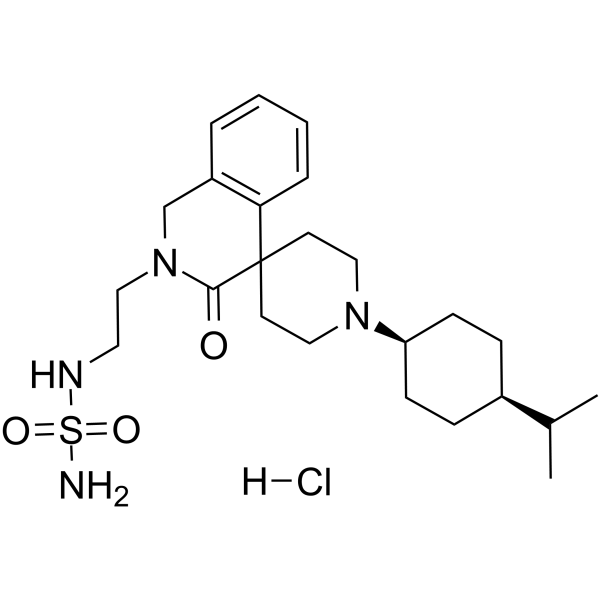
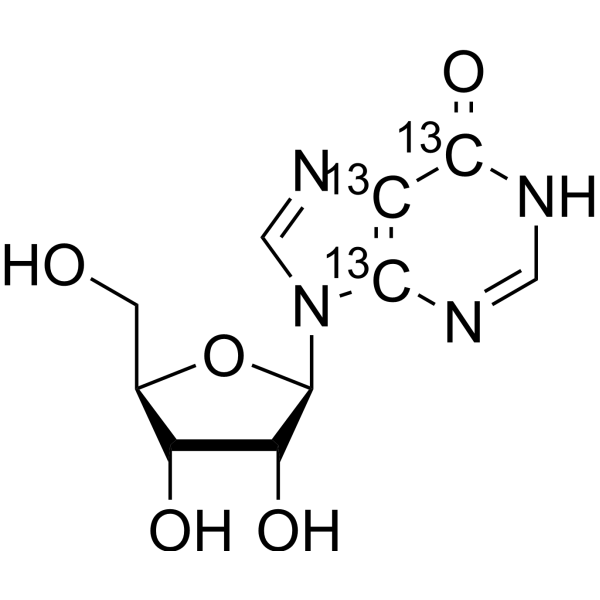
Inosine-13C3 is a 13C-labeled Inosine that can be used in pharmacokinetic studies of Inosine. Inosine is an agonist of adenosine receptors A1R and A2AR with anti-inflammatory immunomodulatory, antinociceptive and neuroprotective effects .
|
-
-
- HY-N0092S1
-
|
|
|
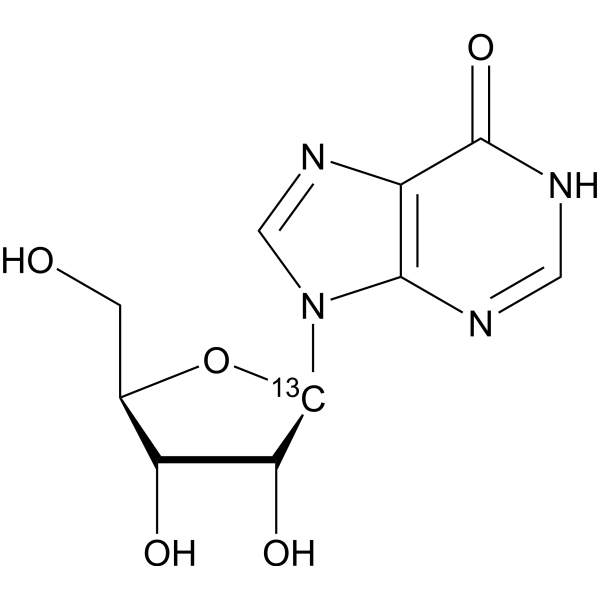
Inosine- 13C is the 13C labeled Inosine. Inosine is an endogenous purine nucleoside produced by catabolism of adenosine. Inosine has anti-inflammatory, antinociceptive, immunomodulatory and neuroprotective effects. Inosine is an agonist for adenosine A1 (A1R) and A2A (A2AR) receptors .
|
-
-
- HY-W777809
-
|
|
|
Guanine- 13C2, 15N is the 13C- and 15N-labeled Guanine (HY-Y1055). Guanine is one of the fundamental components of nucleic acids (DNA and RNA). Guanine is a purine derivative, consisting of a fused pyrimidine-imidazole ring system with conjugated double bonds. Guanine has the potential to serve as a large-capacity N pool. Guanine has cytotoxic, antinociceptive and neuroprotective effects .
|
-
-
- HY-Y1055S4
-
|
|
|
Guanine- 13C5 is 13C-labeled Guanine (HY-Y1055). Guanine is one of the fundamental components of nucleic acids (DNA and RNA). Guanine is a purine derivative, consisting of a fused pyrimidine-imidazole ring system with conjugated double bonds. Guanine has the potential to serve as a large-capacity N pool. Guanine has cytotoxic, antinociceptive and neuroprotective effects .
|
-
-
- HY-W778114
-
|
|
|
Guanine- 13C2, 15N is the 13C- and 15N-labeled Guanine (HY-Y1055). Guanine is one of the fundamental components of nucleic acids (DNA and RNA). Guanine is a purine derivative, consisting of a fused pyrimidine-imidazole ring system with conjugated double bonds. Guanine has the potential to serve as a large-capacity N pool. Guanine has cytotoxic, antinociceptive and neuroprotective effects .
|
-
-
- HY-Y1055S2
-
|
|
|
Guanine- 13C5, 15N5 is 13C and 15N-labeled Guanine (HY-Y1055). Guanine is one of the fundamental components of nucleic acids (DNA and RNA). Guanine is a purine derivative, consisting of a fused pyrimidine-imidazole ring system with conjugated double bonds. Guanine has the potential to serve as a large-capacity N pool. Guanine has cytotoxic, antinociceptive and neuroprotective effects .
|
-
-
- HY-Y1055S6
-
|
|
|
Guanine-d5 is the deuterium labeled Guanine (HY-Y1055). Guanine is one of the fundamental components of nucleic acids (DNA and RNA). Guanine is a purine derivative, consisting of a fused pyrimidine-imidazole ring system with conjugated double bonds. Guanine has the potential to serve as a large-capacity N pool. Guanine has cytotoxic, antinociceptive and neuroprotective effects .
|
-
| Cat. No. |
Product Name |
|
Classification |
-
- HY-154629
-
|
|
|
Solvents
|
|
Sesame Oil is a vegetable oil. Sesame Oil can be extracted from the seeds of Sesamum indicum L. Sesame Oil decreases NF-κB, aspartate aminotransferase, alanine aminotransferase, IL-1β, IL-4 and nitric oxide. Sesame Oil has antitumor activity against malignant melanoma. Sesame Oil has protective effects against liver damage caused by various agents such as Cisplatin (HY-17394) and Acetaminophen (HY-66005). Sesame Oil shows antinociceptive and anti-inflammatory activities .
|
-
- HY-148166
-
|
|
|
Nucleoside Analogs
Inosine
|
|
L-Inosine is the L-configuration of Inosine (HY-N0092). Inosine is an endogenous purine nucleoside produced by catabolism of adenosine. Inosine has anti-inflammatory, antinociceptive, immunomodulatory and neuroprotective effects .
|
Your information is safe with us. * Required Fields.
Inquiry Information
- Product Name:
- Cat. No.:
- Quantity:
- MCE Japan Authorized Agent:








