



Bullatine A

Based on 1 Customer Validation
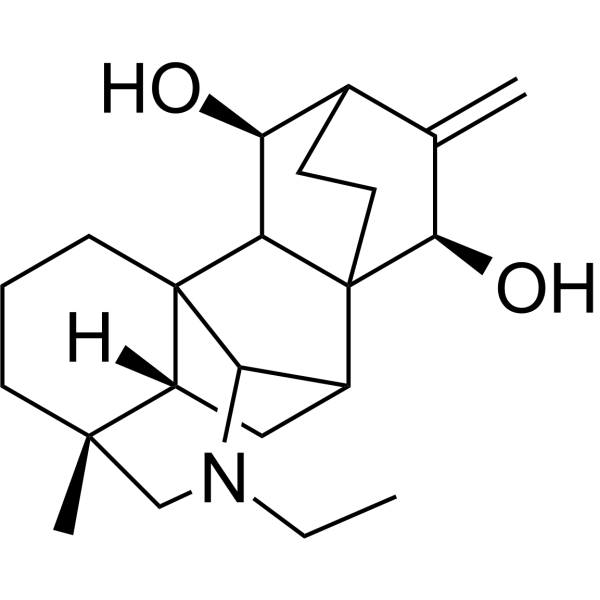
Bullatine A, a diterpenoid alkaloid, is a potent P2X7 antagonist. Bullatine A possesses anti-rheumatic, anti-inflammatory and anti-nociceptive effects. Bullatine A inhibits ATP-induced BV-2 cell death/apoptosis and P2X receptor-mediated inflammatory responses. Bullatine A suppresses glioma cell growth by targeting SIRT6. Bullatine A specifically attenuates pain hypersensitivity in rats. Bullatine A attenuates LPS (HY-D1056)-induced systemic inflammatory response by inhibiting the ROS/JNK/NF-κB pathway in mice. Bullatine A improves despair behavior in Chronic chronic social defeat stress (CSDS) mice. Bullatine A can be used for the study of inflammation, glioblastoma (GBM) and depression.
For research use only. We do not sell to patients.
- Purity : 98.0%
- CAS No.: 1354-84-3
- Formula: C22H33NO2
- Molecular Weight:343.50
-
Storage:
4°C, protect from light
* In solvent : -80°C, 6 months; -20°C, 1 month (protect from light)

To place orders, for customer services and technical support, please contact: MedChemExpress USA
Tel: 609-228-6898 E-mail: [email protected] [email protected]


-
 Biological Activity
-
Chemical Information
-
Solvent & Solubility
- Protocols
- Purity & Documentation
- References
-
 Help & FAQs


-
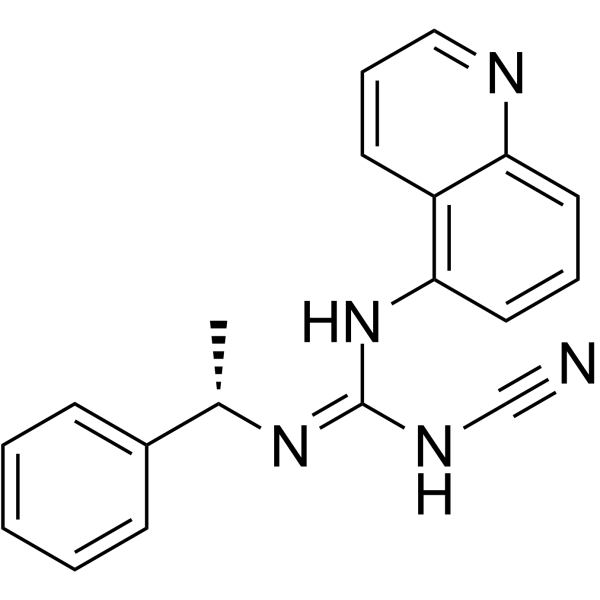
HY-100483
A-804598P2X7 Antagonist -
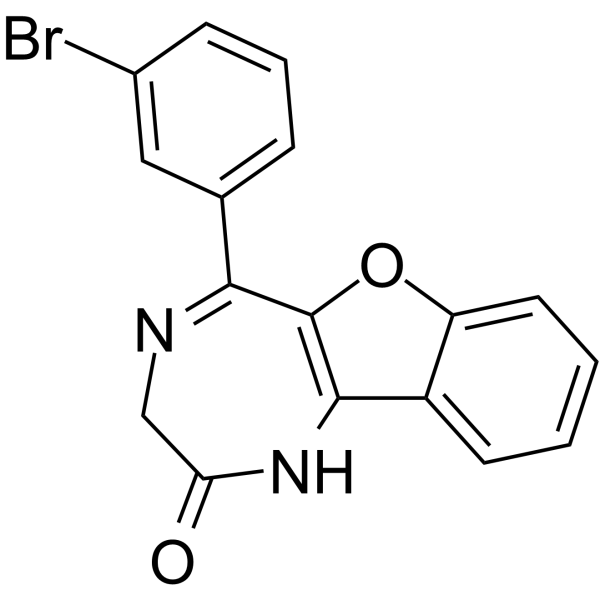
HY-101911
5-BDBDP2X4 Receptor Antagonist -
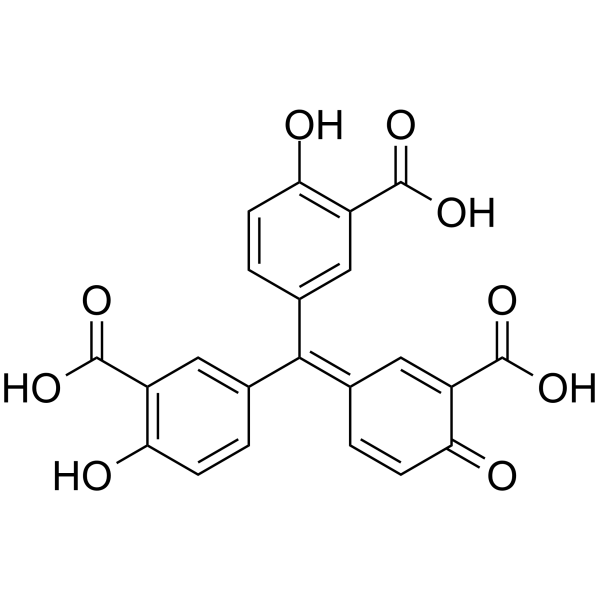
HY-122575
Aurintricarboxylic acidP2X3 Receptor Antagonist -
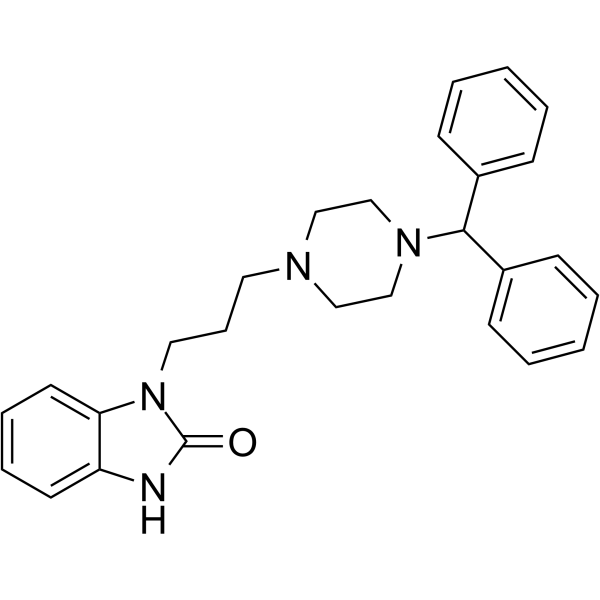
HY-123205
OxatomideH1-histamine/P2X7 Receptor Antagonist -
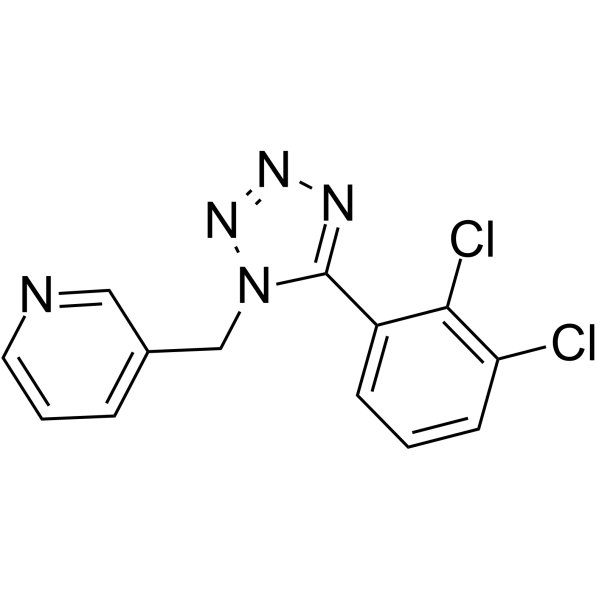
HY-15488
A 438079P2X Receptor Antagonist -
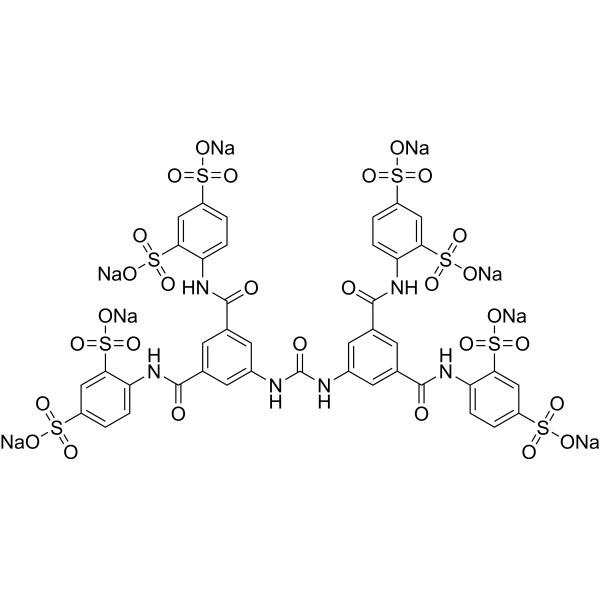
HY-112461A
NF449 octasodiumP2X1 Receptor Antagonist -
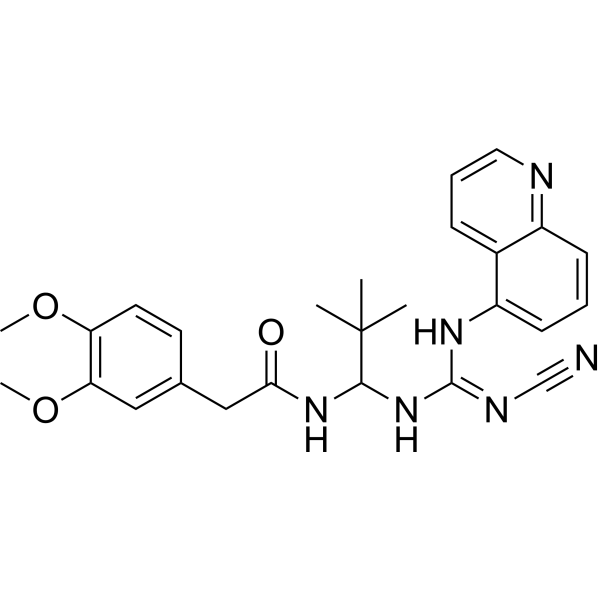
HY-50697
A-740003P2X Receptor Antagonist -
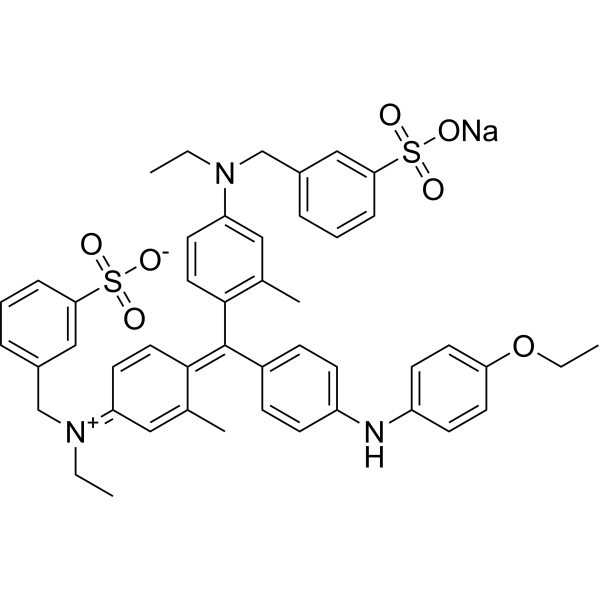
HY-D0014
Brilliant blue G-250Dye/P2×7R Antagonist -
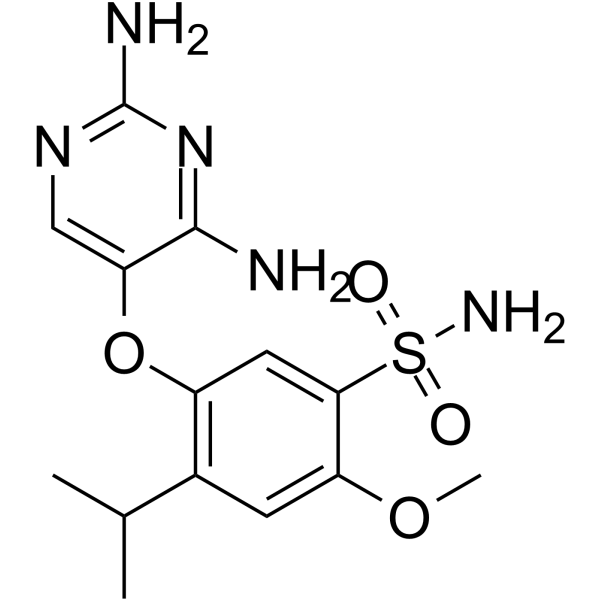
HY-101588
GefapixantP2X3 Antagonist -
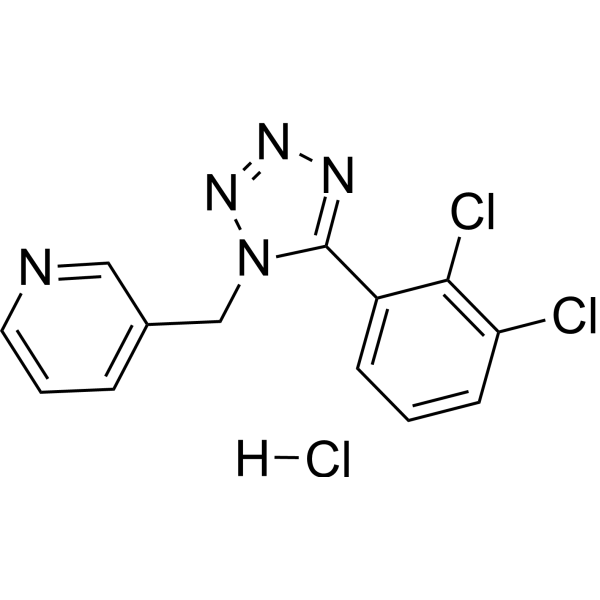
HY-15488A
A 438079 hydrochlorideP2X7 Receptor Antagonist -
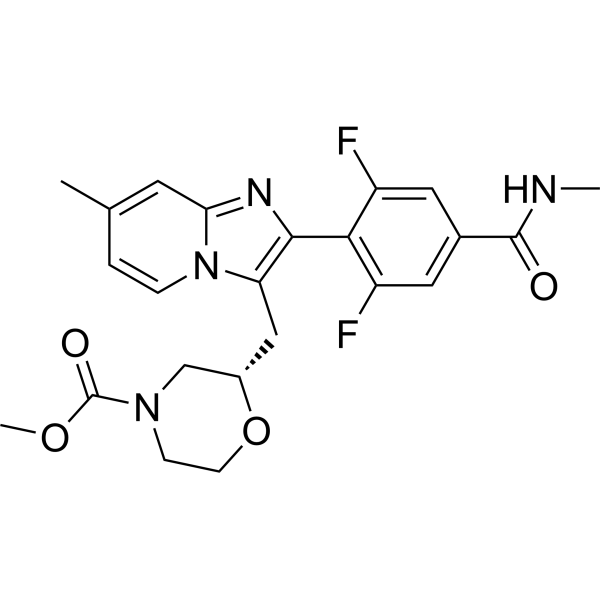
HY-136026
CamlipixantP2X3 Antagonist -
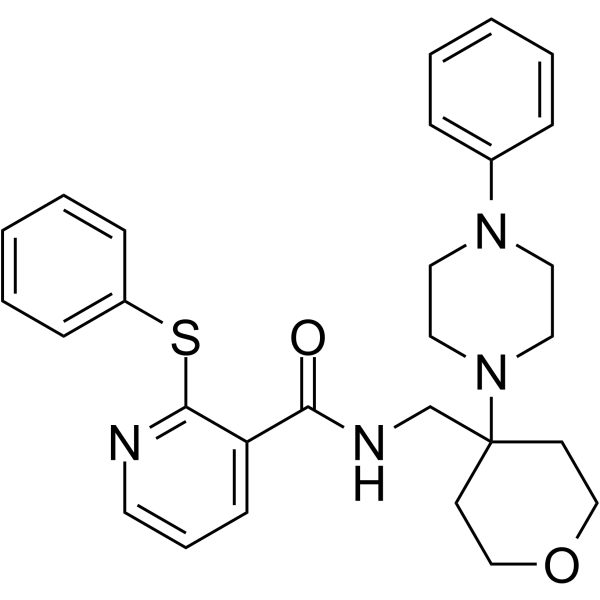
HY-101418
JNJ-47965567P2X7 Antagonist
All P2X Receptor Isoforms
More

Biological Activity
Description
IC50 & Target
[1]|
P2X7 Receptor |
In Vitro
Bullatine A (1-50 μM, 24 h) inhibits ATP-induced BV-2 cell death, down-regulates mRNA levels of IL-6、IL-1β、iNOS, reduces overproduction of NO and IL-6, and selectively inhibits up-regulation of P2X7 receptor mRNA (without effect on P2X4 mRNA) in BV-2 cells[1].
Bullatine A (1-100 μM, 6 h) dose-dependently stimulates prodynorphin expression in primary microglia with an EC50 of 3.2 μM[2].
Bullatine A (10-80 μM, 6 h) significantly inhibits LPS (HY-D1056)-induced mRNA expression of IL-1β, IL-6, iNOS and TNF-α in BV2 microglia and iBMDMs[3].
Bullatine A (80 μM) inhibits LPS-induced IKKα/β、IκBα phosphorylation and NF-κB p65 nuclear translocation, decreases JNK phosphorylation but not p38、ERK1/2 phosphorylation in iBMDMs[3].
Bullatine A (80 μM, 24 h) reduces LPS-induced intracellular ROS generation in iBMDMs[3].
Bullatine A (50-800 nM, 7 days) dose-dependently reduces the colony-forming ability of U87MG and U251 cells[4].
Bullatine A (5-45 μM, 24 h) dose-dependently increases the early and late apoptosis rates of U87MG cells, reduces mitochondrial membrane potential and induces G2/M phase cell cycle arrest in U87MG and U251 cells[4].
Bullatine A (5-45 μM, 24 h) downregulates p-ERK and Myc and dose-dependently inhibits H3K9Ac、H3K56Ac while upregulating SIRT6 in U87MG cells[4].
Bullatine A (50 μM, 24 h) inhibits eATP-induced mitochondrial calcium overload, increased ER-mitochondria colocalization, activation of PERK-elF-2α UPR, lysosome production, elevated NLRP3 inflammasome protein expression, and reduced viability in BV-2 cells[5].
MedChemExpress (MCE) has not independently confirmed the accuracy of these methods. They are for reference only.
-
Cell Line:ATP-induced BV-2 cells
-
Concentration:1, 10, 50 μM
-
Incubation Time:24 h
-
Result:Up-regulated the ratio of Bcl-2/Bax mRNA.
Down-regulated ATP-induced mRNA levels of IL-6, IL-1β and iNOS in BV-2 cells.
Inhibited ATP-induced up-regulation of P2X7 receptor mRNA without obvious effect on P2X4 mRNA in BV-2 cells.
-
Cell Line:LPS-induced BV2 microglia and iBMDMs
-
Concentration:10, 20, 40, 80 μM
-
Incubation Time:6 h
-
Result:Inhibited LPS (HY-D1056)-induced mRNA expression of IL-1β, IL-6, iNOS and TNF-α in BV2 microglia and iBMDMs.
-
Cell Line:U87MG and U251 cells
-
Concentration:5, 15, 45 μM
-
Incubation Time:24 h
-
Result:Induced G2/M phase cell cycle arrest in U87MG and U251 cells.
-
Cell Line:U87MG cells
-
Concentration:5, 15, 45 μM
-
Incubation Time:24 h
-
Result:Increased the early and late apoptosis rates of U87MG cells.
Upregulated the expression of cleaved caspase-9, cleaved caspase-3 and Bax.
Downregulated the expression of Bcl-2.
-
Cell Line:U87MG cells
-
Concentration:5, 15, 45 μM
-
Incubation Time:24 h
-
Result:Downregulated the expression of p-ERK and Myc proteins in U87MG cells.
Inhibitd the expression of H3K9Ac and H3K56Ac in U87MG cells.
Upregulated the expression of SIRT6.
In Vivo
Bullatine A (0.3-30 mg/kg, s.c., cumulative doses at 1 h intervals ) mitigates mechanical allodynia in Walker 256-induced bone cancer pain rats and Streptozotocin (HY-13753)-induced neuropathic rats[2].
Bullatine A (0.3-30 μg (10 μL), i.t., single dose) inhibits mechanical allodynia in neuropathic rats[2].
Bullatine A (5-20 mg/kg, i.p., twice at 12 h and 1 h prior to LPS injection) attenuates LPS-induced systemic inflammatory response in mice[3].
Bullatine A (10 μg/kg, i.g., once daily, 2 weeks) improves despair behavior in CSDS mice[5].
Bullatine A (10 μg, intra-hippocampal microinjection, every two days, 10 days) partially ameliorates CSDS-induced depressive-like behaviors in hippocampal MAMs[5].
MedChemExpress (MCE) has not independently confirmed the accuracy of these methods. They are for reference only.
-
Animal Model:Spinal nerve ligation-induced neuropathic pain model: adult male Wistar rats were subjected to tight ligation of left L5 and L6 spinal nerves under isoflurane anesthesia[2]
-
Dosage:0.3, 1, 3, 10, 30 mg/kg
-
Administration:s.c. cumulative doses at 1 h intervals
-
Result:Attenuated mechanical allodynia and thermal hyperalgesia in spinal nerve ligation-induced neuropathic pain rats, with ED50 of 1.9 mg/kg and 0.7 mg/kg, Emax of 56.6% MPE and 66.1% MPE respectively.
-
Animal Model:Diabetic neuropathic pain model: adult male Wistar rats were fasted for 16 h, then received a single intravenous injection of Streptozotocin (40 mg/kg)[2]
-
Dosage:0.3, 1, 3, 10, 30 mg/kg
-
Administration:s.c. cumulative doses at 1 h intervals
-
Result:Alleviated mechanical allodynia in streptozotocin-induced diabetic neuropathic pain rats, with ED50 of 1.2 mg/kg and Emax of 65.5% MPE.
-
Animal Model:Complete Freund’s adjuvant (CFA)-induced inflammatory pain model: 100 μL of CFA was injected into the tibiotarsal joint of the left hindpaw of adult male Wistar rats under mild isoflurane anesthesia[2]
-
Dosage:0.3, 1, 3, 10, 30 mg/kg
-
Administration:s.c. cumulative doses at 1 h intervals
-
Result:Reduced mechanical allodynia and thermal hyperalgesia in CFA-induced inflammatory pain rats, with ED50 of 1.4 mg/kg and 0.6 mg/kg, Emax of 50.2% MPE and 60.2% MPE respectively.
-
Animal Model:Bone cancer pain model: Adult female Wistar rats were anesthetized with intraperitoneal pentobarbital (50 mg/kg), and 4 × 1050 Walker 256 carcinoma cells in 10 μL phosphate buffer solution were injected into the medullary cavity of the left tibia[2]
-
Dosage:0.3, 1, 3, 10, 30 mg/kg
-
Administration:s.c. cumulative doses at 1 h intervals
-
Result:Mitigated mechanical allodynia in bone cancer pain rats induced by tibial implantation of Walker 256 carcinoma cells, with ED50 of 0.9 mg/kg and Emax of 45.6% MPE.
-
Animal Model:Spinal nerve ligation-induced neuropathic pain model: adult male Wistar rats were subjected to tight ligation of left L5 and L6 spinal nerves under isoflurane anesthesia[2]
-
Dosage:0.3, 1, 3, 10, 30 μg (10 μL)
-
Administration:i.t. for a single dose
-
Result:Inhibited mechanical allodynia in neuropathic pain rats, with ED50 of 1.1 μg and Emax of 55.5% MPE.
-
Animal Model:C57BL/6 mice (8-10 weeks old, male, 20-25 g) were intraperitoneally injected with 5 mg/kg LPS to induce systemic inflammatory response[3]
-
Dosage:5, 10, 20 mg/kg
-
Administration:i.p., twice at 12 h and 1 h prior to LPS injection
-
Result:Alleviated LPS-induced liver and lung tissue damage with reduced pathological scores.
Reduced serum IL-6 levels in LPS-treated mice.
Down-regulated mRNA expression of IL-1β, IL-6, iNOS and TNF-α in liver and showed similar trend in lung.
Attenuated immune cell infiltration and structural disruption in liver and lung tissues.
-
Animal Model:8-week-old C57BL/6J mice were subjected to chronic social defeat stress (CSDS) for 10 days[5]
-
Dosage:10 μg/kg
-
Administration:i.g. once daily for 2 weeks
-
Result:Shortened immobility time in forced swimming test (FST) at 10 μg/kg dose, improving despair behavior.
Showed no significant effects on social interaction ratio (SIT), total travel distance in open field test (OFT), or sucrose preference rate (SPT).
Failed to inhibit hippocampal microglia activation induced by CSDS.
-
Animal Model:8-week-old C57BL/6J mice underwent hippocampal catheterization surgery, recovered, then were subjected to 10-day CSDS[5]
-
Dosage:10 μg
-
Administration:Intra-hippocampal microinjection every two days for 10 days
-
Result:Increased social interaction ratio (SIT) and shortened immobility time in FST at 10 μg dose, partially ameliorating depressive-like behaviors.
Showed no significant changes in total travel distance in OFT.
Inhibited the increase of Facl-4 protein in hippocampal mitochondrial-associated ER membranes (MAMs) .
Had no significant effect on other MAMs-related proteins (Sigma-1, VDAC, Mfn2).
- Mammalian live/dead viability and cytotoxicity staining
- Annexin V plus membrane-impermeant dye apoptosis staining
- ROS/oxidative-stress fluorescent staining
- Somatic Cell Culture
- CCK-8/WST-8 Cell Proliferation Assay
- Research Protocol for Inflammation-related Diseases
- Cell Counting-Based Growth Curve Assay
- Cell Viability Determination by MTT Colorimetric Assay
- Detection of Apoptosis
- TUNEL staining for apoptotic DNA fragmentation
- Cell Cytotoxicity Assay
- Protocol for Cell Counting and Cell Density Analysis
- Apoptosis Solutions
- MTT Cell Proliferation Assay


Chemical Information
-
CAS No. 1354-84-3
-
Appearance Solid
-
Molecular Weight 343.50
-
Formula C22H33NO2
-
Color White to off-white
-
SMILES
O[C@H](C1C2([C@@H]3O)C4C[C@]5([H])[C@@]6(C)CCCC51C4N(CC)C6)C(CC2)C3=C
-
Structure Classification
-
Initial Source
-
Shipping
Room temperature in continental US; may vary elsewhere.
-
Storage
4°C, protect from light
* In solvent : -80°C, 6 months; -20°C, 1 month (protect from light)


Solvent & Solubility
In Vitro:
DMSO : 12.5 mg/mL (36.39 mM; ultrasonic and warming and heat to 80°C; Hygroscopic DMSO has a significant impact on the solubility of product, please use newly opened DMSO)
Please refer to the solubility information to select the appropriate solvent. Once prepared, please aliquot and store the solution to prevent product inactivation from repeated freeze-thaw cycles.
Storage method and period of stock solution: -80°C, 6 months; -20°C, 1 month (protect from light). When stored at -80°C, please use it within 6 months. When stored at -20°C, please use it within 1 month.
Please refer to the solubility information to select the appropriate solvent. Once prepared, please aliquot and store the solution to prevent product inactivation from repeated freeze-thaw cycles.
Storage method and period of stock solution: -80°C, 6 months; -20°C, 1 month (protect from light). When stored at -80°C, please use it within 6 months. When stored at -20°C, please use it within 1 month.
Concentration (start) × Volume (start) = Concentration (final) × Volume (final)


Purity & Documentation
-
Data Sheet (300 KB)
-
SDS (251 KB)
- English - EN (251 KB)
- Français - FR (251 KB)
- Deutsch - DE (251 KB)
- Norwegian - NO (251 KB)
- Español - ES (251 KB)
- Swedish - SV (251 KB)
- Italian - IT (251 KB)
- Korean - KR (251 KB)
- Portuguese - PT (251 KB)
-
Handling Instructions (2659 KB)
References
[1]. Li J, et al. Bullatine A, a diterpenoid alkaloid of the genus Aconitum, could attenuate ATP-induced BV-2 microglia death/apoptosis via P2X receptor pathways. Brain Res Bull. 2013 Aug;97:81-5. [Content Brief]
[2]. Huang Q, et al. Bullatine A stimulates spinal microglial dynorphin A expression to produce anti-hypersensitivity in a variety of rat pain models. J Neuroinflammation. 2016 Aug 30;13(1):214. [Content Brief]
[3]. Liu S, et al. Bullatine A exerts anti-inflammatory effects by inhibiting the ROS/JNK/NF-κB pathway and attenuating systemic inflammatory responses in mice. Pharm Biol. 2022 Dec;60(1):1840-1849. [Content Brief]
[4]. Wang Z, et al. Bullatine A suppresses glioma cell growth by targeting SIRT6. Heliyon. 2024 Dec 24;11(1):e41440. [Content Brief]
[5]. Zhang JR, et al. Bullatine A has an antidepressant effect in chronic social defeat stress mice; Implication of microglial inflammasome. Brain Res Bull. 2023 Apr;195:130-140. [Content Brief]


Complete Stock Solution Preparation Table
Please refer to the solubility information to select the appropriate solvent. Once prepared, please aliquot and store the solution to prevent product inactivation from repeated freeze-thaw cycles.
Storage method and period of stock solution: -80°C, 6 months; -20°C, 1 month (protect from light). When stored at -80°C, please use it within 6 months. When stored at -20°C, please use it within 1 month.
| Optional Solvent | Concentration Solvent Mass | 1 mg | 5 mg | 10 mg | 25 mg |
|---|---|---|---|---|---|
| DMSO | 1 mM | 2.9112 mL | 14.5560 mL | 29.1121 mL | 72.7802 mL |
| 5 mM | 0.5822 mL | 2.9112 mL | 5.8224 mL | 14.5560 mL | |
| 10 mM | 0.2911 mL | 1.4556 mL | 2.9112 mL | 7.2780 mL | |
| 15 mM | 0.1941 mL | 0.9704 mL | 1.9408 mL | 4.8520 mL | |
| 20 mM | 0.1456 mL | 0.7278 mL | 1.4556 mL | 3.6390 mL | |
| 25 mM | 0.1164 mL | 0.5822 mL | 1.1645 mL | 2.9112 mL | |
| 30 mM | 0.0970 mL | 0.4852 mL | 0.9704 mL | 2.4260 mL |


Bullatine A Related Classifications
HY-N5025 Related Classifications
 Powered by Bioz